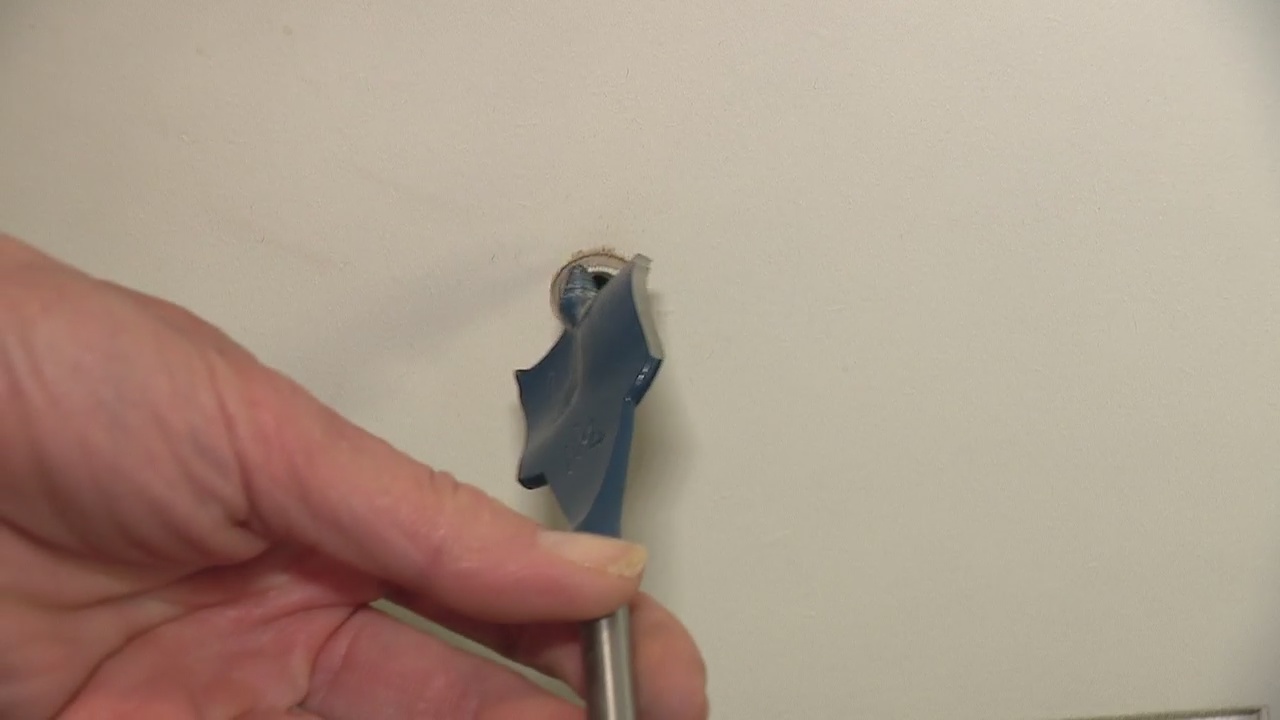
Jill of All Trades fixes loose door handles
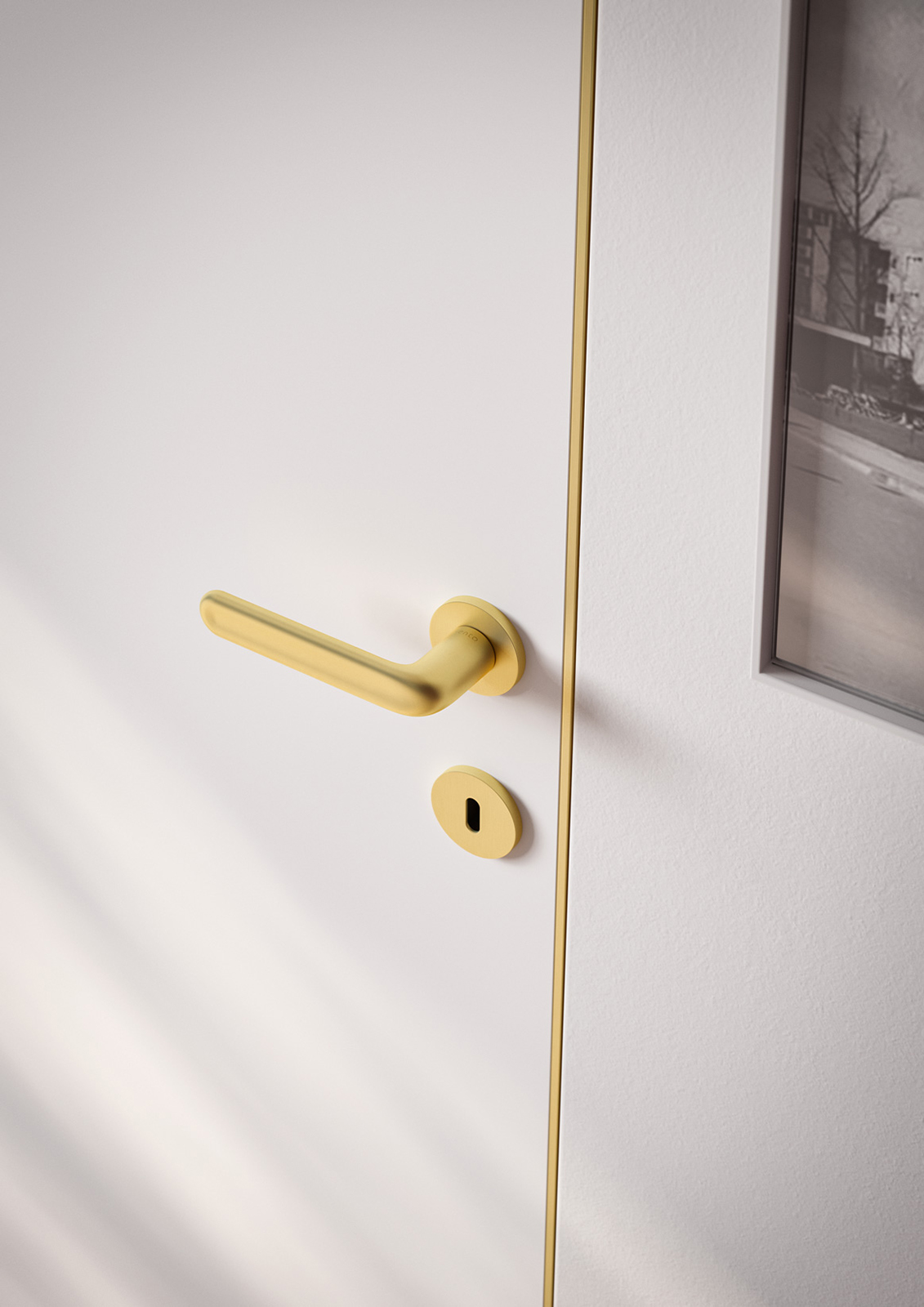
The article addresses a common household issue: loose door handles on hollow core bi-fold doors. Many homes feature these types of doors, particularly for closets, and their inherent design often makes it challenging to keep door knobs securely fastened. Over time, the repeated movement of loose handles can lead to damaged screw holes and wear on the door's surface around the knob.
To tackle this problem, the "Jill of All Trades" segment outlines a detailed repair process. The initial step involves gathering specific tools and materials. These include a 1 ¼ inch paddle bit for a drill, a regular drill bit that matches the diameter of the knob's screw, a flexible flush-cut saw, a 1 ¼ inch dowel, 2-inch lattice board trim, and wood glue. The process begins by detaching the bi-fold door from its track to allow full access to its back.
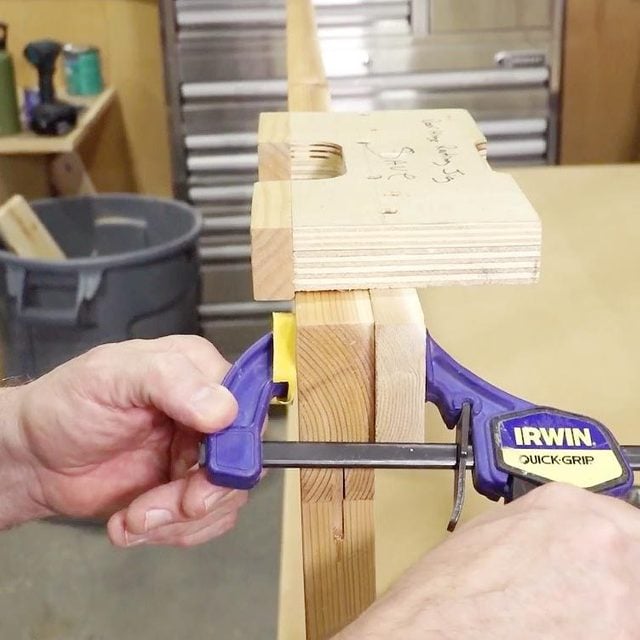
The repair procedure commences with the removal of the existing loose knob and its screw. Following this, the paddle bit is used to create a new hole on the back side of the door, precisely centered over the original screw hole. A crucial caution is issued here: only the back side of the door should be drilled to avoid damaging the front. Once the new hole is created, a section of the 1 ¼ inch dowel is inserted into this hole from the back until it meets the interior surface of the door's front. The flexible flush-cut saw is then employed to trim any excess dowel that protrudes from the door's back, ensuring it is flush with the surface.
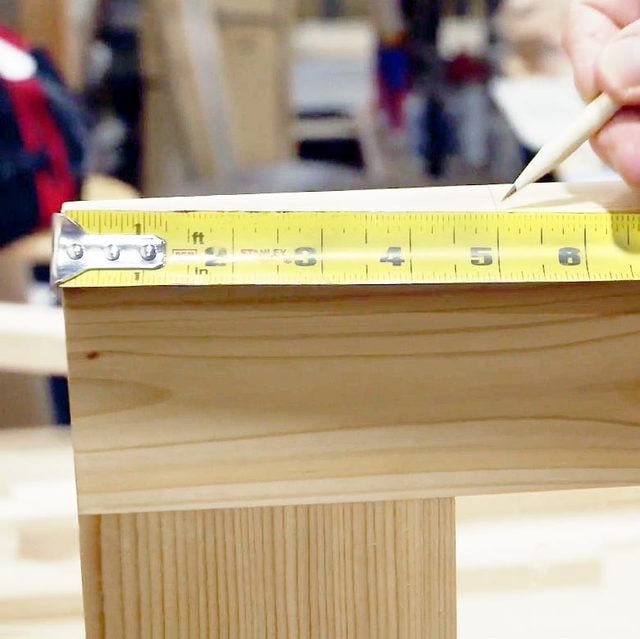
Next, the trimmed piece of dowel is temporarily removed from the door. It may require a nail or screw to push it back out from the front if it's too snug. Subsequently, a 2-inch segment of the lattice board trim is cut, creating a small square. The article notes that exact precision for this piece is not necessary as it will not be visible once installed. A regular drill bit is then used to drill a hole through the center of both the small dowel piece (drilling from one cut end to the other) and the newly cut wood square.
The final assembly involves applying wood glue to one side of the wood square and to both cut ends of the dowel. The screw from the door knob is then threaded through the wood square, ensuring the unglued side of the square faces the screw head. The screw then passes through the dowel piece. This assembled unit, comprising the screw, wood square, and dowel, is then reinserted into the hole on the back of the door. The dowel is pushed through until it firmly touches the inside of the door's front, and the wood square sits flush against the back surface of the door. Any excess glue around the screw end is wiped away before the door knob is reattached and tightened securely. The repaired door is then placed back on its track. The article concludes by stating that this method provides a permanent solution to loose door handles and, with practice, can be completed quickly, as demonstrated by the homeowner who applied the fix to ten bi-fold doors in her own house.
#HomeRepair #DIY #DoorHandles #HollowCoreDoors #HouseholdTips #Woodworking #HomeImprovement #BifoldDoors #HomeRepair #DIY #DoorHandles #HollowCoreDoors #HouseholdTips #Woodworking #HomeImprovement #BifoldDoors
0 comment in total
 No comments yet
You may also like
Door Handles

How to Recess Hinges on a Door (DIY)


21 of the Most Common Jobs to Add to Your Handyman Services List And Get Paid For


Haute Hardware
Where to Fix Your Best Stuff in the Twin Cities
Handsome Wooden Pocket Door Handles and Hooks from Tirar

R5 Where to Get Stuff Fixed


Fixing a garage door yourself vs calling the pros

Door handles and knobs: latest designs for quick home updates

Video Series: Finishing an Exterior Door

Door closer hinges: A new approach

Door Locks & Latches
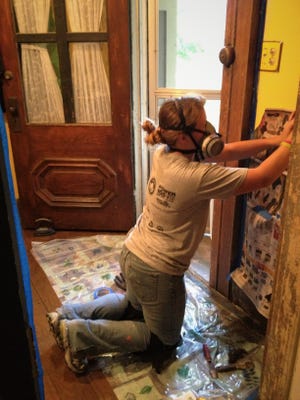
Old House Handyman: Restoring front door with new glass three decades in the making
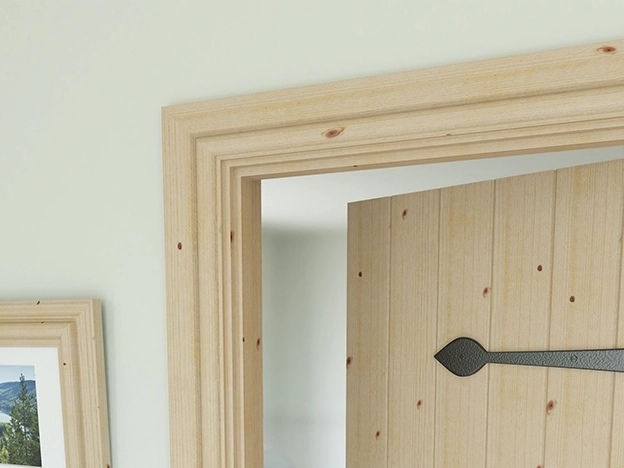
Door Frames & Fixings
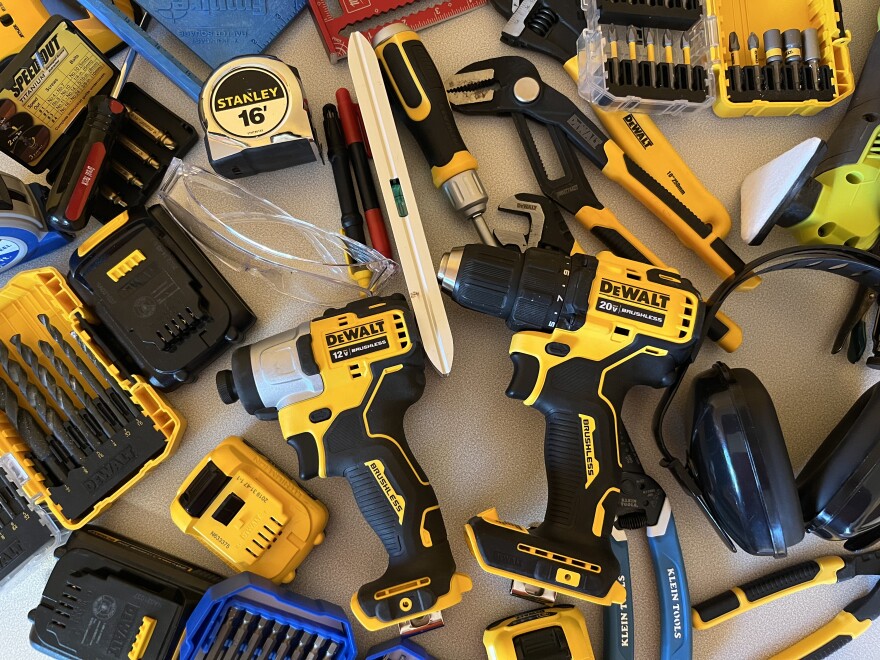
Home improvement tools for the handy person in your life


Wall Hooks & Handles
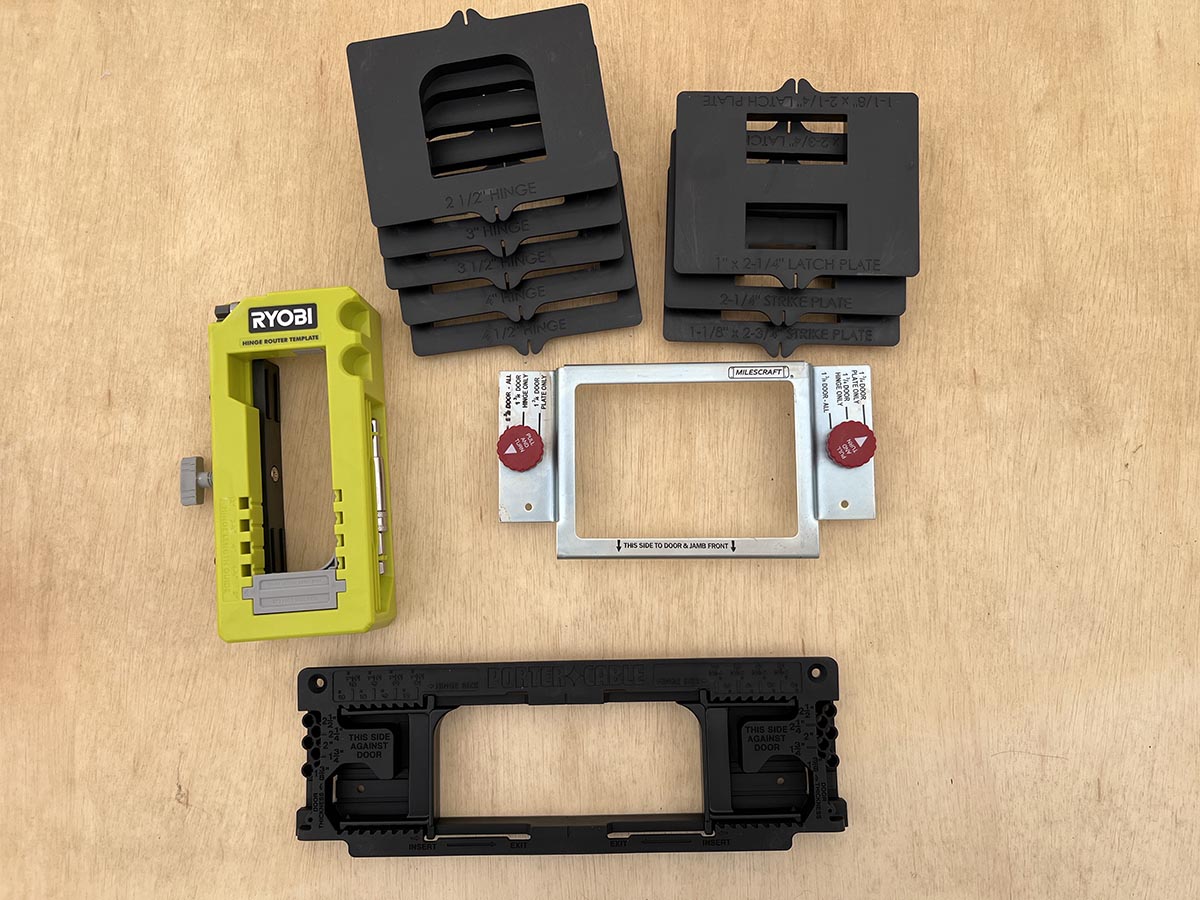
We Tested 3 Door Hinge Jigs—This One Worked Best
Simple home DIY projects anyone can try | Produced by Seattle Times Marketing

Mum transforms boring doors into shaker style for just £40

Service Pros: Jimmy's Garage Door Service