1/6
Monochromatic Arrangements To Celebrate Spring With Florist Mark Thompson
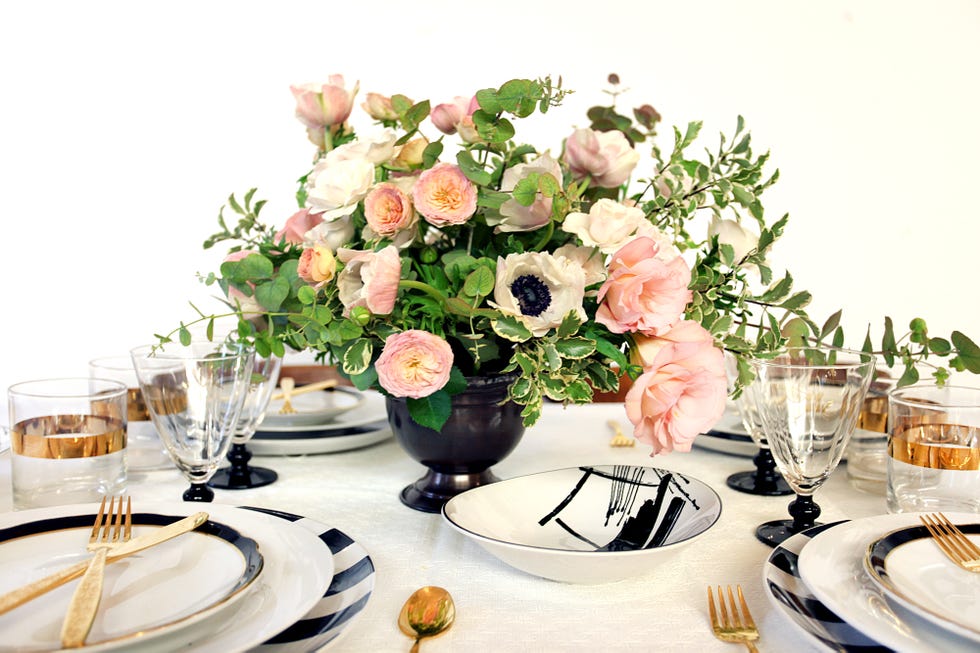
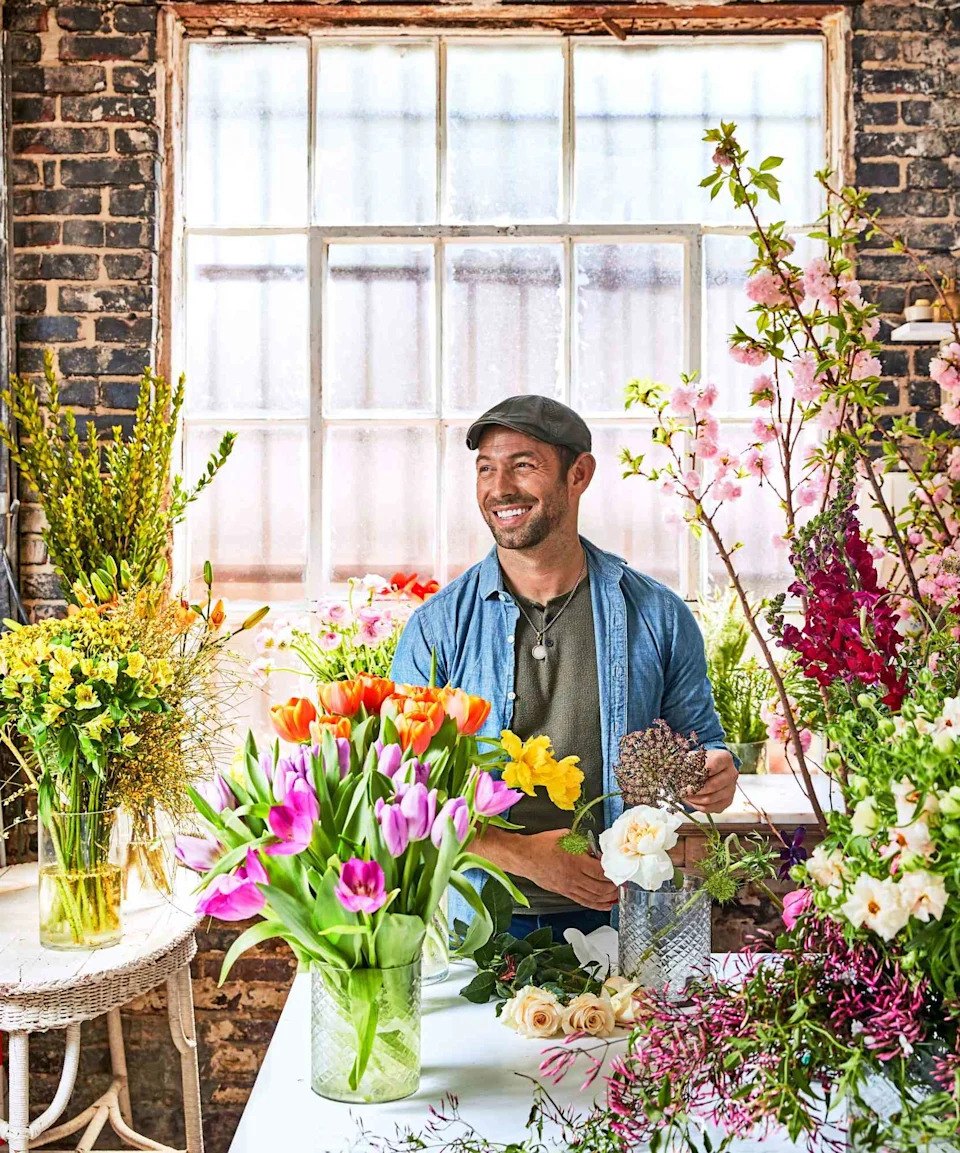
This article features florist Mark Thompson, cofounder of Shoppe, a garden-and-gift store in Birmingham, who shares his expertise on creating five distinct monochromatic floral centerpieces for seasonal entertaining. Thompson, whose passion for flowers began at age 12, is known for his tabletop displays for intimate gatherings. The article outlines detailed, step-by-step instructions for each arrangement, emphasizing techniques to elevate common flowers and maximize their visual impact.
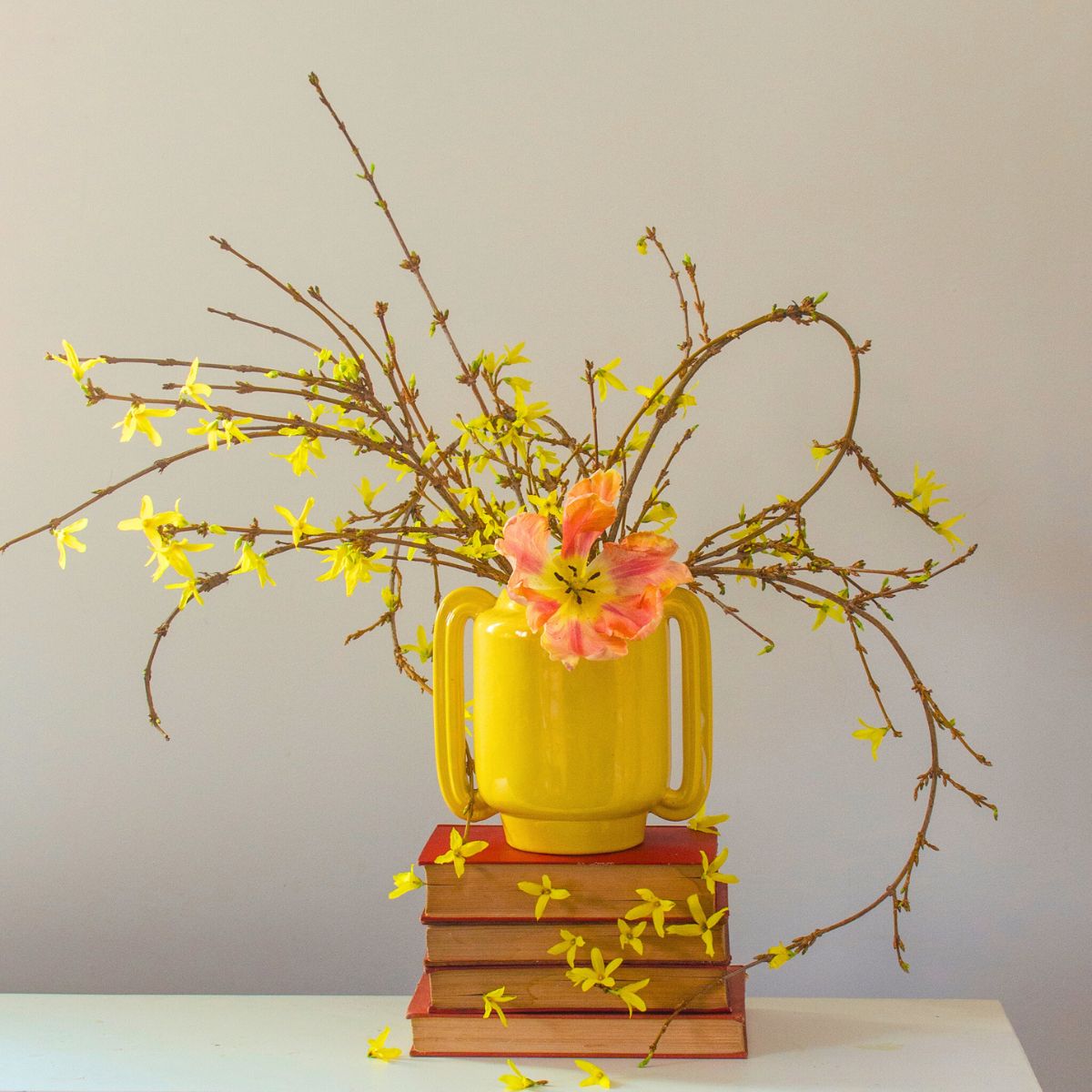
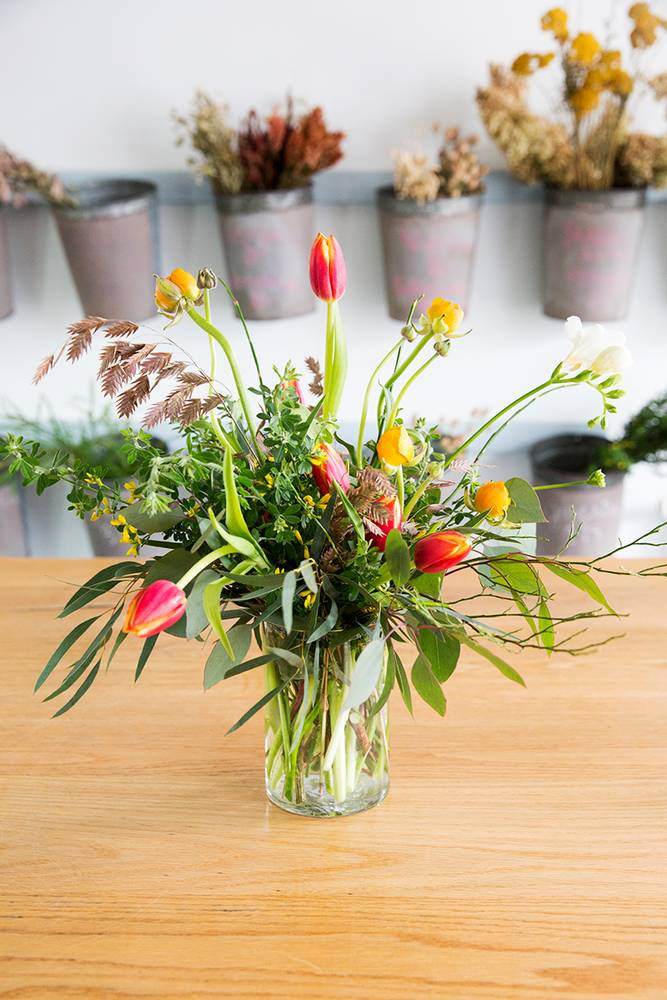
The first arrangement, "Shining Yellow," uses brunia, euphorbia, acacia, genestra, ornamental grass, single and double tulips, and alstroemeria. The method involves starting with tougher plants and progressively adding more delicate ones, with a key technique being 'flexing' tulip petals to make them appear more extraordinary. A useful tip provided is the recommendation of a narrow-neck, wide-bottom vase for beginners, which helps hold stems in place without additional aids.
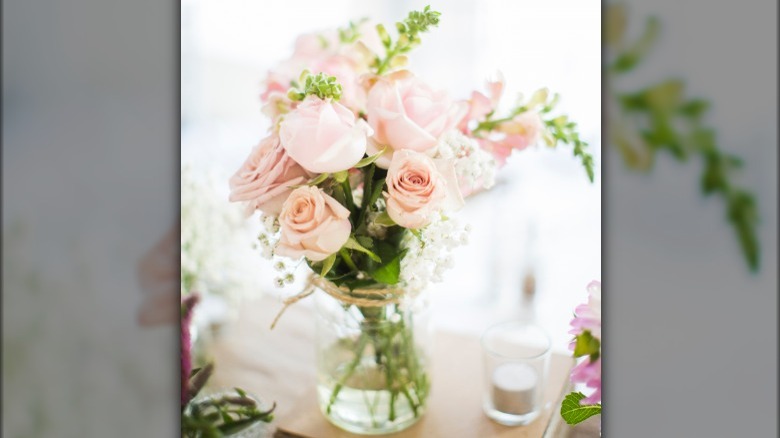
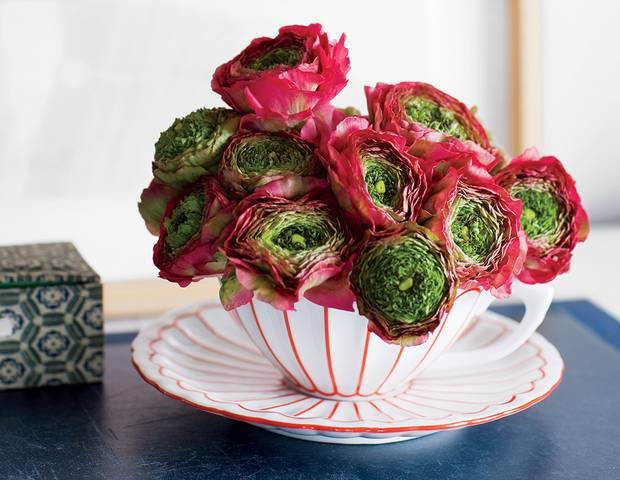
Next is the "Preppy in Pink" arrangement, designed to brighten a home with fluffy blooms in a retro jadeite container. Materials include chicken wire, pink double tulips, ranunculus, and peony. The process involves shaping chicken wire to fit the vase, arranging tulips around the lip, and then adding ranunculus and a large peony bloom at varying heights. A practical tip for this design, especially when making multiple centerpieces, is to purchase peonies in bundles from a wholesale florist to spread their beauty and manage the budget.
The "Lovely Lilac" arrangement proves that supermarket blooms can create a stunning centerpiece. This simple design primarily uses wax flowers, with instructions to strip leaves and cut stems to a uniform length. The key to its success is giving each stem individual attention and building the arrangement outward from the edges to create a full, rounded look. The article suggests swapping wax flowers for tulips, other affordable fresh stems, or even viburnum or spirea from a garden.
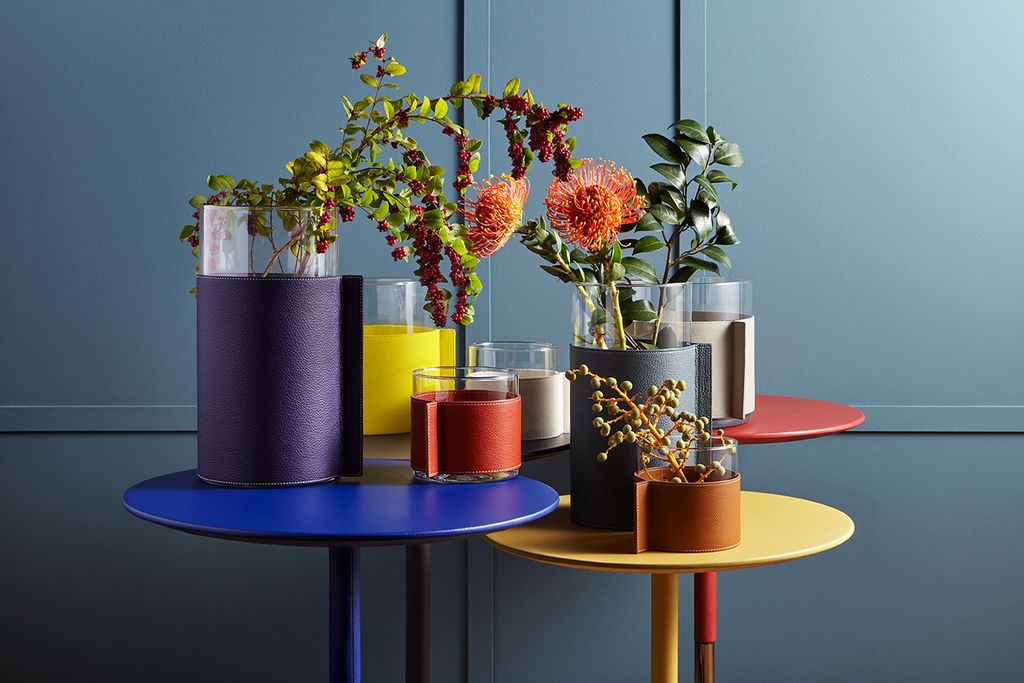
The "Orange Crush" arrangement offers a make-and-take tableau using protea, ranunculus, and Asiatic lilies in bud vases. This design involves separating stems into multiple small vases and clustering them on a decorative tray for a larger impact. Thompson notes that three is the magic number for smaller flowers like ranunculus in these petite arrangements. This concept allows guests to take a vase home as a party favor, ensuring every bloom is utilized, even leftover stems for powder rooms or nightstands.
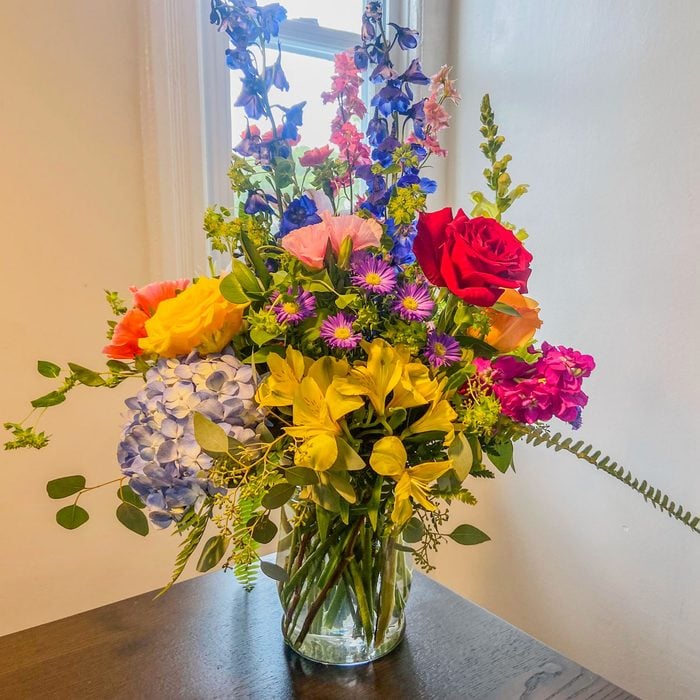
The final arrangement, "Romantic Red," aims for a wild and airy look by combining ethereal stems with dramatic blooms. It features snapdragon, grevillea, peony (blooms and buds), alstroemeria, ranunculus, and greenery in a claw-foot container. Chicken wire is used to anchor the artistic display, and stems of varying lengths are inserted to create an elongated shape, with a peony bloom serving as the focal point. The pro tip for this arrangement is to fill the vase almost to the brim with water to ensure even extreme-angled stems remain submerged.
The article concludes with Thompson's six professional flower arranging tips: saving leftover foliage, designating specific stem snippers (Joyce Chen Original Unlimited Scissors are recommended), maintaining clean water by removing leaves and changing it every three days, cutting stems at a sharp angle for better water absorption, being selective about containers (clear glass for visual interest or solid vessels to hide mechanics), and taking a slow, deliberate approach to arranging, viewing it as a puzzle.
#FloralDesign #FlowerArrangements #MonochromaticDecor #SpringDecor #DIYCenterpieces #HomeEntertaining #MarkThompson #GardenInspiration #TabletopDecor #FloralDesign #FlowerArrangements #MonochromaticDecor #SpringDecor #DIYCenterpieces #HomeEntertaining #MarkThompson #GardenInspiration #TabletopDecor
0 comment in total
 No comments yet
You may also like
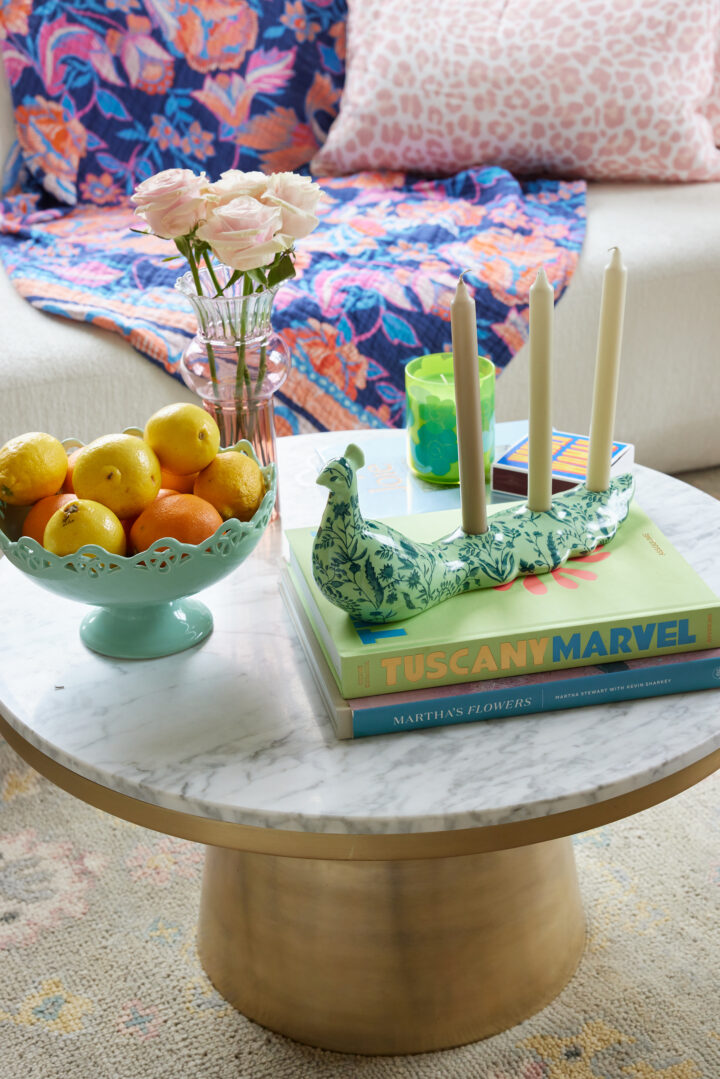
Spring Decor
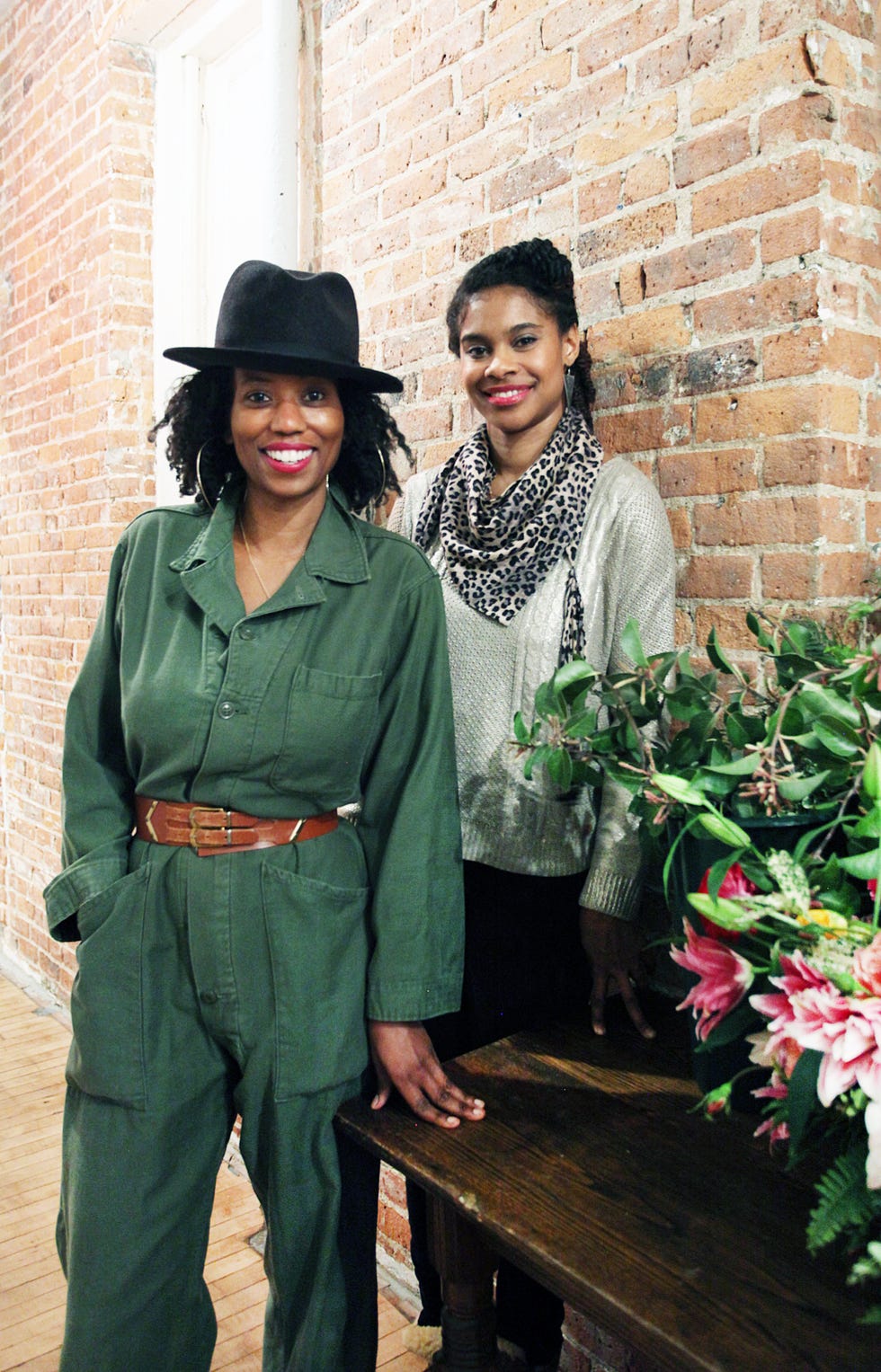
4 Floral Arrangements To Hold You Over Until Spring
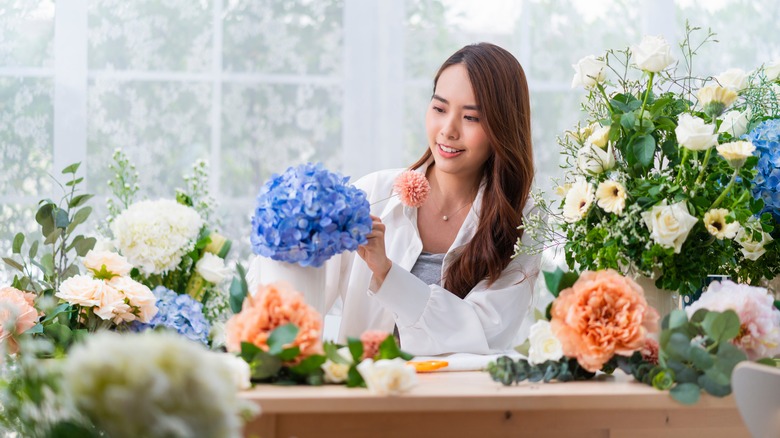
Best Flower And Vase Combos For Spring

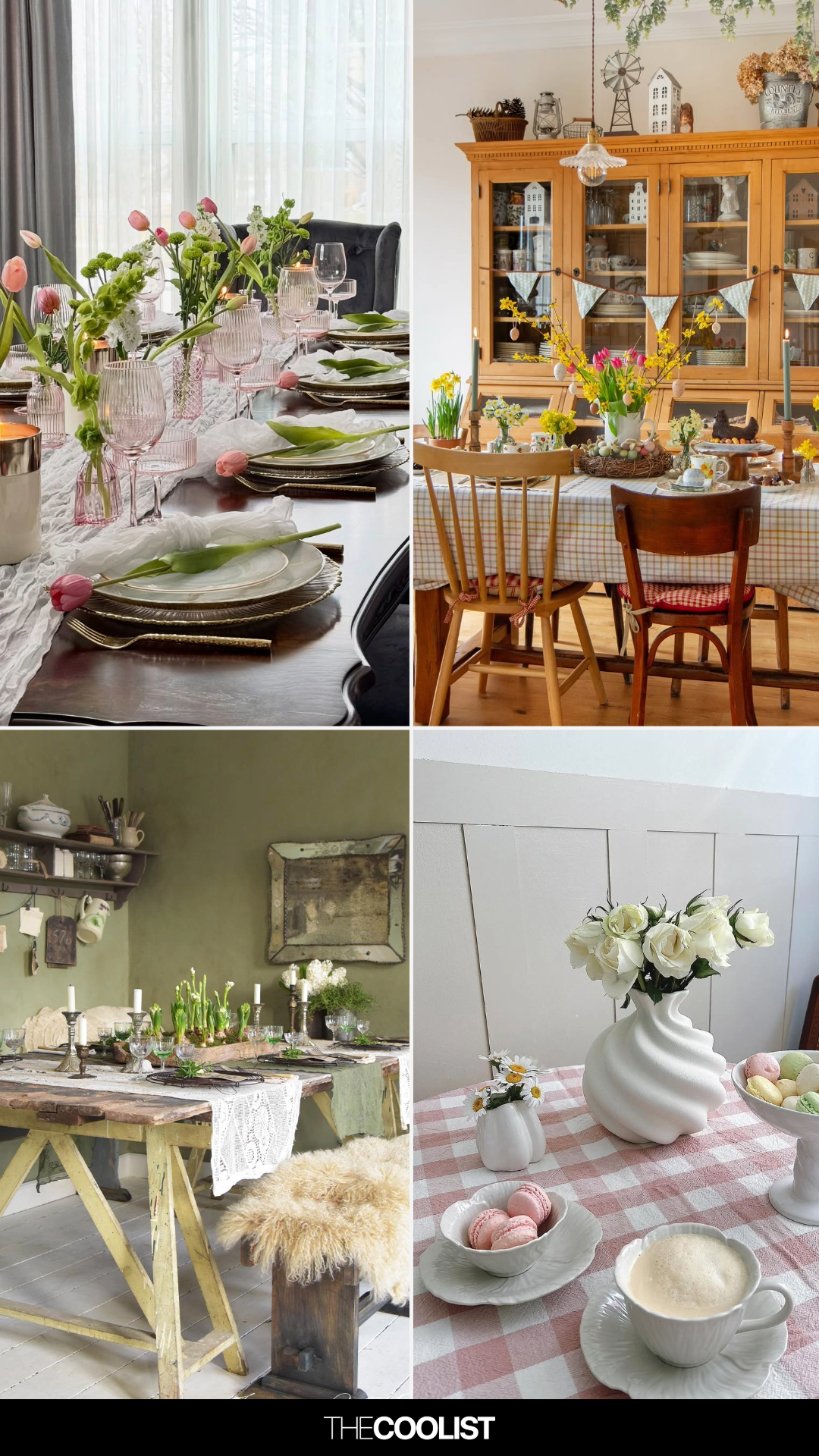
30 Spring Table Decor Ideas That Bring a Fresh, Bright Feel Without Overloading Your Table

Grow These Stunning Spring Flowers to Welcome in the Season

24 Simple Spring Centerpieces That'll Bring Seasonal Cheer Straight to Your Table

52 Beautiful Spring Centerpieces You Can Easily Make for Your Home

How To Decorate the Home for Spring: 19 Full-Colour, Floral-Inspired Ideas
16 Spring Decorating Ideas to Give Your Home the Refresh It Deserves

23 Spring Flower Arrangements That Put the Season's Best Blooms on Display

7 Flower Subscription Services Perfect for You (or Your Best Bud)

Getting Hitched This Spring? Try One of These Elegant Color Schemes
42 Spring Decorating Ideas to Freshen Up Your Home

Spruce Up Your Table for Spring with These Fresh Centerpieces
25 Spring Centerpiece Ideas to Set Your Dinner Party Table in Style

7 spring home decor ideas to refresh your home for the season

Flowering Branches - Continental Floral Greens' Gift for Spring

These Are the New Floral Prints Designers Are Loving

Easy Spring Centerpiece Ideas That Wow

Add color with foliage, not just flowers