1/20
The Best Drywall Sanders and Dust Collection Systems in 2025
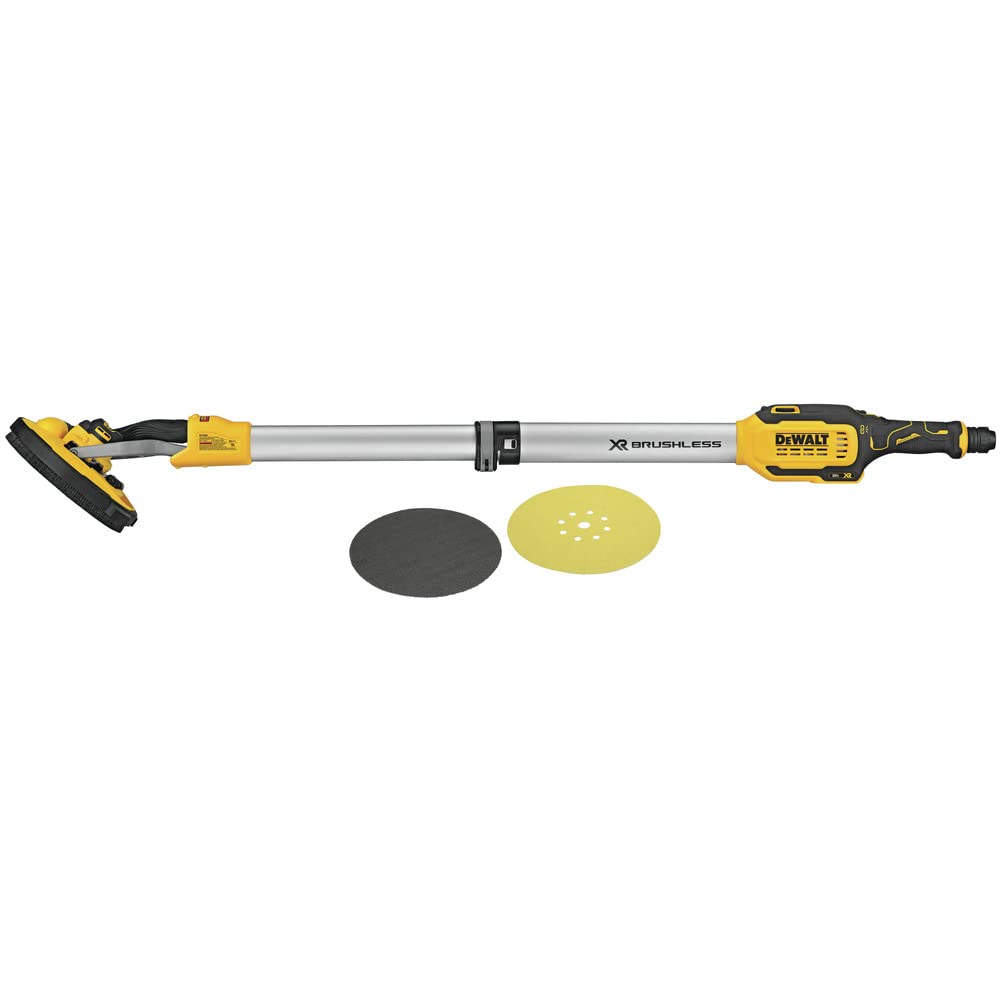
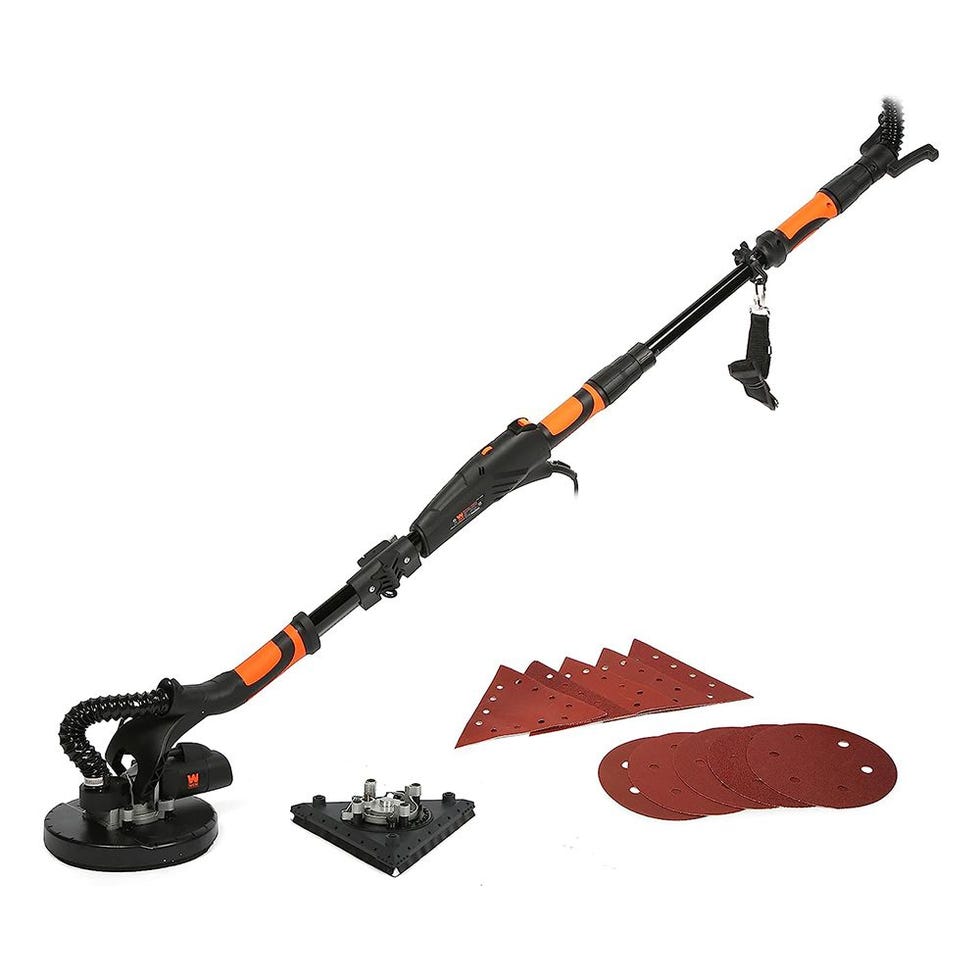
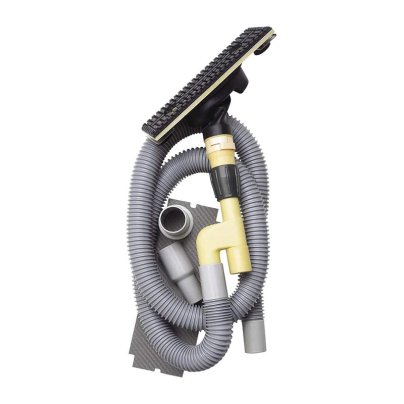
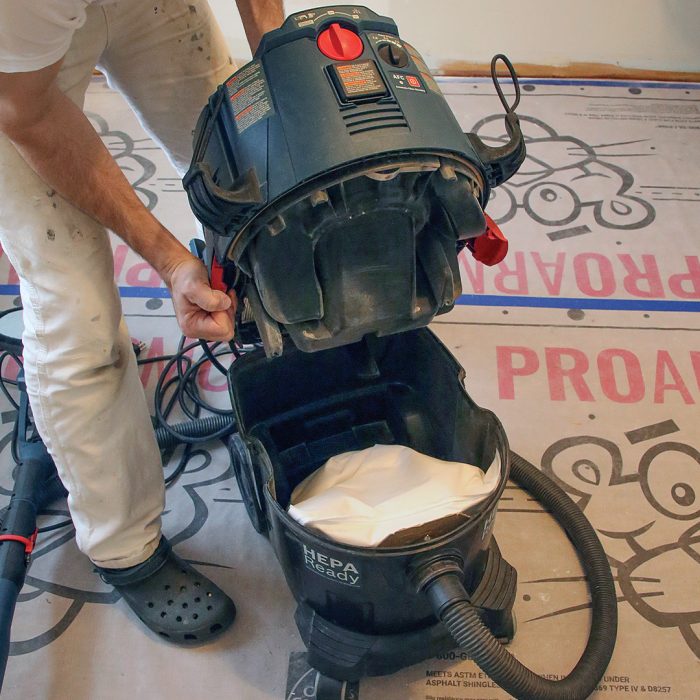
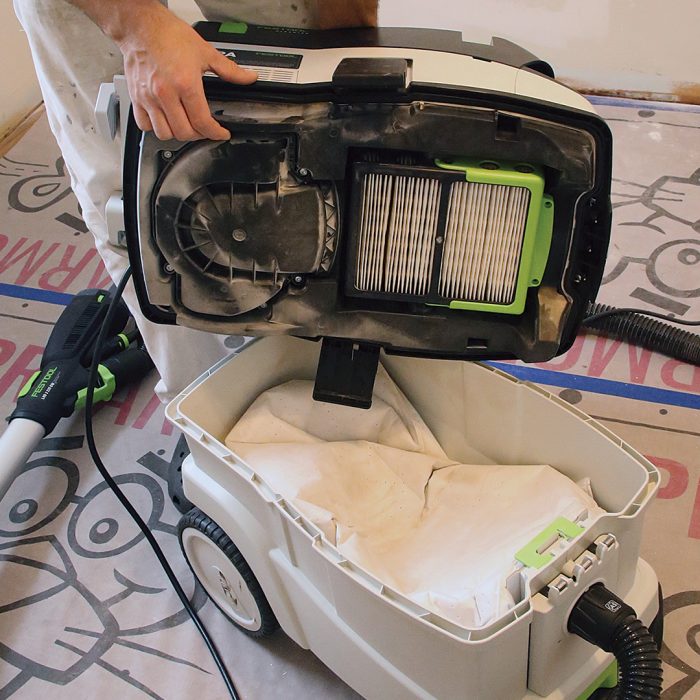
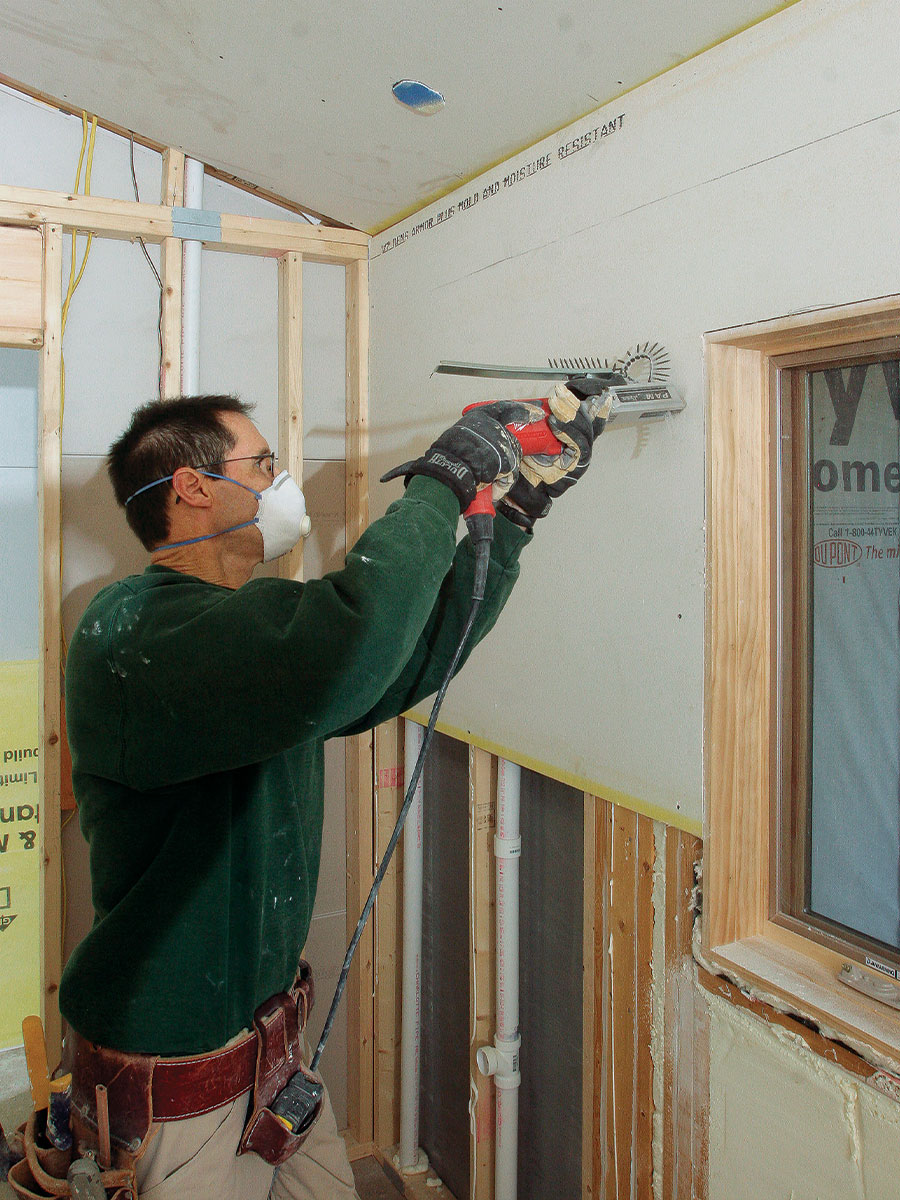
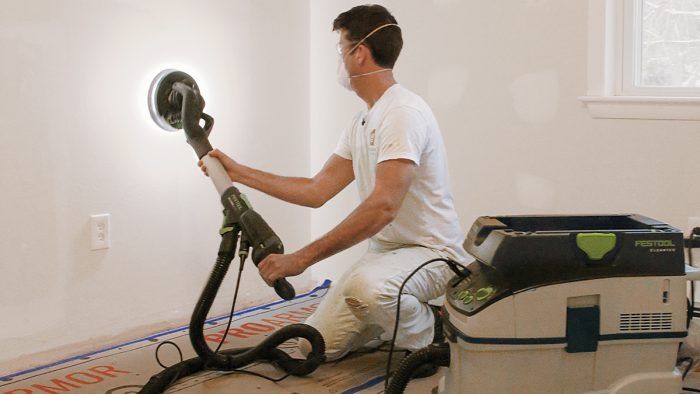
This article presents a comprehensive tool test comparing three drywall sanders, ranging in price from $500 to $2200, focusing on their dust collection efficiency, quality of finish, and user fatigue during prolonged use. The sanders tested are the Bauer 21105E-Bv, BOSCH GTR 55-85, and Festool Planex LHS2, each paired with its compatible dust extractor. The primary motivation for using a dedicated drywall sander, especially for remodeling projects in occupied homes, is effective dust control. The fine dust generated from sanding joint compound is a significant concern for both homeowners and contractors, potentially leading to costly clean-ups and client dissatisfaction. Modern drywall sanders, when connected to tool-triggered vacuums with HEPA filters and filter bags, offer a substantial improvement in dust management, making the sanding process cleaner and more efficient.
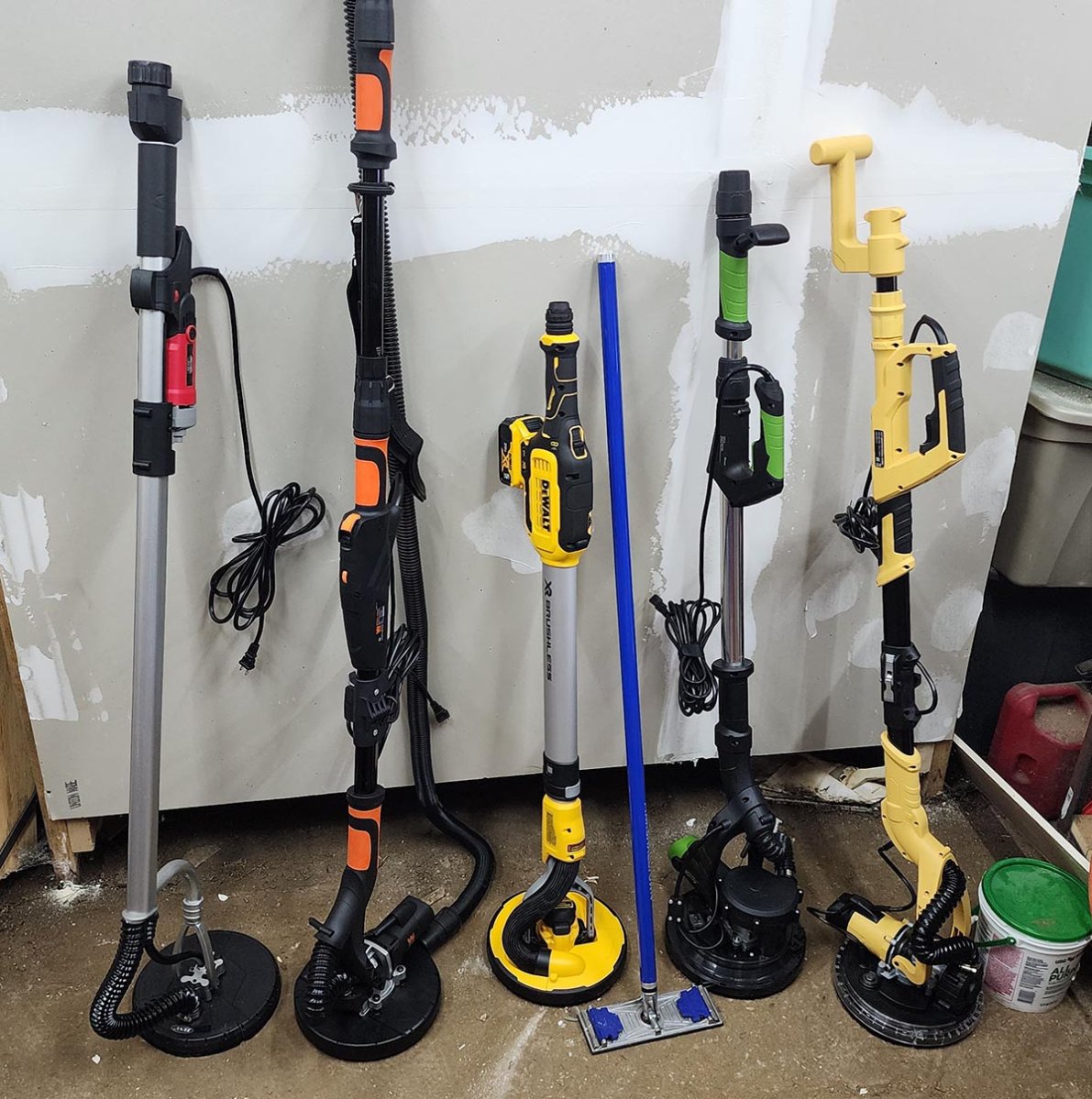
The article distinguishes between two main types of drywall sanders: rotary sanders, exemplified by the Bauer and Bosch models, and random-orbit sanders, such as the high-end Festool Planex. Rotary sanders feature a rotating sanding disk and are effective for aggressive material removal, like painted texture or poorly finished drywall. However, they tend to produce a less smooth finish, potentially leaving ridges and requiring additional finishing steps. In contrast, random-orbit sanders employ a constantly varying orbital motion, resulting in a significantly smoother and flatter surface, comparable to that achieved with woodworking sanders. All tested sanders utilize 9-inch hook-and-loop sanding disks, which were found to be largely interchangeable despite differing hole patterns, with minimal impact on dust collection efficiency.
Common features across the sanders include adjustable housing for varying wall and ceiling heights, and a “suction assist” mechanism where the vacuum suction helps hold the sanding head to the surface, reducing user strain. Variable-speed motors allow for adjustment of sanding aggressiveness, accommodating different skill levels and tasks. The testing methodology involved sanding painted texture, joint compound seams, inside corners, and simulated patches, evaluating dust collection, texture removal, finish quality, and user comfort. The matching dust extractors were crucial to the performance of each sander, with their respective filter systems and filter-cleaning mechanisms also assessed.
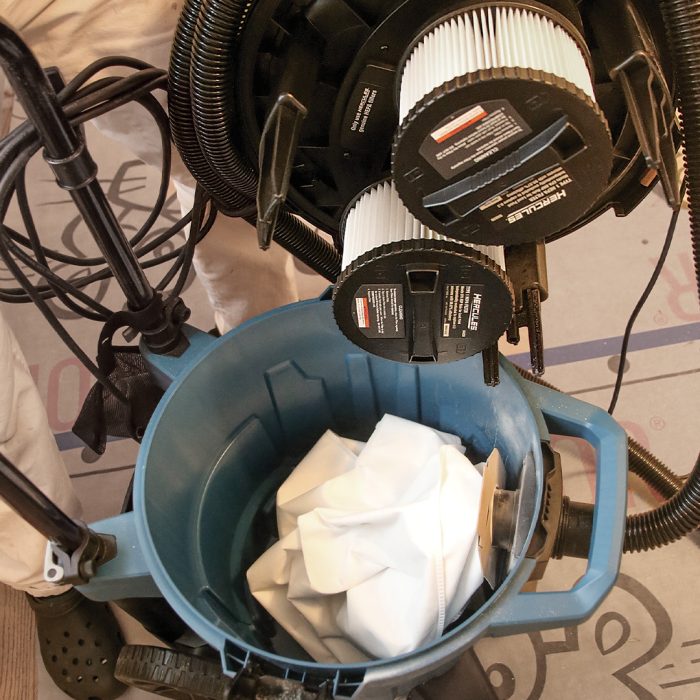
The Bauer 21105E-Bv, while the most affordable, exhibited higher vibration, an awkward switch, and a flimsier extension. It performed well in dust capture for typical patches but struggled slightly with texture removal. Its rotary action left a finish that would likely require further refinement. The Bosch GTR 55-85 offered better balance, comfort, and quieter operation, with effective dust removal and a unique removable front section on its dust shroud for corner access. However, its rotary sanding action still yielded a less smooth finish compared to the random-orbit type. The Festool Planex LHS2, though the most expensive, stood out for its balanced design, precise controls, quiet motor, and exceptional orbital action, which consistently produced the smoothest, most paint-ready surface. Its integrated LED light and adjustable suction contributed to its superior user experience. The associated dust extractors from Hercules, Bosch, and Festool were also reviewed, highlighting differences in capacity, noise levels, filter cleaning mechanisms, and overall user-friendliness.
The article concludes that while any drywall sander is superior to hand-sanding for rough tasks like texture removal, a random-orbit sander like the Festool Planex is highly recommended for achieving a professional-quality finish, especially for mainstream and upper-end projects. The investment in a high-end sander and dust extractor, despite the significant cost, is justified for professionals working in occupied homes due to increased productivity, enhanced customer satisfaction, and a near dust-free operation. Even for enthusiast DIYers undertaking large projects, the benefits of reduced effort, mess, and improved results make a strong case for considering such an investment, with the option to resell the equipment afterward.
#DrywallSander #ToolTest #DustCollection #HomeRemodeling #SandingTechniques #ConstructionTools #InteriorFinishing #PowerTools #DrywallSander #ToolTest #DustCollection #HomeRemodeling #SandingTechniques #ConstructionTools #InteriorFinishing #PowerTools
0 comment in total
 No comments yet
You may also like
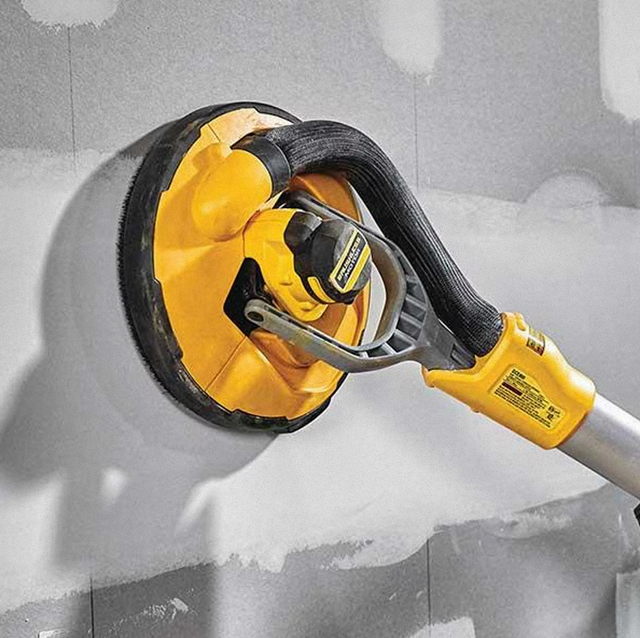
Hate Tough Sanding Jobs? You'll Love These Easy-to-Use Drywall Sanders

The Best Stud Finders of 2025

8 Best Vacuums of 2025, Lab-Tested and Reviewed
The 10 best vacuum cleaners that won't wind up in the vacuum graveyard
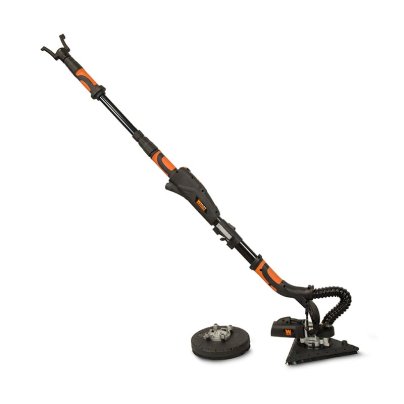
After Researching and Testing Various Options, These Are Our 4 Favorite Drywall Sanders

10 Best Vacuum Cleaners of 2025
Best Vacuum Cleaners for Carpets and Rugs in 2025

Best dehumidifiers 2025, tried and tested for tackling damp

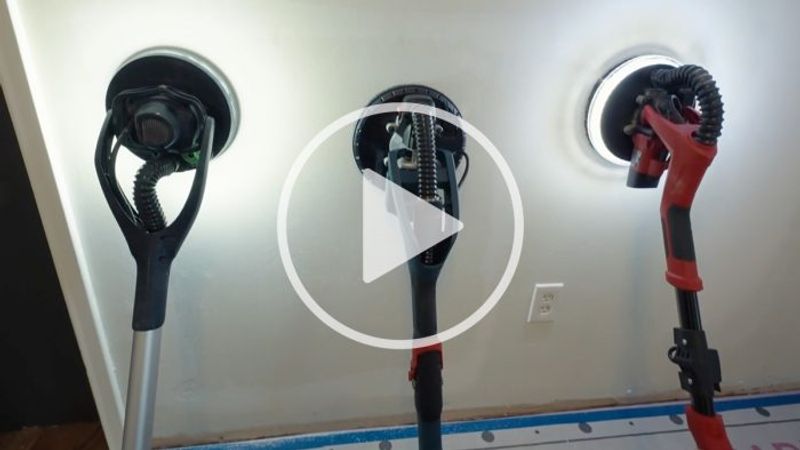
The Best Sander and Sanding Vacuum for Drywall
The Best Clothes-Drying Racks of 2025
5 Best Ductless Air Conditioners of 2025

Best Vacuums Of 2025: Our Home Editors Share 11 Models For Any Mess

Hate Tough Sanding Jobs? You'll Love These Easy-to-Use Drywall Sanders

The Best Stud Finders of 2025, Tested and Reviewed
6-in. Random-Orbit Sanders
The Best Stackable Washers and Dryers That Cleaning Experts Trust

The Best Dryers of 2025


The Best New Wall, Floor, and Window Products of 2025
Fight Mold With Paperless Drywall
Best Bathroom Exhaust Fans of 2025