1/11
It's Time to Prepare Your Home for Winter With These 10 Quick, Easy Ways
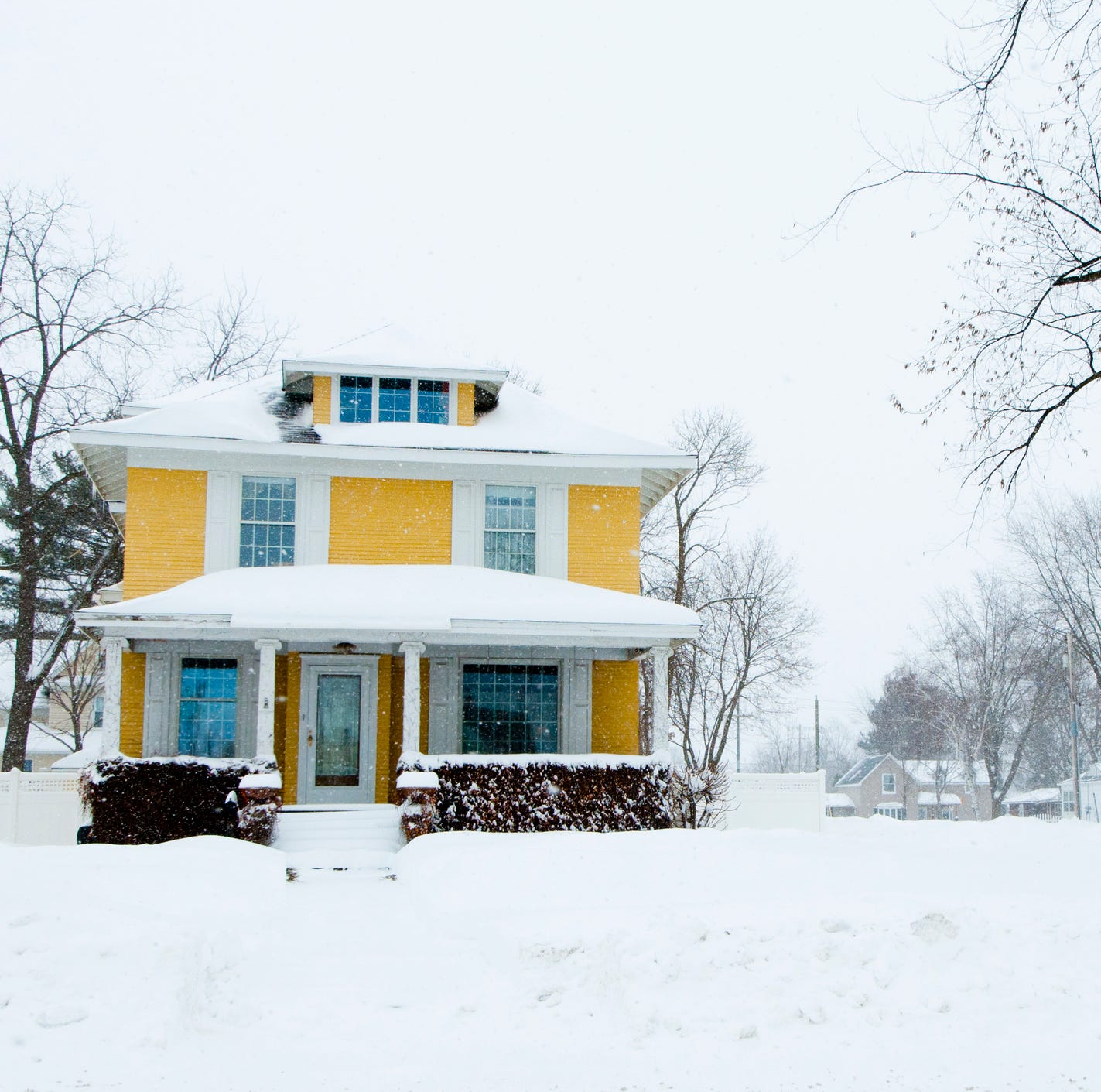
As winter approaches with its frigid temperatures, arctic winds, snow, sleet, and ice, preparing your home for the colder months becomes essential. This proactive approach not only ensures a cozy living environment but also significantly reduces energy consumption and heating bills. The article outlines ten quick and affordable methods to winterize a home.
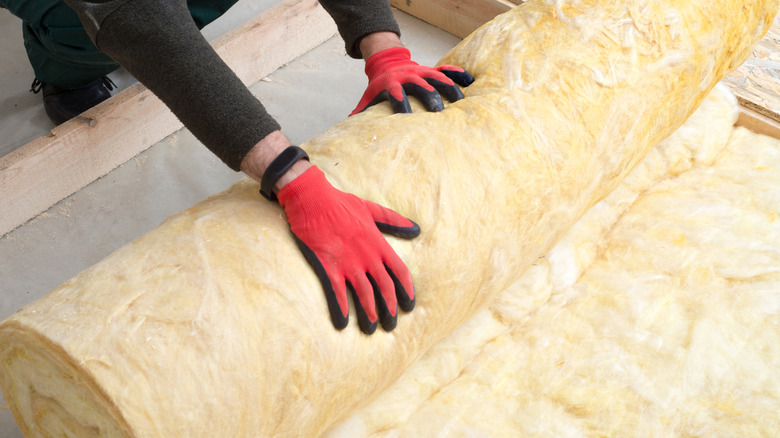
First, addressing attic insulation is crucial. Many homes lack sufficient attic insulation, which should ideally be R-38, or between 10 to 14 inches deep, according to the U.S. Environmental Protection Agency. Proper attic insulation prevents heated air from escaping into the attic. Additionally, sealing all ceiling penetrations with caulk and installing an insulated cover over the attic hatchway or stairway are important steps to maximize energy retention.
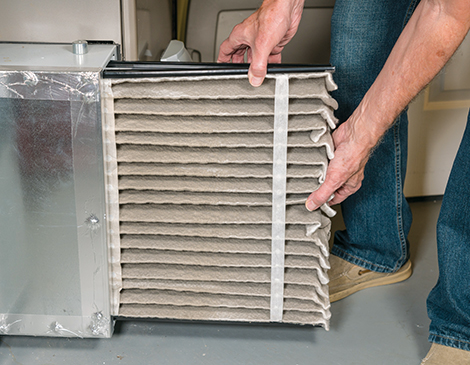
Regular maintenance of the furnace is another key aspect. It is recommended to change the furnace's air filter every two months during winter. A dirty, clogged filter can severely hinder airflow and reduce the furnace's efficiency. Upgrading to a reusable electrostatic filter is an option for improved performance. Annual professional HVAC tune-ups are also advised to ensure optimal operation.
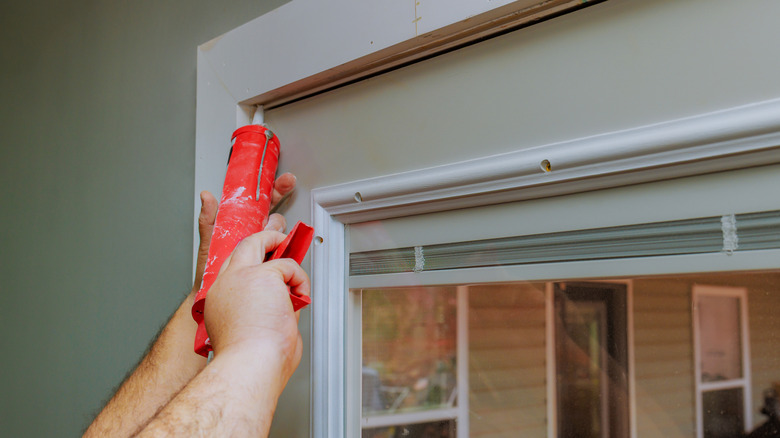
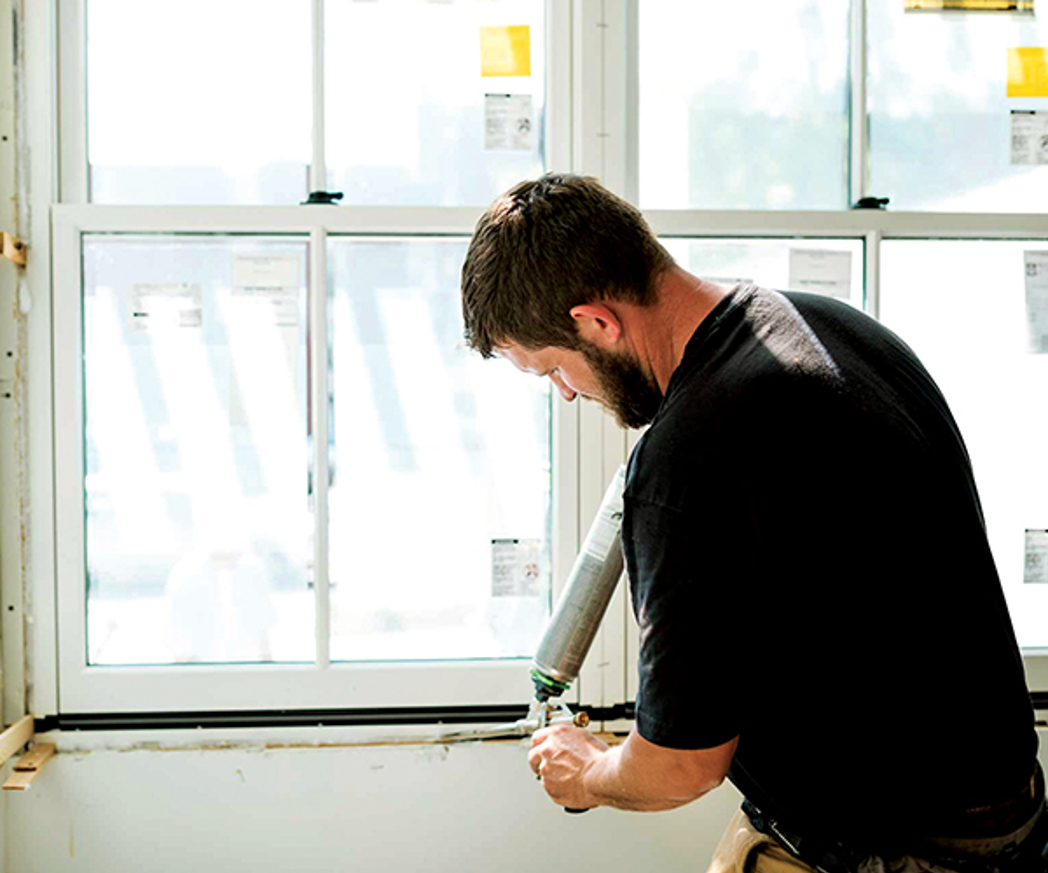
Sealing cracks and gaps around the home's exterior is a simple yet highly effective way to prevent cold air infiltration. Using high-quality acrylic-latex caulk or expanding-foam sealant, homeowners should target areas around windows, doors, hose faucets, and where siding meets the foundation. This helps in creating a tighter building envelope.
Electrical outlets, though seemingly minor, can contribute to significant heat loss due to drafts. Installing foam-rubber outlet gaskets is an easy and inexpensive solution to seal these drafty spots. By simply removing the cover plate, placing the gasket, and reattaching the cover, homeowners can prevent cold air from entering through these openings.
For homes with single-pane windows, installing storm windows is highly recommended. These provide an additional layer of protection against cold weather, enhancing insulation and comfort. Storm windows can be easily removed and stored during warmer months.
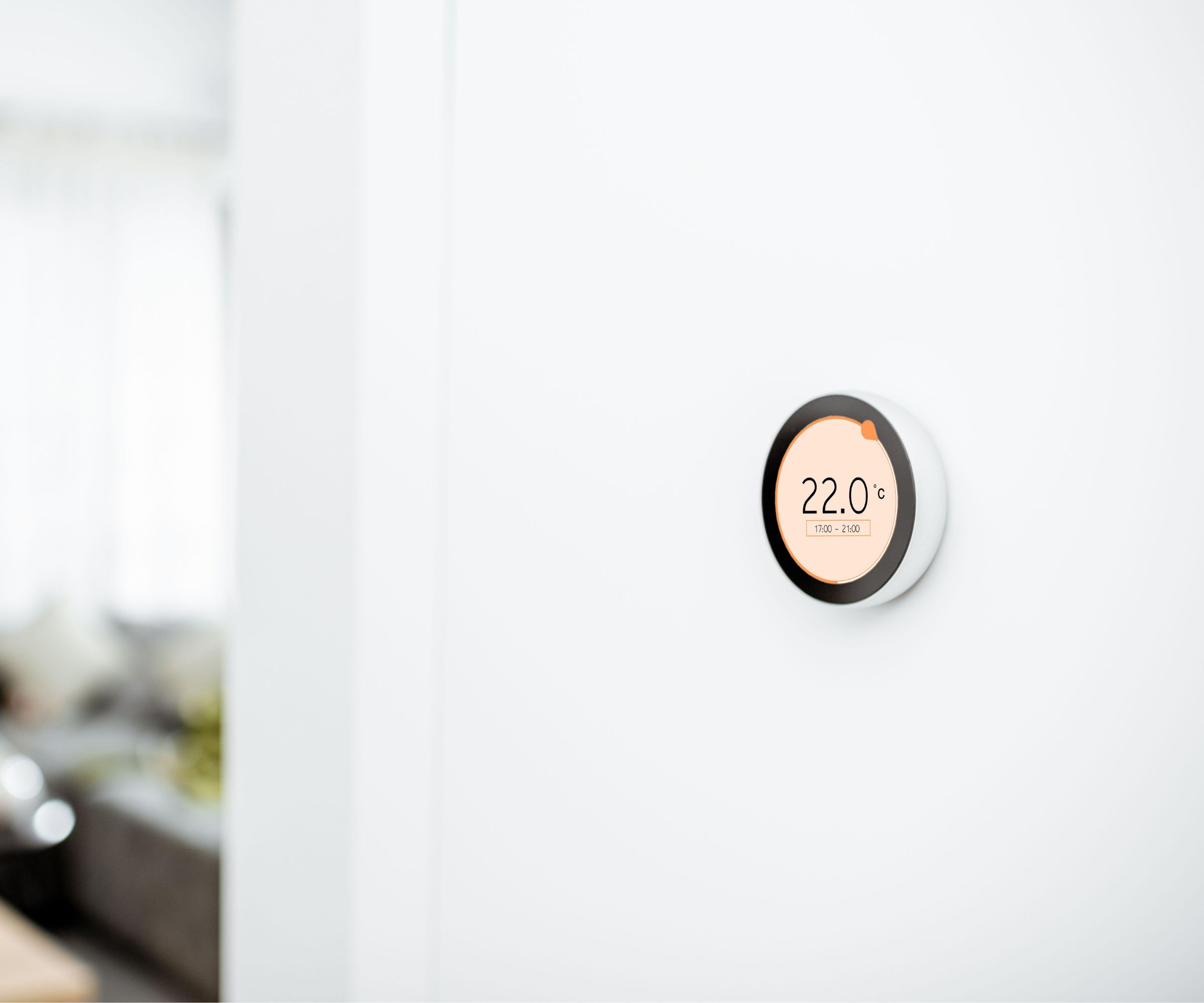
A programmable thermostat is an intelligent investment for households with consistent daily schedules. It allows for pre-setting heating schedules, automatically adjusting temperatures to align with occupancy patterns, thereby optimizing energy use. Smart programmable thermostats offer even greater convenience, allowing remote control via mobile devices.
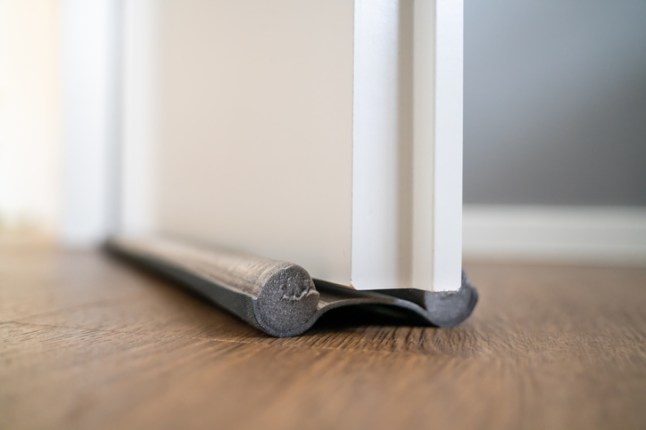
Inspecting and replacing worn-out weather stripping around exterior doors is vital. Gaps allowing sunlight or breezes to pass through indicate a need for new weather stripping or a door sweep. A simple test with a smoldering incense stick can help pinpoint air leaks.
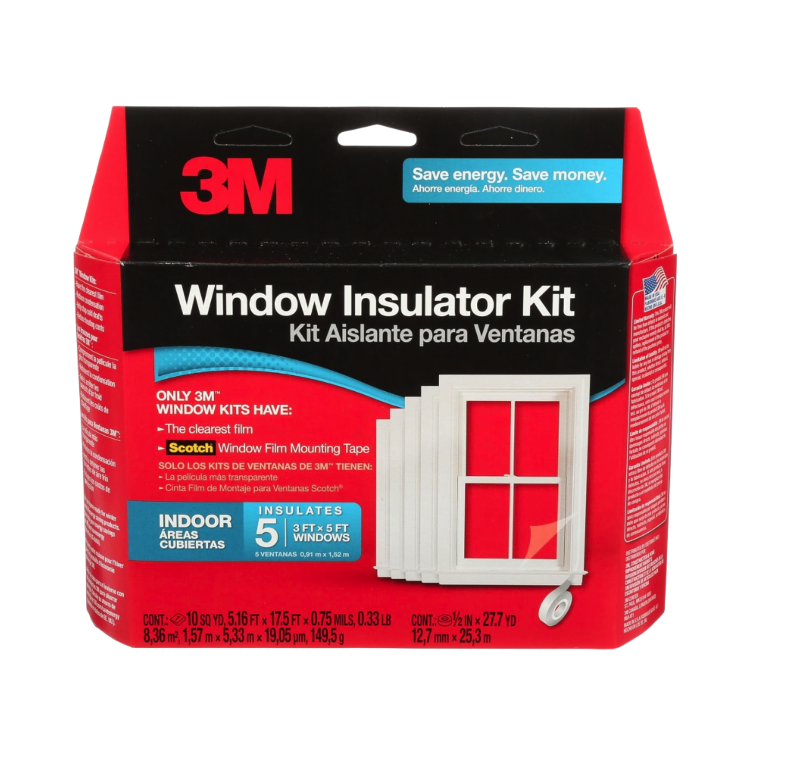
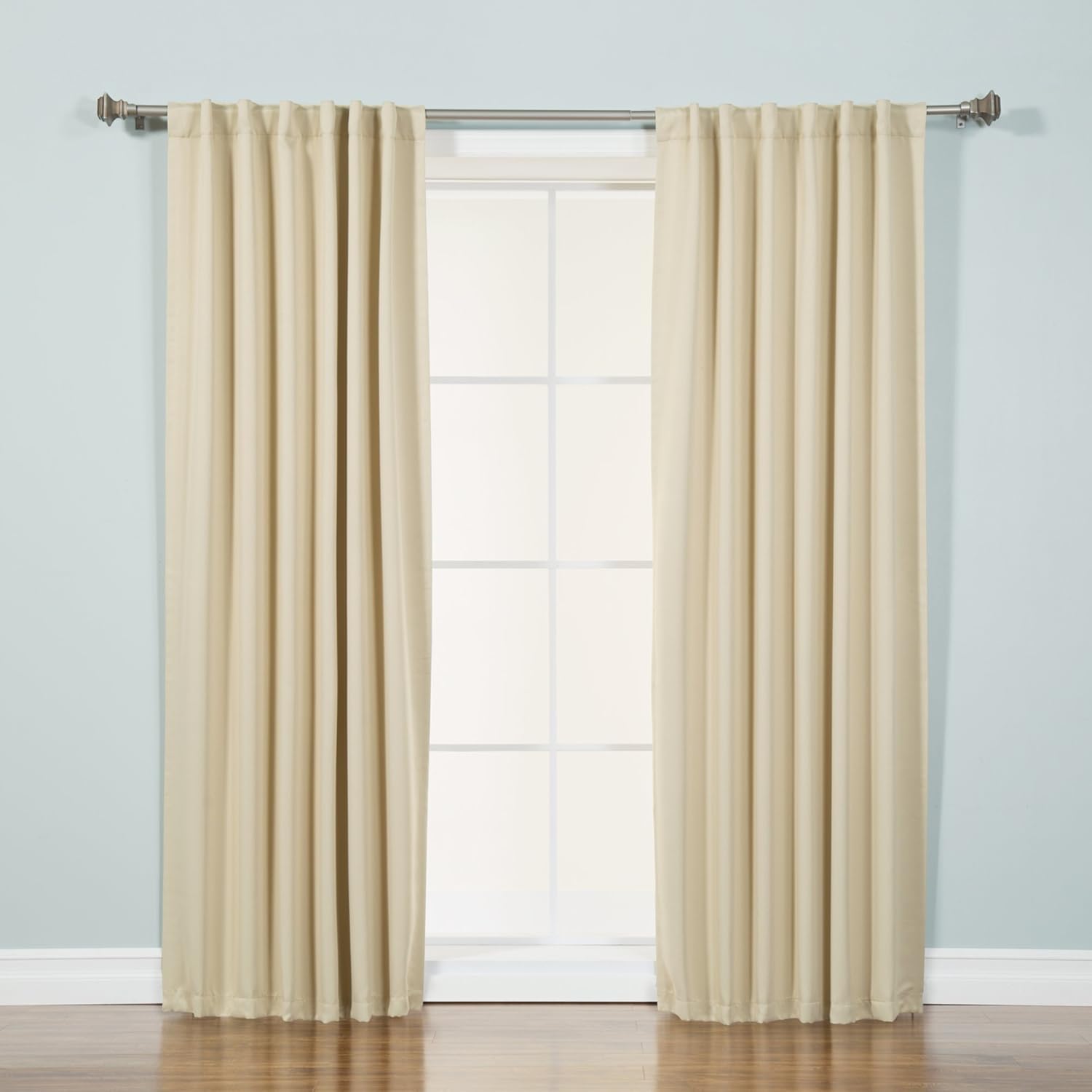
Insulated window treatments, such as insulated blinds or thick, quilted drapes, can make rooms feel warmer by adding an extra layer of thermal protection to windows, even those that are already well-sealed.
Ceiling fans can be utilized in winter by reversing their blade rotation. In this mode, they push warm air, which naturally rises, back down into the living space, improving heat distribution.
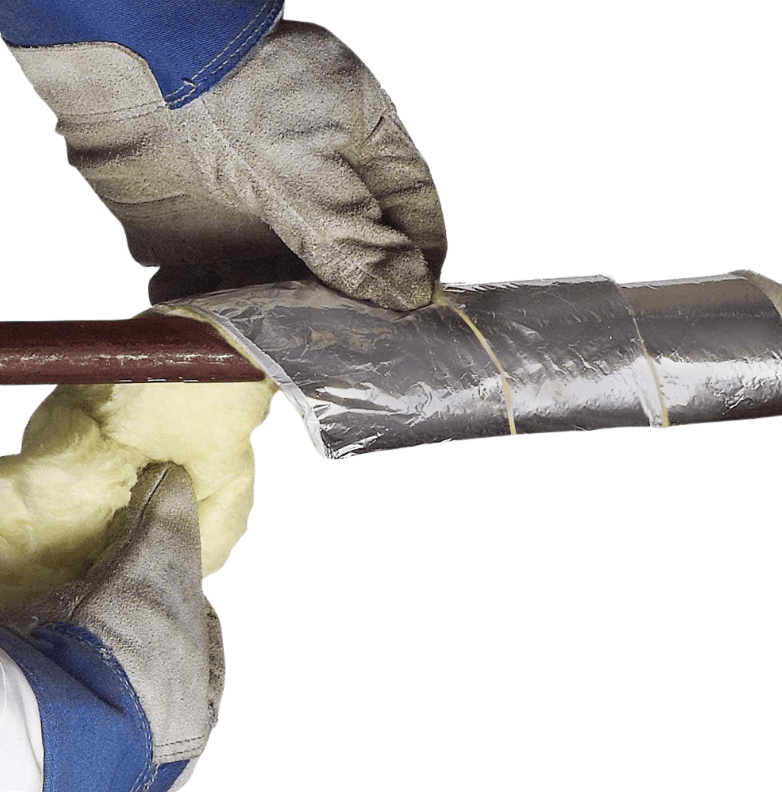
Finally, insulating hot-water pipes reduces heat loss and improves energy efficiency. Foam-rubber sleeves or insulated wraps keep water hotter within the pipes, reducing the workload on the boiler or water heater and minimizing the wait time for hot water at faucets and showerheads.
#HomeWinterization #EnergyEfficiency #DIYHomeImprovement #Insulation #FurnaceMaintenance #DraftSealing #SmartHome #HeatingCosts #HomeMaintenance #HomeWinterization #EnergyEfficiency #DIYHomeImprovement #Insulation #FurnaceMaintenance #DraftSealing #SmartHome #HeatingCosts #HomeMaintenance
0 comment in total
 No comments yet
You may also like
How to Winterize Your House And Save Yourself Thousands in Repairs Later


7 easy and efficient ways to keep your house warm this winter

Create a cozy home in 10 easy, inexpensive steps


How To Transition Your Home Into Fall
The 8 Must-Have Products to Winterize Your Home

17 Tips and Hacks to Help Keep Your House Warm This Winter


Heat your home efficiently this winter
Turn Your Entry Into a Warm, Storm-Ready ‘Entry Shield’ With These 5 Hacks
13 Of The Best Home Renovation Projects To Tackle During Winter

Top 10 Winter Energy Saving Tips


9 cheap ways to heat your home this winter for under £10 each


Winter Lighting 101: Essential ambient lighting tips to transform your home in the cold season | Hindustan Times


Stuck Inside? 10 Easy DIYs Contractors Say You Should Learn This Winter

Is Your Home Ready for Another Cleveland Winter? How to Winterize in Northeast Ohio

Genius Tension Rod Hack Makes Your Winter Gloves and Hats So Easy to Find


I Gave My Home a Seasonal Refresh — Here's How

Autumn decor ideas: 12 easy ways to transition your home this season


The must-have items to get you through winter

When should you start decorating for fall? Tips and tricks for changing your home for the change in season

Seasonal Home Decor: 9 Expert Tips for Fall & Winter