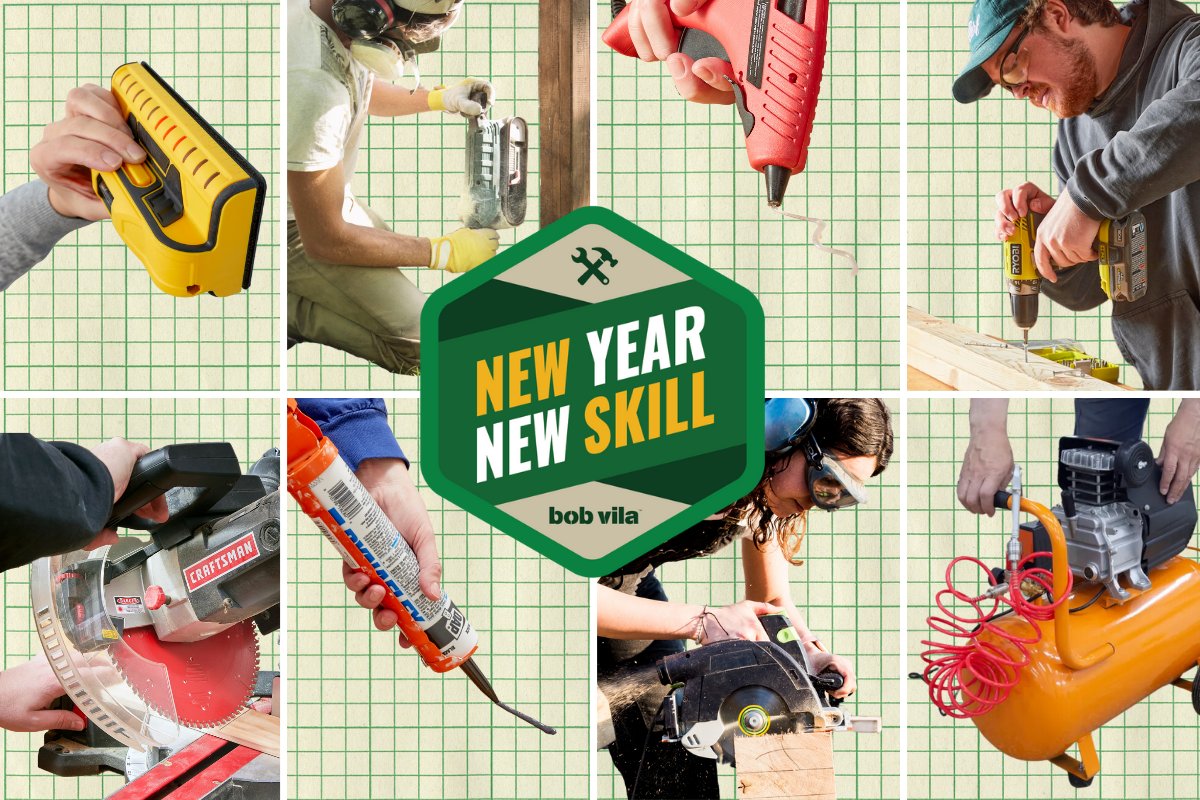
1/9
Realize Your DIY Potential by Learning How to Use These Essential Tools in 2025
The article emphasizes the importance of mastering essential DIY tools for homeowners looking to tackle home improvement, repair, and maintenance tasks. It highlights that while basic tools like hammers and screwdrivers are common, their effectiveness largely depends on the user's skill. For those aiming to expand their DIY capabilities in the new year, learning to properly use frequently employed tools is presented as a valuable endeavor. The resource Bob Vila offers comprehensive guidance, including setup instructions, parts diagrams, how-tos, and product reviews, for eight key tools.
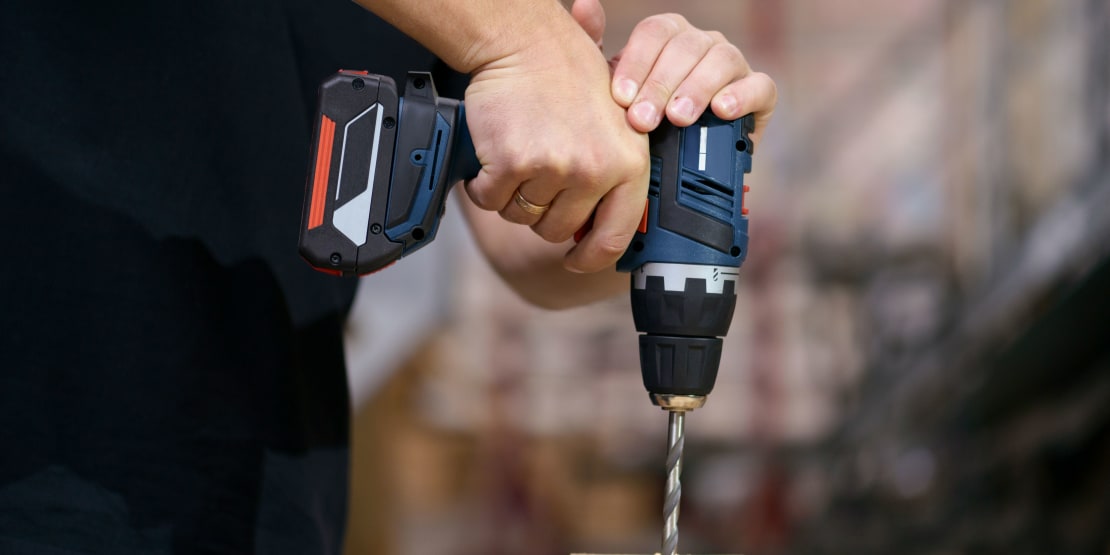
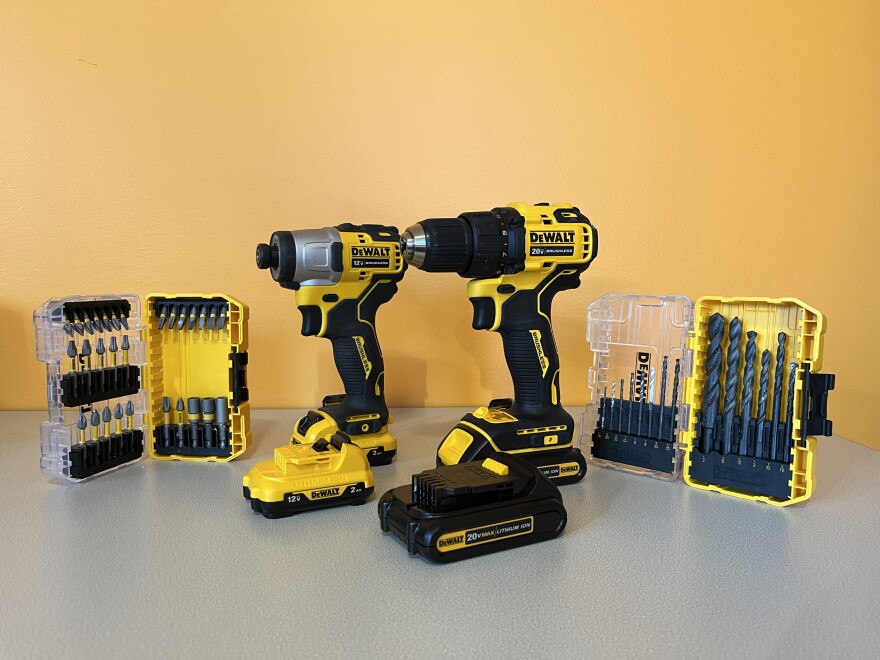
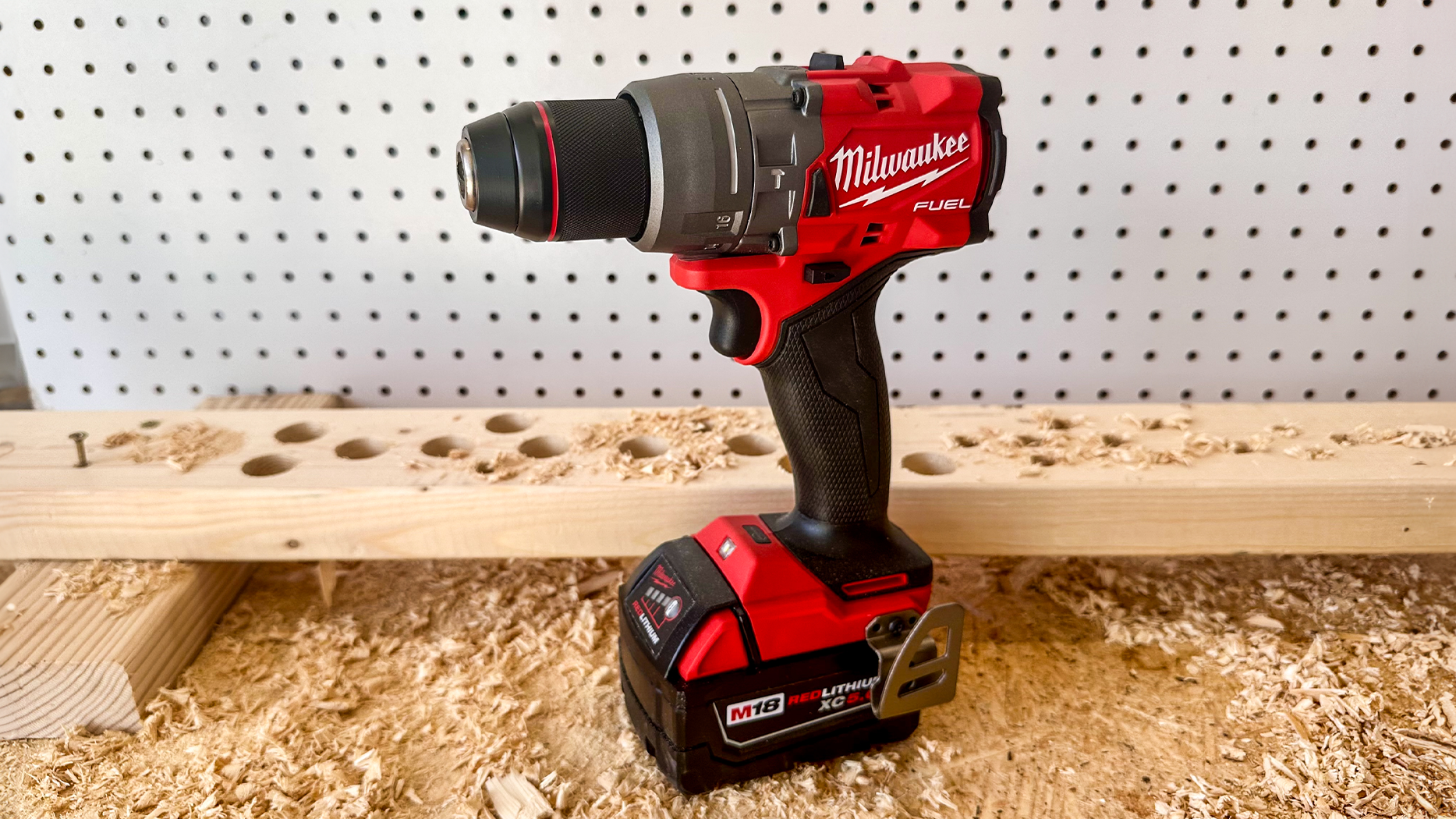
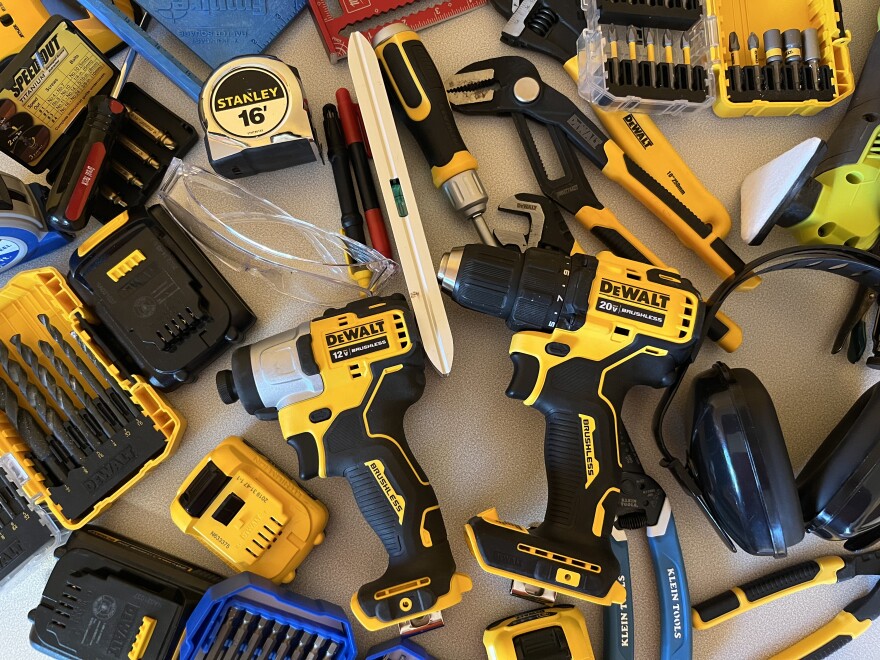
First, the drill is identified as one of the most frequently used tools, essential for penetrating various materials like drywall, wood, and metal. It facilitates tasks such as running wires, mounting heavy objects, and driving screws. The discussion covers both corded and cordless options, as well as the variety of drill bits available, stressing the importance of eye protection during use.
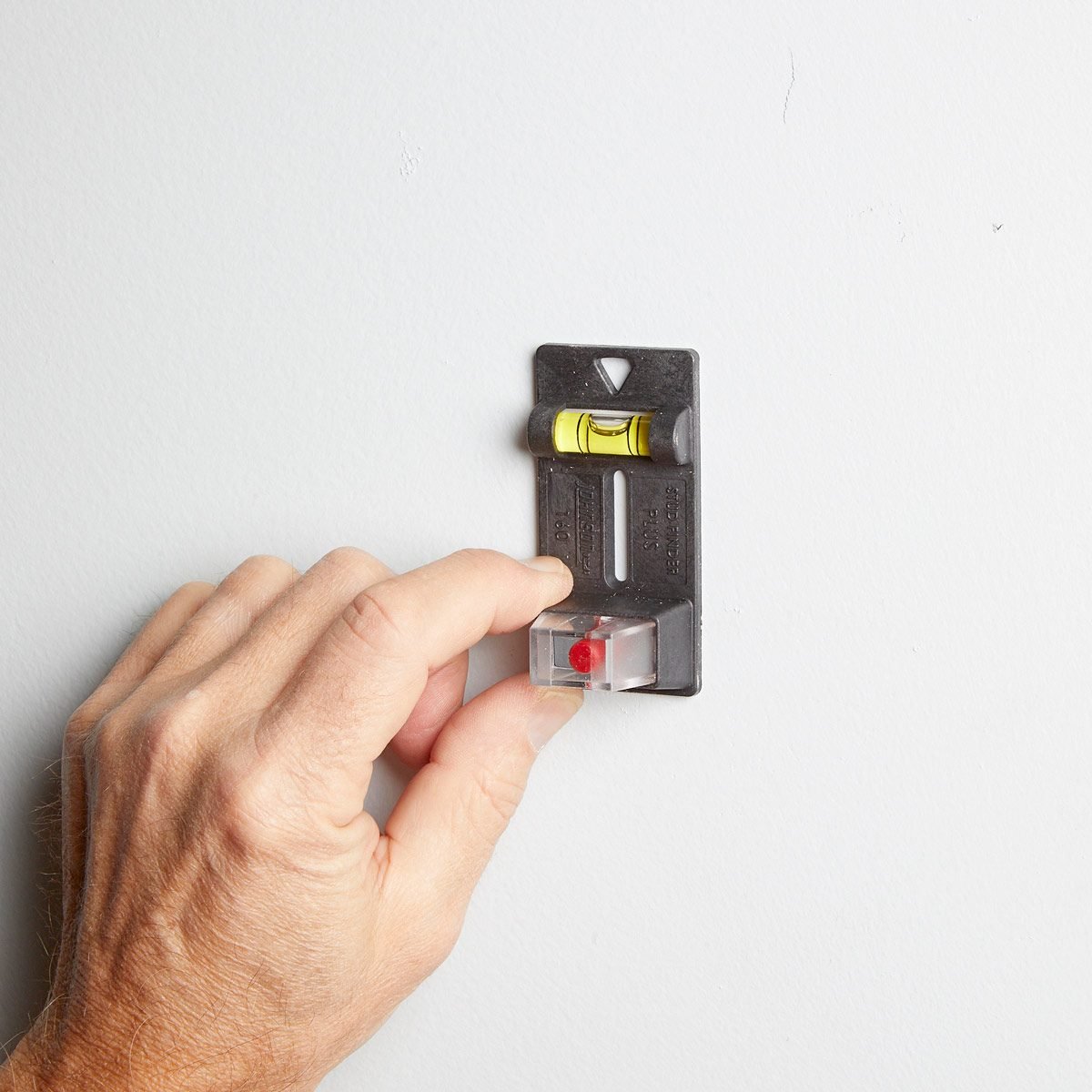
Next, the stud finder is introduced as a tool crucial for locating wall studs and ceiling joists without causing unnecessary damage. It is invaluable for hanging pictures, installing shelving, and mounting TVs. Proficient use of a stud finder can streamline many household jobs, especially with advanced models that can detect differences in wall density.
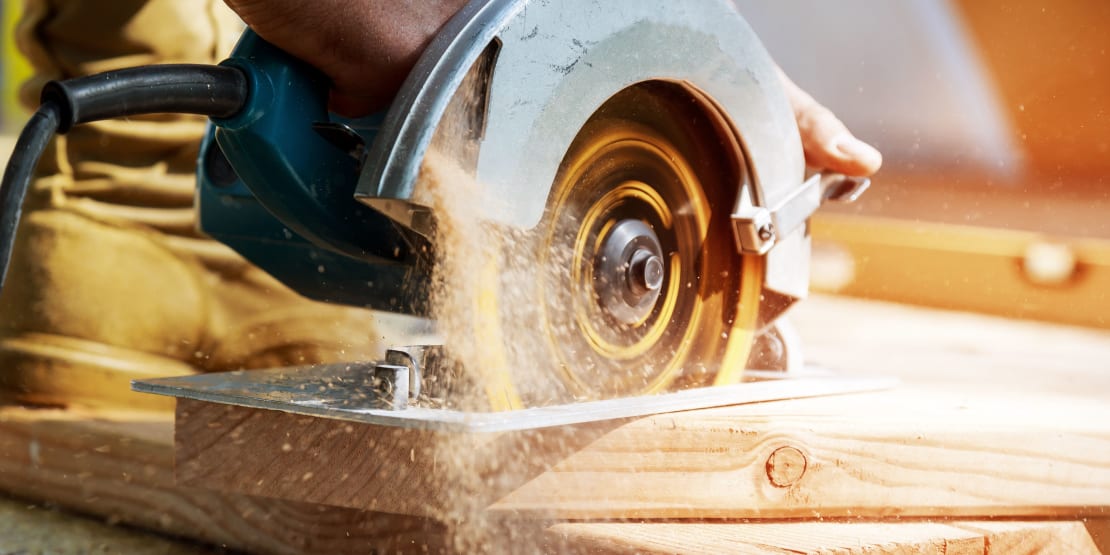
A circular saw is detailed as a handheld power tool for making straight or diagonal cuts through wood, and with the right blade, other materials like metal and plastic. Proper hand positioning, using both hands on the grips, is crucial. The article warns against forcing the saw, which can lead to sticking or kickback, and advises ensuring the material is properly supported.
Caulk guns are presented as tools for applying caulking to fill gaps and prevent leaks around tubs, windows, door frames, and for trim work. While seemingly simple, the article advises caution when cutting the tip of the caulk tube and applying pressure to avoid mess. It suggests starting with a small cut and slow application to gauge the required pressure.
Air compressors are discussed in conjunction with pneumatic tools, significantly easing DIY projects like power nailing and paint spraying. The initial setup is generally consistent across models, but users are advised to consult manufacturer instructions due to potential product-specific differences.
Belt sanders are highlighted for their effectiveness in removing thick material layers and smoothing wood surfaces, useful for deck installations, fence repairs, paint stripping, and furniture work. Users are cautioned against oversanding due to the tool's power, recommending a slow approach for beginners.
Glue guns, often associated with crafts, are shown to be versatile for household repairs, including woodworking joints, fastening baseboards, and holding molding in place. Similar to caulk guns, careful and slow application is recommended to prevent sticky messes, along with using a scrap piece of cardboard and a rag for cleanup.
Finally, the miter saw is presented as an excellent tool for making accurate and repeatable cuts in wood, metal, and other materials. Its design, with a base and an overhead blade arm, allows for precise adjustments to position and angle, making it suitable for a wide array of projects such as fence building, deck repair, and furniture making.
#DIYTools #HomeImprovement #ToolTutorials #DrillUsage #StudFinder #CircularSaw #CaulkGun #AirCompressor #BeltSander #GlueGun #MiterSaw #DIYTools #HomeImprovement #ToolTutorials #DrillUsage #StudFinder #CircularSaw #CaulkGun #AirCompressor #BeltSander #GlueGun #MiterSaw
0 comment in total
 No comments yet
You may also like

5 DIY trends experts predict will be big in 2025


6 Work From Home Office Essentials You Need In 2024

34 Simple Organizers That'll Reinvent Your Entire Space In 2025

I'm an Interior Designer, and Here's How to Shop for the Trends You'll See Everywhere in 2025

The Best New Tool Storage and Workshop Gear of 2025
10 Essential Power Tools For DIYers


7 Work-From-Home Office Essentials For 2025

The Best New Organization Products of 2025

If you don't yet know the home renovation trends for 2025, your project might just be missing out
7 Hobbies to Try in 2025 That Will Transform Your Home—and Your Mood

Toss Those Pre-Included Tools in Your IKEA or Wayfair Build—These Are What Really Work Instead

Home improvement tools for the handy person in your life

Best DIY Tools To Have for Homeowners in 2025, Tested by Editors


10 kitchen hardware trends to know about if you’re updating your scheme in 2025

These Are the Top Kitchen Hardware Trends for 2025, According to Experts


2022 Ideas to Steal: Hardware


30 Easy and Profitable Crafts to Make and Sell in 2026

The 22 Best Smart Home Gifts That Anyone Will Actually Use in 2025

5 kitchen worktop trends that experts think you should be considering for your next project in 2025
10 Must-have Tools for Any Workshop