1/2
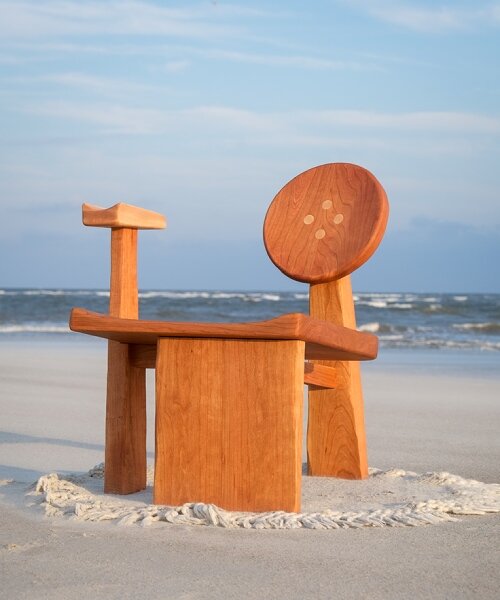
organic contours and asymmetric forms carved from cherry and maple wood define buttonback chair
The ButtonBack Chair, a collaborative creation by designers Aileen De La Ree Valencia and Nush Wadia, stands as an exploration into the realms of materiality, form, and ergonomics within furniture design. This chair, primarily constructed from Cherry wood and accented with Maple, challenges conventional aesthetic and comfort standards through its distinctive asymmetric design and organic contours. A singular armrest further enhances its unique silhouette. The designers focused on defying traditional expectations by carefully carving each undulation in the wood, thereby emphasizing the natural grain and skillfully contrasting hard and soft edges across the chair's surface. The front panel plays a crucial role in disrupting the chair's overall symmetry, while the intricate detailing where the seat meets the armrest provides a seamless transition between smooth and rigid lines, enriching both the visual appeal and tactile experience.
Structurally, the ButtonBack Chair incorporates two primary stretchers that form the foundational frame alongside the front panel, a side leg, and a back leg. One stretcher extends from the front panel to the back leg, offering primary support, while the second stretcher connects the armrest to the primary stretcher, providing additional stability. The backrest and armrest are securely attached to the frame using dowels, and the seat is dry-fastened to the stretchers and front panel. These meticulous technical choices are instrumental in ensuring the chair's structural integrity and stability, all while complementing its visually striking and unique form. The chair's namesake, the 'ButtonBack,' refers to the four Maple accents strategically placed on the backrest. These lighter, contrasting elements break the visual monotony of the rich Cherry wood, offering subtle highlights that reduce the chair's perceived visual weight and enhance its aesthetic complexity.
Valencia and Wadia embraced the inherent characteristics of the wood, utilizing the substantial volume of the Cherry lumber to carve an 'imperfect' form that deliberately showcases natural knots and undulating surfaces. This approach highlights the organic beauty of the material and underscores the handcrafted nature of the piece. The design process for the ButtonBack Chair involved a deep consideration for both comfort and visual appeal. For instance, the backrest was precisely carved using CNC technology to ensure an optimal and comfortable profile. The graceful transitions between hard and soft edges throughout the chair contribute to a playful yet sophisticated character. The Maple wood armrest, in particular, demonstrates the thoughtful integration of contrasting materials and forms, following the overarching design logic of the chair. The front panel further emphasizes the chair's asymmetry, diverging from the geometry of the other legs and adding a strong, dynamic element to the overall composition. This project was submitted through designboom’s DIY submissions feature, showcasing the innovative work of emerging and established designers.
#ButtonBackChair #FurnitureDesign #CherryWood #MapleWood #AsymmetricDesign #OrganicContours #WoodCarving #Ergonomics #ContemporaryDesign #ProductDesign #ButtonBackChair #FurnitureDesign #CherryWood #MapleWood #AsymmetricDesign #OrganicContours #WoodCarving #Ergonomics #ContemporaryDesign #ProductDesign
0 comment in total
 No comments yet
You may also like
Sculpted and statement chairs can transform rooms in an instant. I'm a homes editor and here are my top picks

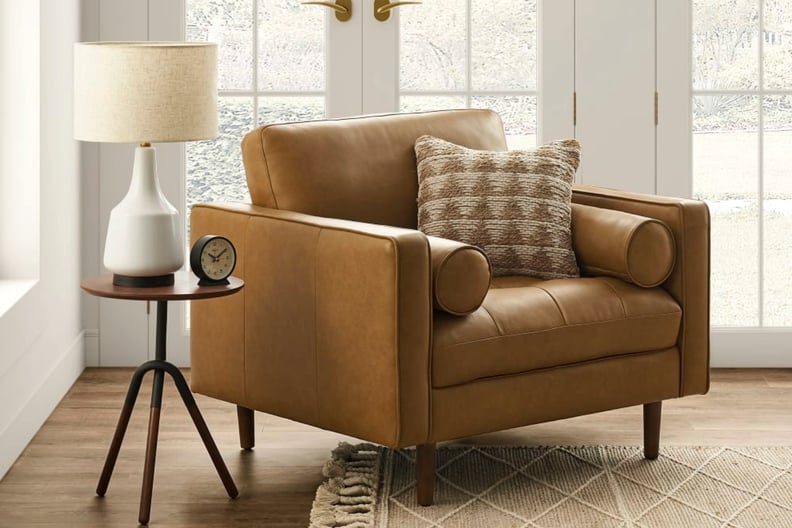
18 of the Best Leather Chairs For Every Aesthetic
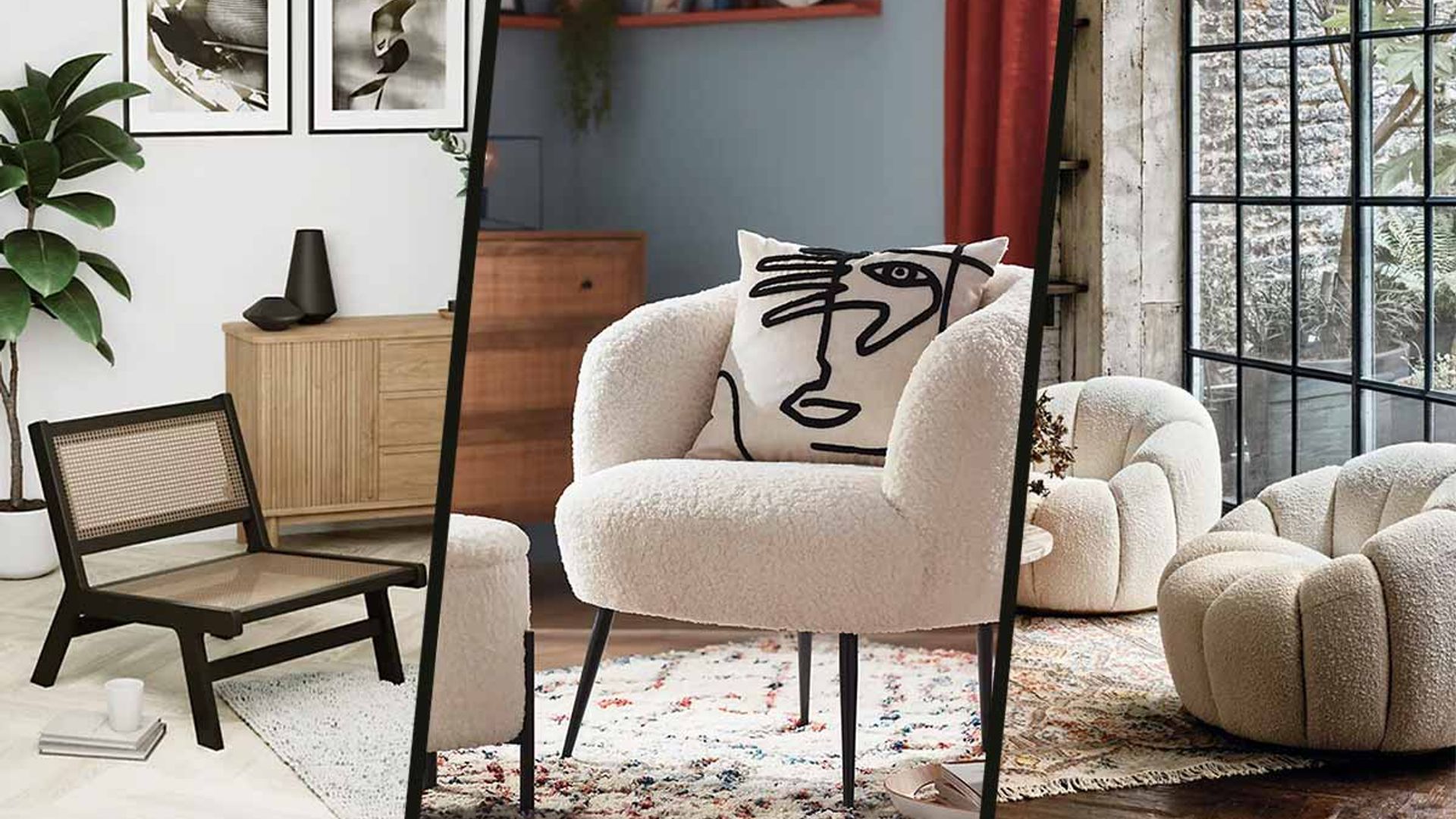
Accent chairs are trending - here are 29 of our favourites for your living space

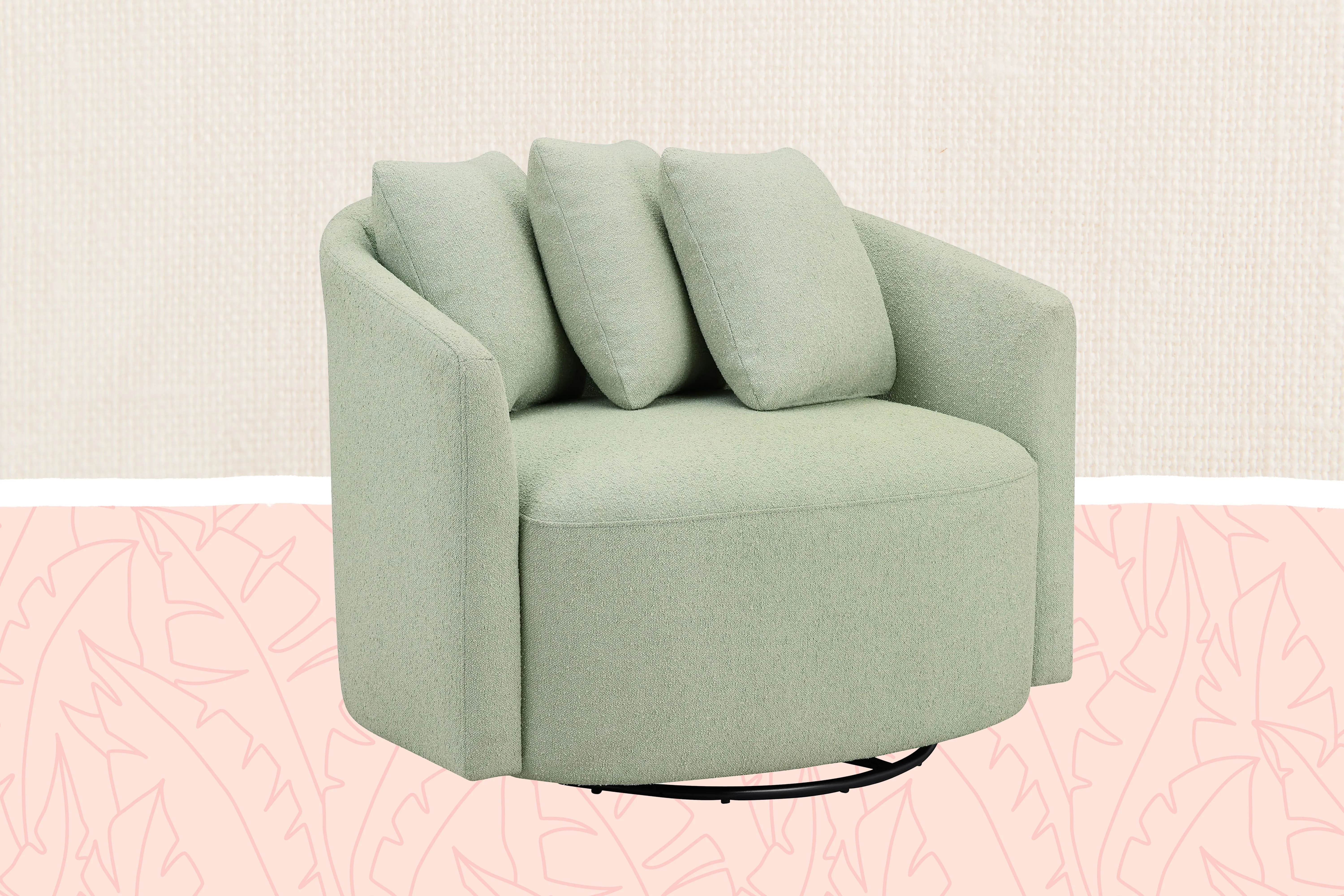
The Best Accent Chairs for Every Space and Style

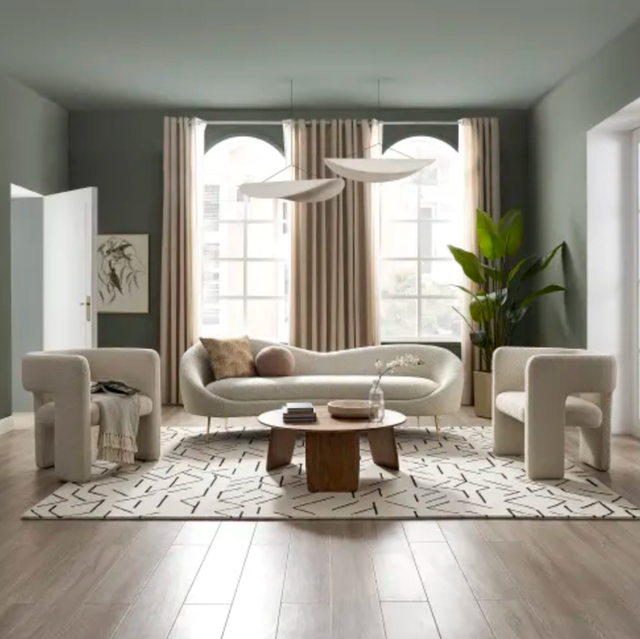
9 Bouclé Accent Chairs That'll Command the Attention in Your Living Room With Style
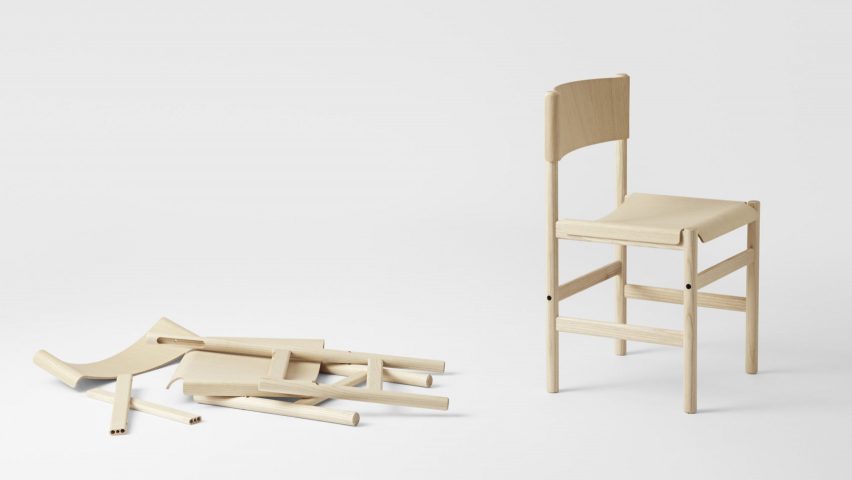
Veneer seat and backrest "drape" over frame of Thomas Bentzen's Soft Chair
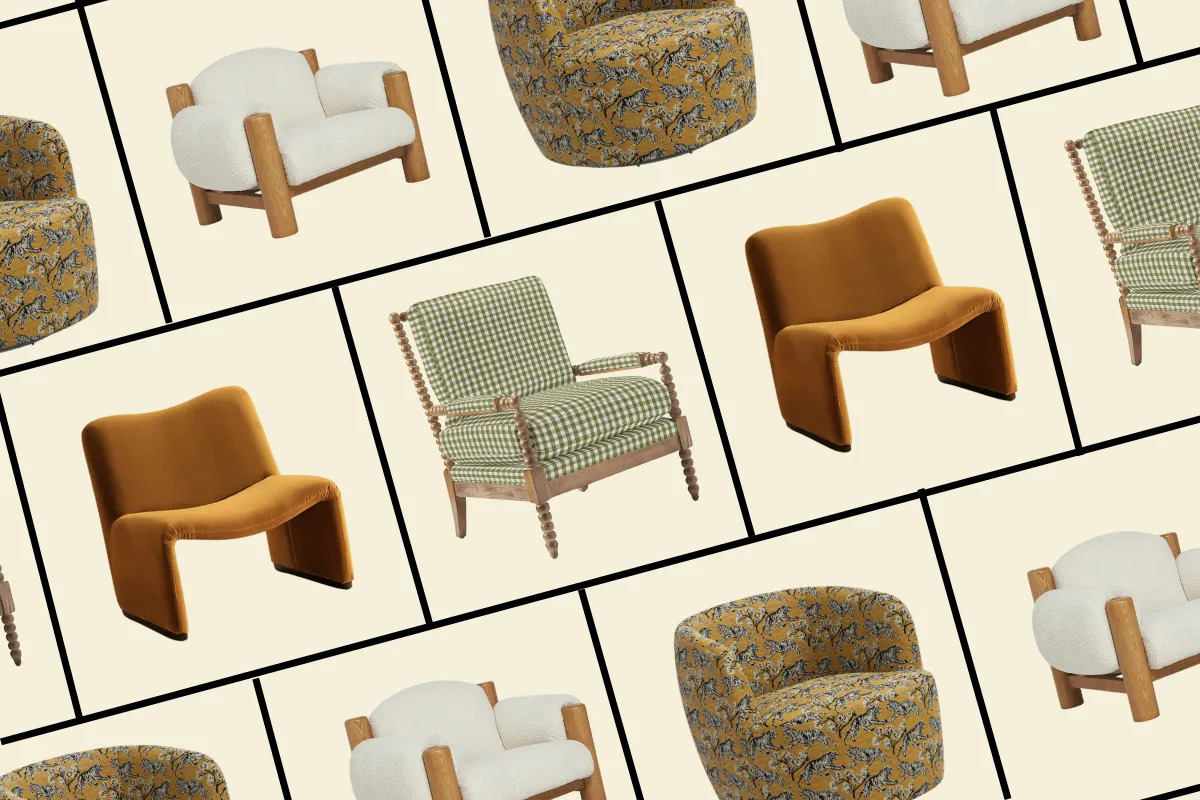
12 Comfy Accent Chairs We Can't Stop Talking About
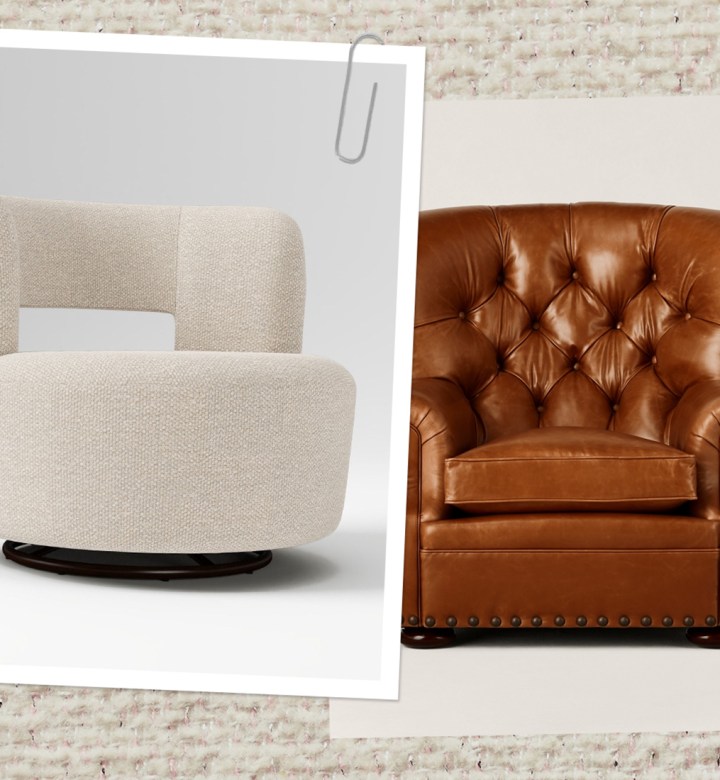
Reviewed: The Trendiest, Most Comfortable Accent Chairs We Could Find
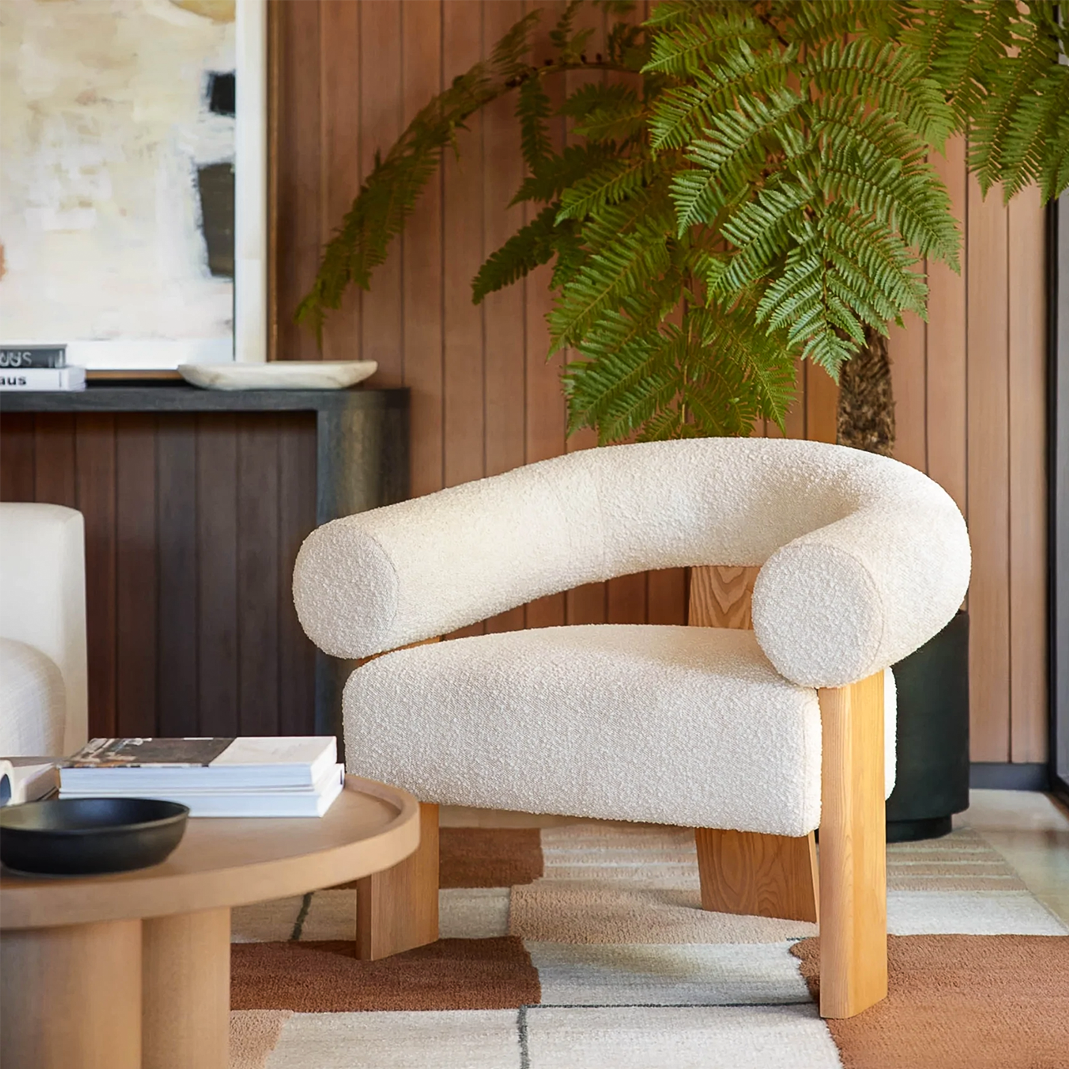
These Super-Soft Bouclé Chairs Feel as Dreamy as They Look, Promise
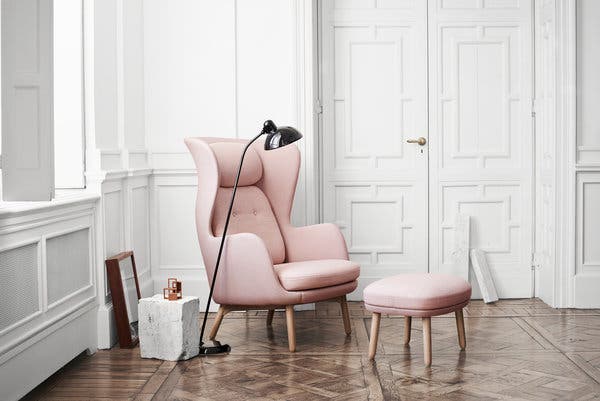
Shopping for Wingback Chairs (Published 2017)

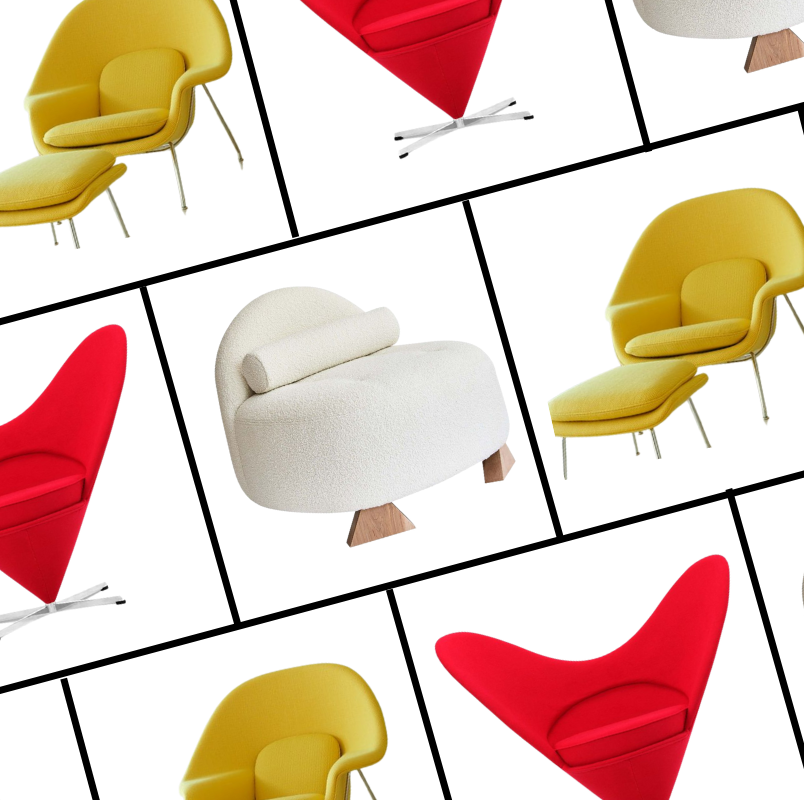
Bouclé Is the Star of the Summer: Here Are the 10 Best Chairs You Can Get in This Material
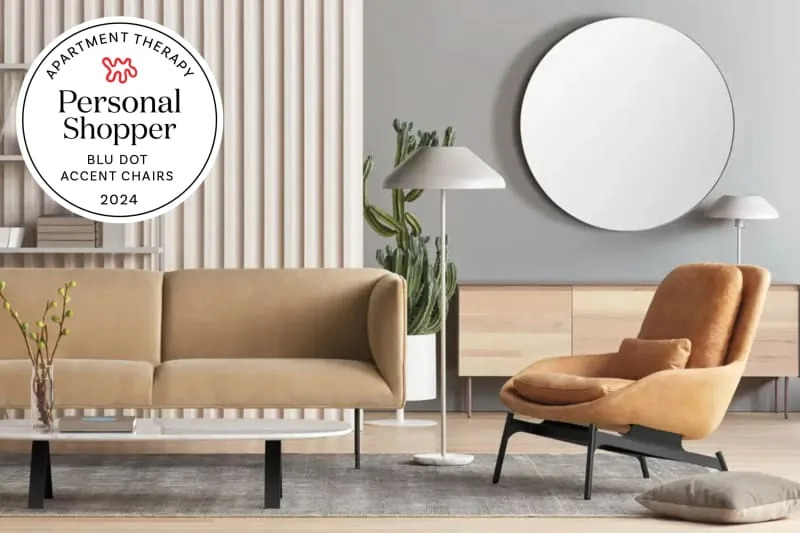
We Tested (and Rated!) All the Accent Chairs at Blu Dot
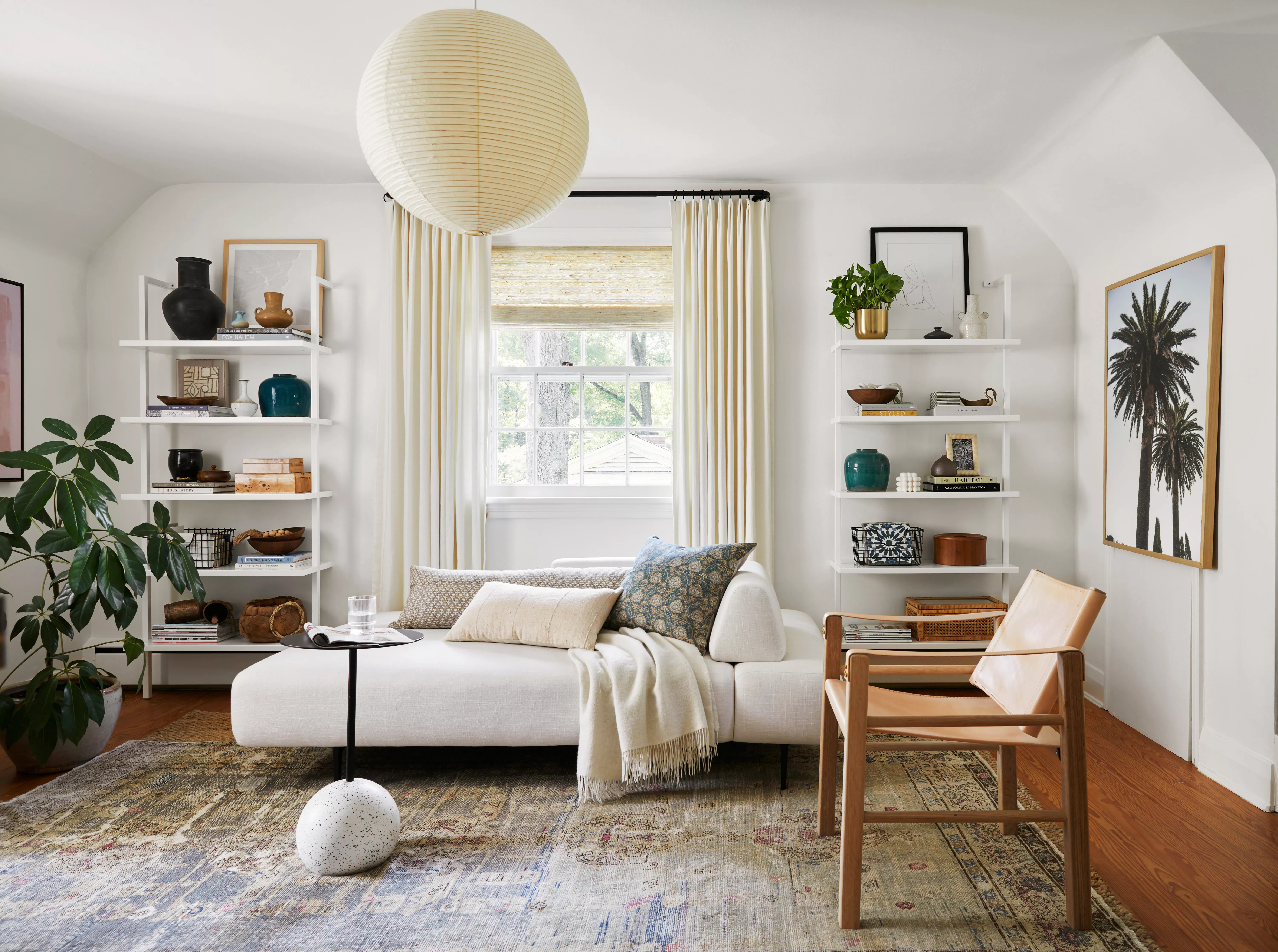
8 Furniture Trends That Will Be Huge in 2025, According to Experts
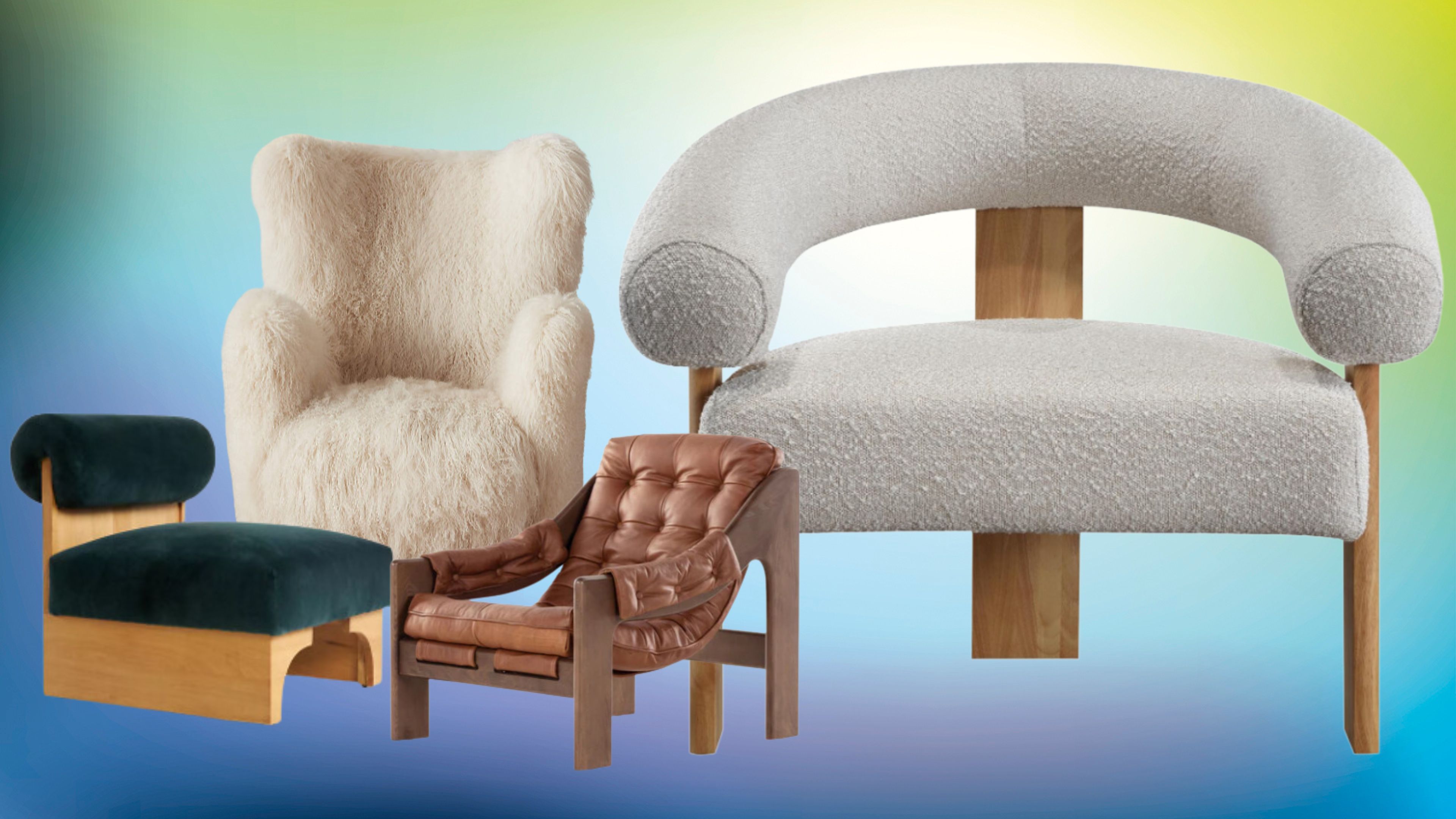
15 of the Best Accent Chairs Right Now, Picked by a Style Editor

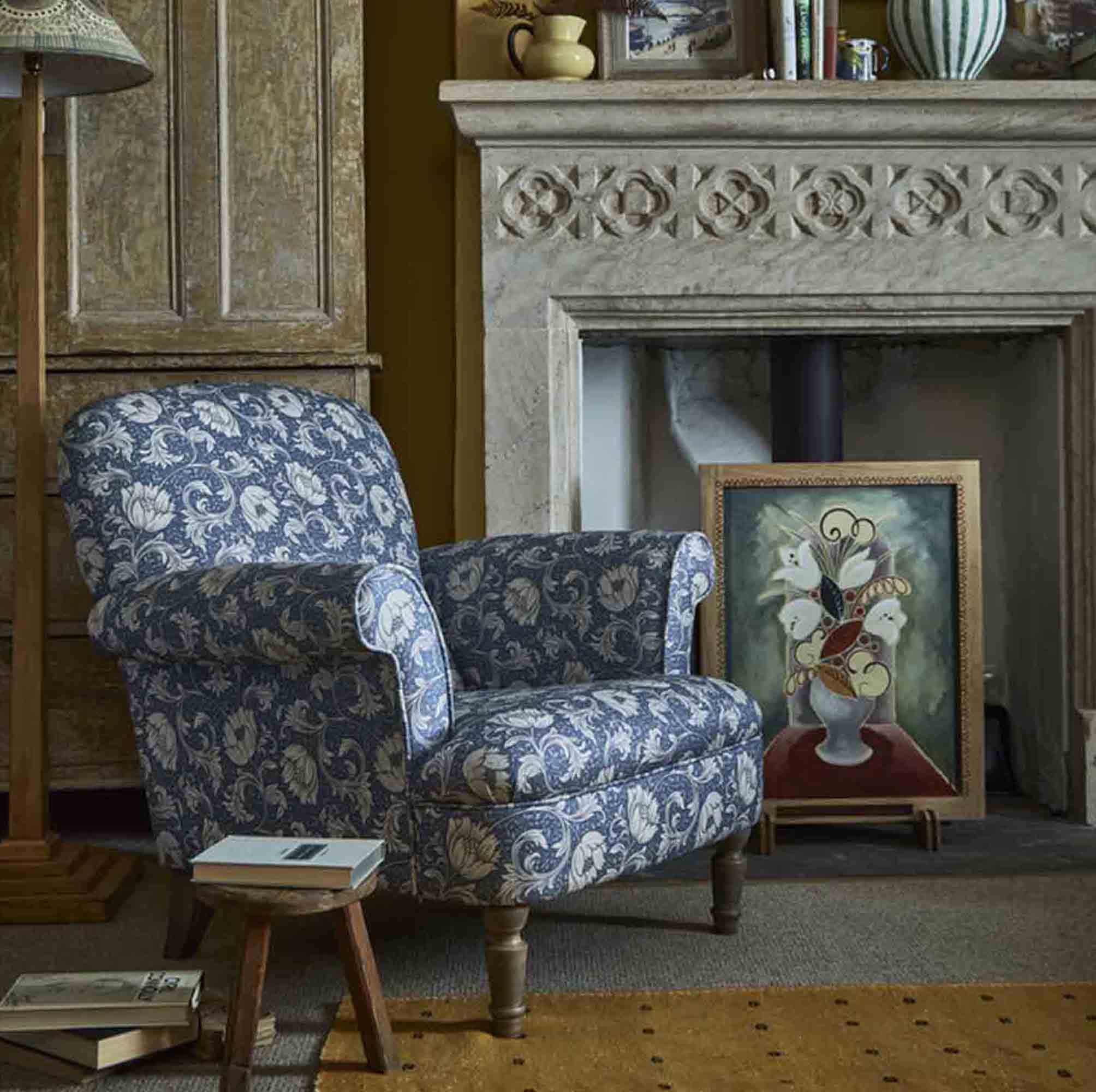
The dos and don'ts of styling an accent chair, according to an interior designer
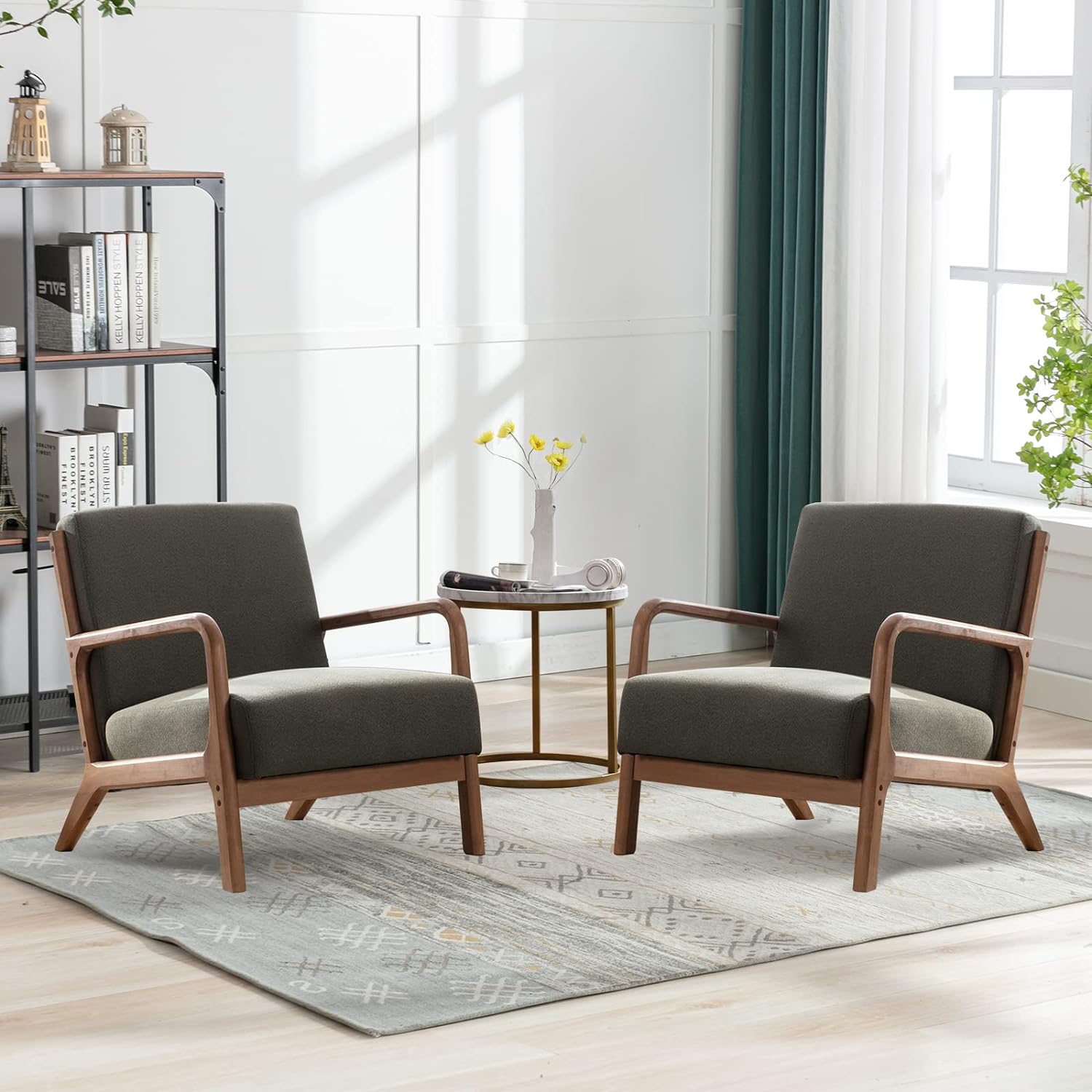
Clearance pair of accent chairs for sale Top Sale Upholstered Mid Century Modern Accent Chairs Set of 2 Drew

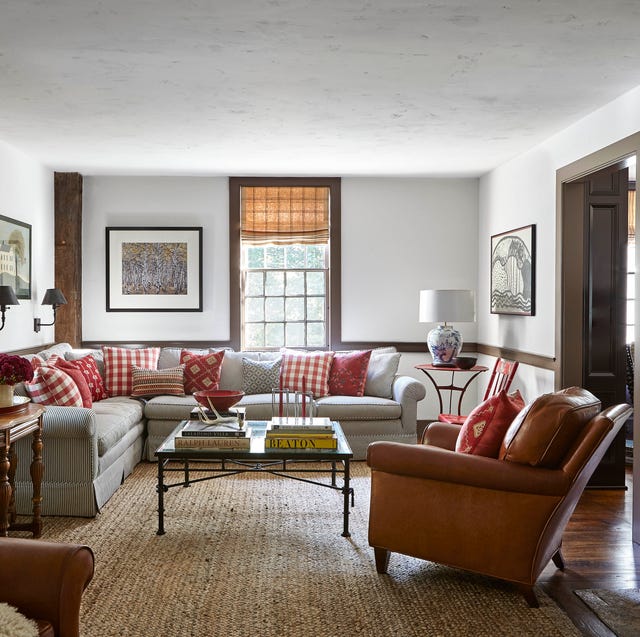
The 15 Best Accent Chairs for Your Living Room, According to Designers
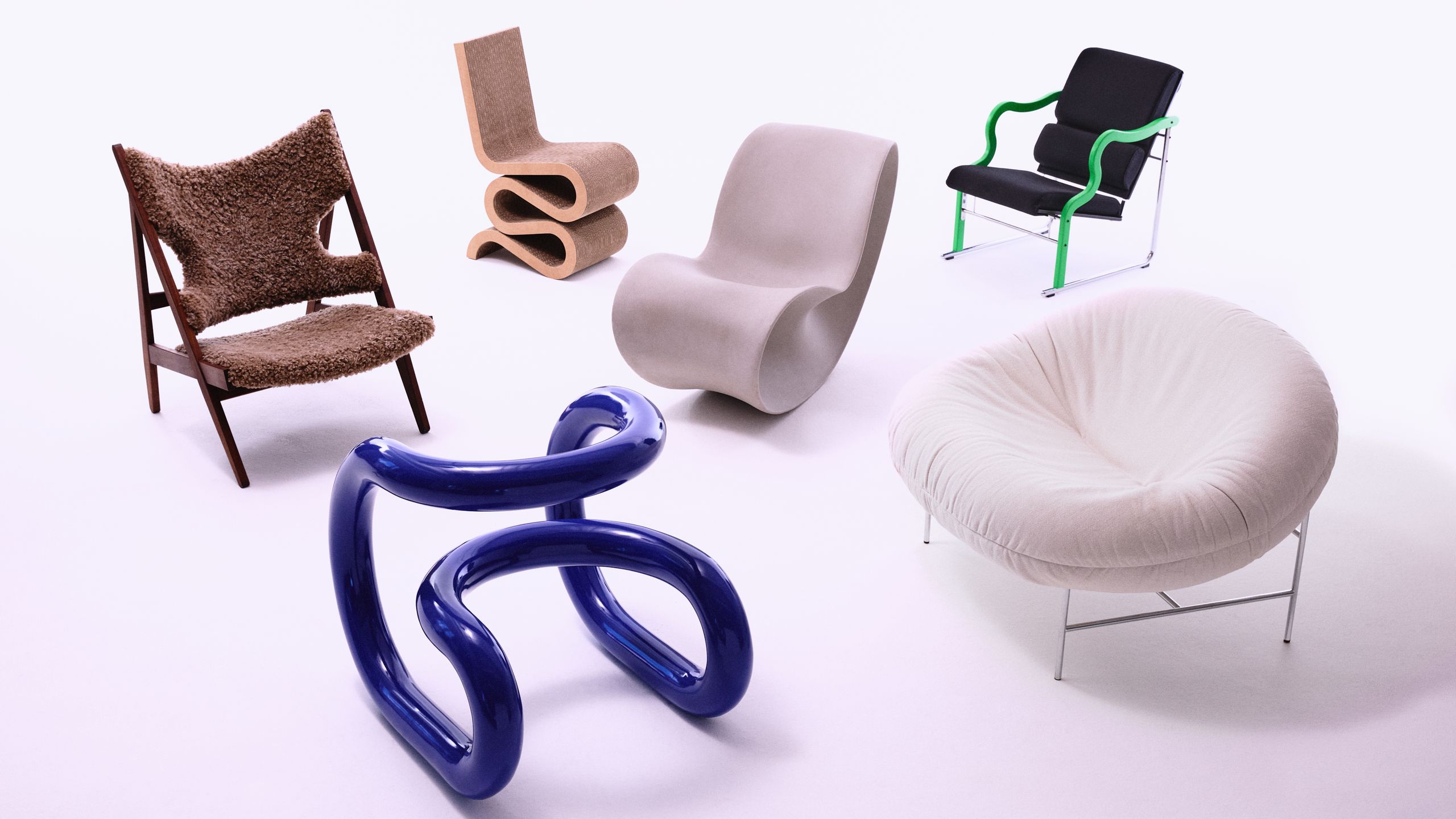
These Accent Chairs Are the Definition of a Personality Hire

The 20 Best Leather Accent Chairs to Add Refinement to Your Space
The Trendiest Chair Right Now Is More Than 90 Years Old