Wait, Don't Rip Up Your Carpet! These Designers Share Why They'll Always Love It
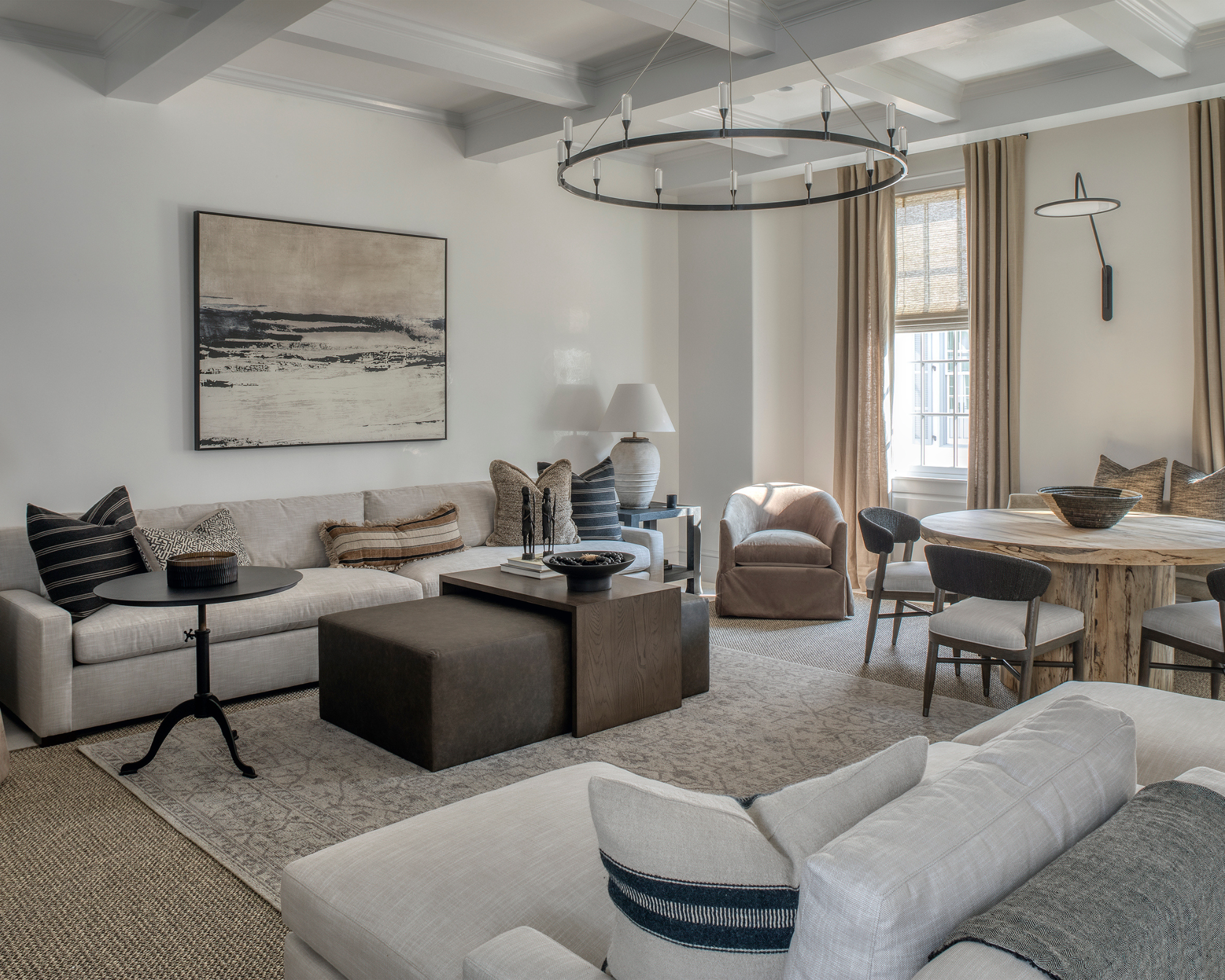
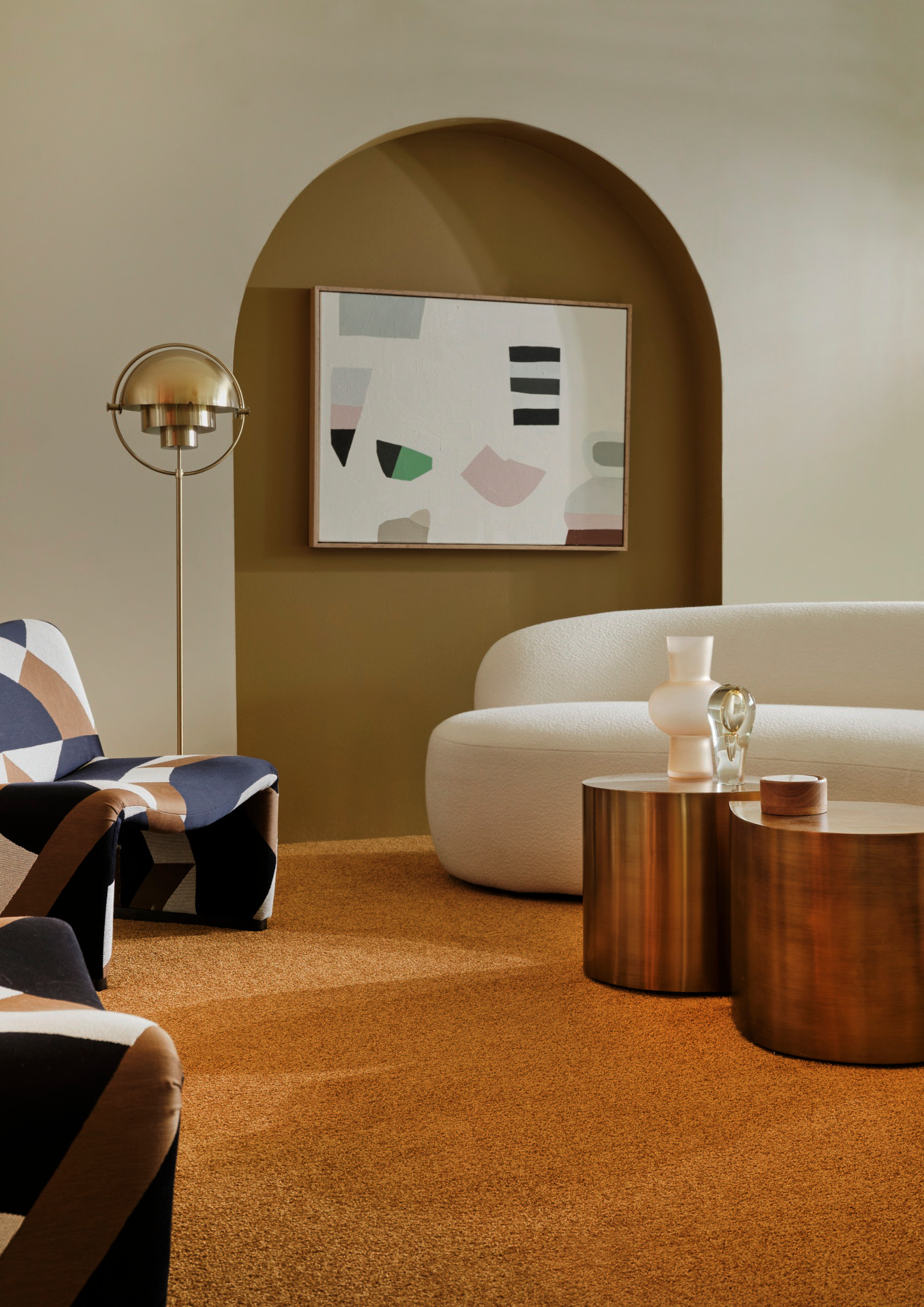
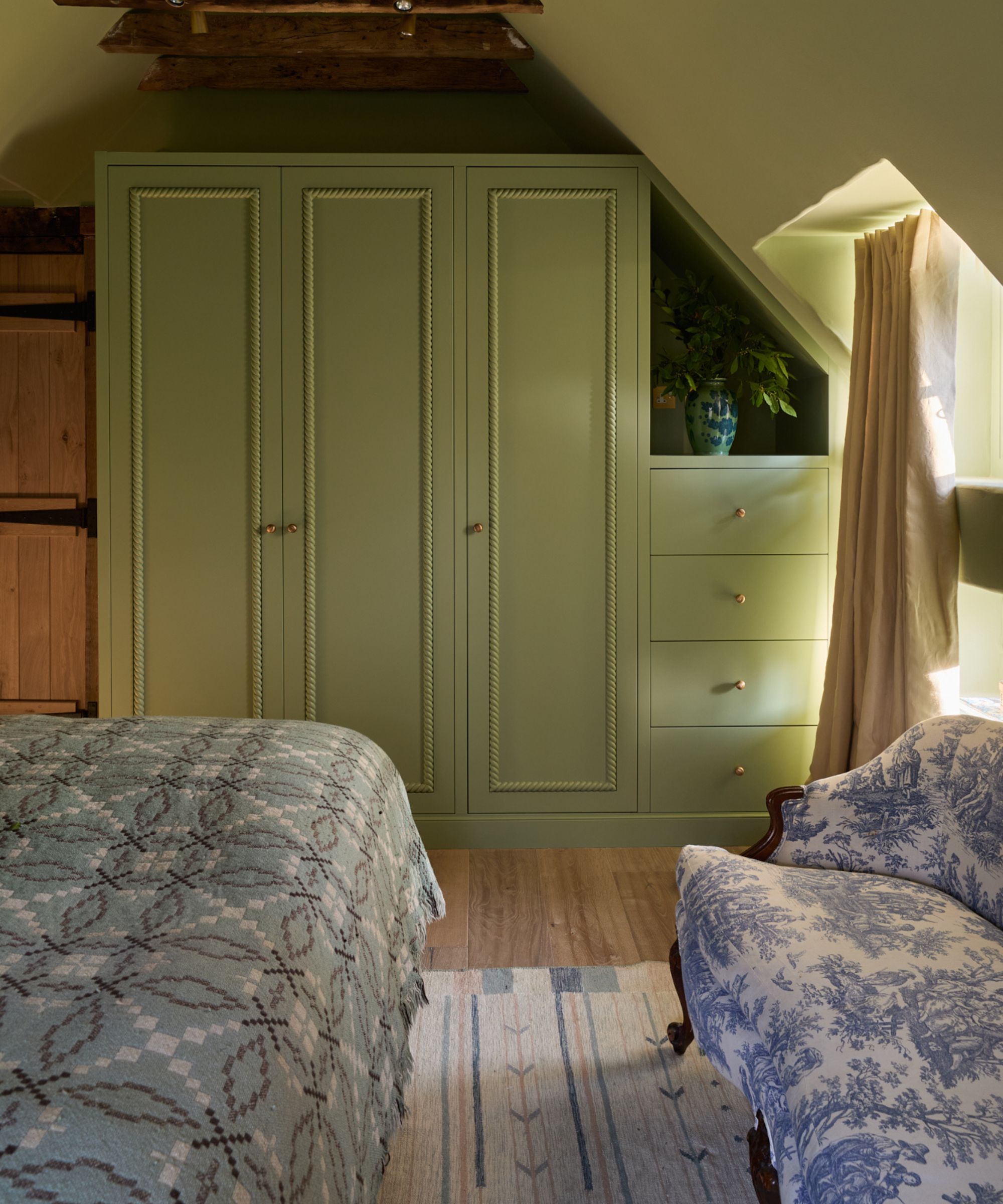
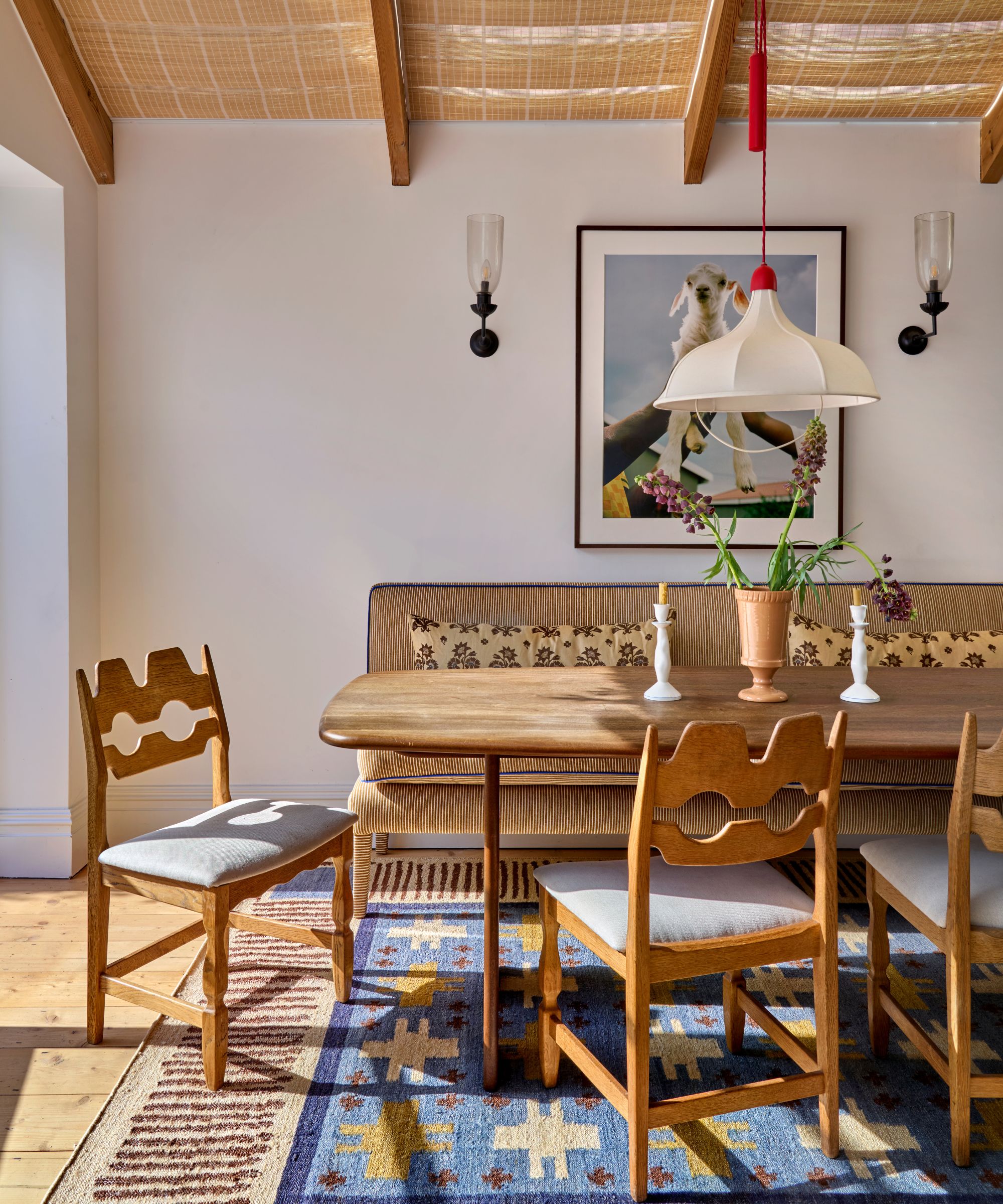
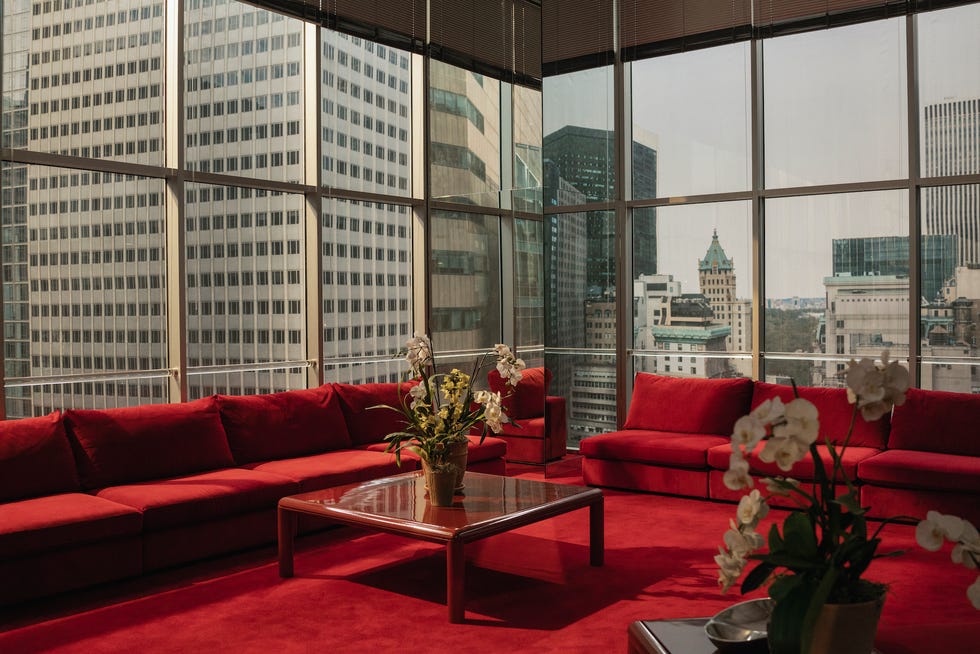
While hardwood flooring often takes precedence in home design preferences, wall-to-wall carpeting is experiencing a notable resurgence, challenging the conventional wisdom of immediately replacing it. Interior designers John Stivale and Heather Peterson offer insights into when carpeting remains a superior choice for various living spaces. They emphasize that modern carpeting offers considerable advantages that are often overlooked, especially considering advancements in styles, textures, and materials.
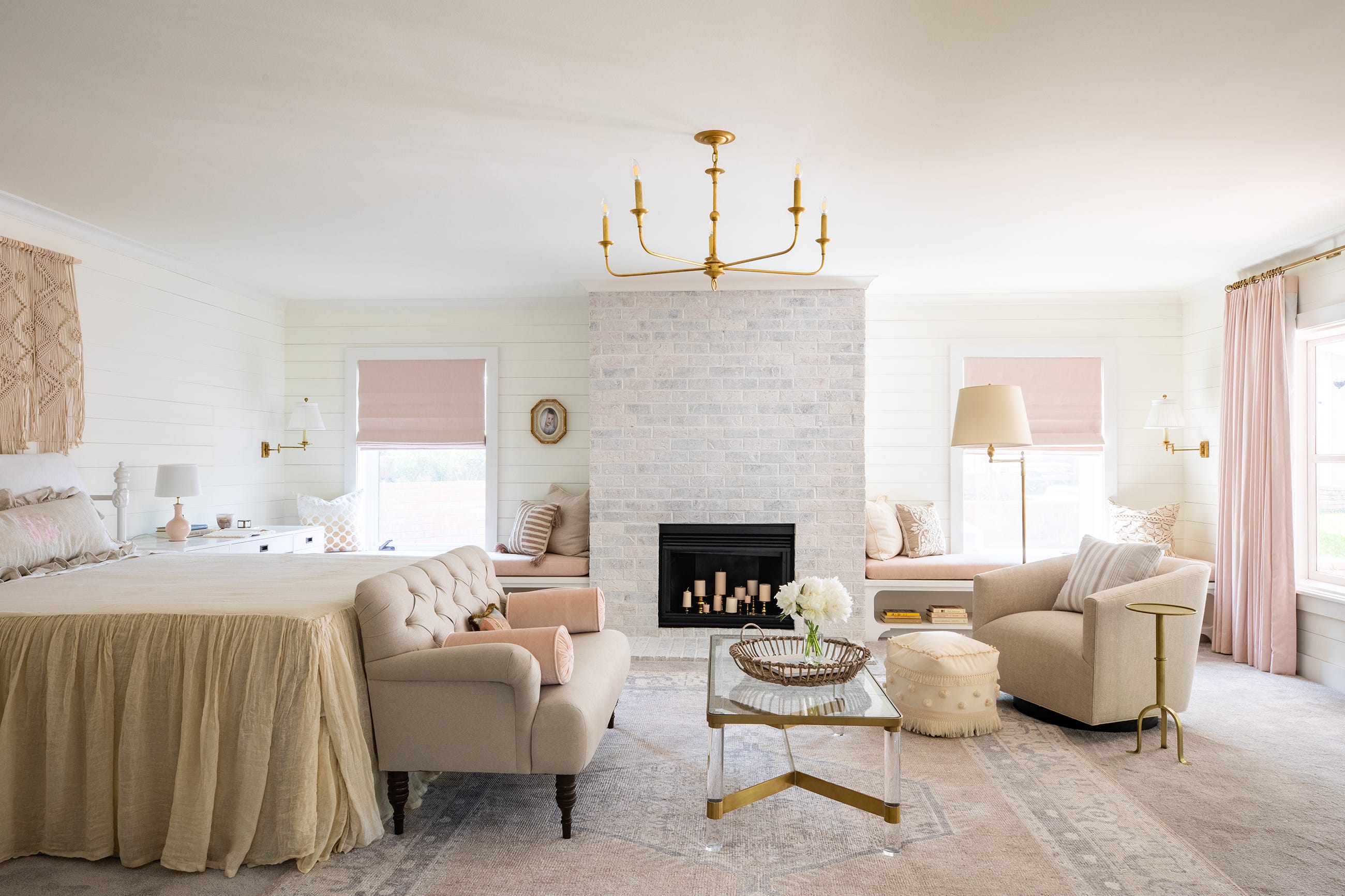
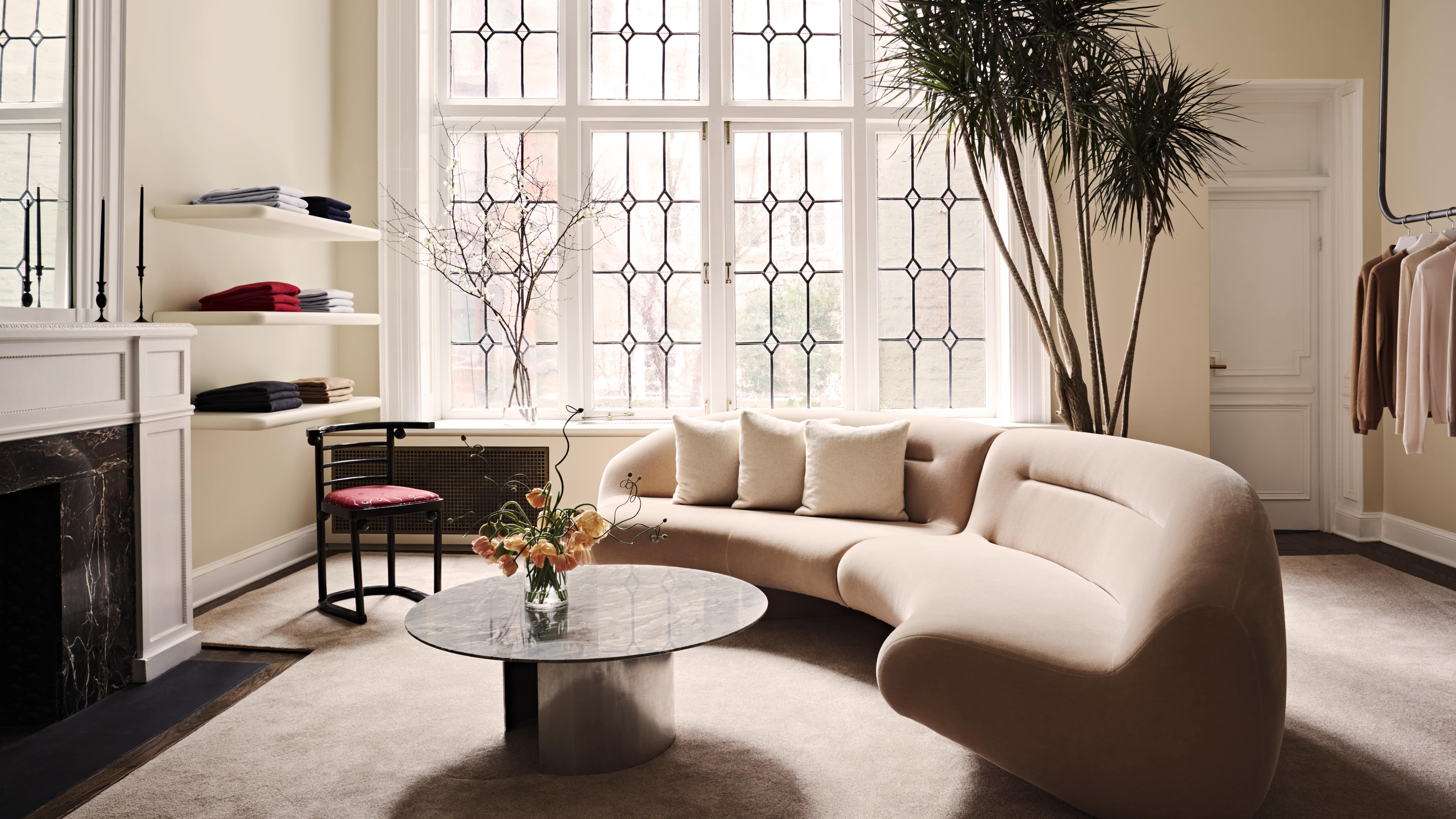
One significant benefit of carpeting, particularly highlighted by John Stivale, is its suitability for colder climates. Carpeting provides unparalleled comfort and warmth underfoot, making a space feel cozy and inviting during harsh winters or in consistently cool environments. Stivale notes that despite a common negative perception, contemporary carpets come with extensive customization options and improved quality, enabling homeowners to select choices that prioritize both aesthetics and functionality, such as enhanced insulation.
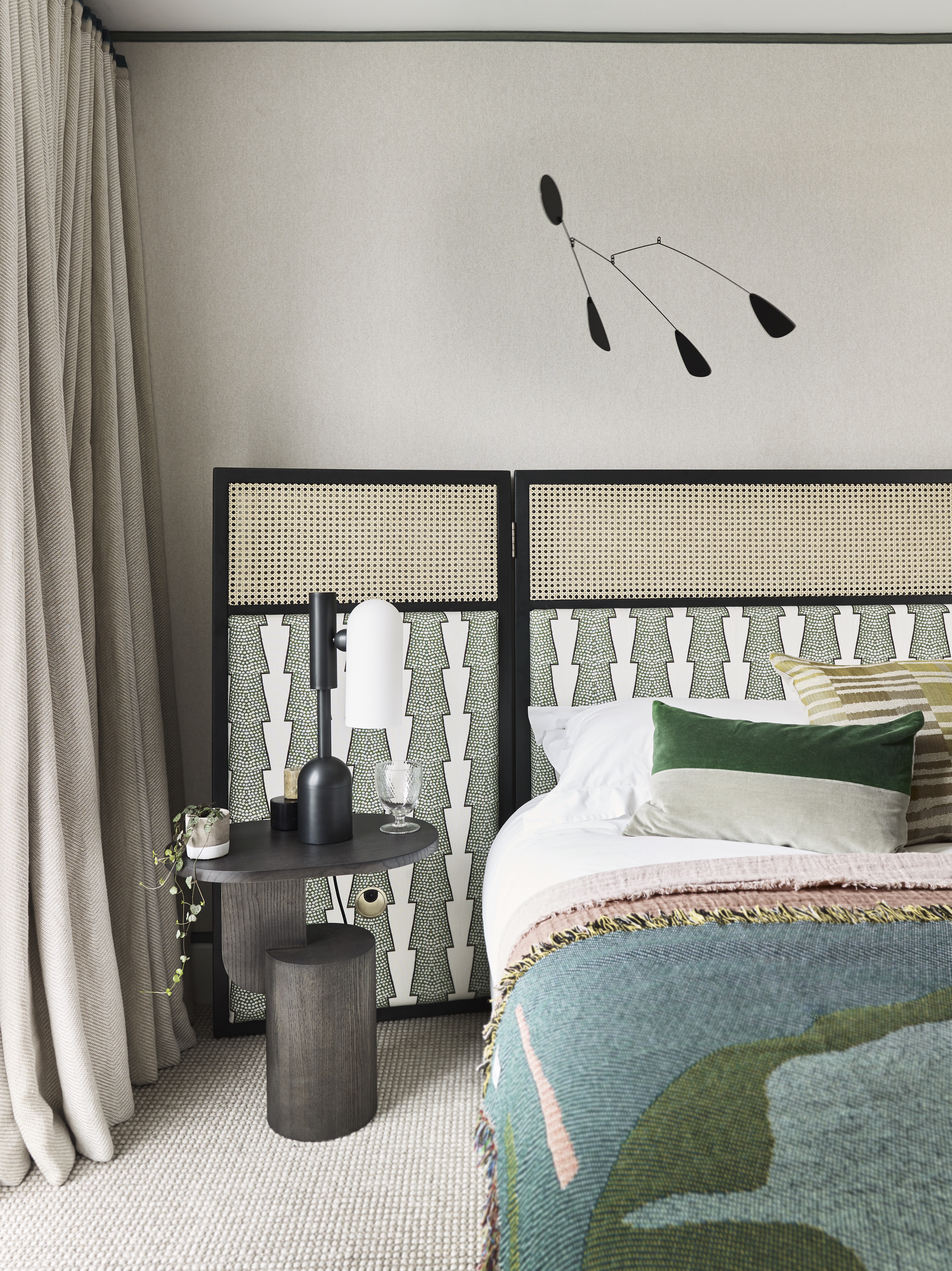
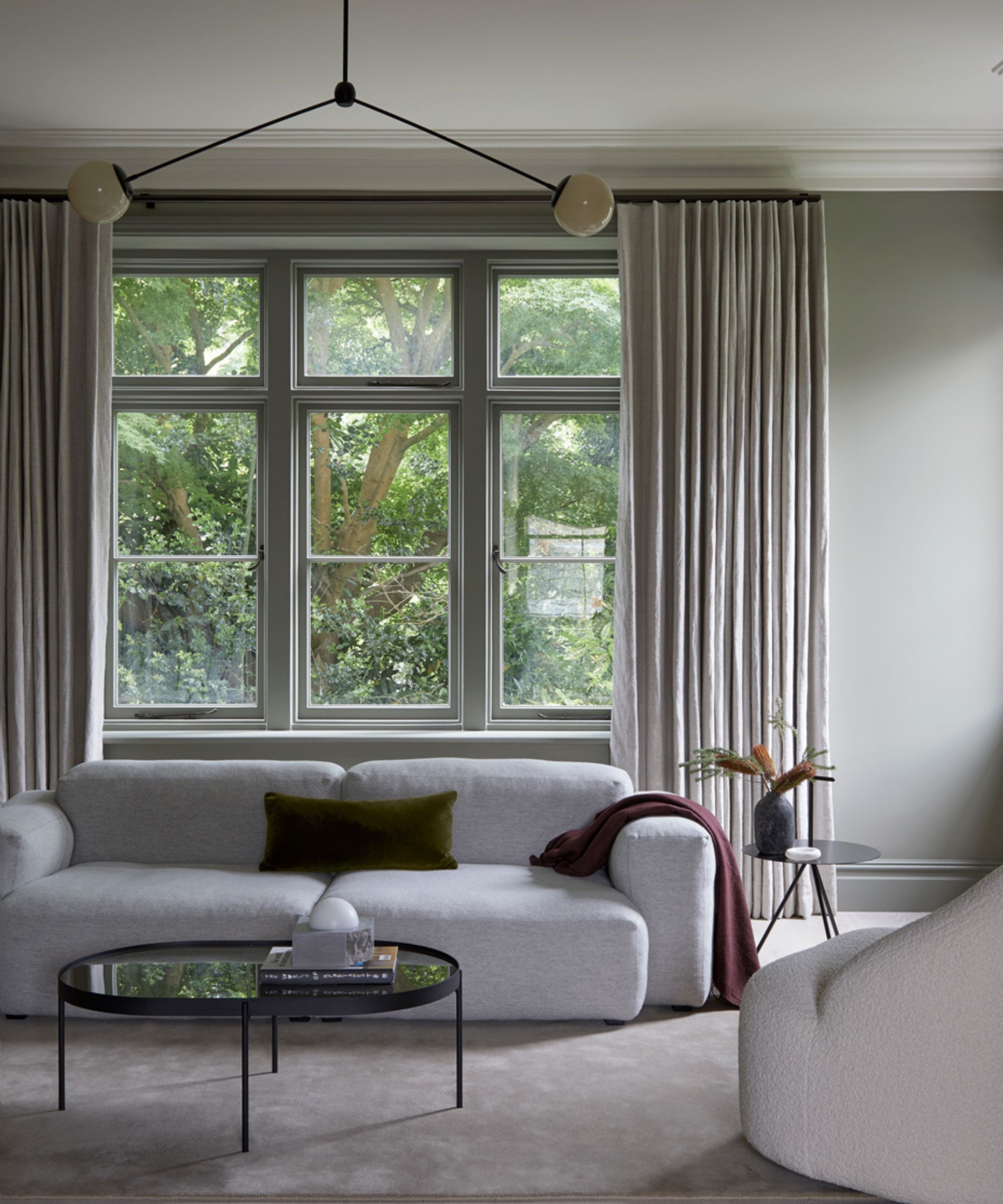
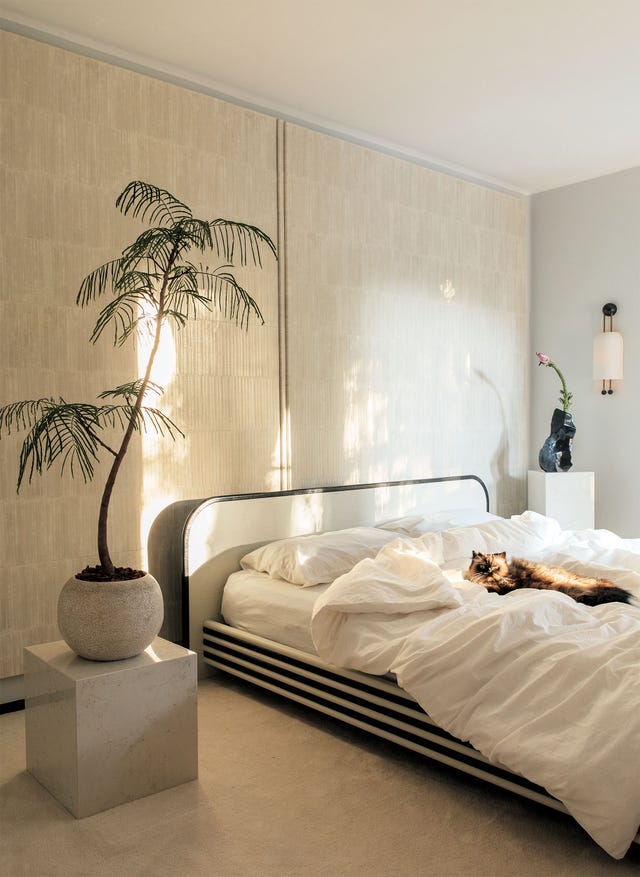
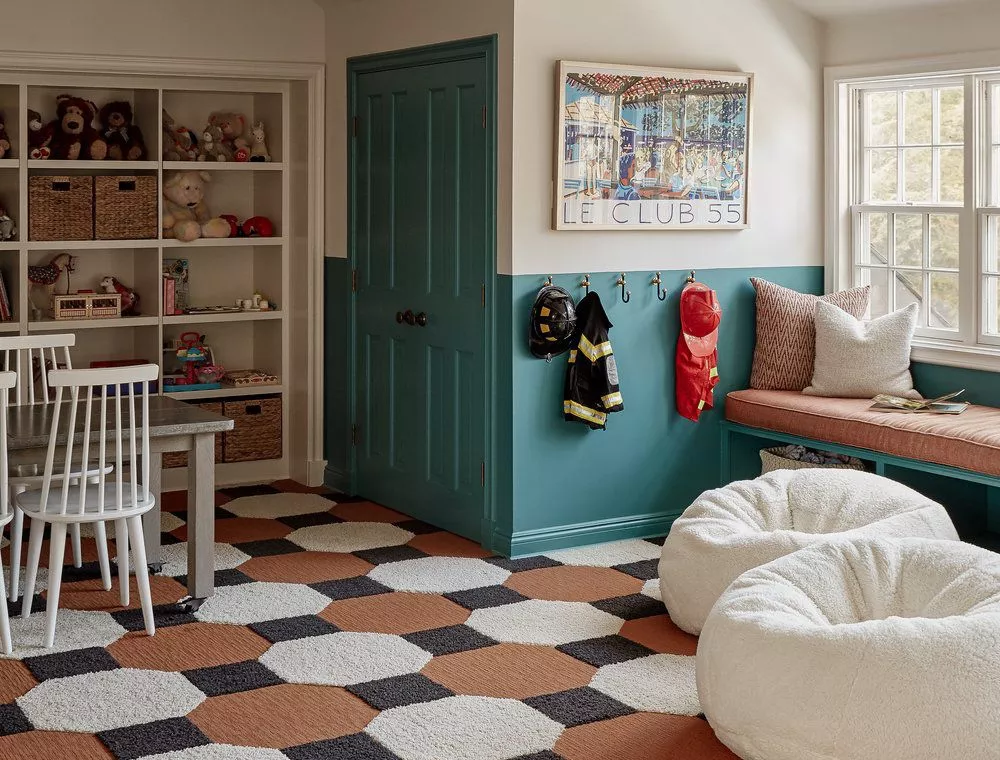
Beyond thermal comfort, carpeting is also an excellent solution for sound insulation. In homes prone to noise or echoing, carpeting can significantly reduce sound transmission and create a quieter atmosphere. Unlike area rugs, which offer some acoustic benefits, wall-to-wall carpeting provides comprehensive sound absorption, making it ideal for rooms like playrooms, recreation rooms, and bedrooms where minimizing noise is crucial for comfort and focus.
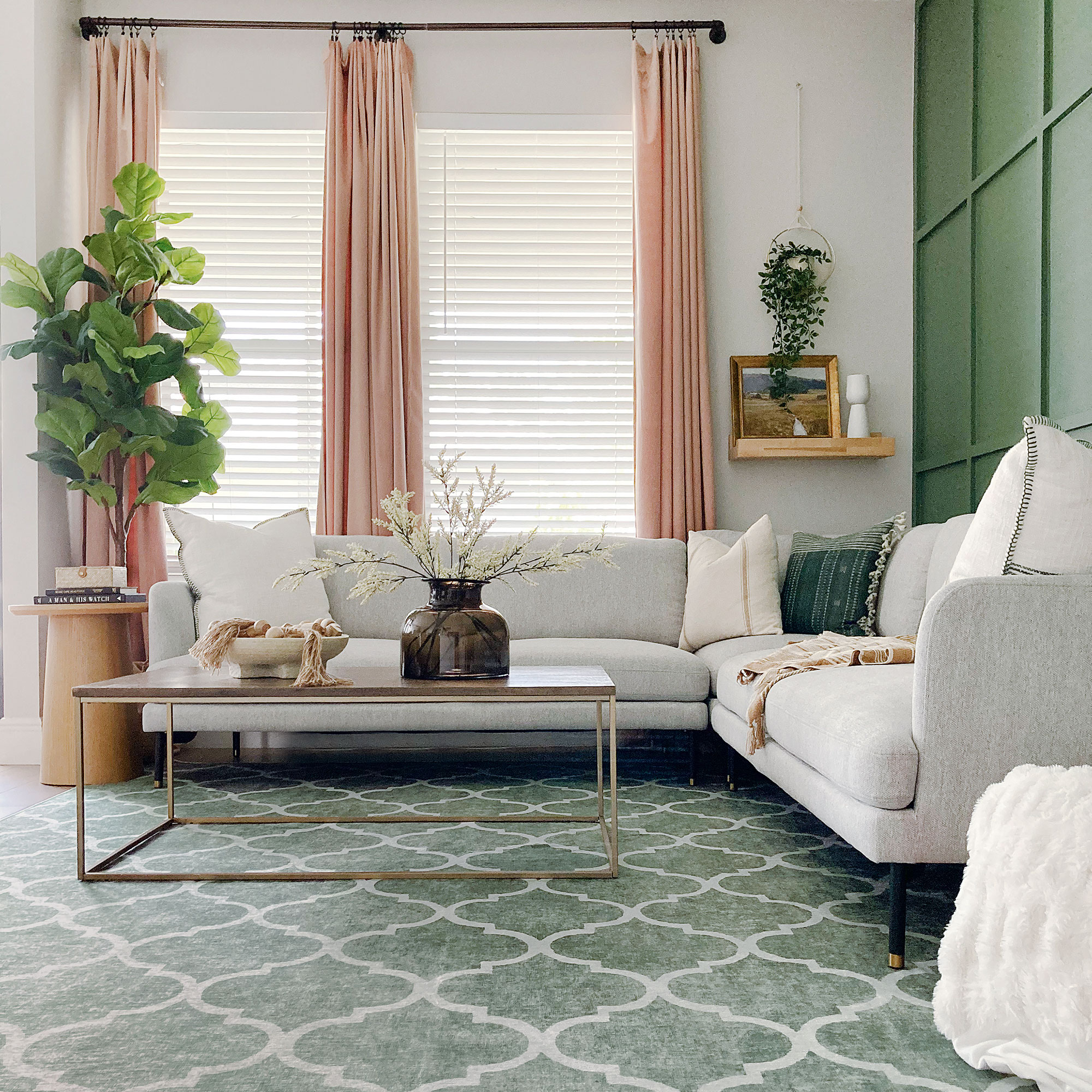
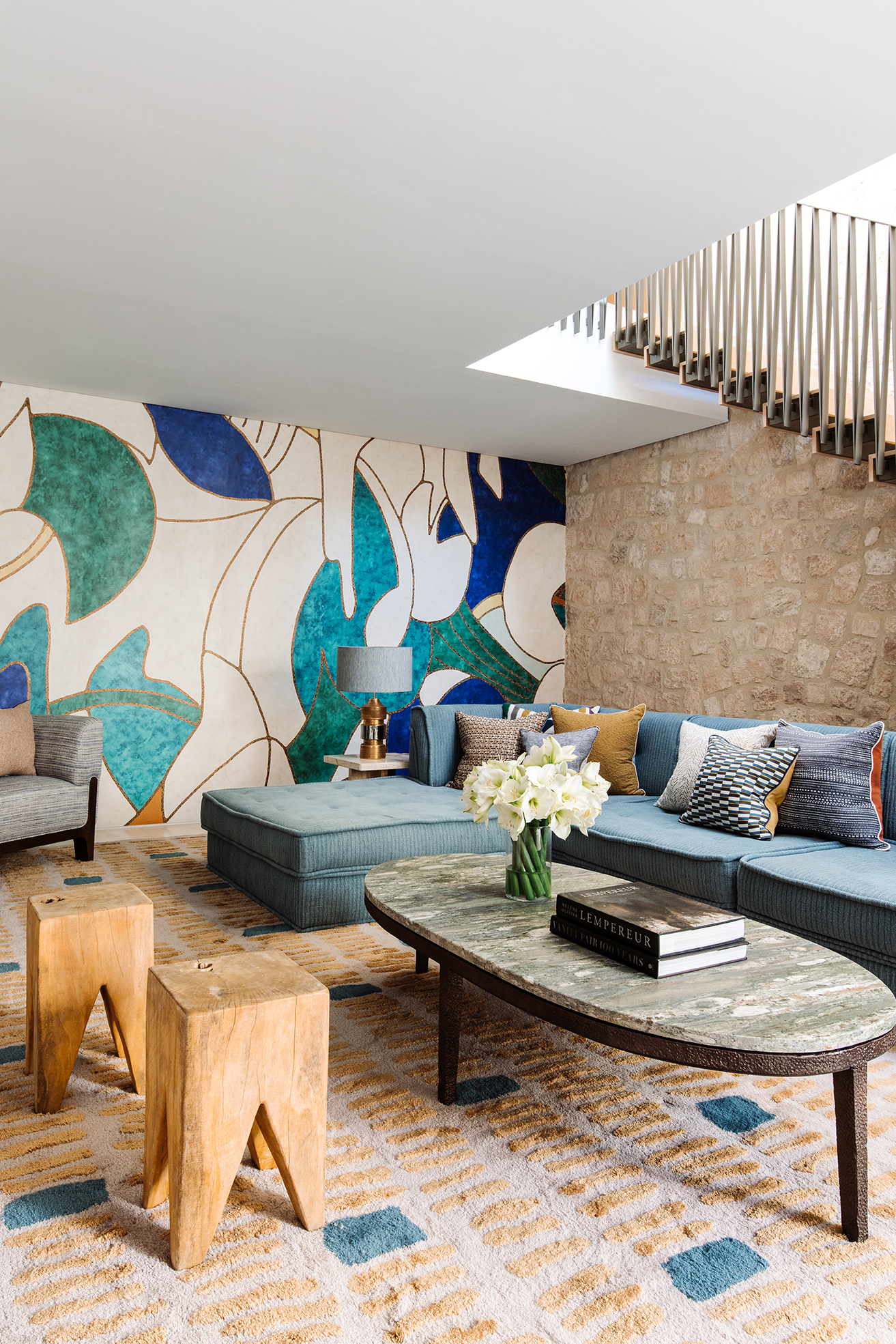
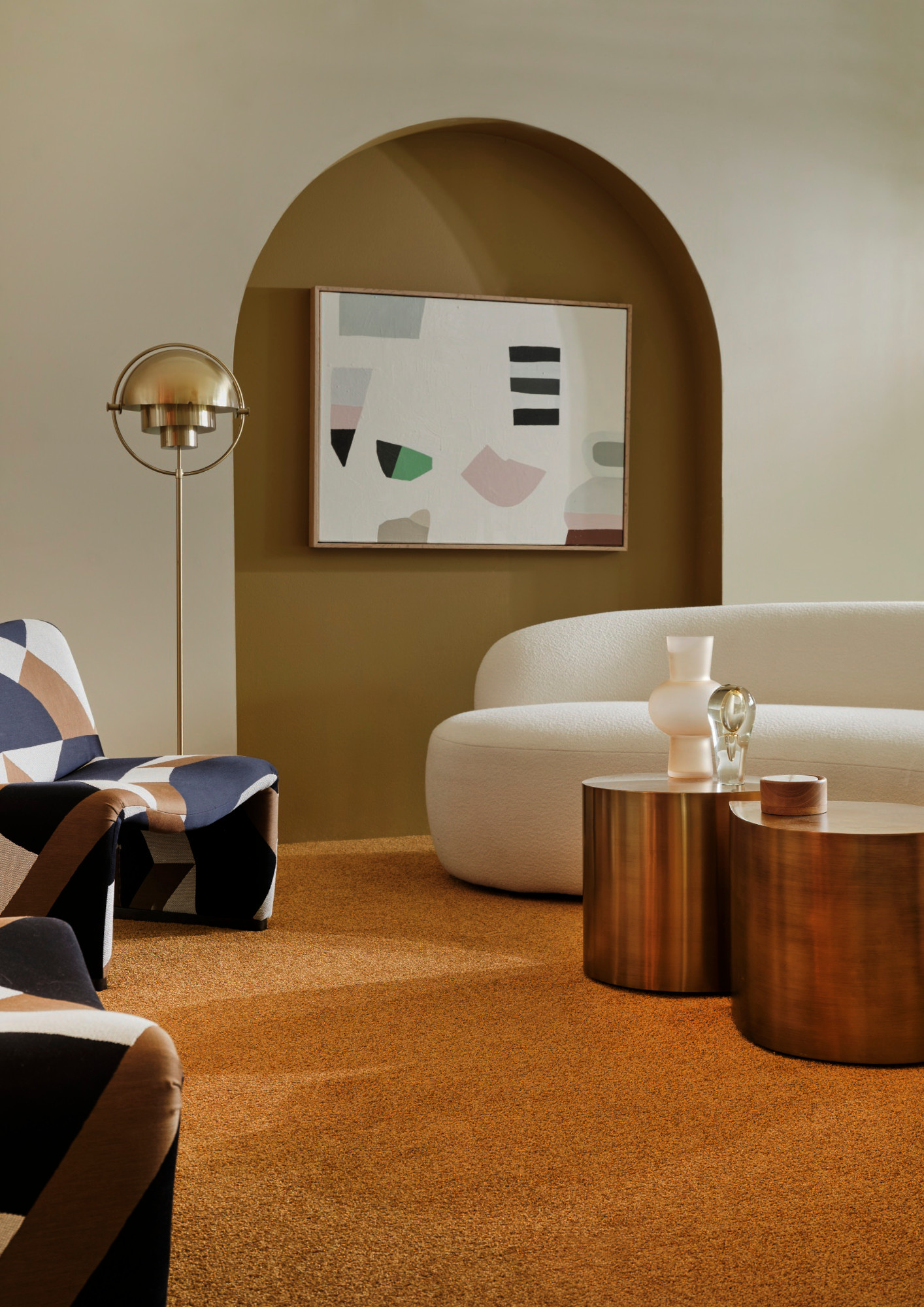
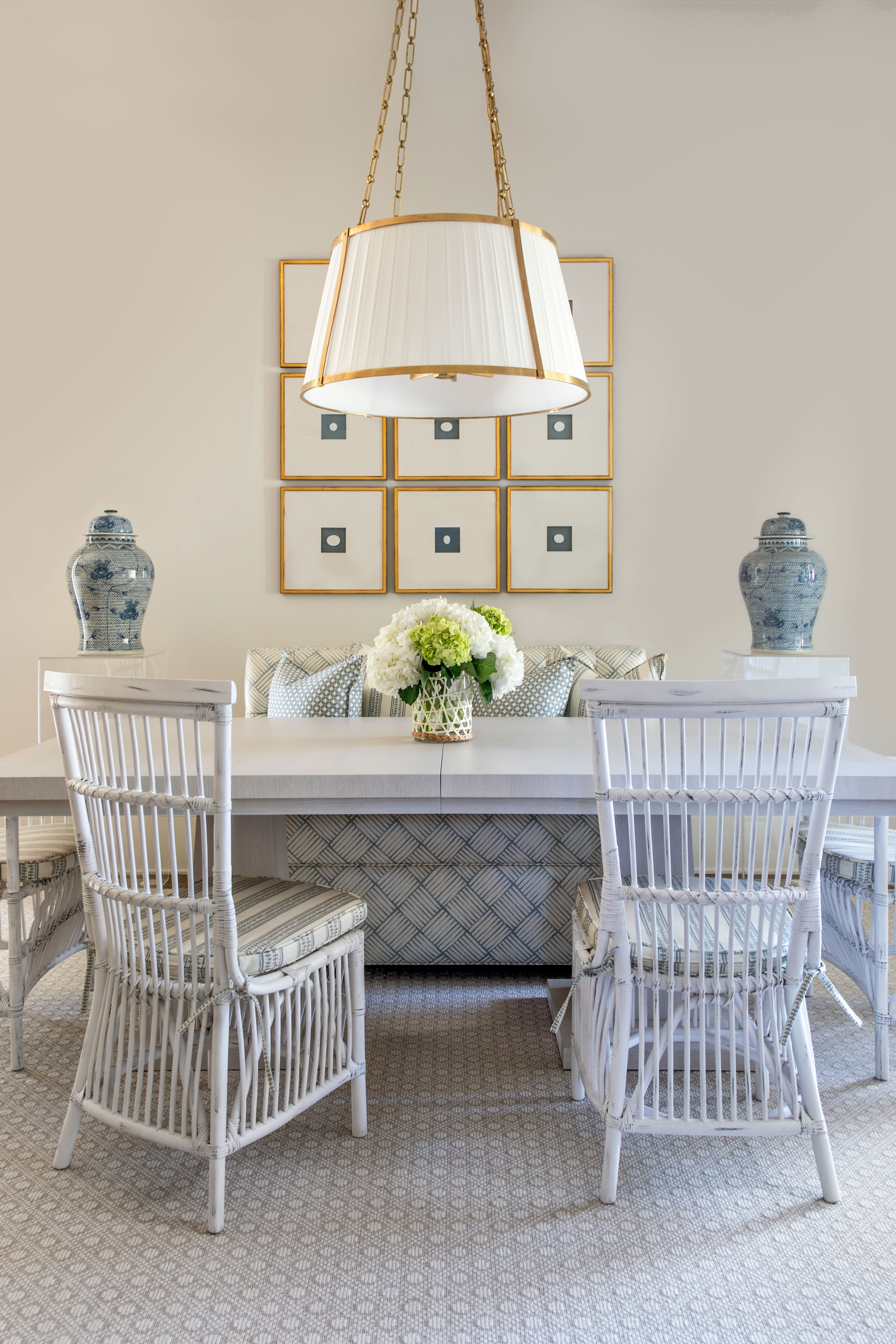
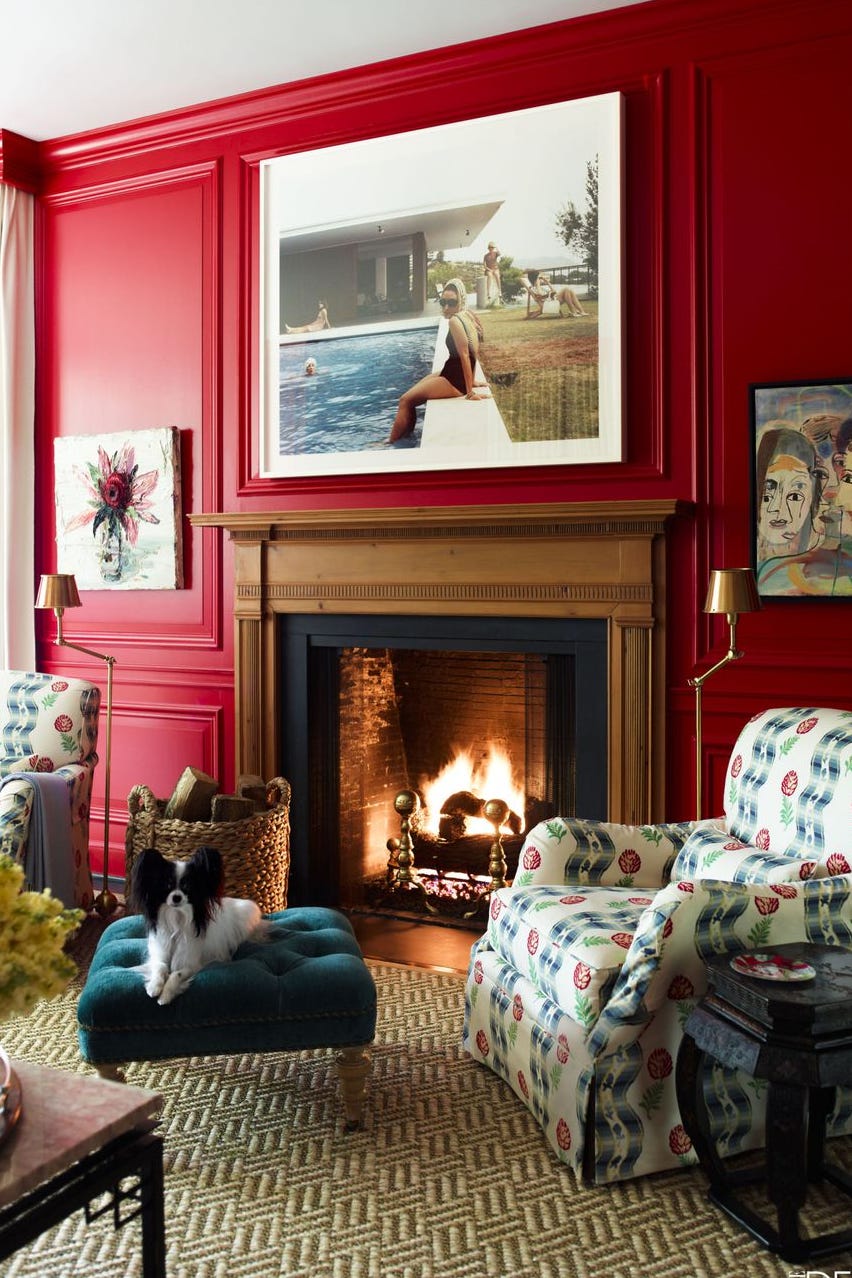
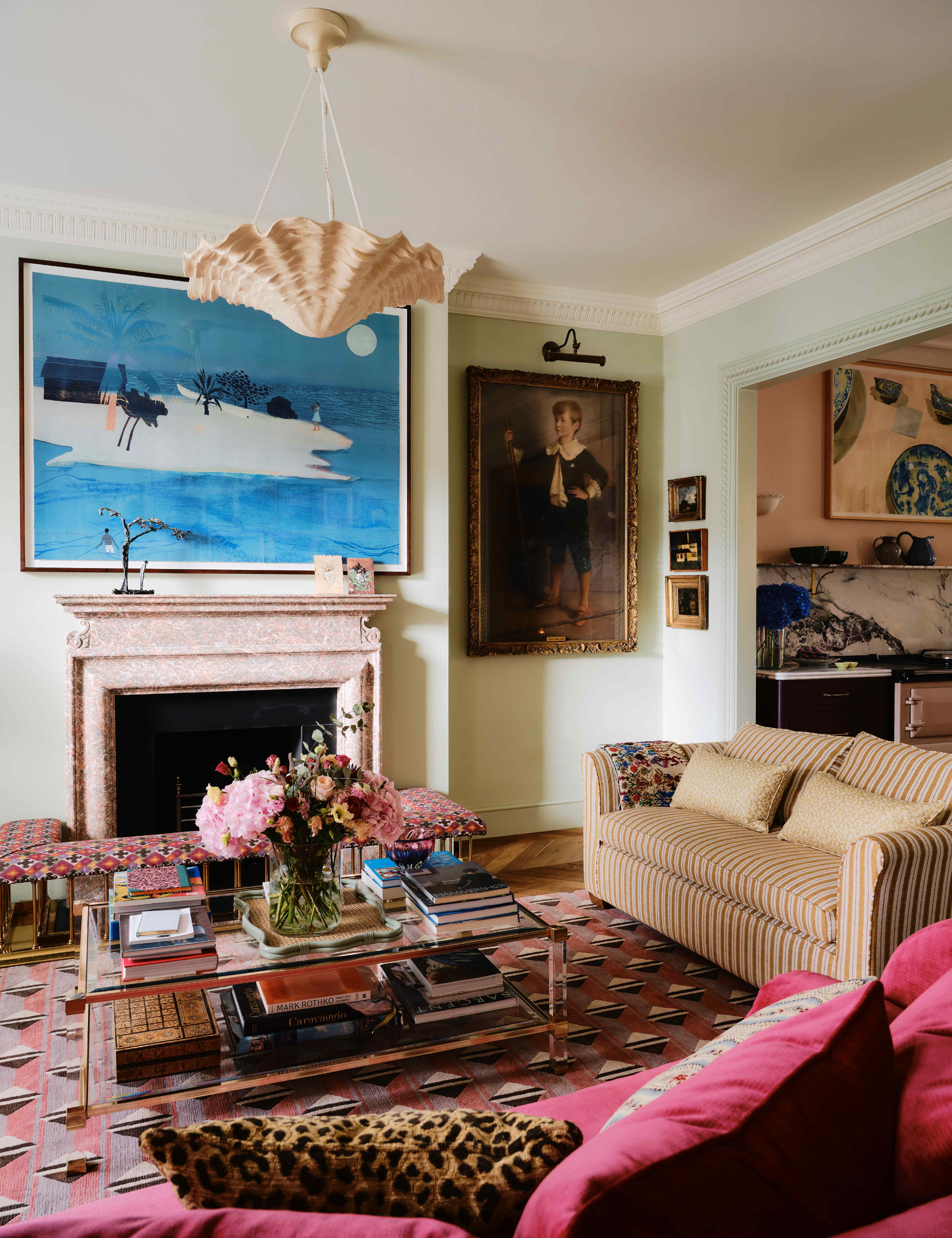
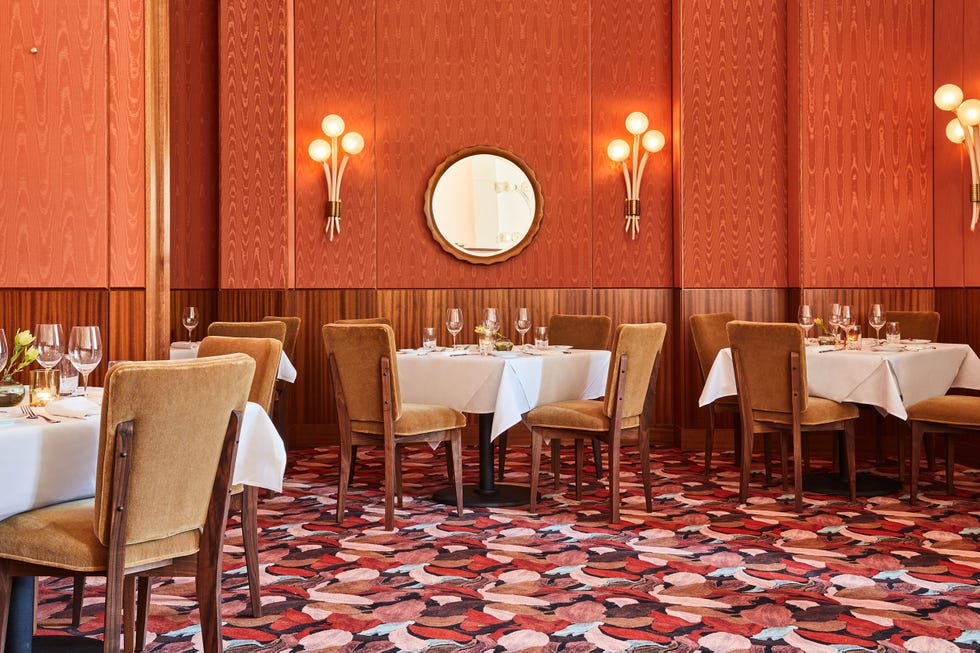
Heather Peterson addresses the historical aversion to carpeting, acknowledging that past trends featured less desirable options, from deep shags to bland beige. However, she asserts that the industry has evolved, now offering a diverse range of attractive and practical carpeting choices. Homeowners can select from subtle, low-pile options that integrate seamlessly into a minimalist design, or opt for bolder patterns to make a statement. The versatility extends to layering, where even a neutral wall-to-wall carpet can serve as a base for an area rug, enhancing texture and visual interest.
When replacement becomes necessary due to allergies, sensitivities, or wear and tear, Peterson advises against automatically defaulting to hard flooring. Instead, she recommends exploring wool or wool-blend carpets, which offer superior durability compared to synthetic options like nylon, often only expected to last a few years. She shares a personal anecdote of covering damaged wood floors in her design studio with a durable wool Wilton leopard print carpet, illustrating a successful and satisfying alternative to traditional hard flooring.
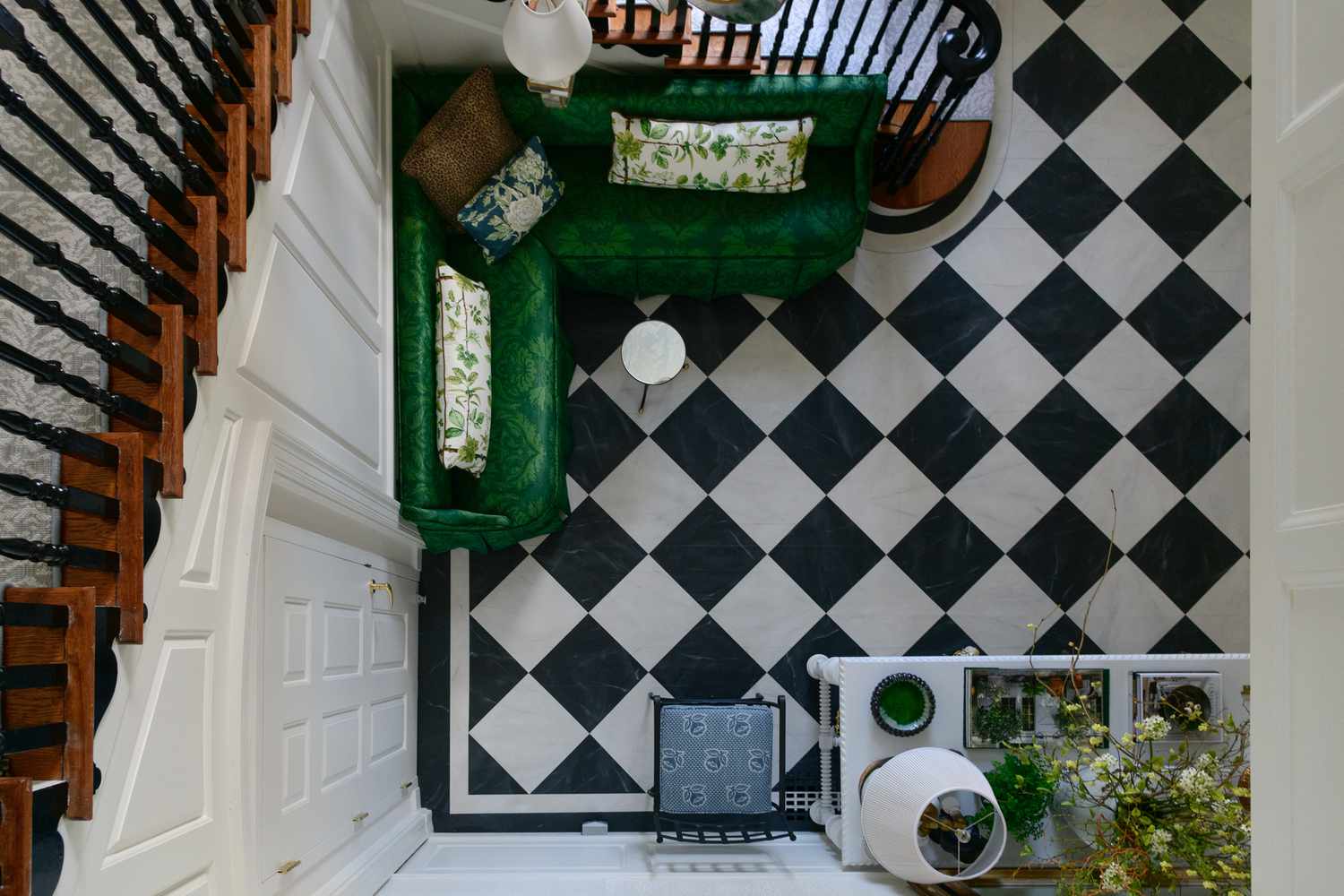
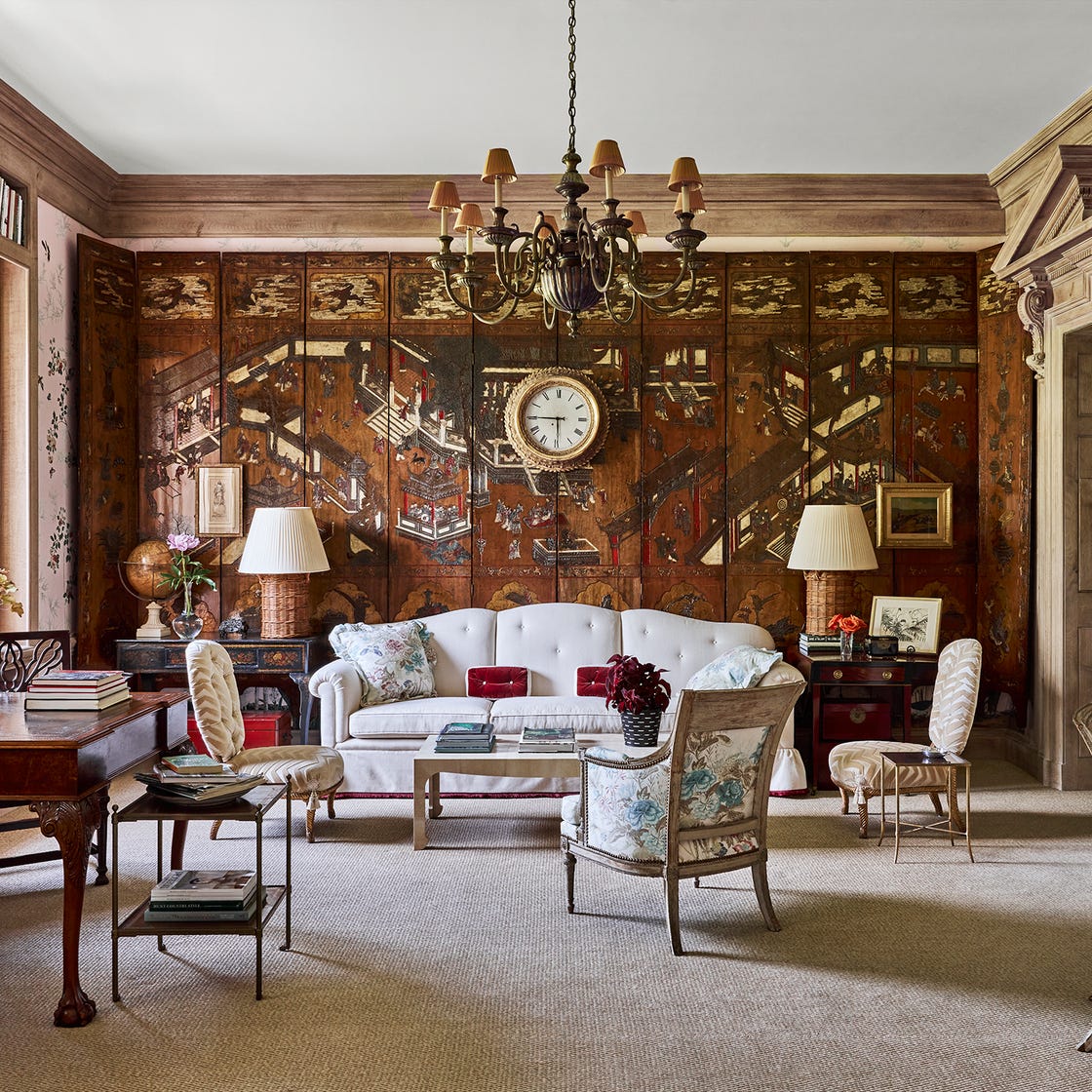
Finally, carpeting is presented as an effective way to achieve a unified aesthetic within a room. While patterned wood or geometric tiles can be impactful, a cohesive, wall-to-wall flooring solution can often do more justice to a room's overall design, creating a seamless visual flow. This unified look can be achieved with various carpet types, from plush wool to sisal, contributing to an elegant and integrated interior design scheme.
#Carpeting #HomeDecor #InteriorDesign #FlooringOptions #SoundInsulation #ThermalComfort #ModernCarpets #DesignTrends #WoolCarpet #Carpeting #HomeDecor #InteriorDesign #FlooringOptions #SoundInsulation #ThermalComfort #ModernCarpets #DesignTrends #WoolCarpet
0 comment in total
 No comments yet
You may also like
5 interior designers on the styles they will love forever


These are the best carpet designs of the year

5 enduring colors designers always return to when they have trend fatigue
Velvet: A decor favorite now that never went away

Three design experts share their secrets for finding a new rug and carpet
Is carpet out of style? Designers share how they’re using it now – and what to try instead

5 Genius Hacks to Revamp Old Flooring That Designers Always Use
Why Designers Always Start, But Never End, With Layering – 10 Ways They Build Depth Into Every Room
9 Decorating Choices That'll Never Go Out of Style, According to Interior Designers

10 Interior Design Choices You'll Never Regret, According to Pro Decorators

This Home Decor Trend Has Proved It’s Here to Stay—Here’s Why We Can’t Get Enough
Designers who never follow trends swear by this color family to make their homes look timeless
Is Wall-to-Wall Carpeting Coming Back in Style? Designers Didn't Hold Back
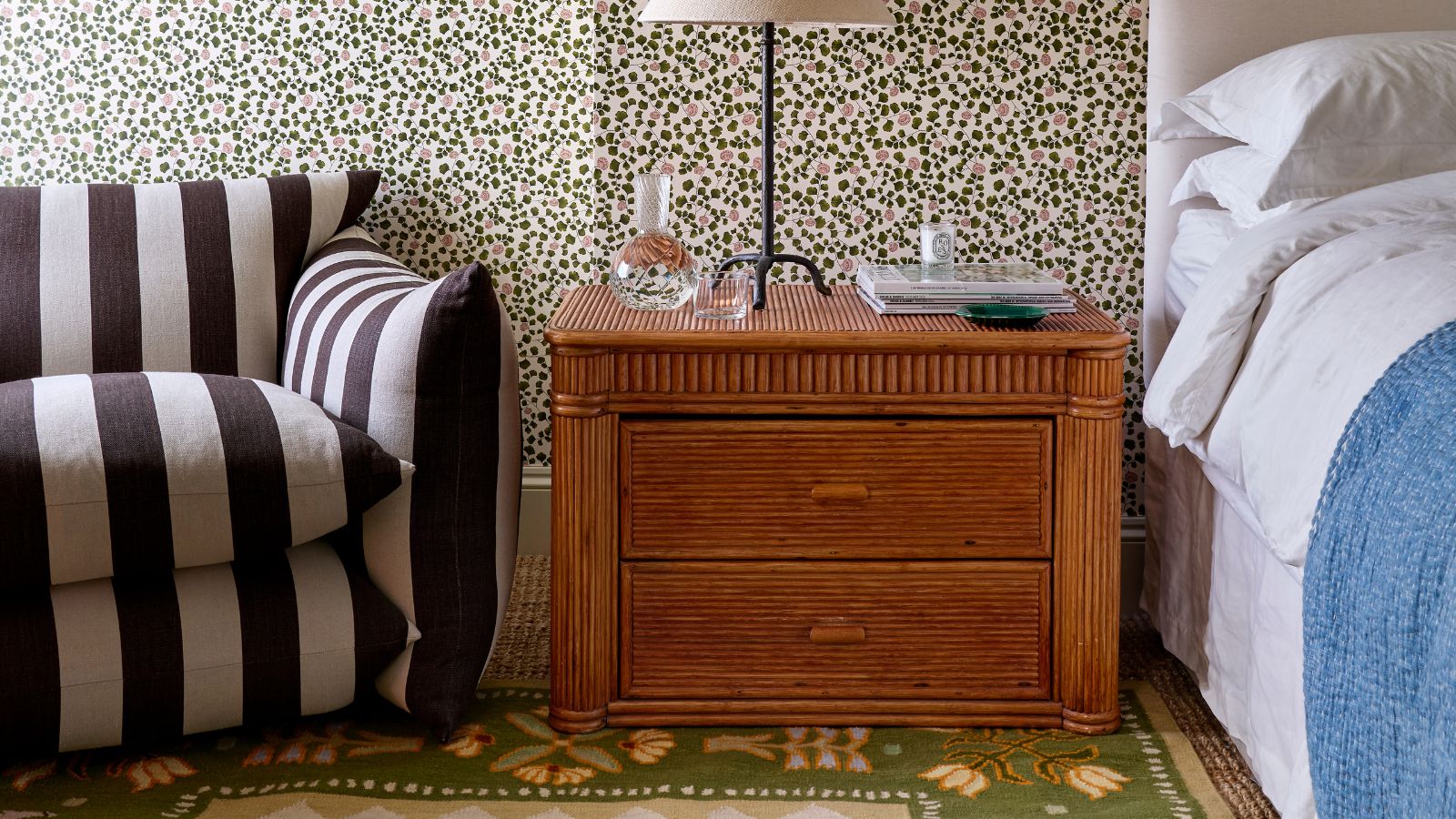
This Charming Rug Style Has Me in a Chokehold – Here's Why Editors and Designers Alike Can't Stop Shopping (and Thrifting) Folk Flatweave Rugs
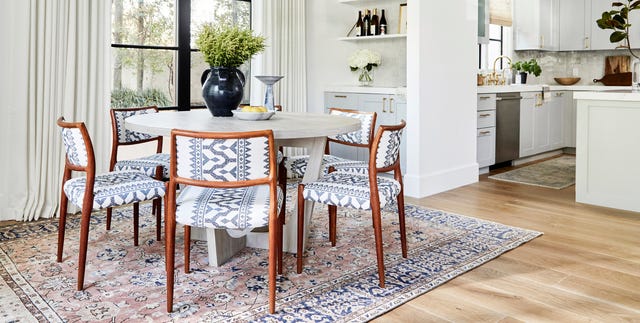
Top Designers Reveal the Carpet Trends We'll See in 2020
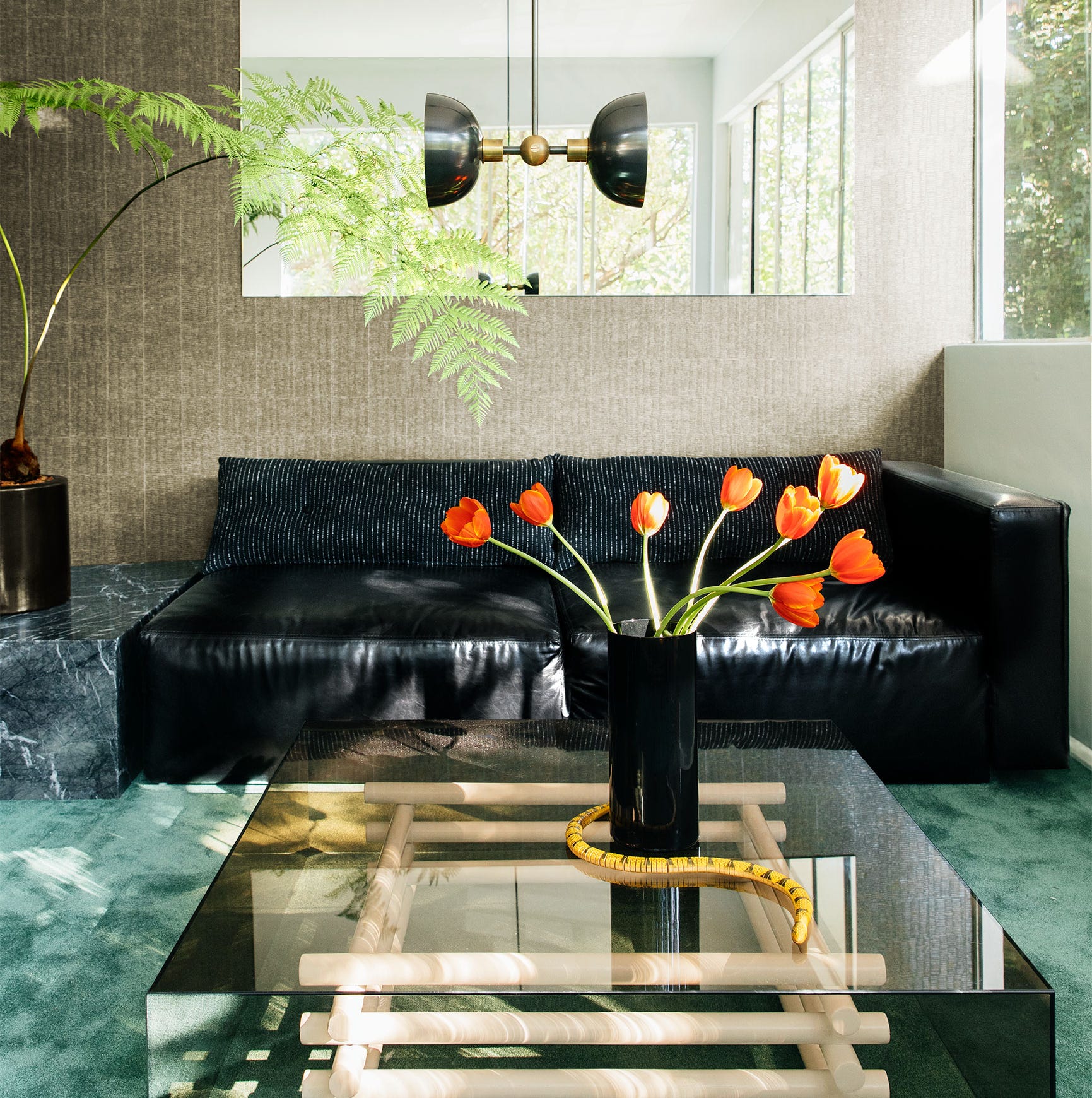
Wall-to-Wall Carpet Is Back (and We’re Not Mad About It!)
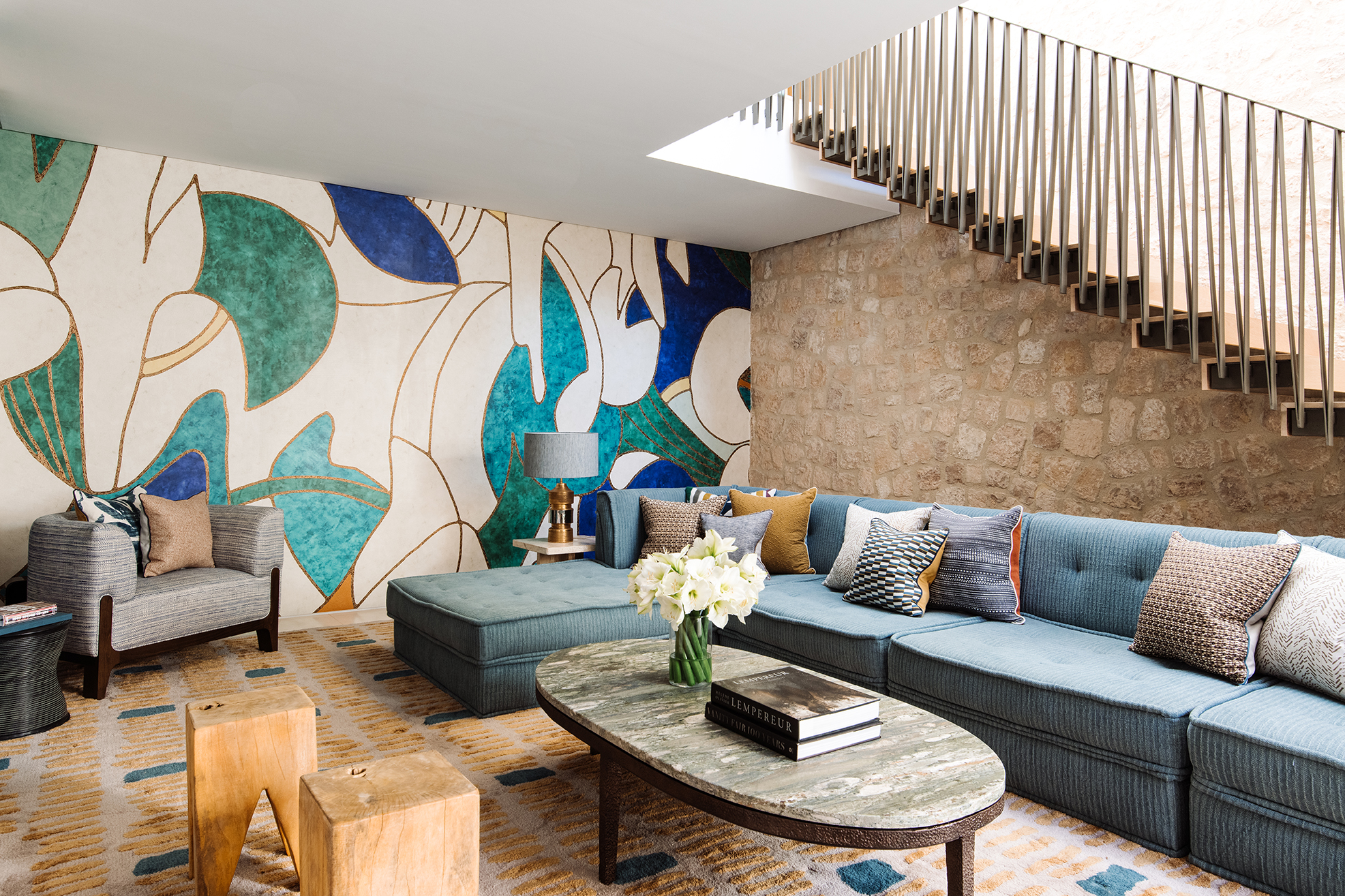
These designer-approved wall-to-wall carpet ideas will change your mind about flooring trends
6 Timeless Sofas Interior Designers say Will Never Make Your Living Room Look Dated
Pro Tip: These Couch Covers Are Home Decor Game-Changers
7 Home Design Styles That Will Never Go Out of Style, According to Designers