1/2
Best Couch Fabrics: 9 Types of Couch Materials to Choose From
Choosing the right fabric for a couch involves balancing aesthetic preferences with practical considerations, as various materials offer distinct benefits and drawbacks concerning durability, maintenance, and style. The decision is crucial for ensuring the longevity and appearance of this central piece of furniture. Nine common couch fabrics are explored, each with specific recommendations for optimal use.
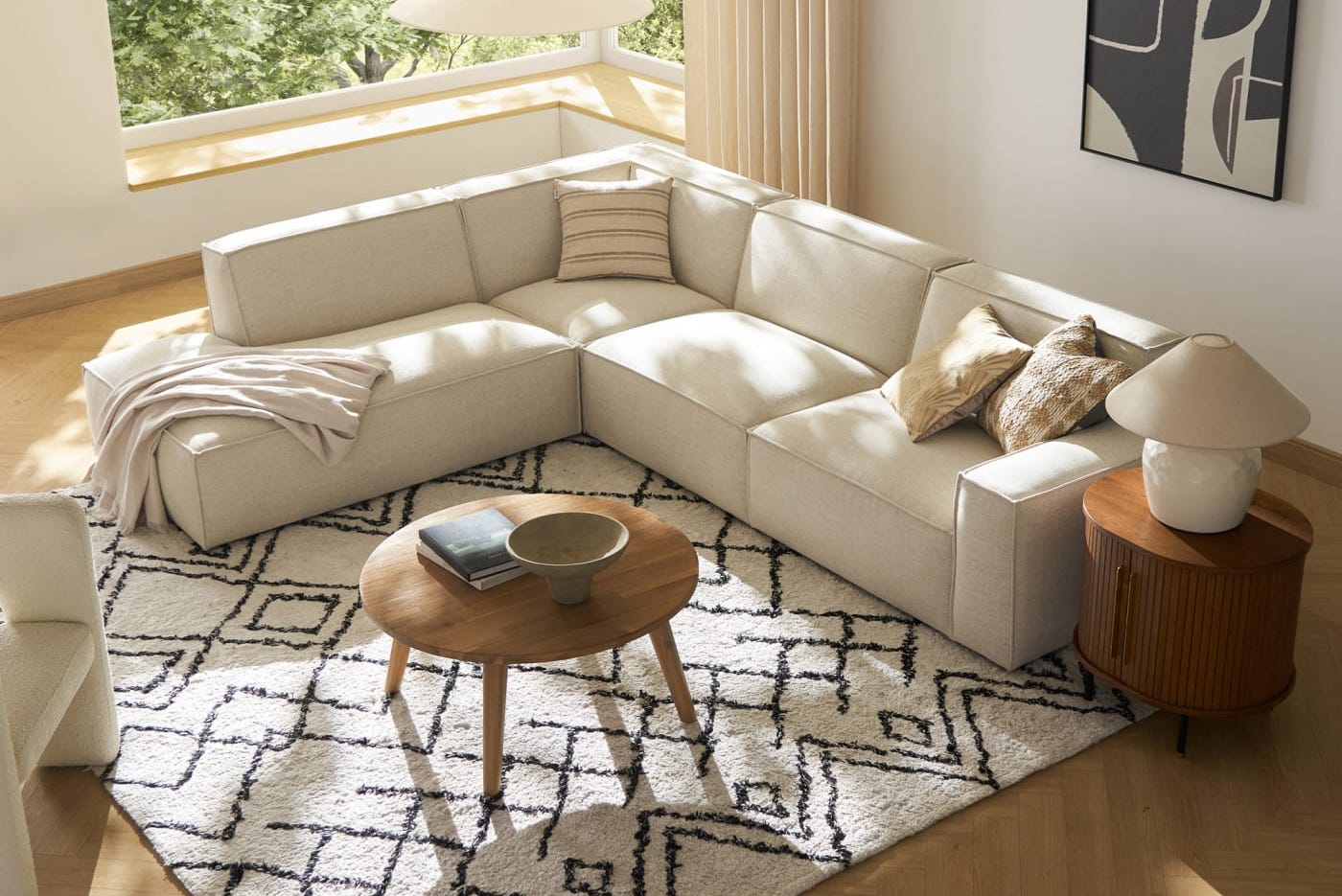
Cotton, a natural fiber, is highly favored for its softness, breathability, and durability, making it ideal for warm climates. It is easy to clean and resistant to pilling, and its ability to be dyed in countless colors and patterns offers versatility. However, it benefits from stain-resistant treatments to maintain its pristine condition.
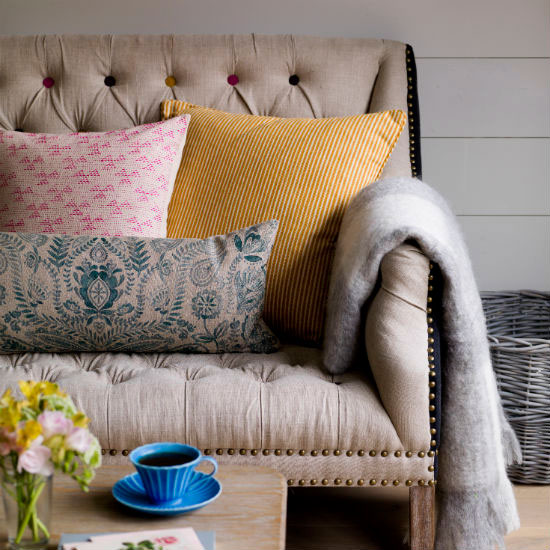
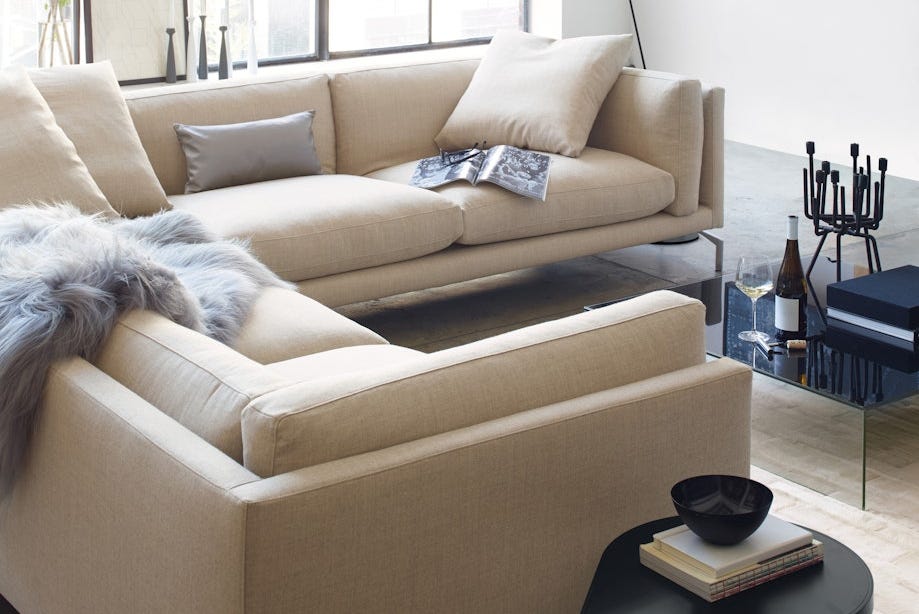
Linen, known for its sustainable qualities and casual chic aesthetic, provides comfort in both warm and cool temperatures and softens over time. It is perfect for those who appreciate a natural, slightly rumpled look. A key consideration for linen is its potential to fade when exposed to direct sunlight.
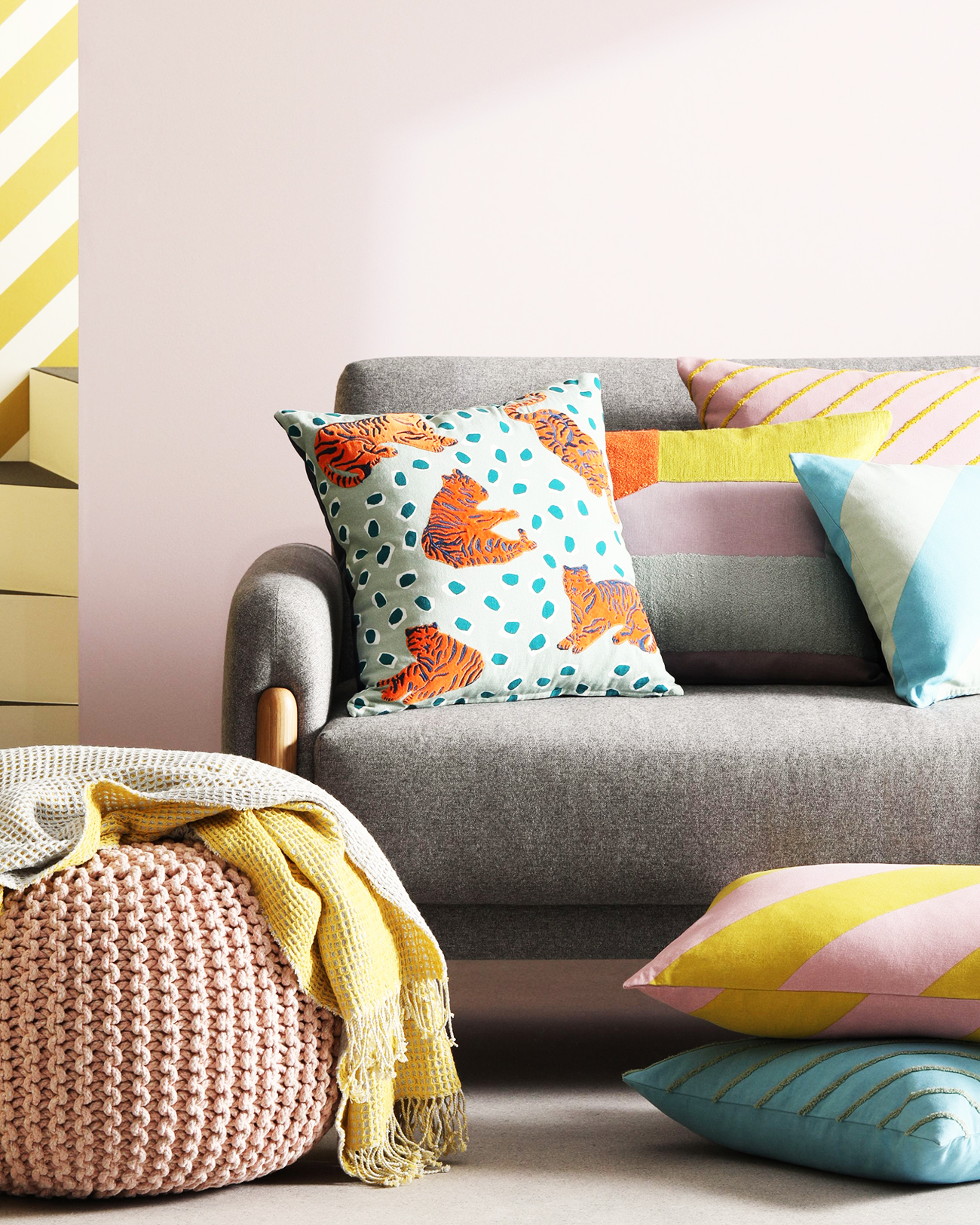
Wool stands out for its natural stain resistance and durability, making it suitable for high-traffic areas. Despite its higher cost, wool's longevity and ability to maintain a wrinkle-free, soft, and cozy feel make it a worthwhile investment. It is also easy to clean.
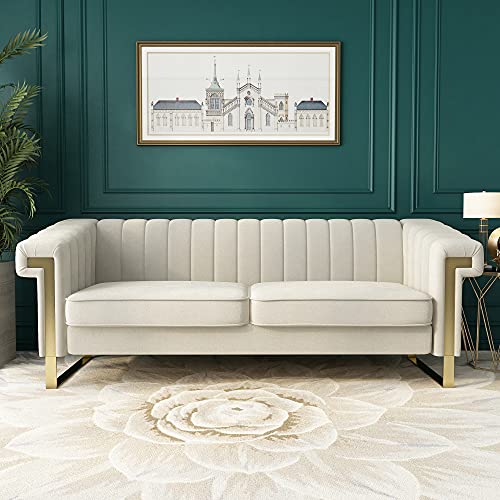
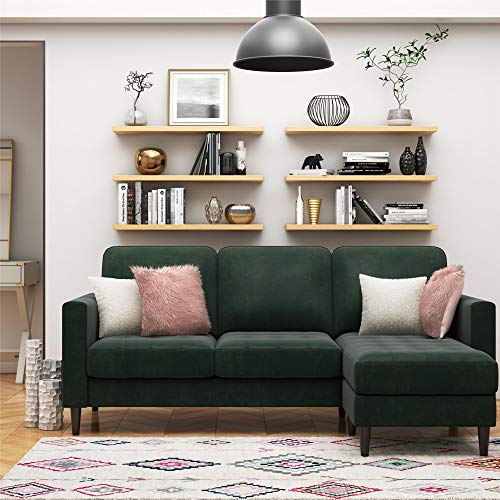
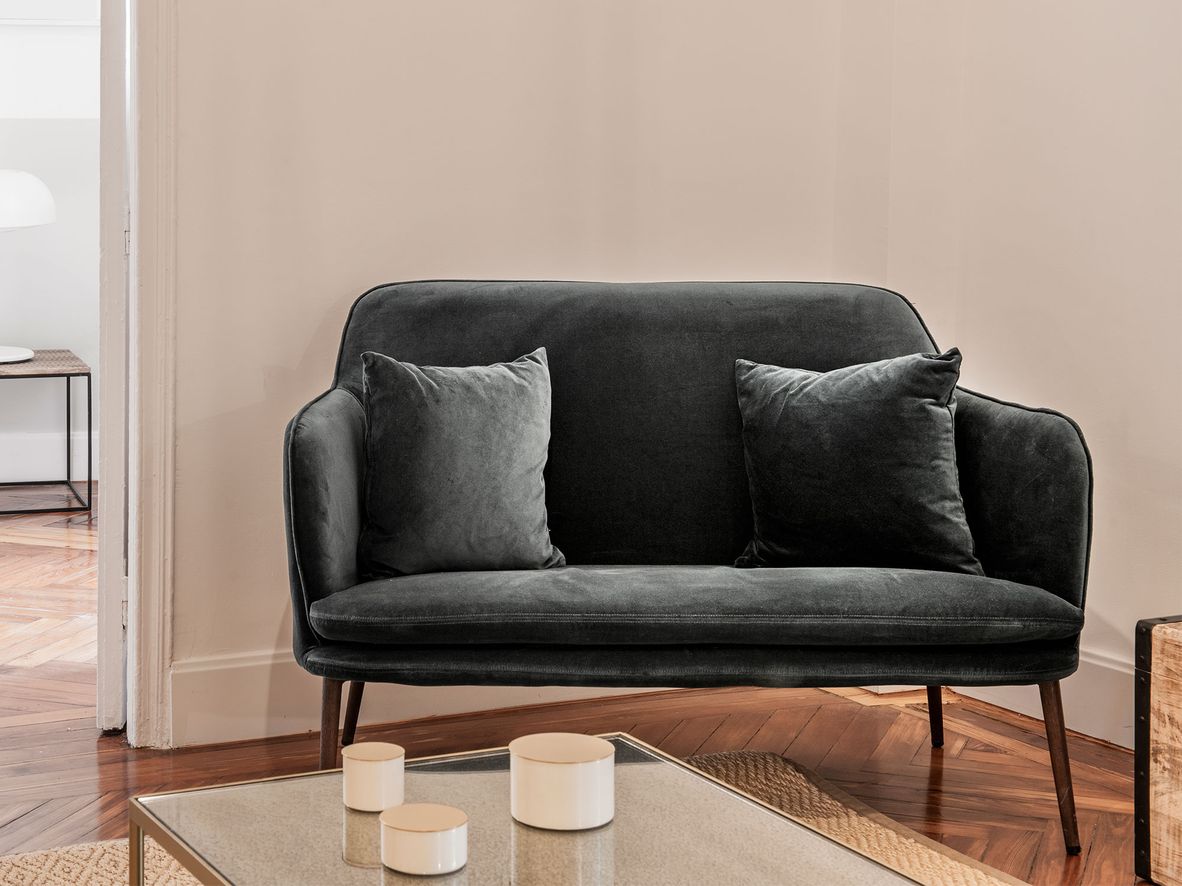
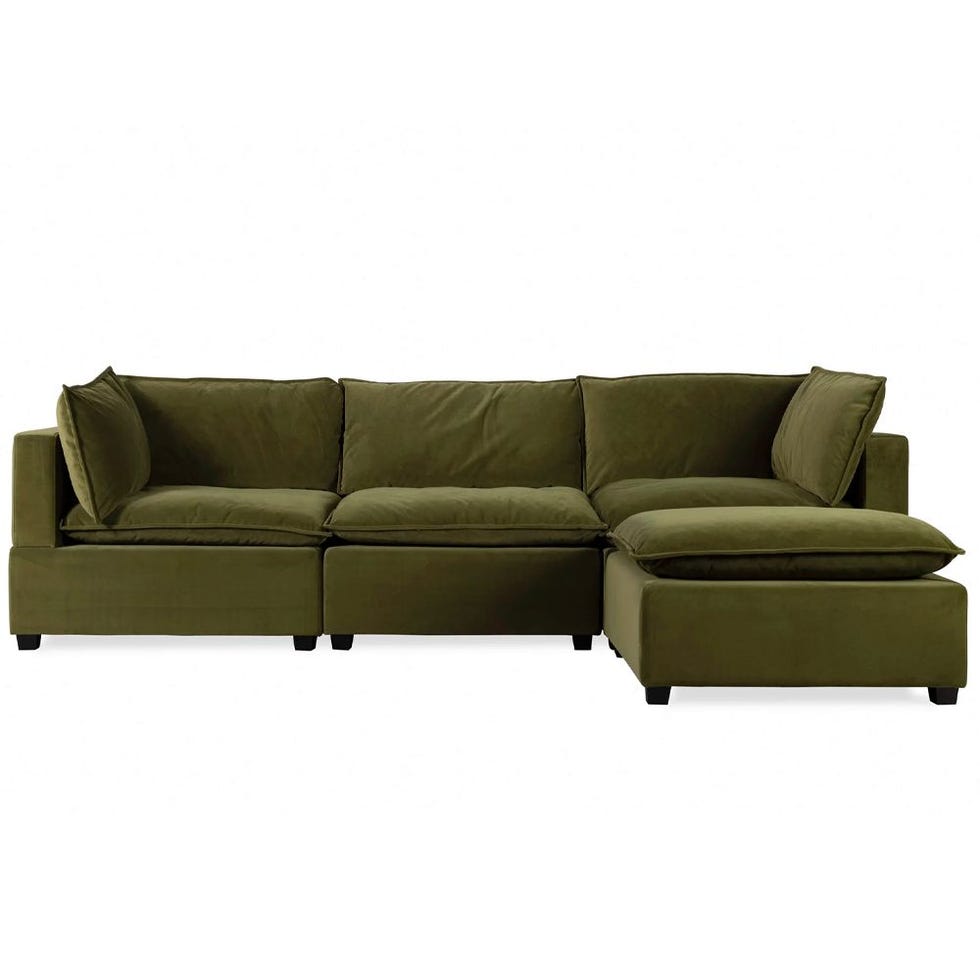
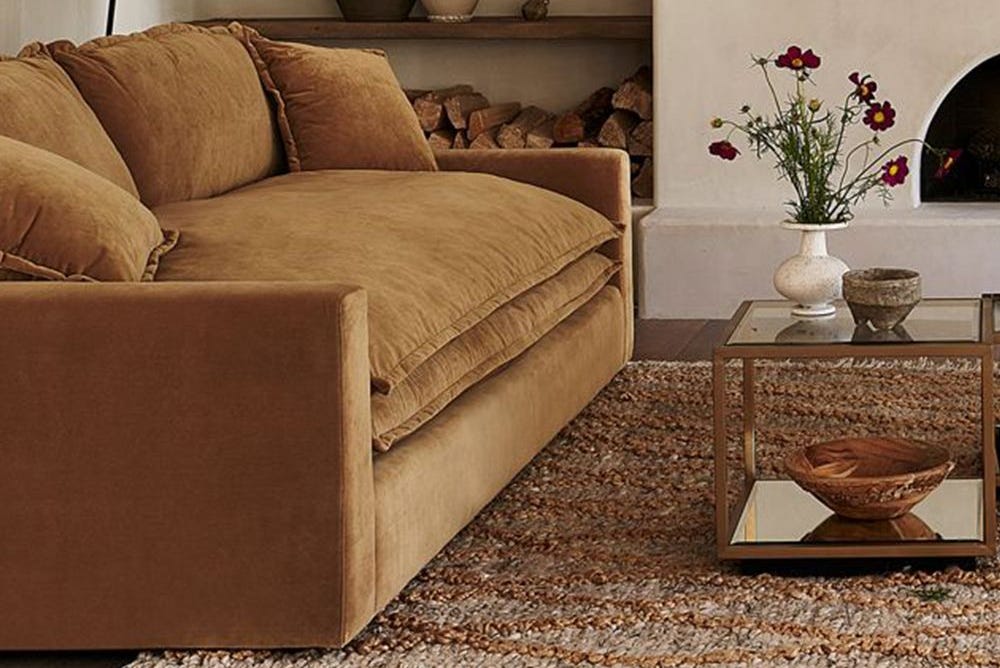
Velvet offers a luxurious and elegant feel, often chosen for its plush texture and rich appearance. It is best suited for formal living rooms or areas with less traffic due to its susceptibility to staining and tendency to flatten with heavy use. Blending velvet with synthetic fibers like polyester can enhance its durability.
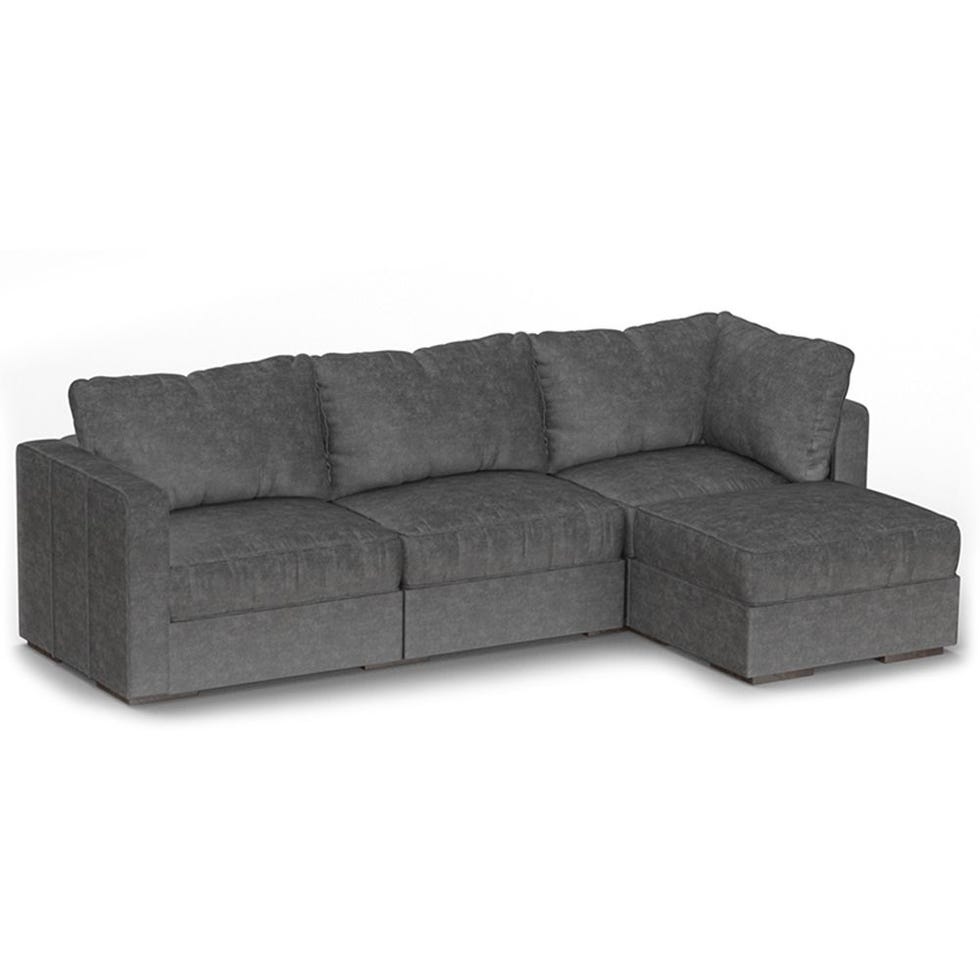
Chenille provides a soft, plush feel similar to velvet but with improved durability. Its closed-loop construction facilitates cleaning, though it can snag. For high-traffic areas, reinforced performance chenille is recommended.
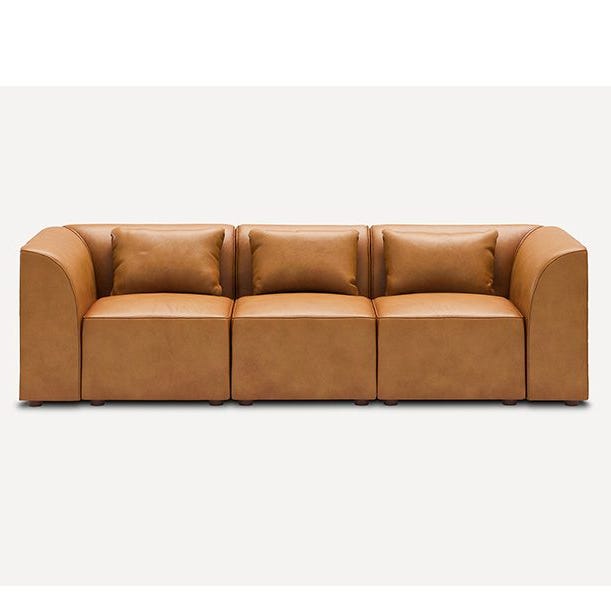
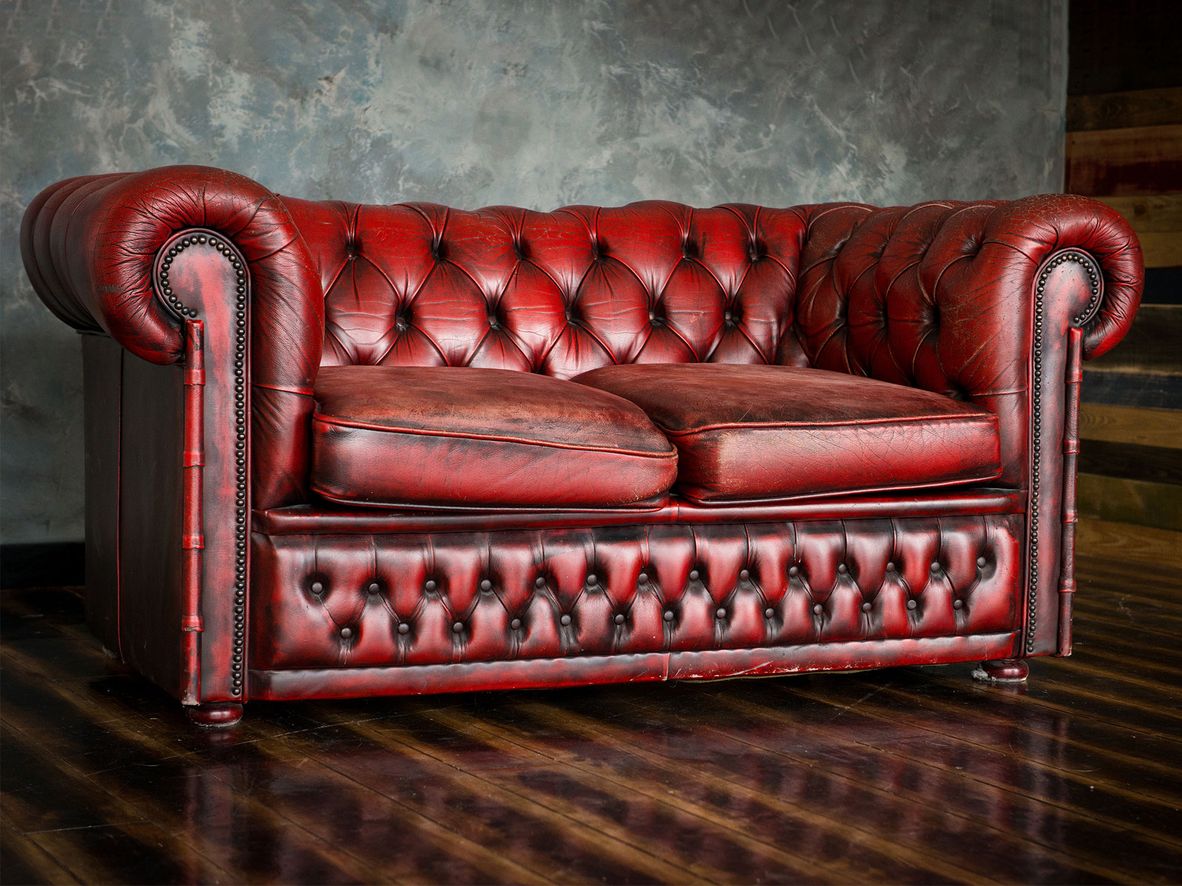
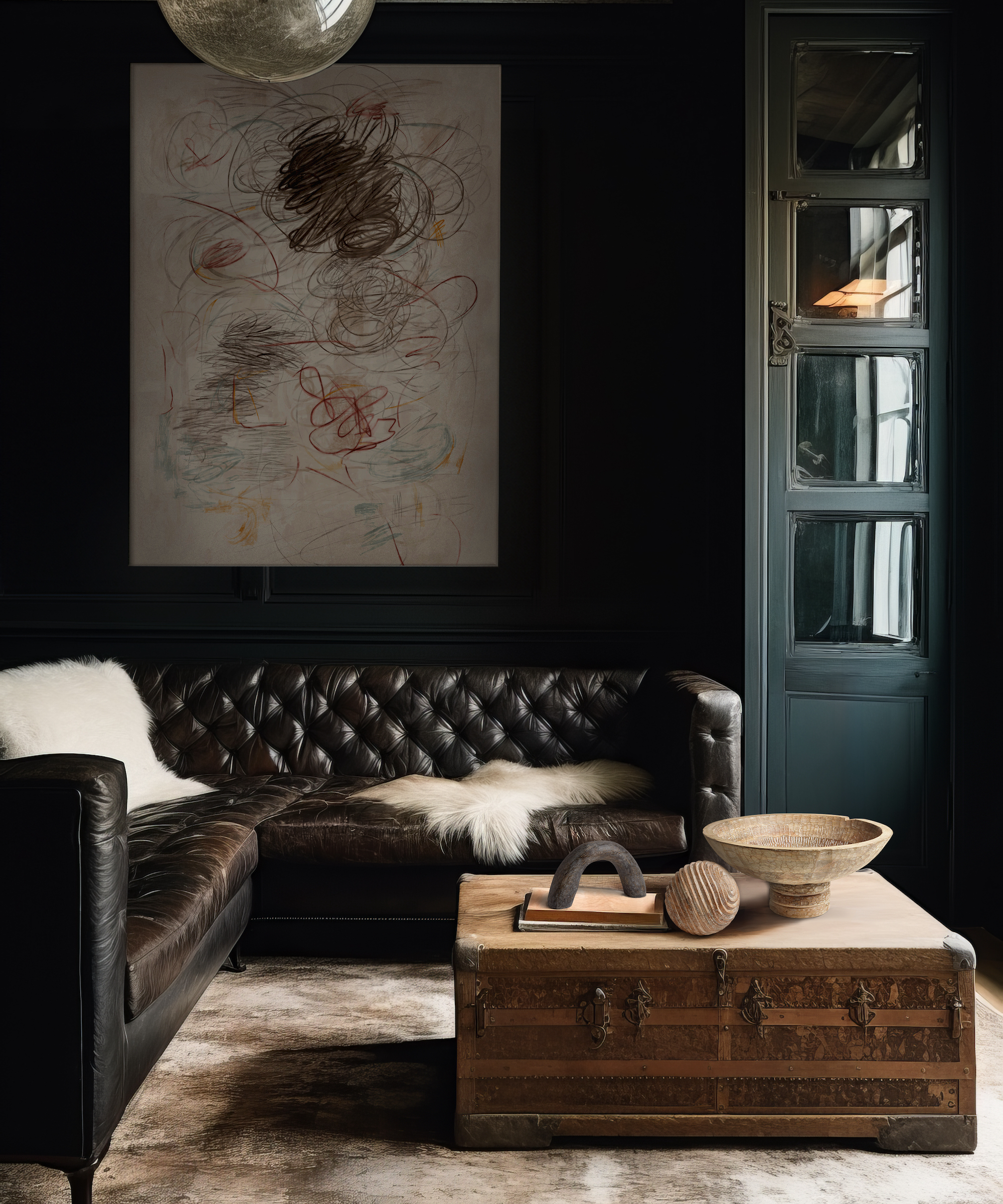
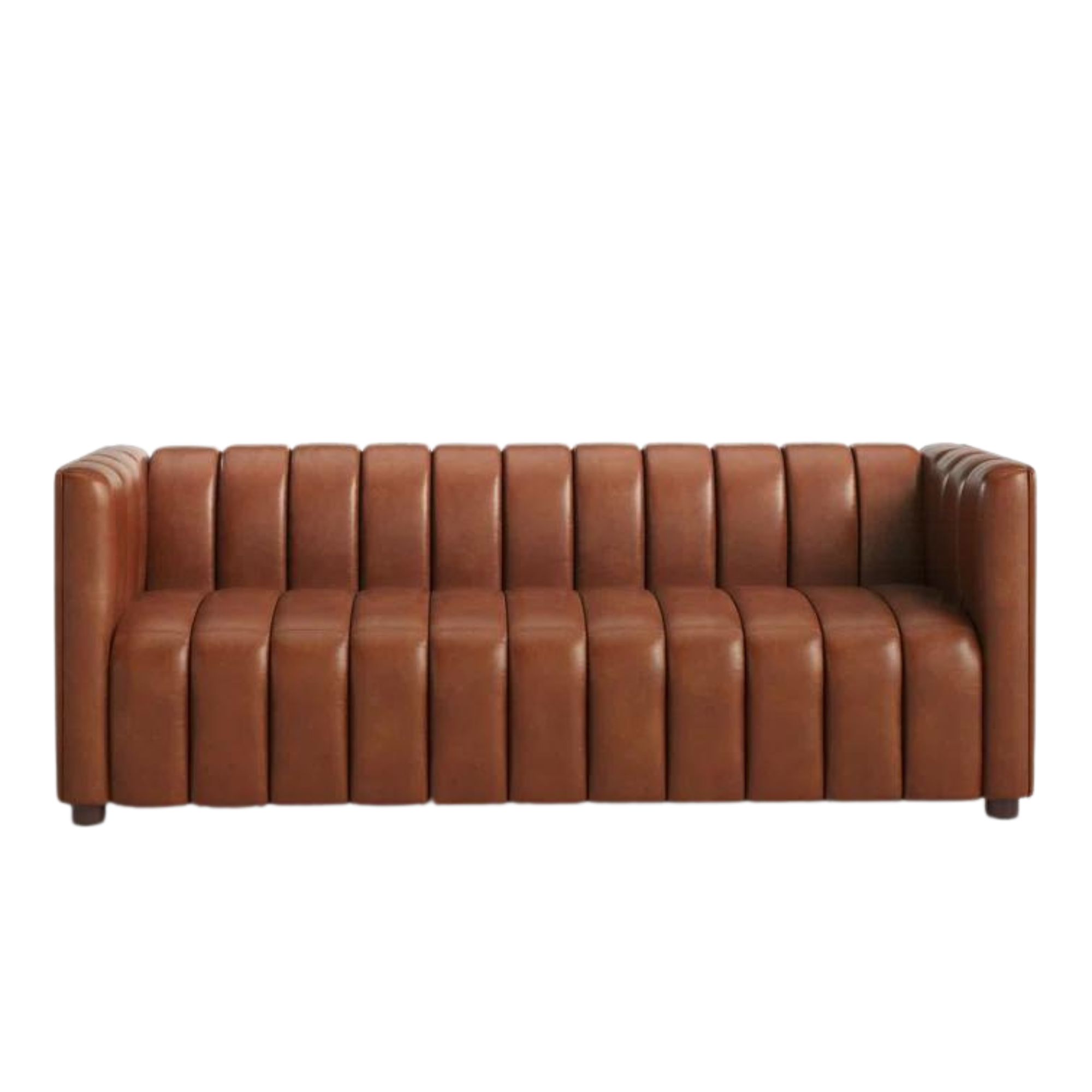
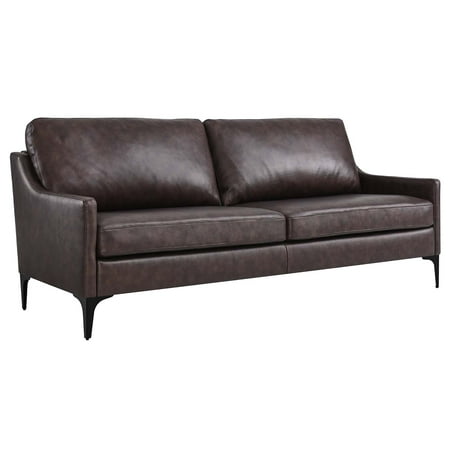
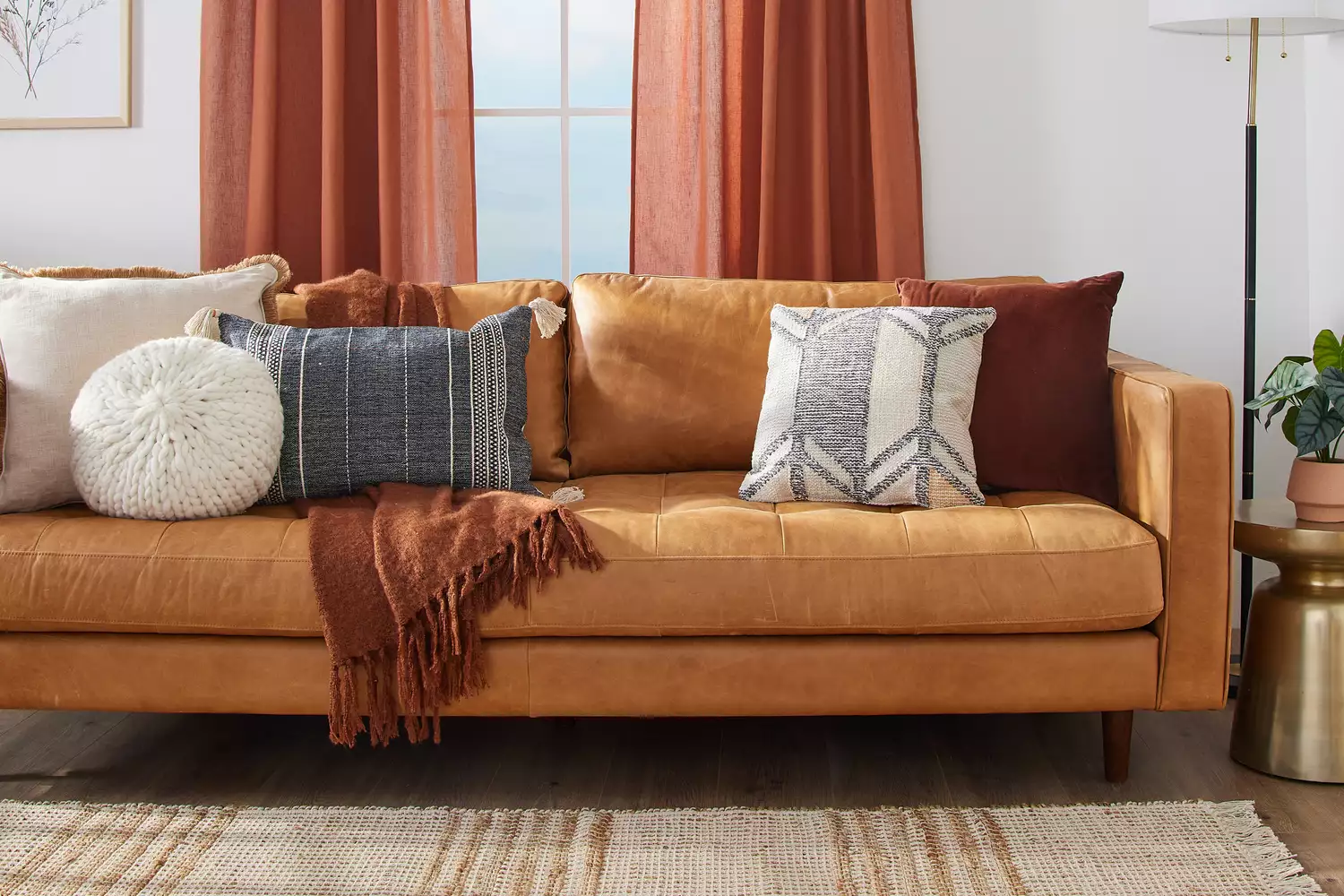
Leather is a classic and versatile choice, prized for its durability, stain resistance, and ease of cleaning, making it excellent for high-traffic areas. It is also hypoallergenic, appealing to individuals with allergies. Its timeless appeal fits various decor styles, from rustic to traditional.
Polyester, an affordable synthetic, is durable, resistant to fading and wrinkling, and easy to clean. While less breathable than natural fibers, potentially making it uncomfortable in humid climates, and not biodegradable, it offers a cost-effective solution for busy households.
Nylon, another synthetic option, is known for its exceptional strength, durability, and resistance to stains and UV damage, making it suitable for frequently used spaces. Like polyester, it is not sustainable, though recycled versions can mitigate environmental impact.
Microfiber, a soft synthetic fabric, effectively repels liquid spills but tends to attract dust and pet hair. Despite being petroleum-based, its durability means it requires less frequent replacement, offering a longer lifespan compared to some other materials. Ultimately, selecting the ideal couch fabric involves matching the material to the couch style, household lifestyle, and desired level of maintenance, with an option to consider sustainable choices for environmental consciousness.
#CouchFabrics #HomeDecor #InteriorDesign #UpholsteryMaterials #Furniture #FabricDurability #CouchMaintenance #SustainableDesign #DesignTips #CouchFabrics #HomeDecor #InteriorDesign #UpholsteryMaterials #Furniture #FabricDurability #CouchMaintenance #SustainableDesign #DesignTips
0 comment in total
 No comments yet
You may also like
Celia Rufey answers your fabric questions
The 10 Most Comfortable Couches You Can Buy

Interiors: textiles trends and the best bedding, cushions and upholstery in stores now
Read This Before You Buy Your Next Couch
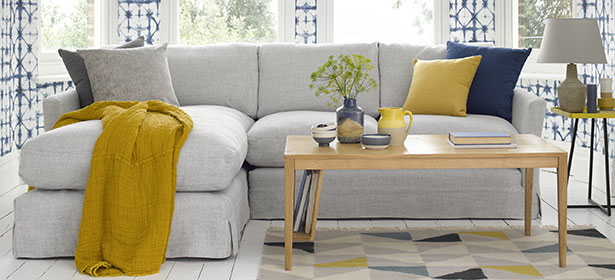
Sofa buying guide: expert advice on how to buy a sofa
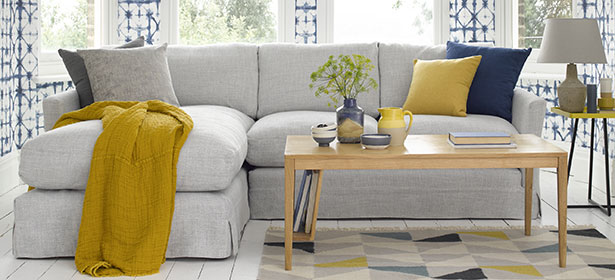
Sofa buying guide: how to buy a sofa UK 2025

6 quick tips to find the right furniture fabric

The 10 best couches for apartments

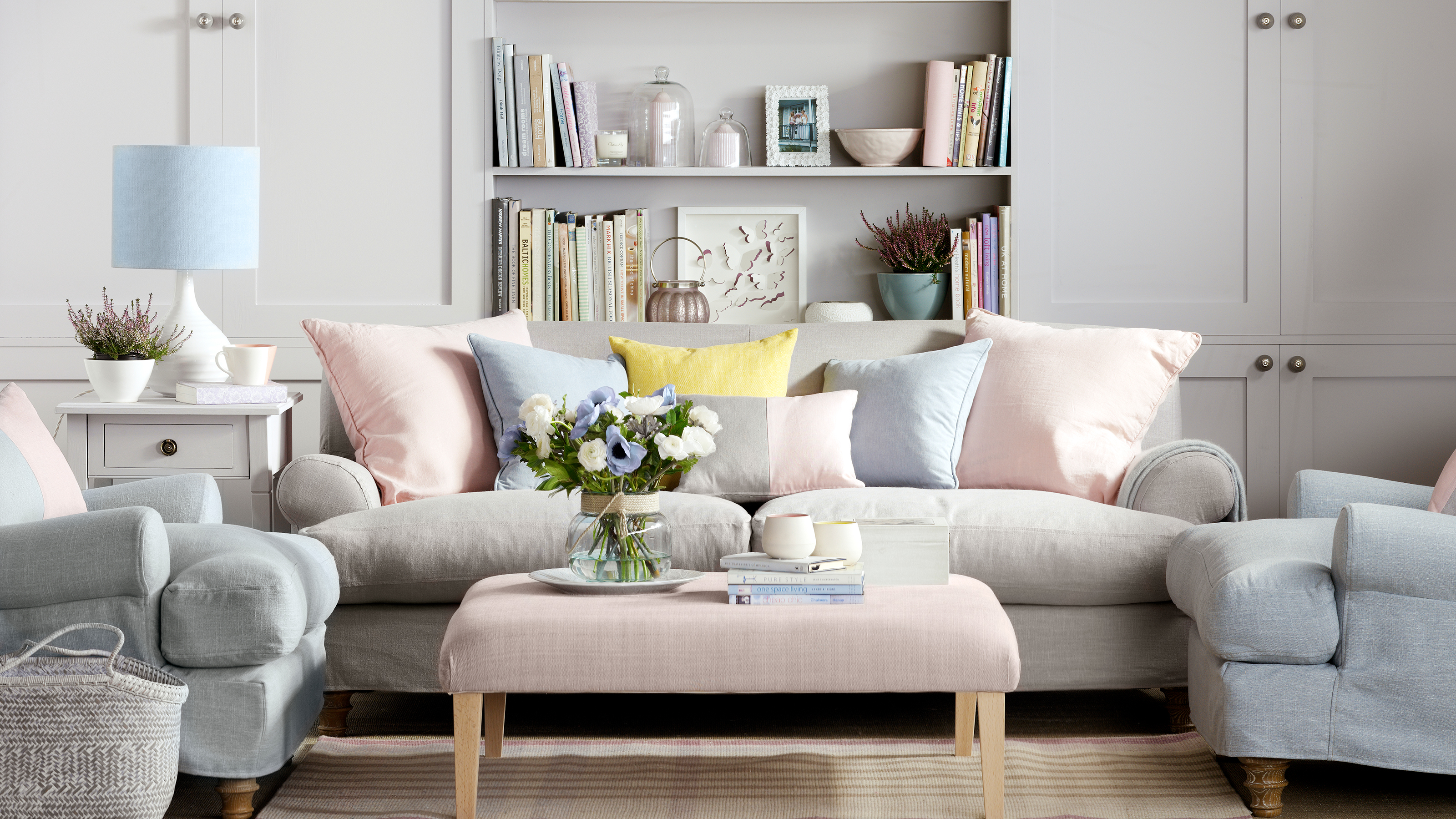
6 best sofa fabrics for a calming home - the materials recommend by experts
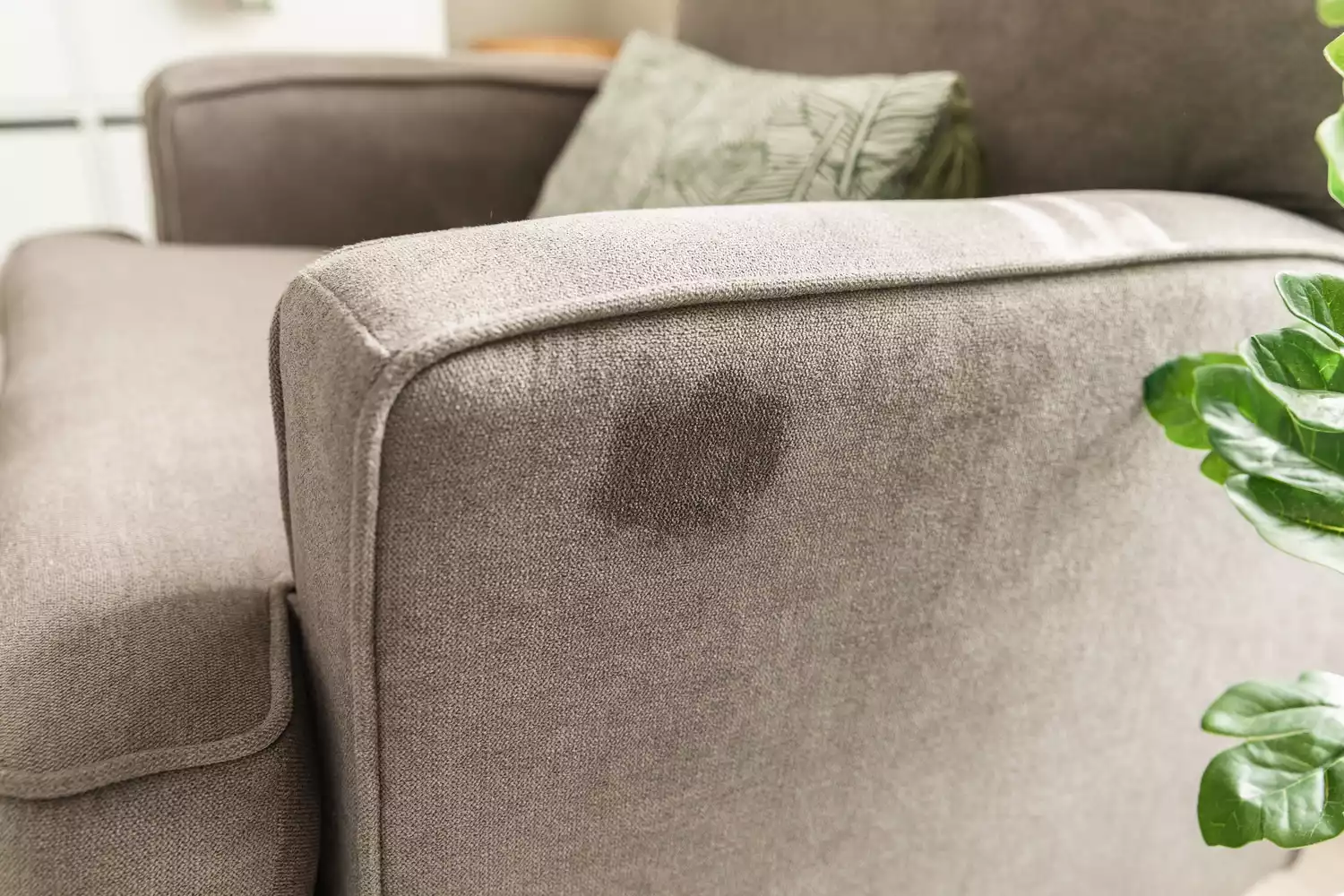
Designers Agree: These 6 Common Furniture Fabrics Look Great But Never Last
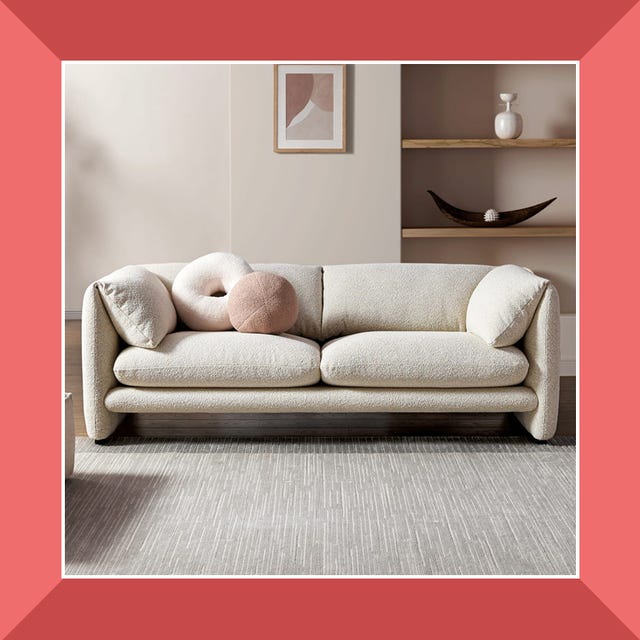
These Super Comfy Couches Are Roomy, Stylish, and Marshmallow Soft
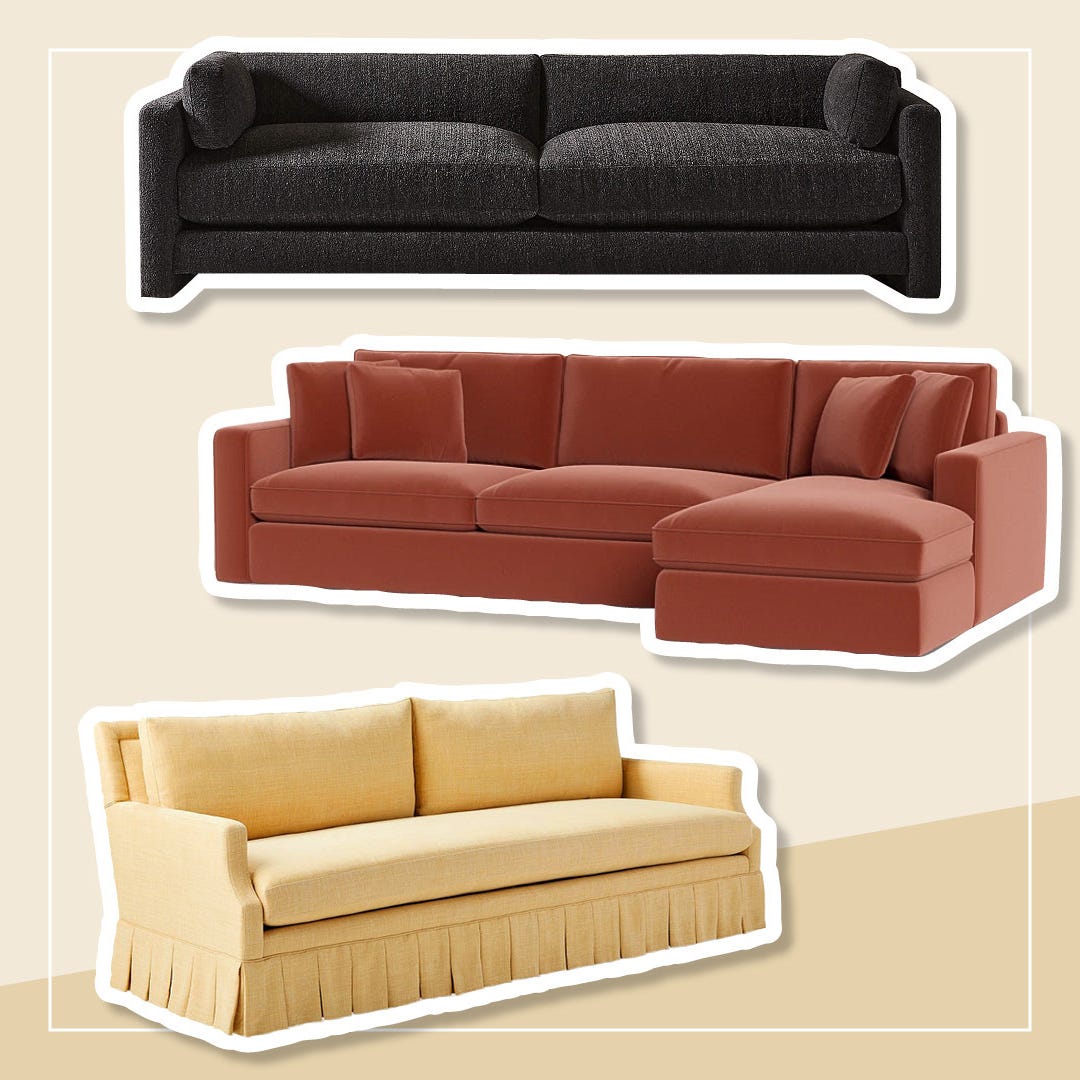
The 13 Most Comfortable Couches in 2024, According to Designers

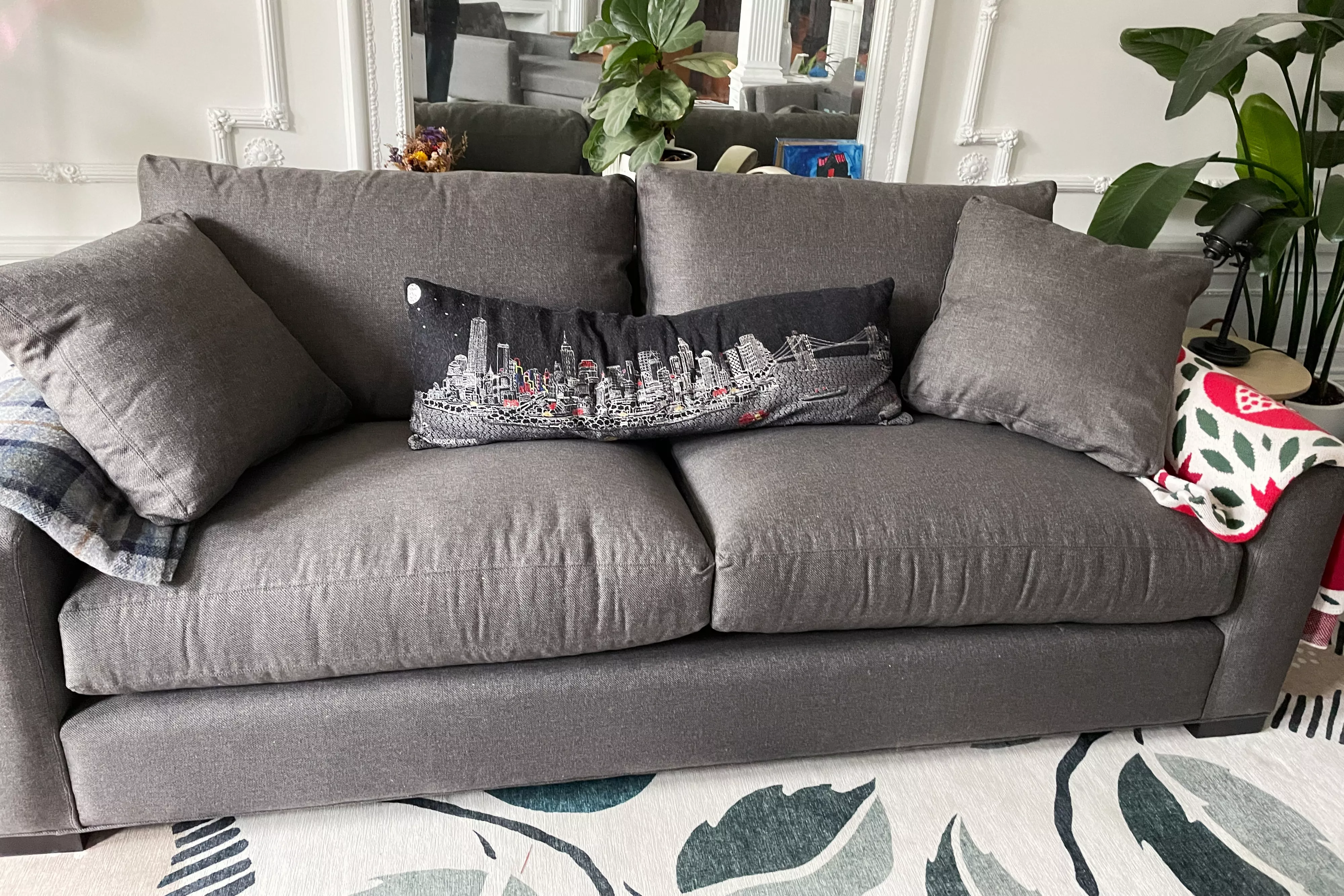
The 9 Best Couches, Tested by BHG

The Best Couch Material for Dogs — Experts Share the Fabrics That Can Handle Paws and Claws

The 21 Very Best Couches | The Strategist

The Best Sofas For Every Style

12 Best Couches to Suit Your Budget and Style

9 things you need to know before upholstering furniture

29 sofa designs for every kind of interior

Sit back and relax: sofa buying tips