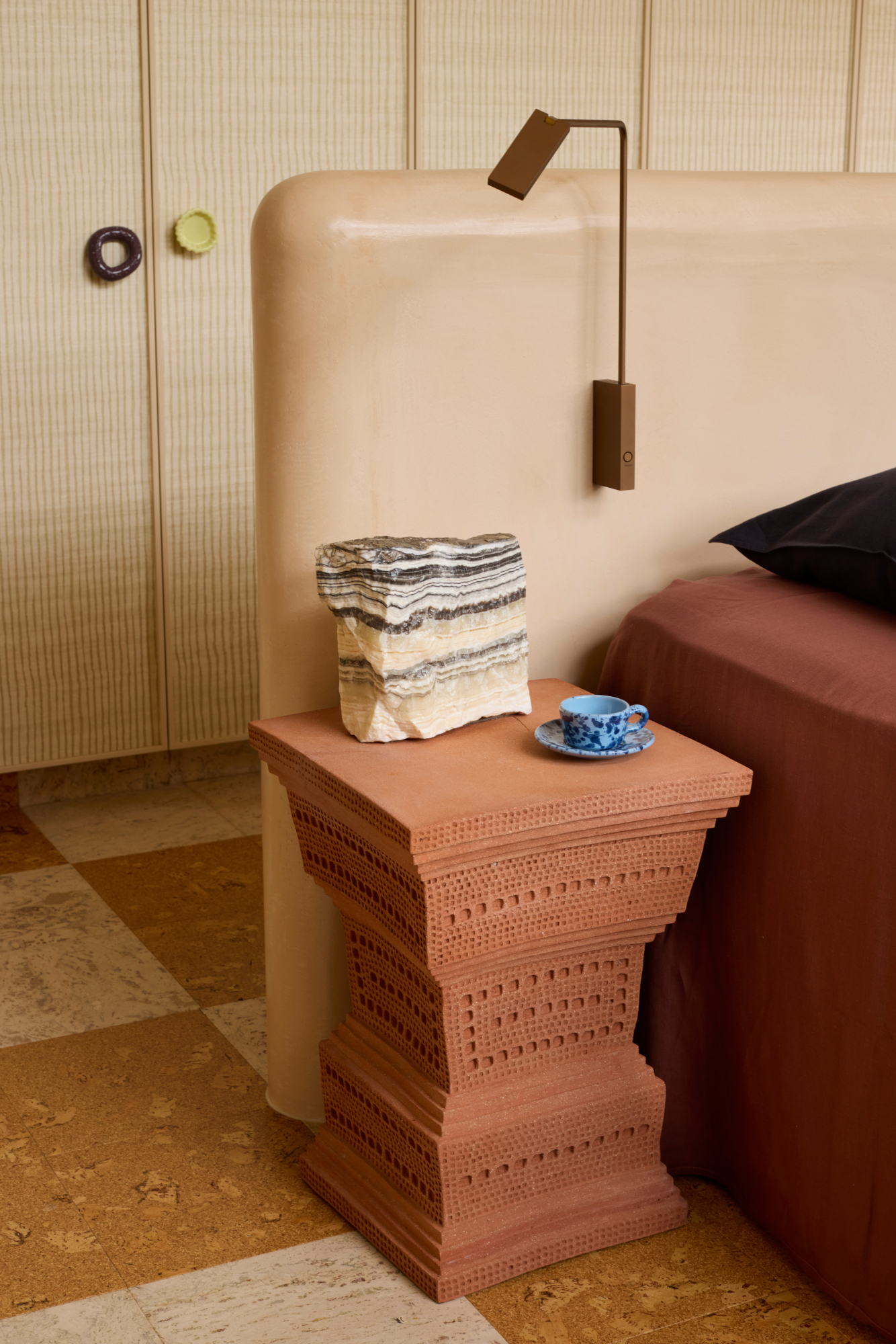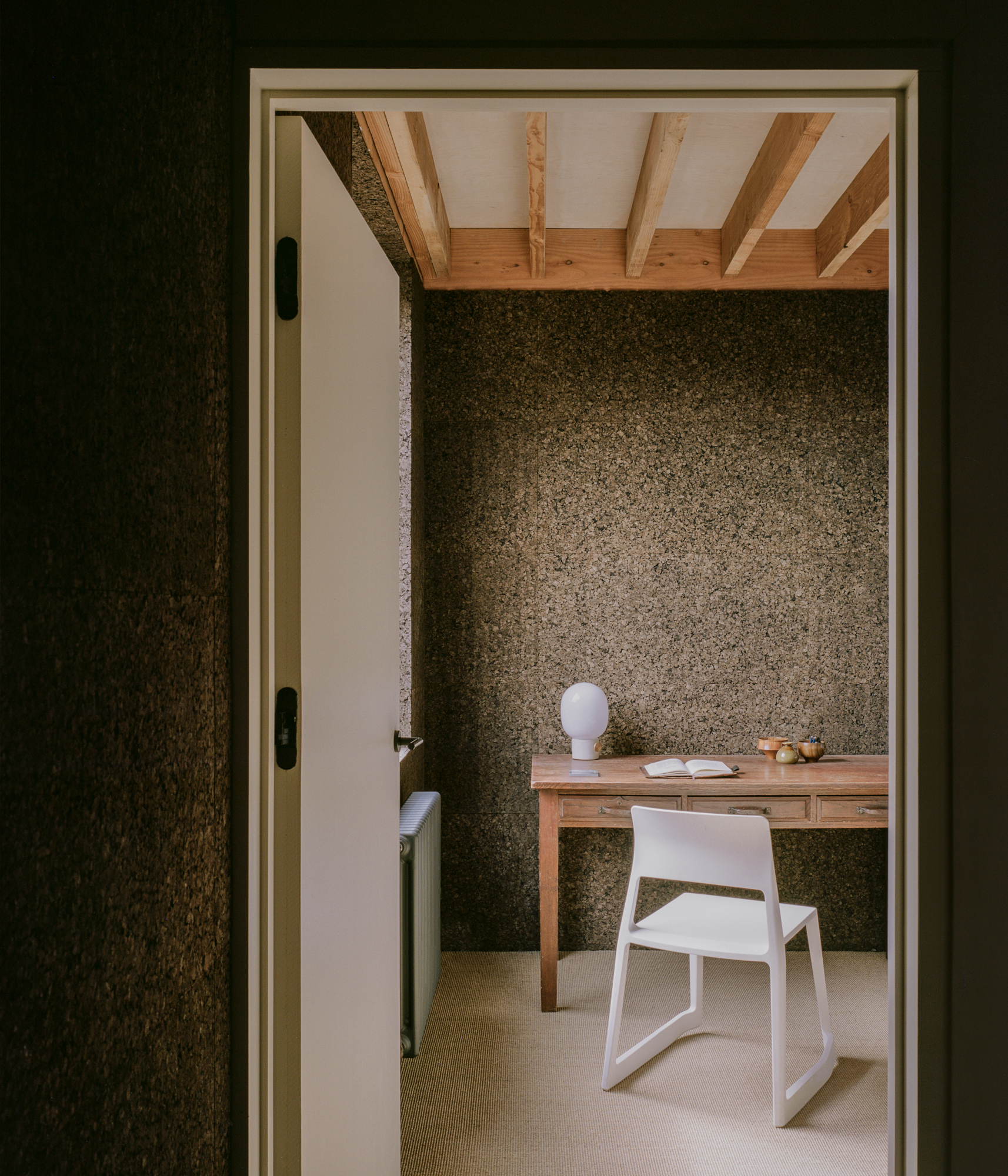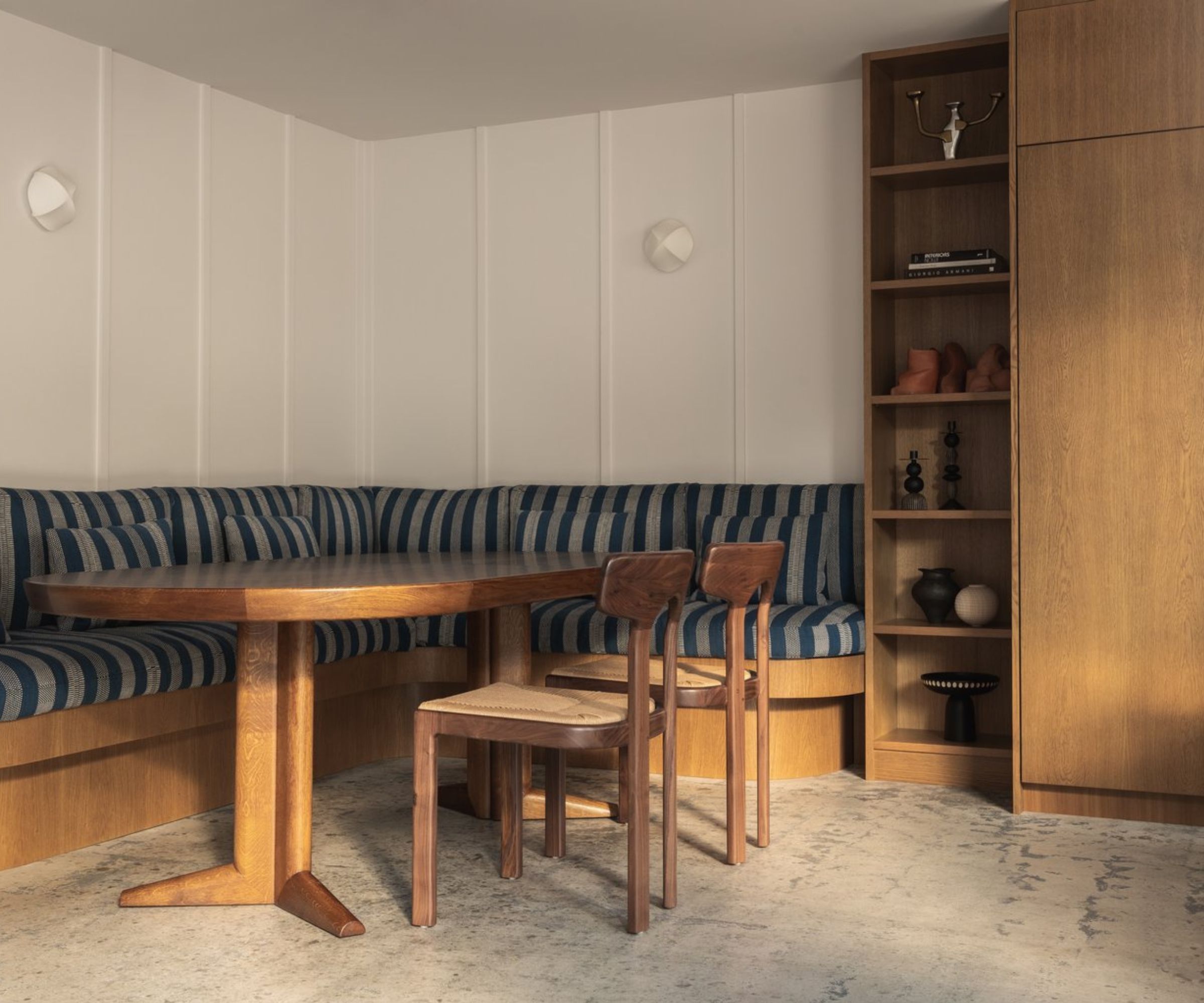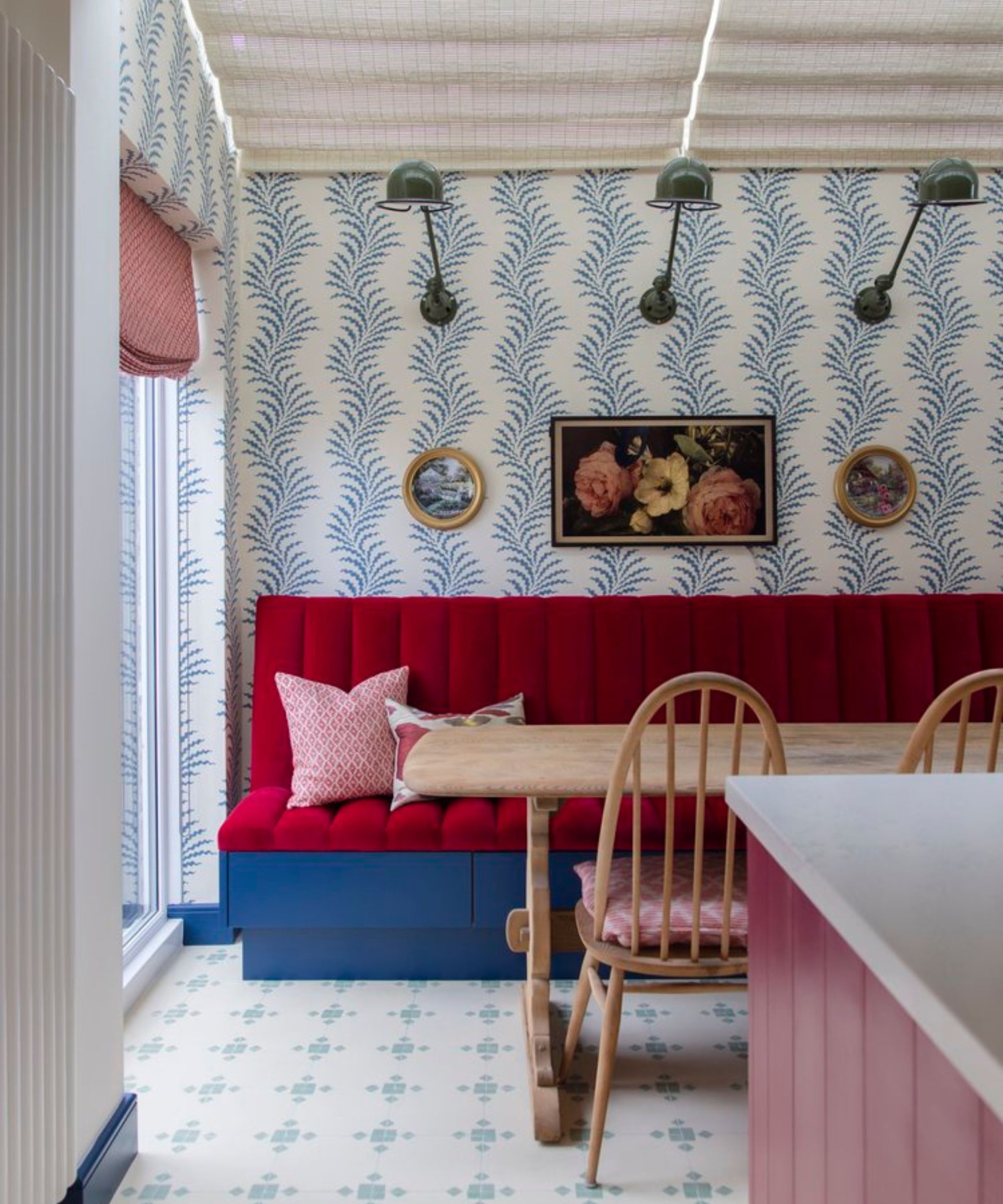
1/7
I've Fallen for Cork Flooring — The Trending Surface With Both Style and Sustainability Cred
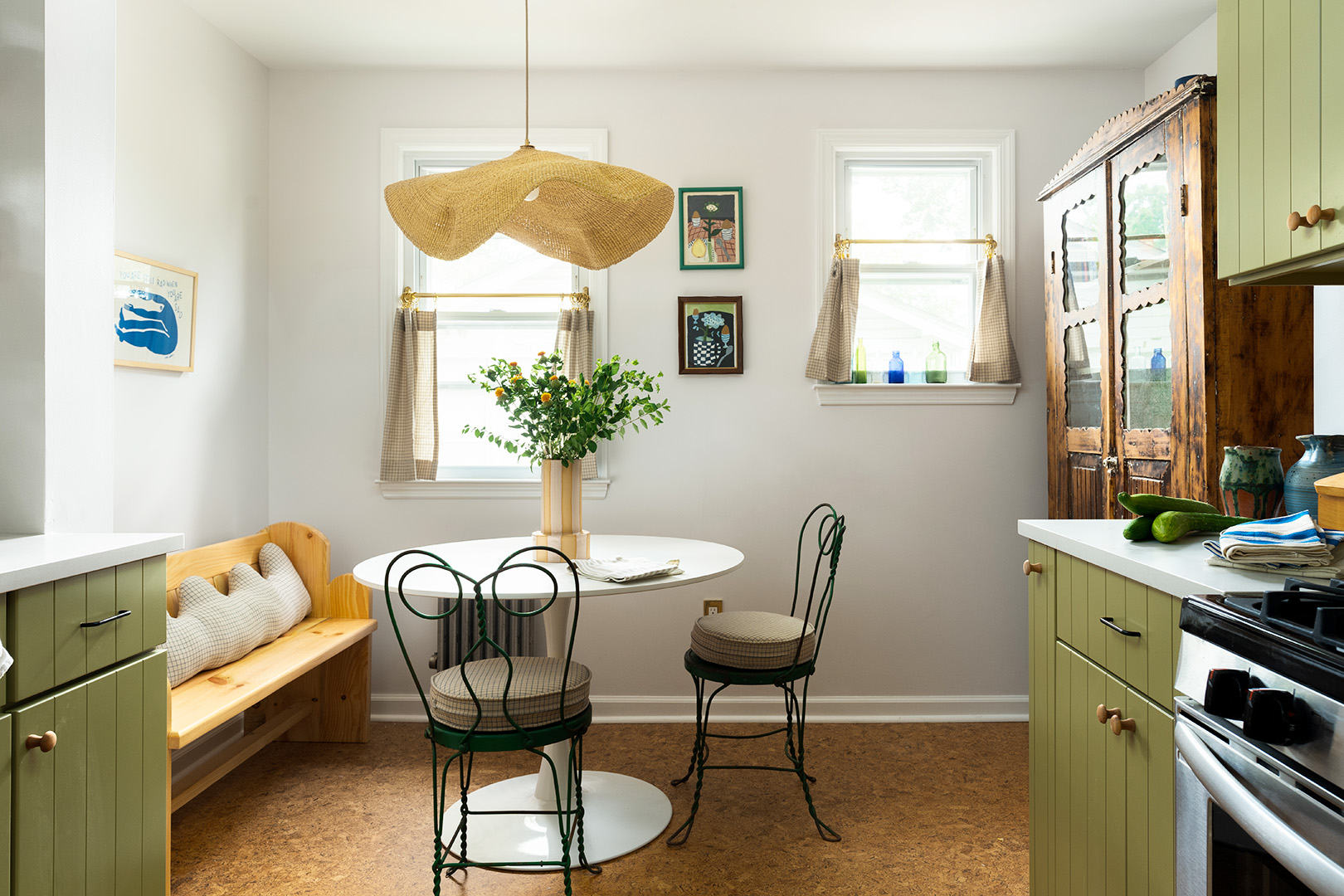
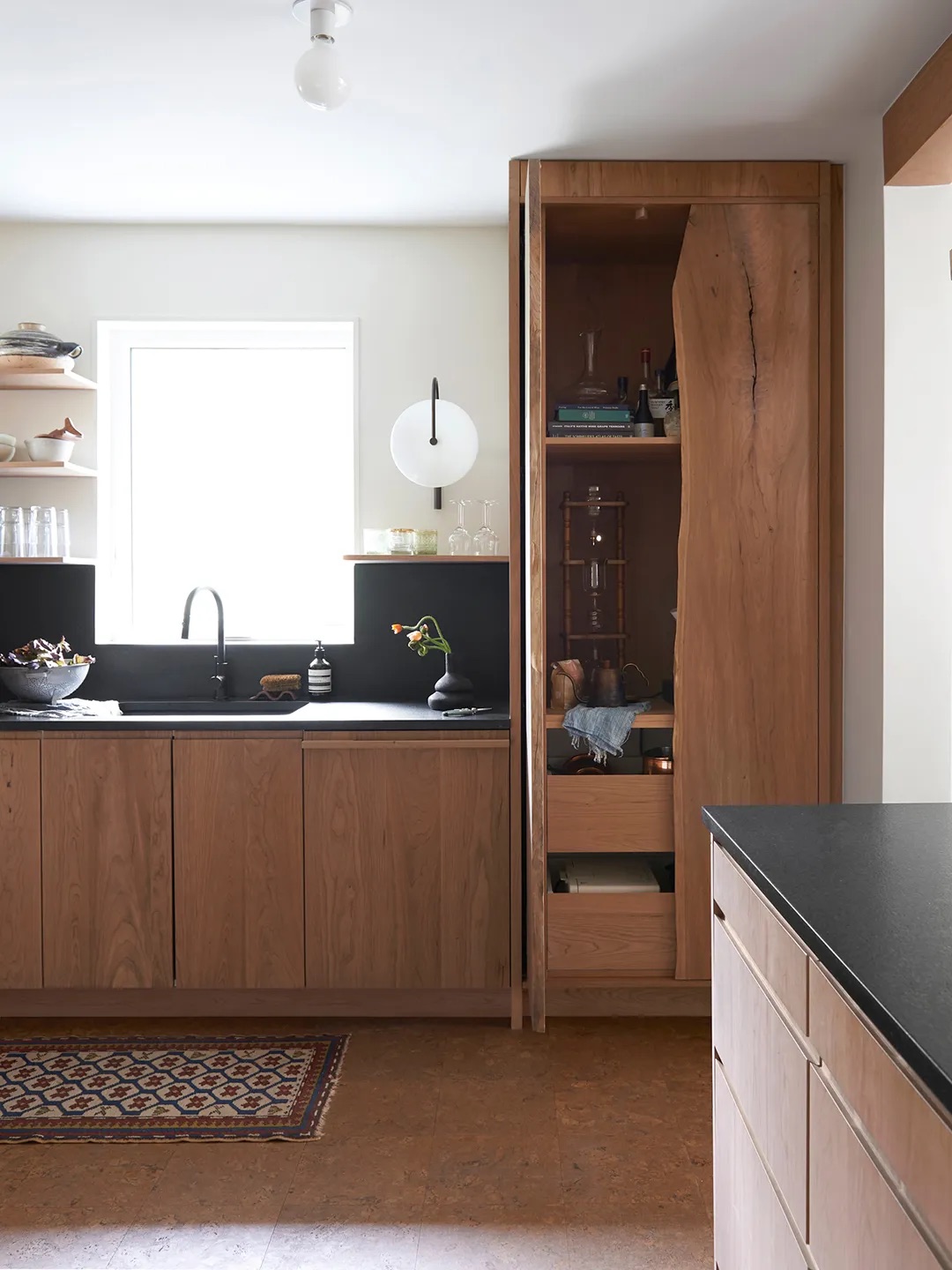
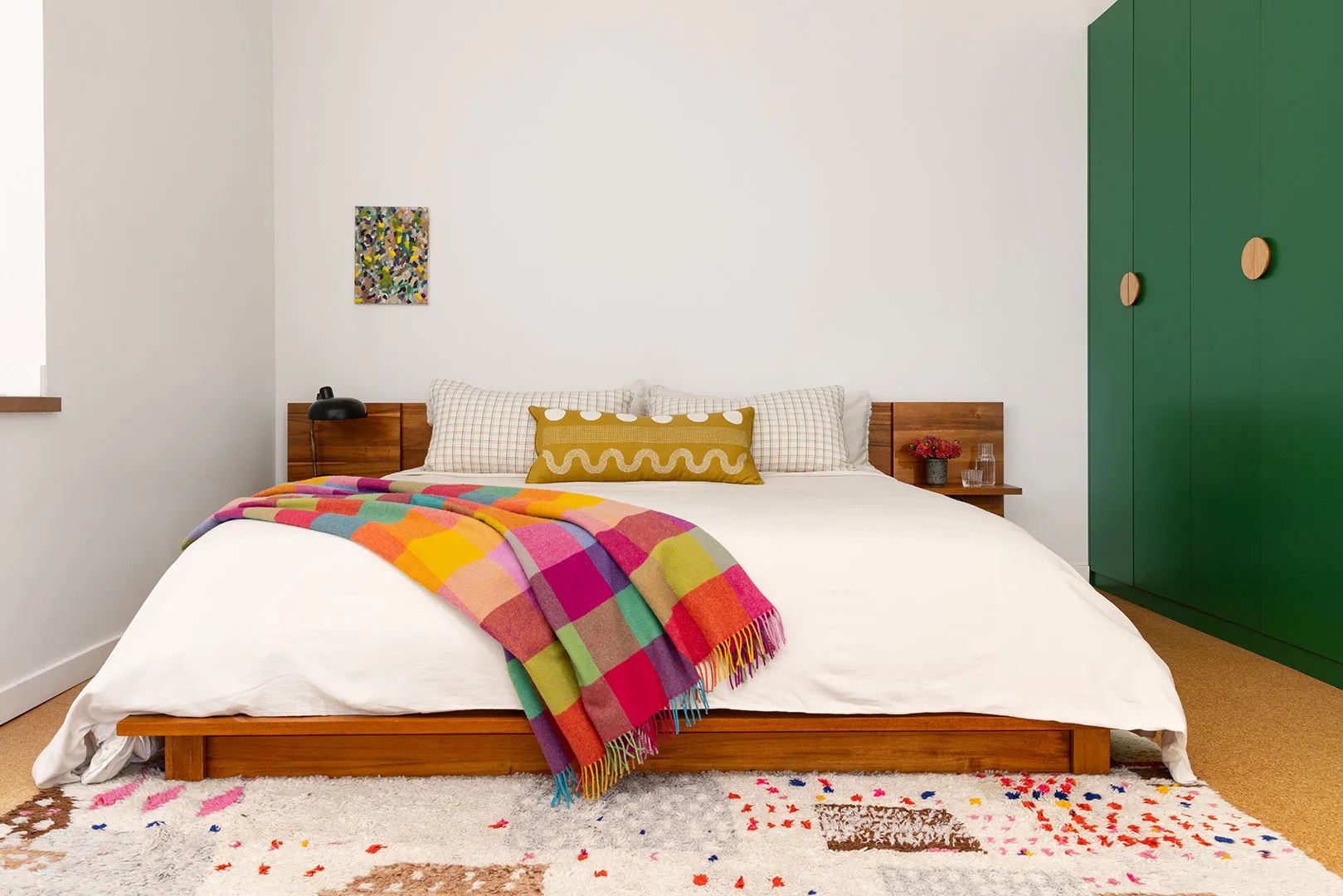
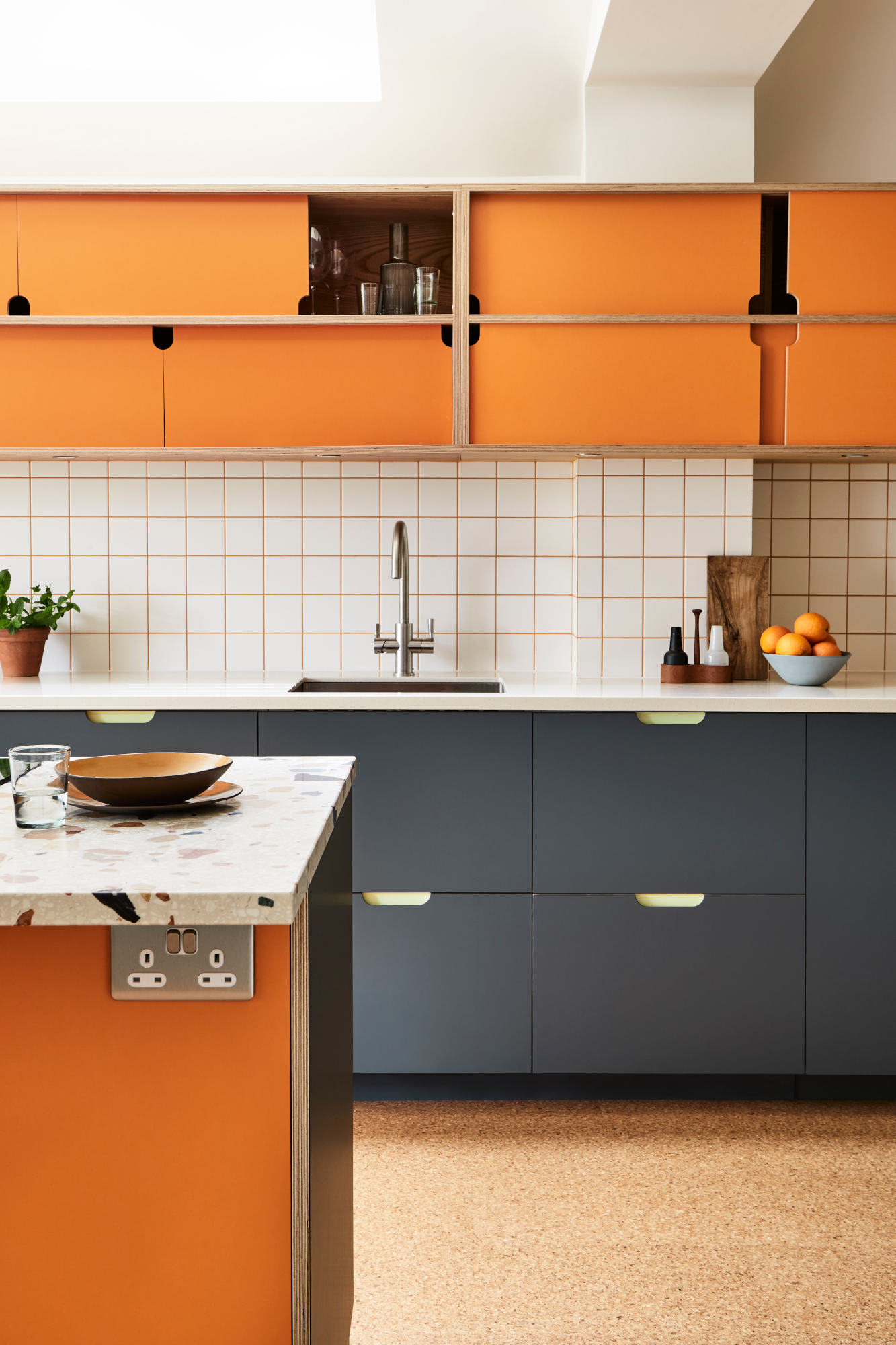
Cork flooring, once relegated to the 1970s aesthetic, is experiencing a resurgence in popularity among interior designers due to its unique style and strong sustainability credentials. This article explores the numerous benefits and some drawbacks of cork flooring, offering insights into its aesthetic appeal and practical considerations for home integration. Cork is lauded as a highly sustainable material because it is harvested from the outer bark of cork oak trees without felling them. The trees can live for up to 200 years, and the harvesting process, occurring every 9 to 12 years, actually enhances the tree's carbon storage, making cork a carbon-negative material. Furthermore, every part of the cork is utilized in production, minimizing waste.
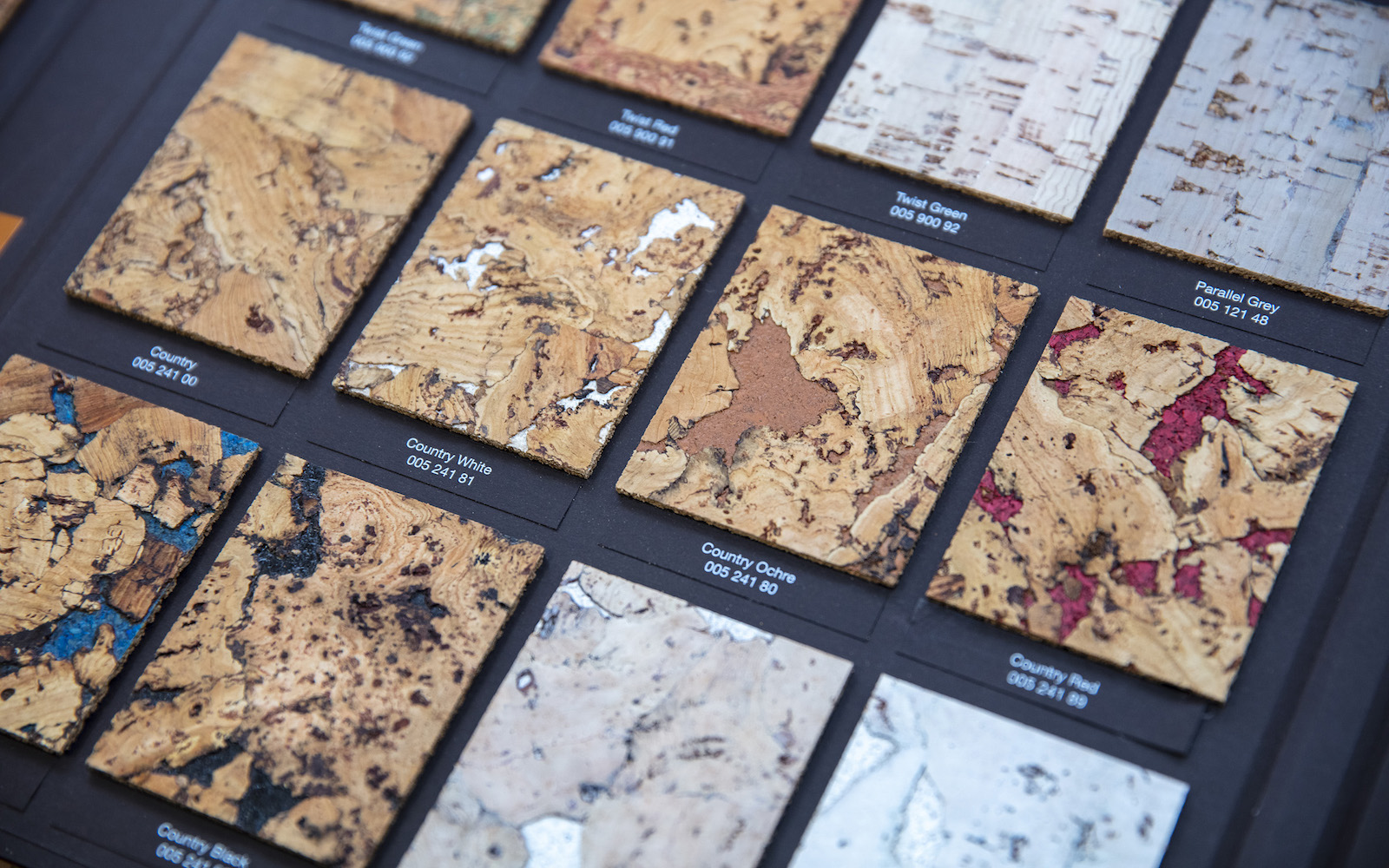
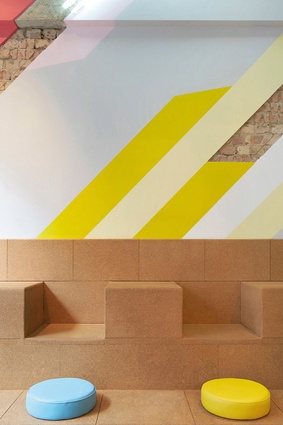
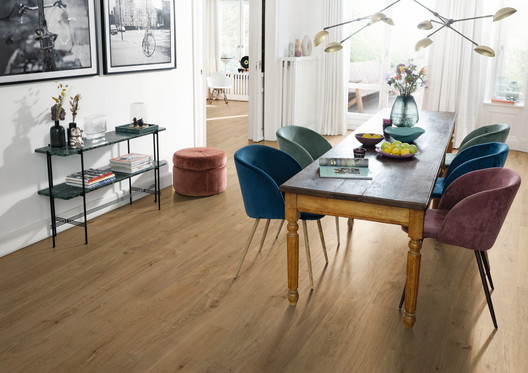
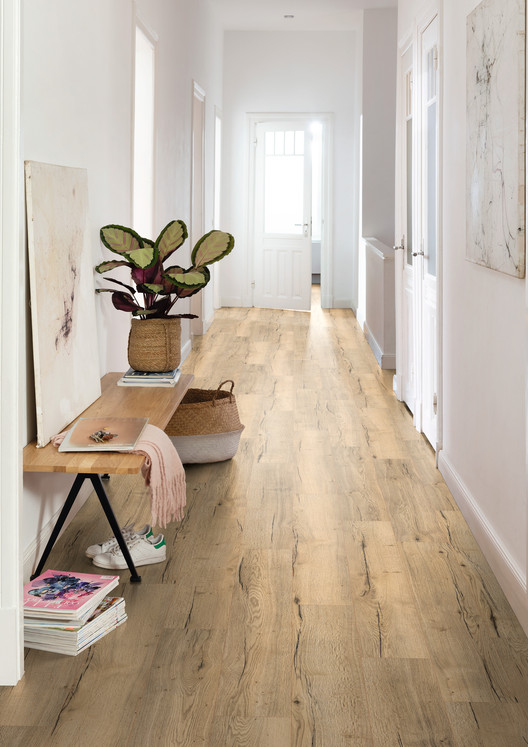
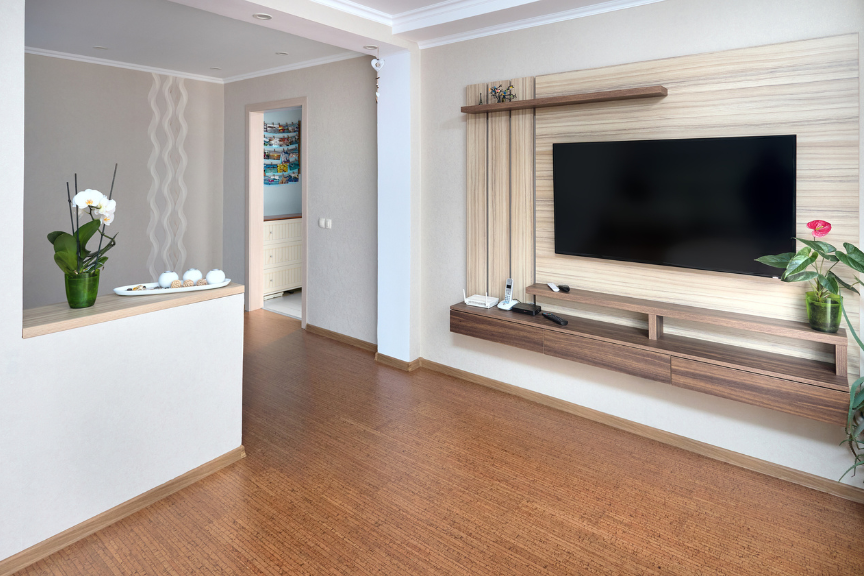
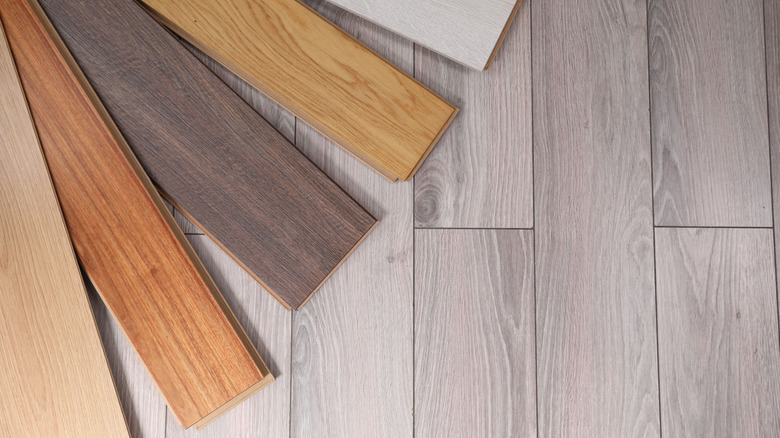
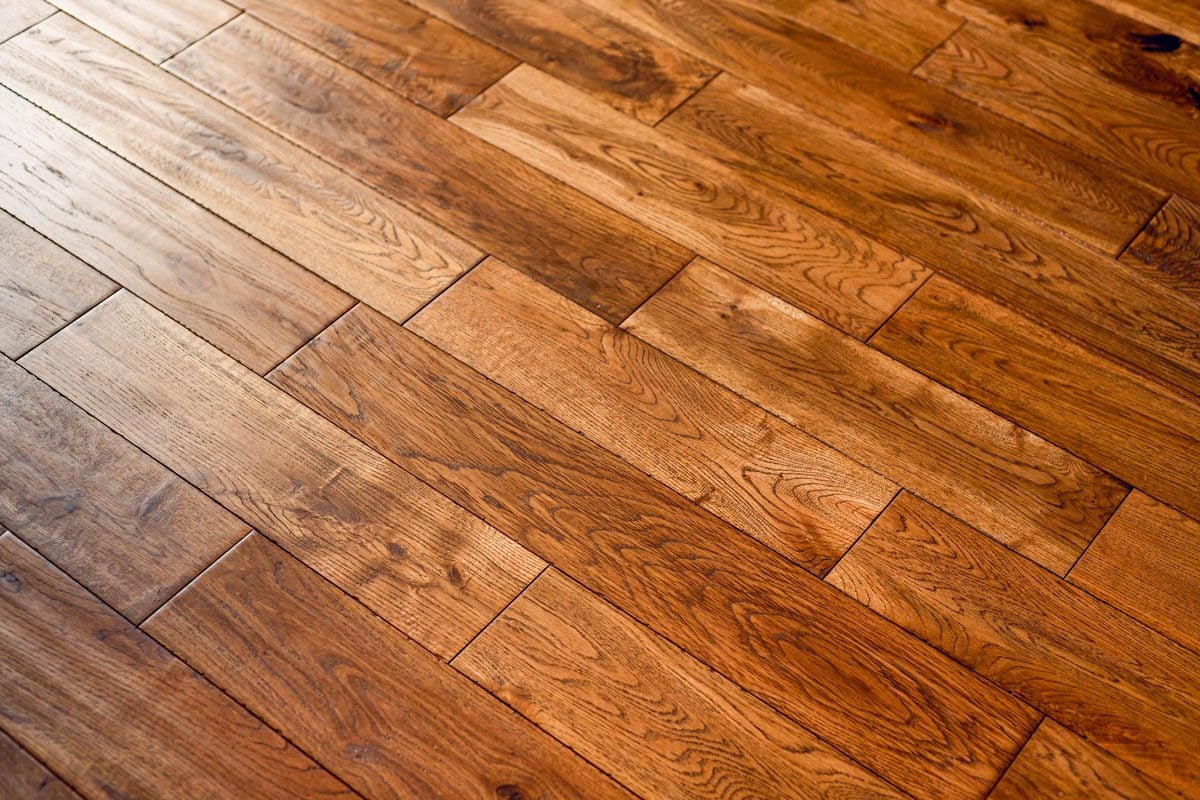
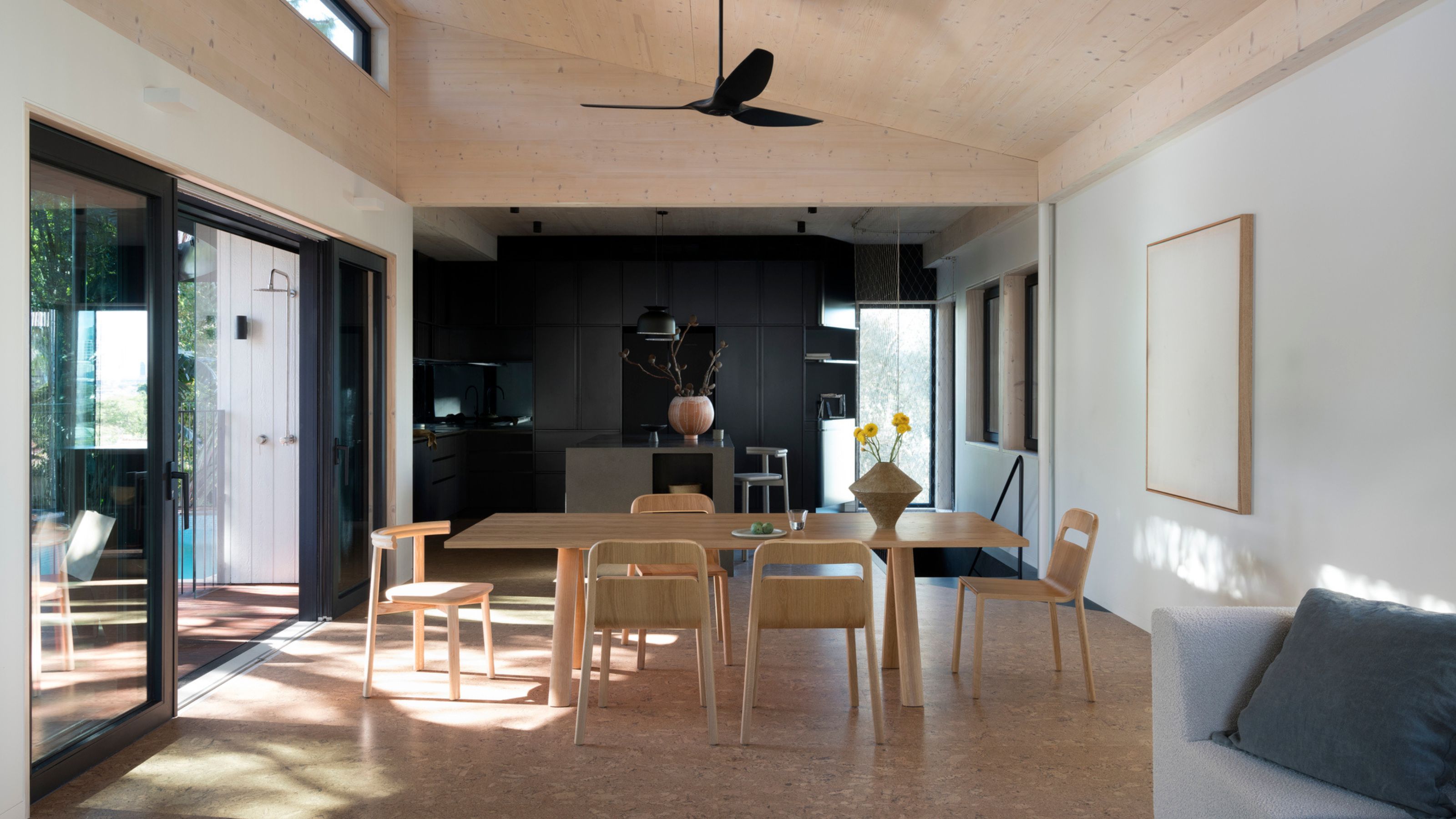
When considering cork flooring, it's crucial to select products with Forest Stewardship Council (FSC) or Programme for the Endorsement of Forest Certification (PEFC) certifications. These certifications ensure that the cork originates from well-managed forests, supporting sustainable forestry, protecting wildlife habitats, and guaranteeing fair labor practices. Additionally, homeowners should evaluate the volatile organic compound (VOC) levels of cork flooring options, favoring brands with GREENGUARD certification to maintain good indoor air quality. Cork flooring is available in various forms, including tiles and planks, offering a diverse range of sizes, thicknesses, and appearances. The color palette extends beyond traditional cork shades, encompassing light to dark tones and different surface textures created by manipulating grain size. Raw cork tiles can be customized with varnishes or waxes to match specific design styles.
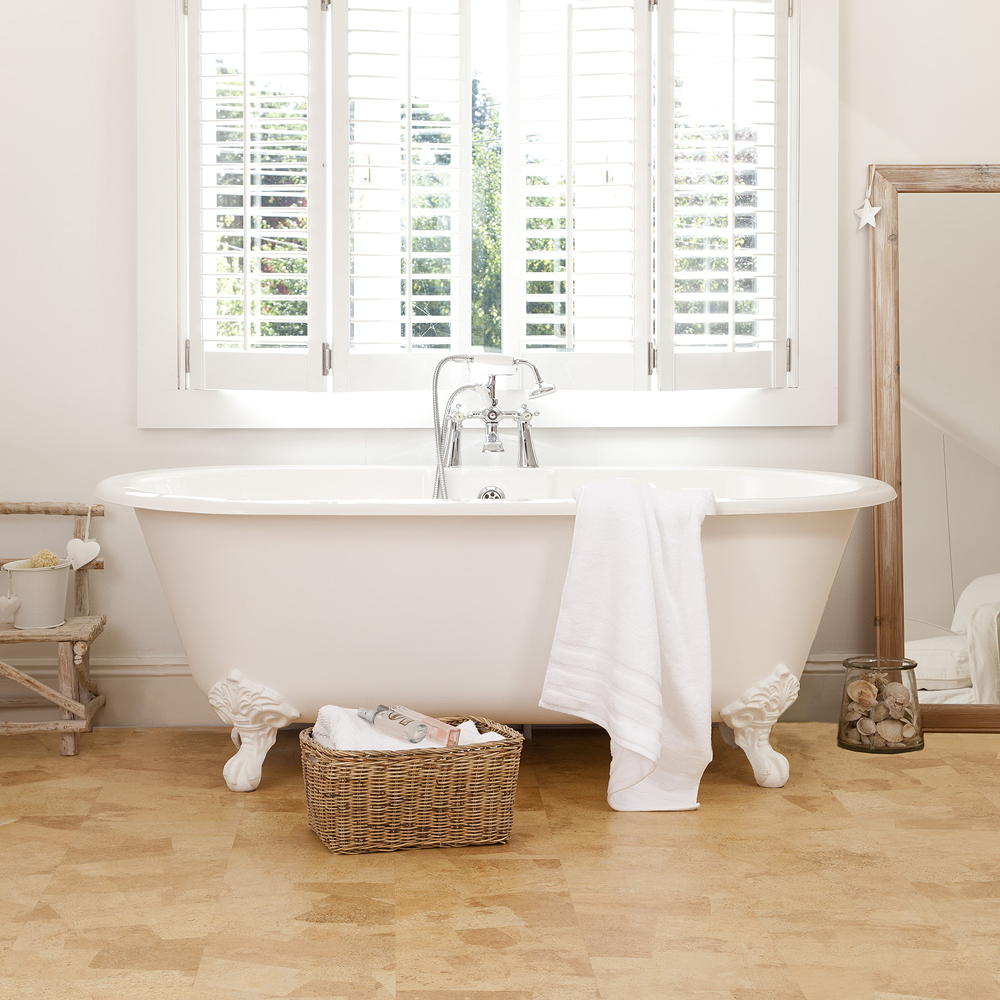
The advantages of cork flooring are substantial. Its durability is notable, with good quality cork lasting between 10 to 30 years, making it suitable for high-traffic areas like kitchens and bathrooms, though certain caveats regarding moisture resistance apply. Cork can be a more cost-effective alternative to high-quality hardwood flooring. Maintenance is relatively simple, requiring regular vacuuming, prompt spill cleanup, and occasional mopping with a gentle cleaner. Periodic refinishing or sealing, as per manufacturer guidelines, ensures longevity. One of cork's most celebrated attributes is its comfort; it is soft and warm underfoot, providing relief for those who stand for extended periods, and offers a safer surface, especially for households with children or individuals prone to slipping.
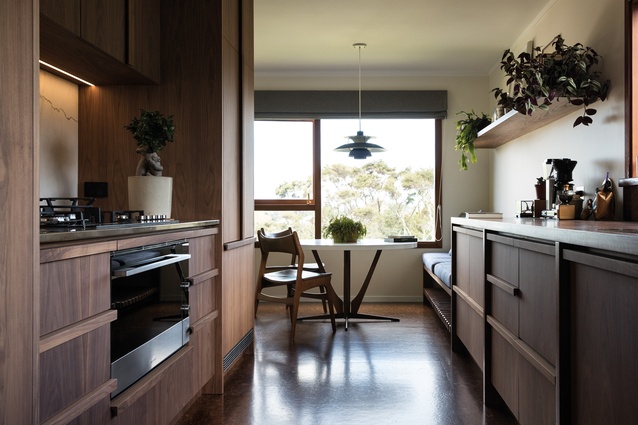
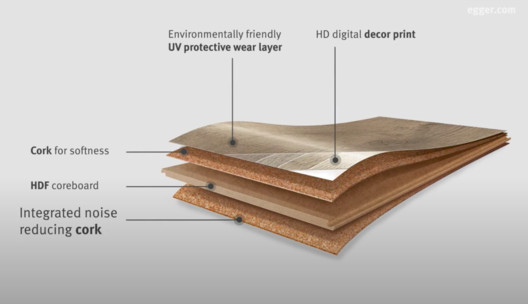
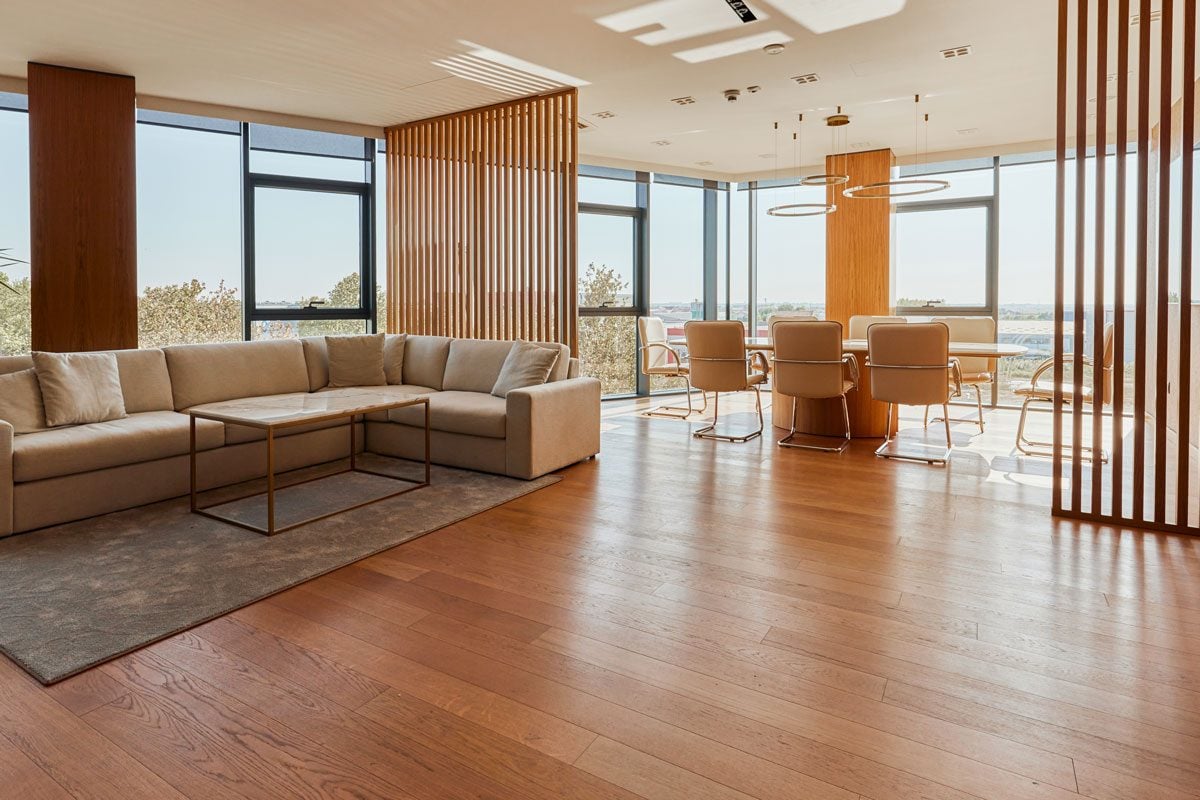
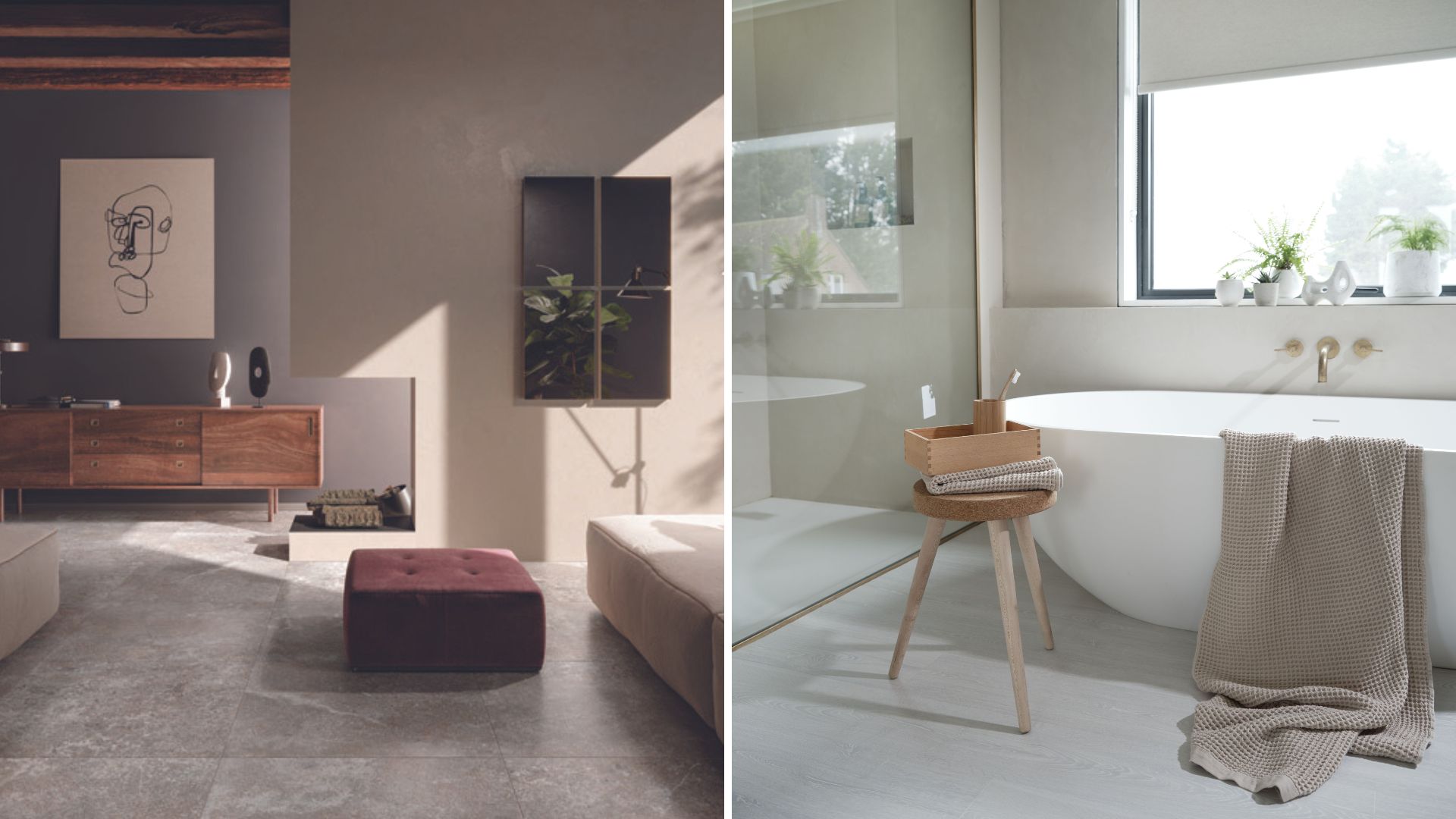
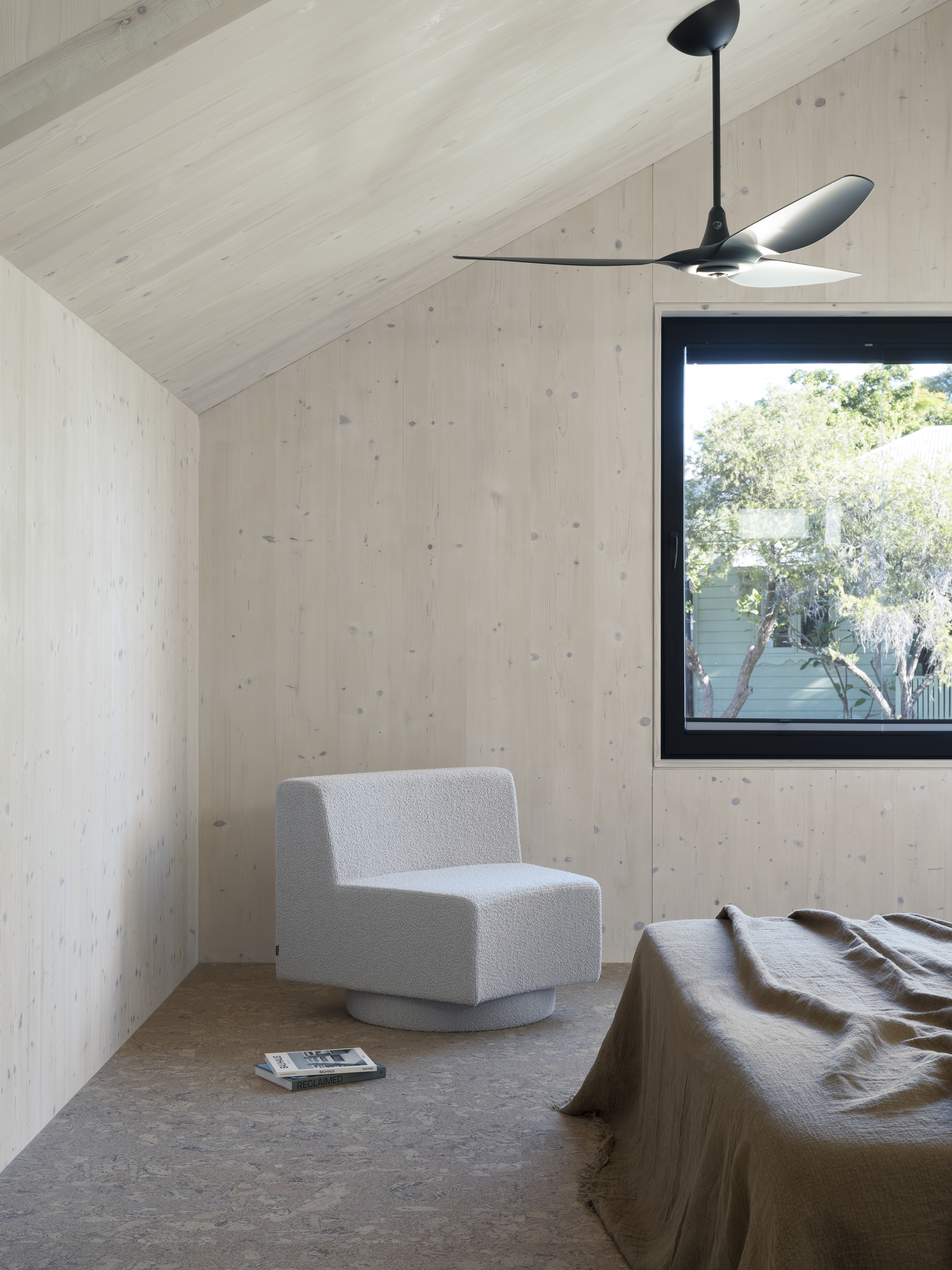
Beyond comfort, cork provides excellent thermal and acoustic insulation. Its cellular structure with air pockets helps regulate indoor temperatures, potentially reducing energy consumption, and dampens sound, contributing to a quieter environment. Cork is also a natural fire retardant. For individuals with allergies or asthma, cork flooring is an excellent choice as it is hypoallergenic and resistant to mold and mildew, unlike carpets. Aesthetically, cork flooring has evolved beyond its retro reputation, now appreciated for its visual warmth and the wide array of designs and color tones available, making it a versatile option for various interior styles, from modern to rustic.
However, cork flooring does have some disadvantages. It is resistant to water but not entirely waterproof, meaning it should not be installed in wet rooms. Direct sunlight can cause fading, so strategic placement and window treatments are necessary. Moreover, it is susceptible to scratches from pet claws or dragging heavy objects. The use of certain binding adhesives or coatings in some cork products can also contribute to poor indoor air quality, emphasizing the importance of checking for low-VOC certifications. Despite these considerations, cork flooring remains a compelling choice for those seeking a stylish, comfortable, and environmentally conscious flooring solution.
#CorkFlooring #SustainableDesign #EcoFriendlyMaterials #InteriorDesign #HomeRenovation #FlooringOptions #GreenBuilding #HomeImprovement #IndoorAirQuality #CorkFlooring #SustainableDesign #EcoFriendlyMaterials #InteriorDesign #HomeRenovation #FlooringOptions #GreenBuilding #HomeImprovement #IndoorAirQuality
0 comment in total
 No comments yet
You may also like
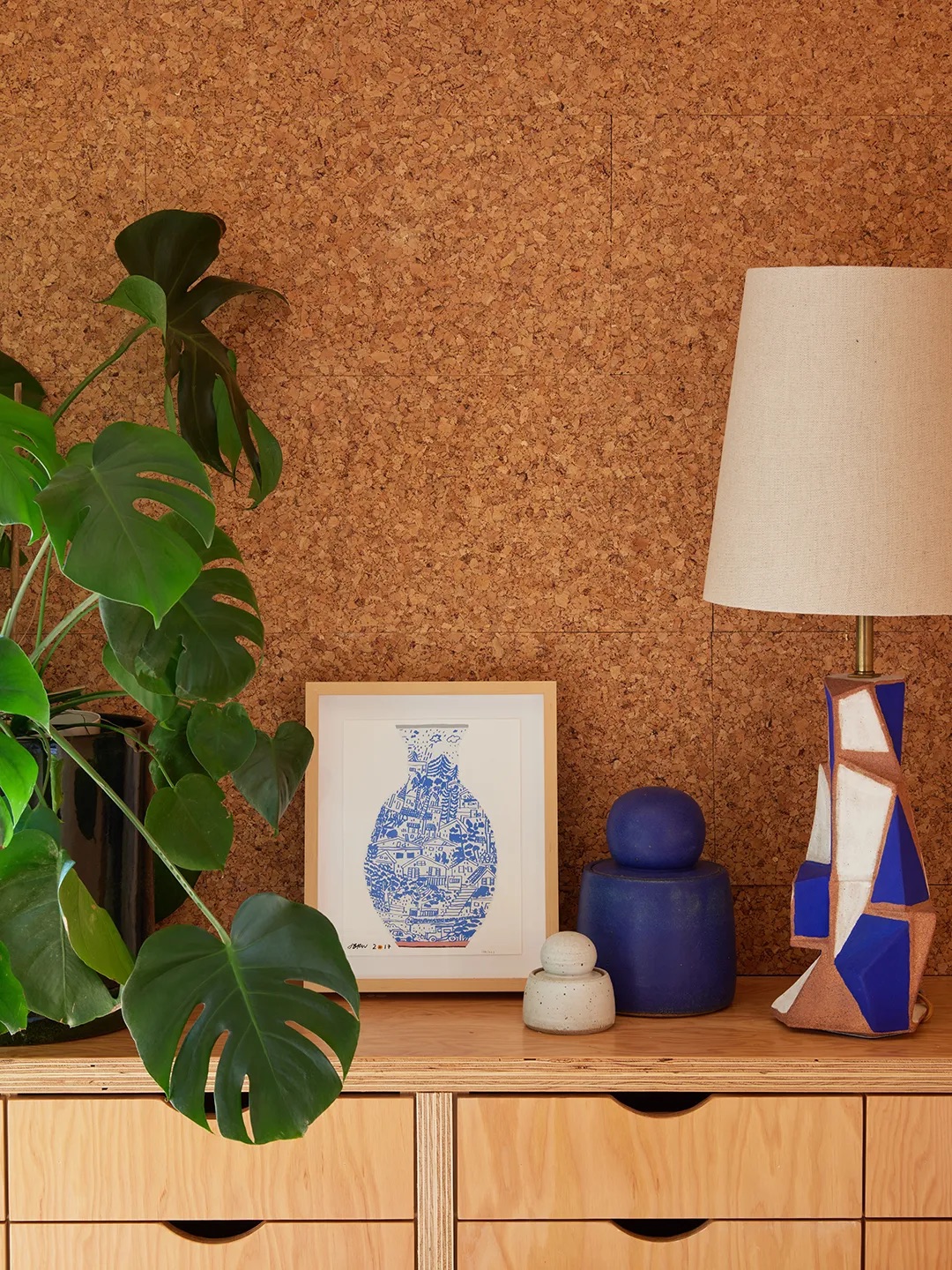
Floors, Walls, Furniture—Cork Has Come a Long Way From Basic Office Pinboards

Walk on by: flooring focus
7 flooring trends you're about to see everywhere

These 8 Flooring Trends Will Dominate 2025, According to Designers
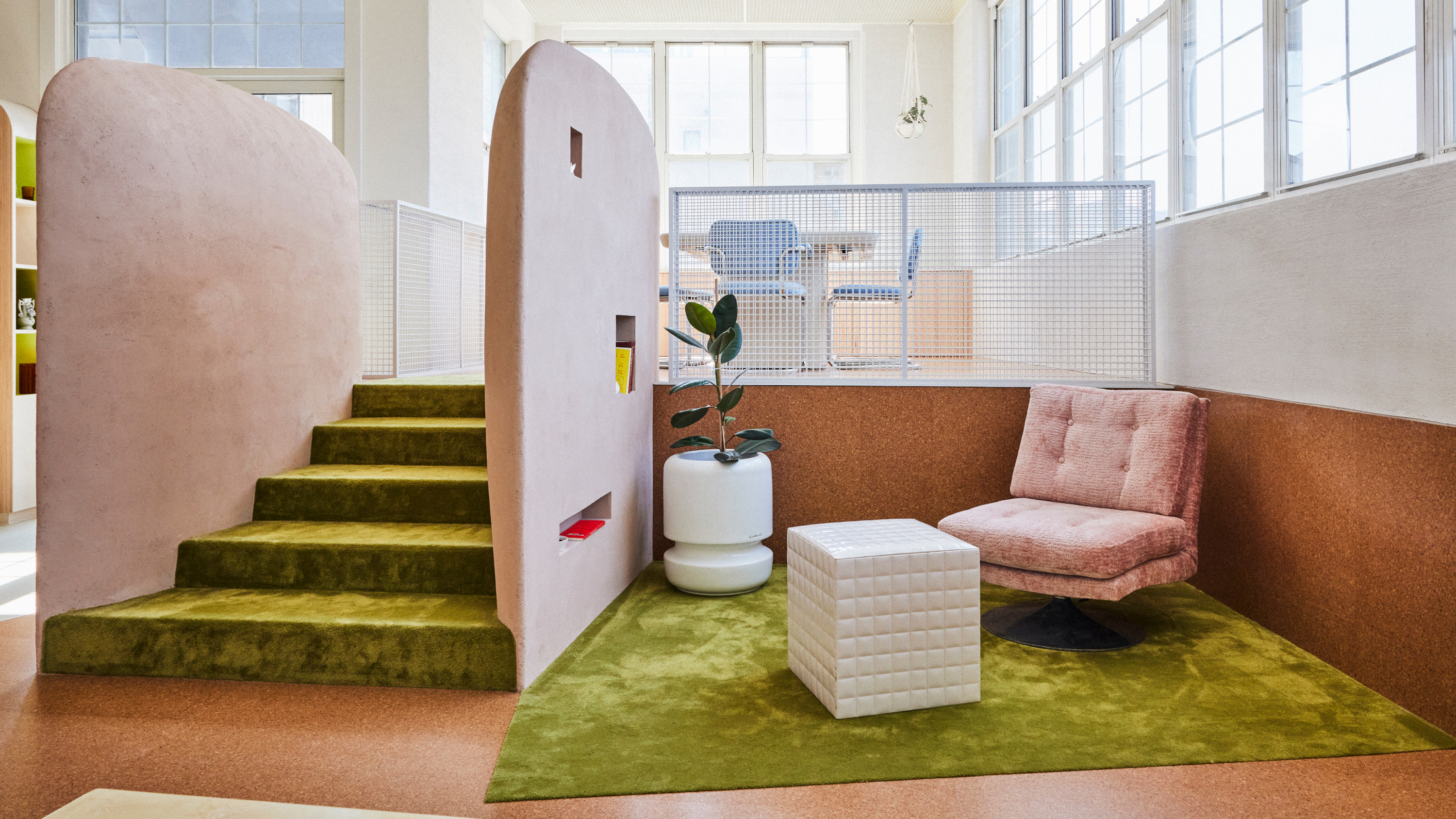
Designers Are Loving Cork for Textured, Planet-Friendly Schemes – These 6 Homes Nail the Look
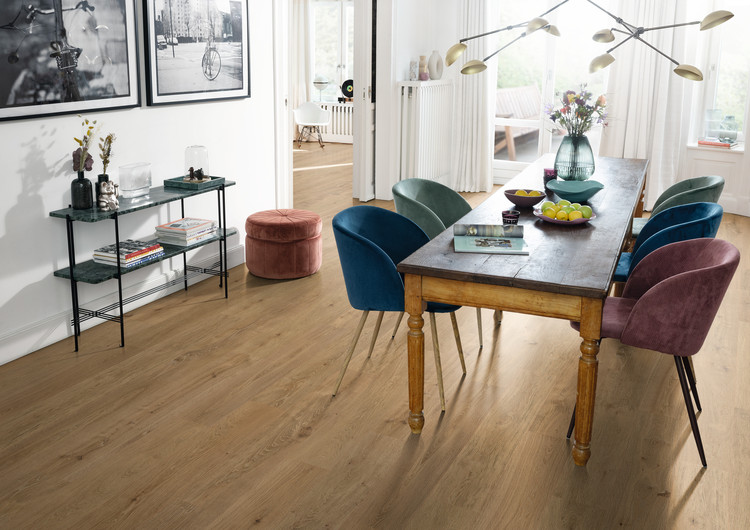
Prioritizing Comfort in Interiors: Nature-inspired Floors Made of Wood and Cork

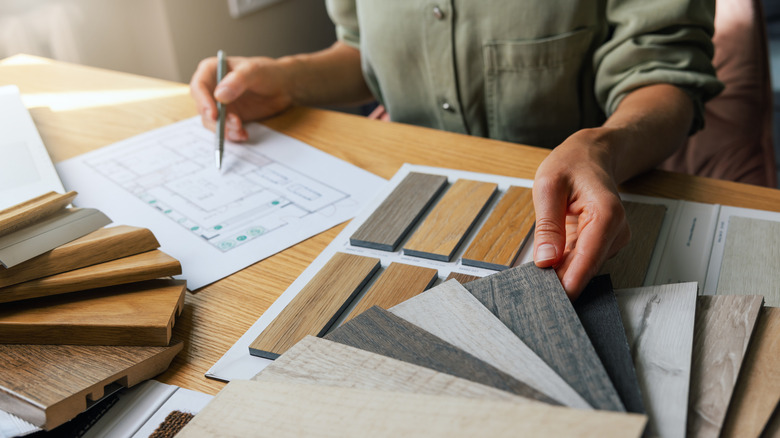
These Sustainable Flooring Trends Will Be Everywhere In 2025

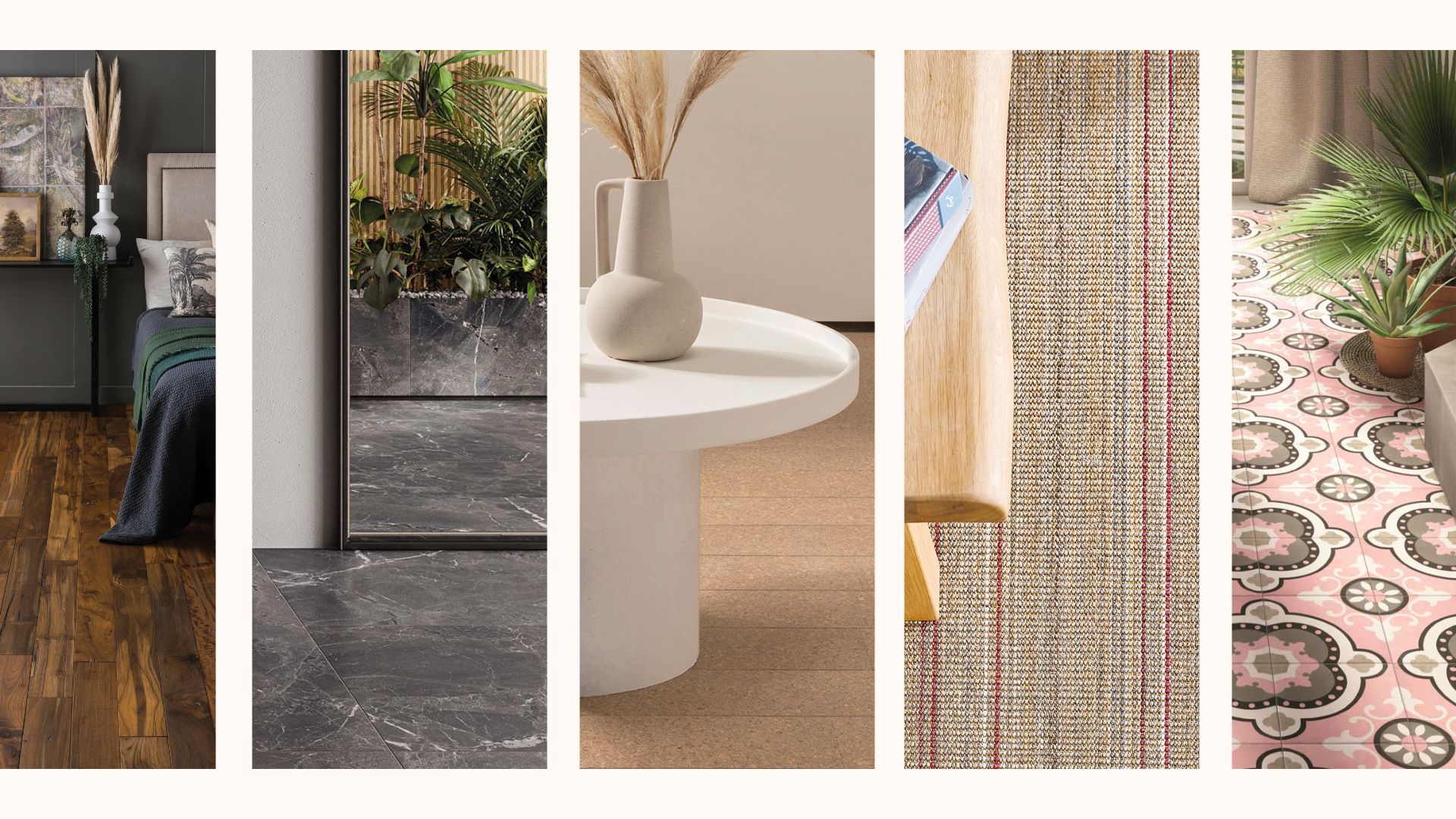
Flooring trends 2023: 18 popular design choices for stylish floors

What's replacing wooden flooring? These are the 5 chic alternatives designers are switching to

8 Flooring Trends That Experts Predict Will Take Over in 2025

Future of Flooring: Home Pros Talk Through the Latest and Greatest Flooring Trends

It Starts From the Ground Up — 9 of the Most Eco-Friendly Flooring Options That Still Have Plenty of Style
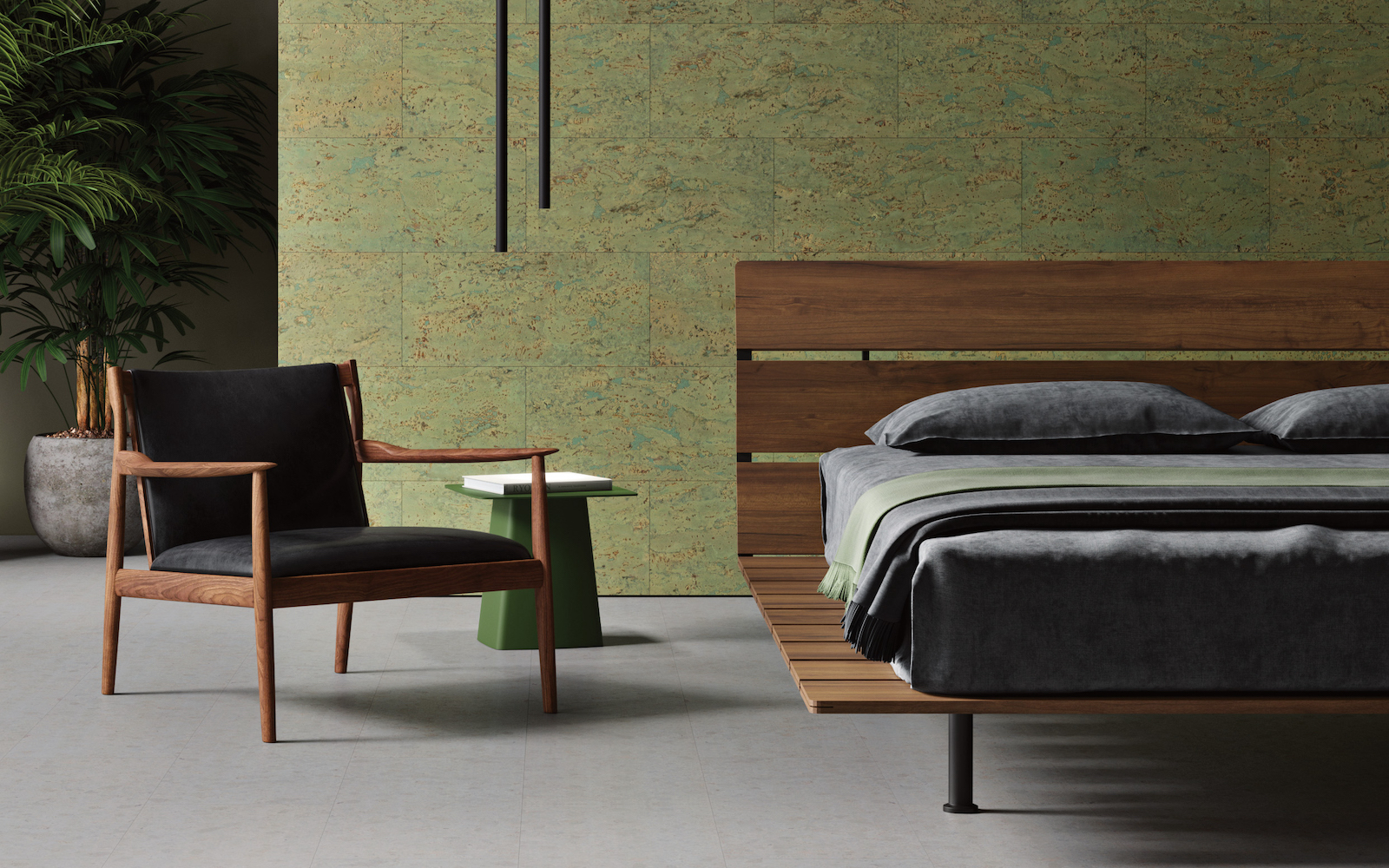
Cork flooring – is this the future?
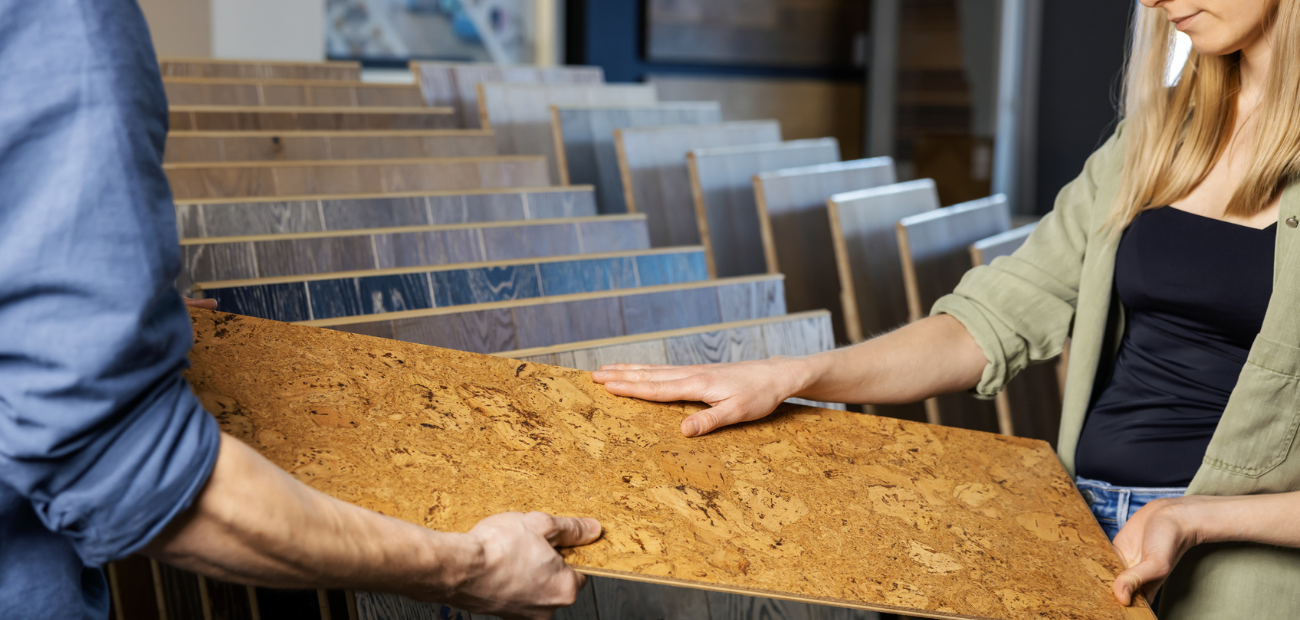
Sustainable Material Spotlight: Cork
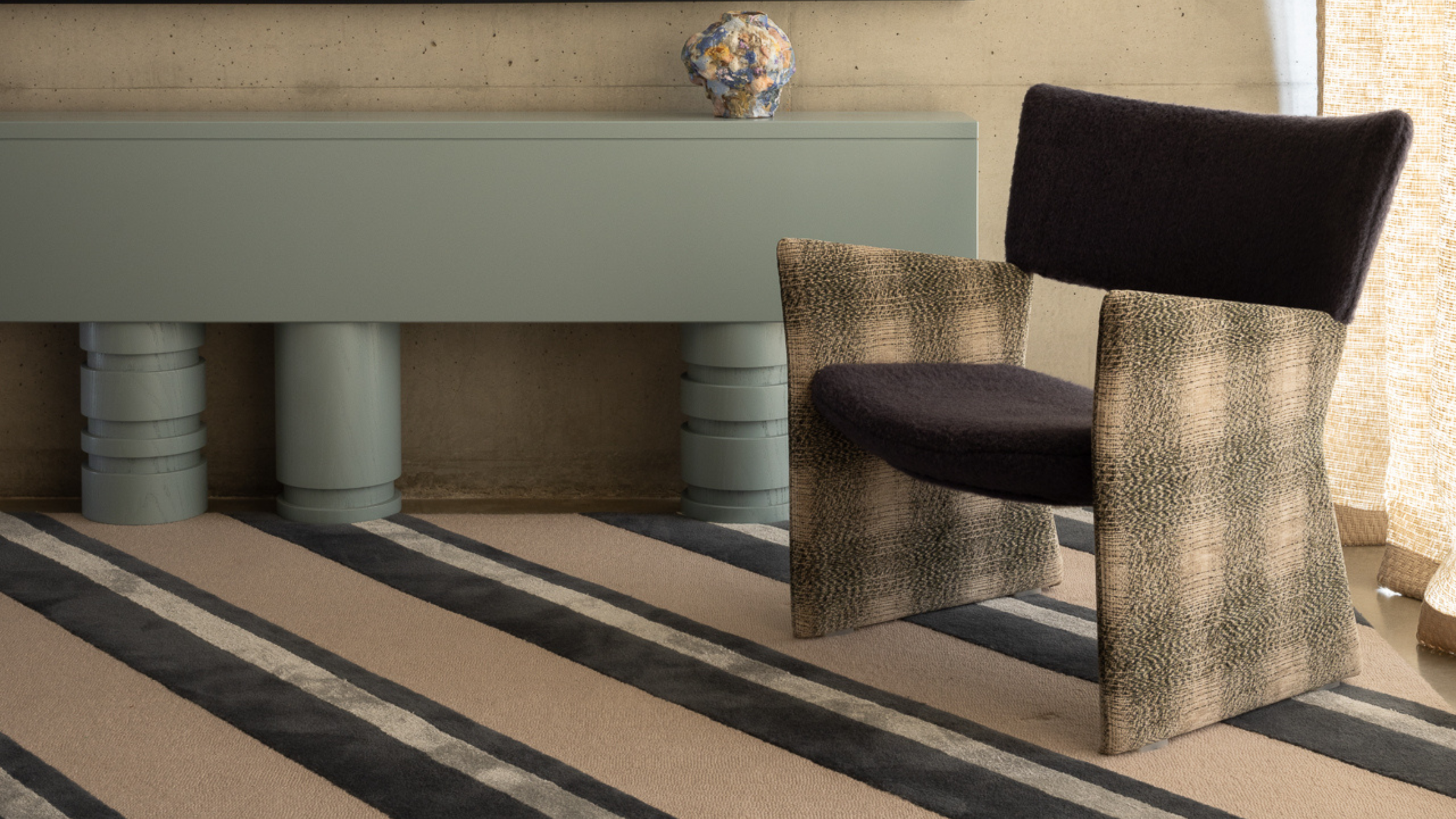
The 10 Big Flooring Trends Emerging in Homes in 2025
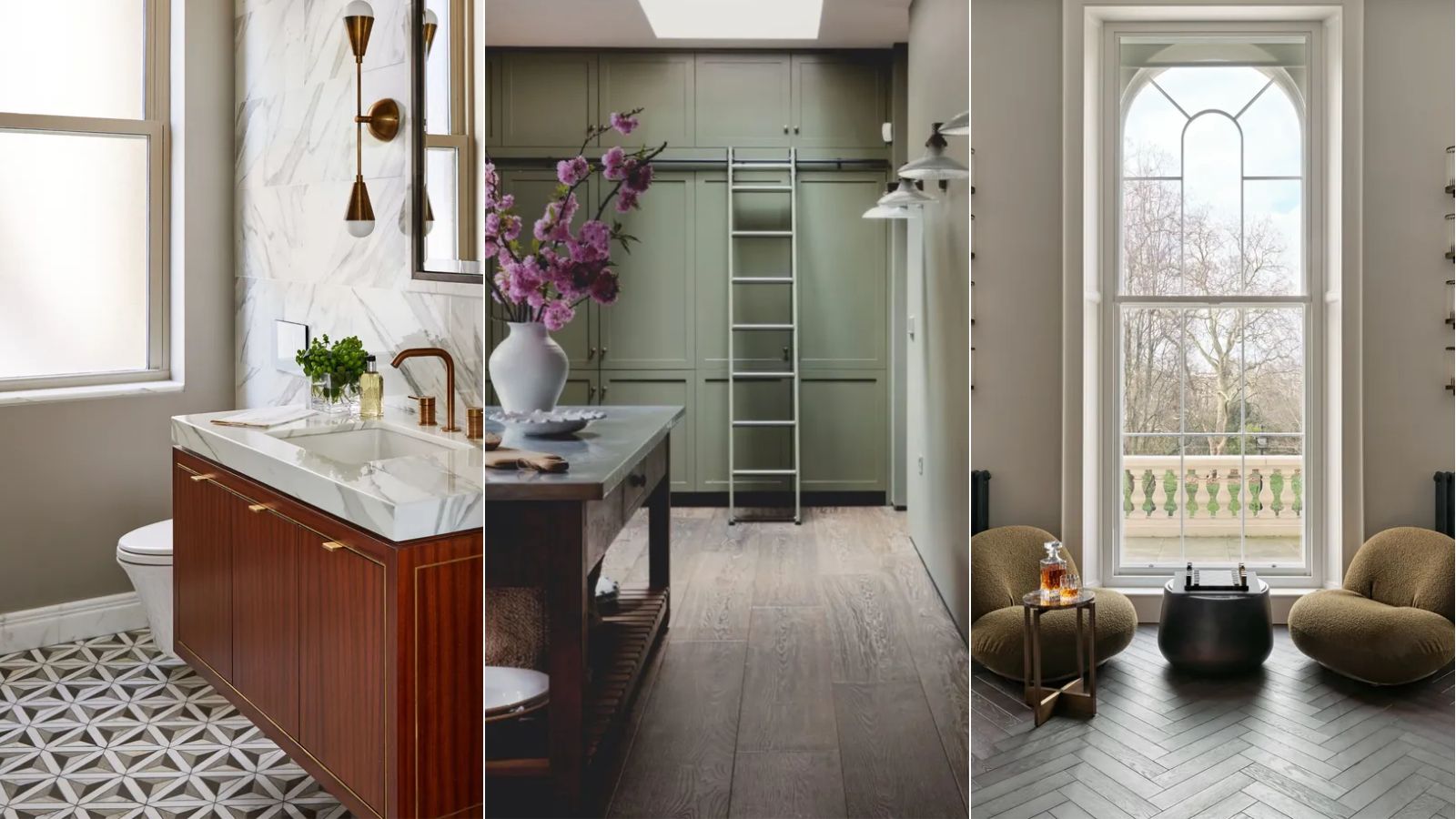
Flooring trends 2024 – designers predict these 8 styles will lead the way in interiors this year
Eco-friendly flooring – everything you need to know about sustainable floors
How to Get the High-End Flooring Look You See in LUXURY Homes
The Top 10 Flooring Trends for 2022
7 Flooring Styles Designers Say Are Making Your Home Look Outdated