13 Ways to Maximize Closet Space for More Storage
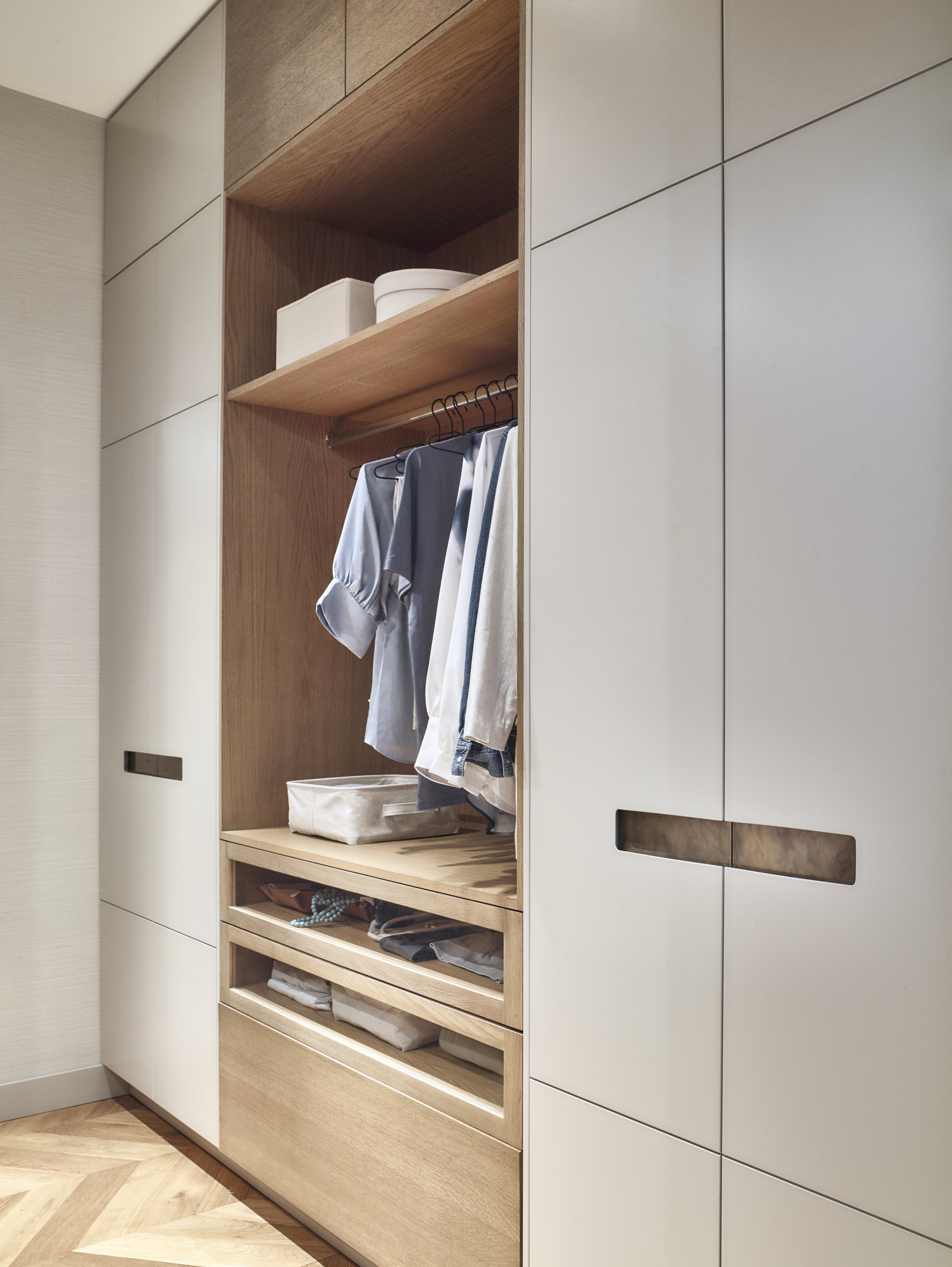
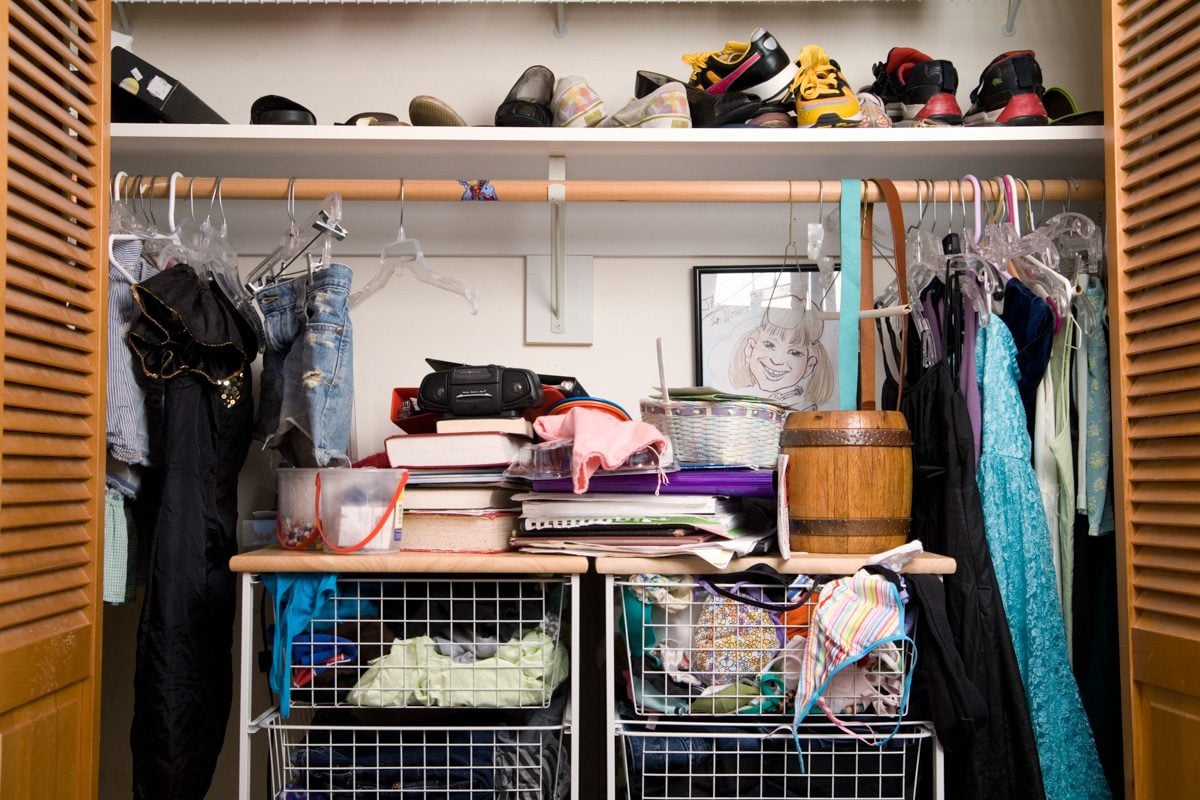
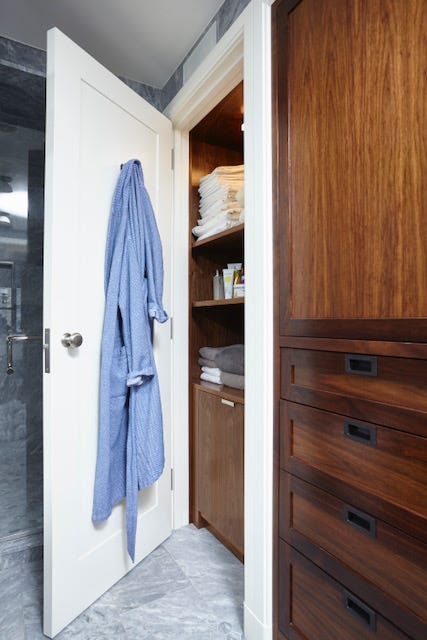
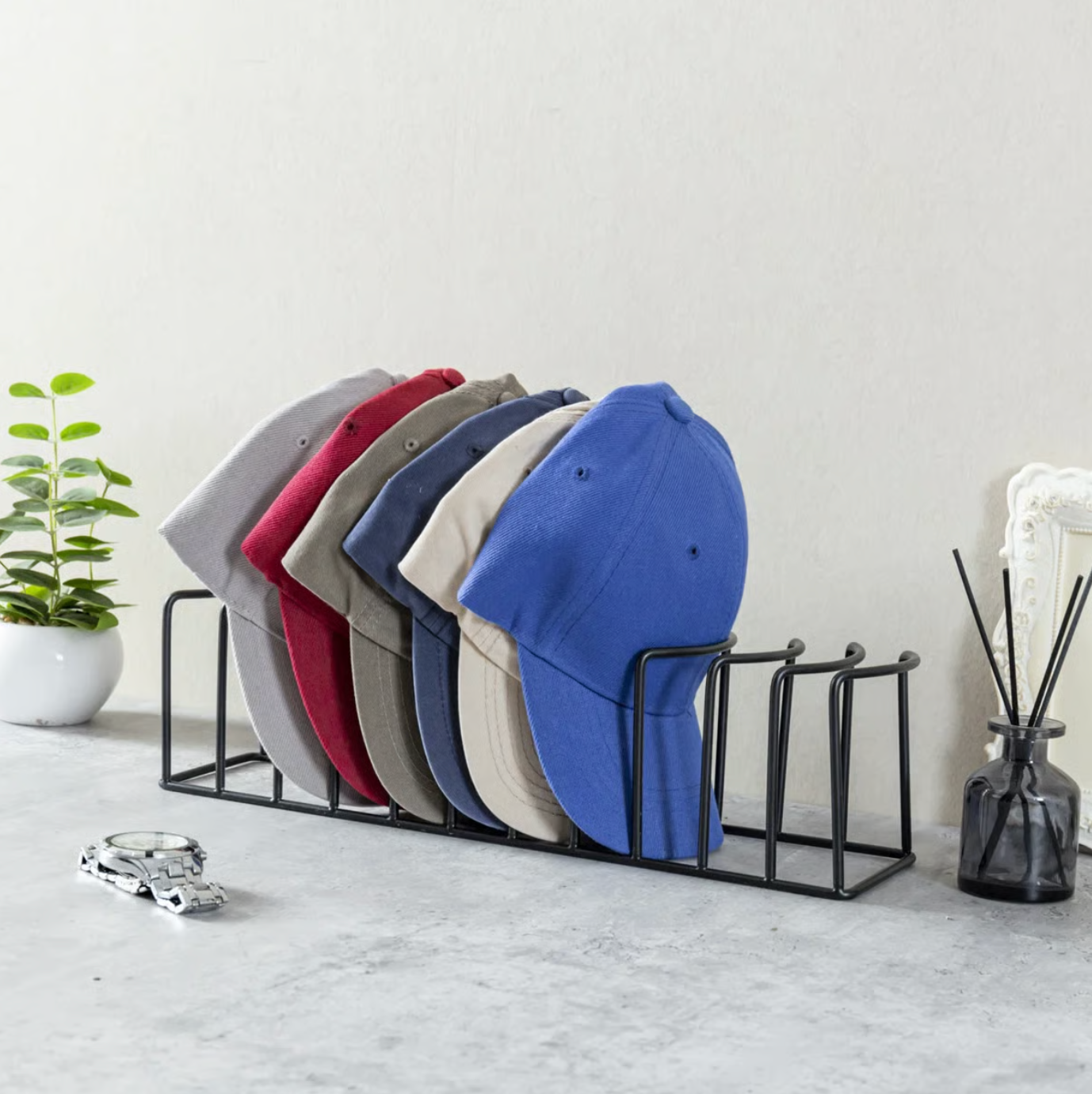
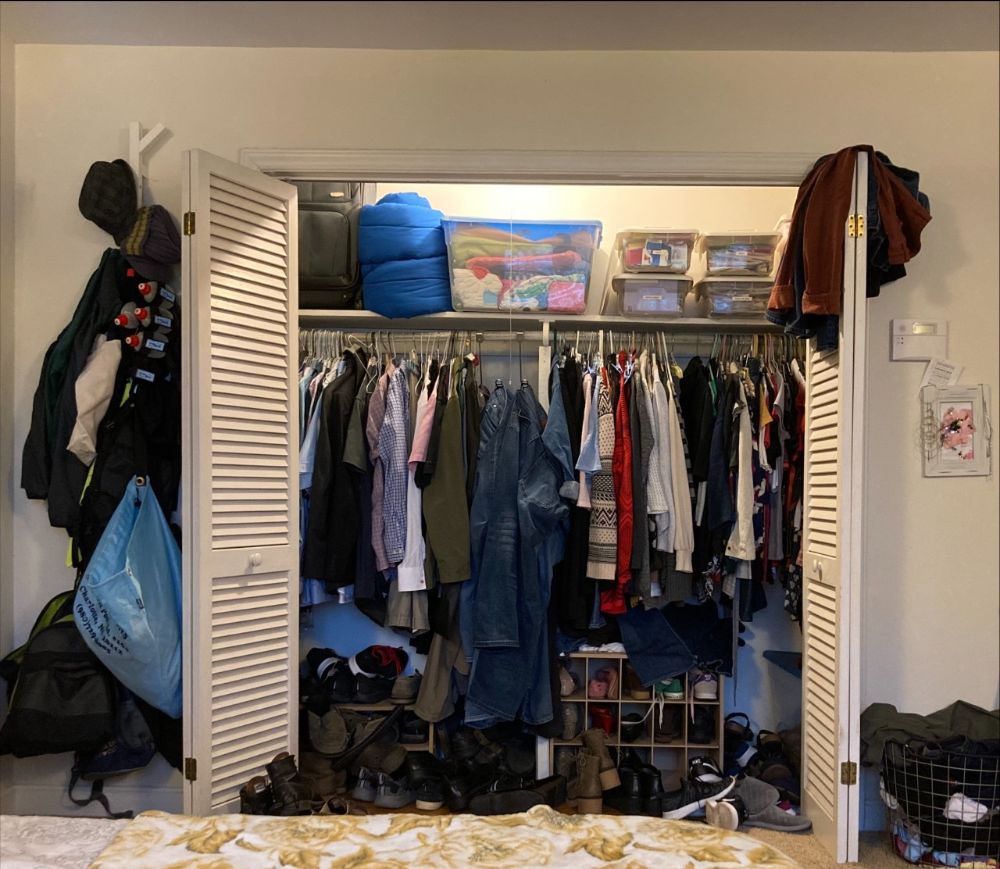
This article outlines thirteen effective strategies to maximize closet space for enhanced storage, catering to closets of all sizes and varying clothing volumes. The foundational step involves decluttering clothes, which entails removing unneeded items, categorizing remaining pieces, and utilizing donation boxes for discards. Items unworn for over a year are typically good candidates for removal, while sentimental or special occasion clothing can be relocated to alternative storage areas like guest room closets. Accessories such as belts, bags, and hats should also undergo this thorough sorting process.
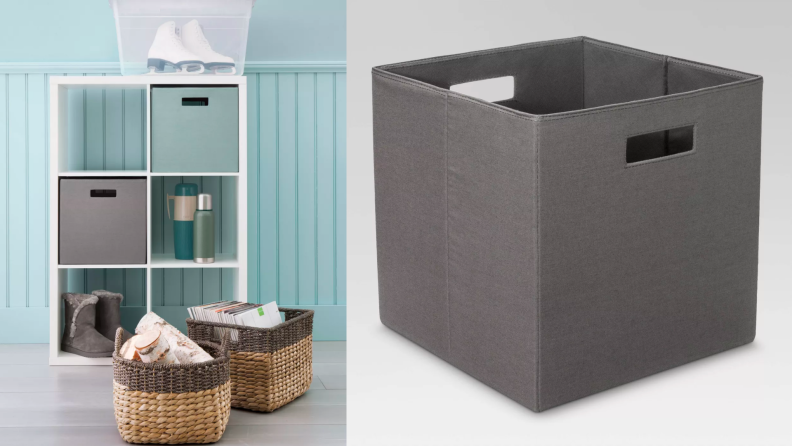
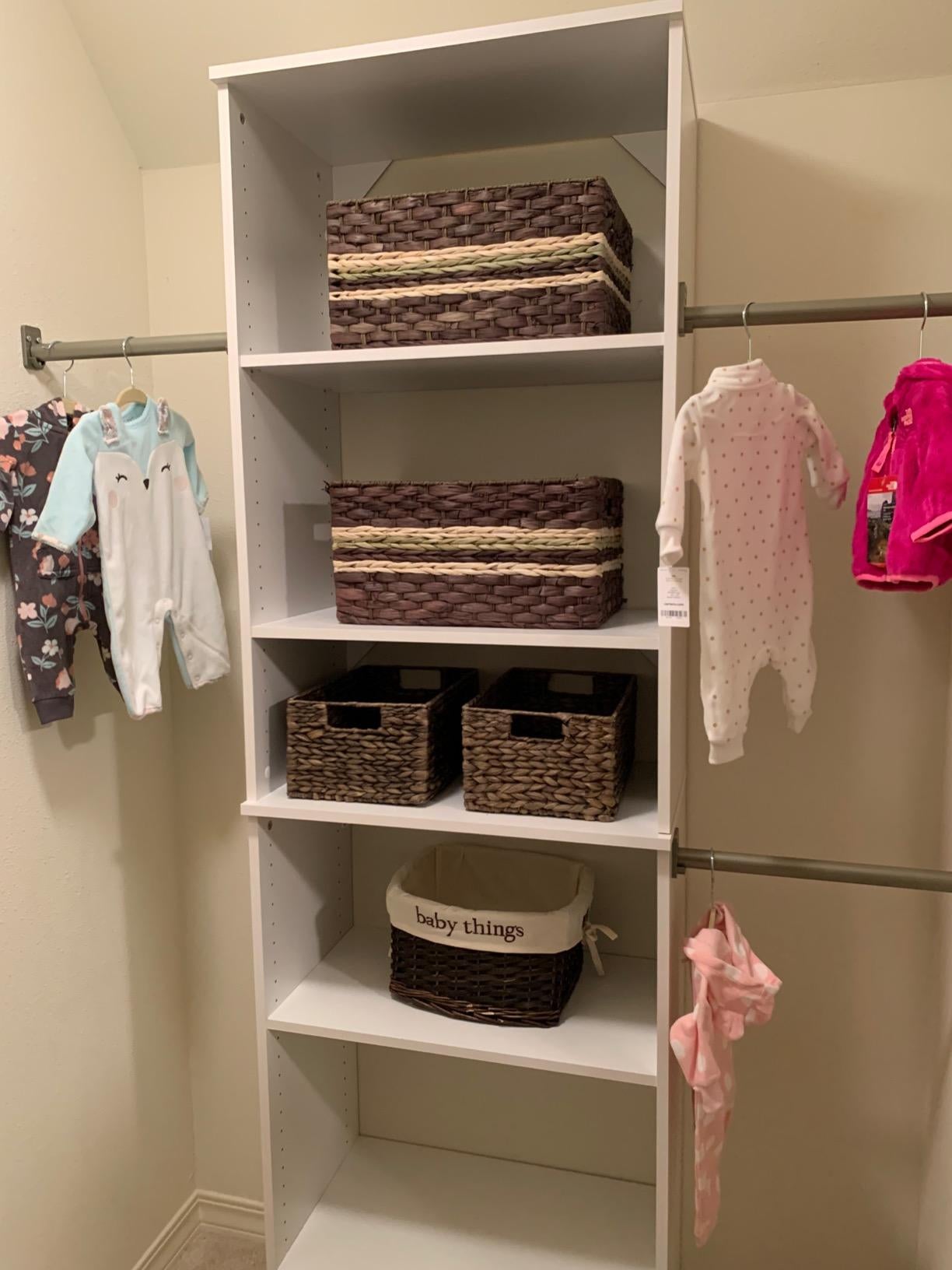
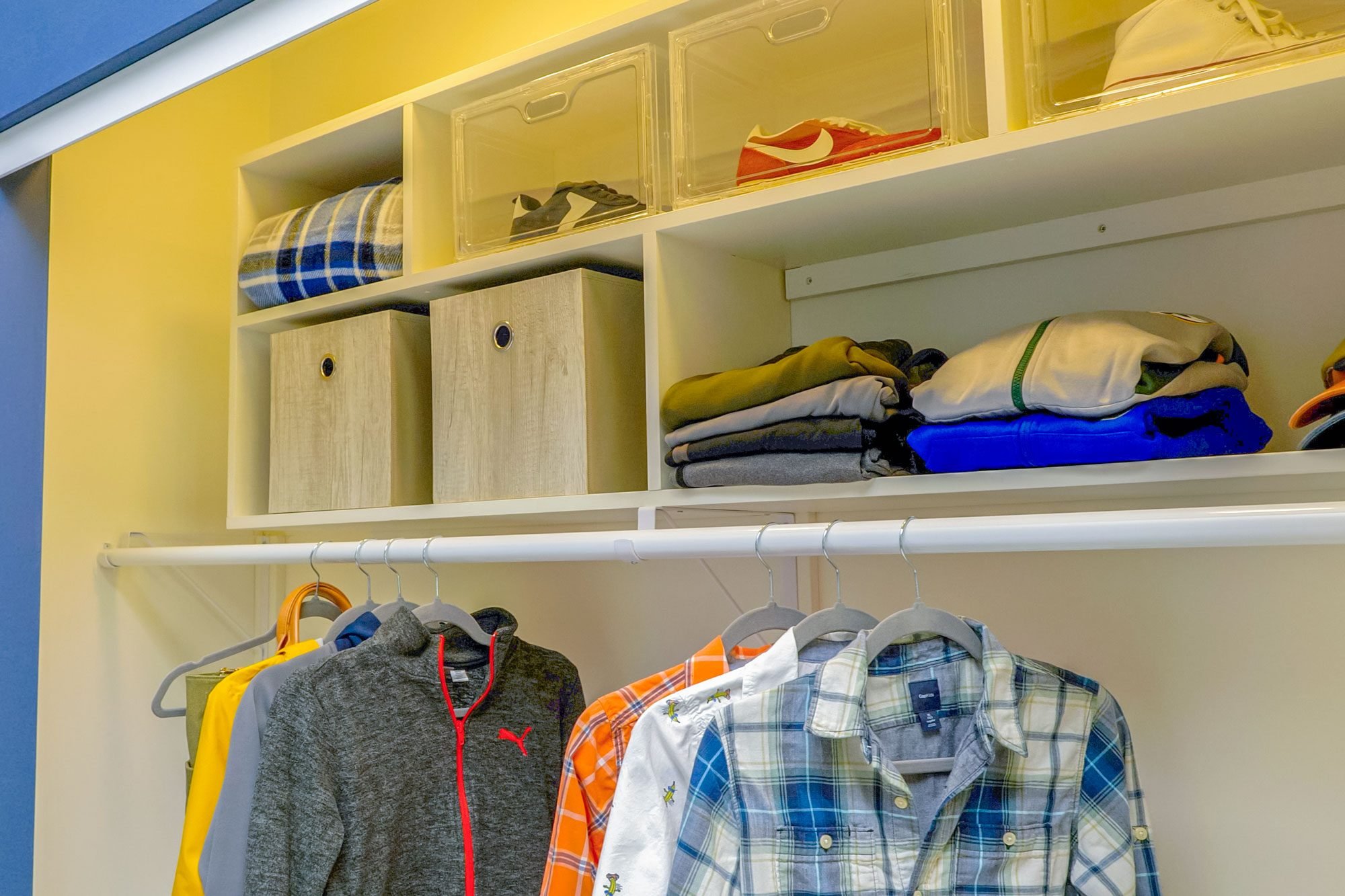
The article emphasizes the importance of containment for efficient organization. This involves using bins for items like sweatpants and shirts, file-folding them, and labeling bins for easy access. Smaller accessories such as clutches and belts are to be grouped in designated bins. When selecting storage containers, the recommendation is to avoid materials like wicker, metal, or rattan that could snag delicate fabrics, opting instead for smooth-surfaced options. Installing simple shelves in overlooked areas, such as above hanging rods or in corners, is presented as another method to increase storage. These shelves are particularly suitable for bulky items like sweaters and pants, which are better folded than hung. Keeping a foldable step stool is advised for accessing higher shelves.
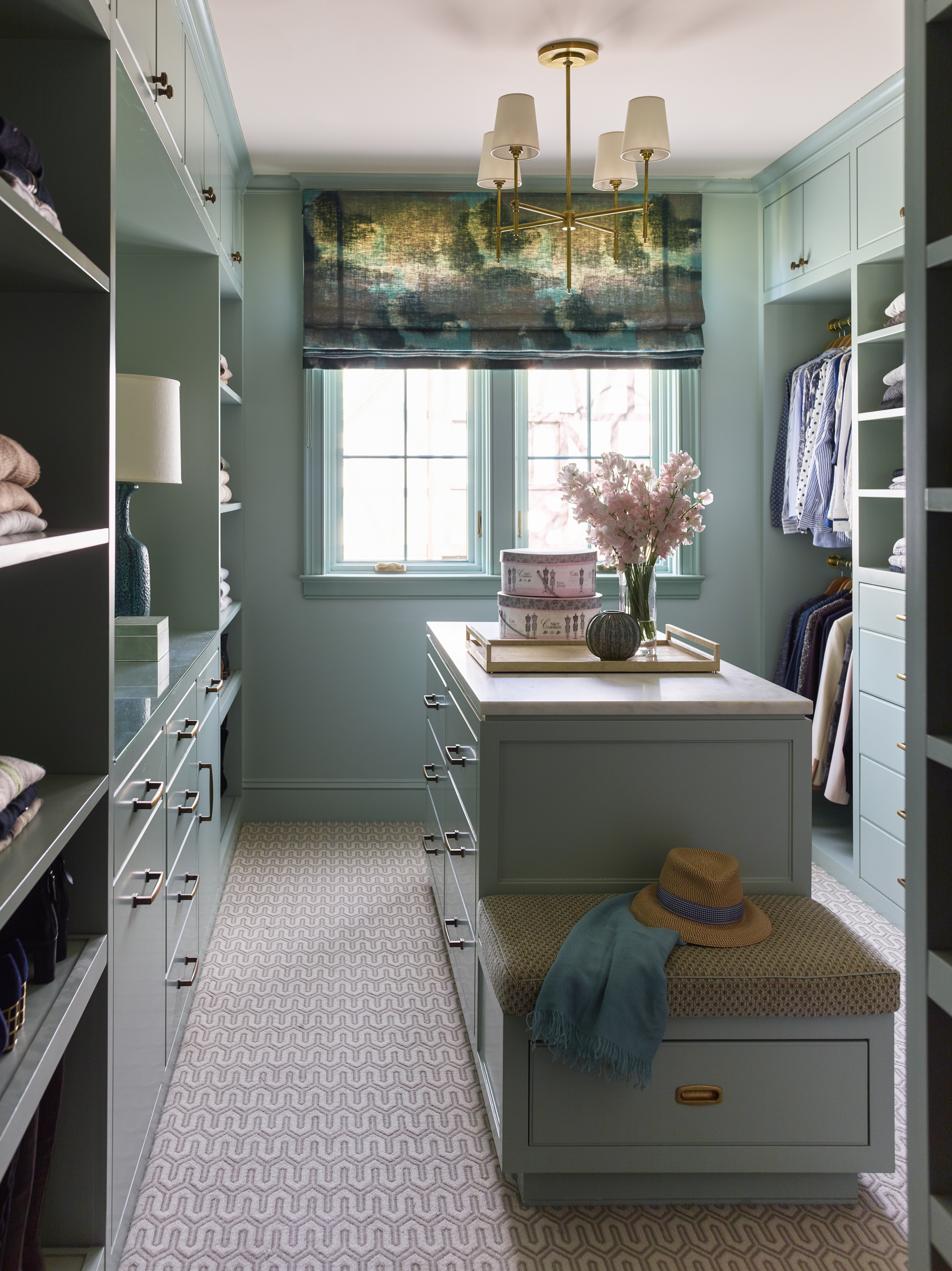
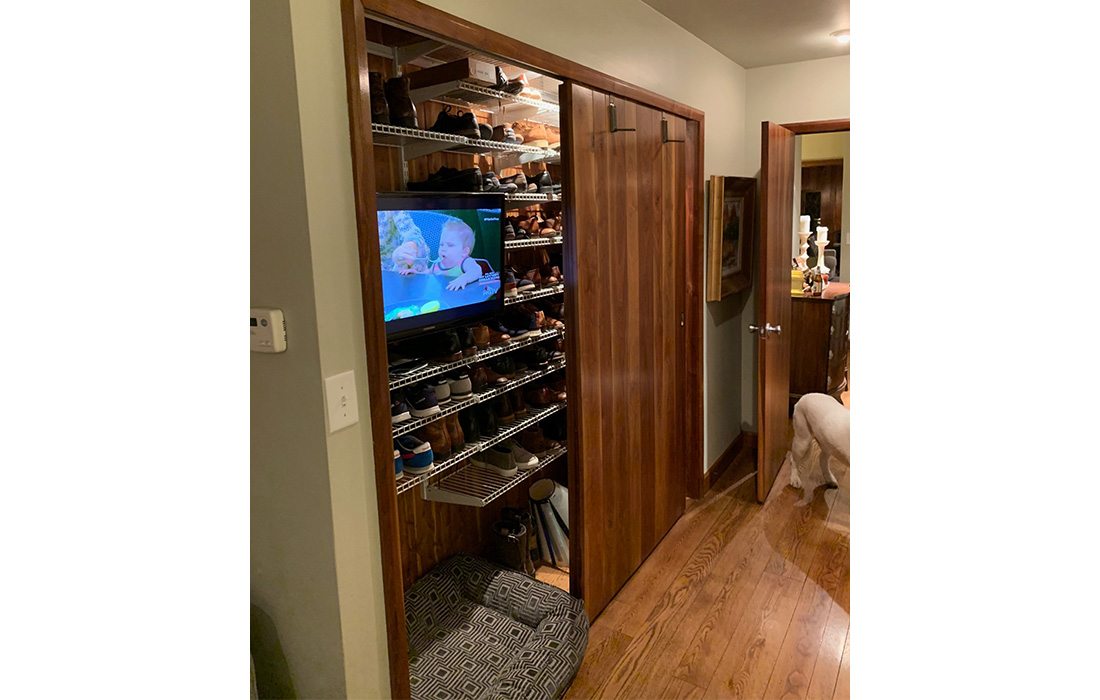
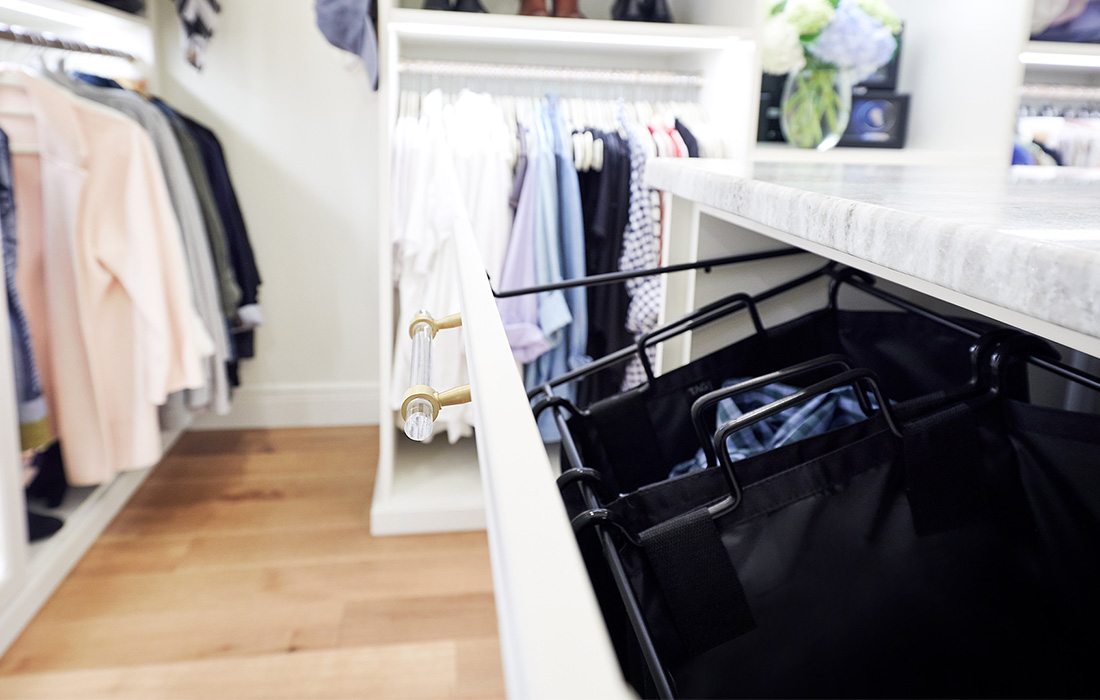
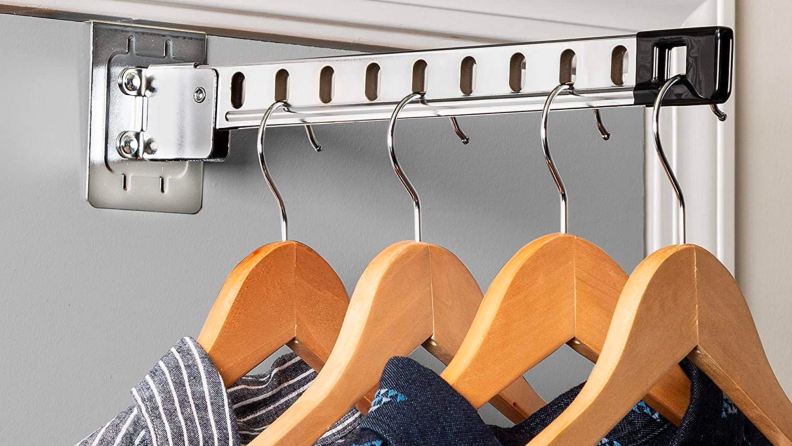
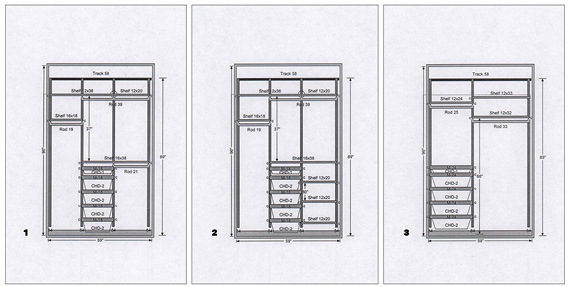
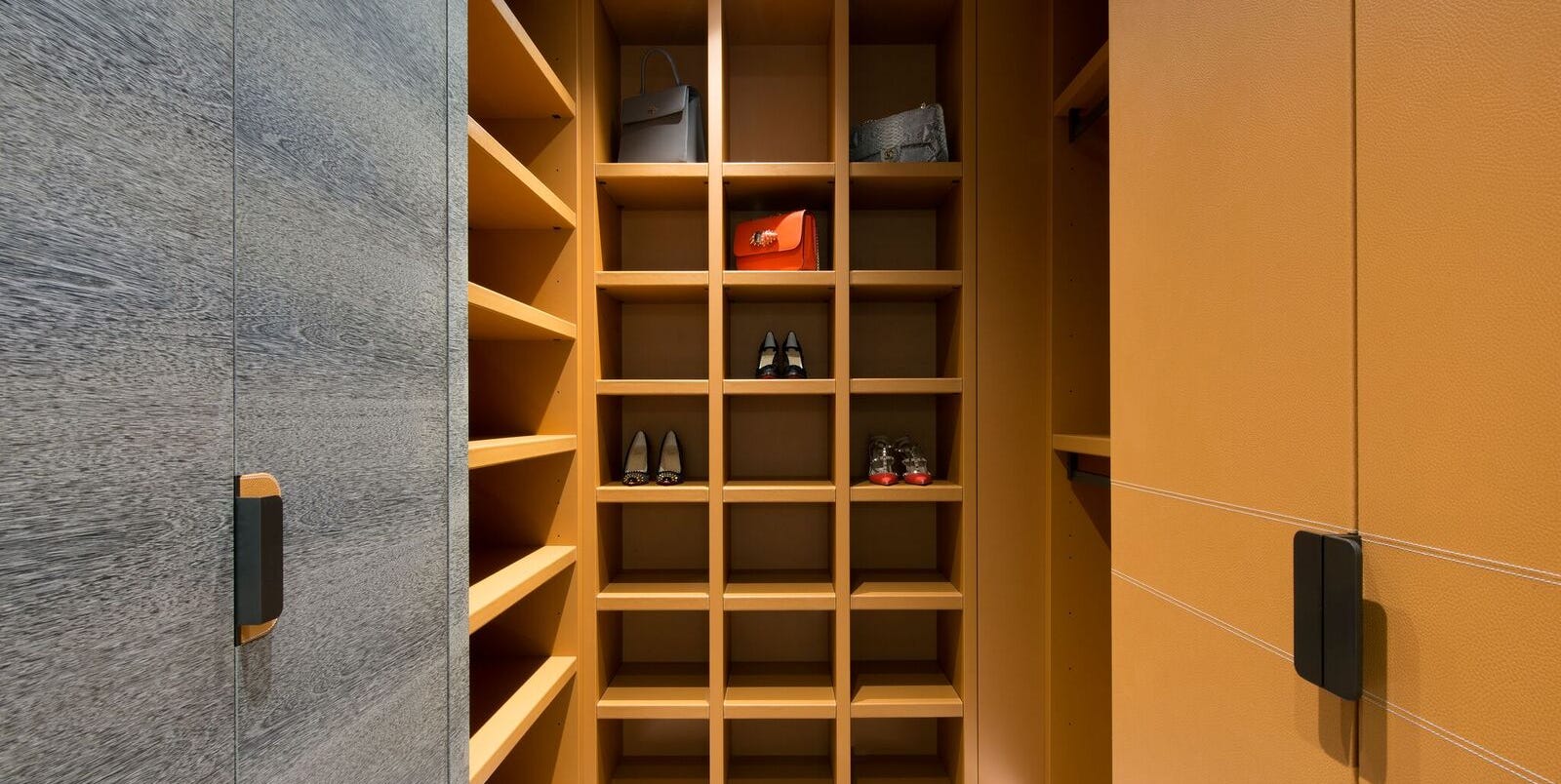
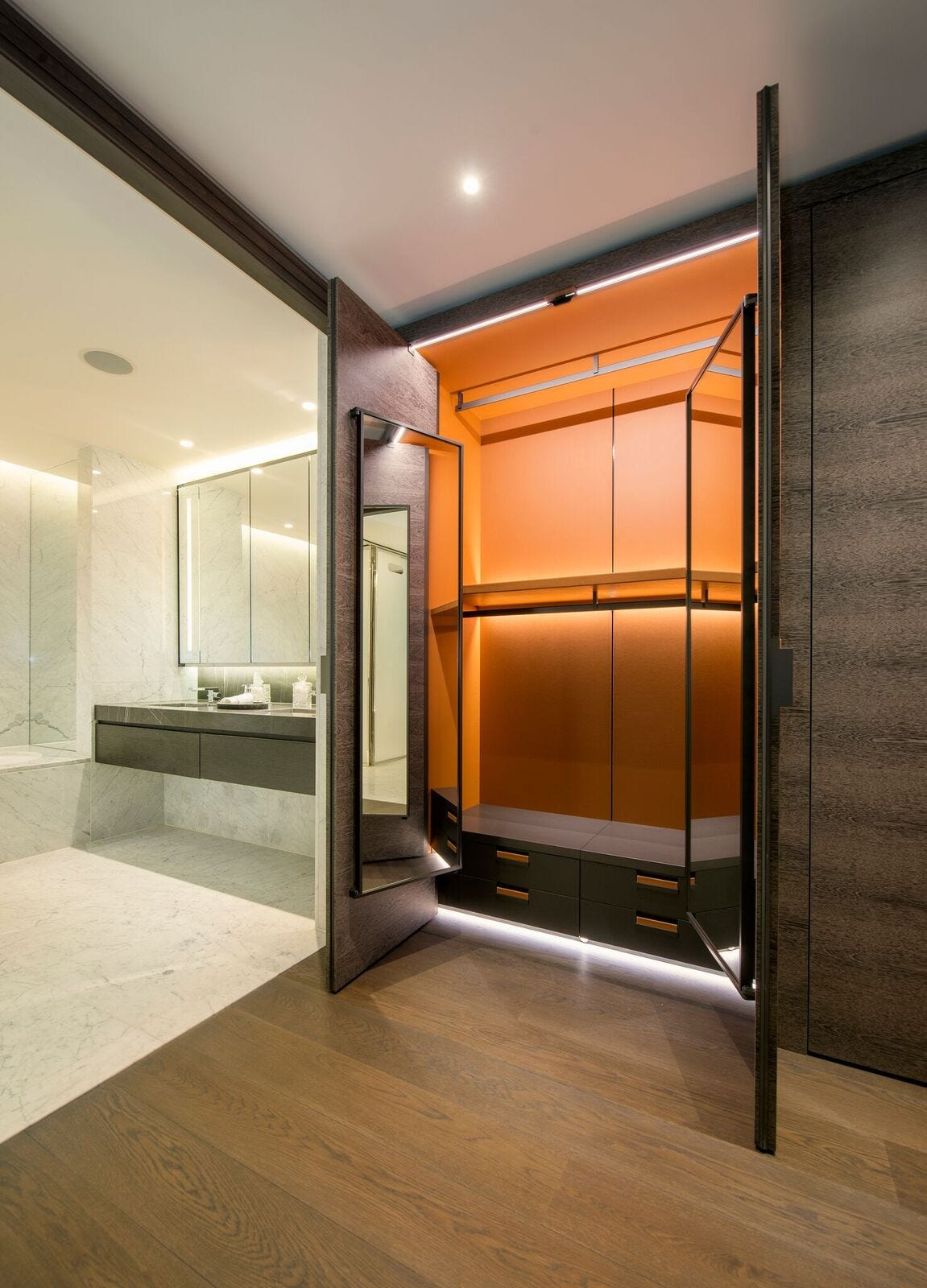
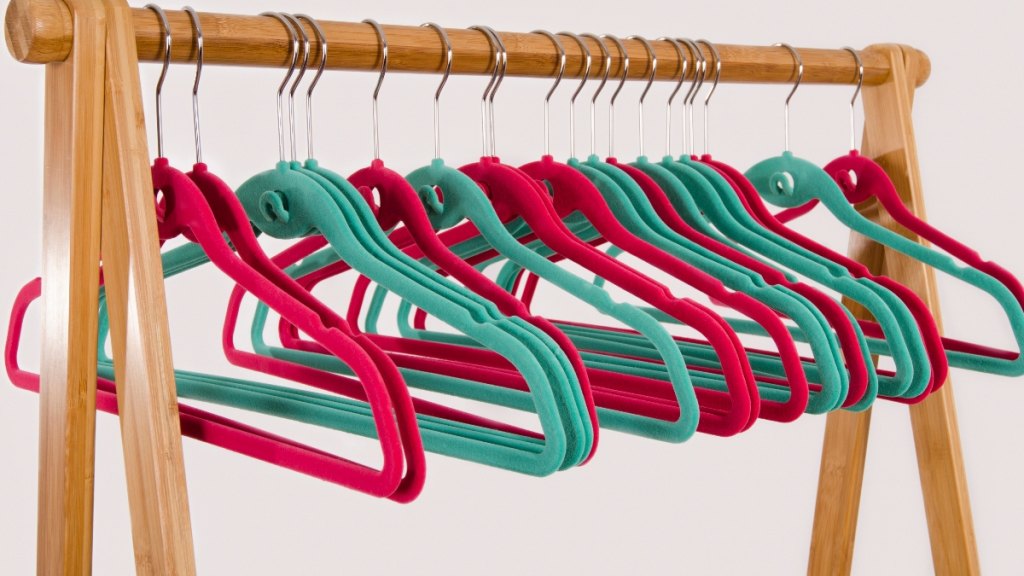
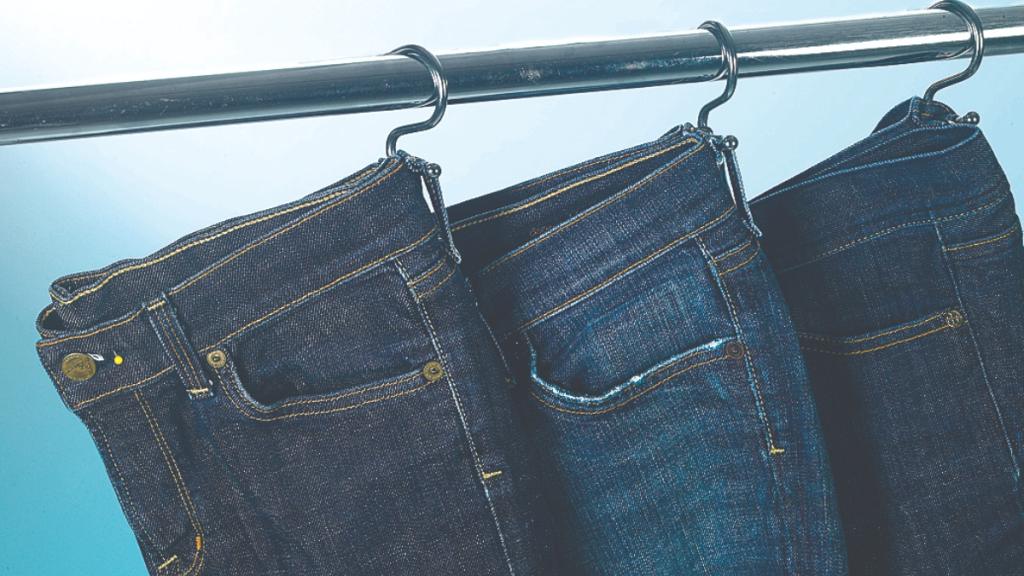
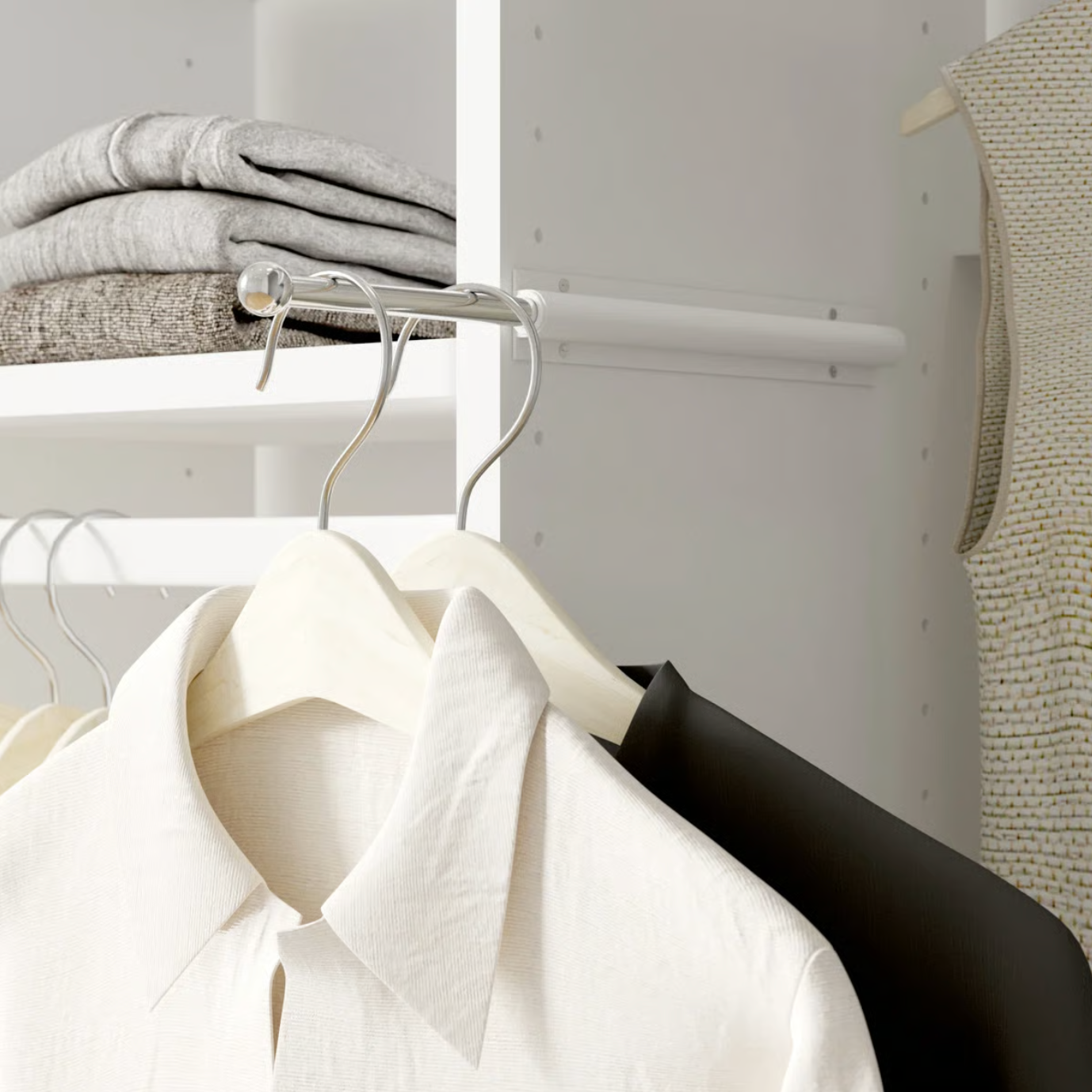
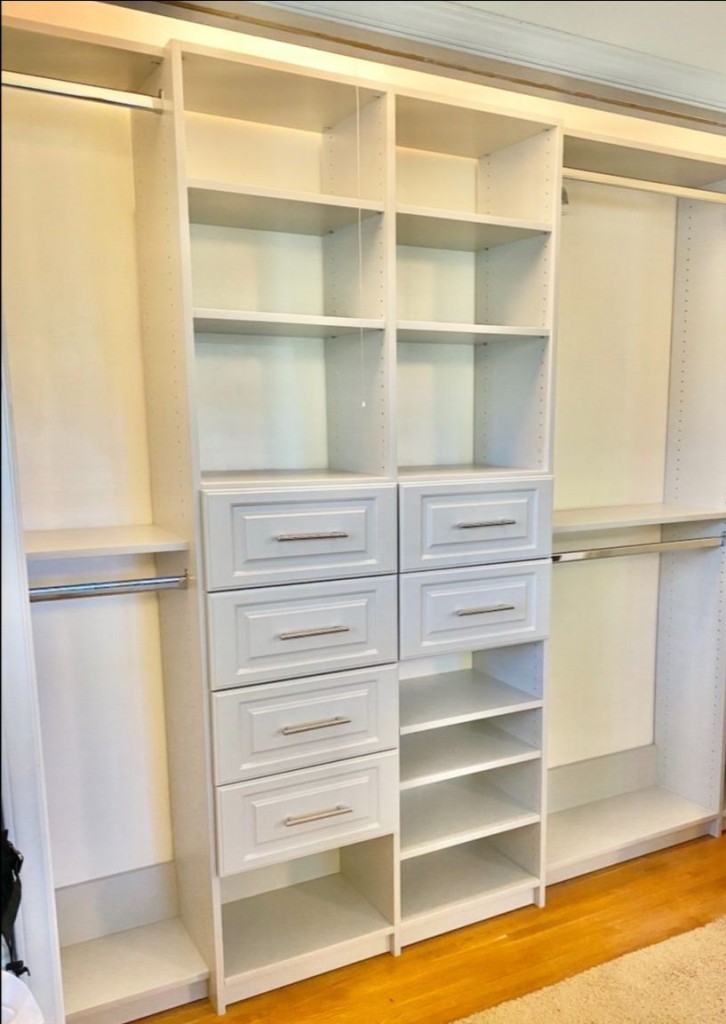
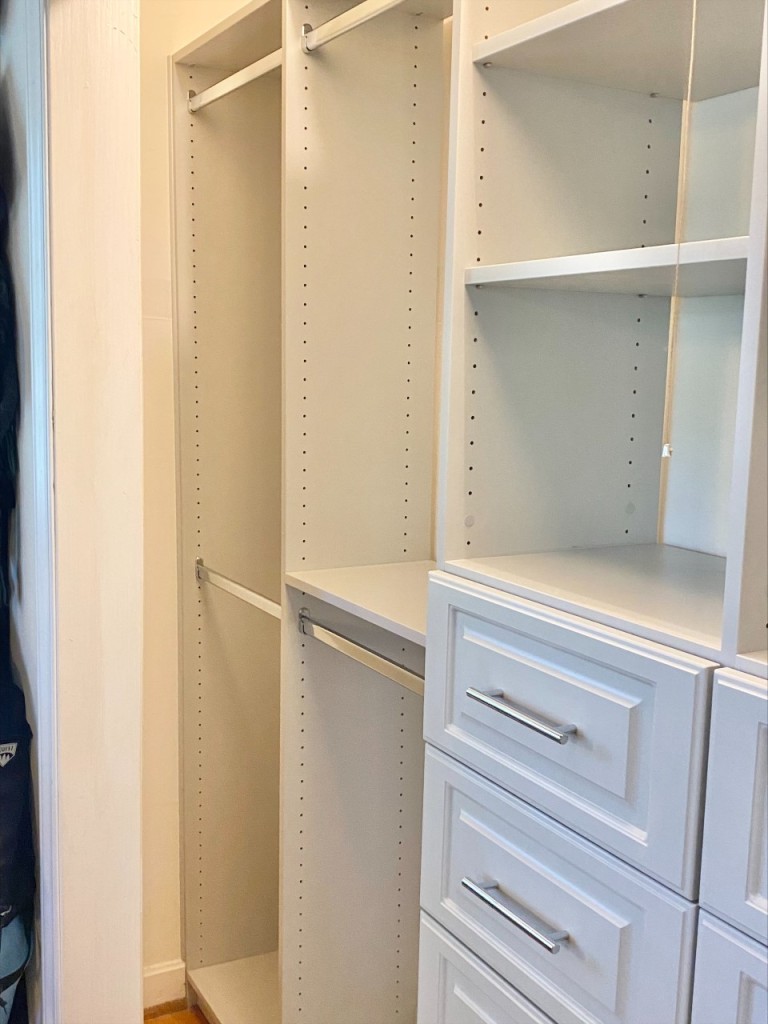
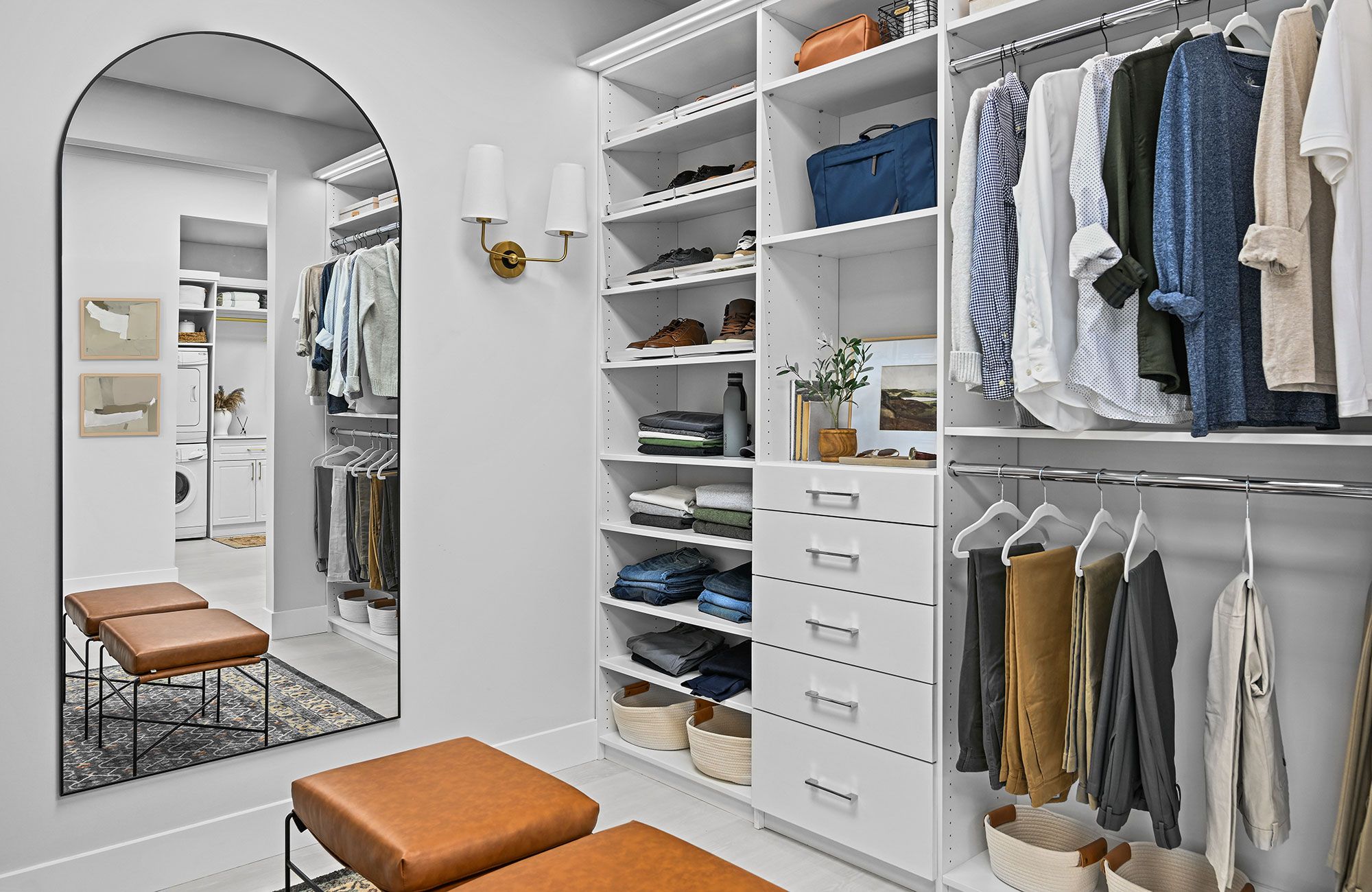
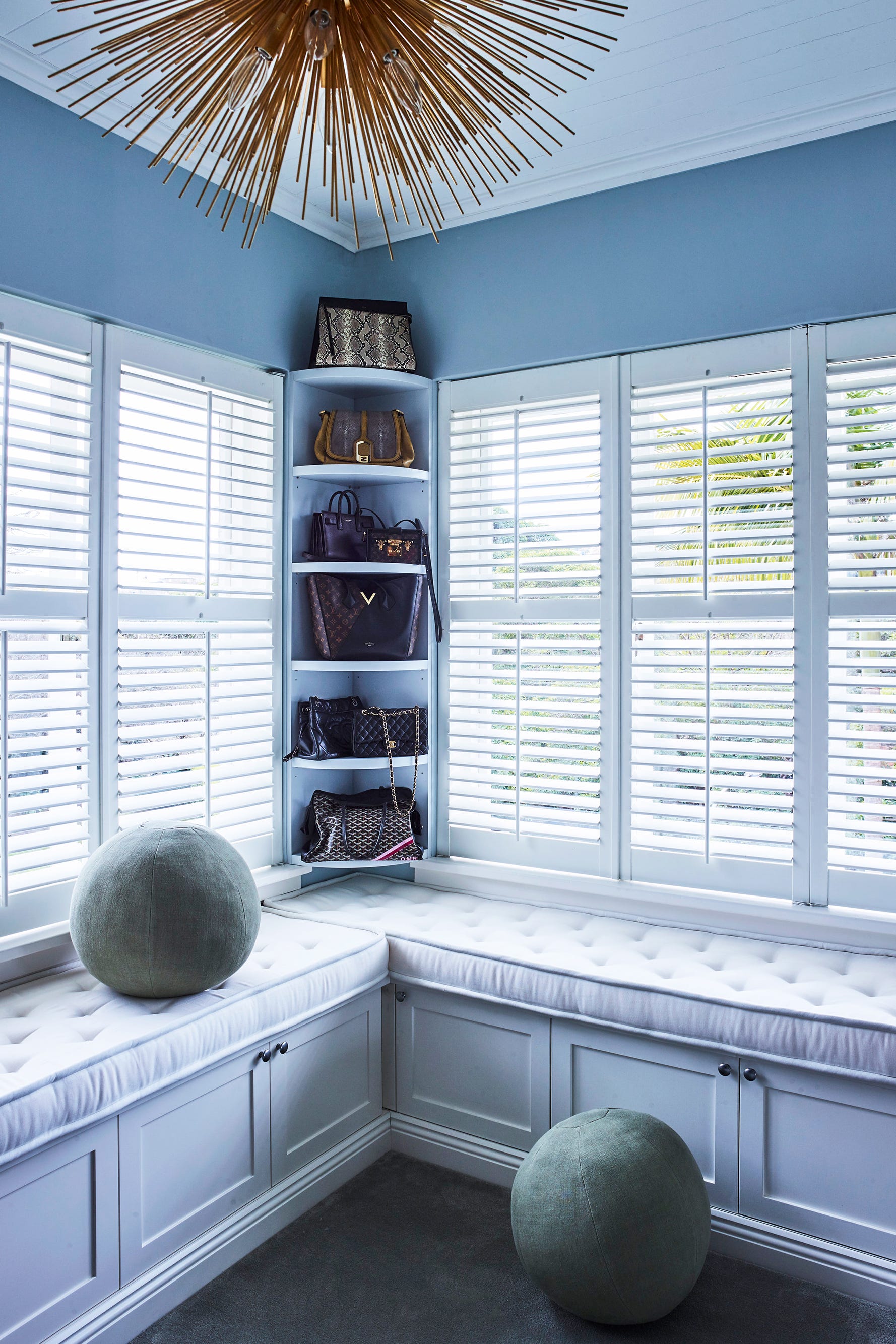
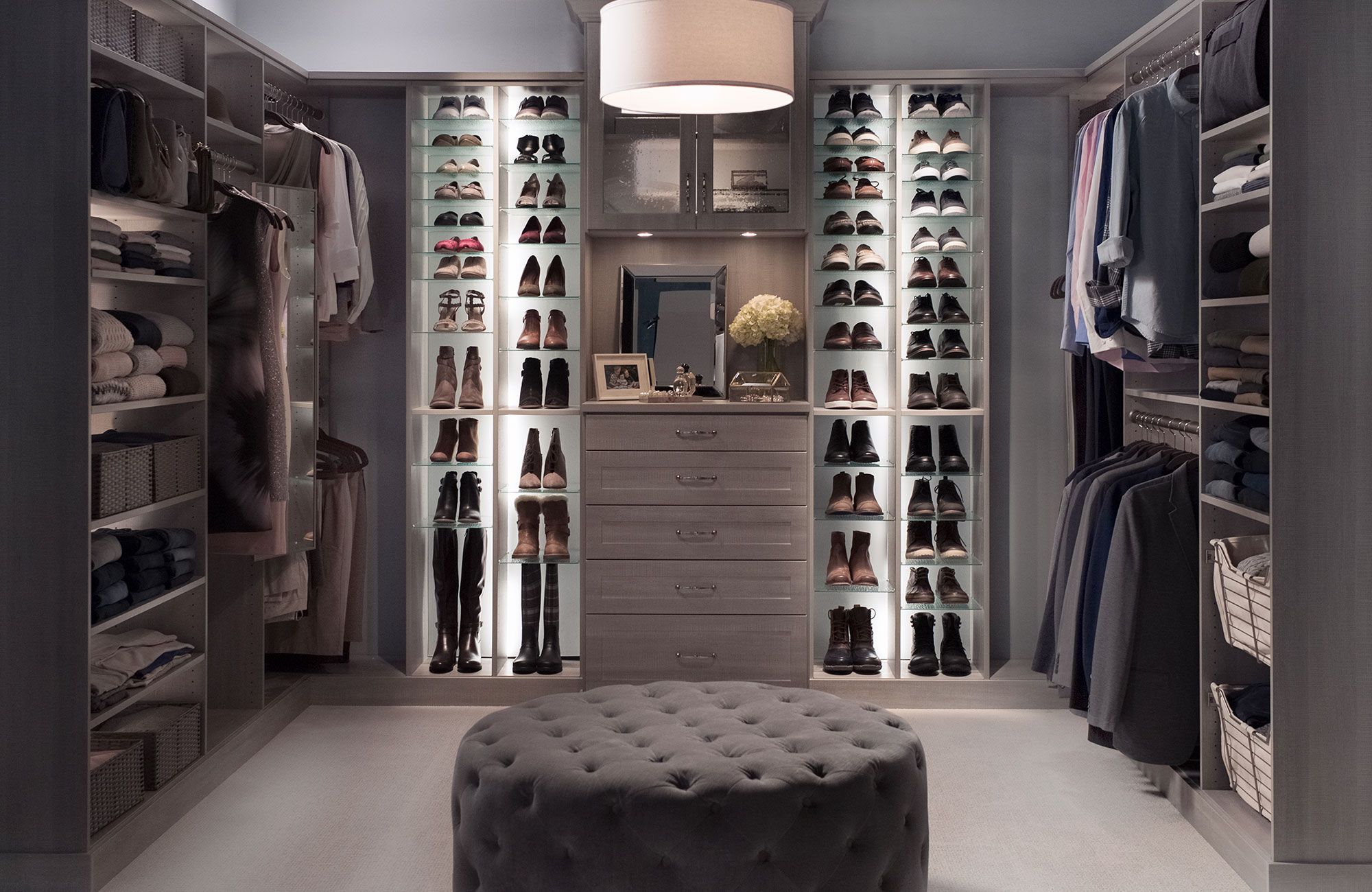
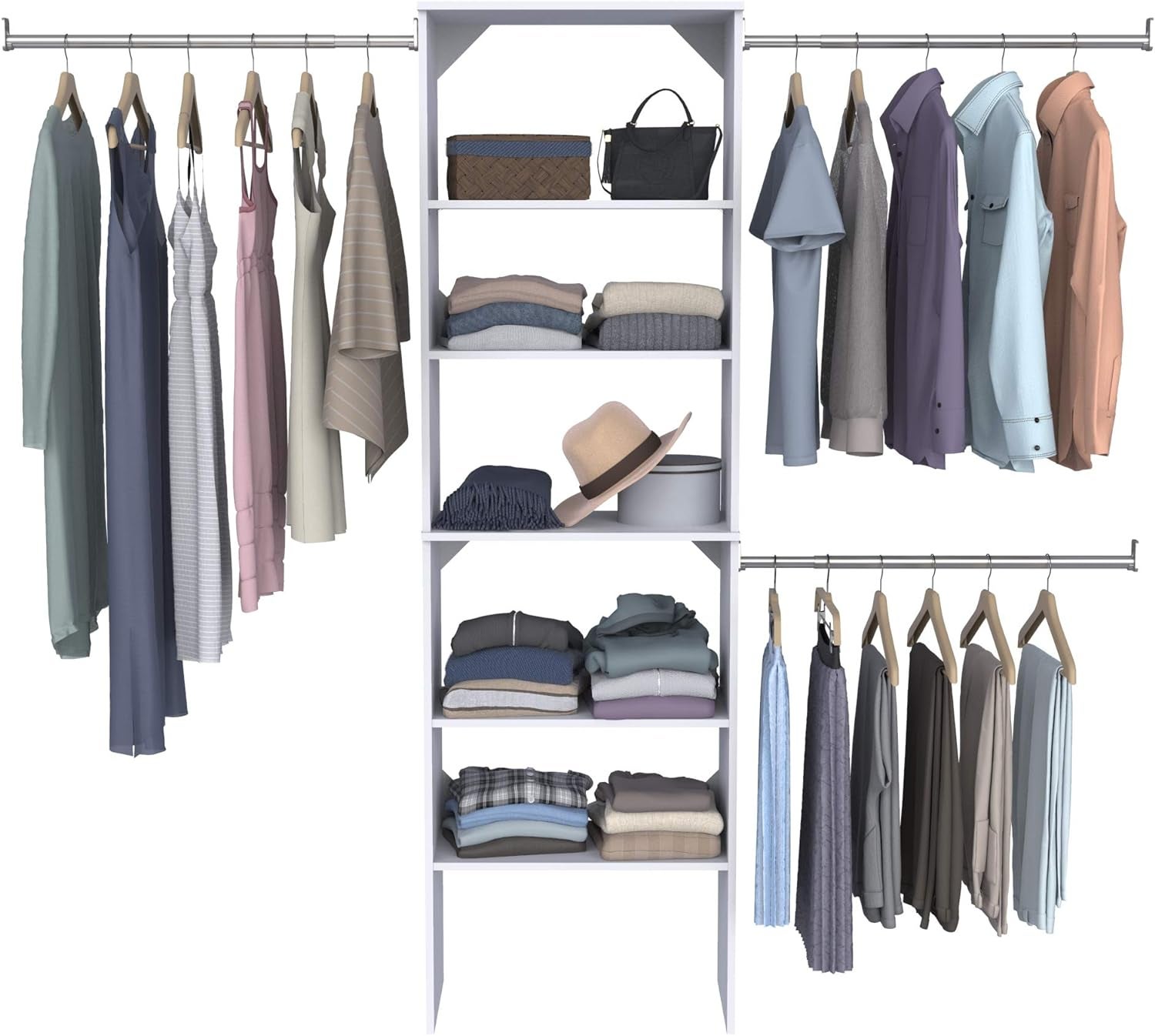
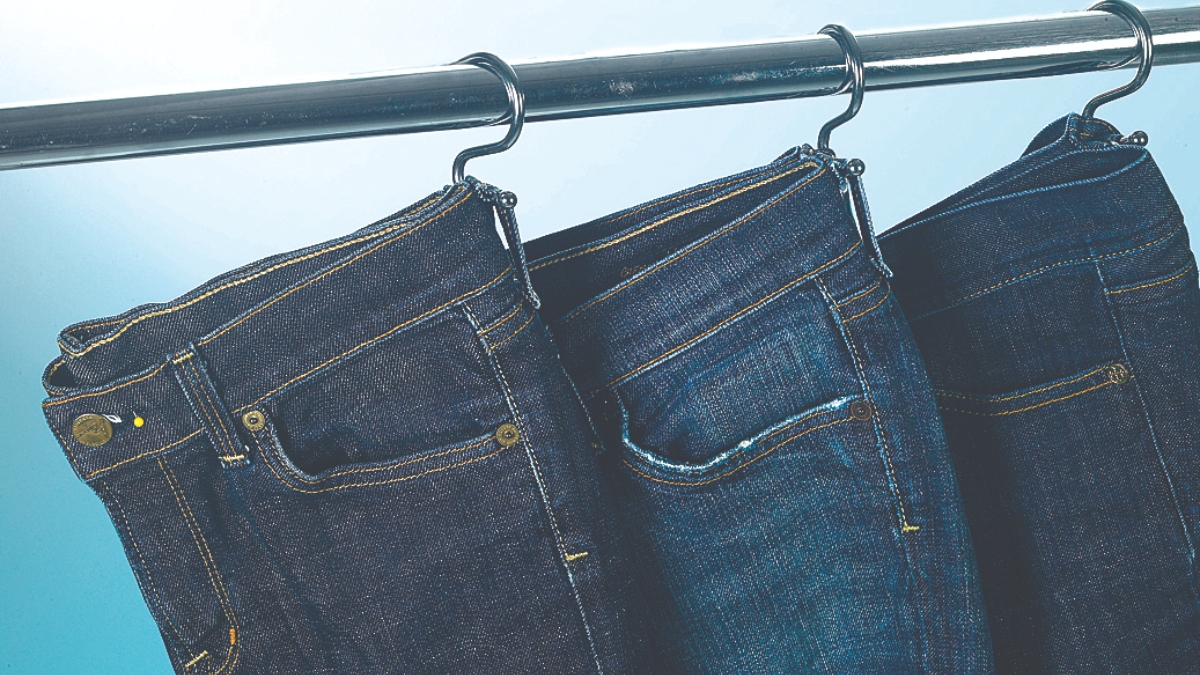
For a comprehensive solution, considering a customizable closet system is suggested. Many companies offer design services that factor in both the available space and the volume of belongings, allowing for tailored configurations like specific rod heights for long garments. These systems are often adaptable to changing needs. Corner spaces can be utilized with corner shelving, available in various materials, which are ideal for shoe storage, typically accommodating two pairs per shelf. The selection of appropriate hangers is also crucial, with a strong recommendation for slimline hangers over bulky plastic or tubular ones to free up hanging rod space. For extremely tight spaces, cascading pant clip hangers offer further space-saving benefits.
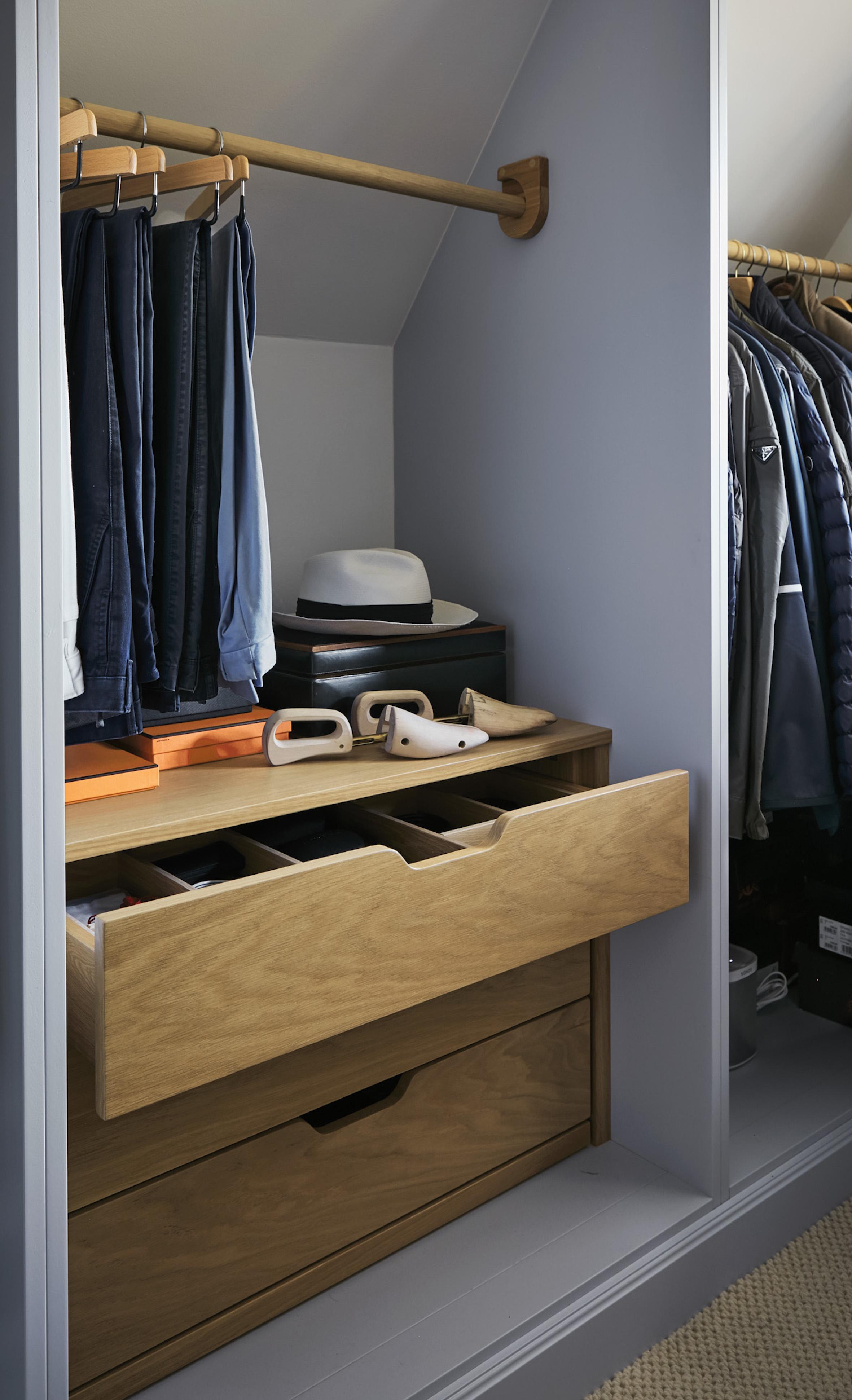
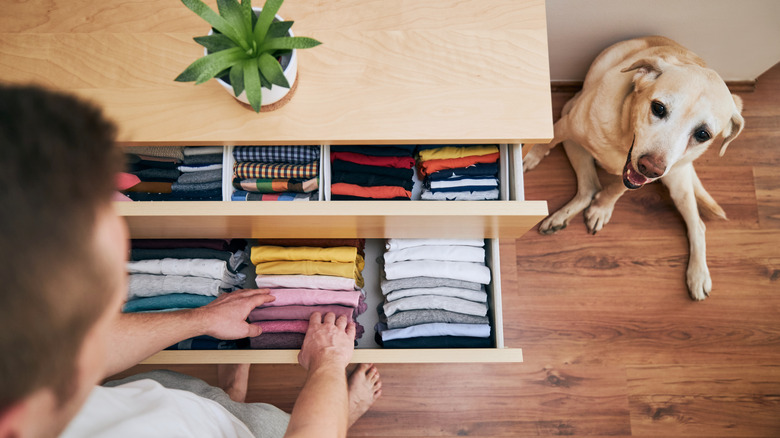
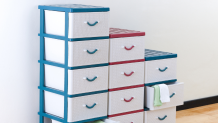
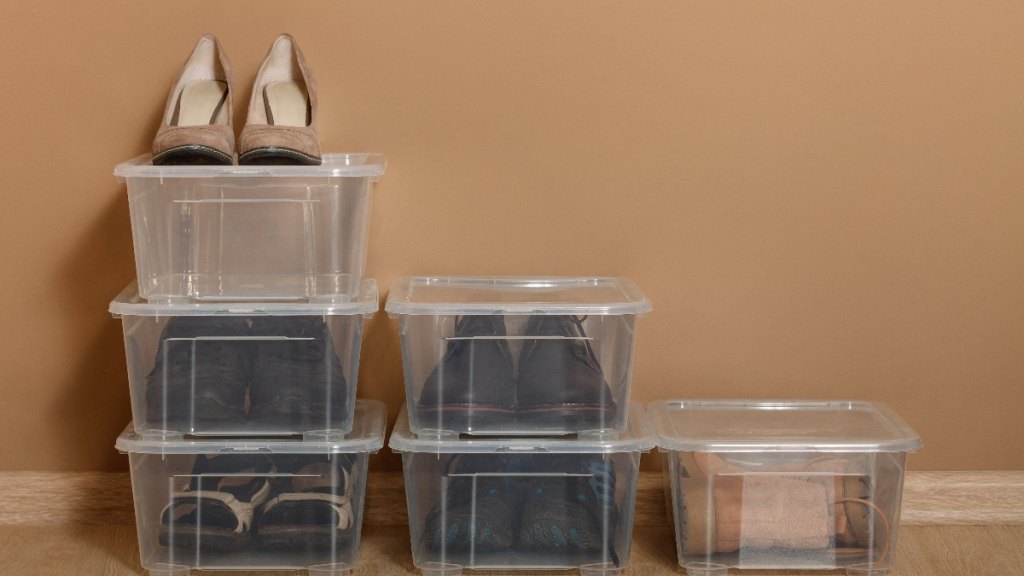
Marie Kondo's file-folding method is highlighted as an effective technique for maximizing space and improving visibility within drawers and bins, by ensuring clothing is folded vertically. Incorporating spring-loaded drawer dividers can further enhance tidiness. Stacked open-front bins offer a flexible storage solution for areas with ample vertical space, allowing for easy access and seasonal clothing rotation without disturbing entire stacks. Similarly, drop-front shoe boxes enable easy access to individual pairs without dislodging the stack.
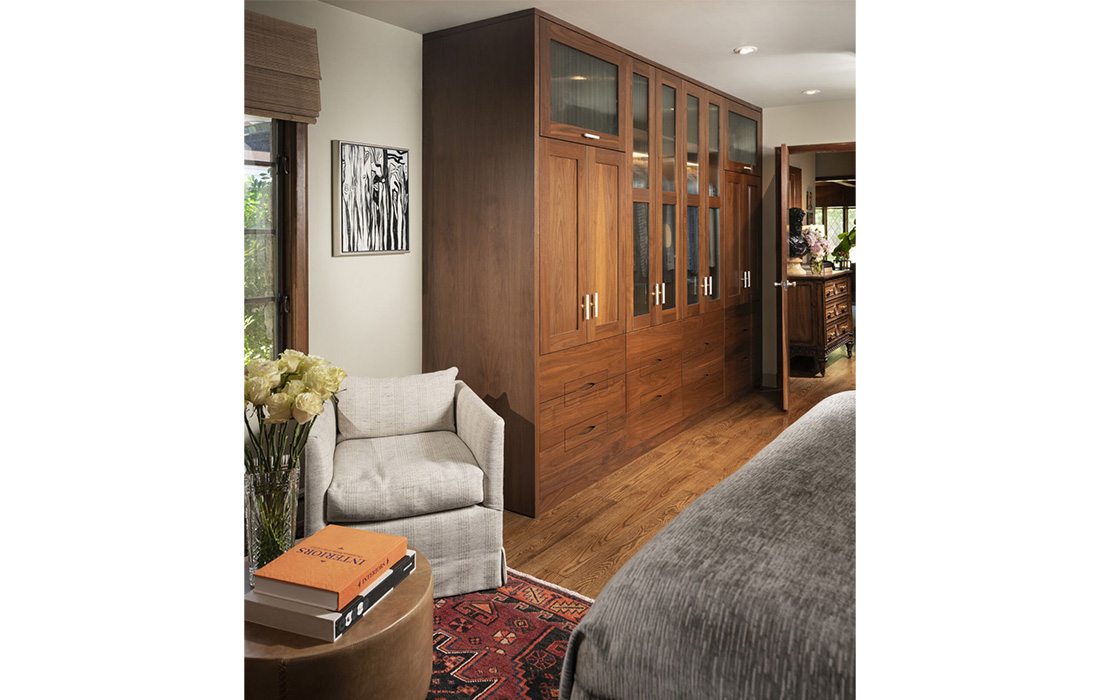
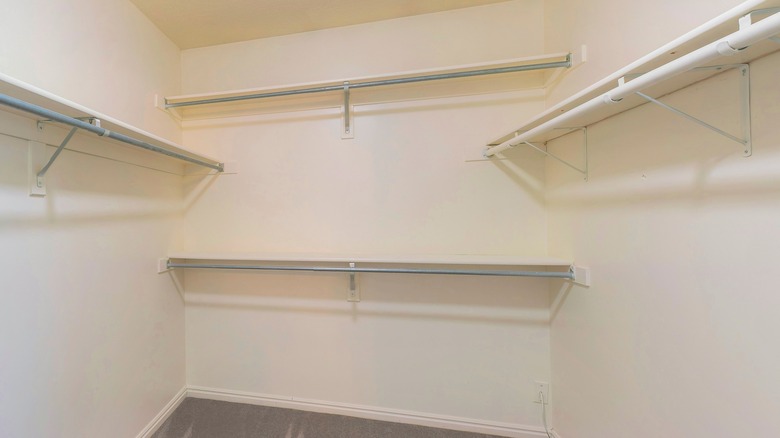
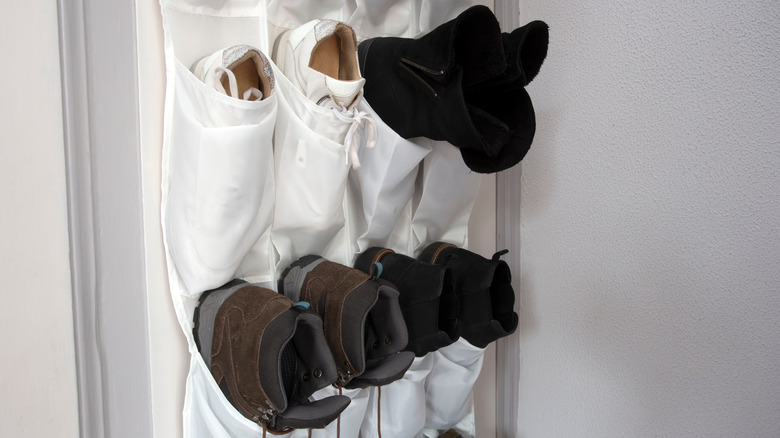
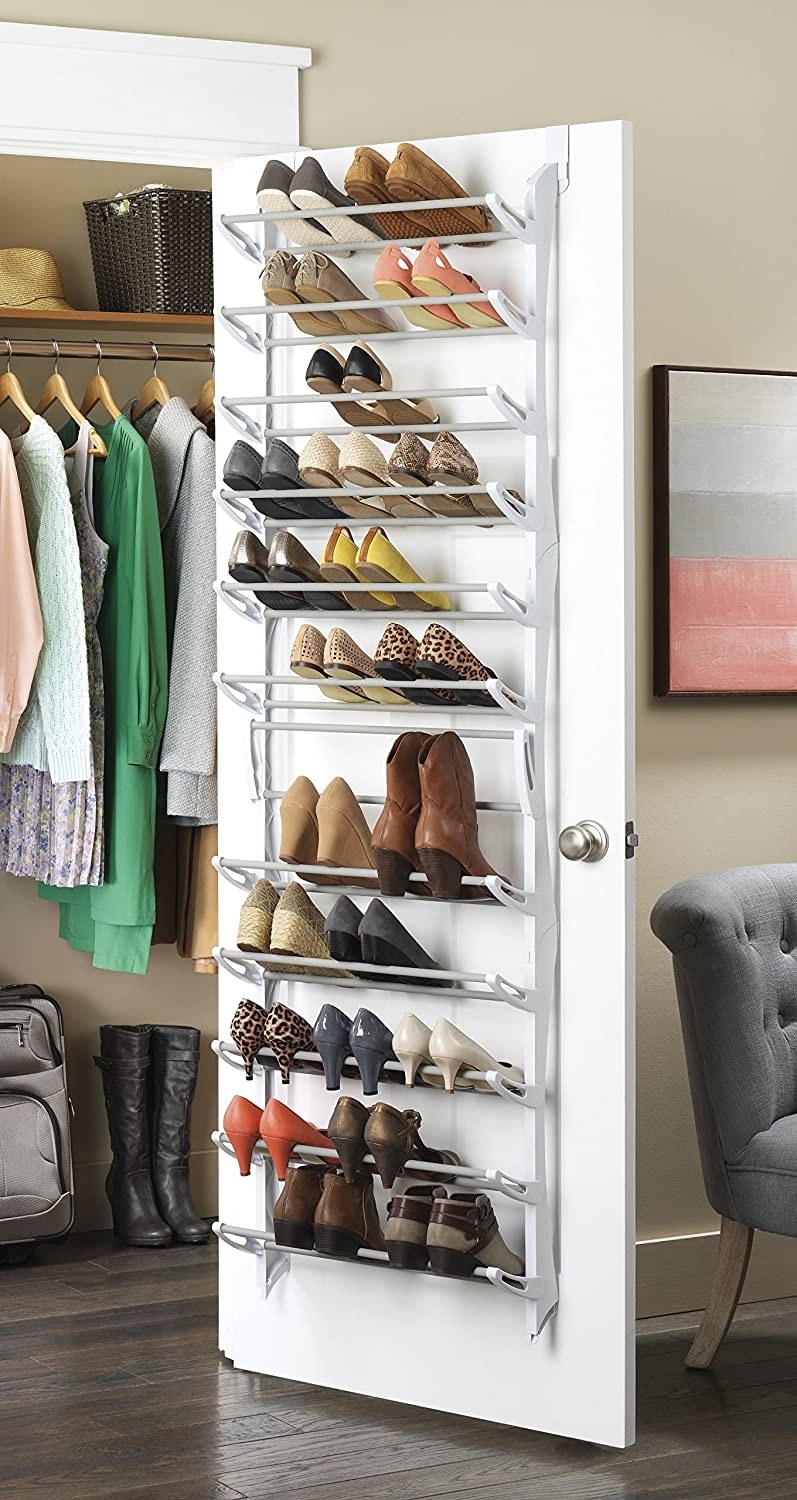
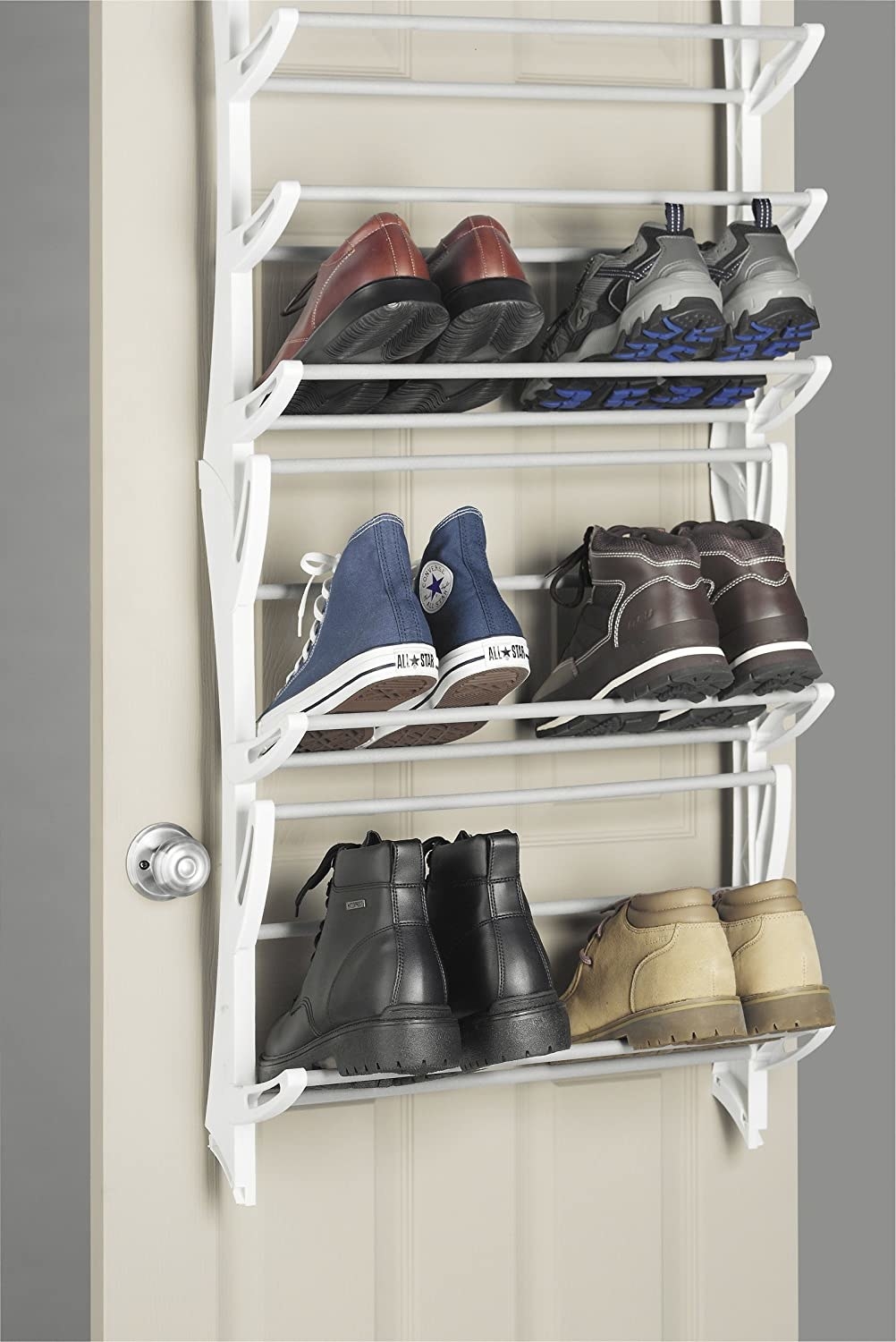
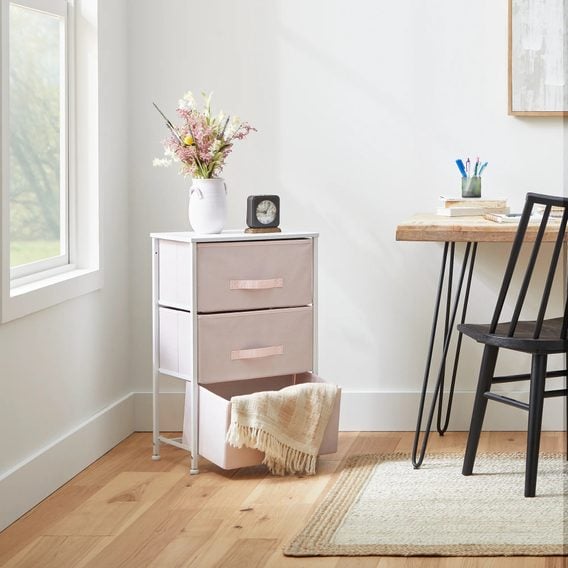
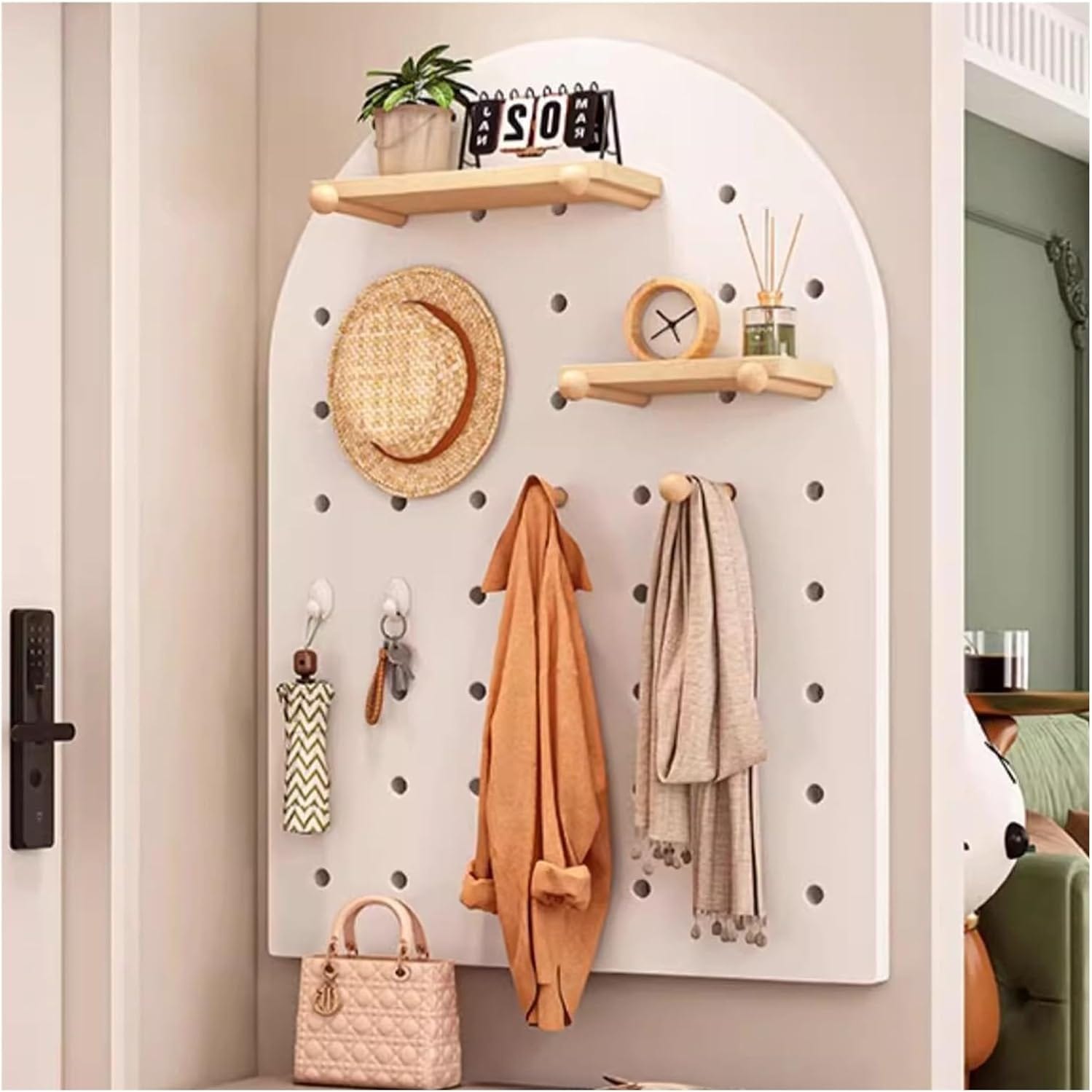
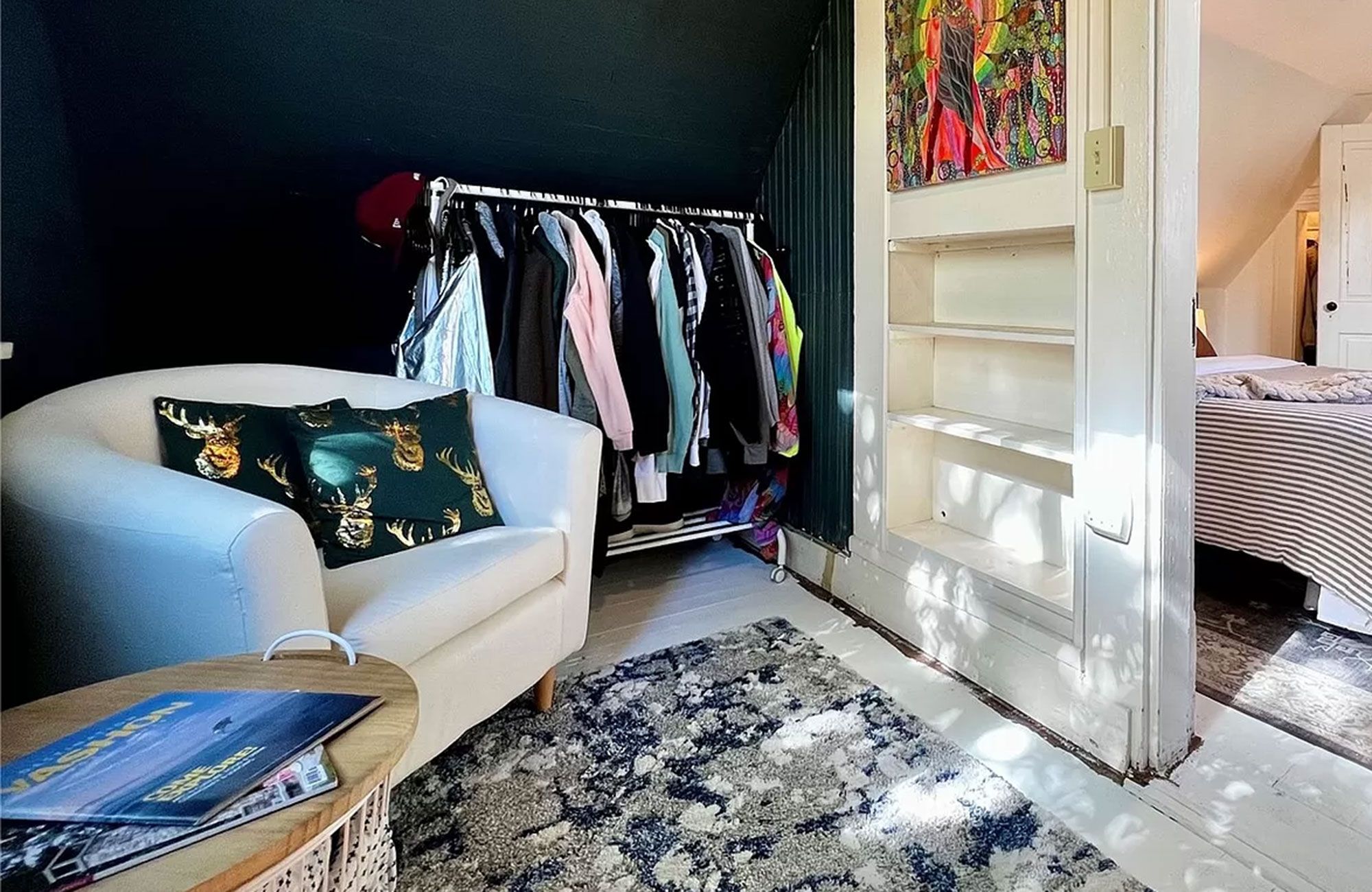
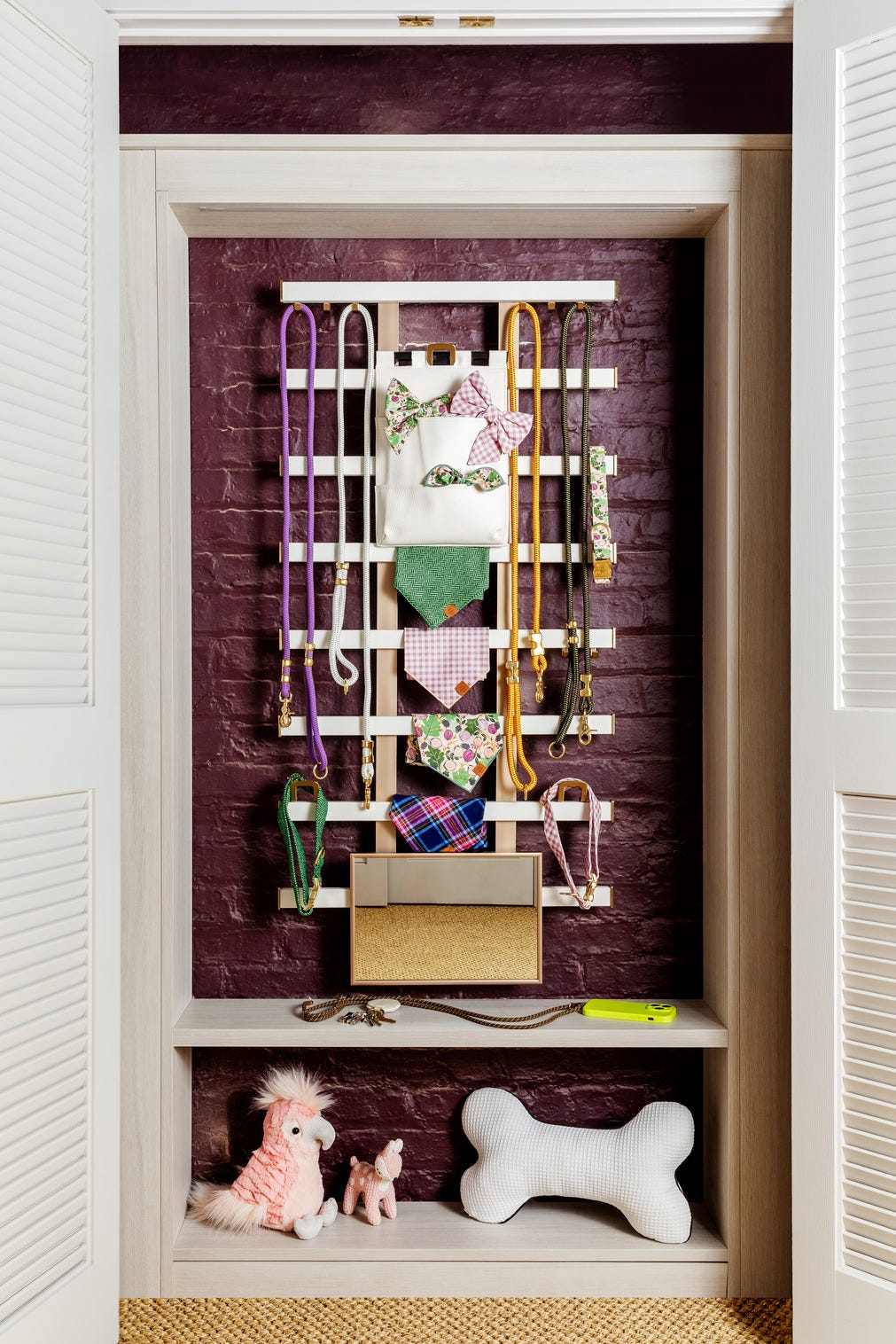
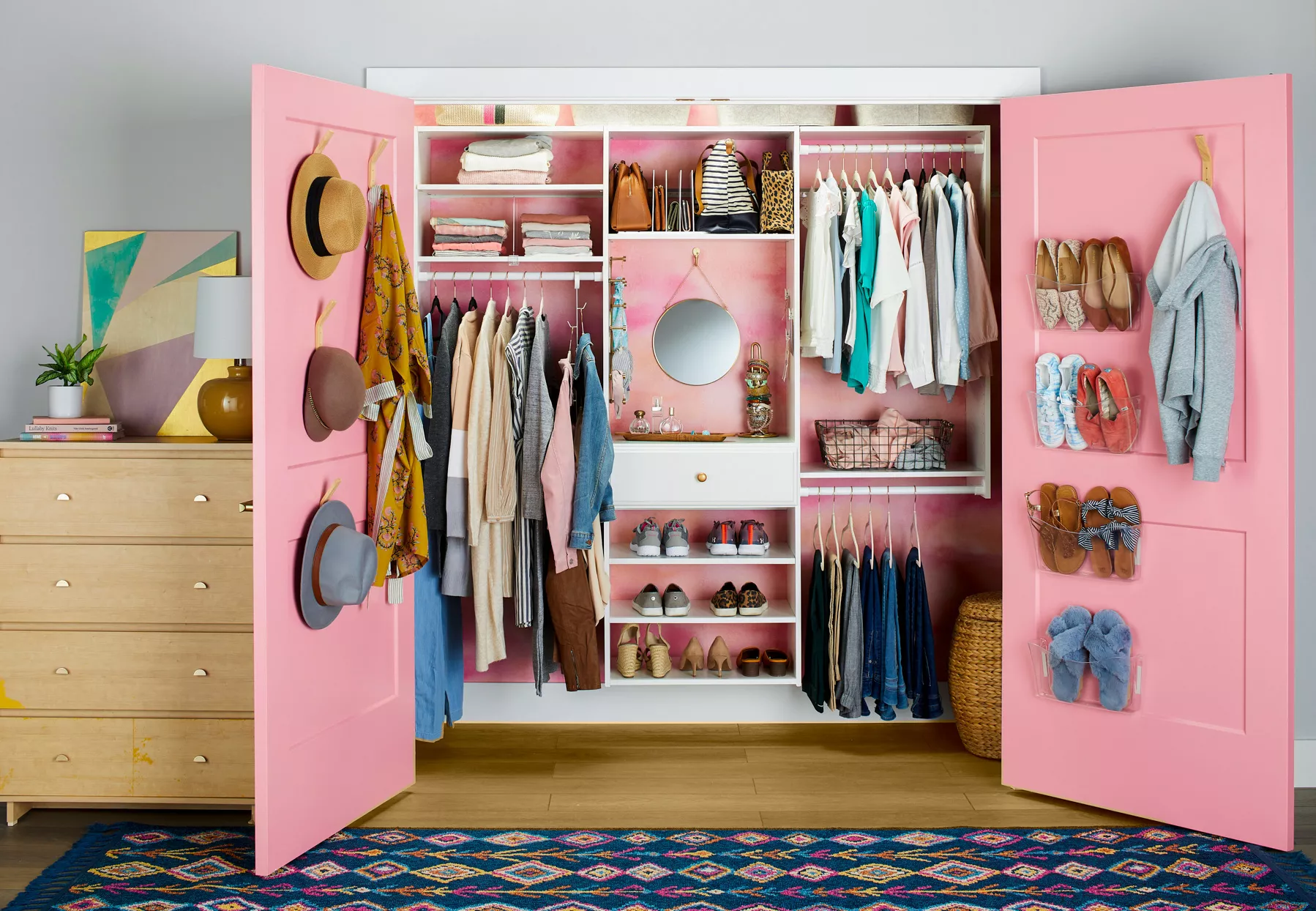
Utilizing the back of closet doors with customizable rack organizers is another tip. These can hold small purses, fabric care items, and hooks for scarves, bags, or hats. For bifold or sliding doors, these racks can be mounted on slim wall spaces inside the closet. To gain extra shelf space for shoes, alternating their direction (one forward, one backward) can free up valuable inches. When closet space is fully maximized yet still insufficient, under-the-bed bins with lids provide an excellent solution for storing off-season clothing. Finally, the article suggests adding a double hang rod for shorter items to double hanging capacity, or a hanging sweater cubby for versatile storage of items like jeans or small purses. As a last resort, incorporating an external garment rack or wardrobe in other rooms can further expand storage, with options for open display or enclosed units for a neater aesthetic.
#ClosetOrganization #SpaceSaving #HomeStorage #Decluttering #OrganizationalTips #WardrobeManagement #HomeImprovement #StorageSolutions #SmallSpaces #ClosetOrganization #SpaceSaving #HomeStorage #Decluttering #OrganizationalTips #WardrobeManagement #HomeImprovement #StorageSolutions #SmallSpaces
0 comment in total
 No comments yet
You may also like
Closet storage ideas – 10 ways to maximize the space in your closet

Banish Closet Chaos with These Storage Organizers

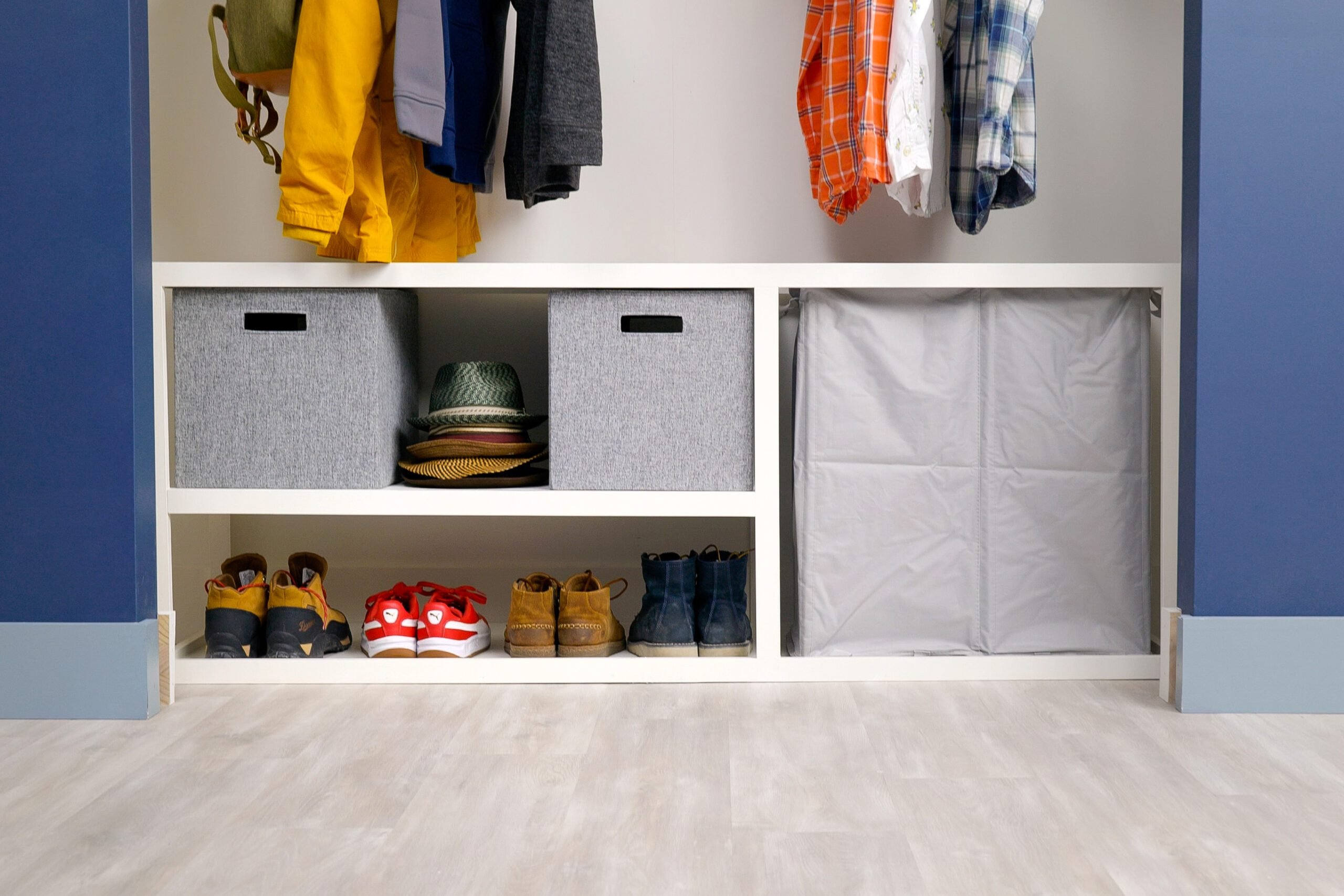
Closet Storage, Organization and Ideas

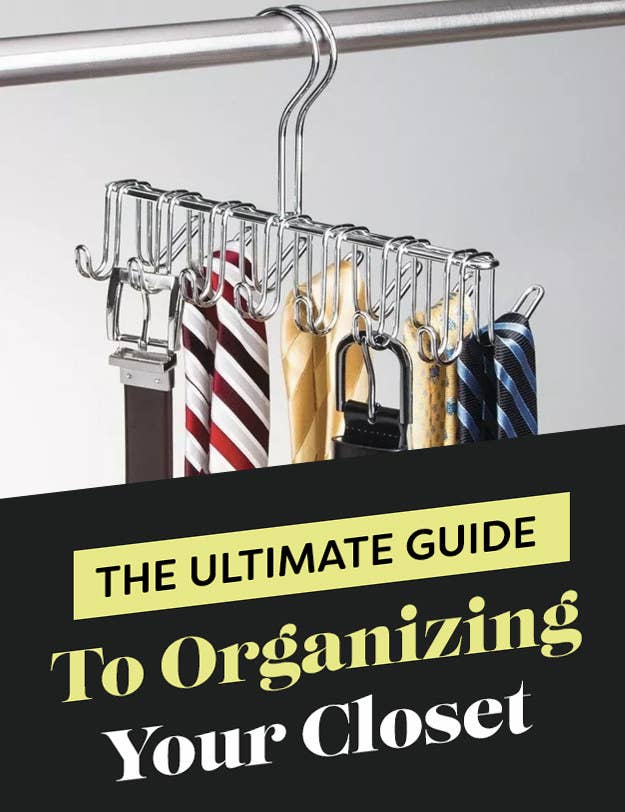
35 Tips That'll Finally Organize Your Closet Once And For All

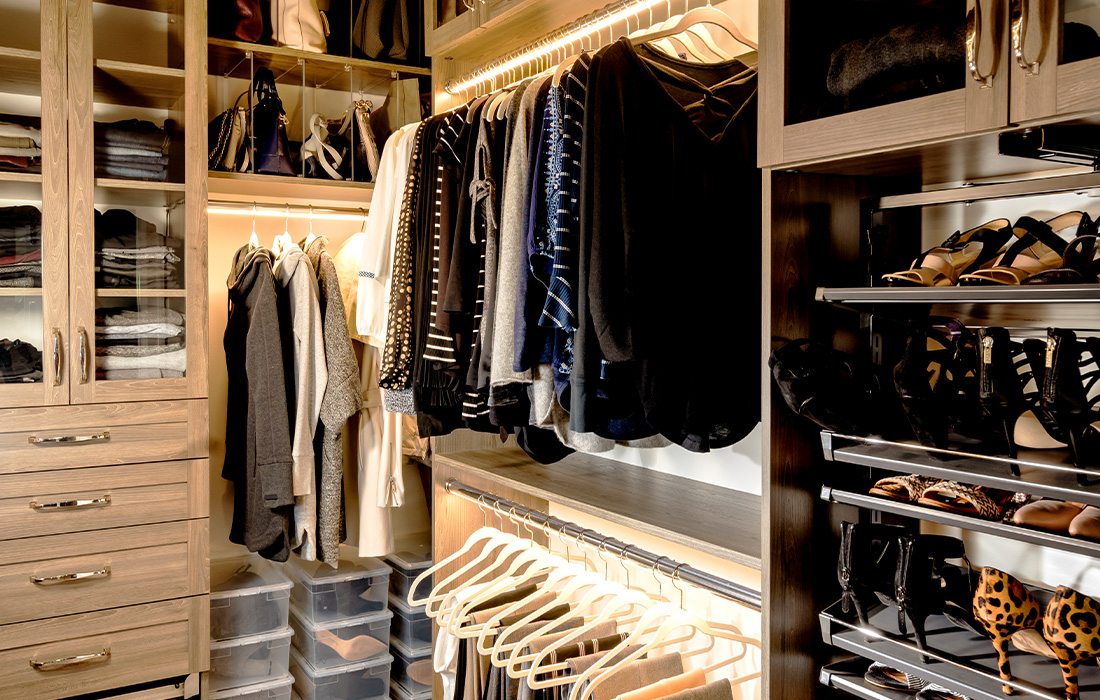
How to Make the Most of Your Closet Space
Organizing Your Closet? DIY Hacks to Maximize Space in a Small Closet

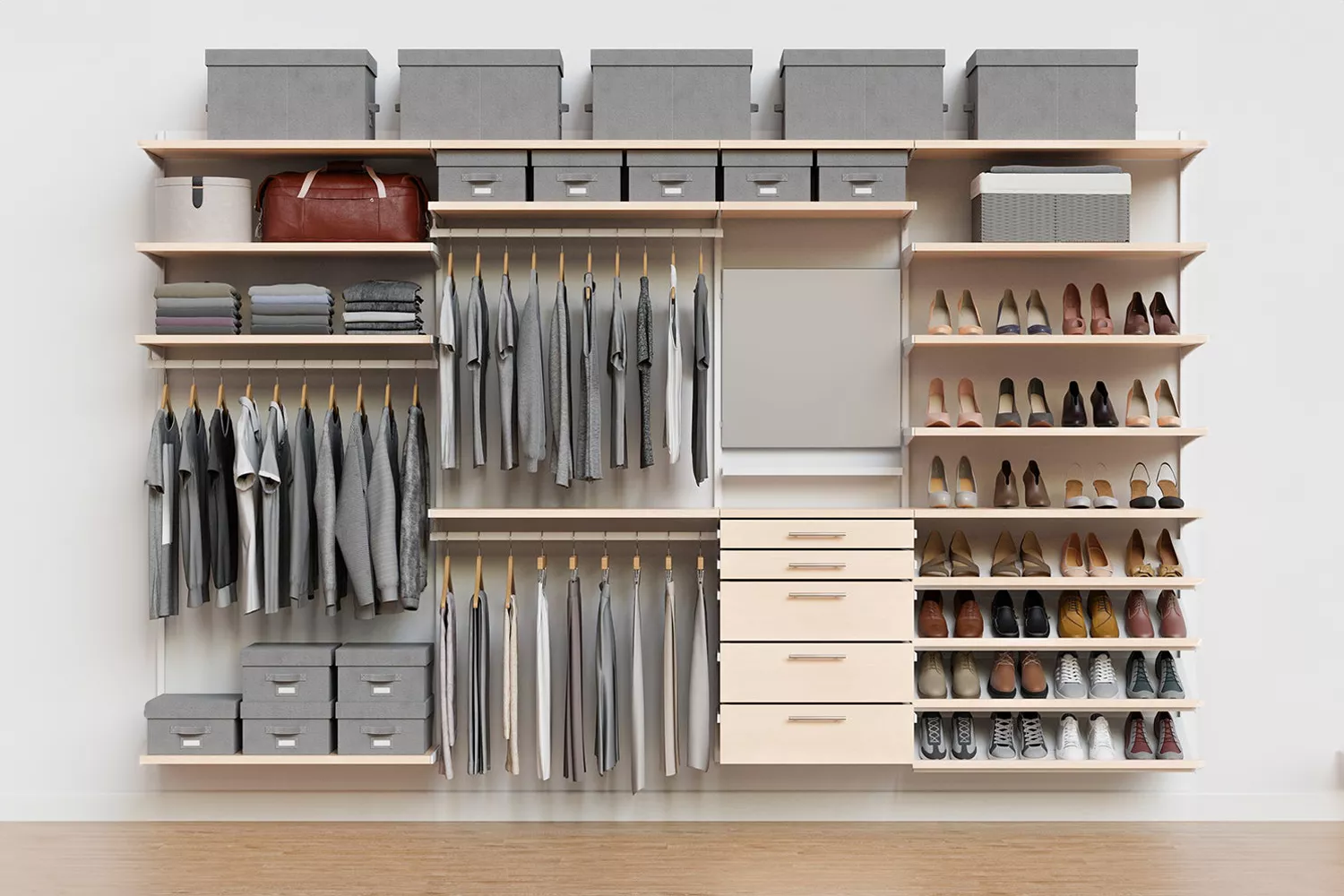
The Best Closet Design Companies for Organized, Easy-to-Find Clothes


Go Inside a Transformation Via Closets By Design – Charlotte!
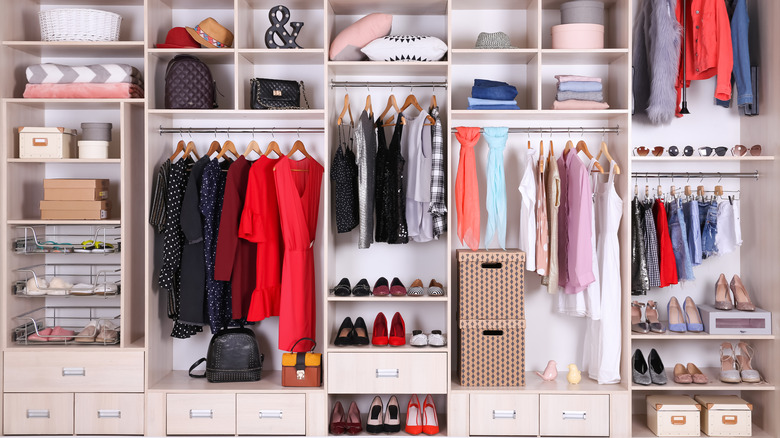
How To Create More Closet Storage, According To A Professional Organizer
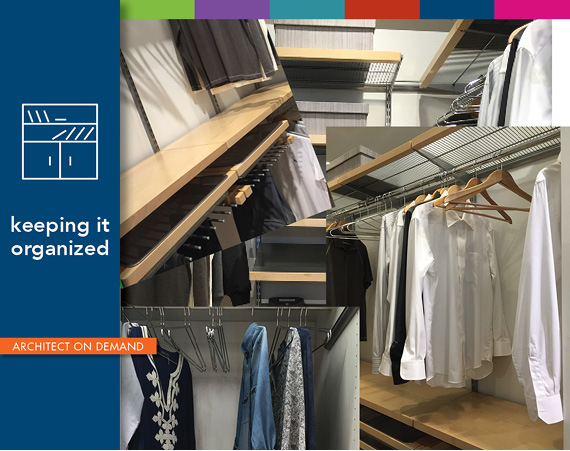
Tips on Designing a Reach-in Closet
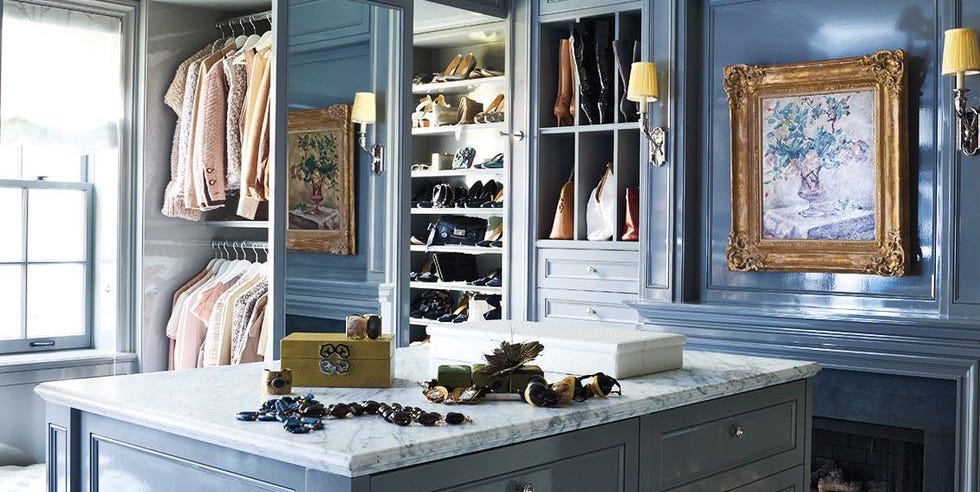
Here's How to Design the Closet of Your Dreams

A boutique experience at home | Produced by Seattle Times Marketing

15 Small closet must-haves to increase storage space

27 Things To Make Your Closet Seem *So* Much Bigger
Organizing Pro’s Genius Shower Caddy Hack Frees Up Closet Space + More Storage Tips

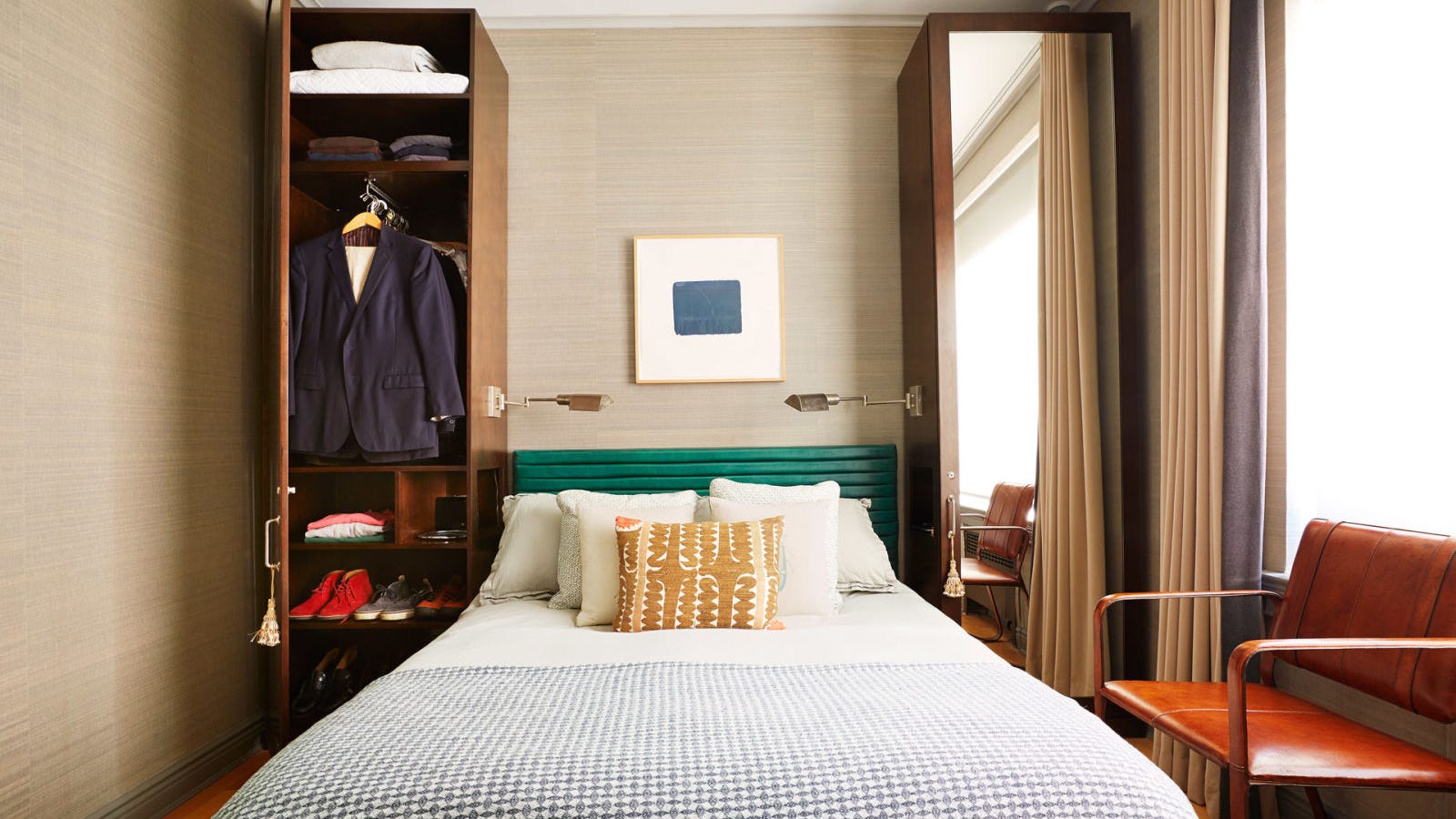
The Best Storage Tricks to Make the Most of a Small Closet

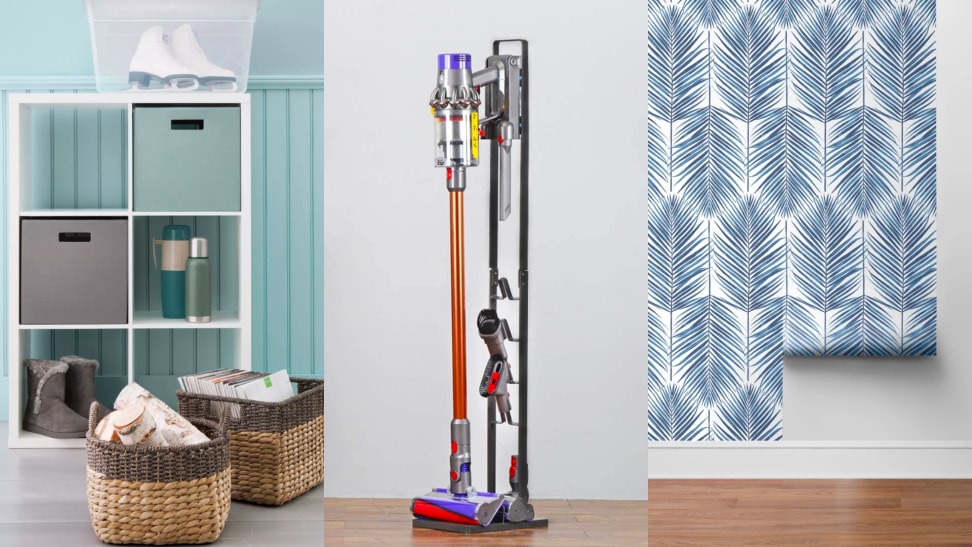
Expert tips for organizing a closet and maximizing storage space

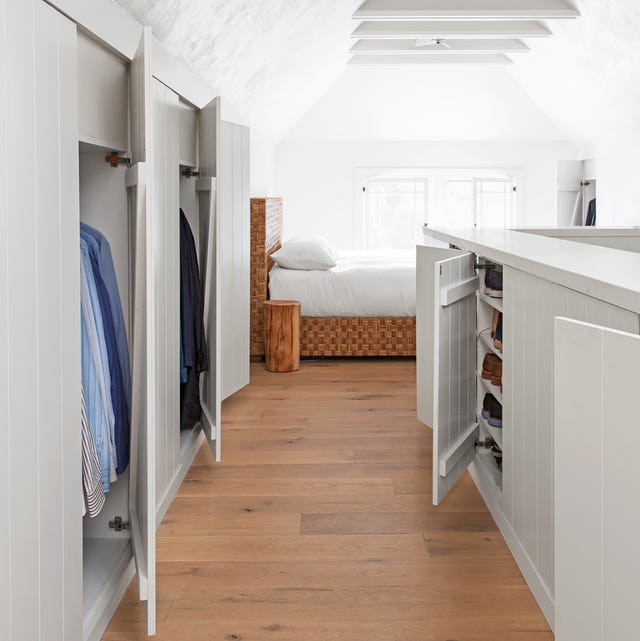
25 Storage Hacks for When You've Absolutely Run Out of Closet Space
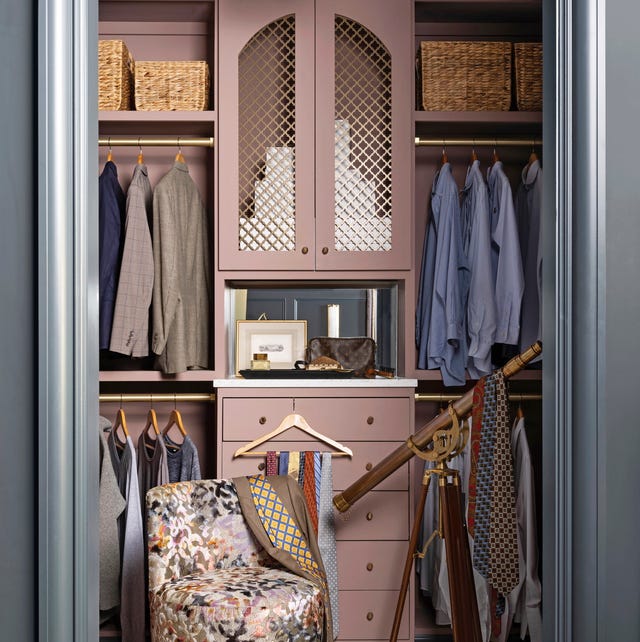
20 GENIUS Expert Tricks for Organizing a Tiny Closet
Organization