1/15
Collecting guide: 10 things to know about classical Chinese furniture
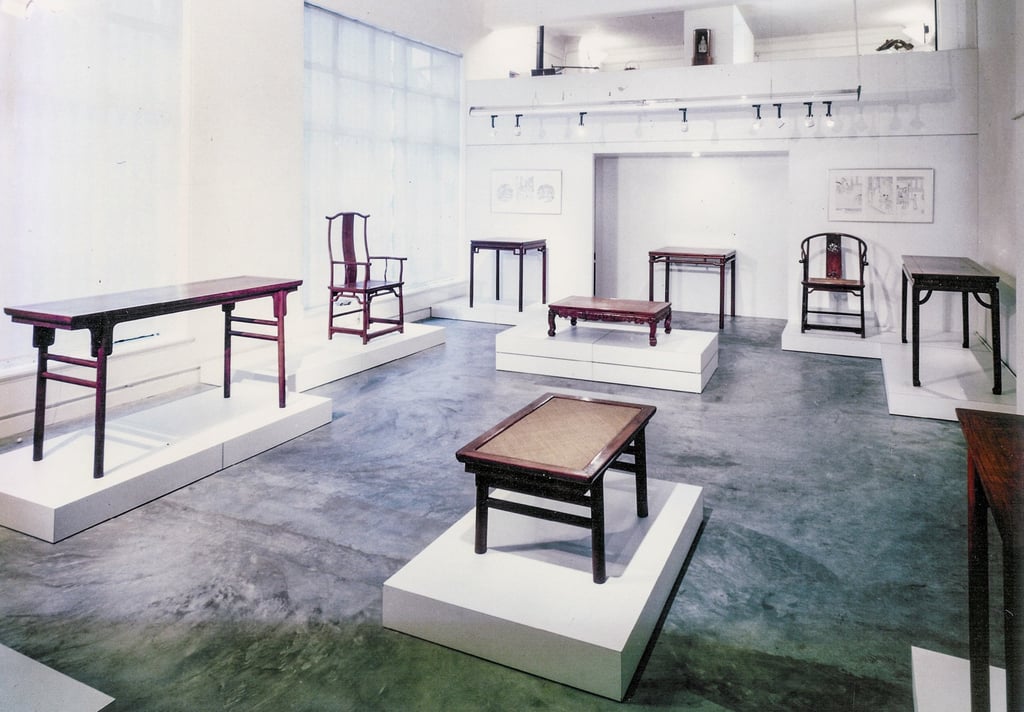
Classical Chinese furniture, spanning the Ming and Qing dynasties from the late 14th to early 20th century, encompasses a diverse range of domestic pieces including tables, cabinets, chairs, stools, and beds, alongside smaller items like brush pots and cosmetic boxes. These pieces are renowned for their elegant forms and sophisticated construction, utilizing complex mortise and tenon joinery rather than glue or nails, which allows for seamless transitions and striking silhouettes. This intricate engineering, combined with aesthetic refinement, has cemented their status as an enduring art form.
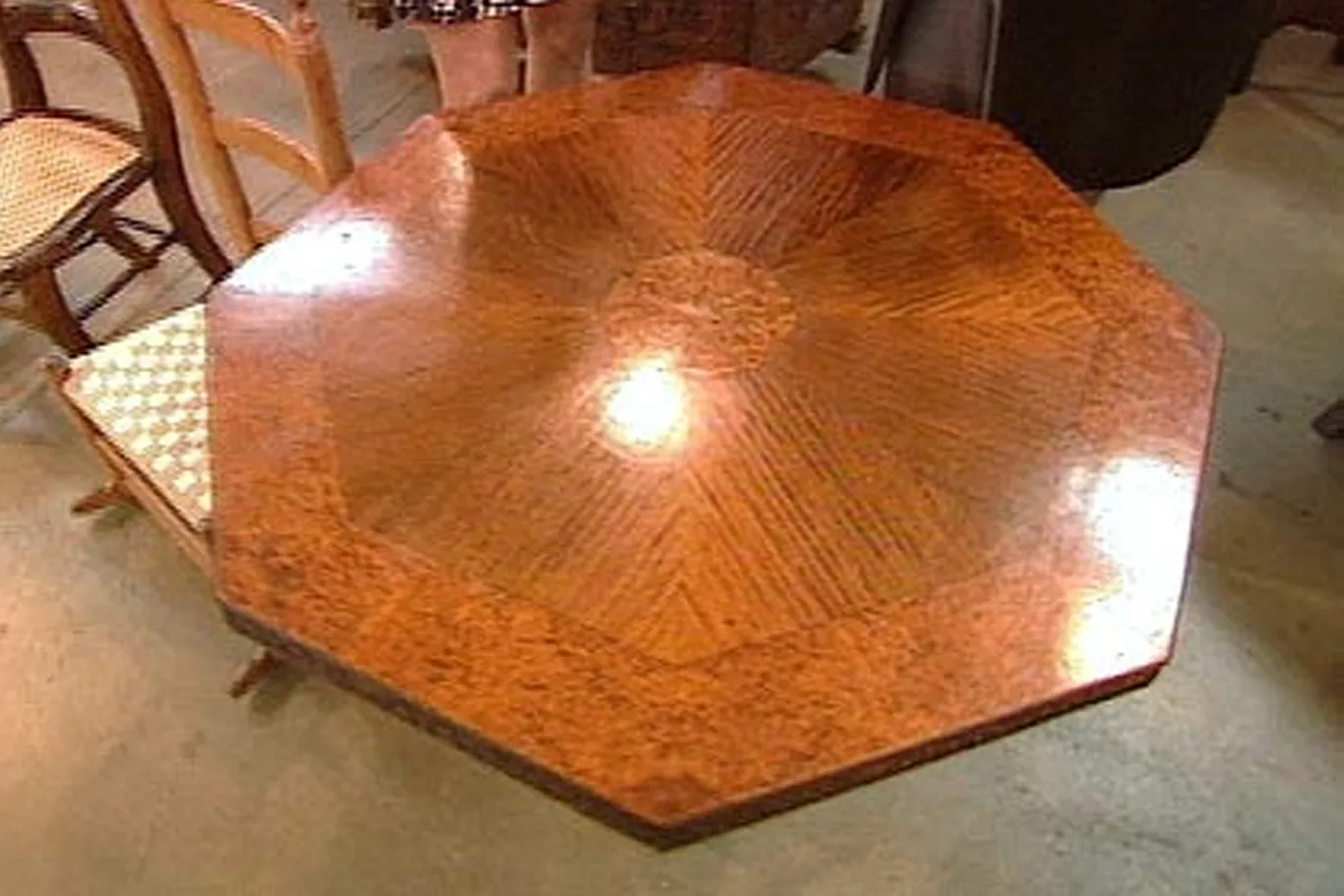
The value and desirability of classical Chinese furniture are heavily influenced by the materials used. Tropical hardwoods like huanghuali and zitan are particularly prized. Huanghuali, a Chinese rosewood, is valued for its rich amber tones, distinctive swirling grain patterns, and “ghost faces” markings. Its durability and resistance to water and insects made it ideal for the demanding mortise and tenon construction. Zitan, a purplish-black, fine-grained hardwood, is dense and lustrous, making it perfect for intricate carving and a preferred material for Imperial Qing Dynasty furniture, which often featured elaborate ornamentation. Other notable woods include jichimu, known as ‘chicken-wing wood’ for its bird feather-like grain, and tieliimu, a related wood with a less dramatic feathered pattern.
The market for Chinese furniture is primarily material-driven, with pieces made from huanghuali and zitan commanding the highest prices. The quantity and quality of the material, along with the beauty, rarity, and form of the piece, determine its value. Collectors are advised to study numerous pieces to understand material identification, including their weight, color, and grain patterns. Furniture restoration is common due to daily use; patches, repairs, and reinforced joints are often concealed on the underside, making inspection of these areas crucial for assessing condition.
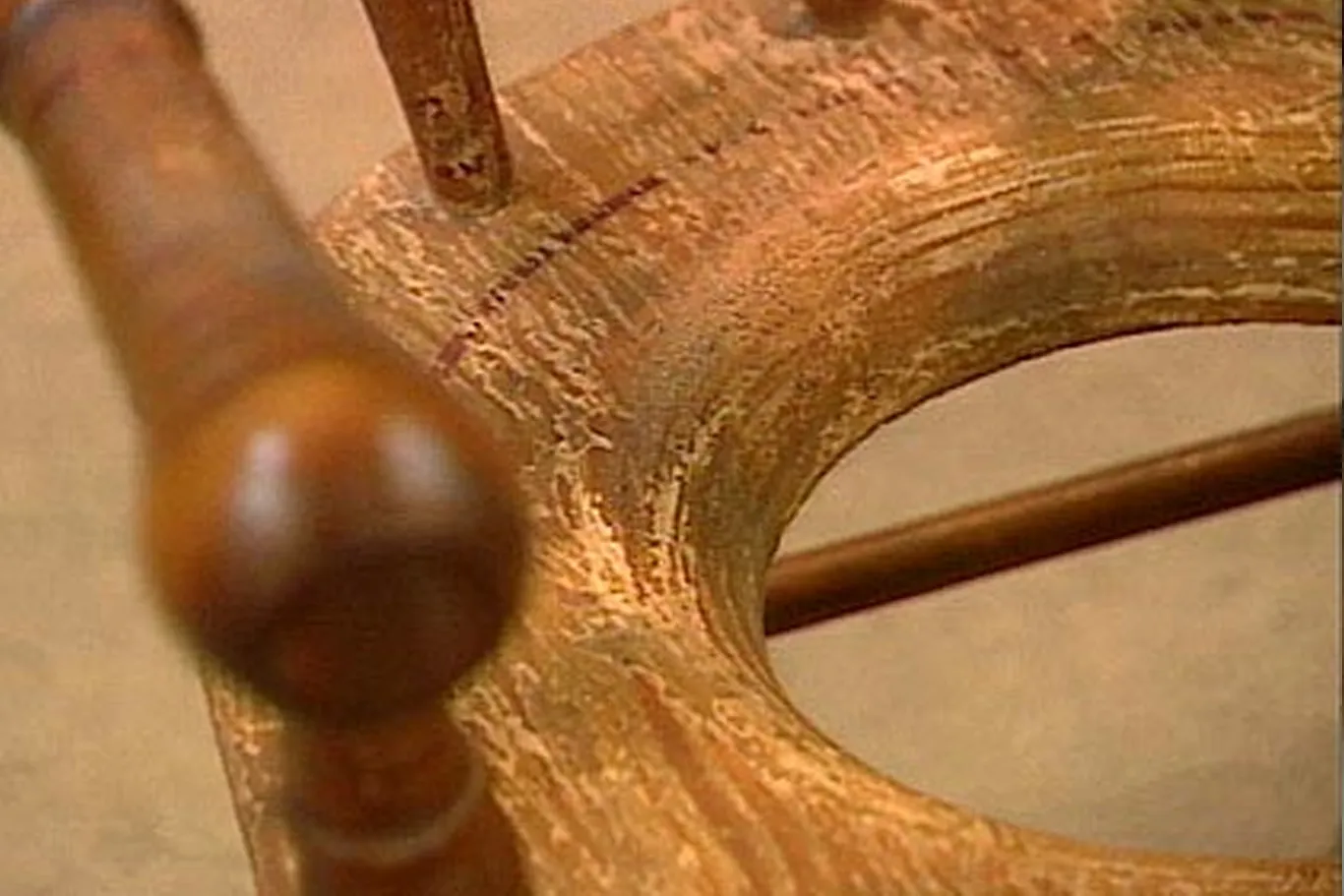
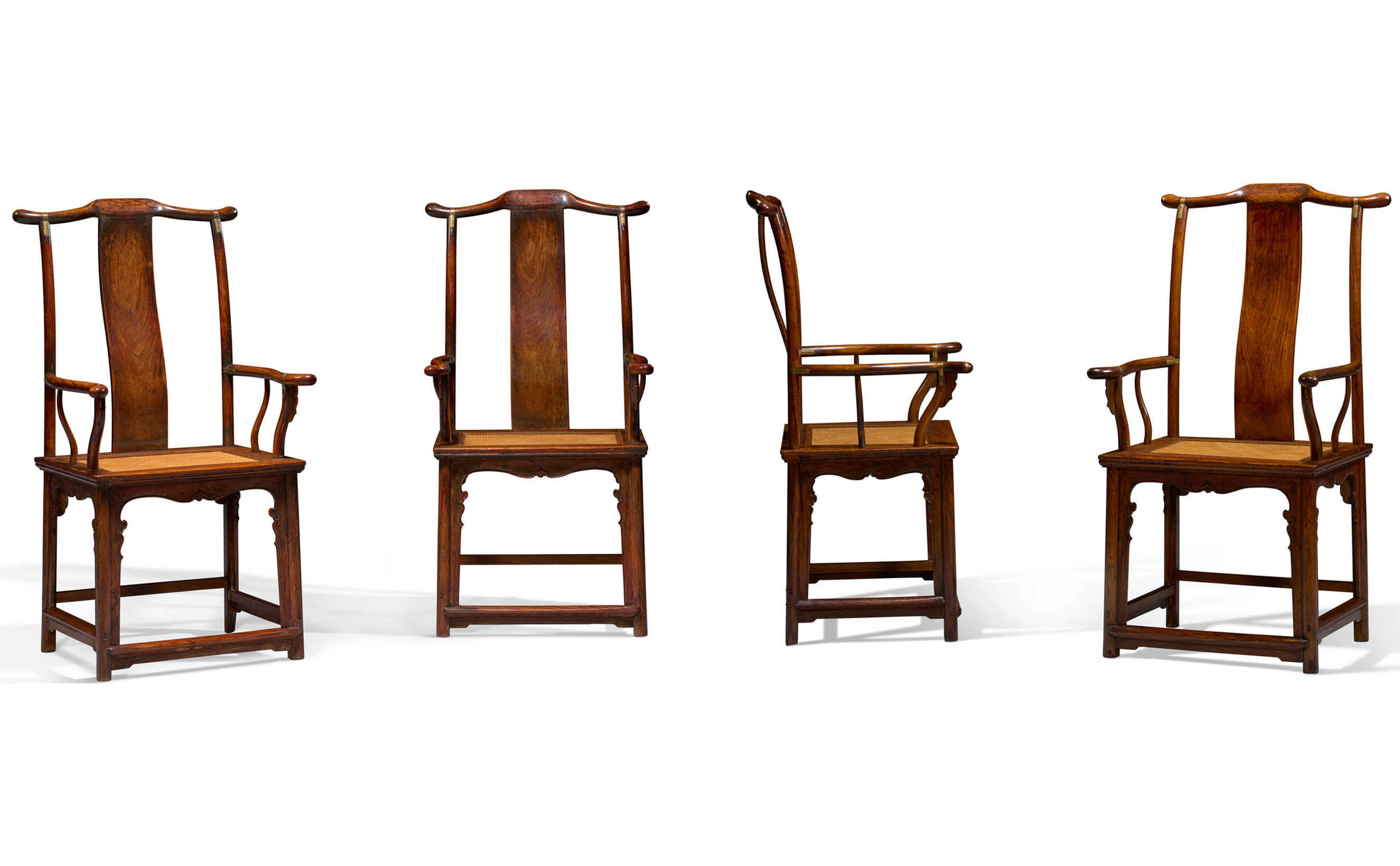
Several distinct chair forms are prominent in classical Chinese furniture. The ‘official’s hat’ armchair, named for its resemblance to Ming-era headwear, is a monumental form characterized by a curved crestrail, supportive splat, and S-shaped arms that promote an upright posture. The ‘southern official’s hat’ armchair features crestrails that seamlessly continue into the rear uprights, joined by a ‘pipe-joint.’ The horseshoe-back armchair, an iconic form, is distinguished by its gracefully curved crestrail and arms, achieved through an ‘overlapping pressure pin scarf joint,’ offering comfort and support.
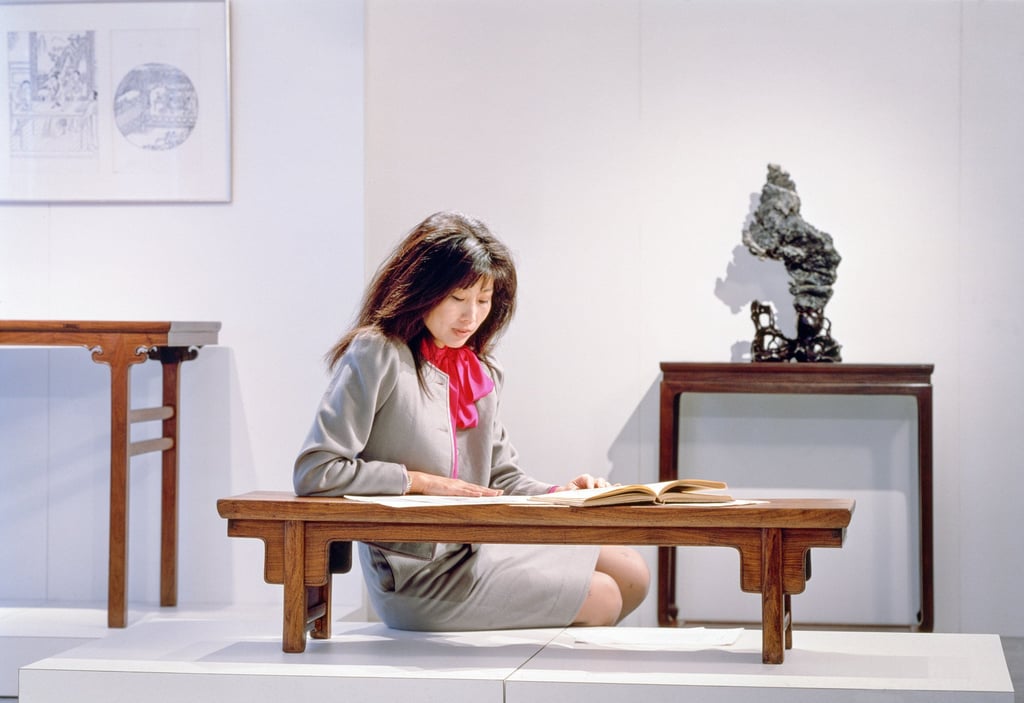
Classical Chinese tables include the recessed-leg table, known for its elegant and restrained form with splayed legs, tracing back to Song dynasty designs. This form, also referred to as a ‘character one’ table, was adapted for various uses, from large painting tables to smaller benches. Painting tables specifically feature a broad surface, typically 76 centimeters or 30 inches deep, to accommodate art supplies. Kang tables, designed for use on platforms or daybeds, held tea, food, or other items while the sitter rested.
Other notable forms include the sloping-stile cabinet, a tapered design with subtle leg splay that provides stability and a pleasing profile, widely used during the Ming and Qing dynasties. Compound cabinets and hatchests, often created in pairs, combine a large lower cabinet for garments with a smaller upper chest for smaller items. Traveling cabinets, fitted with shelves or drawers, were designed to carry books, scrolls, or personal belongings for scholars and merchants on journeys. Proper care for classical Chinese furniture involves climate control, as organic wood materials react to environmental changes like humidity and temperature, which can cause cracking and joint issues. Humidifiers help maintain ideal conditions, and regular polishing with wax prevents dryness and preserves the wood's luster. Aesthetically, classical Chinese furniture's minimalist lines and architectural forms allow it to complement various interior design styles, from traditional to contemporary, creating striking juxtapositions with modern art or serving as versatile functional pieces within a living space.
#ClassicalChineseFurniture #MingDynasty #QingDynasty #HardwoodFurniture #Huanghuali #Zitan #FurnitureCollecting #TraditionalCraftsmanship #InteriorDesign #ClassicalChineseFurniture #MingDynasty #QingDynasty #HardwoodFurniture #Huanghuali #Zitan #FurnitureCollecting #TraditionalCraftsmanship #InteriorDesign
0 comment in total
 No comments yet
You may also like
Meet the world’s leading Ming furniture collector

The 8 Best Vintage Furniture Stores to Shop in-Person and Online

5 tips for displaying china you didn't know you didn't know

Story from Chariho Furniture: Traditional and classic furniture makes a comeback
Traditional living room ideas – 20 classic decor looks for walls, floors and furniture
5 classic furniture designs that still have an enduring allure

Here's What To Look For When Thrifting China Dishes

These designers source and restore vintage furniture every single day – here are their top tips for shopping and reviving
8 most expensive antiques in the world

Chinoiserie has its roots in 17th-century Europe but is still gracing rooms around the world

Traditional Interior Design: Everything You Need to Know About This Classic and Timeless Style

The Throwback Storage Cabinet That’s Making the Rounds Again
Decorative China Is Trending—Here's How to Display and Care for Your Collection

Olive Ateliers' Co-Founders on the Art of Sourcing |

A Hong Kong home is filled with eclectic art and furniture made to last
How to Thrift The 1920s Design Trend Gen Z is Making Cool Again
8 Antique Pieces That'll Increase in Value in 2025, According to Experts
Tip: Leave the Finish Alone
These 5 Popular Antiques Are Flying Off the Shelves This Fall, According to Interior Designers

The “Outdated” Piece from Grandma’s House That’s Suddenly Cool Again