1/5
Venetian Plaster vs Microcement — A Definitive Answer On Which Stylish Finish Would Work Best in Your Space
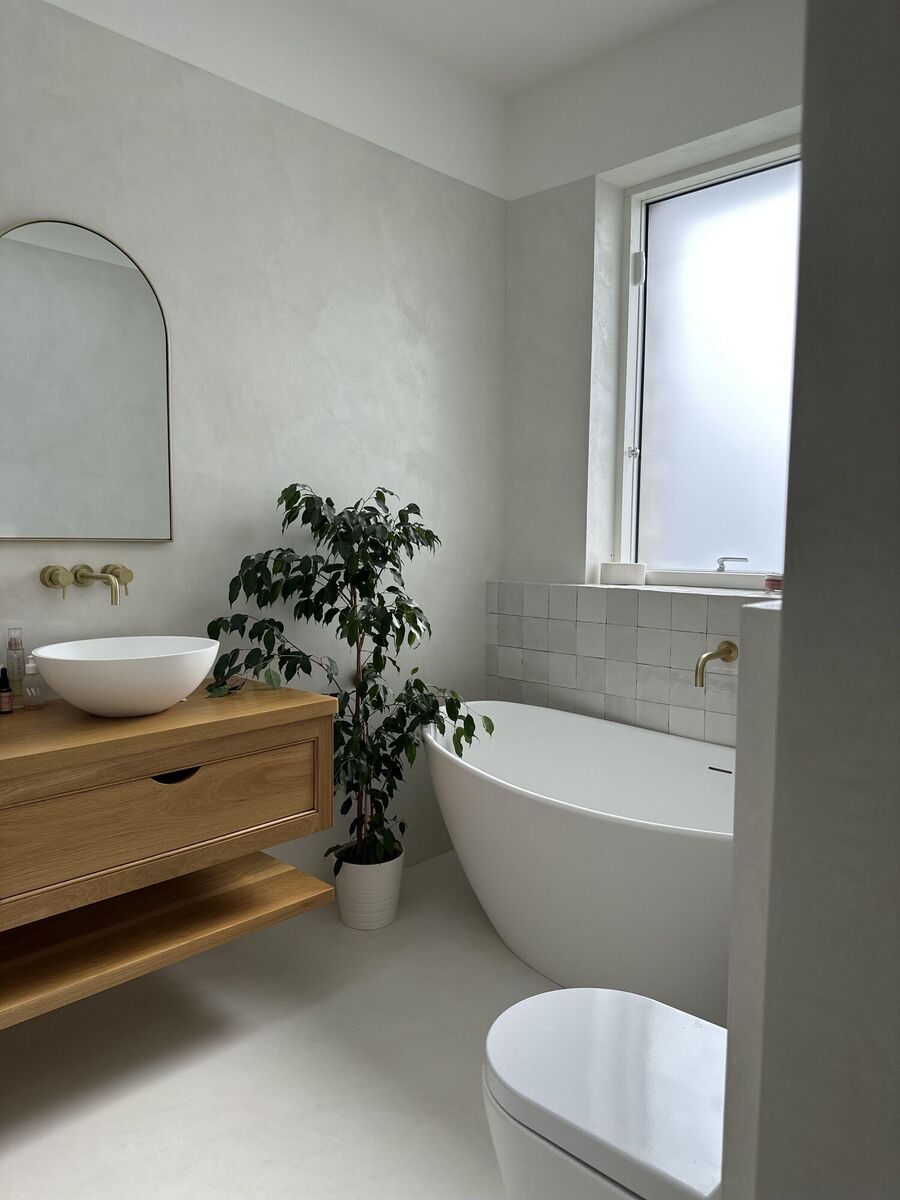
The article explores the distinctions between Venetian plaster and microcement, two popular wall finishes, to help homeowners decide which is more suitable for their spaces. Both materials offer durability, longevity, ease of maintenance, and can add value to a home, making them attractive options for creating statement surfaces. However, subtle differences in aesthetics, durability, sustainability, and cost necessitate careful consideration.
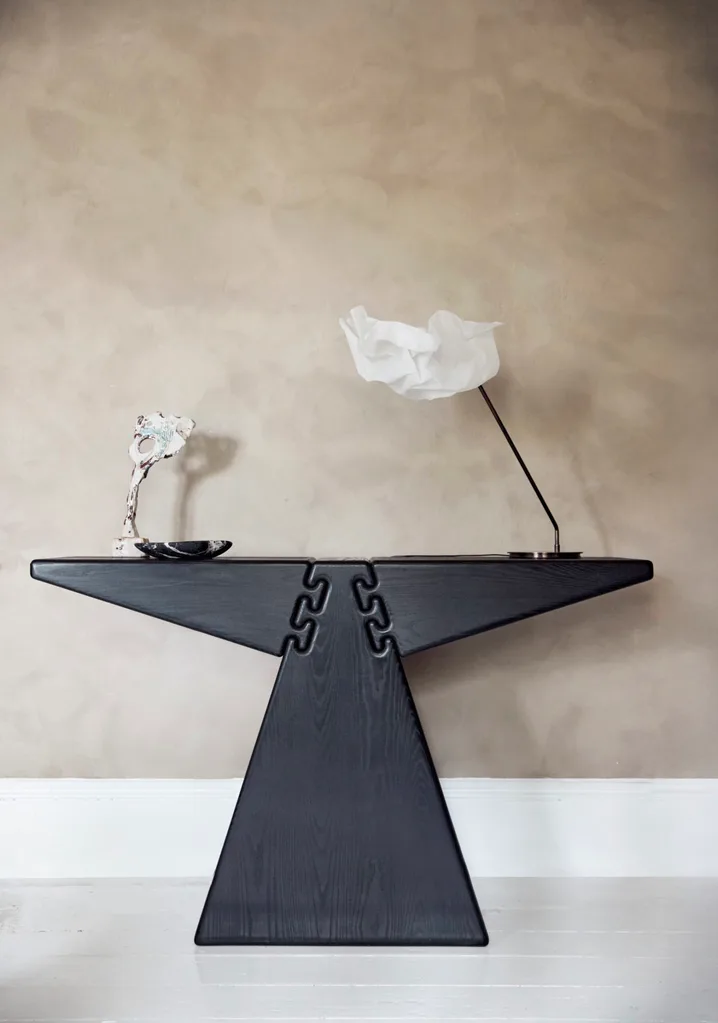
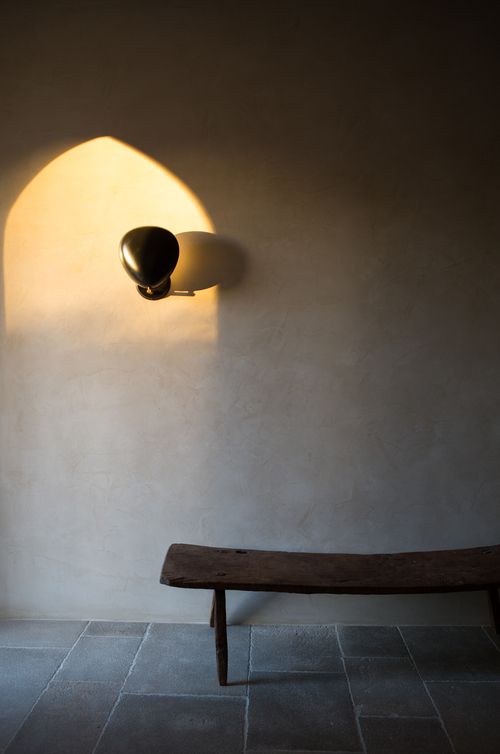
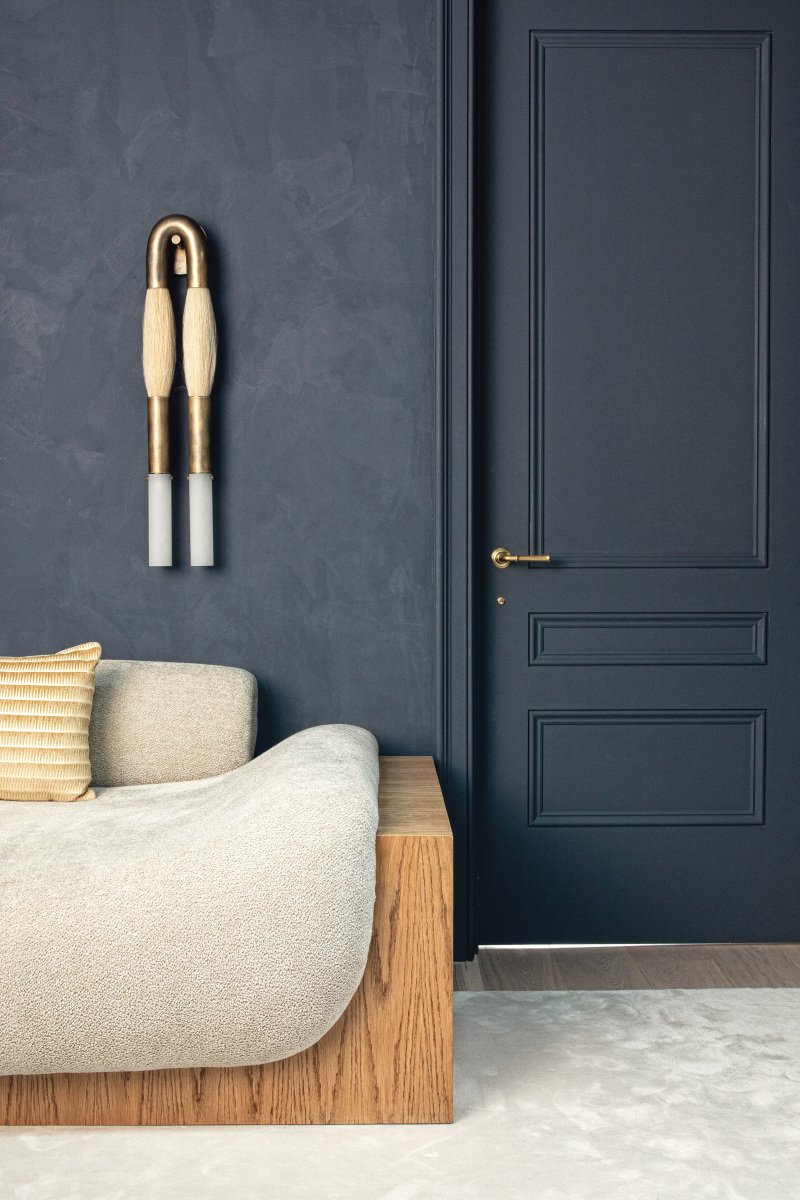
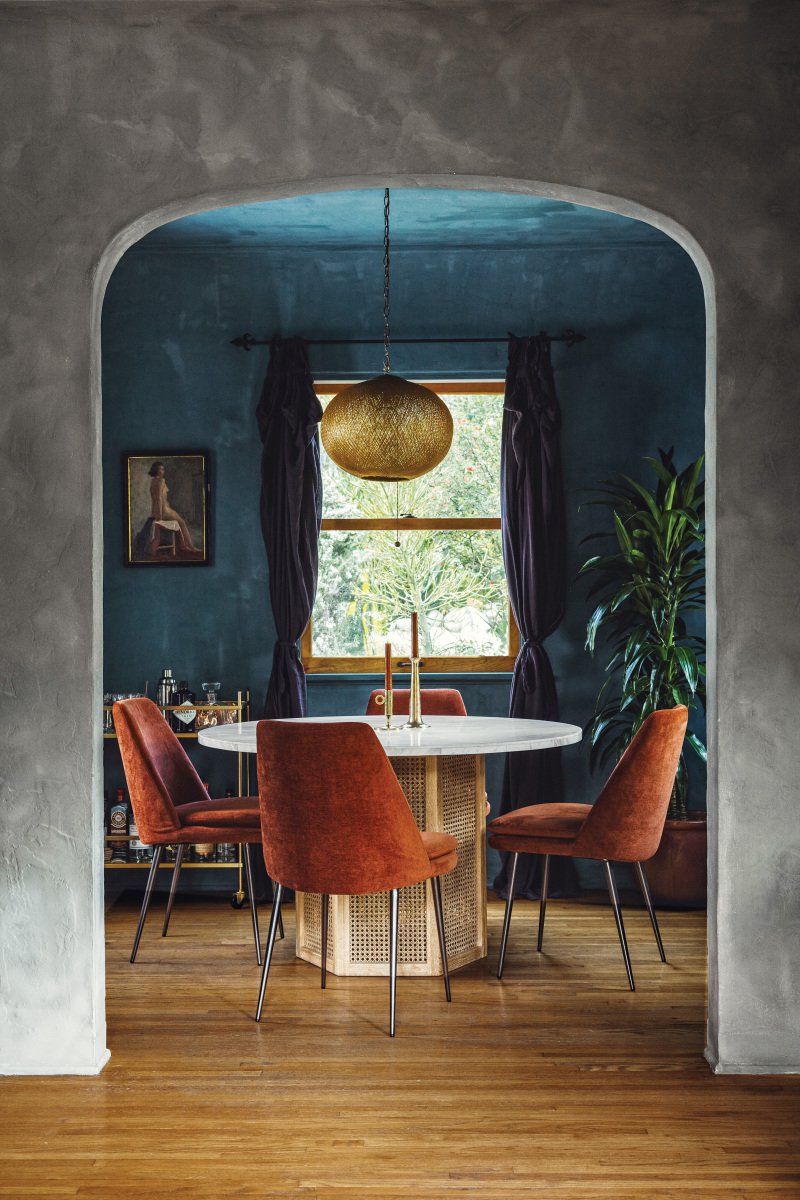
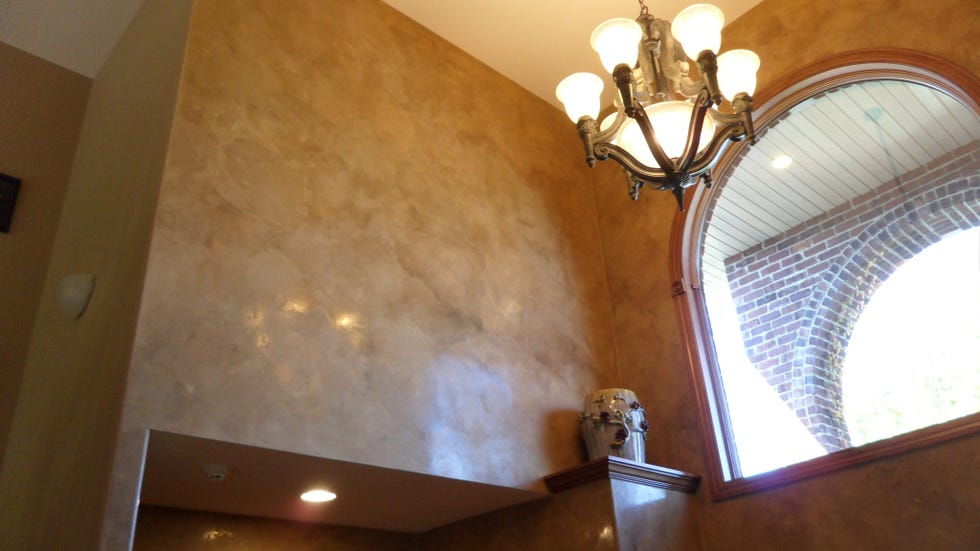
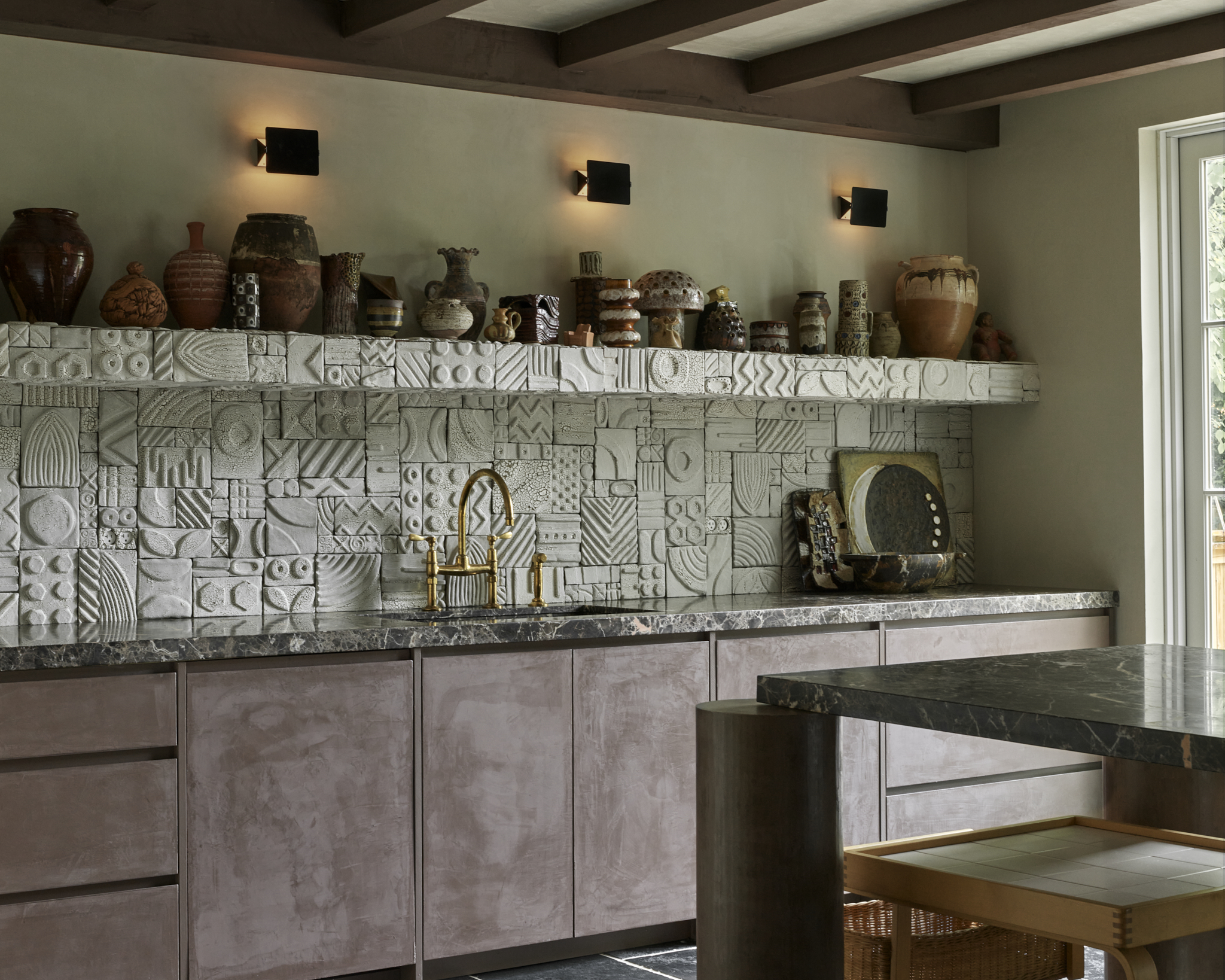
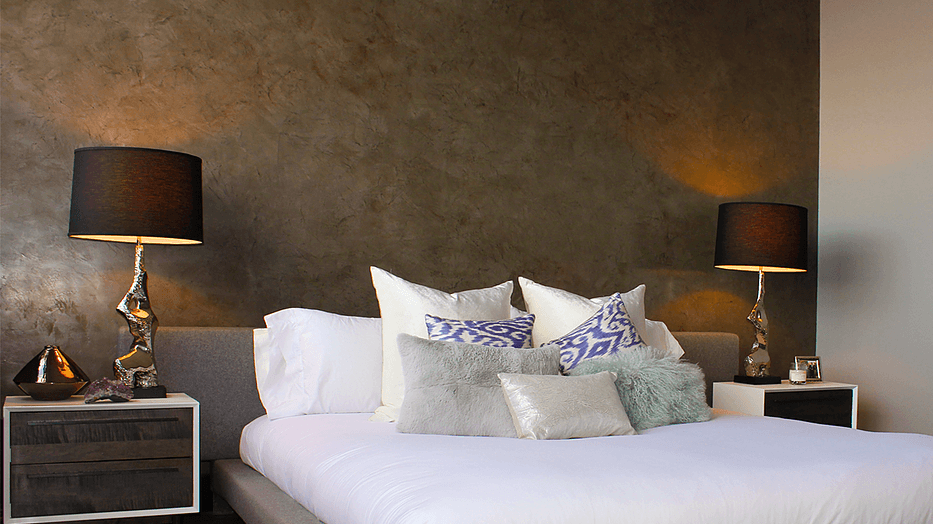
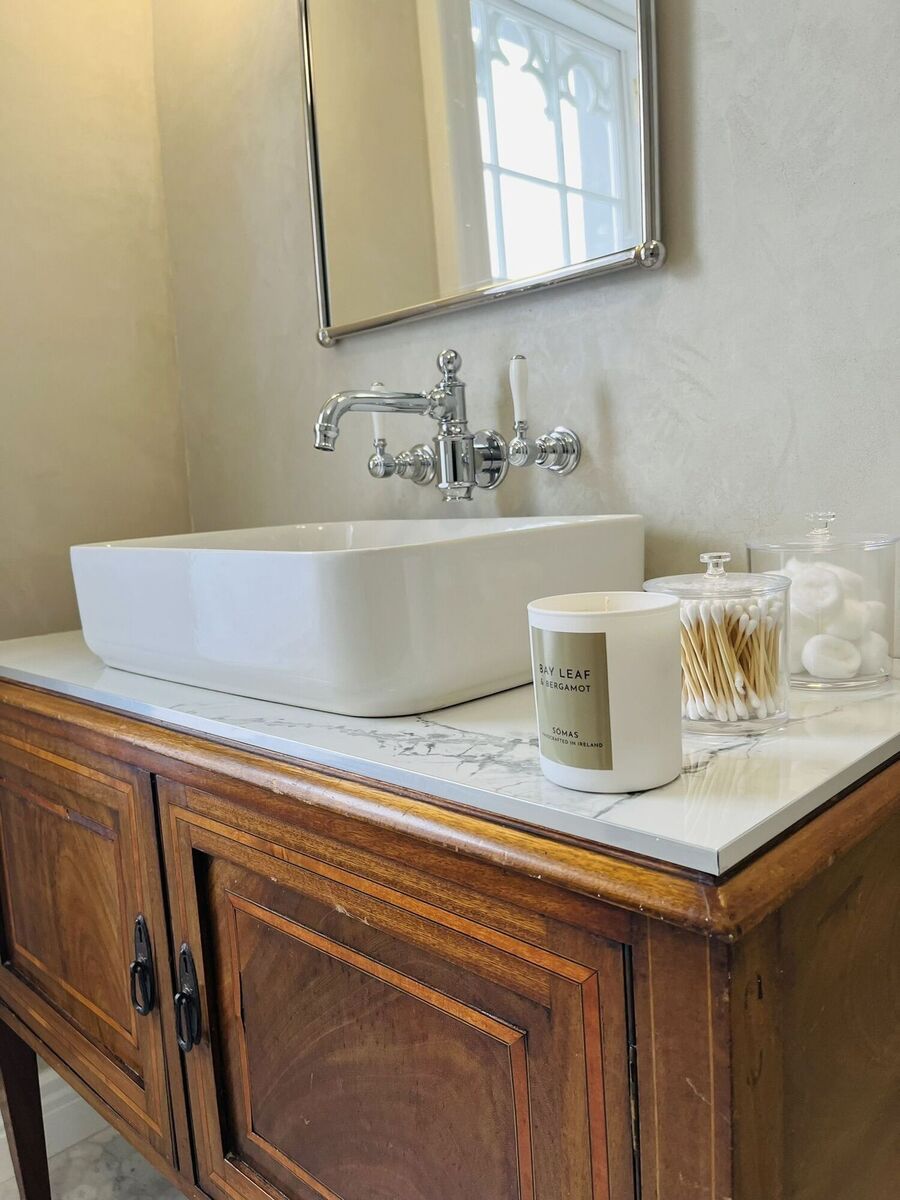
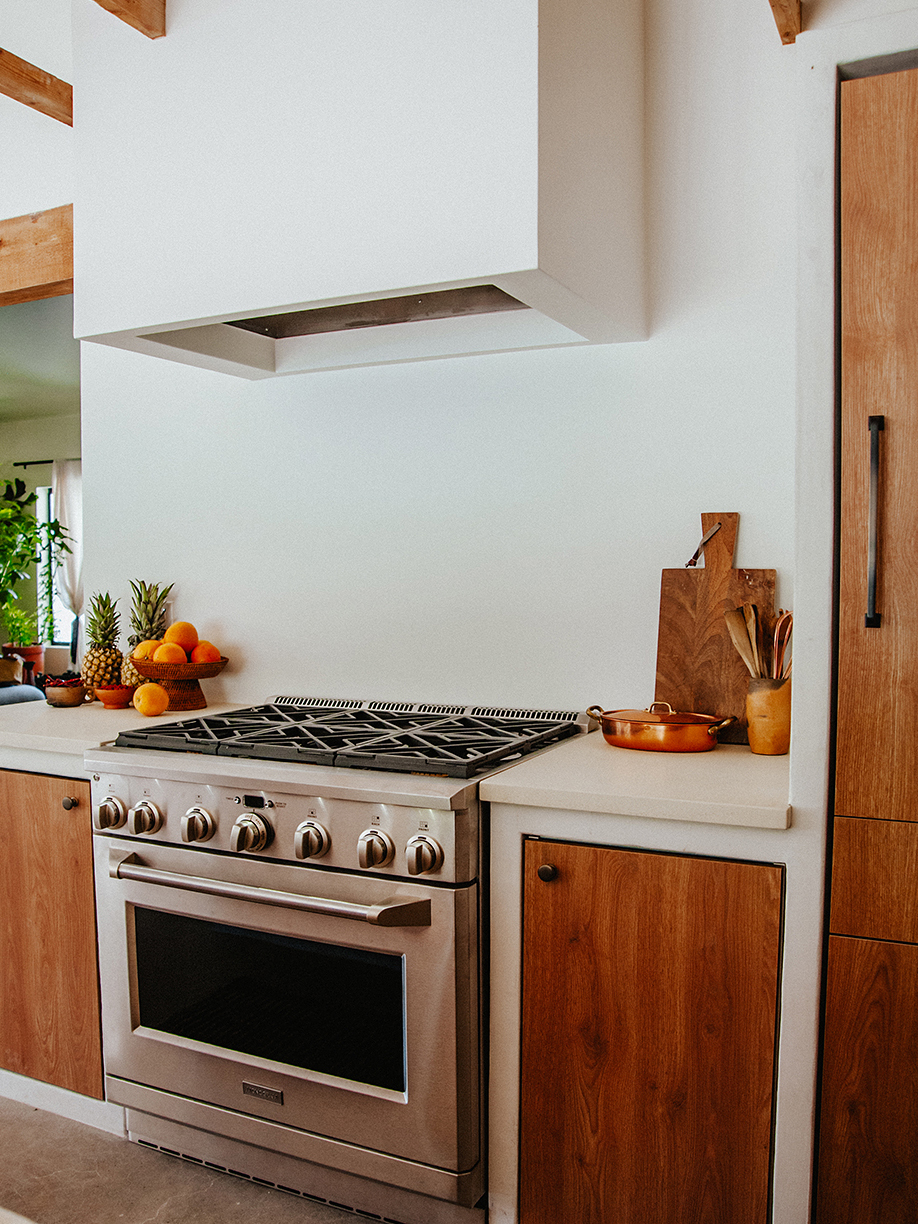
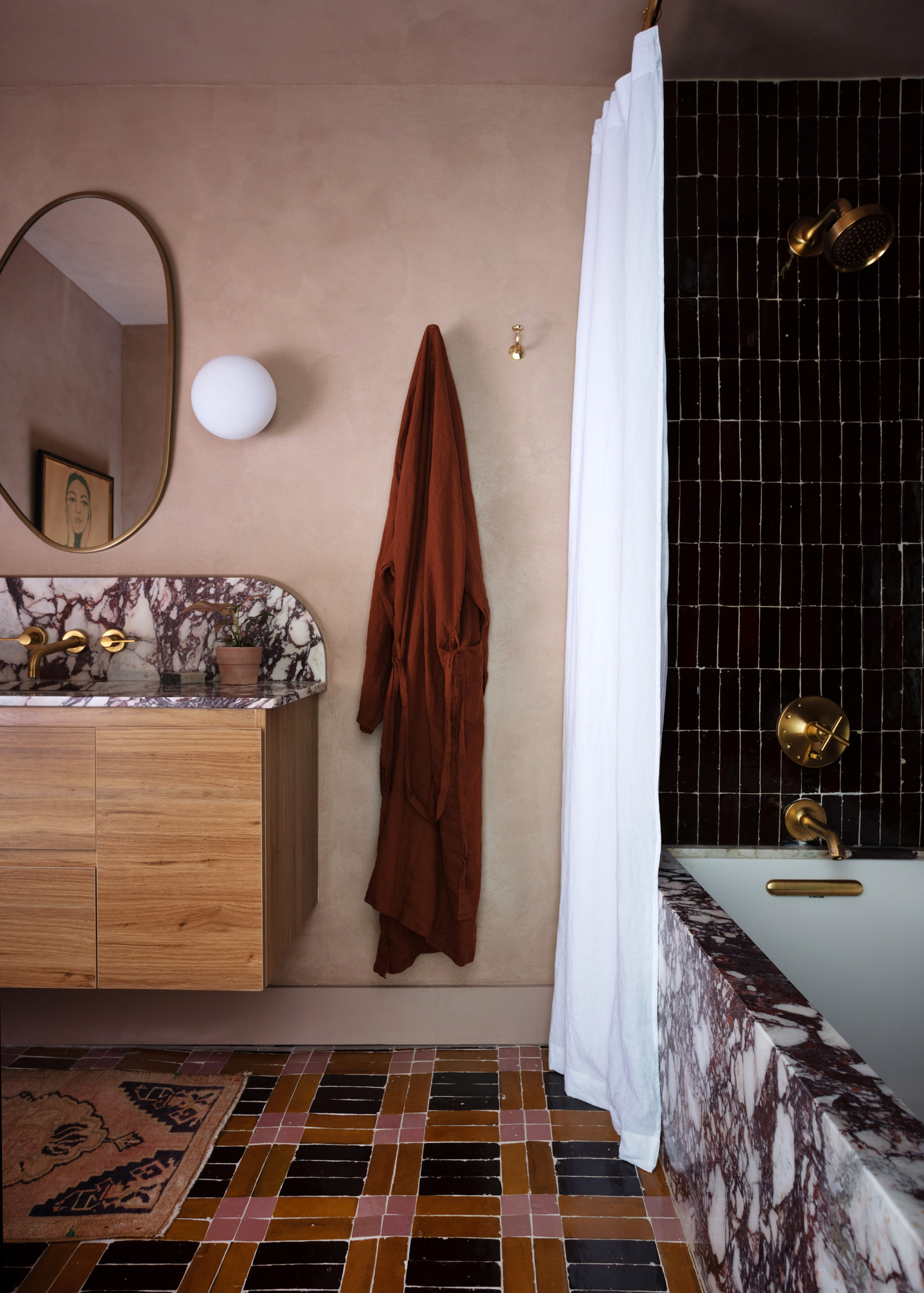
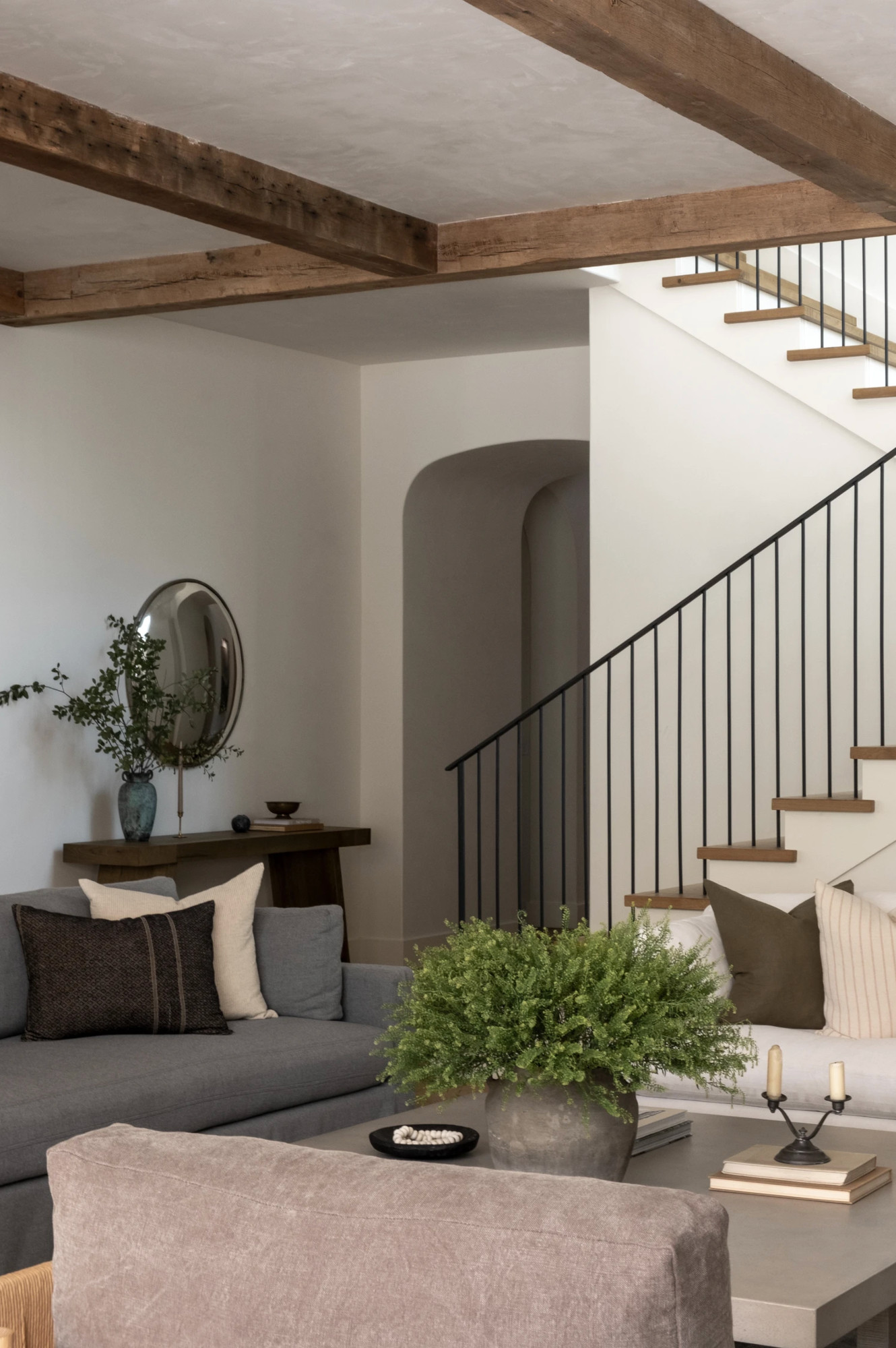
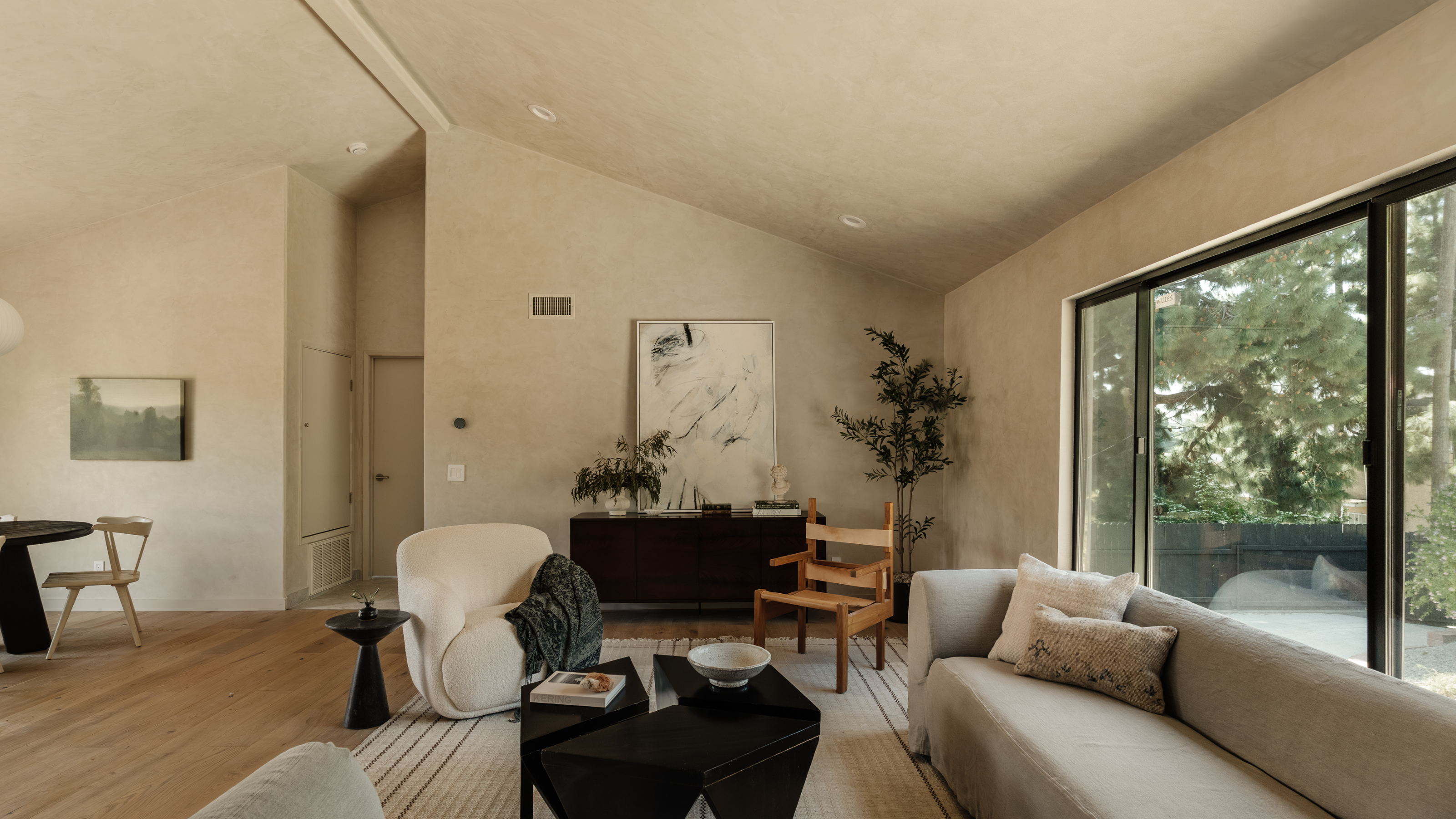
Venetian plaster, a natural product with centuries of history, is made from a lime and crushed marble mix and tinted with pigments. Its origins trace back to Ancient Rome, and it gained significant popularity in Renaissance Venice. Experts like Duncan MacKellar of Armourcoat highlight its inherent durability when properly maintained. While it offers an artisanal finish and is hand-applied, it is considered more delicate than microcement, making it ideal for lower-traffic areas and outside wet rooms. The application typically involves three coats and requires sealing, often with natural materials like beeswax or water-resistant sealers for areas like kitchen backsplashes. Venetian plaster is also a sustainable choice, with many variants, such as Armourcoat's Polished Plaster, being made with zero VOCs. Different types like Marmorino, Travertino, and Grassello offer various aesthetic outcomes, from a traditional subtle organic look to a neutral, textural finish resembling travertine.
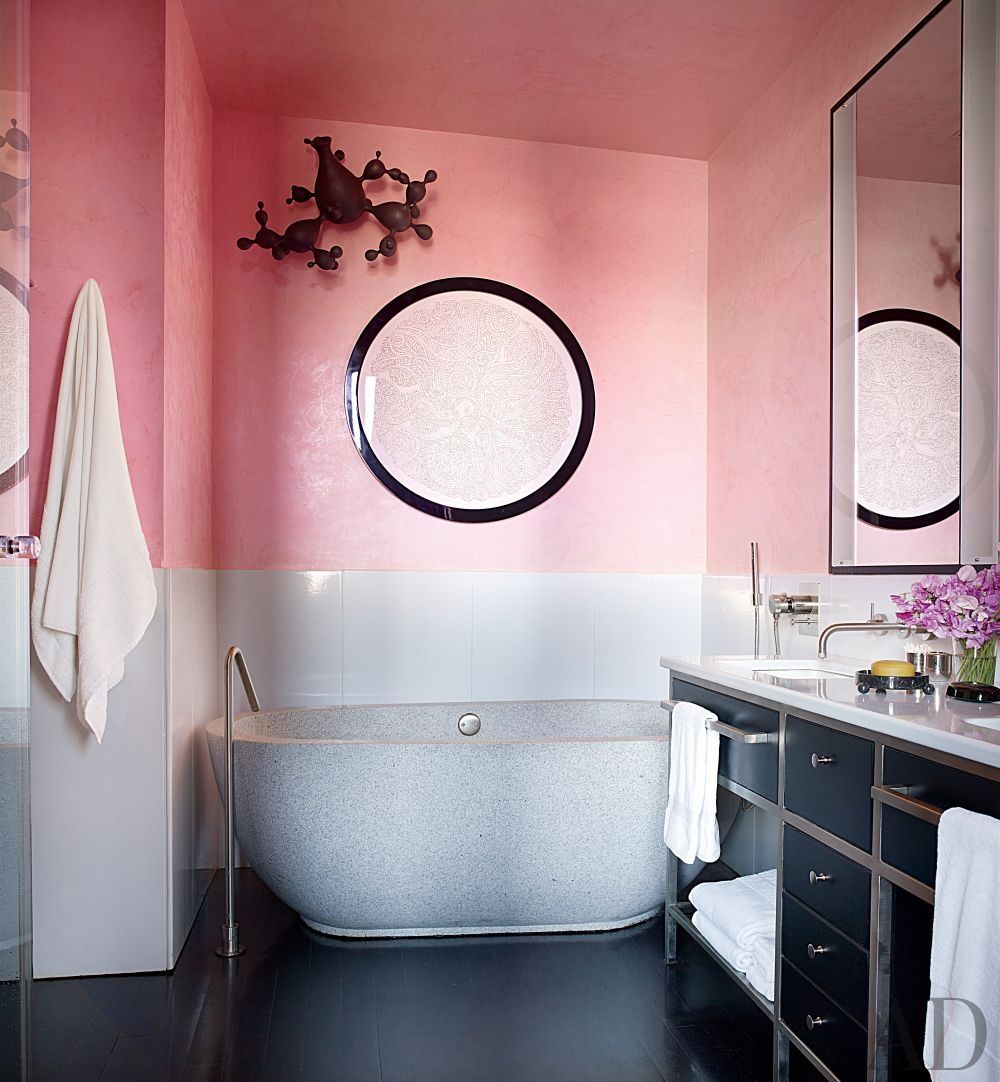
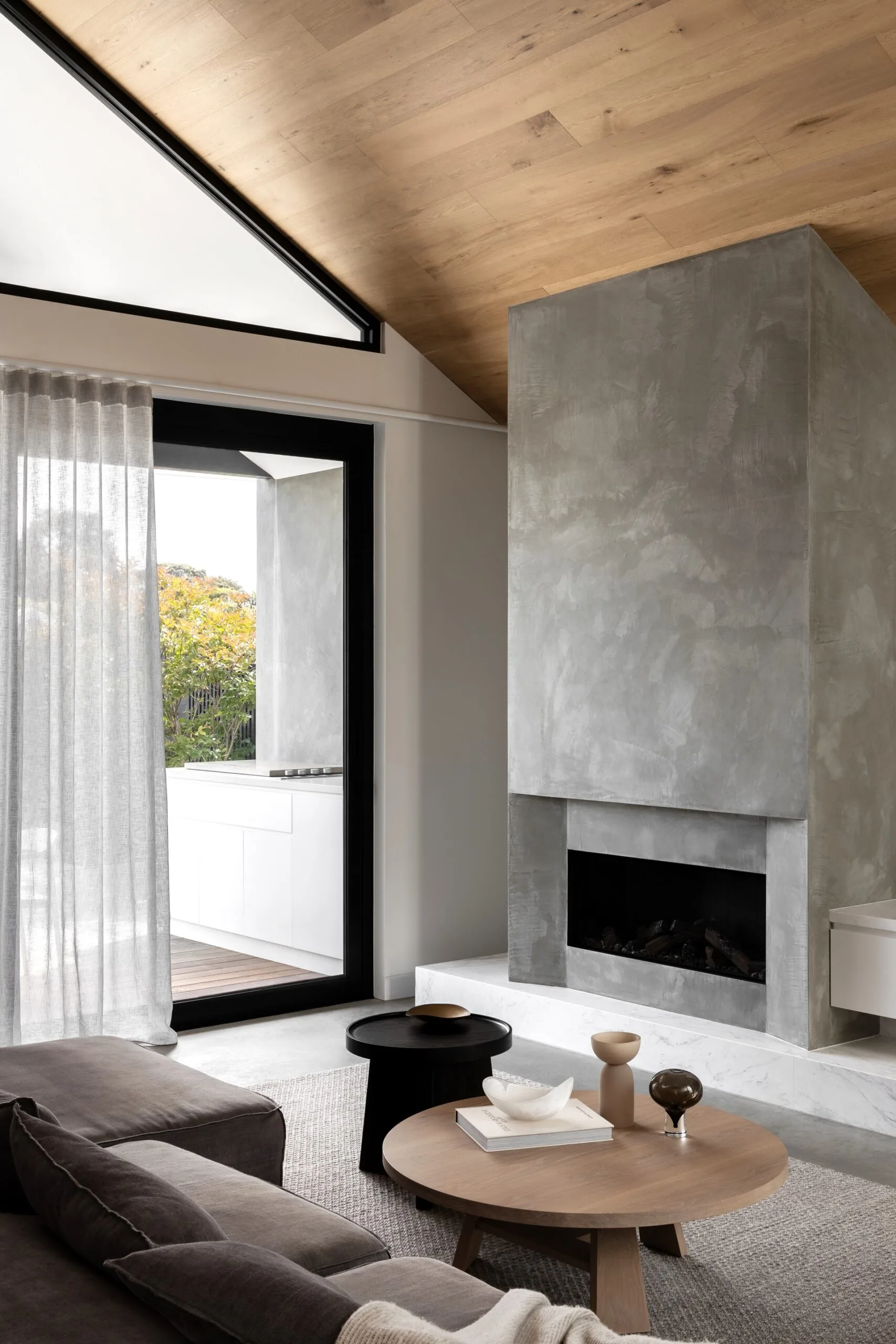
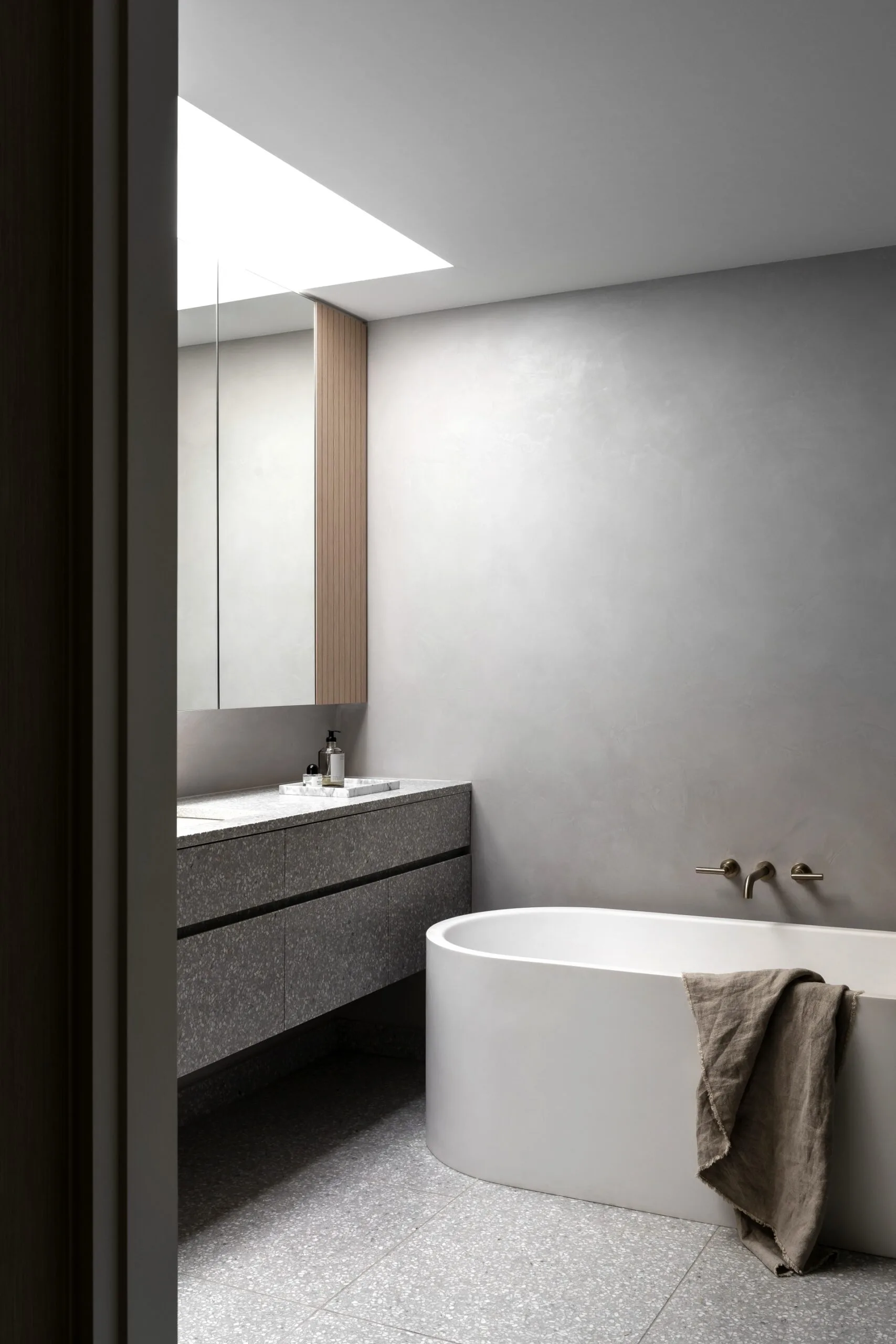
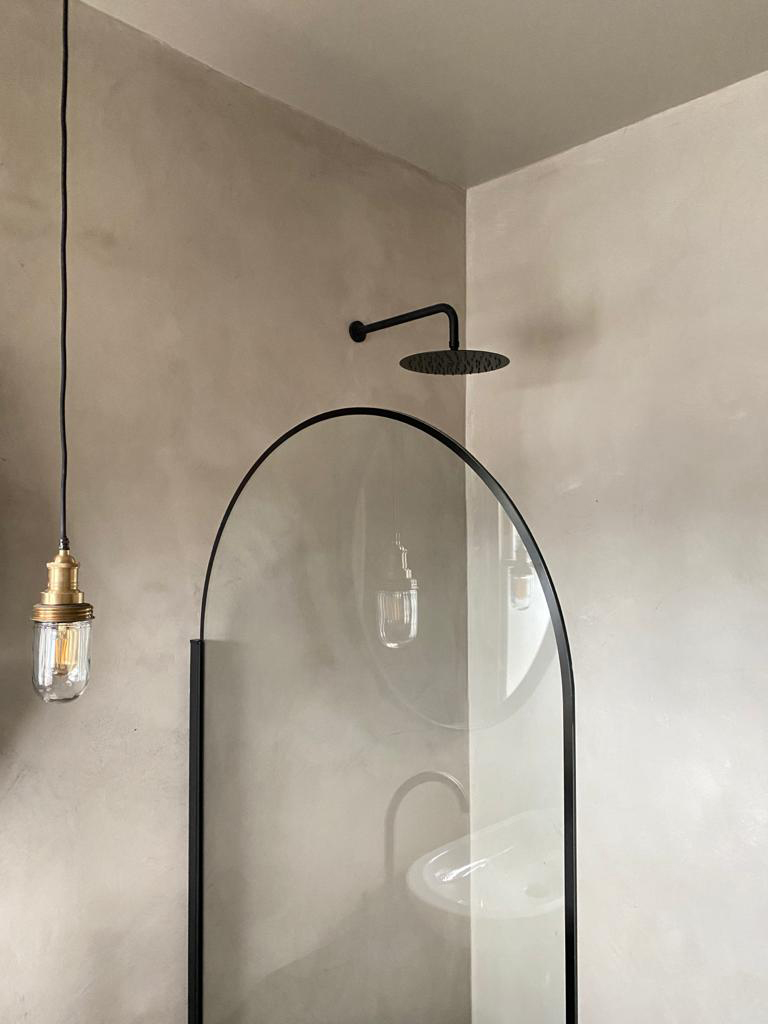
Microcement, in contrast, is notable for its exceptional durability and water resistance, allowing its application on floors in addition to walls. Its aesthetic often appeals to those favoring an industrial interior design style, though it can be adapted. The application process for microcement is more complex than Venetian plaster, involving multiple layers, specific sanding processes, and several component sealers and varnishes for protection. This rigorous application contributes to its innate durability, making it highly resistant to stains and scratches. Consequently, microcement is frequently recommended for high-traffic areas, wet rooms, bathrooms, and commercial spaces.
However, from a sustainability perspective, microcement has a higher environmental impact compared to traditional Venetian plaster due to its synthetic composition of cement and polymer resin binder combined with fine sand or stone aggregate. Aesthetically, Tom Power of Italiwalls compares microcement's look to Marmorino Venetian plaster, characterized by a smooth, natural, and seamless finish. While both experts agree that Venetian plaster provides a more sophisticated look with a wider range of finishes (smooth, high-gloss, soft-matte, stone styles), microcement's strength lies in its superior durability.
Ultimately, the choice between Venetian plaster and microcement depends less on which material is inherently 'better' and more on the specific functional and aesthetic requirements of the space. For areas demanding high durability, such as floors, wet areas, or high-traffic zones, microcement is the recommended choice. For spaces where a sophisticated, varied aesthetic and a more natural, sustainable option are prioritized, Venetian plaster is ideal.
#VenetianPlaster #Microcement #WallFinishes #InteriorDesign #HomeRenovation #SustainableDesign #MaterialComparison #HomeImprovement #VenetianPlaster #Microcement #WallFinishes #InteriorDesign #HomeRenovation #SustainableDesign #MaterialComparison #HomeImprovement
0 comment in total
 No comments yet
You may also like

The family craft transforming walls into timeless works of art

This designer's kitchen has a backsplash I've never seen before
More Practical Than Plaster and Cement: This Material Is on Our Reno Radar
Forget Single Painted Accent Walls: This Stunning Trend Is Taking Over

Everything You Need to Know About Venetian Plaster


From Tints to Tadelakt, Special Plaster Finishes Polish Brownstone Renovations
Why Plaster Walls Are So Popular, Plus 3 Ways to Get the Look

Venetian Terrazzo reinterpreted in a modern key takes to residential and contract spaces

These Waterproof, Decorative Panels Are Essential for Stylish Southwest Florida Home Decor


Why Plaster Finishes Are Trending Right Now (Plus 5 Types to Know)
10 stylish ways to use microcement in your home and garden


5 Questions on Decorative Plasterwork You Need to Ask Before Specifying It in 2025 — Answered by Interior Designers
Use Venetian Plaster to Get That Old-World Look

What Is Microcementing? A Complete Guide to Designers' Favorite Ultra-Durable Material
Ideal Work showcases innovative finishes, coatings and flooring on Dezeen Showroom
The Best Concrete Paints for Masonry Surfaces, Tested


Meet microcement, the minimalist finish you’re seeing everywhere

Microcement is transforming our homes into havens of quiet luxury


What Paint Finish is Replacing Limewash? This is the Richly Textured Alternative Designers Are Using on Walls Now

A guide to wall finishes: wallpaper, plaster, and more