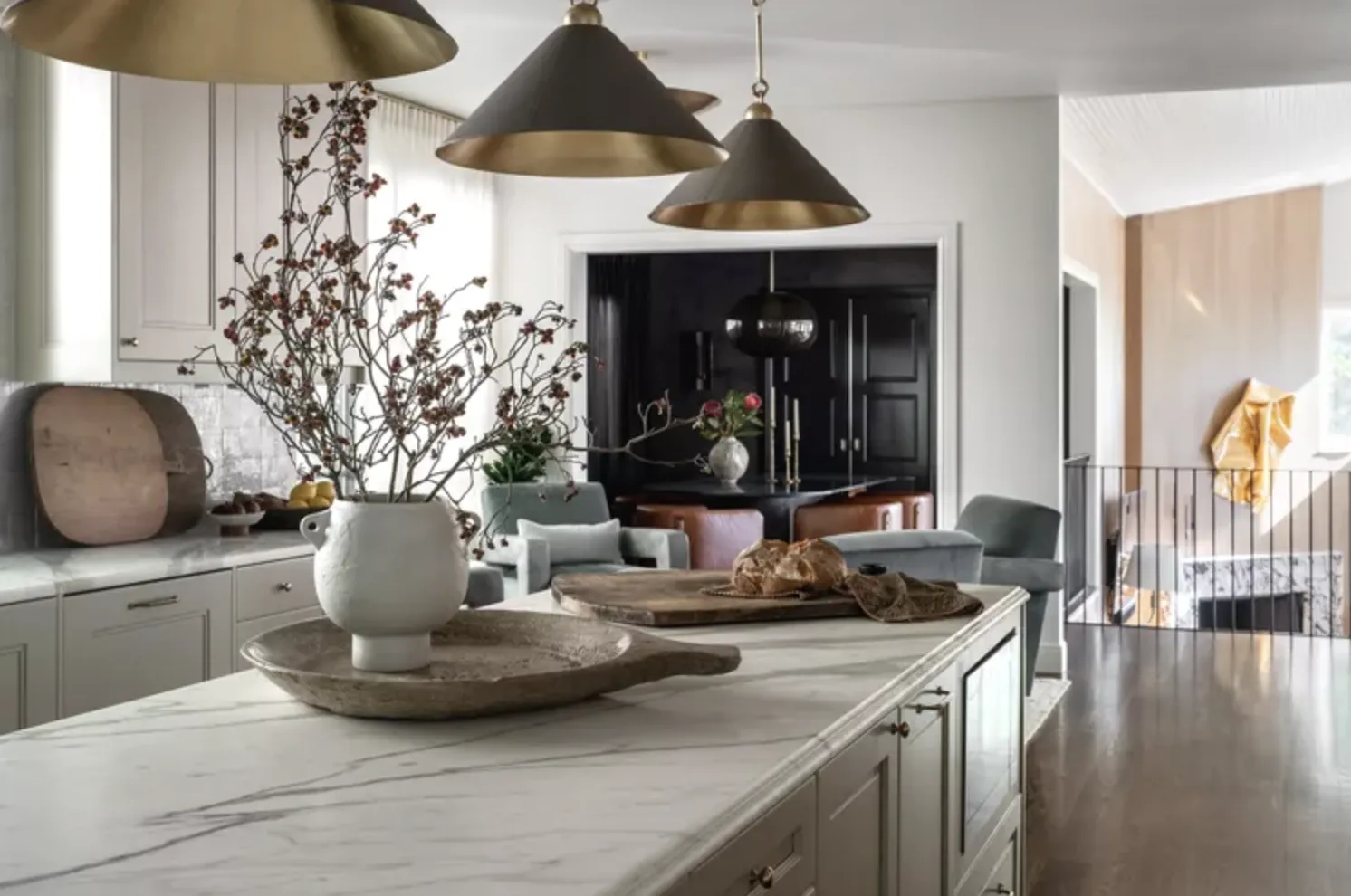
We Asked Designers What Kitchen Countertop Materials Are Out in 2026—Their Answers May Surprise You
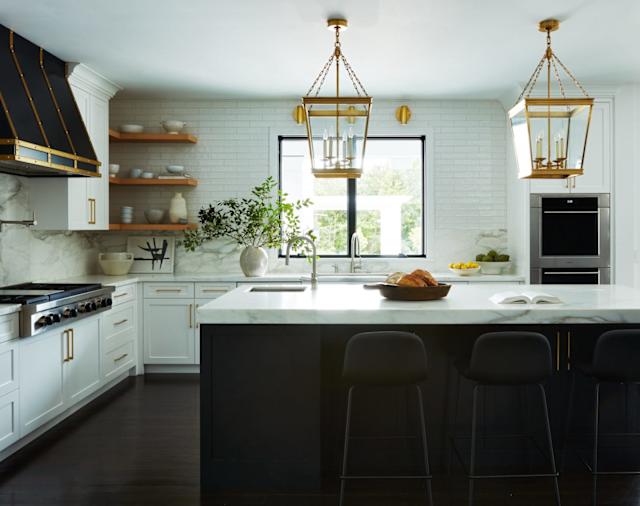
As 2026 approaches, kitchen countertop trends are evolving, with designers anticipating shifts in popular materials, finishes, and styles. While classic materials like marble, quartz, and soapstone maintain their timeless appeal, subtle changes are expected to redefine their application and aesthetic. The overarching theme for upcoming trends emphasizes warmth, natural appeal, and unique design elements that move away from sterile, clinical looks towards more organic and furniture-like kitchen spaces.
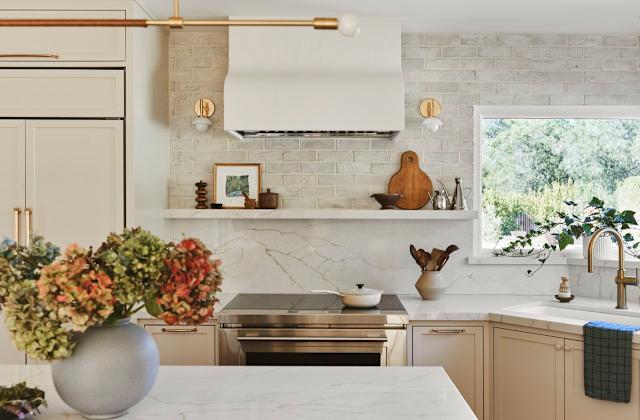
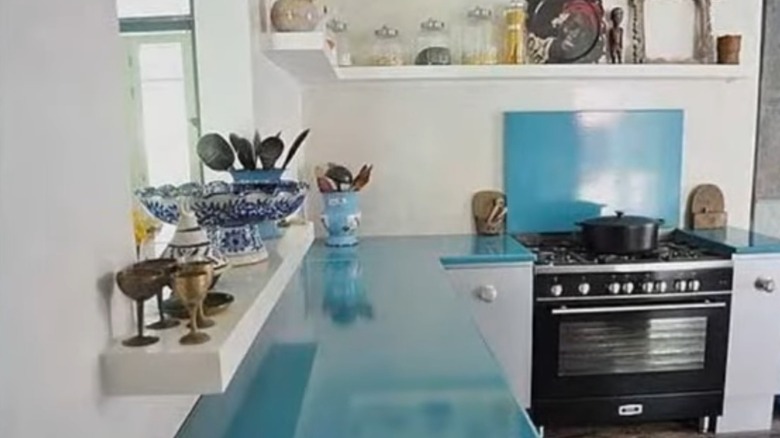
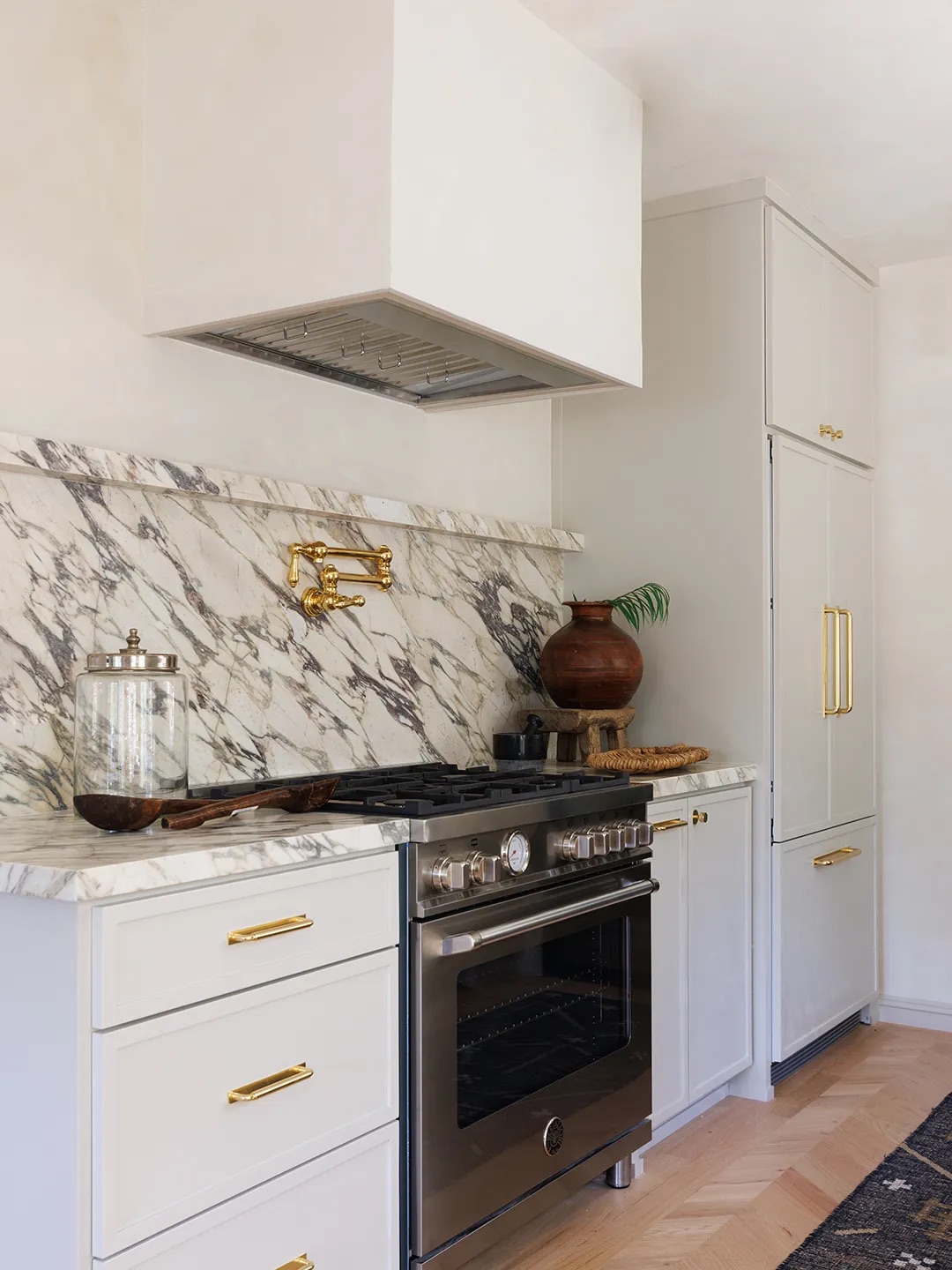
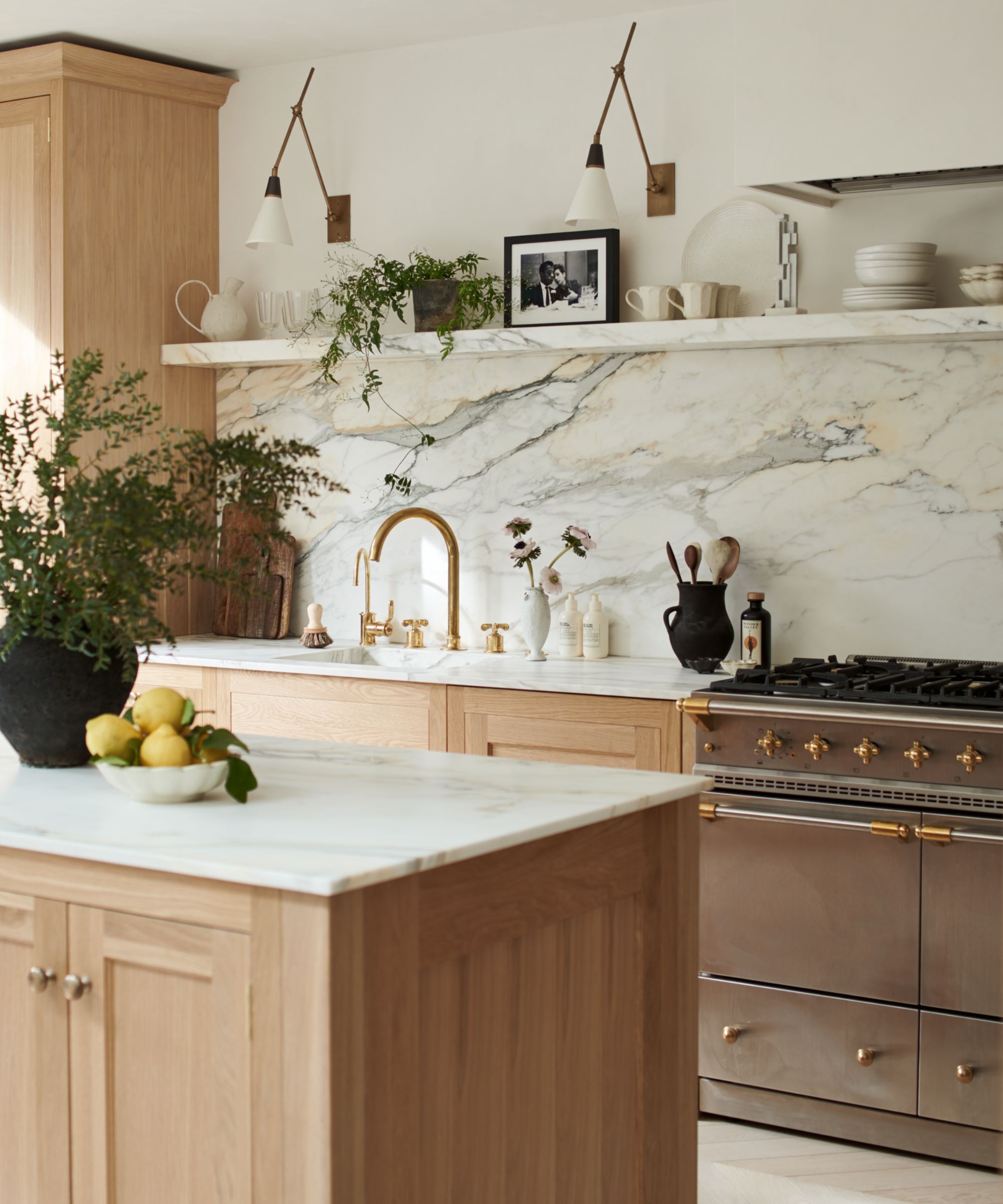
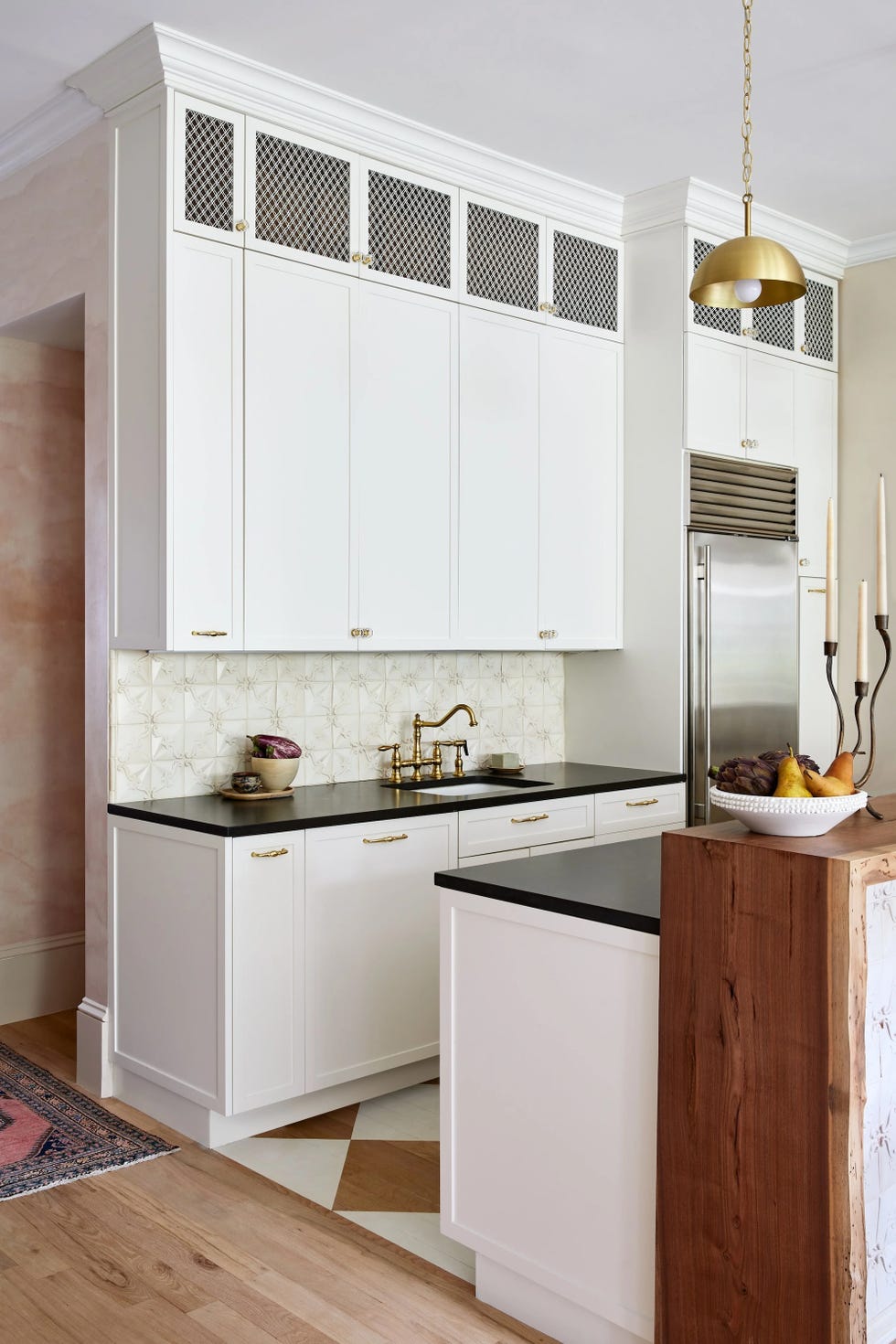
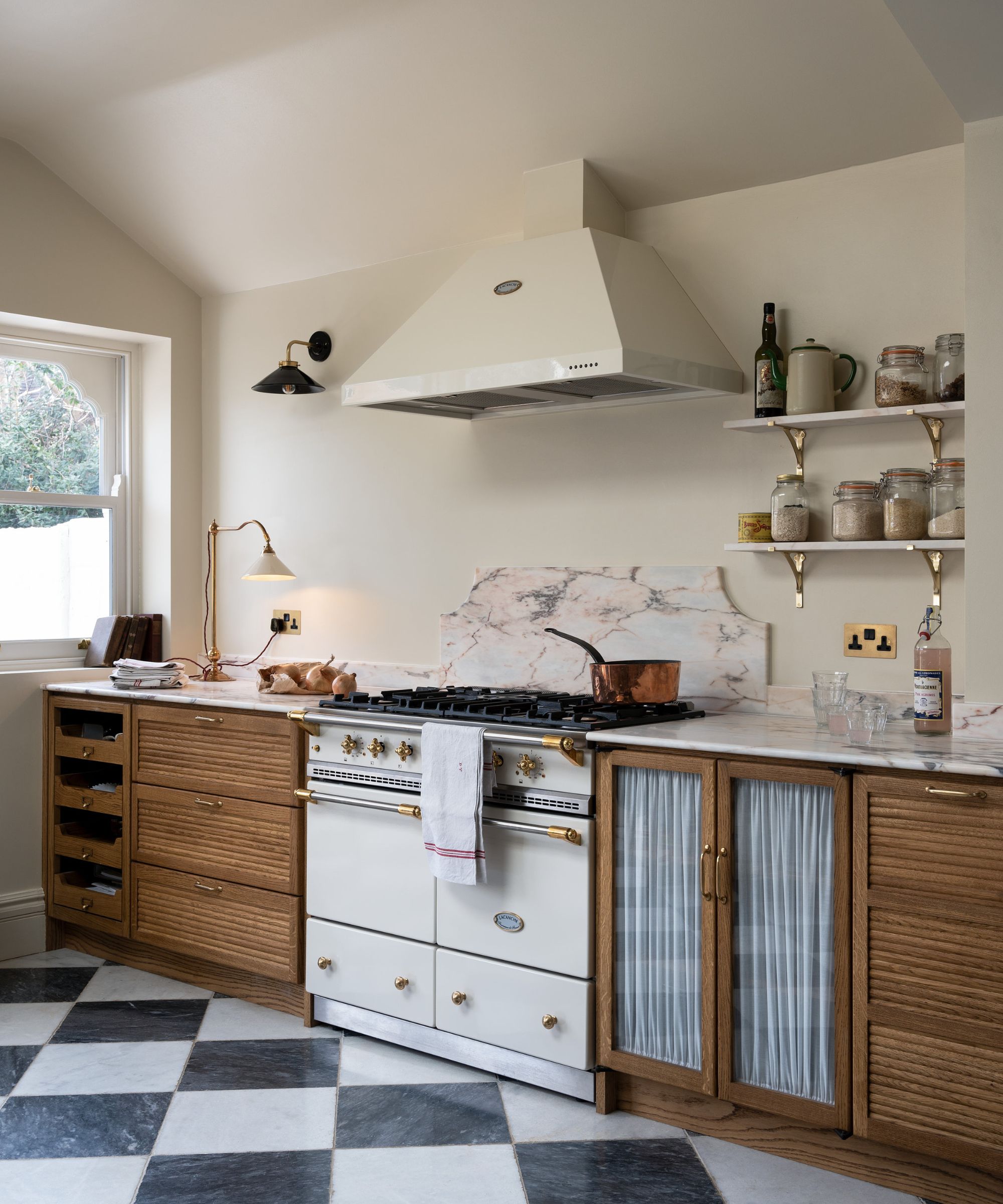
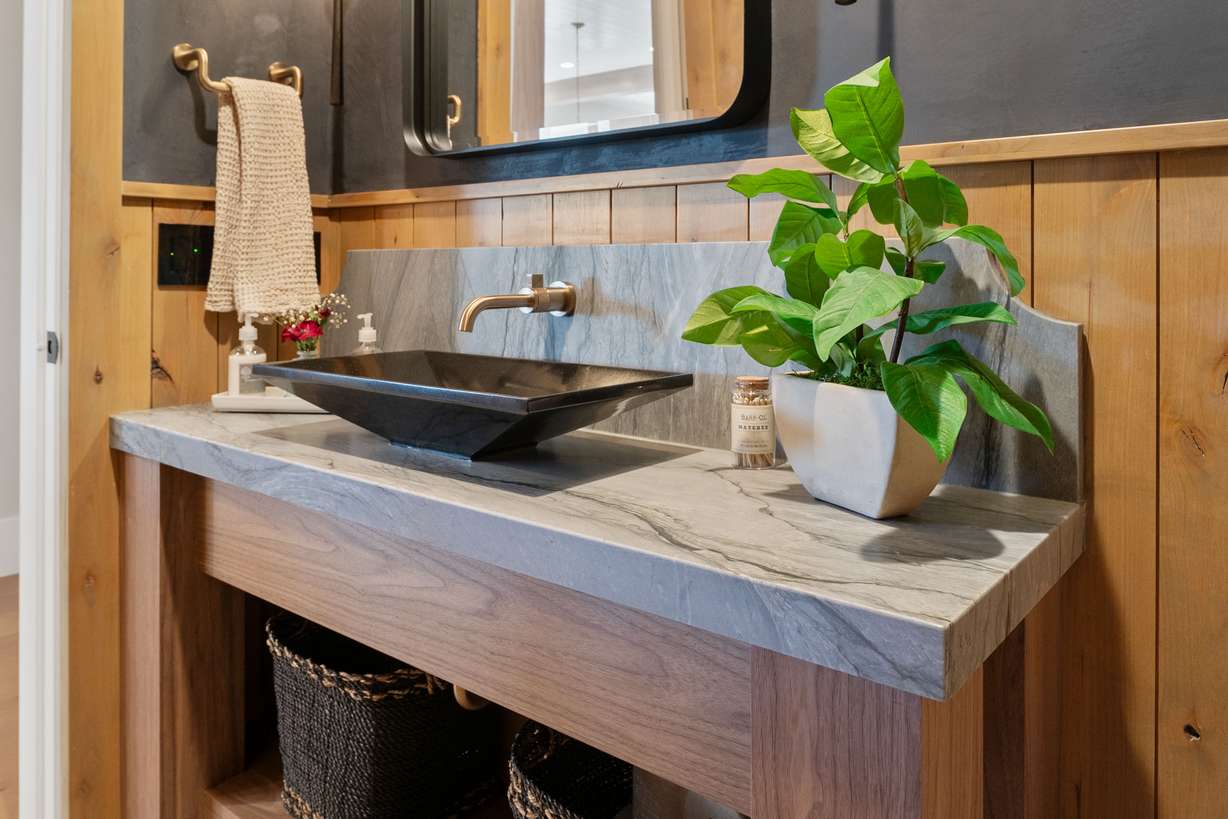
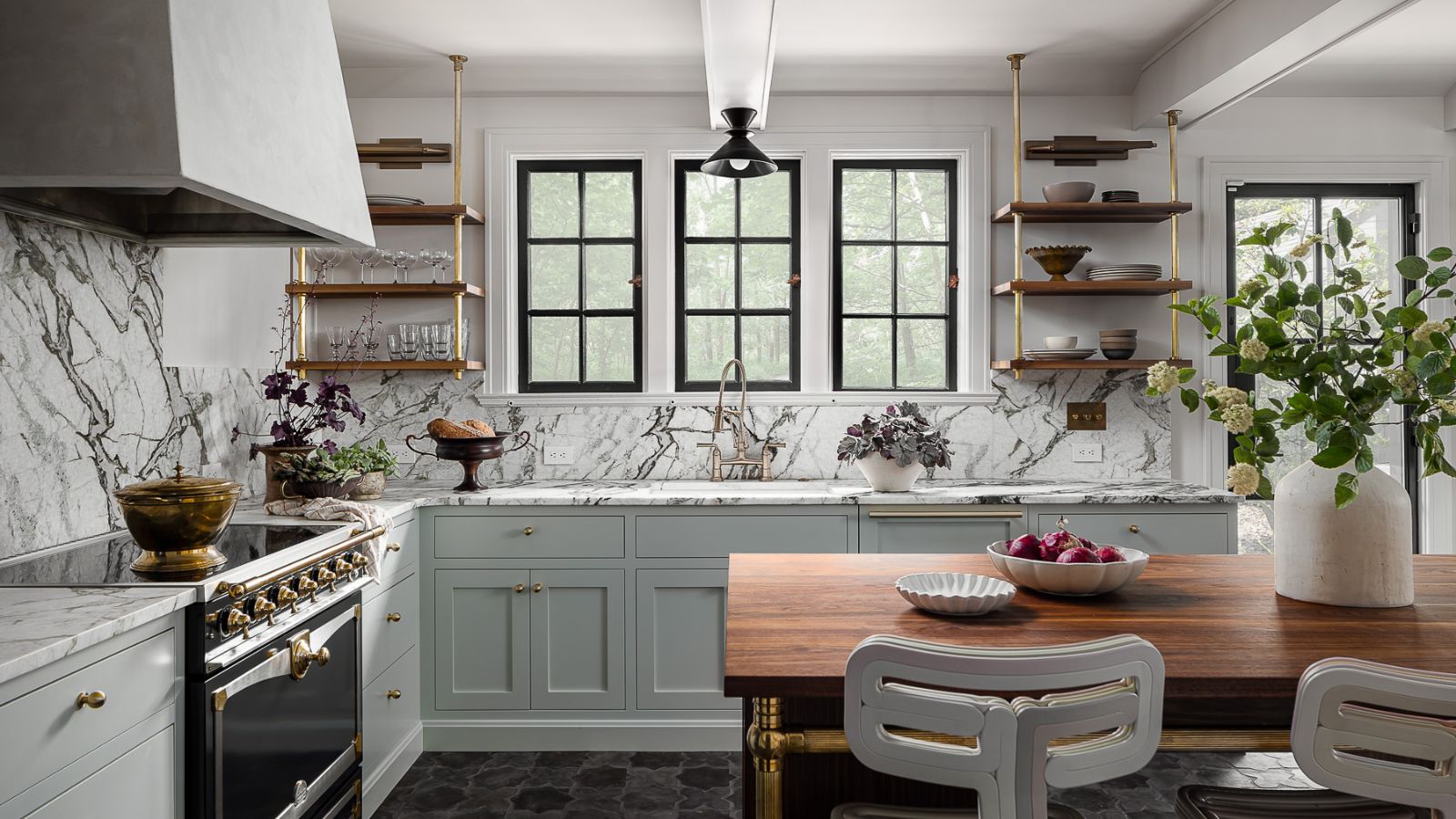
One significant trend involves the integration of countertops with backsplashes, but with a refined approach. Instead of extending the countertop all the way up the wall, designers are opting for a halfway extension, creating a small ledge. This ledge serves a functional and aesthetic purpose, offering a space to display curated items such as small art pieces or decorative salt and pepper shakers, adding a personalized touch to the kitchen. This design choice offers a clean and minimalist look while introducing an element of bespoke design.
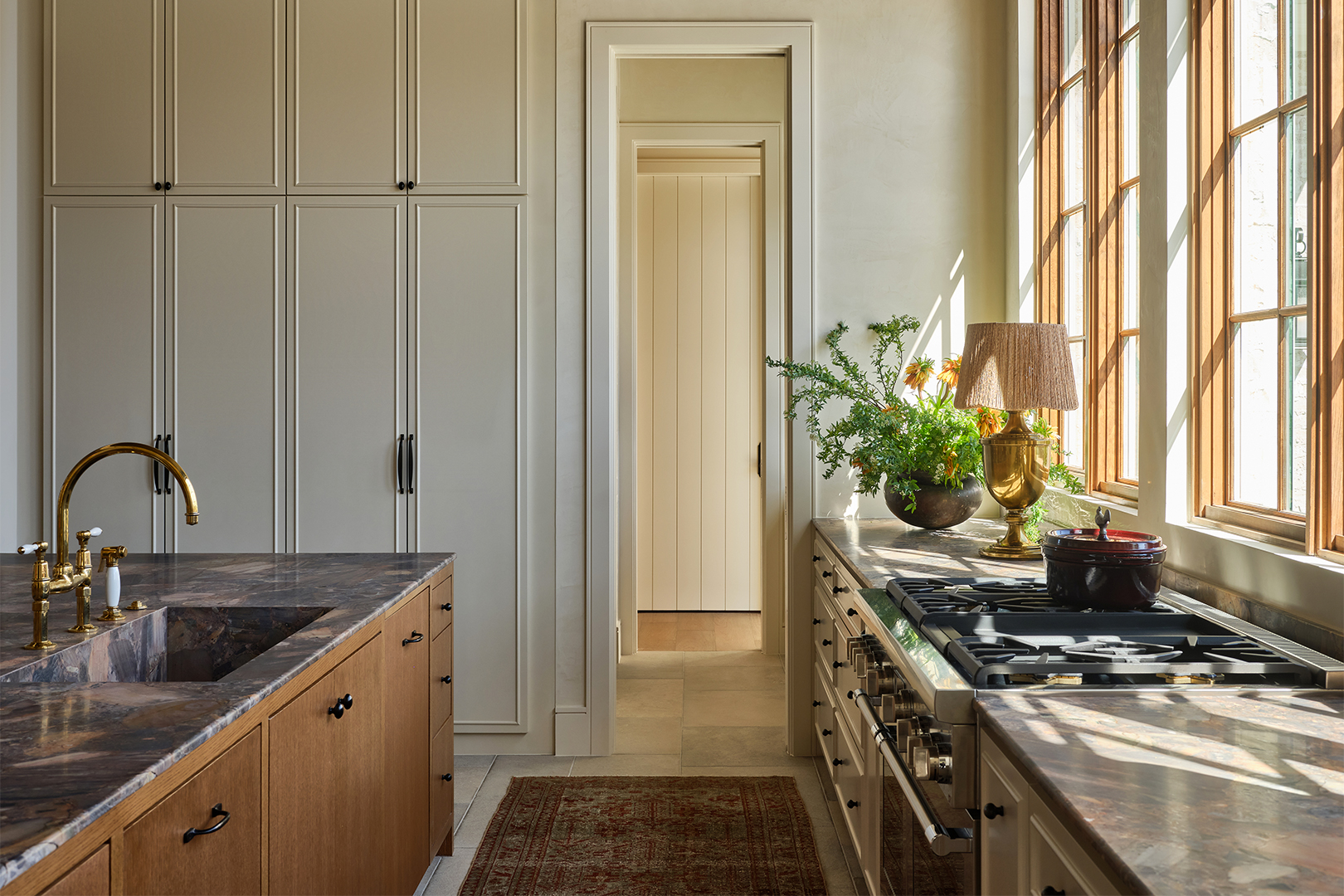
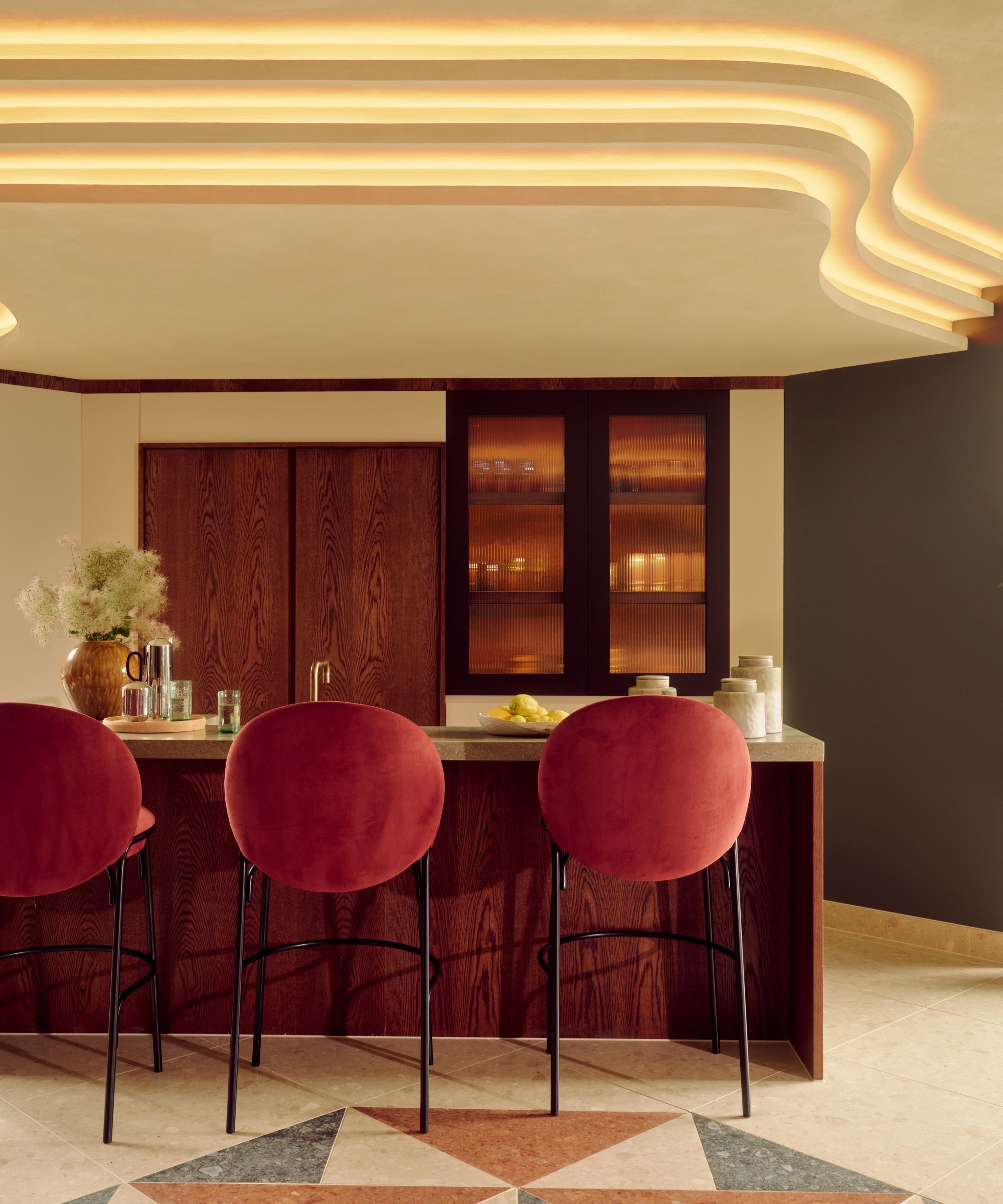
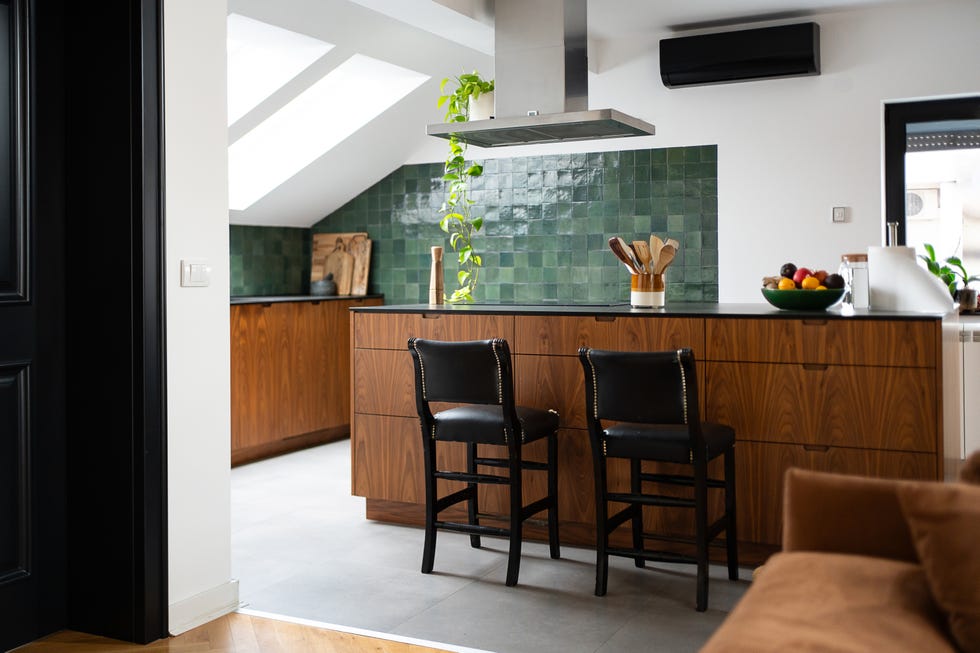
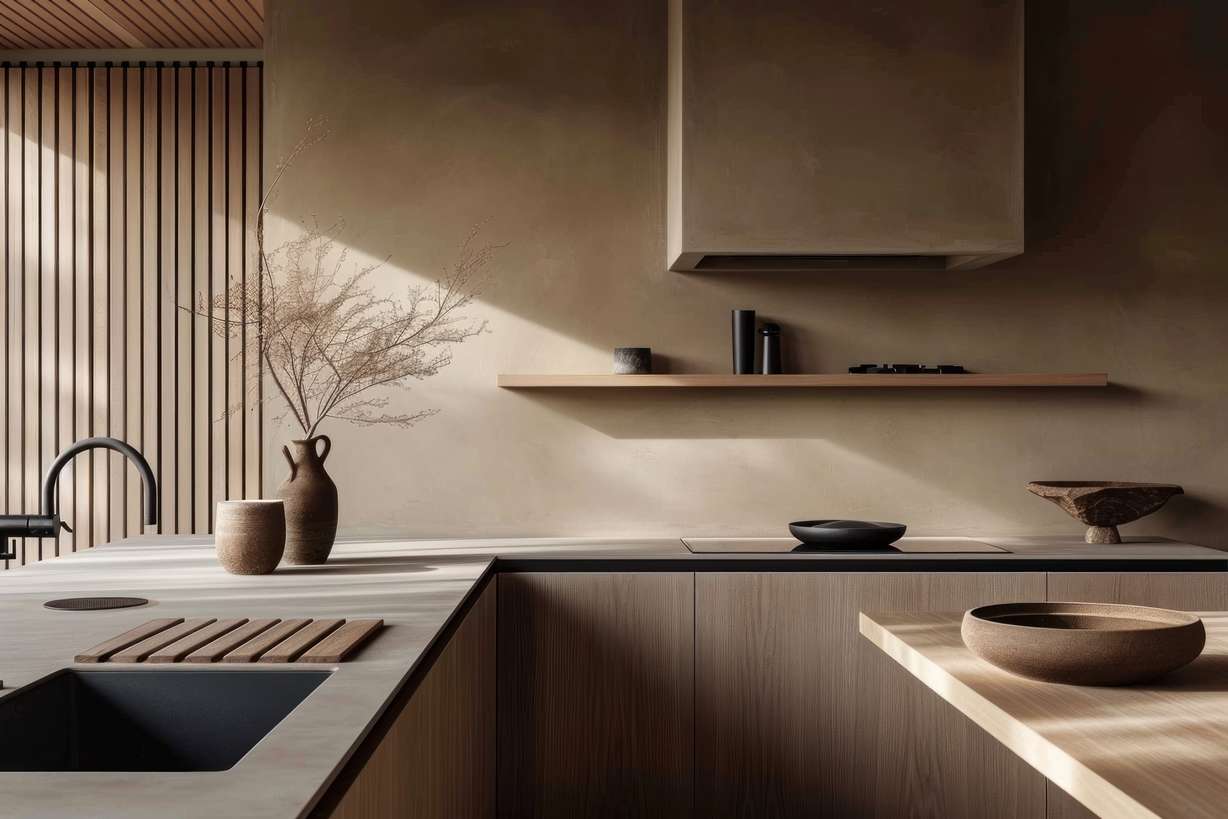
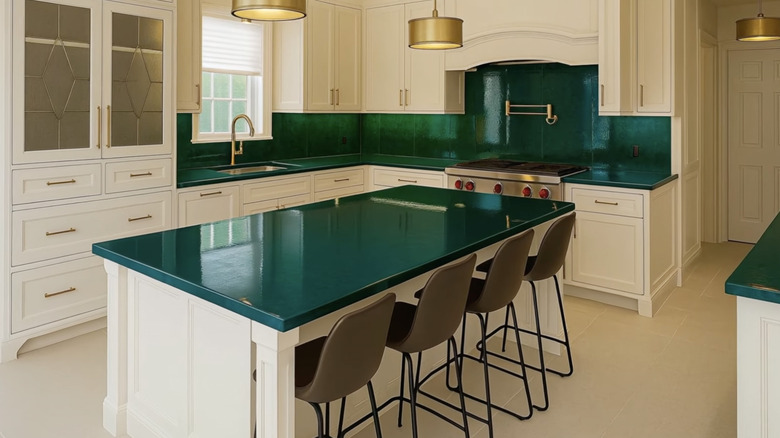
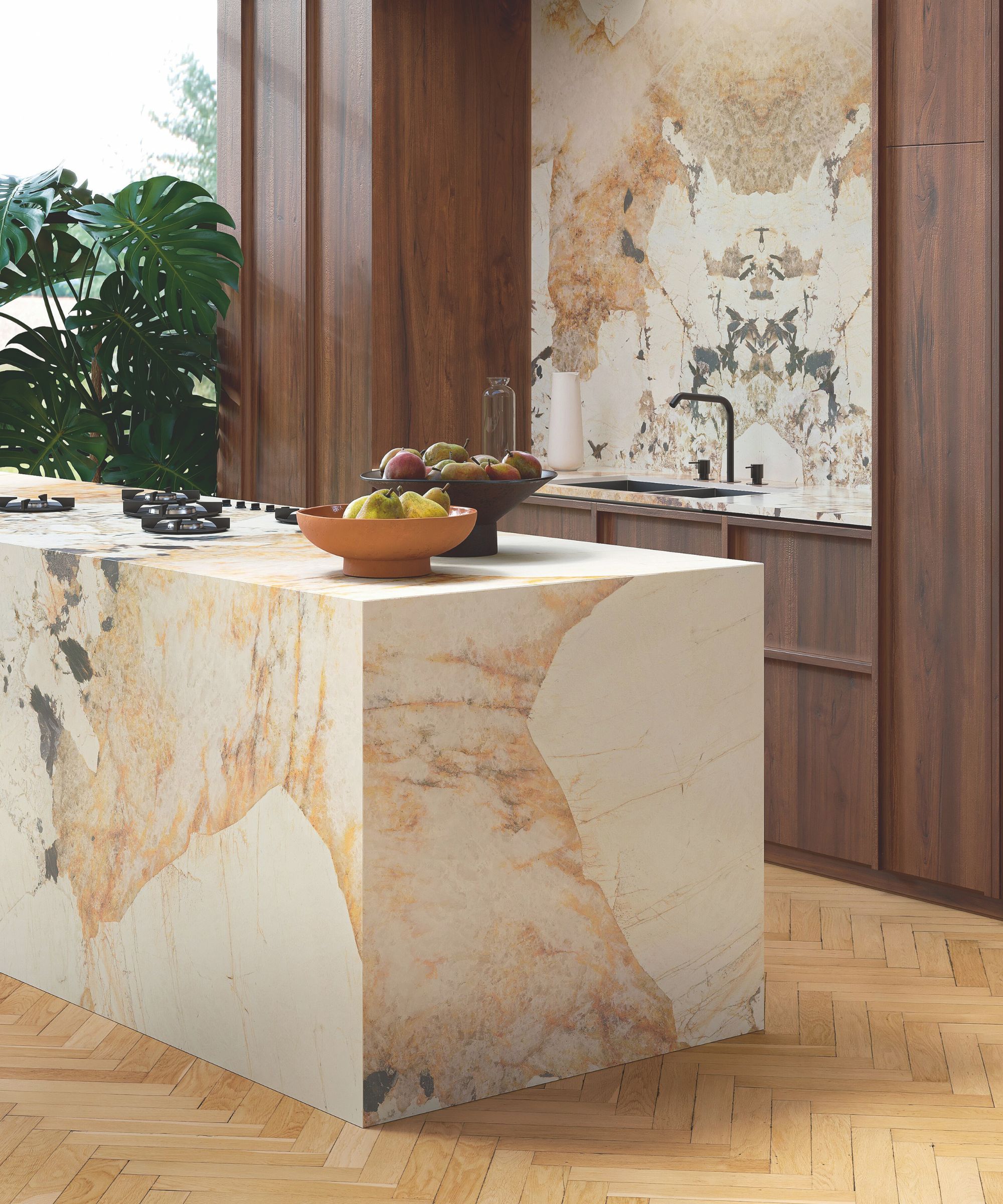
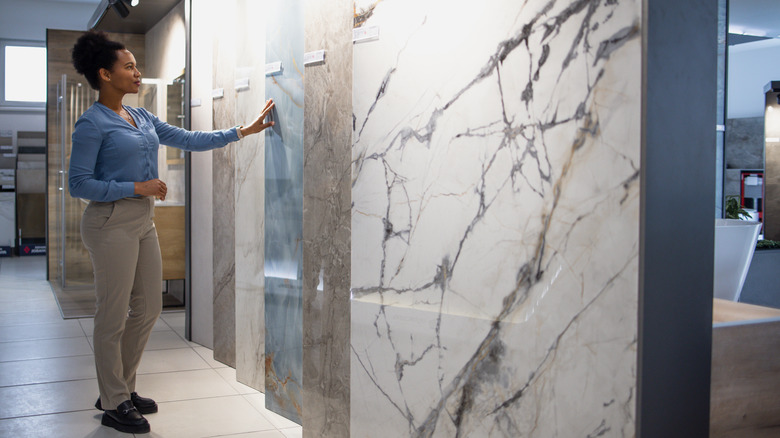
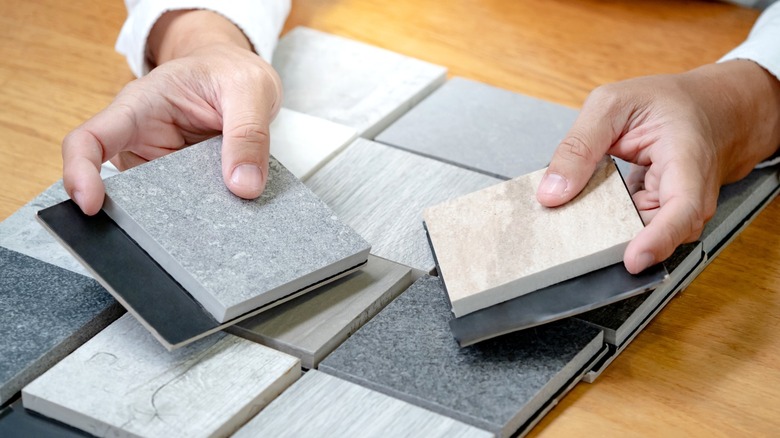
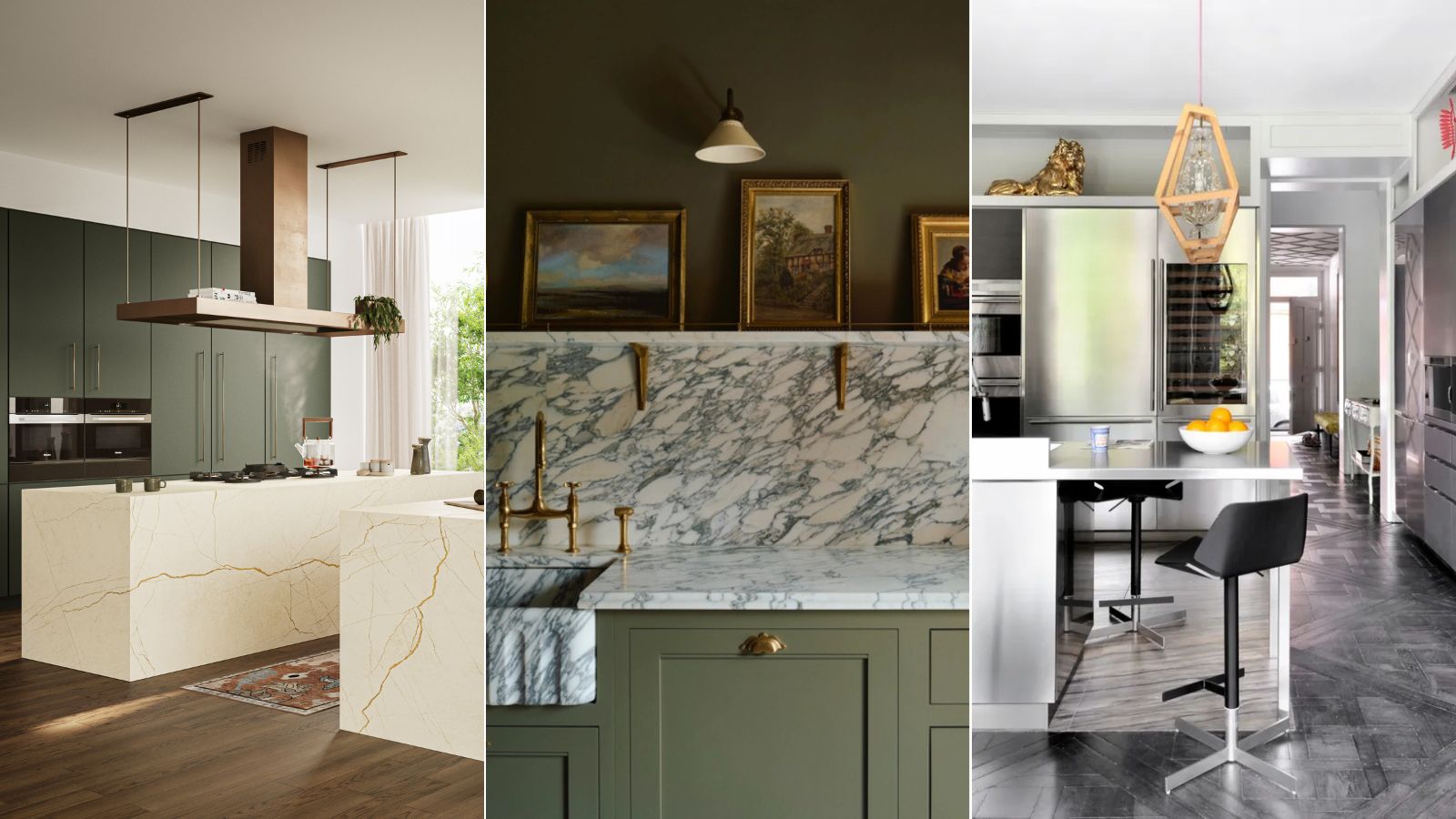
Material selection is moving towards warmer, more organic tones that evoke a natural, earthy feel. Designers are seeking stones that appear bespoke and genuinely natural, avoiding those with artificial or factory-made aesthetics. This preference translates into choices like cream, Calcutta gold, or various shades of brown, steering clear of stark, cold, or overly patterned options like zebra stripes. The focus is on materials that mimic the earth's natural textures and colors, enhancing the kitchen's warmth and inviting atmosphere.
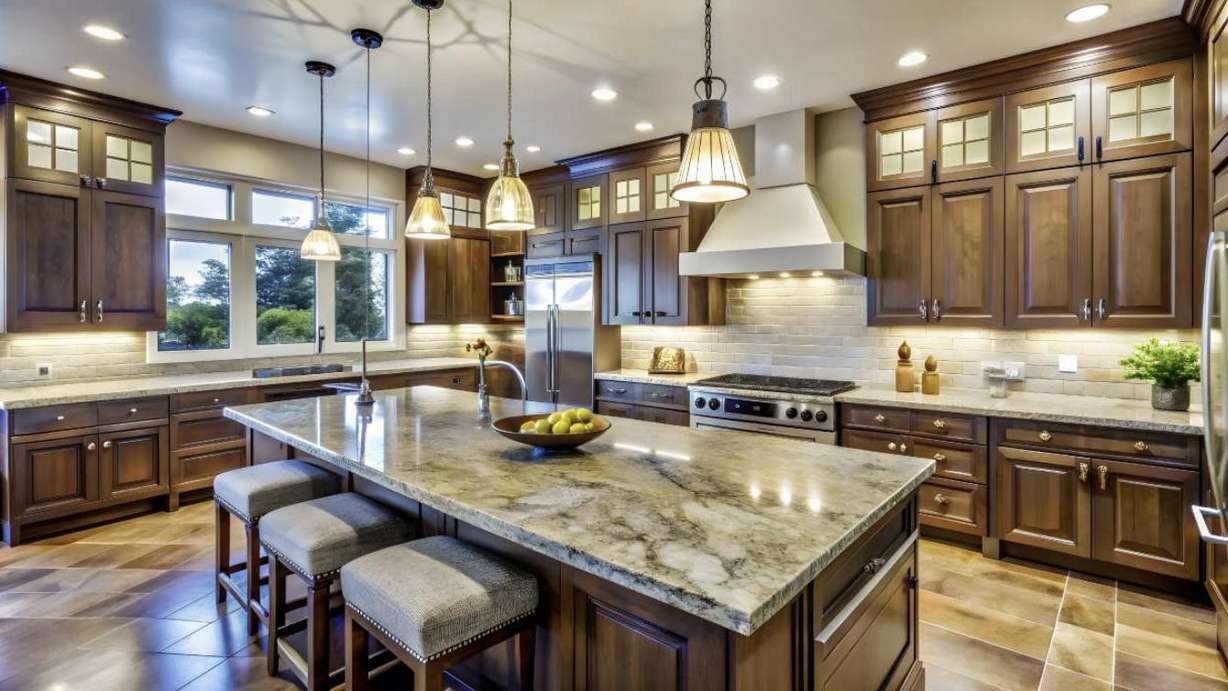
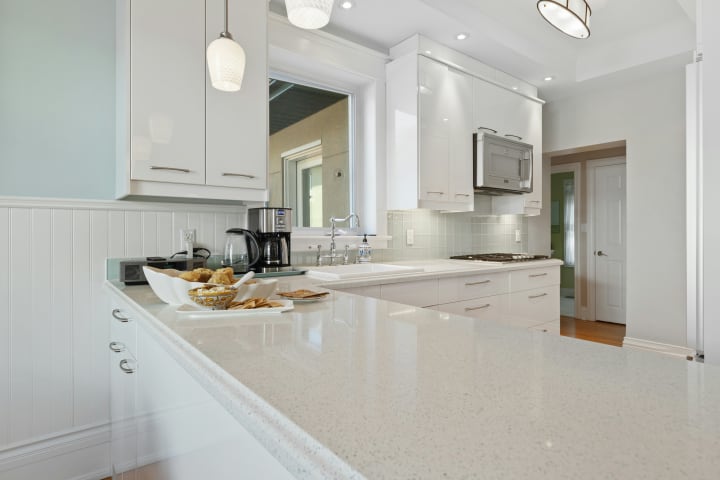
Countertop edges are also undergoing a transformation. The previously dominant straight, squared-off edge is giving way to more intricate and stylized options. Homeowners and designers are increasingly drawn to edges with more visual interest, such as ogee and curved profiles. This shift aims to make kitchens feel less clinical and more akin to integrated furniture pieces, contributing to a softer, more elegant overall design. This detail adds a layer of sophistication and bespoke craftsmanship to the kitchen's aesthetic.
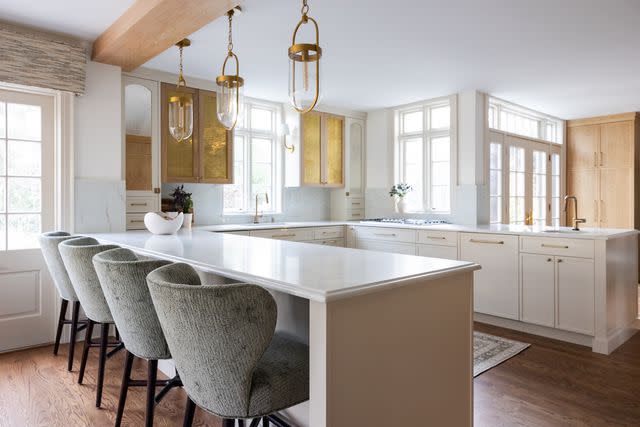
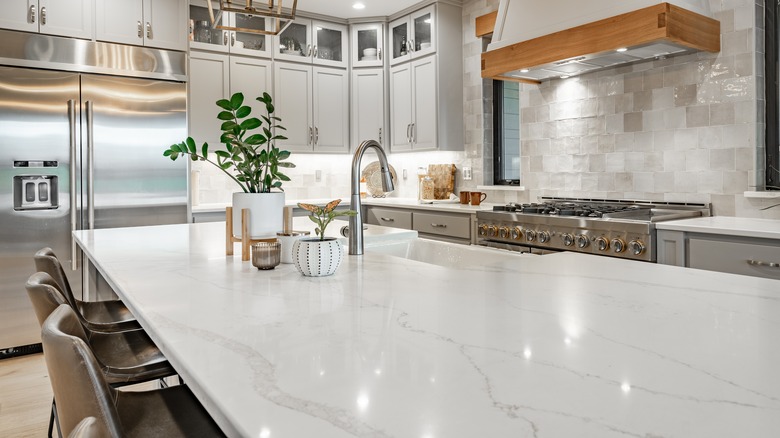
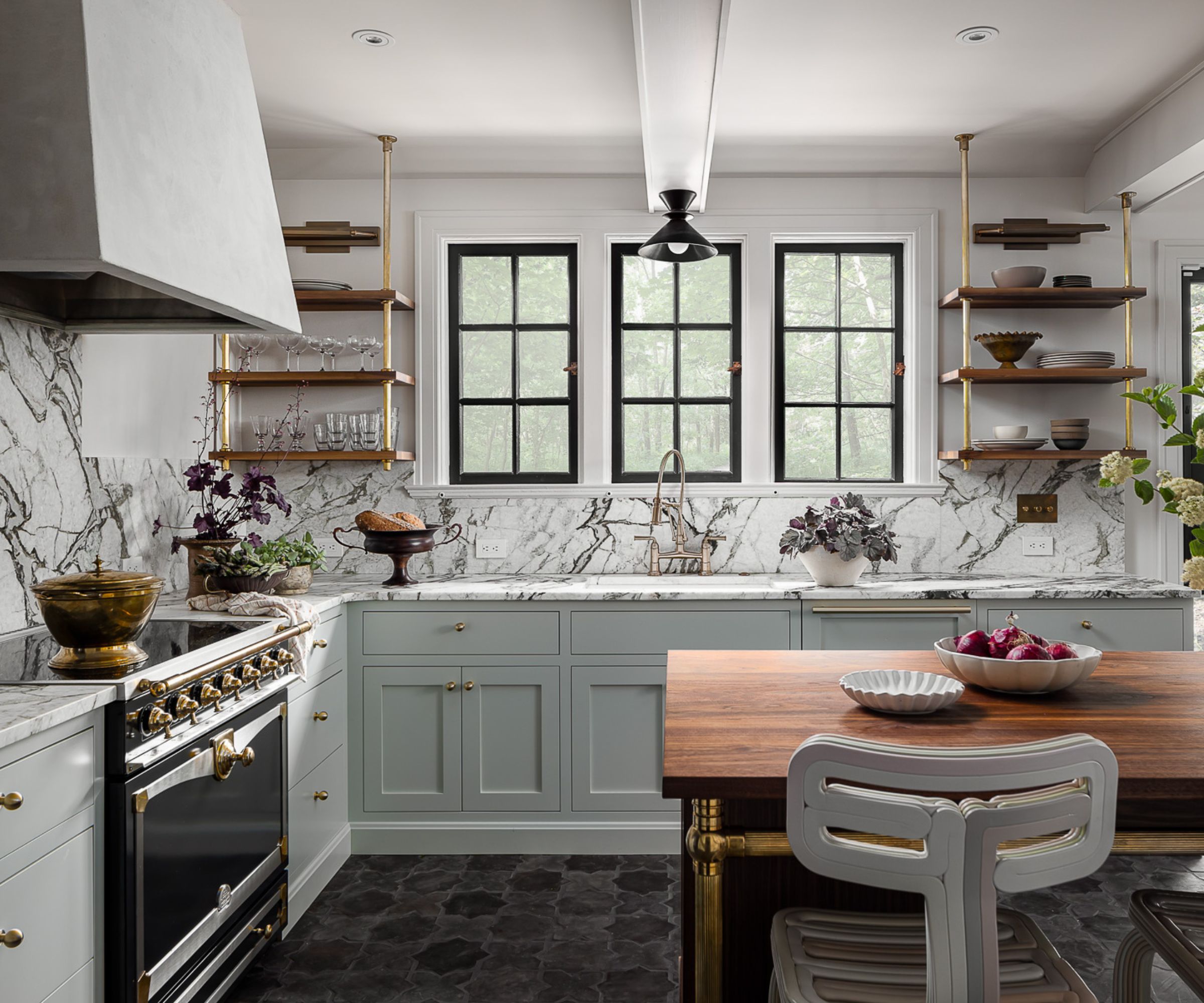
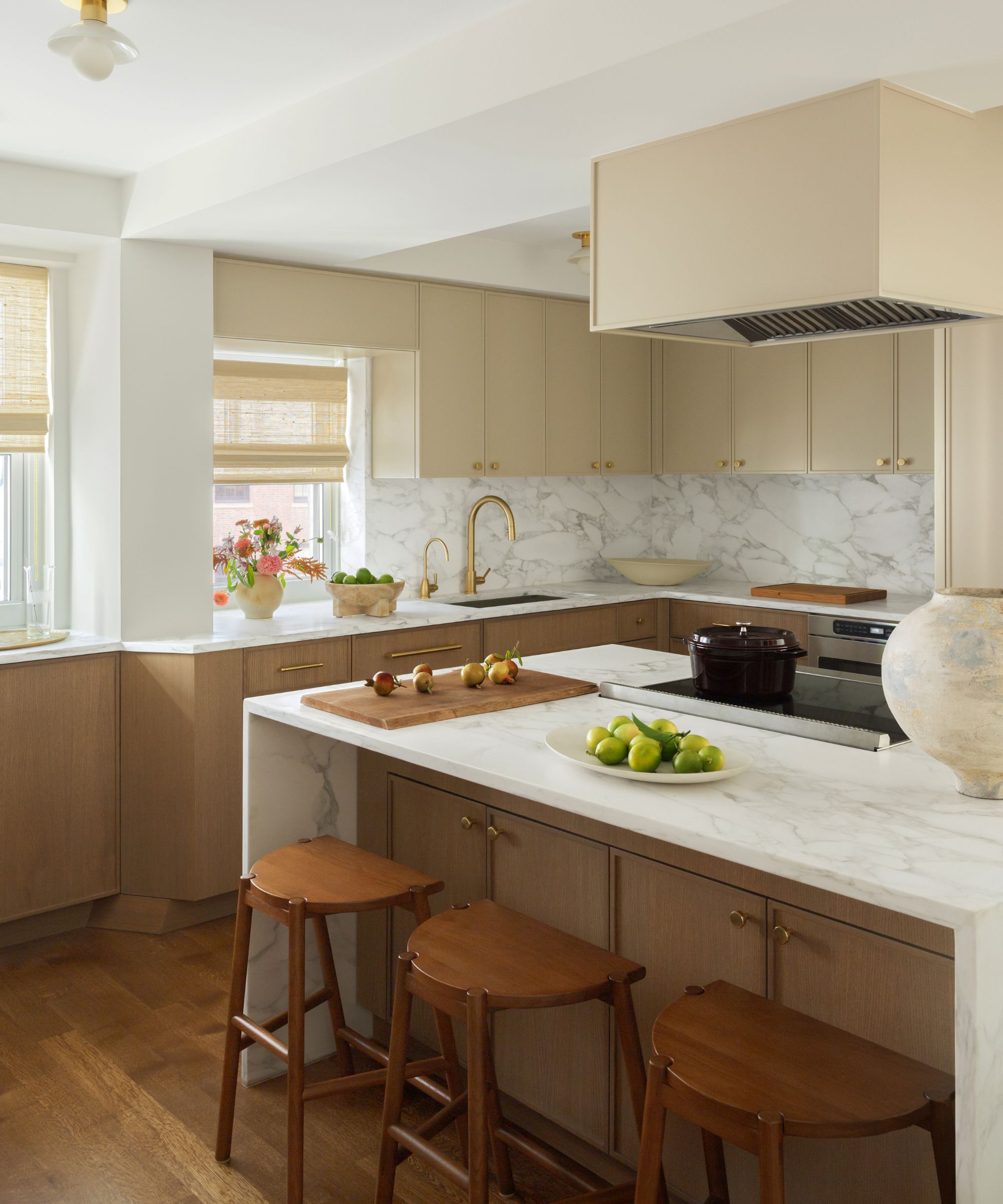
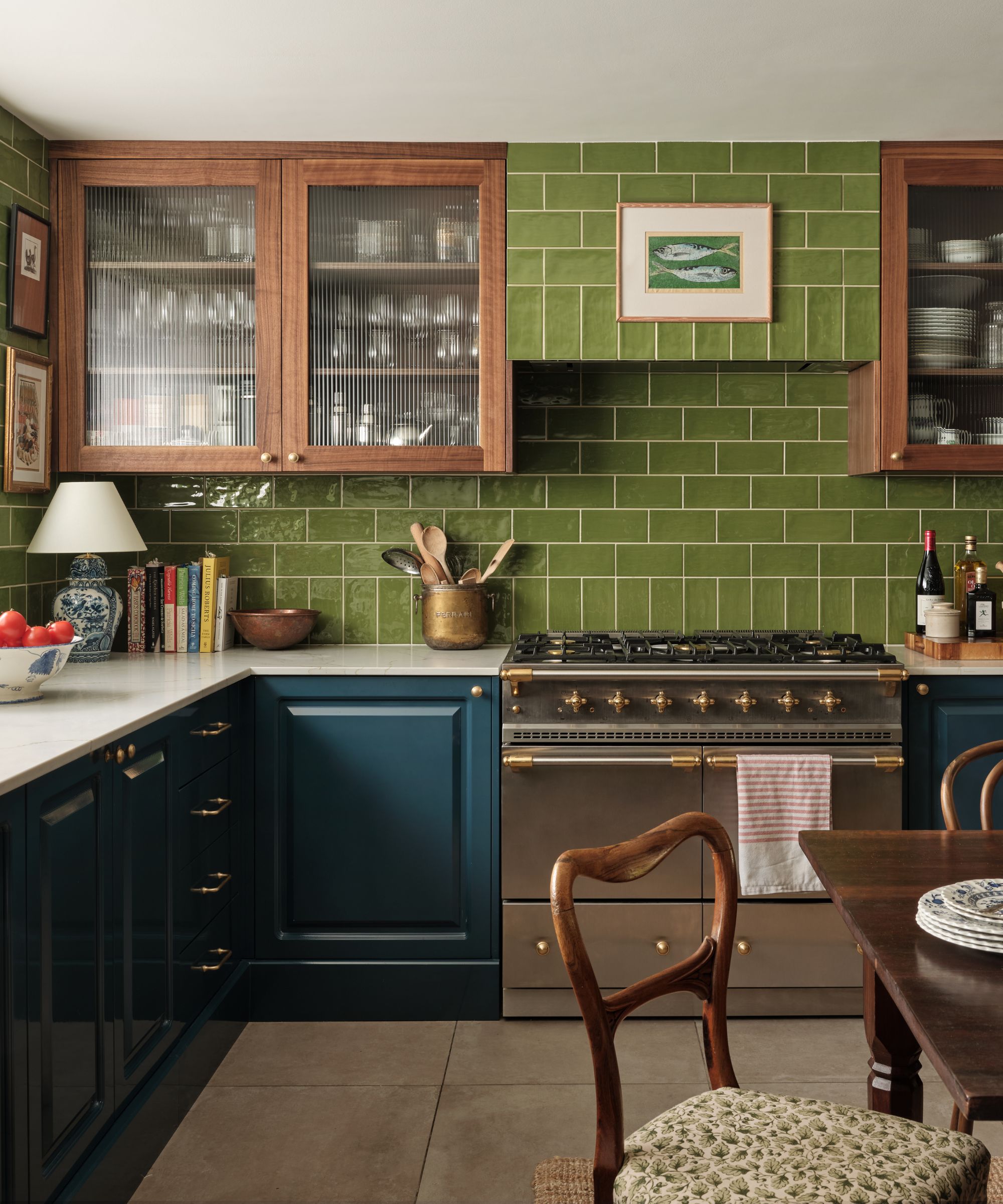
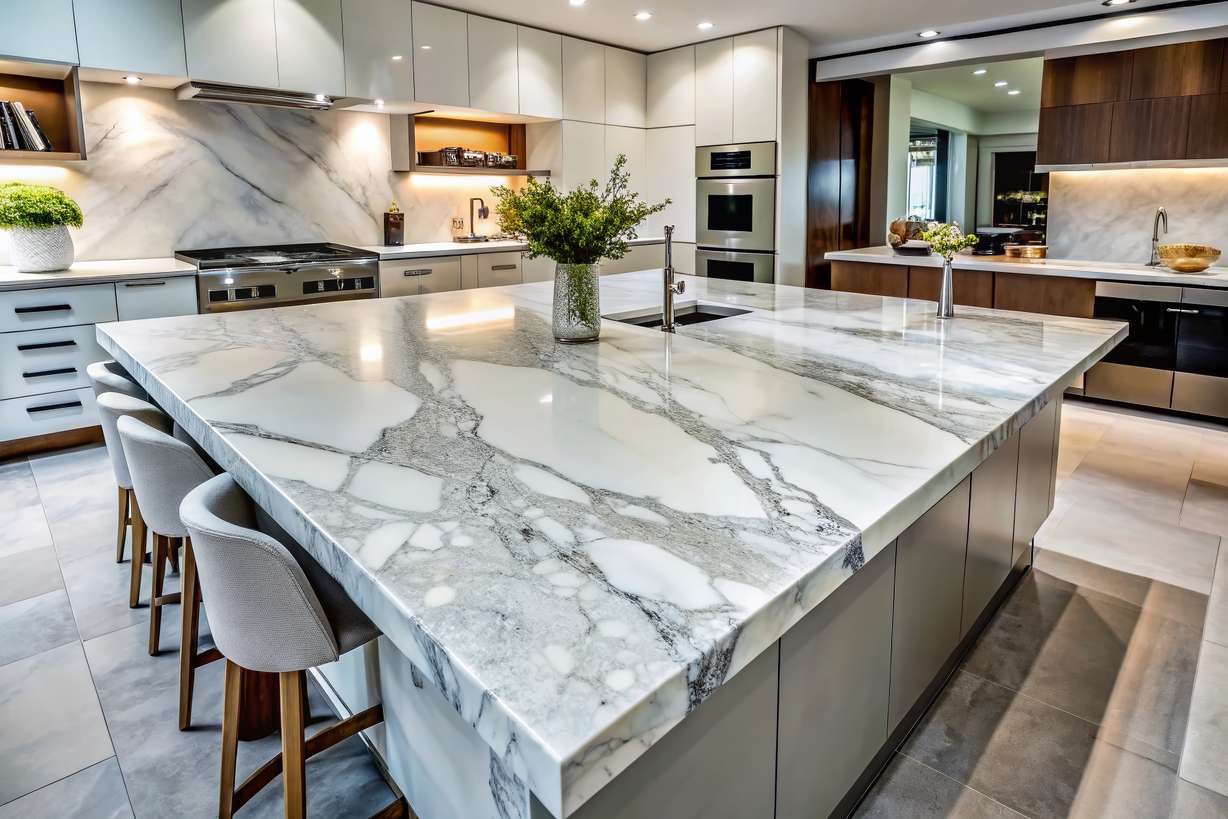
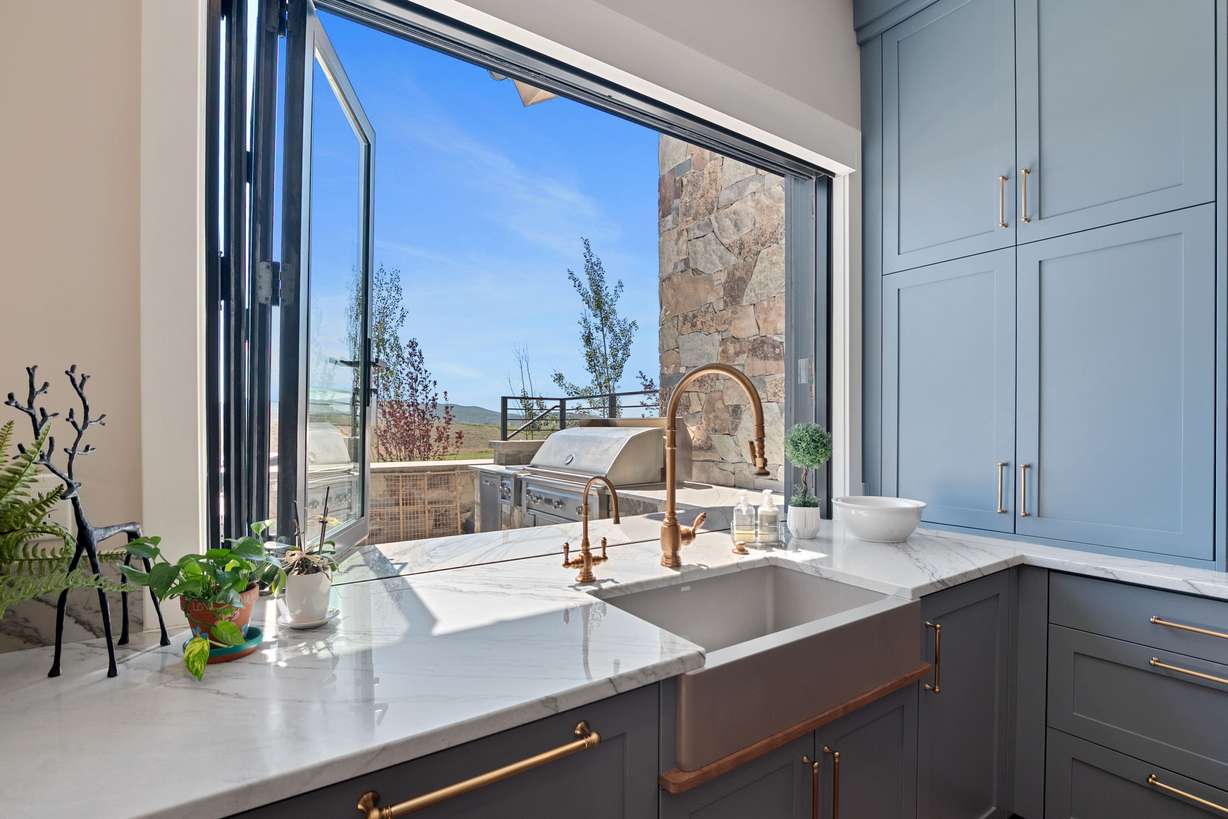
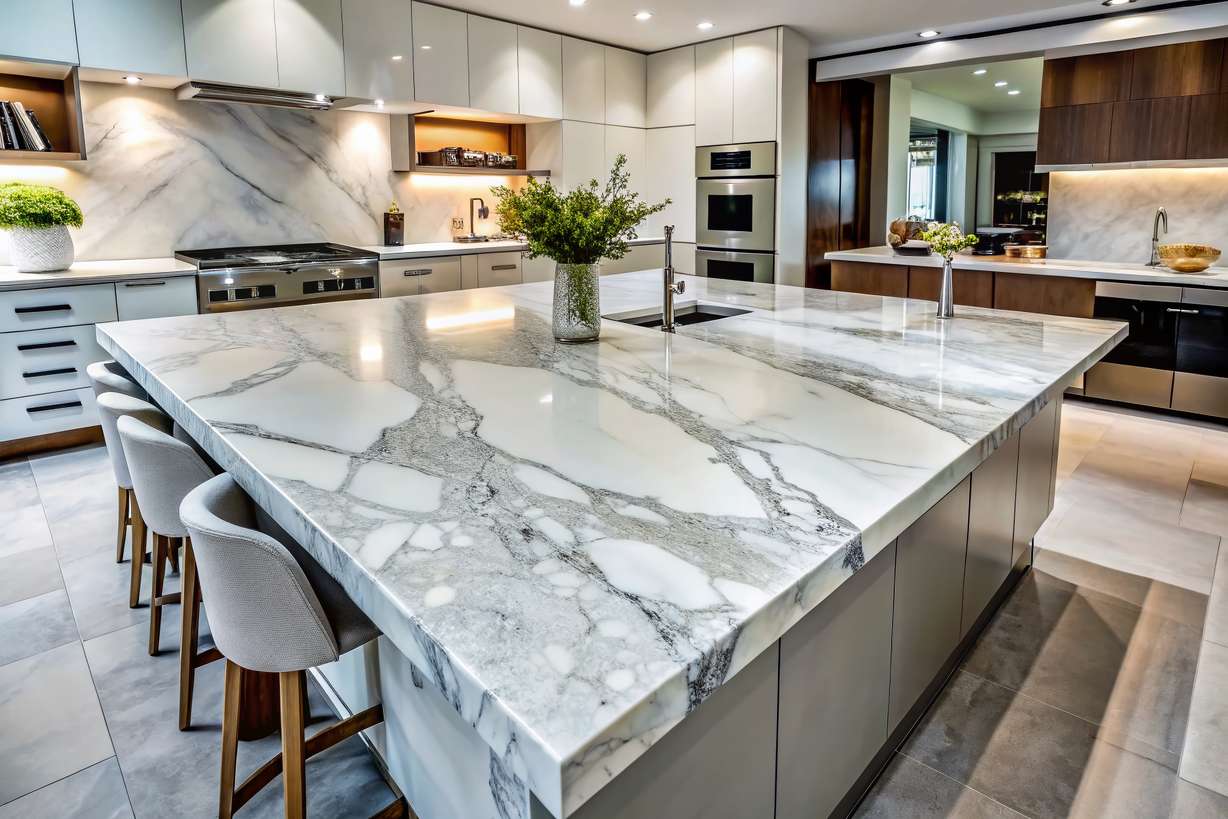
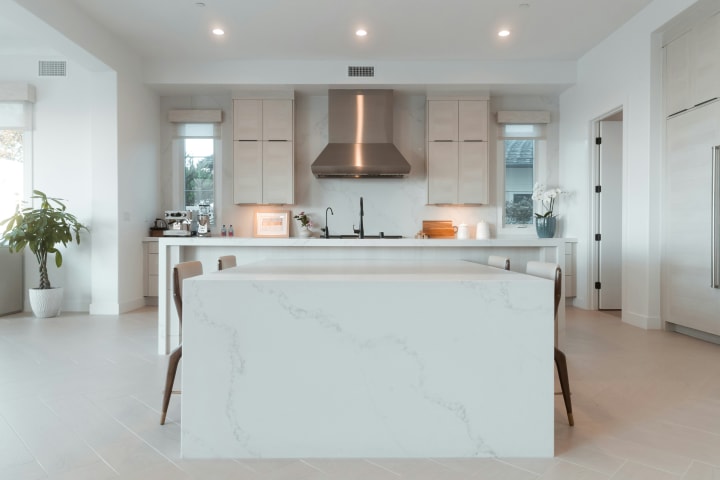
High-quality quartz remains a strong contender, with advancements in manufacturing making it an increasingly viable alternative to natural marble. While marble is recognized for its enduring appeal and historical significance, the improved technology behind man-made quartz now offers options that closely mimic marble's appearance without the high maintenance. Modern quartz selections feature subtle veining, nuanced colorways, and a consistent quality that appeals to clients seeking both beauty and practicality. This allows for the luxurious look of marble with greater durability and ease of care.
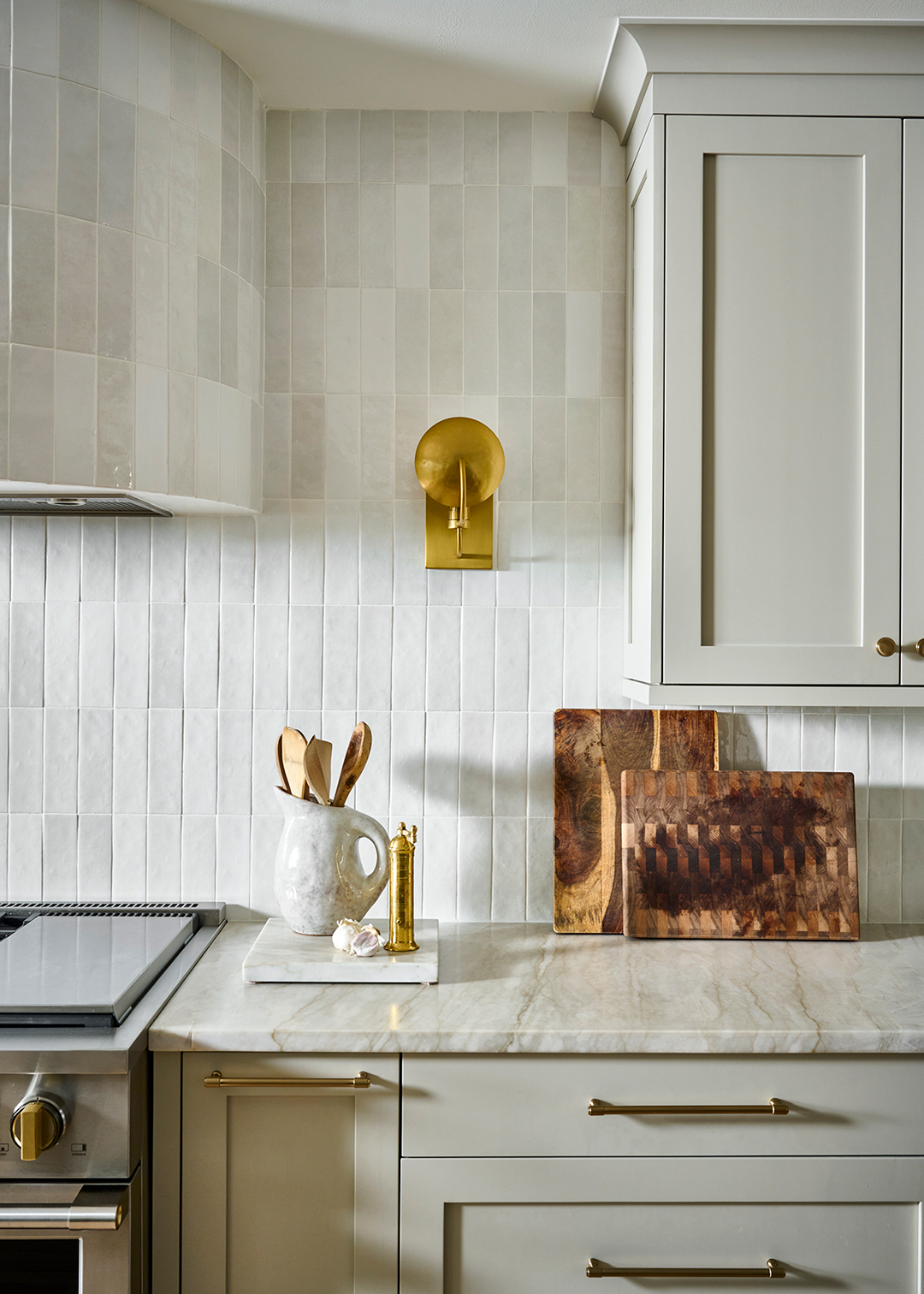
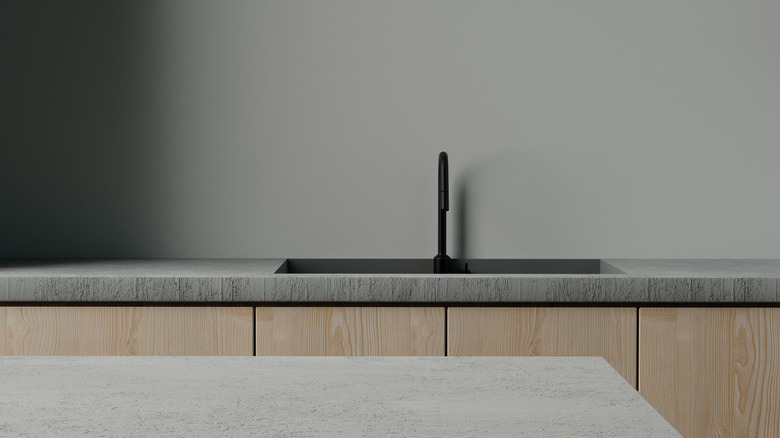
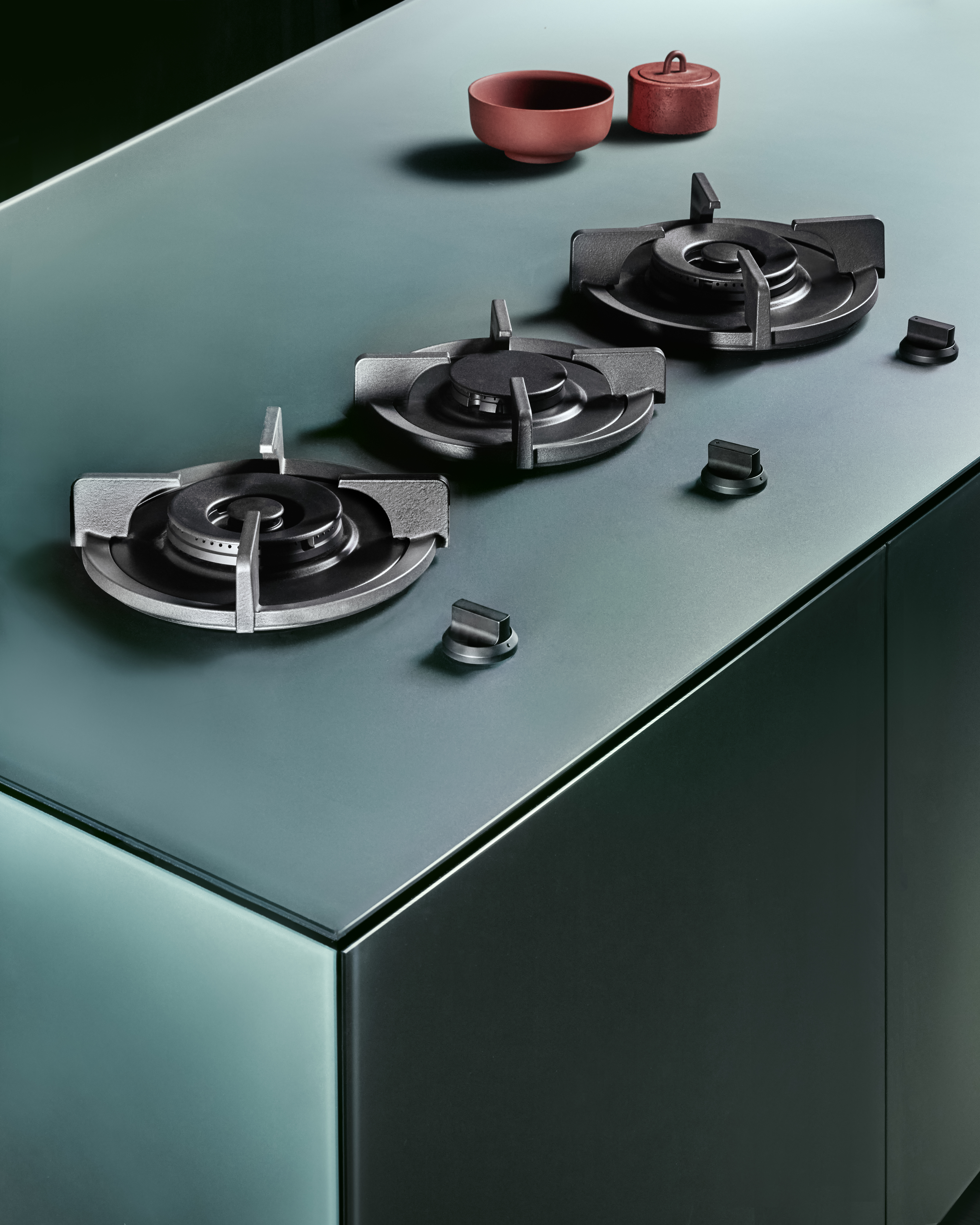
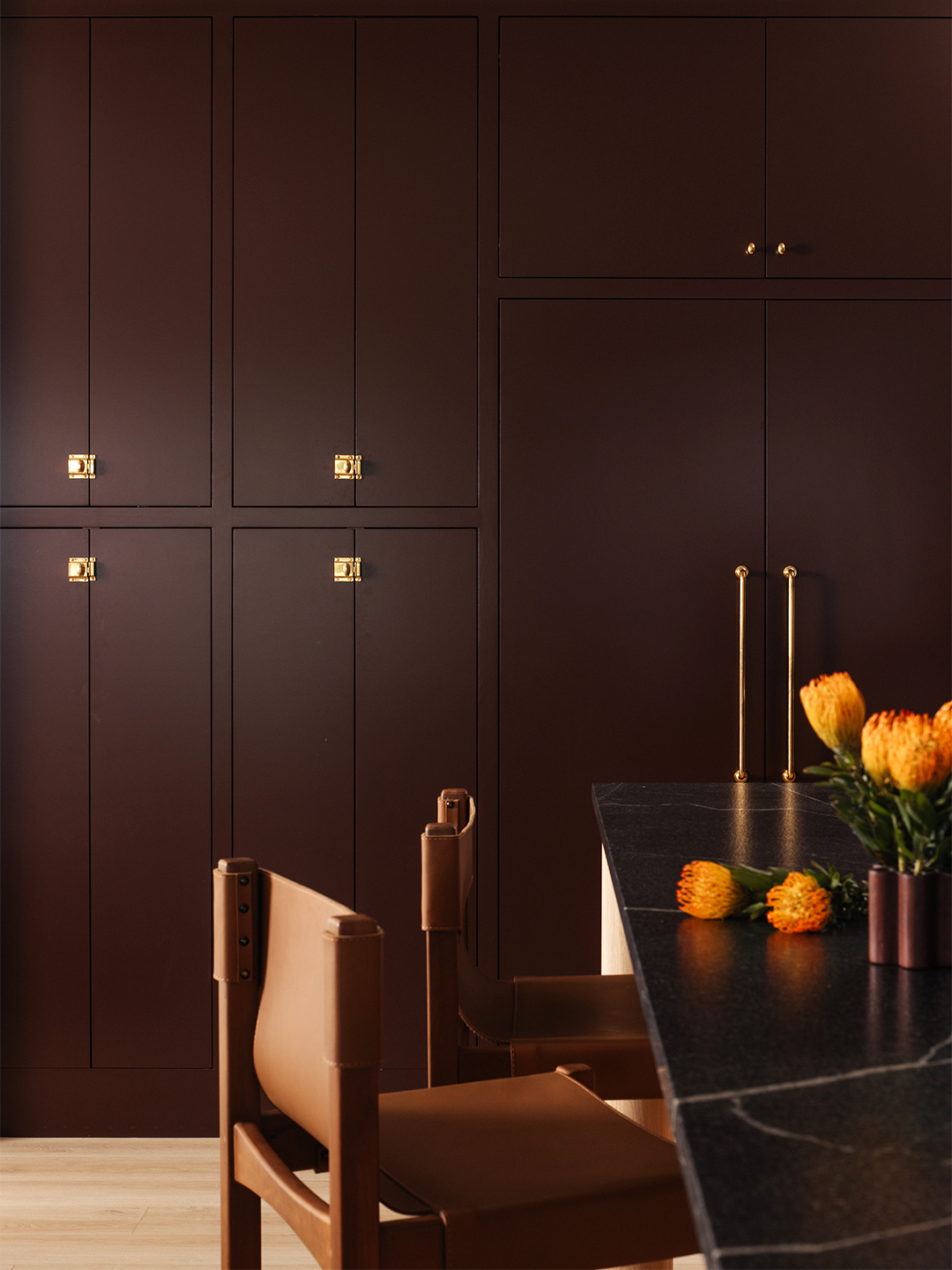
Finish preferences are also evolving, with a growing inclination towards leathered or honed finishes over glossy ones. A shiny, polished countertop has been a classic choice, but designers are now favoring finishes that appear more lived-in and tactile. Honed finishes provide a smooth, flat, matte surface, while leathered finishes offer a softly textured feel. These finishes add depth and character to the stone, contributing to the desired organic and natural aesthetic.
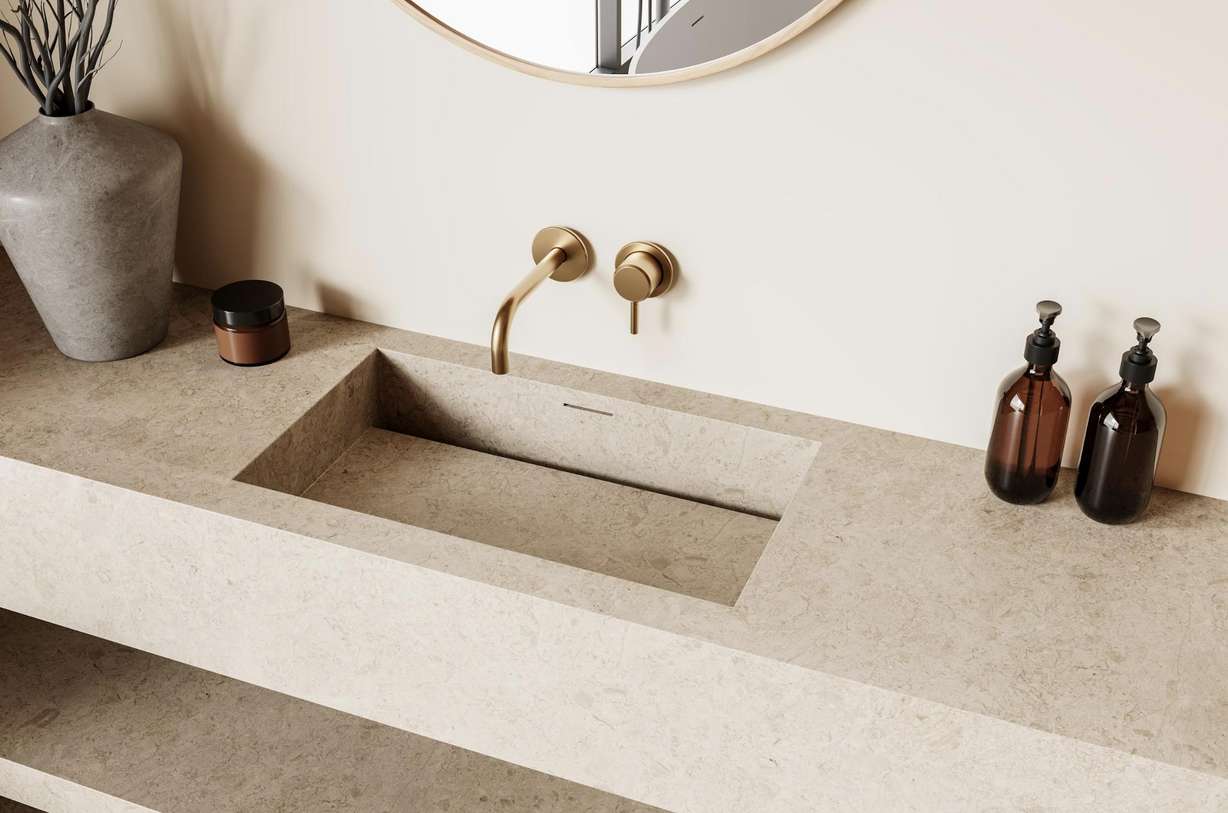
Beyond traditional marble and quartzite, unusual natural stones are gaining popularity. Materials such as travertine, limestone, and soapstone are being incorporated not only into countertops but also into integrated sinks, furniture, and wall cladding. These stones introduce unique textures and colors, further enhancing the bespoke and natural feel of contemporary kitchen designs. They offer diverse aesthetic possibilities and contribute to a more distinctive and personalized kitchen environment.
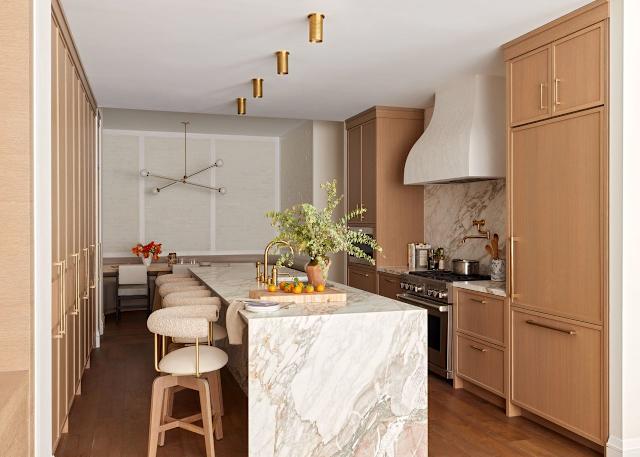
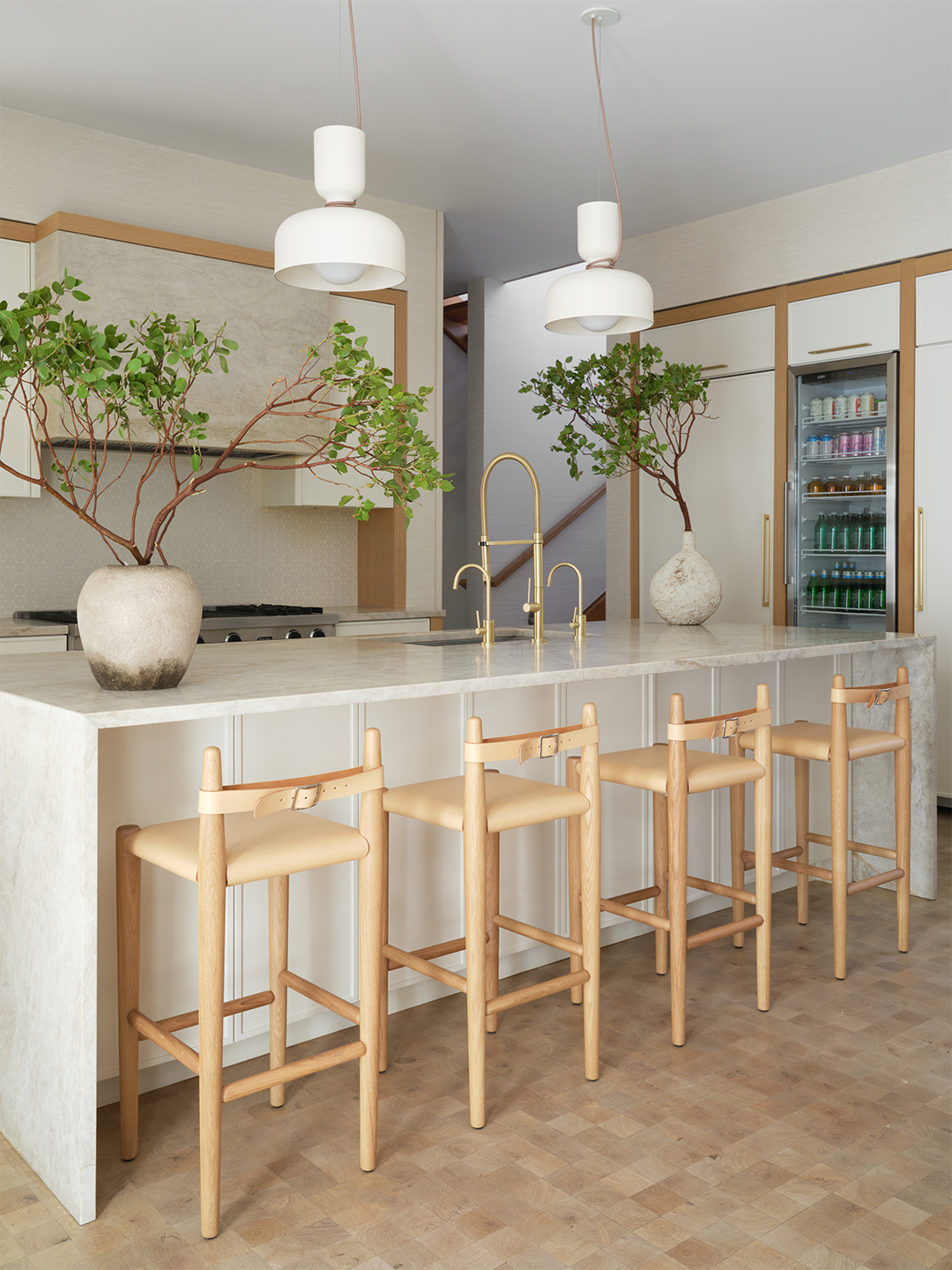
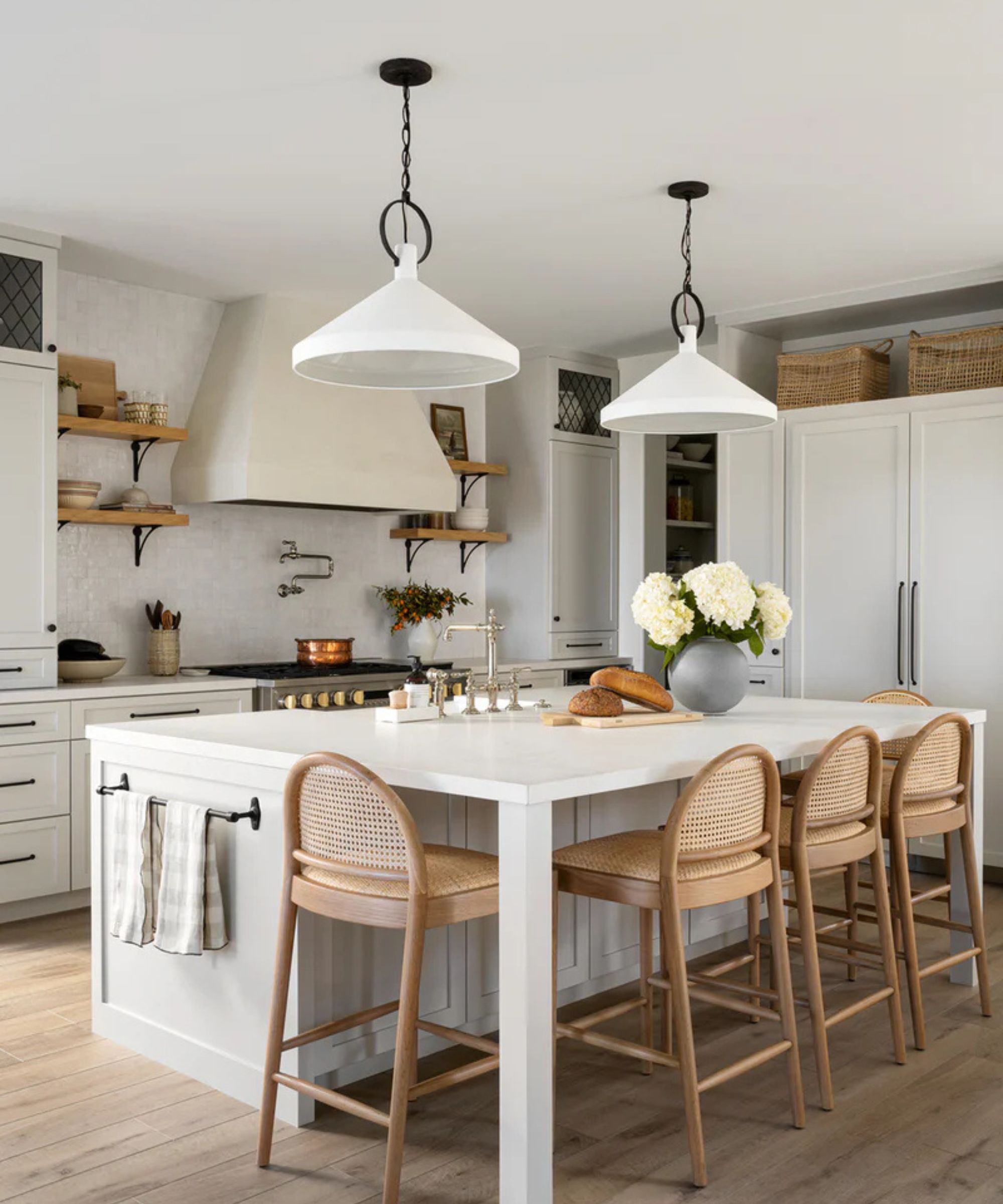
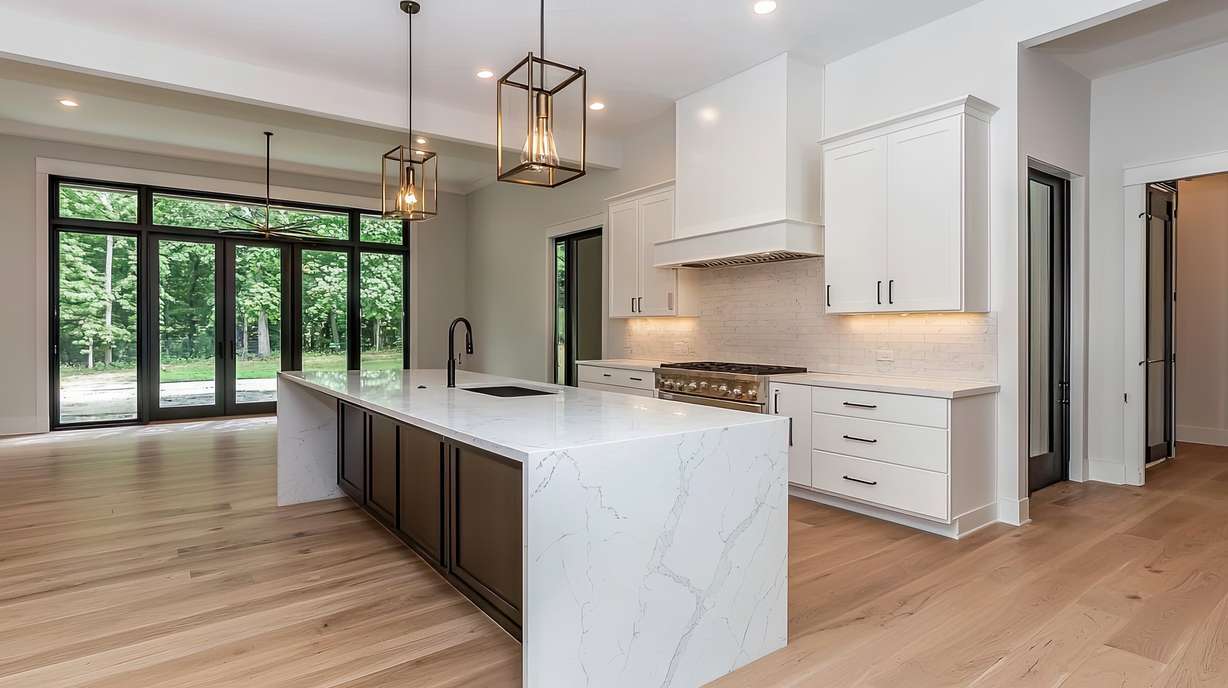
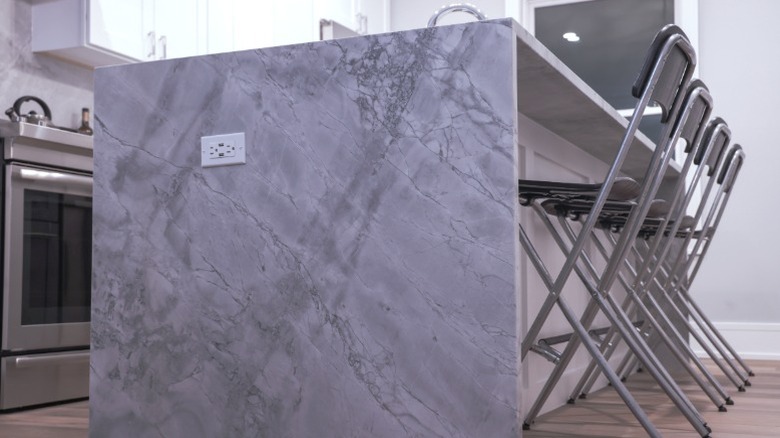
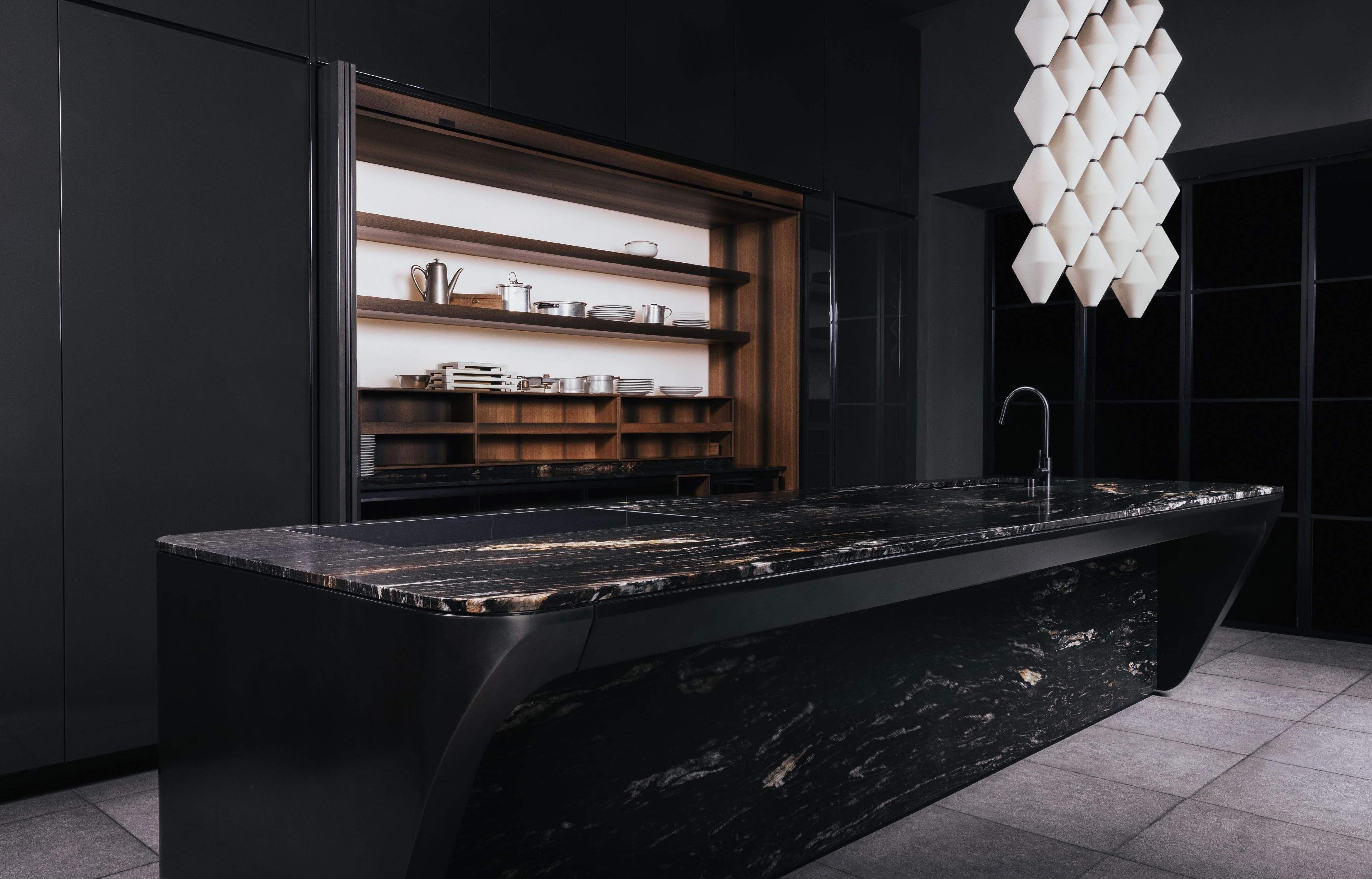
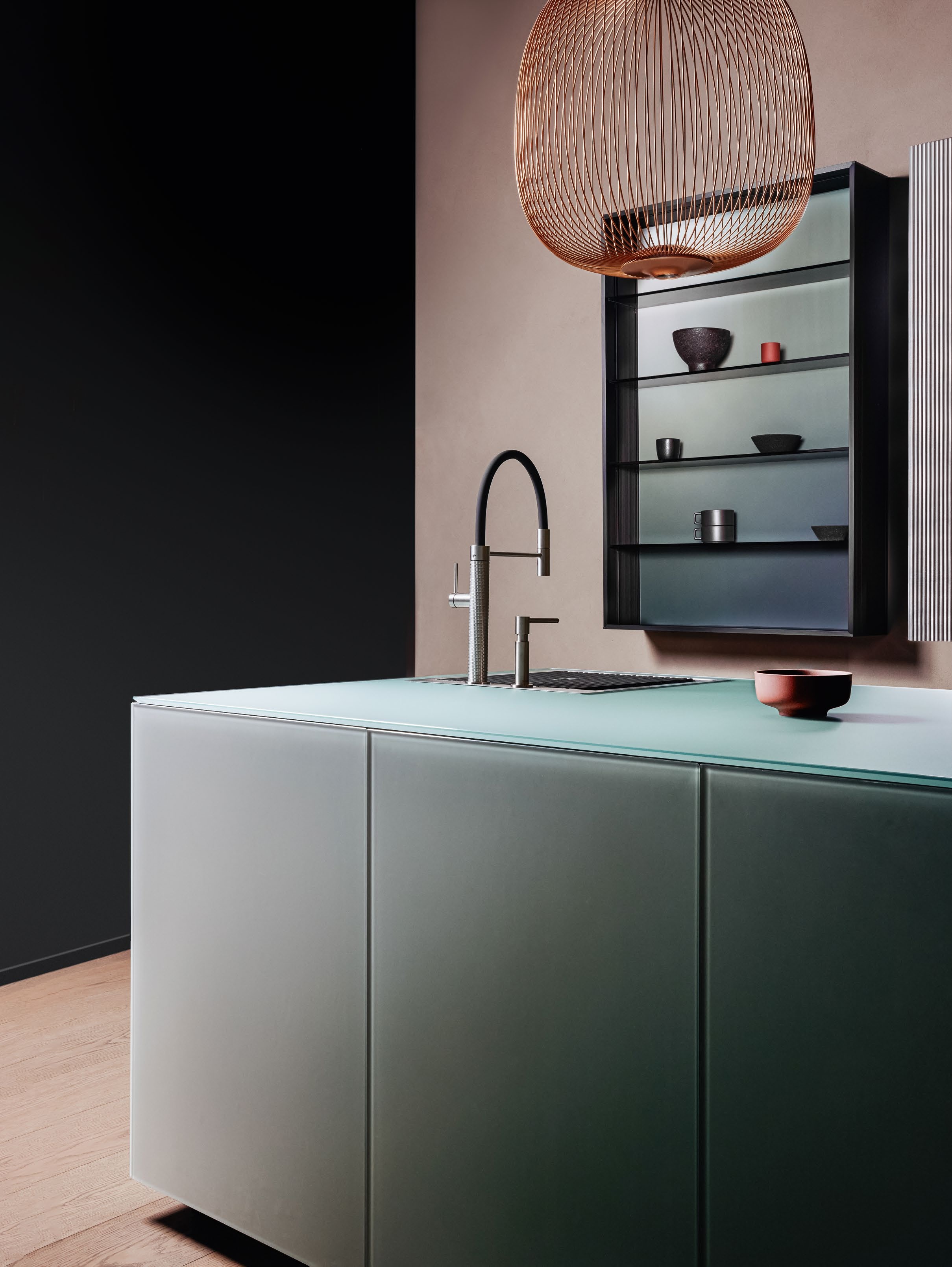
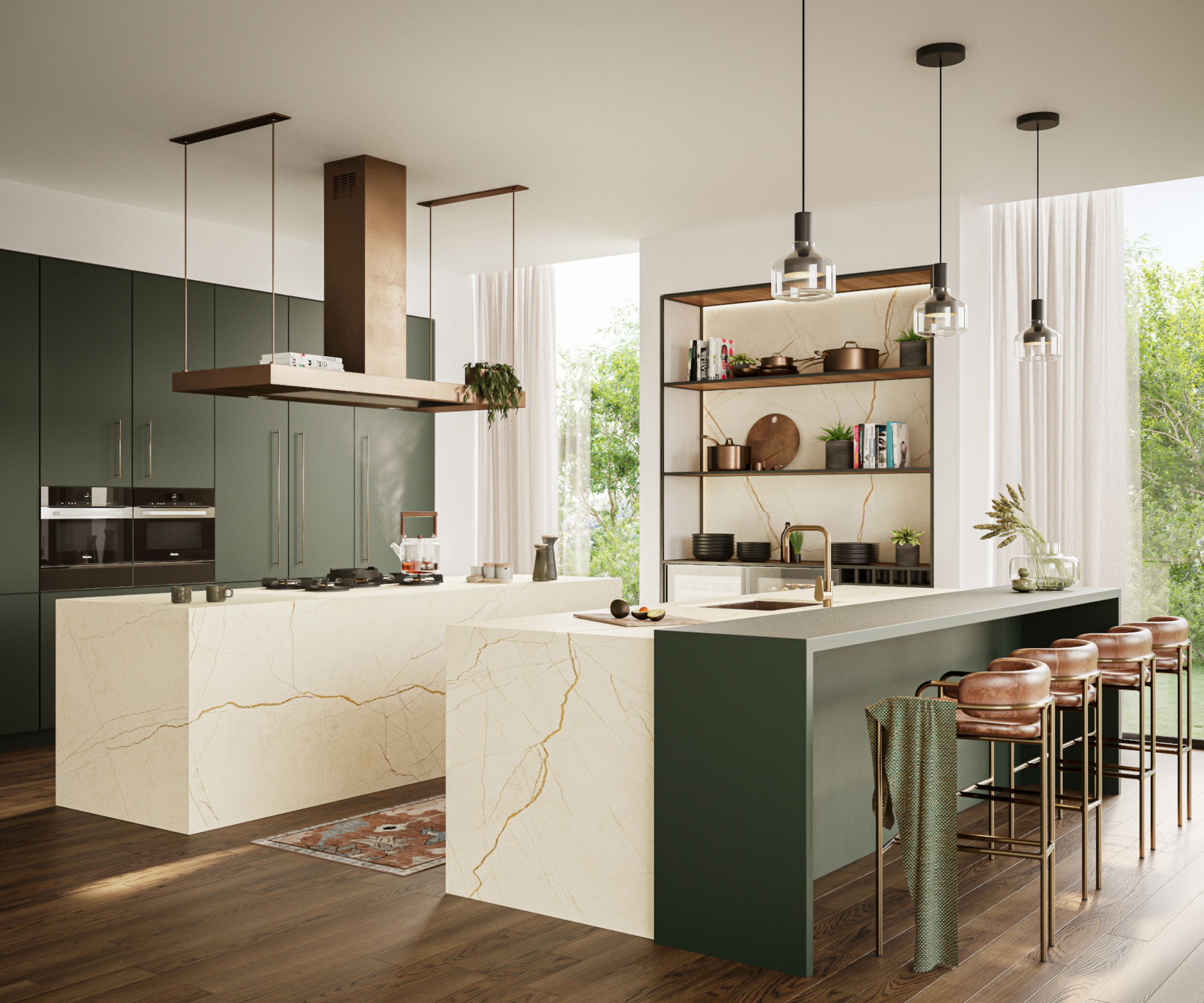
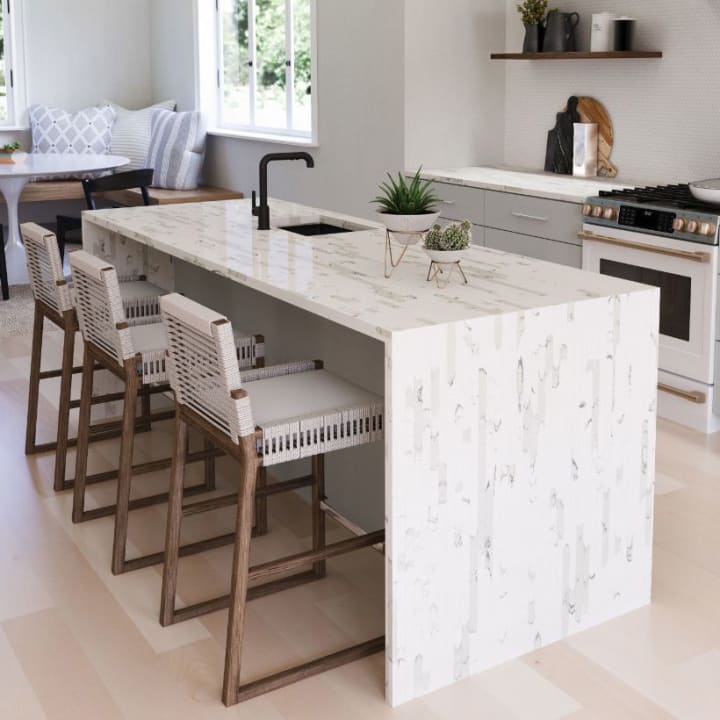
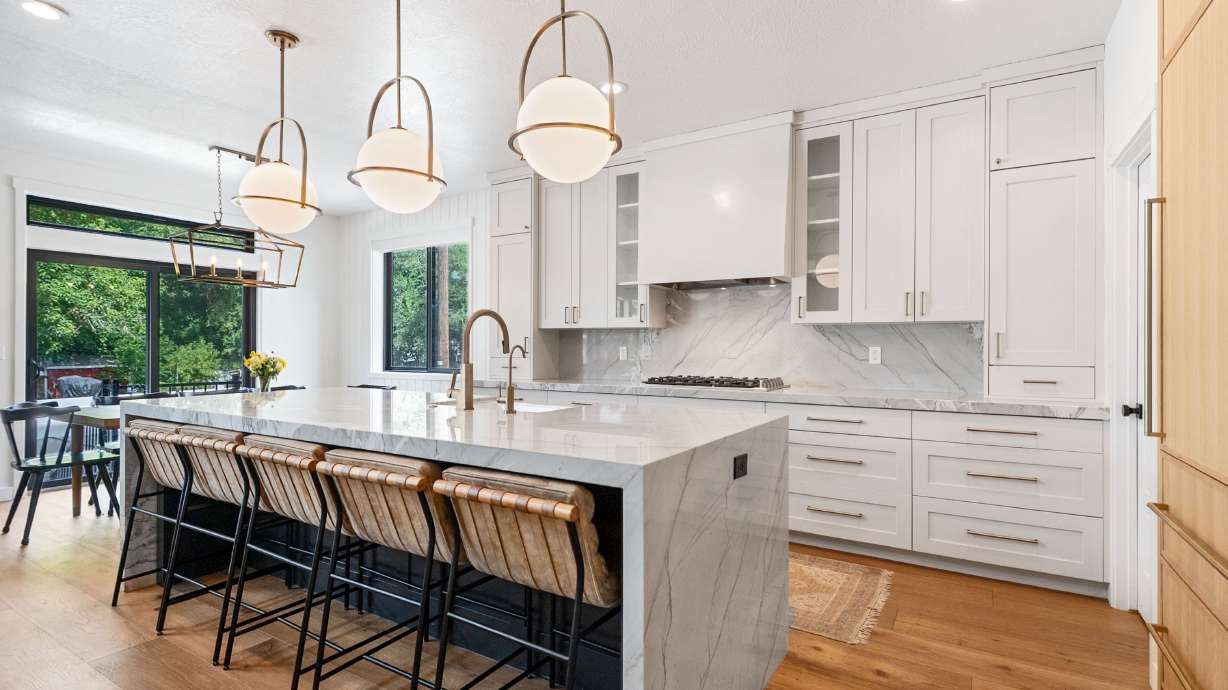
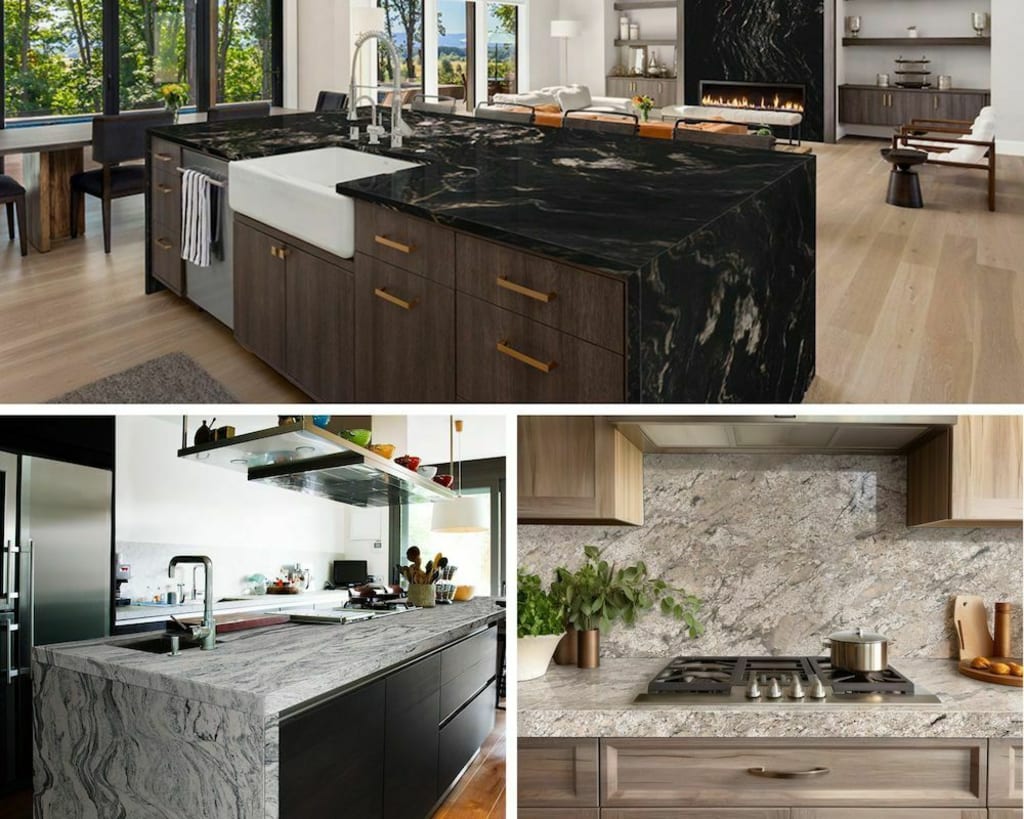
Finally, the waterfall edge, a prominent trend for several years, is expected to fade out in 2026. Designers suggest that this style, where the countertop extends down the side of cabinetry, feels too modern for residential applications and often serves no practical purpose beyond a visual statement. Moving away from this trend can also lead to cost savings, as less stone is required. This shift reflects a move towards more practical, understated, and timeless kitchen designs.
#KitchenCountertopTrends #InteriorDesign #HomeDecor #KitchenDesign #MaterialSelection #NaturalStone #QuartzCountertops #OrganicTones #CountertopFinishes #KitchenCountertopTrends #InteriorDesign #HomeDecor #KitchenDesign #MaterialSelection #NaturalStone #QuartzCountertops #OrganicTones #CountertopFinishes
0 comment in total
 No comments yet
You may also like
We Asked Designers What Kitchen Countertop Materials Are Out in 2026—Their Answers May Surprise You

We Asked 18 Designers: What Kitchen Cabinet Style Will Rule in 2026?

Key emerging trends in kitchen countertop design for 2025

It's Official – This Gorgeous Countertop Trend Will Be Taking Over Kitchens In 2026
21 Designers Predict 2026’s Hottest Kitchen Countertop Material

5 kitchen countertop materials that are out of style for 2025, according to designers
The Kitchen Countertop Trend You'll Start Seeing Everywhere In 2026
5 Kitchen Countertop Trends on Their Way Out in 2025 (and What’s Replacing Them)
These Will Be The Biggest Kitchen Countertop Trends In 2026
6 Kitchen Tile Trends You'll See in Every Home in 2026, According to Designers

Key emerging trends in kitchen countertop design for 2025
11 expert-approved kitchen countertop trends for 2025
We Asked Designers Which Countertop Trend They’re Loving for 2026—And It’s a Bold Change
Designers Are Calling It: Here Are the Biggest Kitchen Backsplash Trends for 2026

Countertop design trends in 2025 that are sure to impress
Top 10 Countertop Ideas to Transform Your Kitchen in 2025
6 unexpected kitchen materials you'll see everywhere in 2026

10 Kitchen Backsplash Trends Designers Say Will Be the Most Talked About in 2026
These are the kitchen design trends that will dominate 2026

Designers Are Calling It: Here Are the Biggest Kitchen Backsplash Trends for 2026