1/21
The Most Clever Bookshelf Organizing Tips
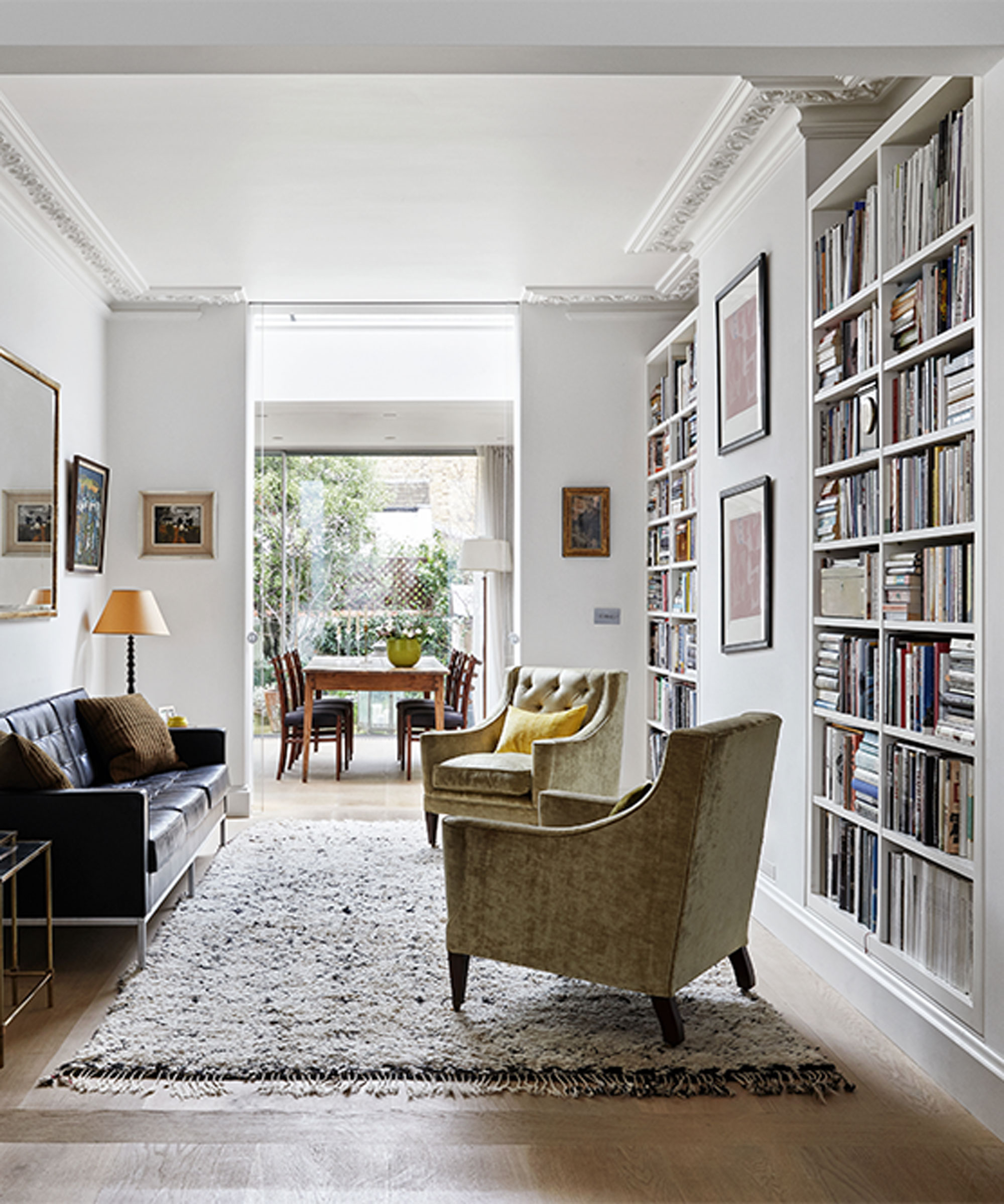
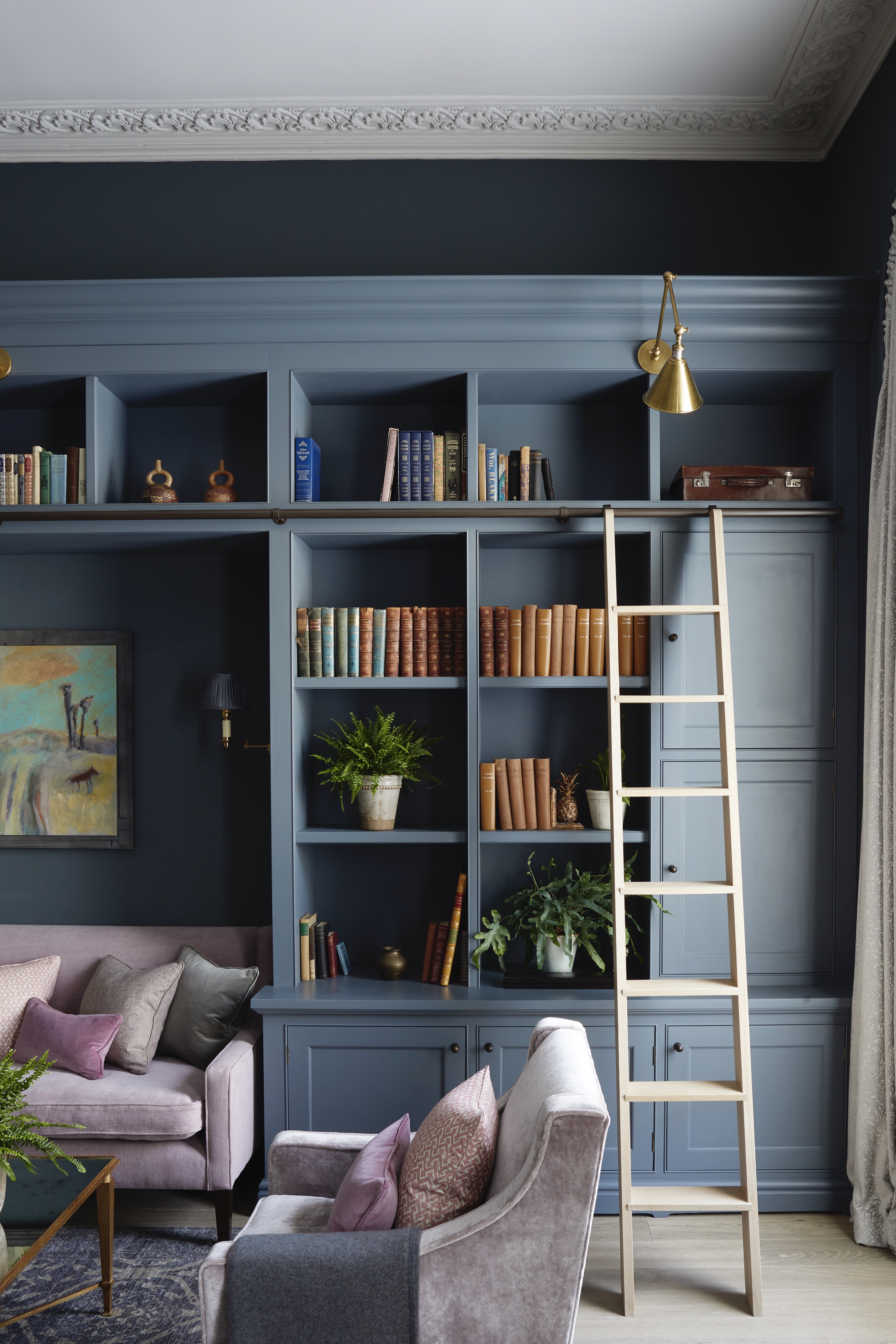
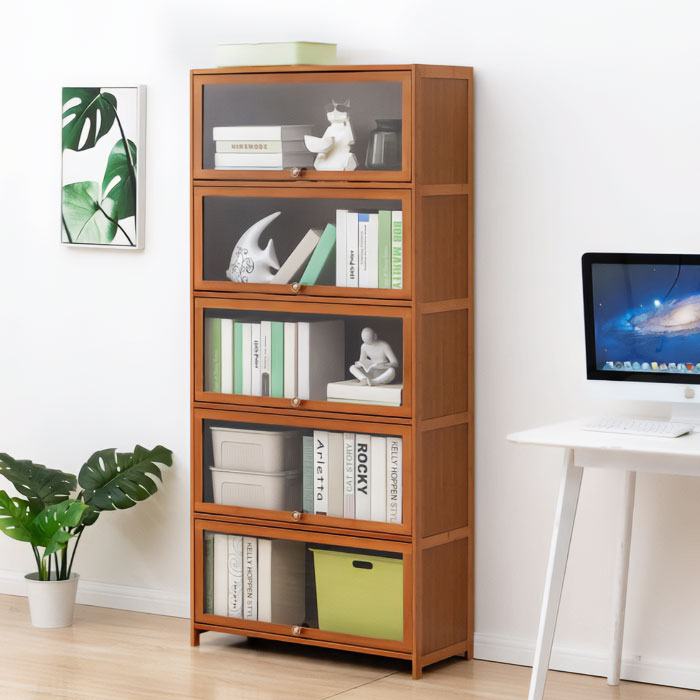
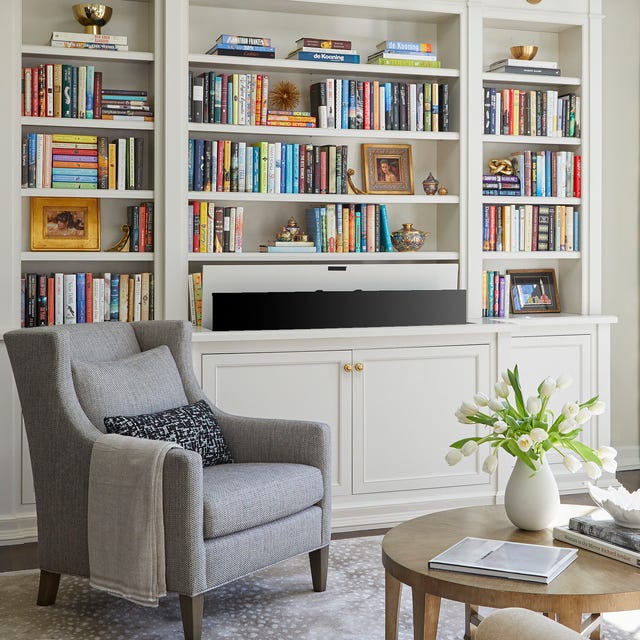
This article offers 20 tips for organizing and styling bookshelves to make them both beautiful and functional, acknowledging that bookshelves often serve as a form of self-expression. The piece highlights that in the era of virtual meetings, bookshelves have become a visible part of personal spaces, leading to increased attention to their appearance.
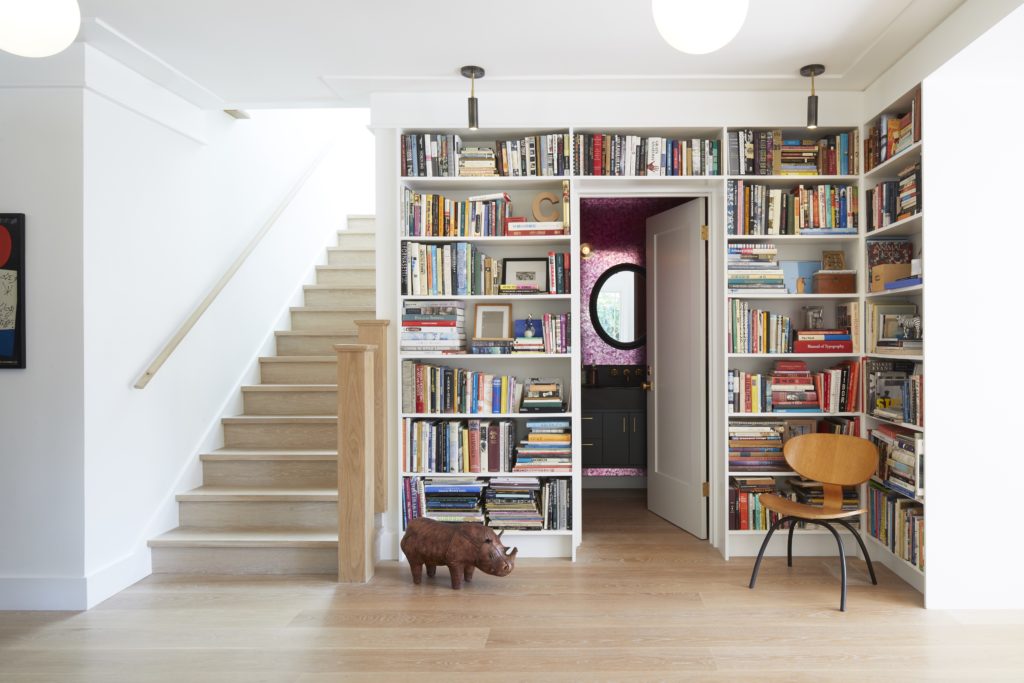
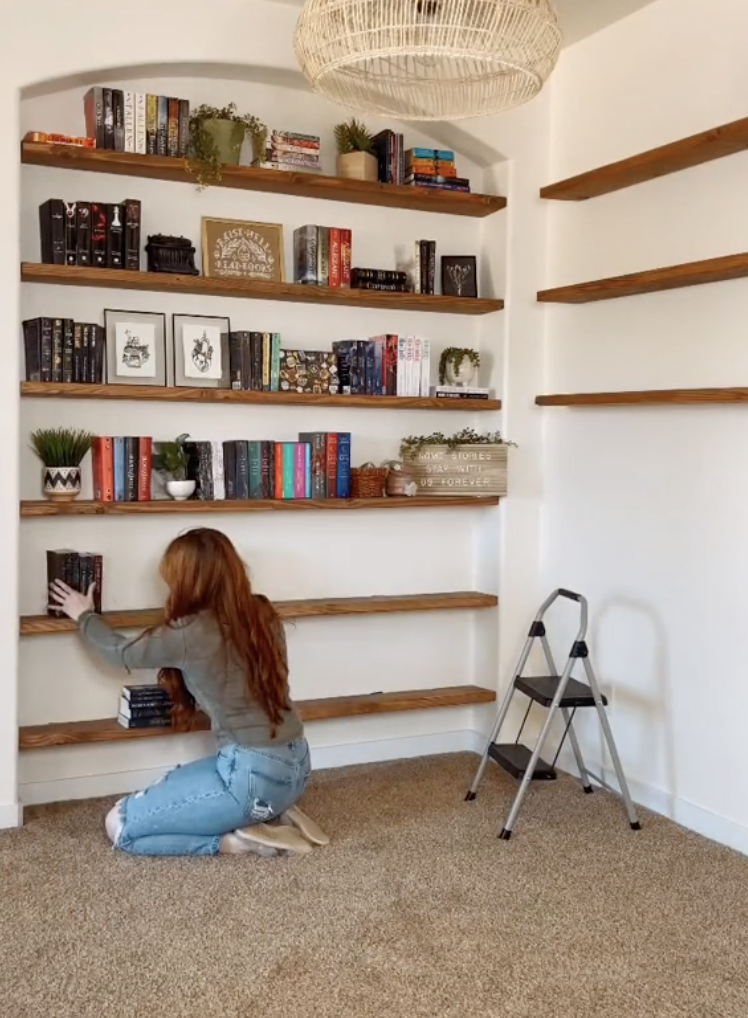
The initial step in bookshelf organization involves "editing" the collection. This means paring down books, with expert Andrea Walker of Smartly Organized suggesting a critical evaluation of how often a book is truly used, encouraging individuals to let go of those they no longer need to make room for other items. Following this, the article advises starting with a clean slate by removing everything from the shelves and keeping only items that are genuinely loved, as recommended by interior designer Nikki Klugh.
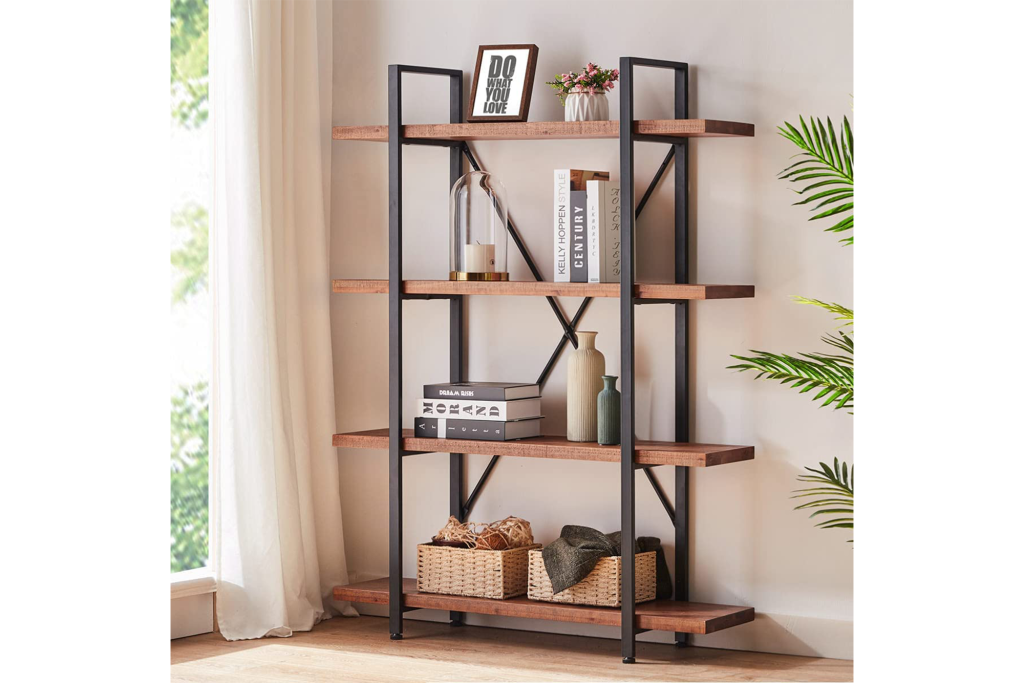
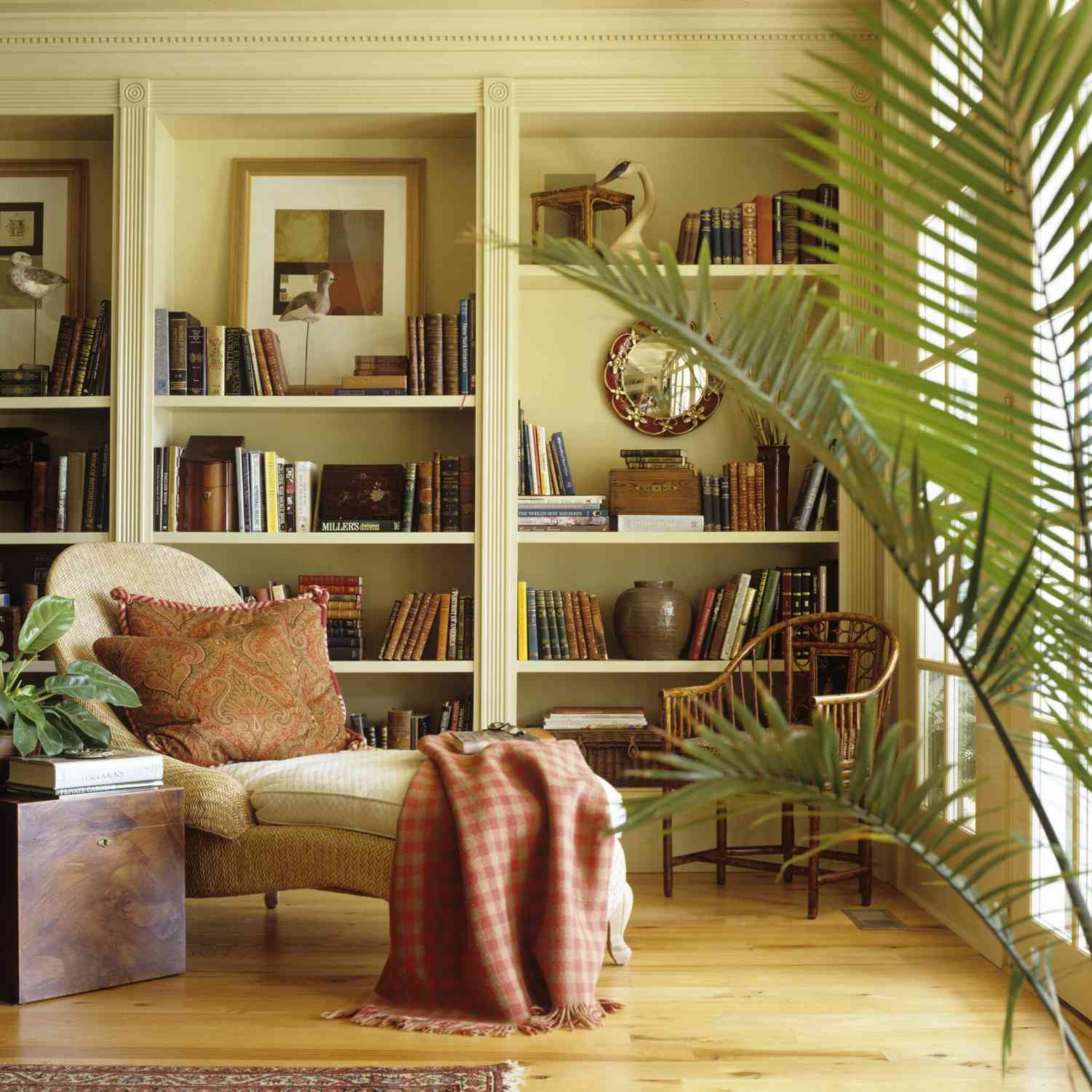
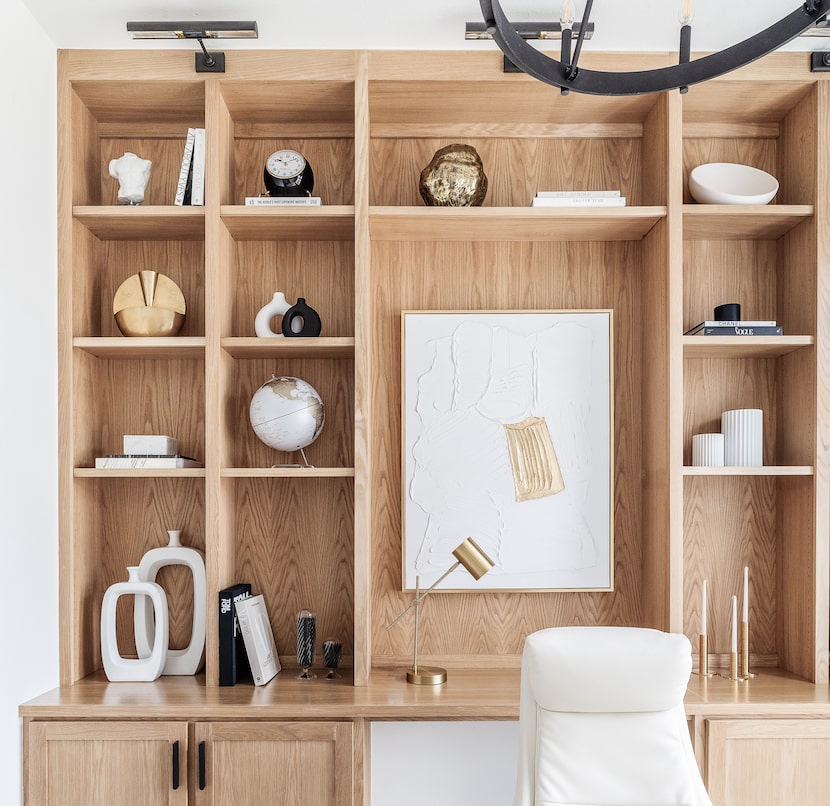
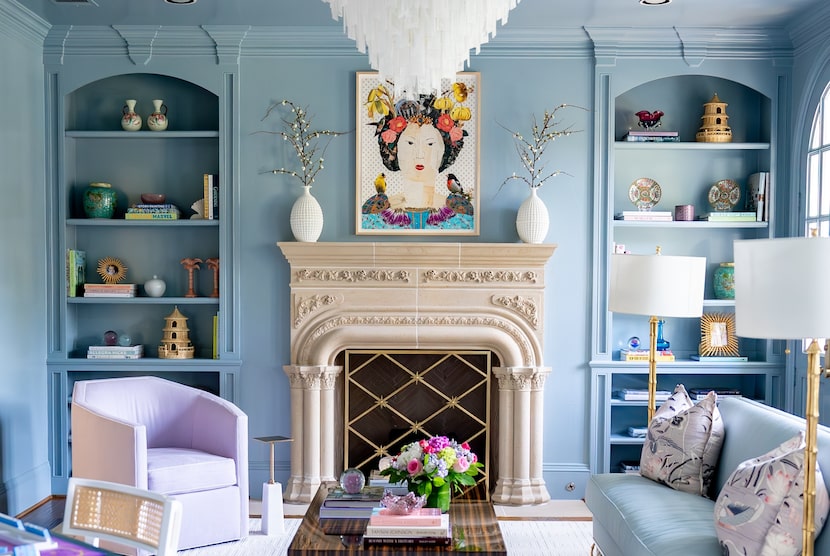
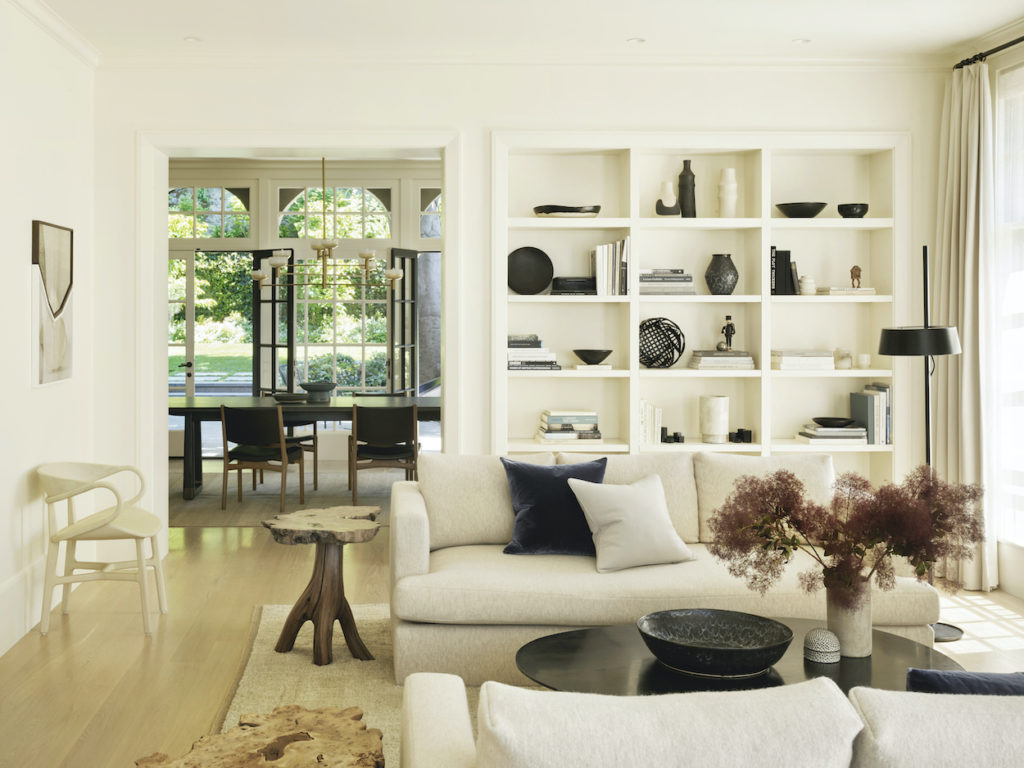
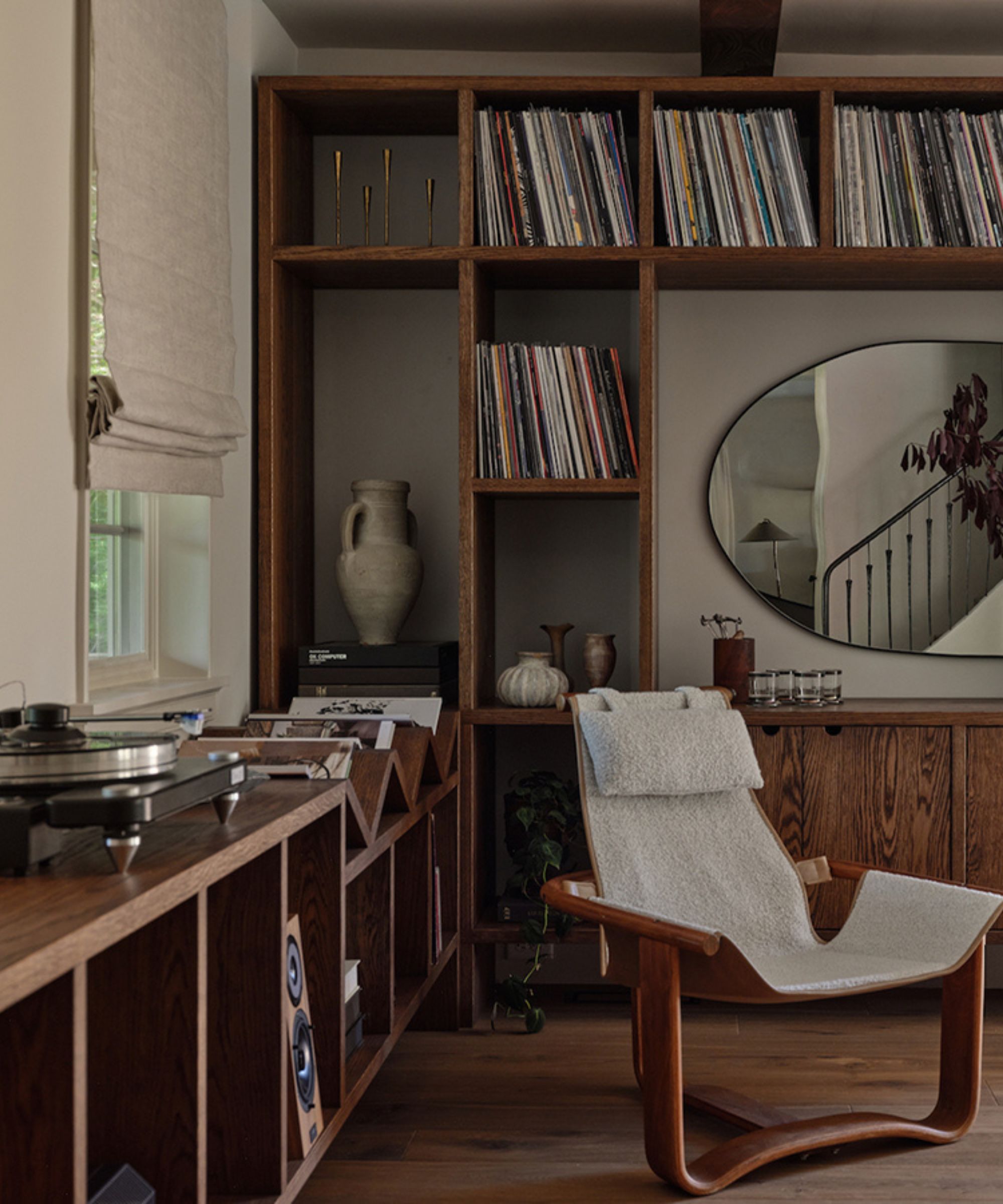
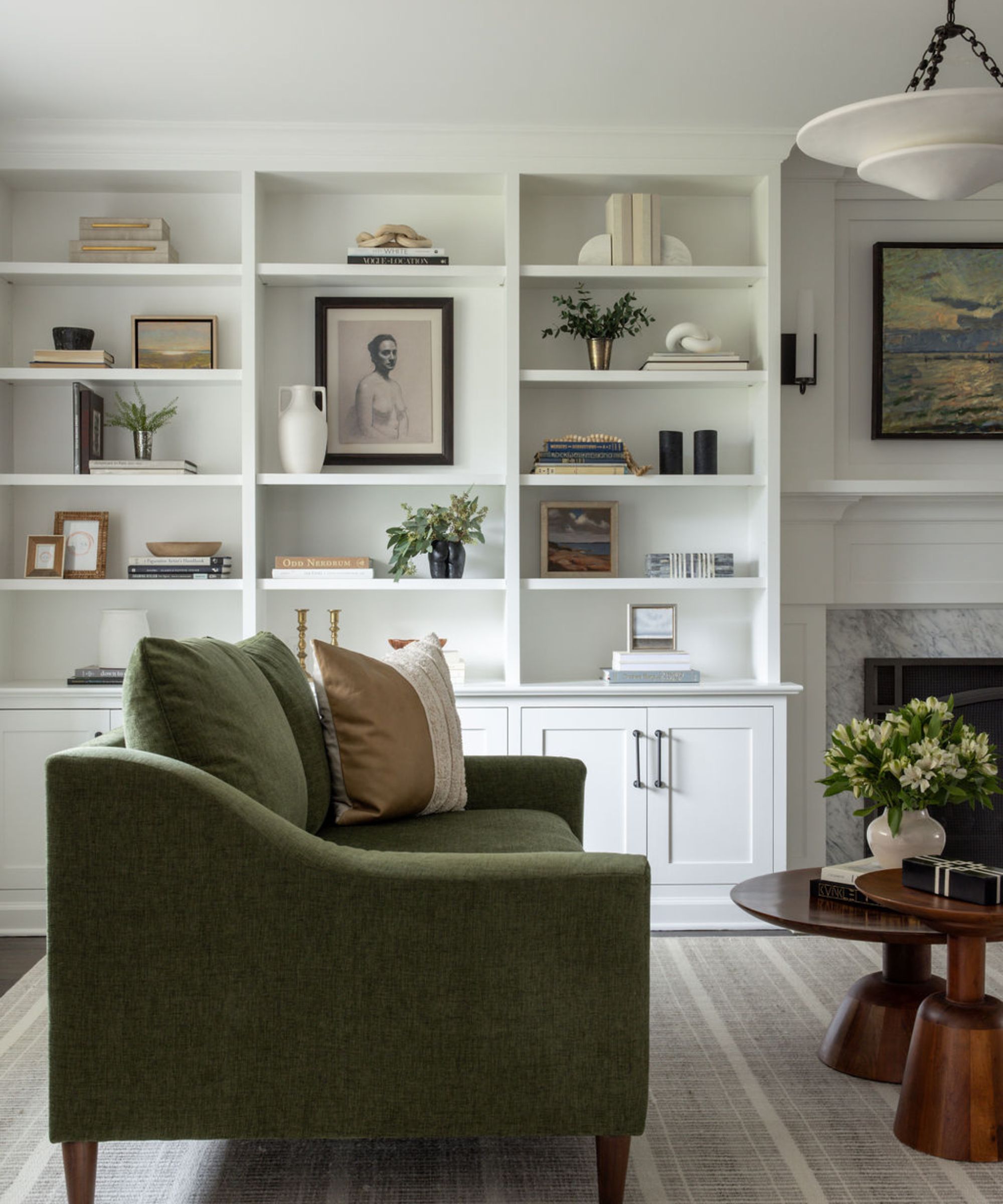
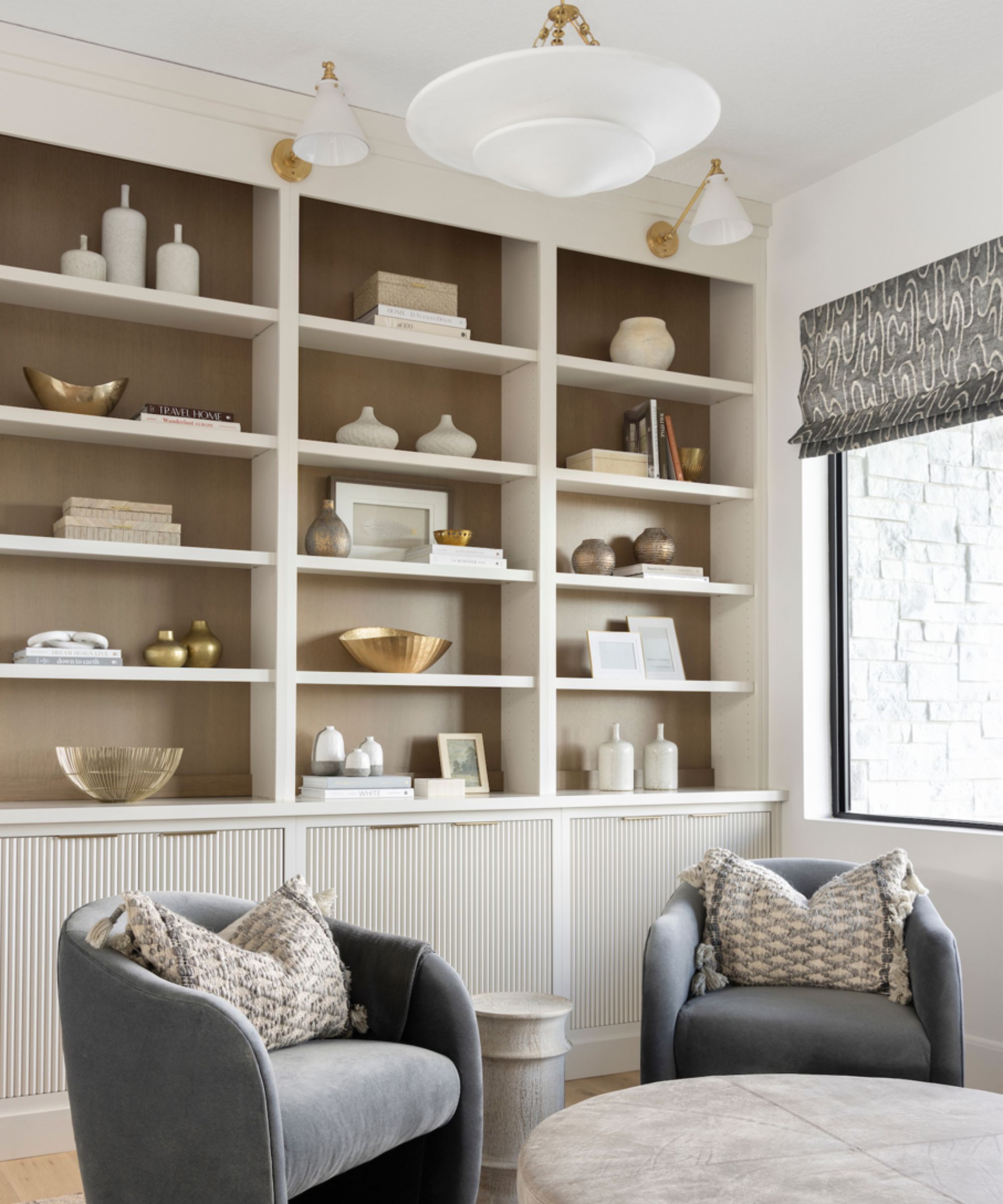
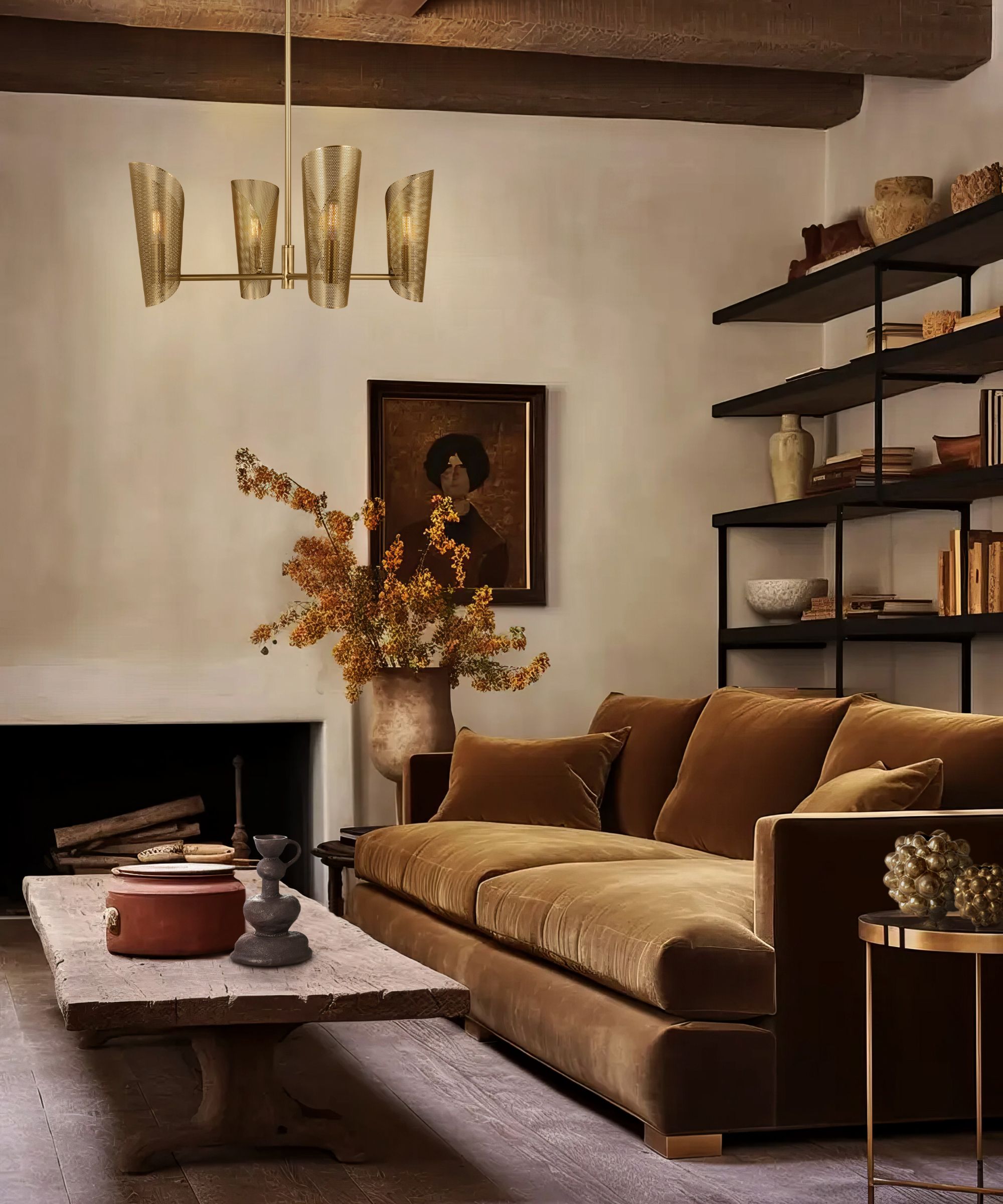
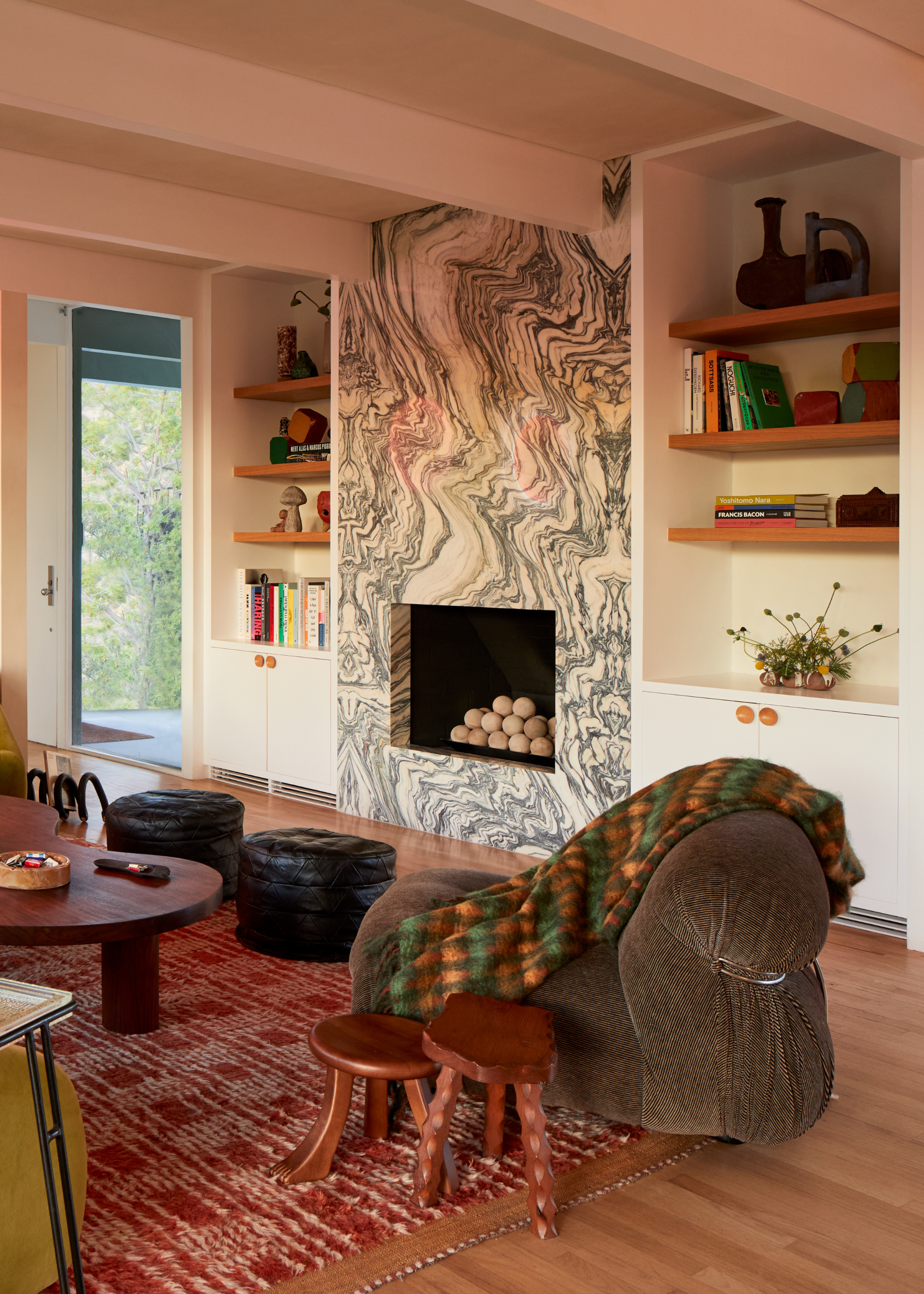
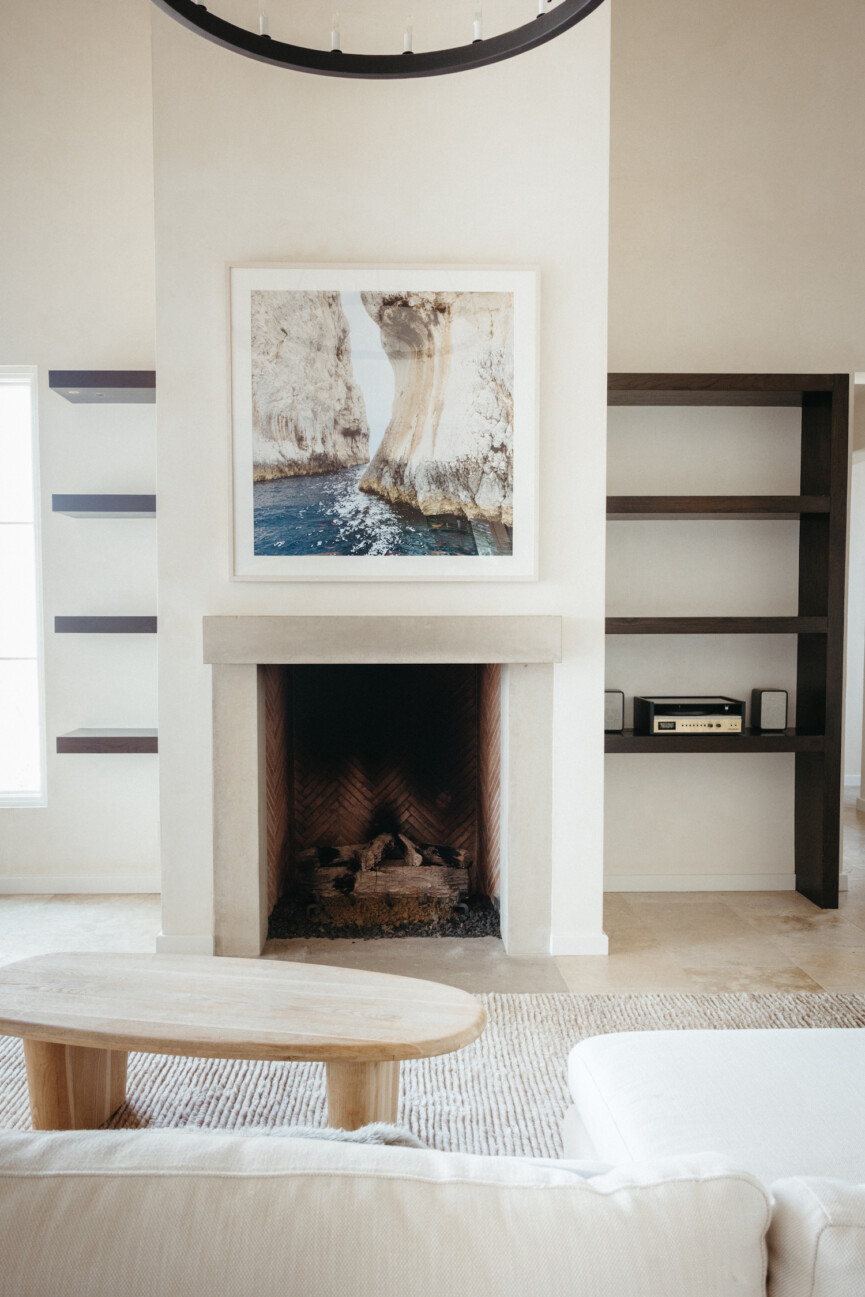
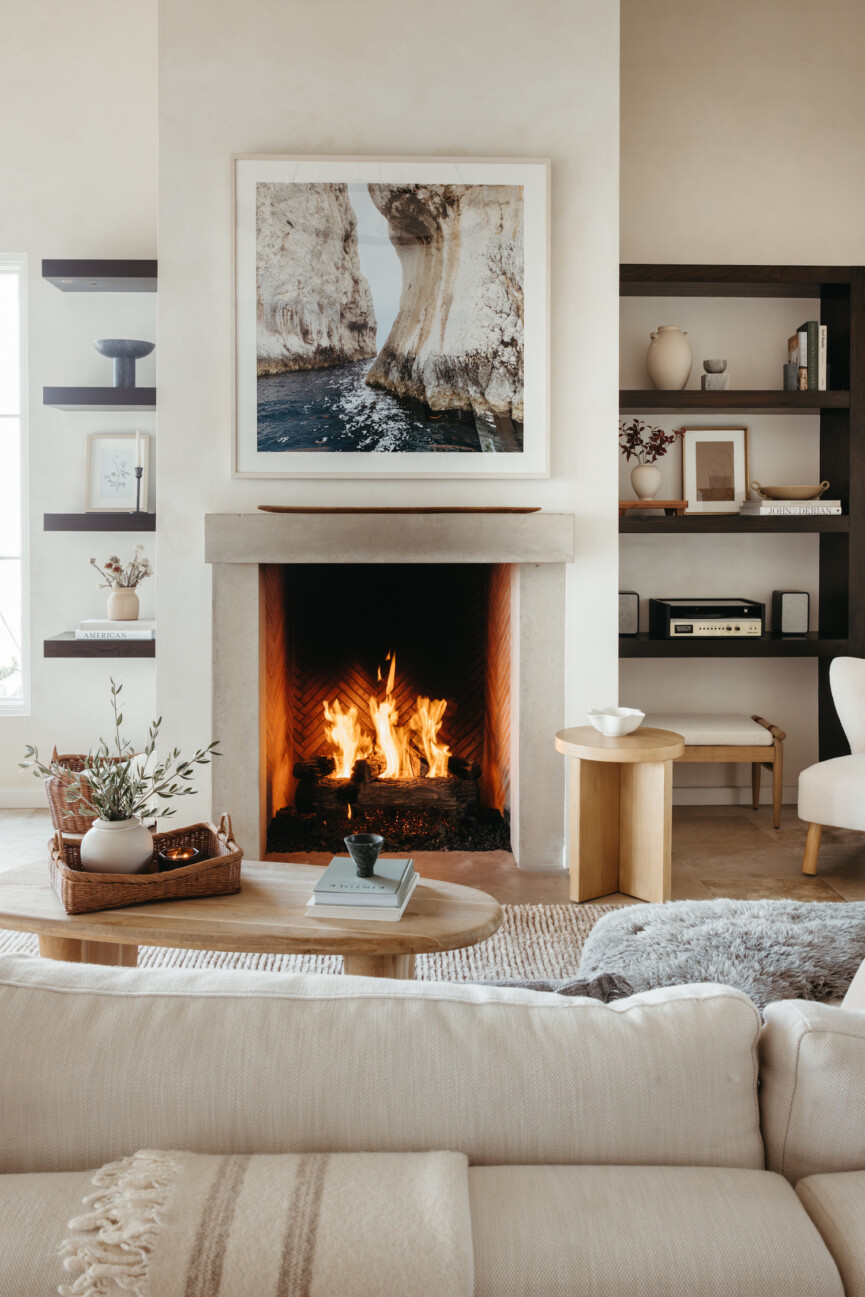
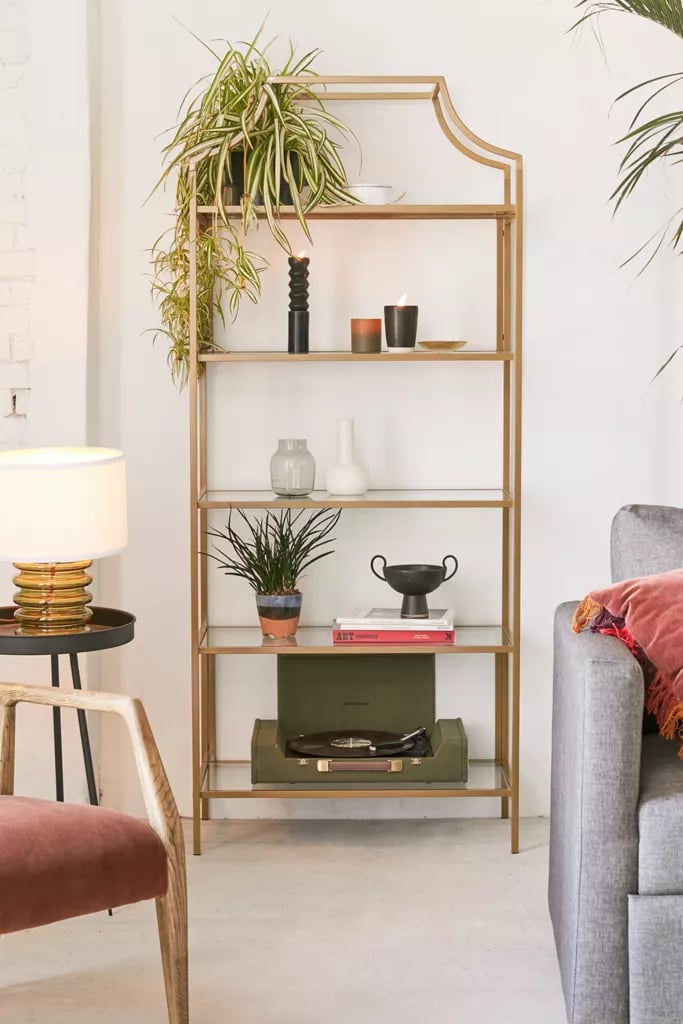
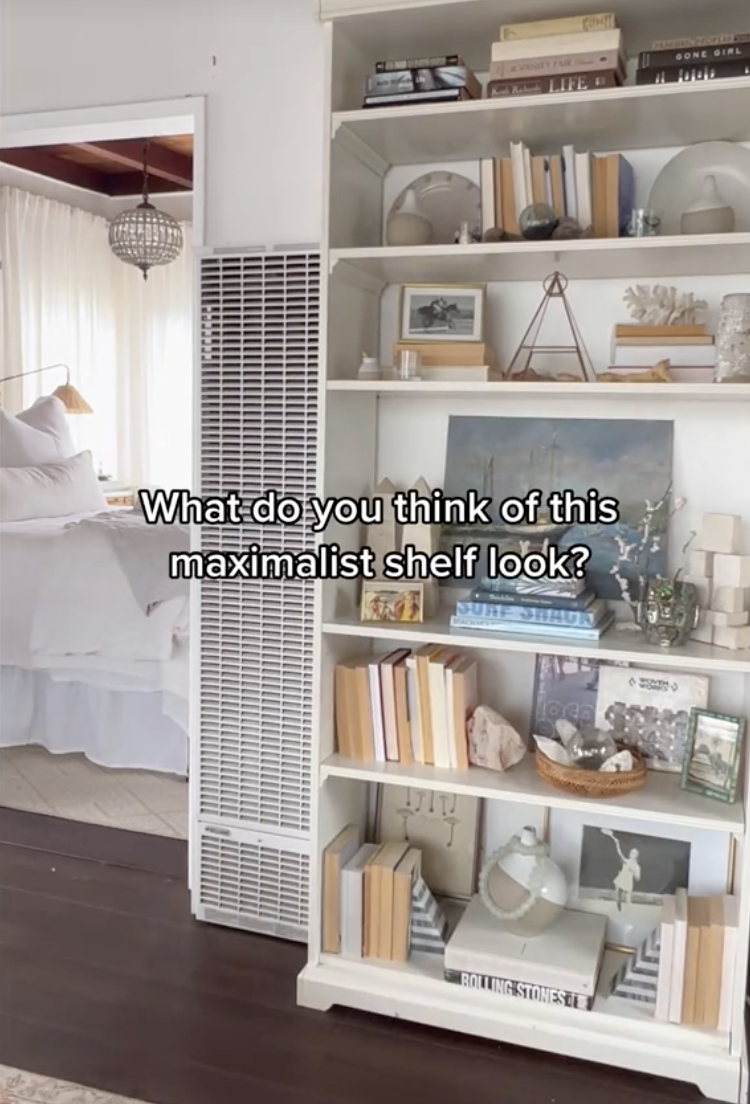
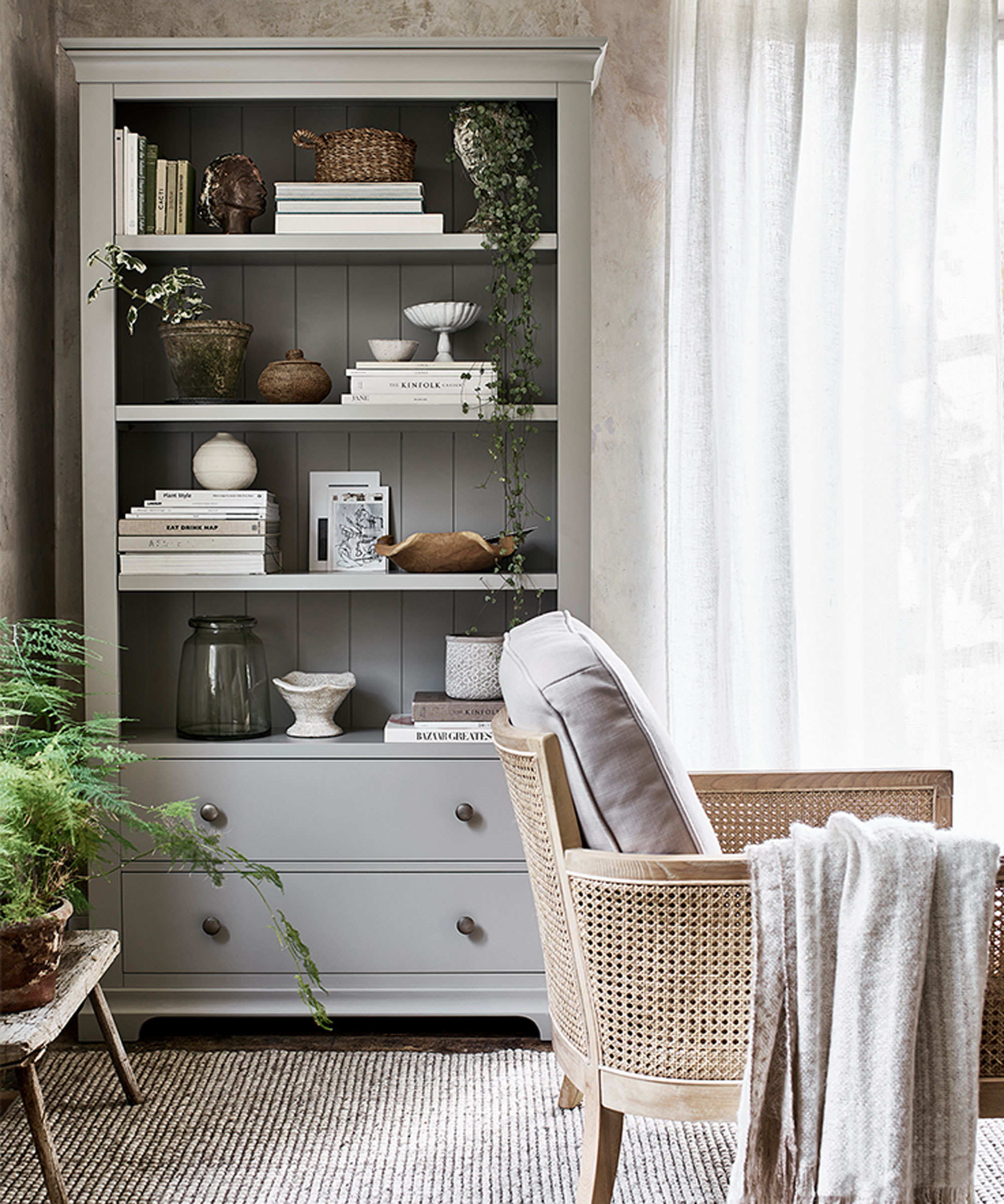
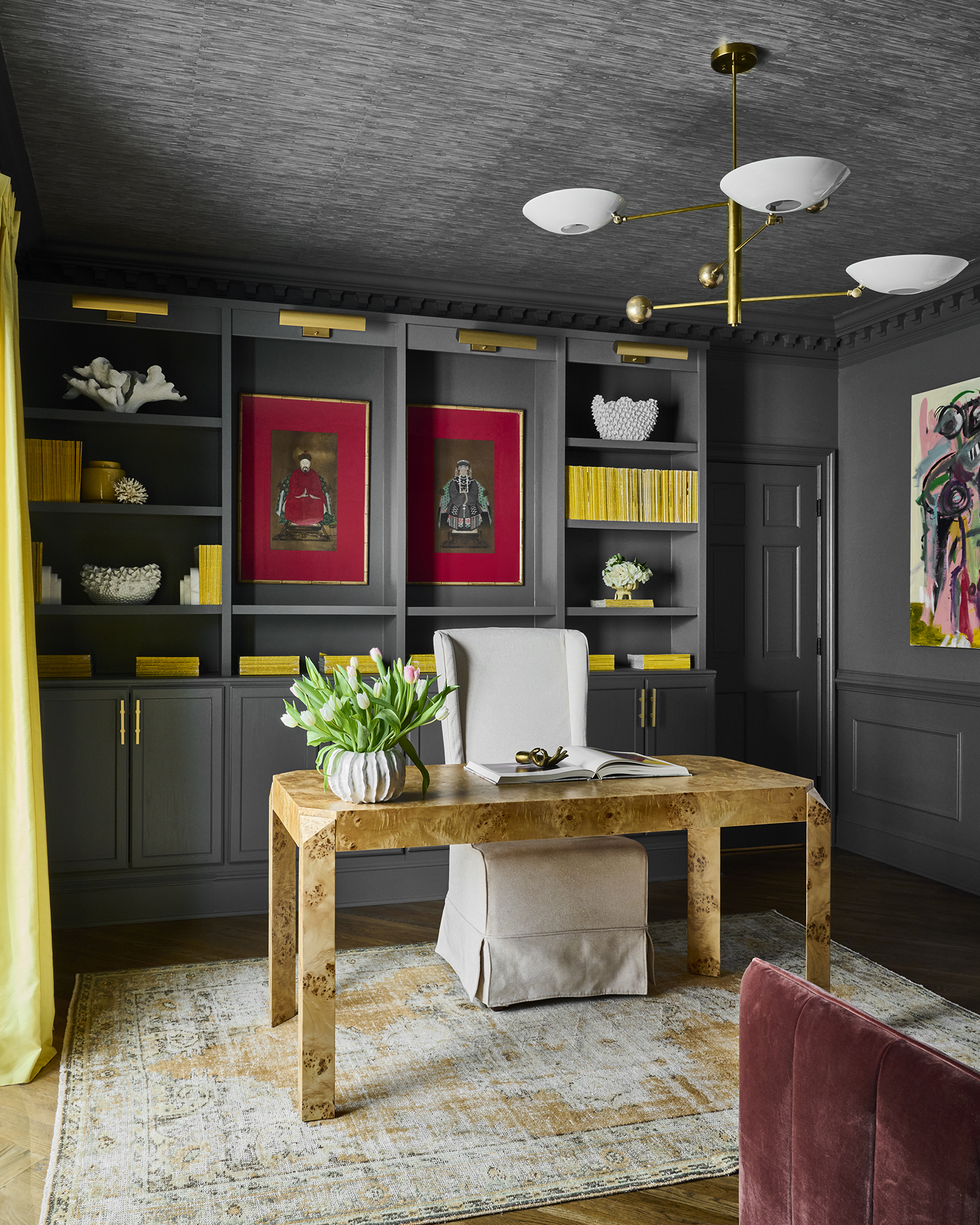
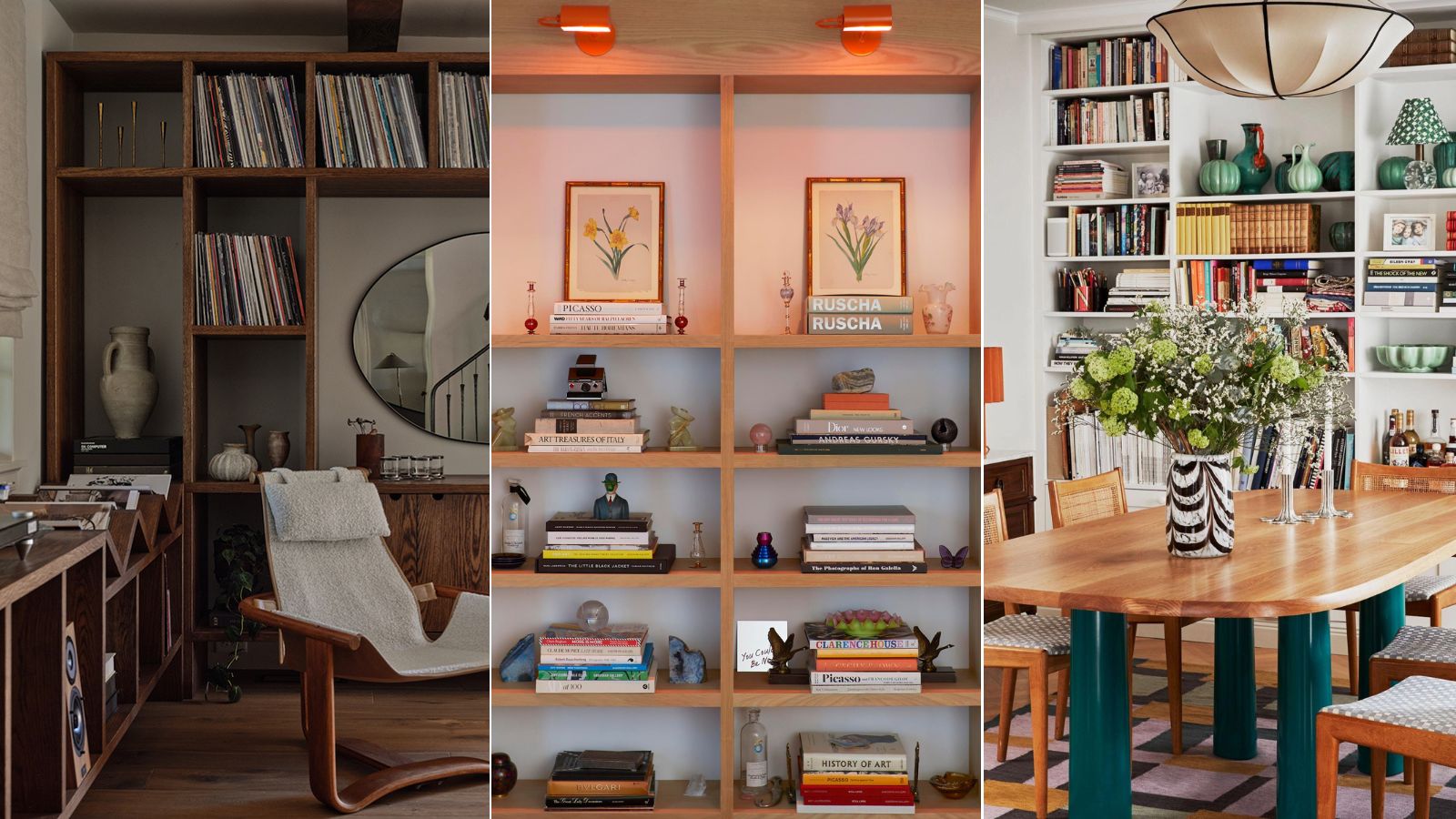
Bookshelves are not limited to books; incorporating decorative objects is a key tip. Amy Kartheiser, principal at Amy Kartheiser Design, suggests mixing in family photos, statement bowls, heirlooms, propped plates, or small vases with flowers. Klugh further advises considering the room's color palette and adding a variety of wood, glass, and metal pieces for visual interest.
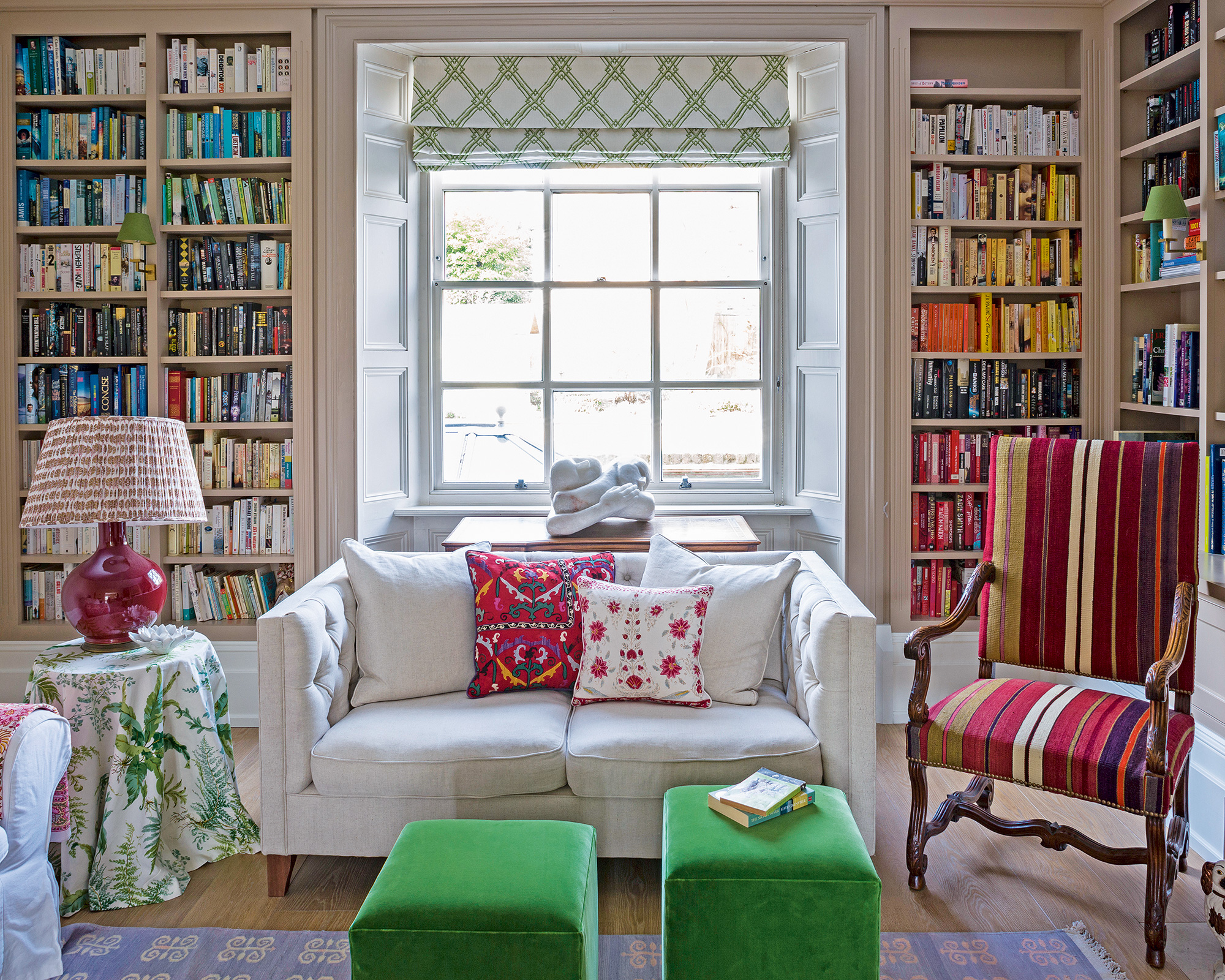
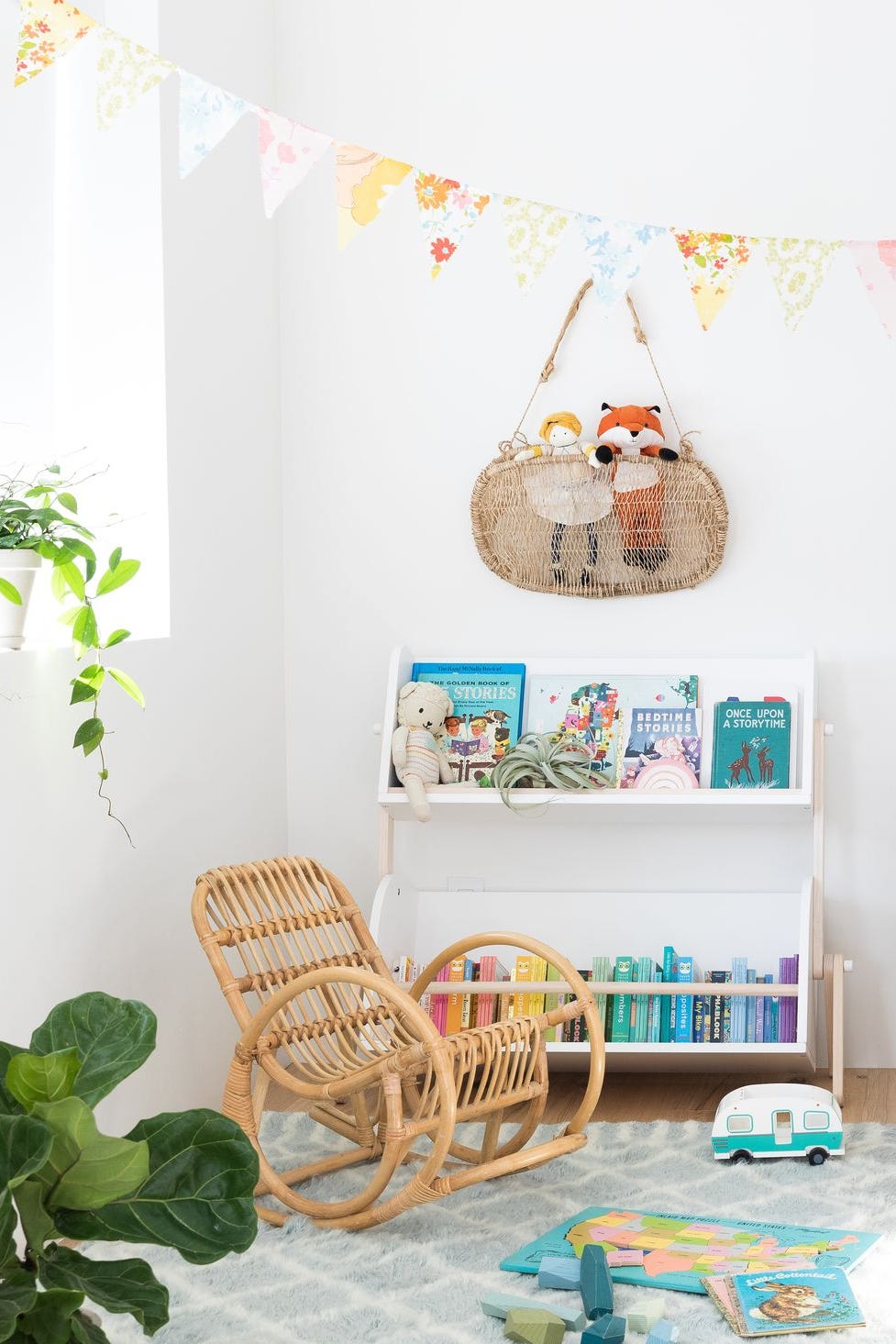
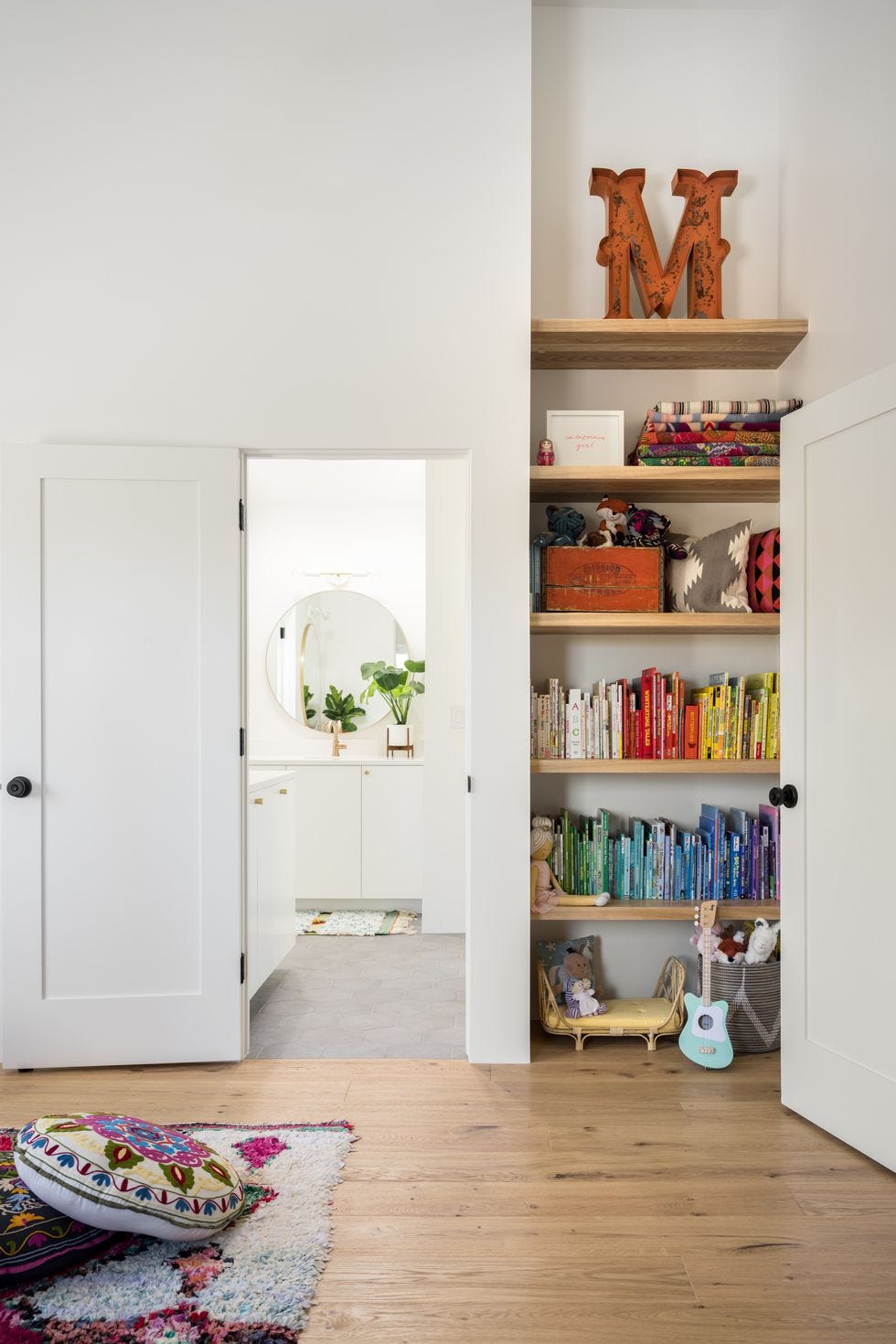
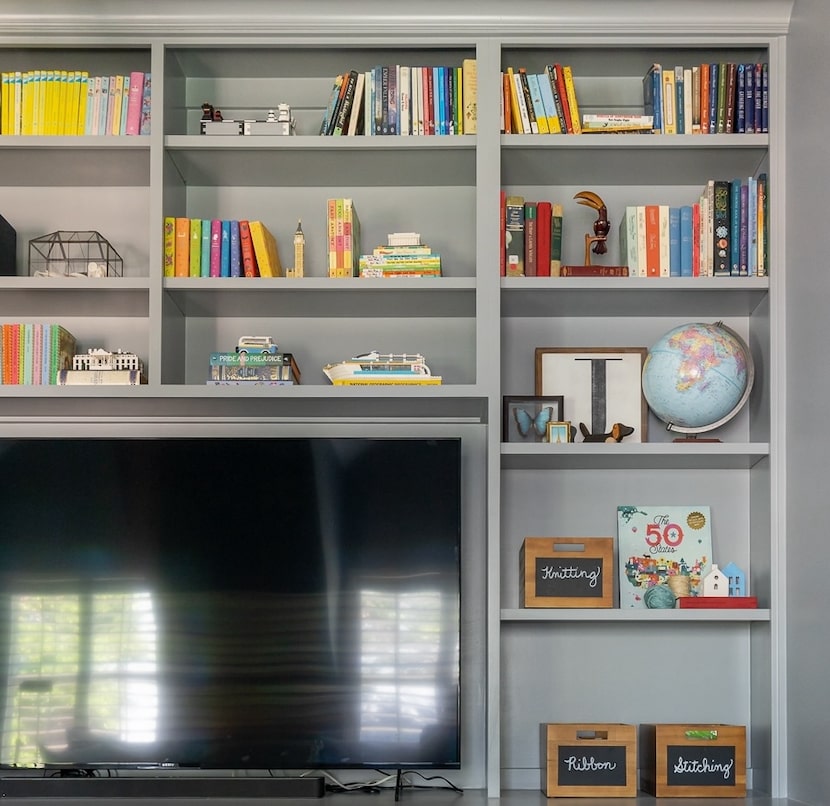
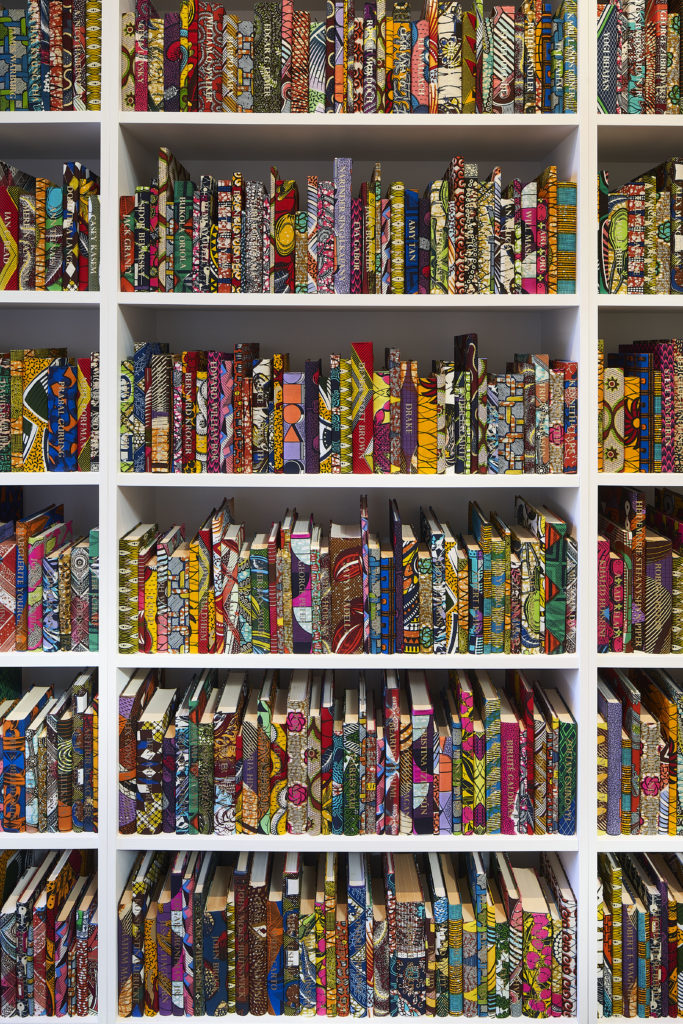
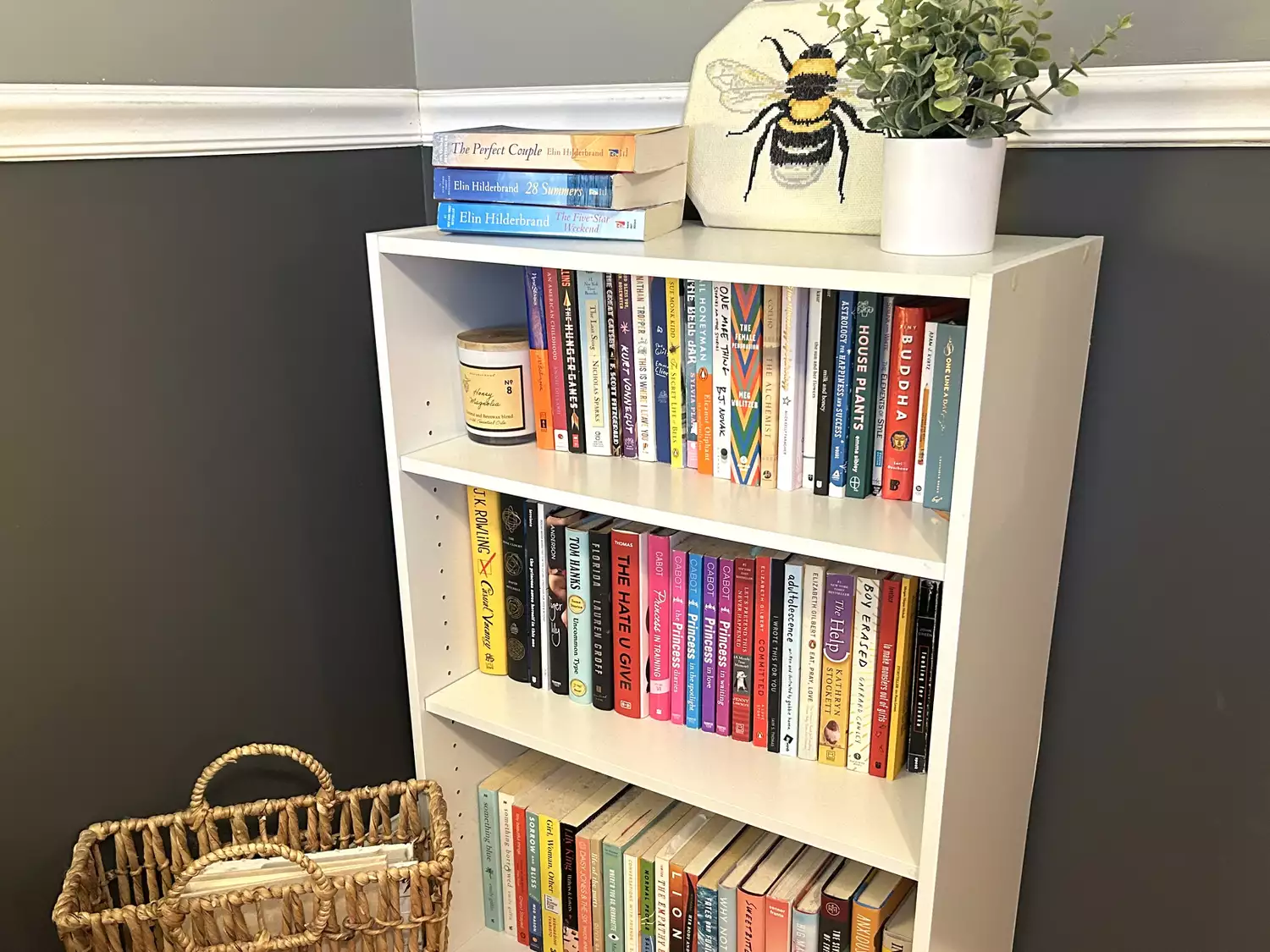
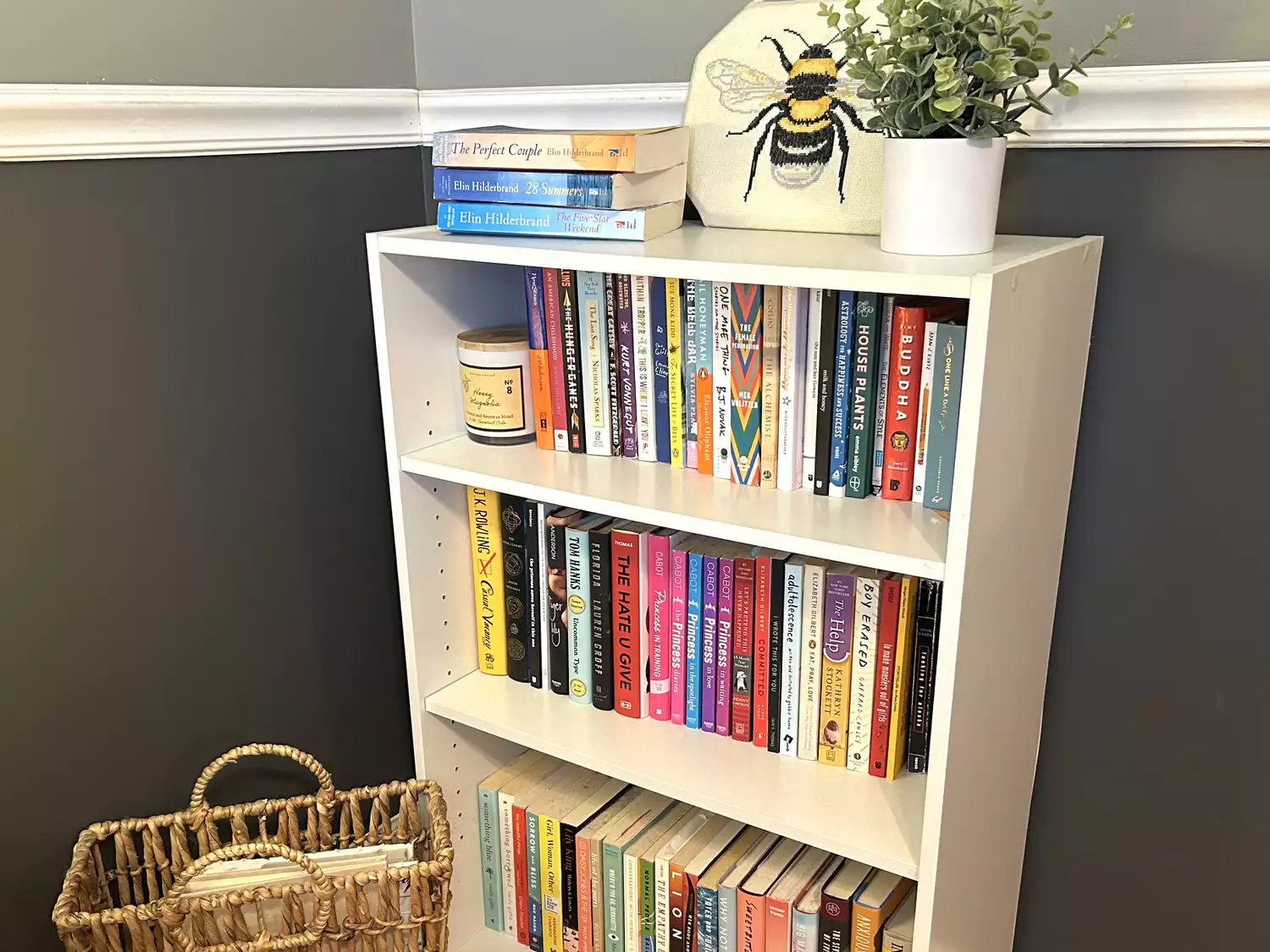
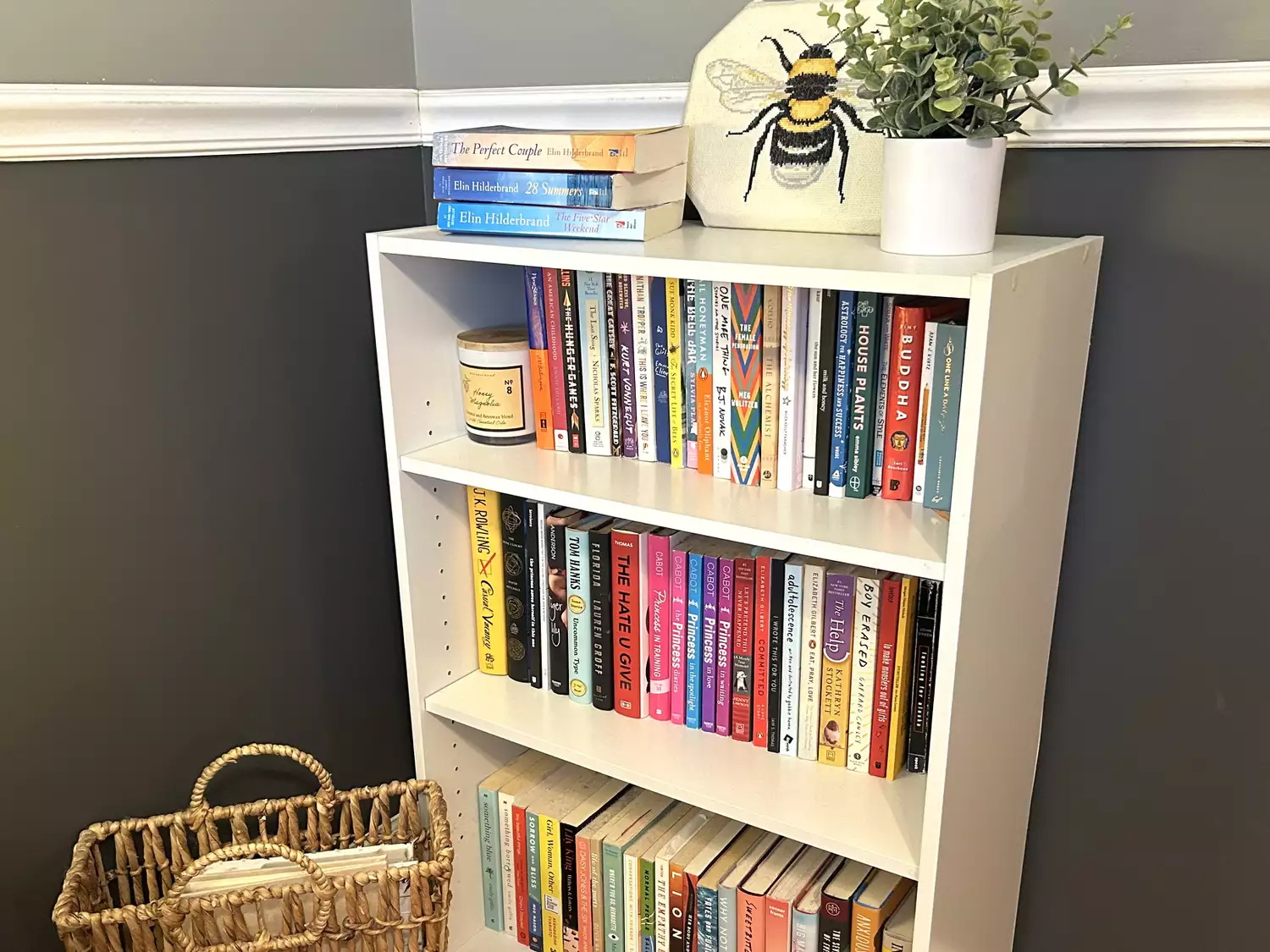
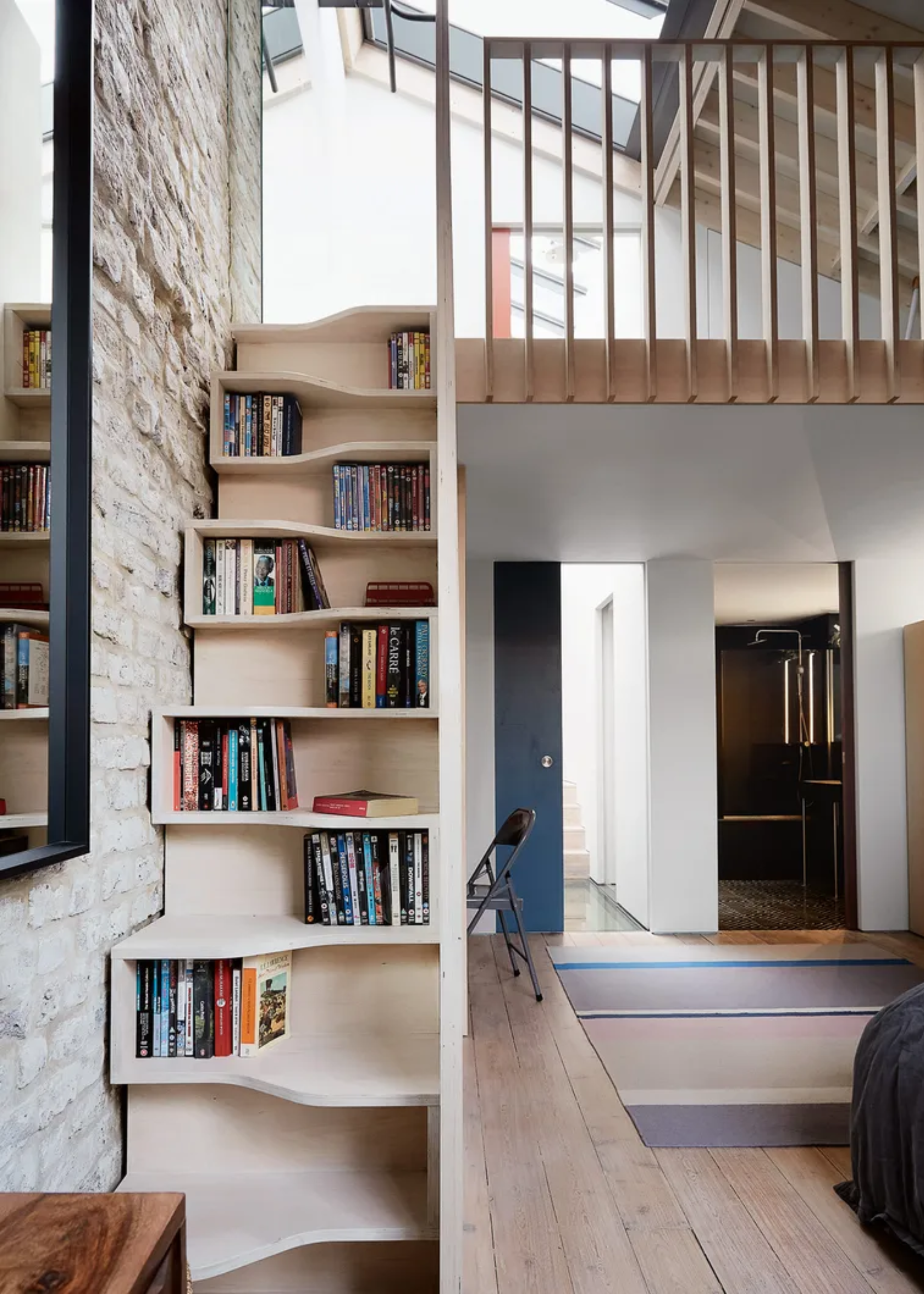
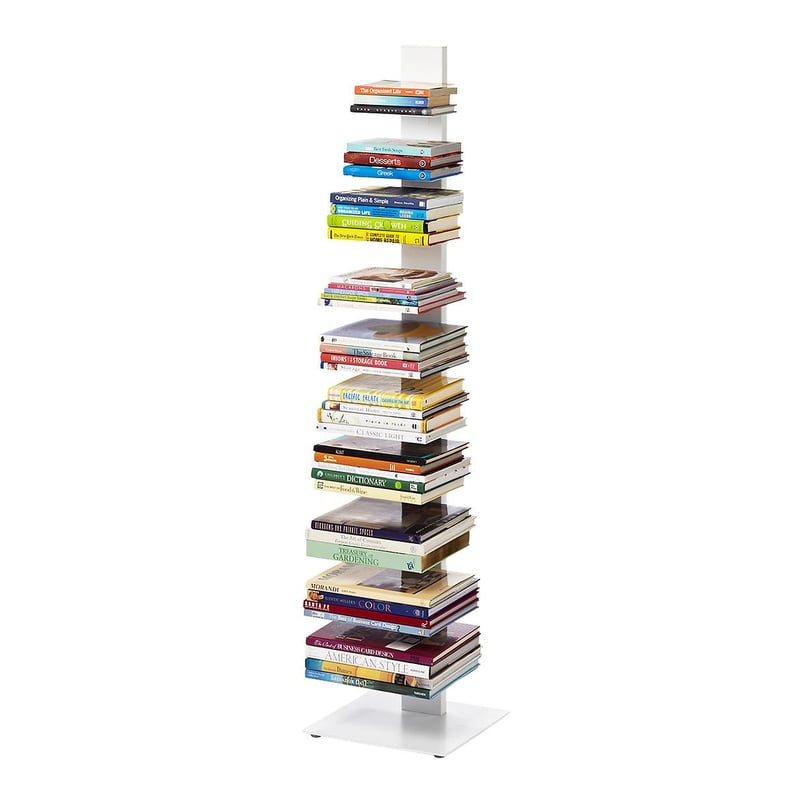
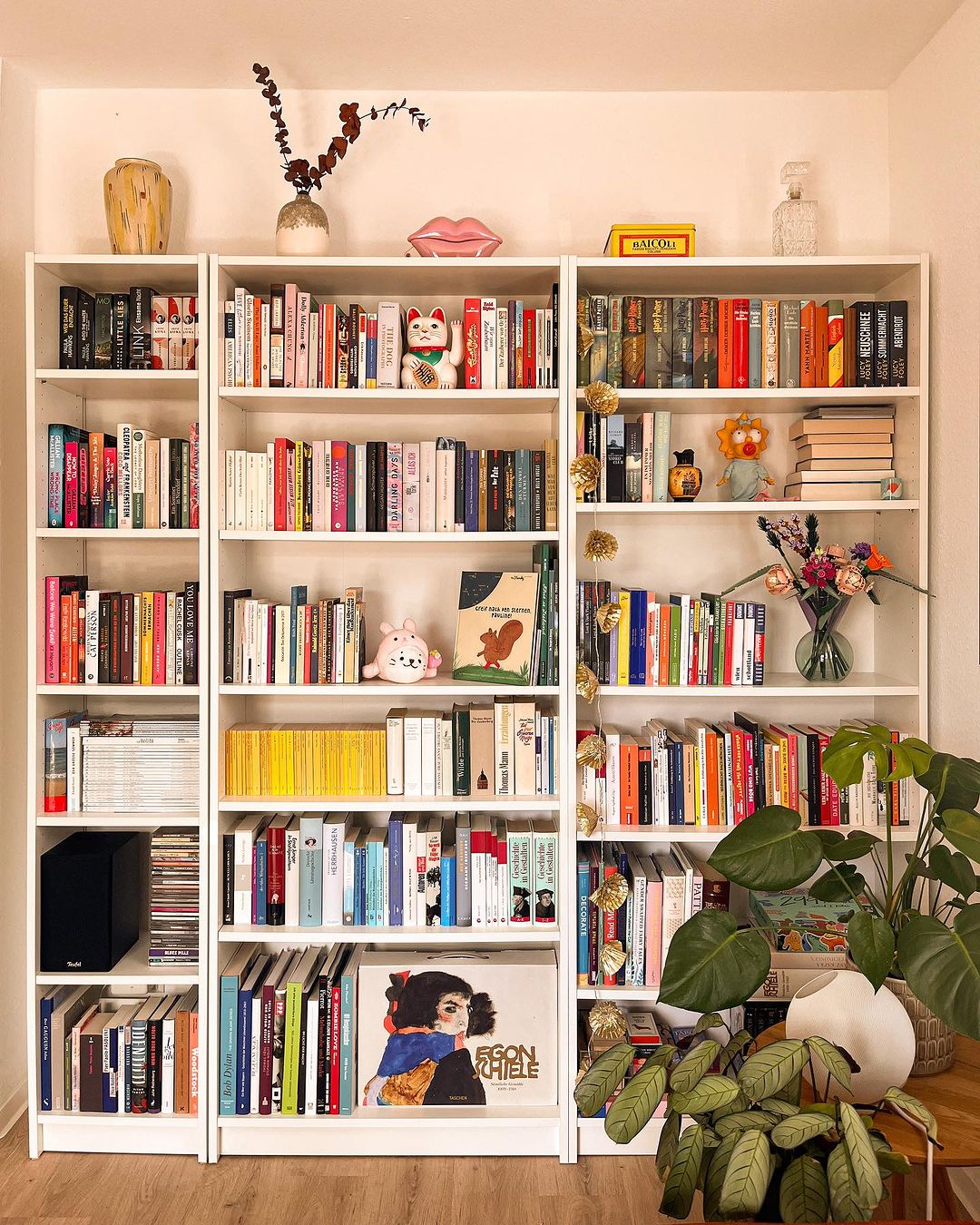
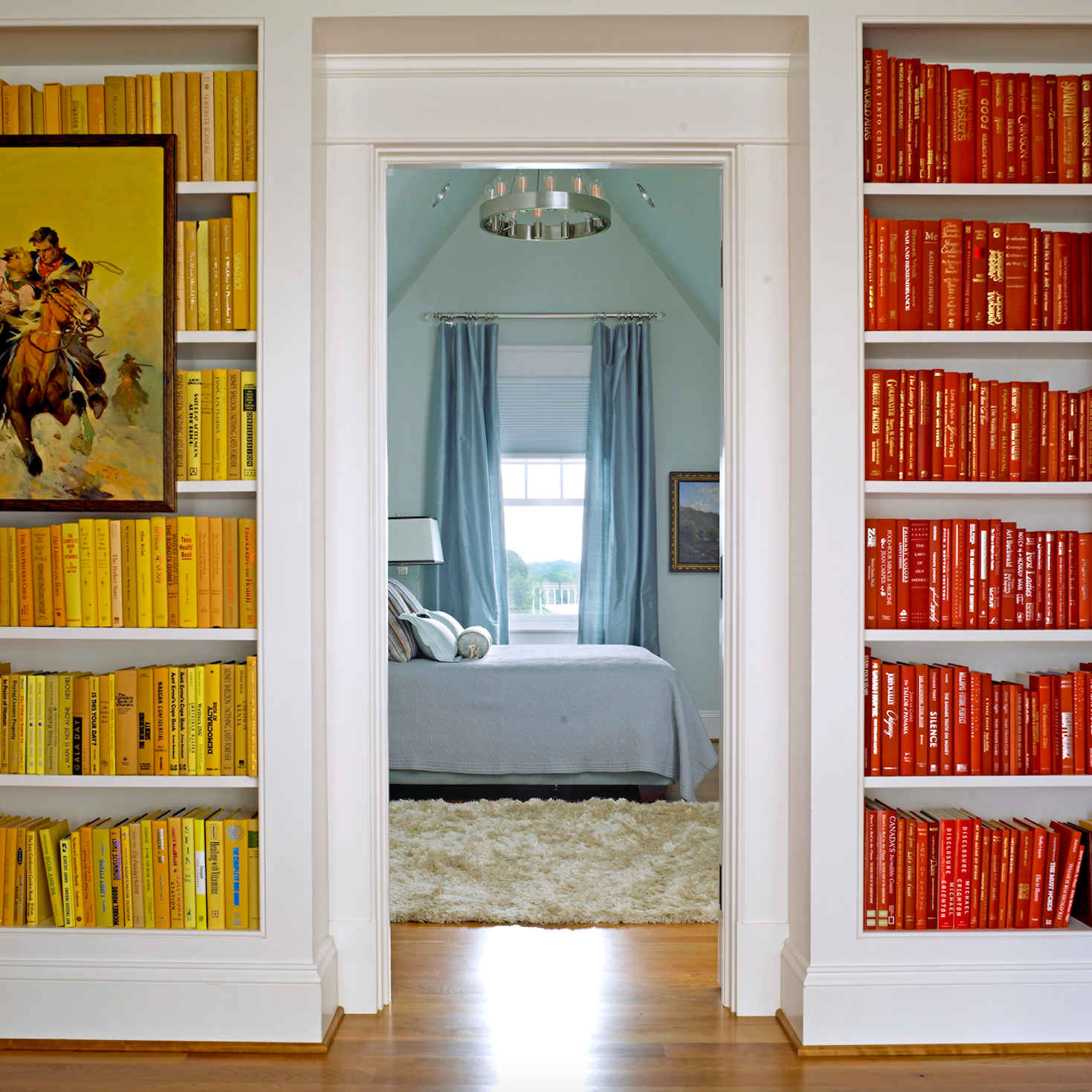
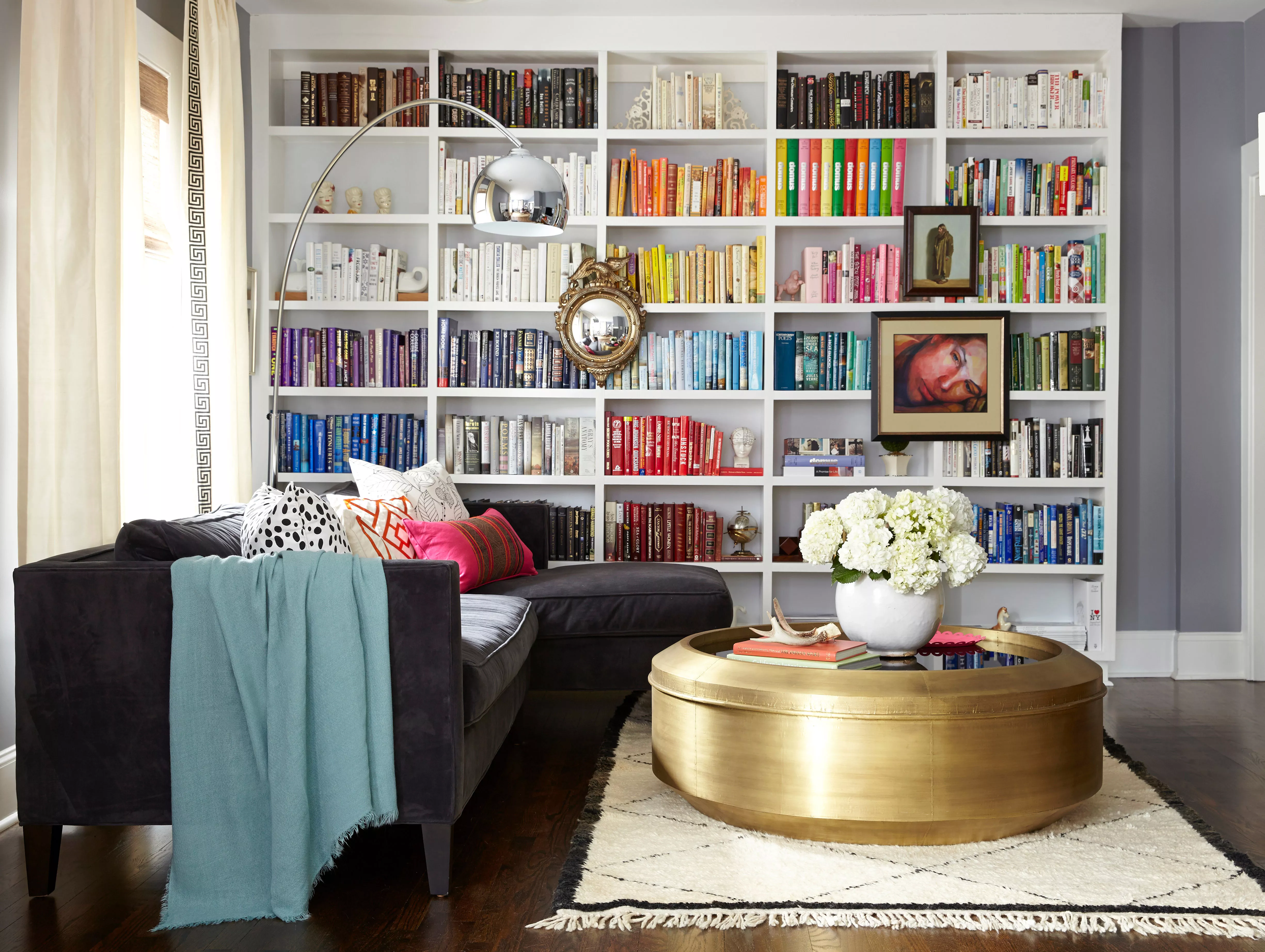
The article discusses various methods for arranging books. While color-coding, or "embracing the rainbow," is presented as an aesthetically pleasing option by Klugh and Walker (who notes it "quiets the visual clutter"), especially if books are not frequently referenced, it is acknowledged as a controversial approach among book enthusiasts. For those with extensive collections or who frequently reference their books, organizing alphabetically by author or by genre is recommended by Michele Vig of Neat Little Nest for better functionality.
Design principles extend to the arrangement of objects. Klugh suggests using odd numbers when decorating with objects, such as a tall, medium, and small vase, or three objects of the same color but varying textures, staggering them to create a cohesive look. The article also advises separating hardcovers and paperbacks, placing hardcovers on top shelves and paperbacks on the bottom for visual balance and even weight distribution.
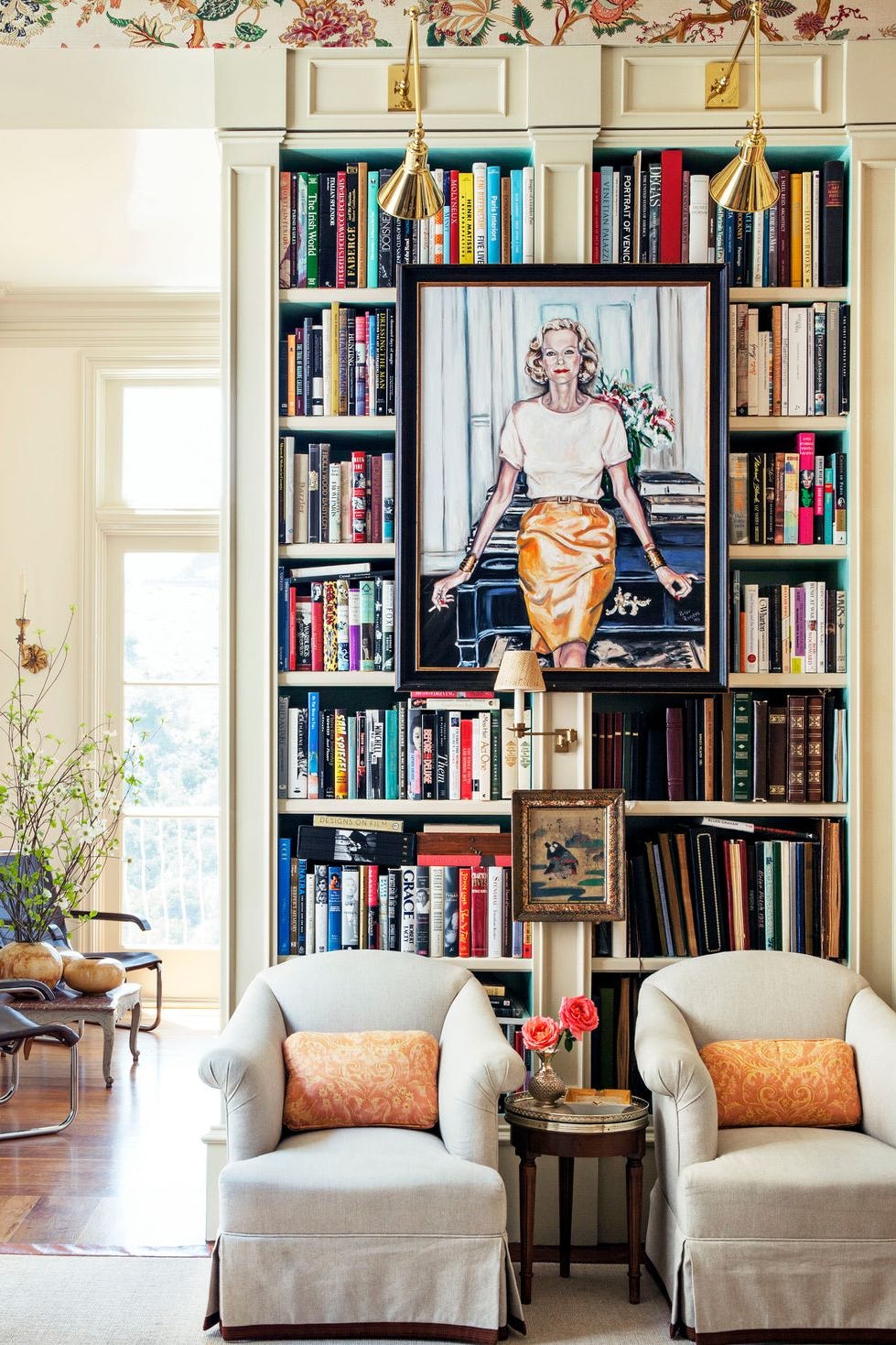
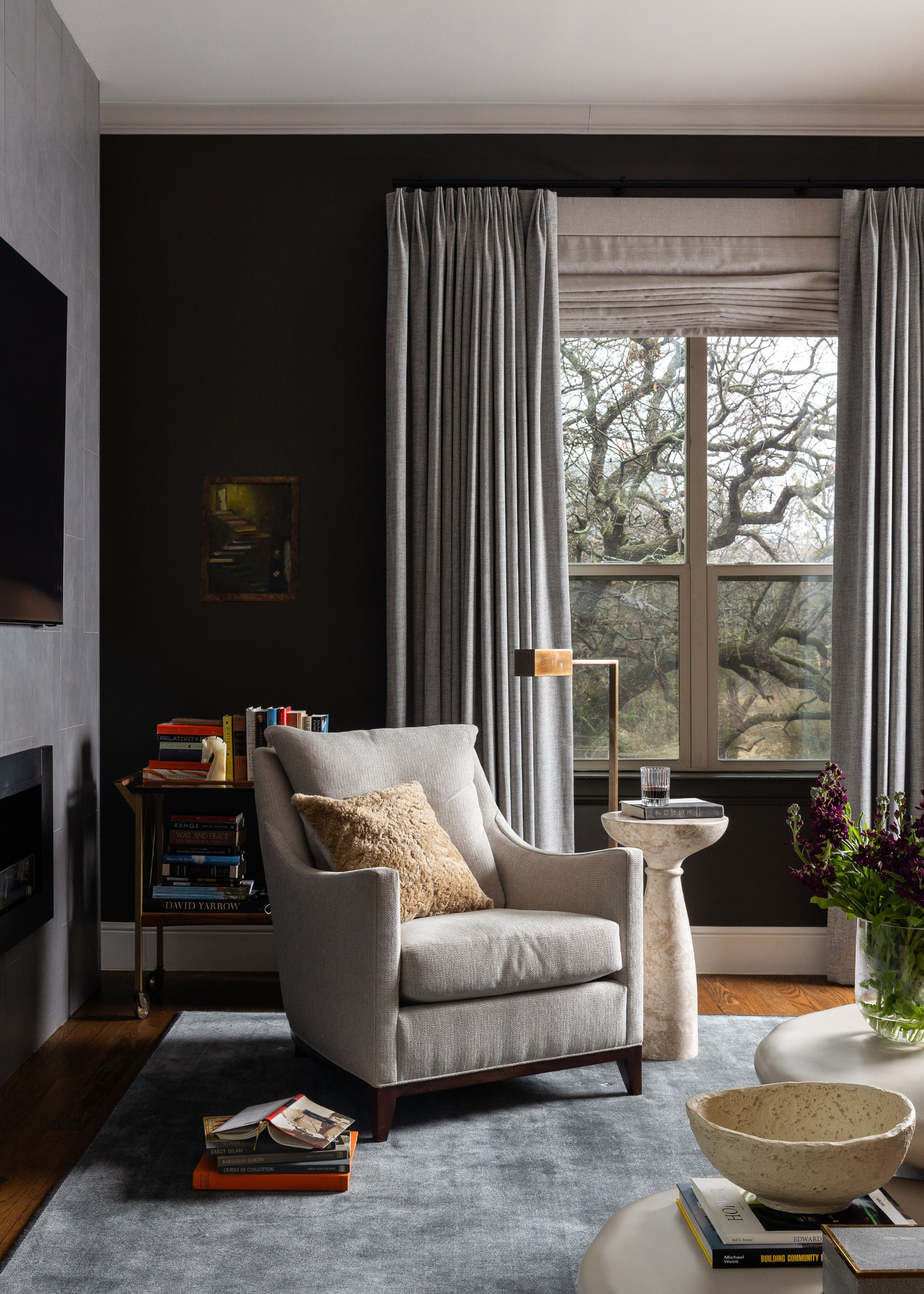
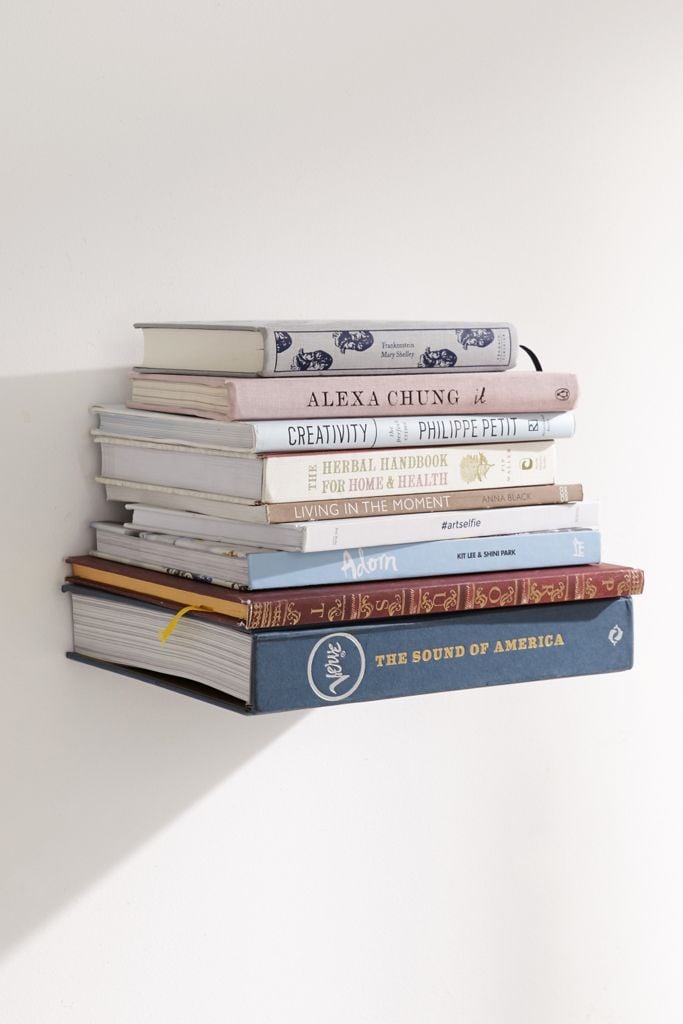
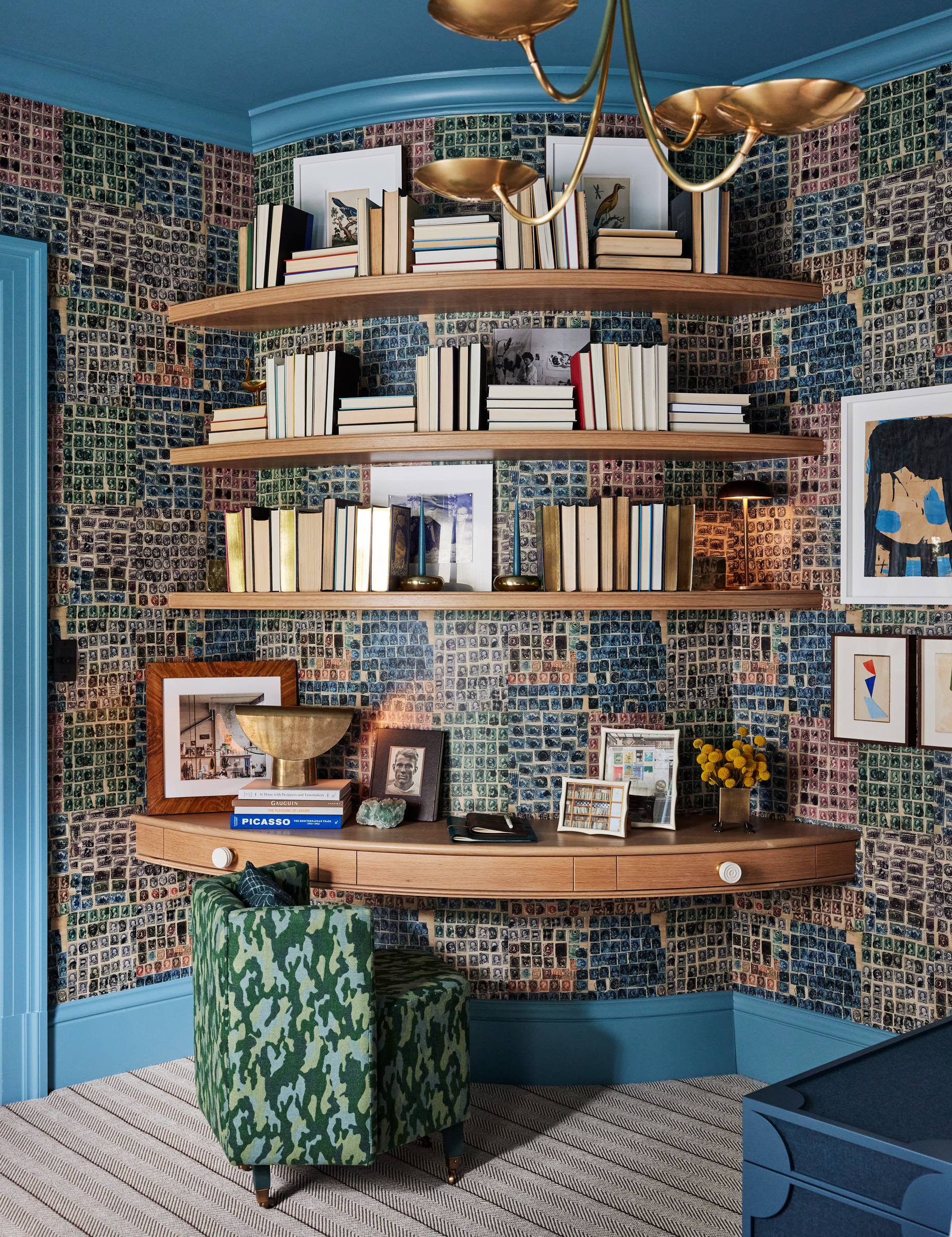
Layering is introduced as a technique to add height and interest. Carissa Miller, an interior designer, recommends stacking books and placing items like boxes or candlesticks on top. The same technique can be applied to artwork, layering a smaller framed piece in front of a larger one. Baskets are presented as versatile items for both storage and styling, available in various shapes, sizes, and textures to fill space and add visual interest.
Personalization is encouraged through displaying collections and "travel treasures." Klugh suggests gathering items like shot glasses or seashells to make a significant impact, while Michiel Perry of Black Southern Belle advises pairing travel books with souvenirs from those locations. Adding colored glass is highlighted as a way to introduce vibrant elegance and unexpected delight.
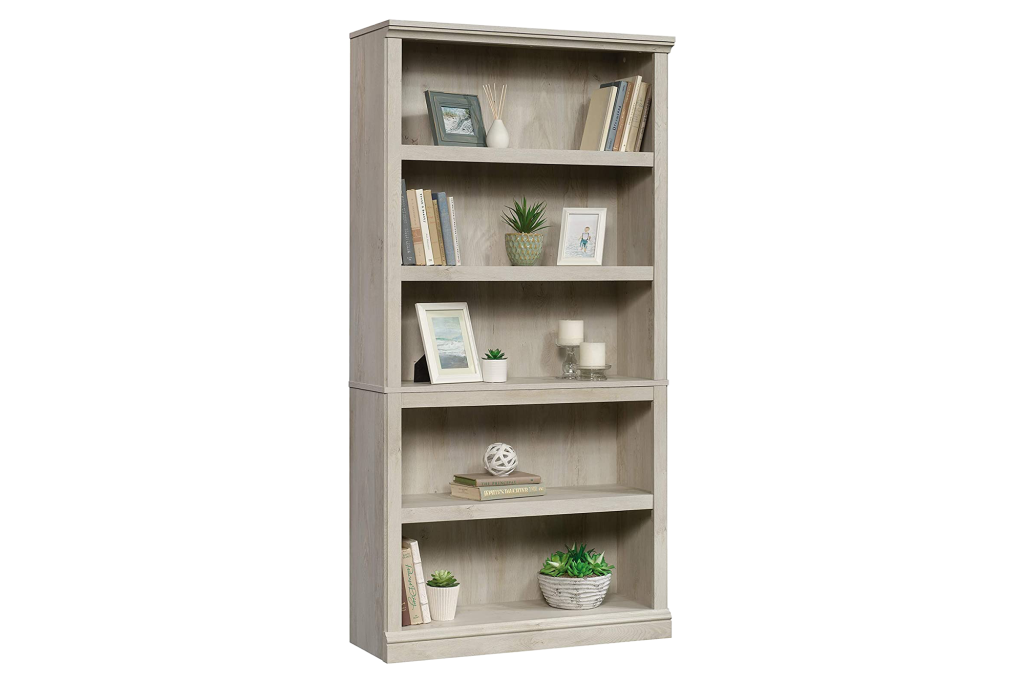
The "two-thirds rule" is provided to prevent overcrowding, recommending that shelves be kept two-thirds full to allow for empty space, which helps the eye rest and appreciate the displayed items. The article also suggests mixing up book arrangements, with Jamie Novak recommending that 70% of books be shelved vertically and 30% horizontally, using the horizontal stacks as platforms for accessories.
Arranging books by height can create a visually dynamic display. Darla DeMorrow of HeartWork Organizing describes a "Z" pattern for single shelves (tall books on left, then low, reversing on the shelf below) or a wave pattern for a wall of bookshelves. Bringing books to the front edge of the shelf is a simple tip from DeMorrow to achieve a uniform look and reduce dust. To create a bold backdrop, Kartheiser suggests painting the back of the bookshelf or lining it with coordinating wallpaper or fabric-covered foam board.
Finally, the article advises placing heavier objects on bottom shelves for stability and balance. Thinking in themes—whether colors, materials, places, or subject matter—helps create a cohesive display, as suggested by designer Courtney Turk. Highlighting favorite books with a bookstand allows for personal expression, and taking a picture of the final design helps document and restore the best look of the shelves over time.
#BookshelfOrganization #HomeDesign #InteriorDecor #BookArrangement #ShelfStyling #VisualClutter #PersonalExpression #DecorativeObjects #ReadingNook #BookshelfOrganization #HomeDesign #InteriorDecor #BookArrangement #ShelfStyling #VisualClutter #PersonalExpression #DecorativeObjects #ReadingNook
0 comment in total
 No comments yet
You may also like
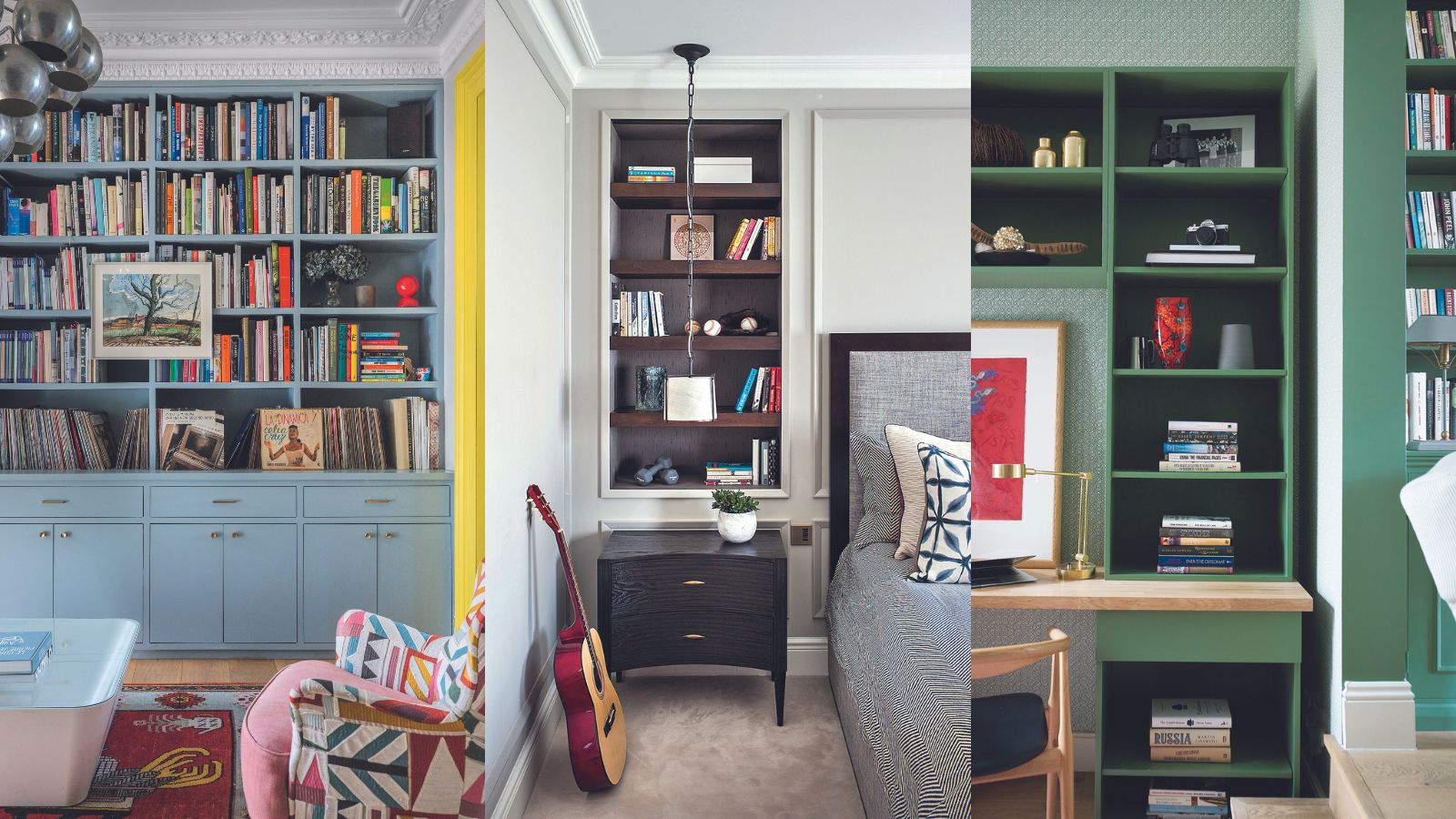
Organizing a bookshelf – 15 ways to keep on top of your tomes

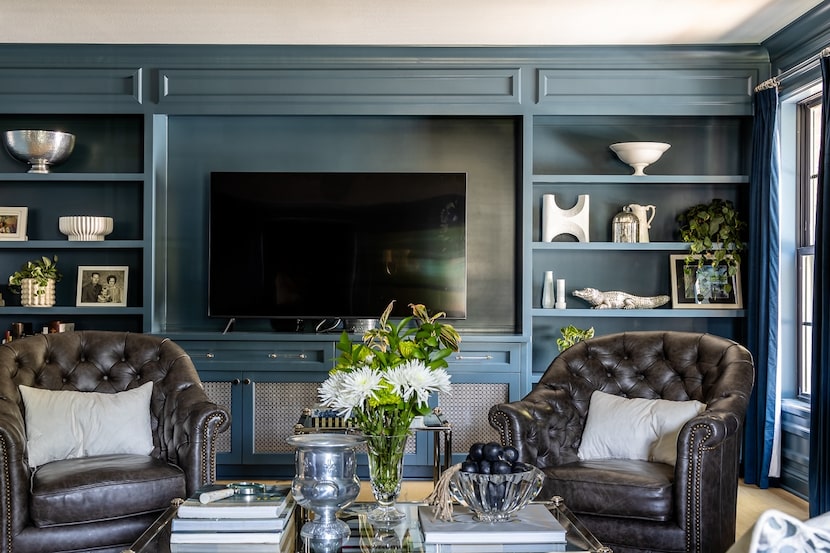
Master the art of styling bookshelves with these tips from design experts


10 shelving designs that are perfect for book lovers
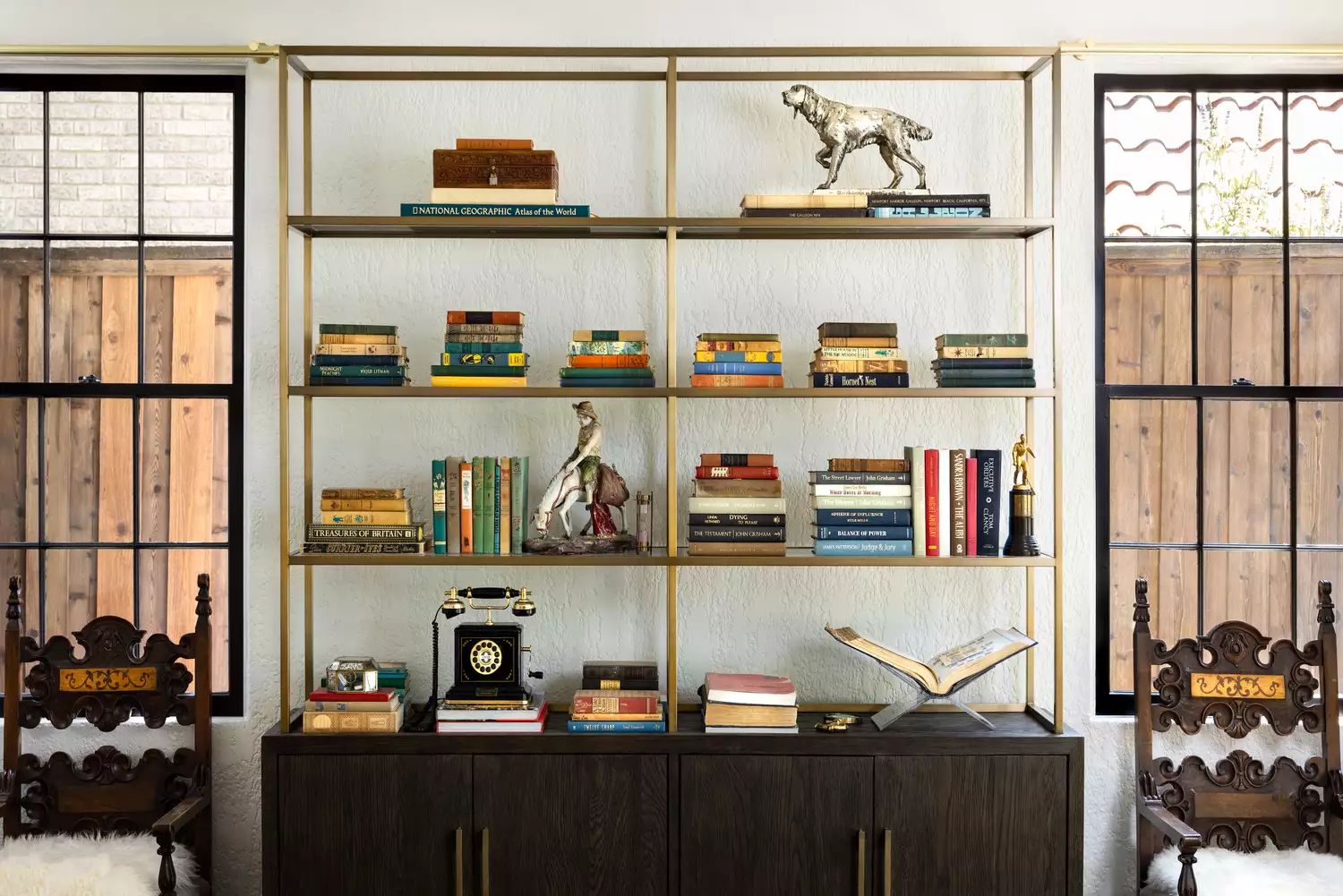
16 Beautiful Book Storage Ideas to Display and Organize Your Collection

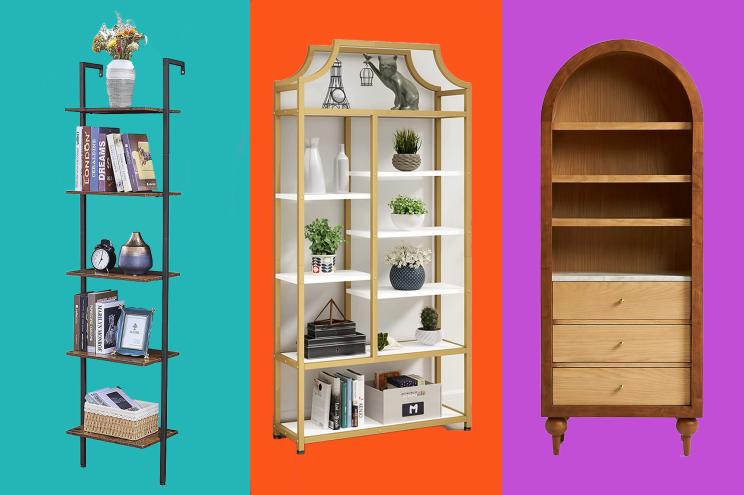
The 20 best bookshelves, plus tips from an interior designer
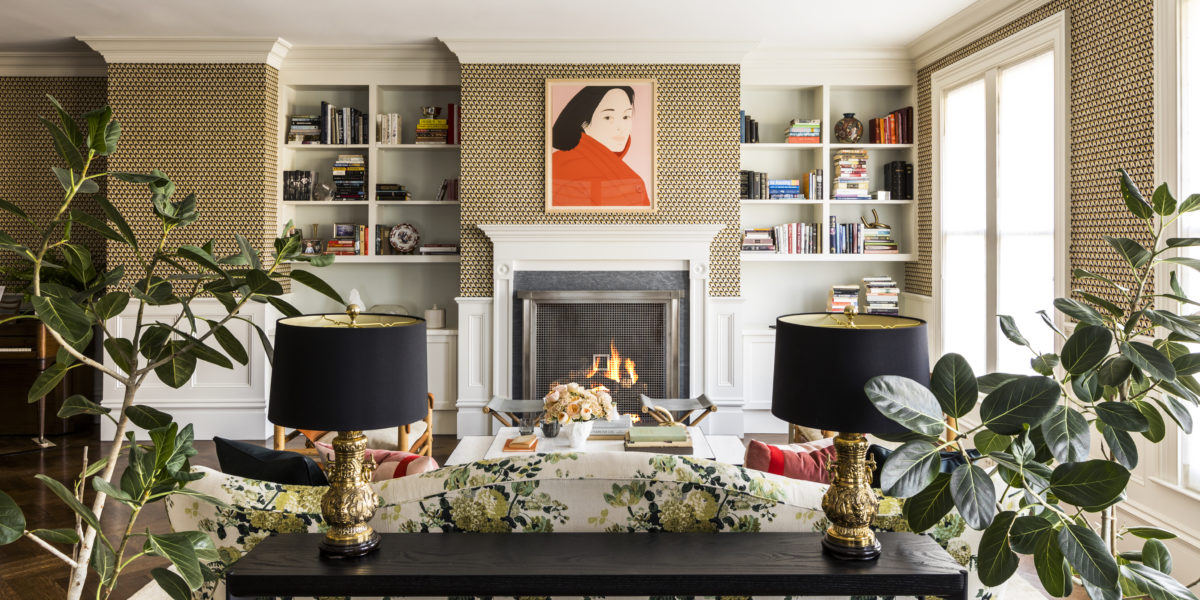
A Book Lover’s Guide to Styling Your Shelves

Jessica Simpson's bookshelves show us how styling is a fine art – but it's one we can master with these simple tips
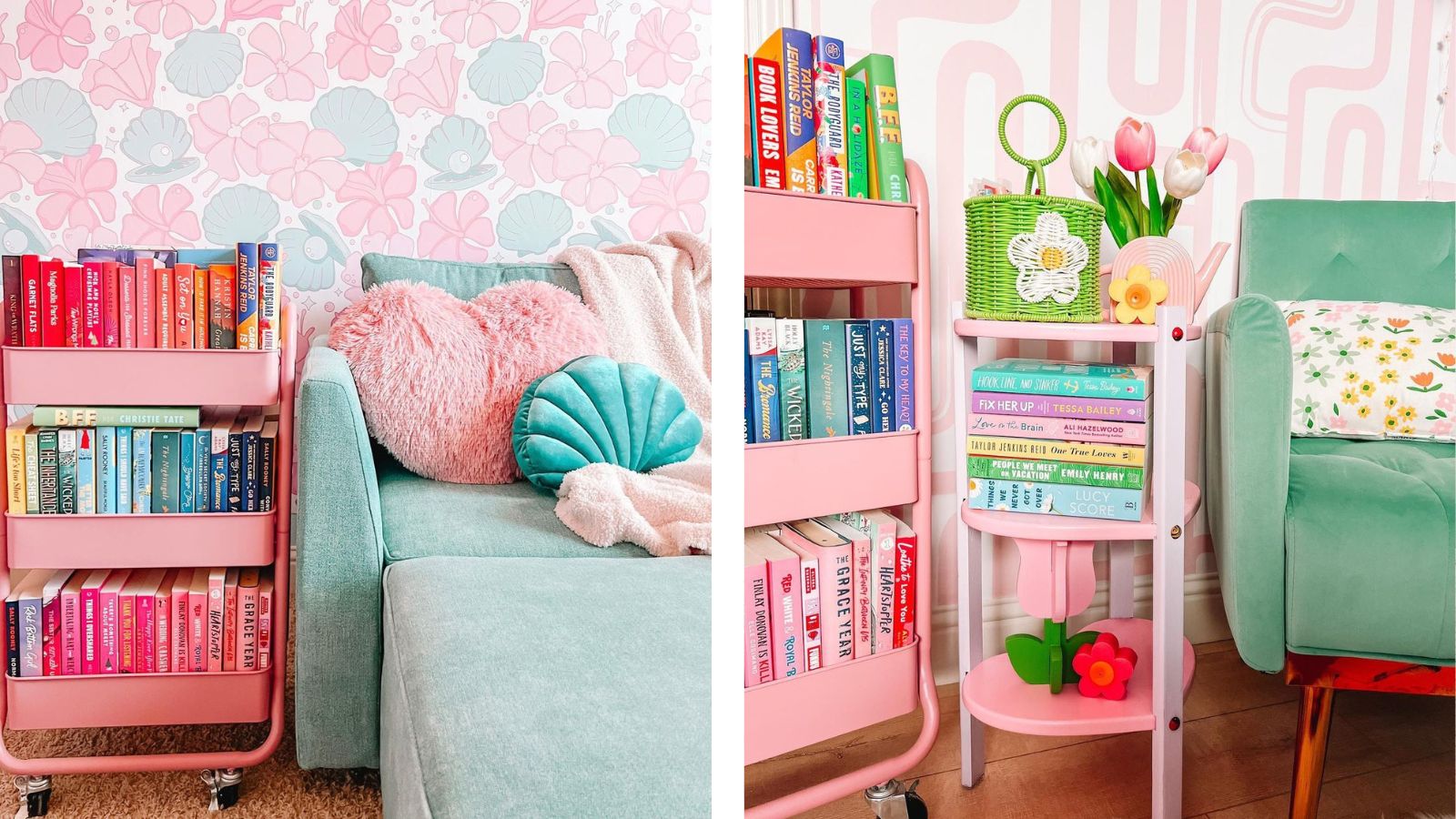
9 bookshelf ideas that are guaranteed to make bibliophiles swoon

17 brilliant book storage ideas
50 Bookshelf Decor Ideas to Keep Your Growing Collection Organized and Stylish
Wait, These Might Be the Most Creative, Interesting Ways to Store Your Books — Without Your Home Feeling Like a Stuffy Library

Bookshelf trends – 8 stylish ways designers are displaying their books in 2025
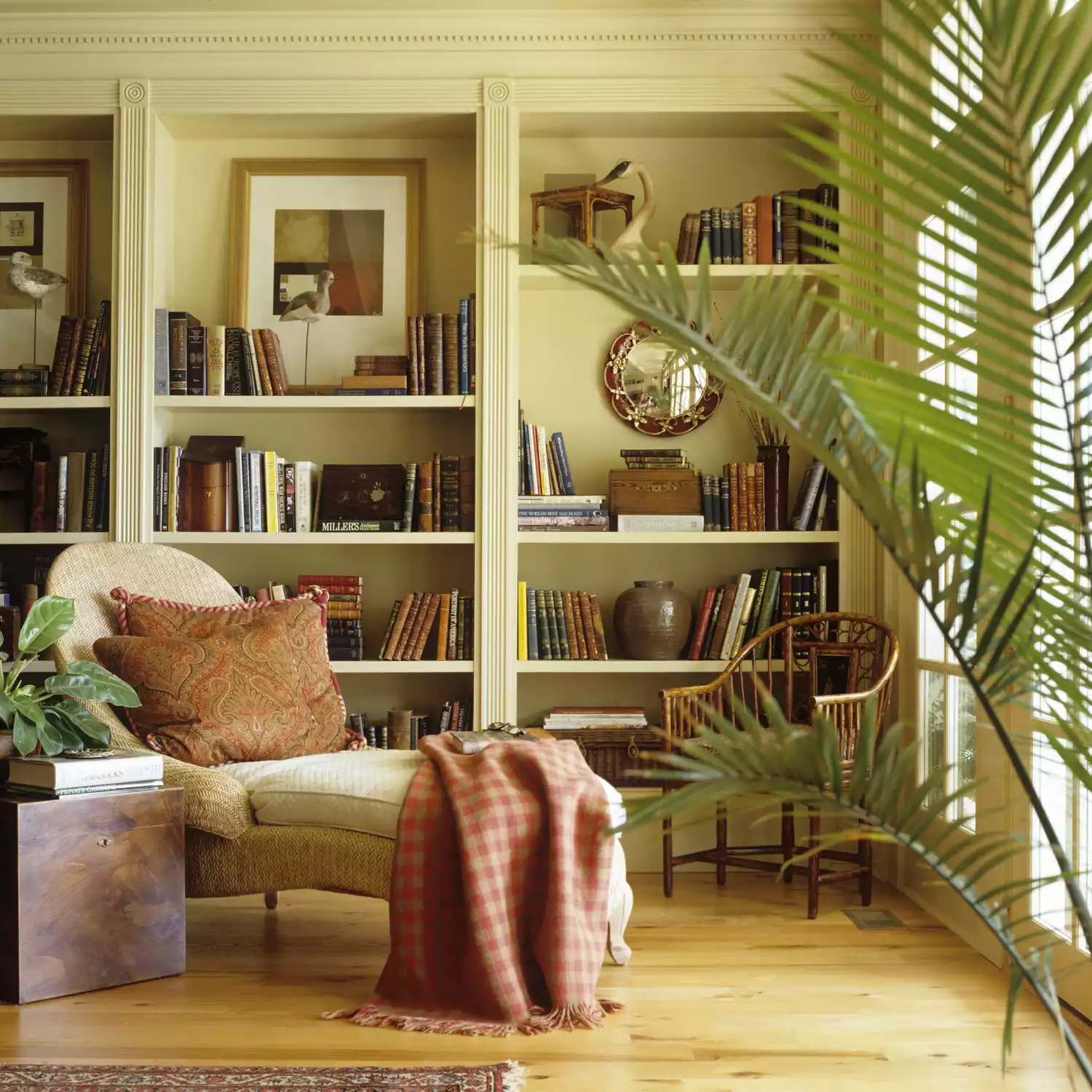
7 Genius Tips to Make Your Bookshelf Less Cluttered, According to Organizing Pros

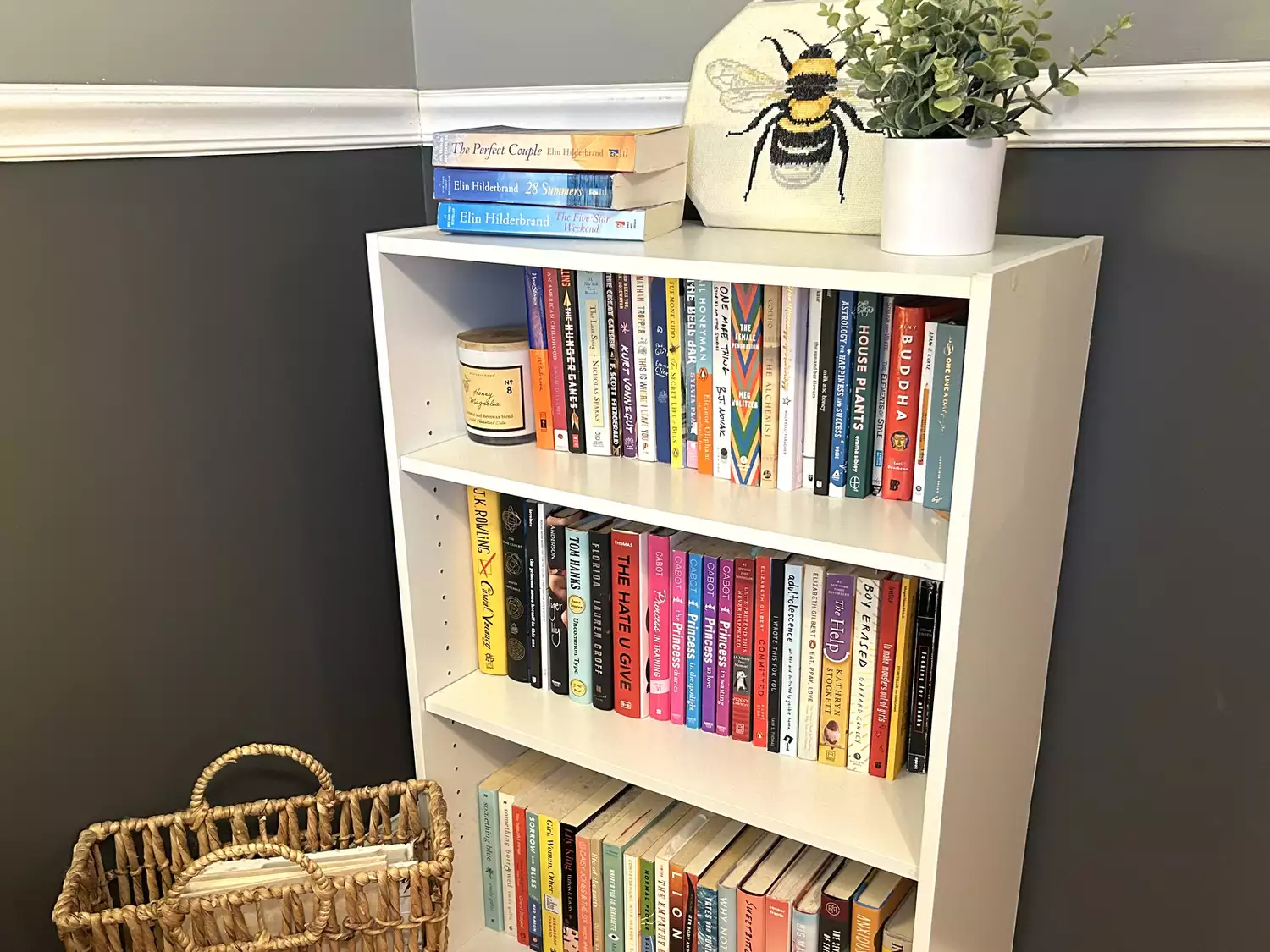
We Are Huge Bookworms—These Are Our Favorite Bookshelves to House Our Growing Collections
My Best Bookshelf Styling Tips Ever—Just in Time for Fall

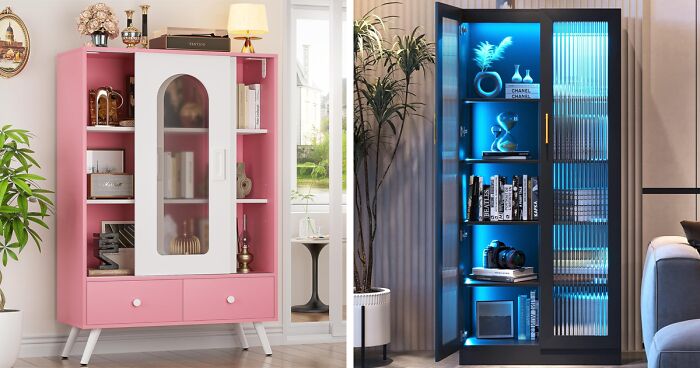
A Bookshelf With Doors is Your Storage Solution for 2024 (Here’s Why)
Here's How Designers Really Feel About Those Rainbow Bookshelves

Interior designers warn against these 17 bookshelf styling mistakes – this is what you should avoid
Transform Your Reading Nook With These 17 Genius Book Organizers
Is the Color-Coded Bookshelf Here to Stay? Here’s What Designers Have to Say