1/9
We're calling it: This kitchen island shape is set to take over in 2023 – here's why designers approve
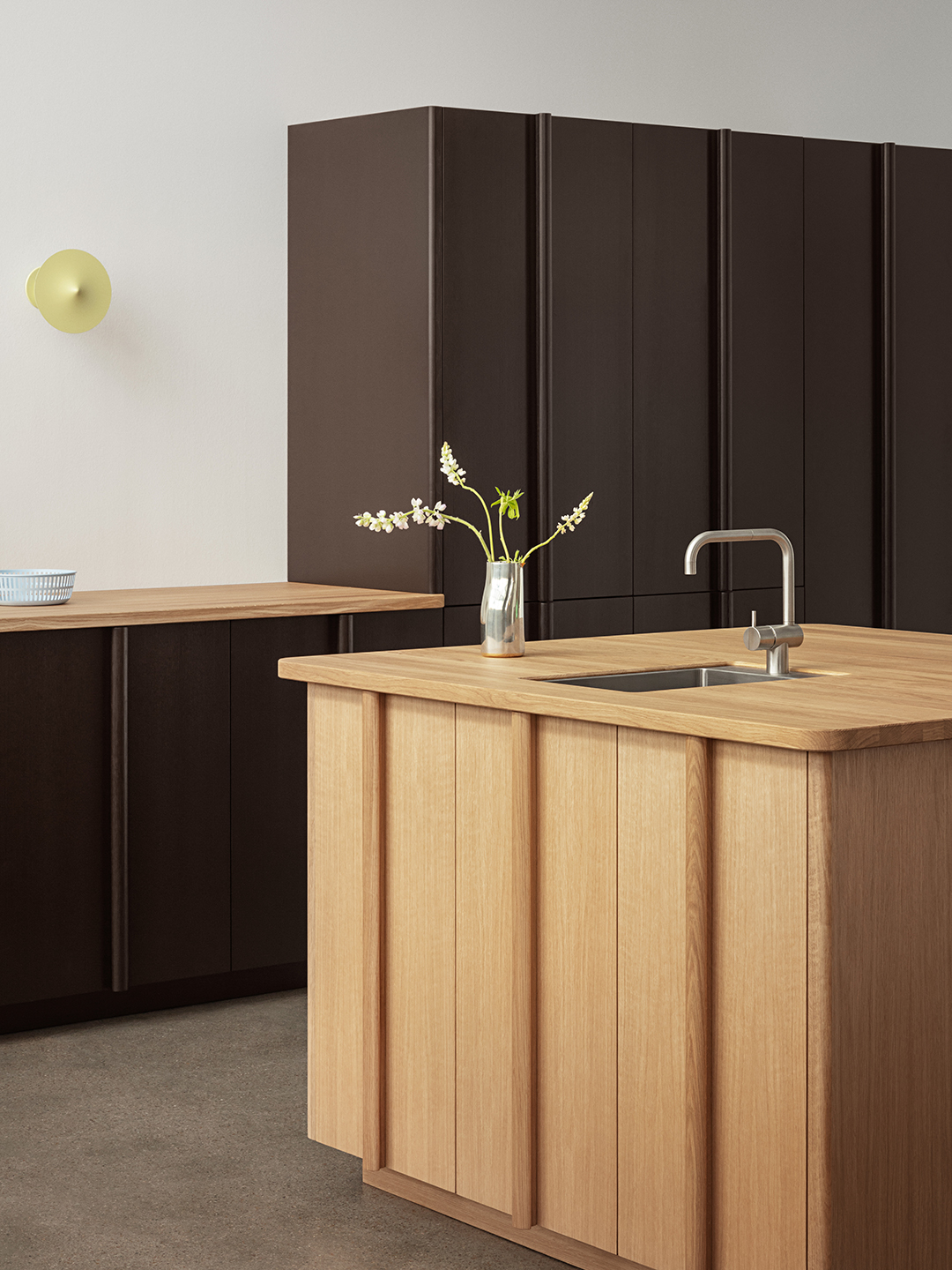
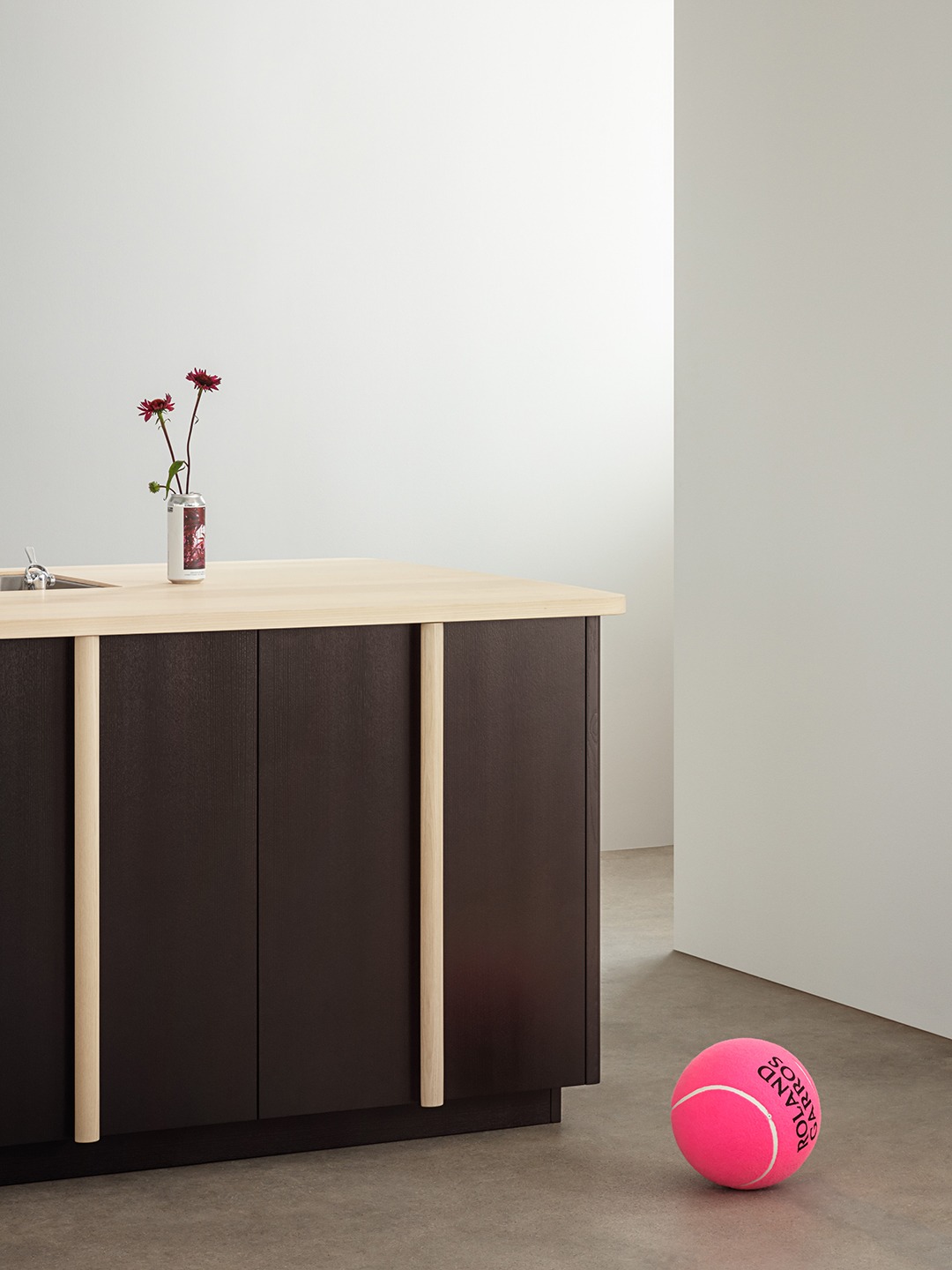
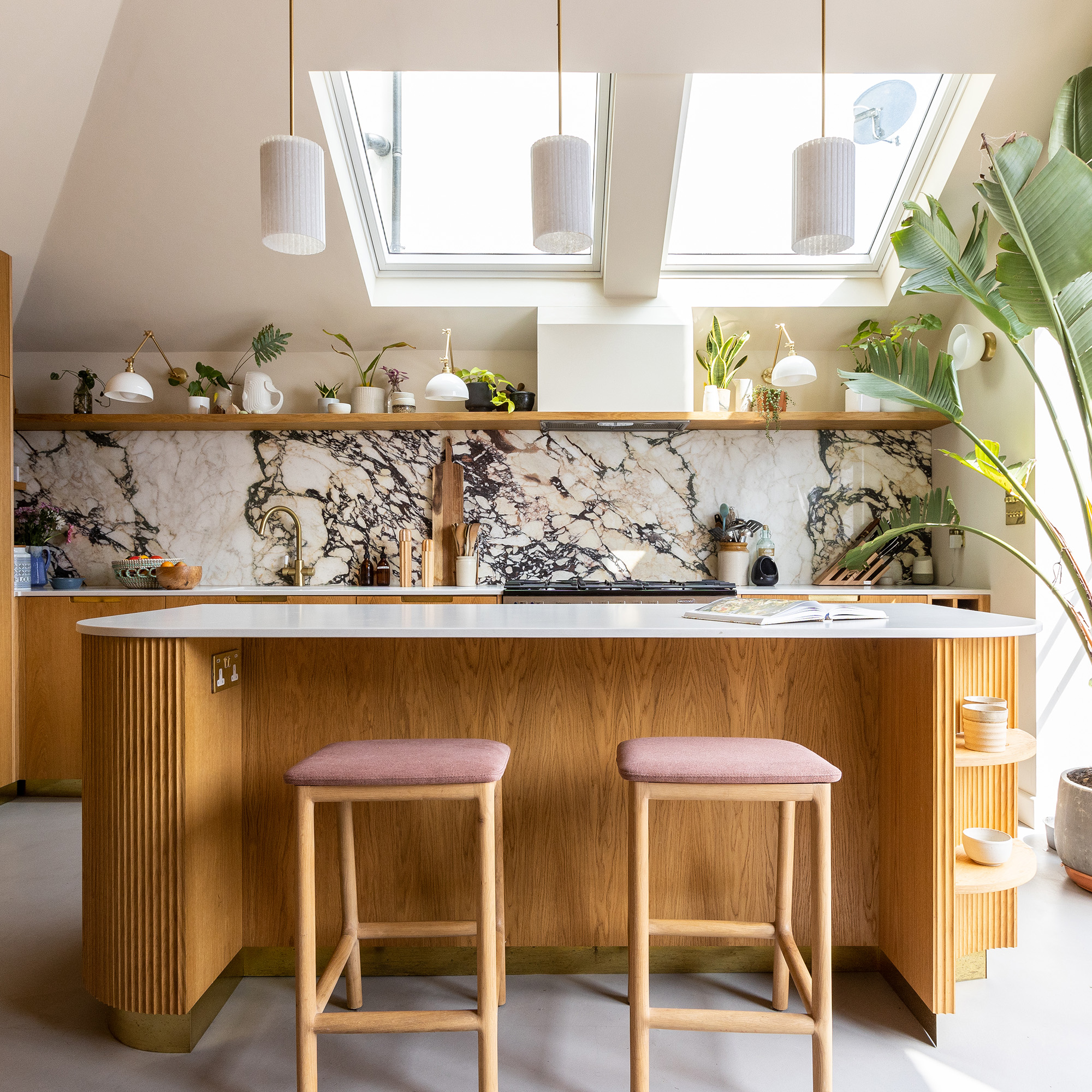
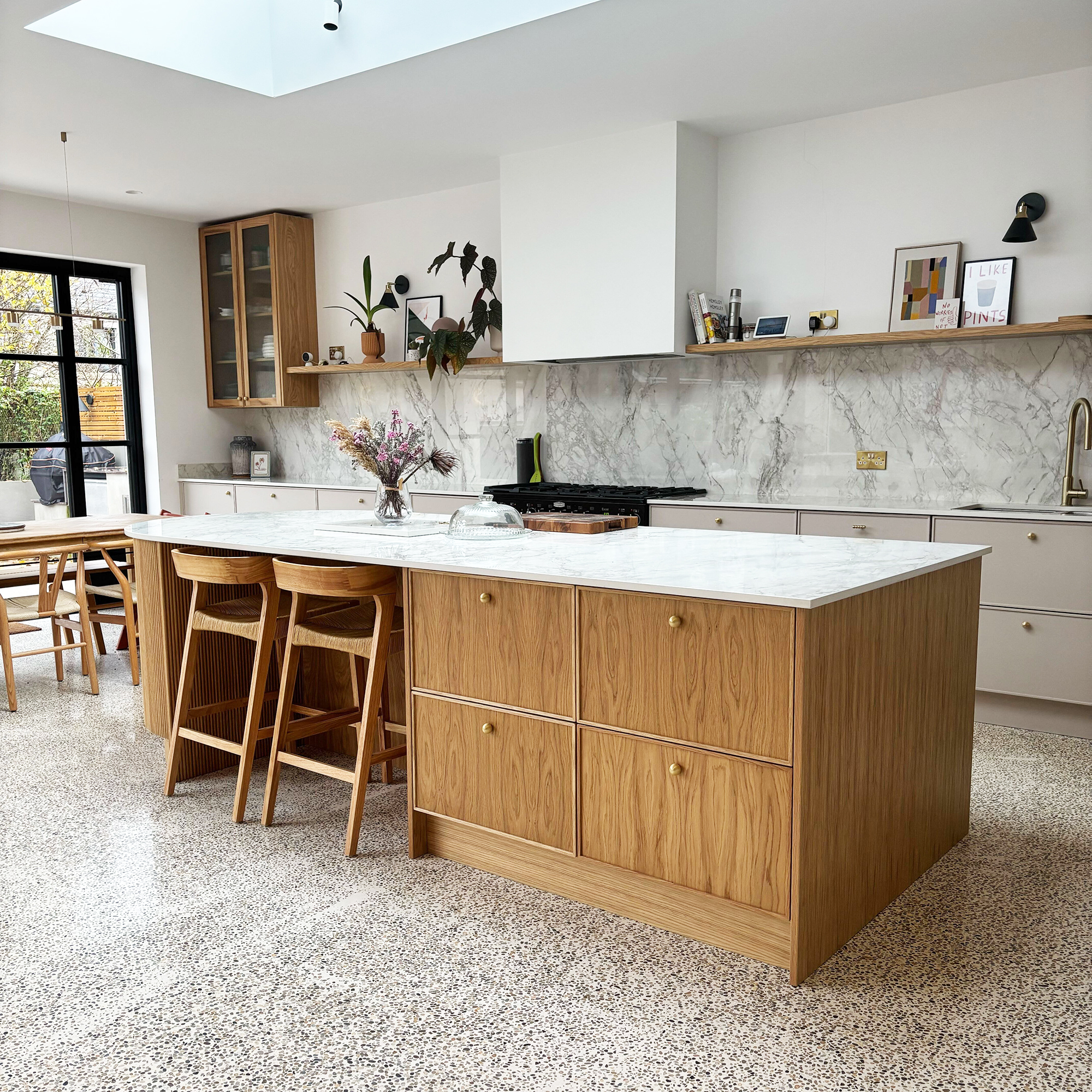
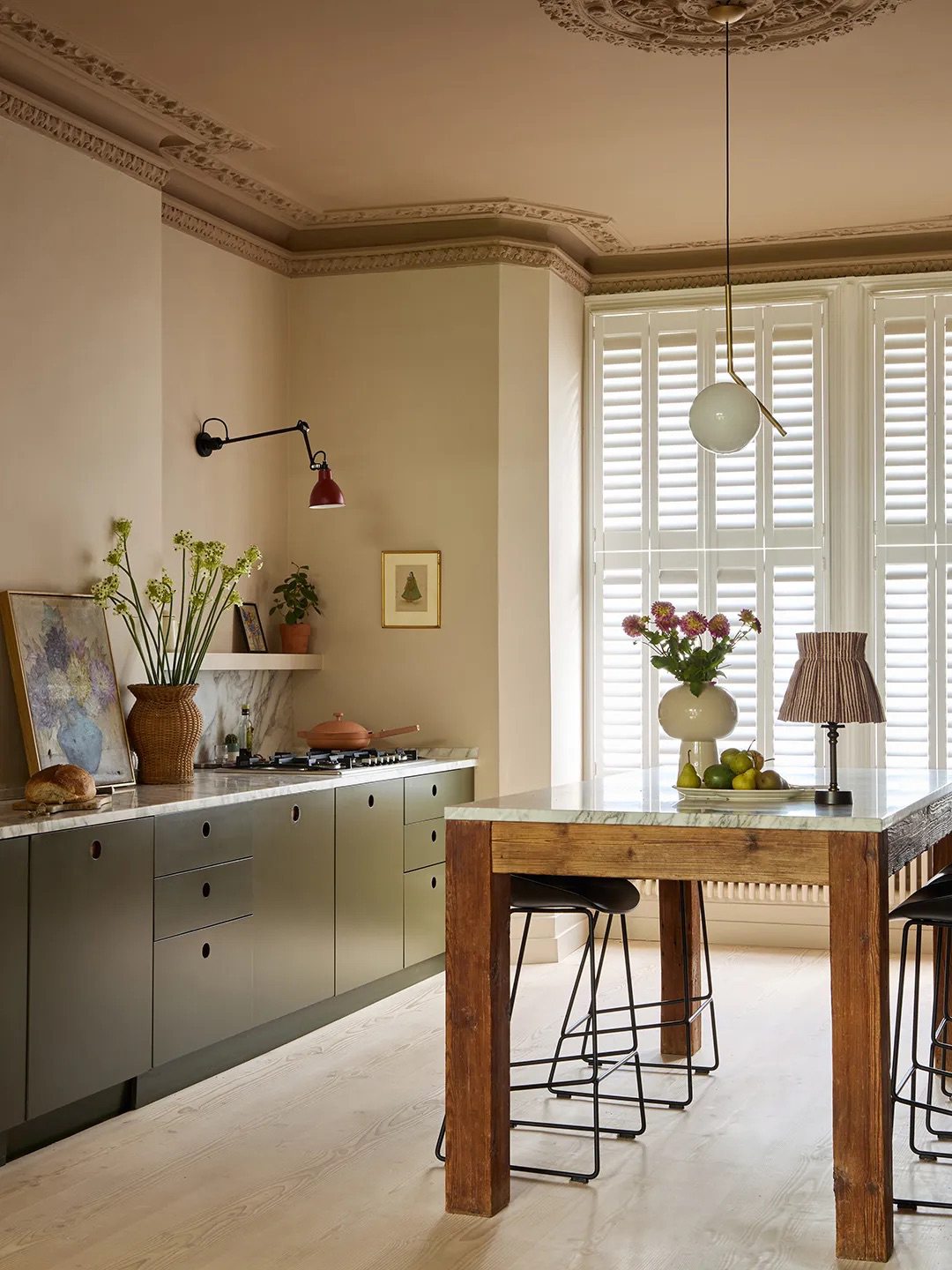
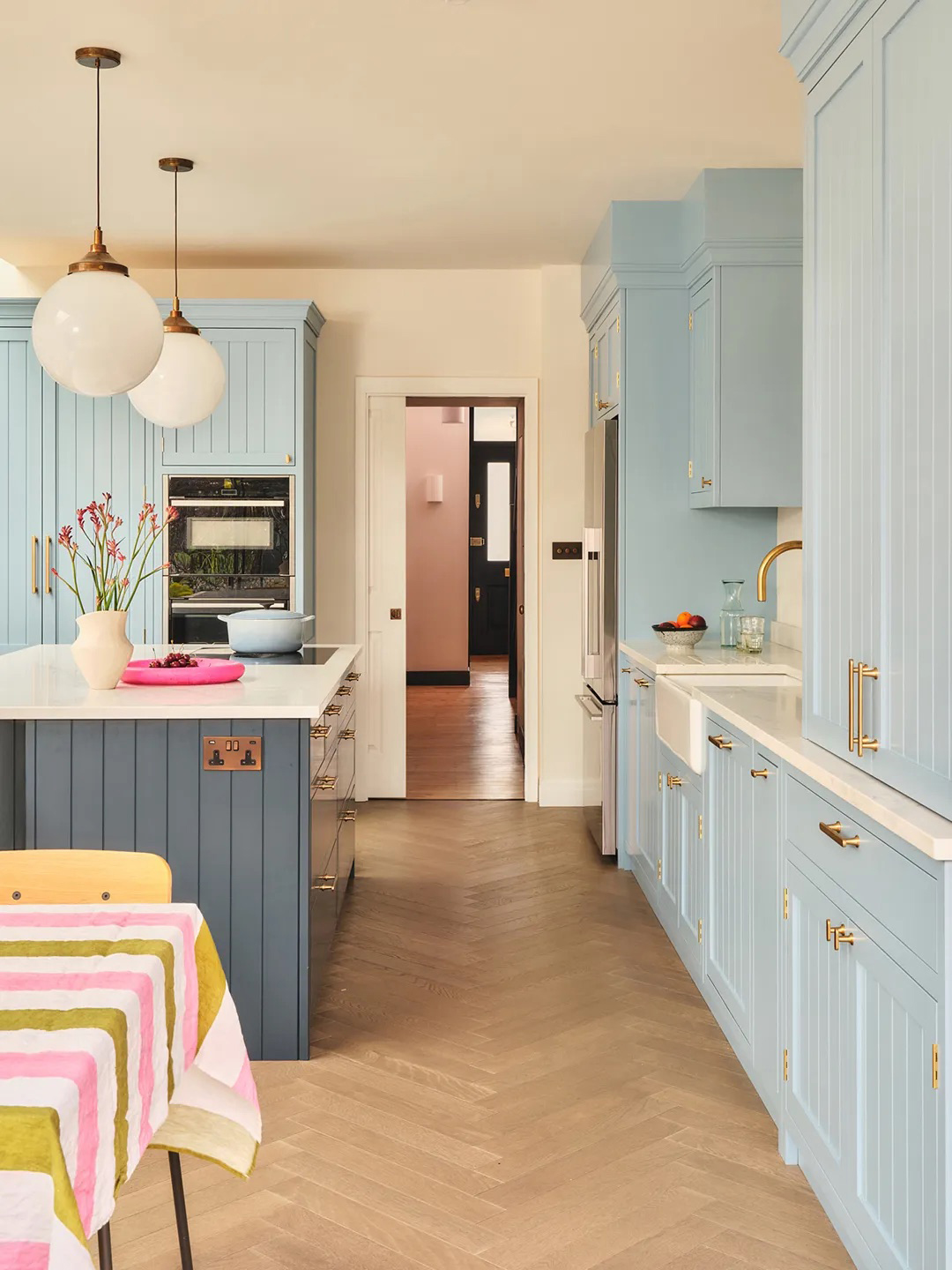
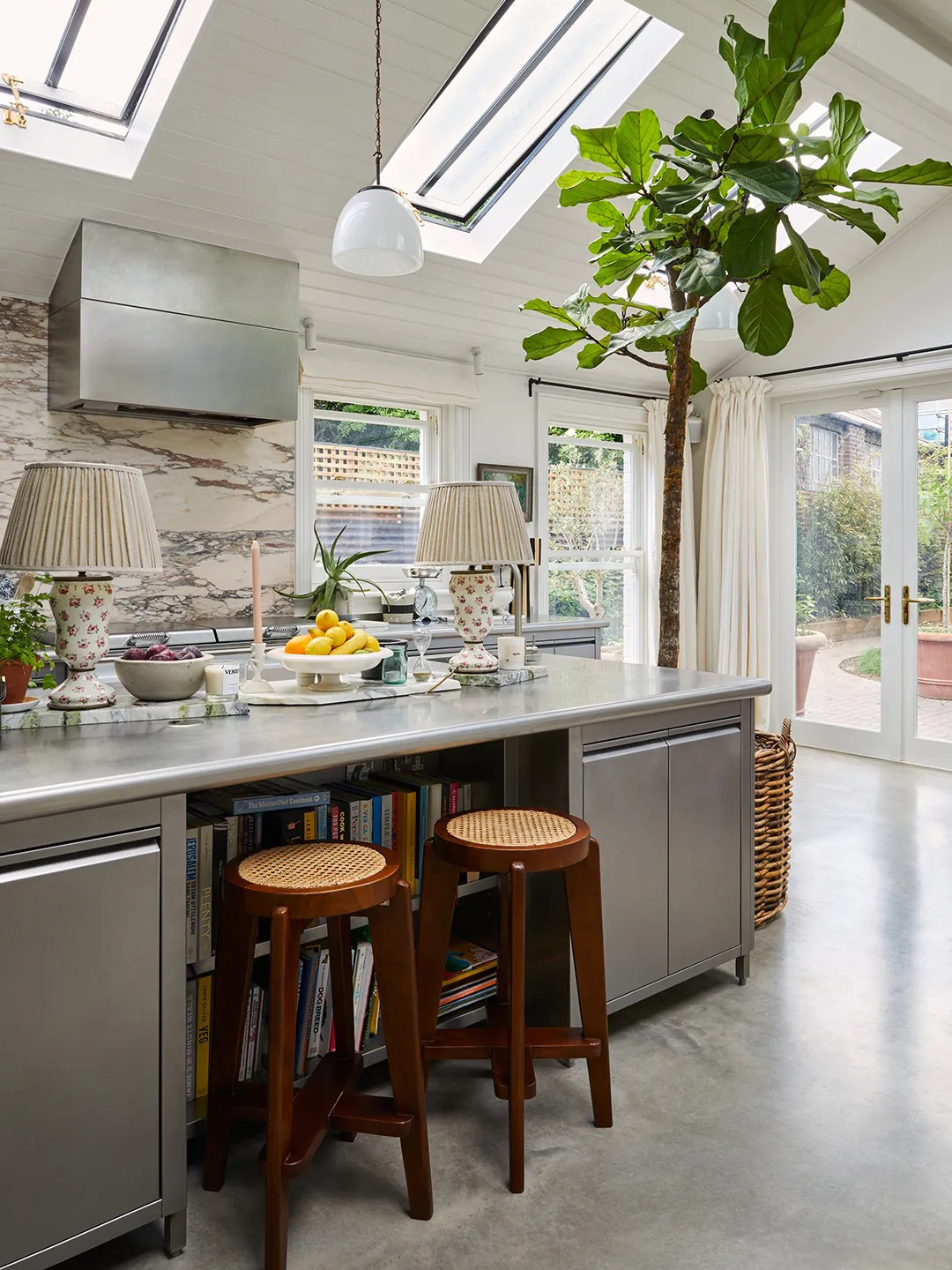
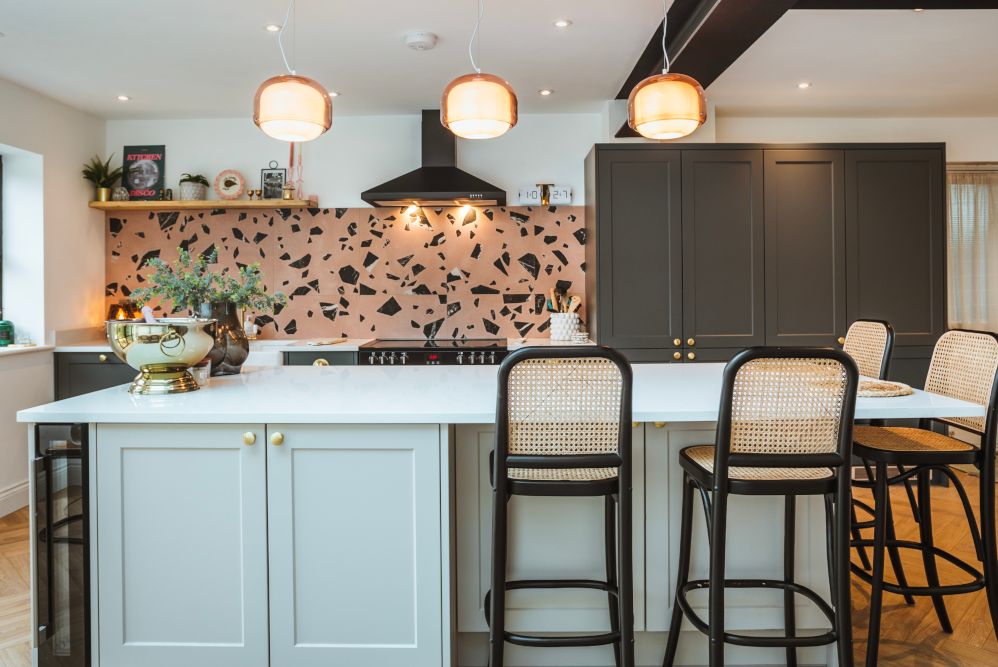
The integration of curved lines in home design is experiencing a resurgence, particularly in kitchen islands, offering both aesthetic and functional advantages. After the pandemic, there has been a noticeable shift towards designs that evoke well-being and comfort, leading to an increased adoption of organic shapes and curvilinear forms in various aspects of interior design, from walls and architecture to furniture and kitchen cabinetry. This trend stems from psychological research indicating a human preference for curves over straight lines, as curves tend to elicit more pleasant emotions.
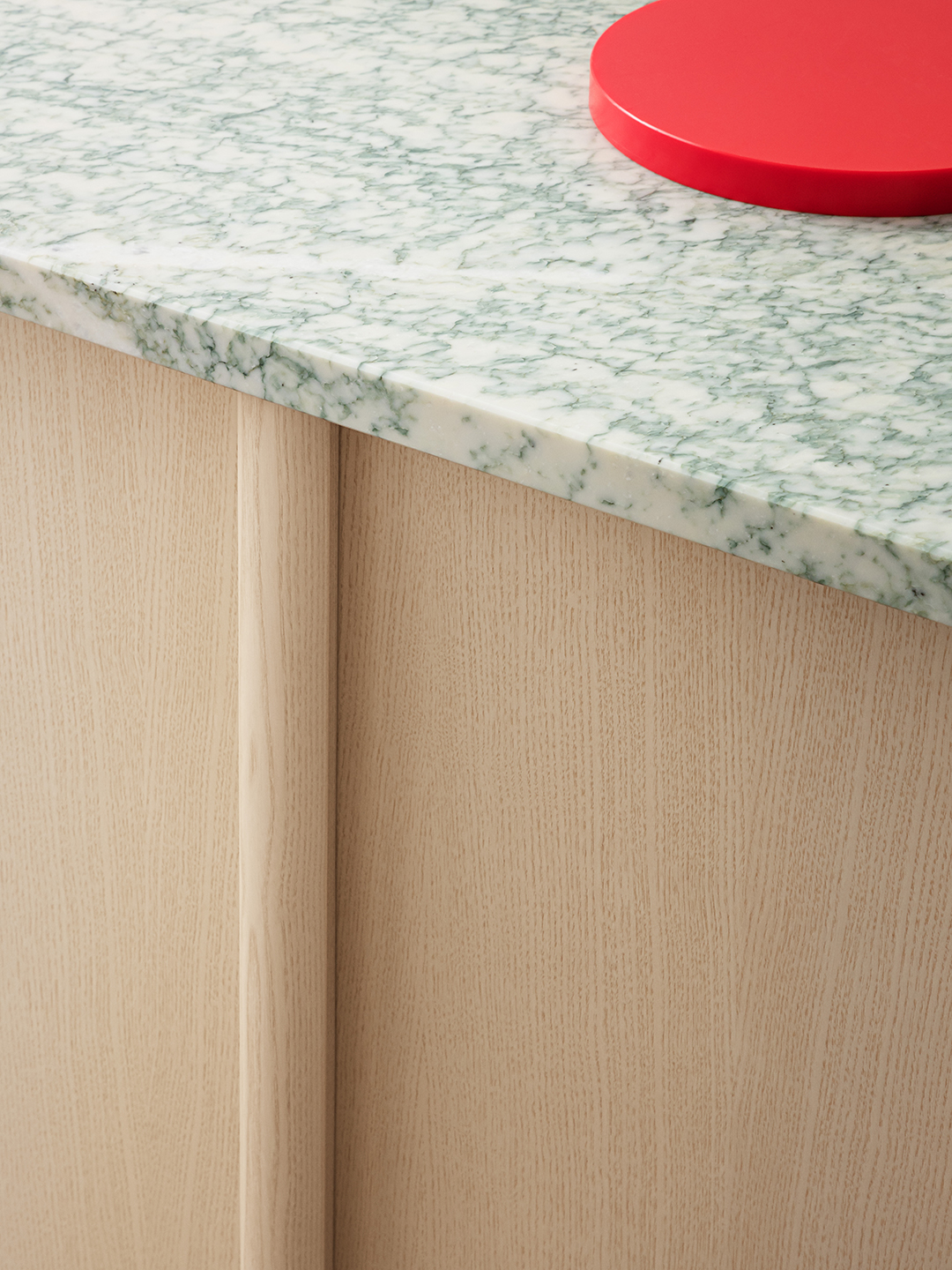
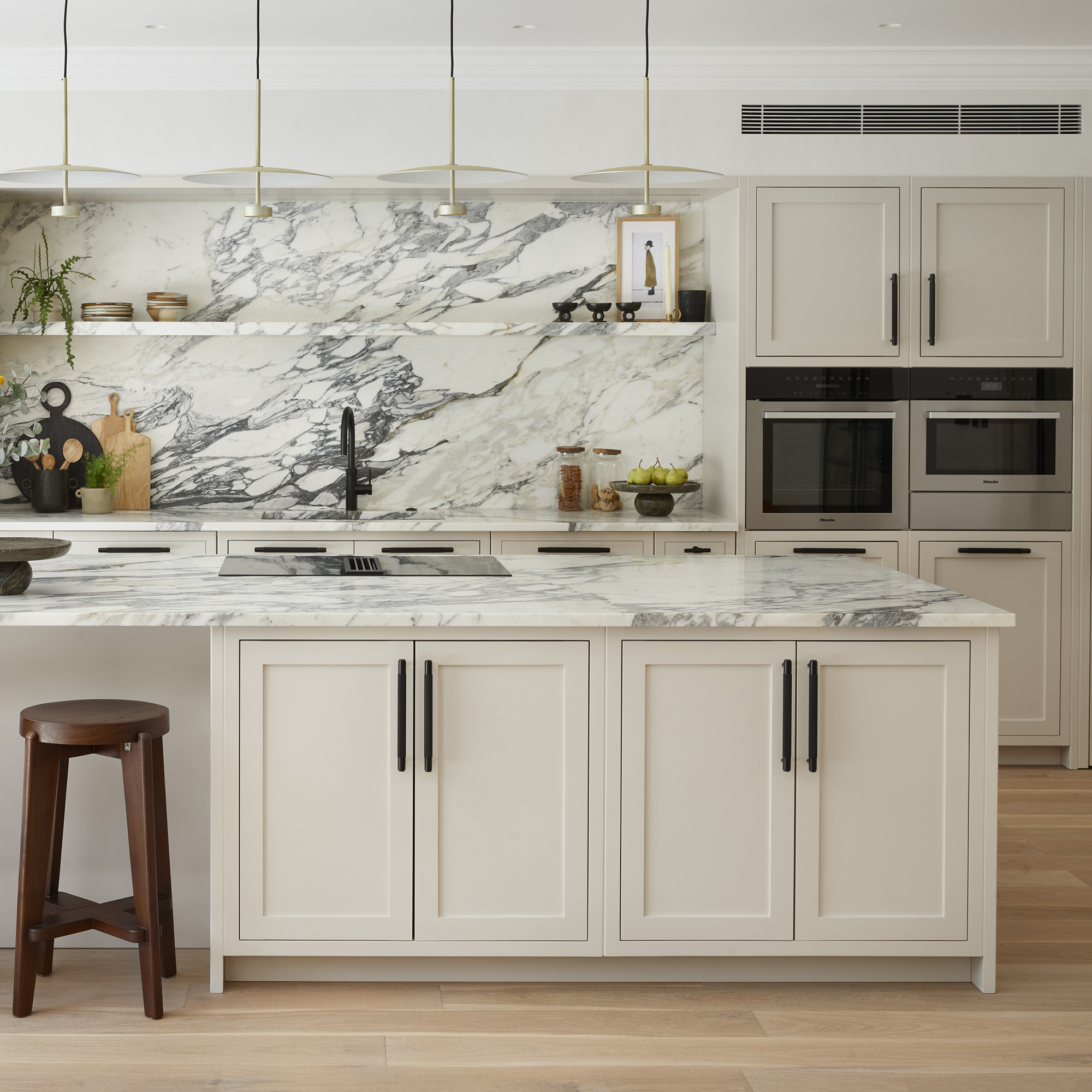
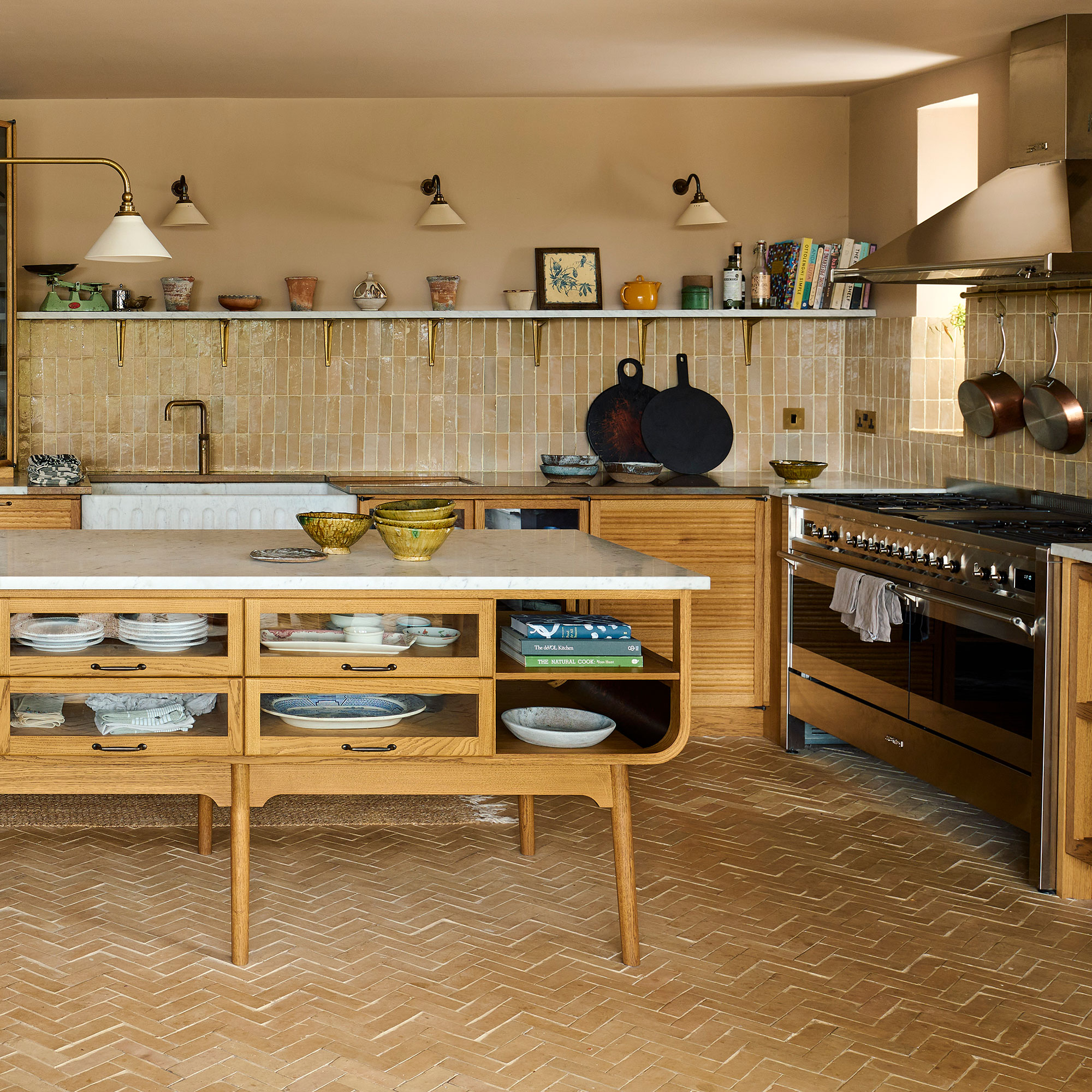
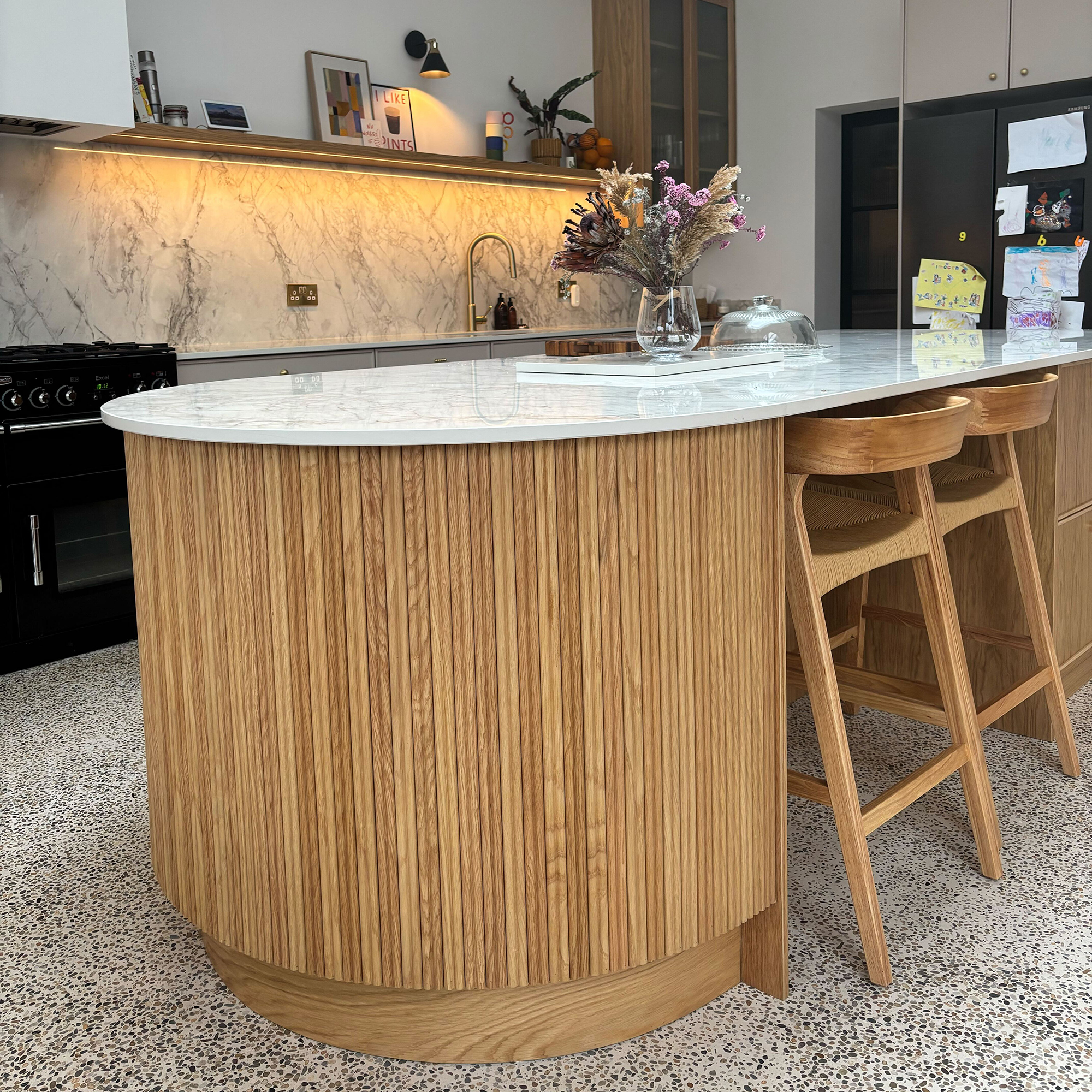
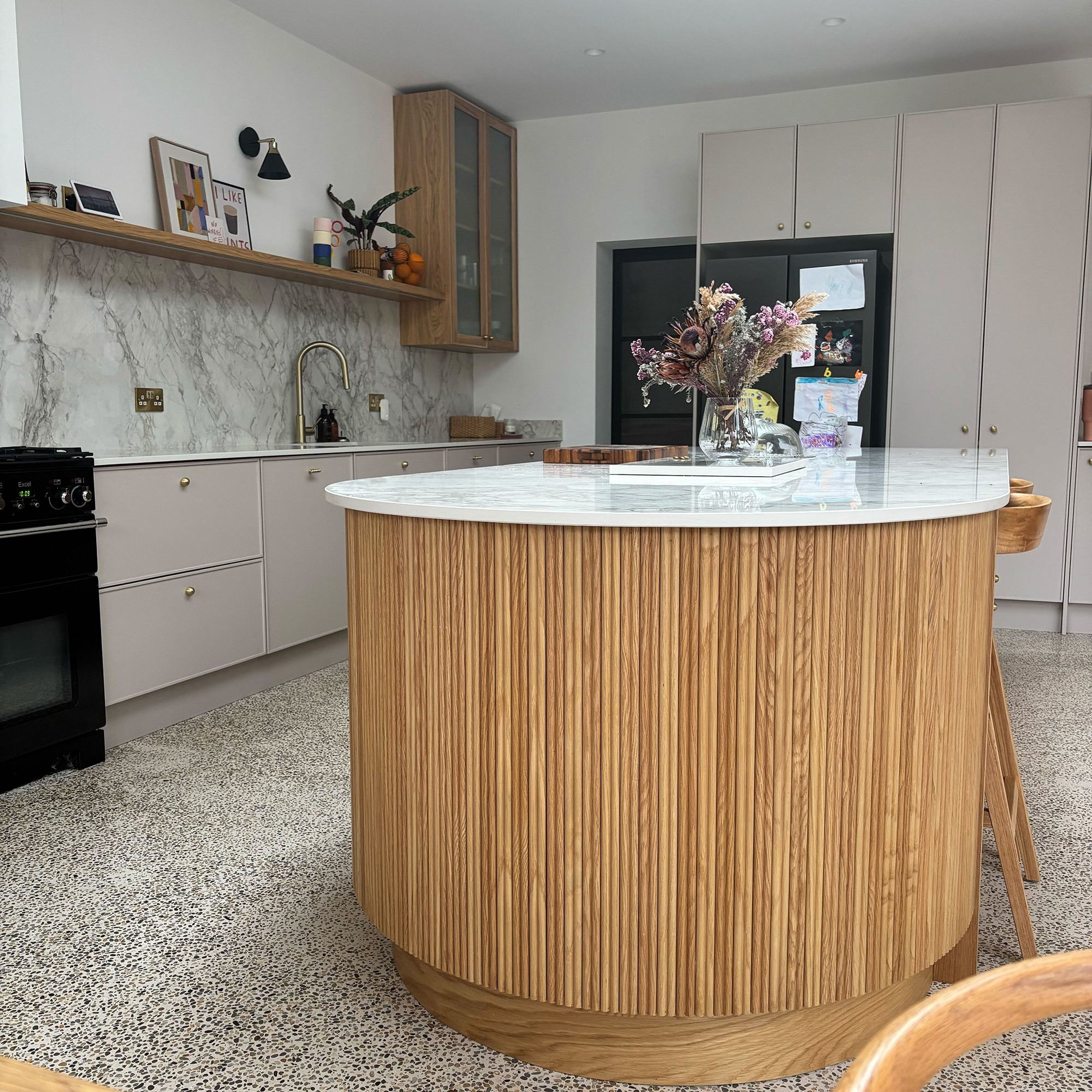
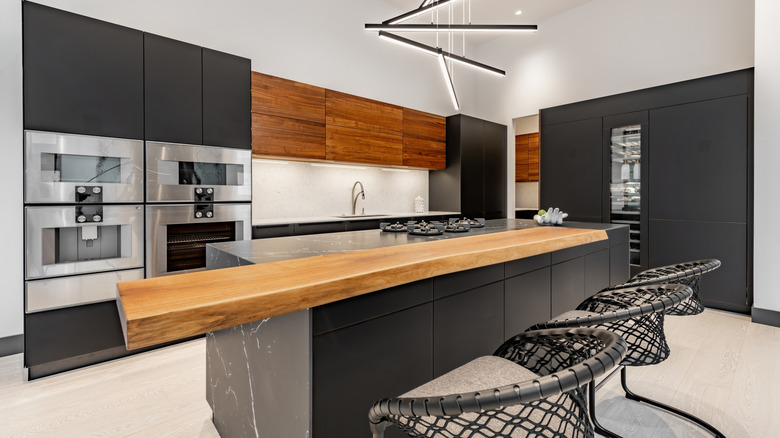
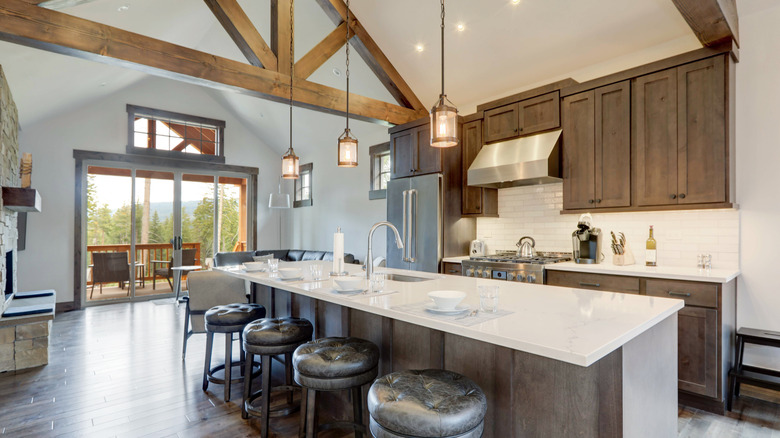
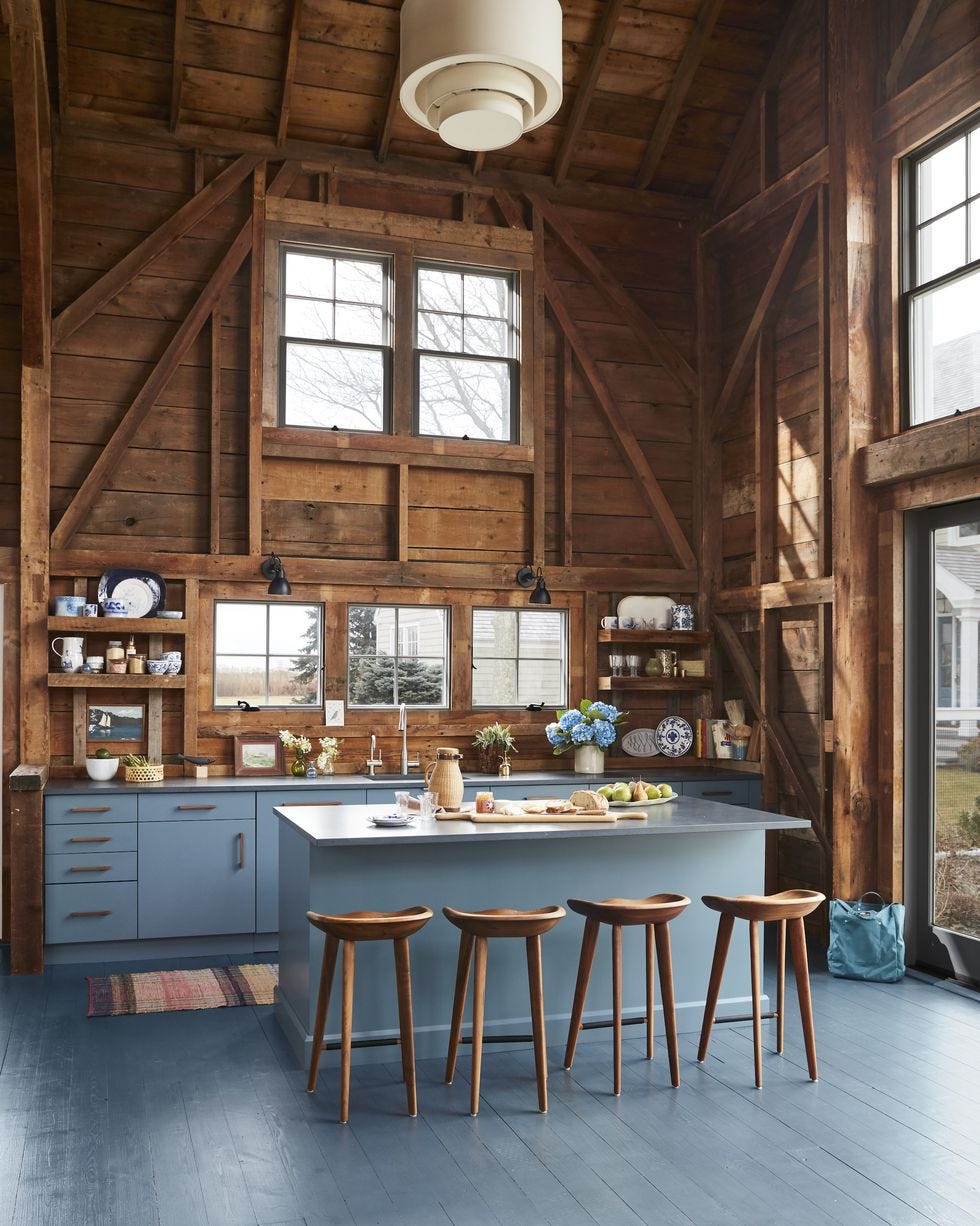
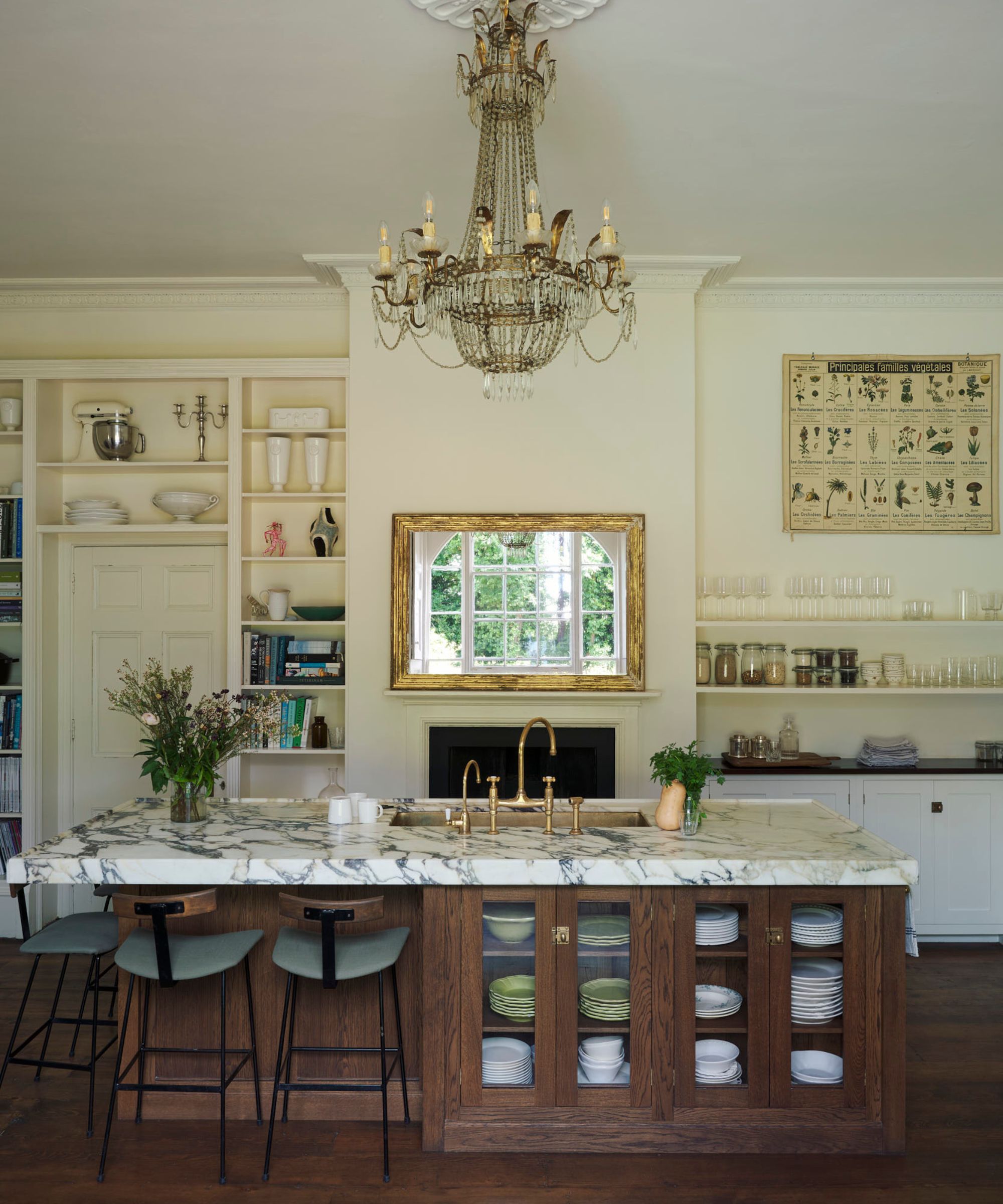
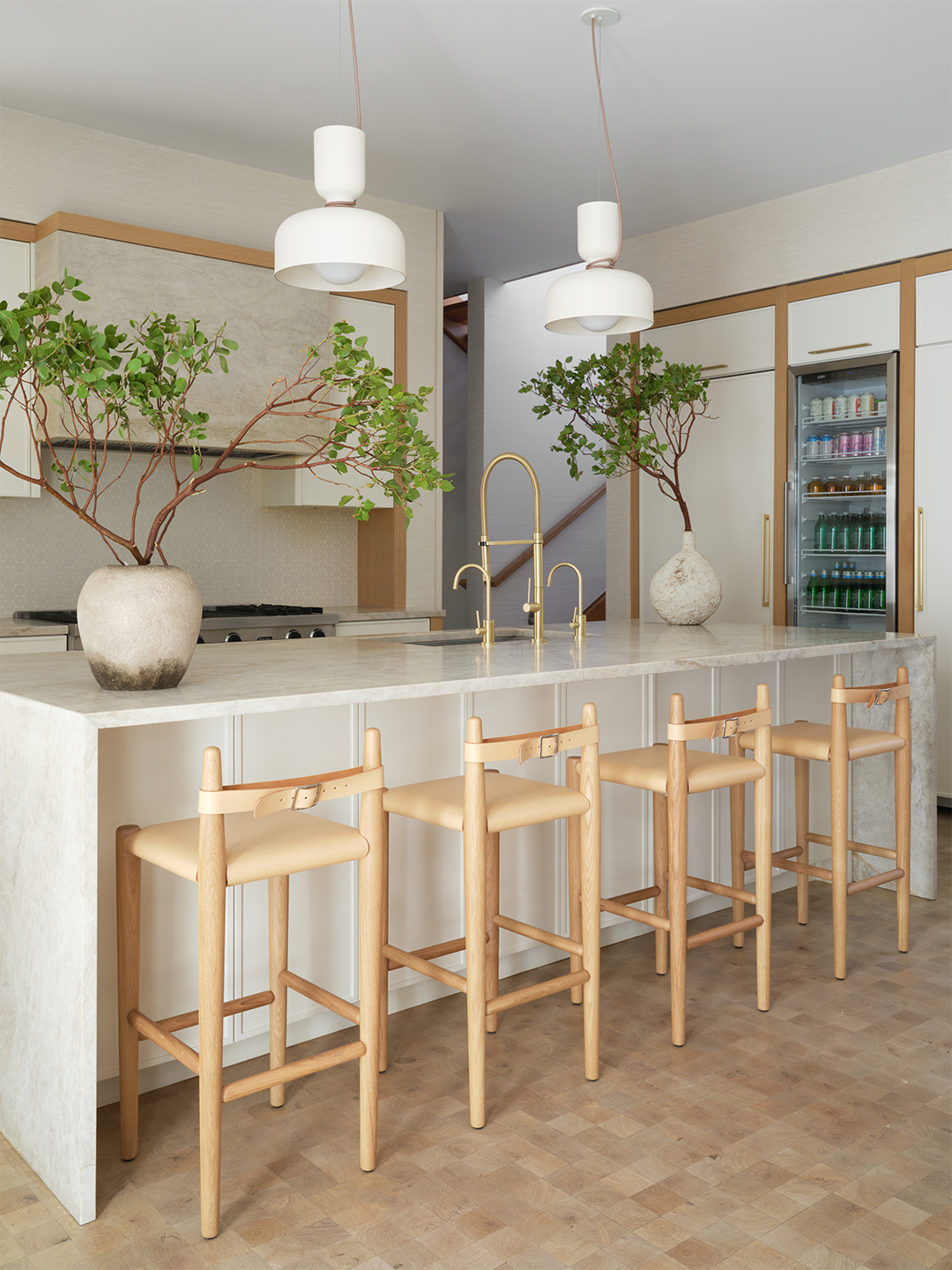
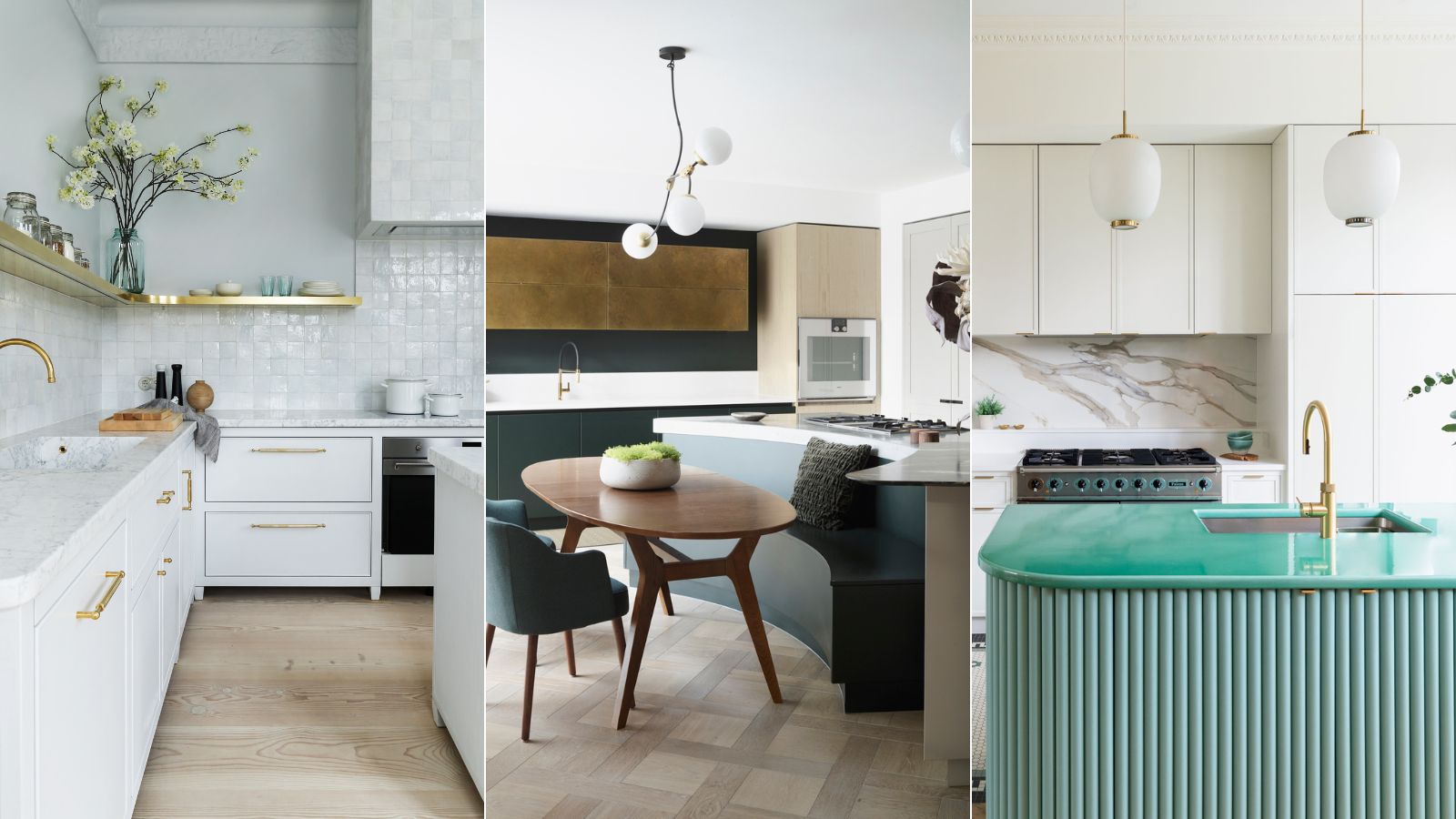
Curved kitchen islands, while potentially more complex and costly to produce due to customization, are becoming a significant design element. Designers emphasize their ability to soften the hard functional lines typically found in kitchens, fostering a warmer and more inviting atmosphere. The absence of sharp edges also improves the flow of movement around the island, making the space feel more open and less restrictive. This design approach can be implemented in various ways, from overt, spherical curvatures that extend to countertops and cabinetry, to subtle rounding of edges on marble surfaces, which can be just as impactful.
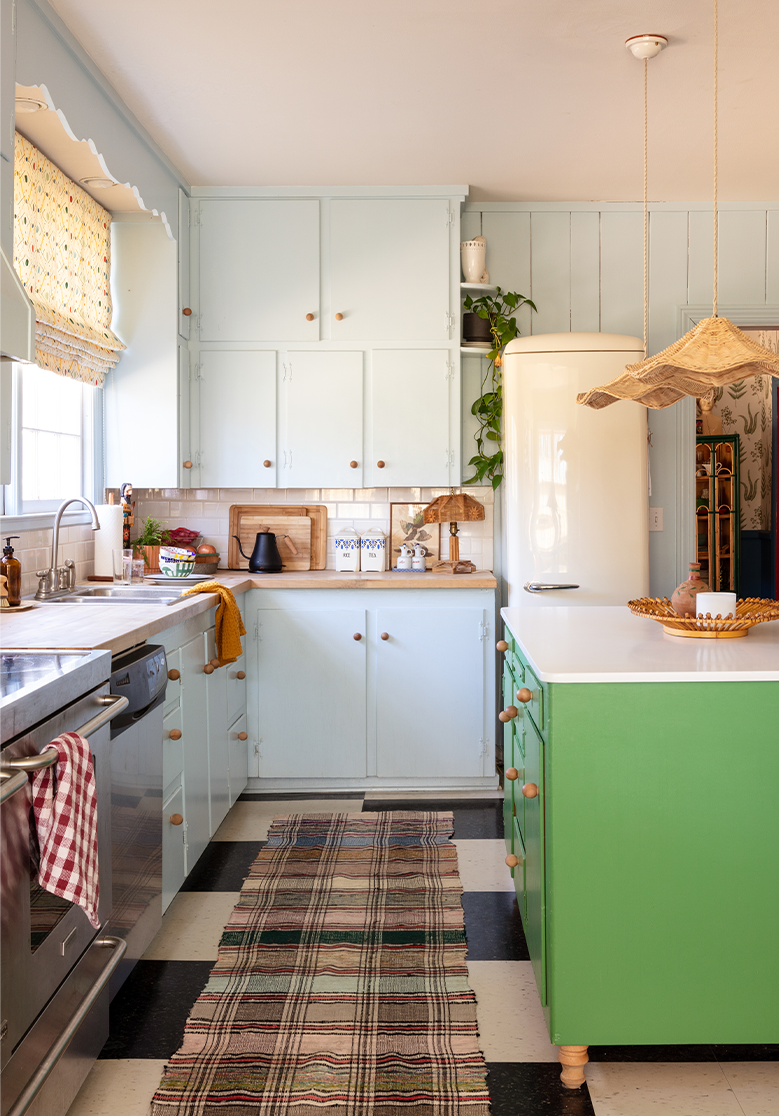
Beyond aesthetics, curved islands offer practical benefits. In homes with existing architectural curves, such as bay windows or historical features, a curved island can reflect and complement these elements, creating a cohesive design narrative. This not only adds visual interest but also enhances functionality by eliminating sharp corners, reducing the risk of accidental bumps and bruises, especially in busy family kitchens or tight spaces. Incorporating color into curved islands can further elevate their visual appeal, transforming them into playful focal points within the kitchen.
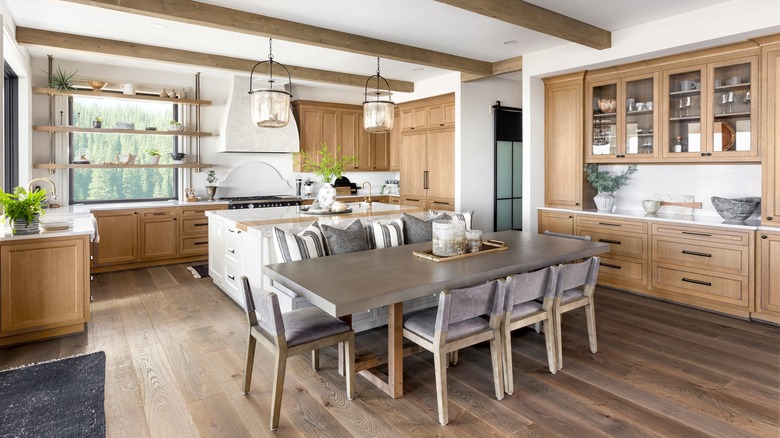
Integrating curved islands can also redefine the dynamics of a kitchen space. A generous curve can allow for the inclusion of other curved elements, like banquettes, or an oval dining table, effectively differentiating social and dining areas from work and prep zones. This manipulation of shape can make a room feel larger and improve overall spatial flow. For smaller kitchens, subtly curved edges on an island can be a space-saving solution, facilitating easier movement and preventing obstructions without significantly impacting storage capacity. While a full half-circle island might be more expensive and reduce storage, smaller radii can offer the benefits of curves without the high cost or spatial compromise.
Ultimately, while currently fashionable, the adoption of curved kitchen islands is not merely a passing trend. It represents a timeless design principle that promotes fluidity, interaction, and a classic style, rooted in human preference for natural and biophilic forms. This design choice contributes to feelings of well-being and relaxation, making it a valuable and enduring addition to modern kitchen design.
#KitchenDesign #CurvedKitchenIsland #InteriorDesignTrends #KitchenFurniture #OrganicDesign #HomeComfort #SpatialFlow #ArchitecturalFeatures #KitchenDesign #CurvedKitchenIsland #InteriorDesignTrends #KitchenFurniture #OrganicDesign #HomeComfort #SpatialFlow #ArchitecturalFeatures
0 comment in total
 No comments yet
You may also like
We Predict This Kitchen Cabinet Trend Will Take Over in 2024

We Predict These Kitchen Trends Will Be Everywhere in 2023

Bold splashbacks and open shelving will dominate kitchens in 2025

The Top Kitchen Island Trends of 2023, According to Designers

The kitchen island trends dominating 2025 - the liveable looks we predict will become new classics
This Cozy Kitchen Style Is Going to Be Major in 2025
Designers Agree: This Outdated Cabinet Trend Is Making a Major Kitchen Comeback in 2026

Kitchen colour experts are calling this the 'it' colour of 2024 that will go down as a future classic
This kitchen island trend is set to continue in 2026 – this is how one of our editors made it work in her busy family kitchen
It's Official – This Gorgeous Countertop Trend Will Be Taking Over Kitchens In 2026
We Predict This Tile Style Will Take Over 2022 Renos
The Instagram Explore Page Has Spoken: These Are the Top 10 Kitchen Trends of 2025

The Stunning Kitchen Island Trend We Should've All Seen Coming In 2025
Designers Are Shifting Away From Classic Shaker Kitchen Cabinets in 2023
21 Designers Predict 2026’s Hottest Kitchen Countertop Material

3 Kitchen Trends That Will Be Huge for 2023, According to Designer Caren Rideau
The Kitchen Cabinet Trend That Will Be Hot In 2023, According To A Design Expert
16 kitchen island trends designers say will be everywhere in 2025
The Latest Kitchen Design Trends for 2023, According to the Pros

Say Goodbye To Flat Edges: This Elegant Kitchen Countertop Trend Is Taking Over In 2026