1/6
Ottoman: A brief history about the one of the most used furniture pieces
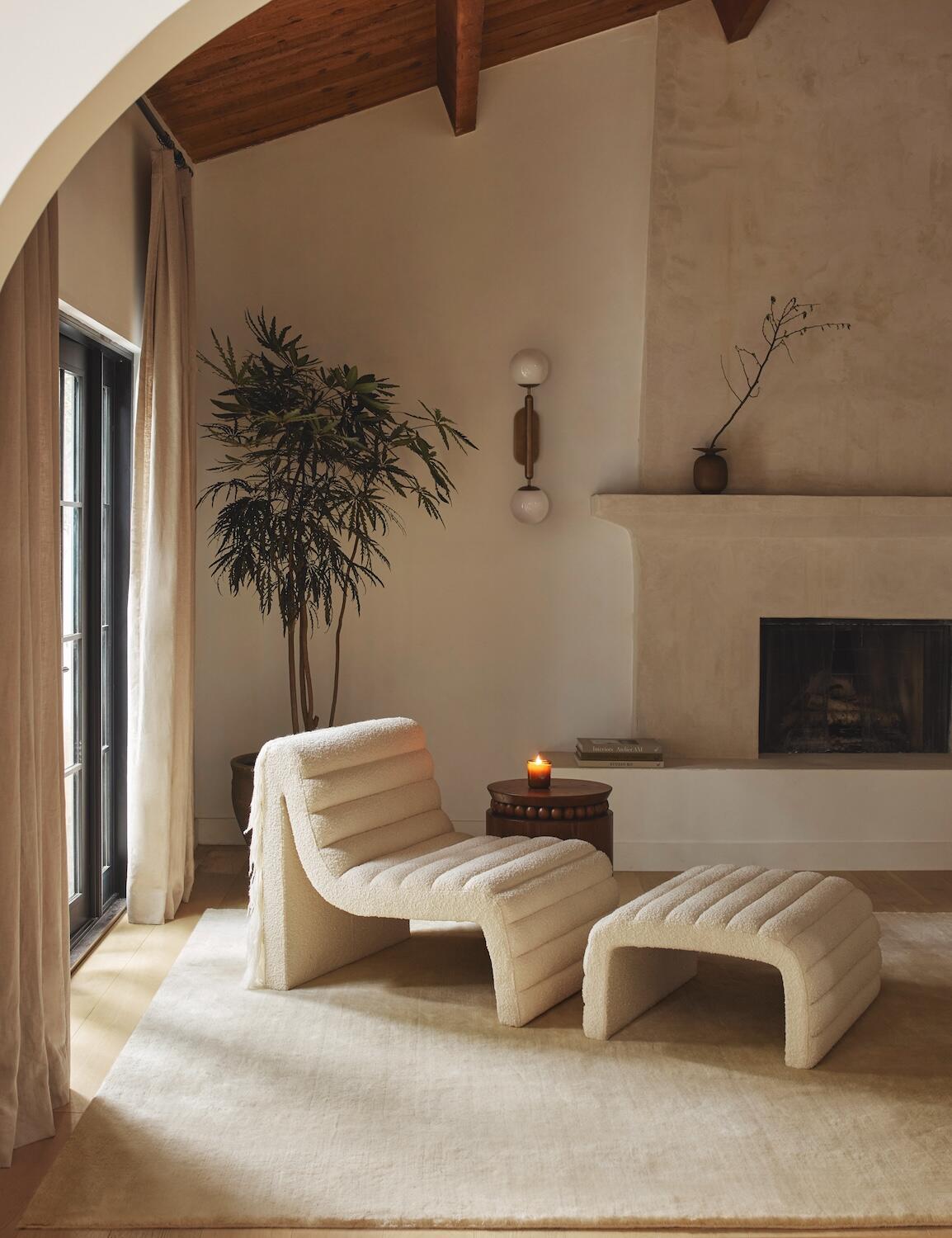
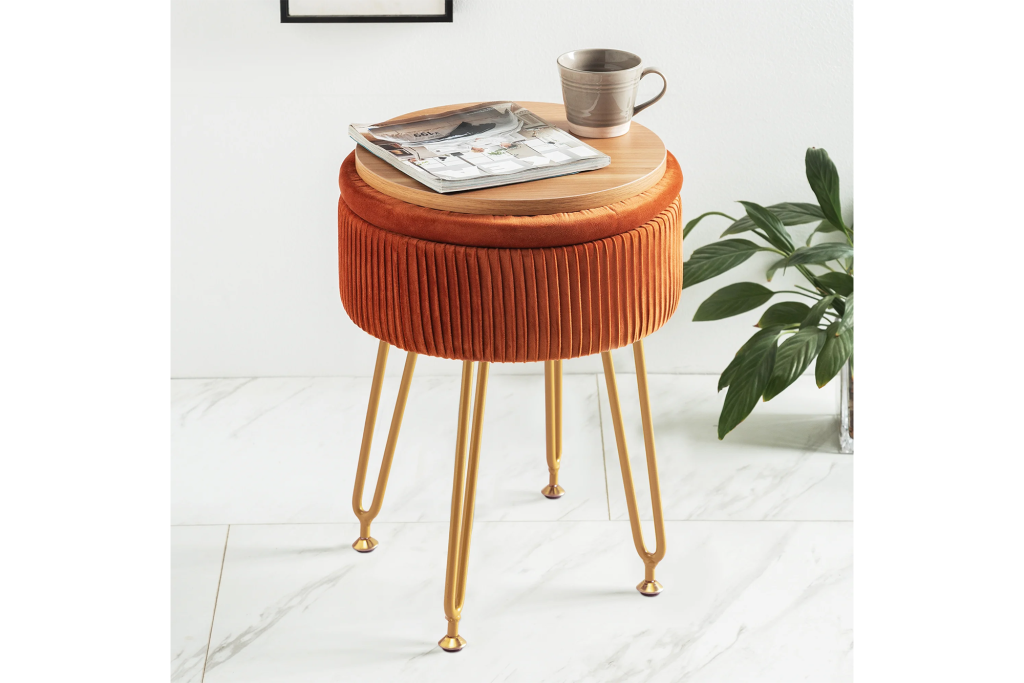
The ottoman, a widely recognized piece of upholstered, backless furniture, holds a rich and somewhat debated history tied to its namesake, the Ottoman Empire. The term itself is often attributed to Osman I, the founder of the Ottoman Empire, also known as ‘Uthman’ in Arabic. One prevailing theory suggests that the concept of the ottoman originated from a practice in the Ottoman Empire, where people would use stools piled with cushions to rest their feet in homes and tents. Turkish carpet weavers are credited with developing these footrests using bales of cotton. This method potentially evolved from an ancient Egyptian technique of crafting low stools from cloth and natural materials, a solution to the scarcity of wood in the desert environment. Early wooden frames in Egypt were often padded with leather for comfort.
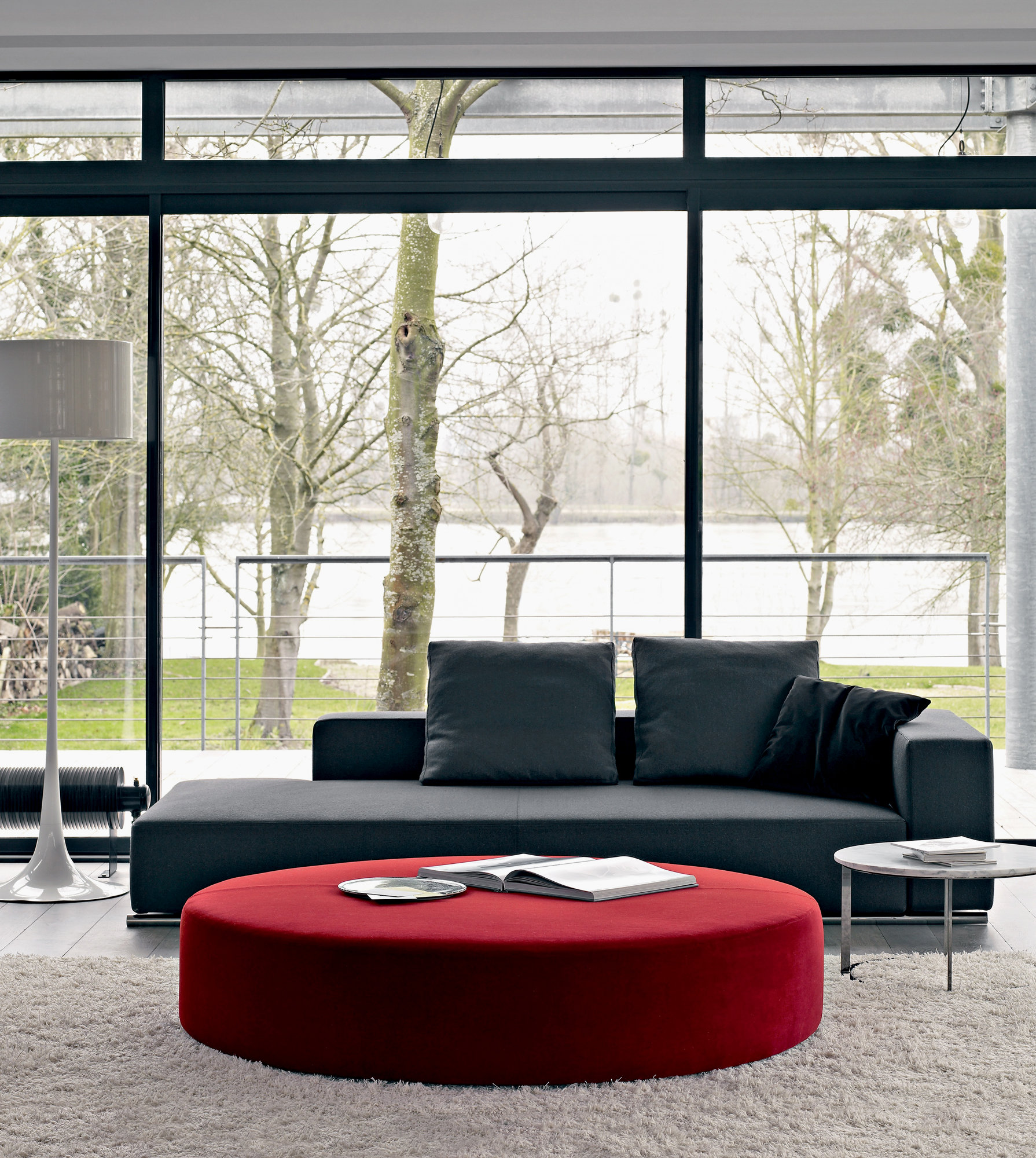
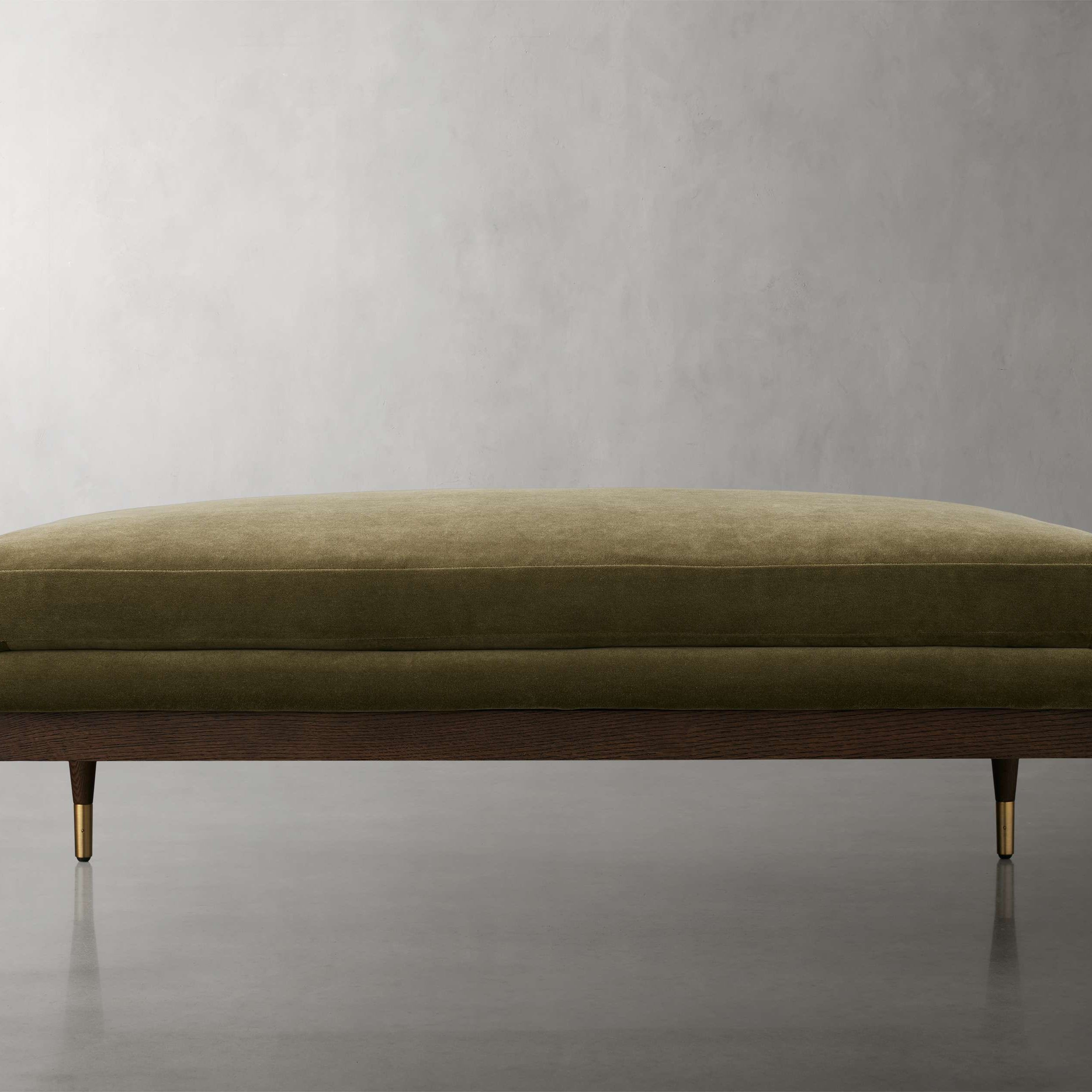
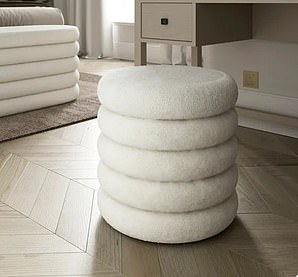
Another perspective proposes that in medieval Turkey, the ottoman was a primary form of residential seating, specifically referring to 'divan' — banquette-like sectional furniture that would line three walls of a room. These divans, laden with pillows, were common in council meetings (also called divans) held by sultans and commanders, fostering human interaction. The ottoman concept made its way to Europe in the late 18th or early 19th century. Its earliest documented use in Europe dates back to 1729 in France, appearing as ‘ottomane’. Thomas Jefferson's 1789 memorandum, detailing his purchase of a velvet ‘ottomane’ (likely an armchair) during his Paris tour, marks its entry into the English language. Upon its arrival in the West, the larger, divan-like piece began to shrink into smaller, more versatile units, suitable for corners or as circular seats around central columns, as often seen in modern hotel lobbies.
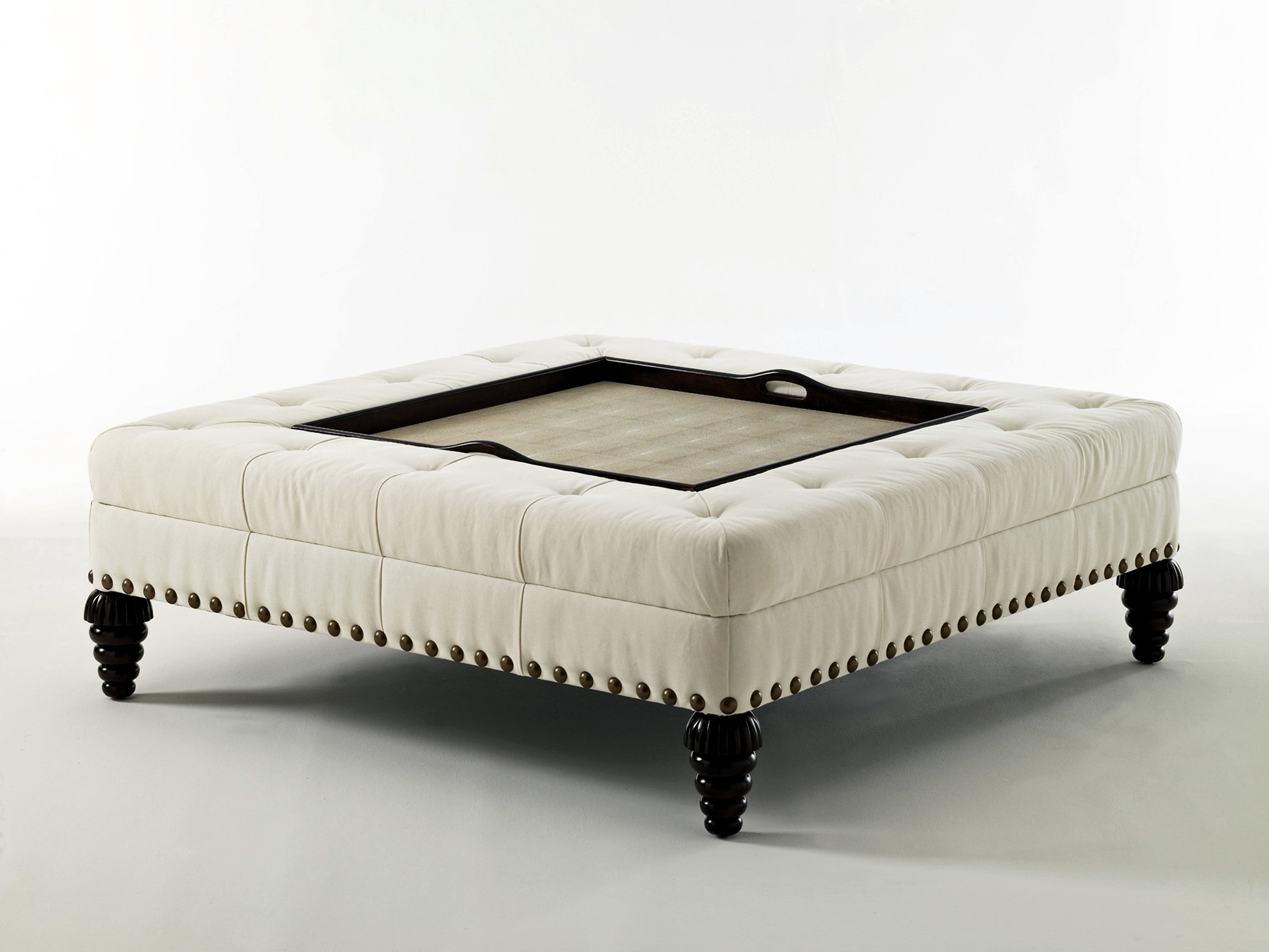
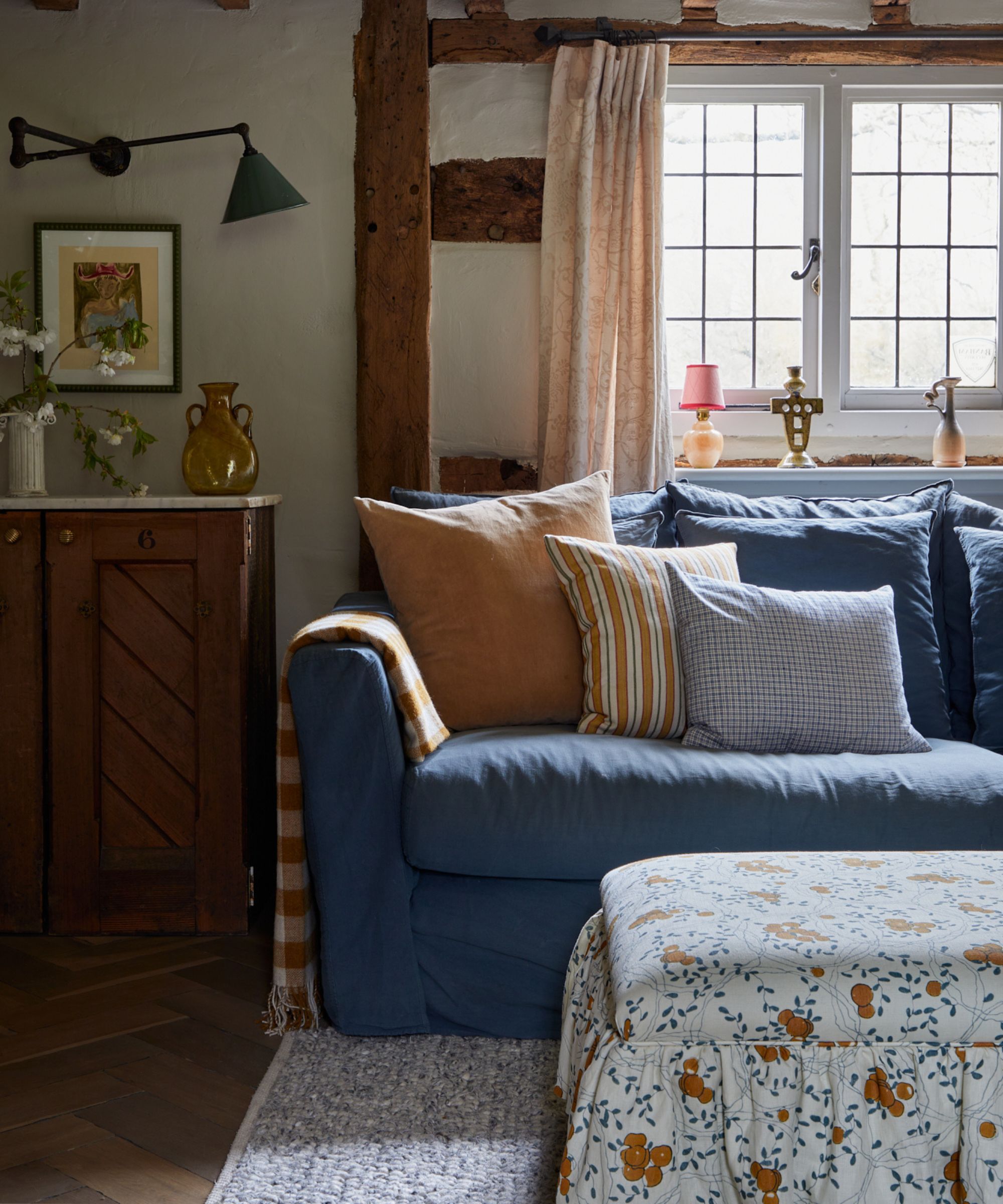
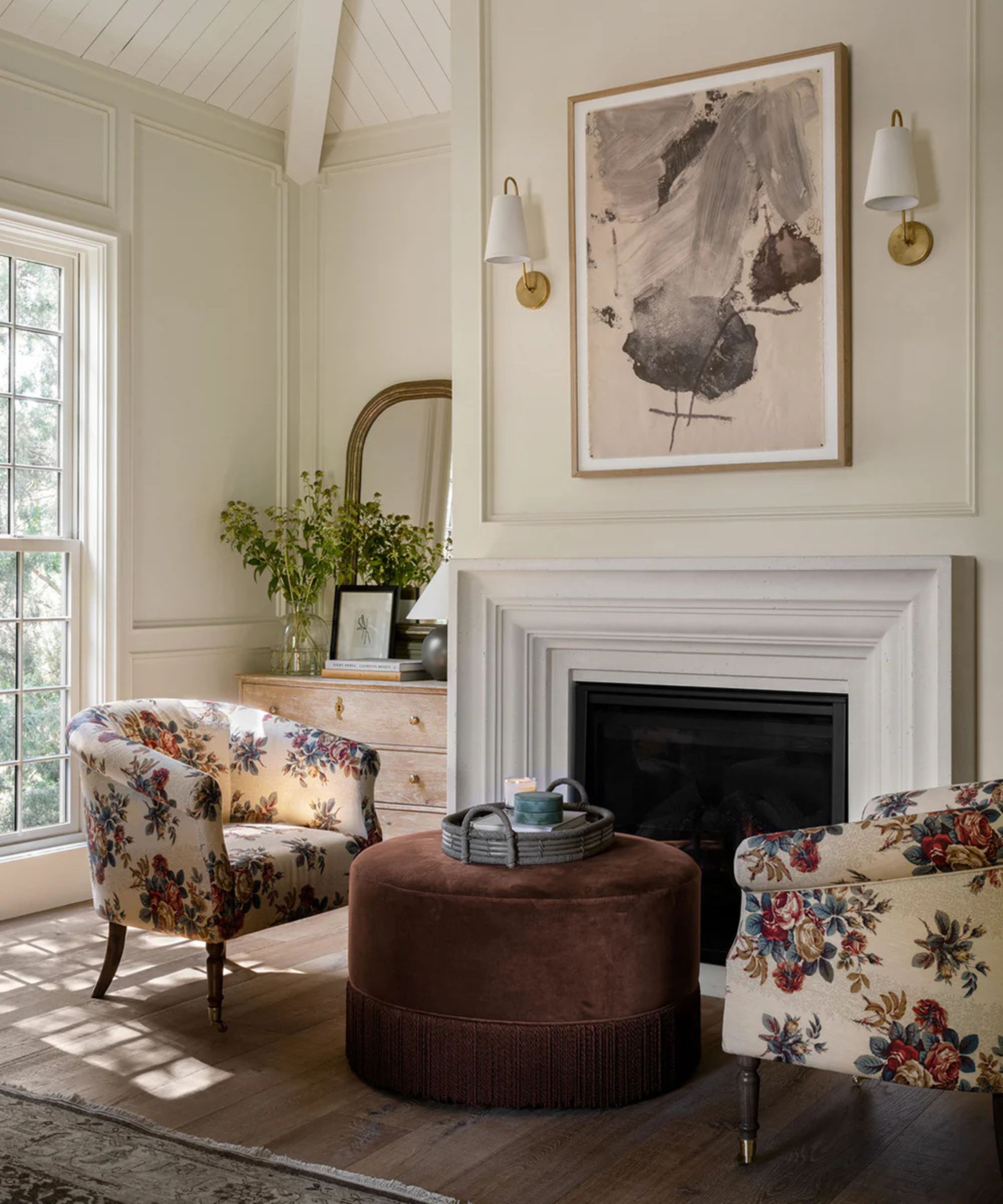
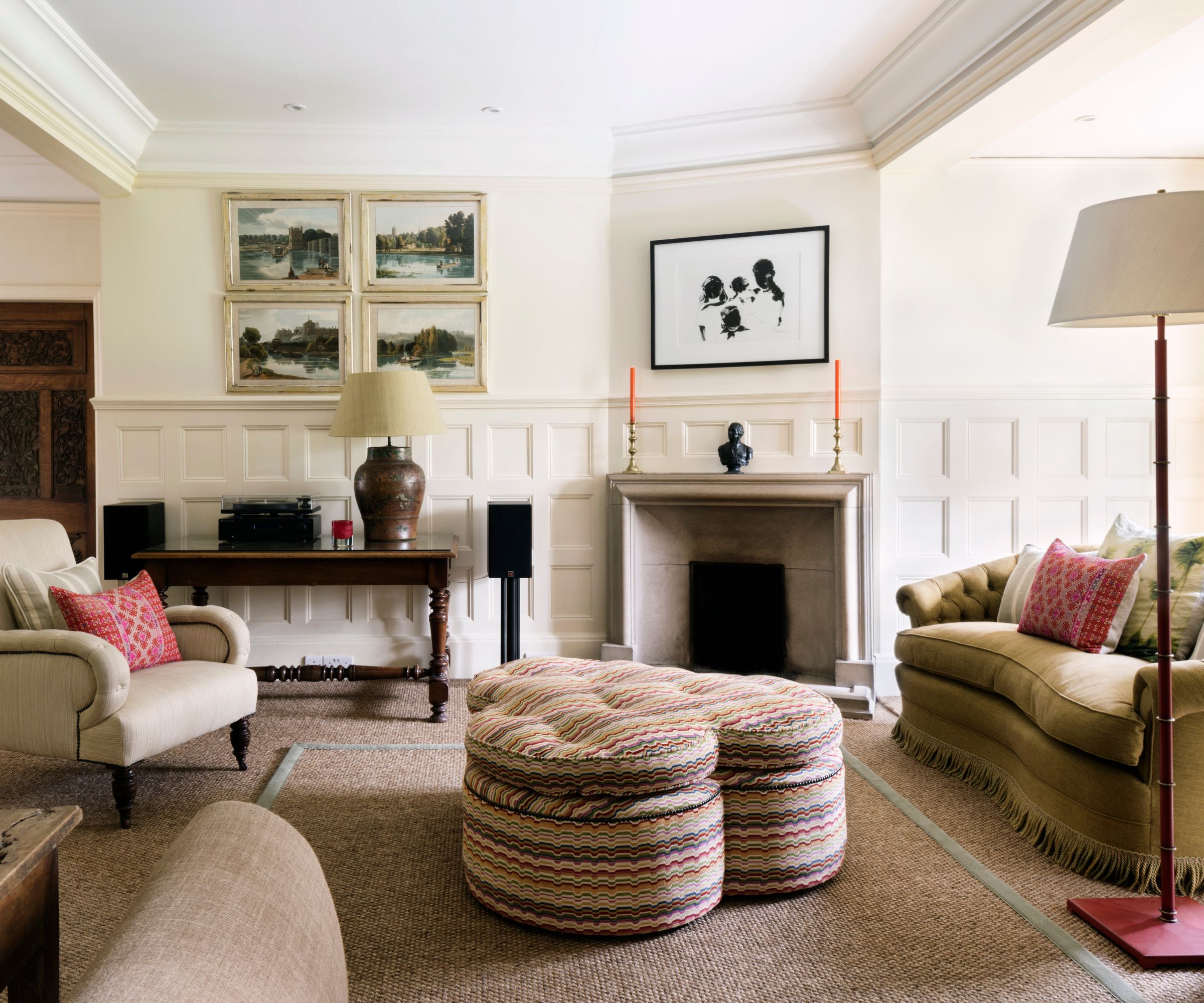
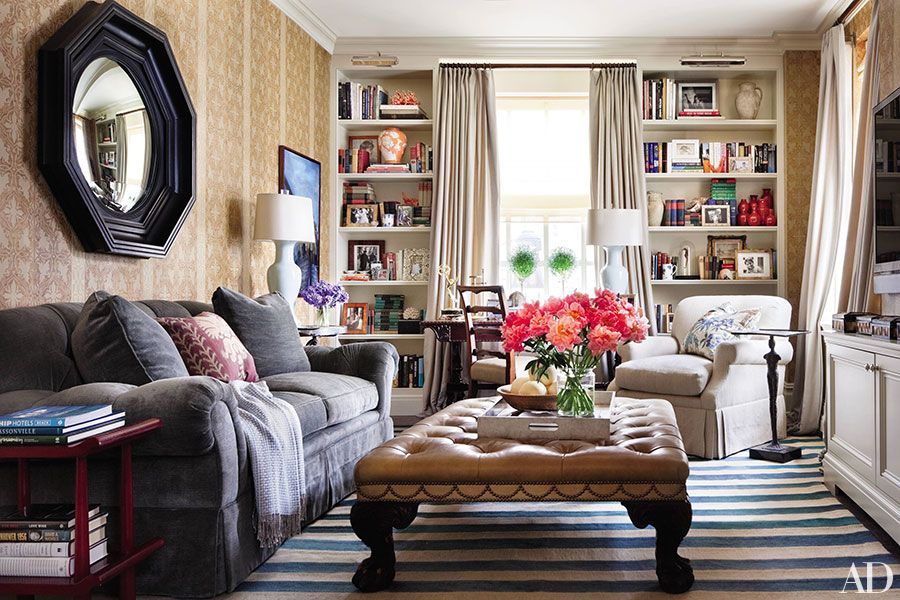
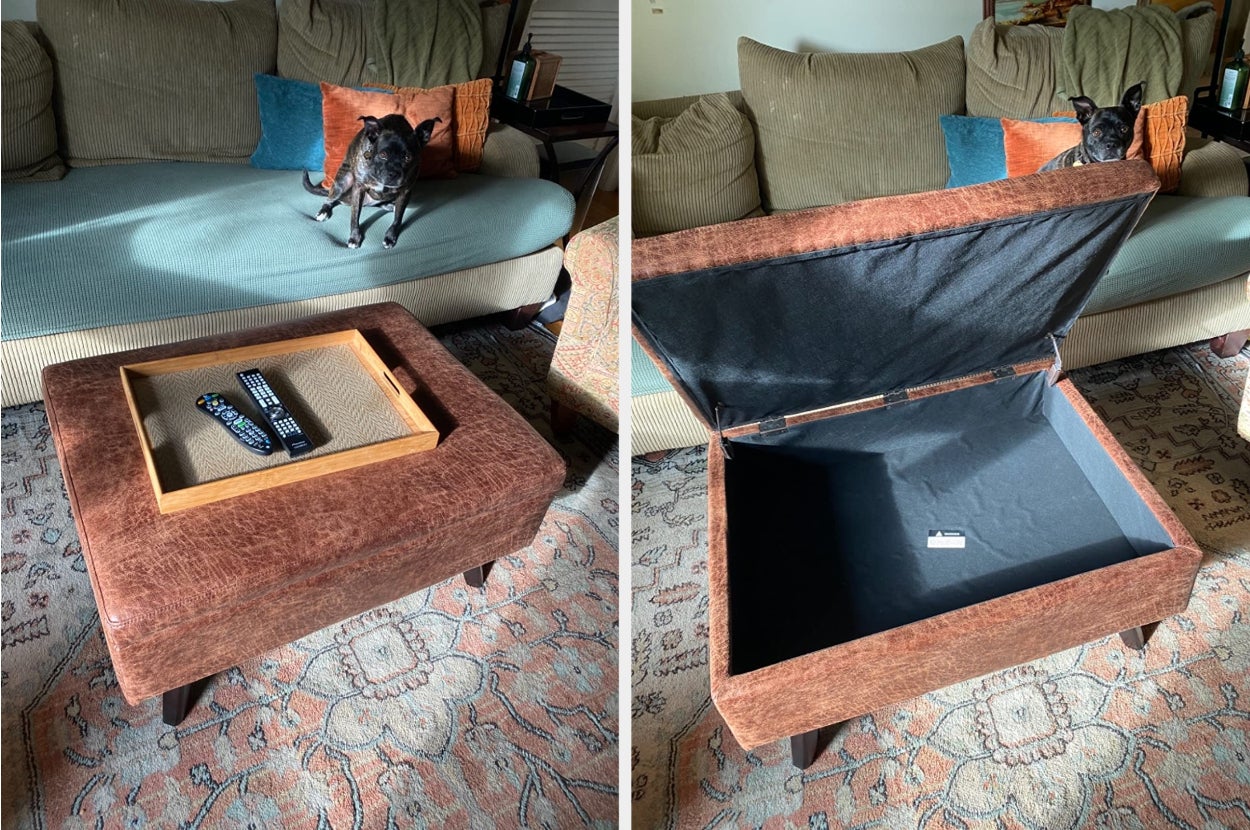
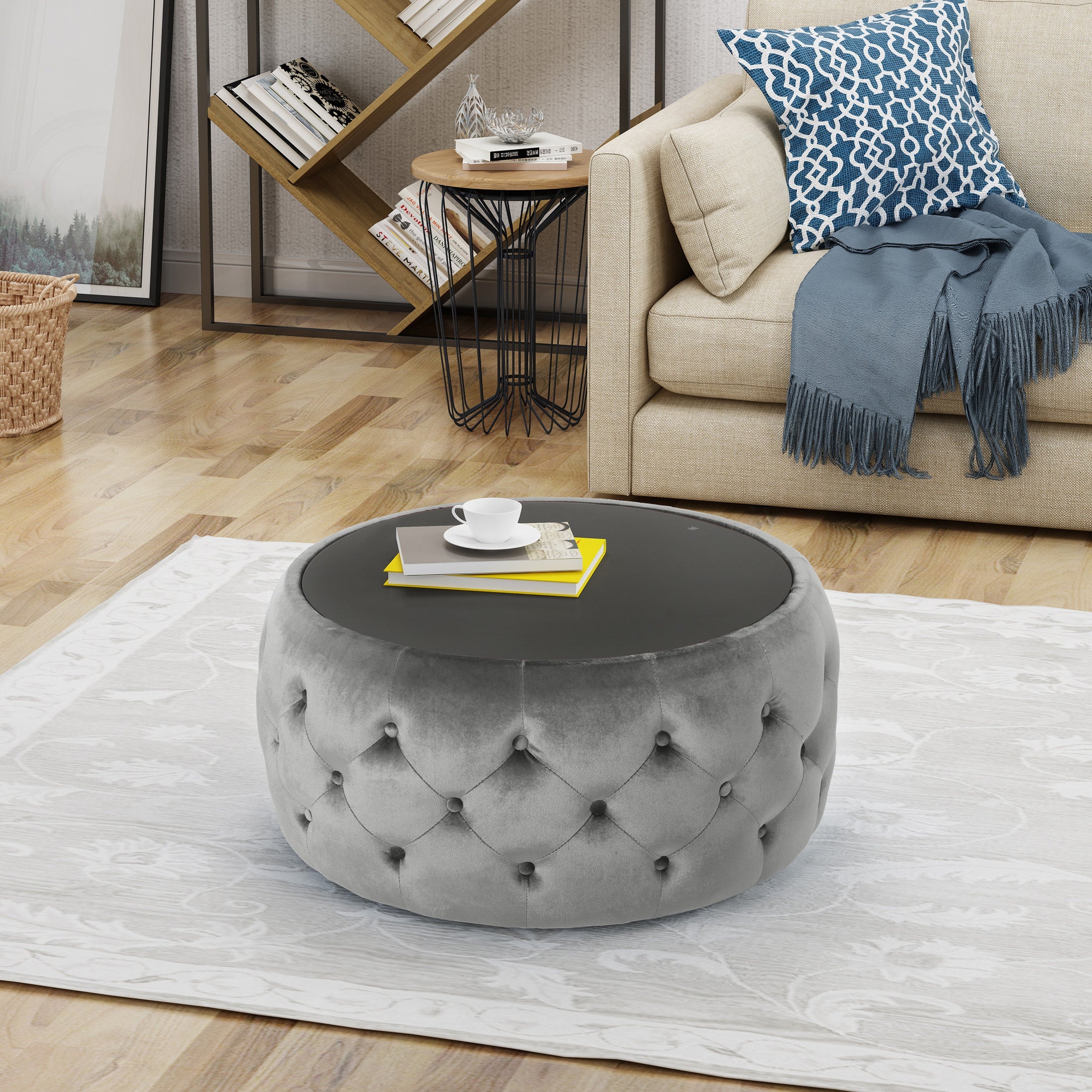
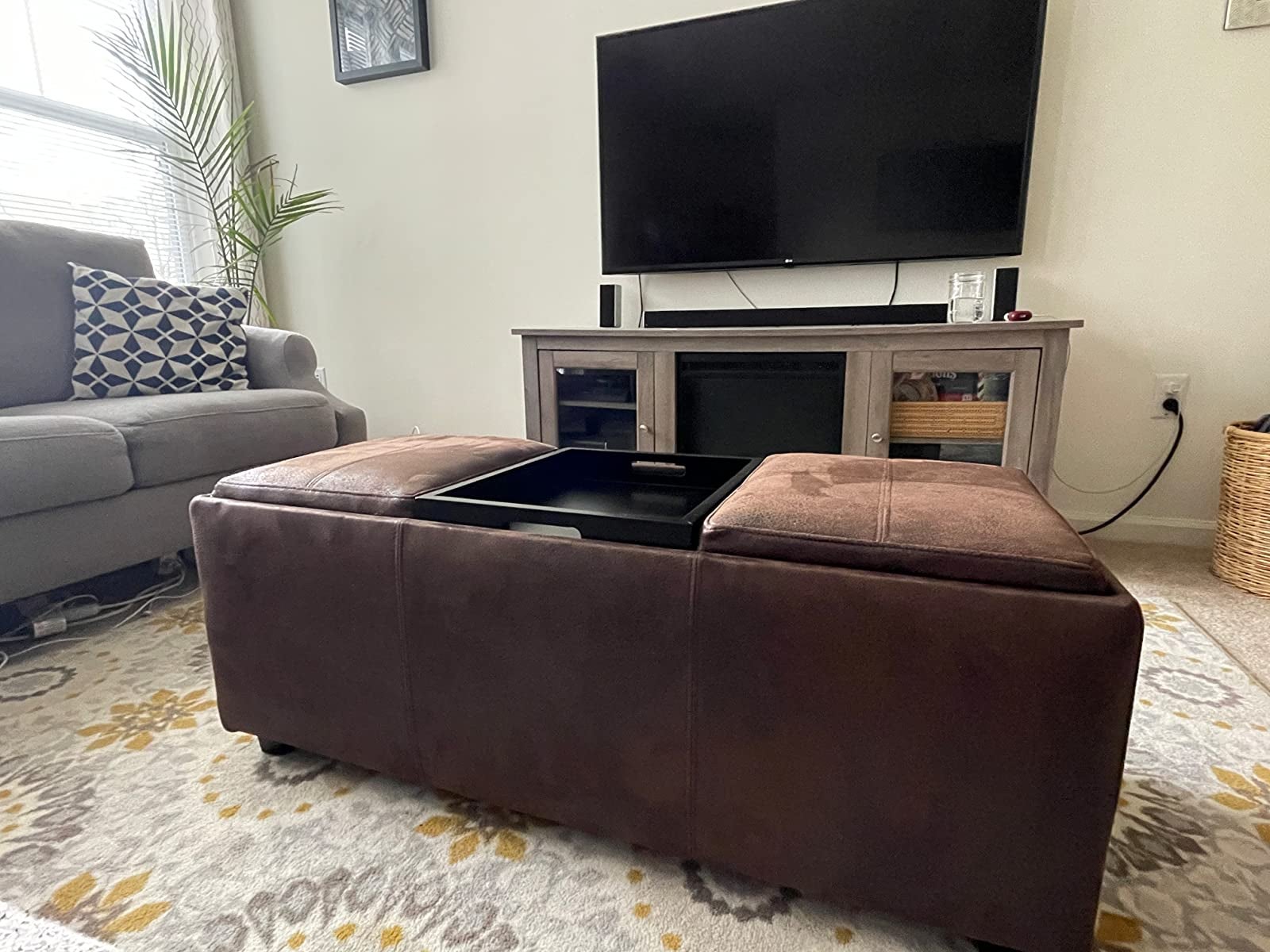
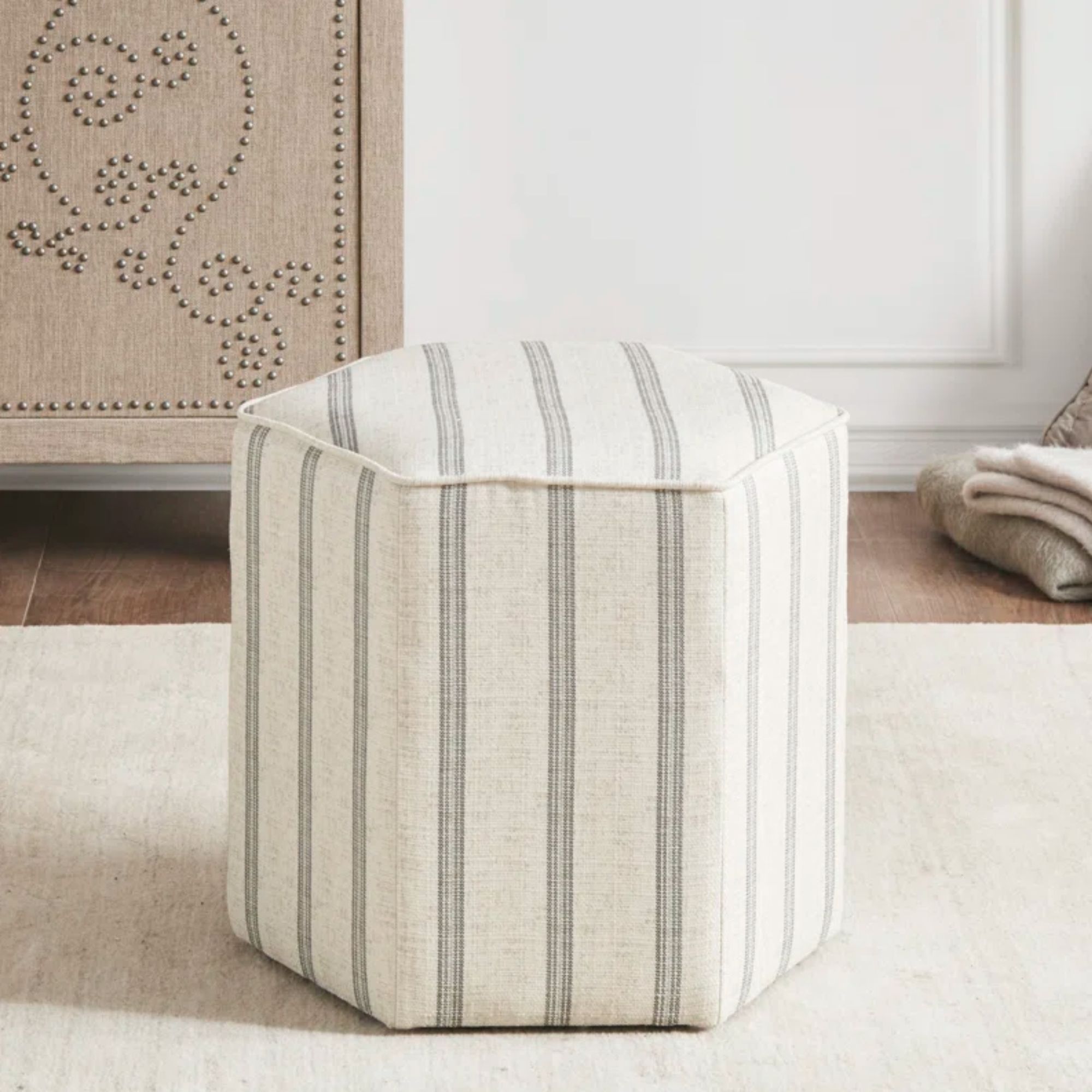
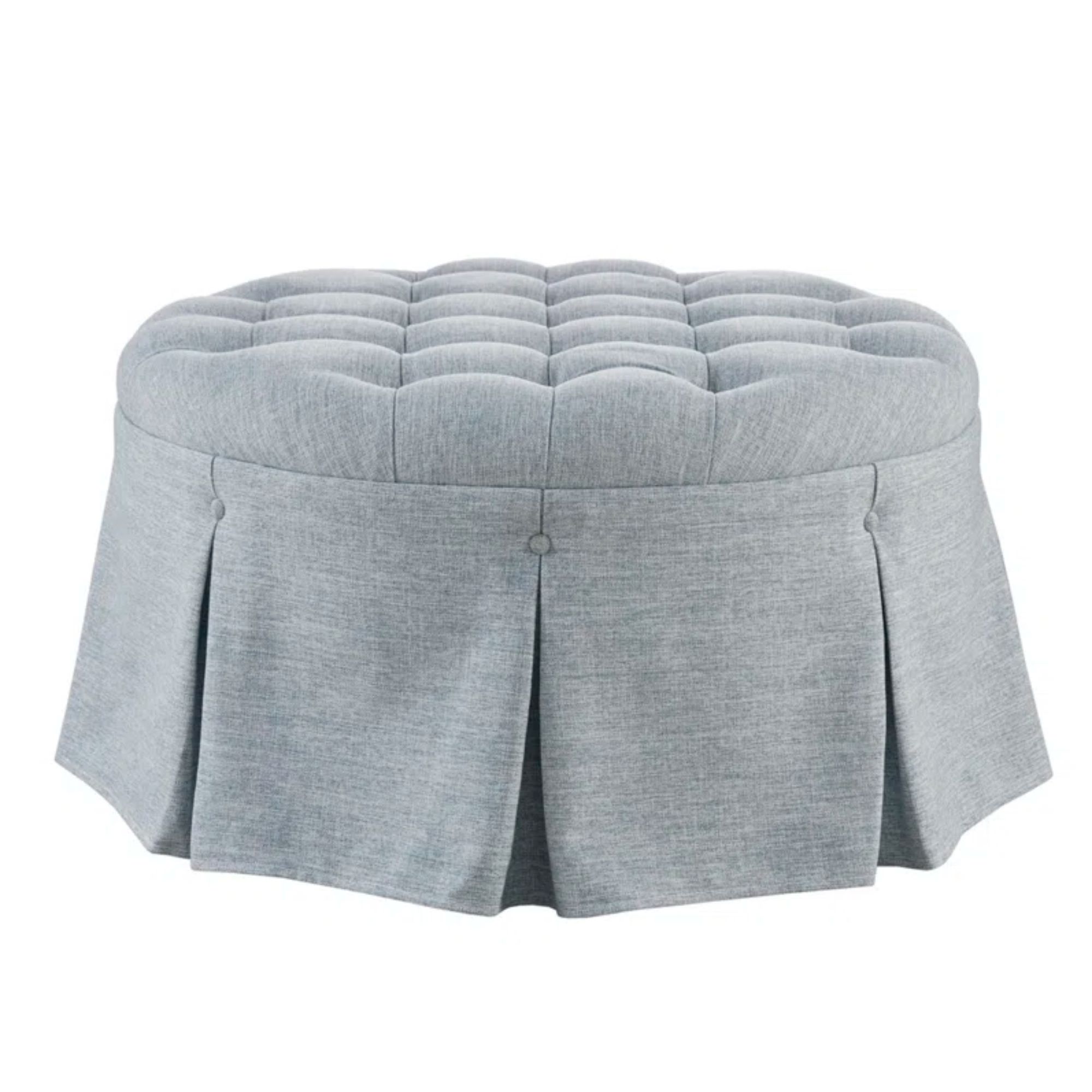
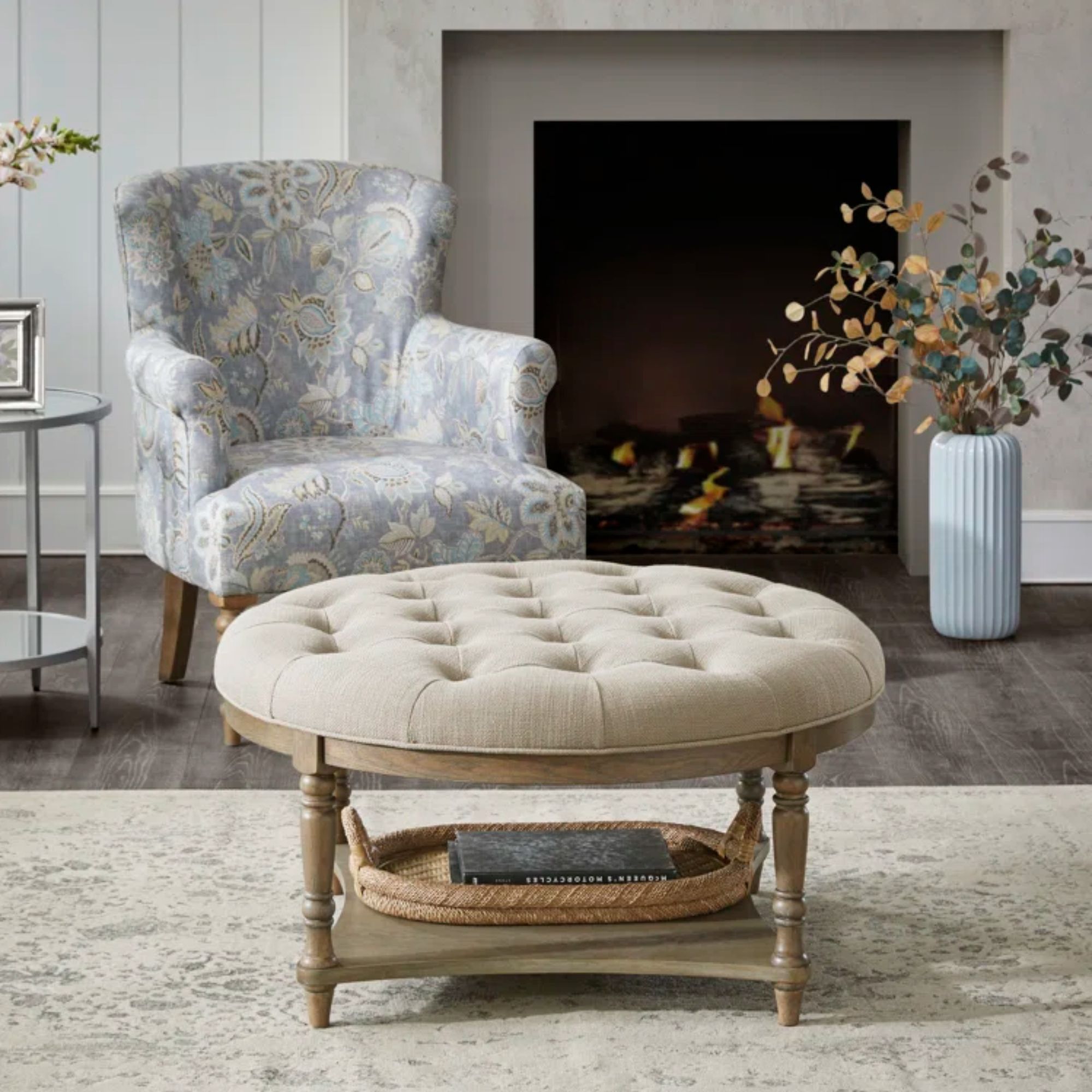
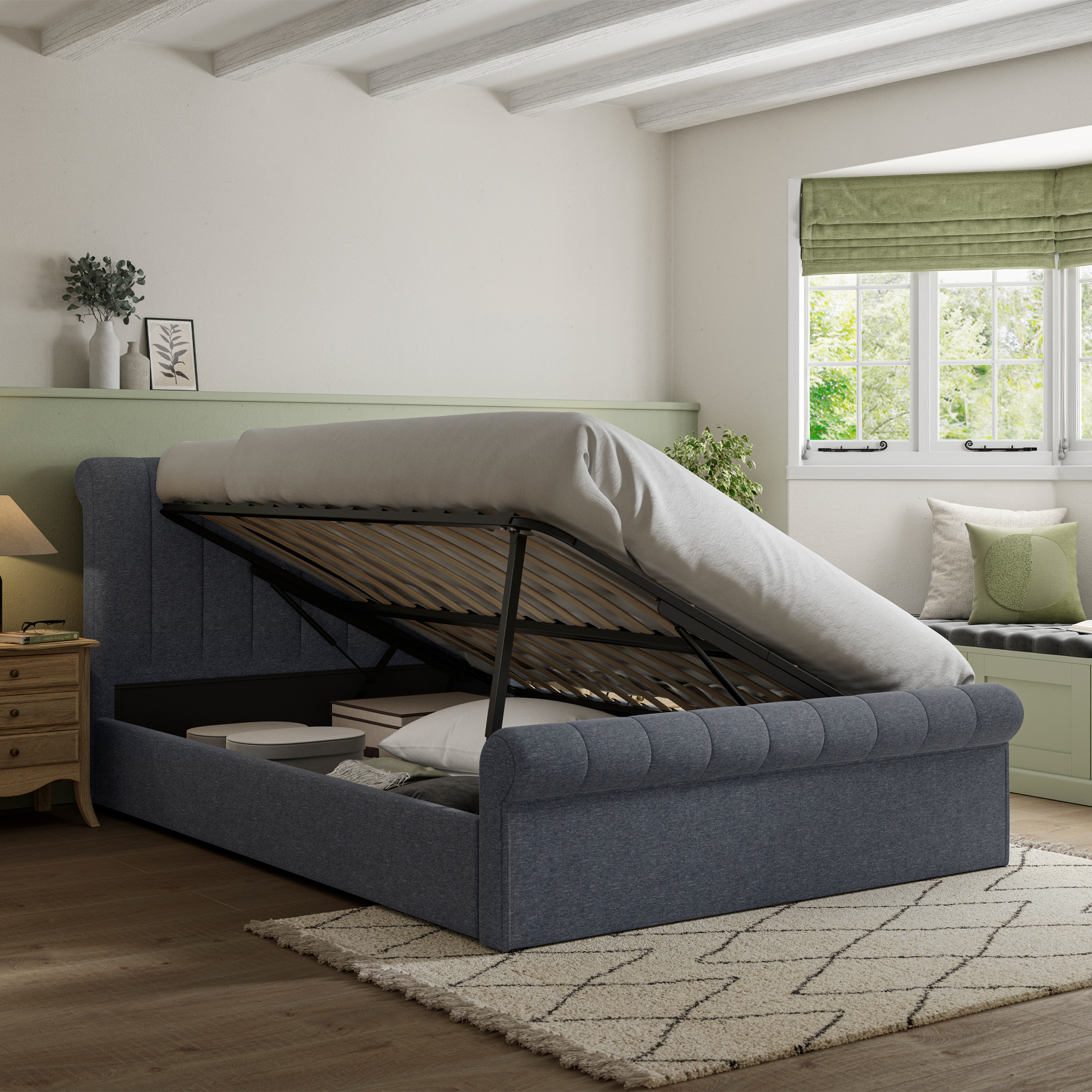
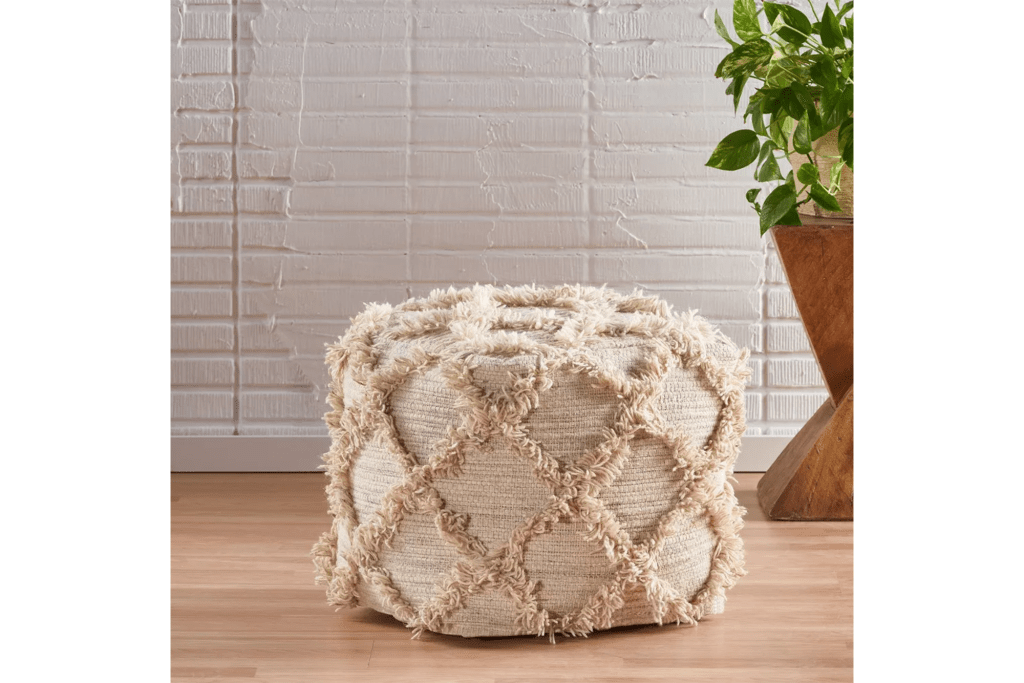
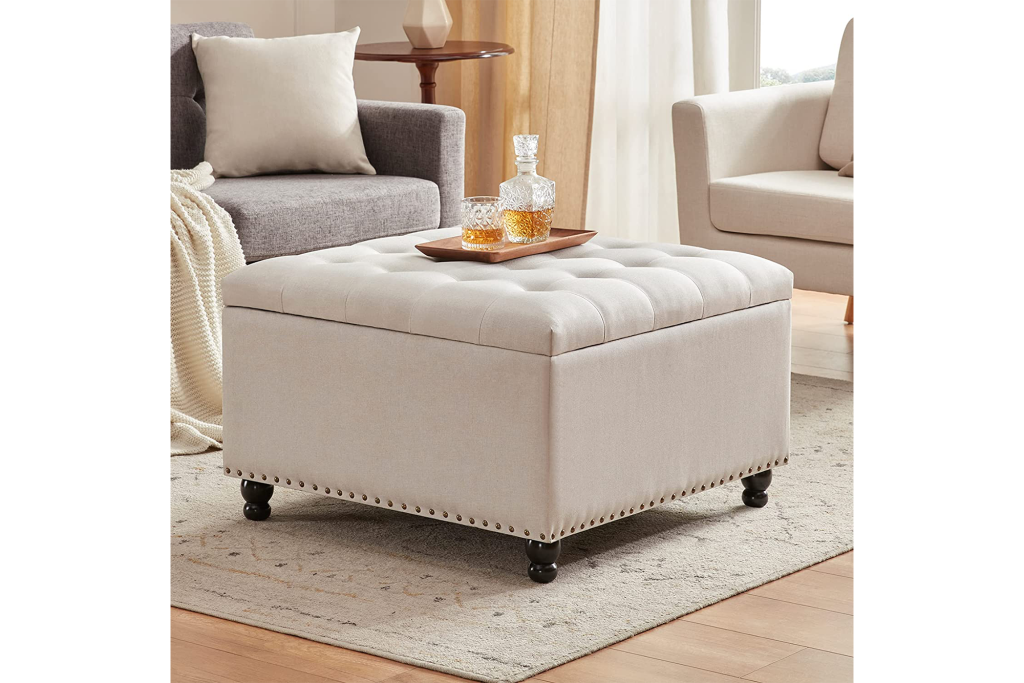
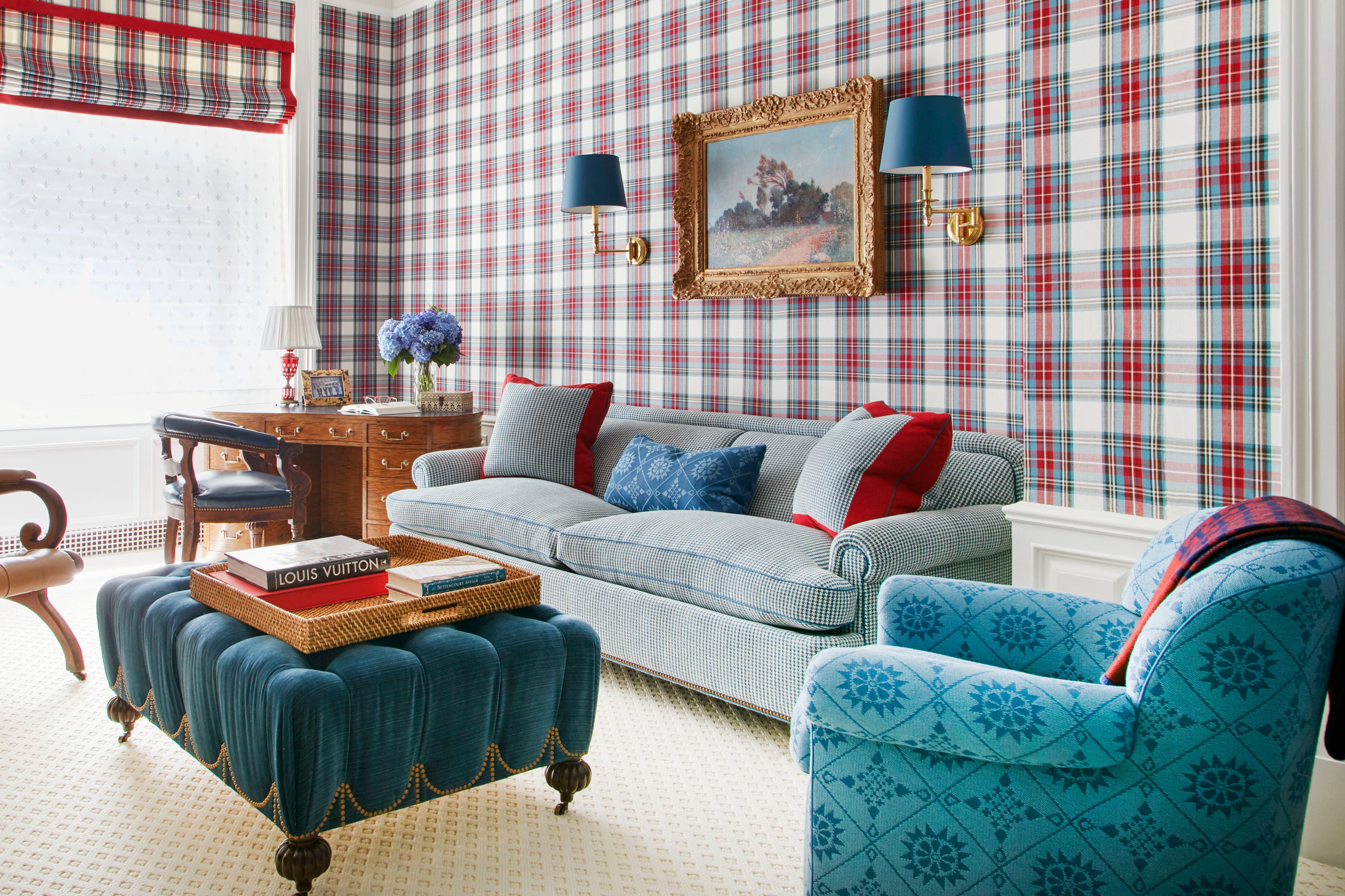
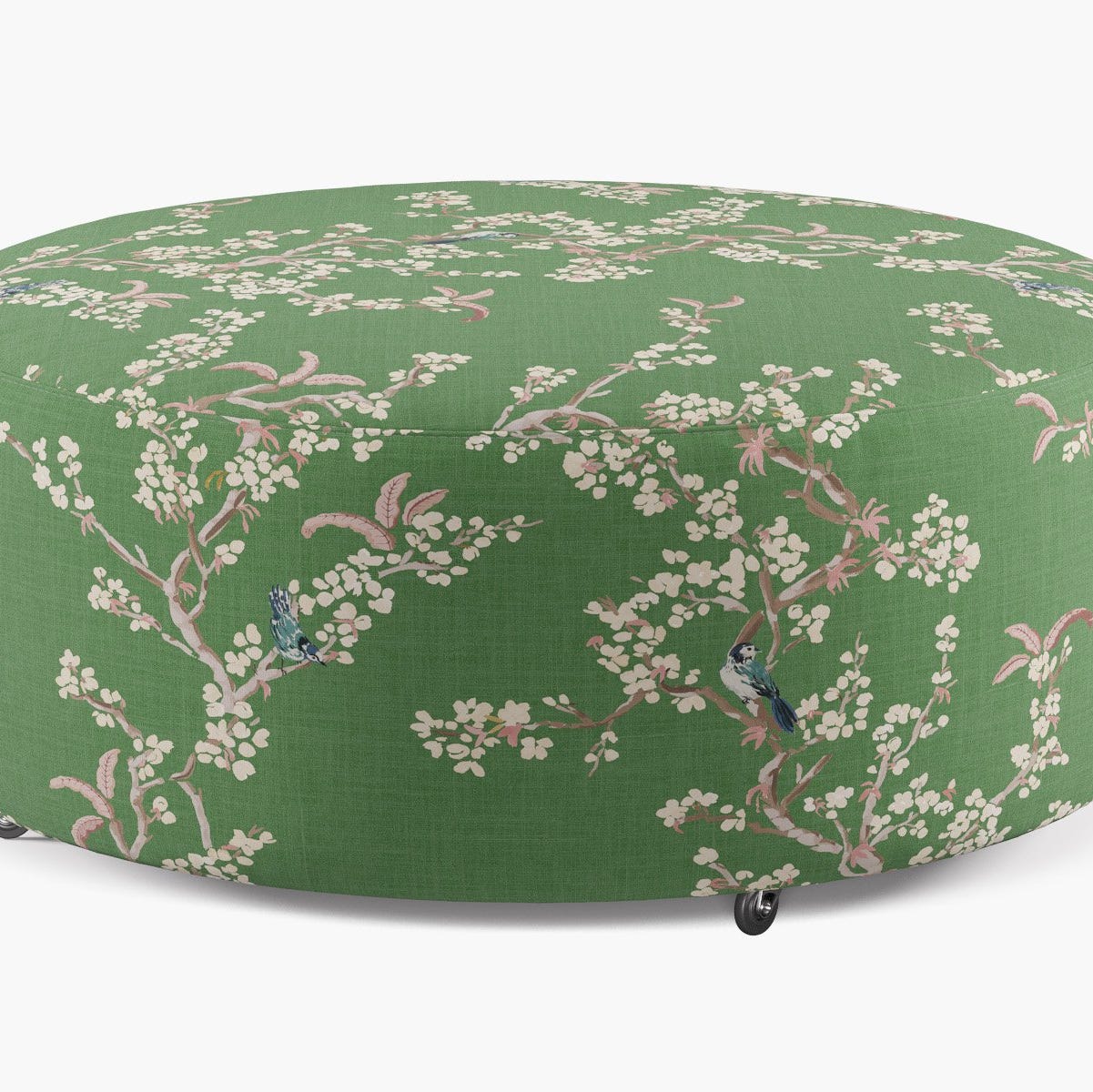
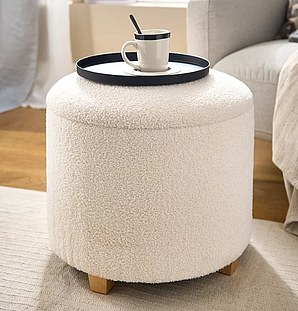
By the 19th century, the design of the ottoman evolved significantly, moving from wall-aligned seating to a central room feature. It adopted circular or octagonal forms, and some versions even included backs or arms. However, contemporary ottomans are typically devoid of these features, often incorporating buttoned upholstery, castors, or integrated storage. The French invasion of Egypt in the late 18th century offers another theory for the ottoman's nomenclature. French observers reportedly witnessed locals using distinct footstools to rest their feet after enduring various hardships under Ottoman rule. The French then adopted this furniture style. Alternatively, Western European travelers might have brought this Near Eastern design back from their travels in Greece and the Balkans. The exact reason for the name transition from ‘ottomane’ to ‘ottoman’ and its potential symbolic implications—such as keeping the 'ottoman' (referring to the empire) figuratively 'under one's feet'—remains a subject for contemplation.
#OttomanHistory #FurnitureDesign #TurkishCulture #HomeDecor #DesignEvolution #Footstool #Upholstery #InteriorDesign #CulturalExchange #OttomanHistory #FurnitureDesign #TurkishCulture #HomeDecor #DesignEvolution #Footstool #Upholstery #InteriorDesign #CulturalExchange
0 comment in total
 No comments yet
You may also like
Versatile and Multitasking, Ottomans Take Center Stage in the Domestic Space
How to Incorporate Ottomans into Your Living Room Decor

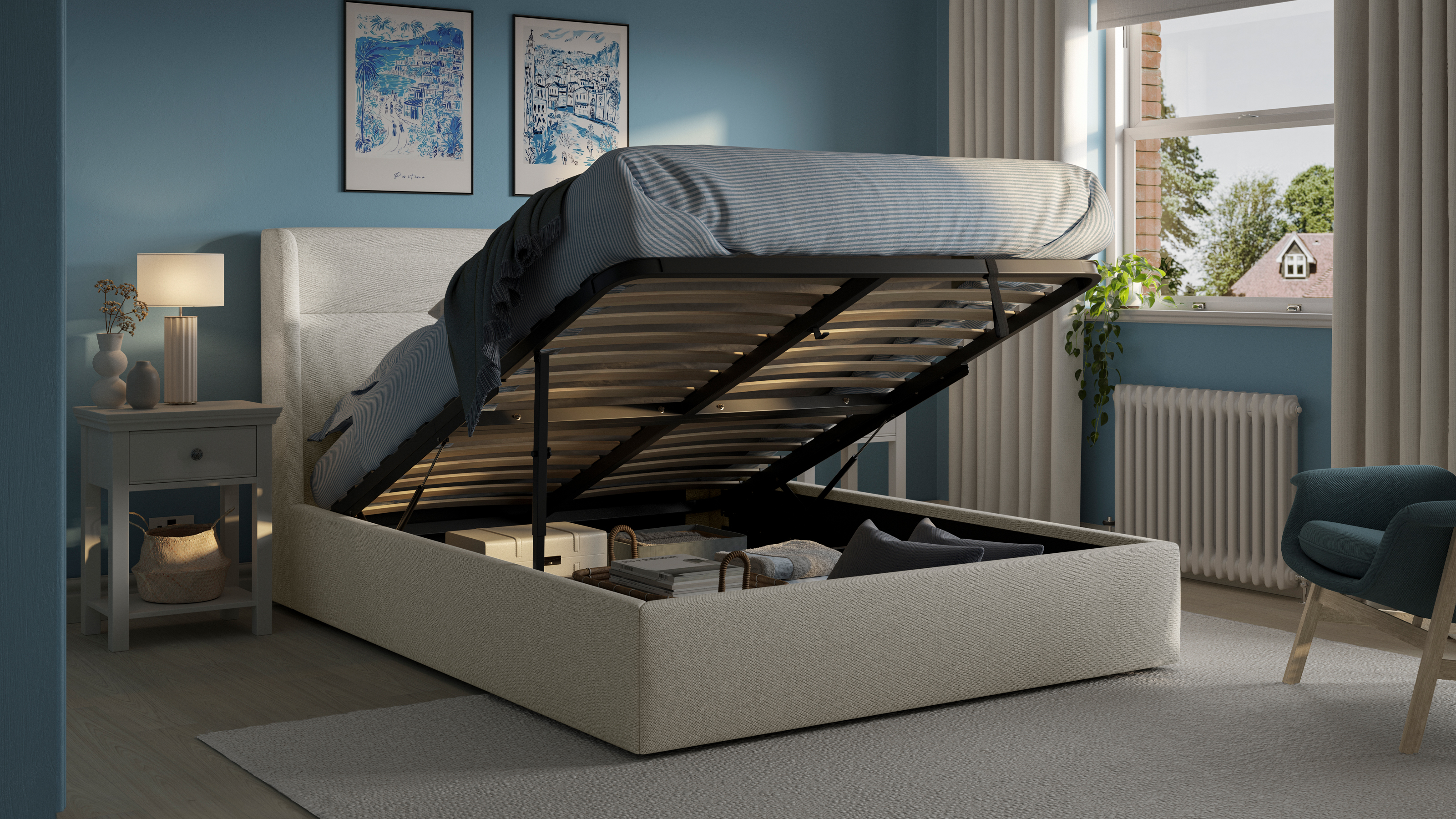
What is an ottoman bed? Everything you need to know about this stylish and practical storage option
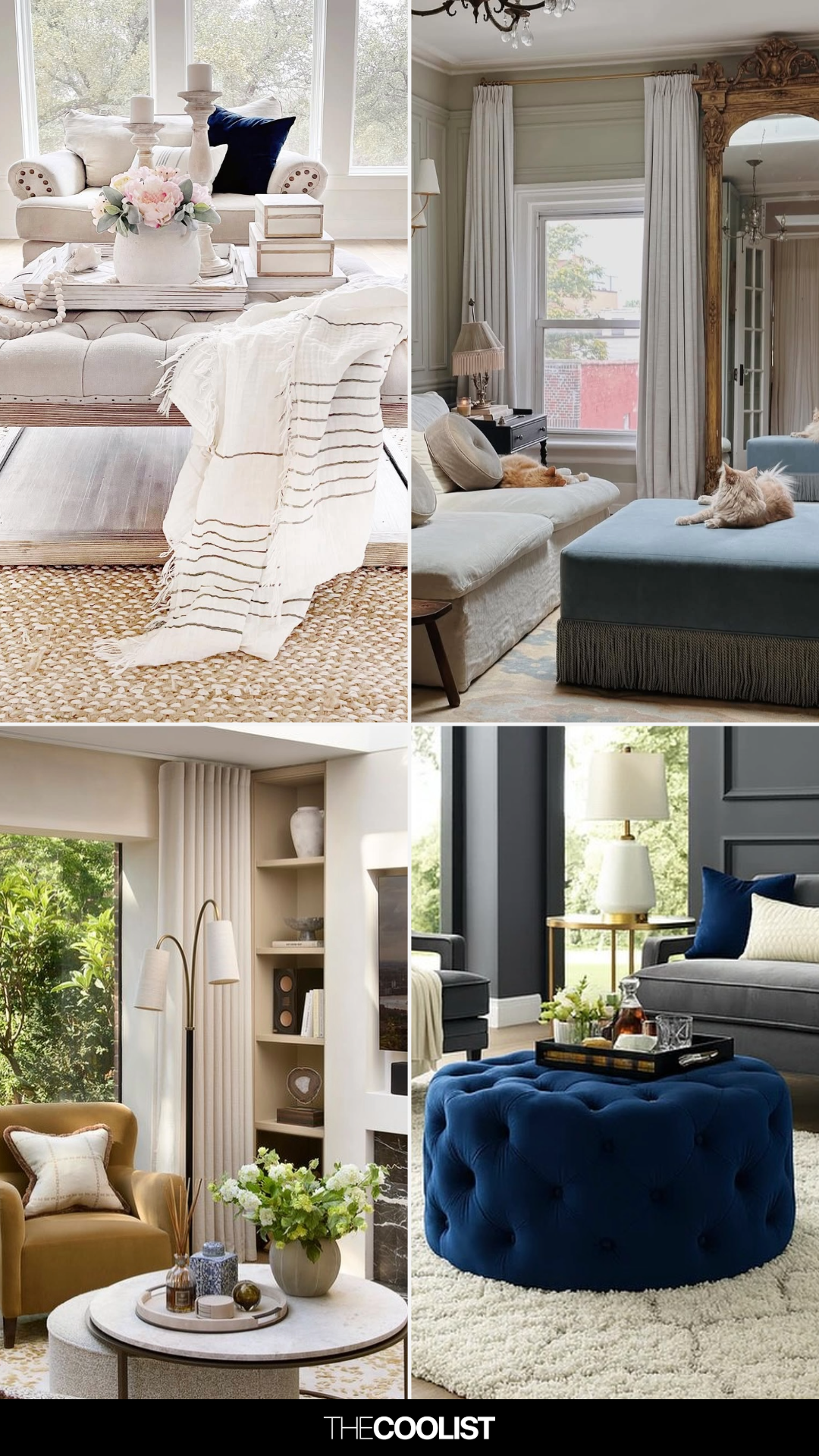
35 Ottoman Coffee Table Ideas That’ll Make You Ditch Your Regular Coffee Table Forever

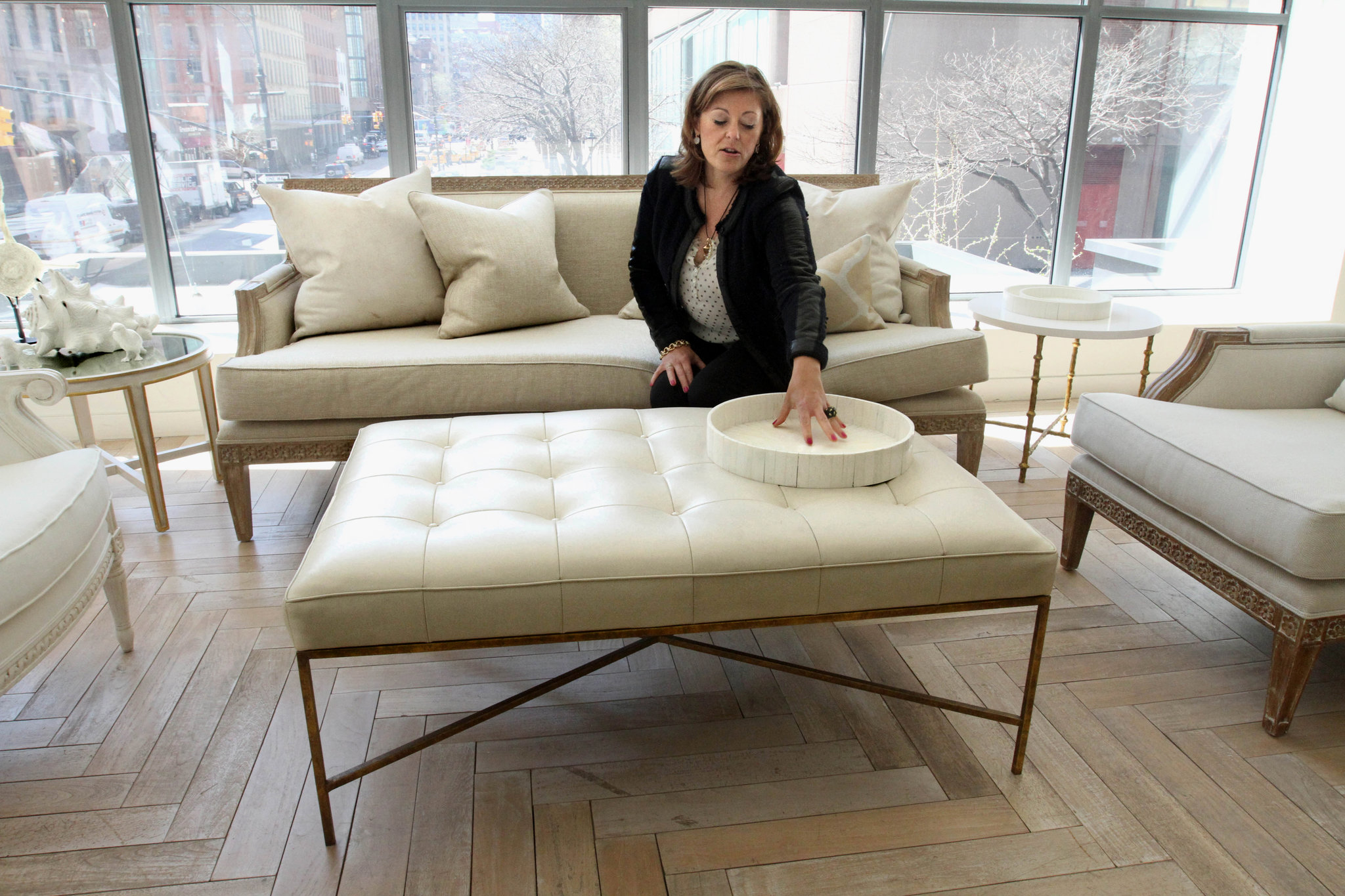
Cool Your Heels on an Ottoman (Published 2014)

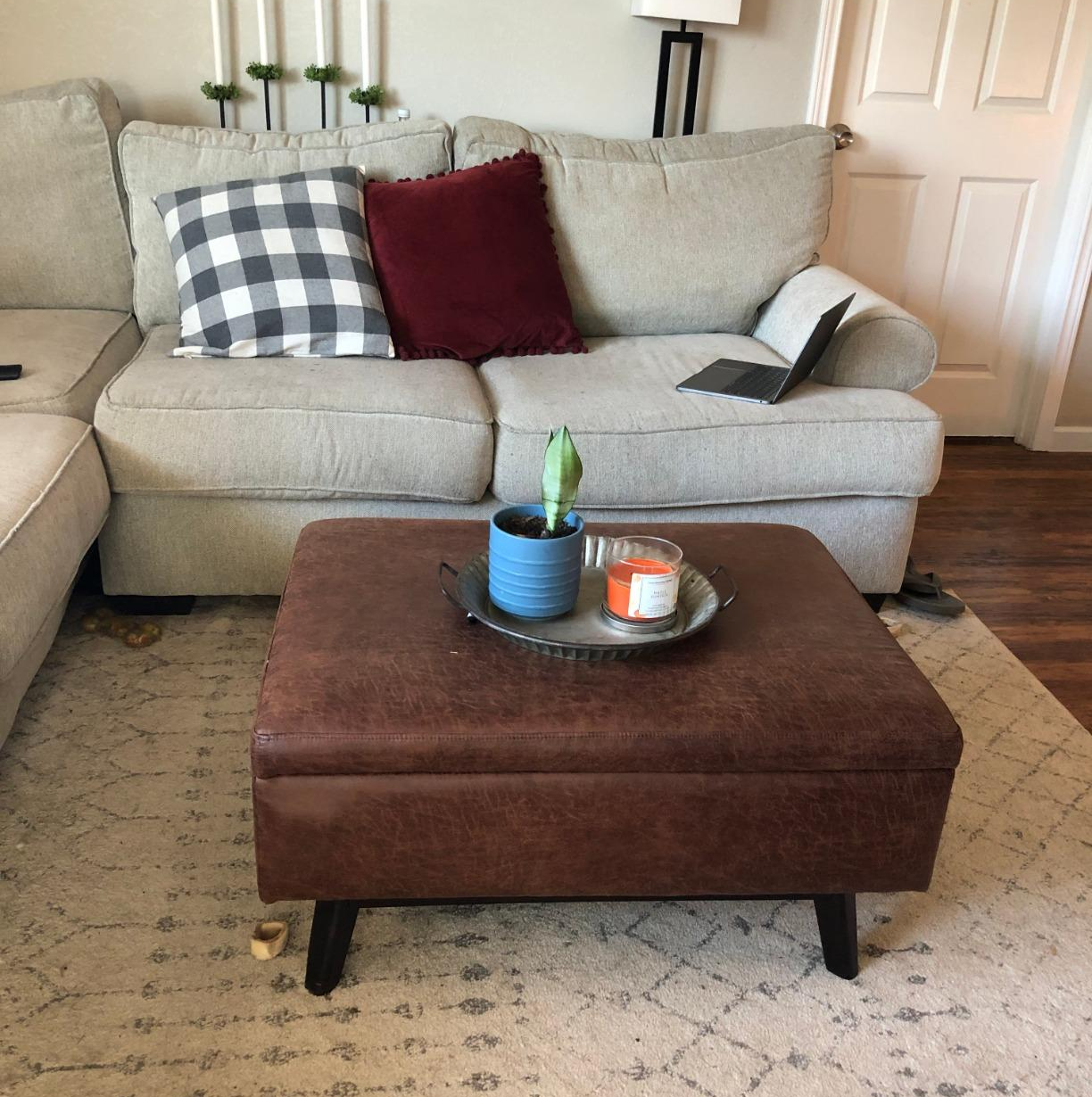
38 Of The Best Ottoman Coffee Tables For Two Stylish Pieces Of Furniture In One
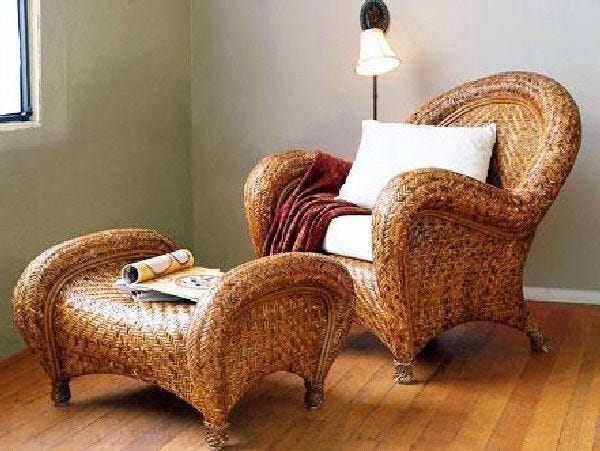
A new ottoman empire
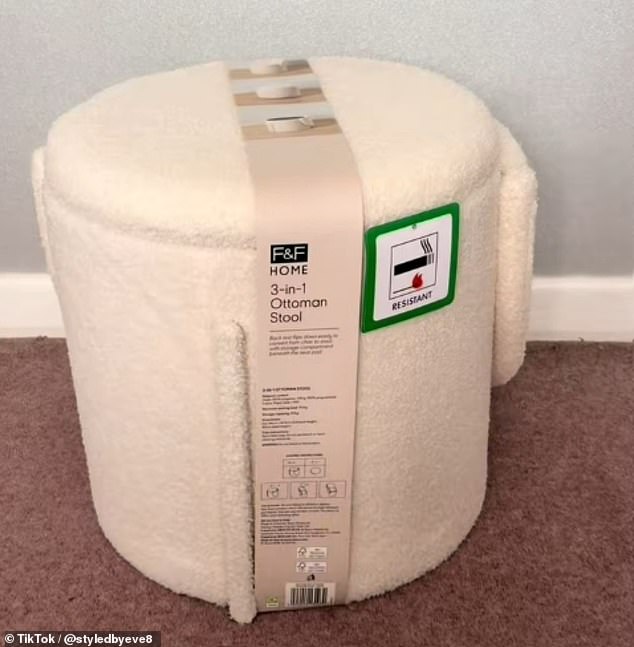
Shoppers go wild for Tesco's £35 3 in 1 ottoman chair as it's finally back in stock - but it's selling out fast
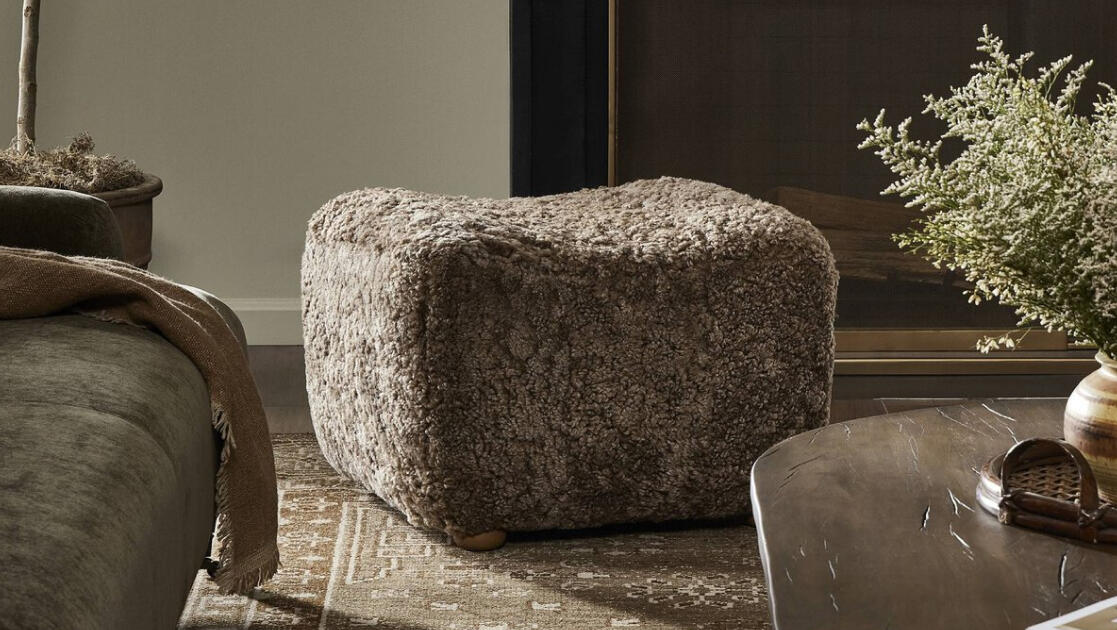
8 of-the-moment ottomans that are at home in every room


The 10 Most Elegant Ottomans


Victoria Beckham replaced a coffee table with an ottoman
Can't get your hands on Tesco's sold-out storage ottoman? These stools are are just as stylish and practical - starting from £45
Put Your Feet Up on These Versatile Ottomans


Martha Stewart designed a New England-style accent piece

The 12 best ottomans and poufs for every style and budget
A Brief History of America’s Favorite Chair: The Eames Lounge and Ottoman

No stylish living room is complete without this key piece – designers explain why the humble ottoman could be just what your space is missing

Victoria Beckham has adopted this seemingly impractical coffee table trend – but interior experts are on board and reveal how it can work in every home

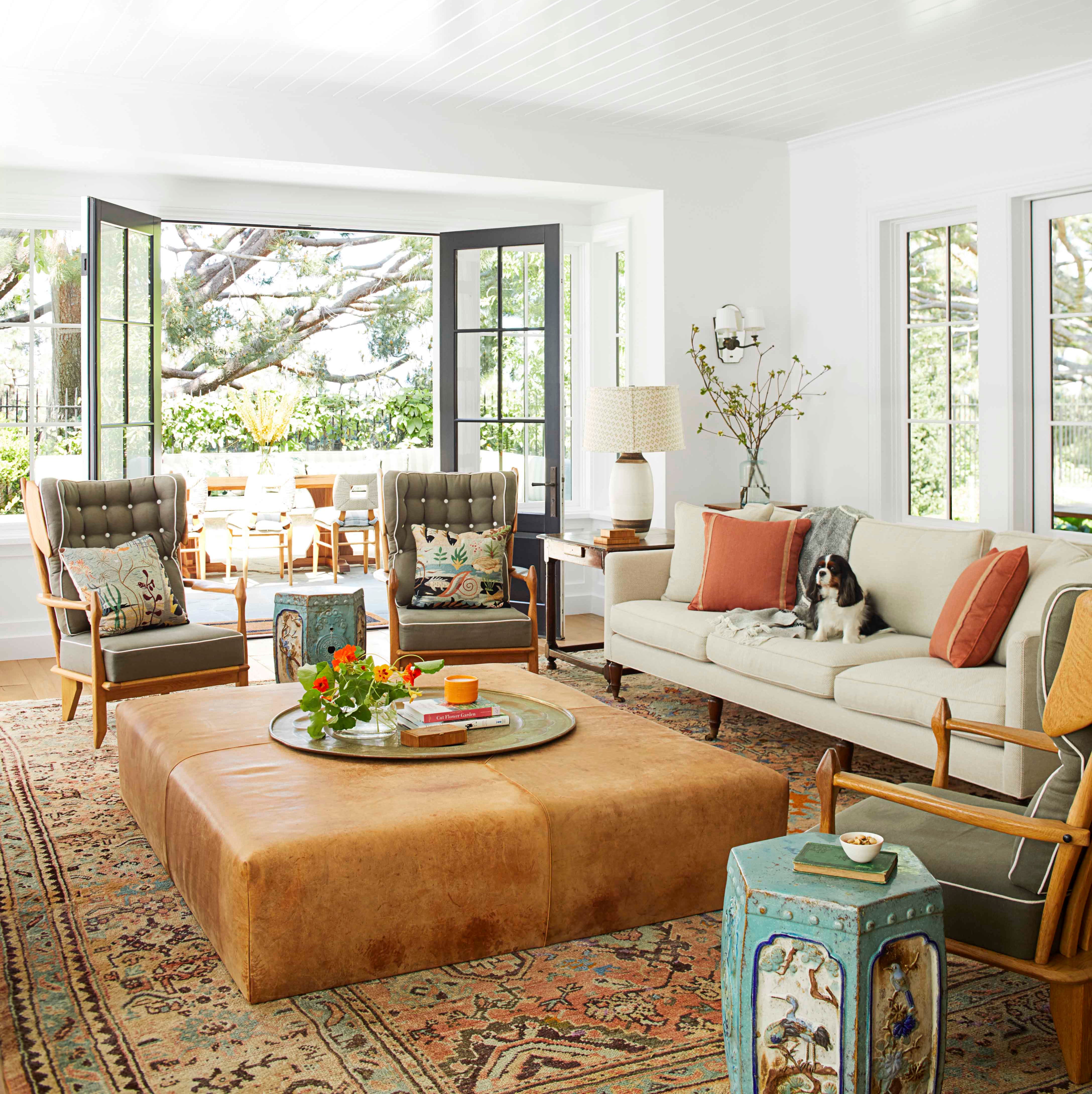
Is It Officially Time to Say Goodbye to Your Coffee Table?

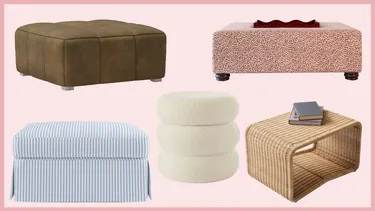
The Best Coffee Table Is an Ottoman—Here’s Why and What to Buy