1/5
Five cheap and easy ways to clean grout using things you already own
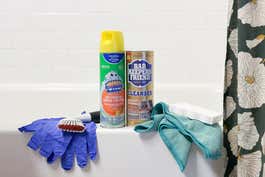
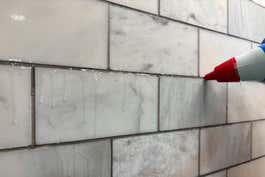
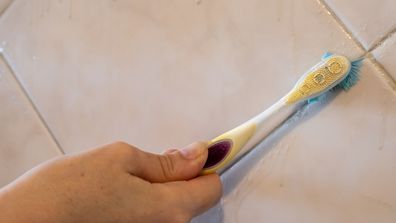
Grout cleaning, a task often postponed due to its perceived fiddliness, can significantly enhance the appearance of a room. This guide provides five accessible and cost-effective methods for cleaning grout using common household items. A key tool for these methods is an old toothbrush, which serves as an effective scrubbing implement, eliminating the need for specialized cleaning supplies. Each method focuses on restoring discolored or moldy grout to its original state, highlighting the transformative impact on tiled surfaces.
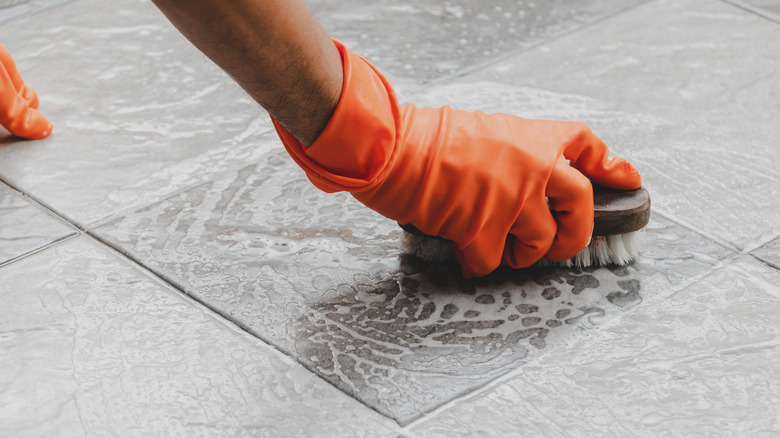
The first method involves a paste made from hydrogen peroxide and bicarb soda. This combination is particularly effective for discolored grout, offering a gentler alternative to chlorine bleach. The recommendation is to mix equal parts of hydrogen peroxide and bicarb soda to create a paste, which is then applied to the grout and scrubbed with a soft-bristle brush. A damp towel is used for wiping the residue, revealing noticeable before-and-after improvements. Hydrogen peroxide is readily available in pharmacies or supermarket first-aid sections.
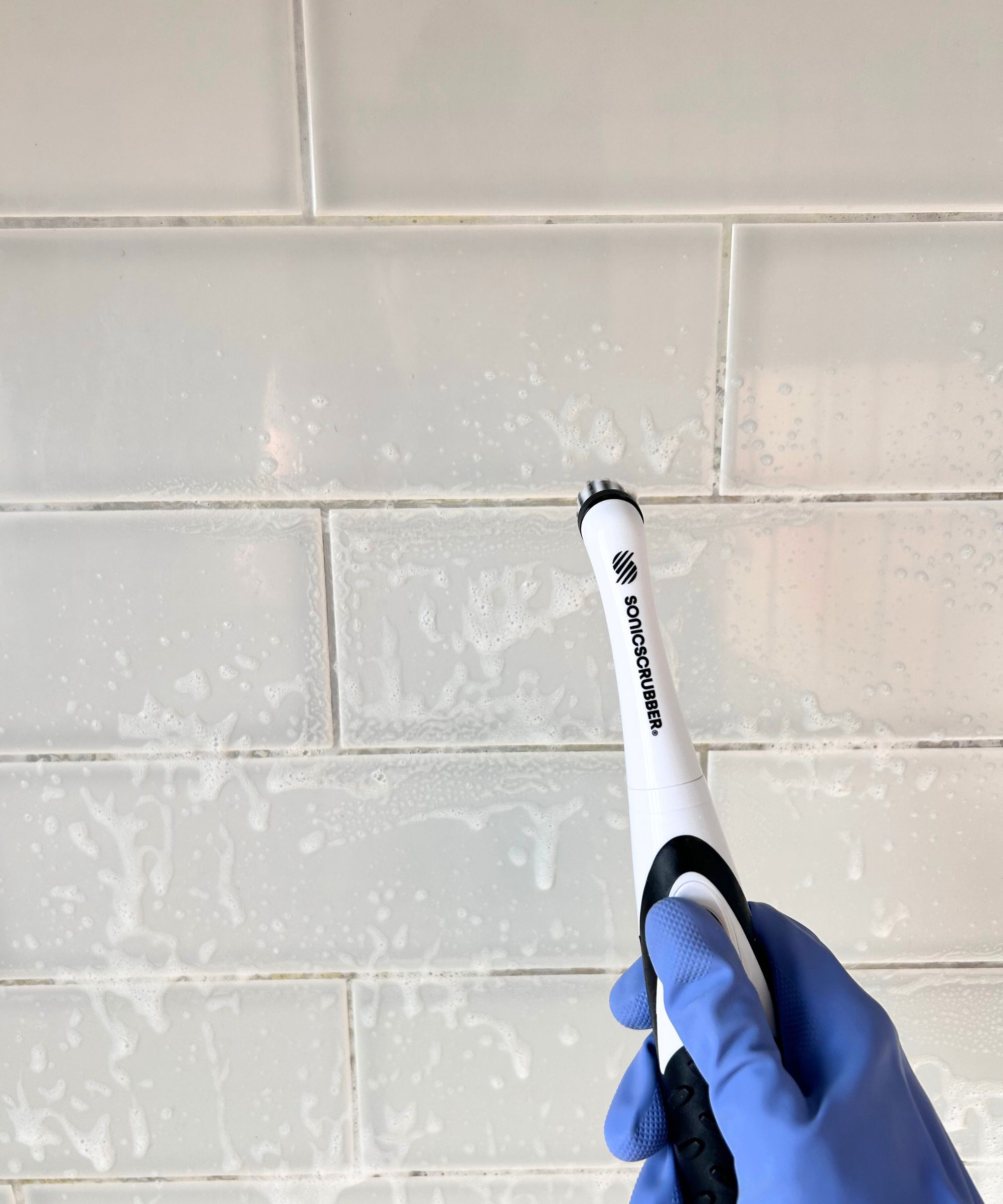
For routine grout maintenance, plain dishwashing liquid, diluted with warm water, proves sufficient. It is applied to the grout, lightly scrubbed, and then rinsed. This simple approach is ideal for regular upkeep.
When a more potent solution is required beyond dish soap alone, a paste combining bicarb soda and dishwashing liquid is suggested. This mixture can be placed in a sauce bottle for convenient application directly onto the grout lines. After application, the grout is scrubbed and rinsed. This method offers an economical yet effective way to tackle tougher grime.
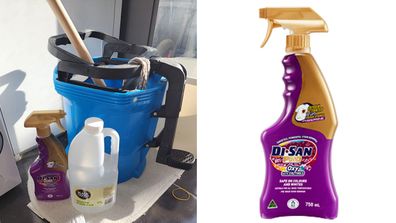
Another option for discolored grout is oxygen bleach, also known as sodium percarbonate. This product can be bought individually from eco-friendly stores or identified as a primary ingredient in certain oxygen-powered laundry boosters. The suggested application involves mixing two tablespoons of oxygen bleach with two cups of warm water, applying it to the grout, letting it sit for about 10 minutes (or as directed by the product), scrubbing with a soft brush, and then rinsing thoroughly.
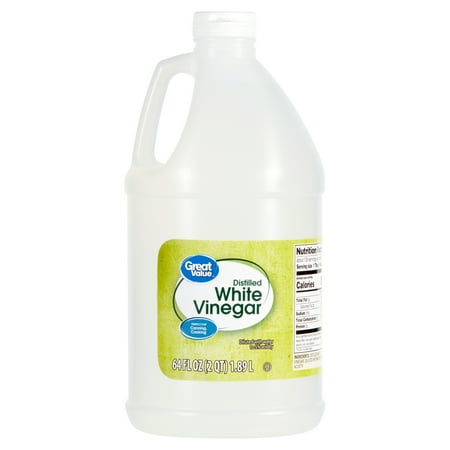
Finally, vinegar is presented as a cleaning agent for grout, albeit with a crucial caution: it should only be used on sealed or undamaged grout. Applying vinegar directly via a spray bottle and allowing it to sit for 10 minutes before scrubbing and rinsing is the recommended approach. Vinegar can also be combined with water and a small amount of dishwashing detergent to create a general bathroom cleaning spray. It is particularly noted for its effectiveness against mold and mildew, common issues in bathroom environments.
#GroutCleaning #HomeHacks #DIYCleaning #HouseholdProducts #CleaningTips #BicarbSoda #HydrogenPeroxide #OxygenBleach #VinegarCleaning #GroutCleaning #HomeHacks #DIYCleaning #HouseholdProducts #CleaningTips #BicarbSoda #HydrogenPeroxide #OxygenBleach #VinegarCleaning
0 comment in total
 No comments yet
You may also like
6 Best Grout Cleaners for a Brilliant Bathroom

The Best Grout Cleaners for Pristine Tiles in Every Room
If Your Grout Has Seen Better Days, You Need One Of These Best-Of-The-Best Grout Cleaners

The Right Way to Clean Tile and Grout for Sparkling Results

We Tested 14 of 2025’s Best Grout Cleaners—See Which 7 We Recommend


Squeegee Every Time You Shower — and More Bathroom Cleaning Hacks | Reviews by Wirecutter
I’m a builder – a cheap £2 trick will reduce the risk of mould and keep your bathroom tiles white

You're cleaning your bathroom floor wrong, experts warn – here's how to get it right

6 Best Grout Cleaners of 2026, Tested and Approved by Cleaning Experts

This Gel You Likely Already Own Works Surprisingly Well at Cleaning Dirty Grout | Reviews by Wirecutter

7 Best Grout Cleaners for a Brilliant Bathroom


After 5 Hours of Hands-On Testing, These Are Our Favorite Grout Removal Tools for DIY Renovations
Surprising $1.95 Aldi product transforms woman's discoloured grout back to bright white
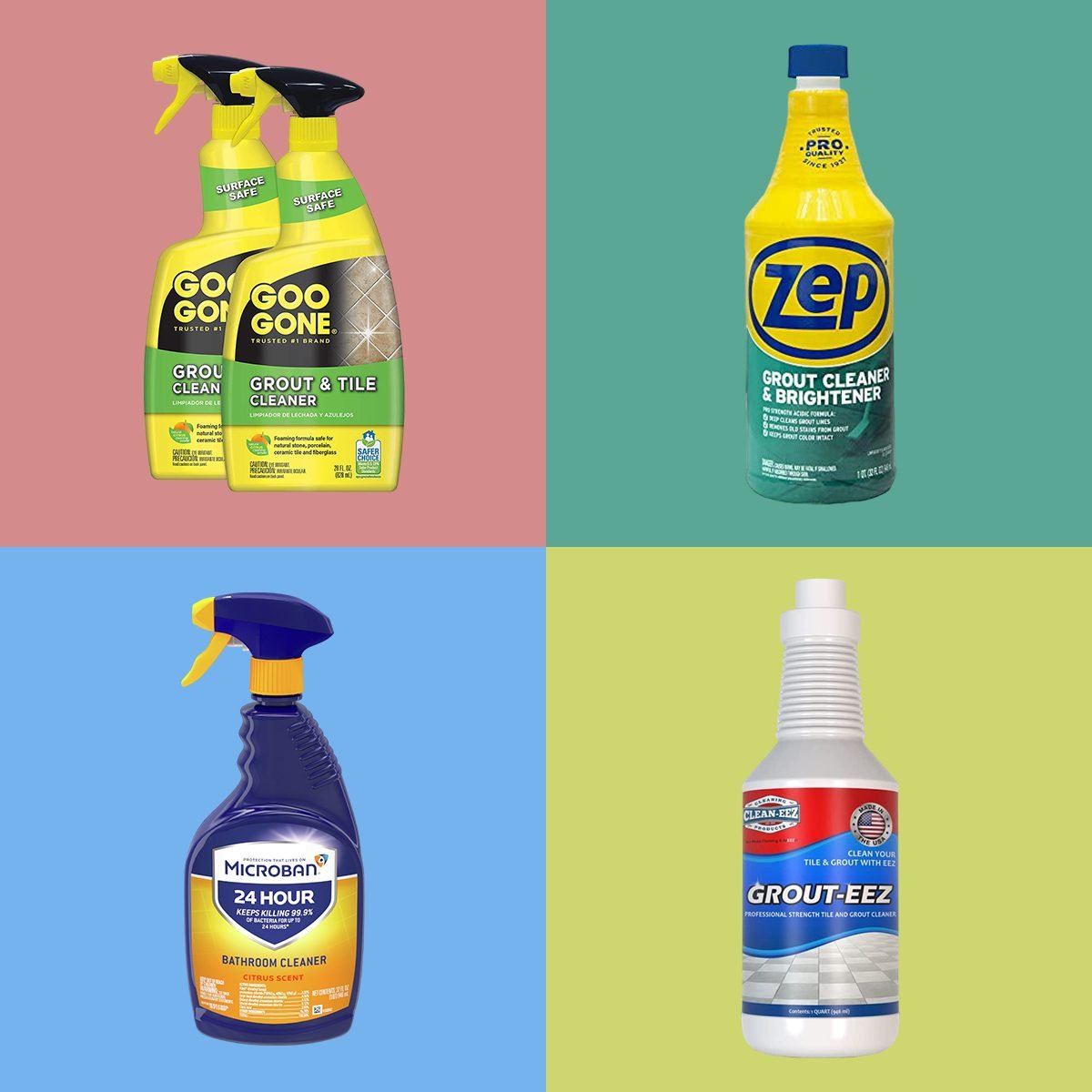
The 7 Best Grout Cleaners of 2025

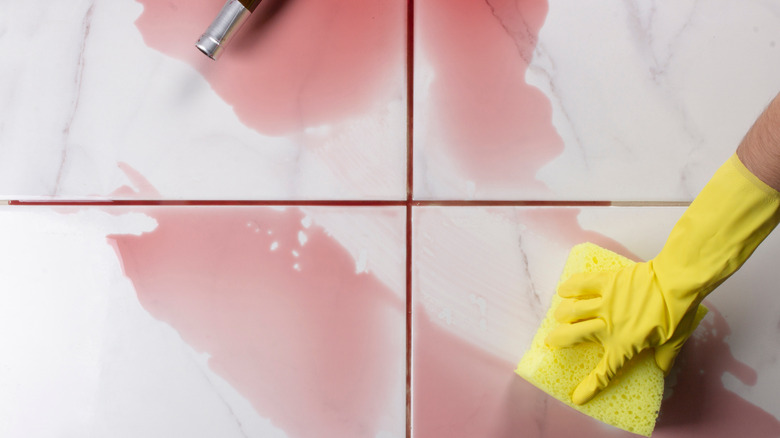
An Expert Tells Us How To Keep Your Tile Grout Stain-Free
Best tile cleaner: 6 smart picks to spruce up your tiling

We Tested 14 of the Best Grout Cleaners—See Which 7 We Recommend
Professional cleaners never waste their time with standard mops on tile floors – this is the $13 essential they always recommend instead

This electric scrubber finally cleaned my grime tiles

How To Clean Grout For A Fresh And Sparkling Bathroom