Signs of Septic System Failure
Septic systems, like other household components, necessitate consistent maintenance to ensure their longevity and reliable operation. Neglecting this maintenance can lead to dangerous and costly failures, posing risks to human and animal health, and contributing to environmental pollution. A responsible septic system owner should be vigilant for signs of failure, regardless of the system's age, and act promptly upon their discovery. A quick response can mitigate repair costs and prevent adverse health and environmental impacts. Septic systems have an operational lifespan and will eventually require replacement.
A septic system failure results in the release of untreated sewage, which can surface around the tank or drainfield, back up into household plumbing, or contaminate groundwater, surface water, or marine environments unnoticed. This untreated sewage carries pathogens and contaminants that can cause illness in humans and animals, and render water sources unsafe for drinking, swimming, shellfish harvesting, and agricultural use.
Several common issues can cause a septic system to malfunction. A clogged pipe leading from the house to the tank can cause slow drains or blockages, often resolvable by 'snaking the line.' This can be prevented by flushing only human waste and toilet paper and conducting annual inspections. Crushed pipes due to vehicle traffic, animal activity, or root intrusion in older systems require pipe replacement. A blocked inlet baffle to the tank, similar to a clogged inlet pipe, can be cleared by removing accumulated toilet paper and debris, either by the homeowner or a professional, with prevention measures mirroring those for inlet pipes.
An obstructed outlet baffle or effluent filter can lead to sewage backing up into the home or surfacing near the septic tank, potentially indicating excessive water input. If an effluent filter is present, it needs cleaning or replacement. Without an effluent filter, the tank may require pumping to remove the clog. Regular cleaning of effluent filters and annual inspections are crucial for prevention. A failed drainfield can cause sewage backups, soggy areas, or lush green grass above the drainfield, and odors. This may signal the end of the drainfield's life, especially if inappropriate operation allowed too many solids into it. However, if saturation is due to excessive water use or flooding, the drainfield might be rehabilitated by drying out. Professional assessment is recommended, and if the drainfield has failed, connection to a public sewer or installation of a replacement drainfield may be necessary.
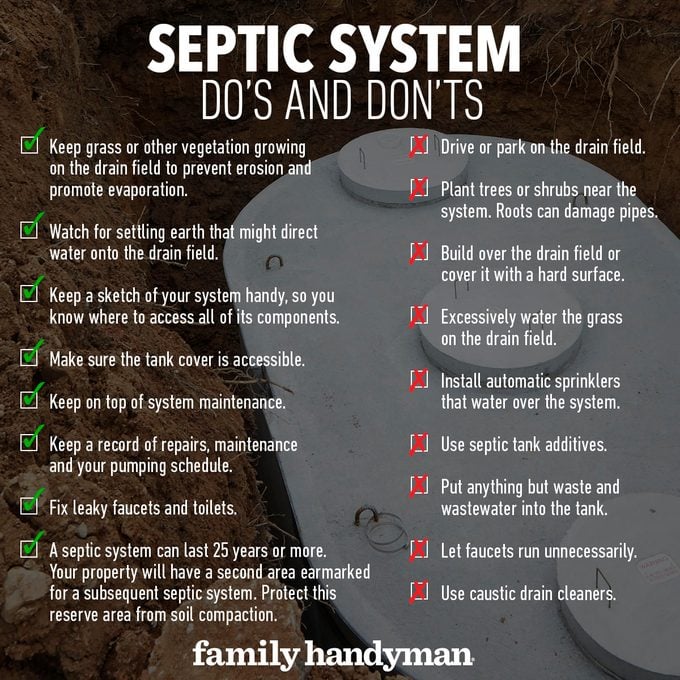
To prevent septic system failures, routine maintenance and proper operation are paramount. This includes annual inspections, pumping every 3-5 years, avoiding excessive water use, and being mindful of what is flushed down drains and toilets. A failing septic system can indeed contaminate well water and nearby water bodies, posing significant health hazards. Financial assistance for failing systems or repairs may be available through organizations like Craft3, local health departments with loan and grant programs, and the USDA's federal home repair program.
#SepticSystem #SystemFailure #WastewaterManagement #HomeMaintenance #EnvironmentalHealth #PublicHealth #WaterContamination #PlumbingIssues #HomeownerResponsibility #SepticSystem #SystemFailure #WastewaterManagement #HomeMaintenance #EnvironmentalHealth #PublicHealth #WaterContamination #PlumbingIssues #HomeownerResponsibility
 No comments yet
Tips to Prevent Your Septic System from Freezing

How to stop a gurgling toilet