1/2
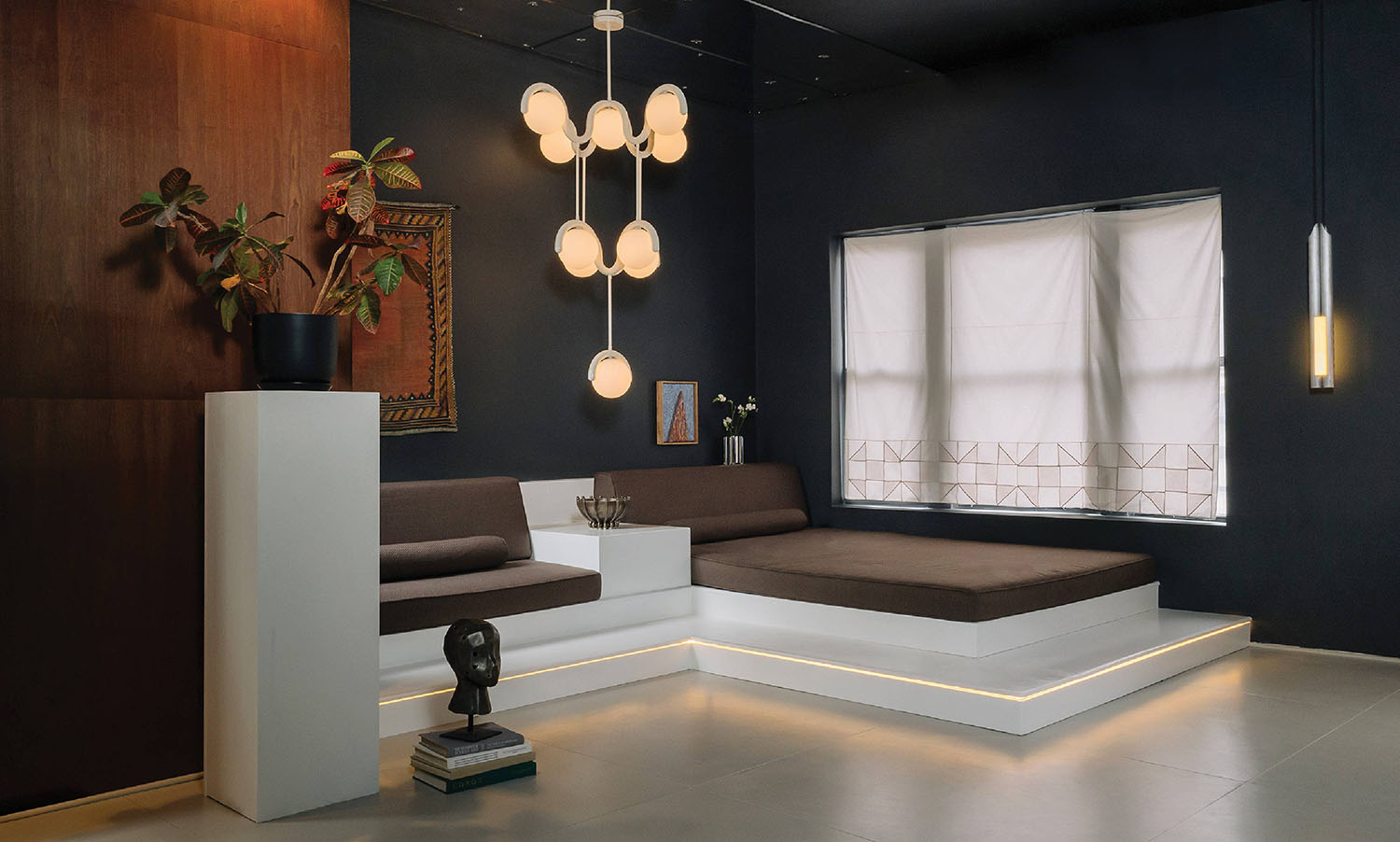
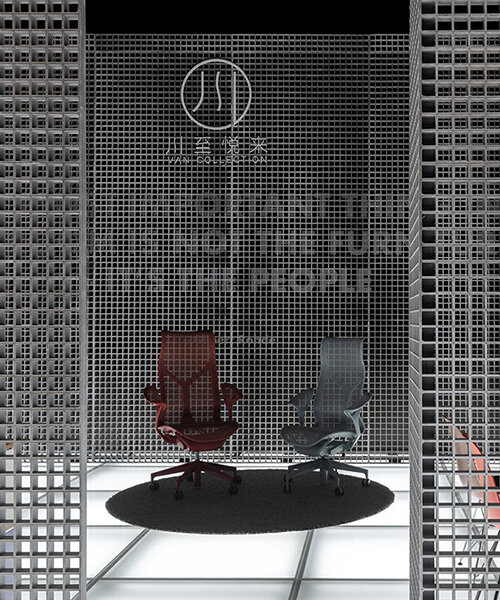
gridded panels + illuminated tiles make up this booth for herman miller’s collection
Alberto Caiola designed a distinctive exhibition booth for Herman Miller's retailer Van Collection at Design Shanghai 2021, China's premier showcase for international design brands, architects, and interior designers. The booth's design was inspired by Herman Miller’s brand heritage, incorporating a quote from Gilbert Rhode, the firm’s first design director, which states: 'The most important thing in the room is not the furniture – it’s the people.' This quote was prominently displayed on the back wall and served as a central theme for the exhibition.
Caiola's design reflects on how the COVID-19 pandemic has significantly altered perceptions and functions of the home, leading to new demands for flexible living spaces. The booth ingeniously uses perspective and light to present Herman Miller's furniture as practical solutions for these evolving needs. A notable feature of the design is its unconventional lighting approach. Breaking from traditional exhibition lighting, which typically spotlights products from above, Caiola opted to illuminate the displayed furniture entirely from below using illuminated floor tiles. This technique not only visually reinforced the theme of seeing the home in a 'different light' but also subtly emphasized the central quote by drawing attention to the people interacting with the space rather than just the furniture itself. The underfoot lighting created a unique, almost ethereal atmosphere, providing visitors with an extraordinary sensory experience.
An intriguing consequence of the bottom-up lighting was the absence of shadows cast by visitors as they moved through the exhibit. This cinematic and somewhat surreal effect was intended to allude to the disorienting experience of the pandemic, where the passage of time and daily routines blurred, similar to how the absence of shadows can obscure temporal cues. The design aimed to evoke the listlessness and urgency that many experienced during periods of lockdown.
The booth was structured into four distinct areas, or 'rooms,' delineated by gridded partitions. These areas were configured to represent various domestic settings: a living area, a gaming space, a home office, and a dining room. The intended function of each space was communicated through a carefully selected arrangement of freestanding furniture. The gridded walls served a dual purpose, simultaneously opening up and obscuring the booth's layout. The depth of these partitions meant that visitors' views into adjacent rooms varied depending on their position and angle of observation.
Similarly, the central quote on the booth’s backdrop, positioned behind one of these fiber-reinforced paneled walls, was only fully visible from specific perspectives. This design element subtly referenced a common experience during the pandemic: the fragmented glimpses into others' work-life spaces shared through video calls and the new hybrid work-from-home conditions. The entire setup, comprising freestanding pieces within a fully modular system, was intentionally designed for reusability. Both the illuminated floor tiles and the partition walls can be reconfigured to adapt to different dimensions required for future furniture fairs, underscoring a commitment to flexibility and sustainability in exhibition design.
#HermanMiller #AlbertoCaiola #DesignShanghai #ExhibitionDesign #IlluminatedTiles #GriddedPanels #FlexibleLiving #PostPandemicDesign #ModularDesign #HermanMiller #AlbertoCaiola #DesignShanghai #ExhibitionDesign #IlluminatedTiles #GriddedPanels #FlexibleLiving #PostPandemicDesign #ModularDesign
0 comment in total
 No comments yet
You may also like
Marazzi showcases handmade ceramic and porcelain tiles on Dezeen Showroom
Arnout Meijer lights up Victor Hunt Designart Dealer with illuminating collection

Quirky Home Decor Ideas, Inspired by the Bell Museum
Sawyer midcentury-style media console at Urban Outfitters

Beauparlant Launches Open, Wall-Mounted Shelves
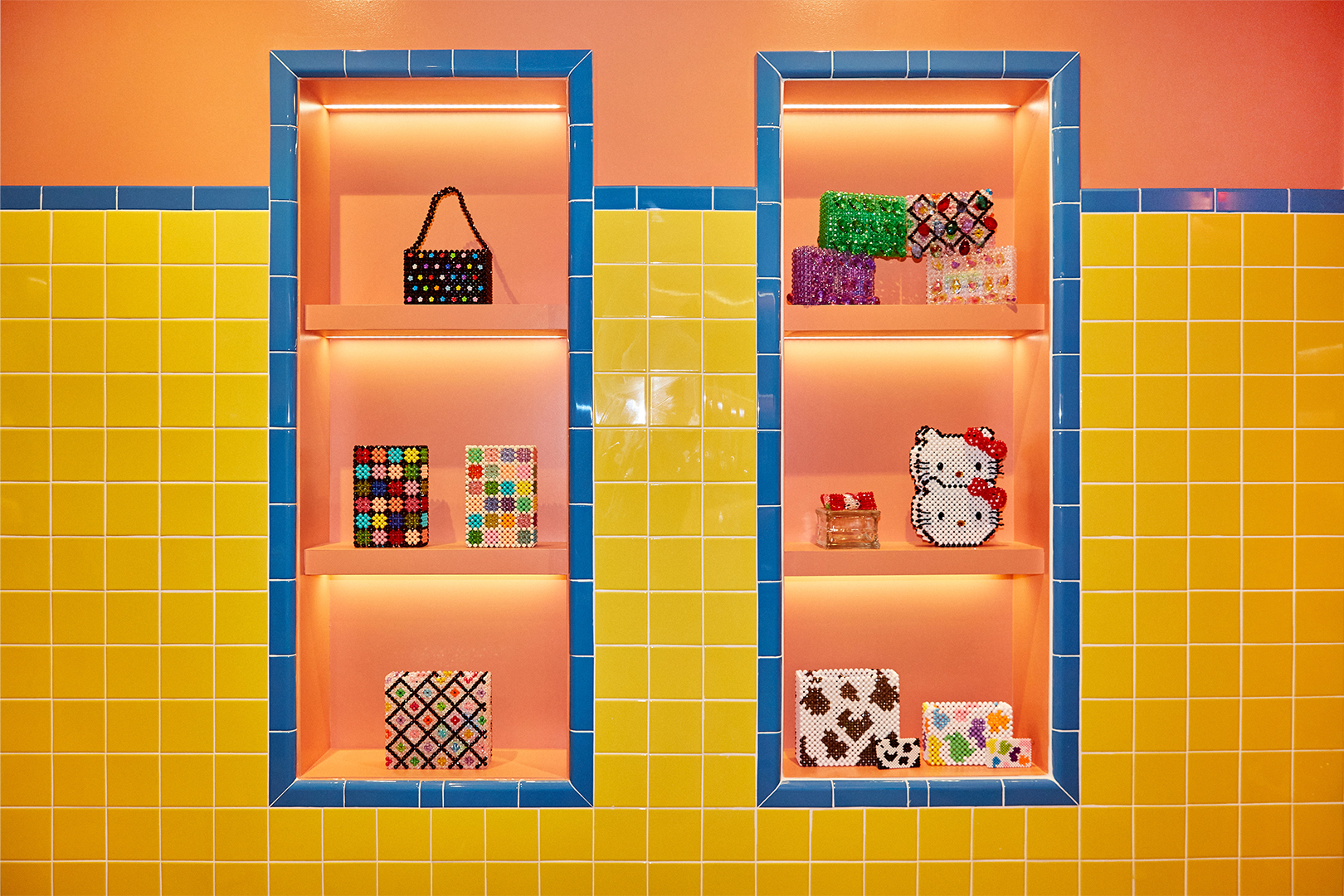
A Rainbow Take on This ’80s Throwback Appears in Susan Alexandra’s New Store

SELECTING LIGHTS FOR WORKS OF ART (Published 1985)

Ideal Work showcases innovative finishes, coatings and flooring on Dezeen Showroom
Decorative plates are the new gallery wall
These shelves reveal colour gradients when brought together

Products

How to Hang an Art Collection Like an Expert
2,000 IKEA Hangers Upcycled Into Dynamic Chromatic Screen Room Divider
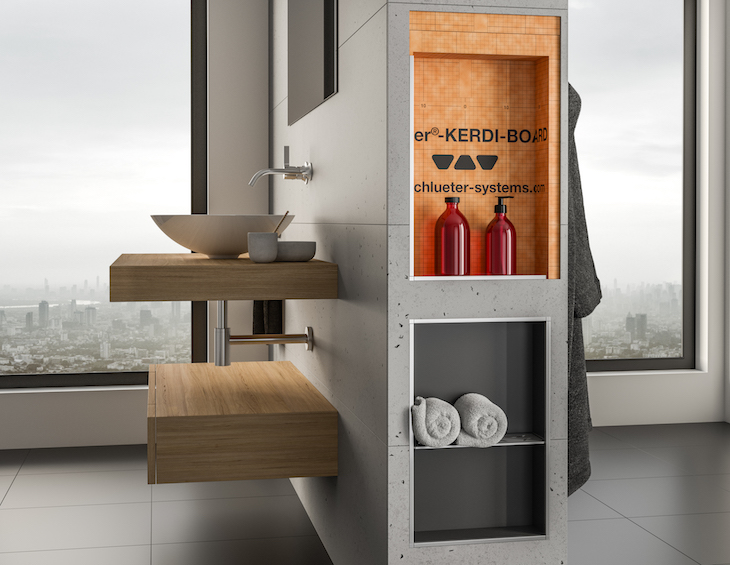
PRODUCT WATCH: Schlüter’s stylish niches and shelves

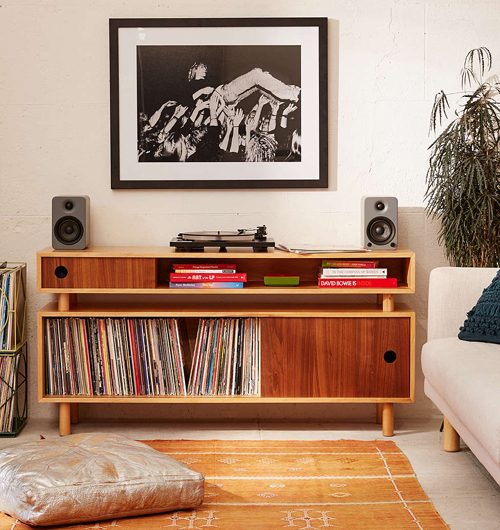
Hamilton retro-style media console at Urban Outfitters
Fresh finds: stools, linen, shelving and more
Putting a Collection on Display
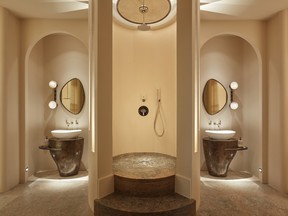
Designers showcase creative lighting solutions at recent exhibit

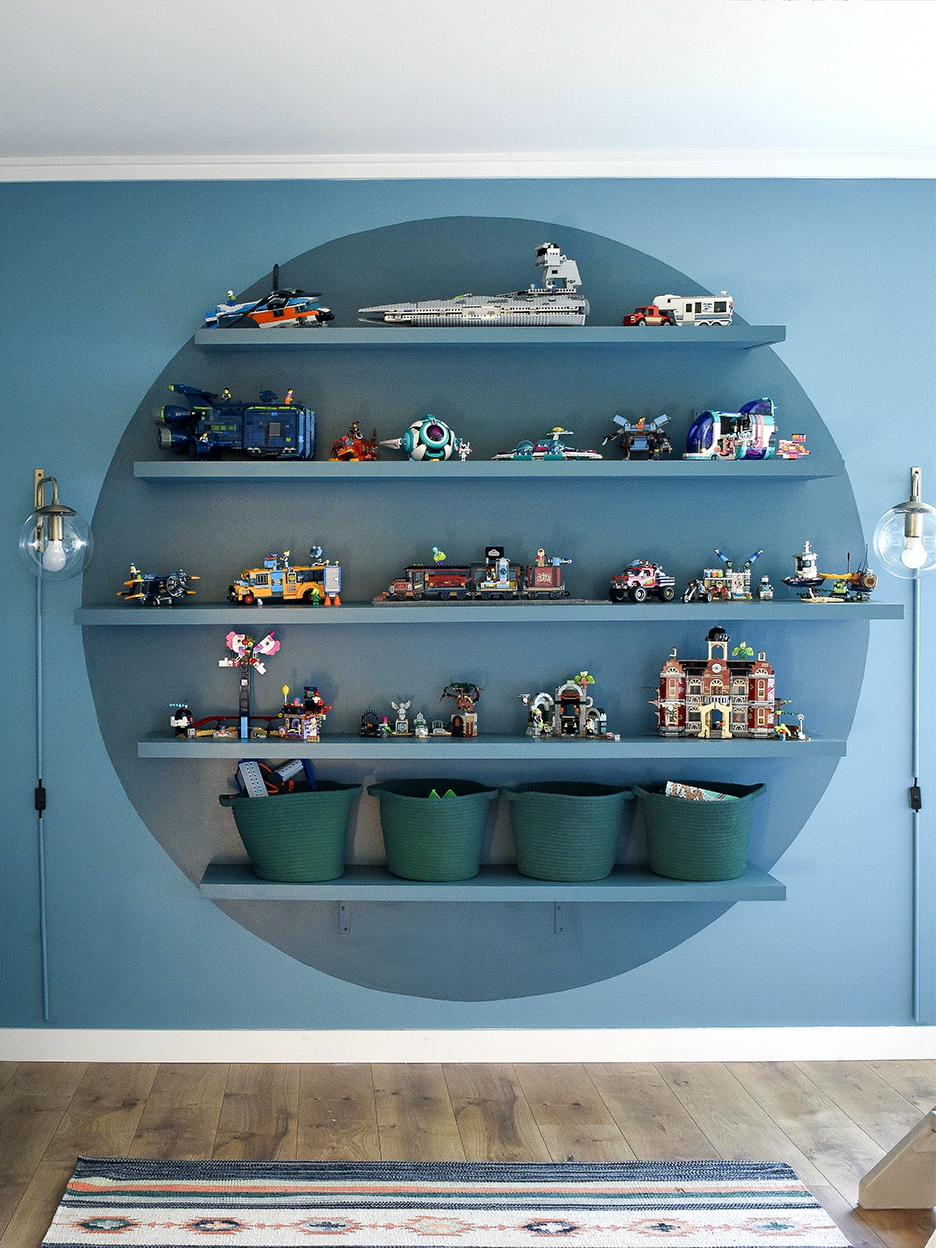
Curves and Color-Blocking Collide in One Far-Out Floating Shelf Display
The Miranda Kerr-Approved Tip You Need When Creating Your Next Gallery Wall