1/5
Solar Panel Battery Storage: Can You Save Money Storing Energy?
This article explores the benefits, costs, and considerations of solar panel battery storage systems for homes. Solar panels frequently generate surplus electricity during daylight hours, which can either be sent back to the National Grid or stored in a home battery for later use. This storage capability allows homeowners to utilize their self-generated electricity even when the sun isn't shining, reducing reliance on grid power and potentially lowering energy bills.
The article highlights the advantages of solar battery storage, including maximizing self-consumption of renewable energy, reducing electricity costs, and potentially earning payments or reduced tariffs by allowing the battery to store excess grid electricity. It also points out the ability to leverage cheaper off-peak electricity from smart time-of-use tariffs. On the downside, the initial cost of batteries can be significant, leading to a potentially long payback period. Older Feed-in Tariff (FIT) contracts might see reduced payments with DC battery systems, and batteries will likely need replacement during the lifespan of a solar PV system. Retrofitting a battery to an existing solar PV system might also necessitate a new inverter.
Guidance is provided on determining if solar battery storage is suitable for a household. Homes with solar panels benefit by using more of their generated renewable energy, decreasing grid electricity consumption, and cutting energy bills. For off-grid homes, batteries can reduce the reliance on fossil fuel backup generators. Even without solar panels, batteries can be charged during off-peak hours with time-of-use tariffs, providing cheaper electricity during peak times. However, if a home already consumes a large proportion of its solar-generated electricity or diverts surplus to heat water, a battery might not offer a significant return on investment, given installation costs typically starting from £2,000.
The appropriate battery size is crucial, with typical home electricity usage ranging from 8kWh to 10kWh per day, and battery capacities from 1kWh to 16kWh. The ideal battery should cover evening and night-time electricity needs and be capable of being fully recharged by the solar panels. The article advises consulting an expert installer for a tailored quote. Financial savings depend on installation costs, system type, usage patterns, electricity prices, and the battery's lifespan, which typically comes with a 10-year warranty. While prices are declining, the initial investment is substantial, though high electricity prices are improving payback times. The article notes that while the Feed-in Tariff (FIT) is closed, new Smart Export Guarantee (SEG) tariffs pay for exported renewable electricity, though eligibility rules can vary with installed storage.
Financing options include using savings or loans, with a caution about interest offsetting potential gains. Scotland offers grants and interest-free loans for energy storage when combined with other energy efficiency measures. Major energy suppliers, including EDF Energy, E.ON Next, Ovo Energy, Scottish Power, and So Energy, offer home energy storage packages, often bundled with solar panel installations. Various battery products from brands like Duracell, Enphase, LG Chem, Moixa, Nissan, Powervault, Samsung, SolaX, Tesla, and Varta are compared, detailing their prices, sizes, weights, capacities, warranties, and key features. It's important to consider that usable capacity is typically less than stated capacity due to energy loss during charging and discharging, and batteries are not designed for full discharge regularly.
Before installation, homeowners should assess their excess electricity generation, verify if the system provides backup during power cuts, obtain multiple quotes, and ensure installers are certified by the Renewable Energy Consumer Code (RECC), Microgeneration Certification Scheme (MCS), or Flexible Energy Oversight Registration Body (Flexi-Orb). The article clarifies that batteries can be installed without solar panels, charged directly from the grid during off-peak hours, especially with time-of-use tariffs. Lastly, it addresses fire safety concerns, emphasizing that modern lithium-ion batteries undergo rigorous safety tests and installers must adhere to guidelines regarding location, separation of units, fire safety measures, and ventilation. Two types of battery systems, DC and AC, are explained: DC systems connect directly to the generation source and are more efficient in some aspects but may affect FIT payments and cannot be grid-charged, while AC systems connect after the generation meter, are more expensive but do not impact FIT payments and can be charged from the grid. Installation tips include notifying the local Distribution Network Operator and council, and being wary of high-pressure sales tactics.
#SolarPanels #BatteryStorage #HomeEnergy #RenewableEnergy #EnergyEfficiency #ElectricityBills #SmartTariffs #SustainableLiving #HomeImprovement #SolarPanels #BatteryStorage #HomeEnergy #RenewableEnergy #EnergyEfficiency #ElectricityBills #SmartTariffs #SustainableLiving #HomeImprovement
 No comments yet
Savvy Storage

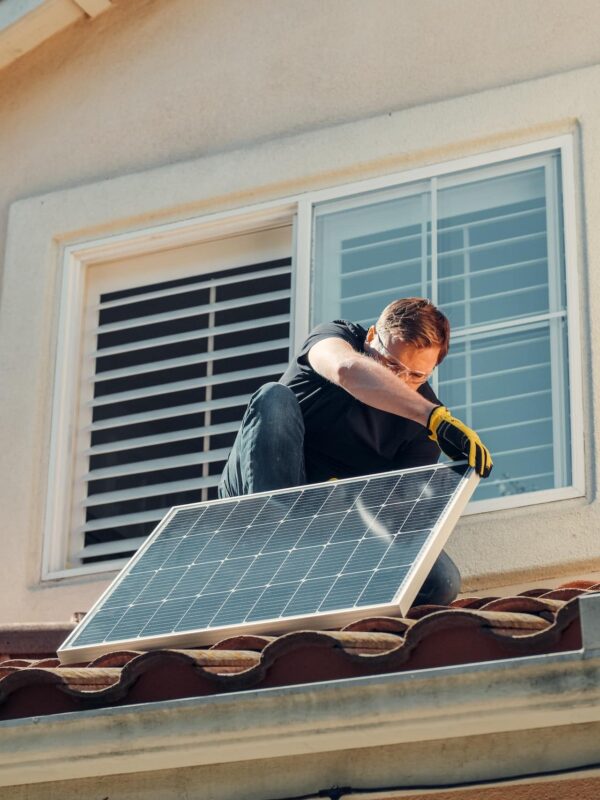
Top 4 Best Solar Batteries (2025 Costs & Reviews)

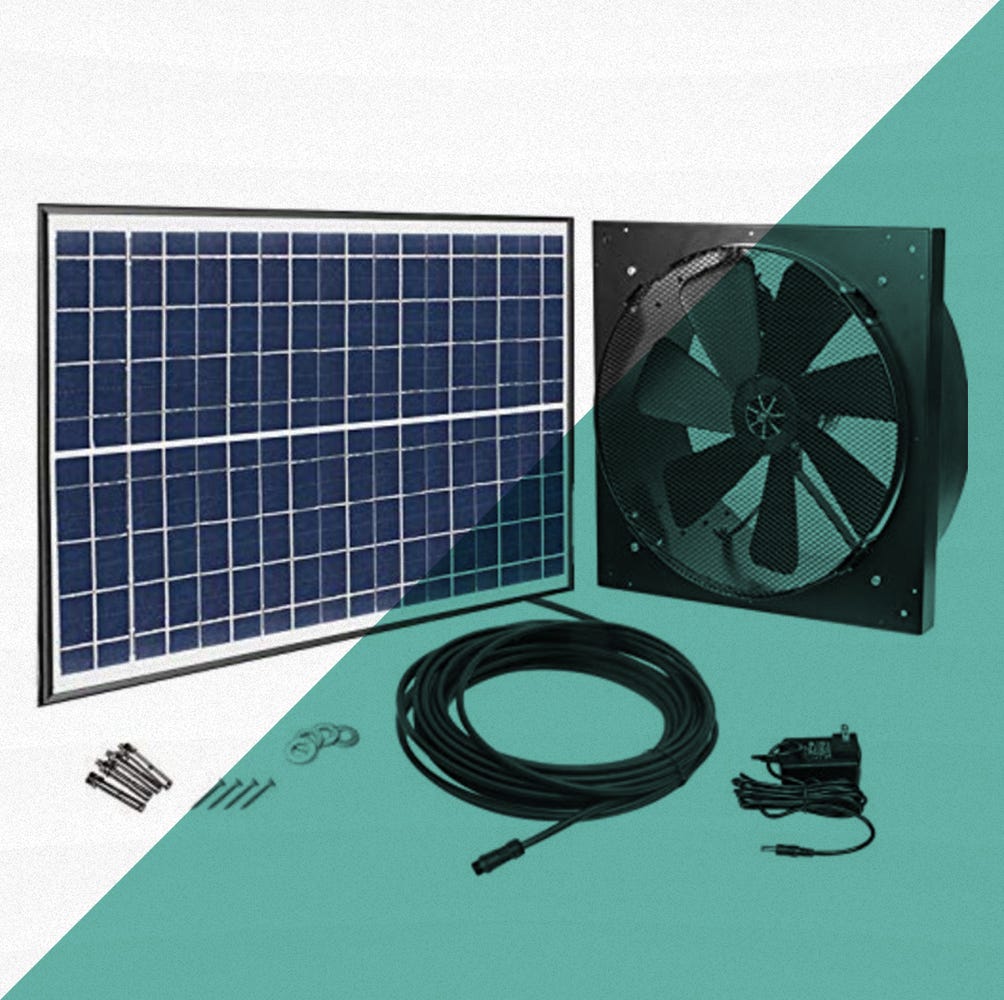
Keep Cool and Save Energy With These Top-Rated Solar-Powered Fans

Block the Sun and Lower Your Energy Costs With Window Coverings
Generac PWRcell 2025 Cost & Review
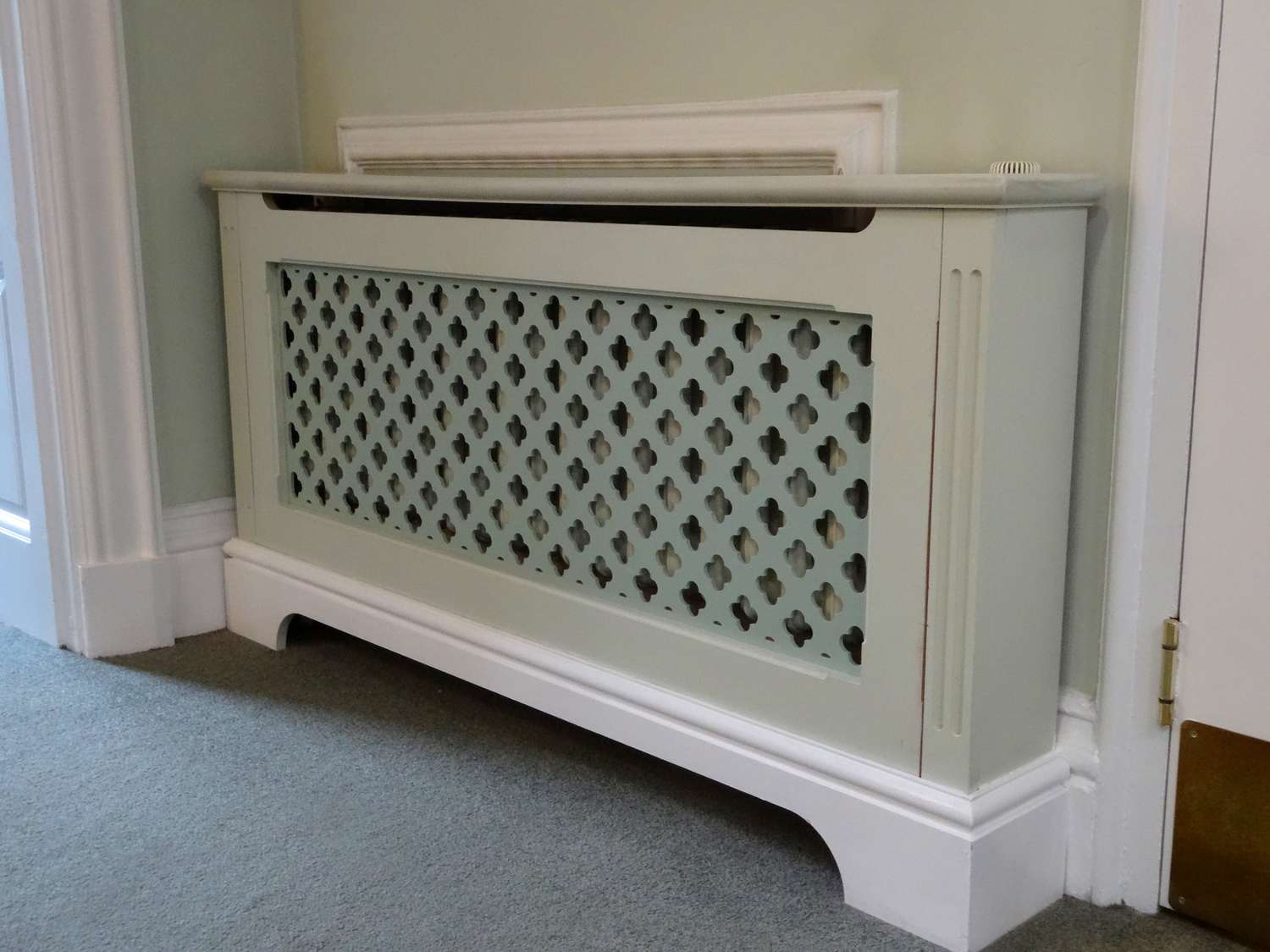
Do Radiator Covers Save Energy or Waste It?
Does Passive-Solar Design Actually Save Energy?

It's not a good idea to put solar panels on pergola or shed