1/8
Feng Shui Living Room Colors — Find Your Inner Peace By Bringing These Shades Into Your Home
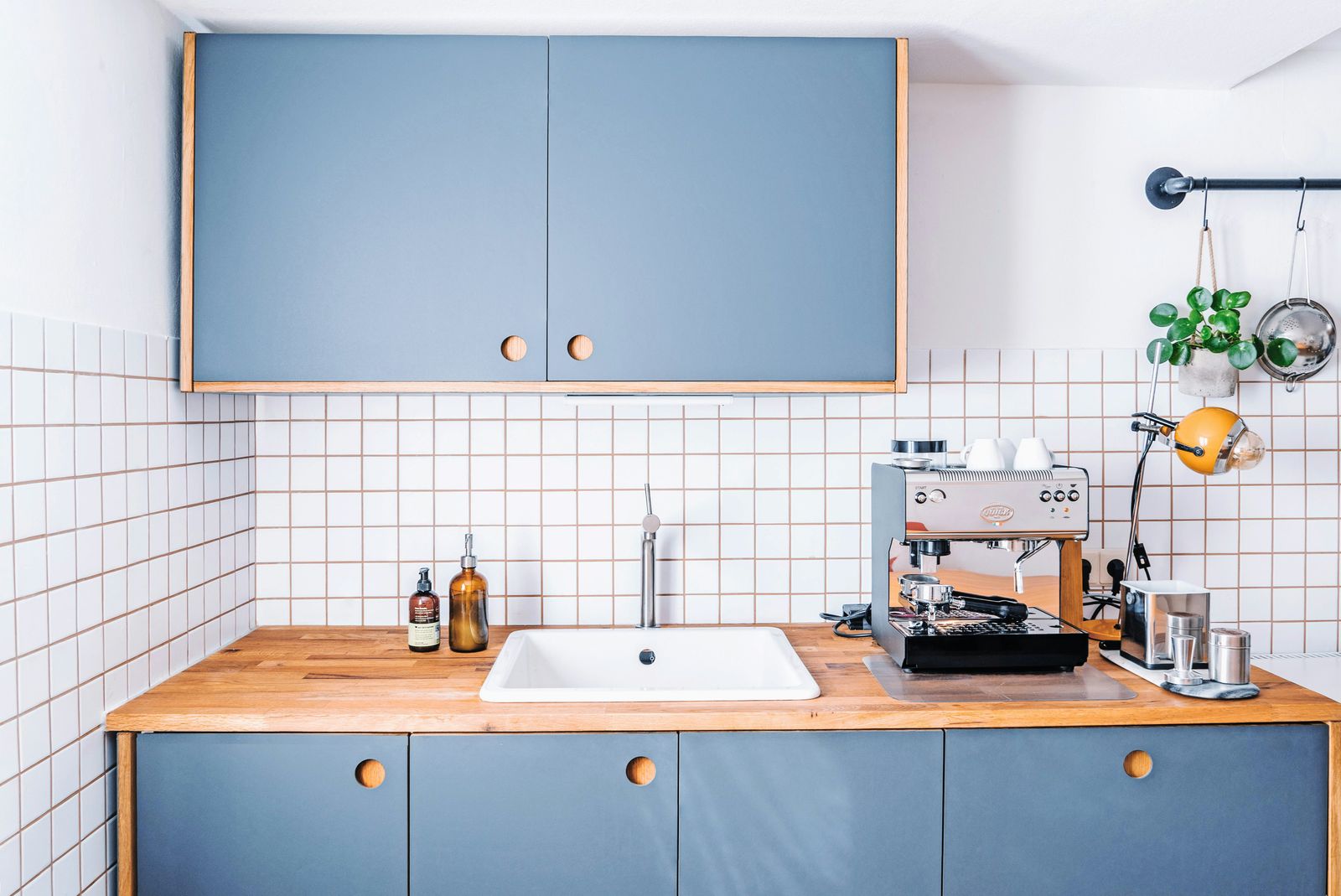
Feng Shui is a practice that focuses on calming the mind and home by understanding the movement of energy and how various elements within a space interact with the natural world. This practice emphasizes the importance of color theory, as colors are seen to embody the essence of nature and its major elements. Interior designer and Feng Shui expert Julia Sarasola explains that the five elements—wood, fire, earth, metal, and water—represent life's transformations in nature, each having corresponding colors that symbolize their vitality. By working with these colors, one can shift the energy within their space and life.
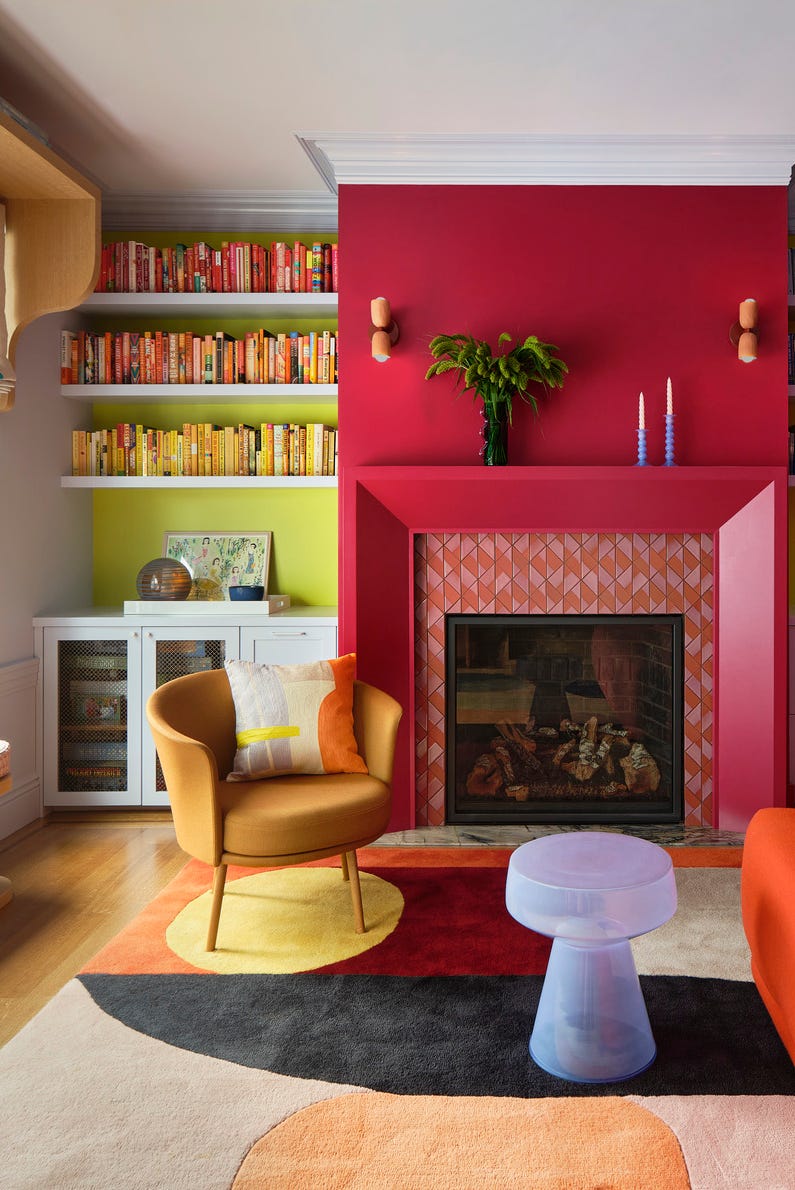
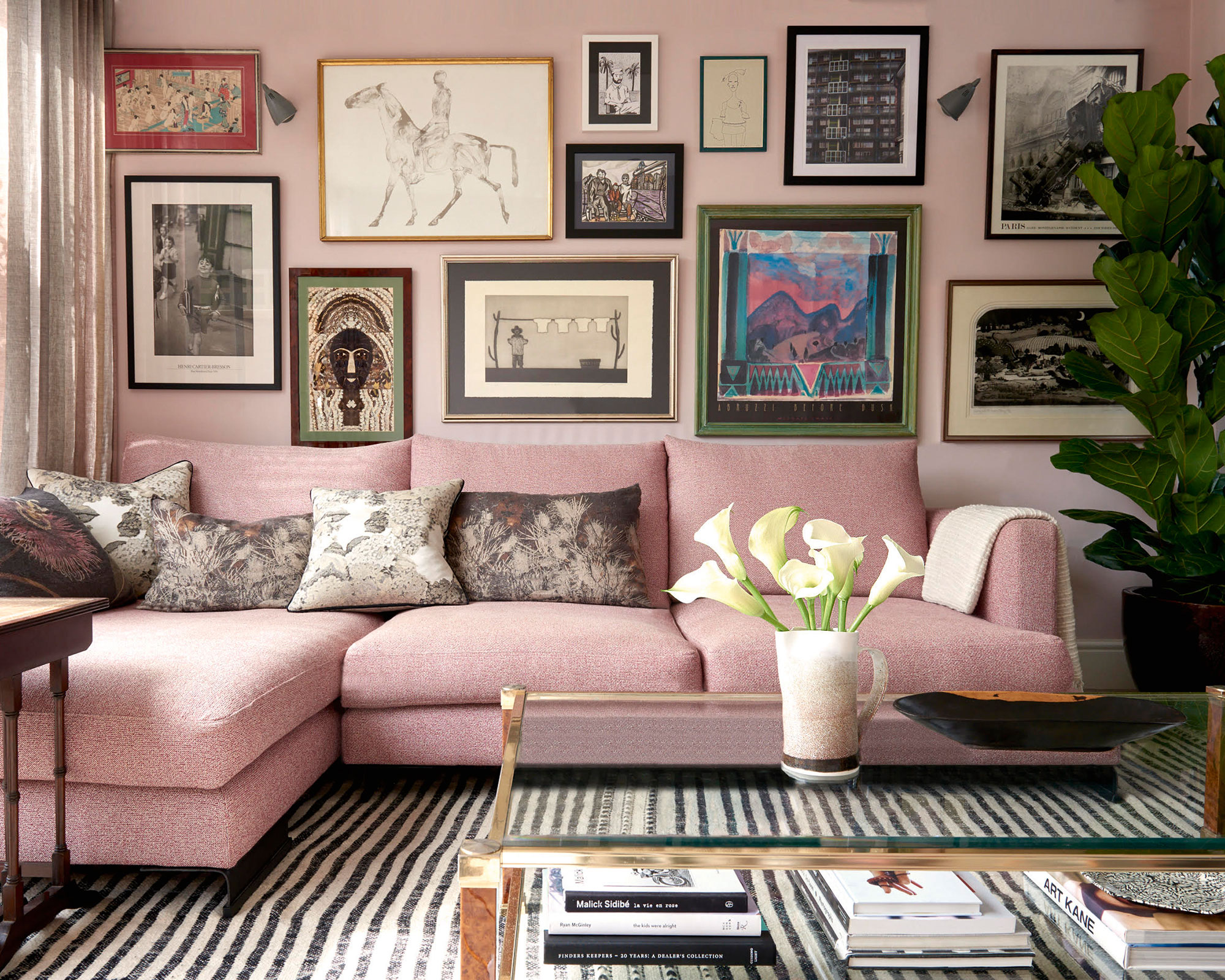
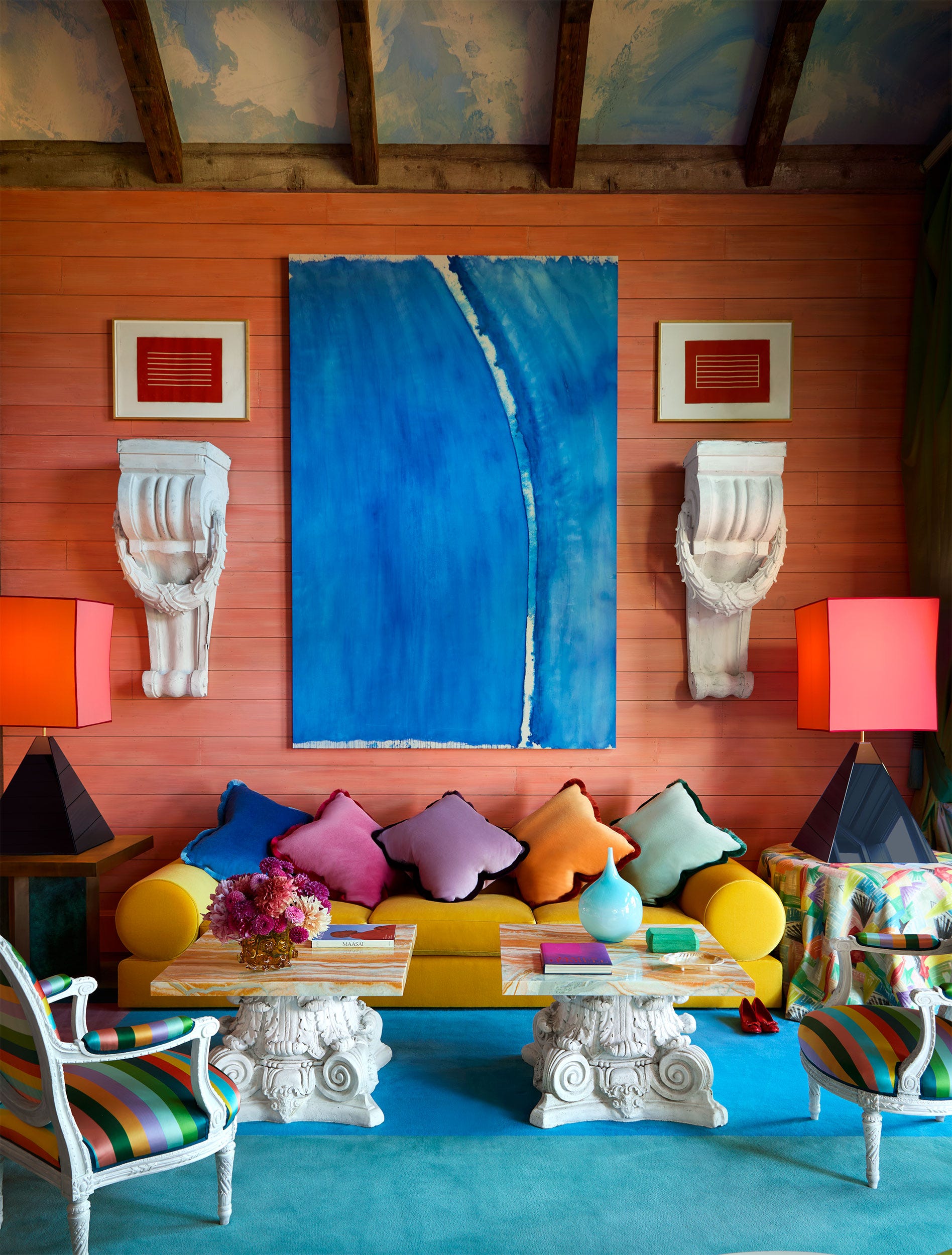
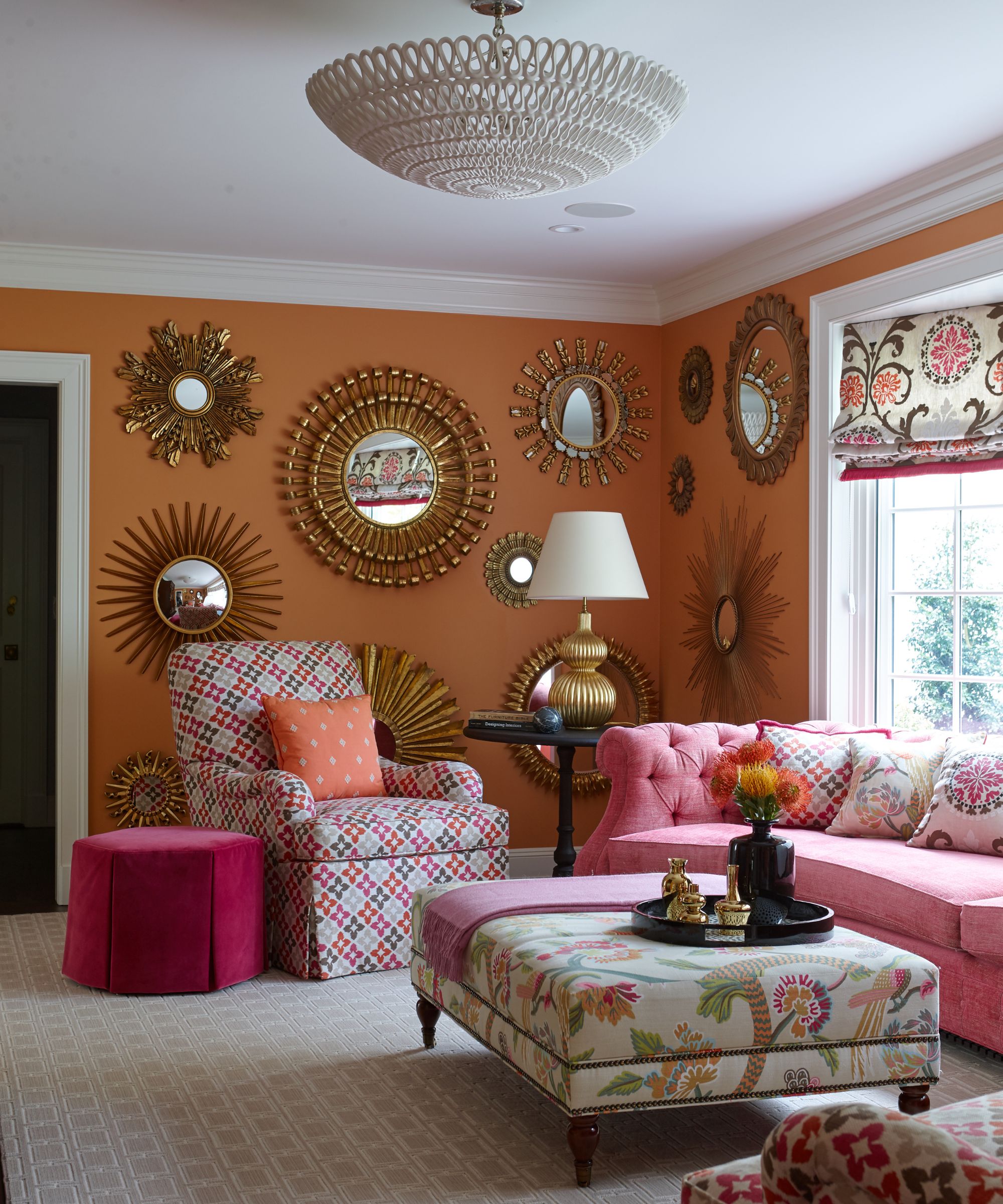
When selecting colors for a living room, it is suggested to consider colors one is innately drawn to and then review their attributes from a Feng Shui perspective. This process can provide insights into areas of life that need stability or additional support. For instance, using reds and oranges in specific areas of the home can enhance creativity and passion in business, projects, or relationships by providing courage and empowering individuals. Julia Sarasola, a Feng Shui practitioner, interior designer, and vintage curator, adopts a holistic approach to design, focusing on creating authentic and welcoming spaces that reflect clients' personalities and lifestyles by harmonizing with their surroundings.
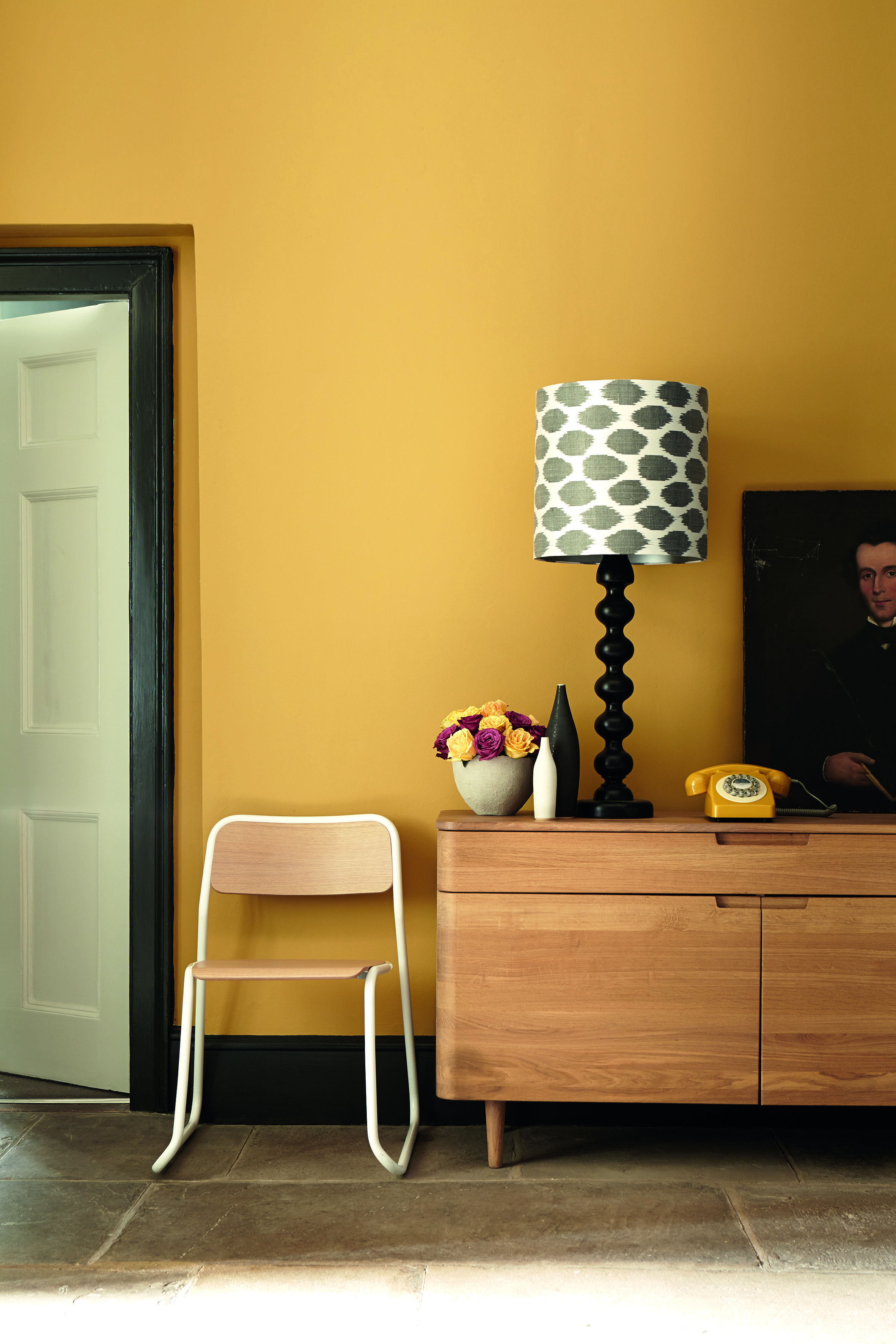
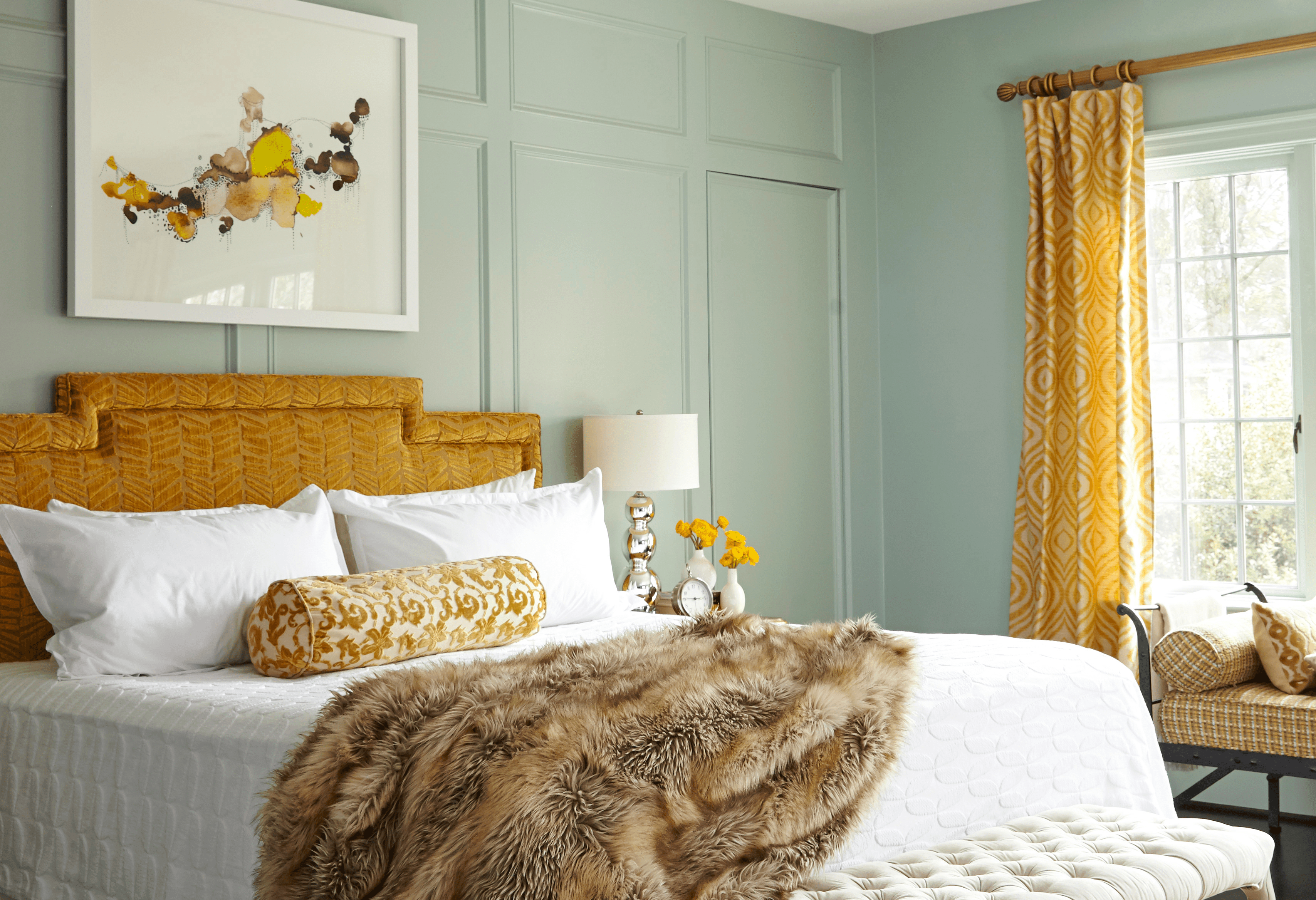
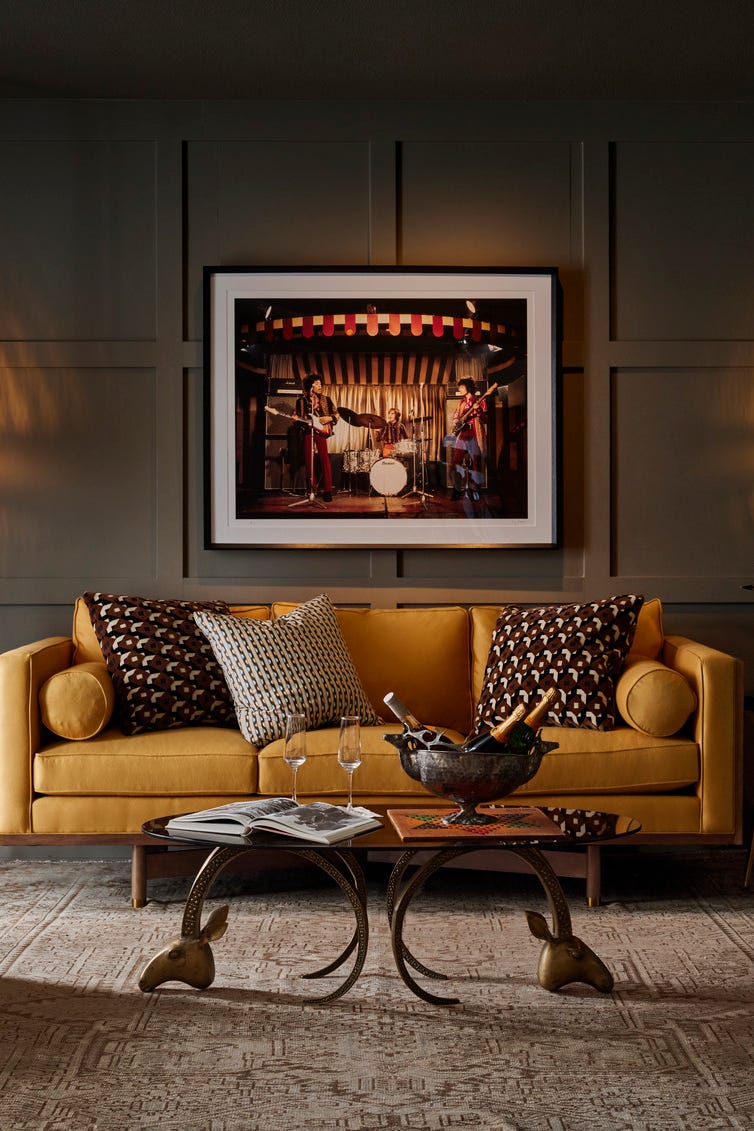
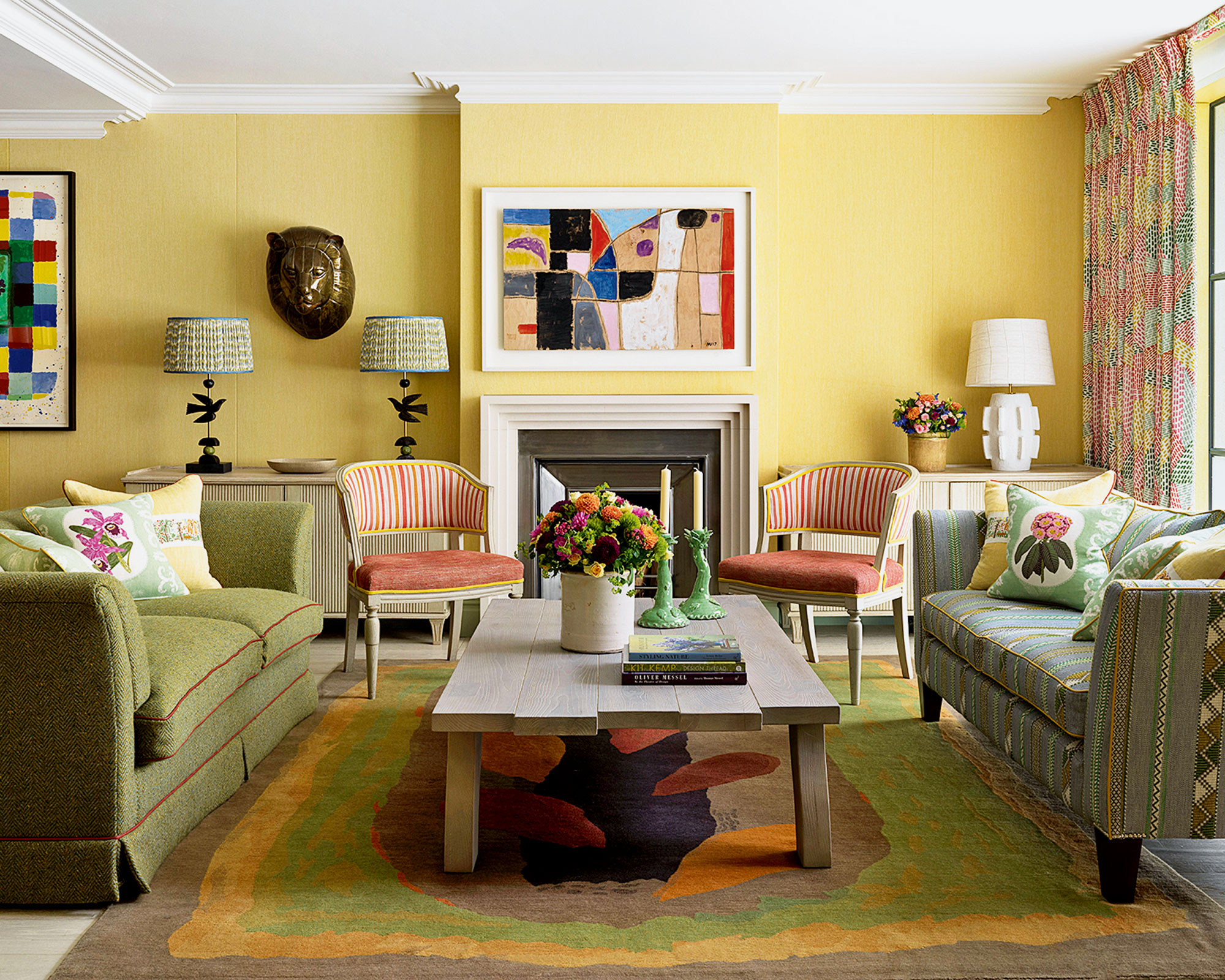
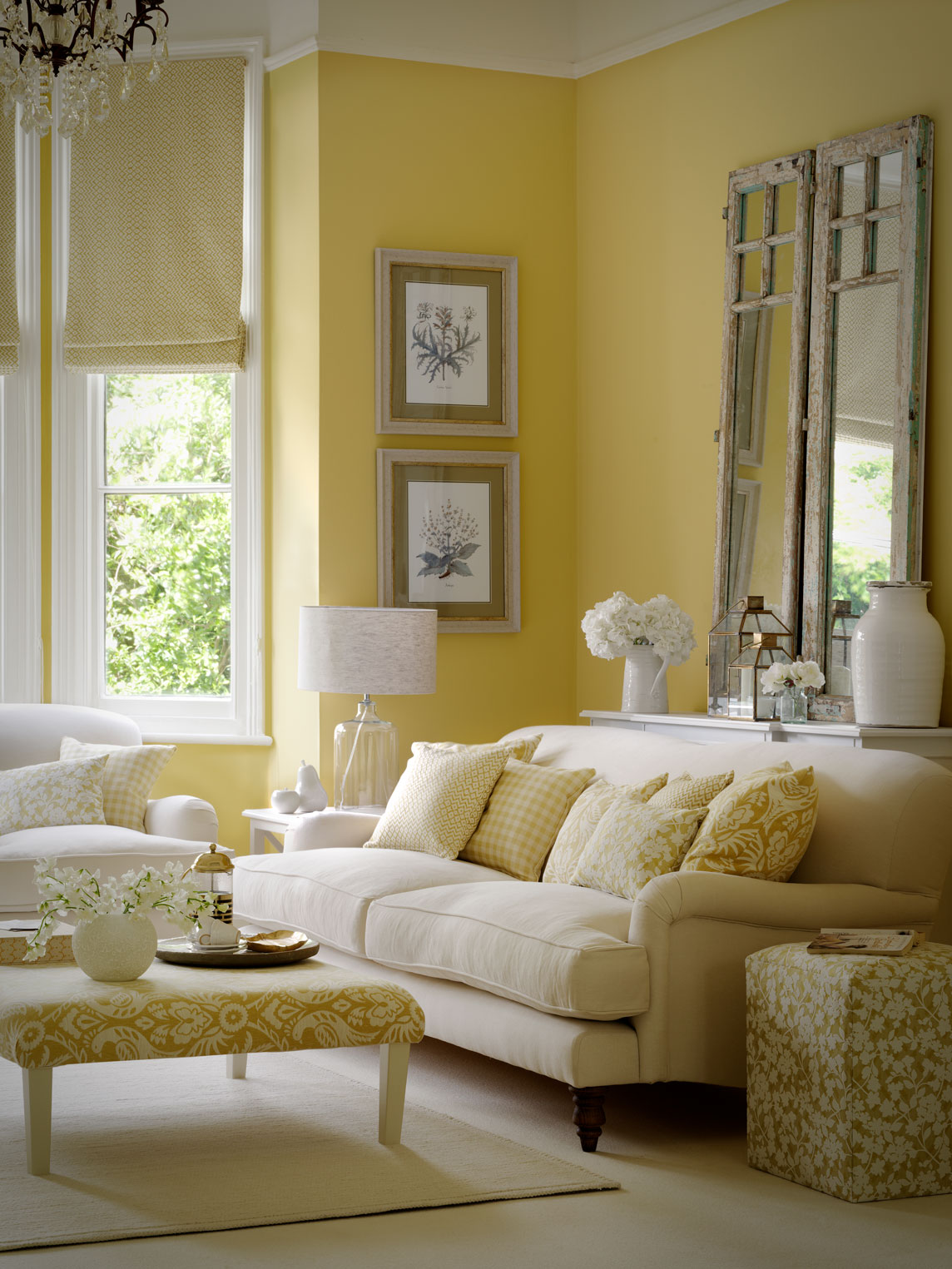
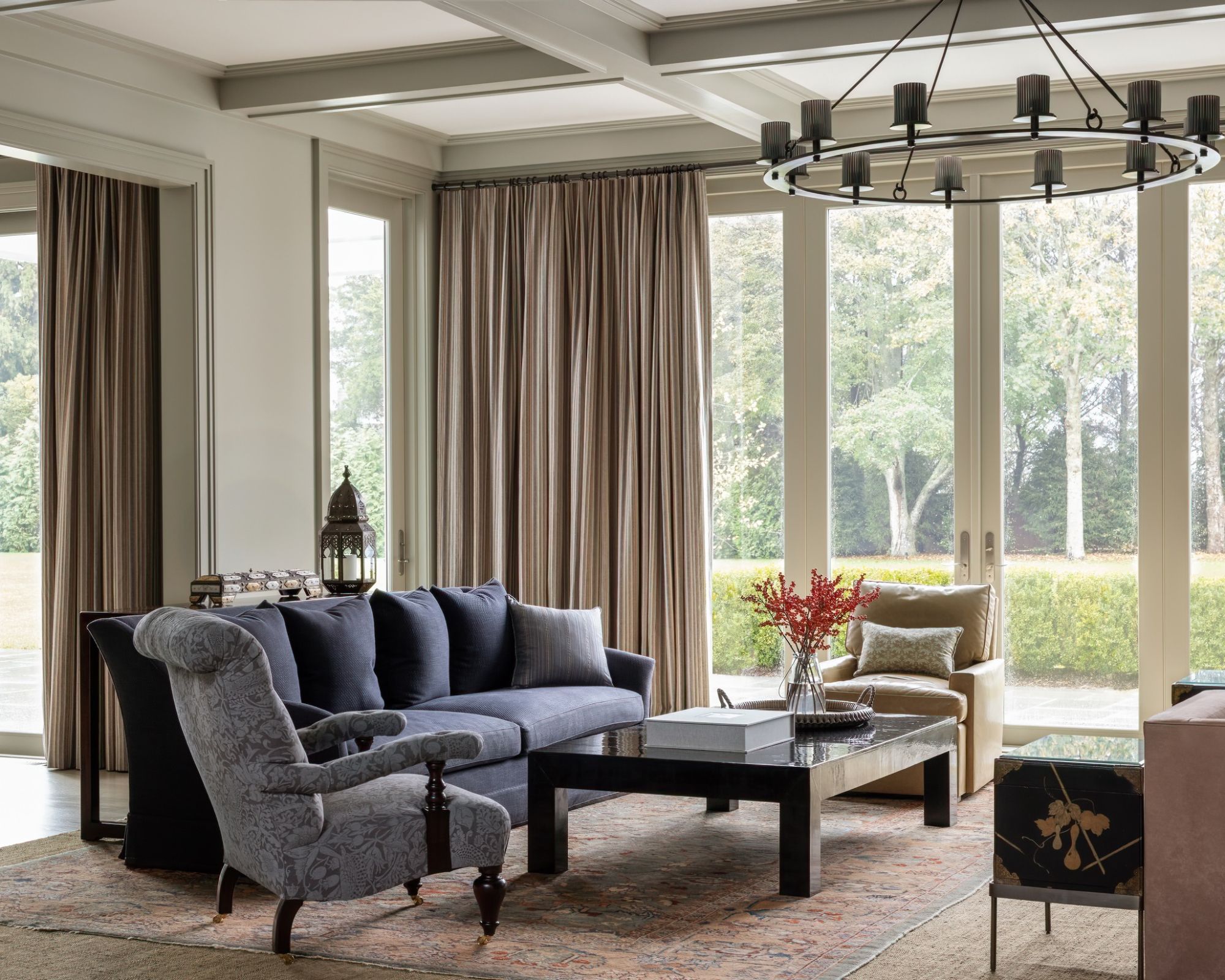
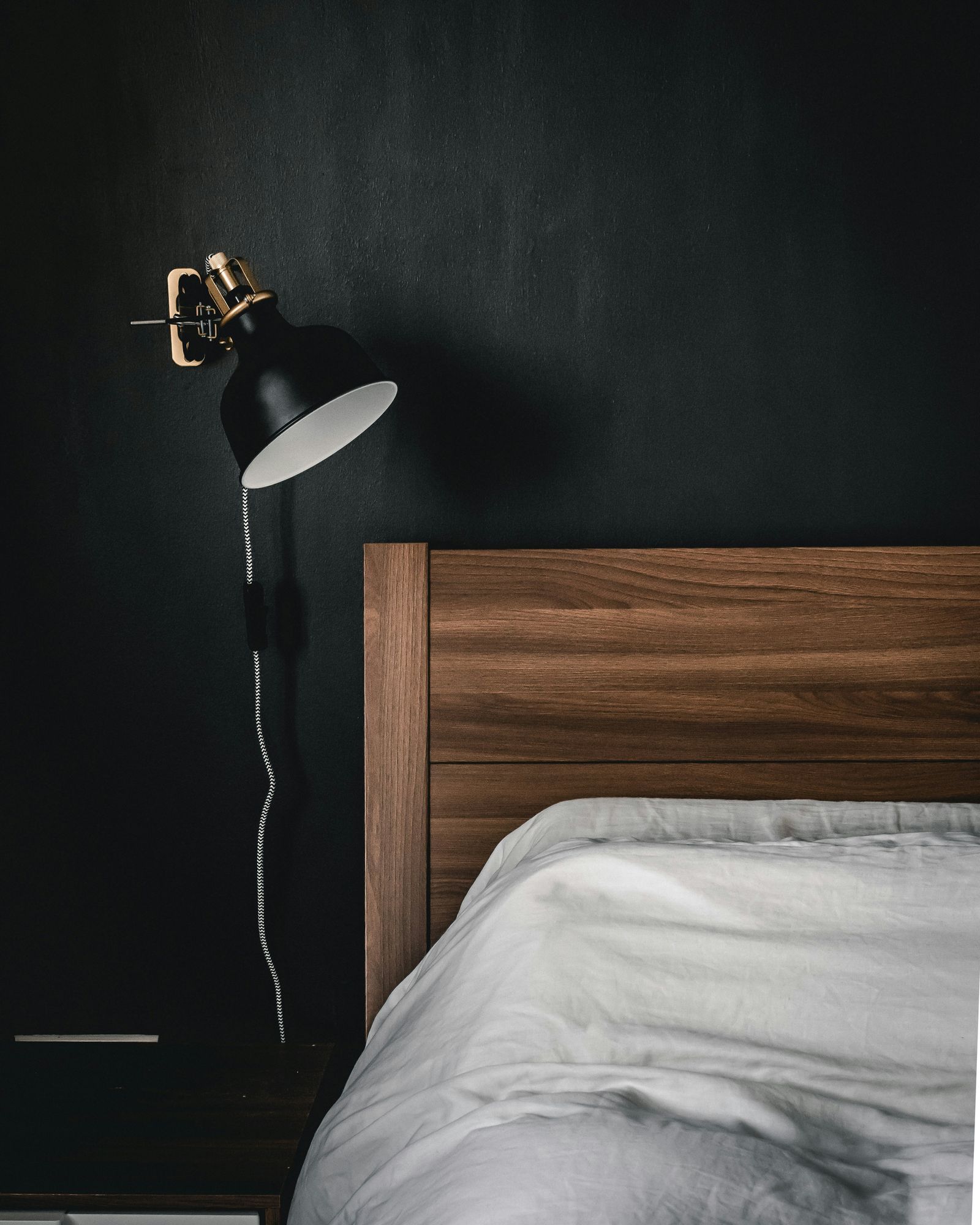
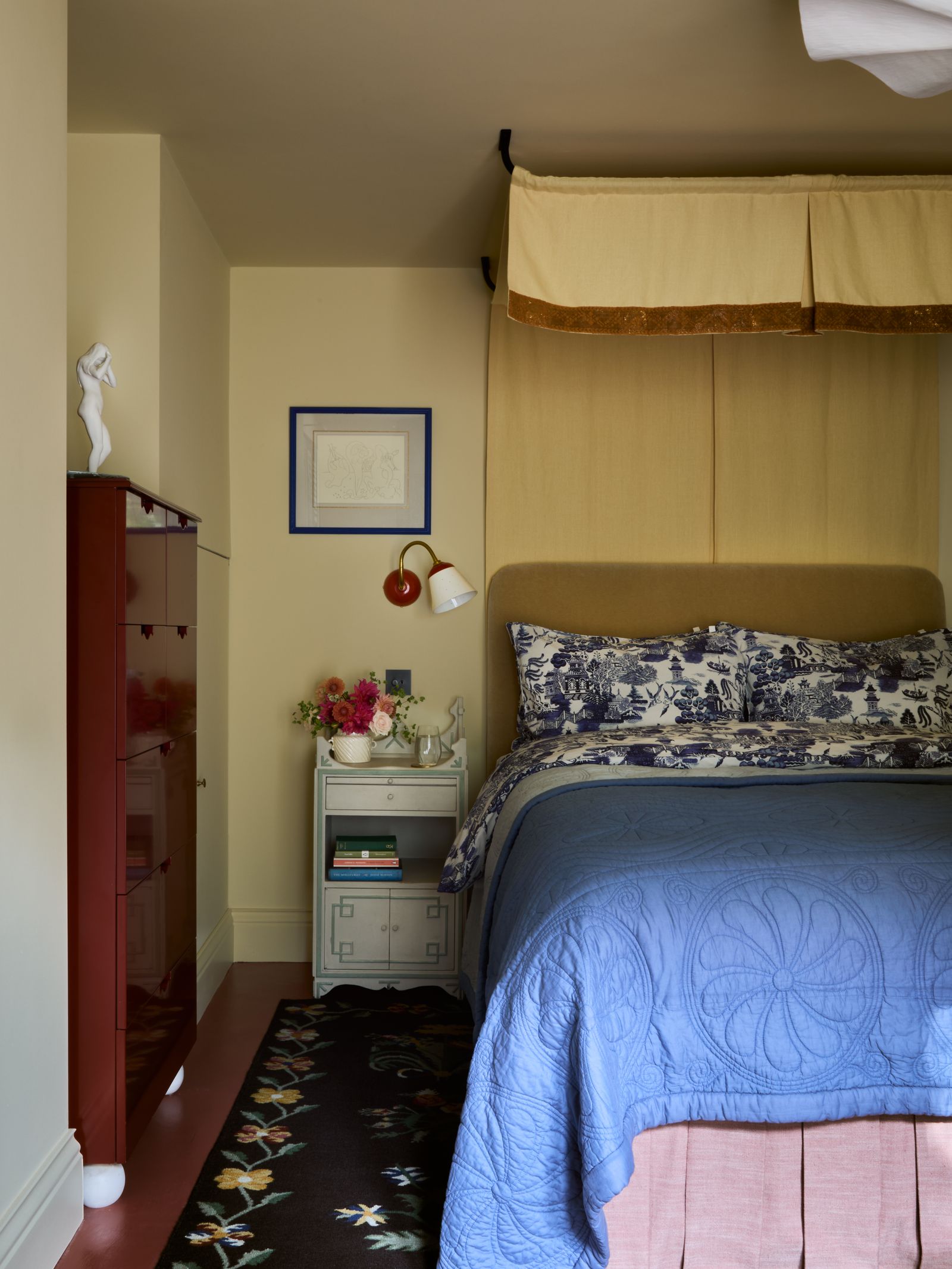
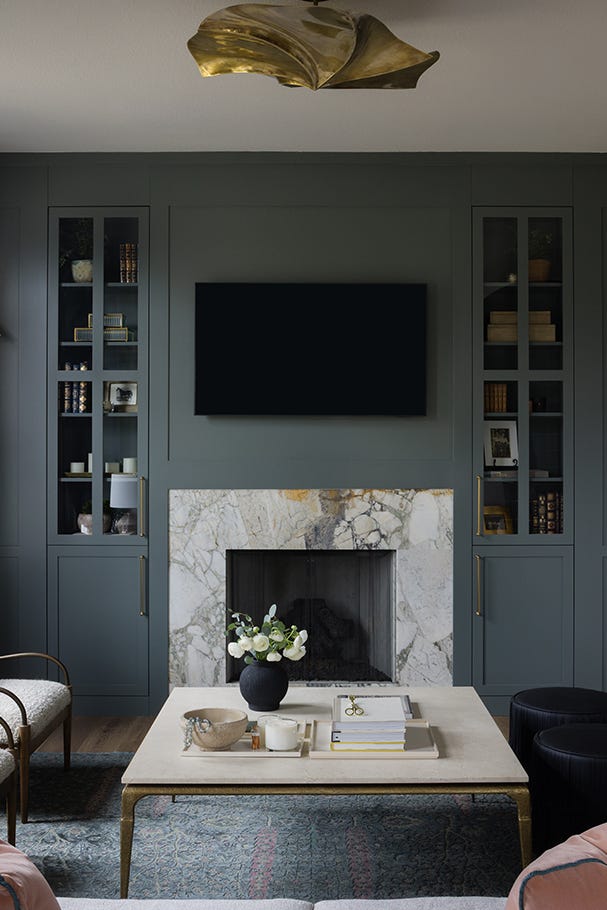
Yellow, associated with the Earth element in Feng Shui, is believed to channel positive energy and promote grounding, stability, and nourishment. Feng Shui expert Anjie Cho notes that yellow signifies connection to the earth and provides a sense of security, health, and well-being. Black, representing the Water element, is crucial for fostering flow, connections, and intuition. While black can bring visual drama and cultivate wisdom, using it sparingly is advised as too much can make a space feel dark and depressing. Accent pieces or chalkboard paint are suggested ways to incorporate black effectively.
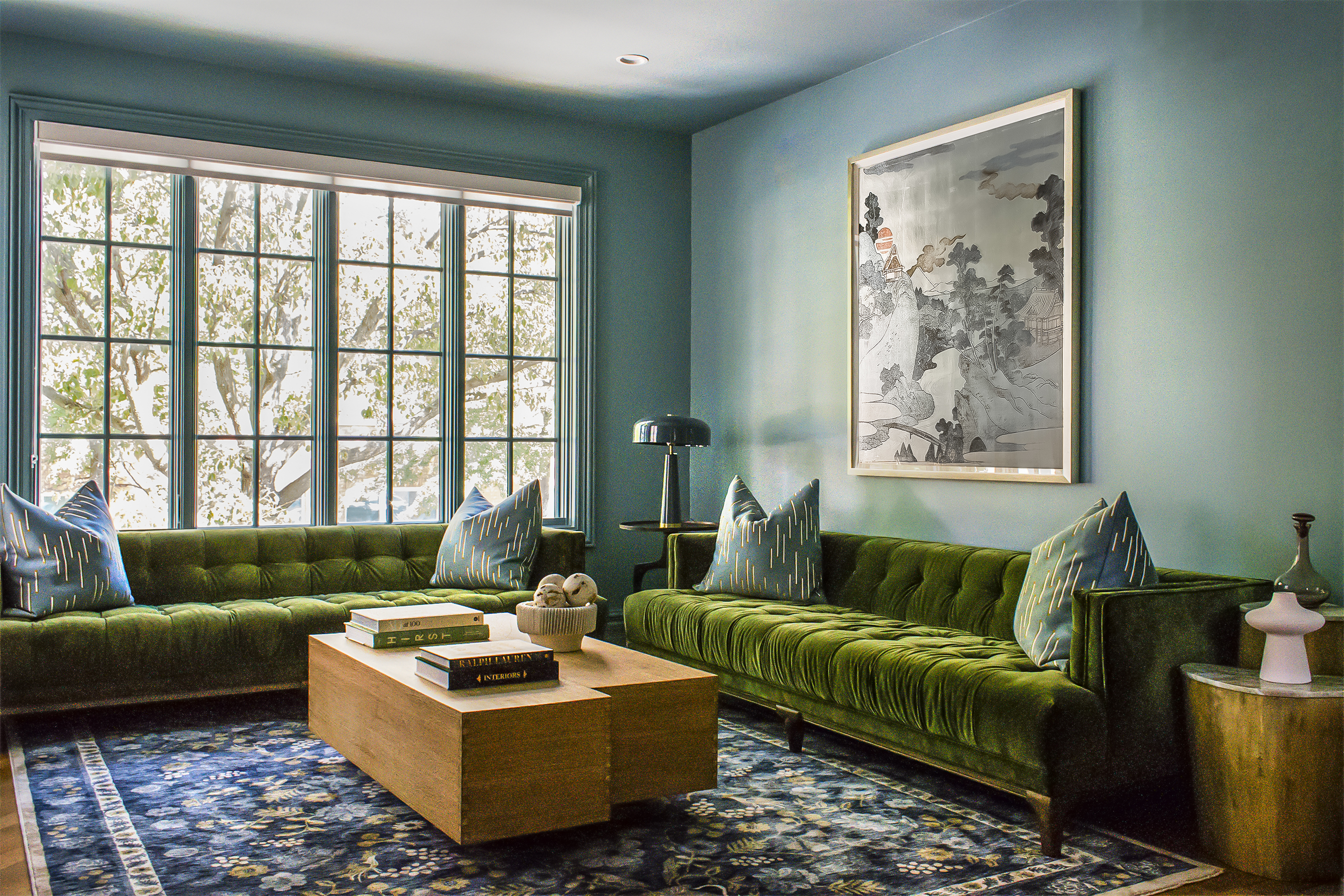
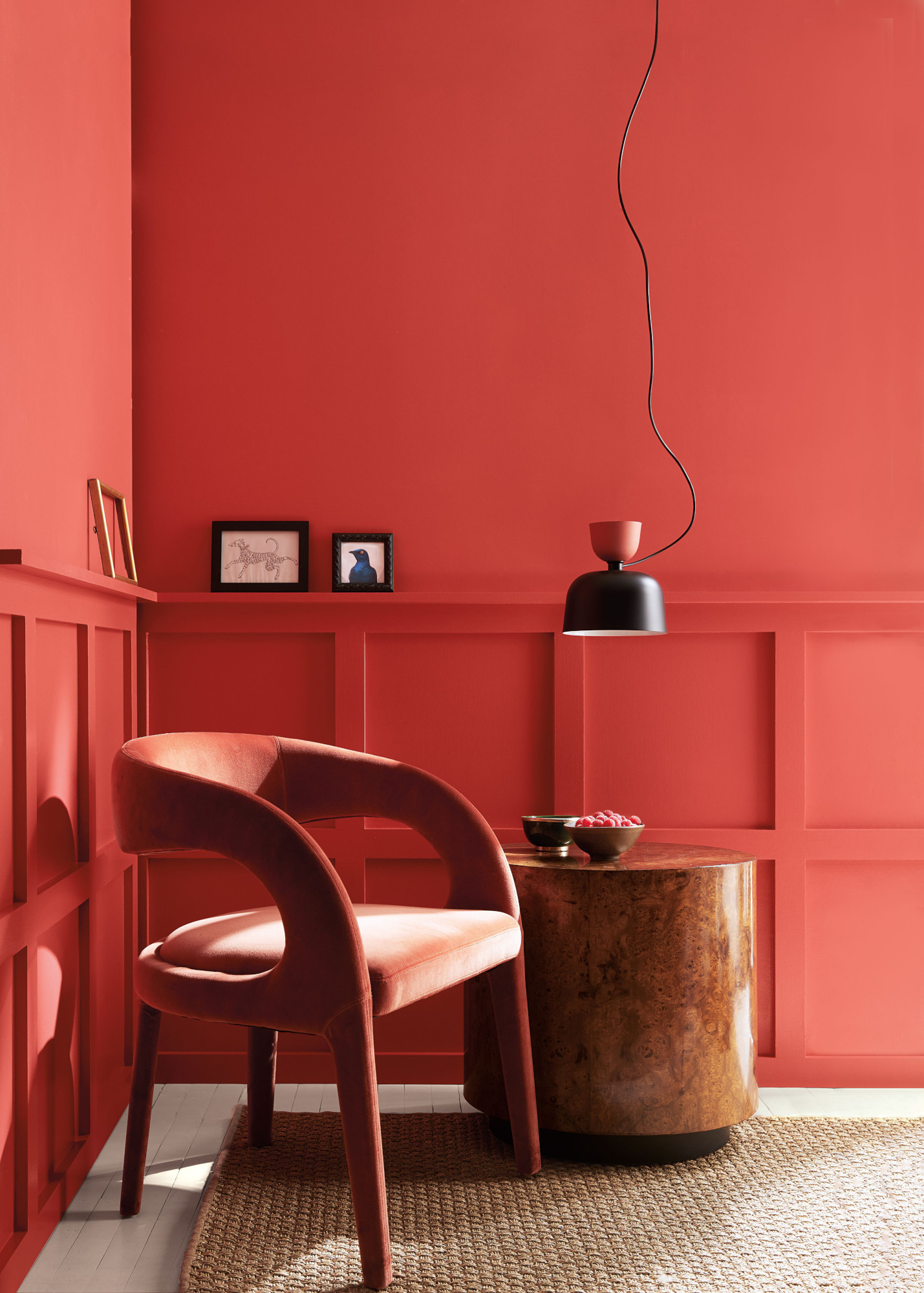
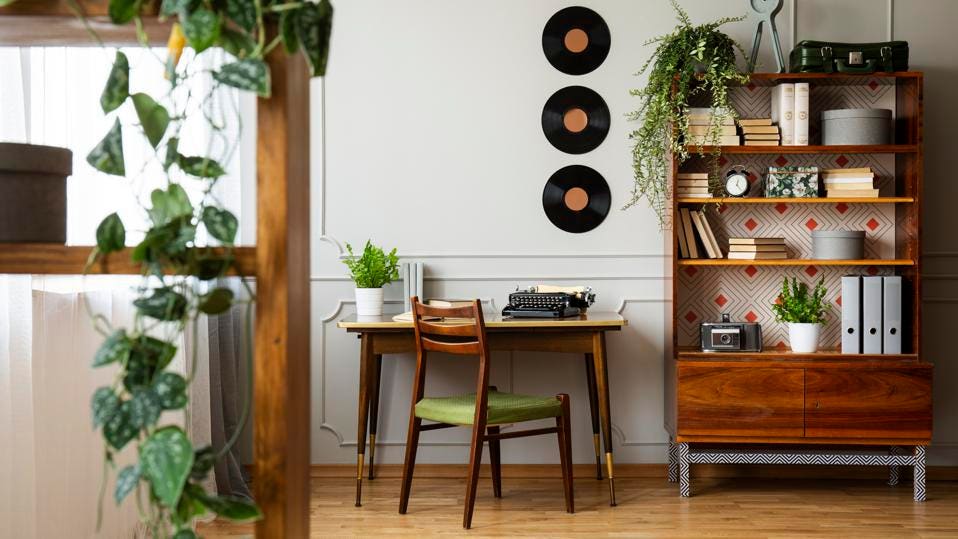
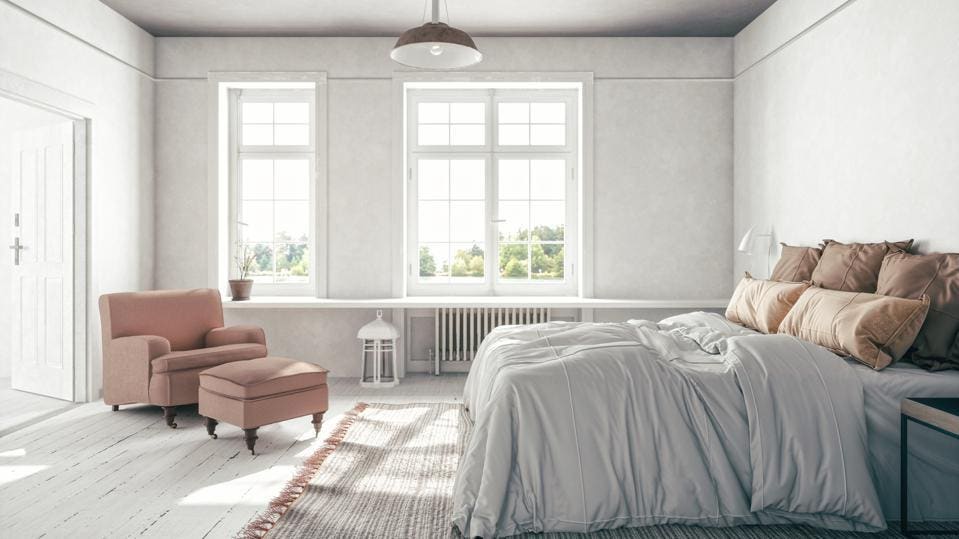
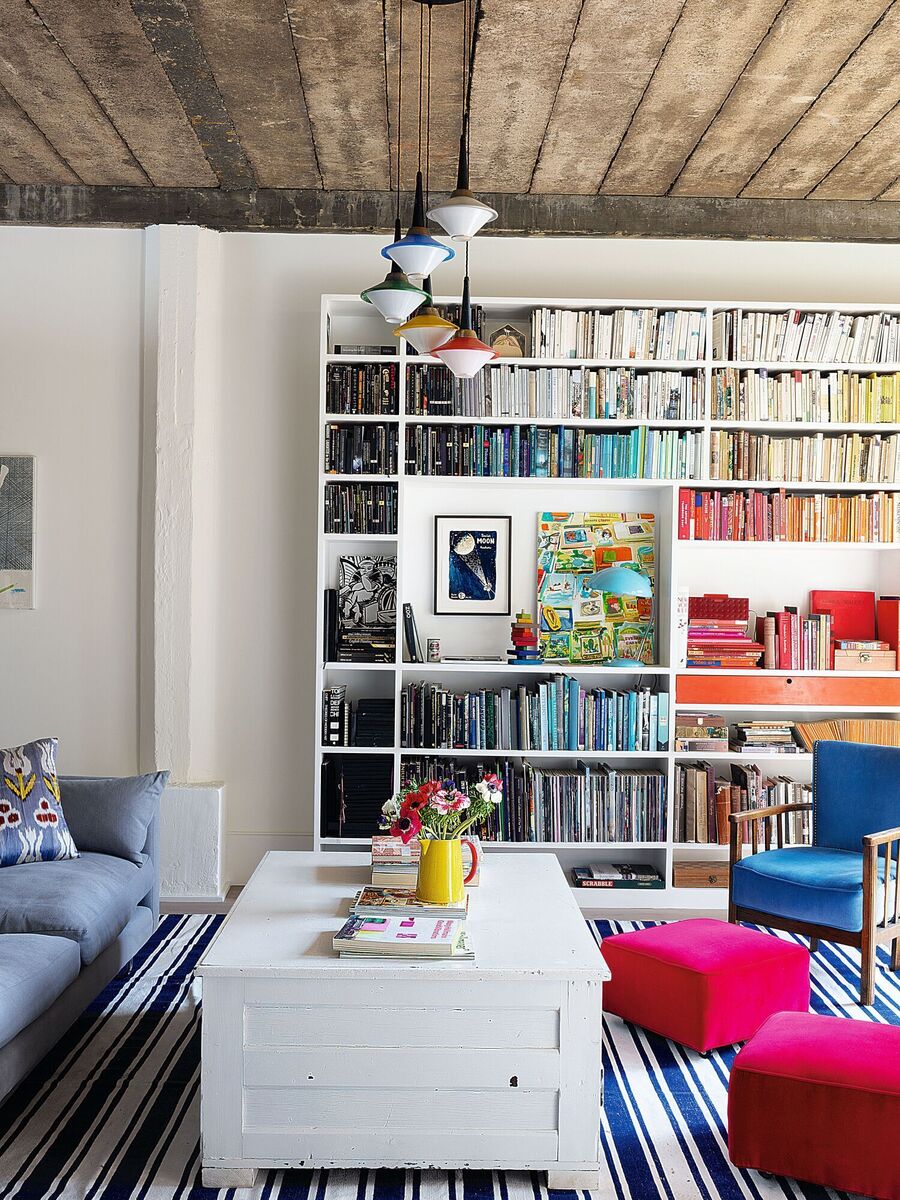
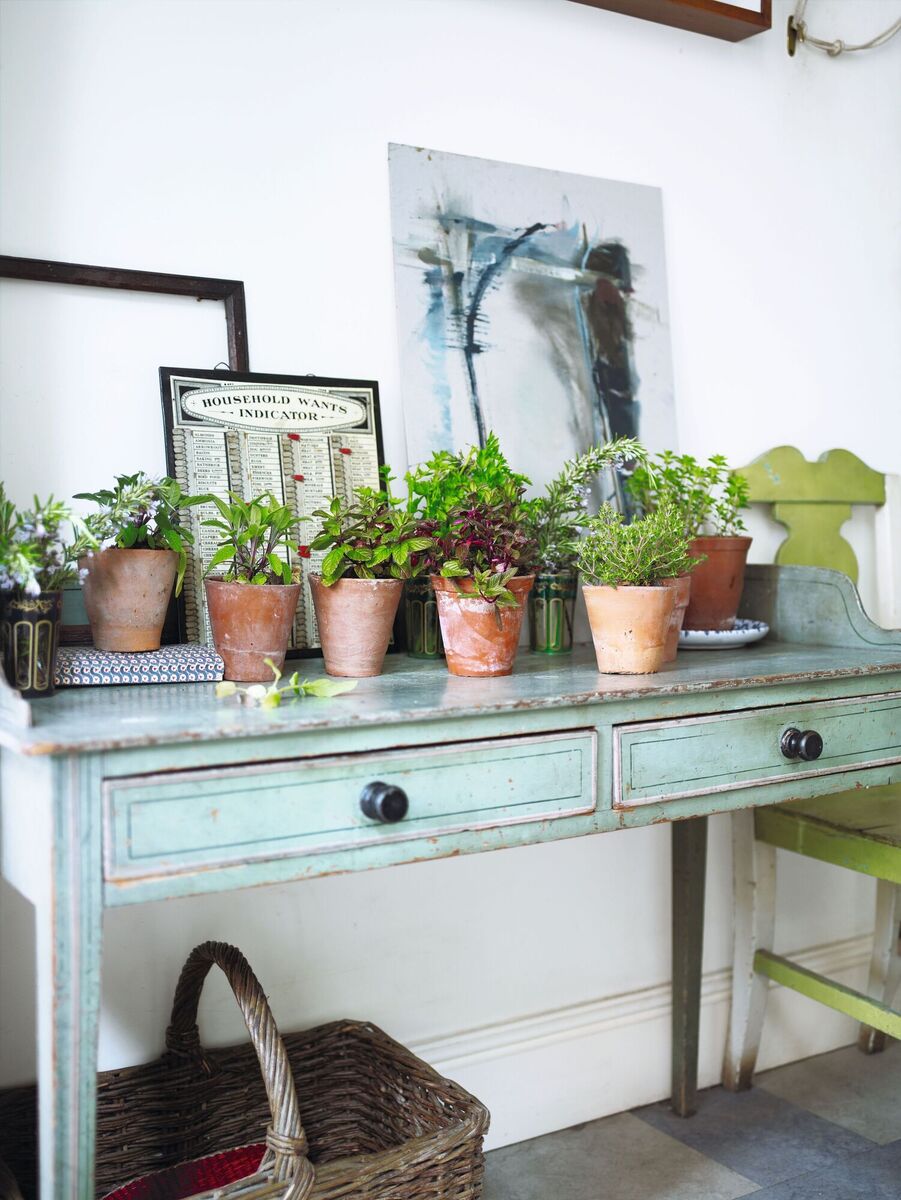
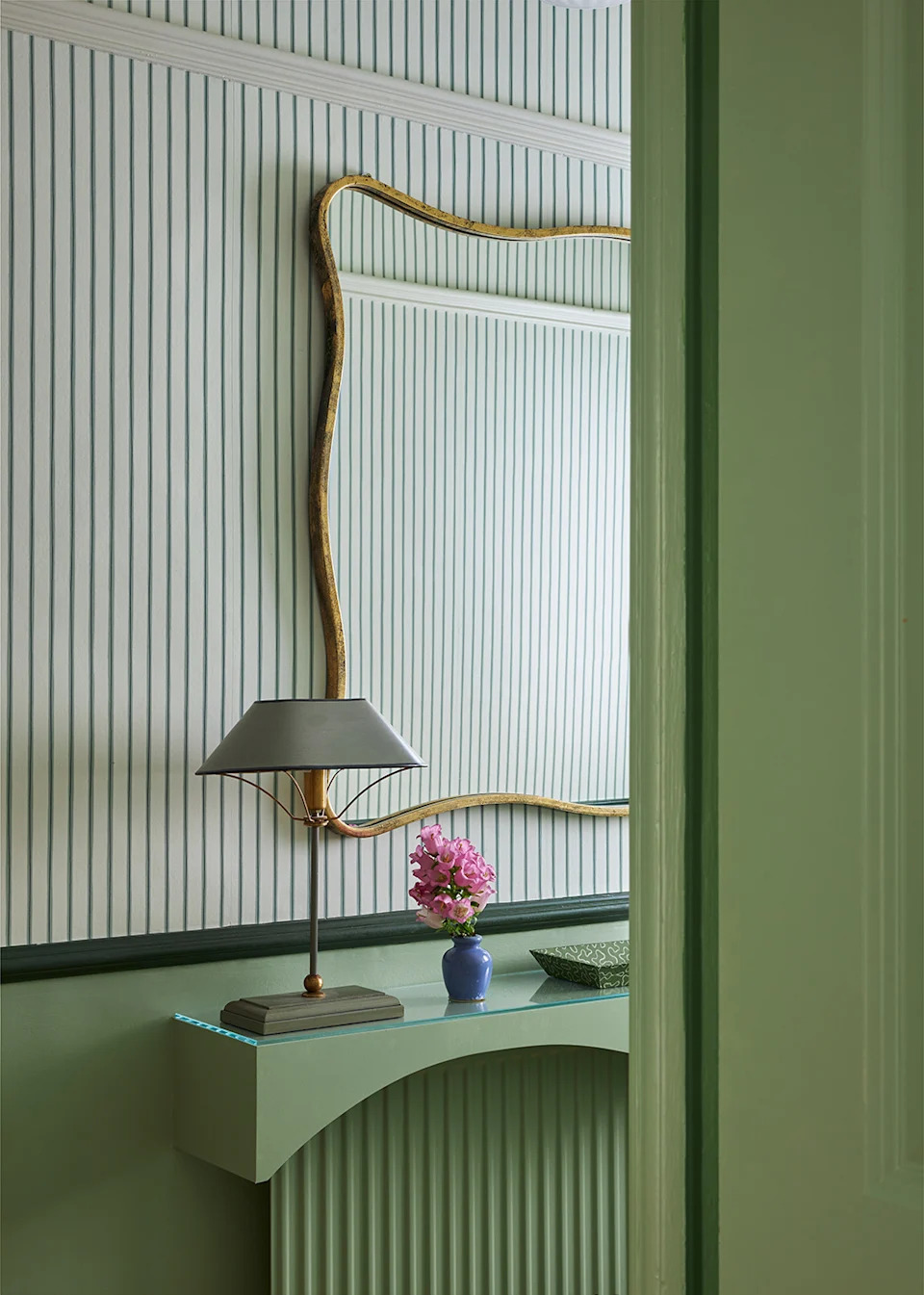
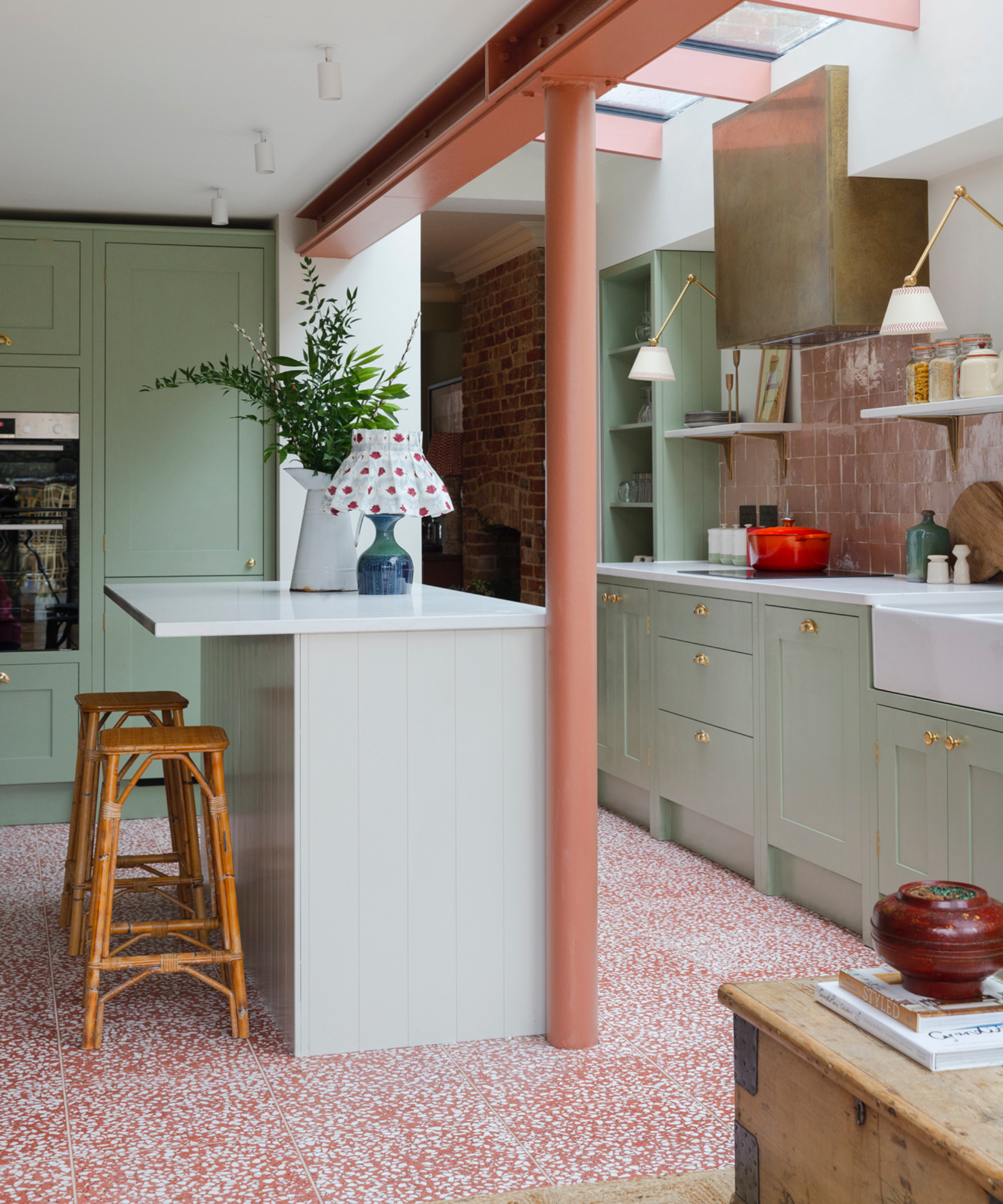
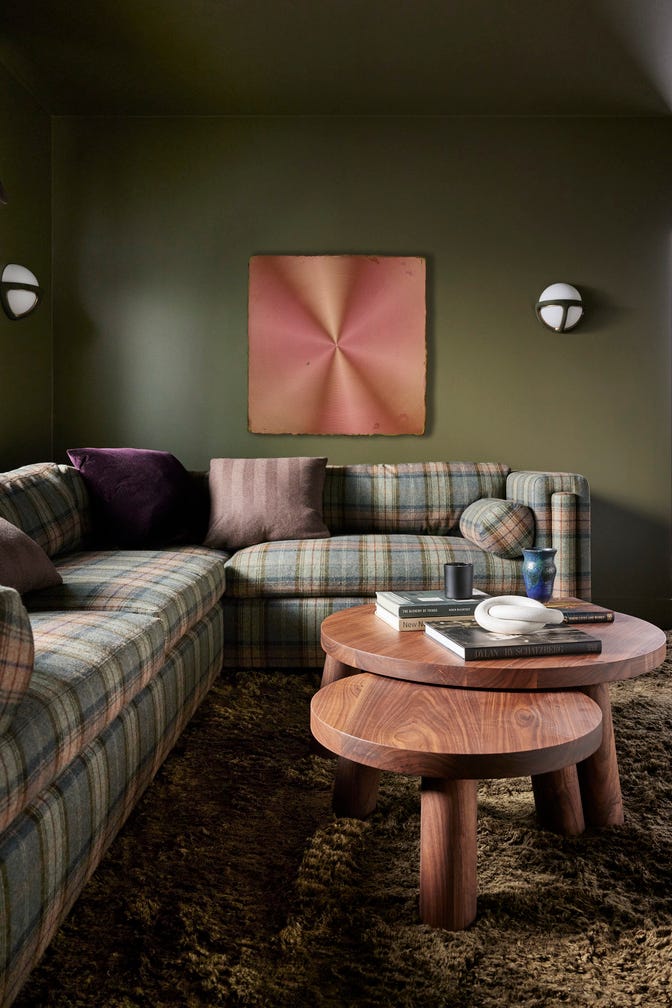
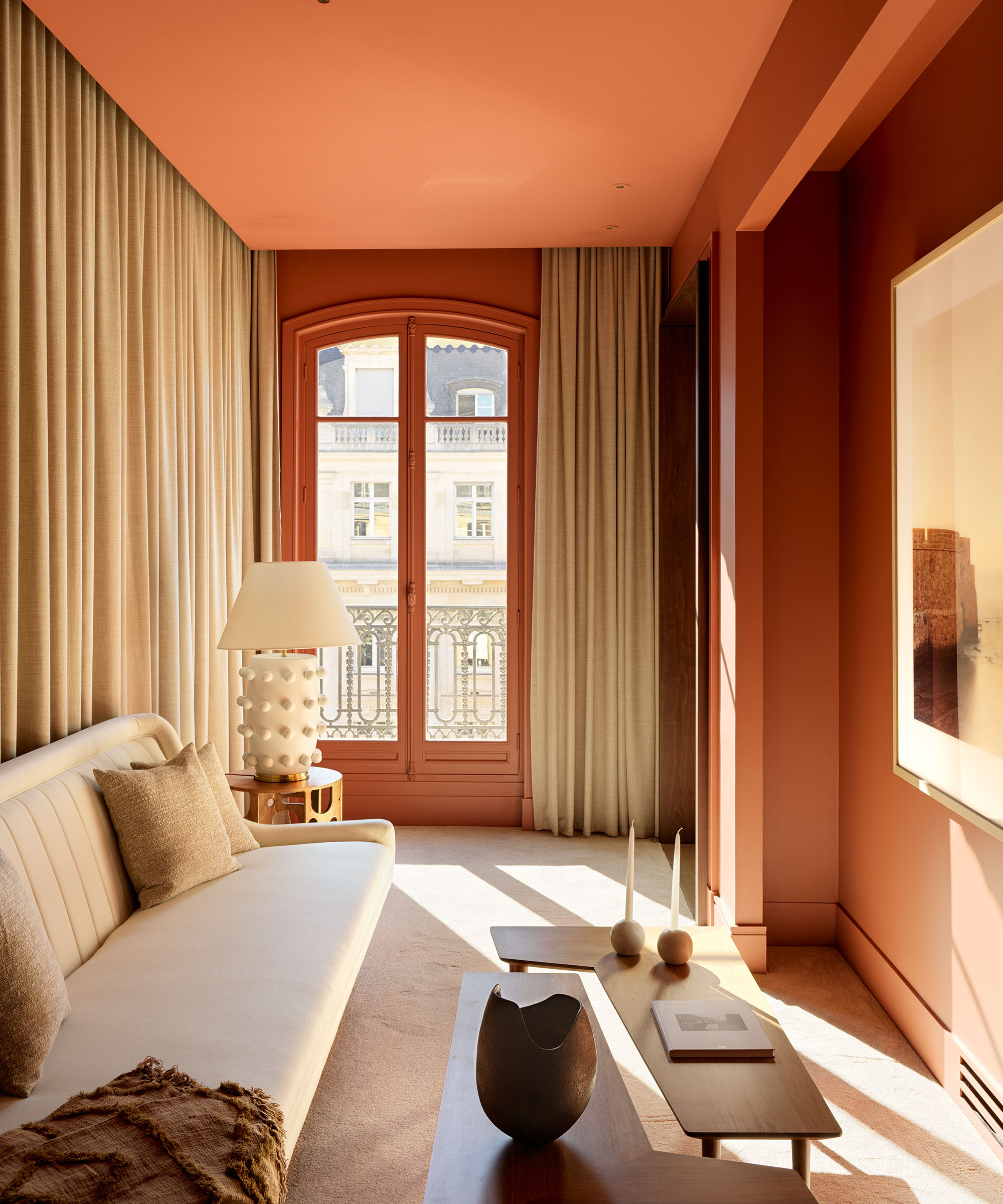
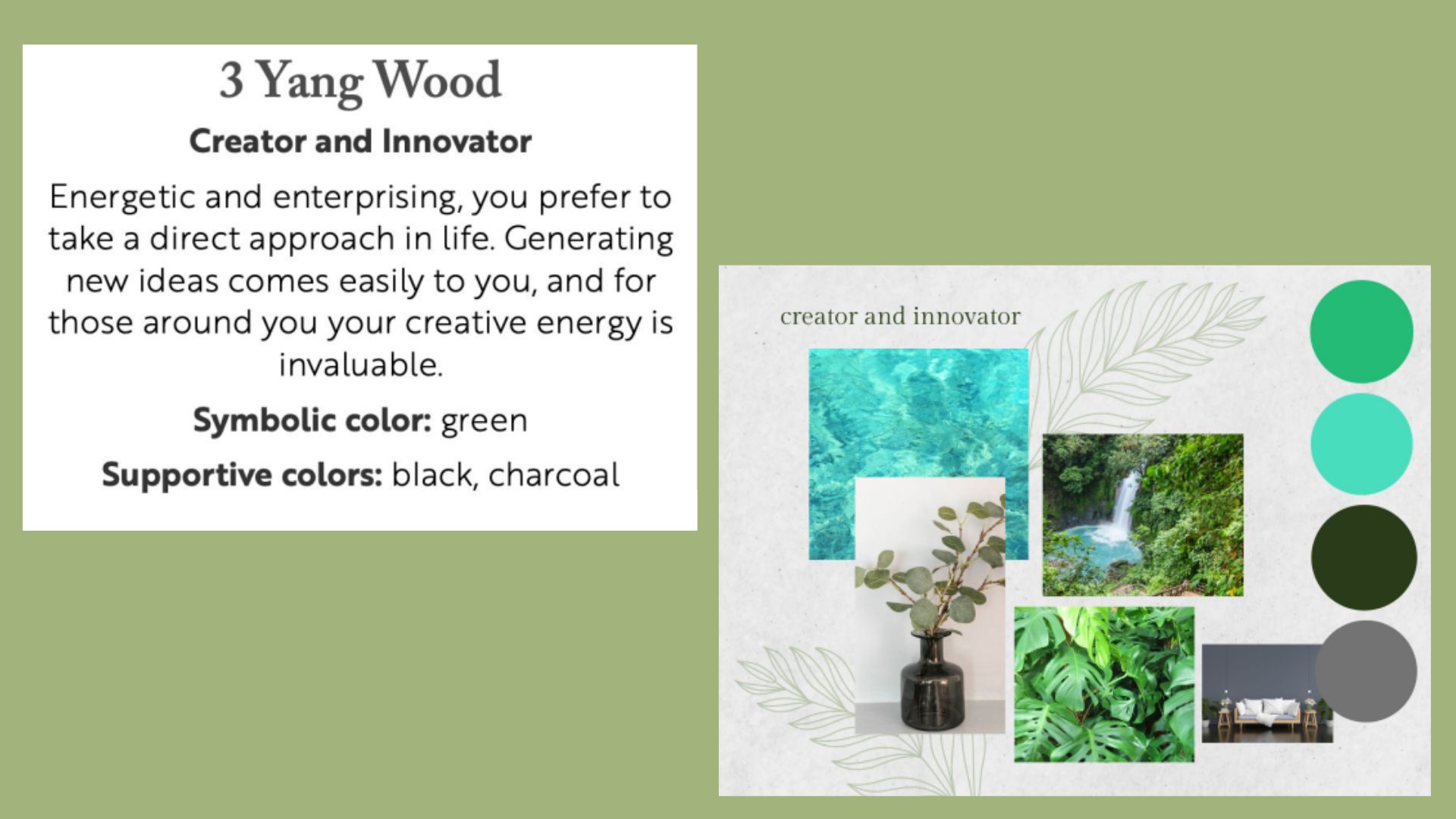
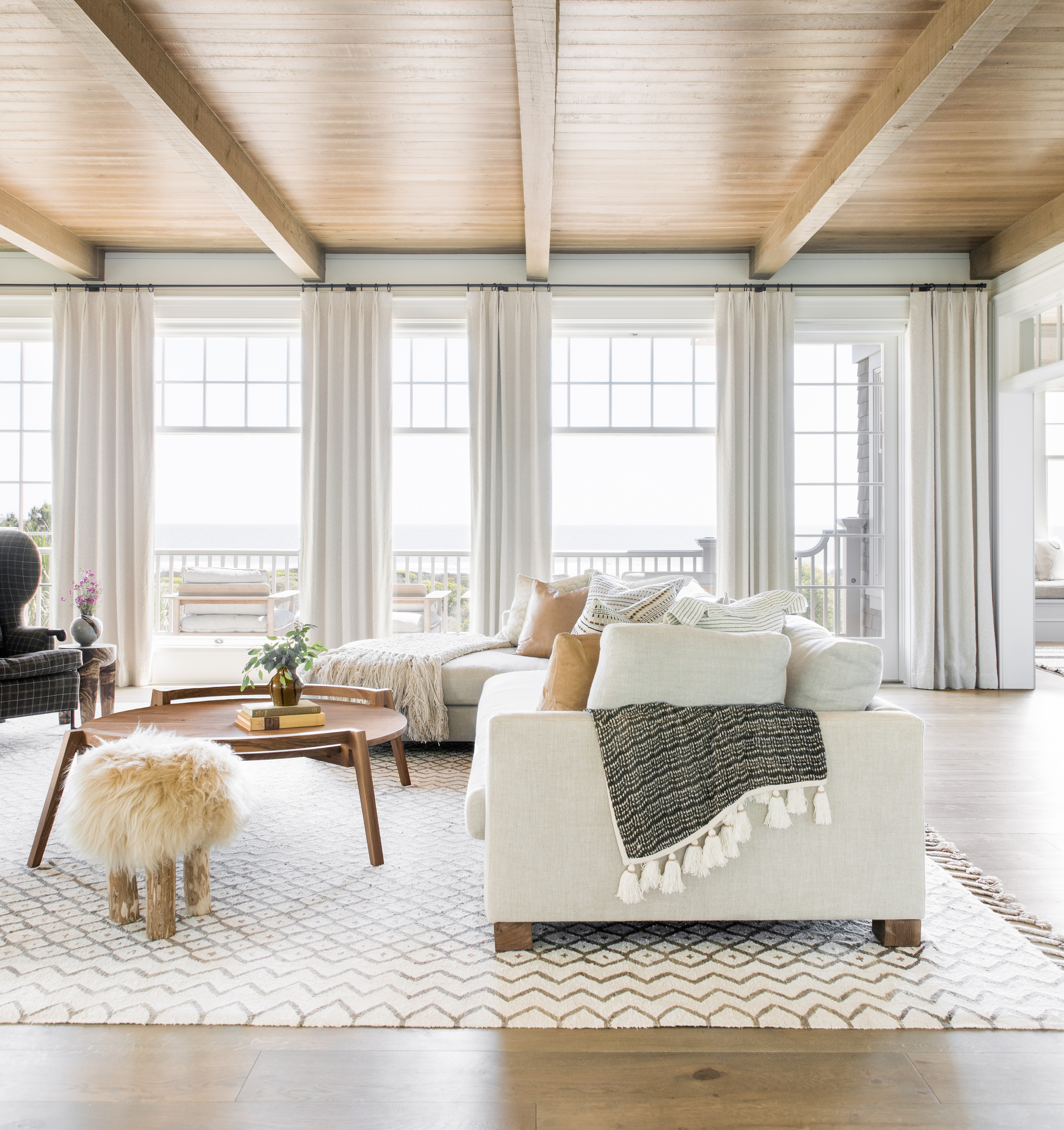
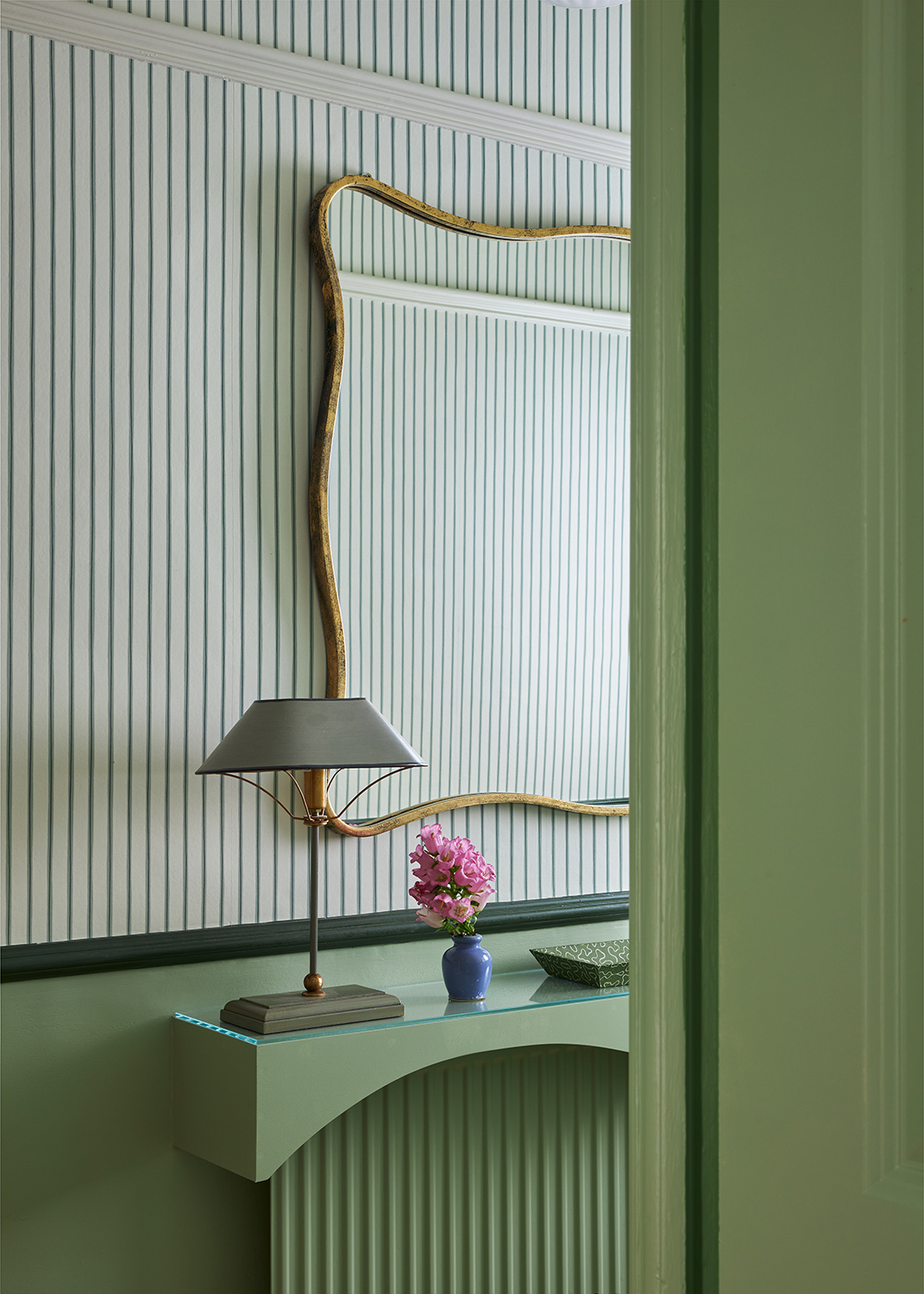
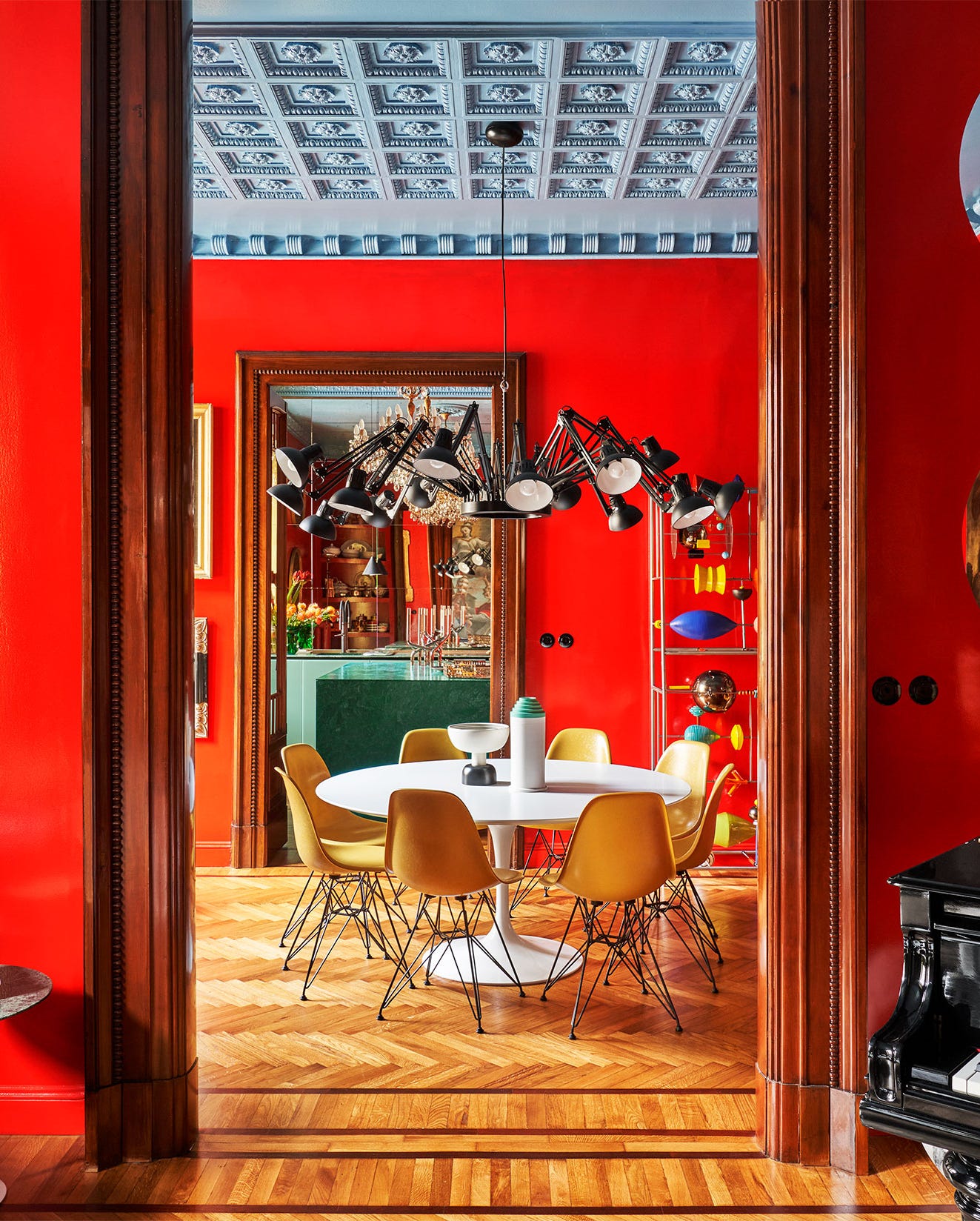
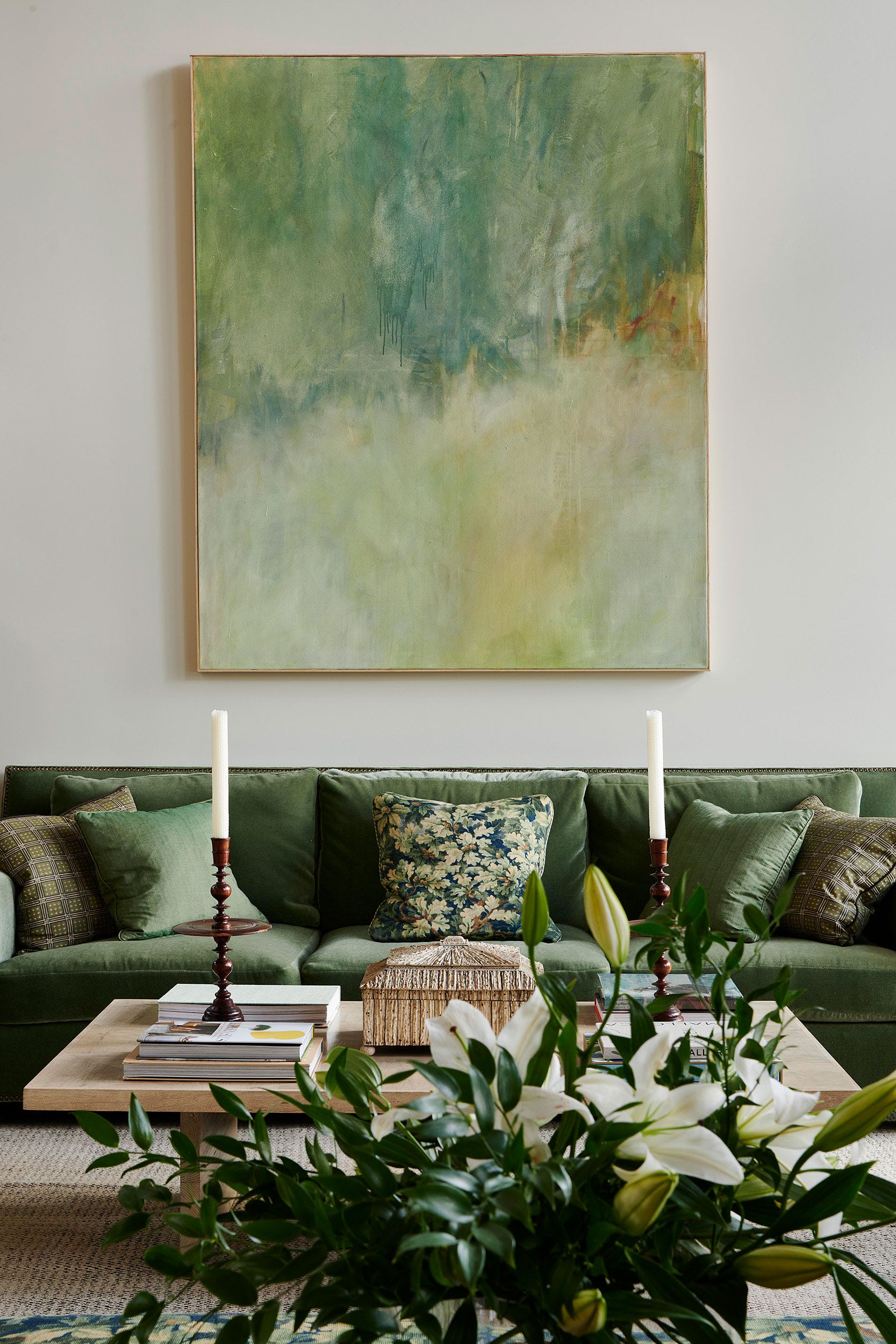
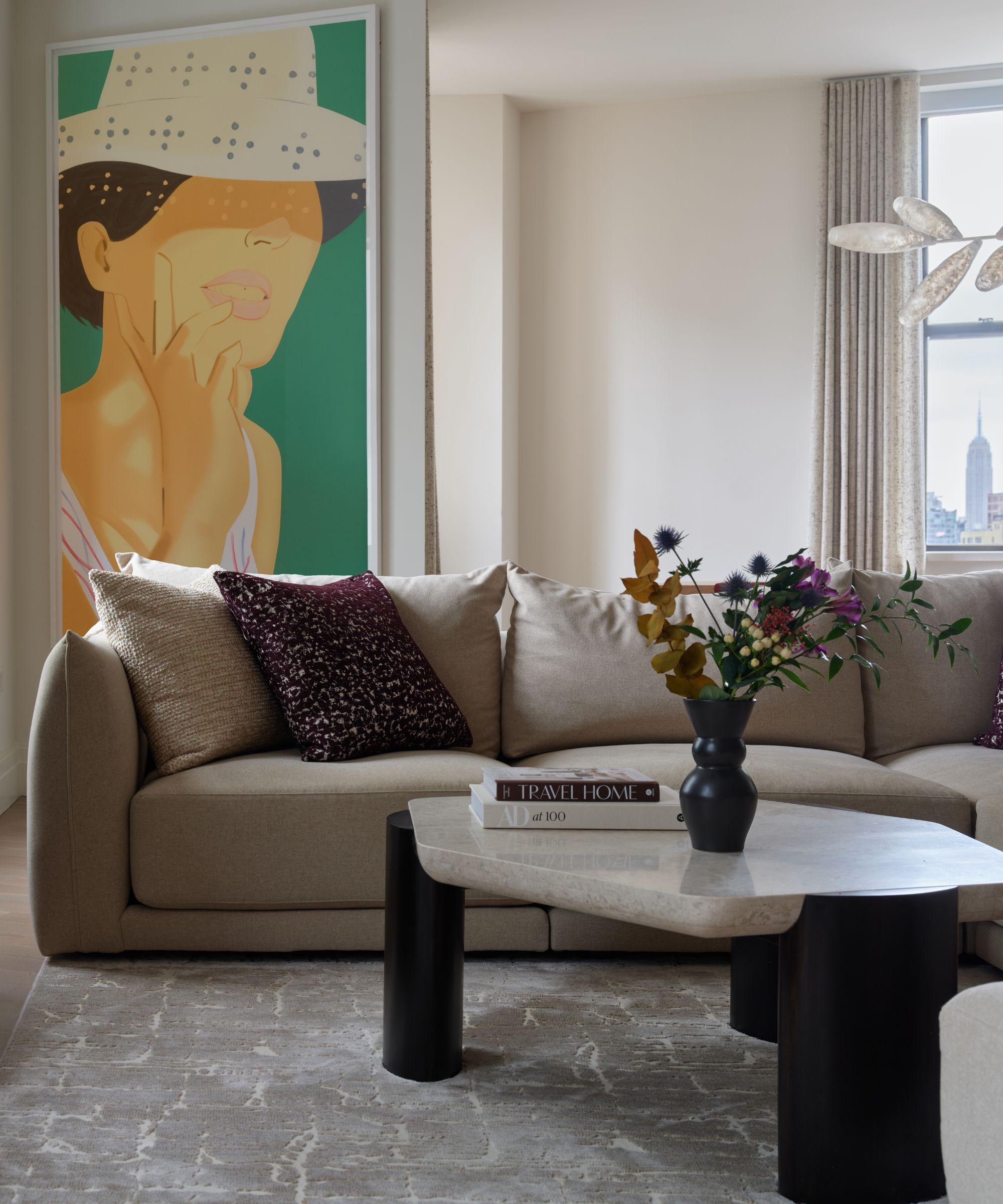
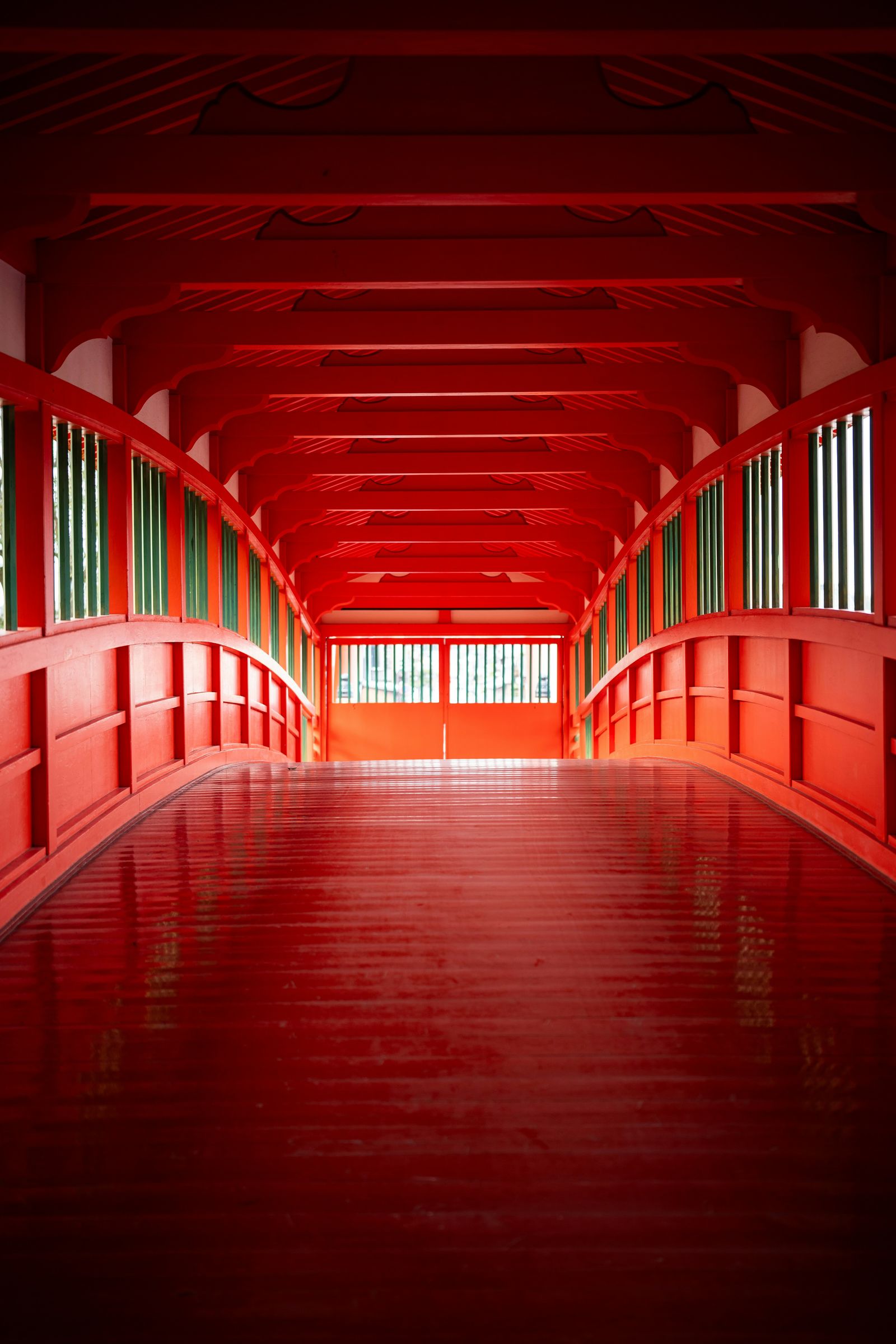
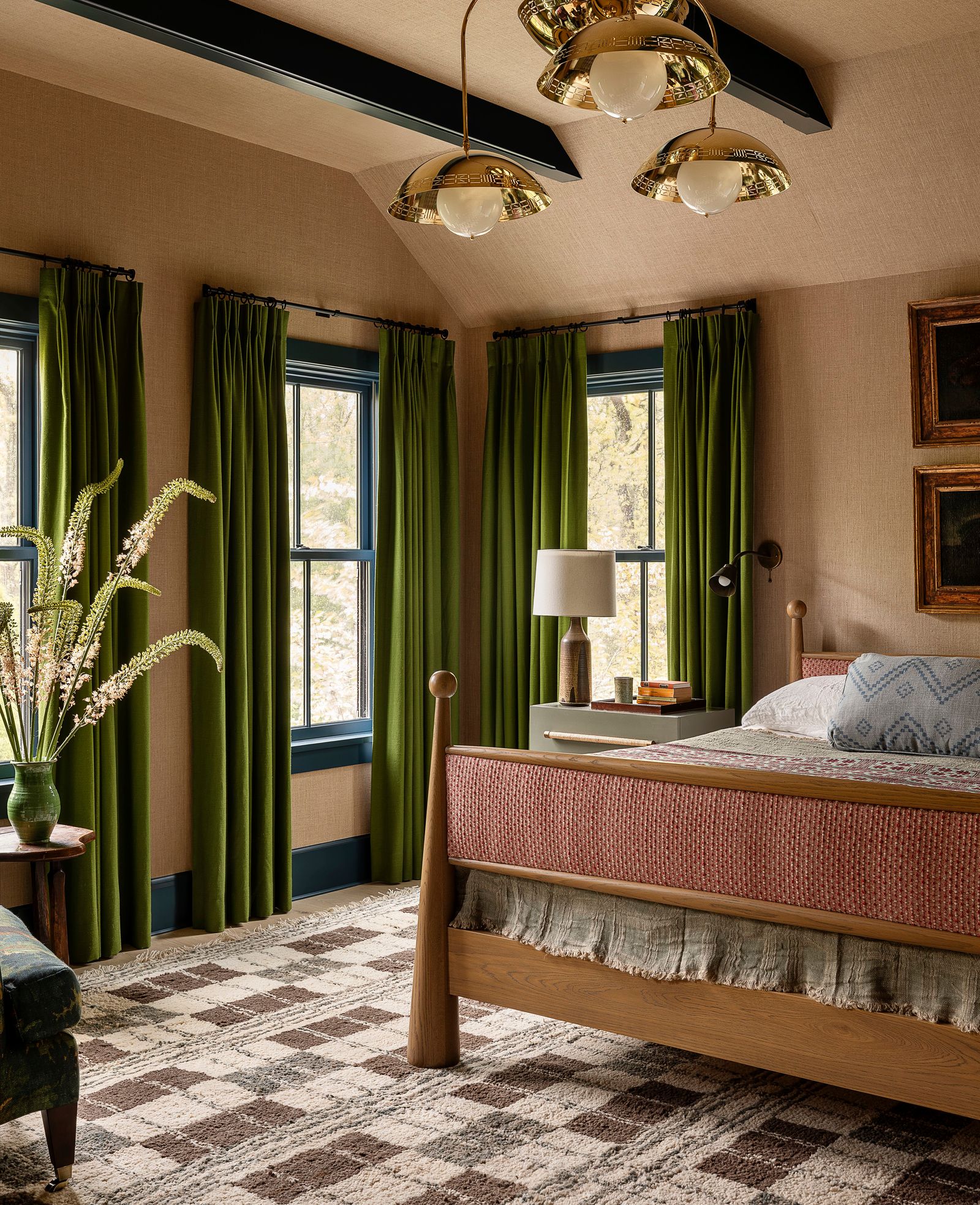
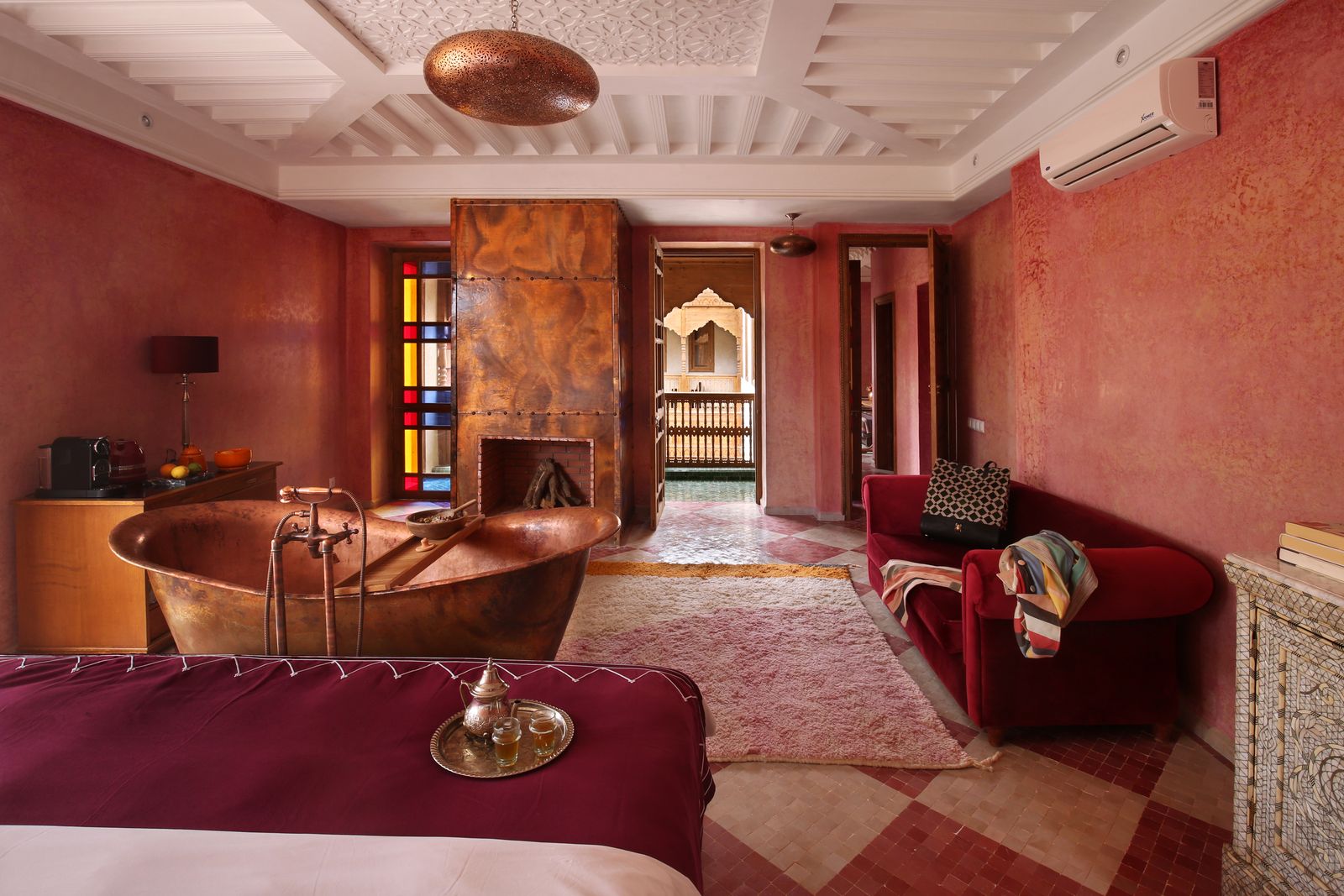
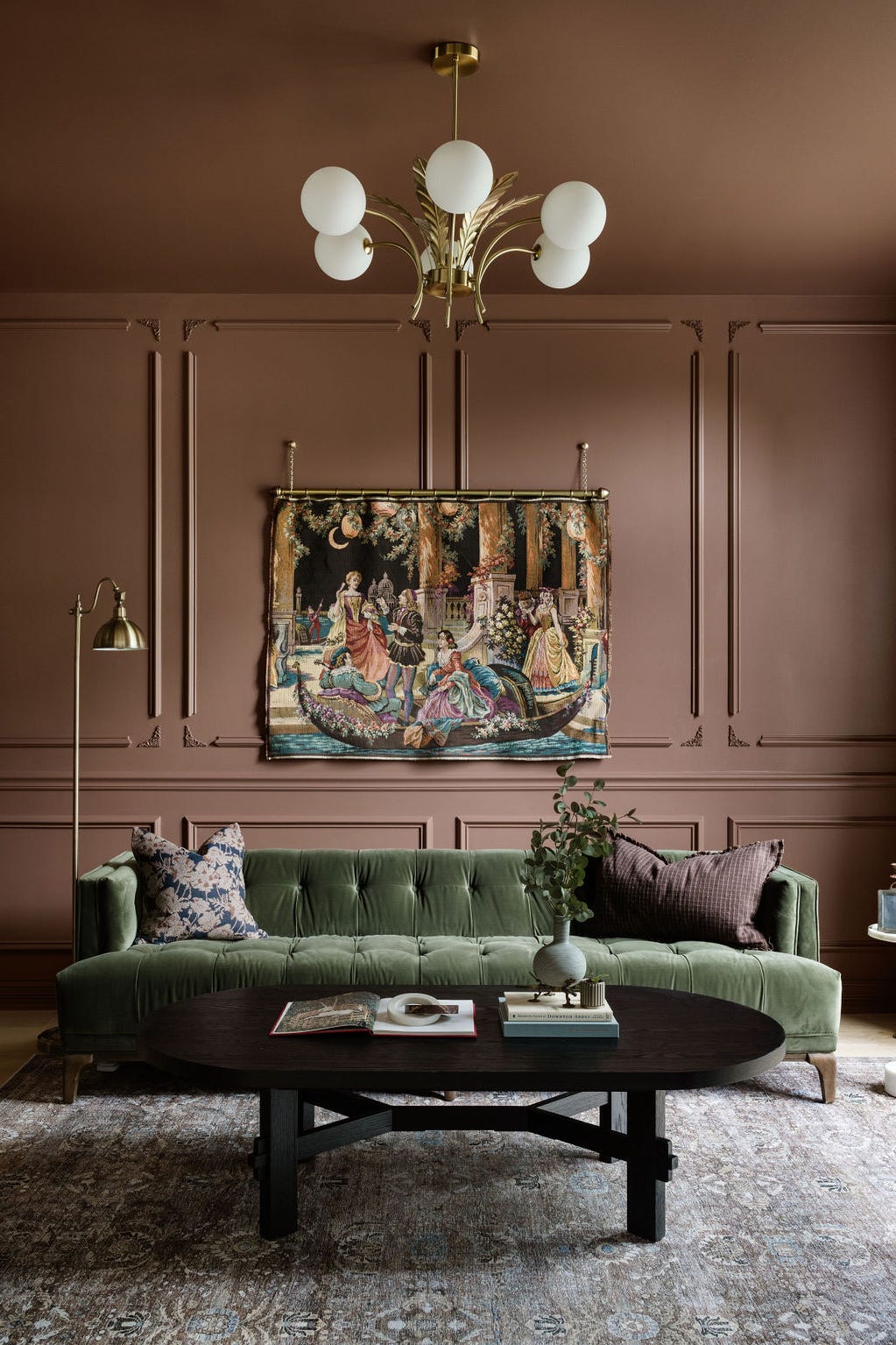
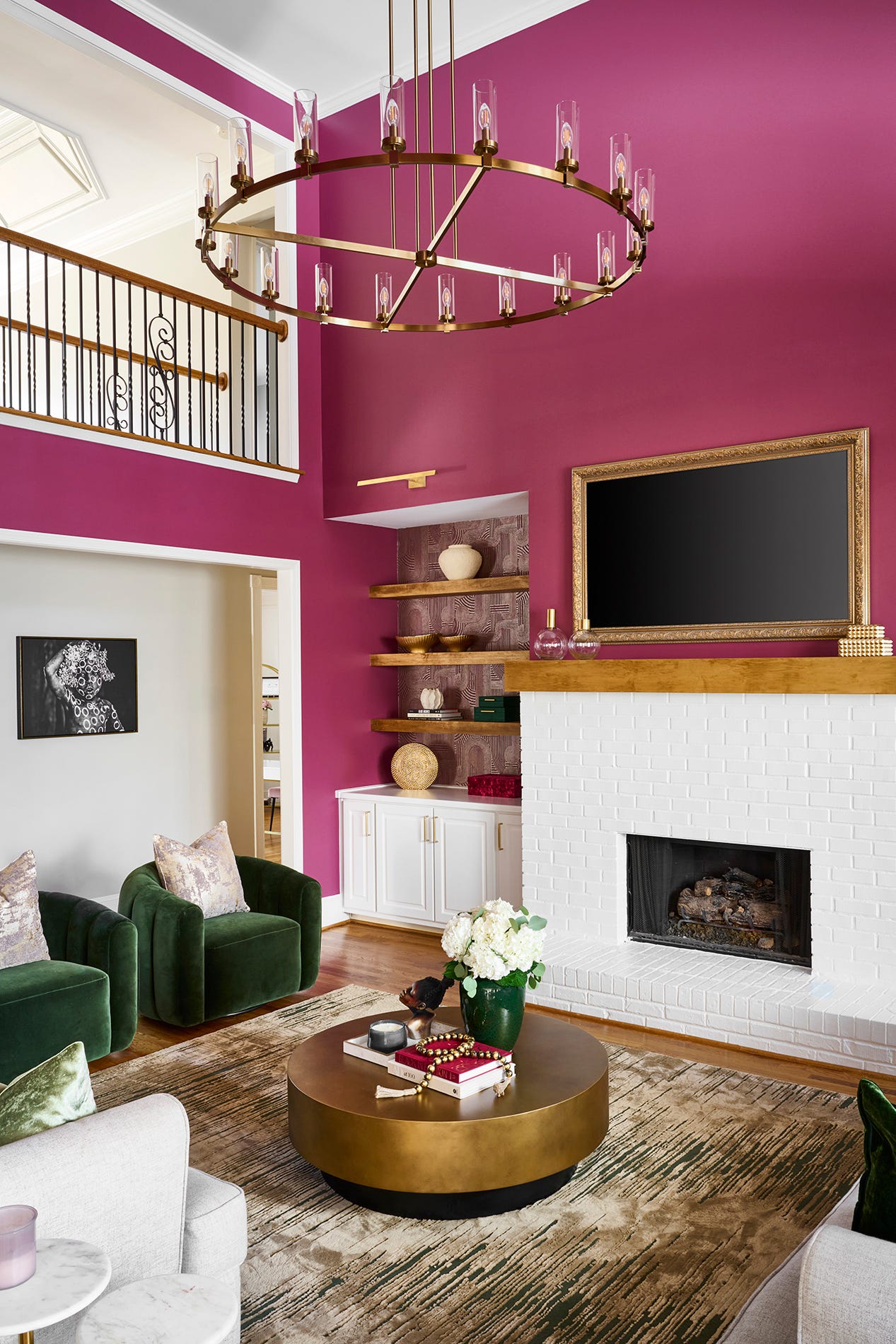
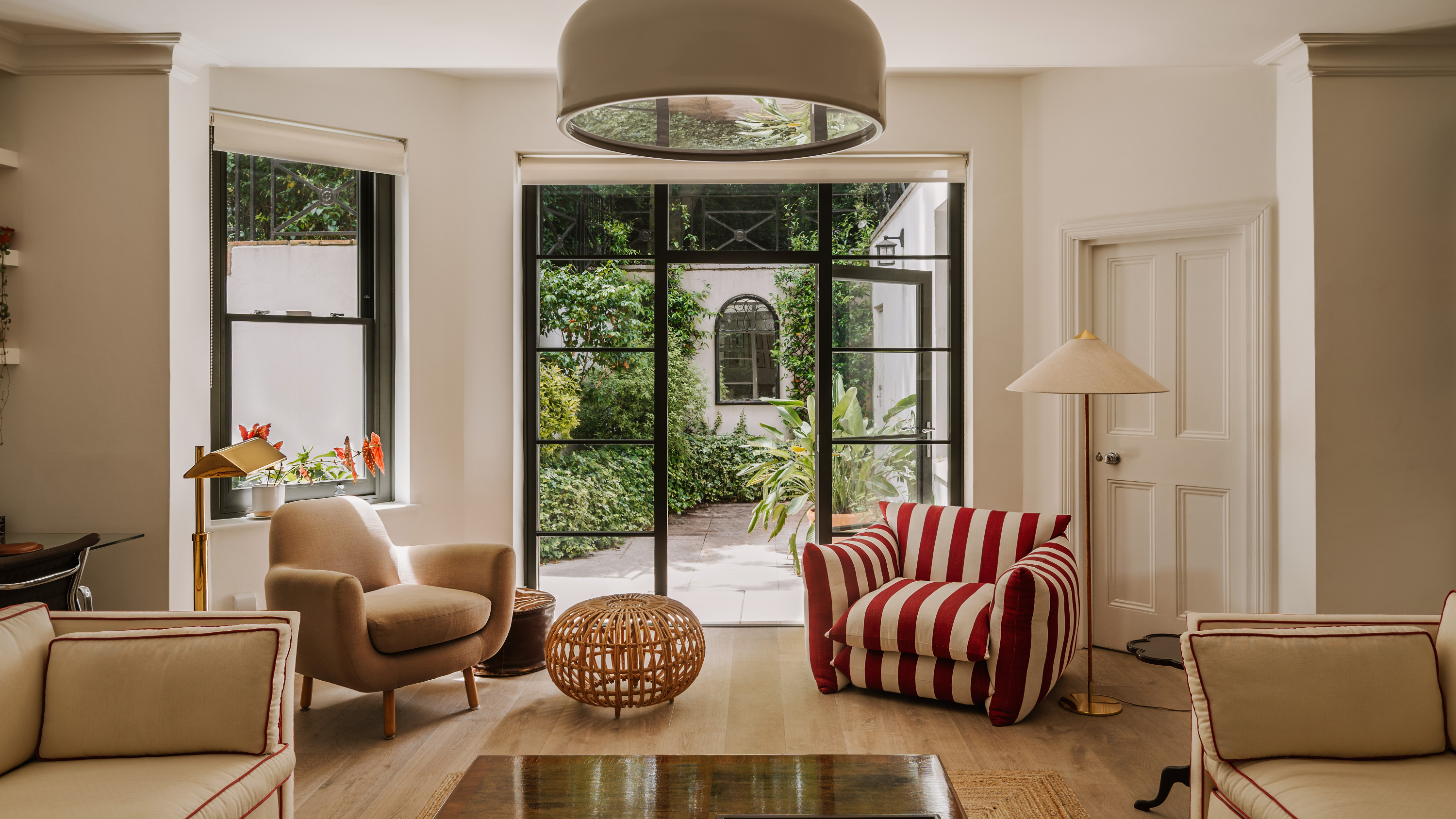
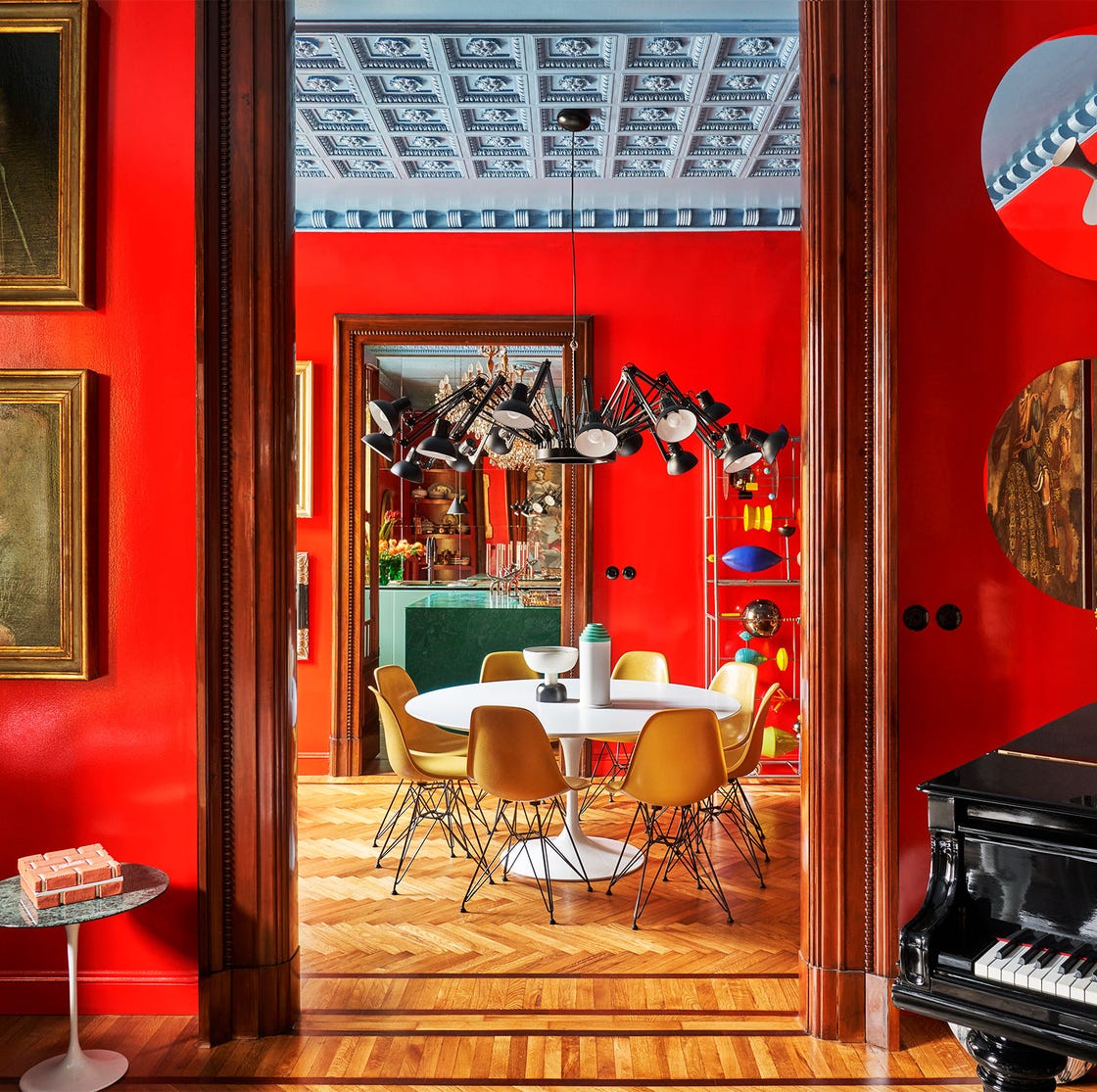
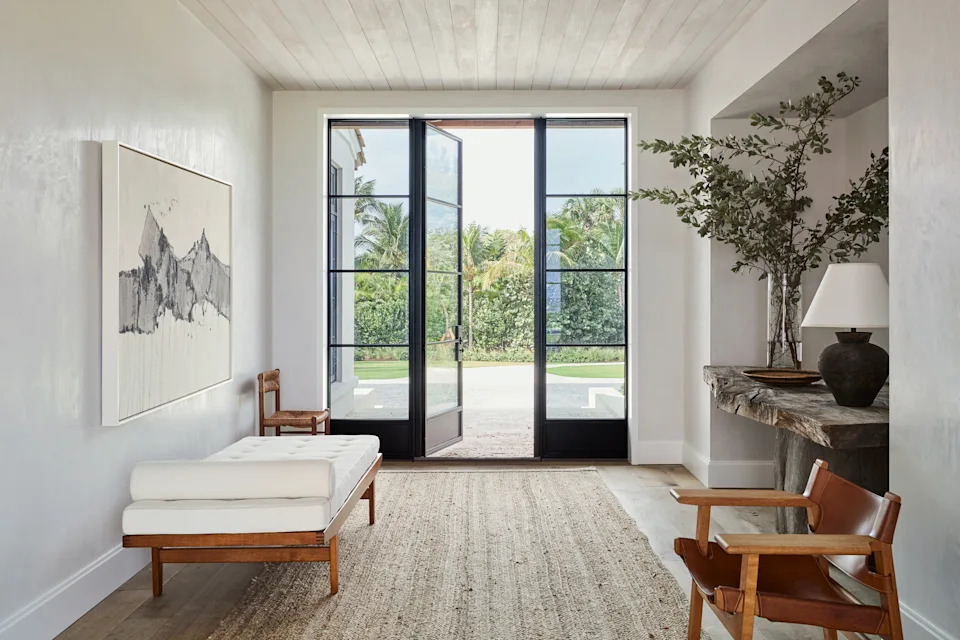
Red, linked to the Fire element, symbolizes inspiration, visibility, passion, and liveliness. It is considered an auspicious color that can provide extra support and life energy, or "Chi." Red should be used sparingly as a pop of color to add vitality. Green, representing the Wood element, signifies growth, healing, and action. Incorporating green through plants, accents, furniture, or accessories can brighten a space. Livingetc's Interiors Editor Emma Breislin considers green a versatile and soothing neutral that adds freshness. White, associated with the Metal element, focuses on clarity, simplicity, and new beginnings. It promotes organization, precision, and efficiency, making it ideal for creating a minimalist, calming, and timeless aesthetic in a living room. Color and trends editor Lilith Hudson highlights white's ability to serve as a perfect backdrop for vibrant furnishings and decor.
#FengShui #LivingRoomColors #InteriorDesign #ColorTheory #HomeDecor #Wellness #MindfulLiving #EnergyFlow #DesignElements #FengShui #LivingRoomColors #InteriorDesign #ColorTheory #HomeDecor #Wellness #MindfulLiving #EnergyFlow #DesignElements
0 comment in total
 No comments yet
You may also like
3 paint colors that Feng Shui experts say will make your home happier – 'they ignite joy!'
5 of the best feng shui kitchen colors for a relaxing space according to experts

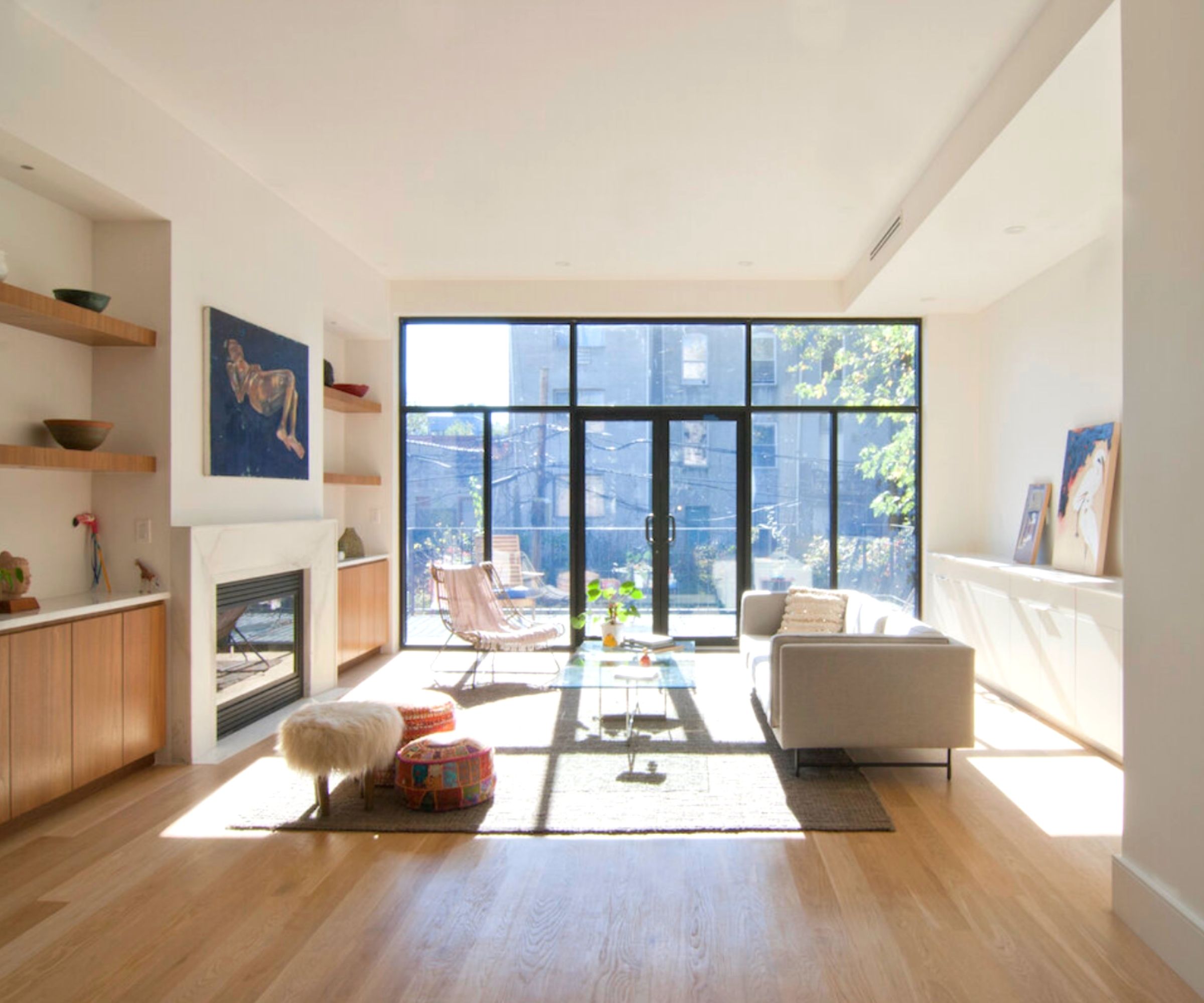
5 Feng Shui living room mistakes you're making – and how the experts avoid them

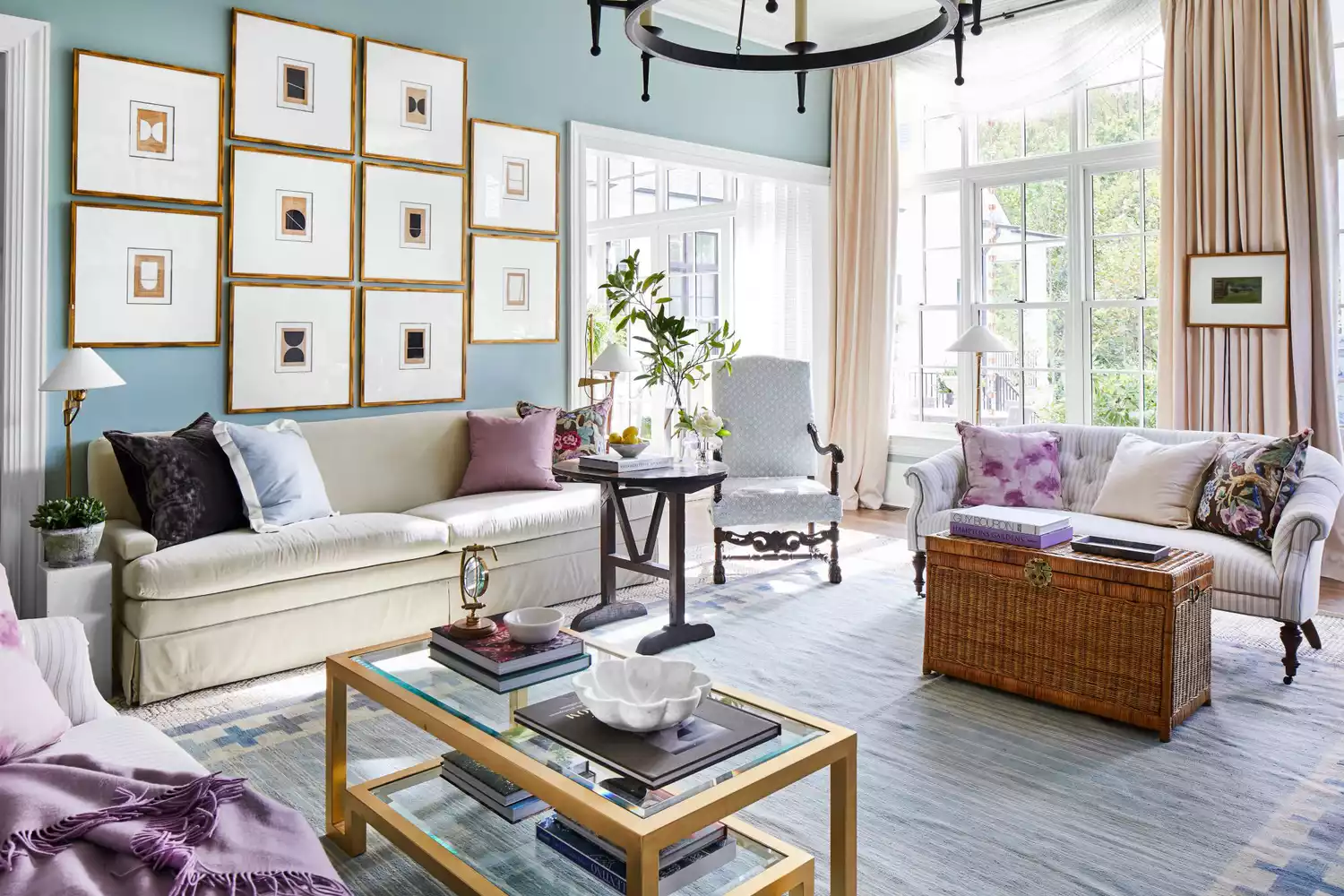
6 Calming Paint Colors Designers Swear By For A Relaxing Living Room
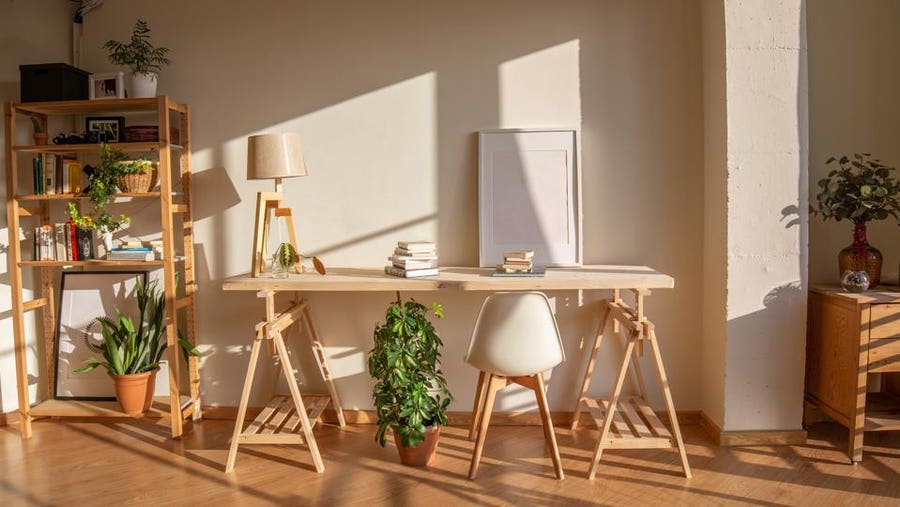
10 Feng Shui Rules To Live By For A Calm, Restorative Space

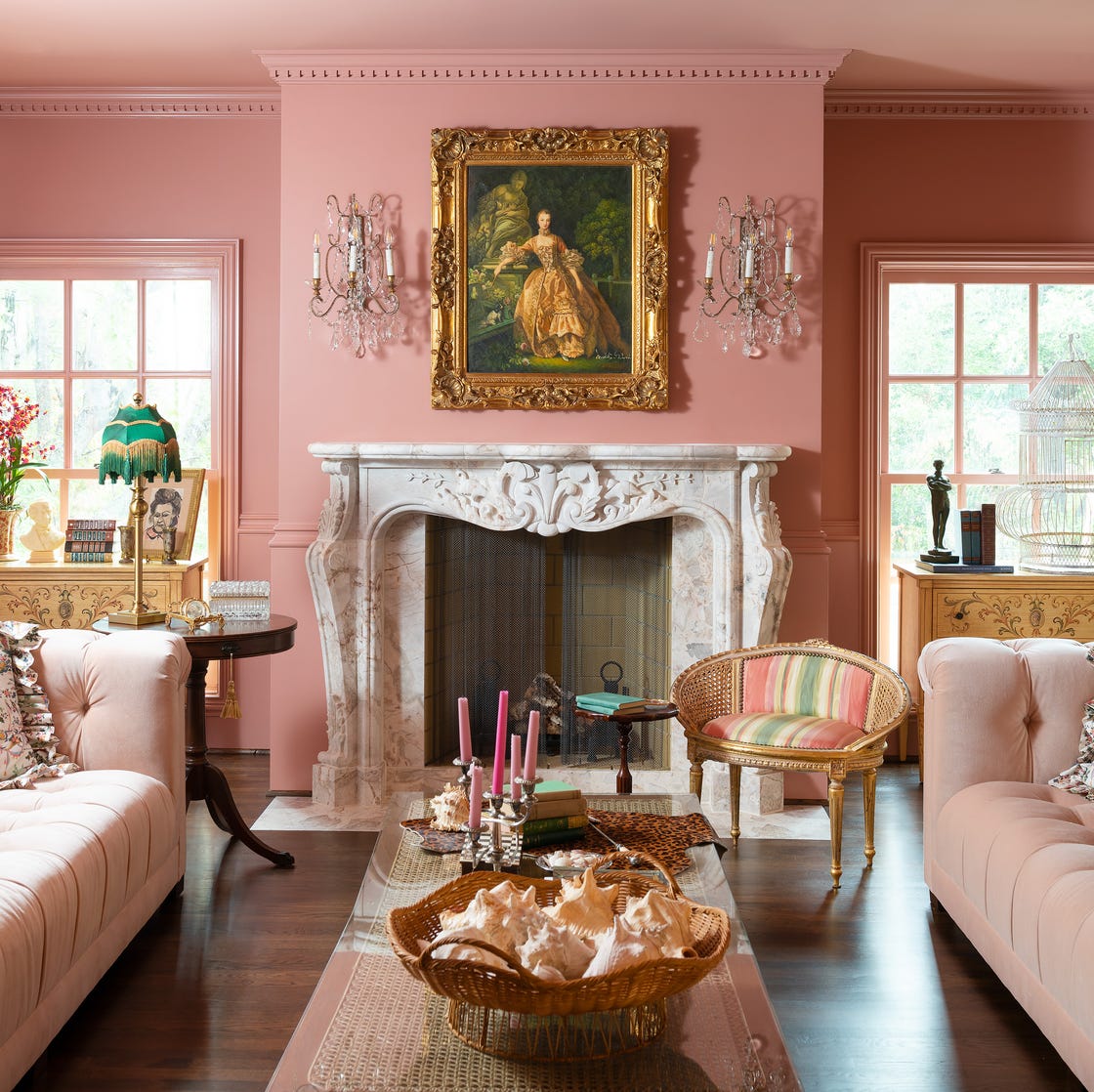
Designer-Approved Living Room Colors That'll Make You Feel Happier

Feng Shui practices for a love-filled living space

Are these 7 unlucky colours messing with your home's Vastu?

How to use feng shui to bring harmony to your home
3 paint colors that Feng Shui experts say will make your home happier – 'they ignite joy!'

5 Colors to Pick for Your Entryway to Create the Best Feng Shui for Your Home
These Colors Will Be Everywhere in Interiors in 2025
6 Paint Colors That Add Positive Feng Shui to Every Room in Your Home

5 colors that will make your living room feel happier, according to interior designers
55 Living Room Color Ideas That Will Take Your Space from Drab to Fab

Listen Up: These Are the Best Paint Colors for Your Living Room

5 Colors to Pick for Your Entryway to Create the Best Feng Shui for Your Home
I Had a "Feng Shui Color Reading" — Here's What It Taught Me About How I Should Decorate My Home
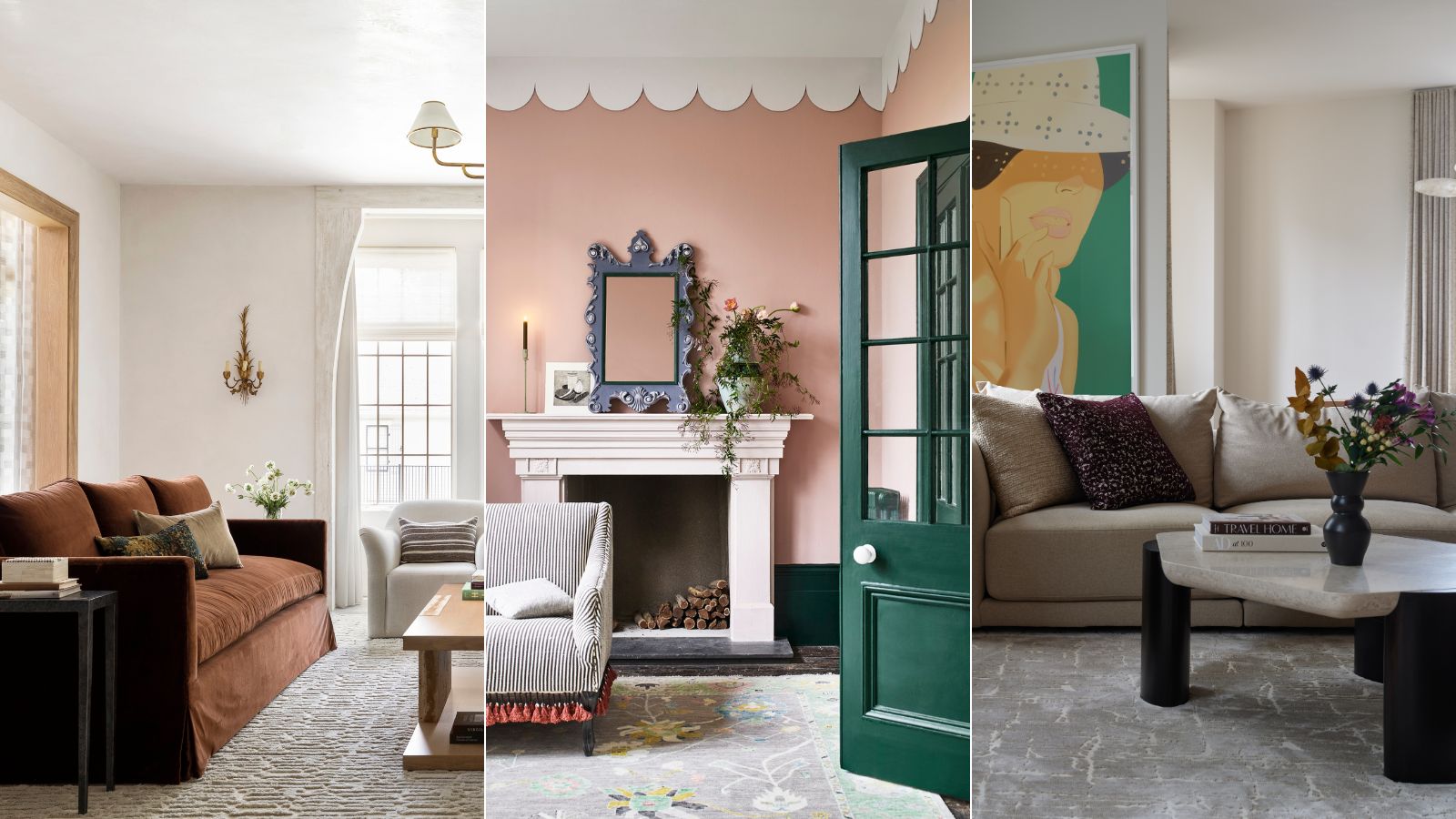
These are interior designers' favorite color combinations for living rooms – from neutral and calming to bold and playful
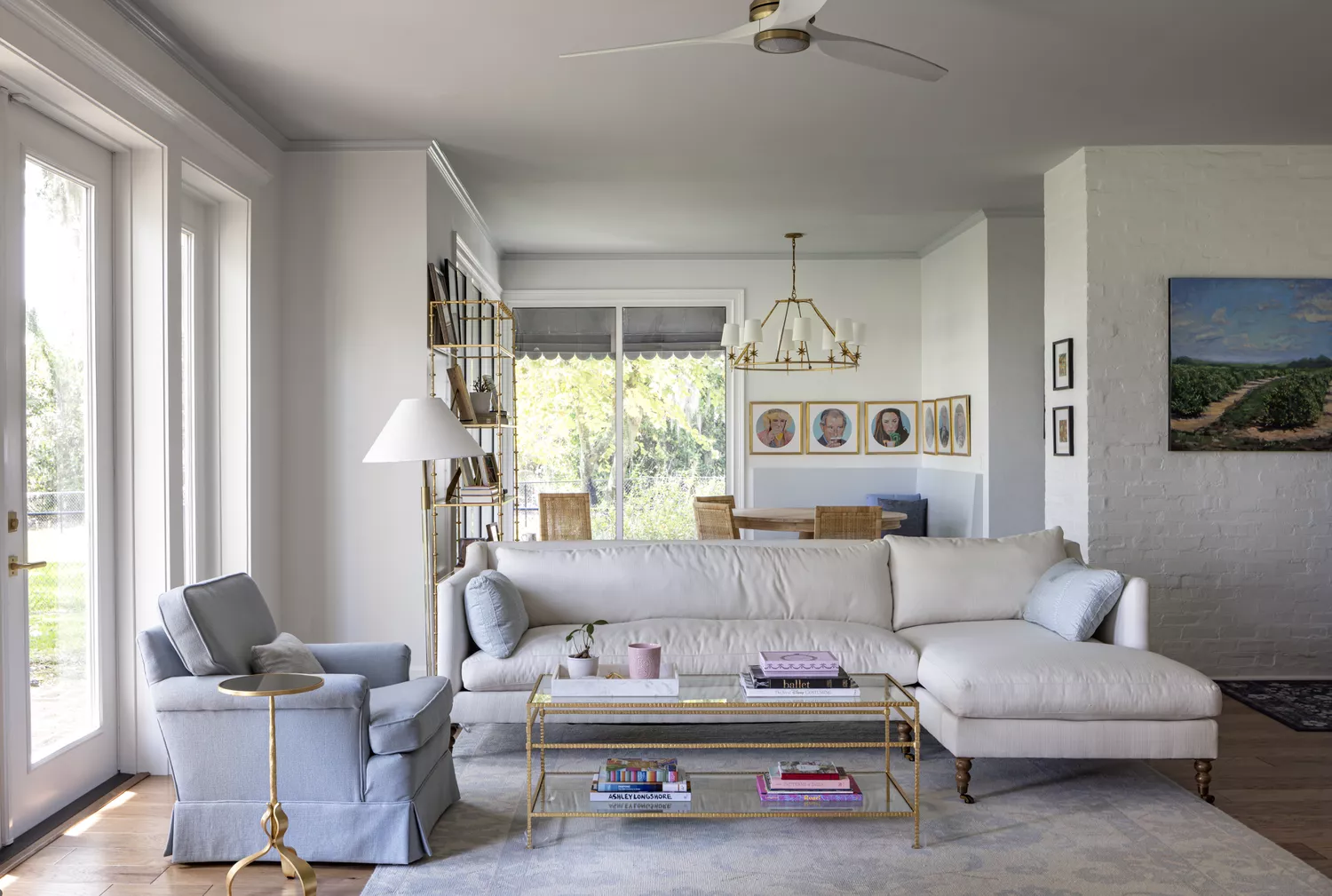
8 Calming Paint Colors Designers Use to Create a Warm, Welcoming Living Room