1/6
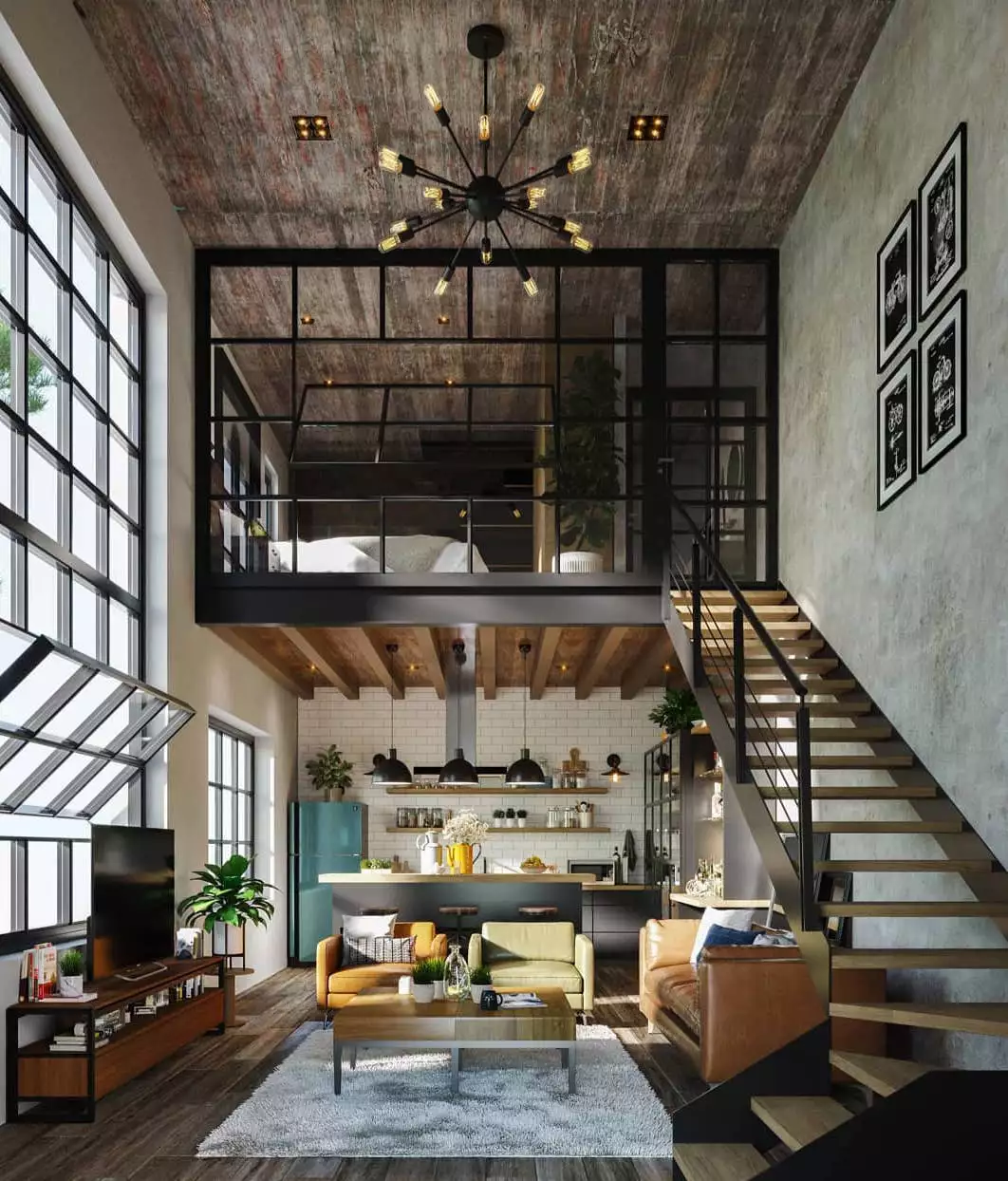
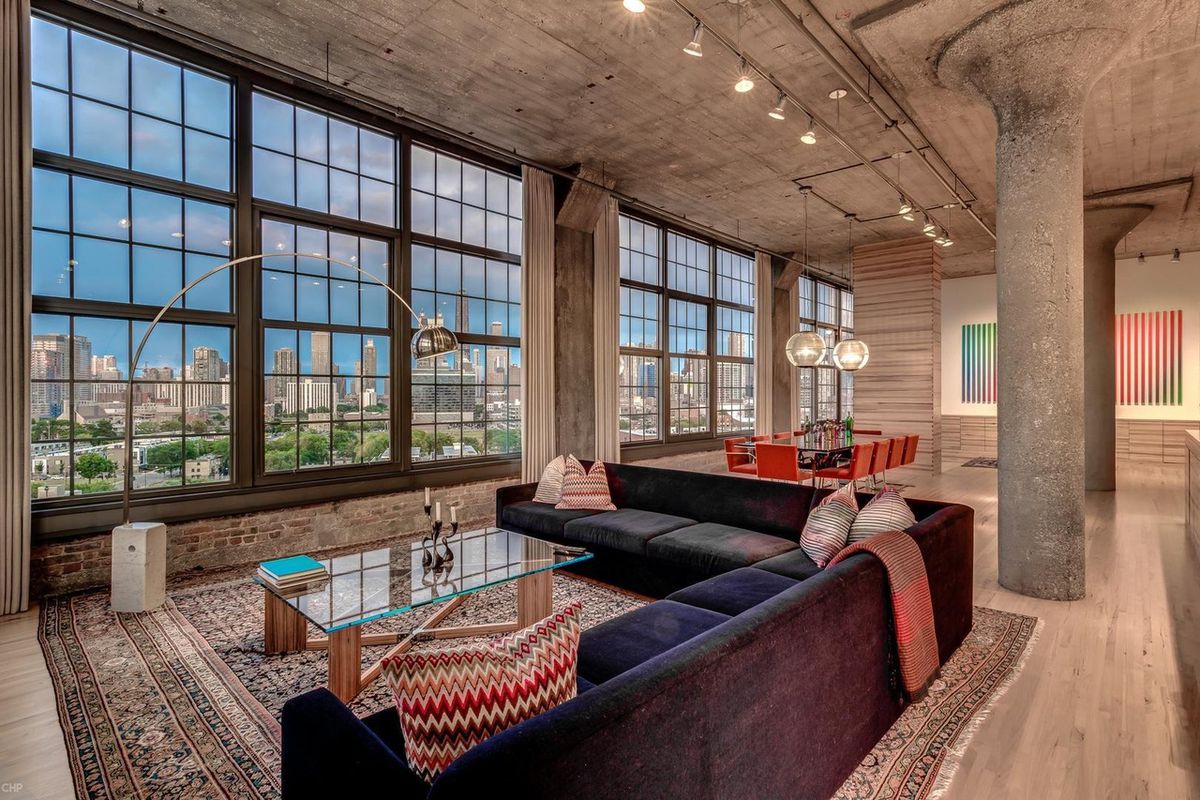
Want the Chicago loft of your dreams? Look at these 5 neighborhoods.
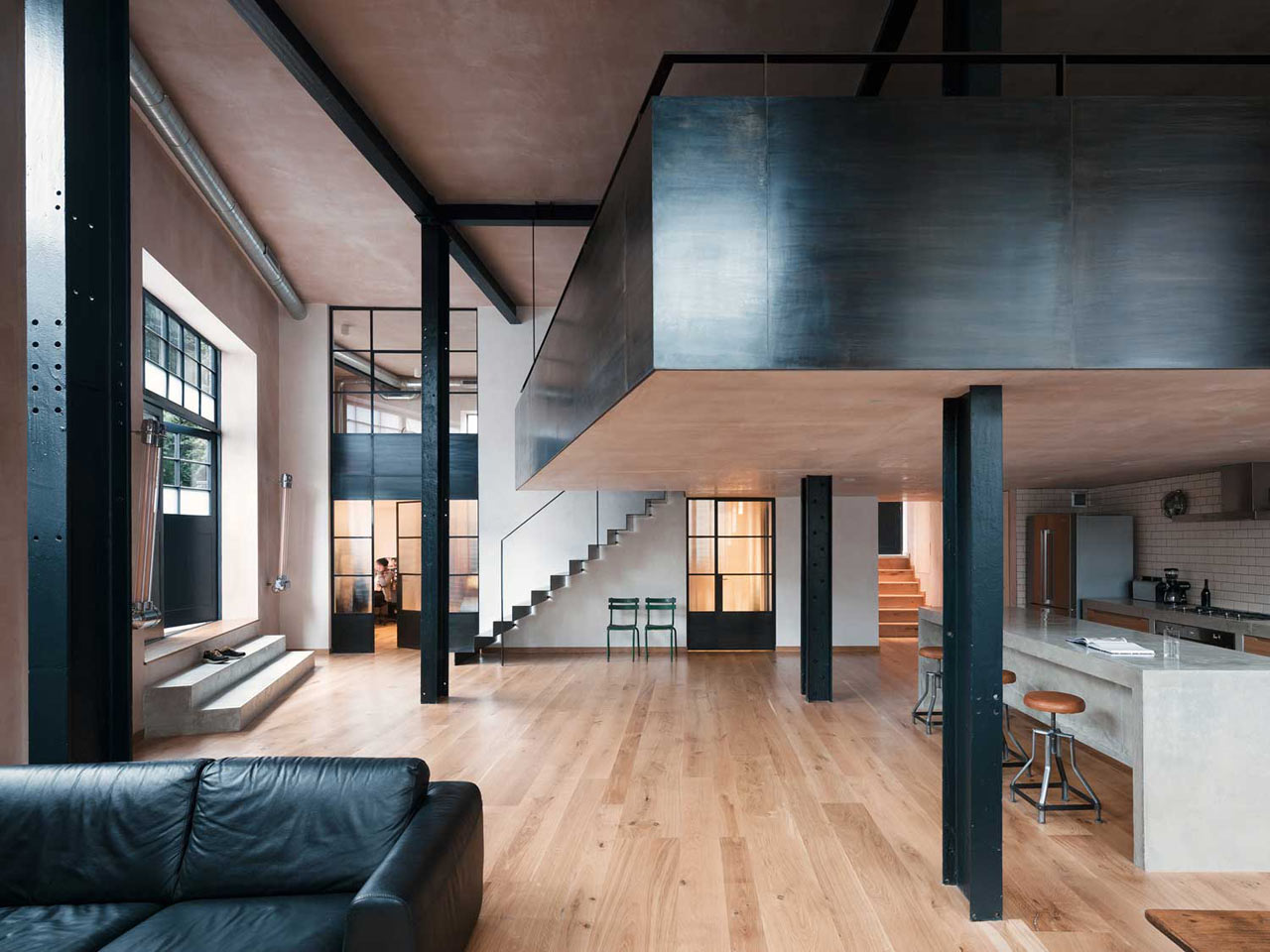
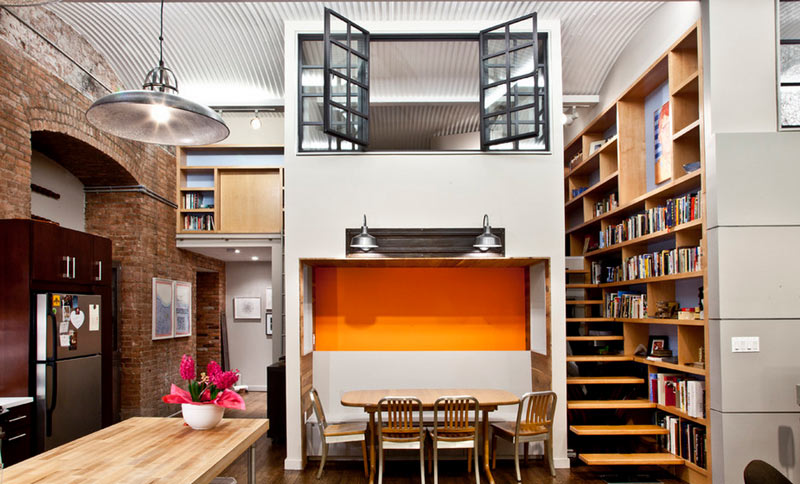
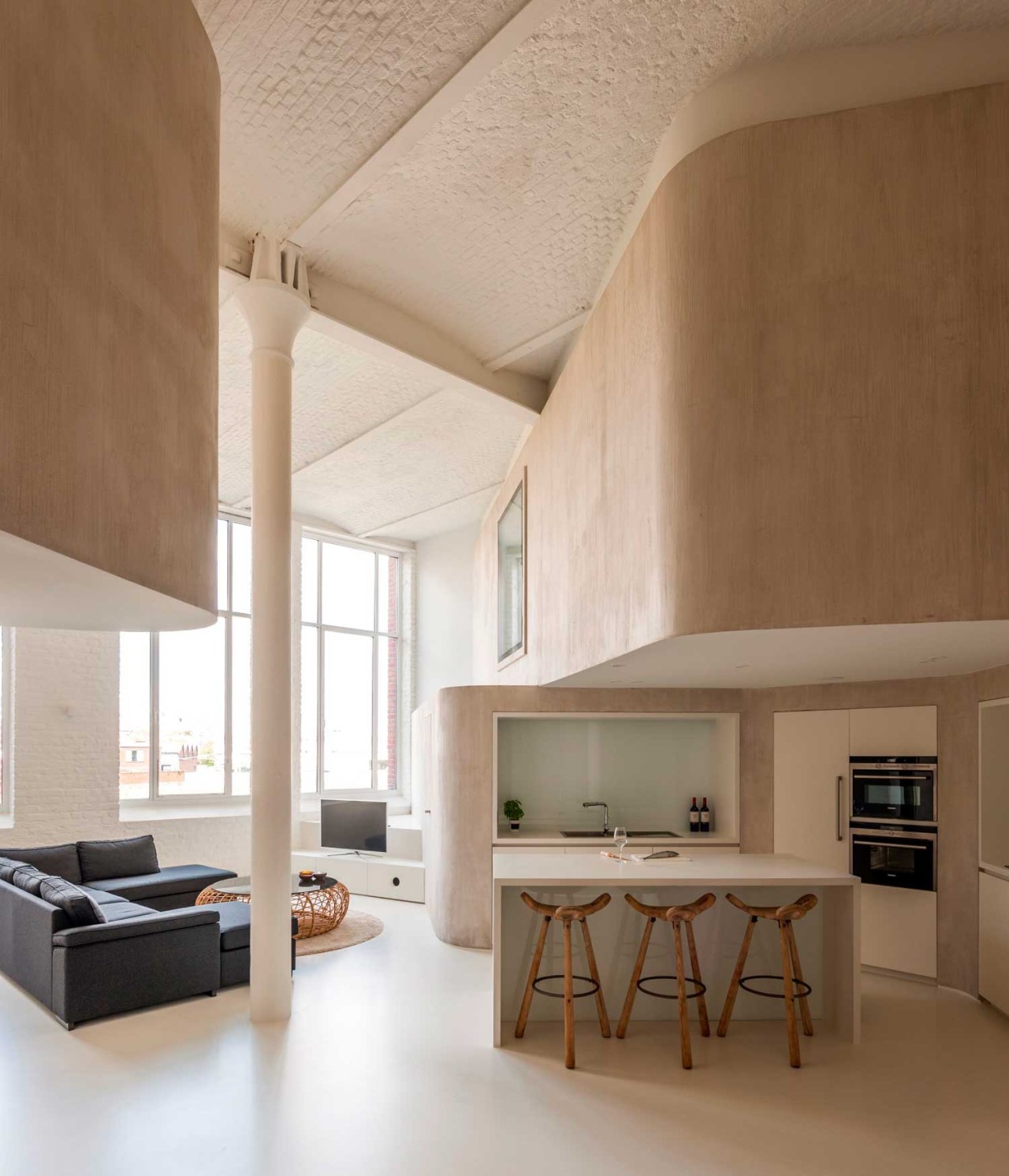
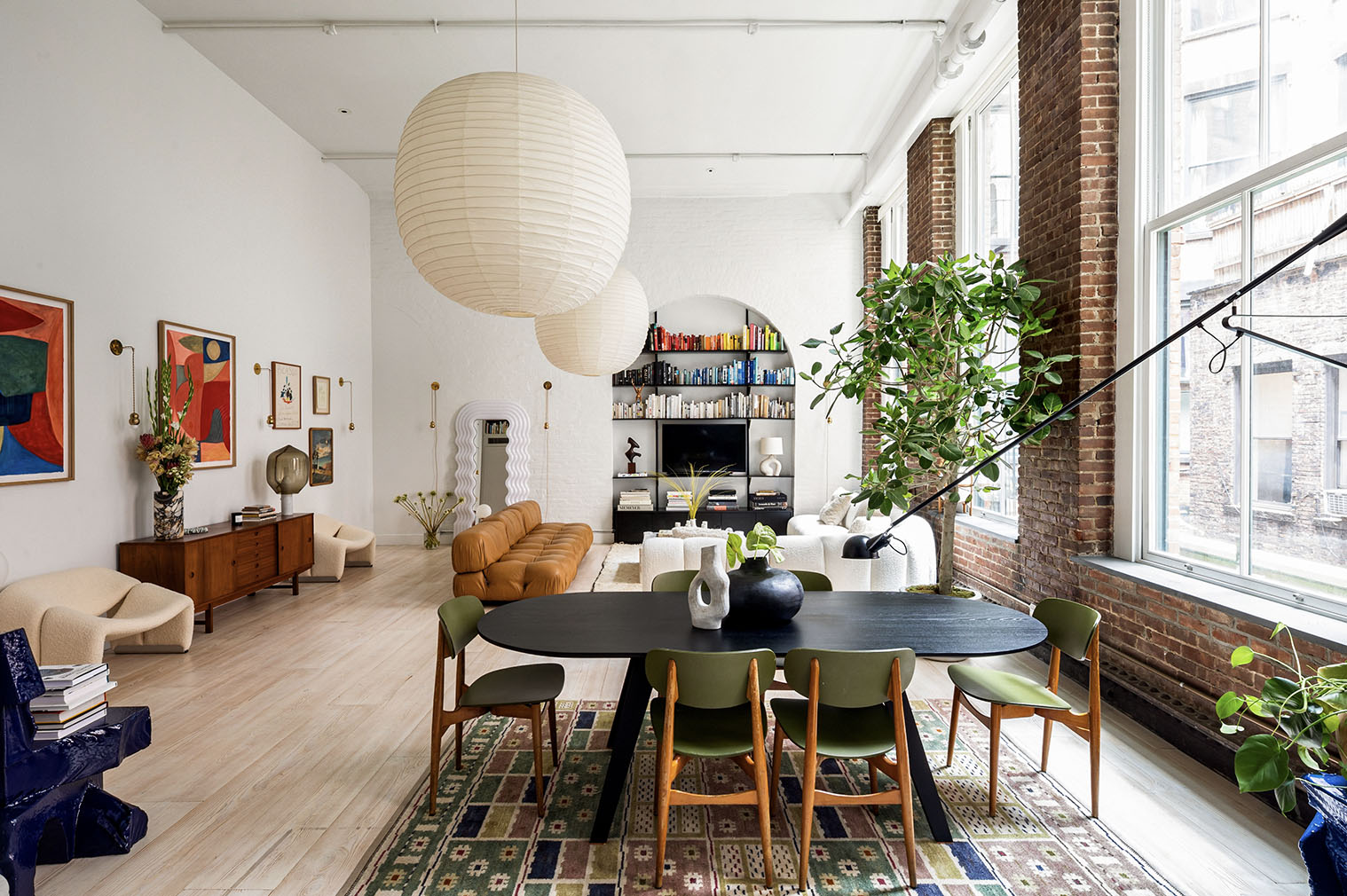
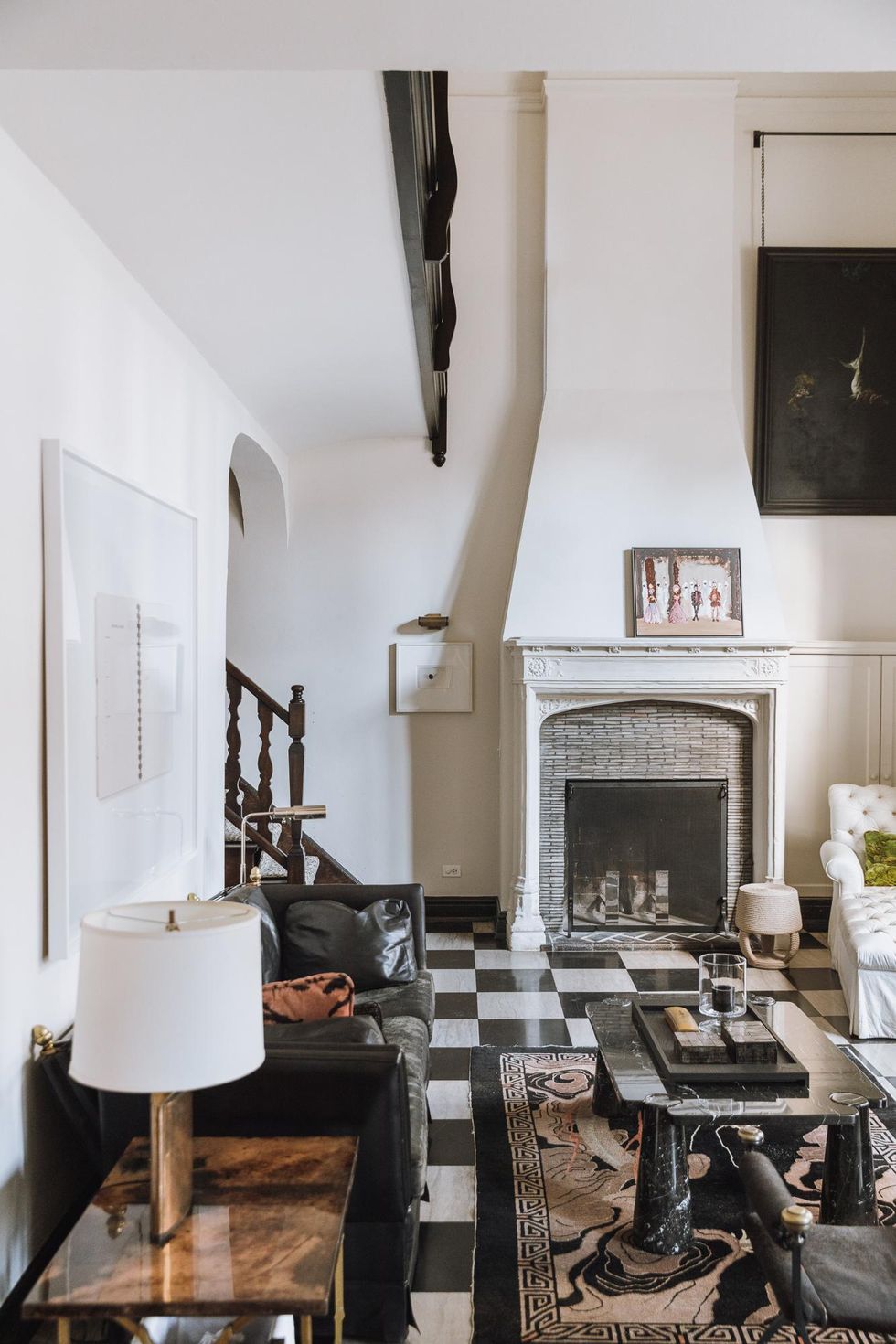
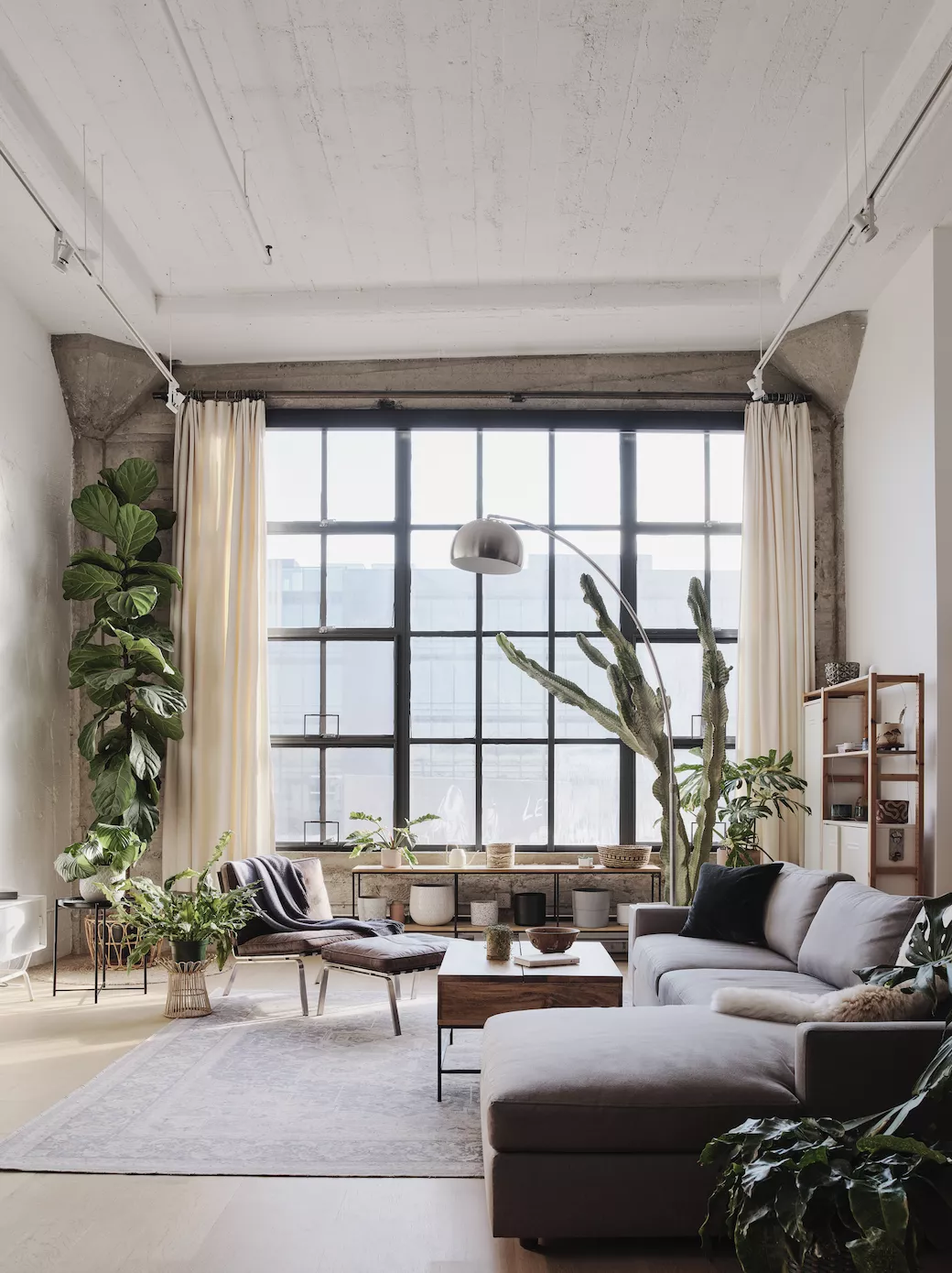
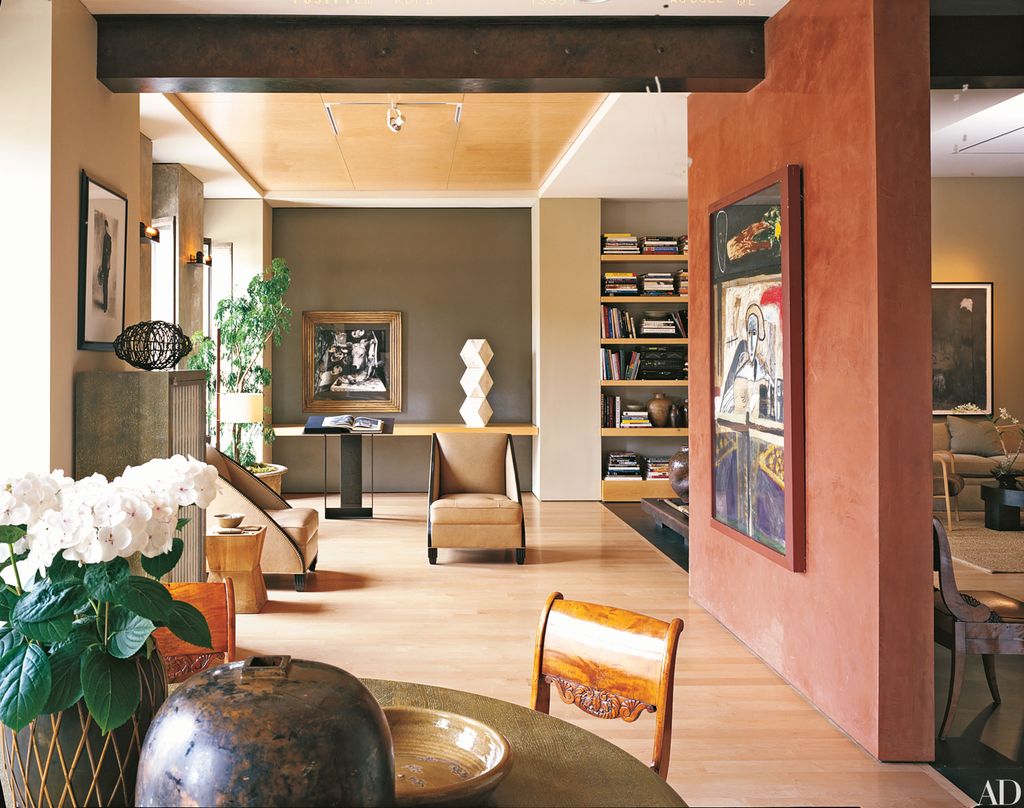
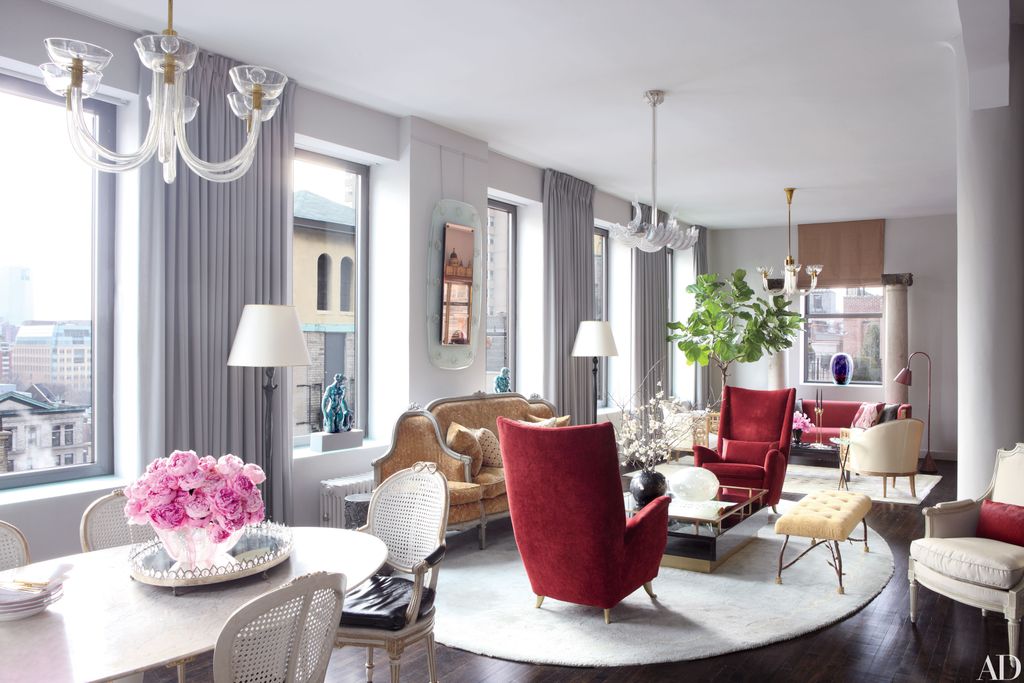
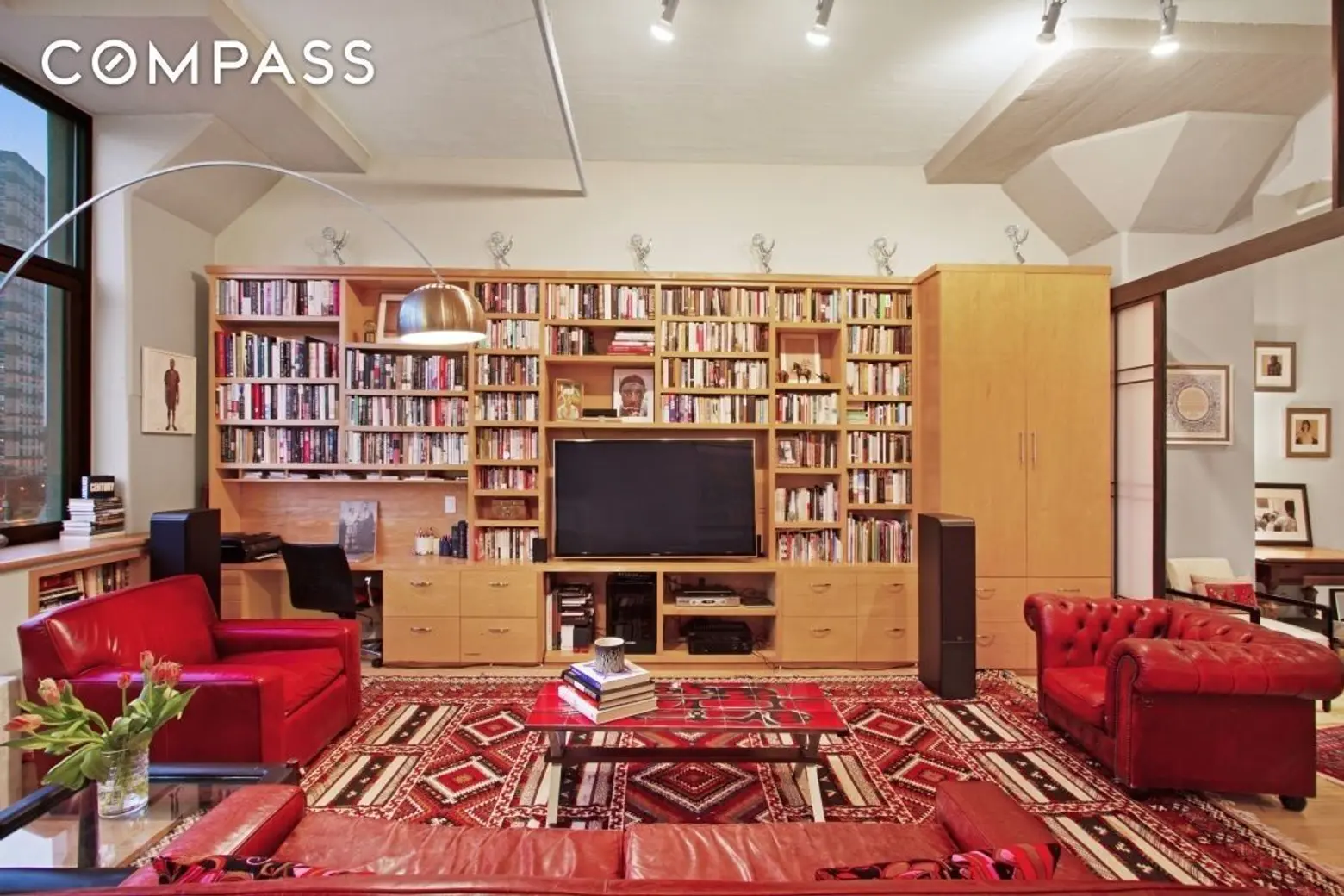
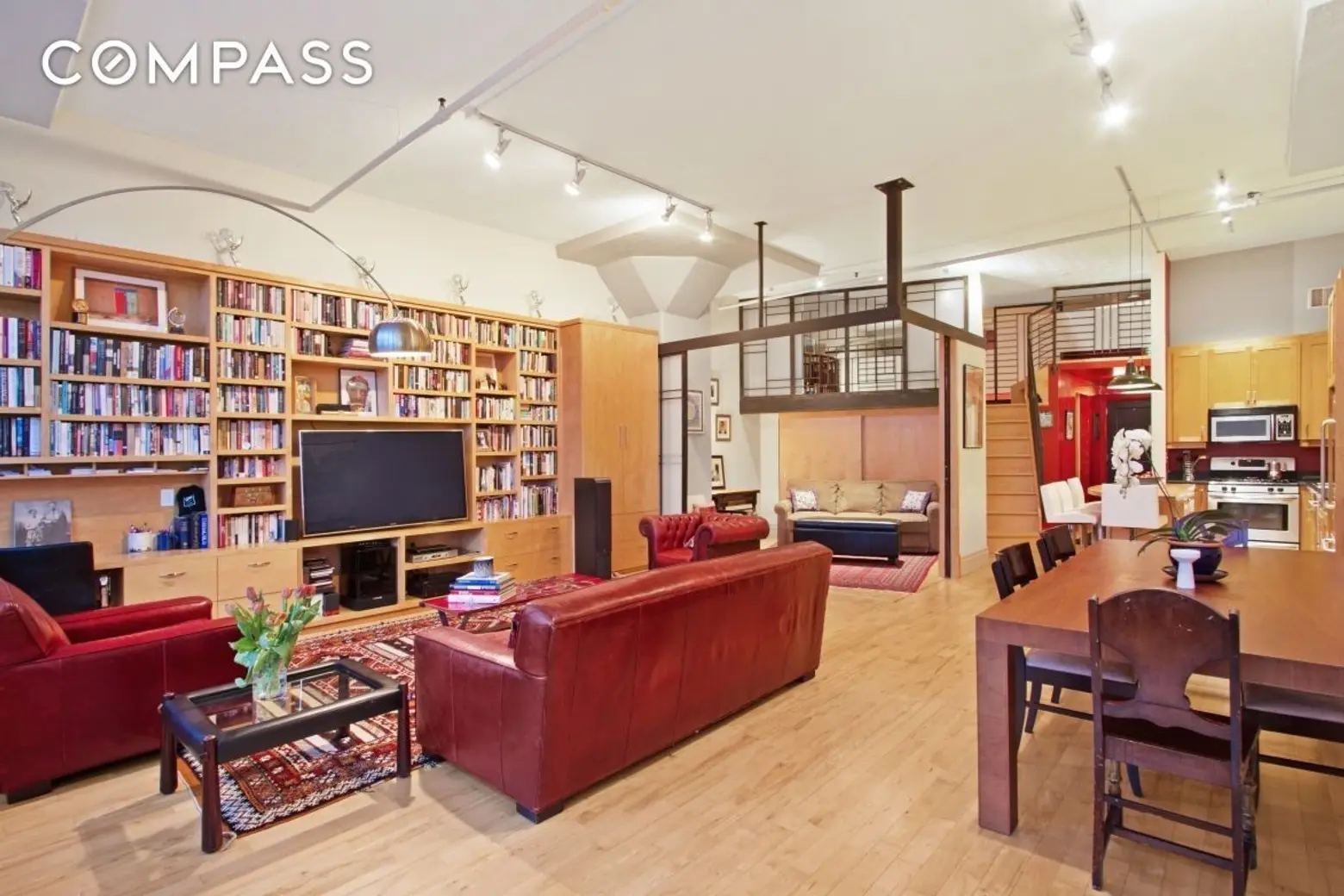
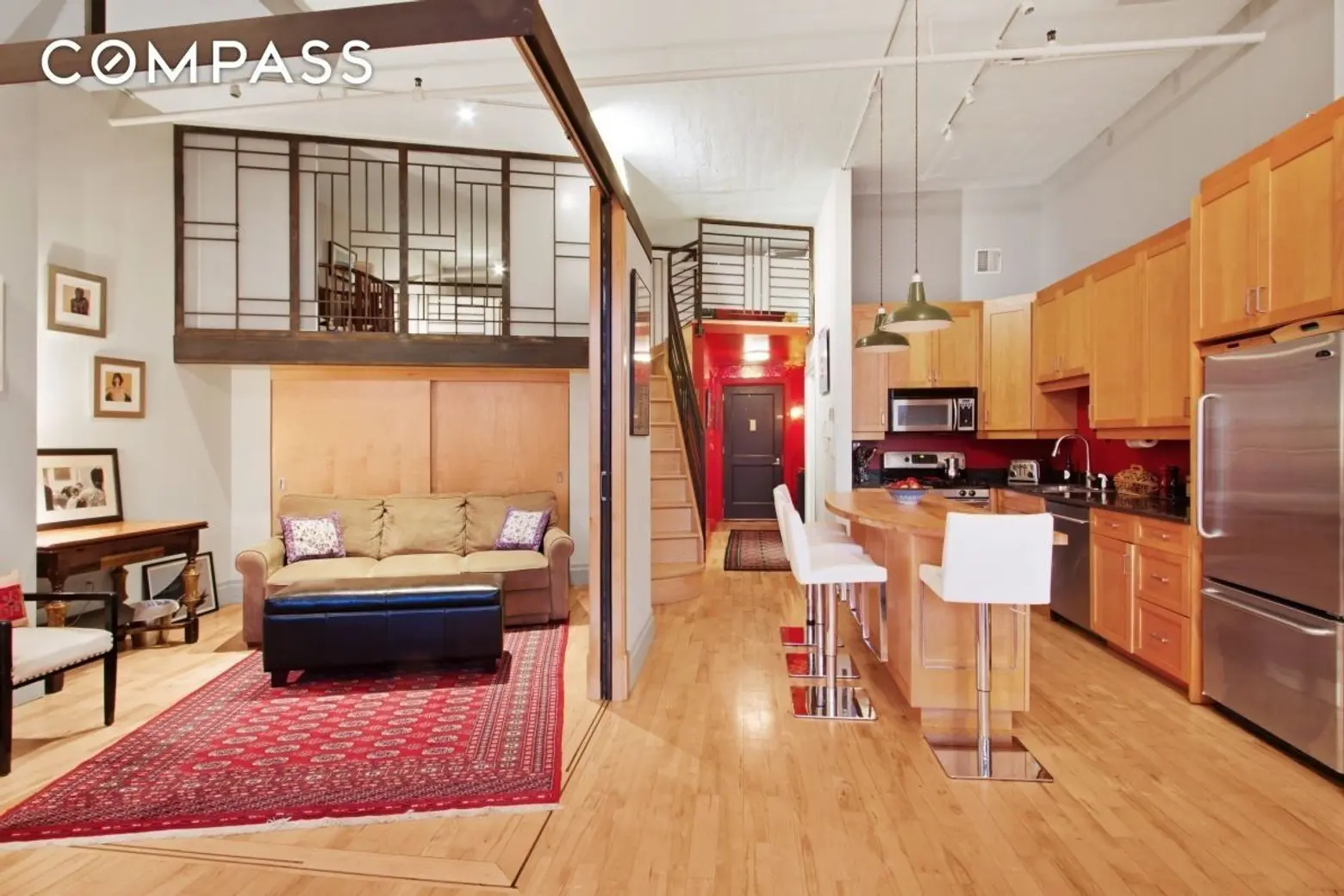
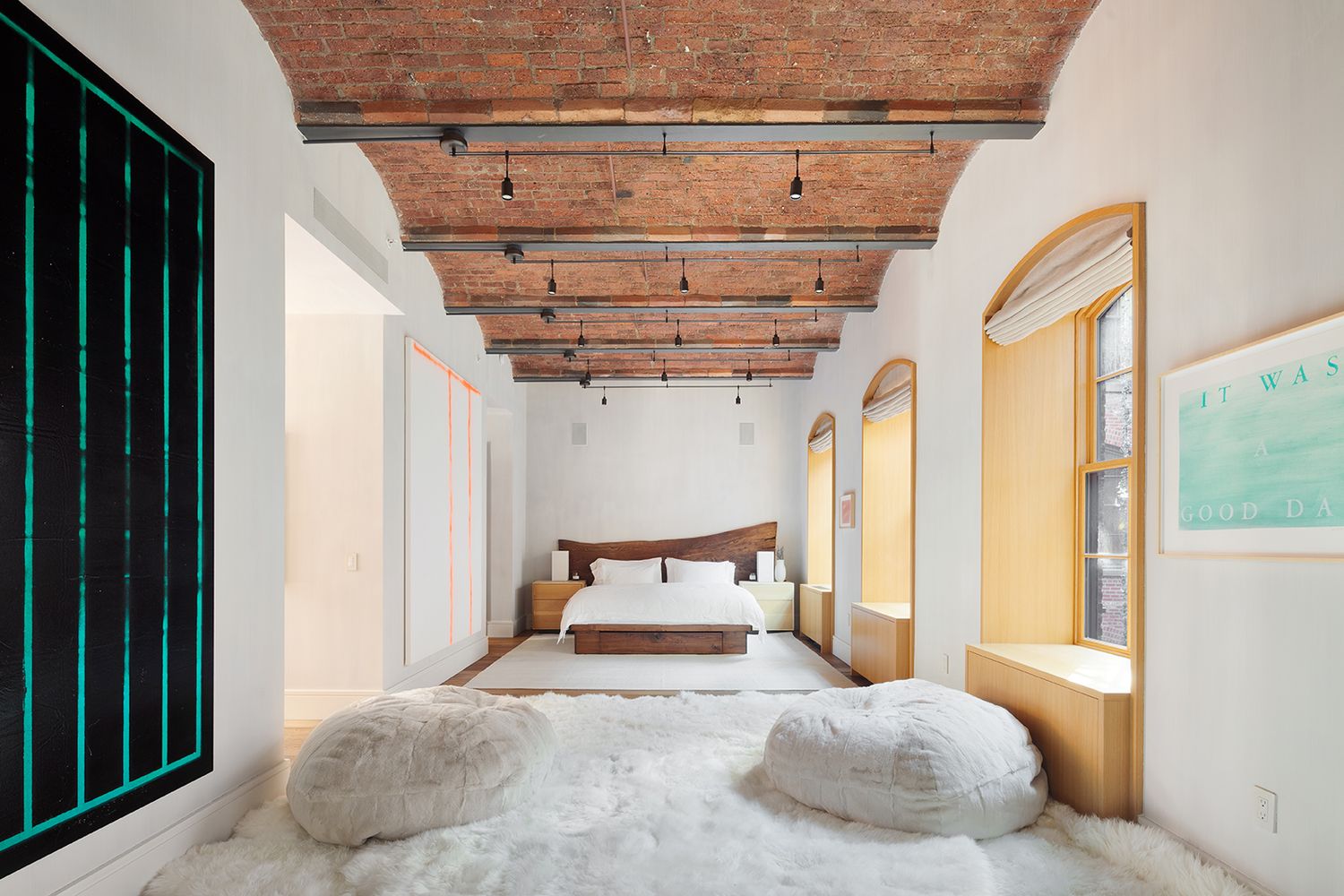
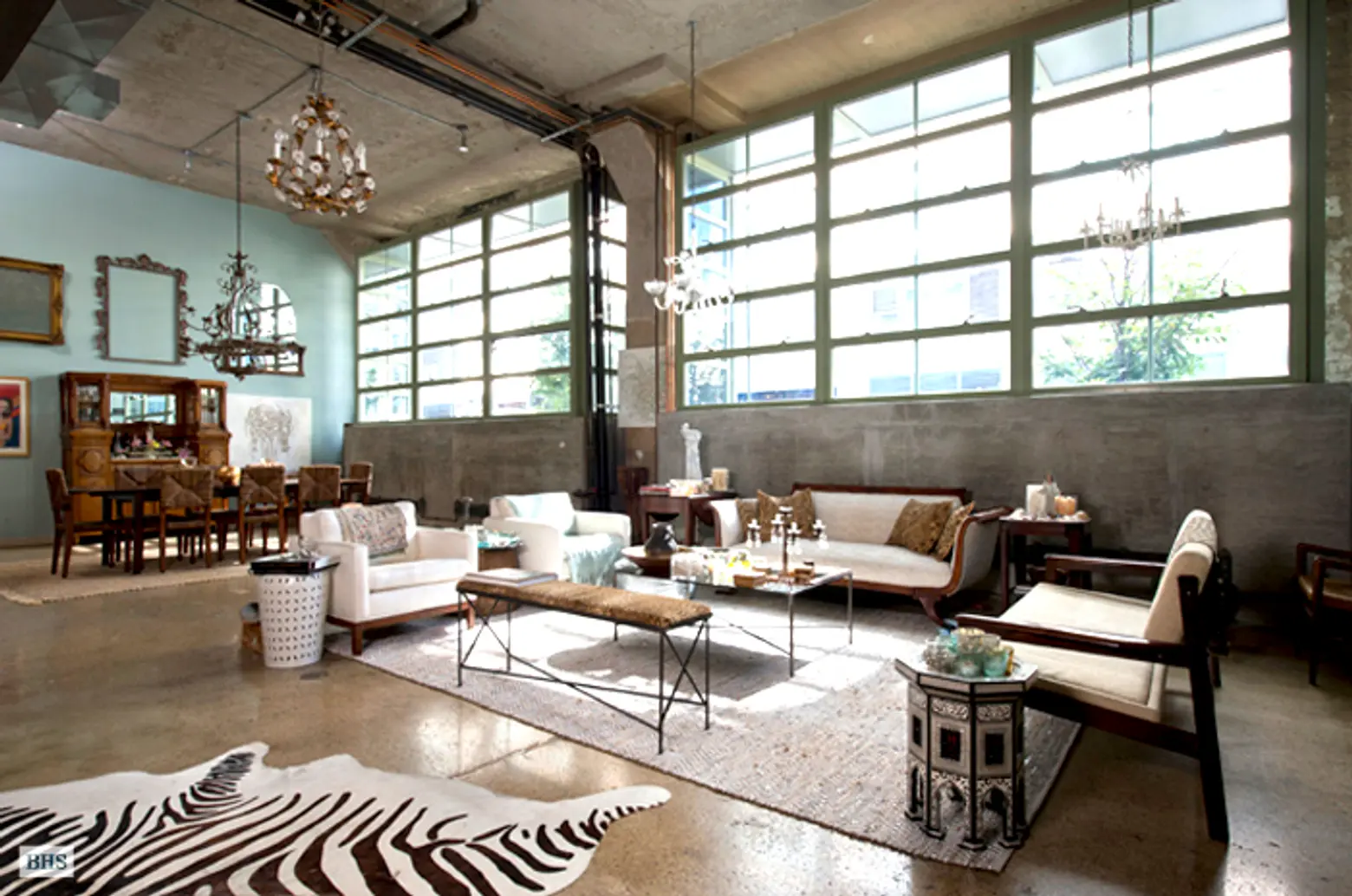
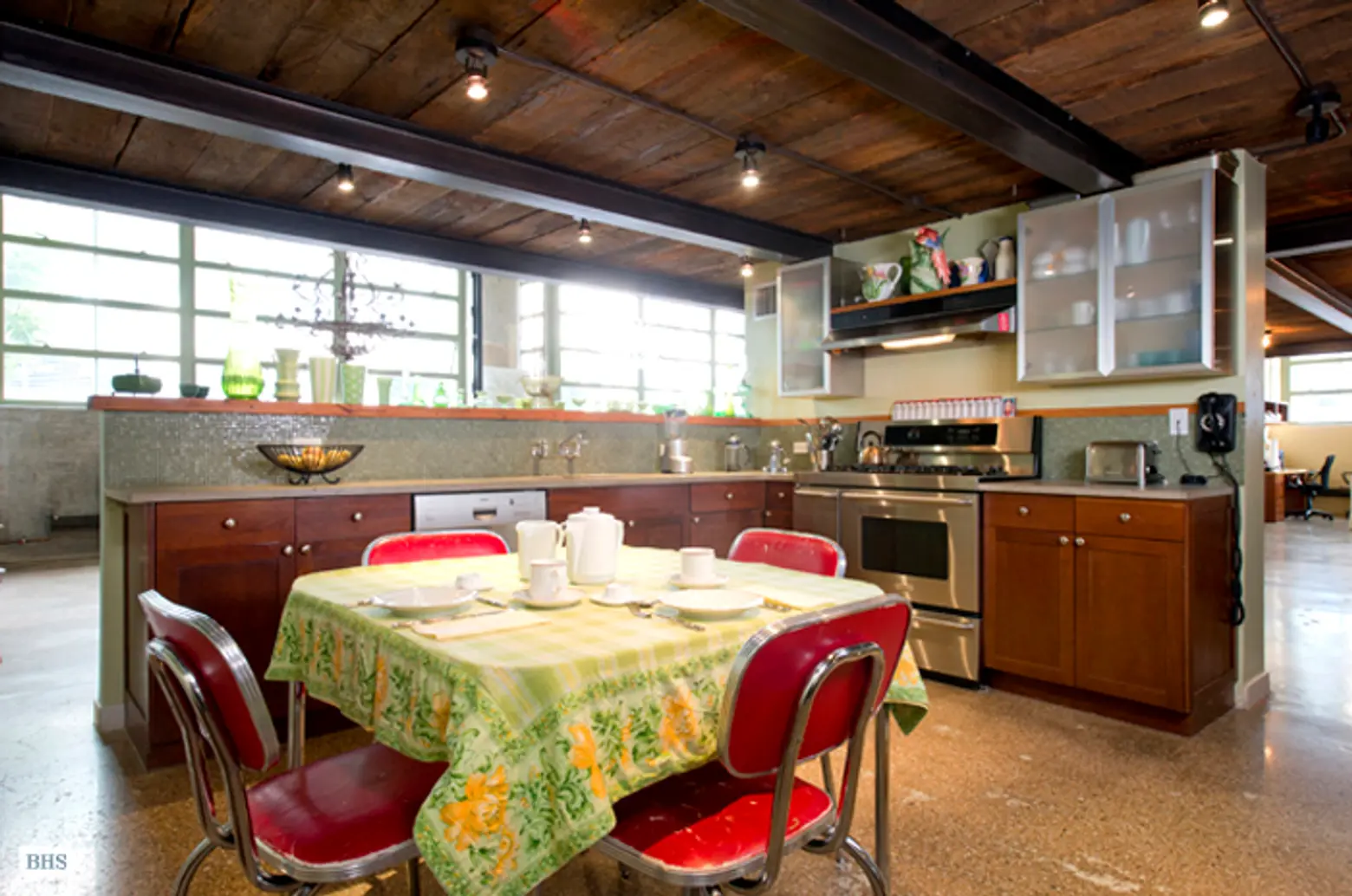
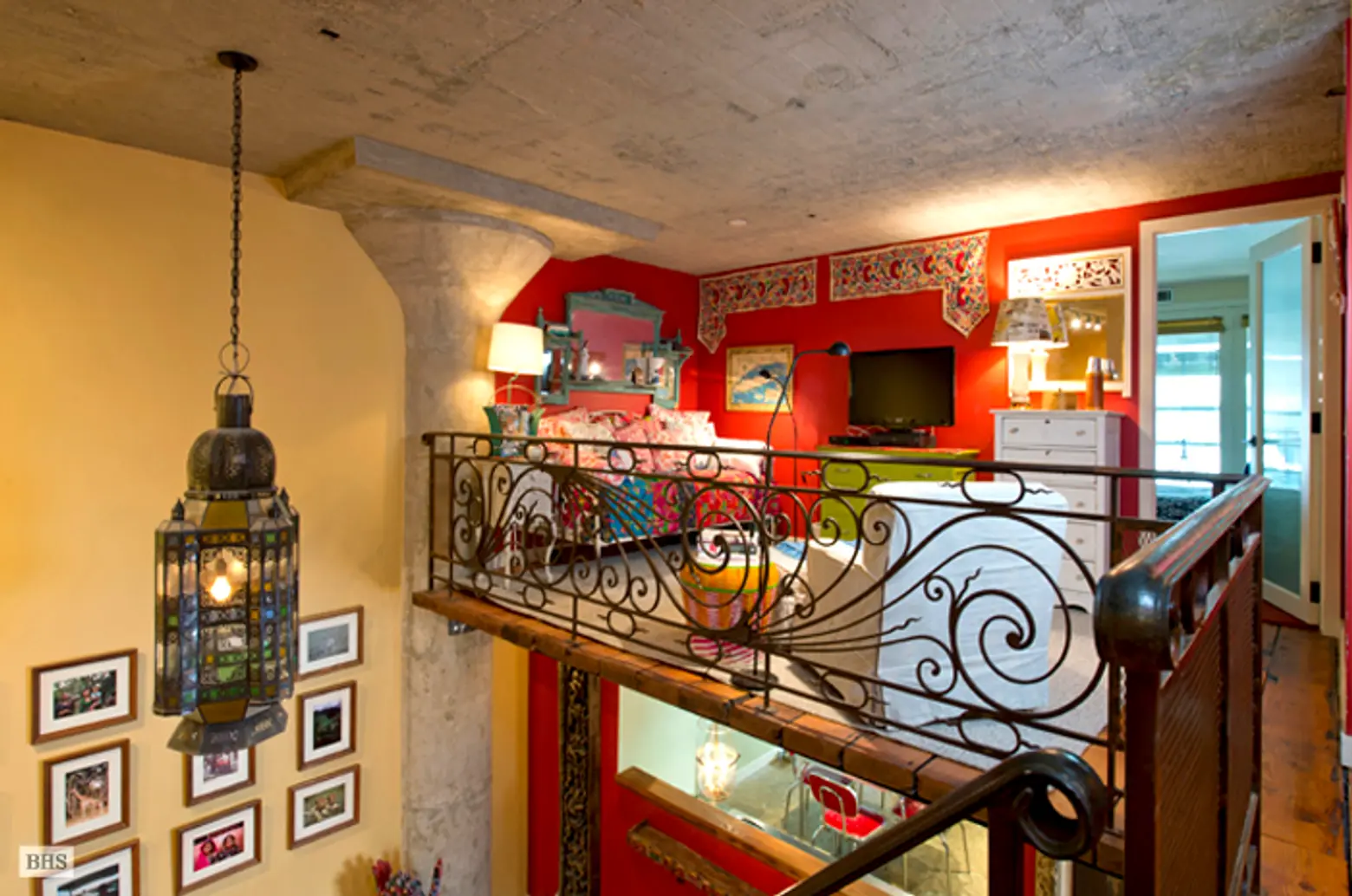
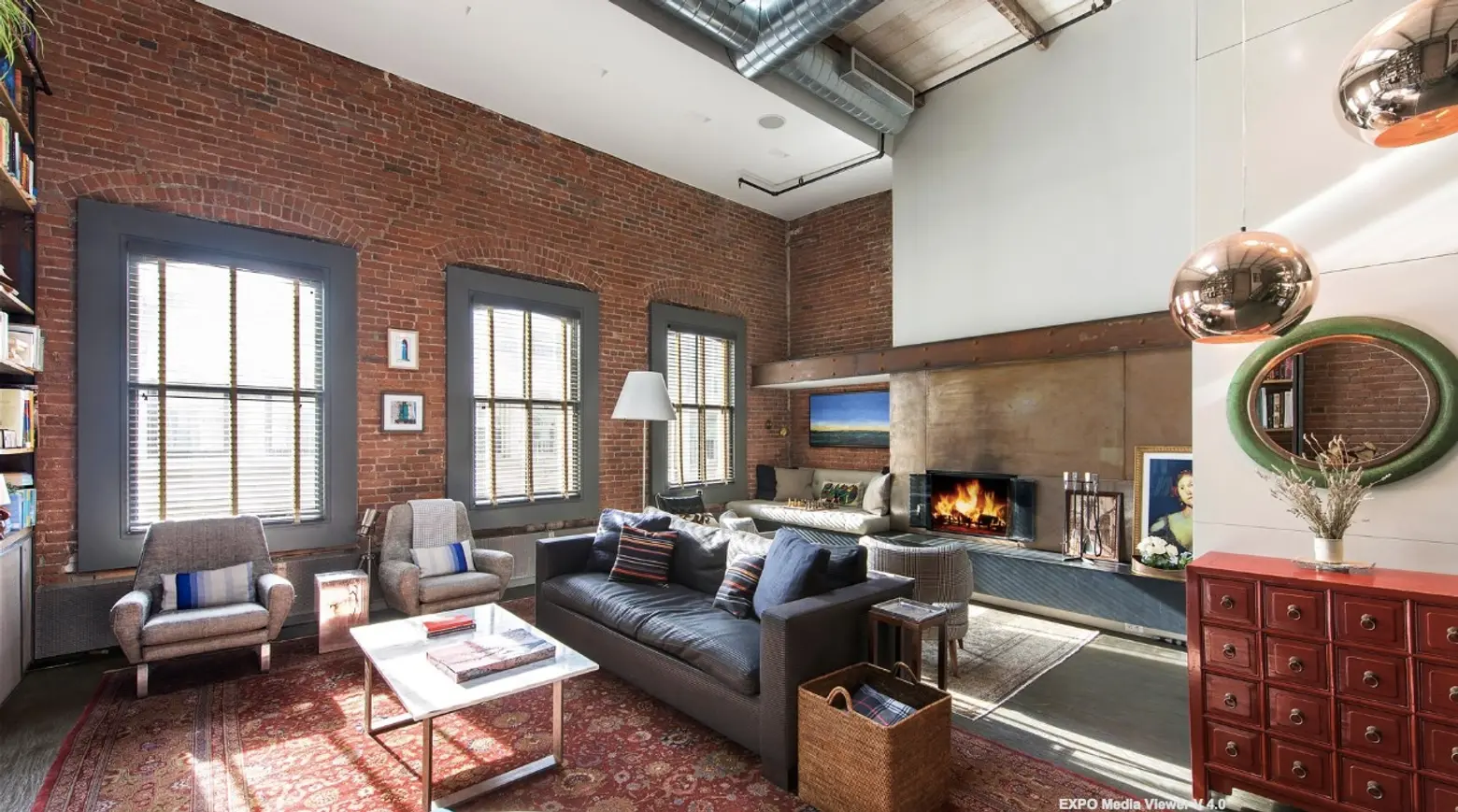
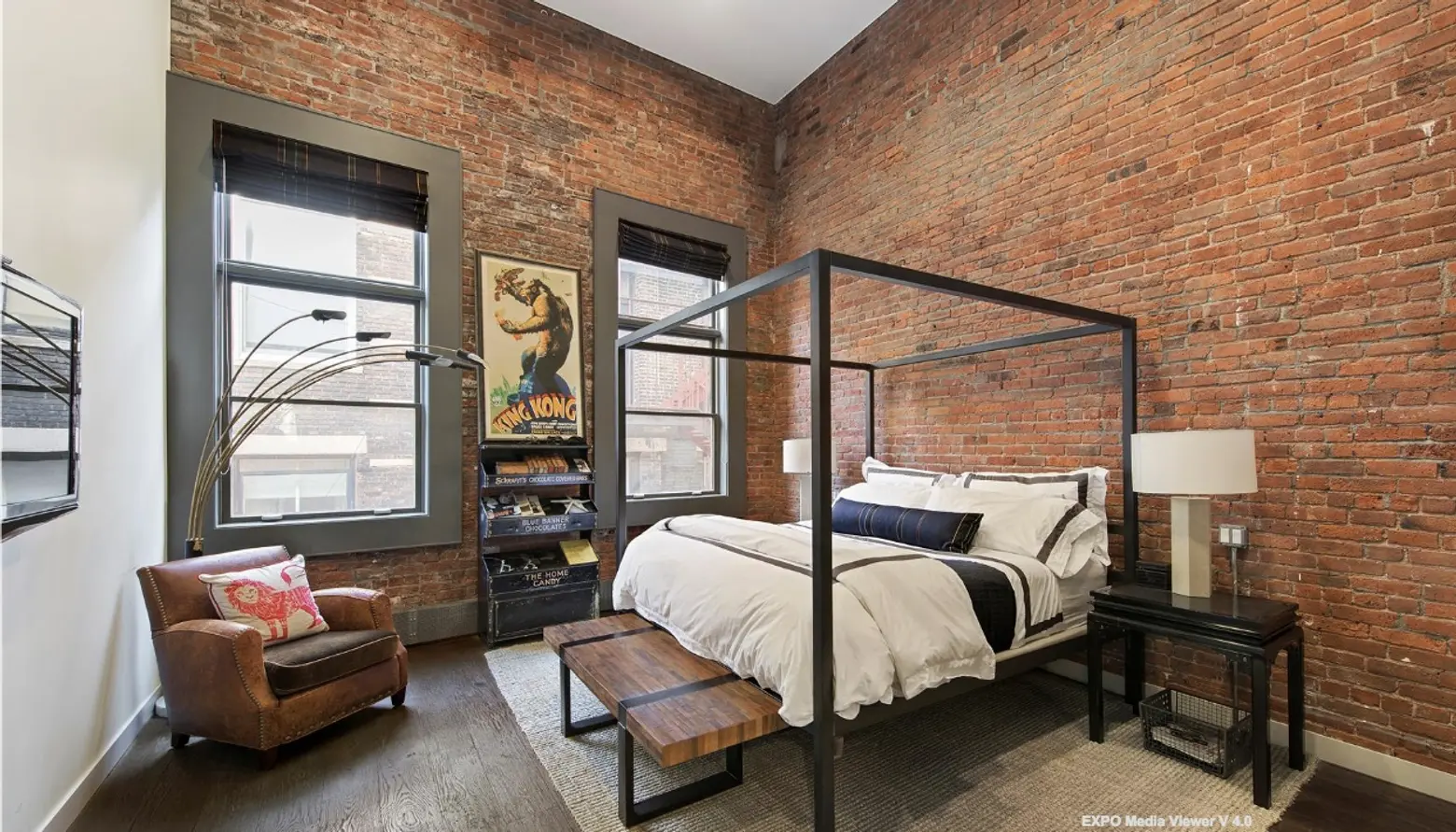
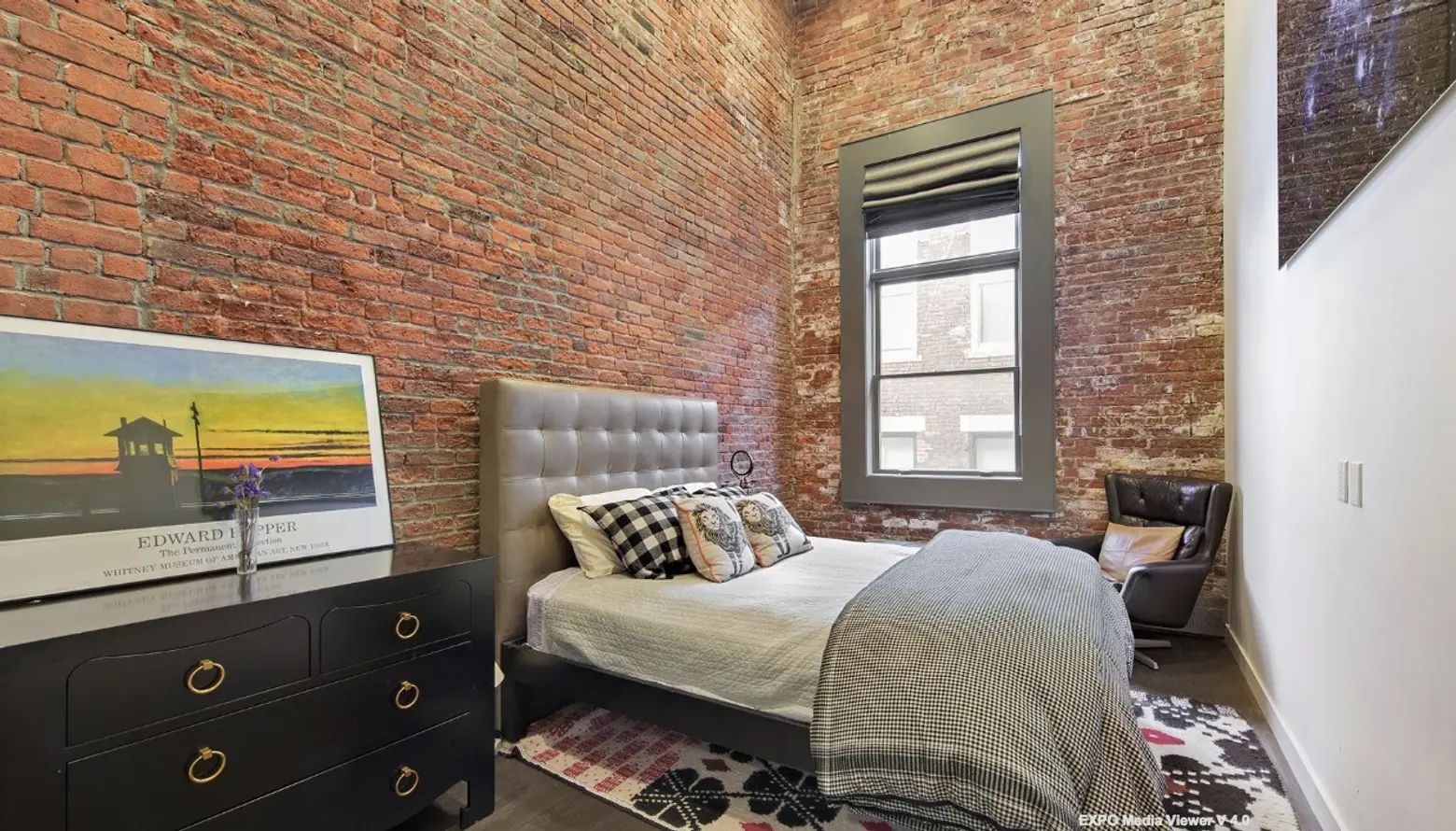
This article explores the appeal of loft-style homes in Chicago, highlighting their unique characteristics such as open floor plans, high ceilings, exposed brick, raw concrete, or timber beams, which offer more character compared to newer construction. The article acknowledges potential trade-offs, including noise issues, the concentration of lofts in expensive or gentrifying neighborhoods, and the added costs associated with maintaining older buildings, such as tuckpointing and repairs. Jason Stratton, a real estate agent specializing in loft properties, emphasizes that lofts were not originally built for residential use, and advises potential buyers to consider how noise travels in different buildings.
The article then provides a guide to five popular Chicago neighborhoods for finding loft properties. The West Loop is presented as an area that transitioned from a meatpacking district to a vibrant hub through loft conversions in the 1990s and 2000s. Notable examples include the timber building at 1040 W. Adams and the former Nabisco factory at 1000 W. Washington Boulevard, where some units feature repurposed old ovens. While the supply of lofts in the West Loop remains high, demand and prices have risen significantly.
River North, similar to the West Loop, has a legacy as an industrial area, now featuring numerous loft-style offices and condo buildings, particularly in the gallery district west of LaSalle. The neighborhood offers a diverse range of residential lofts, from smaller boutique buildings on Hubbard Street to larger complexes like the Sexton Lofts and the former Montgomery Ward complex. Prices in River North can vary widely, from affordable one-bedroom units to multi-million dollar customized four-bedroom lofts with luxury features and skyline views.
Printers Row and the South Loop are identified as having one of the highest concentrations of historic loft residences in a compact area. Despite the departure of printing companies, the neighborhood retains charming 19th-century industrial buildings, such as the landmarked Donohue and Franklin, which house numerous loft residences. Further south, more lofts can be found in older commercial buildings along South Wabash and Michigan avenues, including conversions from a 1927 Locomobile Company showroom on Motor Row and the Opera Lofts, which were once a workshop for the Lyric Opera.
Bucktown and Wicker Park, despite their quiet, tree-lined appearance, also offer a surprising number of loft conversions from former small factories and warehouses. These include boutique properties like Acme Lofts, Clock Tower Lofts, Marshfield Lofts, and the Drum Lofts, a former Ludwig drum factory. The market for lofts in these neighborhoods is described as highly competitive, with units often selling quickly. Examples of available properties include a two-bedroom in an old warehouse, an updated two-bedroom duplex, and a three-bedroom in the Drum Lofts.
Finally, Roscoe Village is highlighted as an outlying area where loft properties can be found, alongside other neighborhoods like western Lincoln Park, Lakeview, Ravenswood, and Avondale. Roscoe Village features properties such as the Gallery Lofts and the Cinema Lofts, the latter incorporating newer construction behind a historic theater facade. The article notes that units in Roscoe Village do not frequently become available but offers an example of a two-bedroom corner unit in the Pencil Factory Lofts. The article concludes by mentioning a growing trend of converting churches and schools into loft-style residential units outside of downtown Chicago.
#ChicagoLofts #WestLoop #RiverNorth #PrintersRow #SouthLoop #Bucktown #WickerPark #RoscoeVillage #LoftLiving #IndustrialConversions #ChicagoLofts #WestLoop #RiverNorth #PrintersRow #SouthLoop #Bucktown #WickerPark #RoscoeVillage #LoftLiving #IndustrialConversions
0 comment in total
 No comments yet
You may also like
10 Modern Lofts We’d Love to Call Home

A Chicago Apartment That Celebrates the Mix of High & Low
5 art deco homes that celebrate the lavish style of the Jazz era

$5M Penthouse Loft in Tribeca Flaunts Steel, Copper, and Lots of Brick


7 Next-Level Lofts in New York City

5 Ways To Make Your Home Office Feel Like A Chic NYC Loft

These Loft Decor Ideas Will Make Your Loft Feel Like Home

Ten New York City loft interiors that make innovative use of open space
A trio of minimalist Manhattan lofts on the market right now
47 Industrial Living Room Ideas to Bring a City Loft to Your Home

What’s That Building? Chicago Icons: Bungalows

11 of the most beautiful ceilings in Chicago
10 Loft Spaces Elevating Apartment Design

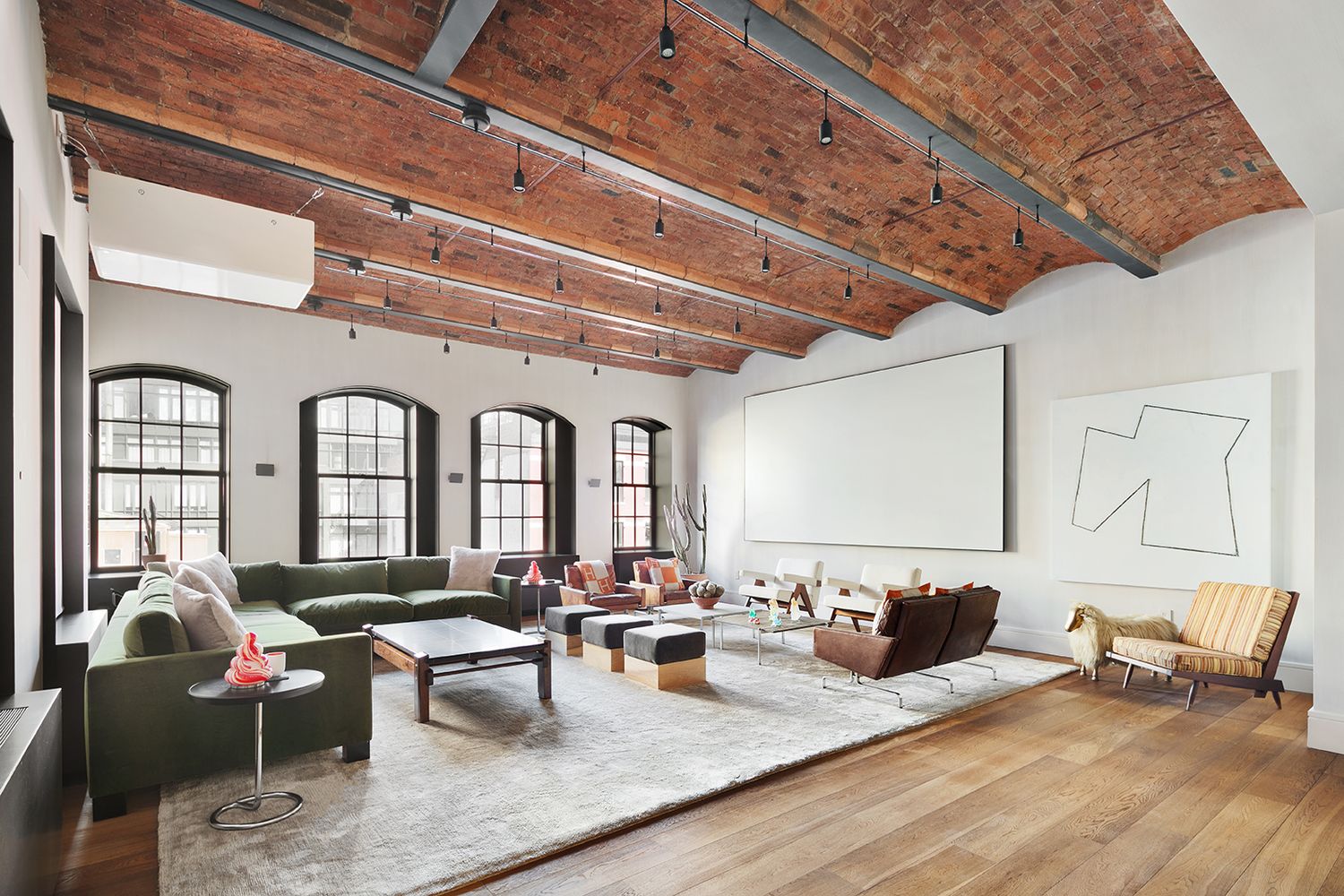
Gallery-like NoHo loft has towering barrel-vaulted ceilings

Top 5 loft designs of 2021

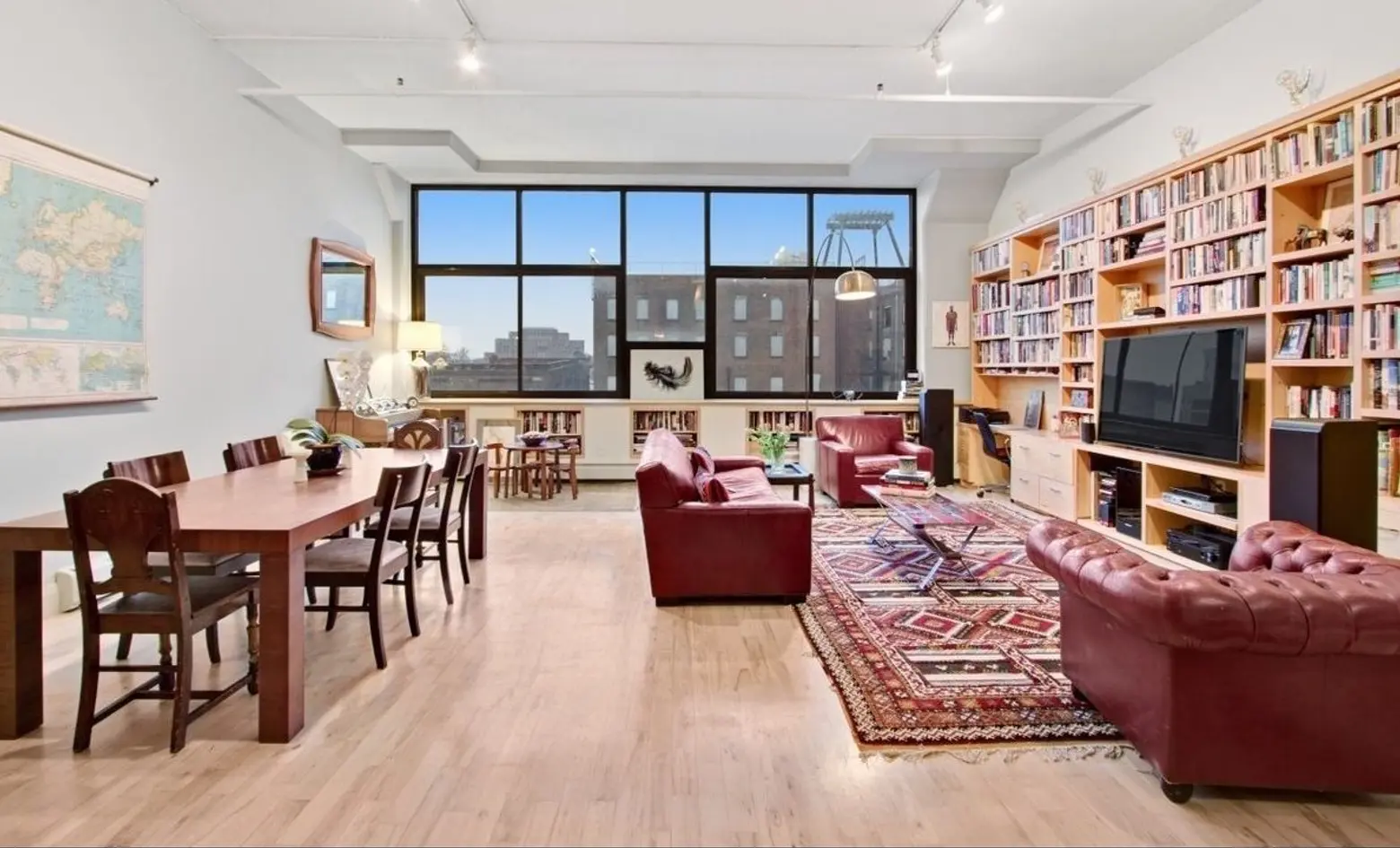
12-foot ceilings and a wall of windows at this $1.049M Prospect Heights apartment
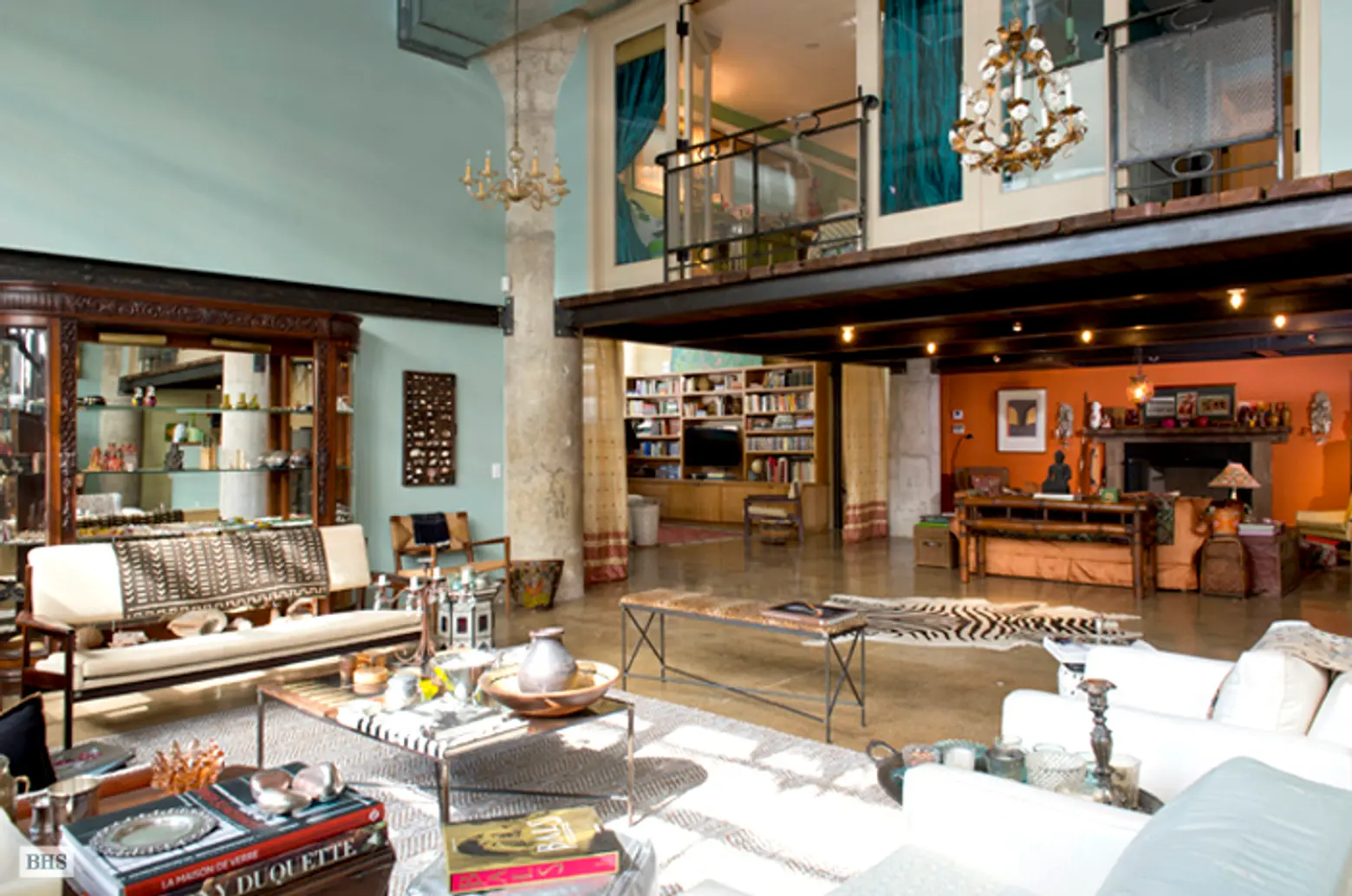
There’s a Balcony in Every Bedroom of This $7.5M TriBeCa Loft