1/12
Organizing a bookshelf – 15 ways to keep on top of your tomes
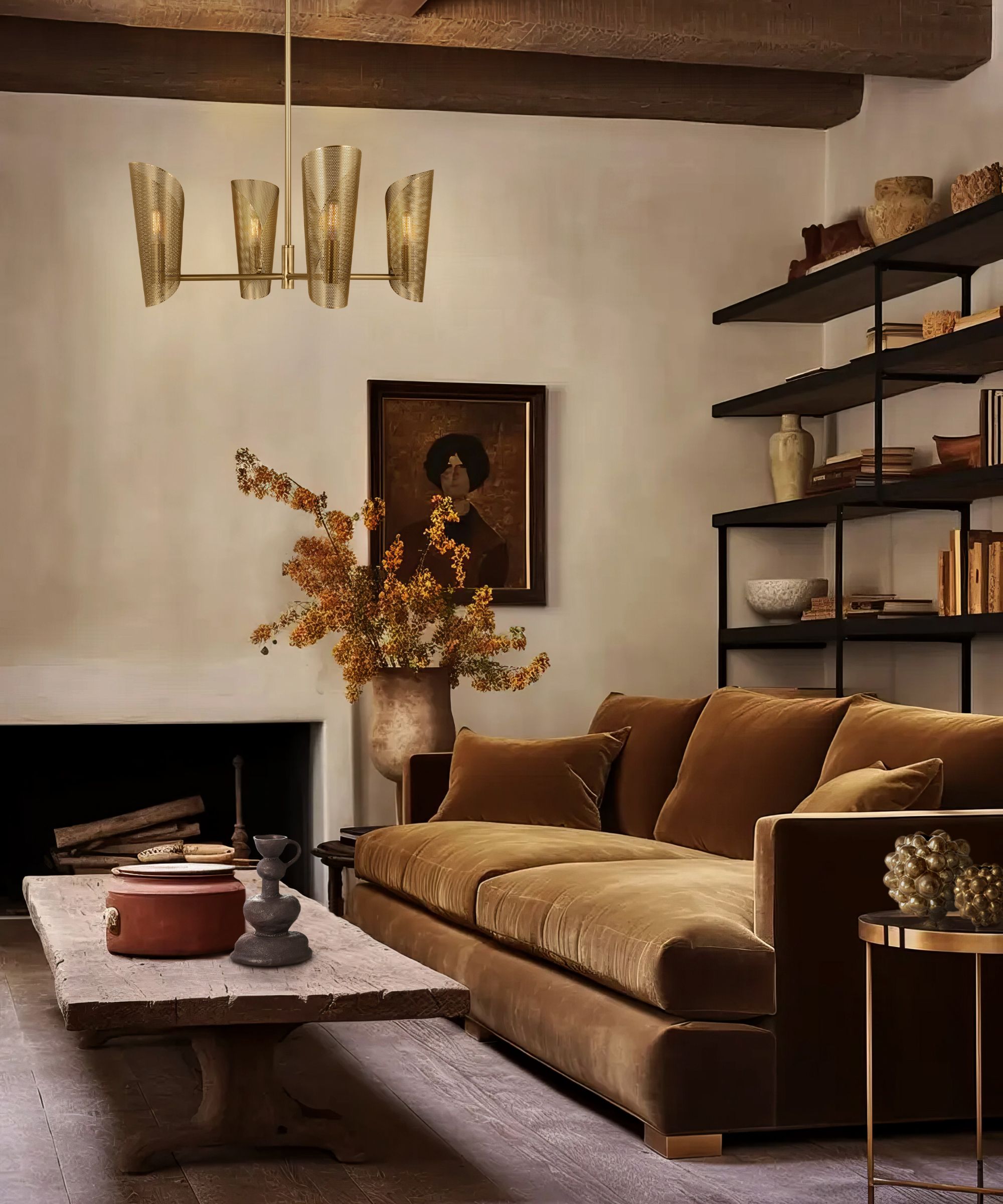
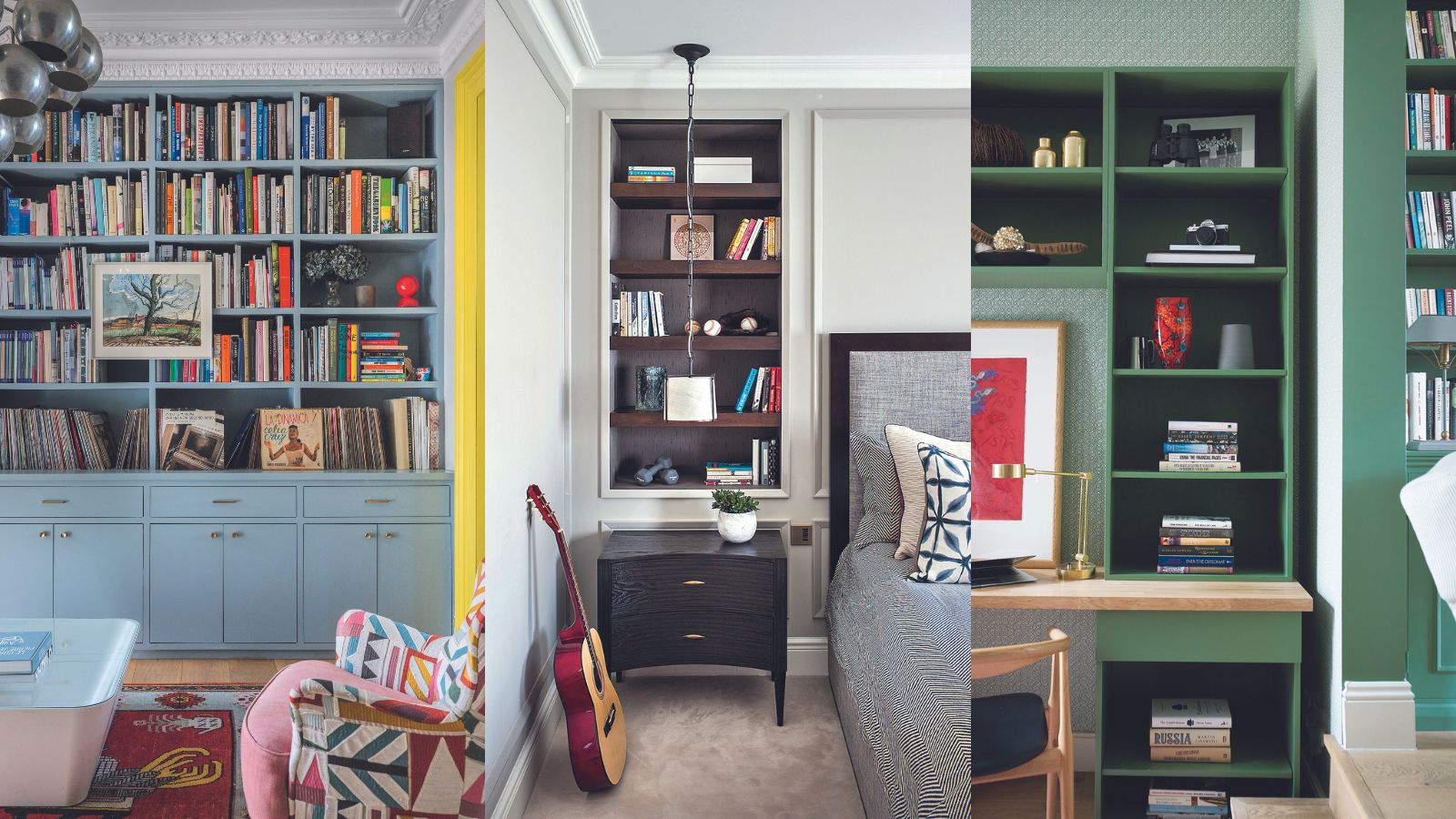
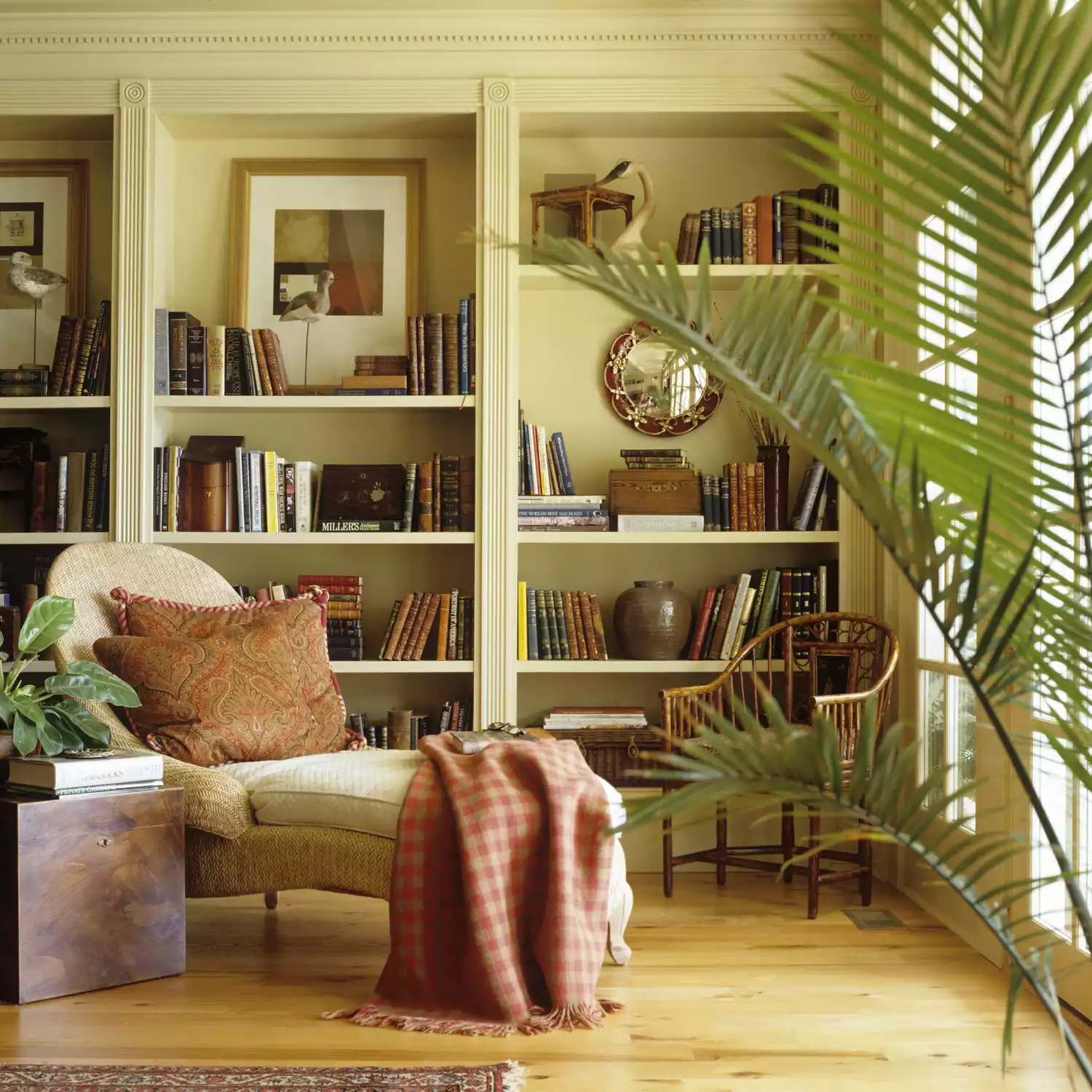
Organizing a bookshelf goes beyond mere storage; it's an opportunity to infuse personality and style into a living space while maintaining functionality. The approach to organizing can be highly personalized, with no single 'right' method, as long as the owner can easily locate their books and is satisfied with the aesthetic outcome. Well-organized bookshelves contribute to a homely atmosphere and can encourage more frequent reading.
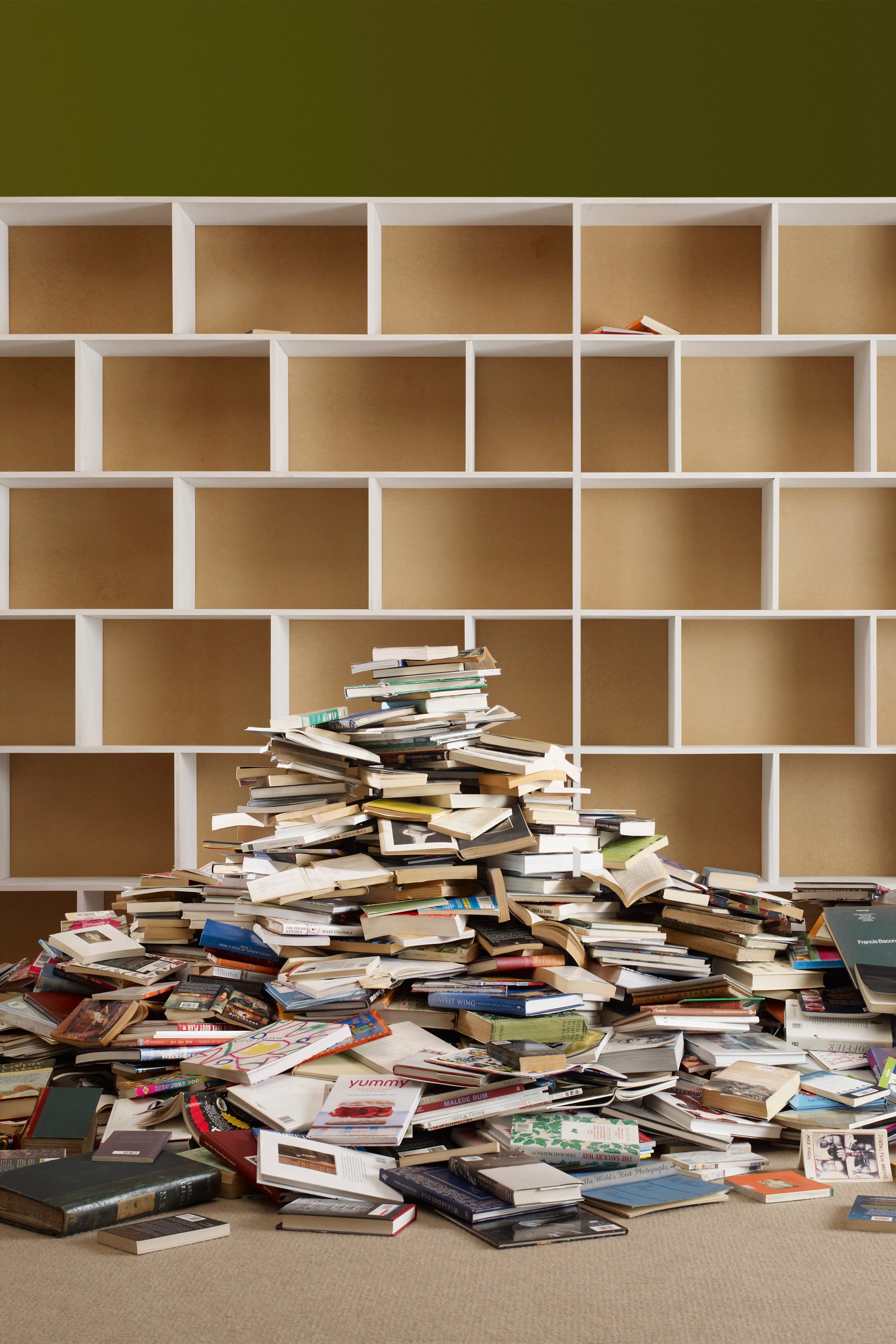
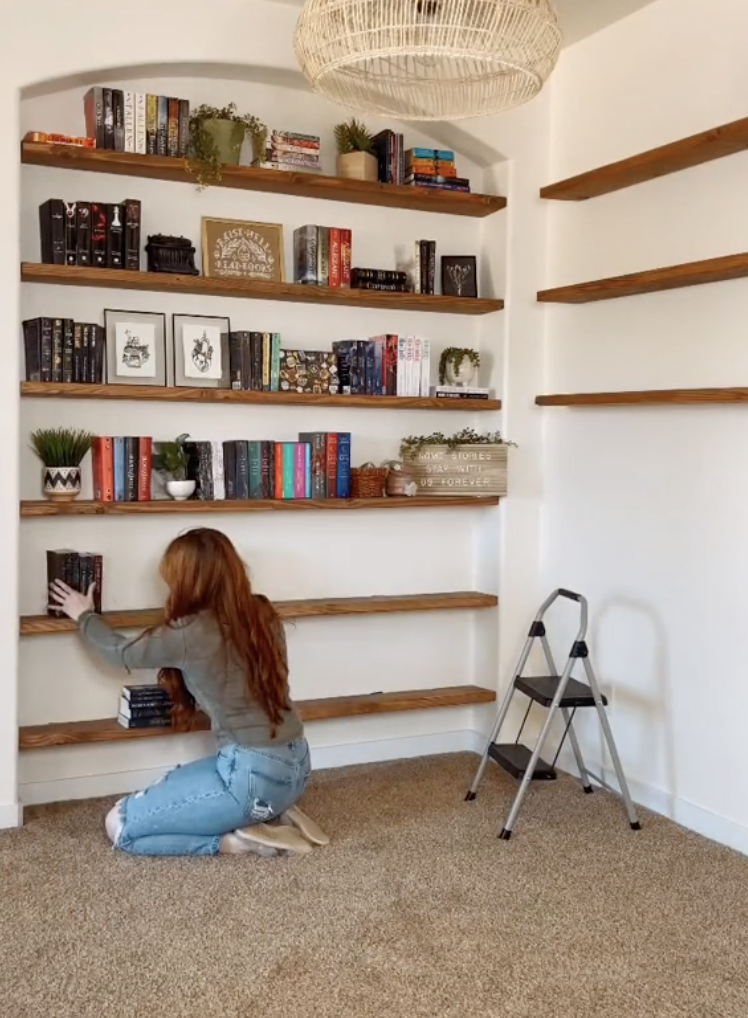
A foundational step in bookshelf organization is to thoroughly edit the book collection. This involves emptying shelves, cleaning them, and then critically evaluating each book to decide what to keep. Employing methods like the KonMari philosophy, which suggests retaining only items that 'spark joy,' can guide this process. Books deemed unnecessary can be donated to public libraries, preschools, or local school aftercare programs, while checking specific charity acceptance policies is advisable. For difficult decisions, a 'maybe' pile allows for a temporary deferral of judgment, providing time to reconsider before permanent removal or integration into the main collection.
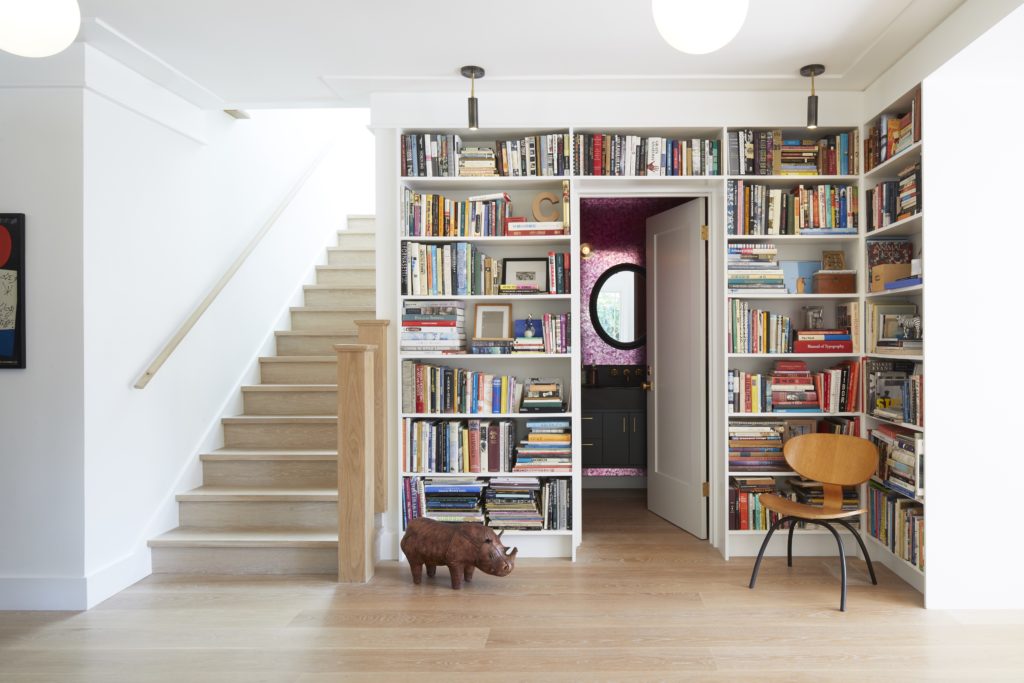
Once the collection is curated, various organizational strategies can be implemented. For frequently accessed bookshelves, an alphabetical system is highly effective. This can be based on the book's title, often excluding initial articles like 'A' or 'The,' or by the author's last name, similar to library or bookstore arrangements. Clearly communicating the chosen system to all household members ensures consistency. Grouping books by genre is another practical method, particularly for individuals who select books based on their mood or for those designing a dedicated home library. Categories can range from broad (fiction/non-fiction) to more specific (mystery, romance, fantasy), with a log kept for cross-over titles.
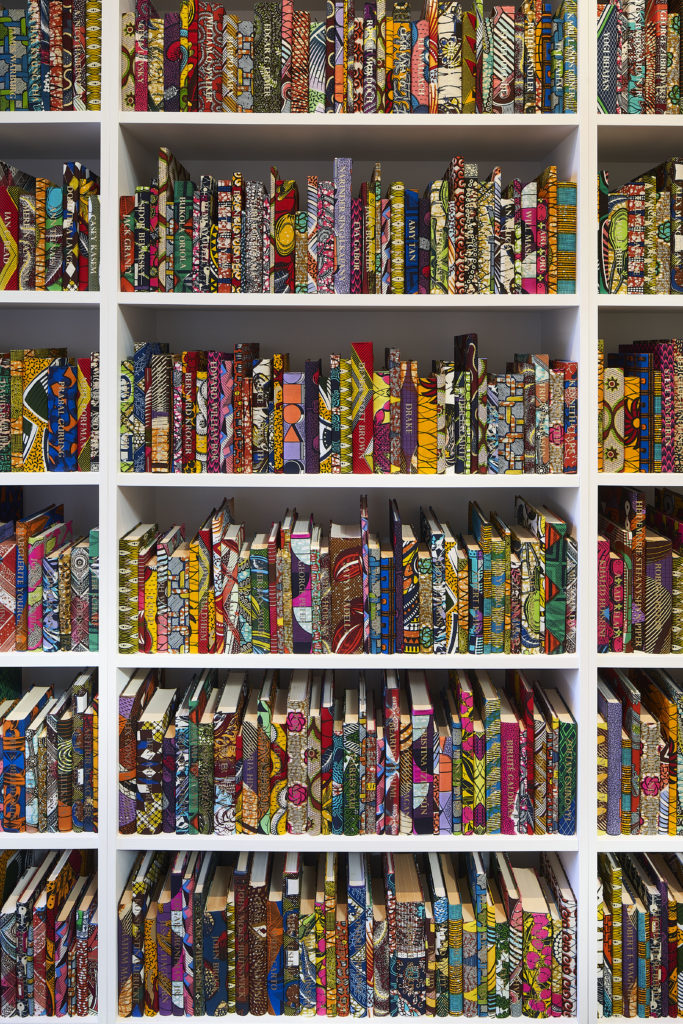
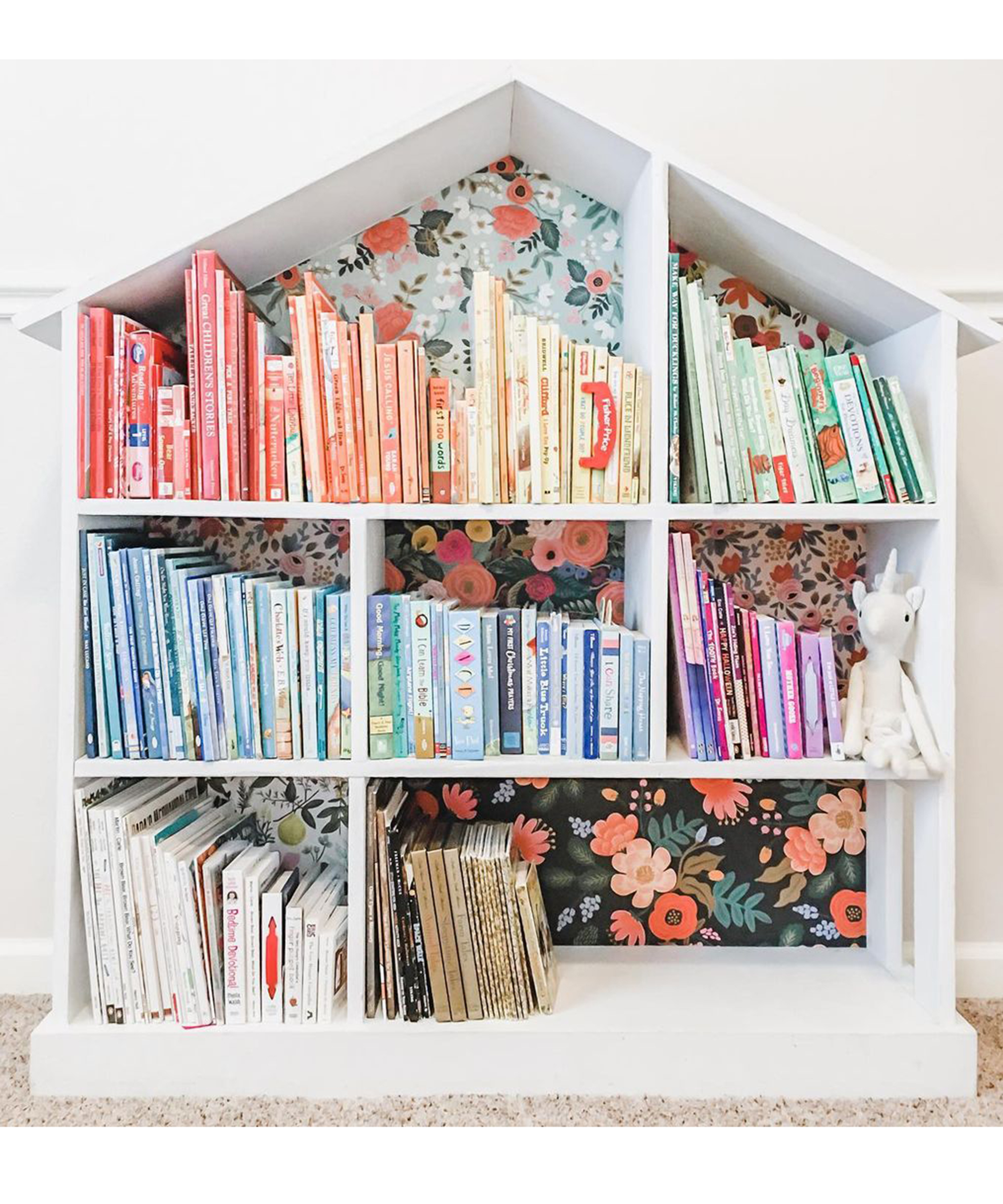
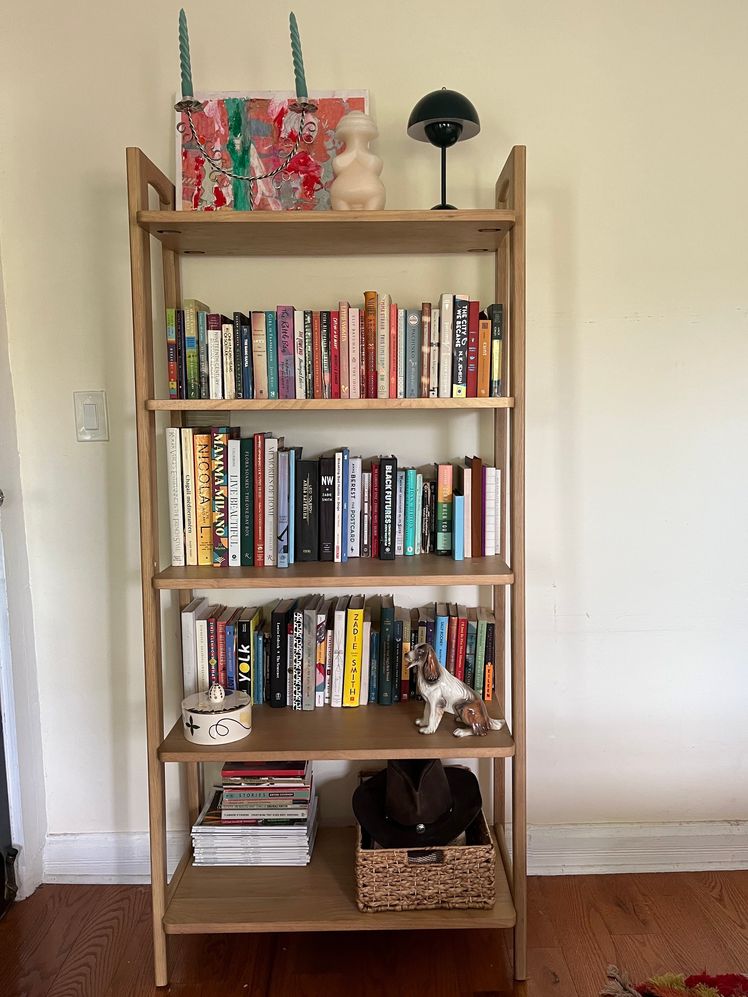
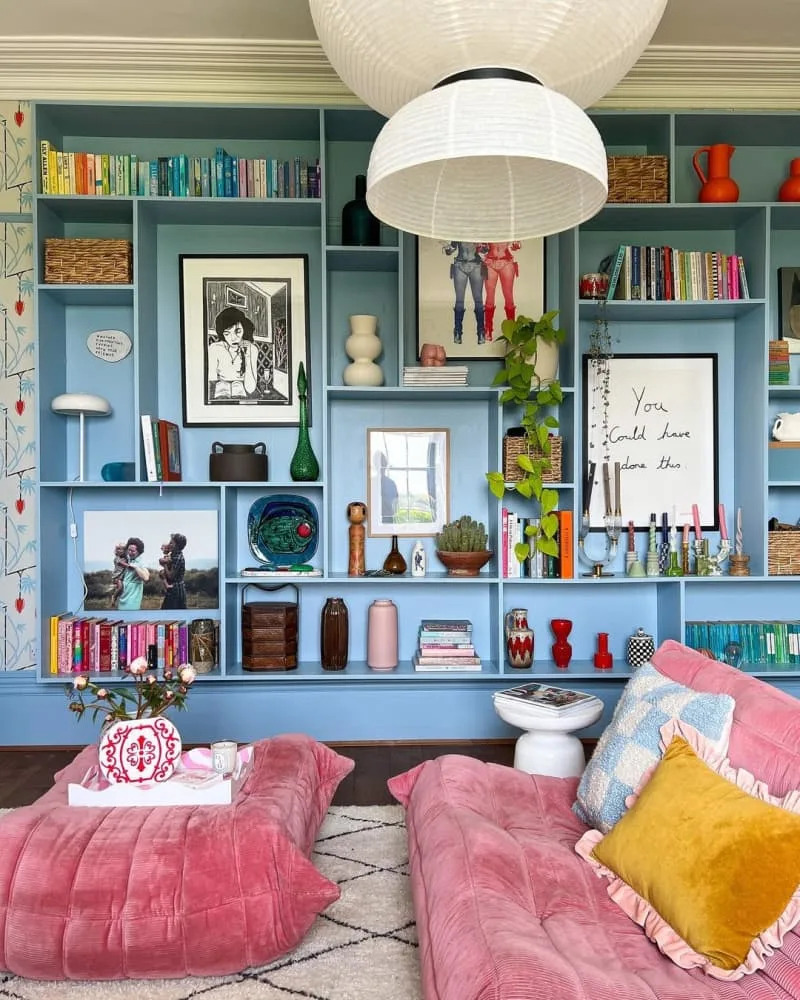
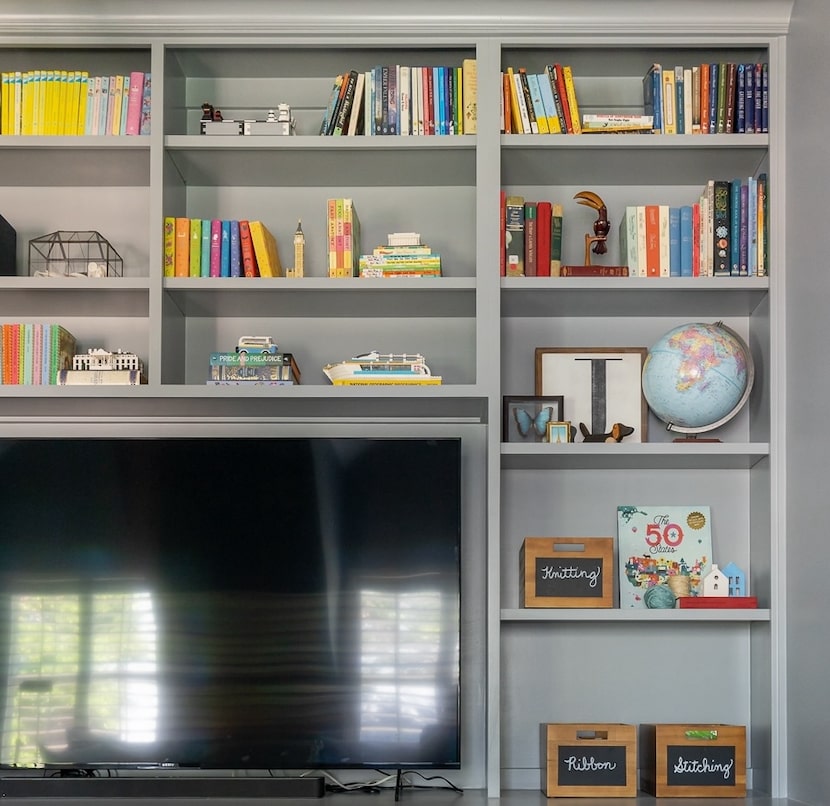
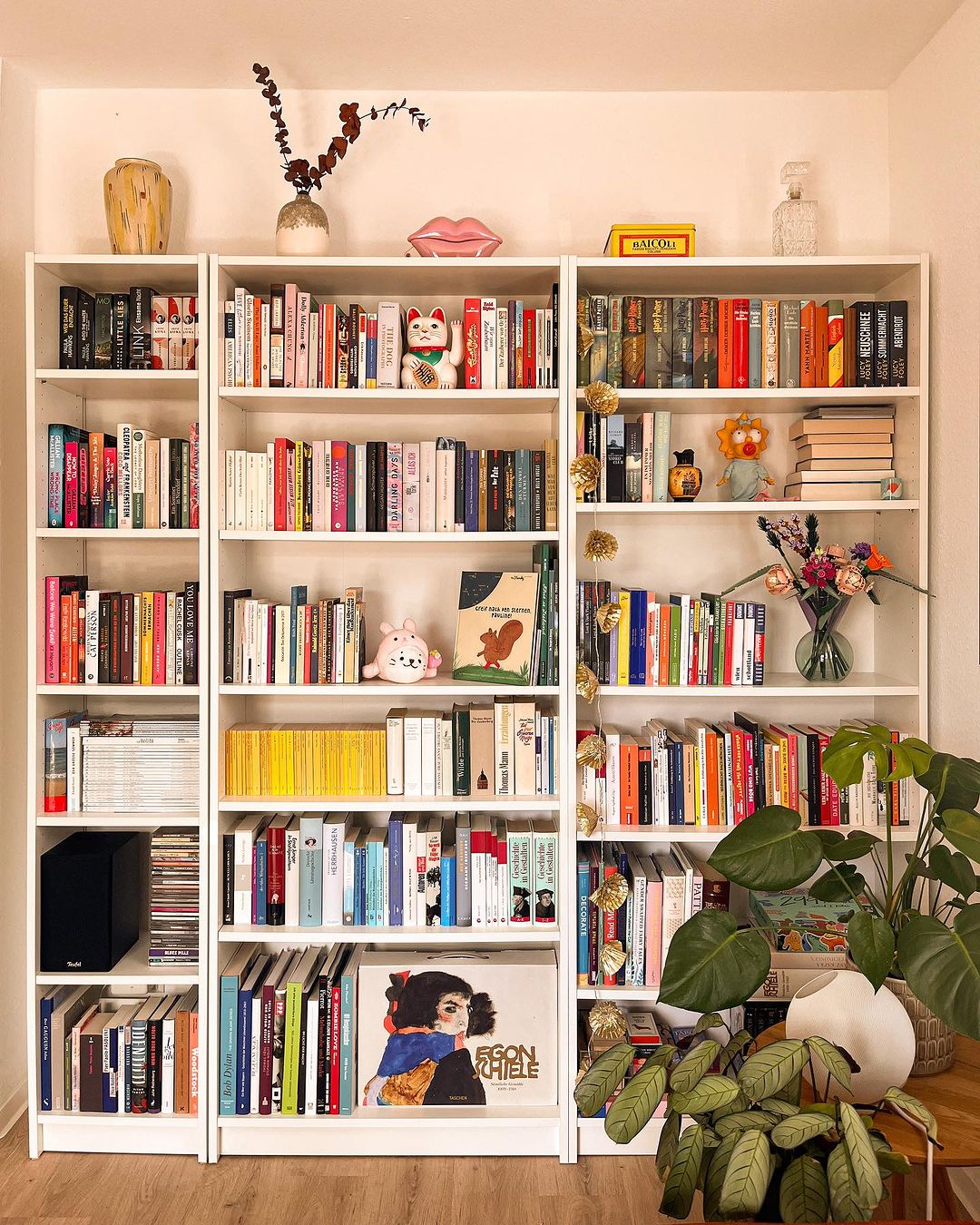
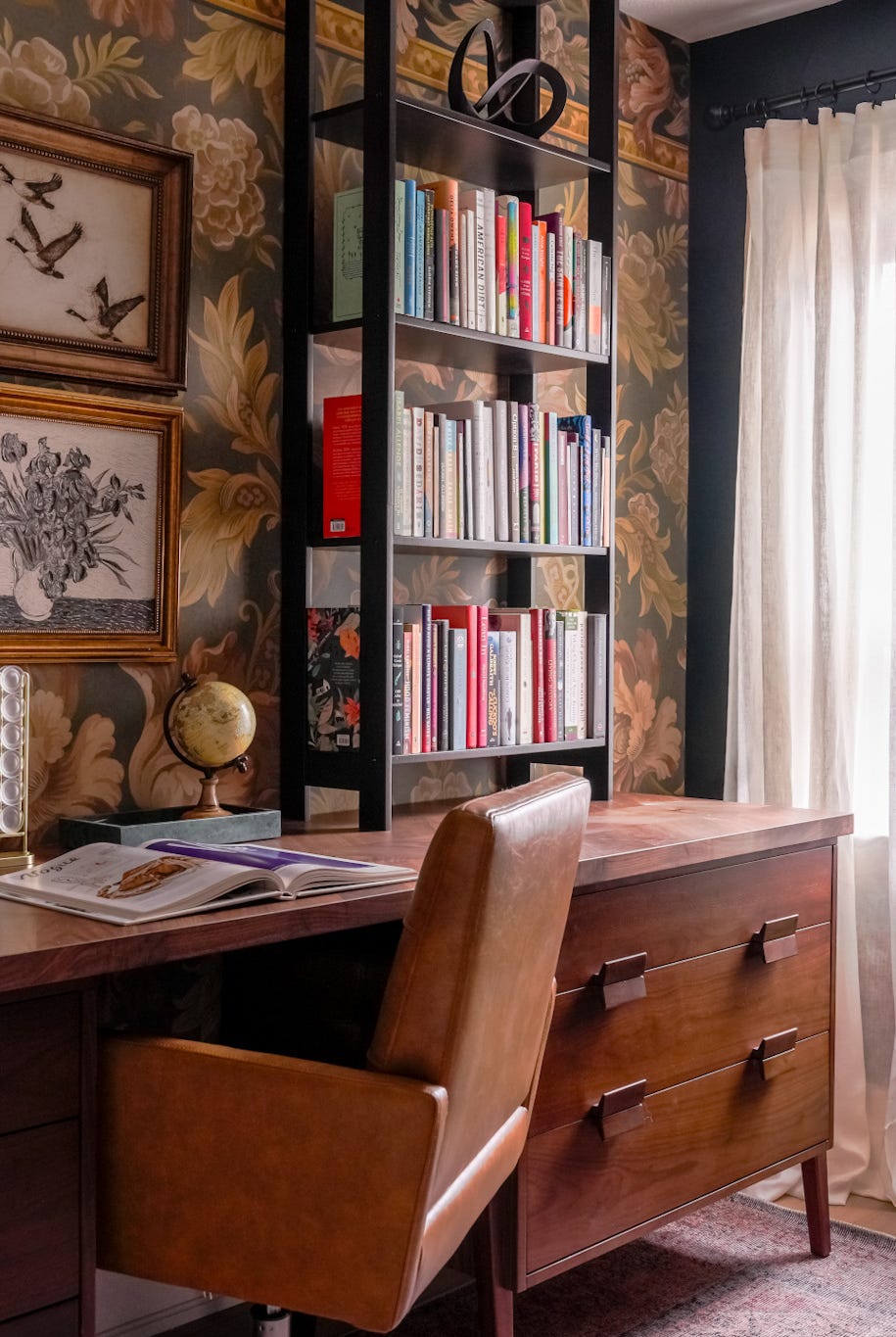
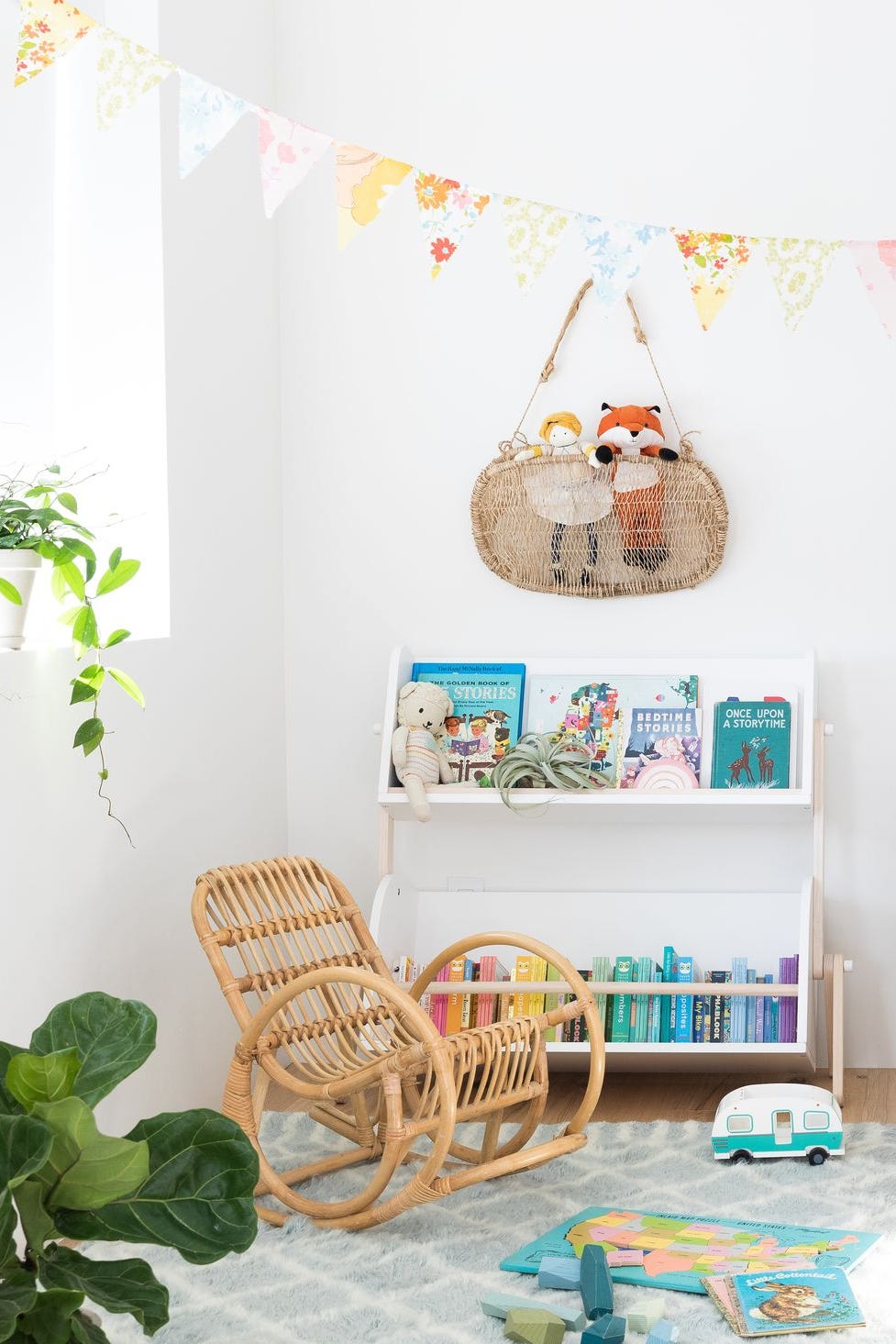
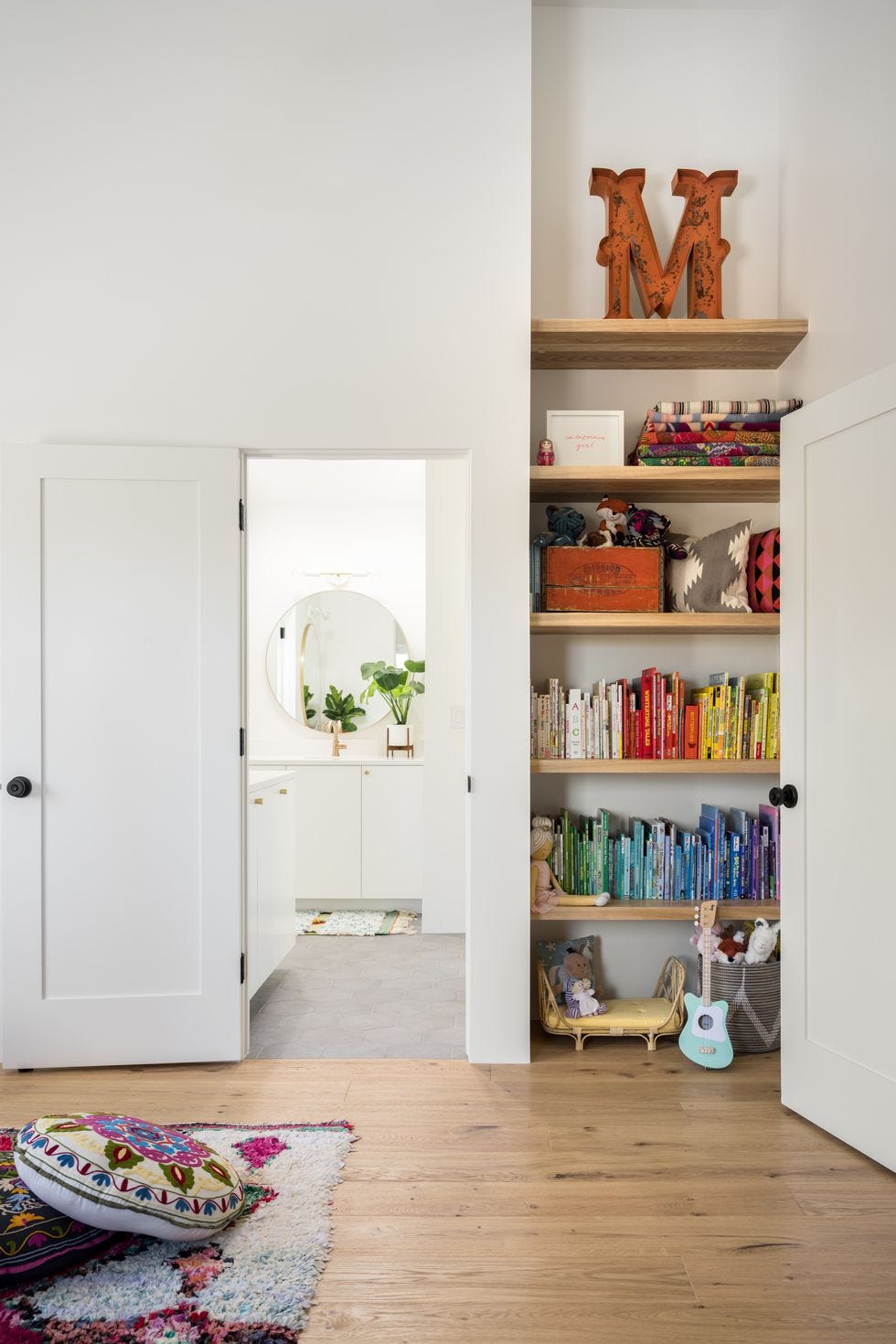
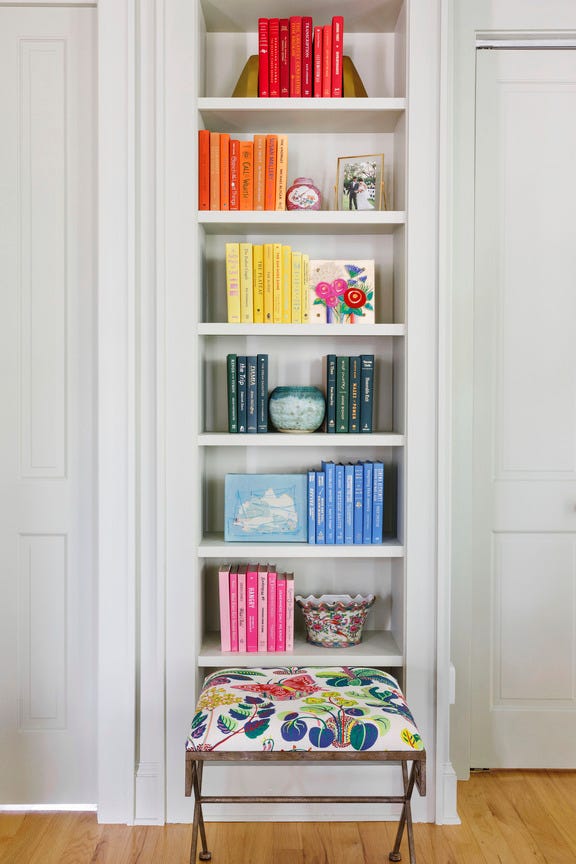
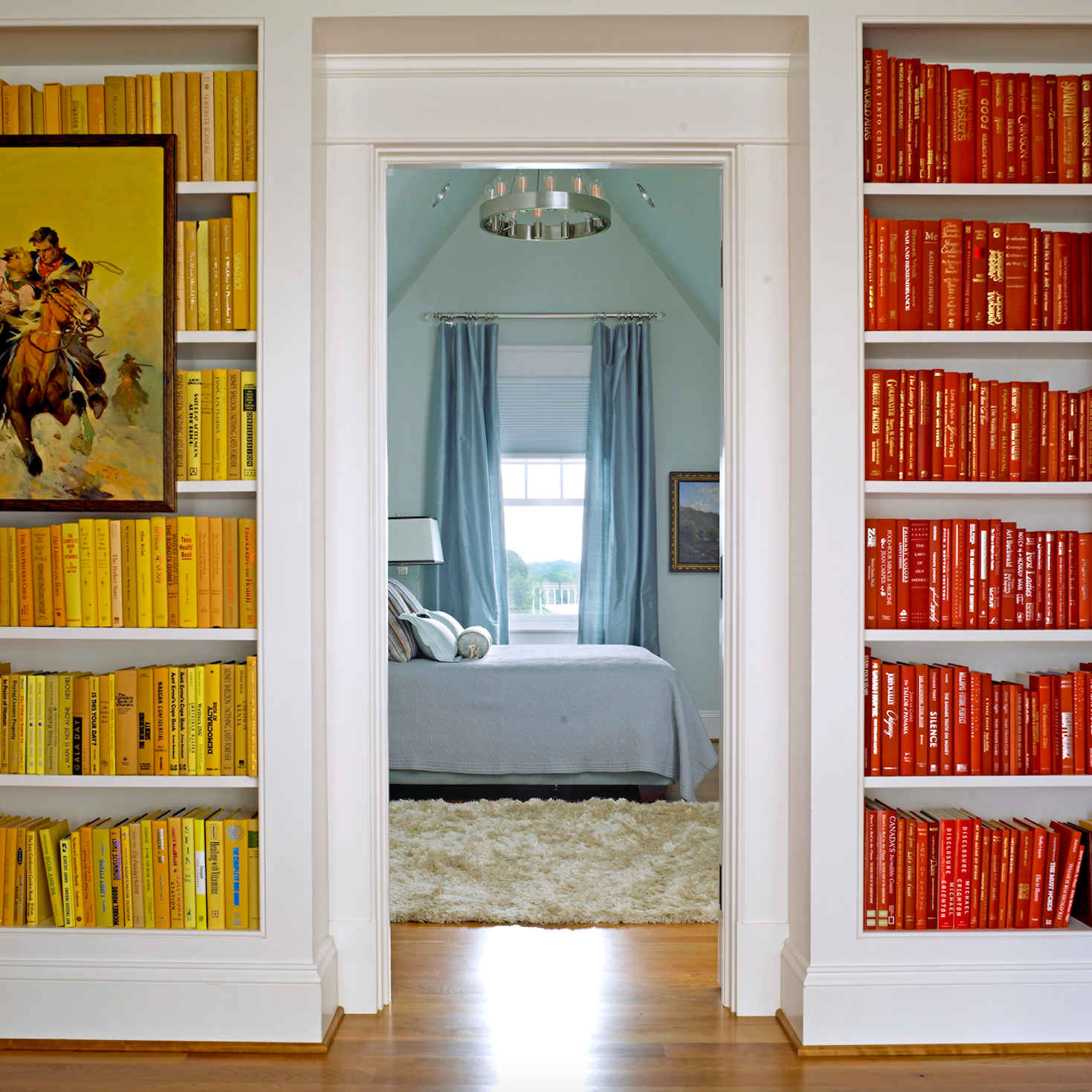
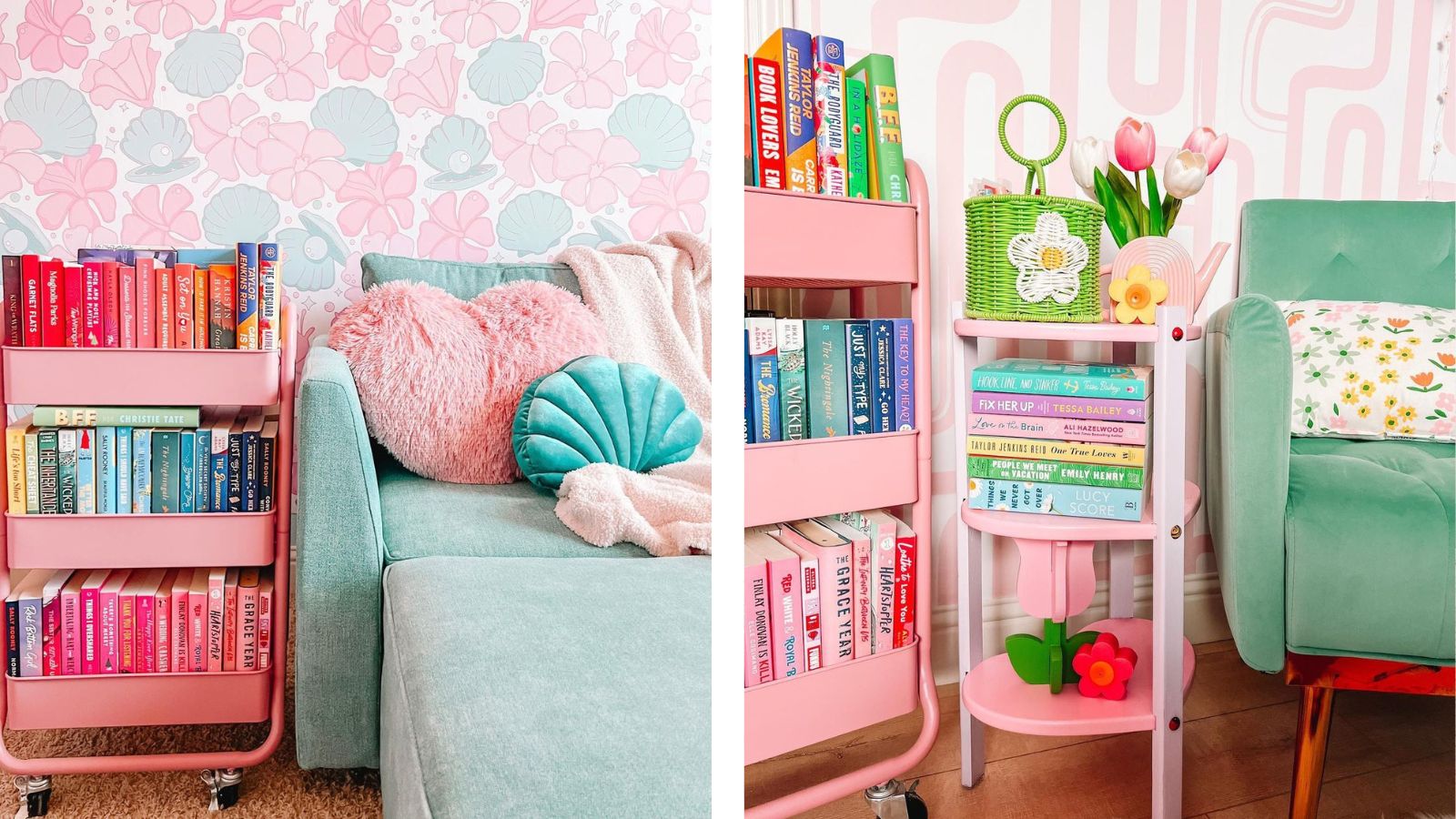
Beyond pure utility, aesthetic considerations play a significant role. Arranging books by color creates a visually striking rainbow or ombre effect, though this method is less practical for quick retrieval and is often best reserved for less frequently accessed collections. Color-coordinated bookshelves can also aid children in locating their favorite books by color recognition. Designating prime shelf space for favorite or currently unread books, possibly using book dividers or decorative objects, ensures easy access. Organizing books by height can produce a clean, streamlined look, with creative variations like alternating tall and short books or arranging them in decreasing height towards the center.
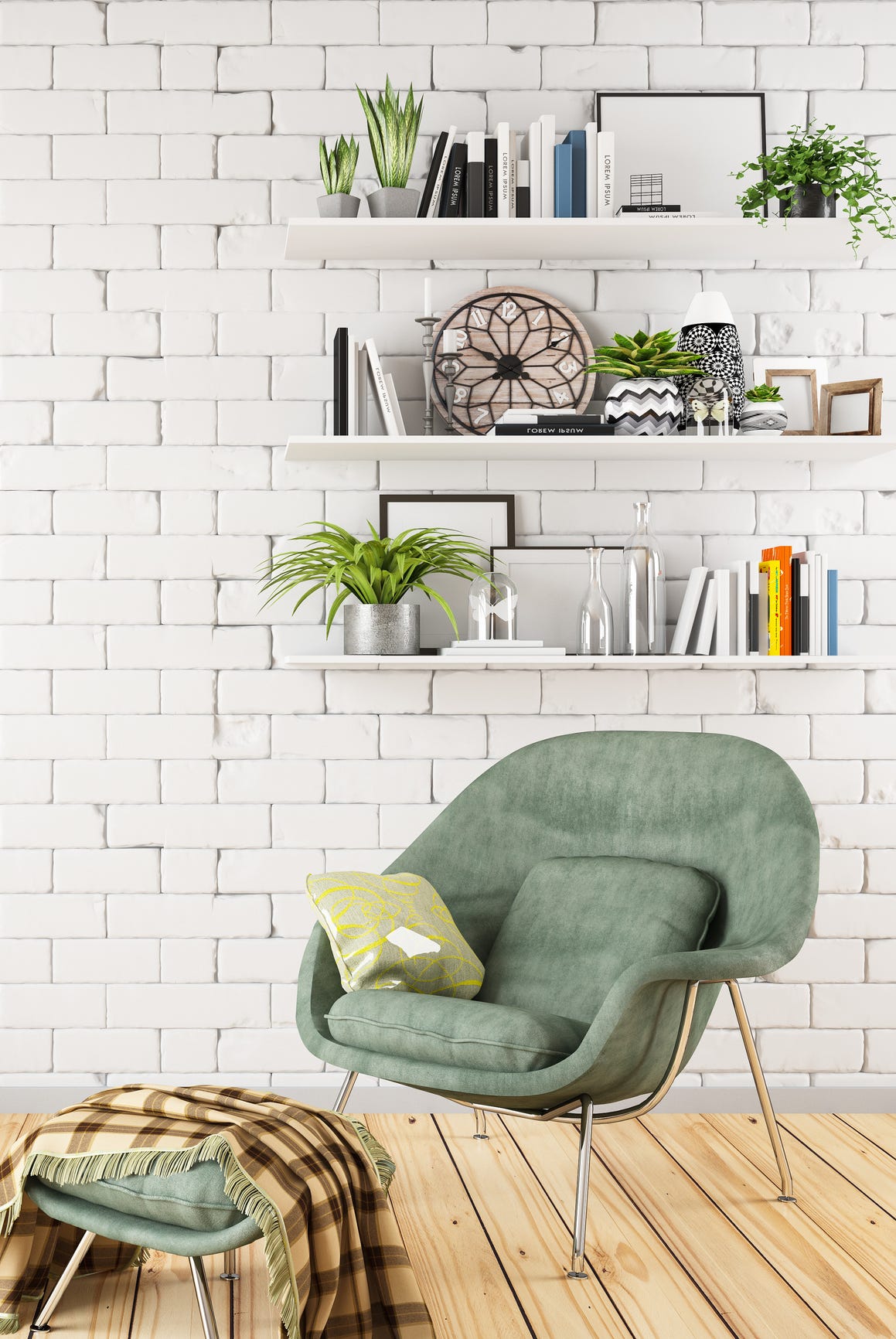
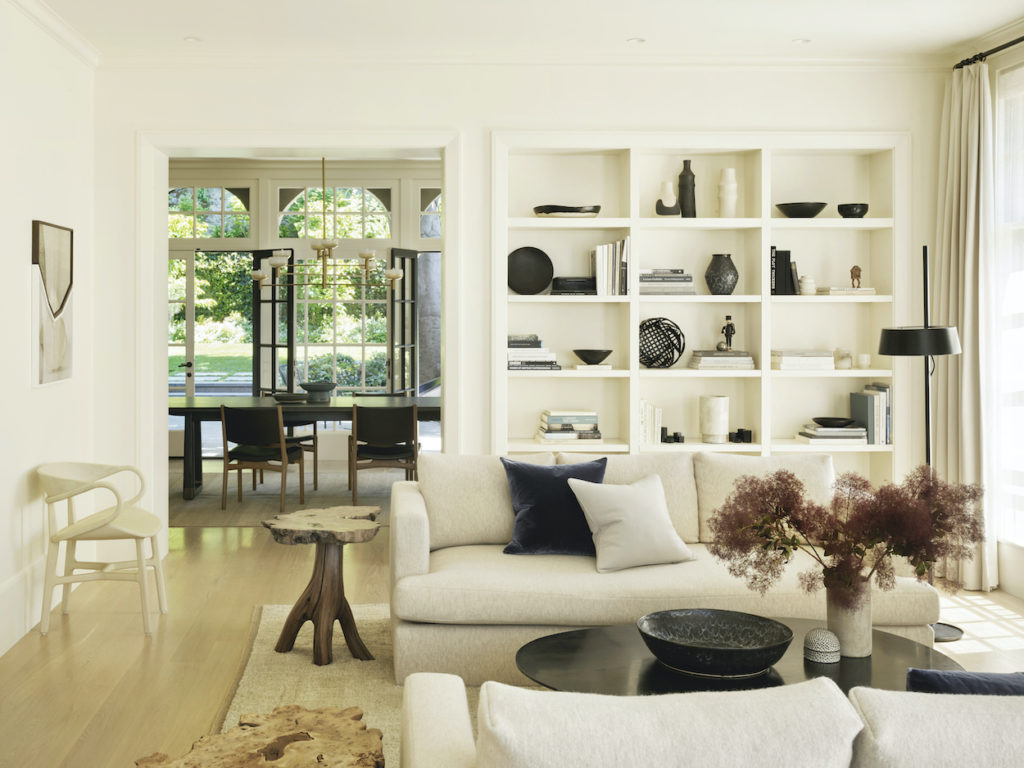
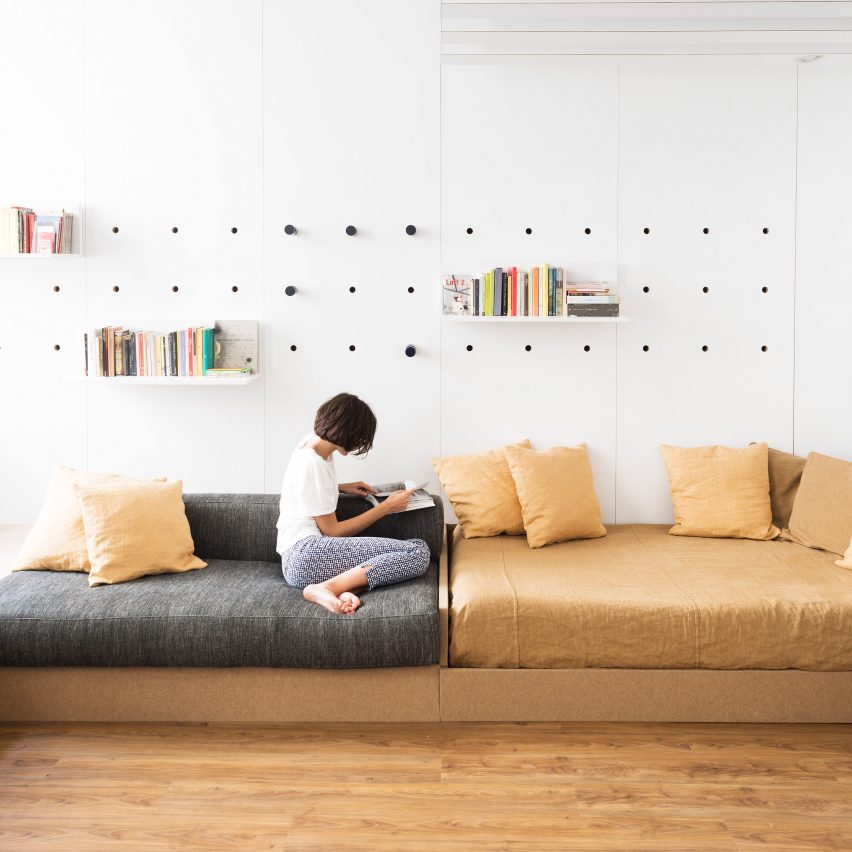
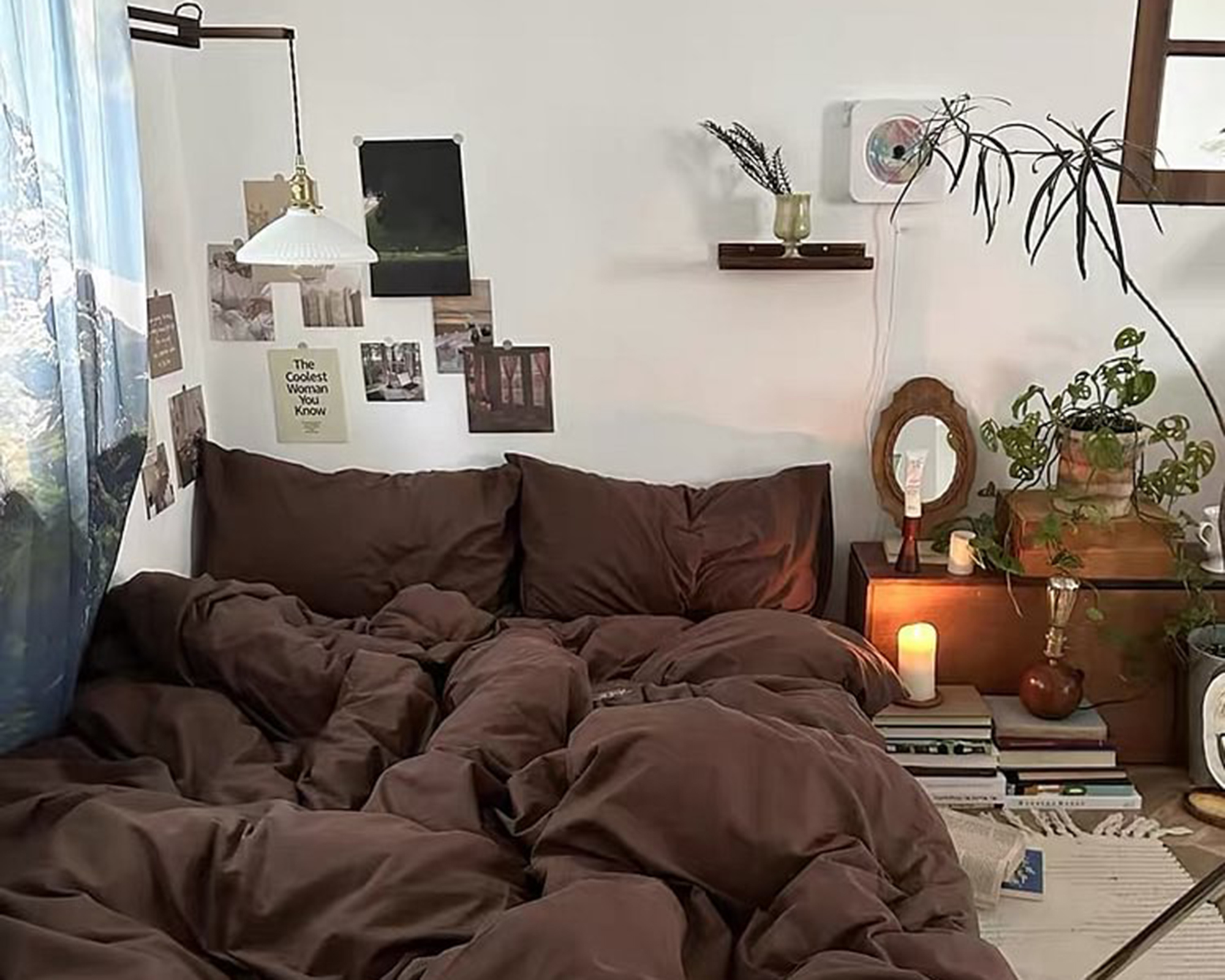
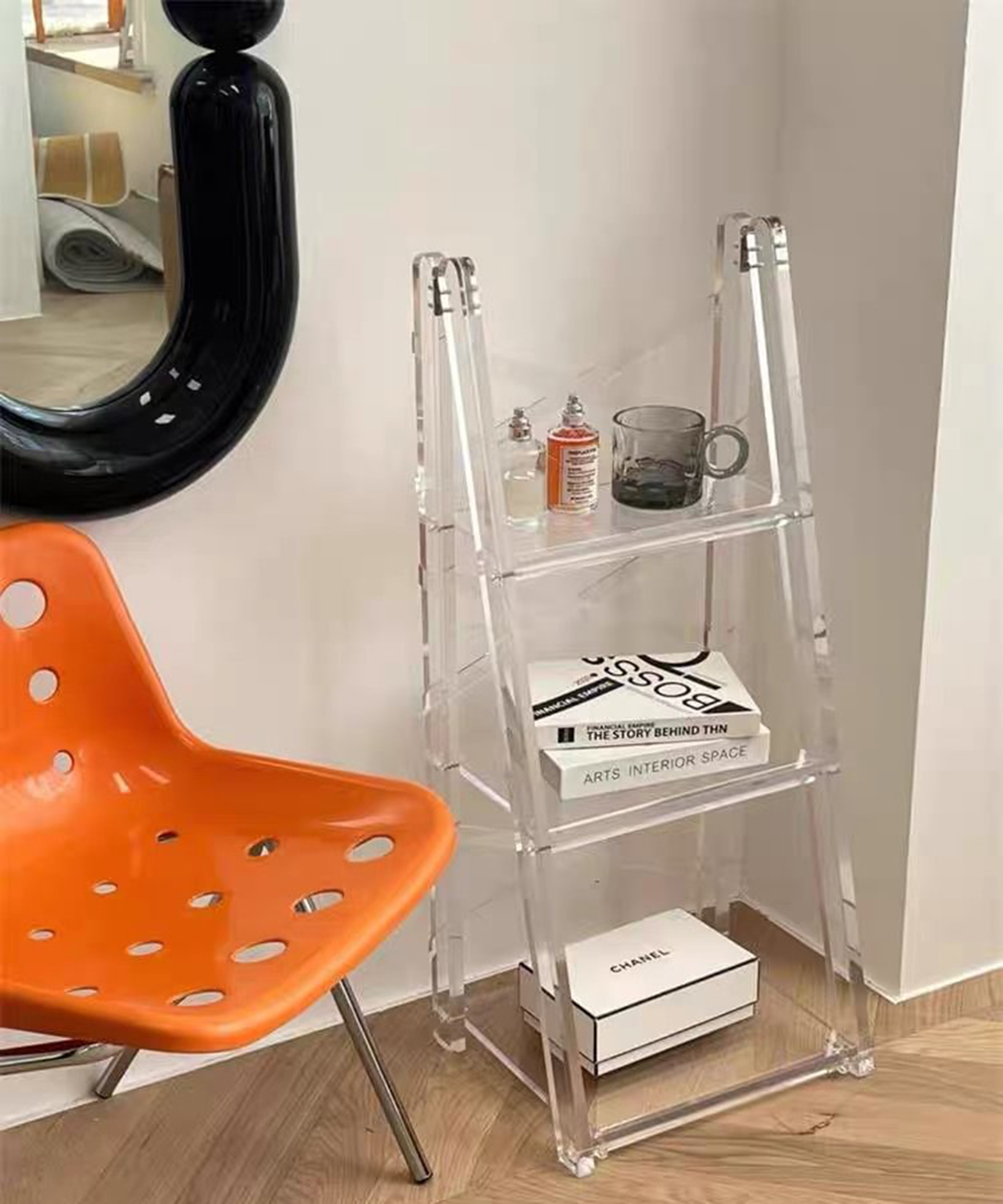
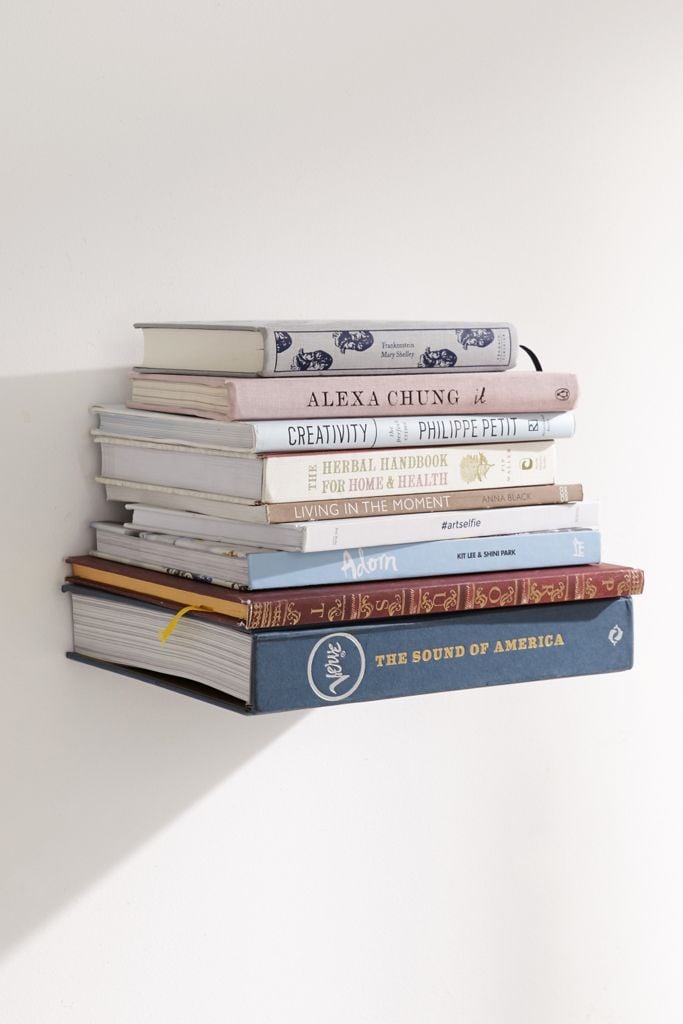
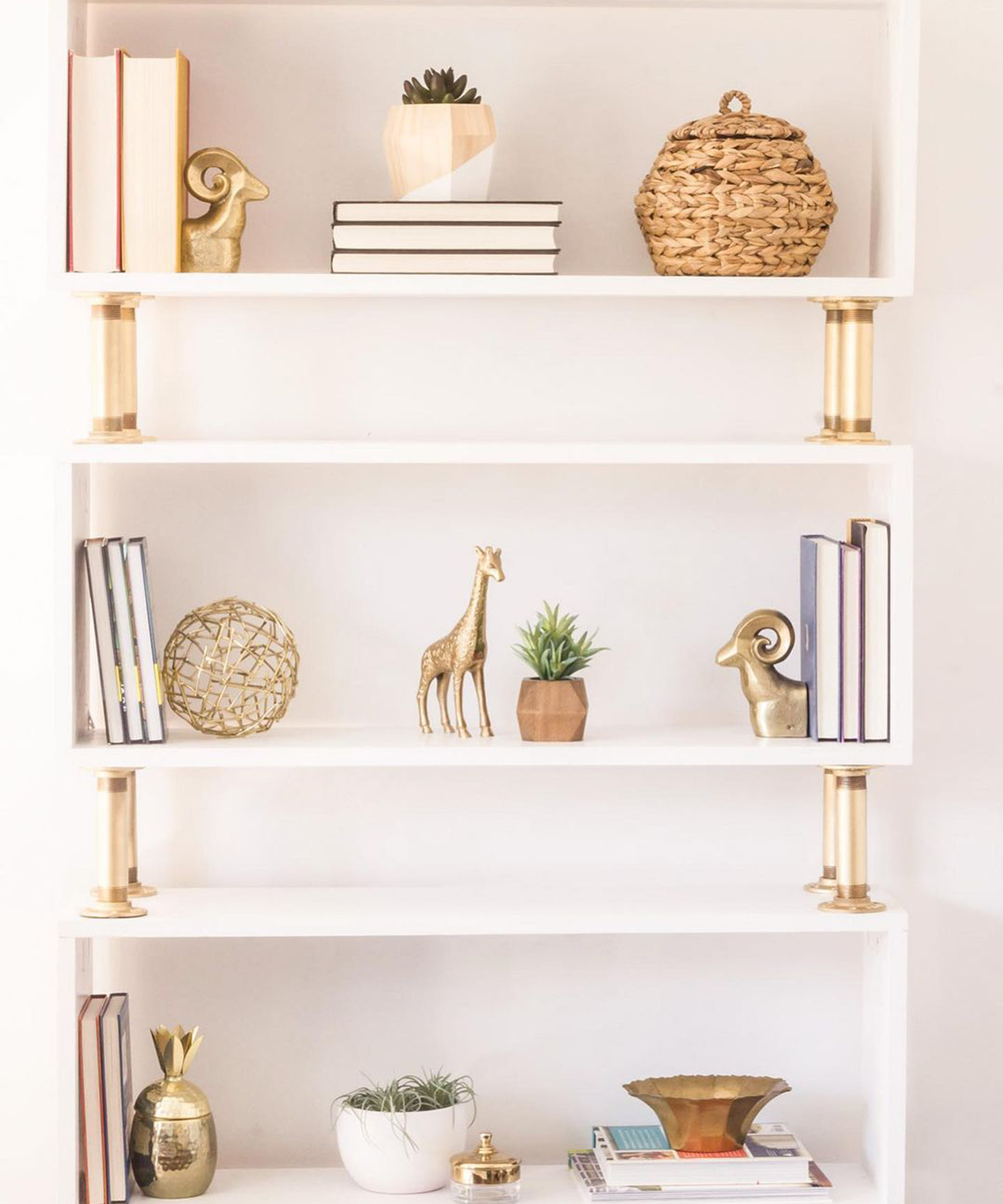
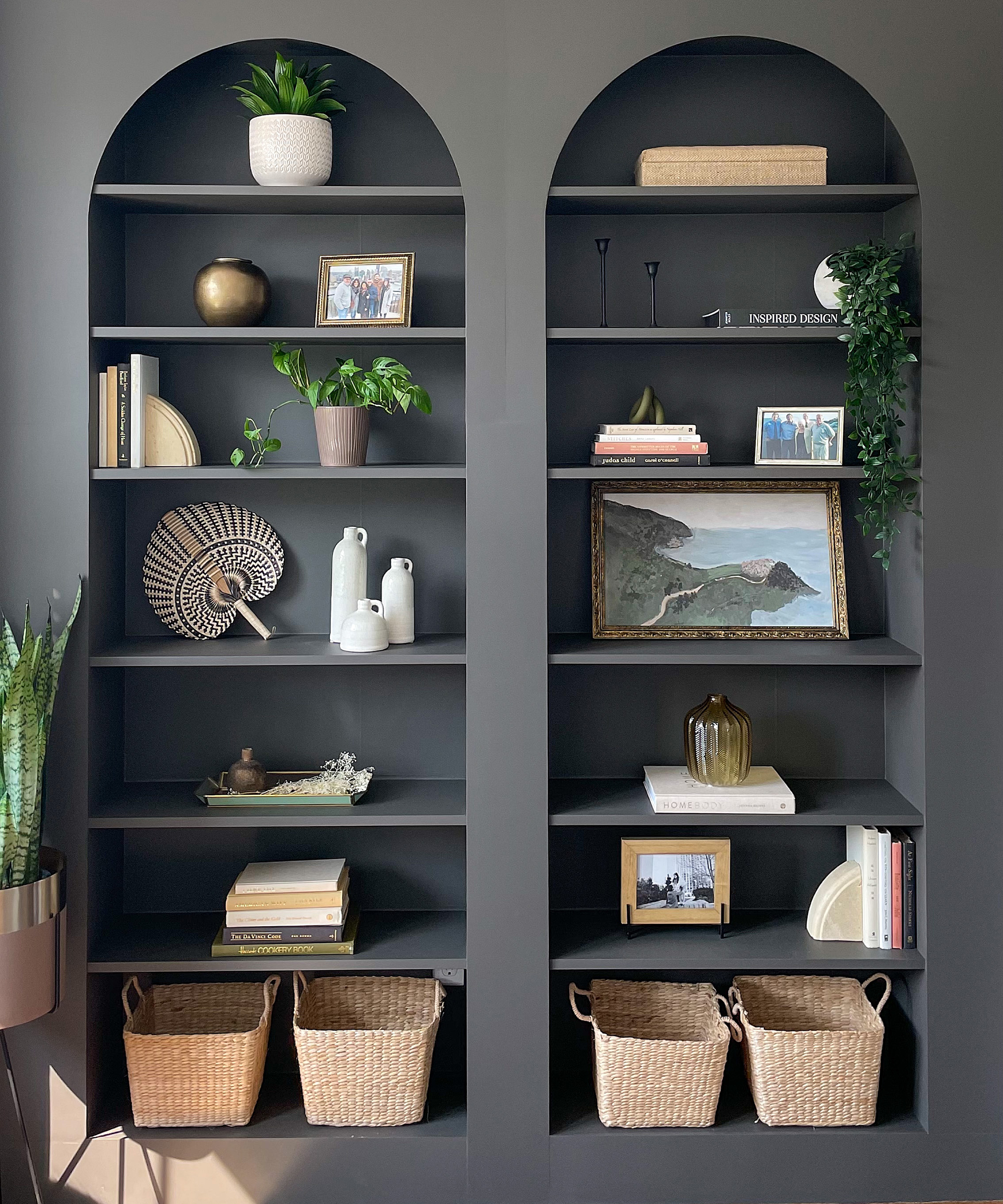
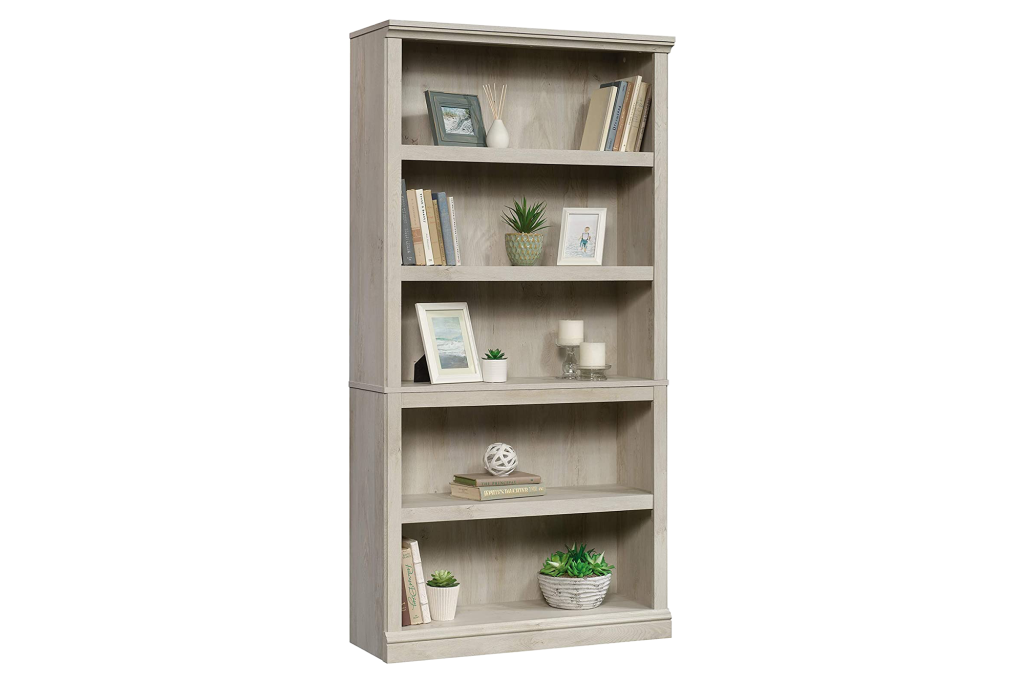
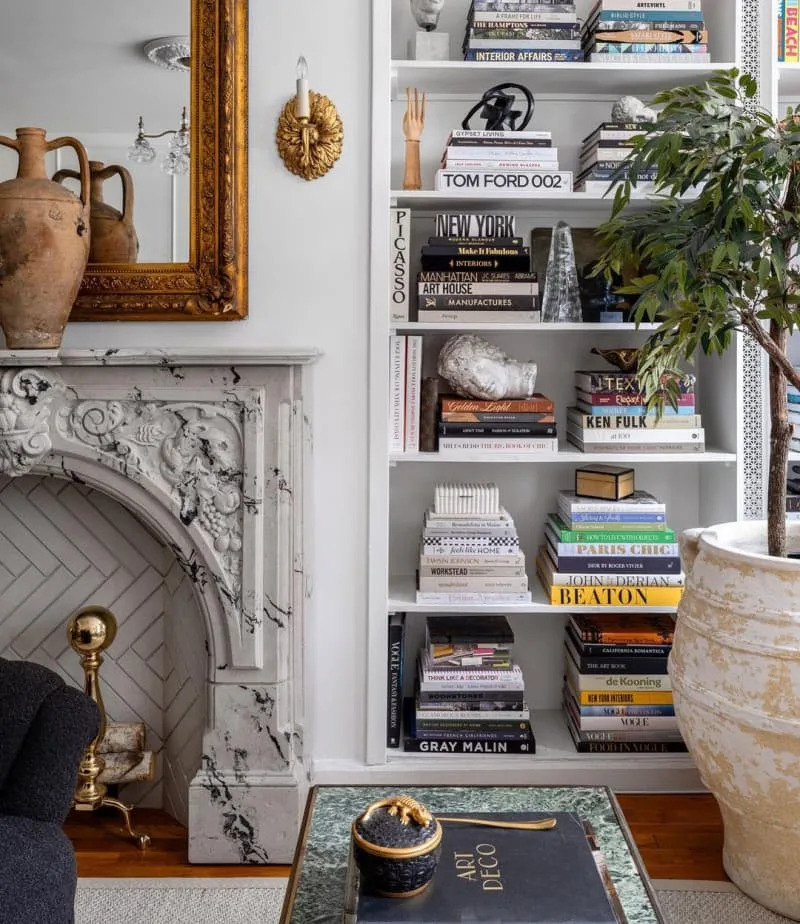
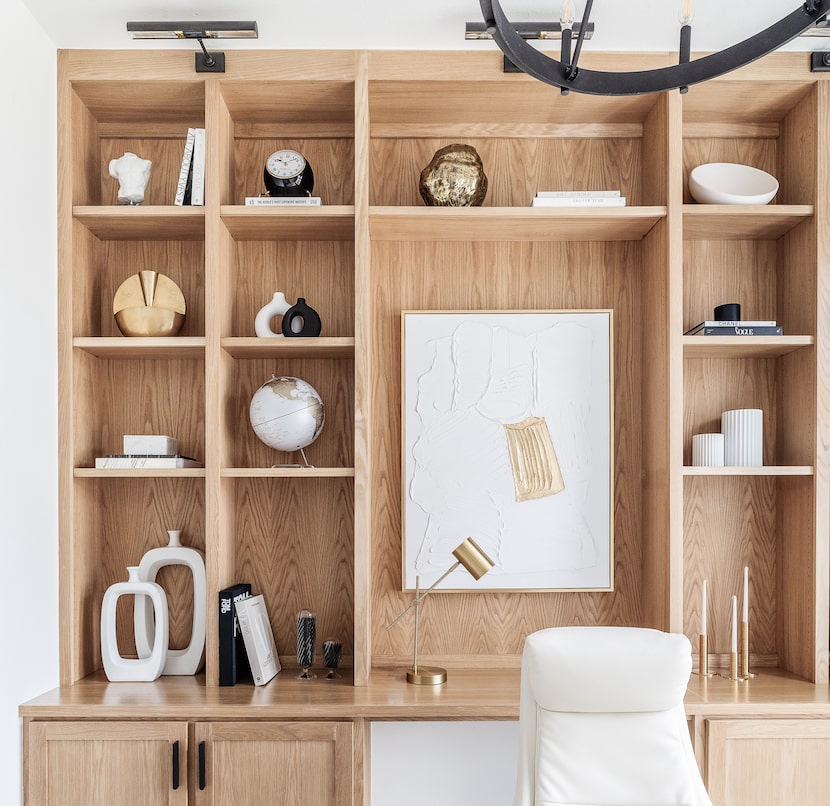
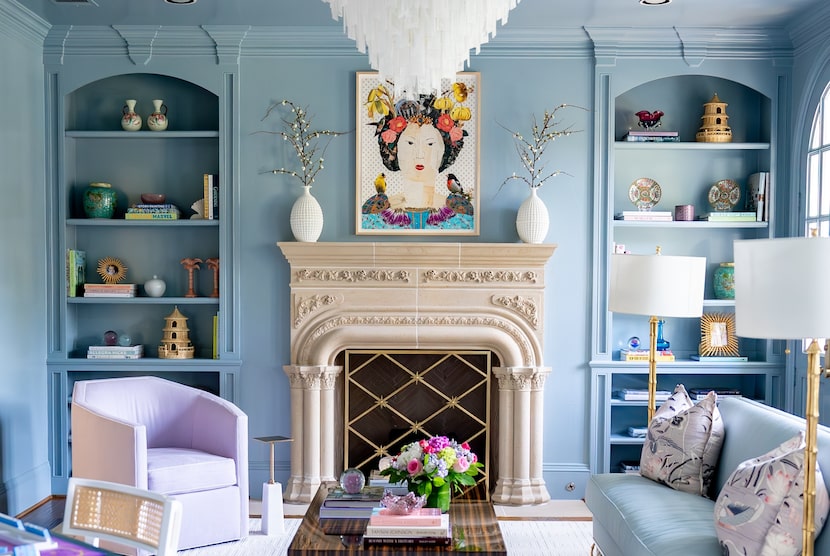
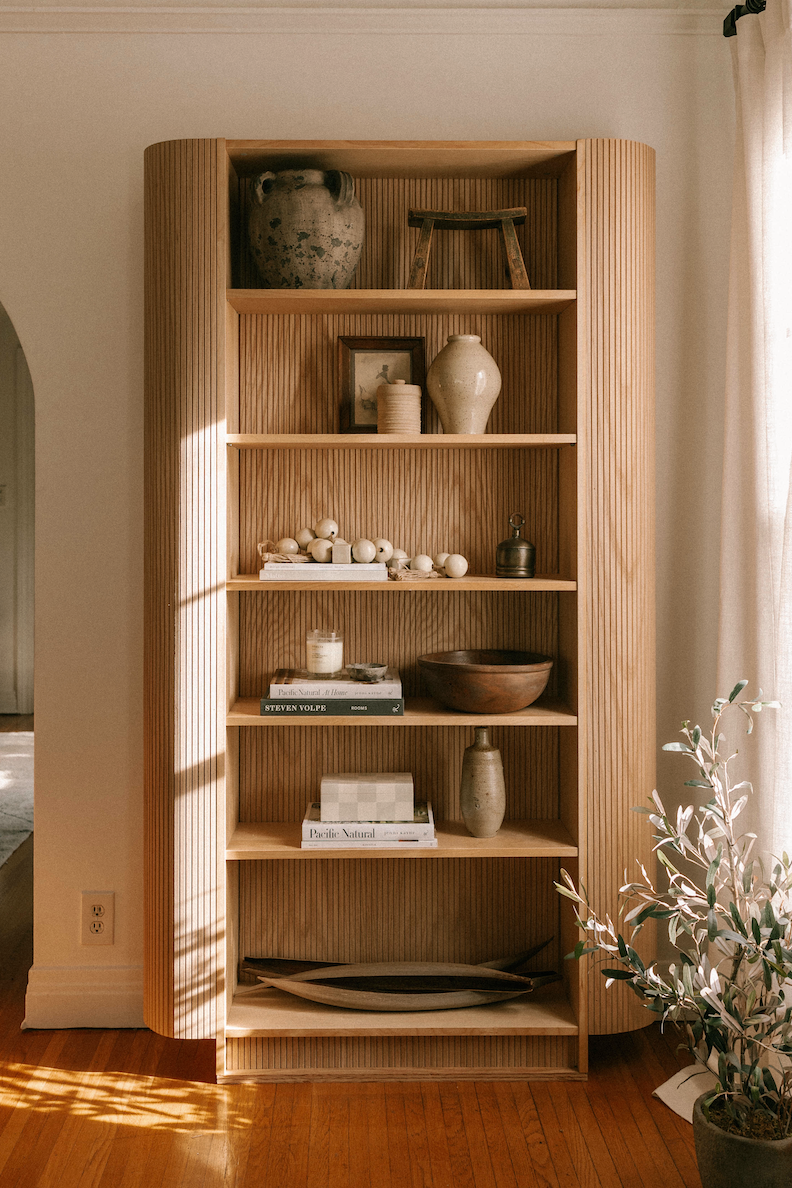
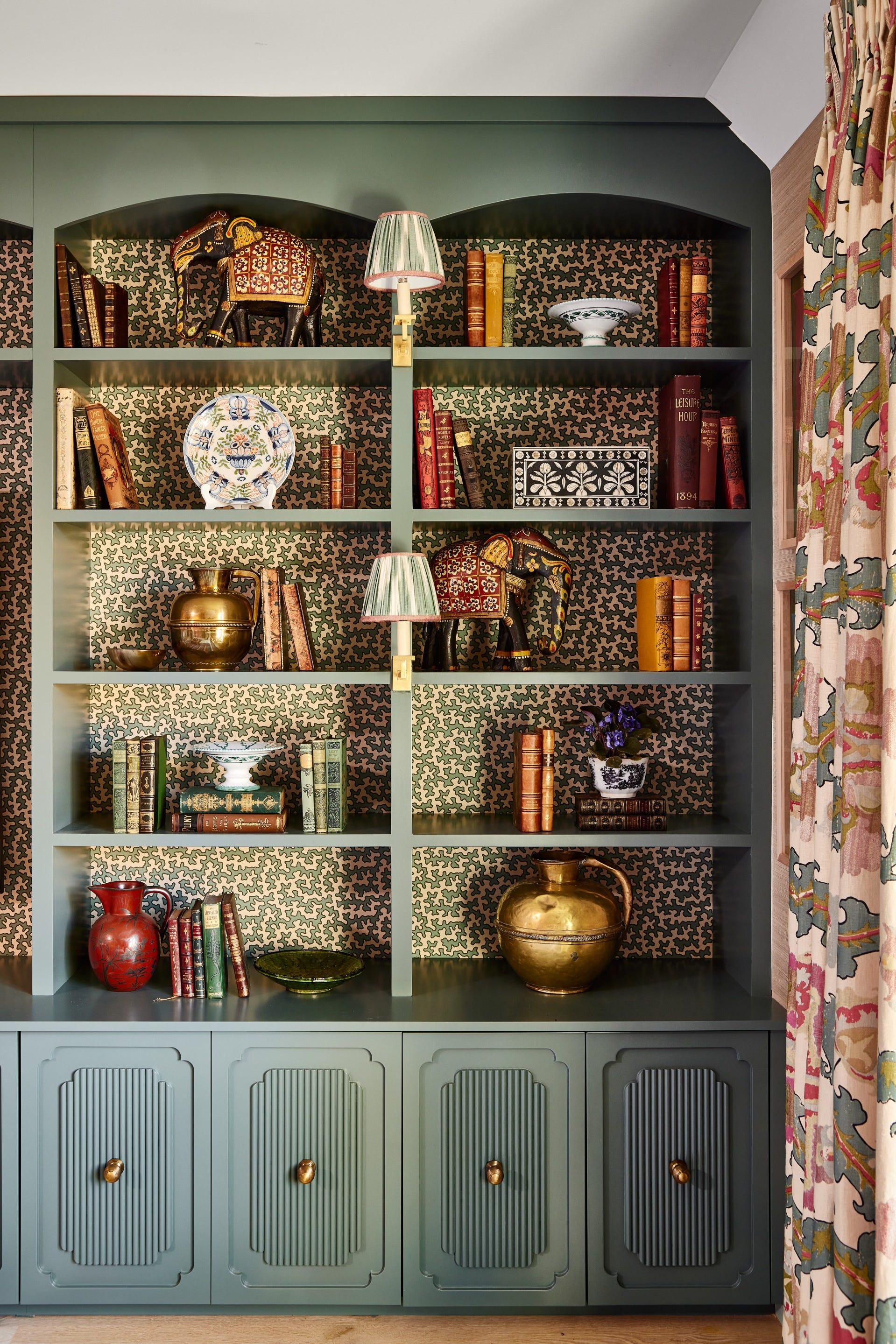
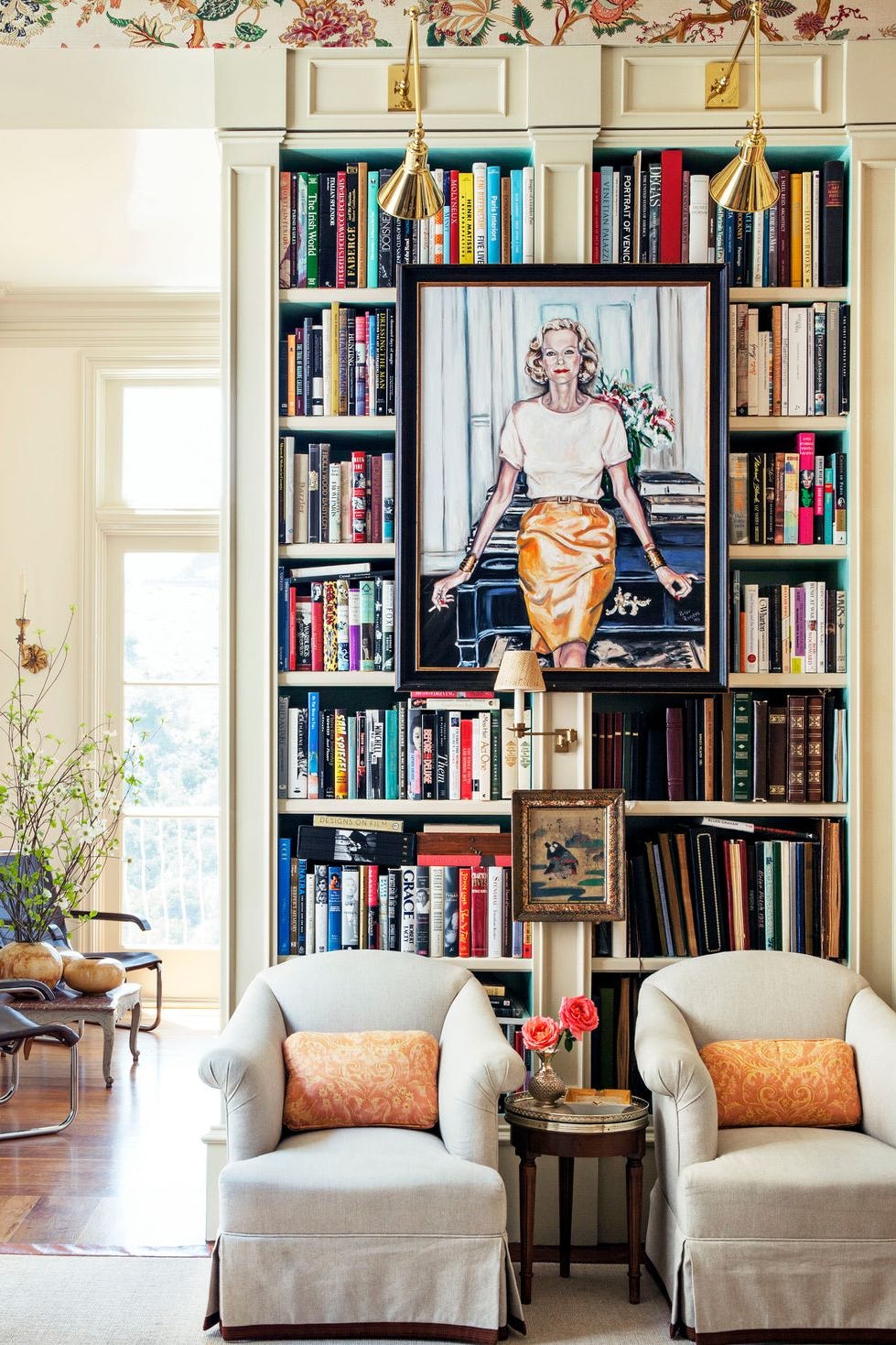
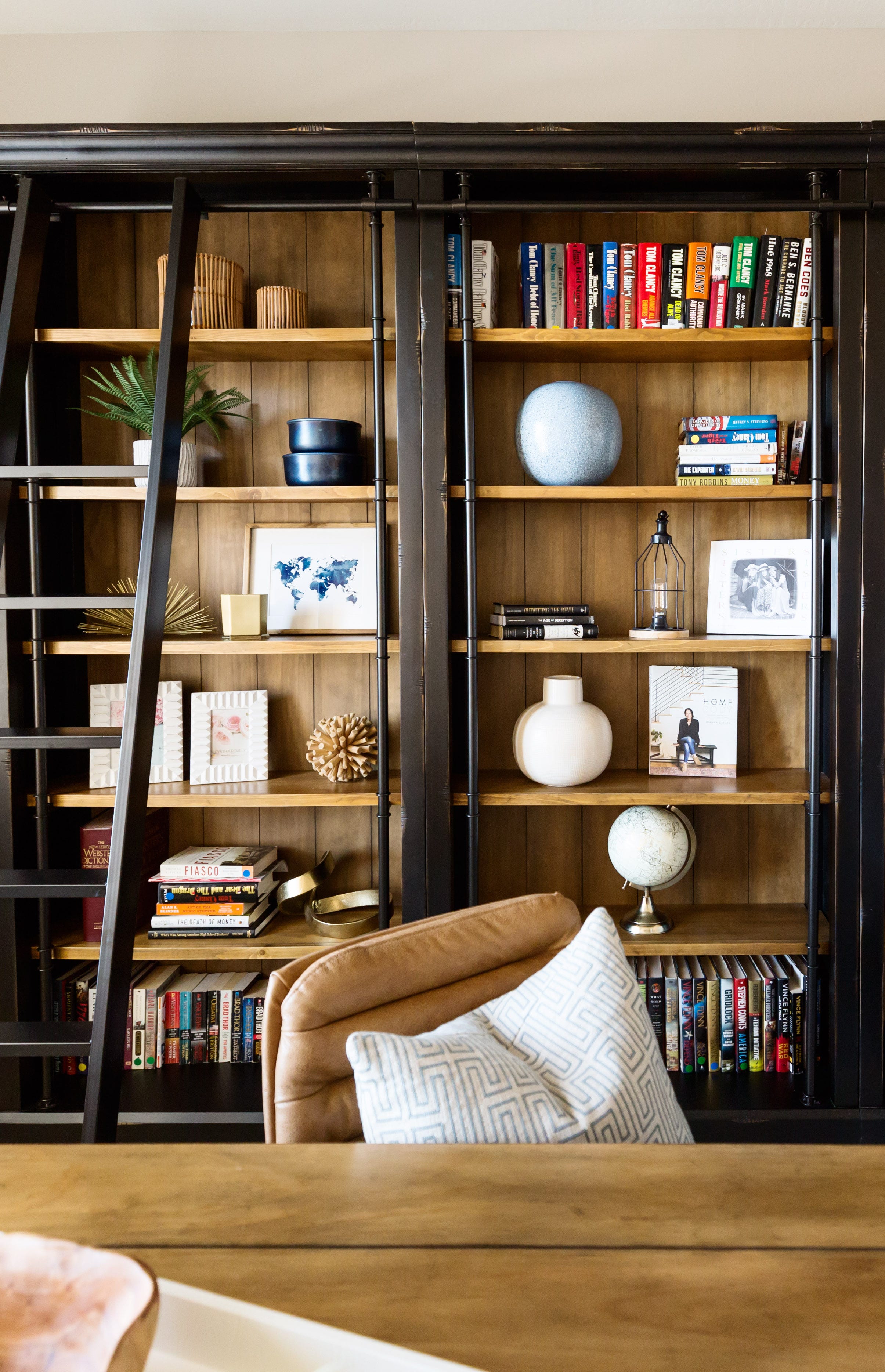
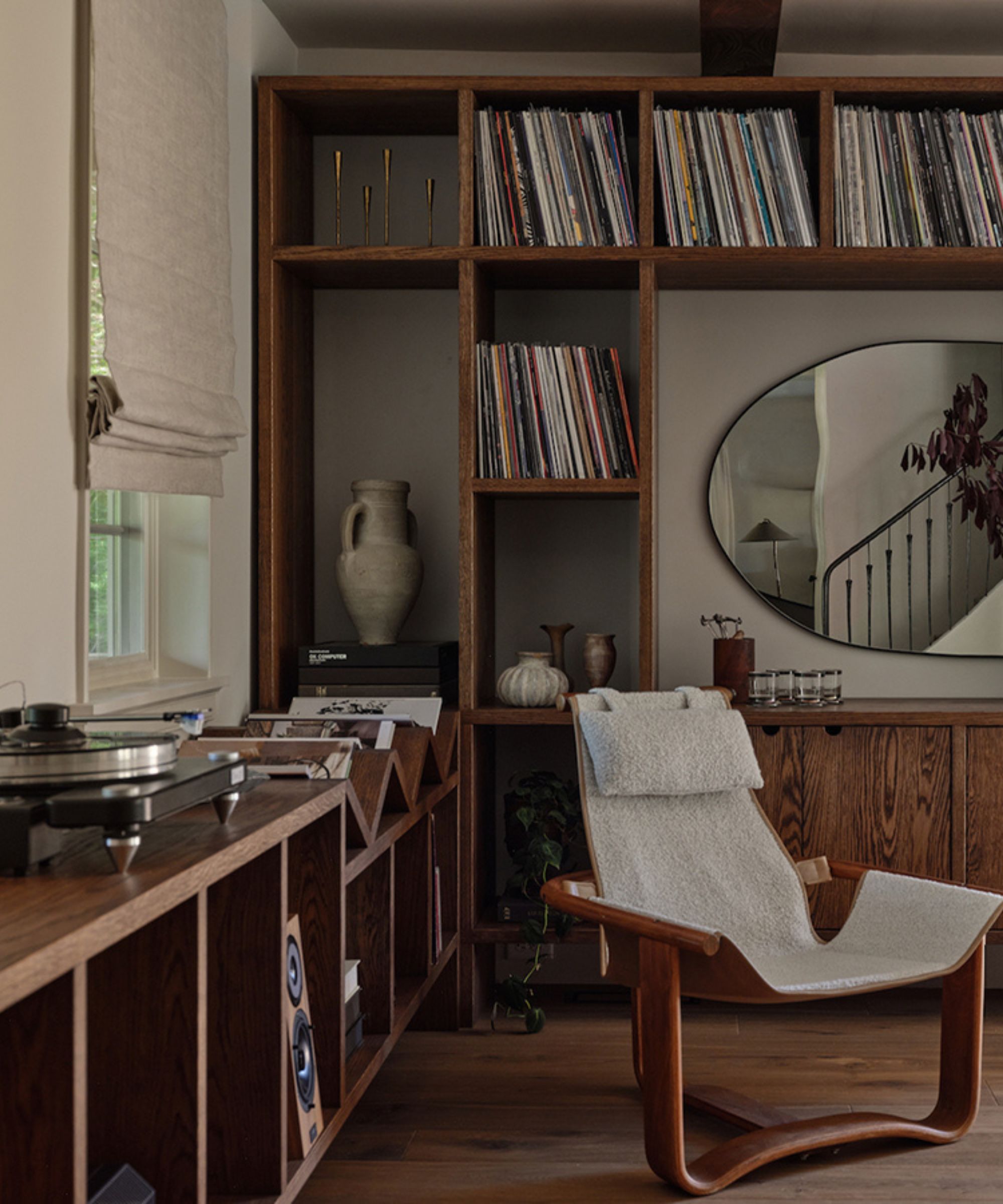
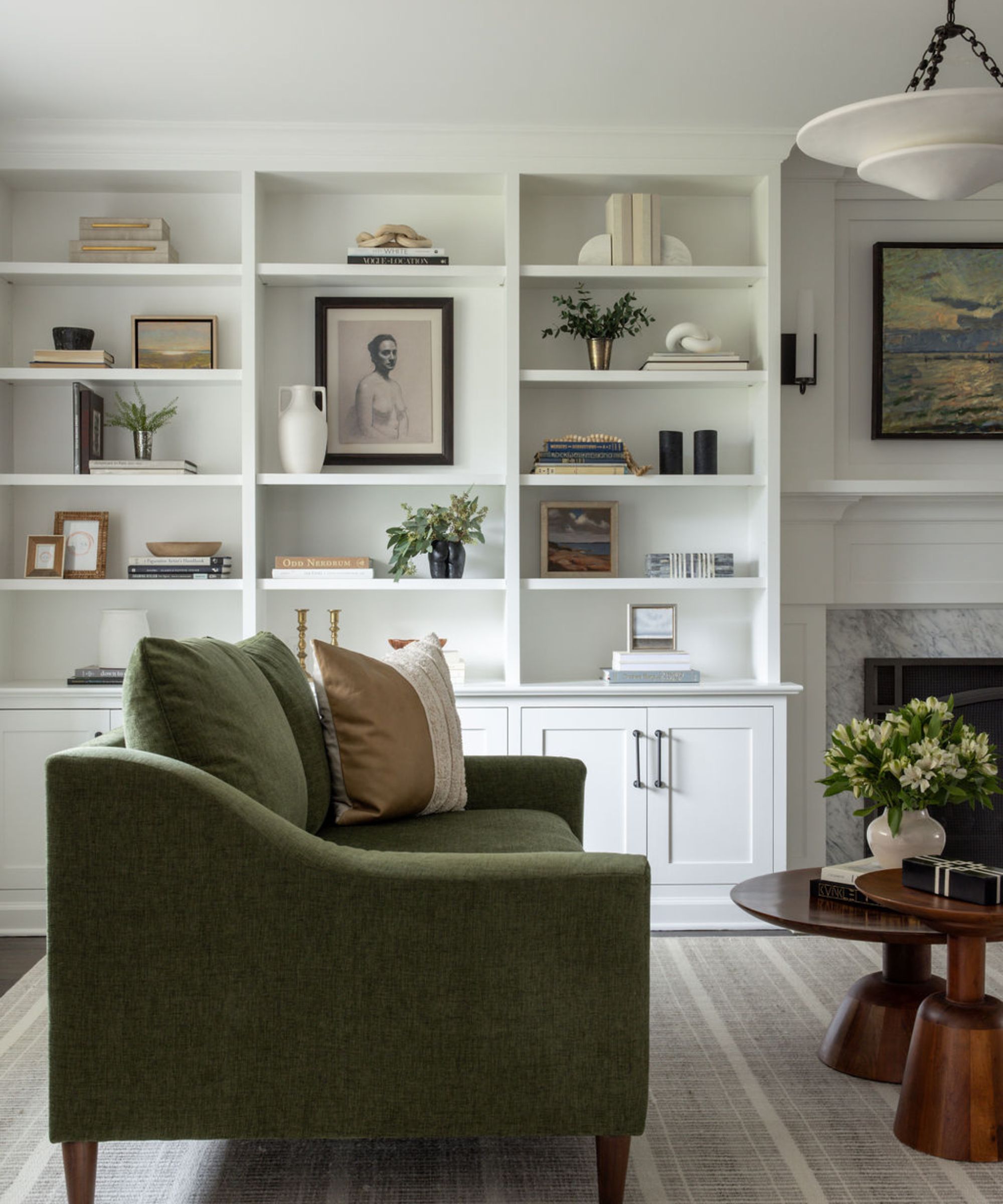
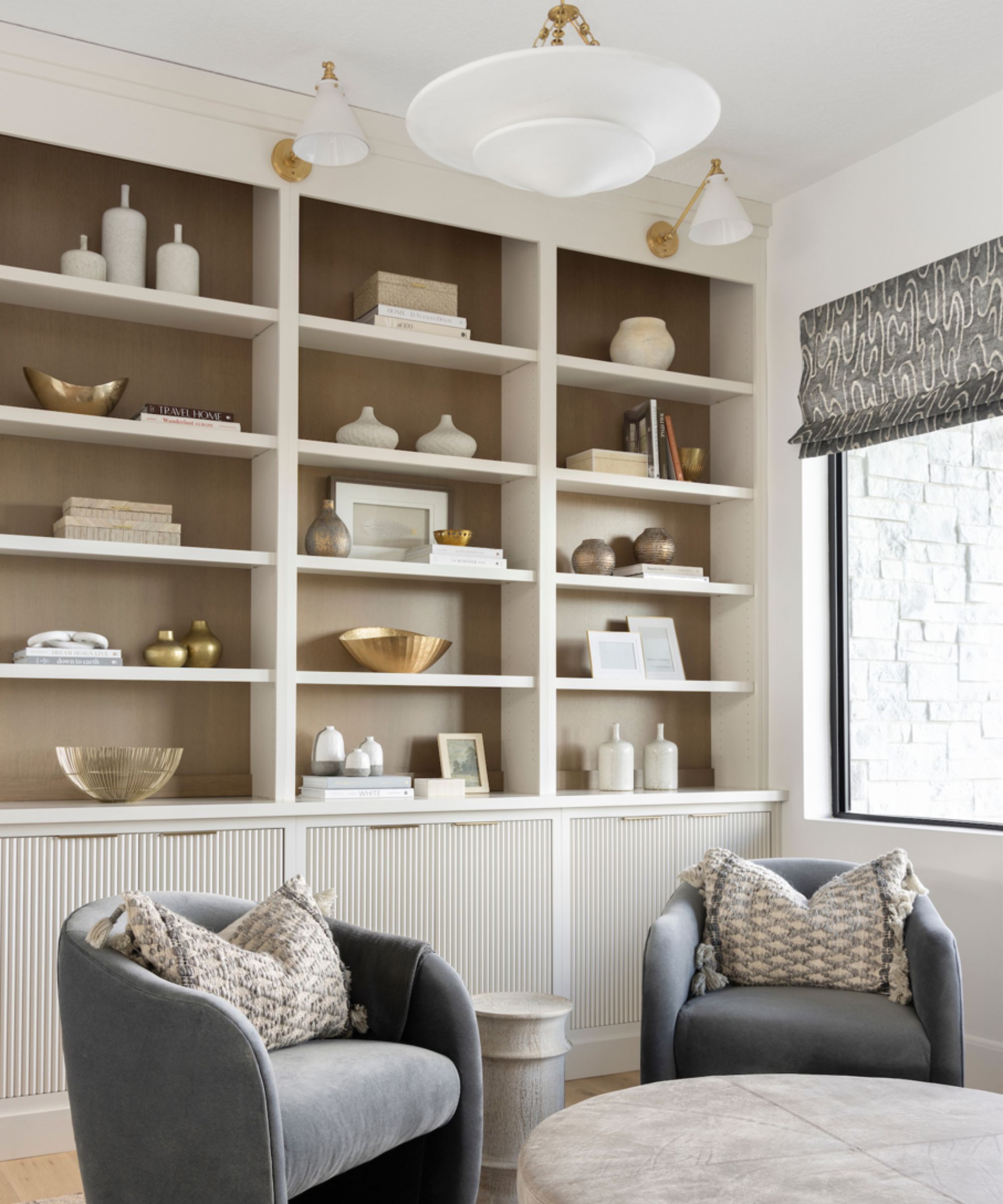
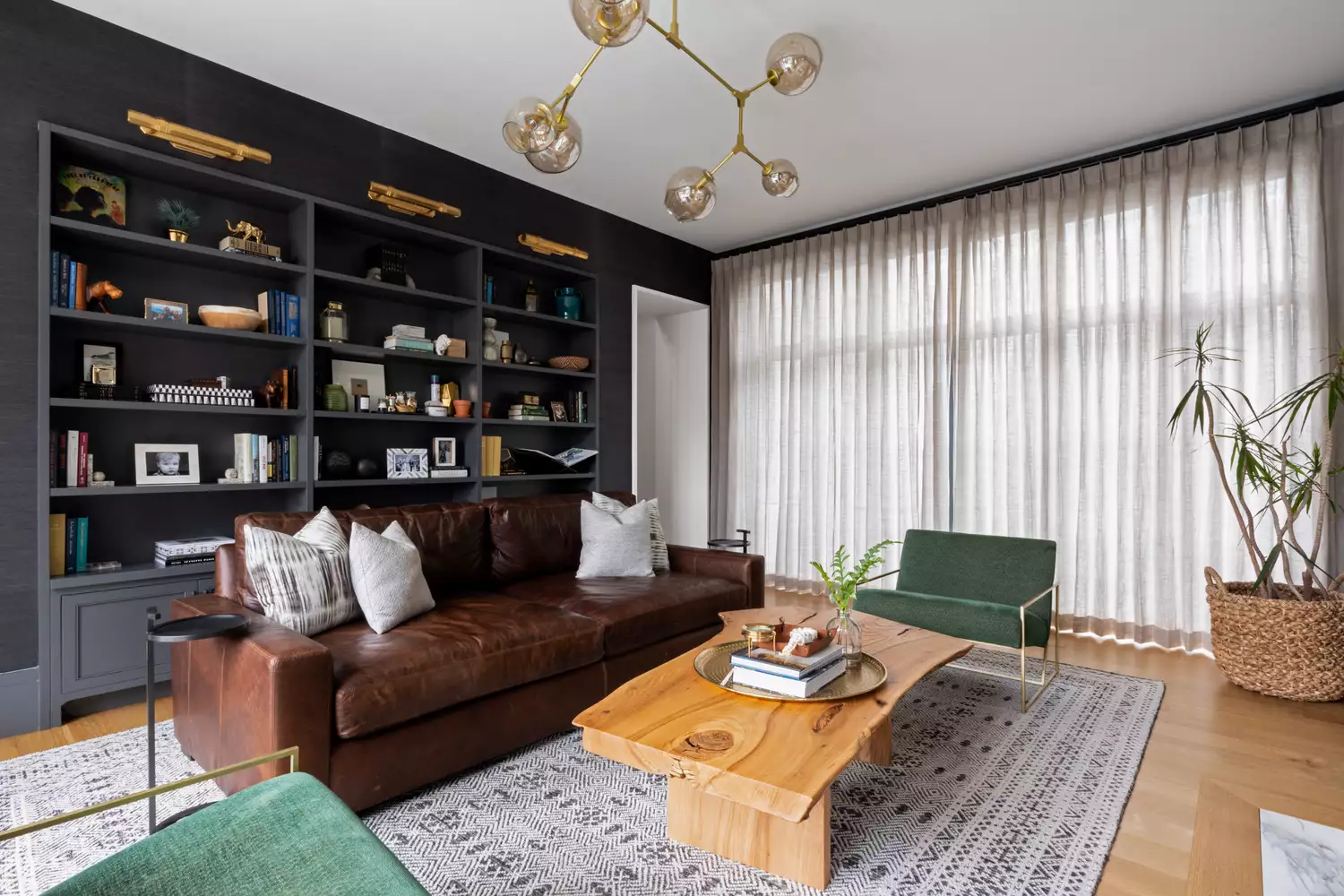
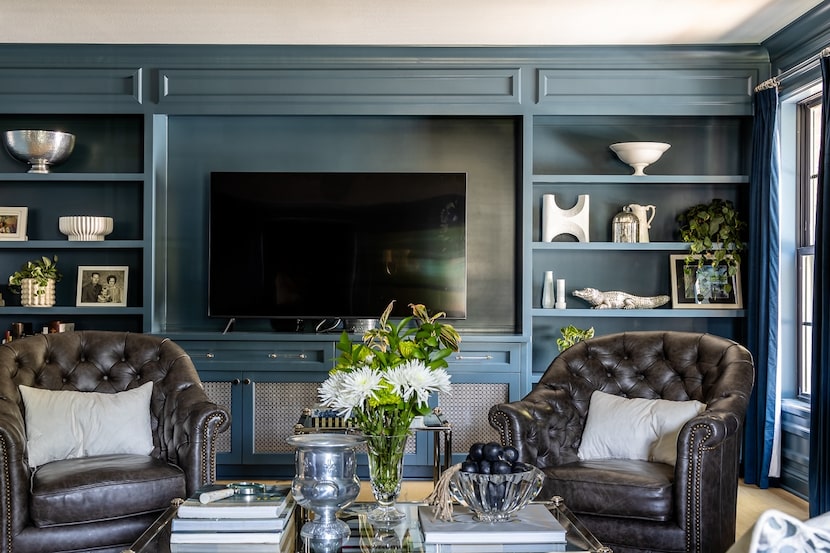
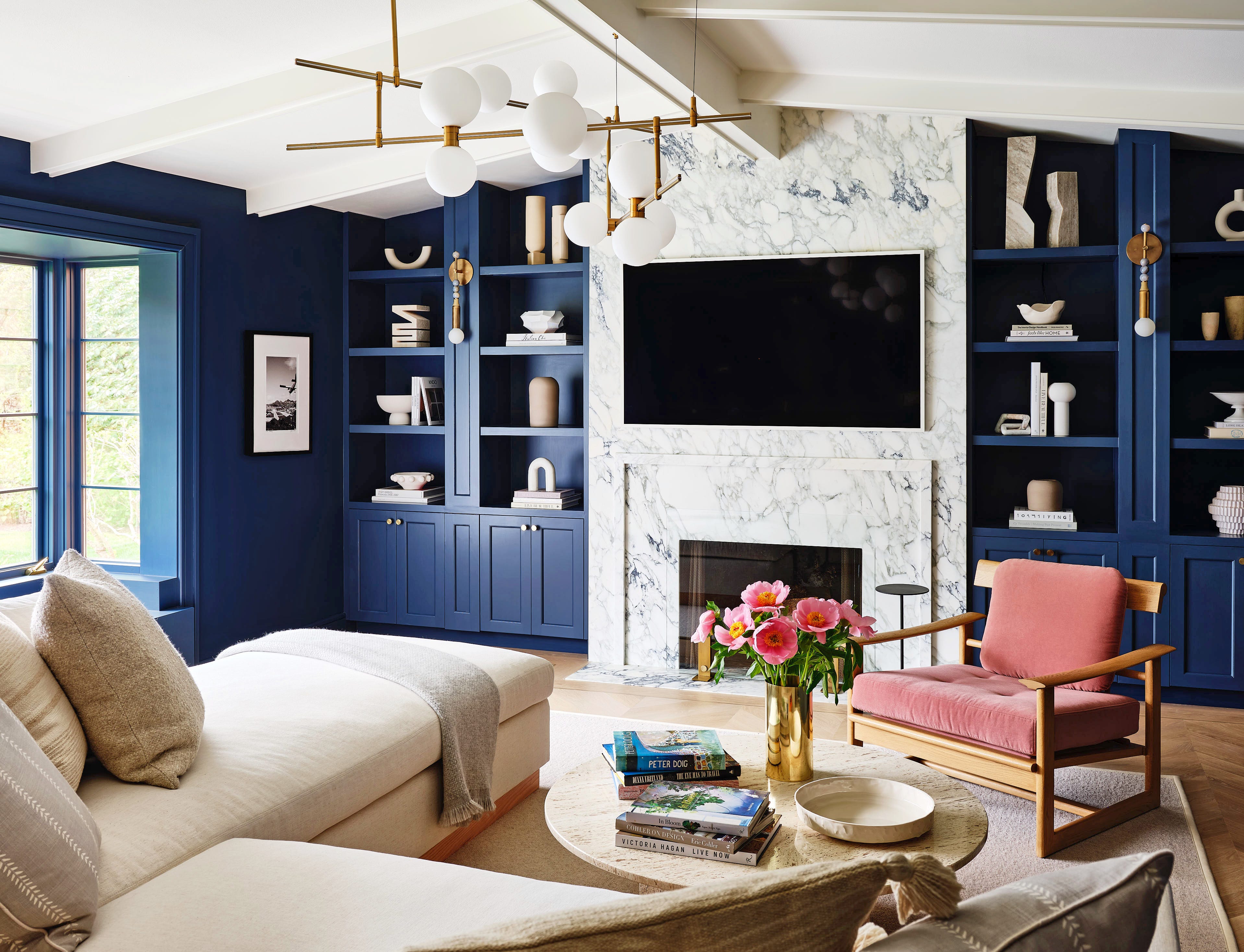
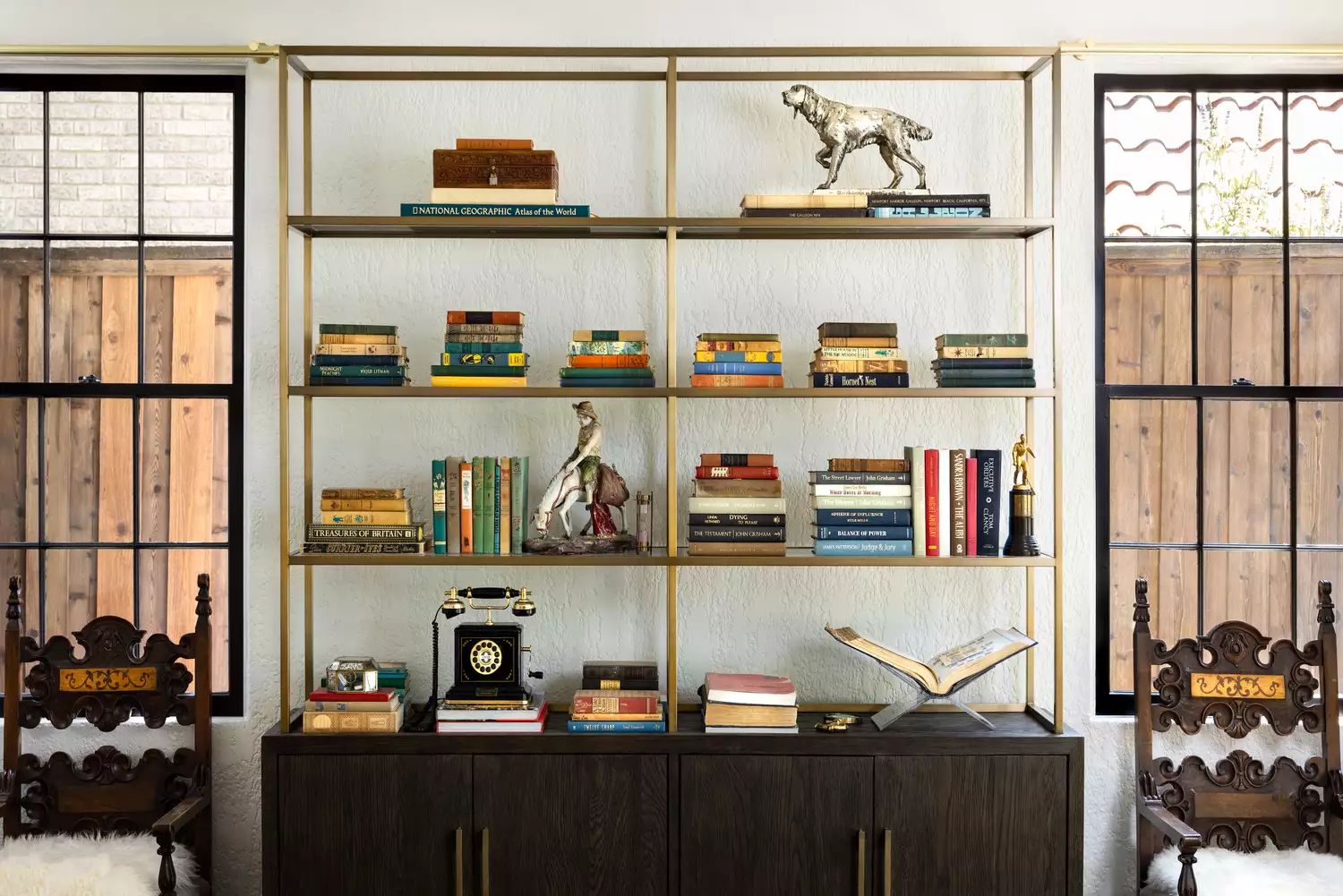
The 'two-thirds rule' is a valuable guideline, suggesting that only two-thirds of each shelf should be filled with books to prevent overcrowding and allow for visual breathing room. The remaining space can be filled with decorative accessories or left clear for a minimalist effect. Building stylish stacks of oversized hardbacks, spines facing outwards, is an efficient use of space and can differentiate various book types. Incorporating other items such as family photos, heirlooms, vases, or artwork transforms a bookshelf into a dynamic display. Grouping these items in odd numbers and ensuring ample space around them contributes to a balanced look. Propping up artwork on shelves adds visual impact, turning the bookshelf into a focal point without the need for nails, allowing for easy rearrangement. Combining various styles and sizes of picture frames with postcards and canvases creates a lived-in feel, emphasizing key tones or themes for a cohesive display.
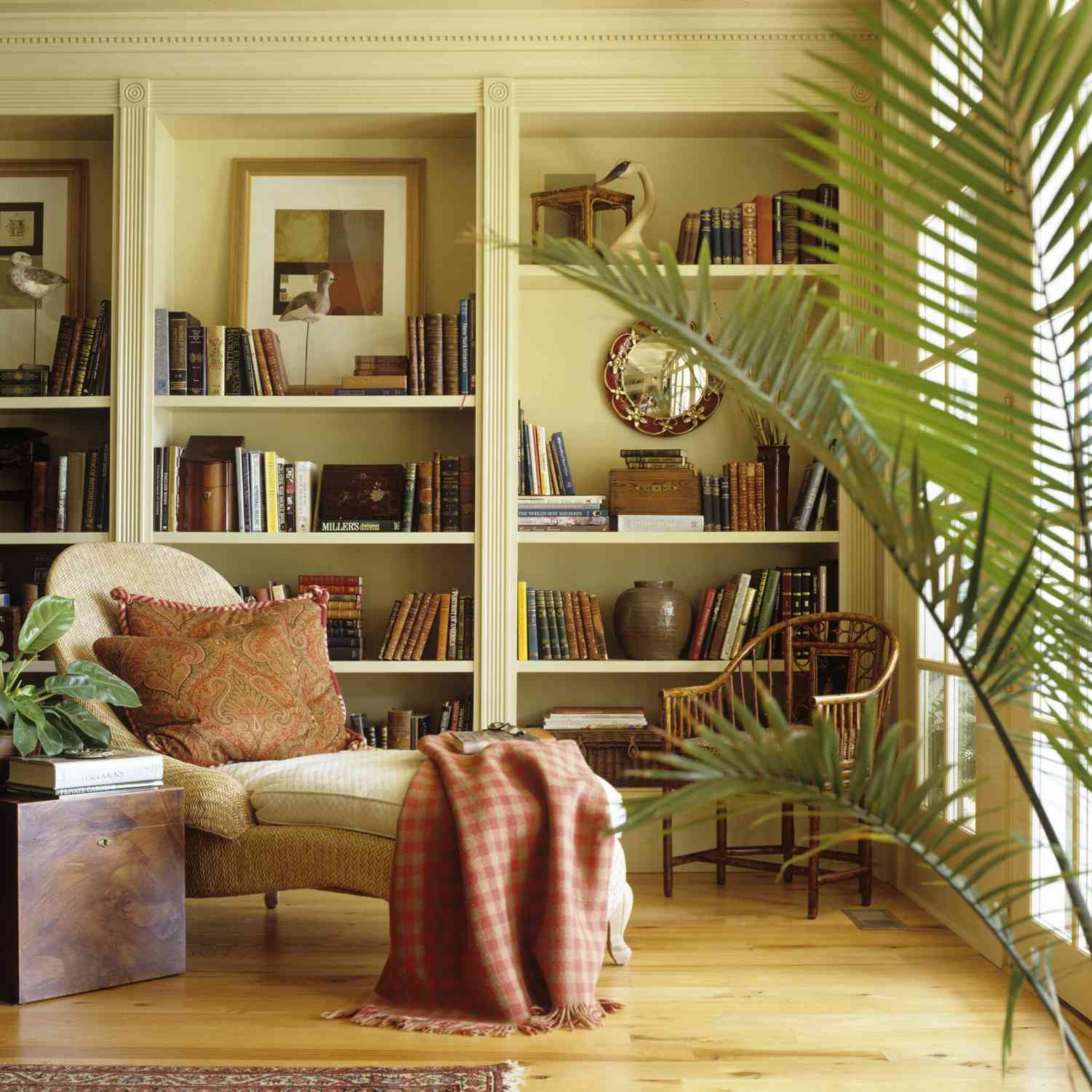
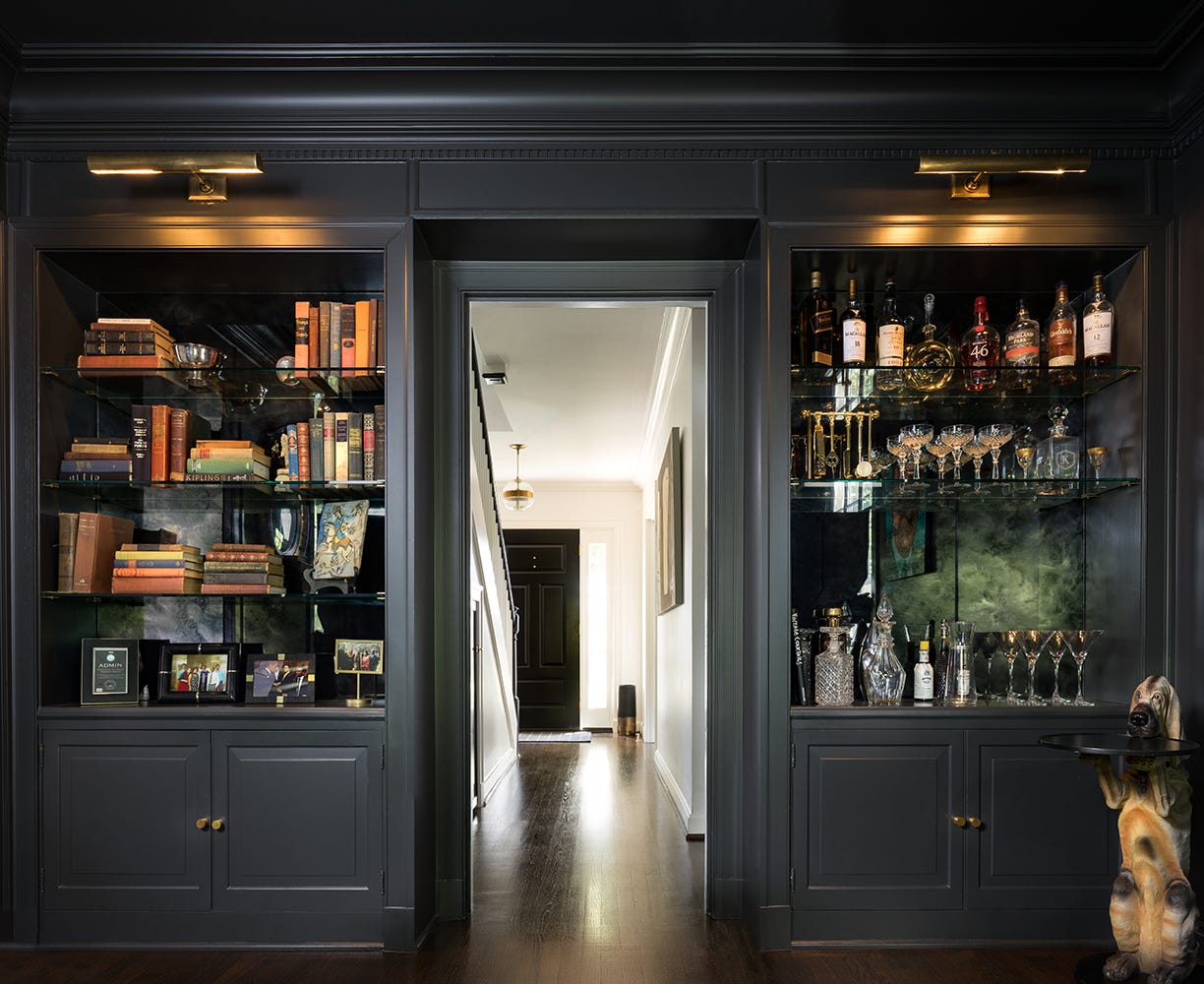
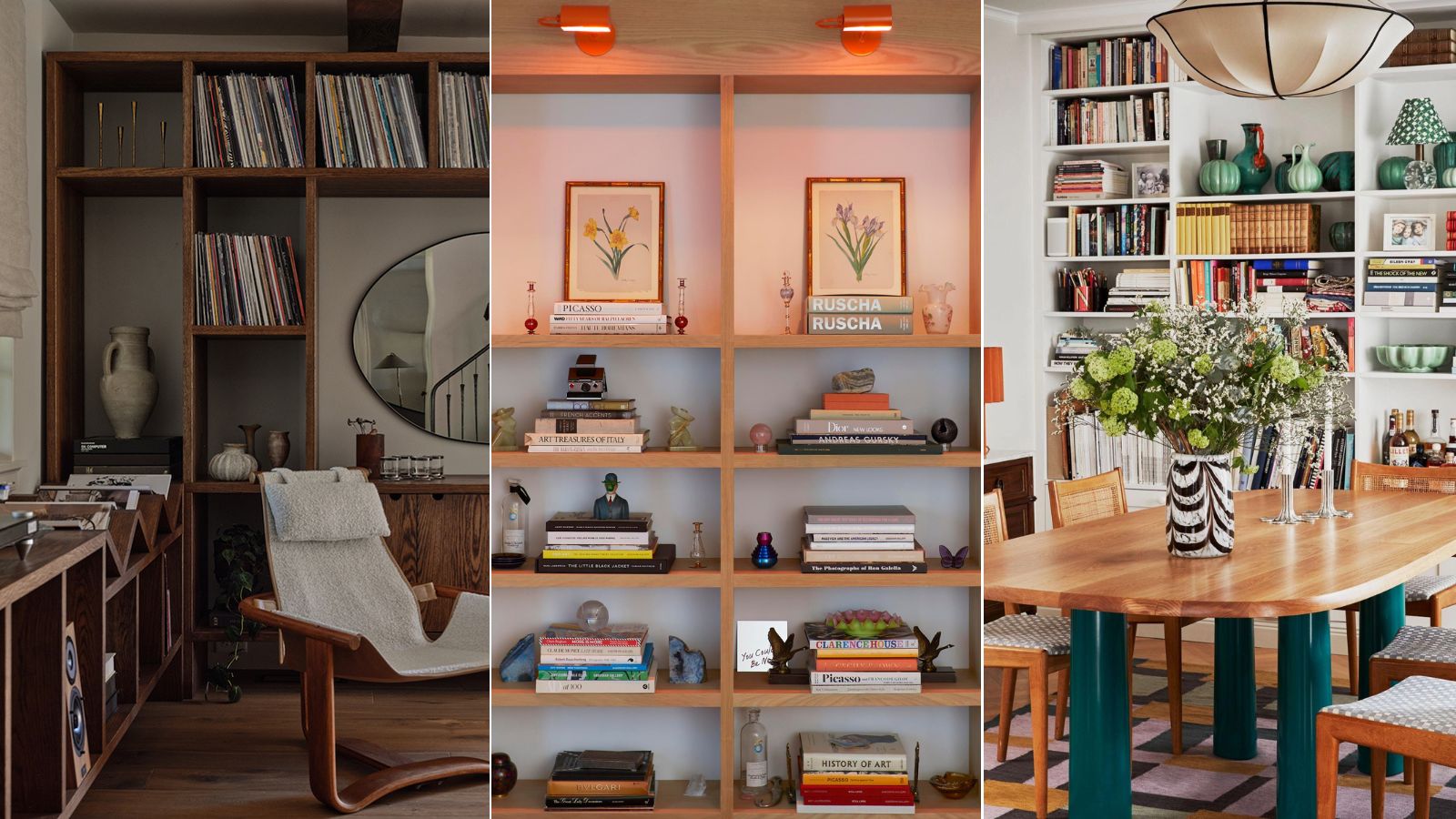
Sometimes, breaking traditional rules can lead to unique and personalized arrangements. Organizing by the style of the spine can cater to visual thinkers who remember books by their appearance. Matching book jackets to the room's color scheme can create a cohesive and tailored aesthetic. Leaving empty spaces on shelves, rather than cramming every nook and cranny, promotes a sense of calm and allows beautiful bookshelves to stand out. Using art or decorative objects as visual dividers between different book categories adds interest and provides breakpoints for the eyes. Finally, placing lesser-used or sentimental books on higher shelves keeps them accessible for admiration while freeing up lower, more convenient spaces for frequently used items or new additions. Effective bookshelf organization thus balances practicality, personal preference, and aesthetic appeal to create a beautiful and functional feature within the home.
#BookshelfOrganization #HomeDecor #InteriorDesign #BookStorage #DeclutteringTips #LivingRoomDesign #AestheticStyling #BookCollection #HomeLibrary #BookshelfOrganization #HomeDecor #InteriorDesign #BookStorage #DeclutteringTips #LivingRoomDesign #AestheticStyling #BookCollection #HomeLibrary
0 comment in total
 No comments yet
You may also like
The Most Clever Bookshelf Organizing Tips
Transform Your Reading Nook With These 17 Genius Book Organizers
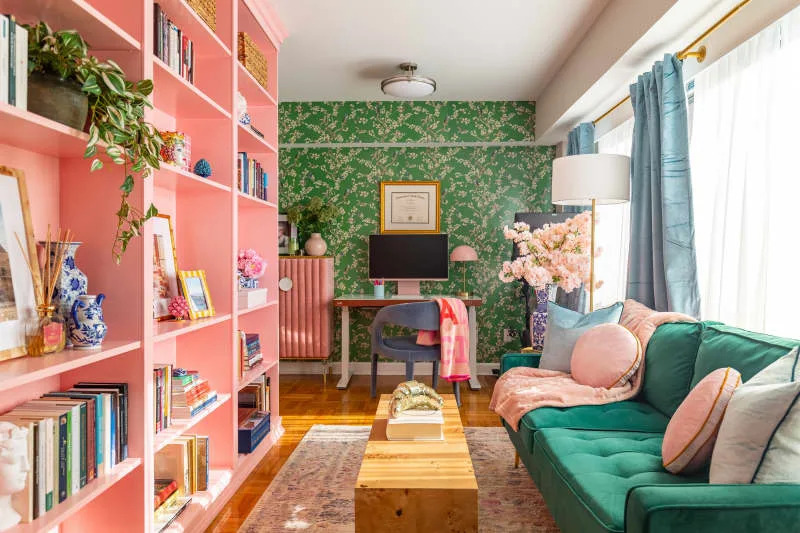
11 Clever Bookshelf Decor Ideas for Styling Your Space Like a Pro

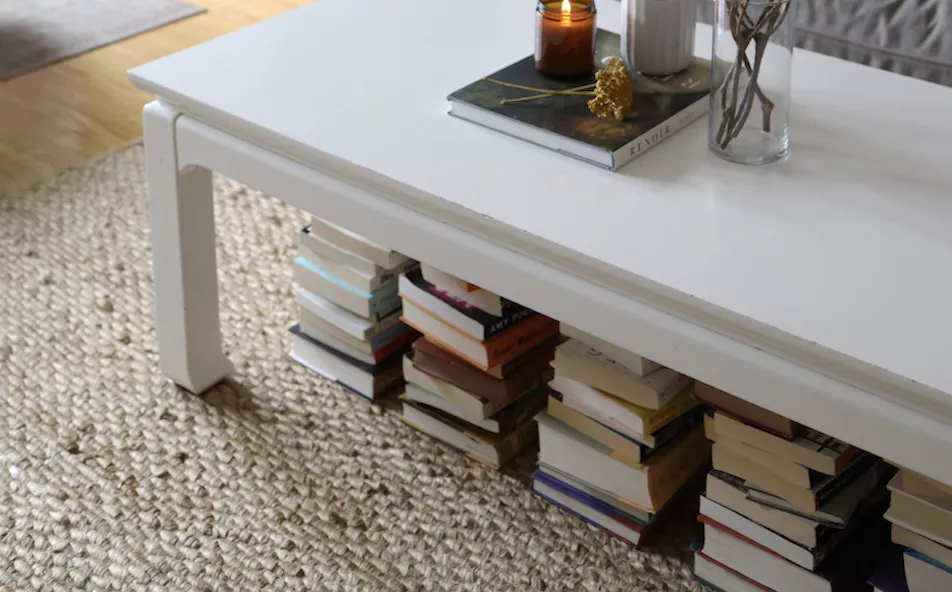
19 Creative Storage Solutions For The Book-Obsessed

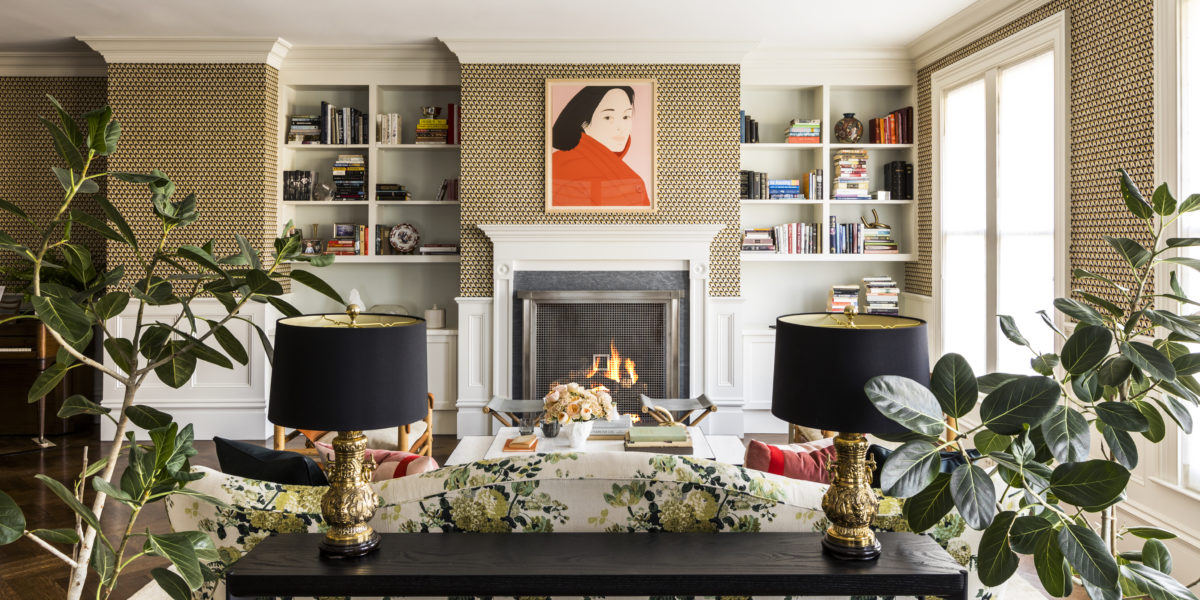
A Book Lover’s Guide to Styling Your Shelves
DIY bookshelves — 11 creative ways to store books and literature you love

7 Genius Tips to Make Your Bookshelf Less Cluttered, According to Organizing Pros
Here's How Designers Really Feel About Those Rainbow Bookshelves


10 shelving designs that are perfect for book lovers
50 Bookshelf Decor Ideas to Keep Your Growing Collection Organized and Stylish
Master the art of styling bookshelves with these tips from design experts

22 Ways to Style Your Bookshelf Like a Designer

16 Beautiful Book Storage Ideas to Display and Organize Your Collection


The 20 best bookshelves, plus tips from an interior designer
9 bookshelf ideas that are guaranteed to make bibliophiles swoon

Interior designers warn against these 17 bookshelf styling mistakes – this is what you should avoid
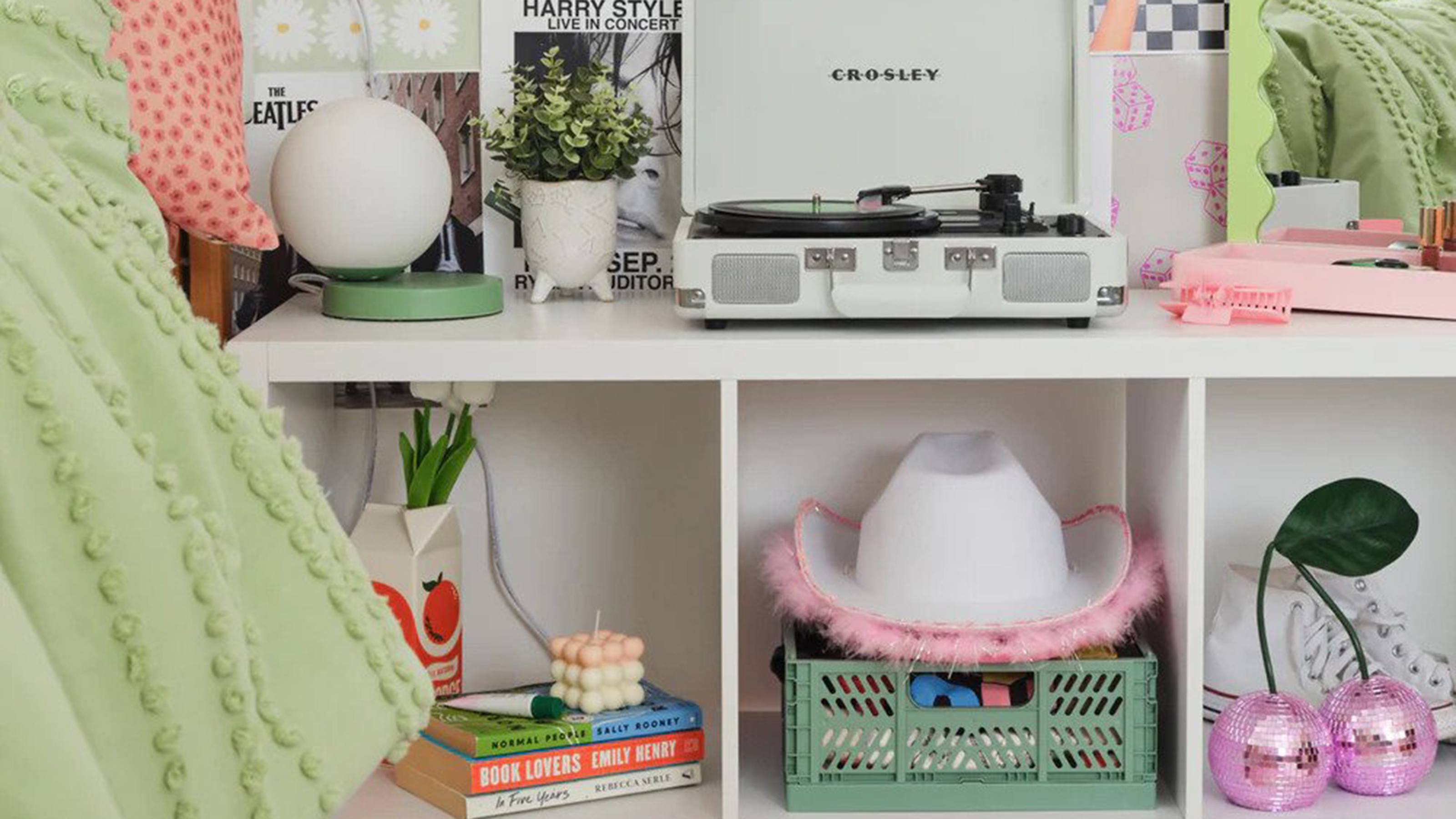
17 brilliant book storage ideas
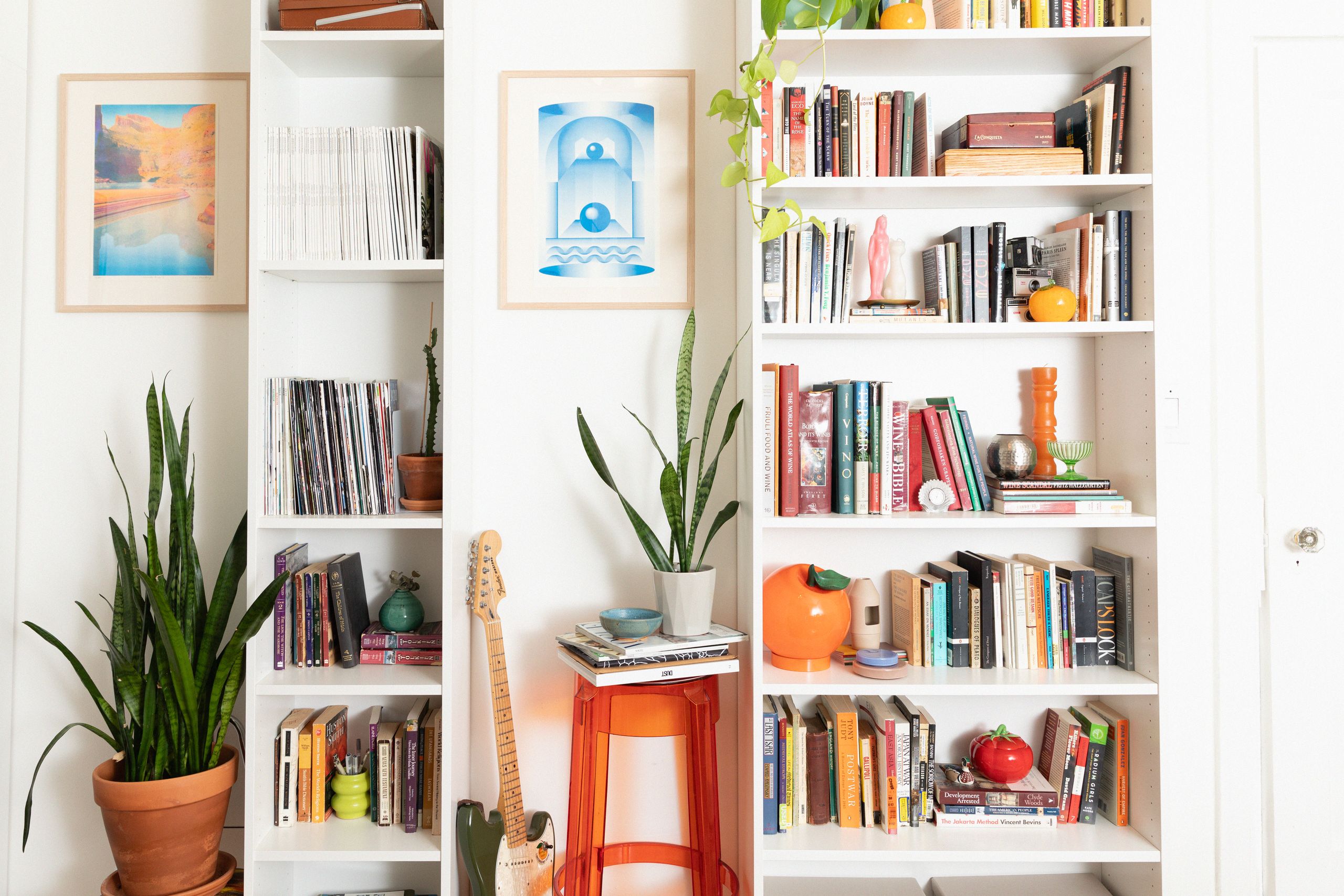
The Best Bookshelves for Bulking Up Your Reading Collection

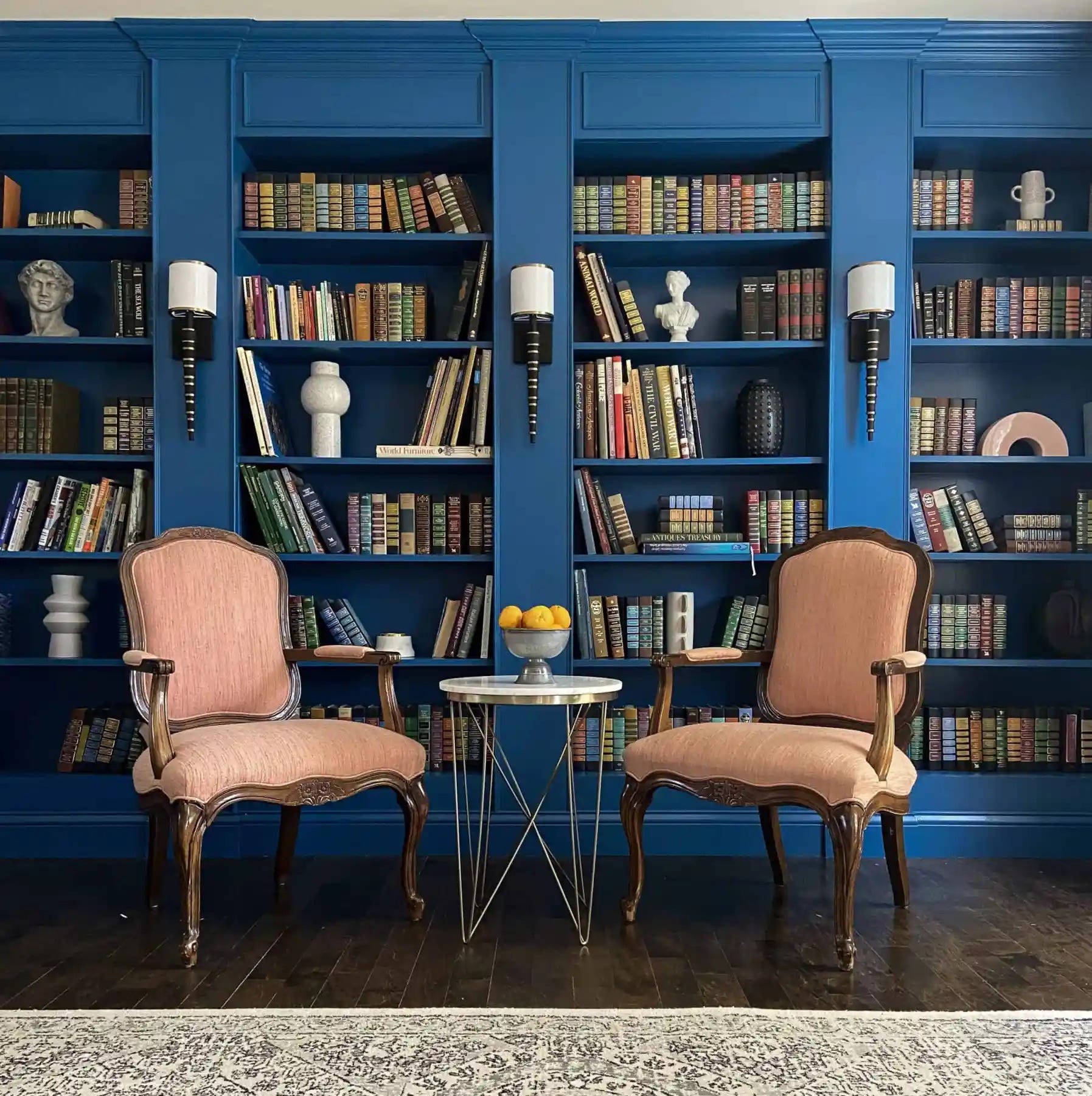
28 Creative Ways to Upgrade Your Bookshelves

Jessica Simpson's bookshelves show us how styling is a fine art – but it's one we can master with these simple tips