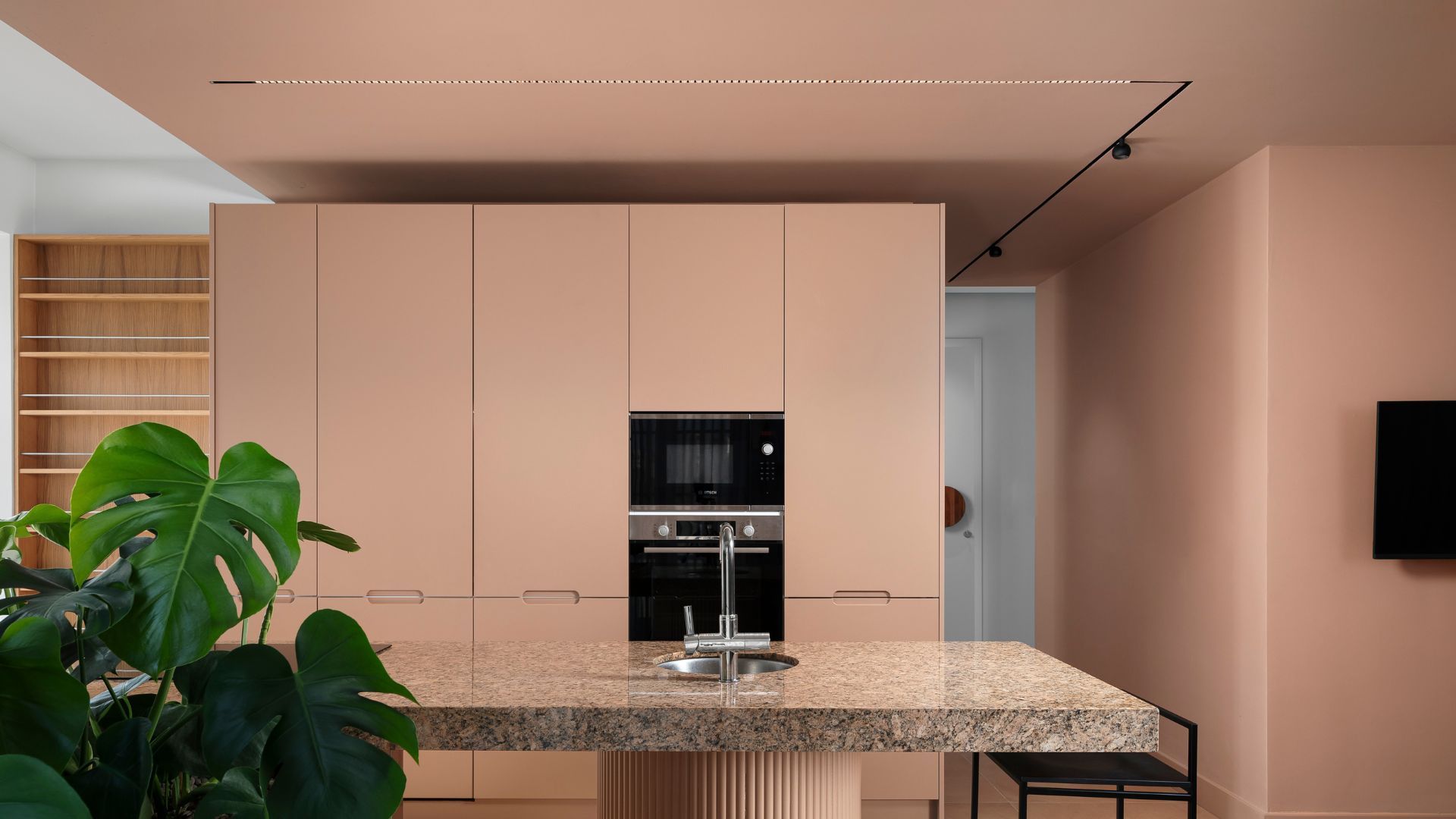
1/12
Have We Evolved Beyond Spotlights? Why Designers Aren't Choosing This Lighting Anymore, and Where It Still Comes in Handy
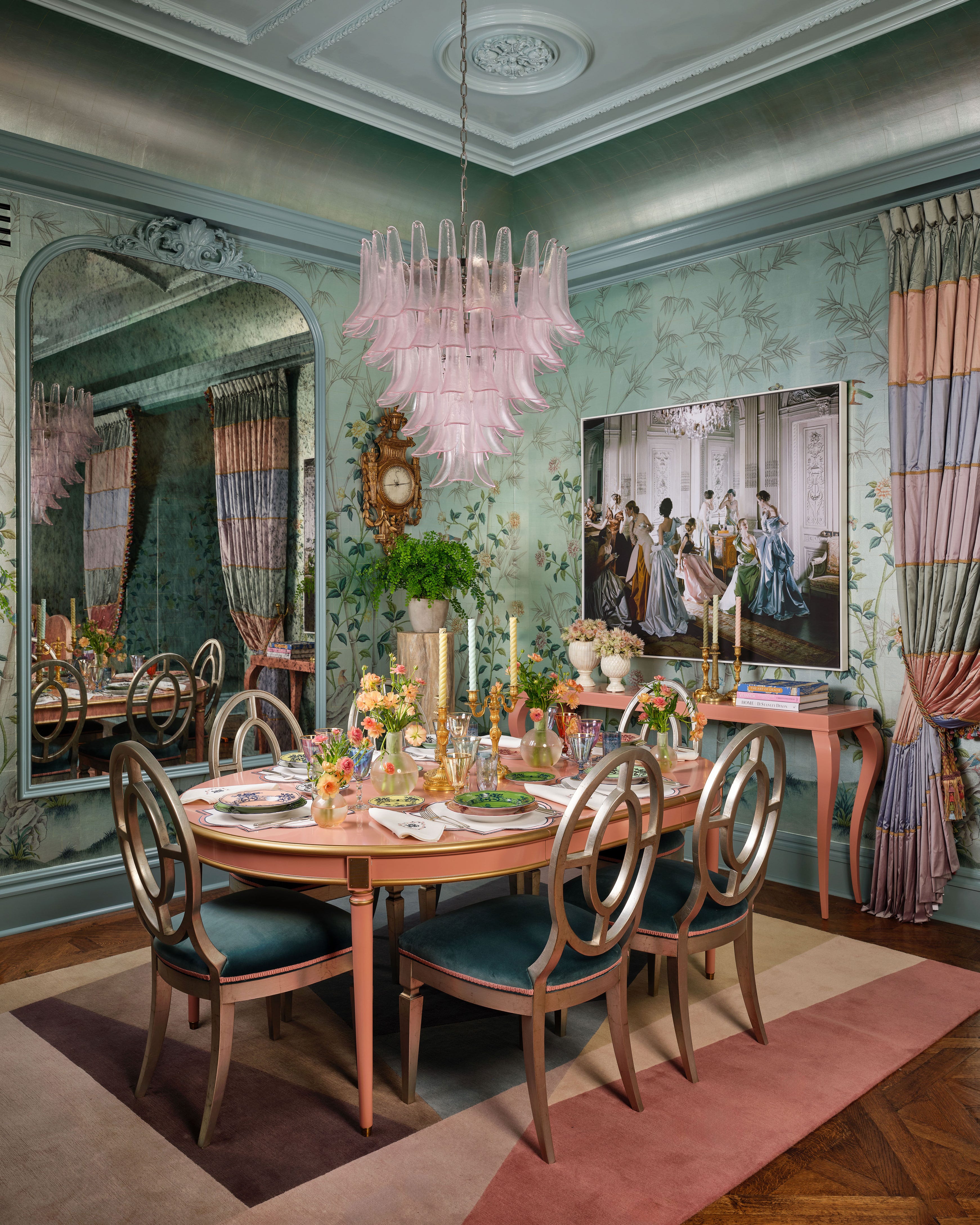
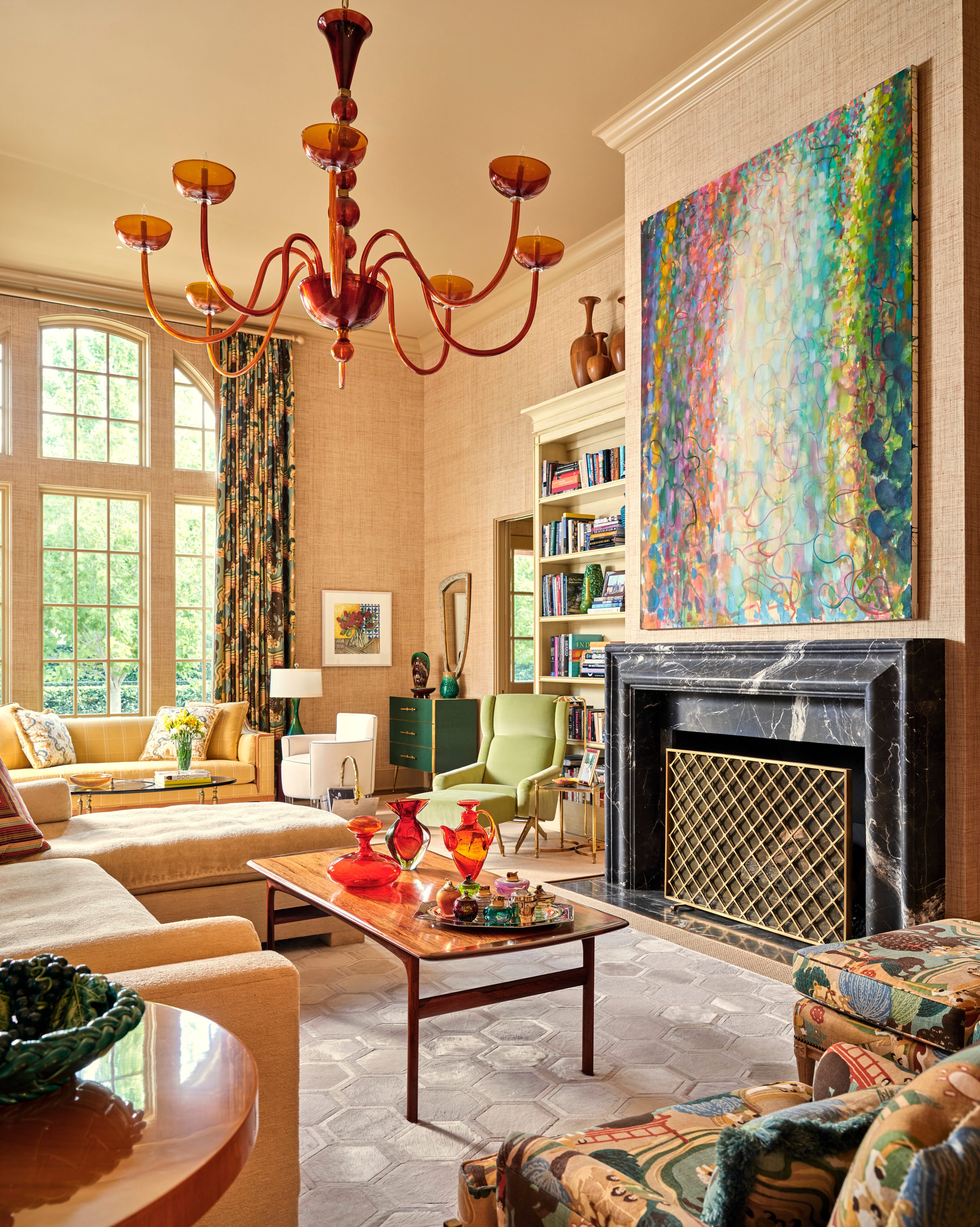
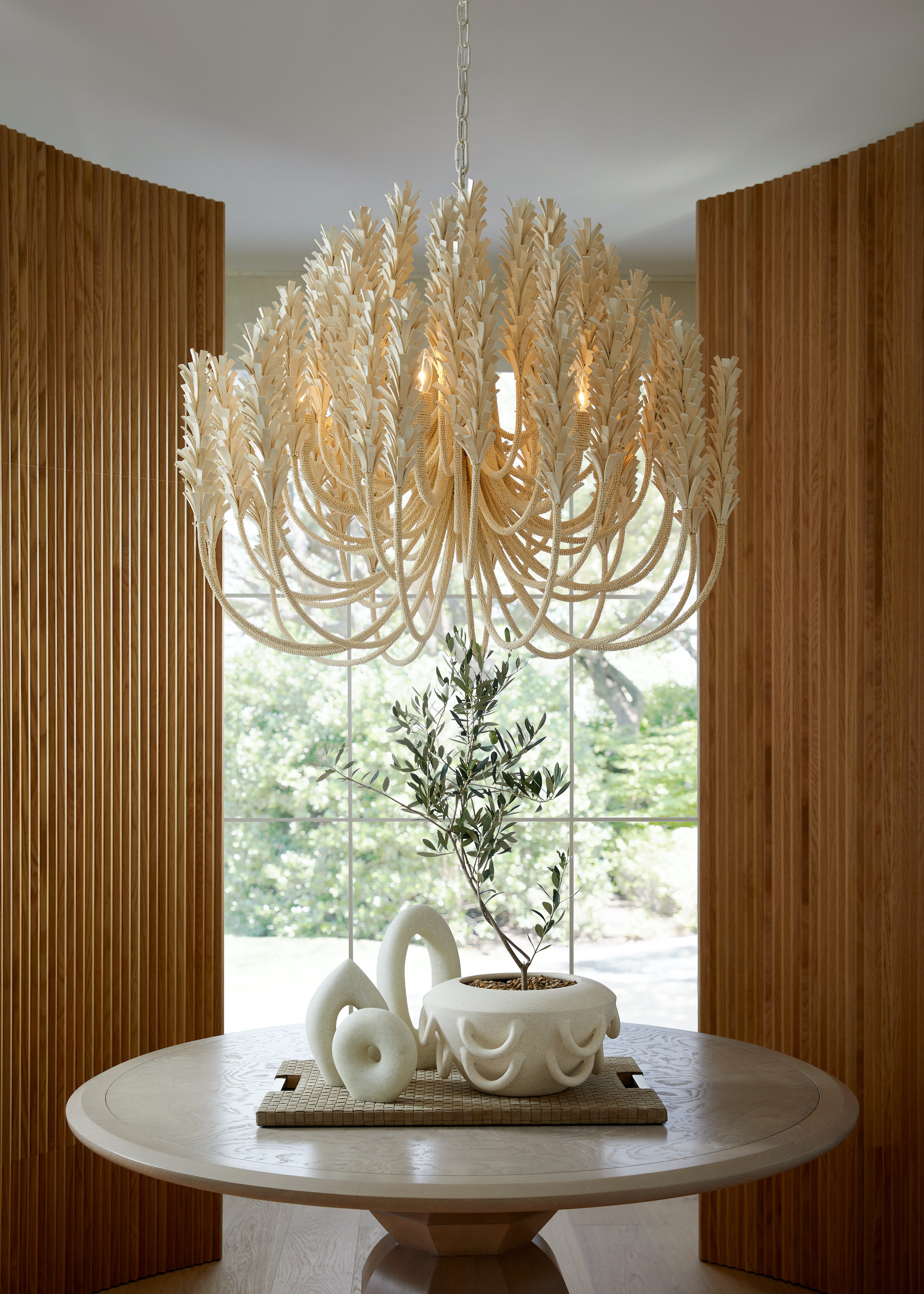
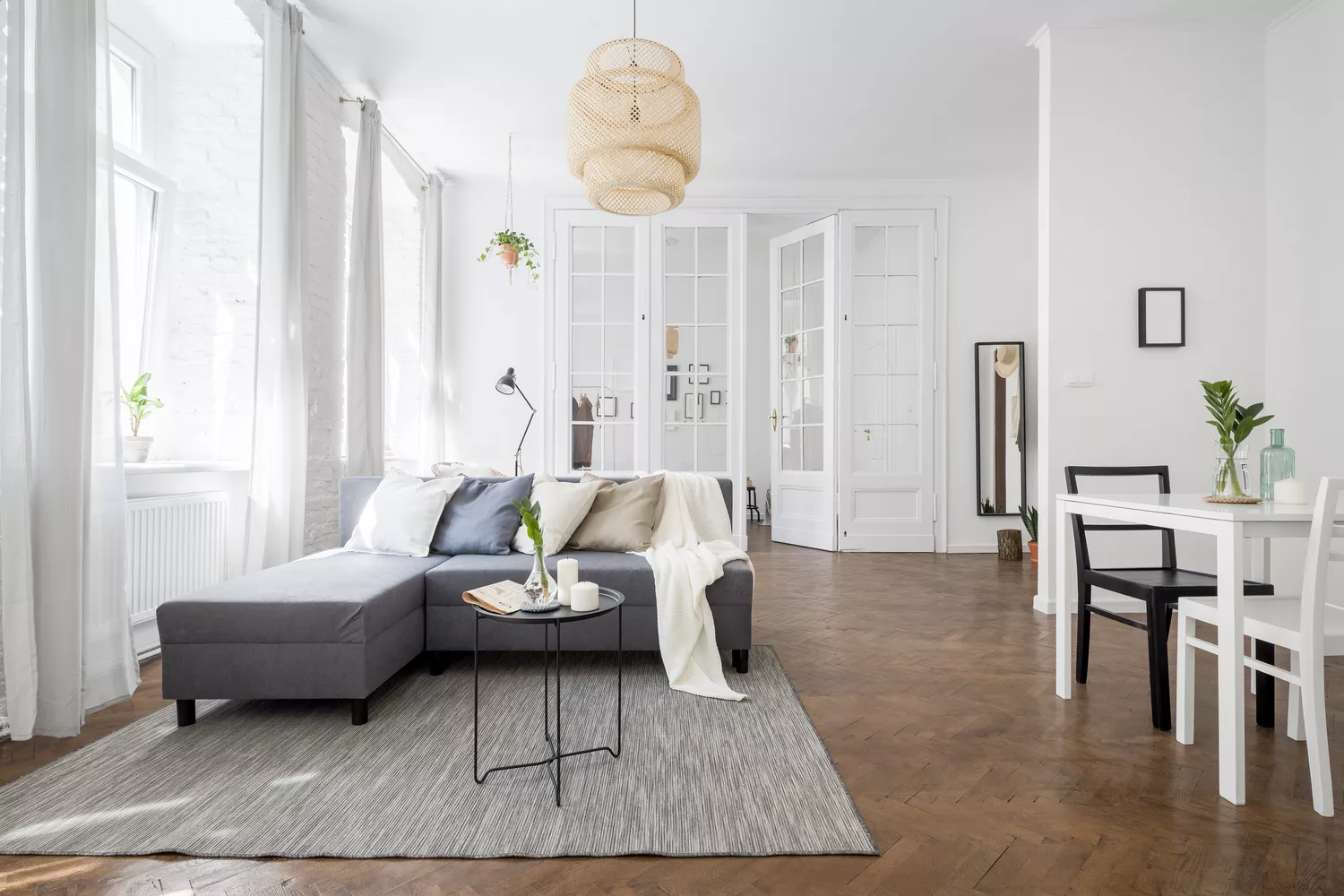
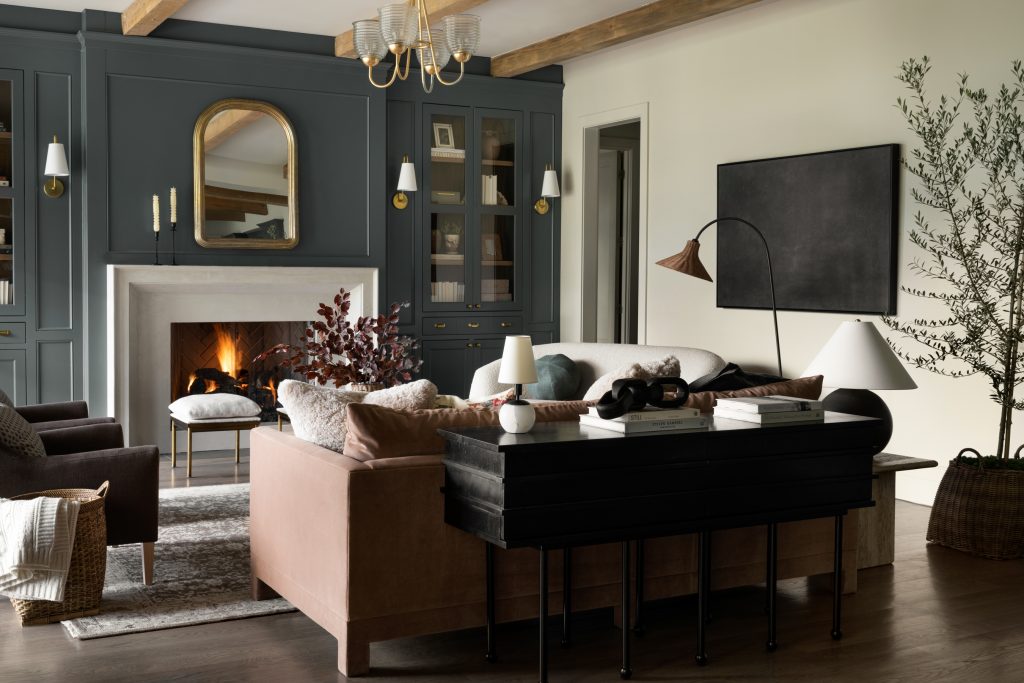
Spotlights, once a default choice in residential design, are undergoing a re-evaluation by interior designers and homeowners. While still present, their traditional role and prevalence are diminishing as a more considered approach to home lighting evolves. Historically, spotlights provided even illumination in functional areas and occasionally served as accent lighting. However, with modern homes seeking softer, warmer, and more characterful lighting, the question arises whether spotlights remain relevant. Designers are increasingly opting for large chandeliers, pendant lights, sconces, and uplights over the once-safe option of spotlights.
Experts note that while spotlights haven't been completely abandoned, their use has significantly decreased. Fontanella, CEO and founder of Argent Design, observes that spotlights are losing their appeal in residential settings, often perceived as clinical or commercial due to their harsh, cool-toned beams. She highlights a shift in client preferences towards softer, warmer, and more distinctive lighting. Architectural interior designer Juliette Byrne concurs, emphasizing a more restrained application of spotlights. She points out that contemporary clients prioritize atmosphere over mere illumination, favoring layered lighting compositions that create warm, welcoming, timeless, and luxurious interiors.
One of the primary limitations of spotlights is their tendency to create harsh glare, unflattering shadows, and uneven light when overused, leading to a discordant ambiance. Interior designer Nishtha Vashist explains that an over-reliance on spotlights can result in a clinical rather than inviting feel. Functionally, their coverage is often patchy, producing isolated pools of light with unlit gaps, and they lack adaptability if a room's layout changes. Aesthetically, a grid of ceiling spots can render a space sterile, resembling an office or showroom more than a home. Furthermore, spotlights often lack the visual interest provided by decorative fixtures like pendants, sconces, and lamps, which designers now view as 'jewelry' for a space. They can also clash with architectural features such as beams, moldings, or historic ceilings.
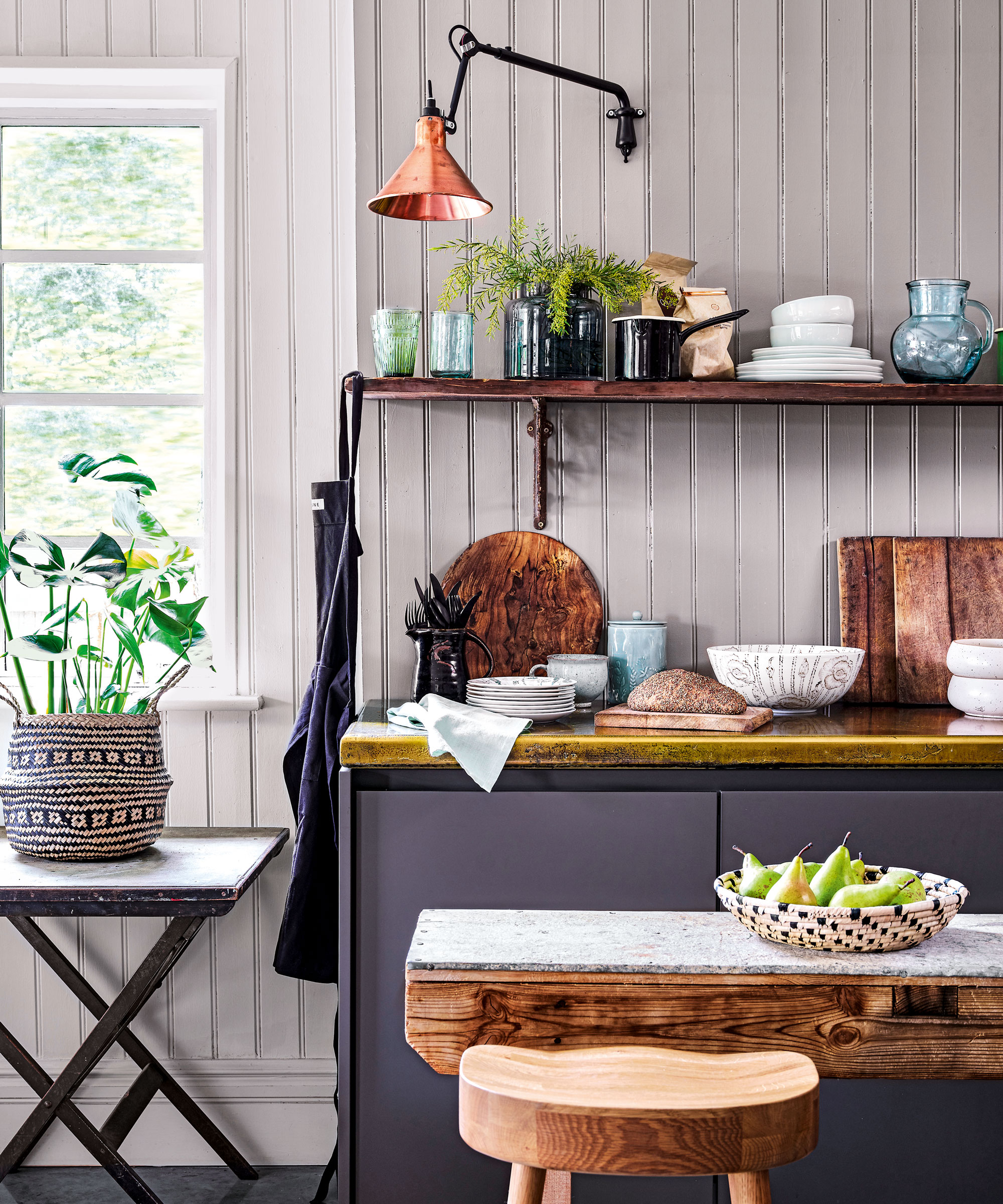
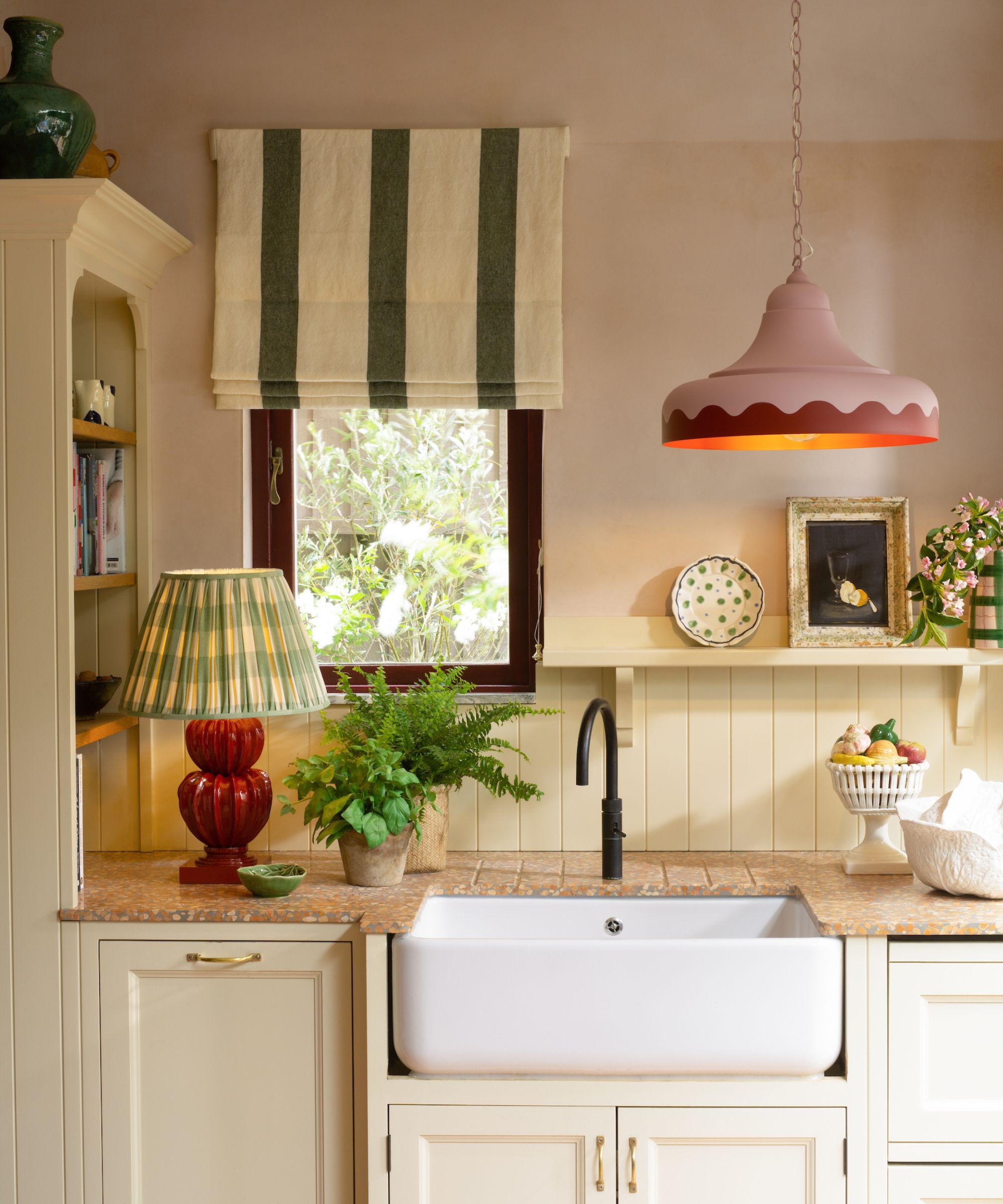
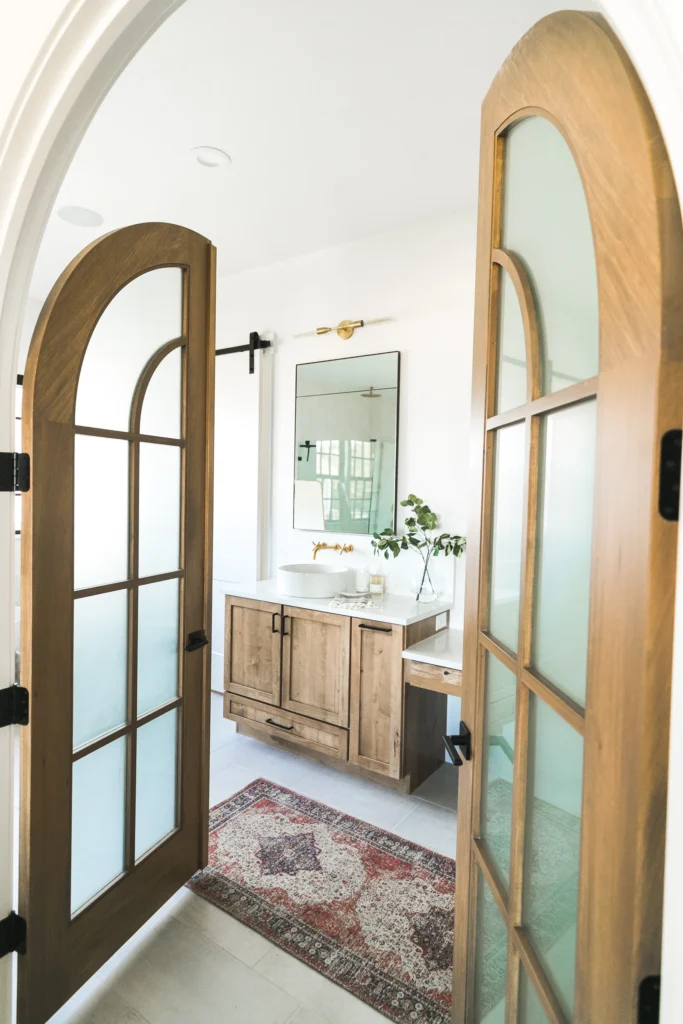
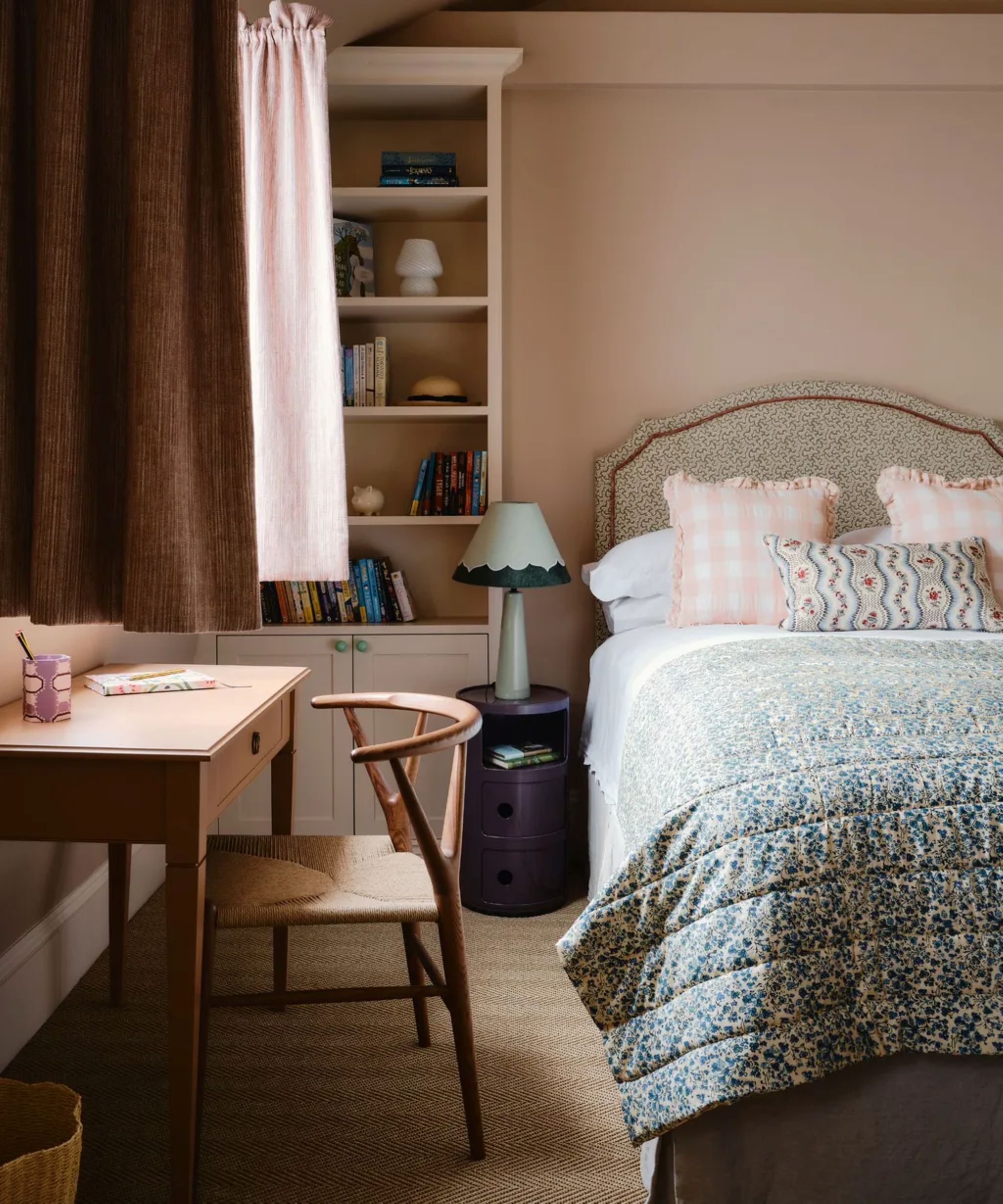
Despite these drawbacks, experts agree that spotlights still have appropriate applications. Nishtha suggests their utility in kitchens for task lighting over counters and prep areas, though she recommends balancing them with pendants to soften the overall scheme. In bathrooms, they are practical for vanities and shower zones due to water safety considerations. Utility areas like closets, laundry rooms, and garages also benefit from spotlights where functionality is paramount. Spotlights can also serve as discreet accent lighting for artwork or textured walls, preferably on adjustable tracks rather than fixed ceiling grids. Fontanella advises against their use in relaxation-oriented spaces like living rooms and bedrooms, advocating for layered, softer lighting instead.
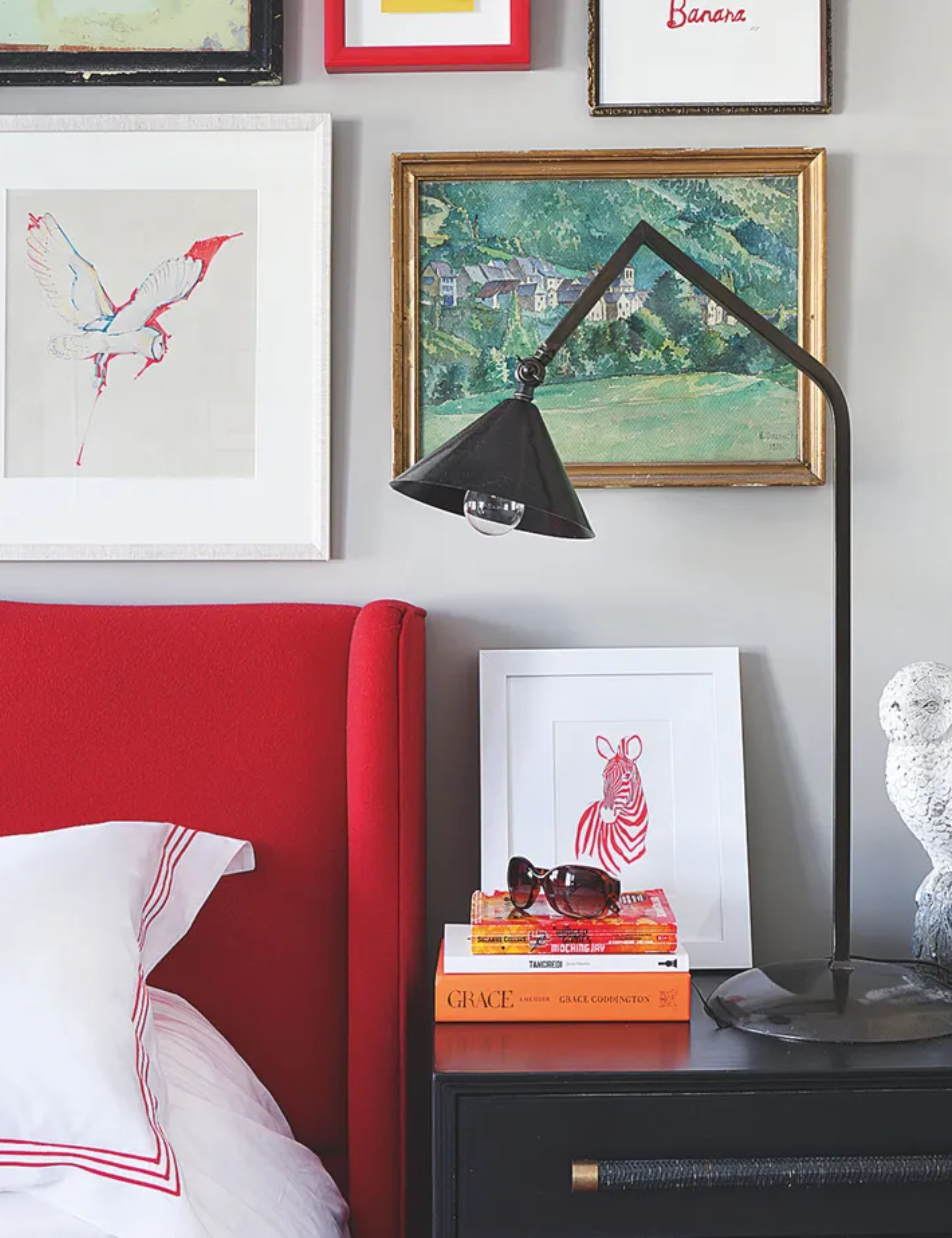
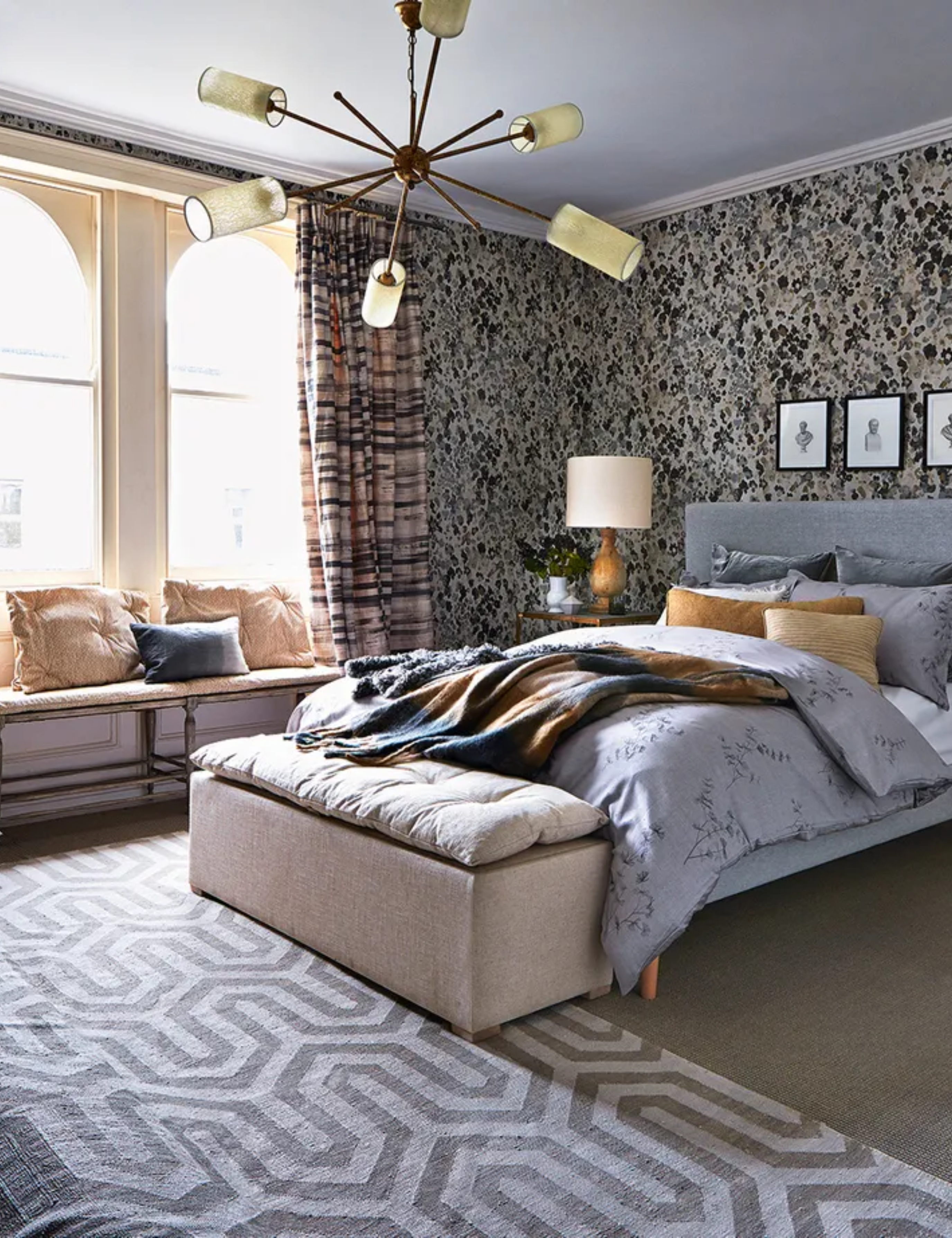
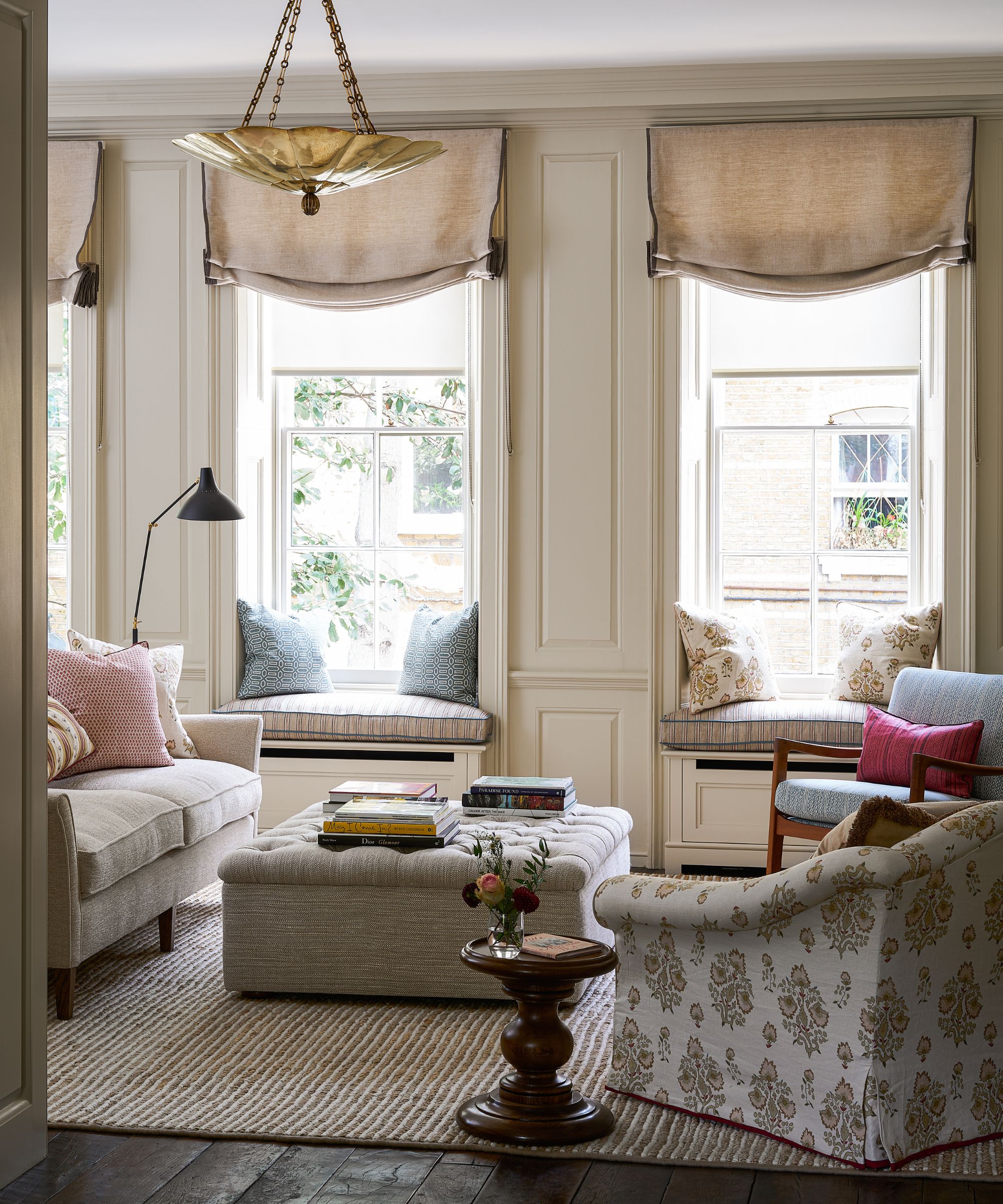
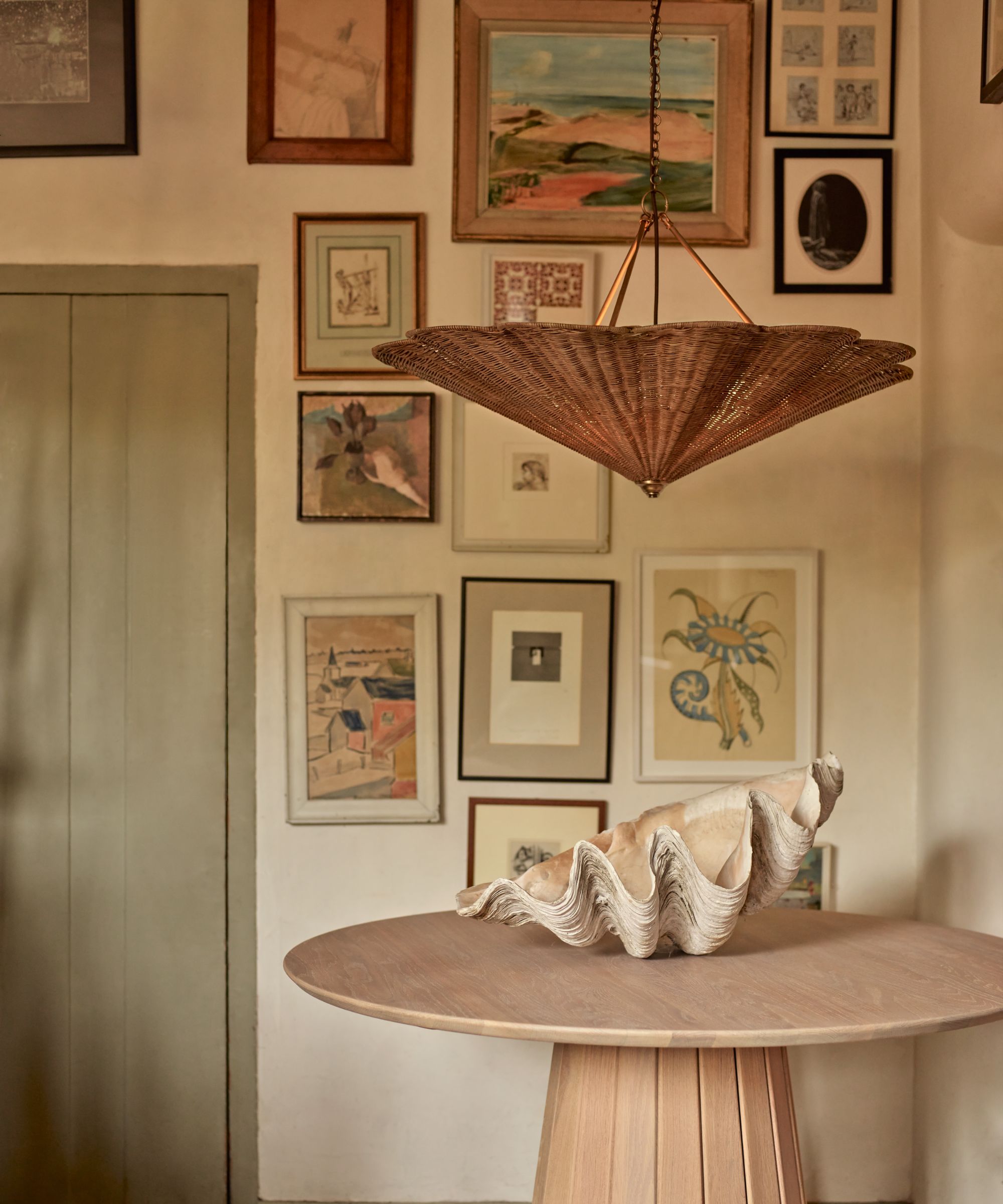
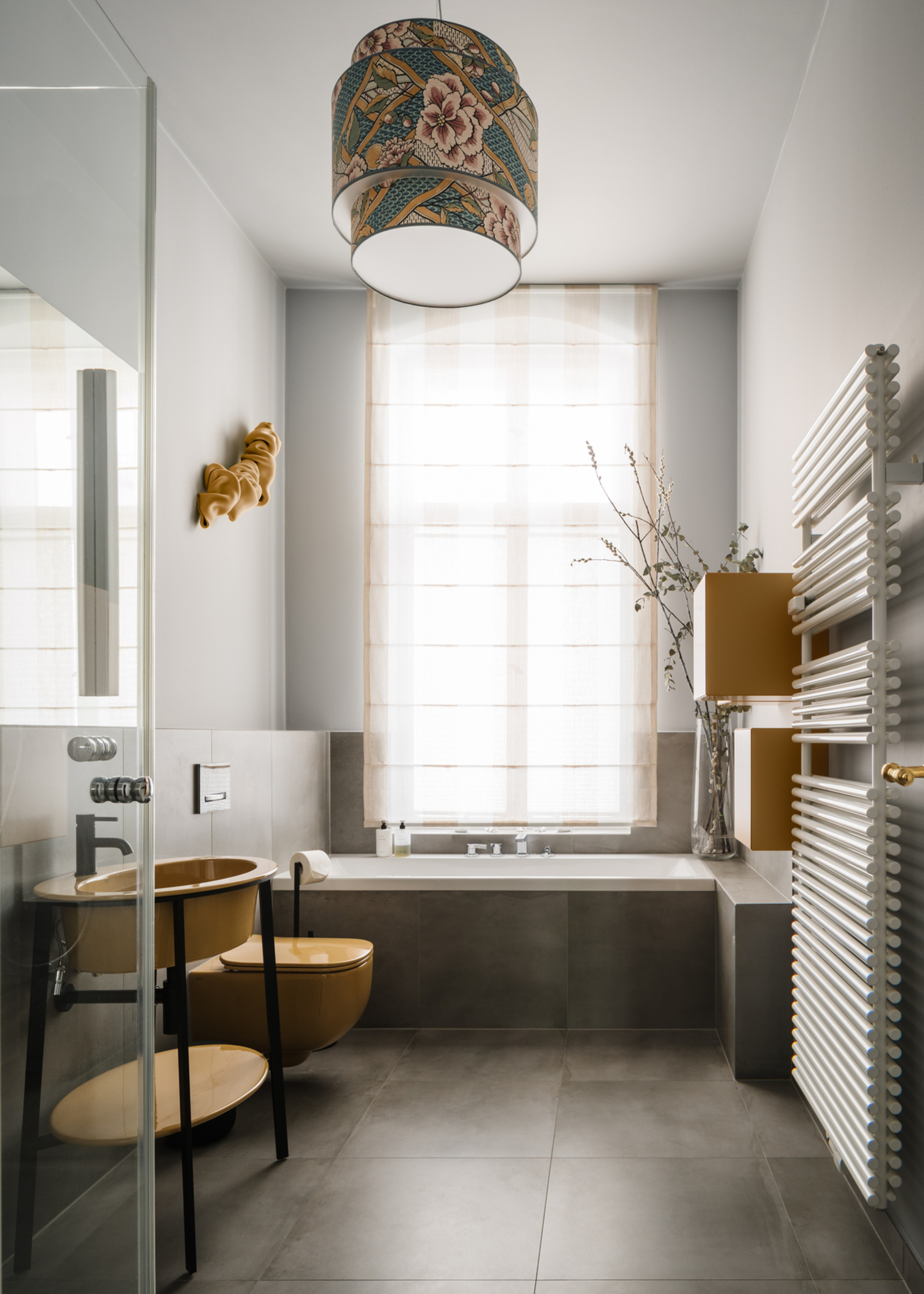
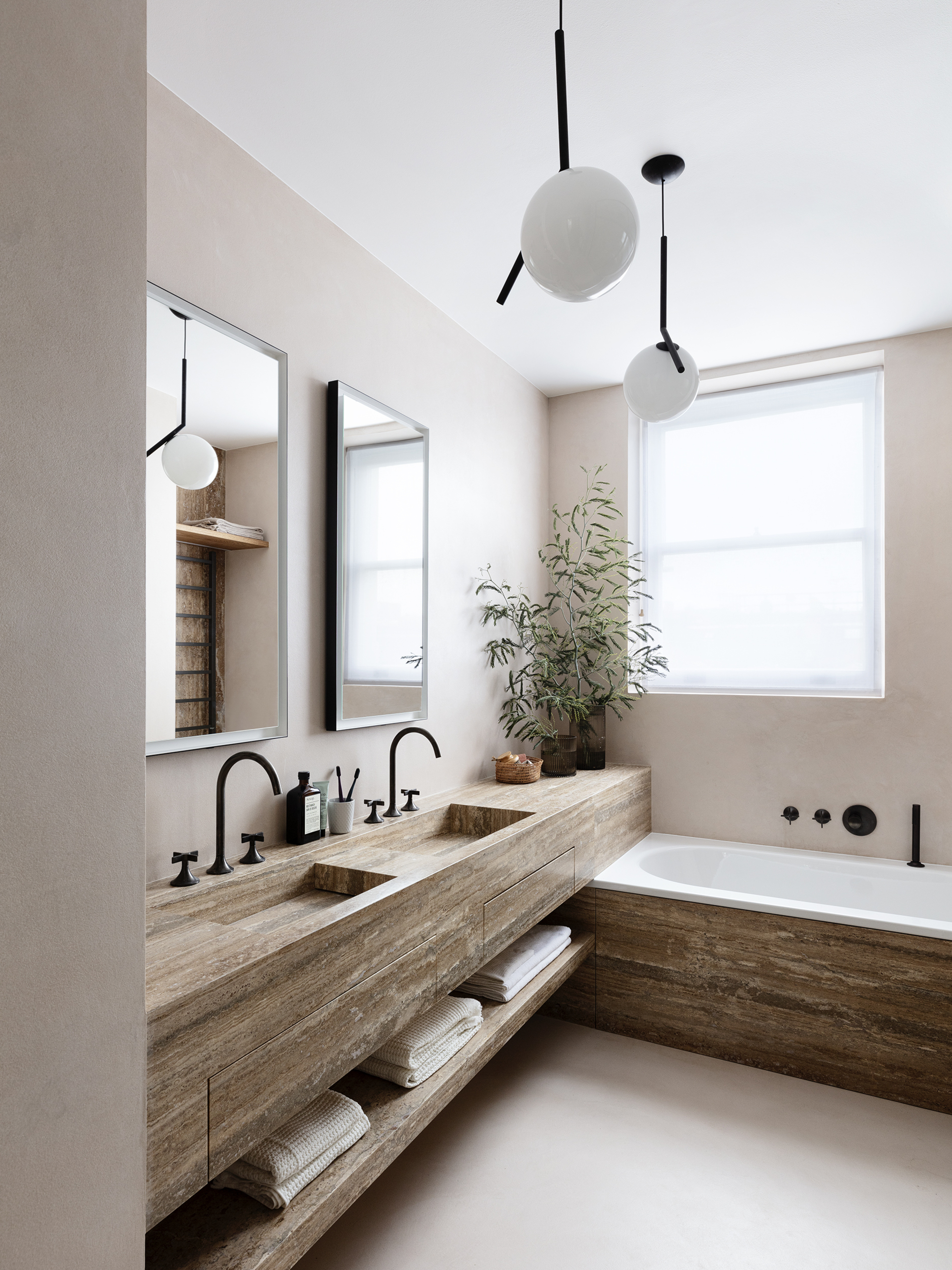
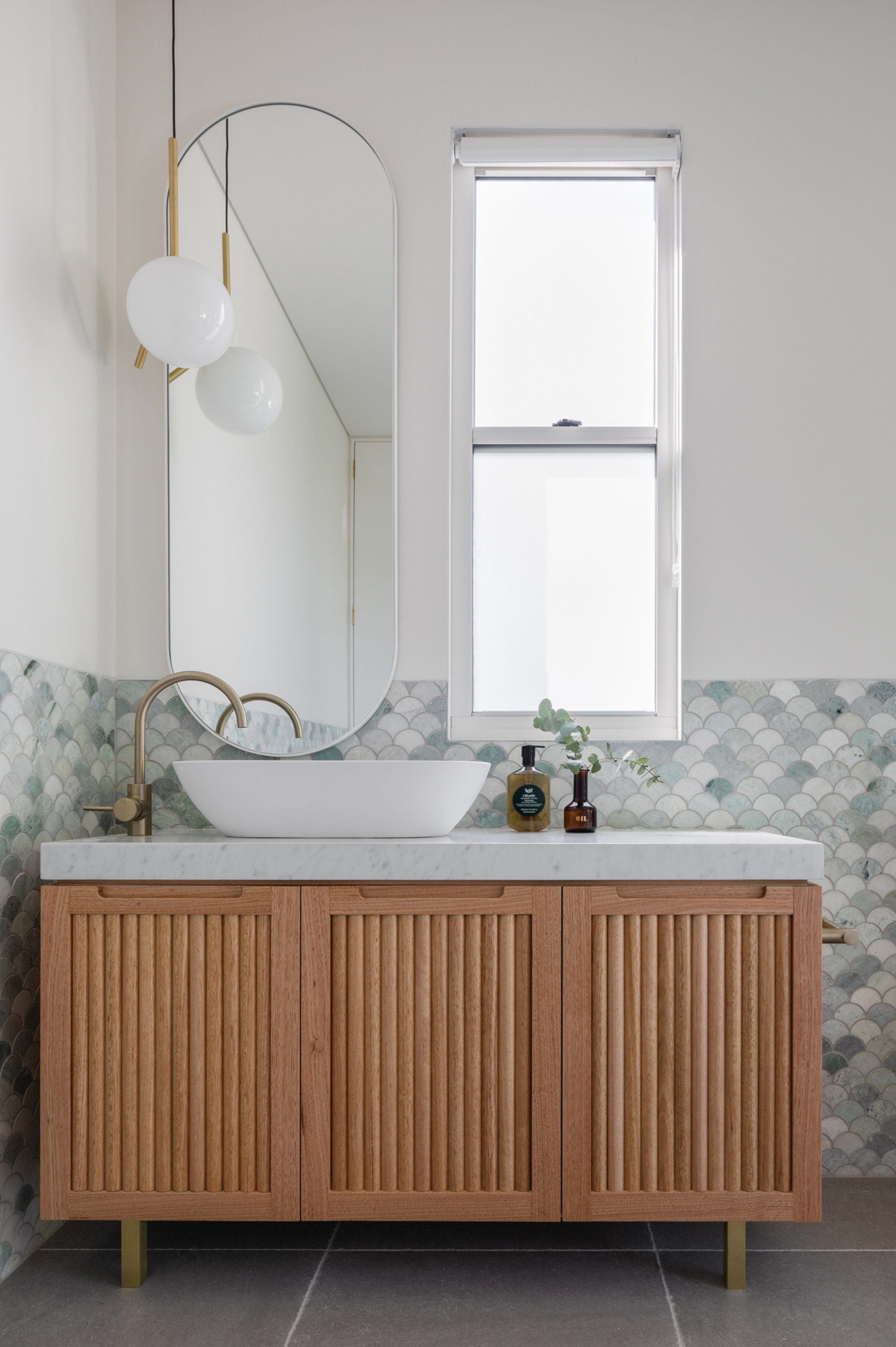
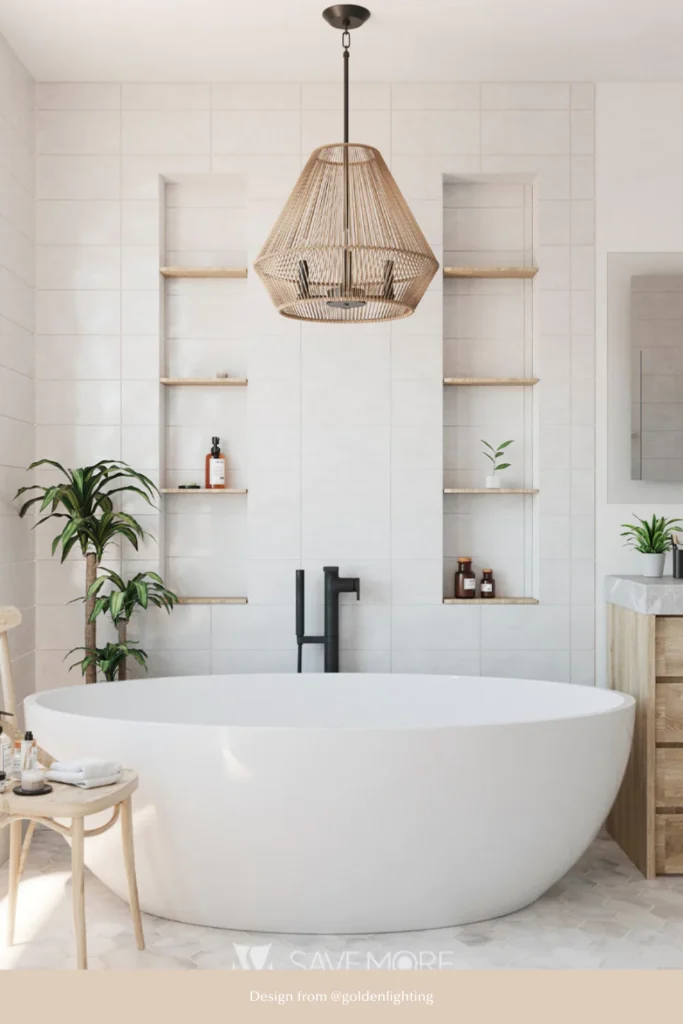
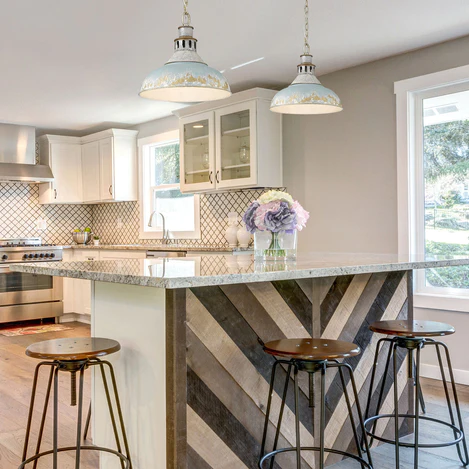
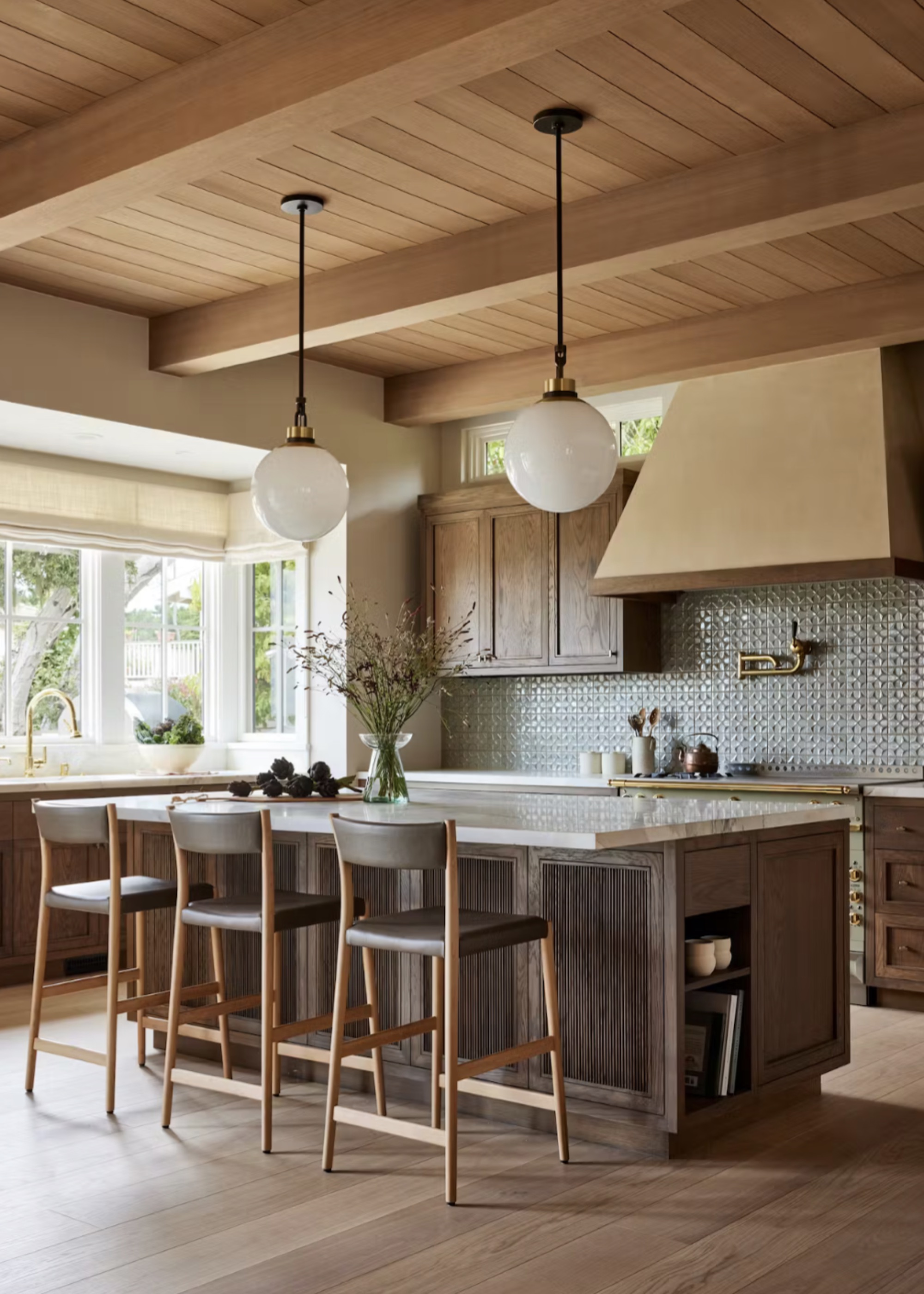
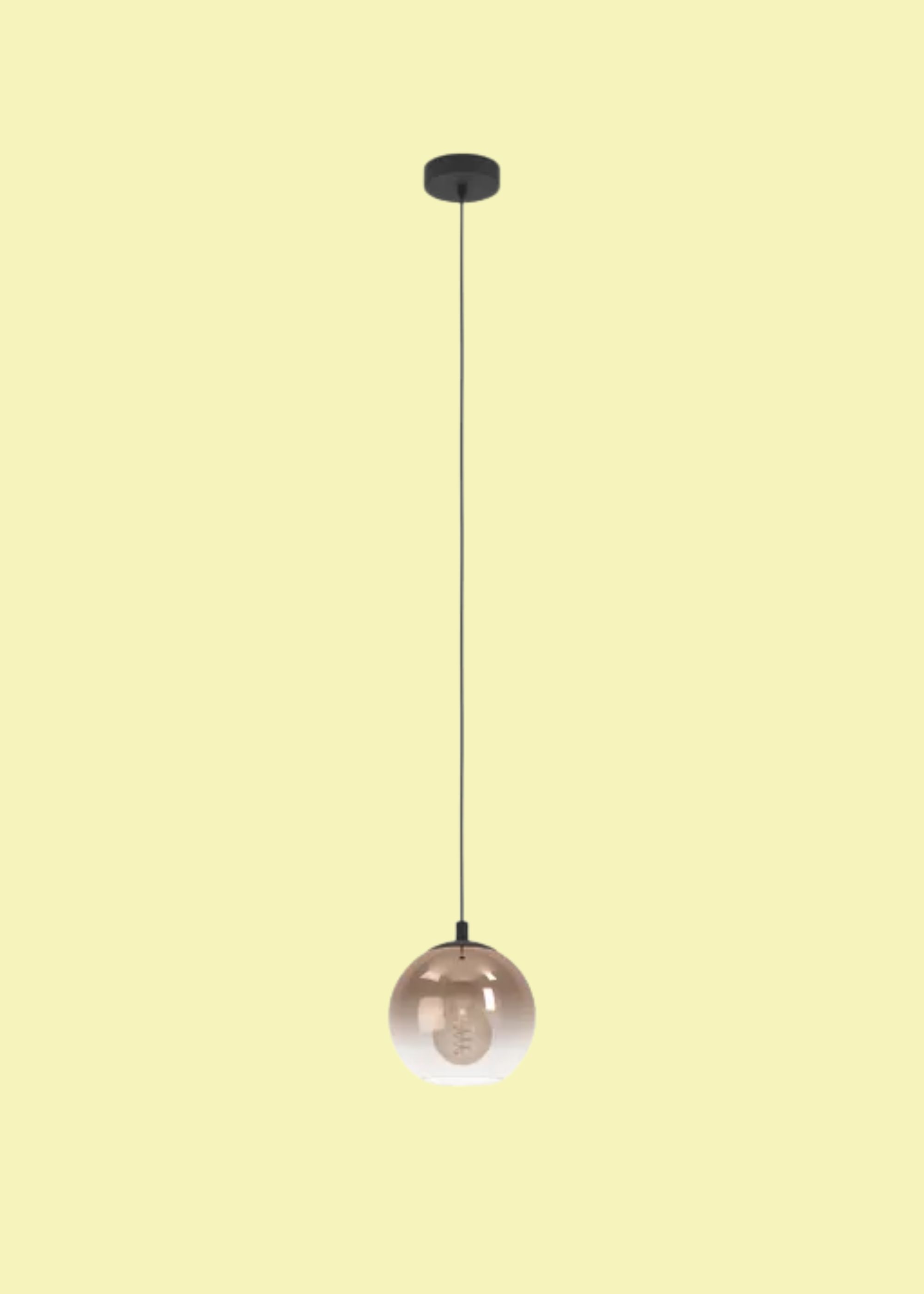
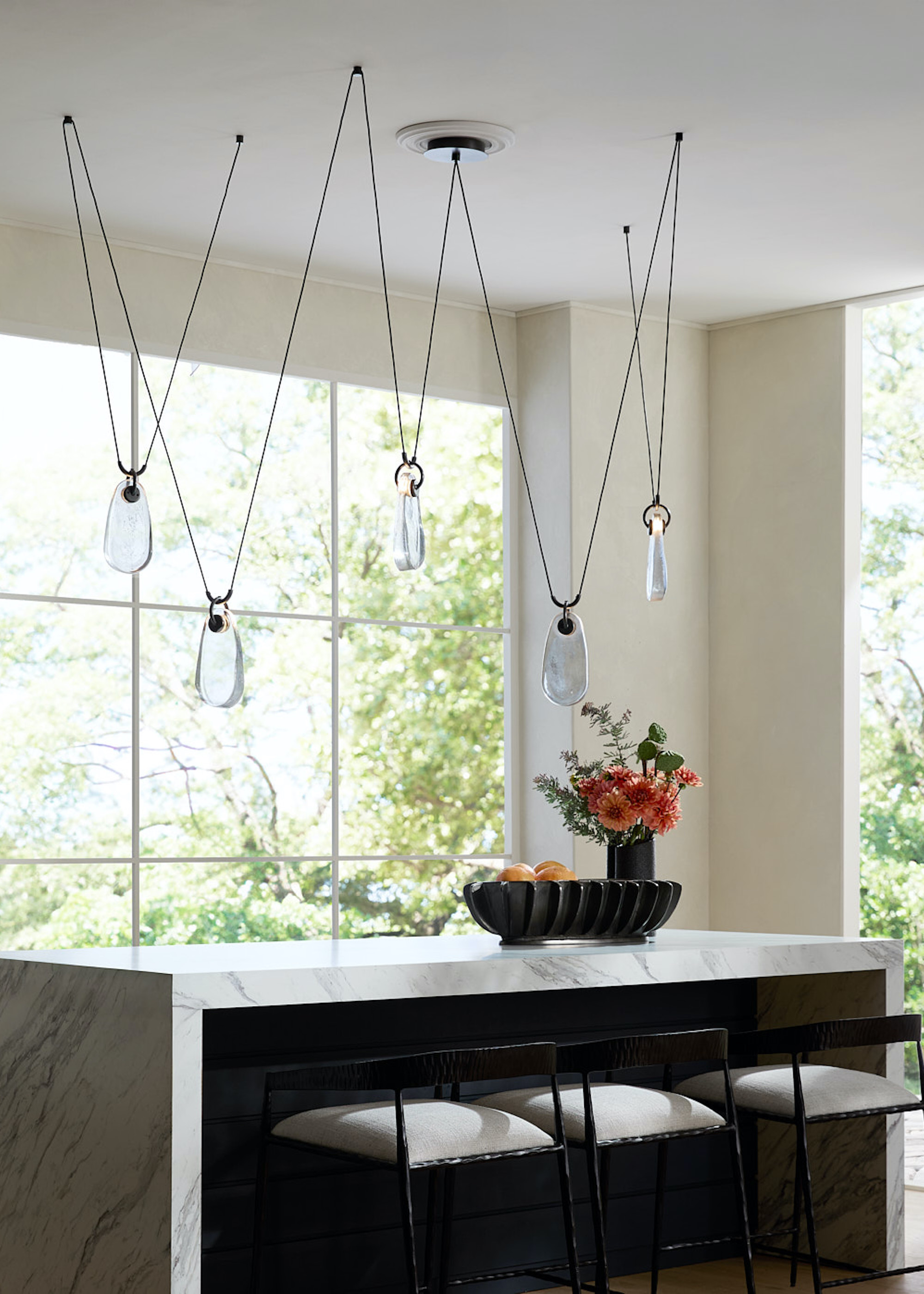
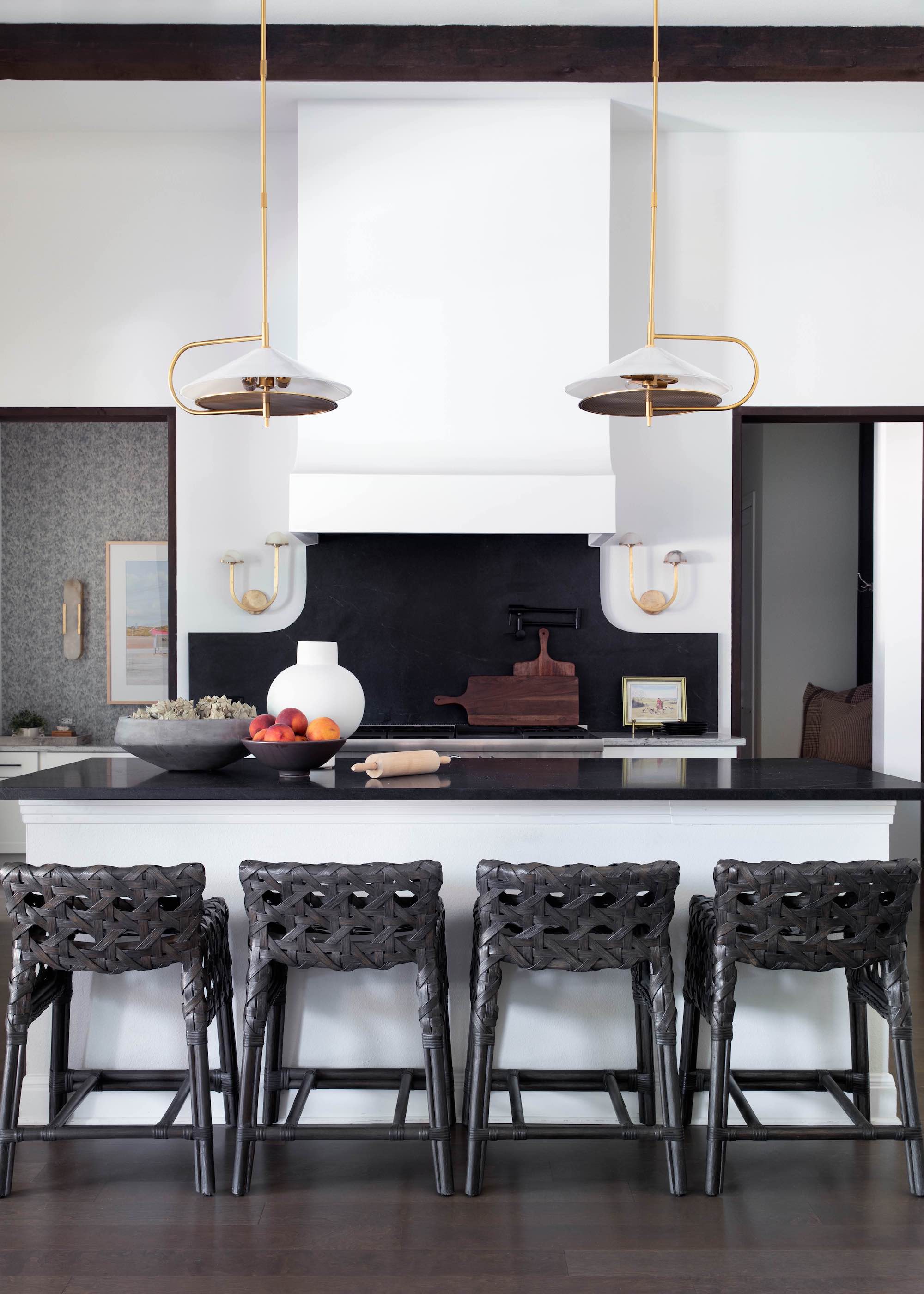
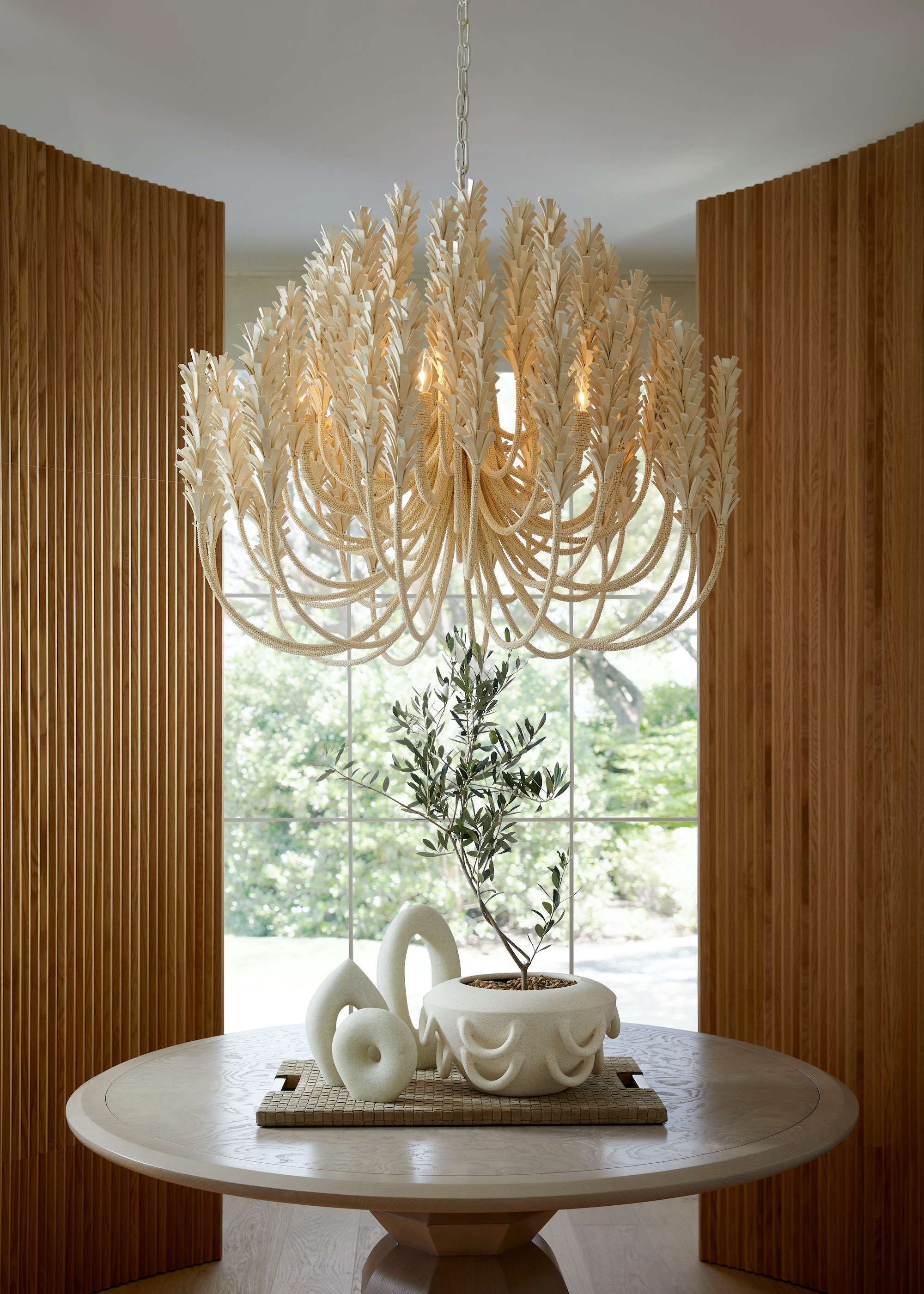
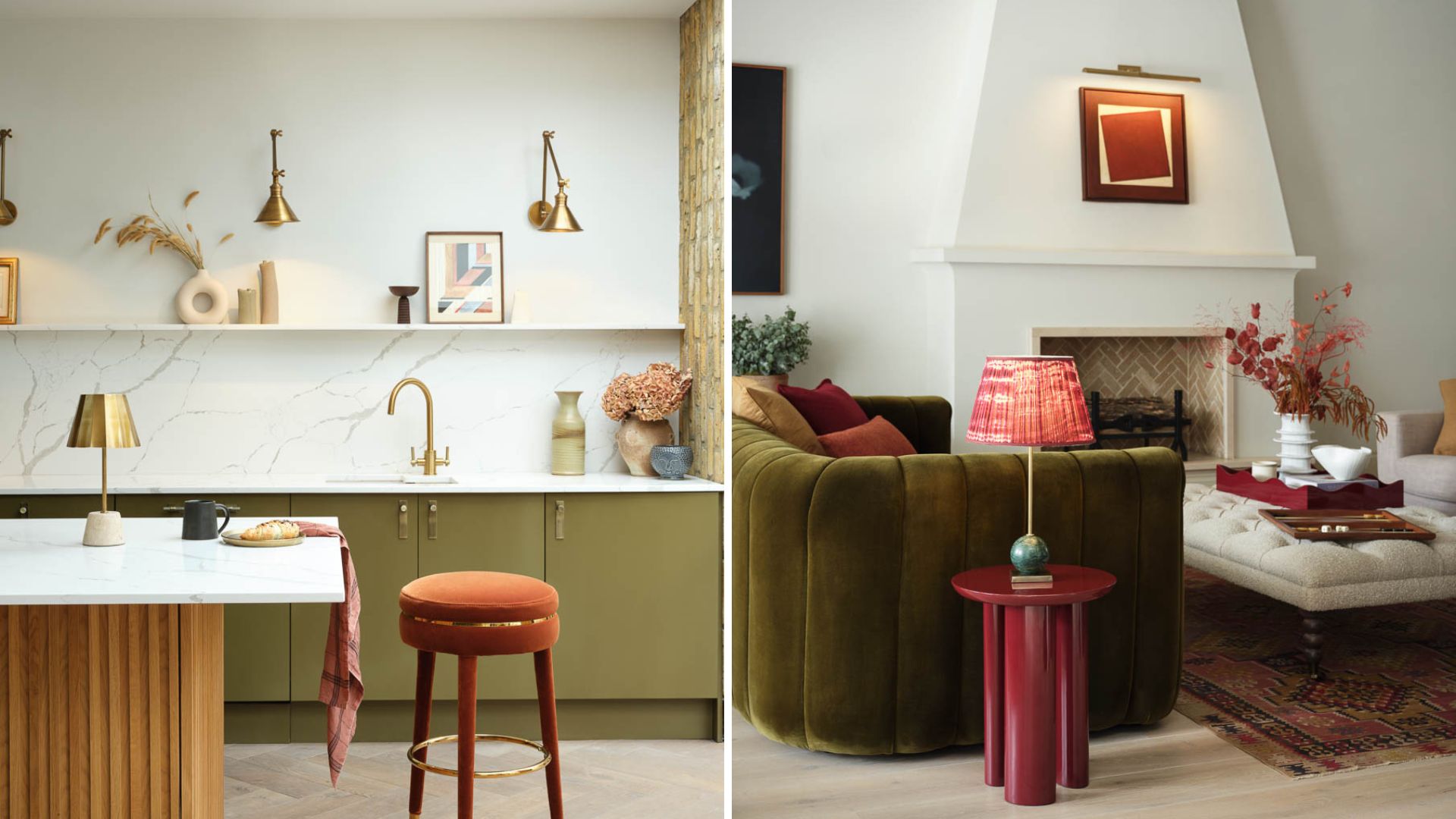
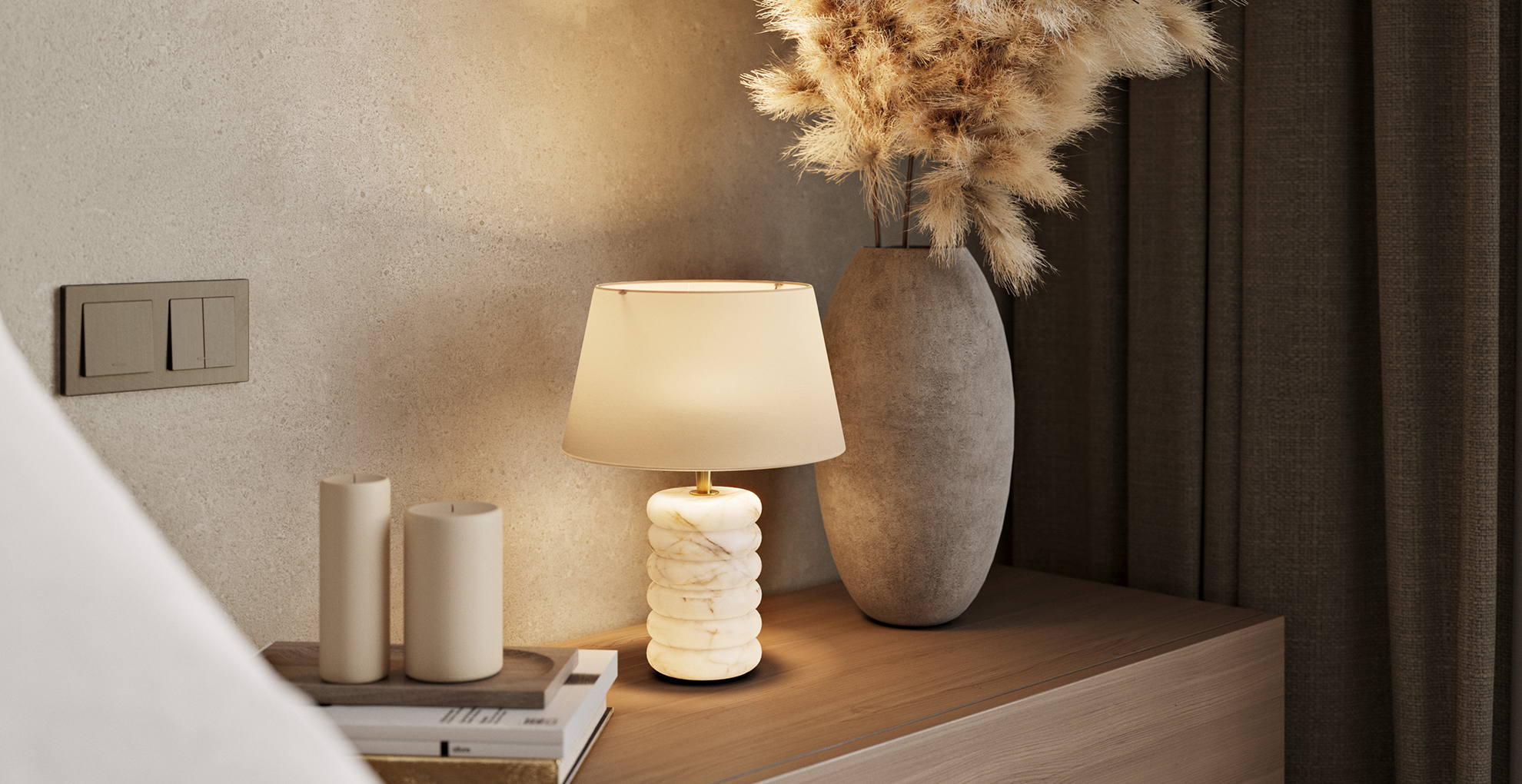
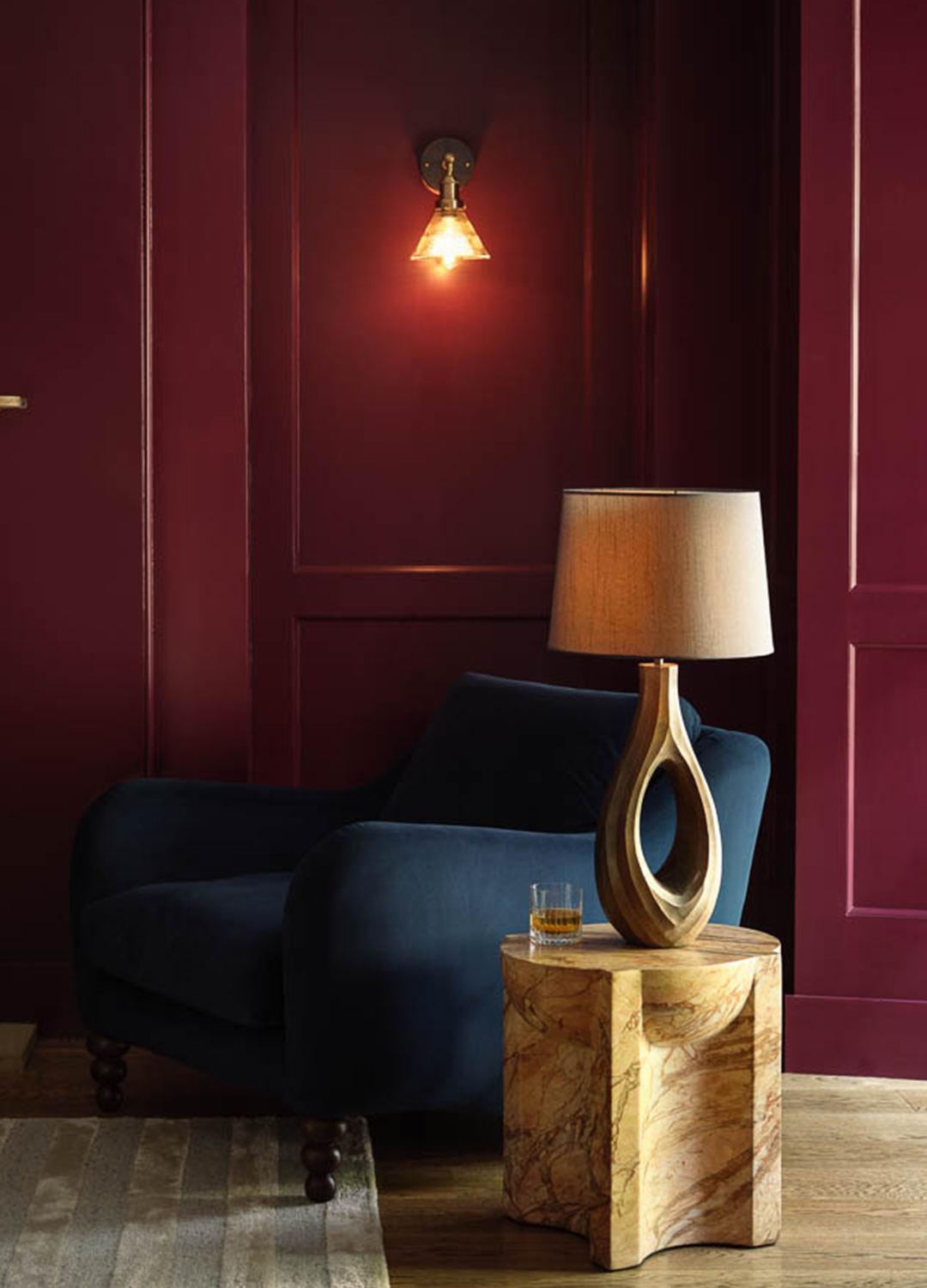
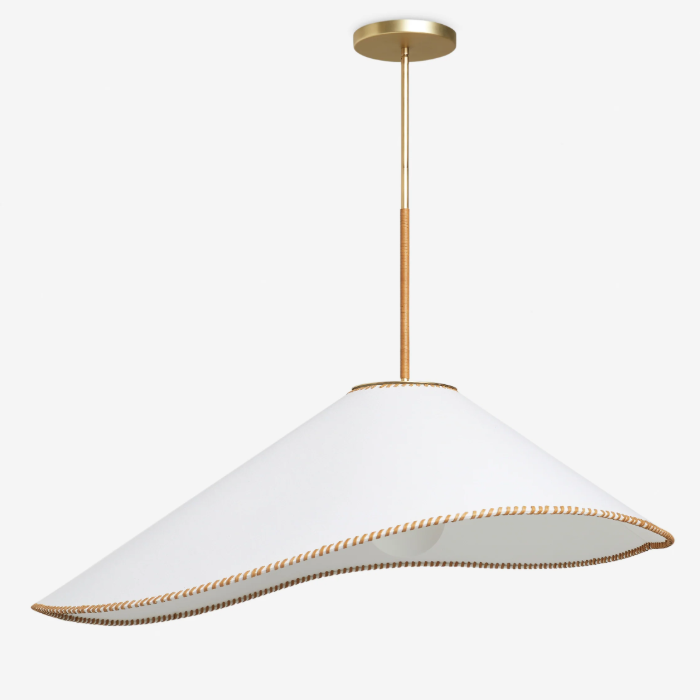
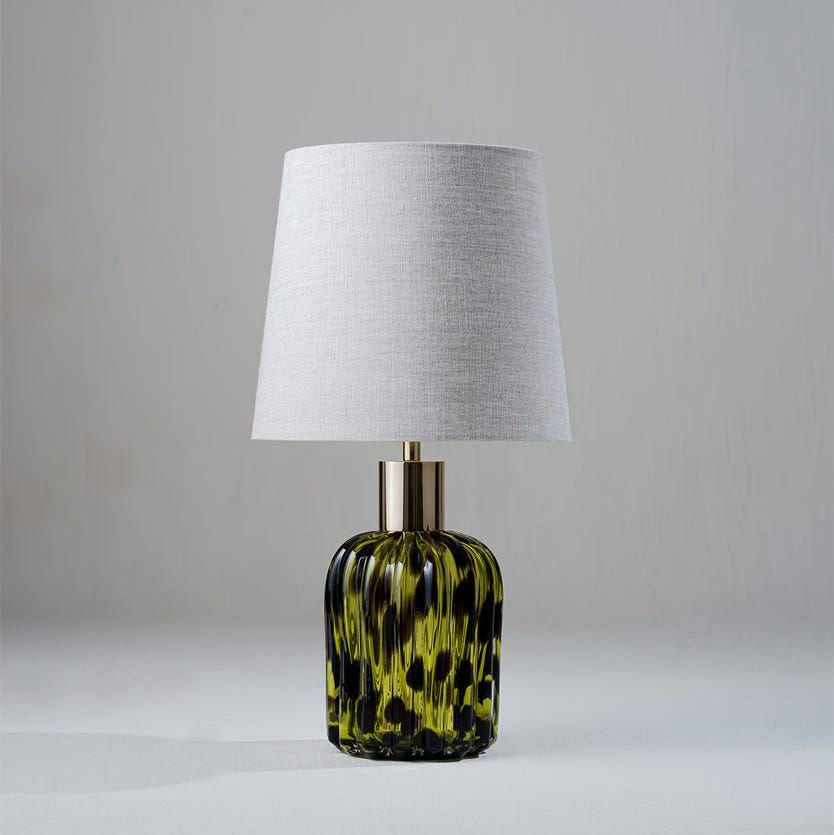
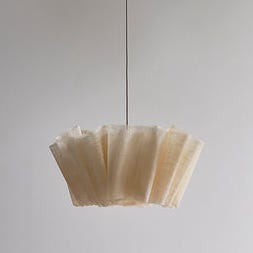
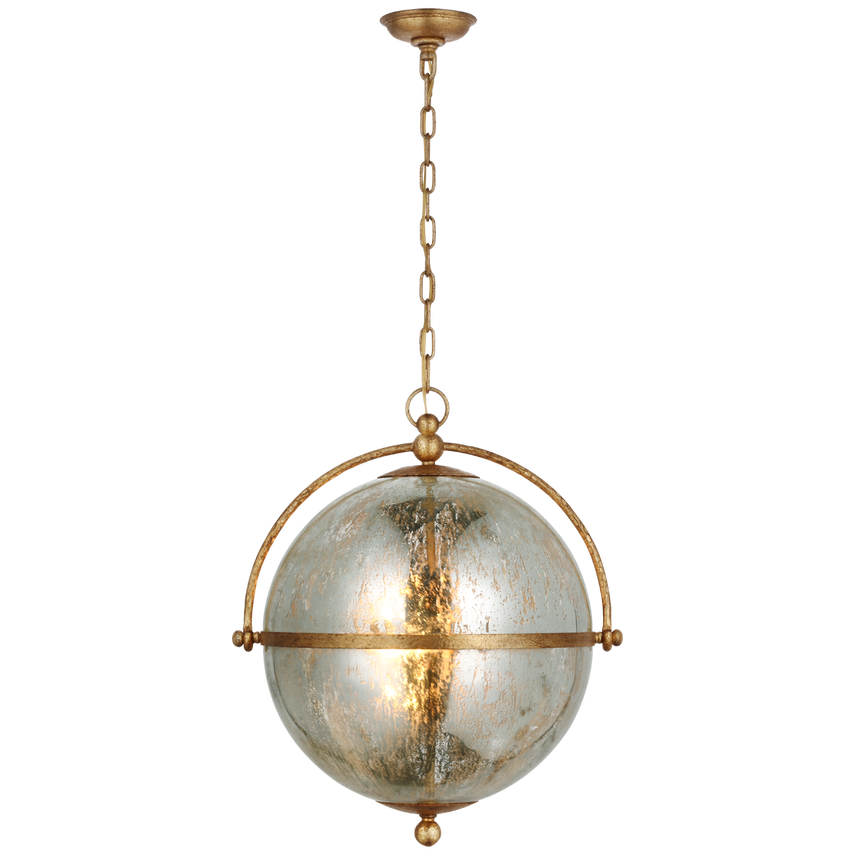
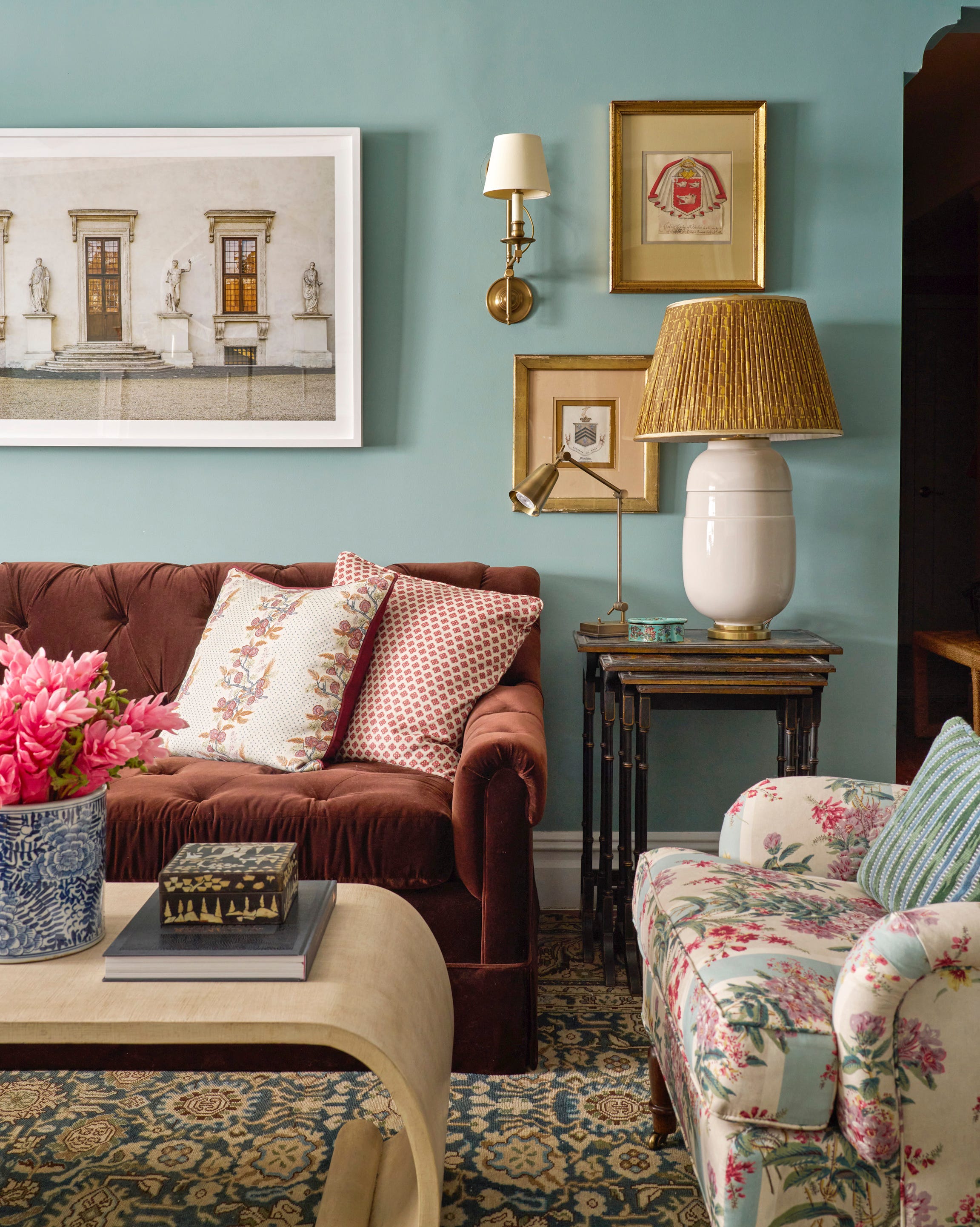
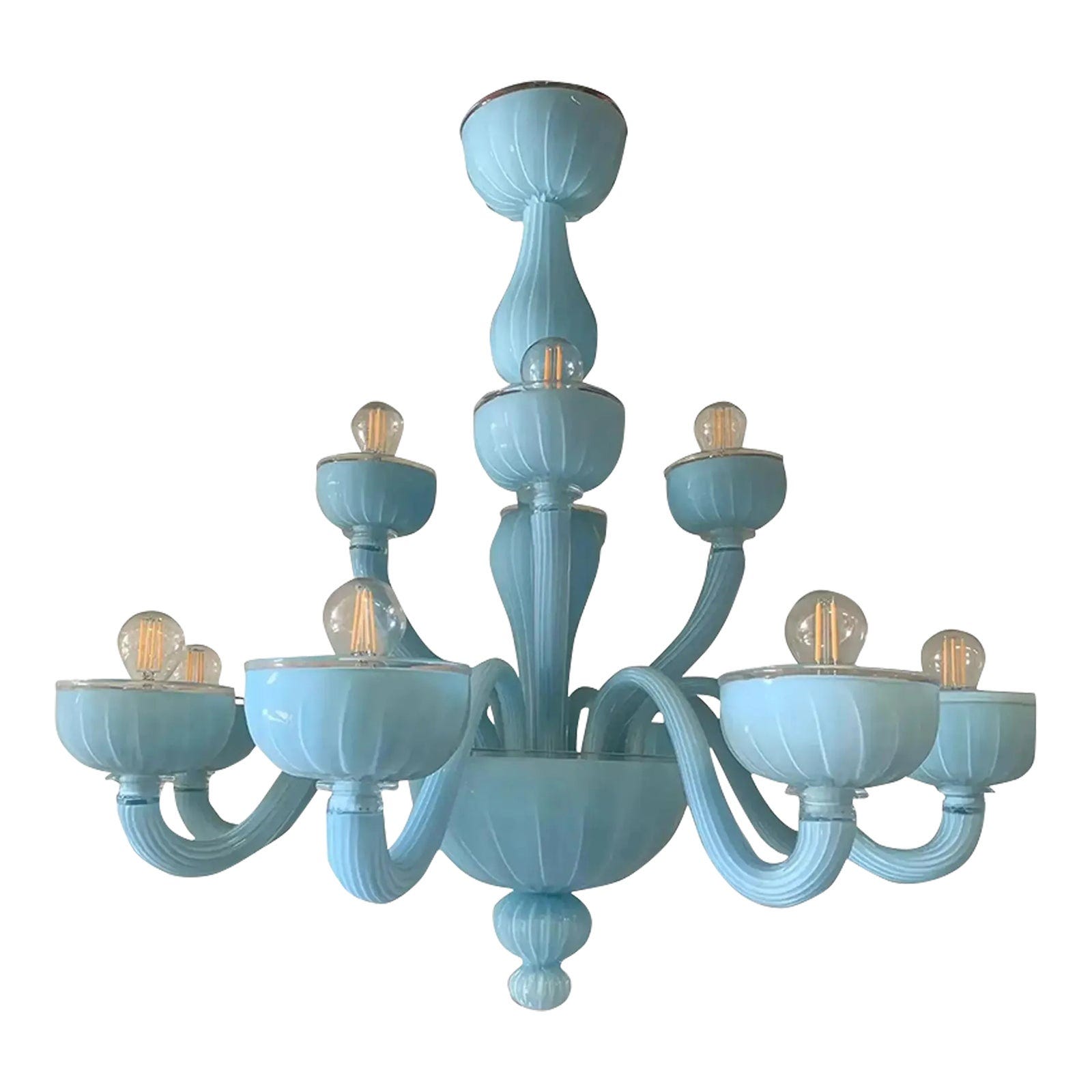
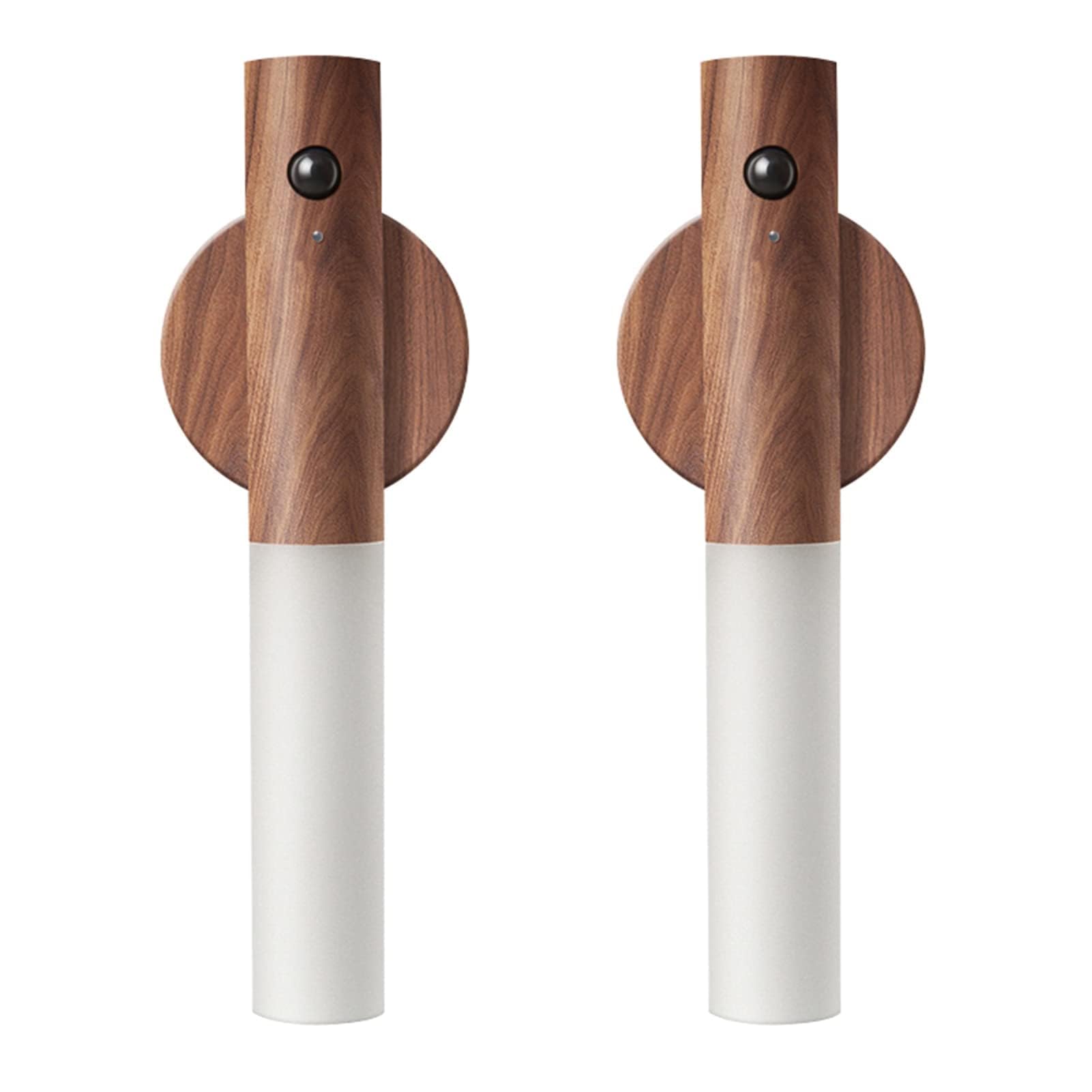
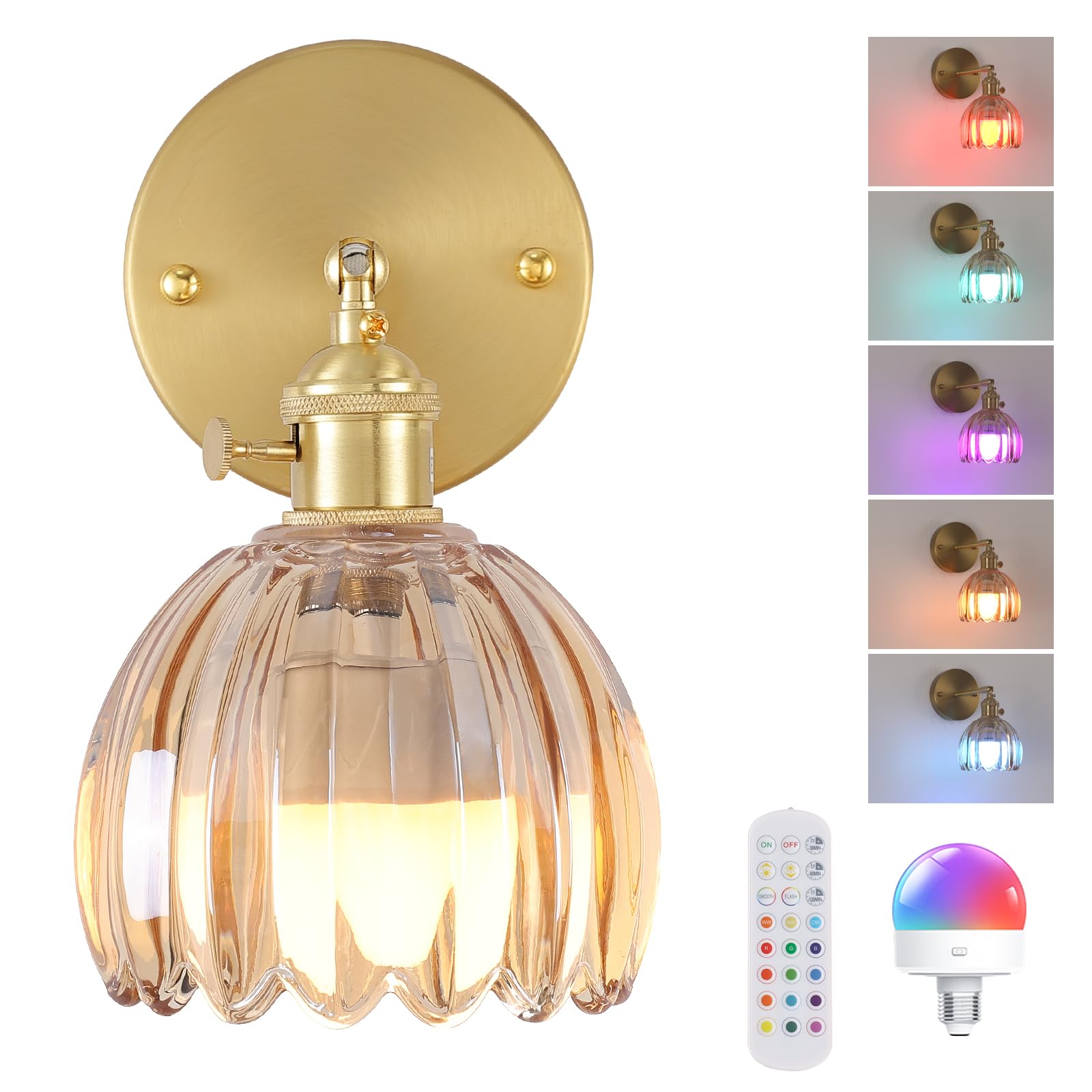
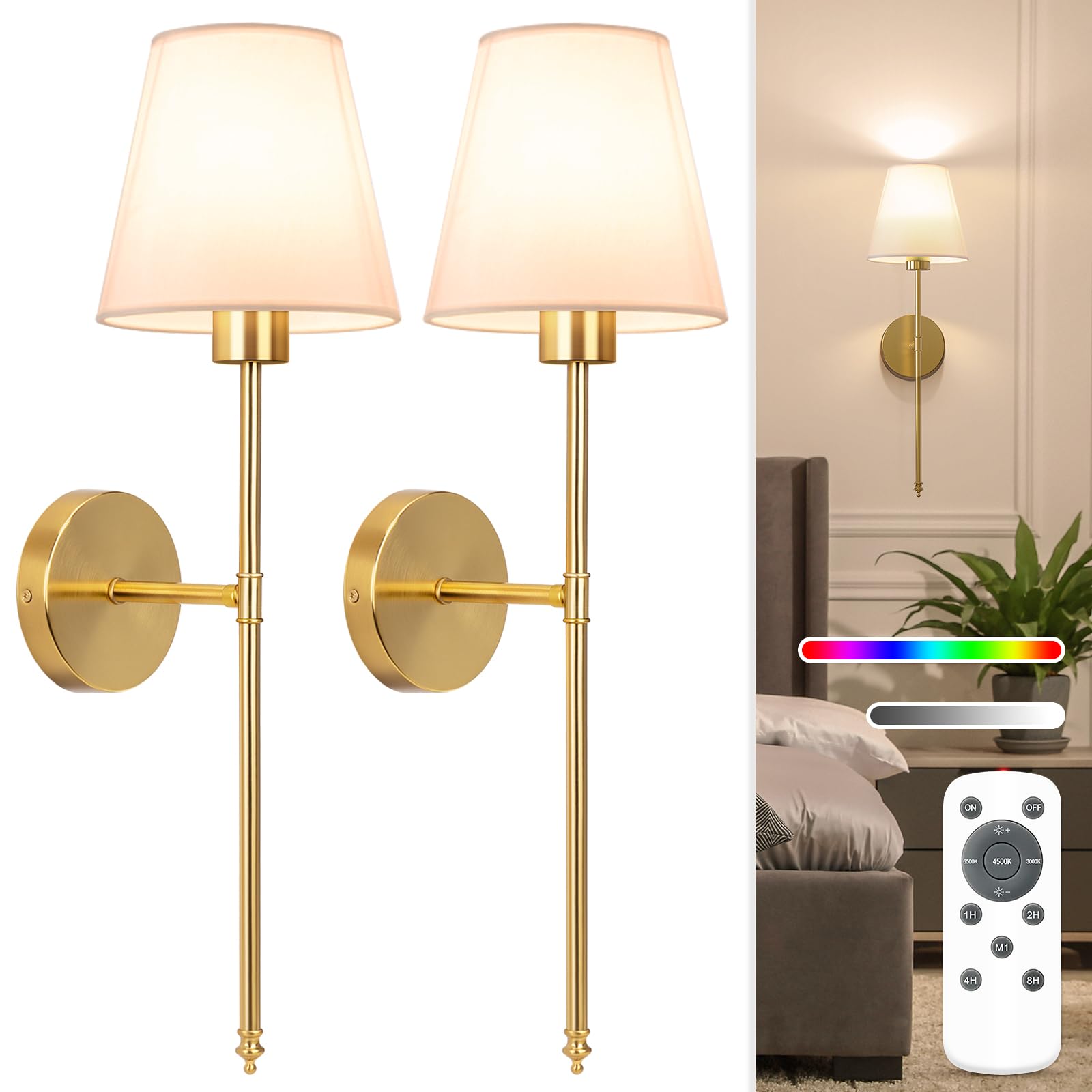
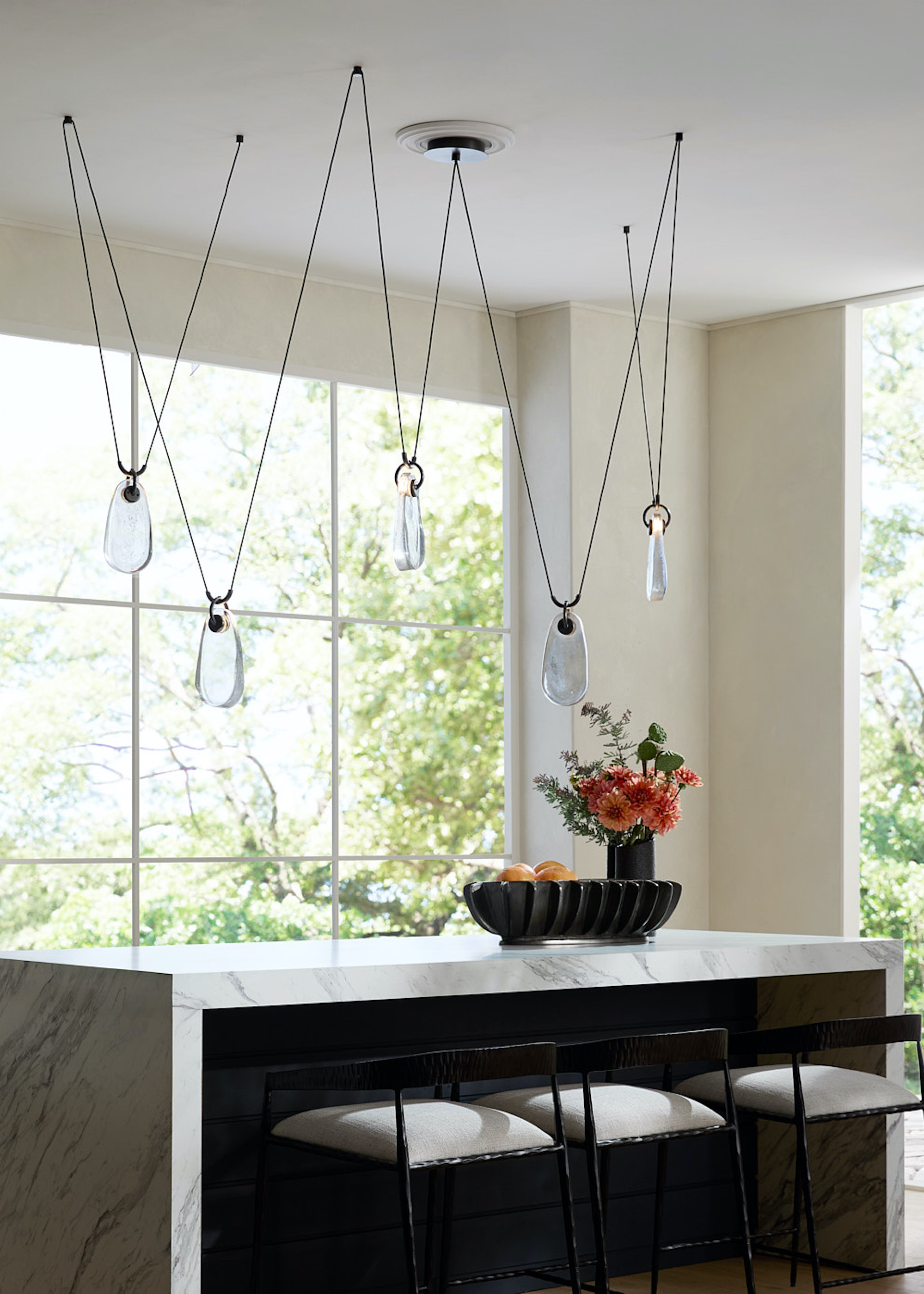
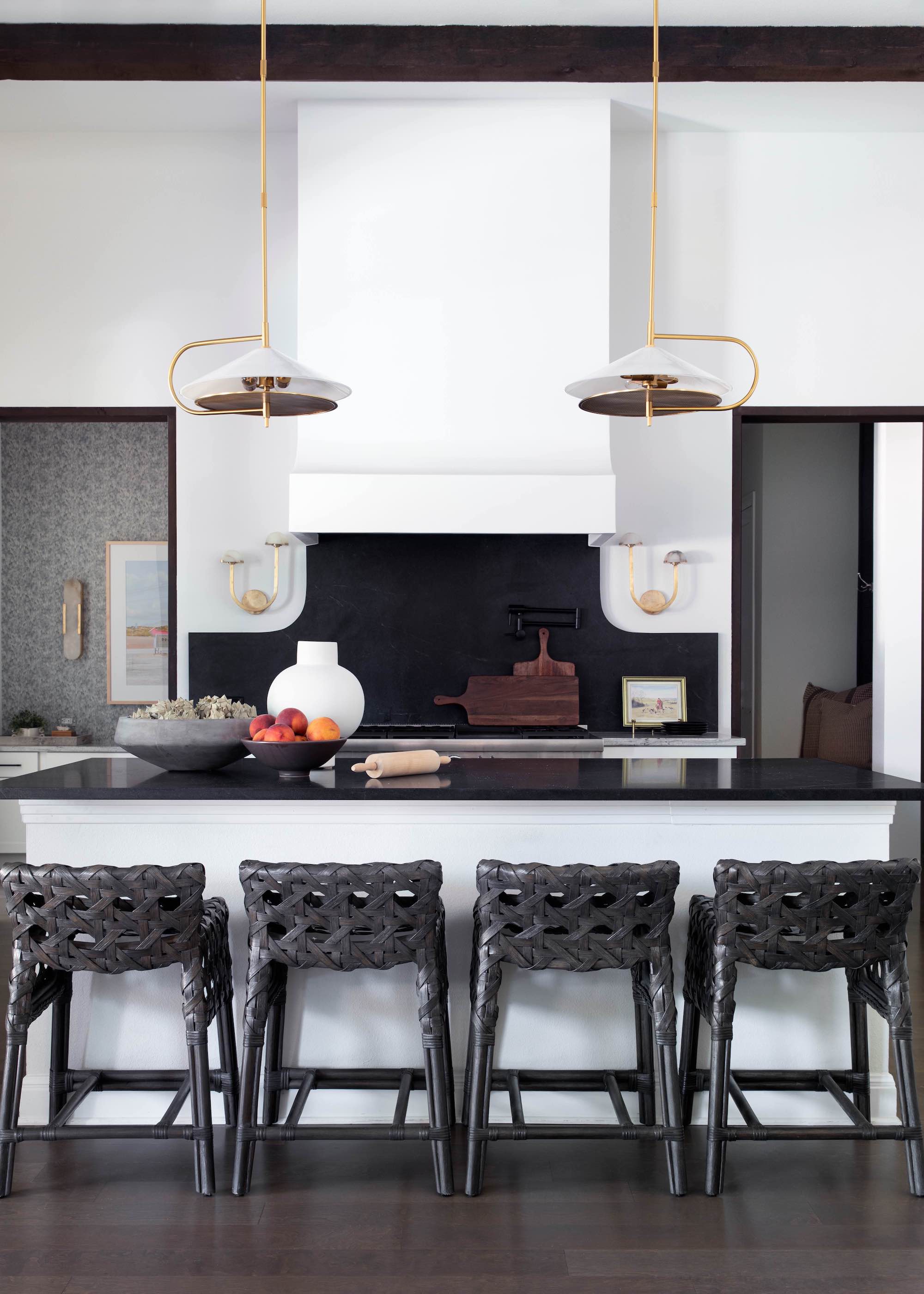
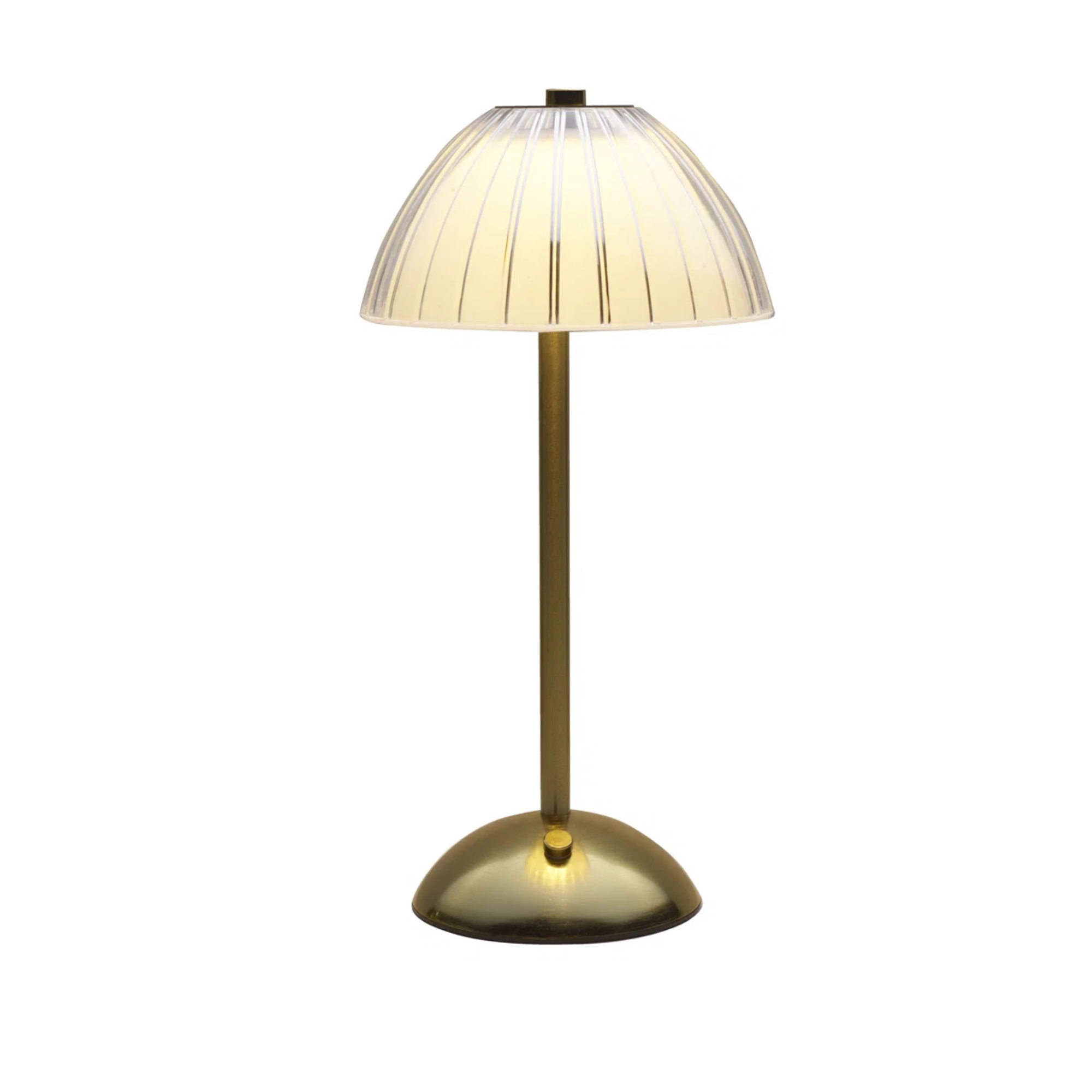
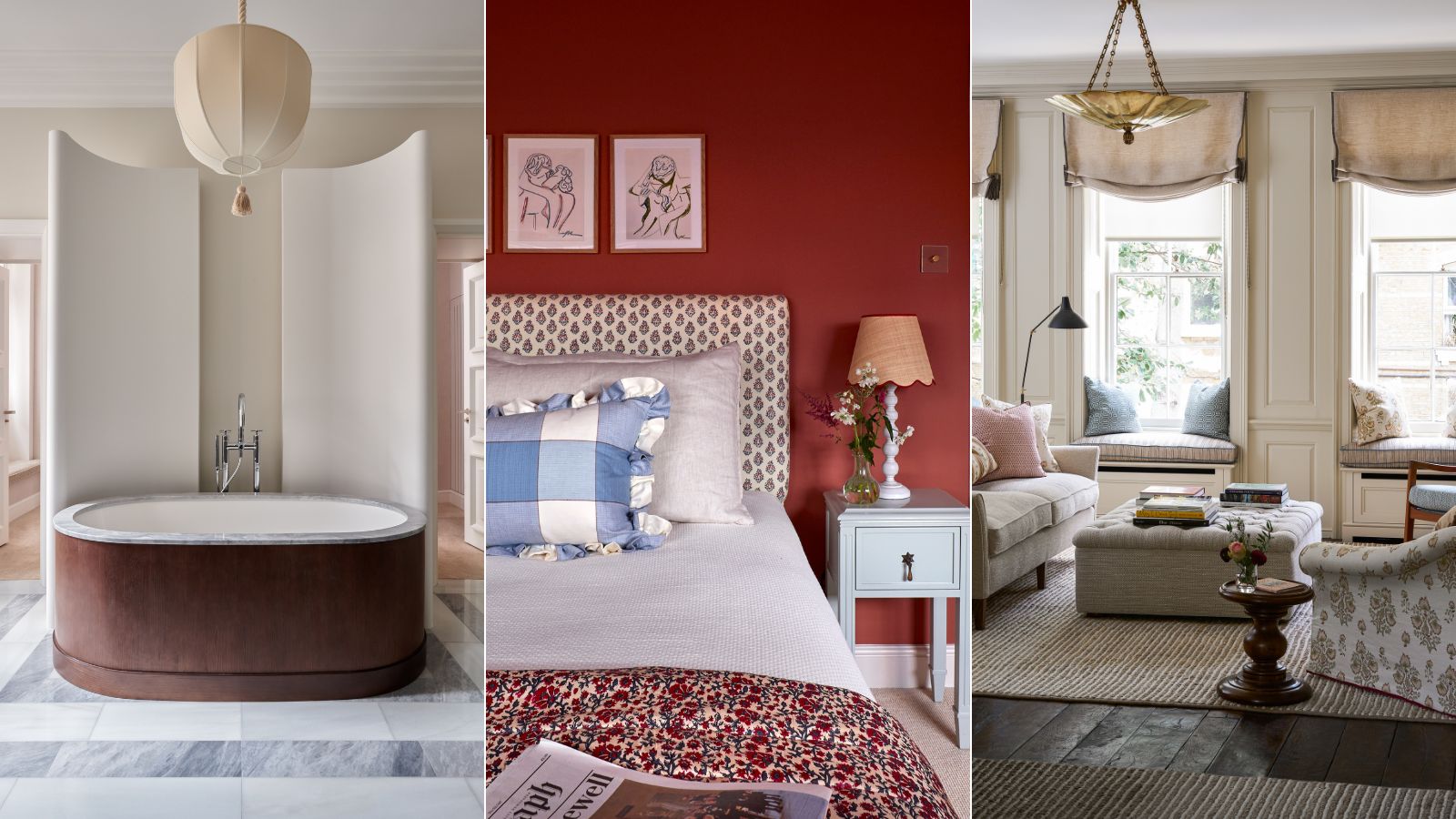
Designers are increasingly gravitating towards lighting types that blend functionality with aesthetic appeal. Jessica Davis, founder of Atelier Davis, prefers flush mounts over traditional spotlights or can lights, highlighting the availability of stylish options that offer focused lighting or a soft ambient glow. Decorative flush mounts with interesting glass or paper shades can add texture and dimension. Beyond flush mounts, wall sconces are gaining popularity for their space-saving nature, ability to wash walls with a gentle glow, and capacity to add personality. Clients are also drawn to diffused materials like reeded or colored glass and alabaster, which create a warmer, more inviting ambiance than stark overhead lighting. Lindsey Adelman, founder of Lindsey Adelman Studio, points to sculptural pendant lights that cast a soft, atmospheric glow through mold-blown glass globes, creating a play of shadow and reflection. The rise of LEDs in versatile forms like strips and coves also supports layered lighting schemes that build mood, warmth, and depth. This shift aligns with a wellness-focused approach, as softer, diffused light is considered more conducive to living and relaxation compared to fatiguing harsh overhead glare.
#SpotlightEvolution #LightingDesignTrends #HomeLighting #InteriorDesign #ArchitecturalLighting #ResidentialLighting #AccentLighting #AmbientLighting #ModernHome #SpotlightEvolution #LightingDesignTrends #HomeLighting #InteriorDesign #ArchitecturalLighting #ResidentialLighting #AccentLighting #AmbientLighting #ModernHome
0 comment in total
 No comments yet
You may also like
Designers agree: these 7 dated lighting trends are officially on the outs for 2026

Wiggle lamps are the lighting trend we’re seeing everywhere
Lighting Trends 2025: 12 illuminating ways to elevate your interiors with on-trend designs

6 Outdated Lighting Trends to Skip in 2024, According to Designers
Does this hated feature still have a place in our homes? Designers on what they really think of the 'big light' debate
Light up your home with these top lighting trends for 2024

6 Outdated Lighting Trends to Avoid in 2025, According to Interior Designers
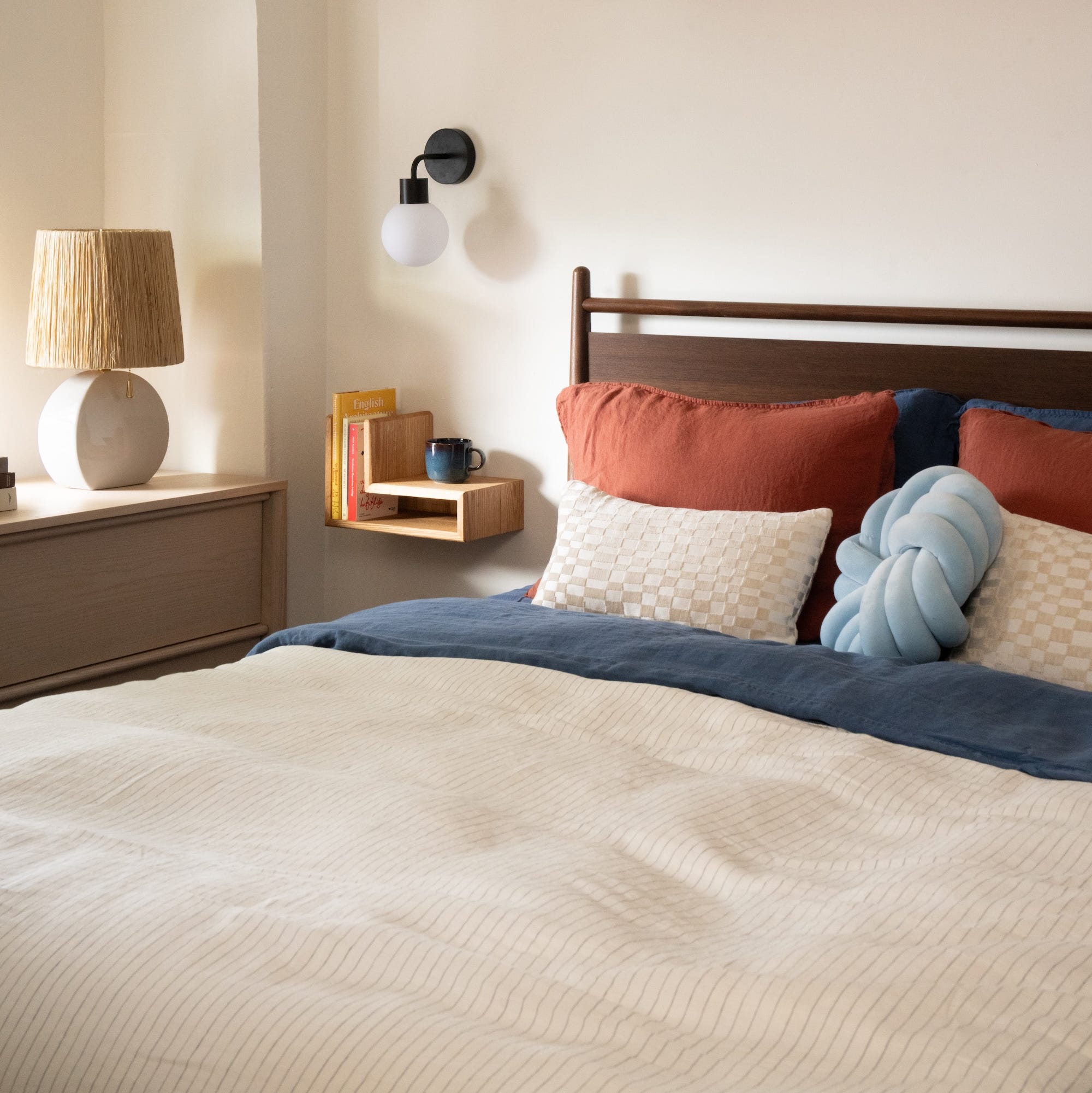
Adhesive Sconces Are Everywhere Right Now—And Designers Love These

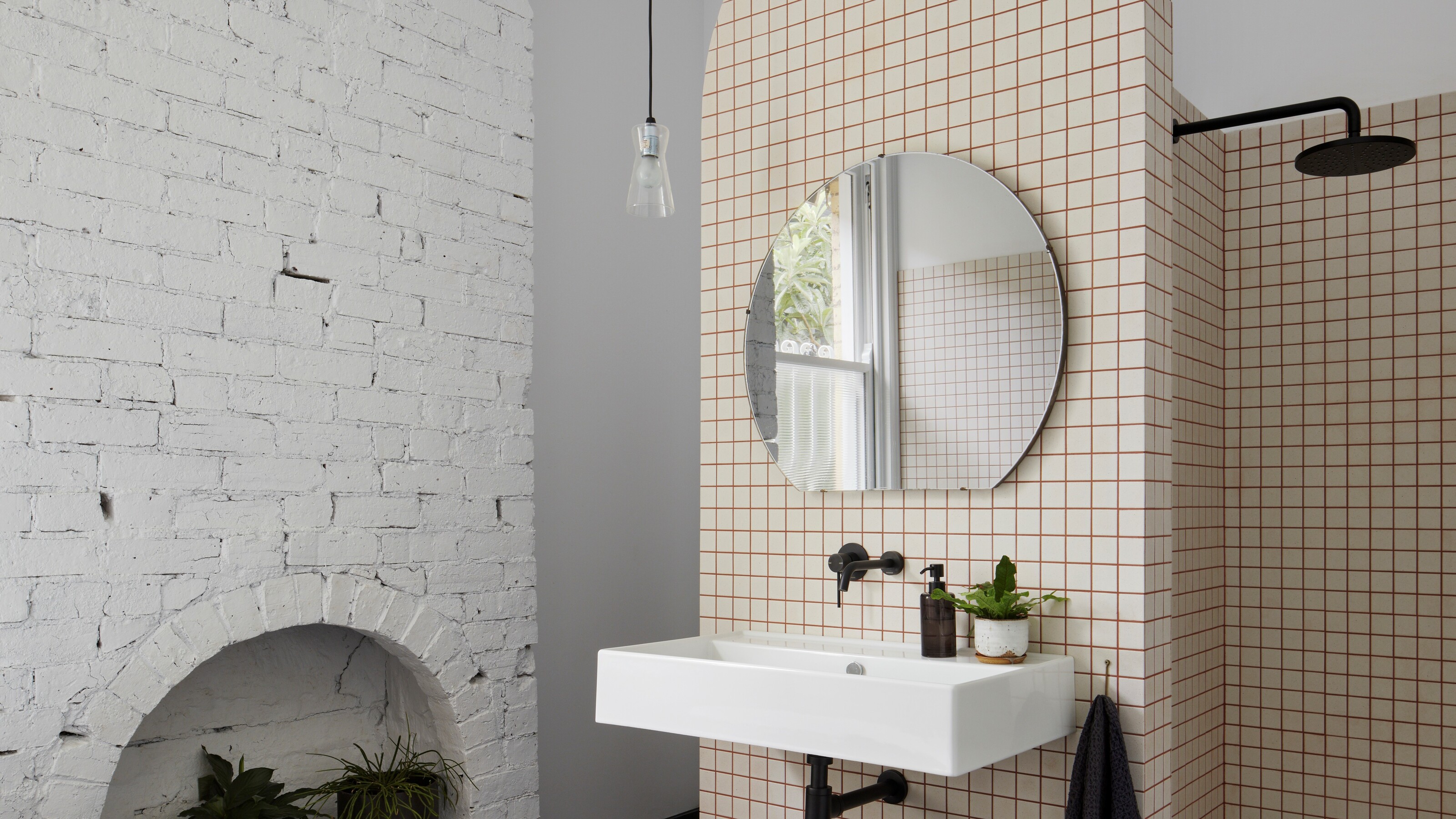
Designers are ditching overhead lighting in the bathroom – and using this flattering source to illuminate spaces instead

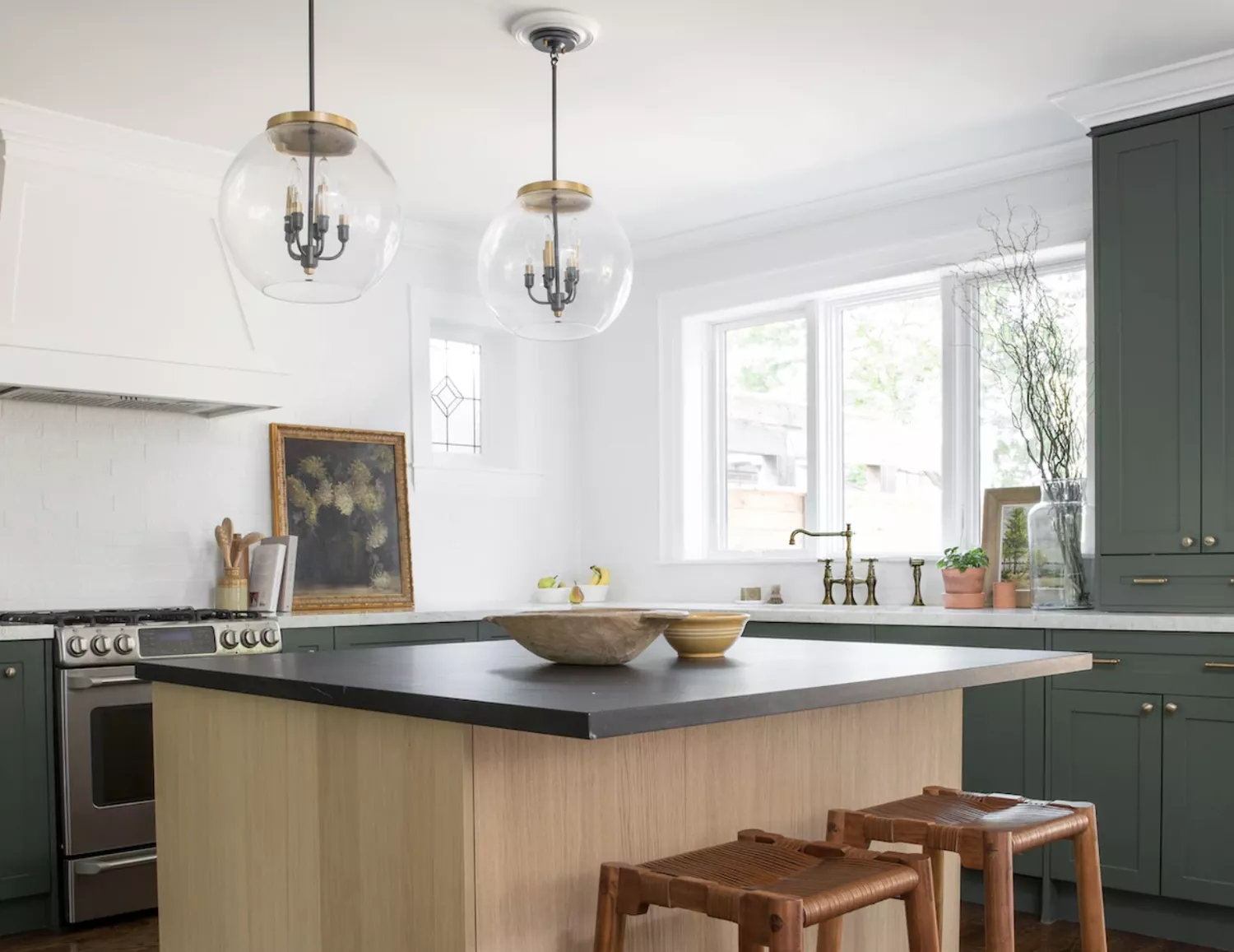
5 Outdated Lighting Features That Are Suddenly Back in Style, According to Designers

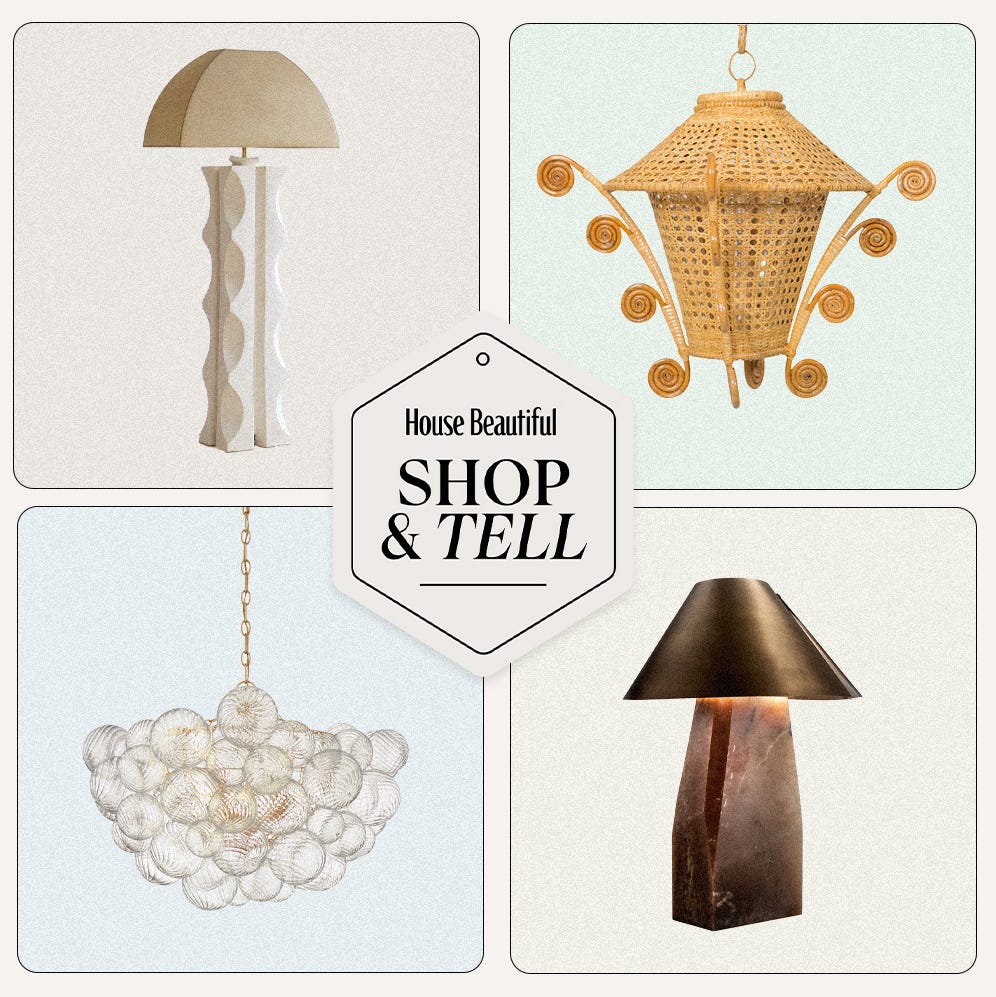
I'm a Design Editor and These Are My Favorite Light Fixtures Right Now
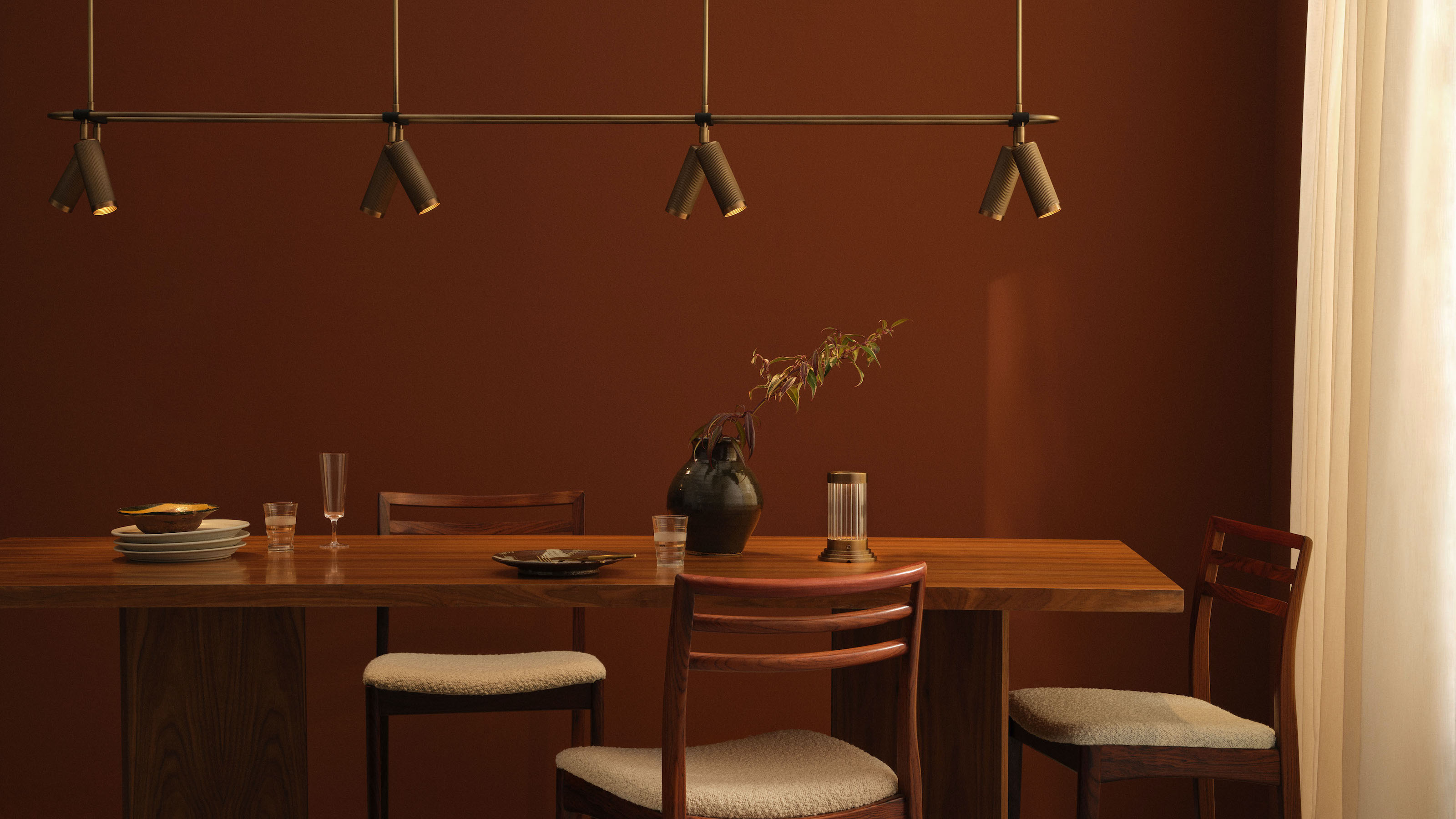
10 Lighting Trends That Will Take Over Homes in 2026 — The Bright Ideas Shaping the Year Ahead
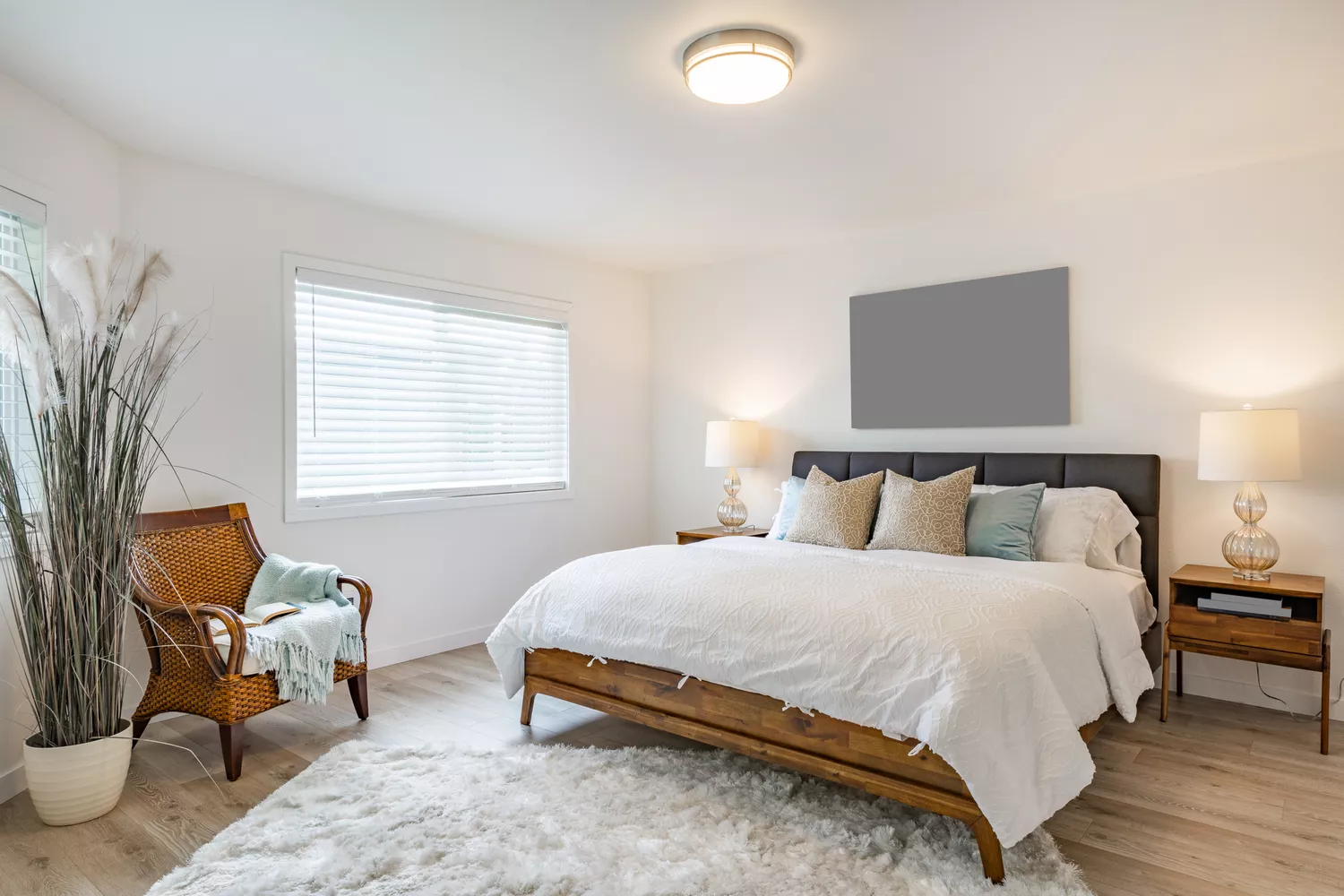
5 Lighting Trends That Are So Outdated, According to Designers
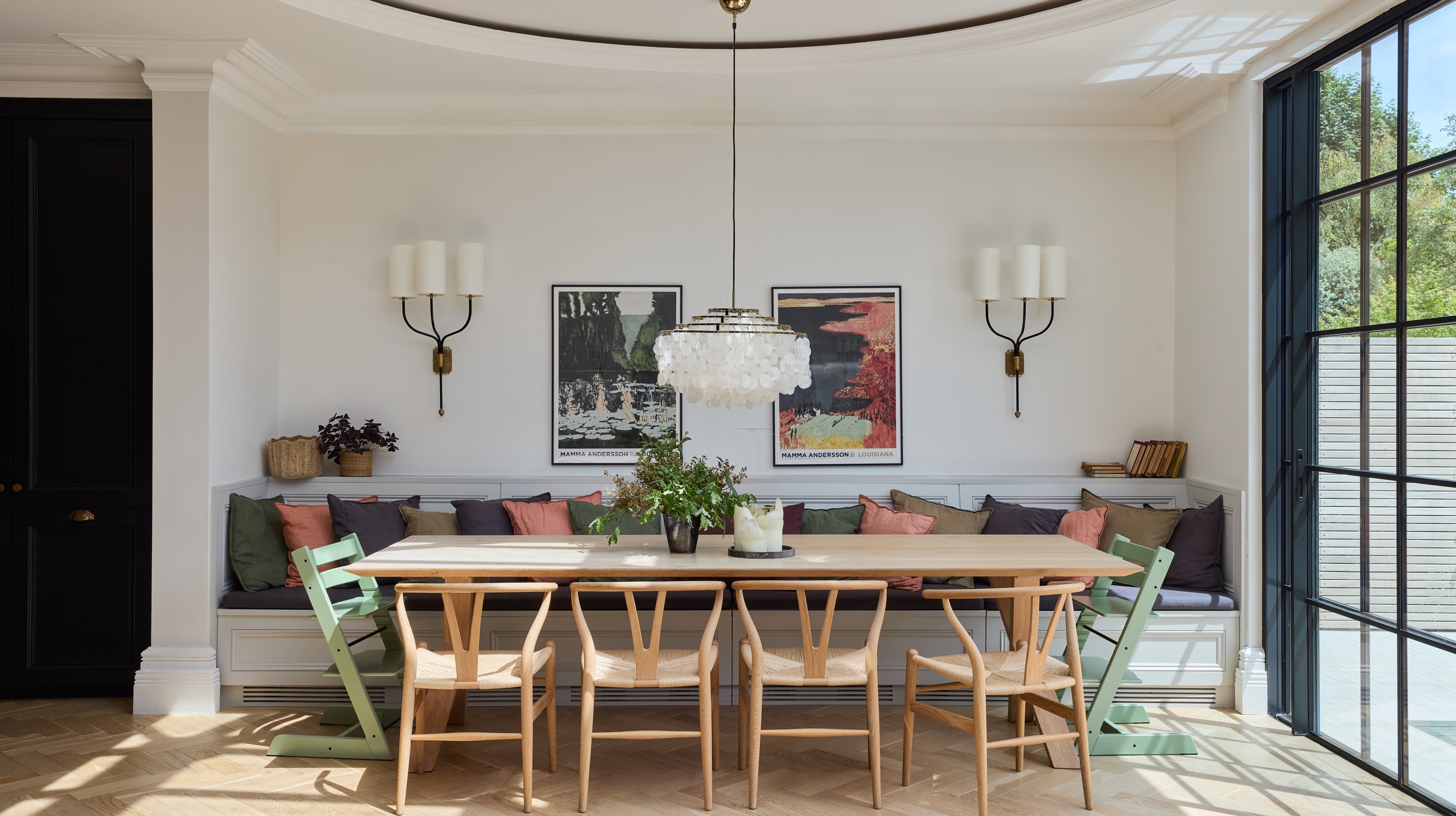
7 Outdated Lighting Trends to Avoid in 2026 Renovations — And What You Should Be Doing Instead
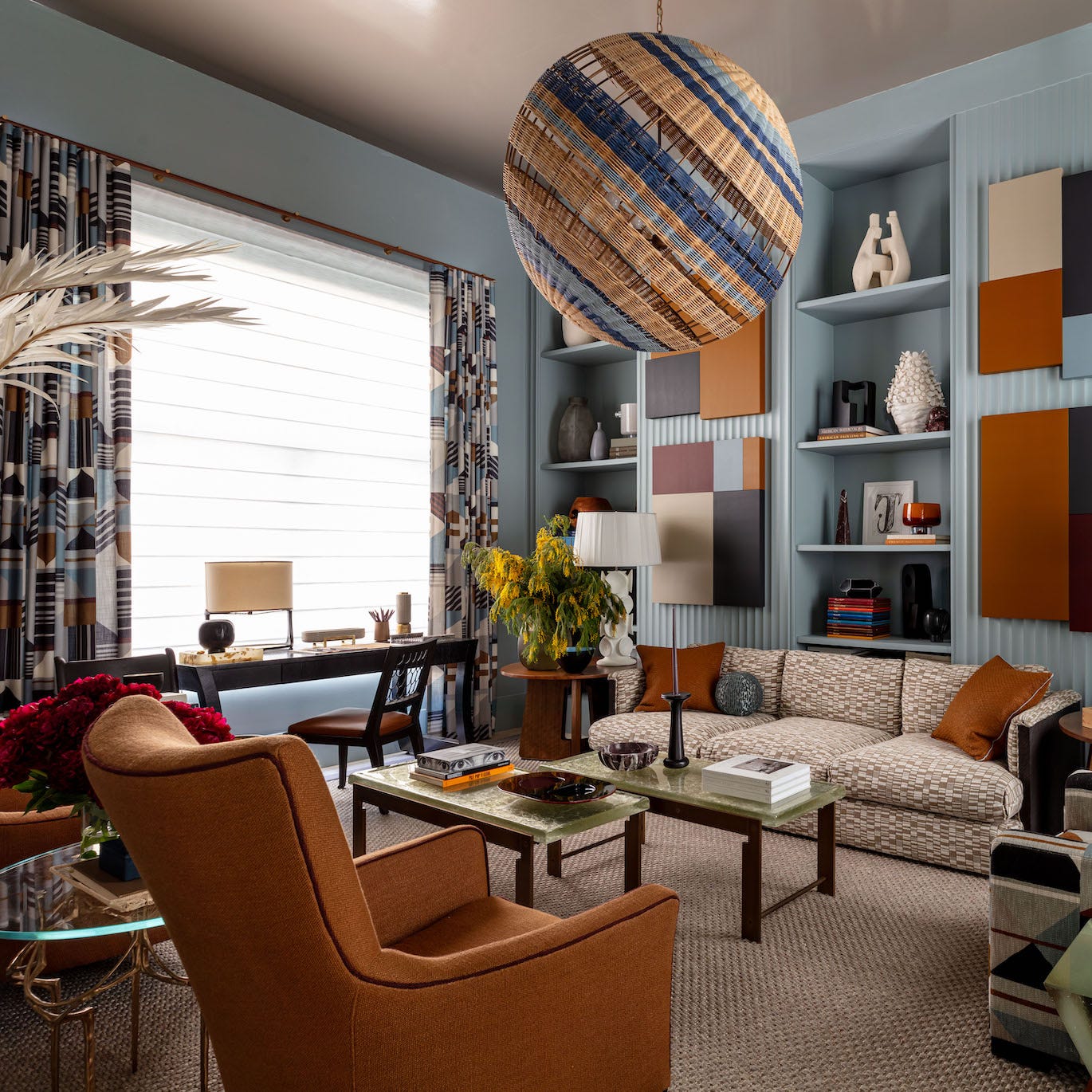
Experts Predict These 7 Lighting Trends Will Be Huge in 2025

In 2025 the best lights are those that are mobile – 9 editor-approved portable lamps perfect for indoors and out
4 ways designers are lighting rooms in 2024 that feel so much cozier and richer than what we're used to
5 Lighting Trends That Our Editors Think Will Be Everywhere in Early 2025
These Lighting Trends Will Be Everywhere in 2026, According to Designers
Lighting Trends We’re Loving