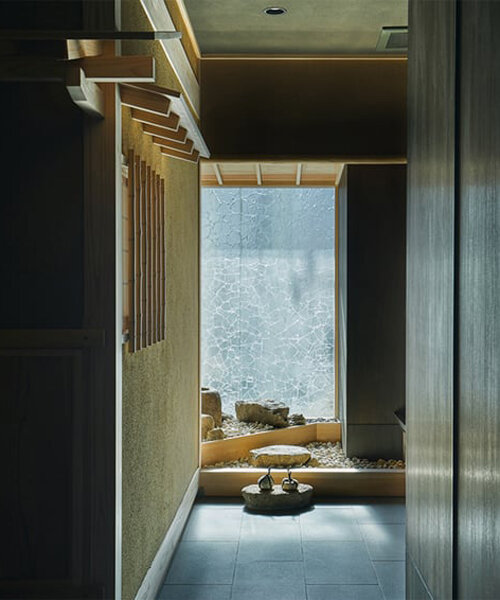
1/3
sunaba's zen, nature-infused japanese tearoom fosters sense of spirituality in urban tokyo
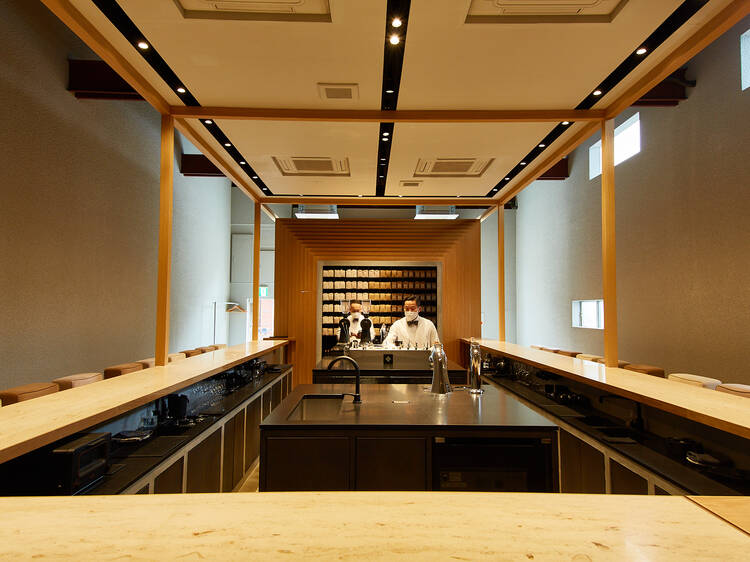
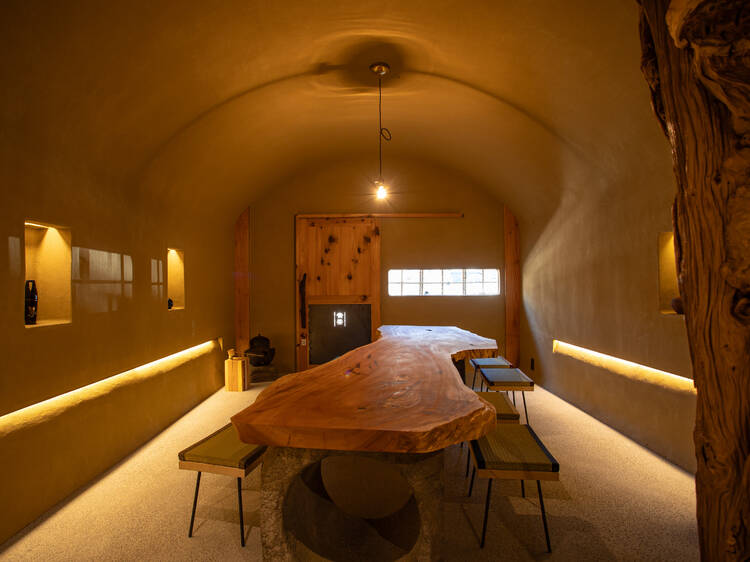
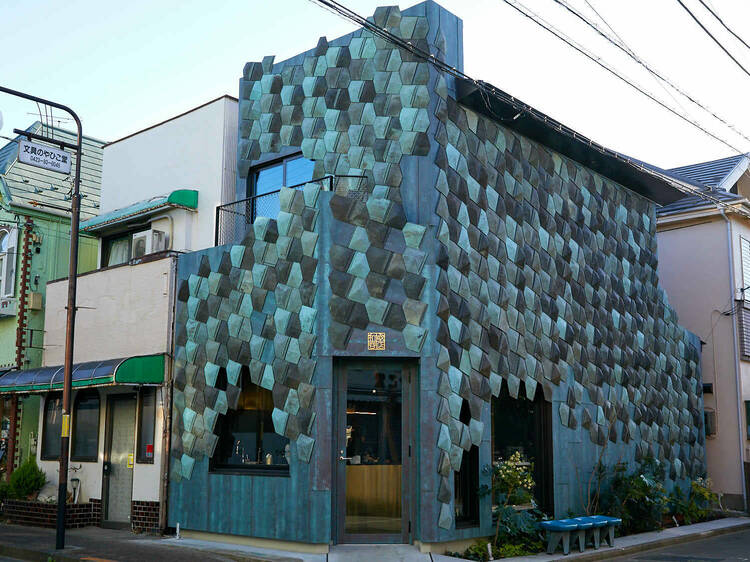
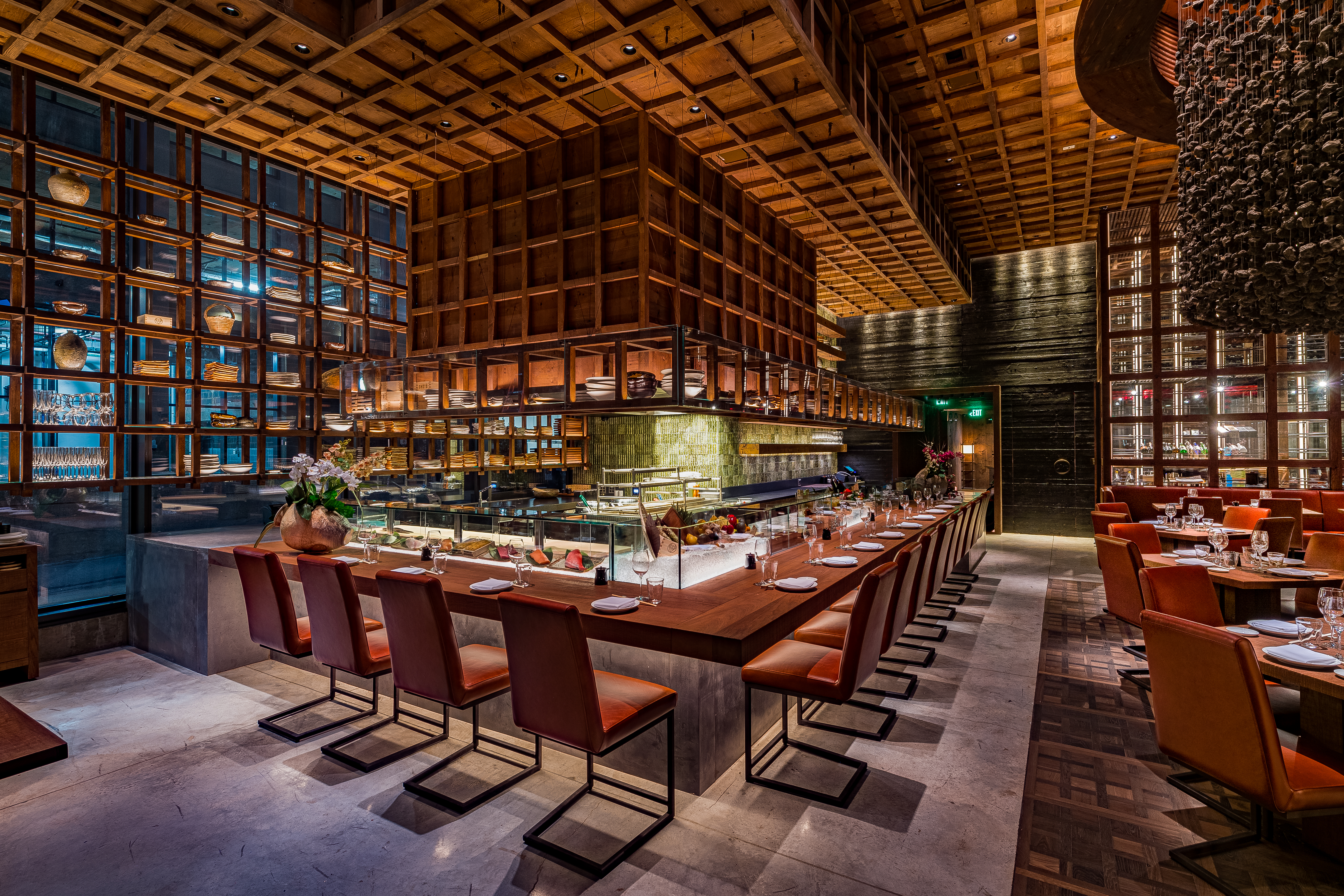
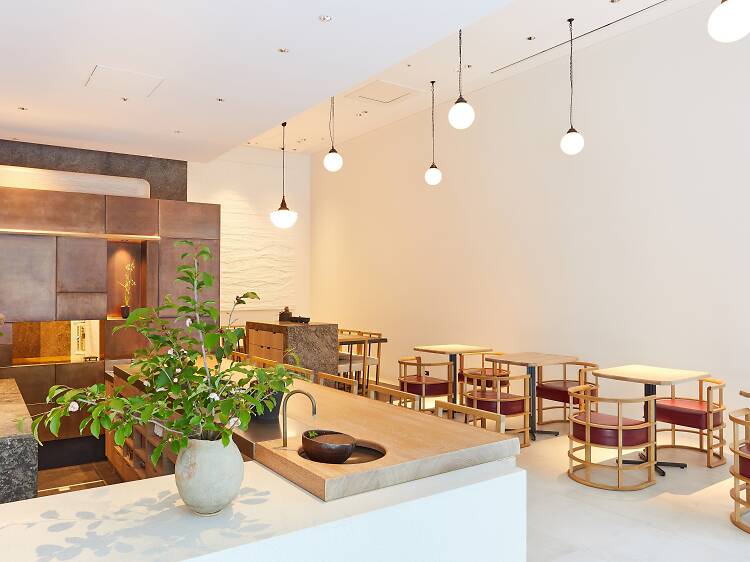
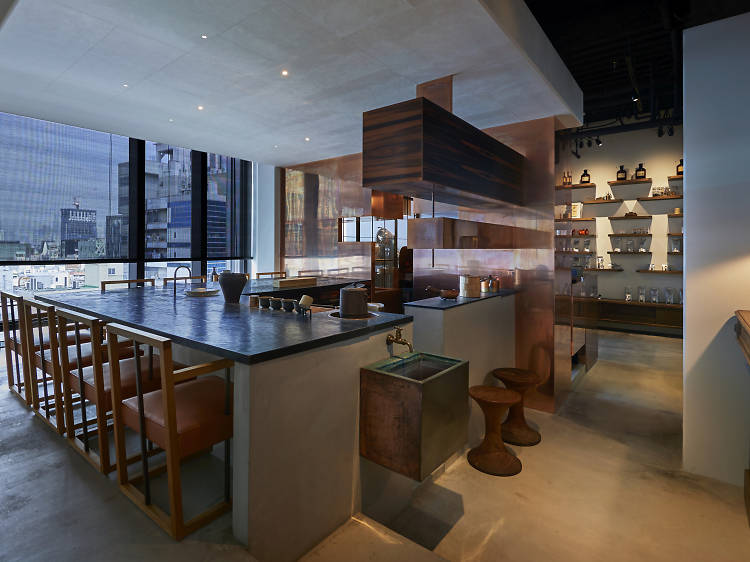
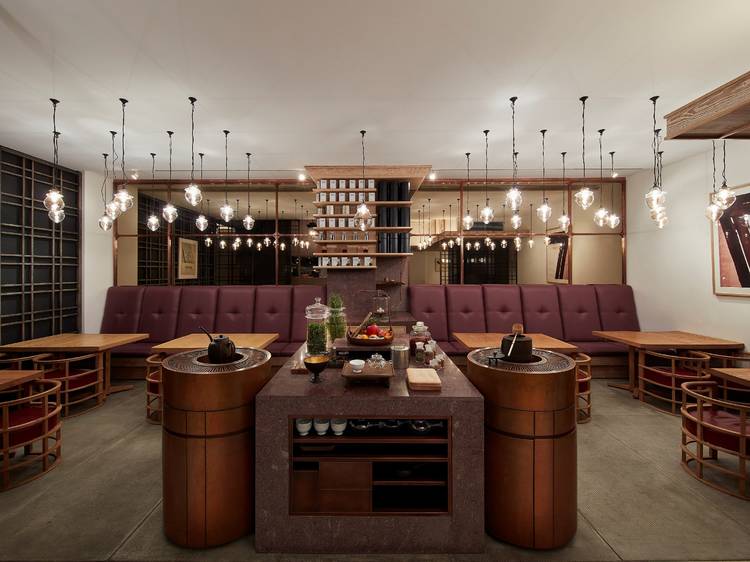
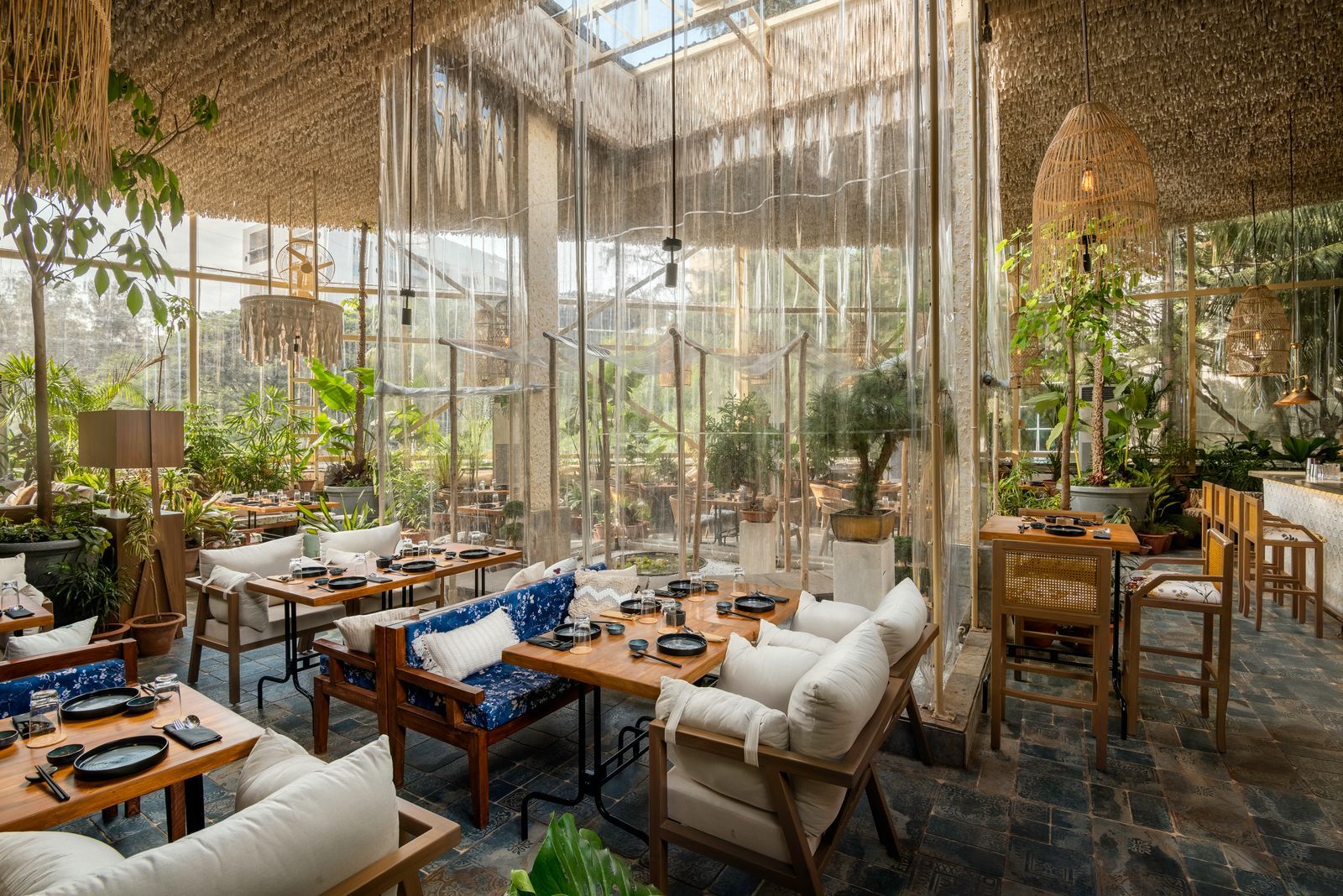
Miyabi by Sunaba, situated at a bustling intersection within a modern complex in Tokyo, Japan, is a Japanese tearoom designed to function as a versatile spiritual sanctuary. The project aims to celebrate the ancient Japanese tea ceremony while seamlessly transitioning between everyday commercial activities and traditional Japanese practices. The design integrates calming natural elements into an urban setting, creating a quiet space that evokes a Zen ambiance through a deliberate sequence of spatial movements, warm lighting, and traditional Japanese architectural features. The primary objective is to provide visitors with an immersive and extraordinary experience through carefully considered spatial development.
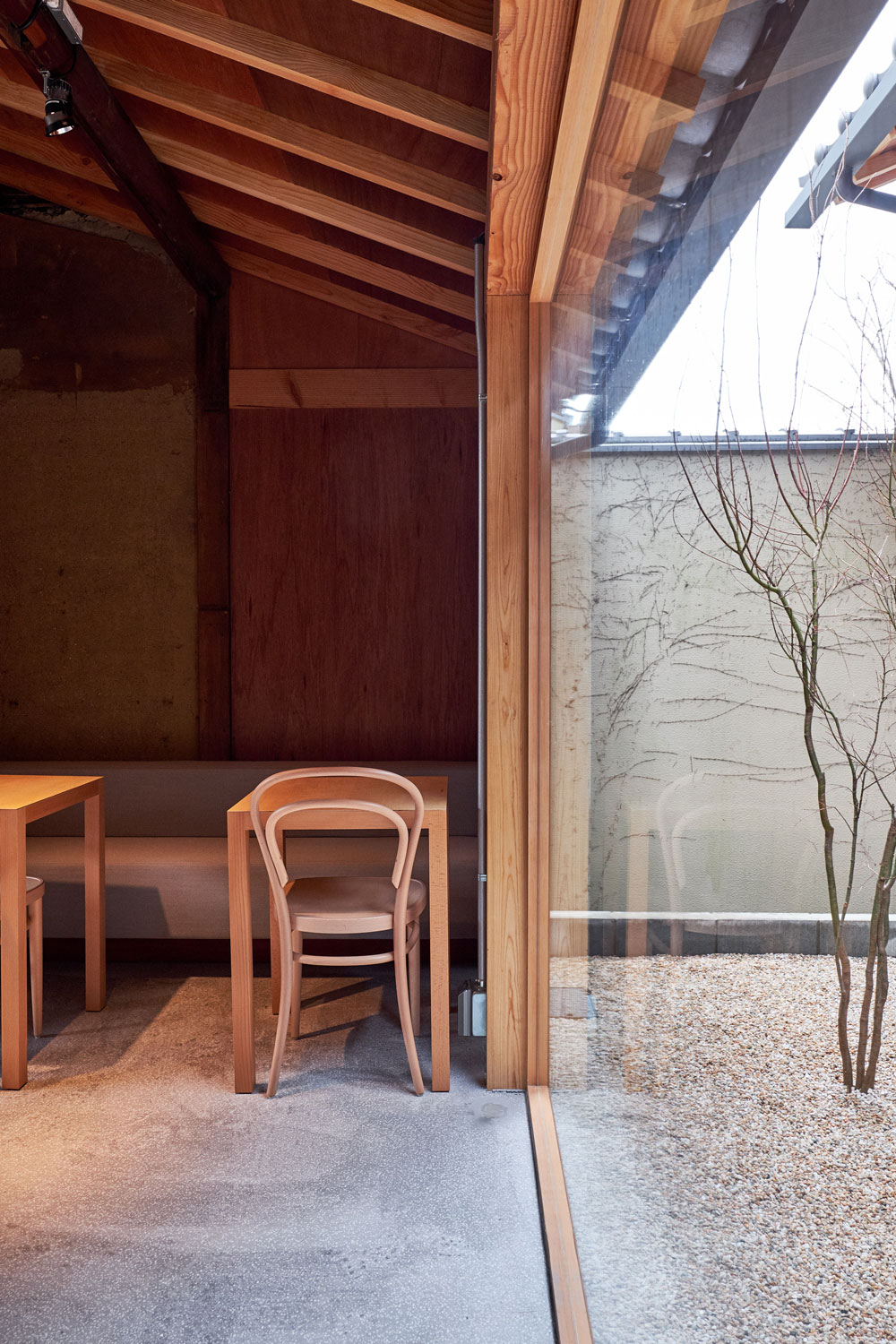
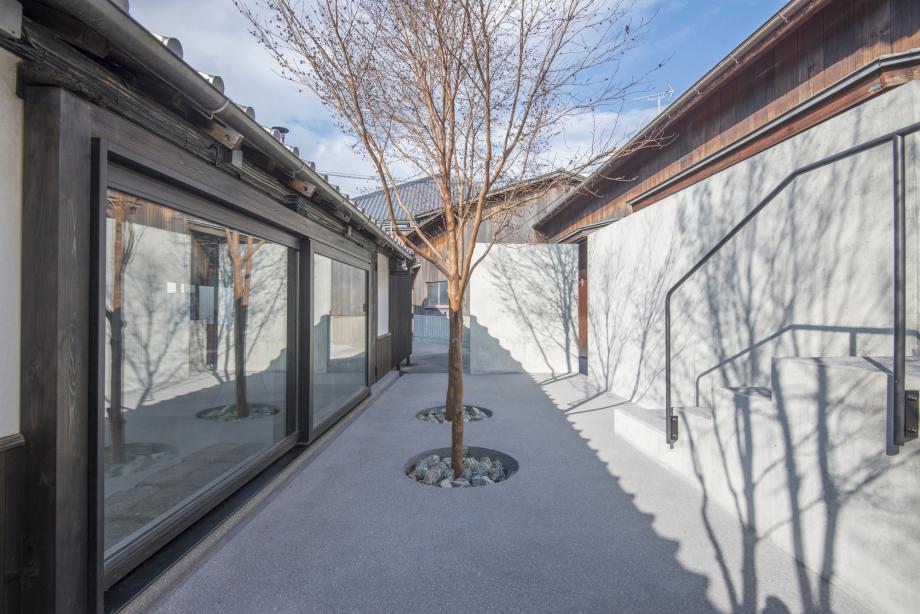
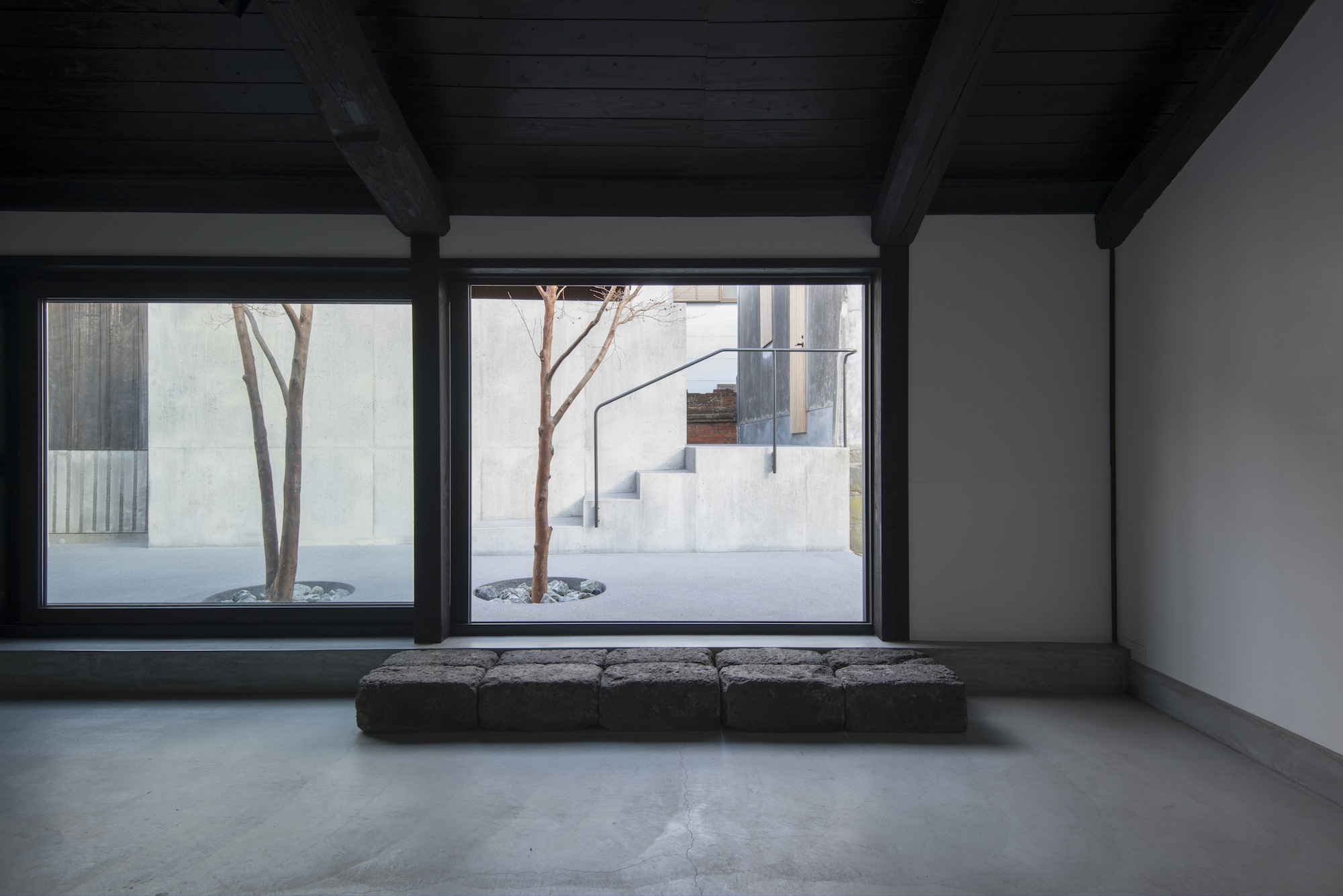
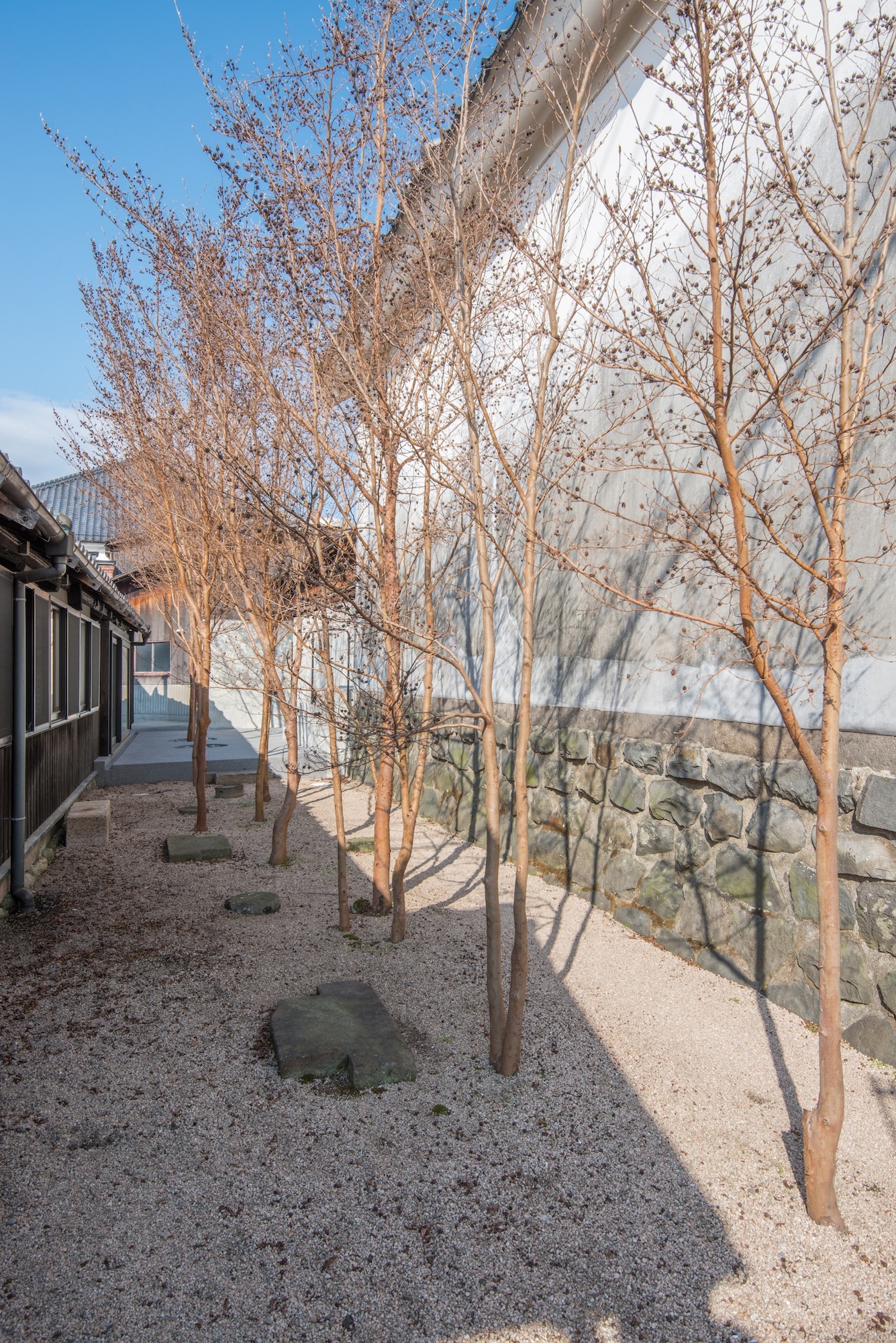
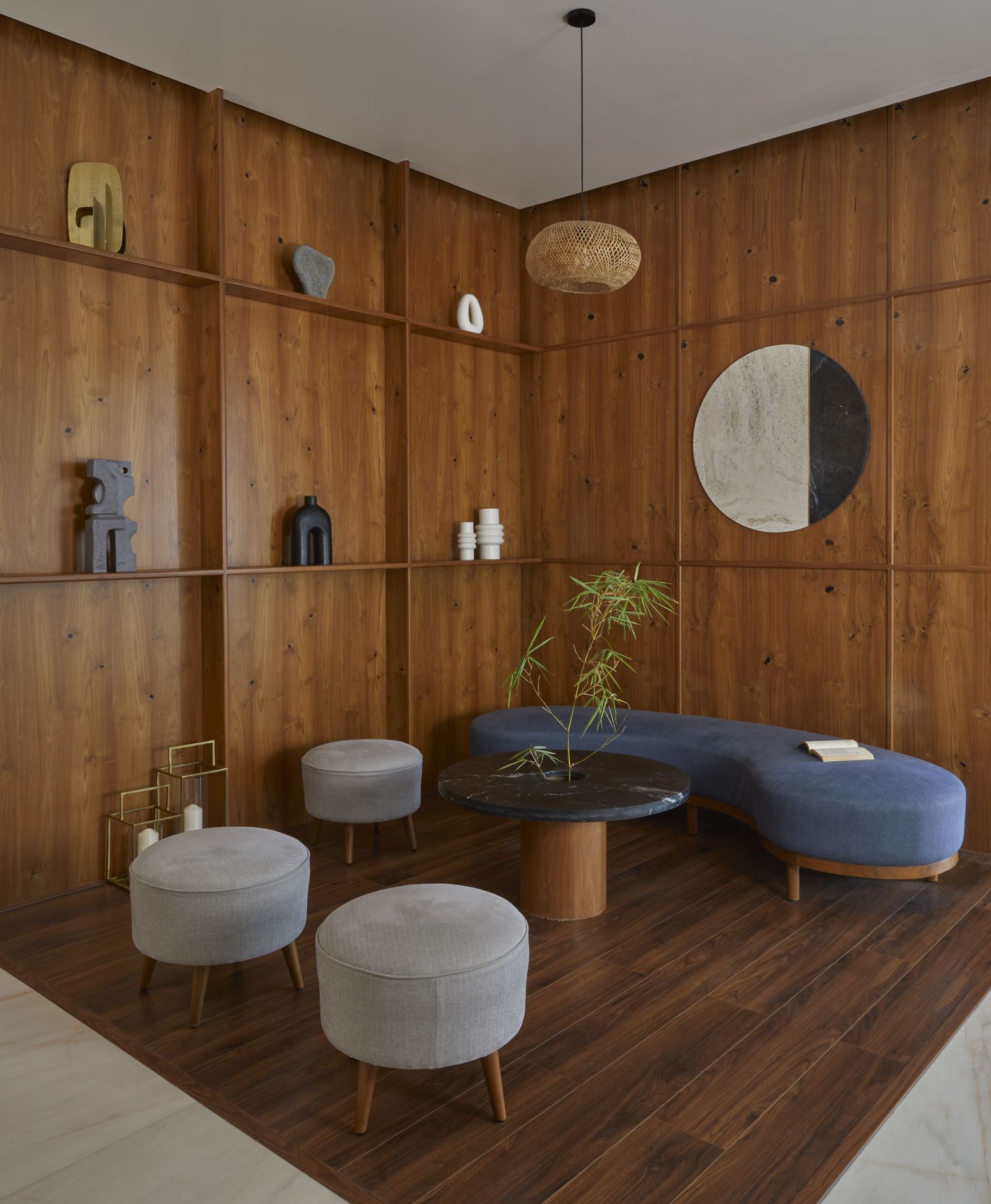
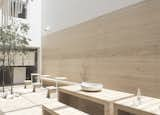
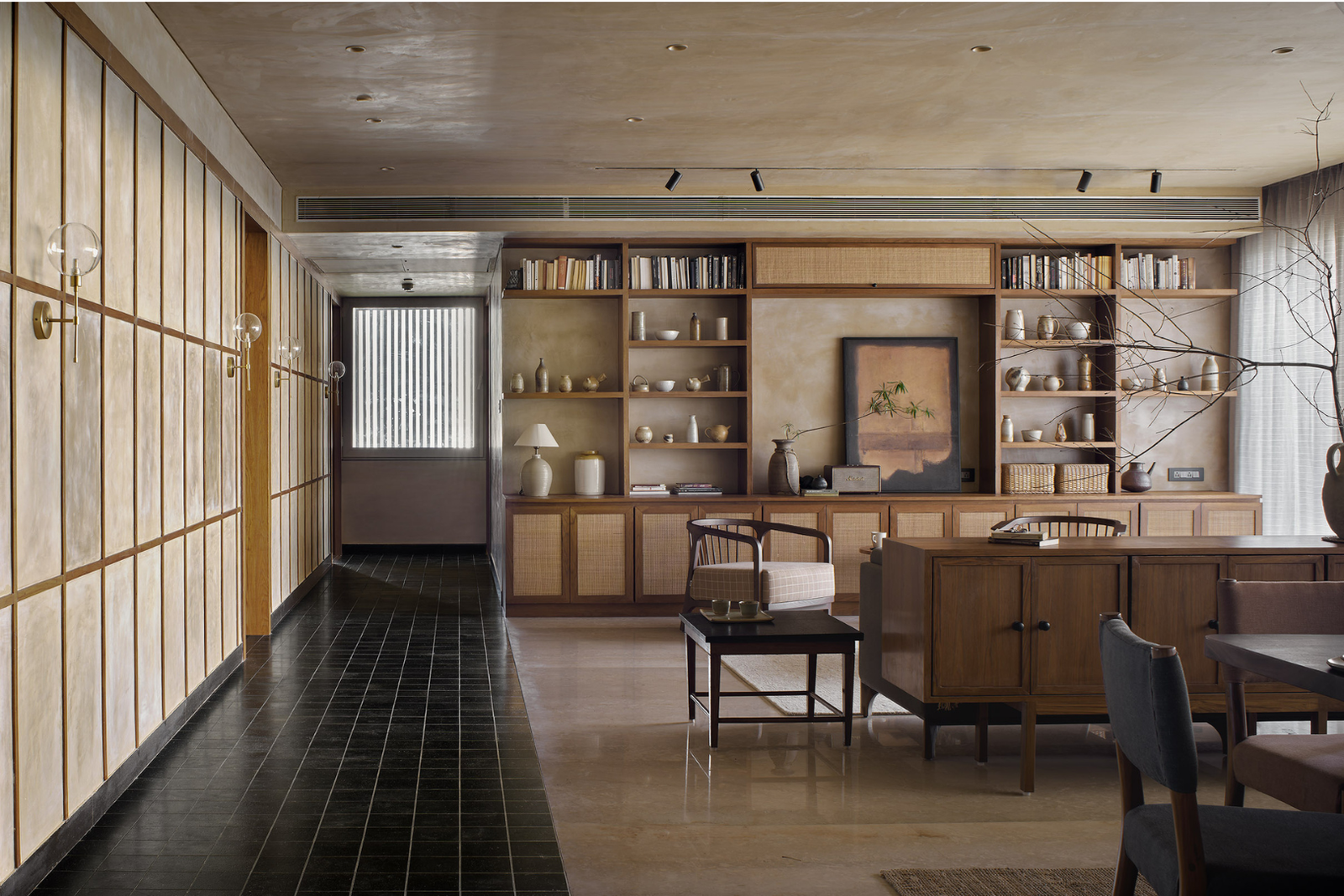
Drawing inspiration from the traditional tea ceremony's concept of Shichu no Sankyo, which signifies a mountain retreat within the city, Sunaba incorporates a small tea garden, or Roji, to bring the tranquility of nature into the urban environment. A narrow Roji path, characterized by small rocks and dark wooden paneling, marks the transition from the city's hustle. This path guides visitors into the tearoom, enveloped in a contemplative atmosphere created by warm wooden interiors and stone-lined walkways. As individuals proceed through the softly lit space, corrugated glass diffuses natural light, contributing to a sense of spiritual purification.
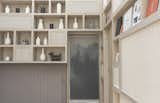
Inside Miyabi, the layout is structured around the sacred Koma space, which is the small, intimate area for the tea ceremony. This central space is surrounded by a Mizuya (preparation room) and the Roji, ensuring a quiet and secluded environment for the ritual. To further enhance the tearoom's privacy and serenity, the architects installed a 100 mm thick corrugated glass screen along the condominium's large glass wall facade. This screen effectively attenuates external sound and light, maintaining a peaceful atmosphere suitable for the tea ceremony. The design ensures that the space remains adaptable, capable of hosting various commercial activities while retaining its spiritual core and traditional aesthetic.
#JapaneseArchitecture #TearoomDesign #ZenDesign #TokyoArchitecture #UrbanSanctuary #TraditionalJapanese #SpatialDesign #NatureInspired #SpiritualSpace #JapaneseArchitecture #TearoomDesign #ZenDesign #TokyoArchitecture #UrbanSanctuary #TraditionalJapanese #SpatialDesign #NatureInspired #SpiritualSpace
0 تعليق إجمالاً
 لا توجد تعليقات بعد
قد تعجبك أيضًا
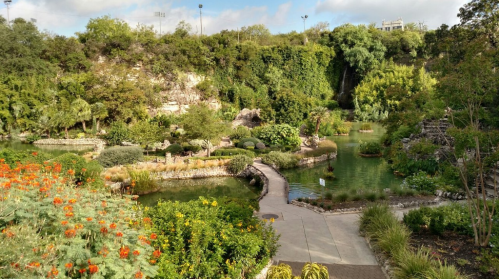
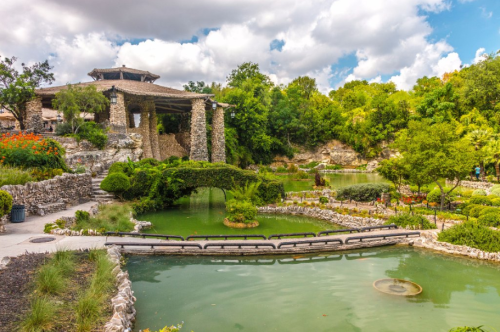
Find Your Zen at the Japanese Tea Garden in San Antonio!

A Lewes Townhome Pays Homage to Japan’s Serenity
12 best Japanese tea rooms and green tea cafés in Tokyo
Zen-Like Micro-Apartment Renovation Is Inspired by Japanese Inns
Michigan’s Slice of Japan: Where Design Connects Humanity with Nature

This minimalist Japanese sake brewery conceals a zen secret garden

shigeru ban is designing a zen wellness center for awaji island in japan
This Japanese-Inspired Inn Is One of Mexico City's Best Kept Secrets

Kyoto’s first Blue Bottle Coffee shop is an architectural zen retreat
Take your worries away: How Zen garden can become your daily dose of mindfulness | Hindustan Times

An Architect’s Hidden Tropical Sanctuary Inspired by Japanese Zen Gardens

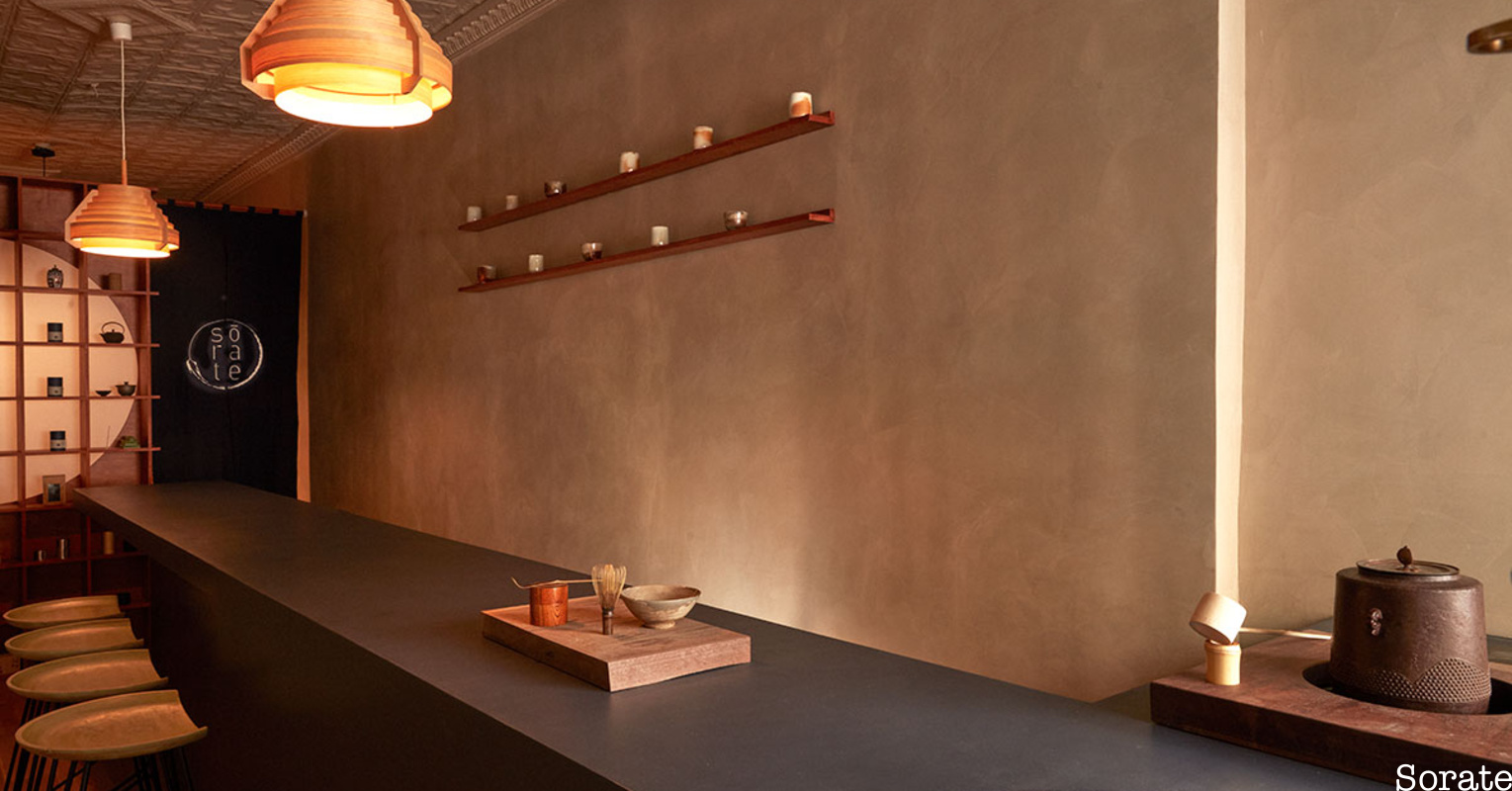
Inside a Japanese Tea House in SoHo
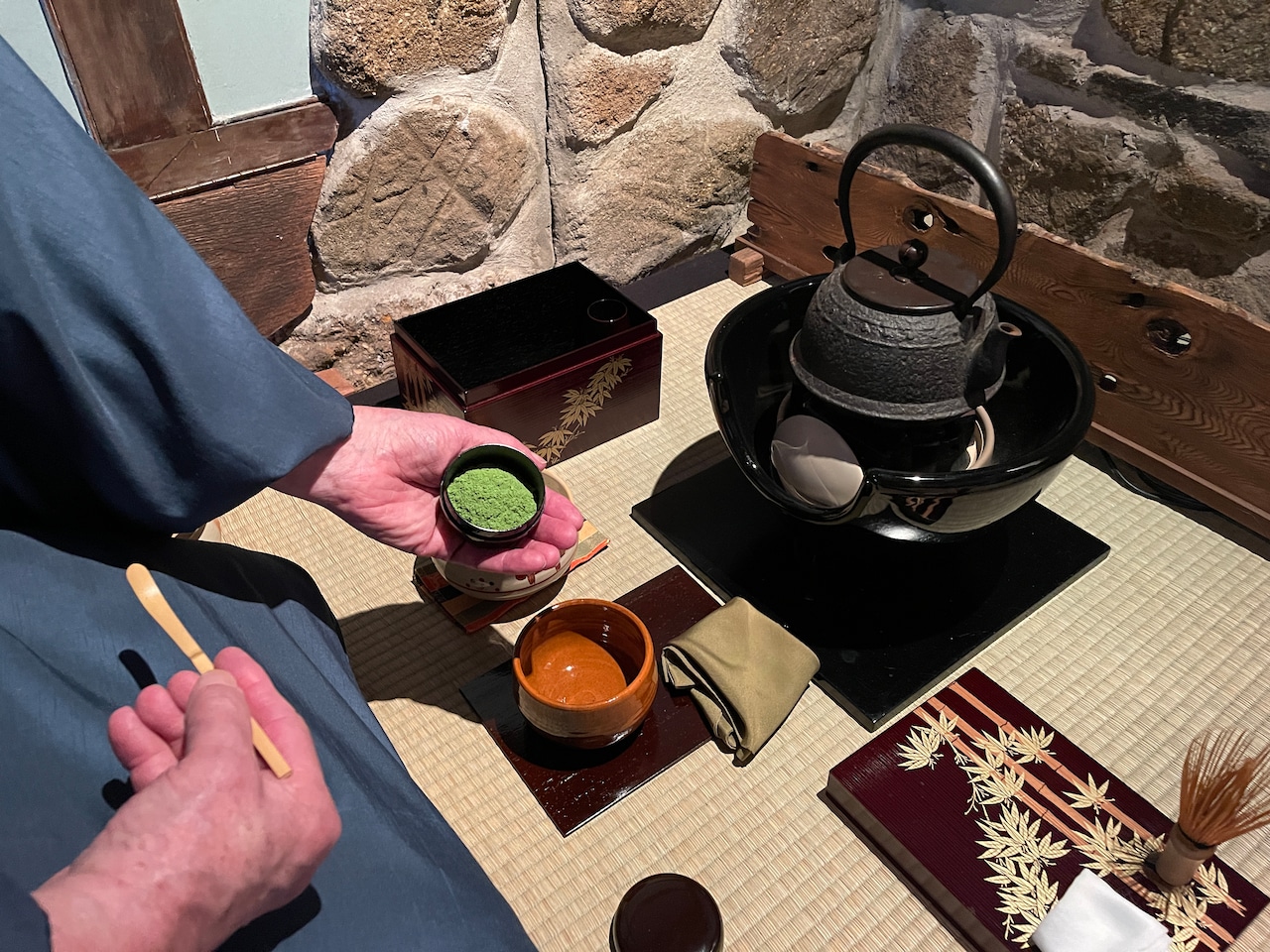
Inside a Japanese tea ceremony, N.J.’s most tranquil hideaway
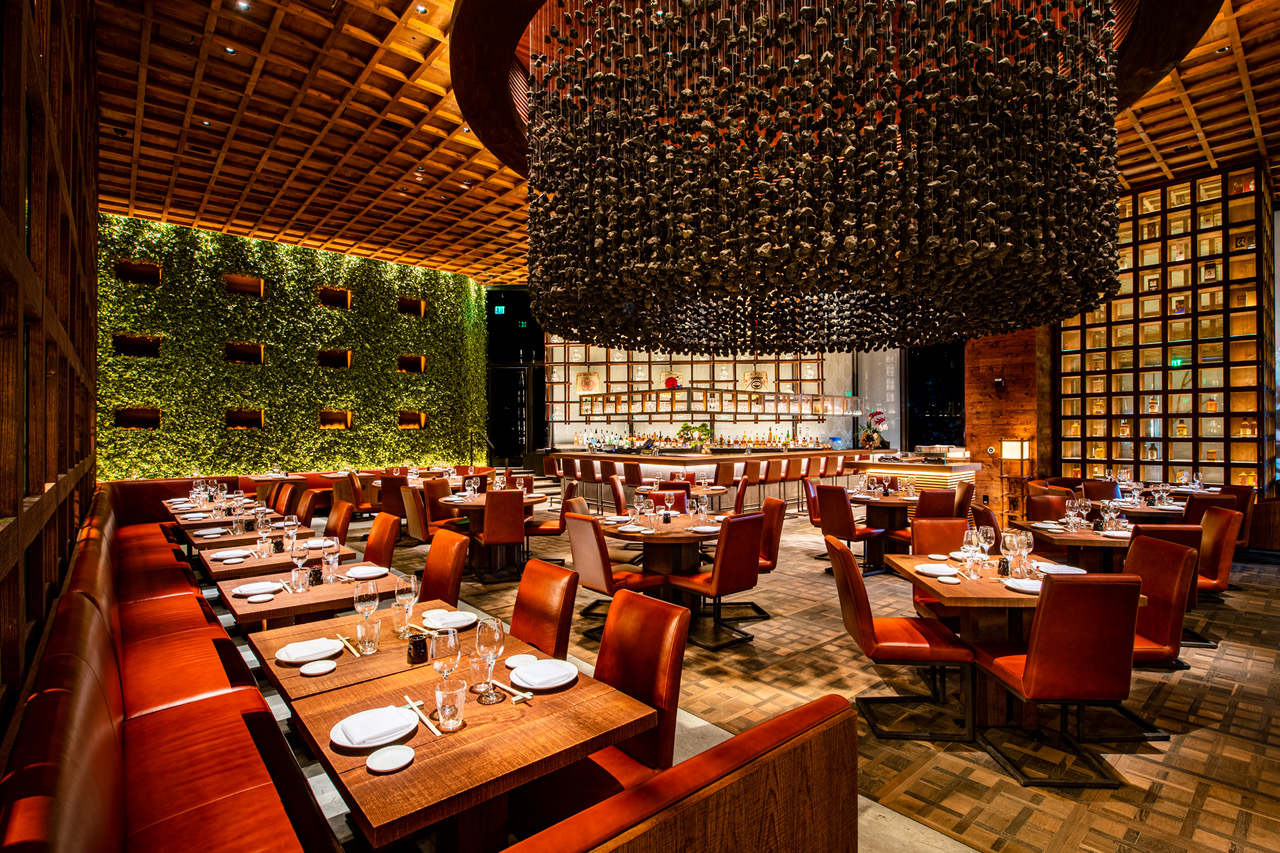
Inside Shōtō, a Zen Japanese Masterpiece Rising Downtown Tonight
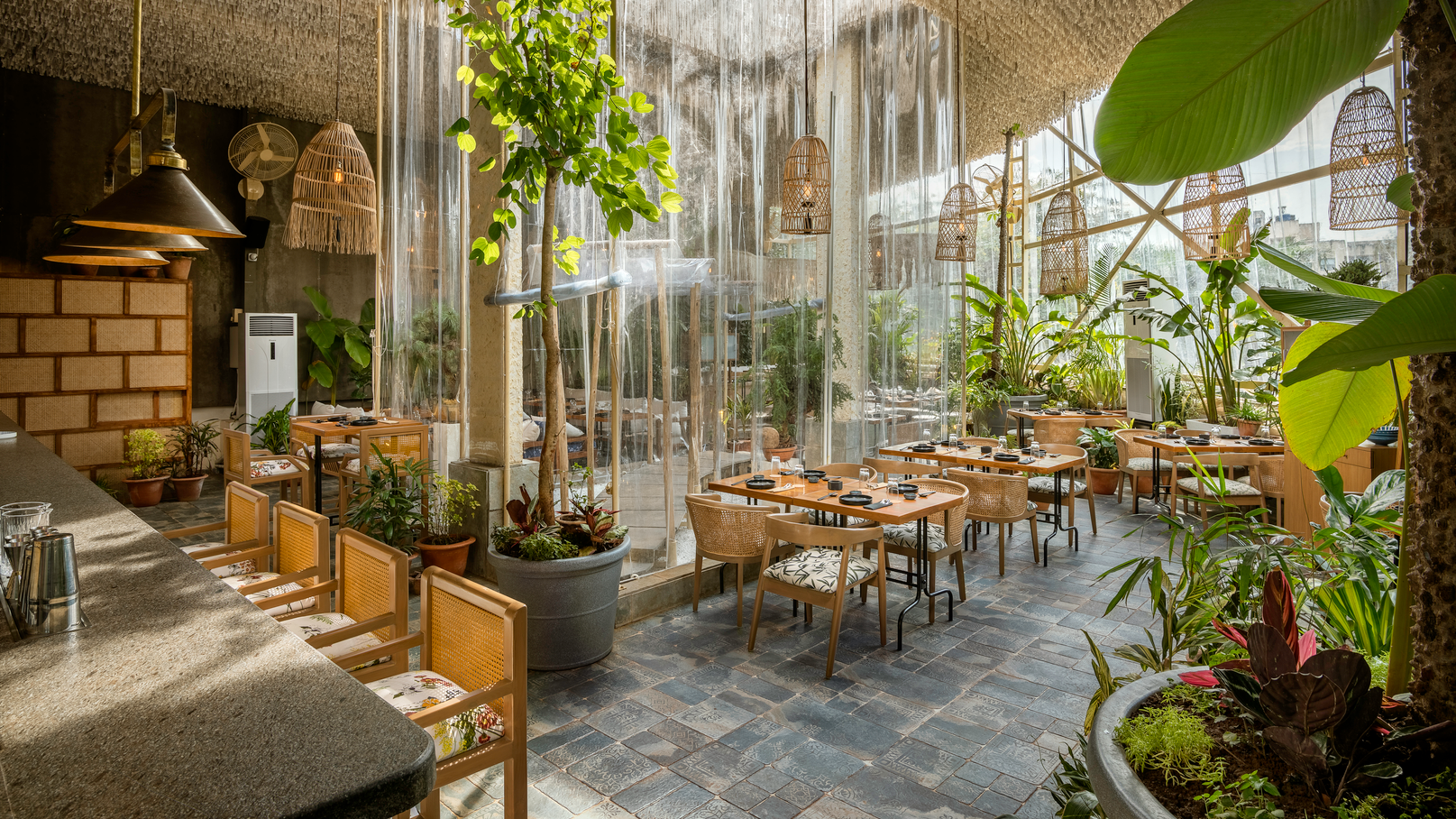
Tsuki: This Pune rooftop restaurant celebrates calm with a Zen garden

5 homes that bring serene Japanese-inspired design to life
15 most beautiful cafés and coffee shops in Tokyo
Bonsai: Seating Inspired by Japanese Culture

Japanese minimalism brings zen to this Alibaug penthouse
Find Your Zen at This $5M Estate with Authentic Japanese Teahouse and Gardens