10 Dining Room Pieces Designers Say Are Outdated
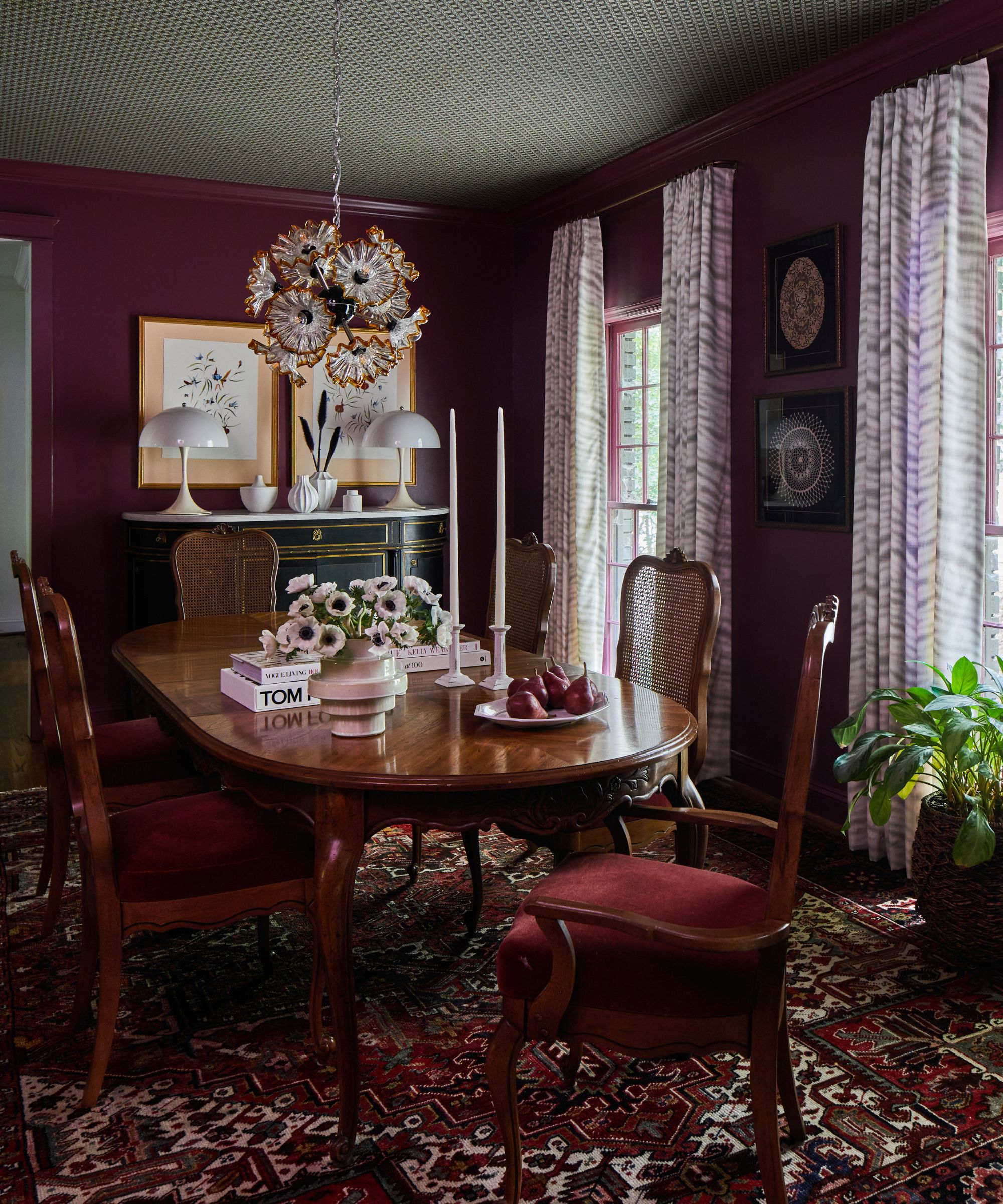
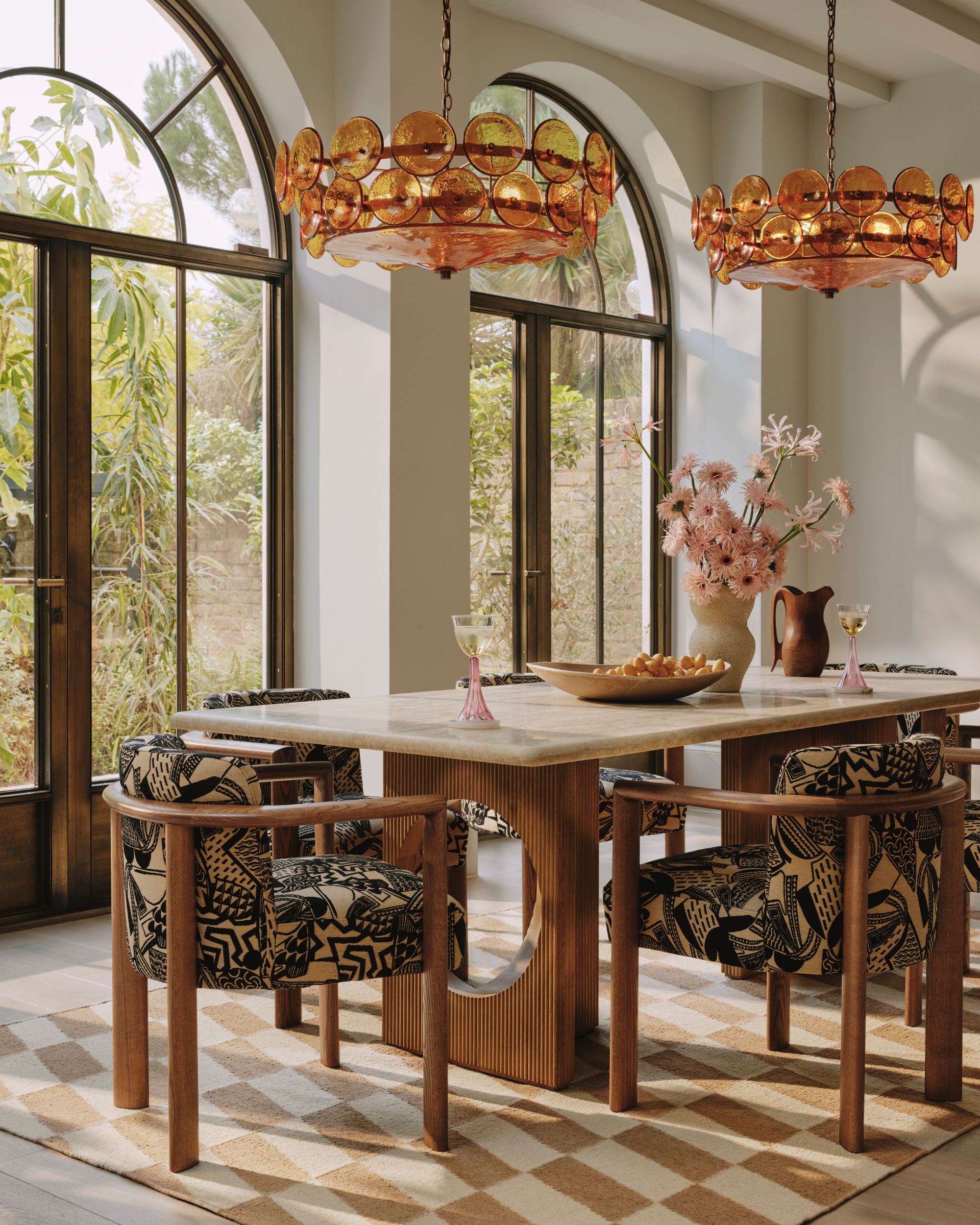
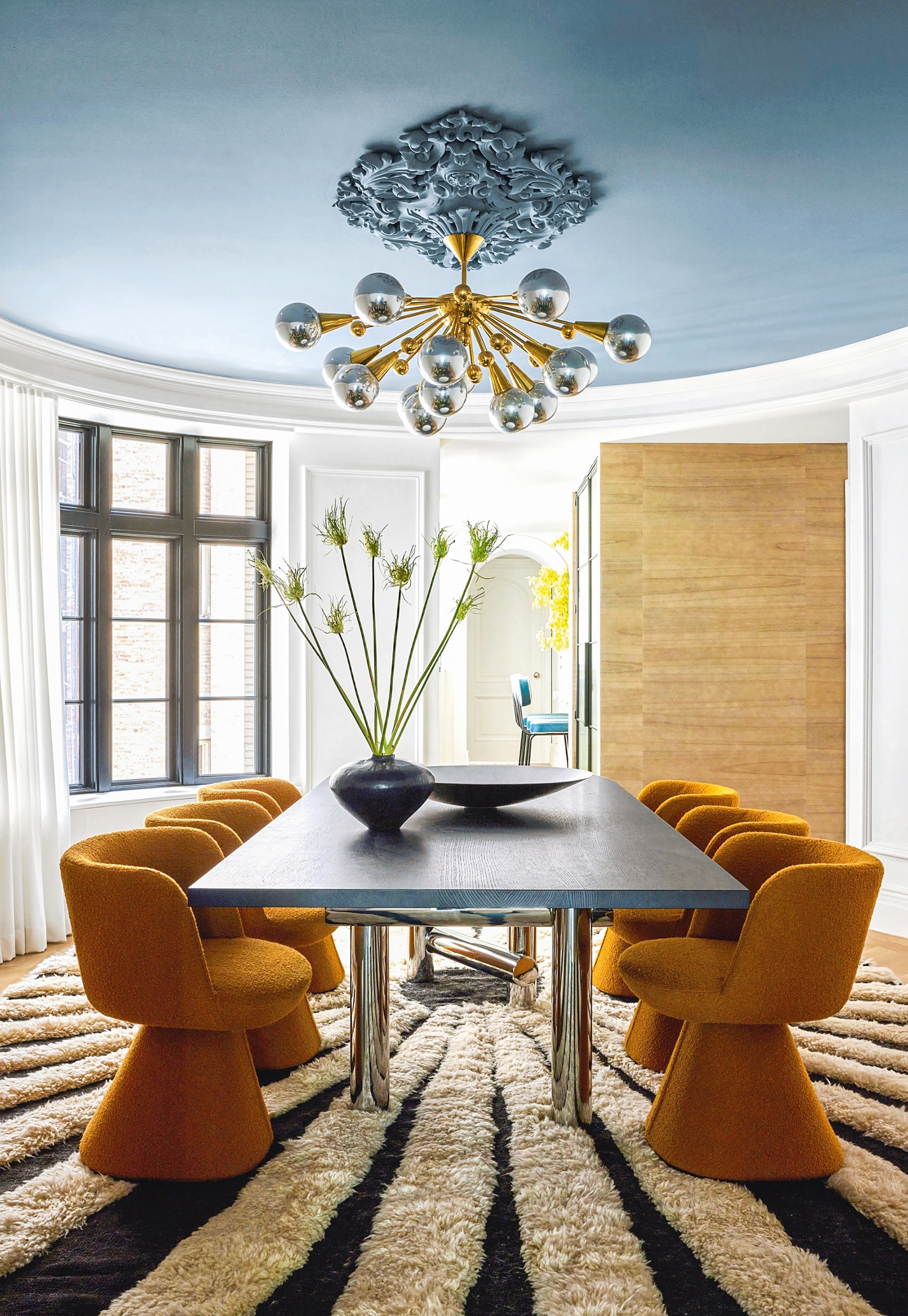
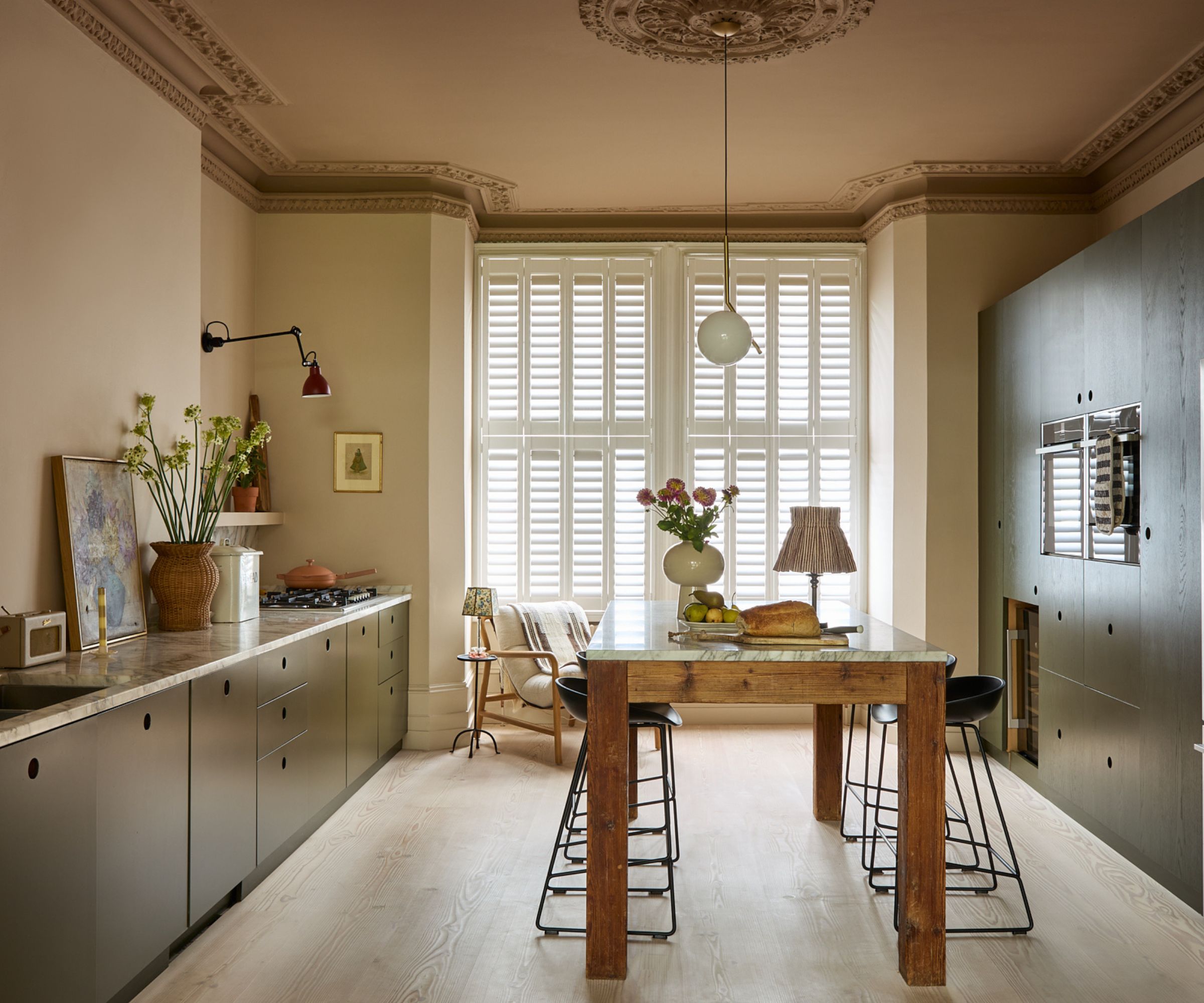
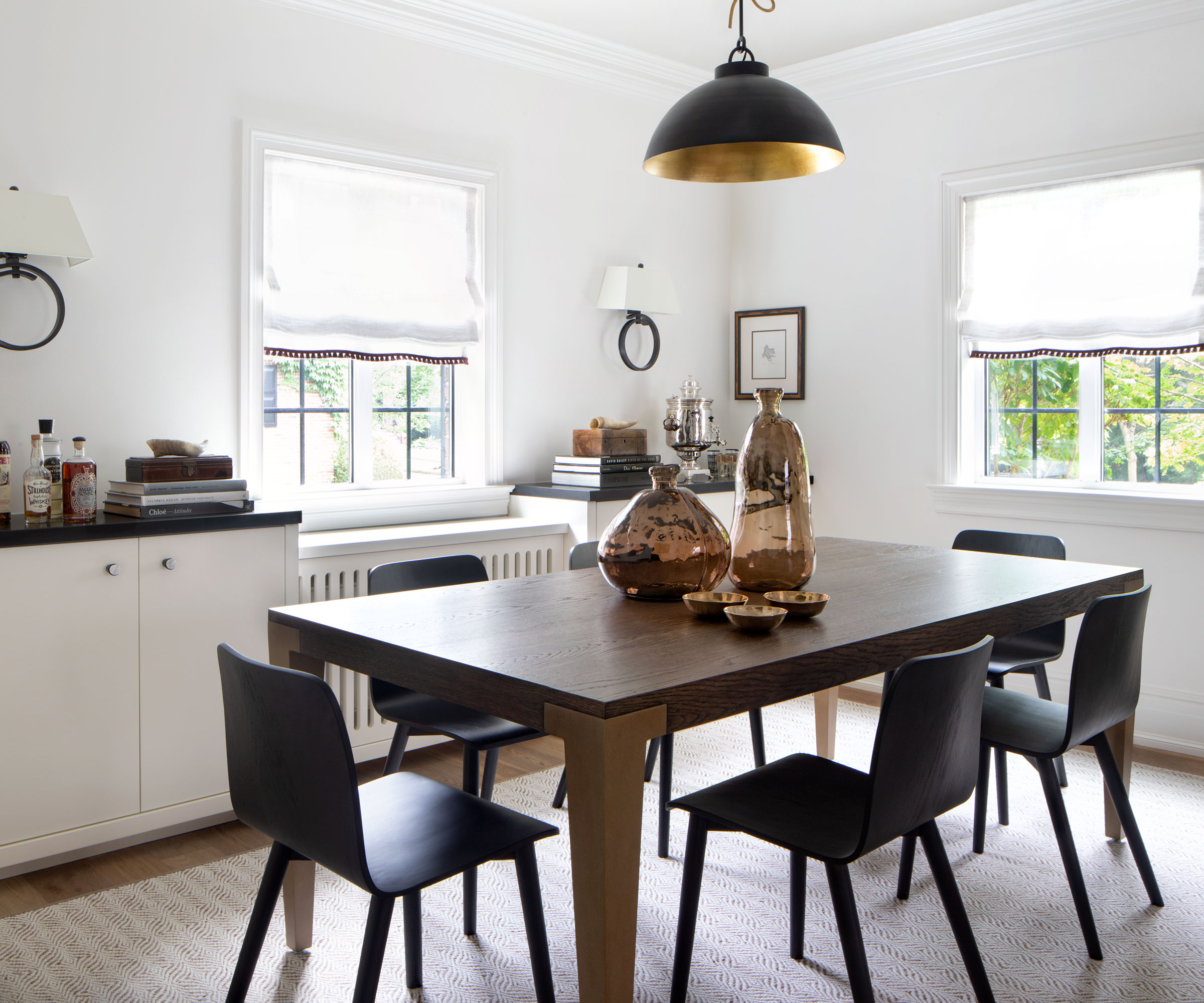
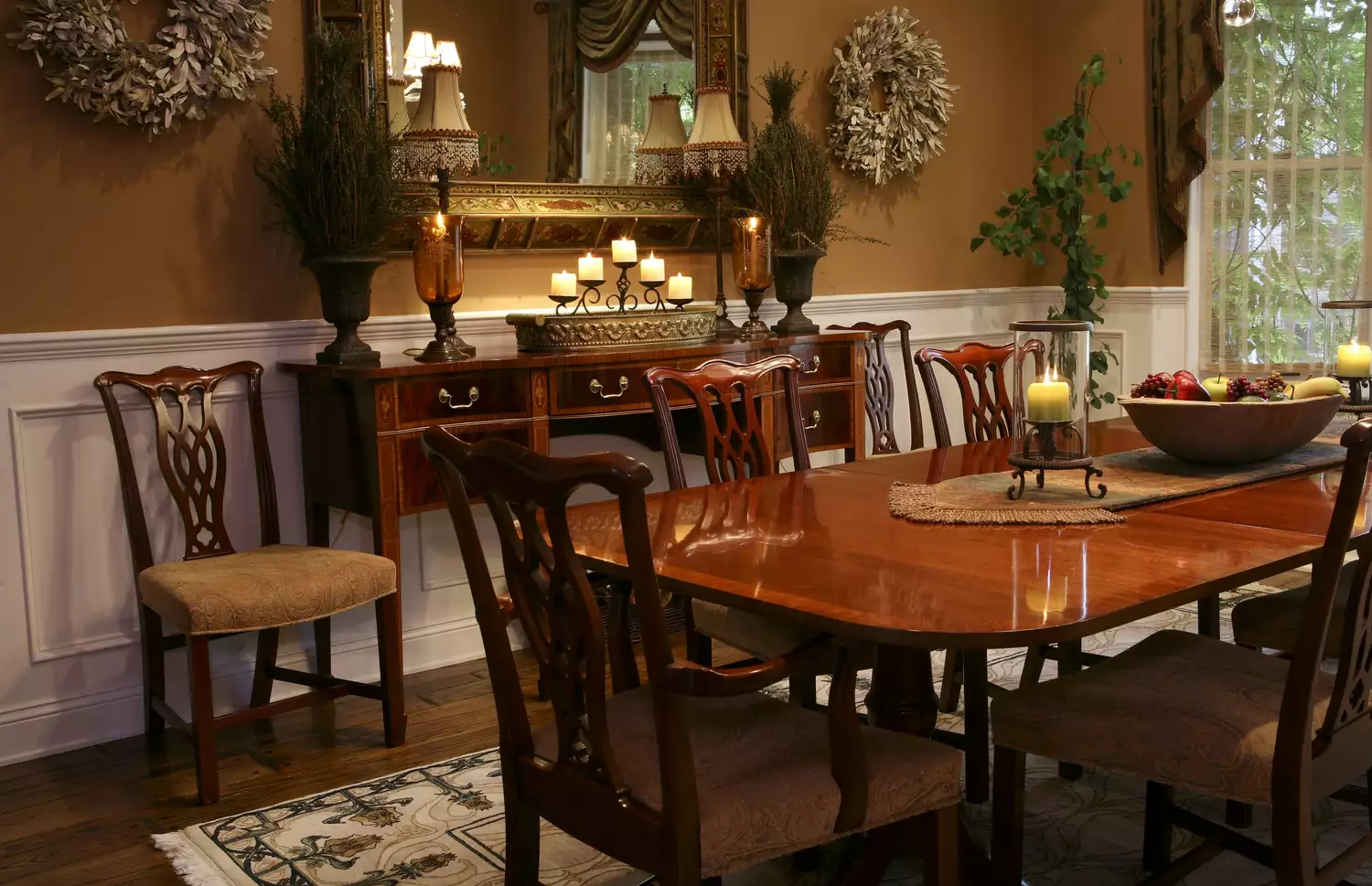
The formal dining room is experiencing a resurgence, but its previous decline was largely attributed to its reputation as a restrictive, "do-not-touch" space filled with traditional, often heavy, furnishings and reserved only for special occasions. Contemporary dining rooms, however, aim to be both formal and fresh, moving away from outdated elements that contribute to a stiff and unwelcoming atmosphere. Designers highlight several pieces and styles that are making dining rooms feel instantly dated.
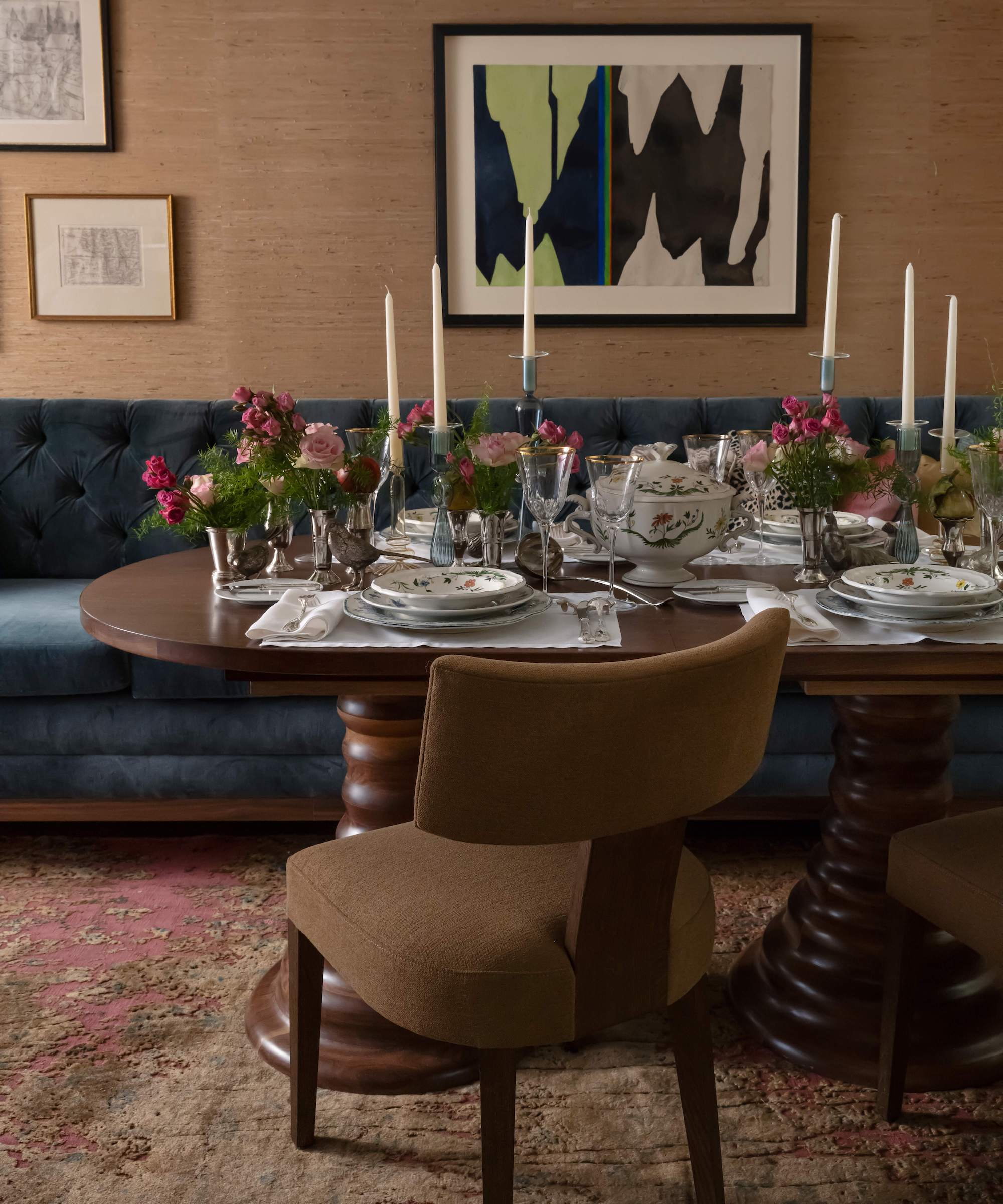
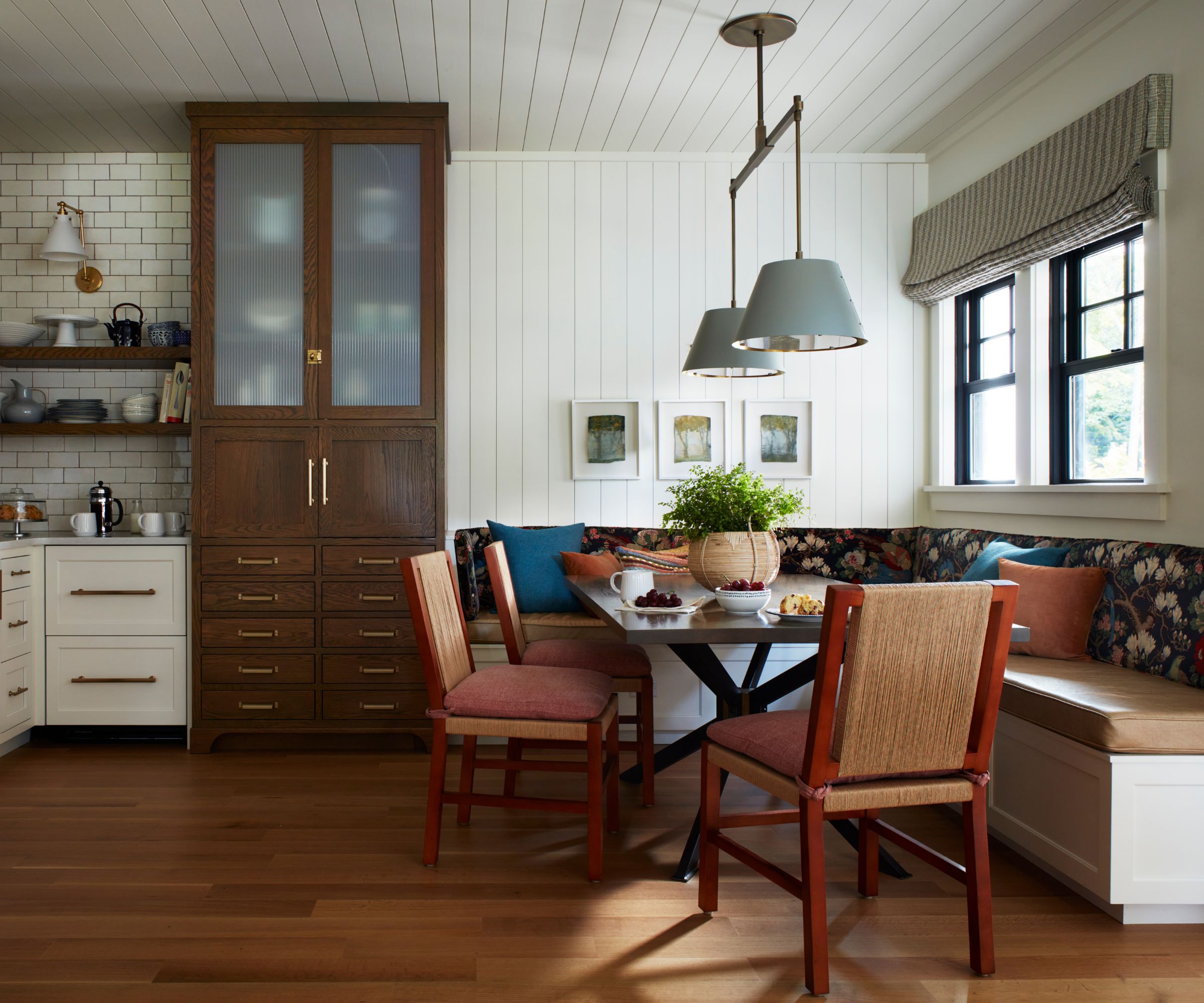
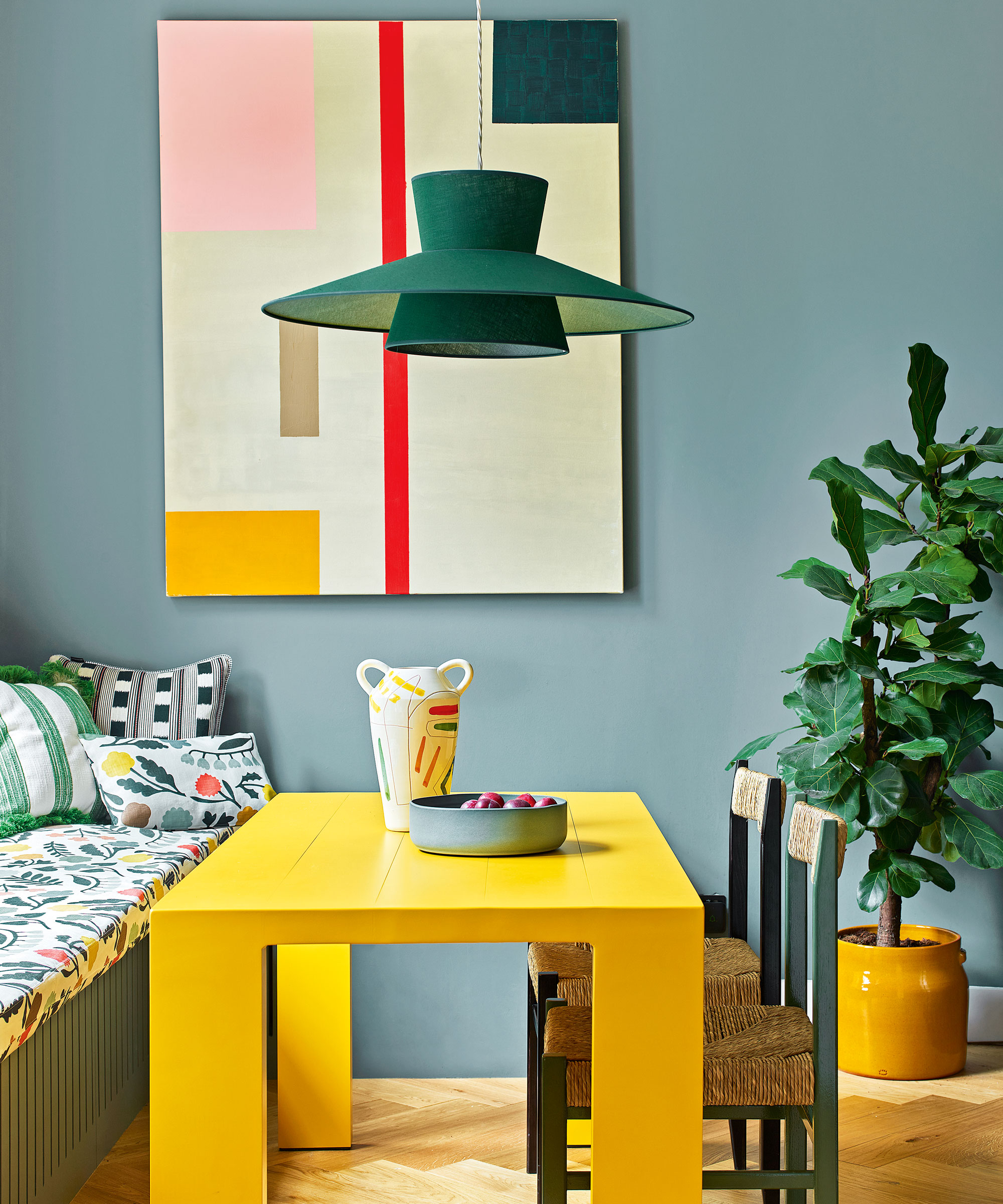
One such item is the farmhouse-inspired dining bench, which, while space-saving, is considered overly casual and uncomfortable for prolonged meals. Instead, designers recommend built-in banquettes, offering a cozy, chic, and tailored solution that accommodates more people comfortably. Corner cabinets, once staples for displaying china and crystal, are also falling out of favor, viewed more as dust collectors than practical storage. Modern alternatives include custom cabinetry or larger, more functional hutches.
Silver centerpieces, particularly elaborate multi-piece tea sets, are being replaced by simpler, lower-maintenance large decorative bowls. This shift reflects a preference for less ornate and less demanding decor. Oversized mahogany dining tables, designed to seat twelve or more, are also considered impractical for most contemporary households. These tables often overwhelm a room and are rarely fully utilized. The trend is moving towards tables with expandable hidden leaves that can accommodate larger gatherings when necessary, but are more appropriately sized for daily use.
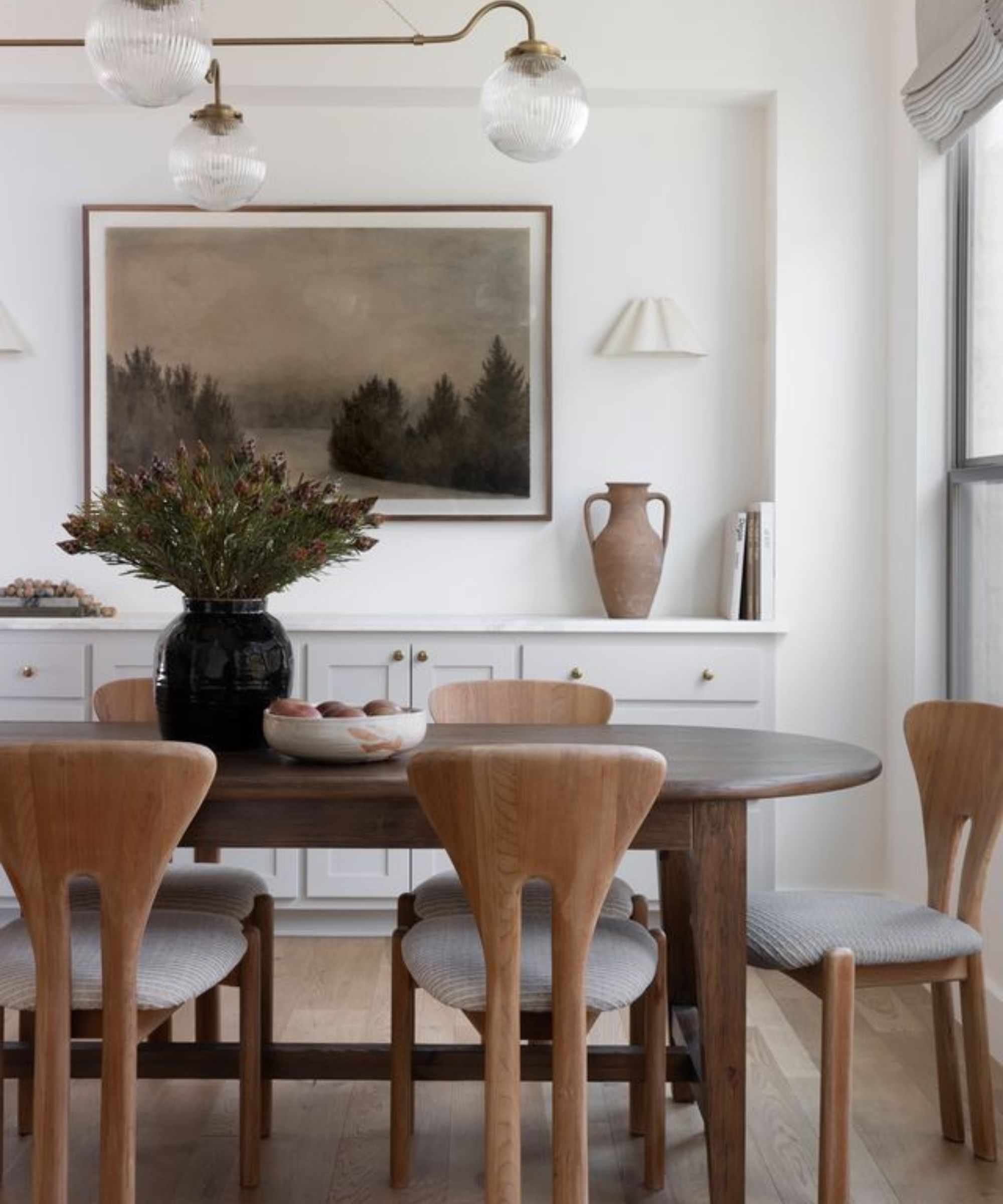
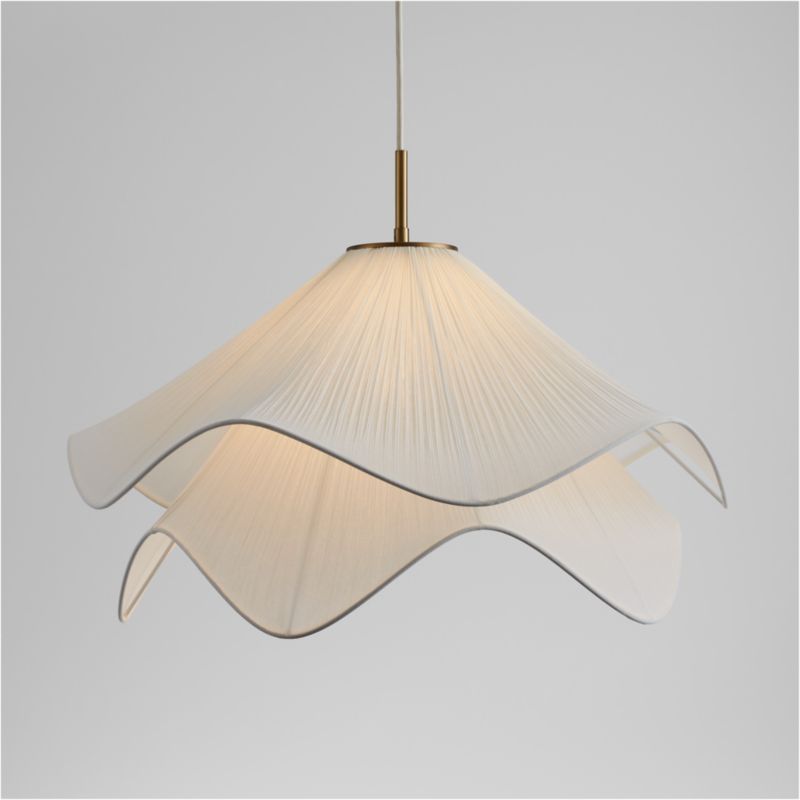
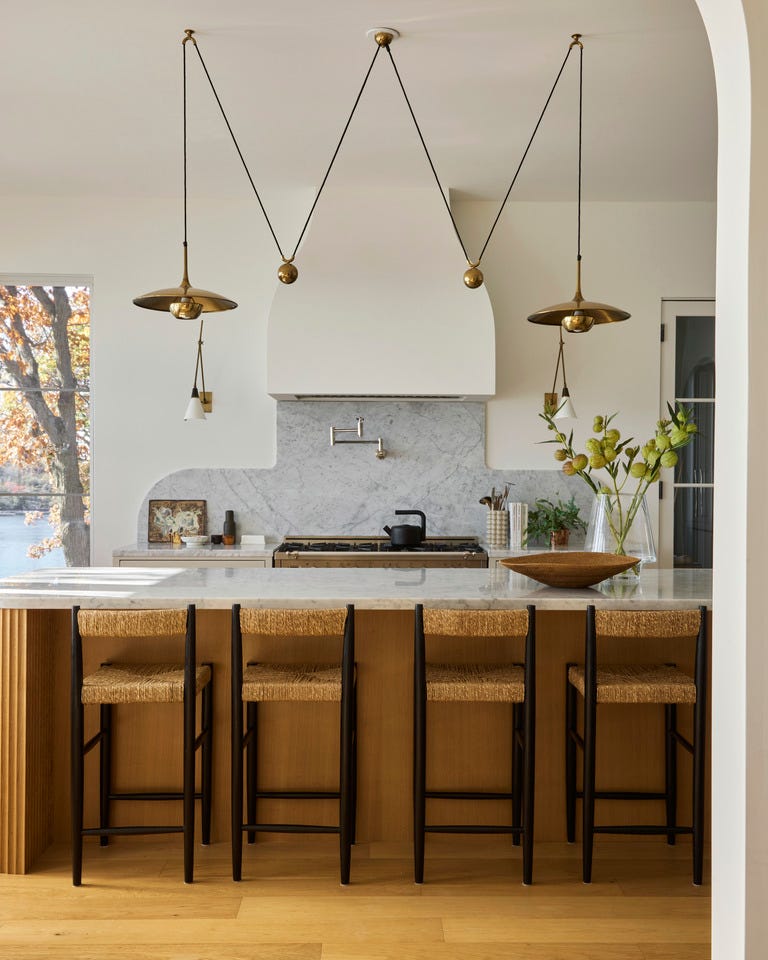
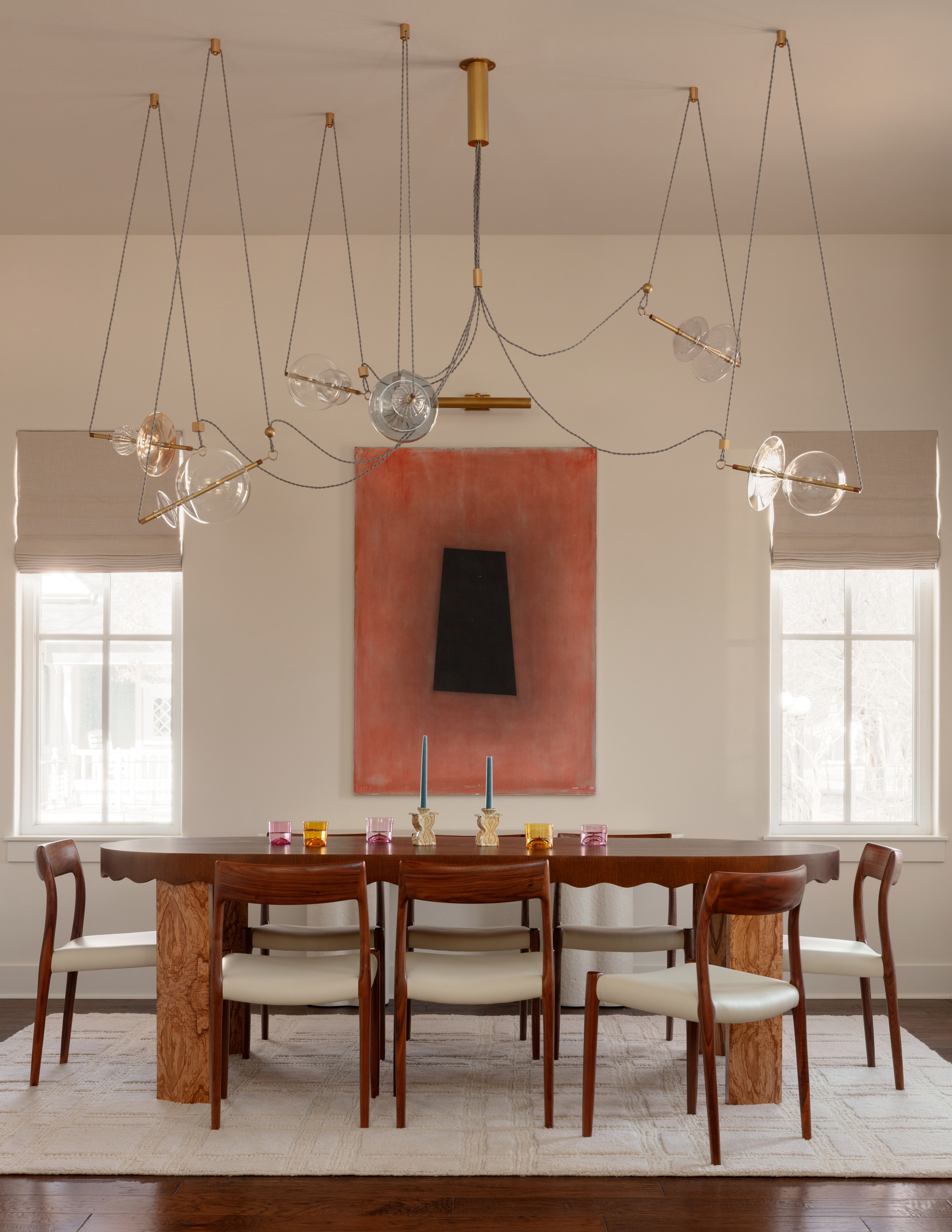
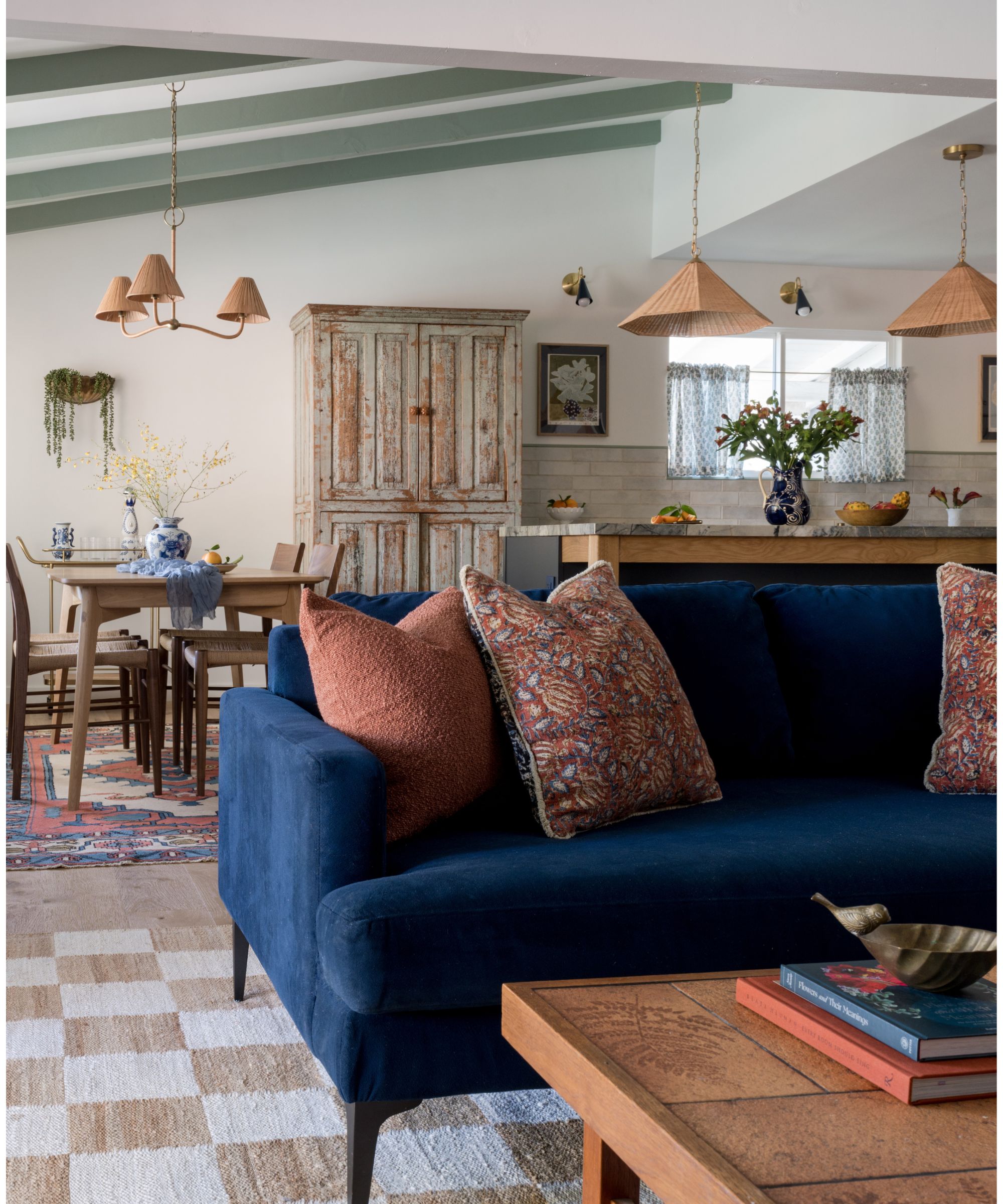
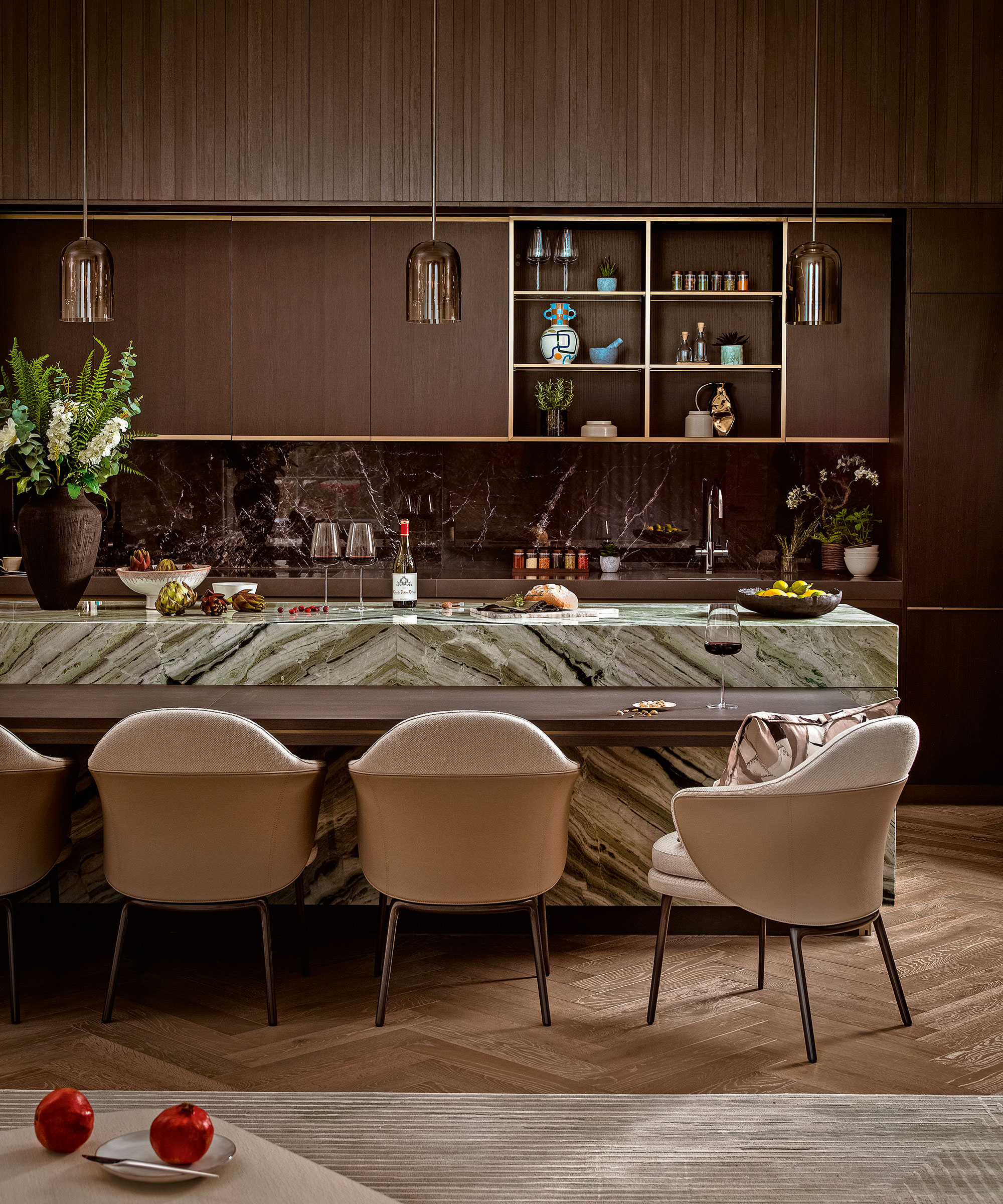
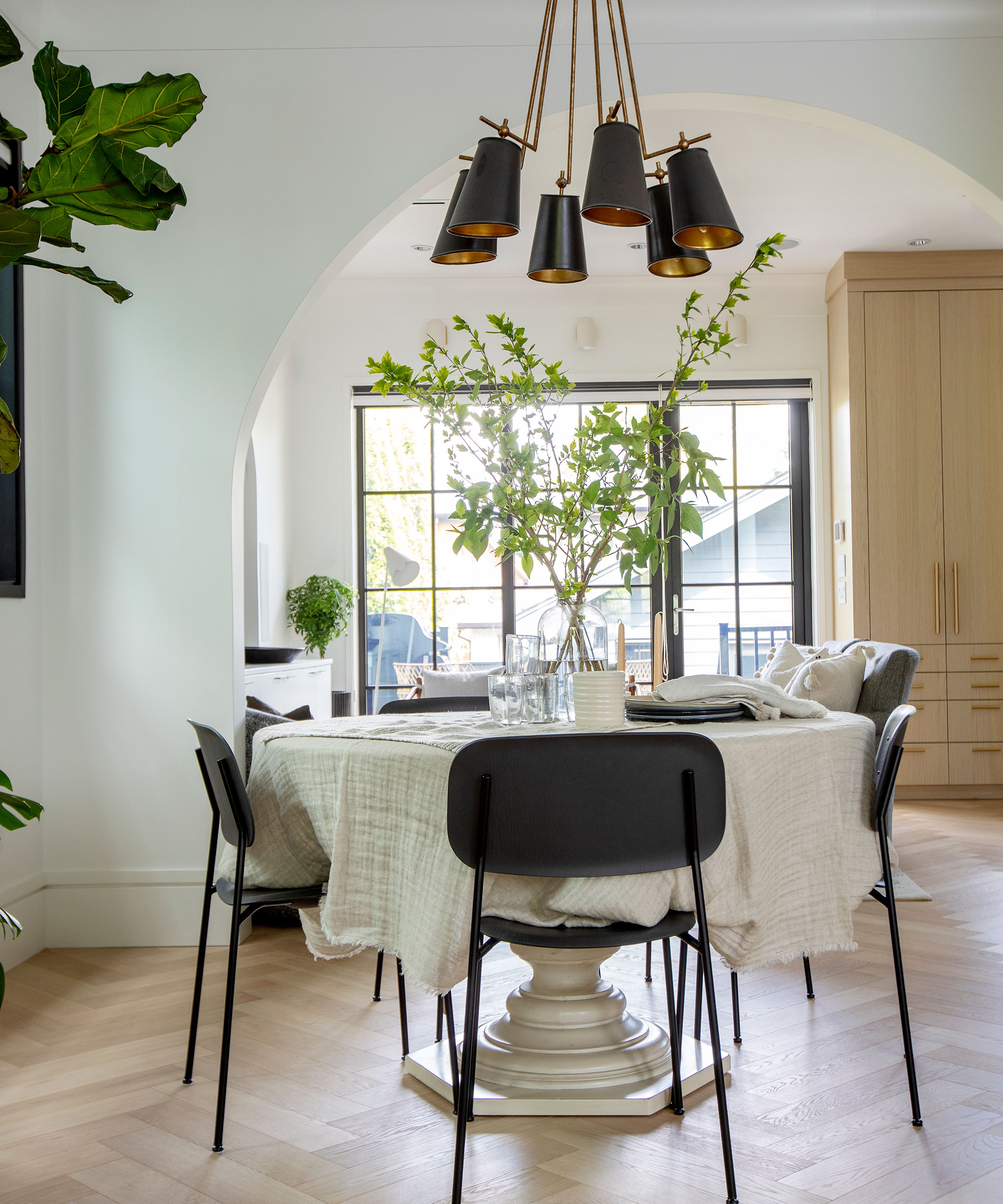
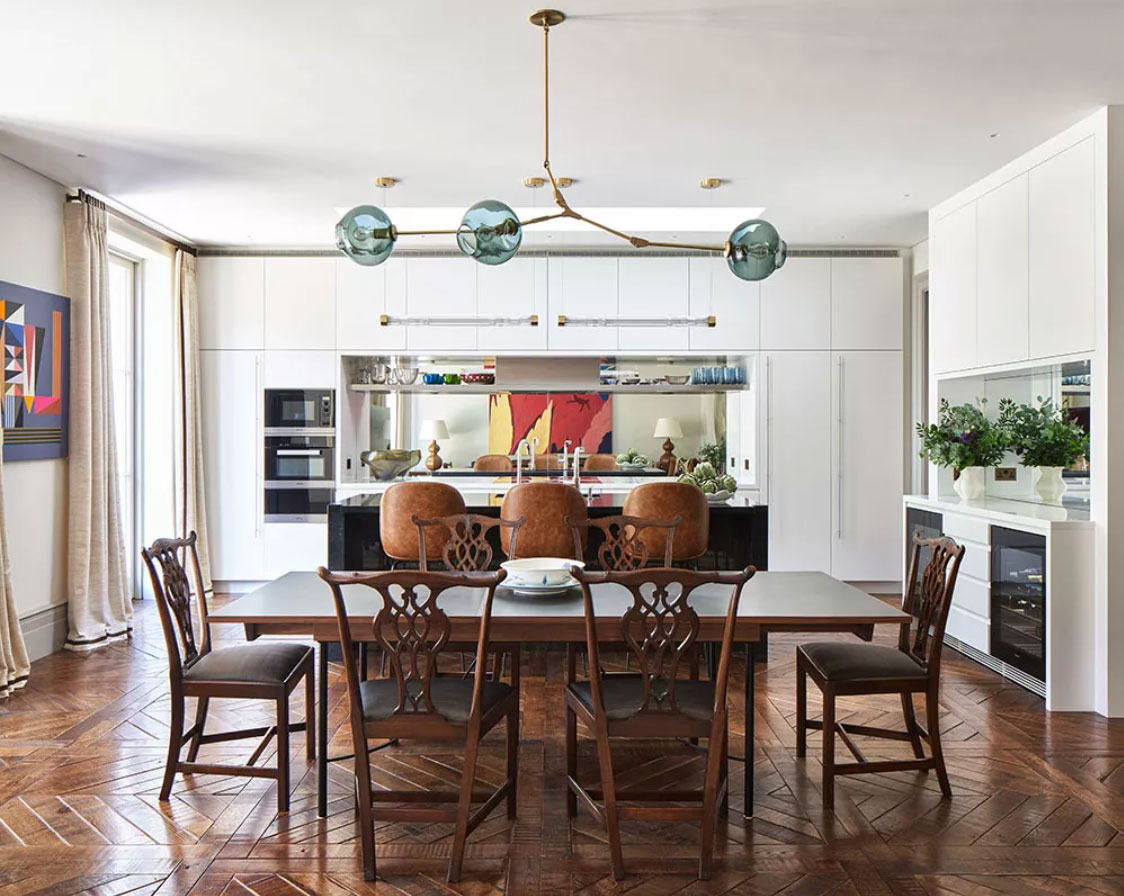
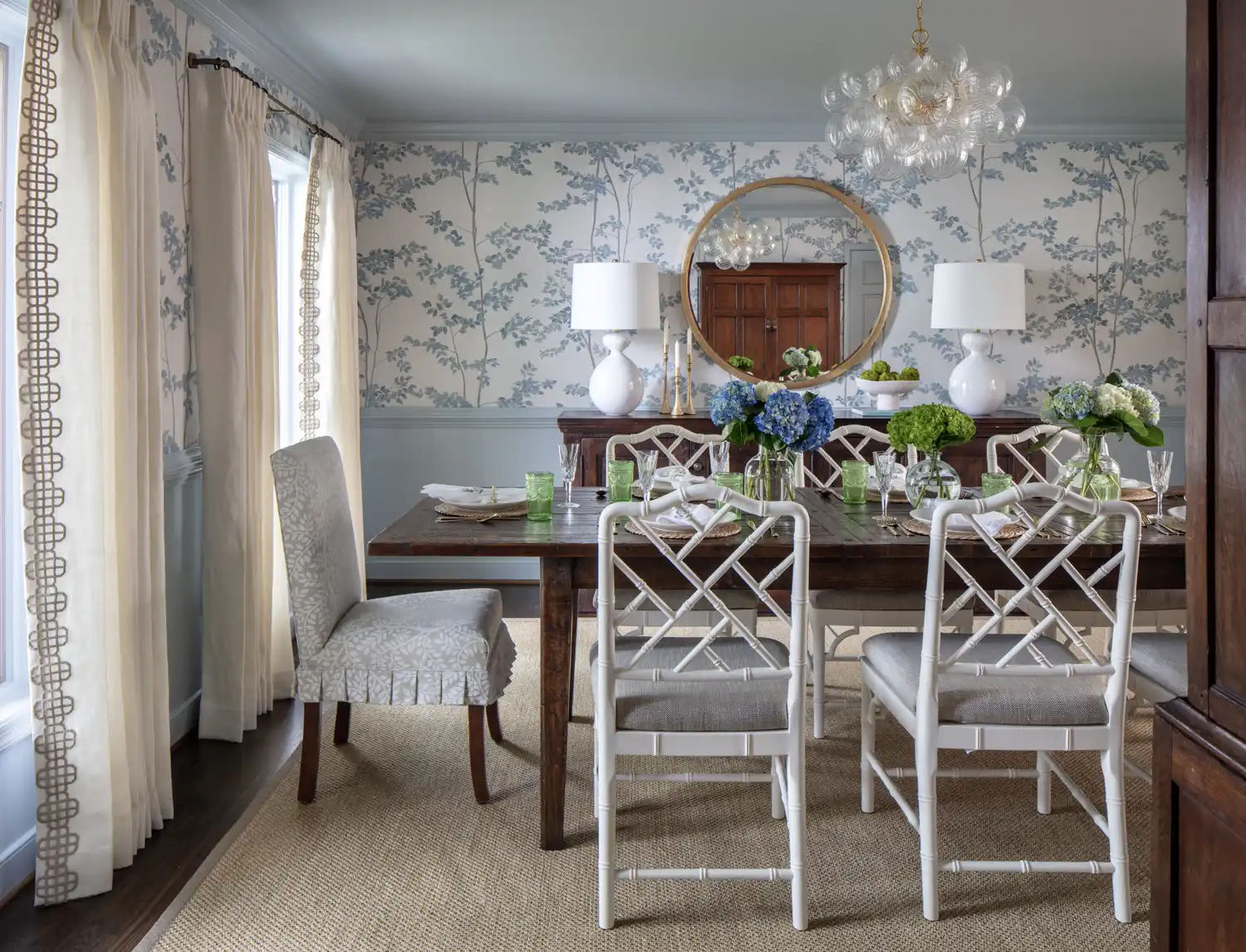
Matching chair upholstery, especially in heavy fabrics like damask slipcovers, is seen as stiff and dated. Designers now suggest incorporating chairs made of cane, wicker, or linen to introduce texture and a more relaxed, welcoming feel. Similarly, crystal chandeliers, once the epitome of formality, can now appear fussy. Modern dining rooms benefit from more contemporary lighting options such as lanterns, woven pendants, or sculptural brass fixtures, which provide a sense of occasion while maintaining a warm and lived-in aesthetic.
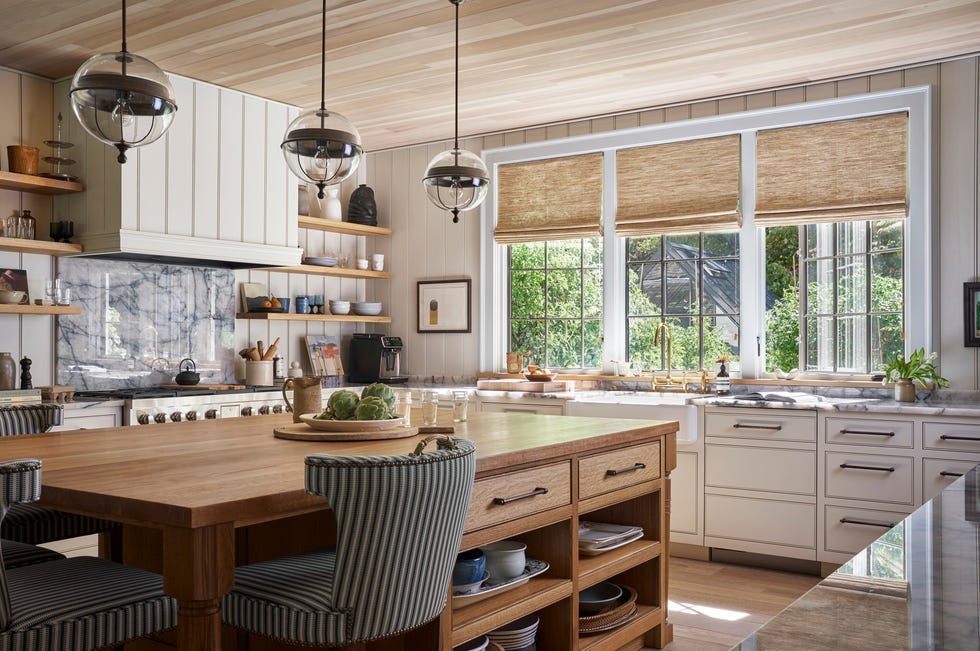
Heavy drapery, like velvet or brocade curtains, is being replaced by lighter linen panels or woven shades. These alternatives allow more natural light into the space, creating an easier, more welcoming, and refined ambiance. Acrylic chairs, while having had a moment, are now considered more suitable for casual breakfast nooks than formal dining rooms. Designers advocate for more durable and elegant options like bistro chairs, leatherette chairs, or chairs with performance fabrics that are also easy to clean.
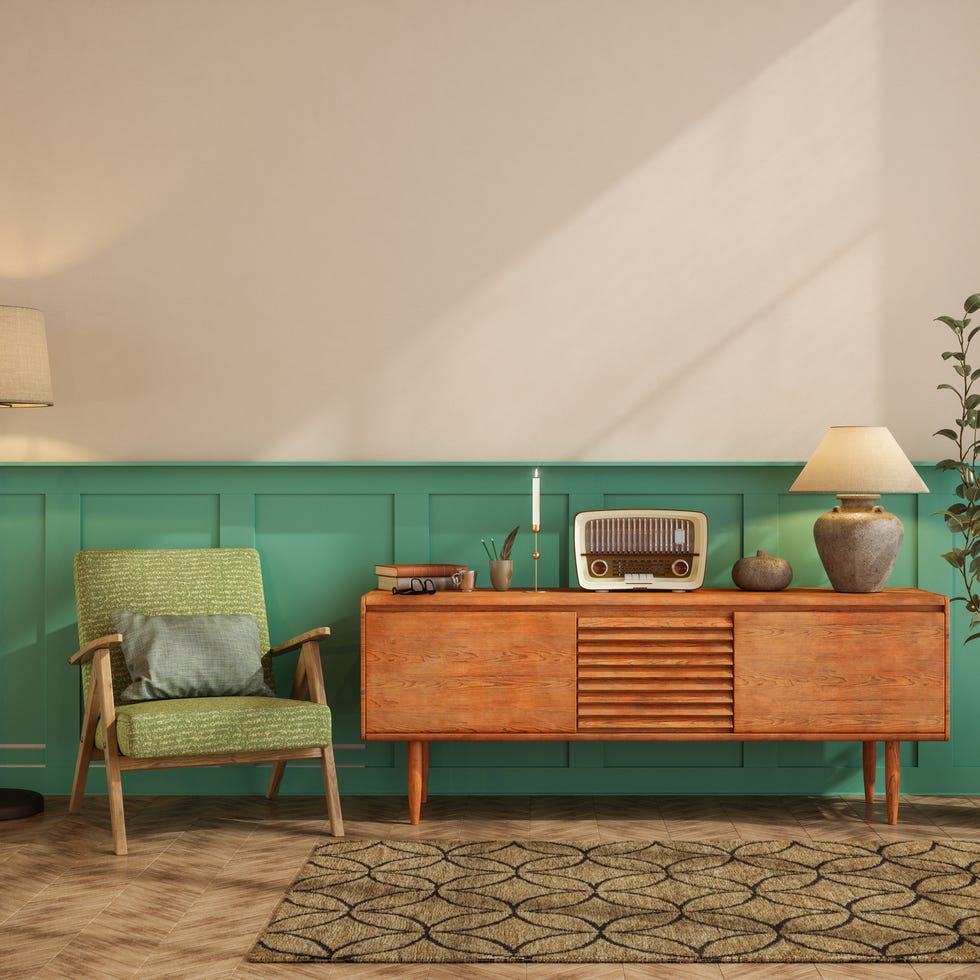
Moreover, the concept of a matching dining room set, where all furniture pieces are bought as a suite, is seen as creating a showroom-like rather than a personalized space. The current trend encourages mixing and matching pieces, such as combining an antique French sideboard with modern upholstered chairs or a sleek pedestal table with vintage Windsor chairs, to create a unique and lived-in feel. Finally, overly precious design, which results in a dining room that is rarely used, is out. The emphasis is on creating a functional and personal space where furniture, even if antique, is meant to be used and contribute to the home's story, rather than being treated like museum pieces.
#DiningRoomDesign #HomeDecorTrends #InteriorDesign #OutdatedDecor #ModernDining #FurnitureTrends #DecoratingTips #SpacePlanning #DiningRoomDesign #HomeDecorTrends #InteriorDesign #OutdatedDecor #ModernDining #FurnitureTrends #DecoratingTips #SpacePlanning
0 comment in total
 No comments yet
You may also like
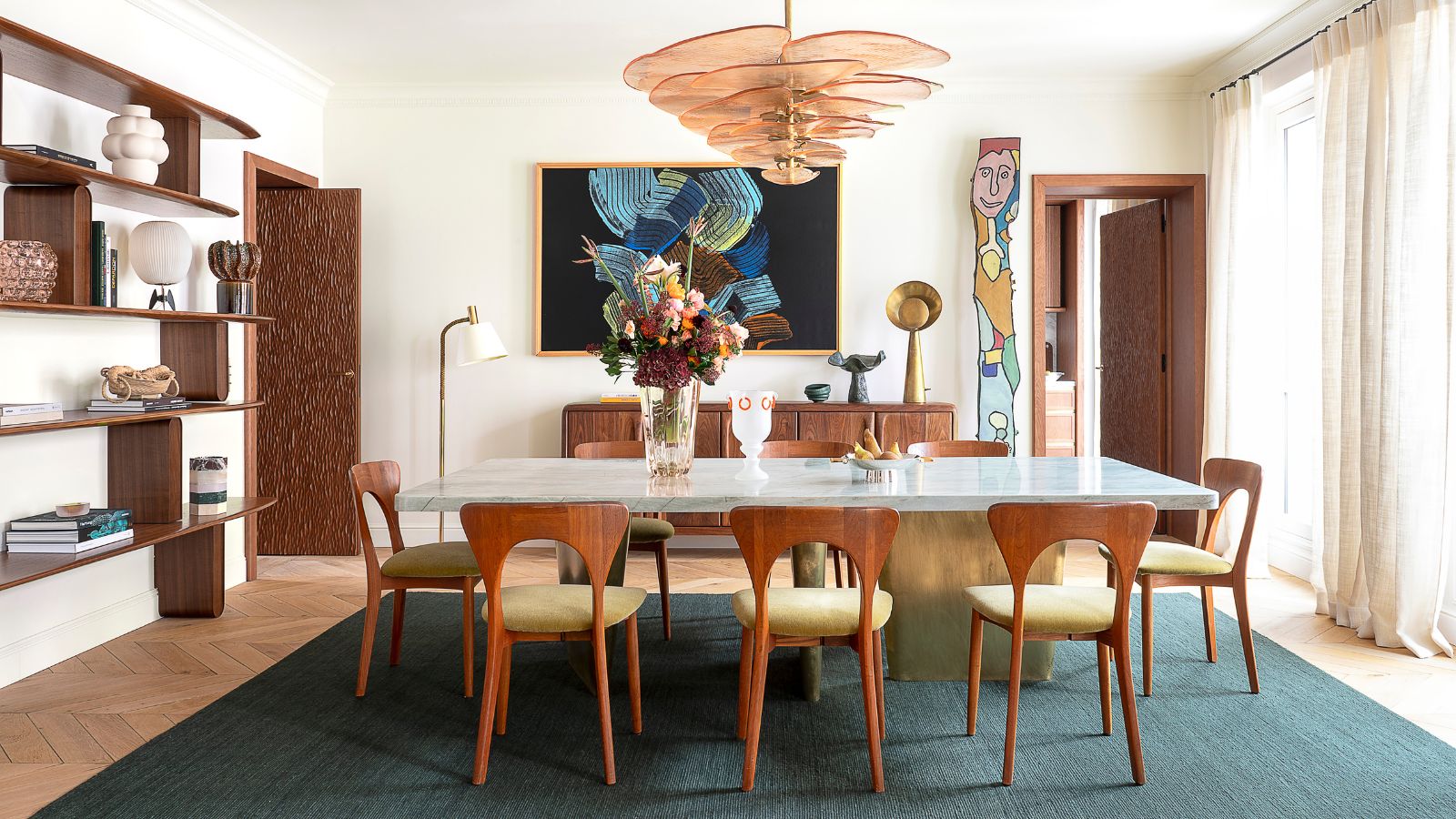
Designers Say These 5 Dining Room Clichés Are Going Out of Style

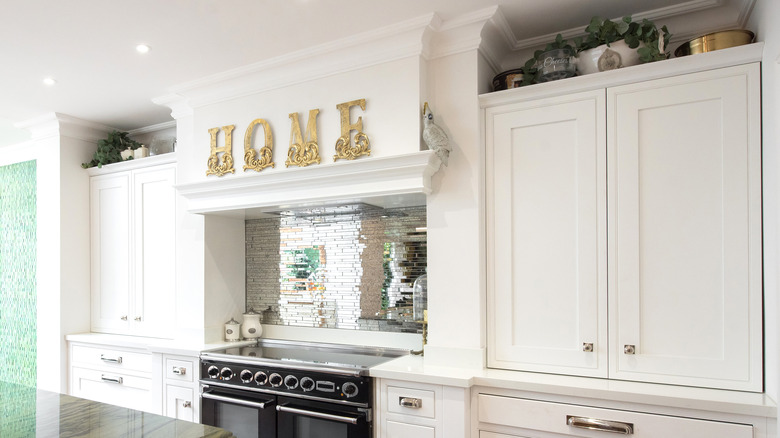
10 Outdated Decor Items That Don't Belong In Your Kitchen In 2025

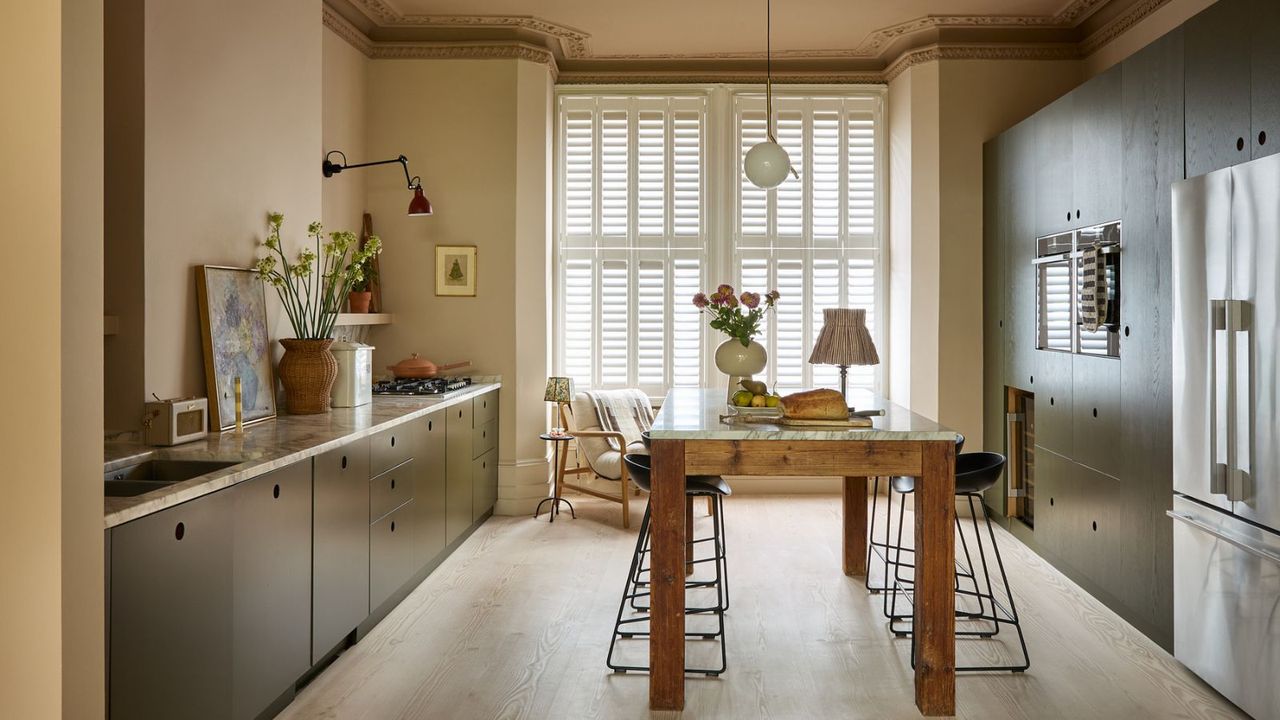
These 3 Layouts Are Making Your Kitchen Look Dated – Why Designers Say They Don’t Want to See Them in 2026
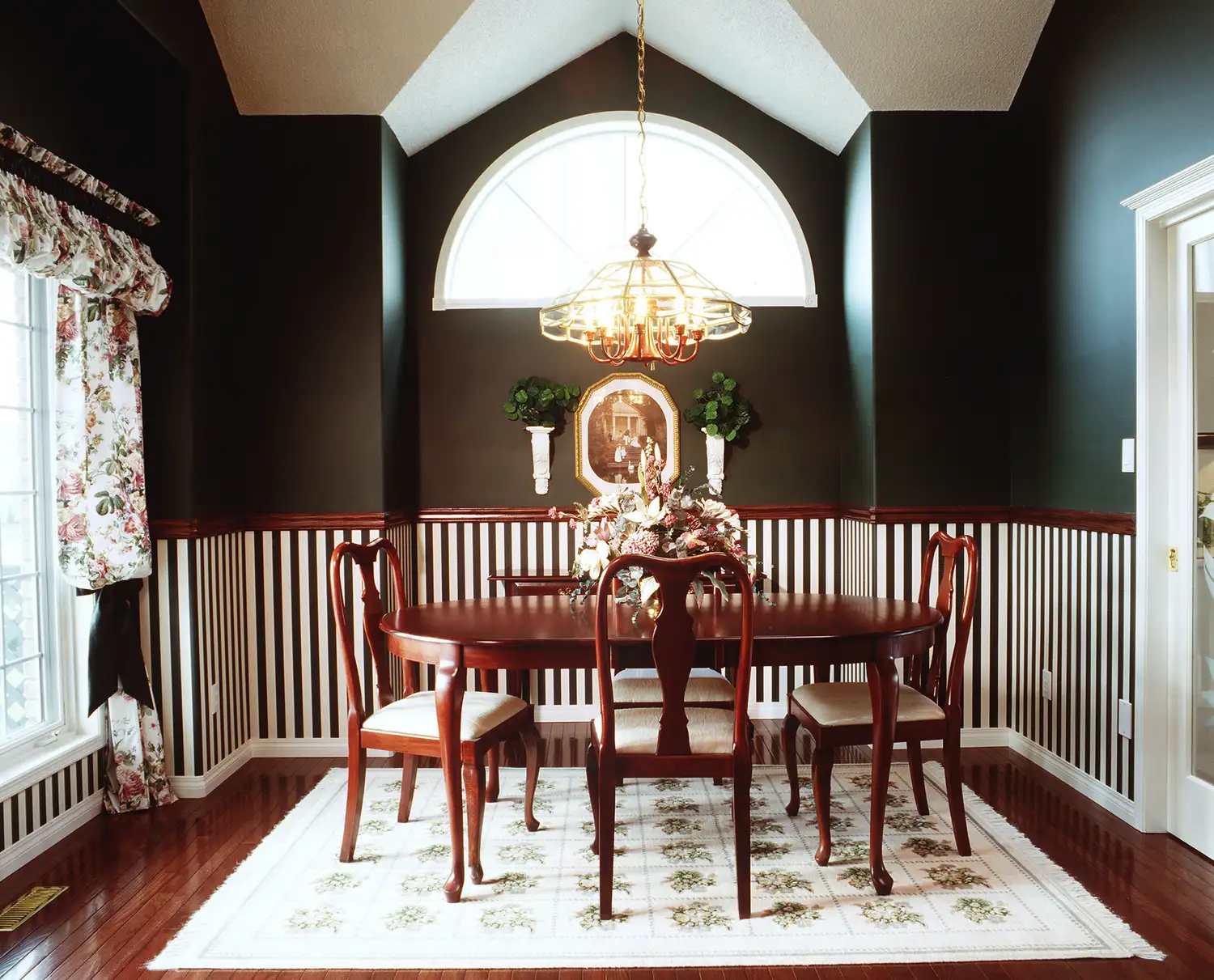
This Dining Room Feature Always Looks Outdated, Designers Say

10 Outdated Kitchen Trends Making A Comeback, According To A Design Expert
6 things you should never put on your dining room table, according to interior designers
5 Dining Room Styles That Are Definitely Out of Style, Designers Say
8 Tacky Home Trends That Designers Say Are TRAGICALLY Dead

The 10 Biggest Interior Design No Nos According to Decorators

5 Dining Room Features That Are So Outdated, According to Designers
Outdated kitchen trends – 5 overdone looks that designers like to avoid, and here's why you should too
These 5 features make kitchen cabinets look dated, designers warn us
5 Dining Room Furniture Items That Are So Outdated, According to Designers
15 Outdated Things You Should Avoid In Your Kitchen, According To Designers
9 CONTROVERSIAL Decor Choices Designers Secretly Wish You’d Stop Making
9 Outdated Kitchen Trends to Watch Out For

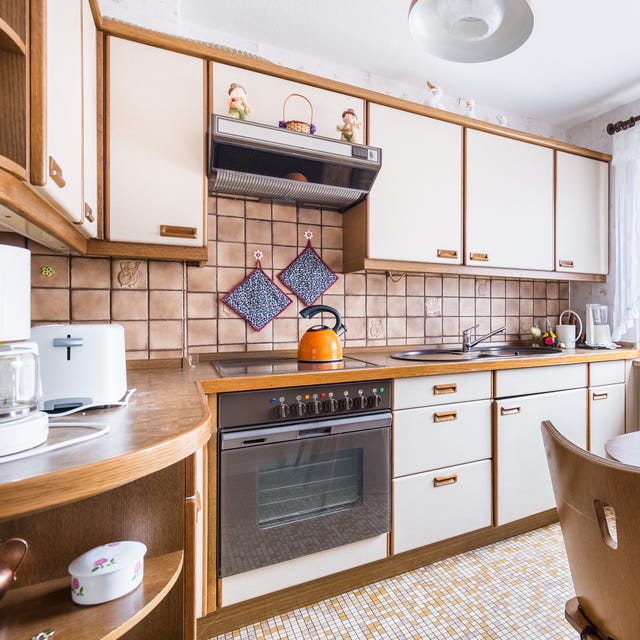
22 Outdated Things You Should Avoid in Your Kitchen, According to Designers
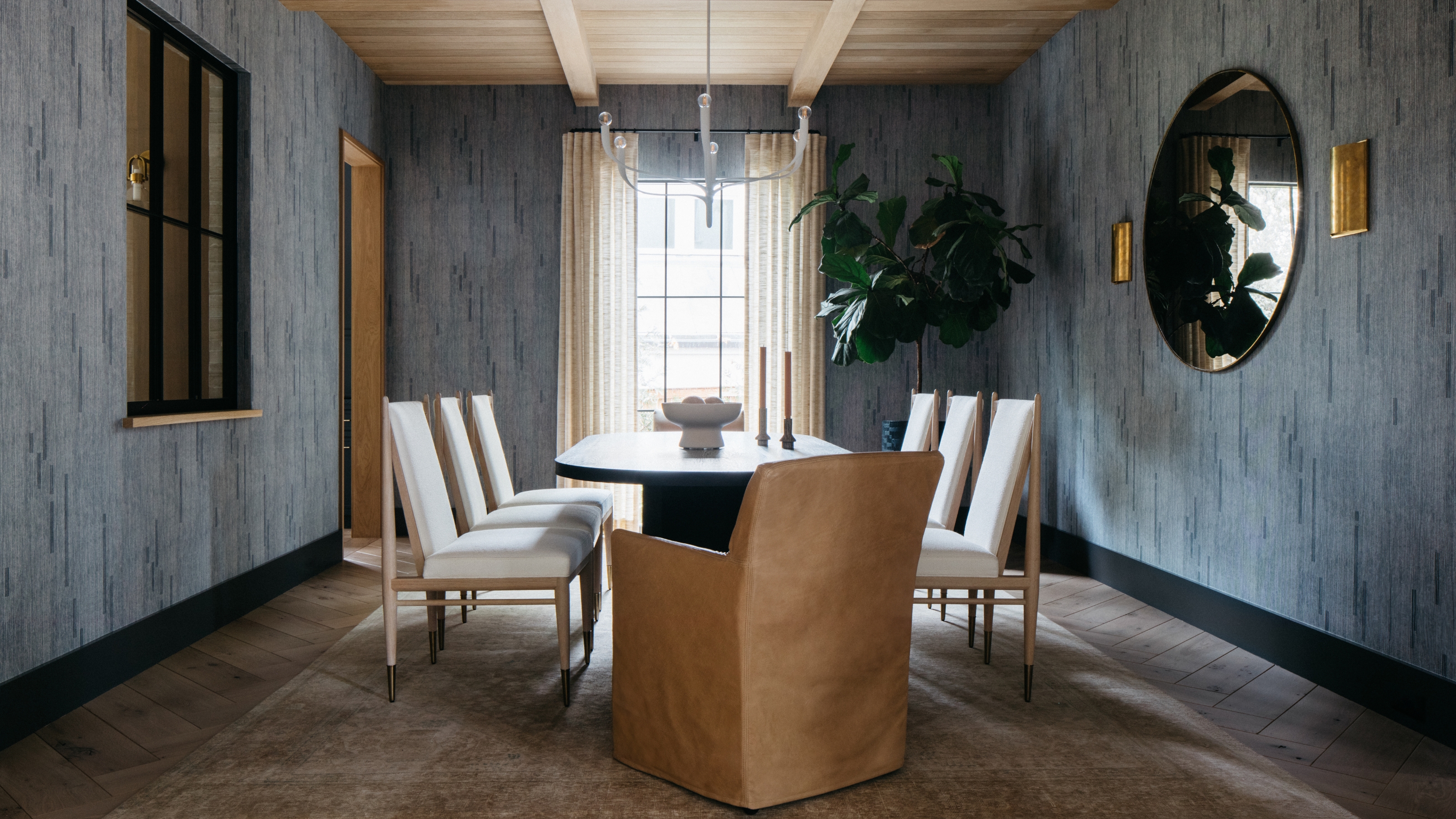
Are Formal Dining Rooms Out of Style? Designer's Discuss

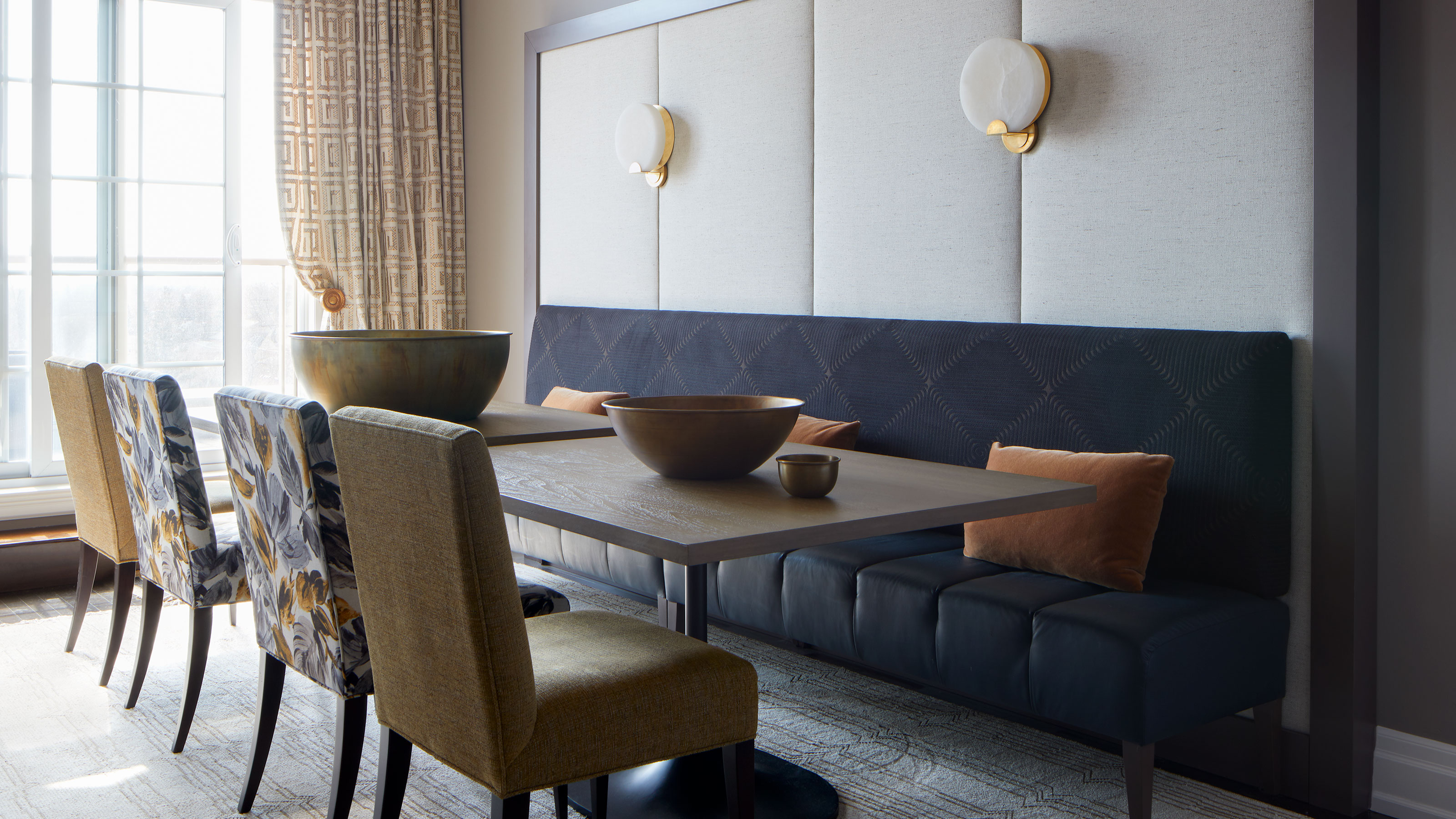
7 major dining room layout mistakes to avoid, according to designers
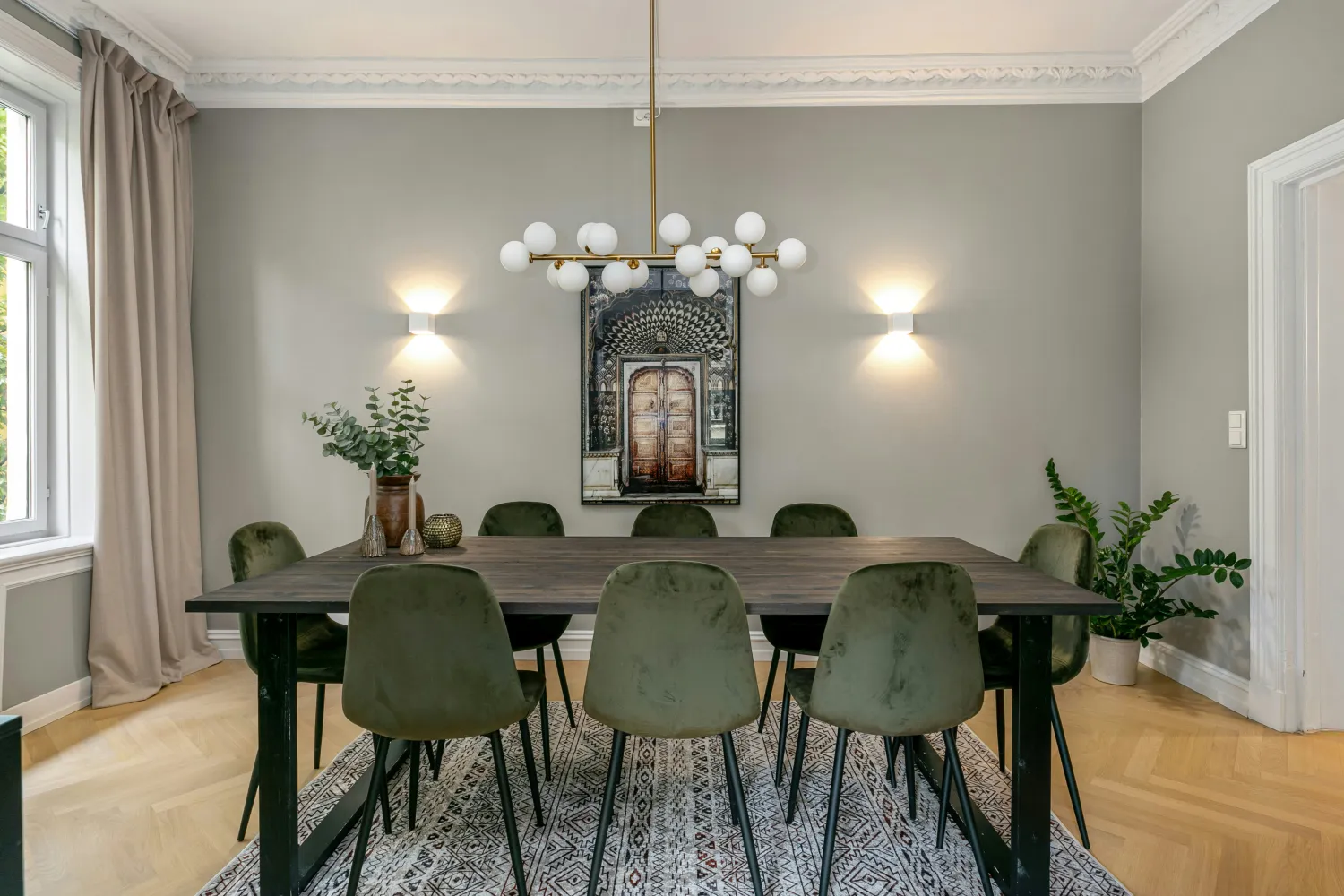
7 Things That Immediately Make Your Dining Room Look Bad, According to Designers