1/12
Herman Miller Gives a Classic Eames Chair a Sustainable Update
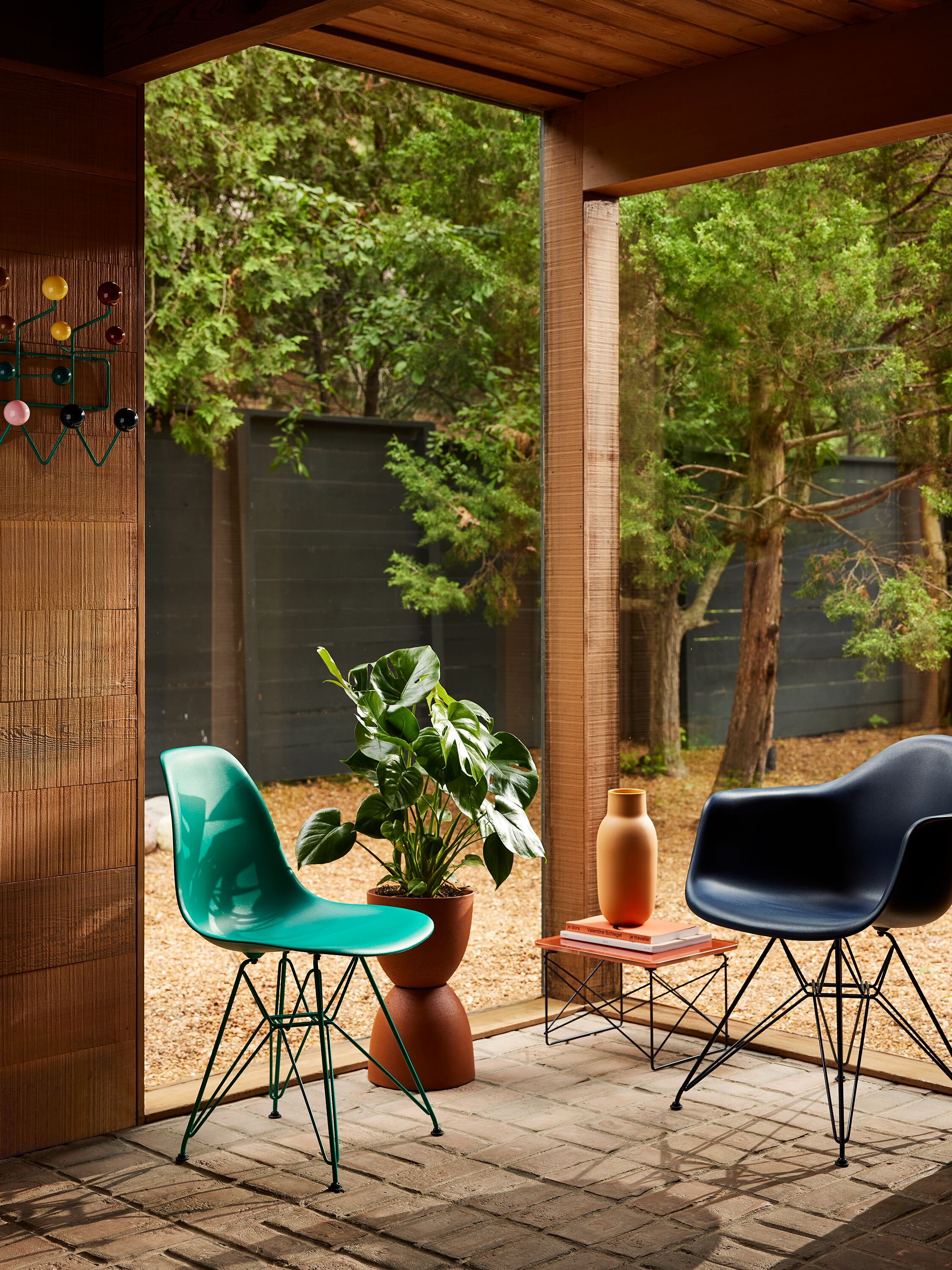
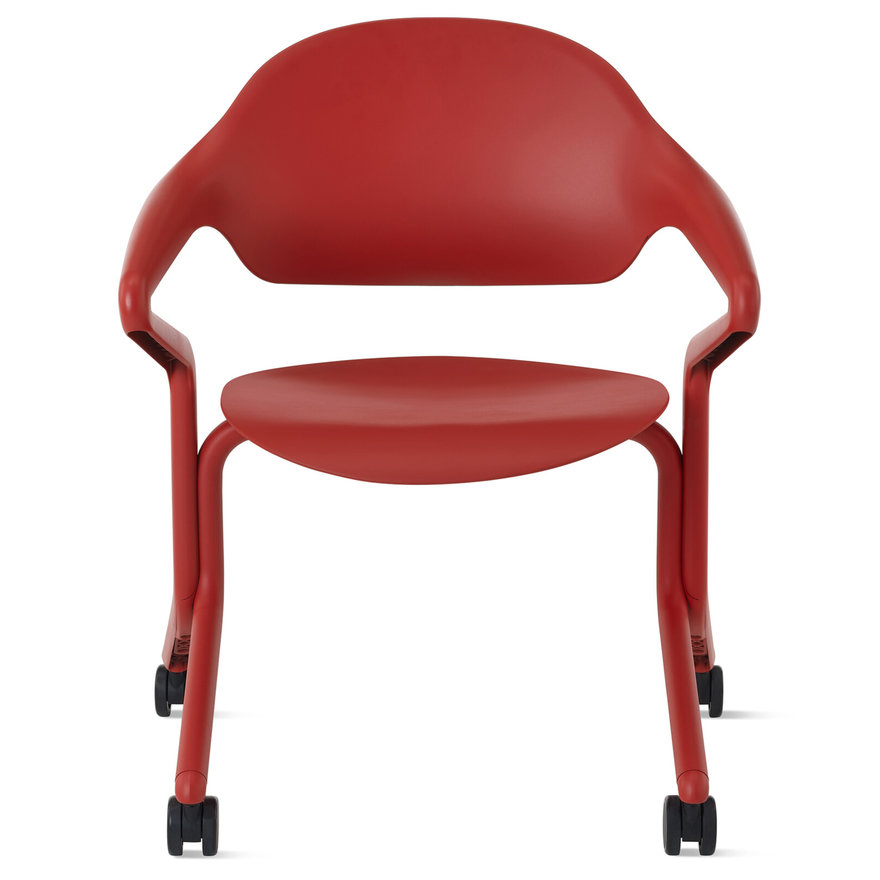
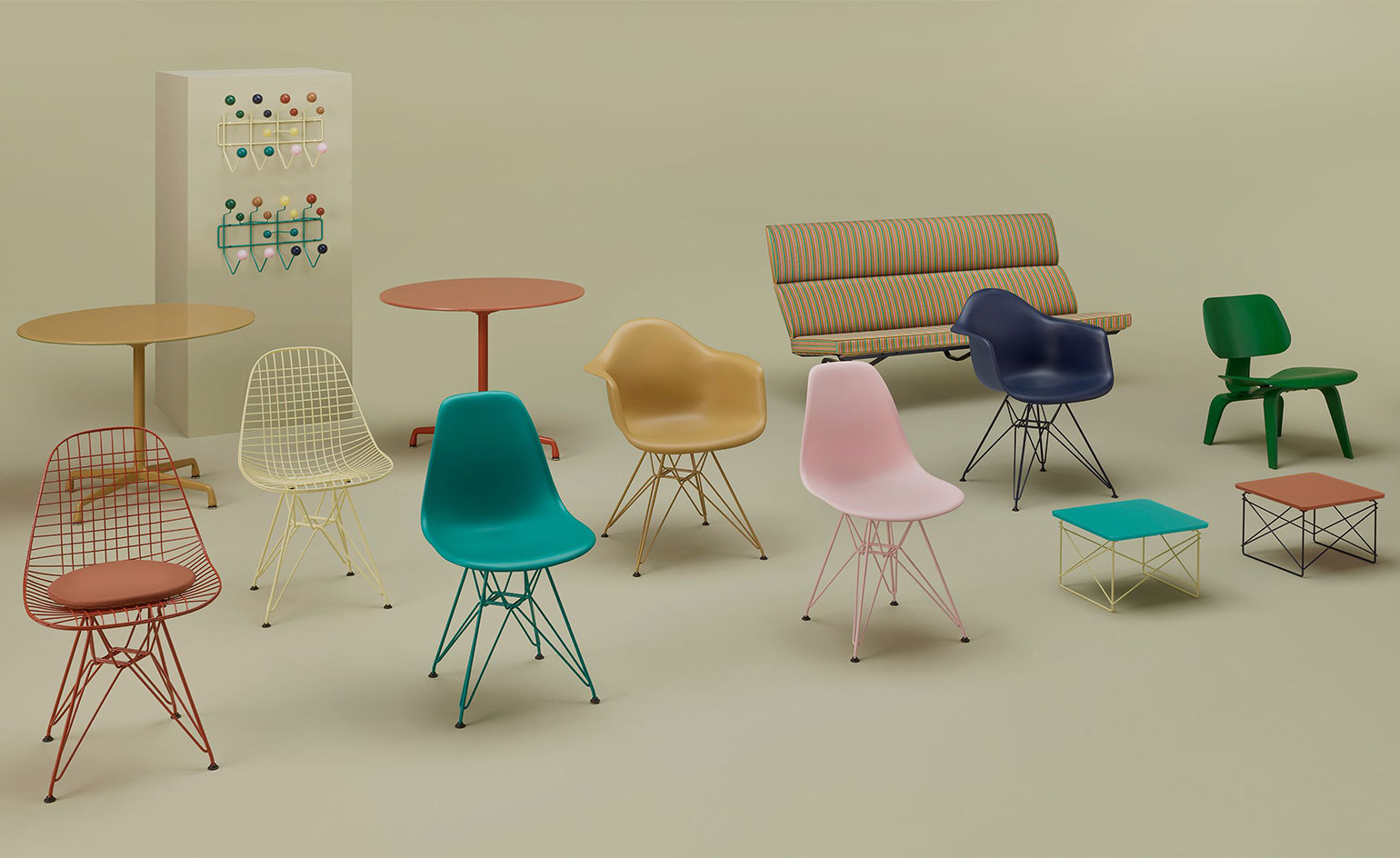
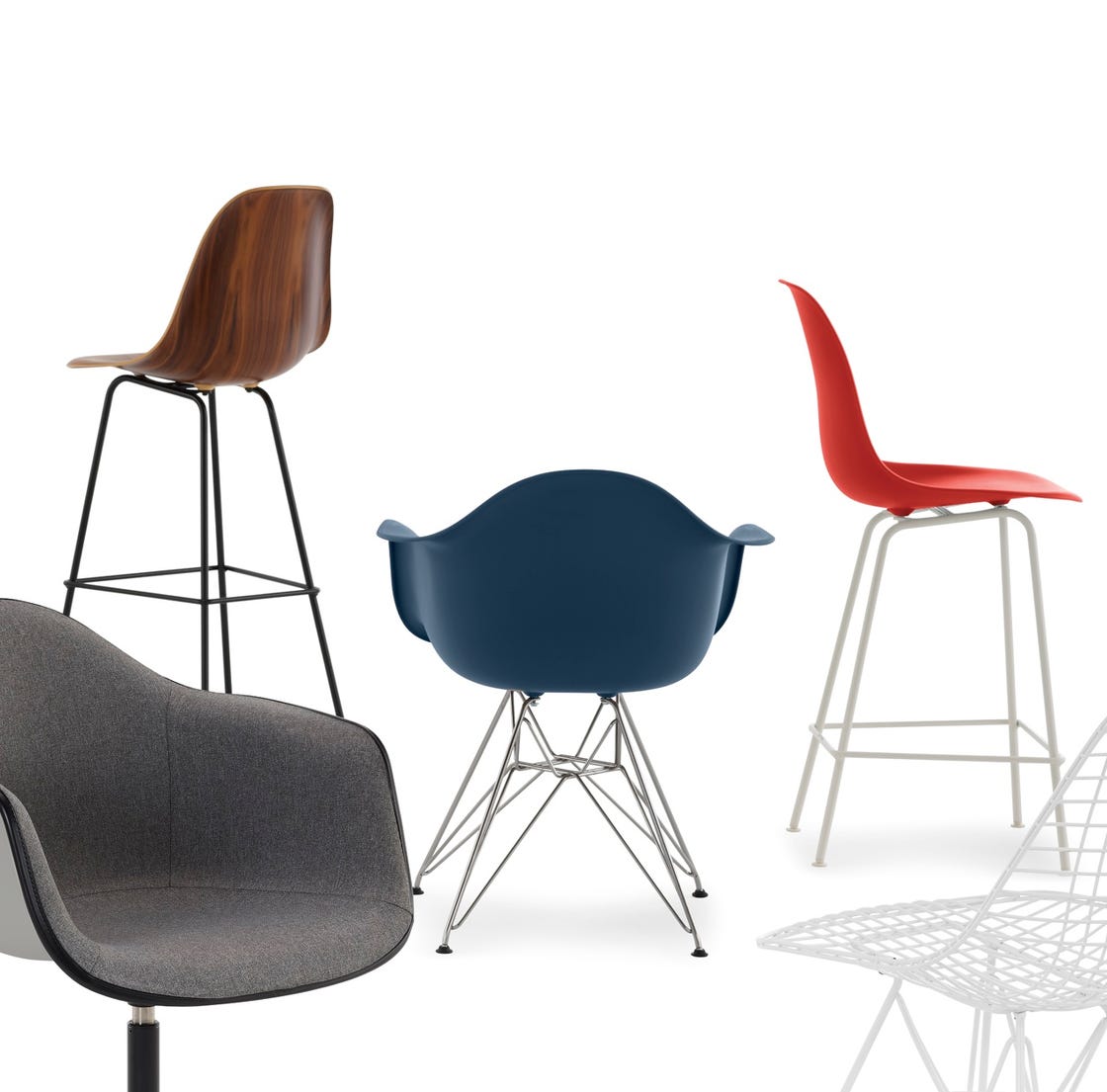
The Eames Molded Plastic Dining Chair, also known as the EC-127, has been reintroduced by Herman Miller with a significant update, incorporating sustainable materials while retaining its iconic design. Originally introduced in 1970 by Charles and Ray Eames, the chair is now crafted from 99% post-industrial recycled plastic. This move reflects a commitment to environmental responsibility, aligning the classic design with contemporary sustainability demands. The Eameses, who began their collaboration at Cranbrook Academy of Art in 1940, were known for their innovative approach to design, focusing on quality, functionality, and a timeless aesthetic that eschewed excess.
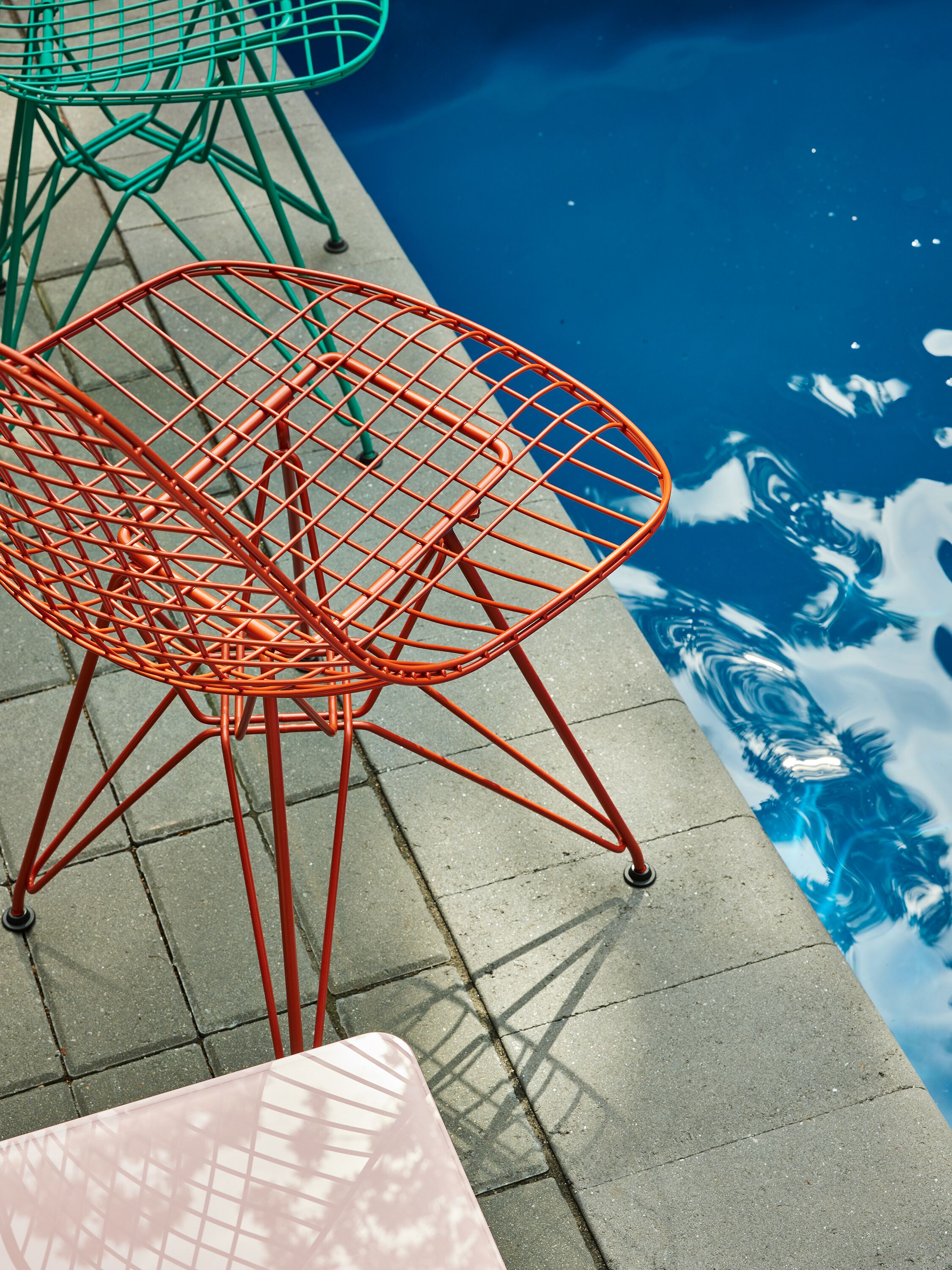
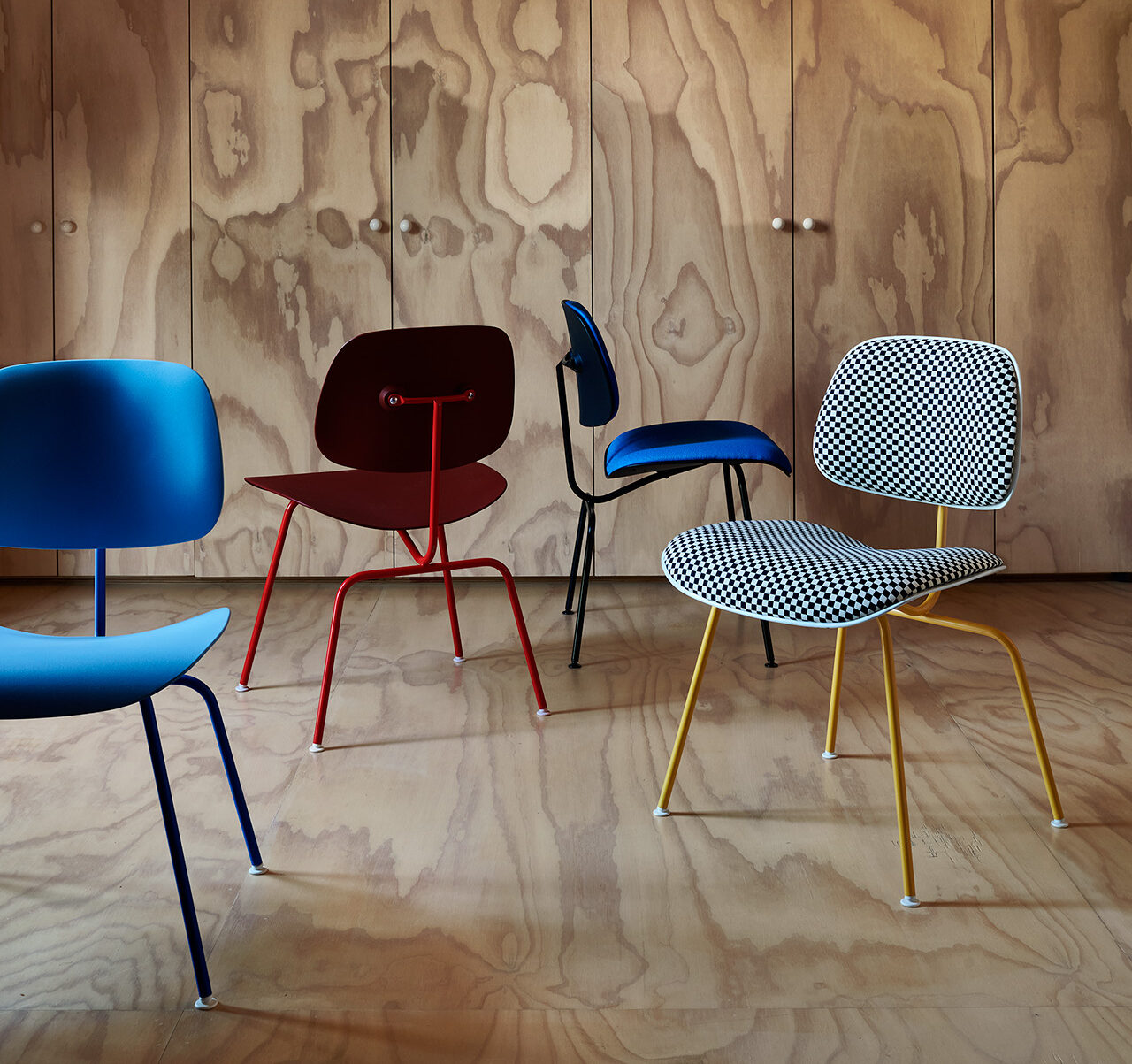
The updated EC-127 chair is available in new contemporary colors and, for the first time, in a non-upholstered version. This non-upholstered option makes the chair particularly suitable for high-traffic environments such as offices, educational institutions, and restaurants, where durability and ease of maintenance are crucial. Upholstered versions remain available, offering enhanced comfort and customization options for users who prefer a softer, more personalized touch. The reintroduction of this chair underscores the enduring relevance of the Eameses' design philosophy, which emphasizes continuous improvement and adaptability.
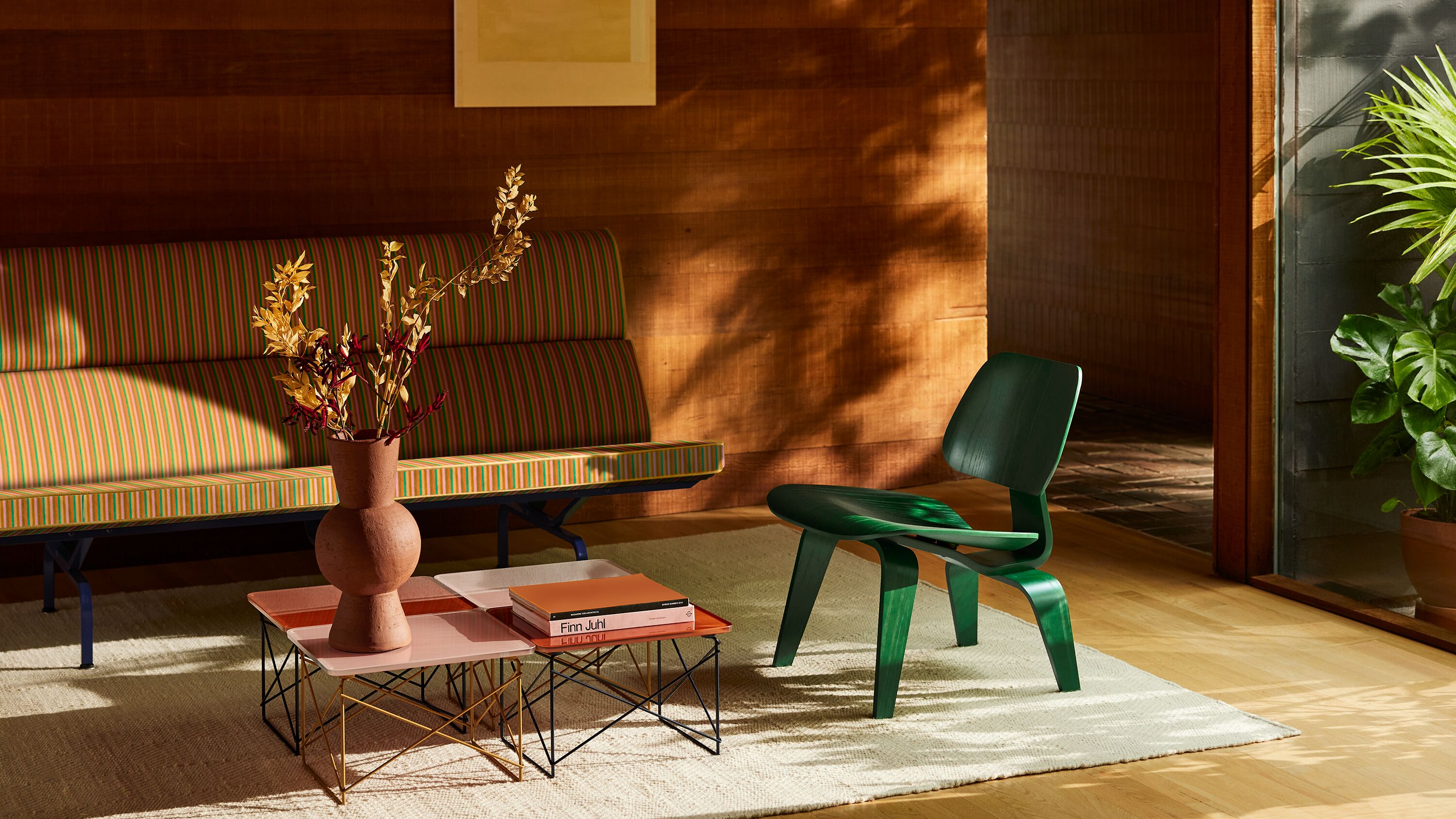
Herman Miller has curated the available finishes and colors for the EC-127 to allow for personal expression without overwhelming choices. The chair comes with four shell finishes, six leg colors, and a selection of upholstery fabrics. Leg options include classic chrome, black, and white, alongside bold powder-coated shades such as Blaze, Marigold, and Berry Blue. These vibrant colors encourage a playful and individualistic aesthetic, providing a contrast to the often monochromatic trends in modern interior design. Combining a Brick Red shell with Blaze legs or Berry Blue legs with a Light Blue finish allows for dynamic and expressive combinations, reflecting a departure from minimalist palettes.
The upholstery choices are a nod to the Eameses' original vision, with Herman Miller collaborating with Maharam to offer fabrics that resonate with patterns and palettes favored by Charles and Ray Eames. Notably, Alexander Girard’s Hopsak, a fabric option from the chair's initial debut, has been brought back. This reintroduces a historical element of mid-century textile experimentation into the contemporary design. The overall aesthetic, influenced by "The Toy" architectural play set designed by the Eameses in 1951, blends a modern Bauhaus sensibility with practical considerations for comfort and everyday use.
Eames Demetrios, Director of the Eames office and grandson of the designers, highlights that the EC-127 embodies the Eameses' belief in constant design improvement. He explains that as pioneers in using plastic for durable and affordable furniture, they continuously refined their designs, eliminating the need for separate shock mounts by integrating them into the seat and back. This innovation also made the chair lighter and allowed for a greater variety of colors. The new color palette is deliberately minimal yet bold, featuring a matte finish that emphasizes visual honesty, aligning with the Eameses’ principle that design should be both useful and beautiful, balancing form with function. Through this sustainable update, Herman Miller and the Eames Office ensure that the EC-127 remains a relevant and evolving piece of design, extending its legacy into the 21st century.
#HermanMiller #EamesChair #SustainableDesign #MidCenturyModern #FurnitureDesign #InteriorDesign #ProductRedesign #EcoFriendlyMaterials #ClassicRevival #HermanMiller #EamesChair #SustainableDesign #MidCenturyModern #FurnitureDesign #InteriorDesign #ProductRedesign #EcoFriendlyMaterials #ClassicRevival
0 comment in total
 No comments yet
You may also like
A Brief History of America’s Favorite Chair: The Eames Lounge and Ottoman

Zieharsofika upholstery made by folding foam mats by Meike Harde
Climate-Smart Furniture: The Story Behind a 100% Sustainable Lounge Chair

london design festival 08: tom dixon 'wingback' chair
Here's Why the Eames Lounge Chair Is So Iconic

Sustainable furniture: responsible chairs made from recycled materials

Sustainable Seating: 10 Best Eco-Friendly Chairs & Stools To Enhance Your Home Aesthetics

Meet Das Upholstery’s Das Chunilall As He Brings A Rocking Chair Back To Life

Herman Miller x Hay: Eames classics reimagined

talma by benjamin hubert for moroso
23 Types of Chairs, Explained

I Tried It: The Rejuvenation Claude Accent Chair Looks Better the More Weathered It Gets
I Tried It: How Much Hype Does the Iconic Eames Chair Really Deserve?
Industrial Designer Stefan Diez's Prototyping Shots of the Fuld Nesting Chair

Drew Barrymore's Viral Swivel Chair Comes in an Even Cozier Fabric Now
The Lunar Chair Wants To Spend Its Life With You
23 of the Most Important Chair Designs of All Time
Benjamin Hubert: the young talent from London

Talma Lounge Chair by Benjamin Hubert for Moroso

philipp hainke presses hemp and organic binder into furniture collection