1/2
In Case You Were Wondering: Yes, You Need a Console Table!
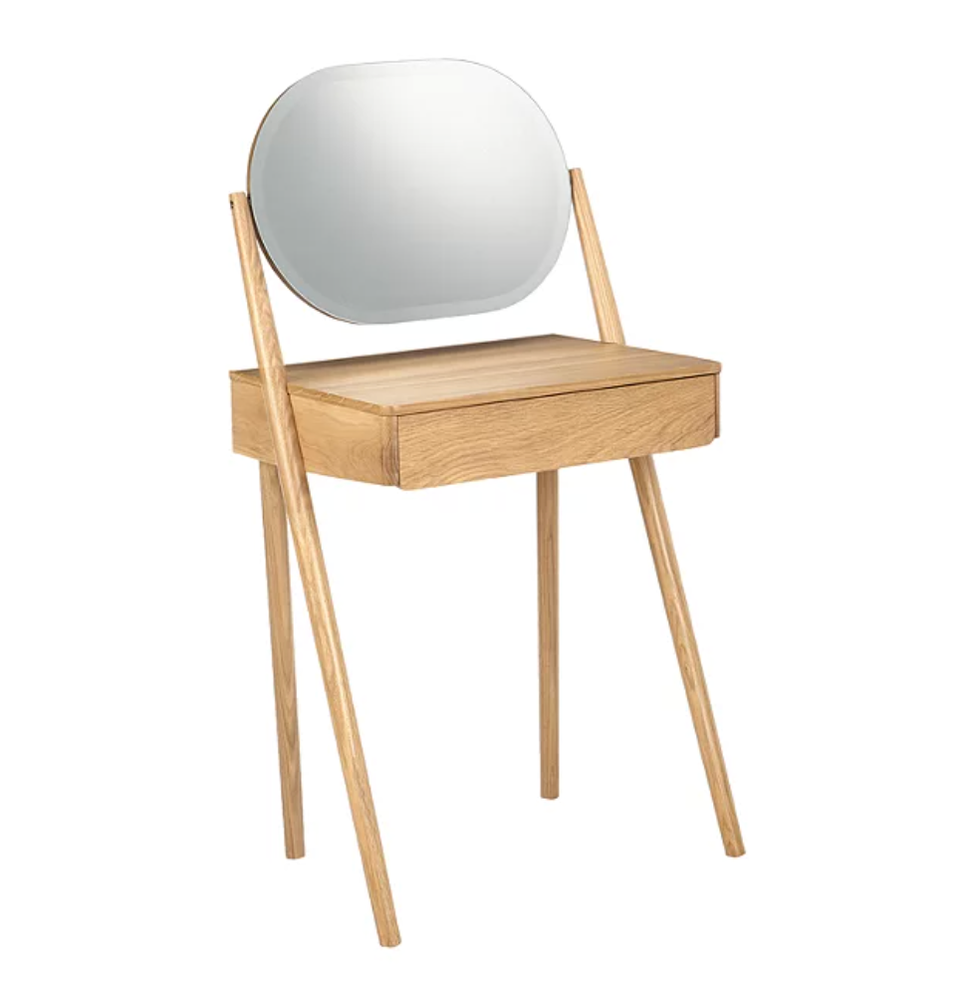
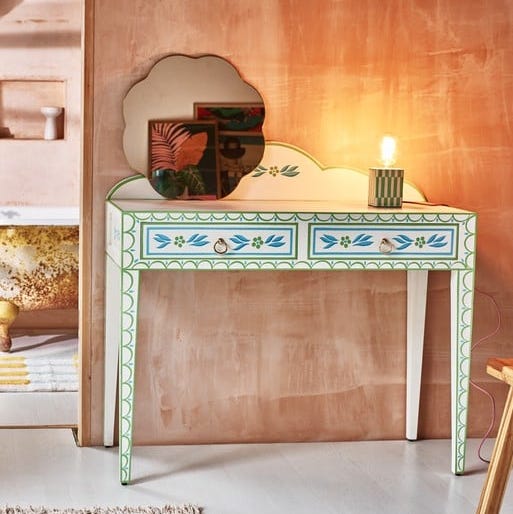
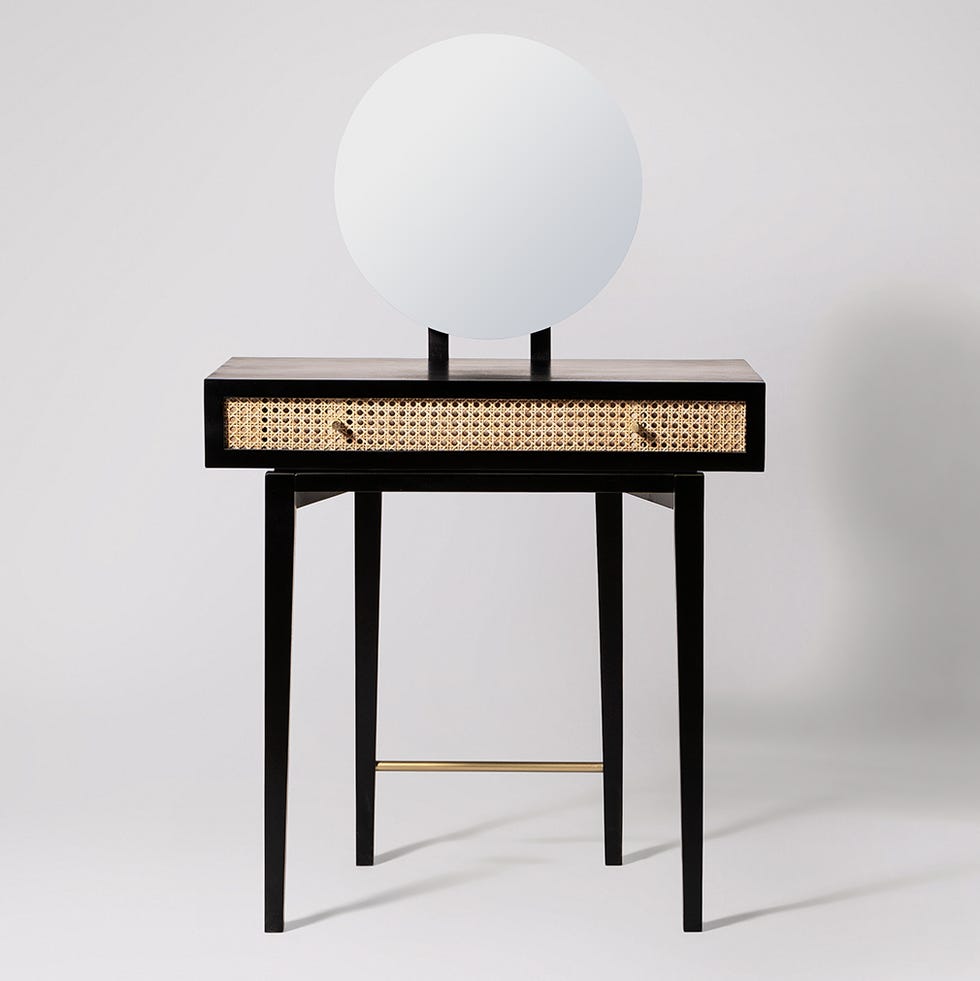
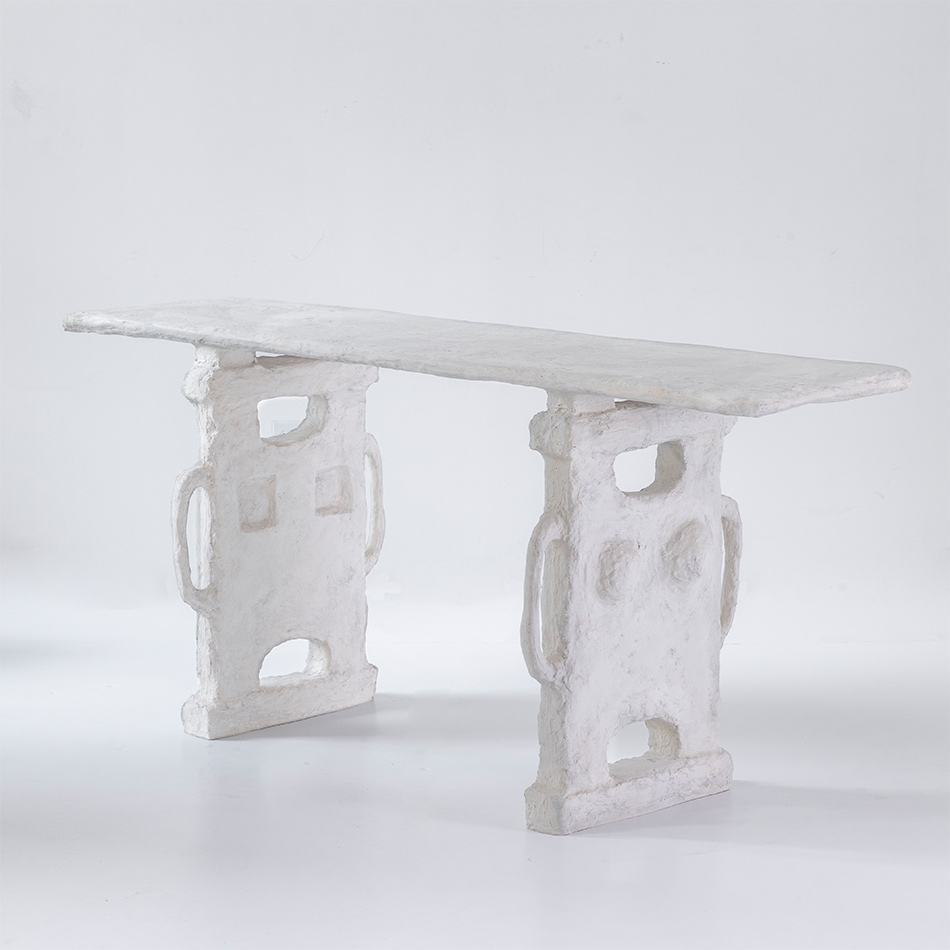
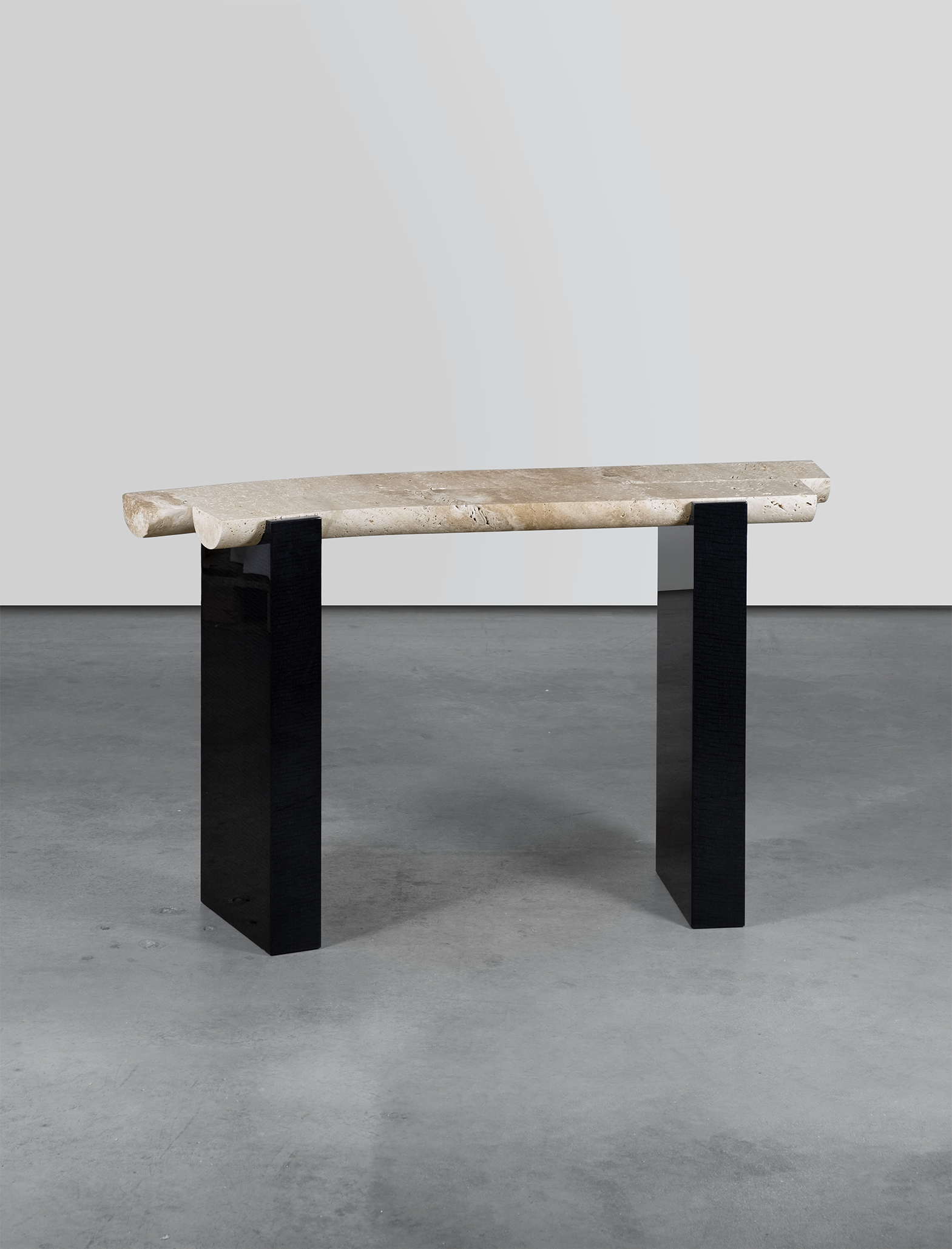
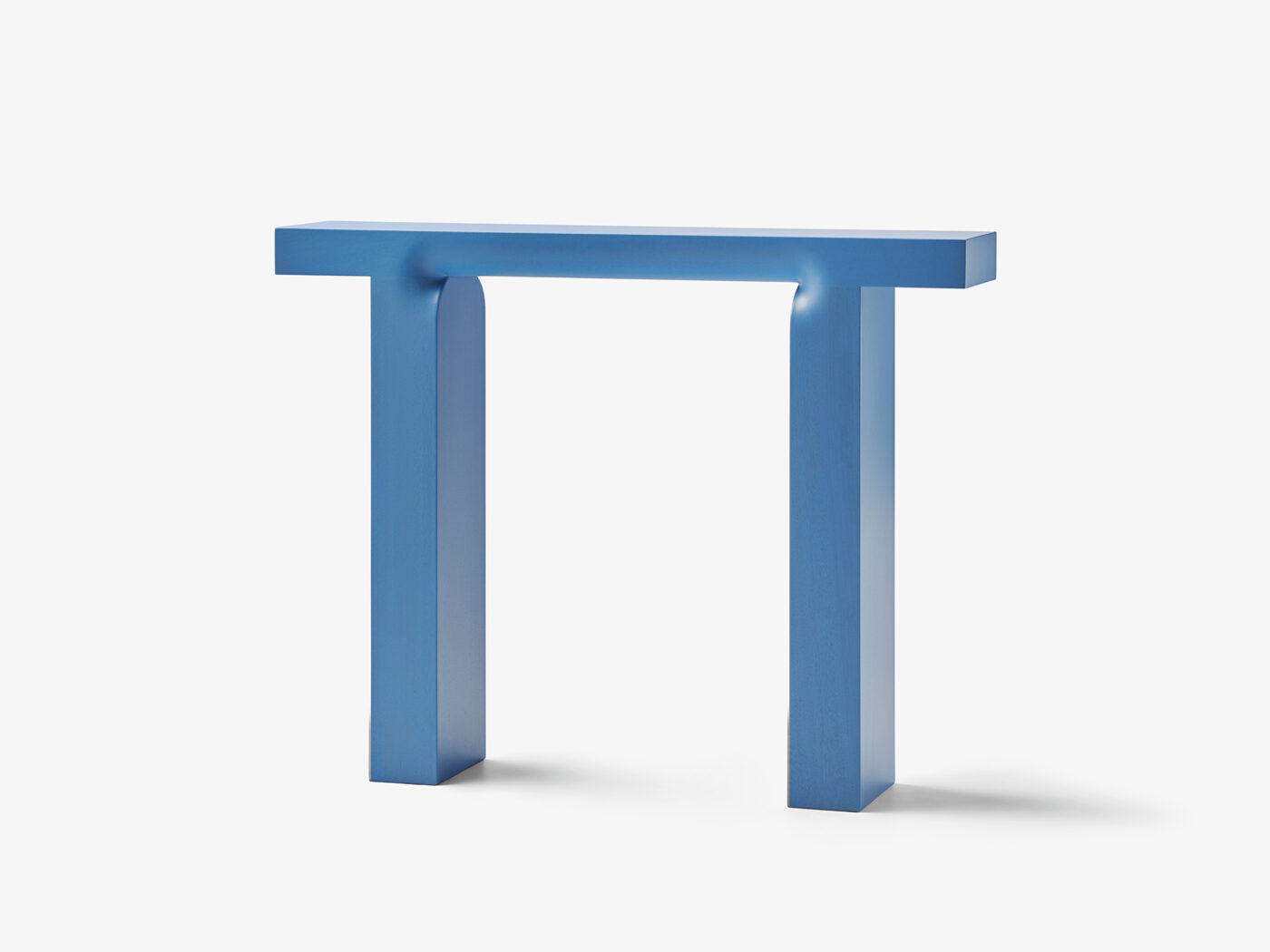
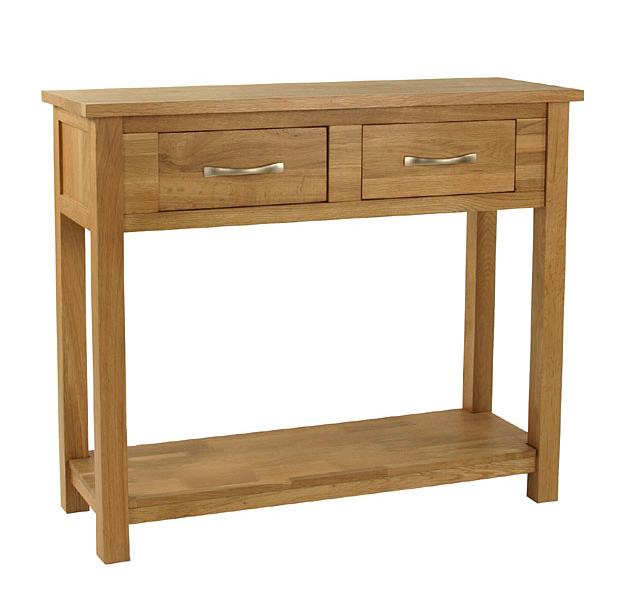
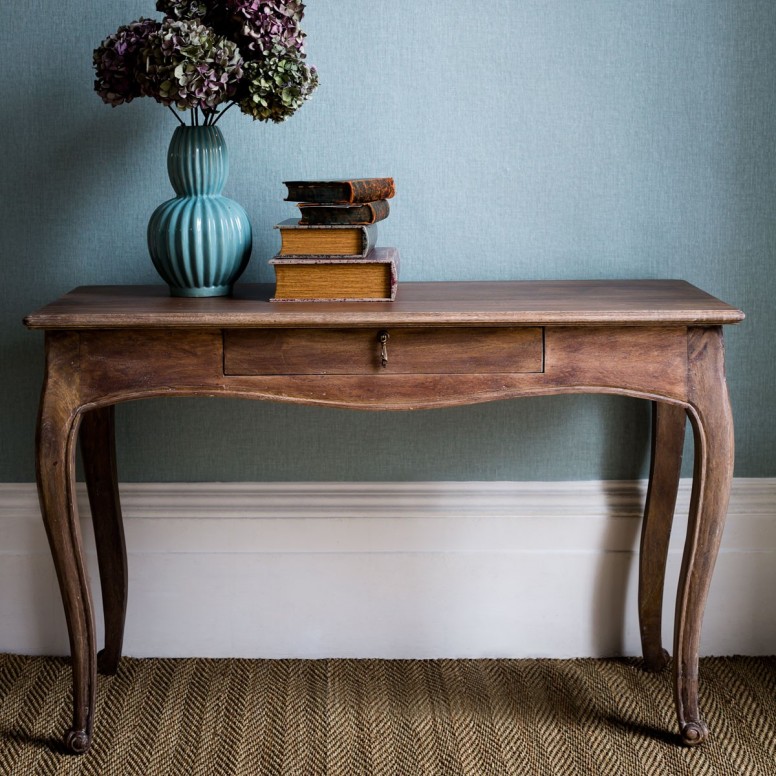
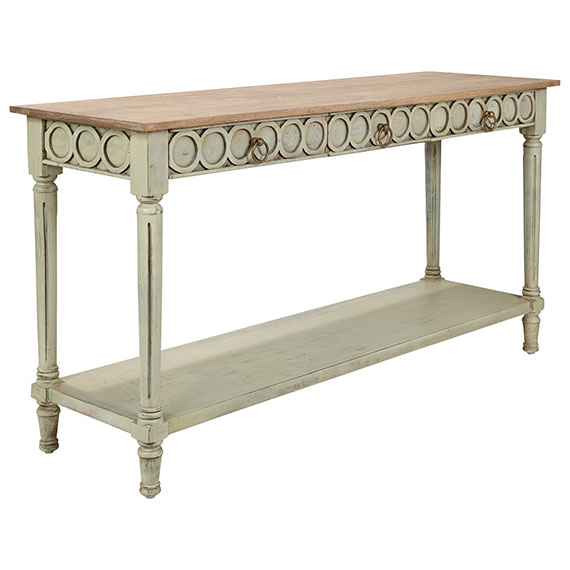
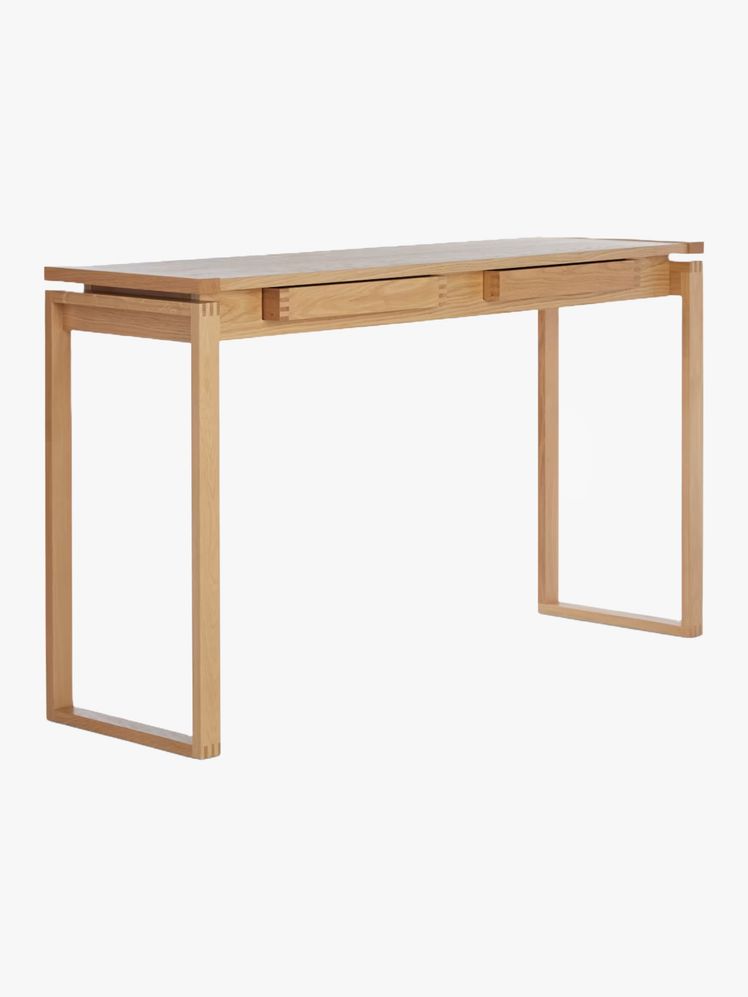
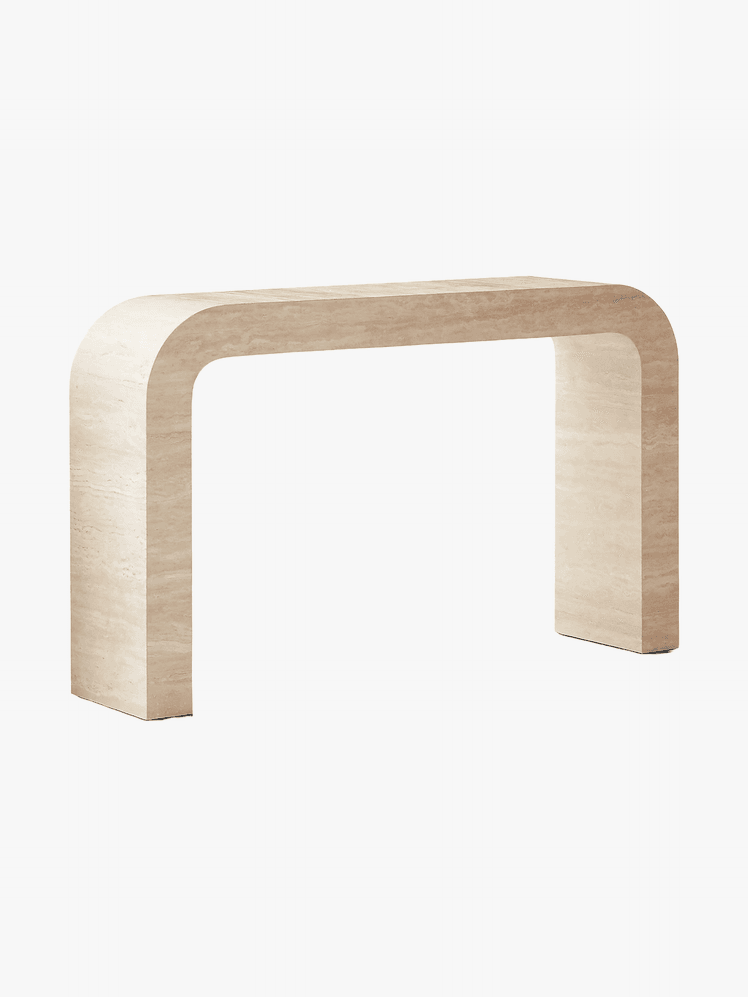
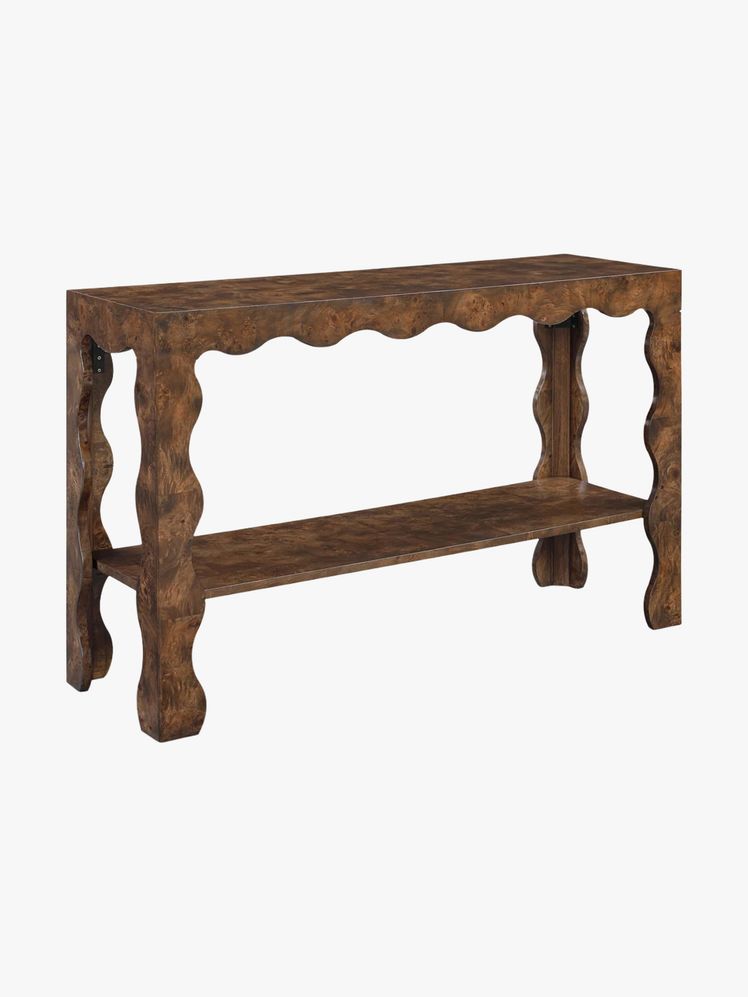
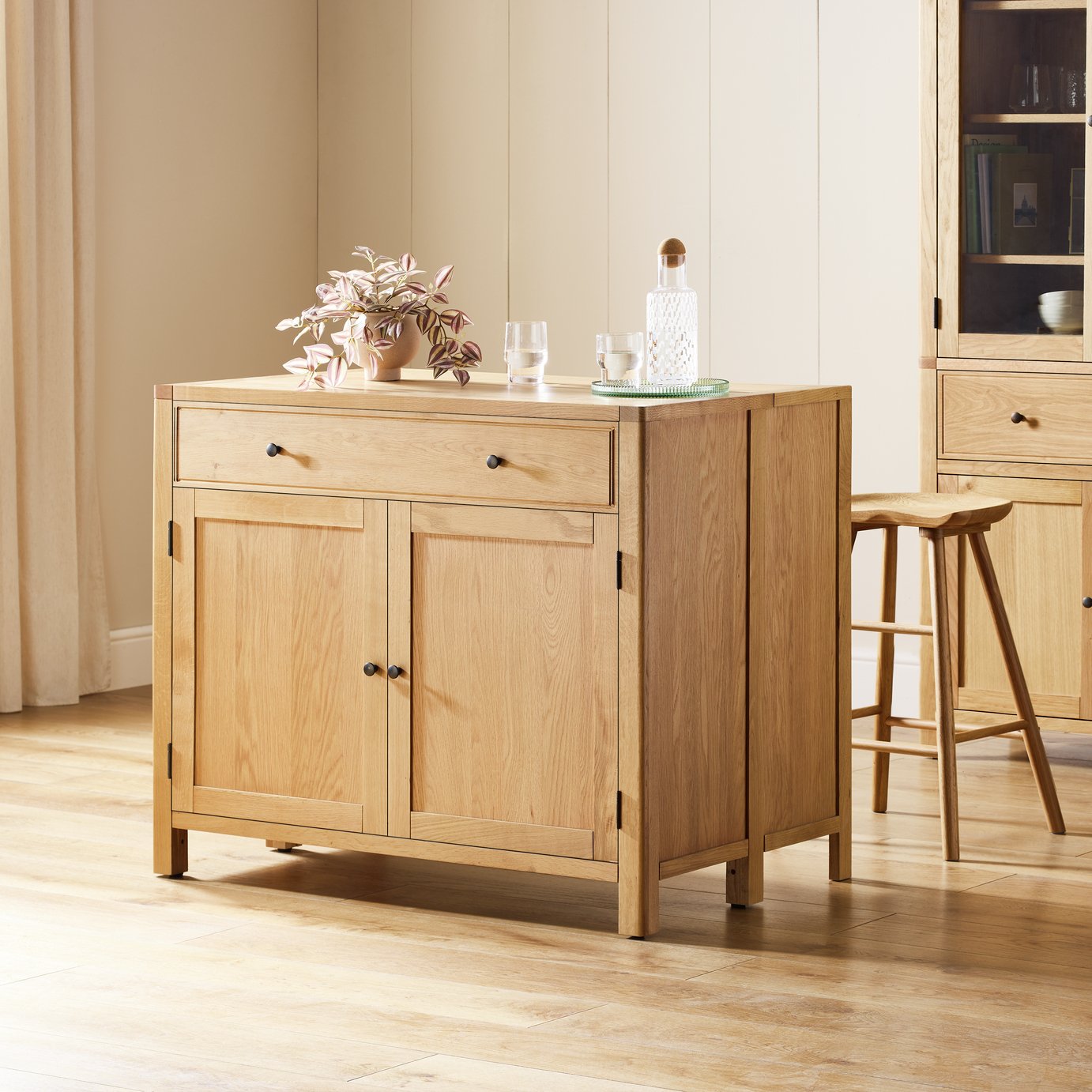
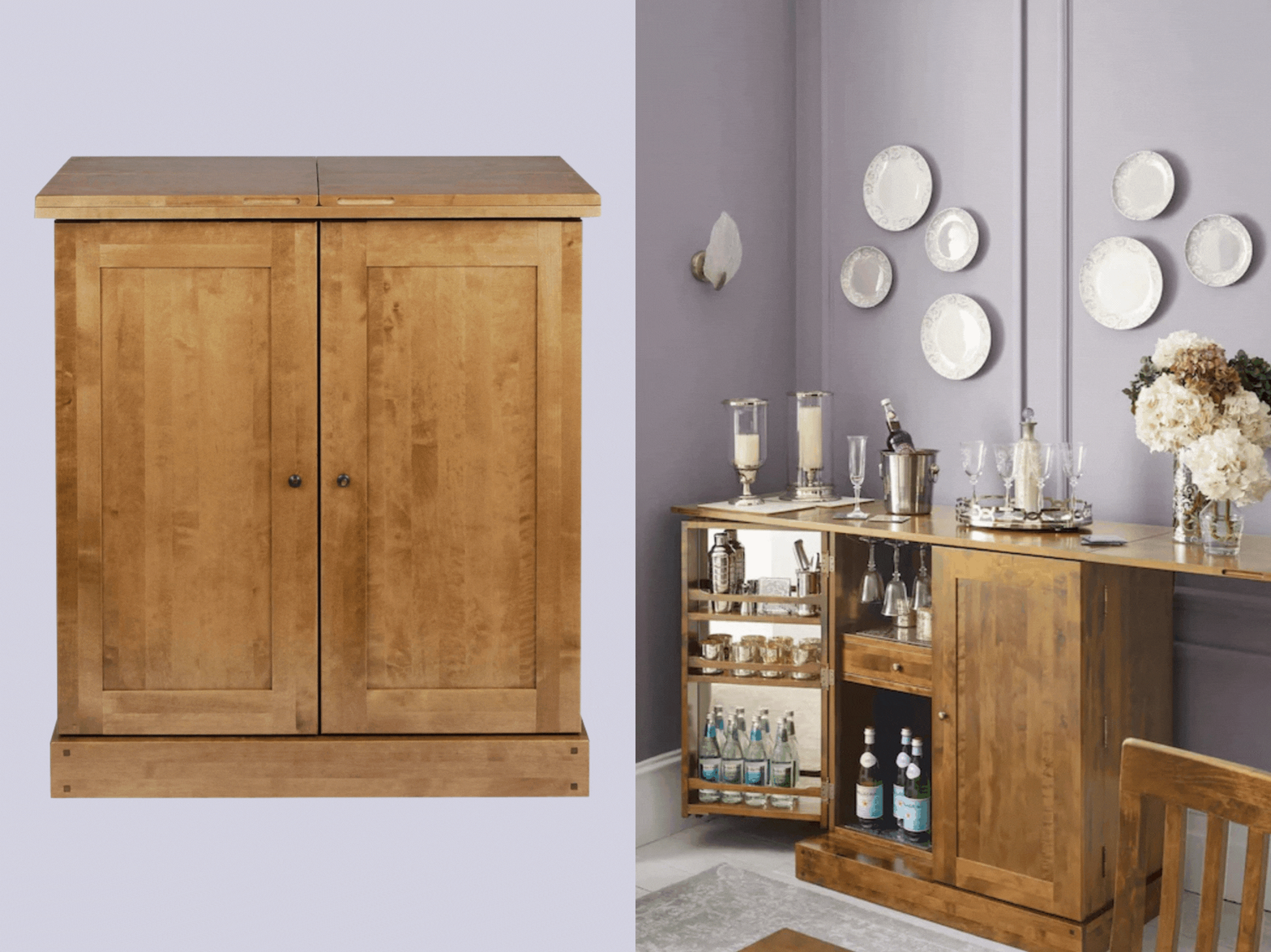
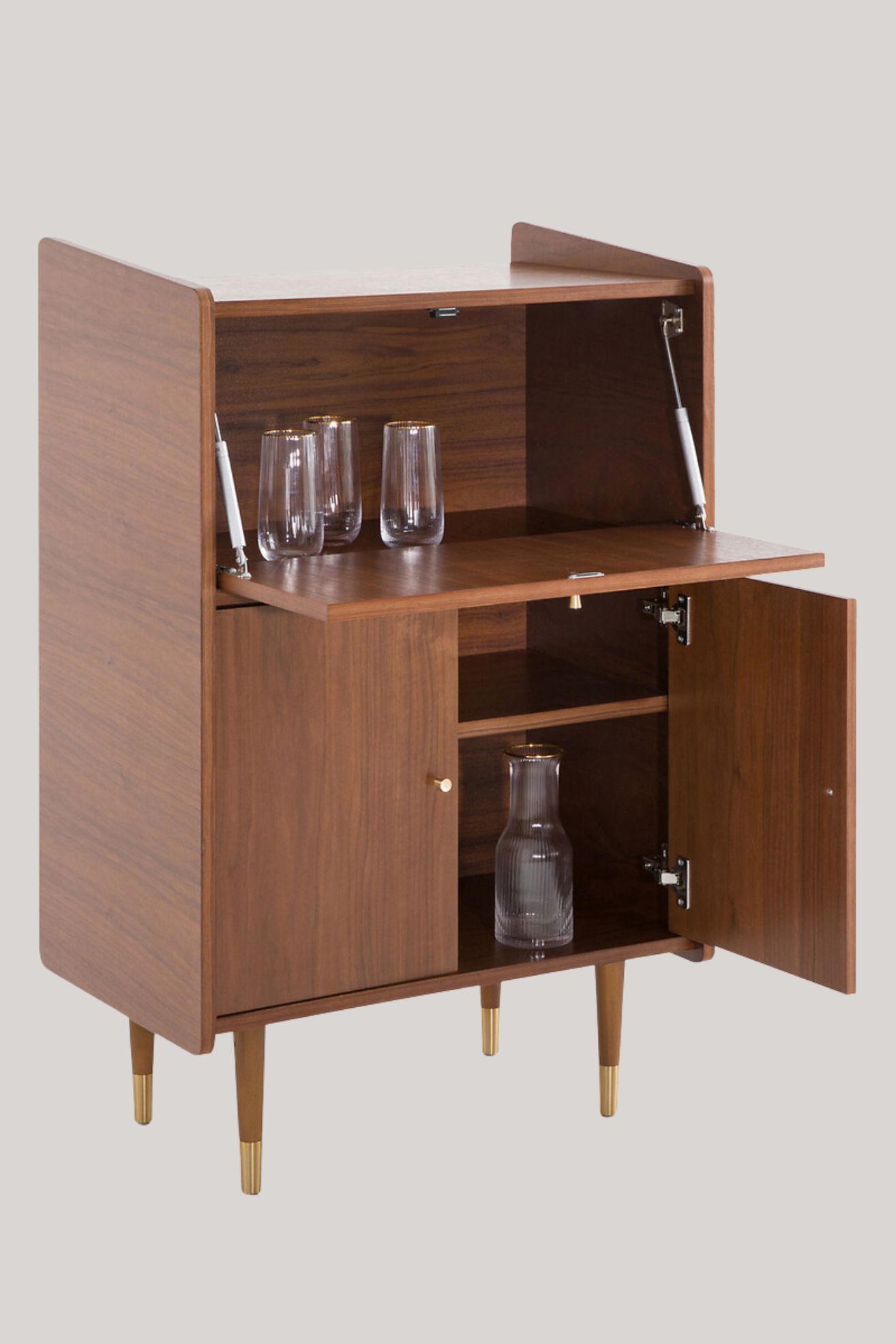
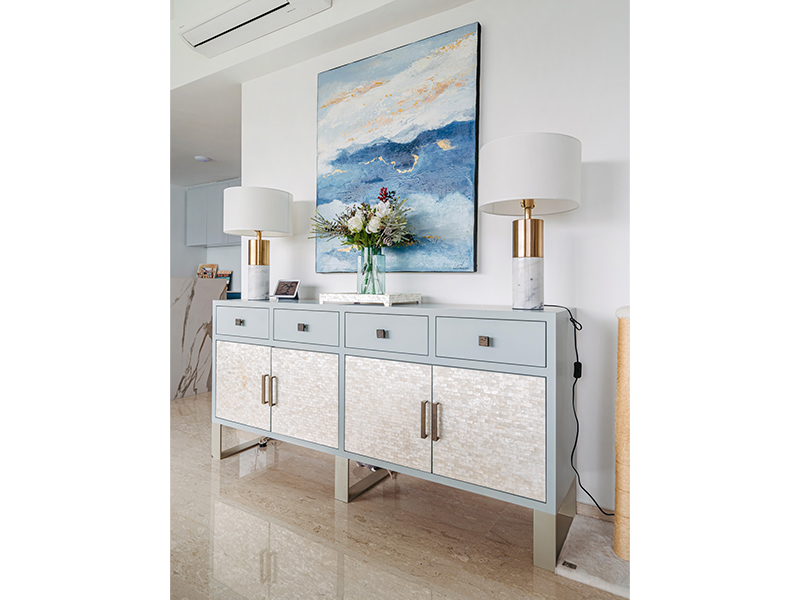
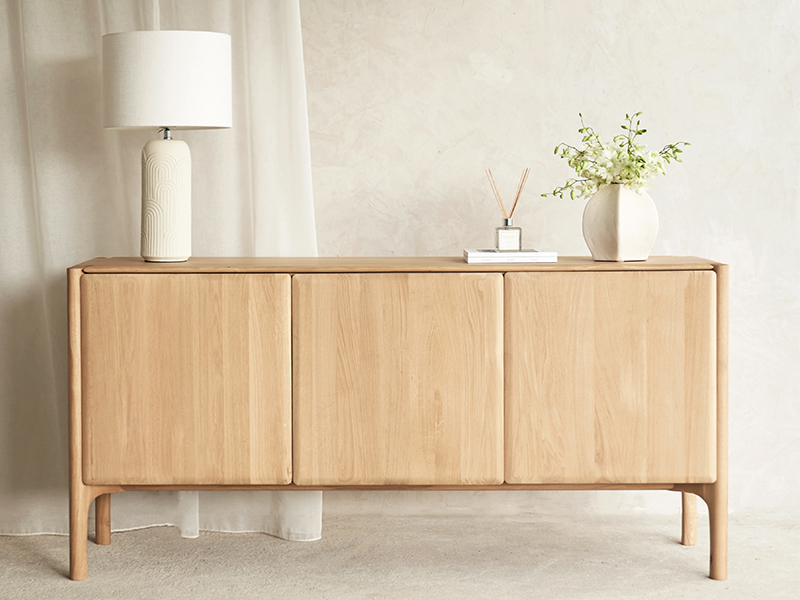
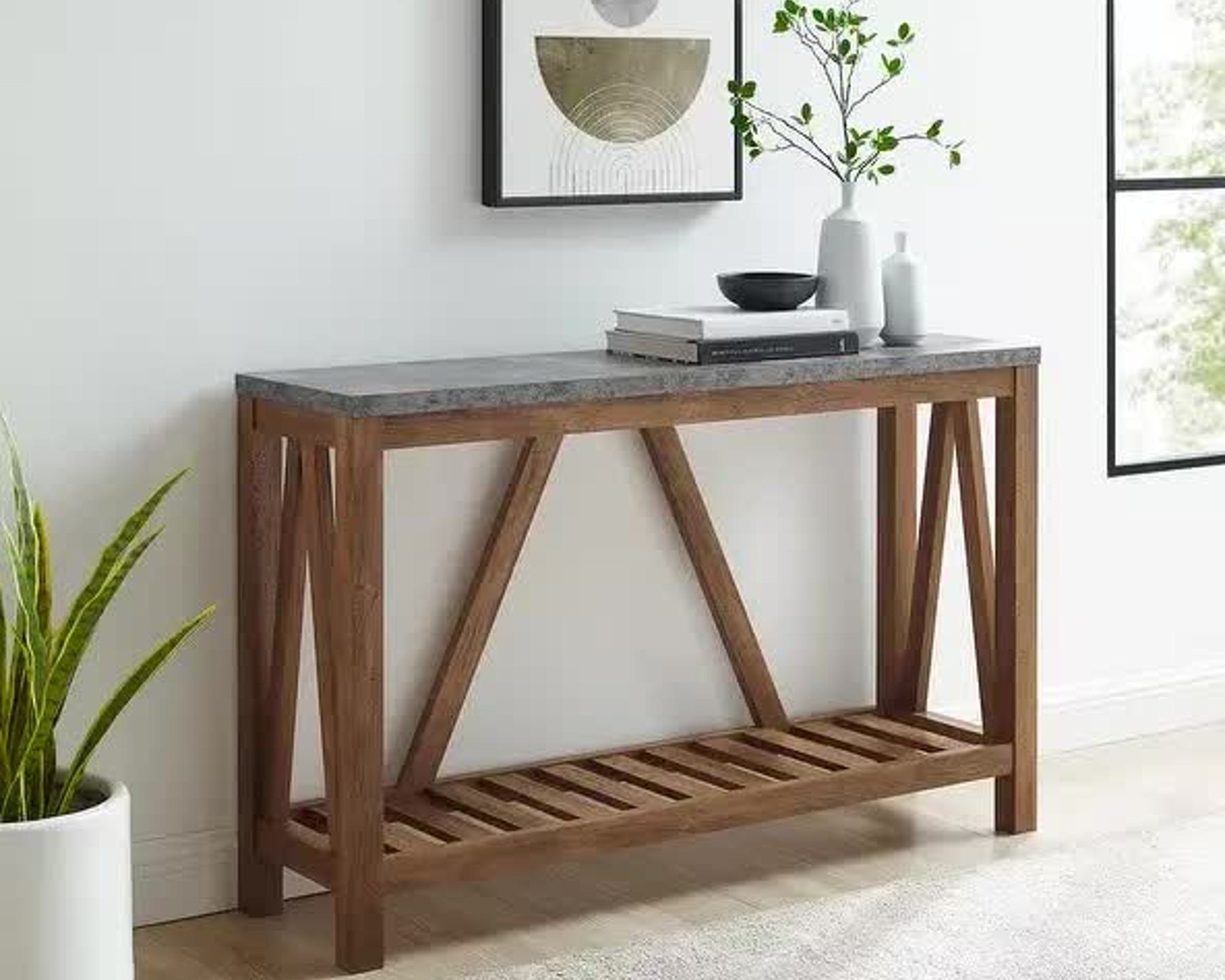
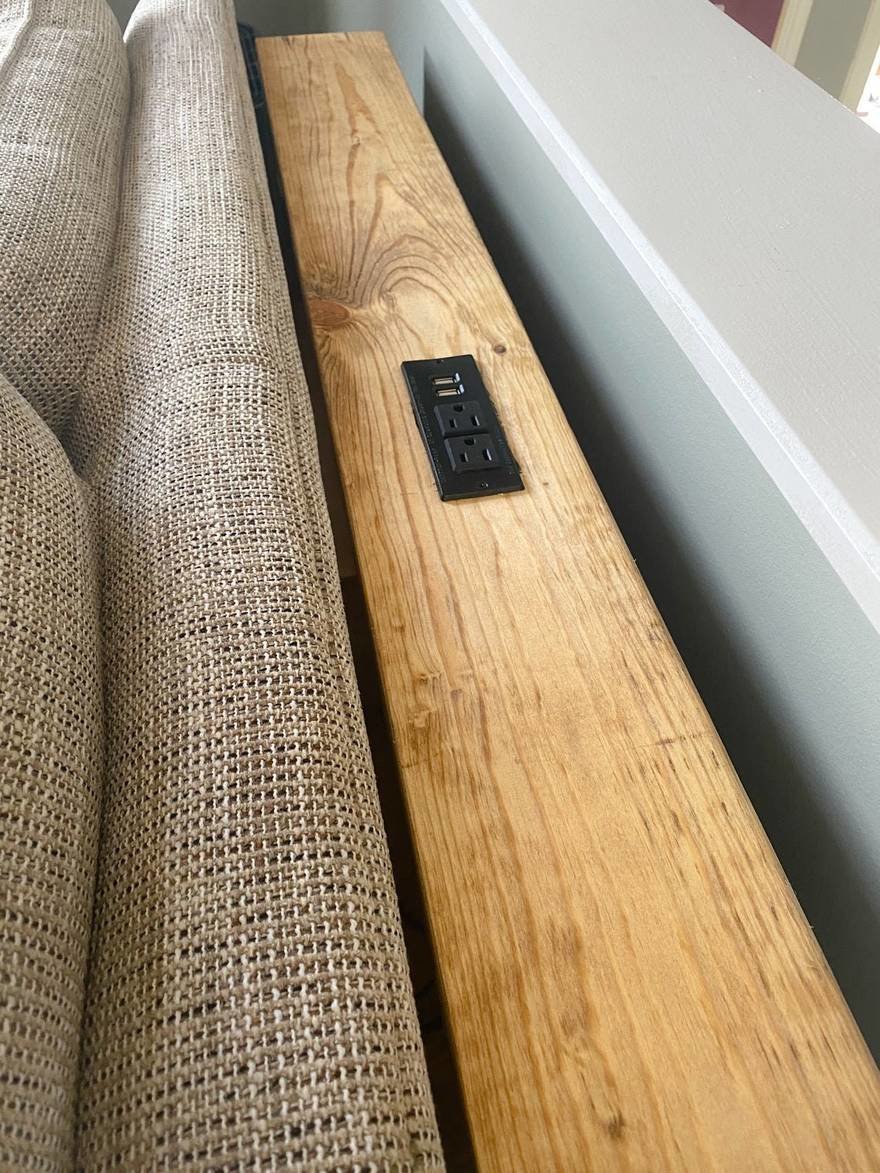
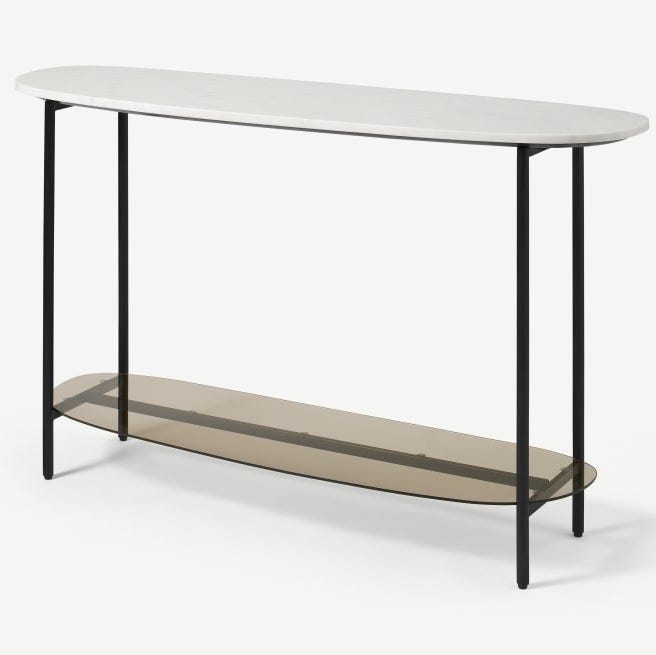
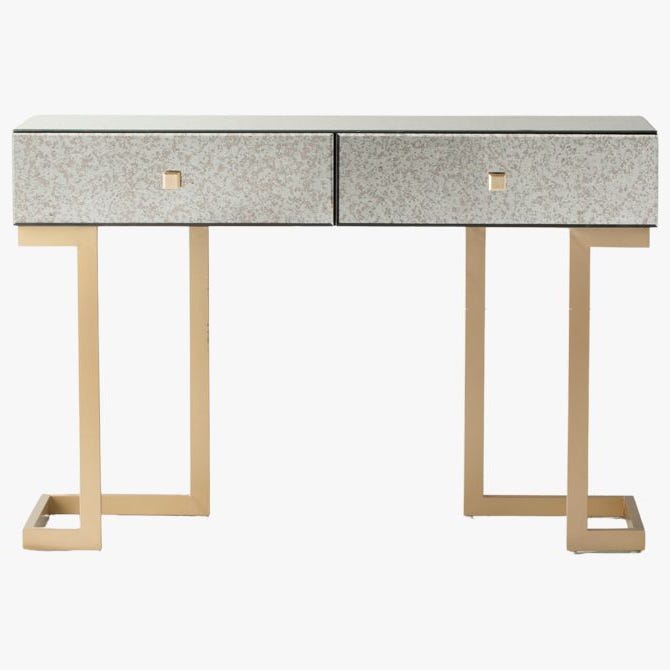
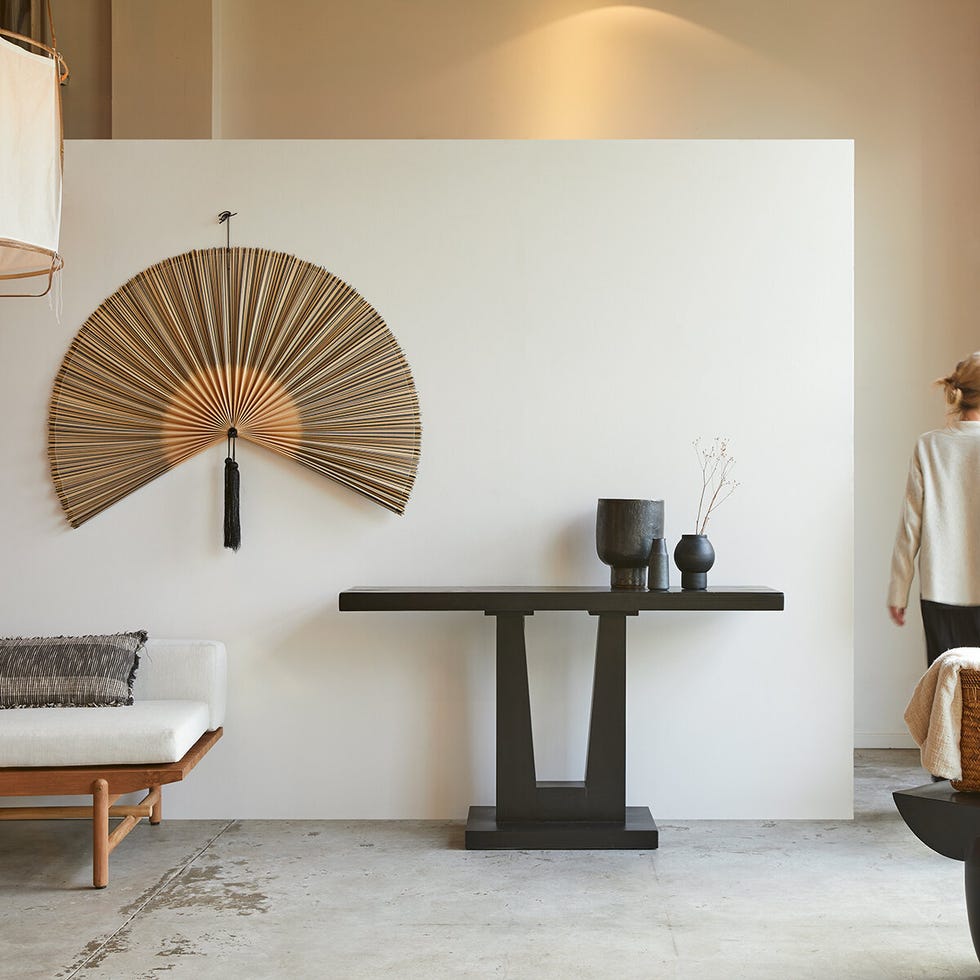
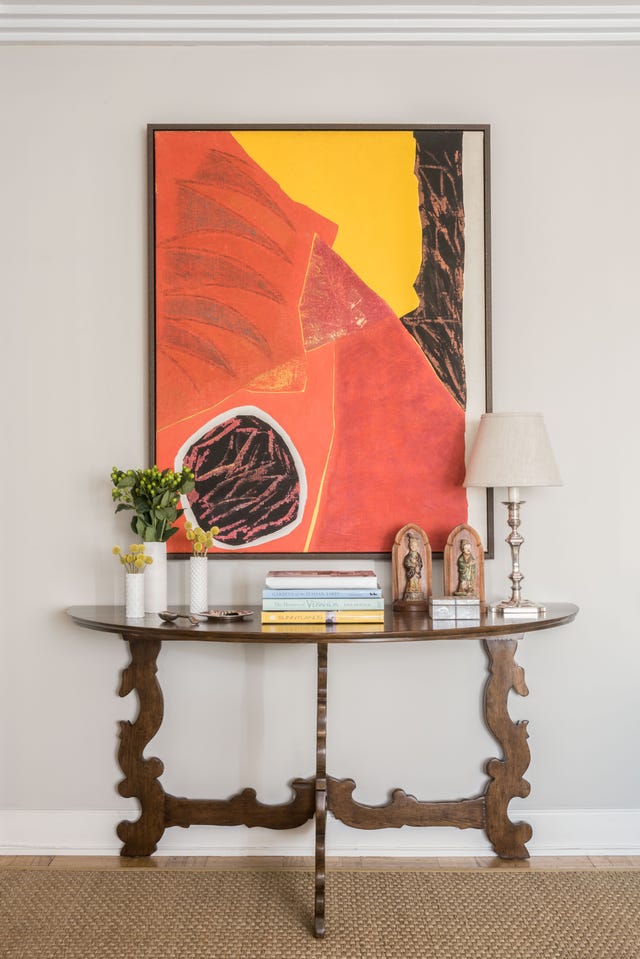
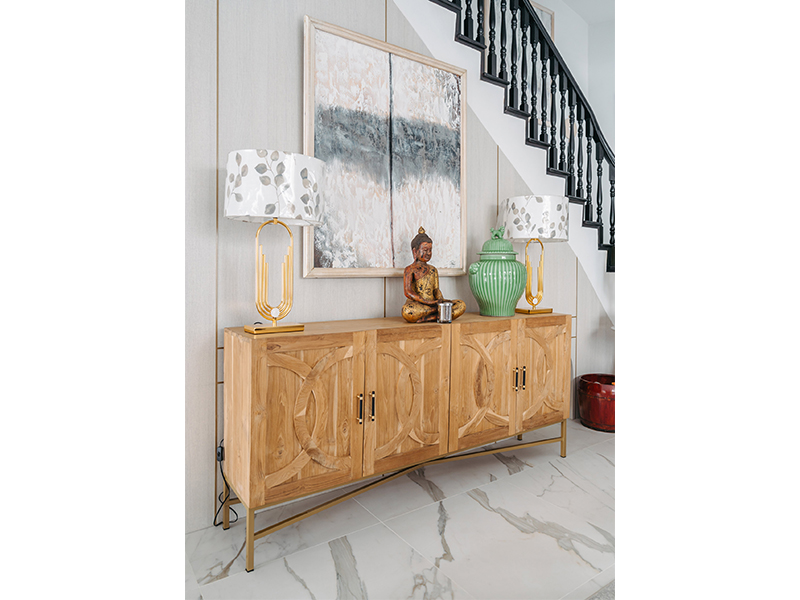
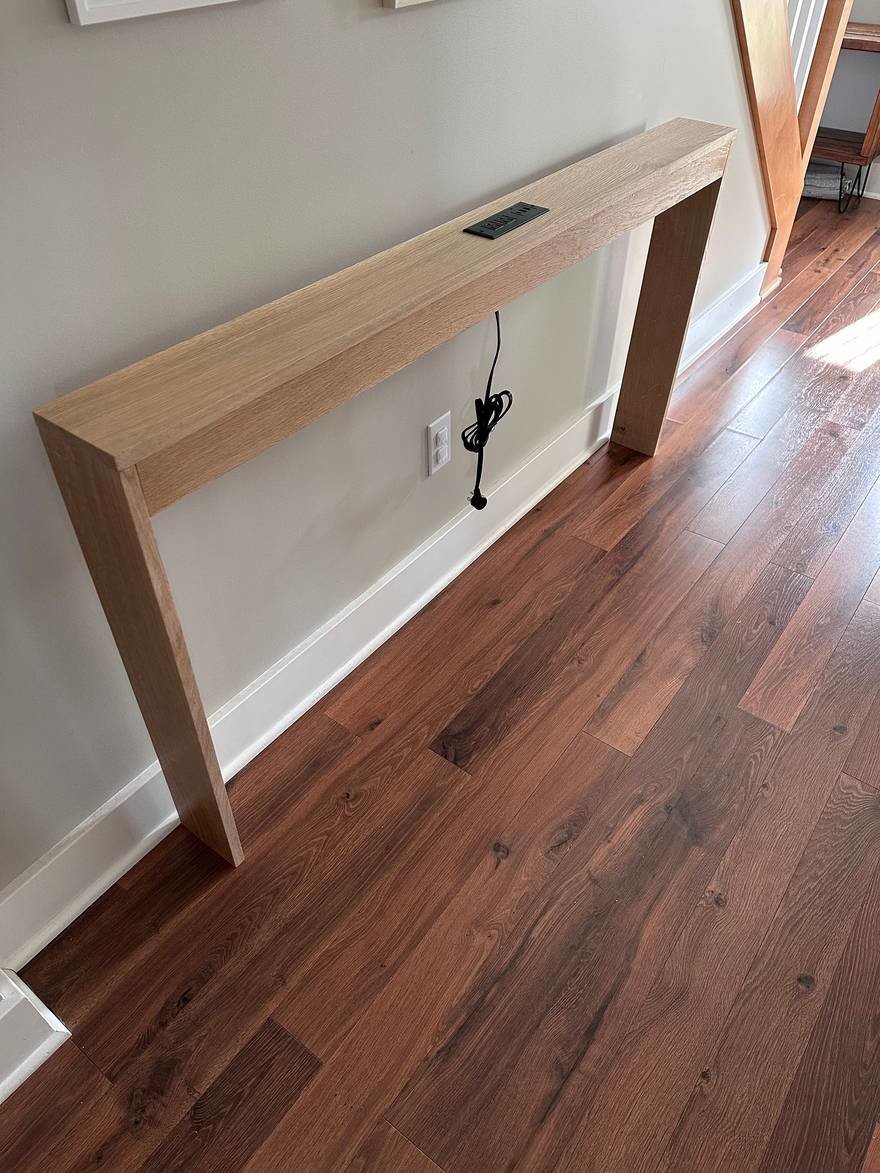
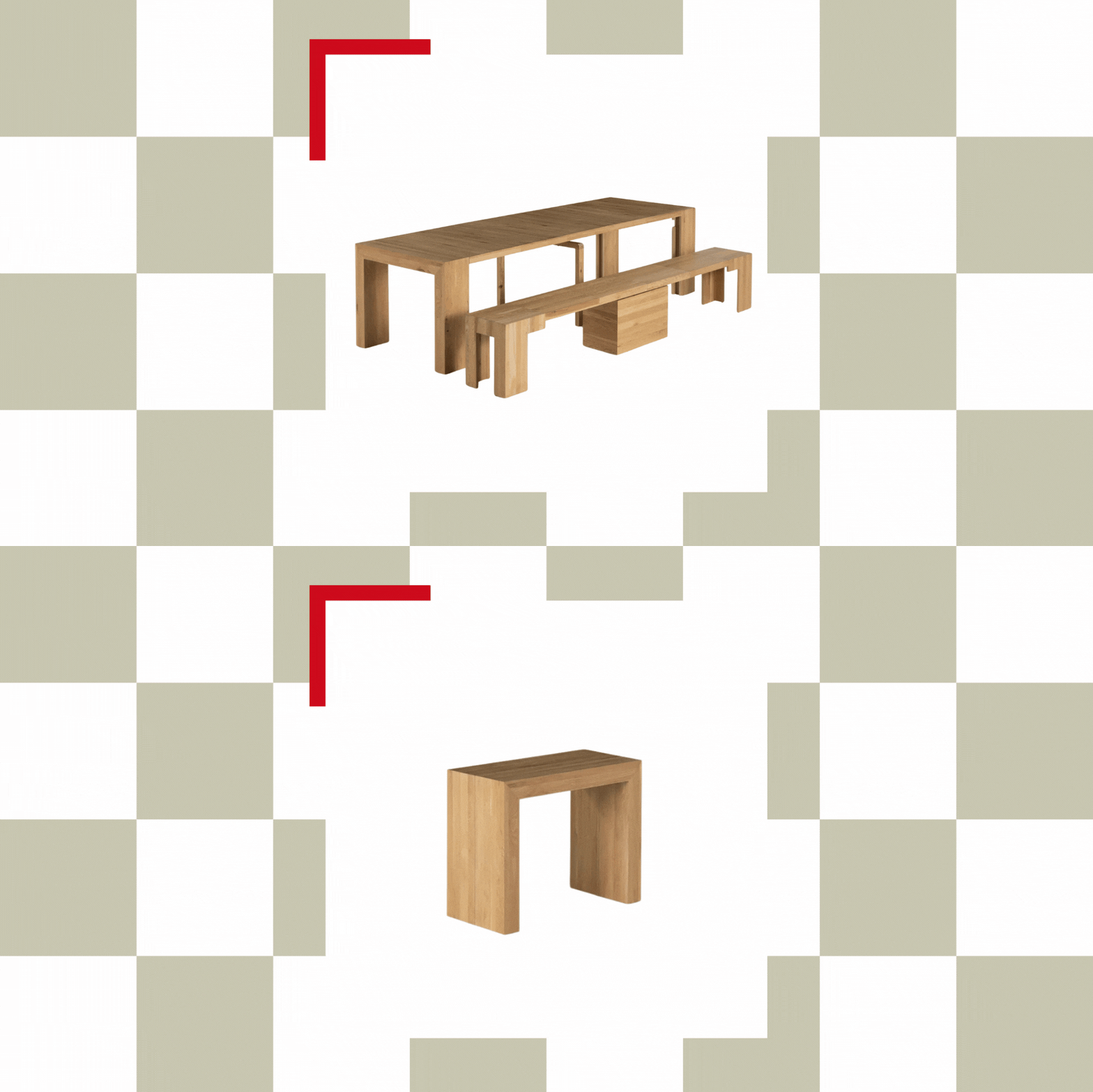
The console table, a versatile and often underestimated piece of furniture, offers both accent and practical functionality in home decor. Originating in 17th-century France as a wall-mounted slab, it has evolved into a staple with distinct characteristics. Typically ranging from 30 to 36 inches in height with wide, shallow tops, console tables are commonly rectangular or square, though demi-lune shapes provide an elegant alternative. Their slender profile makes them ideal for narrow spaces like entryways and hallways, where they can serve as a stylish focal point without obstructing flow. When space is limited, they can ingeniously transform into a bar, vanity, or even a compact desk, demonstrating their adaptability. Furthermore, a console table can be placed behind a sofa, offering a surface for ambient lighting, decorative objects, or a place to set down drinks.
Distinguishing a console table from a side table is crucial for effective placement and use. Unlike a console table, which can stand independently or against a wall, a side table is primarily designed for placement beside sofas or chairs. Side tables are significantly shorter, typically 20 to 24 inches tall and 16 to 22 inches wide, making them convenient for accessing items such as drinks, books, or phones while seated. In contrast, the console table's wider and narrower dimensions, along with its counter-height stature, serve different functional and aesthetic purposes.
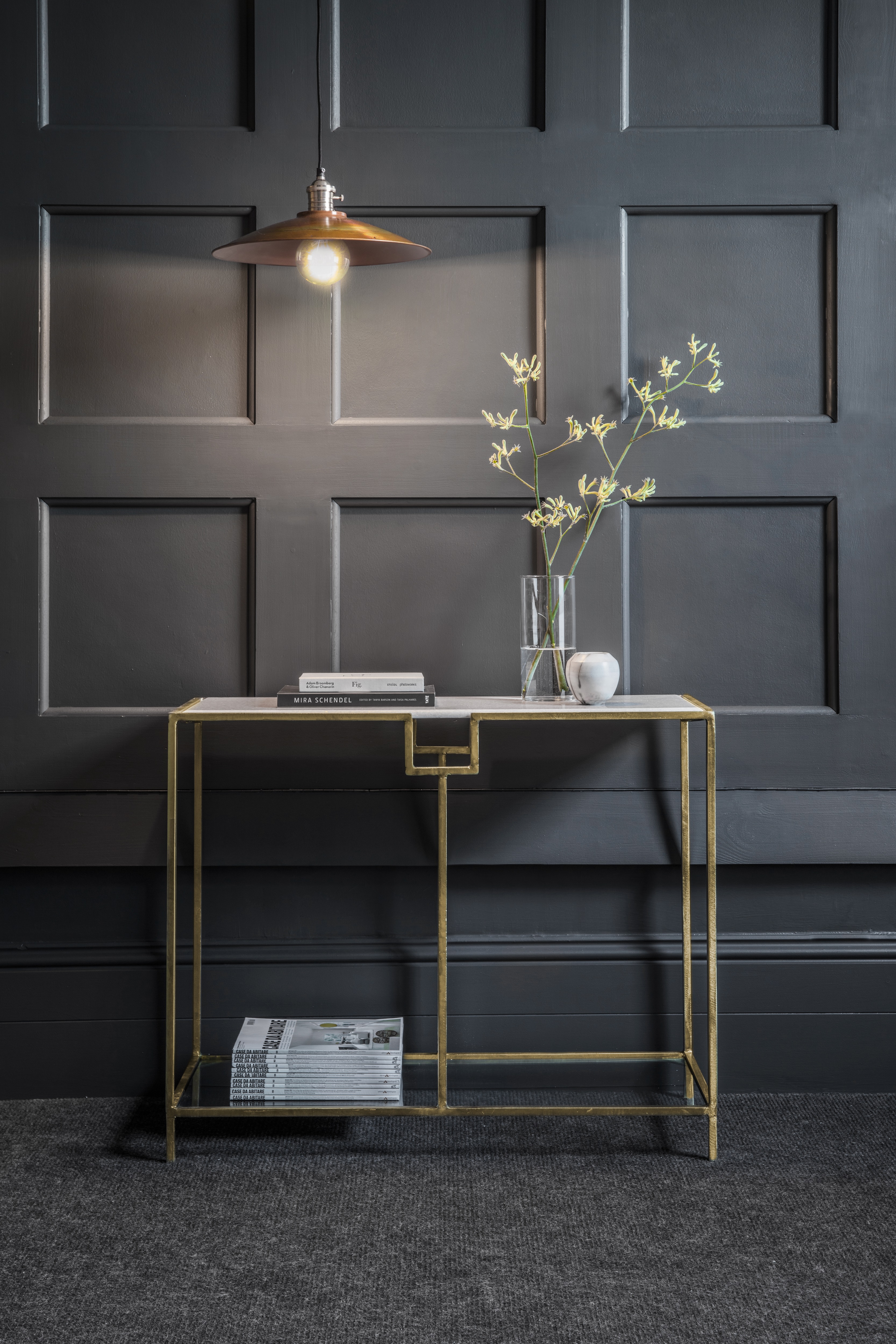
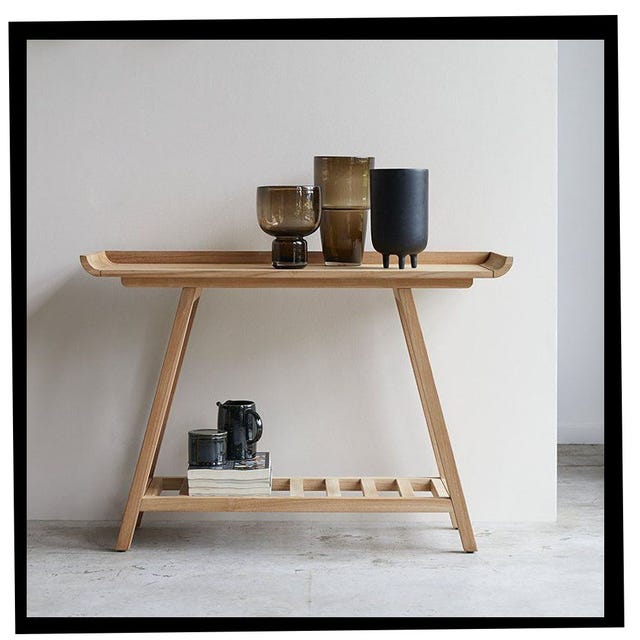
Interior designers Alison Pickart and Elaine Griffin offer several expert tips for selecting and styling console tables. For tight spaces, they recommend opting for designs with open-legged bases to maintain an airy feel. In entryways, where console tables often become catchalls, using a beautiful seagrass basket can help organize keys, change, and wallets, adding texture while preventing clutter. Both designers emphasize that for entryways or hallways, the narrower the console, the better, suggesting a depth of 12 to 15 inches at most. Despite their slimness, console tables can make a bold style statement through interesting details like turned legs or unique finishes such as cast resin.
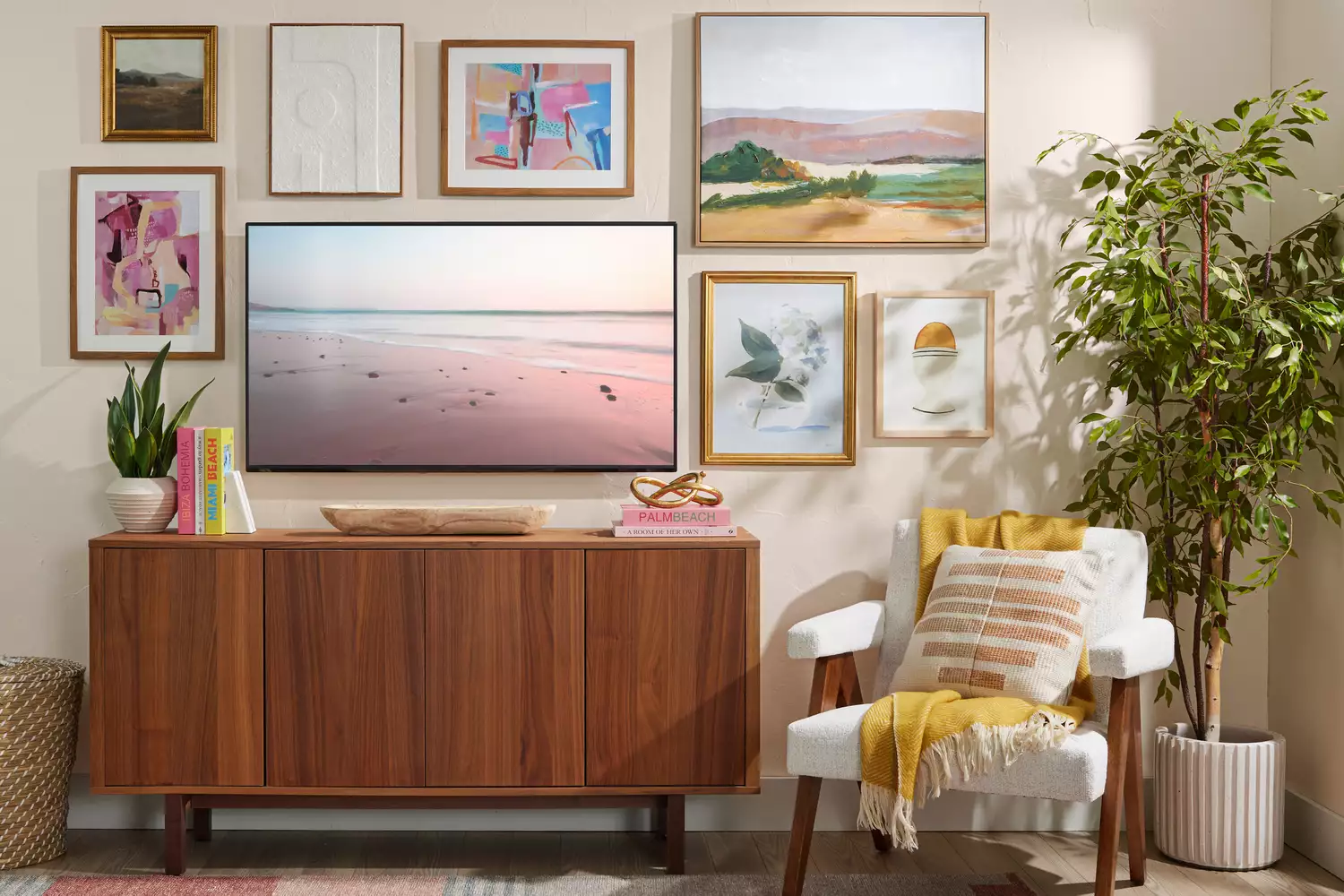
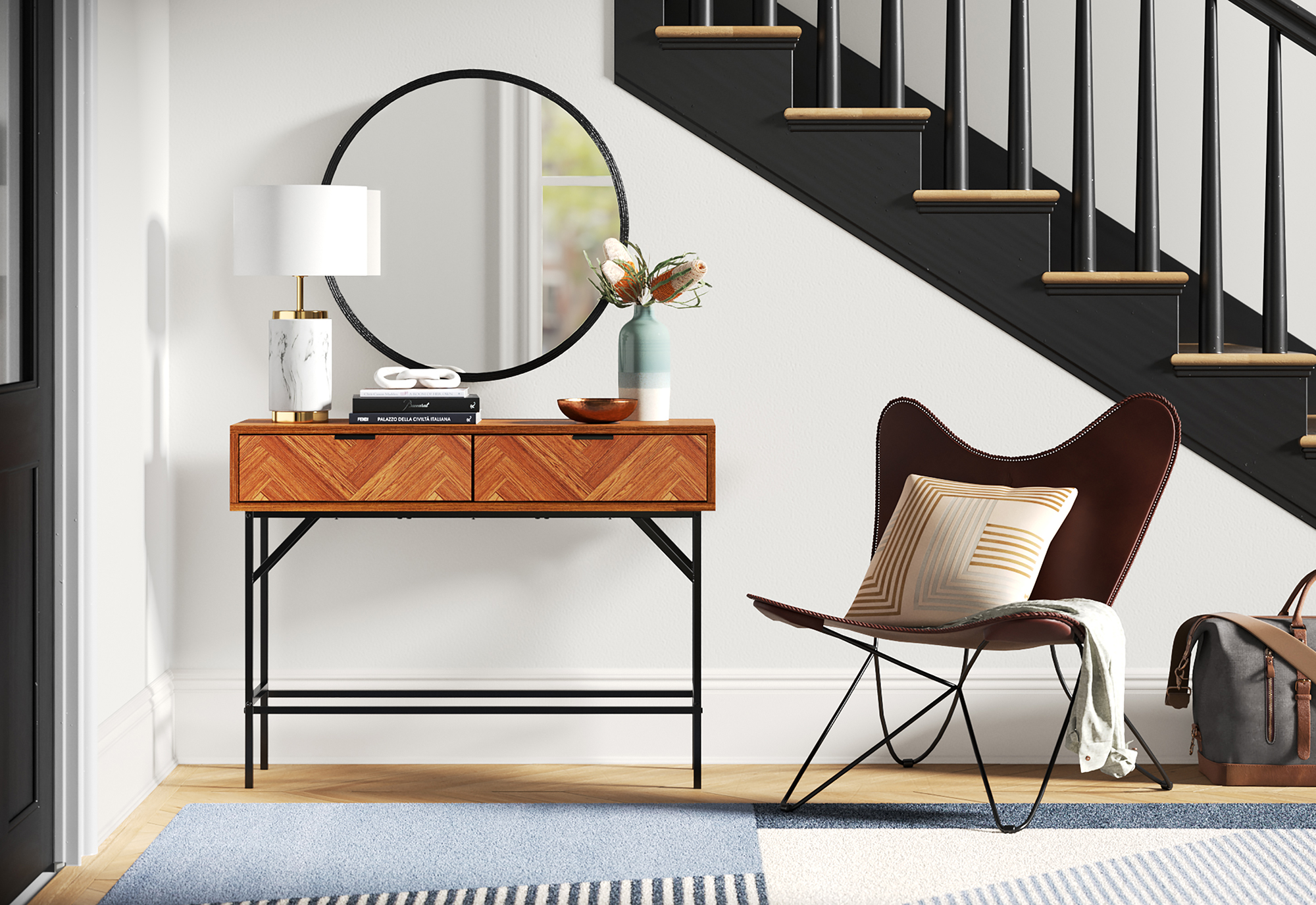
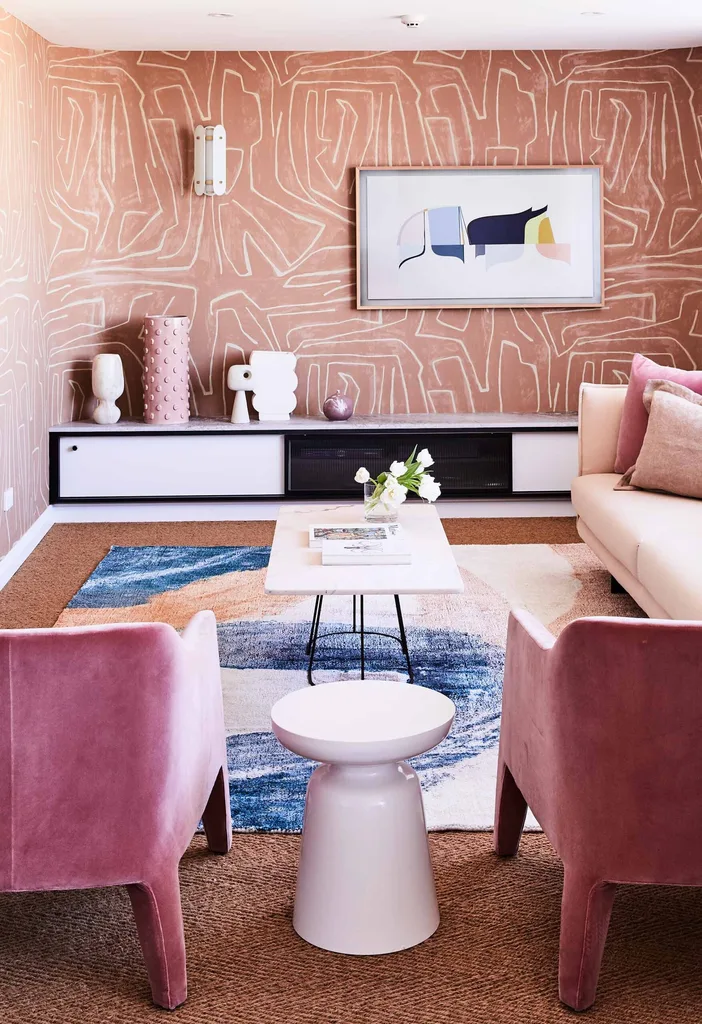
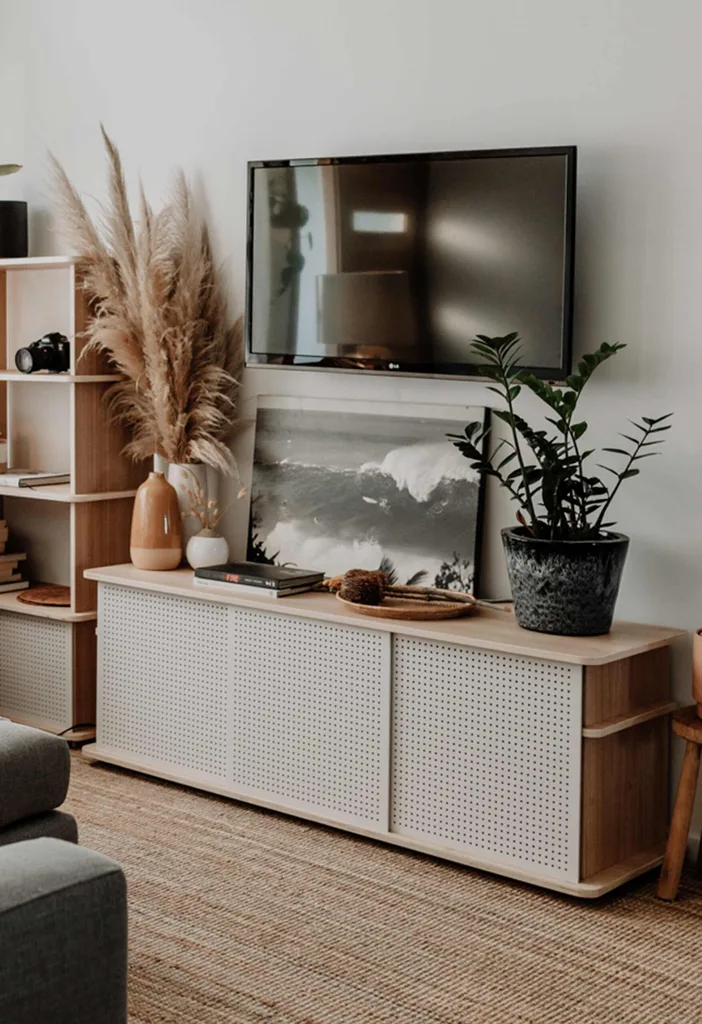
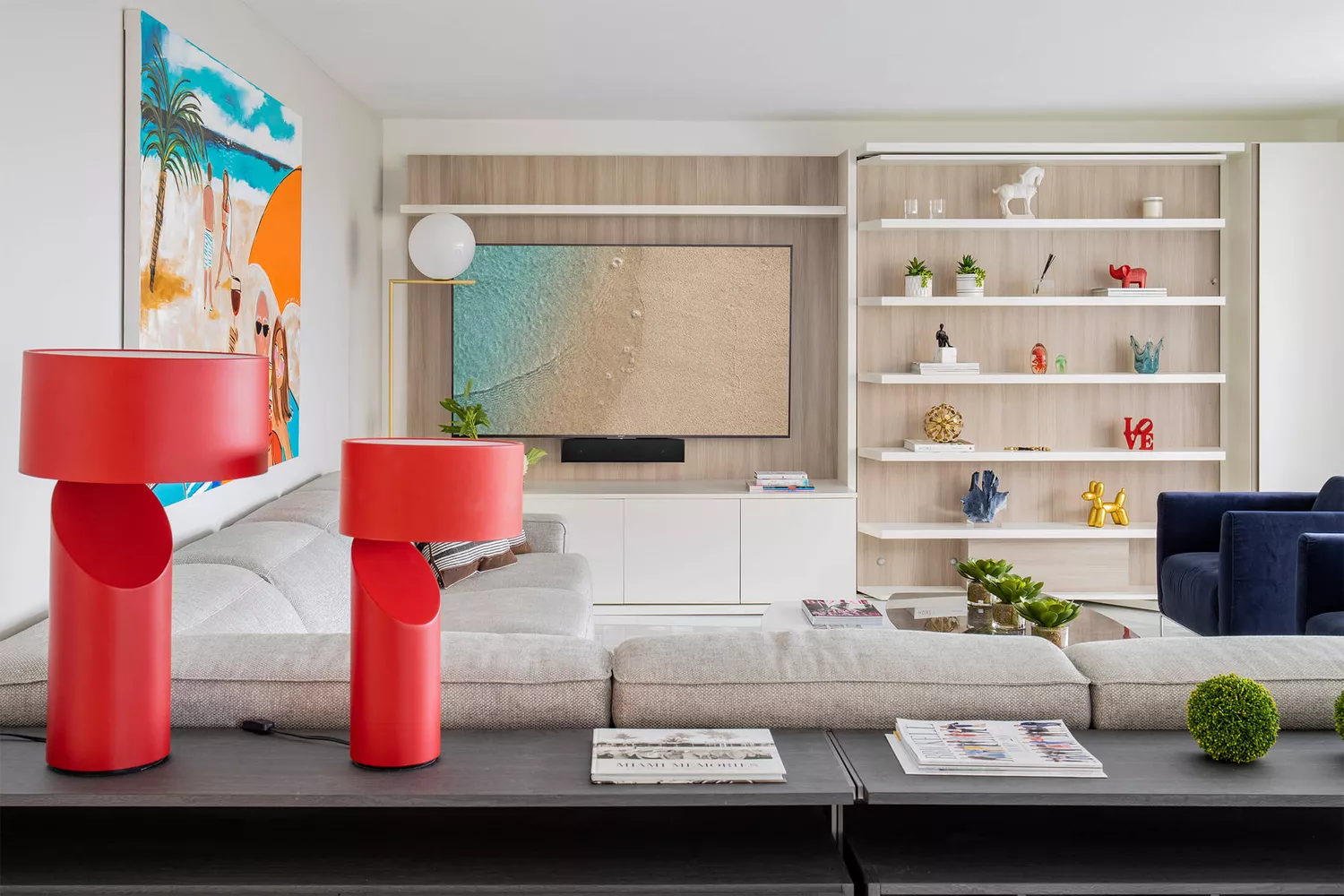
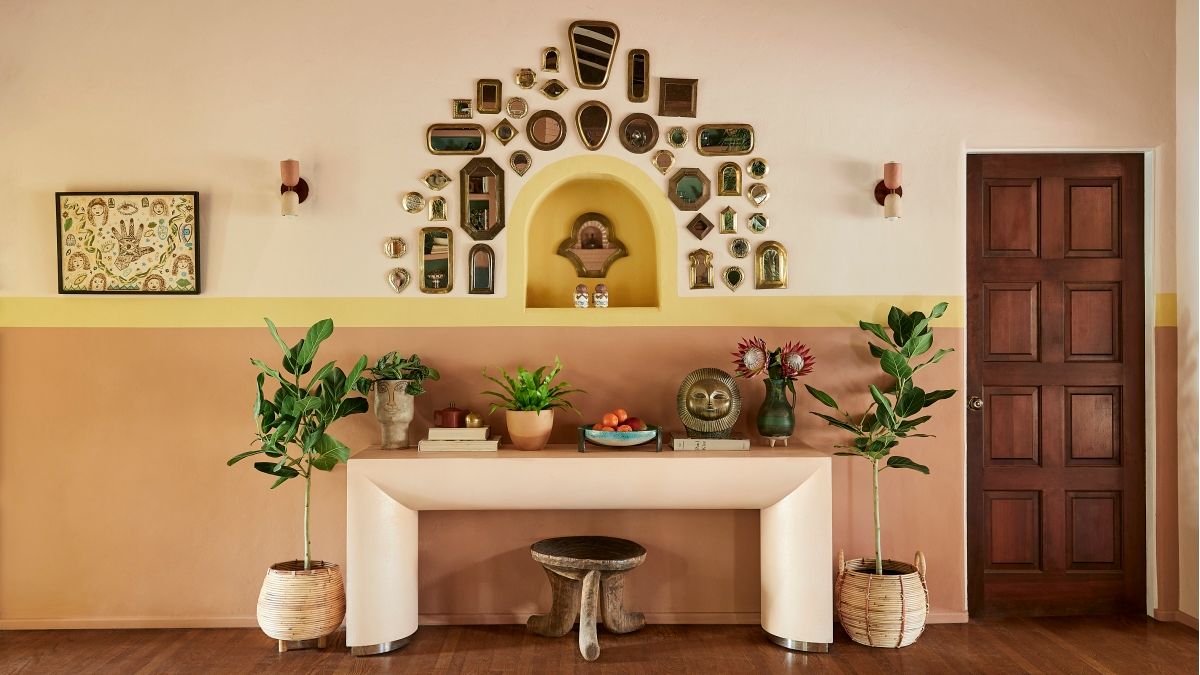
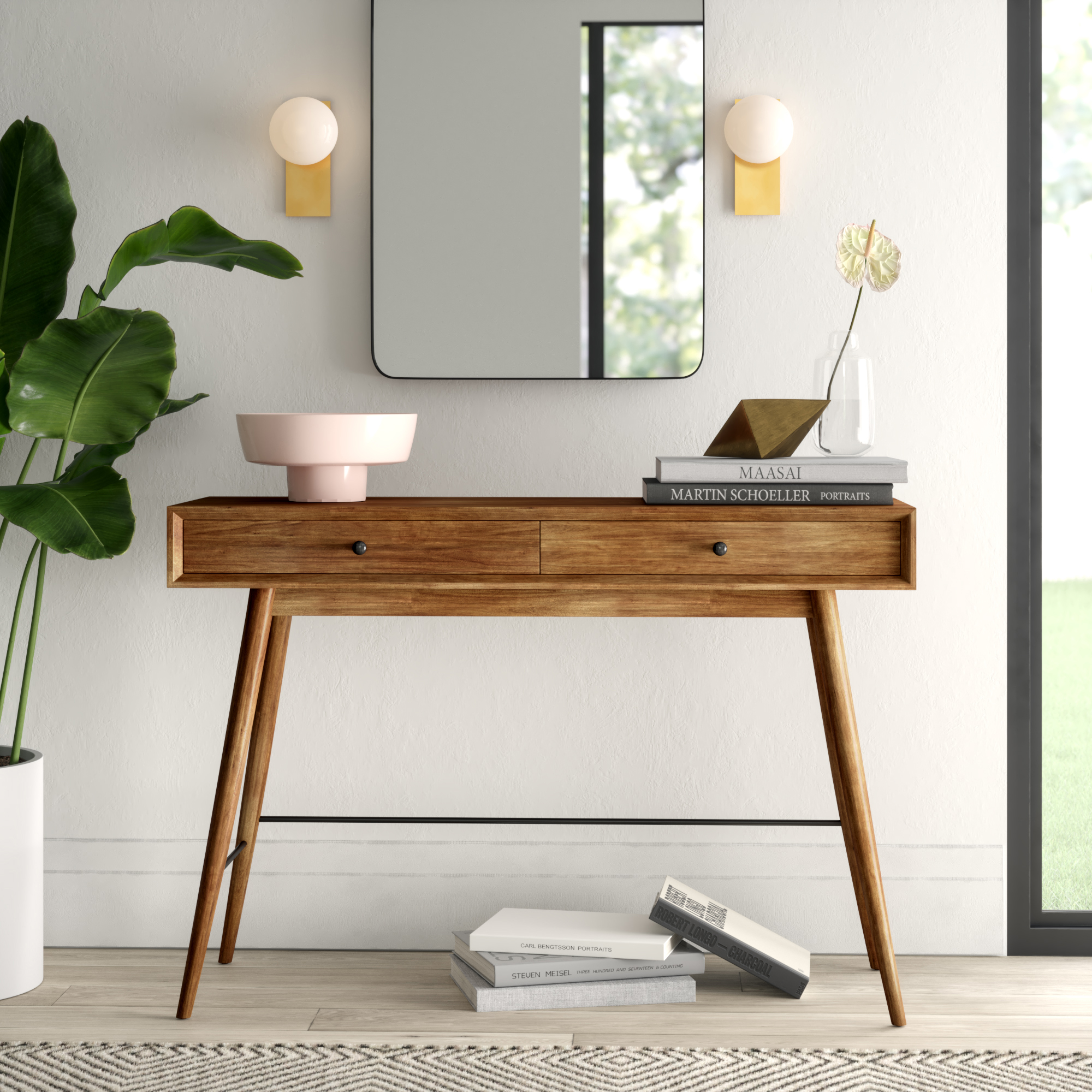
When positioning a console table behind a sofa, it is advised that the table should not be taller than the seating, ideally one inch lower than the back of the sofa, to ensure a cohesive look. The open space beneath the console can be utilized for ottomans, providing additional seating when needed. Beyond functionality, console tables are excellent platforms for showcasing personal style, allowing homeowners to create artful compositions by layering books, trays, decorative boxes, and found objects. For a balanced aesthetic, placing matching table lamps on each side of the table can create symmetry. Finally, a console table can serve as an effective anchor for a large piece of art or an oversized mirror, further enhancing its role as a decorative and practical element in any home.
#ConsoleTable #HomeDecor #InteriorDesign #FurniturePlacement #StylingTips #EntrywayDecor #NarrowSpaces #VersatileFurniture #ConsoleTable #HomeDecor #InteriorDesign #FurniturePlacement #StylingTips #EntrywayDecor #NarrowSpaces #VersatileFurniture
0 comment in total
 No comments yet
You may also like
Take your pick: it's time to invest in a dressing table
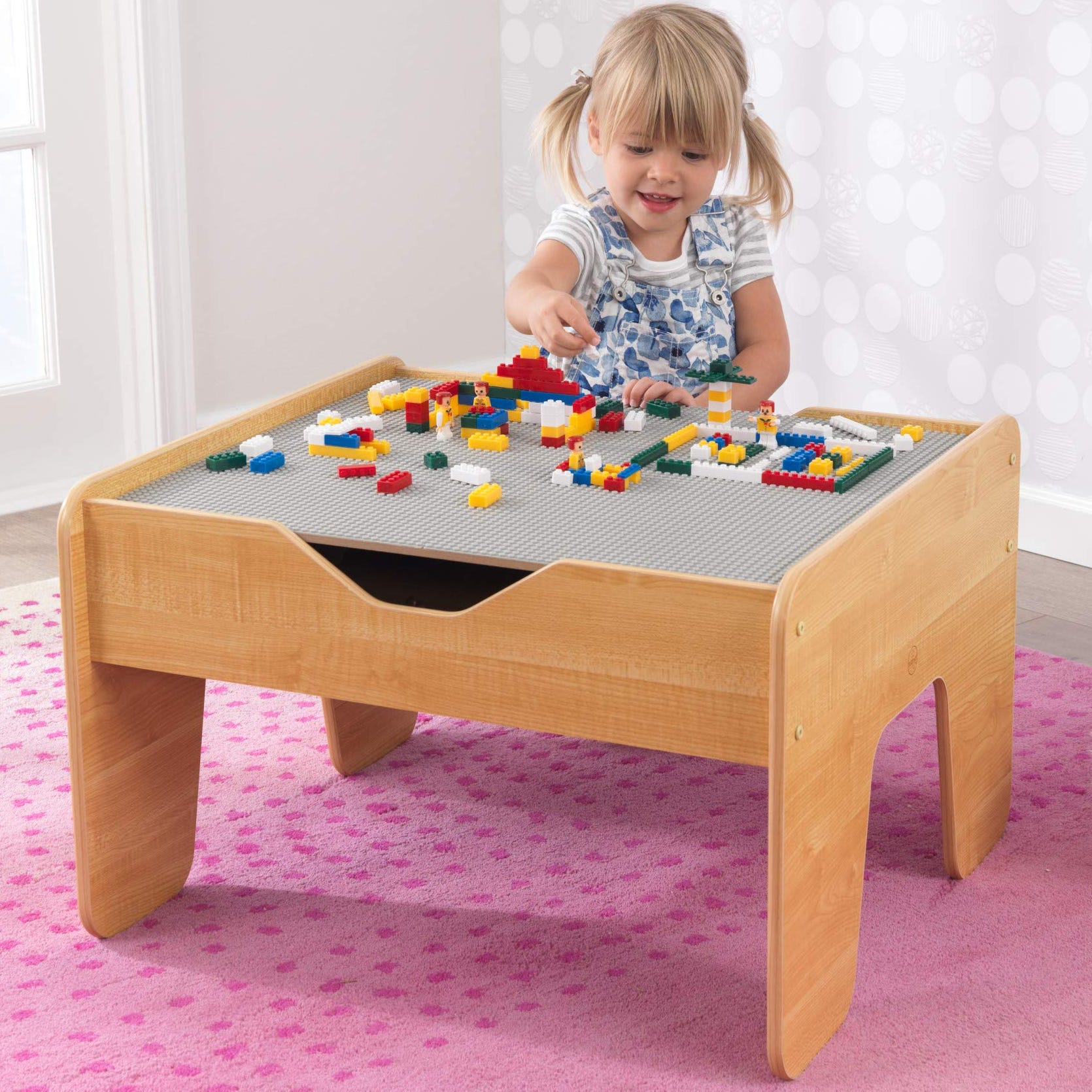
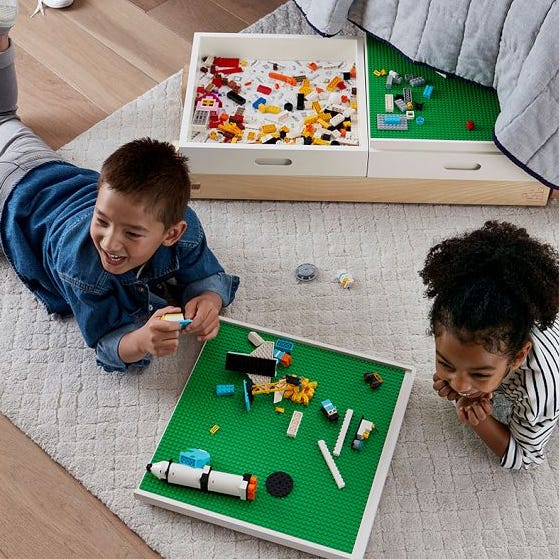
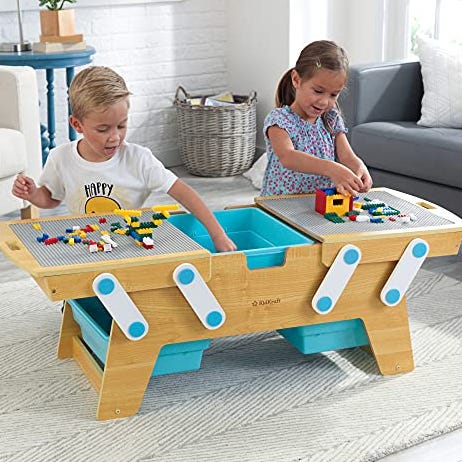
Get All Those Legos Off the Floor: Use One of These Play Tables Instead

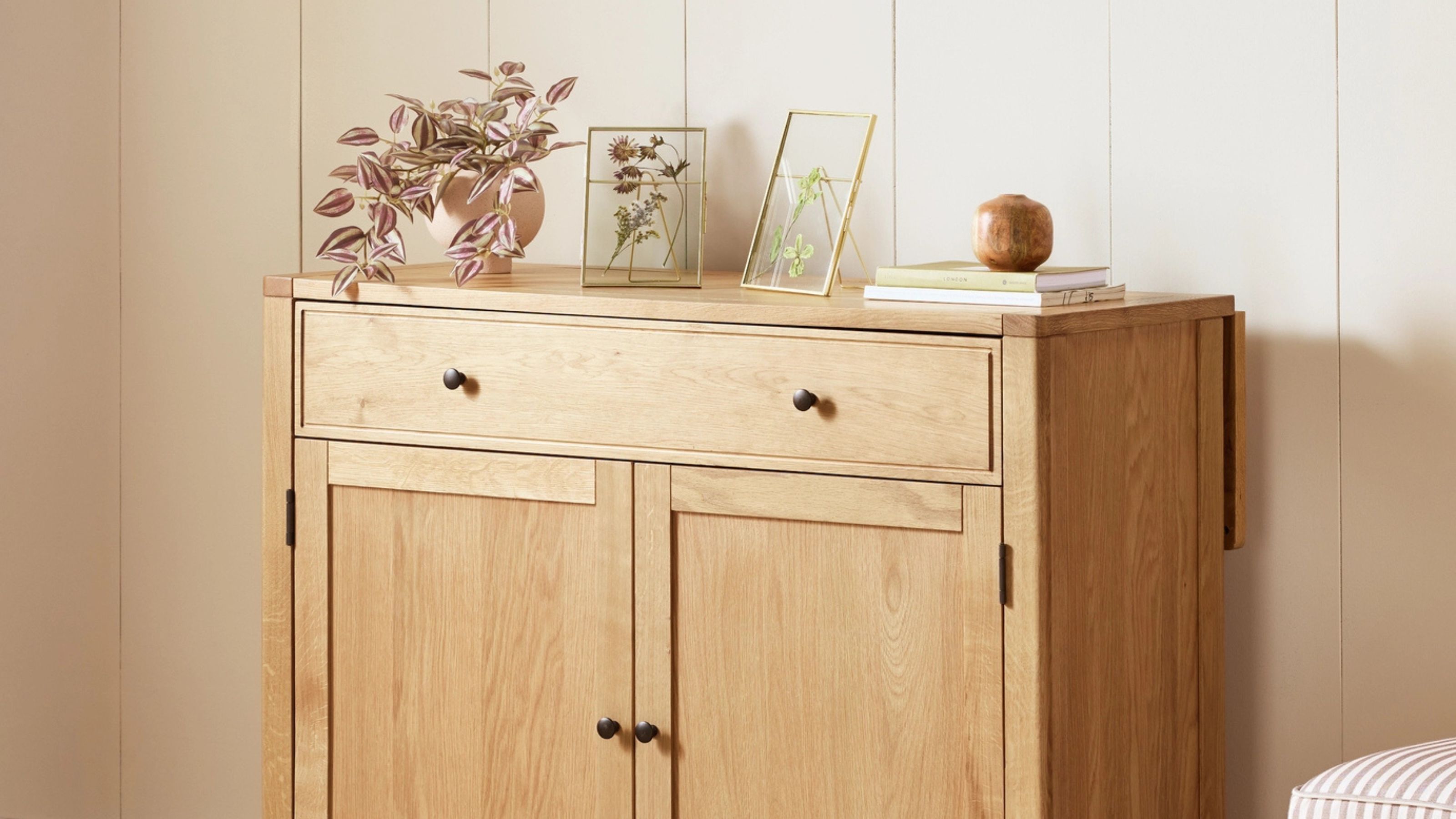
Okay, That's Clever — Pull This 'Transforming' Console Table Out From the Wall and It Moonlights as a Swanky Home Bar Set-Up

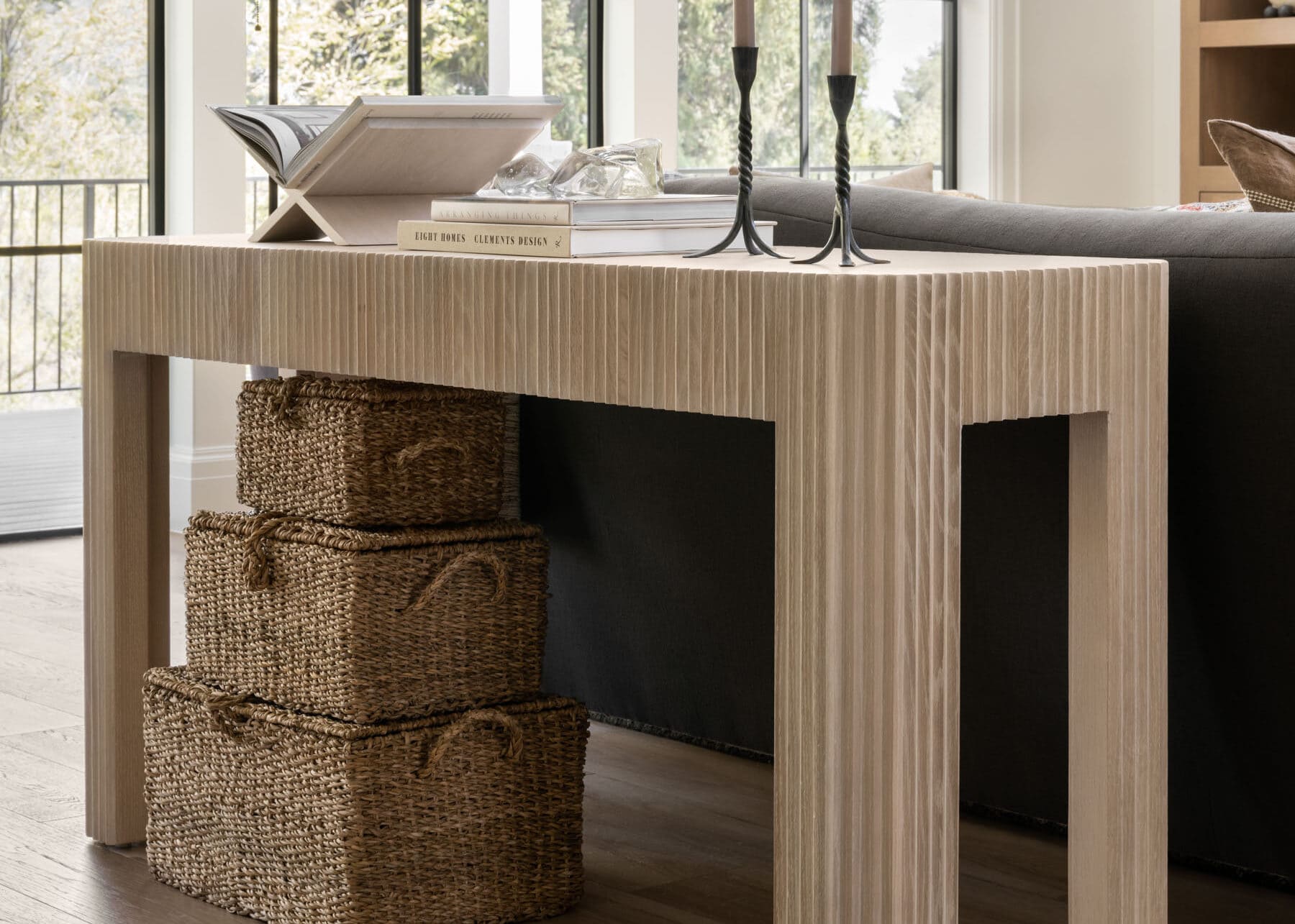
How To Style A Console Table Behind Sofa
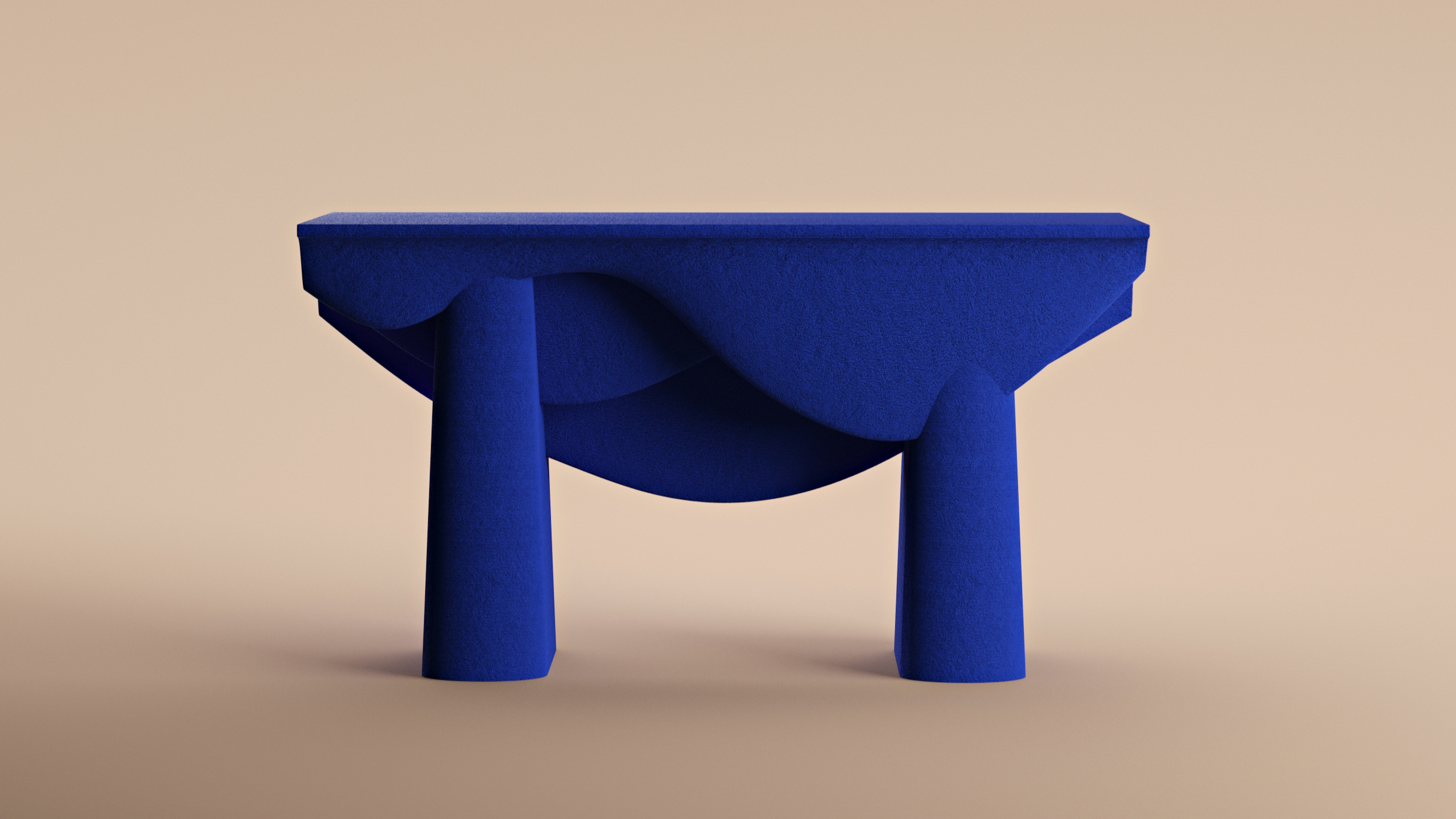
Considered console tables: beautiful designs for every space

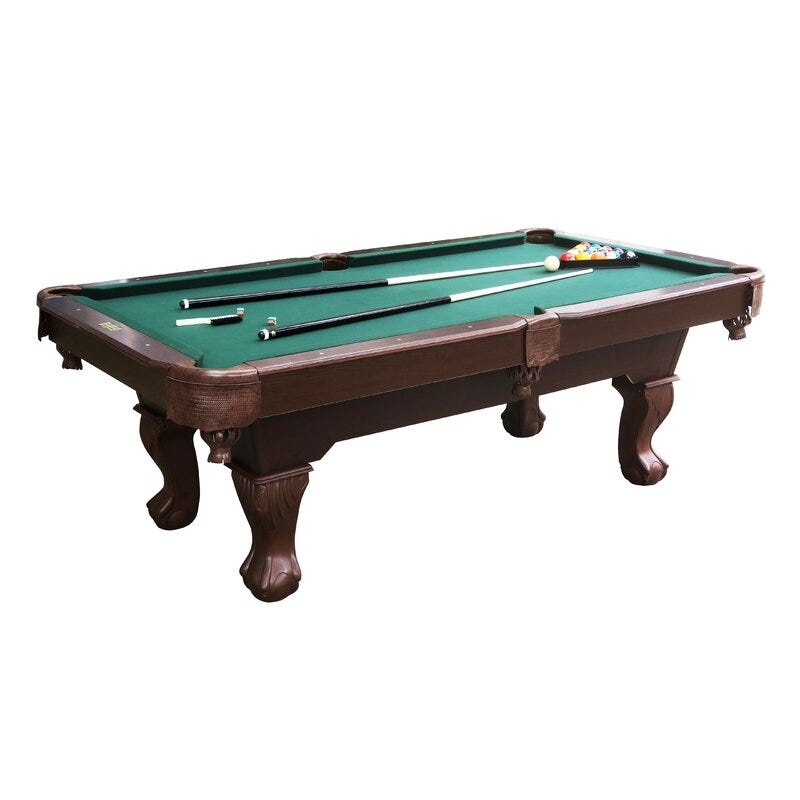
These Are the Best Pool Tables for Your Game Room—Even If It's In Your Apartment

How Designers Style Console Tables for That Effortless, Collected Look

10 best TV consoles and entertainment units that will elevate your living room

Console Tables - 10 of the Best
The 21 Best Console Tables to Welcome You Home

Buyers' Guide: Sideboards, benches and consoles

An Unusual Furniture Design Niche: Behind-the-Sofa Consoles


Do We Really Still Need the Dining Table?
Yes, You Need a Proper TV Stand—and Amazon Has a Ton on Sale

Best gaming desk 2025: all the surfaces I'd use for PC and console setups
20 Hallway Tables To Dress Your Entrance Like An Interiors Professional

The Best Console Tables Will Make a Good First Impression on Your Guests

This Big 12-Seater Dining Table Turns Into Console When You Don't Need It — And It's on Sale Right Now
10 expert-approved ways to decorate a console table

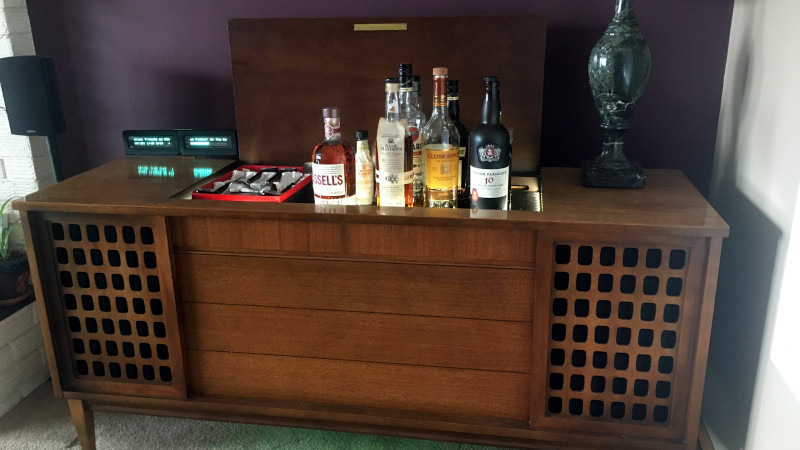
This Old Console Stereo Hides A Liquor Cabinet