1/5
A Look at Plasterwork, One of the Industry's Most Timeless and Long-Standing Design Trends
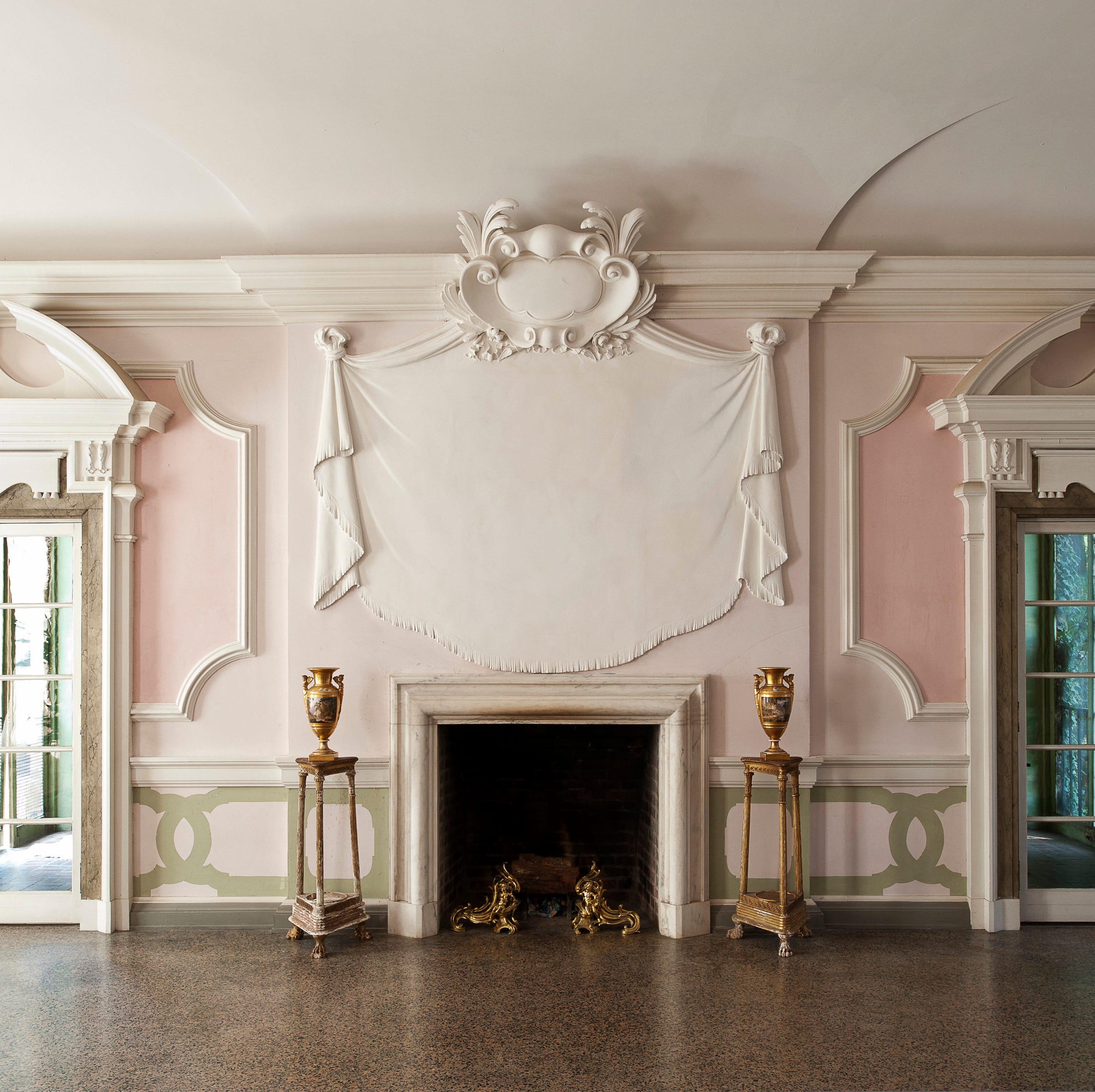
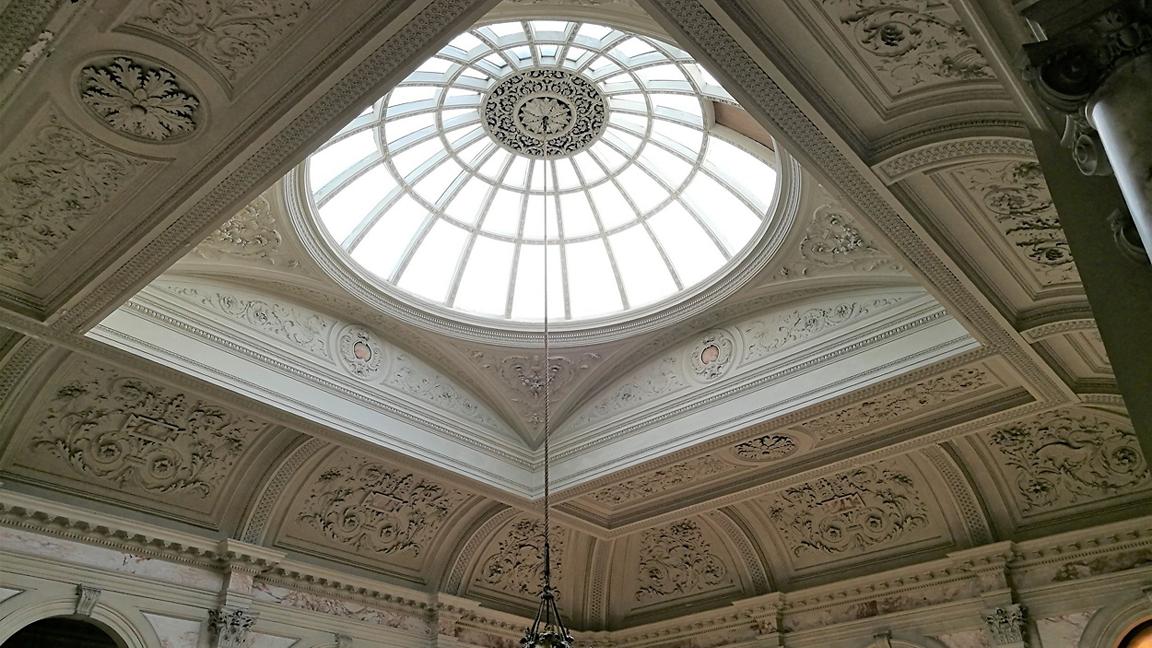
The 1893 World’s Columbian Exposition in Chicago, featuring neoclassical buildings crafted from plaster and fiber, marked a pivotal moment for decorative plasterwork in the United States. Despite initial skepticism about using a centuries-old material in a city viewed as a hub of modernity, lead architect Daniel Burnham, a devout Beaux Arts classicist, insisted on plaster, recognizing its timeless, adaptable, and versatile qualities. The project required importing numerous skilled artisans from Europe, many of whom remained in the U.S. due to the subsequent demand for their craft.
Adrian Taylor of Hyde Park Mouldings suggests that the exposition ignited the American imagination, demonstrating how art, architecture, and construction could converge through plaster. The historical appreciation for plaster dates back to the Renaissance when artists like Raphael and his apprentices discovered ornamental chambers in Rome’s Baths of Titus, sparking experimentation with piece-modeled gypsum. This led to significant works such as the Vatican’s plaster loggia, adorned with Raphael’s frescoes, and inspired similar decorations in European palaces like Fontainebleau and those of Henry VIII.
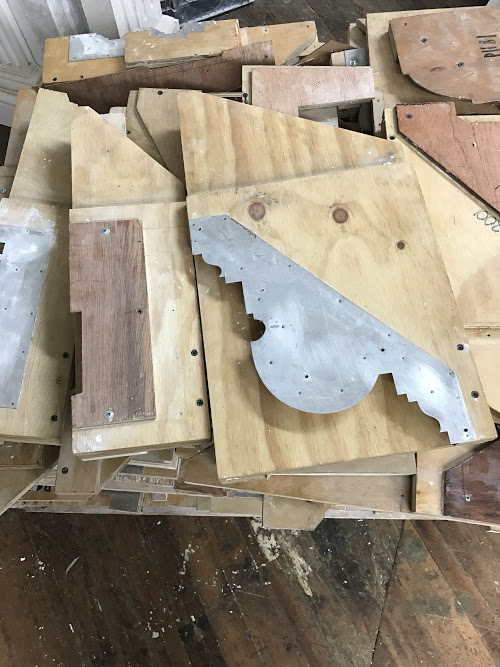
Elizabeth Graziolo of Yellow House Architects highlights that ornate, decorative plasterwork became a symbol of wealth and power, with intricate designs indicating a family's affluence. Beyond its symbolic value, plaster’s appeal also stemmed from its ease of use and the creative freedom it offered. Stephanie Croce of JP Weaver Co. emphasizes plaster's unique luster and the fineness of its carved reliefs. Her studio maintains a vast collection of over 10,000 historic plaster pieces, drawing inspiration from 18th-century France and grand European palaces to create new designs.
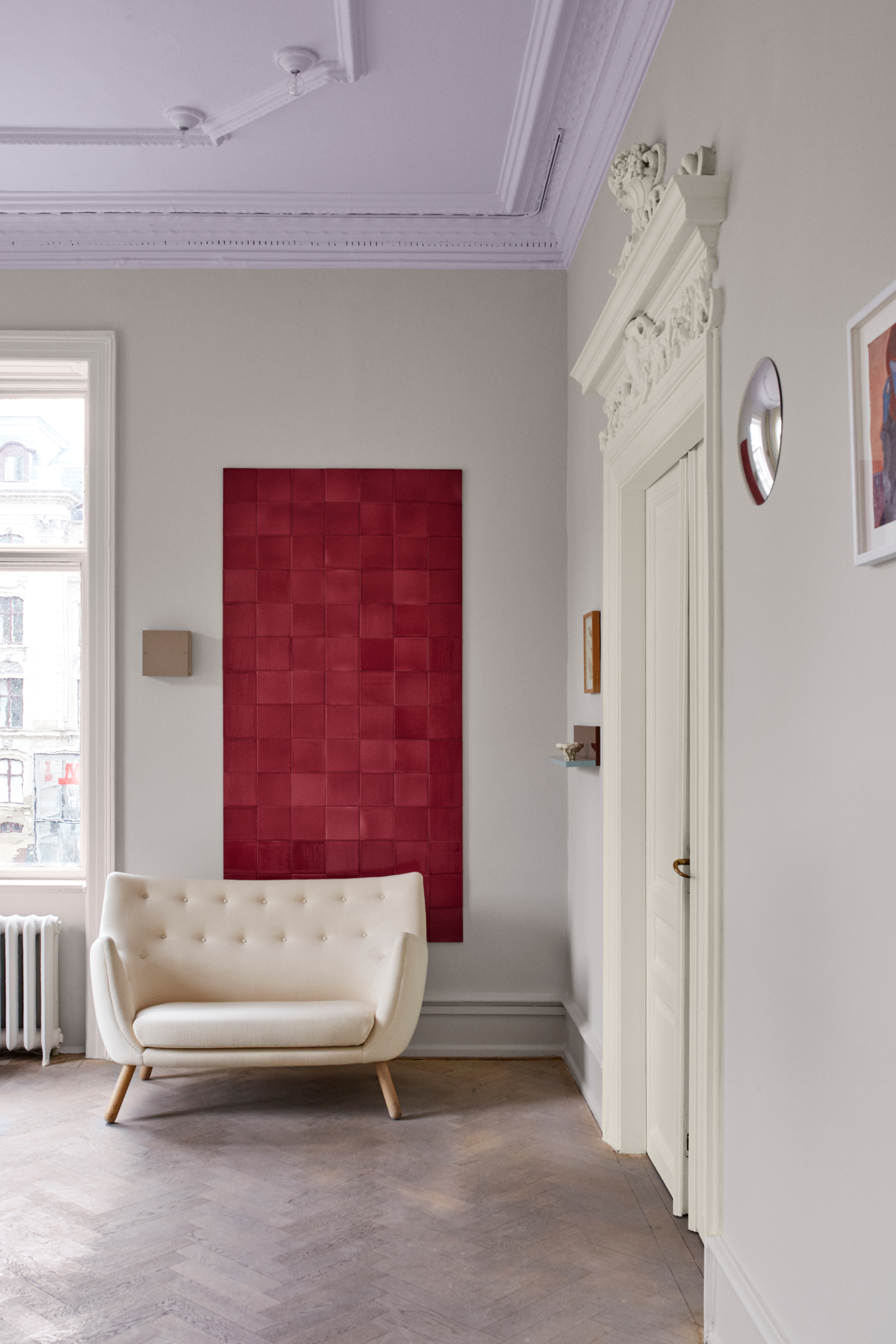
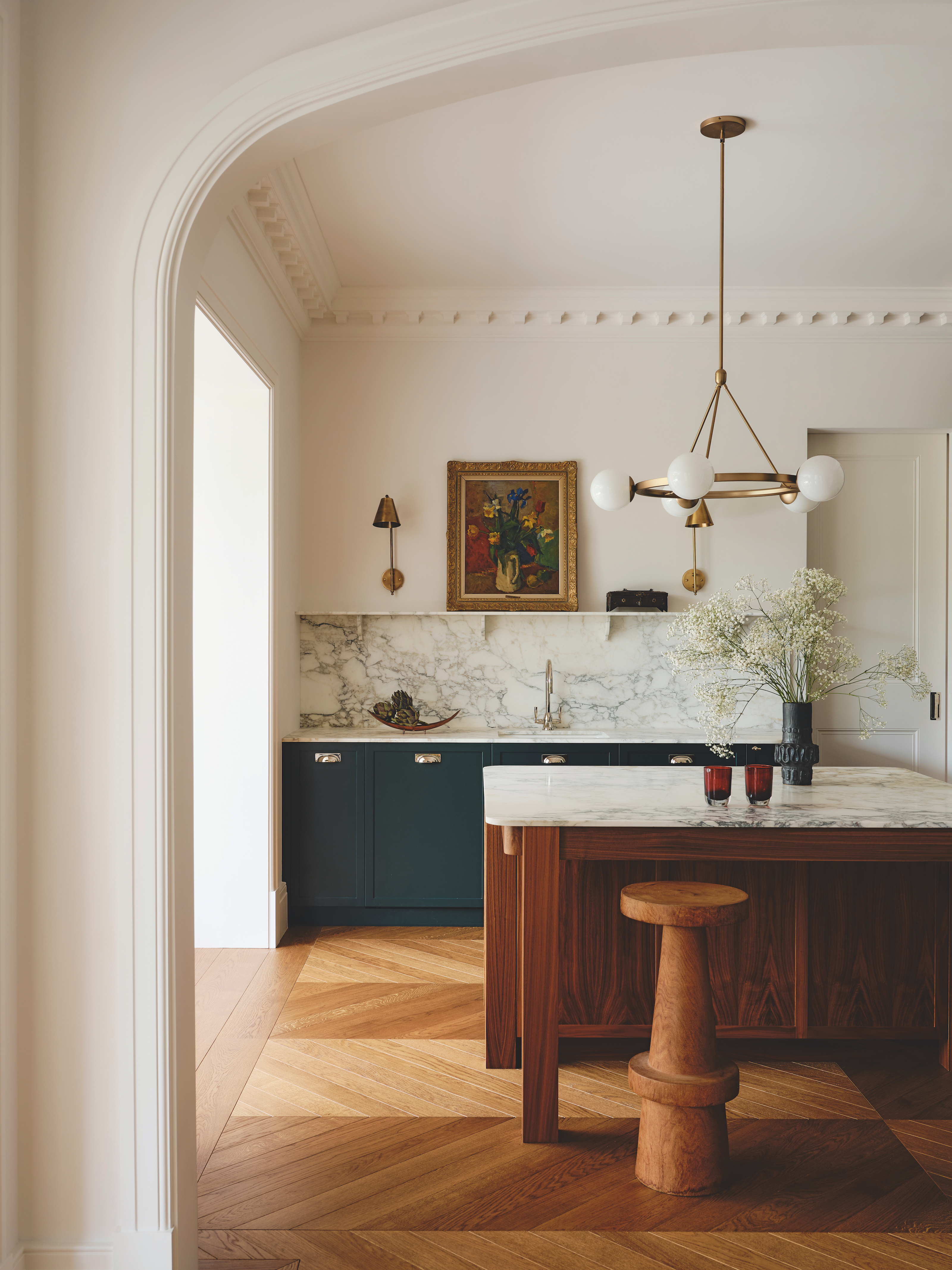
The article showcases various classical plaster embellishments that continue to inspire contemporary artisans. These include a French Baroque-inspired acanthus ceiling rosette, Corinthian capitals originating from Greek and Roman designs, scrollwork capitals from the Ionic order, a fretwork frieze reminiscent of Islamic art, a laurel leaf embellishment popular during the Louis XIV and XV periods and in Georgian designs, the masculine Marcellus capital, Victorian-style corner blocks, and a French-inspired corbel with Baroque and Rococo influences.
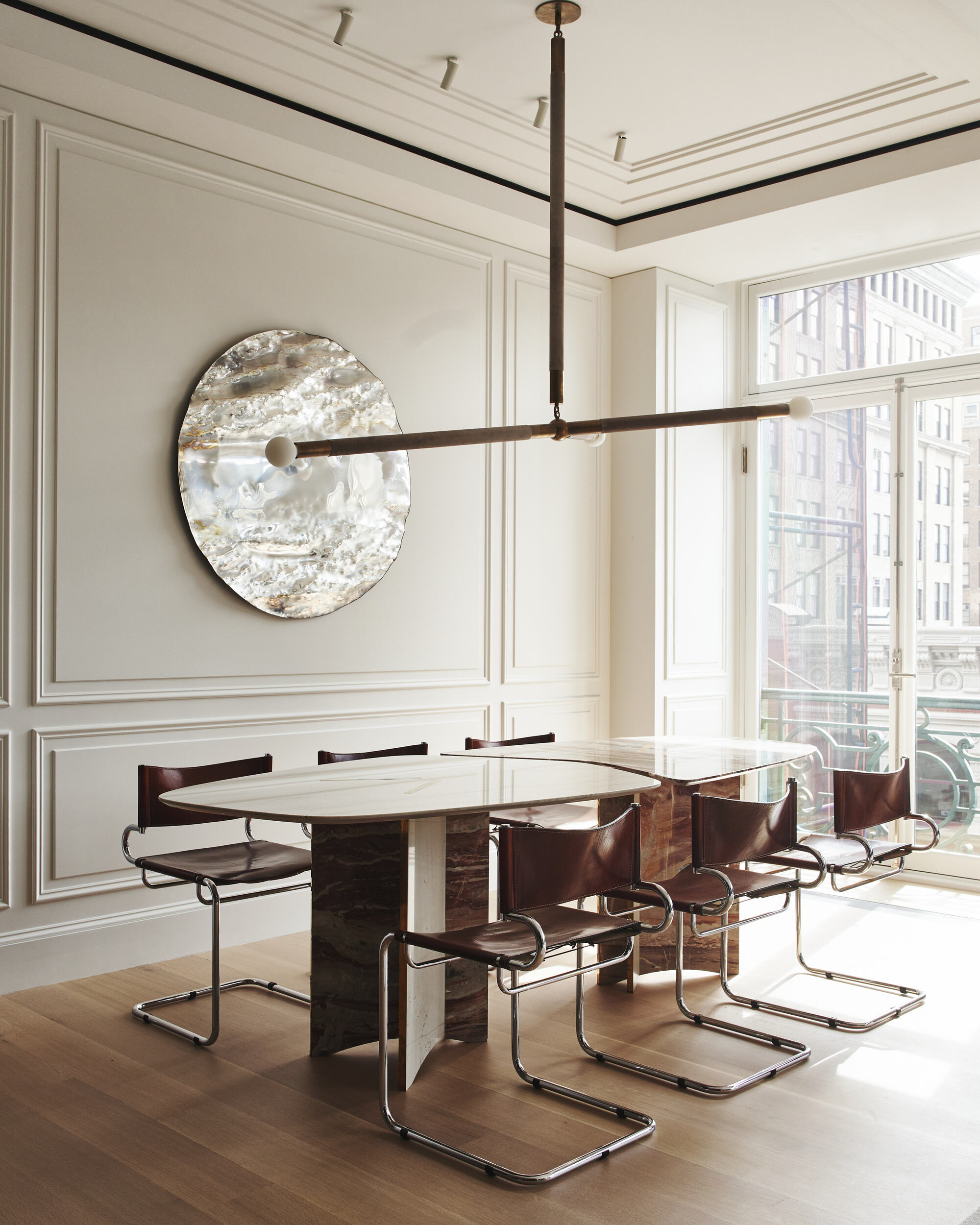
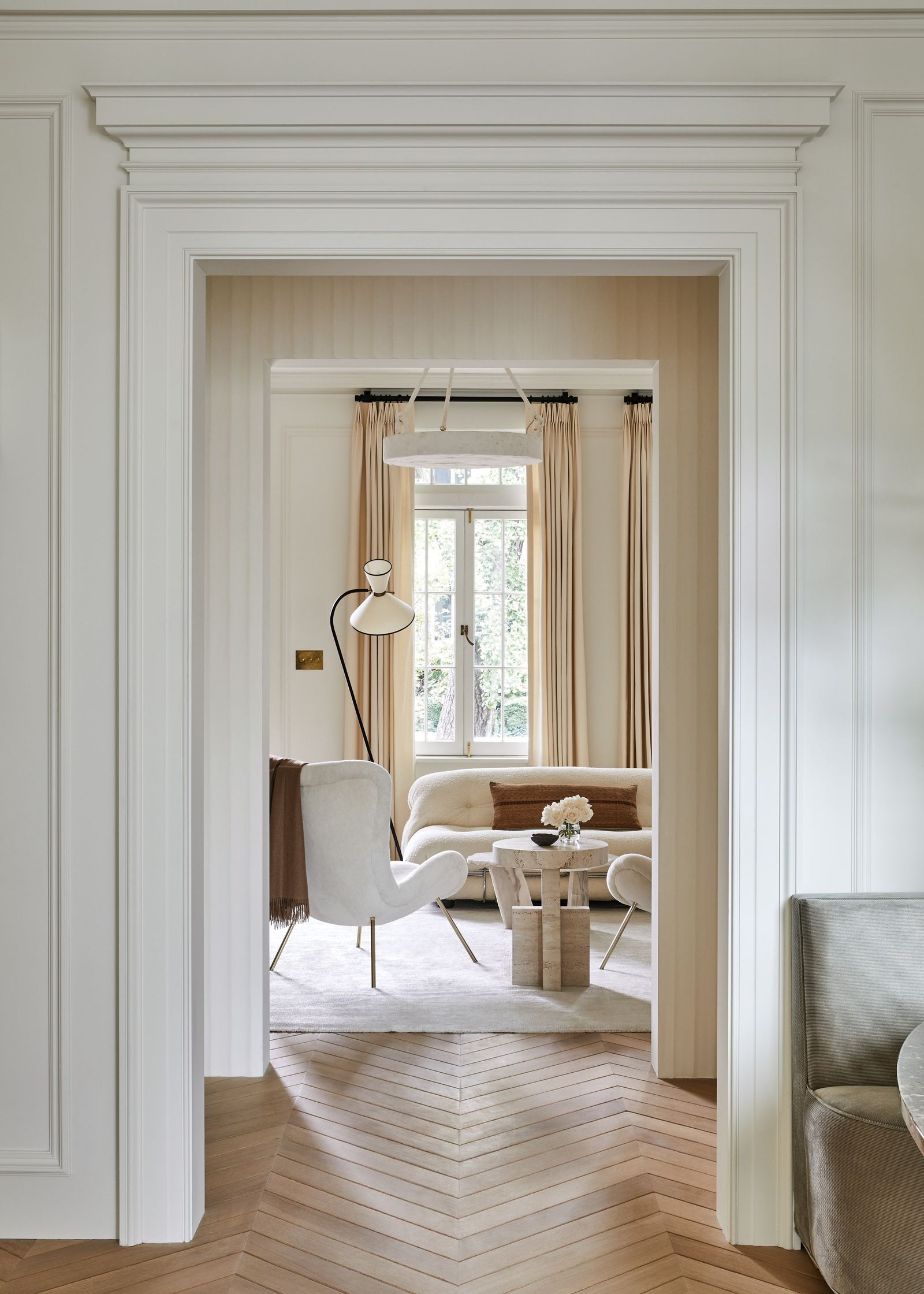
Over the past two to three decades, there has been a resurgence in plasterwork traditions. Graziolo notes that traditional motifs provide a solid foundation that can be adapted to modern designs. Taylor adds that contemporary classicism offers a less embellished interpretation of earlier styles, with designers valuing the human proportions and clever geometries inherent in traditional design. Ultimately, well-executed plasterwork transcends classical or modern labels, achieving a timeless and elegant aesthetic.
#Plasterwork #ArchitecturalDesign #InteriorDecor #DesignHistory #DecorativeArts #ClassicalArchitecture #HomeDecor #ArtisanCraftsmanship #Plasterwork #ArchitecturalDesign #InteriorDecor #DesignHistory #DecorativeArts #ClassicalArchitecture #HomeDecor #ArtisanCraftsmanship
0 comment in total
 No comments yet
You may also like
5 Questions on Decorative Plasterwork You Need to Ask Before Specifying It in 2025 — Answered by Interior Designers

Meet Marbling, Design’s Prettiest Trend
Acme Brick
How to survey and assess fibrous and traditional plasterwork
Designers say this 'plastered-in' decor trend will bring a serene feel to every room in the house
Plaster Walls—a Signature of Warm Modernist Interiors—Are Having a Moment

Why Plaster Walls Are So Popular, Plus 3 Ways to Get the Look

Another brick in the wall
The Enduring Artistry of Vintage Tiles

Why Plaster Finishes Are Trending Right Now (Plus 5 Types to Know)
This 400-Year-Old Pattern Is the Emerging Trend That Designers Are Using to Bring 'Rhythm' to Their Projects
Design Industry ceramic tiles by Refin
The Art of Plaster
How to use plaster to add character to any style of home – 7 designers share their favorite looks

Industrial interior design - how to get it right

Surprising ways interior designers are using tiles
Molded perfection: What it takes to restore antique plaster
How to create plaster effect walls – the modern rustic trend everyone's trying
Explore our visual compendium of timeless design, from classic to contemporary furniture, objects and lighting


Tiles take inspiration from fashion