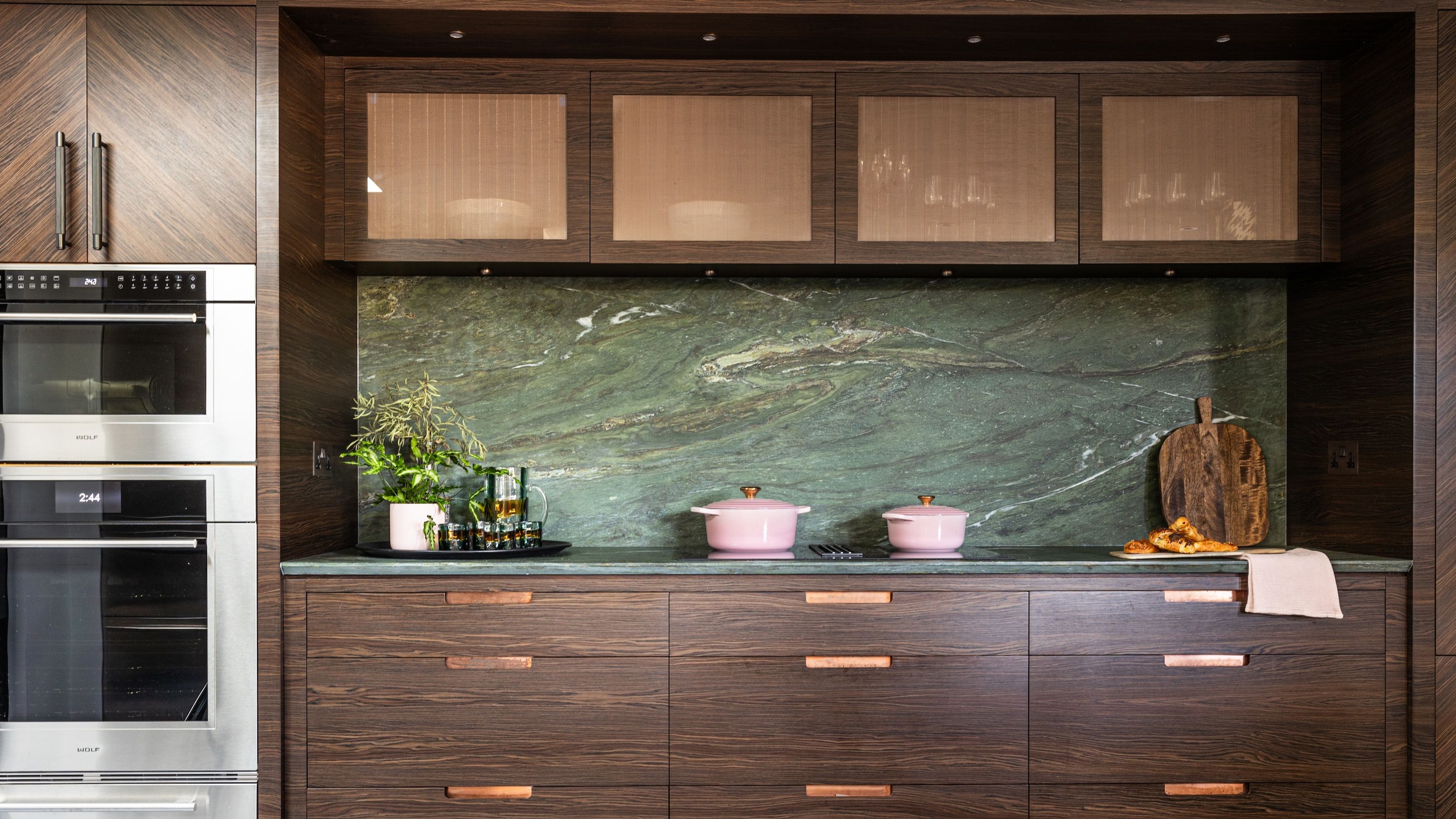
1/18
6 Dark Wood Kitchens and Why We're Drawn to Them
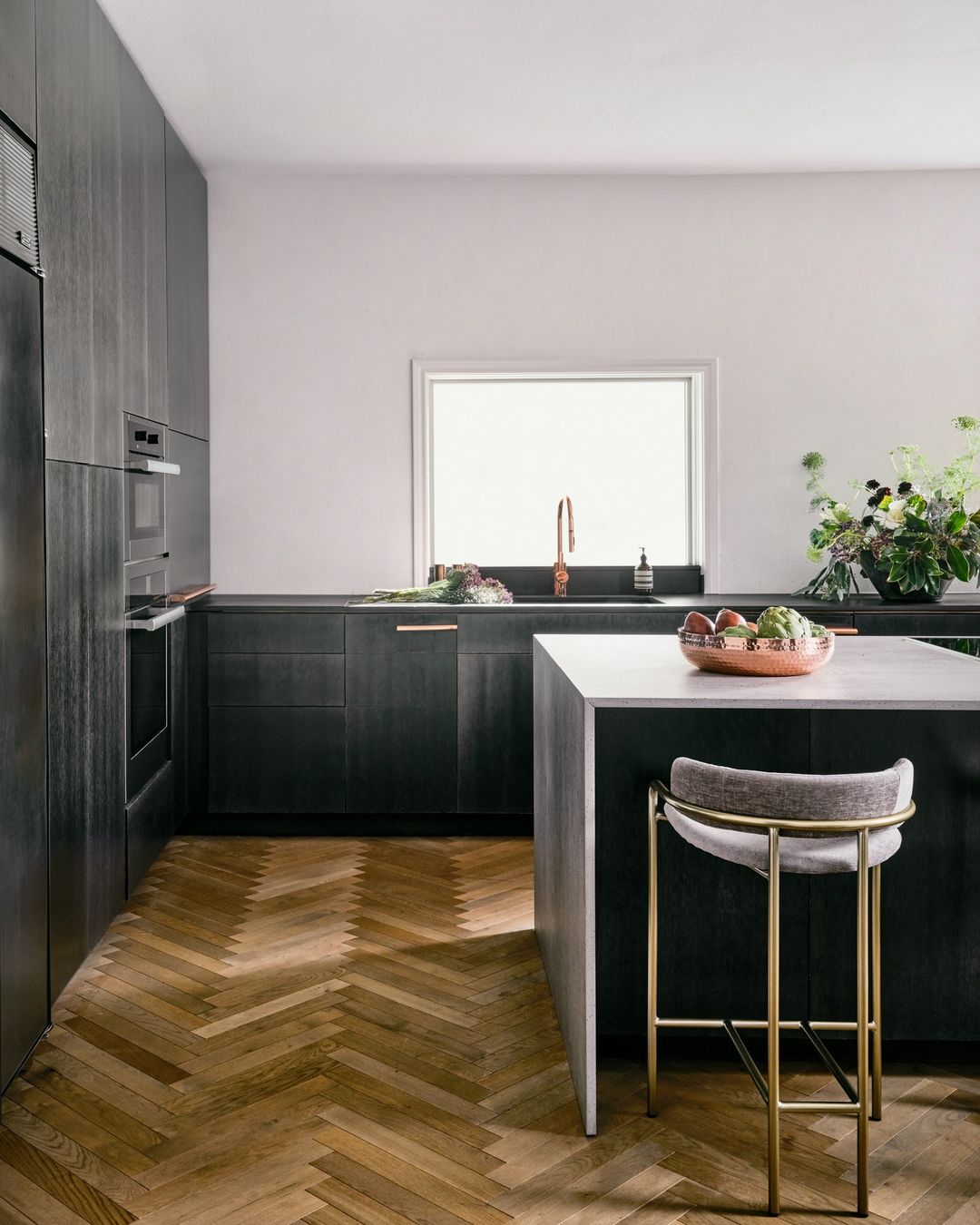

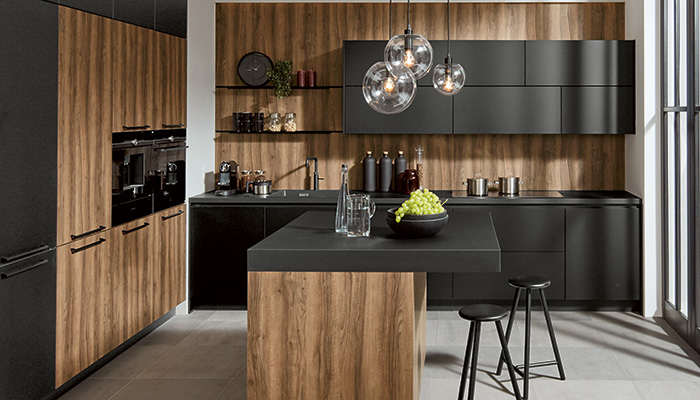
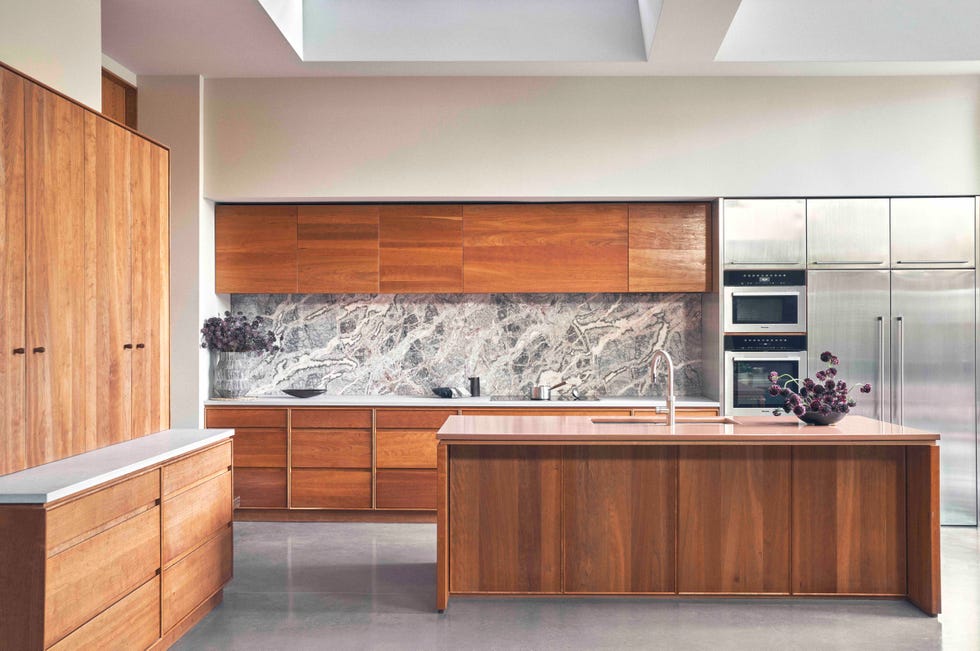
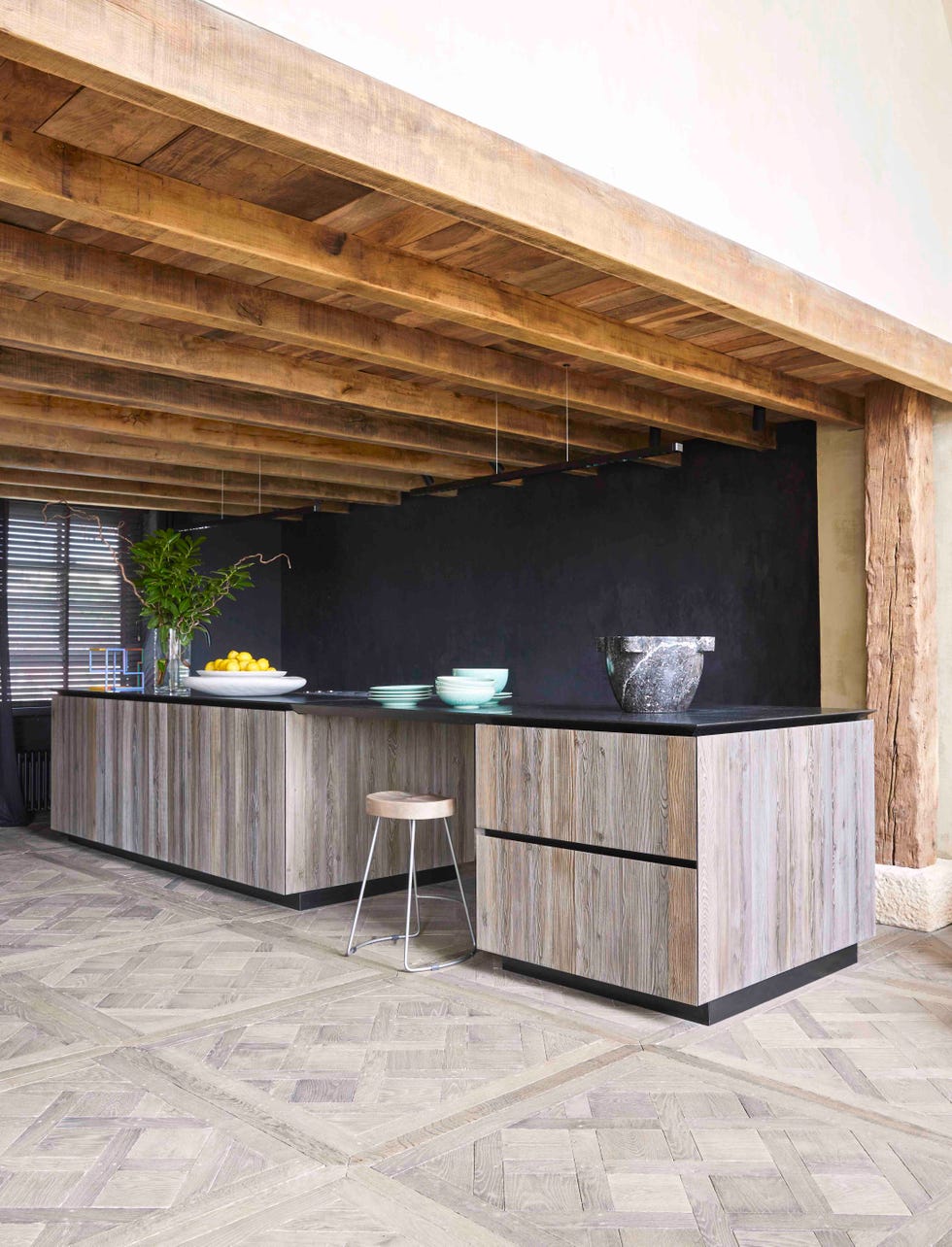
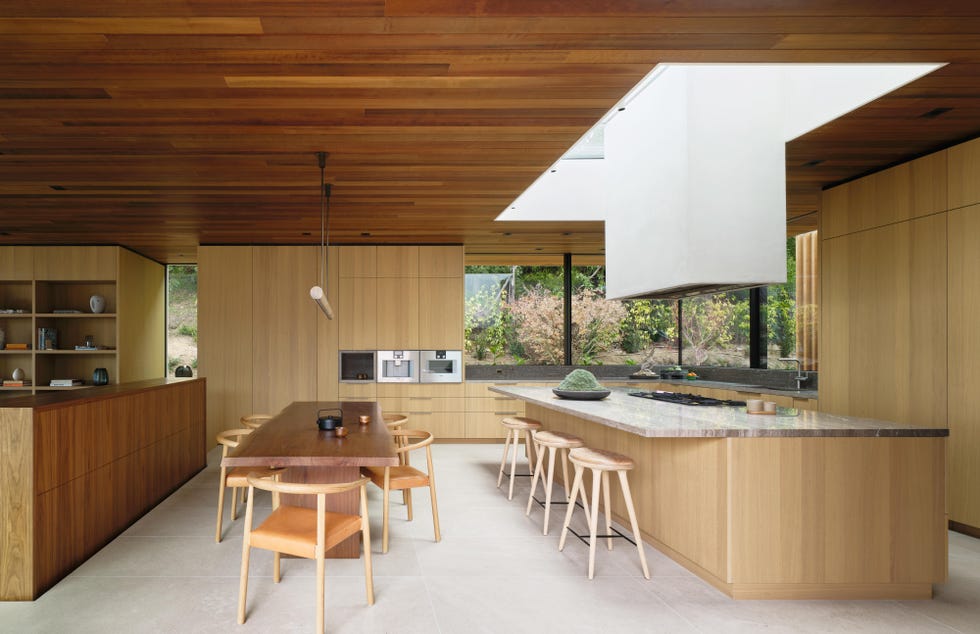
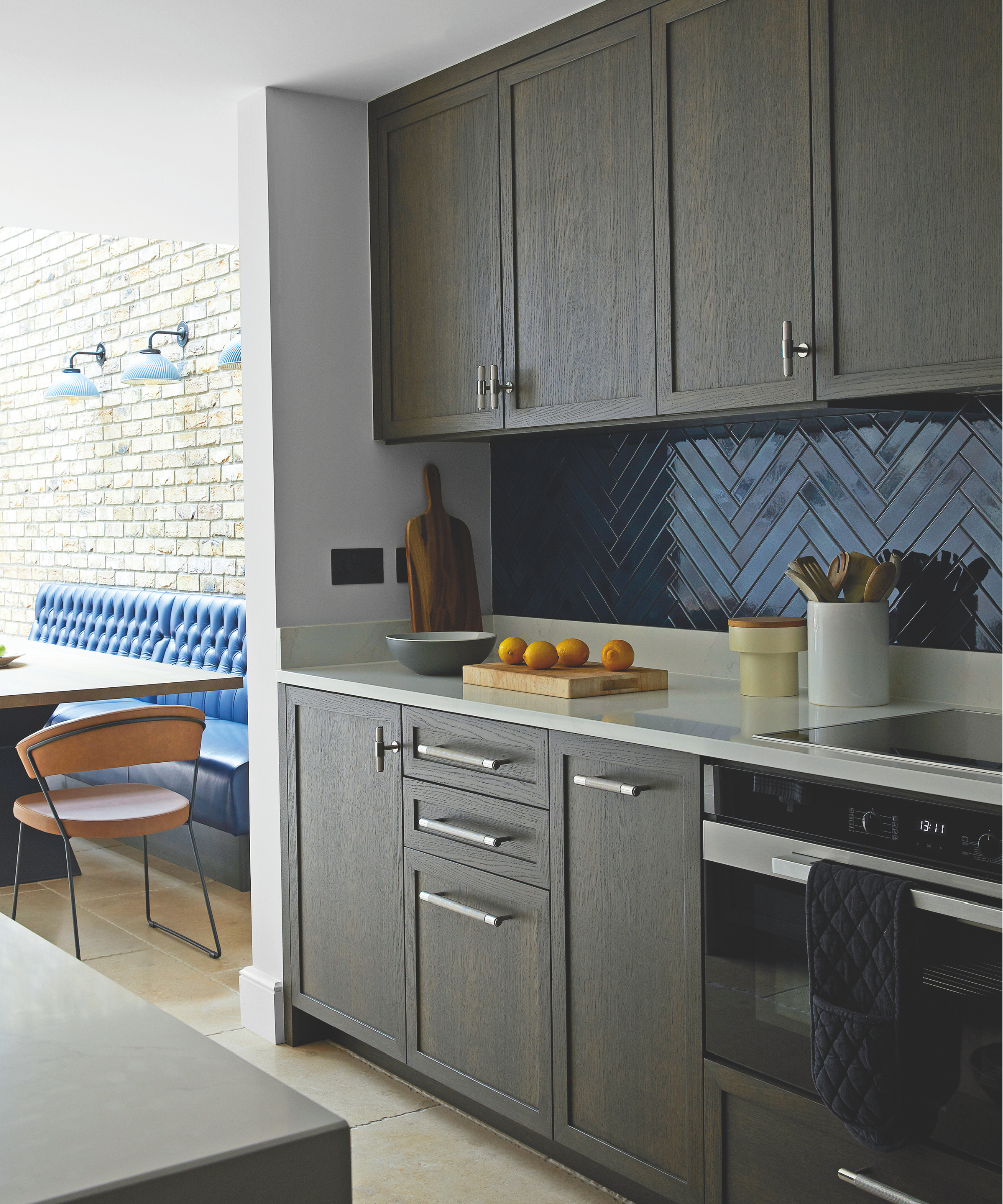
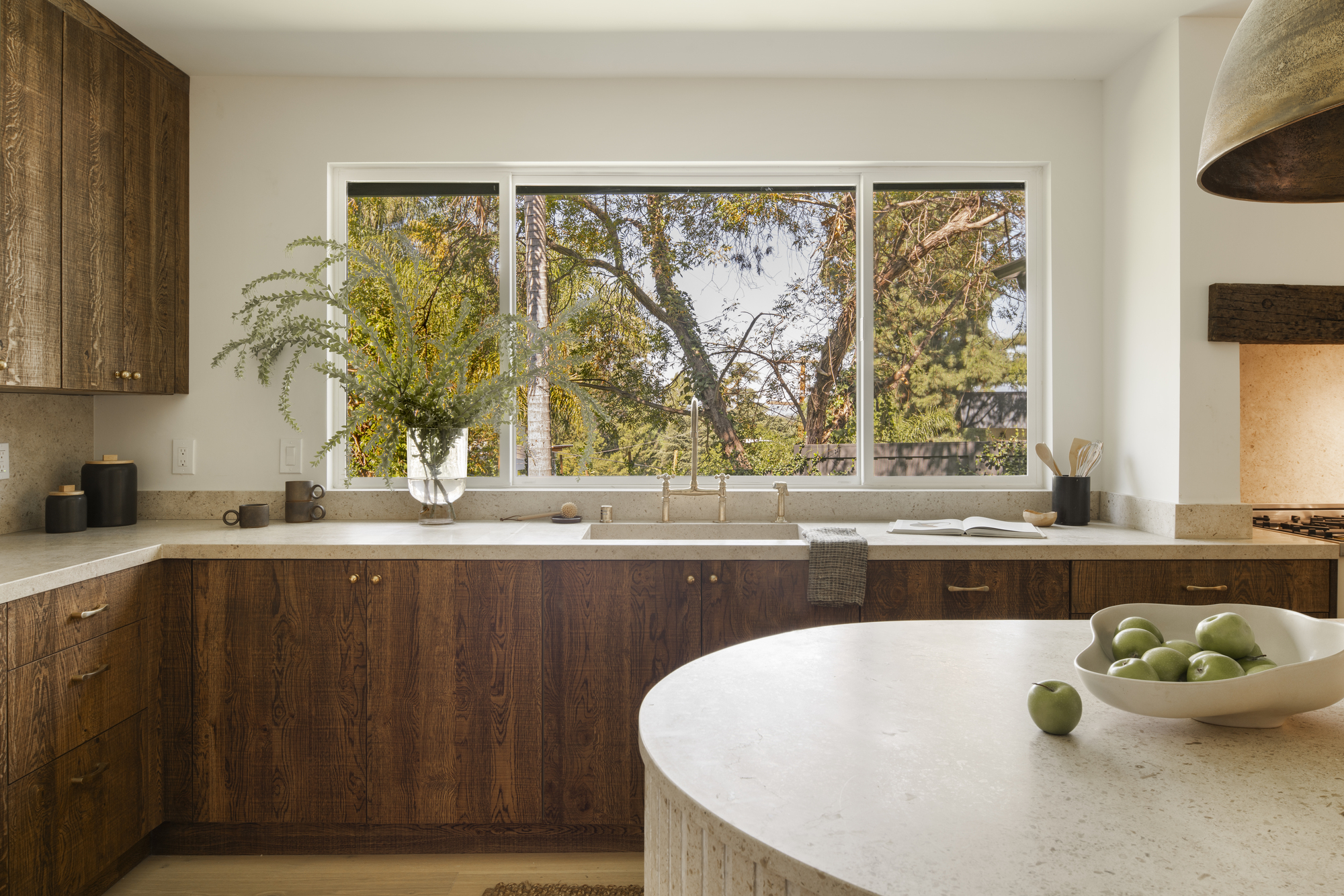
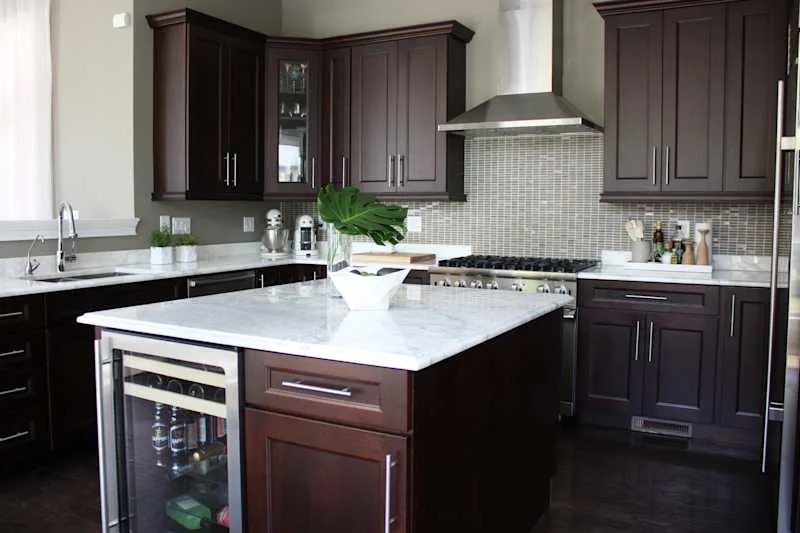
Dark wood kitchens are experiencing a significant resurgence in popularity, moving beyond their previous perception as dated or overly heavy. This shift reflects a broader interior design trend towards richer, more layered aesthetics that emphasize warmth, character, and craftsmanship. The article explores six distinct approaches to designing with dark wood, demonstrating its versatility and timeless appeal.
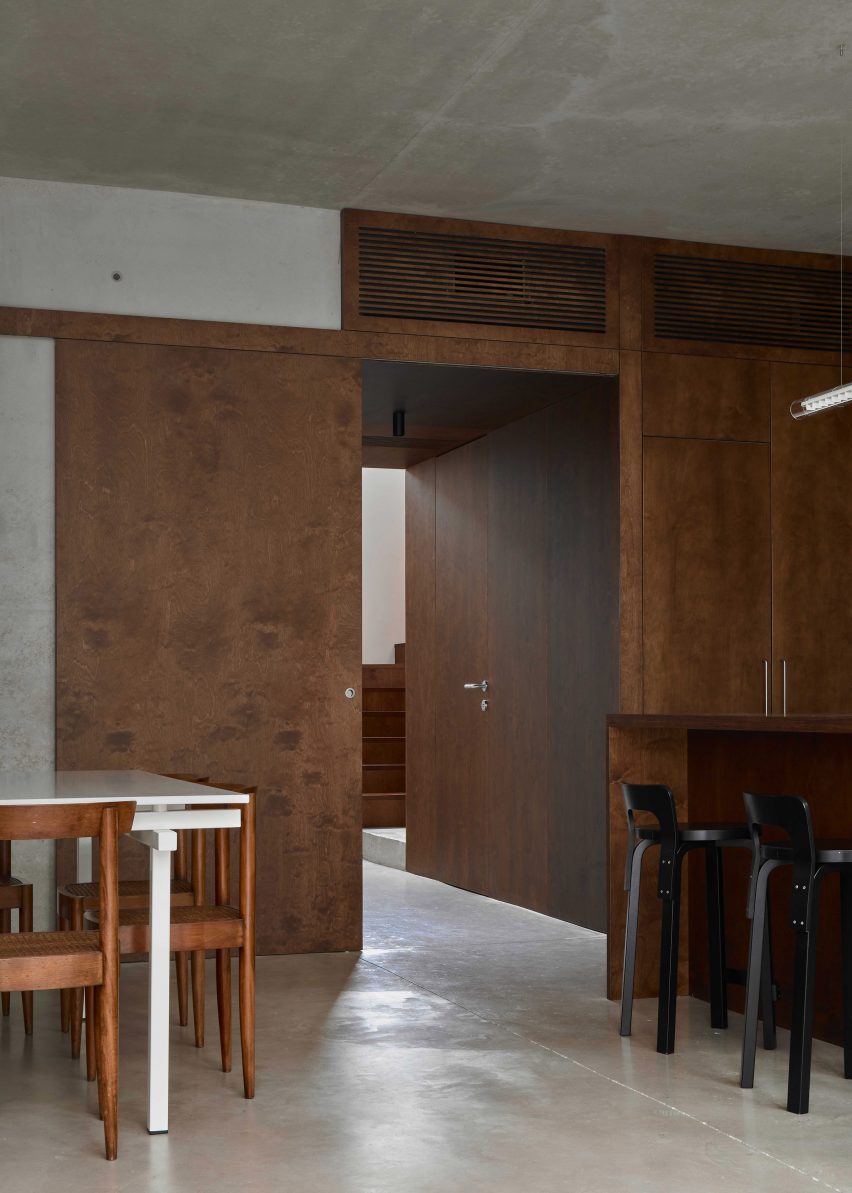
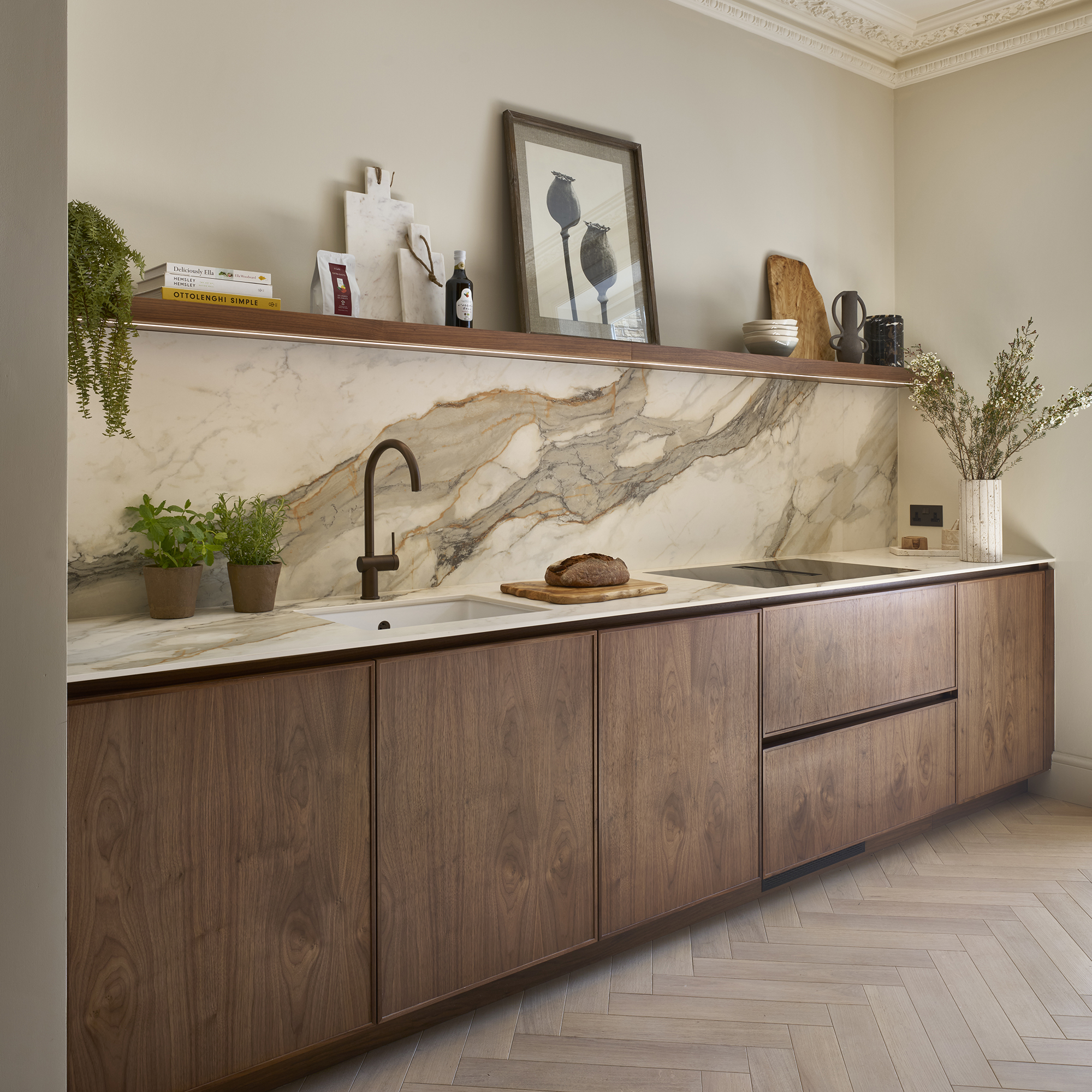
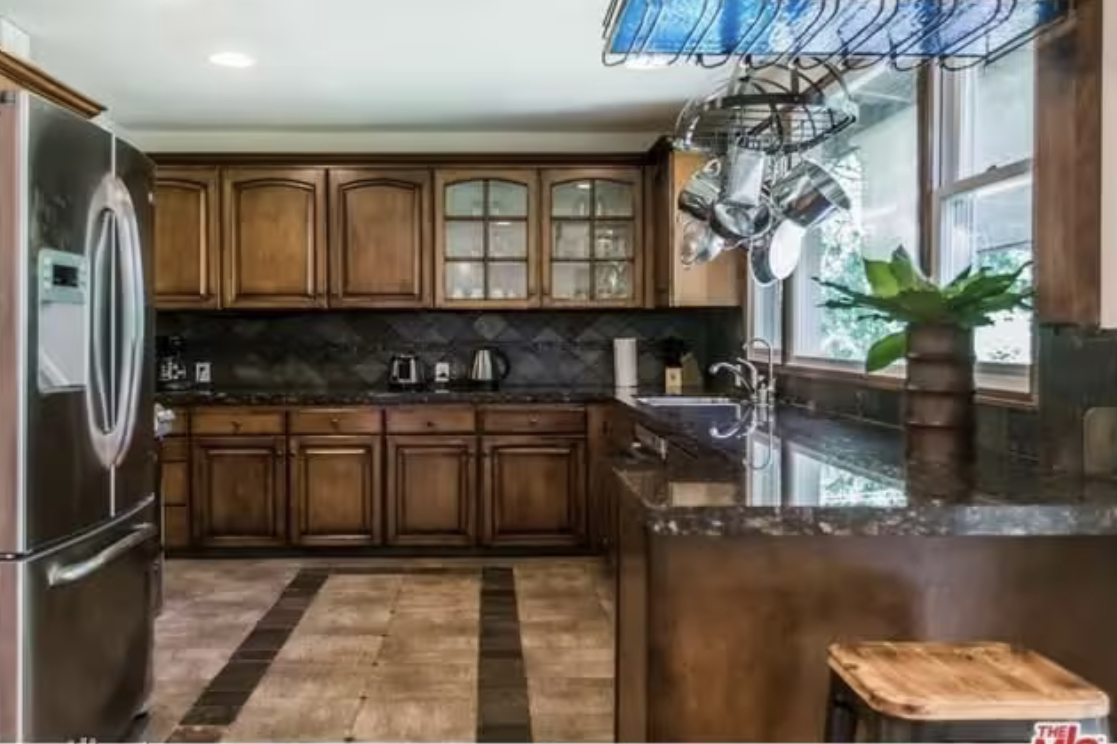
The inherent richness and warmth of dark wood finishes offer a sense of security and sophistication. Kitchen expert Charlie Smallbone, founder of Ledbury Studio, highlights the "magnetism" of dark wood, noting its ability to evoke calm, permanence, and intimacy. Dark cabinetry, in particular, can create a cocooning and considered atmosphere while acting as a strong visual anchor within a space. The material's adaptability allows for a wide range of styles, from sleek contemporary designs with shiny hardware to rustic English country farmhouse aesthetics.
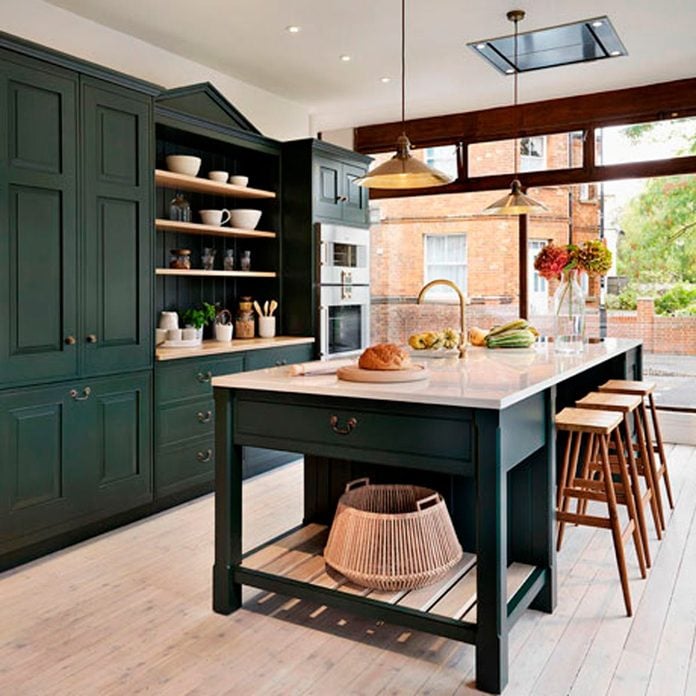
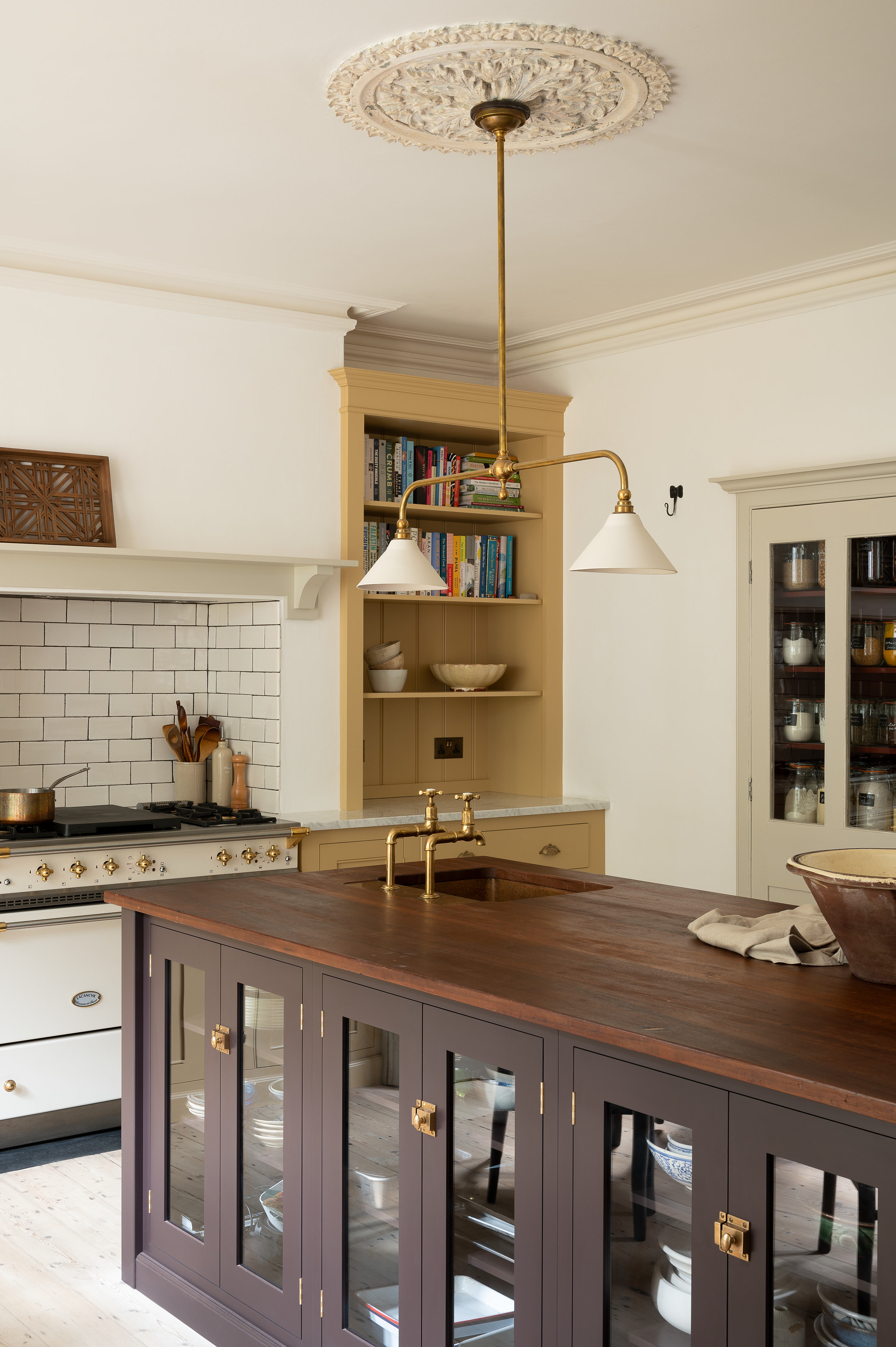
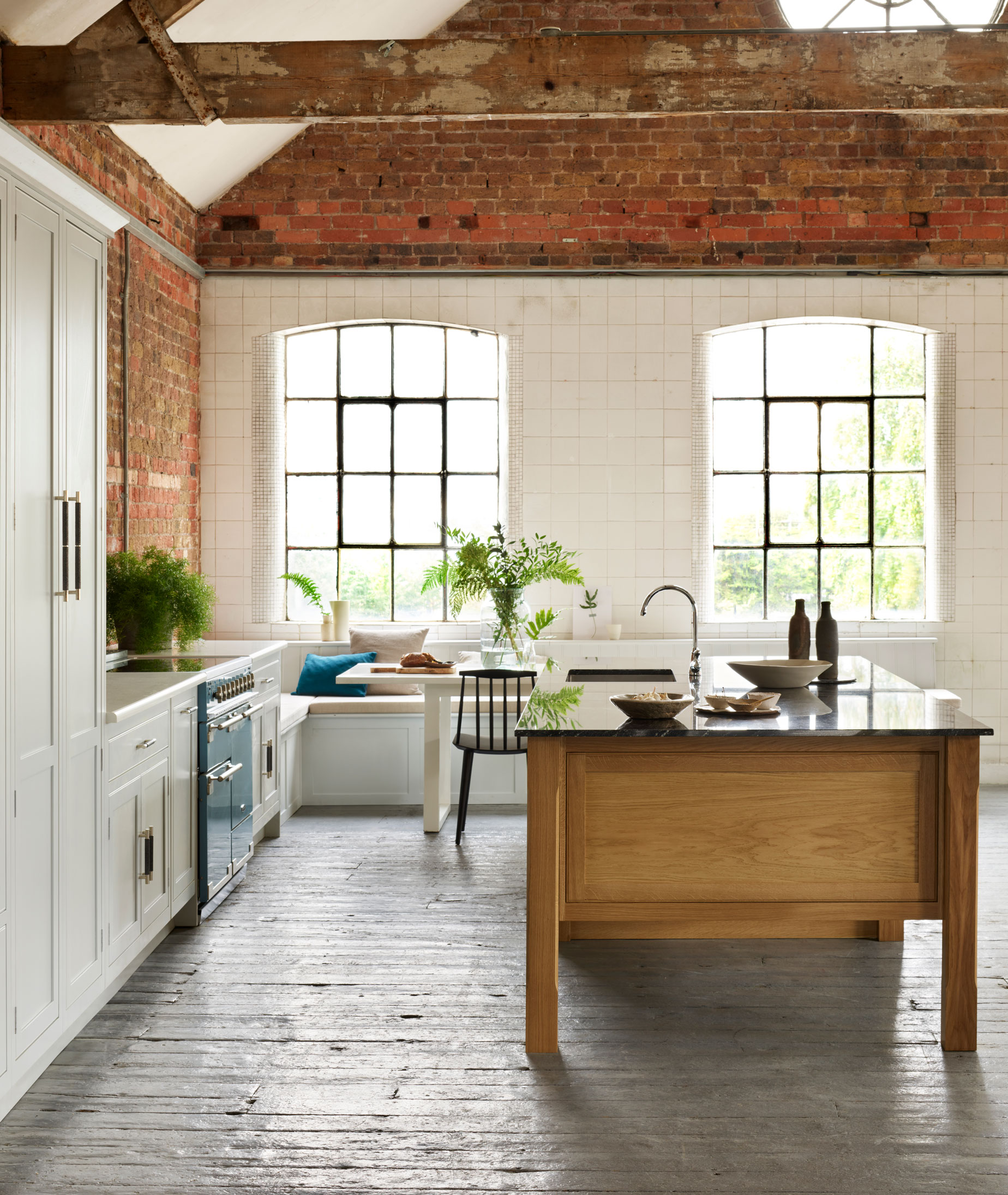
One approach involves celebrating a standalone dark wood piece, such as a kitchen island, within an otherwise light and airy space. This creates a striking contrast that brings warmth and elegance. The deVOL kitchen, for example, features a dark wood island against white cabinetry, complemented by richly-veined marble countertops and classical architectural details. The integration of modern elements like bar chairs and artwork ensures the space remains current without clashing with its traditional foundation.
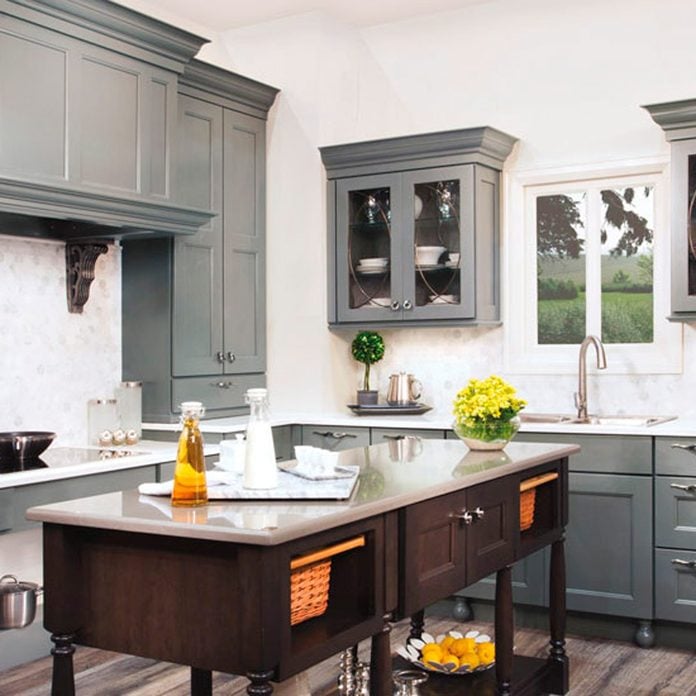
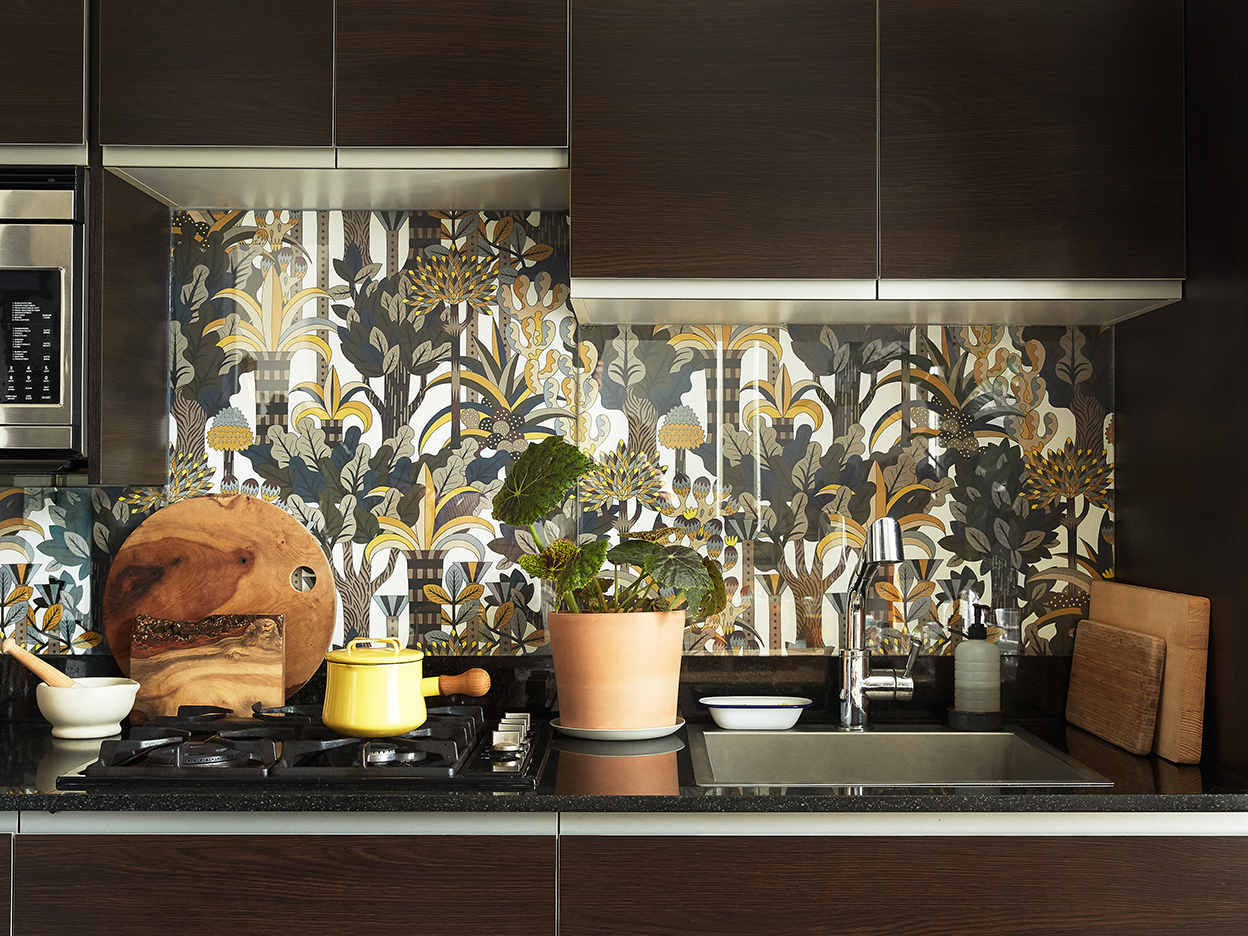
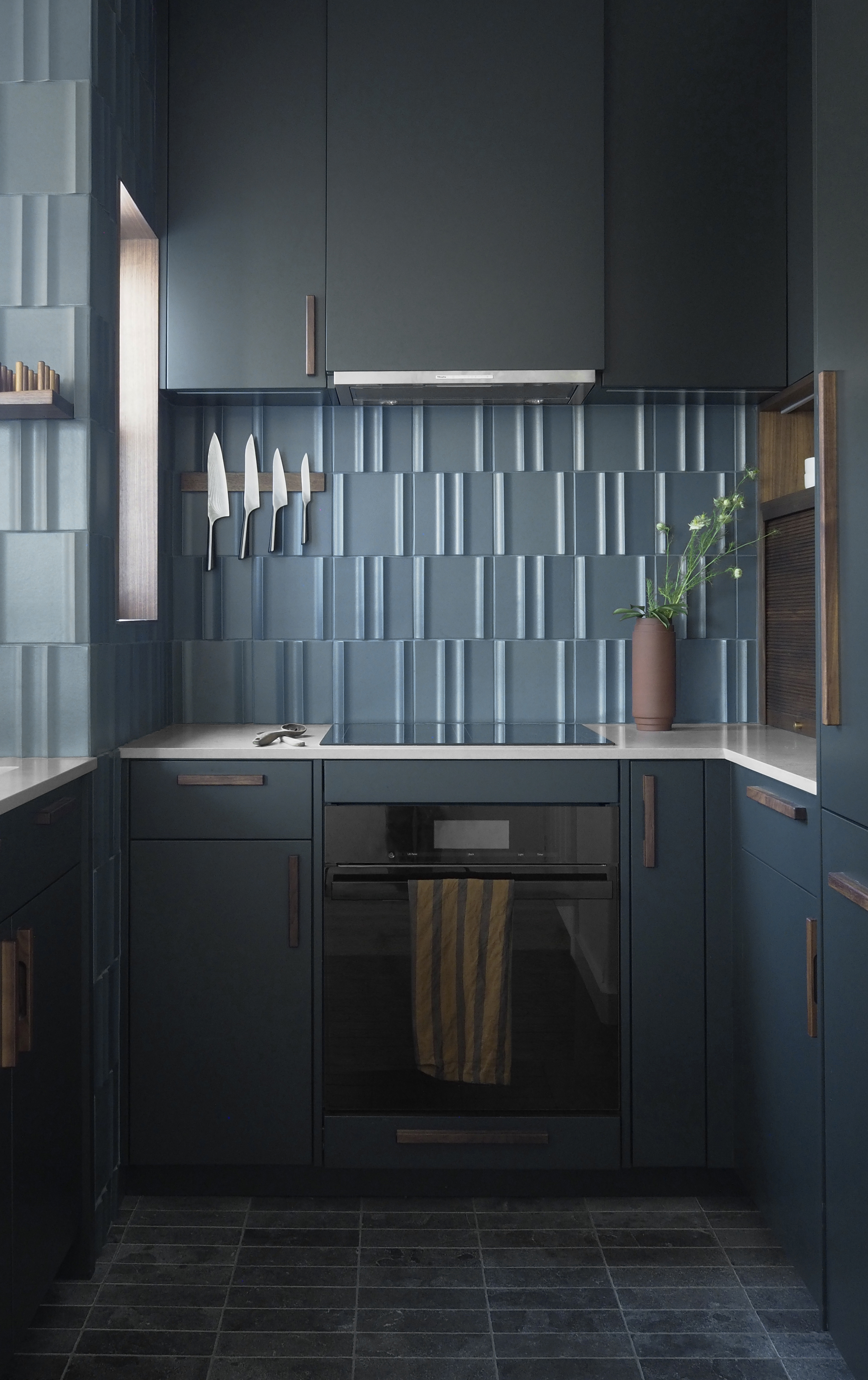
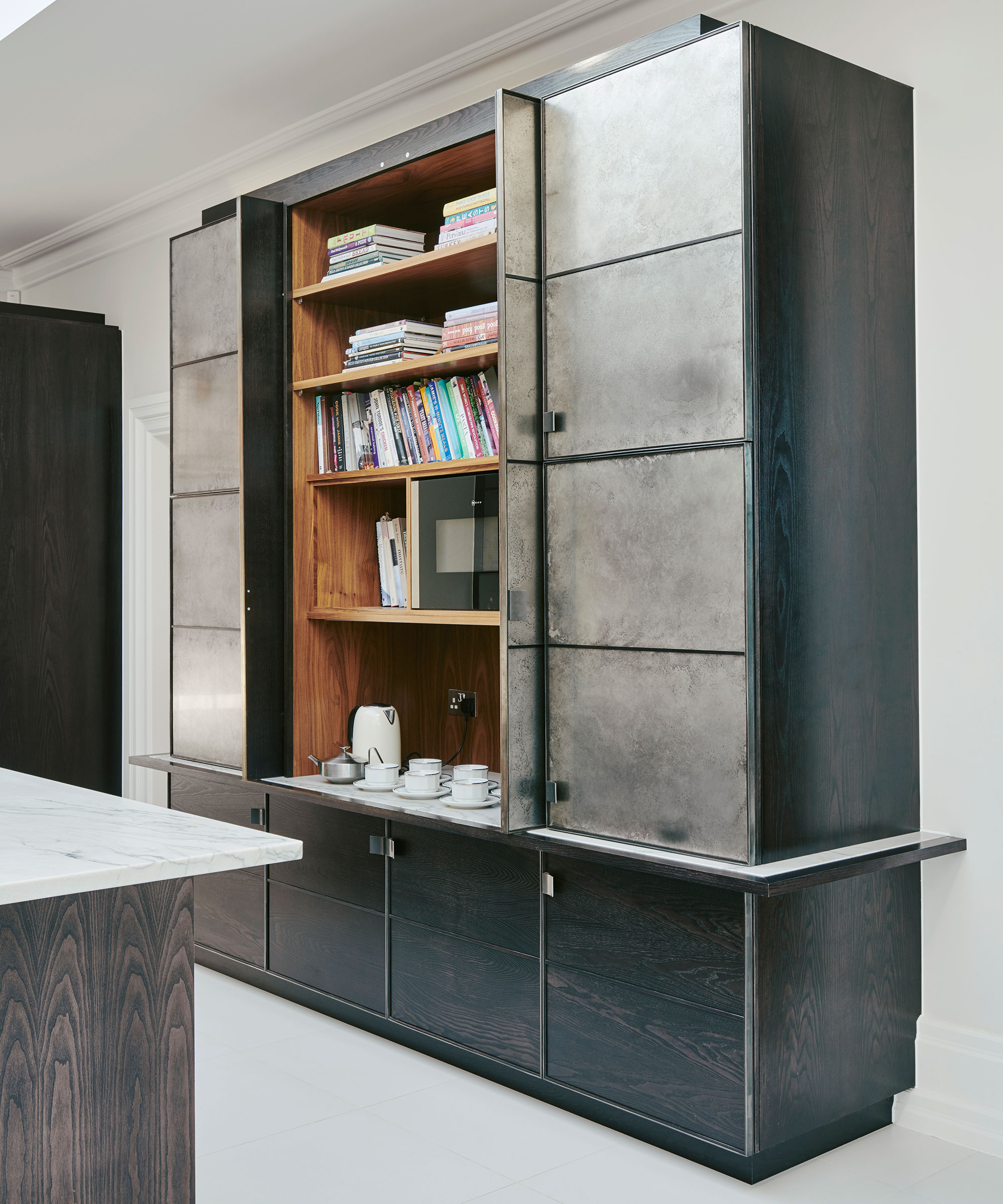
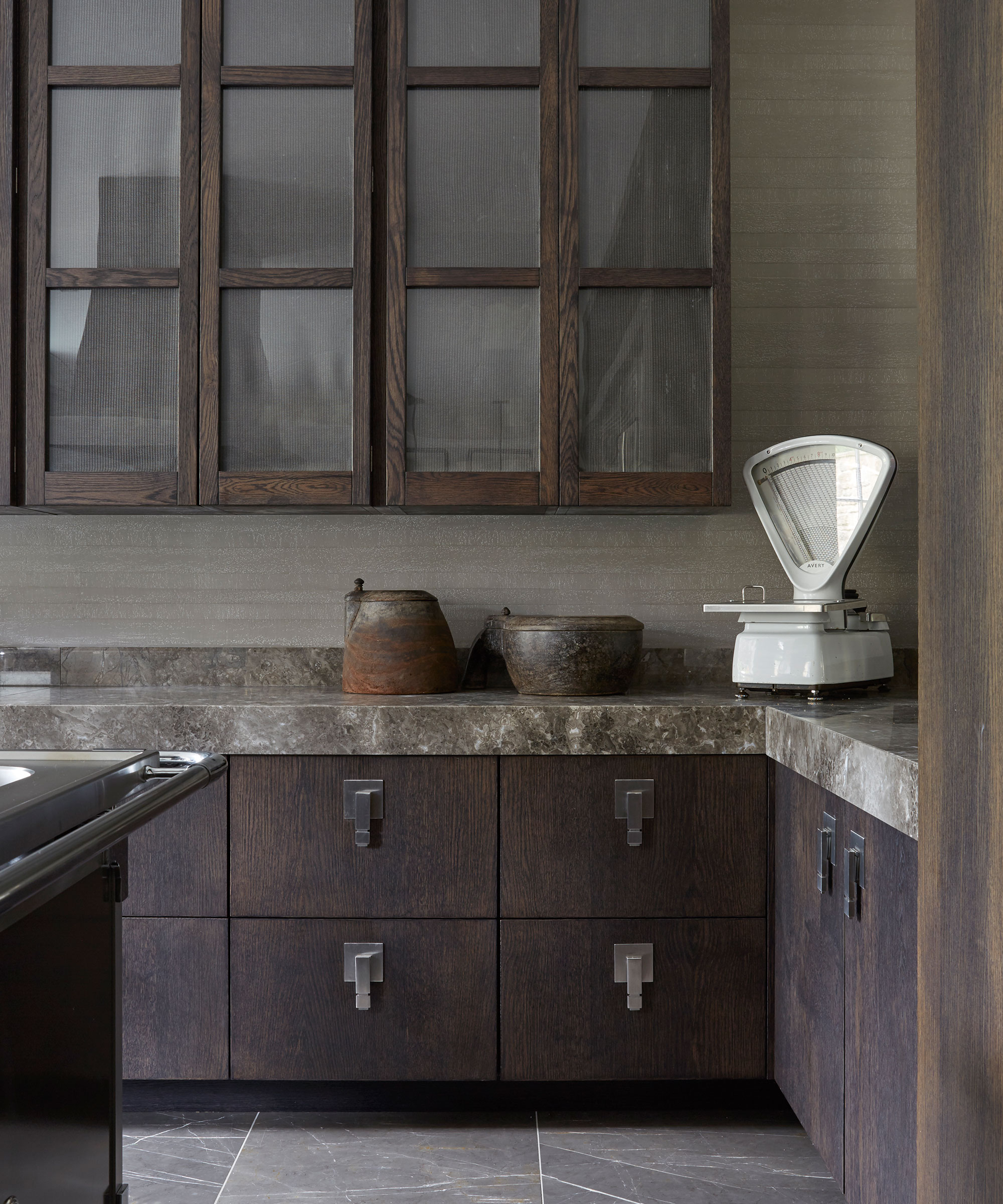
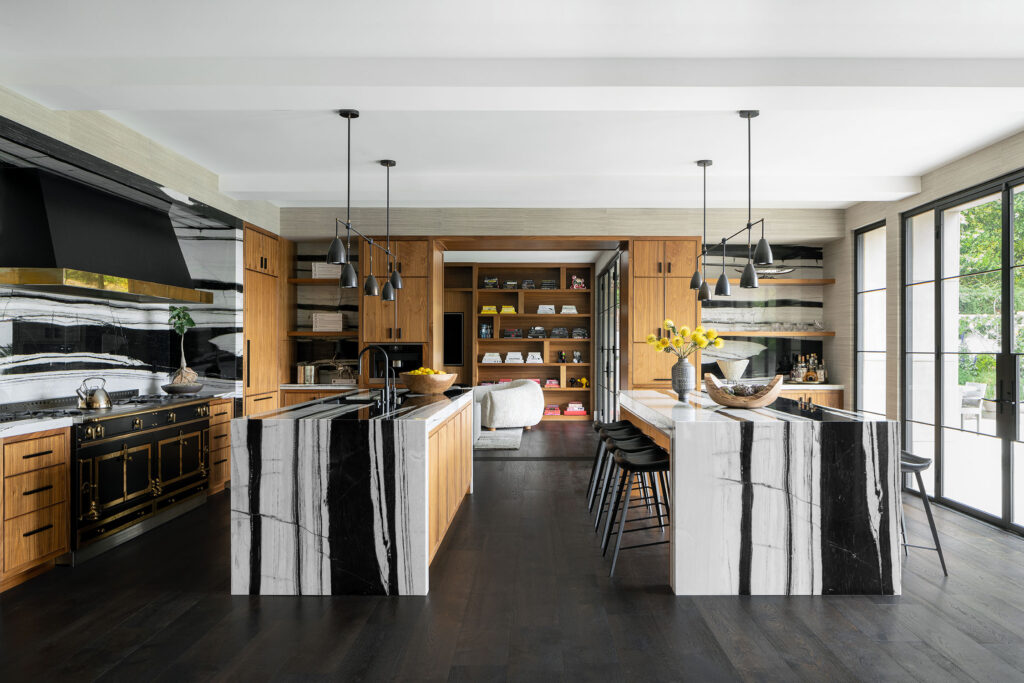
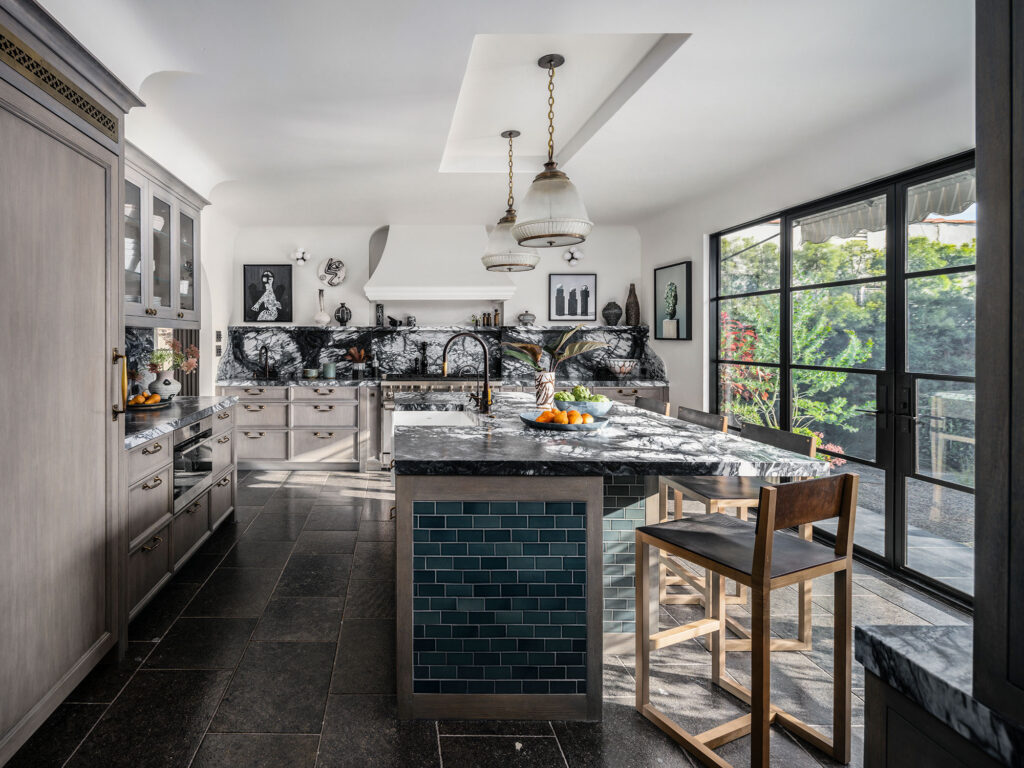
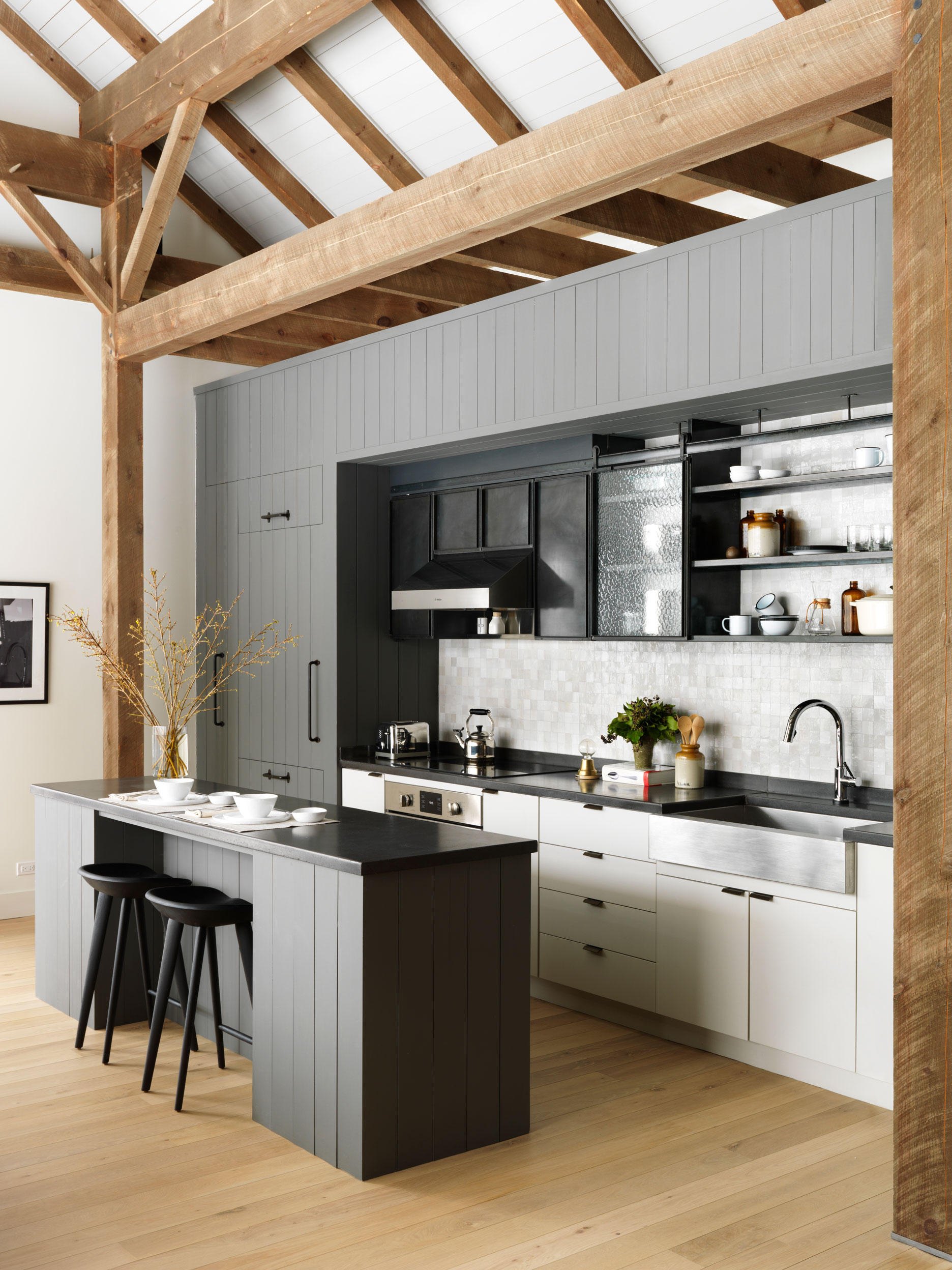
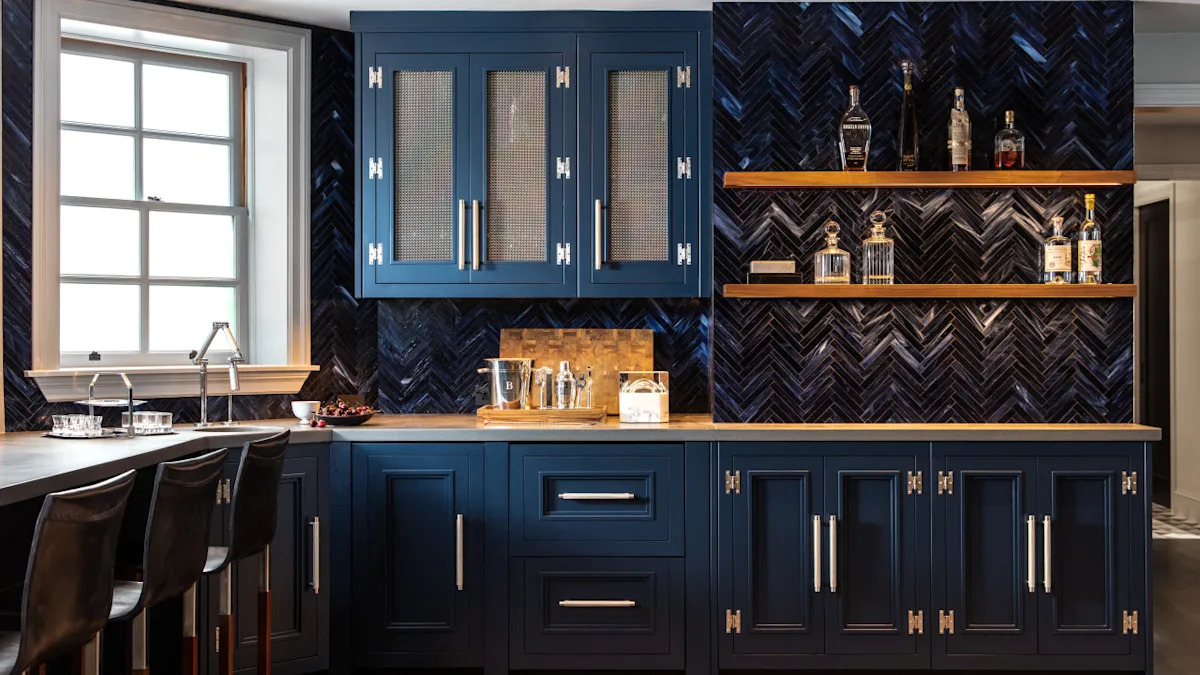
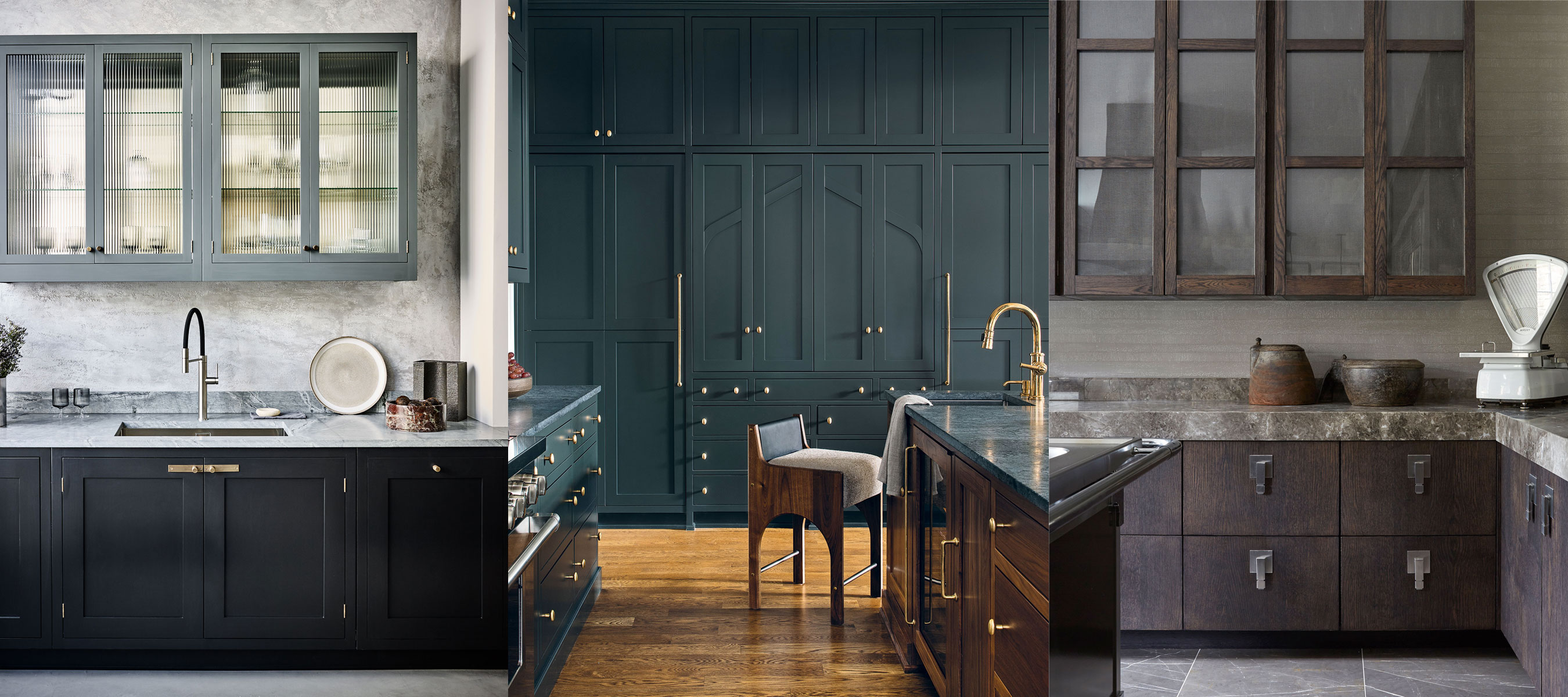
Another key aspect is the inclusion of varied textures. Even with a predominantly dark palette, different materials like reeded glass, smooth stone, and unique kitchen handle trends can prevent the space from feeling enclosed or heavy. This textural interplay adds visual interest and balance, with designers suggesting incorporating glass-fronted cabinets to break up solid runs and reflect light.
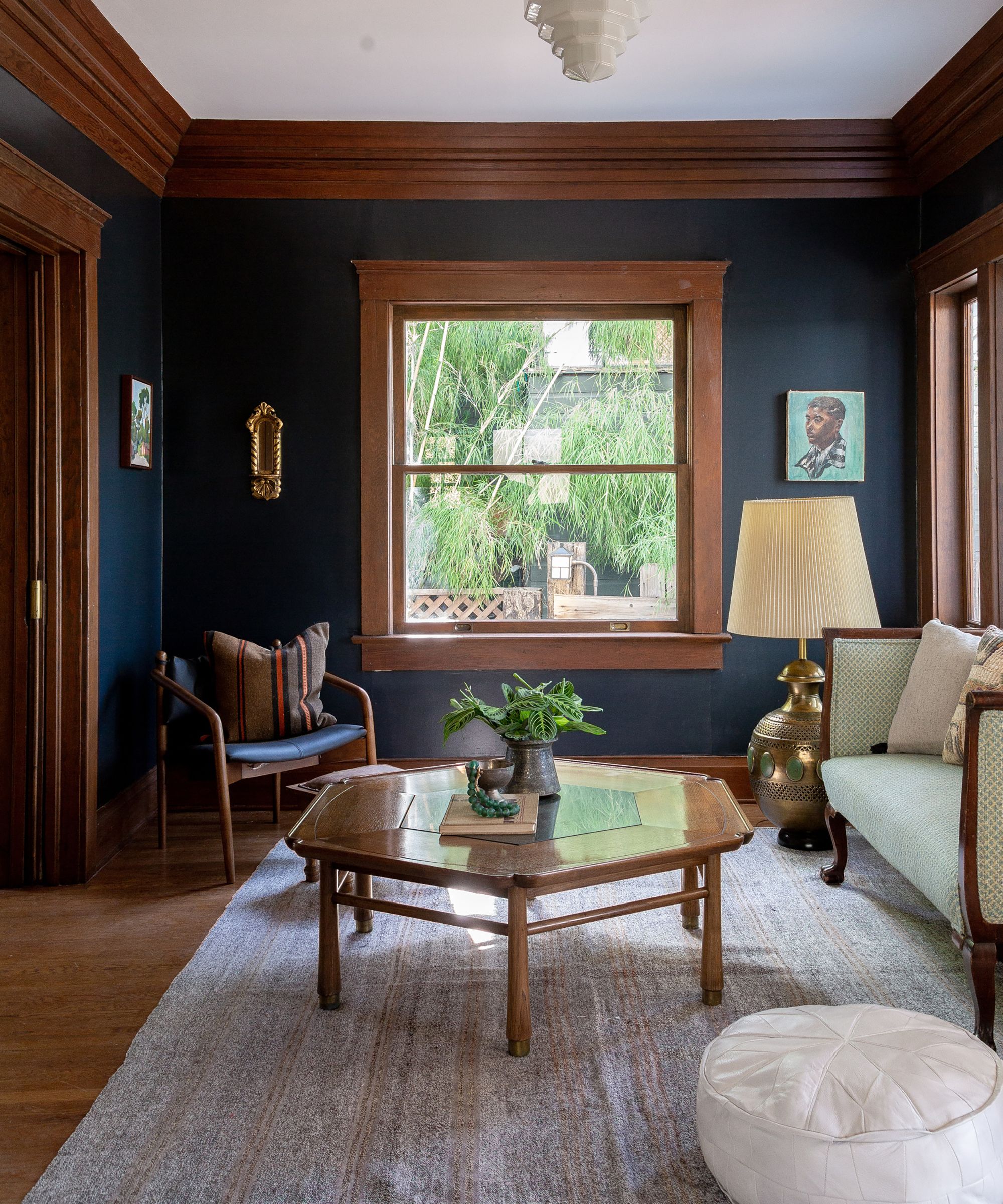
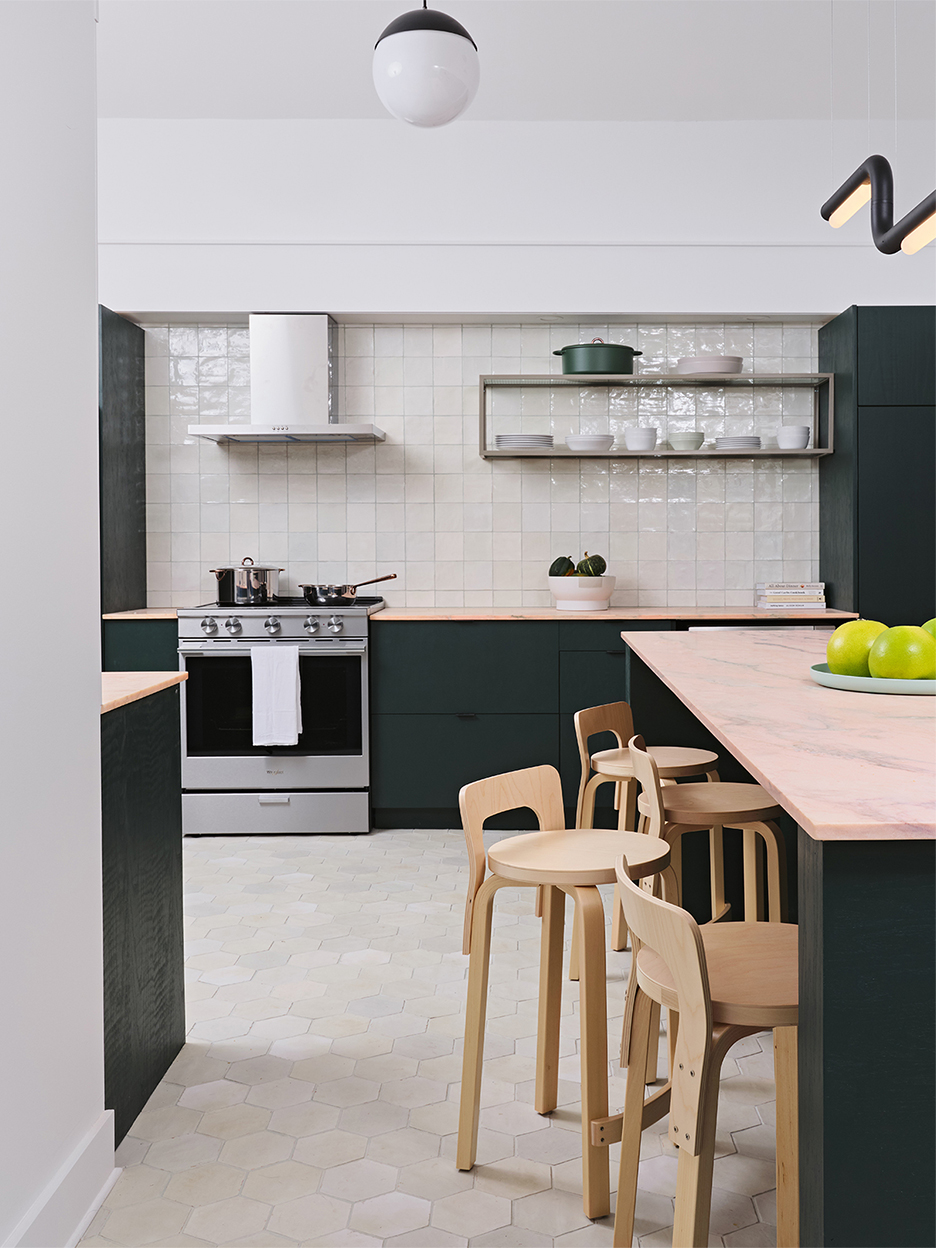
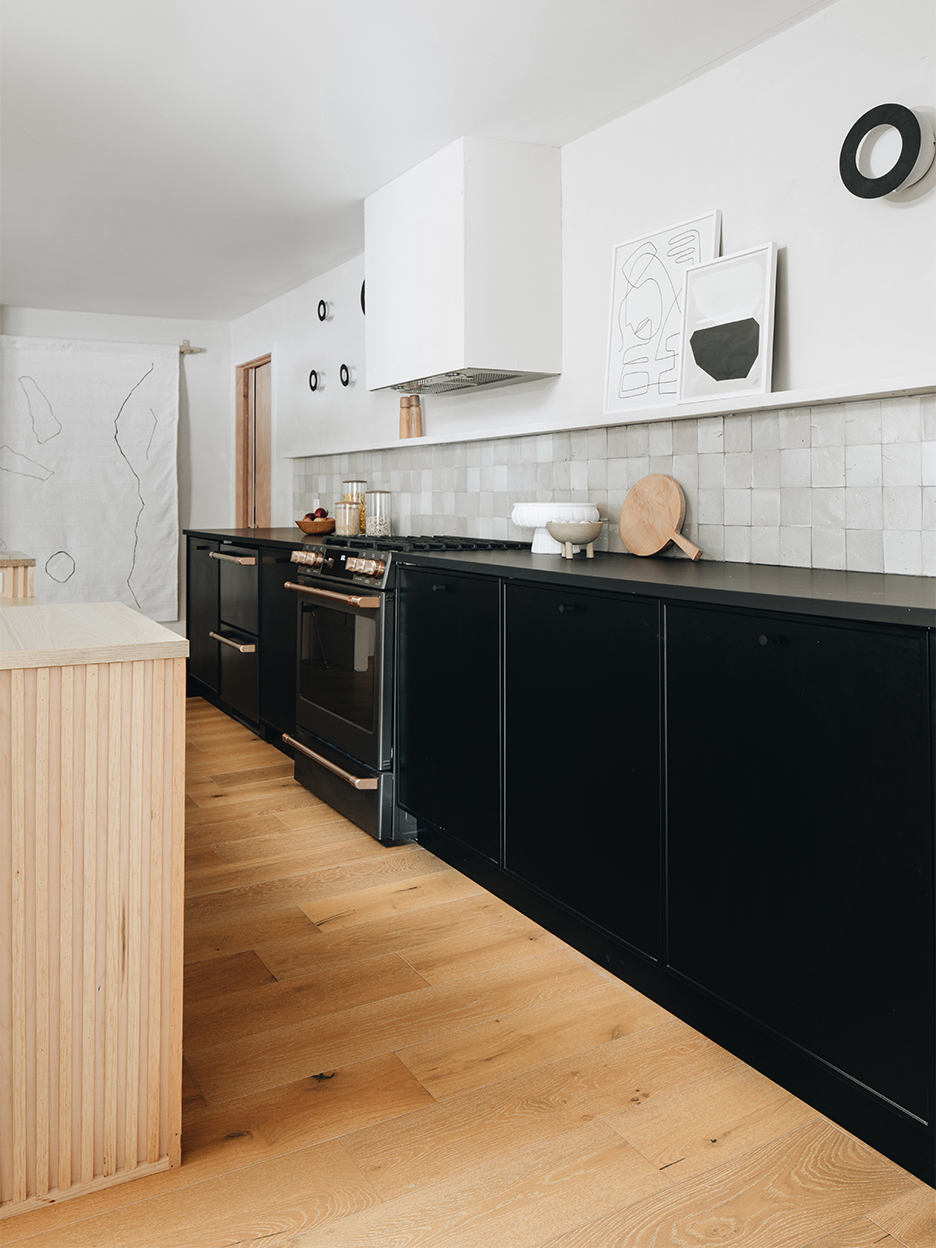
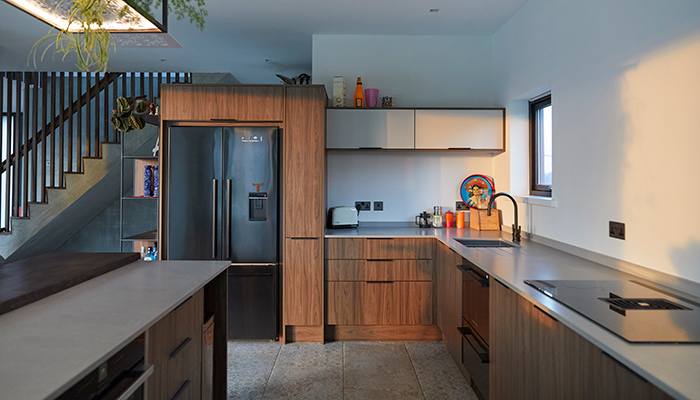
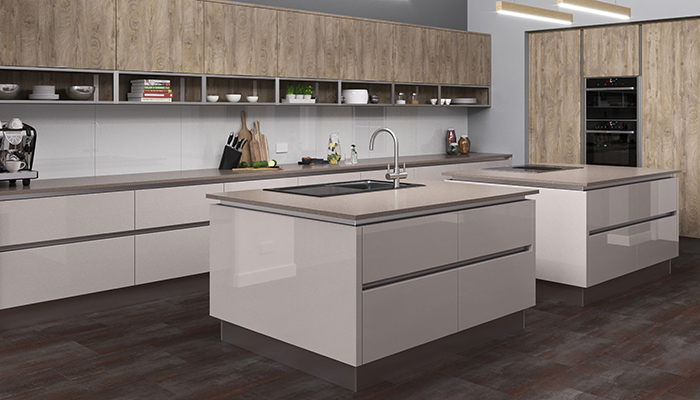
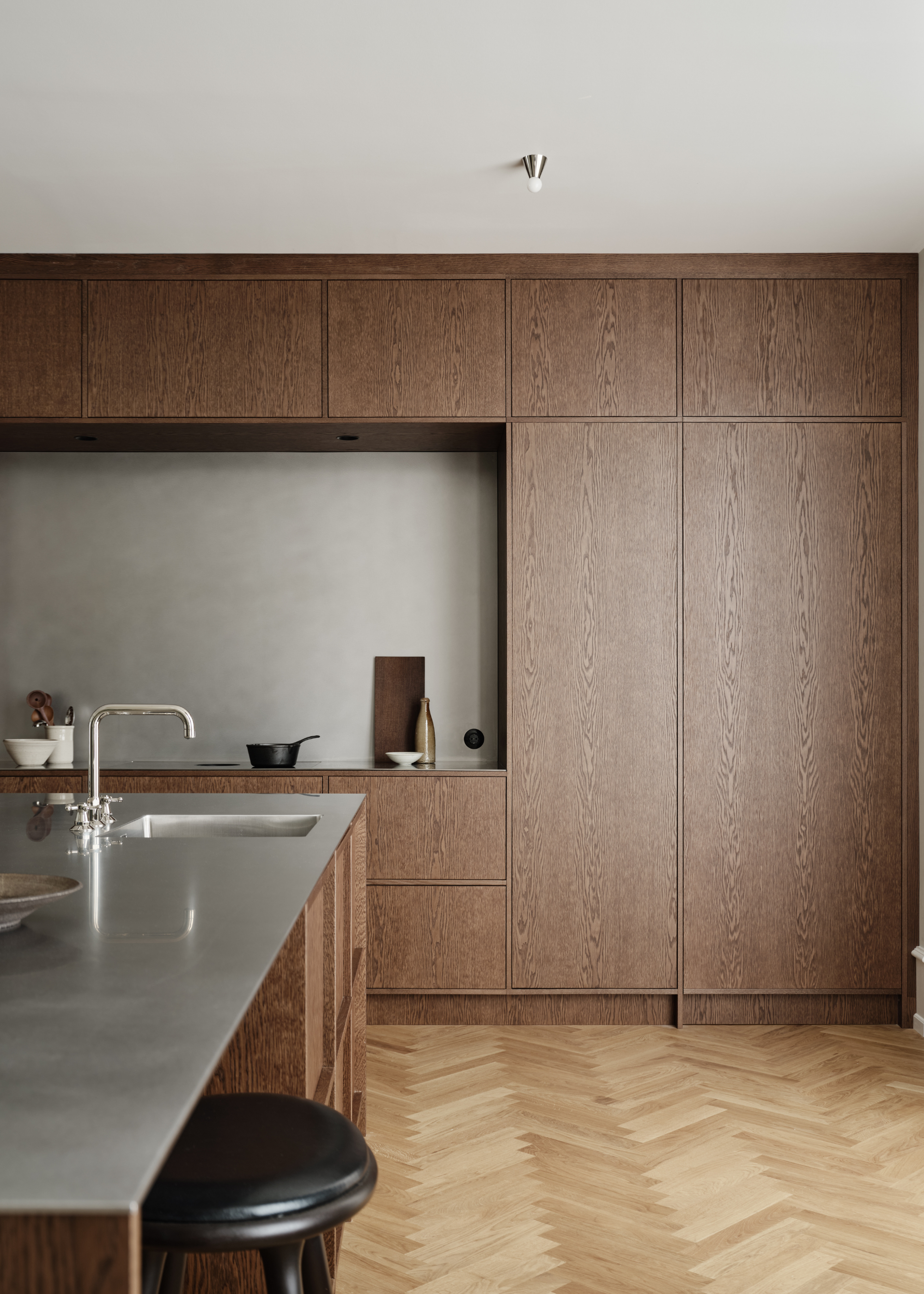
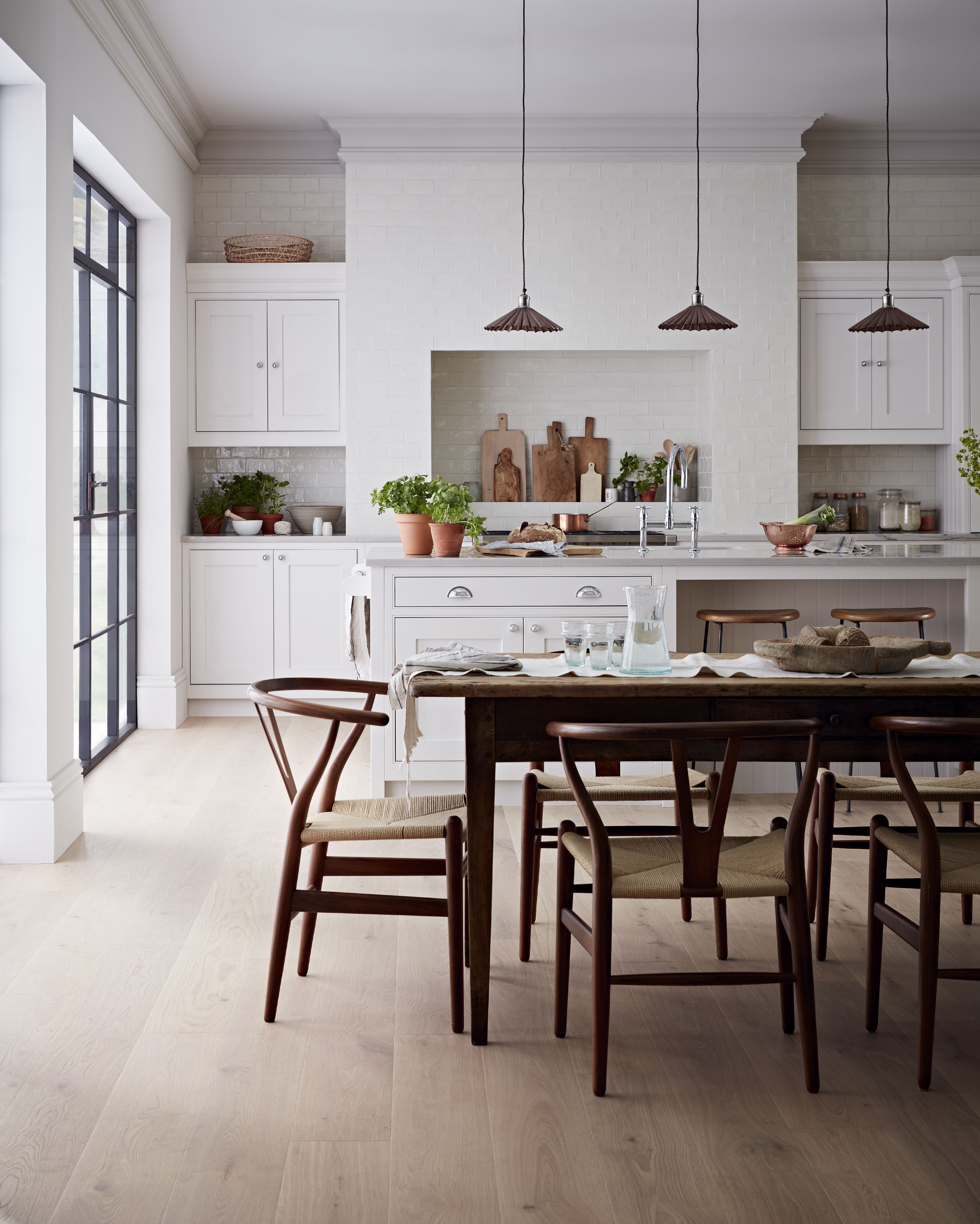
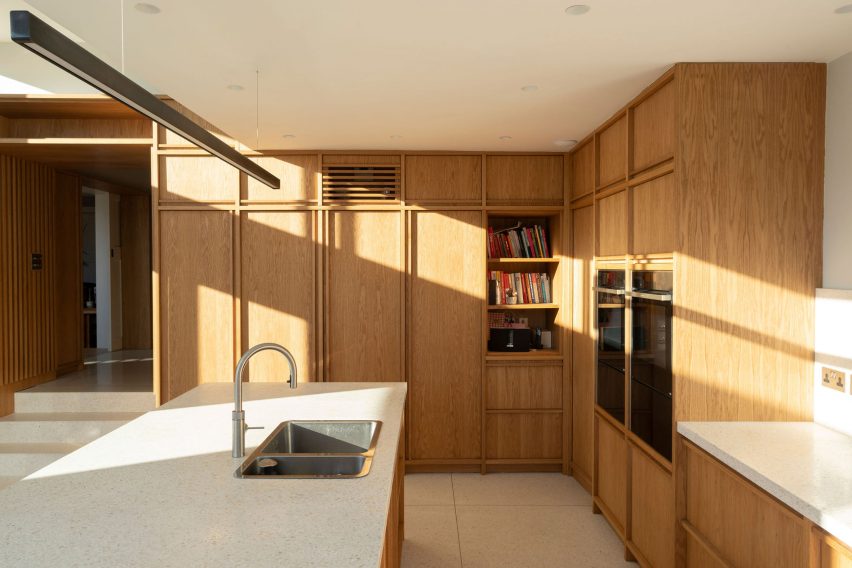
Creating strong contrasts is essential to enhancing the beauty of dark wood. This involves pairing dark wood with lighter backgrounds and countertops, echoing a Nordic-inspired aesthetic that celebrates natural materials. This move away from stark white designs embraces authenticity and timelessness, showcasing the inherent beauty of untouched wood.
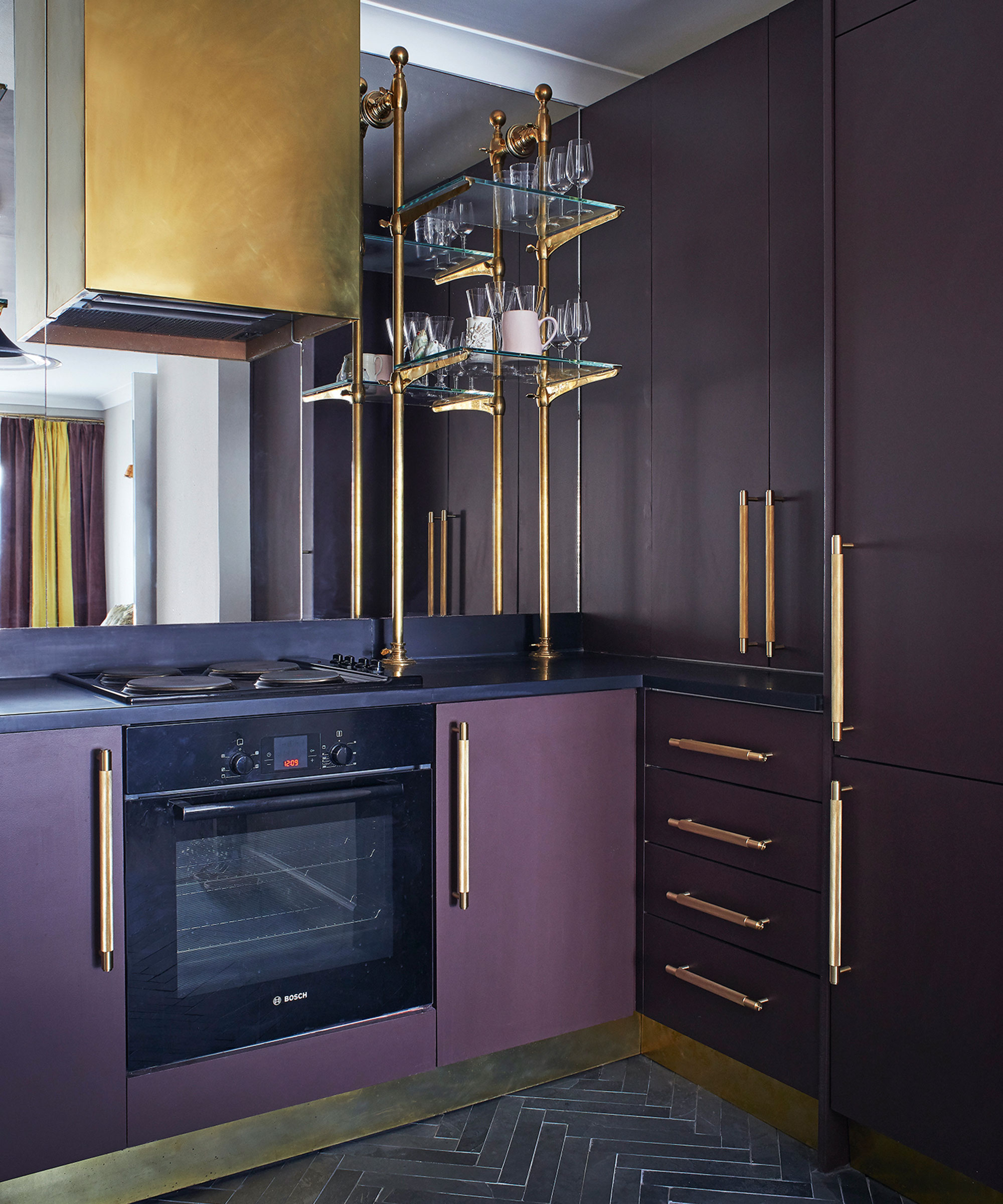
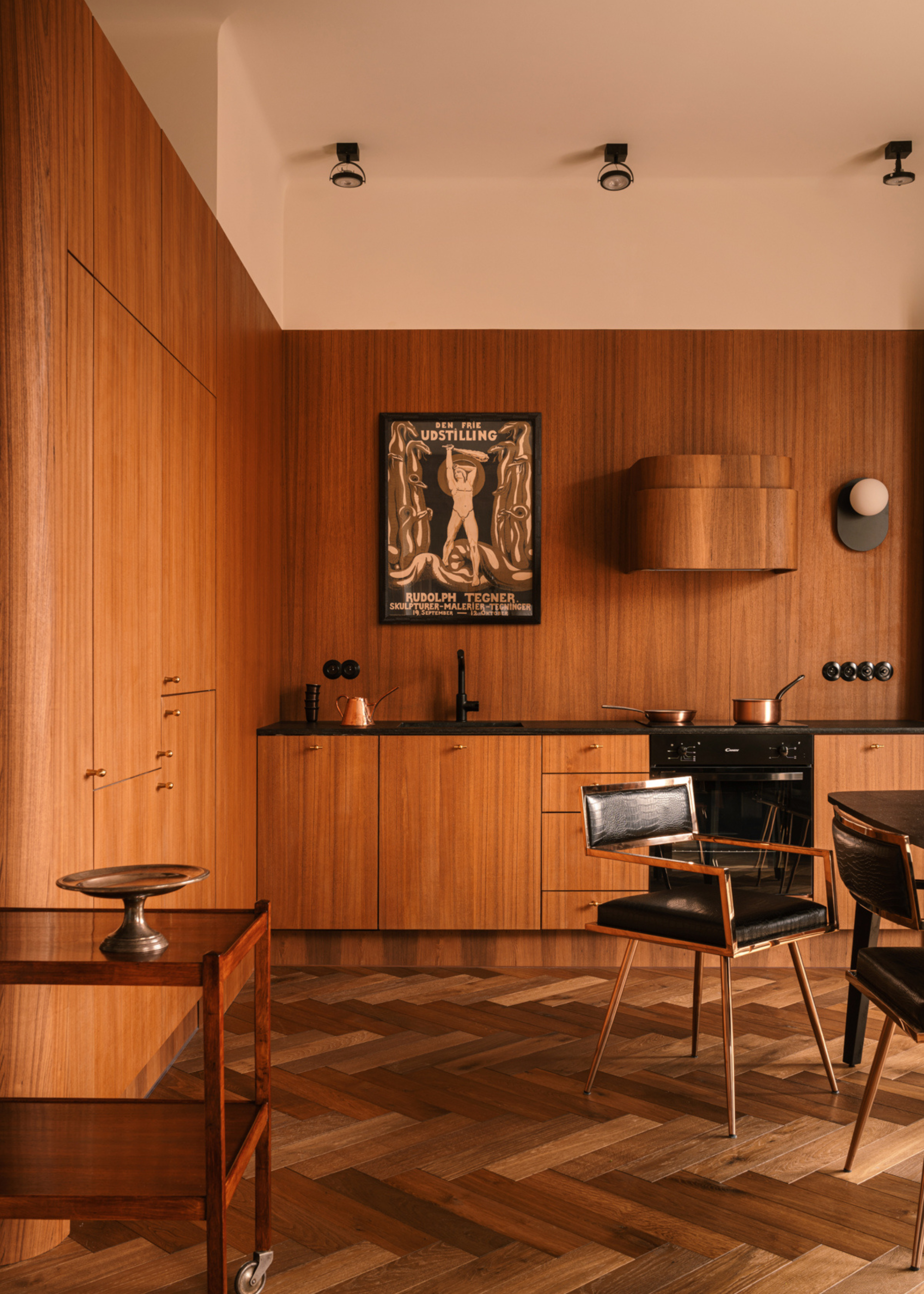
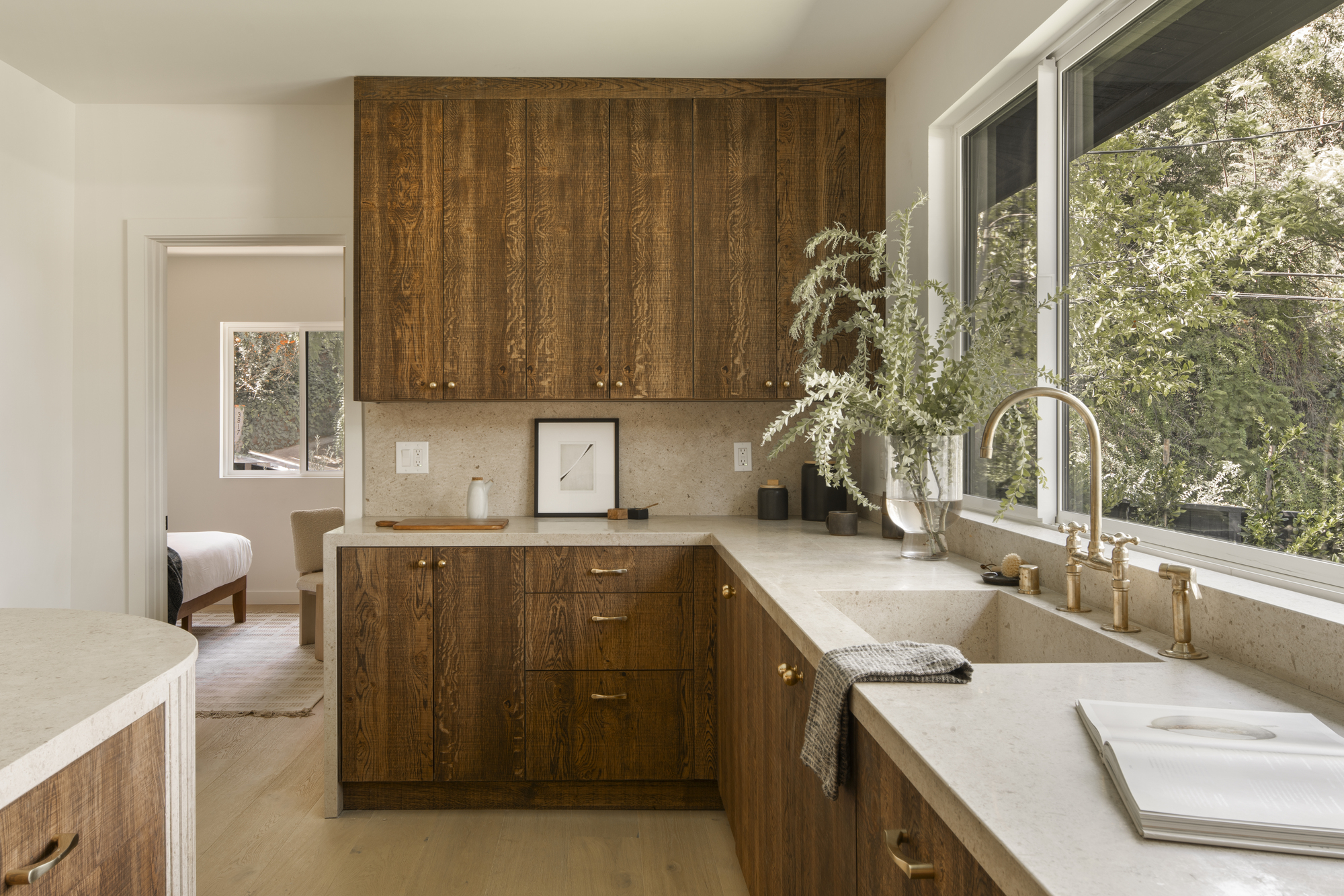
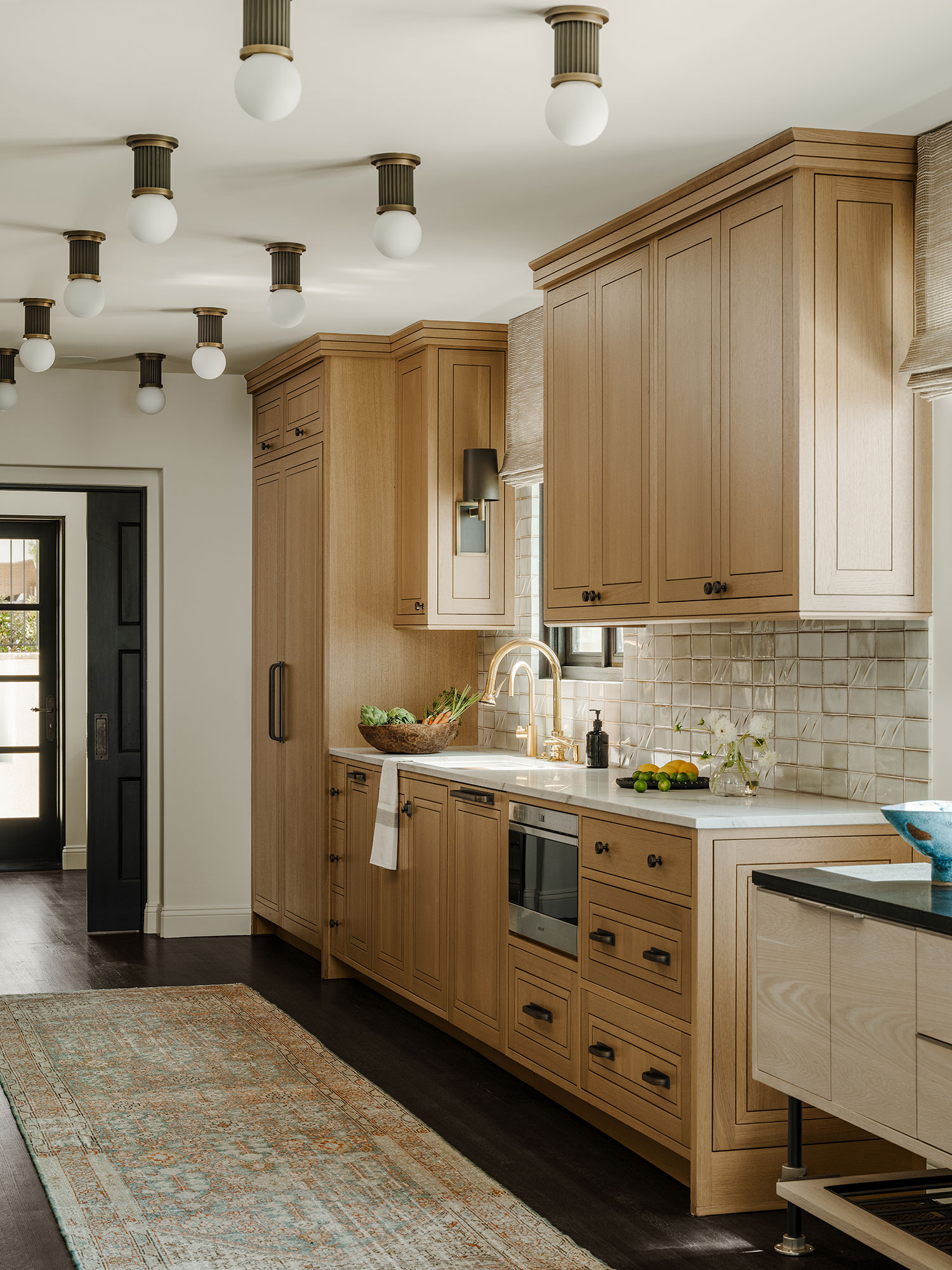
Styling with warmth is achieved by carefully selecting hardware and complementary materials. Combining dark wood cabinetry with brass or brushed brass hardware can lean towards a traditional or country aesthetic, while pairing it with clean lines and materials like brushed metals or stone creates a contemporary feel. The article specifically highlights the elegance of a brass sink alongside a marble kitchen island.
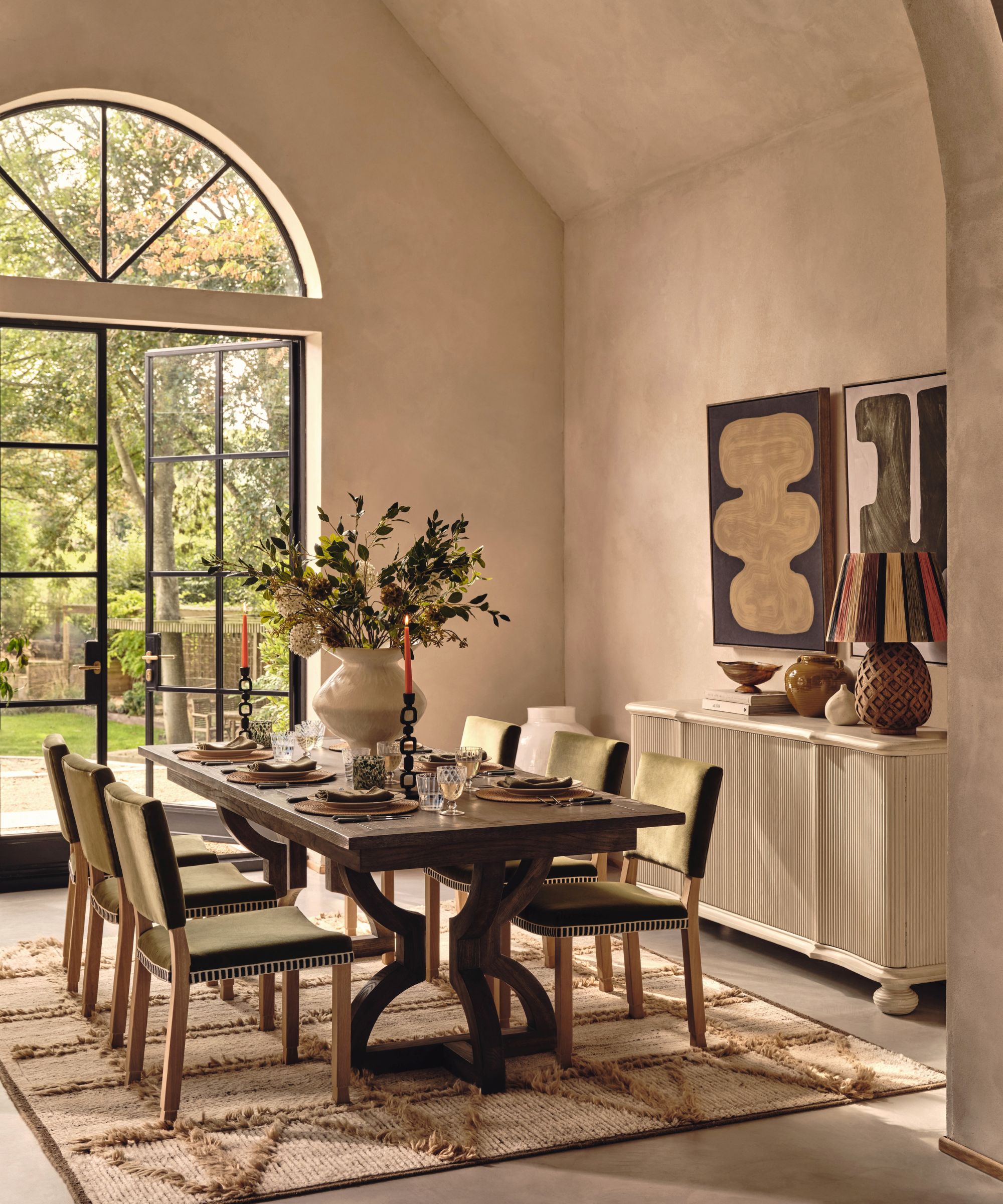
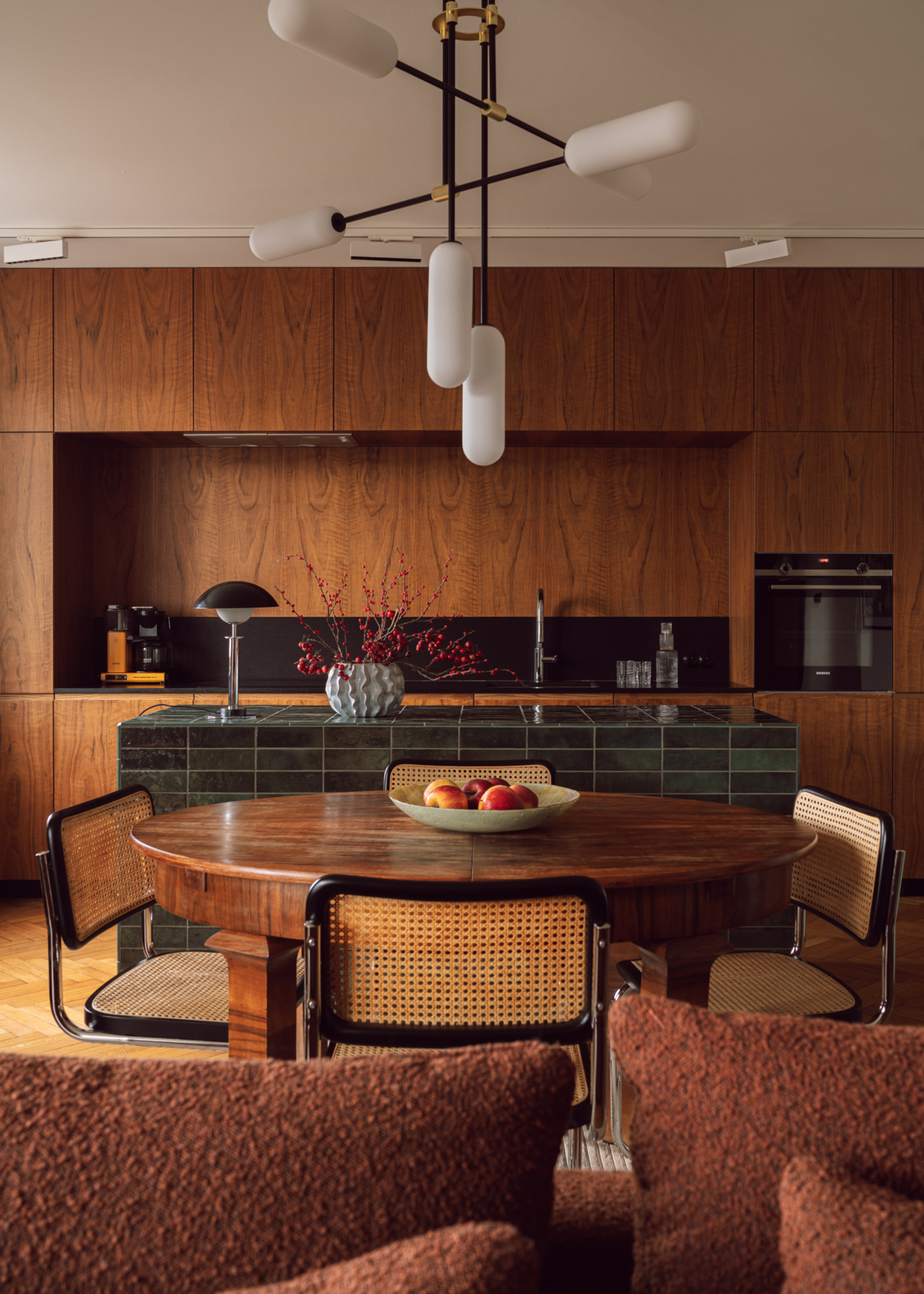
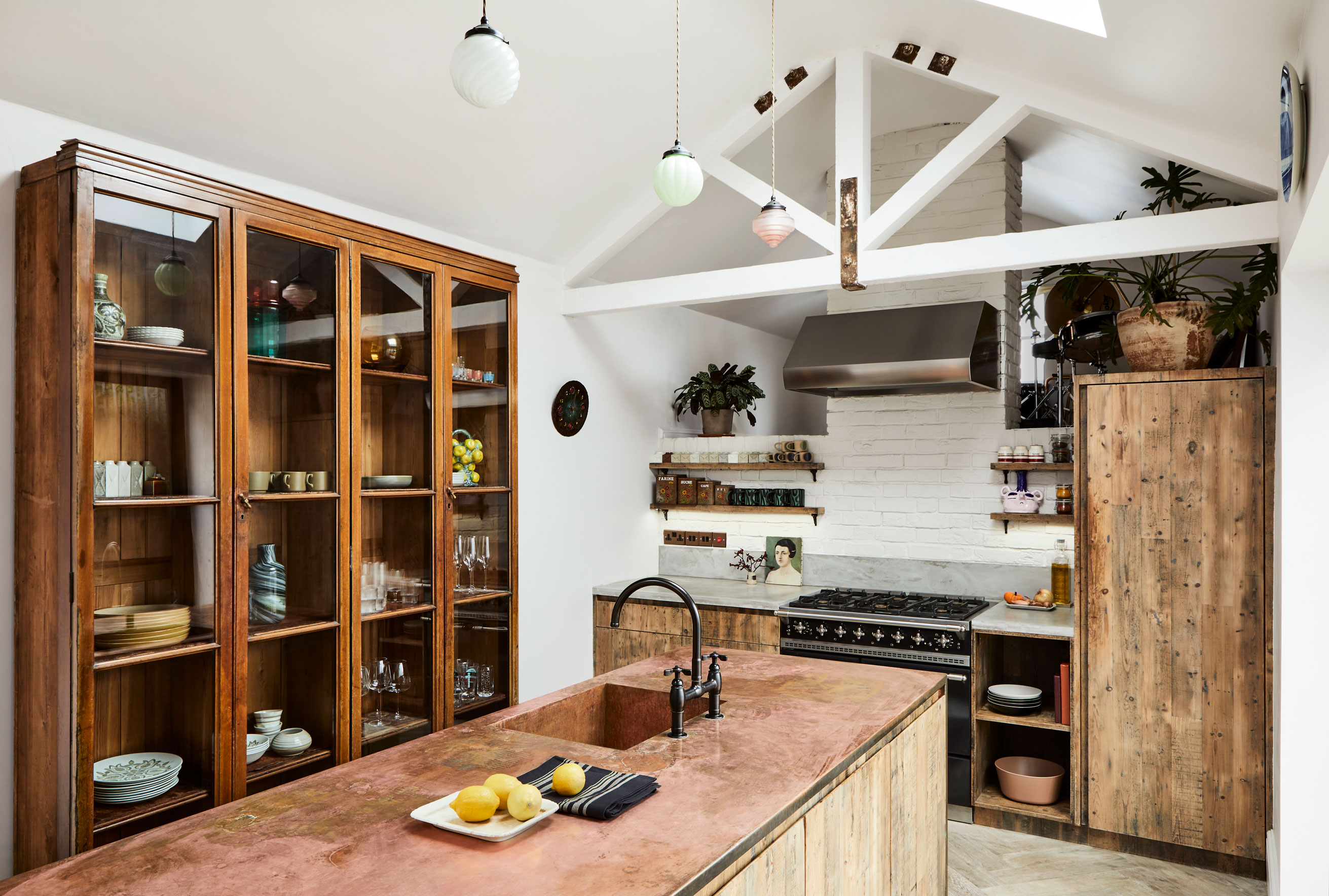
Finally, playing with materials and layering different wood tones introduces depth and visual rhythm. Instead of sticking to a single type of wood, combining dark and light wood finishes, along with complementary colors and textures, creates a dynamic and inviting atmosphere. For instance, pairing a dark wood island with cabinetry painted in a sophisticated shade like Farrow & Ball’s ‘Dead Salmon’ adds an unexpected and subtly playful element, balancing the visual weight of the timber with rustic charm and contemporary elegance. The article emphasizes that the ultimate appeal of dark wood kitchens lies in their ability to reflect craftsmanship, character, and personal style, encouraging individuals to layer textures, play with contrast, and incorporate meaningful pieces to bring these spaces to life.
#DarkWoodKitchens #KitchenDesign #InteriorDesign #WoodCabinetry #HomeDecor #DesignTrends #KitchenRemodel #DarkWoodKitchens #KitchenDesign #InteriorDesign #WoodCabinetry #HomeDecor #DesignTrends #KitchenRemodel
0 comment in total
 No comments yet
You may also like
Dark kitchen ideas – 10 designs to make you rethink white units
5 kitchens with dark cabinets that make me want to lean into a moodier cooking space for my next remodel
Trendsetting wooden kitchens to add to your moodboard


Stacey Dooley’s anti-trend kitchen is a lesson in opting for dark wood tones in 2026 – it’s bold yet minimalist
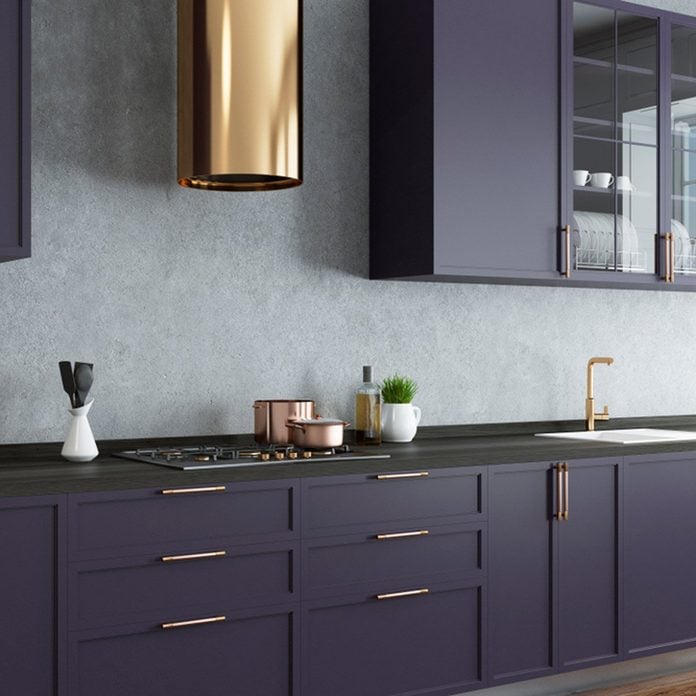
13 Stunning Dark Kitchen Cabinet Ideas

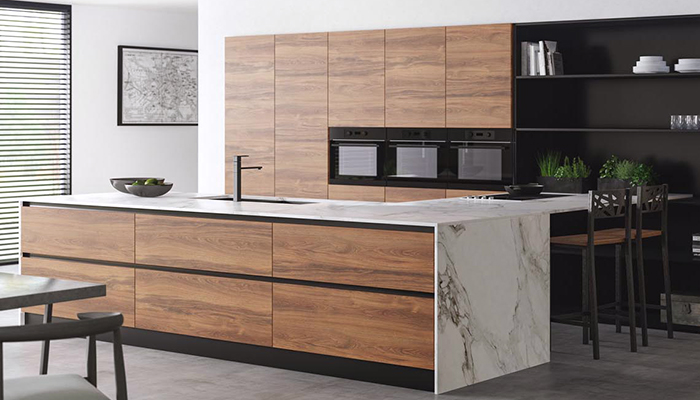
Act natural: 10 wood effect kitchens that look like the real thing
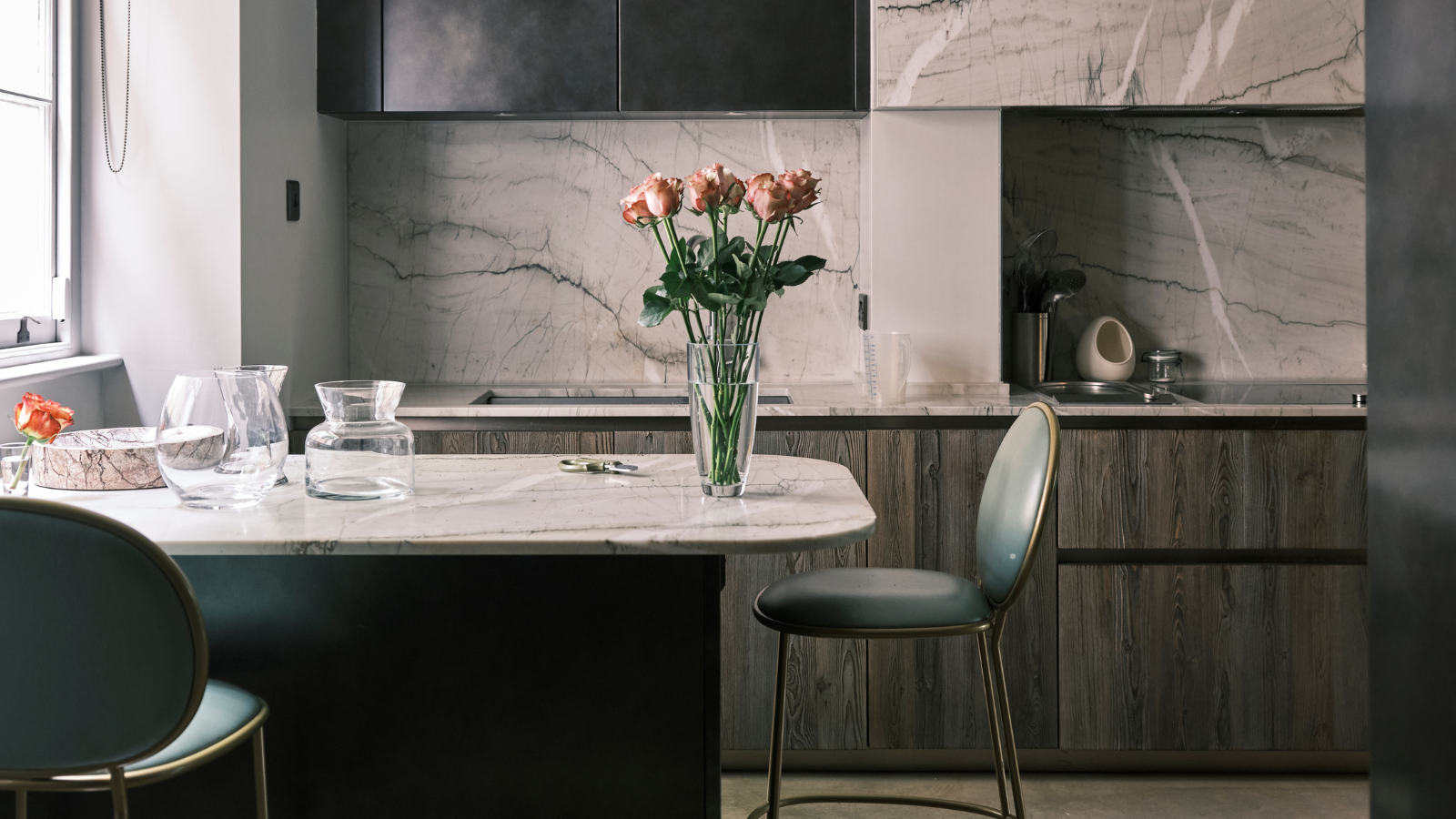
Discover why we’re taking style cues from Jennifer Lopez – dark brown wood is the defining kitchen look for fall 2025

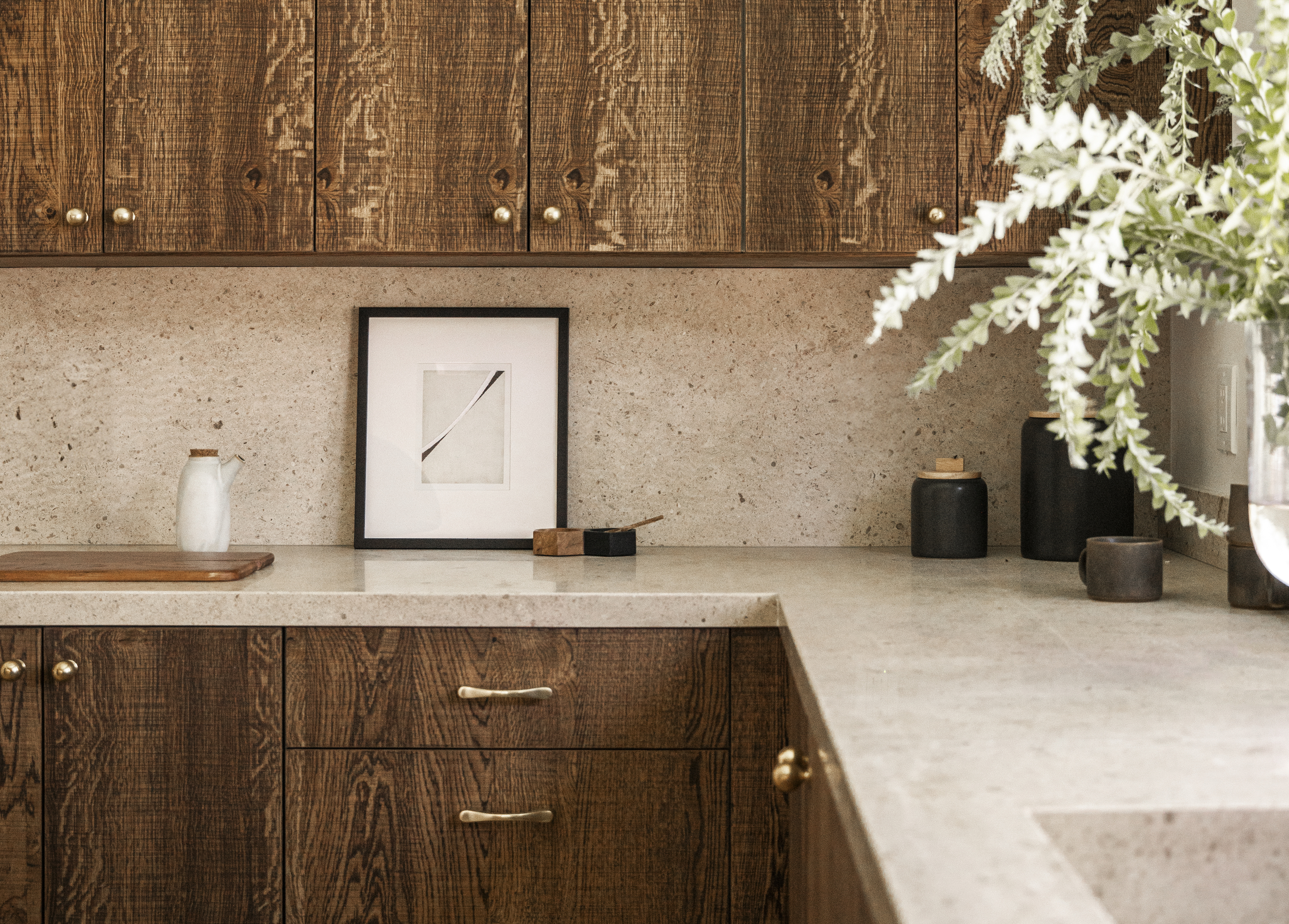
Before & After: A Kitchen Remodel That has us Convinced Dark Wood Cabinets are Back For 2024
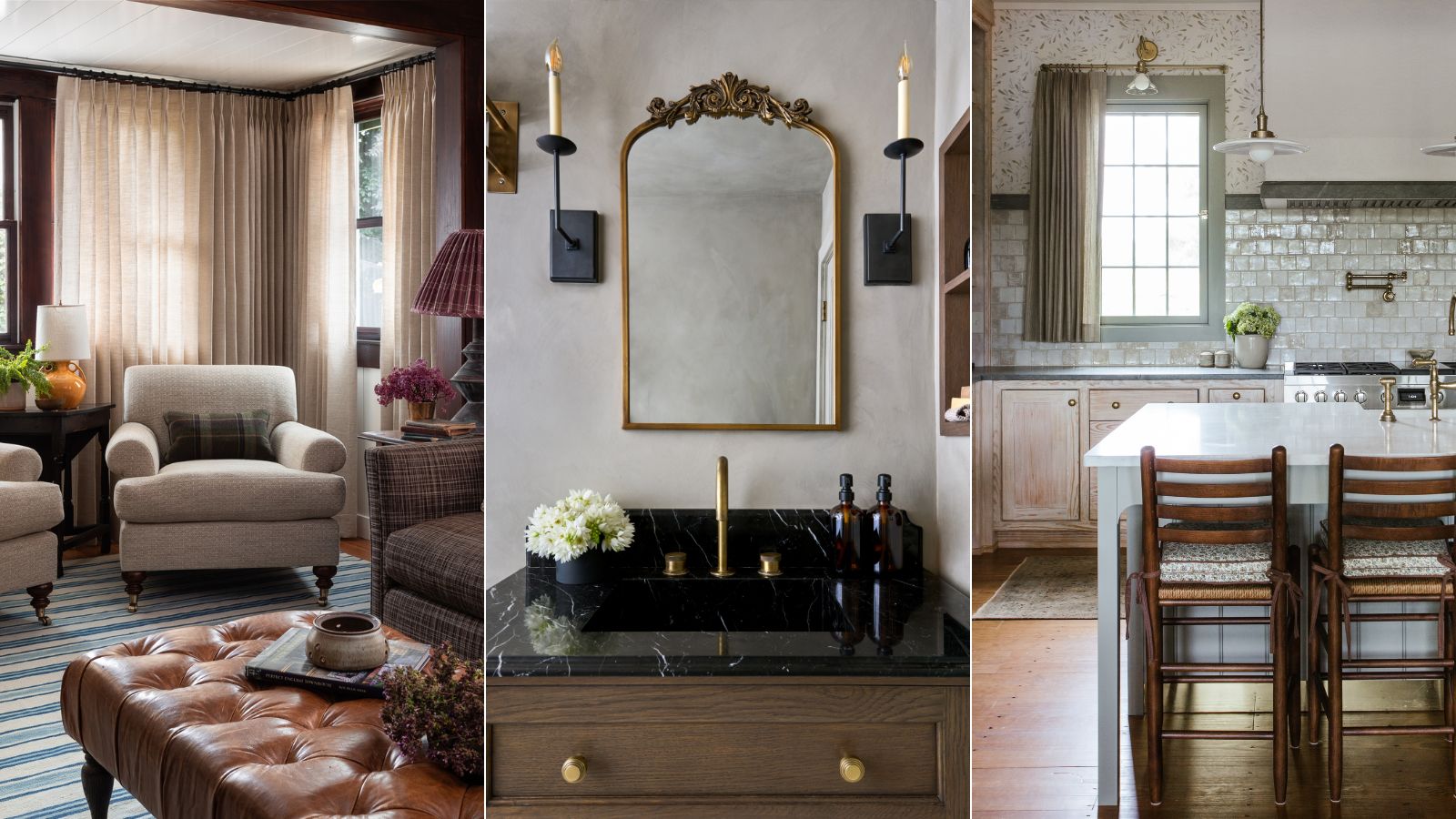
Are darker woods back on trend? Designers say this once-dated finish is in fact perfect for creating character

The Best Dark Kitchen Cabinet Colors for a Moody Space

Six Stylish Kitchens
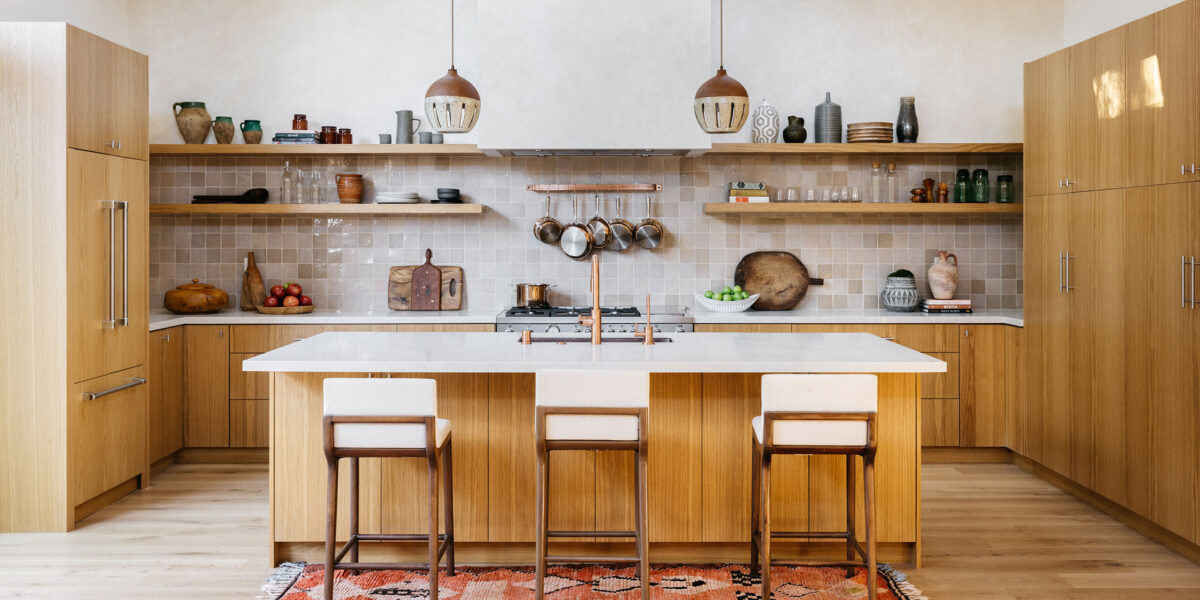
This Outdated Kitchen Design Style Is Coming Back (and That’s a Good Thing)
The “Outdated” Kitchen Cabinet Trend That’s Making a Huge Comeback in 2025

Dark kitchen cabinet ideas – 10 ways to style a dramatically dark scheme
Eight wooden kitchens that make the most of the material
10 ways interiors experts introduce wood into a kitchen to boost its character
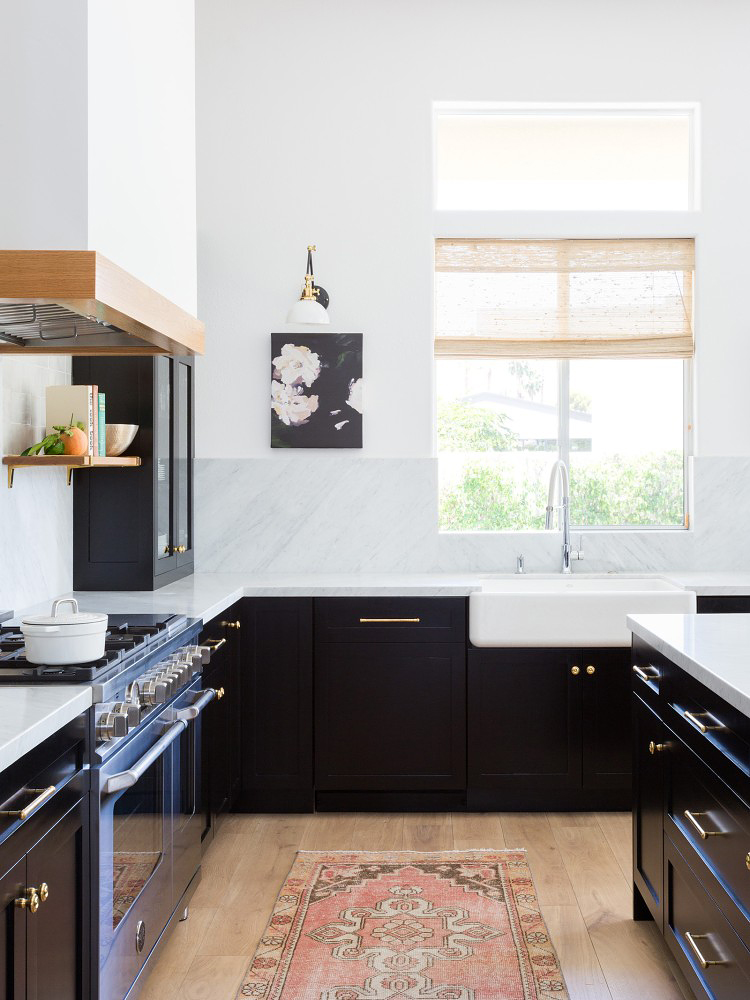
9 Kitchens With Dark Cabinets That Are Cozy, Not Cave-Like
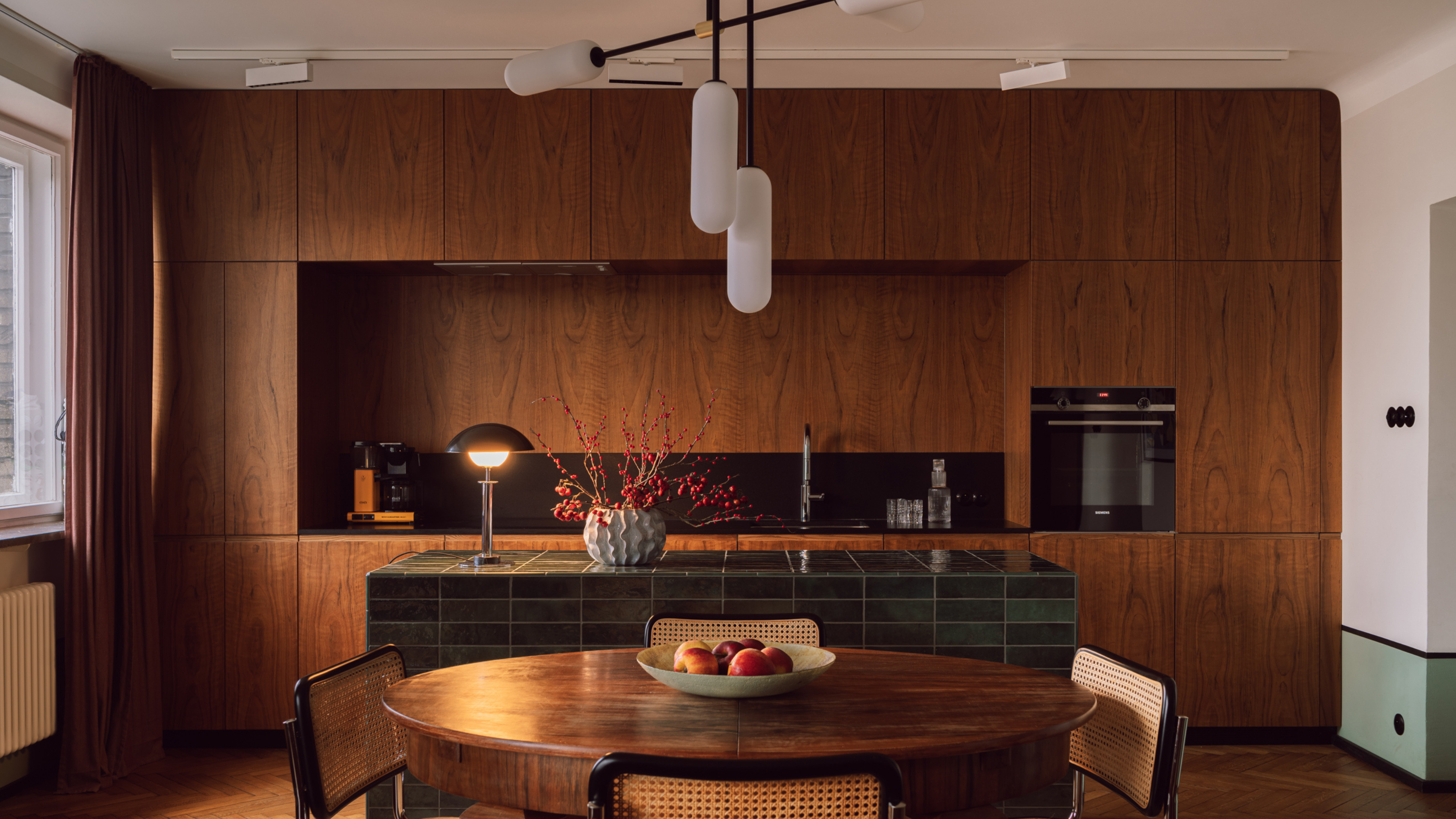
'Wood-Drenching' Your Kitchen Is the Most Luxury-Looking Thing You Can Do With Your Cabinets — But Also Trickiest to Get Right
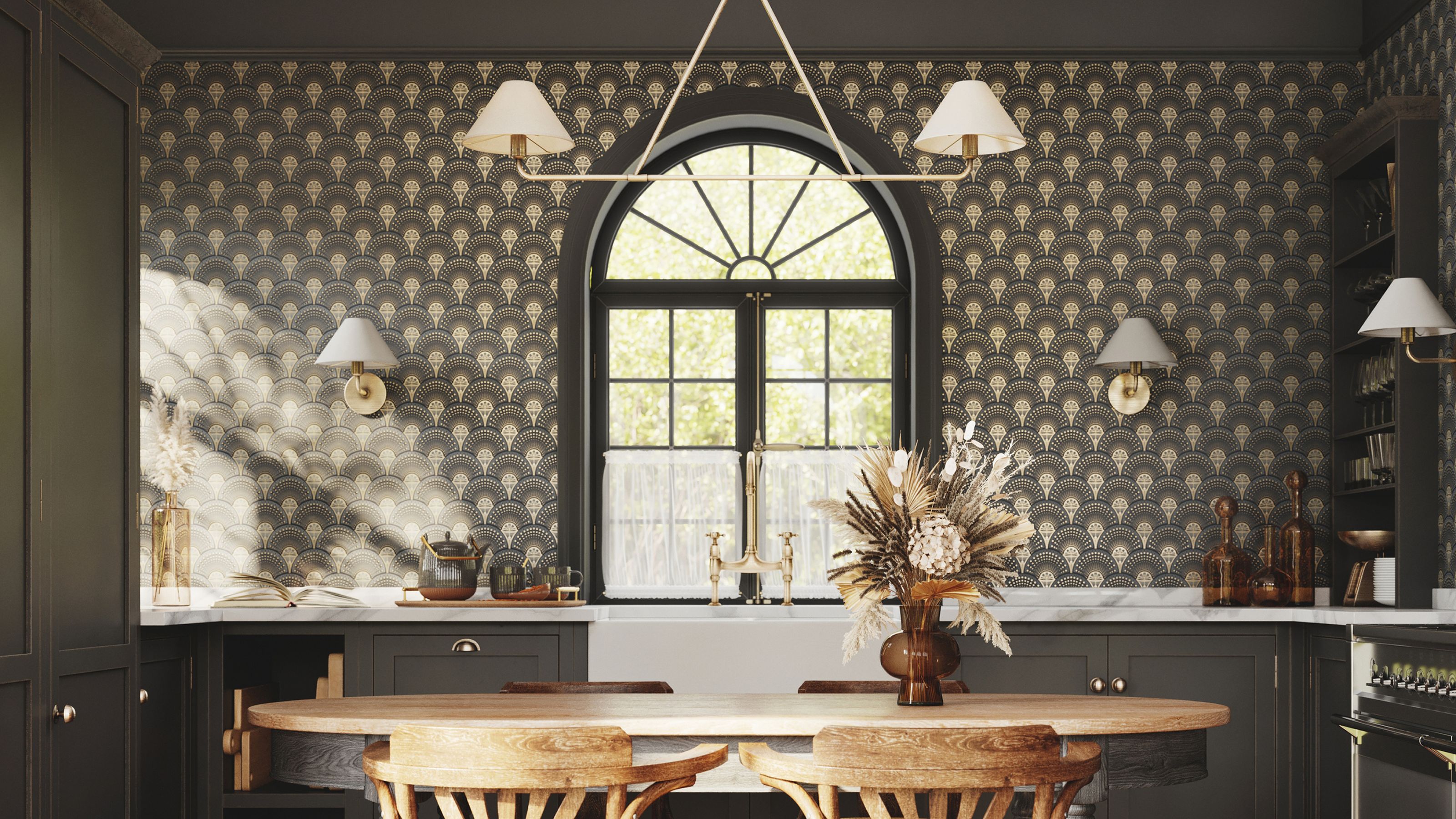
12 black kitchen ideas that will make you want to go over to the dark side

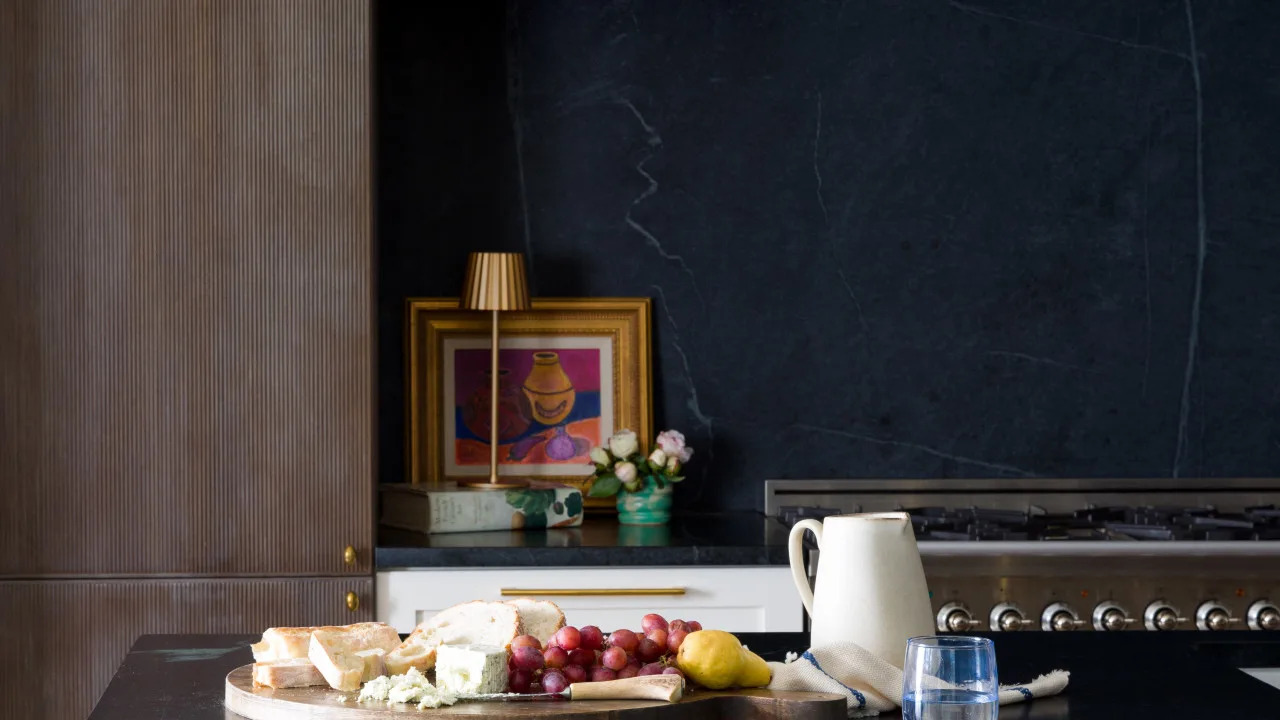
Dark Kitchen Cabinets Are Back—22 Stunning Ideas to Try