1/16
15 most beautiful cafés and coffee shops in Tokyo
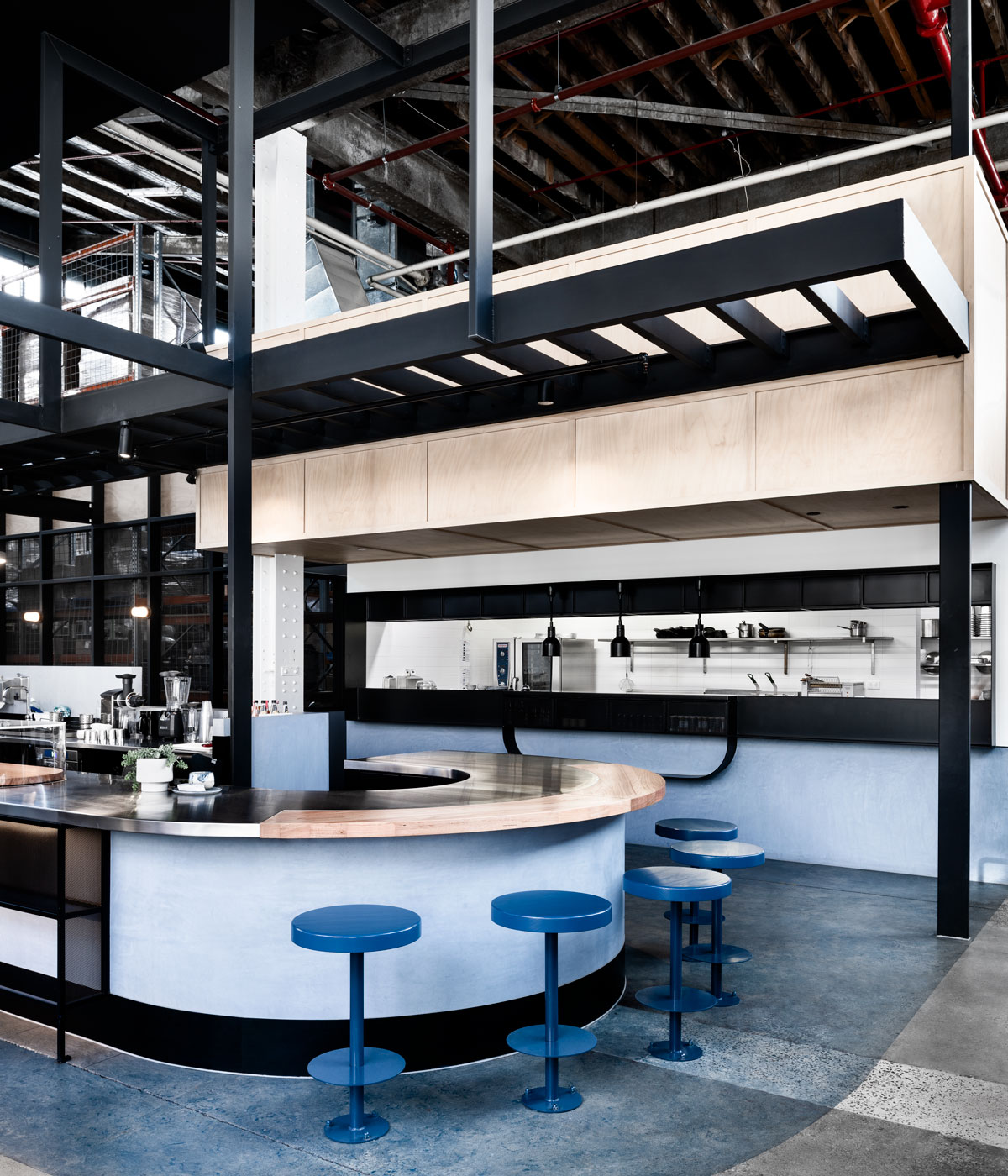
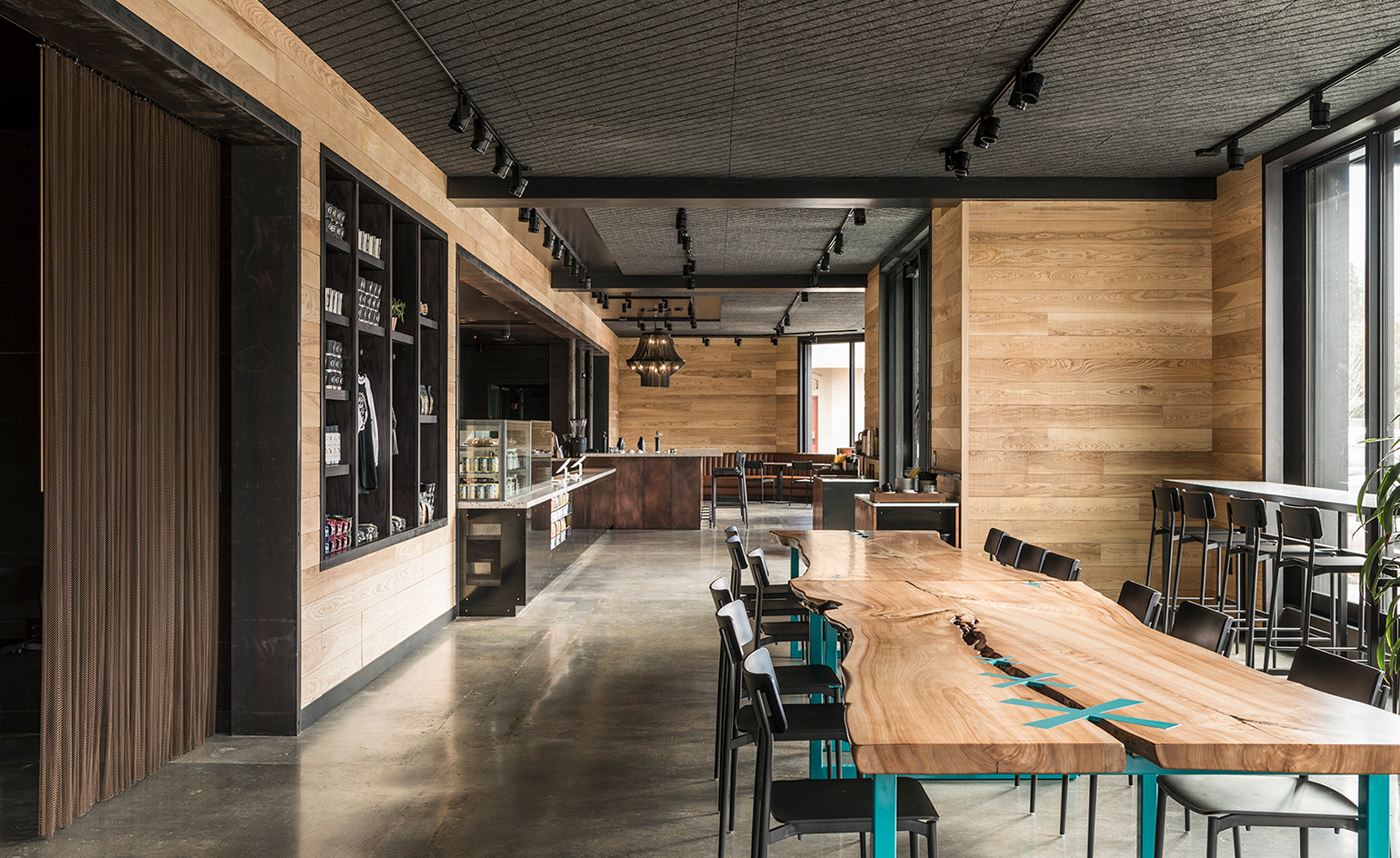
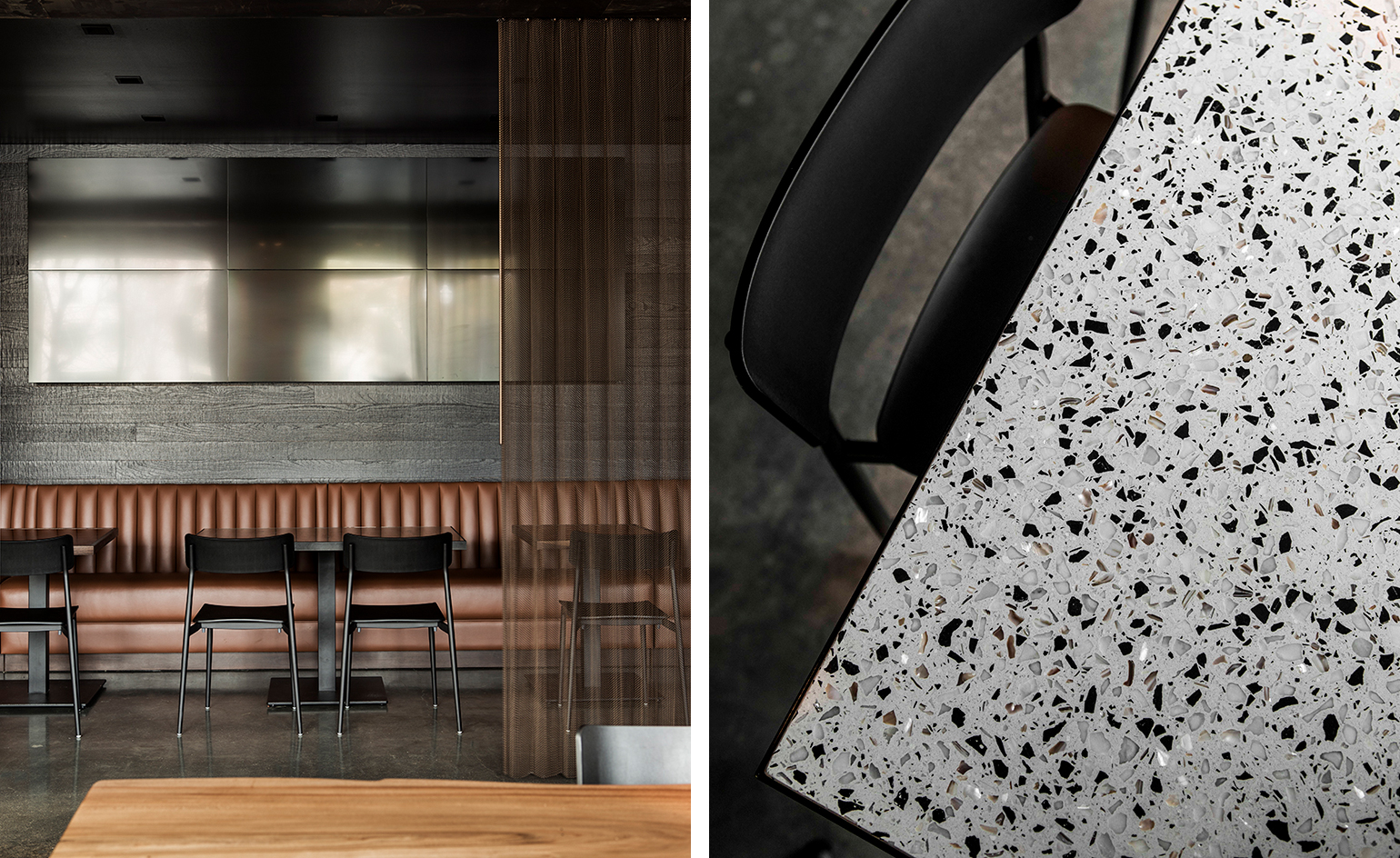
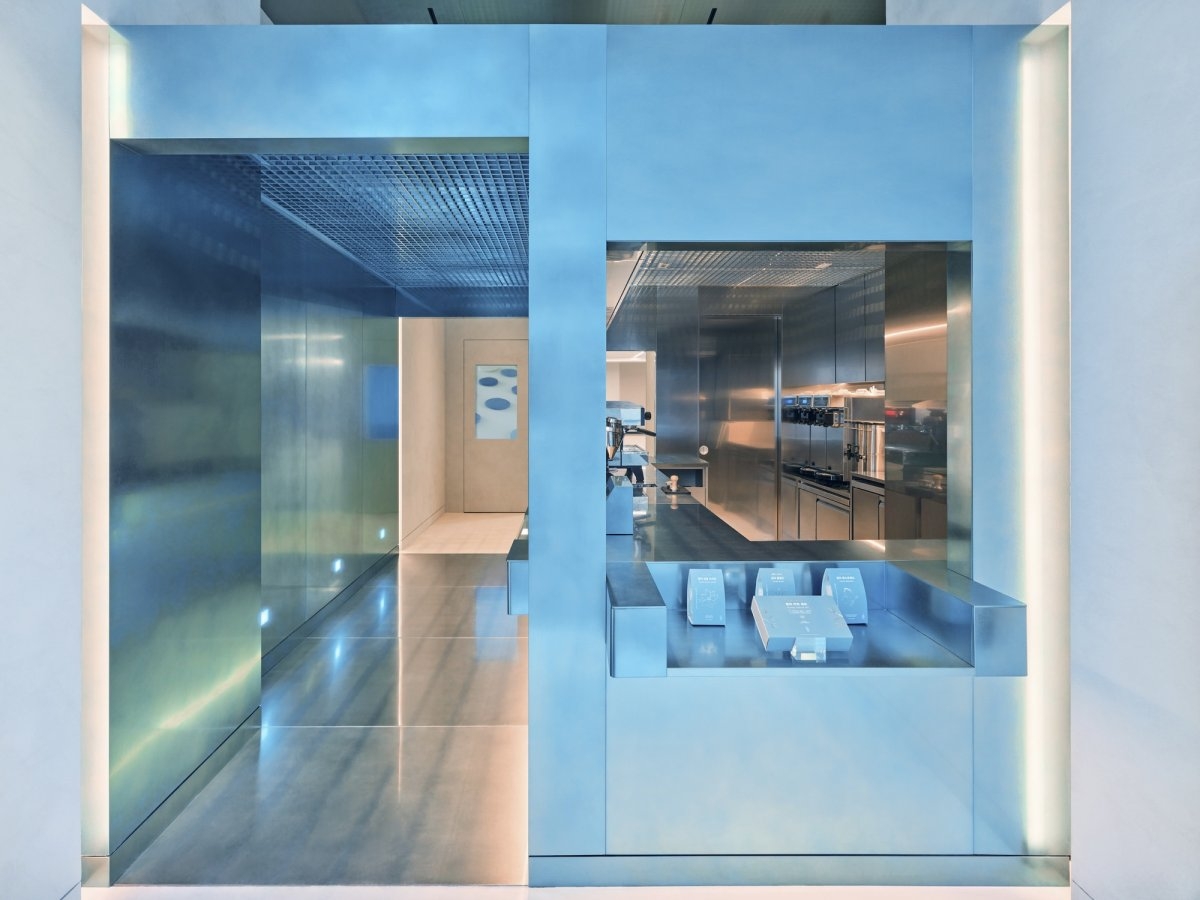
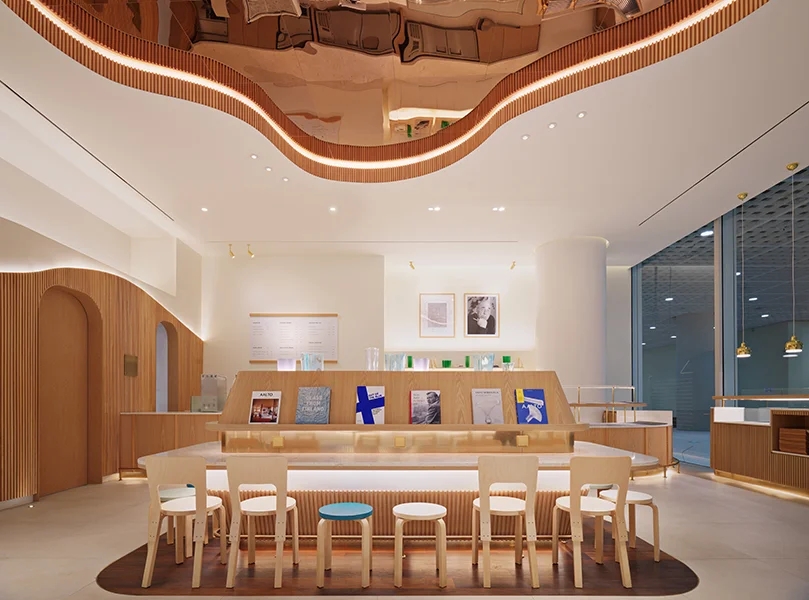
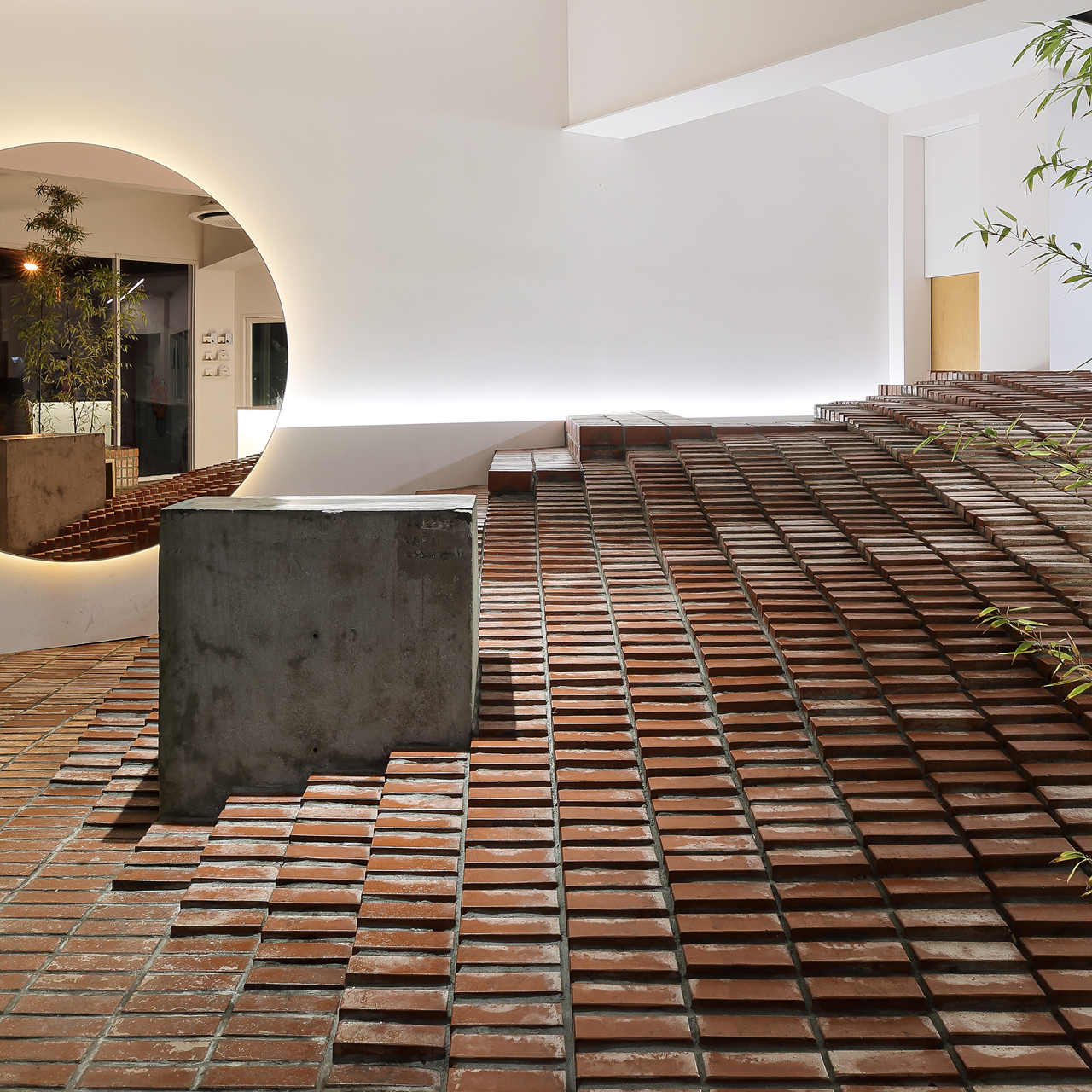
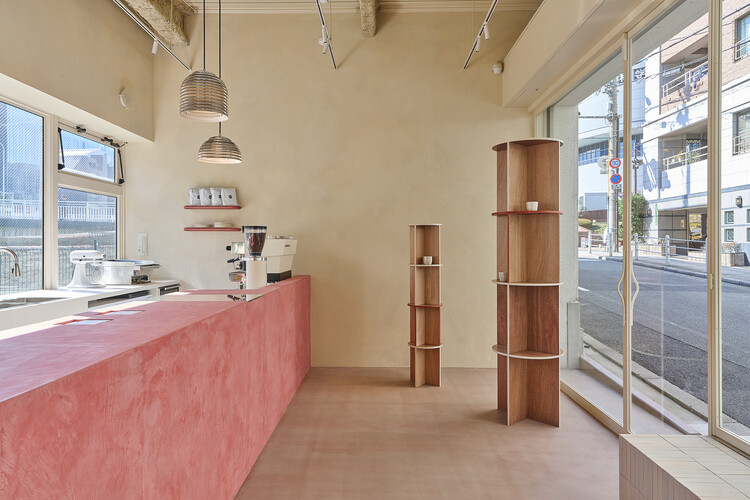
Tokyo boasts a vibrant café culture characterized by a continuous emergence of trendy coffee roasters and tea shops. Many of these establishments are housed in exquisitely designed spaces, often created by renowned architects and designers, making them destinations worthy of a visit for their aesthetic appeal alone. This article highlights fifteen such beautiful cafés and coffee shops across Tokyo, each offering a unique design philosophy and atmosphere.
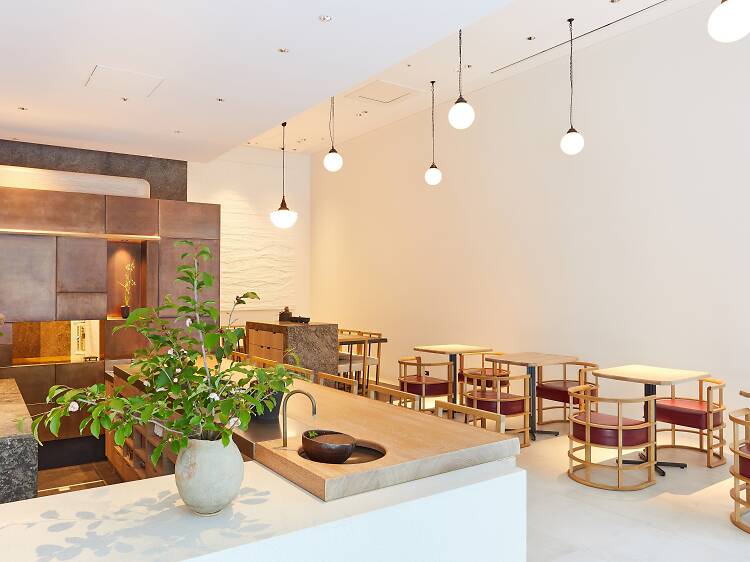
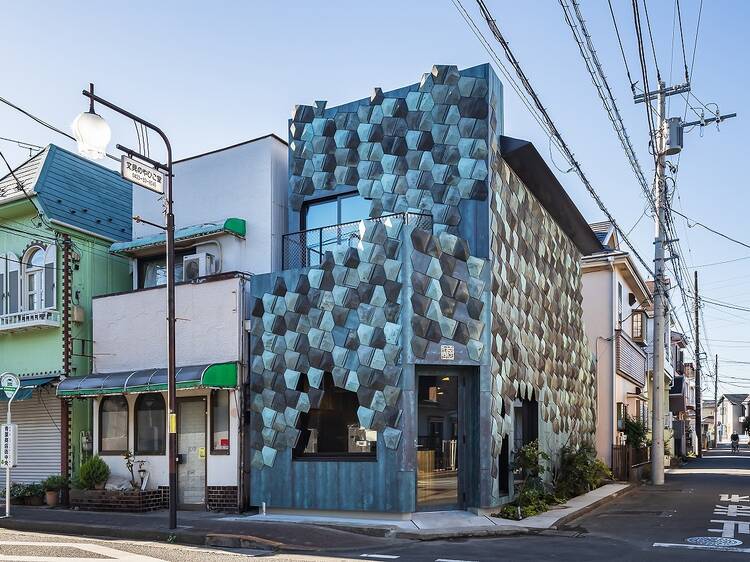
Koffee Mameya Kakeru, located in Kiyosumi-Shirakawa, is an example of a stylish coffee haven that goes beyond a typical coffee shop experience. While offering beans and drinks for takeaway, it primarily focuses on coffee tasting courses in a sleek interior where elegant counter seats allow customers to observe baristas in action. Socha, near Nezu Shrine, is a teahouse that showcases traditional Japanese architecture, incorporating natural materials like wood and tatami mats. Designed by the adjoining Sobokya Design Office, it features innovative carpentry techniques and unique elements such as a driftwood door handle and a massive zelkova wood table with repurposed old well stones for legs. Wakuni Shoten, a cafe in Higashi-Murayama, is a project by world-renowned architect Kengo Kuma. Its striking facade is covered with approximately 700 bronze plates upcycled from a Shinto shrine roof, while the interior features sheet metal art by local firm Uchino and contributions from other artisans like Kitaworks and Kan Ito, creating a refined and cozy atmosphere.
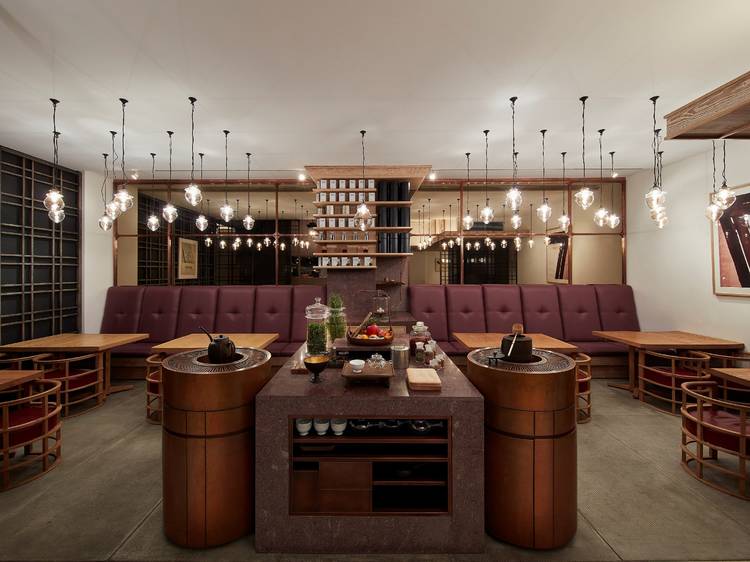
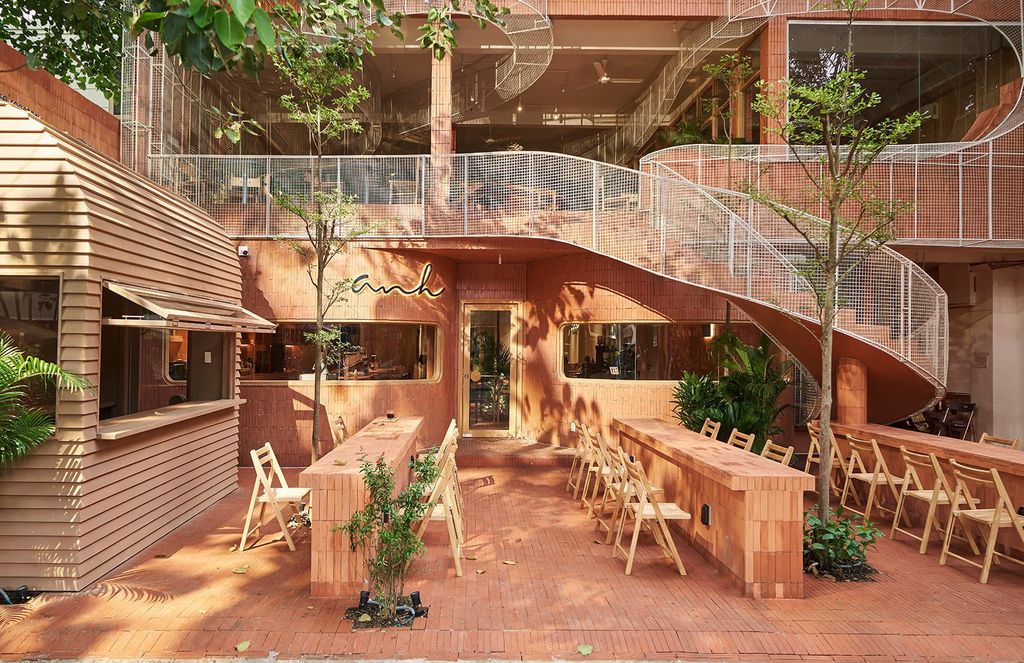
Uni Gyre, situated within the MVRDV-designed Gyre shopping center in Omotesando, offers a chic café experience. Its distinguishing feature is a seating area composed of wooden cubes of varying heights. Designed by Atelier Tsuyoshi Tane Architects, the space is inspired by soil, with earth-covered floors and walls, and surrounding greenery that evokes a forest-like retreat. Chiya-ba, a discreet tea house under the Nakameguro train tracks, specializes in chai tea. Its cozy, Zen-like interior, dominated by dark tones, includes a hidden lounge area reminiscent of a boutique hotel lobby. Dotcom Space in Harajuku exemplifies Japanese minimalism with a sleek, light, and airy design by Keiji Ashizawa Design, featuring a communal table, a simple barista bar, and a tranquil courtyard. Connel Coffee, located in the Sogetsu Kaikan building designed by Kenzo Tange, is a minimalist coffee shop by design firm Nendo. It offers stunning views of a green forest and Isamu Noguchi's stone garden through its glass ceilings and windows, with warm cherry wood and simple furnishings creating a serene environment conducive to remote work.
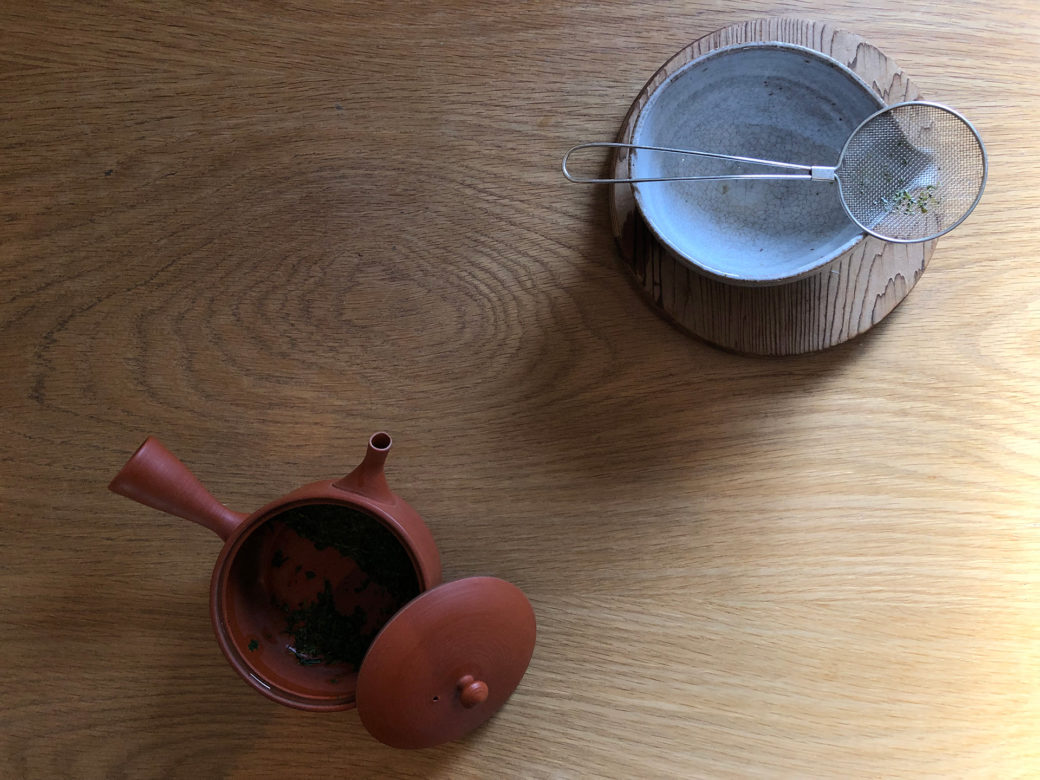
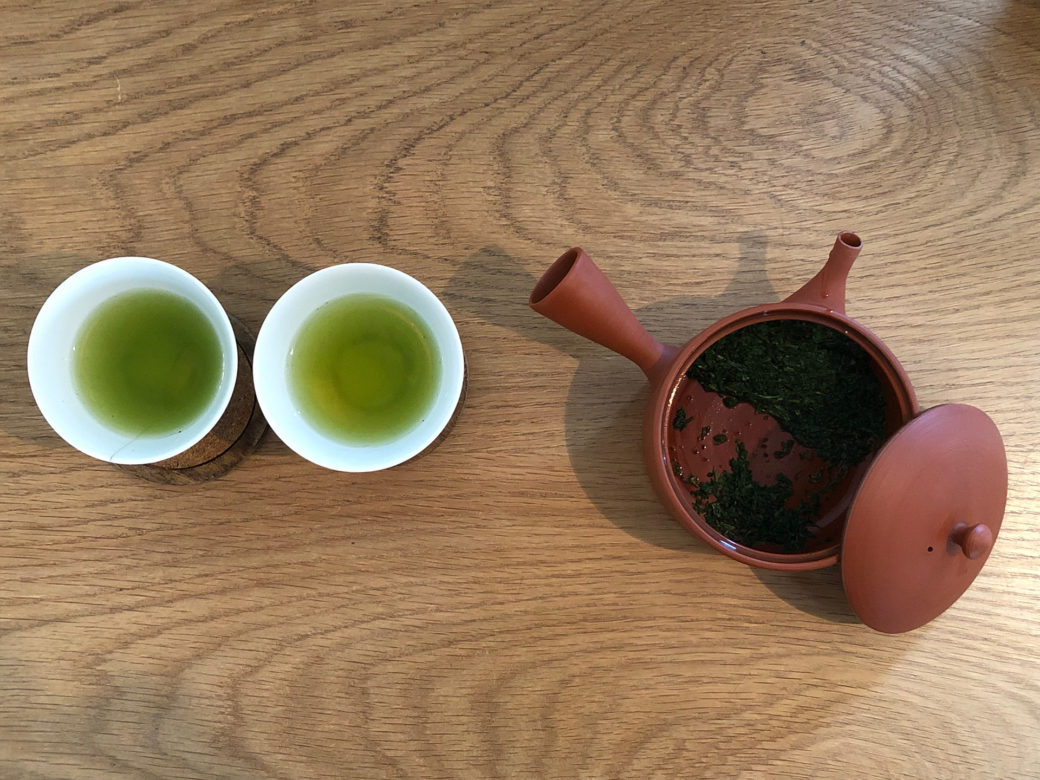

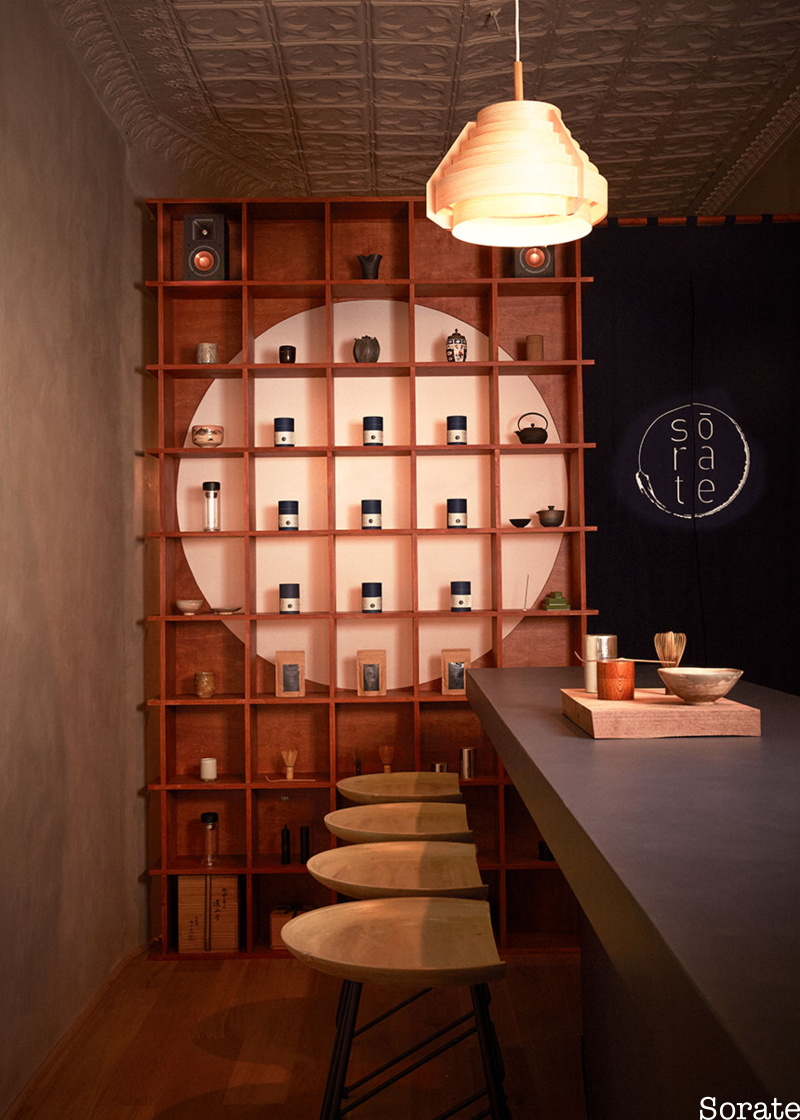
Tokyo Saryo in Sangenjaya is a minimalist tea parlor that, despite its small size, impresses with a sleek wooden tea counter where customers can observe the tea preparation process. It also features uniquely designed hand drippers for making traditional Japanese tea, adding a modern twist to ancient practices. Ogawa Coffee Laboratory, Kyoto's established roaster, has a flagship in Setagaya. Designed by Yusuke Seki Studio, its spacious interior features muted tones, a wrap-around counter, and abundant natural light from floor-to-ceiling windows, with plywood and washi paper accents, and old stones from Kyoto's tramways. Higuma Doughnuts + Coffee Wrights in Harajuku is a collaboration brought together by Chab Design, offering a light and airy sunken café space with concrete walls and simple plywood, creating an approachable vibe. Sarutahiko The Bridge, designed by Suppose Design Office, is a spacious café on the second floor of the new Harajuku Station building, providing ample seating, including cozy couches and communal tables. It blends modern aesthetics with traditional Japanese touches like wooden shoji panels and a bonsai tree.
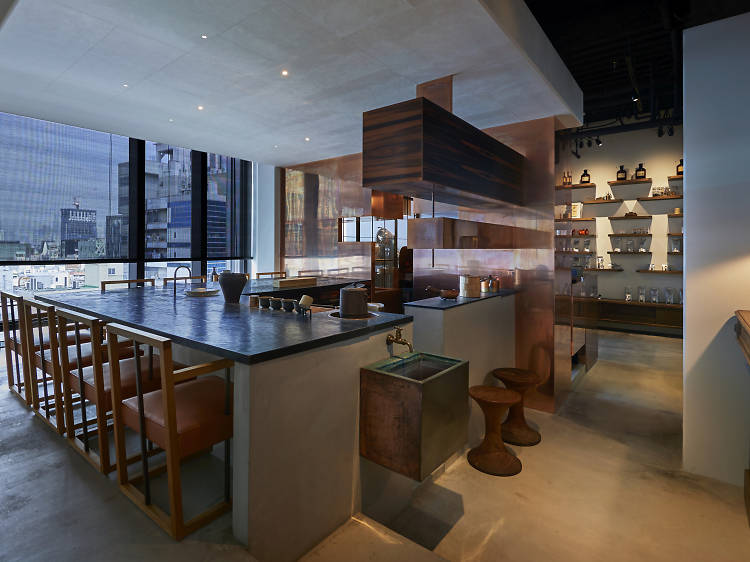
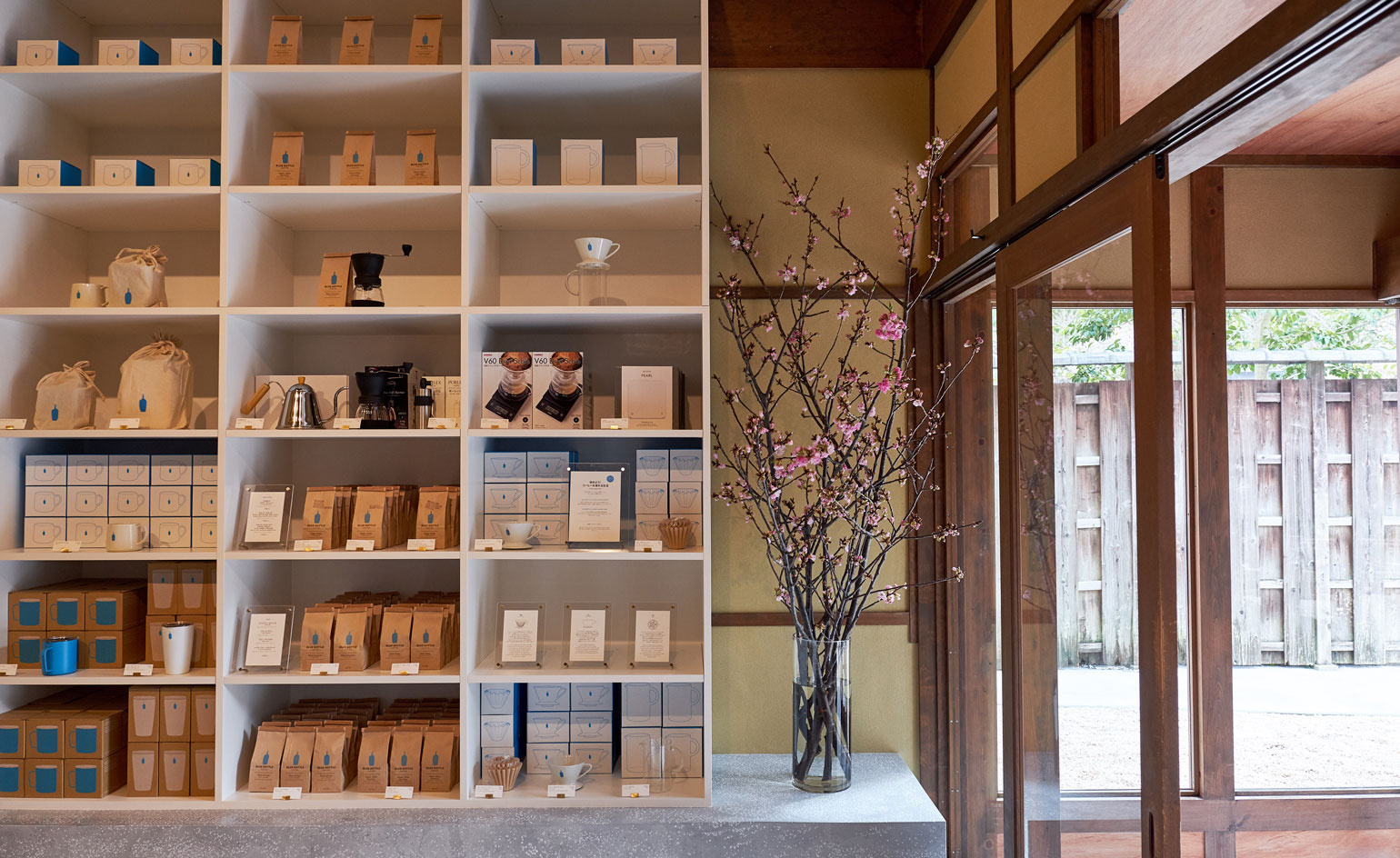
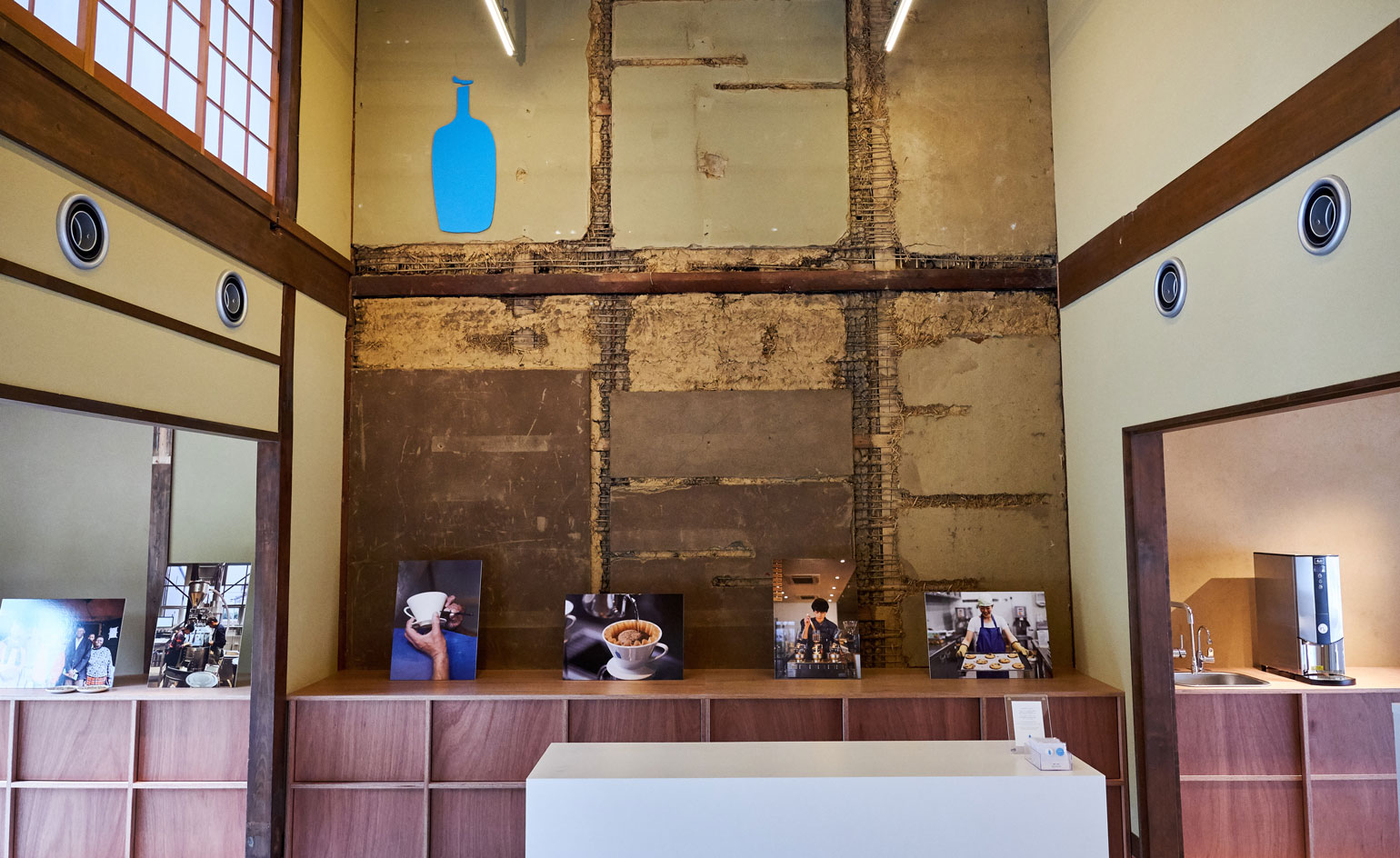
Kayaba Coffee, an old kissaten in Yanaka, was revamped with architectural expertise from Yuko Nagayama & Associates. It preserves the charm of the old kissaten within a traditional machiya-style house, incorporating mid-century modern elements. The interior features old-fashioned furniture, a mirrored roof, and traditional tatami-style seating on the second floor. Sakurai, a tea sanctuary on the fifth floor of Omotesando's Spiral Building, was designed by Simplicity founder Shinichiro Ogata. This small but impactful space includes a tea roasting room, a shop, and a modern teahouse with stunning capital views, centered around a copper-accented tea bar that offers a multi-sensory experience. Blue Bottle Kitaya Park, located in a revamped urban park in Shibuya, features brown volcanic tiles by Dzek and minimalist furniture exclusively designed by Japanese architect Keiji Ashizawa, offering both indoor seating and a terrace for events. Finally, Toraya Akasaka, the flagship store of the famed Japanese confectionery, was refurbished by architect Hiroshi Naito. The two-story café, with its large wood and glass structure topped with a black lacquer roof and hinoki cypress wood interior, presents a traditional yet modern aesthetic, complemented by a basement gallery showcasing intricate wagashi patterns.
#TokyoCafes #CoffeeShops #TeaHouses #CafeDesign #ArchitecturalInteriors #JapaneseDesign #MinimalistAesthetics #TokyoTravel #CafeCulture #TokyoCafes #CoffeeShops #TeaHouses #CafeDesign #ArchitecturalInteriors #JapaneseDesign #MinimalistAesthetics #TokyoTravel #CafeCulture
0 comment in total
 No comments yet
You may also like
12 best Japanese tea rooms and green tea cafés in Tokyo
The world’s best coffee shops for design lovers

Feast Your Eyes on the Radiant, Quirky Interiors of the Best Los Angeles Cafés

Best High Tea Spots in San Francisco for a Classy Treat
The World’s 29 Most Beautifully Designed Coffee Shops

The best design-led coffee shops in Seoul to start your day right
40 Beautiful Coffee Bar Ideas for the Perfect Morning Routine
17 Designer-Approved Modern Coffee Bar Ideas We're Loving a LATTE

10 most beautiful cafes in India for those who love decor as much as food
Brewing in Style: IDD’s Must-Visit Coffee Shops by Renowned Architects

Counter culture: the best NYC coffee bars for design devotees
London's coolest design-led coffee shops for your Fashion Week fix
36+ At-Home Coffee Station Ideas for the Ultimate Café Experience

heys Coffee Shop / BREND

Looking for the Best Cafés in Miami? Pin These Upliftingly-Designed Hotspots on Your Map

Inside a Japanese Tea House in SoHo
9 most beautiful Starbucks in Japan – from Tokyo to Hokkaido

Kyoto’s first Blue Bottle Coffee shop is an architectural zen retreat

6 Remarkable Destinations For Tea In New York City
10 best shops in Kappabashi kitchen town: Japanese knives, bento boxes and more