1/2
These 20 Rooms Will Make You Want a Wooden Ceiling of Your Own
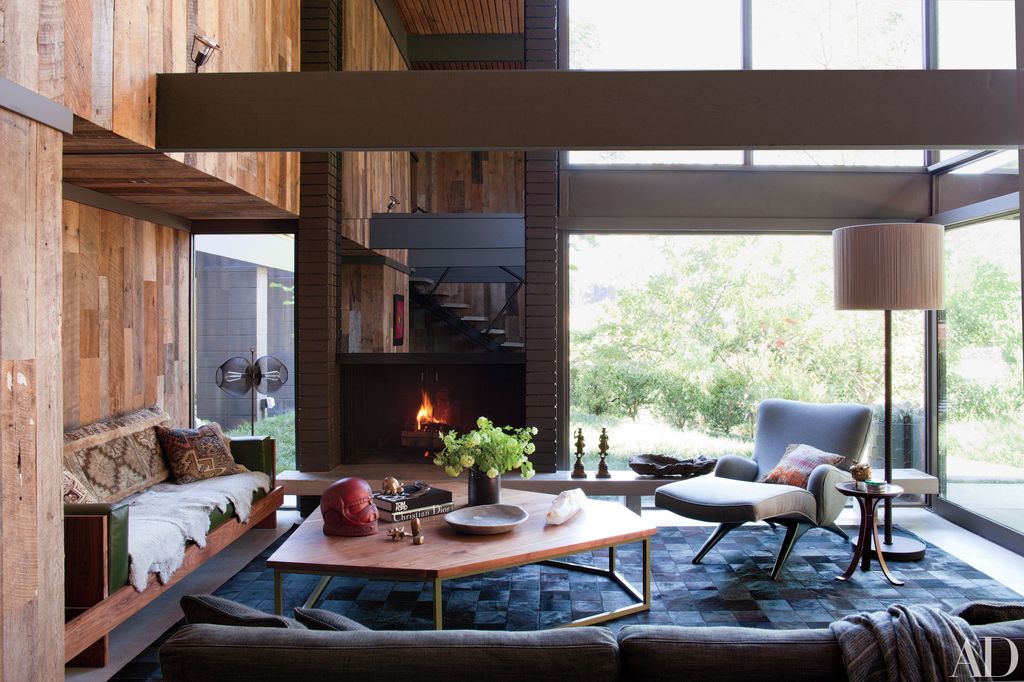
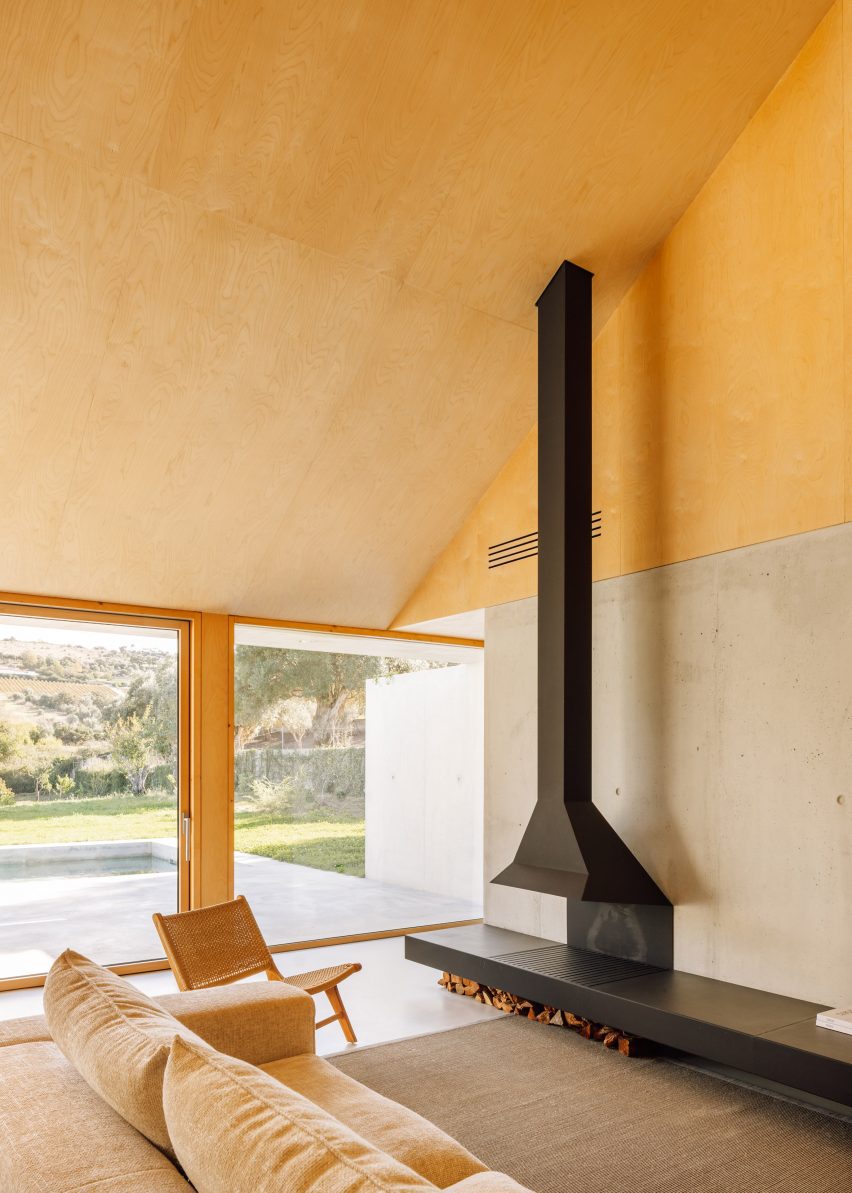
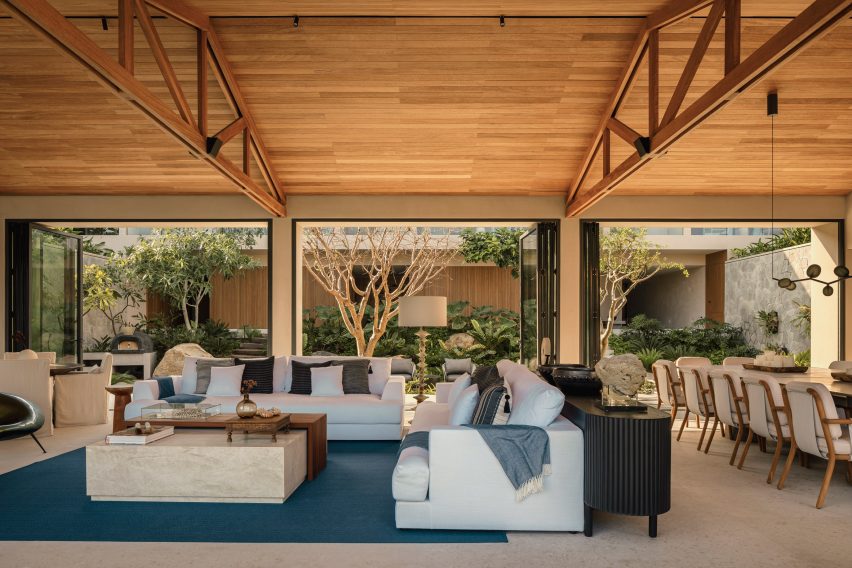
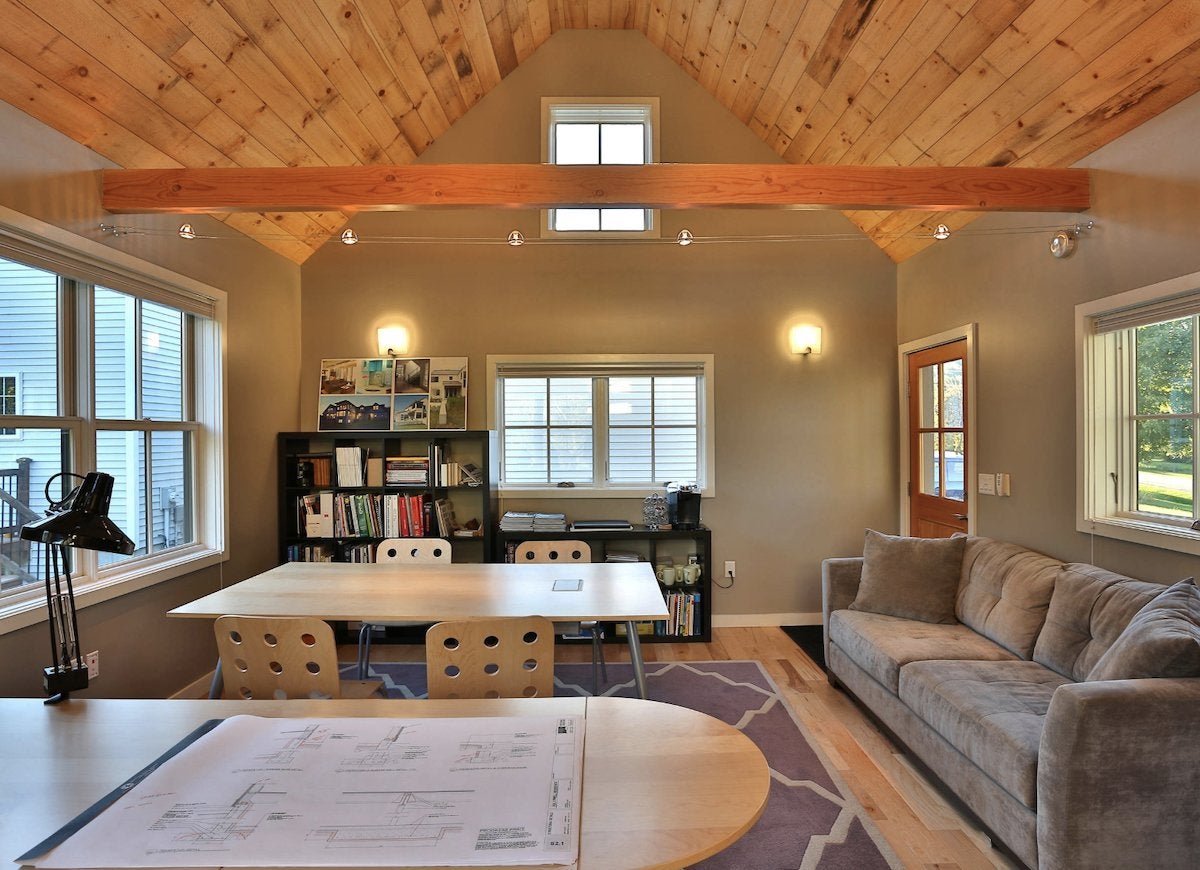
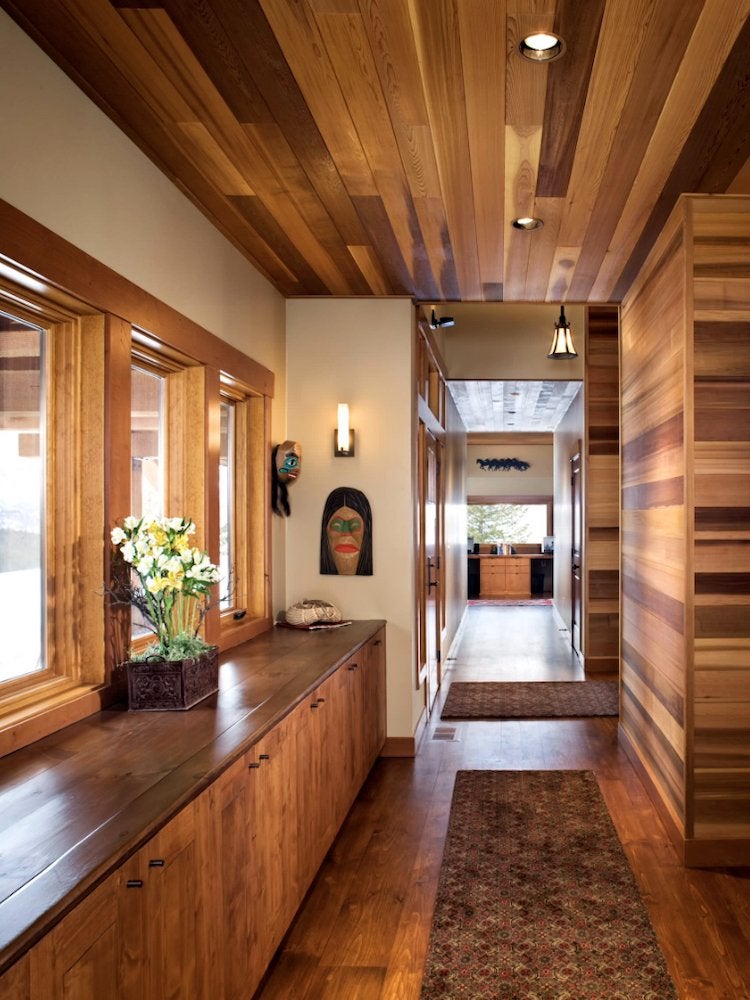
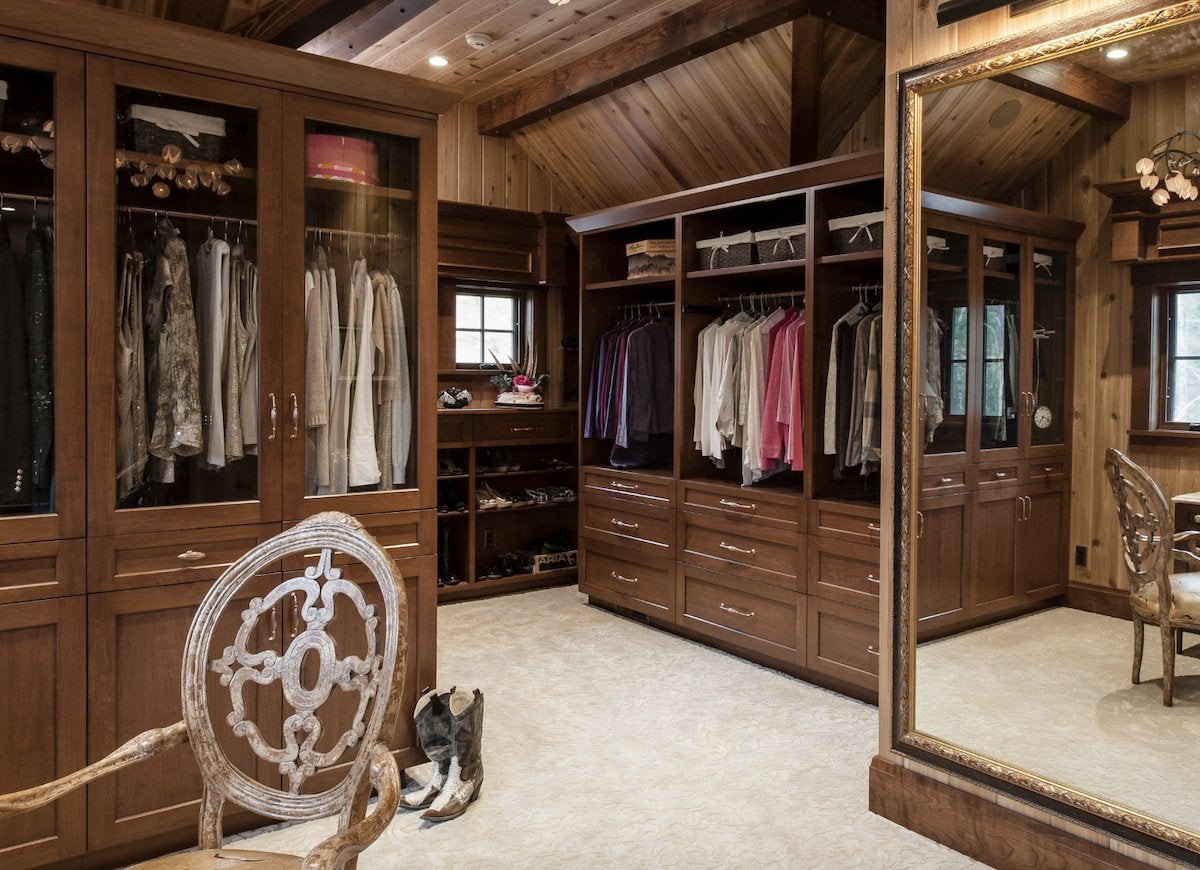
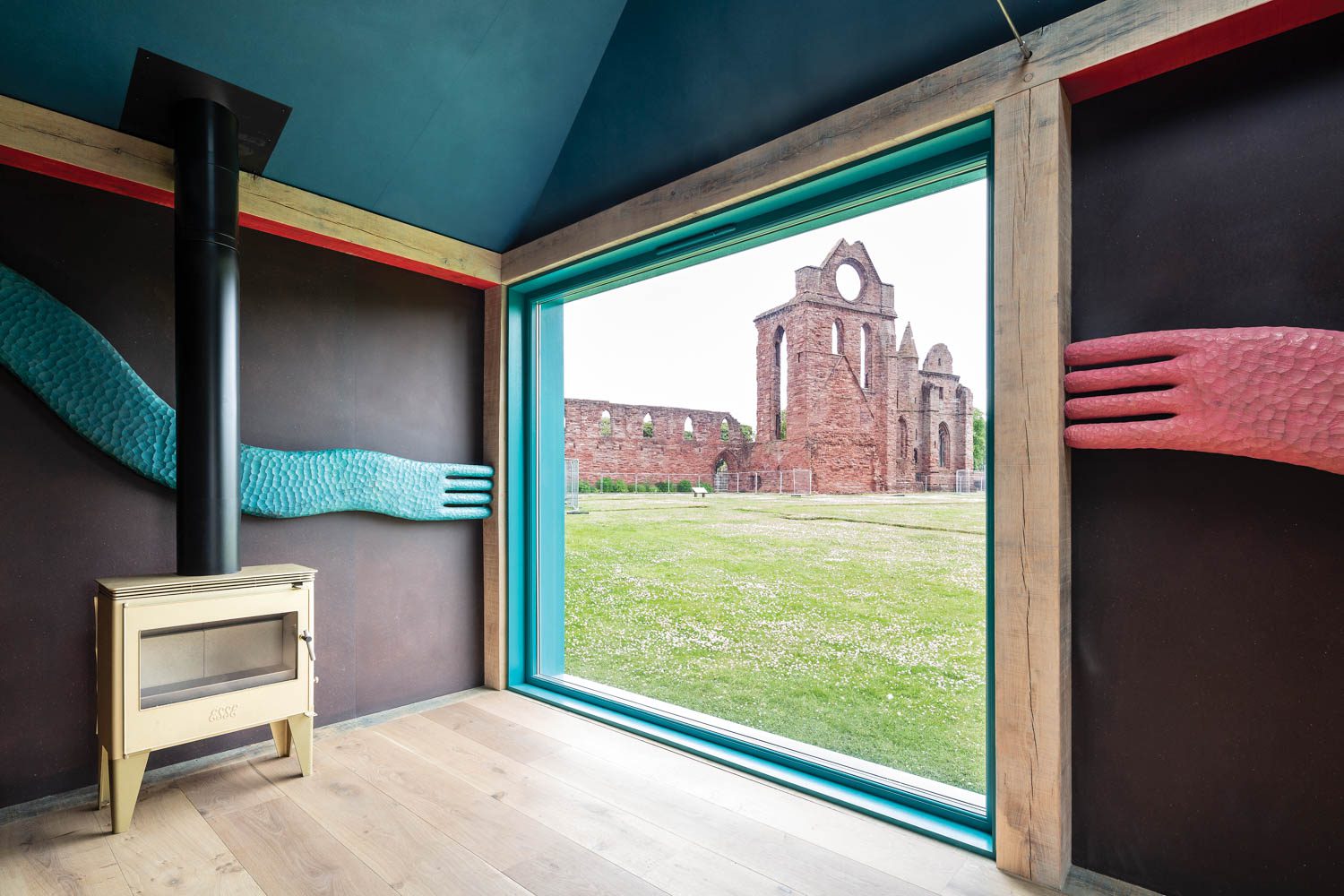
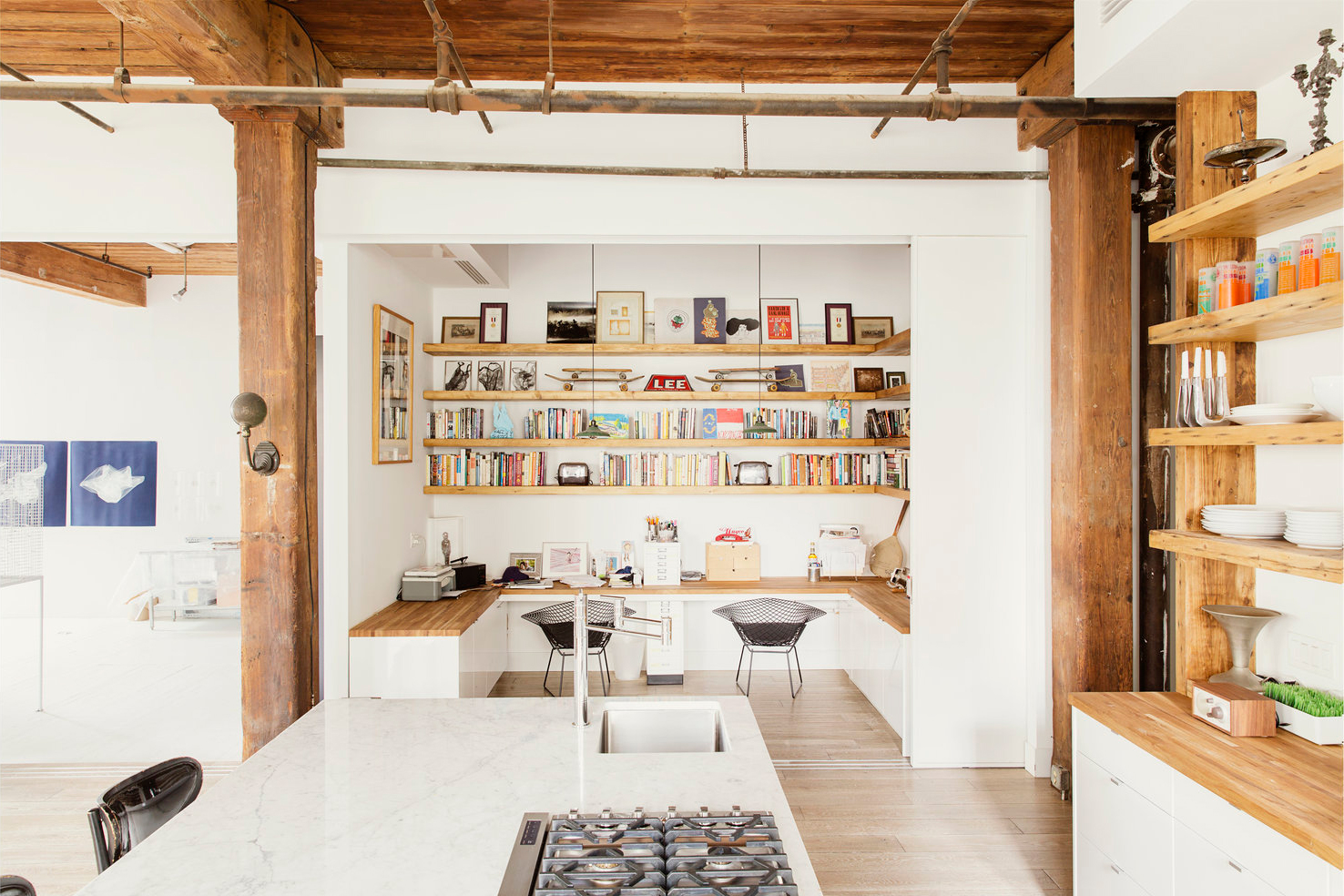
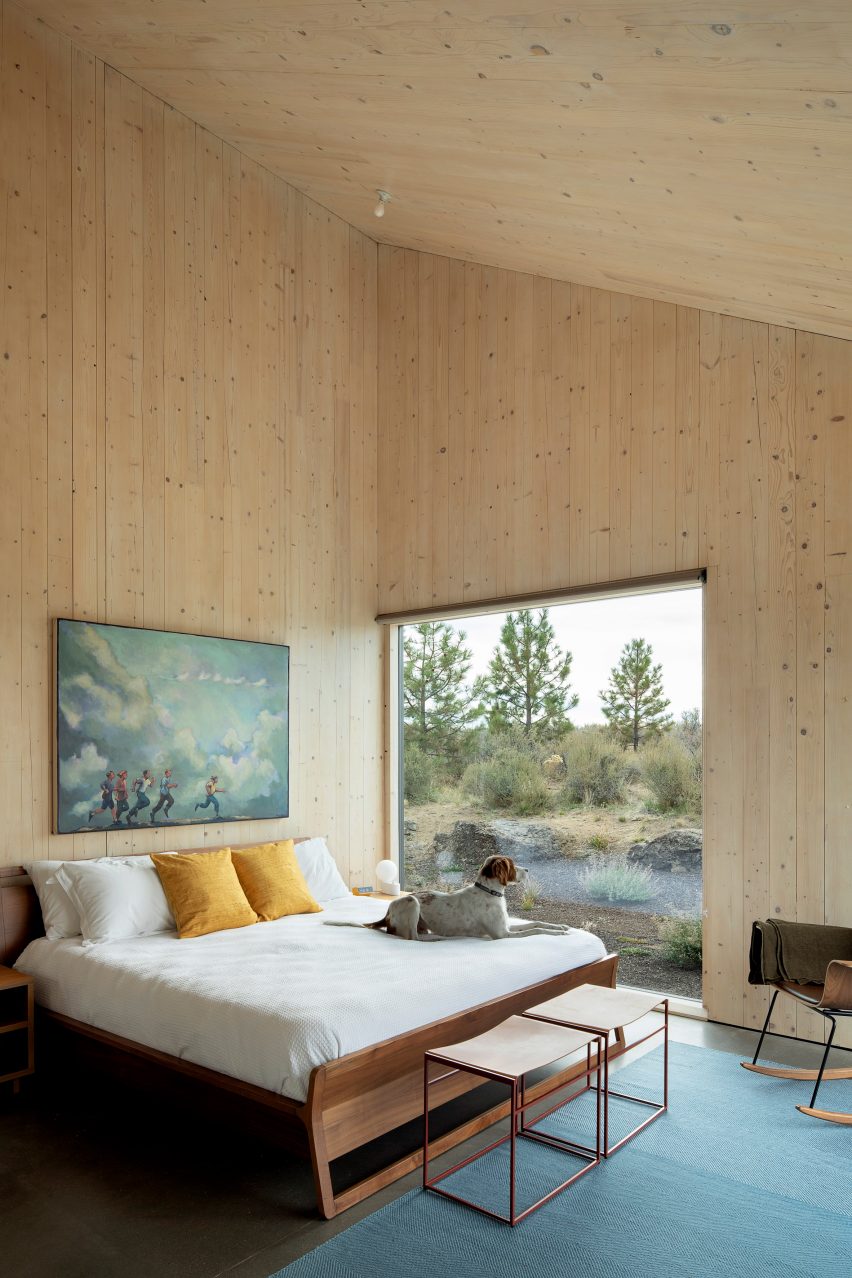
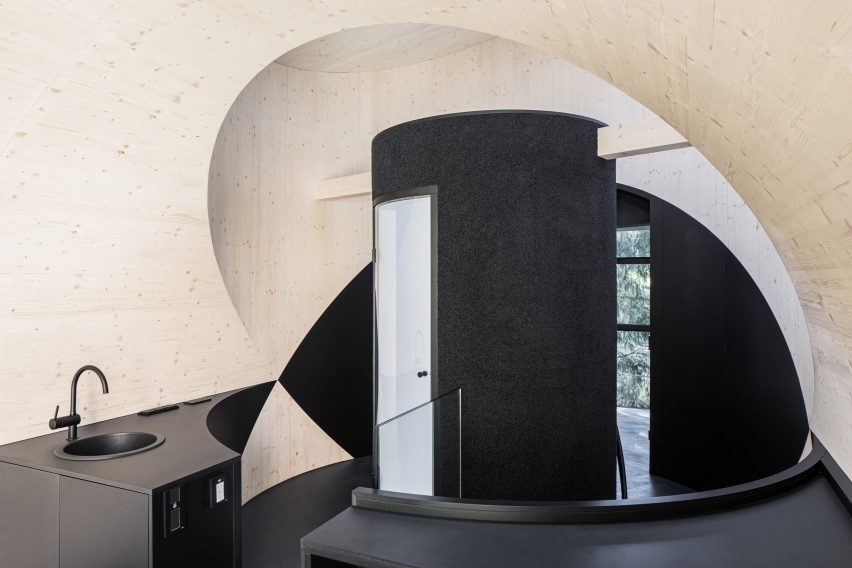
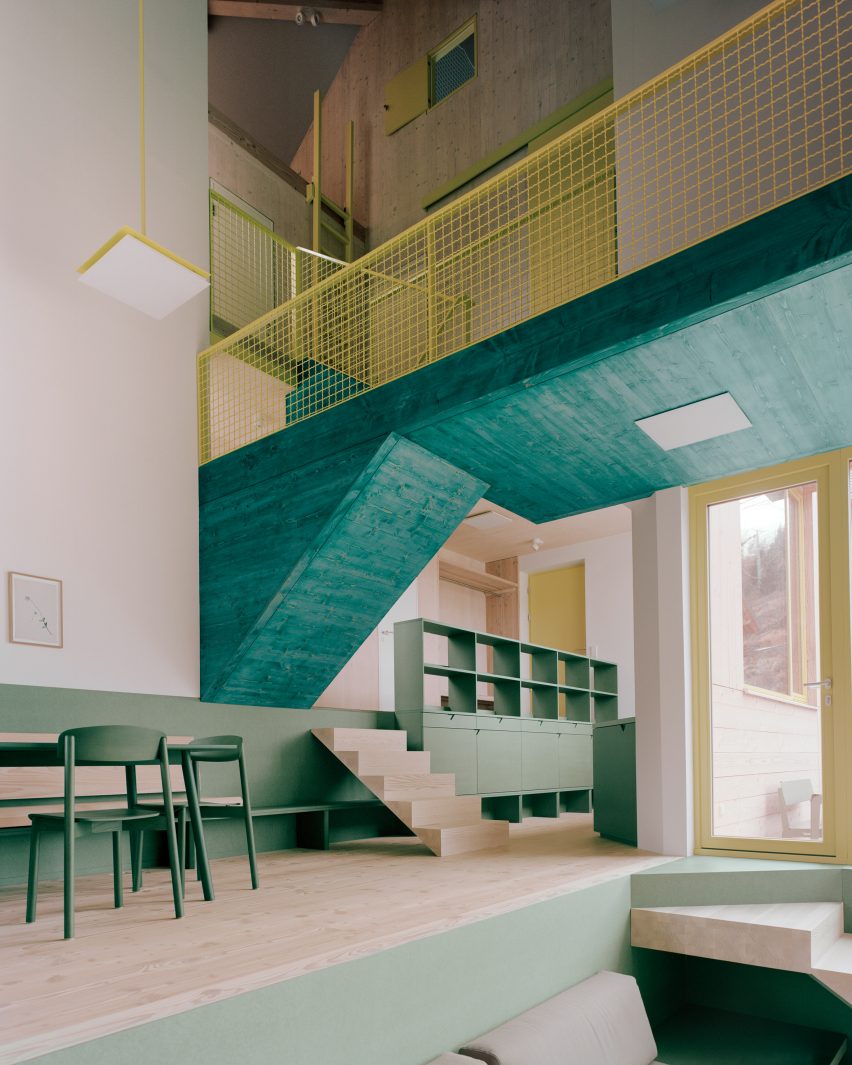
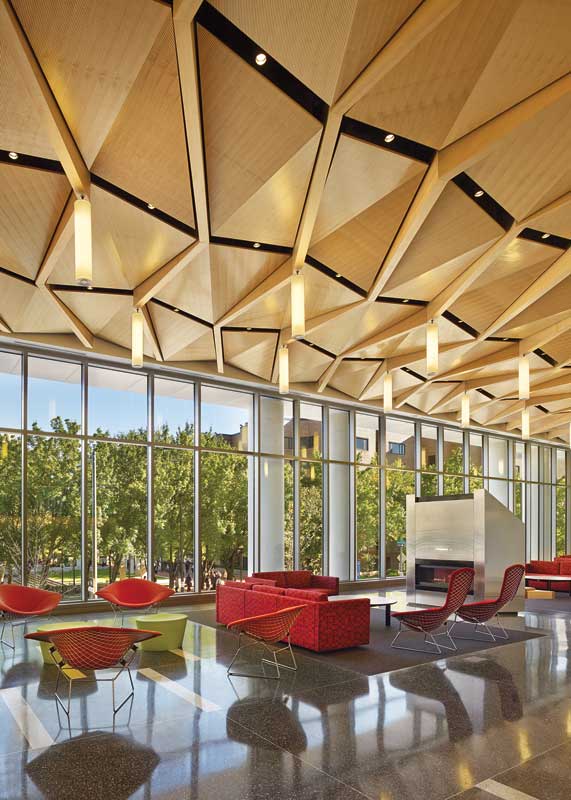
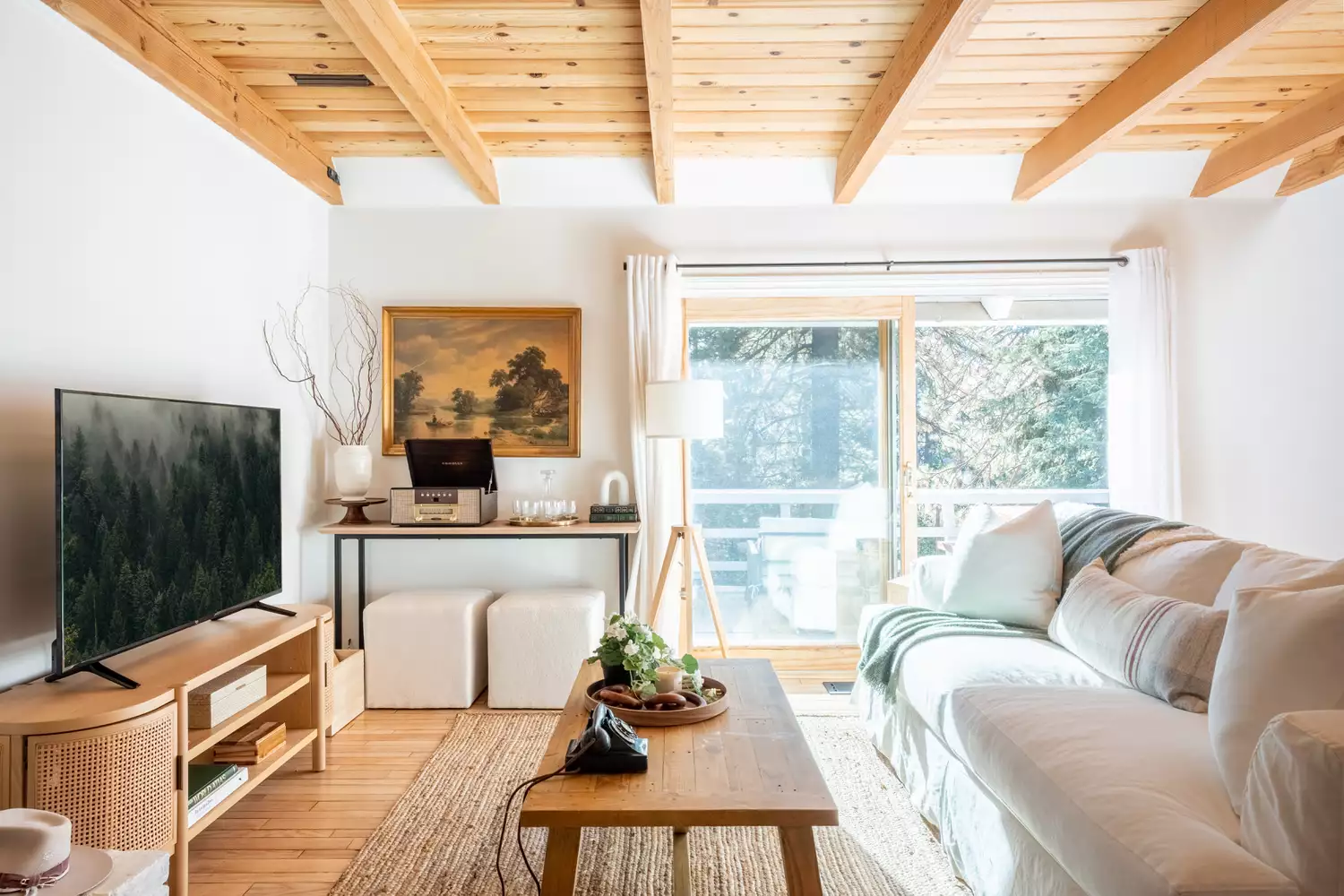
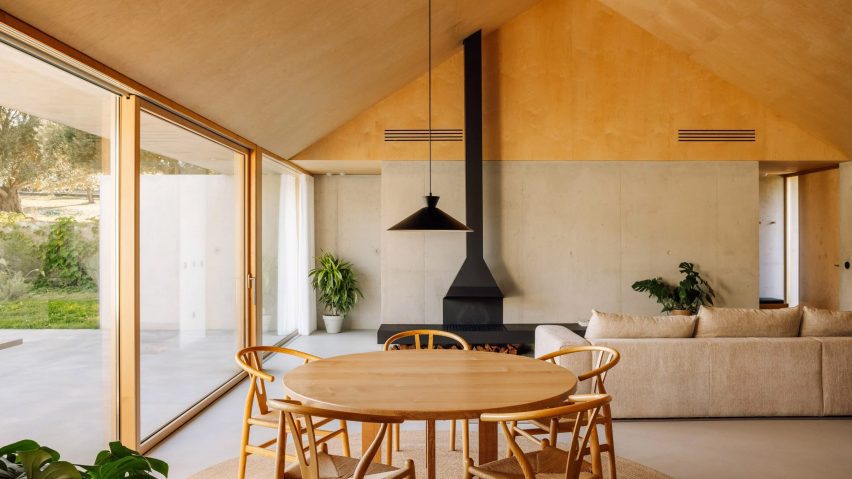
Wooden ceilings are a popular design choice, adding warmth and richness to any space while offering aesthetic and functional benefits. Jen Dallas of Jen Dallas Interior Architecture & Design Studio notes that wood ceilings can lighten rooms with a soft, relaxing feel that painted ceilings often cannot achieve. Beyond their visual appeal, they provide natural insulation and soundproofing and require minimal maintenance, making them a versatile option for various rooms. Whether left in their natural state or painted, wood ceilings enhance the overall look and feel of a home.
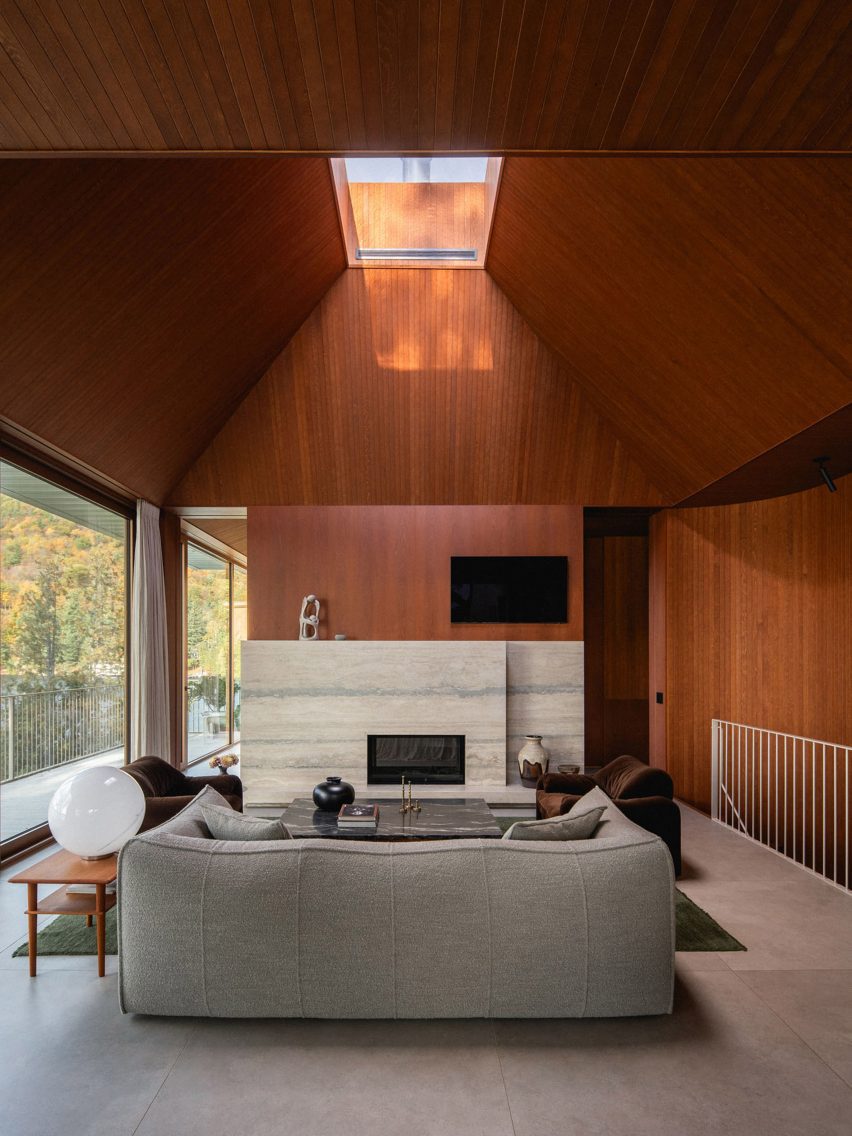
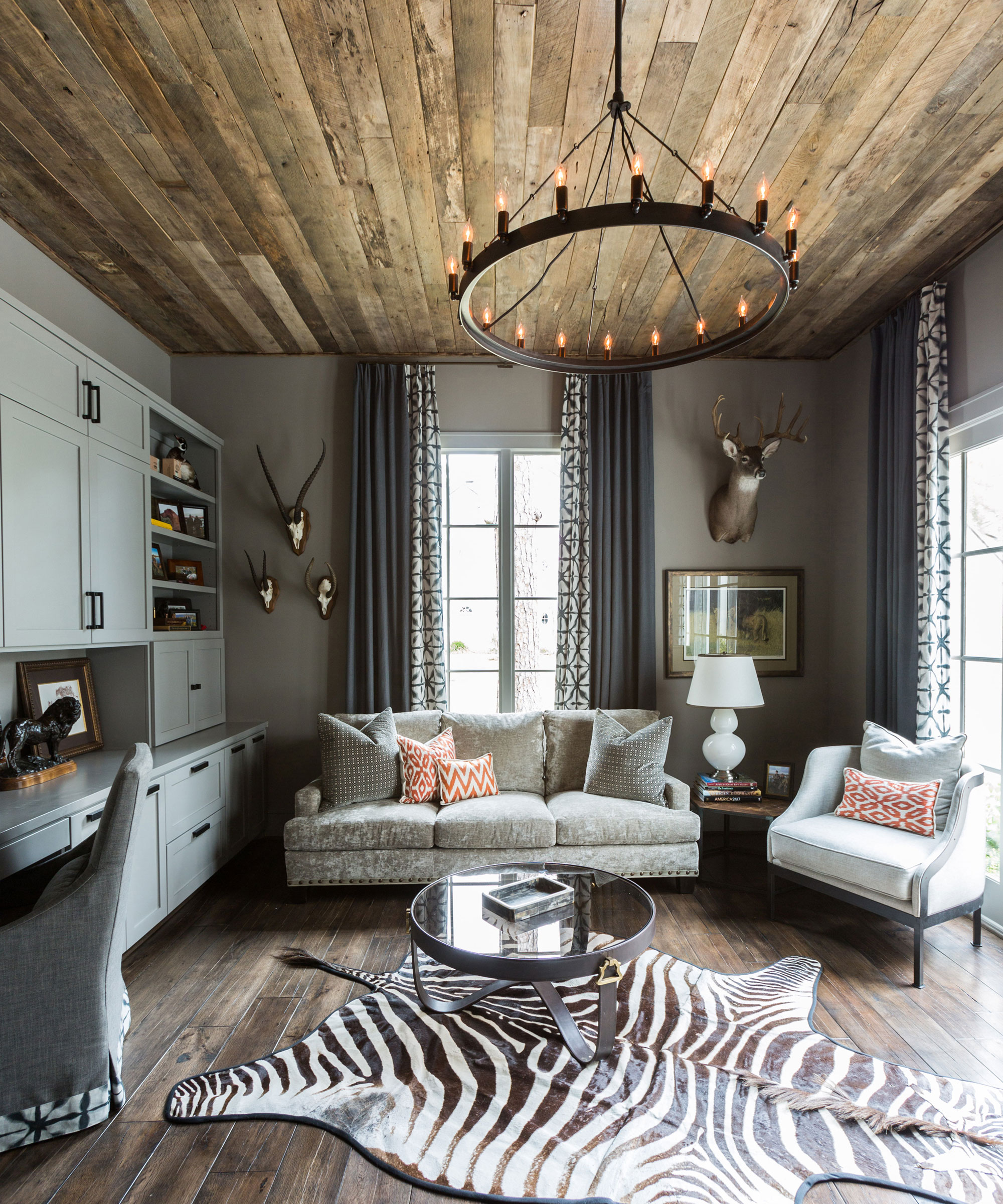
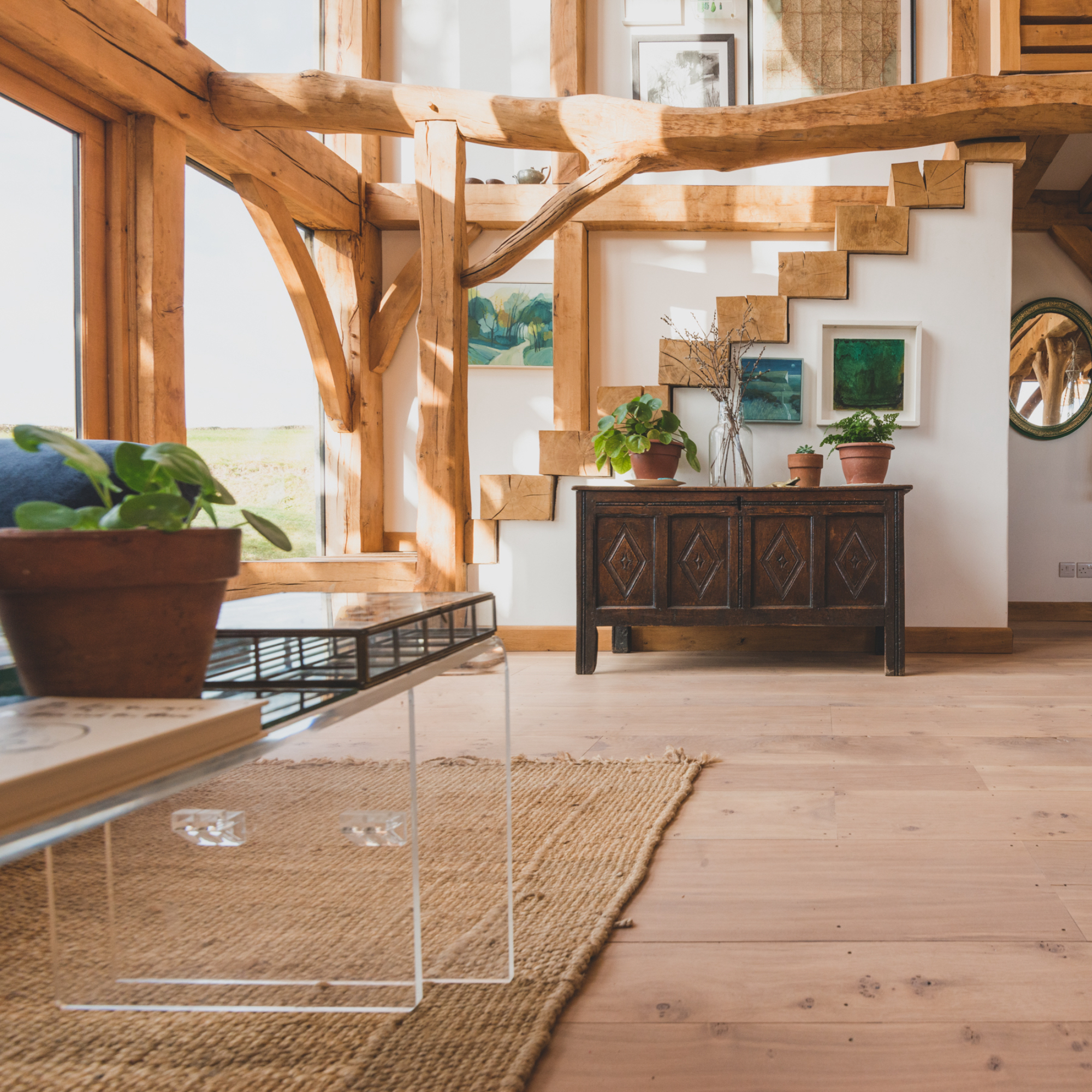
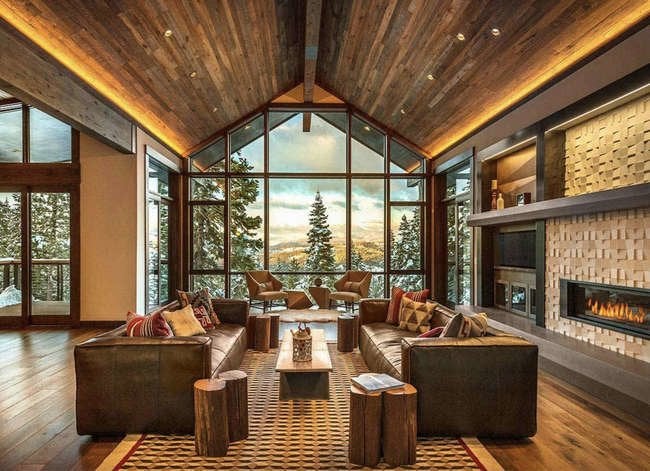
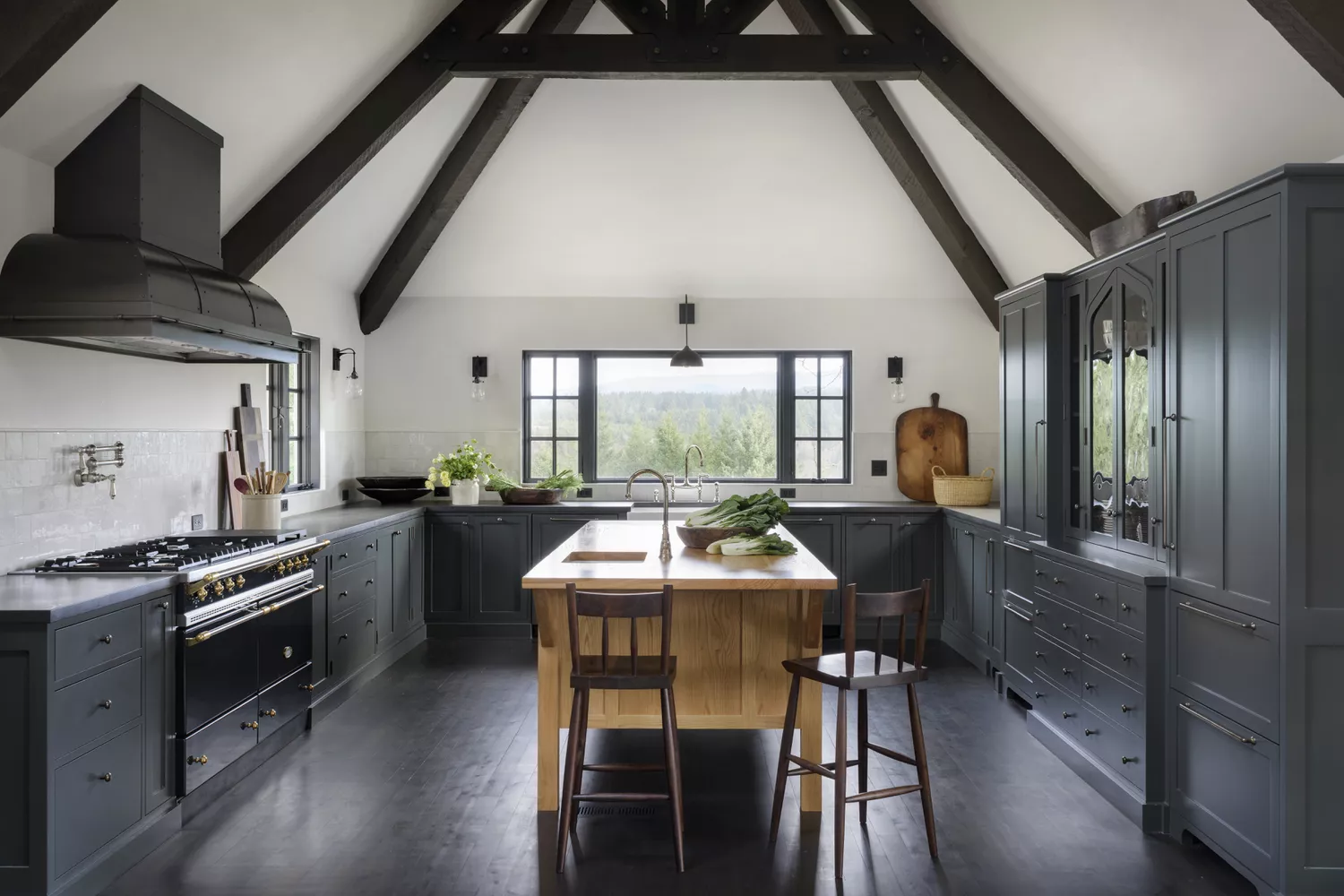
Wood ceilings can be seamlessly integrated into many rooms. In bathrooms, wooden beams can complement existing wooden cabinetry, creating a cohesive and airy primary bath suite. For bedrooms, particularly those with a midcentury modern aesthetic, a rich wood ceiling can add character, especially when paired with an accent wall. In great rooms and family rooms with high ceilings, wood can be utilized effectively, with skylights and greenery preventing the space from feeling too dark. Even kitchens can benefit from wood ceilings, as they can enhance cabinetry and introduce visual warmth, according to Lisa Kooistra of Lisa Kooistra Designs. Rustic aesthetics can be further accentuated by incorporating antique wooden pieces alongside a wood ceiling.
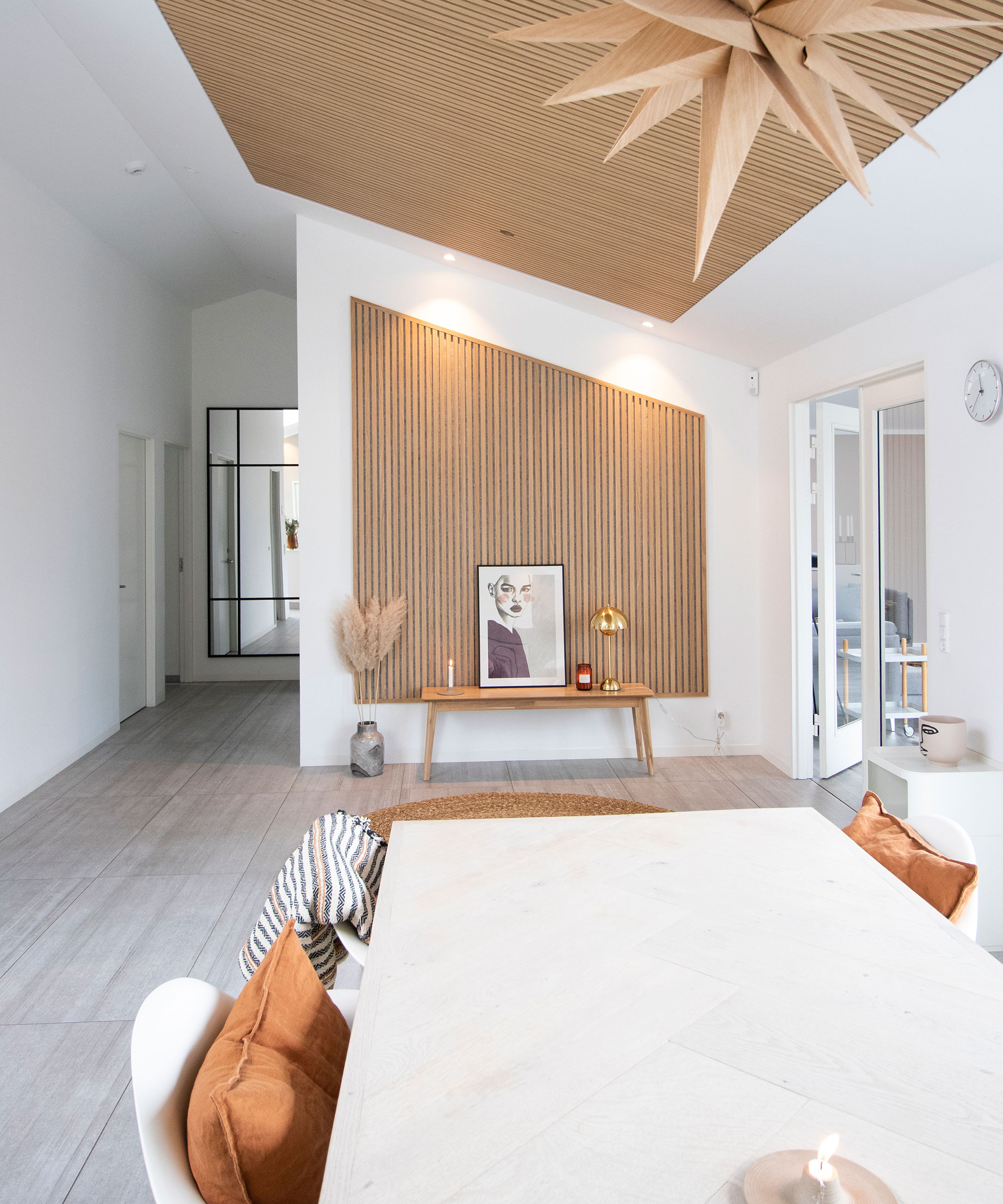
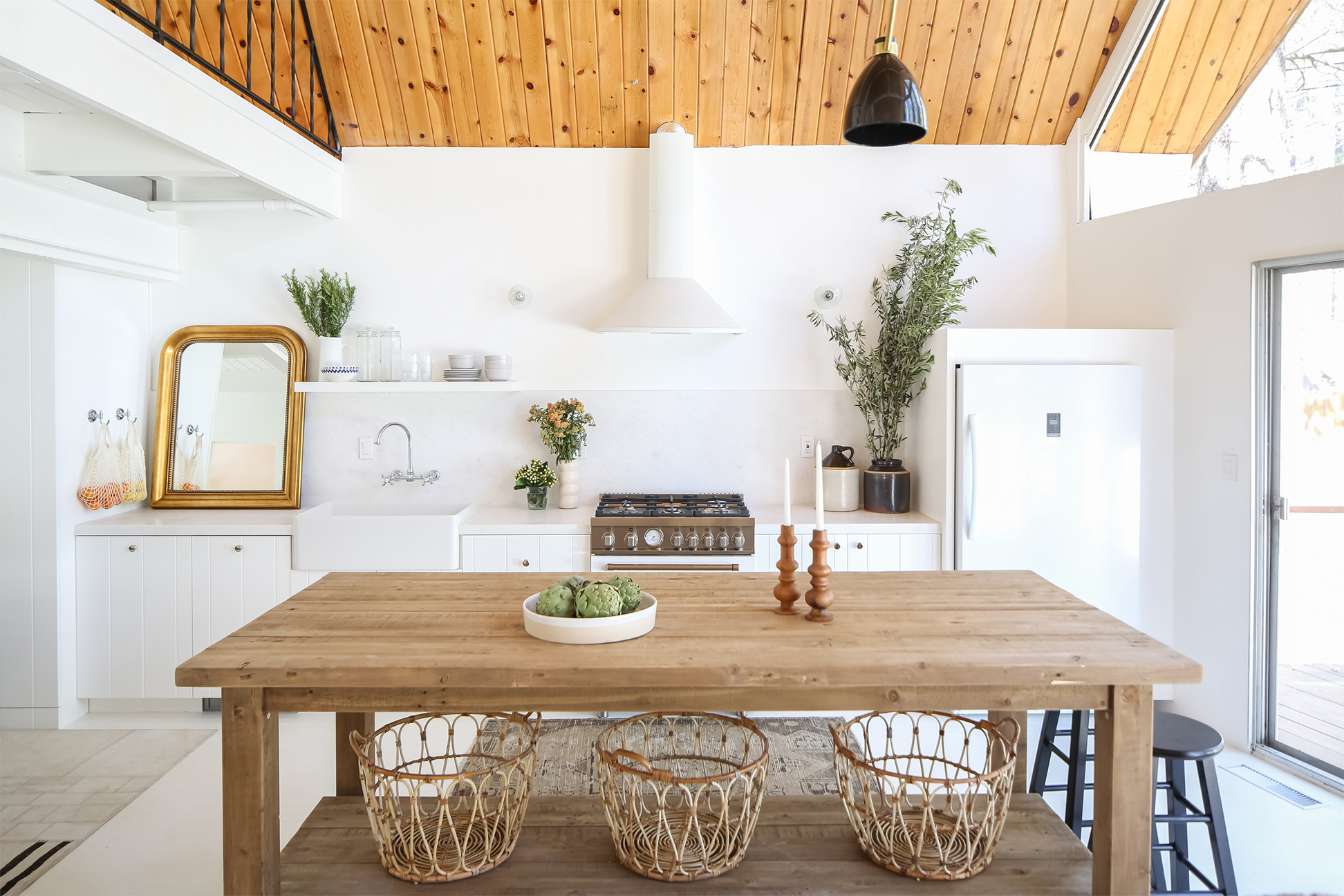
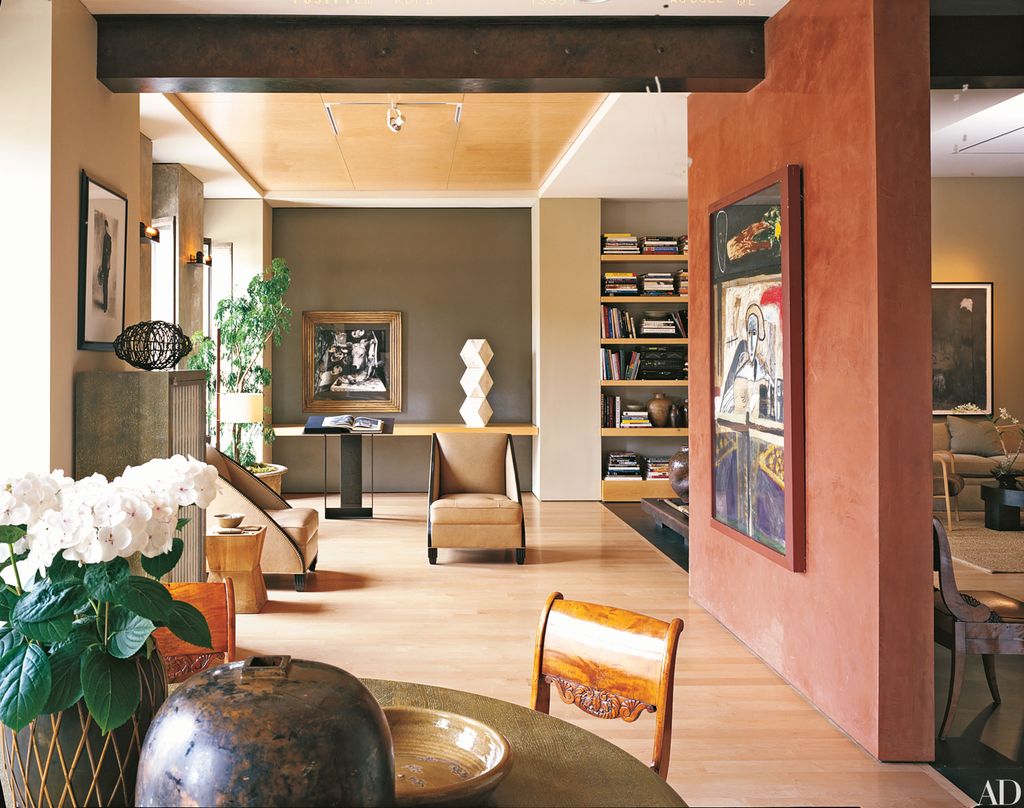
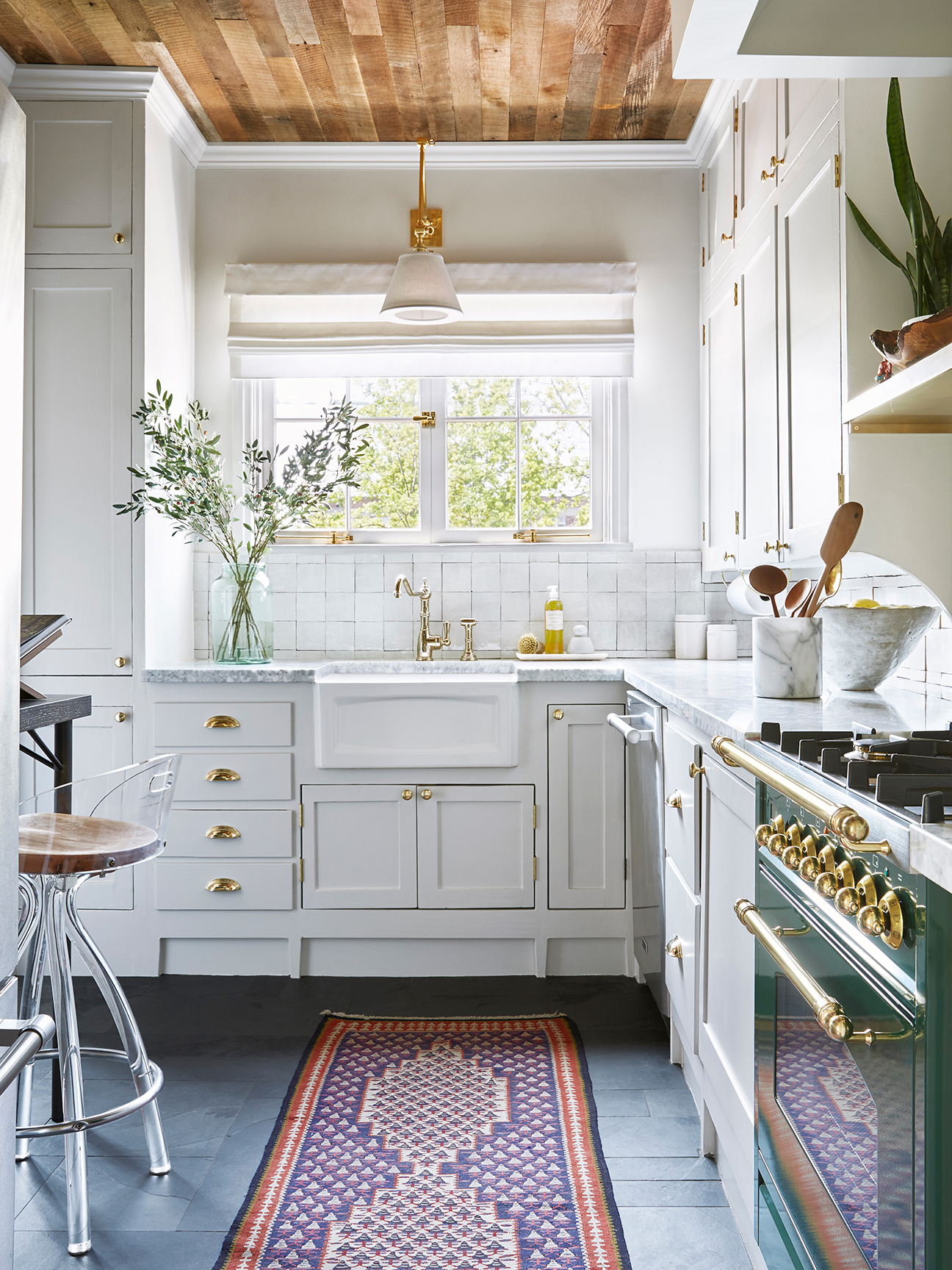
Wood ceilings are also effective in all-white kitchens, where a wide plank design can add character and a farmhouse feel, contrasting nicely with elements like a painted beadboard backsplash. Modern spaces can also incorporate lighter wood ceilings, proving that these elements are not limited to traditional designs. Mixing and matching different wood tones within a space, such as pairing a warm wood ceiling with a lighter built-in shelf, can create visual interest. For open-concept floor plans, wooden ceilings can define and warm large areas, though designer Jen Dallas advises caution in smaller rooms where wood might make the space feel smaller, depending on the desired ambiance.
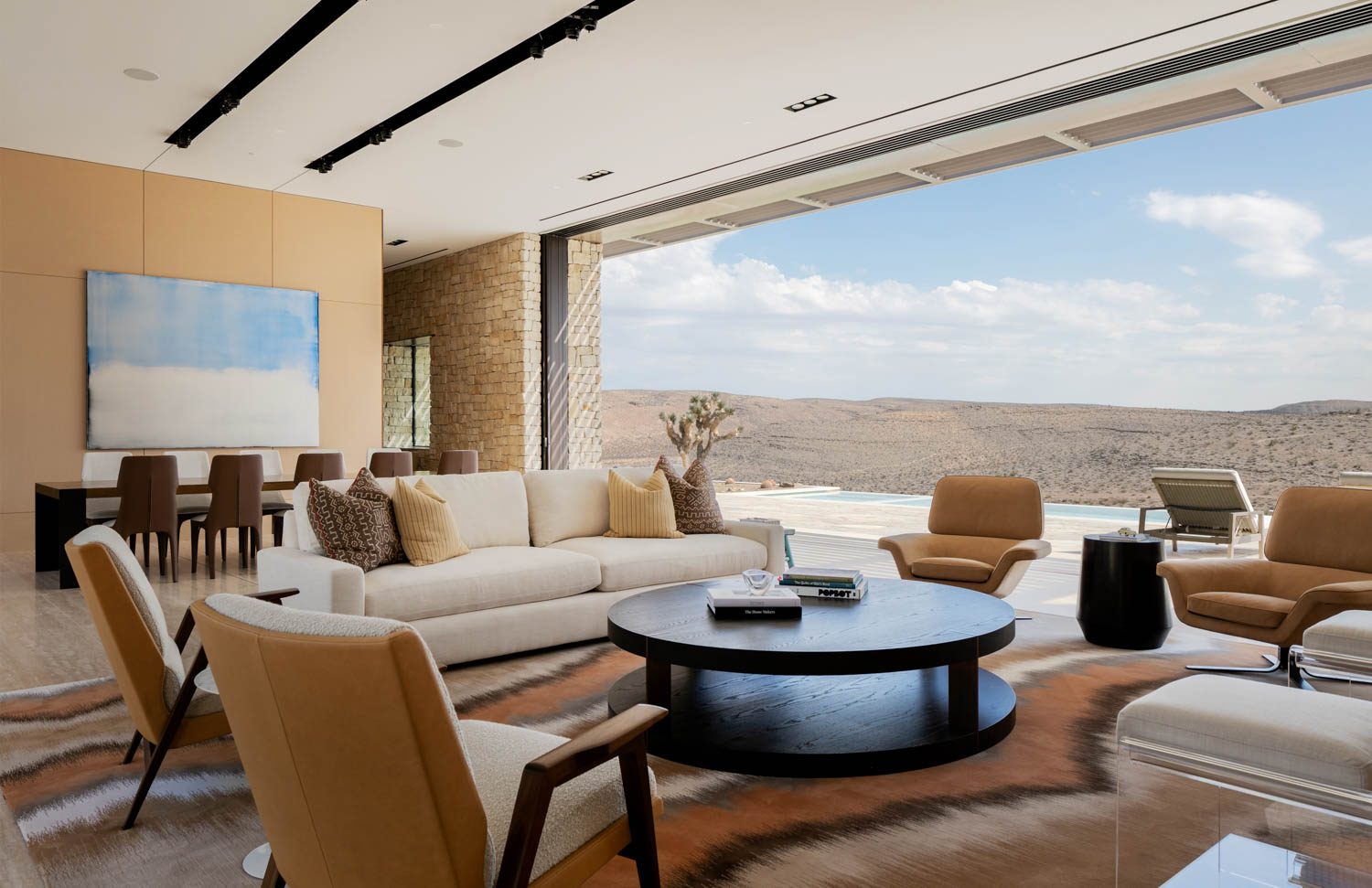
While natural wood ceilings are common, they can also be painted white or other colors to suit the room's character, as noted by John Ike of Ike Baker Velten. Pairing wood ceilings with other natural materials like stone can create a cozy and inviting family room. Functionally, wood ceilings are practical for kitchens and bathrooms due to their ability to tolerate varying conditions and humidity levels. When selecting furniture and decor, it is important to ensure they complement the wood ceiling's color and style, whether rustic, refined, traditional, or modern.
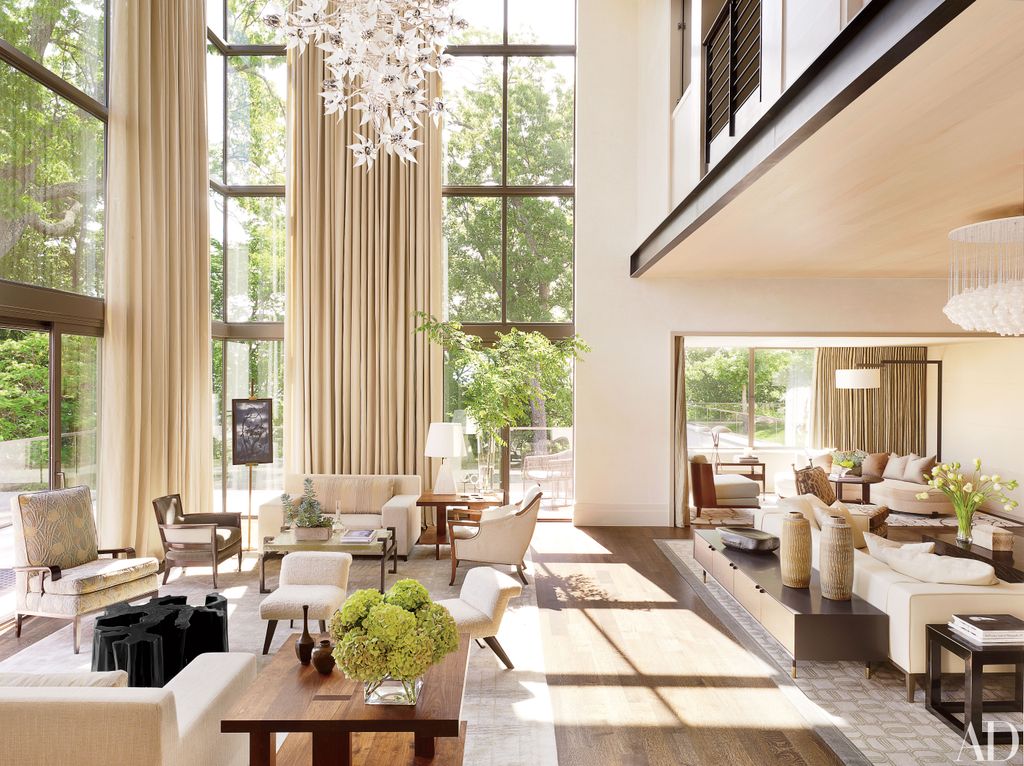
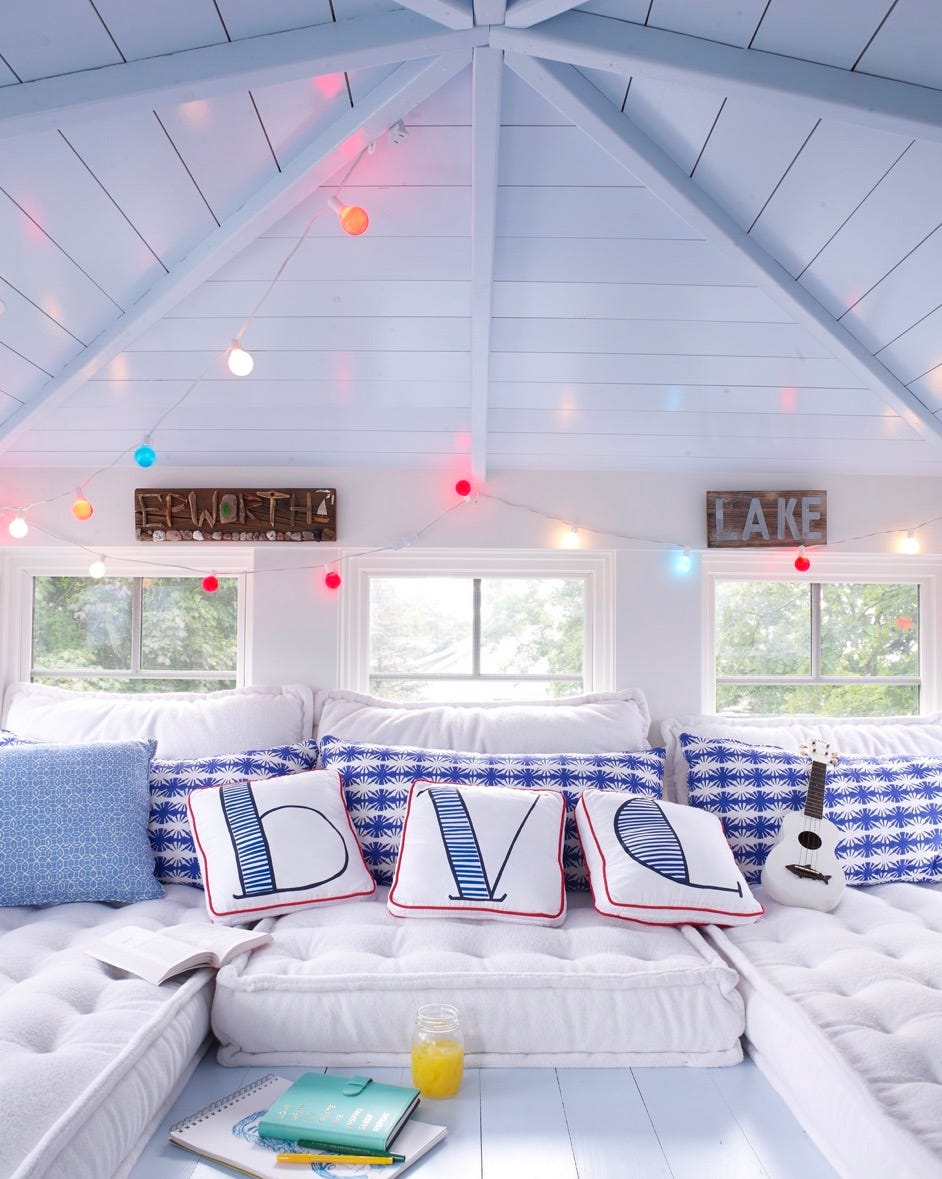
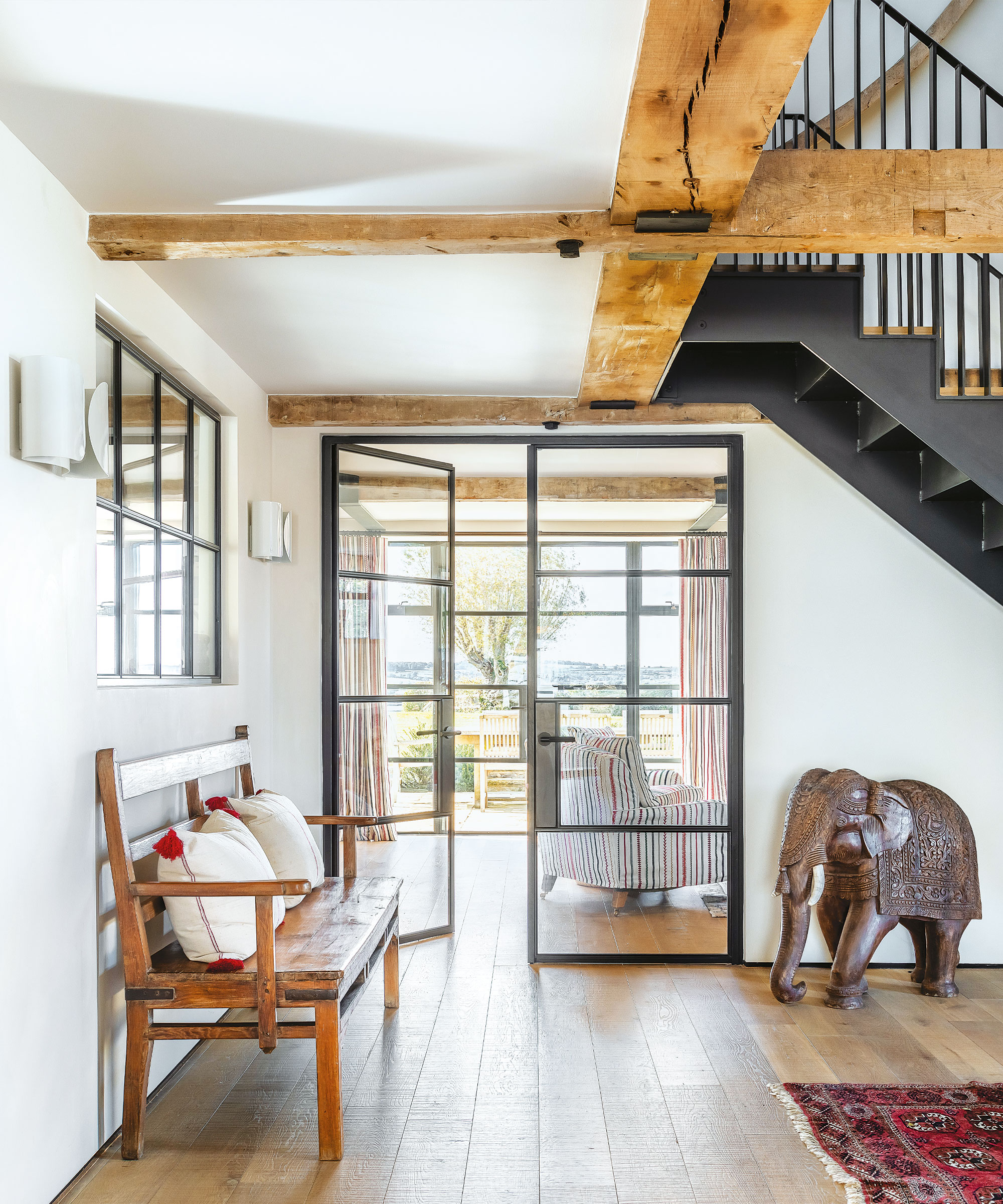
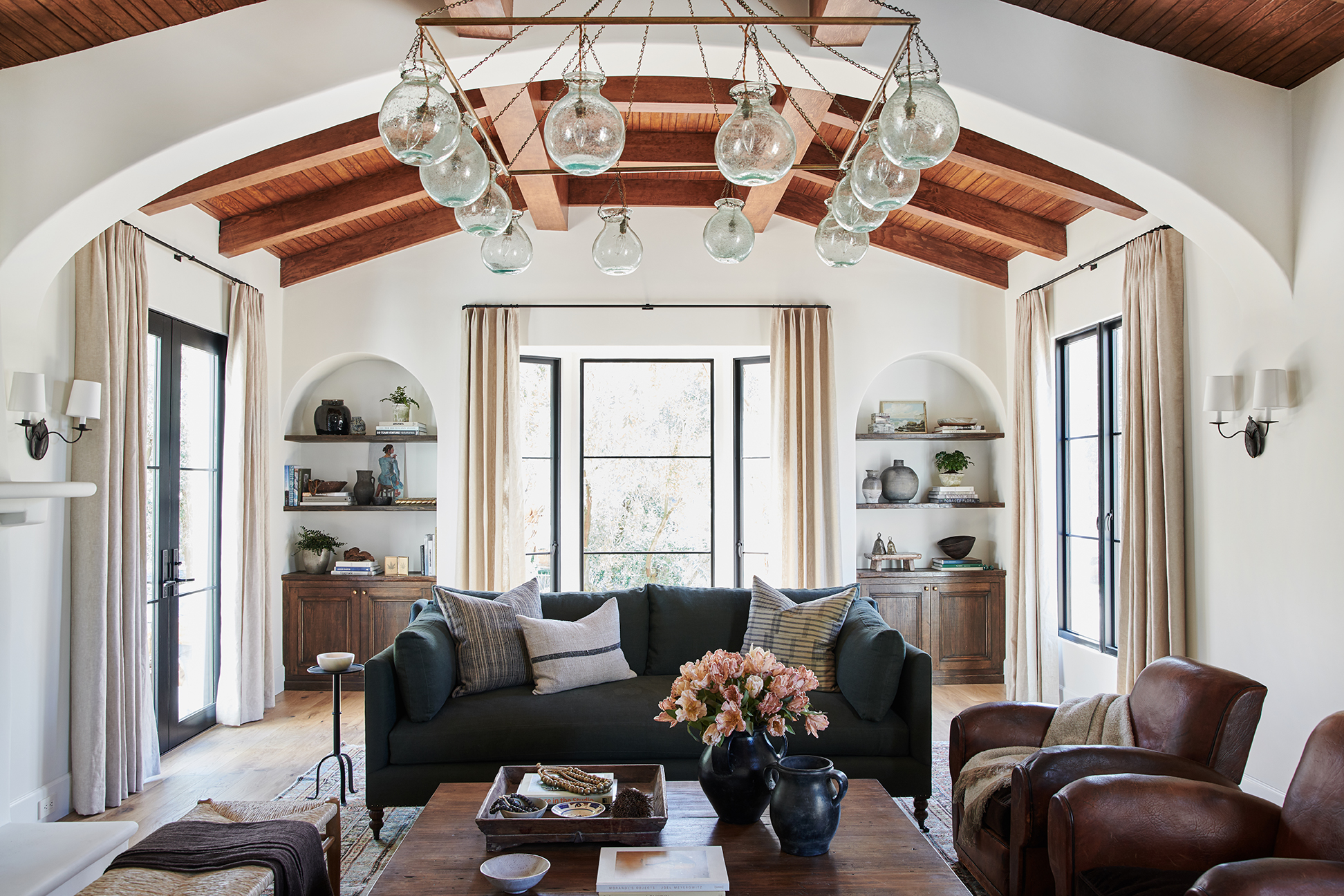
Beyond solid wood ceilings, exposed wooden beams, even when painted white, can add texture and visual interest. Intentional placement of furniture, such as an oversized wooden hutch, can further enhance the integration of wood elements. Wood can transform a standard ceiling into a focal point, elevating an often-overlooked surface. Installing a dazzling light fixture can draw additional attention to the wood ceiling, provided it aligns with the room's overall style. Even just a few wooden beams can add significant architectural intrigue to a living room. Various wood types, including oak, walnut, cherry, maple, and ash, are suitable for ceilings, with costs typically ranging from $2 to $20 per square foot, depending on the chosen material. While wood offers beauty, timelessness, and improved acoustics, potential drawbacks include warping from water damage, pest infestations, and increased fire risk.
#WoodCeilings #HomeDesign #InteriorDecorating #RoomDesign #CeilingIdeas #RusticDecor #ModernDesign #HomeImprovement #WoodCeilings #HomeDesign #InteriorDecorating #RoomDesign #CeilingIdeas #RusticDecor #ModernDesign #HomeImprovement
0 comment in total
 No comments yet
You may also like
20 Craftsman-Inspired Bedrooms That You'll Want To Sleep In
11 Breathtaking Ideas for a Wood Ceiling
Hardwood Isn’t Just for Your Floors Anymore
You and Your Tween Will Love These 20 Creative Rooms
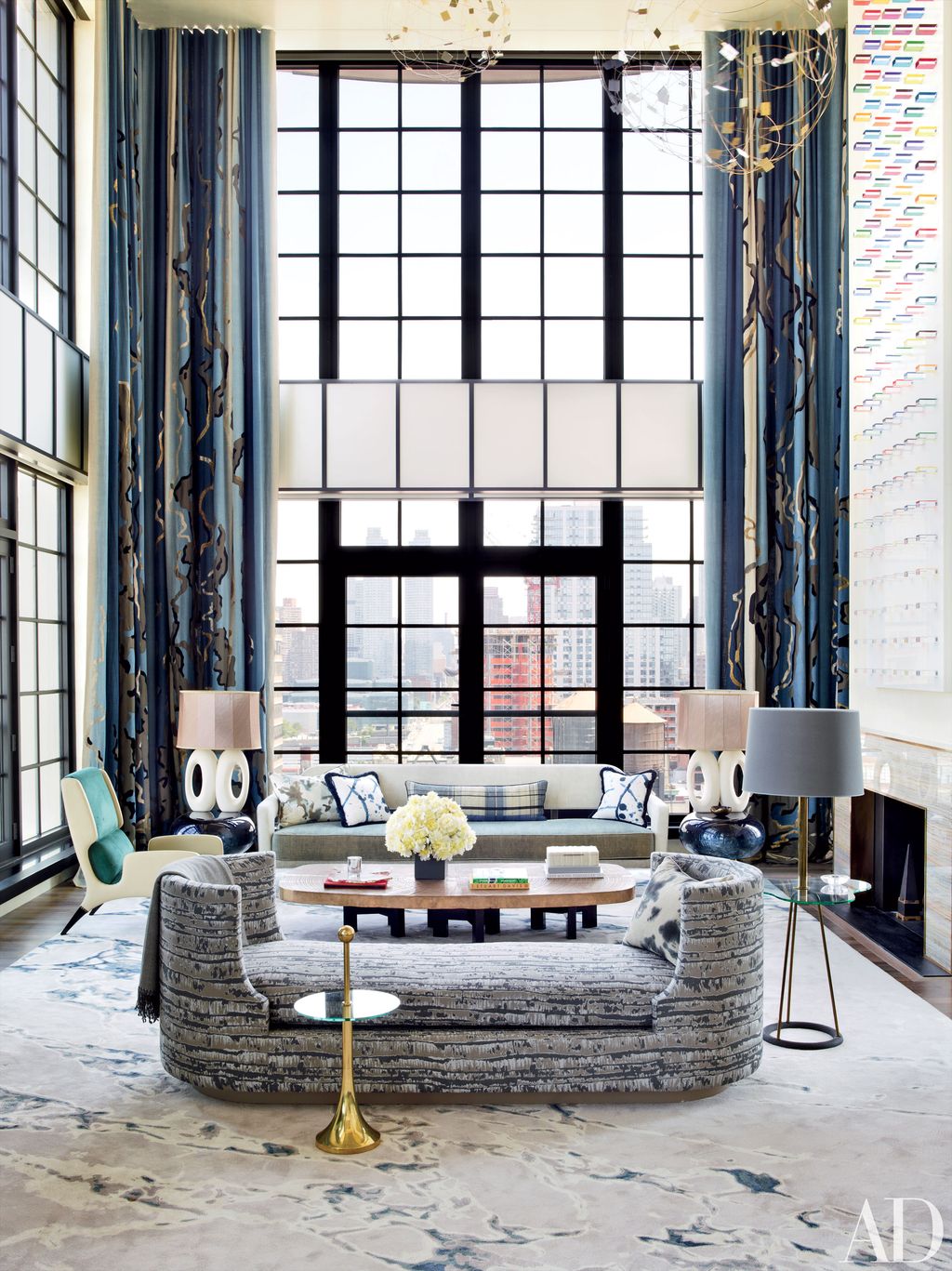
19 Gorgeous Rooms with Double-Height Ceilings

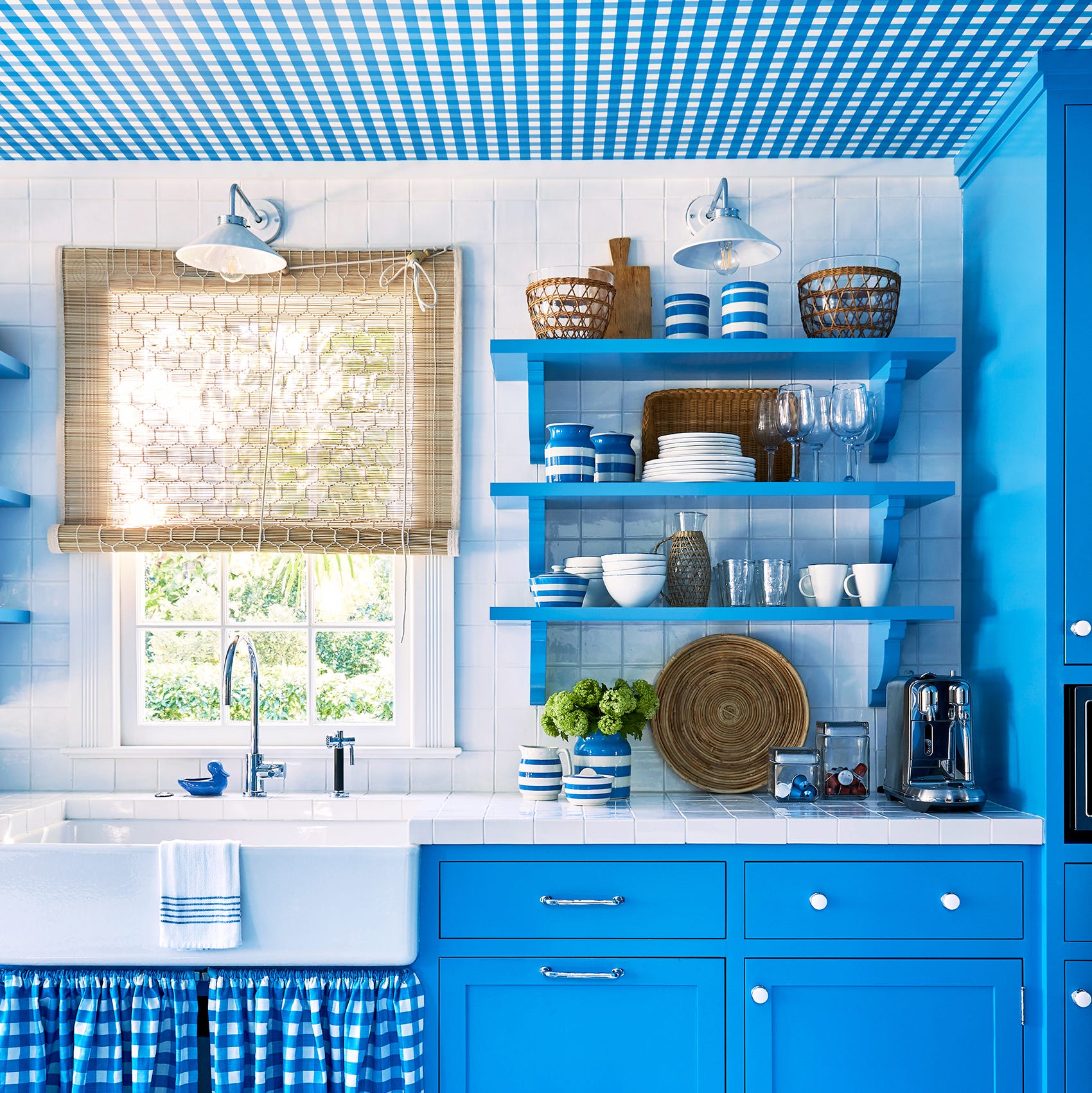
These Designer Rooms Will Convince You to Wallpaper Your Ceiling ASAP

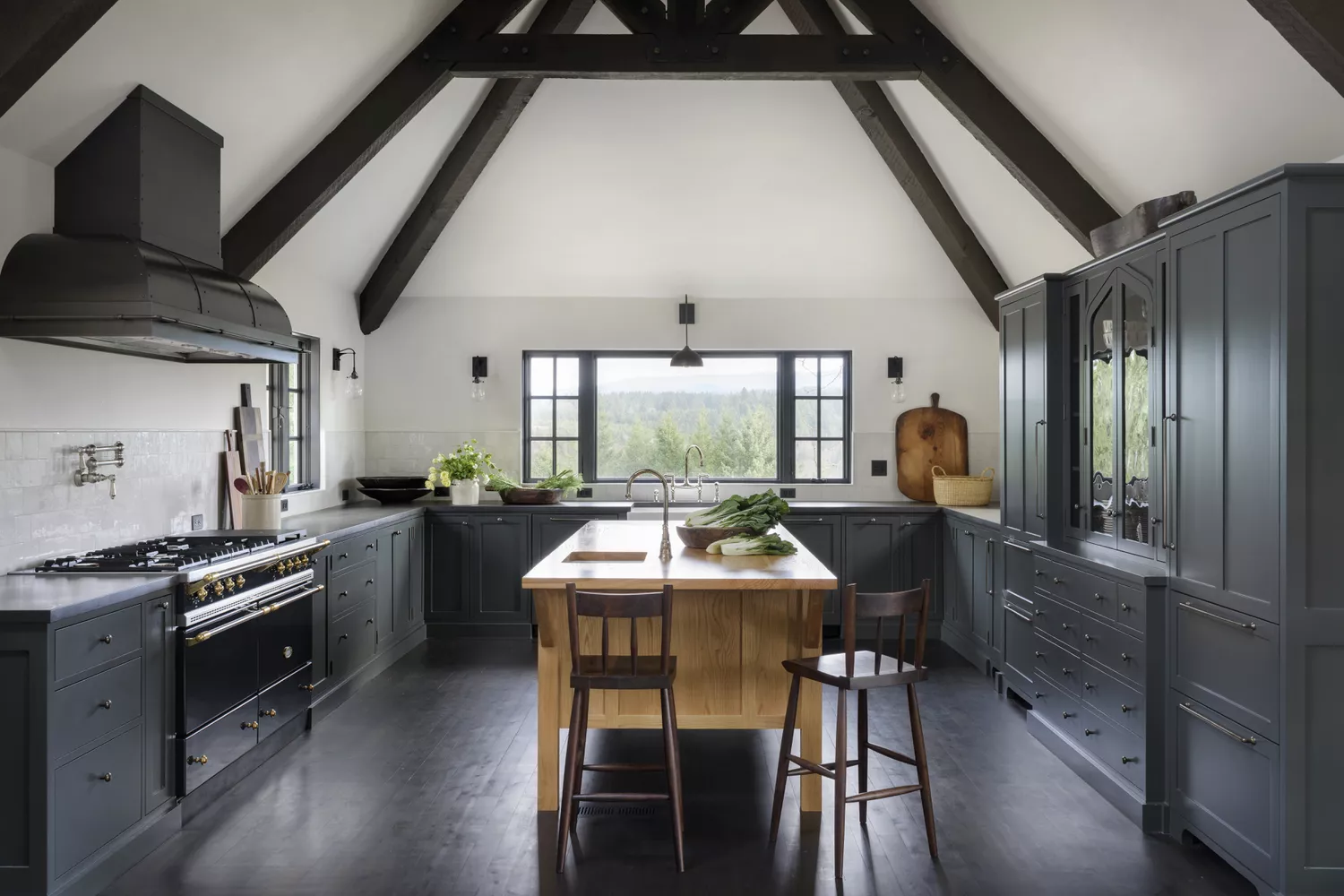
12 Inspiring Rooms That Will Convince You to Paint Your Wood Floors

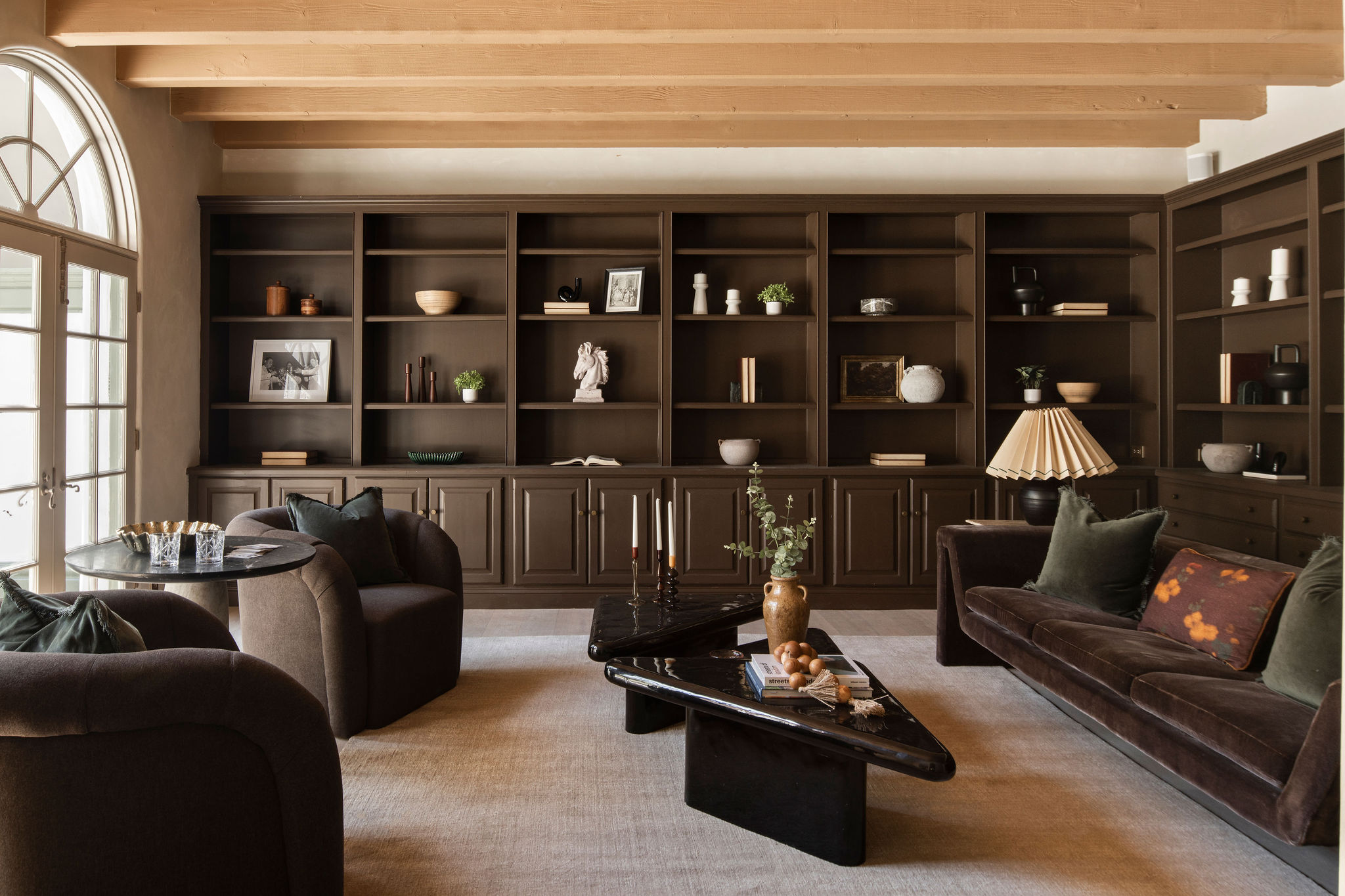
Luxury Living Room Ideas — 20 Sophisticated Spaces Filled With Elevated Details

Eight living rooms where wood-clad ceilings add a sense of warmth
12 Inspiring Rooms That Will Convince You to Paint Your Wood Floors
10 Loft Spaces Elevating Apartment Design
10 living room wood floor ideas that will add elegance and style to this key space
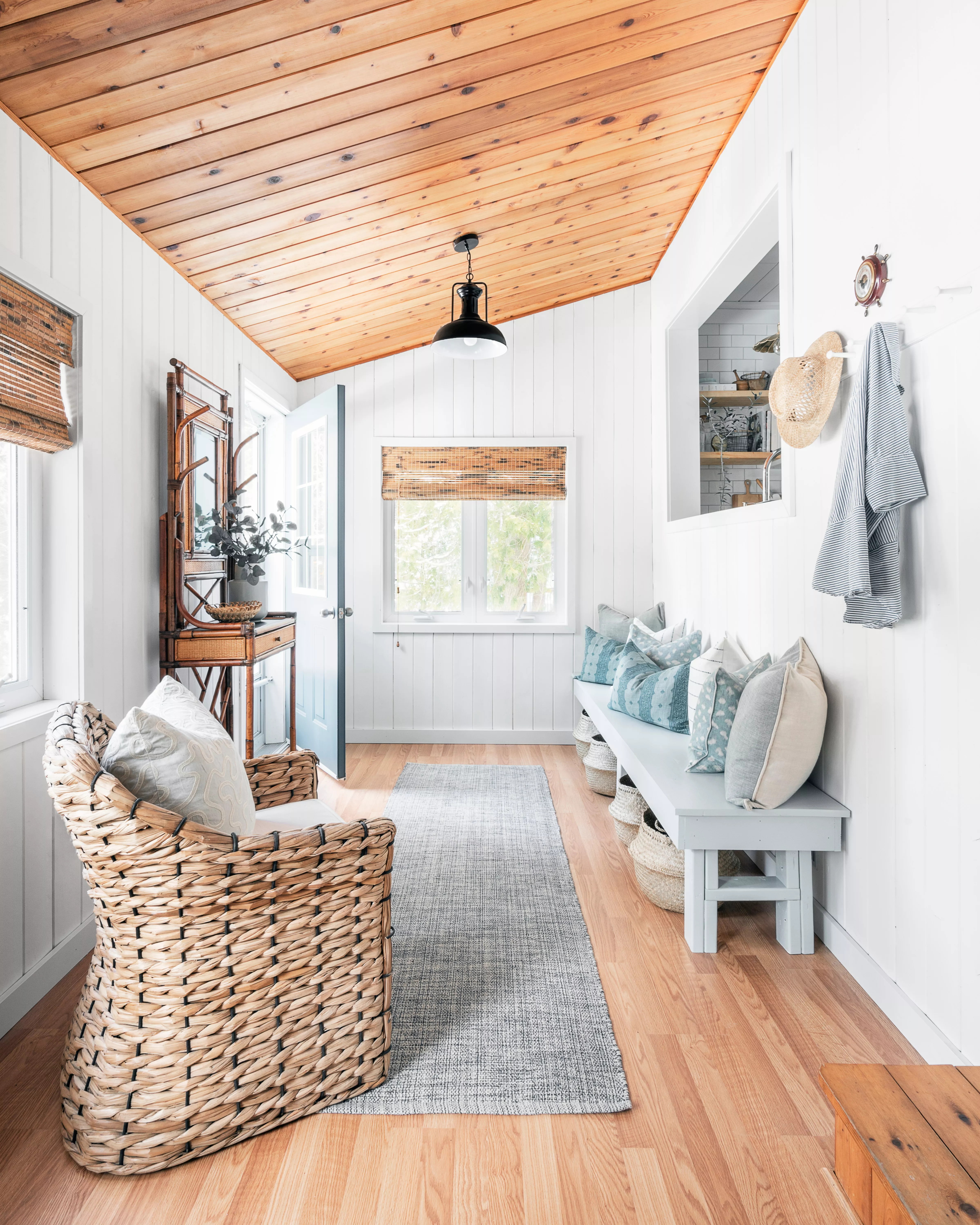
20 Wood Ceiling Ideas That Add Rustic Charm

20 Homes With Striking Indoor-Outdoor Living Spaces

Fourteen homes where exposed cross-laminated timber creates cosy interiors
20 Boho Living Rooms That Embody The Hippie-Chick Spirit

30 Dreamy Attic Rooms That Will Convince You to Give Yours a Makeover
Wood ceiling ideas – 13 wood designs to transform your ceiling

19 Ideas To Create A Dreamy Whimsical Woodland Cabin
Wood ceilings combine beauty with performance