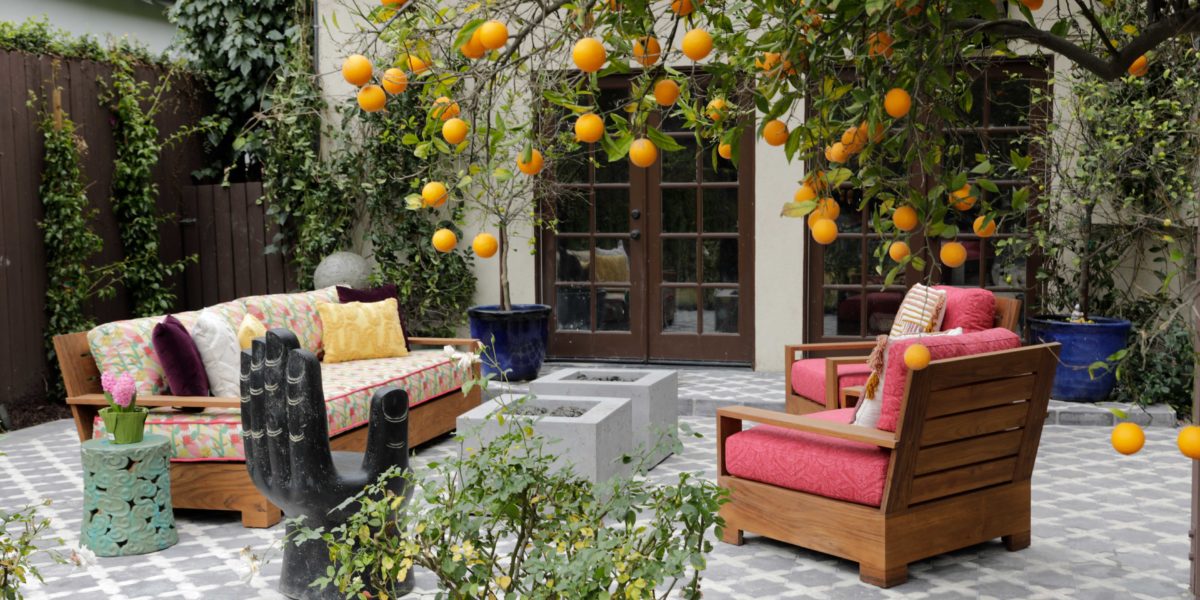
Here’s What We Wish We’d Known Before We Put in a Firepit
Installing a firepit in a backyard can be an exciting addition, but expert advice highlights several crucial considerations to ensure safety, functionality, and aesthetic appeal. The process involves more than simply purchasing a unit; it requires careful planning regarding size, location, type, and design. Landscape designers emphasize that these elements are fundamental to a successful firepit installation.
One of the primary considerations is the size of the firepit relative to the available space and the number of people intended to use it. A common guideline suggests a minimum area of seven feet surrounding the firepit for comfort and safety. For instance, a 24-inch fire ring might be too small for eight to ten people, necessitating a larger 48-inch firepit to accommodate everyone comfortably. Furthermore, the heat output varies significantly between wood-burning and gas firepits, impacting the required distance from seating. Wood-burning firepits, which produce more intense heat, need at least 30 inches of clearance from seating, whereas gas-burning firepits require a minimum of 24 inches.
Safety is paramount when installing a firepit. It is recommended that a firepit be positioned anywhere from 10 to 25 feet away from any flammable structures or objects, including homes, trees, overhanging branches, wood decks, and vehicles. Adhering to these safety distances helps mitigate fire risks and ensures a secure environment for enjoyment.
The choice of fuel type—wood-burning, natural gas, or propane—also plays a significant role in the planning process. Natural gas firepits are often preferred, particularly in areas prone to burning bans or where open flames are restricted. They offer convenience and consistent heat without the smoke and ash associated with wood. For those opting for propane firepits, designers suggest models where the propane tank can be remotely located or cleverly concealed with a cover, as integrated propane tanks can make the unit appear too bulky or tall. This approach enhances the aesthetic integration of the firepit into the overall outdoor design.
From a design perspective, firepits can be viewed as an outdoor furniture piece, akin to a coffee table. Many designs incorporate covers, allowing the firepit to double as a functional table during the day. The shape of the firepit is another aesthetic and functional choice; options include round, square, rectangular, or even multiple smaller pits. Round firepits are often favored for their ability to accommodate more people and their sculptural appeal, which enhances the outdoor space even when not in use. Firepits with wide lips offer practical benefits, serving as a convenient surface for resting drinks or propping up feet, further enhancing the communal experience. Ultimately, a well-planned firepit serves as a central gathering point, offering warmth and fostering social interaction, while also adding a beautiful focal point to the landscape.
#FirepitInstallation #OutdoorLiving #LandscapeDesign #HomeImprovement #OutdoorFurniture #BackyardDesign #SafetyGuidelines #FirepitTypes #FirepitInstallation #OutdoorLiving #LandscapeDesign #HomeImprovement #OutdoorFurniture #BackyardDesign #SafetyGuidelines #FirepitTypes
 No comments yet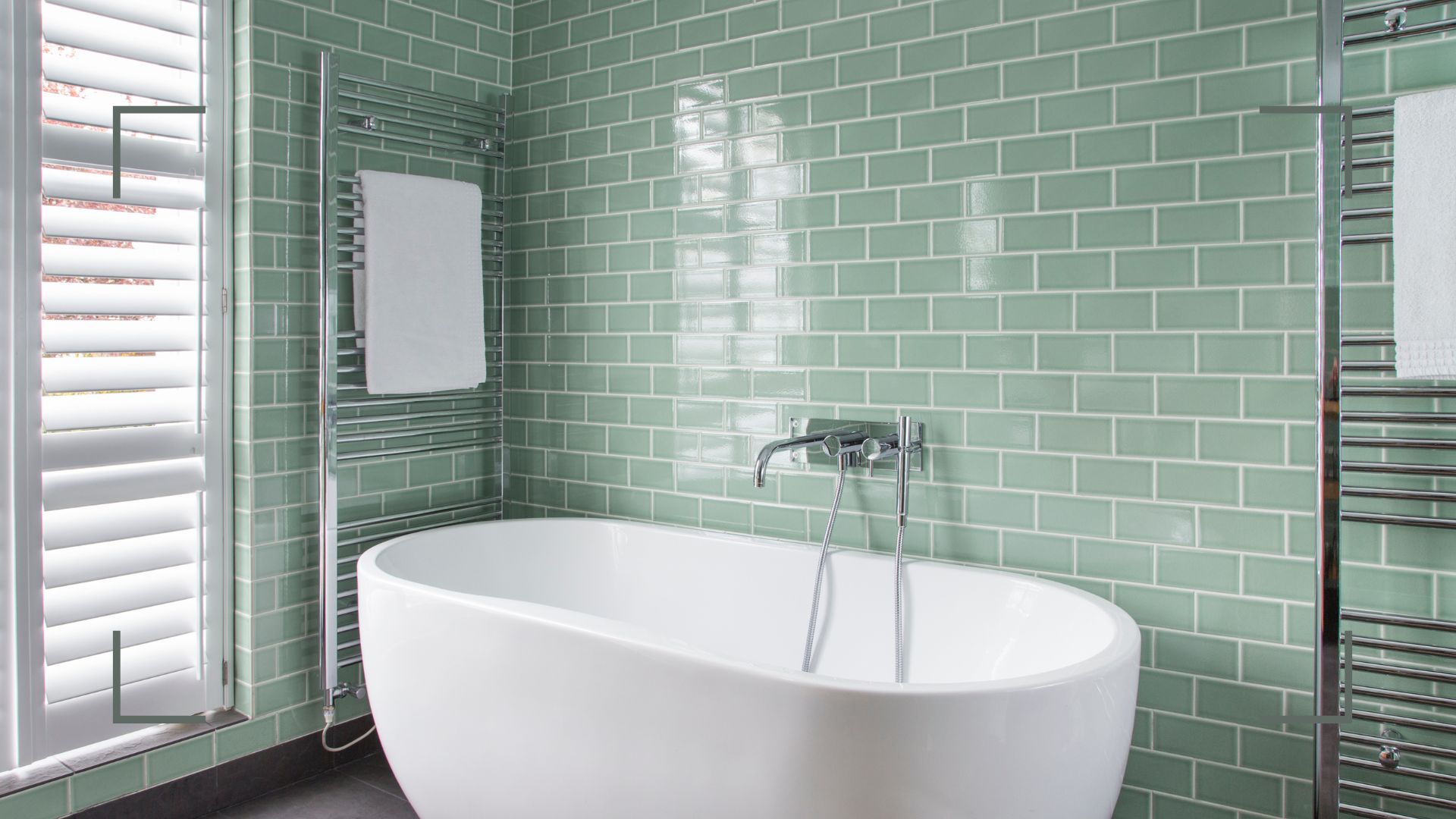
6 things I wish I had known before buying my heated towel rail

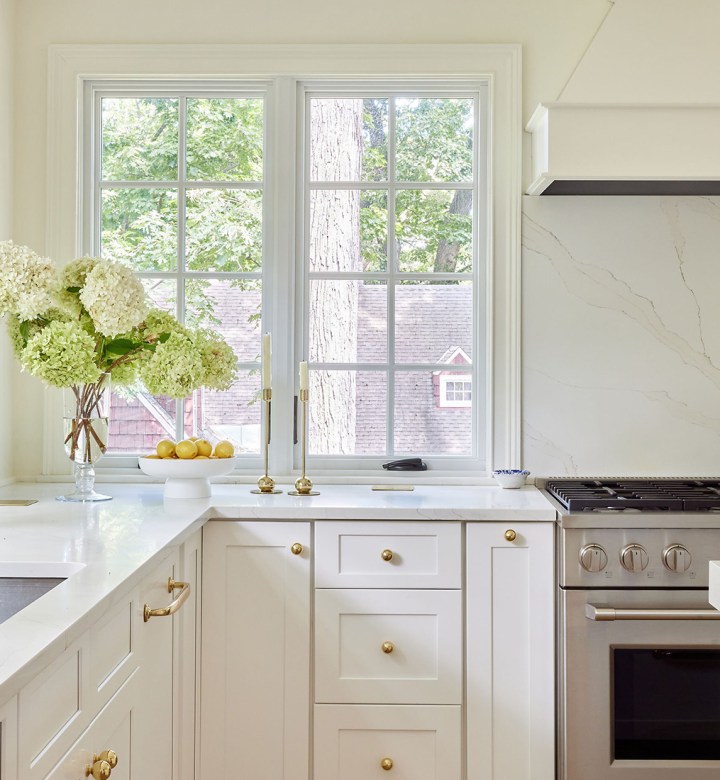
Before and After: 4 Things I Wish I Knew Before My Kitchen Renovation