1/3
Bricks Are Back: Reviving a Classic Building Material
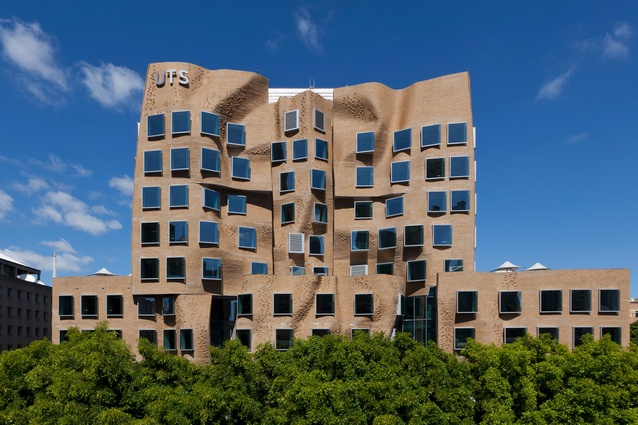
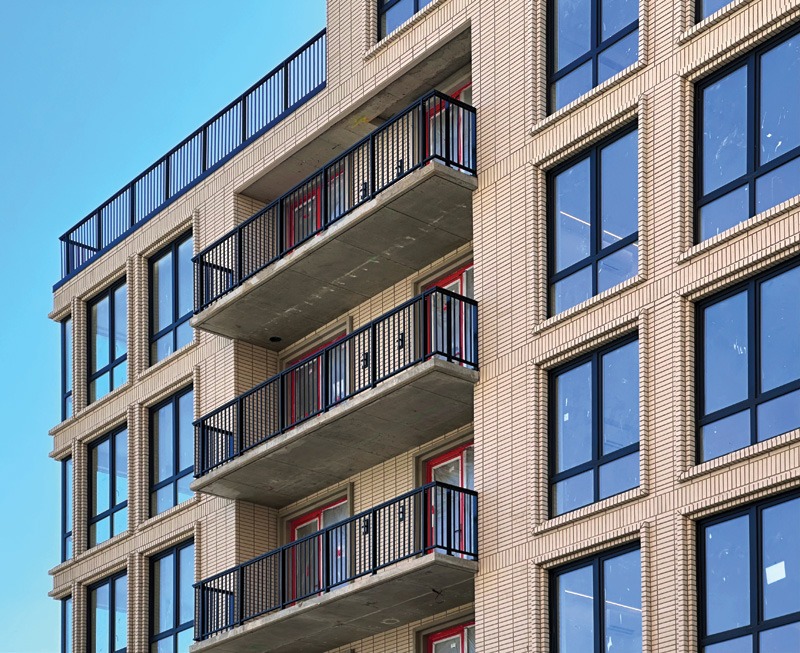
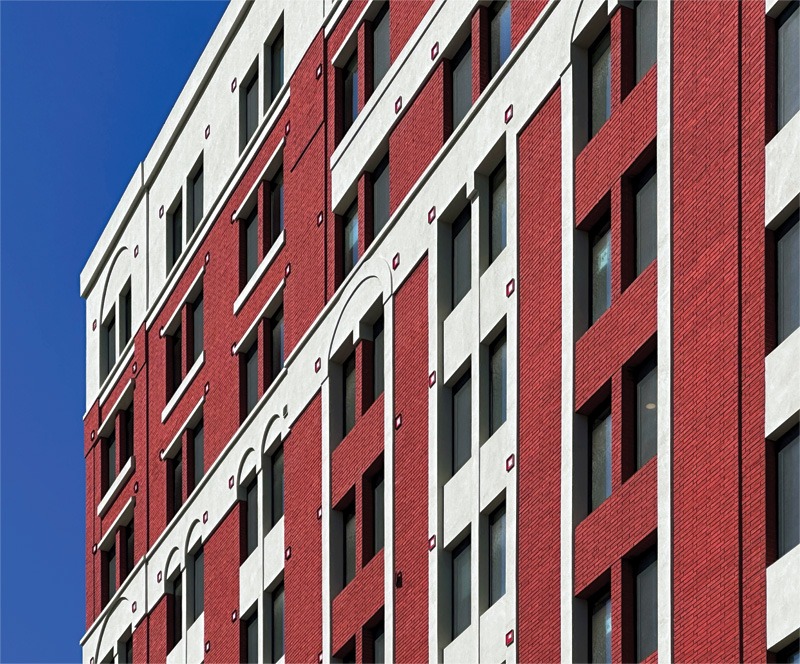
The humble brick, a cornerstone of construction for centuries, is experiencing a remarkable resurgence in modern home design and construction. Once perhaps considered a utilitarian and somewhat uninspired material, bricks have shed their traditional image and are now embracing a vibrant array of new colors, textures, shapes, and sizes, making them more versatile and appealing than ever before. This renewed popularity is driven by advancements in manufacturing technology and a growing appreciation for their inherent qualities.
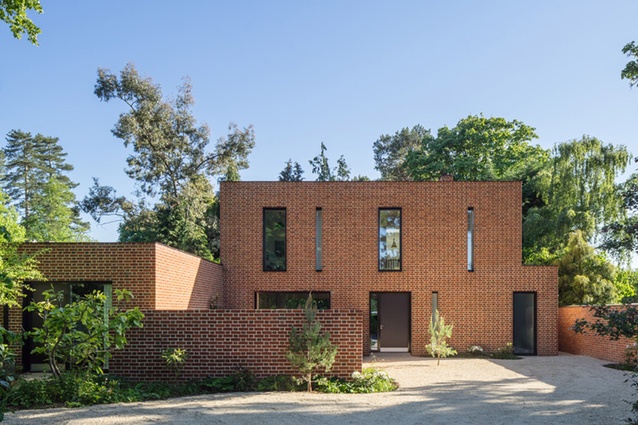
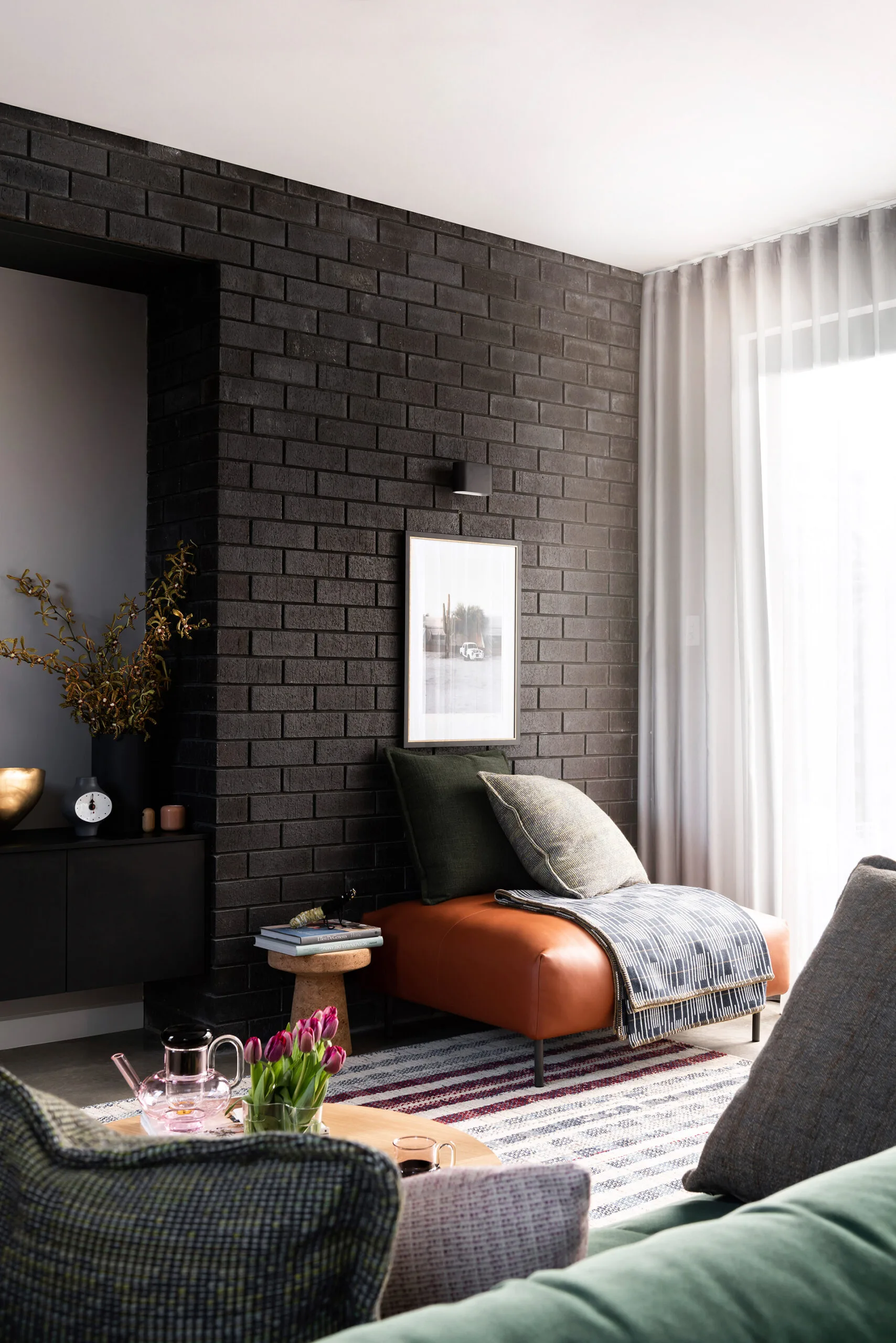
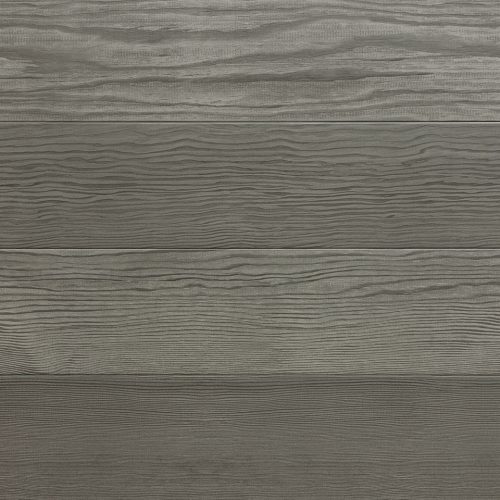
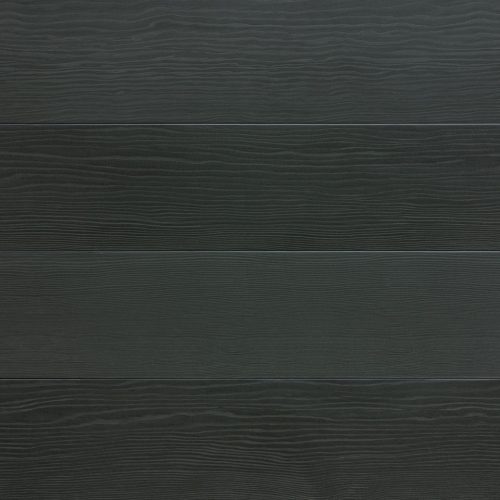
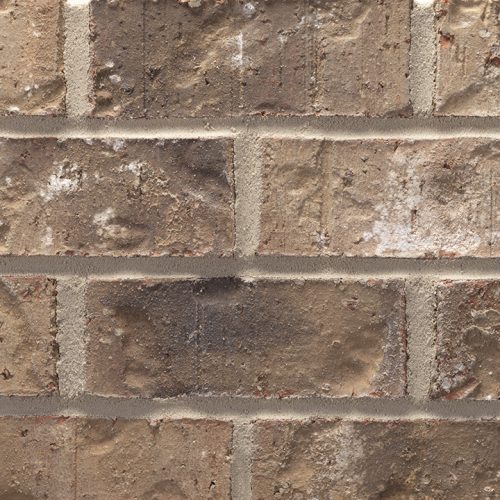
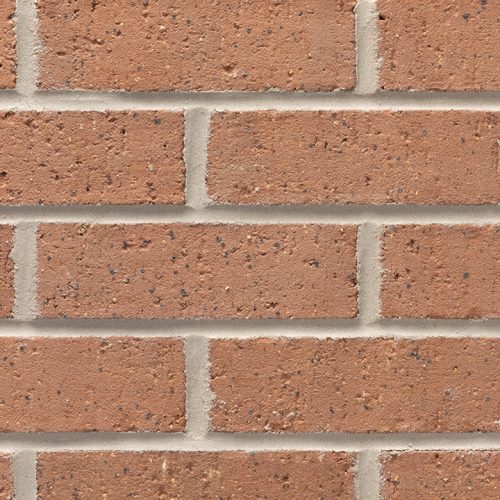
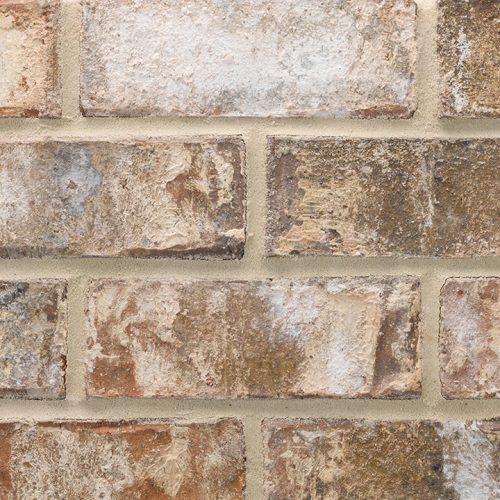
One of the most significant changes in the brick industry is the vast expansion of available colors and finishes. Manufacturers like Boral Bricks East are leveraging new technologies to produce high-quality color coatings that span the entire spectrum, from subdued whites, dove greys, and charcoals to striking bold reds, blues, and purples. Beyond color, the range of finishes has also diversified considerably. Homeowners and designers can now choose from rustic sandstock, sophisticated glazed metallics, and ultra-smooth opal finishes. Companies such as PGH Bricks & Pavers actively collaborate with colorists to ensure their new collections align with contemporary color trends. For those with highly specific design visions, companies like Adbri Masonry even offer customization services, allowing clients to create bespoke brick styles tailored to their projects.
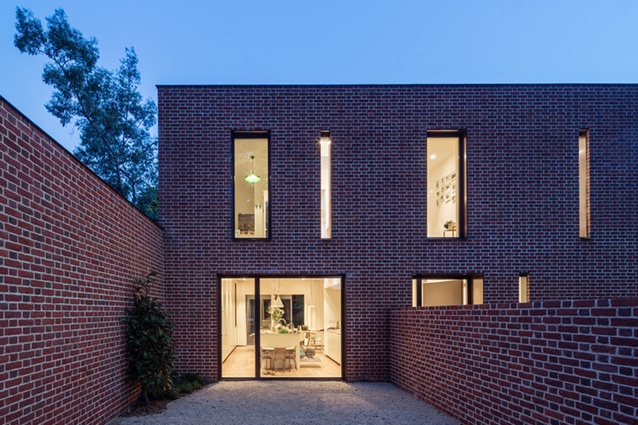
Mortar, often an overlooked component, also plays a crucial role in the overall aesthetic of brickwork, accounting for approximately 15 percent of the visible area. The days of white being the only option are long gone, with a variety of choices including cream, charcoal, and grey, or even custom color-matching to complement the bricks themselves. This attention to detail further enhances the design possibilities available with modern brick construction.
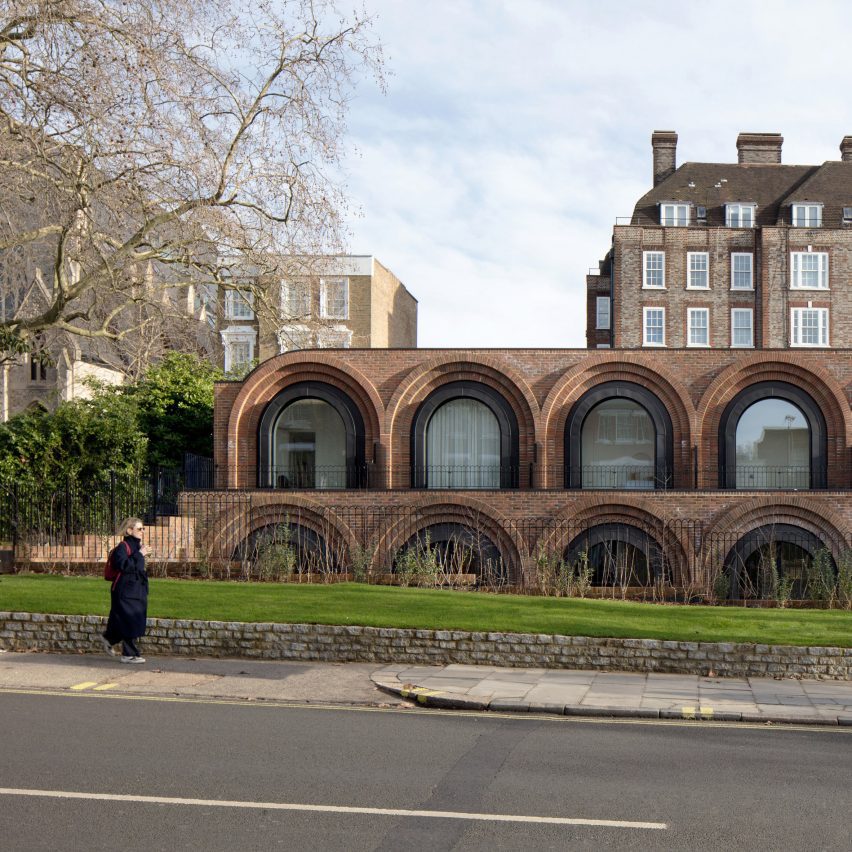
Architects and builders are increasingly embracing bricks for their integrity as a building material. Melbourne-based architect Karen Abernethy, recognized for her innovative use of bricks in residential projects, highlights their historical familiarity and the endless possibilities they offer for reinterpretation in contemporary design. Bricks offer numerous practical benefits beyond their aesthetic appeal. According to Greg Weller, spokesperson for the Housing Industry Association (HIA), bricks are low-maintenance, fire-resistant, and possess impressive thermal properties, contributing to energy efficiency. Their eco-friendly profile is also a significant draw, as they are natural, durable, and virtually maintenance-free, with some even carrying a 100-year guarantee.
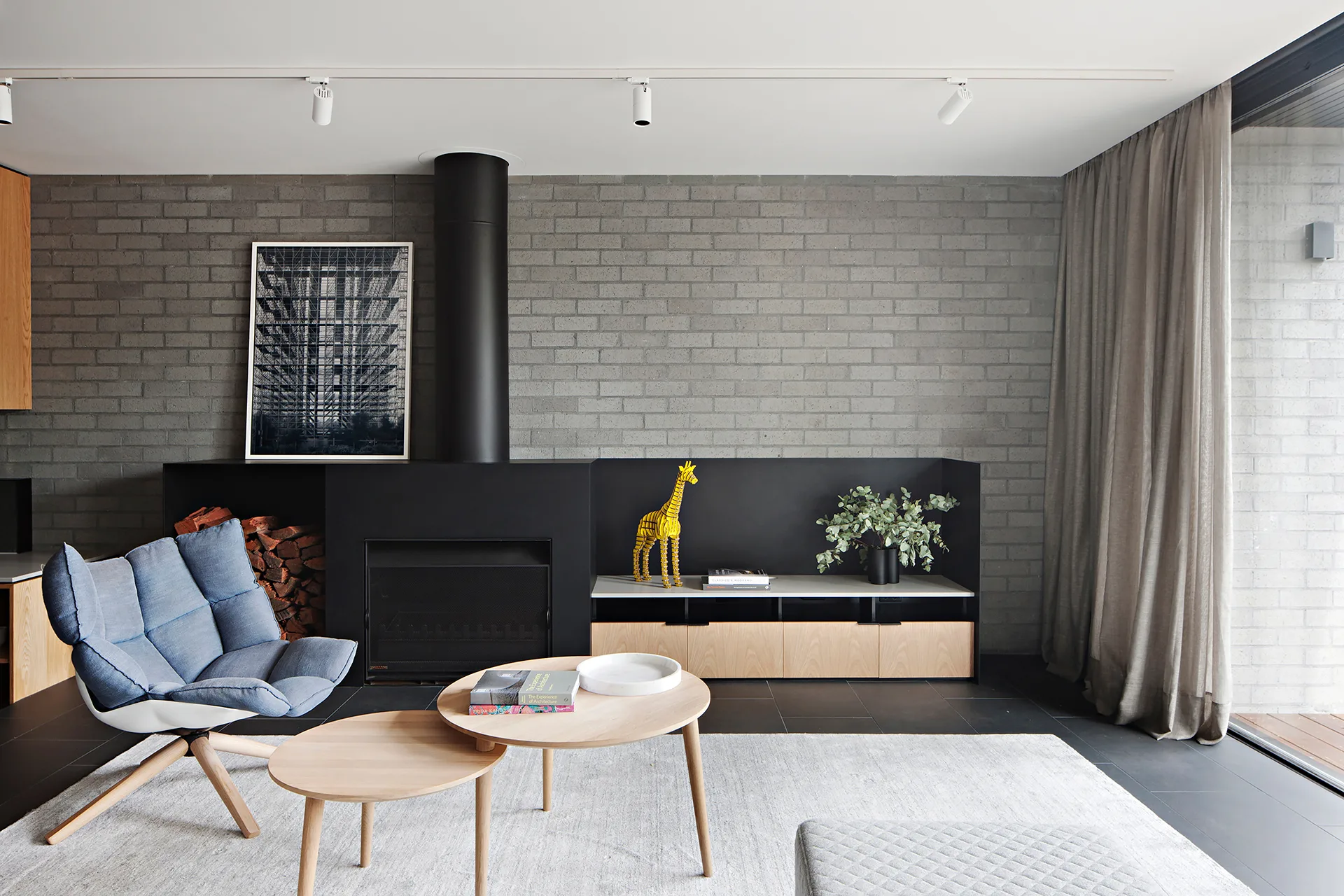
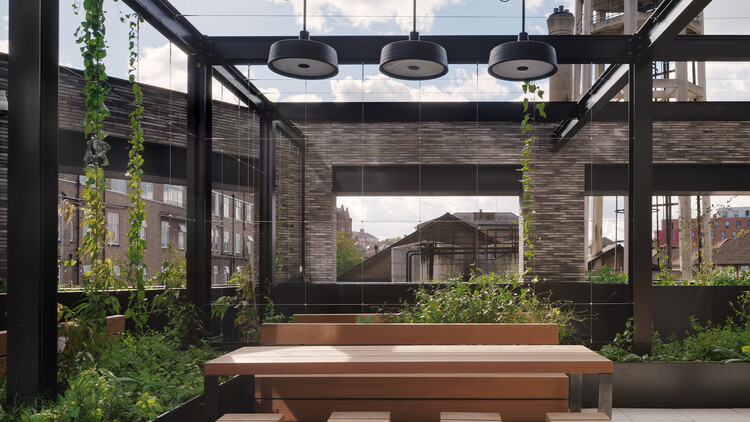
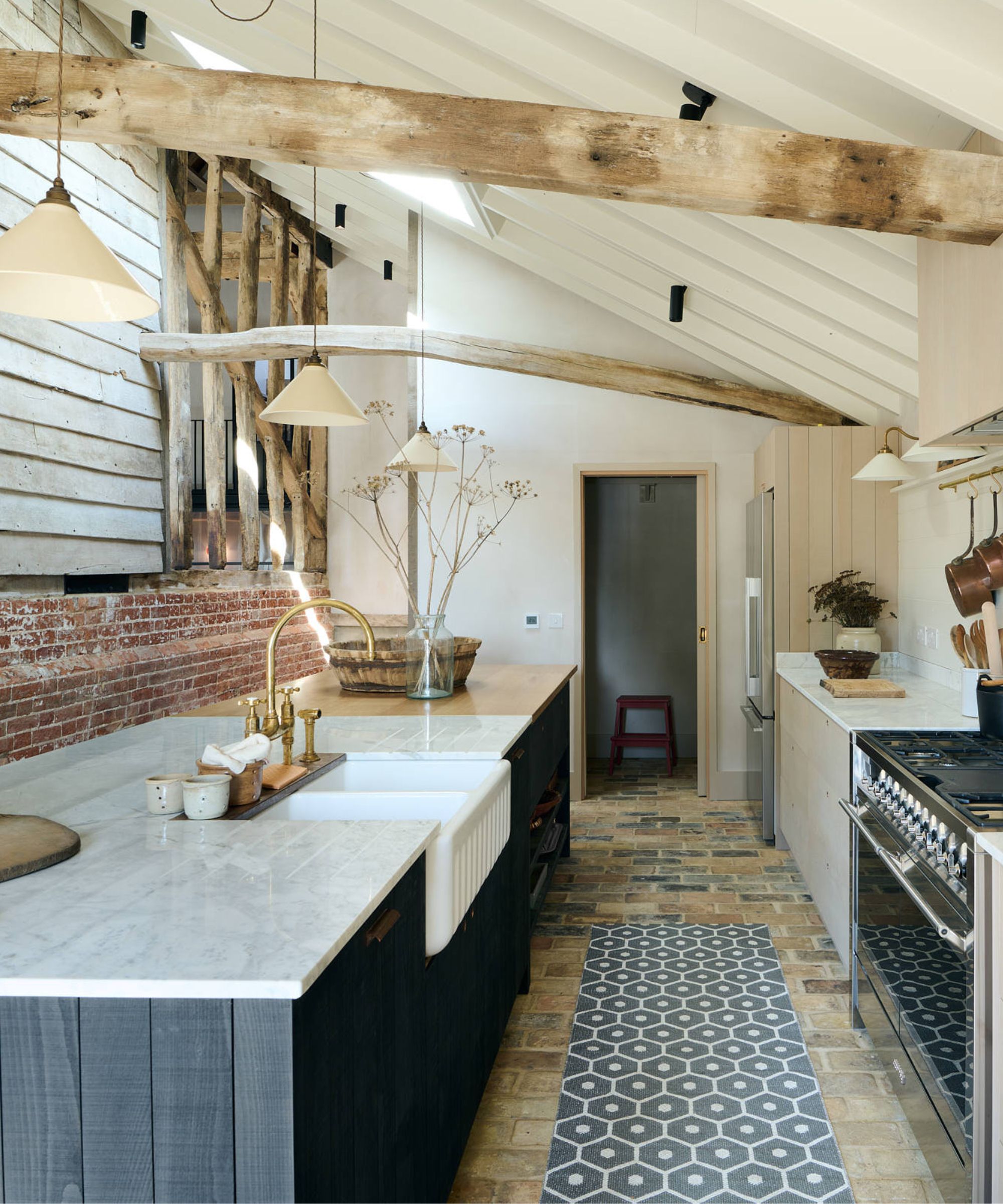
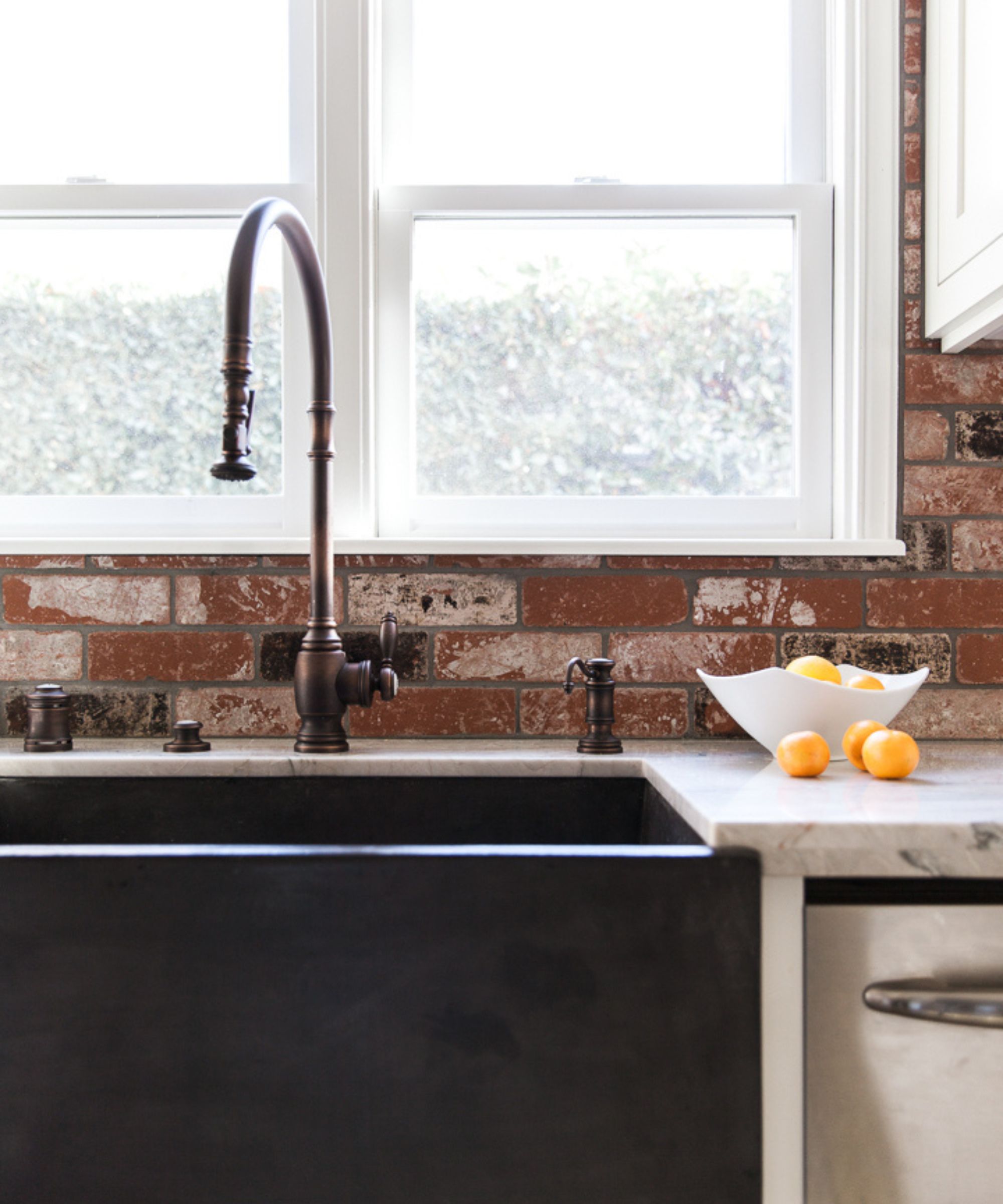
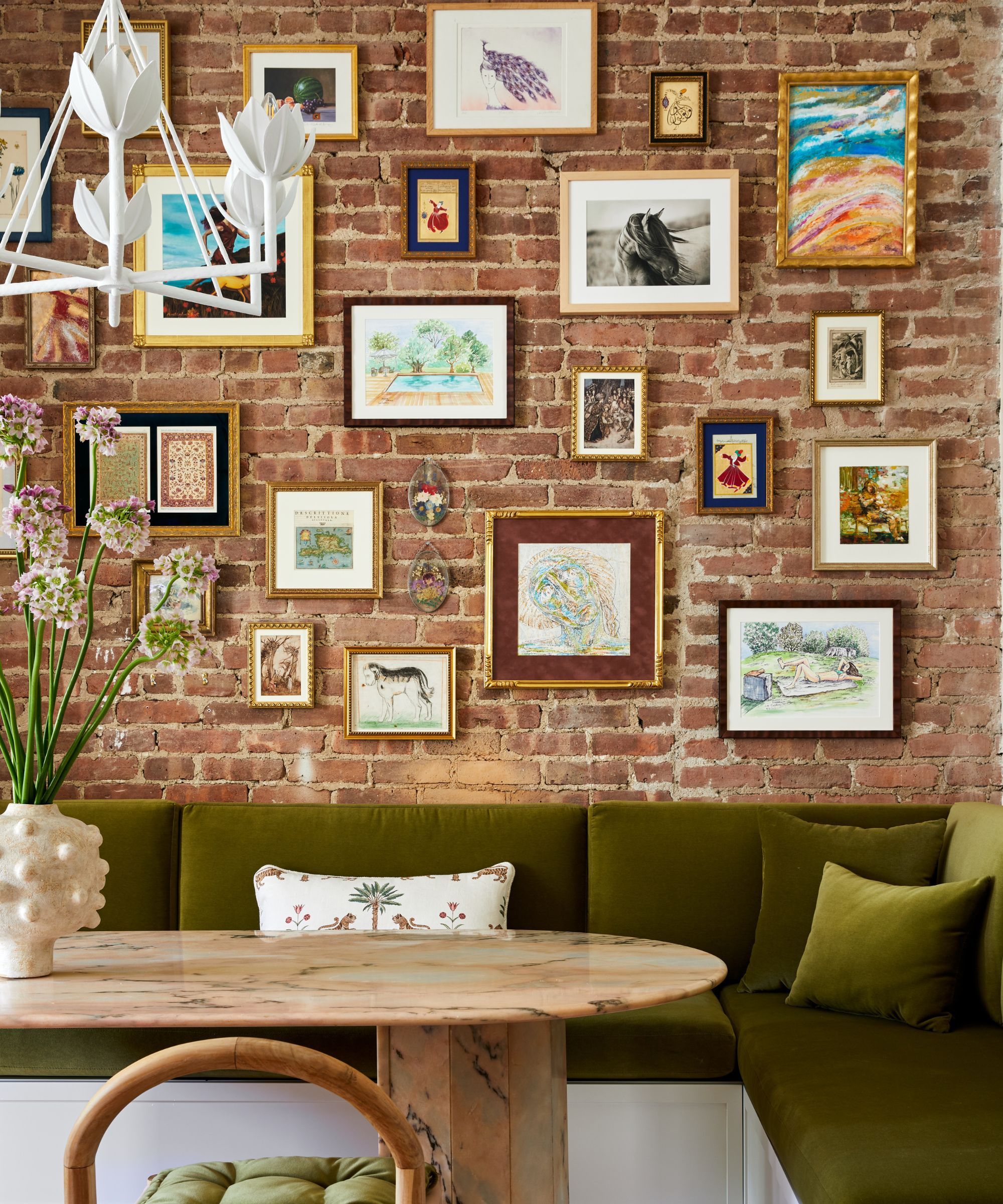
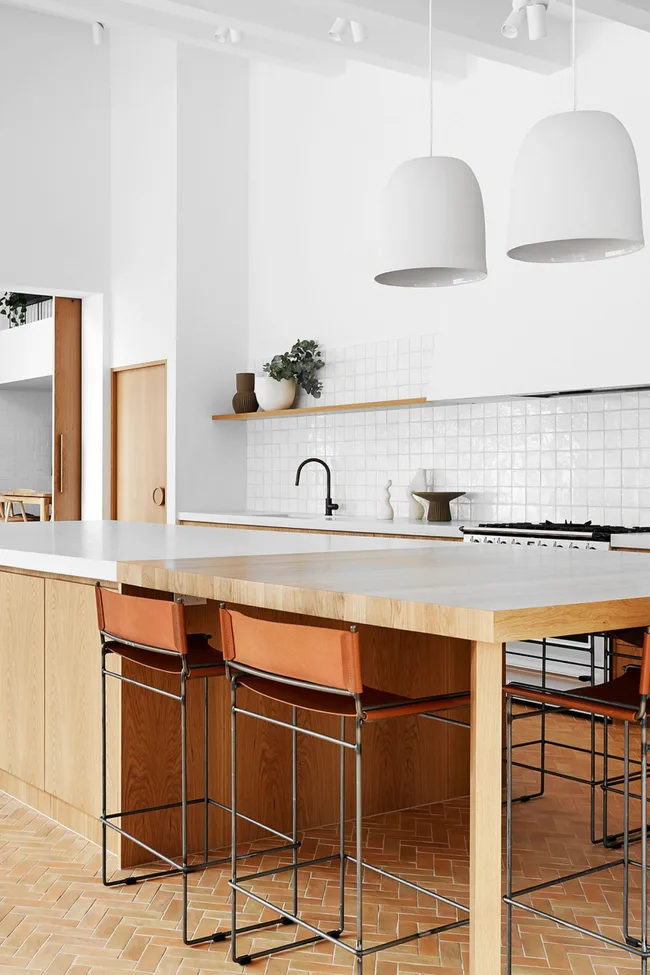
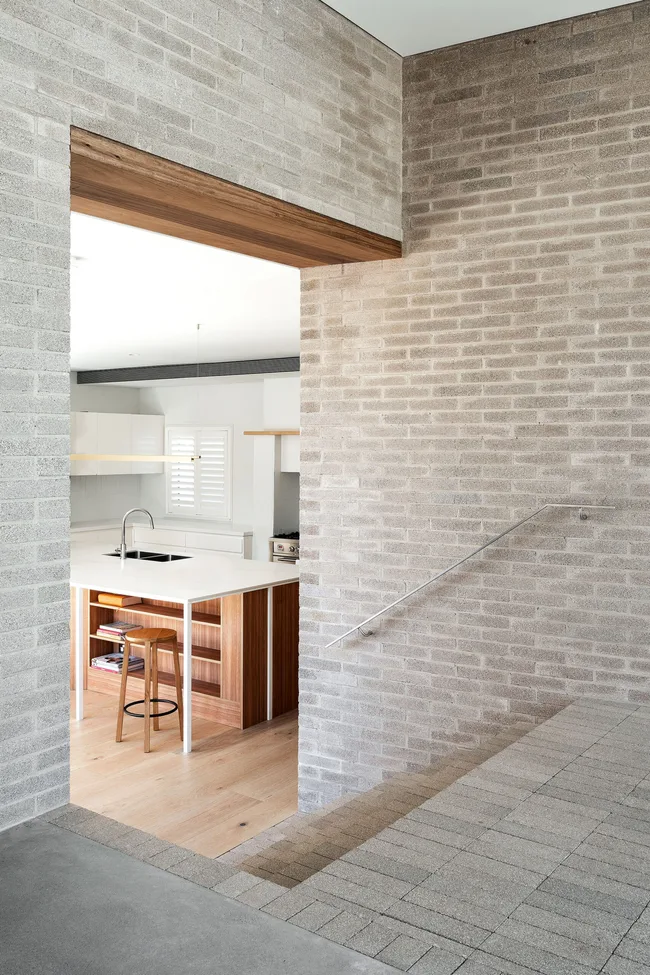
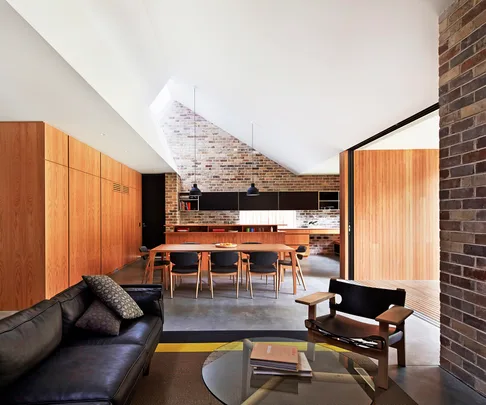
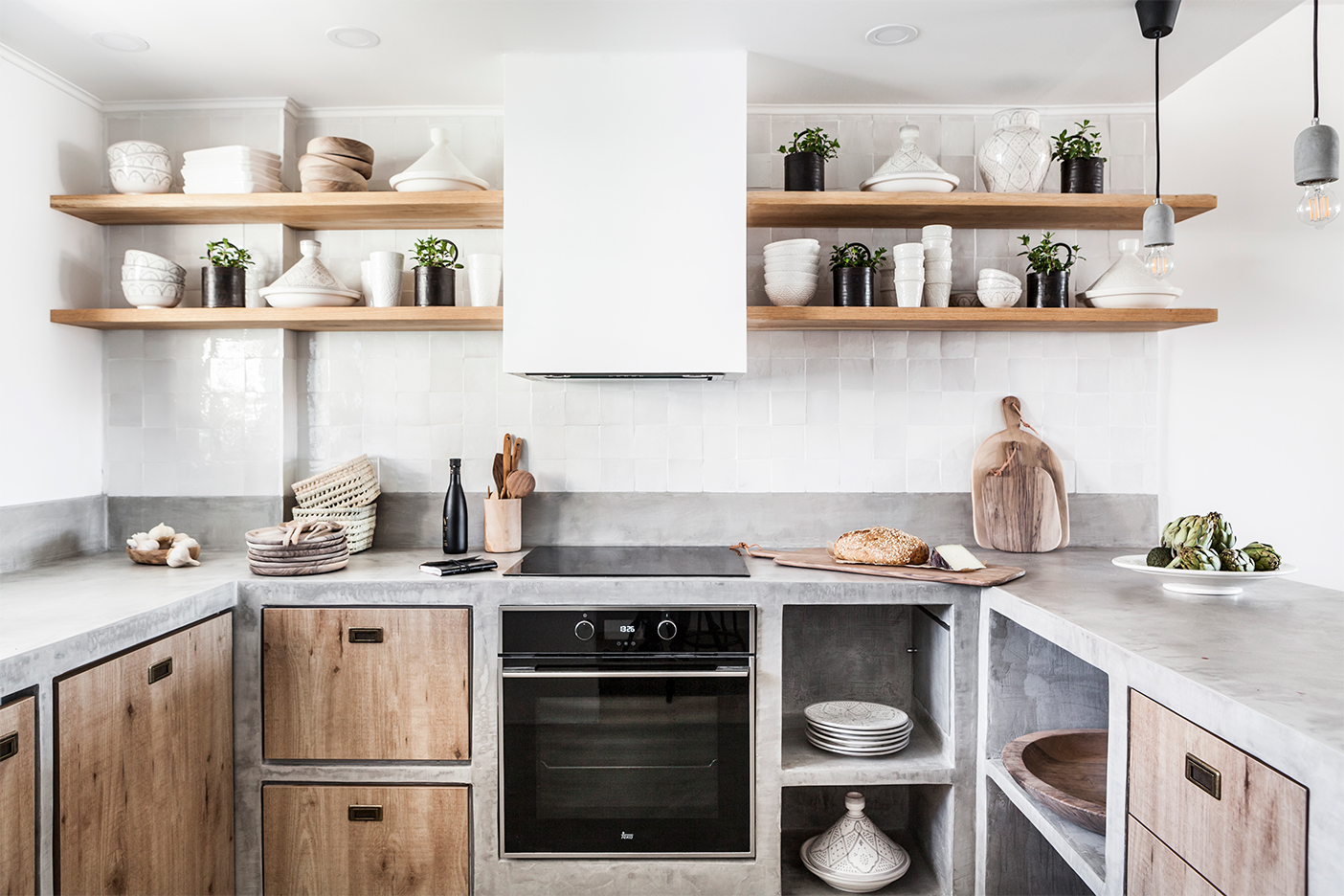
The industry is witnessing a significant buzz around new-look designer bricks, which are being recognized not just for their structural purpose but for their immense design potential. Different-sized bricks are being employed to create novel effects, such as using slimline bricks to visually enhance the height of walls. This creative application of bricks extends beyond exterior facades, with Elizabeth McIntyre, CEO of Think Brick Australia, noting a rise in their internal use. Glazed bricks are appearing as stylish kitchen splashbacks, and feature walls made of polished concrete masonry are providing both luxurious aesthetics and excellent acoustic protection in media rooms.
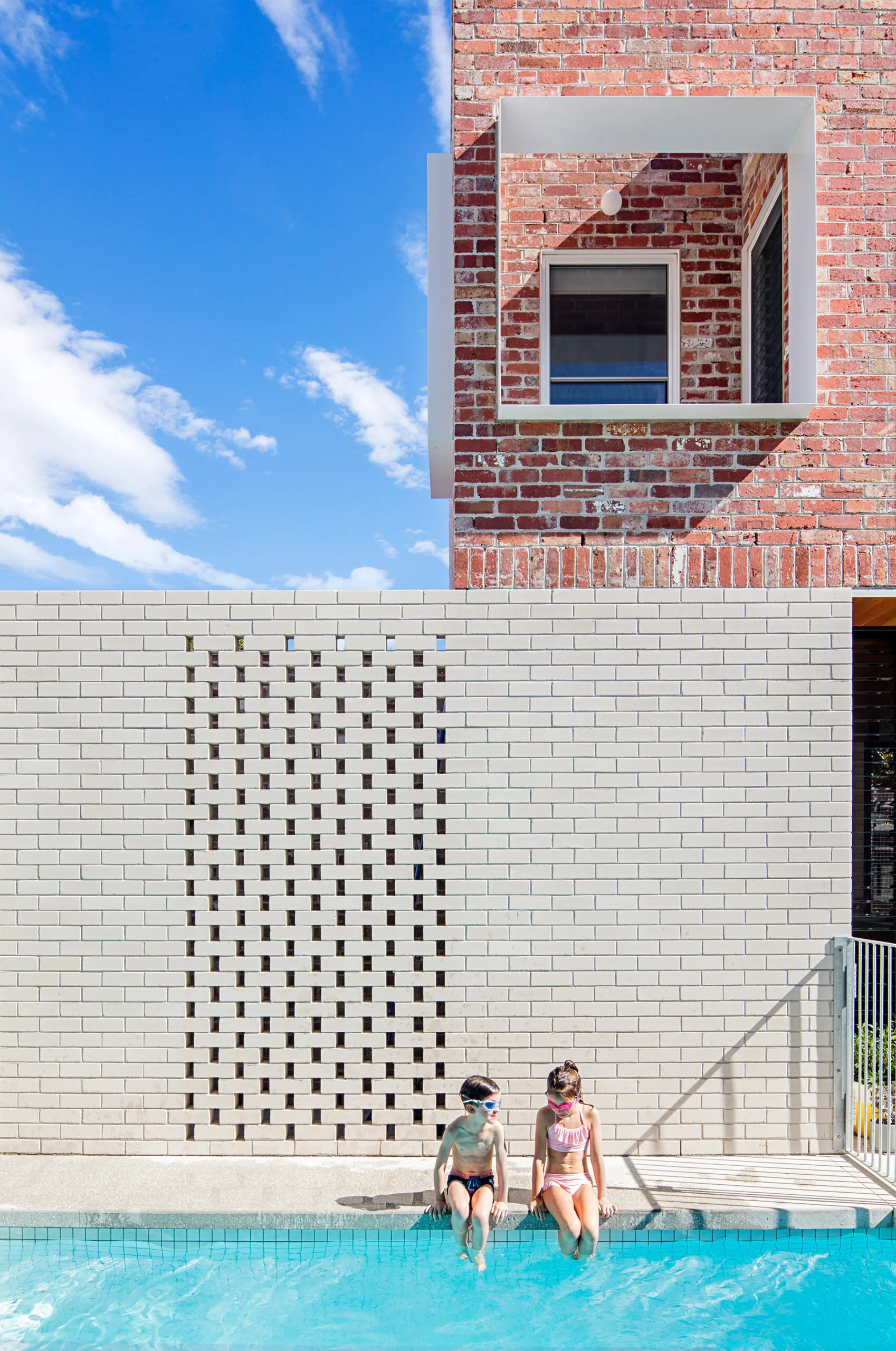
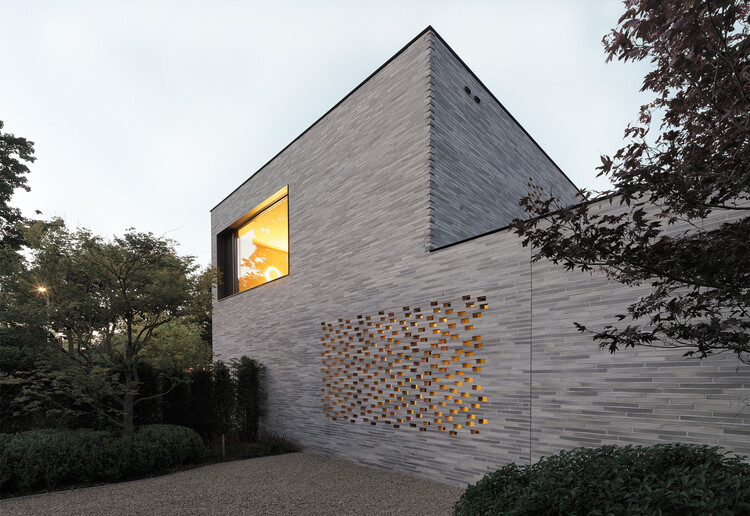
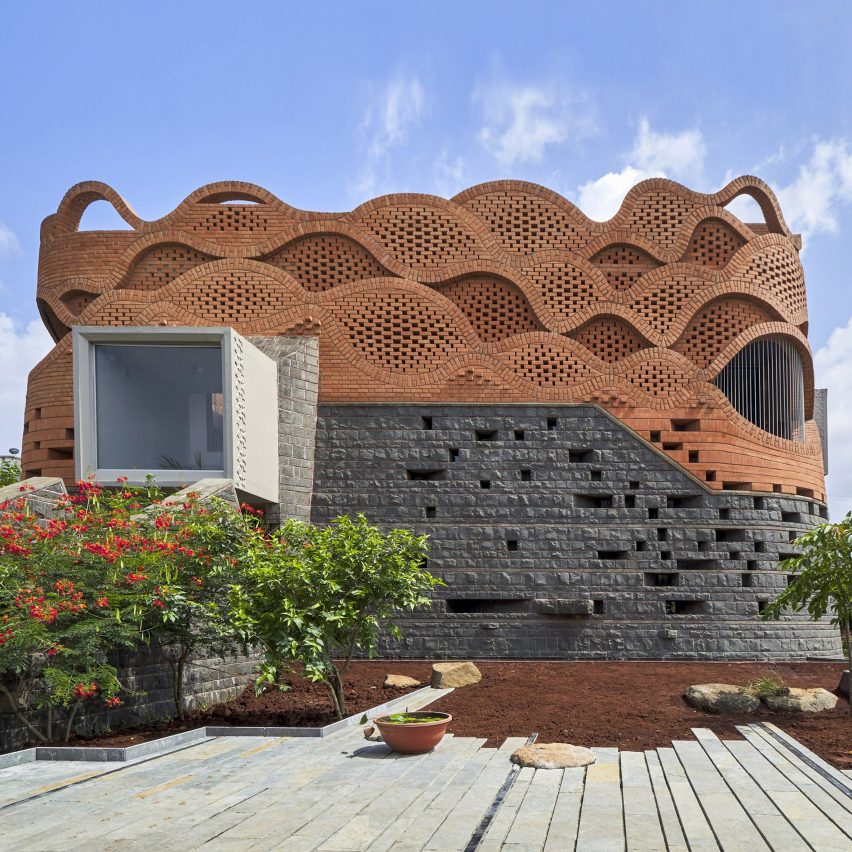
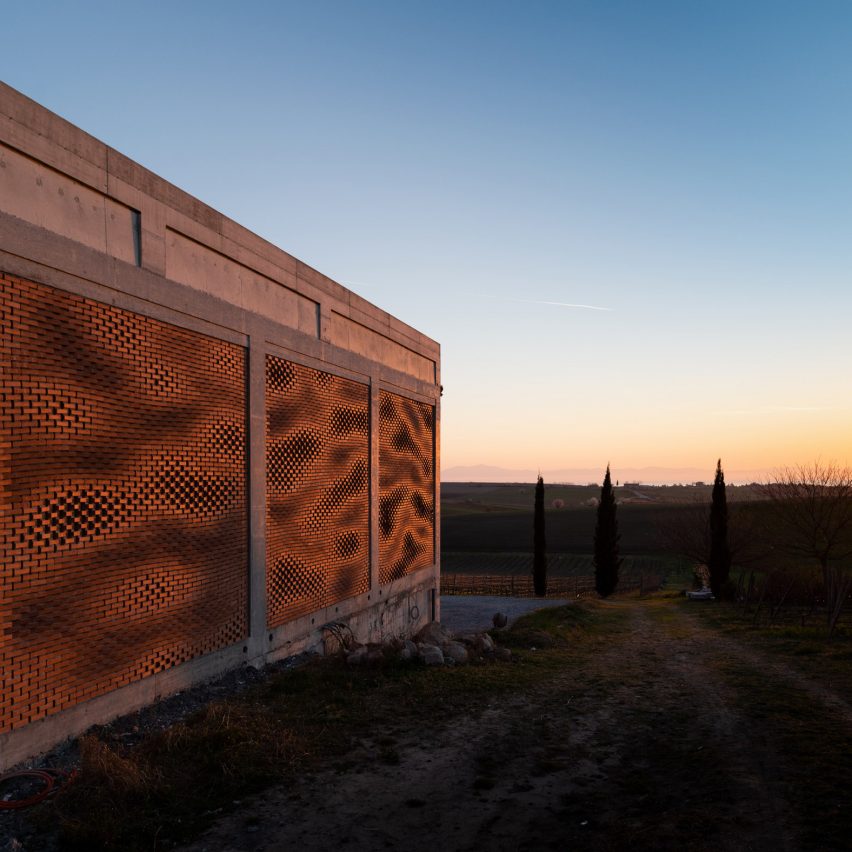
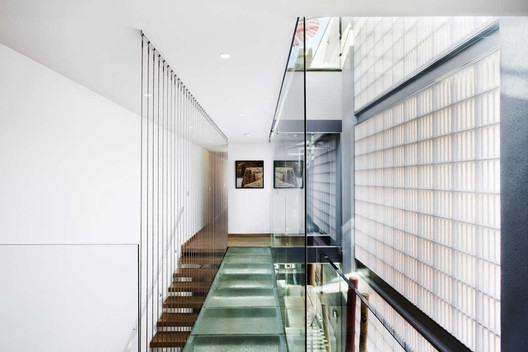
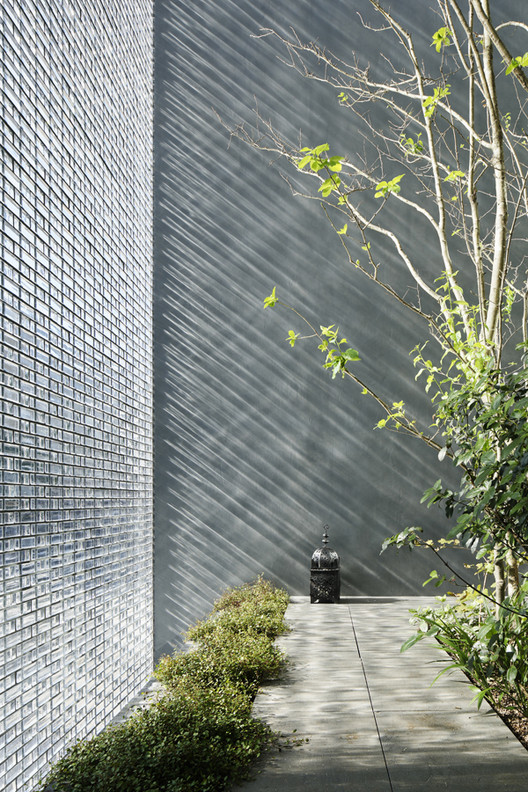
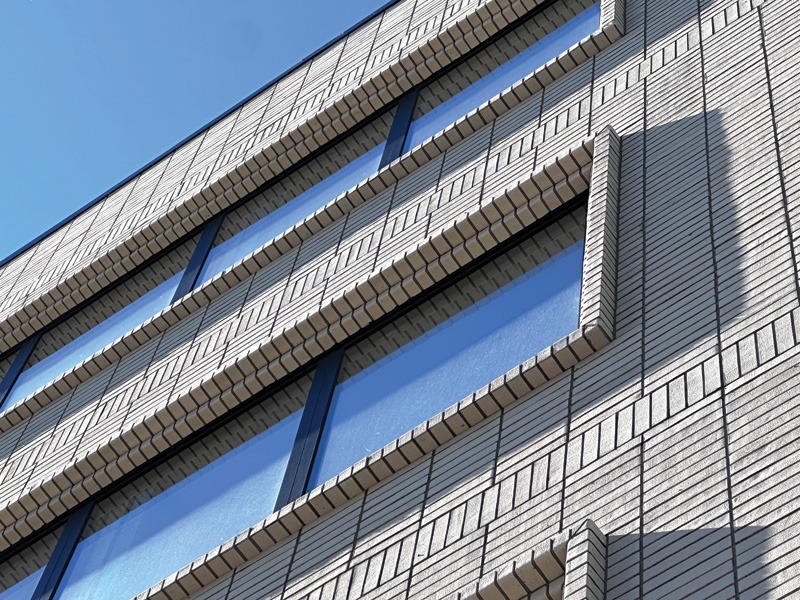
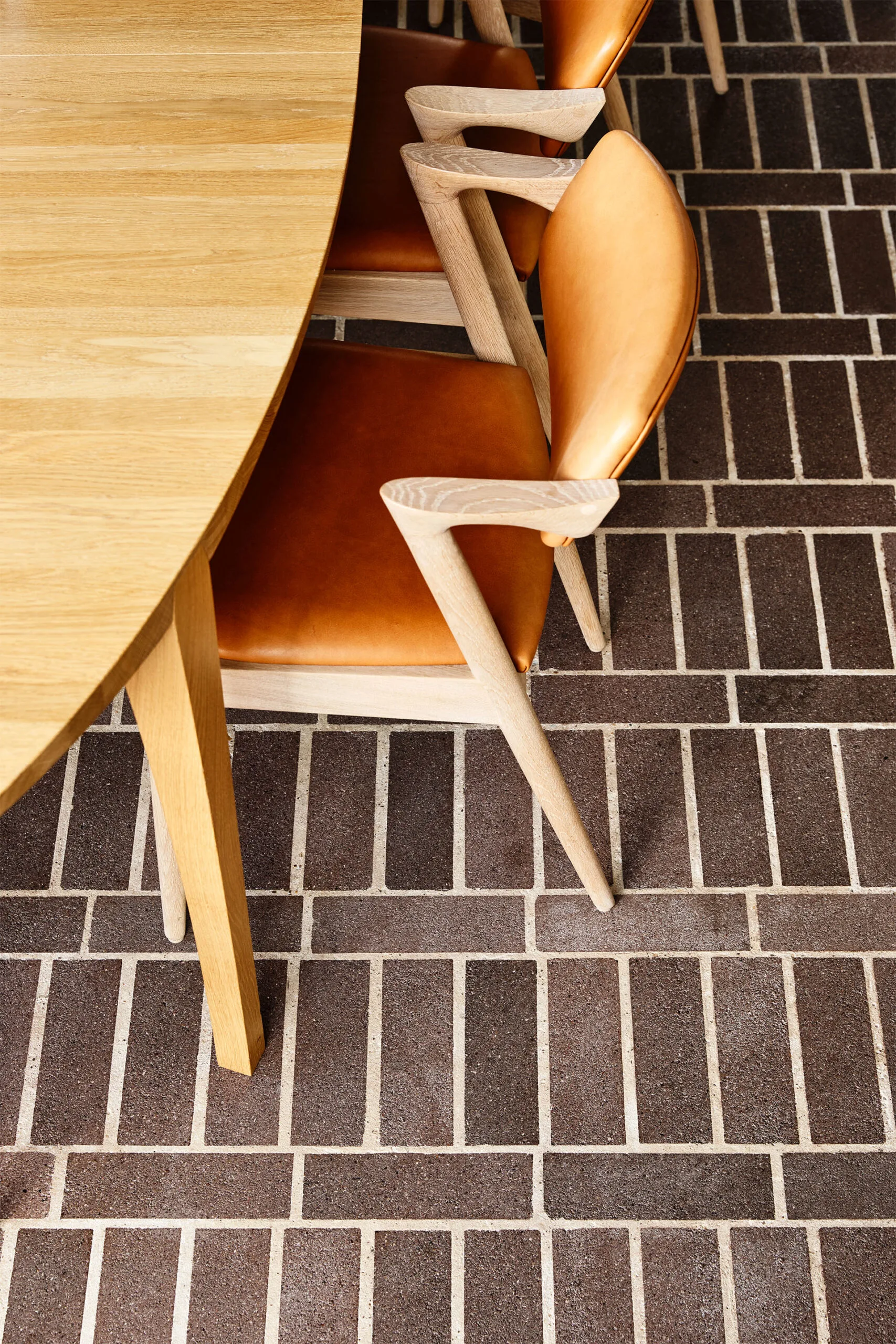
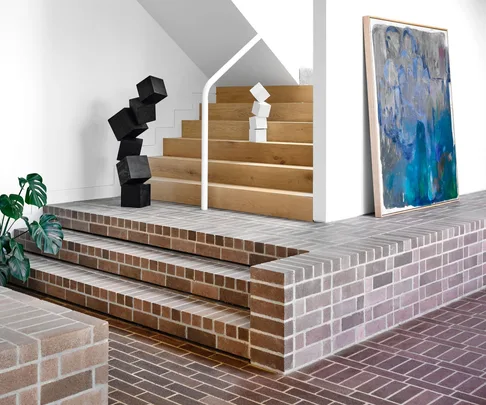
Creative bricklaying techniques are also gaining prominence. Architects are experimenting with mixing different colors, shapes, and finishes within a single application to create distinctive homes. Open-and-closed latticework formations are being used to generate intriguing plays of light and shadow while simultaneously improving natural ventilation. Subtle patterns are achieved by laying bricks at varying depths and orientations, and single-colored bricks are being utilized in diverse sizes and finishes to create visually interesting floor-to-ceiling designs.
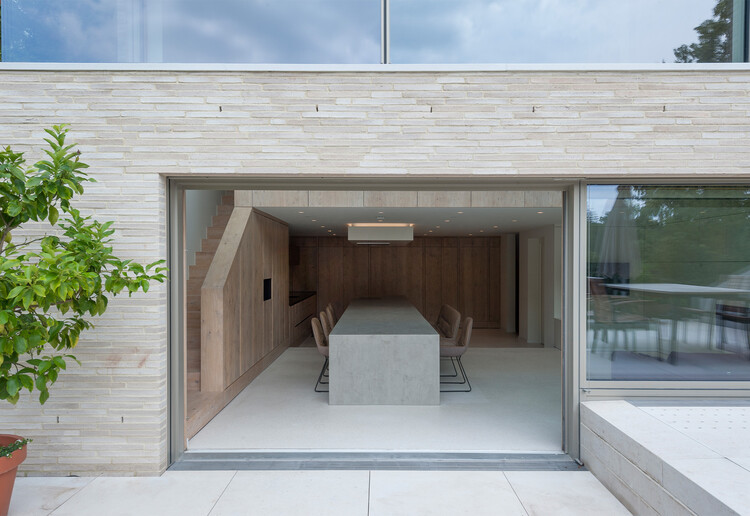
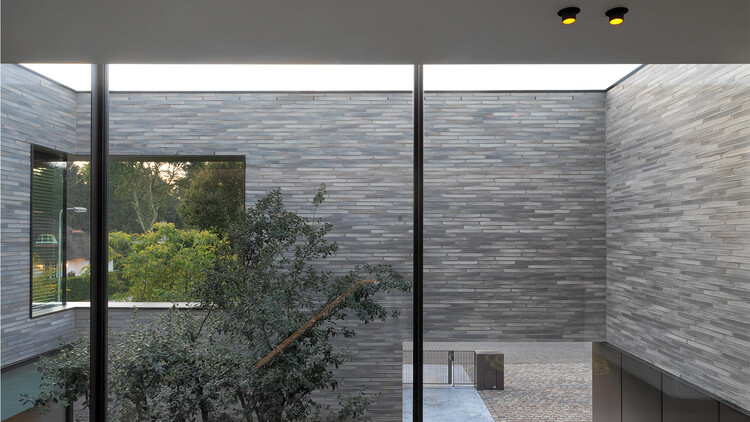
In terms of brick shape, slim bricks are particularly fashionable. Damian King, business development manager at Adbri Masonry, observes a growing demand for thinner bricks and a wider range of textures. Modern bricks now come in smooth, honed, split, and shotblast textures, alongside a broad palette of colors including ebony, oatmeal, and steel. This extensive selection of colors, textures, and sizes allows architects to realize almost any design imaginable with bricks, solidifying their status as a versatile and enduring material in contemporary architecture.
#BrickDesign #BuildingMaterials #HomeRenovation #ArchitecturalTrends #InteriorDesign #SustainableBuilding #ExteriorDesign #ConstructionInnovation #BrickDesign #BuildingMaterials #HomeRenovation #ArchitecturalTrends #InteriorDesign #SustainableBuilding #ExteriorDesign #ConstructionInnovation
0 comment in total
 No comments yet
You may also like
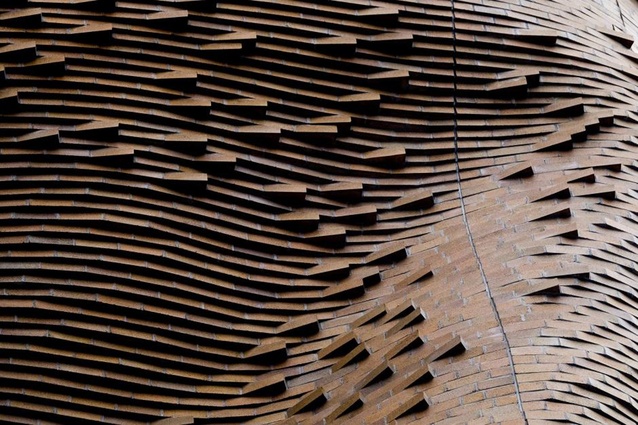
Another brick in the wall
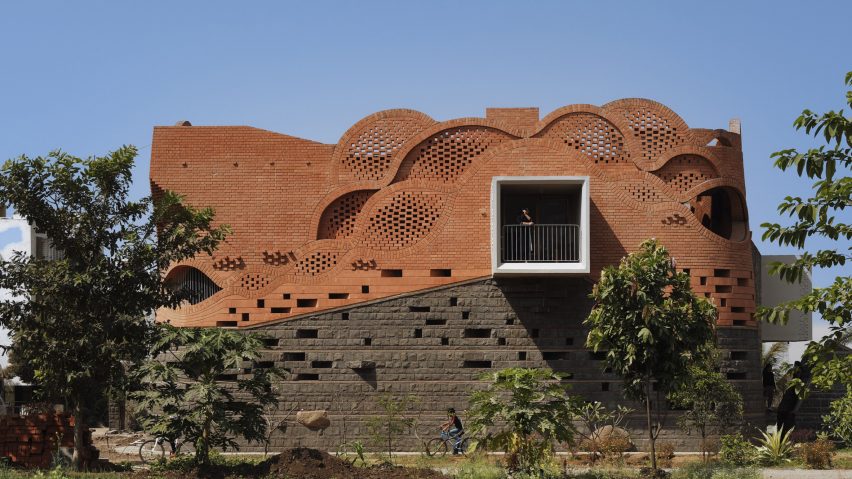
Ten buildings animated by expressive brick facades
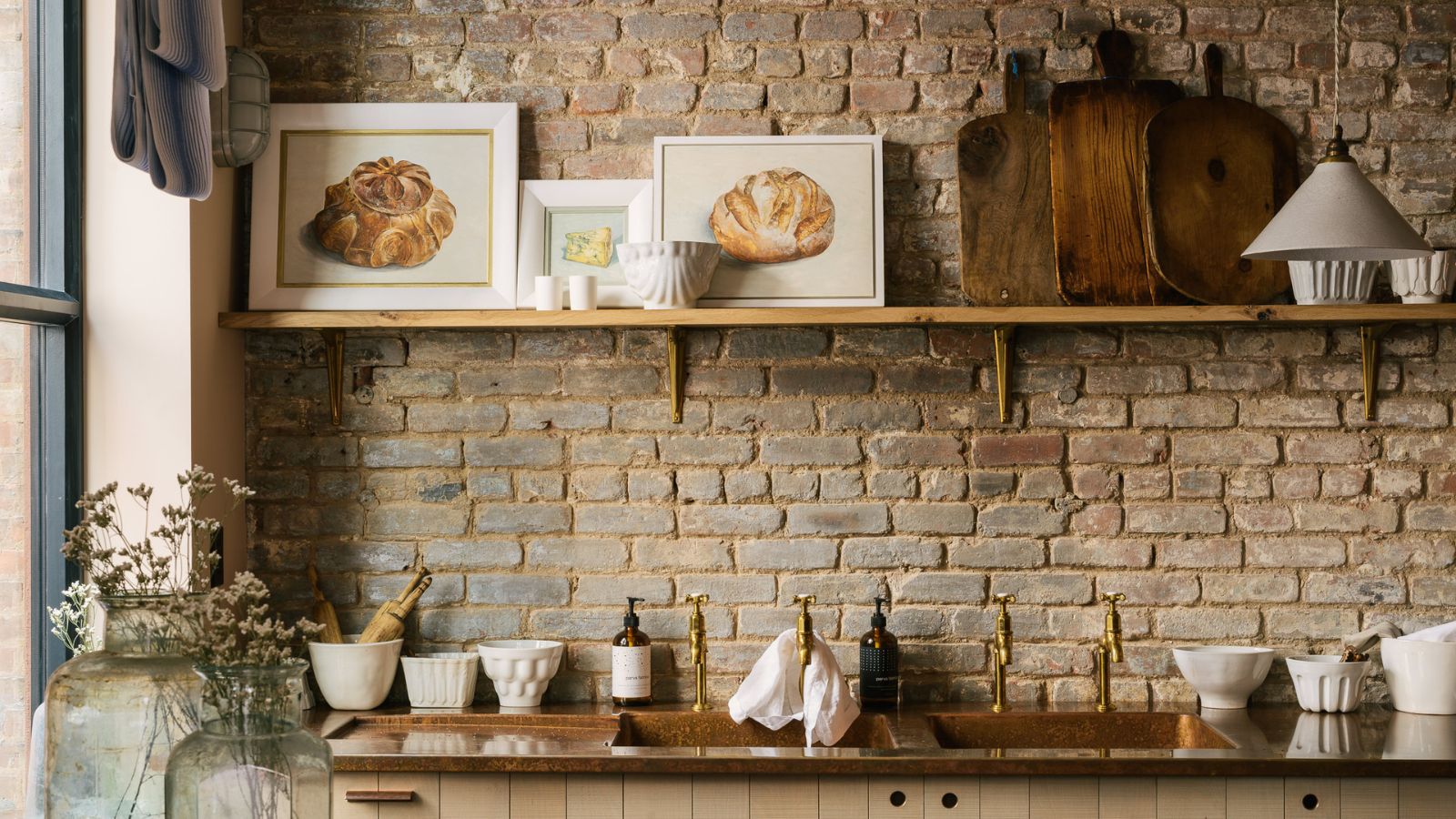
Is exposed brick still on trend? Designers debate whether this 'timeless' look really is a classic


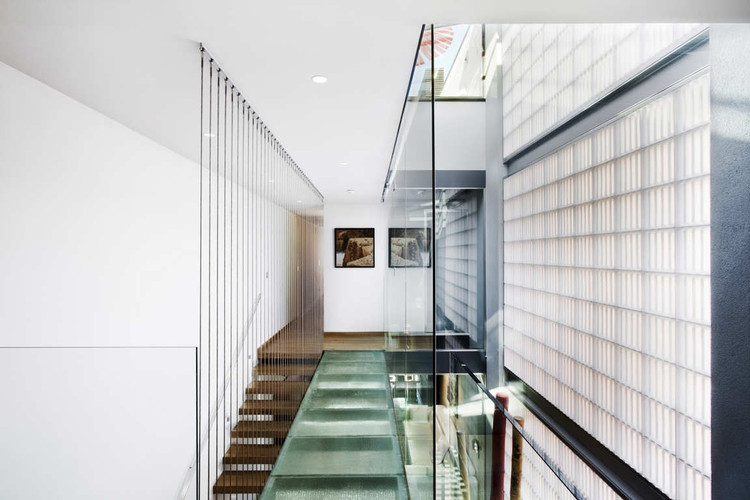
Glass bricks: Love or loathe?
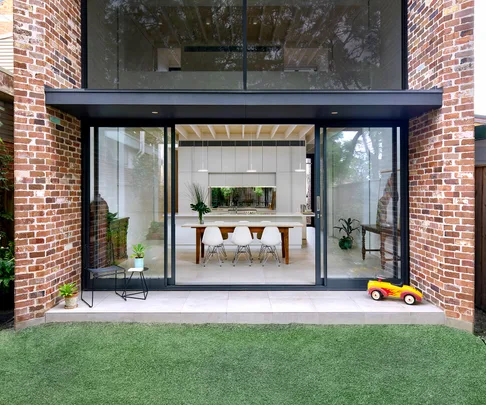
Statement bricks are the latest design trend

Glamorous Glass Bricks Are Booming – Again

Acme Brick, Tile and Stone – Bluffton
12 brick floors that will take your breath away
Biophilic-Inspired Design Takes Center Stage: How Bricks Bring Nature In

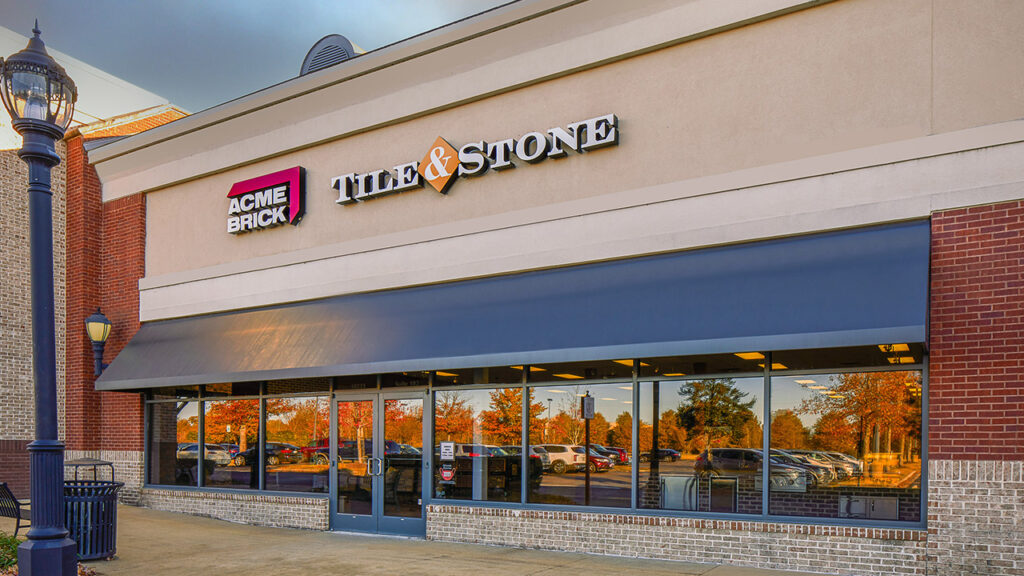
Acme Brick, Tile and Stone – Memphis
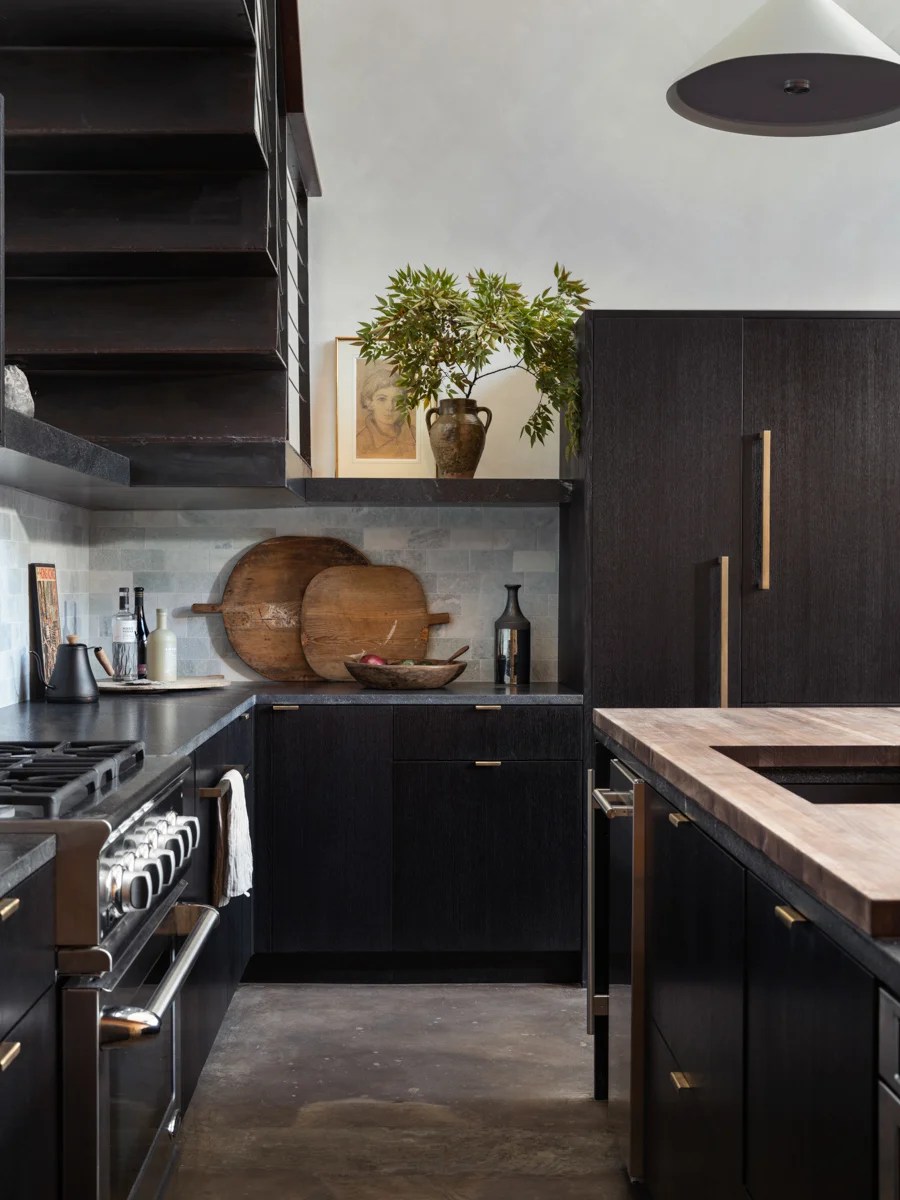
The Countertop Material That We Loved 25 Years Ago Is Coming Back

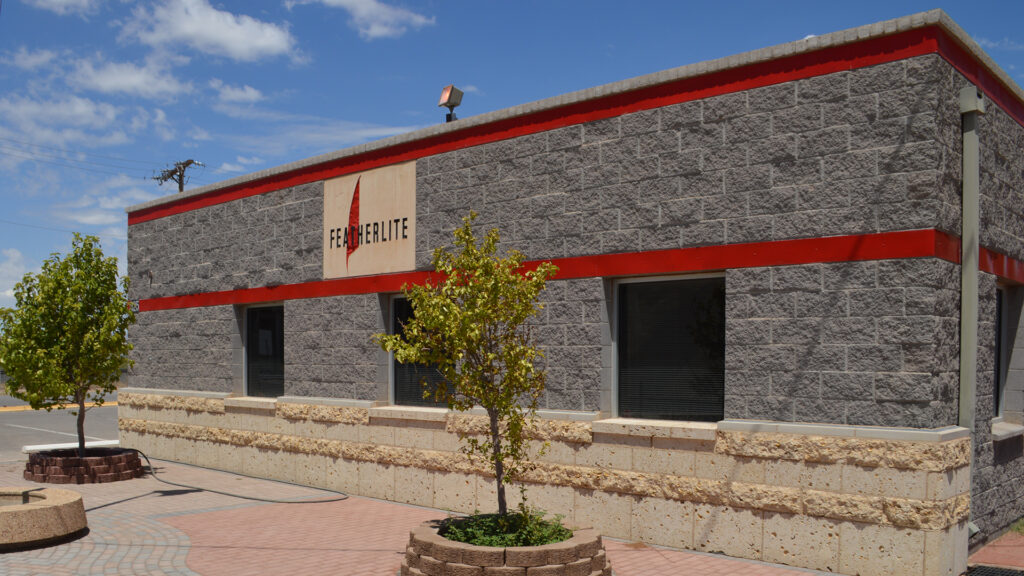
Acme Brick, Tile and Stone – El Paso
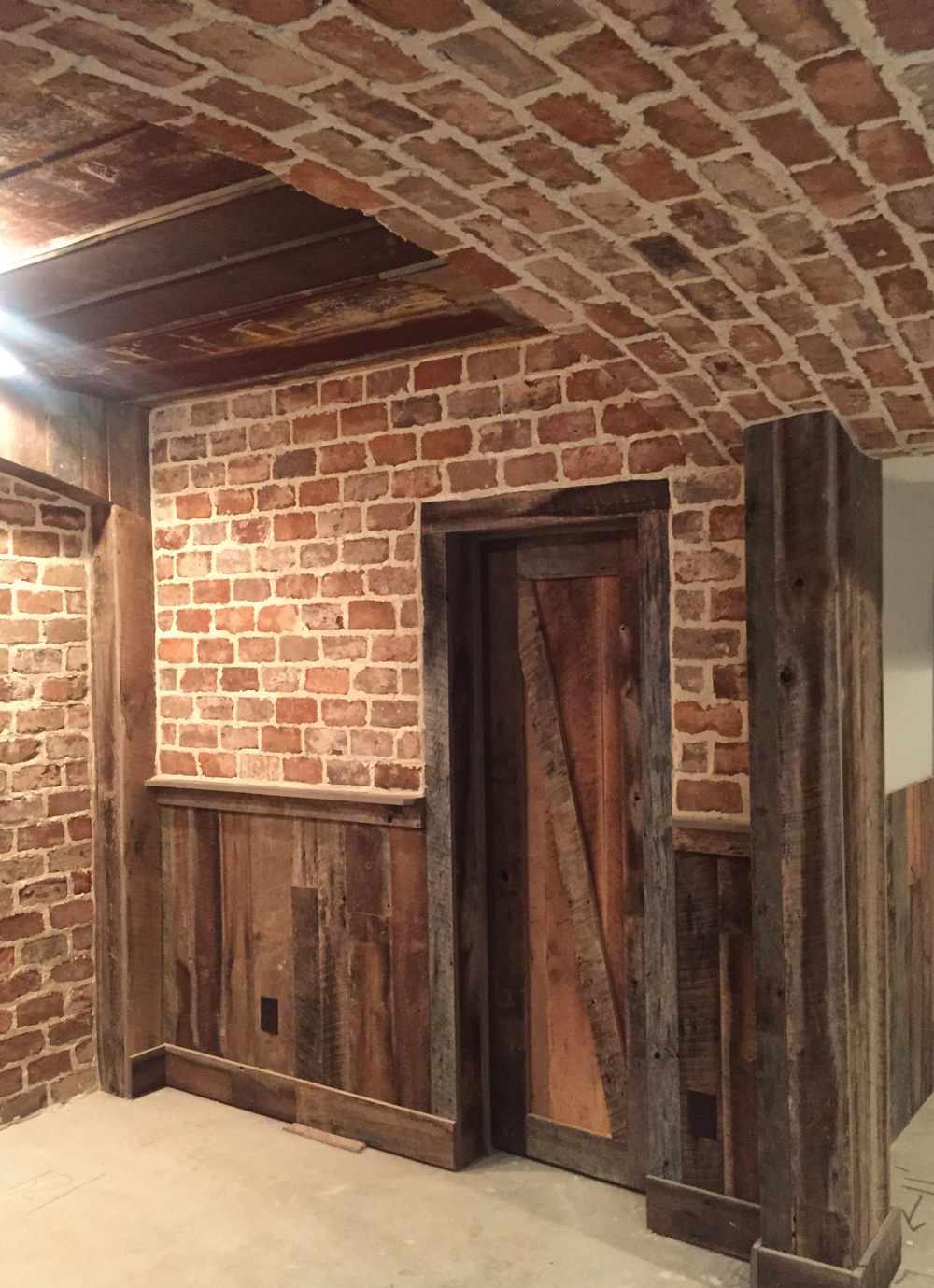
Want to make a new home look historic? Salvaged bricks can do the trick.
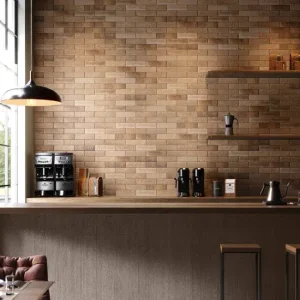
Acme Brick
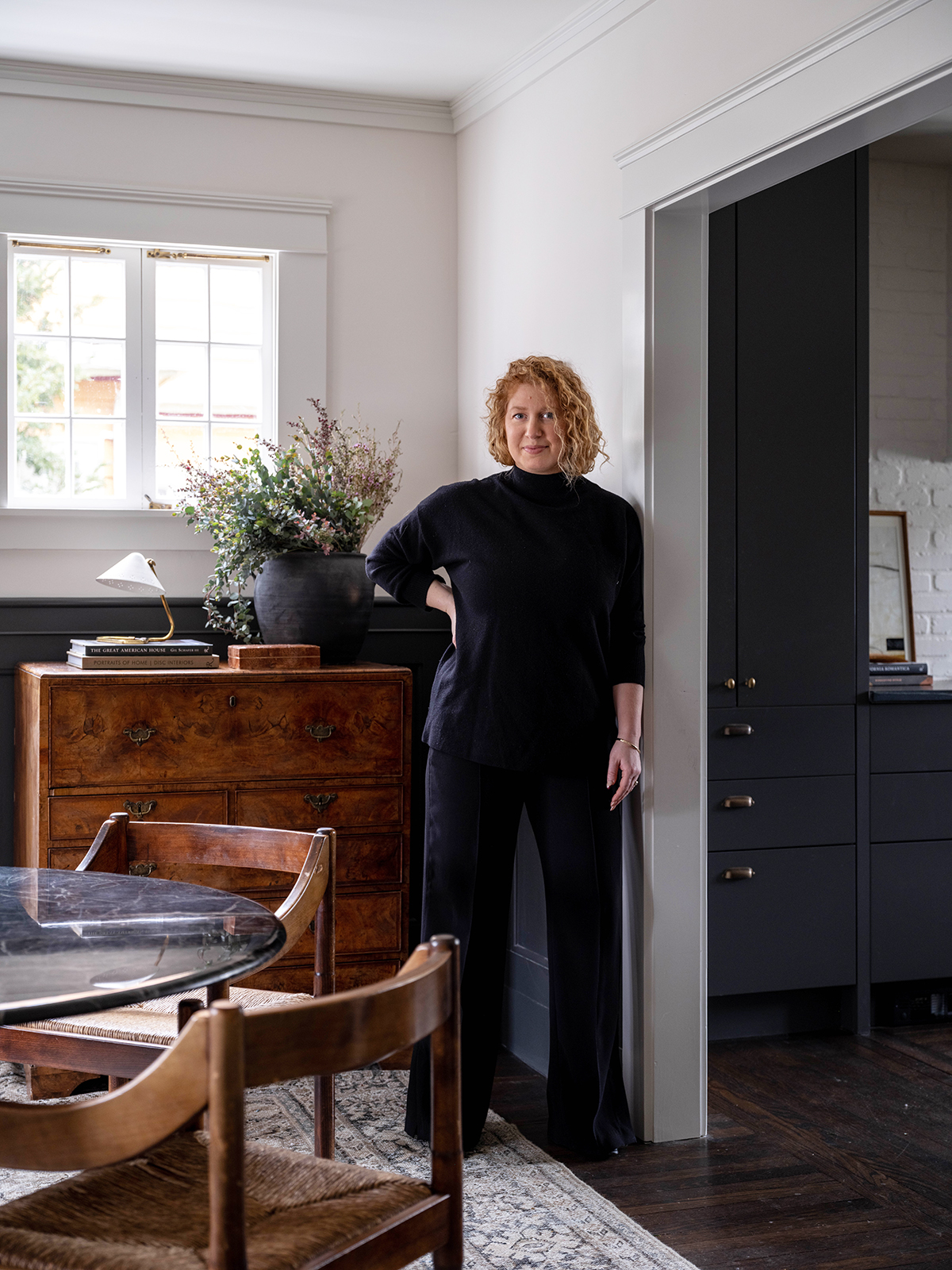
This Designer Brought Brick Back Into a Colonial in a Big (But Sneaky) Way

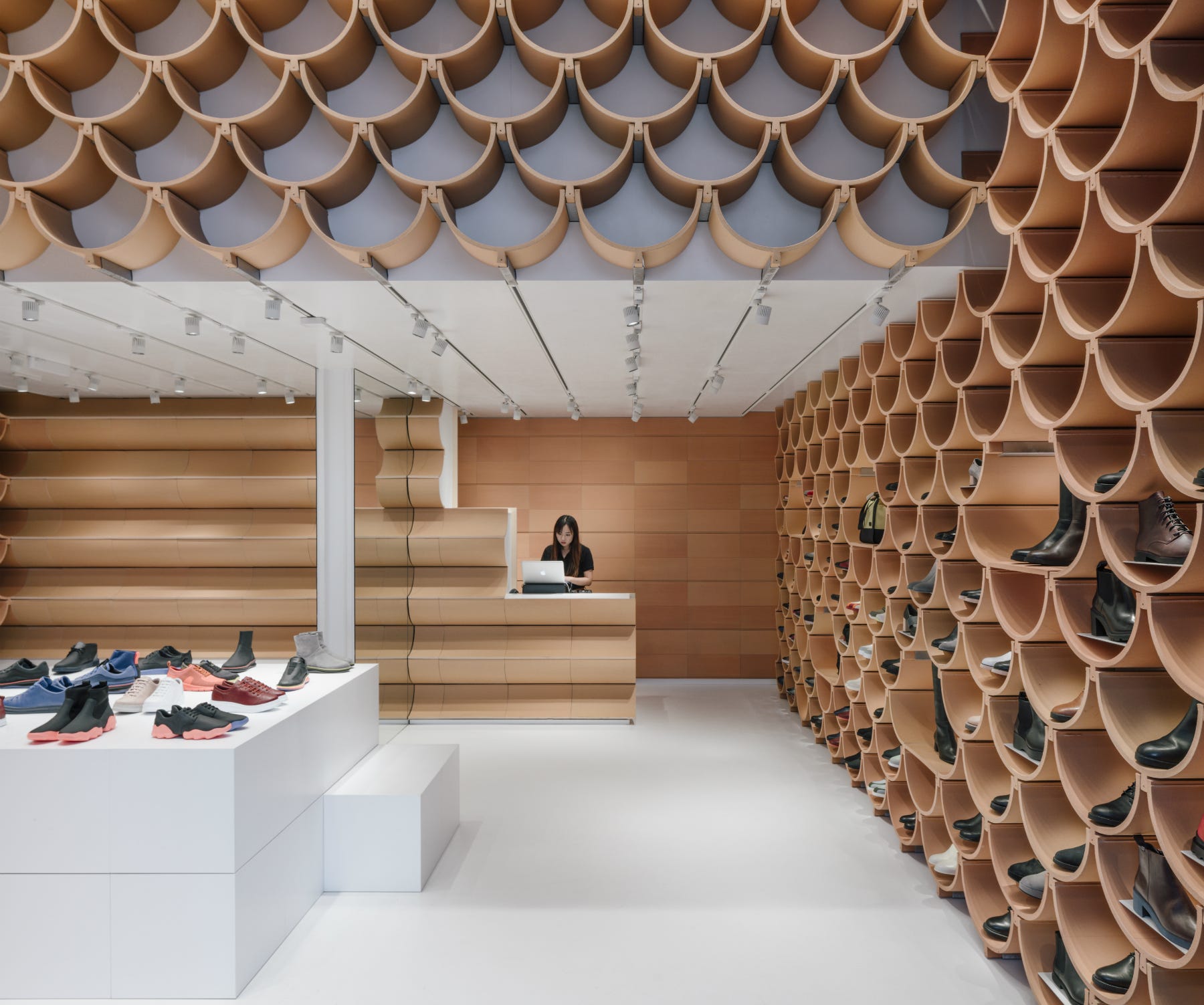
Exposed Brick and Interior Design: An Ancient Material Meets the Realm of Retail
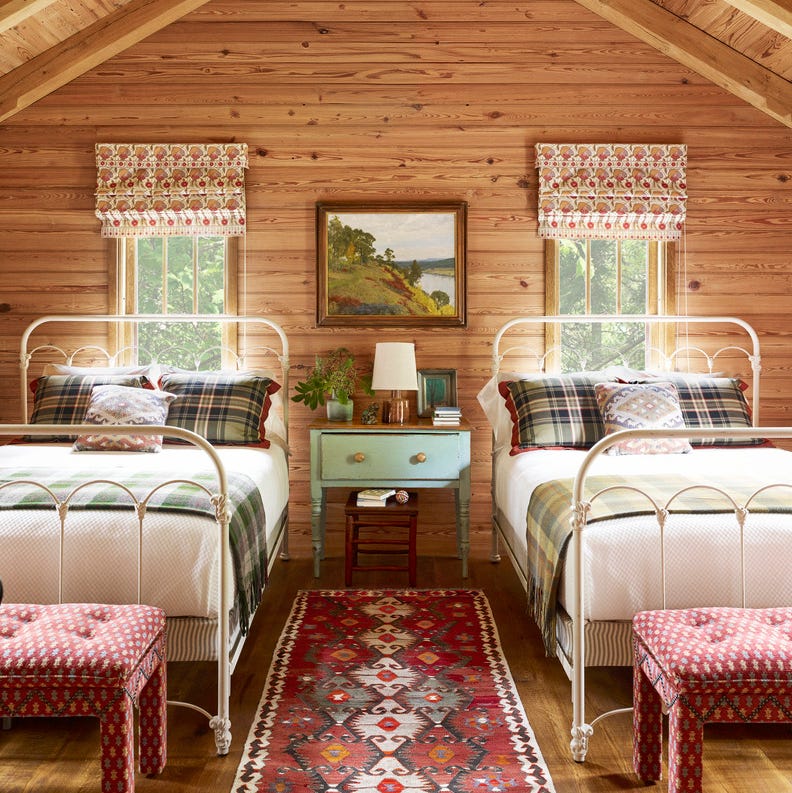
Trend Alert: Wood Walls Are BACK!
Masonry reinvented: One brick at a time
More Practical Than Plaster and Cement: This Material Is on Our Reno Radar
New-old flooring: cement tiling on its way back| Gulf Times