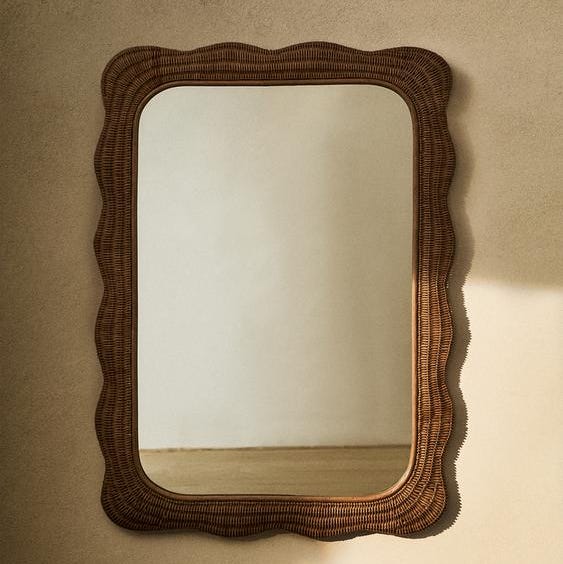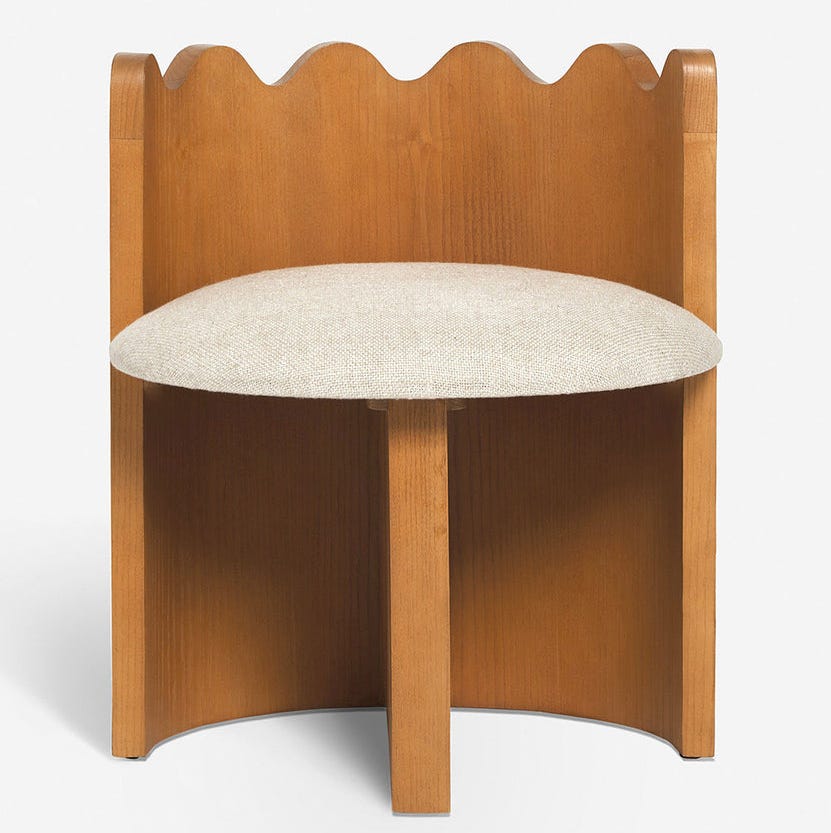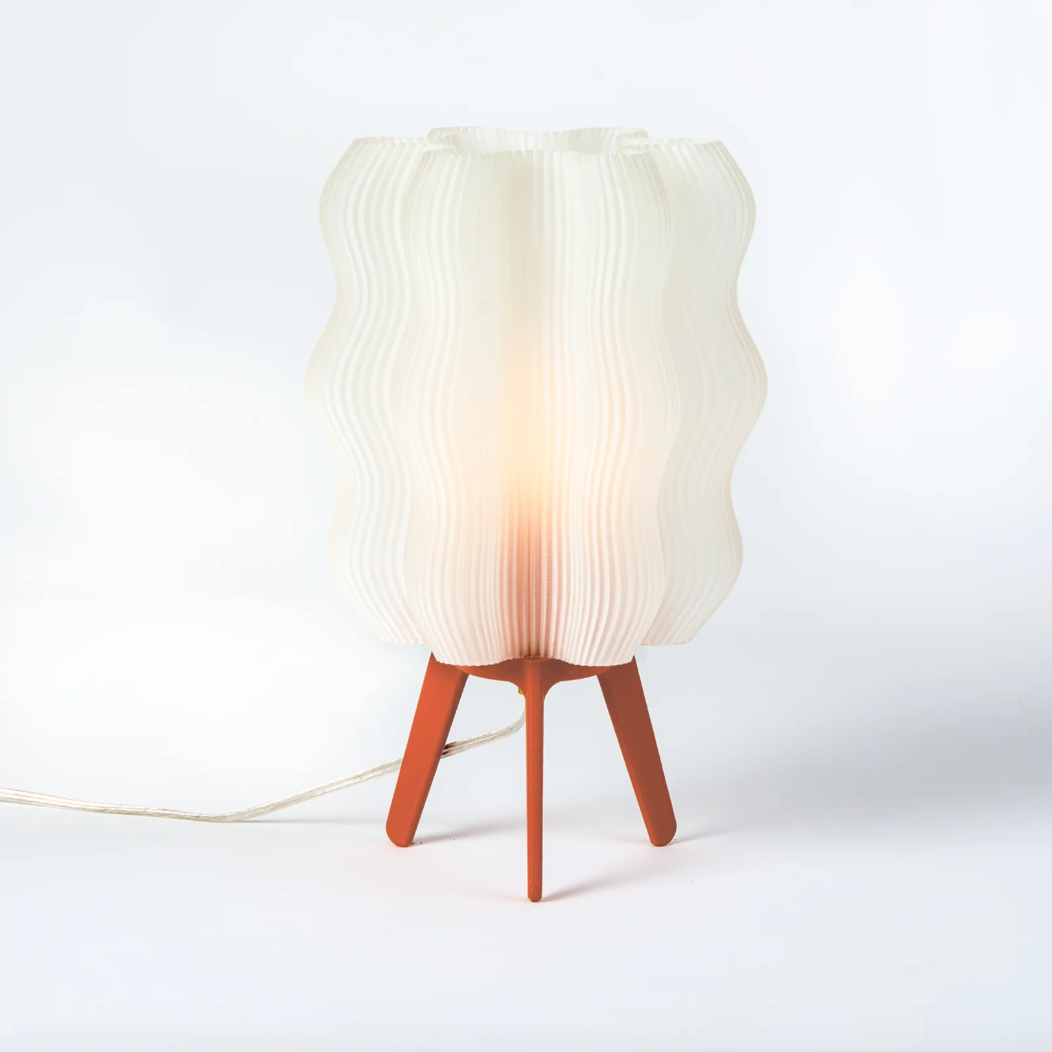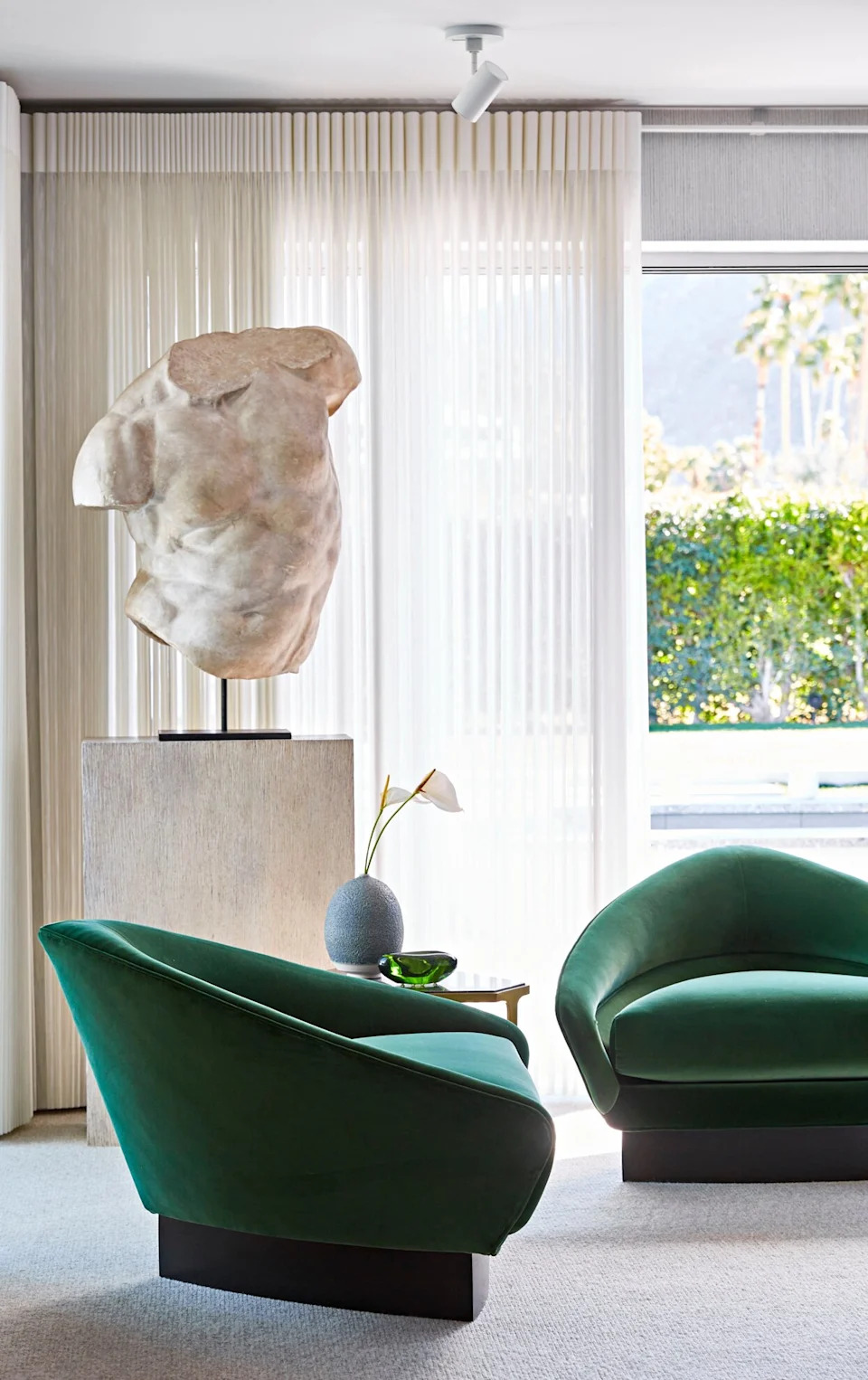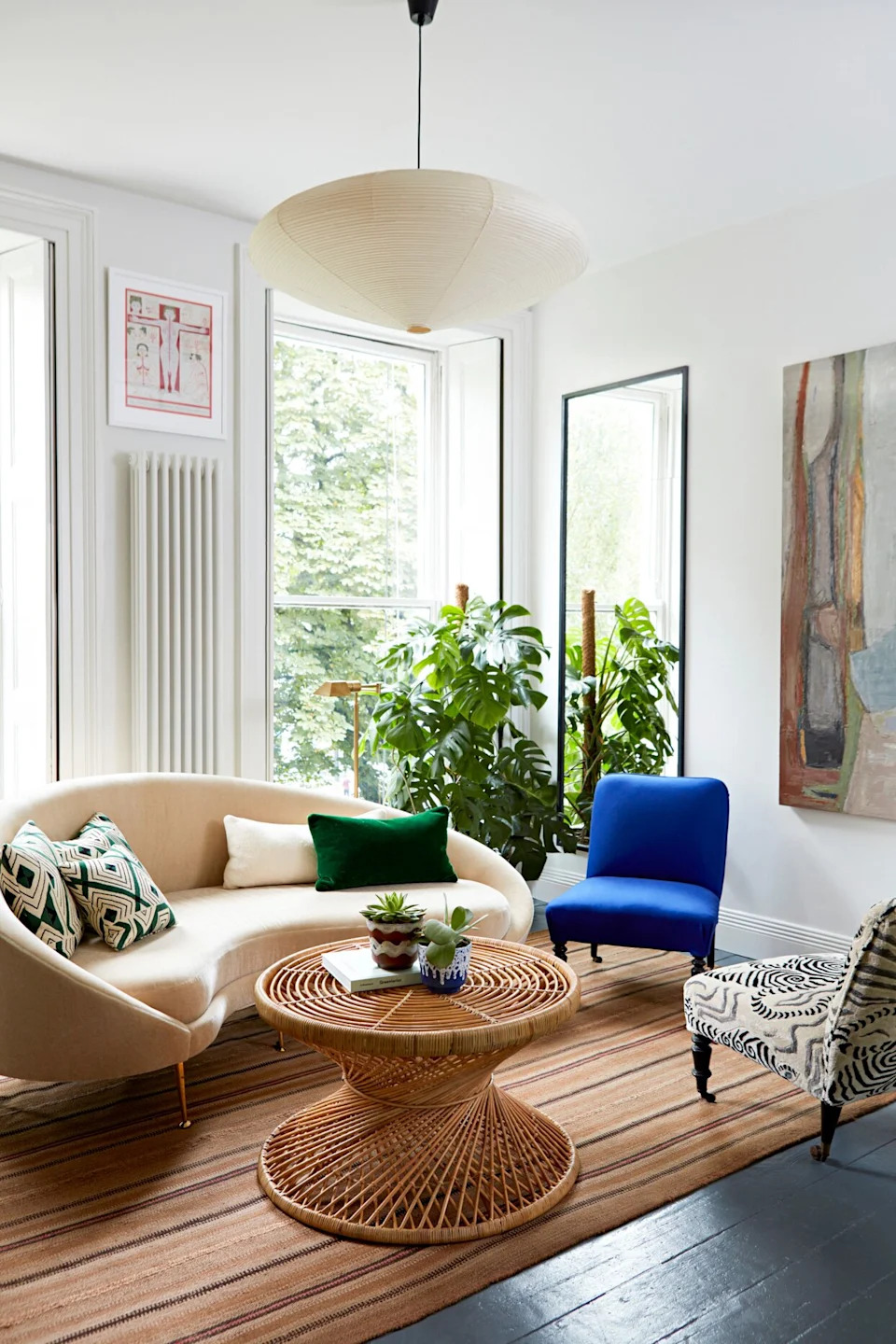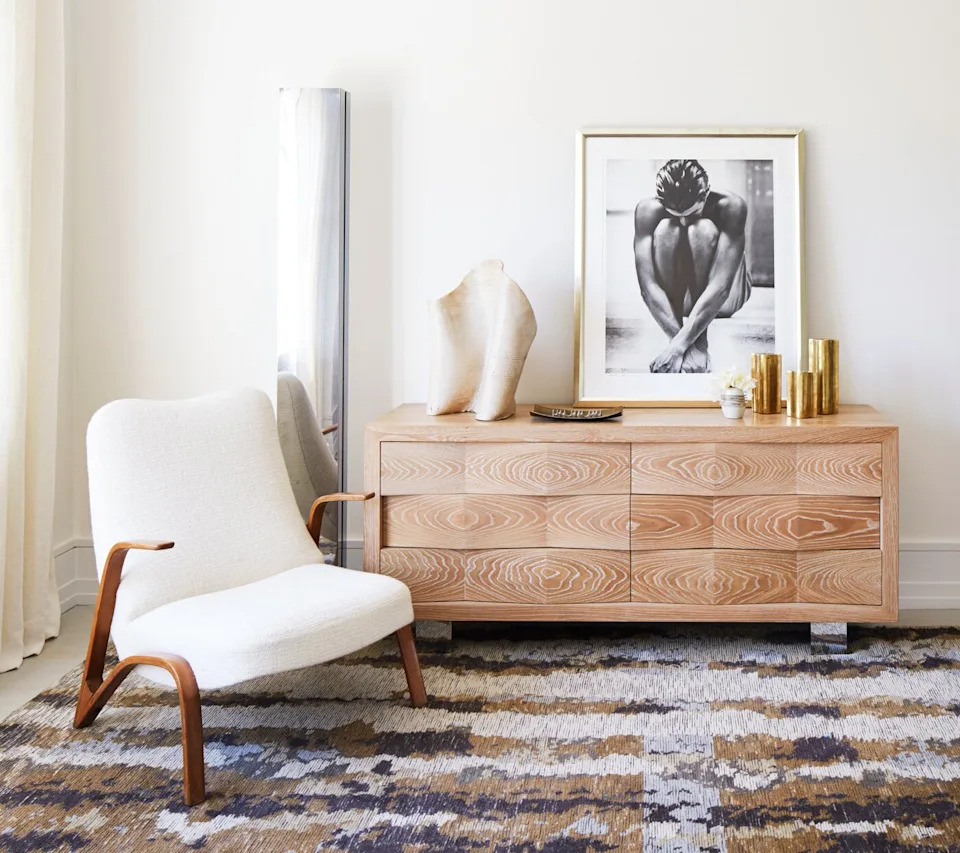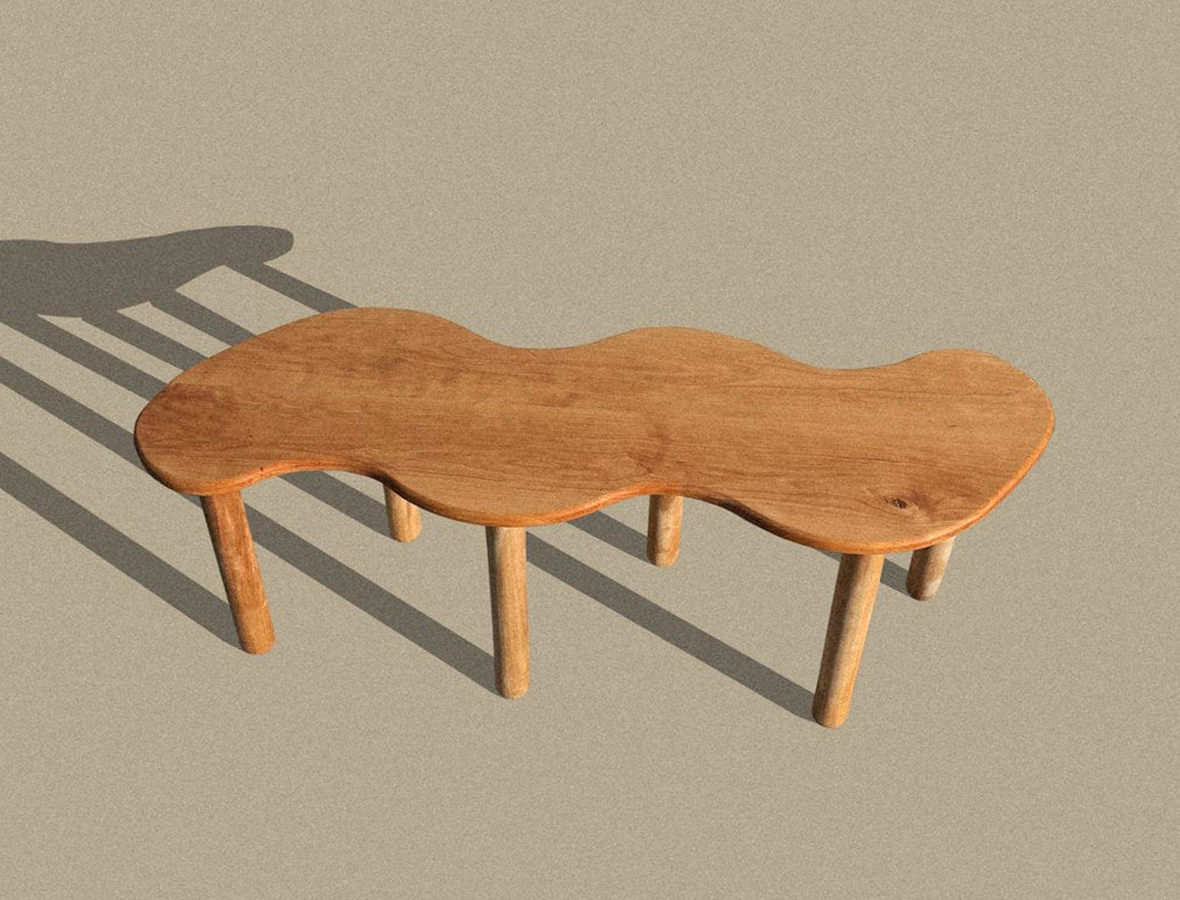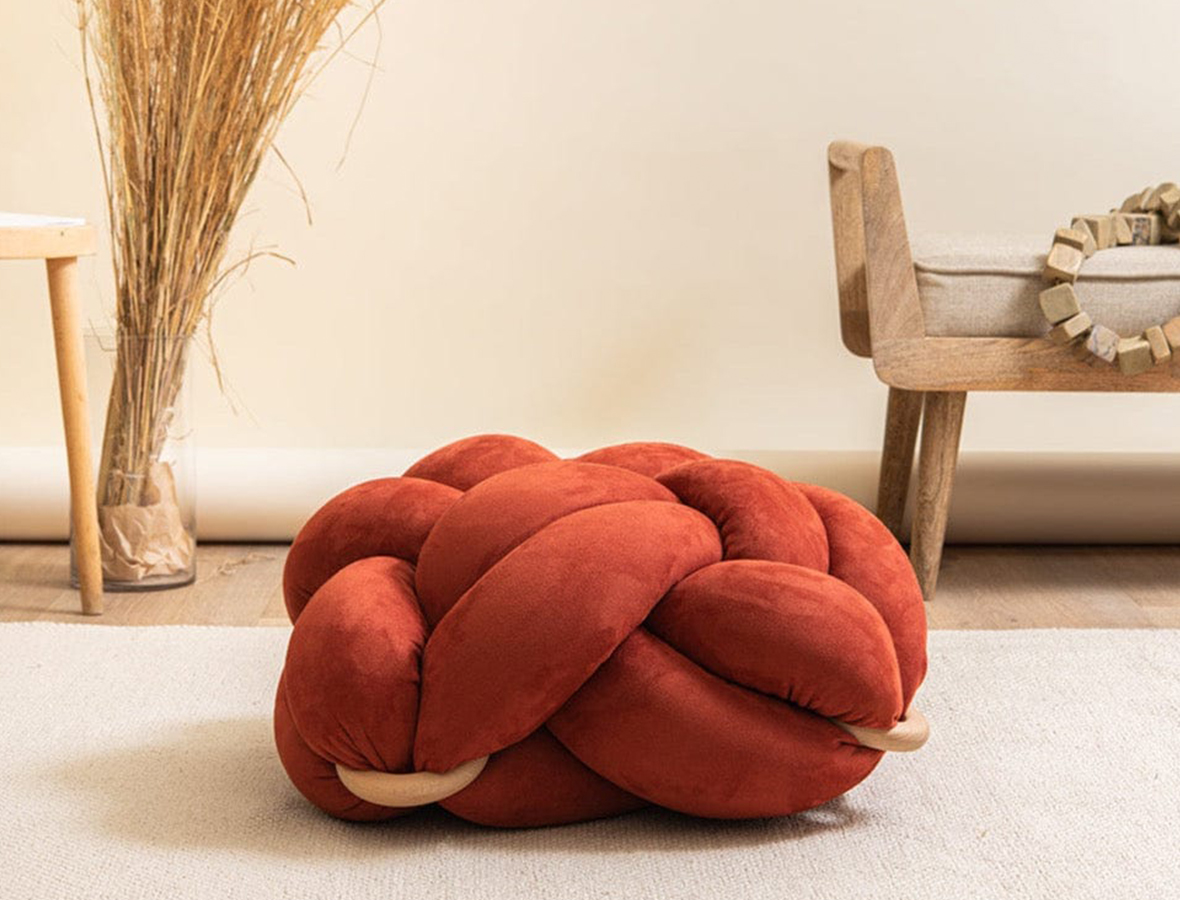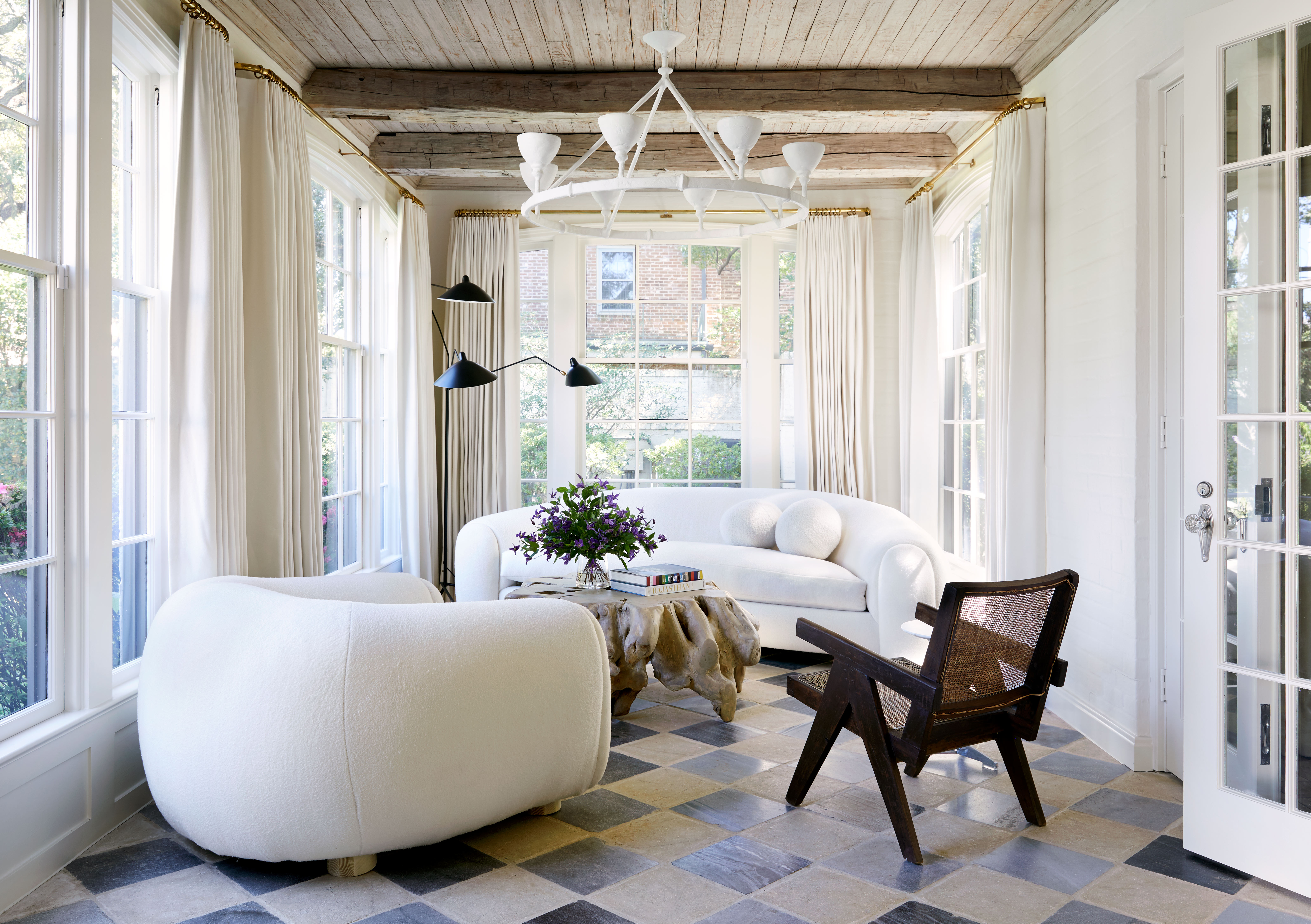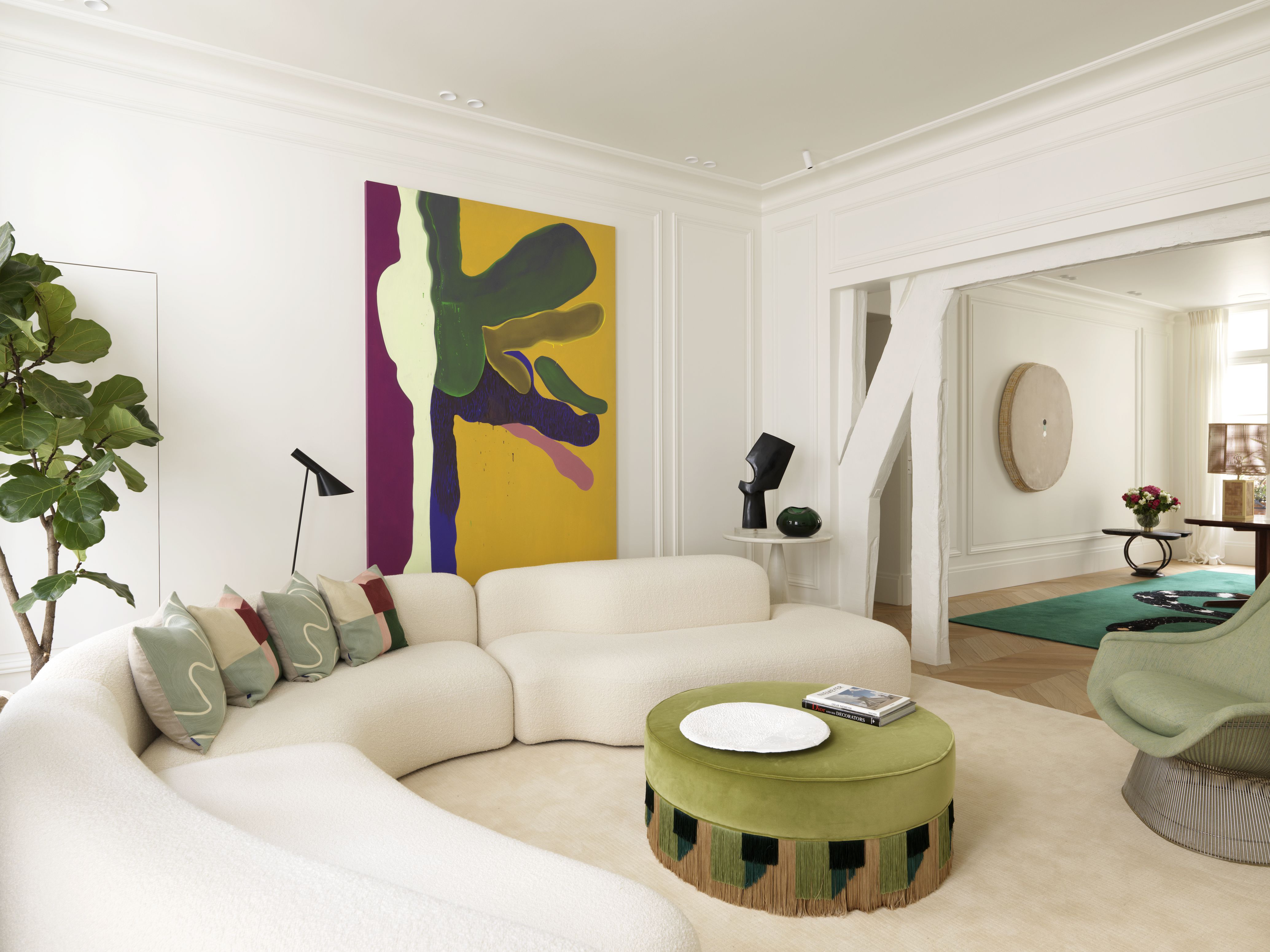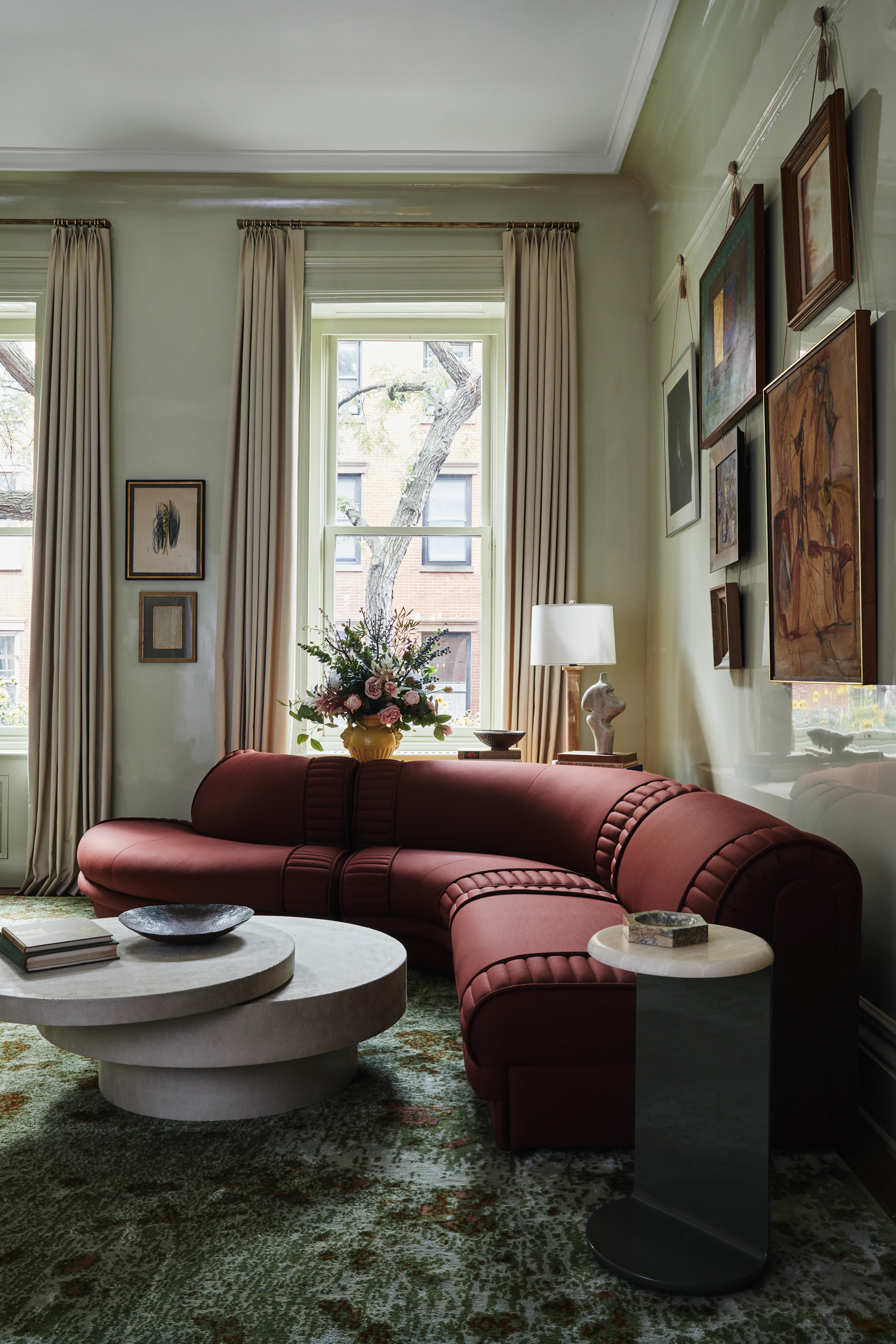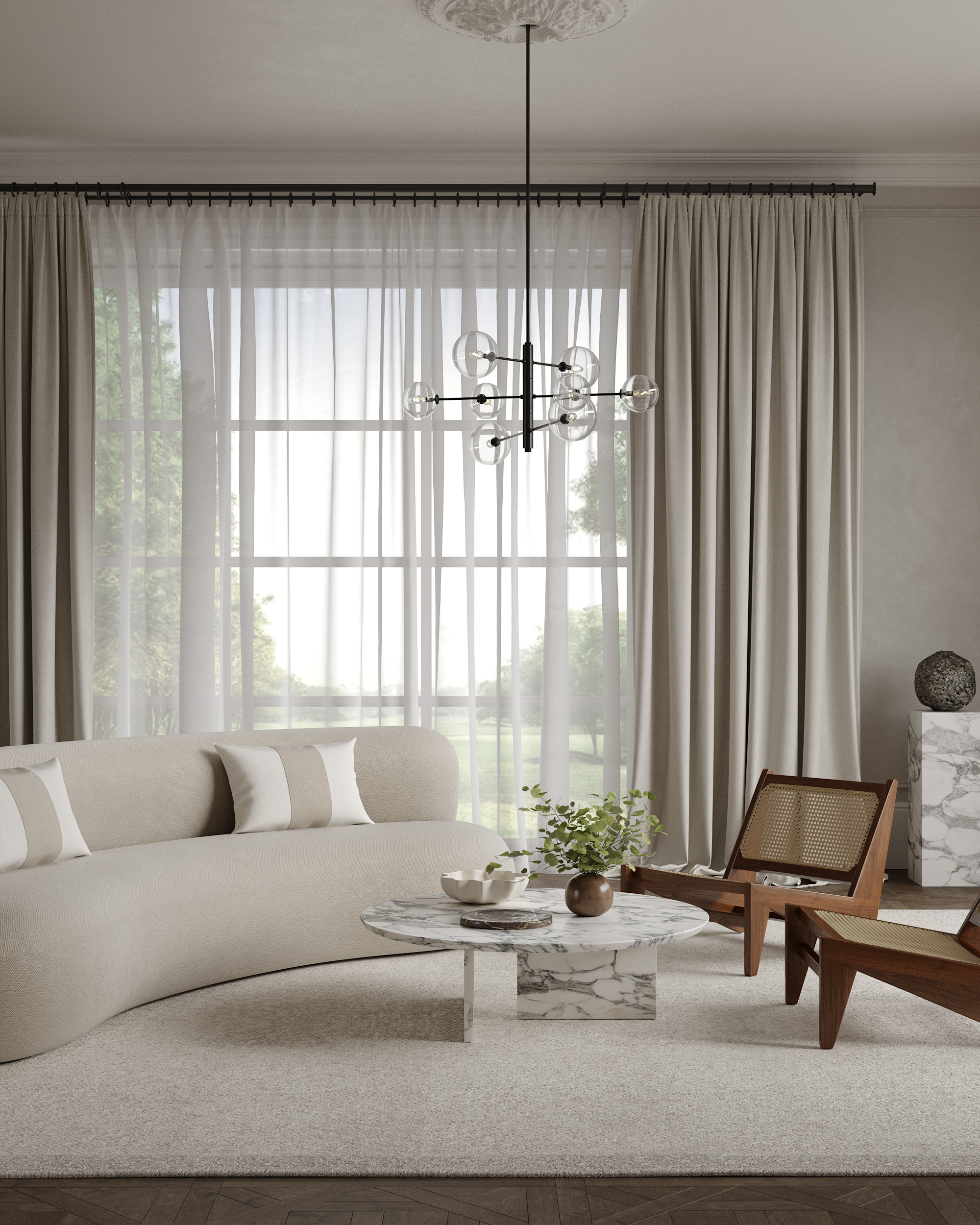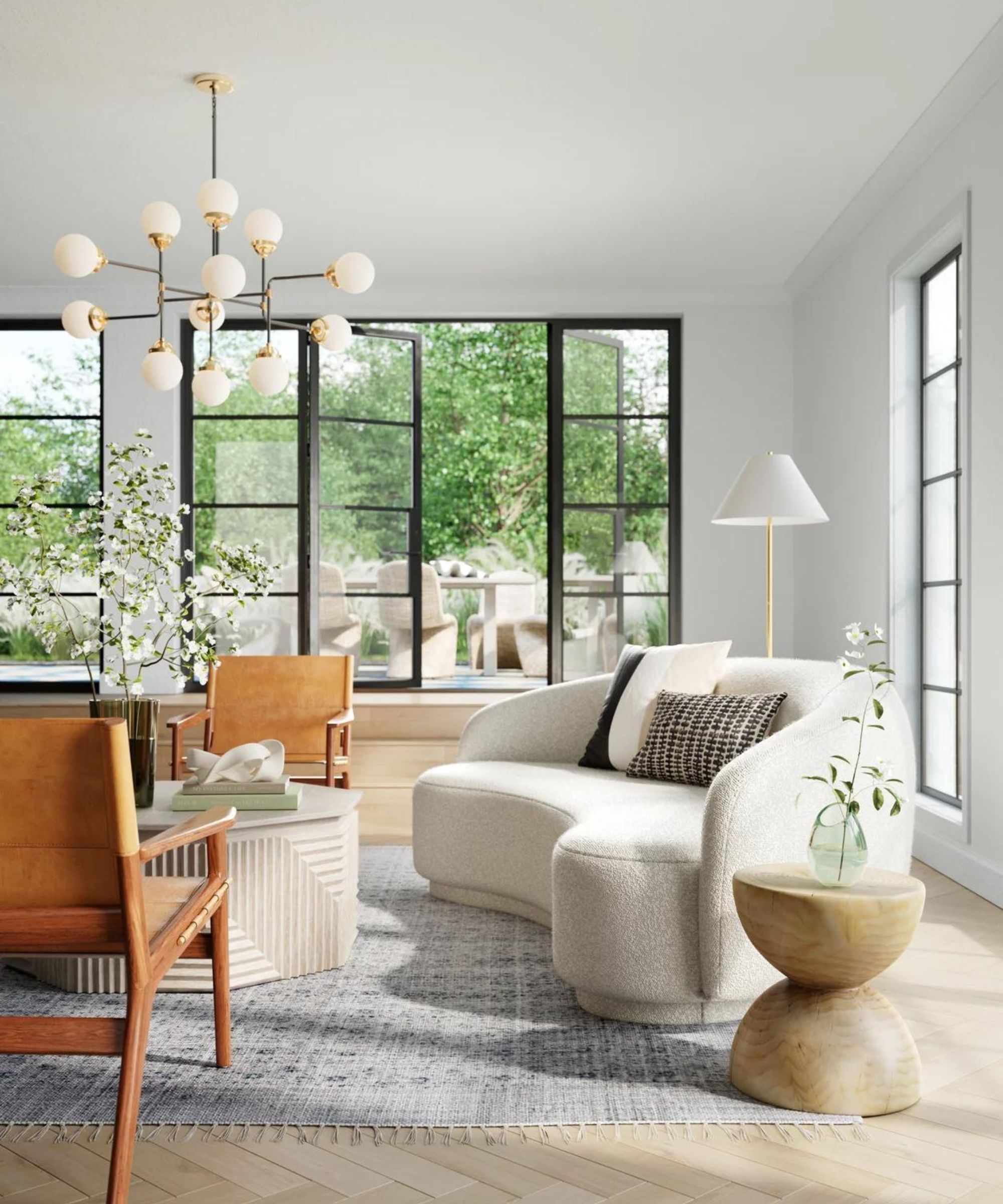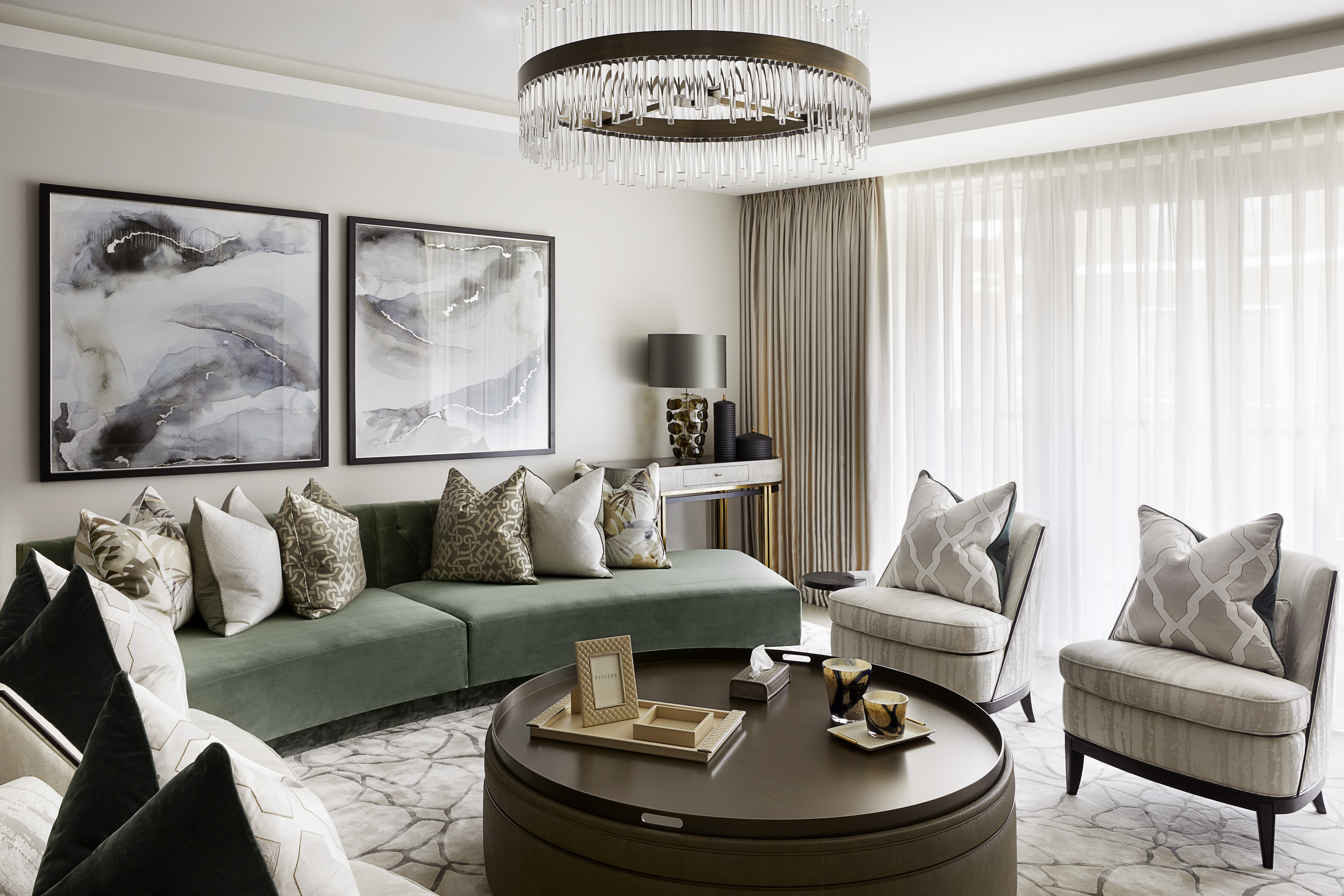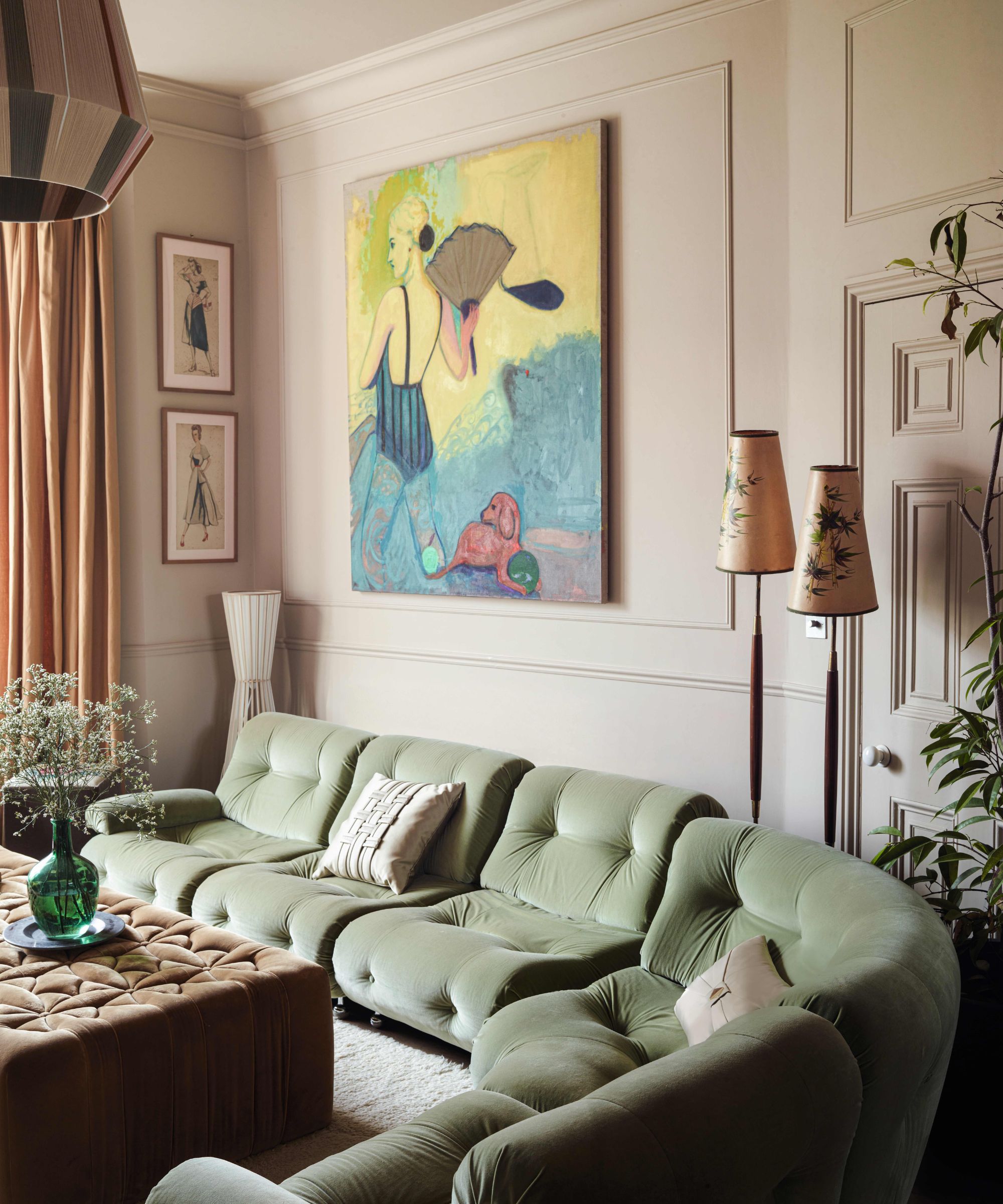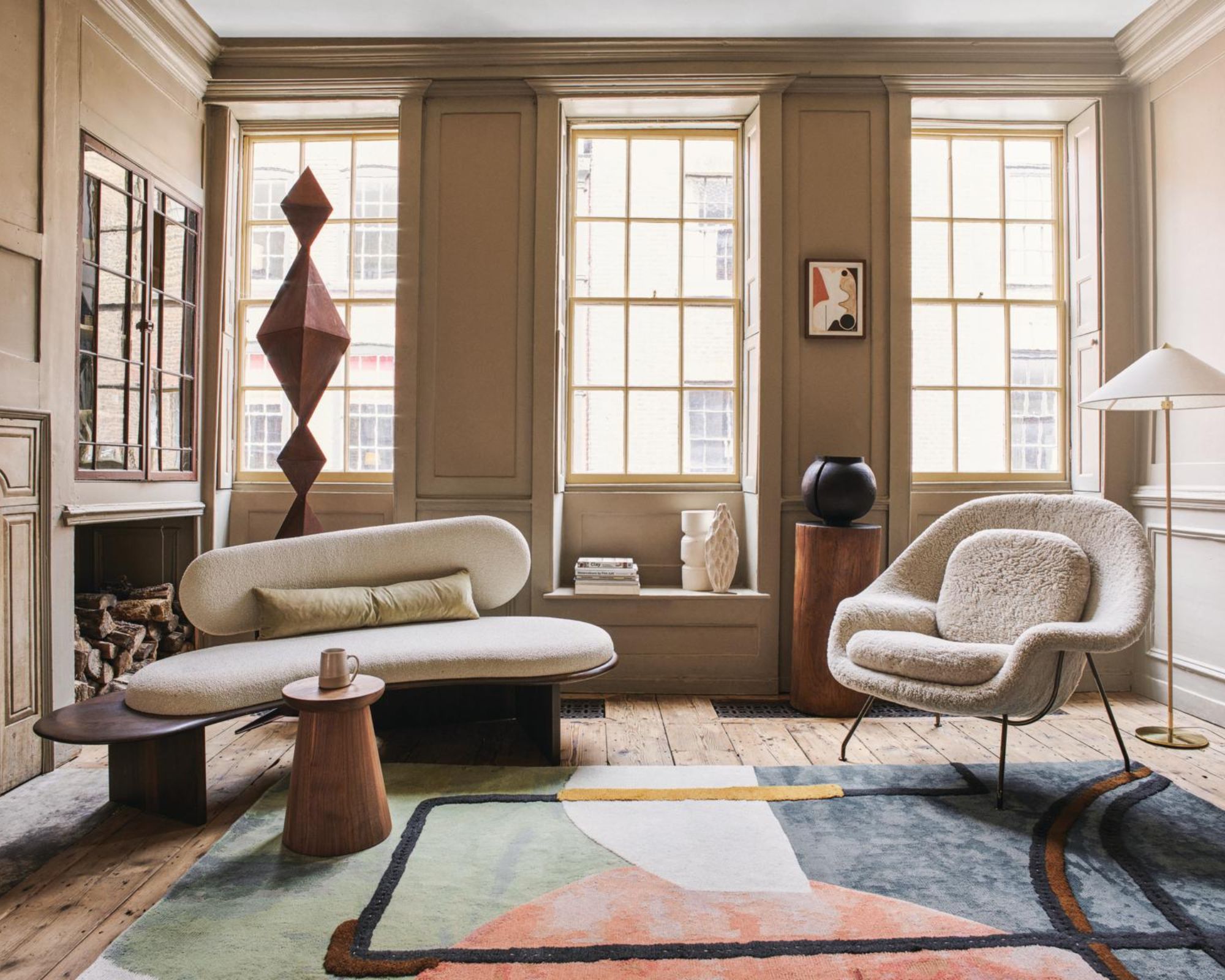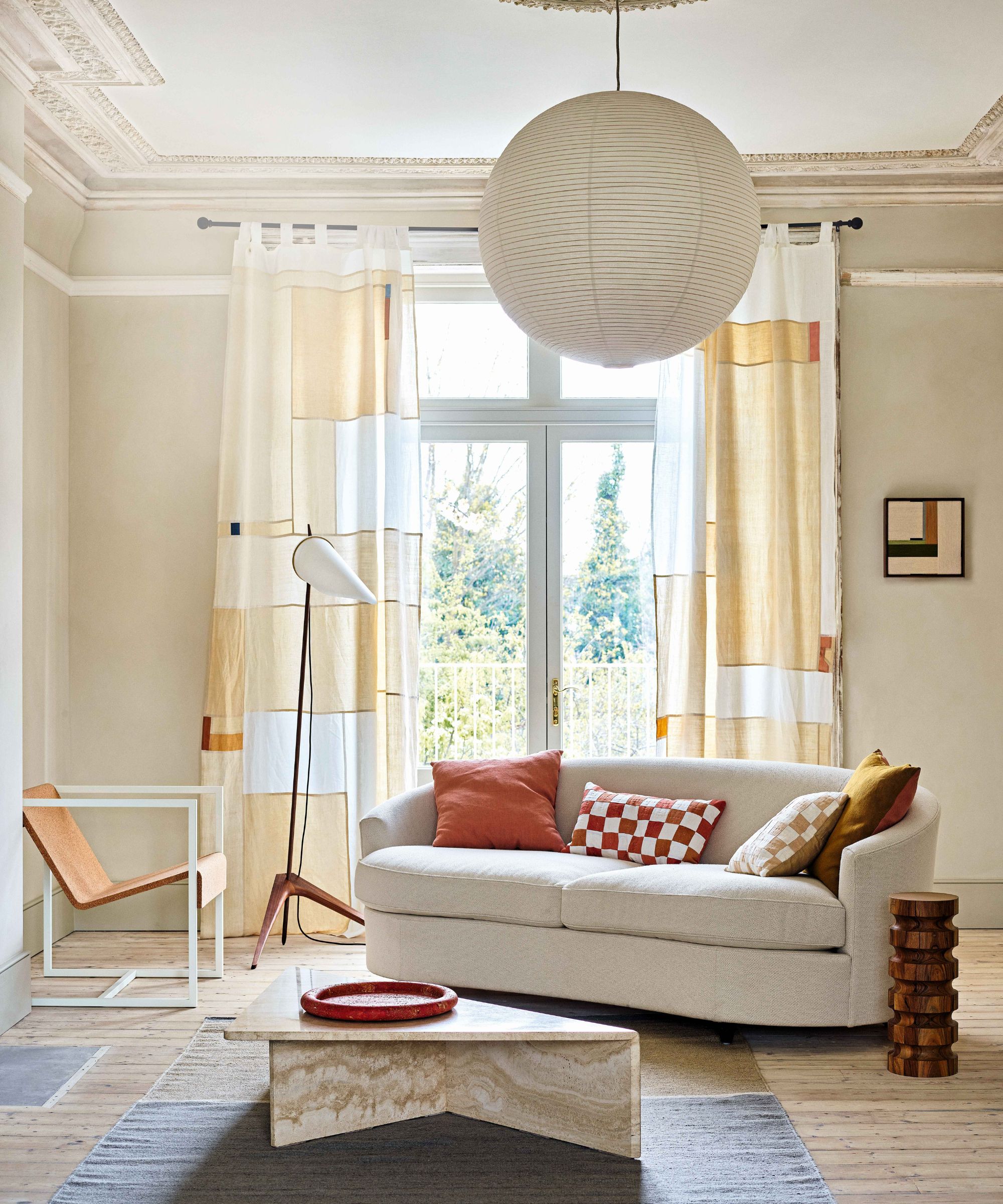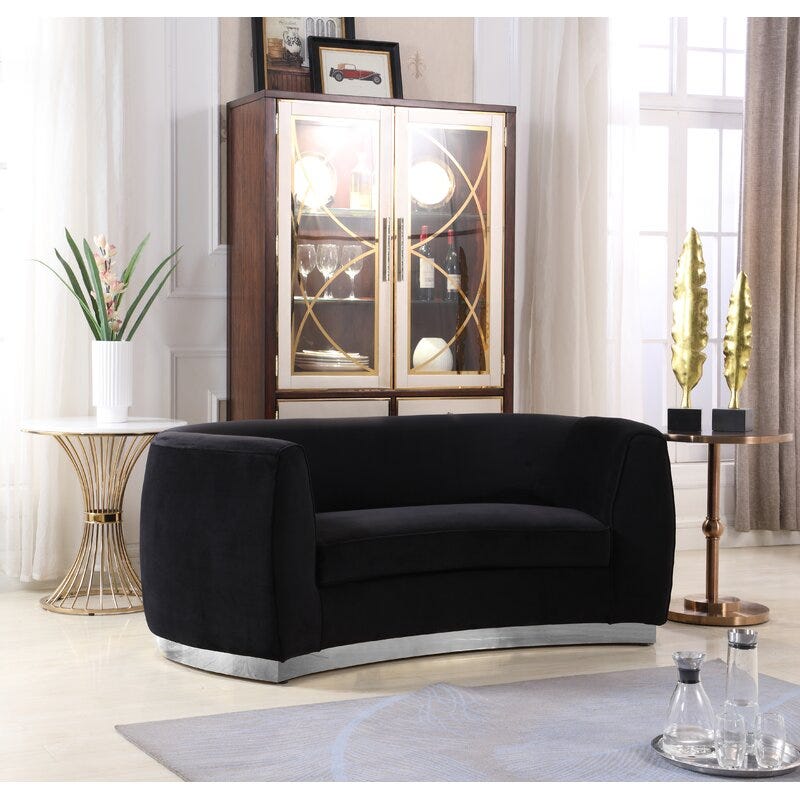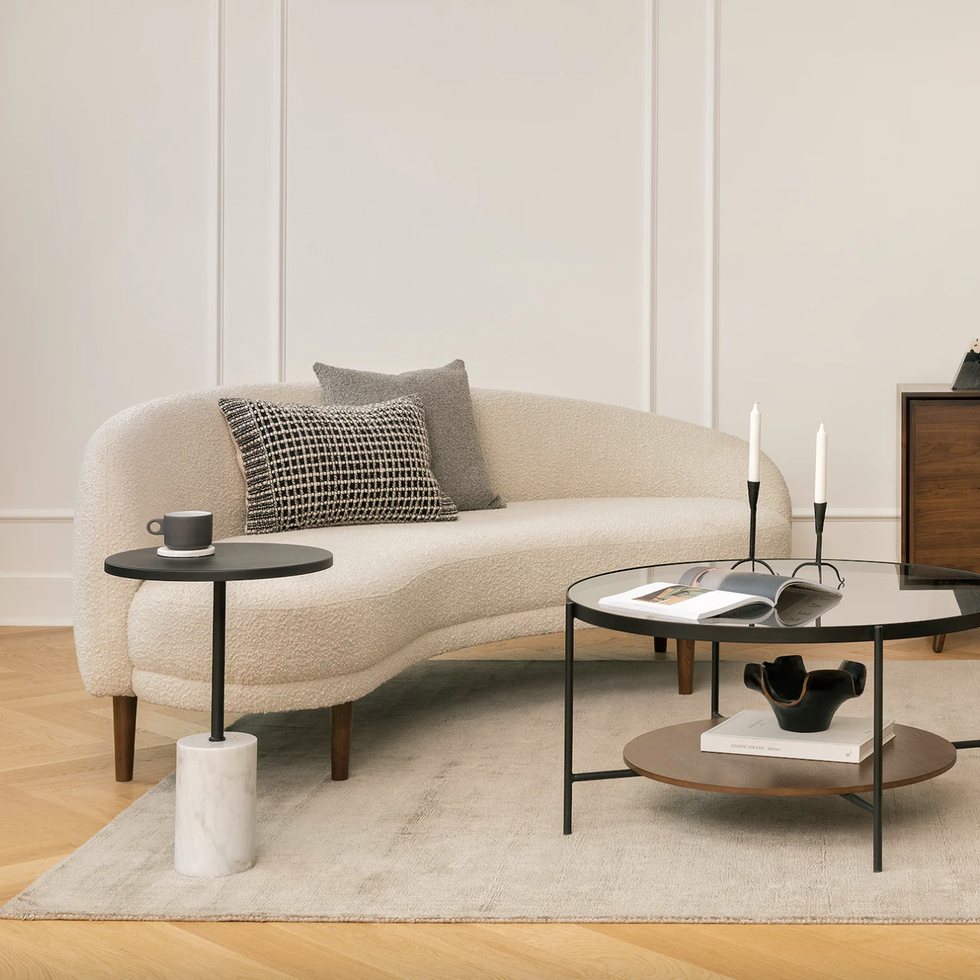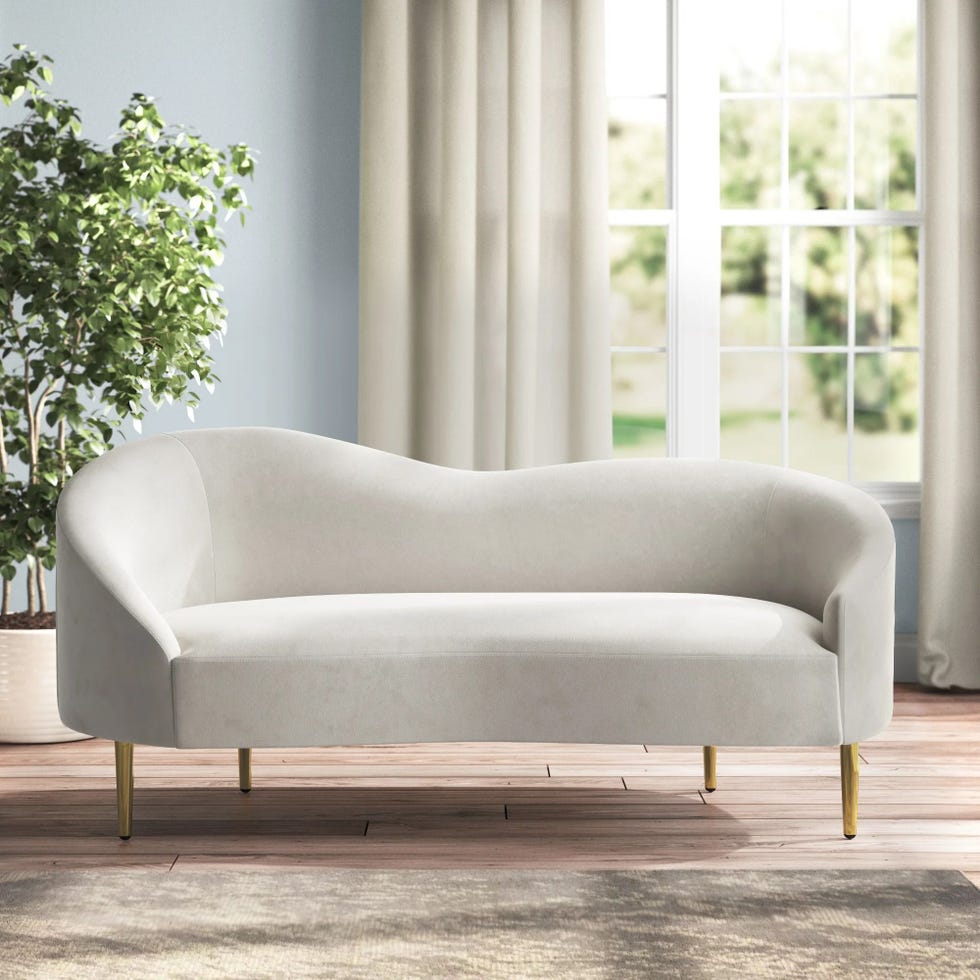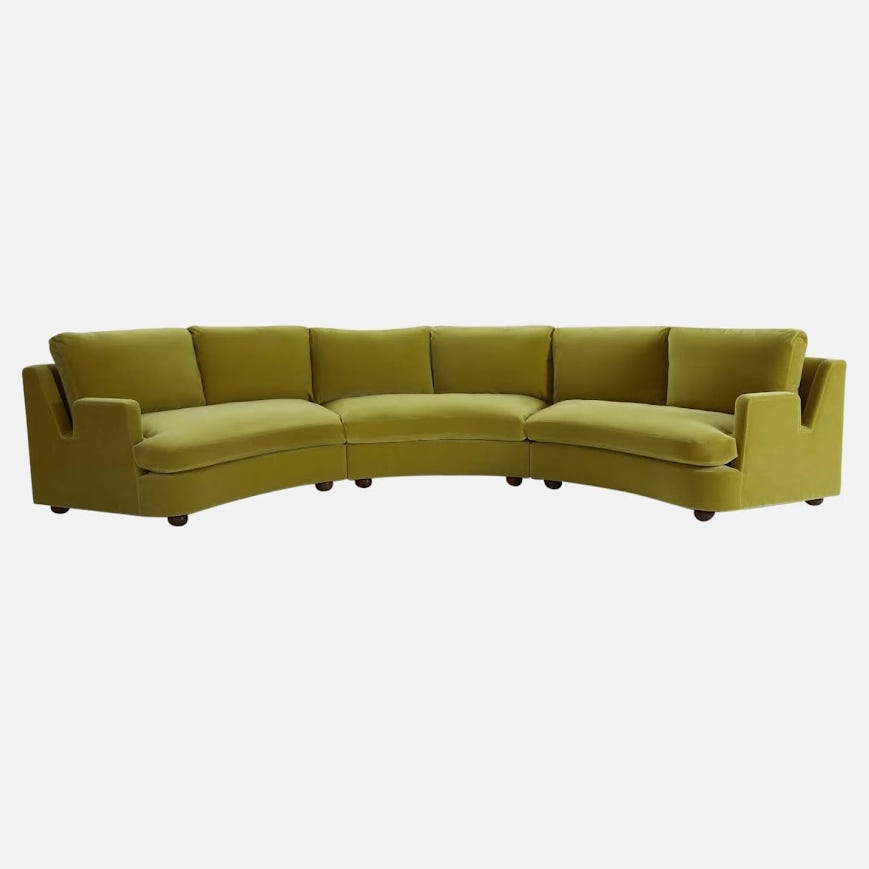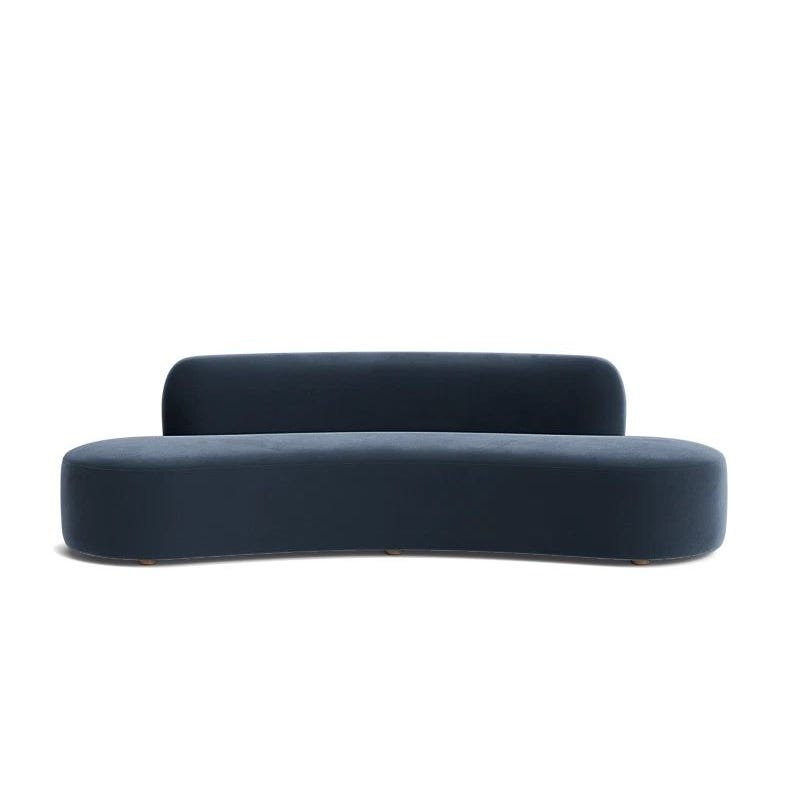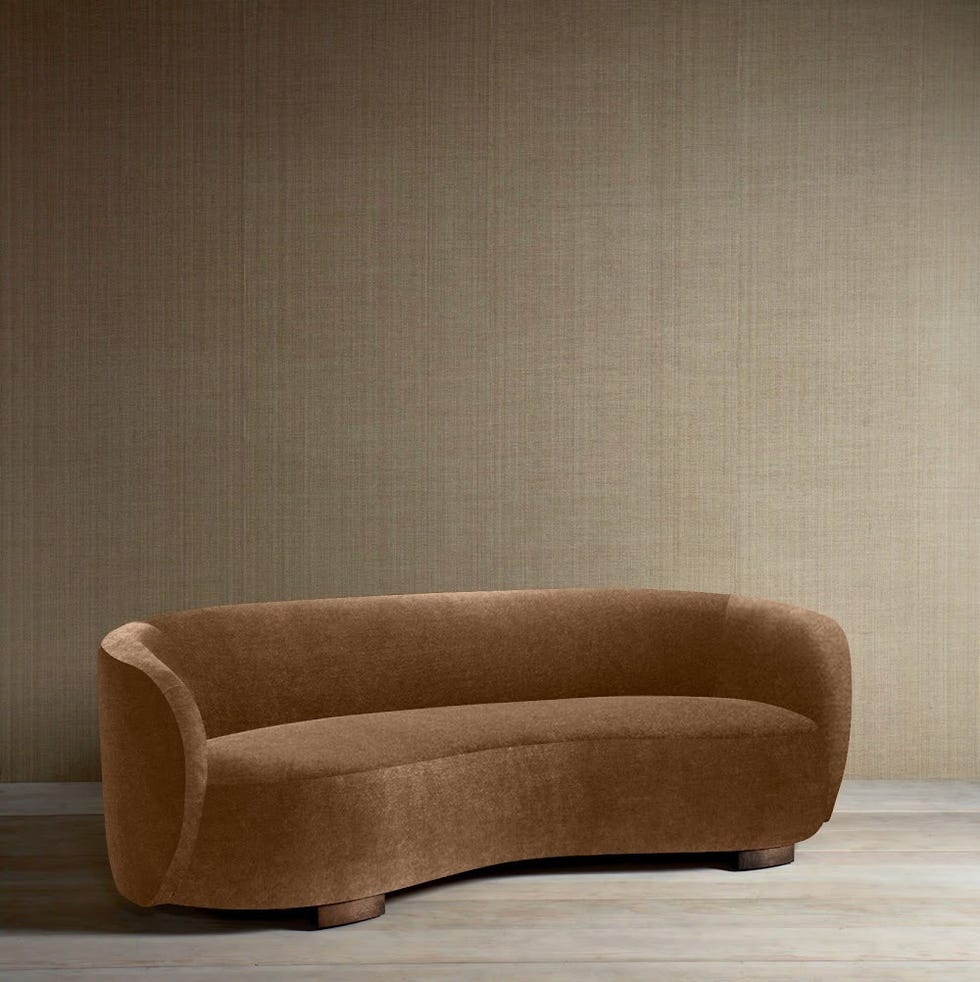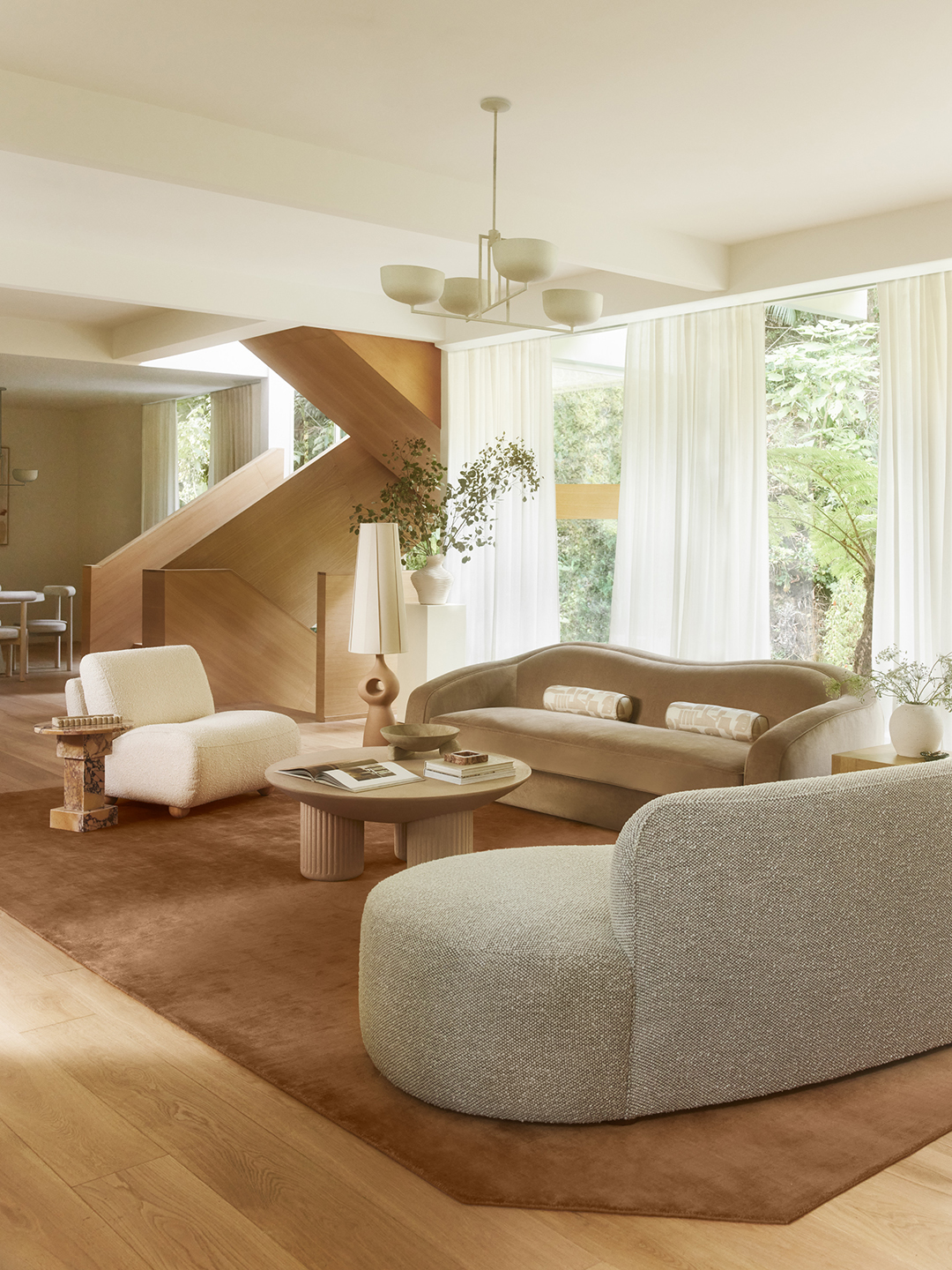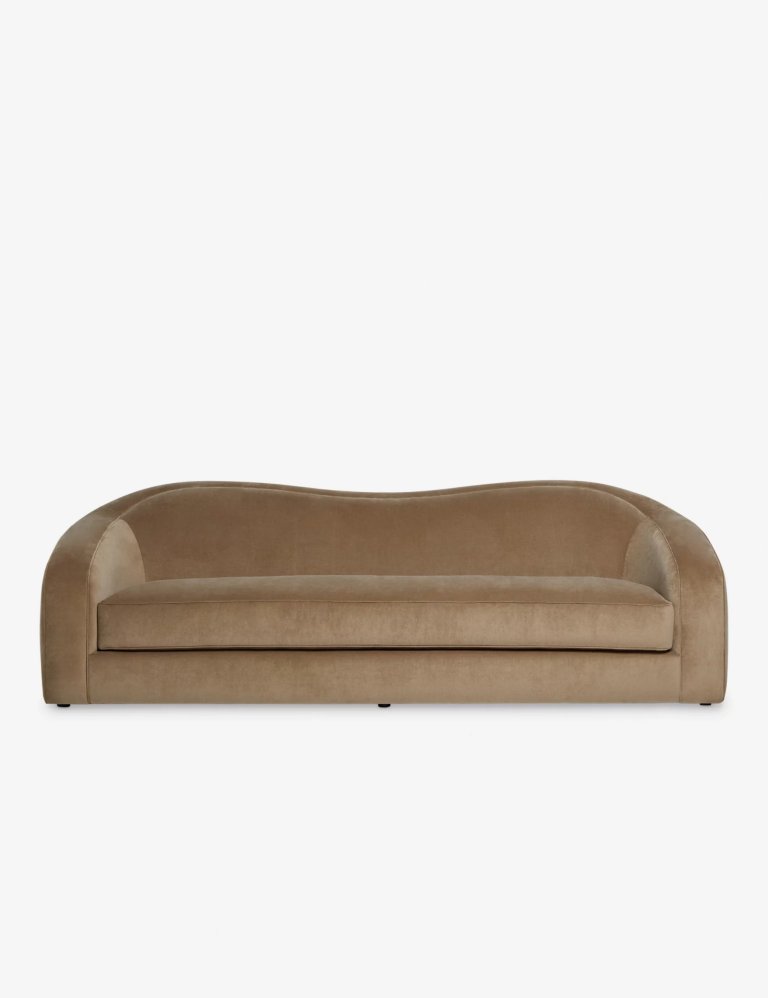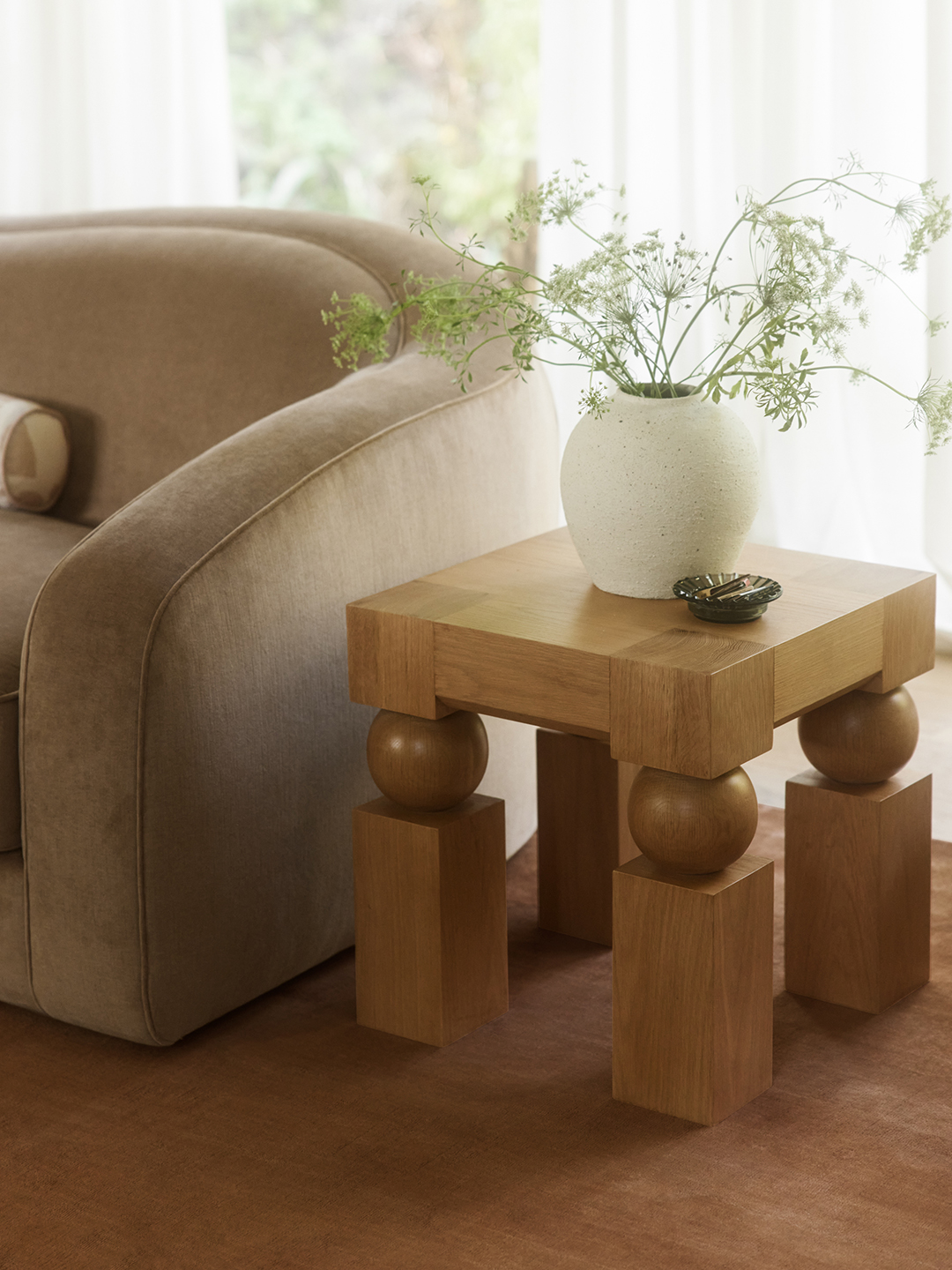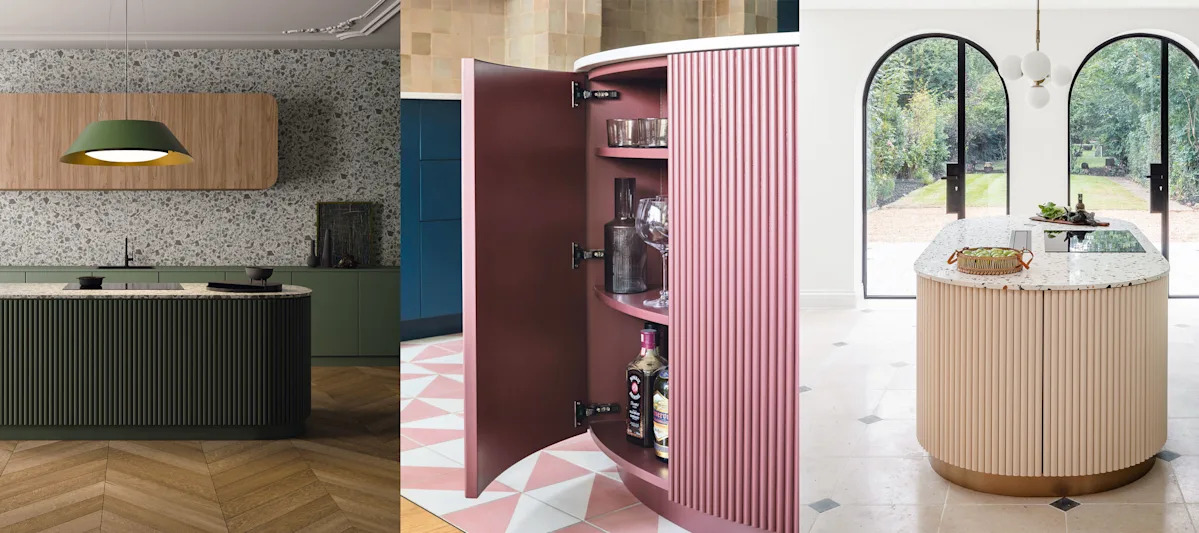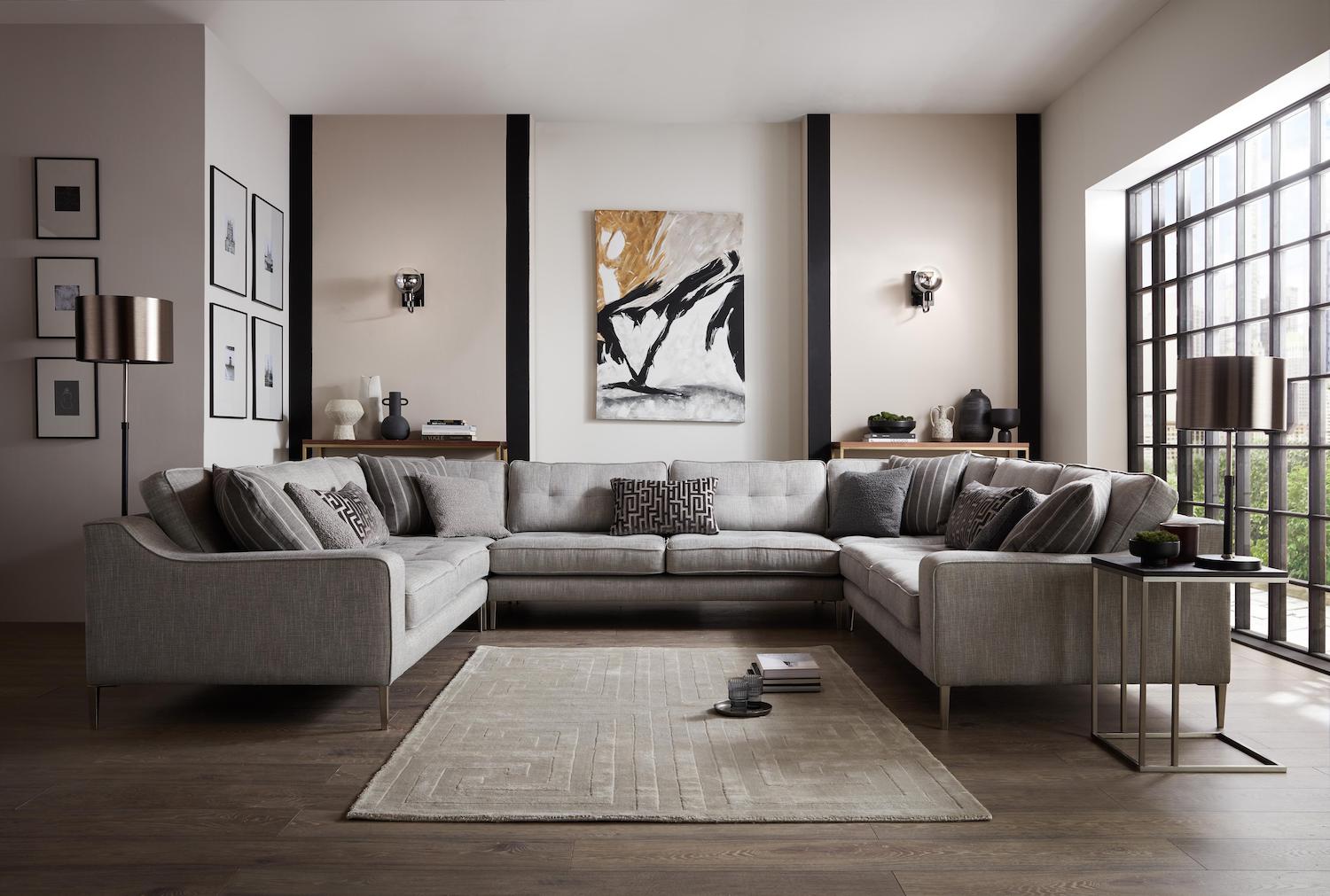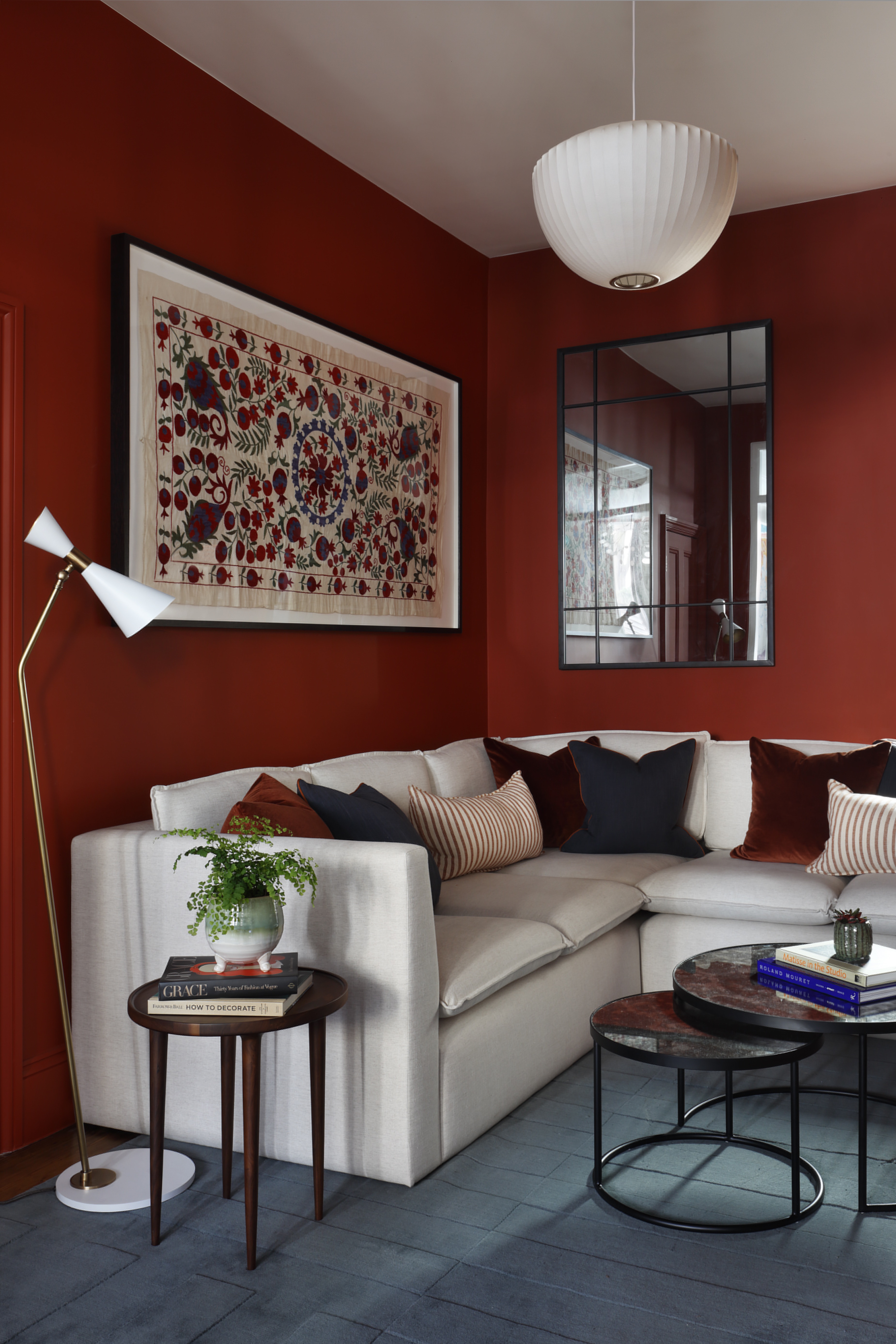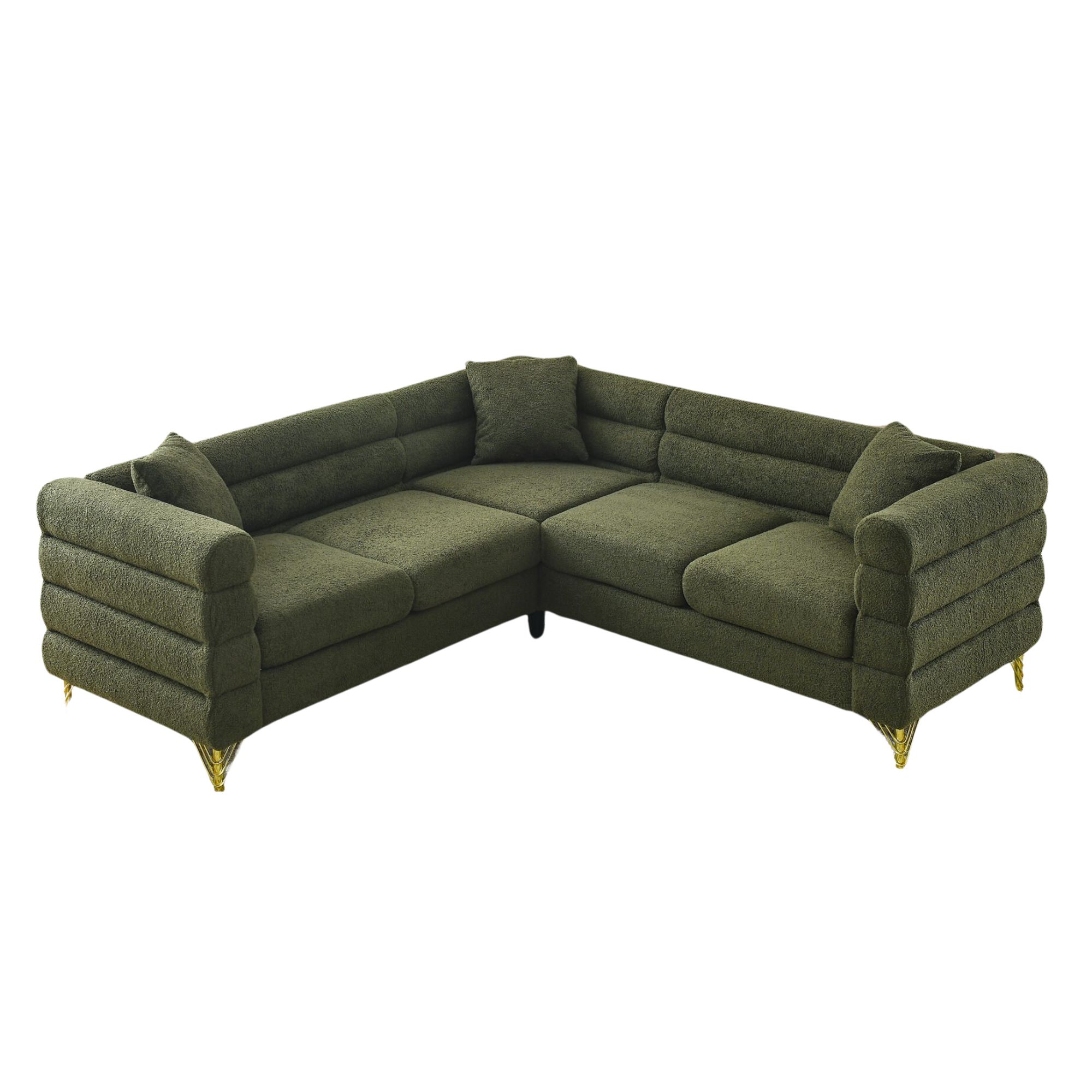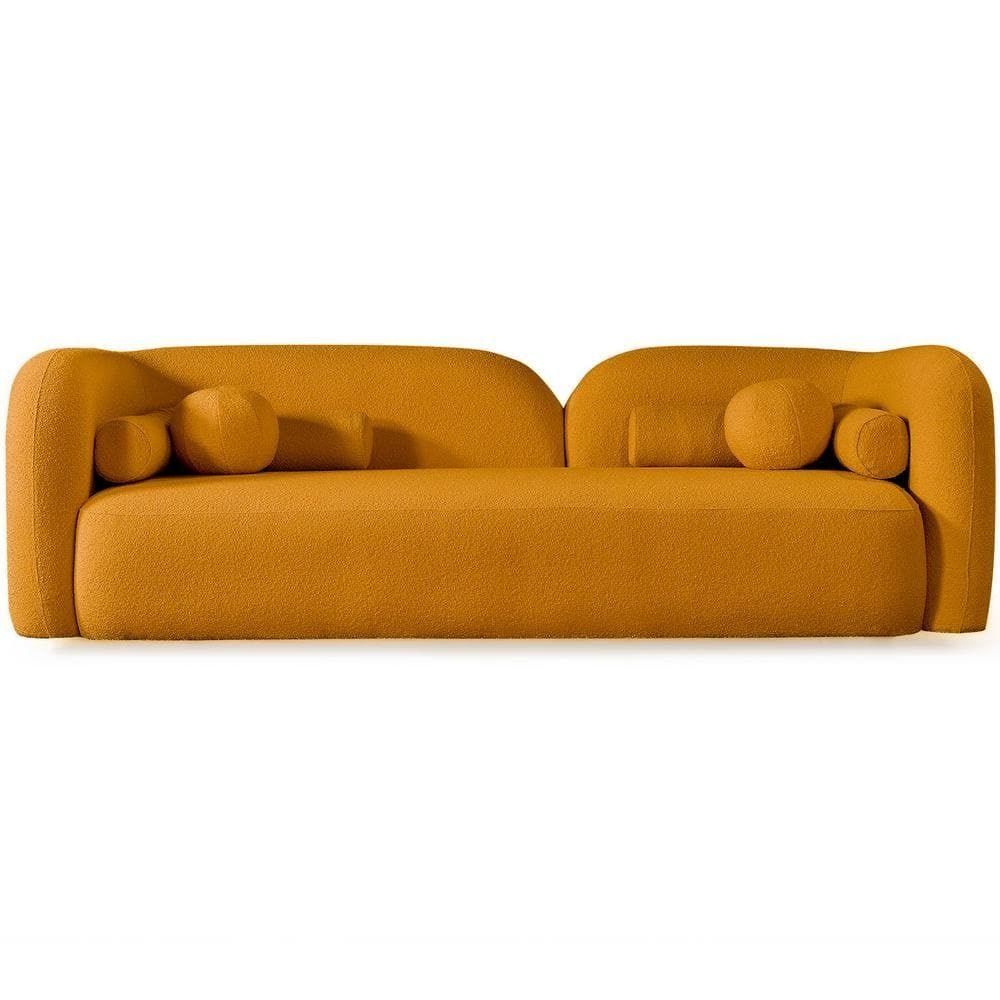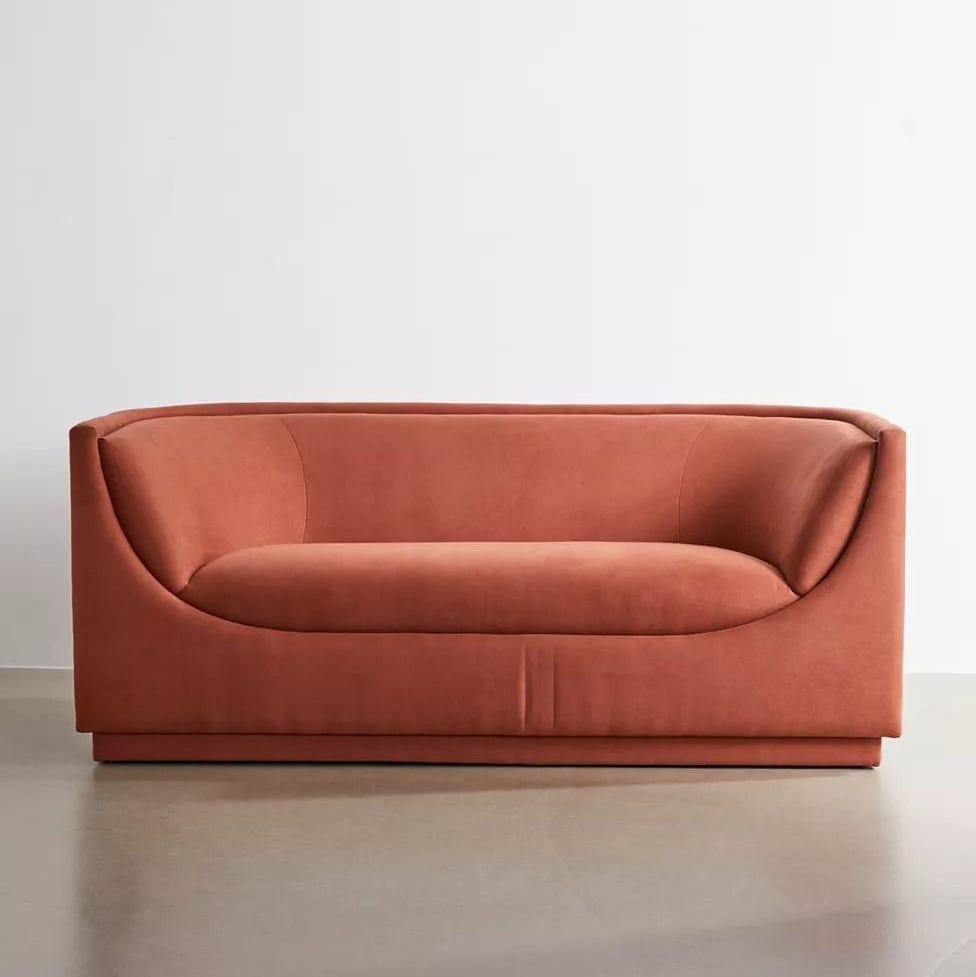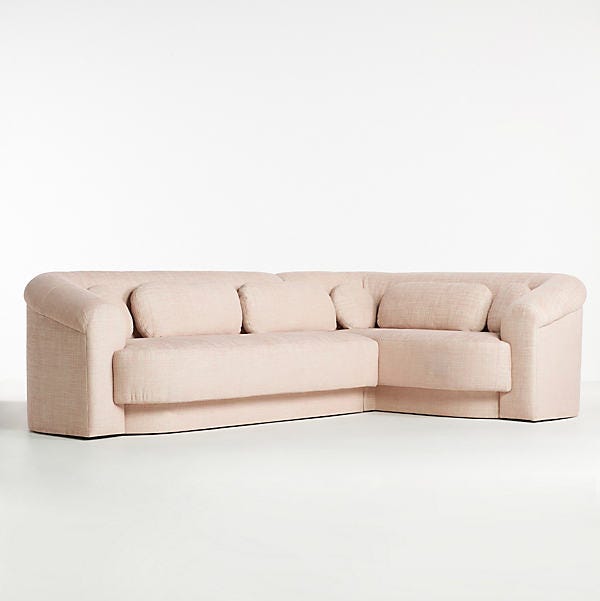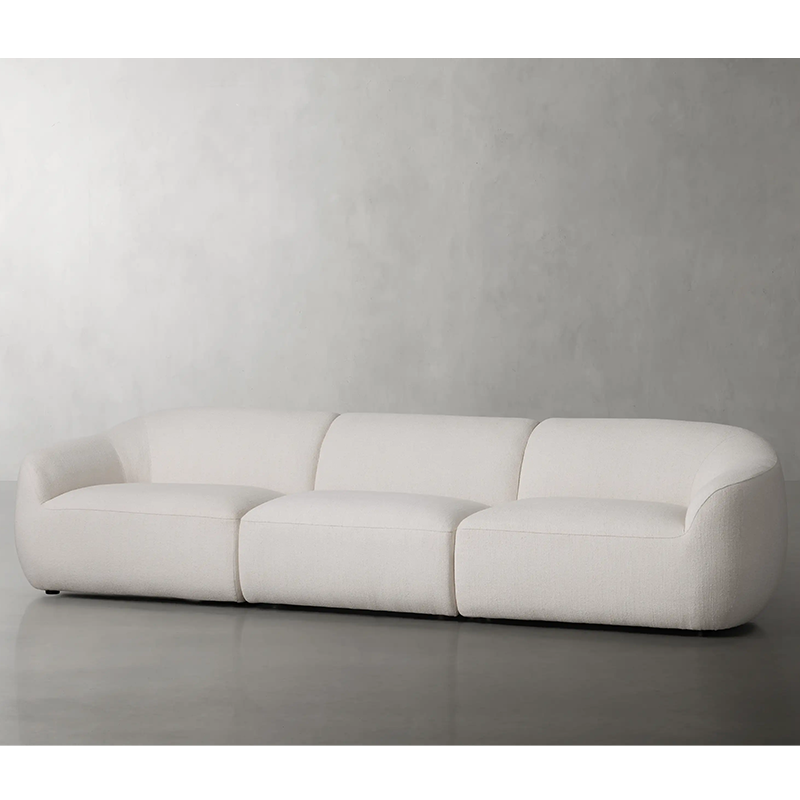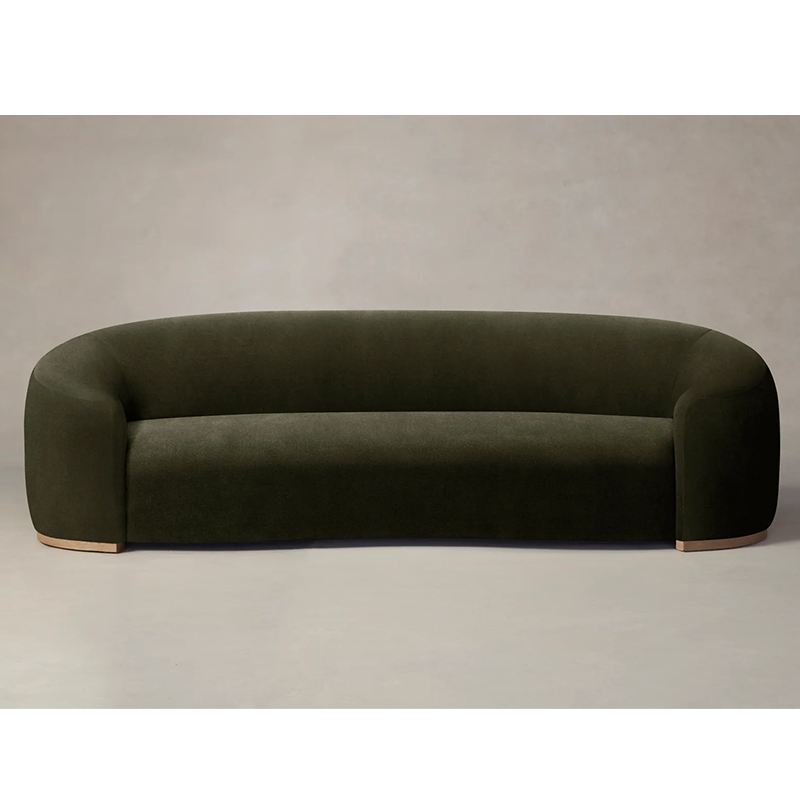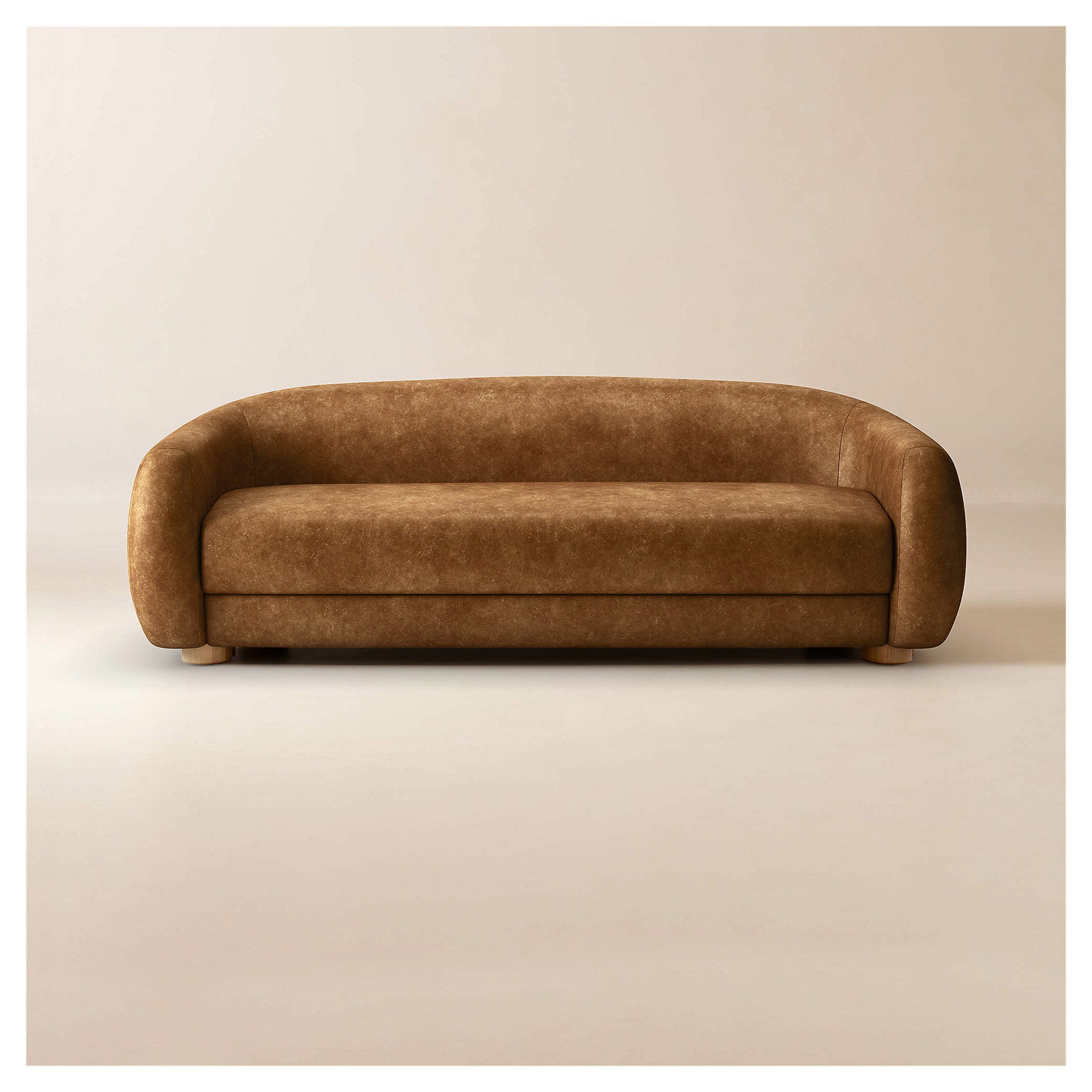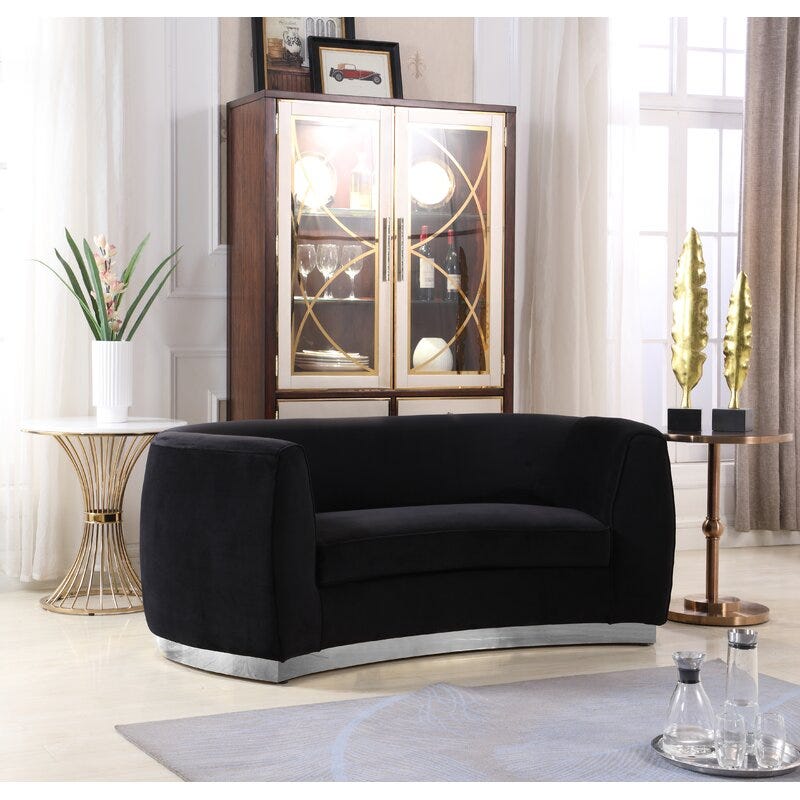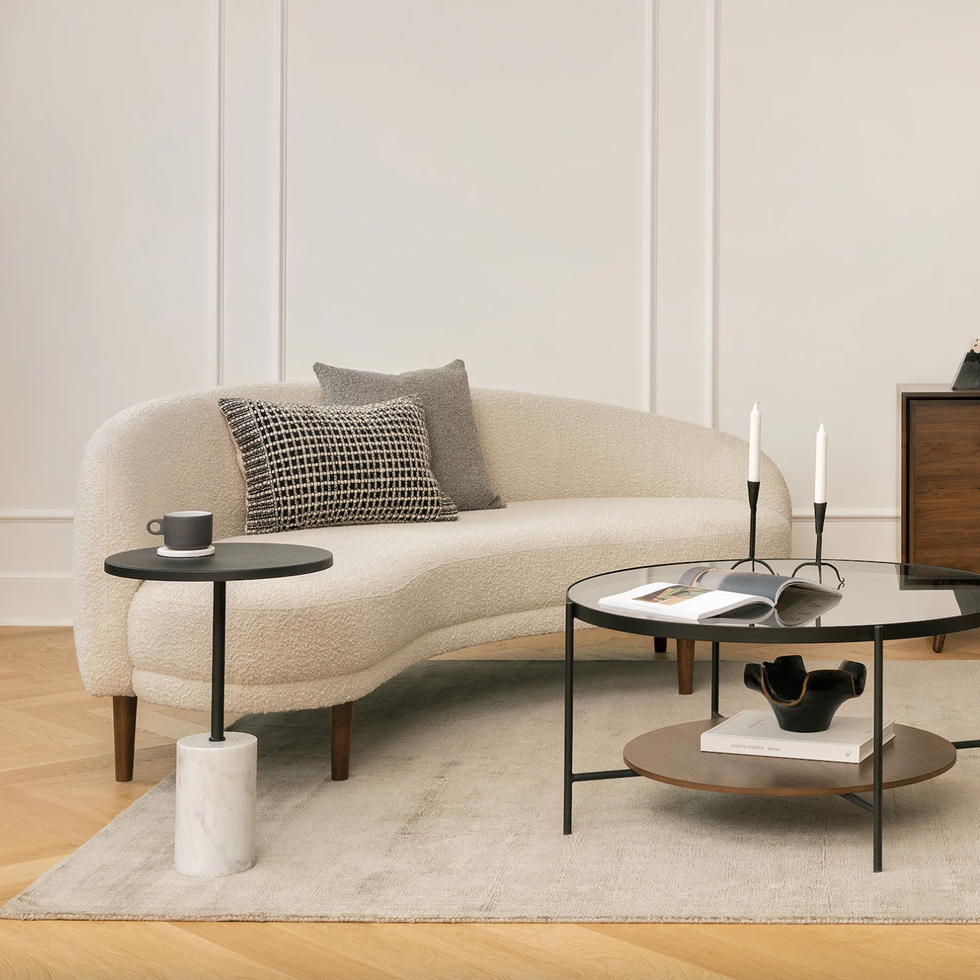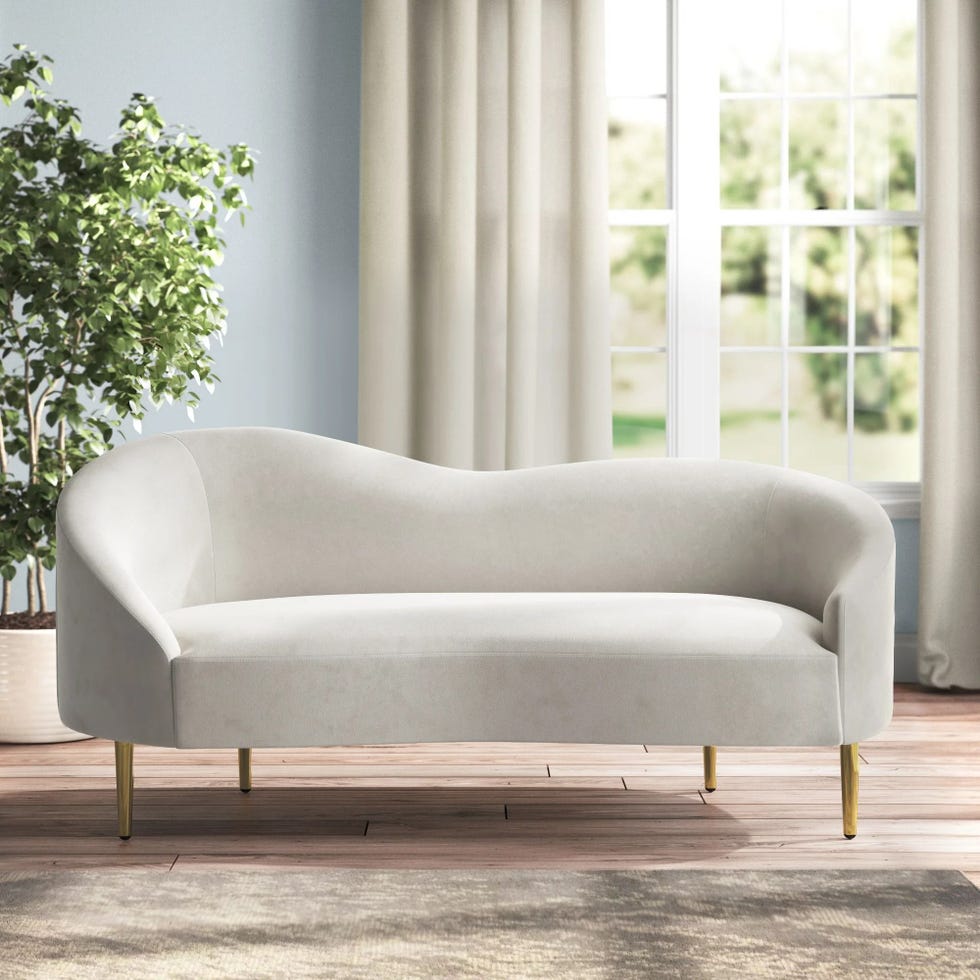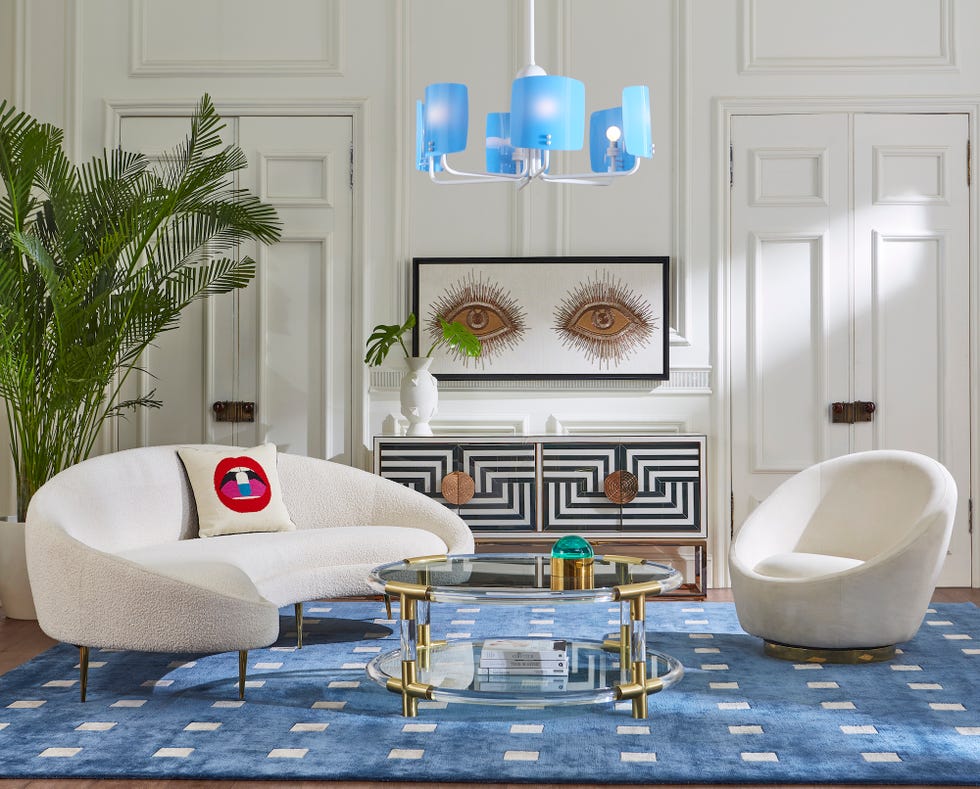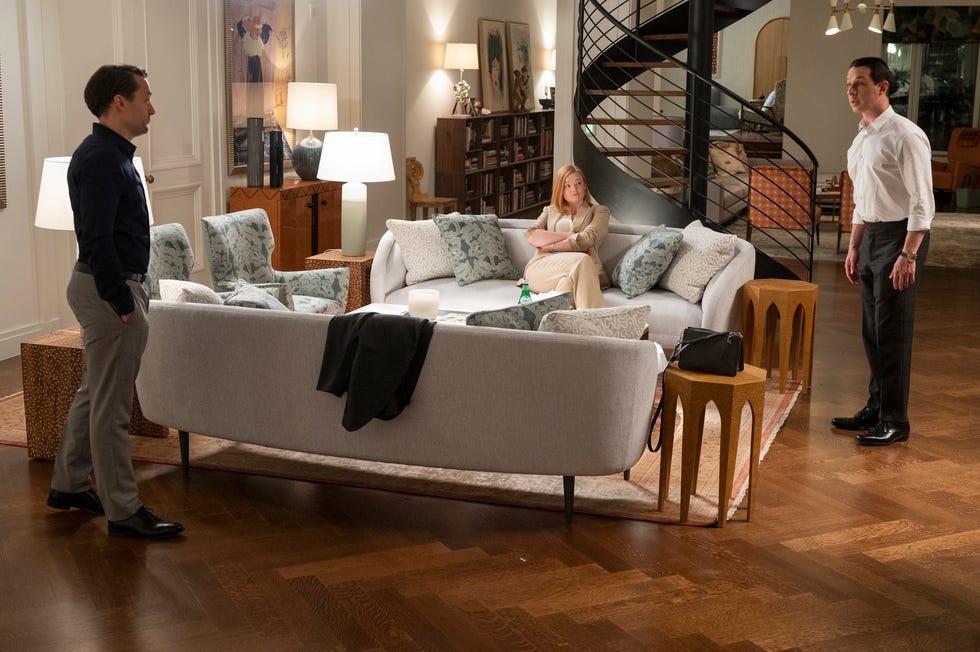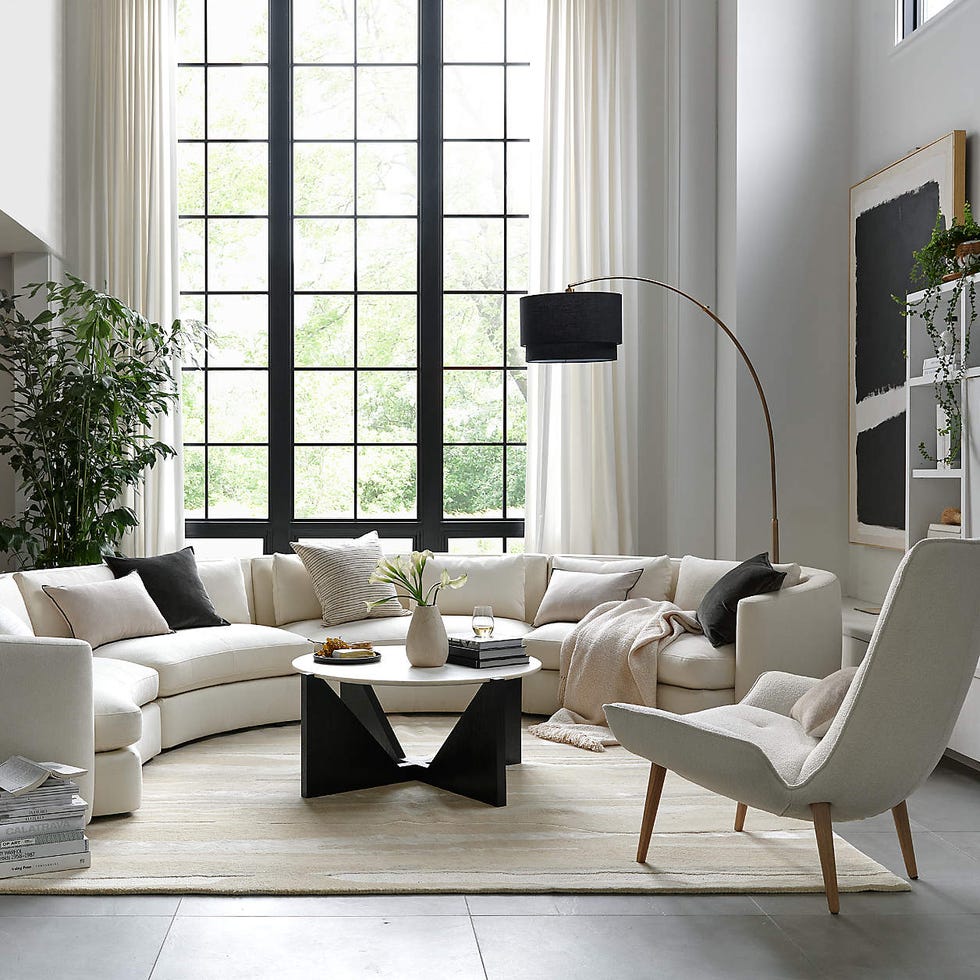
Why you should fill your rooms with rounded, curvy furniture
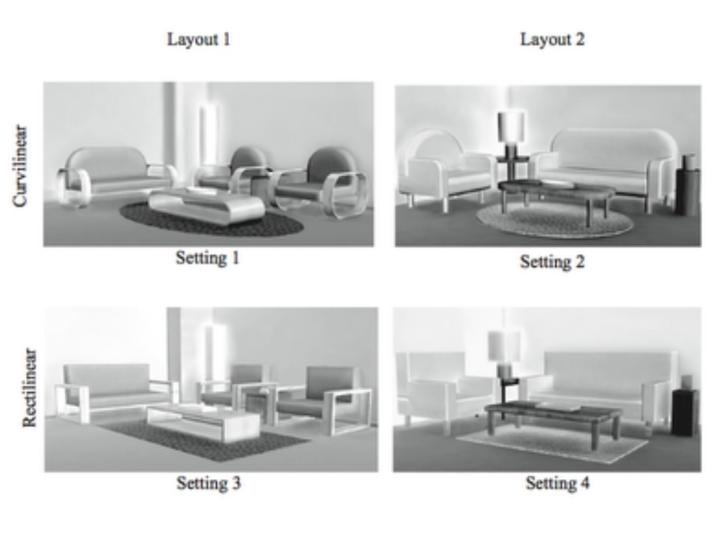
The article discusses a study that investigates the psychological impact of furniture shapes on emotional responses to interior environments. It contrasts the ancient Chinese concept of Feng shui, which posits that room arrangements influence health and well-being, with a more psychologically informed, evidence-based approach to design. The study, conducted by Sibel Dazkir and Marilyn Read, specifically examines the effects of curvilinear (rounded) versus rectilinear (straight-edged) furniture on people's emotions.
The research involved over one hundred undergraduate participants who were shown four computer-generated room interiors through an online survey. The participants were asked to rate how each room made them feel in terms of pleasure (e.g., happiness, hopefulness) and approach (e.g., desire to spend time in the room, sociability). Two of the rooms featured curvilinear furniture arranged in different configurations, while the other two rooms contained rectilinear furniture with straight edges and sharp angles, also arranged in two distinct formations. To isolate the effect of furniture shape, the rooms were presented in grey-scale and lacked any patterned decor or artwork.
While the participants generally rated all rooms negatively, finding them boring due to their simplistic form and absence of color, a crucial finding emerged. The two room variations furnished with curvilinear furniture consistently received significantly higher pleasure and approach ratings from the students. This indicates that rounded, curvy furniture evoked more positive emotional responses and a greater desire to interact with the space compared to straight-edged furniture. Participants' open-ended comments further supported this, with statements such as, "I like the rounded shapes. They make the furniture look comfortable and inviting," and "The rounded furniture seems to give off that calming feel."
The researchers acknowledge that these are preliminary results and suggest several avenues for future investigation. These include testing cross-cultural samples to ascertain the universality of these effects, observing whether the findings hold true when individuals physically inhabit rooms with such furnishings, and determining if the influence of color and patterns might overshadow the impact of furniture shape. The article also raises the question of whether rectilinear room designs might offer unique benefits for purposes other than relaxation and socializing.
Despite the preliminary nature of the findings, Dazkir and Read propose that their results can serve as a valuable guide for designers. They suggest that incorporating curvilinear lines into furniture and interior design can contribute to creating more welcoming and pleasant environments. The study was published in Environment and Behavior, with the reference Dazkir, S. and Read, M. (2011). Furniture Forms and Their Influence on Our Emotional Responses Toward Interior Environments.
#InteriorDesign #FurnitureDesign #PsychologyOfSpace #EmotionalResponses #CurvilinearShapes #RectilinearShapes #HomeDecor #EnvironmentalPsychology #InteriorDesign #FurnitureDesign #PsychologyOfSpace #EmotionalResponses #CurvilinearShapes #RectilinearShapes #HomeDecor #EnvironmentalPsychology
0 comment in total
 No comments yet
You may also like
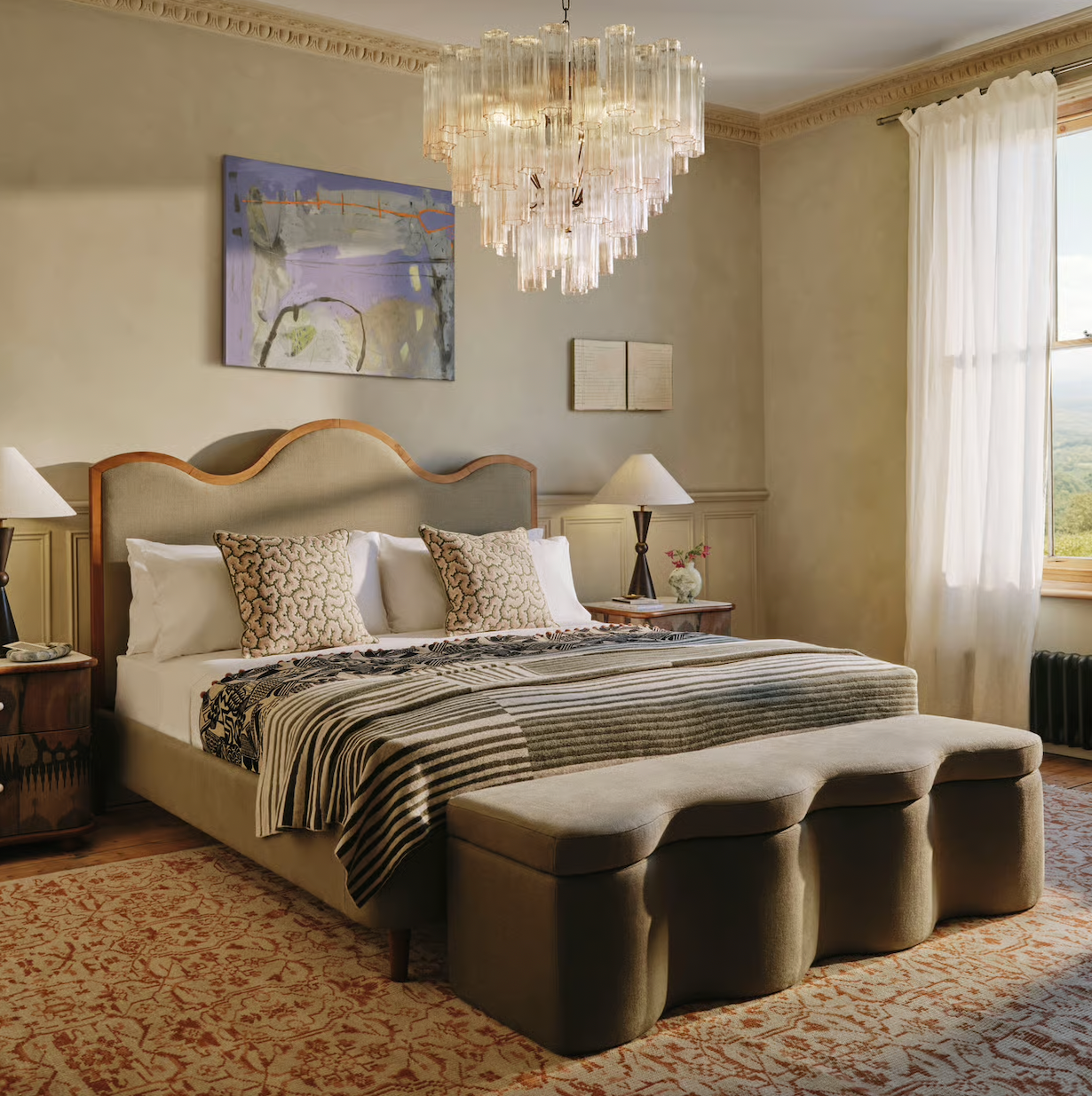
Wavy Furniture Is EVERYWHERE—Here's How to Get It Right

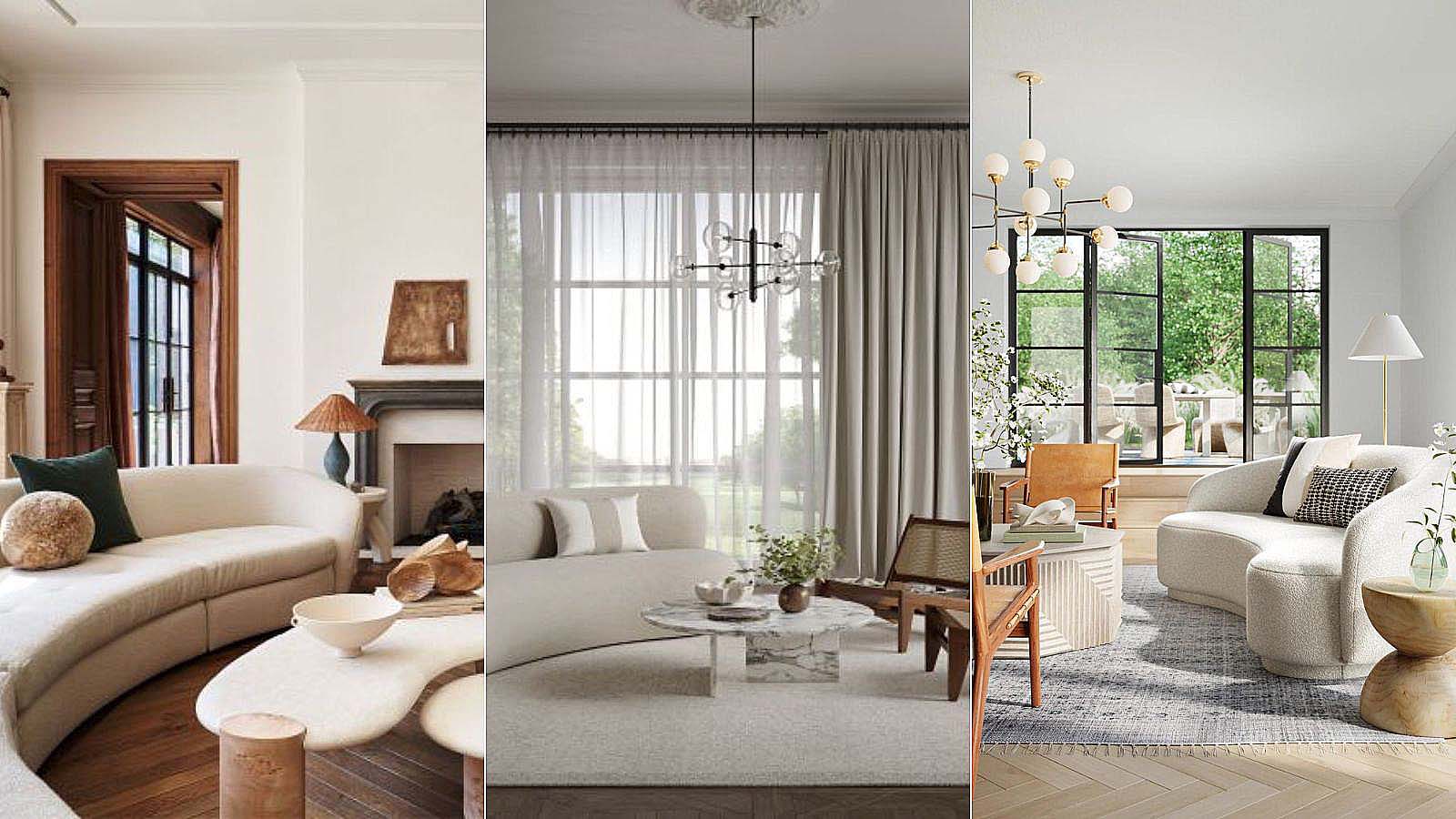
The curvy sofa is 2023's big story – what designers say and why we're over straight-backed sofas

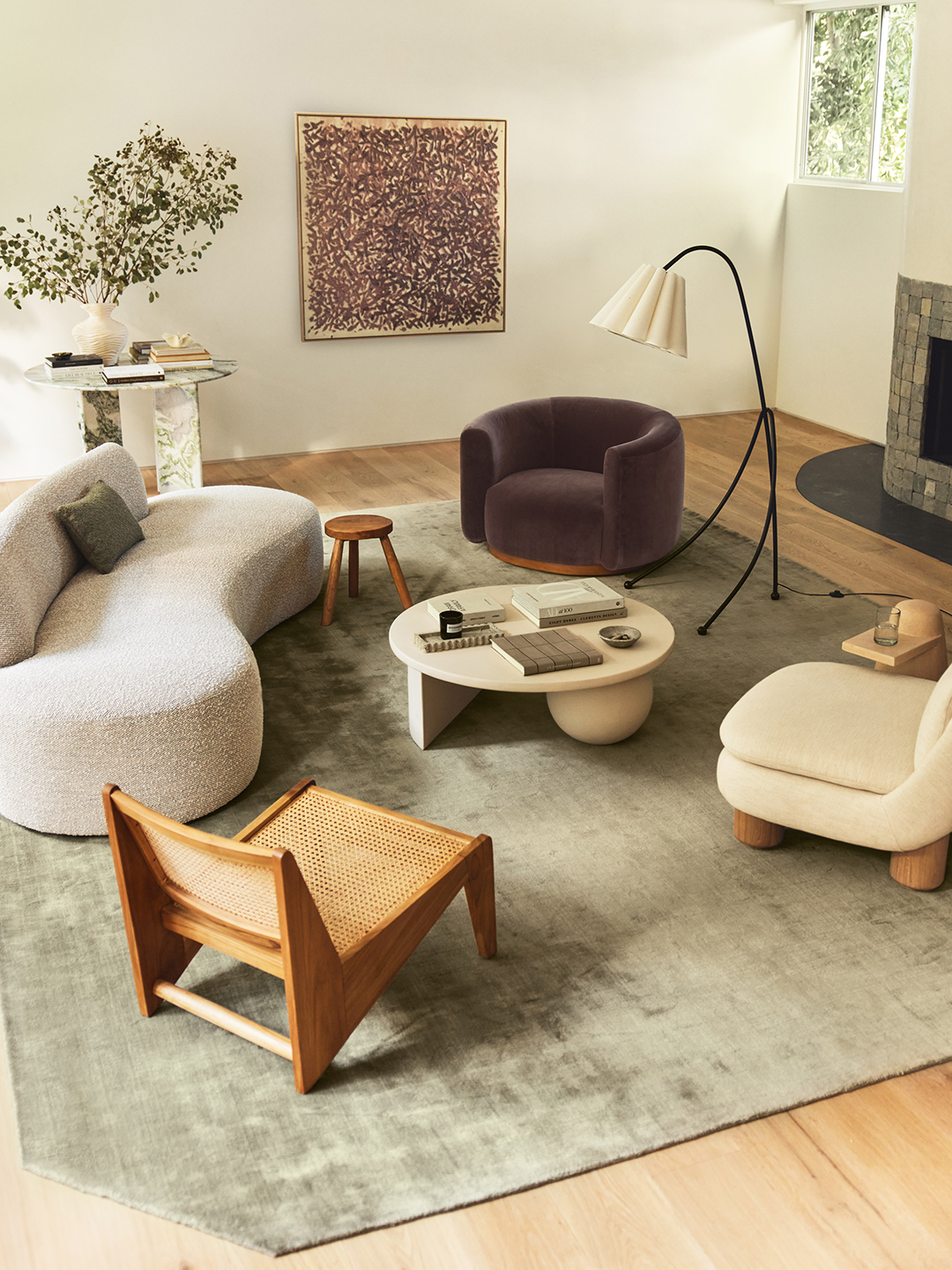
This Sofa Style Has Never Been So Popular—Here’s Lulu and Georgia’s Fresh Take

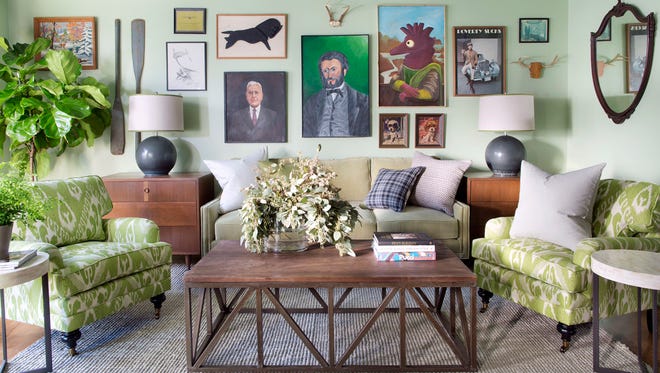
Coming up with a furniture plan that works
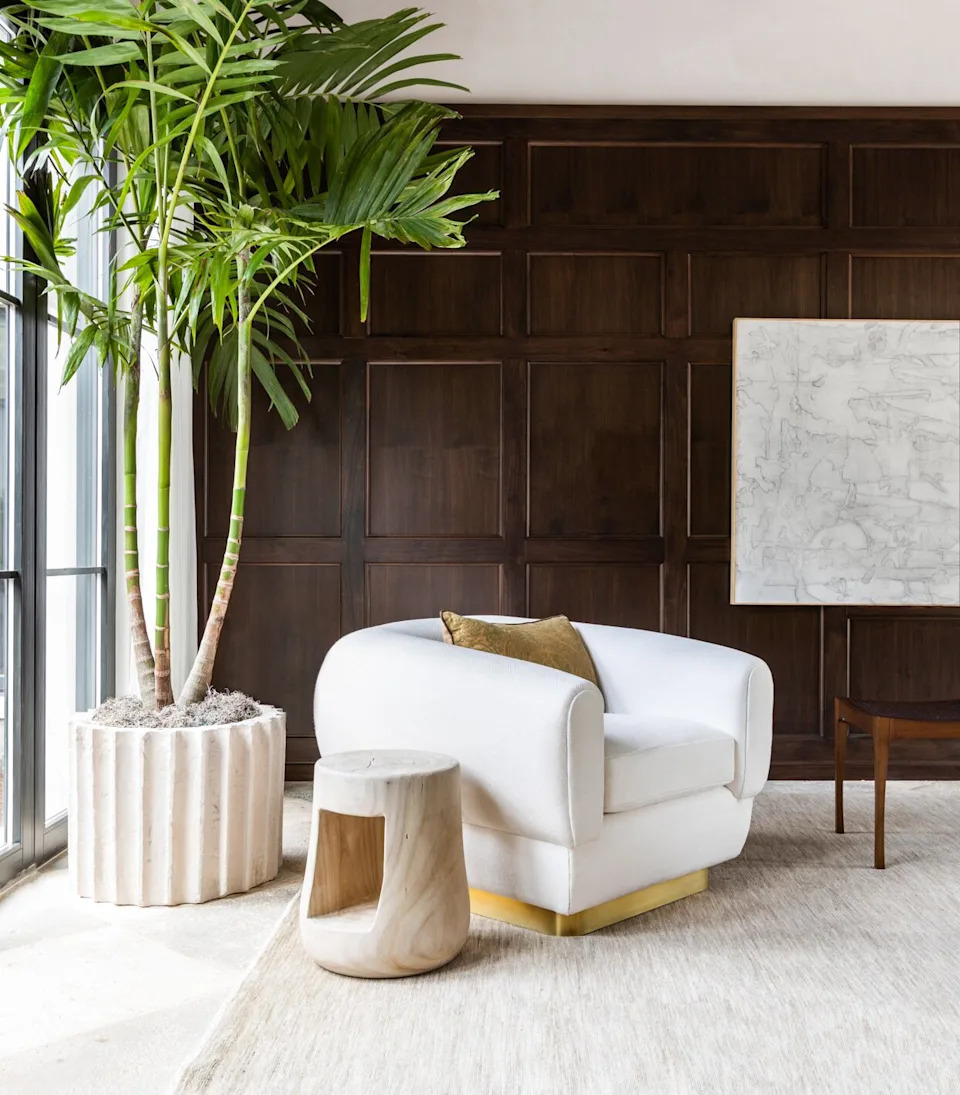
4 Ways to Try the Curved Furniture Trend That's Everywhere Right Now

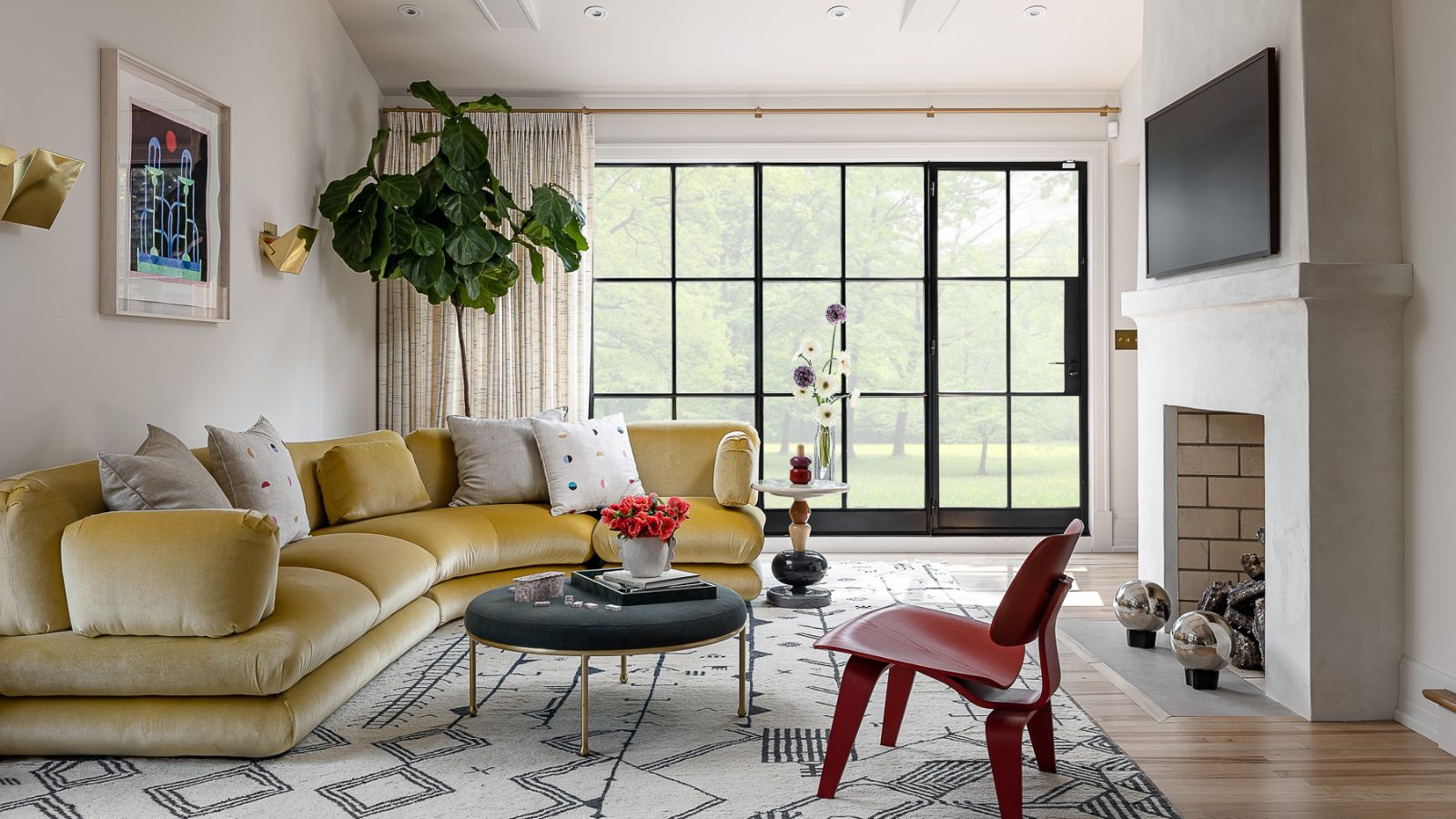
Are curved couches still on trend? Designers say this style is a classic in the making
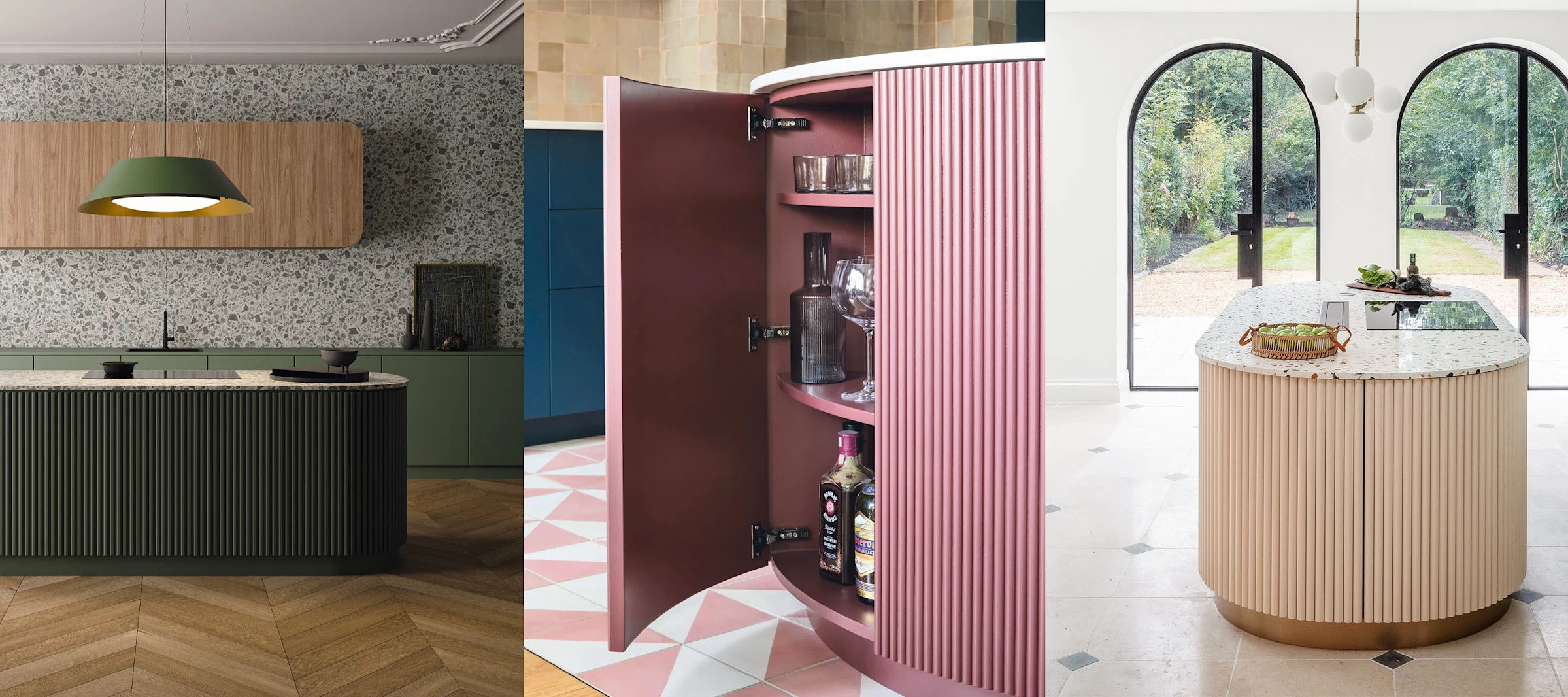
We're calling 2023's biggest trend: curves in the kitchen – designers show how to include them in yours
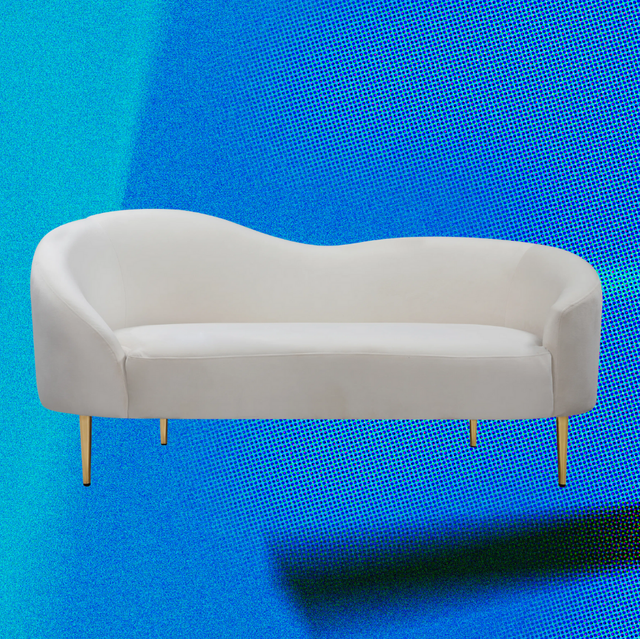
14 Best Curved Sofas for a Chic Living Room Design

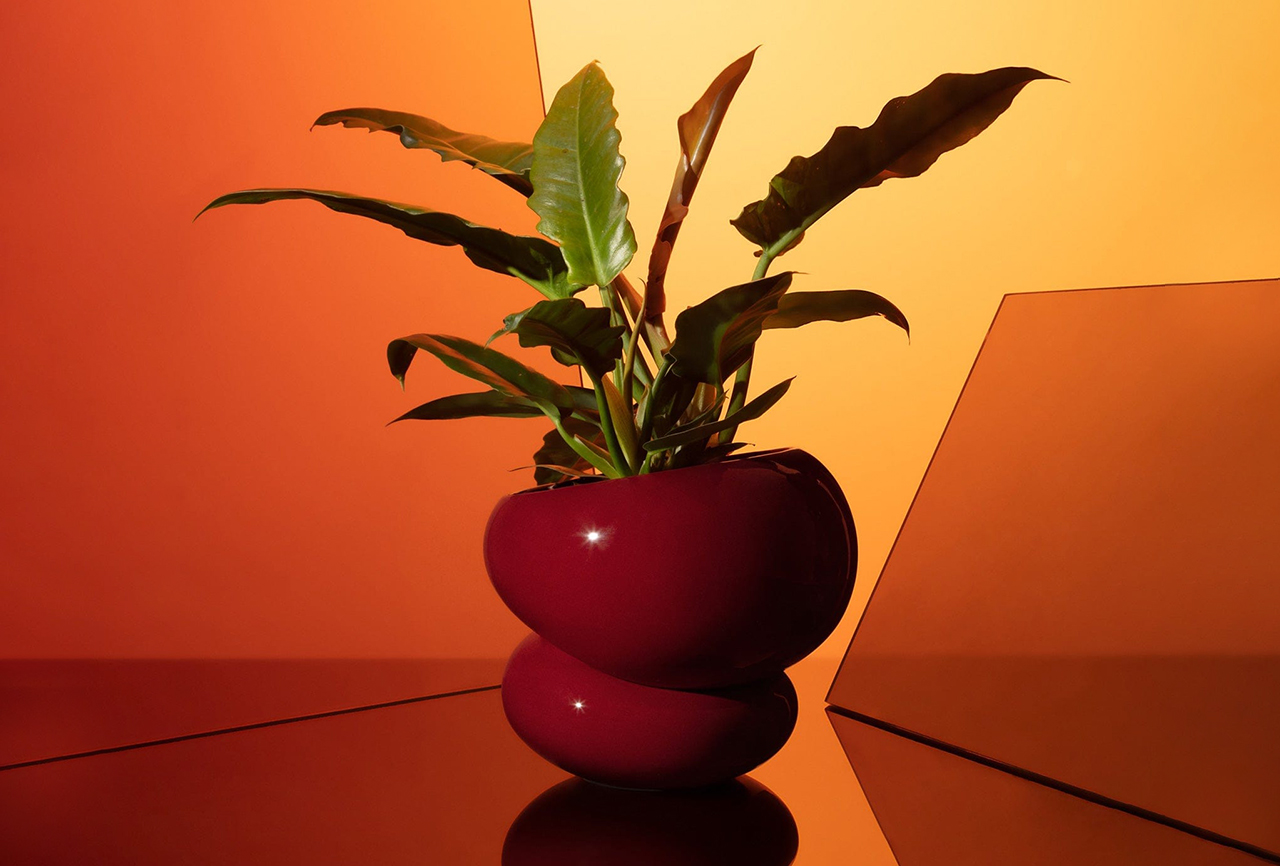
Calling All Curves – 12 Curvy Home Decor Objects to Style at Home
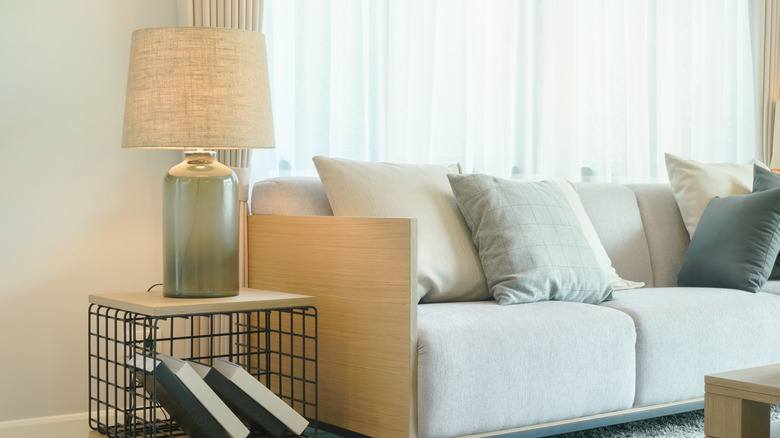
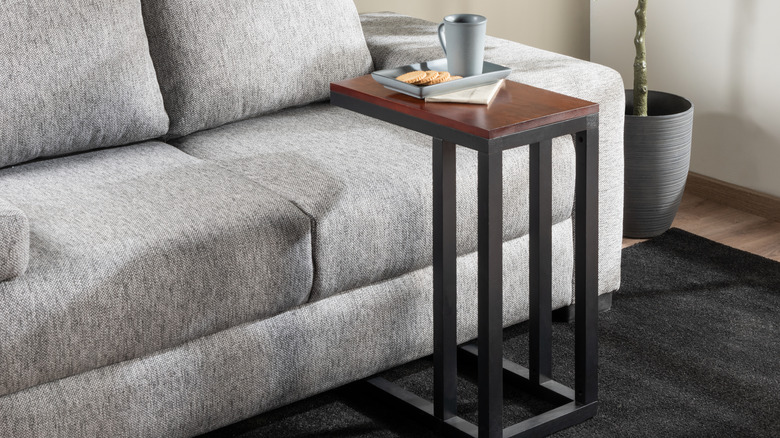
The Side Table Alternative For Your Couch That's Way More Functional

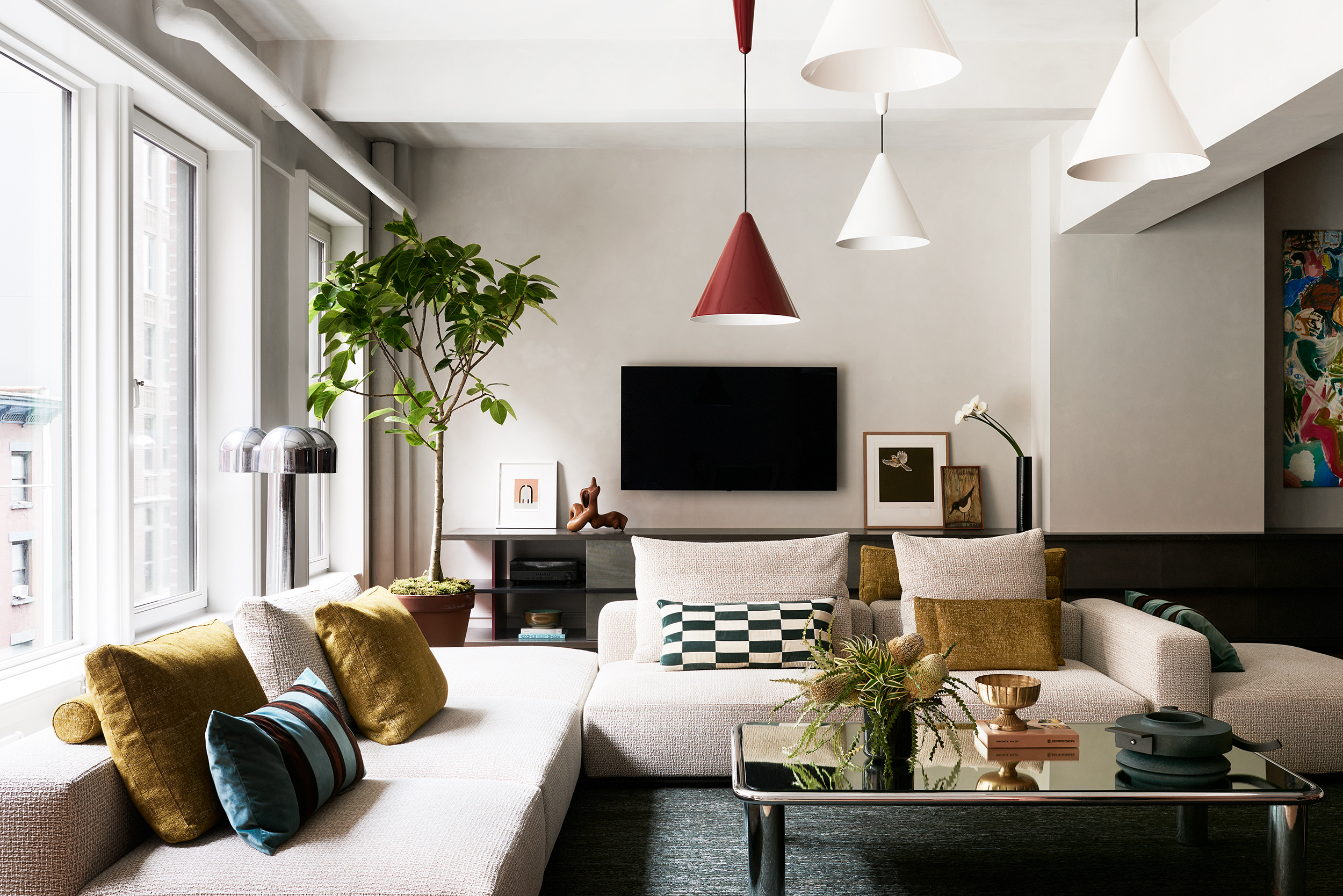
Curved, L-Shape, Low-Slung — How and Why You Should Match Your Sofa to the Shape of Your Room

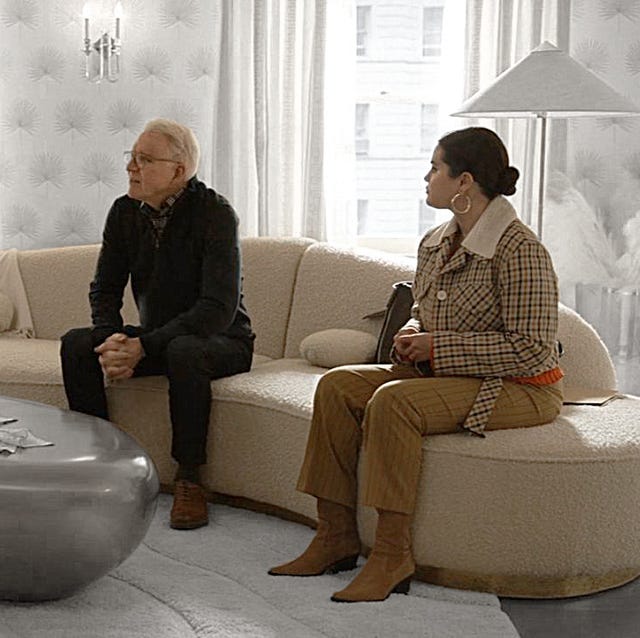
Welcome to the Age of the Curved White Sofa

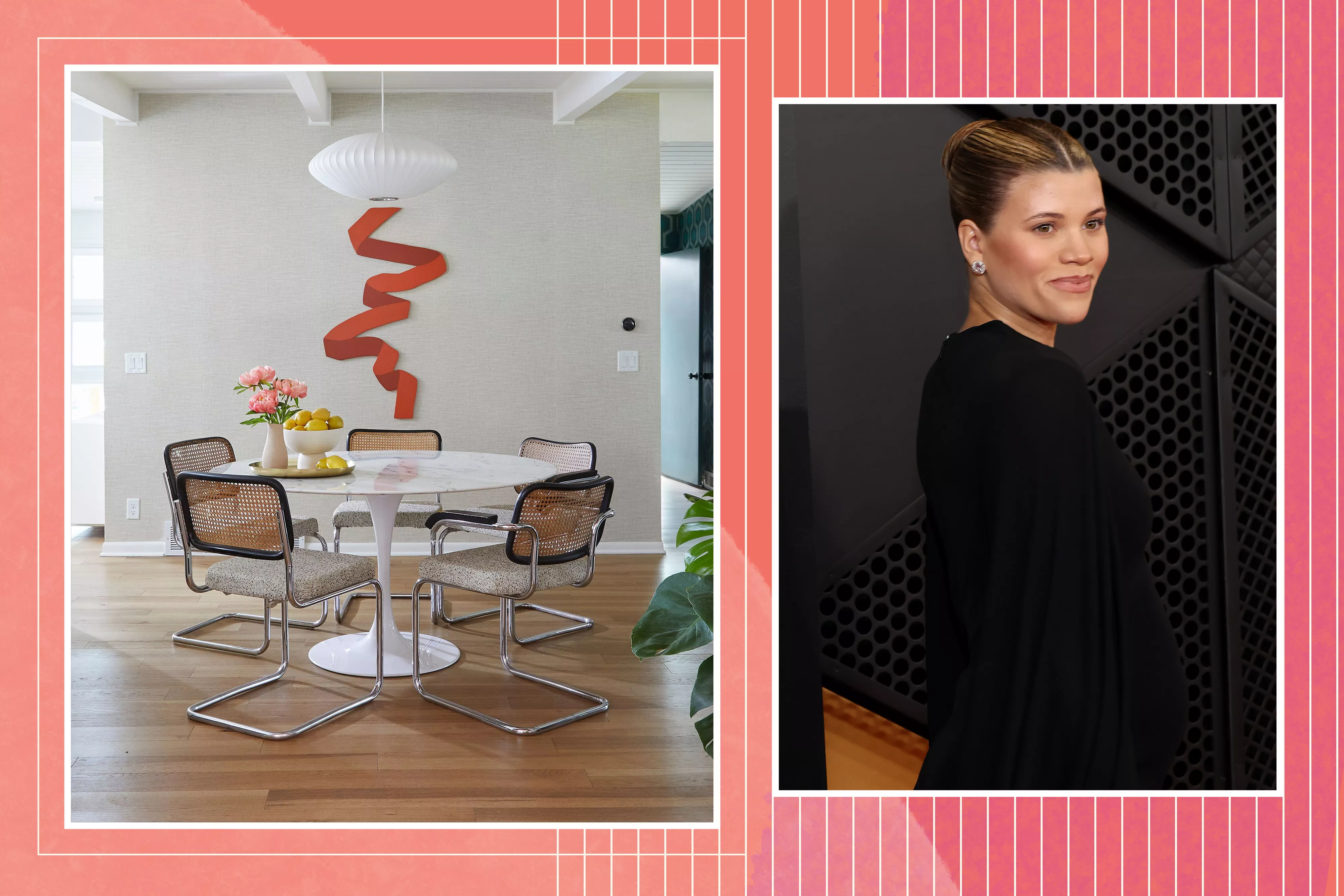
Sofia Richie Grainge's On-Trend, Curved Dining Room Look Is Actually Attainable

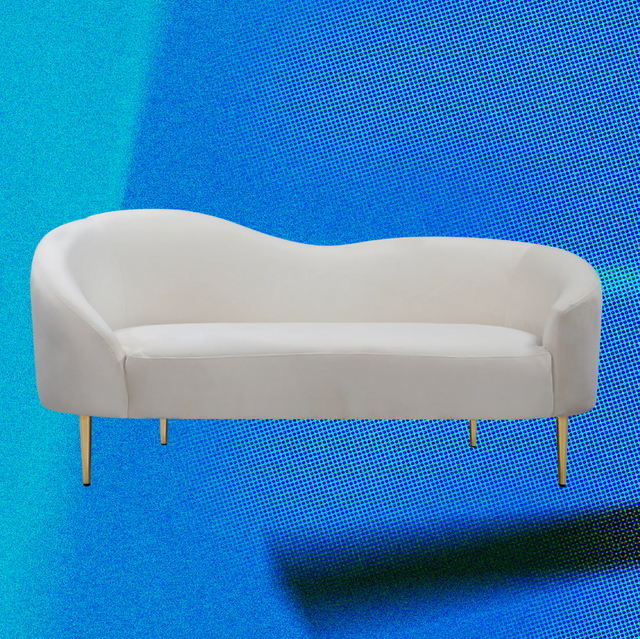
Our Home Editors Weigh In on the Best Curved Sofas (And Why They’re Trending)
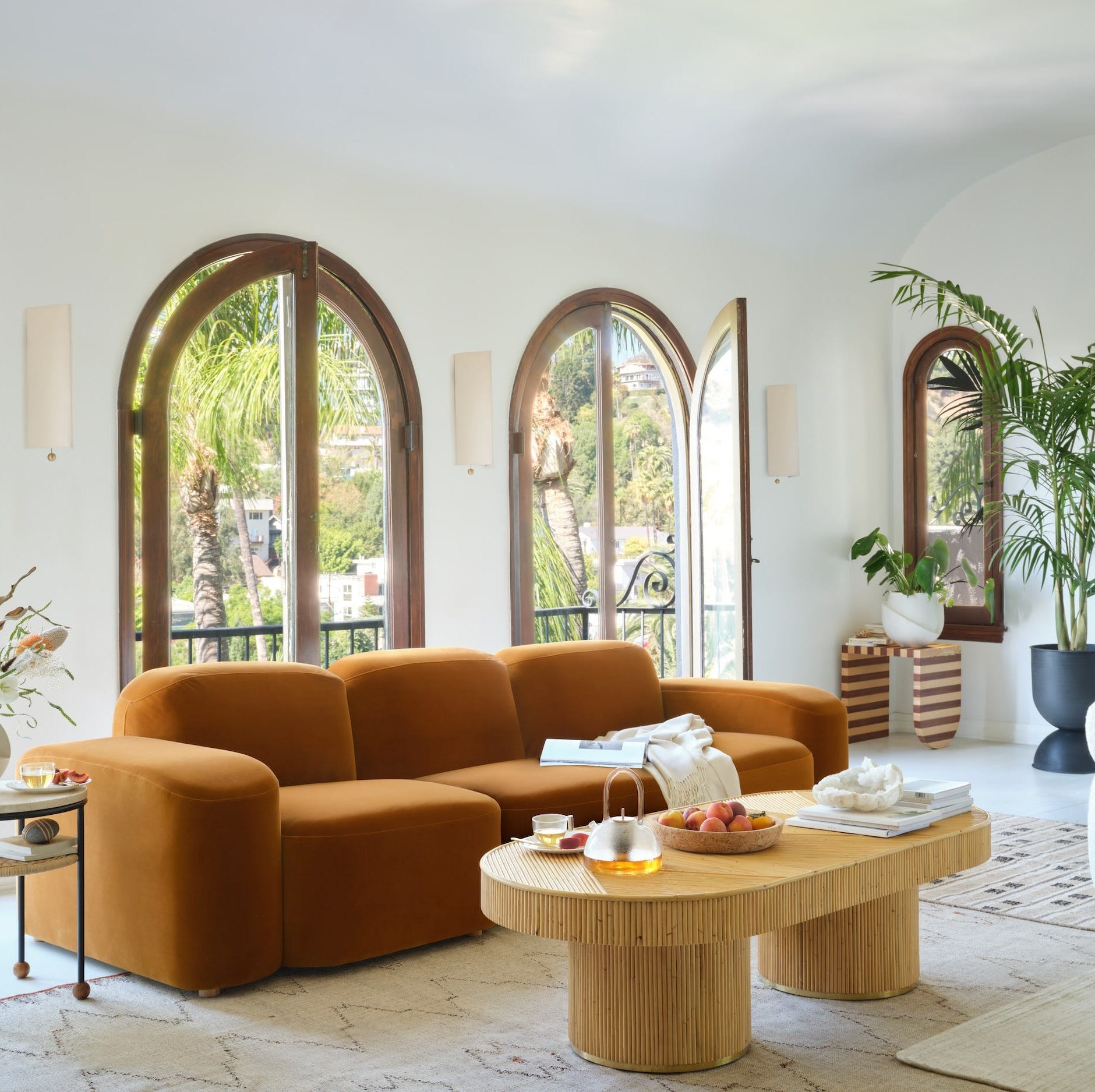
This ’70s-Inspired Sofa Trend Is Everywhere Right Now

Living room trends this year prioritise comfort, individuality, and artistry. From chunky armed sofas to kidney-shaped marble pieces, take your pick

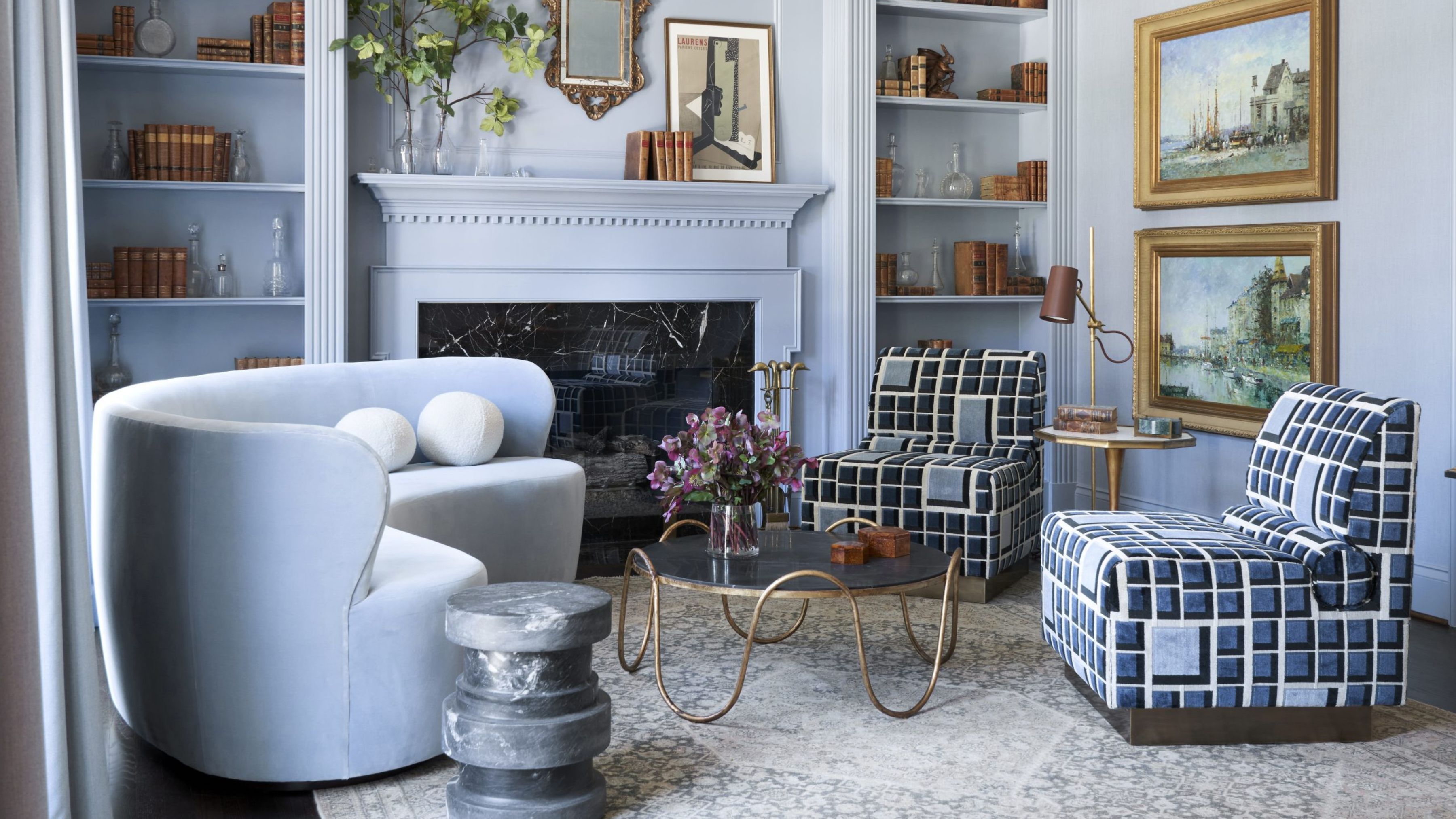
12 Curved Sofa Living Room Ideas That Prove This Style is Absolutely Staying Put for 2025
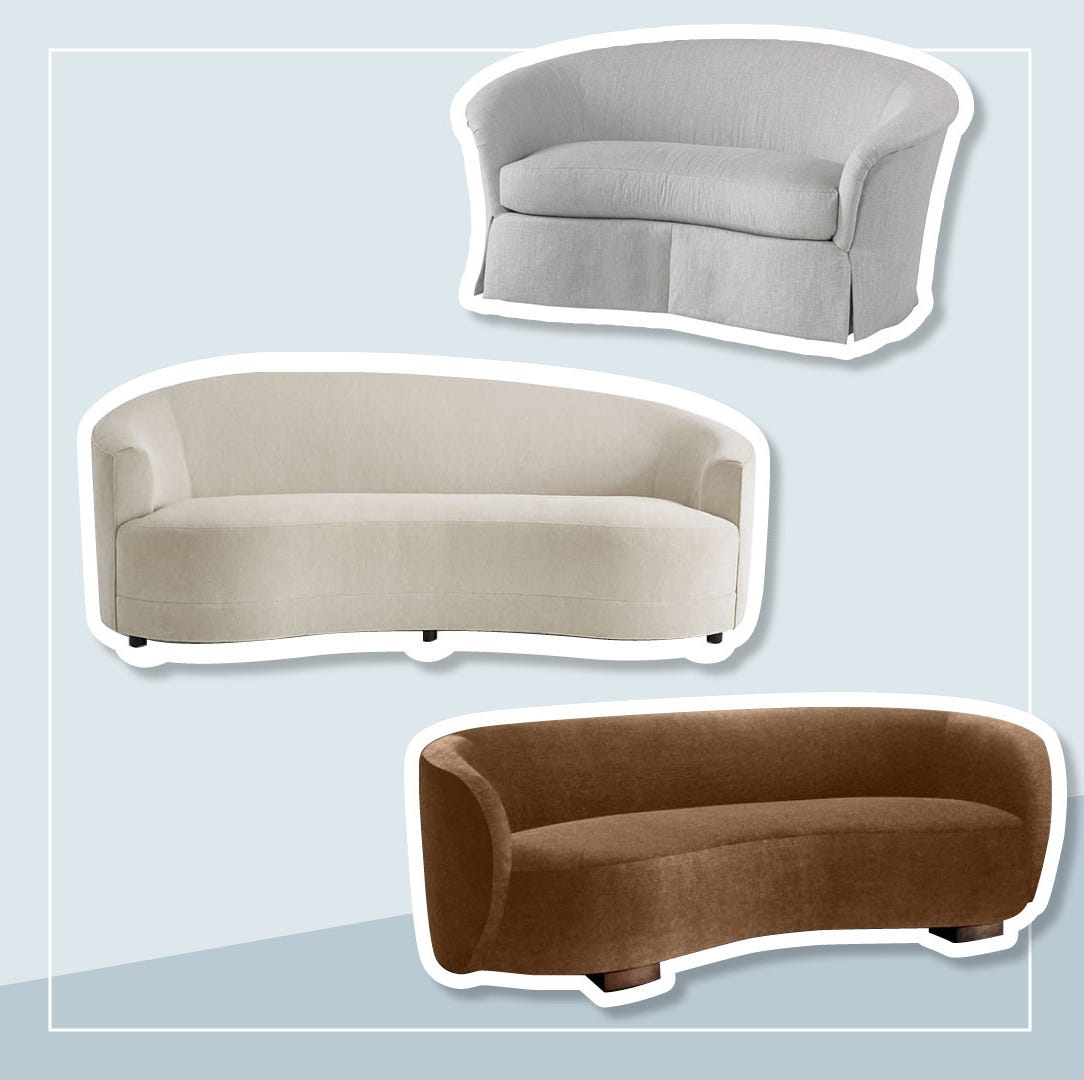
Want to Make a Major Statement? Add a Curved Sofa to Your Living Space

13 Curved Couches That'll Liven Up Your Living Room
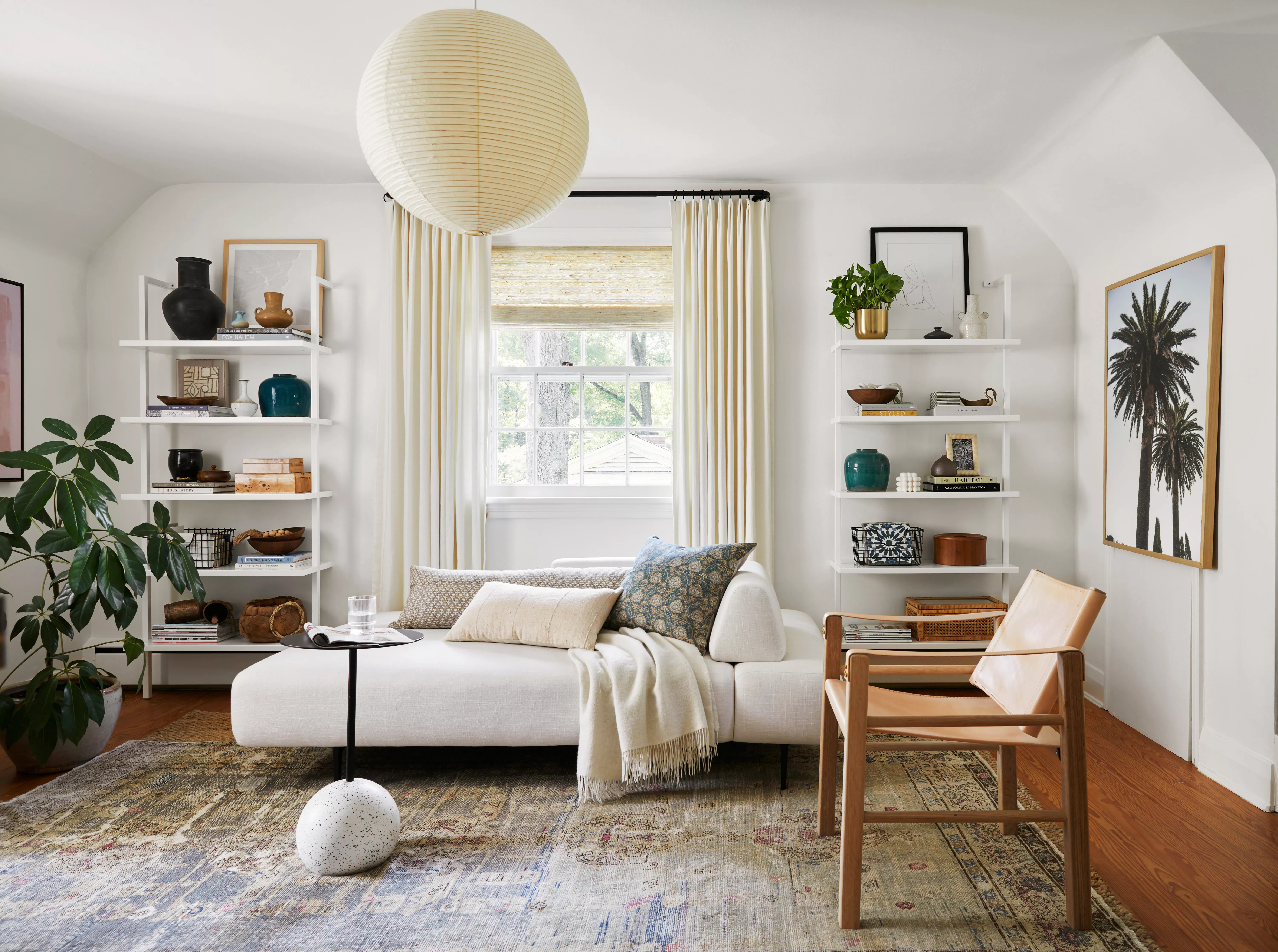
8 Furniture Trends That Will Be Huge in 2025, According to Experts