1/7
Designers Explain Why Asymmetry Is the Secret to a Well-Composed Space
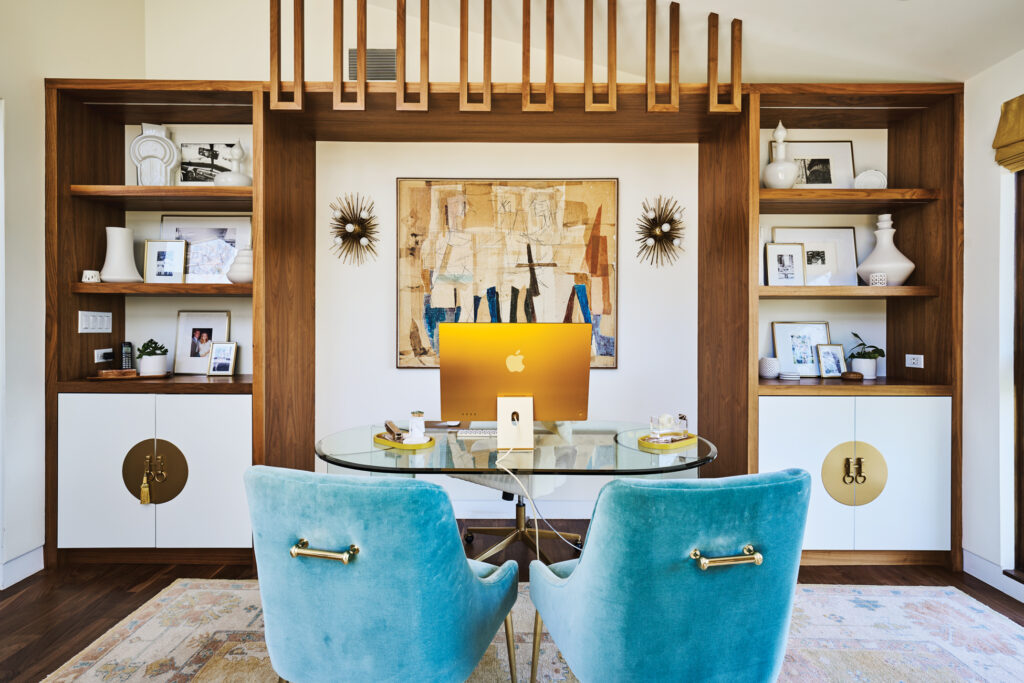
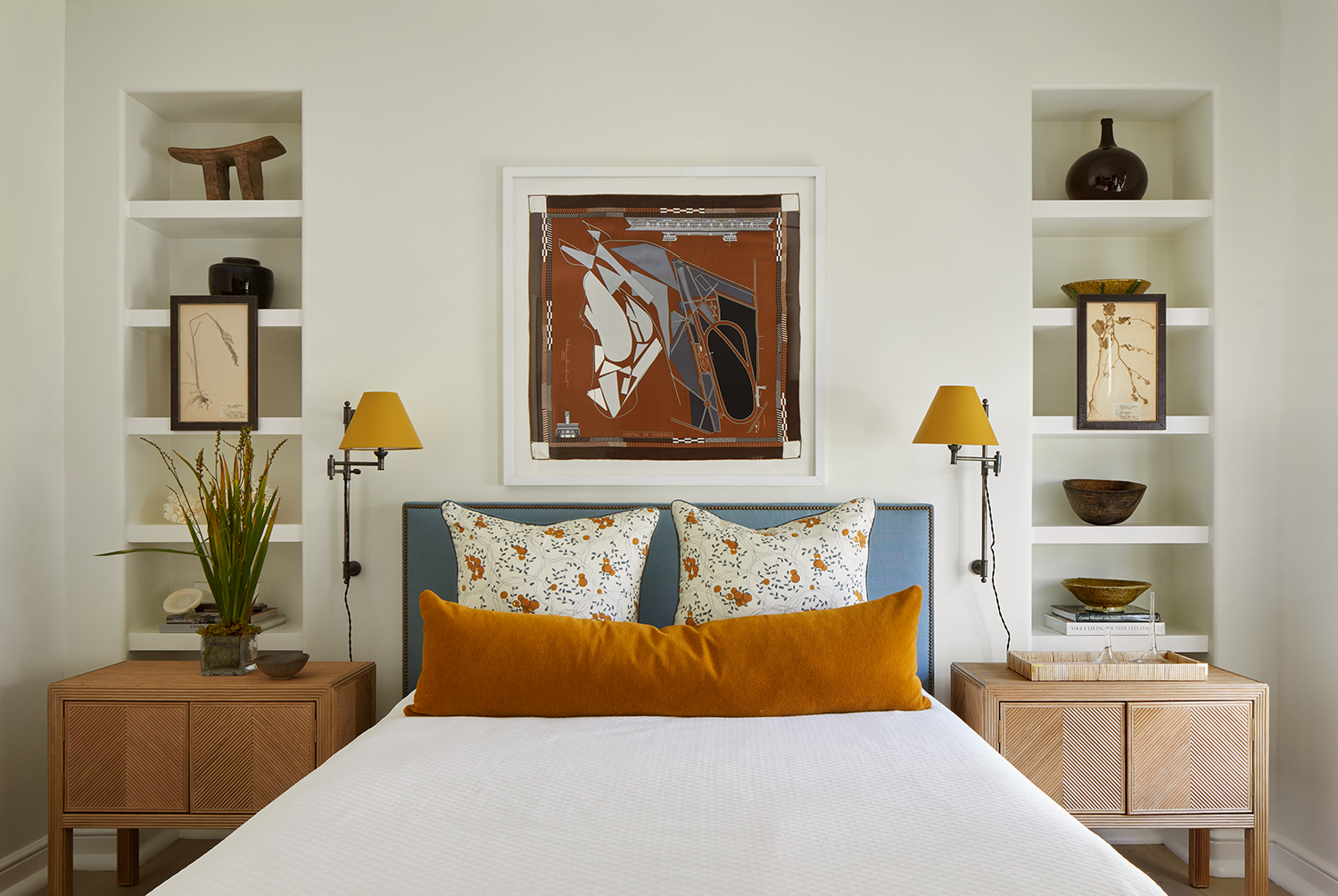
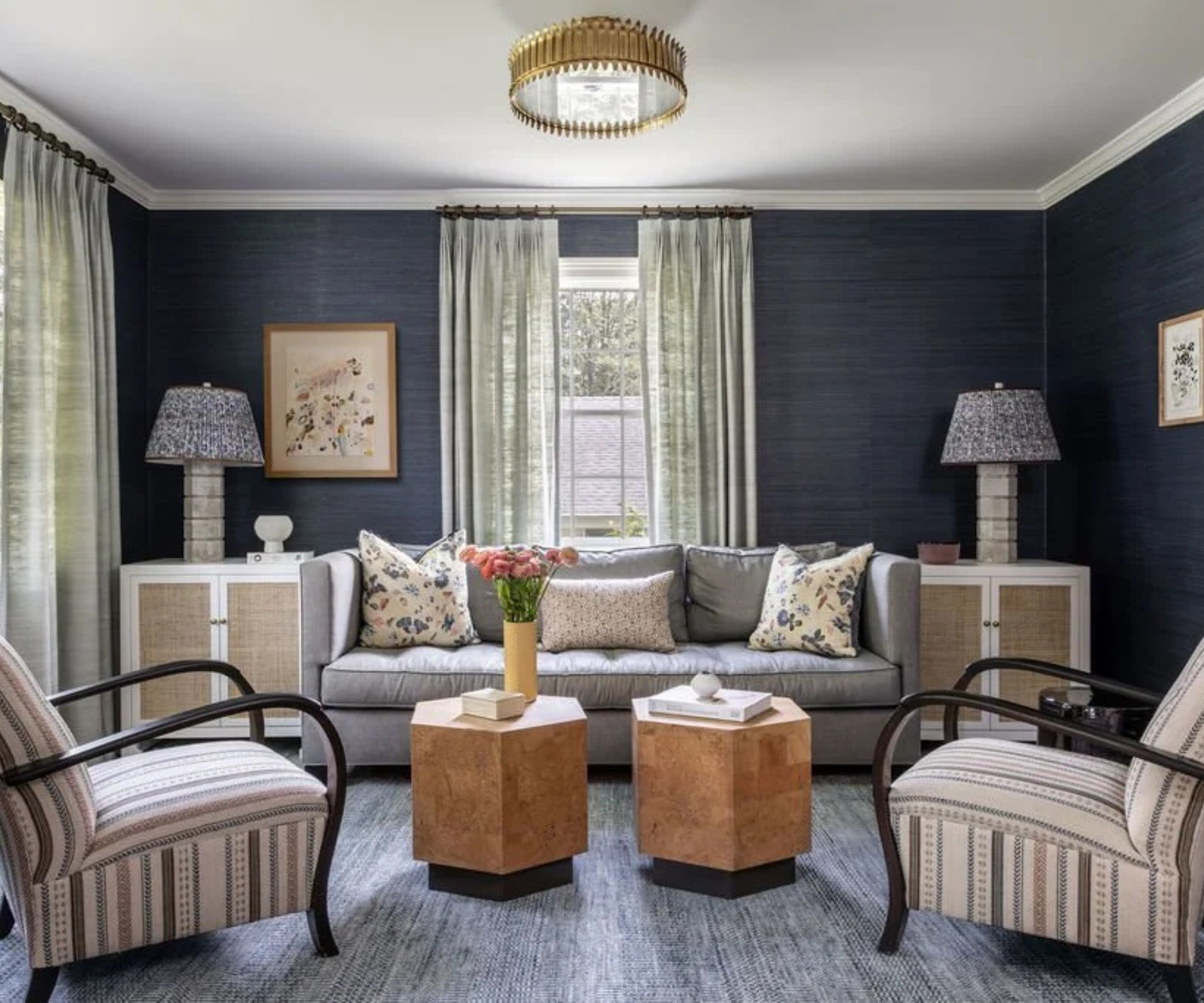
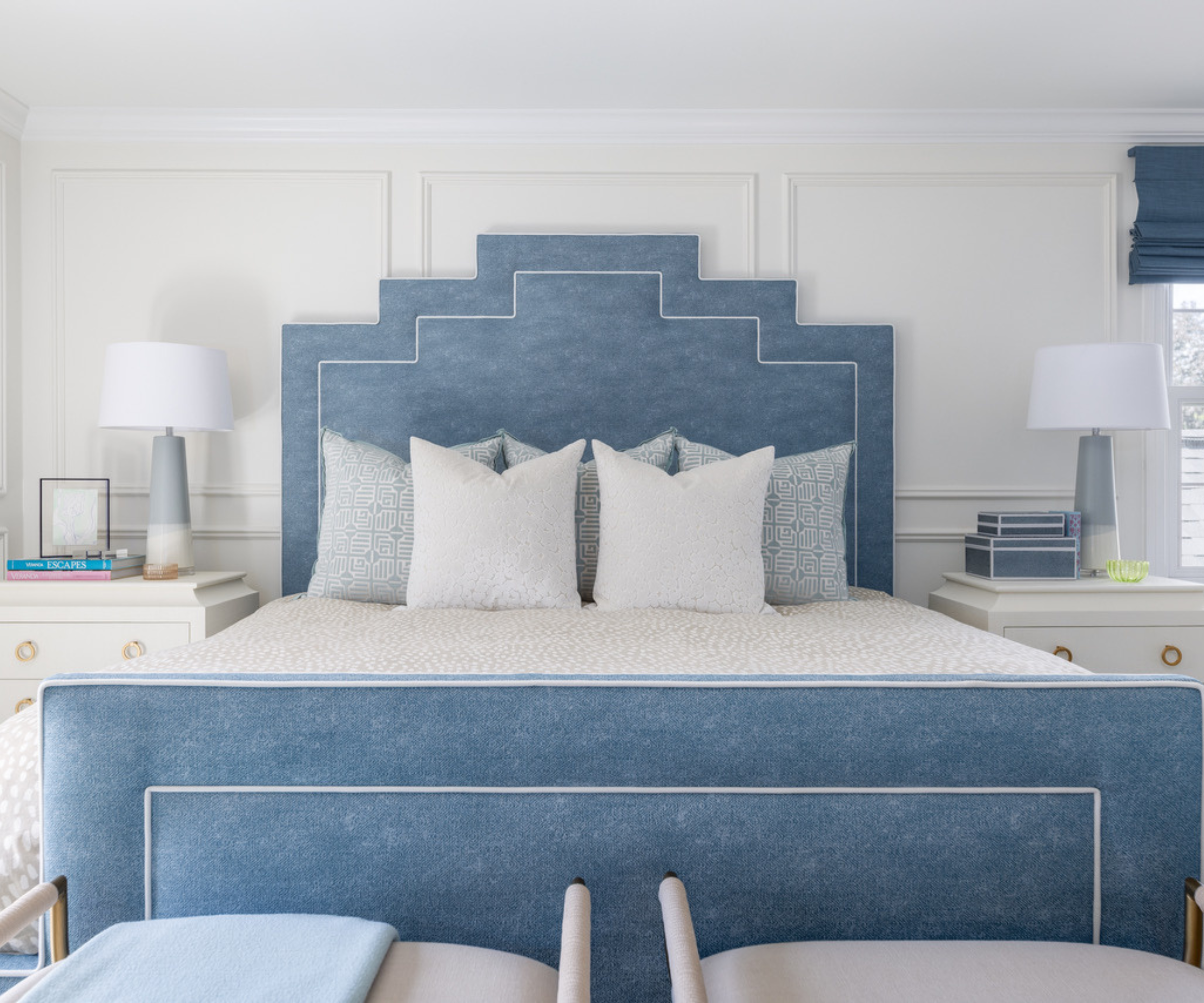
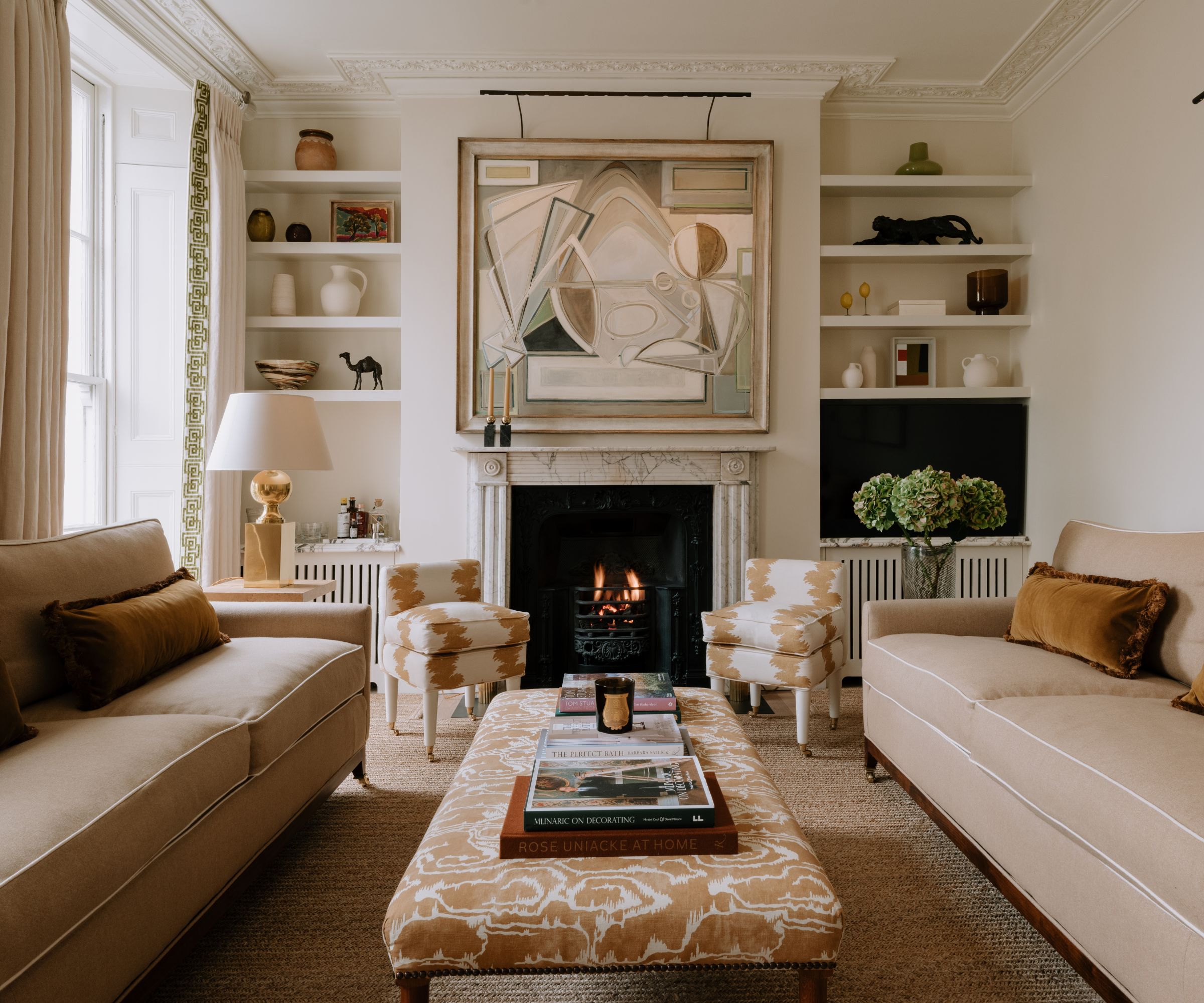
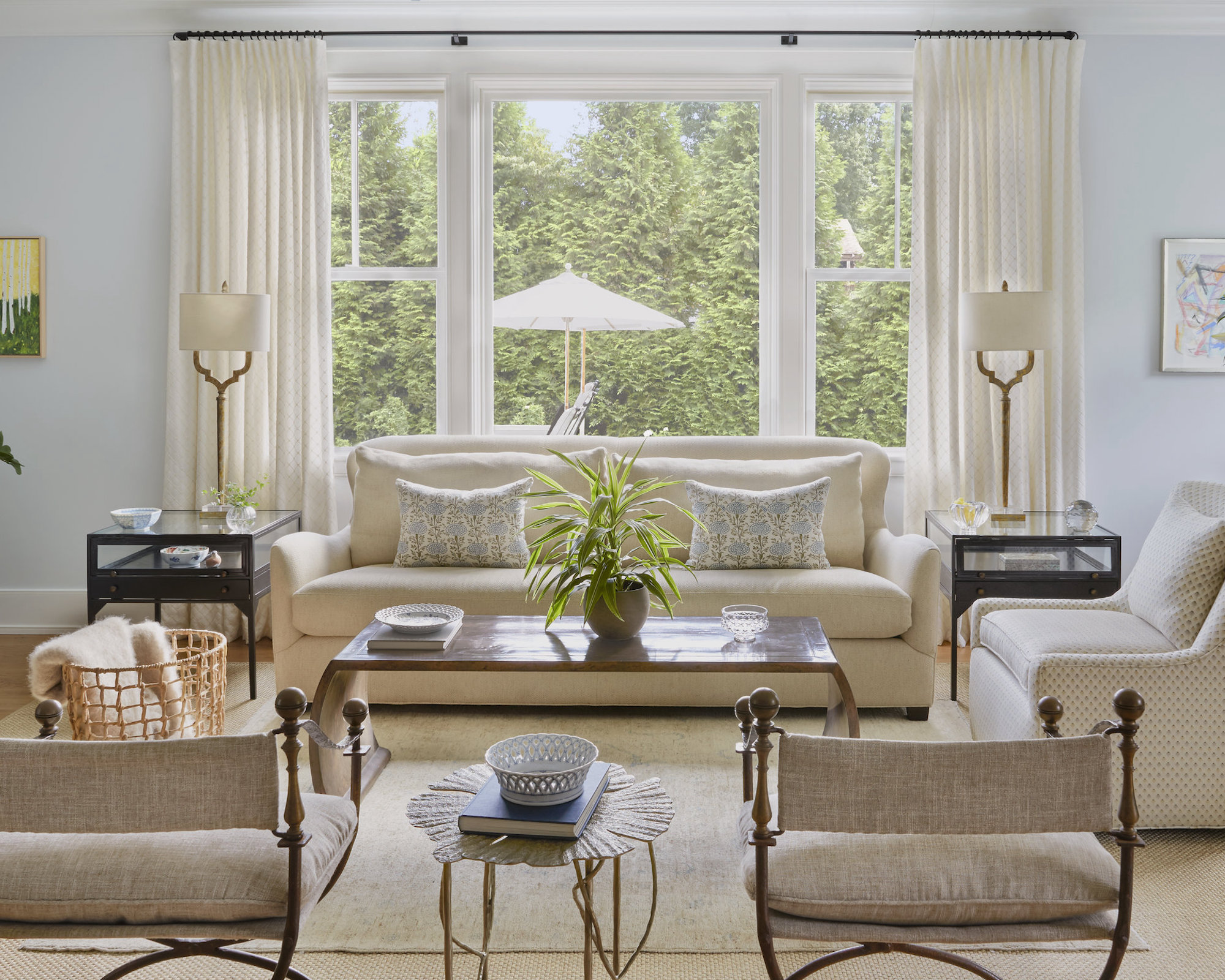
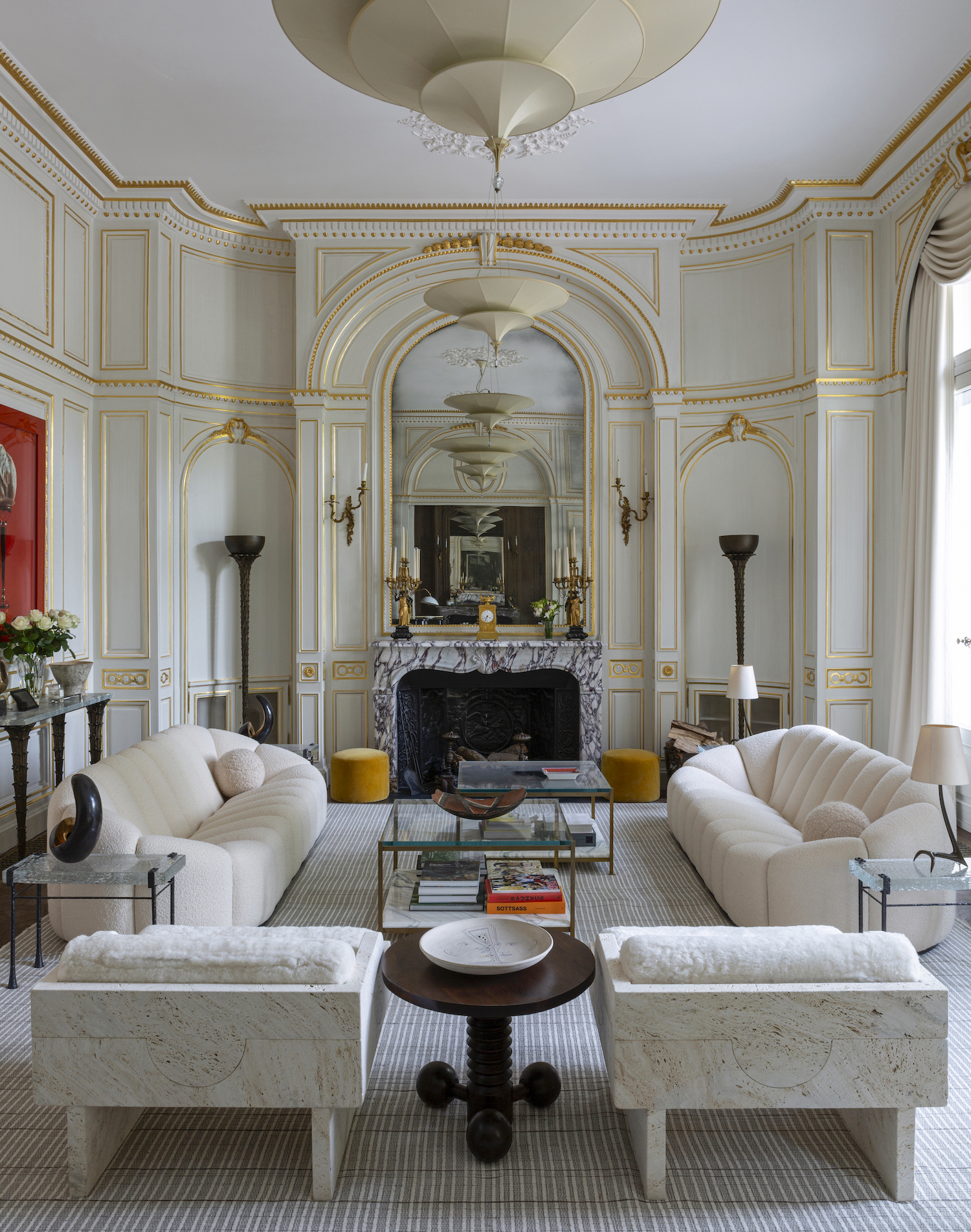
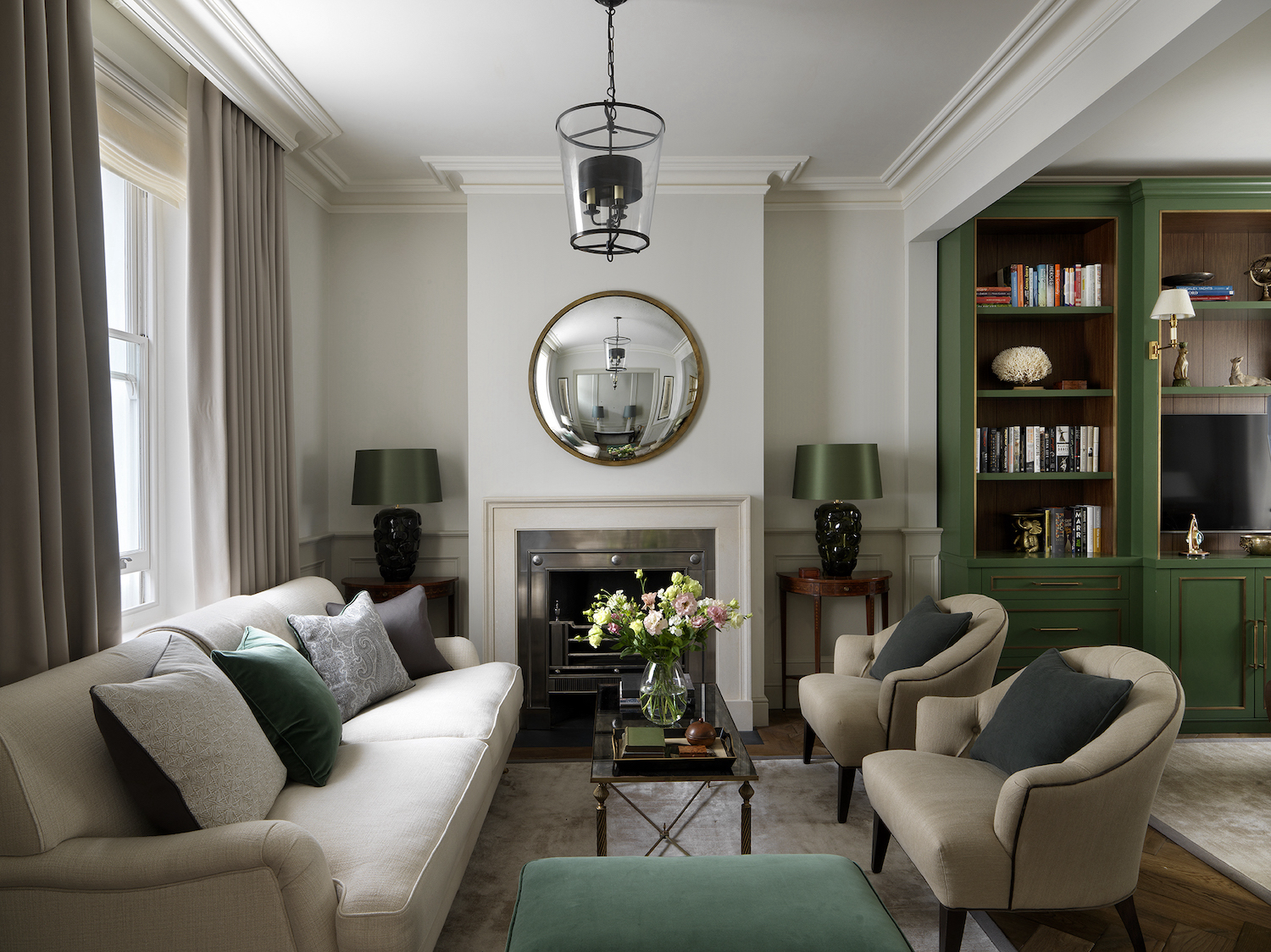
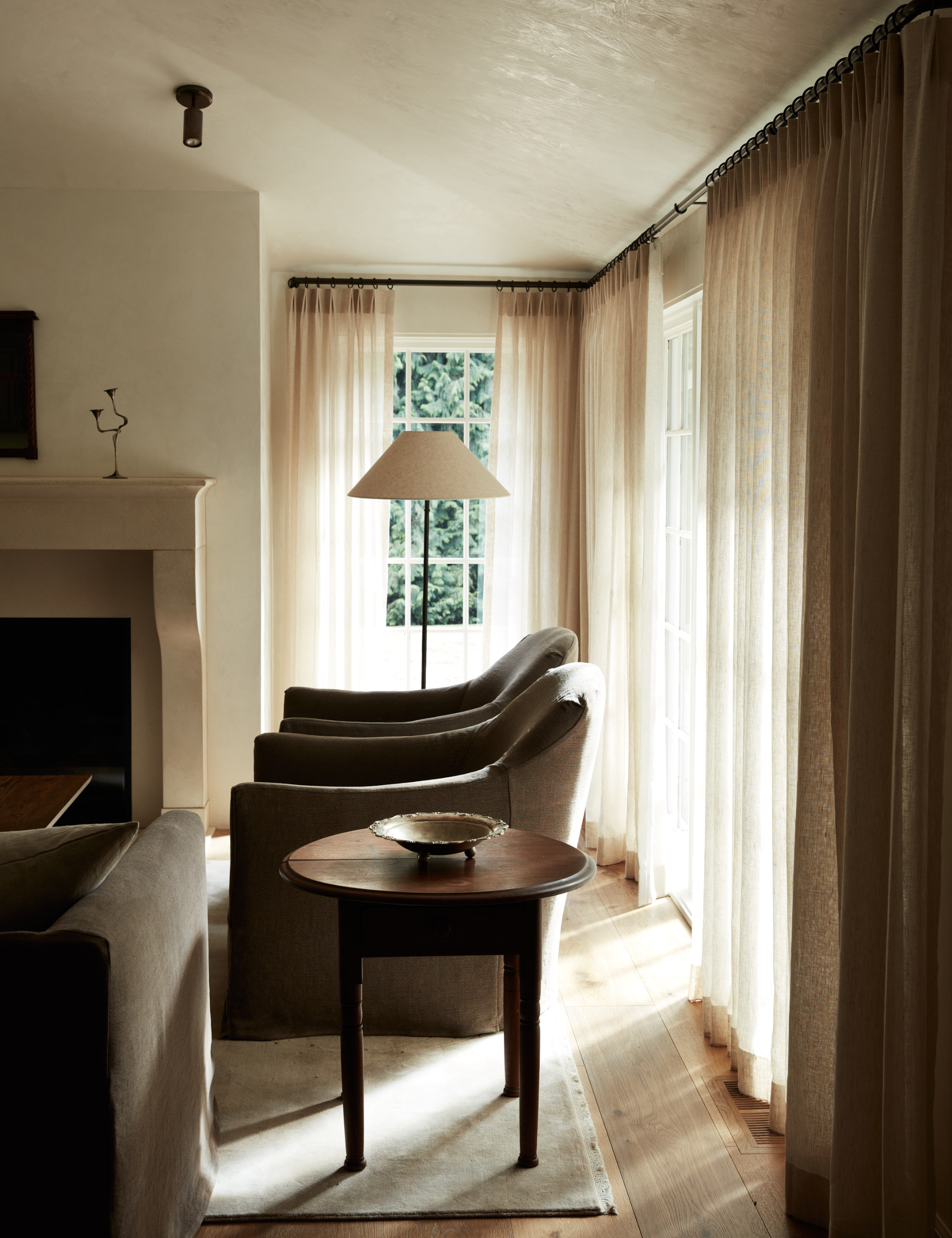
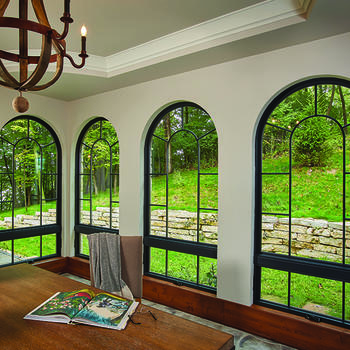
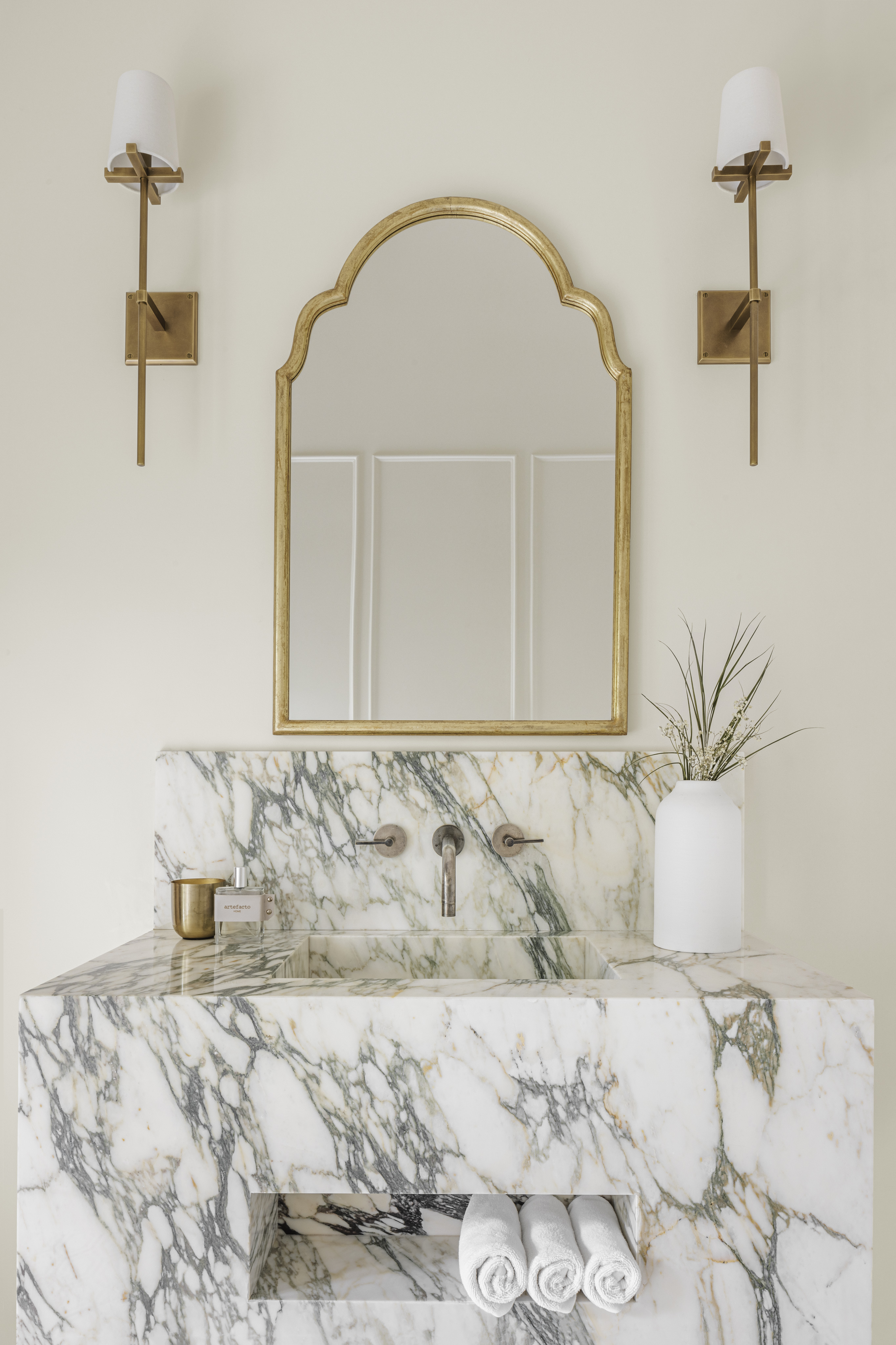
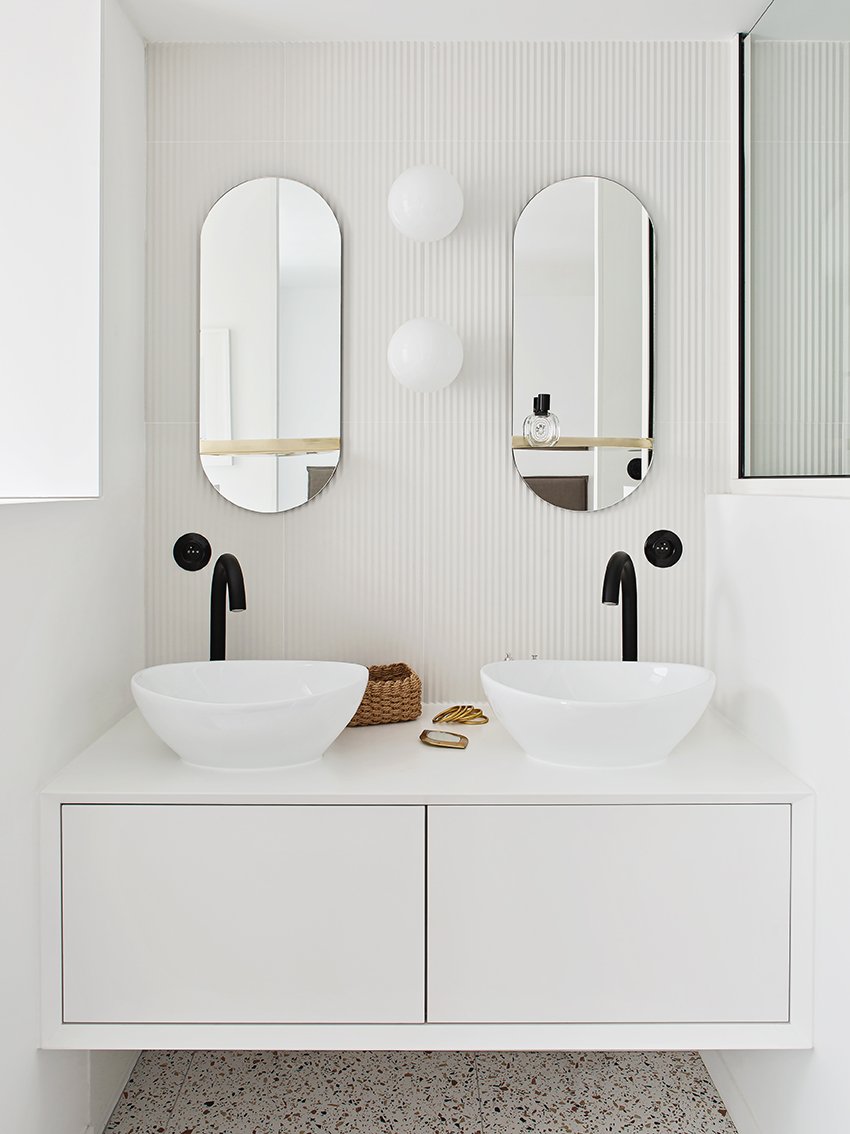
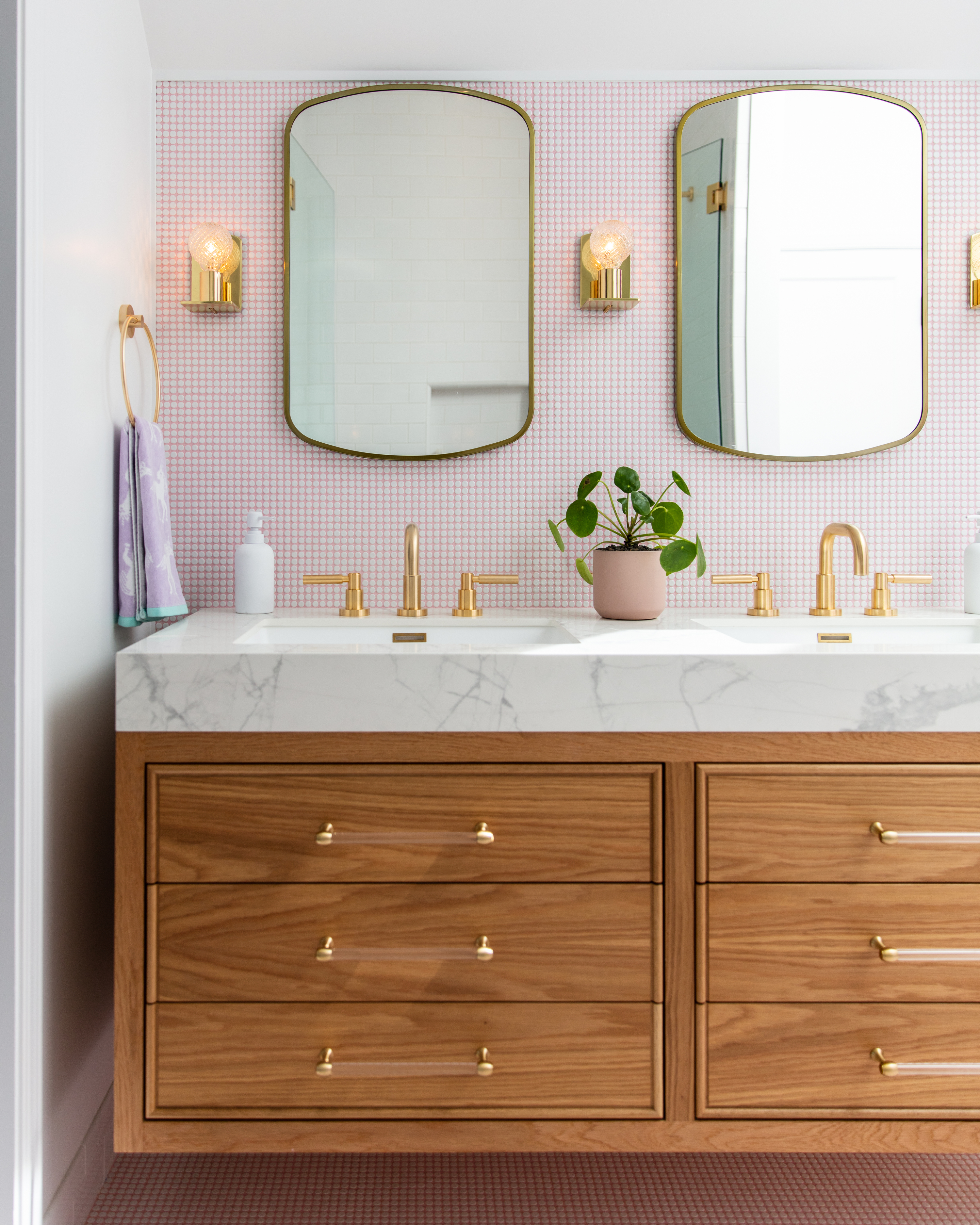
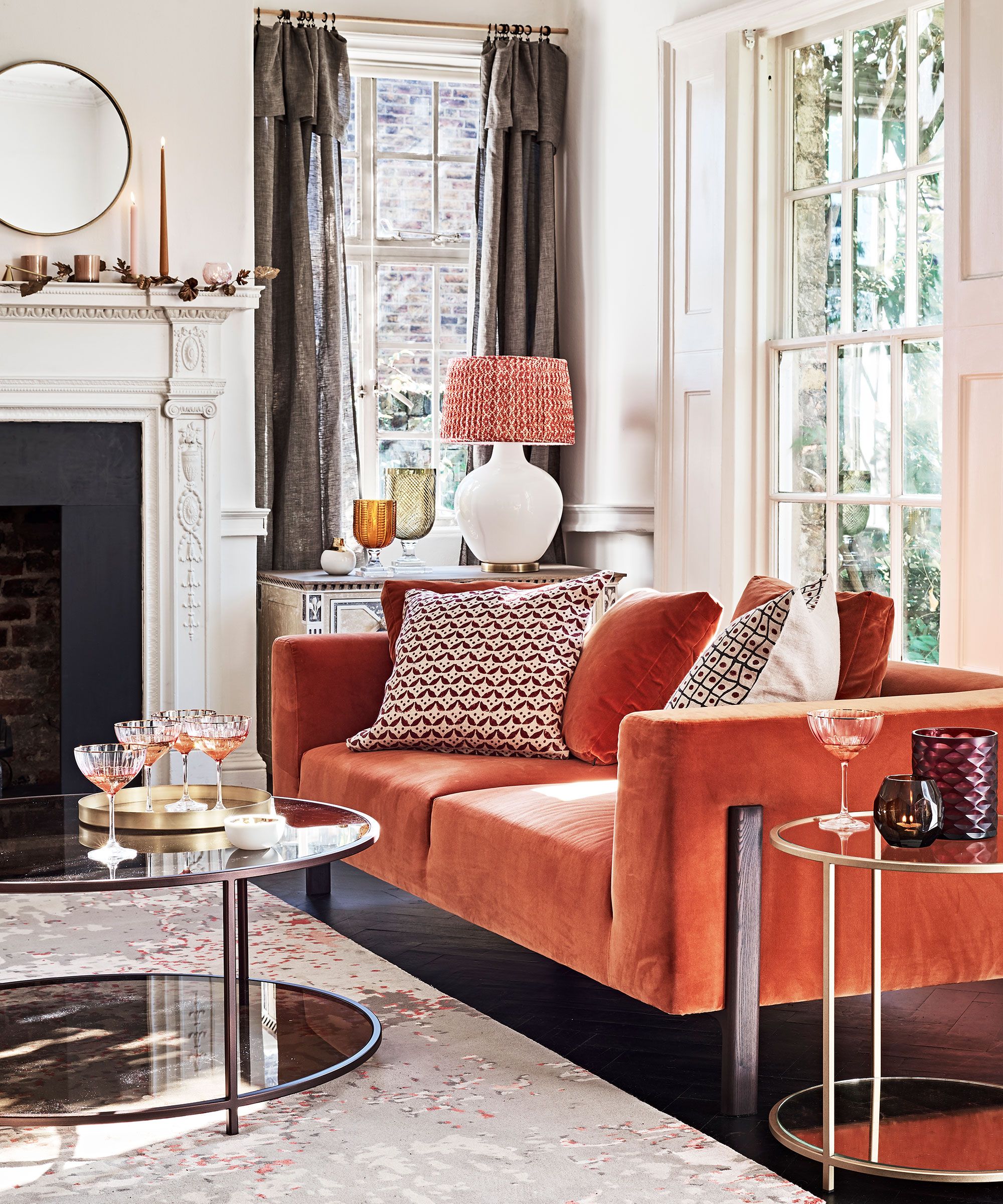
Symmetry has historically been favored in home design, with an intuitive sense of 'rightness' associated with perfectly aligned spaces. We often desire straight art, proportionate tablecloths, and matching nightstands, as symmetry offers a sense of organization and predictability. Sean Adams, dean of visual art and communication at ArtCenter College of Design, highlights that people naturally find comfort in symmetry because the human body is largely symmetrical. This preference for logical structure makes symmetry a default in many interior design styles, particularly those emphasizing simplicity, like classical architecture and Colonial homes, where structural soundness often dictates symmetrical construction. However, excessive mirror-image symmetry can become imposing, unnatural, or even stale, failing to reflect the dynamism of real life.
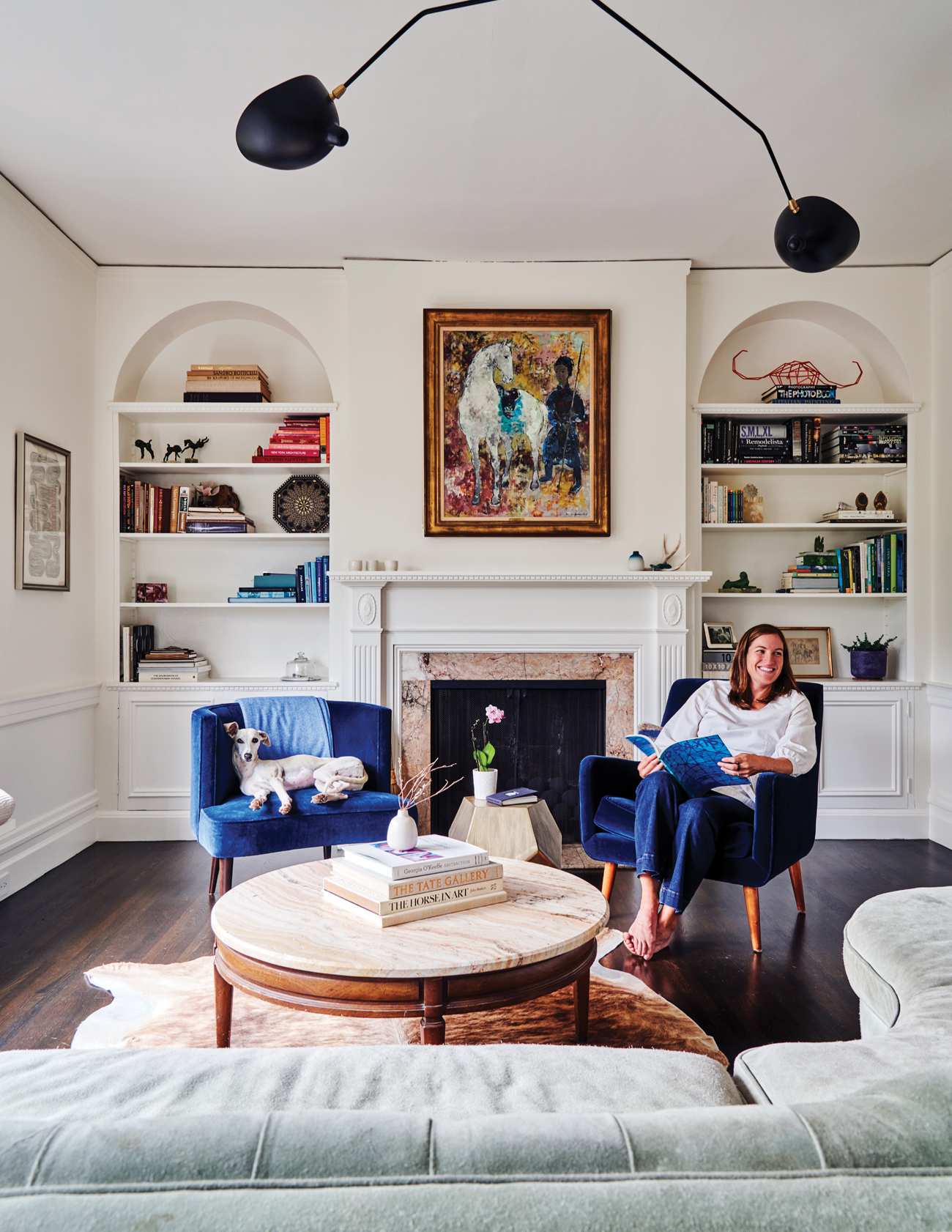
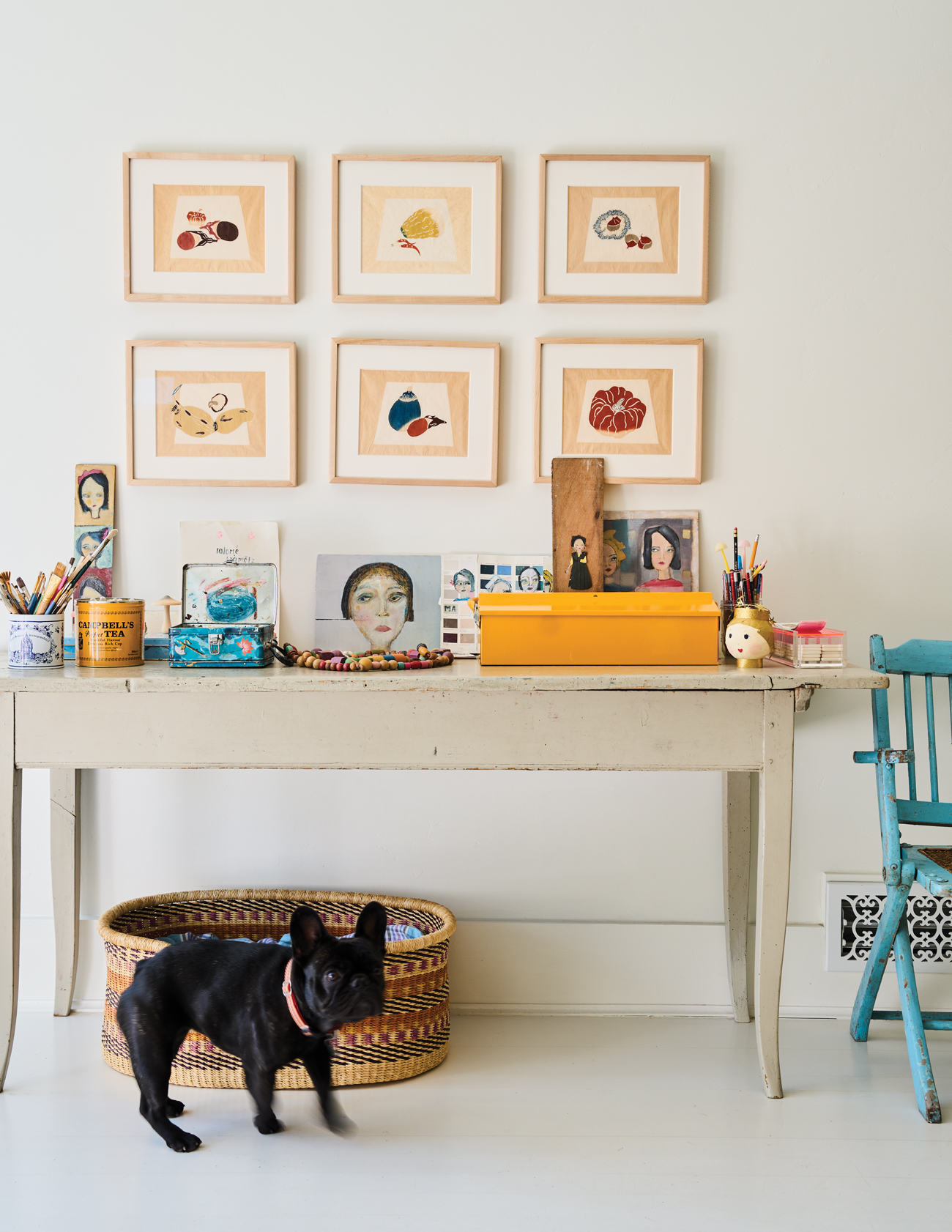
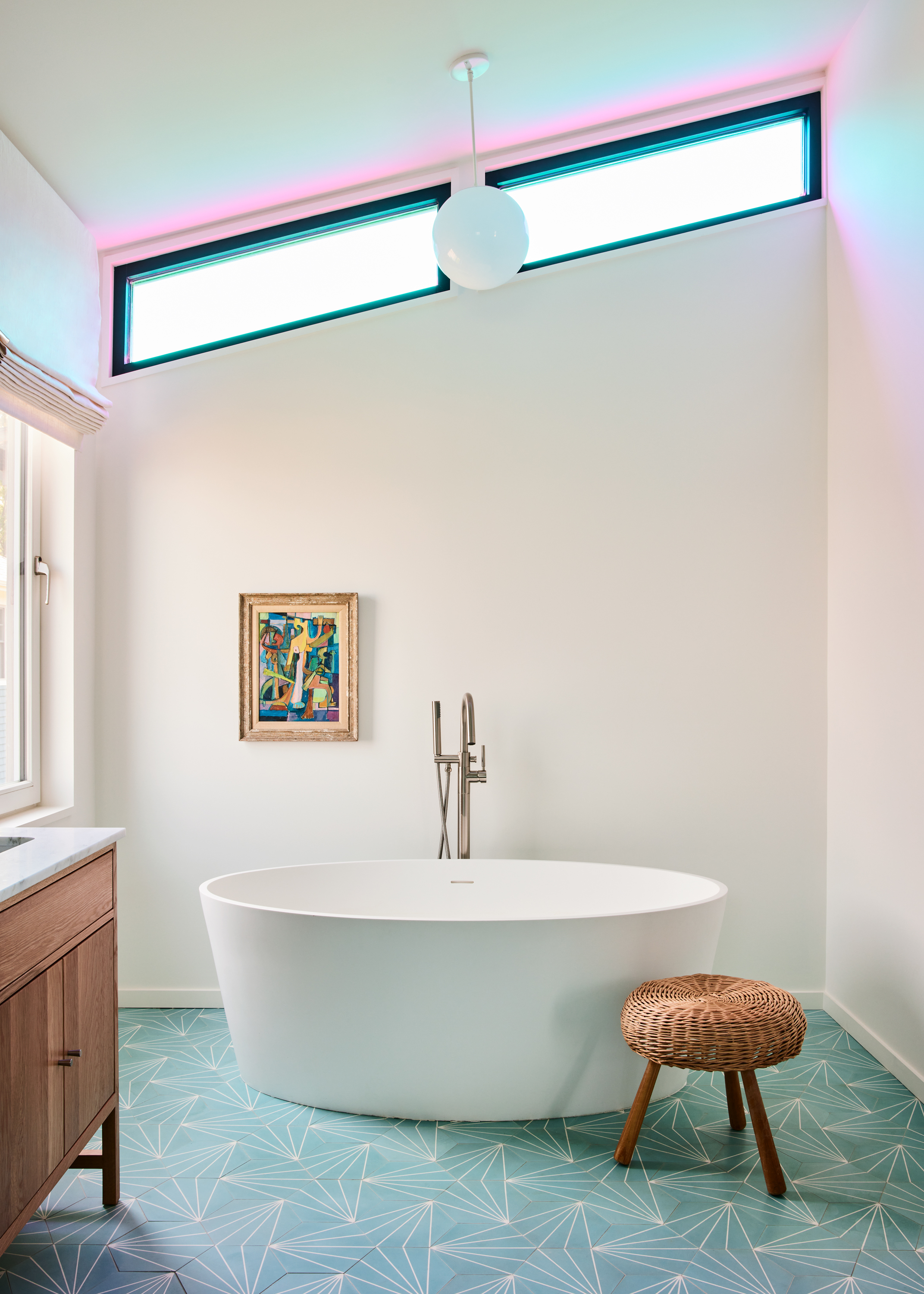
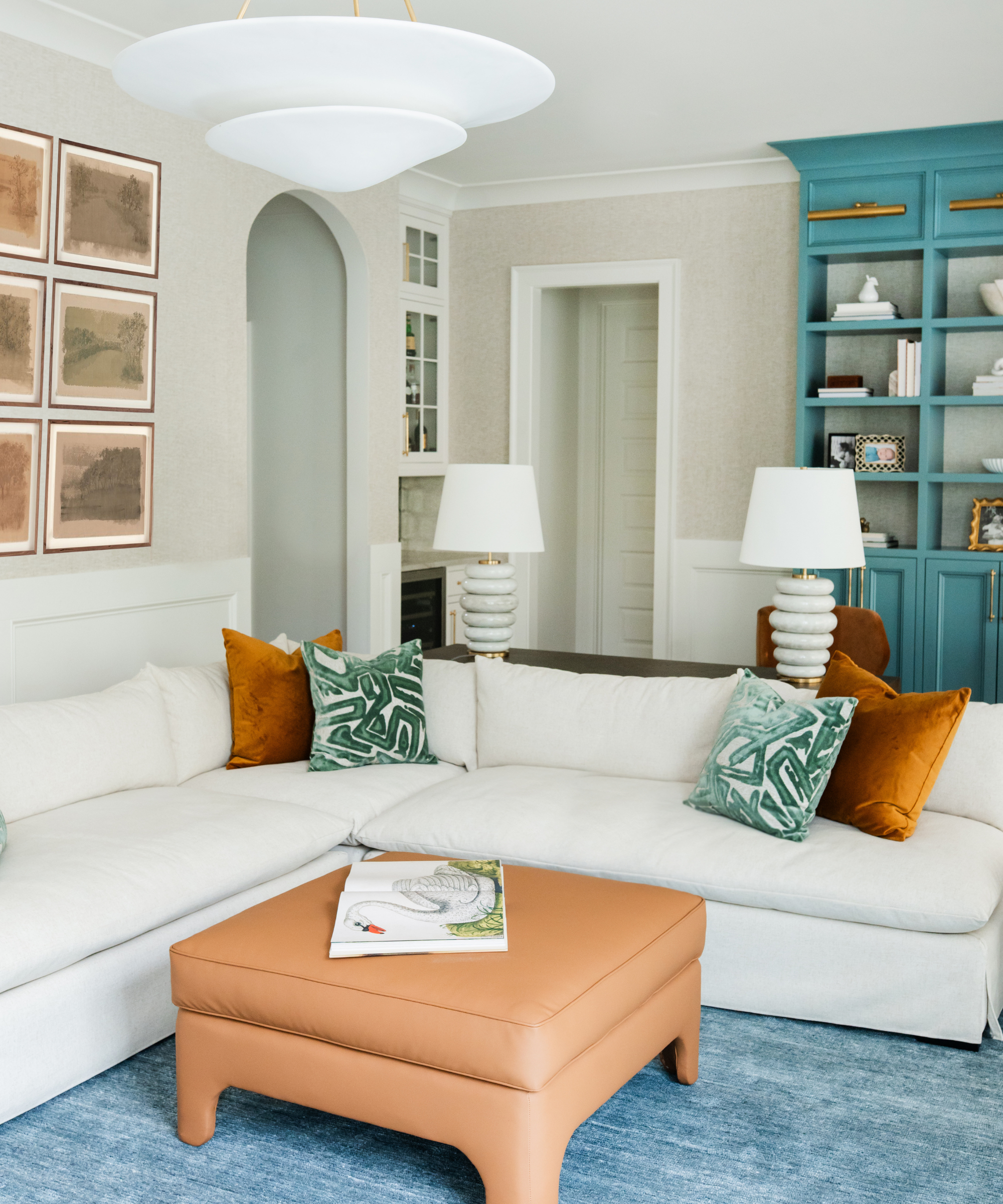
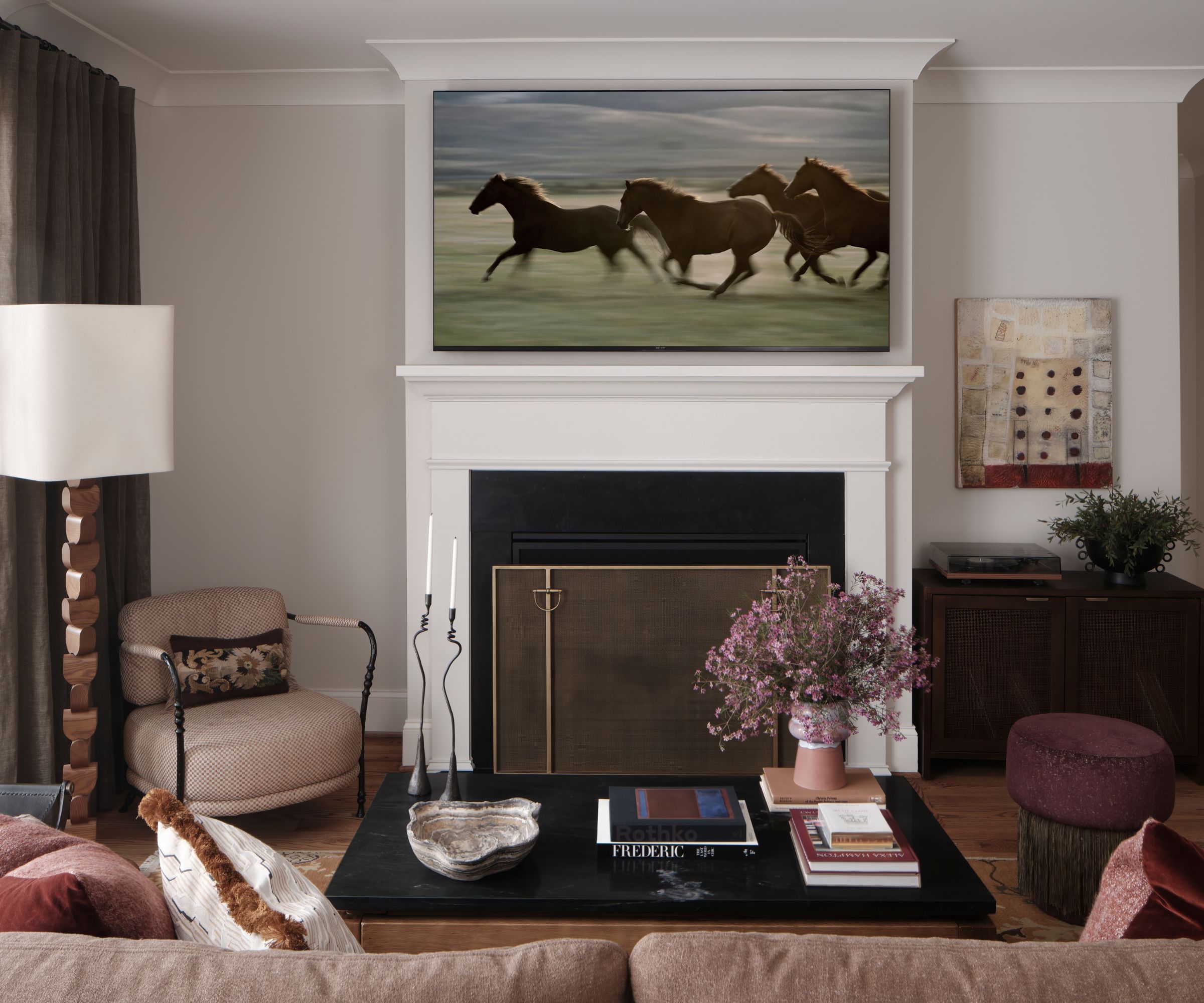
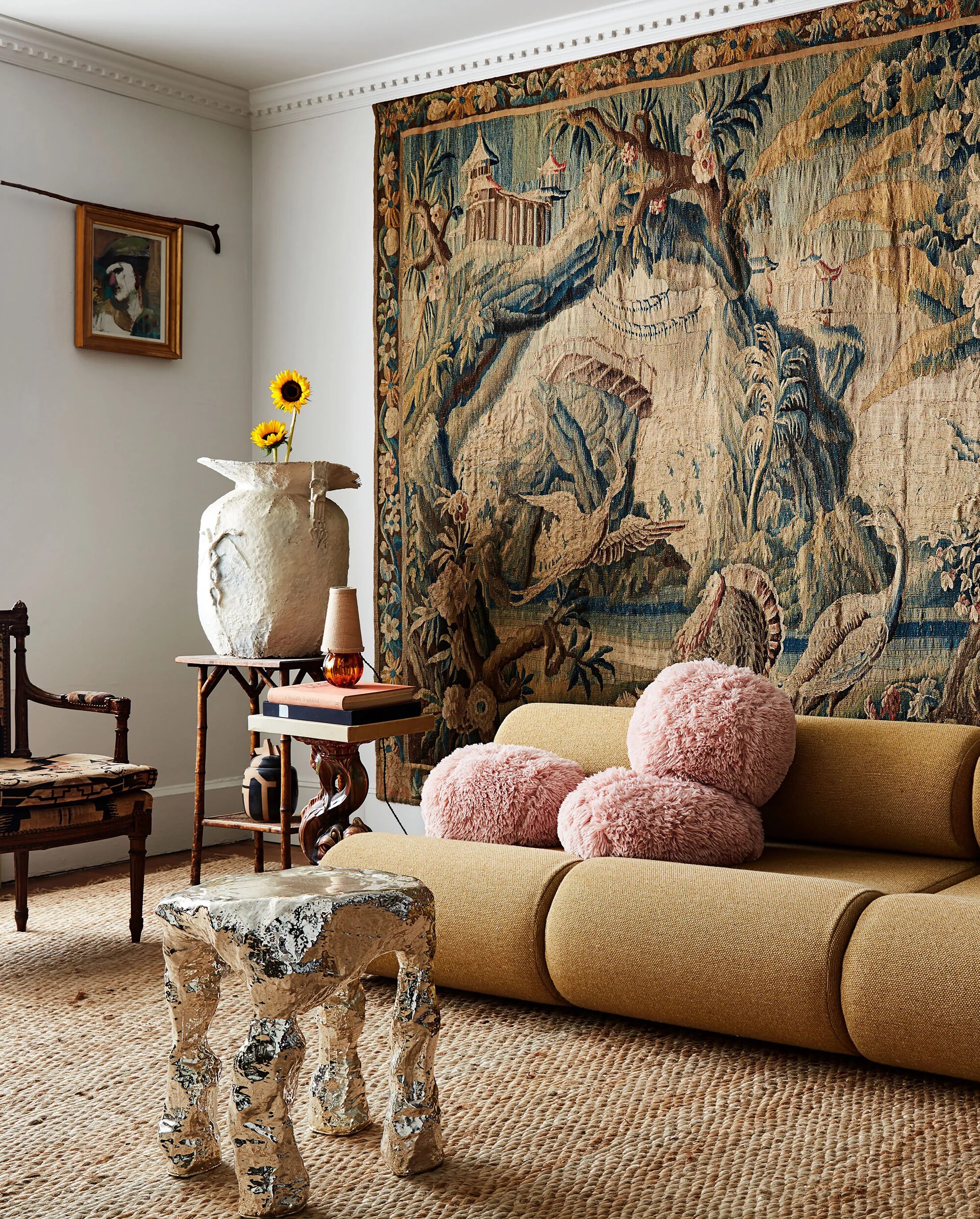
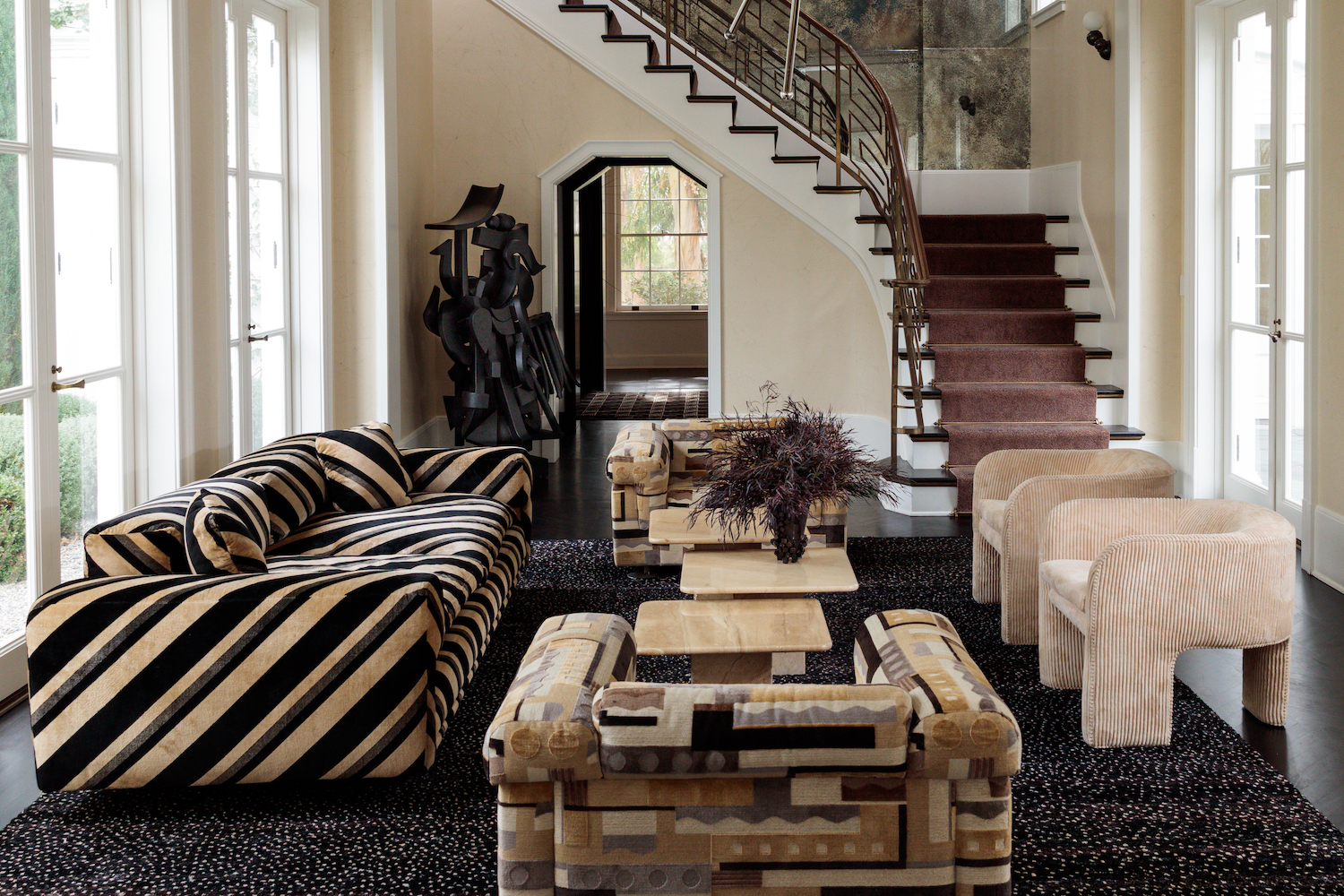
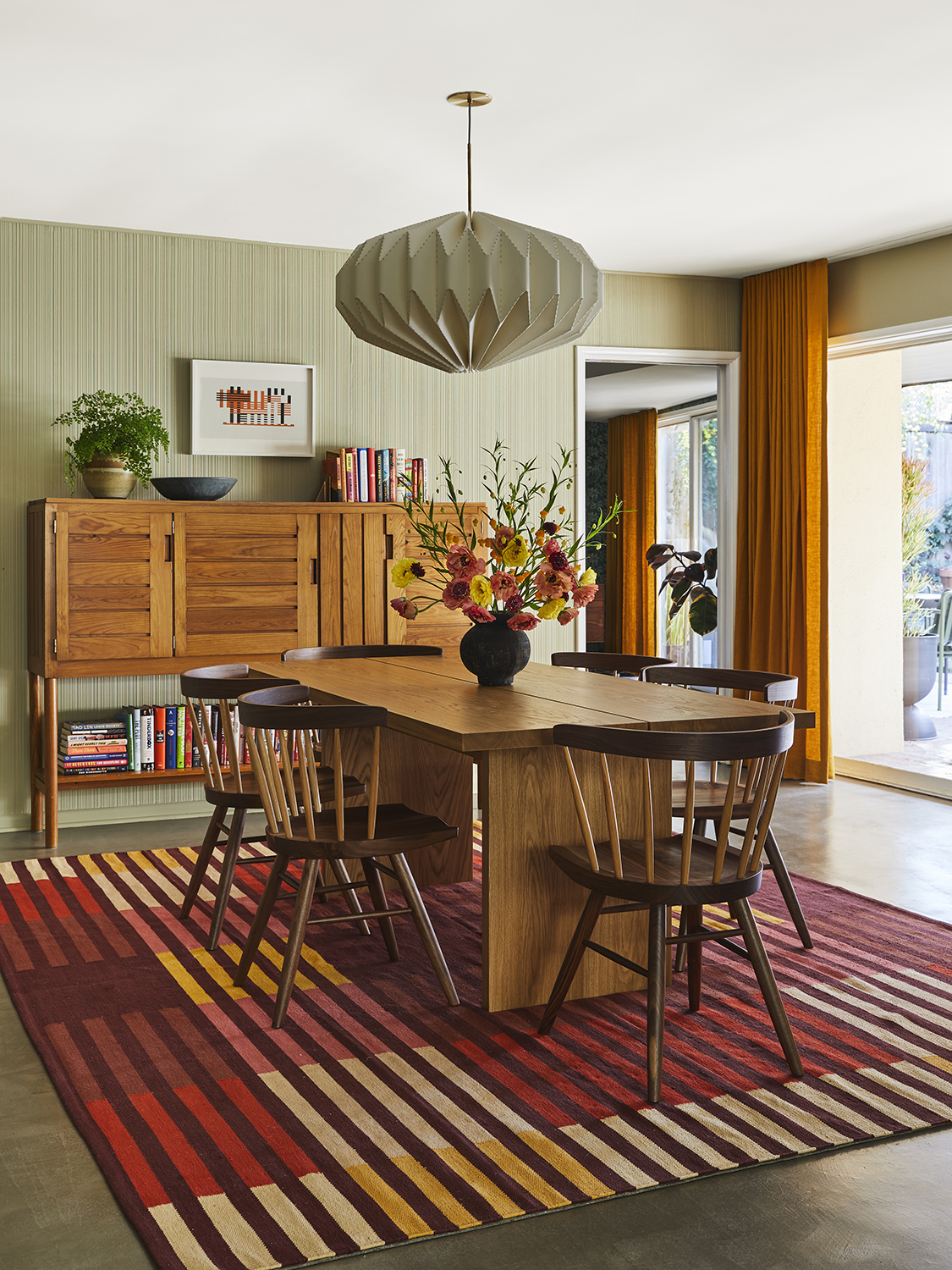
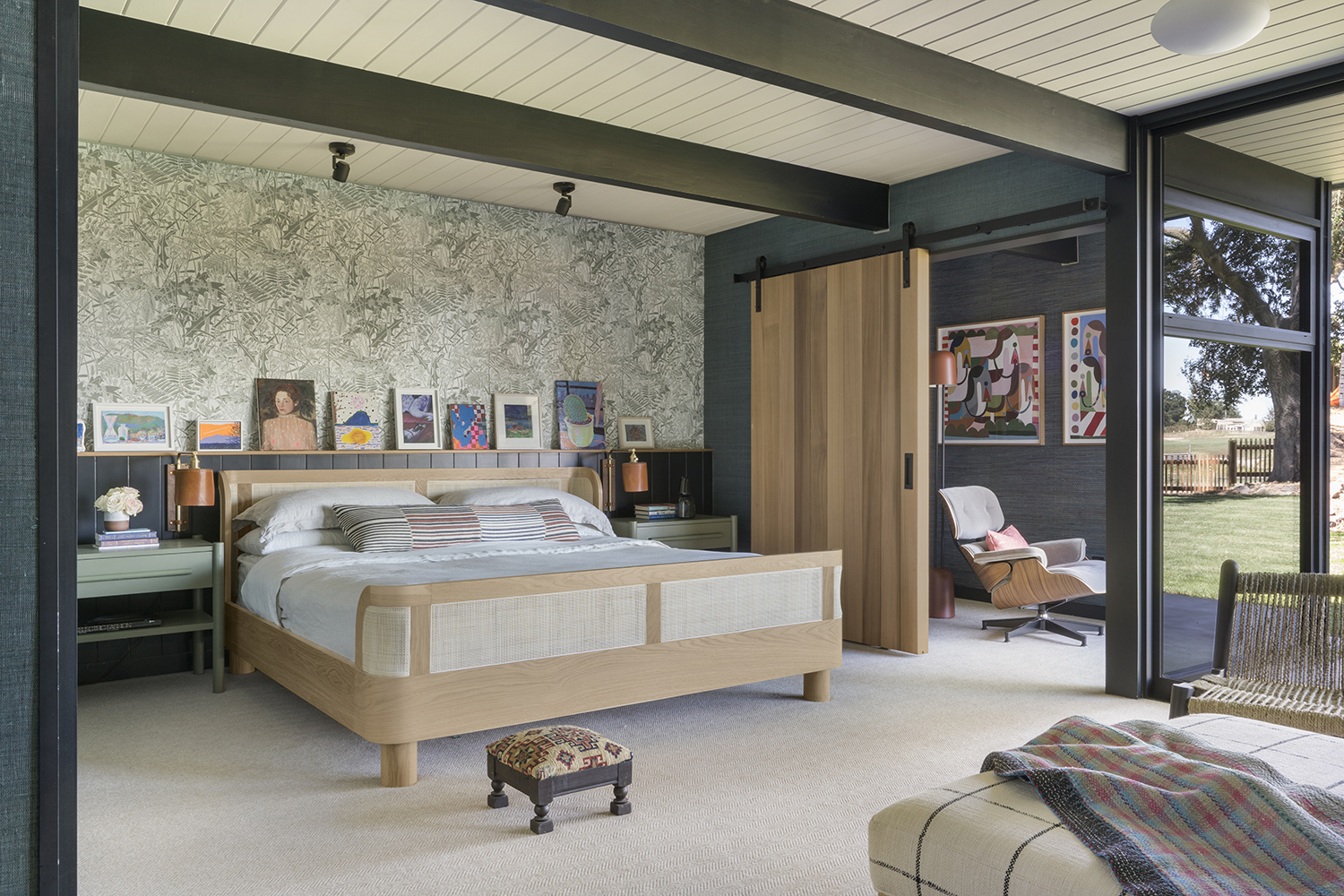
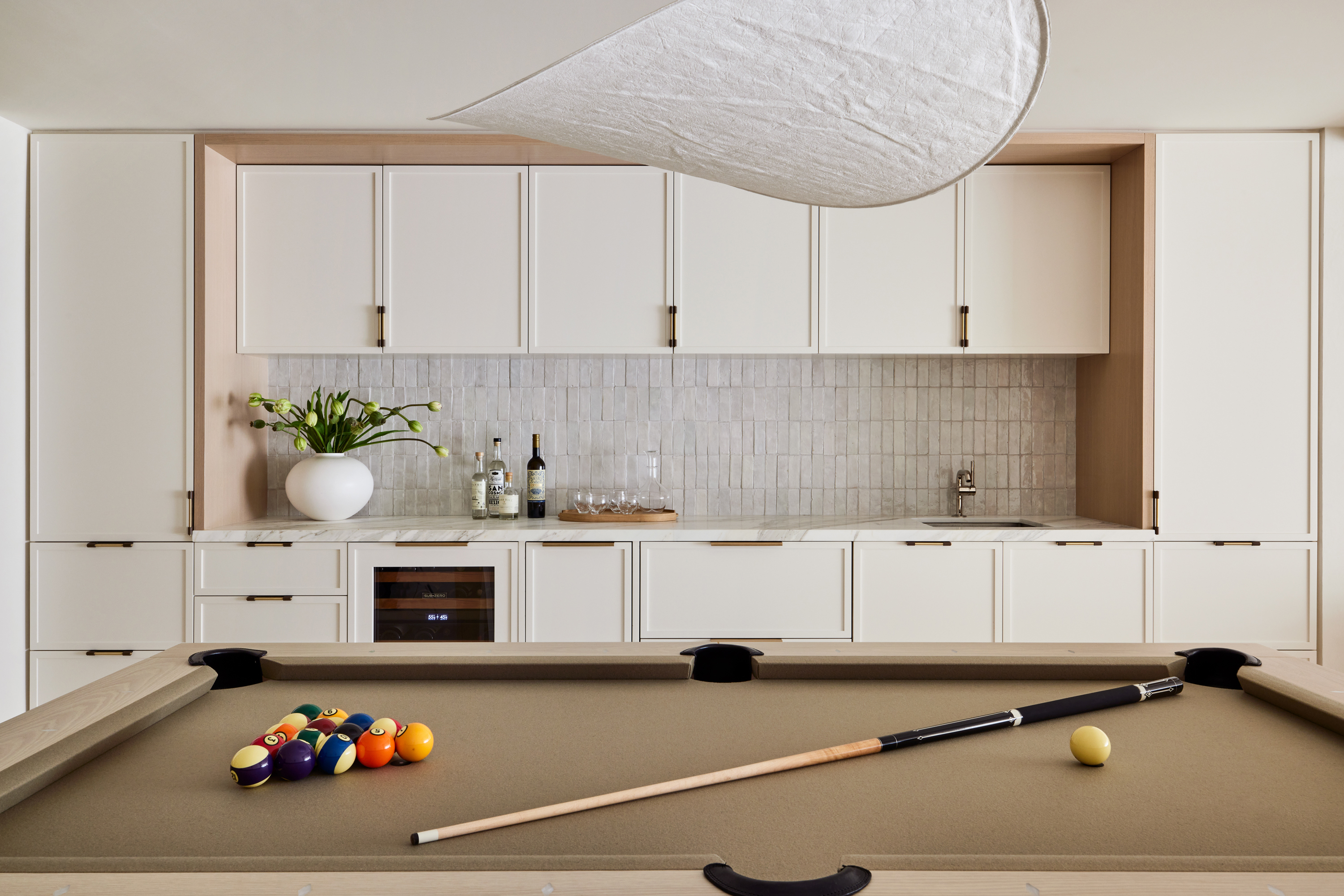
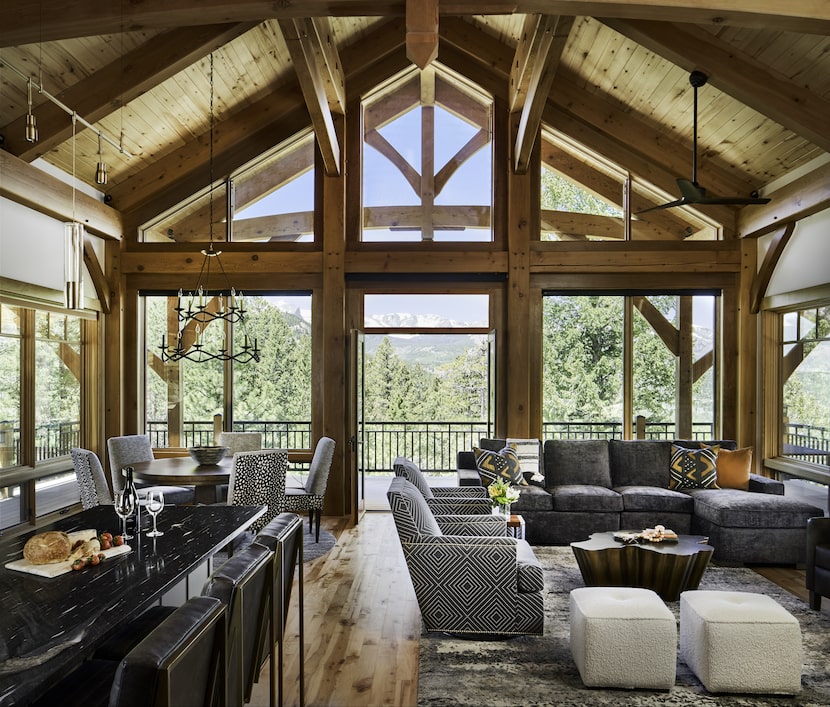
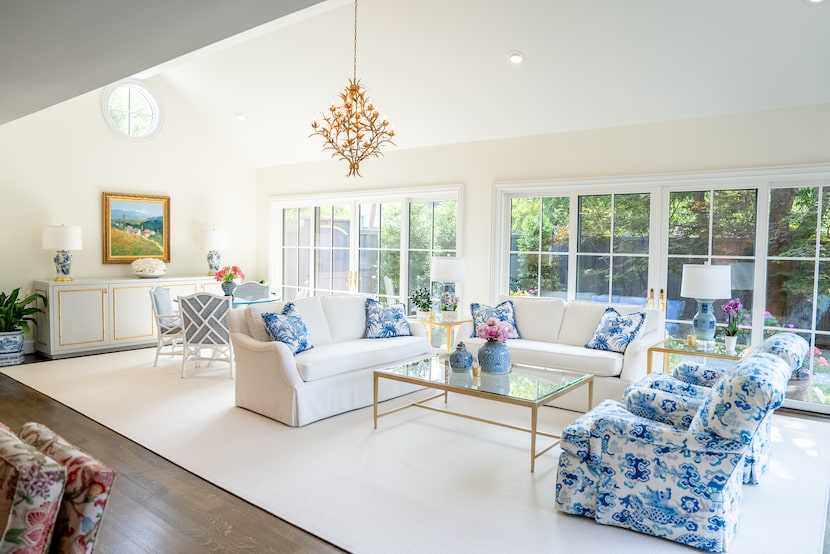
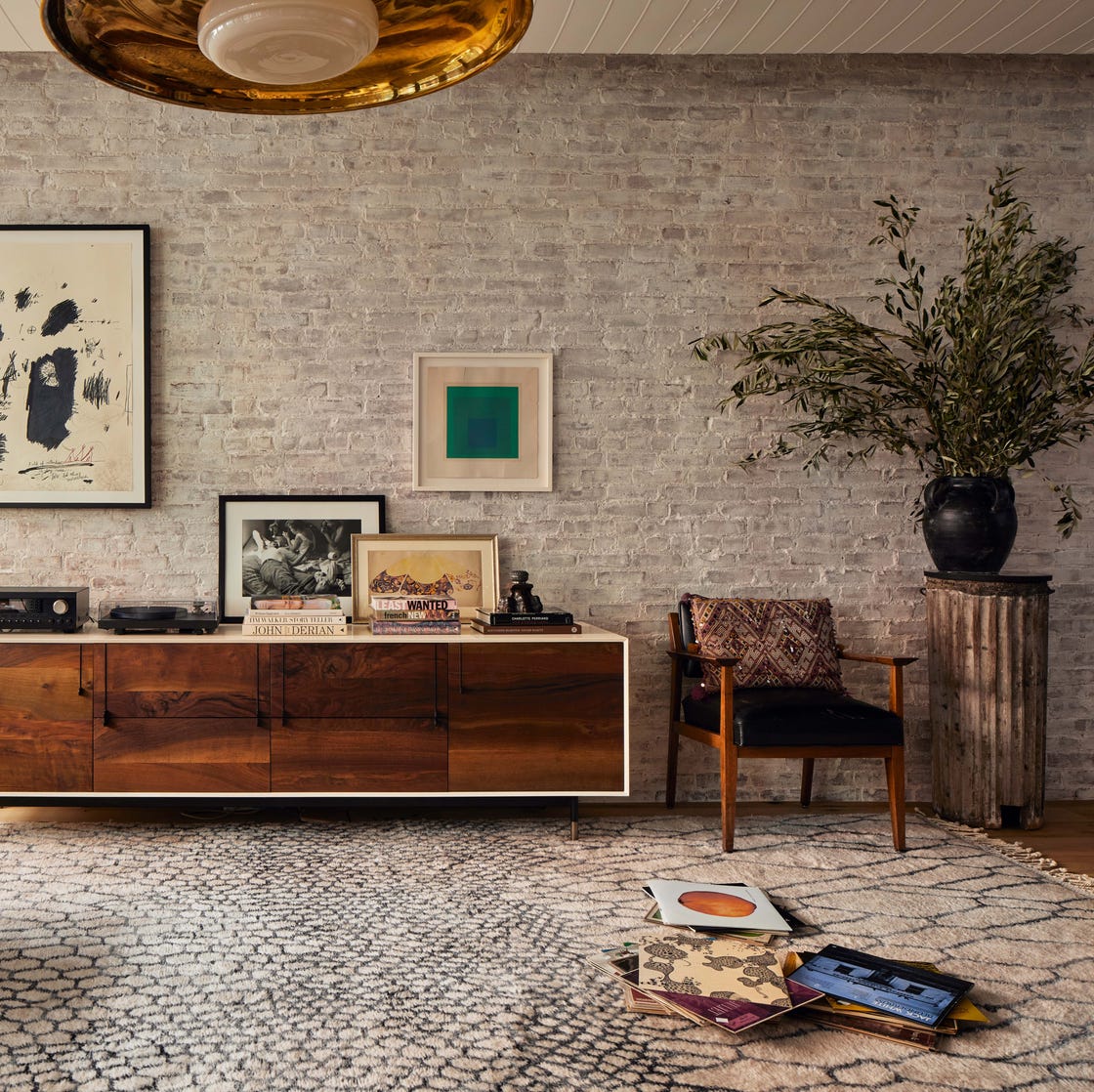
While symmetry provides a reliable starting point, incorporating artful asymmetry introduces intrigue and personality into a space. Asymmetry challenges the viewer to engage mentally, interpreting negative spaces and numerical relationships, thereby creating a more intimate and personal experience. This approach can be applied in various rooms, such as a dining room, by experimenting with the scale of wall art, choosing unique pendant light arrangements, or creating eclectic tablescapes that appear casually styled yet well-composed. Amy Sklar, principal designer of Amy Sklar Design, emphasizes that successful interiors balance symmetrical elements with surprising asymmetrical touches, enhancing height, texture, and form. Heather Kane, an interior designer and owner of Frances Loom, embraces maximalism, often breaking from regimented alignment to inject vitality into classically symmetrical rooms.
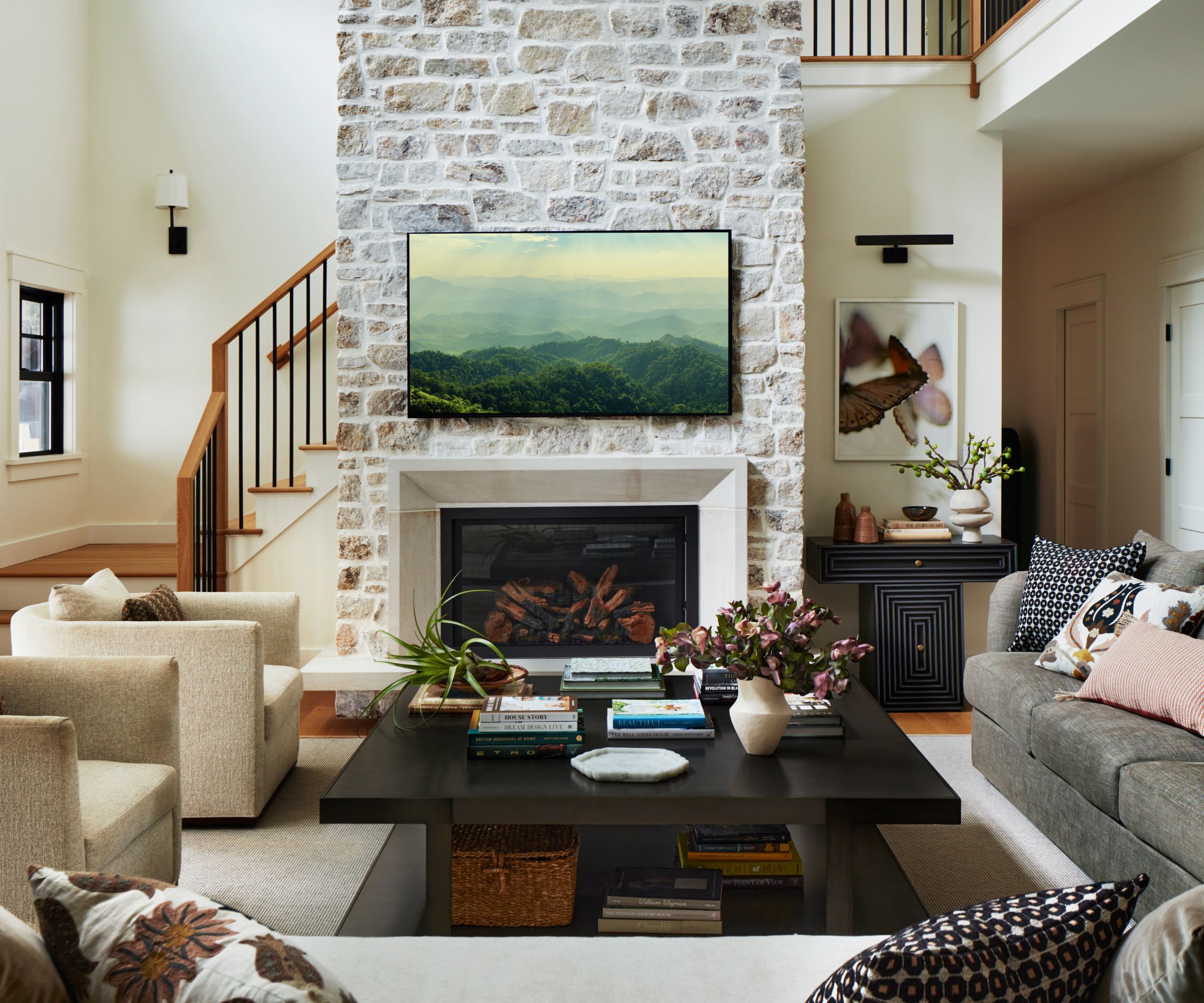
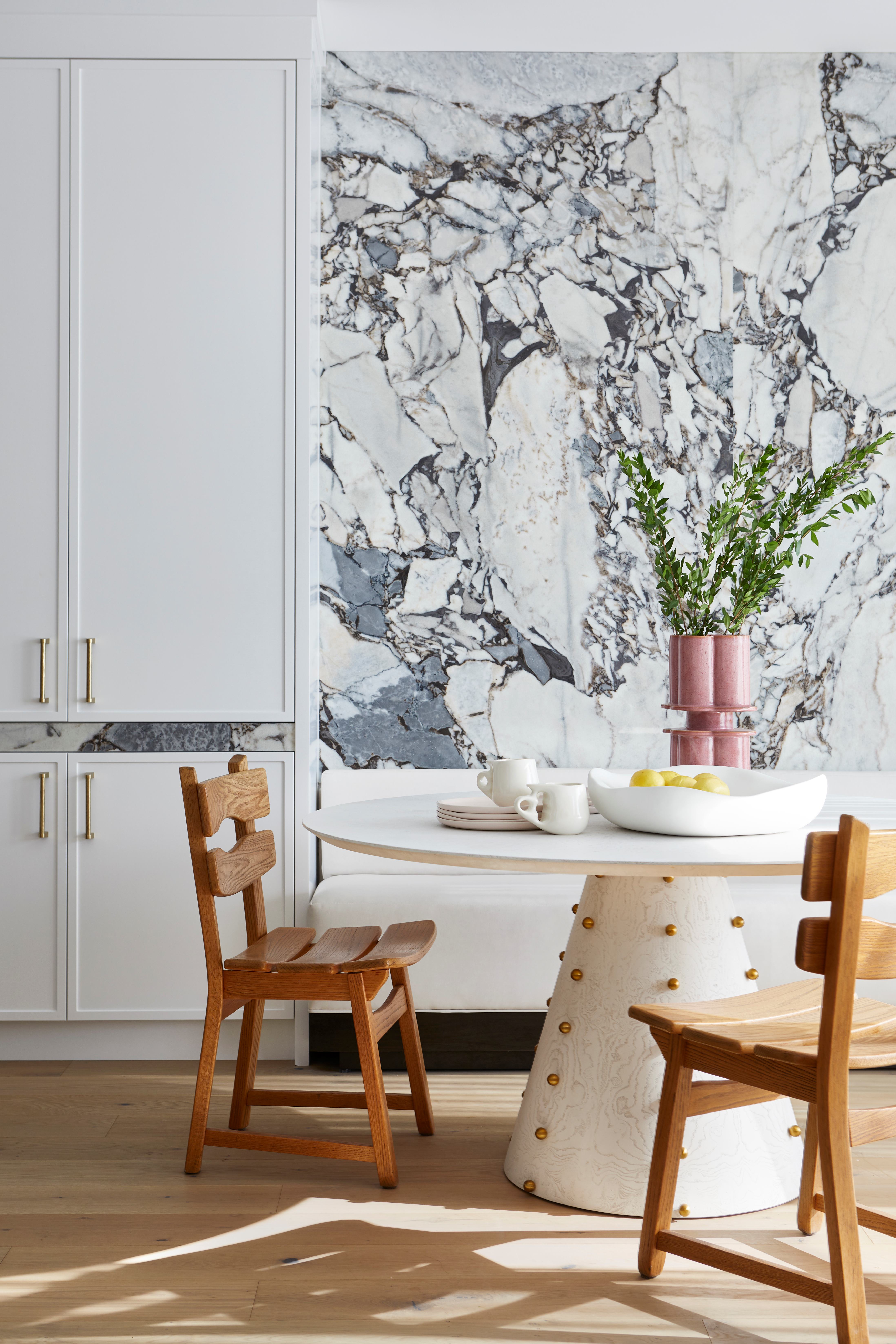
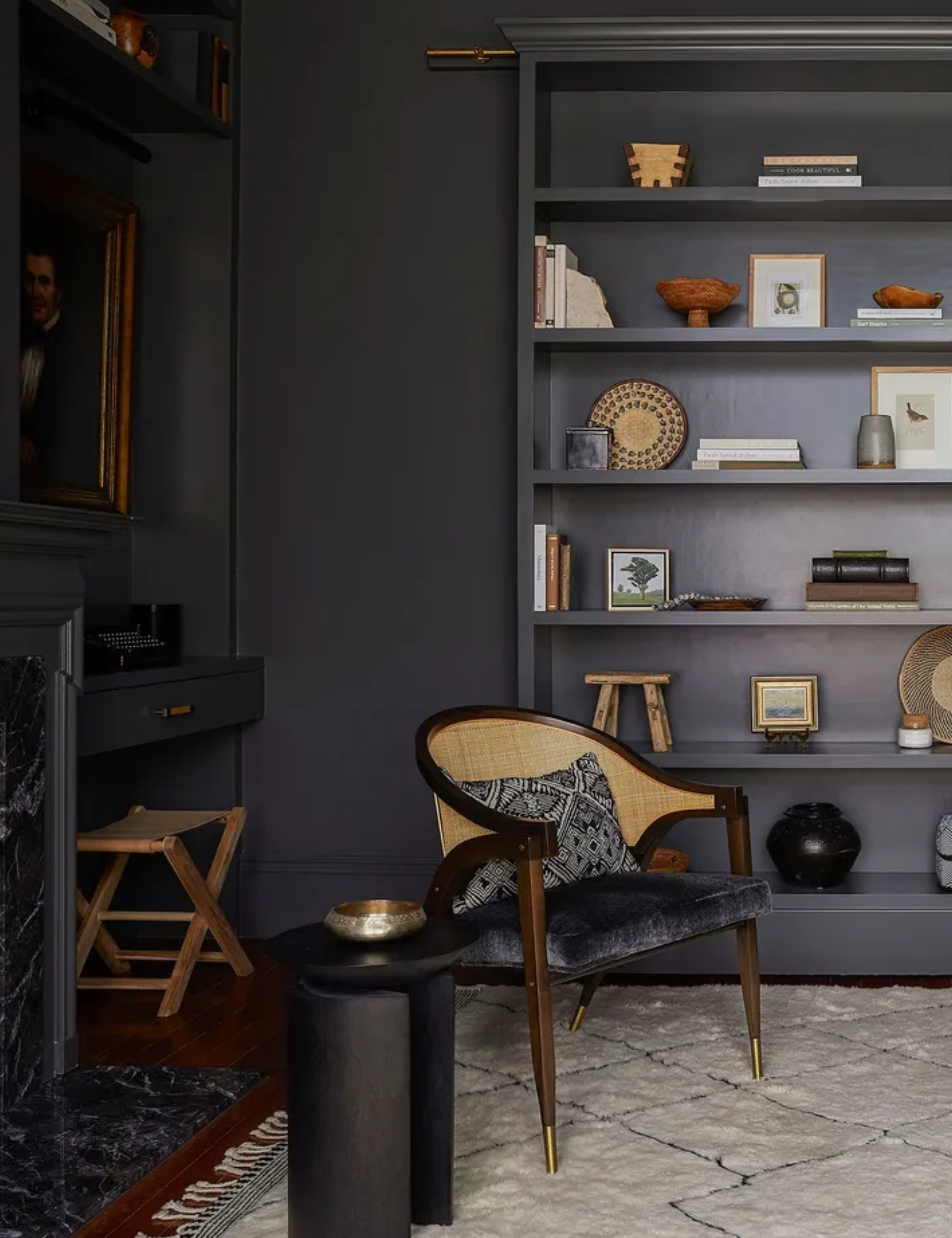
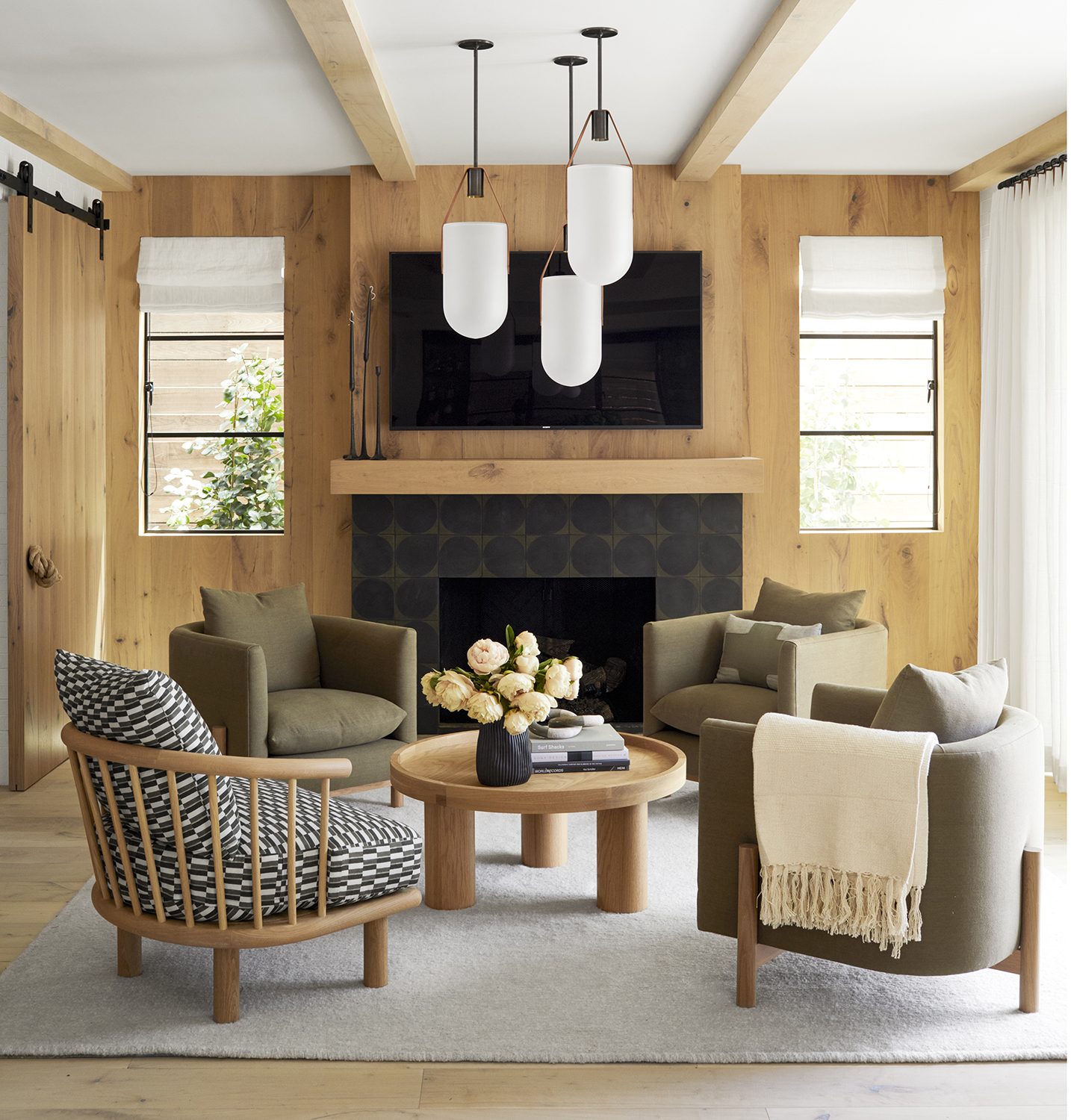
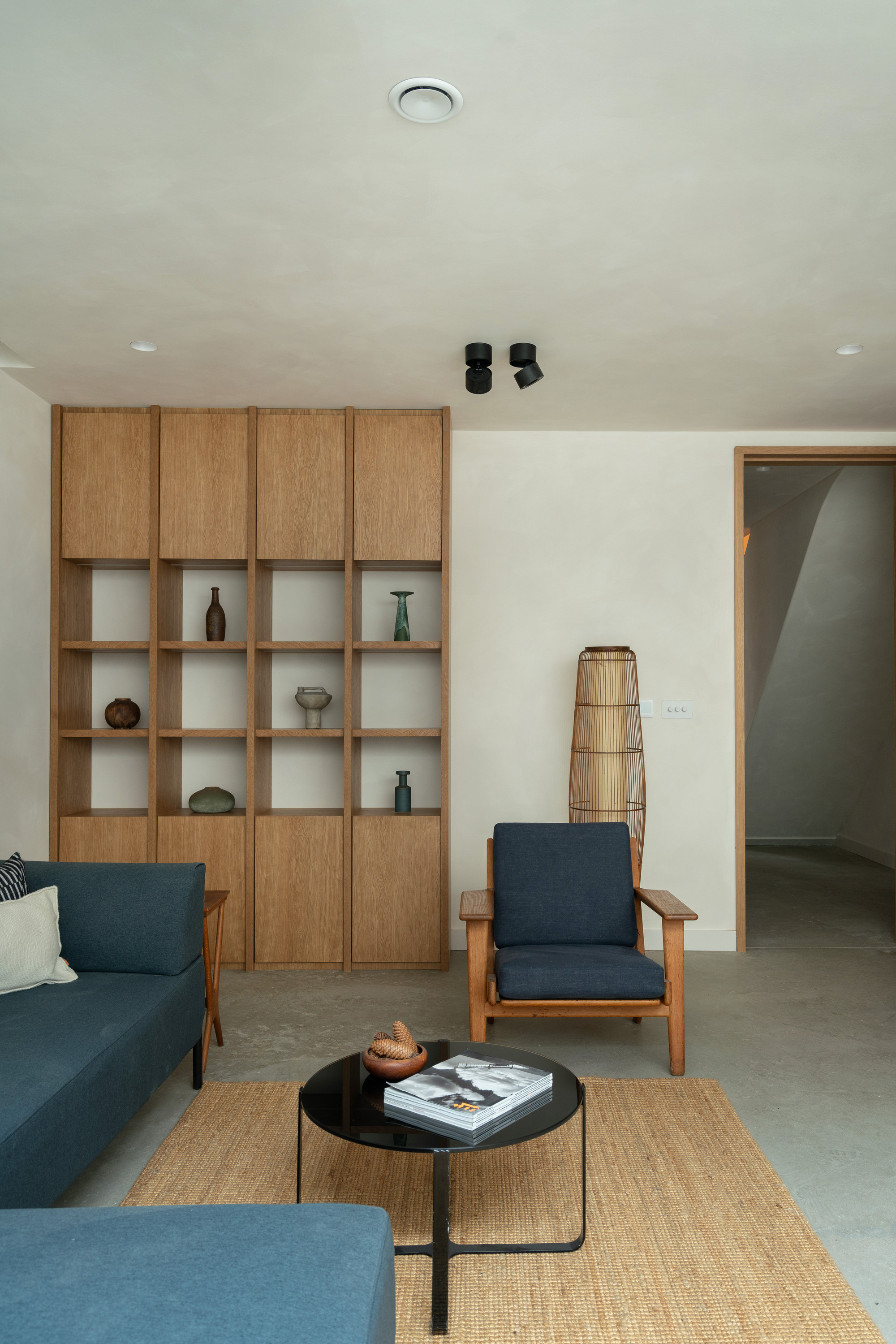
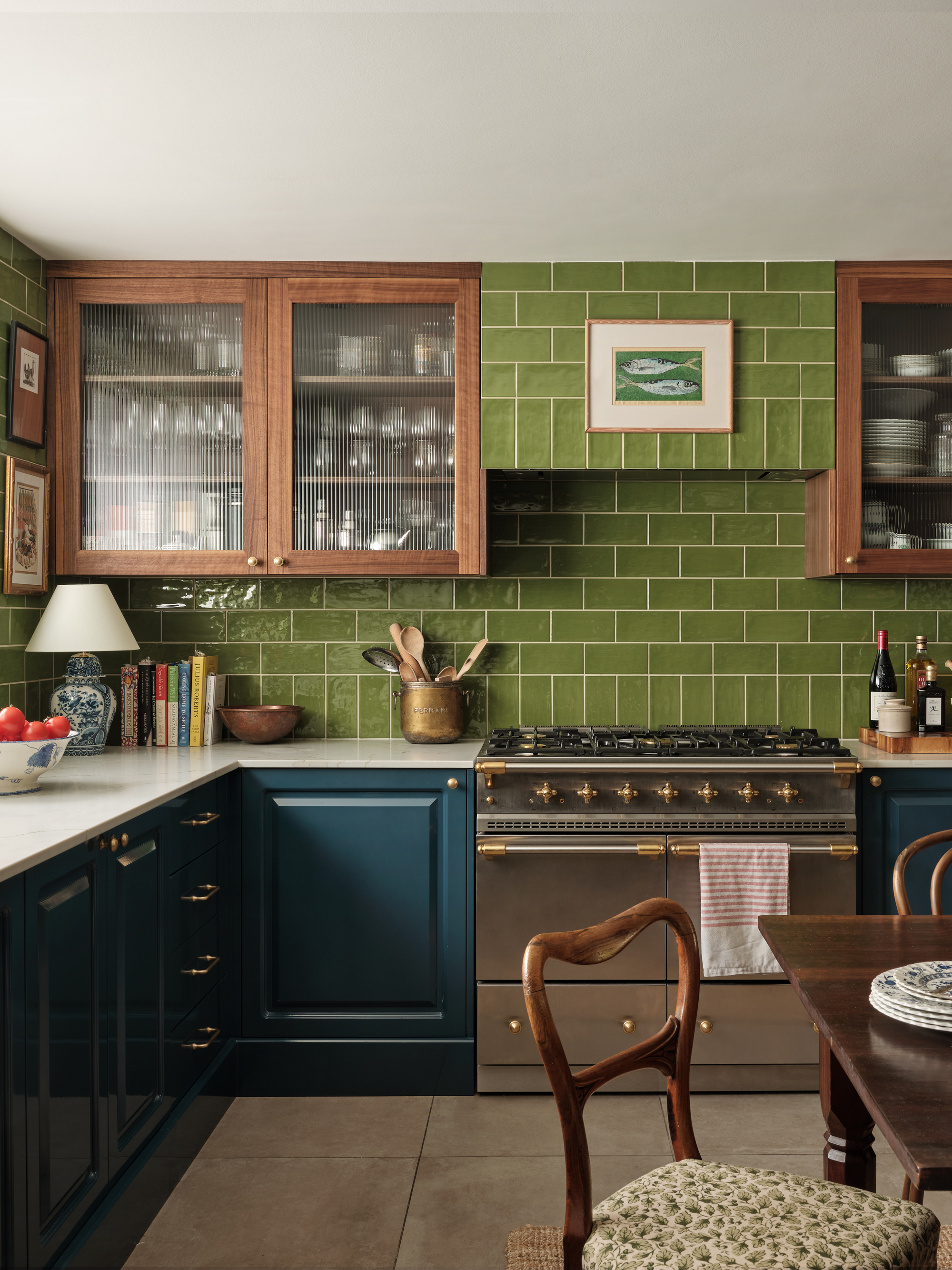
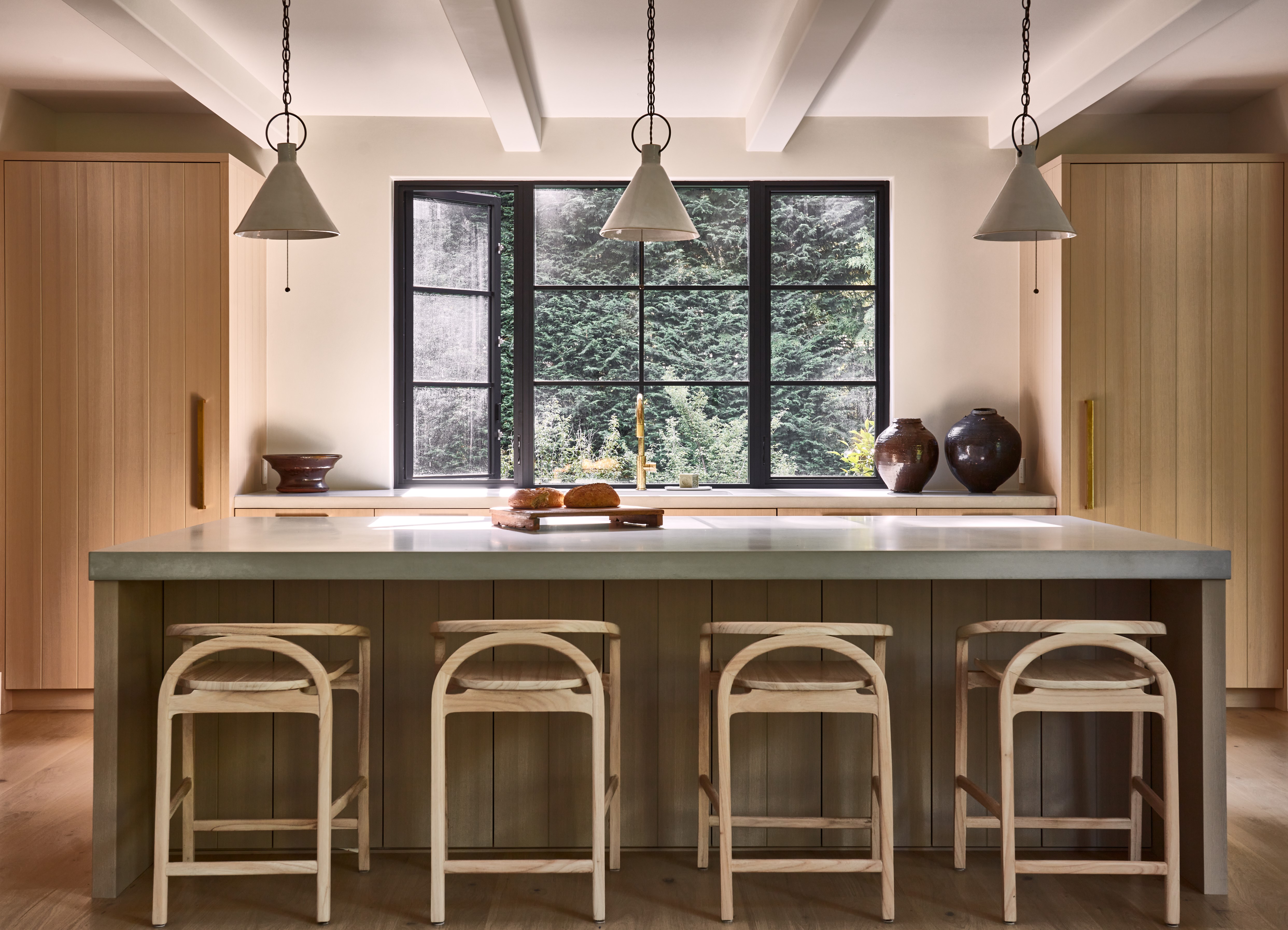
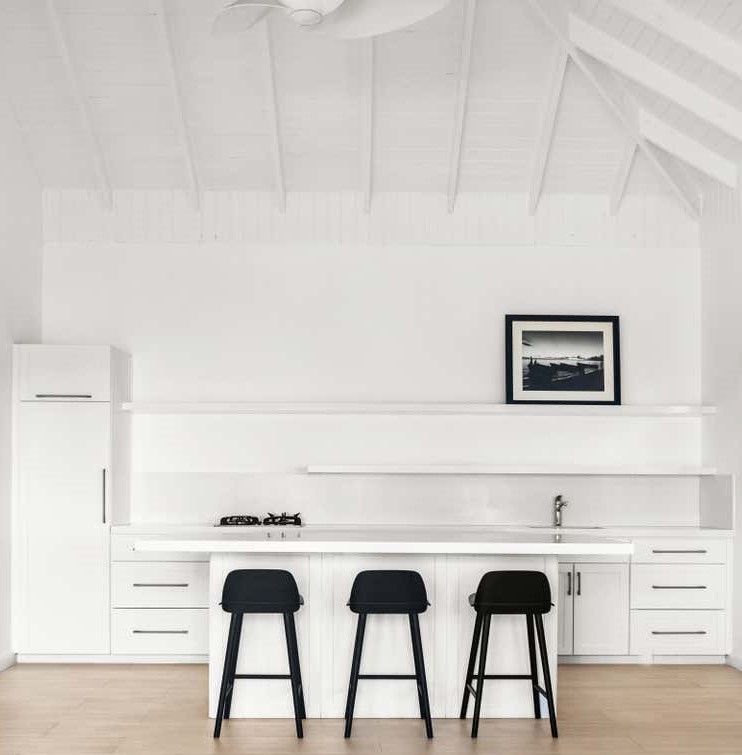
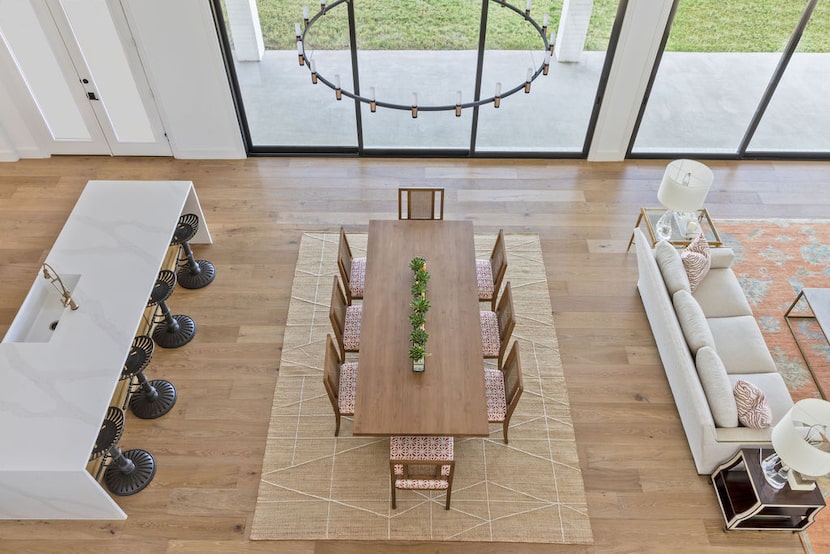
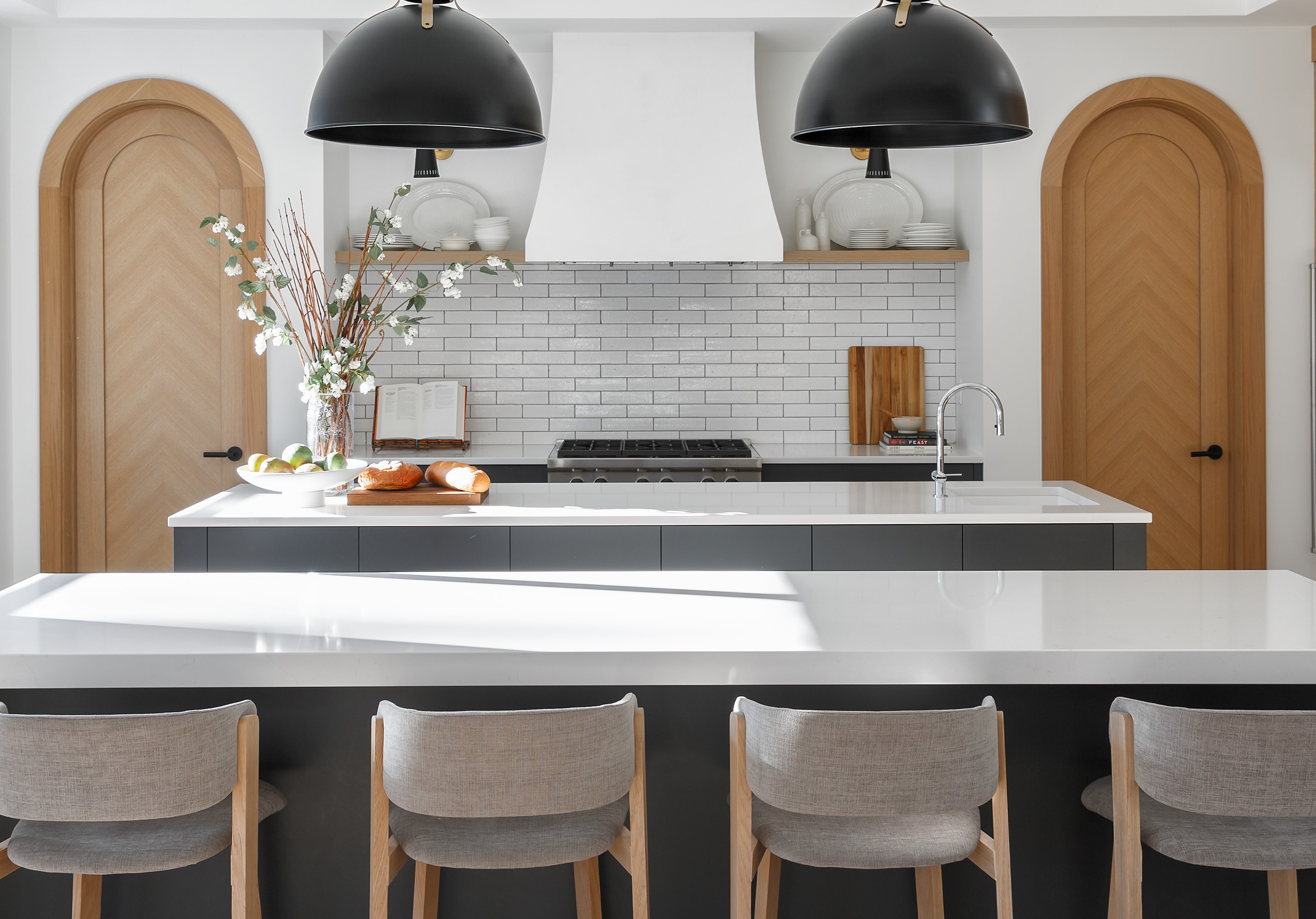
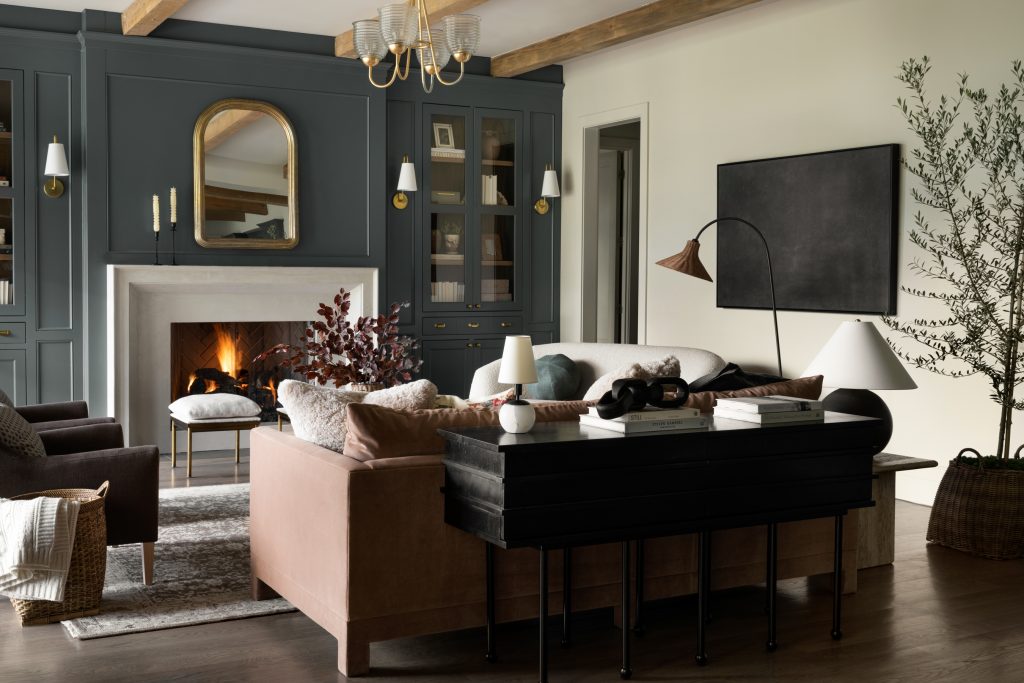
Creating artful asymmetry is less about rigid rules and more about thoughtful proportion and intuitive balance. Adams advises designers to trust their gut when arranging elements, suggesting that a sense of 'rightness' in composition often comes from an innate understanding of proportion, referencing principles like the golden ratio. Sklar continuously considers the overall composition of a space, using asymmetry to add visual interest. For instance, in a kitchen with a symmetrical layout, an off-center island or a varied arrangement of accessories—a large pot and branches on one side, smaller pieces on the other—can introduce balance without rigidity. Similarly, a living room with a symmetrical built-in can feature an asymmetrical art arrangement, combining a collected gallery wall on one side with a single large piece on the other, bringing dynamism to the room.
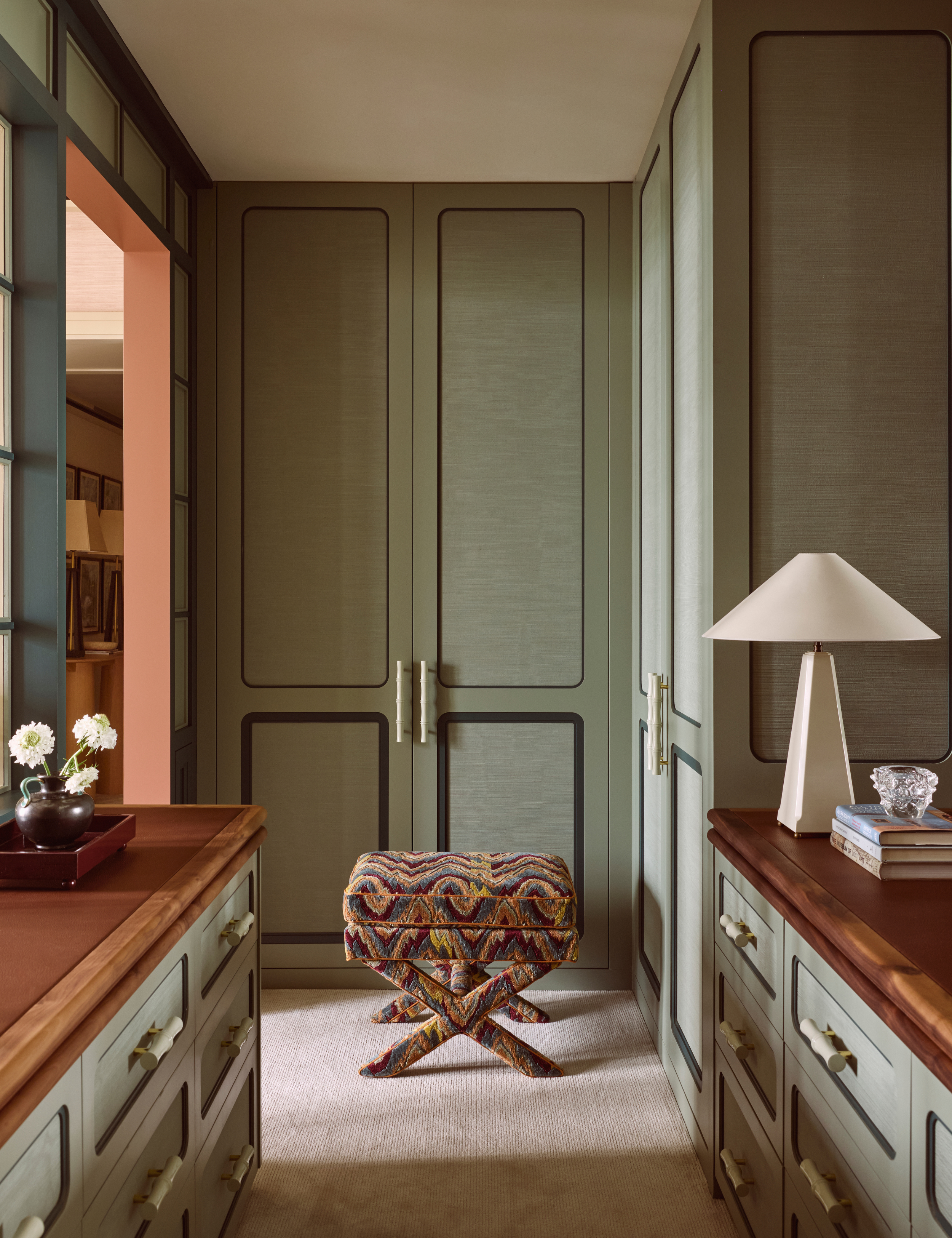
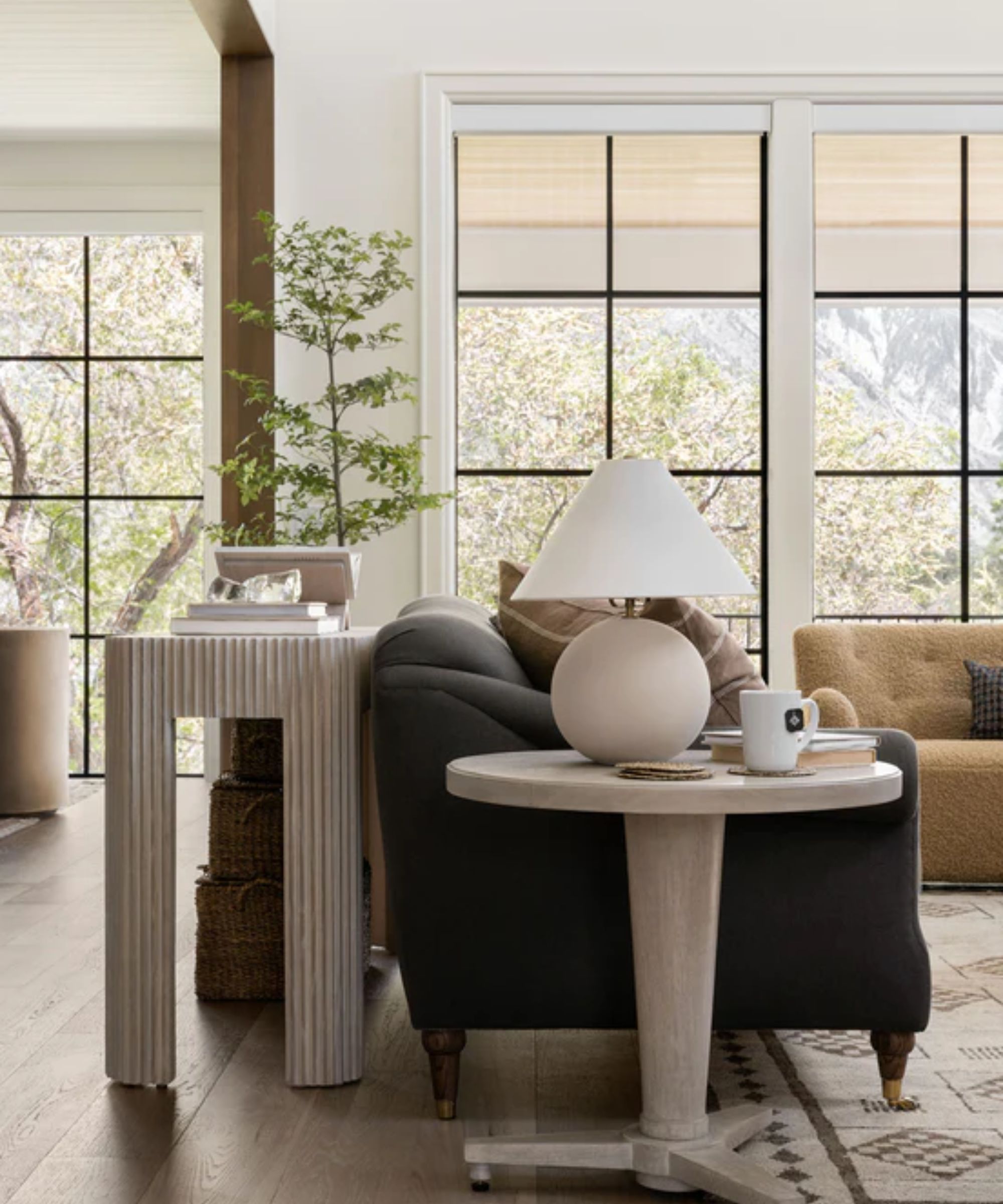
Nevertheless, there is a fine line between artful asymmetry and disorganization. Kane points out that an unbalanced space often feels 'off' because the height, color depth, or other elements are not harmonized. The key, as reiterated by all three design experts, is to maintain balance and proportion. Without this careful consideration, a space risks appearing messy or chaotic rather than charmingly askew. Decorating is an iterative process of adding, subtracting, and adjusting elements to achieve a calm yet interesting environment. Ultimately, artful asymmetry is defined as balance without rigidity, where a blend of perfect and imperfect elements creates a captivating and harmonious design.
#InteriorDesign #HomeDecor #Asymmetry #Symmetry #DesignPrinciples #RoomComposition #DecoratingTips #SpatialDesign #ModernInteriors #InteriorDesign #HomeDecor #Asymmetry #Symmetry #DesignPrinciples #RoomComposition #DecoratingTips #SpatialDesign #ModernInteriors
0 comment in total
 No comments yet
You may also like
This Design Technique Is the Key to a Calm and Relaxing Home
An Expert Guide to Using Positive Space in Interior Design

This 'Invisible' Design Rule Is What Makes a Good Room Just Click — Psychologists and Designers Swear By It
Designers Say This Tiny Tweak Could Save Your Living Room From Looking Tacky (And It's Free)

10 rules to achieve balance in interior design - the secret style sauce which brings schemes together
There's a new way designers are doing symmetrical living rooms and it could be 2023's biggest decorating trend
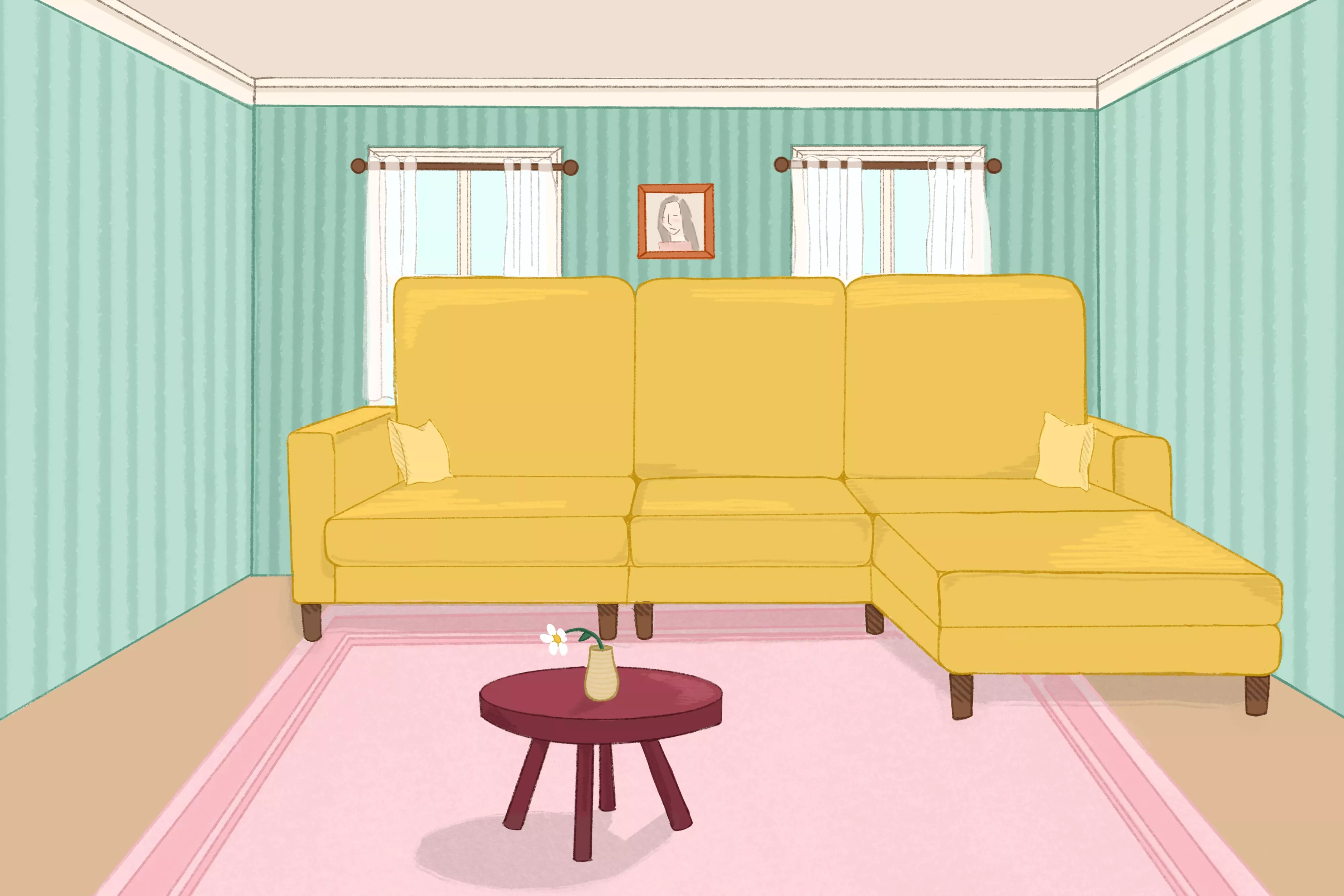
Why Your Room Feels 'Off'—6 Designer Rules for Perfecting Furniture Scale and Proportion
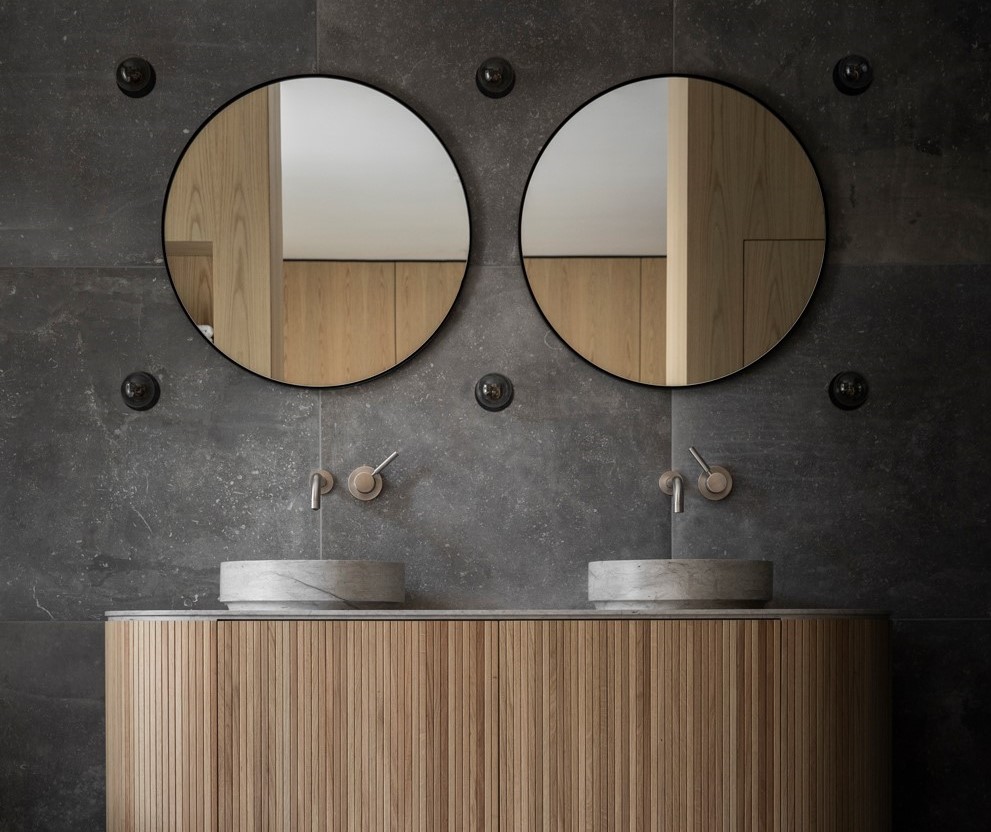
Designers use this trick to make a bathroom feel more expensive – and it can work for a small space, too
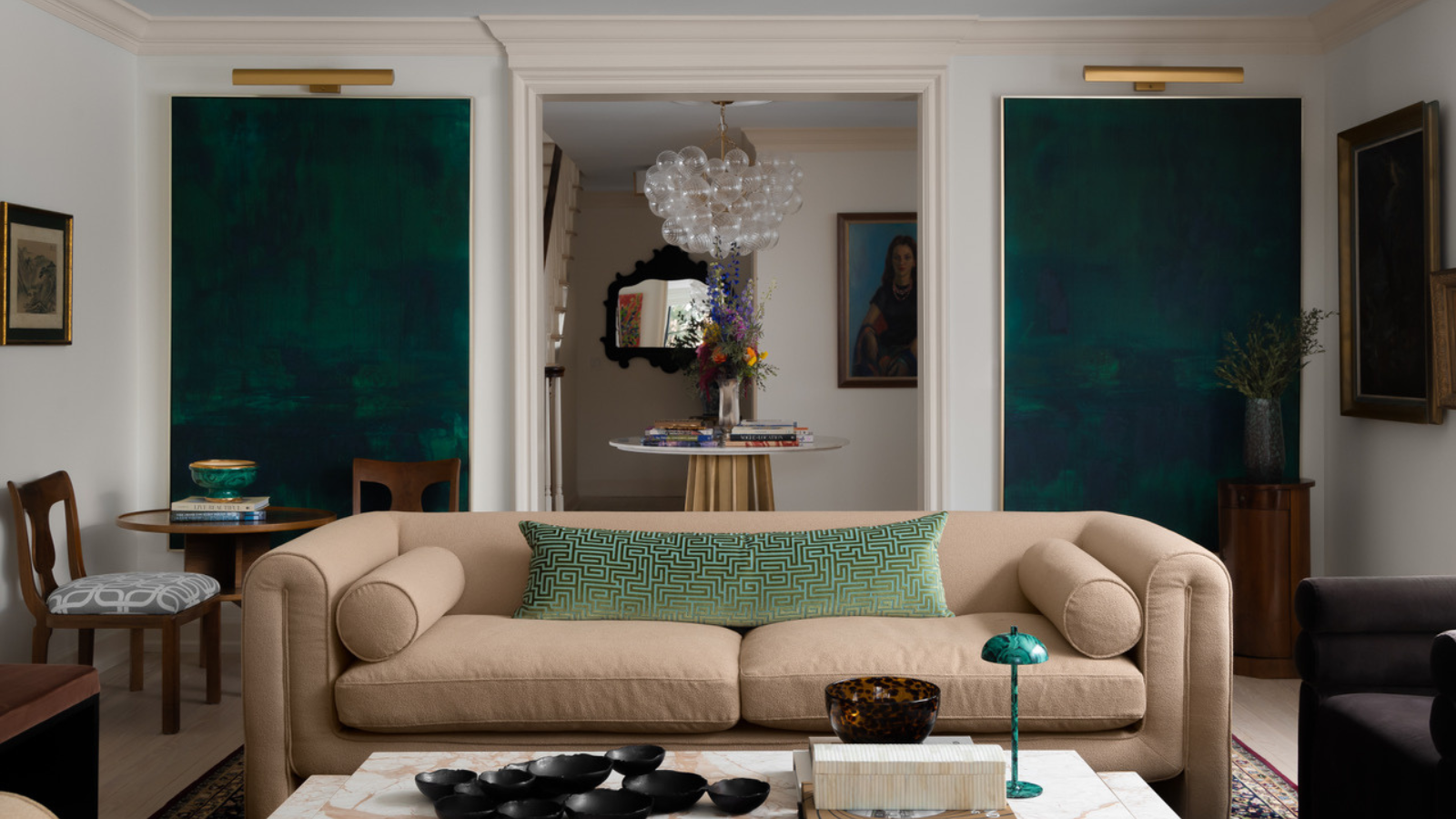
Here's How to Use Symmetry in Interior Design

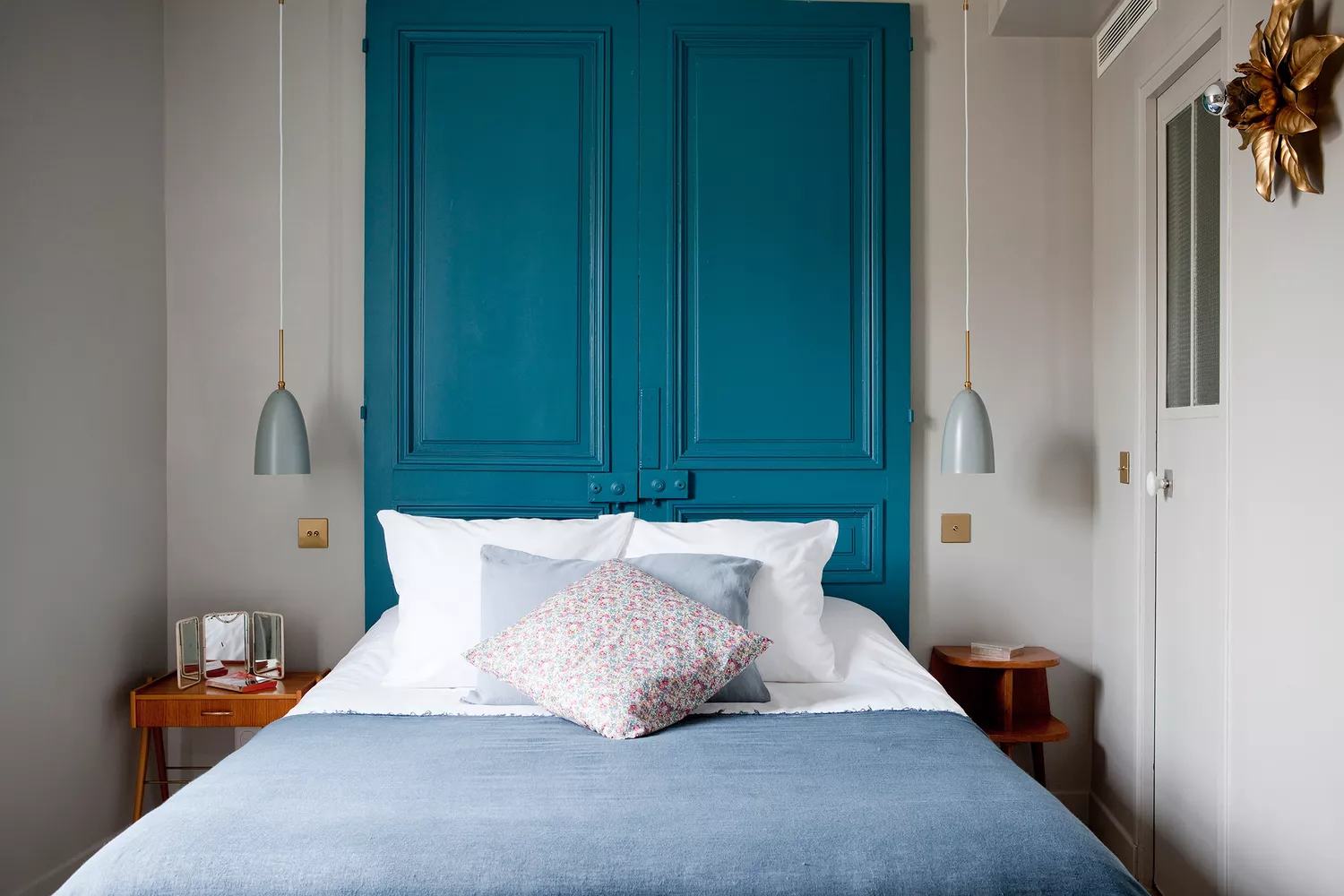
How to Style Mismatched Nightstands So They Look Purposeful
Symmetry Meets Style
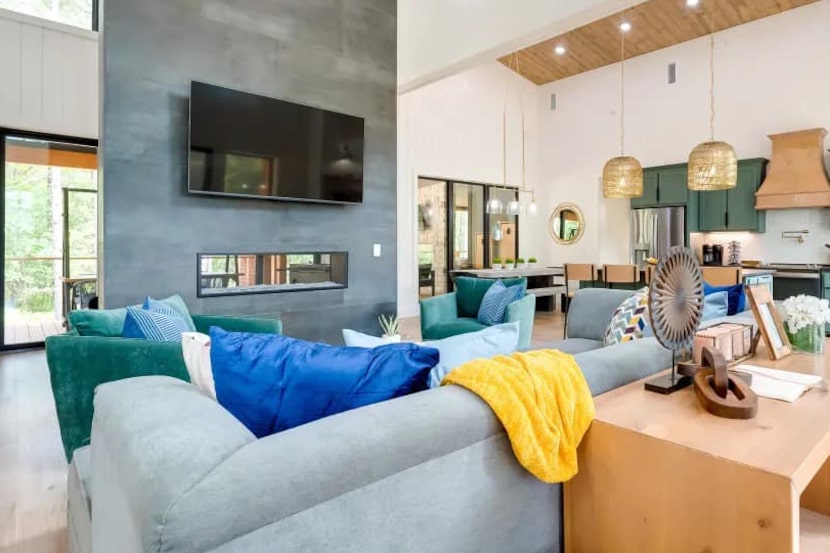
How to divide open-concept spaces without adding walls
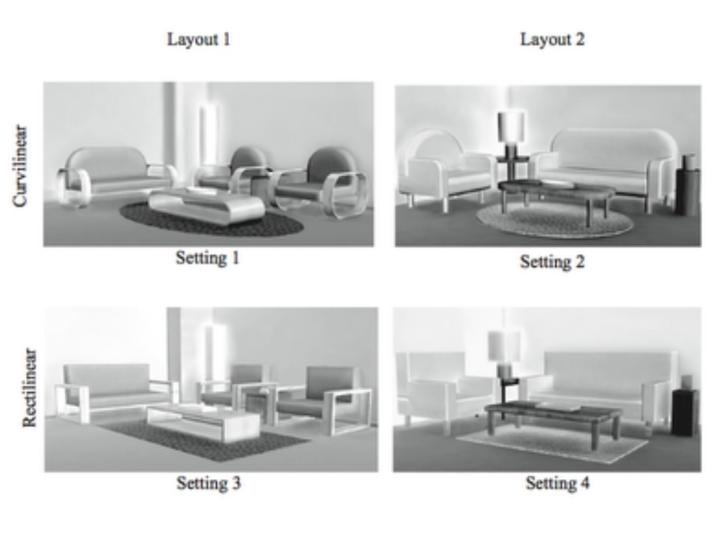
Why you should fill your rooms with rounded, curvy furniture

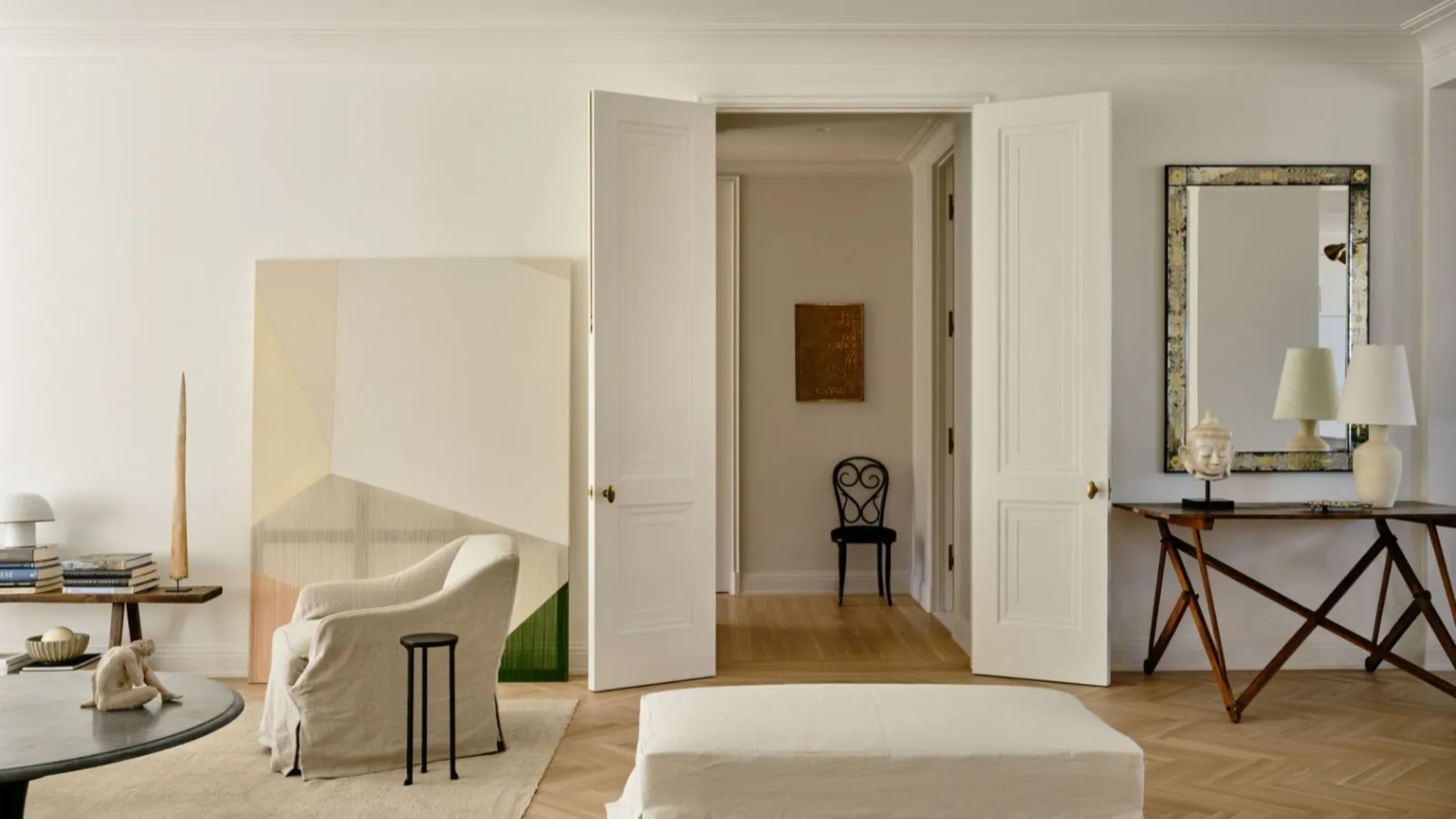
‘Not Every Space Needs to Be Filled’ – Interior Designers on the Art of Negative Space and 7 Ways to Use It Well
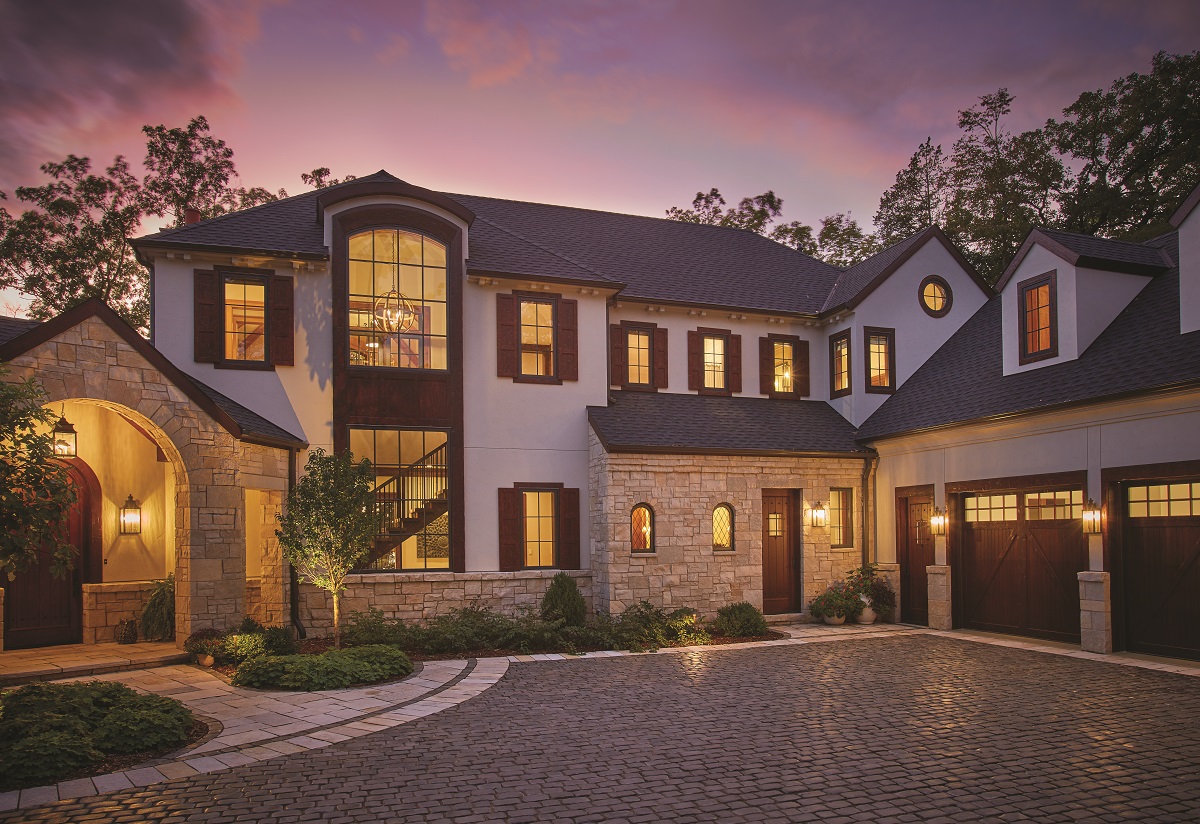
Symmetry Meets Style
How to style a living room end table – 6 ideas from interior designers
Is Symmetry Out of Style? Designers Reveal the Rule-Breaking Living Room Layout Formula That’s Going to Redefine How We Decorate in 2026
Rhythm in interior design - 11 ways to use this clever technique for rooms that look professionally done
Symmetry in kitchens — the trend designers love that creates a calming, clutter-free space
Lighting Trends We’re Loving