15 affordable and easy garden edging ideas you can do yourself, with advice from a master gardener
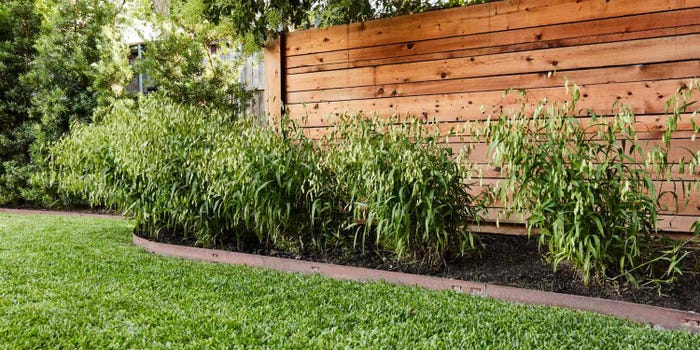
Garden edging serves both aesthetic and practical purposes, enhancing curb appeal while preventing weeds and grass from encroaching on garden beds. This guide explores various garden edging materials, offering insights from landscape architecture and horticulture expert Michael Clarke, founder of Yardwork, an online plant nursery. The discussion covers five main types of garden edging: metal, plastic, wood, concrete/brick, and rubber, detailing their advantages, disadvantages, and recommended applications.
Metal garden edging is presented as a durable, discreet, and modern option, ideal for contemporary landscapes. It is generally pricier but boasts easy, no-dig installation, typically involving hammering stakes into the ground. Examples include steel edging available in various heights for creating raised beds and powder-coated steel options for minimalist designs. However, users should wear gloves during installation to protect against sharp edges.
Plastic garden edging is highlighted as an affordable and easy-to-install solution, making it suitable for temporary gardens or those on a budget. While less durable than other materials, it offers a discreet look for traditional gardens. The article features flexible pound-in edging kits that can be easily customized in length and plastic options designed to mimic natural rock, providing an aesthetic appeal without the cost or labor of real stone. Additionally, vinyl scallop fence panels offer a charming, weather-resistant, and low-maintenance alternative to traditional picket fences.
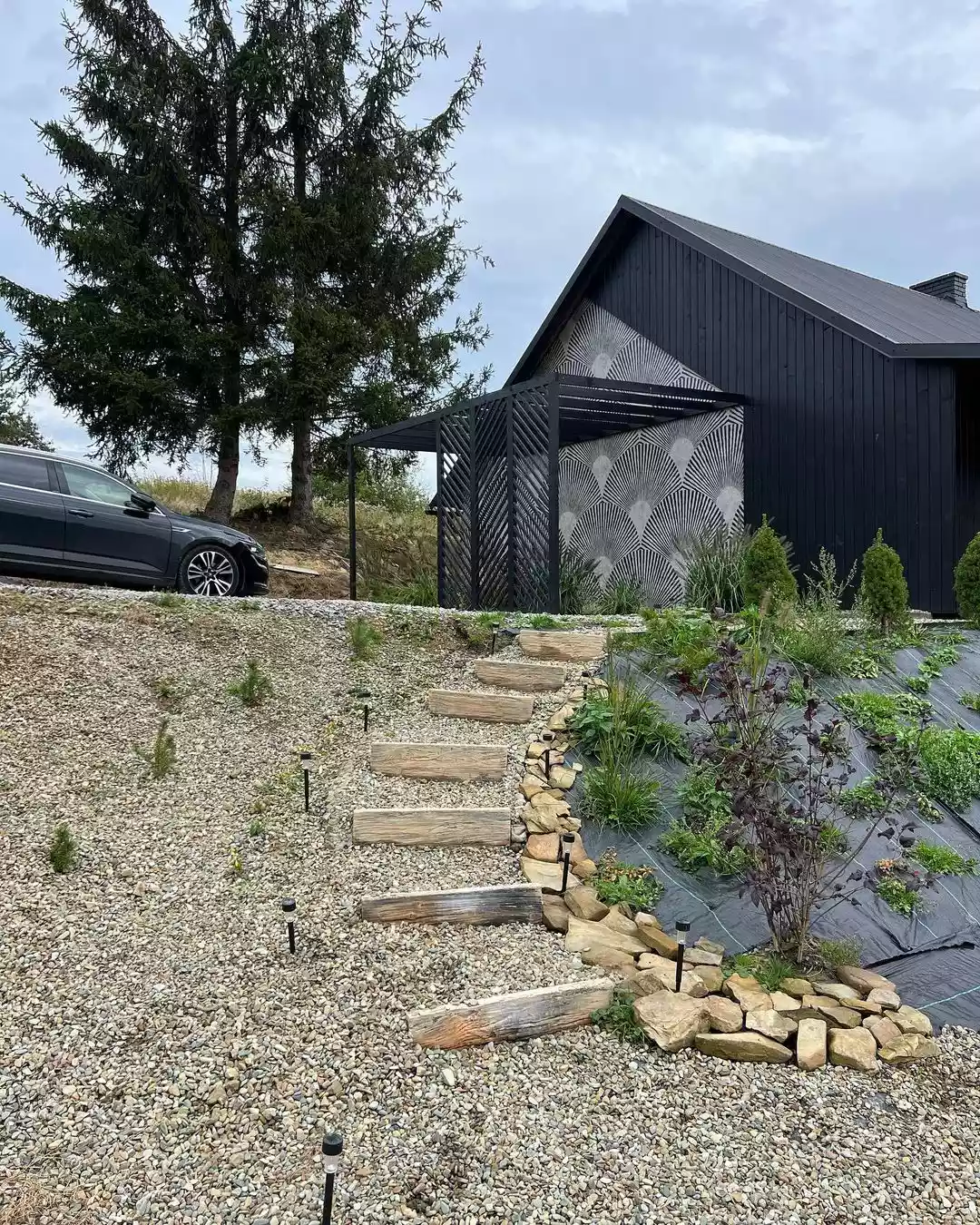
Wood garden edging provides a natural and earthy aesthetic, suitable for containing raised planter beds. It is versatile, allowing for straight, circular, or curved installations and can be painted or stained. The primary challenge with wood is its susceptibility to pests, fungi, and rot, making the choice of material crucial. Pressure-treated wood or cedar are recommended for their longevity. Specific examples include log wood fencing with stakes for easy, no-dig installation, and modern wood borders with connector pins for adjustable lengths, along with rot-resistant cedar woven wire fencing.
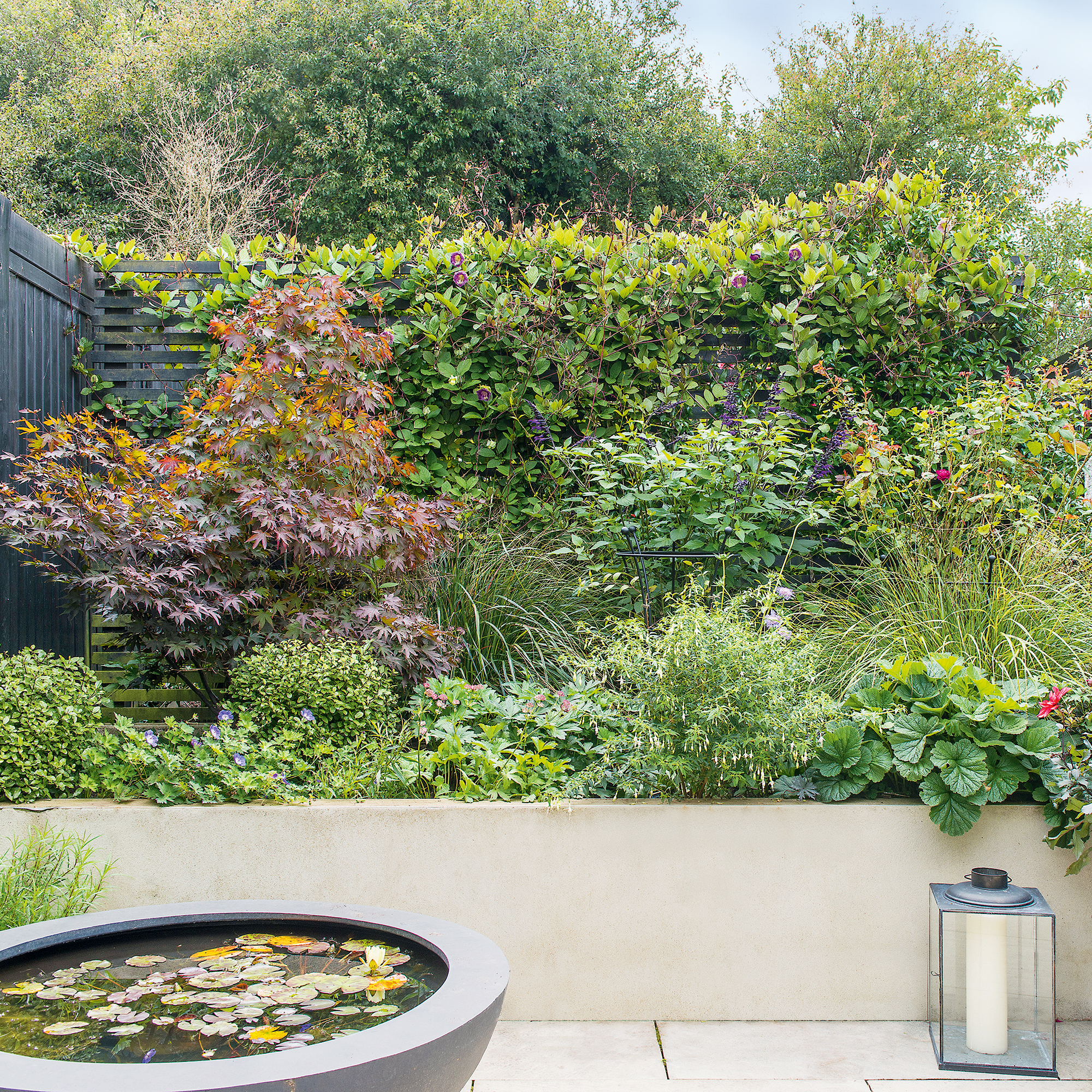
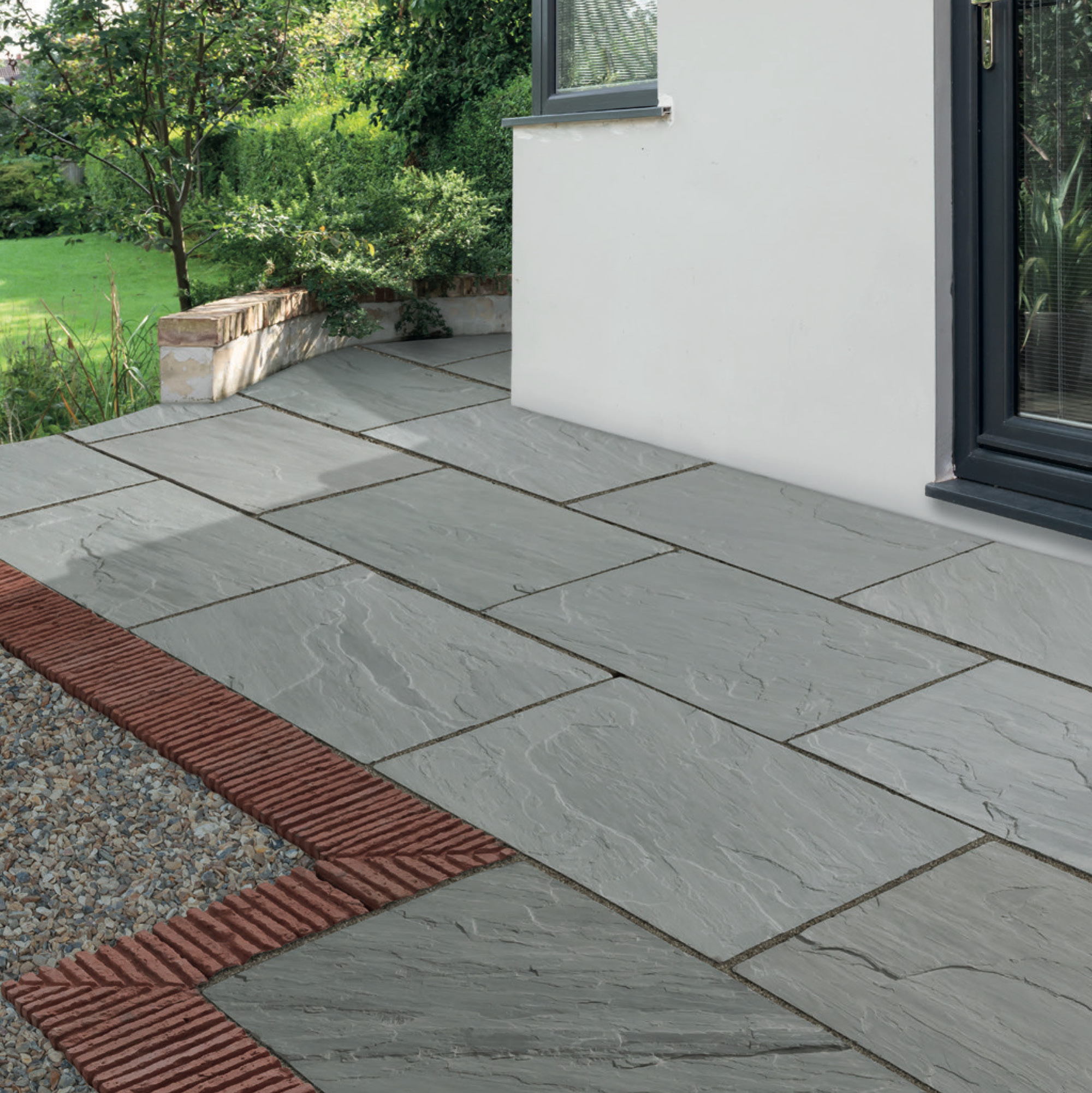
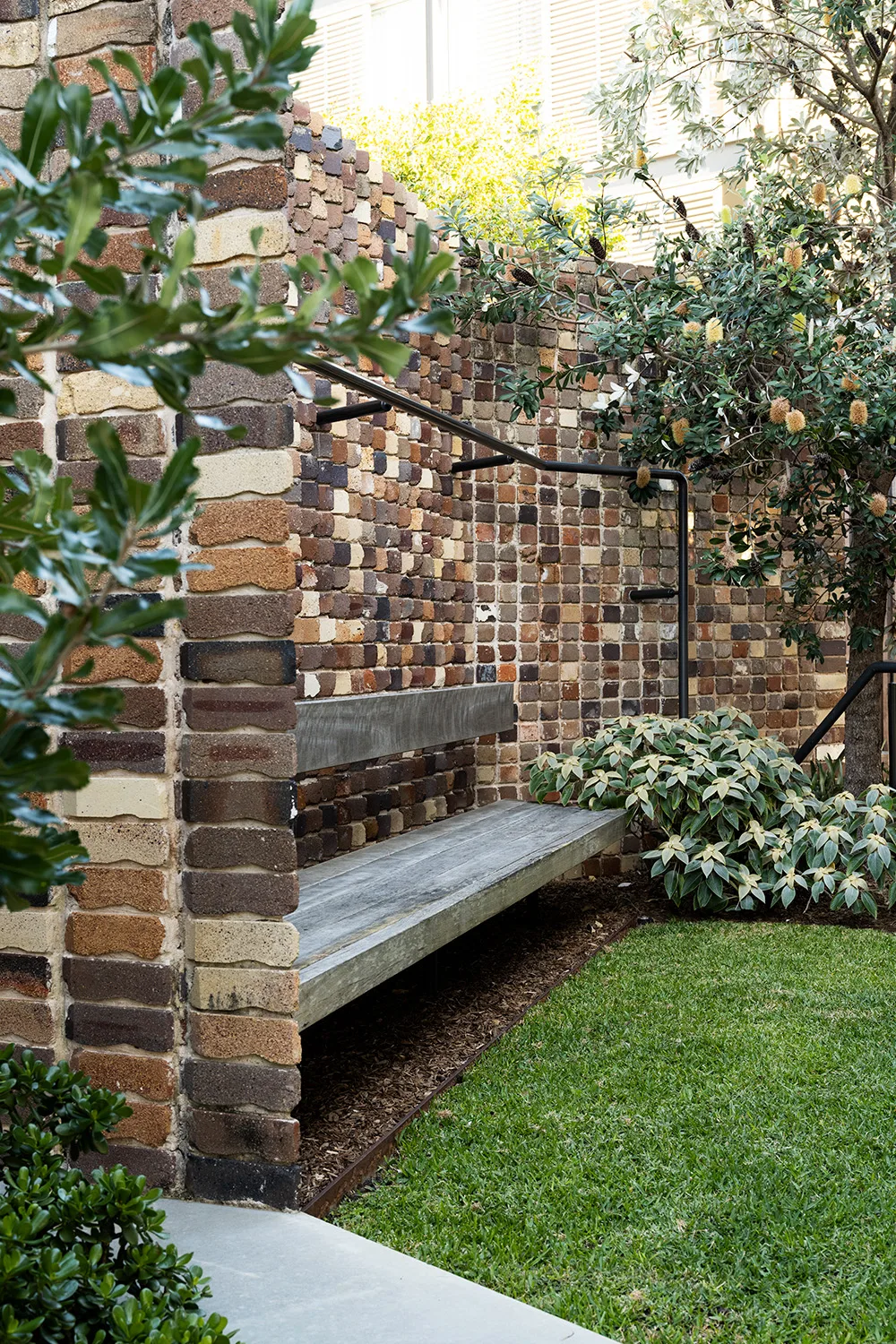
Concrete and brick garden edging are introduced as highly durable, low-maintenance options that can last indefinitely. These materials are best for larger planters requiring a strong, decorative, and visible edge. They offer a wide range of colors and finishes, allowing for creative patterns. Installation is more labor-intensive and costly compared to other types, often requiring more planning than simpler hammer-in options. The article suggests curved concrete edgers for whimsical designs around trees and rustic-looking concrete edgers with interlocking designs for romantic garden settings, as well as log-style concrete stones for a more budget-friendly approach.
Finally, rubber garden edging is presented as a strong, durable, and relatively inexpensive choice, often made from recycled materials like tires. It is easy to install and suitable for various applications, including driveways, sidewalks, and planting beds. Although it may not be the most aesthetically pleasing, its eco-friendly aspect, durability, affordability, and versatility make it a practical option. Featured products include recycled rubber borders that are mower-friendly and non-toxic, interlocking scalloped rubber pieces for easy, no-dig installation, and weather-resistant rubber sections designed to prevent cracking.
#GardenEdging #LandscapeDesign #DIYGardening #HomeImprovement #OutdoorLiving #MetalEdging #PlasticEdging #WoodEdging #ConcreteEdging #RubberEdging #GardenEdging #LandscapeDesign #DIYGardening #HomeImprovement #OutdoorLiving #MetalEdging #PlasticEdging #WoodEdging #ConcreteEdging #RubberEdging
0 comment in total
 No comments yet
You may also like
10 easy DIY landscaping ideas to elevate your backyard

19 simple garden ideas for every style, size and budget
Budget-Friendly Ways to Transform Your Small Garden Into a Dreamy Oasis

10 No-Grass Backyard Ideas For Easy Maintenance In Any Season
Budget garden ideas – 32 ways to create your dream space without breaking the bank
Easy garden ideas – 34 low-maintenance ways to enhance your outdoor space
Backyard Ideas on a Budget
'It mimics nature's randomness' - this simple gardening trick is how landscape designers make a backyard look more put together

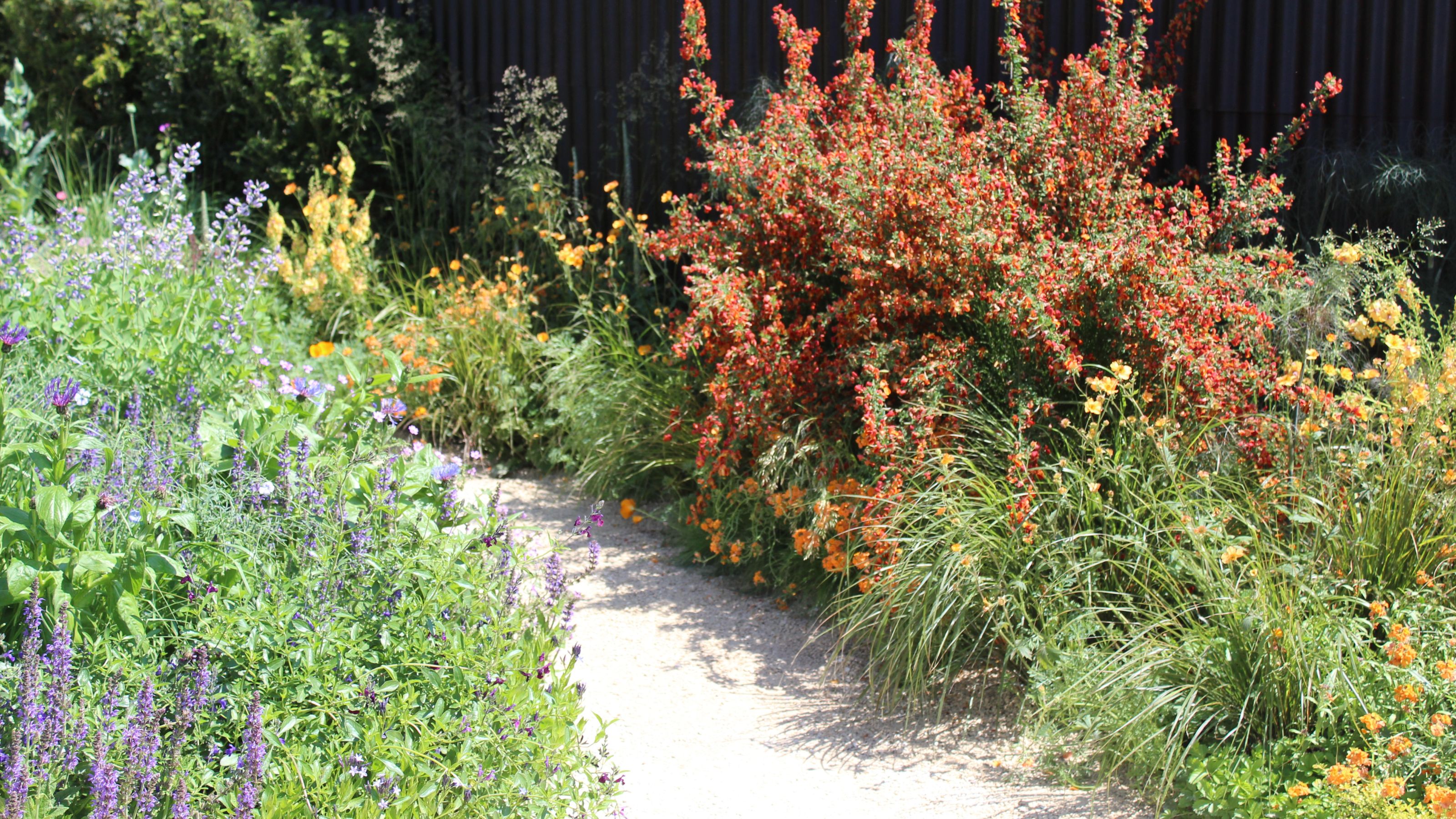
12 cheap DIY garden path ideas that still look great – you'd never know they were home-made
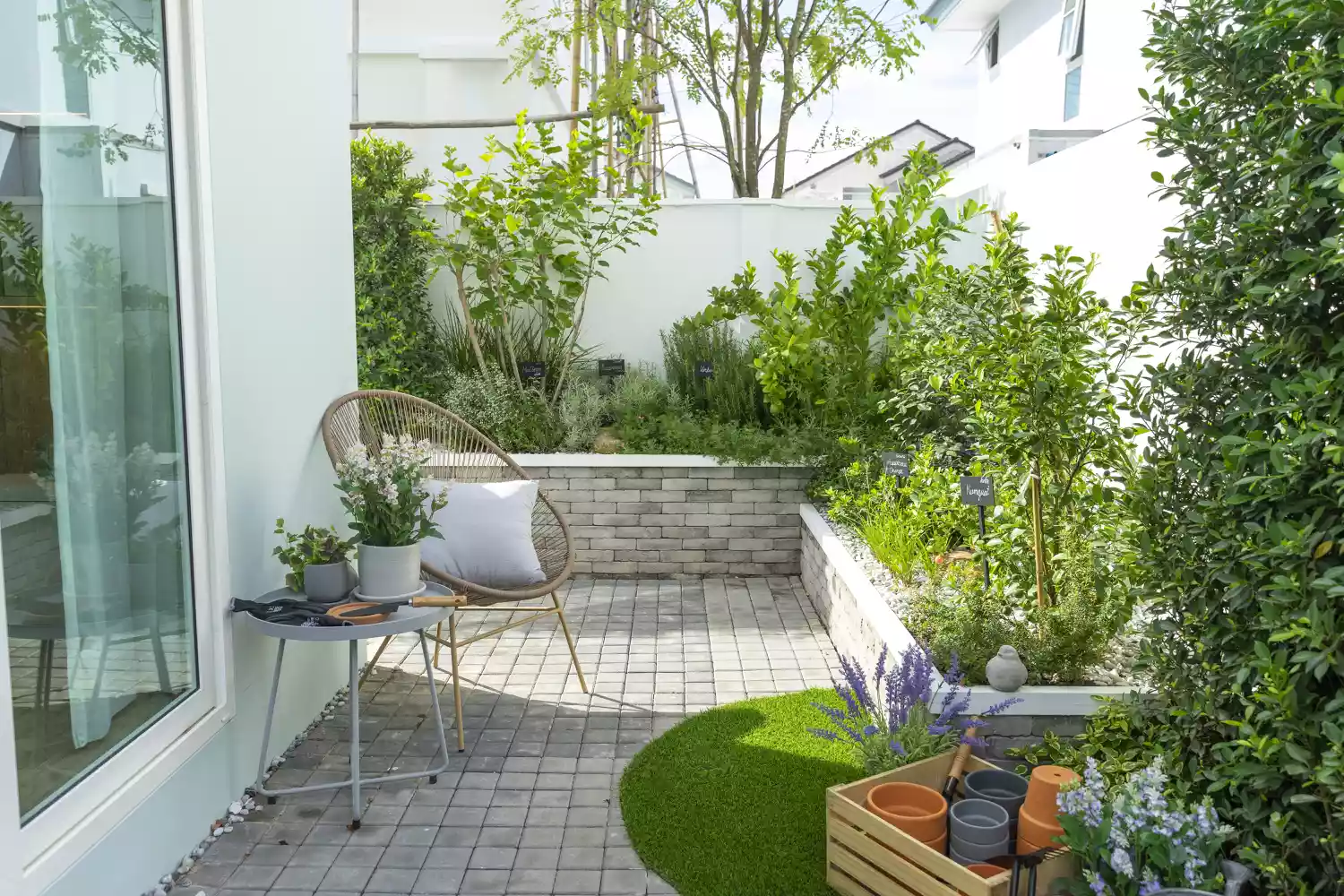
20 Affordable Backyard Lawn Ideas That Skip the Grass (and the Upkeep)

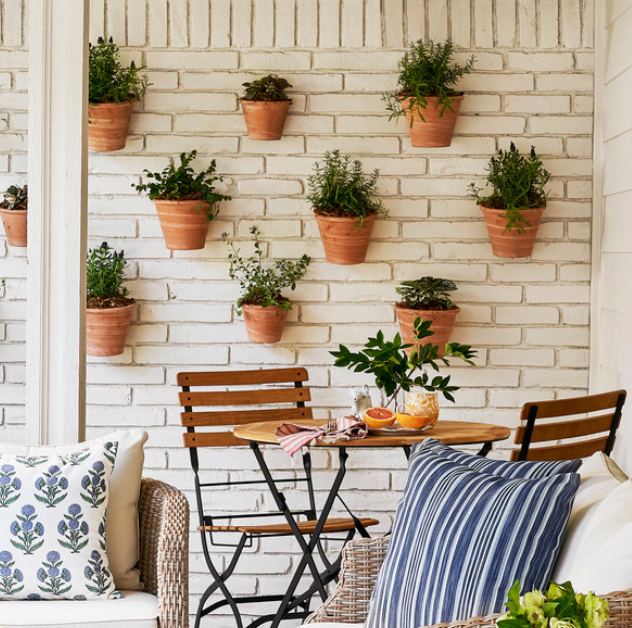
The Easiest DIY Herb Garden Ideas for Any Space

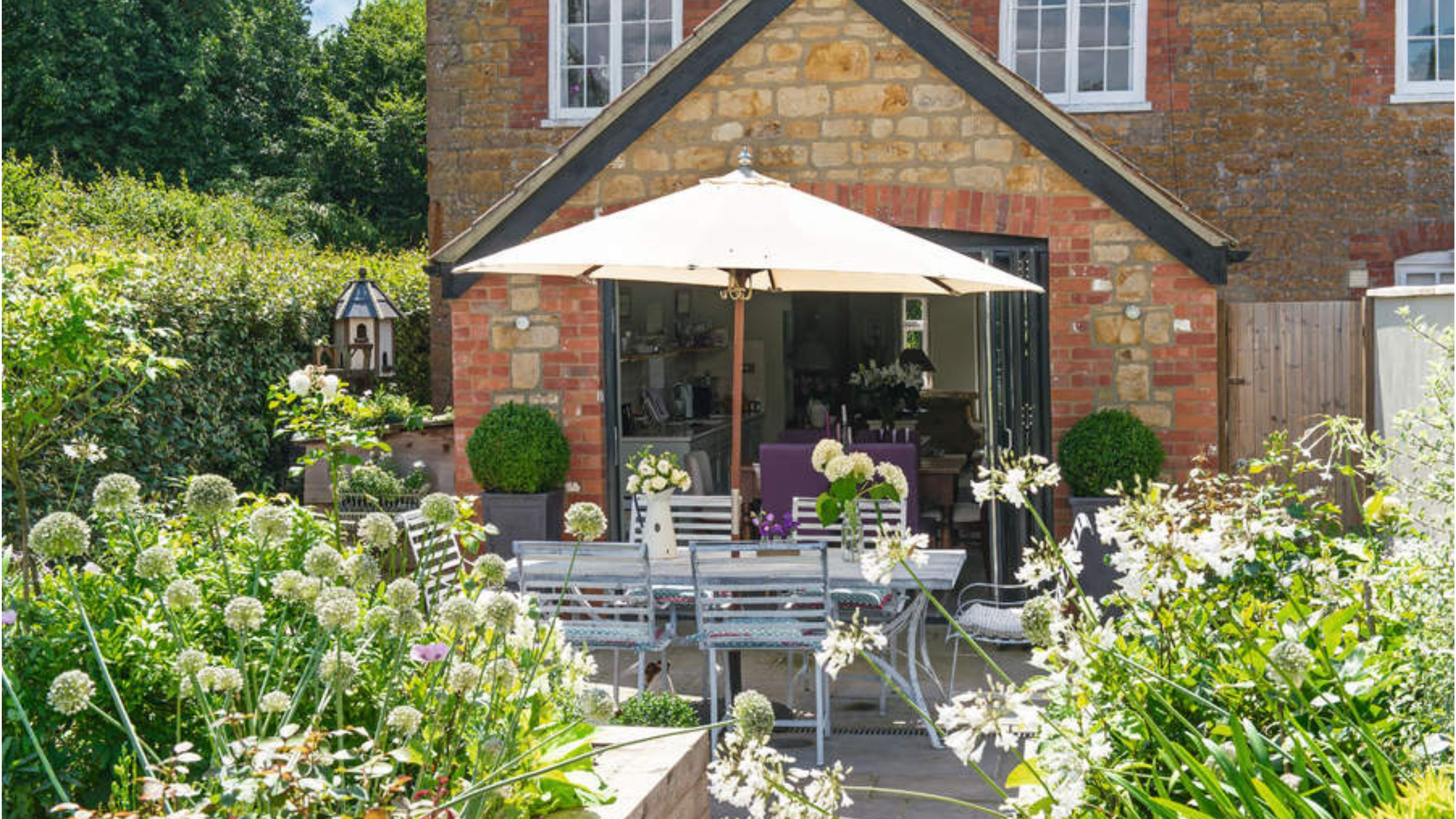
Patio ideas on a budget – 18 cost-effective ways to transform your outdoor space
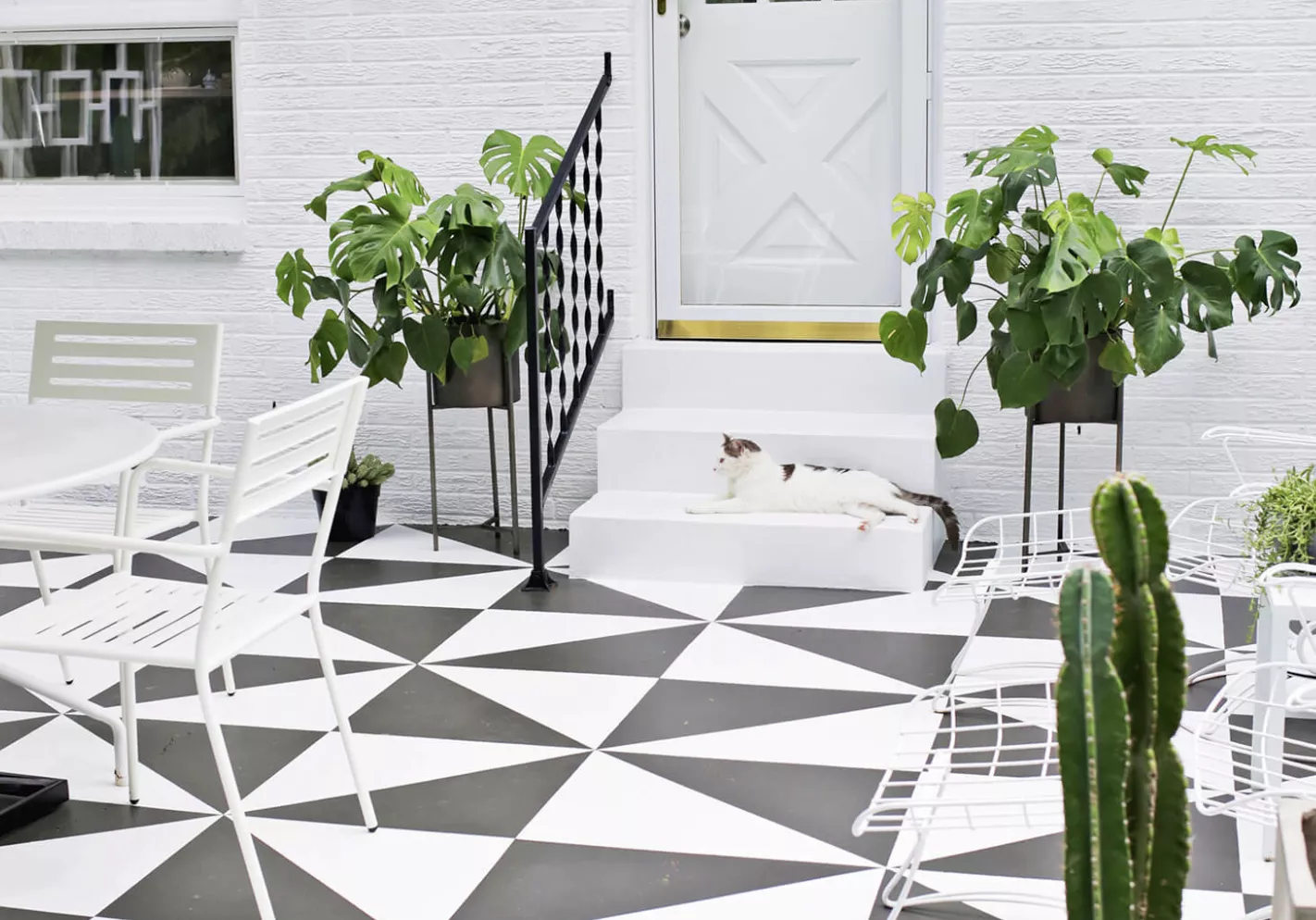
Revamp Your Outdoor Space on a Budget With These Clever DIY Backyard Ideas
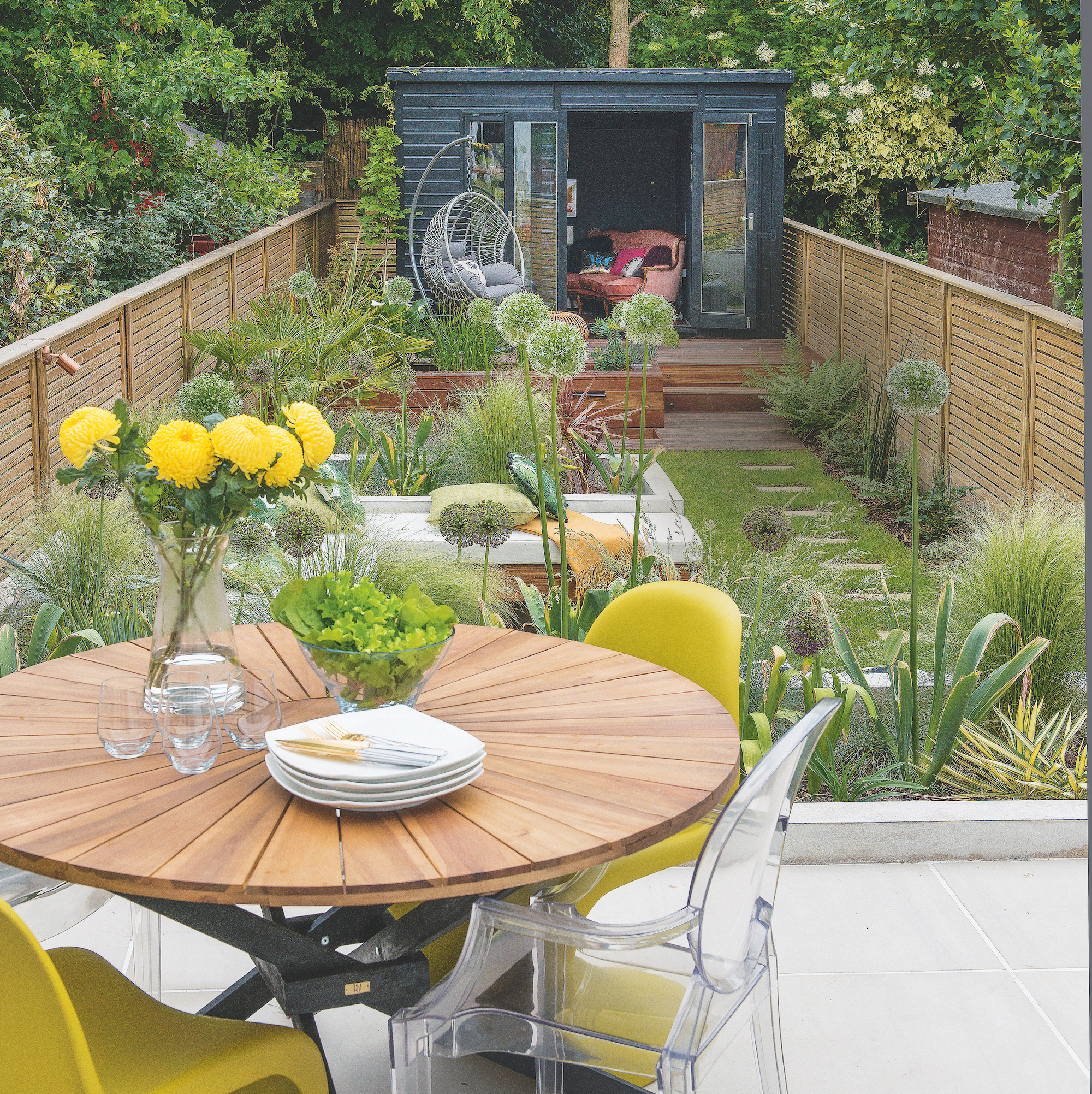
Patio edging ideas - 10 ways to create beautiful borders around paved areas
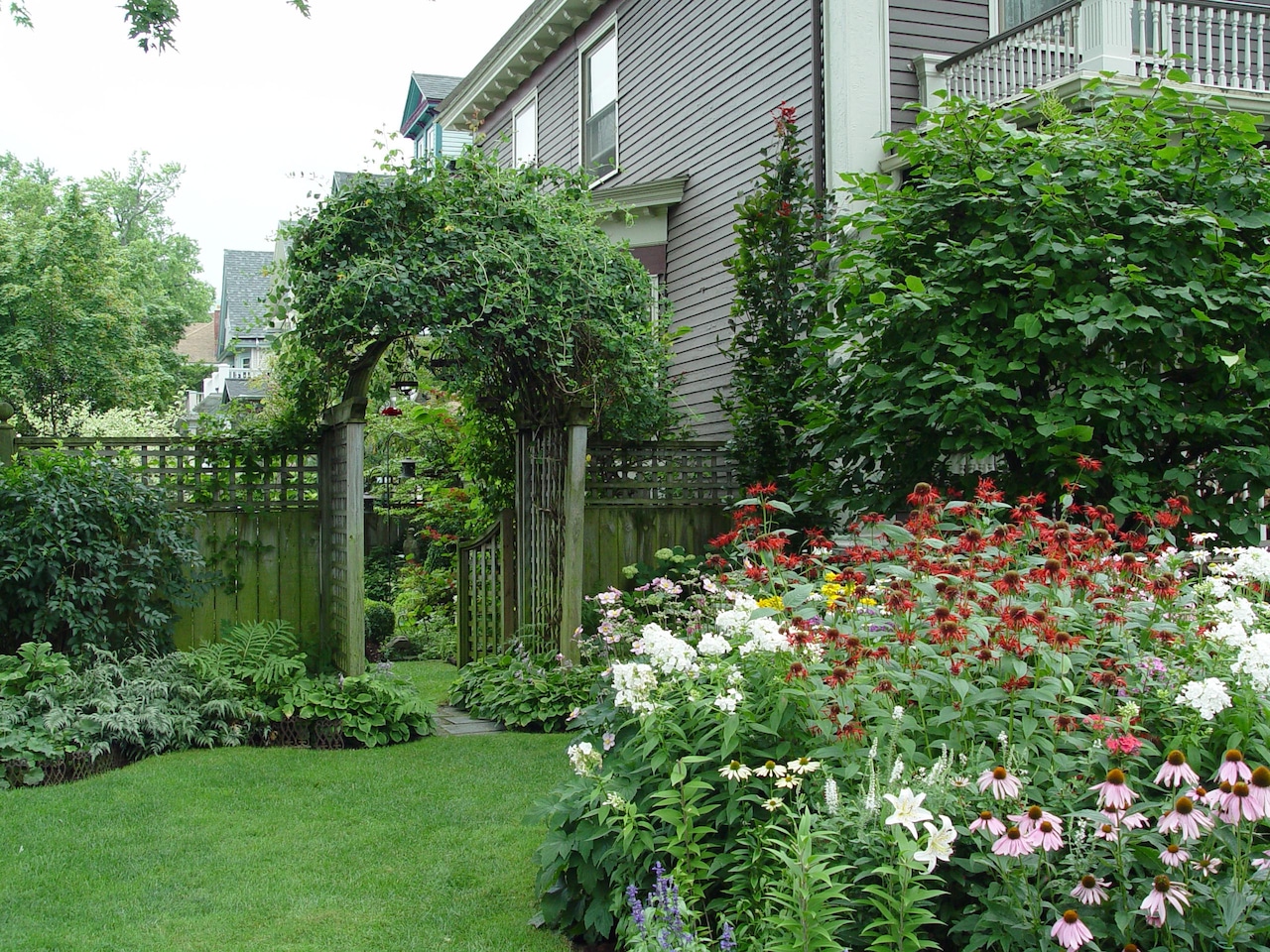
Great landscaping ideas for ‘regular people’ from a design expert
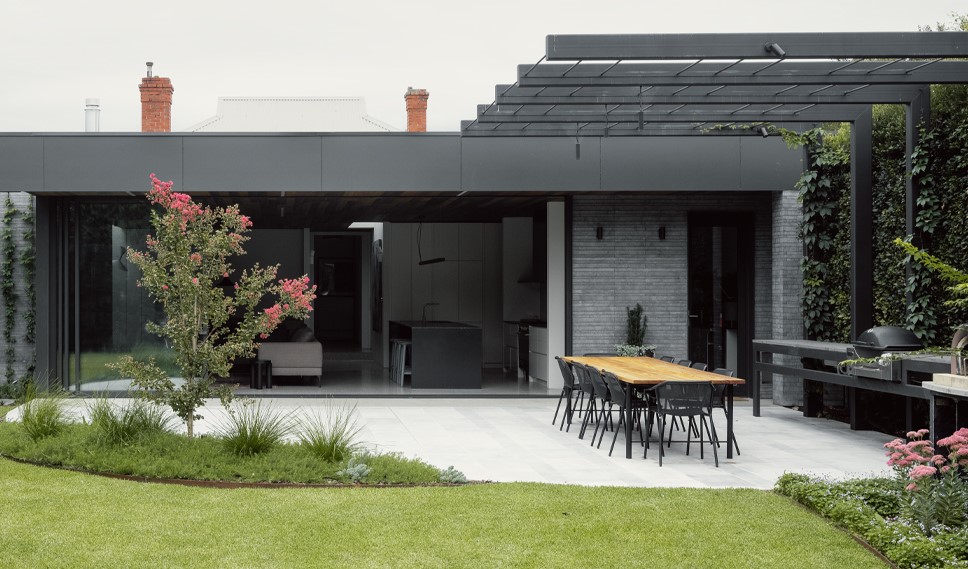
Backyard Ideas — 15 Brilliant Ways to Make the Outdoors Fun and Functional
15 Budget-Friendly Finds for Your Backyard and Patio

How to Make Your Backyard Look Amazing—Without Spending a Fortune
The 5 best ways to make your backyard look expensive

13 Big Ideas to Make Your Small Backyard Better