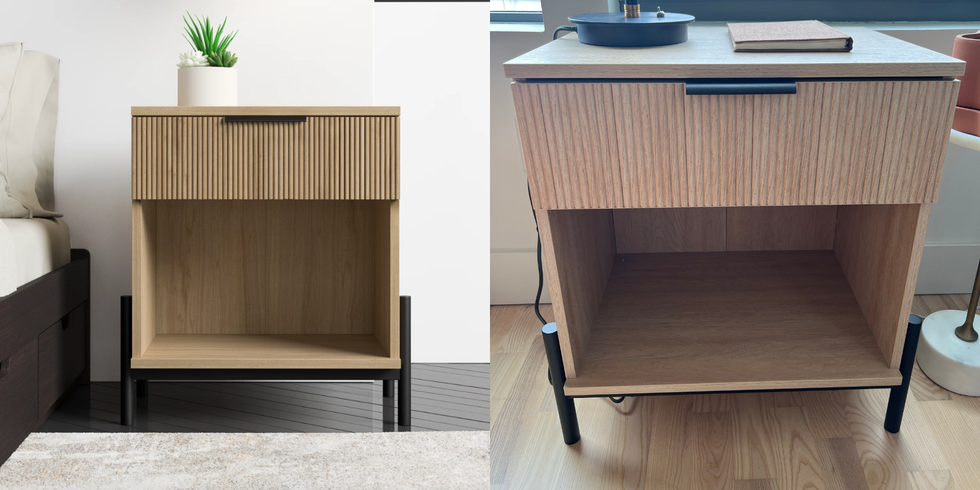
How to Style Mismatched Nightstands So They Look Purposeful
The article discusses the intentional choice of styling mismatched nightstands in a bedroom, moving away from traditional symmetrical setups. The author highlights that mismatched nightstands can arise from various situations, such as combining belongings from two individuals or repurposing a vintage piece. The core idea presented is that deliberately choosing different nightstands can create a personal and unique aesthetic, adding an element of surprise that can subtly enhance a room's overall design. However, successfully executing this design choice requires skill to ensure the pairing appears intentional rather than accidental.
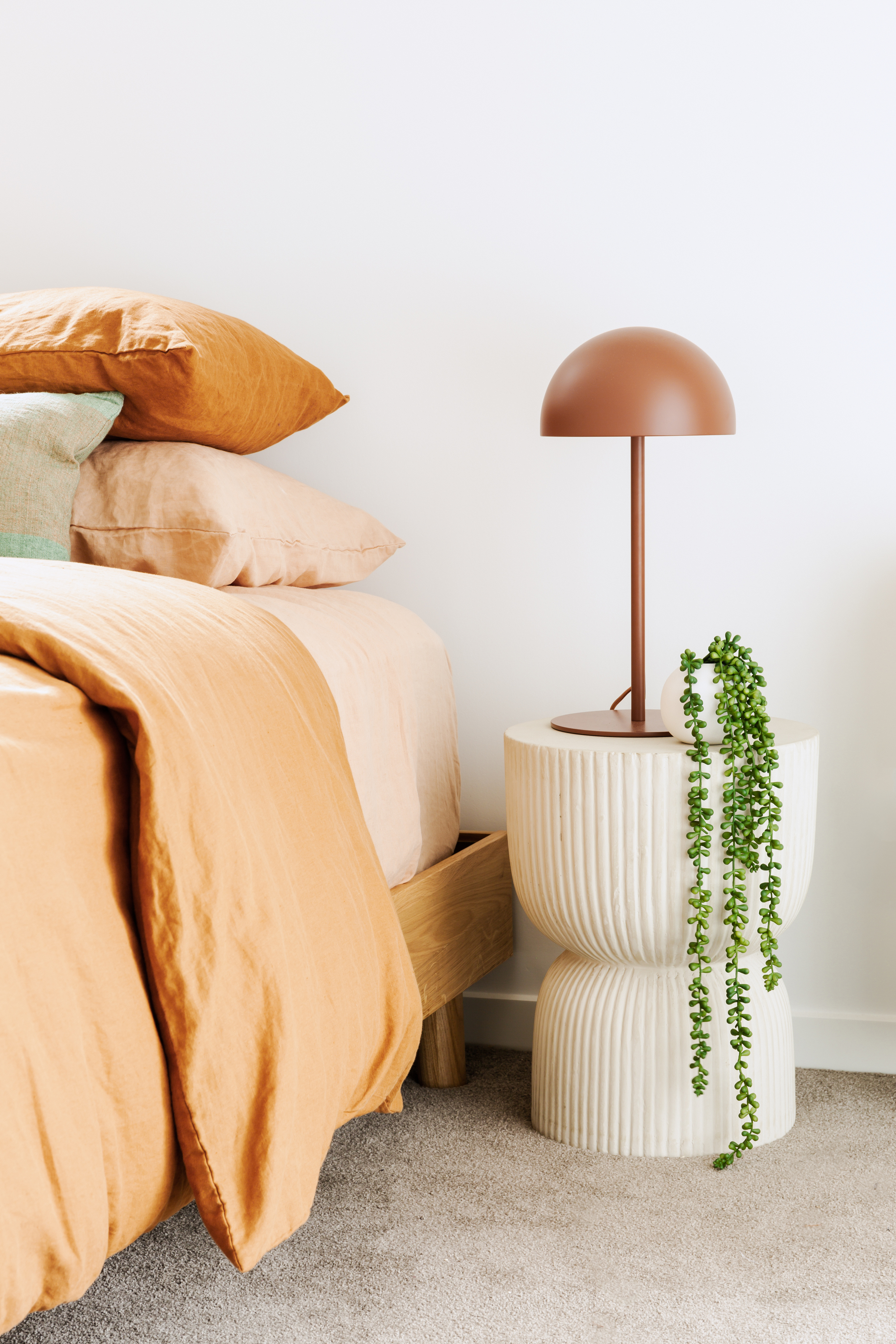
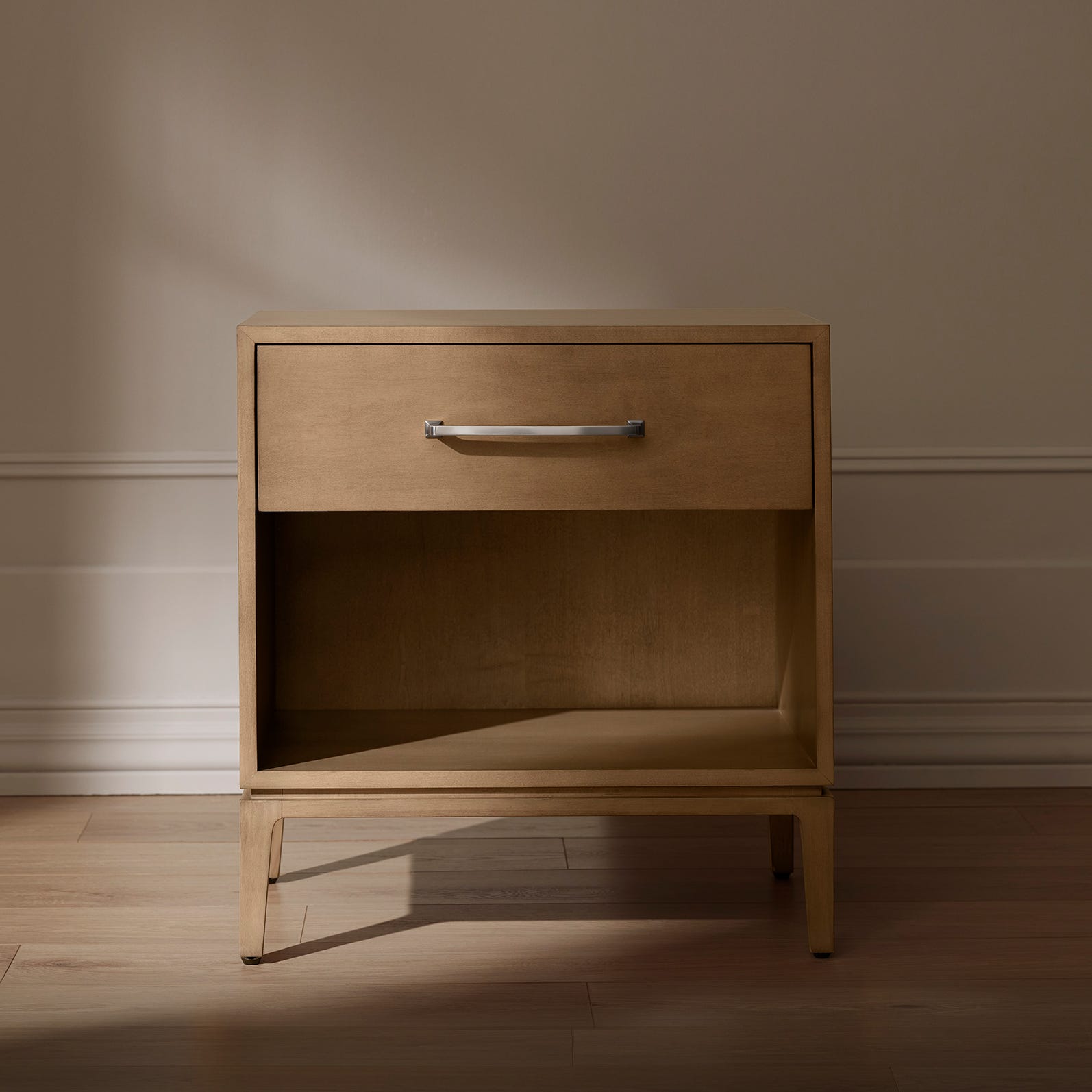
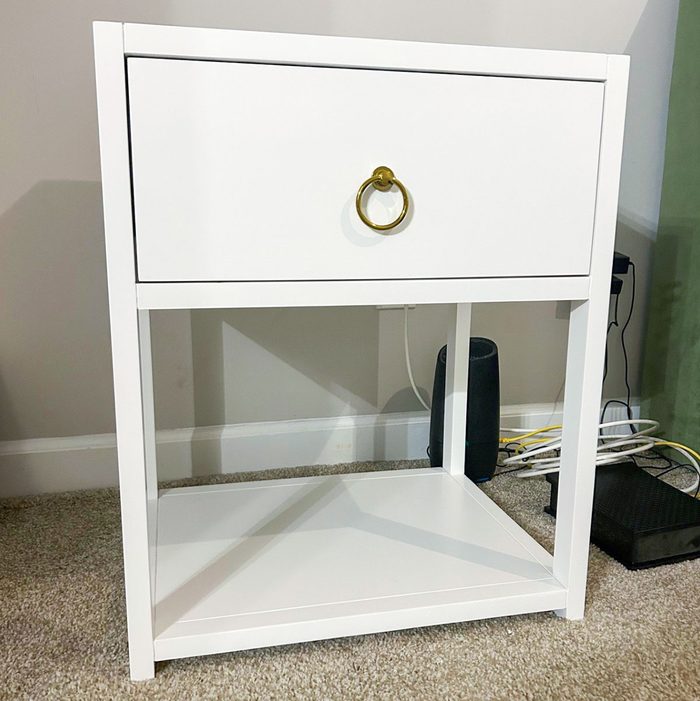
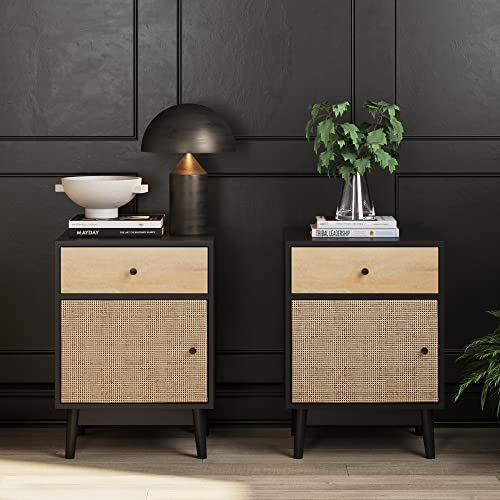
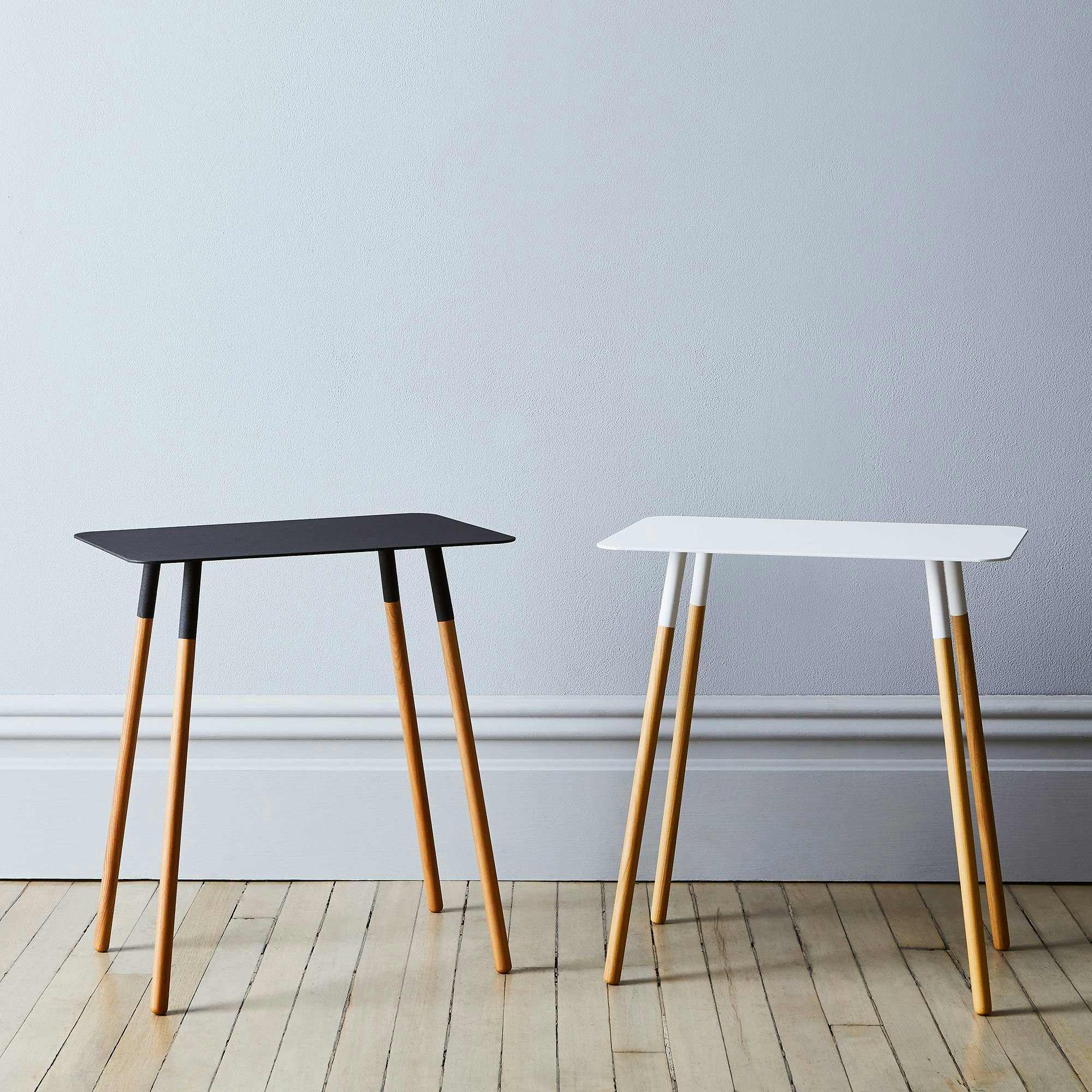
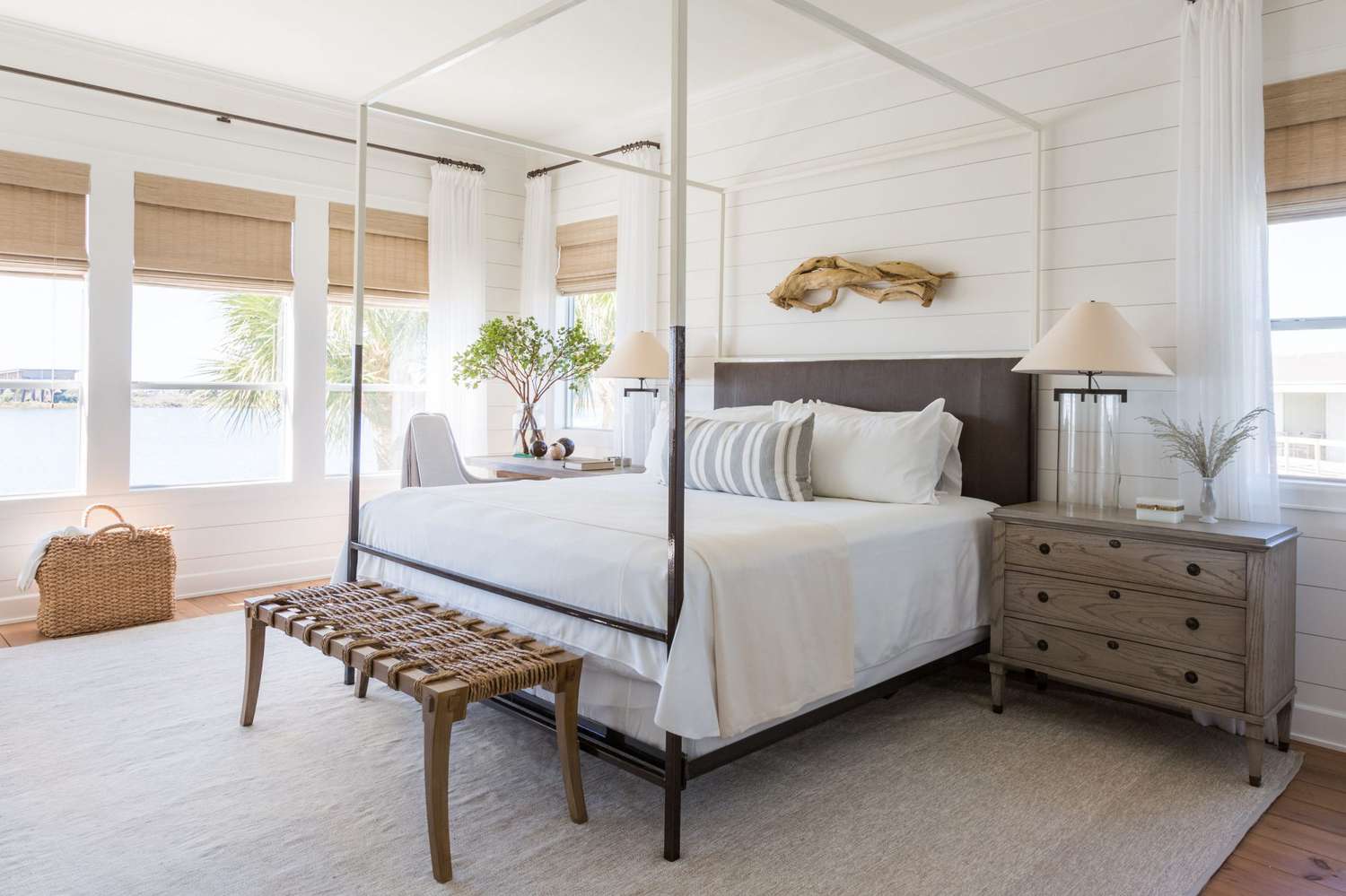
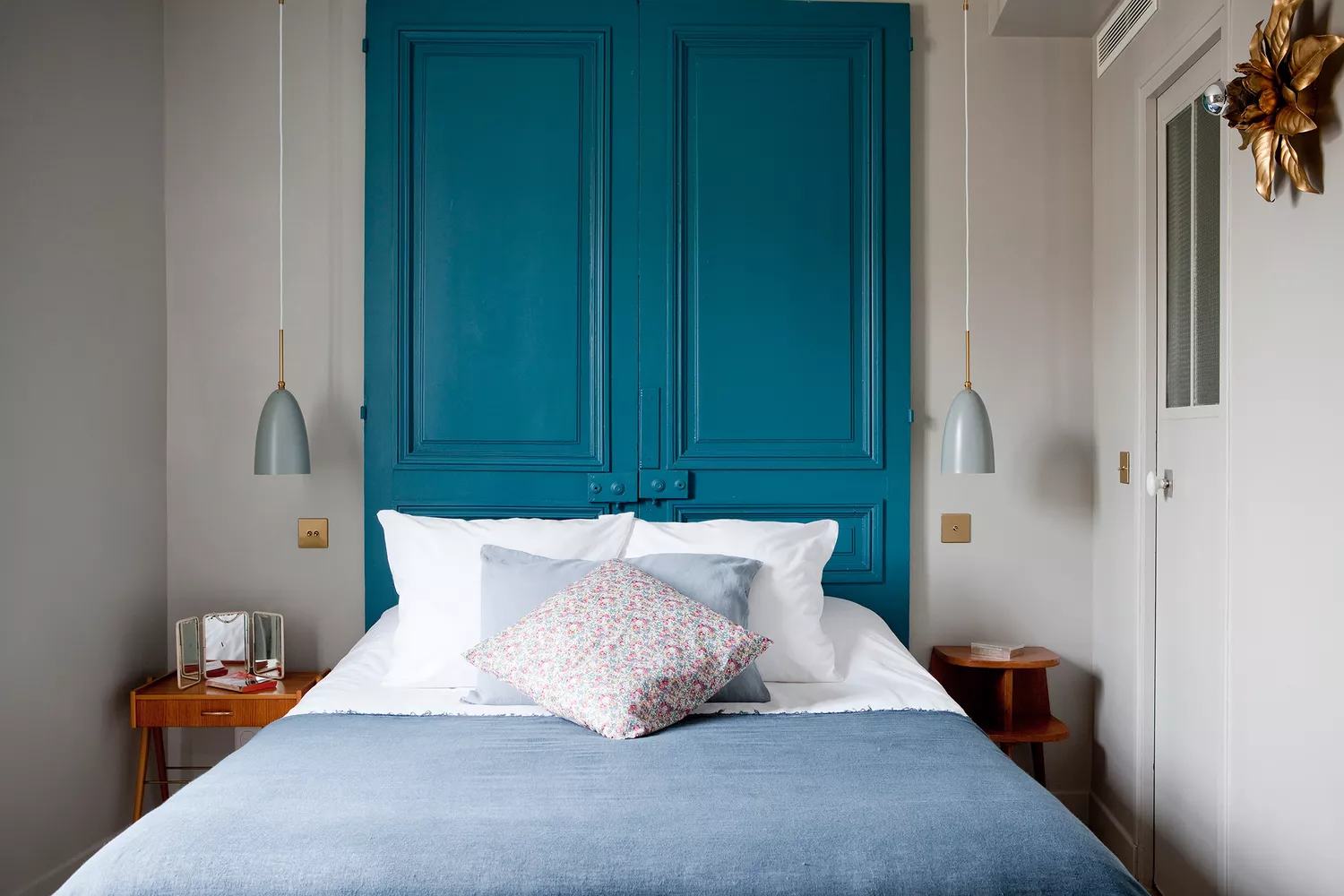
The article provides several practical strategies for styling mismatched nightstands. One approach focuses on maintaining a sense of symmetry by pairing nightstands that are identical or very similar in height and size. This method allows for a harmonious look that might initially appear matched, but upon closer inspection, reveals subtle differences. When nightstands have noticeably different heights, interior designer Lisa Gilmore suggests balancing them with decorative elements like boxes and books to fill visual gaps and create interest.
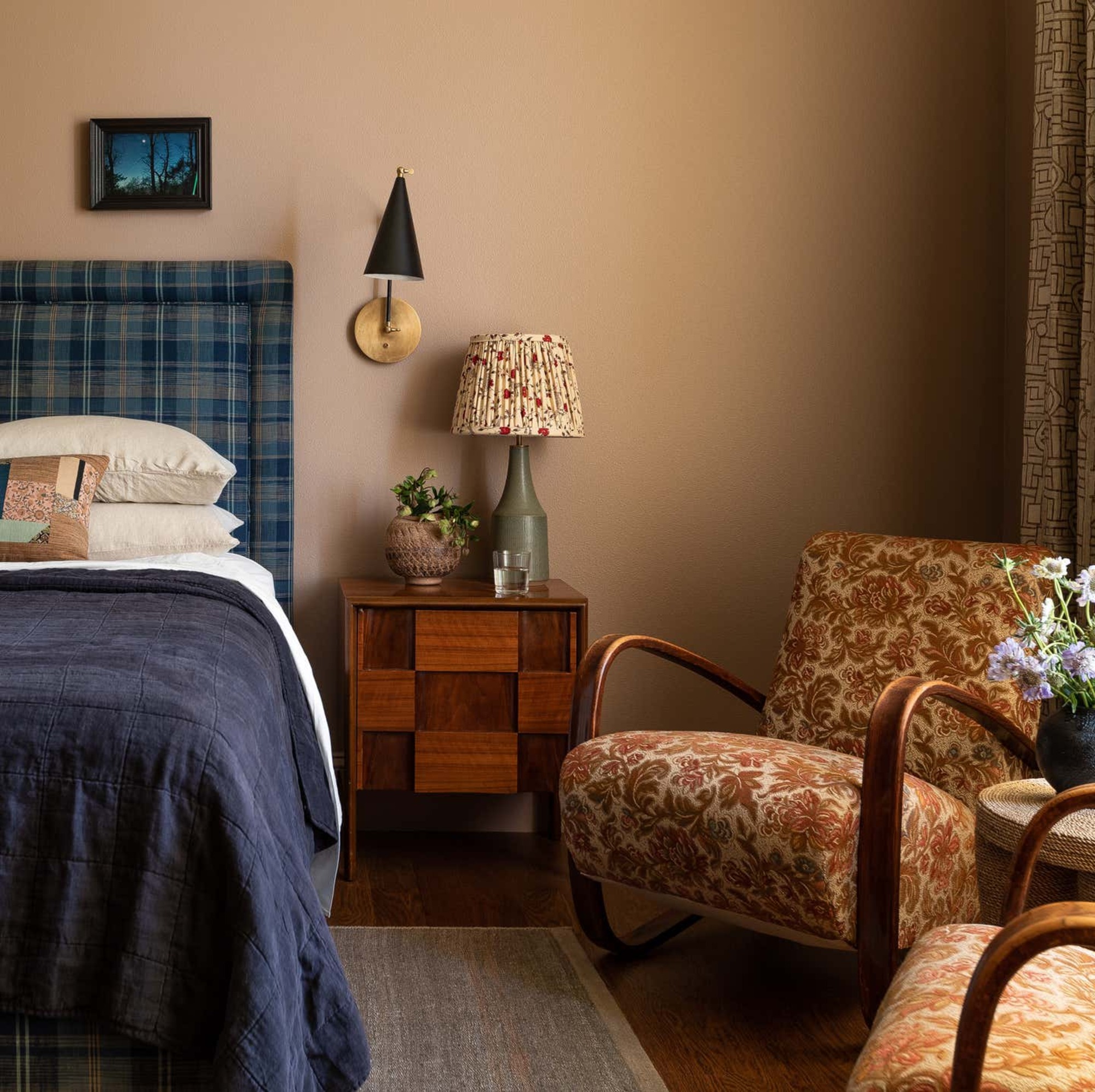
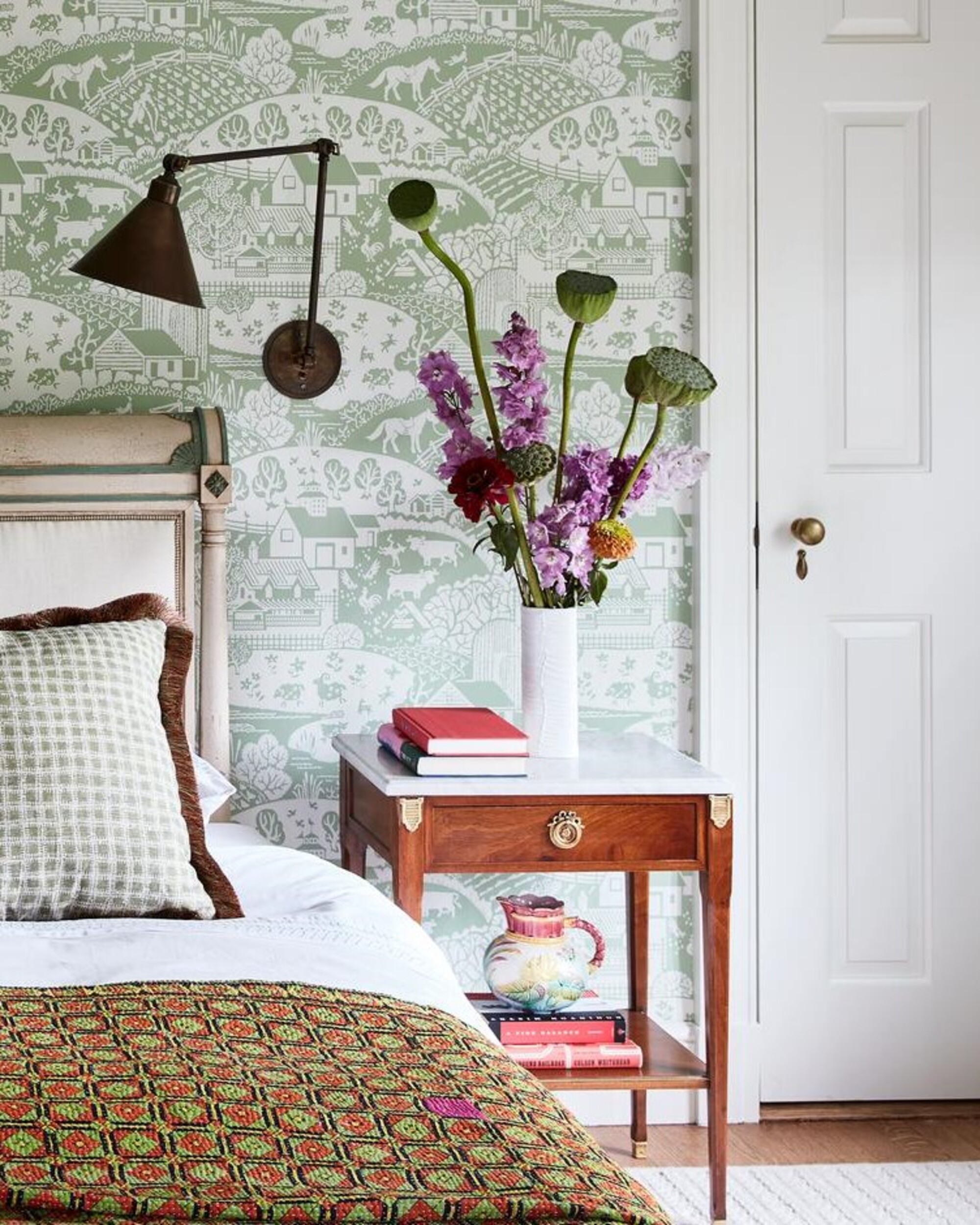
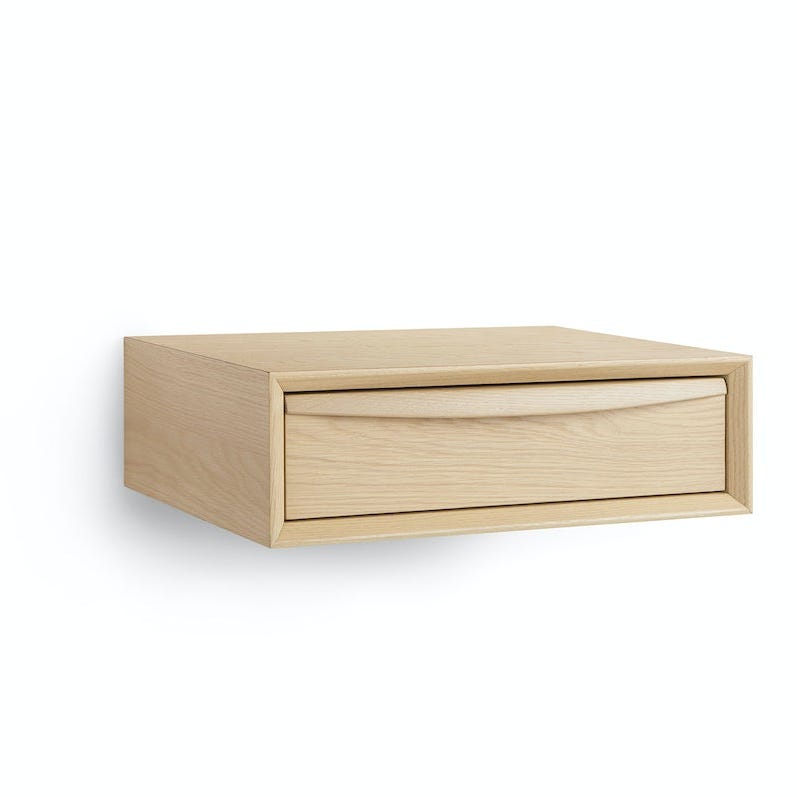
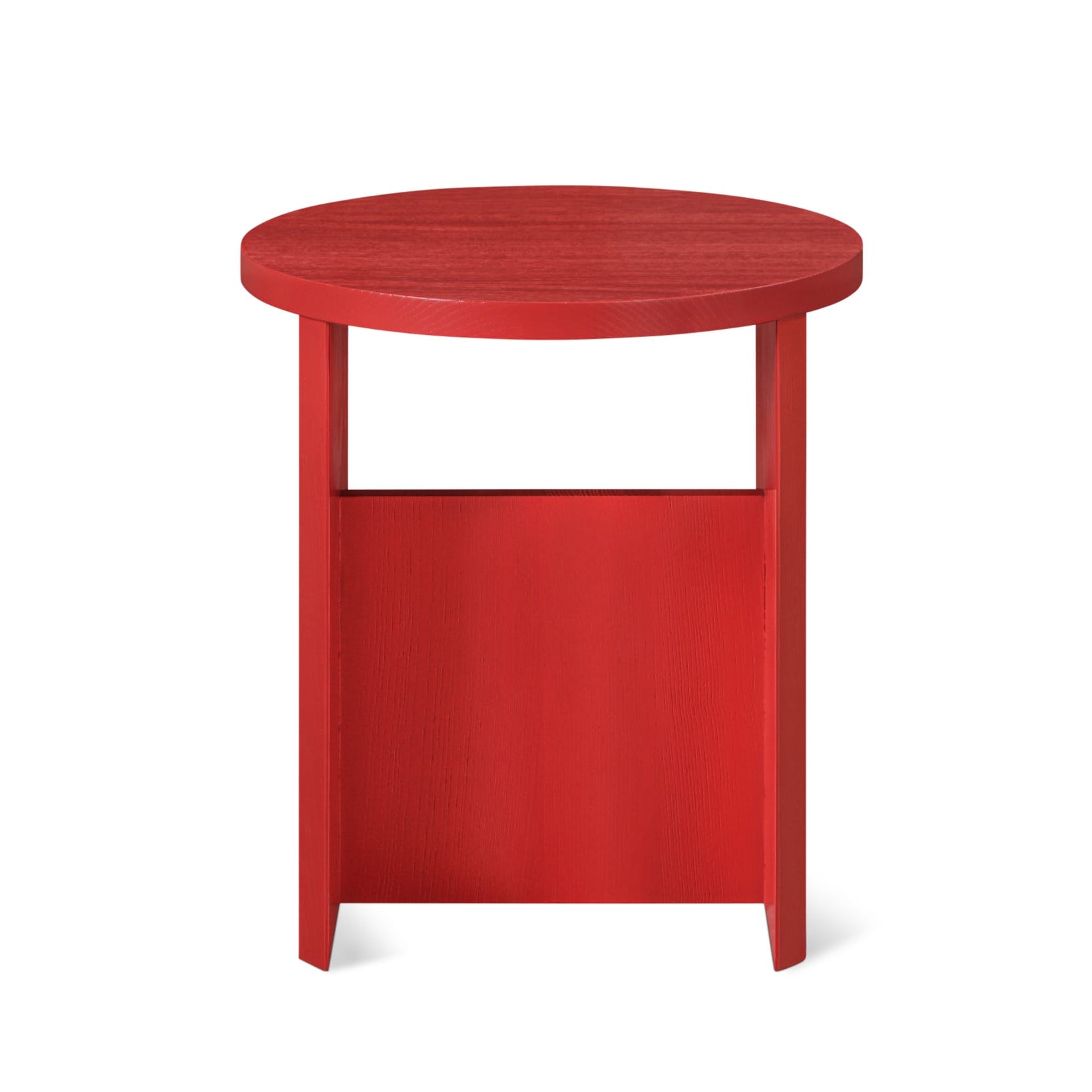
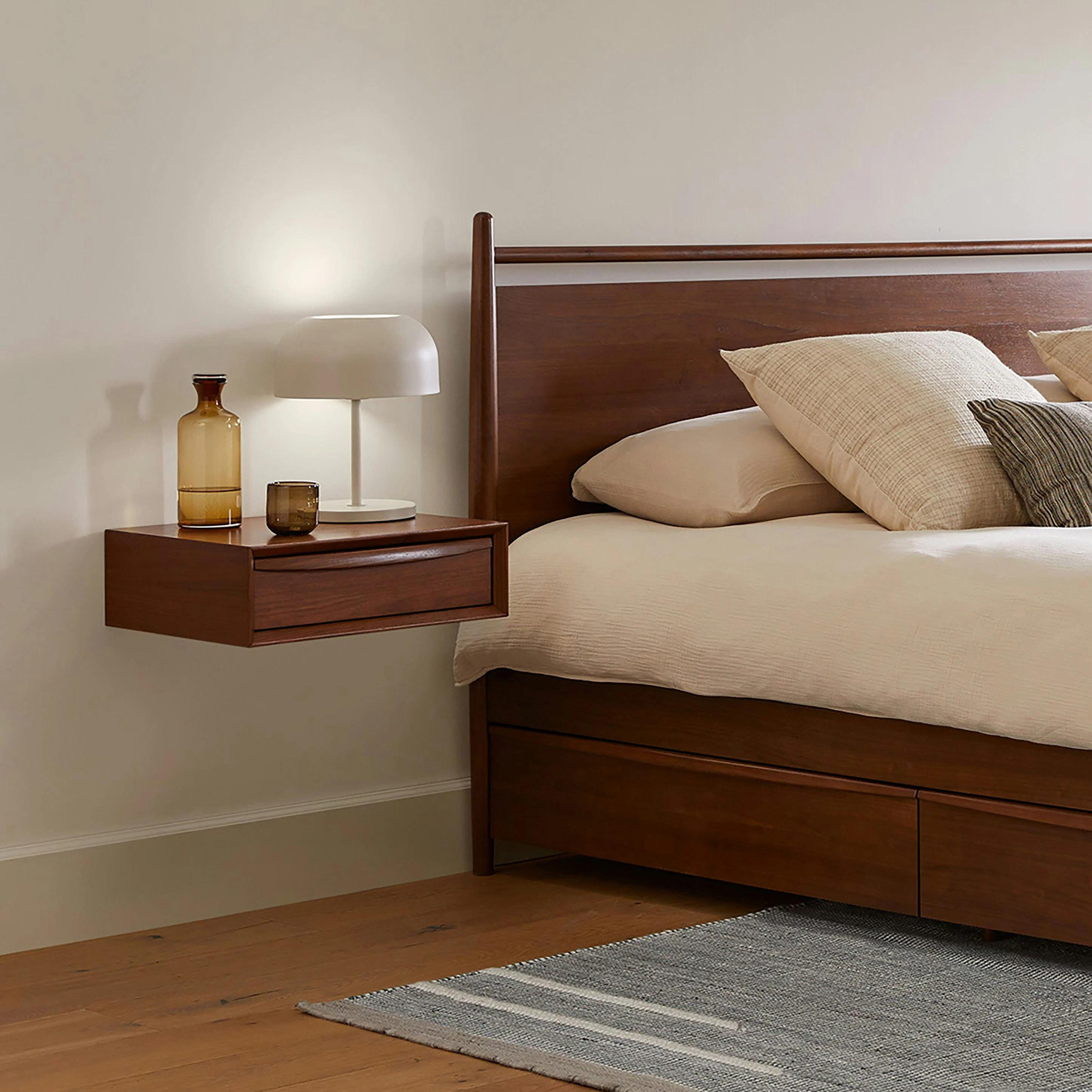
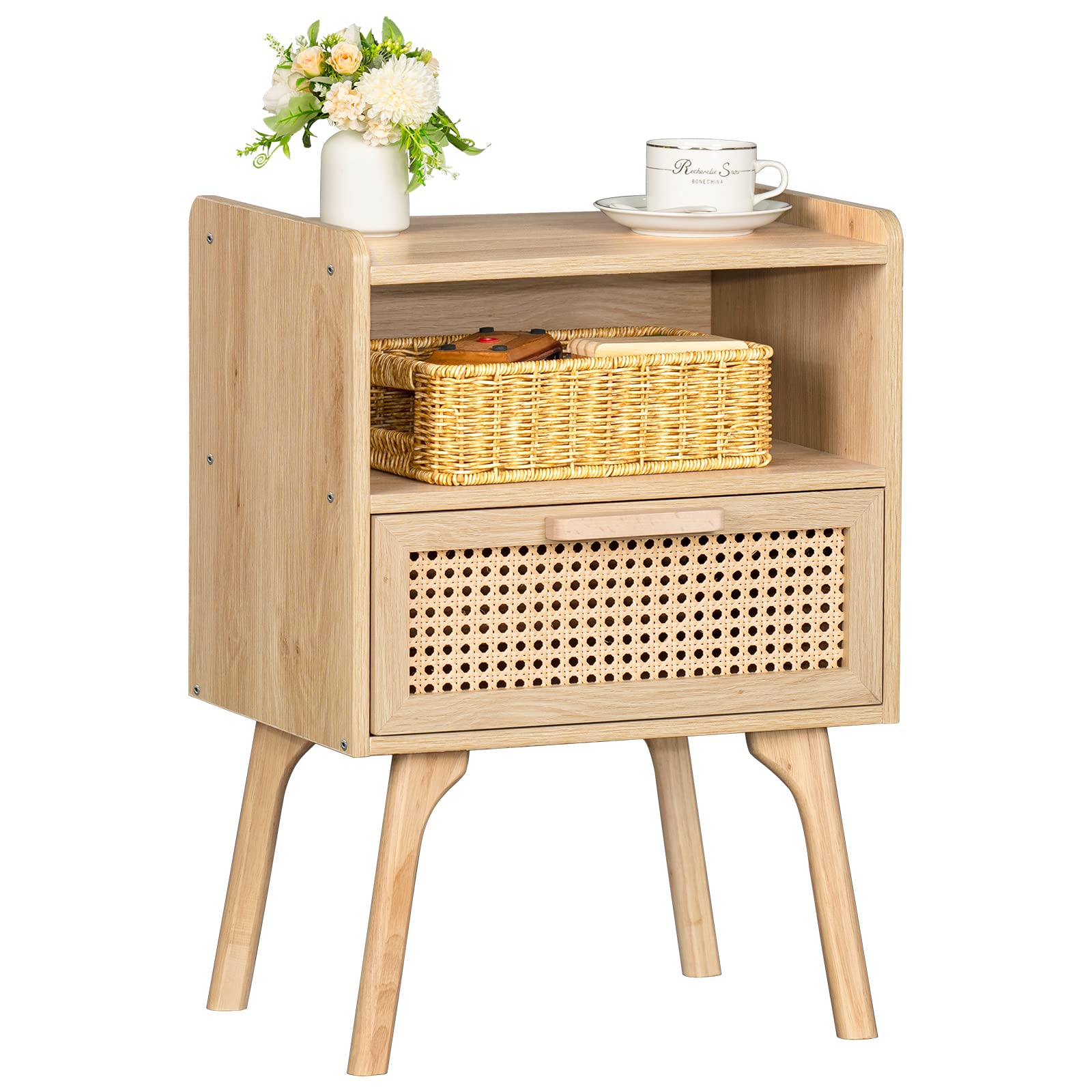
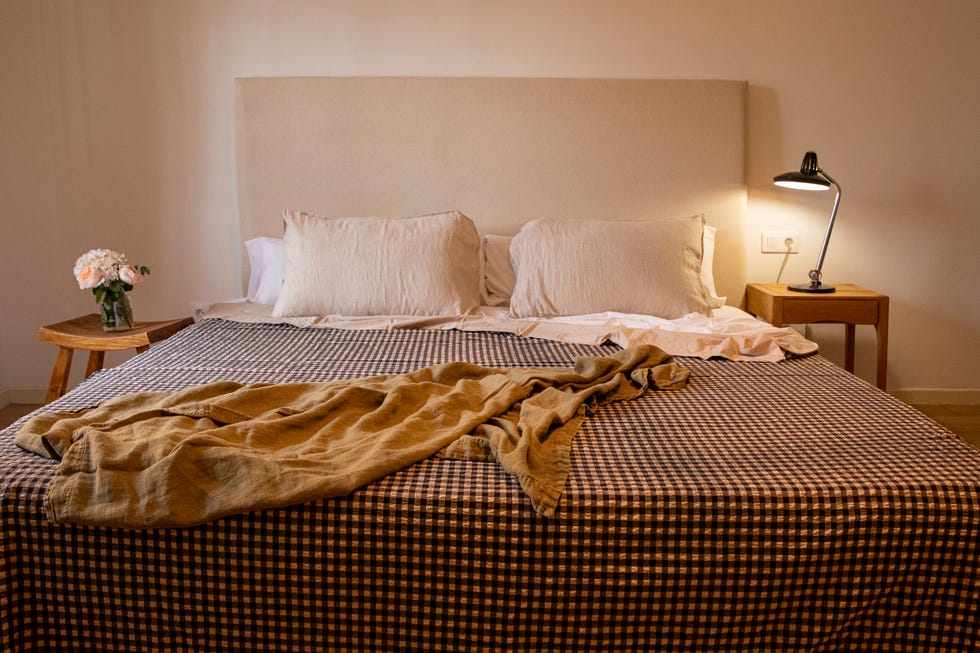
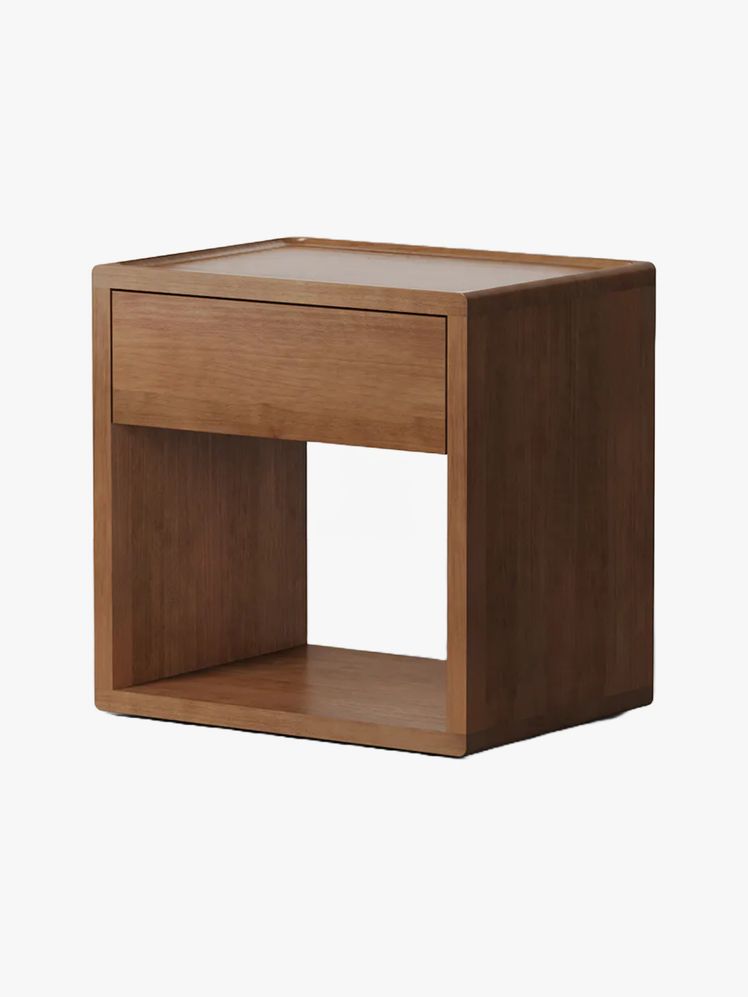
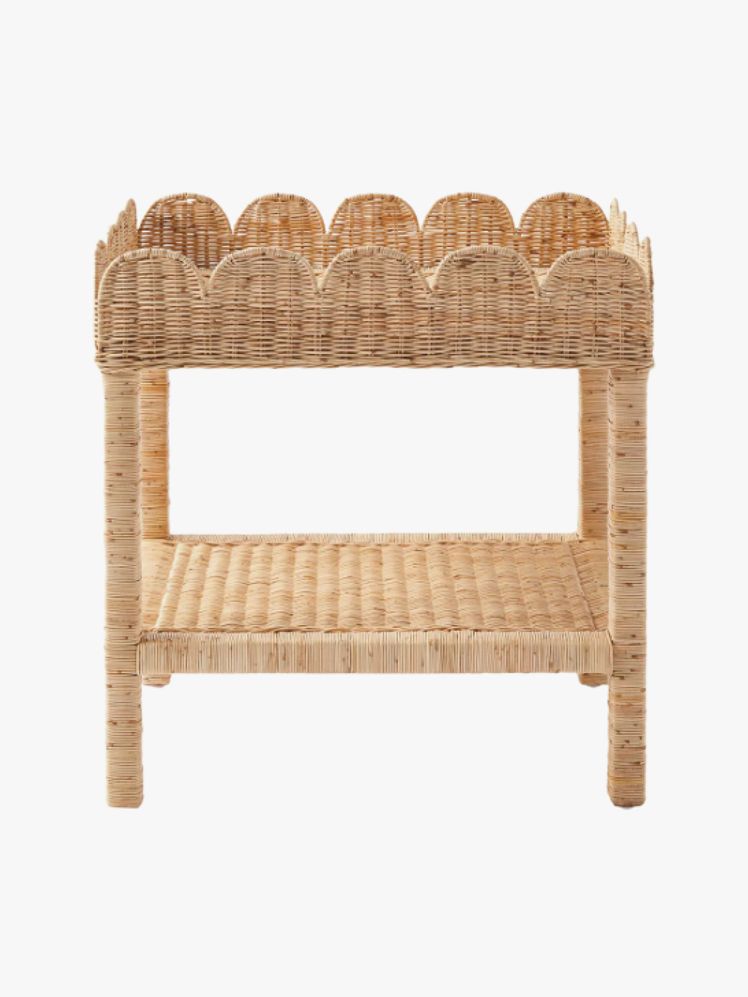
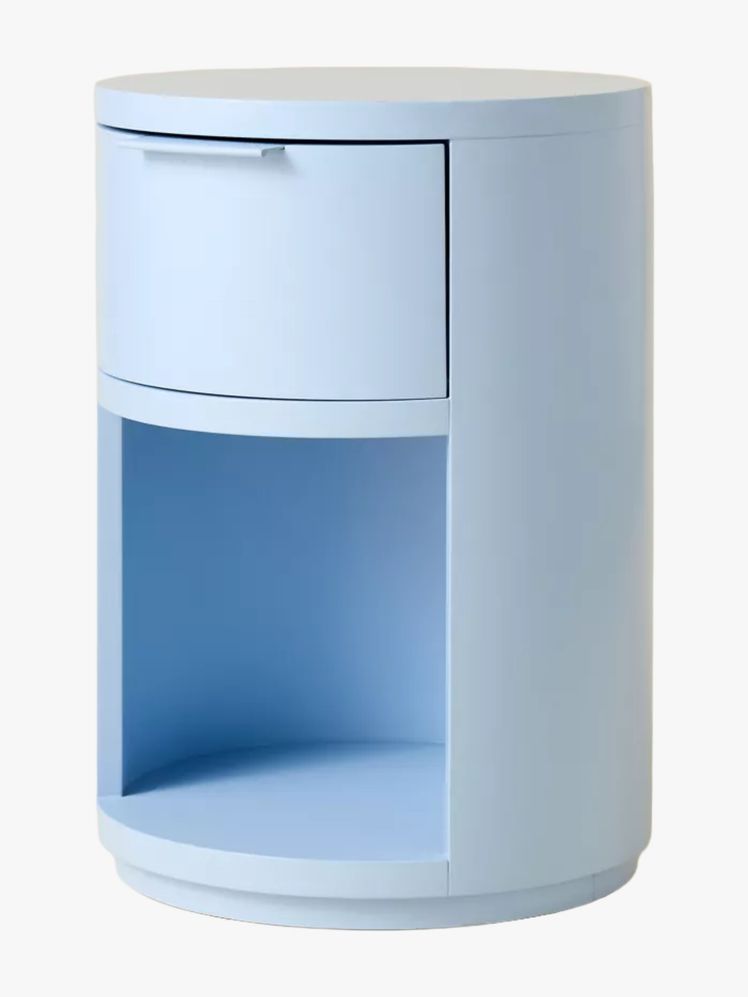
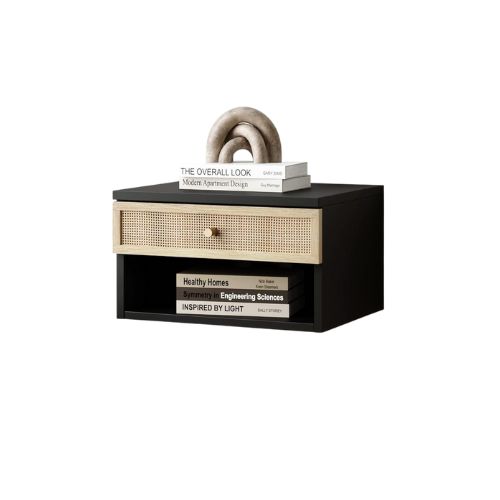
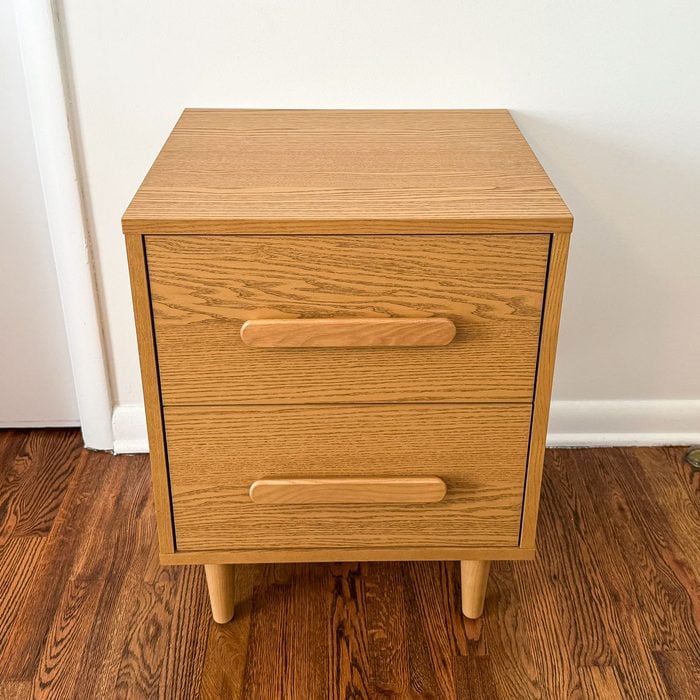
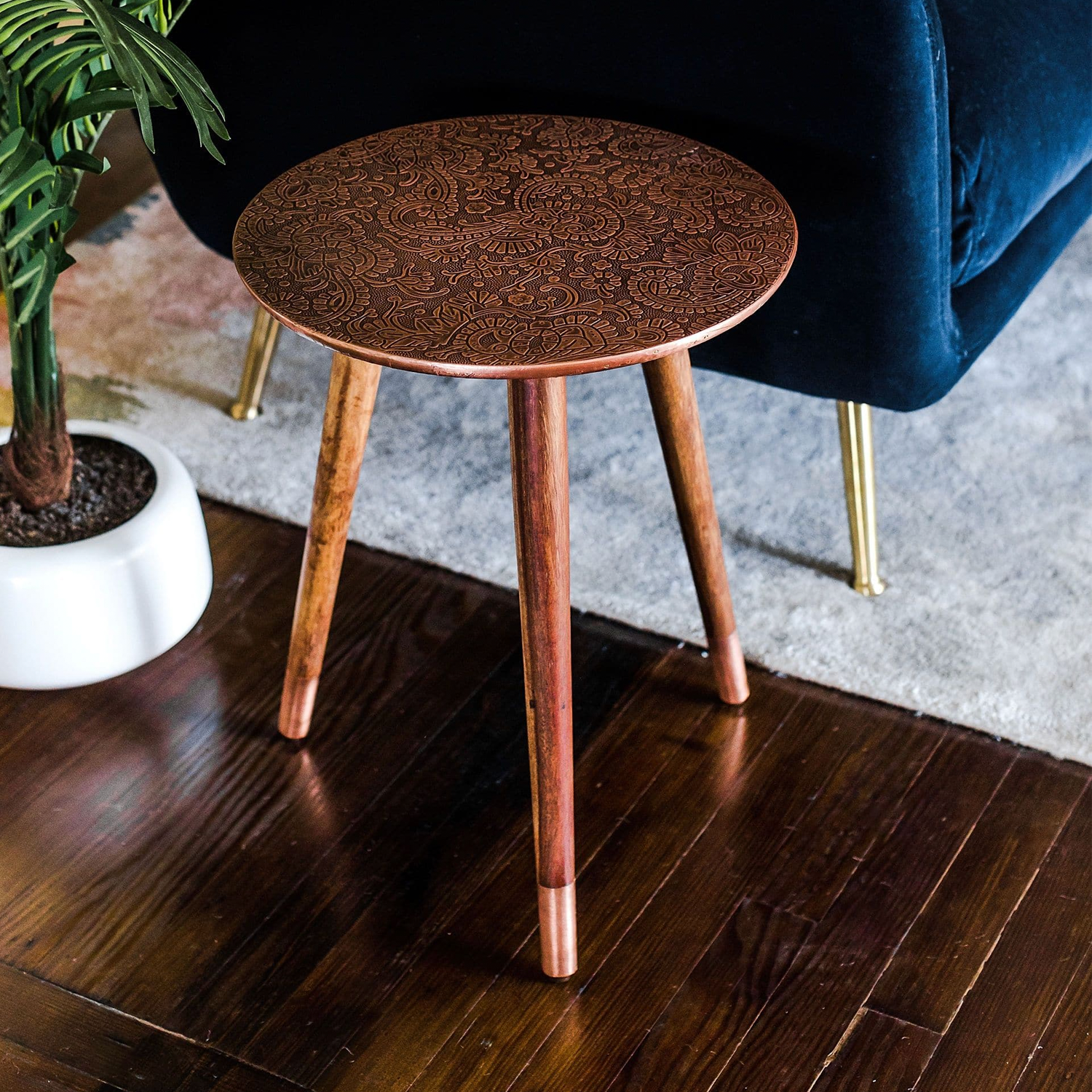
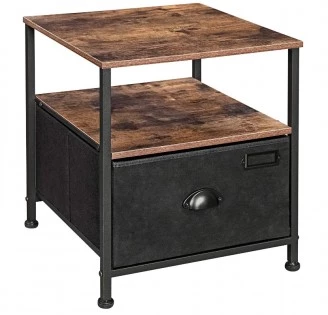
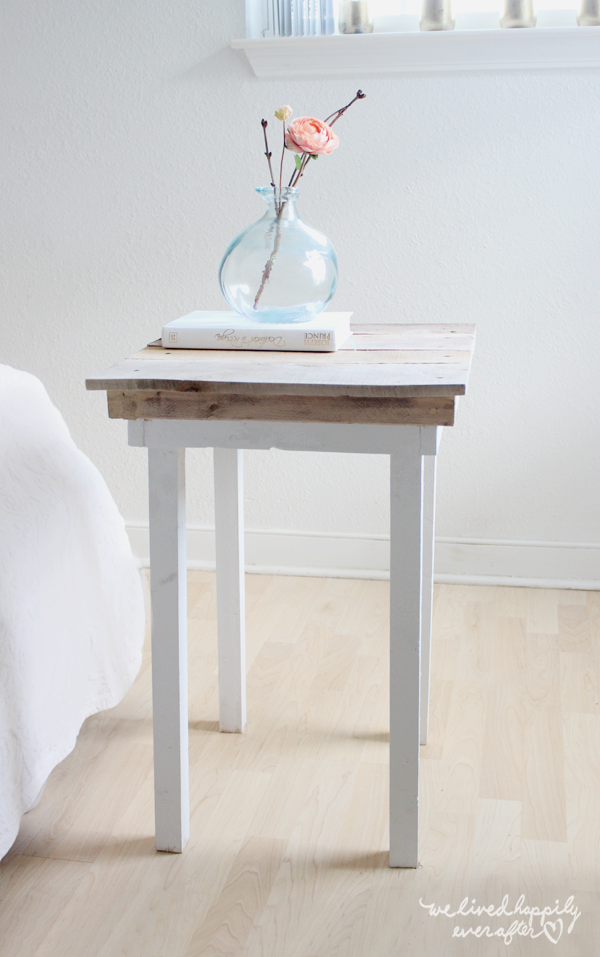
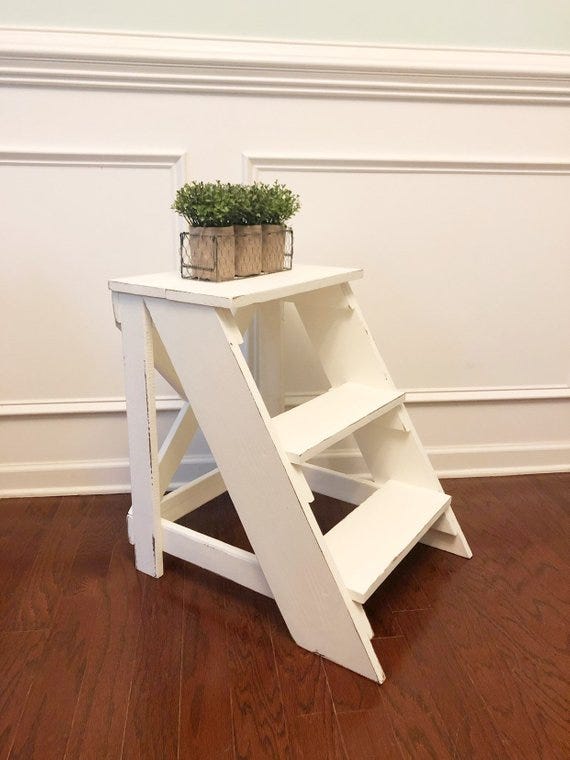
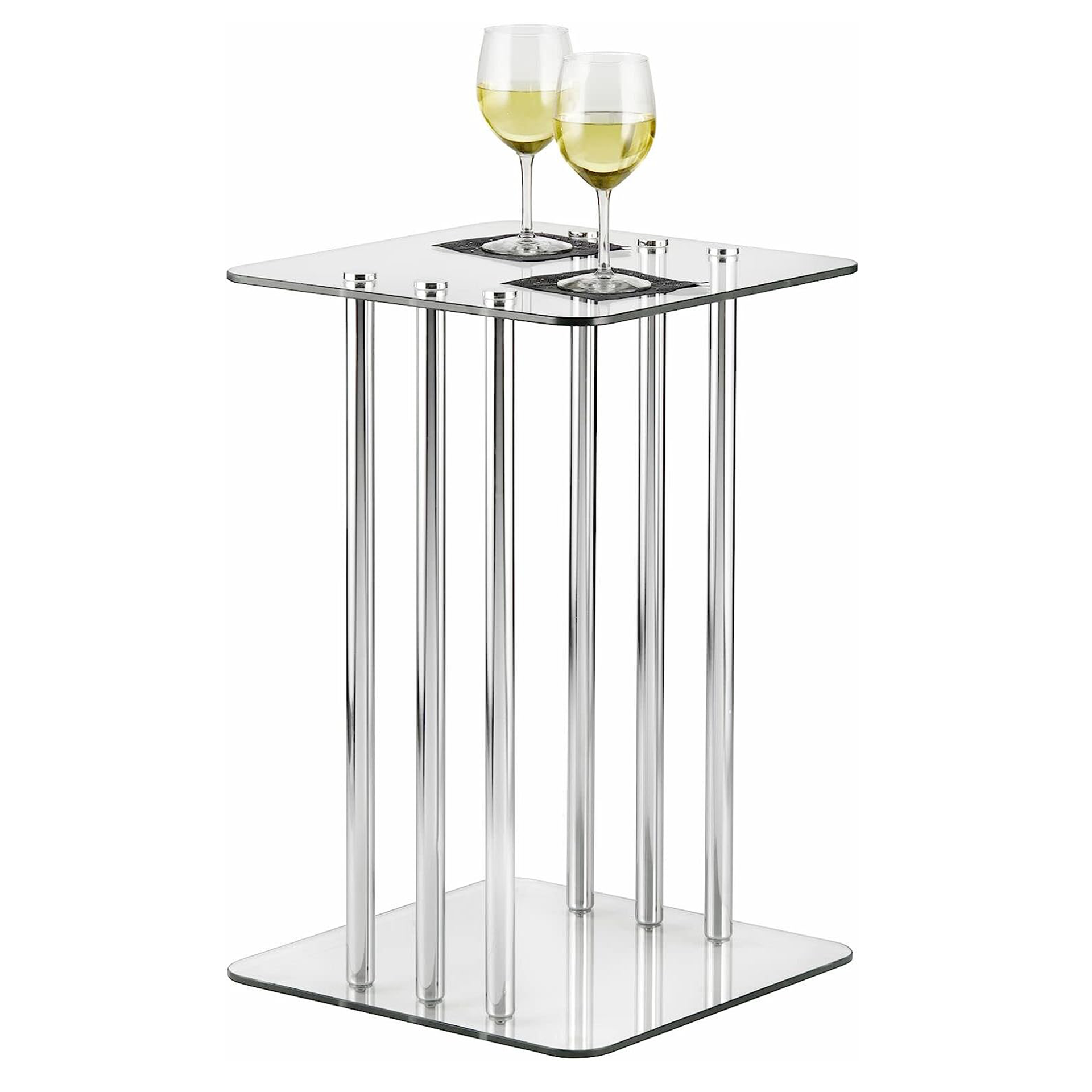
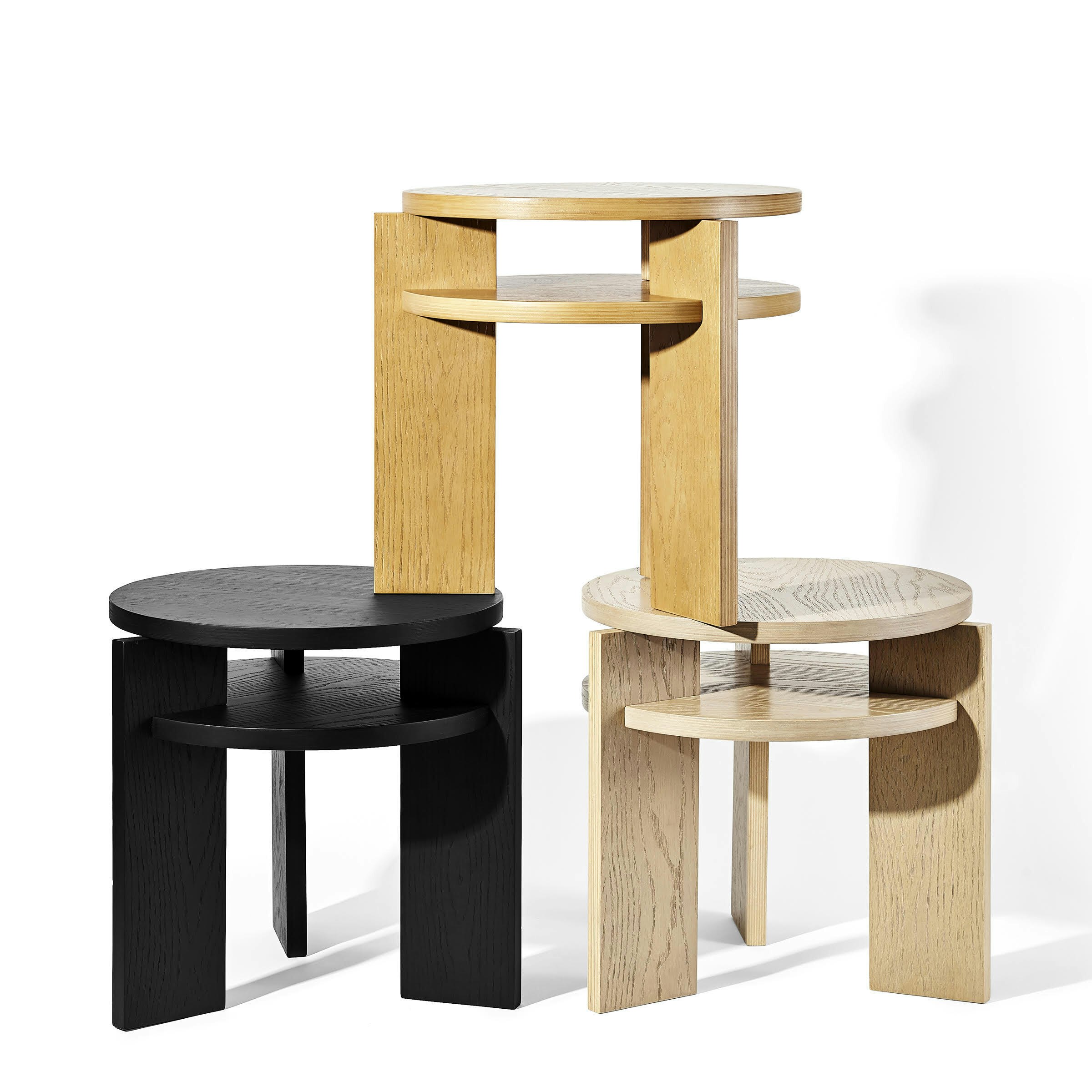
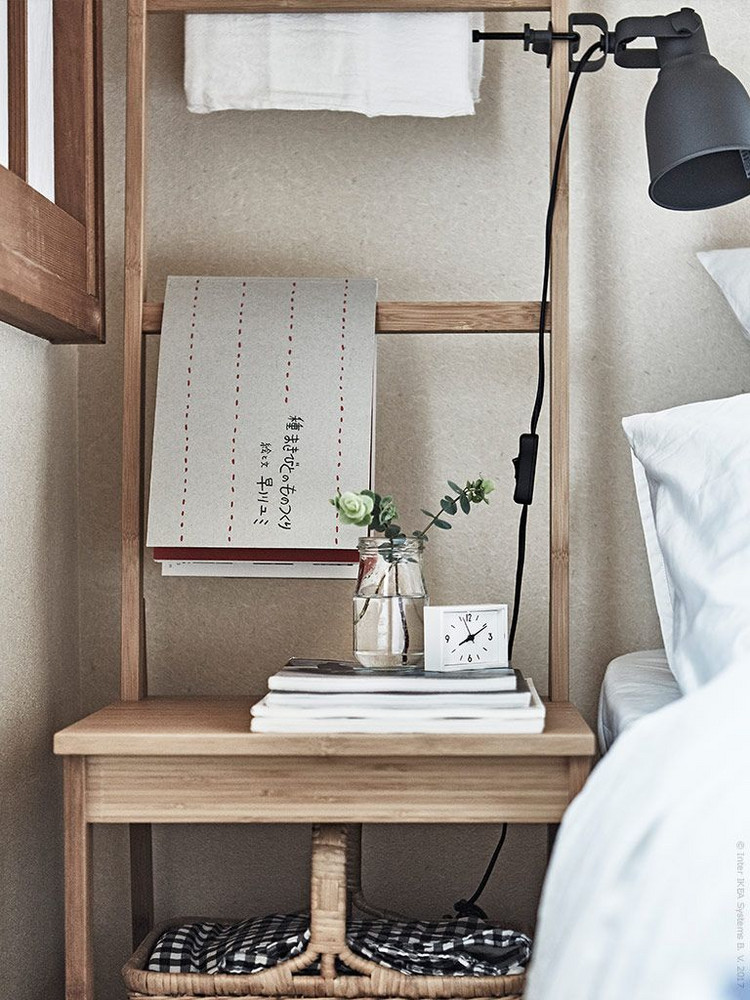
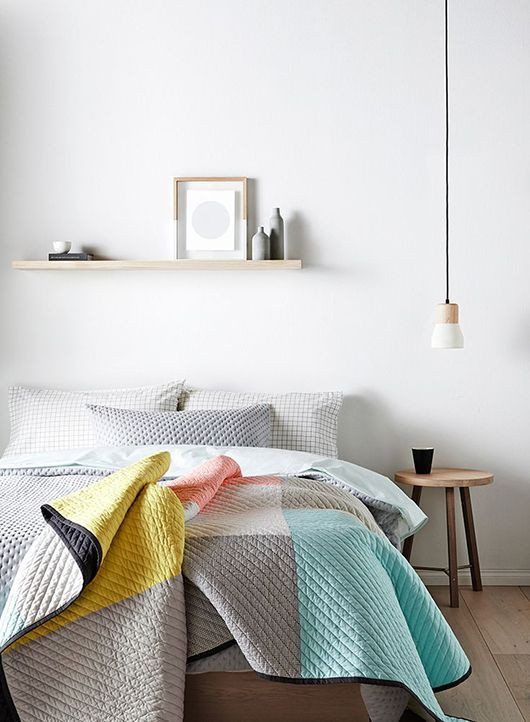
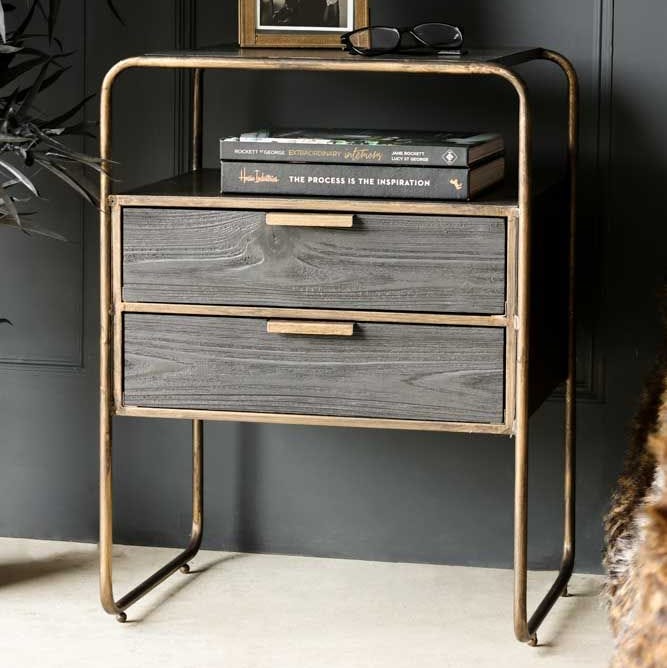
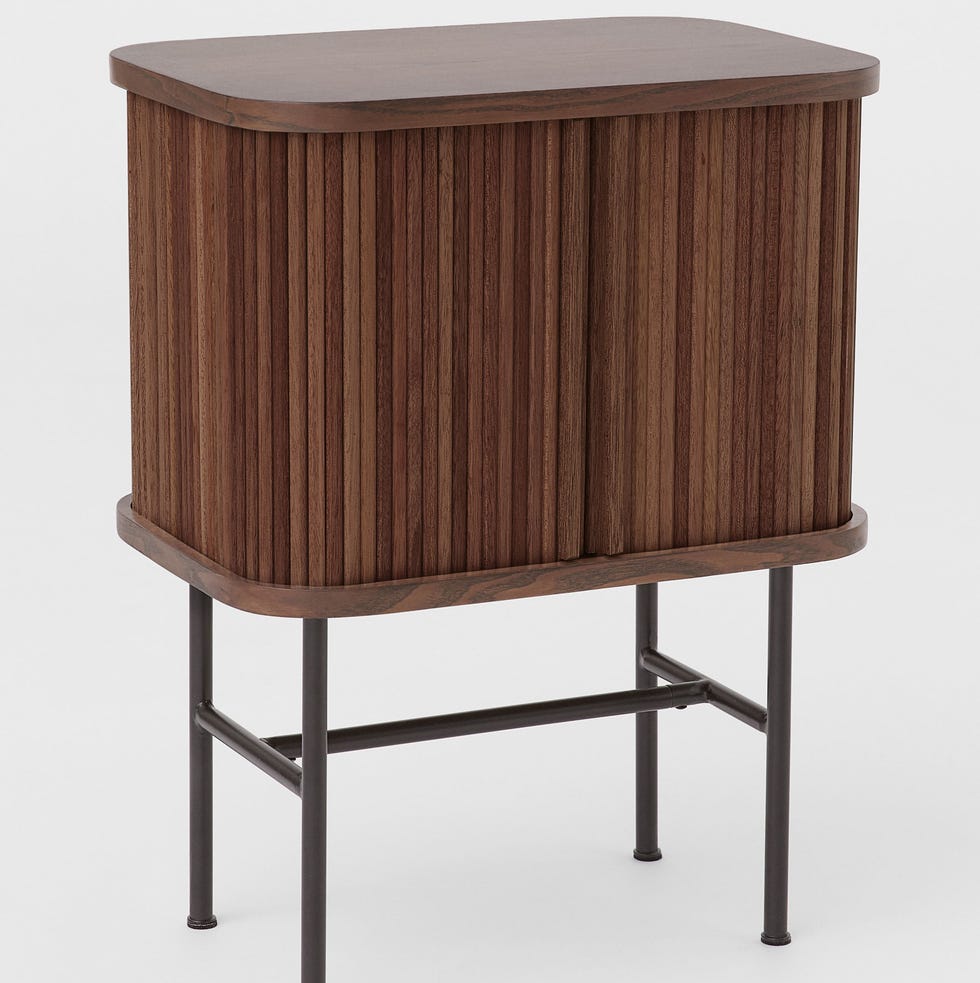
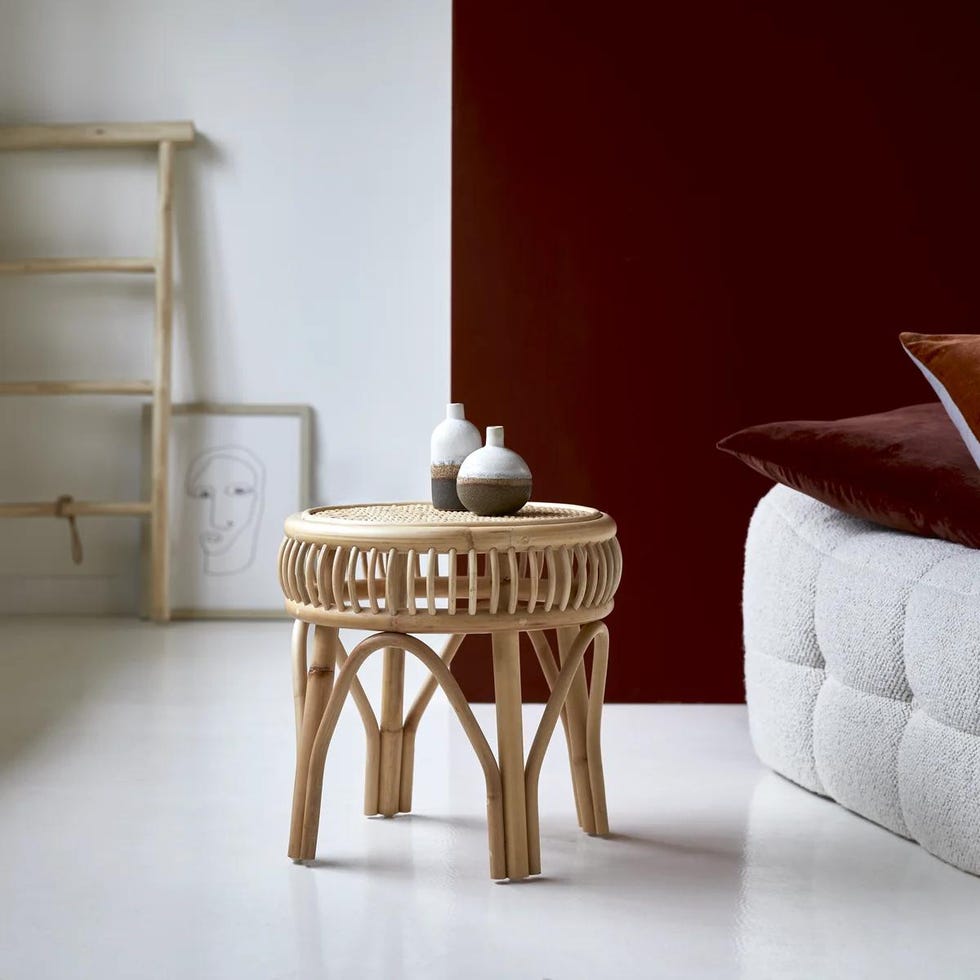
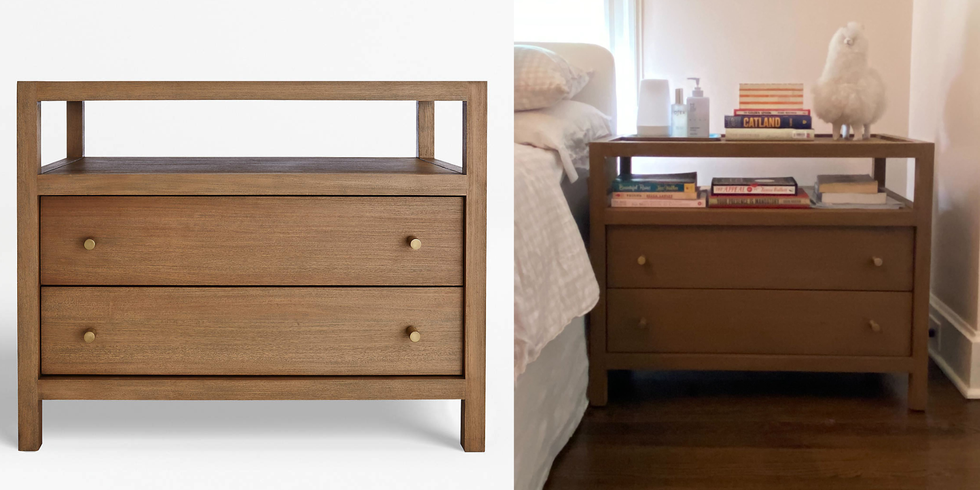
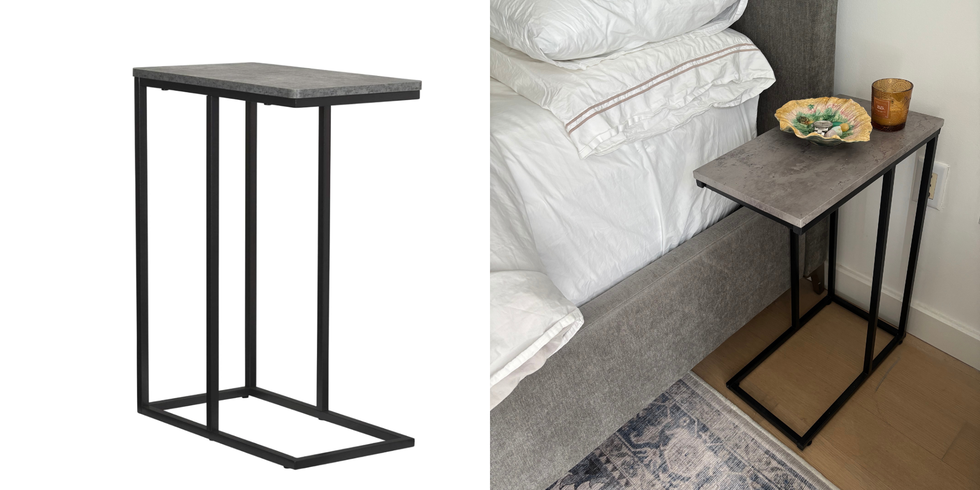
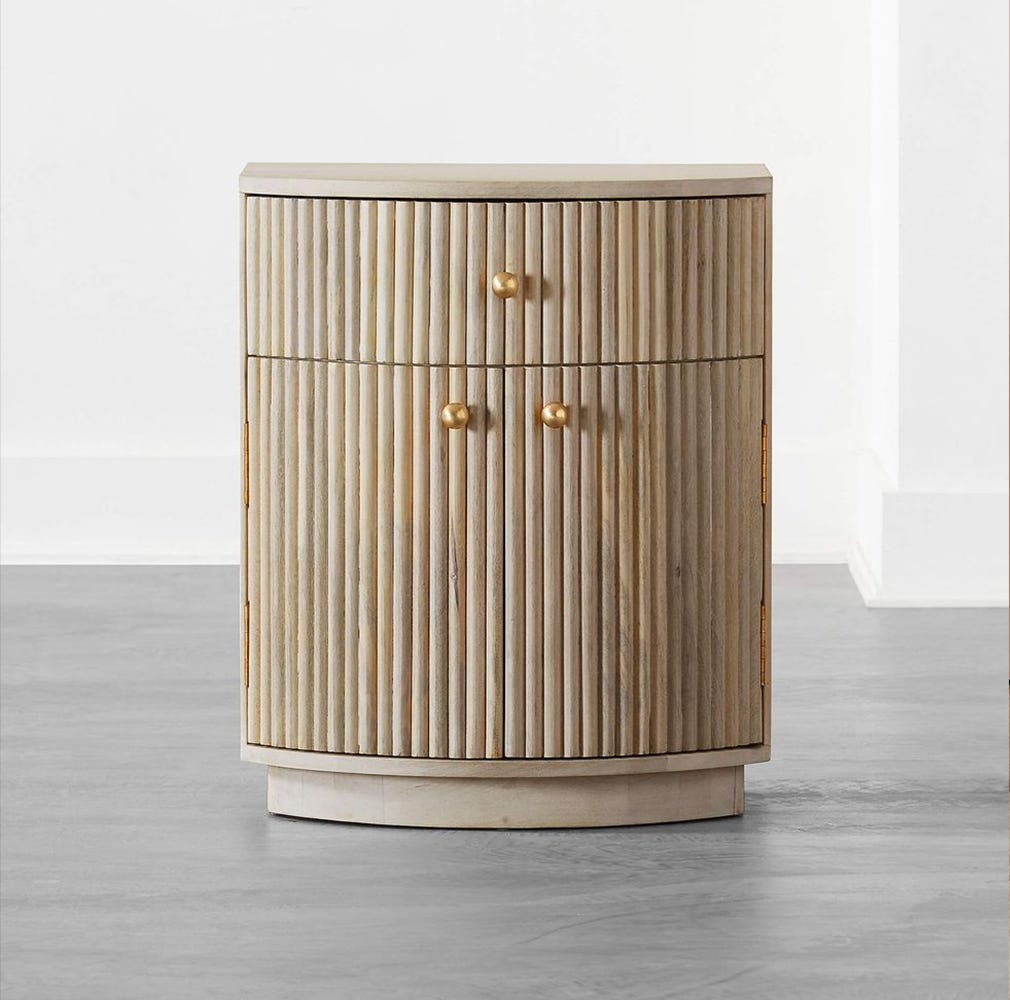
Another key recommendation involves mixing various shapes, formats, and materials. This could mean pairing a closed chest of drawers with a simple table, or a wall-mounted metal shelf with a vintage wooden stool. While encouraging creative combinations, Gilmore emphasizes the importance of scale, advising that nightstands should ideally be of similar height and occupy roughly the same visual width to maintain balance. The article also suggests sticking to a consistent time period or style, even if the pieces aren't an exact match, to ensure they share a common design DNA and complement each other without clashing.
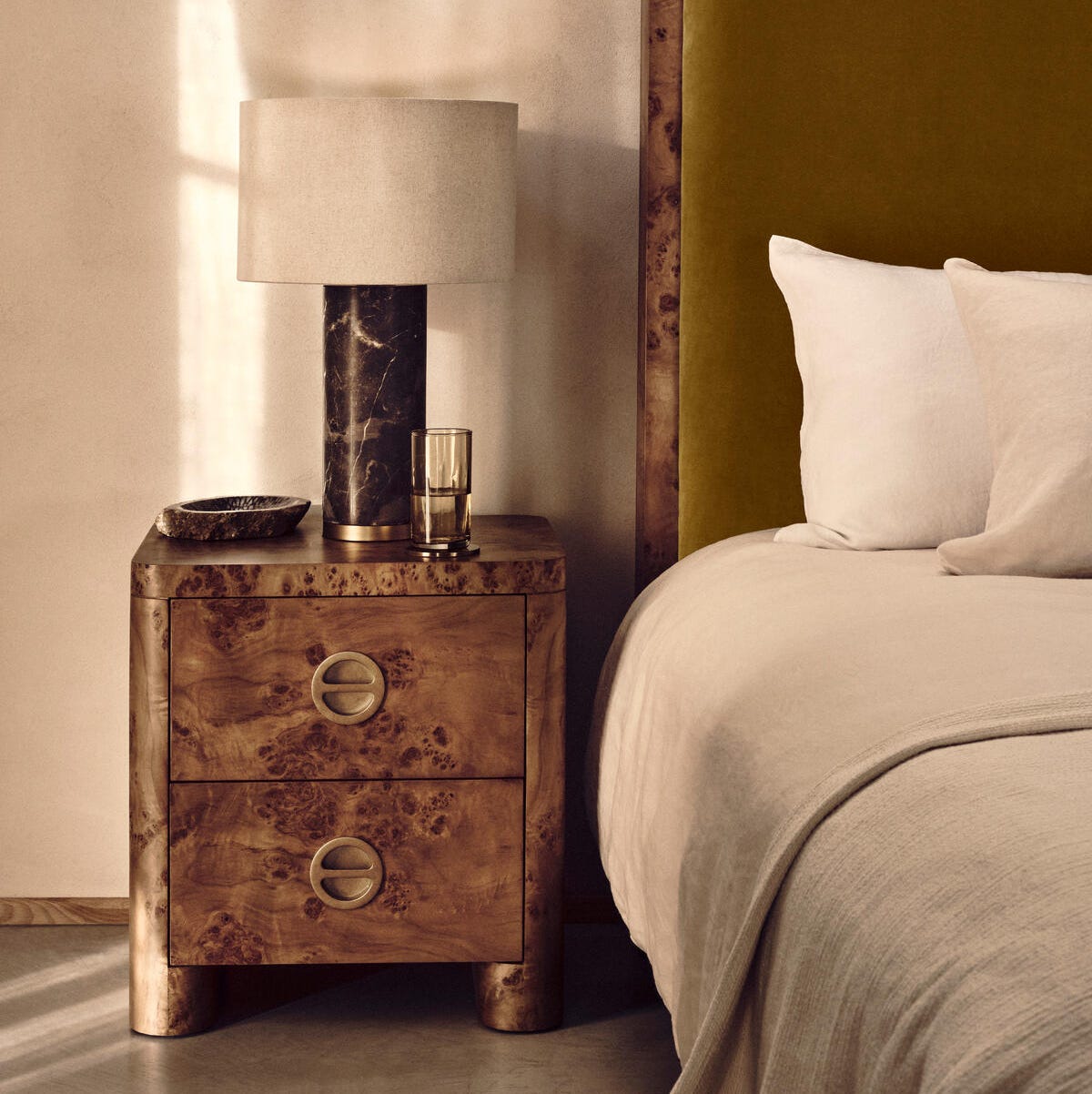
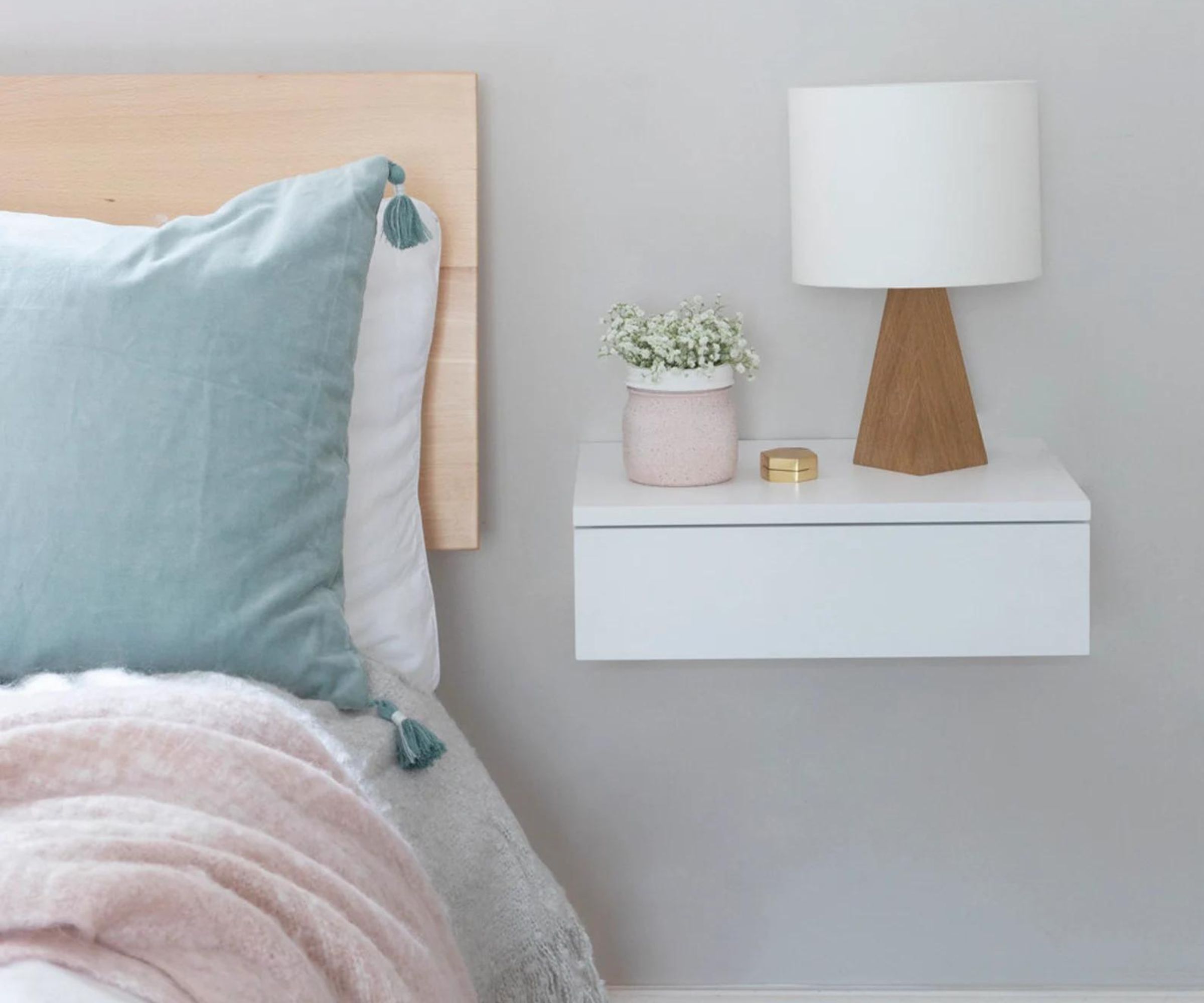
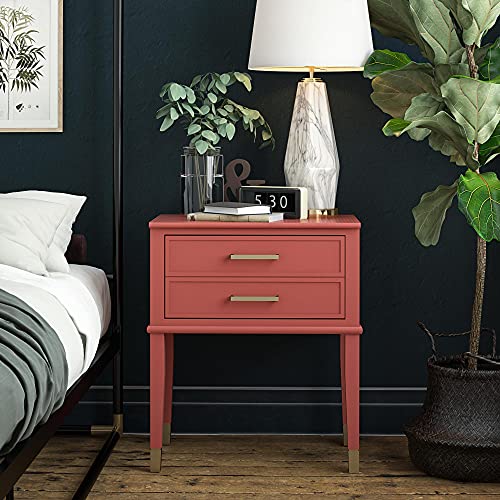
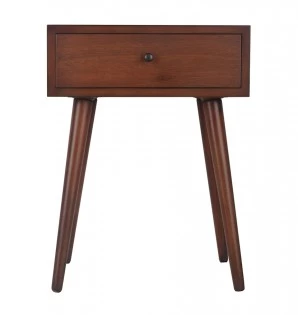
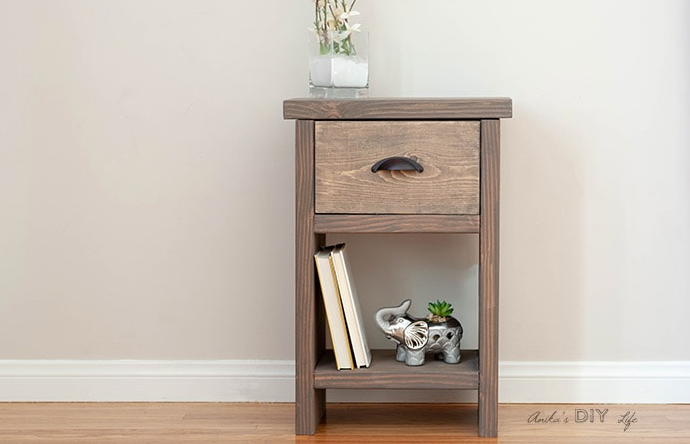
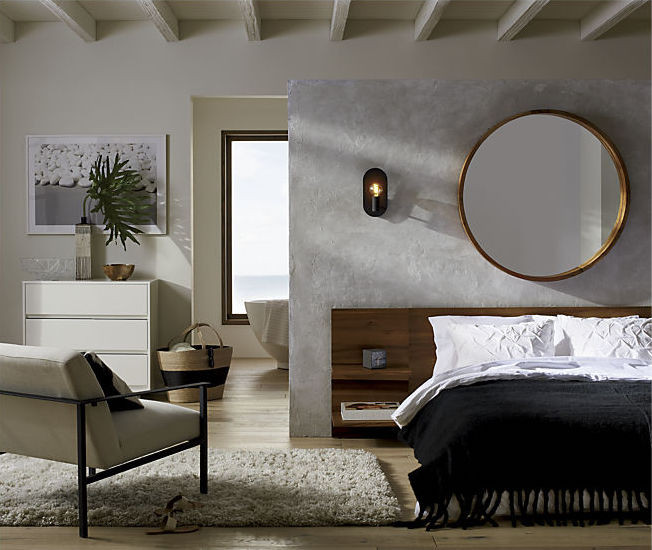
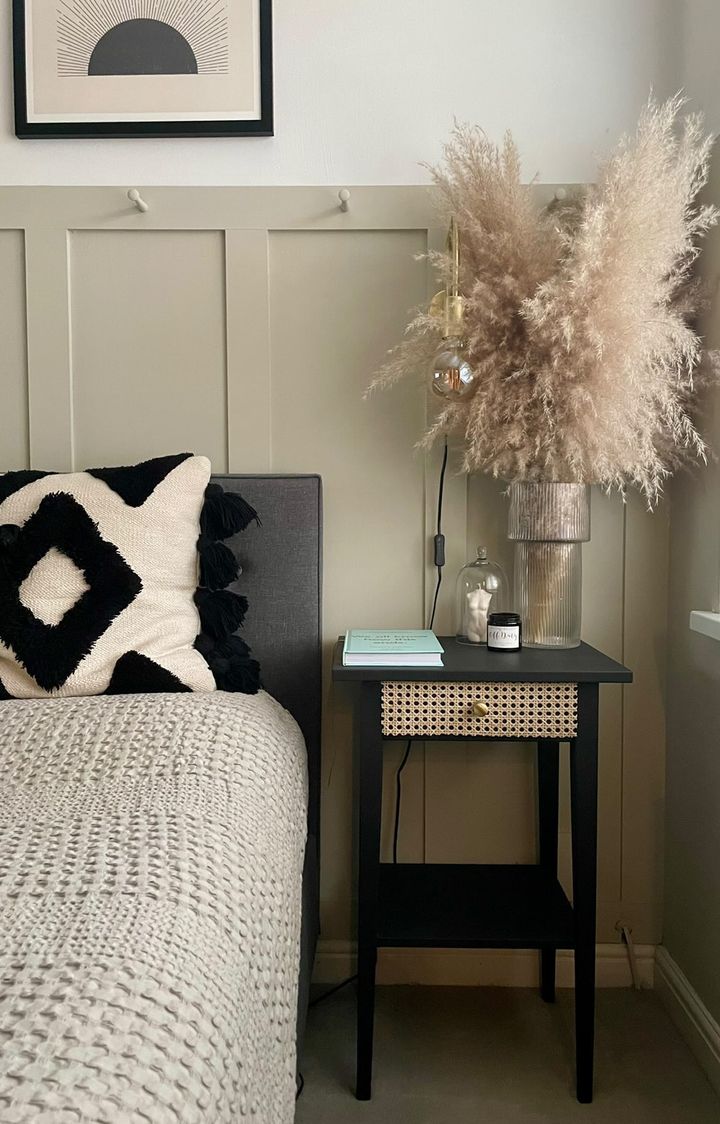
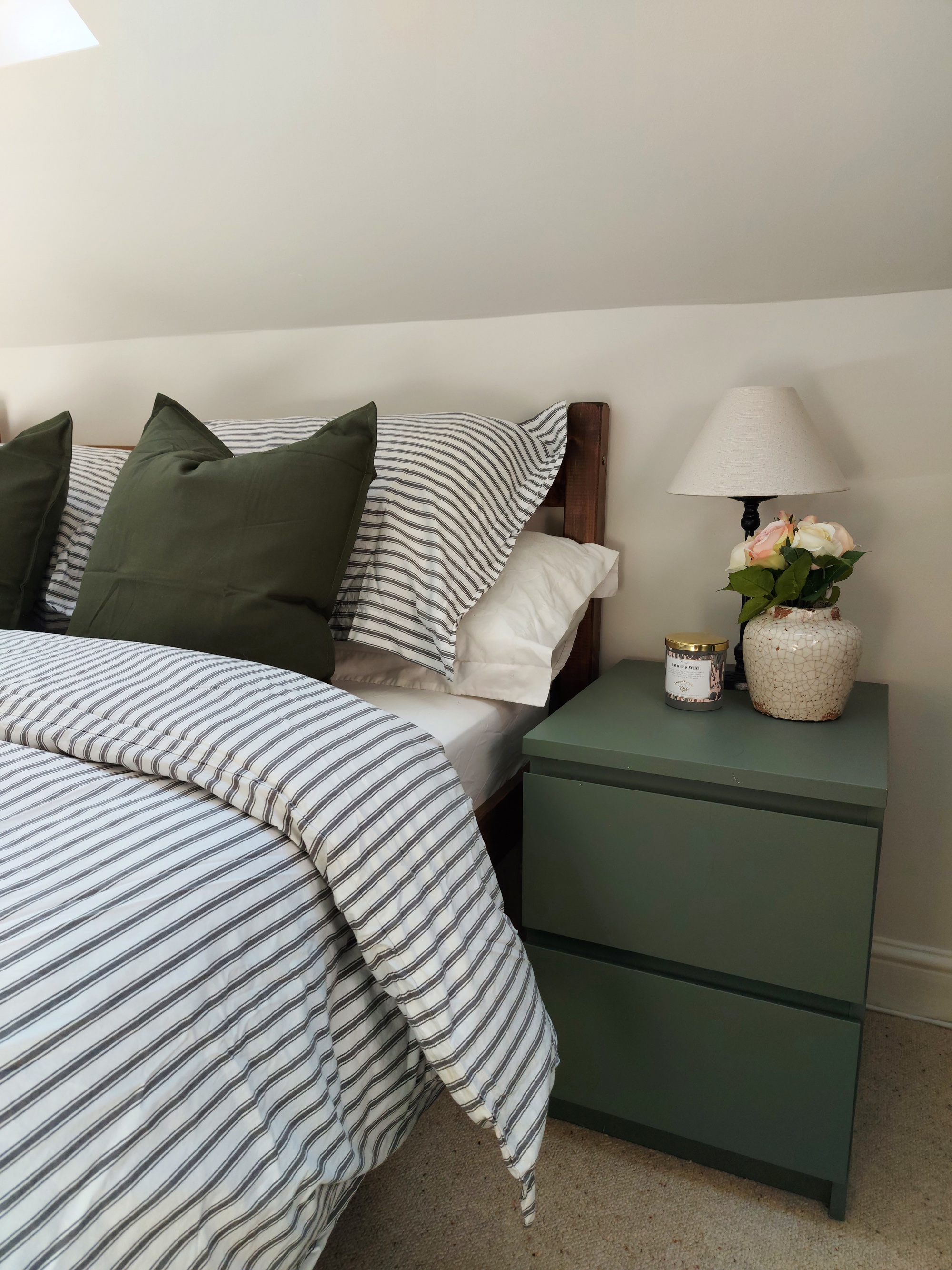
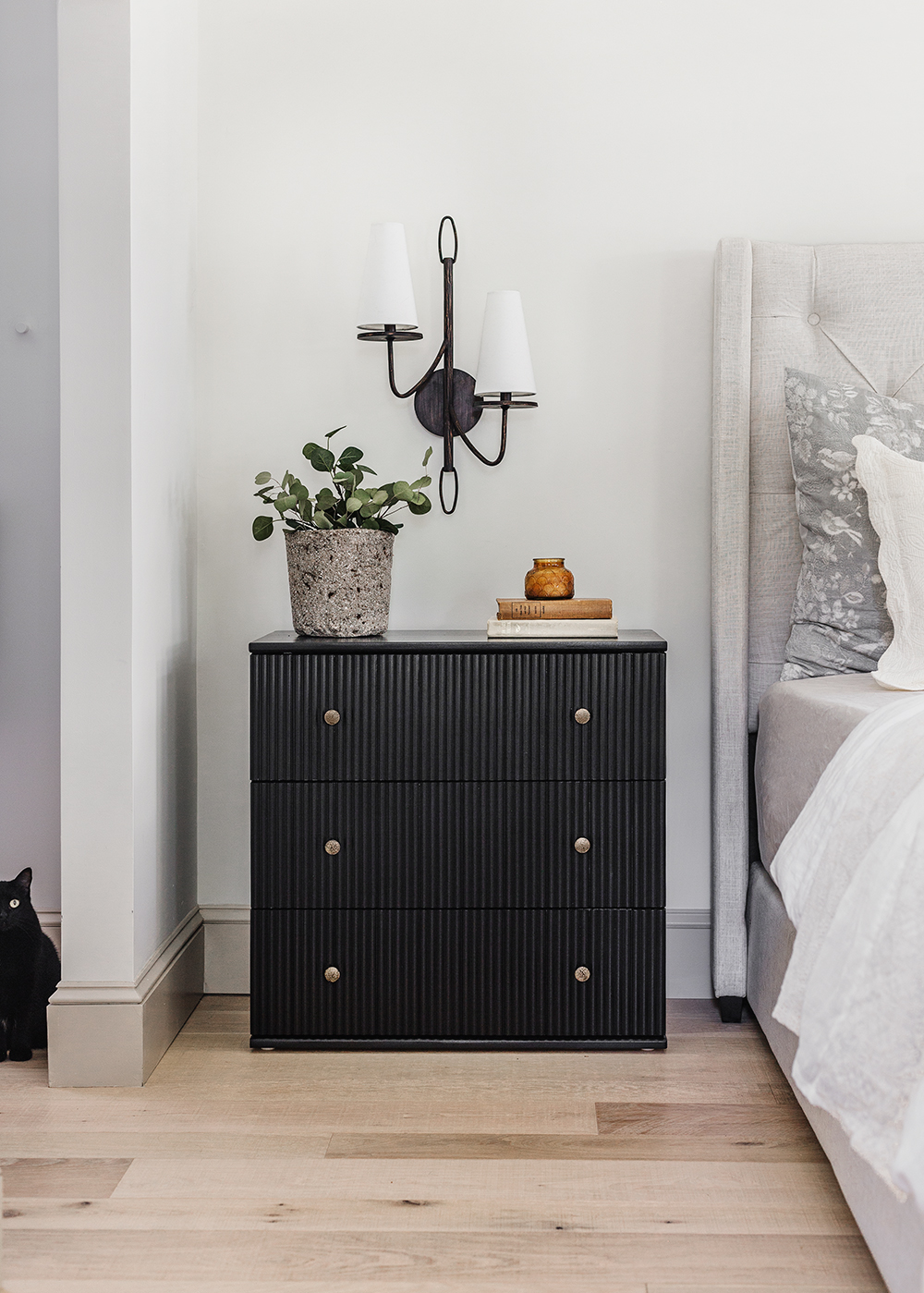
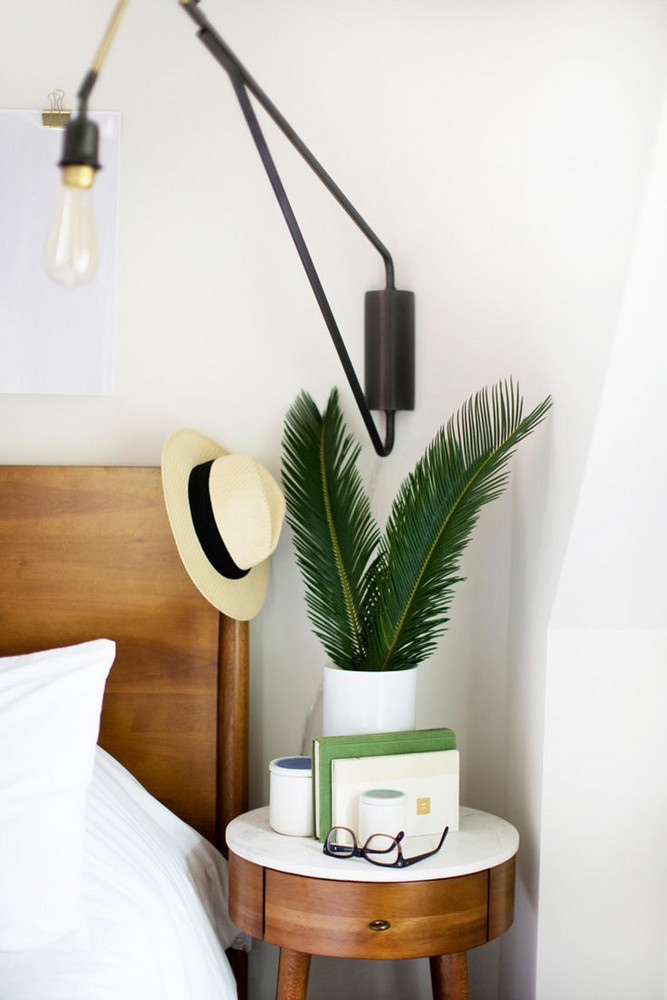
Furthermore, the article addresses the use of wood finishes and paint to unify mismatched nightstands. It suggests that if both nightstands are made of wood, opting for similar wood tones can create visual coherence. For instance, pairing a walnut finish with another vintage walnut piece helps to prevent visual dissonance. For nightstands that are thrift store finds or have dated wood tones, painting them the same color is presented as an effective way to achieve a unified look. The role of lighting in creating symmetry is also highlighted; using matching light fixtures can balance the asymmetry of mismatched nightstands, contributing to a harmonious bedroom design. This principle applies whether the lighting consists of table lamps, task lights, wall sconces, pendant lights, or chandeliers. A helpful tip is also provided: if the nightstands match, one can introduce mismatched table lamps, unifying them with similar styles or matching lampshades.
Finally, the article advises considering the angles from which the bed and nightstands are viewed. If the bed is prominently visible upon entering the room, nightstands of similar heights are generally more effective. However, if the bed is positioned to one side, offering more flexibility, an asymmetrical arrangement with varying heights can be adopted. In such cases, it is suggested that the shorter nightstand be placed closer to the door, allowing the taller one to recede visually in the distance. The article concludes by defining the difference between a nightstand and a night table and providing a rule of thumb for the ideal distance between a nightstand and the bed, typically 3 to 6 inches, to allow easy access and space for bedding.
#HomeDecor #BedroomDesign #NightstandStyling #InteriorDesignTips #MismatchedFurniture #DesignSymmetry #HomeStyling #DecoratingIdeas #HomeDecor #BedroomDesign #NightstandStyling #InteriorDesignTips #MismatchedFurniture #DesignSymmetry #HomeStyling #DecoratingIdeas
0 comment in total
 No comments yet
You may also like
I tried this 5 step guide to restyle my nightstand – and it's seriously elevated my bedside set-up

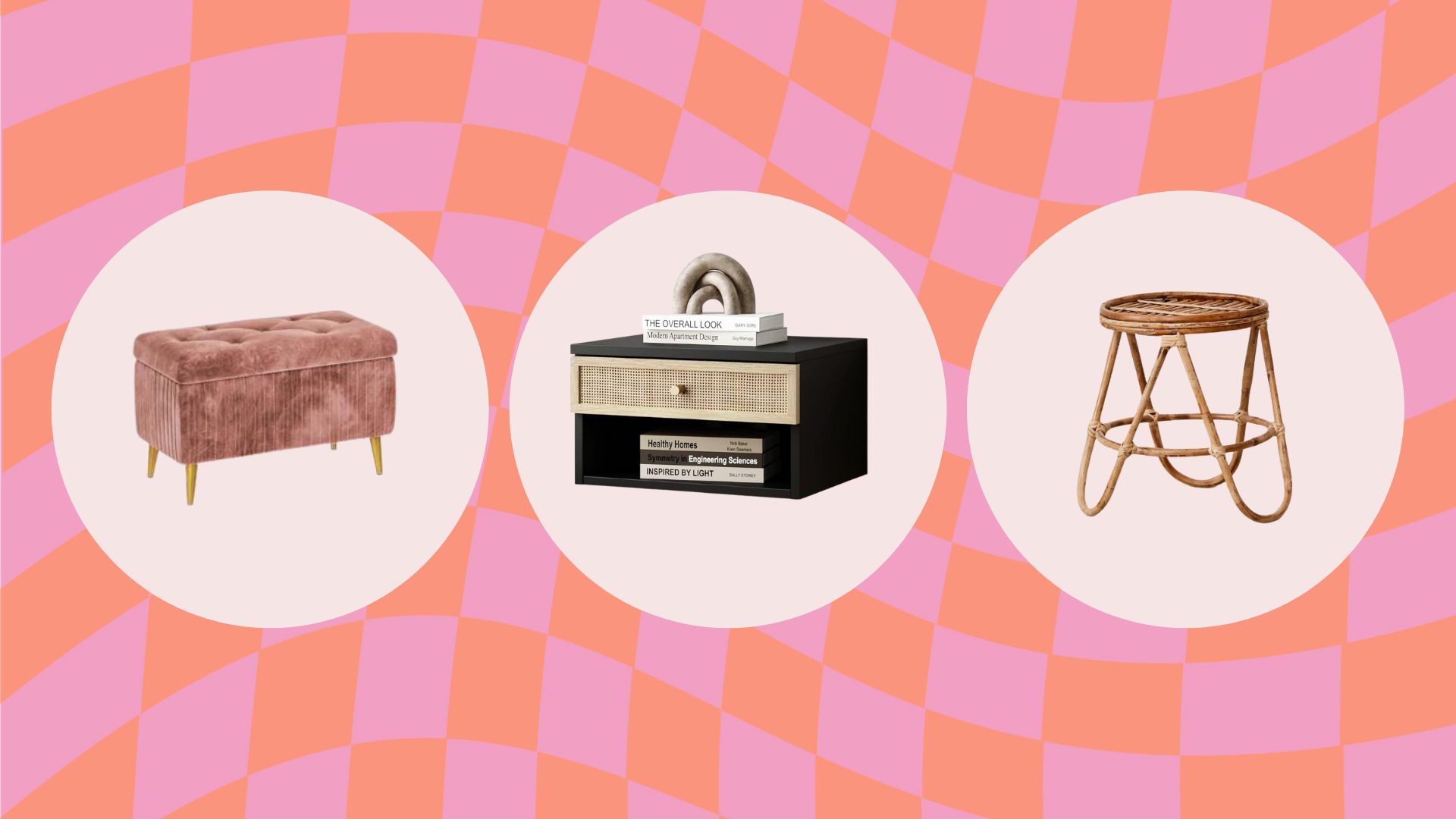
Nightstand alternatives that are so cute and functional, you won't go back

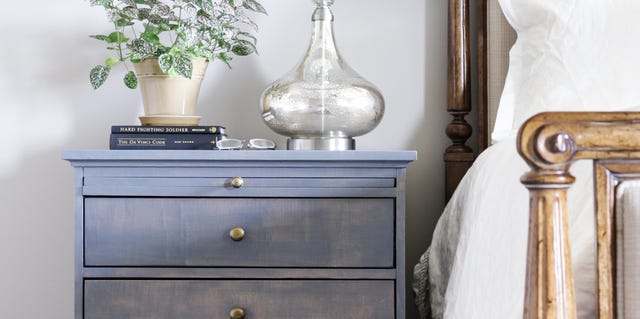
15 Easy Nightstand Ideas to Liven up Any Bedroom
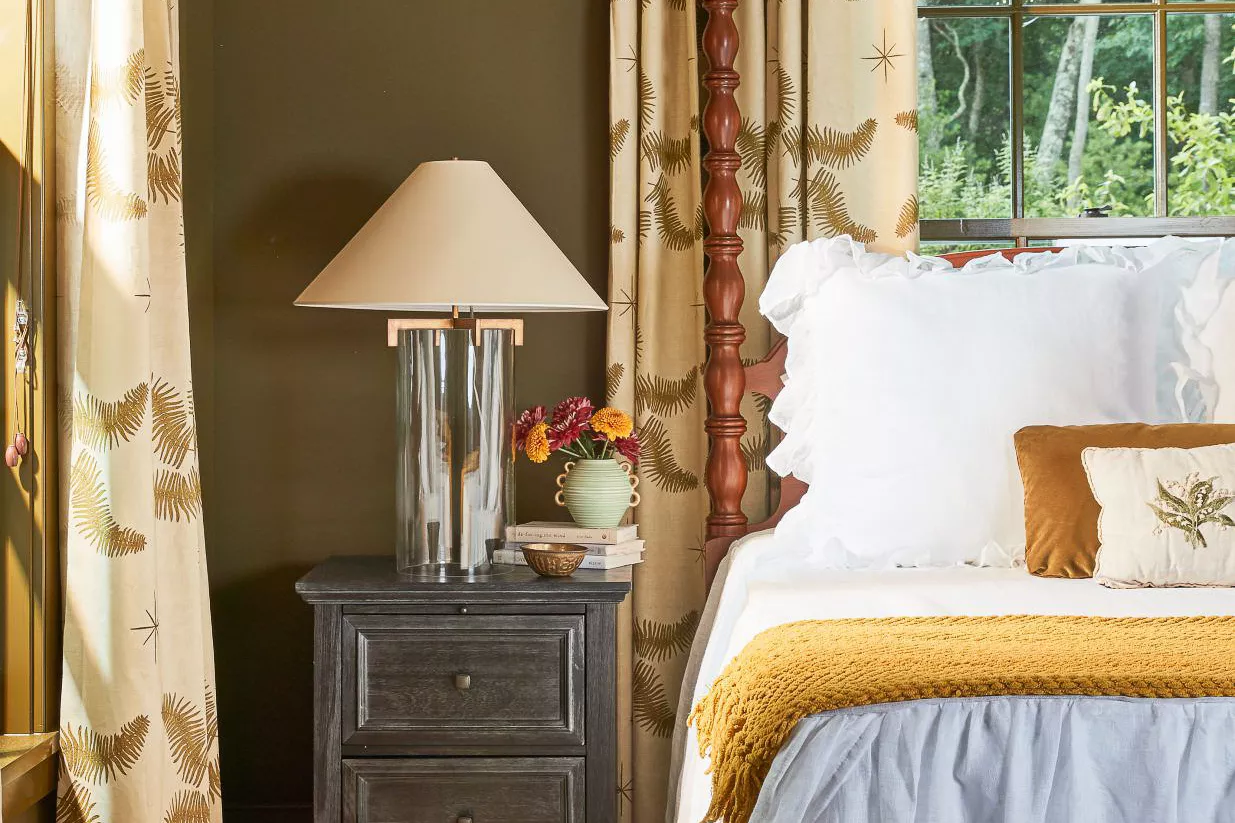
How Tall Should Your Nightstand Actually Be? An Expert Explains
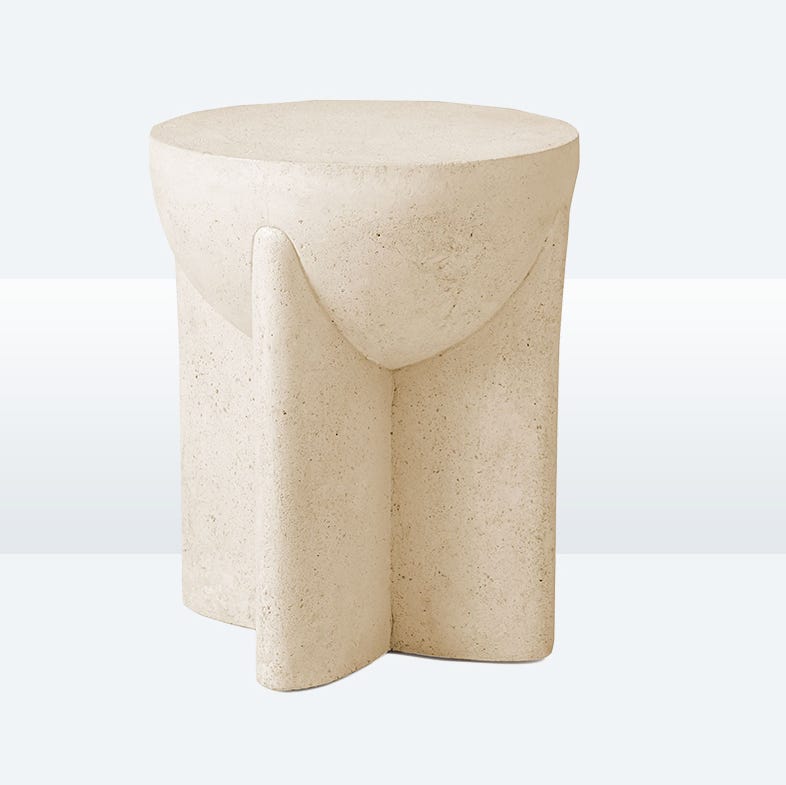
The Most Stylish Nightstands to Elevate Your Bedroom Decor

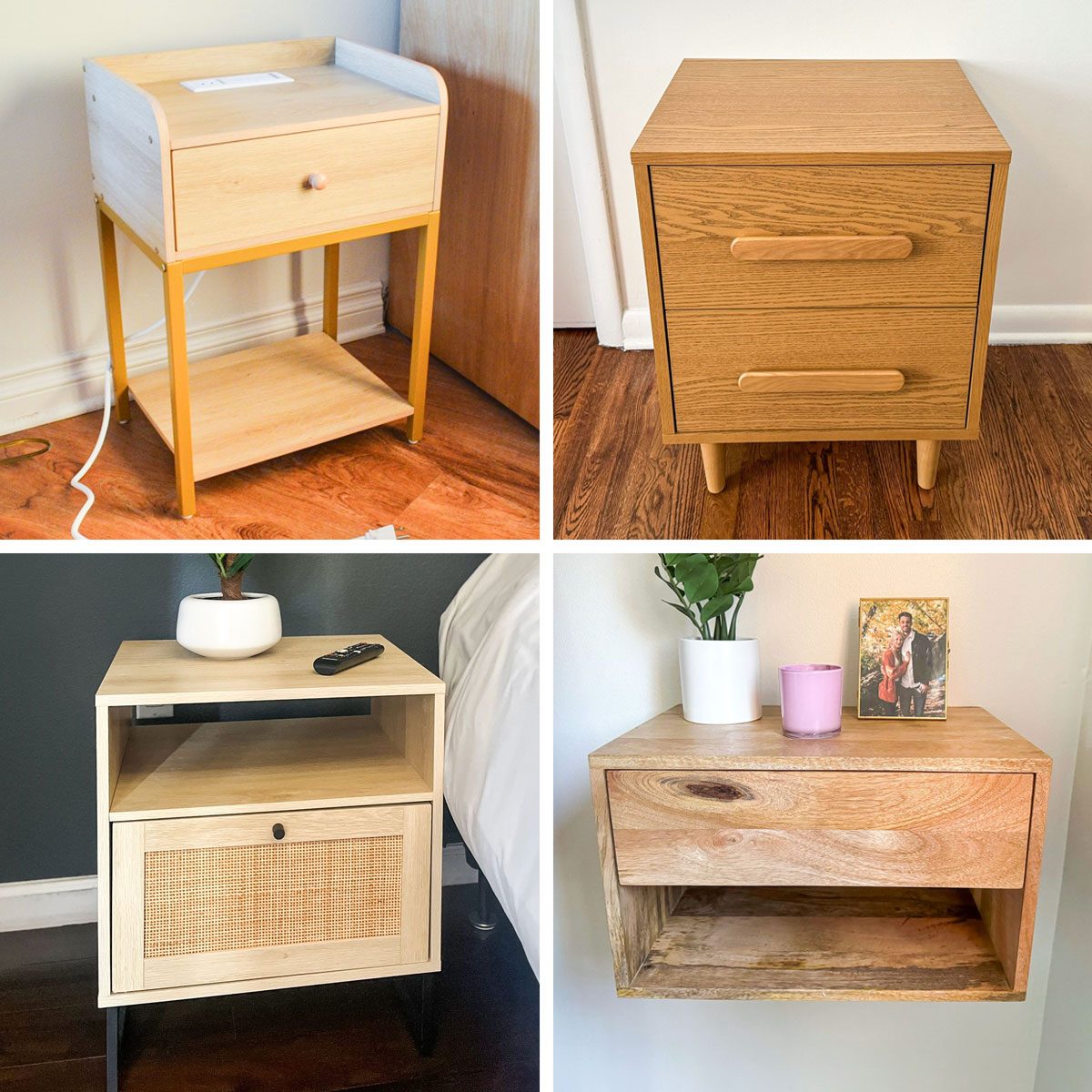
The 6 Best Nightstands to Update Your Bedroom, Tested and Reviewed

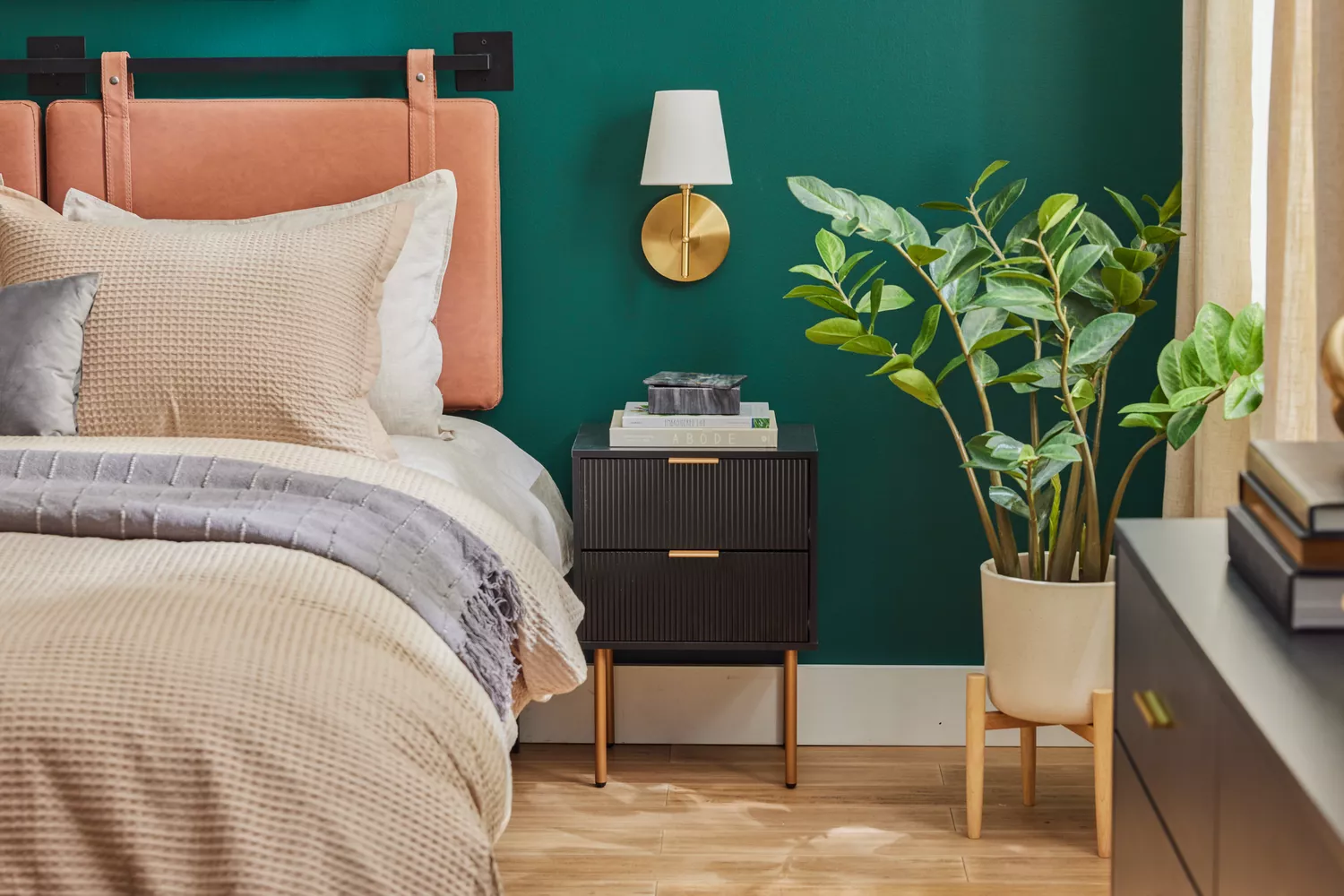
Interior Designers Share 5 Tips for Choosing the Right Nightstand
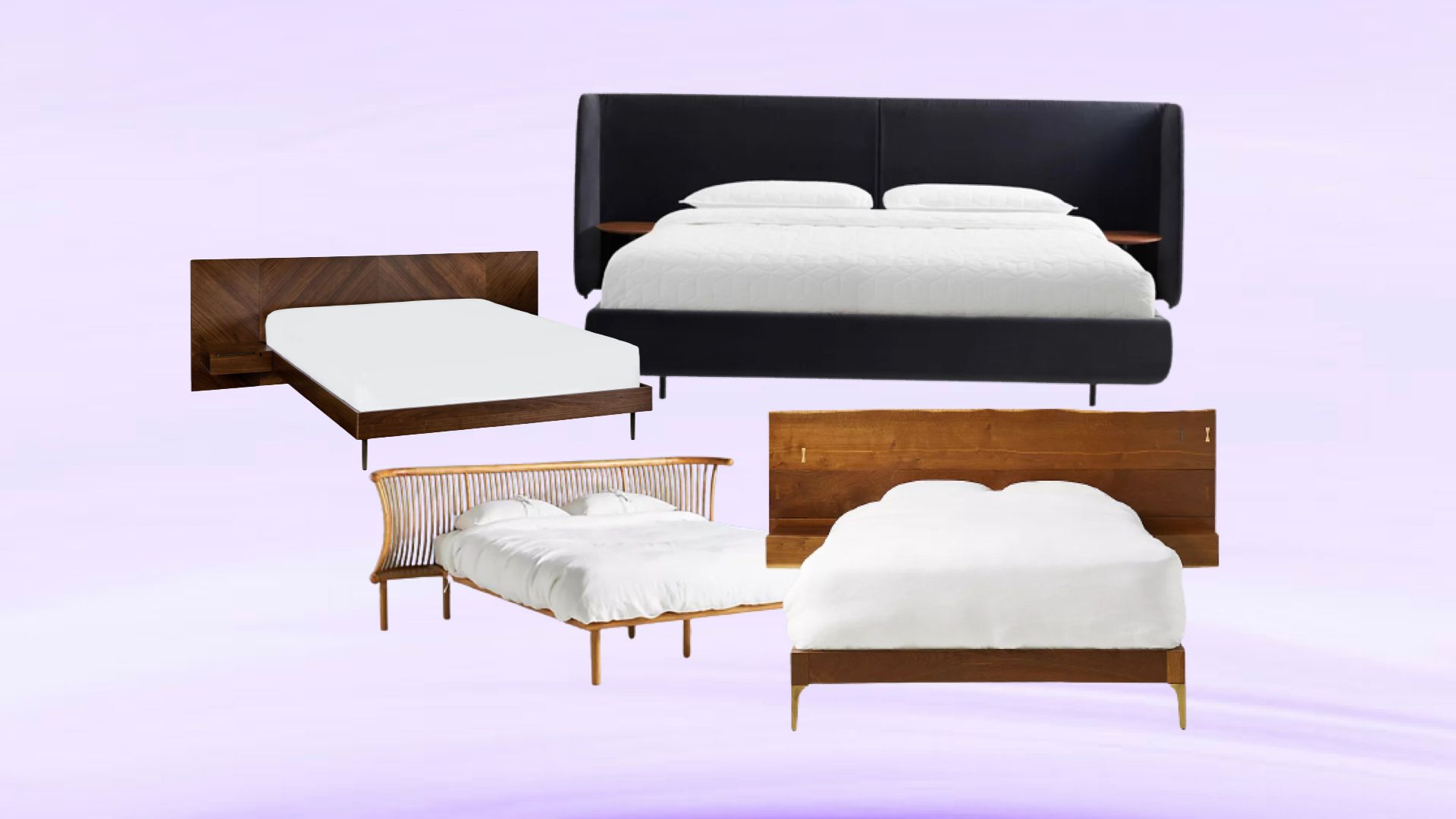
12 Headboard Nightstands That Maximize Space and Spend

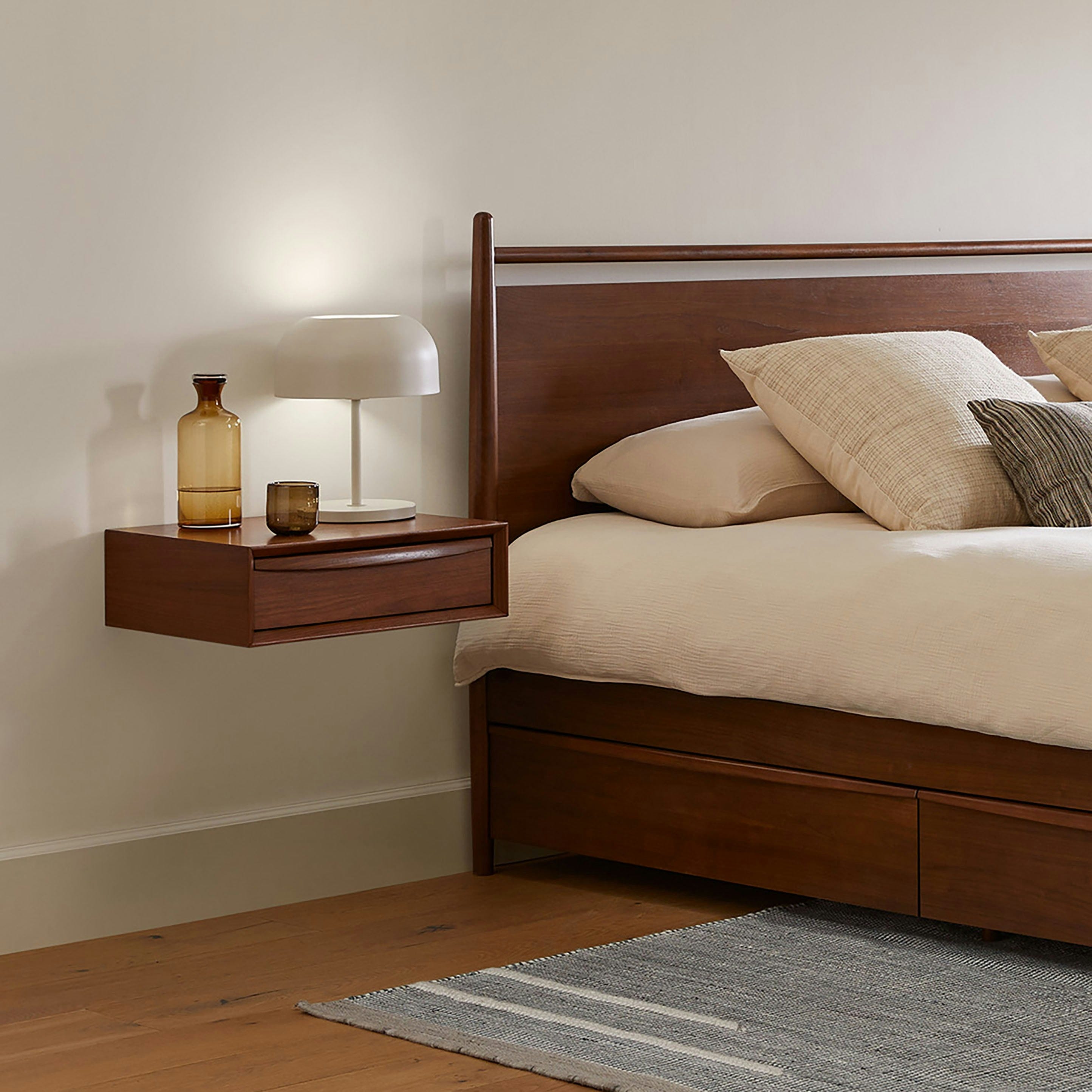
Shop the Best Nightstands to Store All Your Bedside Essentials
How To Style Your Primary Bedroom Nightstand
Our Favorite Bedside Tables and Nightstands at Every Price Point

IKEA nightstand hacks – 9 transformations to inspire a bespoke bedside table on a budget
The Game-Changing Bedroom Design Hack Pros Swear by

Hey, You, It's Time to Upgrade Your Nightstand
9 Clever Nightstand Alternatives for Small Spaces

We Tested 7 Viral Nightstands—Here's How They Held Up After a Year

The Best Nightstands and Bedside Tables Make Stylish Sleep Sidekicks
The Best Nightstand

29 Of The Best Bedside Tables To Take Your 2023 Bedroom Interiors To The Next Level

8 Bedroom Decorating Mistakes You Should Never Make