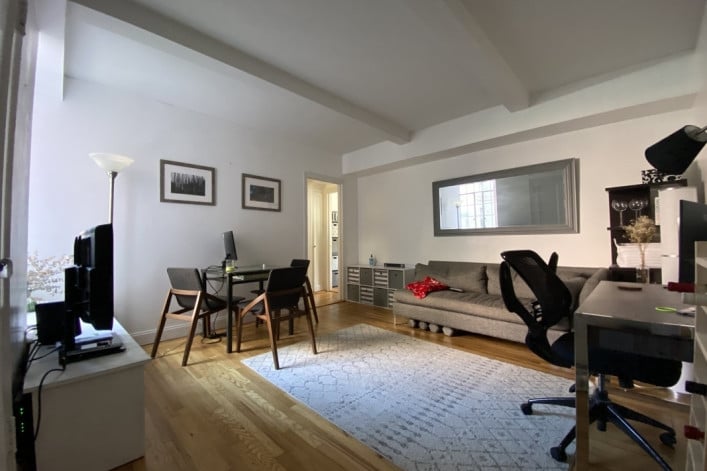
My NYC apartment has a concrete ceiling. How do I install overhead lighting?
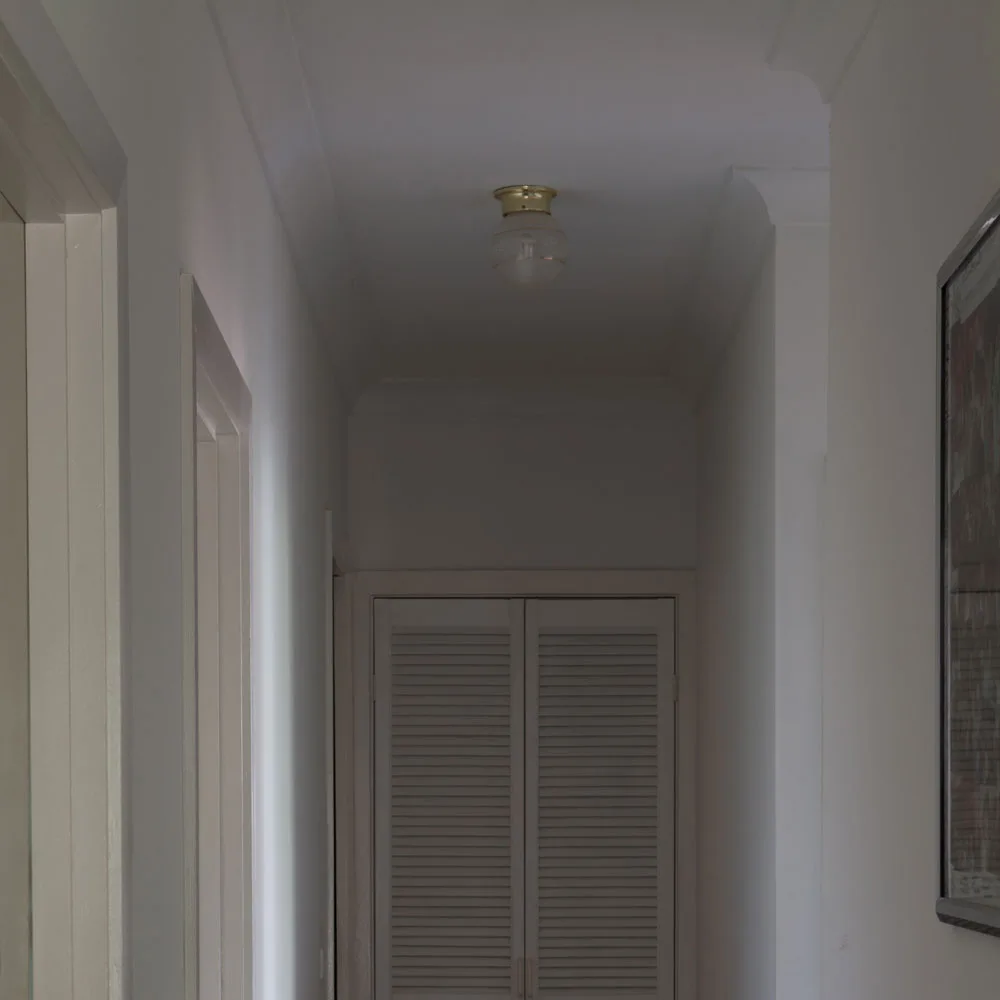
Many New York City apartments, regardless of whether they are prewar or new construction, feature concrete slab ceilings, which can pose a challenge when homeowners wish to install overhead lighting. These concrete ceilings are a common architectural element, often chosen for their durability in older buildings and for maximizing ceiling height in newer developments. The presence of structural concrete in these ceilings restricts the easy relocation or installation of electrical wiring, as alterations could compromise the building's structural integrity. Obtaining approval from co-op boards or building management for significant structural changes to accommodate lighting can also be difficult.
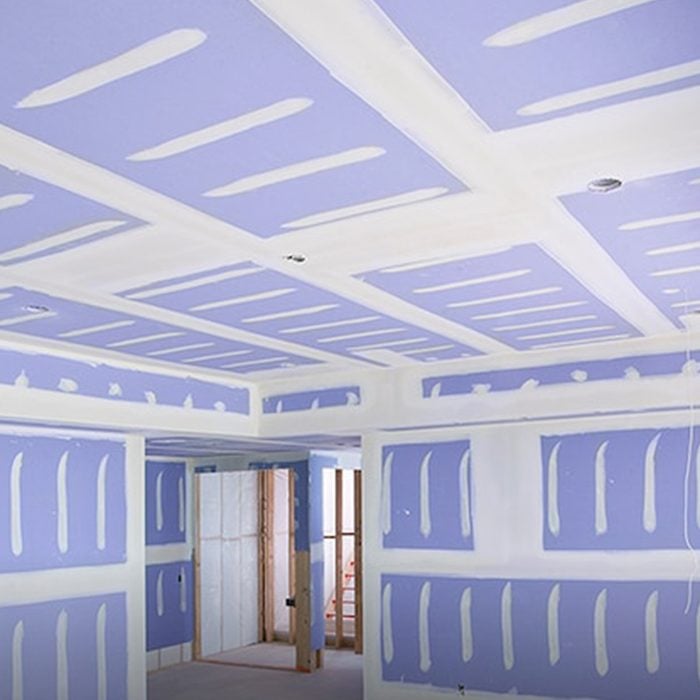
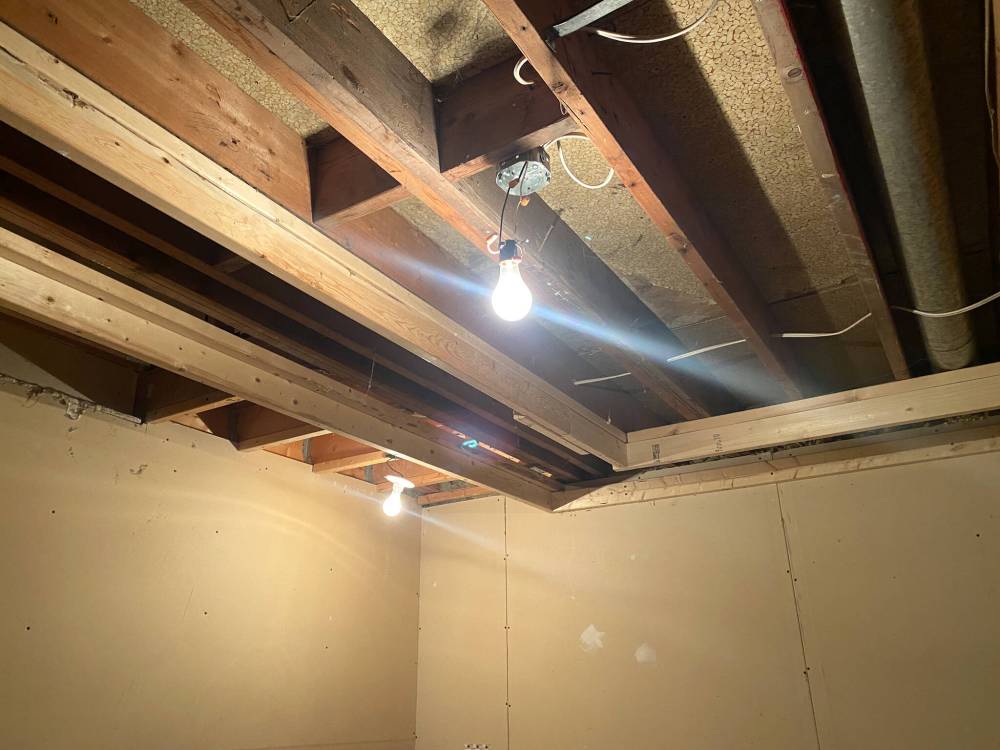
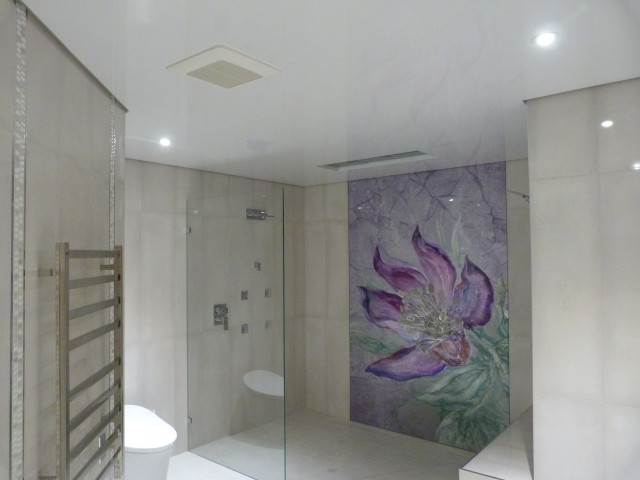
Despite these challenges, installing overhead lighting is considered a valuable capital improvement that enhances both the aesthetic appeal and functionality of an apartment, potentially increasing its resale value. Several options are available for residents looking to add overhead lighting. One method involves dropping the ceiling by a few inches using framing and sheetrock. This creates a cavity where electrical wiring and junction boxes can be discreetly installed, allowing for recessed or other types of lighting fixtures. While effective, this approach can be costly, ranging from $5,000 to $10,000, and may be undesirable in apartments with already low ceilings or floor-to-ceiling windows, as it can alter the spatial dynamics.
A less common and often more difficult option is channeling into the concrete ceiling itself. This labor-intensive process involves chiseling channels into the concrete to embed conduit for wiring, followed by patching and repainting the ceiling surface. This method is rarely approved by buildings due to its disruptive nature and potential structural implications. Even when permitted, it requires extreme precision to ensure a smooth finish and a licensed electrician to handle the wiring. The cost associated with this method is comparable to dropping the ceiling, also estimated between $5,000 and $10,000.
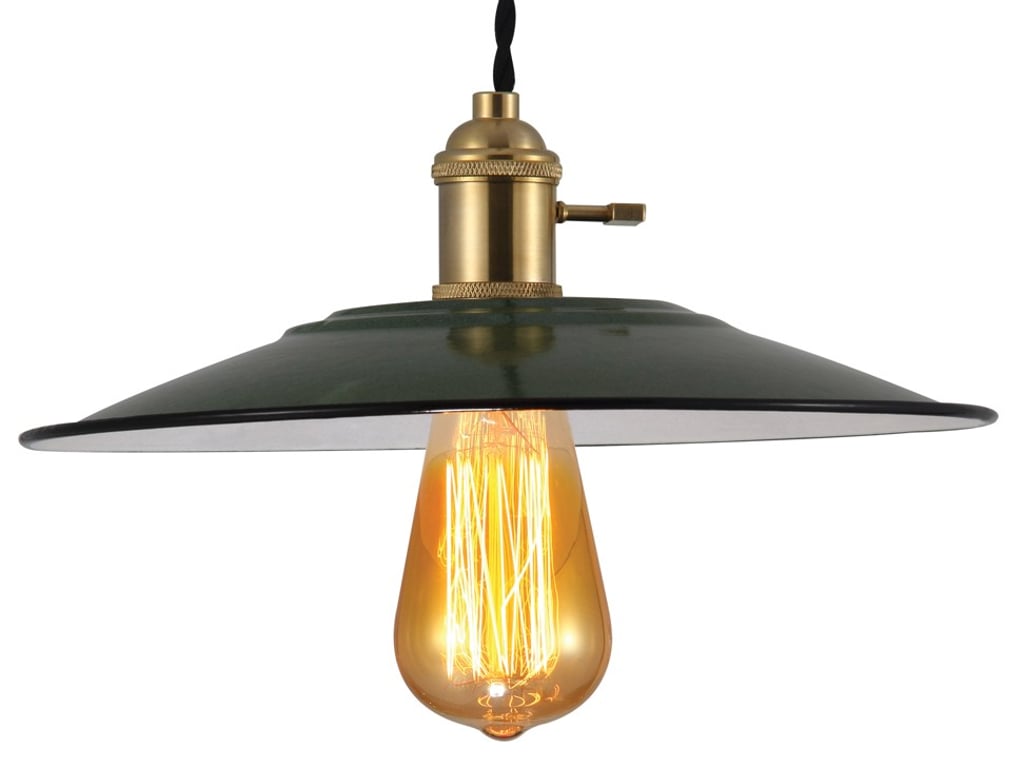
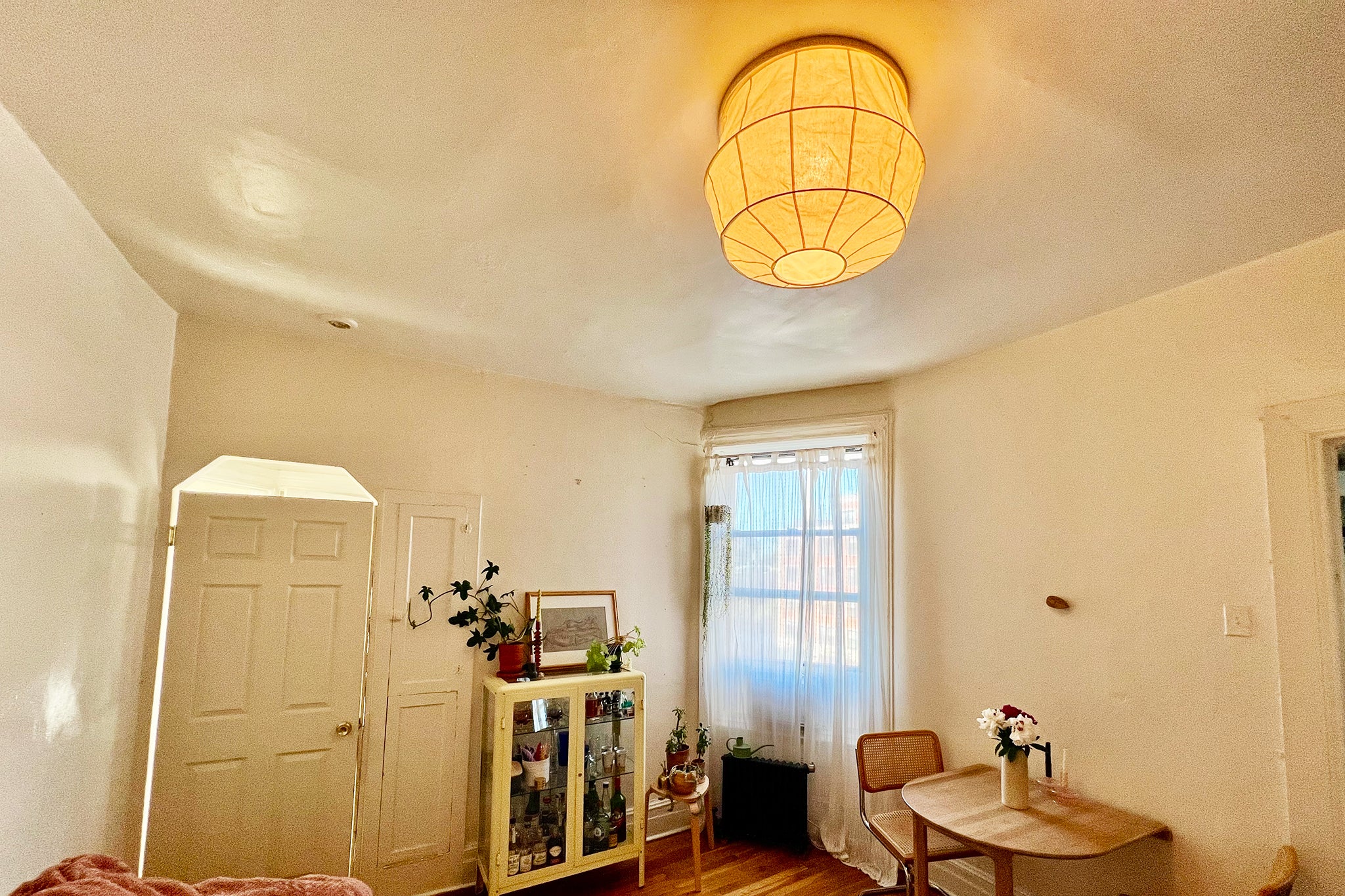
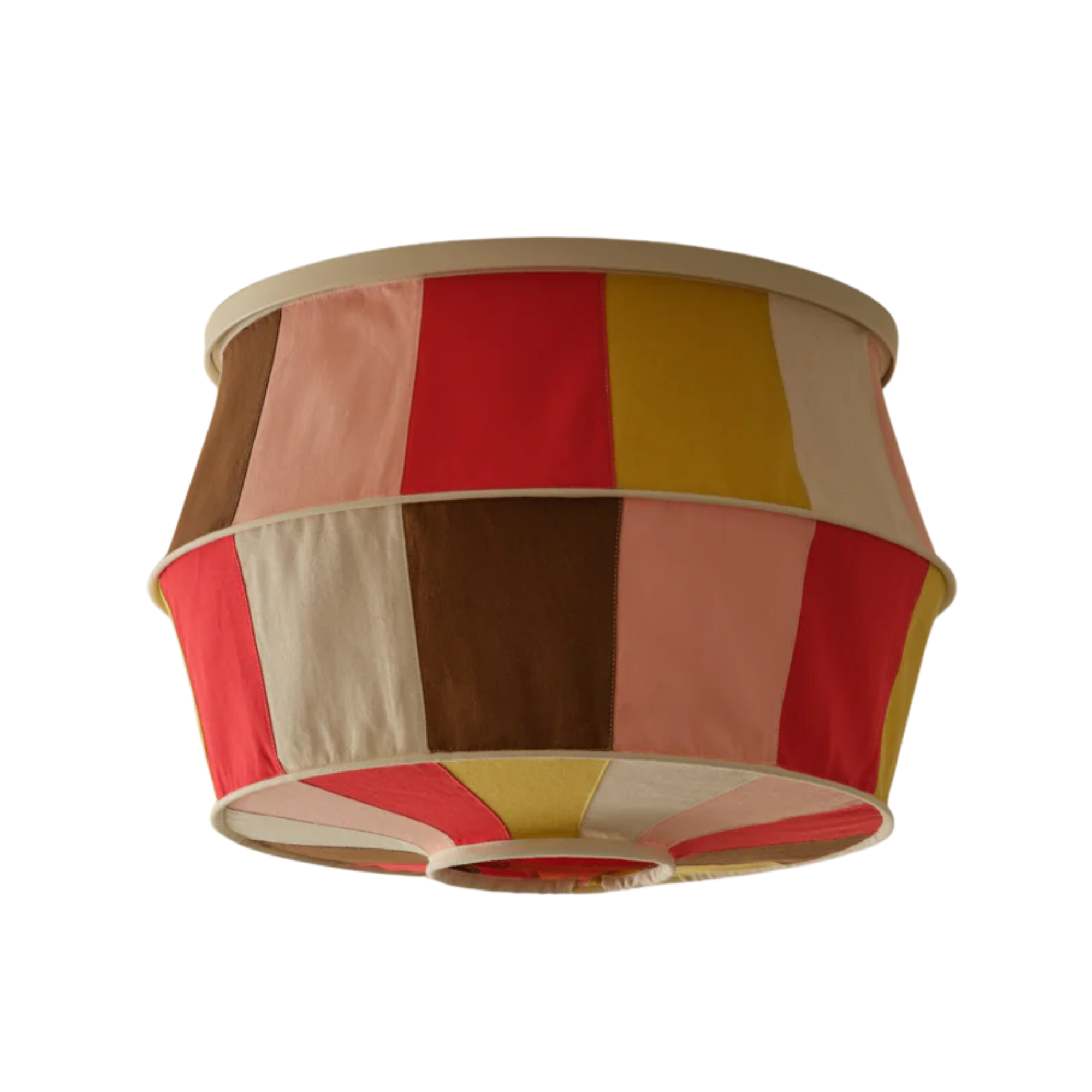
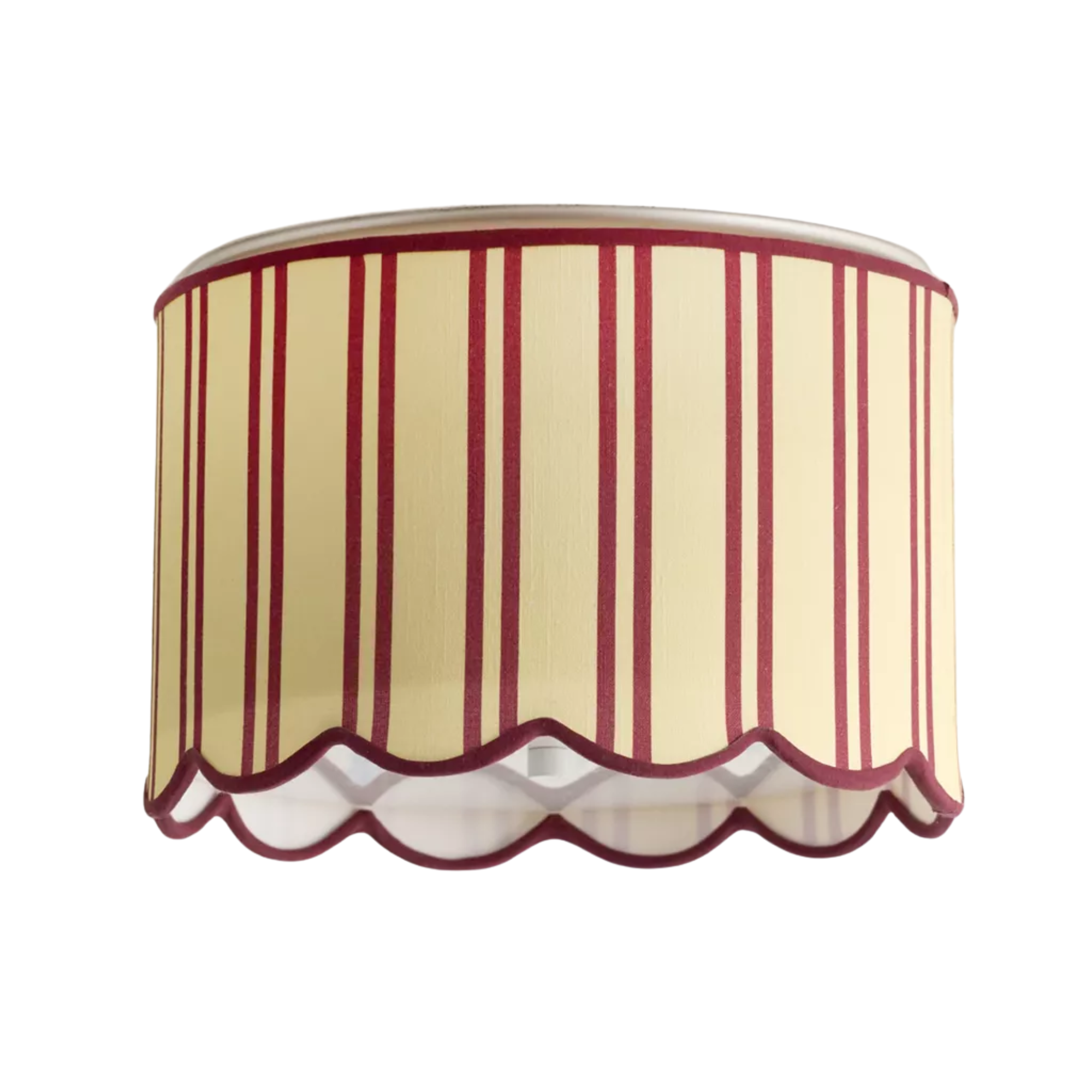
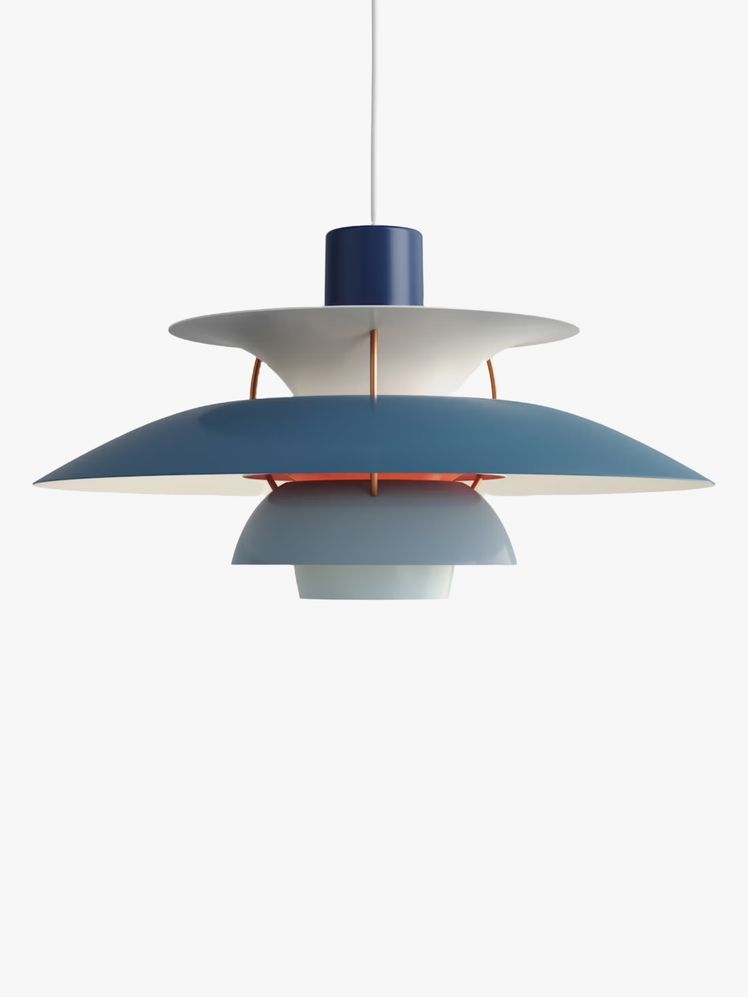
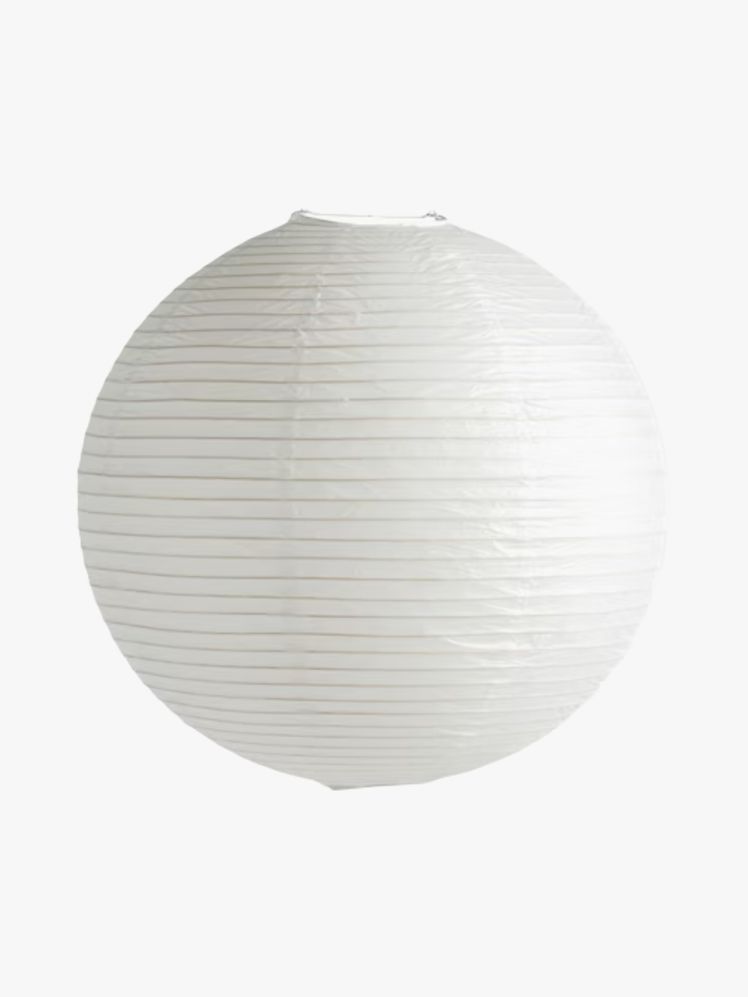
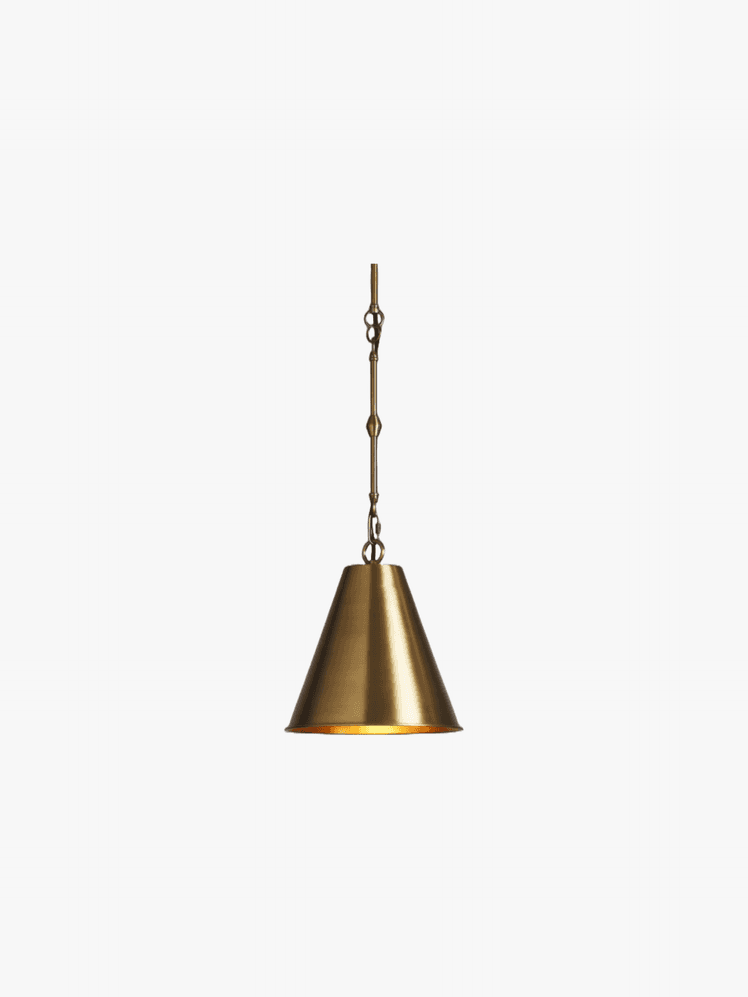
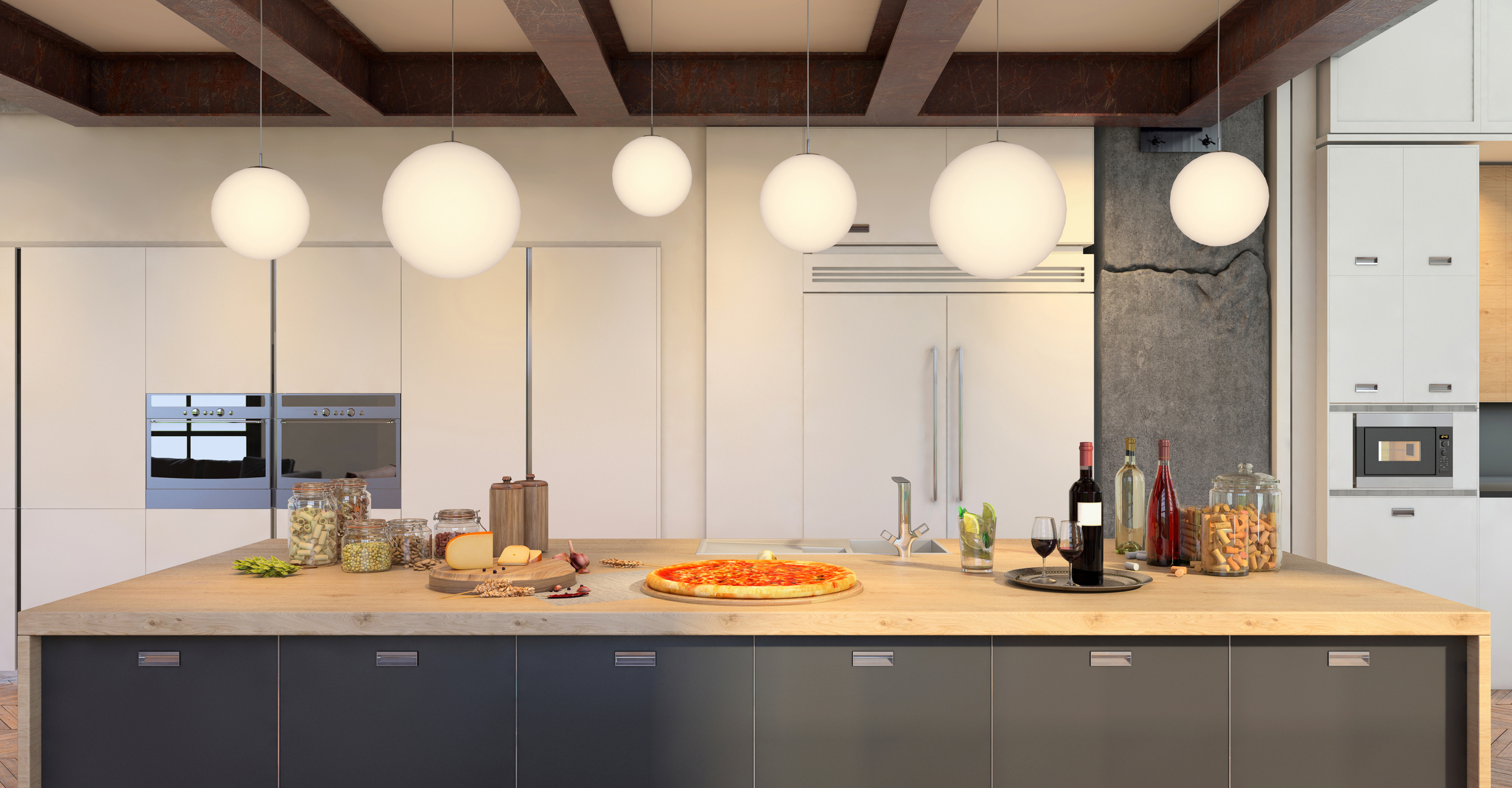
A more practical and less invasive alternative is the use of pendant lights. These fixtures can be suspended from the ceiling without requiring extensive structural modifications. Homeowners can either run an electrical line through the wall, which is often simpler than channeling through the ceiling, or opt for plug-in pendant lights that connect to existing outlets. The pendant can then be hung from a hook installed in the ceiling. This option is not only more affordable and less labor-intensive but also offers flexibility, as pendant lights are typically removable, allowing residents to take them when they move. Furthermore, the visible cords of some pendant lights can be incorporated into the overall design, transforming a functional necessity into an aesthetic feature.
#NYCRenovation #HomeImprovement #LightingDesign #ConcreteCeilings #ApartmentRenovation #InteriorDesign #ElectricalWiring #CoOpApproval #PendantLights #NYCRenovation #HomeImprovement #LightingDesign #ConcreteCeilings #ApartmentRenovation #InteriorDesign #ElectricalWiring #CoOpApproval #PendantLights
0 comment in total
 No comments yet
You may also like

How to make your ceiling light up the room


Flush Ceiling Lights

Can't Stand Your Generic Basement Ceiling? This DIY Project Will Make It Stunning

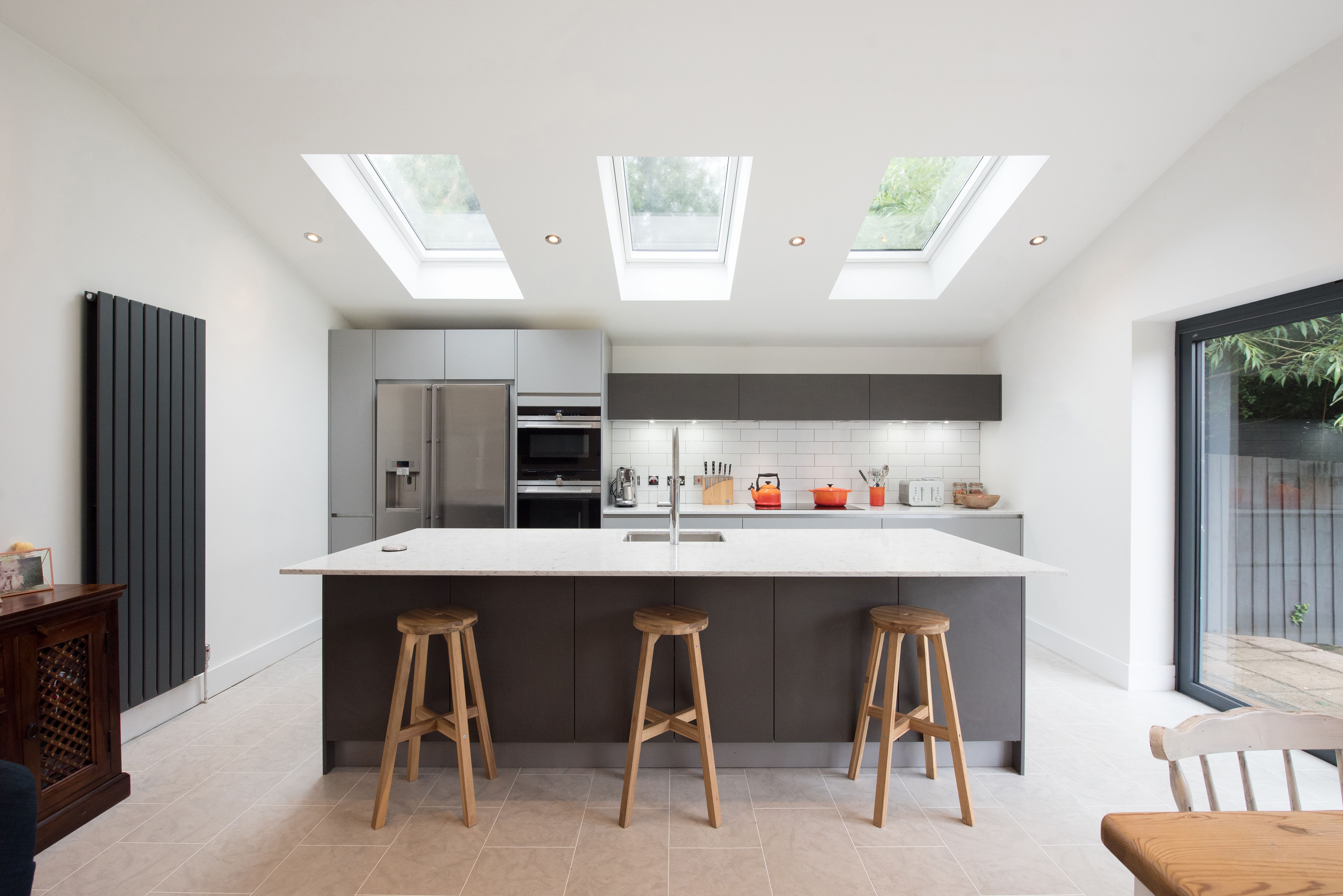
Skylights Are Back and More Popular Than Ever—Here’s Why


Ceiling Lights


10 Ways to Cover a Hideous Ceiling That Anyone Can Do

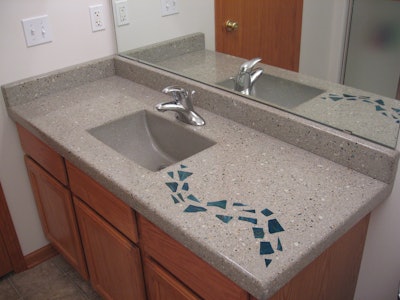
Concrete Countertop Fills Role of Night Light

I used this smart light strip to transform my living room — and it's been a game changer for my home

How to install a skylight

Feb 2024: Perimeter box-framing a decorative ceiling approach


15 Pendant Lights to Perfect Your Overhead Lighting Scheme (2026)


Overhead Lighting vs. Lamps: Experts Settle This Great Debate

How to add light in a loft conversion

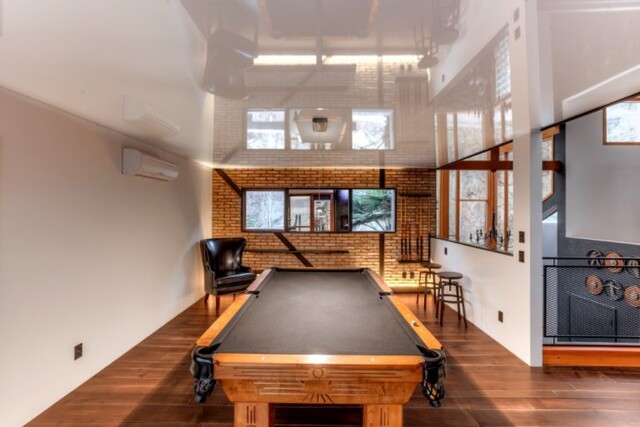
Phoenix Stretch Ceilings celebrates 10 years of stunning ceilings, lighting
LIFX SuperColor Ceiling review: Smart lighting, overhead


How do you make overhead lighting less harsh? 7 tips for a more flattering scheme


We Tested Tulip’s Renter-Friendly Boob-Light Cover in 3 of Our Own Homes | Reviews by Wirecutter

Be gone, 'boob light' – here's just how to fix unattractive ceiling lights


12 skylight designs to brighten up any style of home


Decorative and architectural ceiling solutions