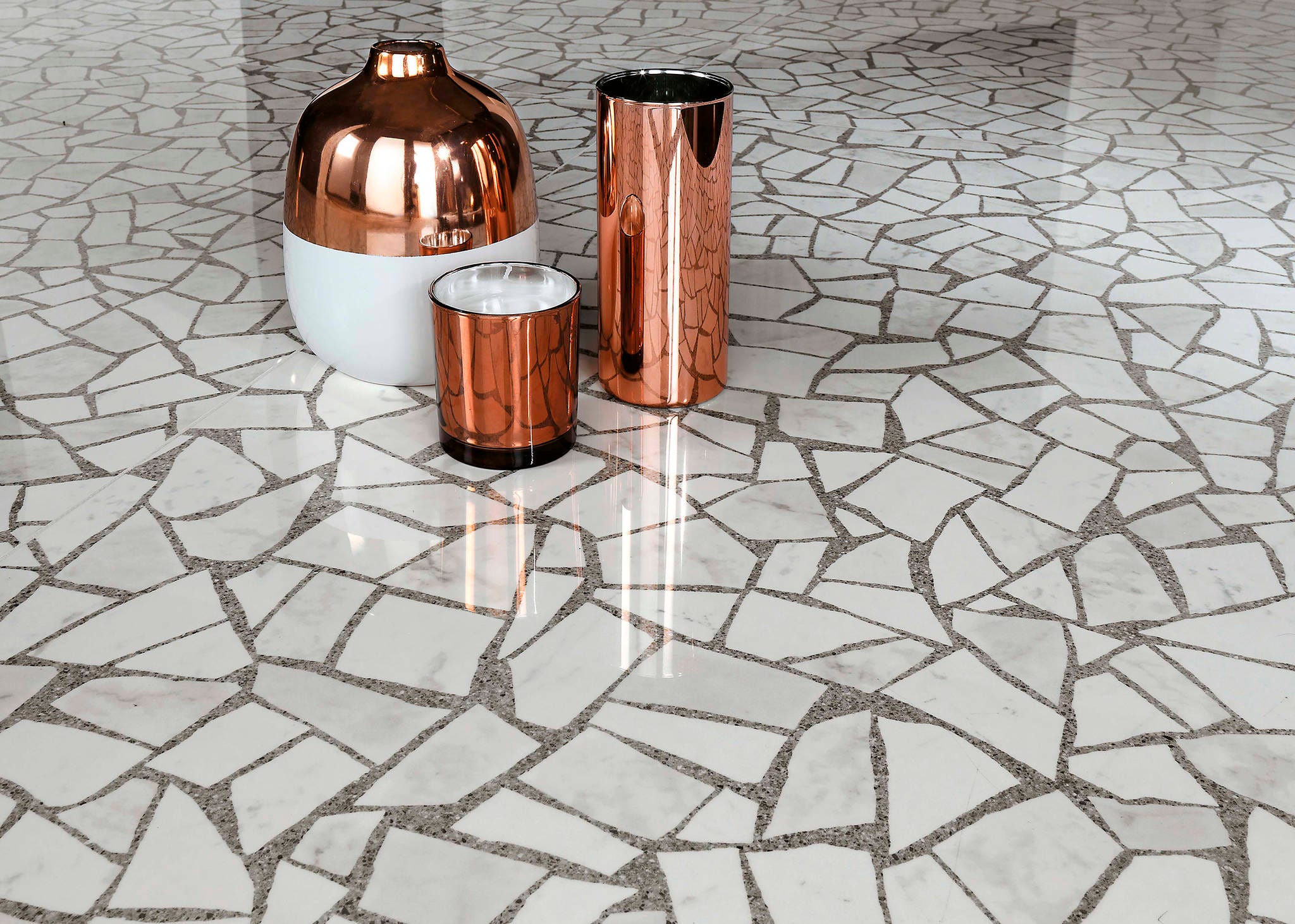
Terrazzo - the stuff of old hallway flooring - goes upscale
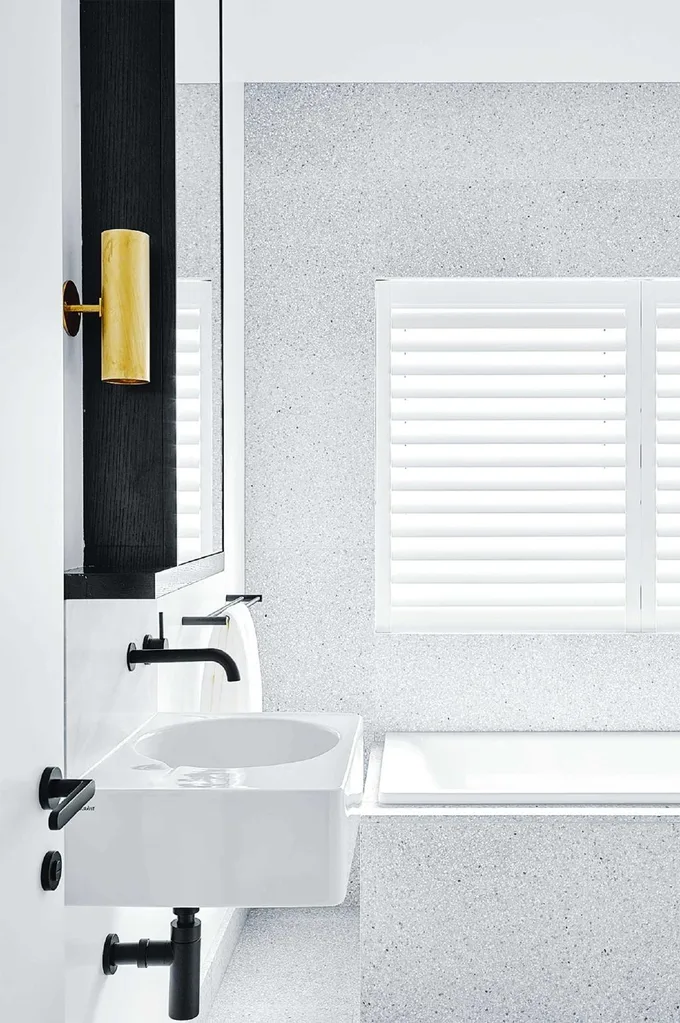
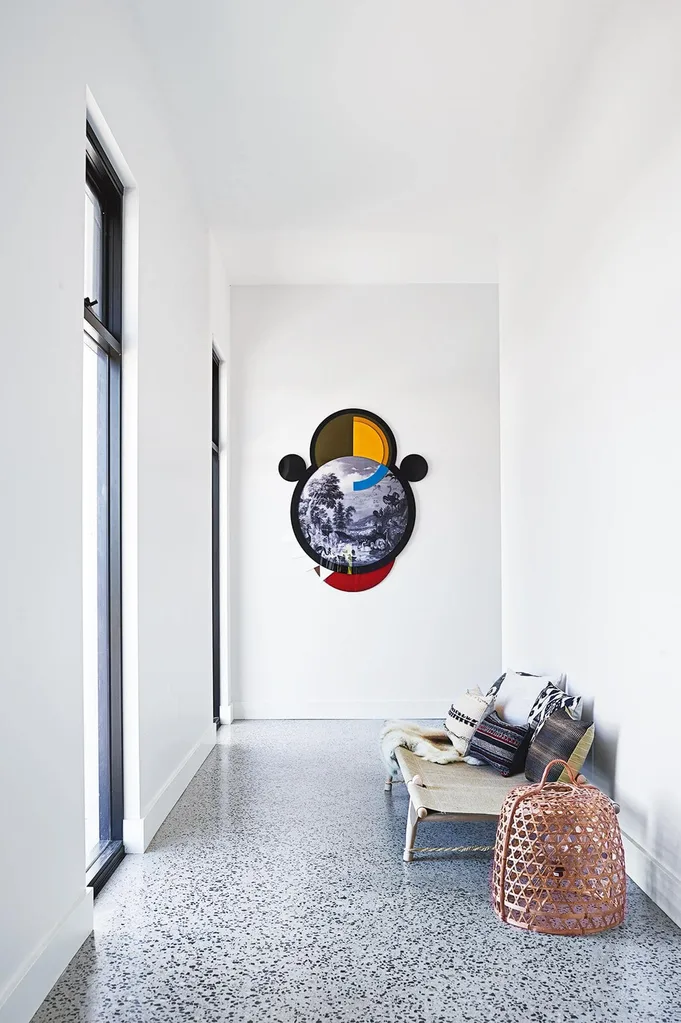
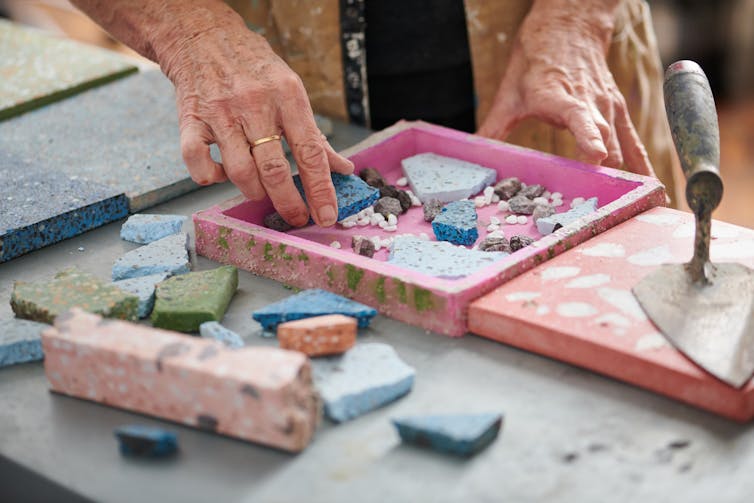
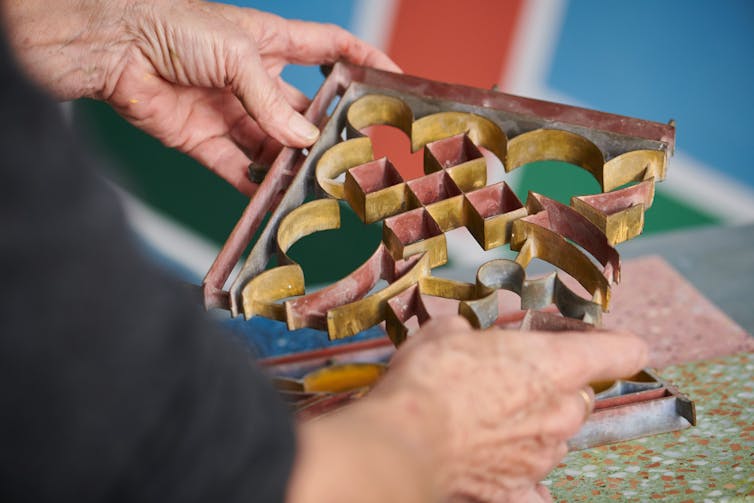
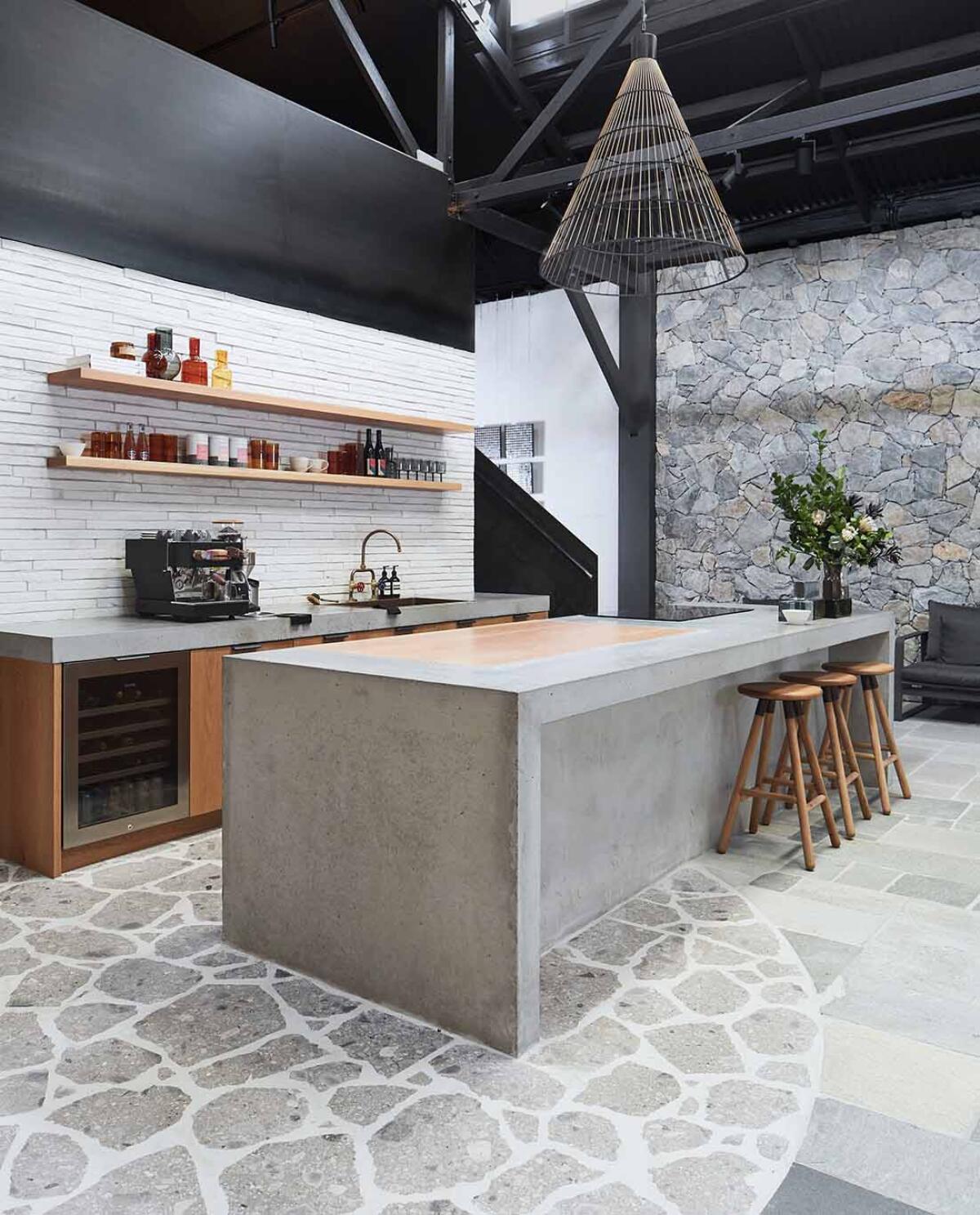
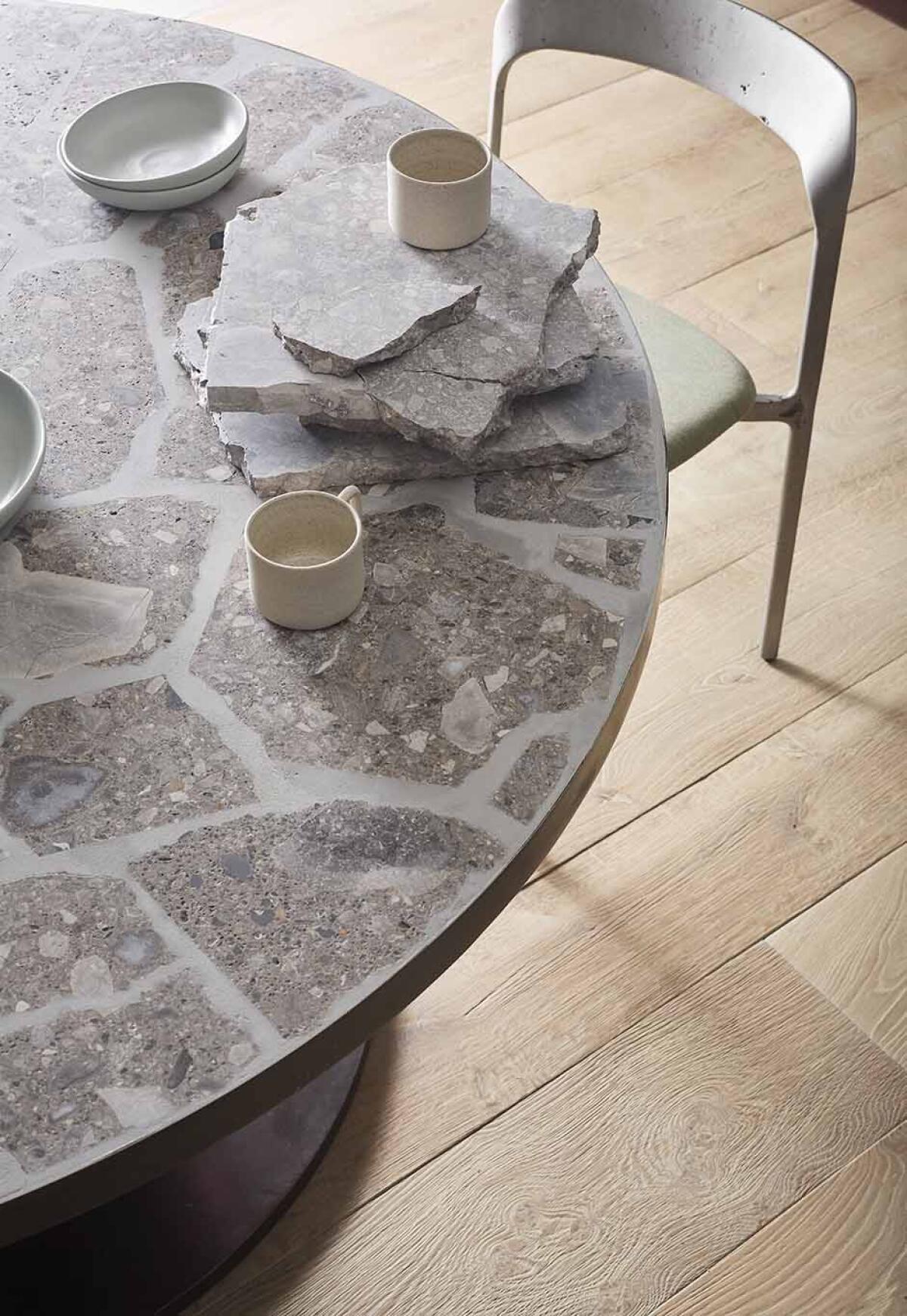
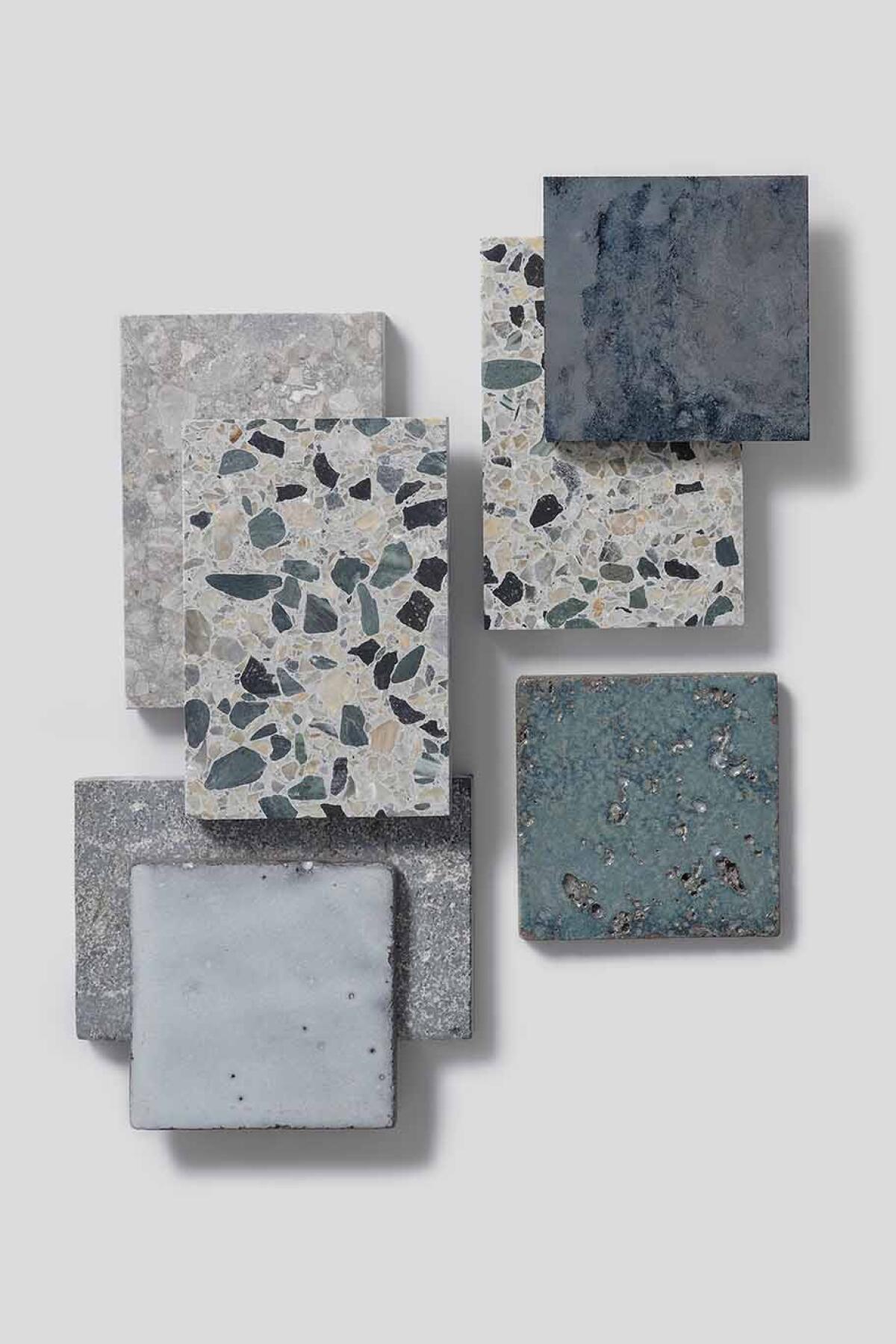
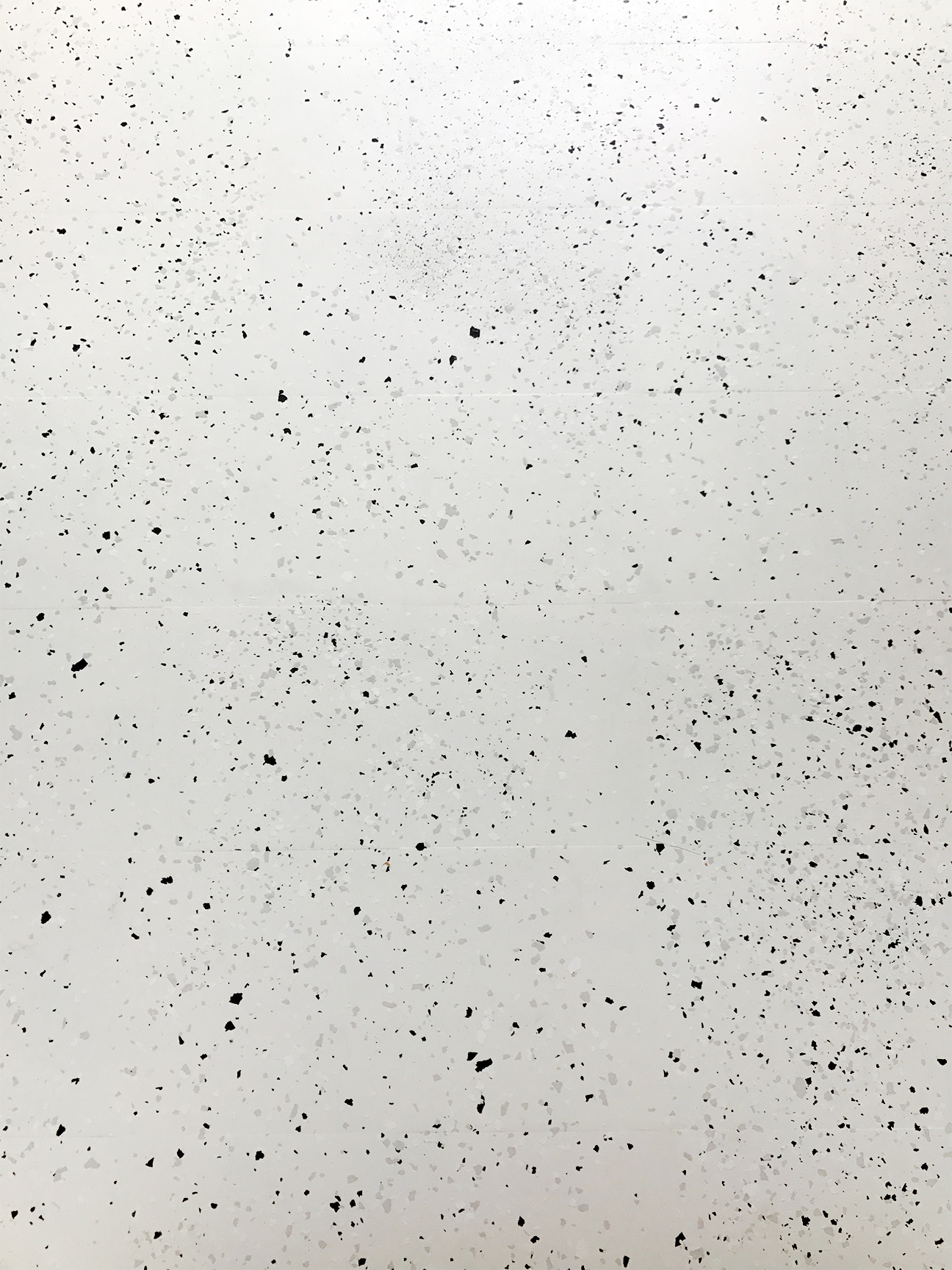
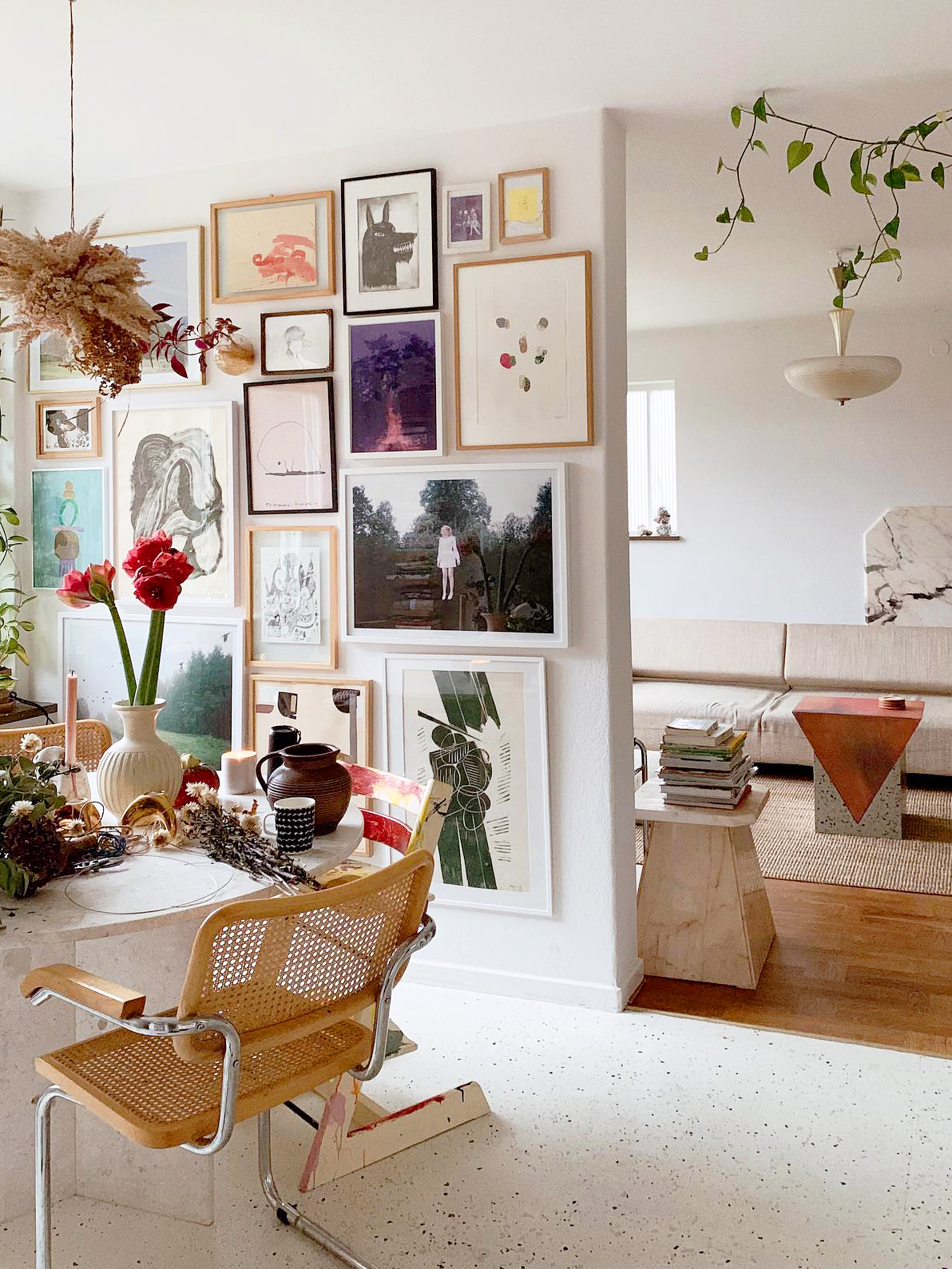
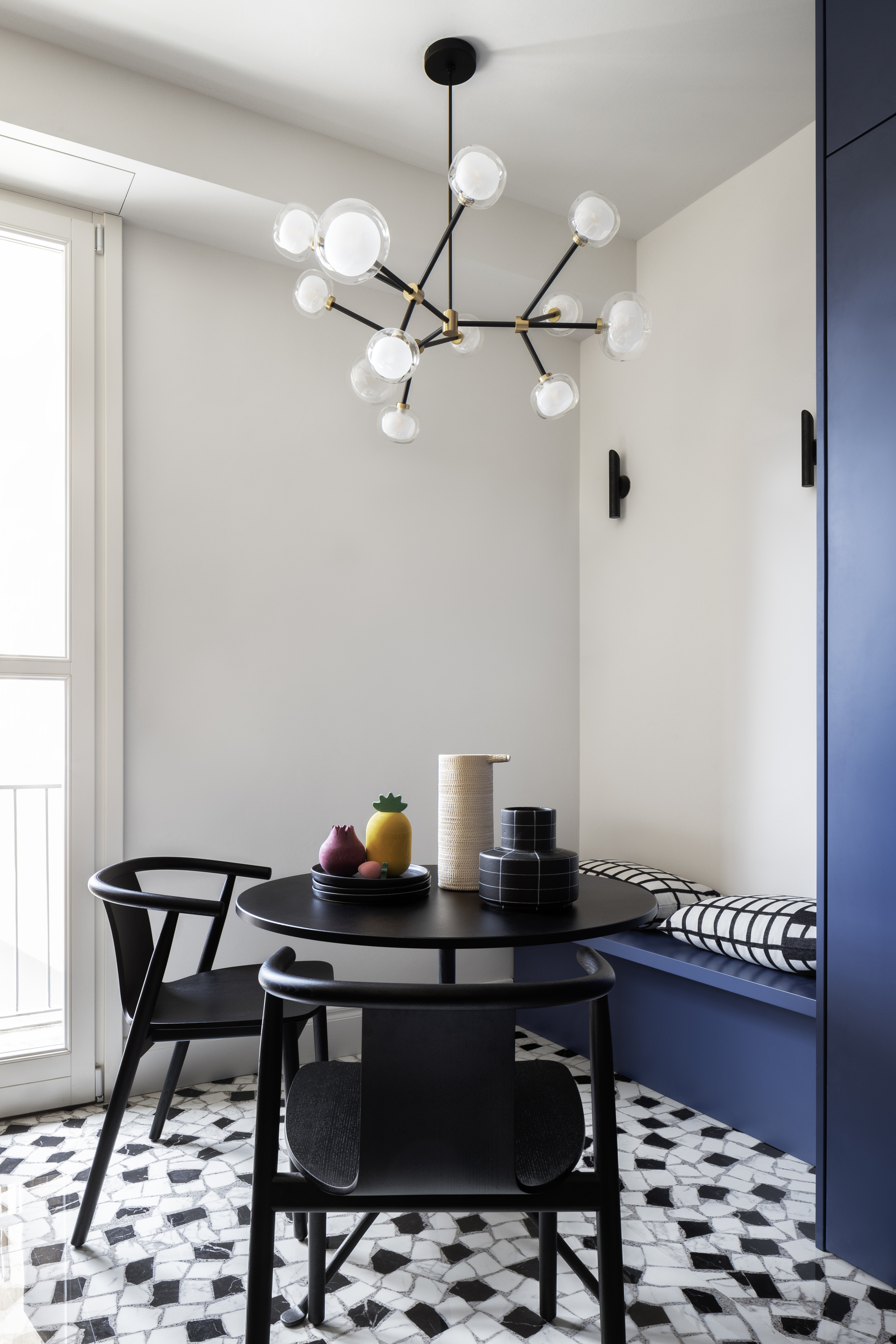
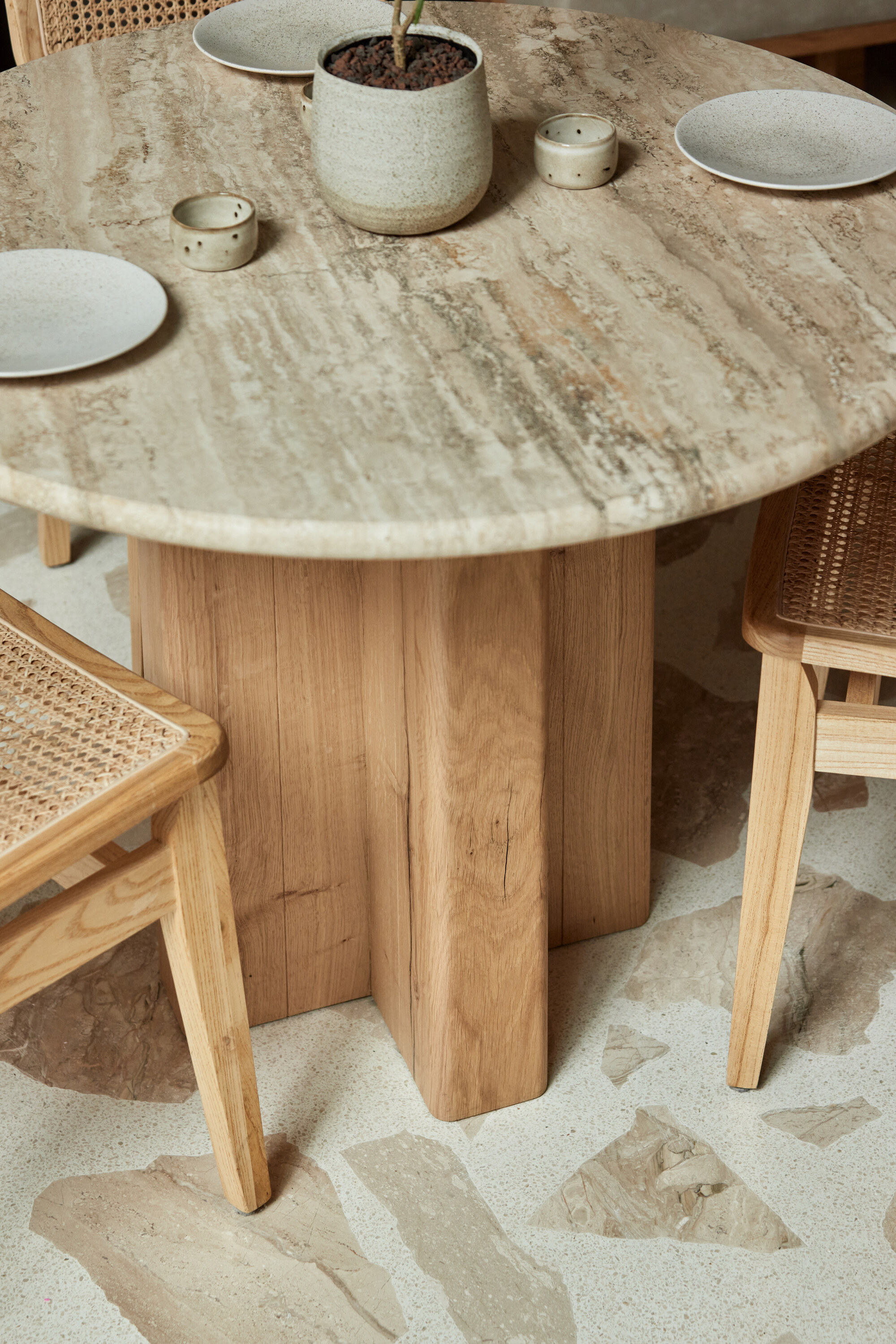
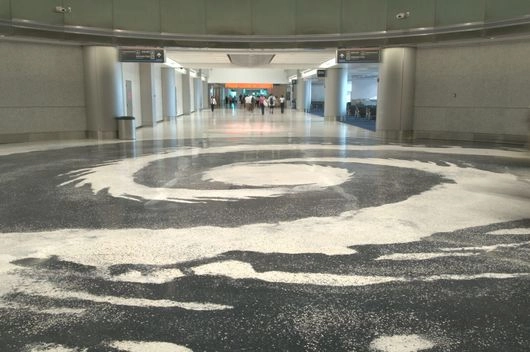
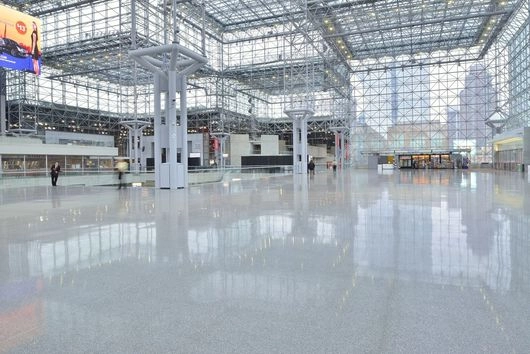
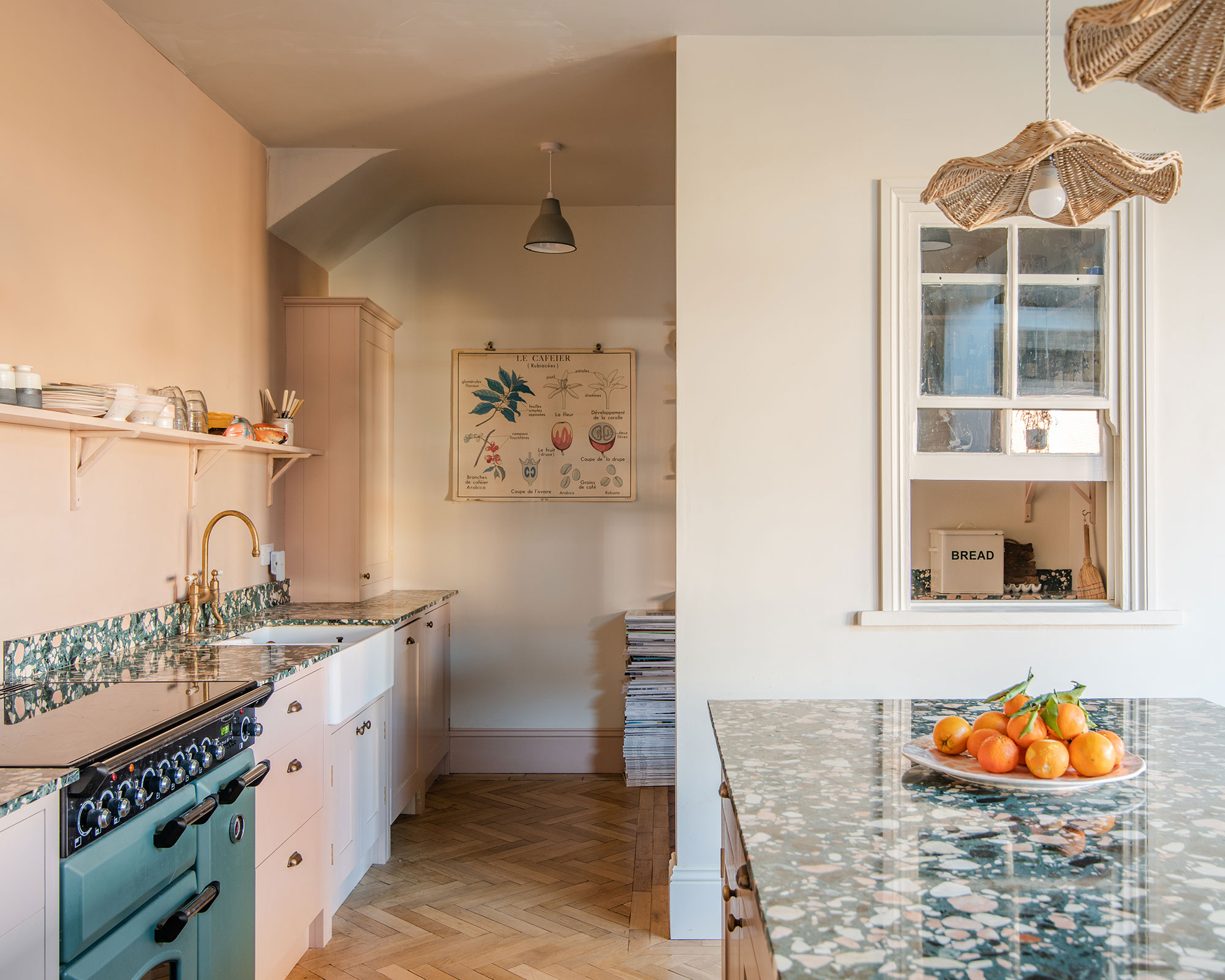
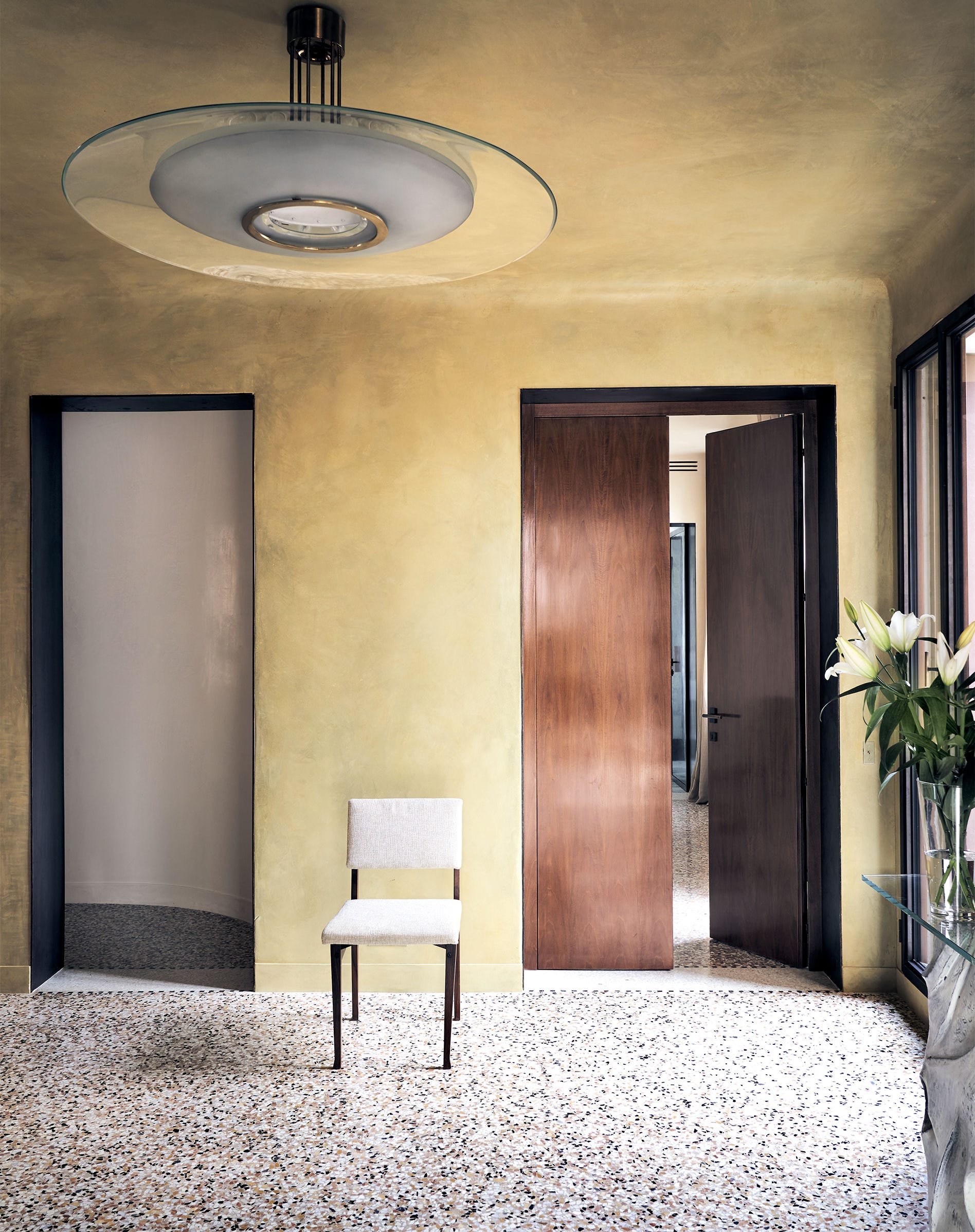
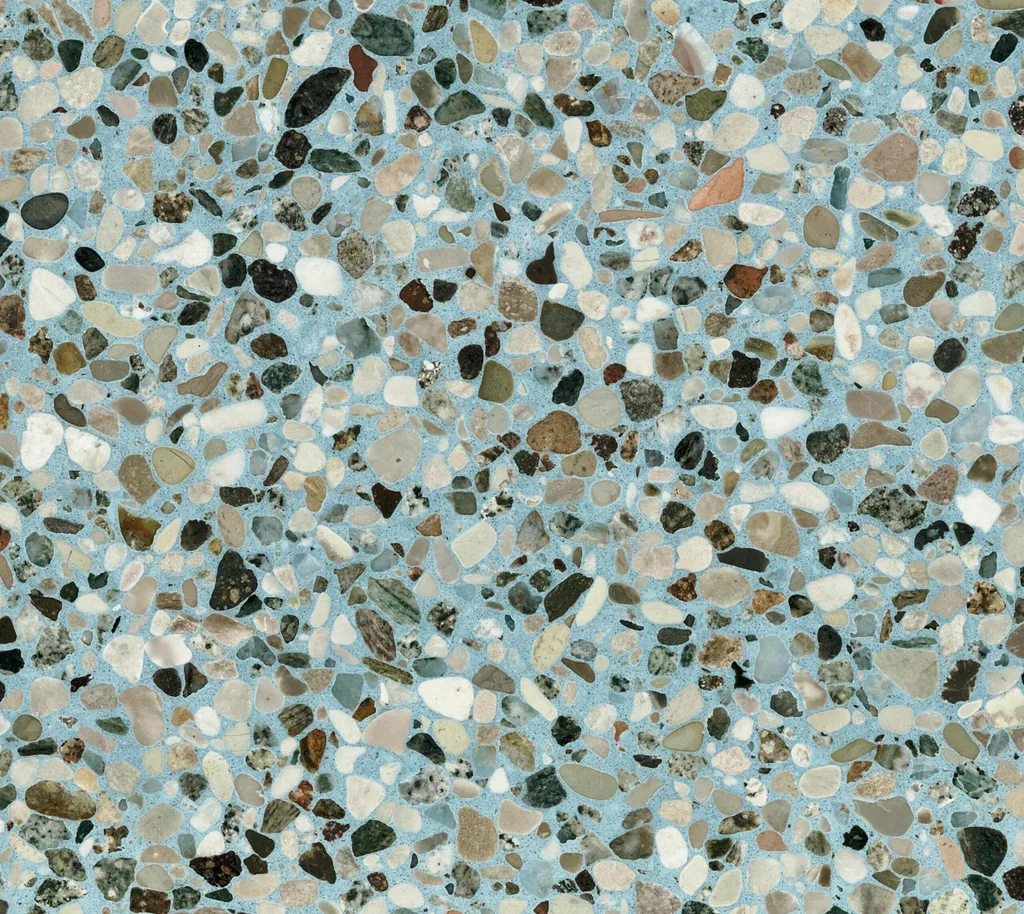
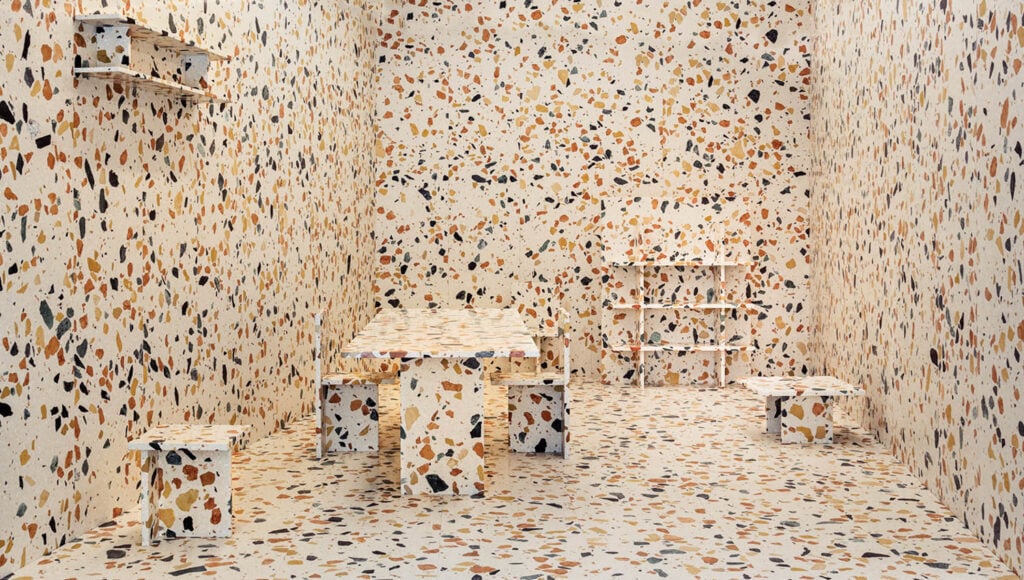
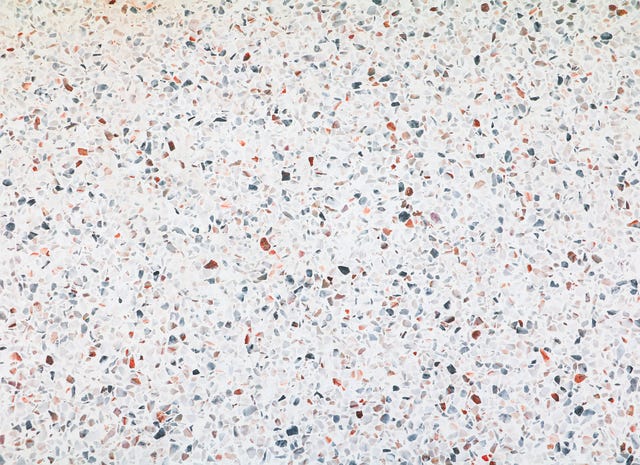
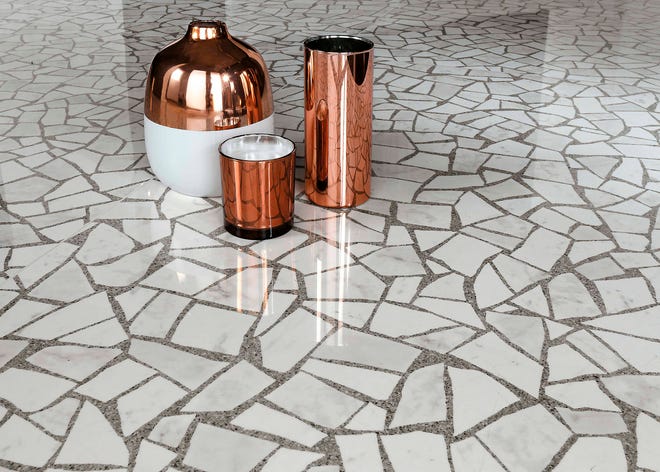
Terrazzo, a composite material comprising chips of various stones and glass, is undergoing a significant resurgence in the fields of architecture and design. Historically perceived as a practical, utilitarian flooring material commonly found in public spaces like lobbies and hallways, this ancient material is now being re-evaluated for its aesthetic versatility and sustainable properties. Architects and designers are progressively integrating its distinct patterns into a broader array of surfaces, including furniture, and exploring innovative applications that extend beyond traditional flooring.
Venice-based interior designer and architect Elisabetta Rizzato highlights terrazzo's origins as an early example of sustainable material production. Craftspeople initially utilized waste materials, such as stone off-cuts and chips from the construction of Venetian palazzos, to create decorative, mosaic-like floors. Over time, the composition evolved to include glass, metals, and even concrete, consistently incorporating local waste materials. Despite these humble beginnings, terrazzo gained considerable popularity among Renaissance aristocrats, serving as an optimal flooring choice for palaces due to its flexibility and ability to adapt to structural movements in wooden beams.
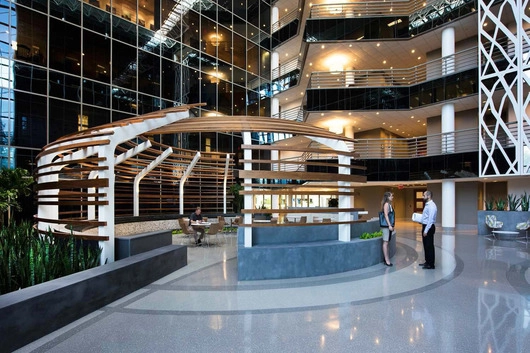
During the mid-20th century, terrazzo experienced another peak in popularity, resonating with architects who valued its elegant minimalism. Paul Makovsky, vice president of design for Metropolis magazine, points to Frank Lloyd Wright's enduring terrazzo floors in the Guggenheim Museum, noting their pristine condition despite millions of visitors annually since 1959. Makovsky also associates Art Deco terrazzo with the construction of robust and aesthetically pleasing public buildings, such as the Hoover Dam, which features surprisingly beautiful terrazzo floors.
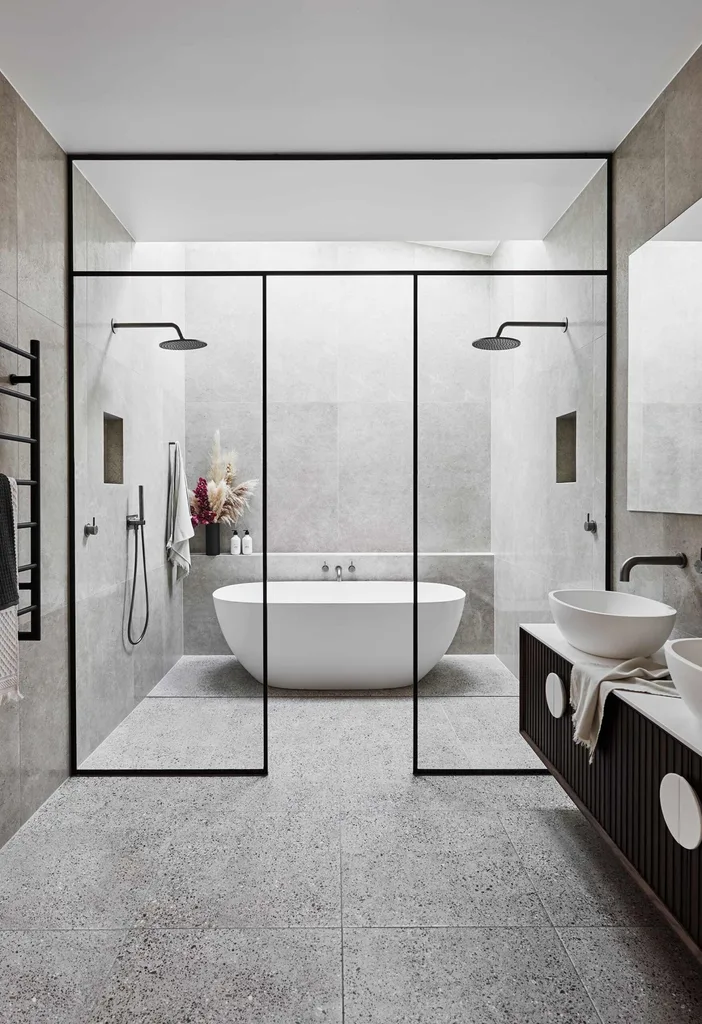
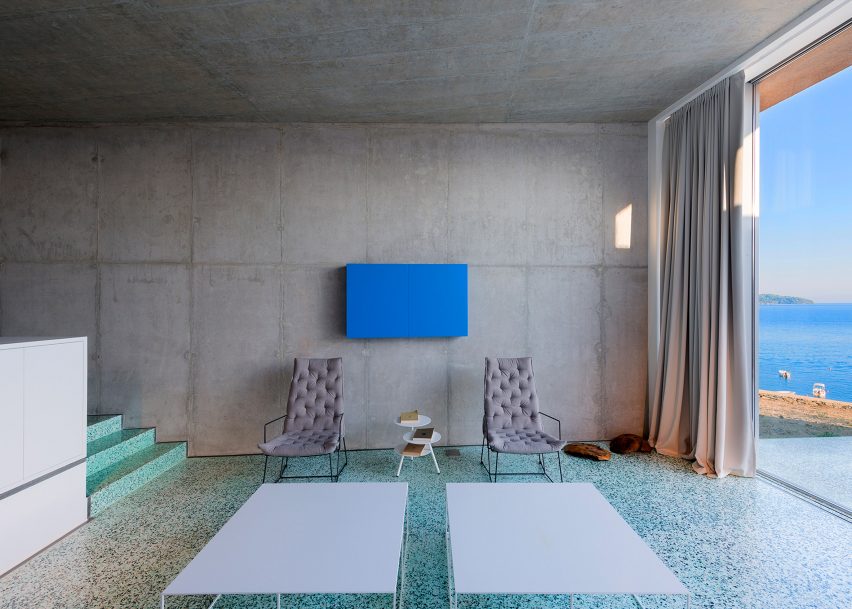
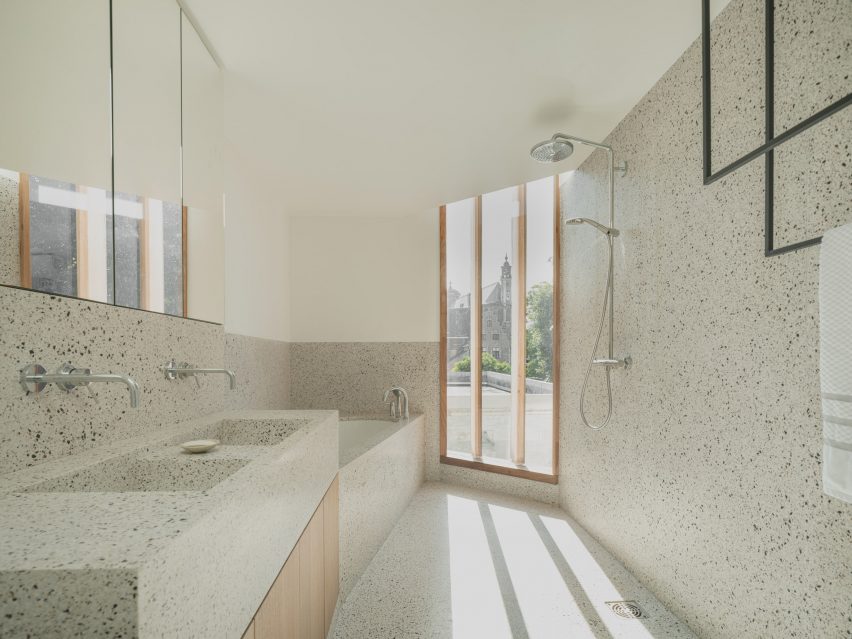
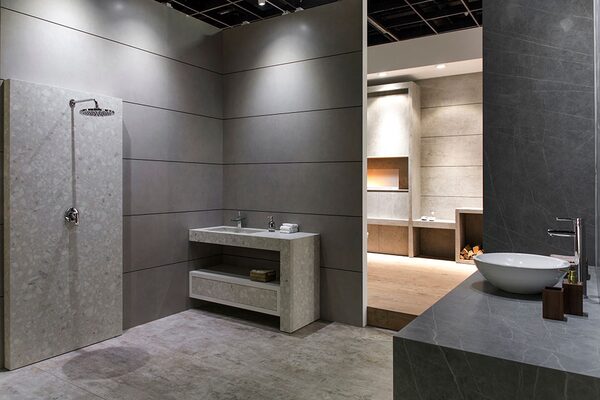
Contemporary architects like Los Angeles-based Dan Brunn are enthusiastic proponents of terrazzo, citing its durability and capacity to create seamless indoor-outdoor connections across expansive surfaces. Miami architect Michael Wolk incorporated terrazzo-topped patio tables in his redesign of the Atlantikos restaurant and utilized the material extensively in a luxurious, Zen-inspired master bath, demonstrating its ability to impart a refined yet welcoming ambiance distinct from marble.
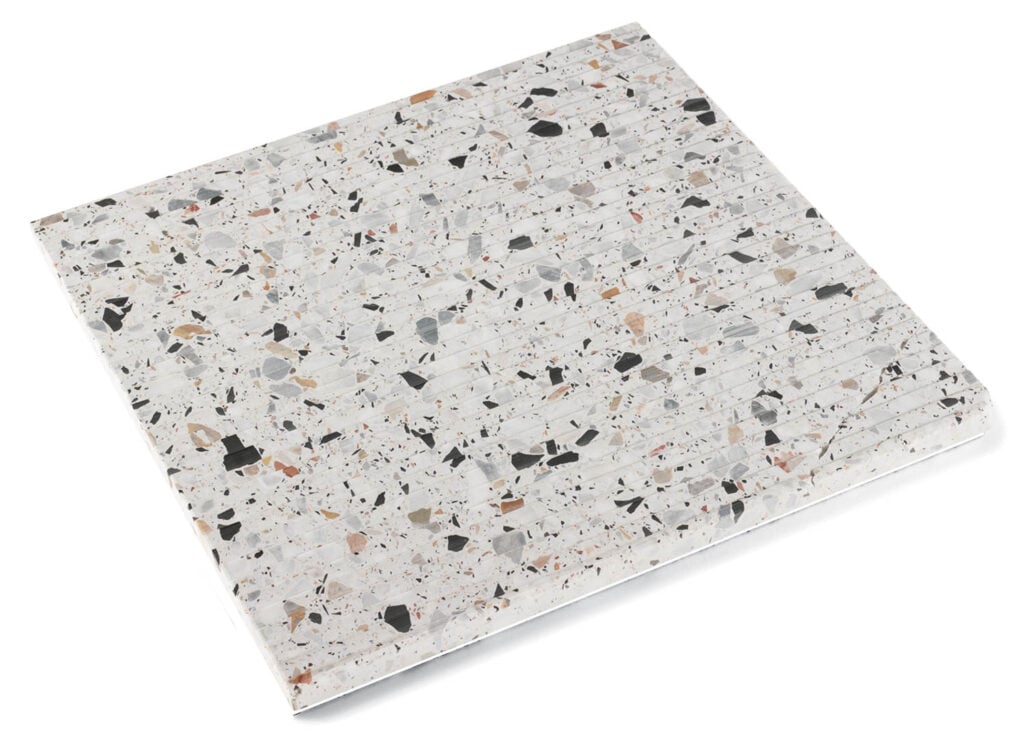
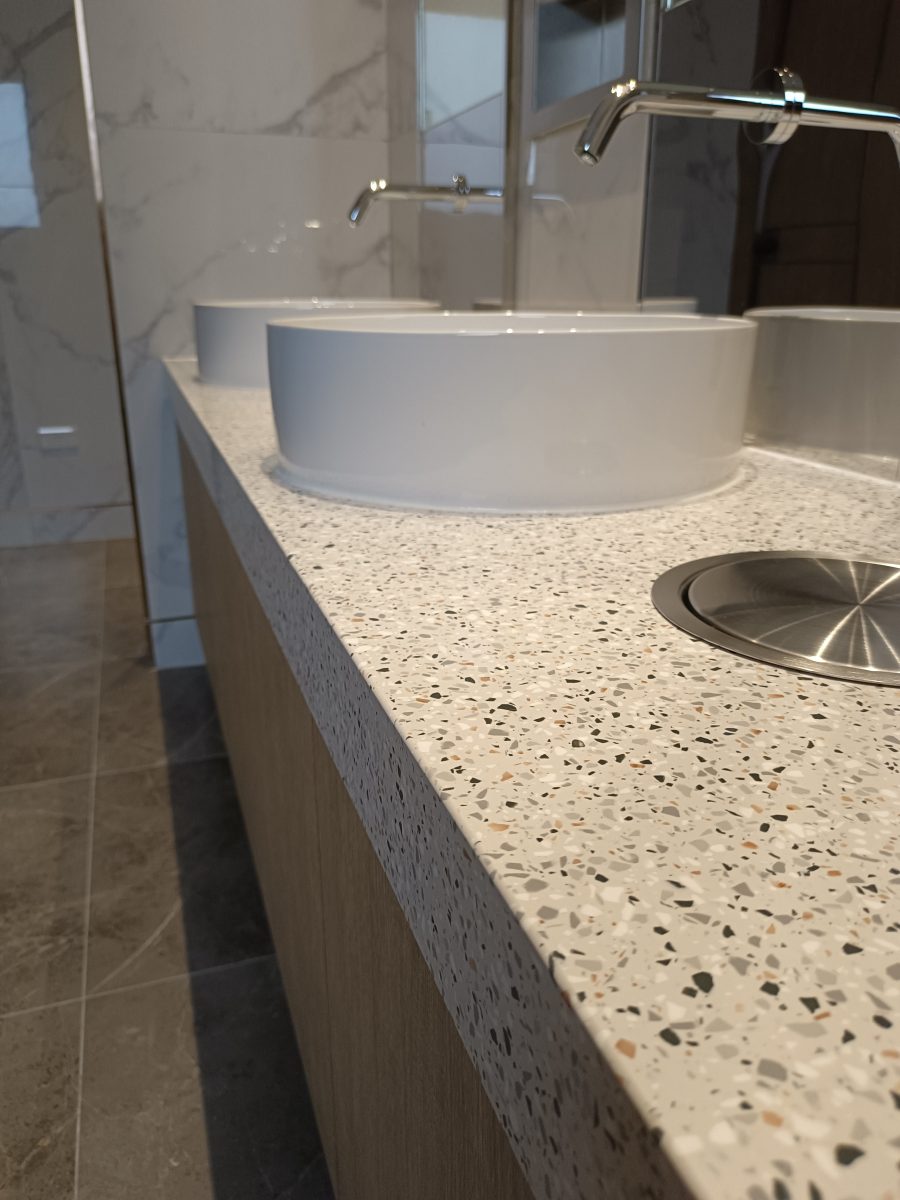
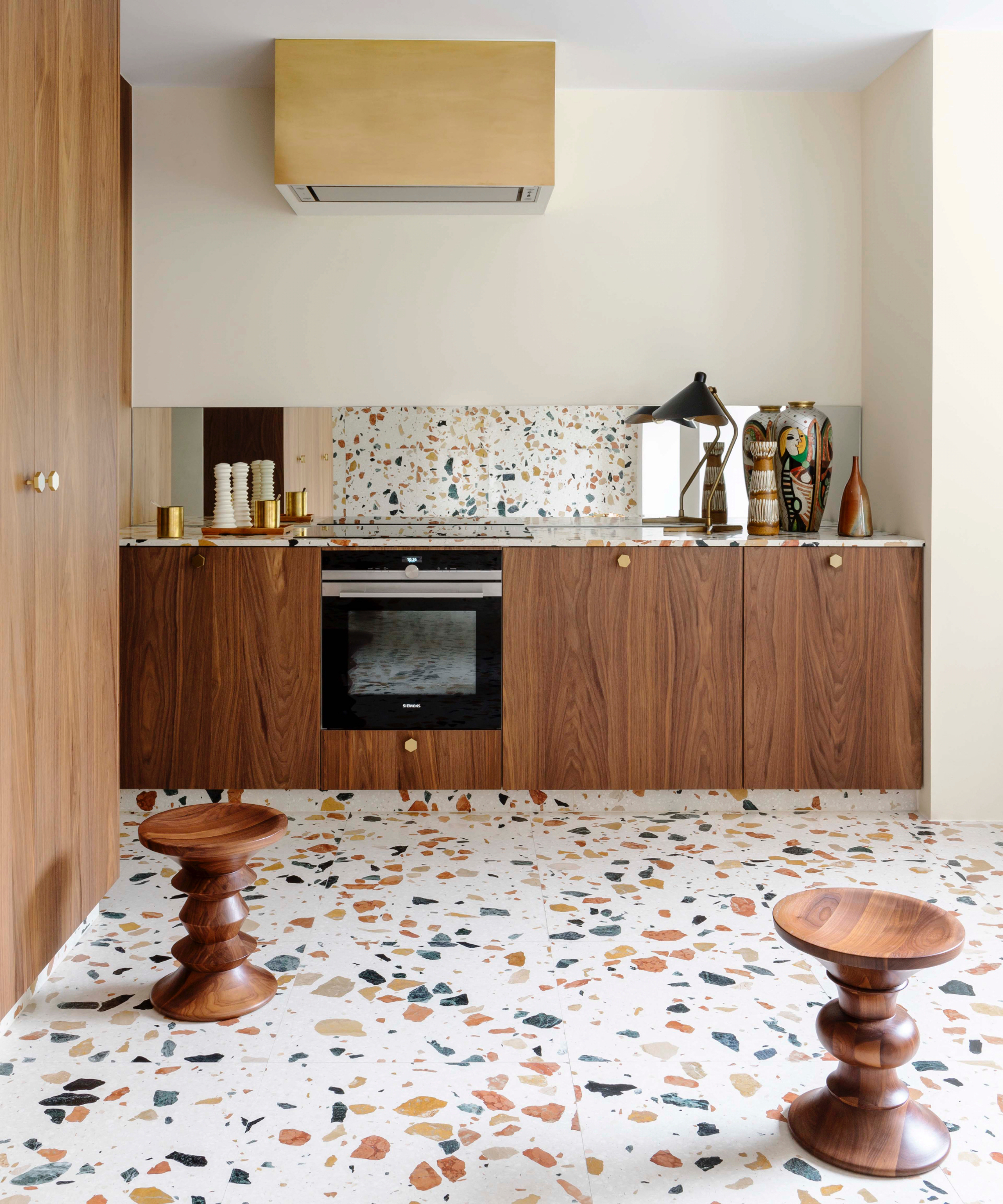
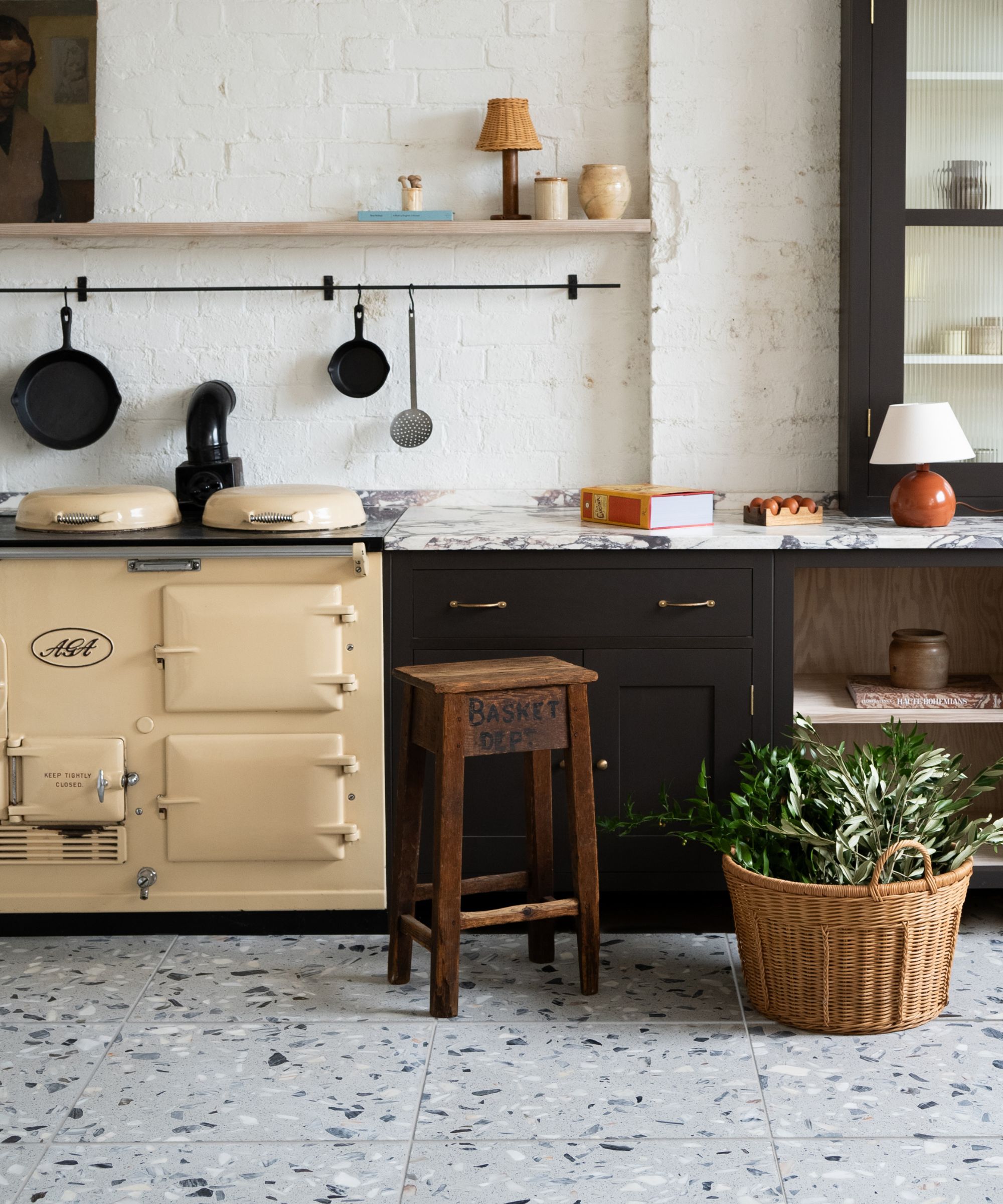
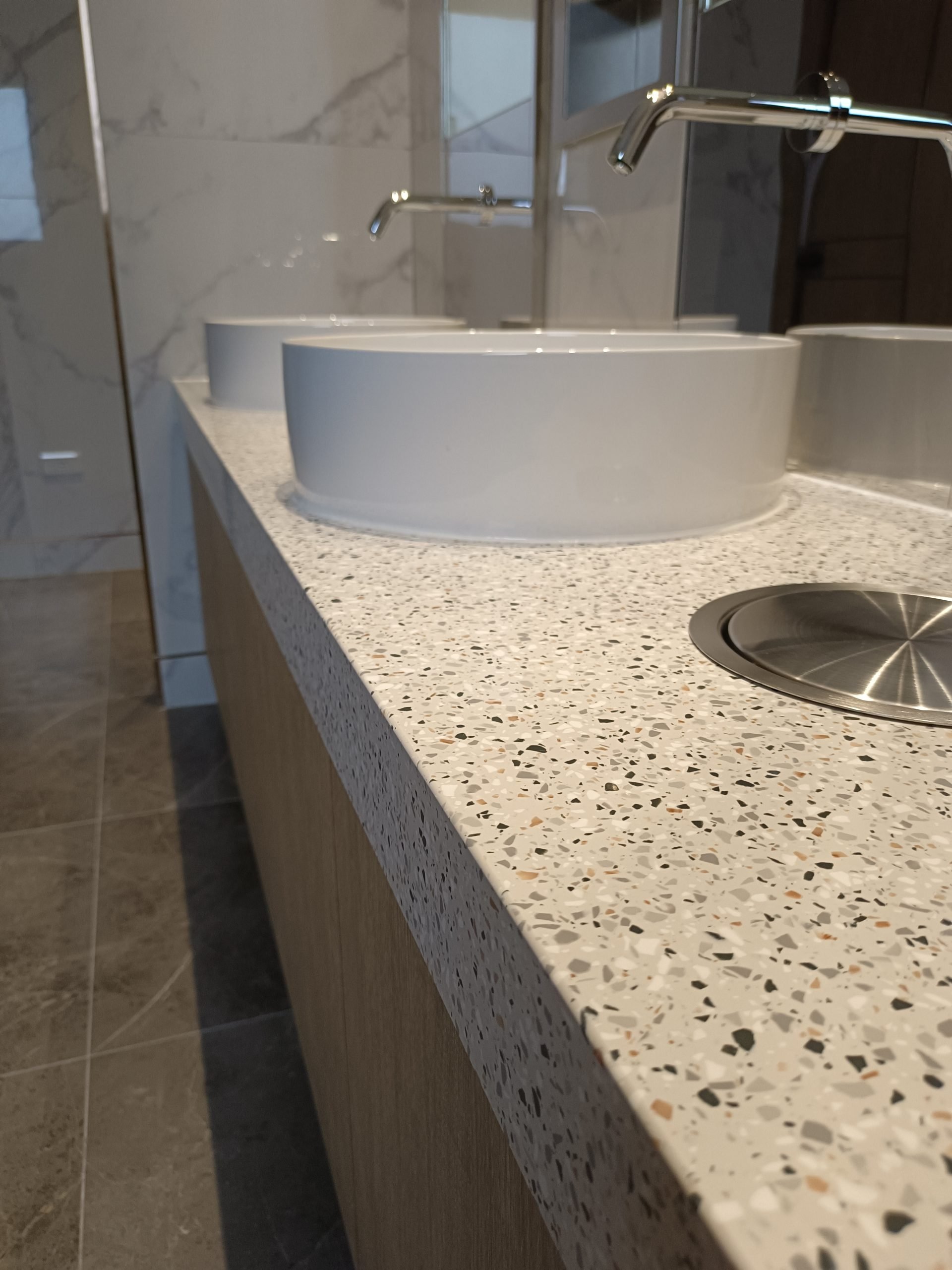
Modern advancements have introduced more accessible options, including precast terrazzo made with durable resins. London designer Max Lamb’s Marmoreal for Dzek exemplifies this, featuring colorful marble aggregates embedded in white or black resin, suitable for floors, walls, and countertops. Large- and small-format slabs and tiles, such as Atlas Concorde’s Marvel Gems and Ornamenta’s Stile Libero, offer earthy and versatile palettes that emulate traditional terrazzo mixtures.
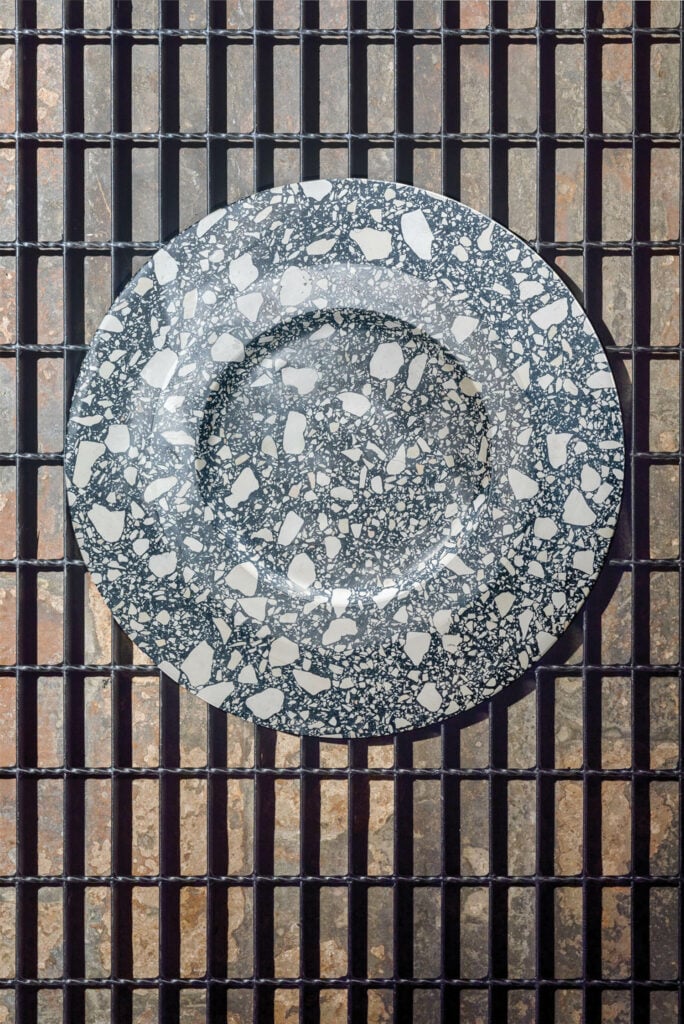
For those seeking to incorporate terrazzo on a smaller scale, numerous creative alternatives exist. Makovsky mentions Los Angeles studio Besler and Sons' "Props," decorative objects made from terrazzo that combine colored glass, marble chips, and cement in geometric shapes, serving as bookends, doorstops, paperweights, or serving platters. Industrial designer Brodie Neill’s Gyro table, crafted from "ocean terrazzo"—70 percent recycled plastic waste—showcases an innovative, environmentally conscious application.
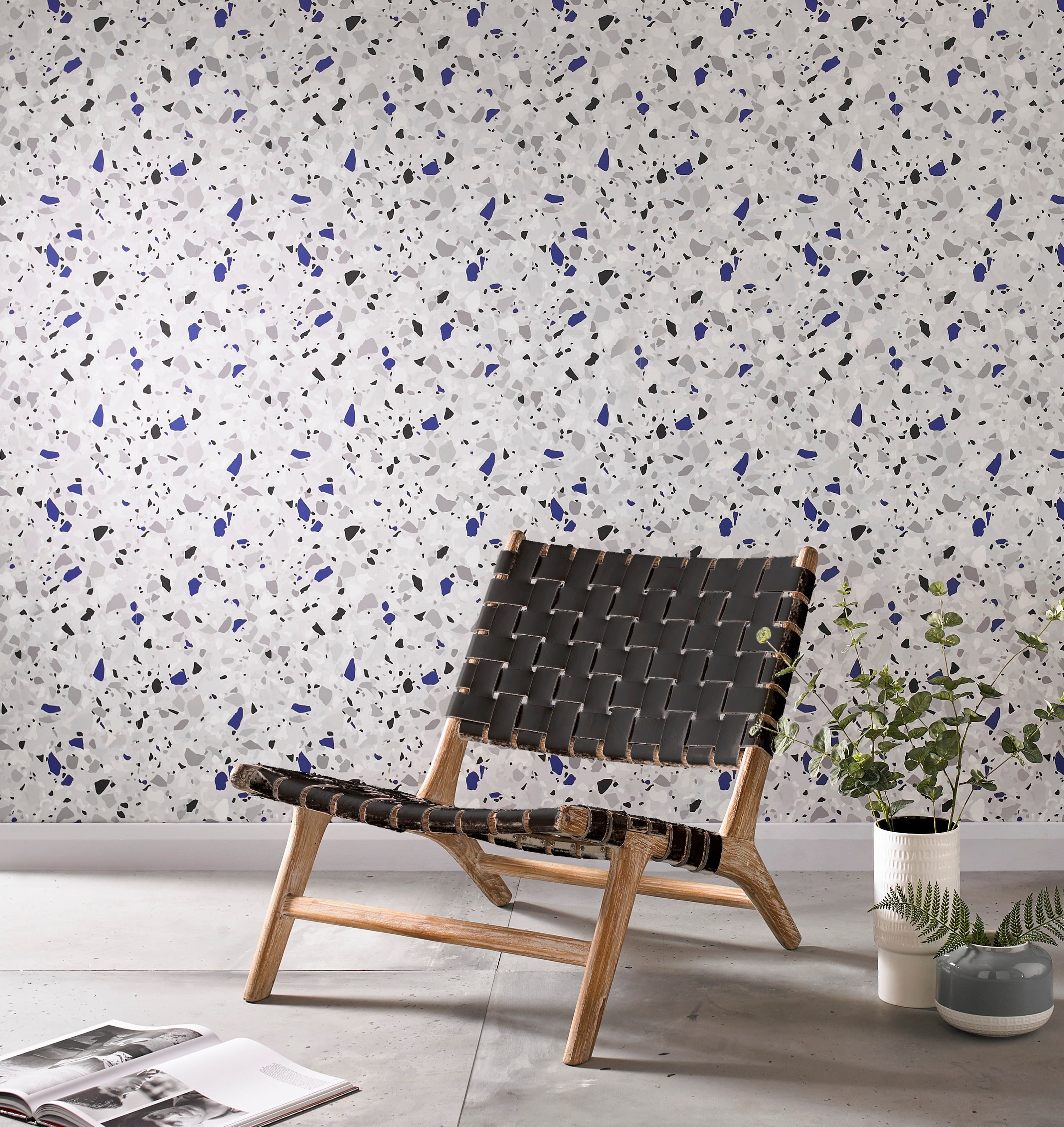
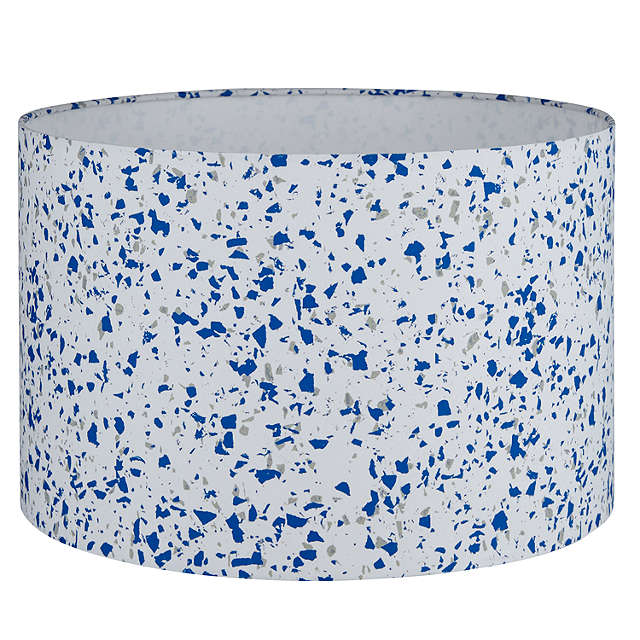
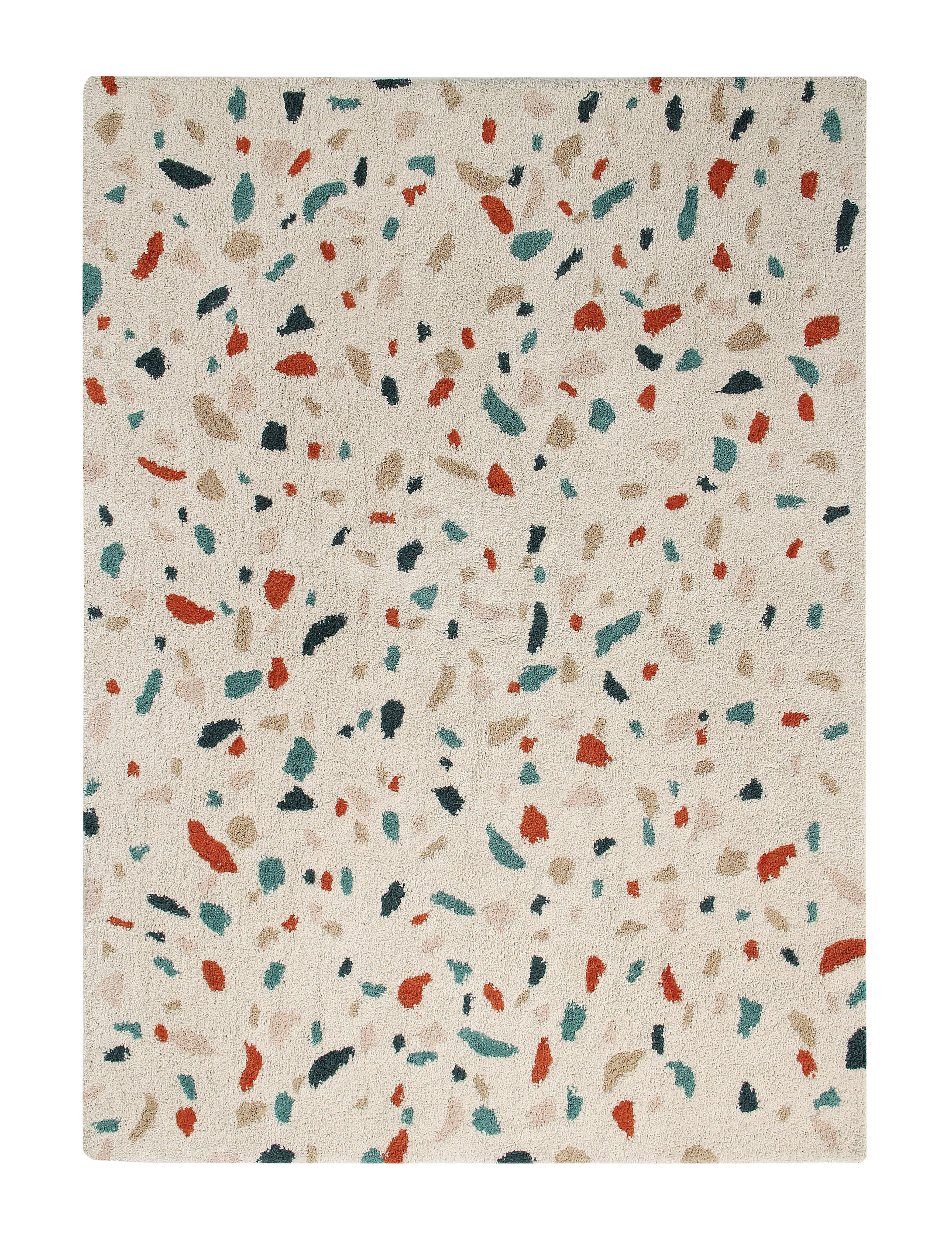
Retailers such as West Elm offer contemporary items like hexagonal cement planters with faux-terrazzo patterns, Roar & Rabbit’s terrazzo-based table lamps, and brass-edged coasters. Deny Designs presents a collection of small furniture, textiles, and accents featuring Emanuela Carratoni's Sweet Terrazzo pattern. Additionally, affordable substitutes like wallpaper and vinyl tile with terrazzo patterns are available from companies like Spoonflower, Murals Wallpaper, and Johnsonite, with collections such as Gemstone offering evocative hues for vinyl flooring.
#Terrazzo #HomeDesign #SustainableMaterials #InteriorDesign #ArchitecturalTrends #MidcenturyModern #ModernApplications #DecorativeElements #Terrazzo #HomeDesign #SustainableMaterials #InteriorDesign #ArchitecturalTrends #MidcenturyModern #ModernApplications #DecorativeElements
0 comment in total
 No comments yet
You may also like
Why terrazzo is on trend for tiles and flooring

Terrazzo Flooring Guide: How to Master the Art of Sustainable, Circular Design

Terrazzo Flooring - Terroxy Resin Systems from Terrazzo & Marble

Terrazzo is the new terrific
Old-World Style Meets Modern Sentiments in These Flecked Surfaces

There's a new interiors trend you'll be obsessed with this year
Terrazzo-Inspired Solid Surface

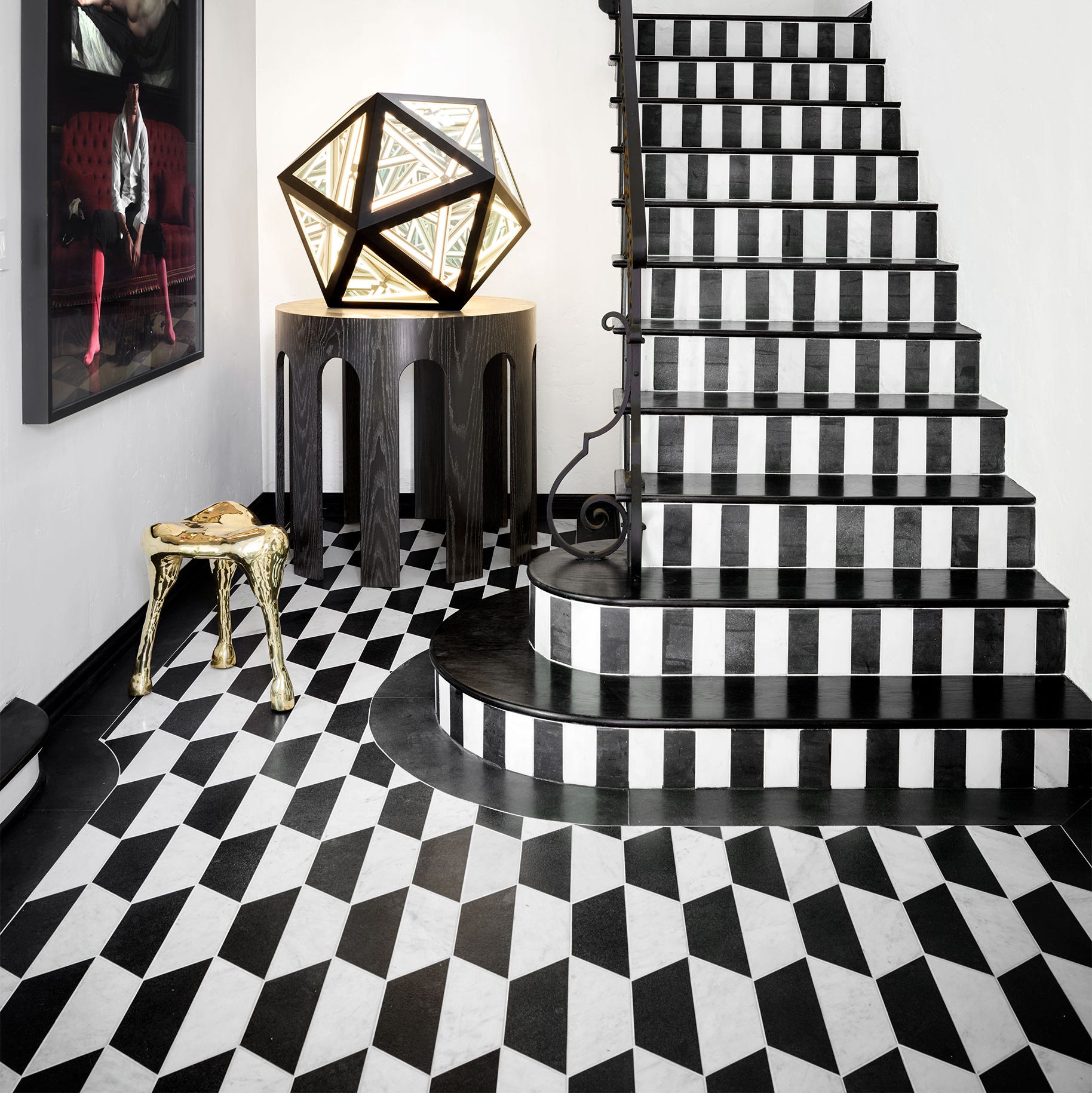
Italy Has the Most Eye-Popping Floor Tiles | Italian Tile

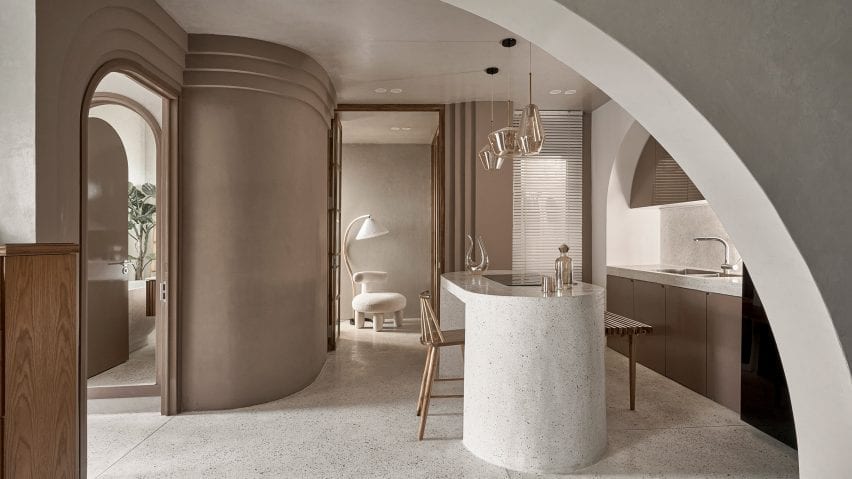
Ten home interiors with distinctive terrazzo floors
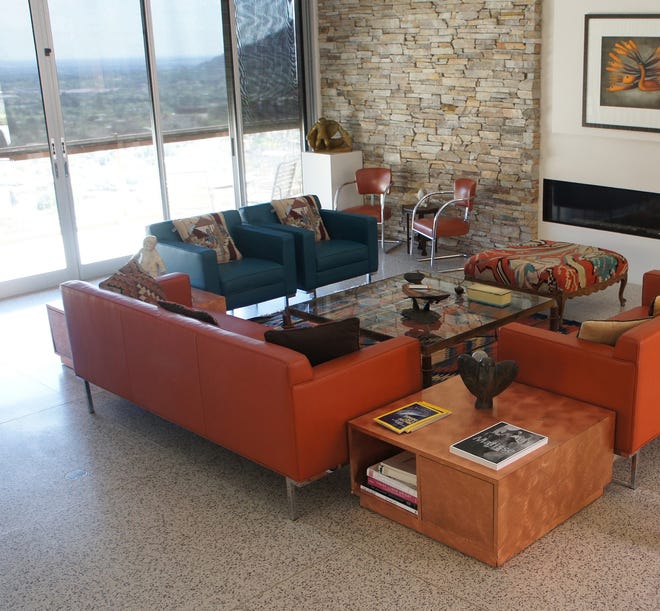
Terrazzo enjoying a resurgence
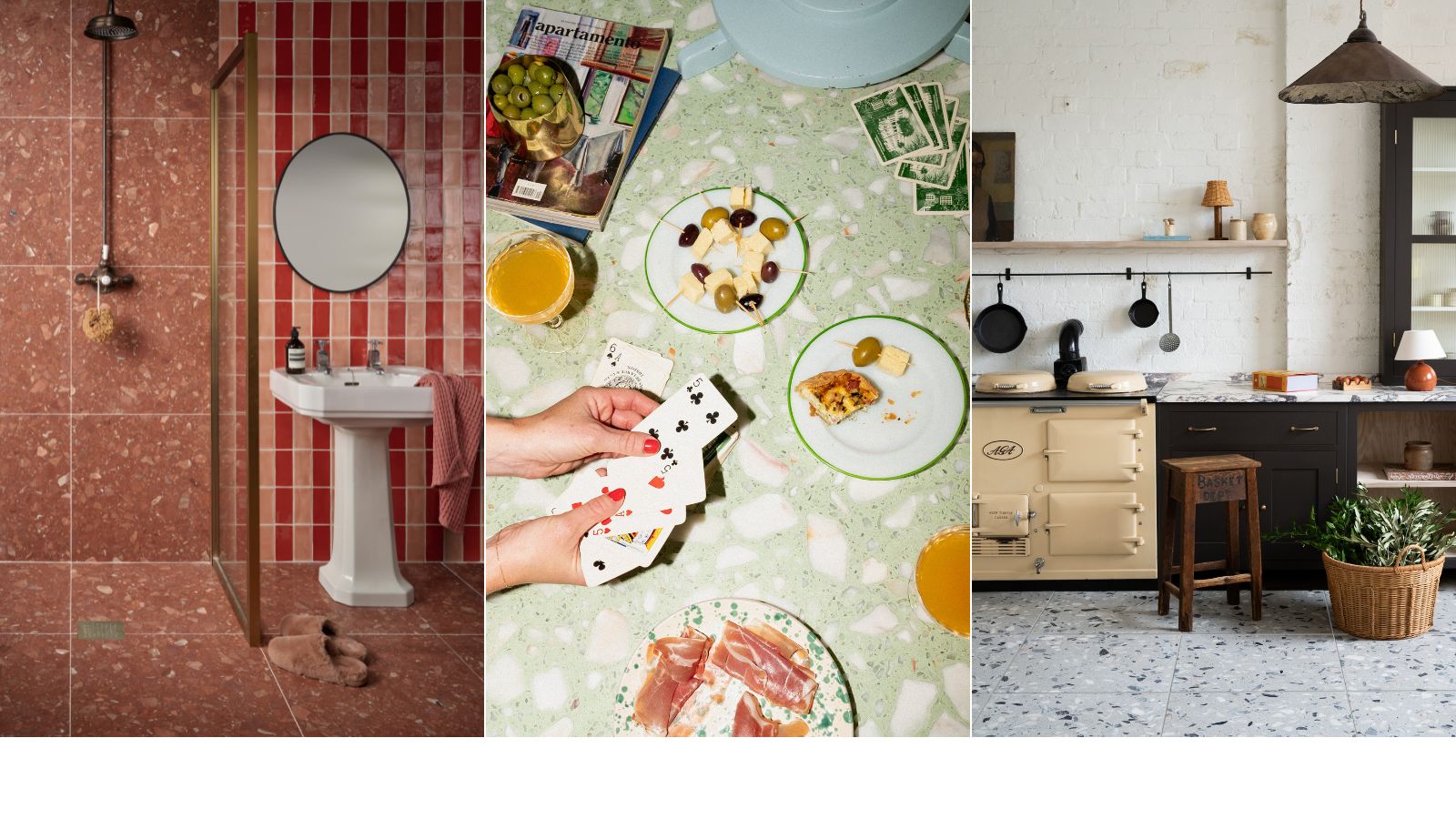
Interior designers say this dated tile trend is making a reappearance in 2024 – is terrazzo back on trend again?

Why Homeowners Should Install High Definition Porcelain Tiles In Their Home

Terrazzo _ the stuff of old hallway flooring _ goes upscale
This DIY Terrazzo Floor Is As Cool As the Real Deal

Terra-Cotta Creates a Surprising Terrazzo Floor at This Renovated Italian Barn

6 of the latest bathroom flooring options

Layer upon layer: uncovering the terrazzo treasures of the west and celebrating legacy floors

Palladiana Terrazzo straddles Italian Grandeur and Modern Cool

How to Get the High-End Flooring Look You See in LUXURY Homes


Amanda & Alan's Italian Job