1/3
HGTV's Hilary Farr Ditches Hardwood Flooring For A More Durable Alternative
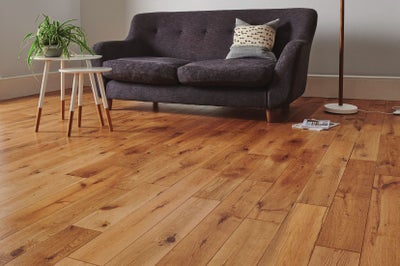
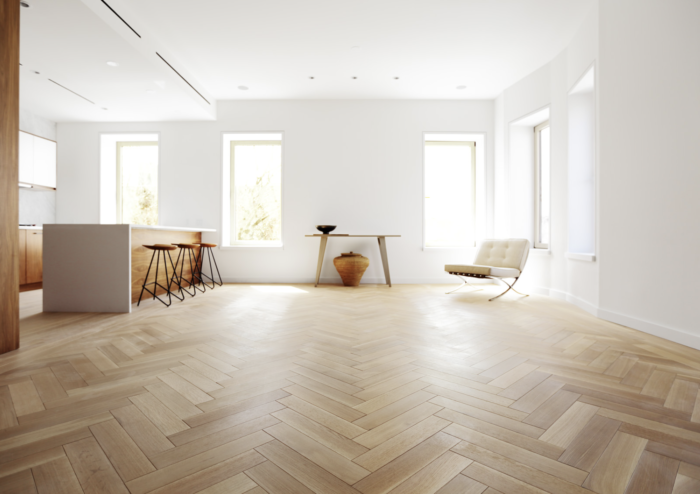
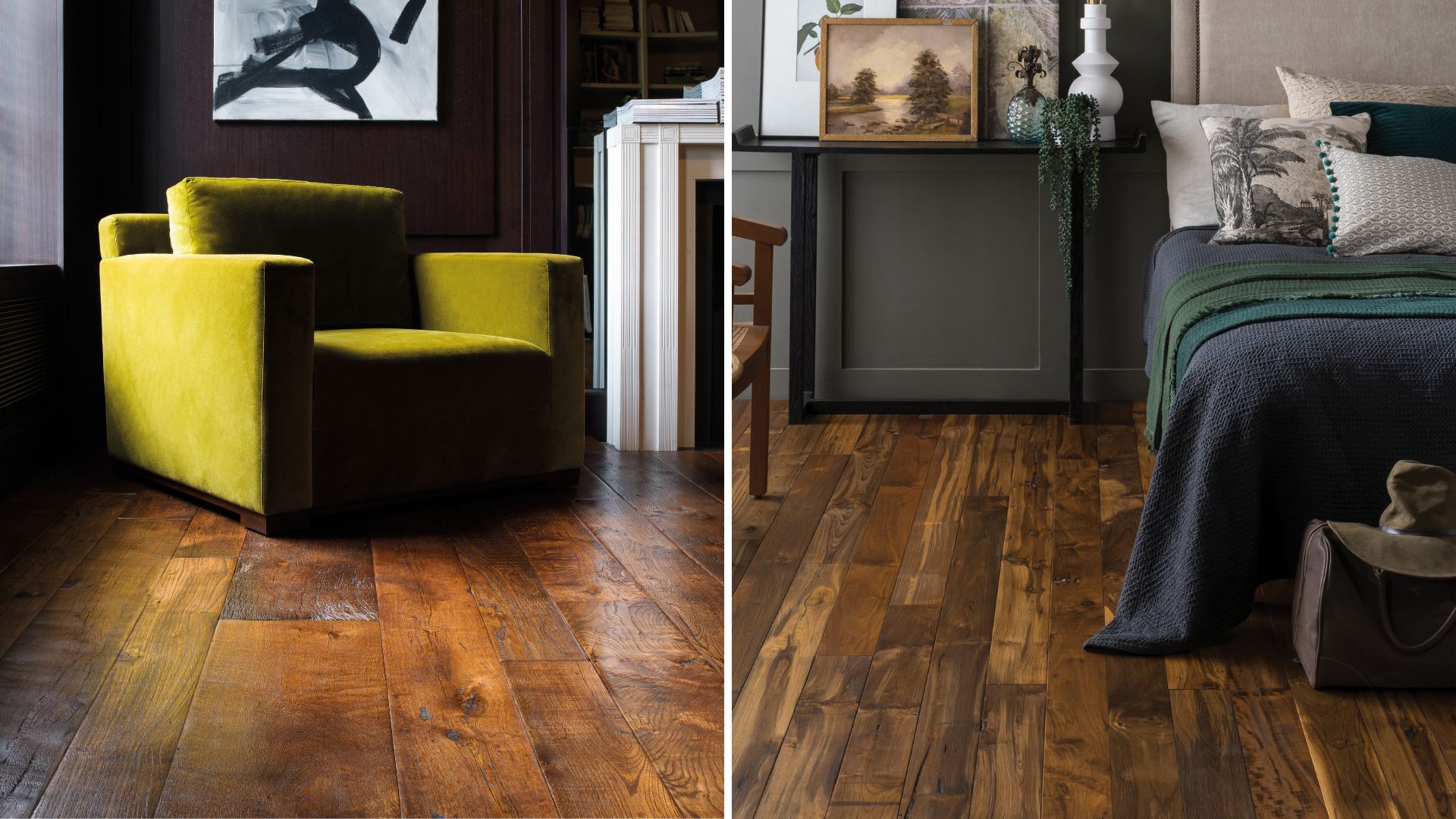
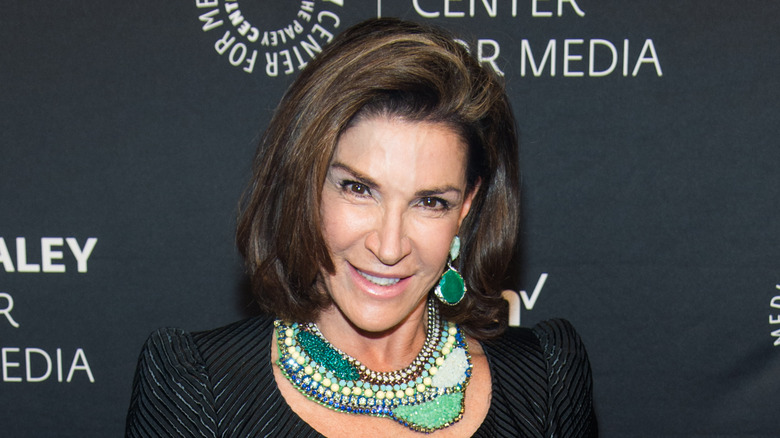
Hardwood flooring is a popular choice for its elegance and versatility in various design styles, from industrial farmhouse to mid-century modern. However, its suitability diminishes in active households with pets and young children due to its susceptibility to wear and tear. HGTV host Hilary Farr addressed this issue in Season 2, Episode 7 of "Tough Love with Hilary Farr" while renovating a client's home. The clients, Andy and Nichole, had lived in their house for a year and a half without making design decisions, partly due to the condition of their existing hardwood floors.
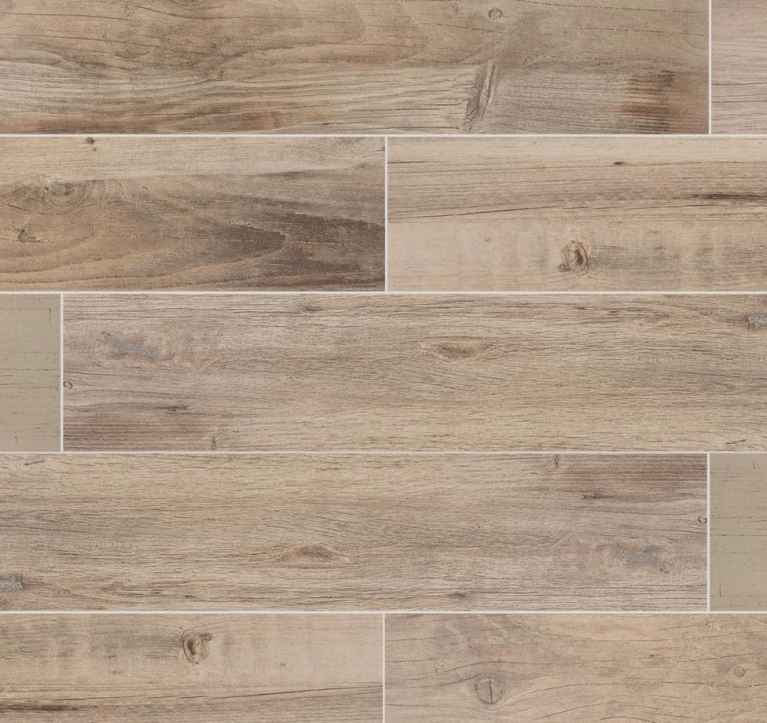
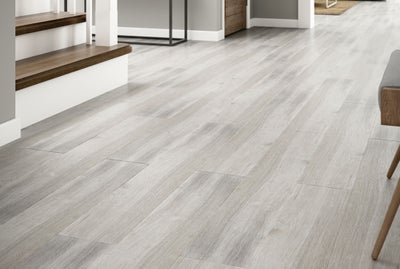
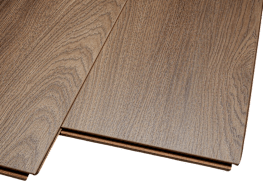
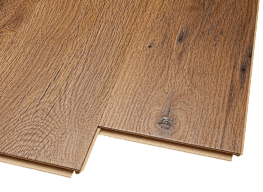
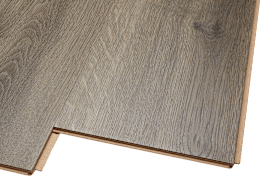
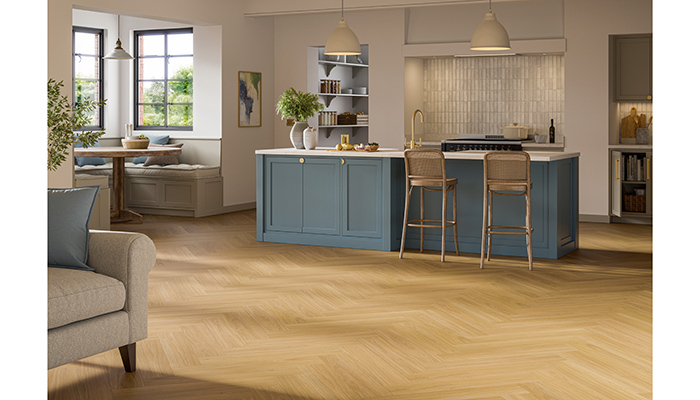
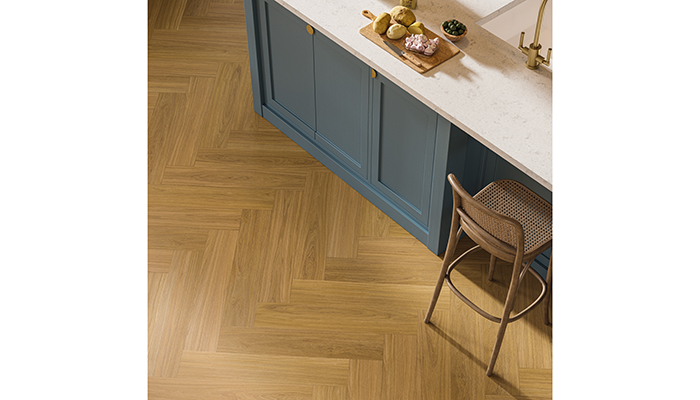
Farr observed that the hardwood floors needed replacement and deemed them unsuitable for the couple's lifestyle, which included dogs. Instead of reinstalling hardwood, she opted for Luxury Vinyl Plank (LVP) flooring, citing its durability and cost-effectiveness—approximately half the price of hardwood. The decision to use a manufactured flooring option was driven by the need for a material that could withstand significant wear and tear, ensuring the floors remained in pristine condition for a longer period.
The clients initially highlighted their hardwood floors as a primary concern, explaining that previous owners with young children had left the floors "destroyed," with the finish worn down to raw wood in high-traffic areas like the kitchen. Given their own 13-year-old son and a dog, Farr concluded that LVP would be a more practical choice than natural hardwood. She emphasized that LVP offers the aesthetic appeal of natural wood combined with superior durability. It can withstand impacts without denting and spills can be easily wiped away without causing damage.
Farr also noted that LVP provided budget flexibility. The floor representative explained that choosing LVP with less color and pattern variation would reduce costs, even if it meant a slight repetition in the grain pattern, making it less indistinguishable from natural hardwood. Farr decided this trade-off was acceptable for the overall aesthetic and budget.
When comparing wood floors and vinyl planks, LVP stands out for its durability, especially in active households. Beyond being more affordable, LVP boasts greater moisture resistance, a critical advantage over hardwood. Hardwood is vulnerable to moisture, which can cause its natural fibers to absorb water, swell, and eventually warp or buckle. LVP, conversely, is designed with a waterproof top layer and a dense core, making it highly resistant to water penetration. Furthermore, LVP is more scratch-resistant than hardwood. Hardwood, as a natural material, is prone to dents and scratches. LVP features a thick wear layer, a clear plastic coating that protects the printed wood grain underneath. The thickness of this wear layer, typically ranging from 6 to 22 mils, dictates its resistance to wear and tear. Planks with a 22-mil wear layer are suitable for high-traffic areas and can effectively resist discoloration and scuffing, offering a long-lasting and practical flooring solution.
#HilaryFarr #Flooring #LuxuryVinylPlank #LVP #HardwoodFlooring #HomeRenovation #InteriorDesign #DurableFlooring #HomeImprovement #HilaryFarr #Flooring #LuxuryVinylPlank #LVP #HardwoodFlooring #HomeRenovation #InteriorDesign #DurableFlooring #HomeImprovement
0 comment in total
 No comments yet
You may also like
More and More People Are Skipping Pricey Wood Floors for This Alternative
Walk on by: flooring focus
Kitchen Renovation Tips HGTV's Hilary Farr Swears By

Wood Floors Make (Another) Comeback
Hardwood Isn’t Just for Your Floors Anymore
These 4 Flooring Trends Are Set To Dominate In 2026, According To A Design Expert
Love It Or List It - HGTV Star Hilary Farr Talks Interior Design
The 10 Big Flooring Trends Emerging in Homes in 2025

Flooring

Forget Hardwood: HGTV's Erin And Ben Napier Have A Better Idea For Your Floors
Best Flooring of 2025
Here's Everything You Need to Know About Wood Flooring
HGTV Star Erin Napier Ditches The Hardwood Floor Trend For Something Unique
Flooring trends 2023: 18 popular design choices for stylish floors

How to Get the High-End Flooring Look You See in LUXURY Homes

7 flooring trends you're about to see everywhere
Where in the World Did This Wood Come from?
10 Flooring Products that Look Good and Work Hard


Parador's Neel Bradham on the best flooring for kitchens and bathrooms
HGTV's Erin Napier Ditches A Trendy Kitchen Island For A More Functional Alternative