1/6
Your TV’s Probably Too High (And Other TV-Mounting Mistakes You May Be Making)
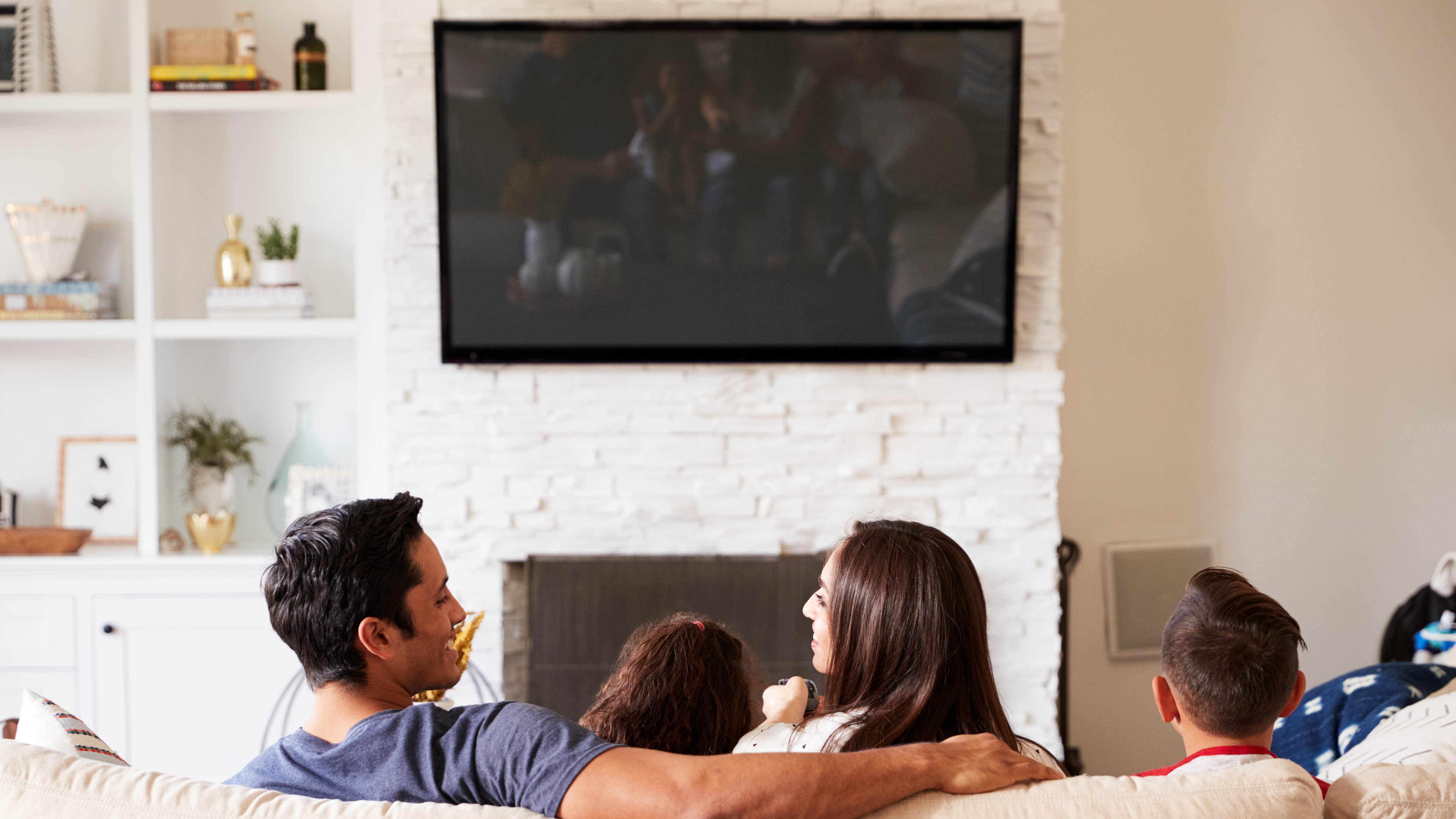
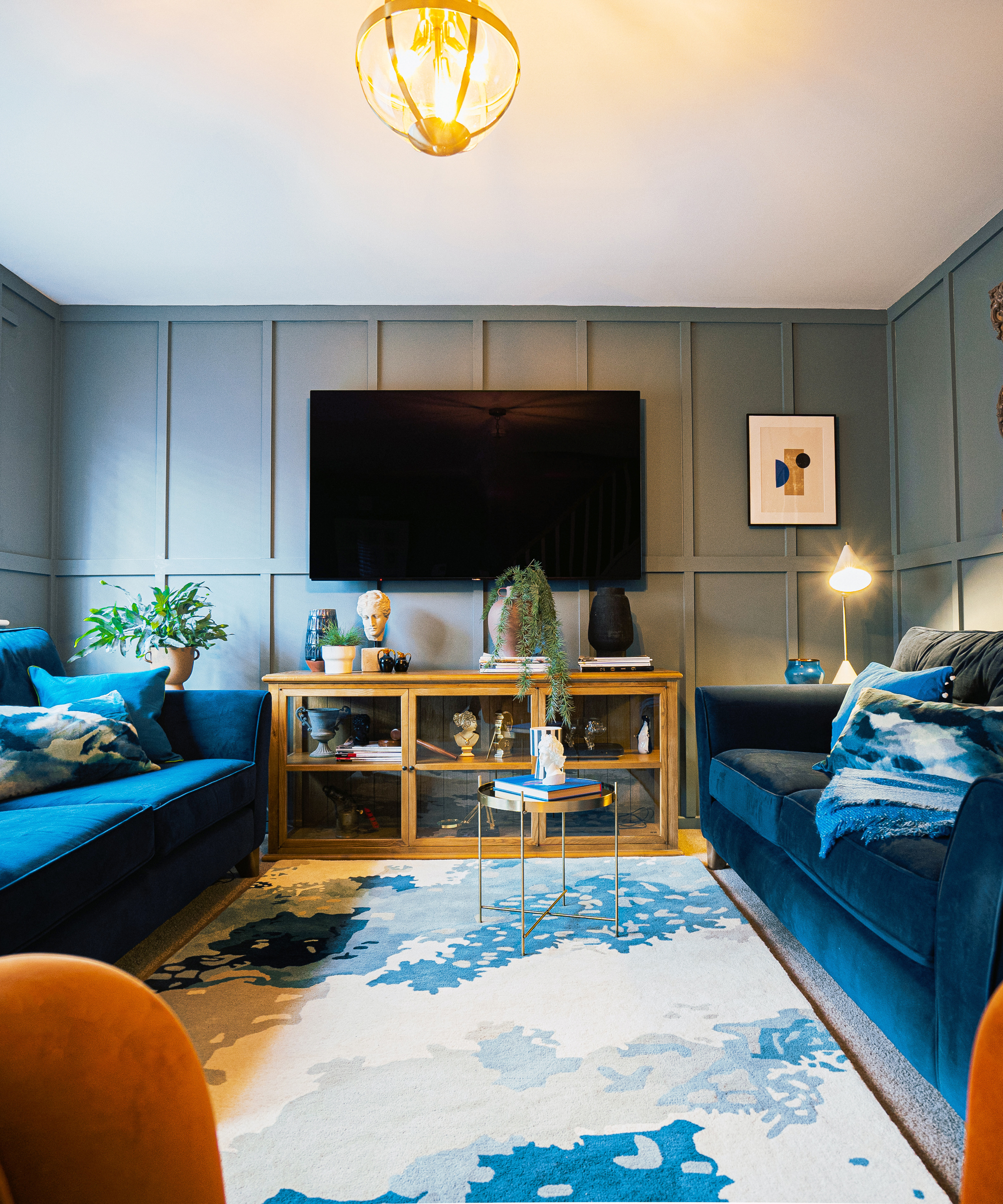
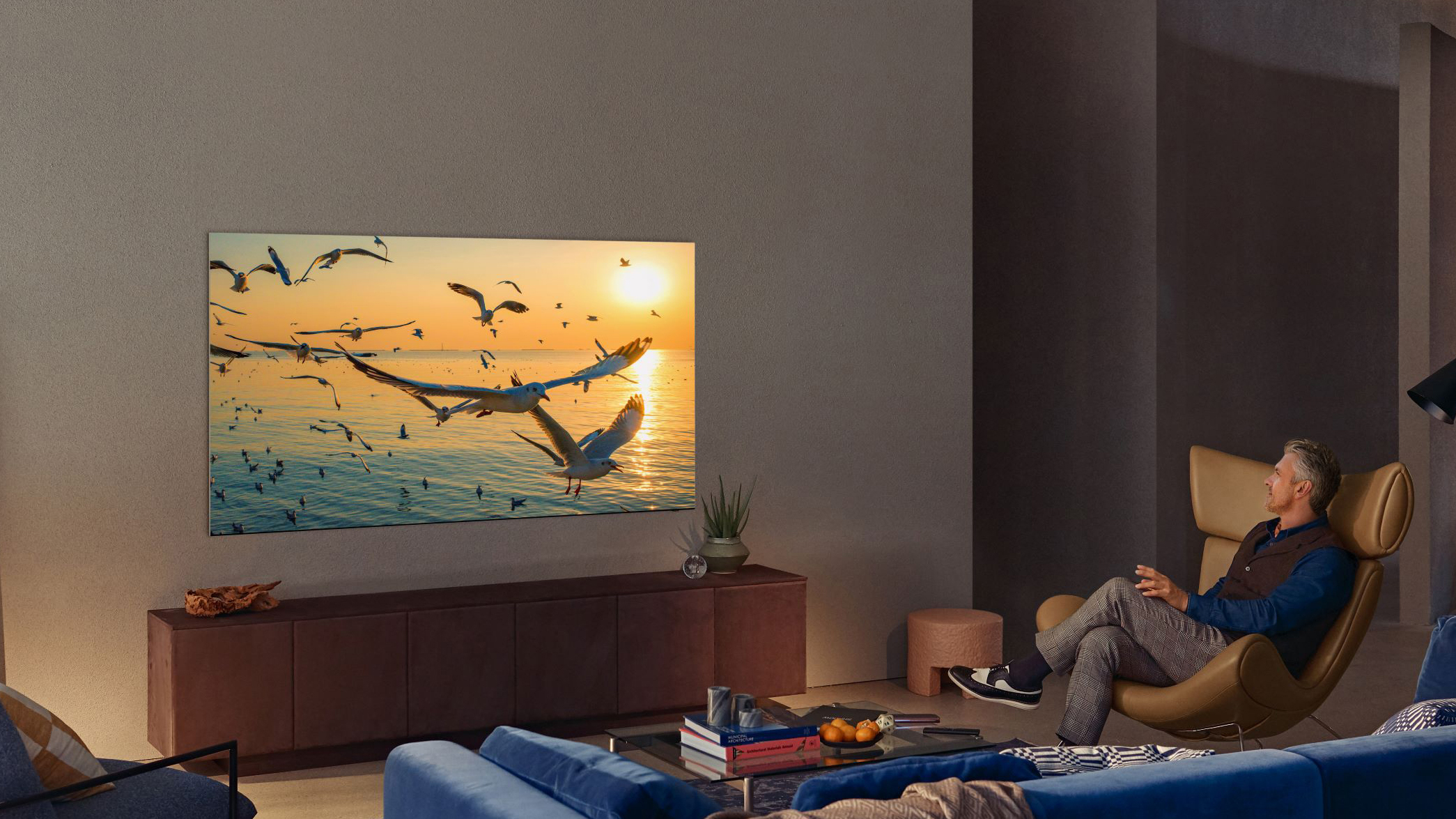
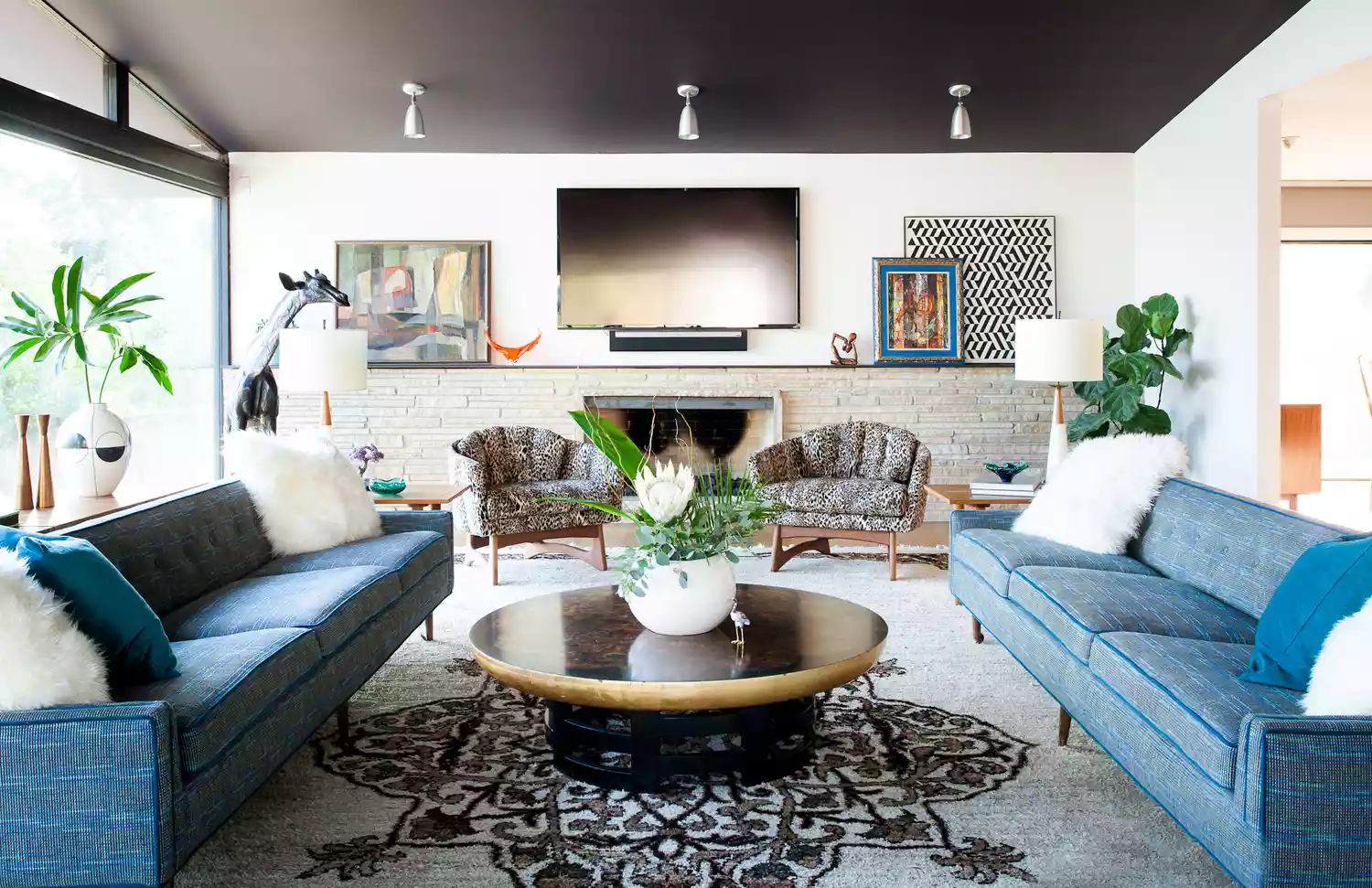
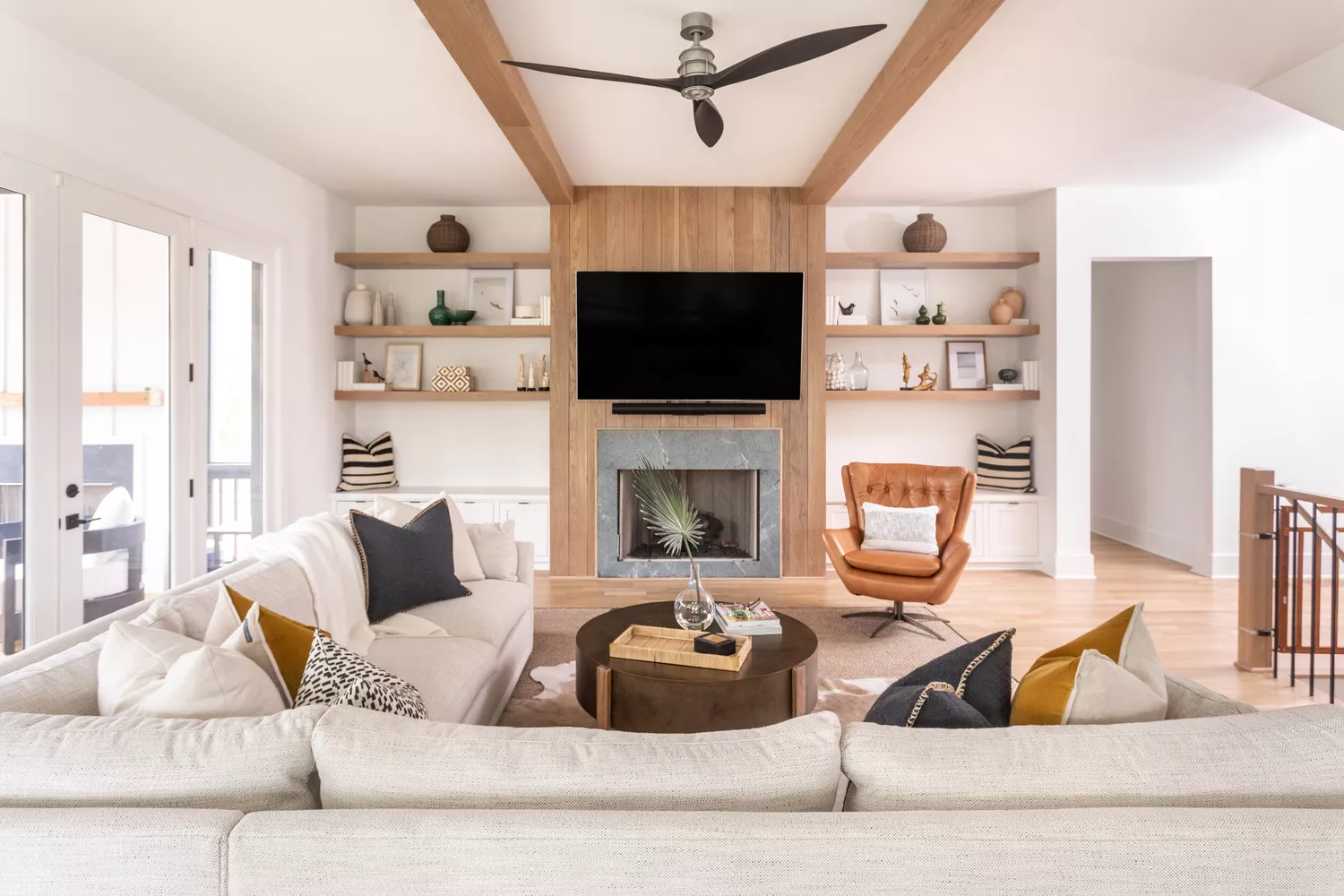
Mounting a television too high is a common mistake that can lead to public ridicule and, more significantly, persistent physical discomfort, including neck, shoulder, and back pain. Chiropractor Karen Erickson highlights that this issue stems from repetitive stress and ergonomic misalignments caused by improper screen placement. While phones and laptops also contribute to these problems, TV setup is often easily rectifiable.
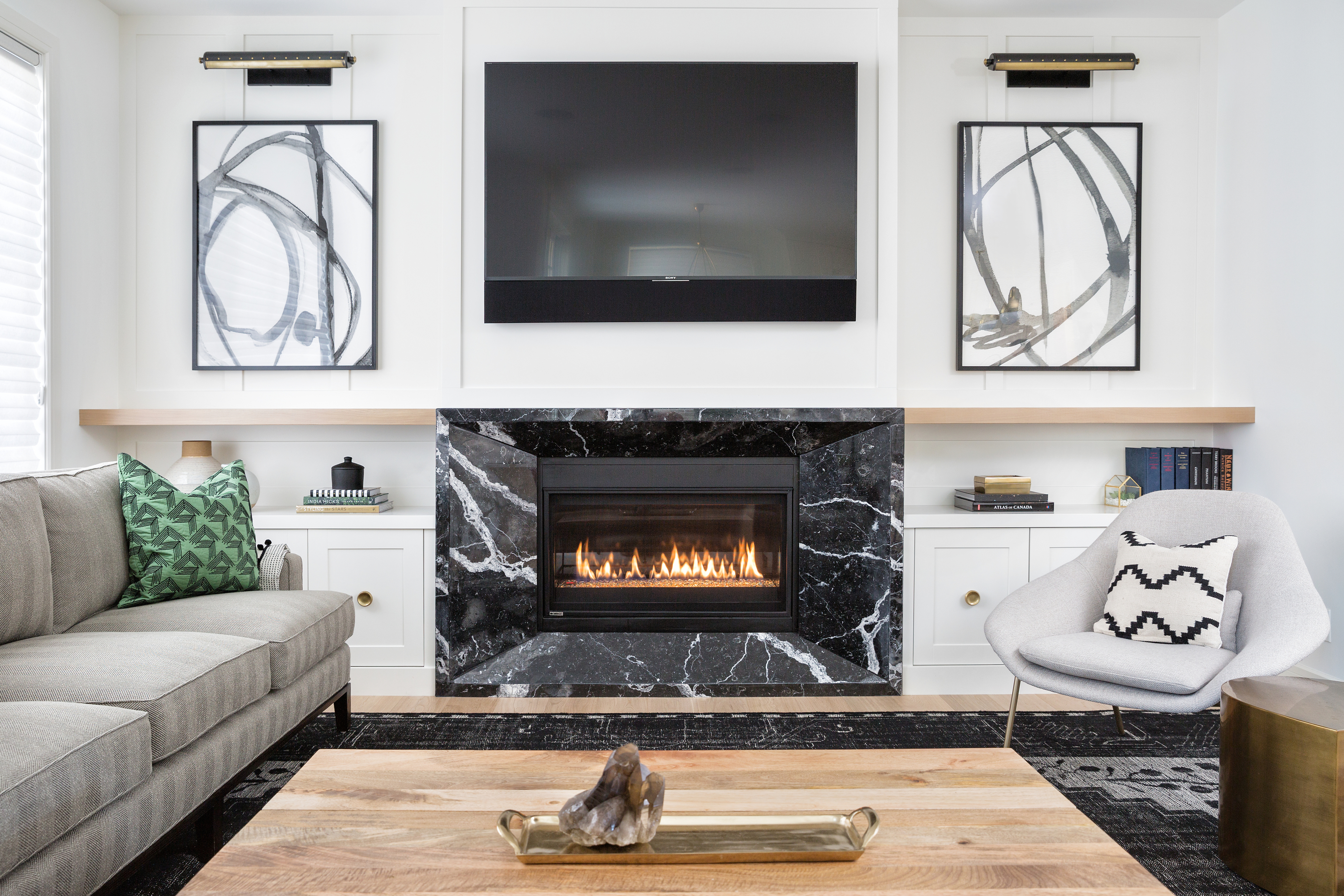
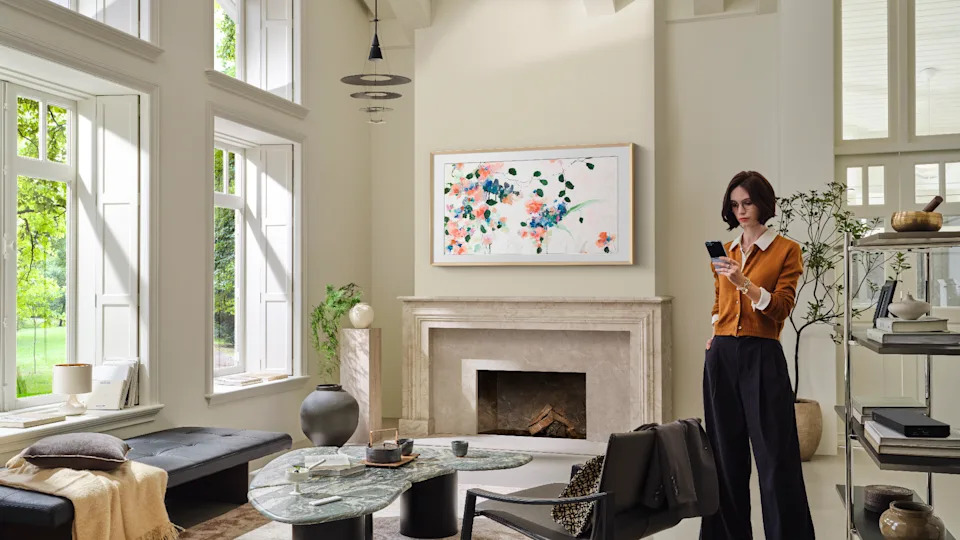
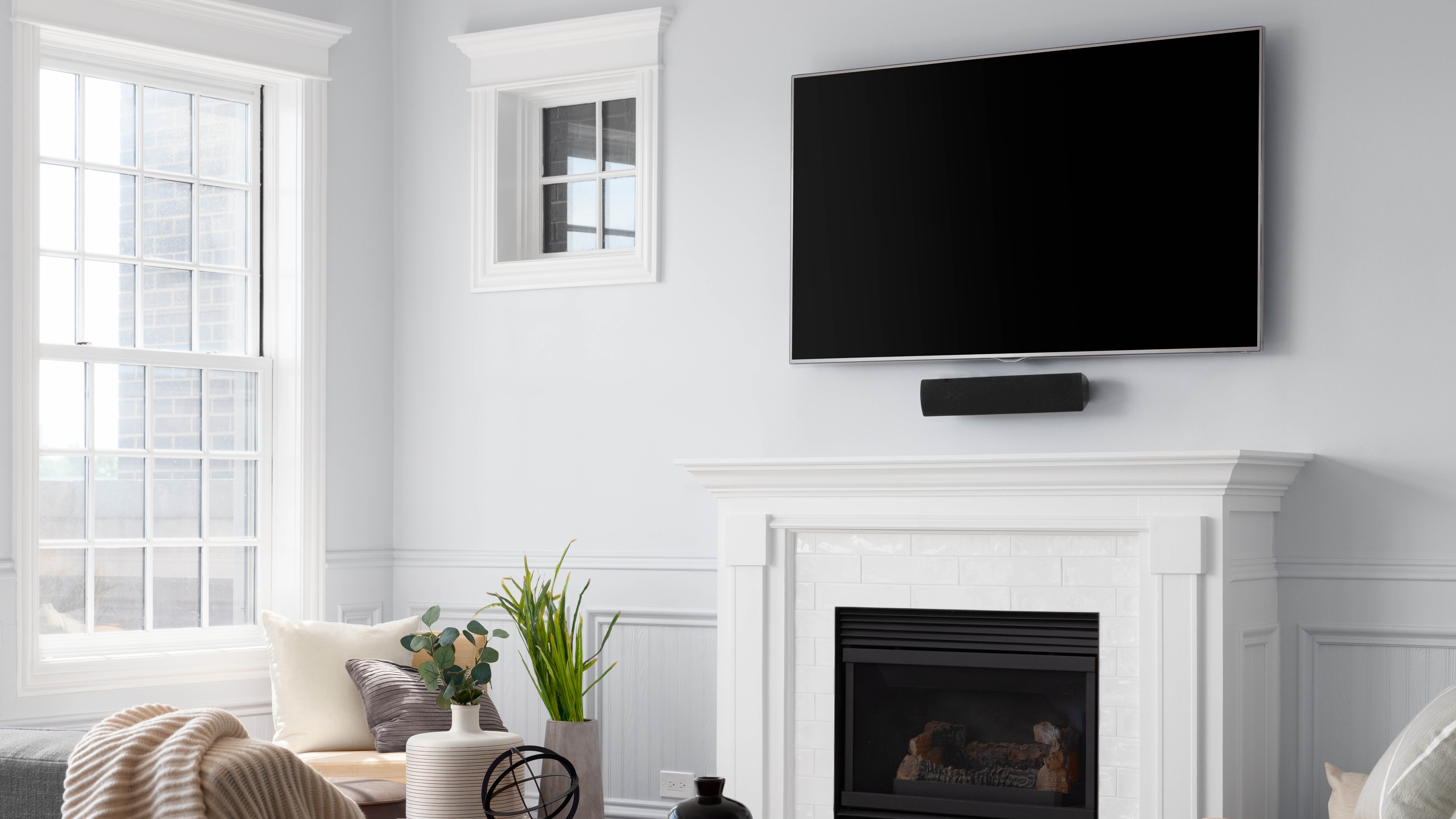
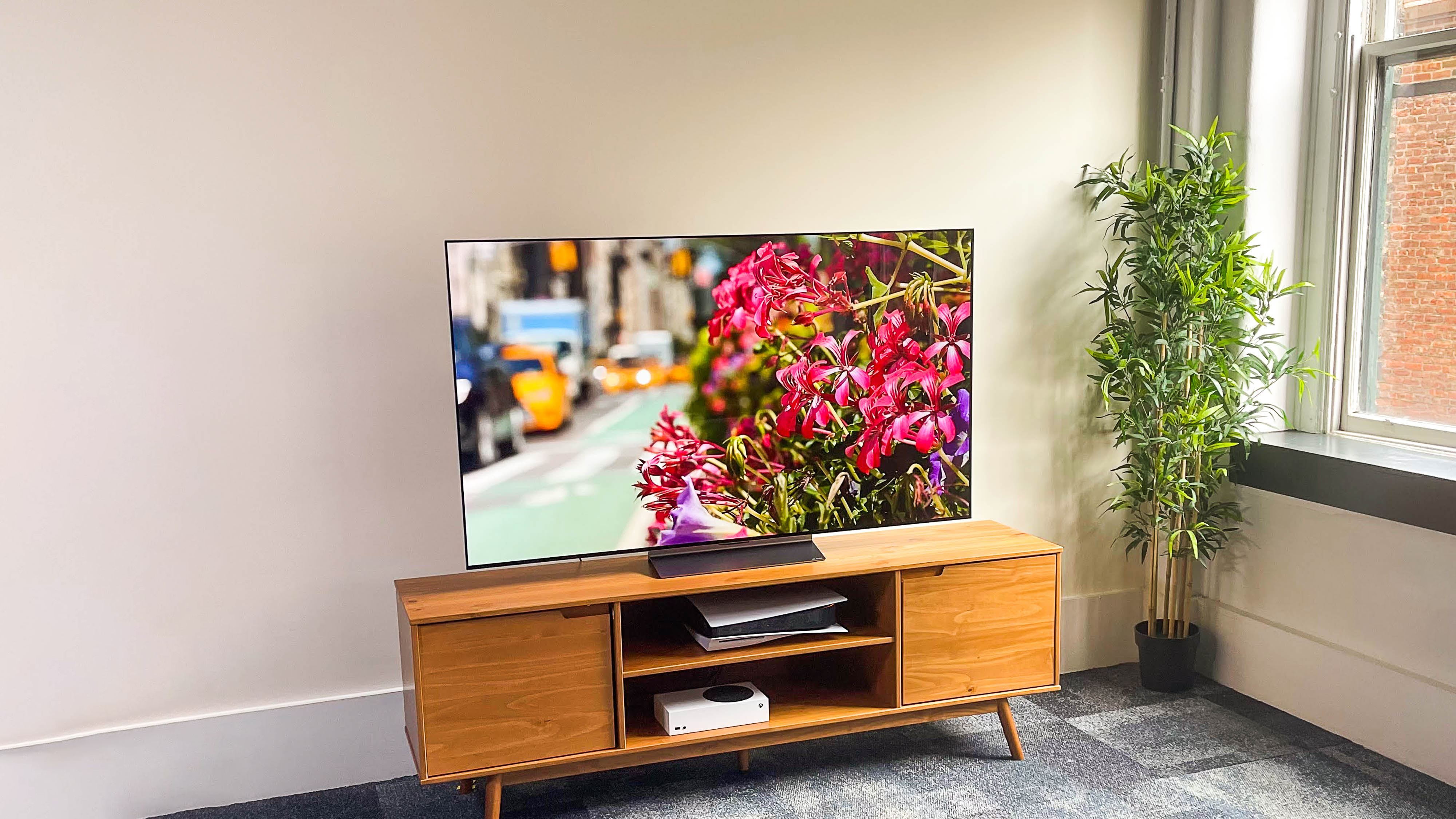
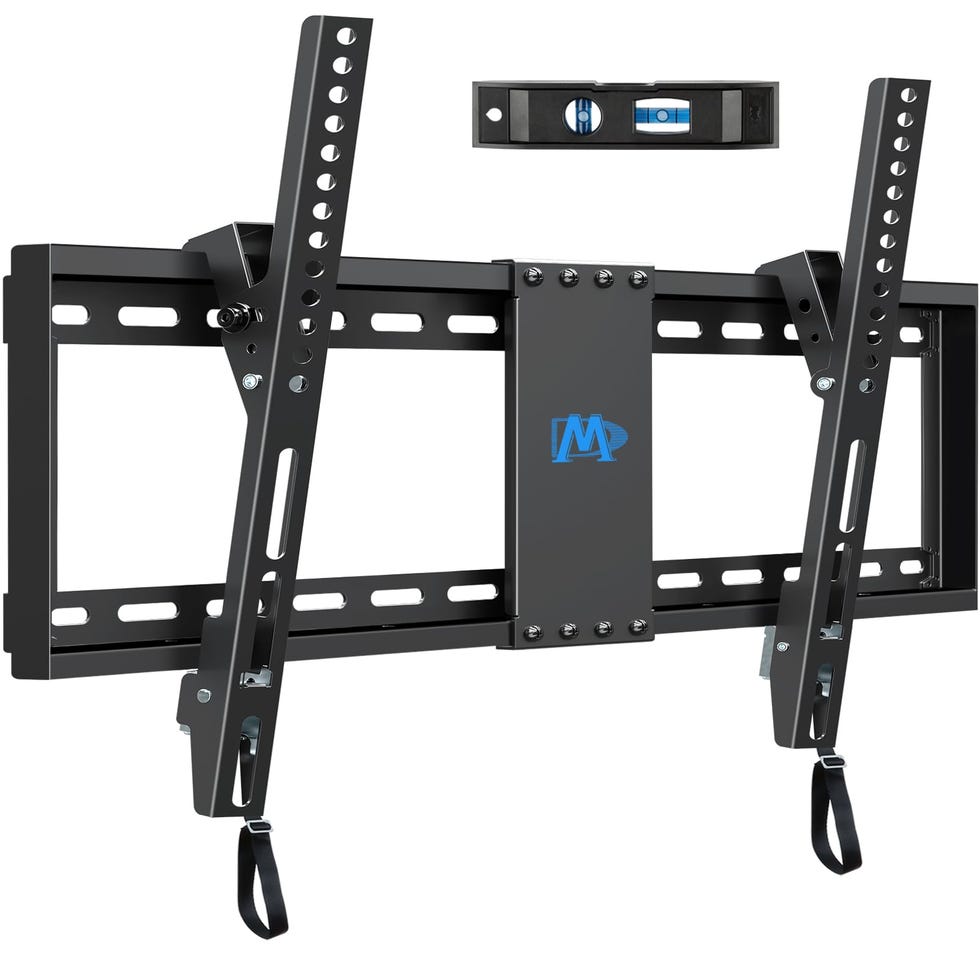
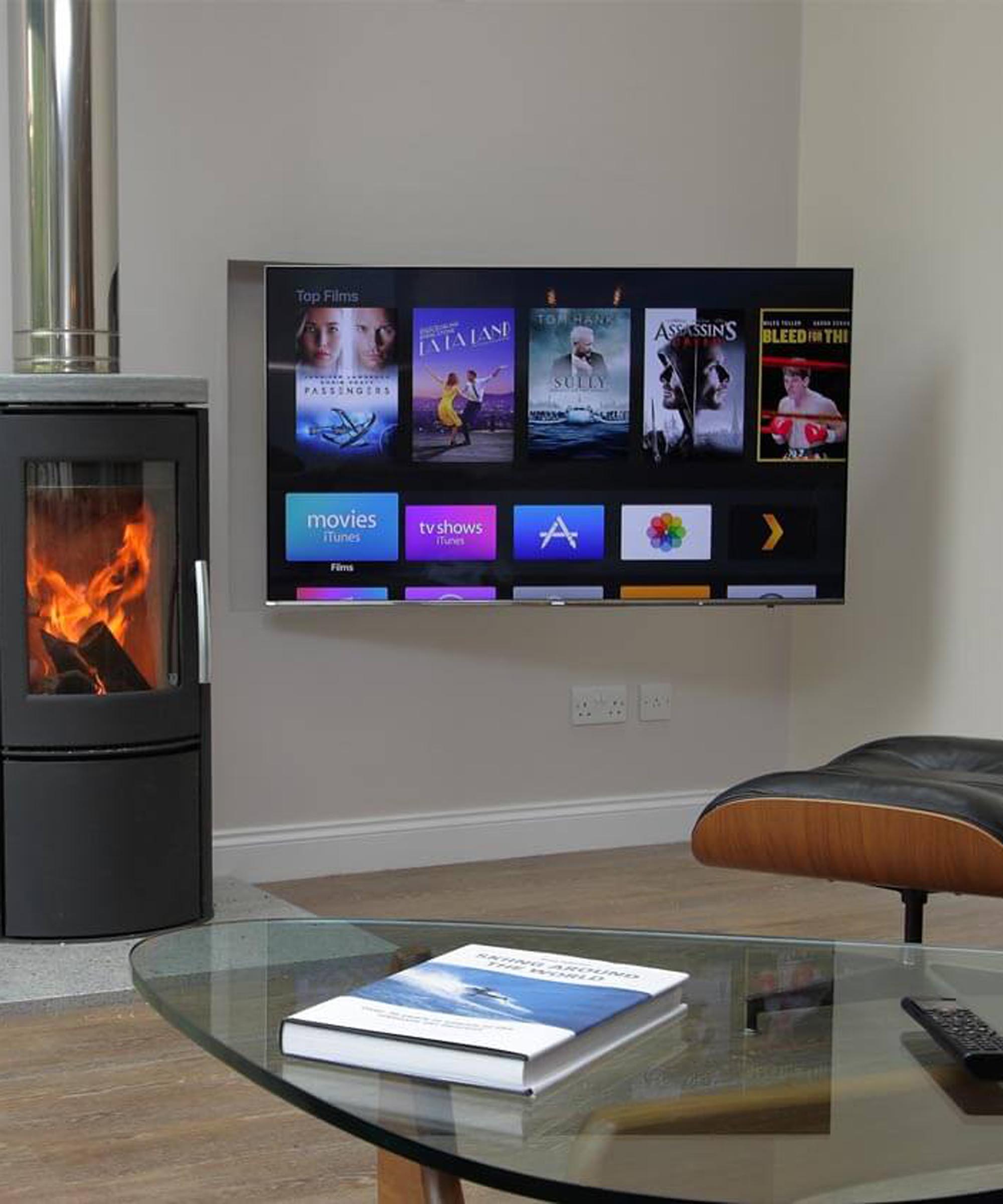
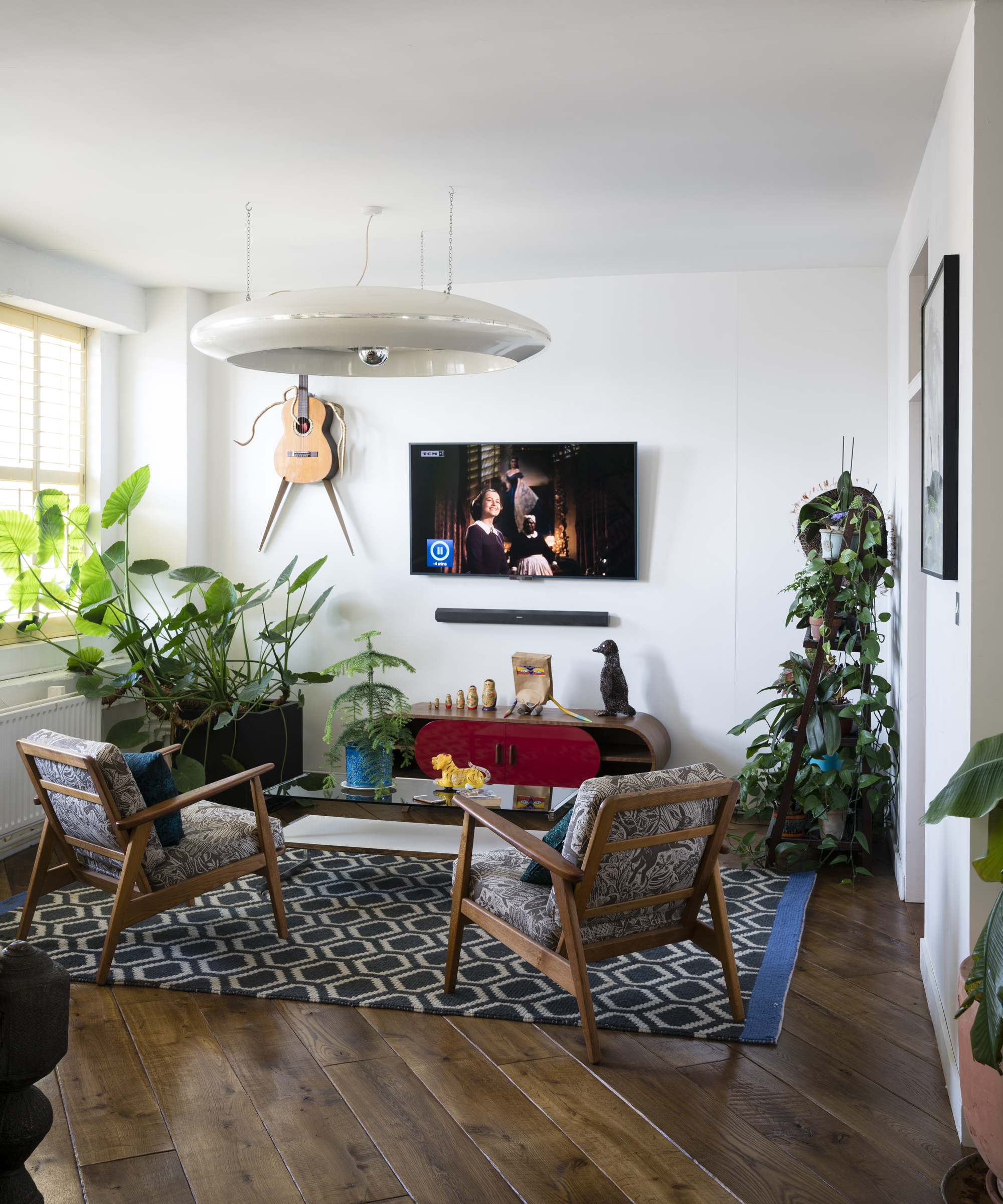
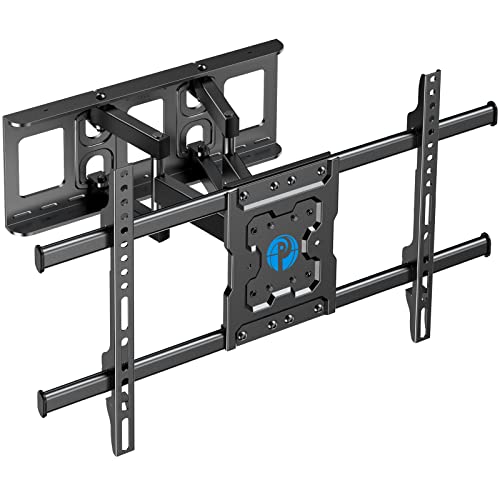
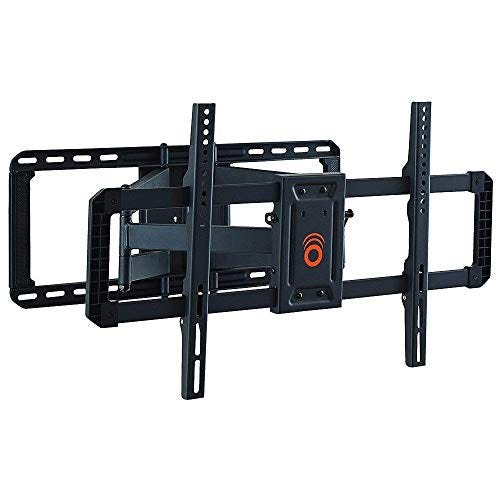
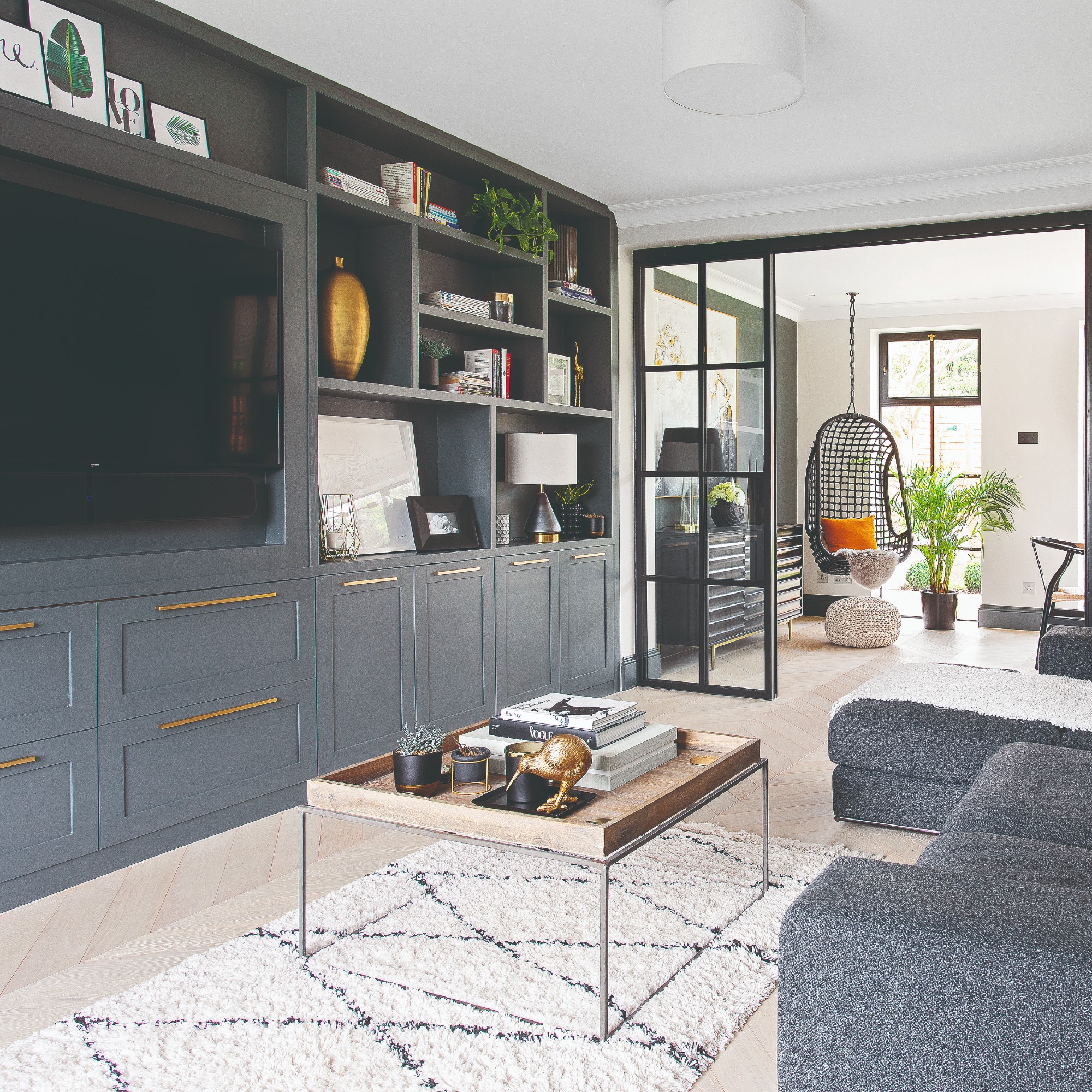
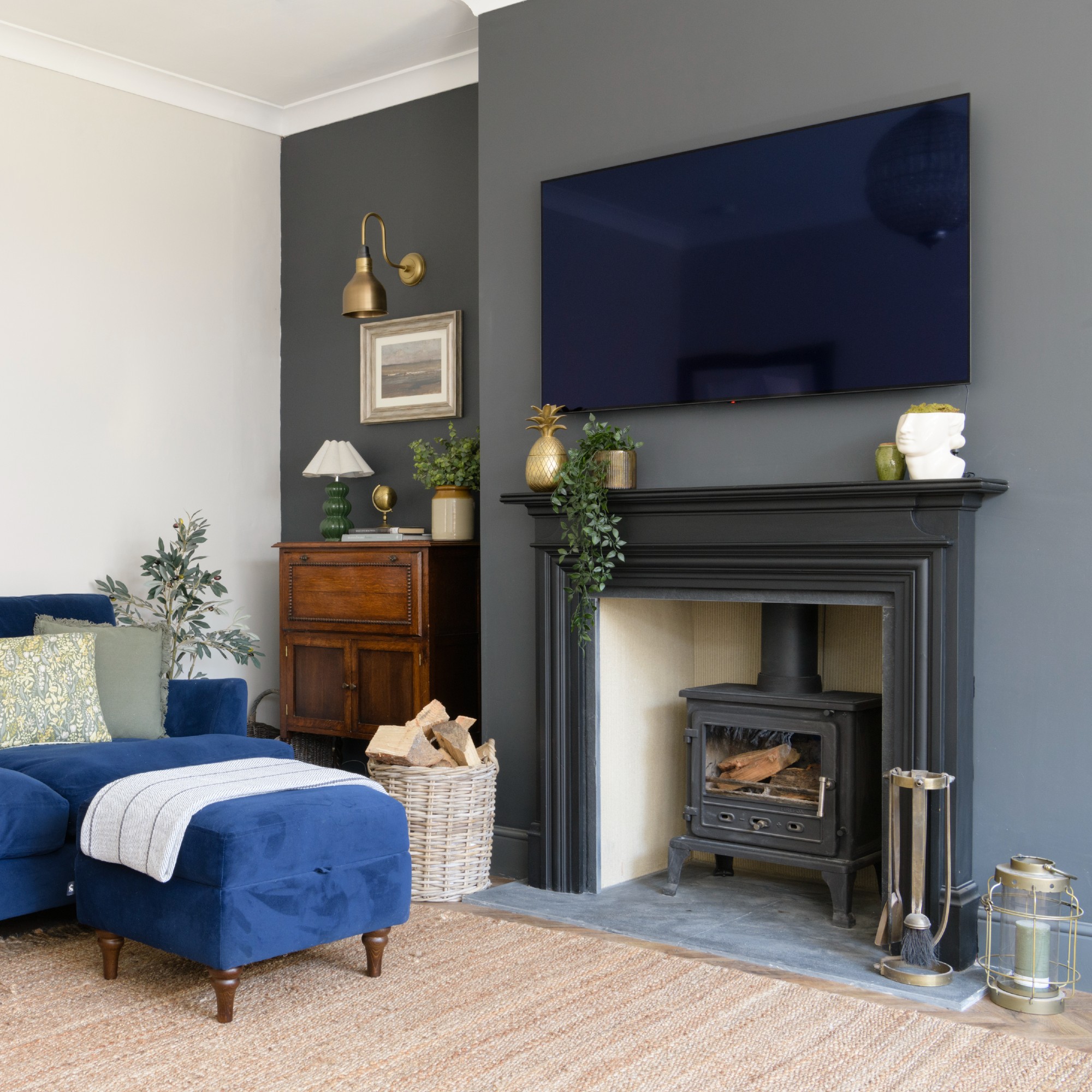
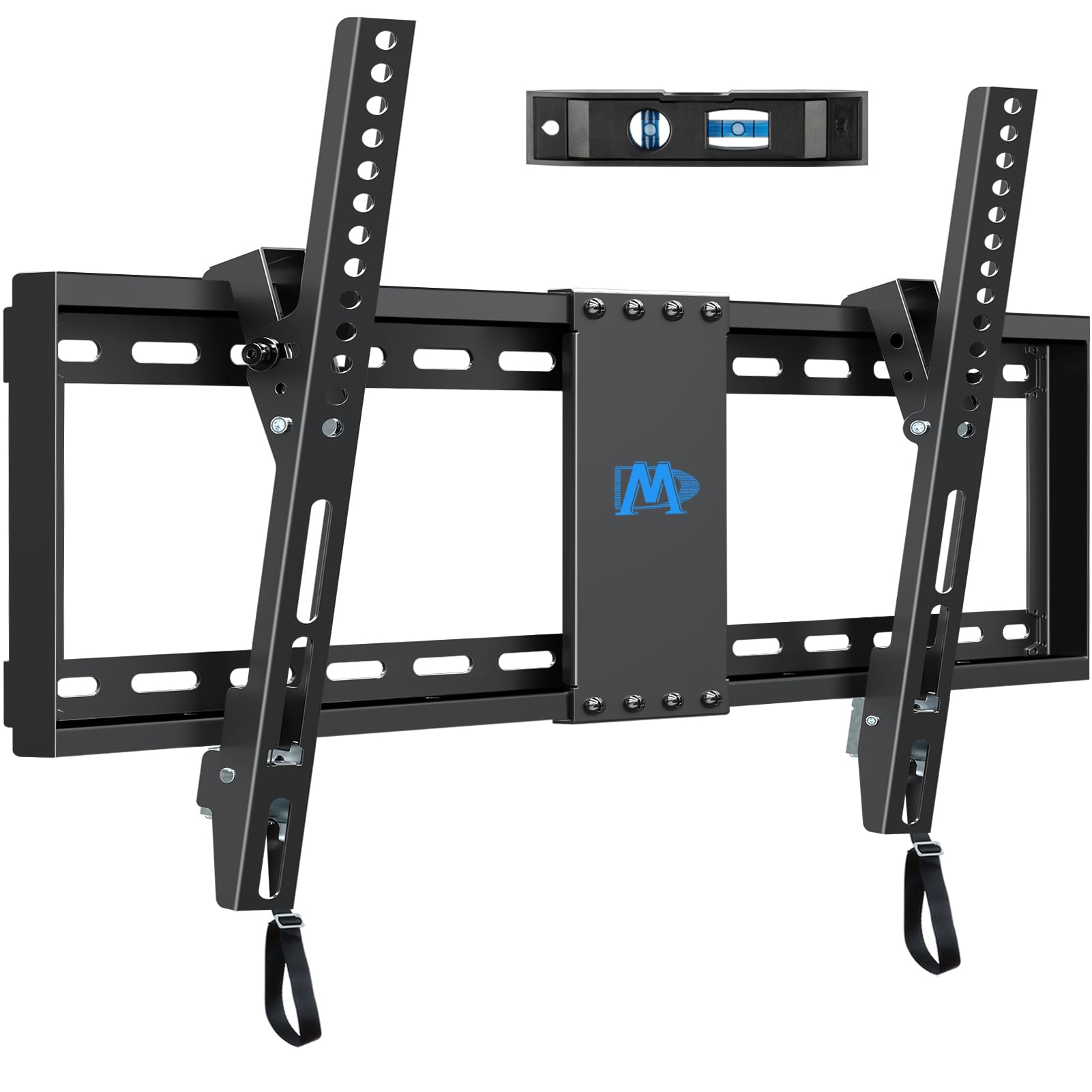
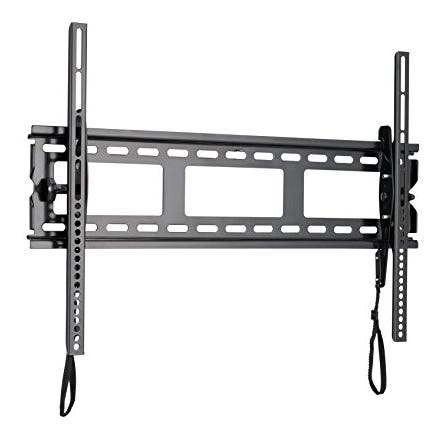
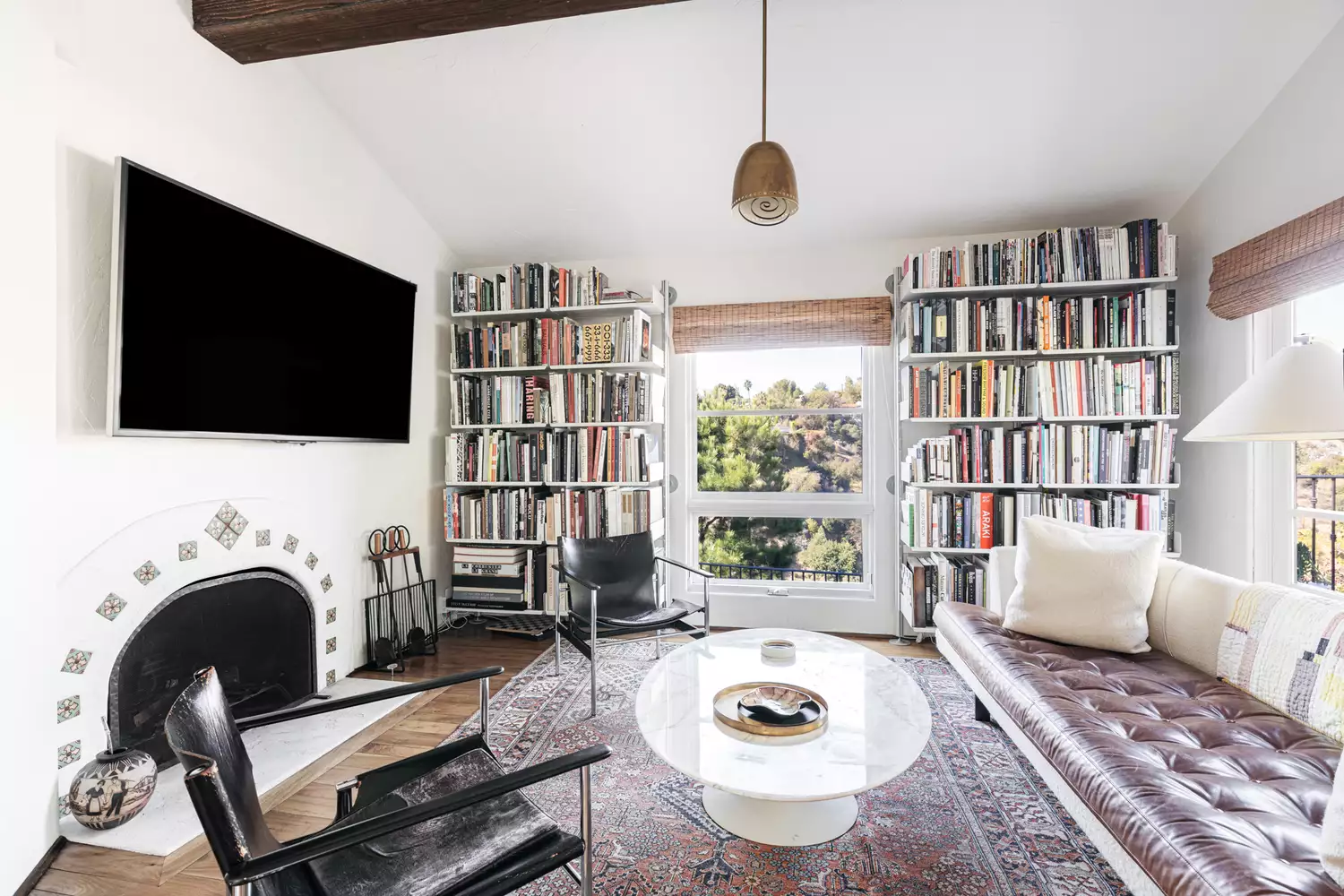
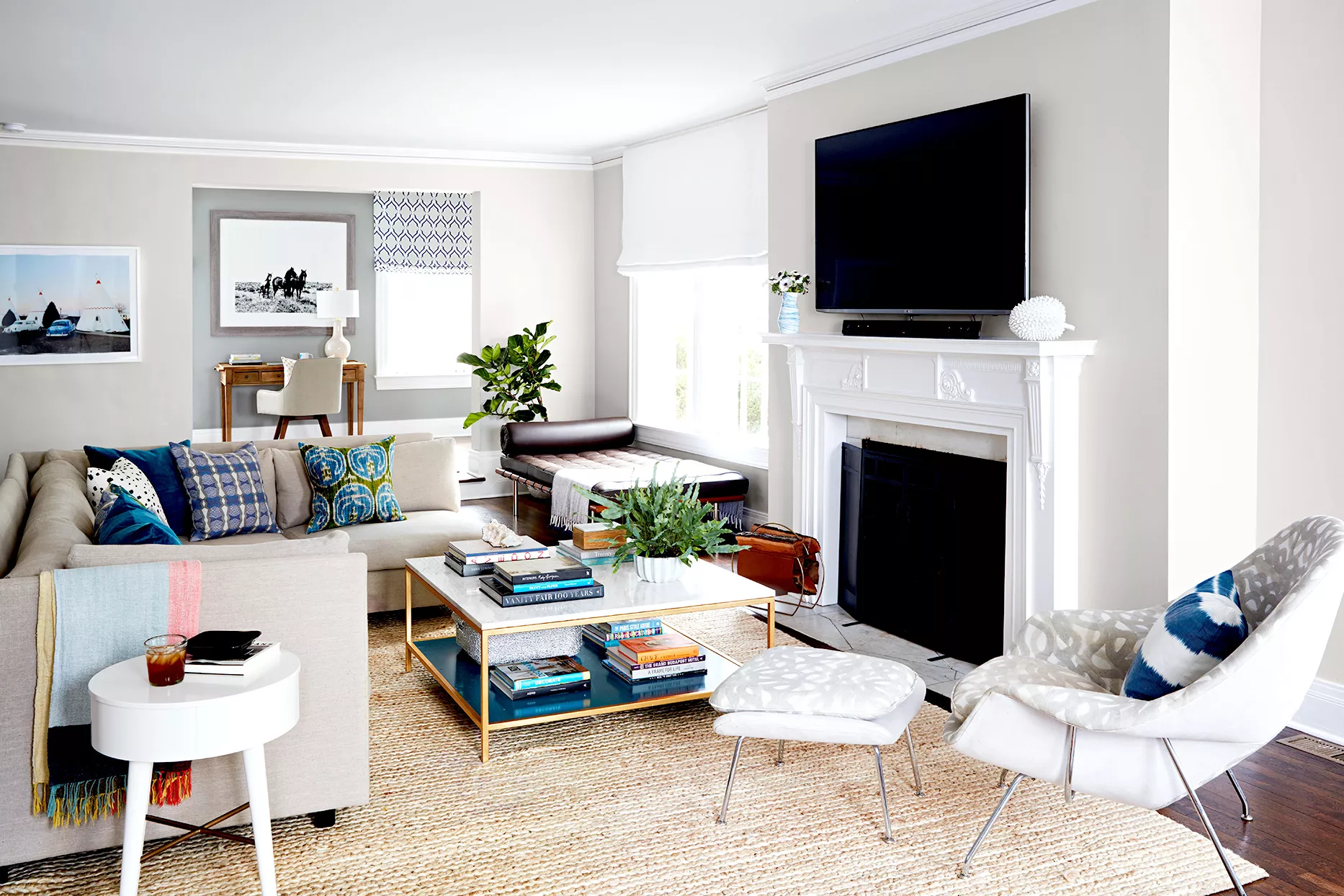
The primary mistake identified is having the TV screen positioned so that the viewer's eyes are not level with its middle. The optimal viewing height requires the center of the TV to align with eye level from the most frequent viewing position. This ensures the head remains in a neutral position, preventing strain. To correct this, options include using a tilting mount to angle the screen downwards, or ideally, a pull-down or drop-down mount that physically lowers the TV. These mounts are particularly useful for TVs placed above mantels, allowing the screen to extend forward and then lower. Adjustable TV pedestals offer an affordable alternative for TVs on media stands.
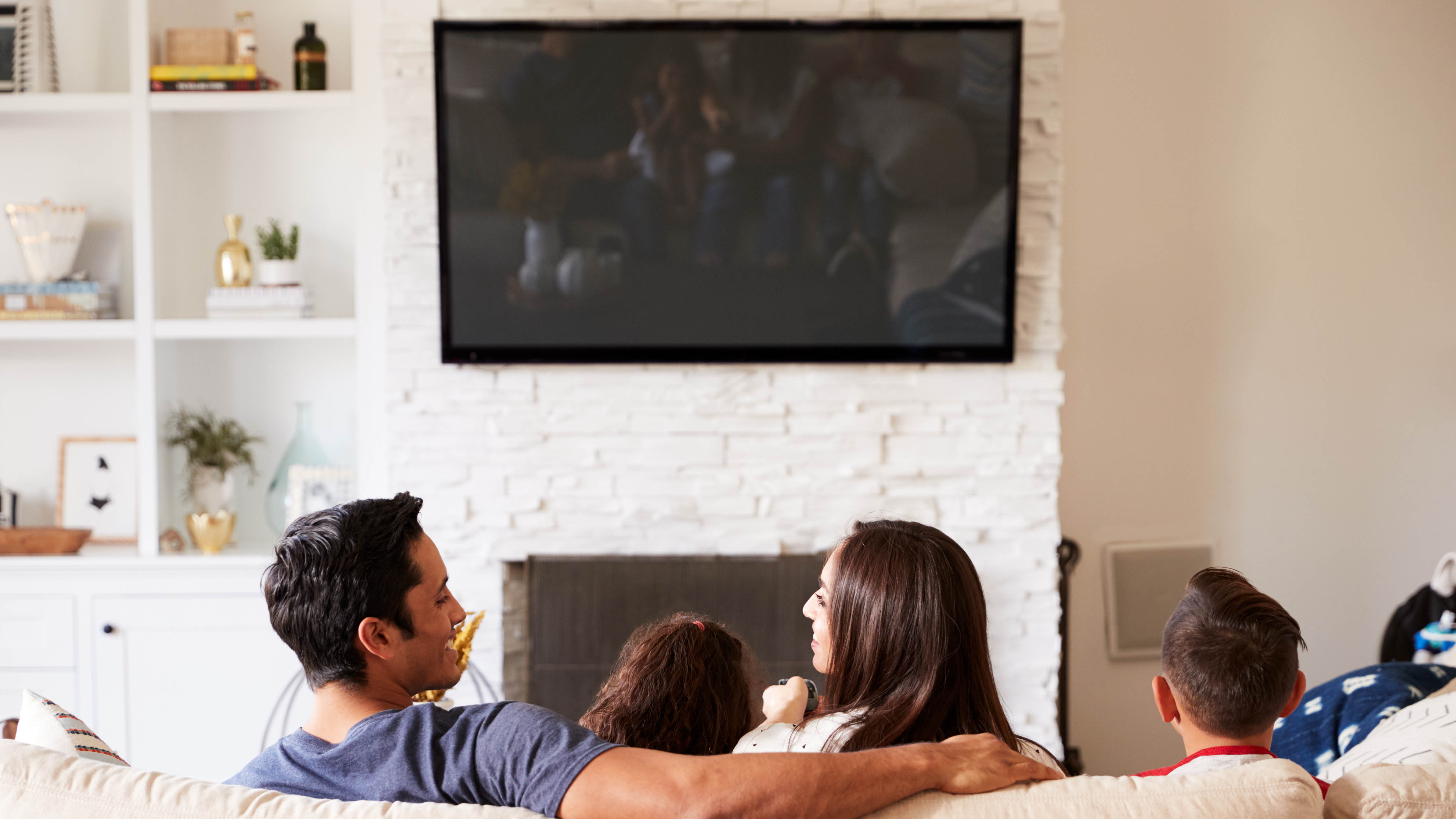
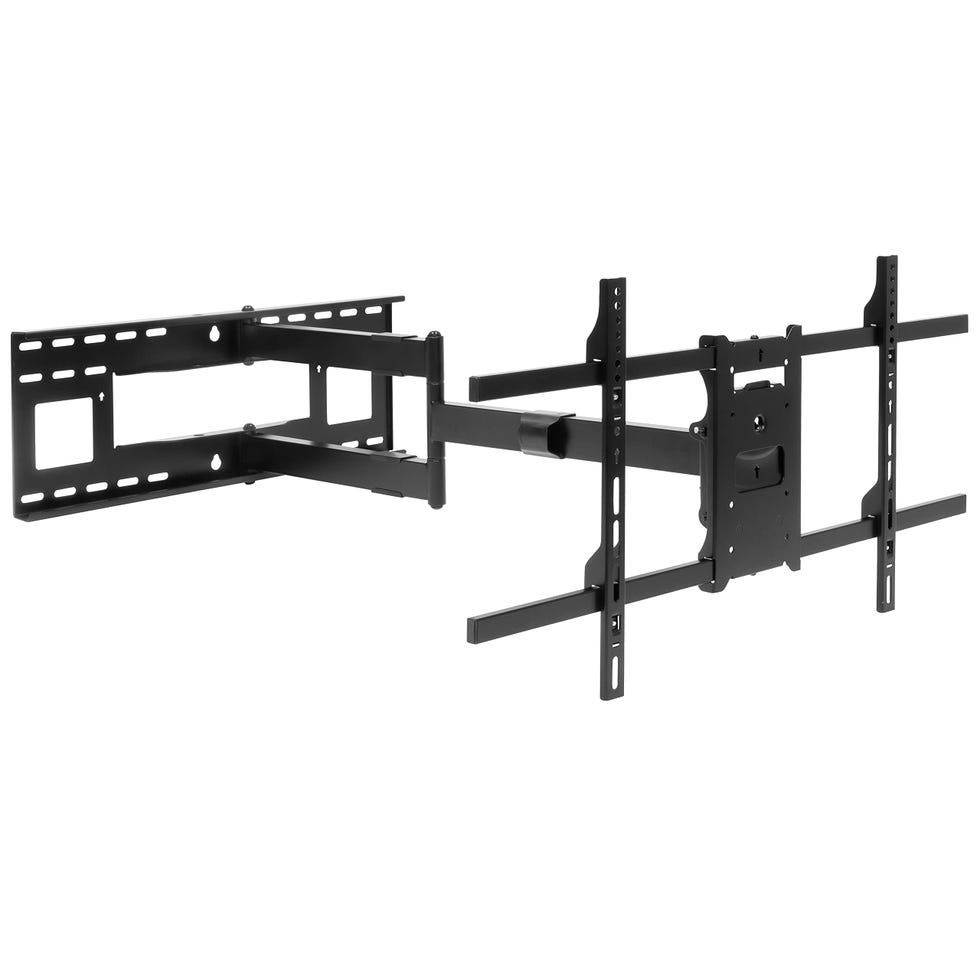
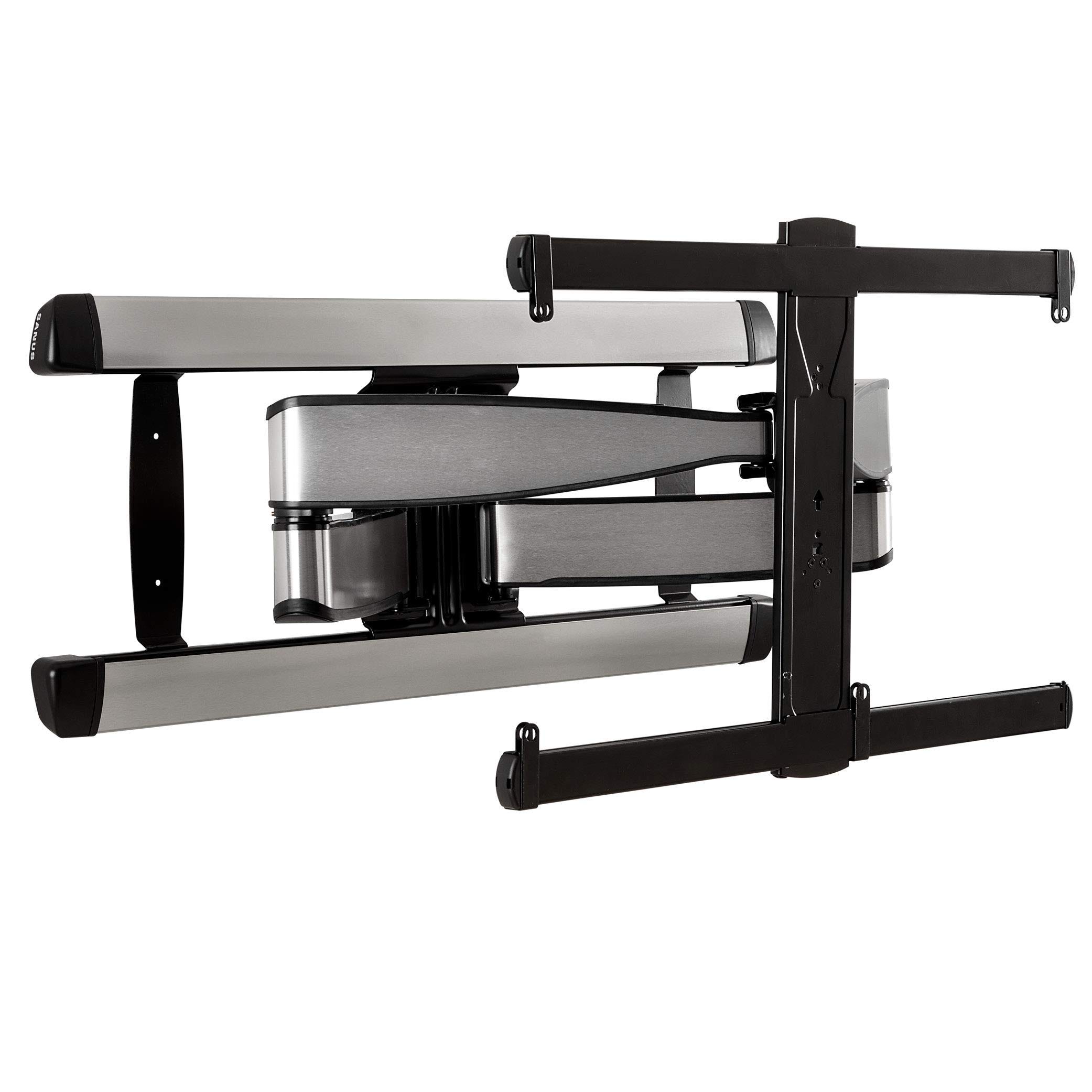
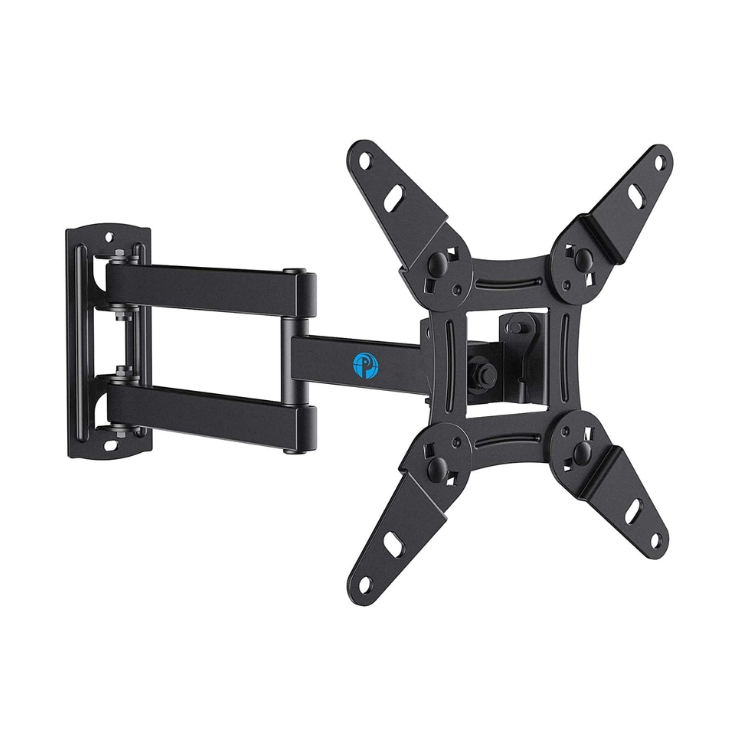
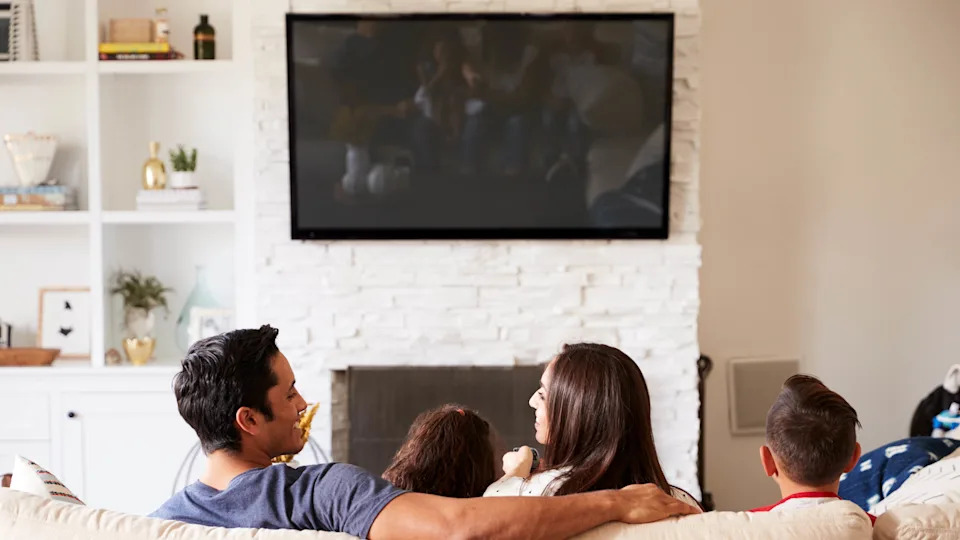
Another common error is viewing the TV from too far away. The recommended viewing distance is 1.5 to 2.5 times the TV's diagonal screen size. For instance, a 55-inch TV should be 7 to 11 feet away. Sitting too far can cause a forward head posture, which significantly increases the strain on the neck, potentially leading to pain, spasms, and headaches. To address this, full-motion wall mounts with extendable arms can bring the TV closer to the viewer without necessitating furniture rearrangement. Conversely, sitting too close is not a health concern for eyesight, contrary to popular belief.
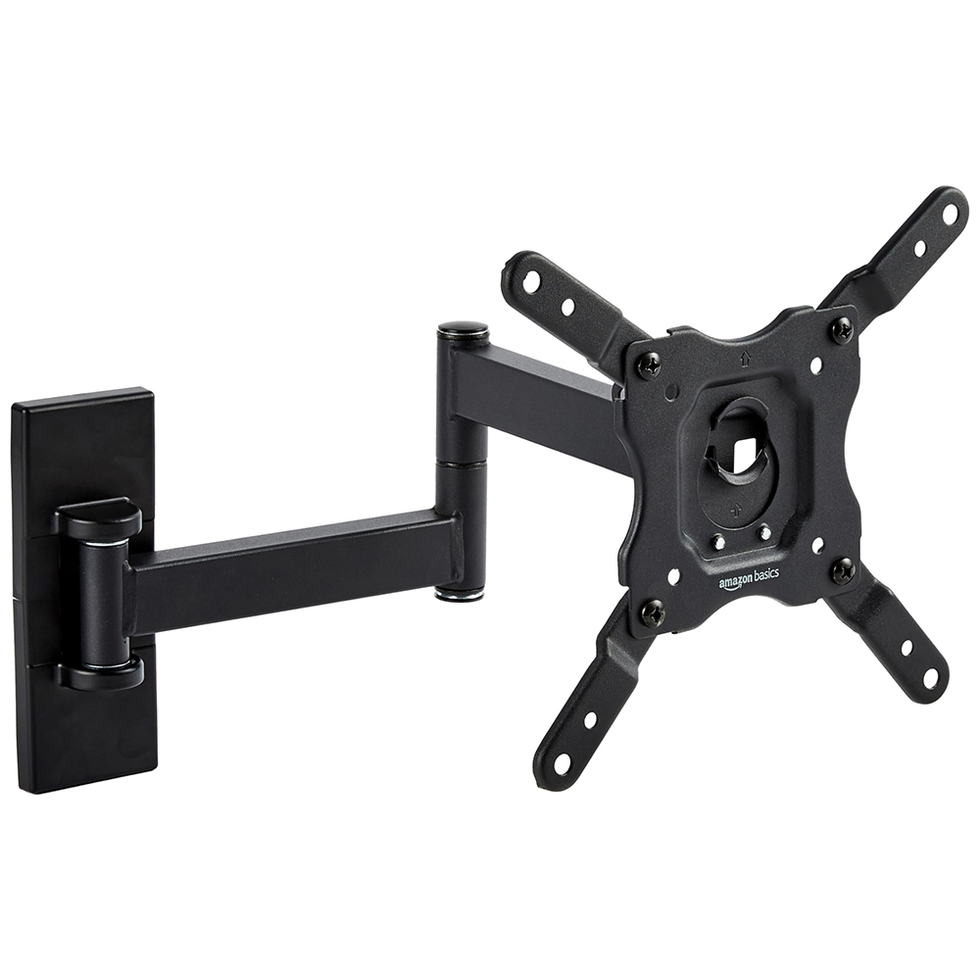
Incorrect side positioning, where the viewer's head is constantly turned to one side, can also cause musculoskeletal issues like cervical syndrome. Prolonged non-neutral head positions can shorten some muscles and lengthen others, leading to chronic pain and reduced range of motion. Swivel-enabled TV mounts or old-fashioned rolling TV stands can help align the screen directly in front of the viewer.
Finally, poor seating posture while watching TV contributes significantly to alignment problems. Many modern couches encourage slouching with low backs and deep seats, causing the lower back to curve into a C-shape and exacerbating forward head posture. This can be mitigated by using pillows to prop the body forward and maintain an upright position, or by sitting cross-legged. In bed, similar use of pillows to support the spine, from the tailbone to the head, is recommended, even when reclining, to avoid spinal C-curves. Moving around and changing positions frequently is also advised for overall ergonomic health.
#TVMounting #Ergonomics #HomeDecor #NeckPain #BackPain #TVPlacement #HomeImprovement #HealthAndWellness #TVMounting #Ergonomics #HomeDecor #NeckPain #BackPain #TVPlacement #HomeImprovement #HealthAndWellness
0 comment in total
 No comments yet
You may also like
Interior expert reveals the common TV placement mistakes you're probably making

Don't Mount Your TV Above Your Fireplace: Here's Why

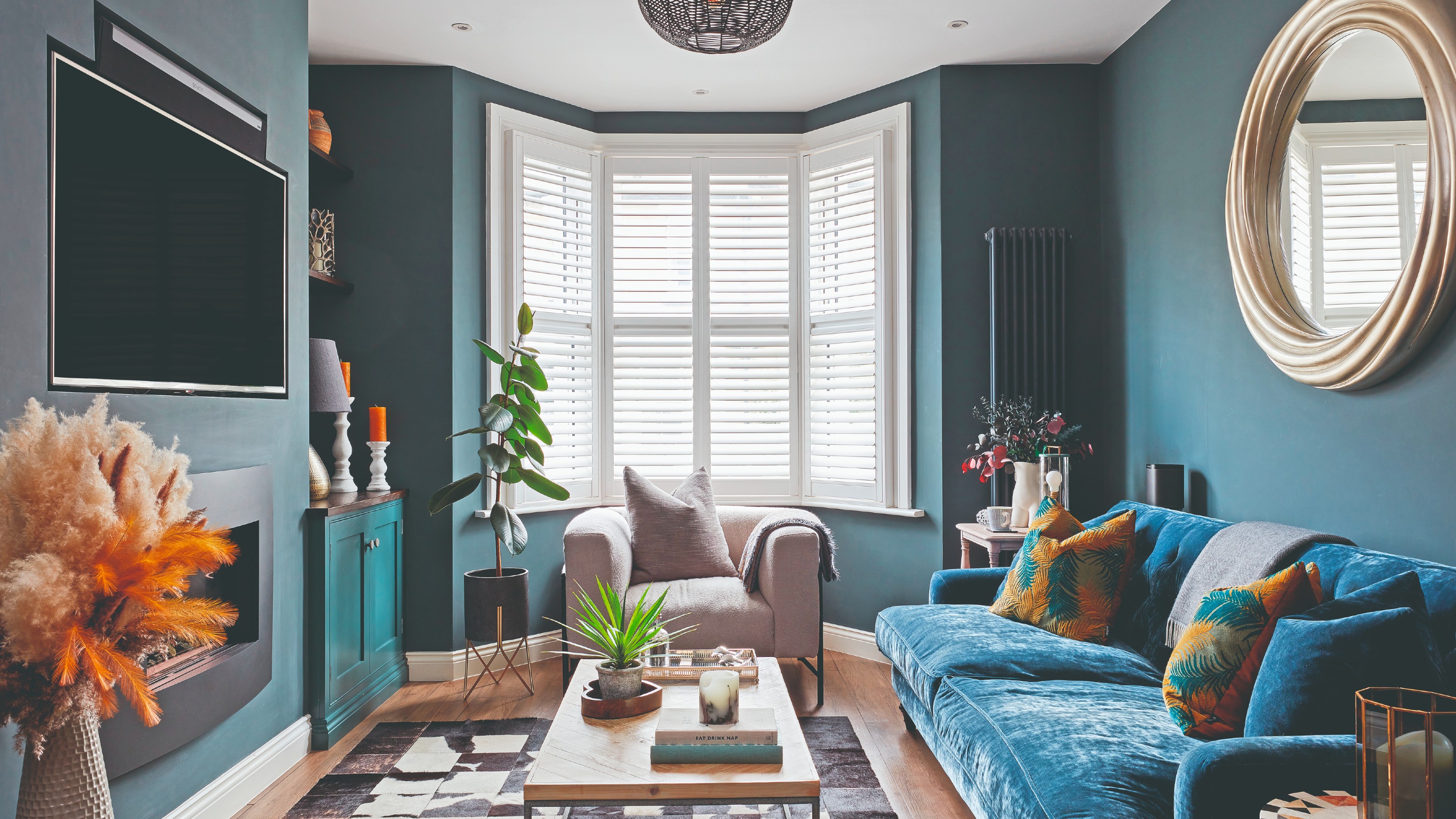
Should you put a TV above the mantelpiece? Experts all agree on this newly sparked debate
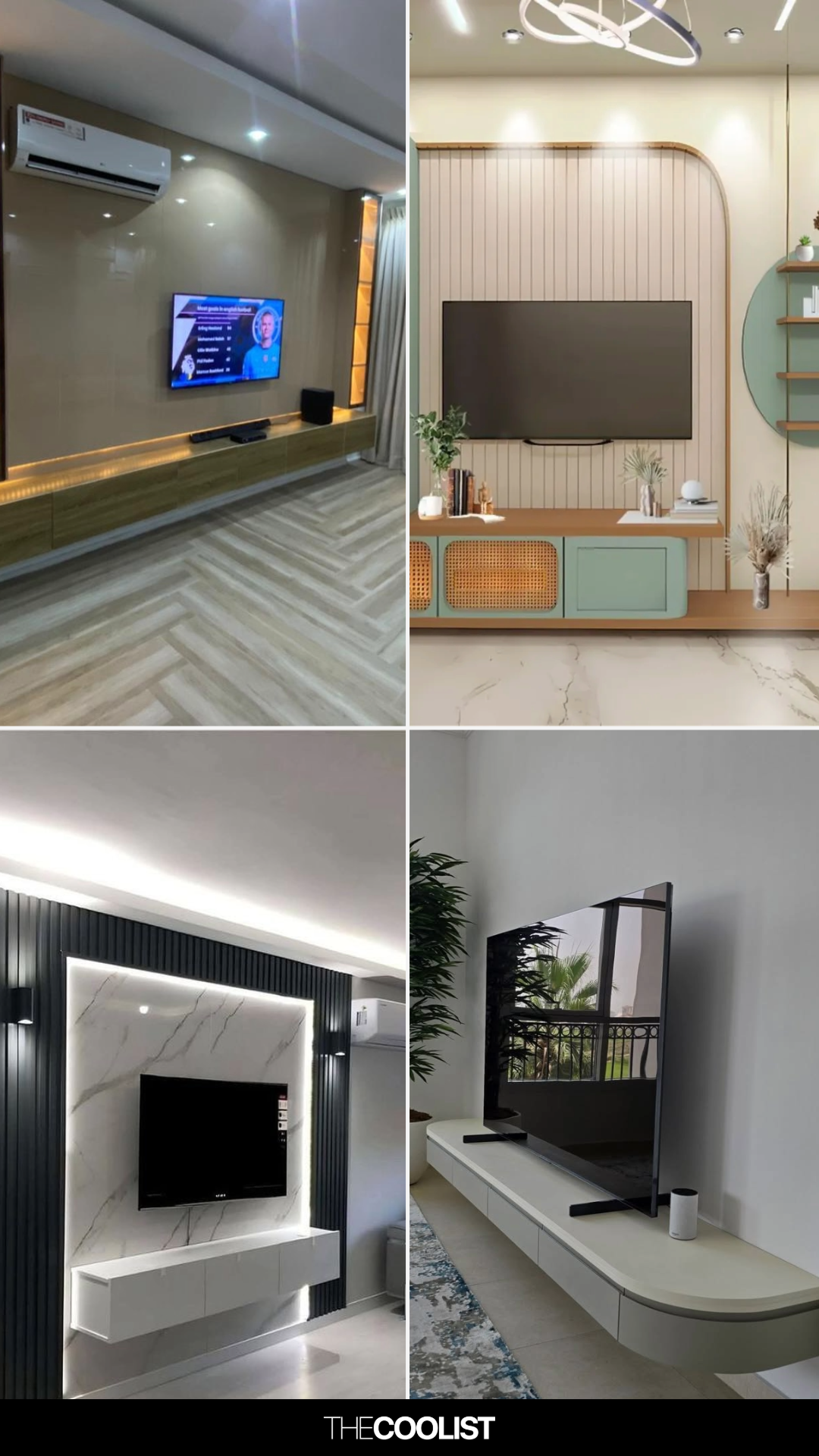
28 TV Console Decoration Ideas That’ll Make You Regret Treating It Like a Tech Shelf
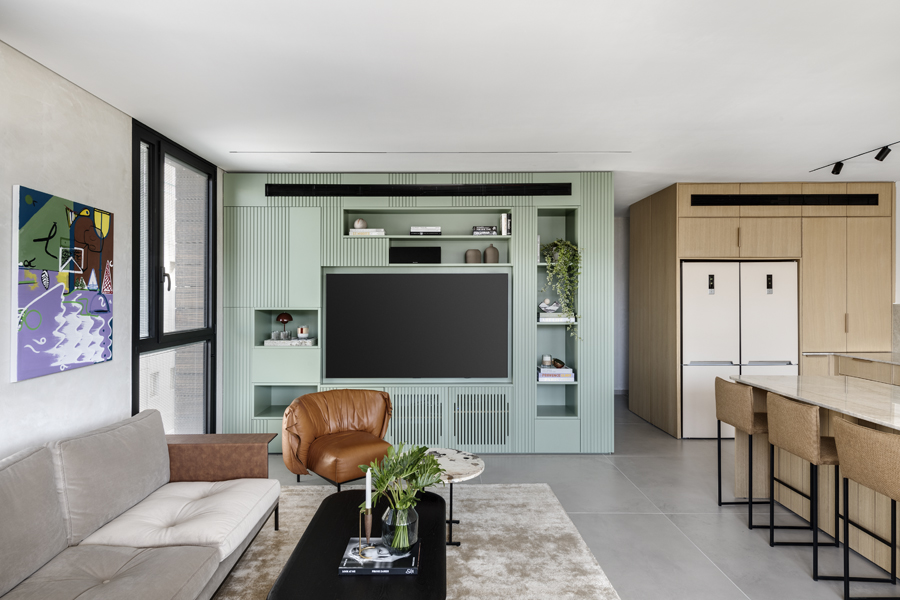
These are the 7 biggest mistakes you can make when deciding where to put your TV, according to Feng Shui masters

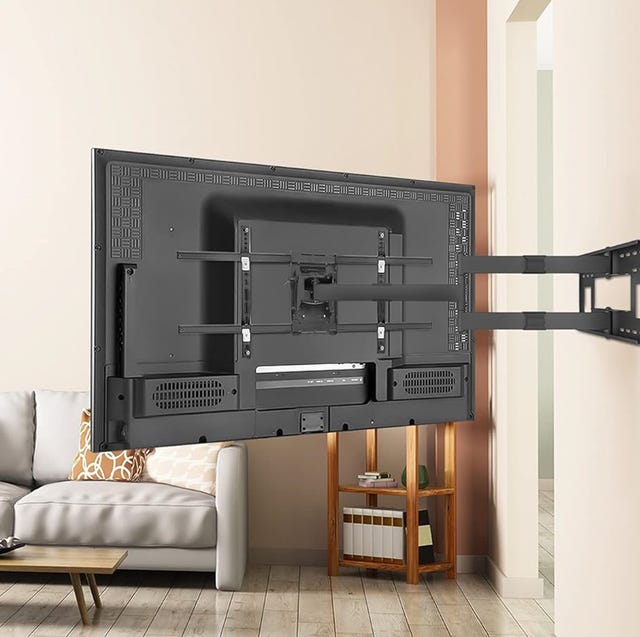
The Best TV Mounts to Level Up Your Space
TV wall mounting tips: what you need to know before you get the drill out

Is Your TV an Eyesore? Designers Use These 41 Tricks to Help It Blend In


Here’s How to Not Mess Up Mounting Your TV on the Wall | Reviews by Wirecutter
Telephant in the Room: 3 ways to keep a big TV from hitting your decor with a big thud
Our Favorite TV Wall Mount is Just $30 on Amazon

33 Ways to Make the TV Over a Fireplace Look Better, With Expert Tips
I test TVs for a living, and this is the one spot in my living room I would never put my TV

How to mount your TV to a wall in a way that's smart and safe
Should You Really Put Your Television Over Your Mantel?
Should You Hang a TV Above Your Mantel? Experts Settle the Design Debate

I test TVs for a living, and this is the one spot in my living room I would never put my TV
As a Parent of an Energetic Toddler, These Are the TV Wall Mounts That I Trust

How to Mount a TV Without Making a Mess (Published 2019)