1/6
Do curtains belong in the kitchen? These experts have completely changed my perspective
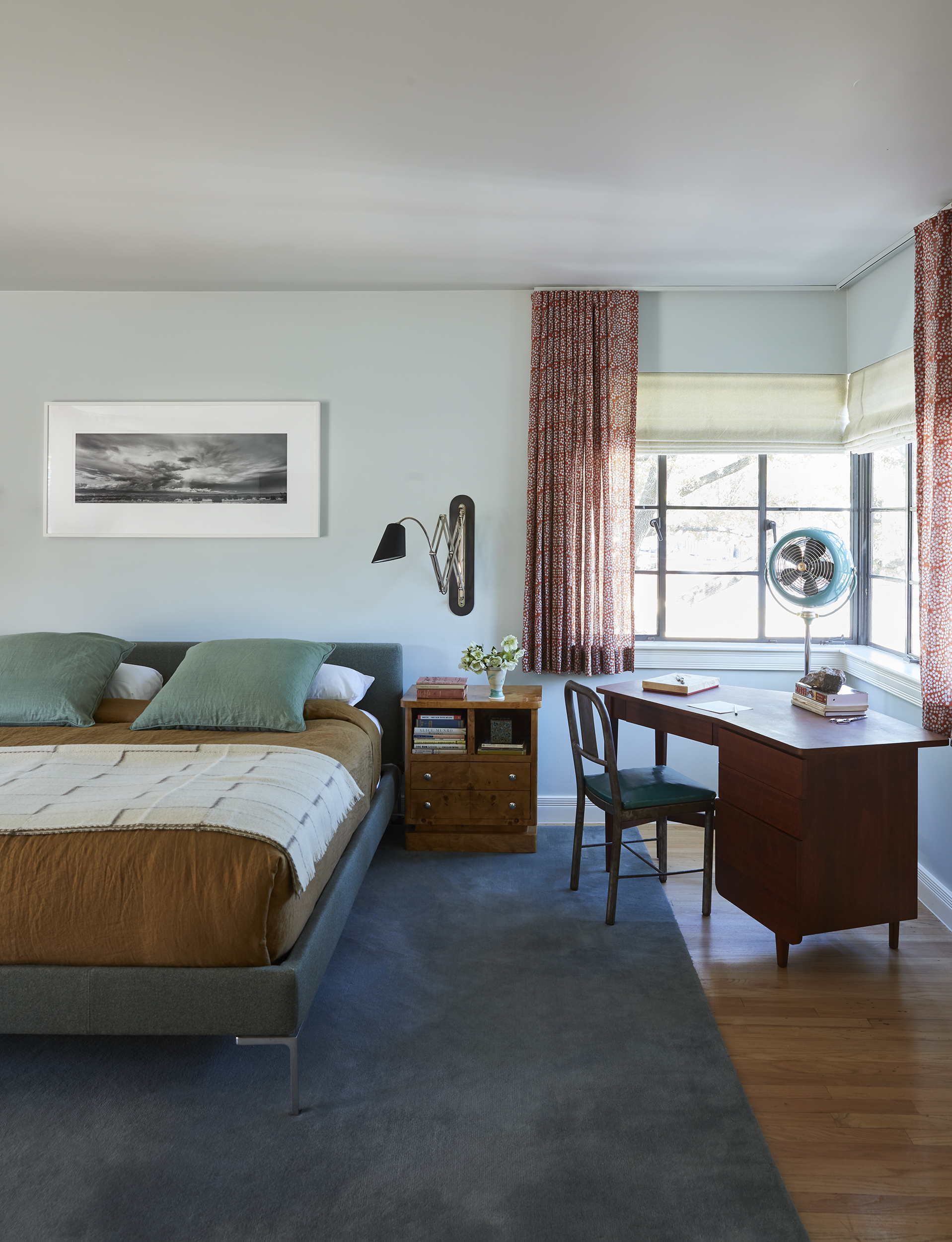
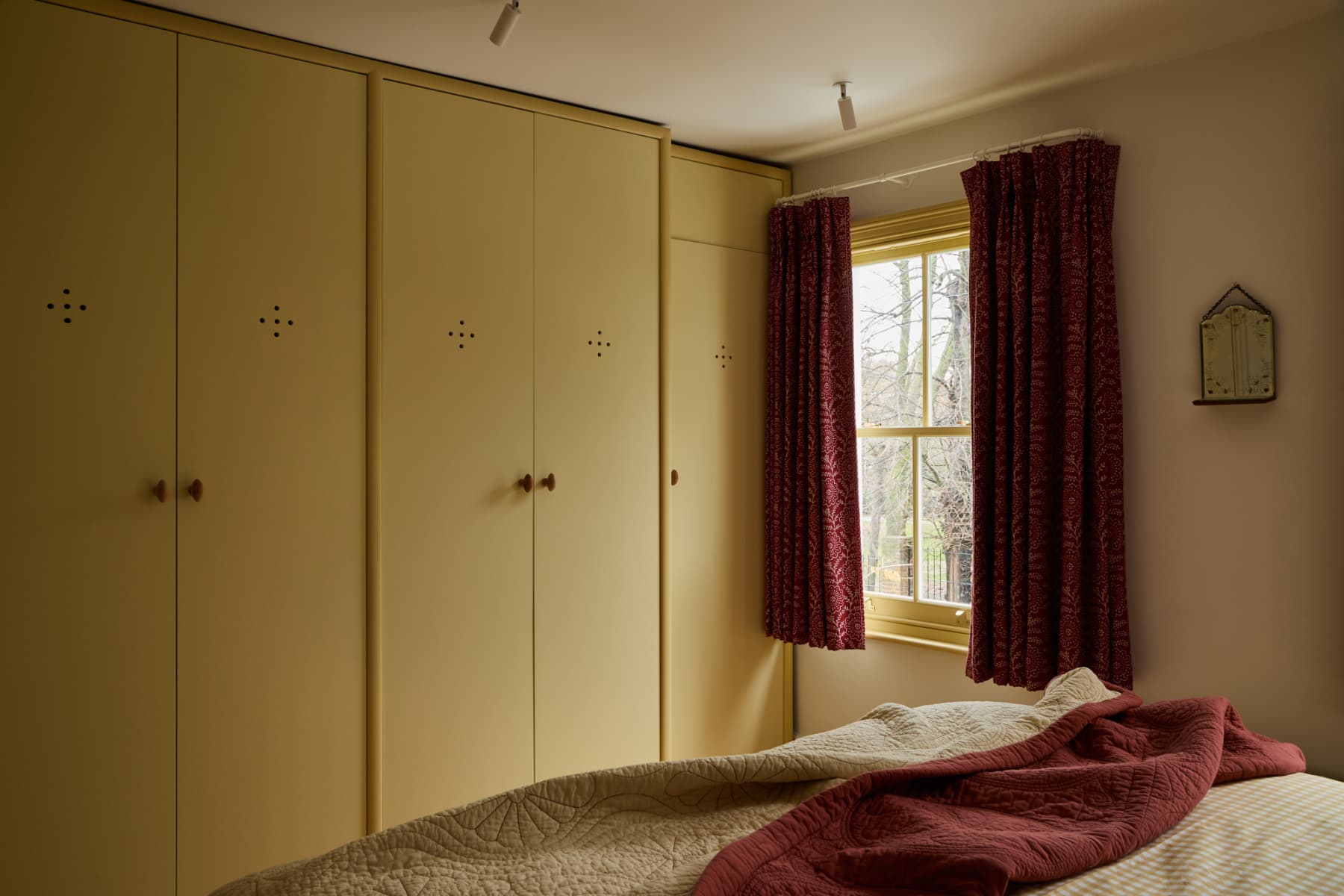
The inclusion of curtains in kitchens is a subject of ongoing debate among homeowners and designers. Concerns regarding their durability in a high-traffic, potentially messy environment often lead to them being overlooked. However, many experts advocate for the strategic use of curtains, highlighting their ability to enhance the space both aesthetically and functionally. This article explores various perspectives from top designers on whether curtains truly belong in the kitchen, offering insights into appropriate types, materials, and installation techniques.
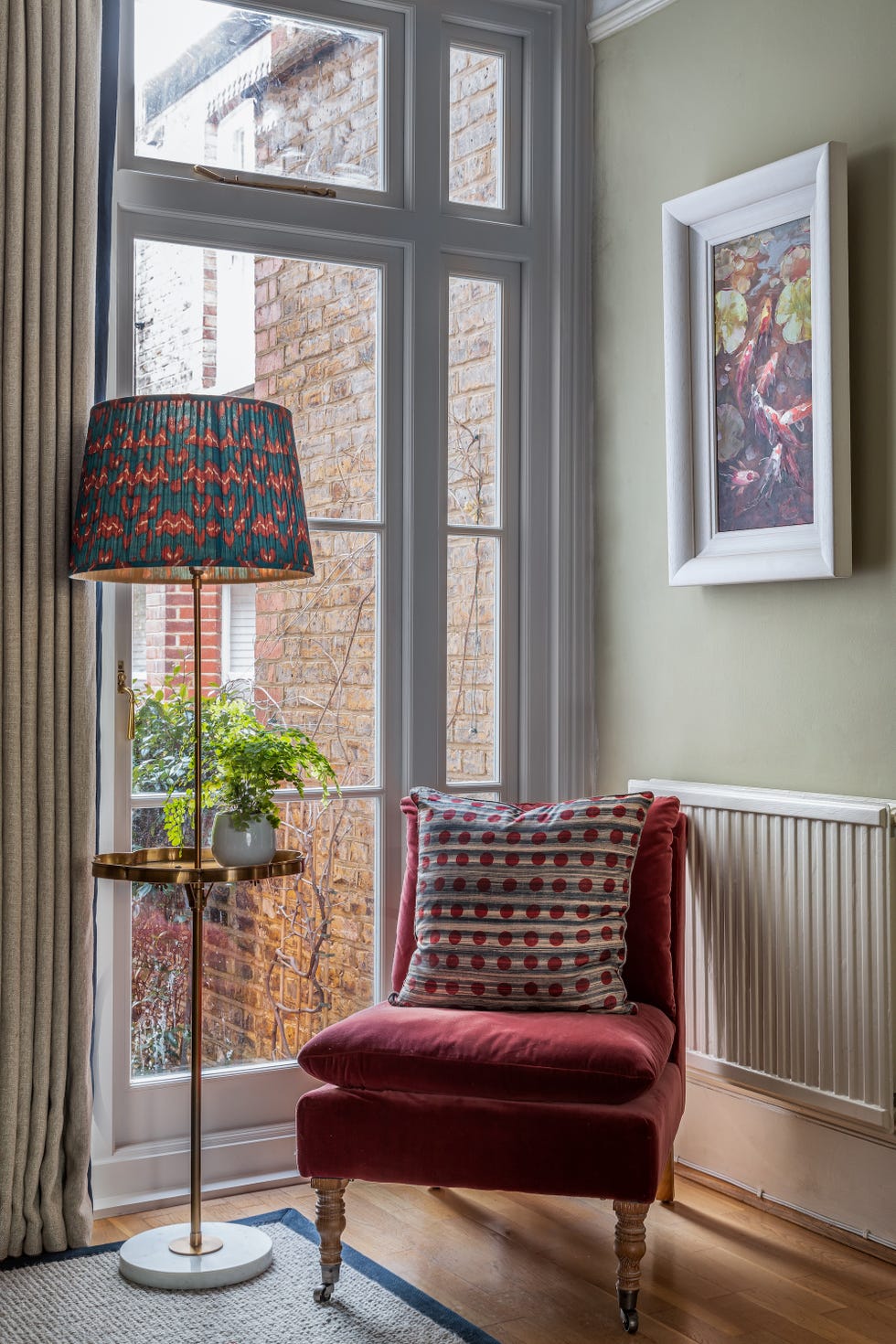
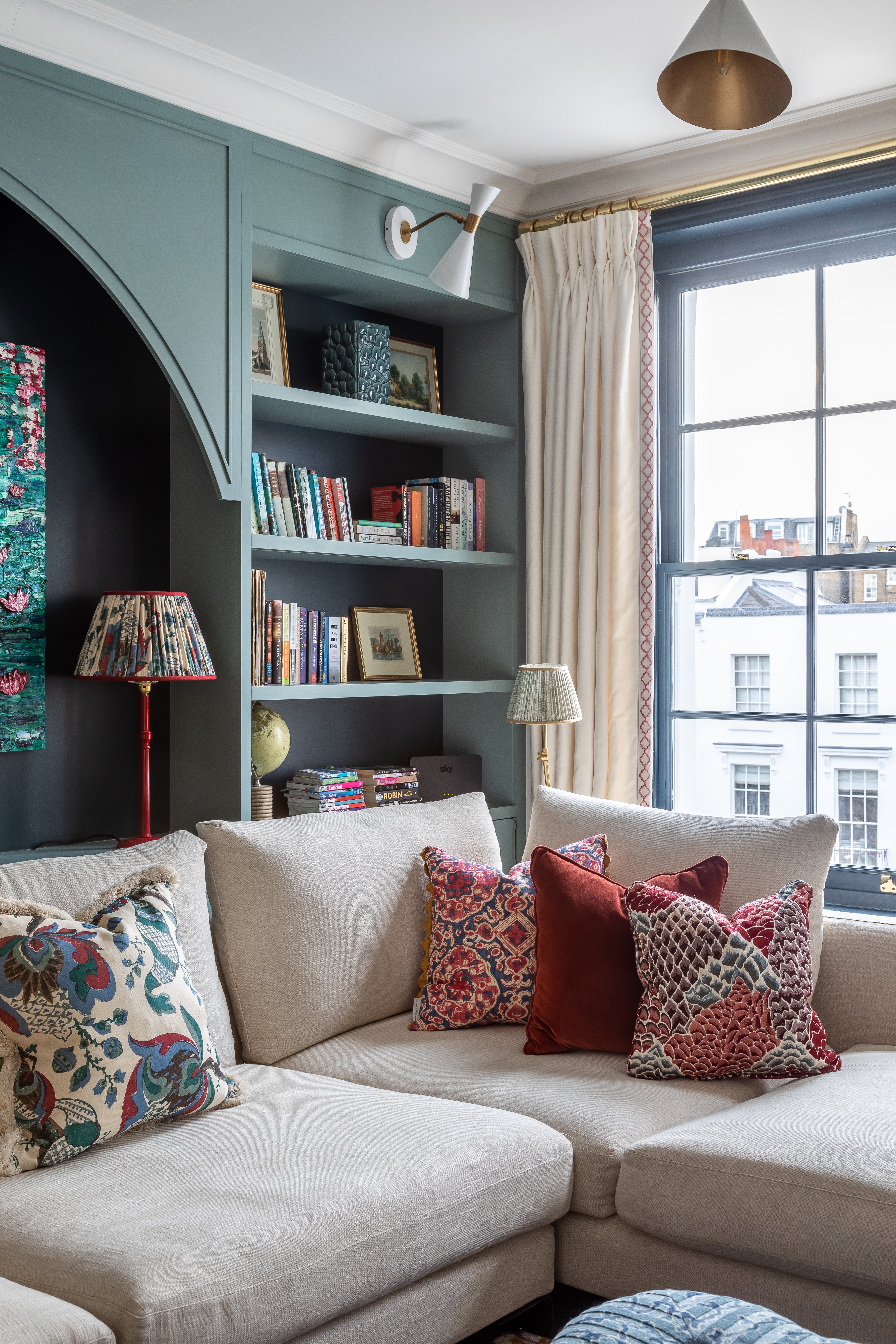
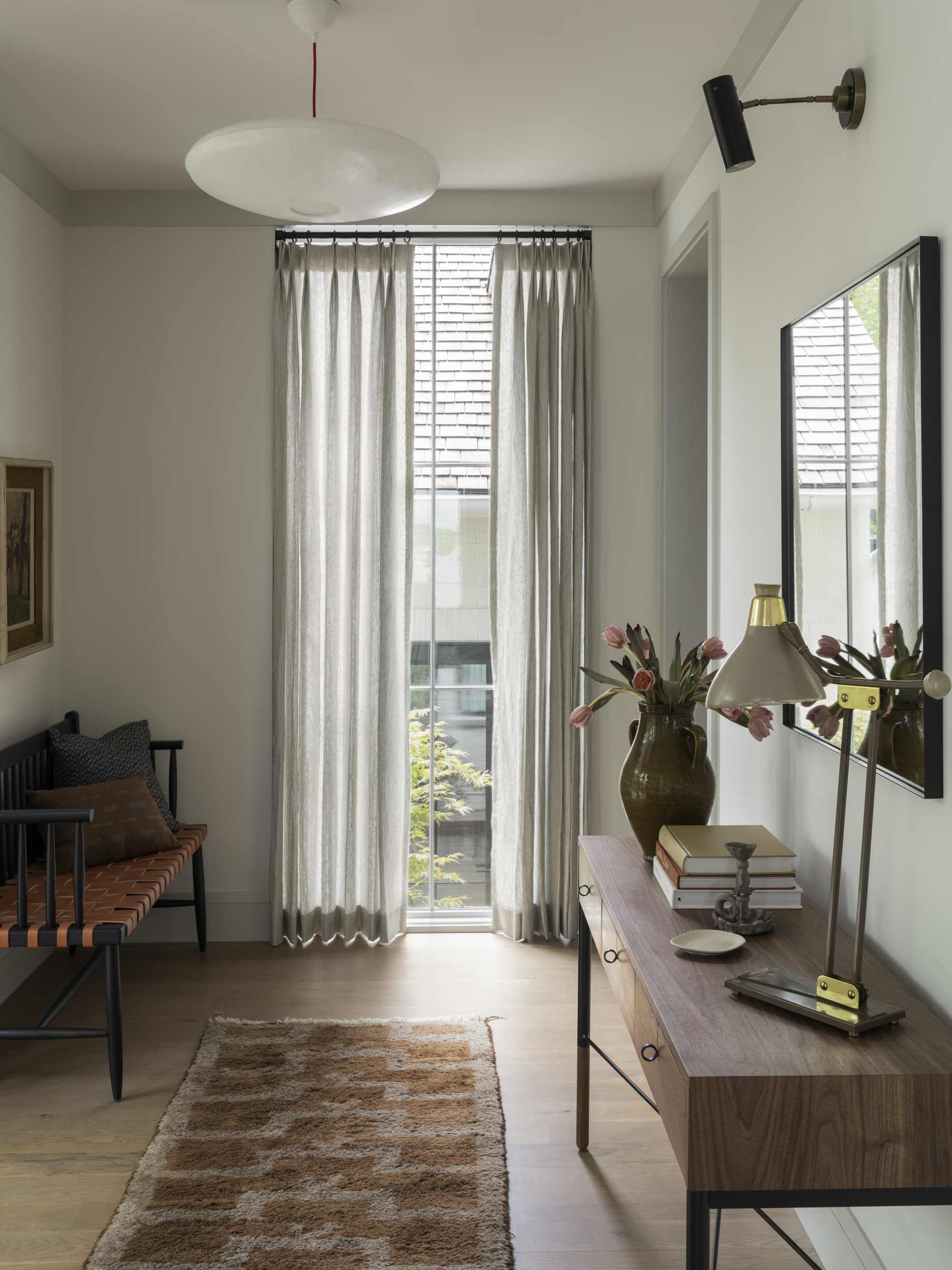
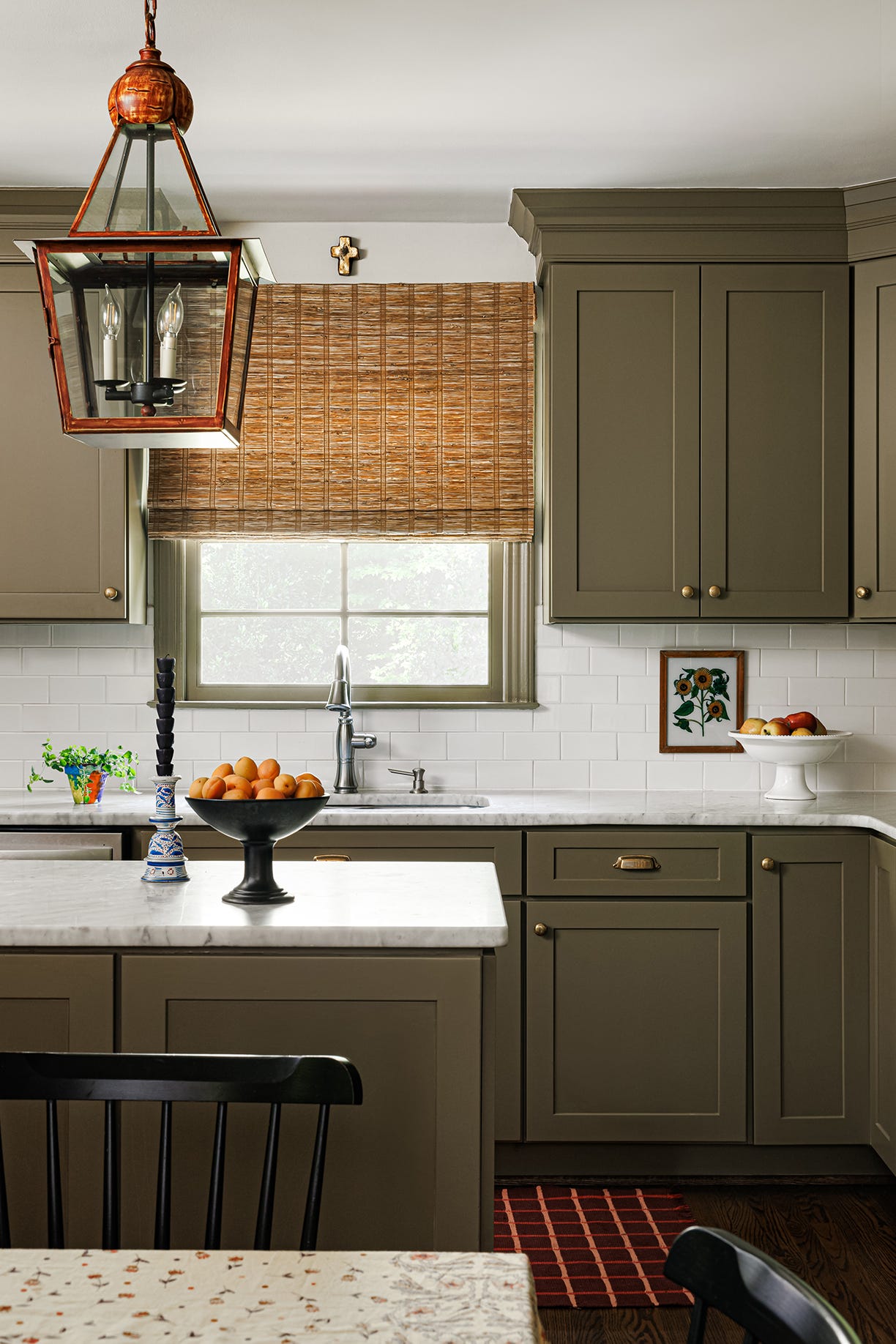
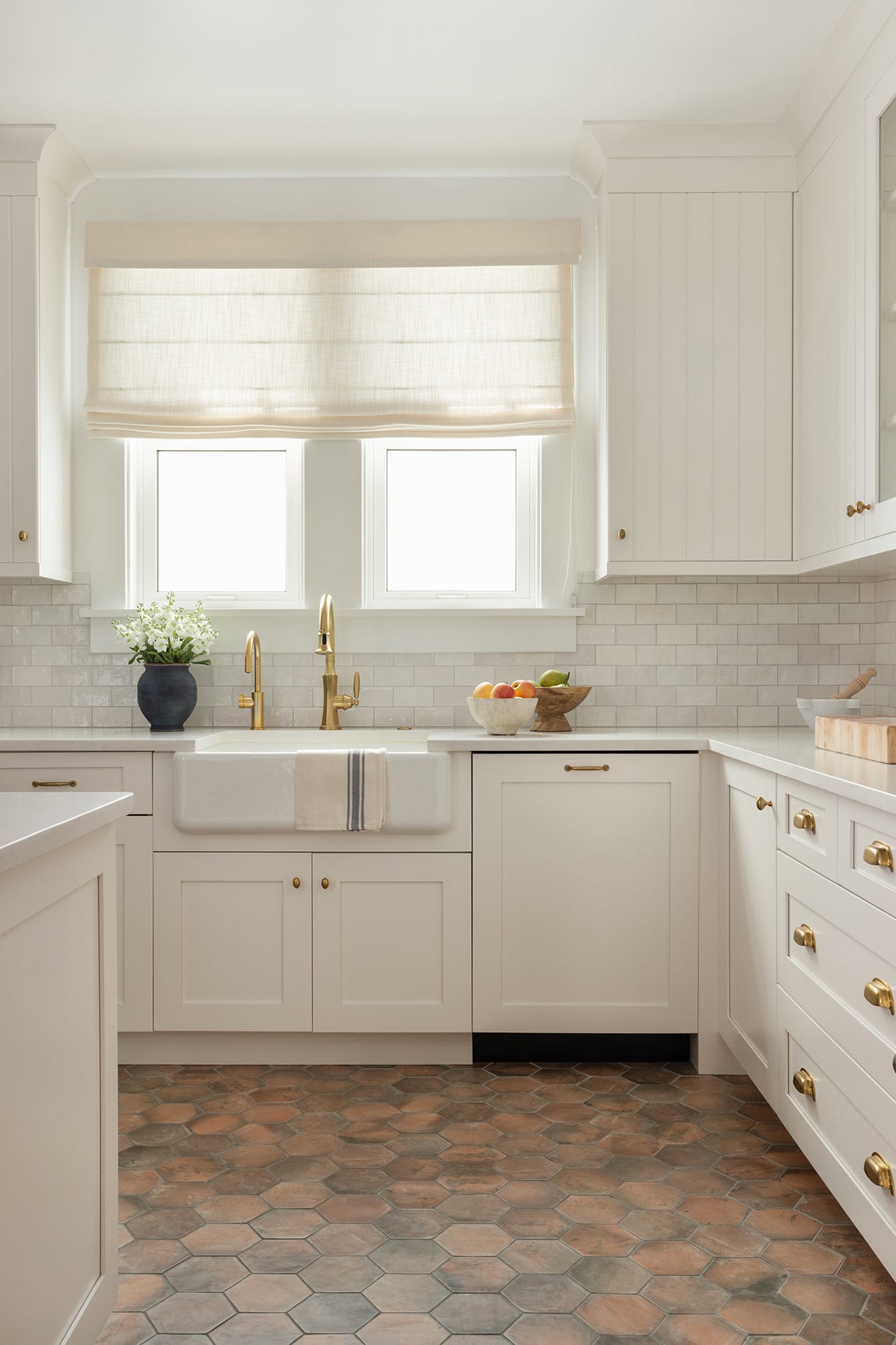
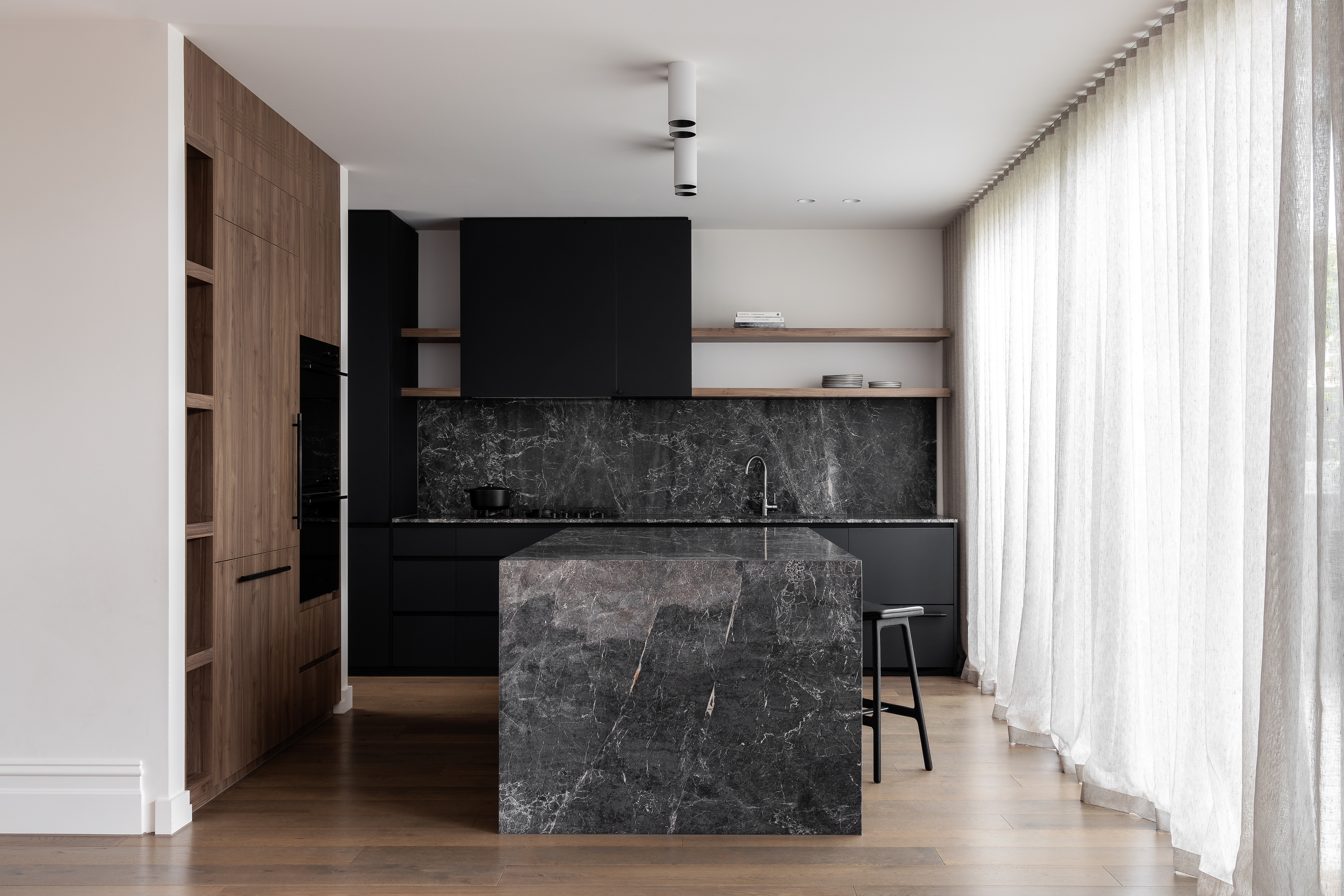
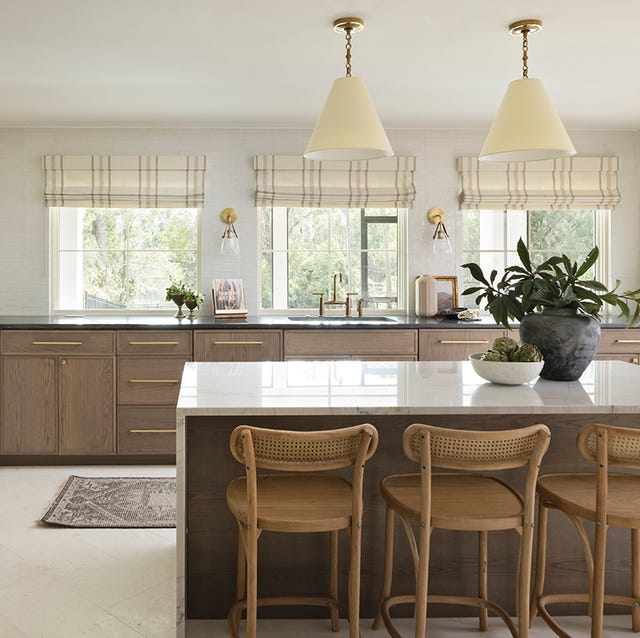
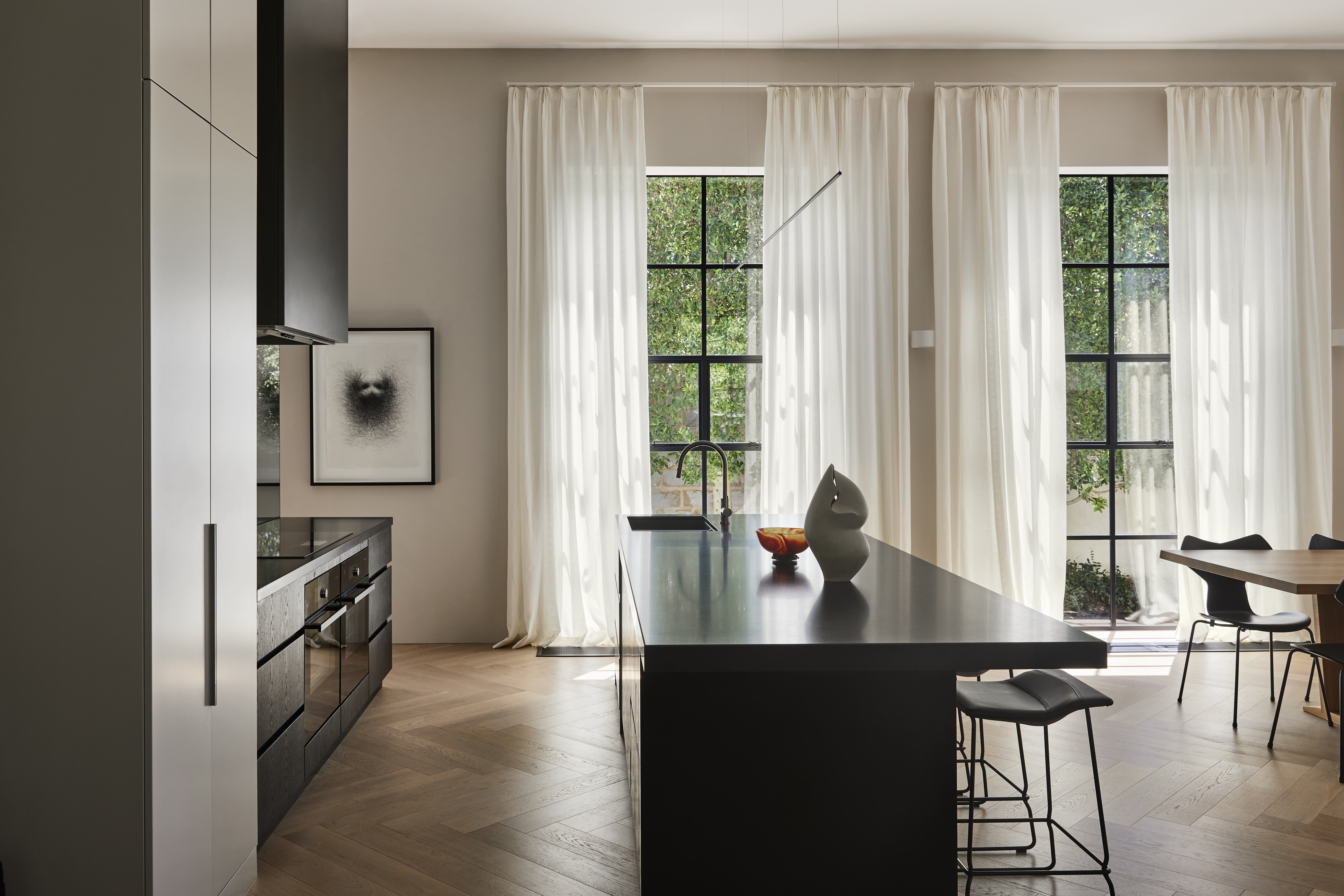
While kitchen window treatments are generally considered optional due to the presence of fumes, stains, and smells that can damage textiles, curtains can provide significant benefits. They are effective in filtering light, offering privacy without obstructing natural light, and are often easy to clean—simply requiring removal and laundering. Beyond practicality, curtains add a decorative touch, introducing warmth and texture to an otherwise functional space. Designers like Constanze Ladner emphasize that kitchens can sometimes appear too technical and lack warmth, a deficit that curtains can elegantly address.
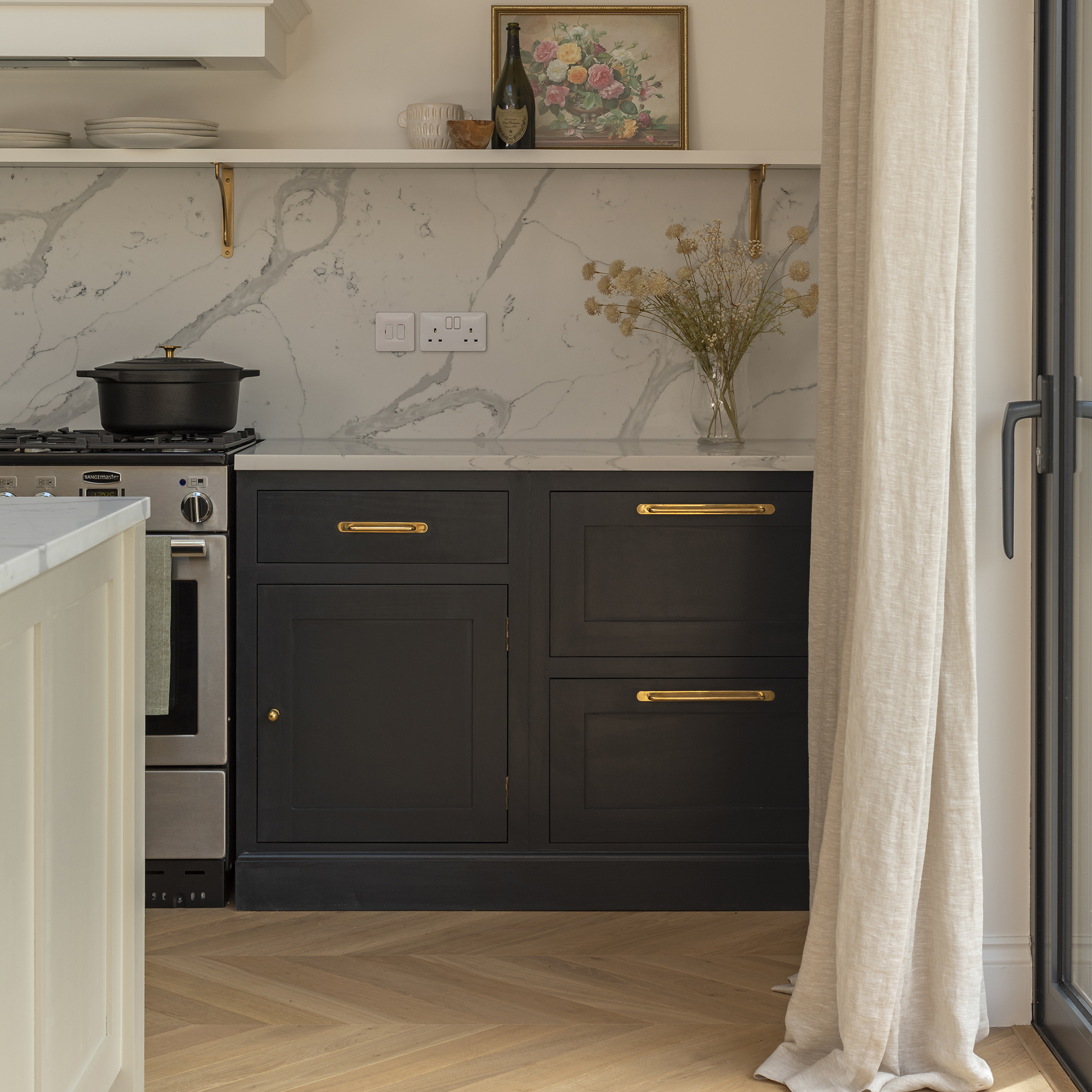
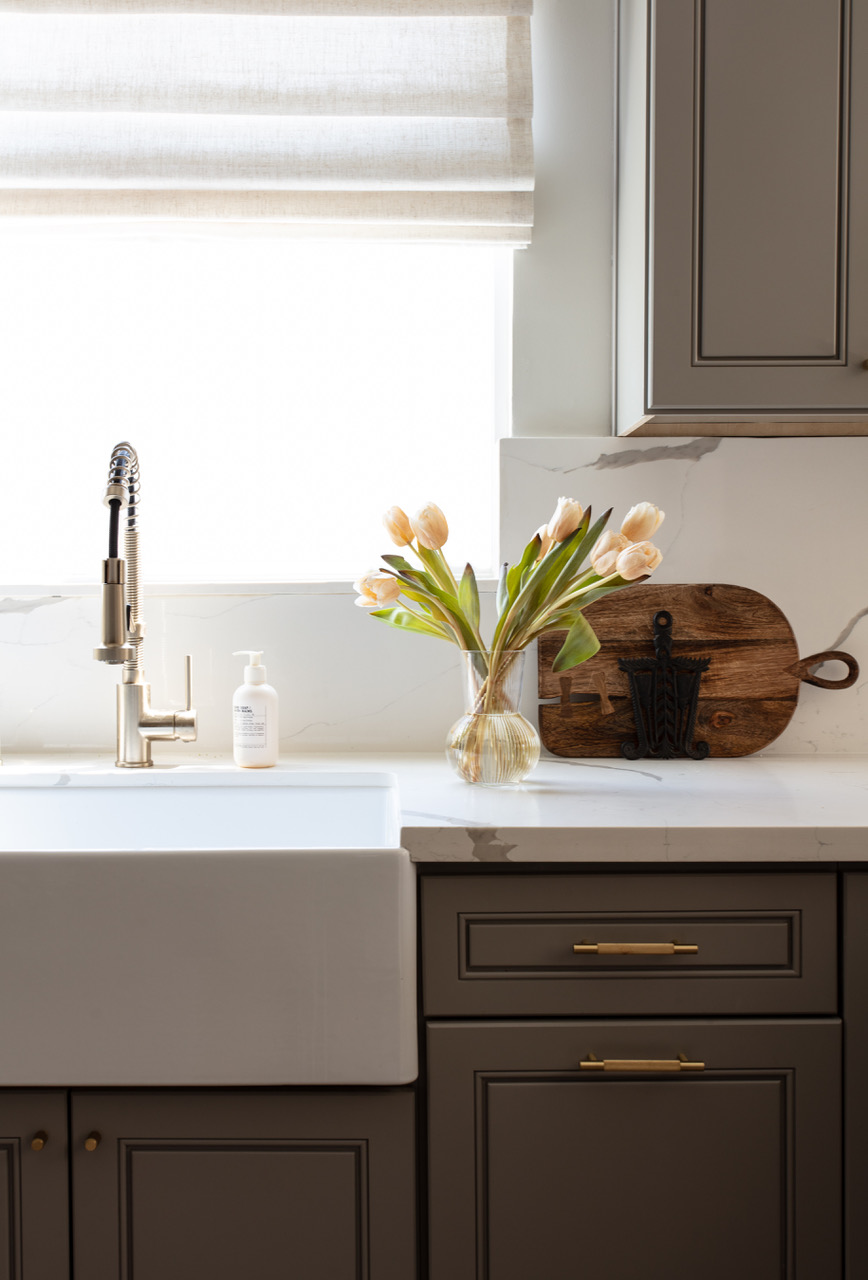
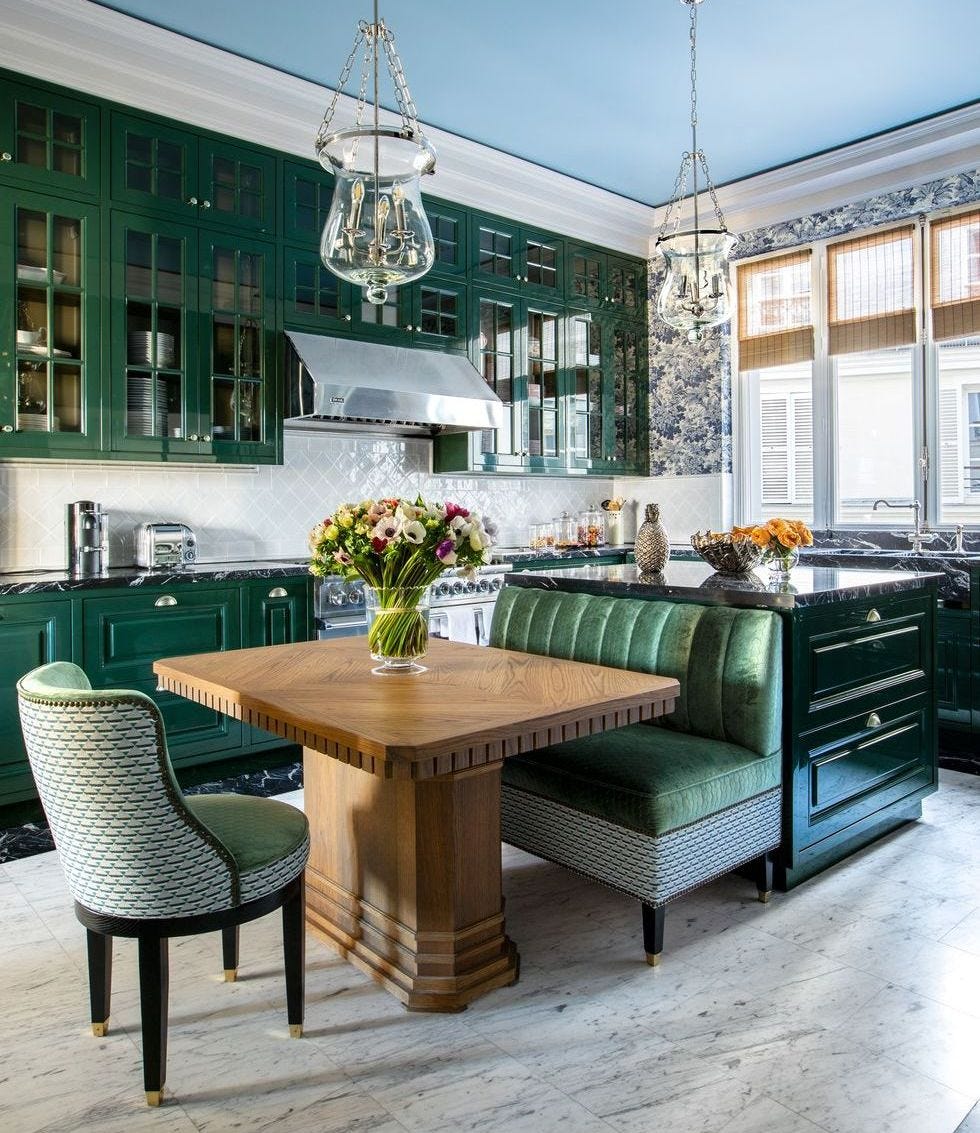
Before installing drapes, several factors should be considered. The size of the kitchen and the window's location are crucial. In small kitchen layouts, where maximizing light and views is paramount, opting for no curtains or easily retractable ones might be more suitable. It is advisable to place curtains away from the stove and sink to protect them from food and water stains. Locations such as by a kitchen banquette or at the opposite end of the room can still provide decorative value without being in harm's way.
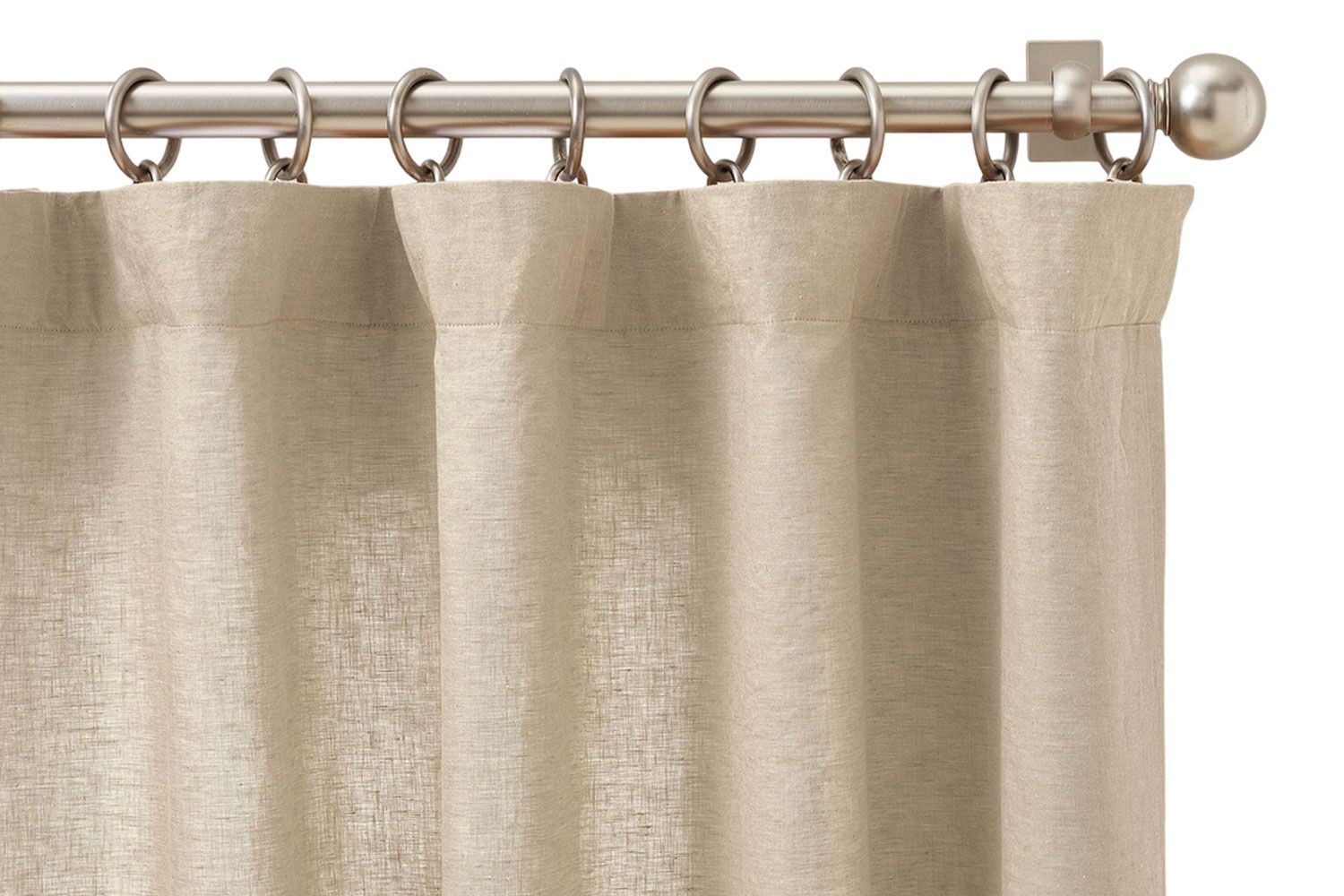
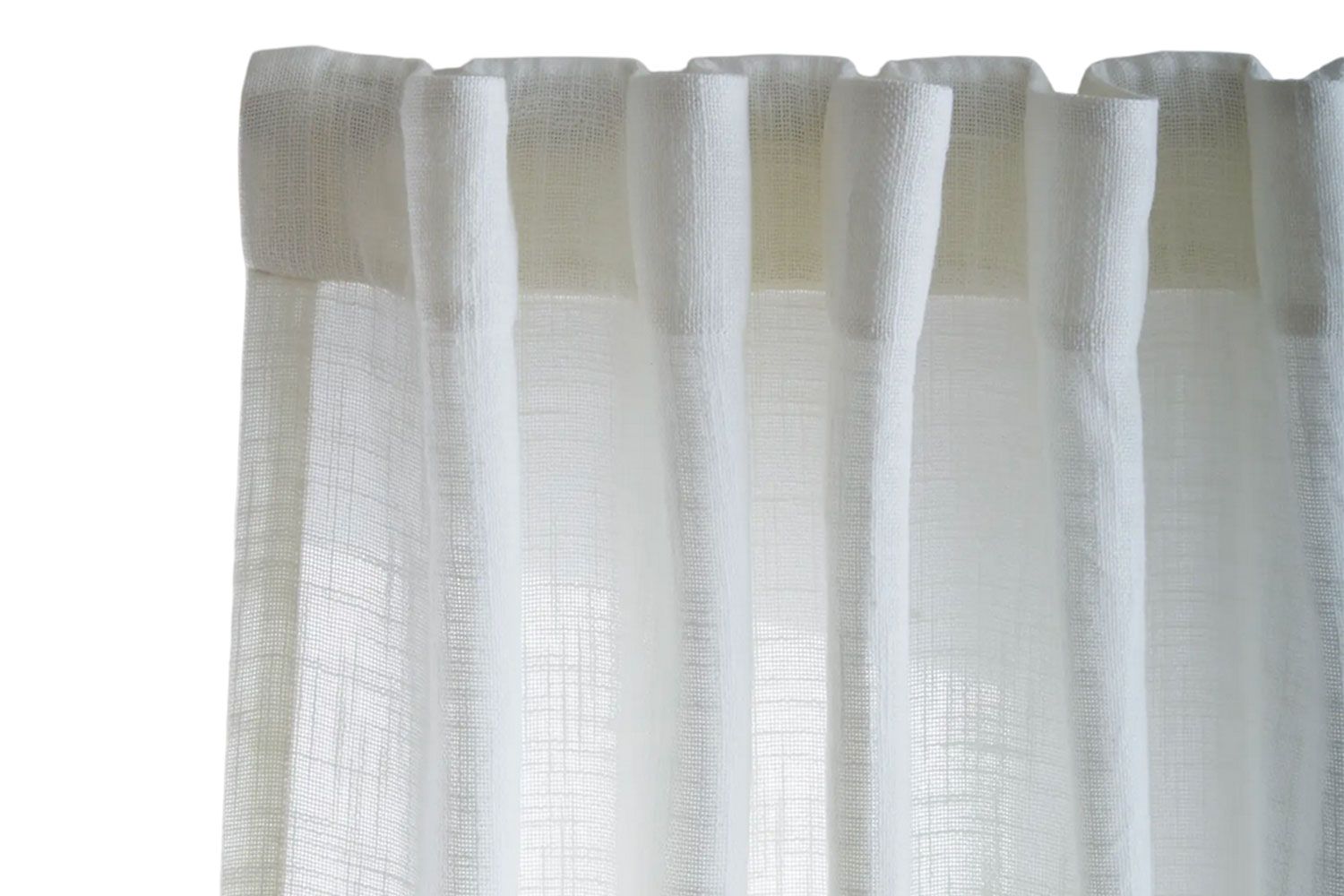
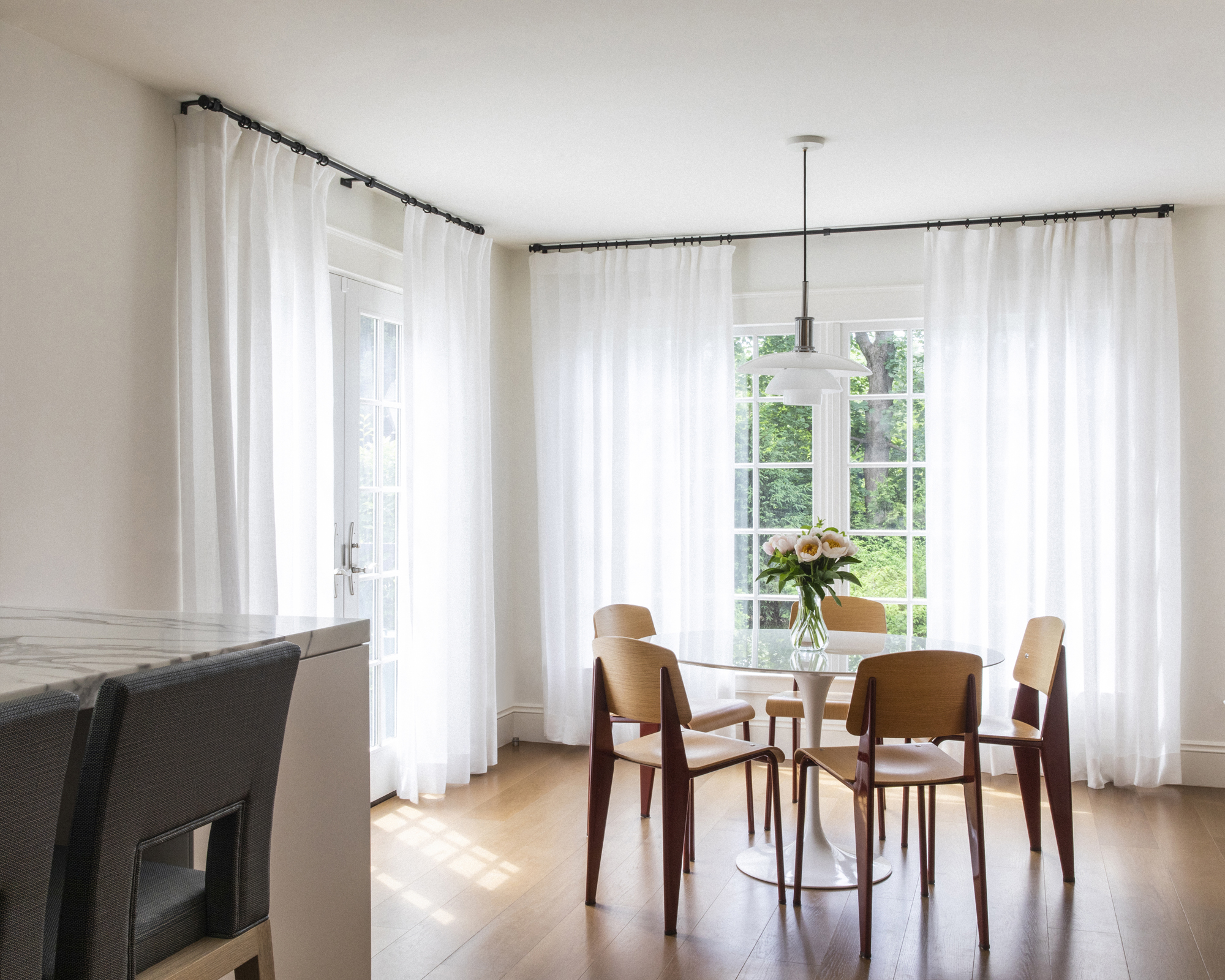
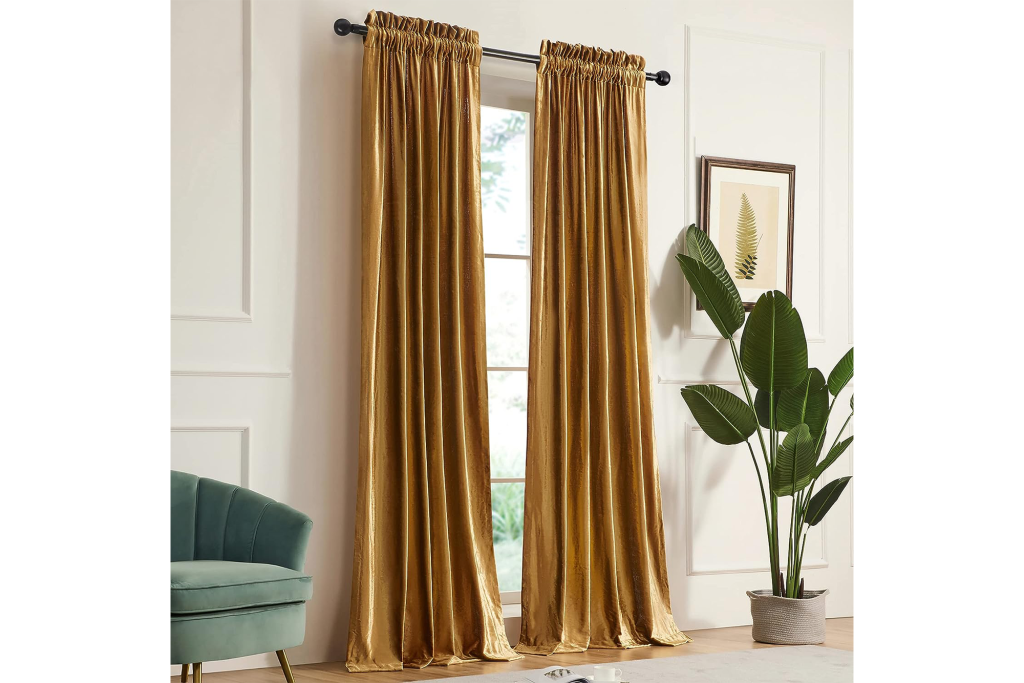
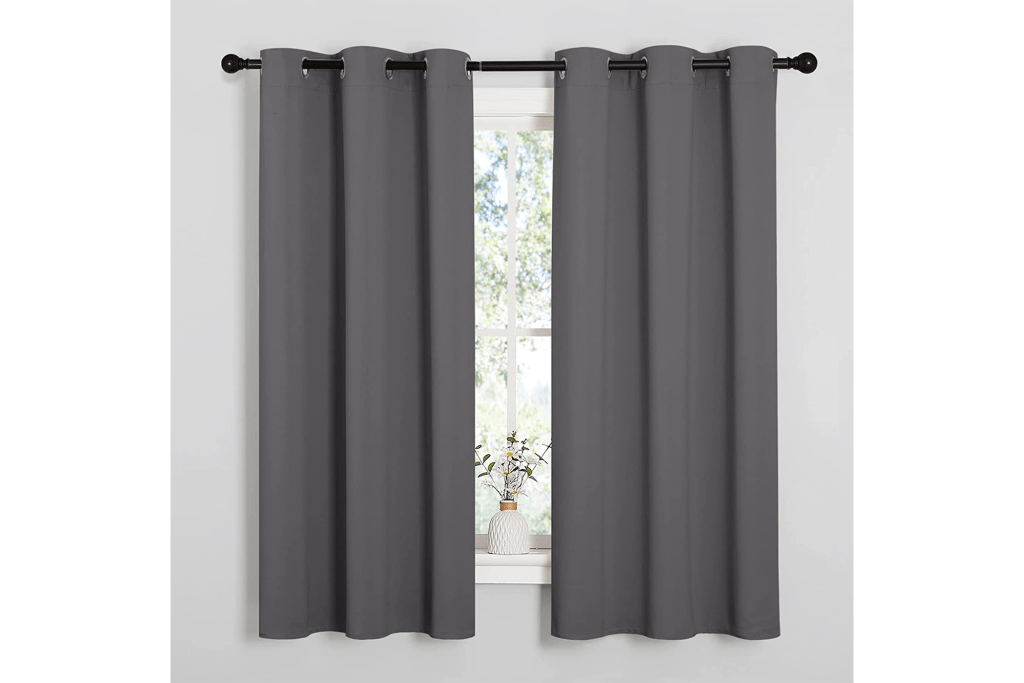
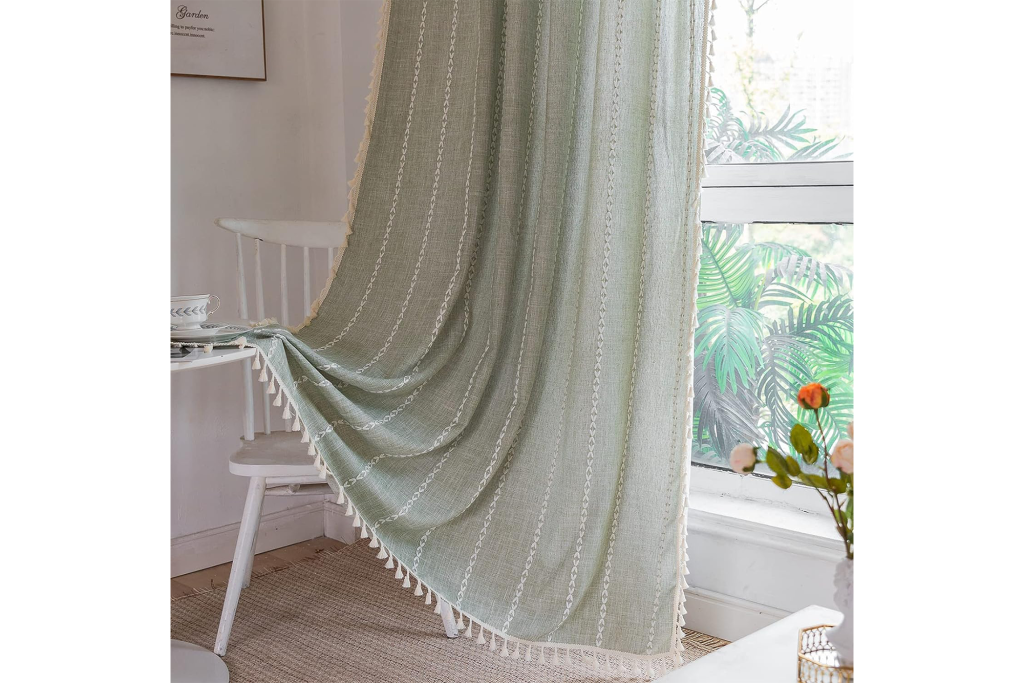
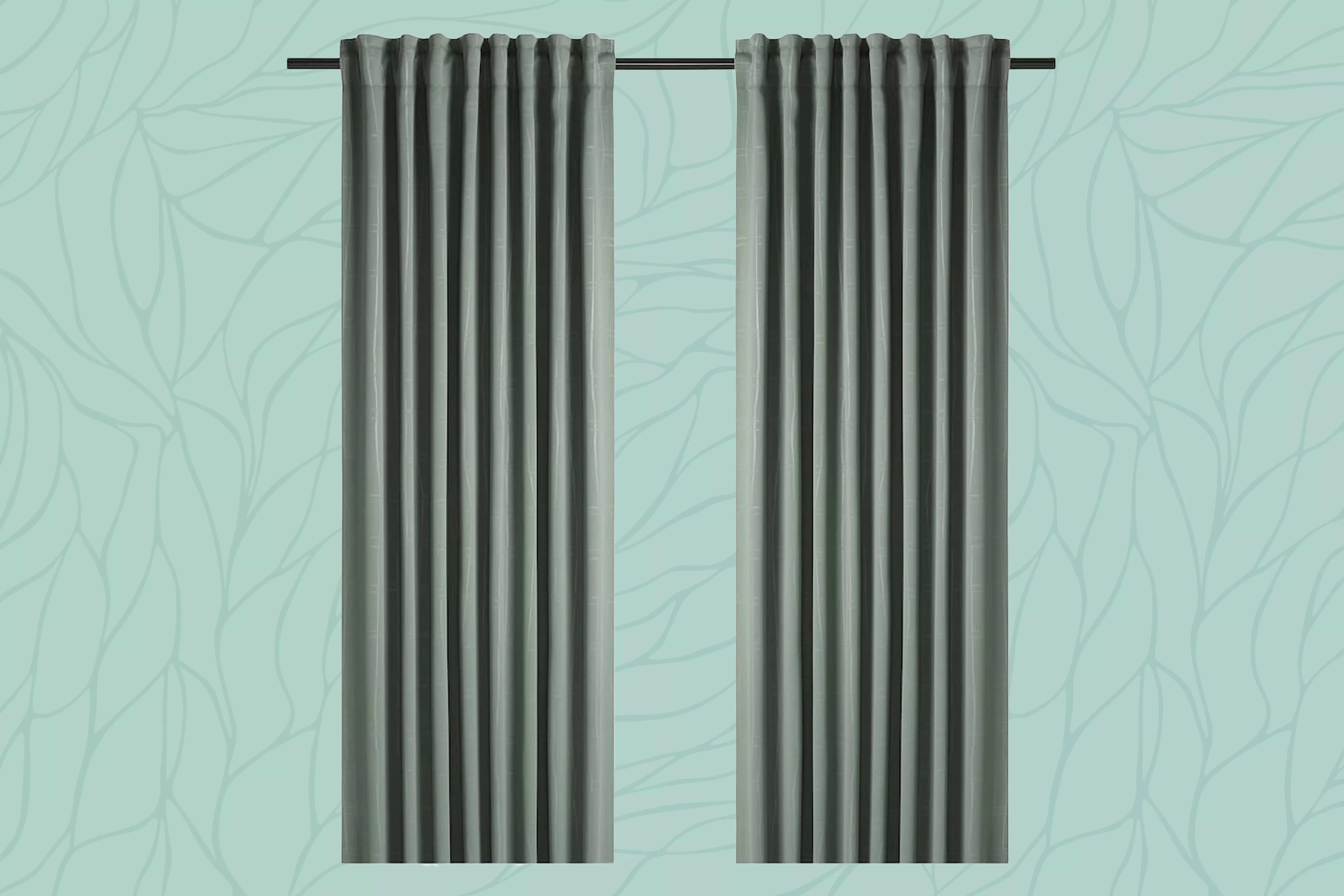
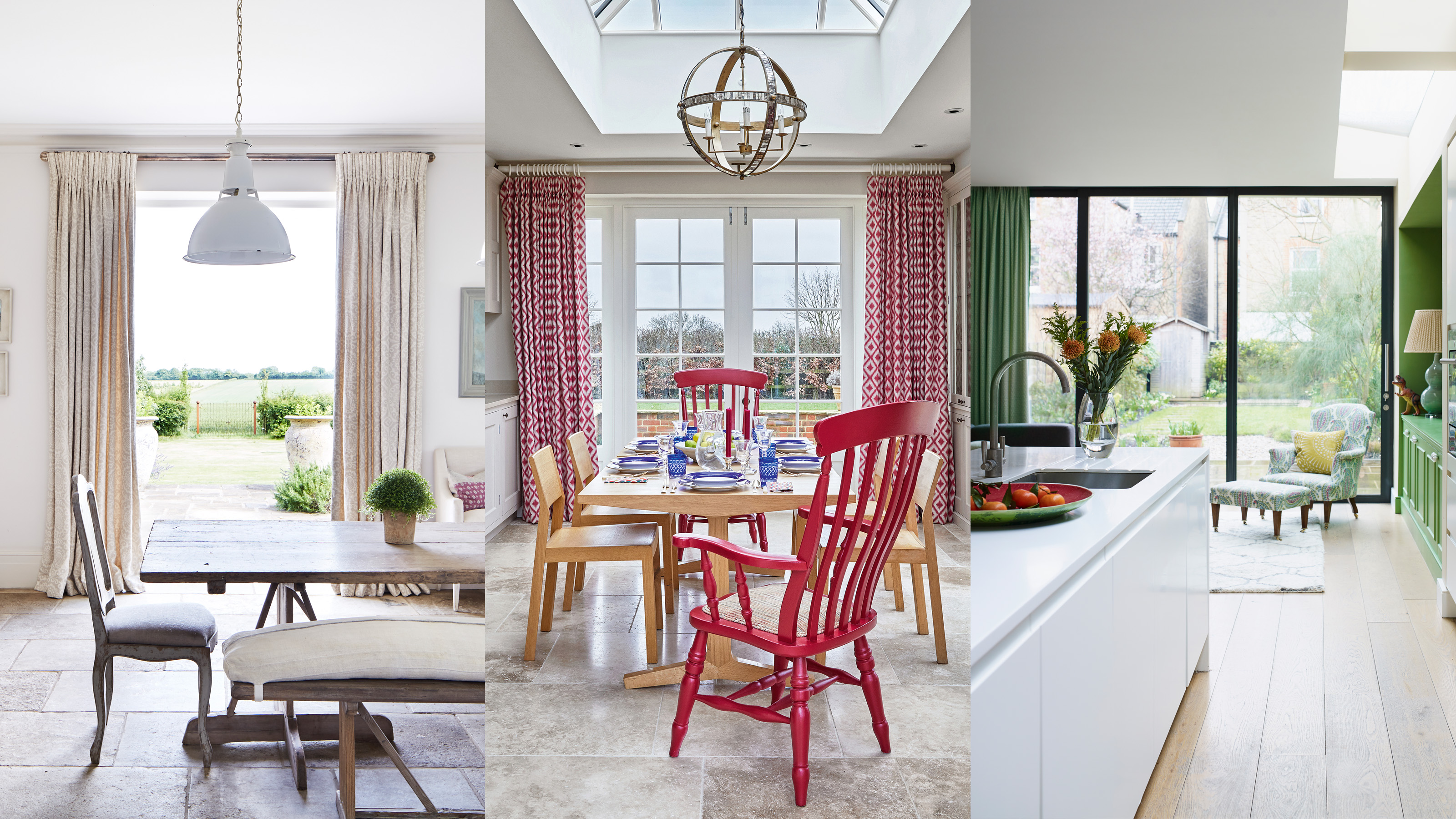
Material selection is another critical aspect. Julia Mack, founder of Julia Mack Design, stresses the importance of choosing materials that repel food stains, mildew, and mold. She suggests vinyl for roller blinds and textural Sunbrella fabric for curtains due to their long-term durability and aesthetic appeal. Synthetic fibers like polyester are also recommended for their washability and affordability, particularly UV-resistant and fire-retardant options for large windows or doors. Faux linen curtains are a lightweight, easy-to-clean alternative for areas like above the kitchen sink.
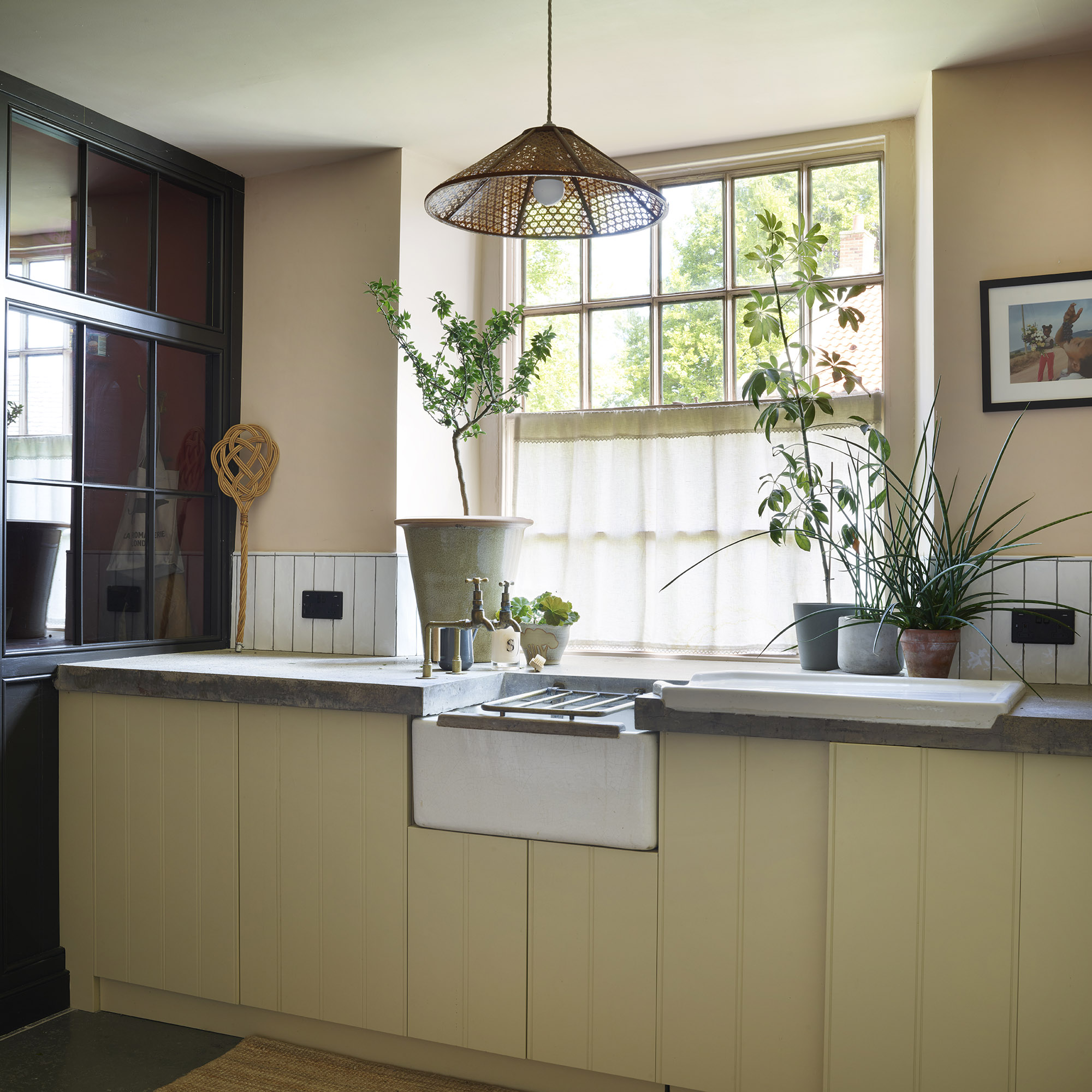
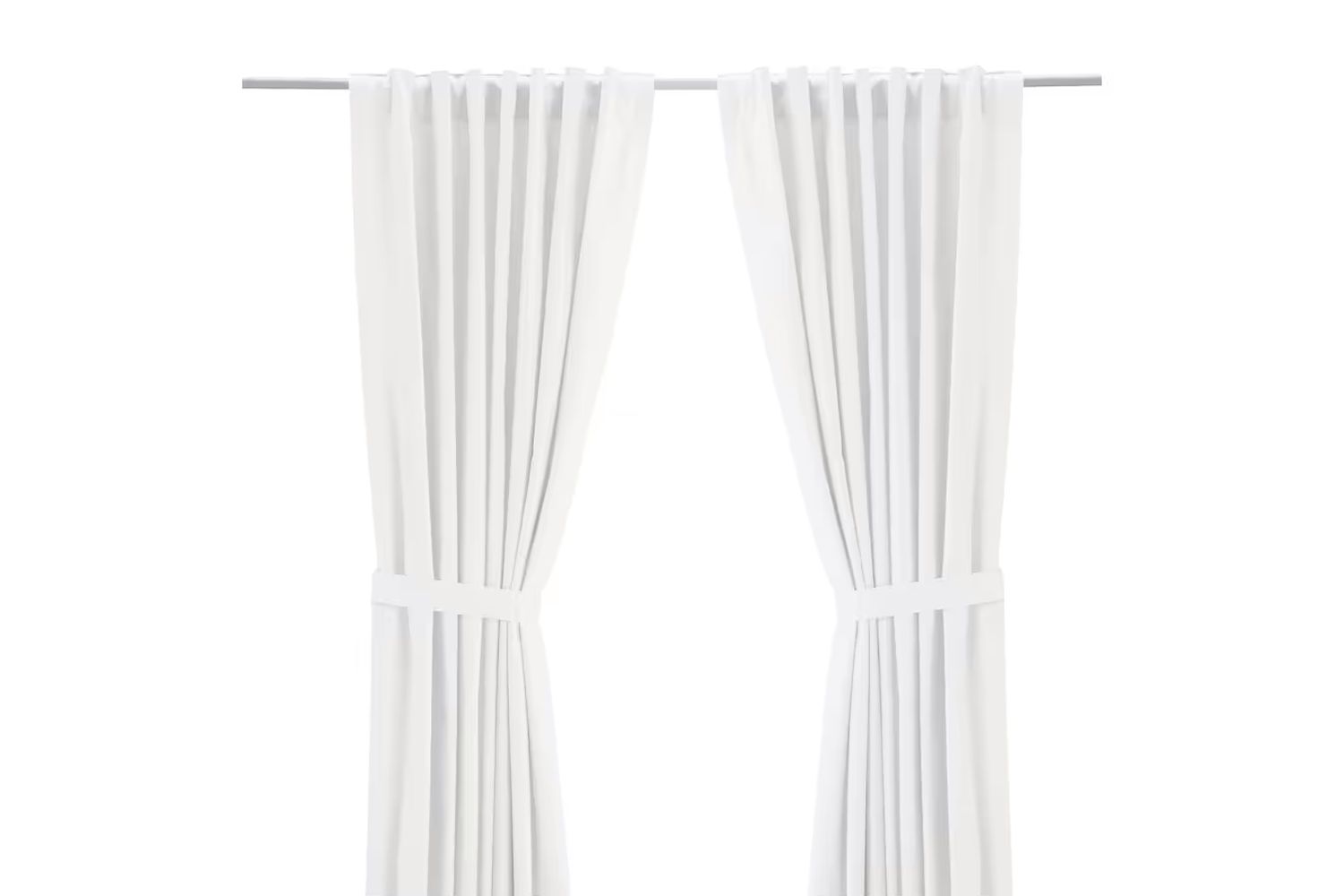
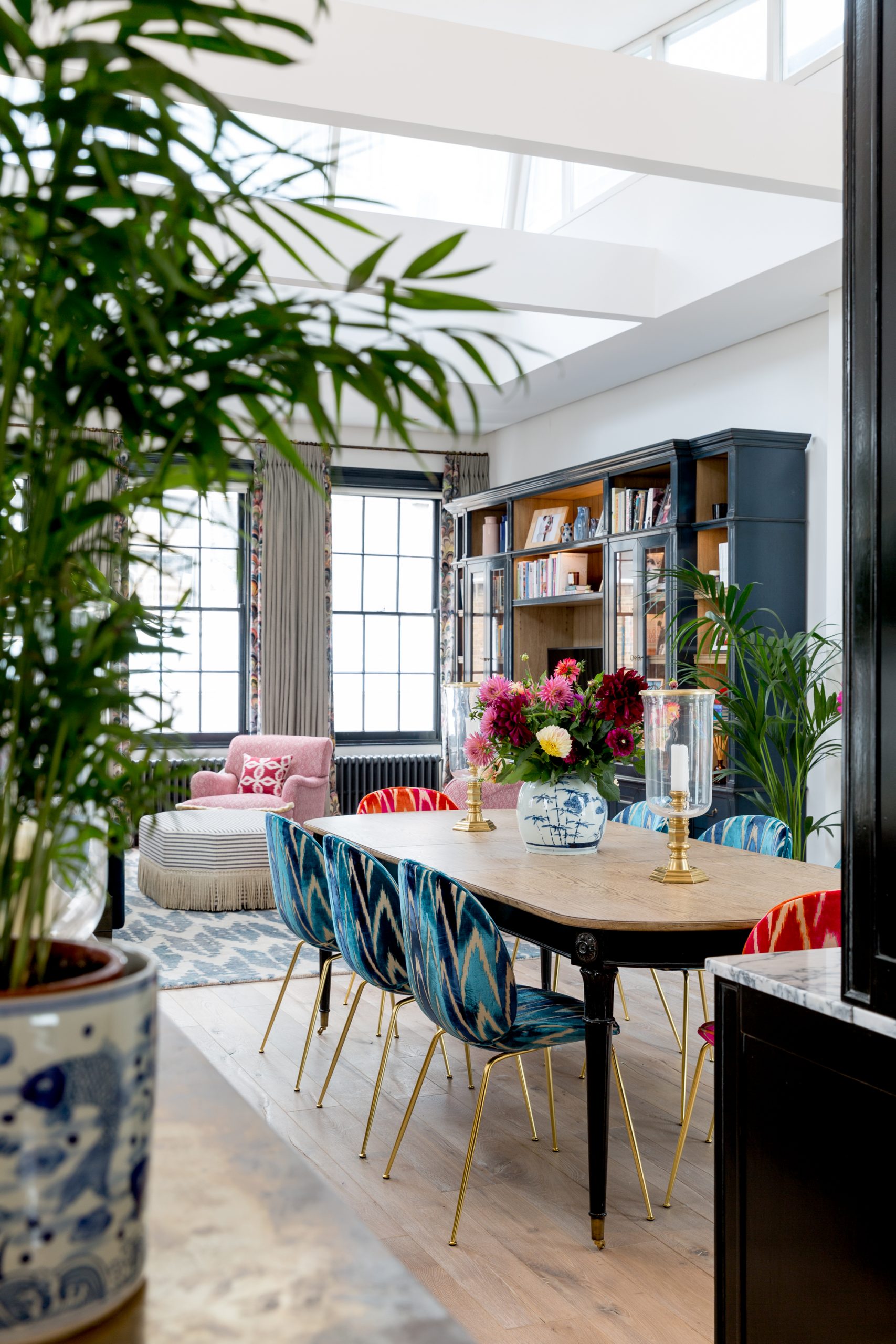
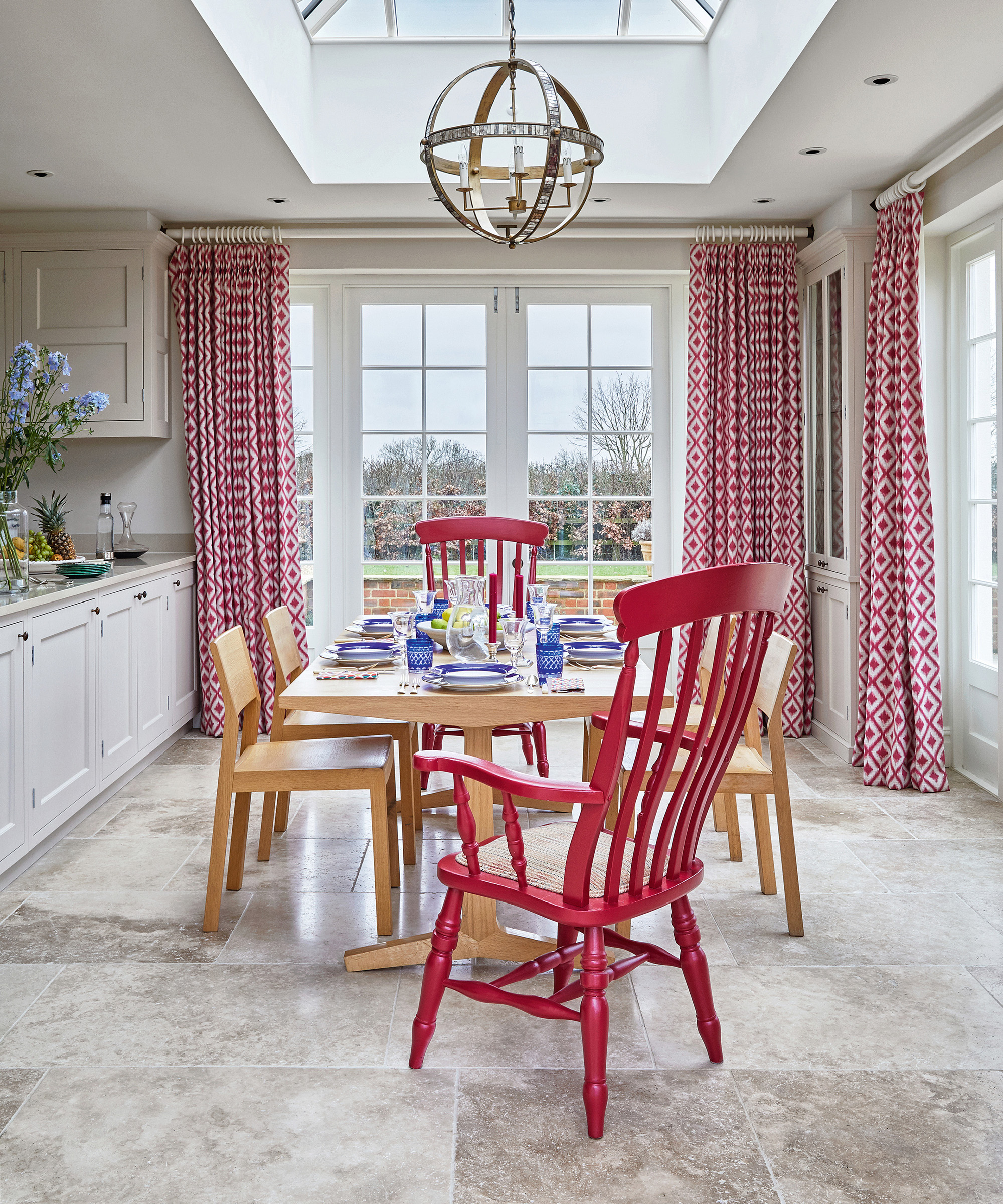
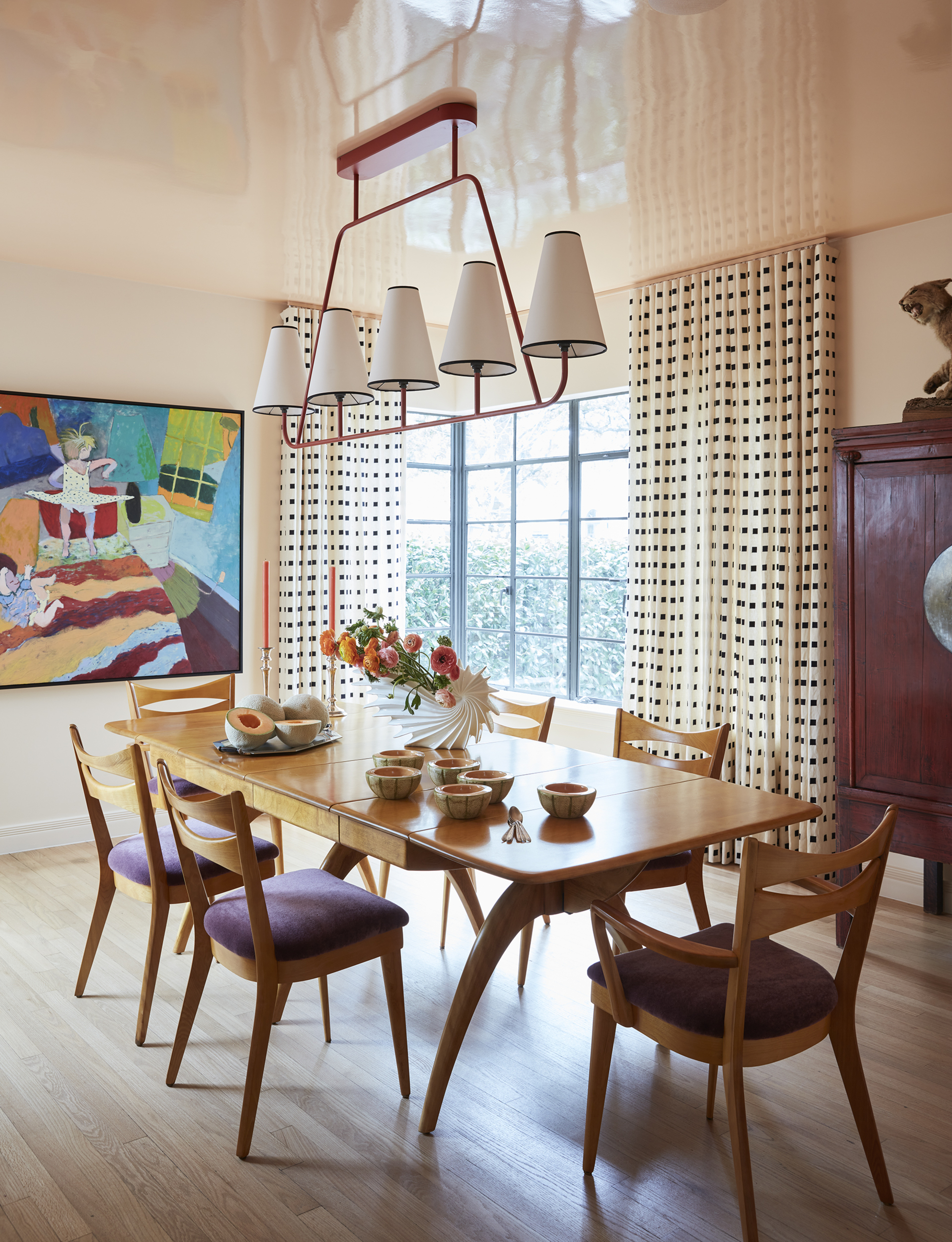
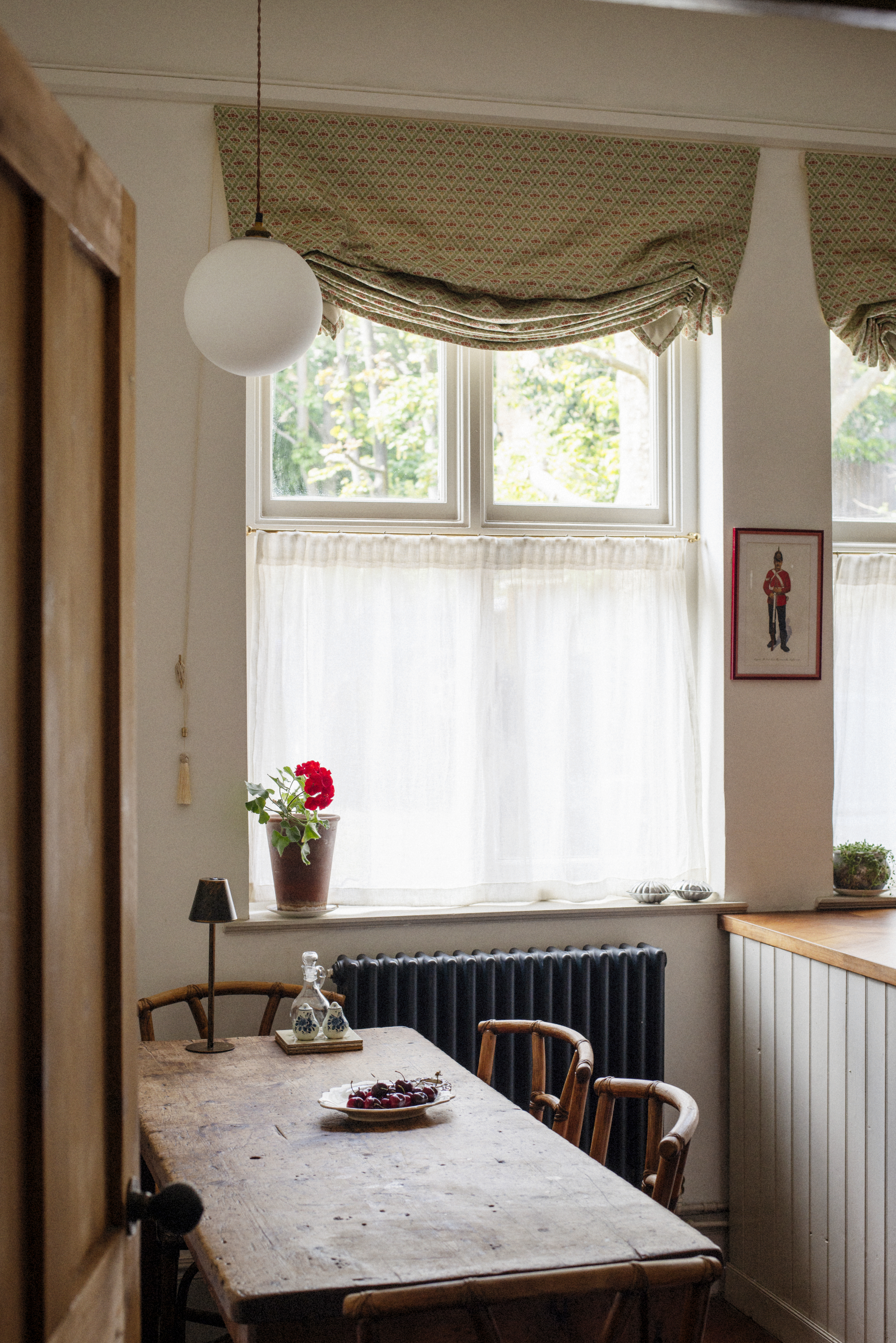
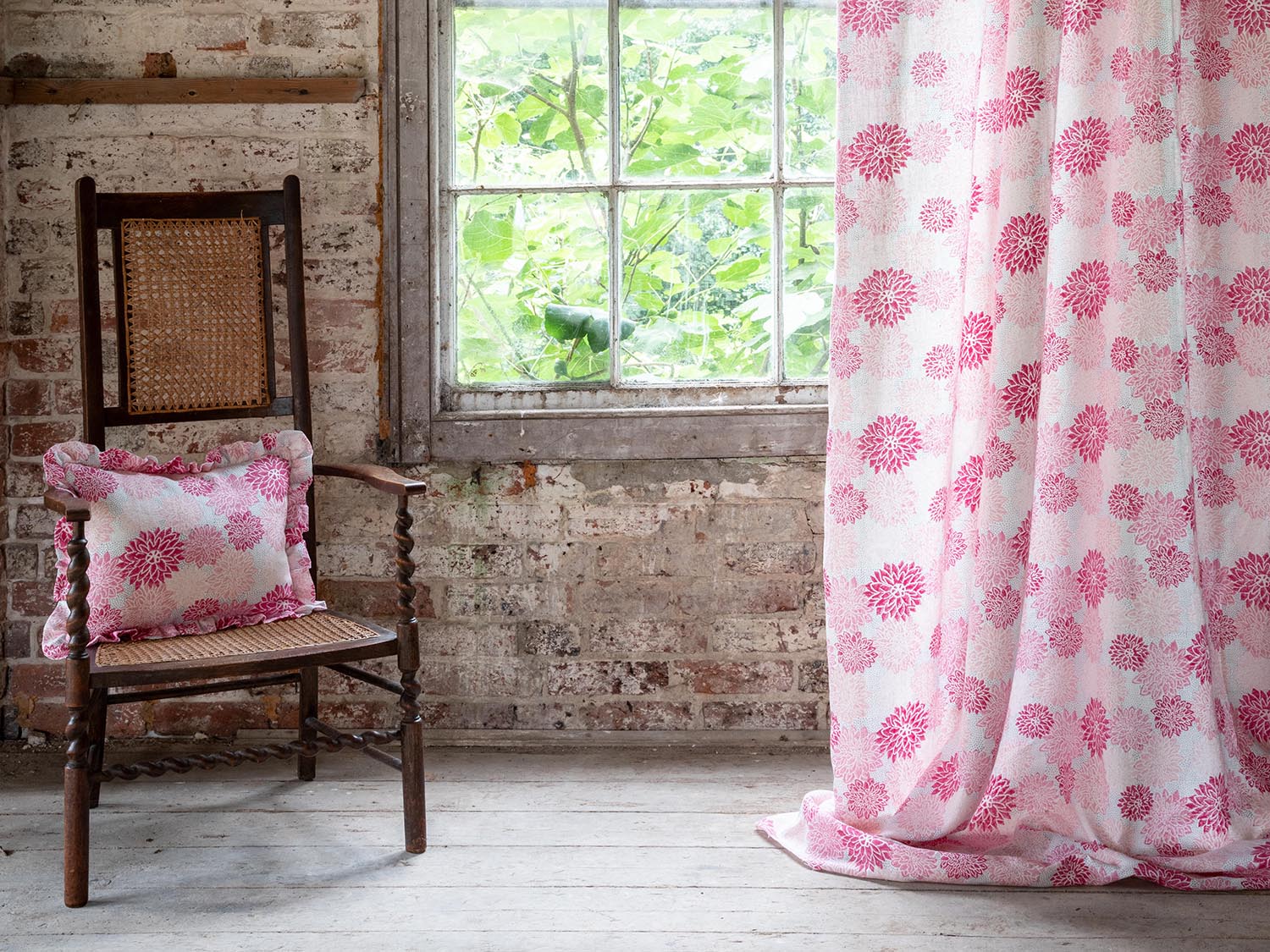

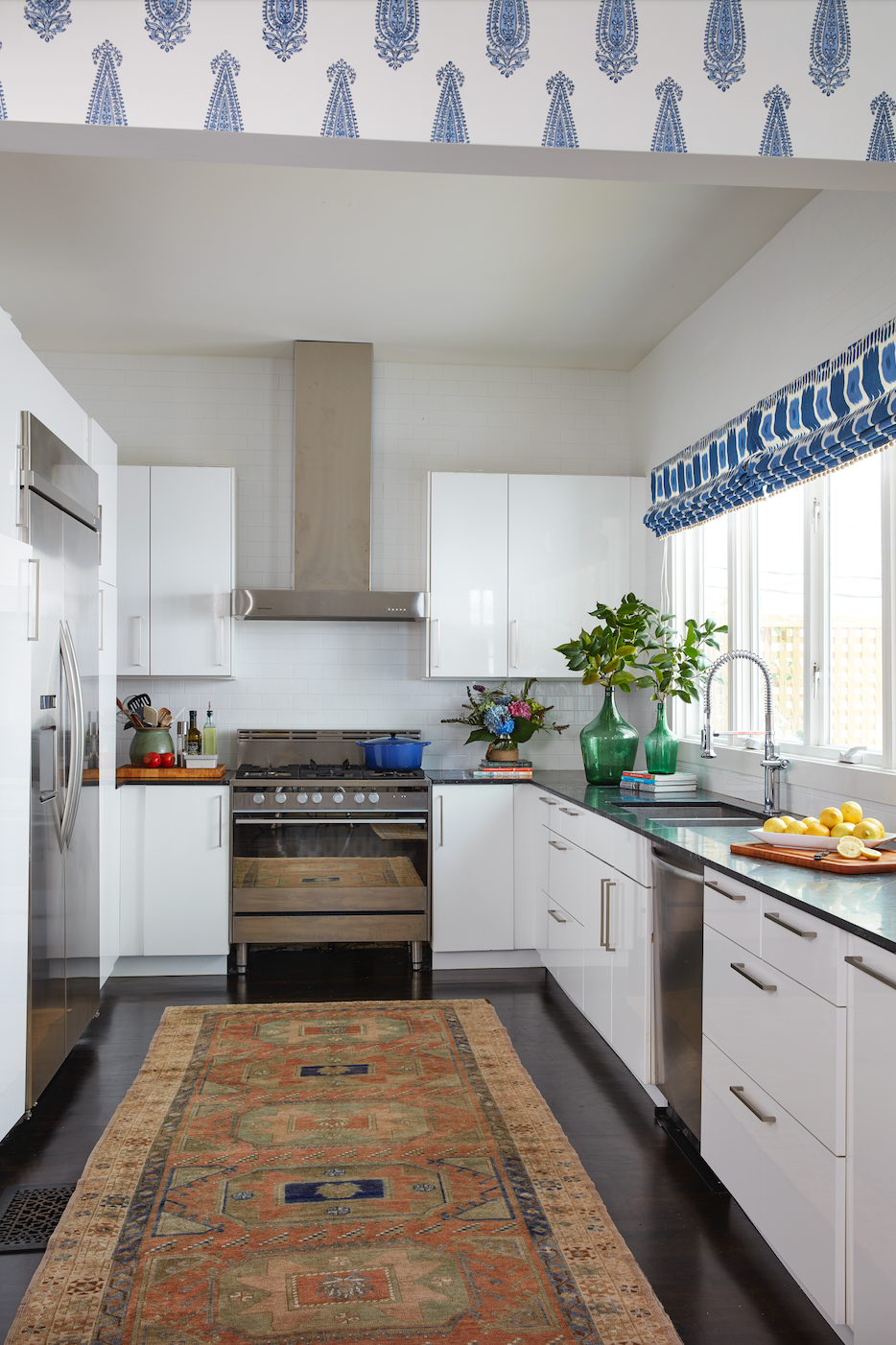
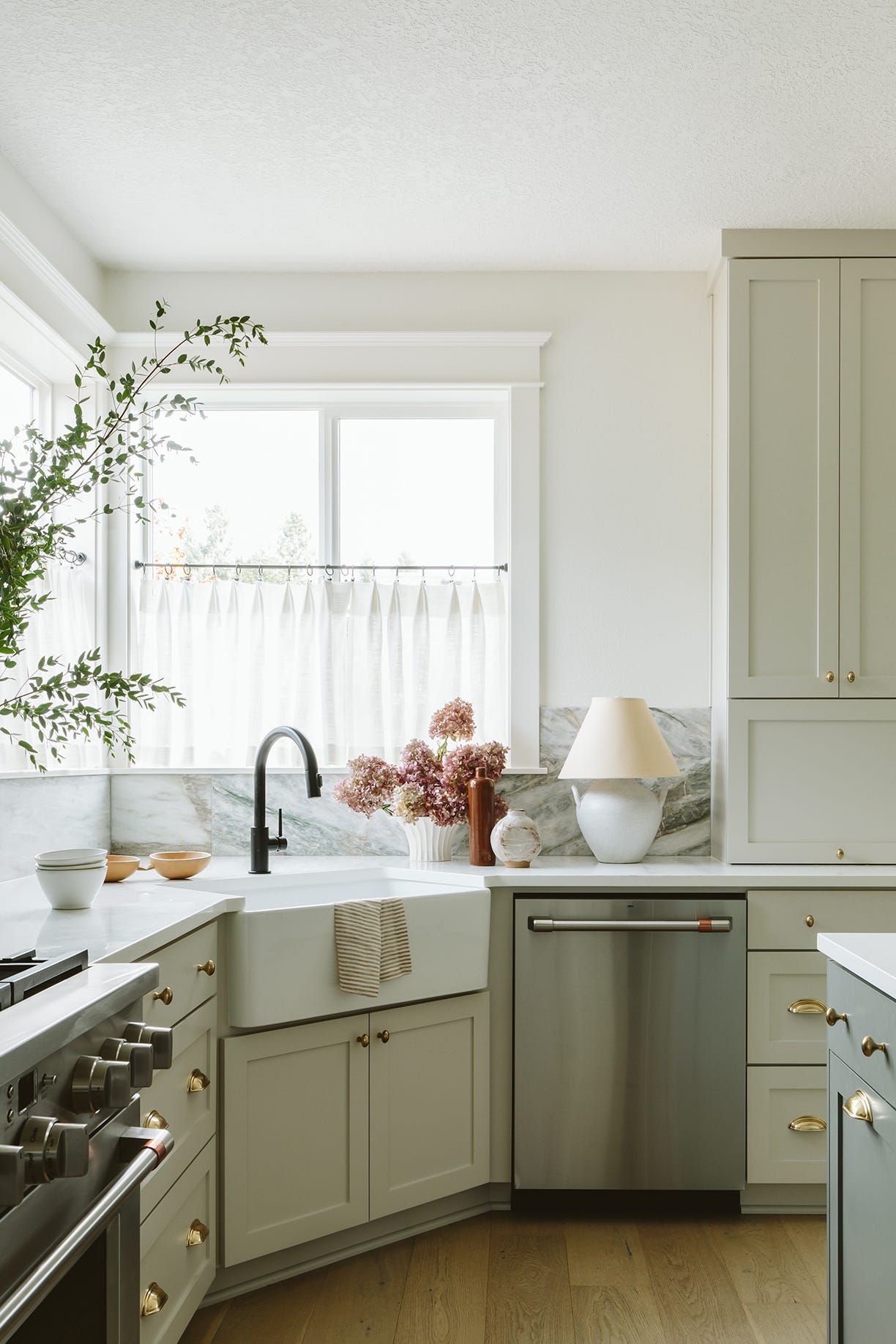
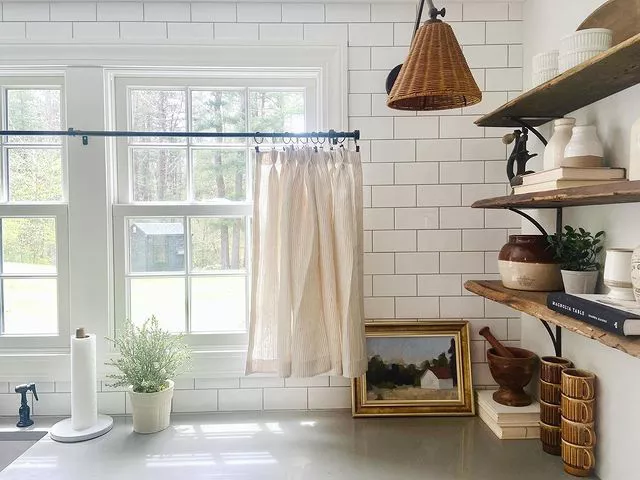
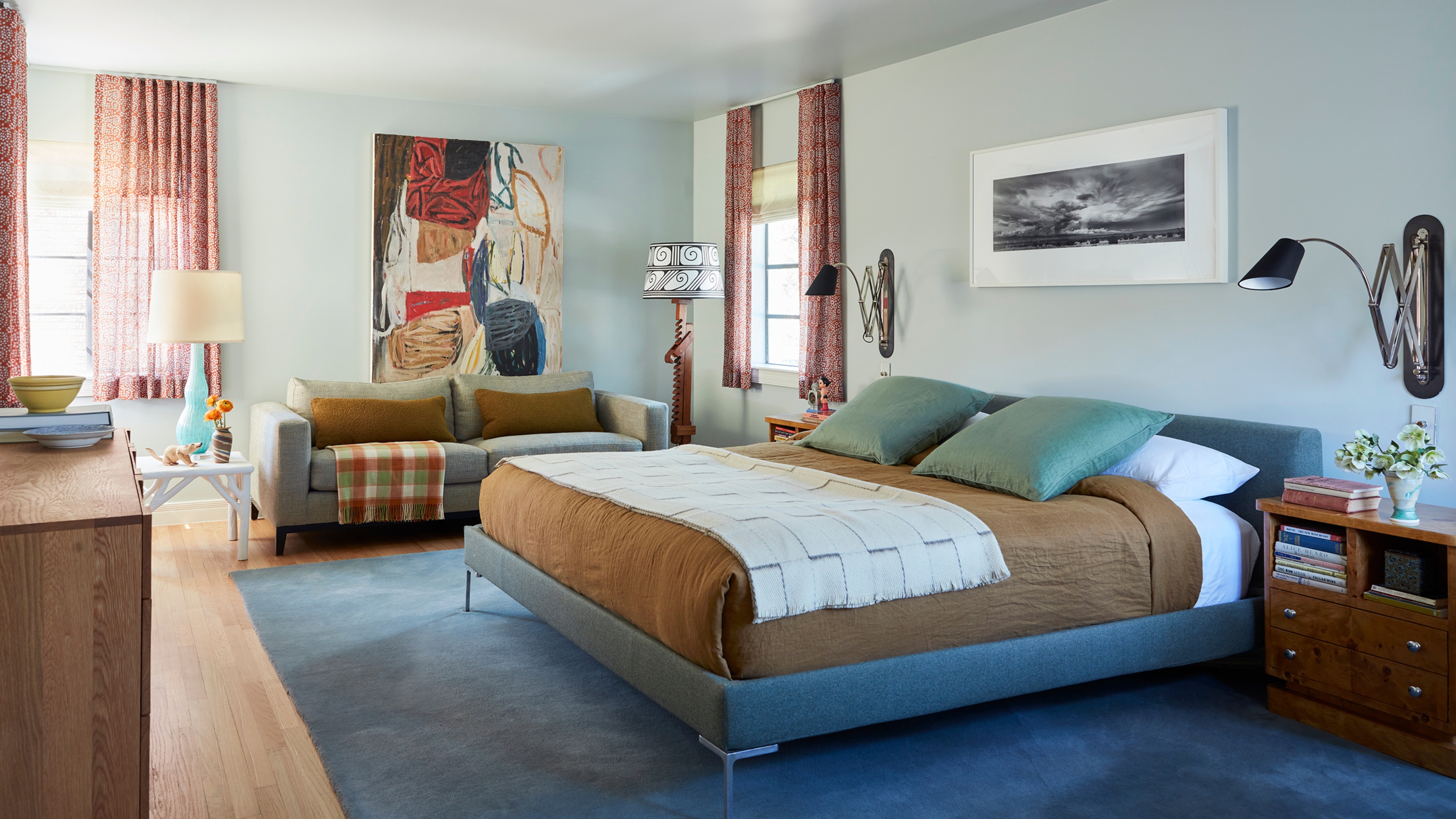
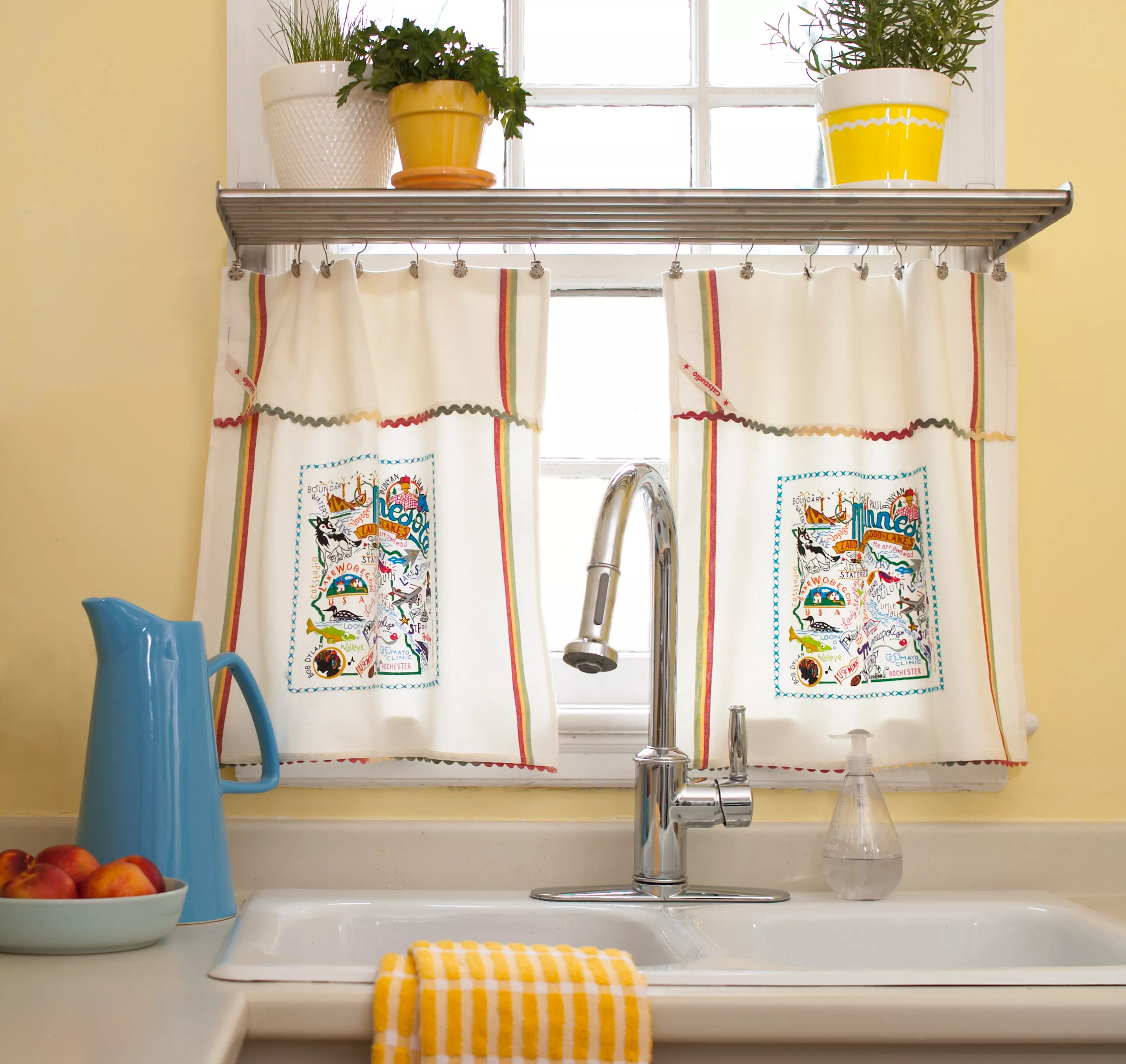
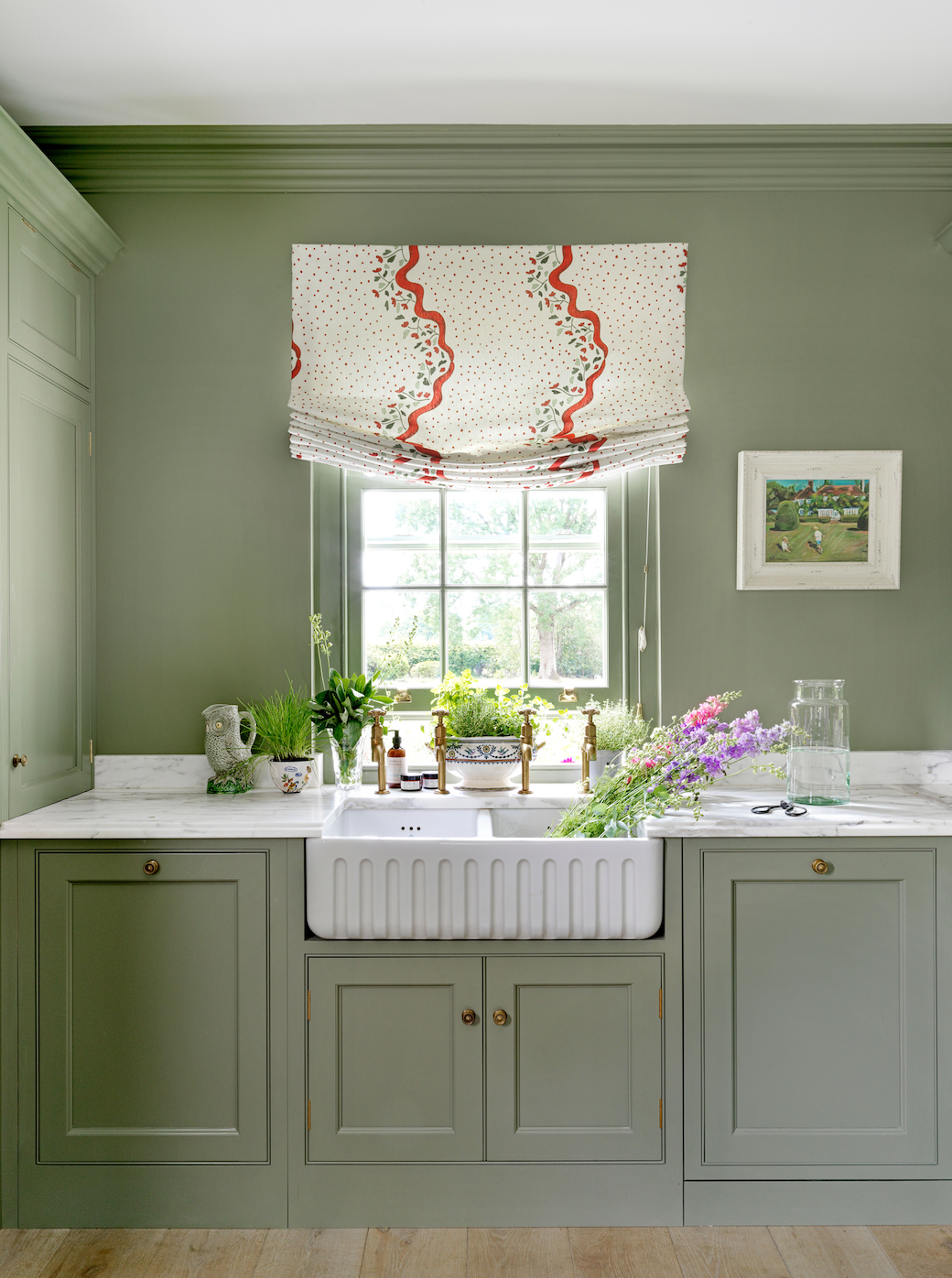
Several trending kitchen curtain designs can add personality and charm. French cafe curtains with tight pleats or playful prints can create a quaint look. Long, cascading curtains with ribbon ties offer a smart, elegant aesthetic. Kelly Hohla, founder of Kelly Hohla Interiors, notes that curtains provide an excellent opportunity to introduce color and pattern that might be absent in other kitchen elements like countertops or appliances. Reversible designs are gaining popularity for their practicality and ability to offer varied looks. Valances, which hang at the top of the window, offer a subtle curtain effect without excessive fabric.
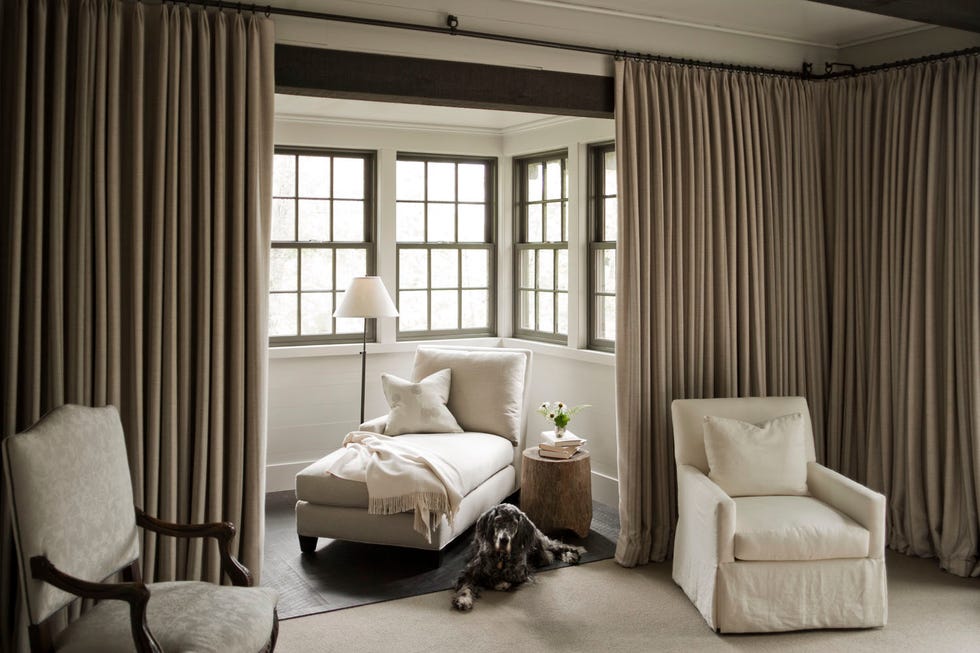
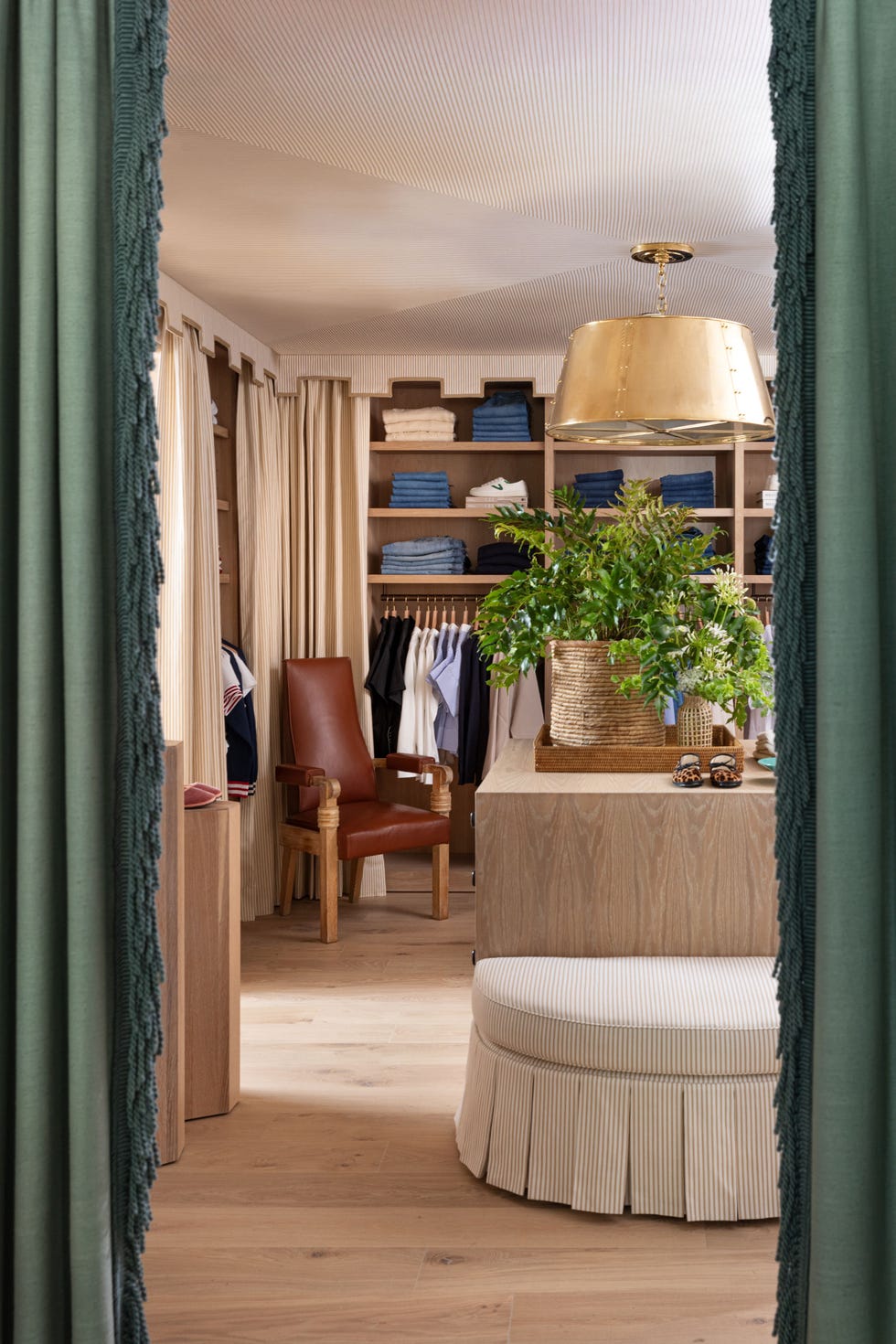
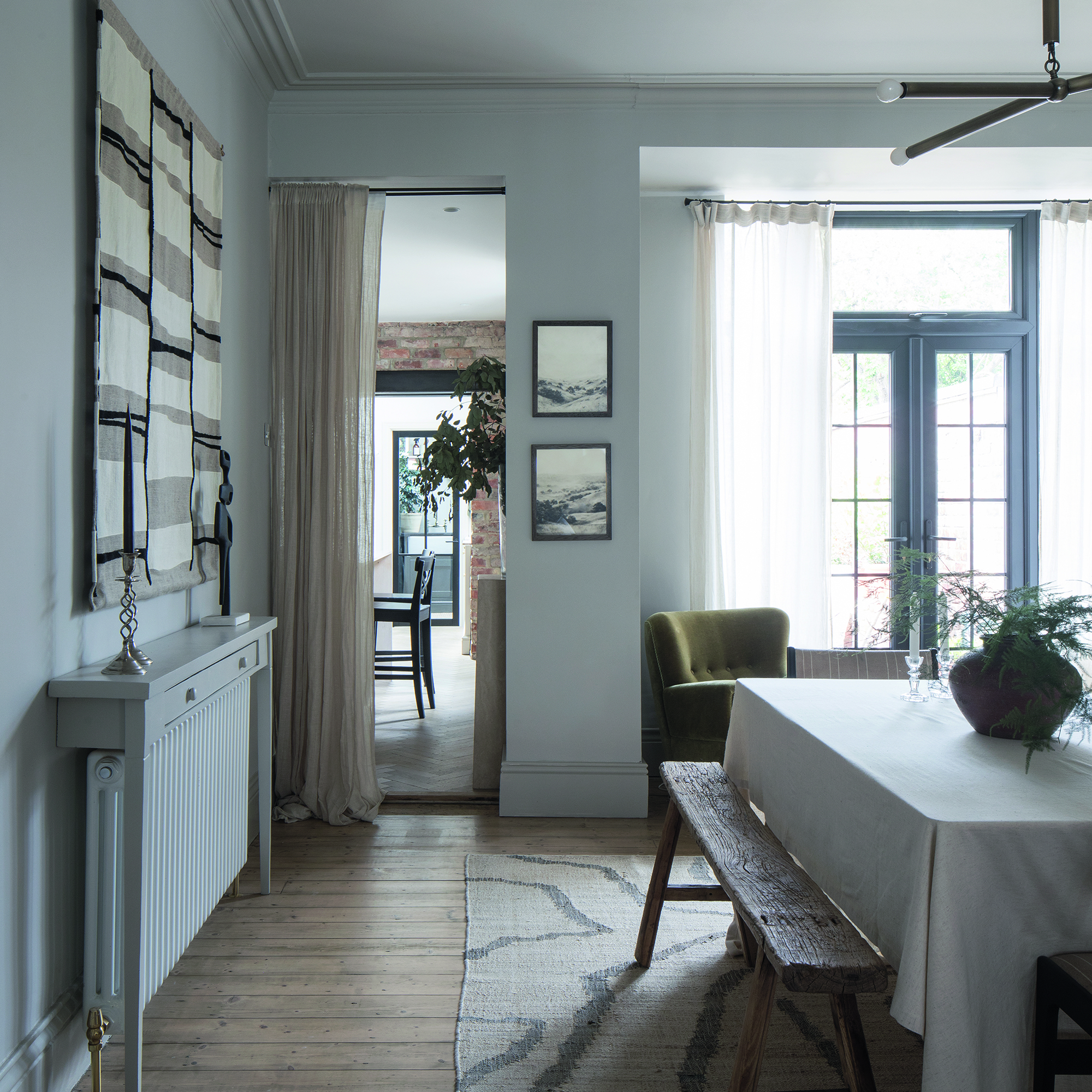
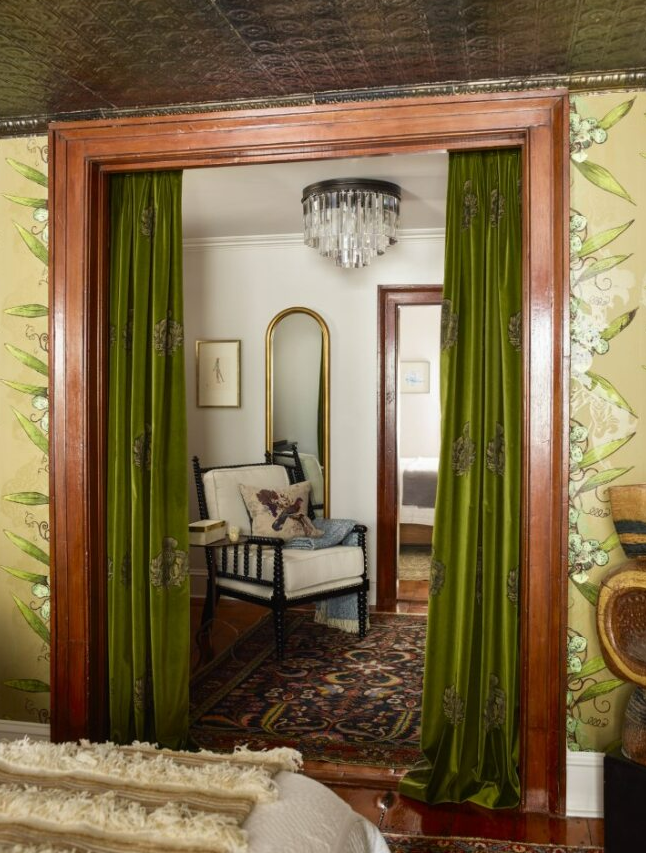

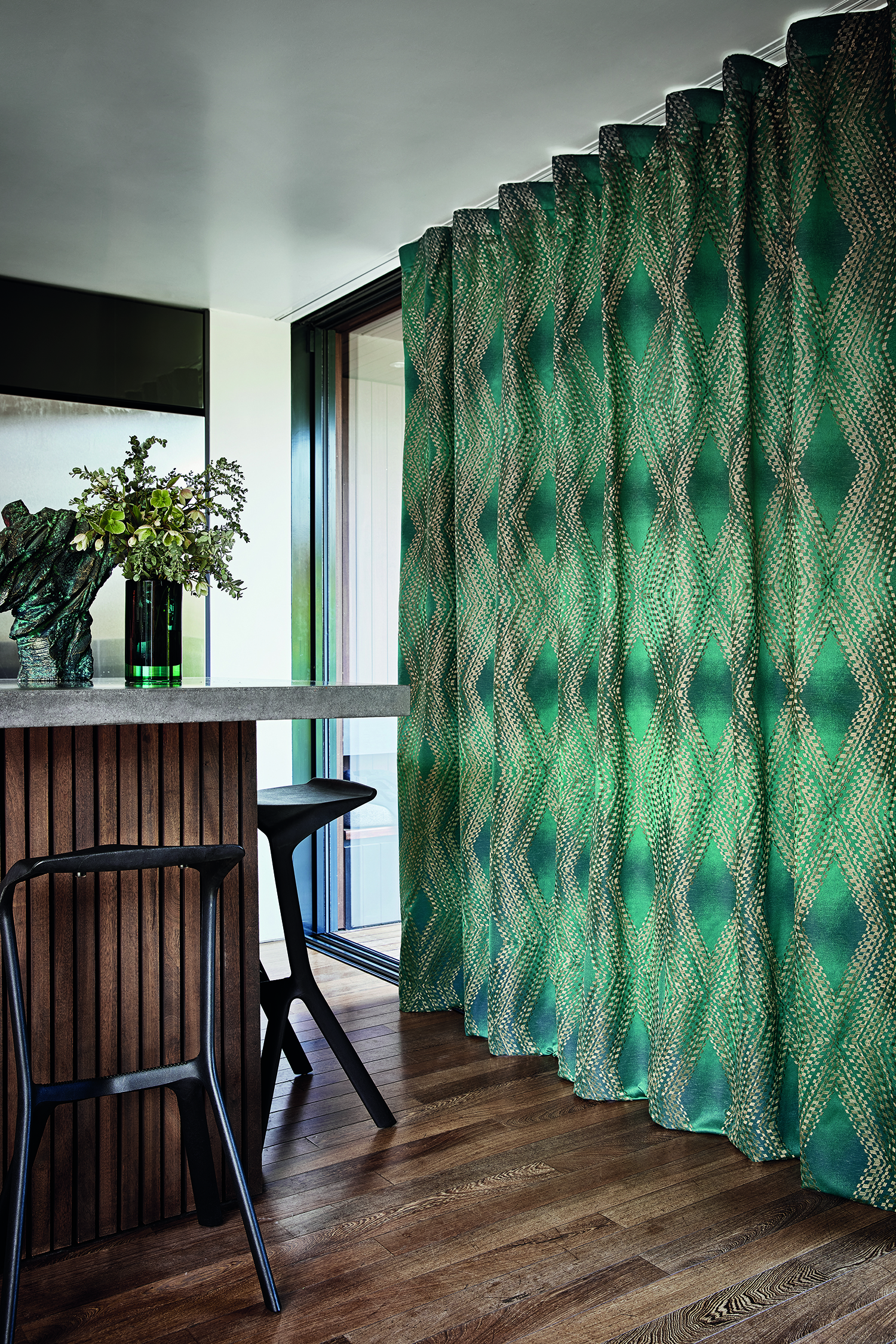
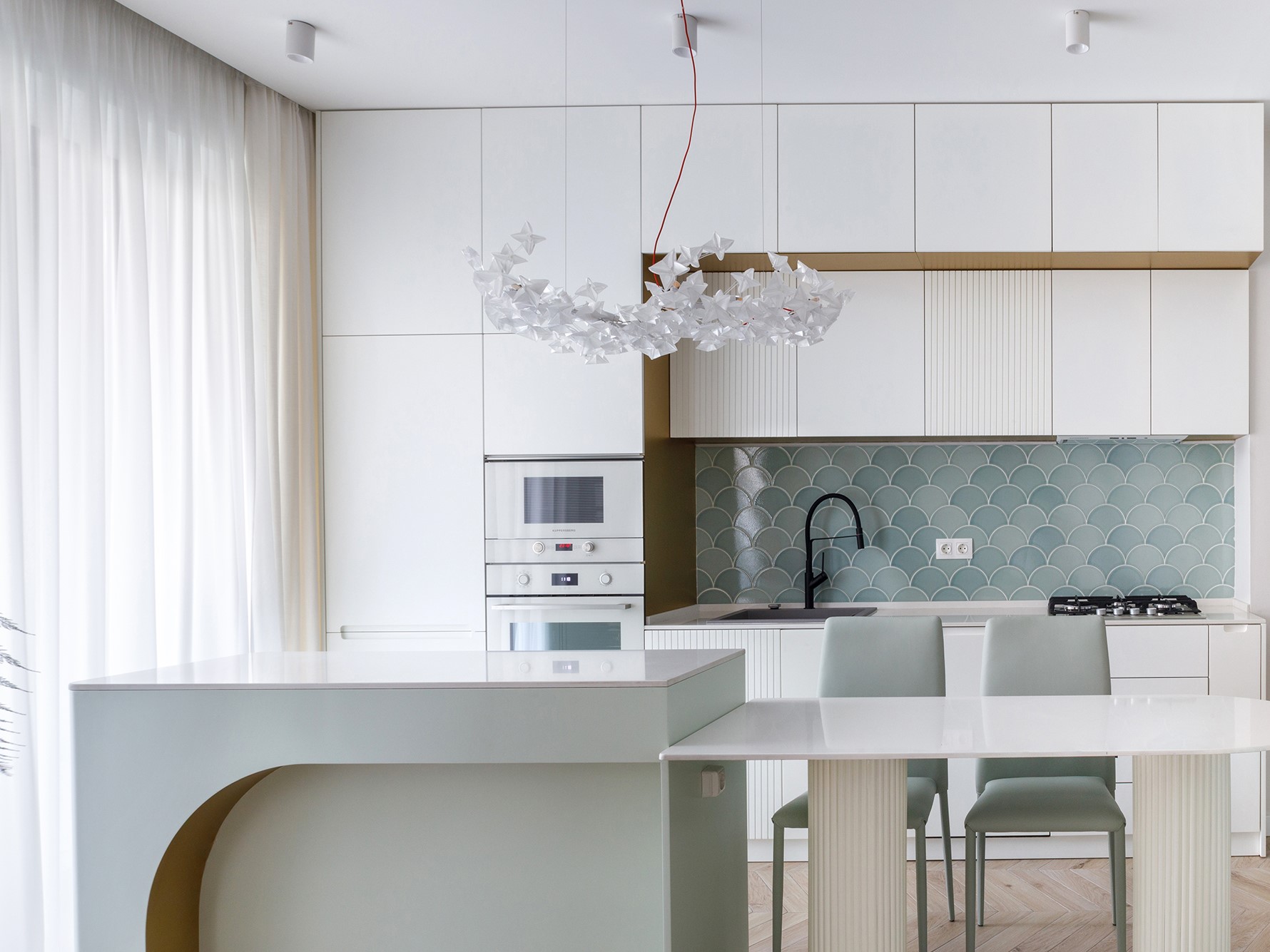
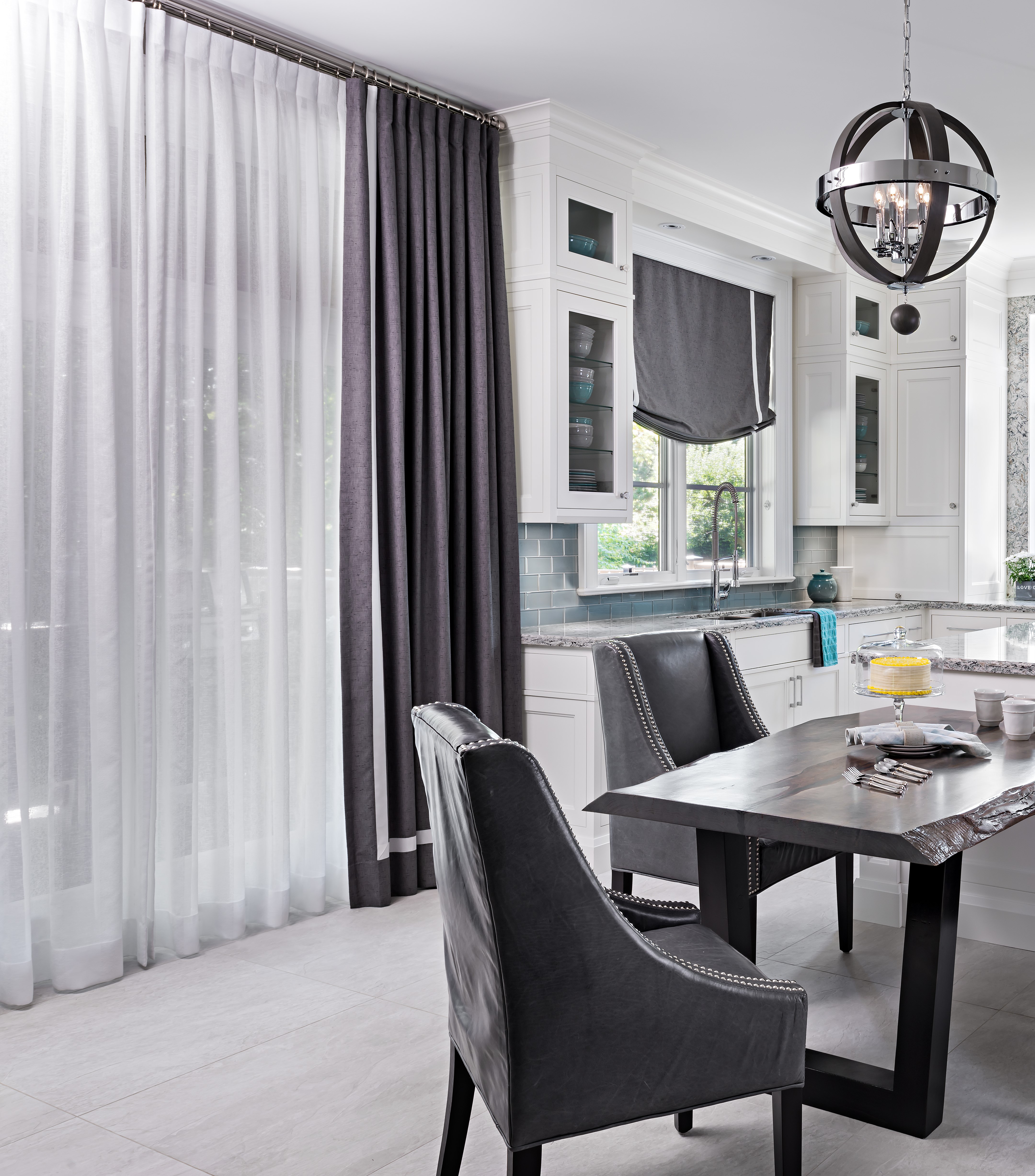
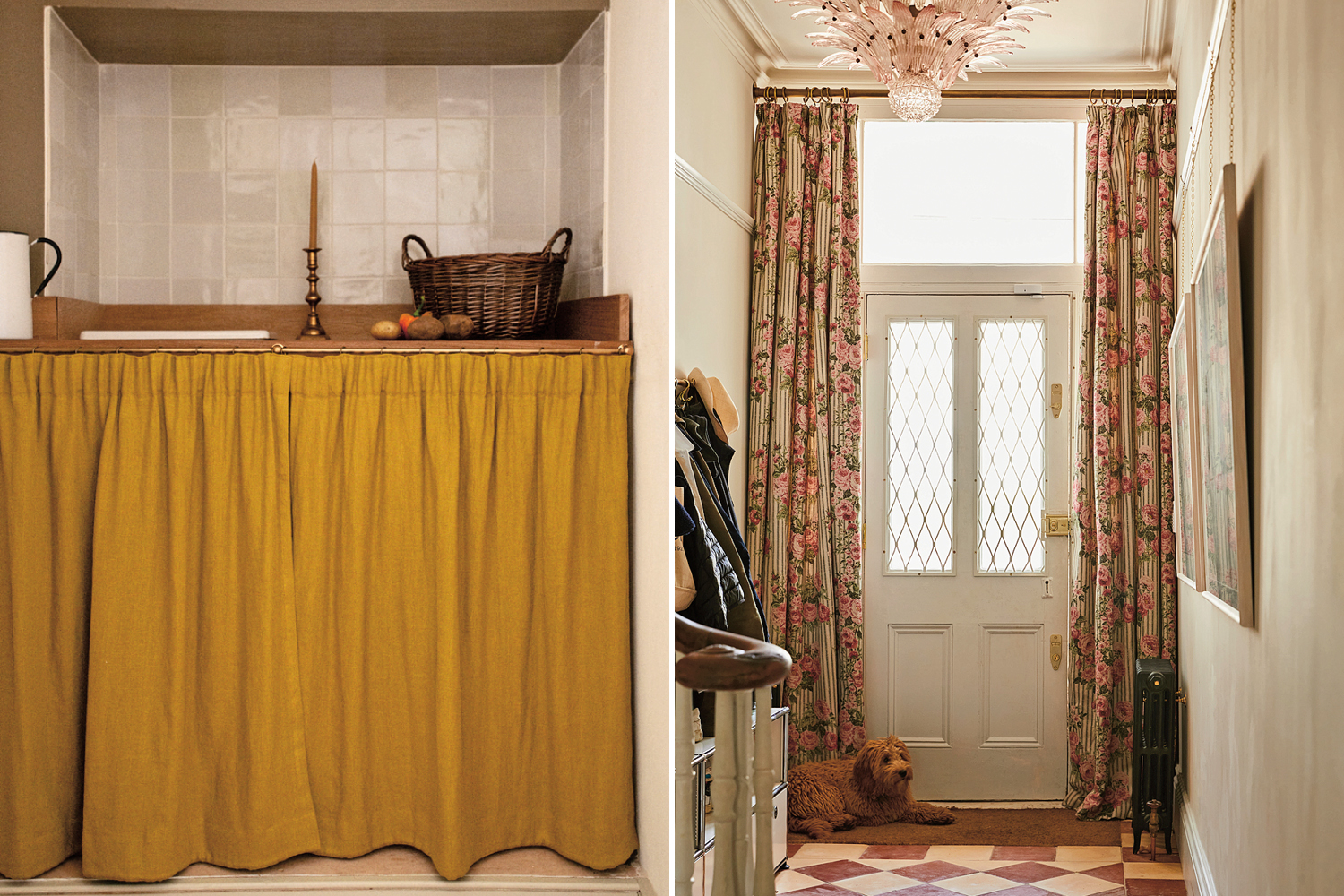
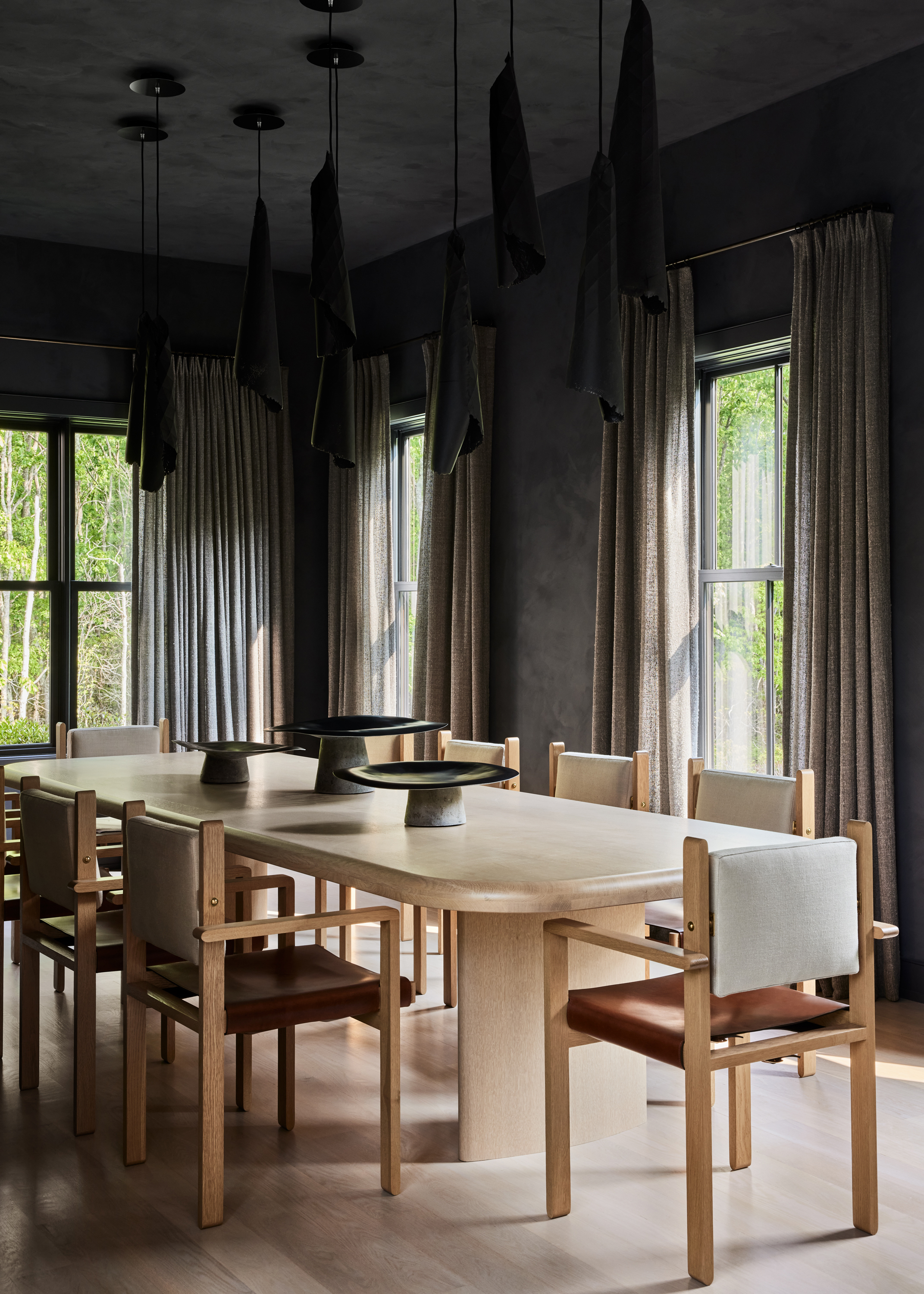
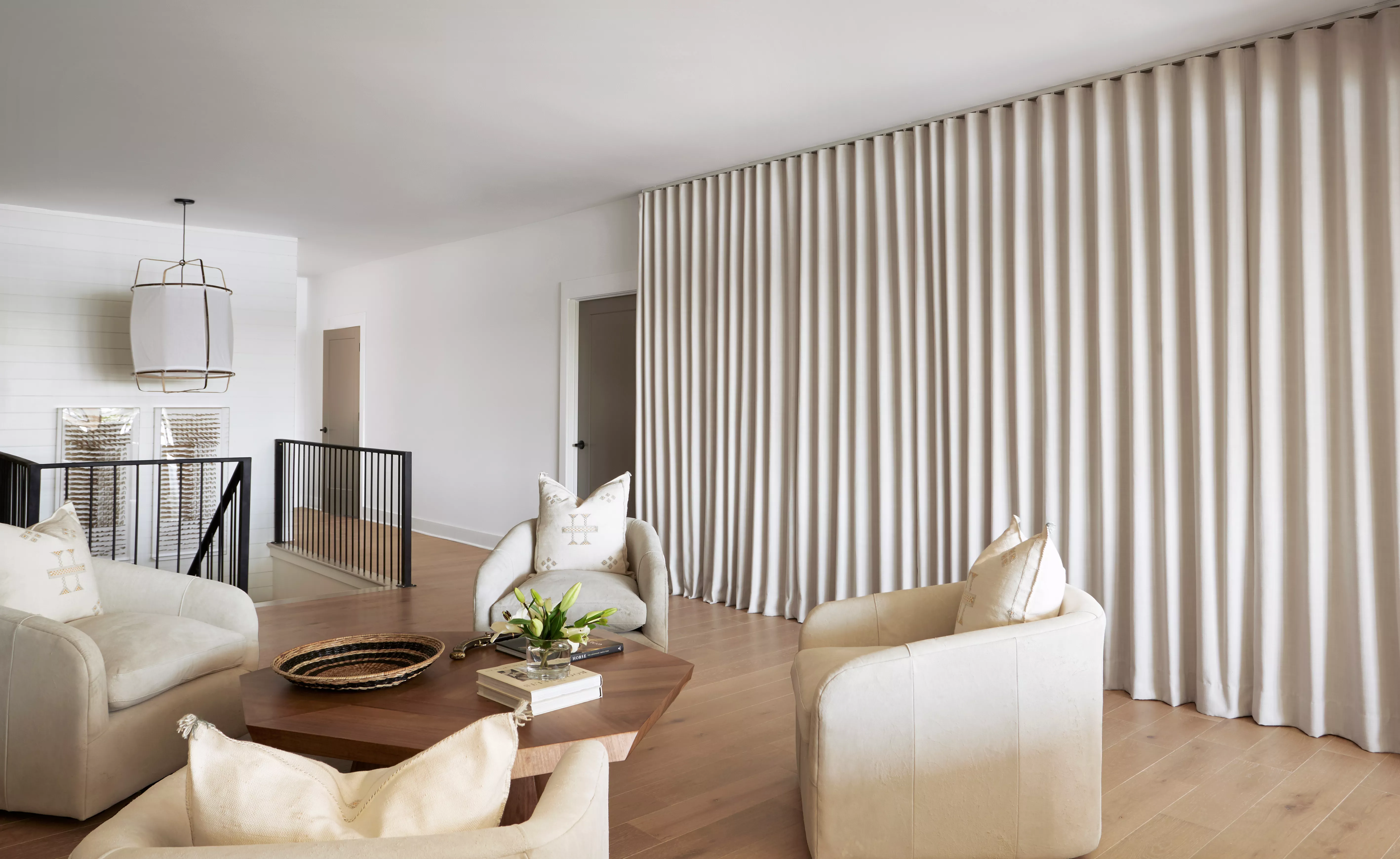
Beyond traditional window dressing, curtains can serve as versatile partitions, particularly useful in small, open-plan spaces. Alexander Ivasiv and Yuliya Tkachenko of ater.architects highlight their space-saving nature, ease of installation, and ability to be easily changed. They can also profoundly impact the mood of a space through their color, texture, and fabric density. In open-plan kitchens and dining areas, curtains provide flexible zoning solutions, allowing for separation when needed while maintaining an open feel. For instance, dense, vibrant fabrics can act as striking decorative elements, adding character even when kept open.
#KitchenCurtains #HomeDecor #InteriorDesign #WindowTreatments #KitchenDesign #FabricSelection #DesignTrends #PrivacySolutions #LightFiltering #KitchenCurtains #HomeDecor #InteriorDesign #WindowTreatments #KitchenDesign #FabricSelection #DesignTrends #PrivacySolutions #LightFiltering
0 comment in total
 No comments yet
You may also like
The Design World Is DIVIDED on This Controversial Curtain Styling Trend
The Best Curtains for Every Style and Light Level, Tested by BHG

Woman reveals how she achieves neat pleats in her curtains using empty TOILET tissue rolls
10 Window Treatment Trends to Freshen Up Every Room in Your Home

7 kitchen curtain ideas that offer privacy and style - these aren't your Nana's curtains
An easy add-on to your curtains makes rooms look expensive - designers explain
The 10 Best Places to Buy Curtains for Every Room in Your Home
25 Charming Kitchen Curtain Ideas for Instant Personality

Style Debate: Could Short Curtains Be The Next Big Interior Design Trend?

Kitchen Curtain Ideas to Replicate in Your Home

"They Can Add A Sense of Calm" — Kitchen Curtains Are the Designers' Secret For Making Your Space More Homely
Suddenly, Short Curtains Have Got My Attention in the 'Long vs Short Curtain' Debate

Kitchen Curtains Are Back and Better Than Ever—Should You Give Them a Go?
Kitchen curtain ideas – 10 ways to style your cooking space with drapery

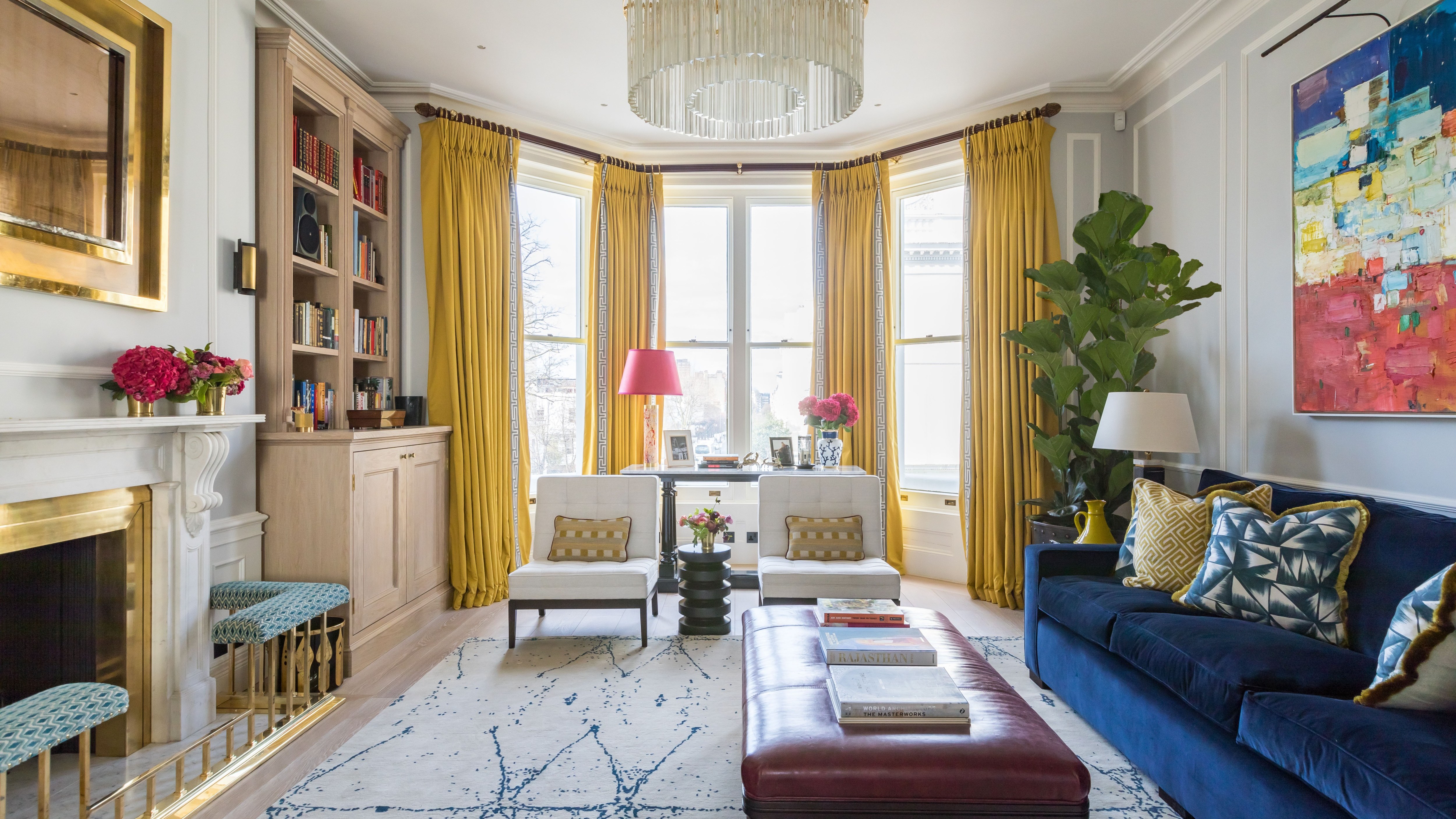
Bye-bye blinds — how curtains became cool again
The 7 best places to buy curtains, with interior designer tips
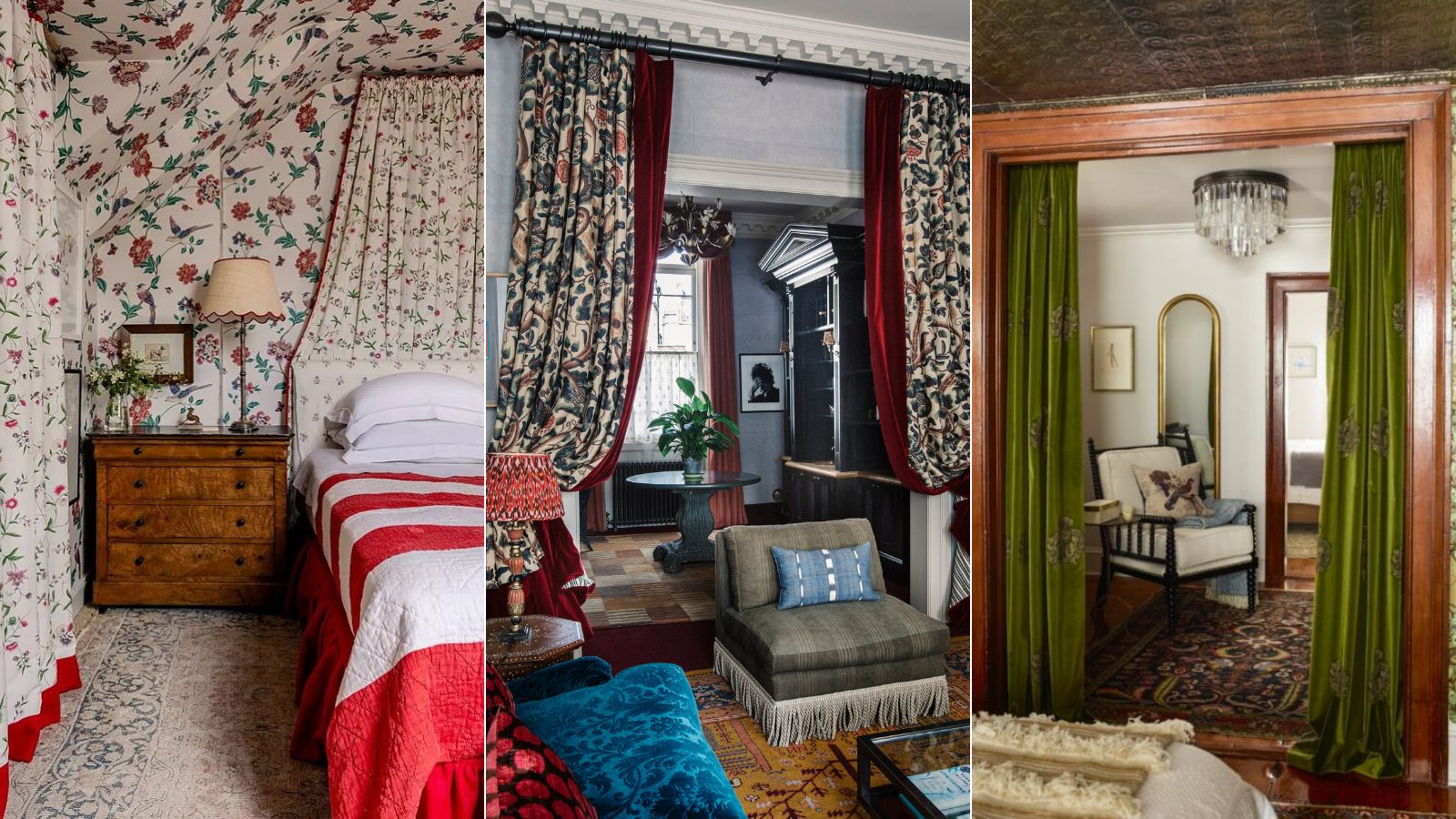
Should you ever replace doors with curtains? I say yes, and asked designers when to make the switch
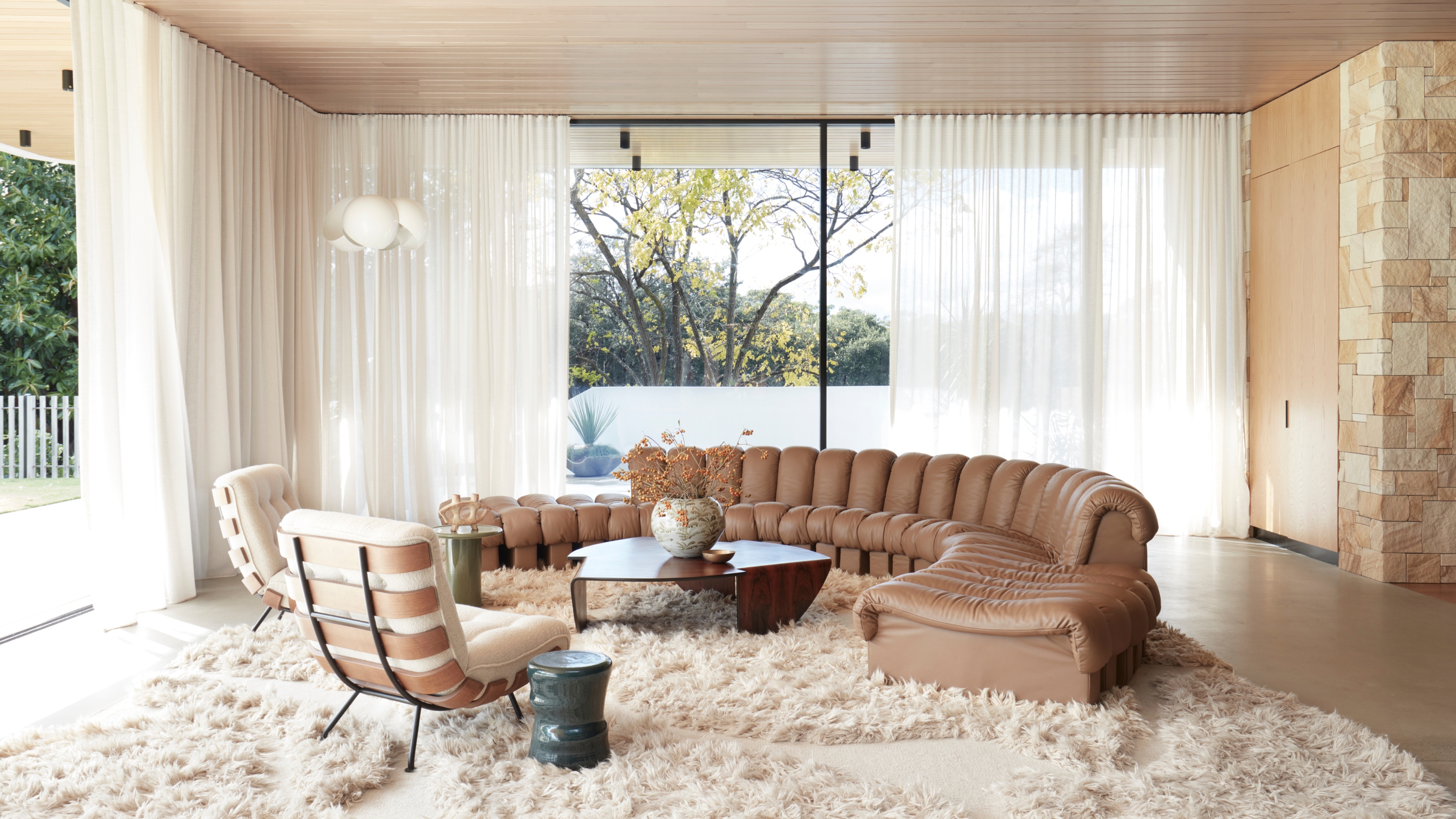
Are Curtains Out of Style? Of Course Not, but Some Designs Will Date Your Space Faster — Here's What to Know
16 Charming Kitchen Curtain Ideas That’ll Add Immediate Style to Your Space
Curtain Walls Are Proof That Draperies Aren't Just for Windows Anymore