1/4
This is How To Tell If a House is a Craftsman
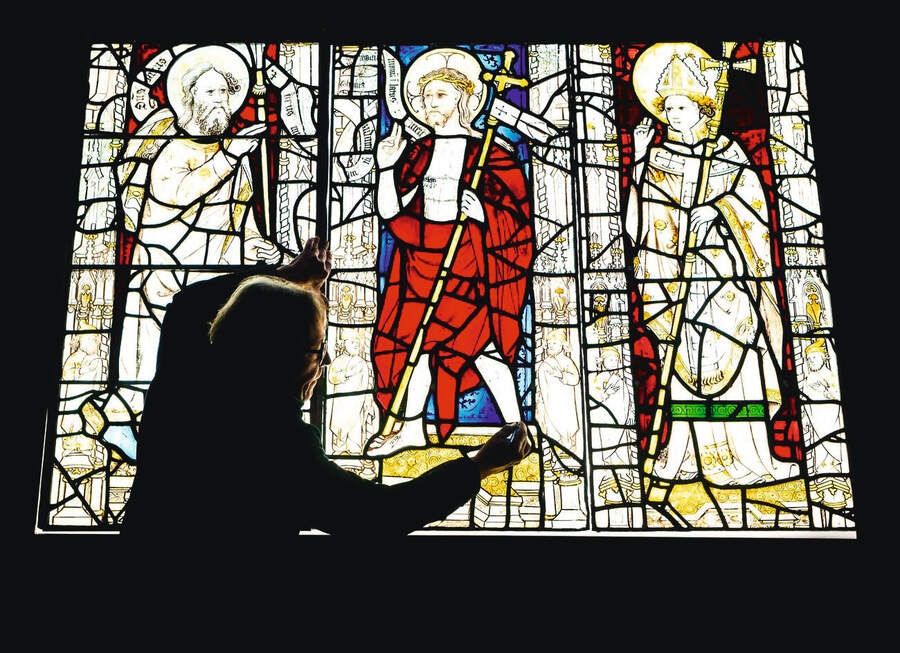
The Craftsman style home, a favorite among Country Living enthusiasts, emerged as a direct counterpoint to the elaborate and mass-produced Victorian and Art Nouveau styles prevalent at the turn of the 20th century. Historic preservationist Elizabeth Finkelstein notes that Craftsman homes prioritize intentional, handcrafted design and a strong connection to nature. This aesthetic, rooted in the Arts & Crafts Movement, emphasizes clean lines, natural materials, and hand construction. The movement arose from a frustration with the perceived low quality of factory-produced items during the Industrial Revolution.
While Wisconsin-born furniture designer Gustav Stickley is often credited with popularizing the Craftsman name through his magazine, 'The Craftsman,' the architectural style itself gained traction on the West Coast. Architects Charles Sumner Greene and Henry Mather Greene, practicing in Pasadena from 1893 to 1914, were key figures in its development. Their iconic 1908 Gamble House stands as a prominent example, but it was their more modest single-family bungalows that inspired the widespread Craftsman house plans of the 1920s.
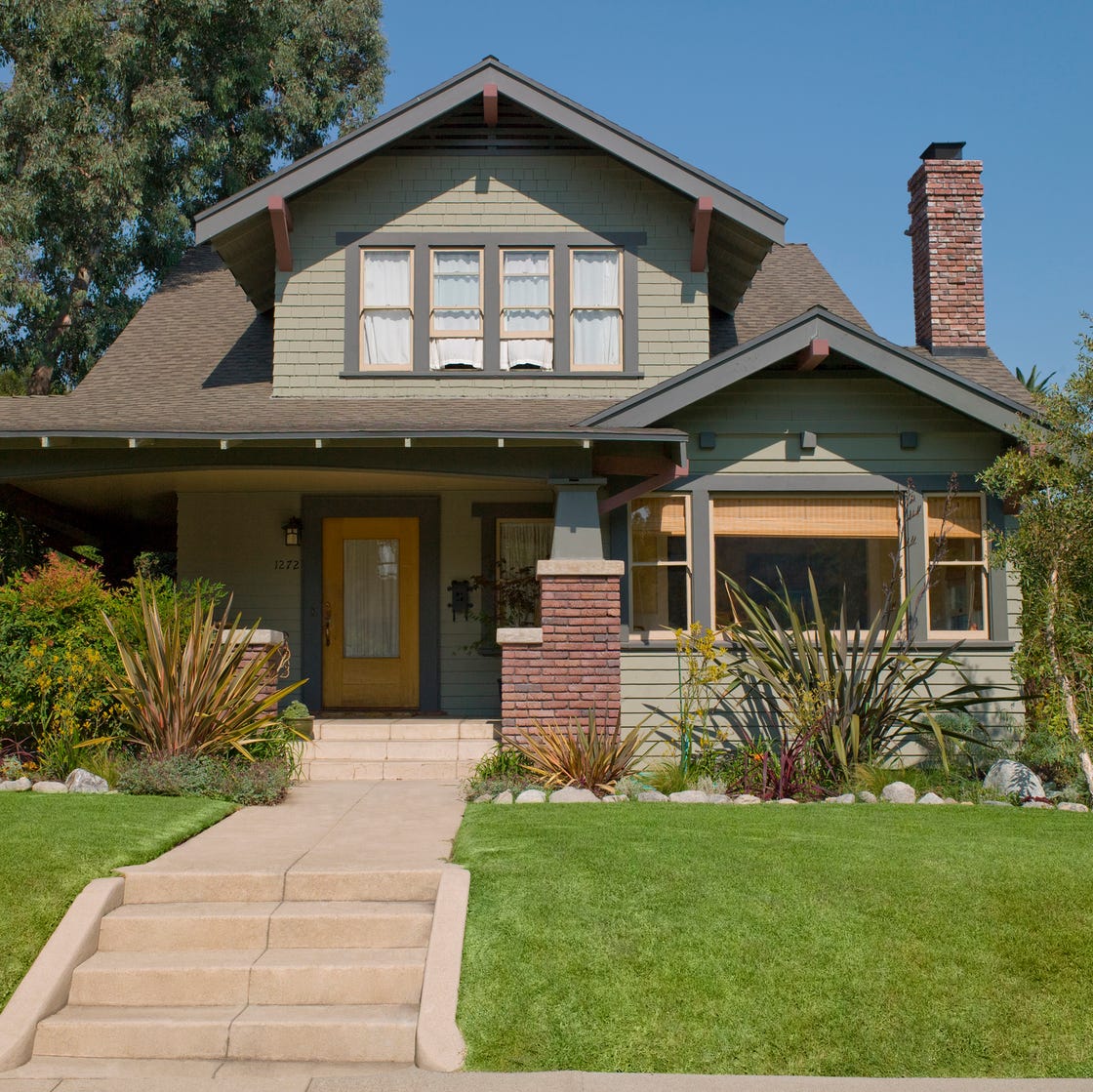
Craftsman homes are typically characterized by their horizontal orientation, low-pitched gable roofs, and minimal ornamentation, contrasting sharply with the verticality of Victorians or the elaborate accents of Tudors. A defining feature is the spacious front porch, often supported by thick, tapering beams that may rest on brick or stone columns extending to the house's foundation. Other exterior elements commonly include overhanging roof eaves with exposed brackets or rafter tails, earth-toned paint colors (such as sage green, dusty brown, and golden yellow), large bay or picture windows, and a humble one to one-and-a-half-story frame, though larger variations exist. Exteriors are often finished with clapboard, stucco, or shingles, with brick being a common material in the Midwest.
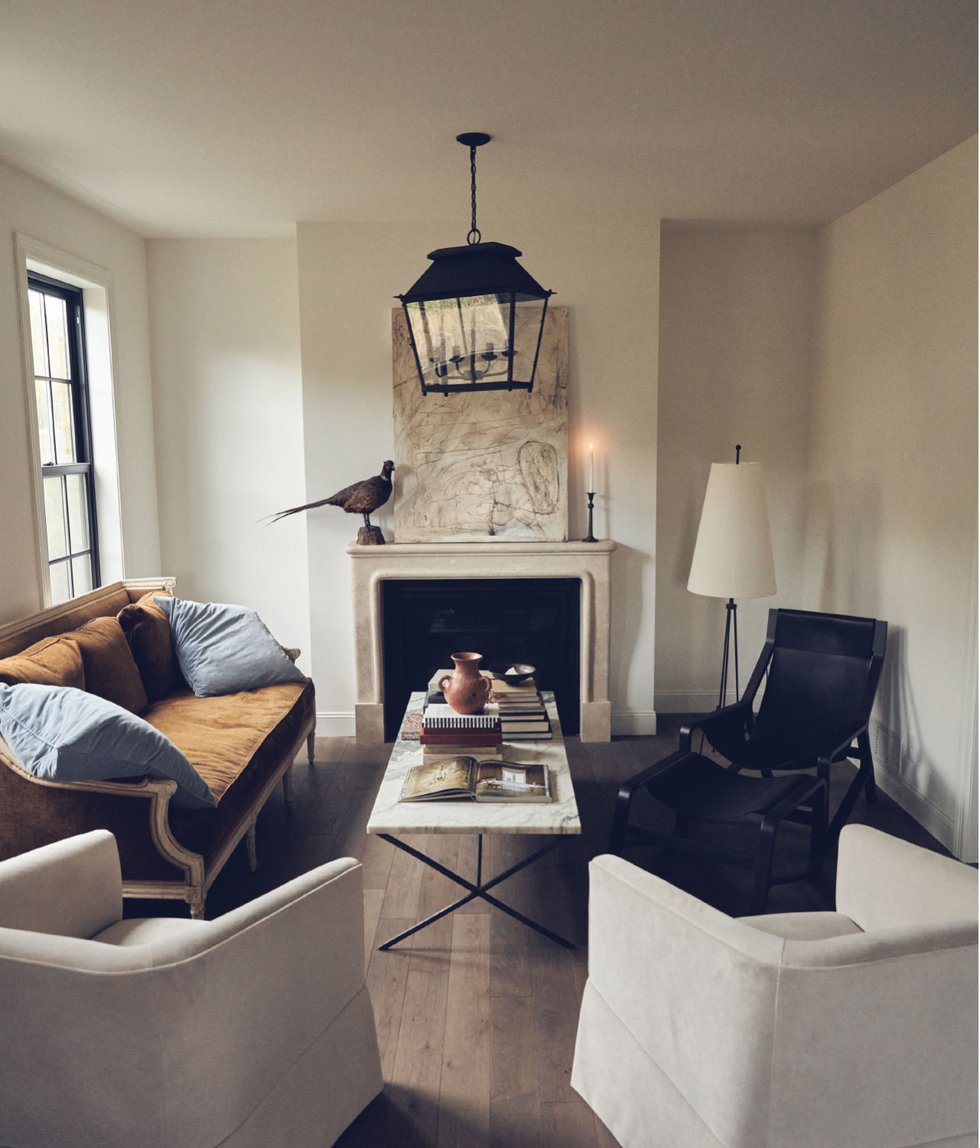
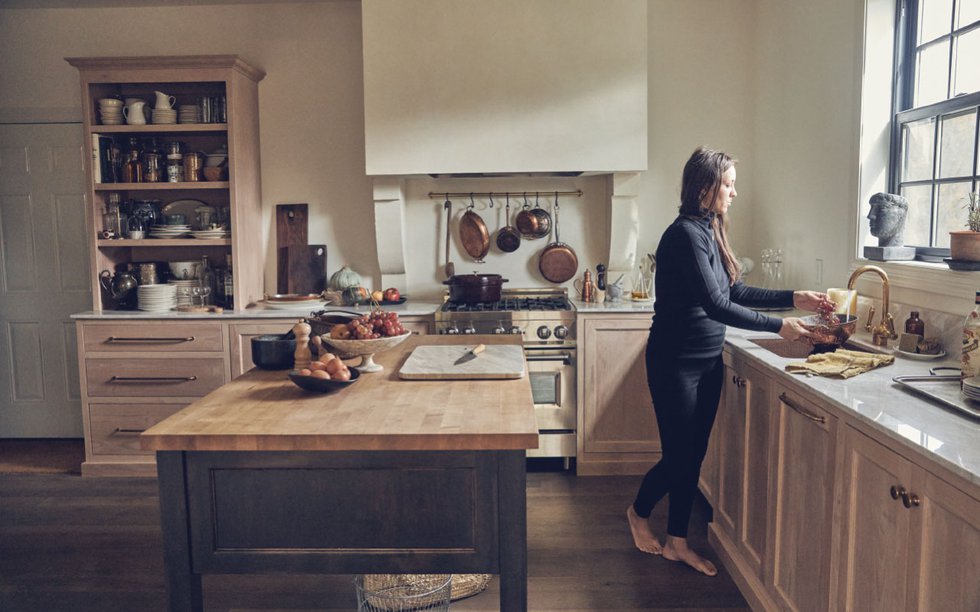
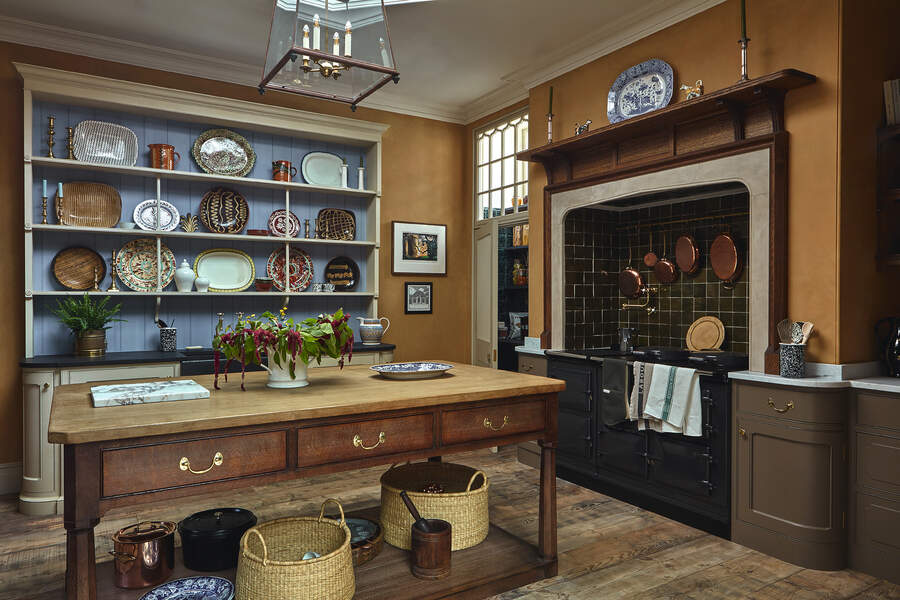
Inside, Craftsman homes offer cozy, distinct rooms rather than open floor plans, aiming to integrate the outdoors. Key interior features include lower slung coffered ceilings, thick, unpainted wood trim around doors and windows, and built-in elements like cabinets, bookshelves, and window seats. A focal fireplace, often adorned with decorative clay tiles, is a common centerpiece in the living or dining room. It's important to distinguish that 'Craftsman' refers to an architectural style, while 'bungalow' denotes a type of small house. Thus, a Craftsman bungalow is a specific subtype, but not all Craftsman homes are bungalows, and not all bungalows are Craftsman style. The term 'Craftsman' is capitalized when referring to the architectural style to honor the skilled labor involved in its construction.
#CraftsmanStyleHomes #HomeDesign #ArtsAndCraftsMovement #ArchitecturalHistory #InteriorDesign #GustavStickley #GambleHouse #Bungalow #HomeDecor #HistoricPreservation #CraftsmanStyleHomes #HomeDesign #ArtsAndCraftsMovement #ArchitecturalHistory #InteriorDesign #GustavStickley #GambleHouse #Bungalow #HomeDecor #HistoricPreservation
0 comment in total
 No comments yet
You may also like
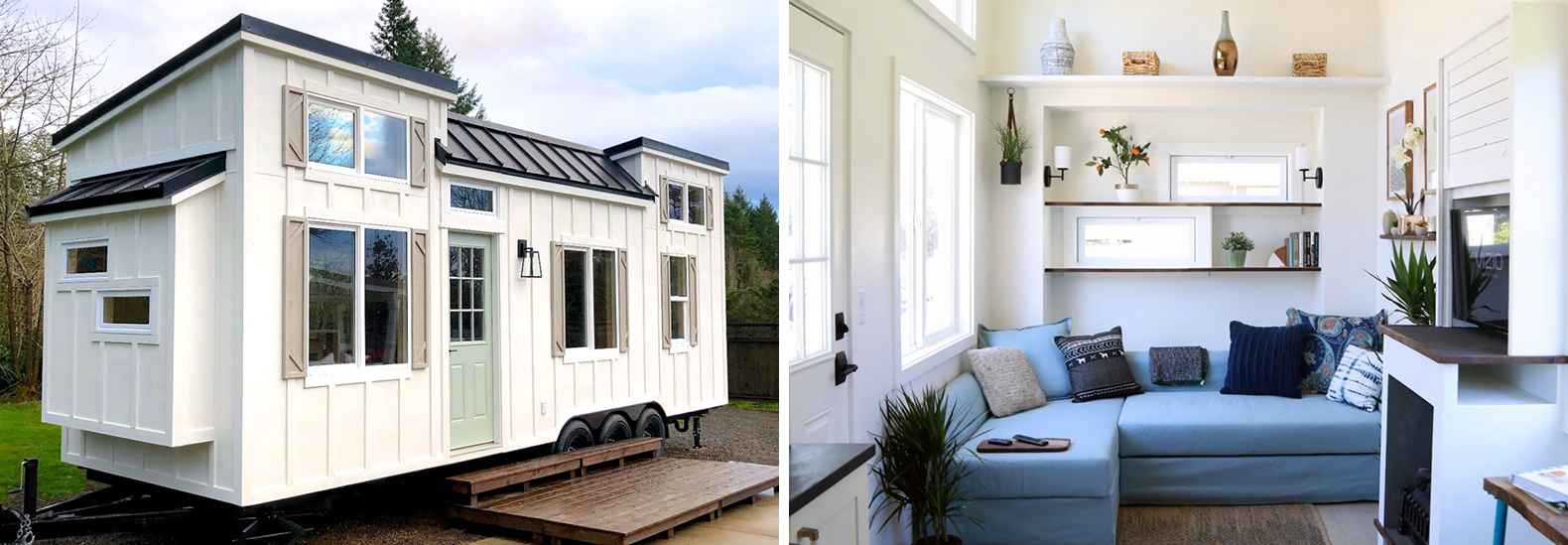
Handcrafted Movement's Coastal Craftsman tiny house is big on interior design

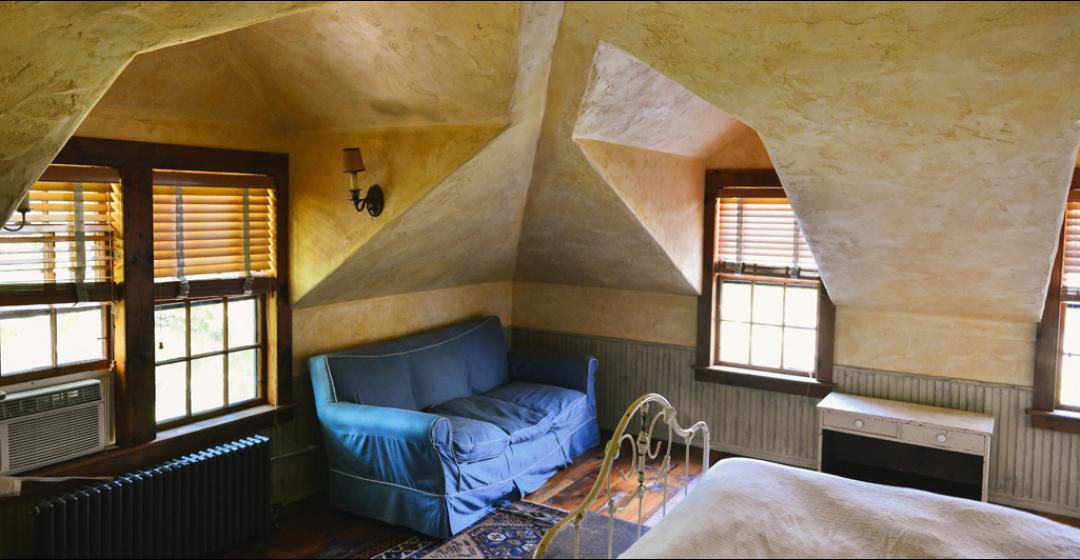
The Art of Plaster
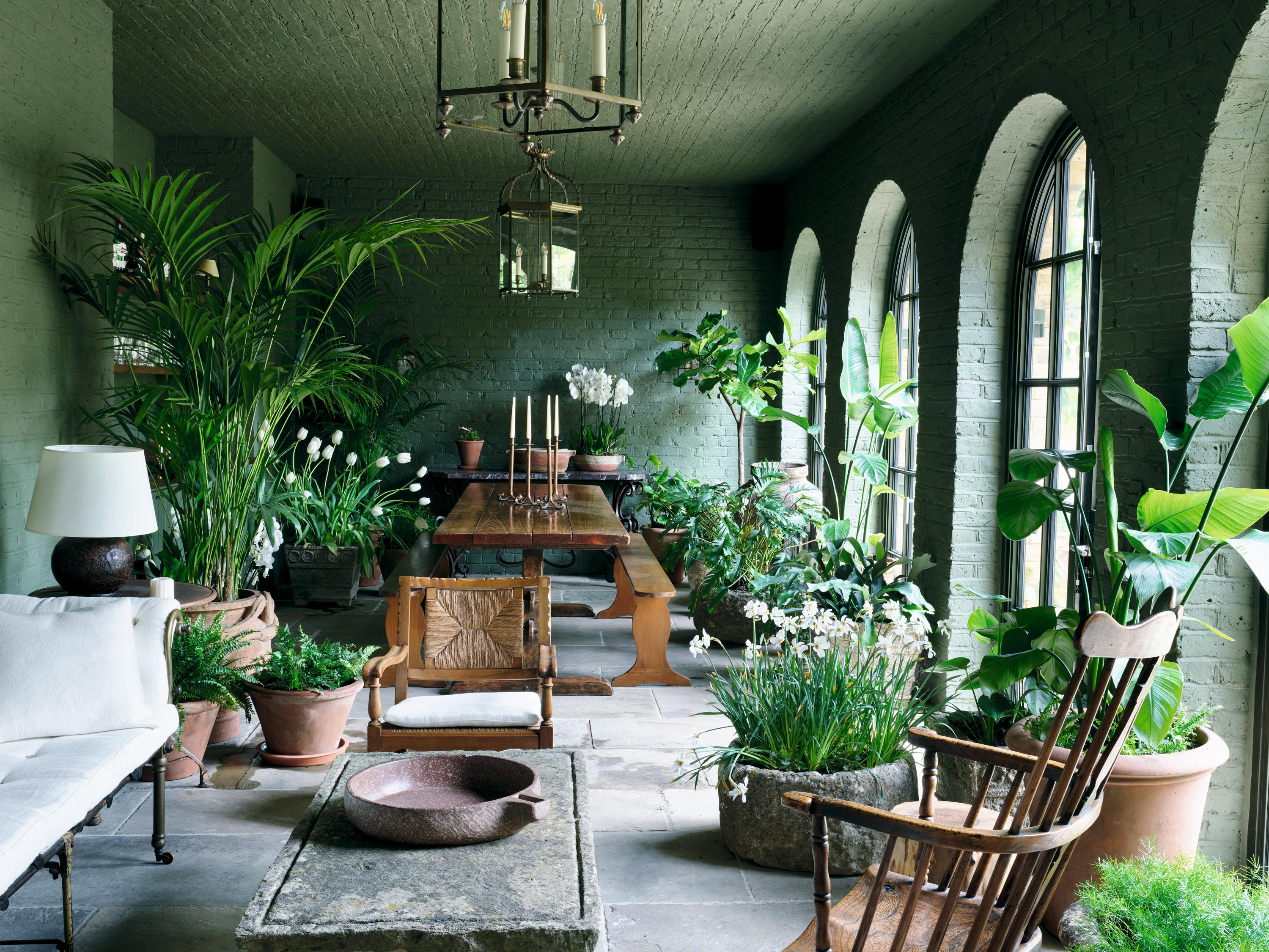
The best country house specialists in Britain, from stonemasons and joiners to builders and paint specialists
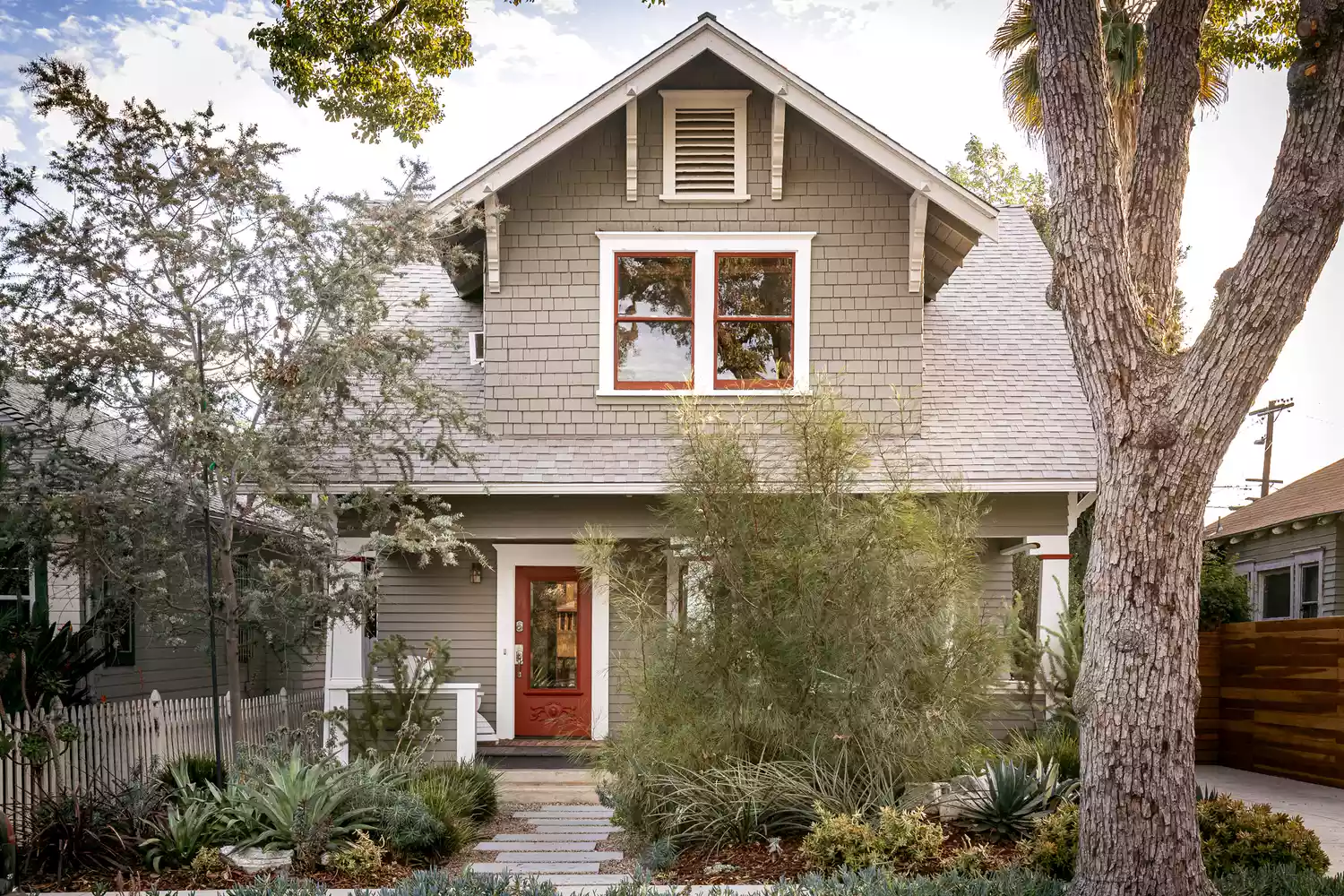
This Popular Home Style Features Wide Porches, Low-Pitched Roofs, and Lots of Charm

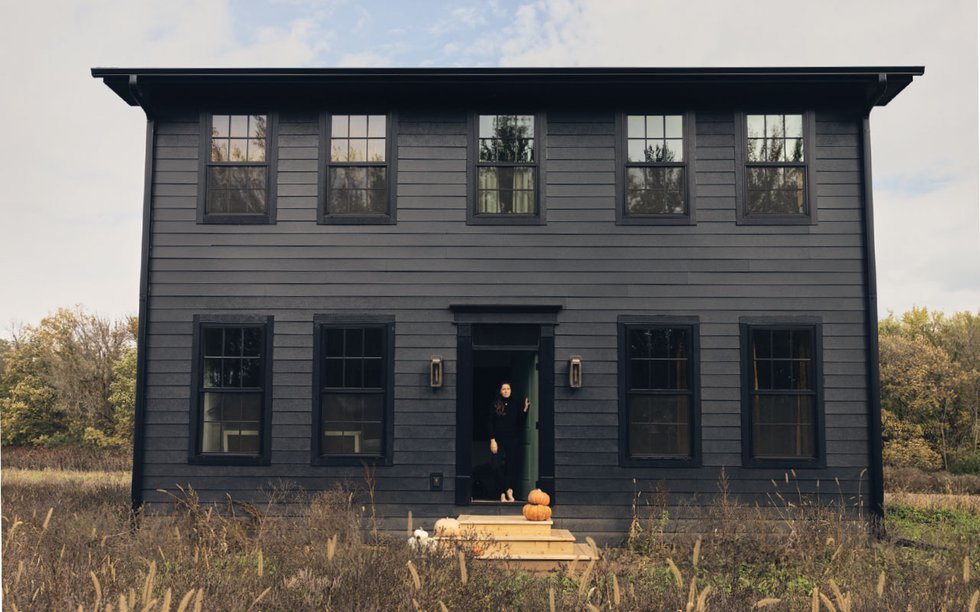
Home & Design | The Art of Domesticity
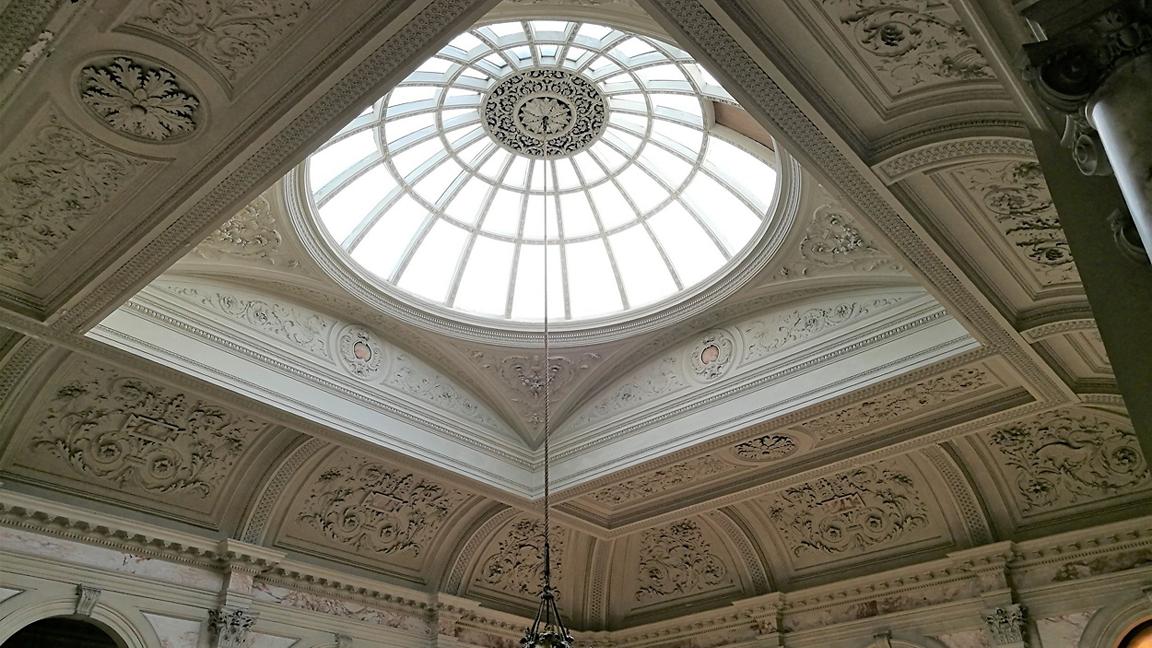
How to survey and assess fibrous and traditional plasterwork
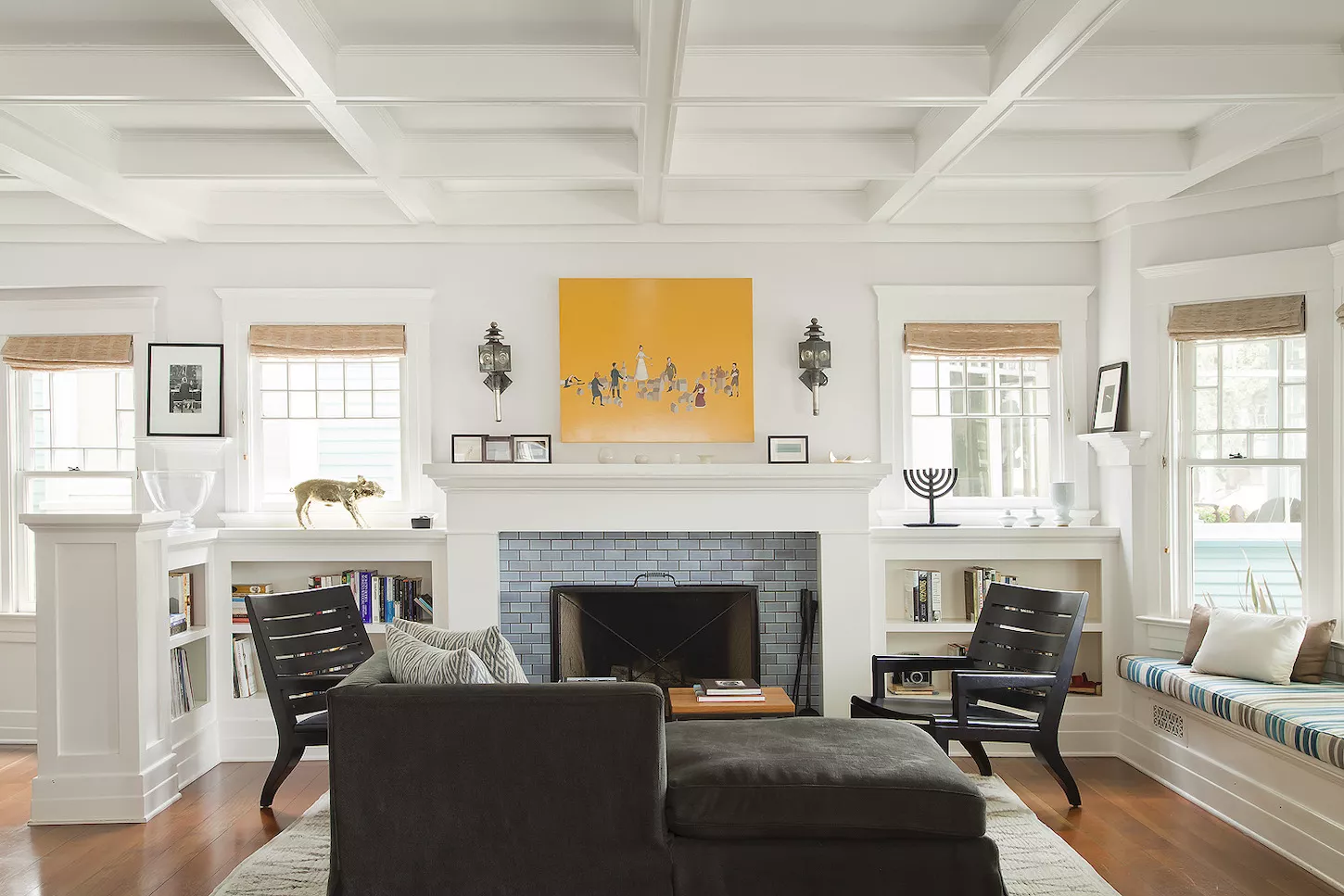
These Are 10 Classic Features of a Craftsman-Style Interior
Legacy of a Woodworking Master

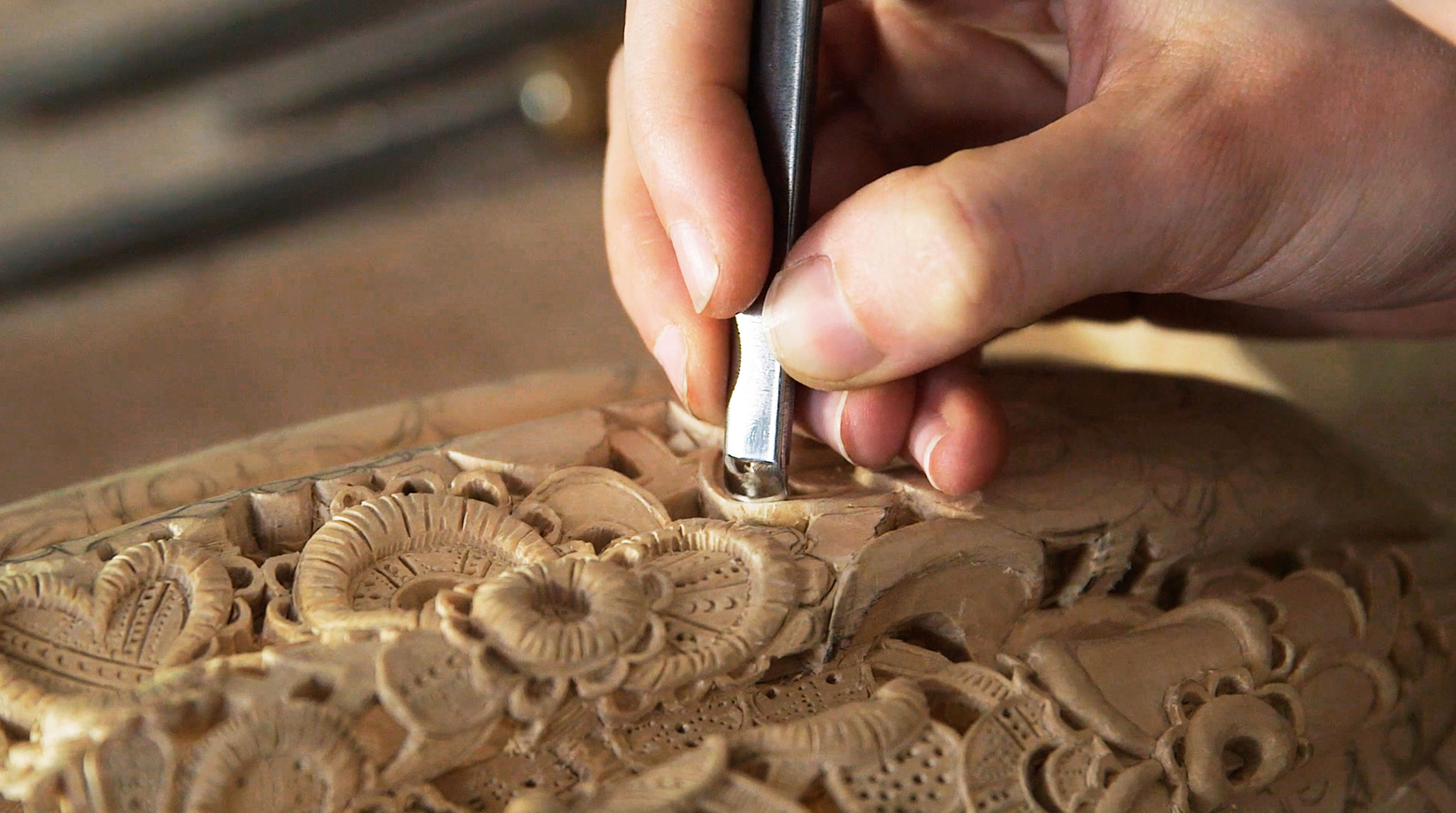
21 of the greatest craftspeople working in Britain today, as chosen by the nation's best designers and architects