Is the Color-Coded Bookshelf Here to Stay? Here’s What Designers Have to Say
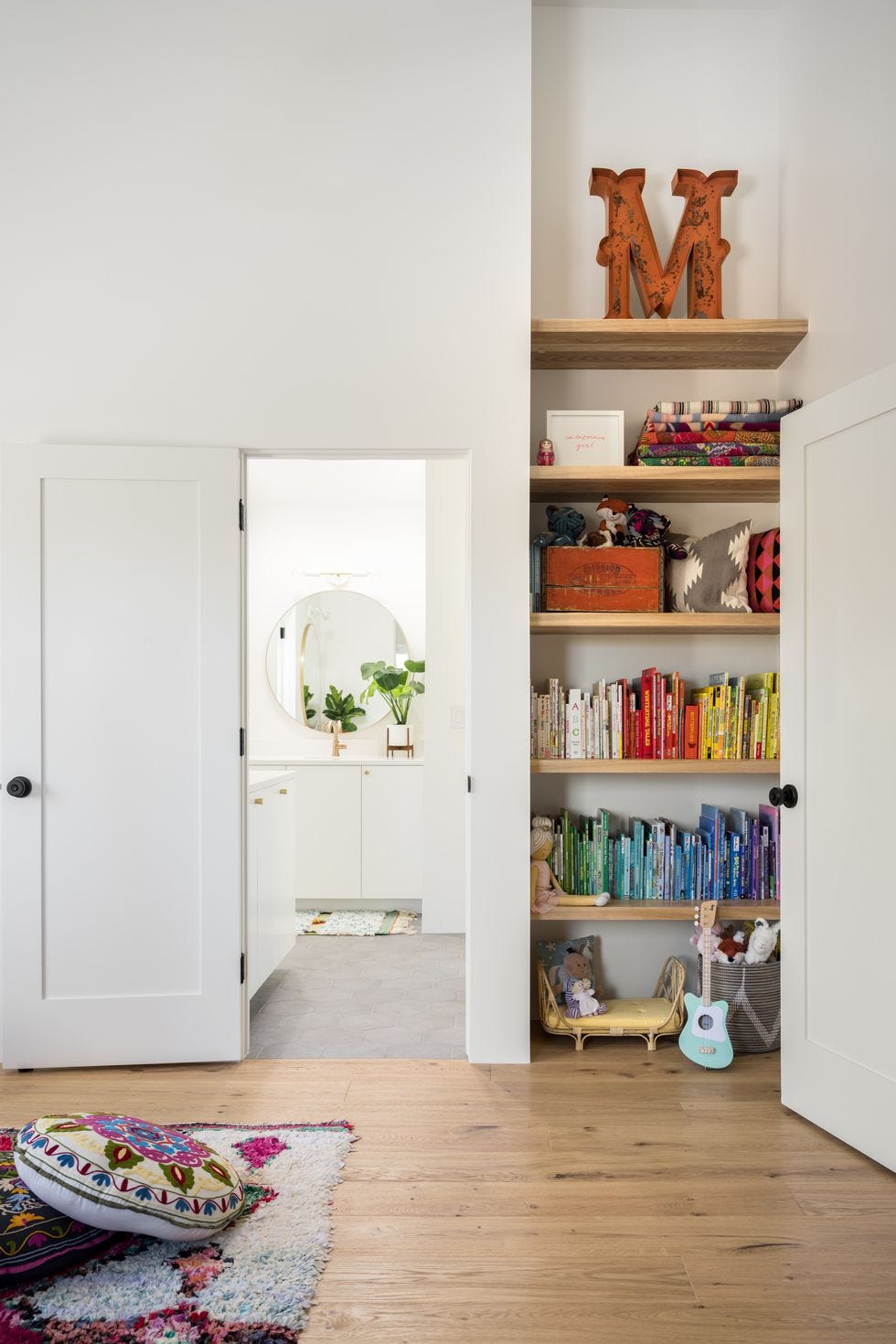
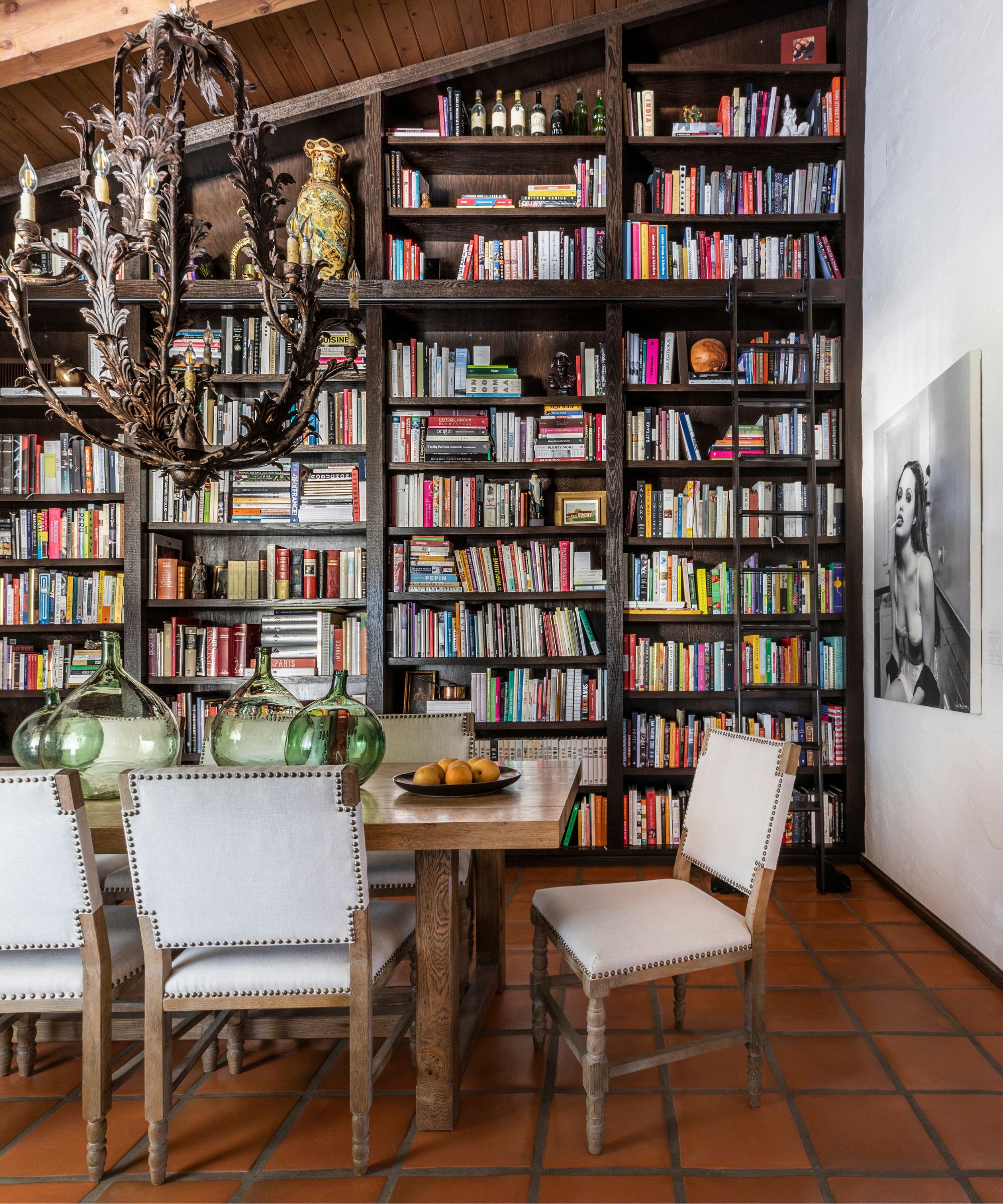
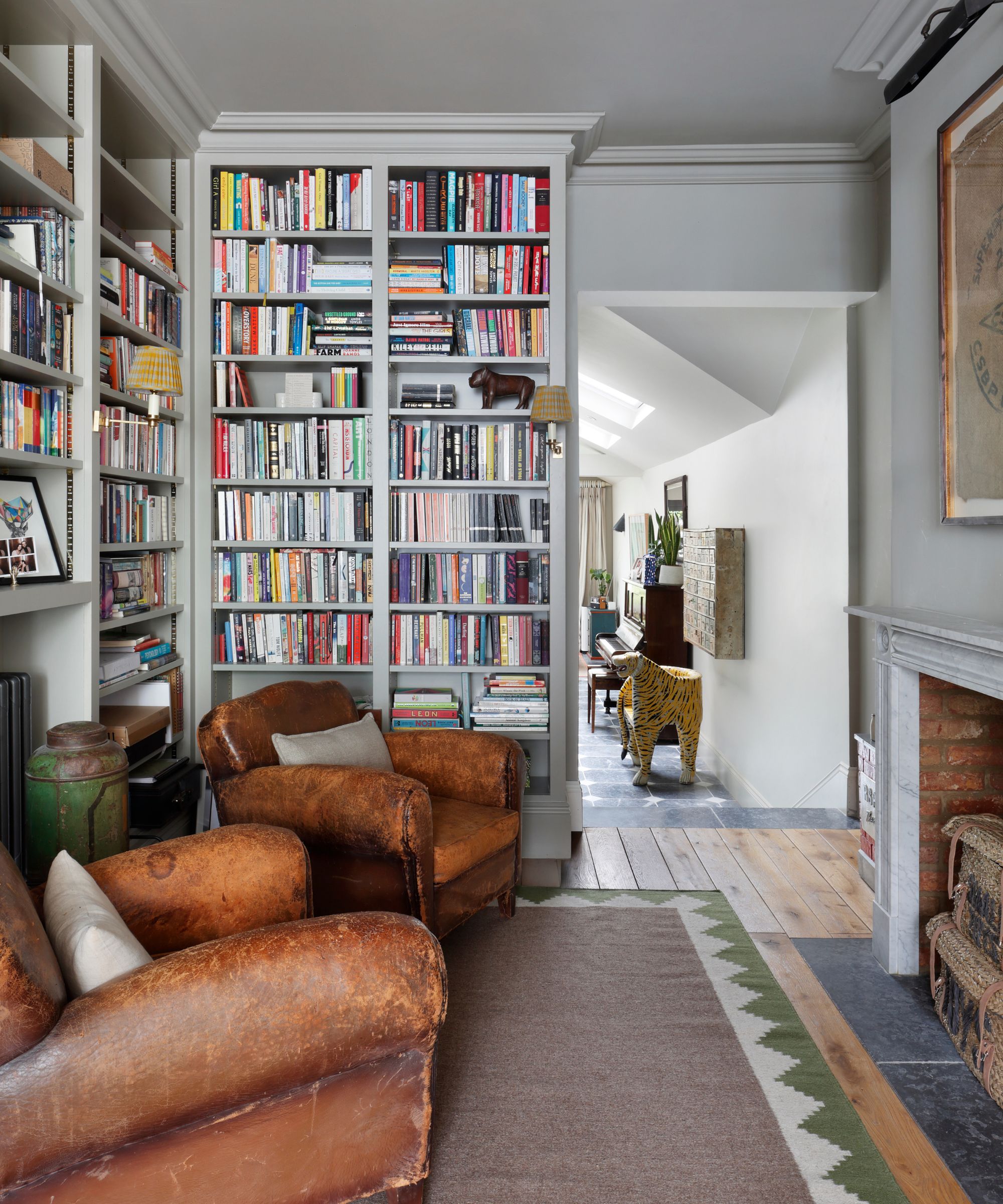
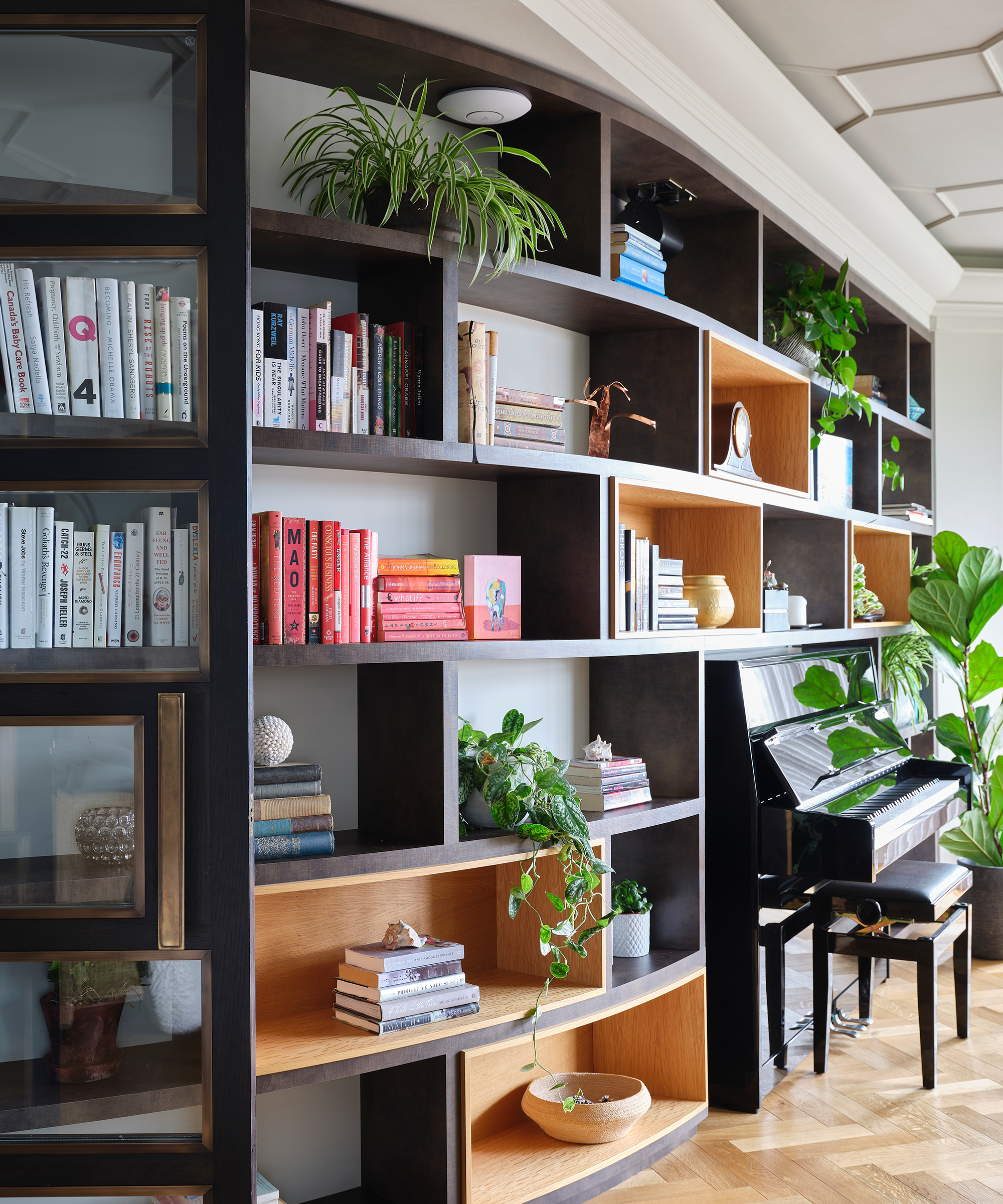
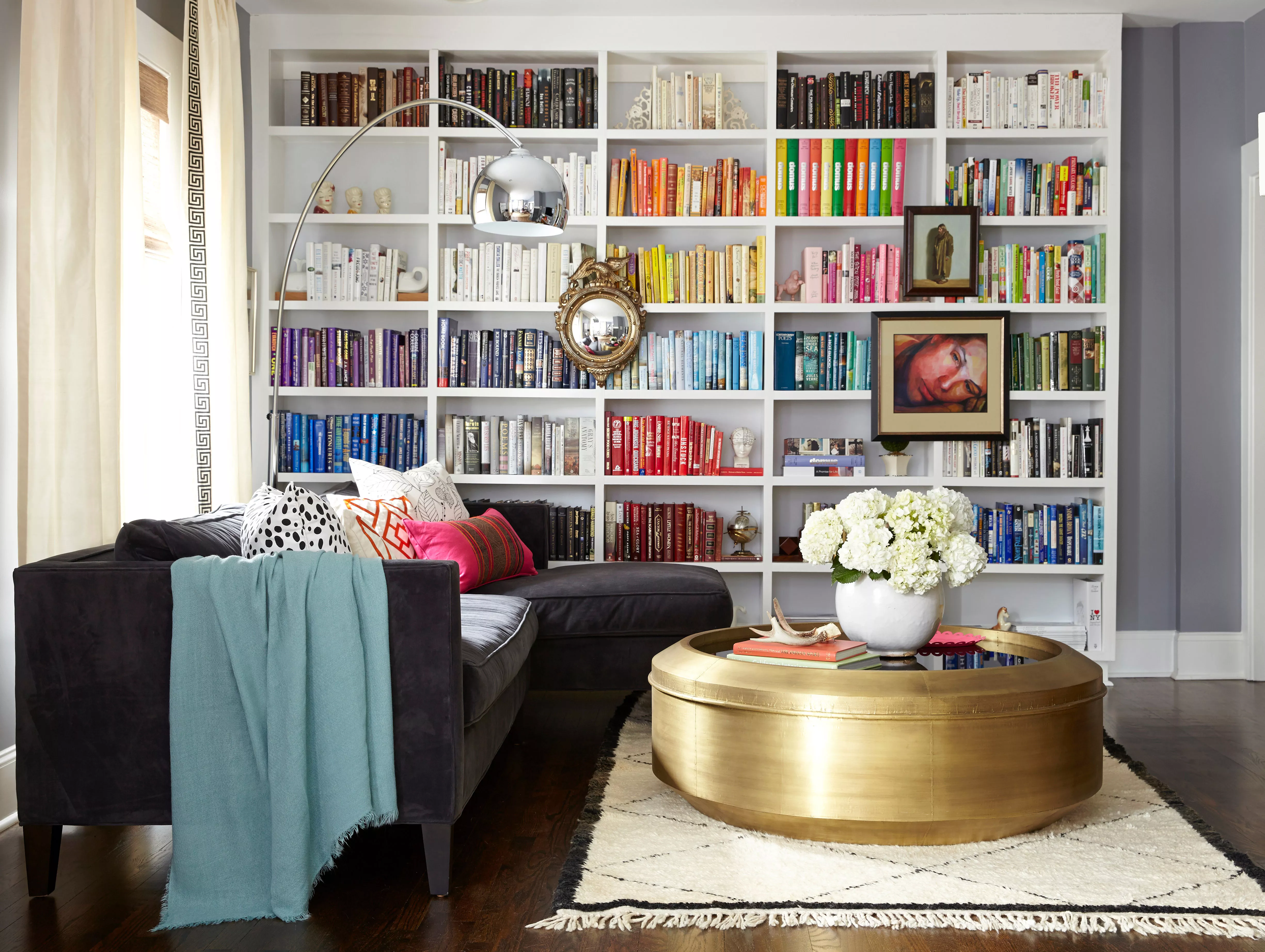
Color-coded bookshelves have been a popular styling strategy, continuously transforming ordinary shelves into creative showcases. This trend has seen a resurgence, notably endorsed by Joanna Teplin and Clea Shearer of The Home Edit. Expert designers weigh in on the practice, offering advice on how to effectively achieve this aesthetic. Rachel Rosenthal, an organizing expert, highlights color-coding as an easy and unique method to manage disheveled bookshelves while adding a bright, bold look to any room. Interior designer Julie Jones suggests it's ideal for those with a 'free and fun' design taste, providing both whimsy and organization.
The concept, however, is not without its critics. Some argue that traditional organization methods, such as categorizing by subject or alphabetically, are compromised when books are sorted by color. Marie Cloud, principal designer at Indigo Pruitt Design Studio, acknowledges this debate, noting that the choice reflects differing views on whether bookshelves serve primarily for storage or as a canvas for design expression. Ultimately, she concludes it boils down to personal preference.
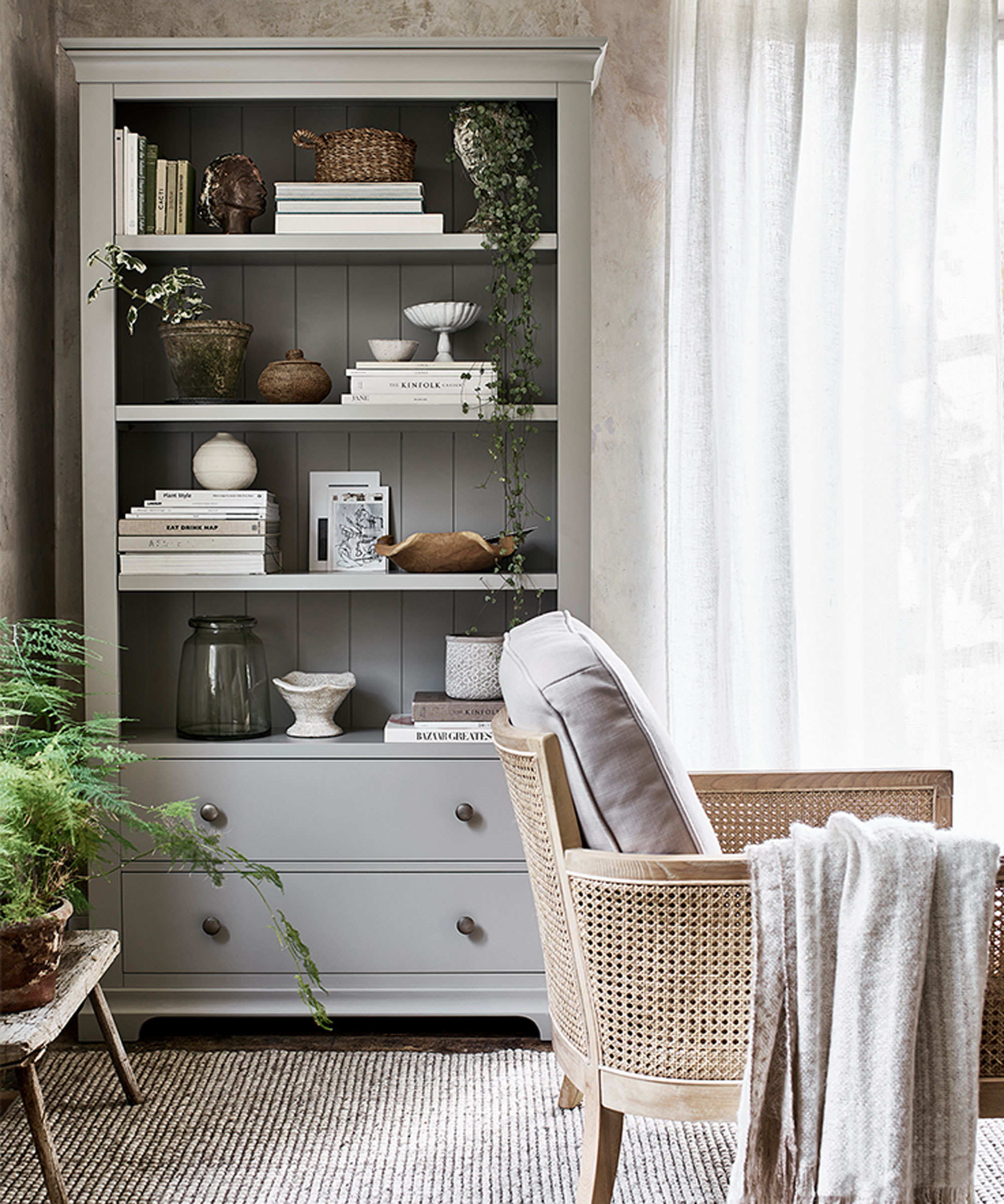
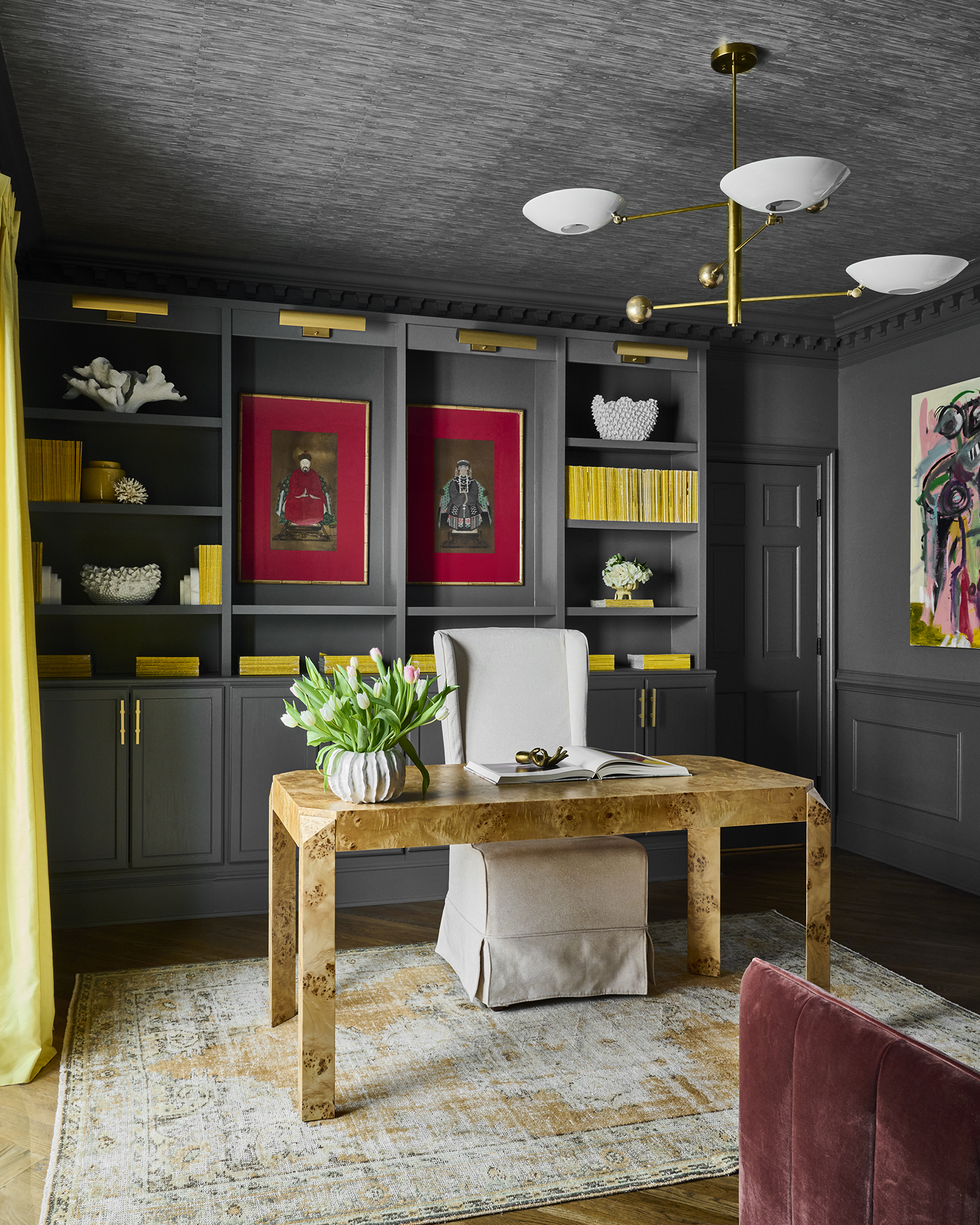
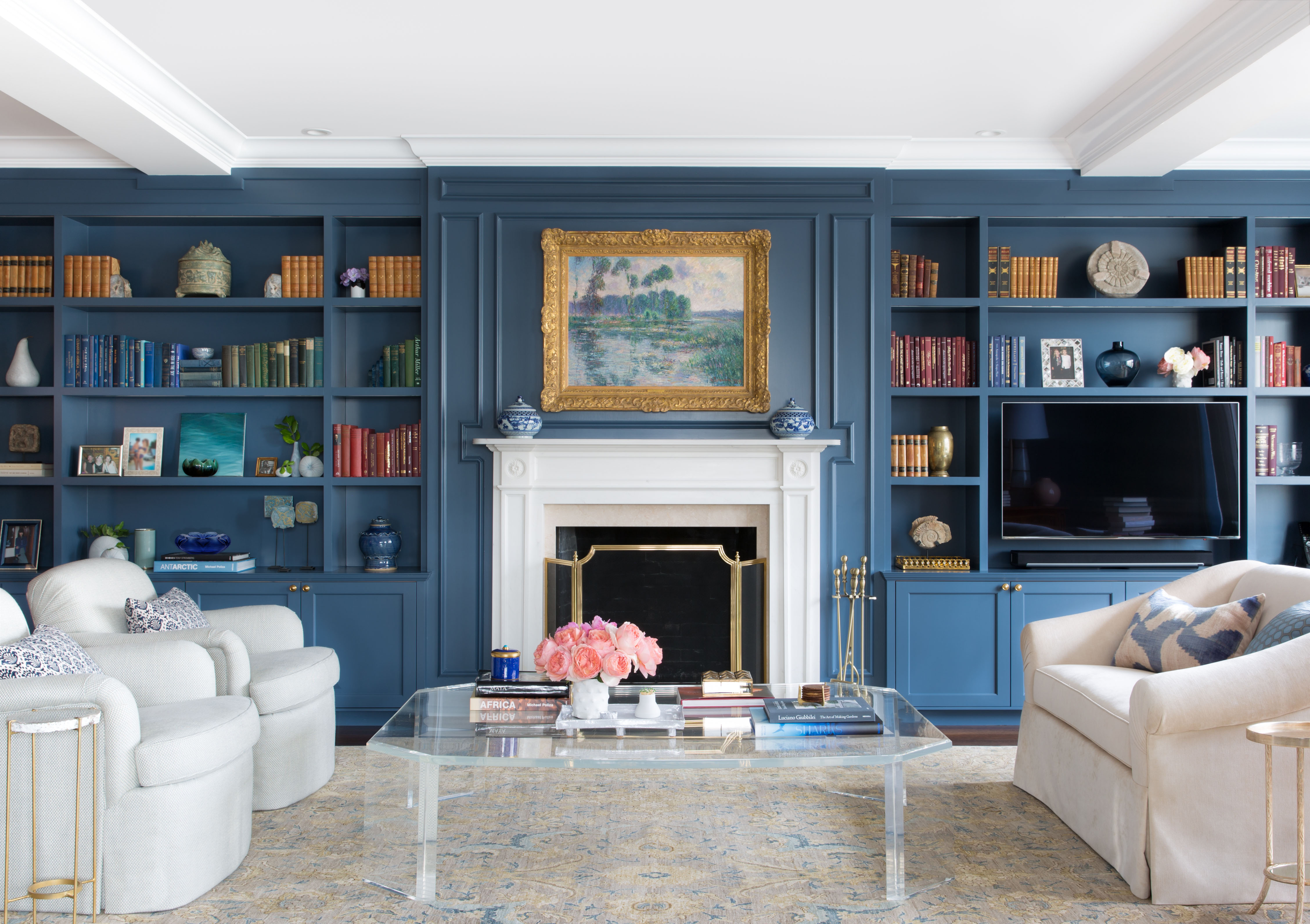
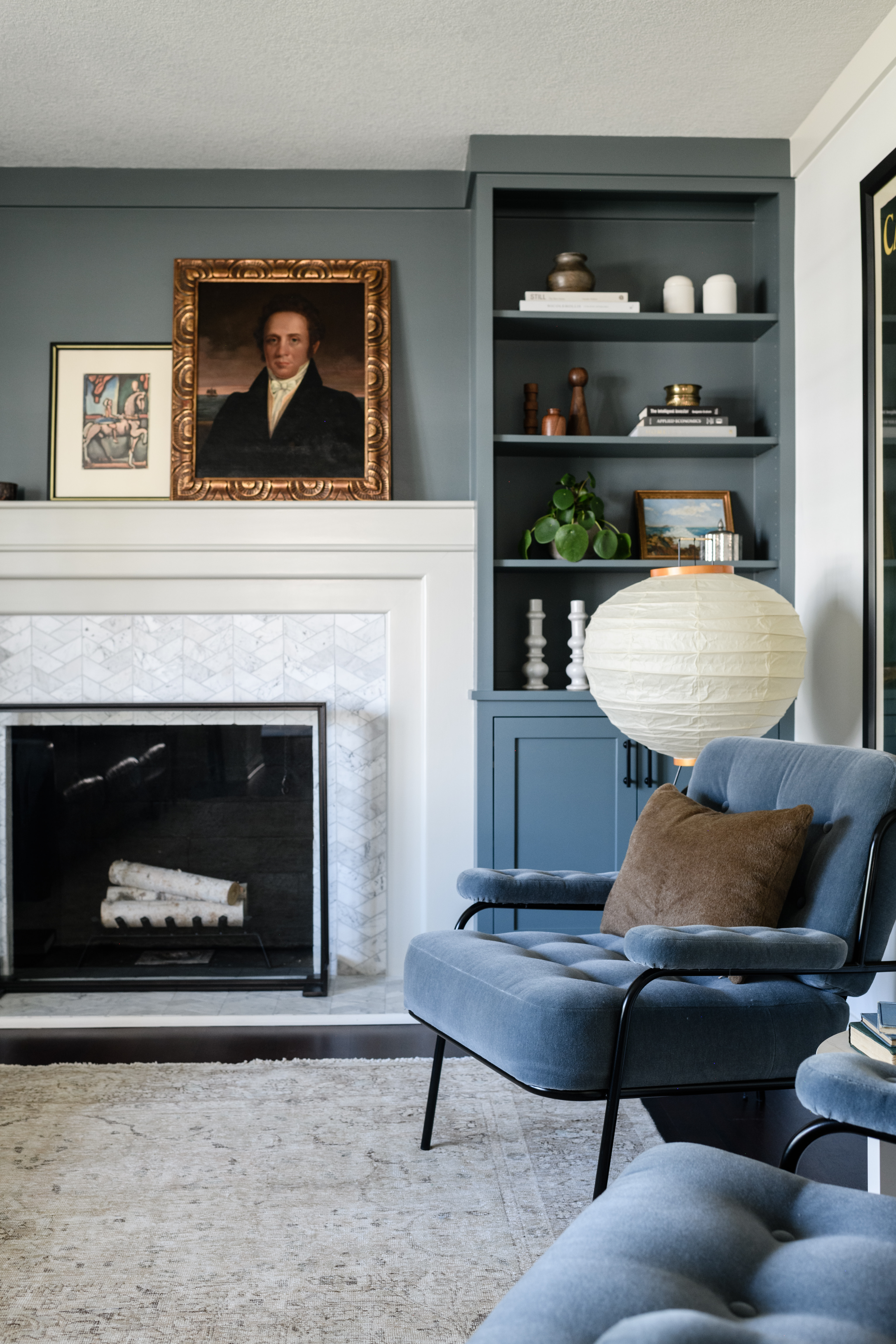
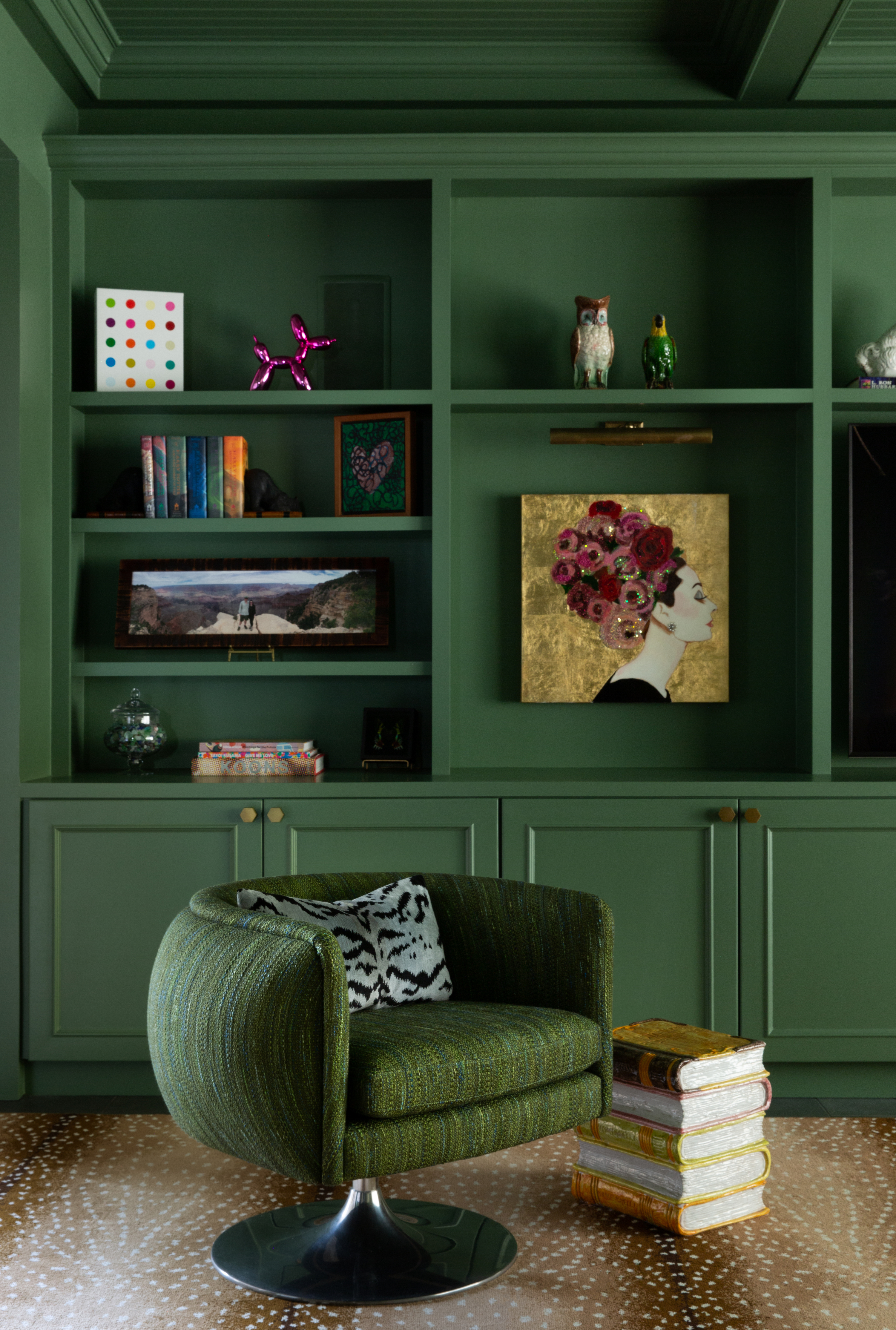
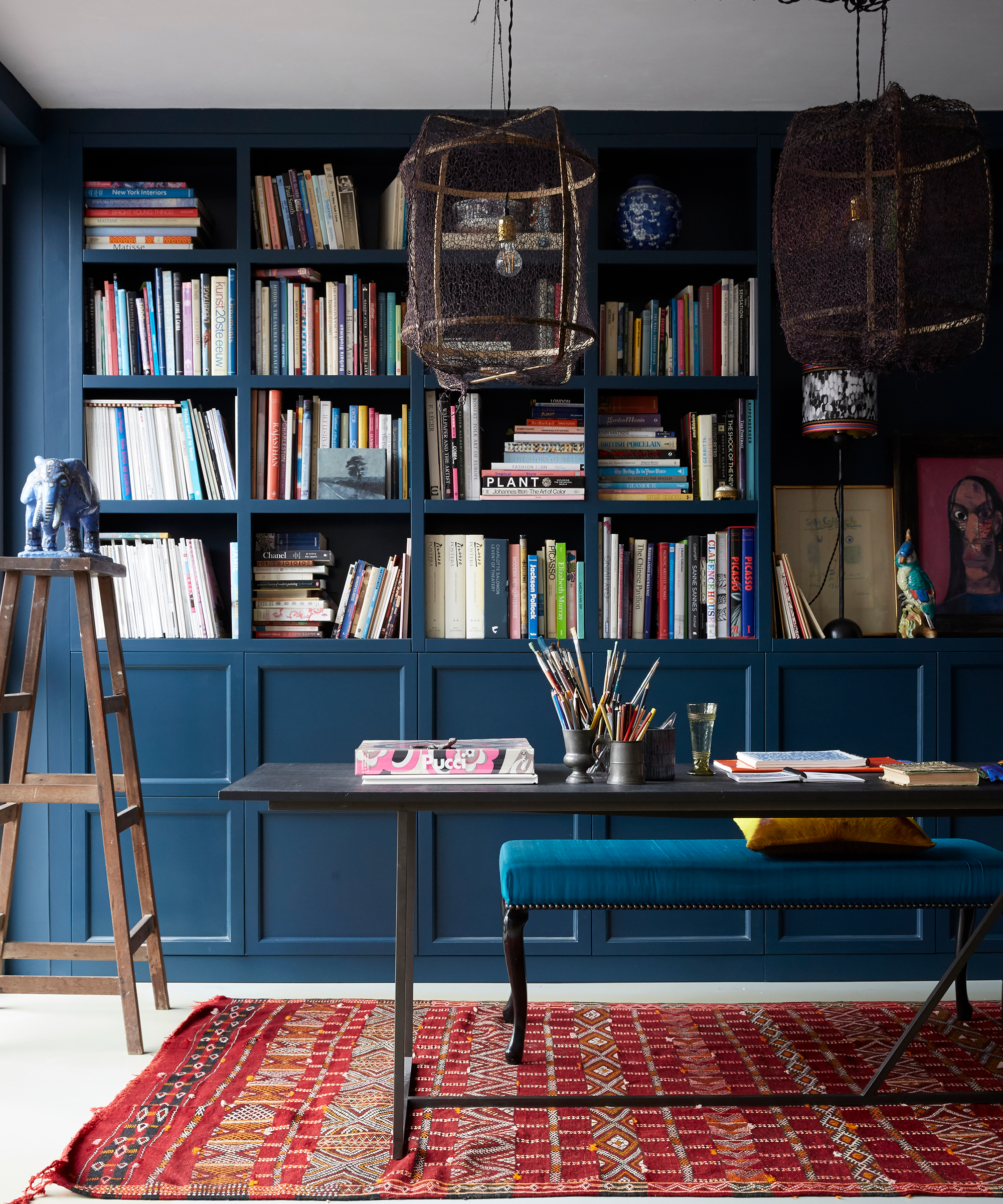
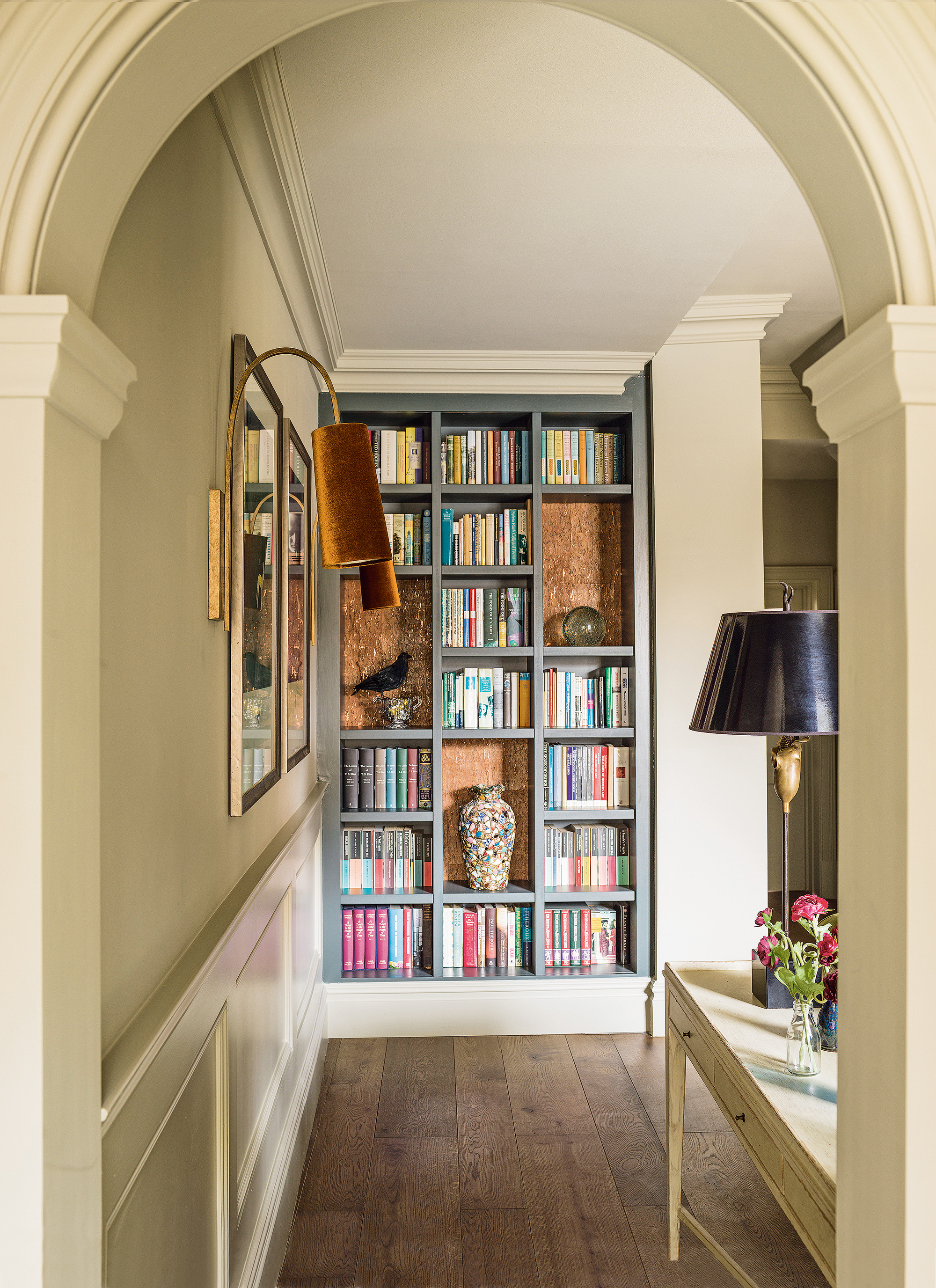
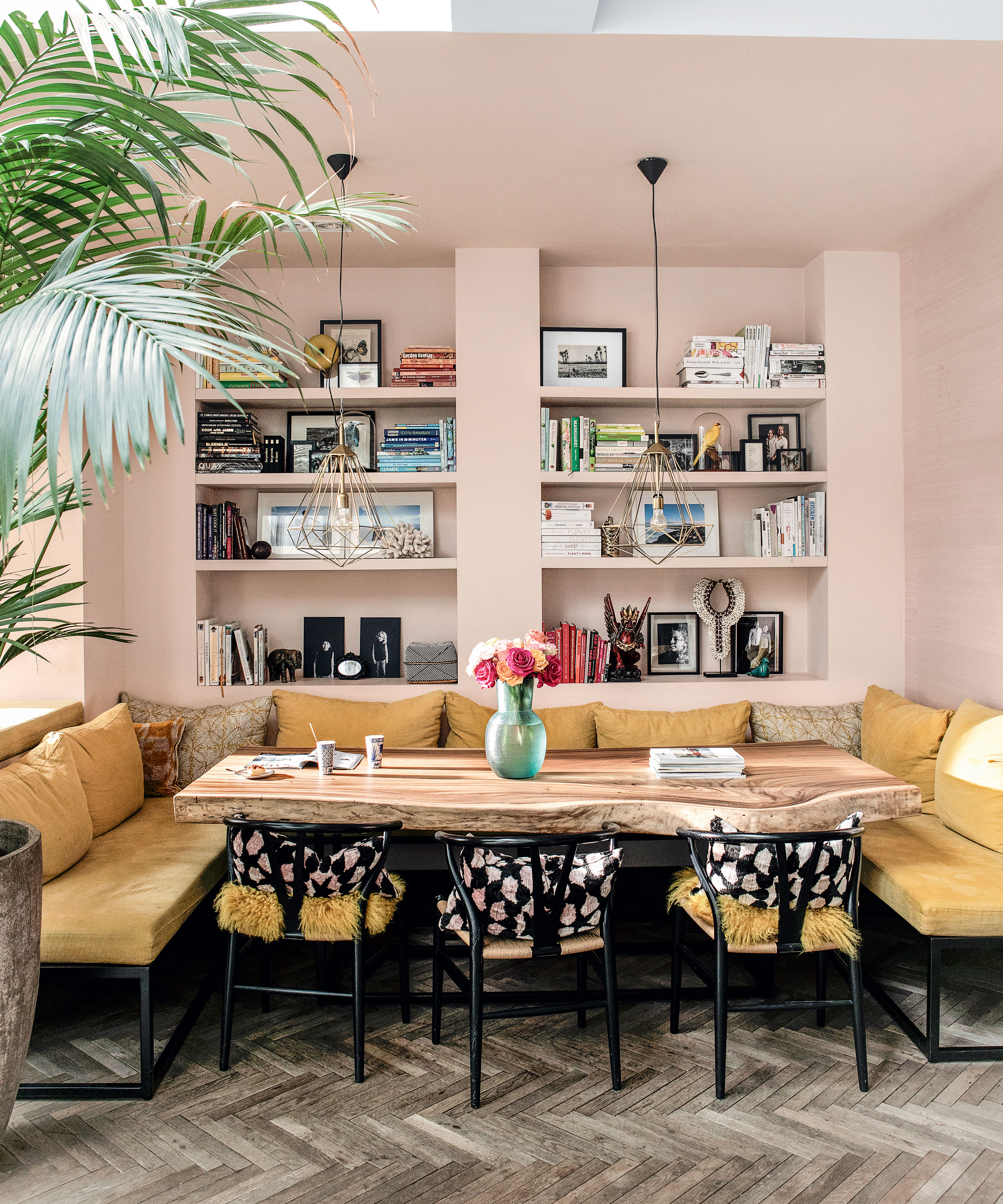
When styling color-coded bookshelves, designers offer several tips. Marie Cloud emphasizes thinking beyond white shelving, stating that colorful books are versatile enough to complement various shelf colors, whether white, wood, or a bold hue. The key is to create a backdrop that enhances the books' vibrancy. Rachel Rosenthal suggests matching wall colors with shelf colors for a seamless look, allowing the books to stand out.
Designers also advise against strict color rules. The best arrangement depends on the desired aesthetic; while a classic rainbow order is an option, grouping by color families or arranging from darkest to lightest are also valid. Lisa Gilmore, another principal designer, mentions her preference for placing pink after red and ending with neutral colors like white, gray, and black. Cloud also advocates for incorporating neutral colors like brown, gray, black, and white to create balance, cohesion, and texture within the color scheme. Tonal or related color combinations, such as gold and brown or blue and green, offer creative expression and visual unity.
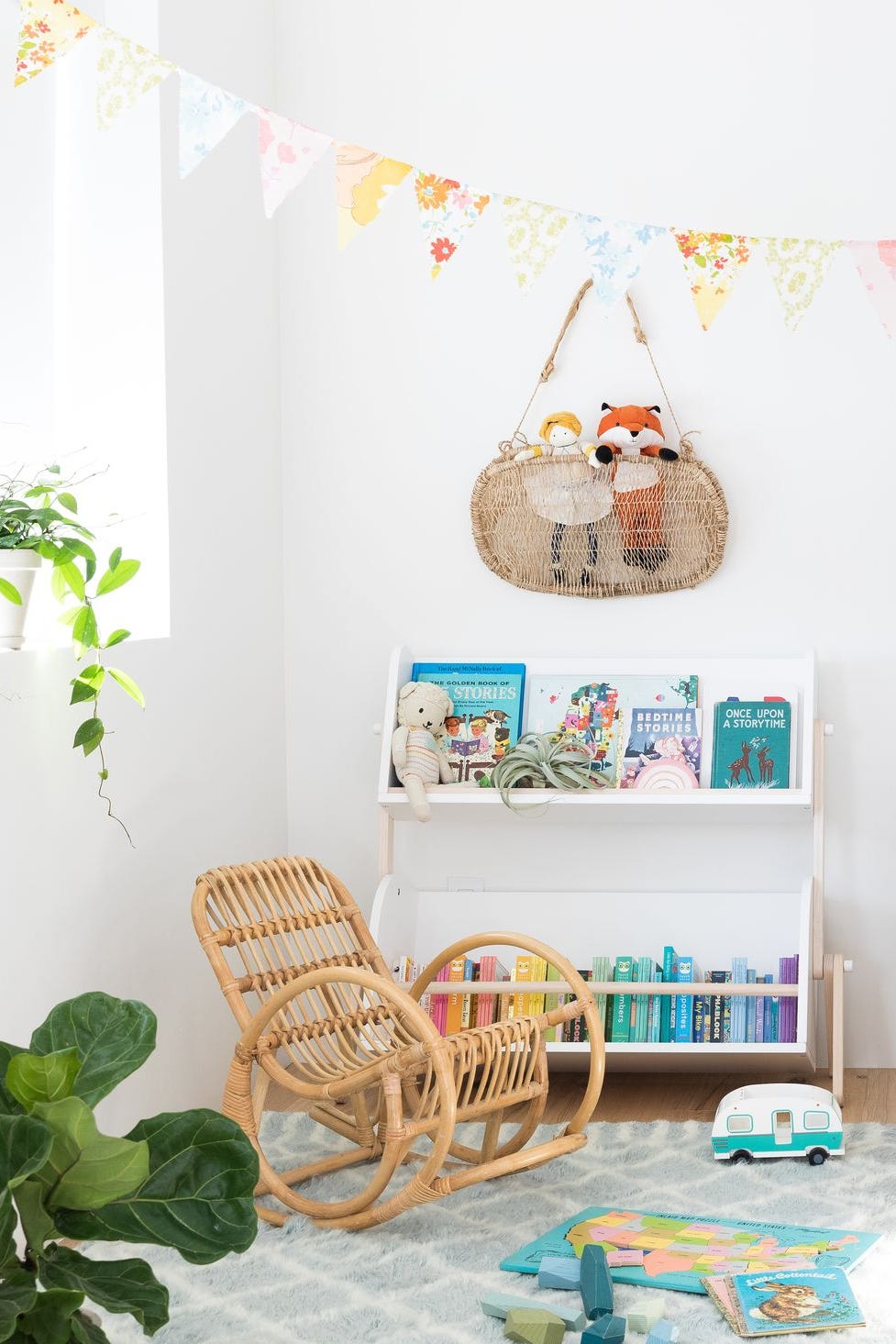
The decision to keep or remove book jackets is a personal one. Cloud notes that even if a book's spine lacks vibrant color, it can still contribute to the overall scheme. Gilmore appreciates both approaches, depending on the jacket's aesthetic appeal. For children's rooms, Rosenthal suggests displaying books with covers facing outward to add visual flair and make them more accessible.
Regarding book orientation, designers suggest not worrying about how books are stacked. Both horizontal and vertical arrangements are acceptable, serving different purposes. Horizontal stacks create a streamlined look, while vertical arrangements facilitate easier browsing. A combination of both can keep the eye moving. Rosenthal typically arranges color-coded books vertically for better color visibility and space, but uses horizontal stacking for a display-oriented approach, particularly for decorative books. Gilmore concurs, using horizontal stacking for larger coffee table books that are less frequently accessed.
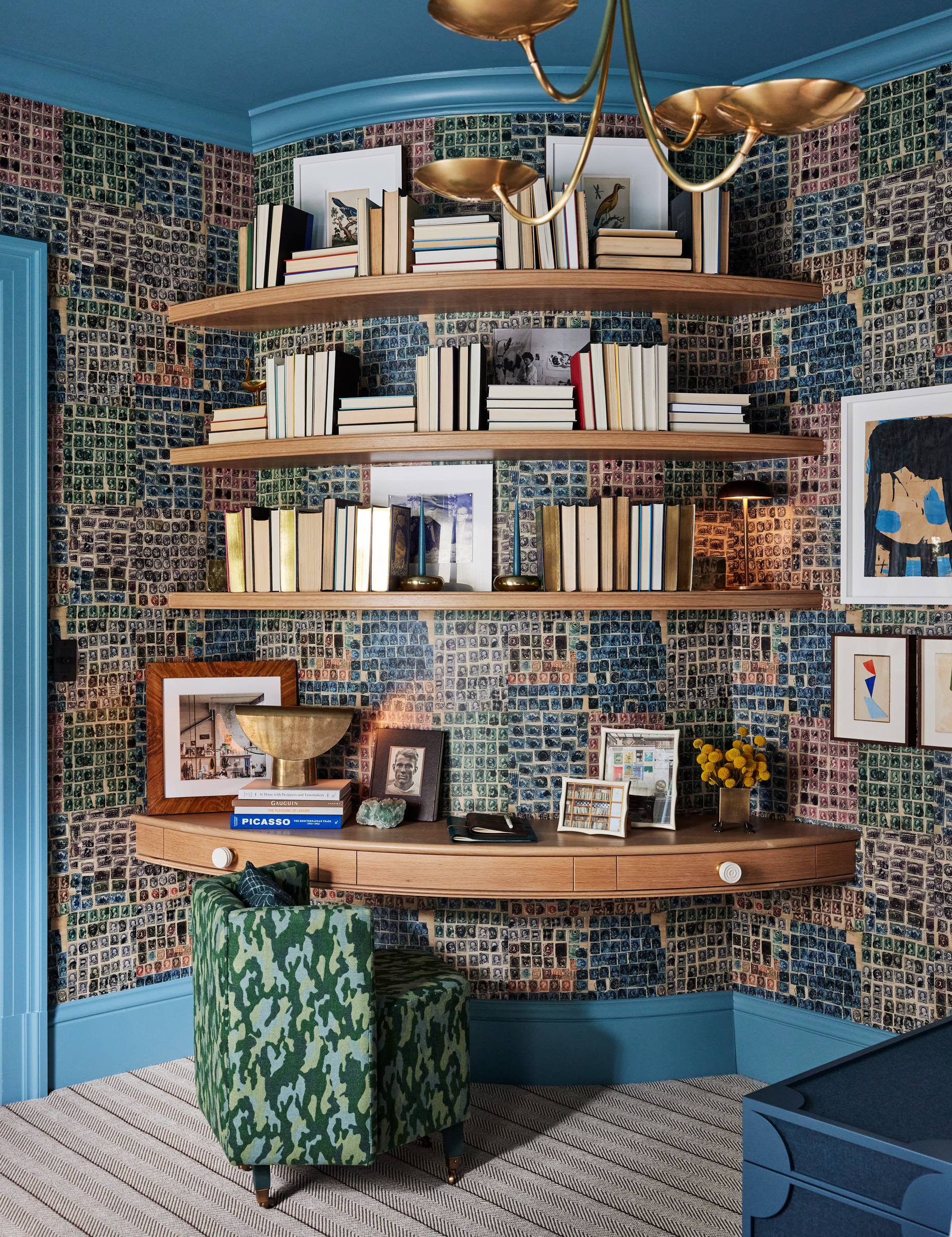
Incorporating a mix of sizes adds visual interest and breaks monotony. Cloud recommends grouping books of similar heights within color categories for a harmonious look, while Rosenthal sometimes blends various sizes within the same color scheme. It's also important to note that a large number of books or extensive shelving is not required. The goal is to create a visually cohesive arrangement that enhances the space and allows easy access.
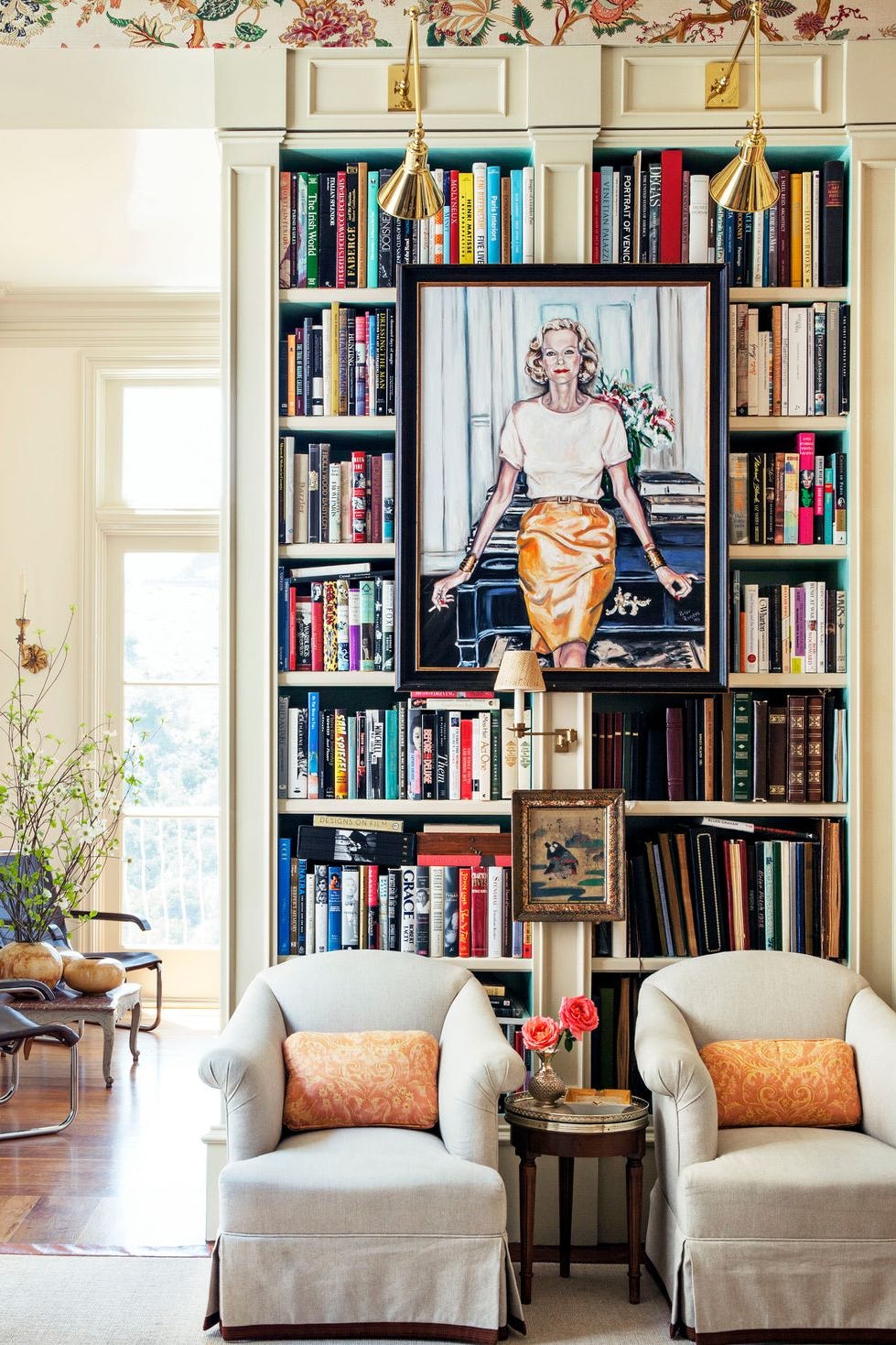
Consideration of shelf depth is another factor. Pushing books to the back creates a streamlined look, while positioning them forward allows for easier browsing. Designer Julie Jones prefers keeping books towards the front for a cleaner, uniform profile, especially since books often have varying depths. Finally, adding decorative elements on or around horizontal book stacks, such as glass vases, clocks, plants, or framed photos, can personalize the space and add texture. These elements should maintain balance and cohesion with the room's overall design. Color-coded bookshelves are not limited to children's rooms; when executed thoughtfully, they can add a sophisticated touch to any space and are adaptable to various home styles, from modern to traditional.
#BookshelfStyling #ColorCodedBookshelves #HomeDecor #InteriorDesign #BookOrganization #DesignTips #BookshelfIdeas #HomeEdit #PersonalExpression #BookshelfStyling #ColorCodedBookshelves #HomeDecor #InteriorDesign #BookOrganization #DesignTips #BookshelfIdeas #HomeEdit #PersonalExpression
0 comment in total
 No comments yet
You may also like
Here's How Designers Really Feel About Those Rainbow Bookshelves

Bookshelf trends – 8 stylish ways designers are displaying their books in 2025

Is the checkerboard trend over? The designers re-inventing this classic pattern don't think so

Are Open Shelves Finally Out of Style in 2026? Designers Weigh In

Designers Predict the Next “It” Kitchen Cabinet Color

5 "trend-proof" colors for your home designers think will be just as popular in 10 years' time
Every Designer I Talked to Said This Popular Paint Color Is on Its Way Out

5 reasons I'll always paint my shelving the same color as the wall – it's the secret to more cohesive decorating schemes
Are Open Shelves Finally Out of Style in 2026? Designers Weigh In
Design Pros All Agree: The Color-Blocking Trend Is One to Try

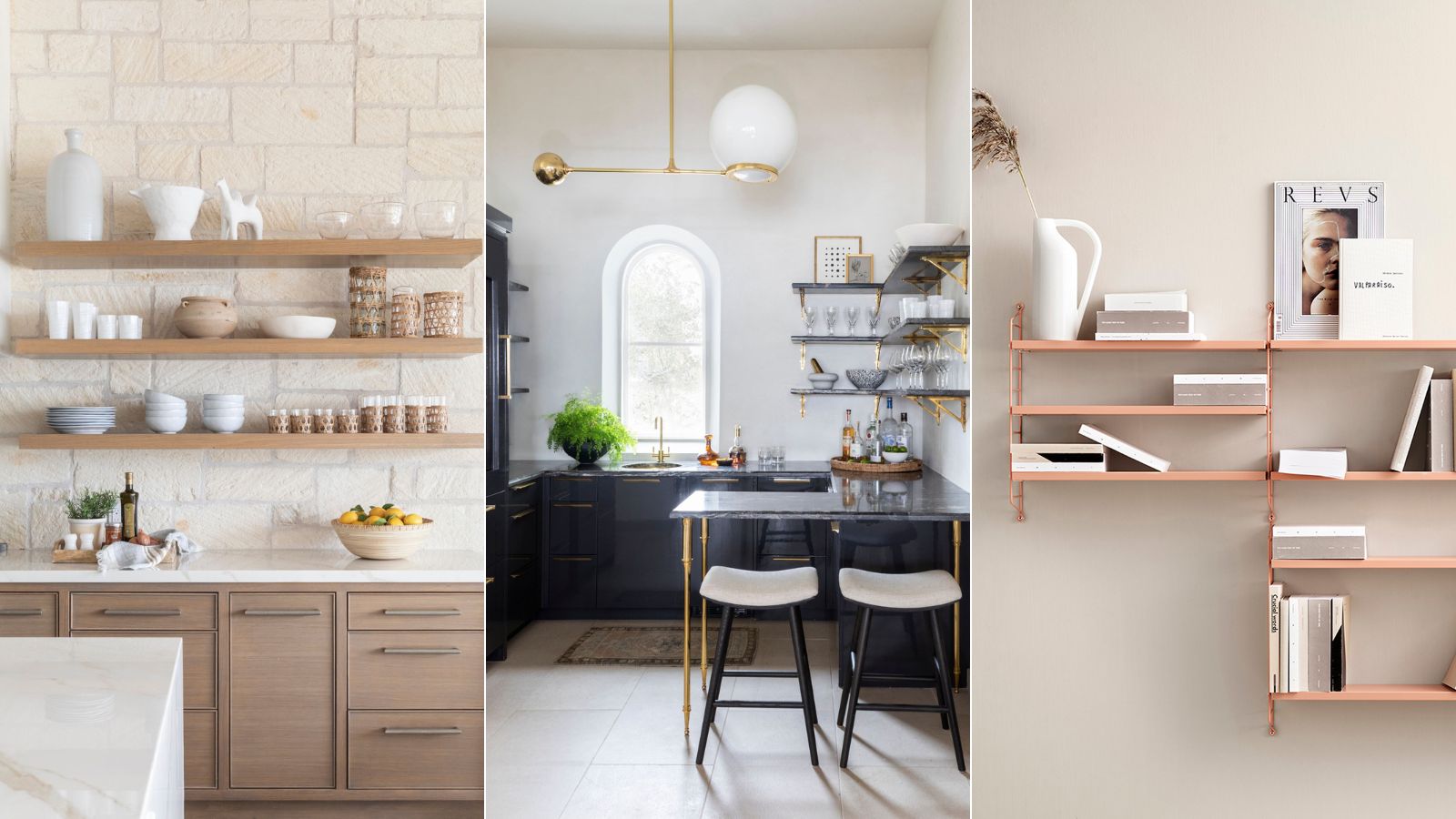
Are floating shelves still on trend? Designers have their say on this once popular style
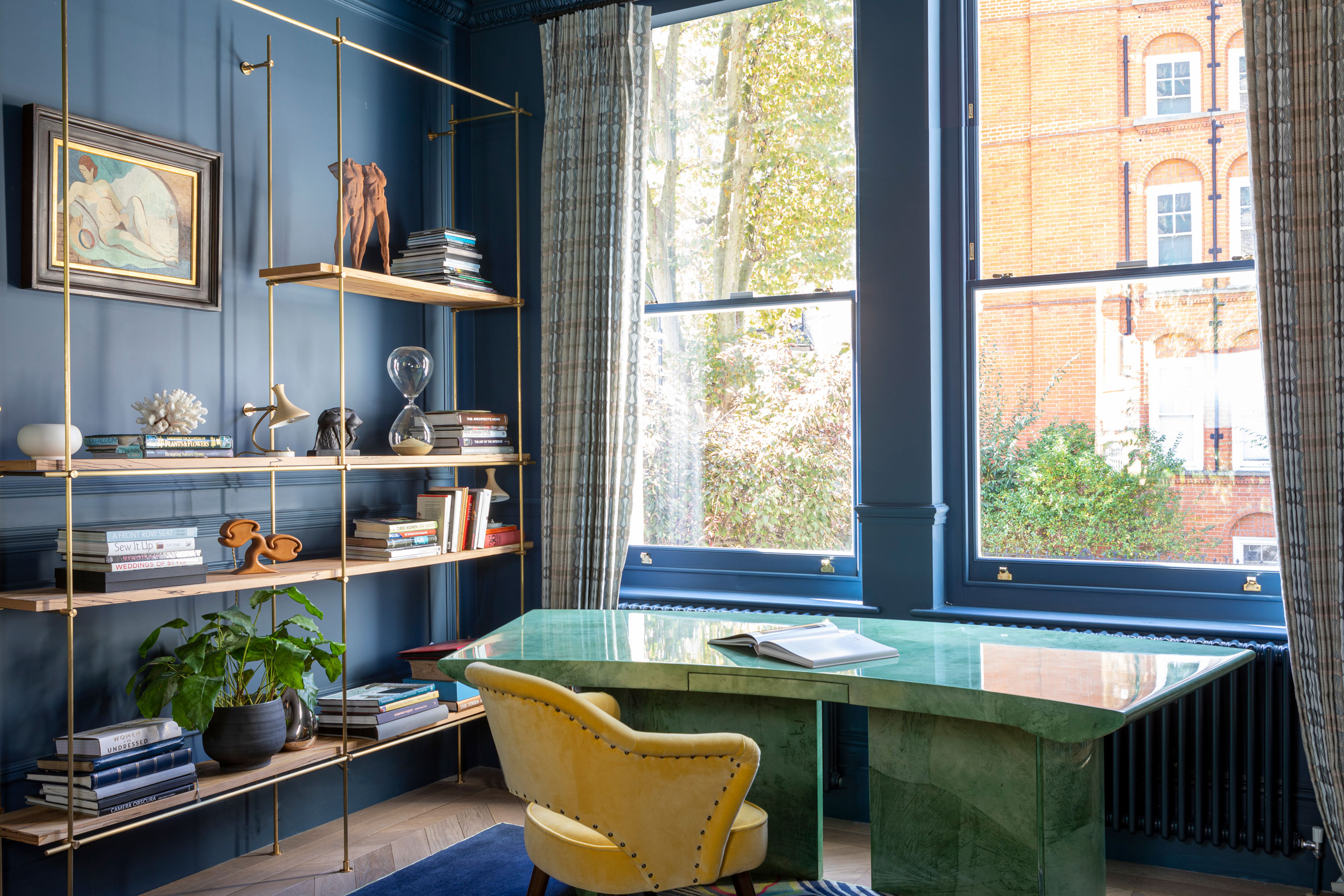
How to style a bookcase – the 10 rules our decorating editors never break
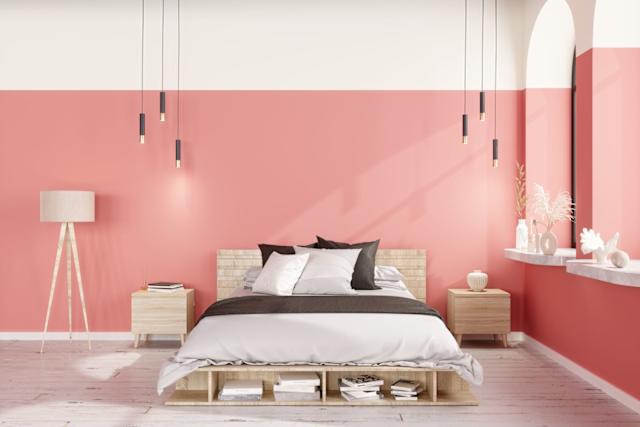
Design Pros All Agree: The Color-Blocking Trend Is One to Try
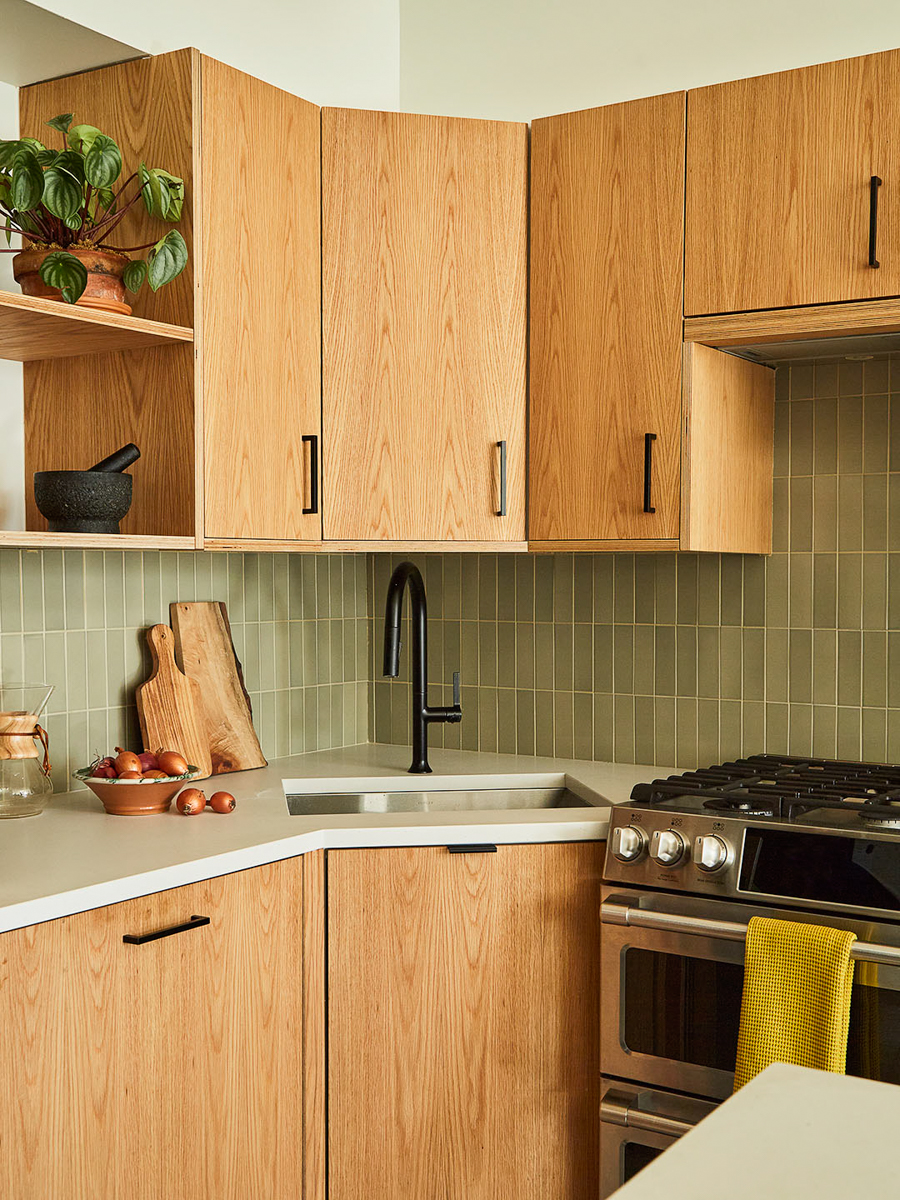
4 Design Pros Predict What Comes After the Matte Black Hardware Craze

Are Gallery Walls Still in Style? Here’s What Designers Say

Is white actually out of style? Interior designers weigh in on this classic color for 2025 decorating
Color And Contrast Shape Behr’s Commercial Color 2026 Forecast

7 examples of Bookshelf Wealth that are nailing this timeless trend (and styling tips from the designers behind them)
What is Color Forecasting? Experts Explain How to Map Trends |
Designers Wish Their Clients Would Stop Asking for THIS Color