1/5
Beyond fireplaces: Historic heating methods of the 19th century
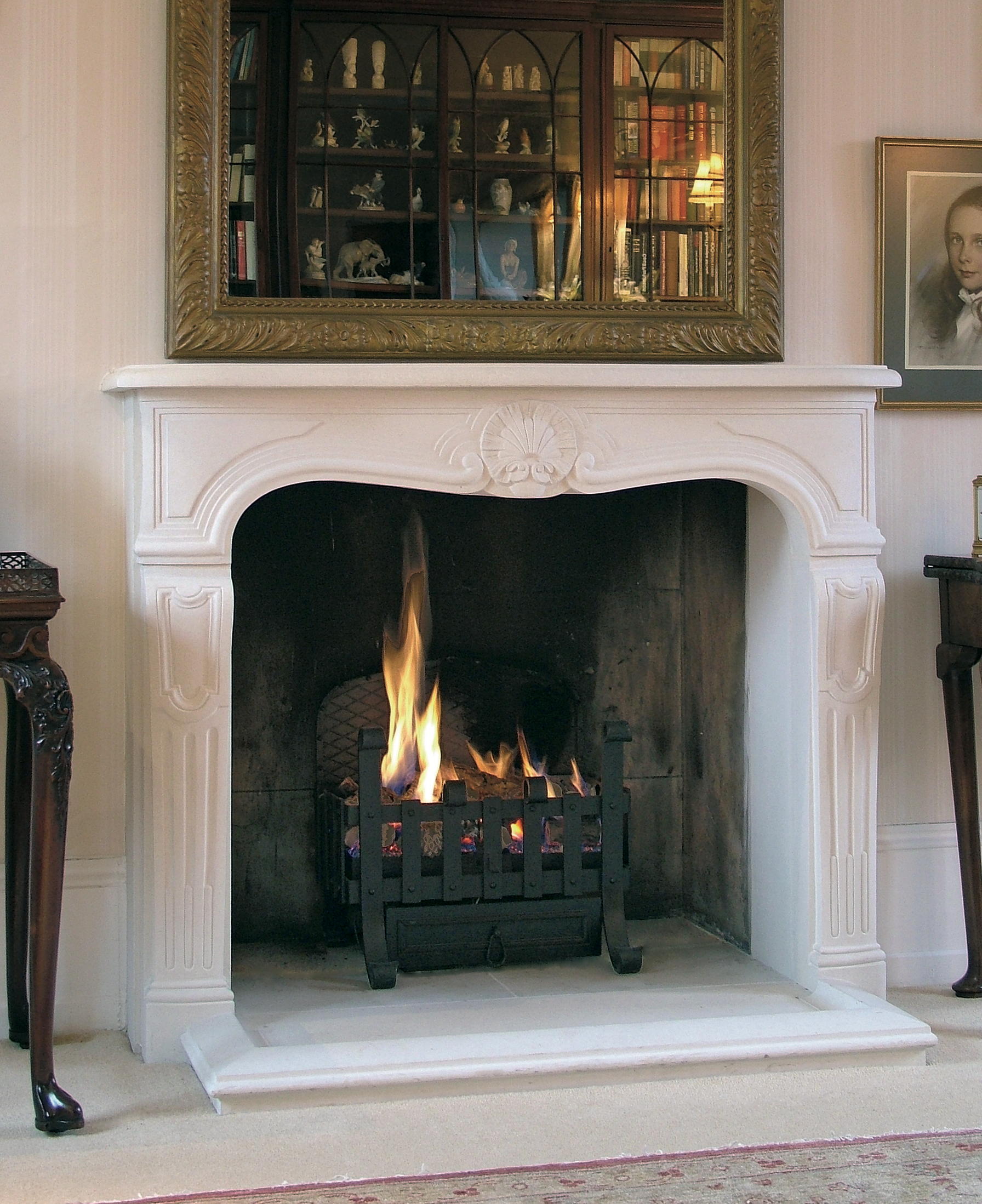
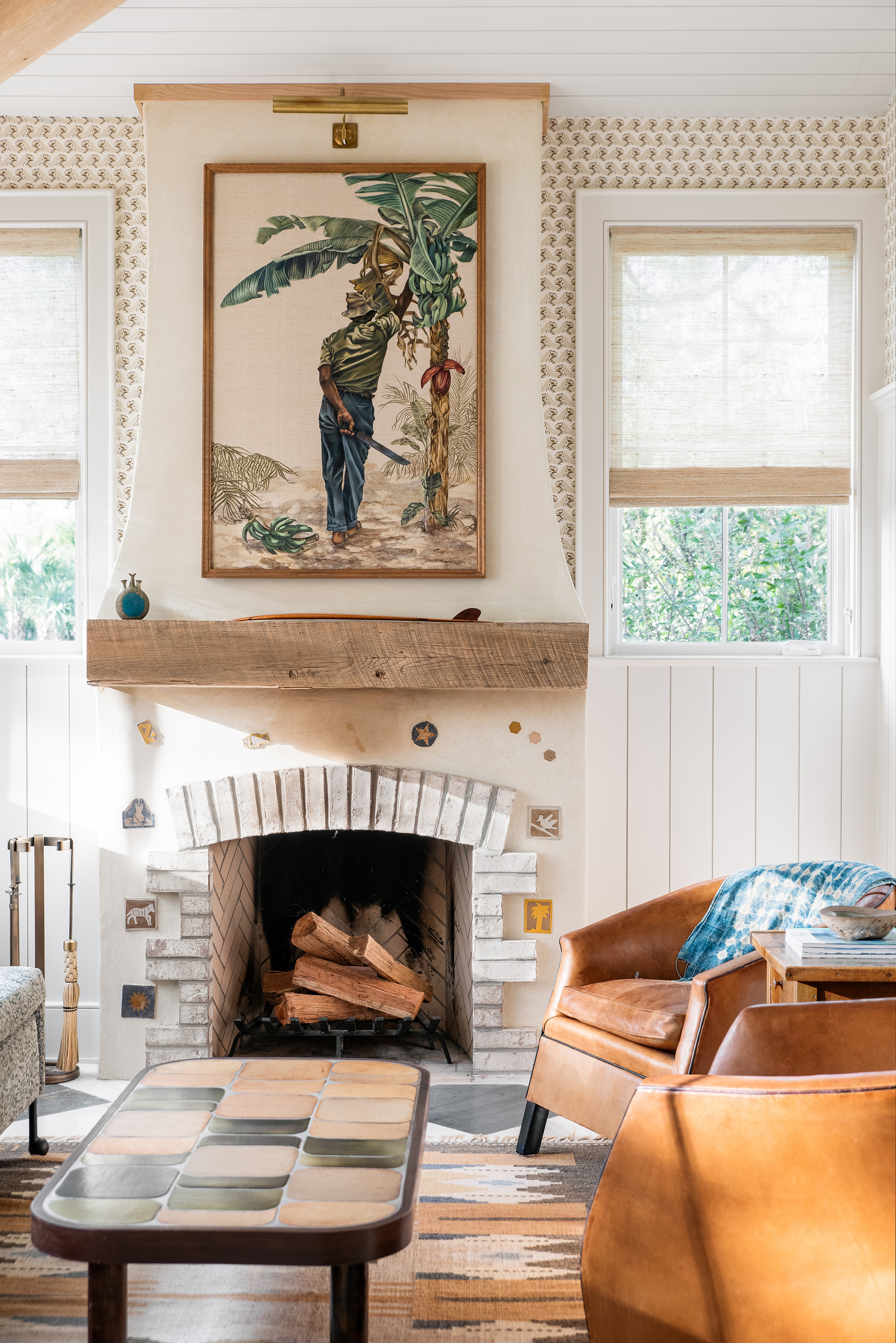
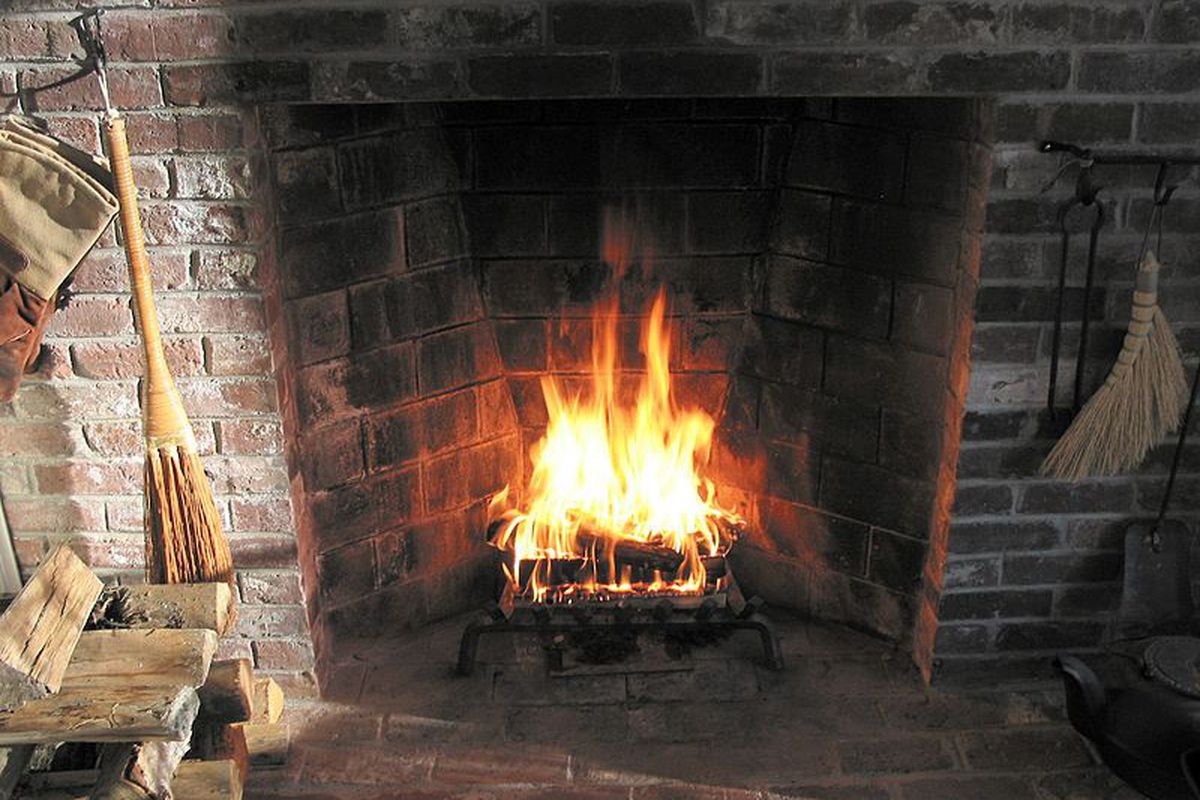
In 18th- and early 19th-century America, wood-burning fireplaces were the primary means of heating homes, though they proved inefficient, with most heat escaping up the flue. Benjamin Franklin attempted to improve fireplace efficiency in 1741 with his "Franklin Stove," a cast-iron insert featuring baffles to circulate heat within the firebox and into the room. However, this design was not considered a success due to issues with smoke leakage if not perfectly sealed. Later in the 19th century, Count Rumford developed a more efficient fireplace design, characterized by a shallow firebox and specific proportions to reflect maximum heat into the room. This design gained significant popularity, with figures like Thomas Jefferson installing Rumford fireplaces in his home, Monticello, and Henry David Thoreau referencing them in his writings as a standard feature of a well-equipped home.
By the 1820s and 1830s, coal began to replace wood as a dominant fuel source, particularly anthracite or "hard" coal. Iron stoves, previously used by German settlers, became popular for burning both wood and coal. Coal was initially marketed as a fashionable and revolutionary heating fuel, leading to the development of highly decorative coal stoves with intricate ironwork and finials. Post-Civil War, coal became mainstream, with wealthier families using basement furnaces and dedicated coal storage, while less affluent families utilized smaller stoves in individual rooms. The shift in heating technology also influenced home architecture: earlier colonial homes required large chimneys for multiple fireplaces, but later 19th-century houses needed only thinner chimneys for stove pipes. Mantlepieces often remained as decorative backdrops for stoves, even when no longer functionally necessary for fireplaces.
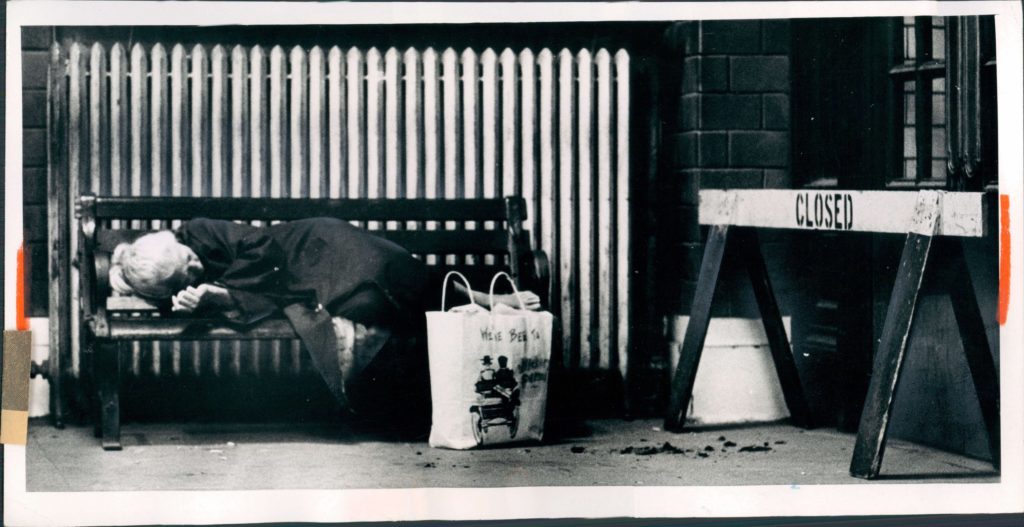
Steam heating emerged in the 1850s and became widely adopted by the 1880s. This method, a variation of coal heating, involved heating water to create steam that circulated through radiators. Initially used in institutional settings like hospitals, steam heating soon transitioned to residential properties. A notable example is the Biltmore Estate, completed in 1895, which featured a sophisticated steam-heating system with three large boilers. This system, designed by architect Richard Morris Hunt, circulated steam to radiators across 250 rooms, supplementing the estate's 65 fireplaces. The Biltmore Estate's heating demands were immense, consuming hundreds of tons of coal annually. Despite technological advancements in heating, 19th-century methods, whether wood or coal-based, required individuals to actively manage and supply the heat themselves. This contrasts sharply with 20th-century reliance on national grids for electricity and gas, where heat is controlled by a simple switch, reflecting a fundamental shift in how people perceived and interacted with their home heating systems.
#HistoricHeating #19thCenturyHomes #FireplaceDesign #FranklinStove #RumfordFireplace #CoalHeating #SteamHeating #HomeArchitecture #BiltmoreEstate #HistoricHeating #19thCenturyHomes #FireplaceDesign #FranklinStove #RumfordFireplace #CoalHeating #SteamHeating #HomeArchitecture #BiltmoreEstate
0 comment in total
 No comments yet
You may also like
Fires & Fireplaces

7 fireplace ideas for the home this winter
Fireplace Ideas and Installation

The Unexpected Electric Fireplace Reimagines a Traditional Trend


14 modern fireplace ideas that will transform your home

The art of hearth: Beautiful ideas to rejuvenate your fireplace, from £1,250 to £22,000
Home is where the hearth is
The best electric fires: wall-mounted and freestanding

Keep Your Home Toastie With These Indoor Fireplace Ideas | W&H

A History of Radiators in Chicago: Q&A with The Steam Whisperer

The Best Fireplace Trends 2023
Fireplace ideas – 18 fabulous ways with fireplace design

Open fires v wood-burning stoves: The grate debate
How to choose the right fireplace for your home
Modern fireplace ideas - 10 ways to work contemporary style
How to choose the right fireplace for your home
Design Q+A: Fireplaces
Turn Your Home Into a Cozy Winter Retreat With Our Favorite Electric Fireplaces
Take the Chill Off with an Electric Fireplace
What to Consider When Choosing a Home Fireplace