1/17
The Best Patio Heaters for Cozy Outdoor Living
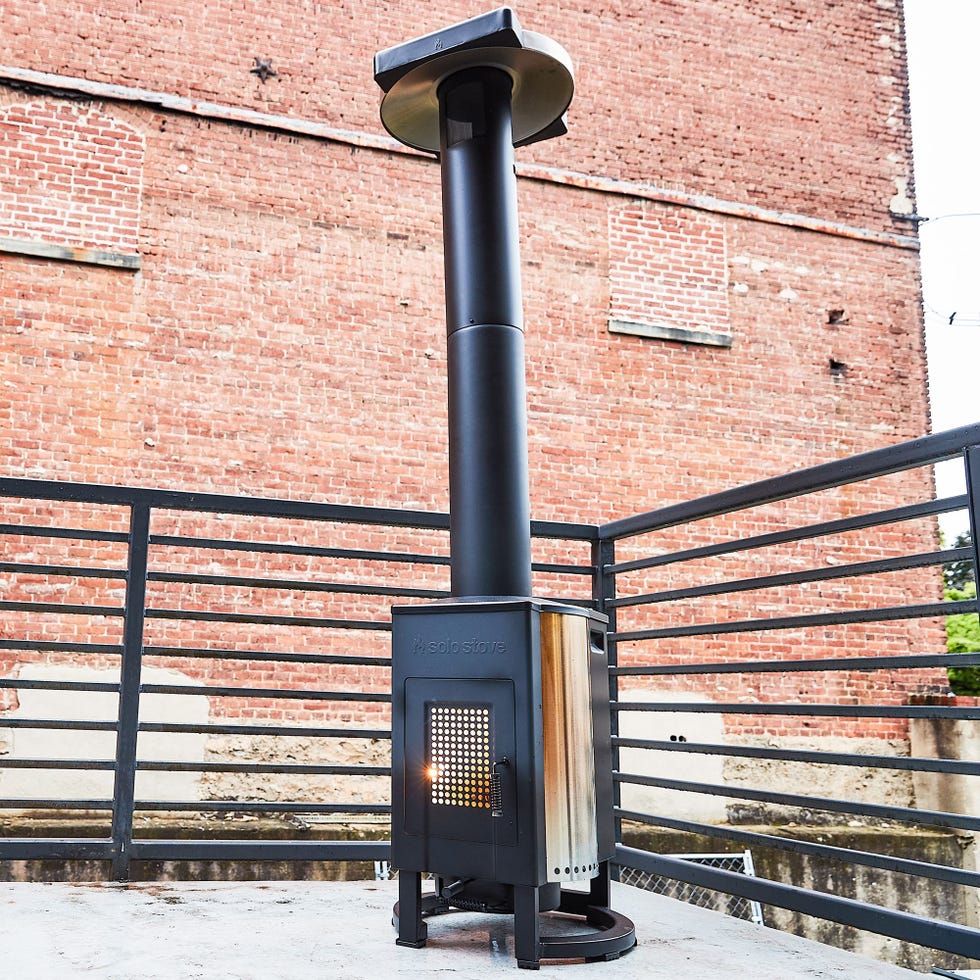
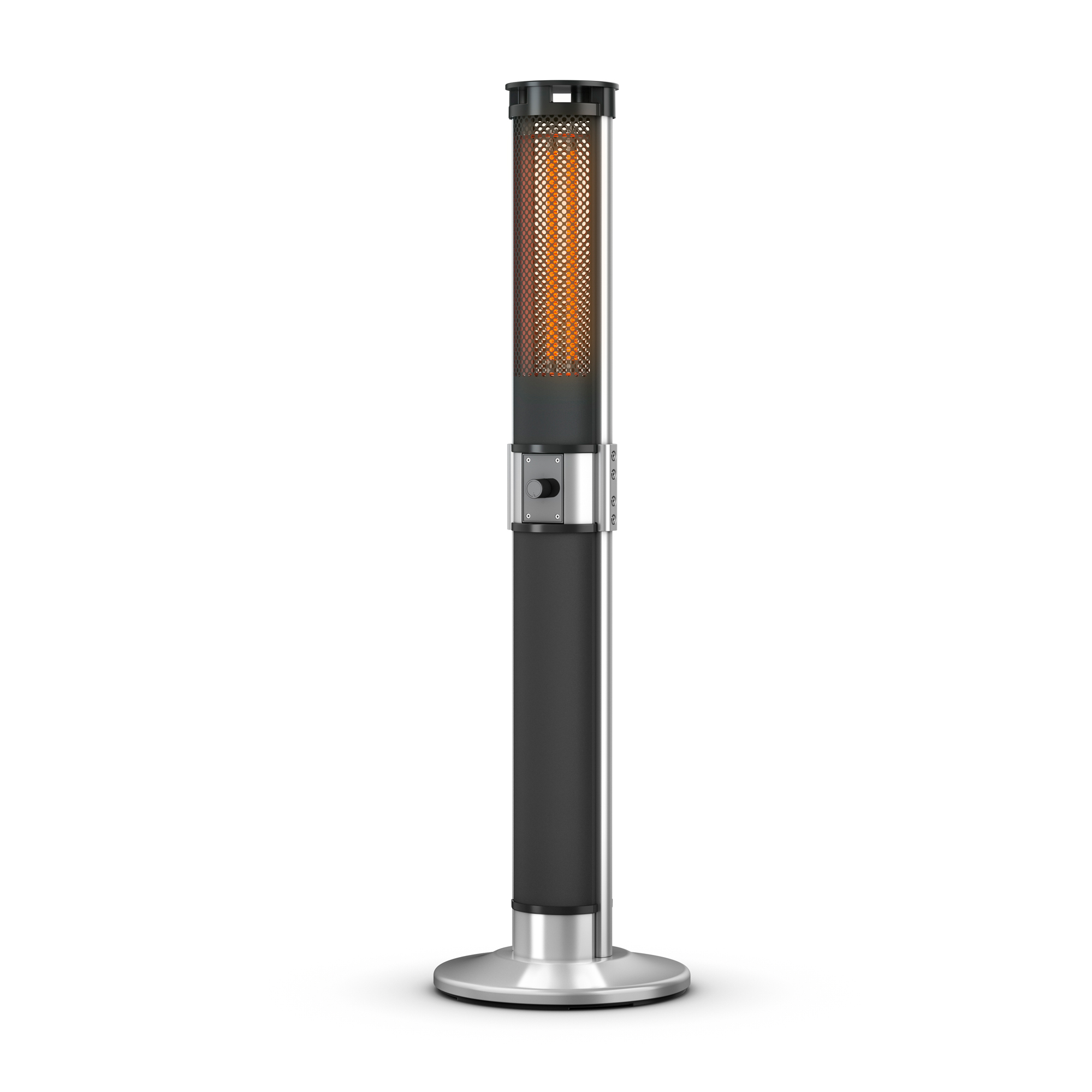
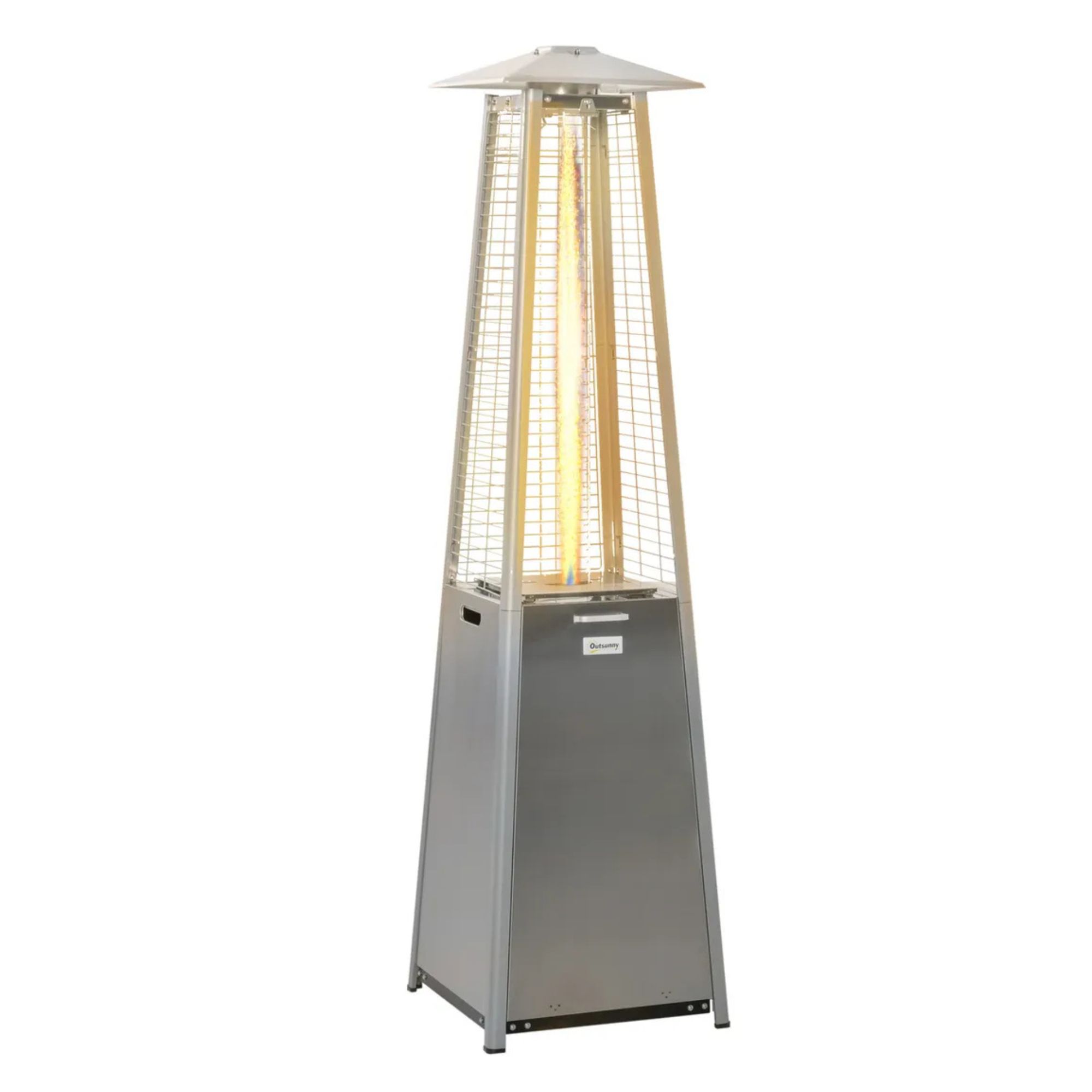
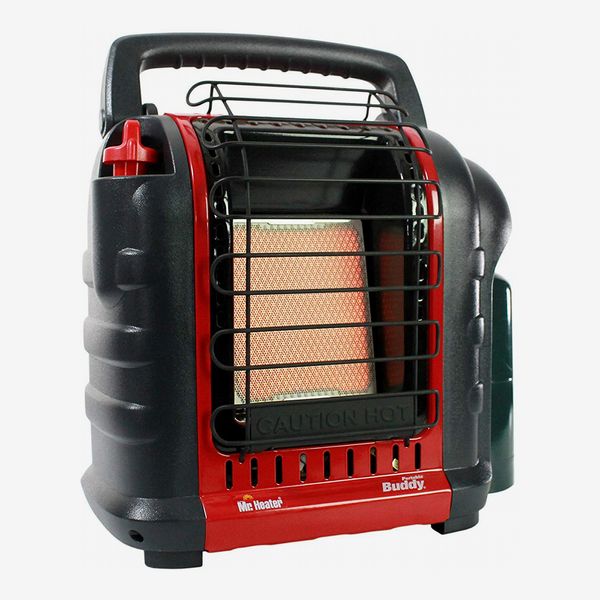
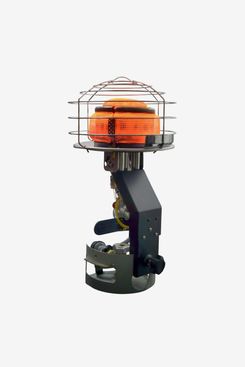
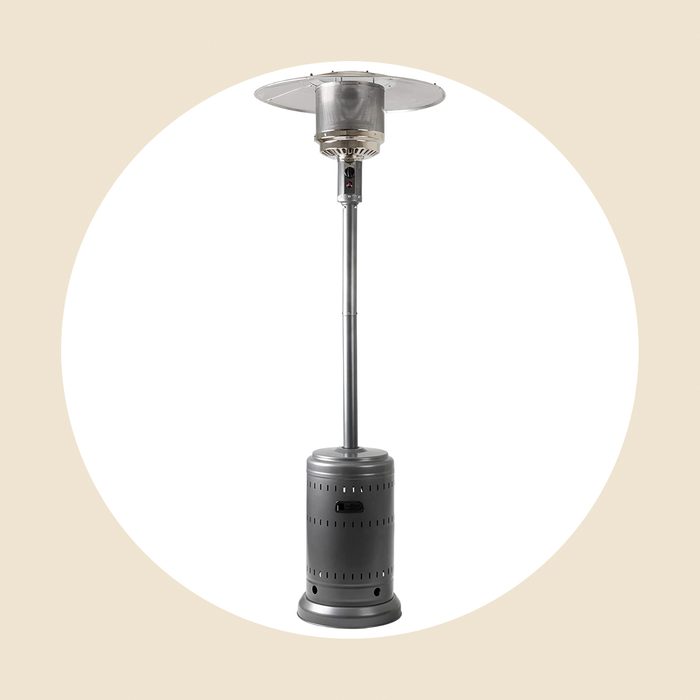
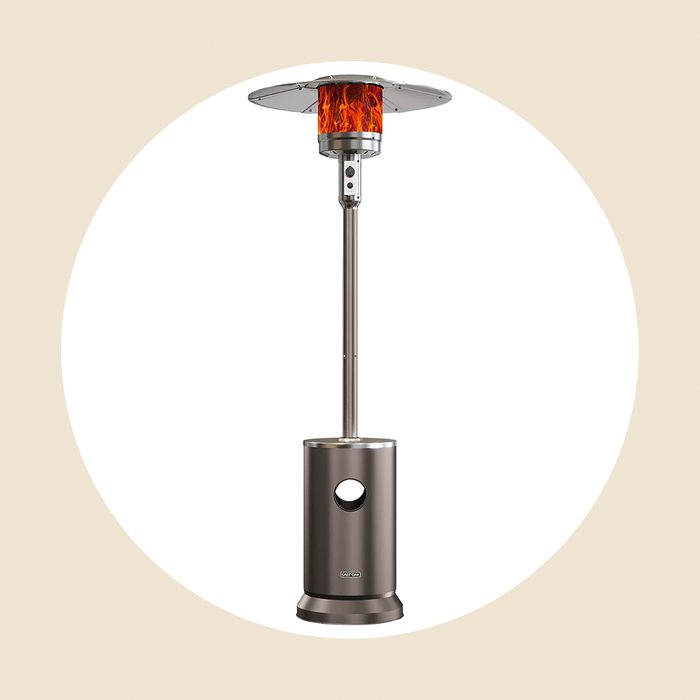
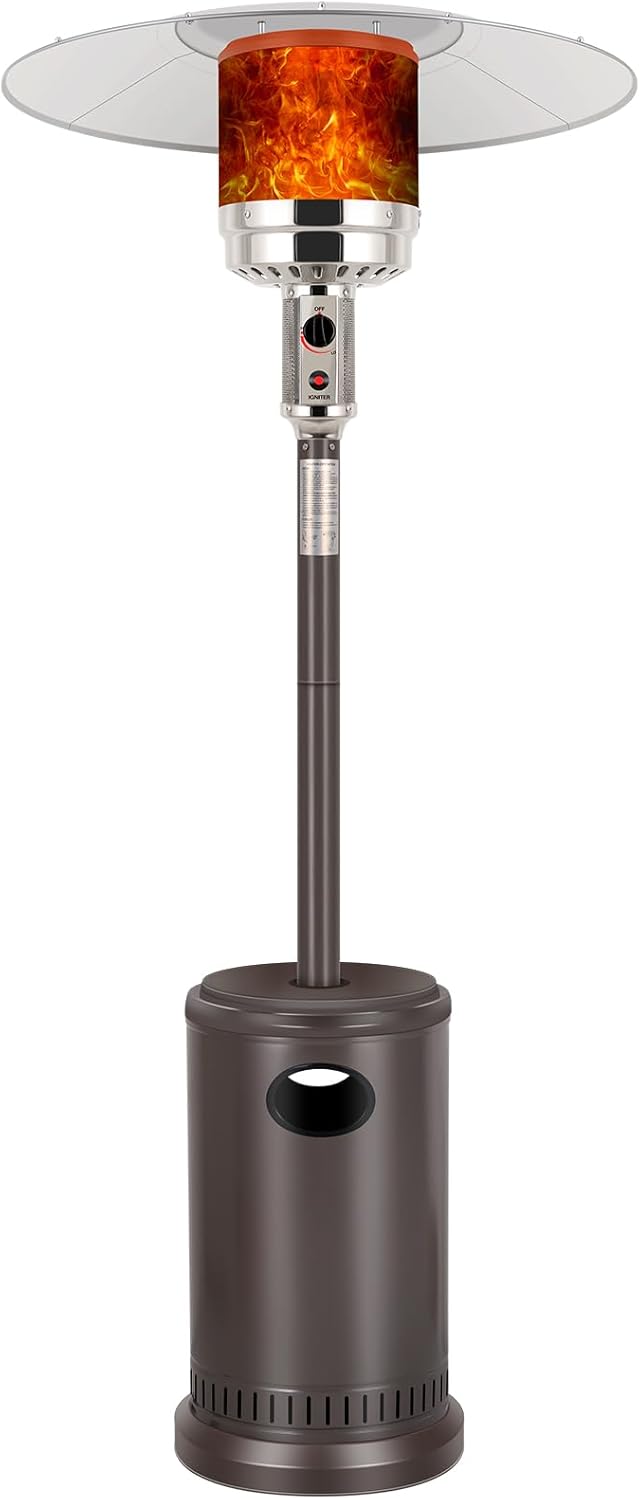
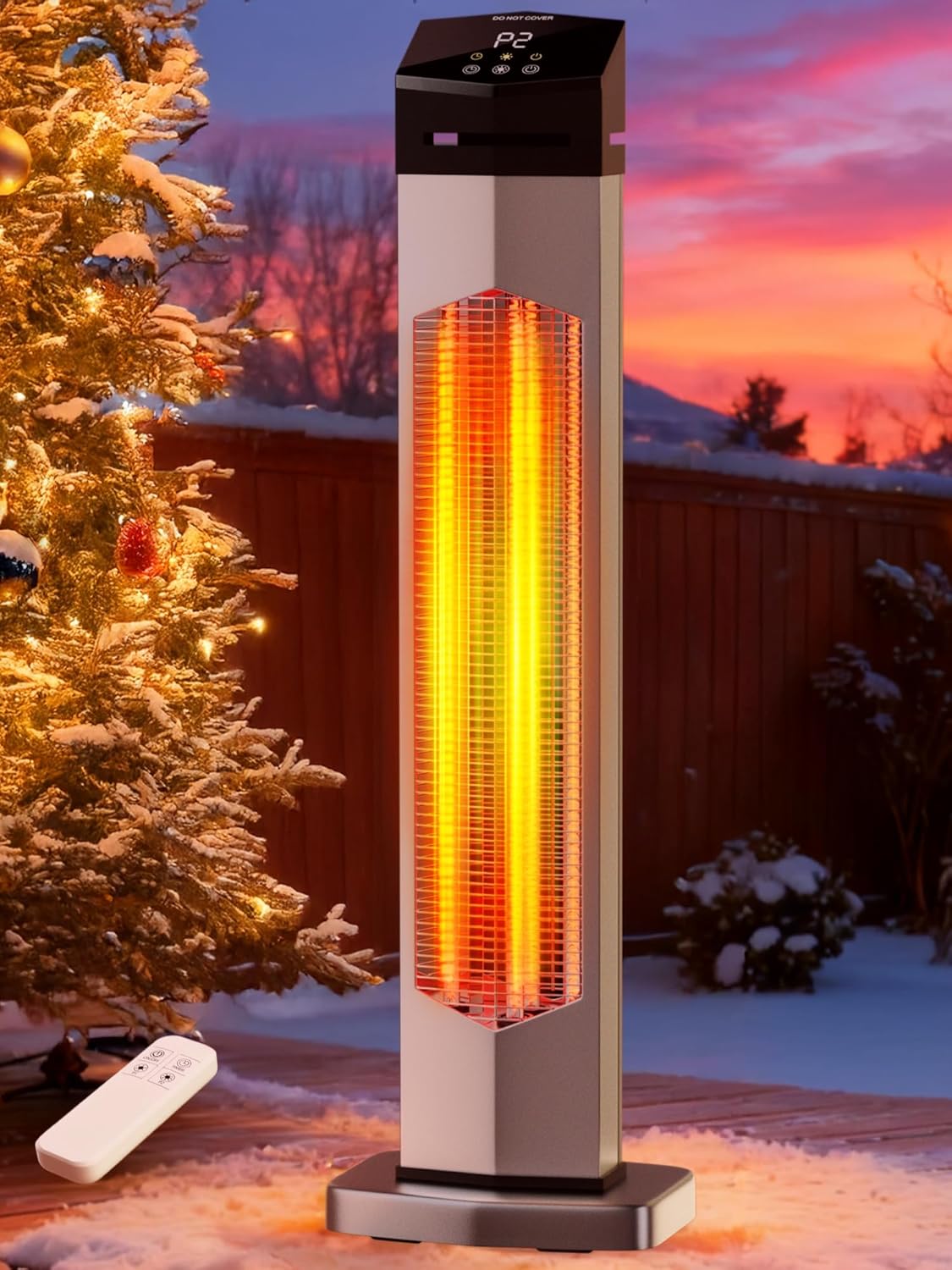
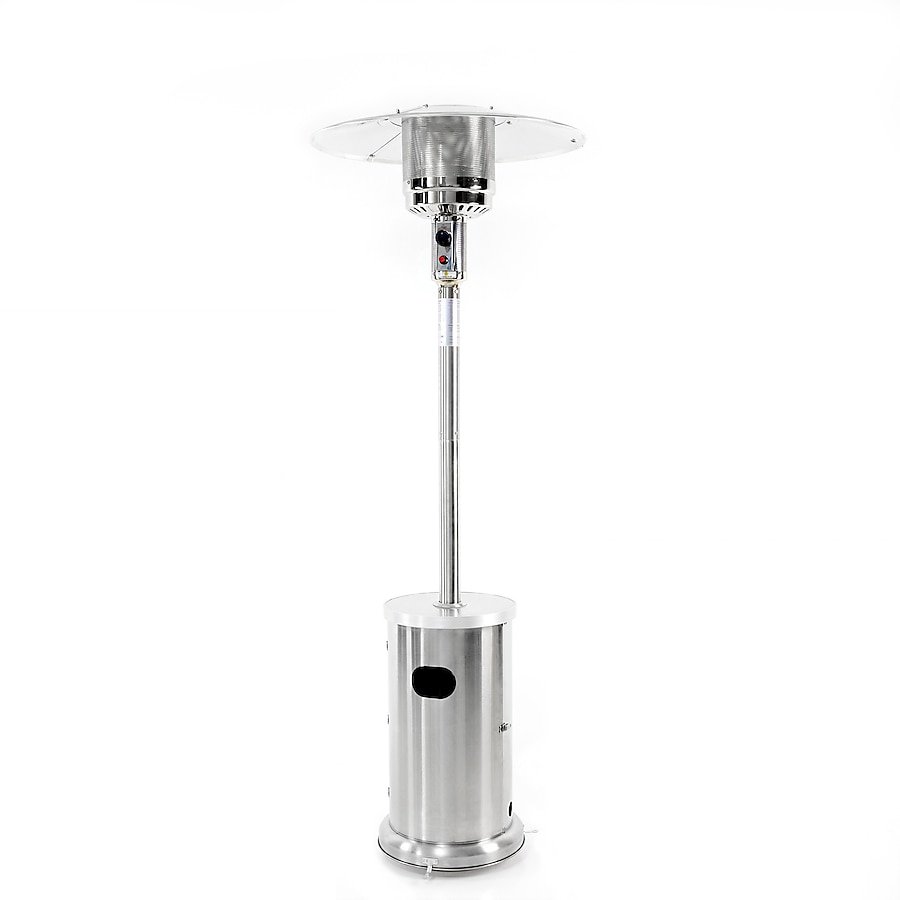
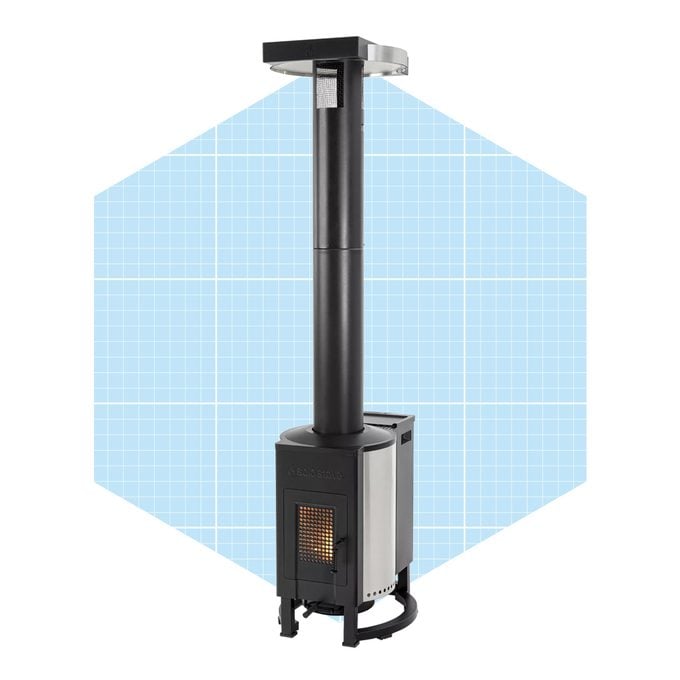
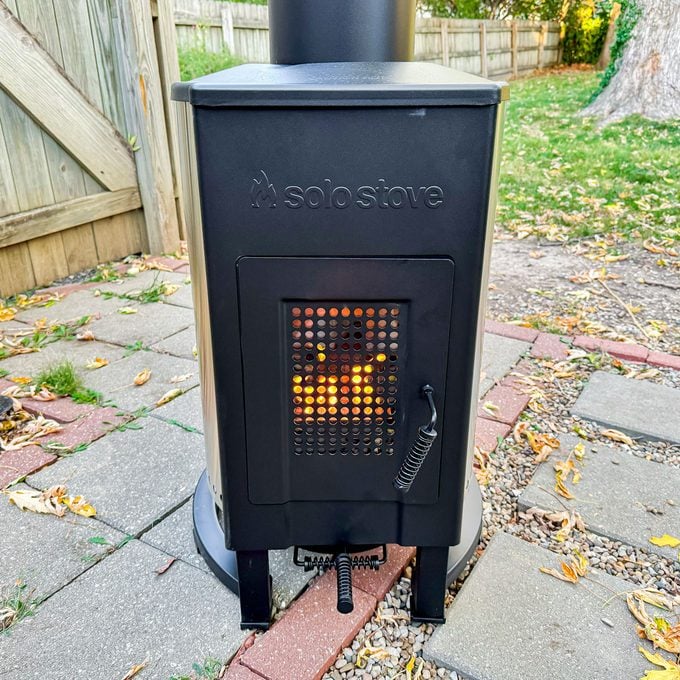
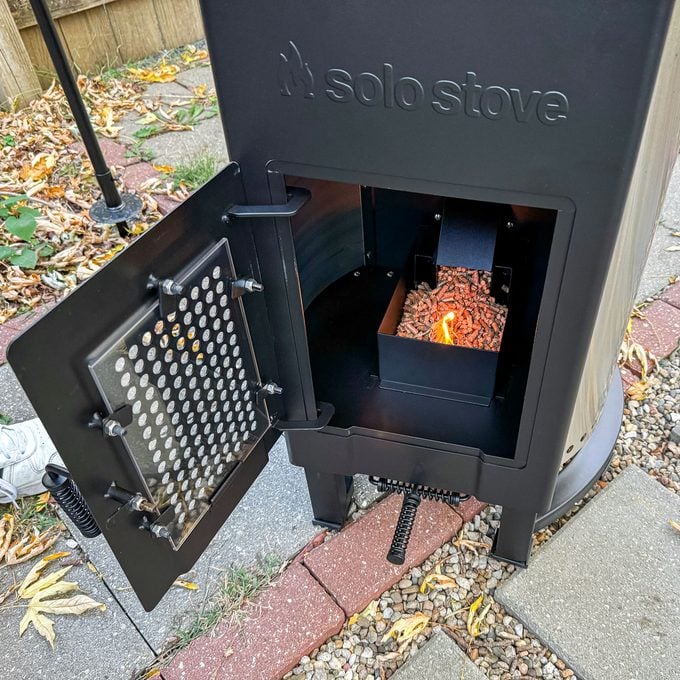
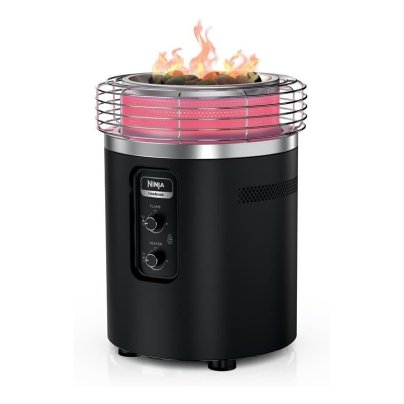
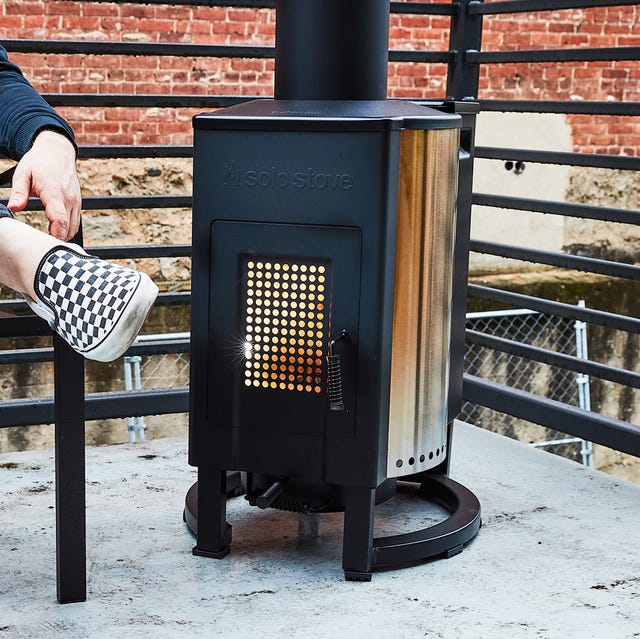
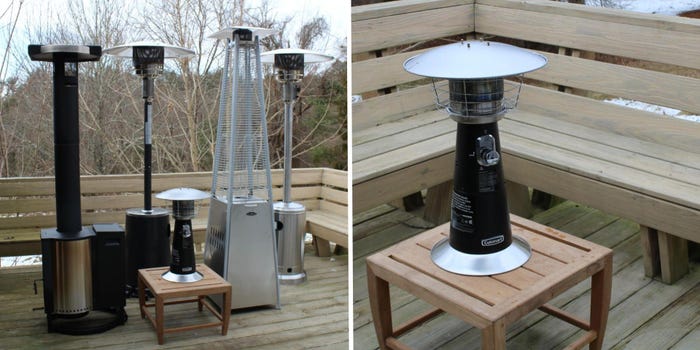
This article explores the optimal patio heaters for extending outdoor living into cooler seasons, based on comprehensive testing of 15 models including tower, tabletop, fire pit, and wall-mounted units. The evaluation focused on warmth production, heat radius, ease of movement, and overall design. The Ninja Fireside360 Outdoor Heater & Fire Pit was identified as the top choice for its 360-degree heat and smokeless operation. The EnerG+ Hanging Outdoor Electric Patio Heater was recognized as the best value, offering infrared heating suitable for covered patios. For ambiance, the Pamapic 41,000 BTU Wheeled Propane Patio Heater stood out with its adjustable flame and protective cover. The Solo Stove Tower Patio Heater was highlighted as the best wood pellet option, providing significant heat from an environmentally friendly fuel source. The Cuisinart Portable Tabletop Patio Heater was recommended for small spaces due to its portability and safety features. The Dr. Infrared Heater DR-238 Carbon Infrared Heater was selected as the best wall-mounted unit for its compact design and remote-controlled operation. The Best Choice Products Wicker Propane Fire Pit Table offered a dual-purpose design as both a heater and a table, ideal for gatherings. Lastly, the Cuisinart Perfect Position Propane Patio Heater was noted for its directional heating capabilities, allowing users to target warmth to specific seating areas.
The testing methodology involved assembling each unit, assessing its heating efficiency, heat distribution, and operational convenience. Durability, safety features, portability, and design quality were also key considerations. Expert insights from a local nursery owner on safe outdoor heating practices further informed the selections. A detailed comparison table outlined each model's BTUs, dimensions, and power source.
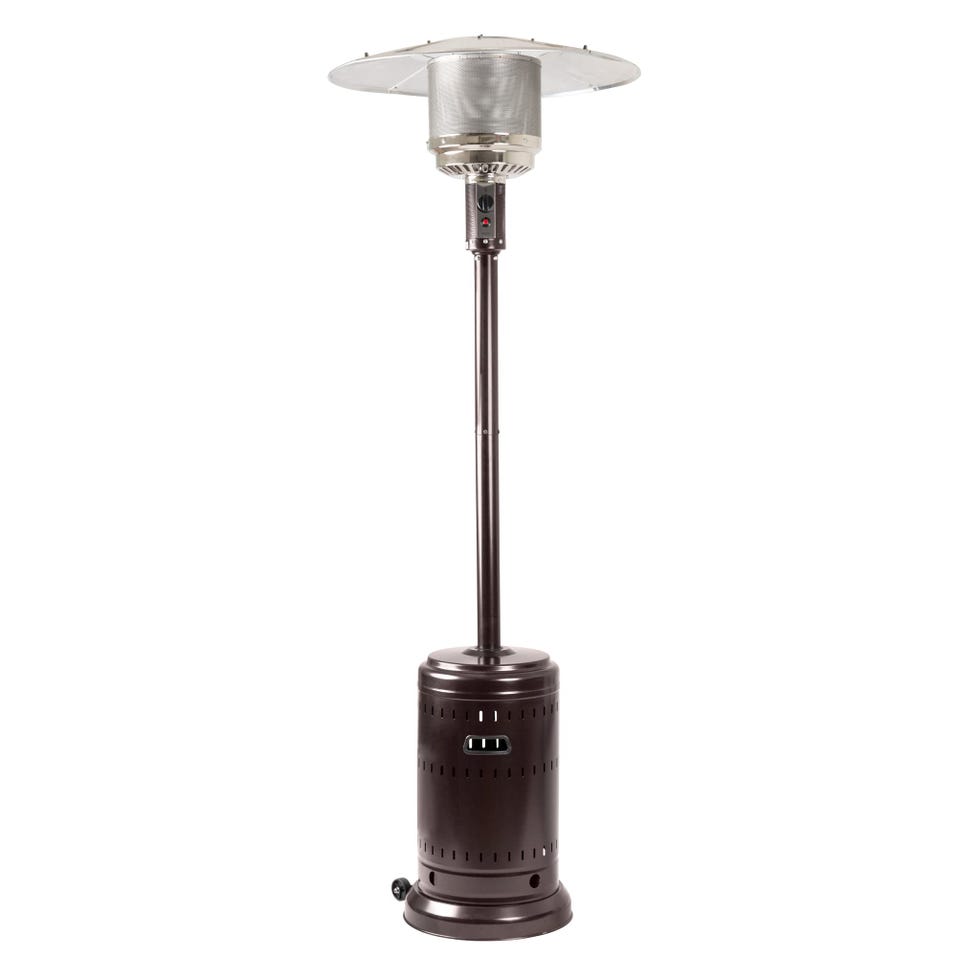
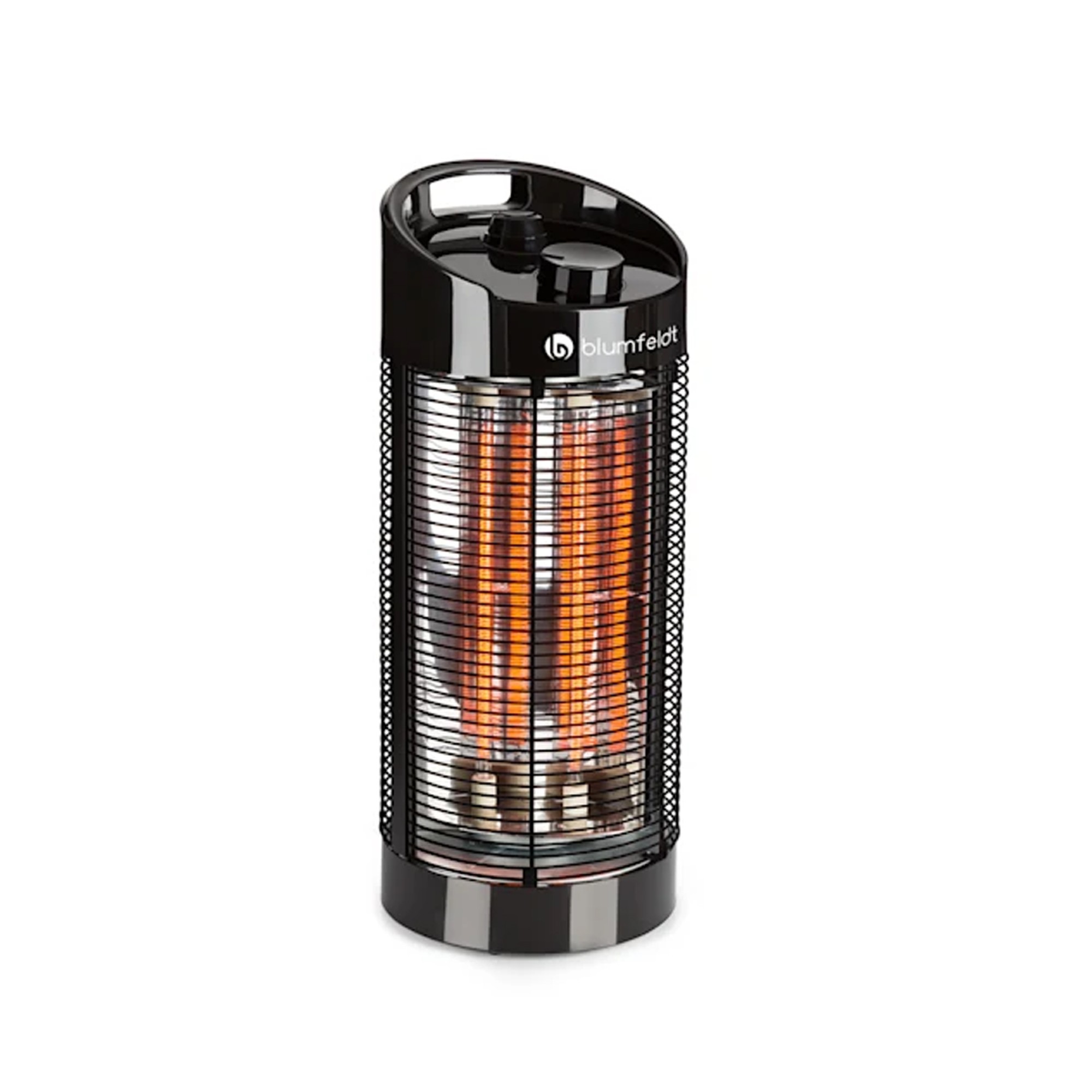
Key considerations when choosing a patio heater include the power and fuel source (propane, natural gas, electric, or wood), which impact heat output, cost, and environmental factors. Propane heaters are portable and can heat large areas but require ventilation, while natural gas heaters offer lower long-term operating costs but necessitate professional installation. Electric heaters are safer for enclosed spaces and smaller patios but are generally less powerful. Wood-burning heaters provide an authentic campfire feel but generate smoke and ash.
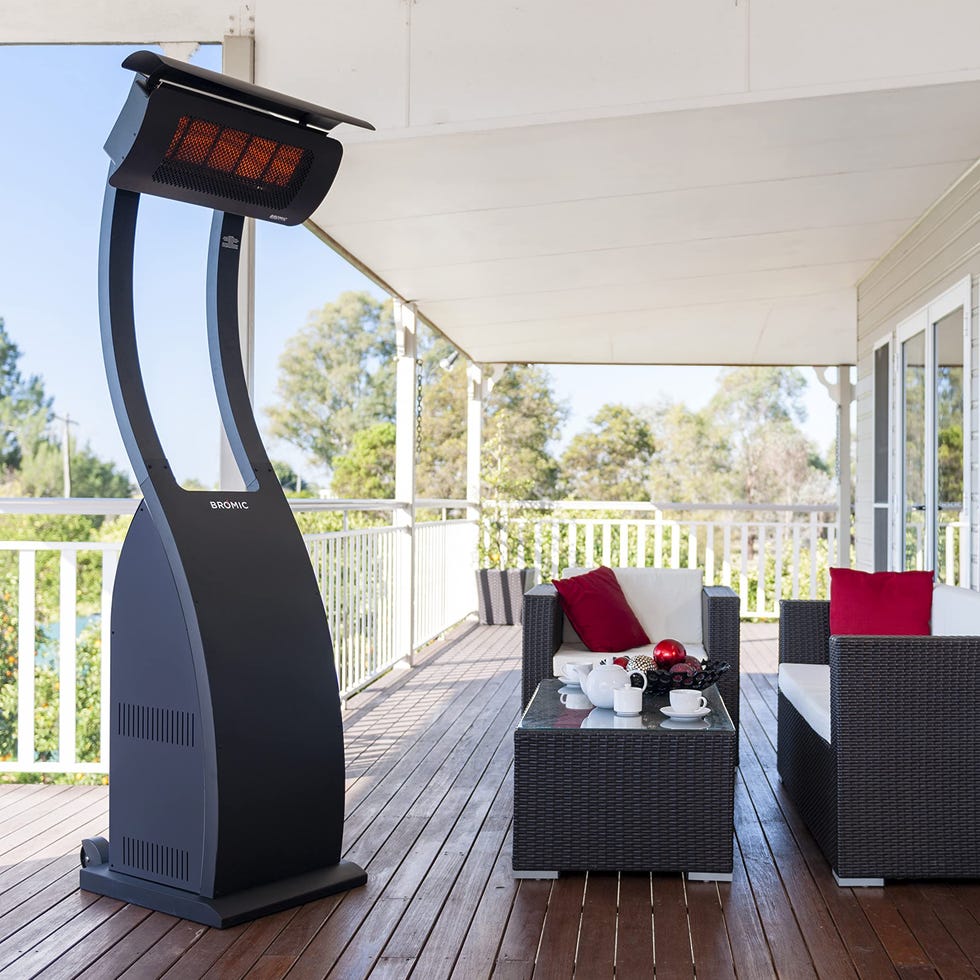
The style of the heater, such as tower, space, tabletop, mounted, or fire pit, influences its aesthetic and suitability for different outdoor settings. The area size to be heated is crucial, with radiant heaters being more effective as they directly warm objects. Heat output is measured in BTUs for gas heaters and watts for electric heaters, with specific estimations provided for effective heating. Aesthetic preferences, such as sleek stainless steel for modern homes or cast-iron for rustic settings, also play a role. Safety considerations are paramount, including proper placement away from flammable objects, ensuring a level surface, having a fire extinguisher nearby, and not leaving heaters unattended. Portability, often facilitated by wheels, is another practical factor, particularly for larger units. The cost-effectiveness of various fuel types and the initial purchase price are also detailed. The article concludes by addressing common questions regarding electric patio heaters, BTU requirements, placement distance from structures, and ventilation needs for different heater types.
#PatioHeaters #OutdoorLiving #HeatingSolutions #HomeImprovement #ProductReview #OutdoorHeating #FirePit #PropaneHeater #ElectricHeater #WoodPelletHeater #PatioHeaters #OutdoorLiving #HeatingSolutions #HomeImprovement #ProductReview #OutdoorHeating #FirePit #PropaneHeater #ElectricHeater #WoodPelletHeater
0 comment in total
 No comments yet
You may also like
The Best Patio Heaters to Help You Enjoy Your Time Outdoors This Winter

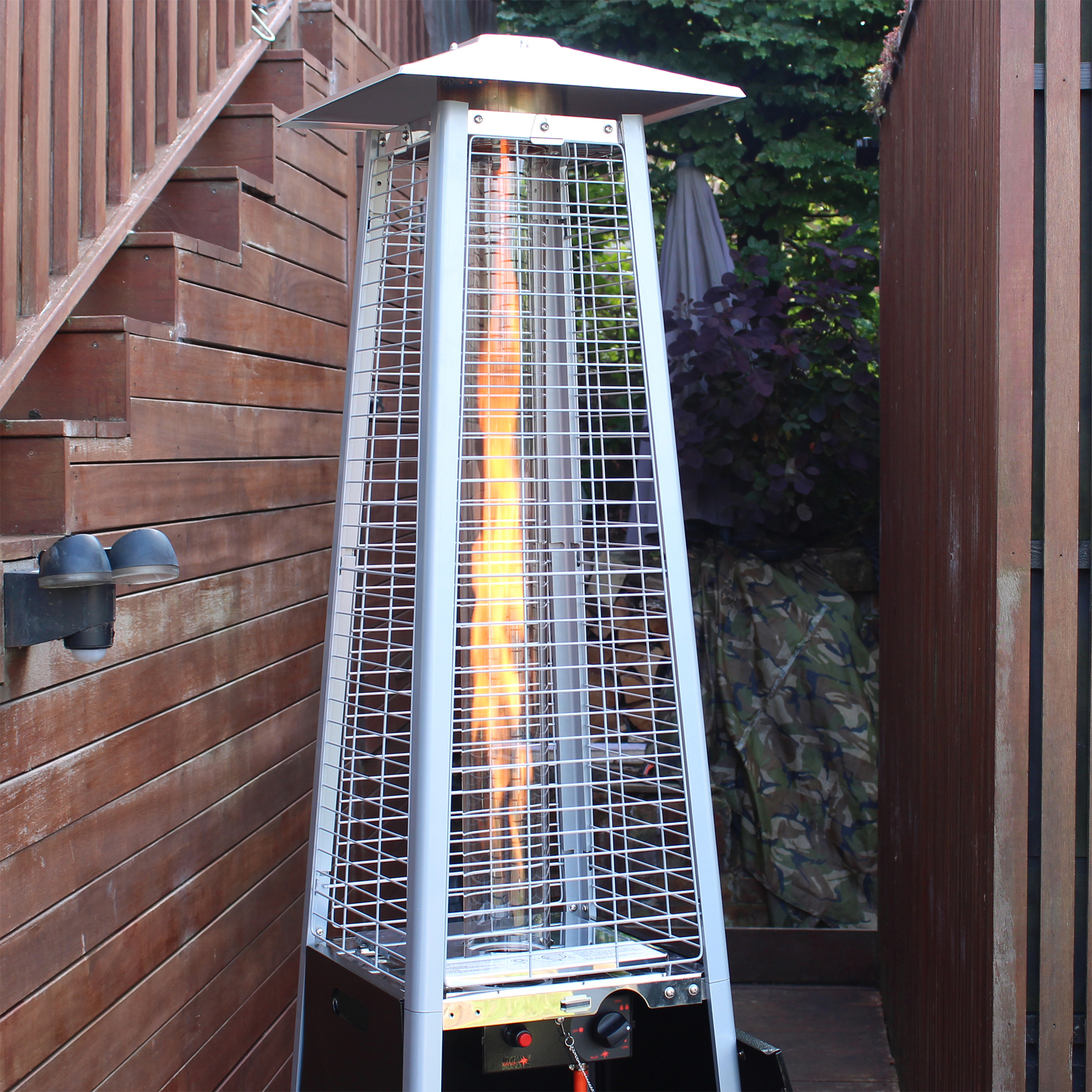
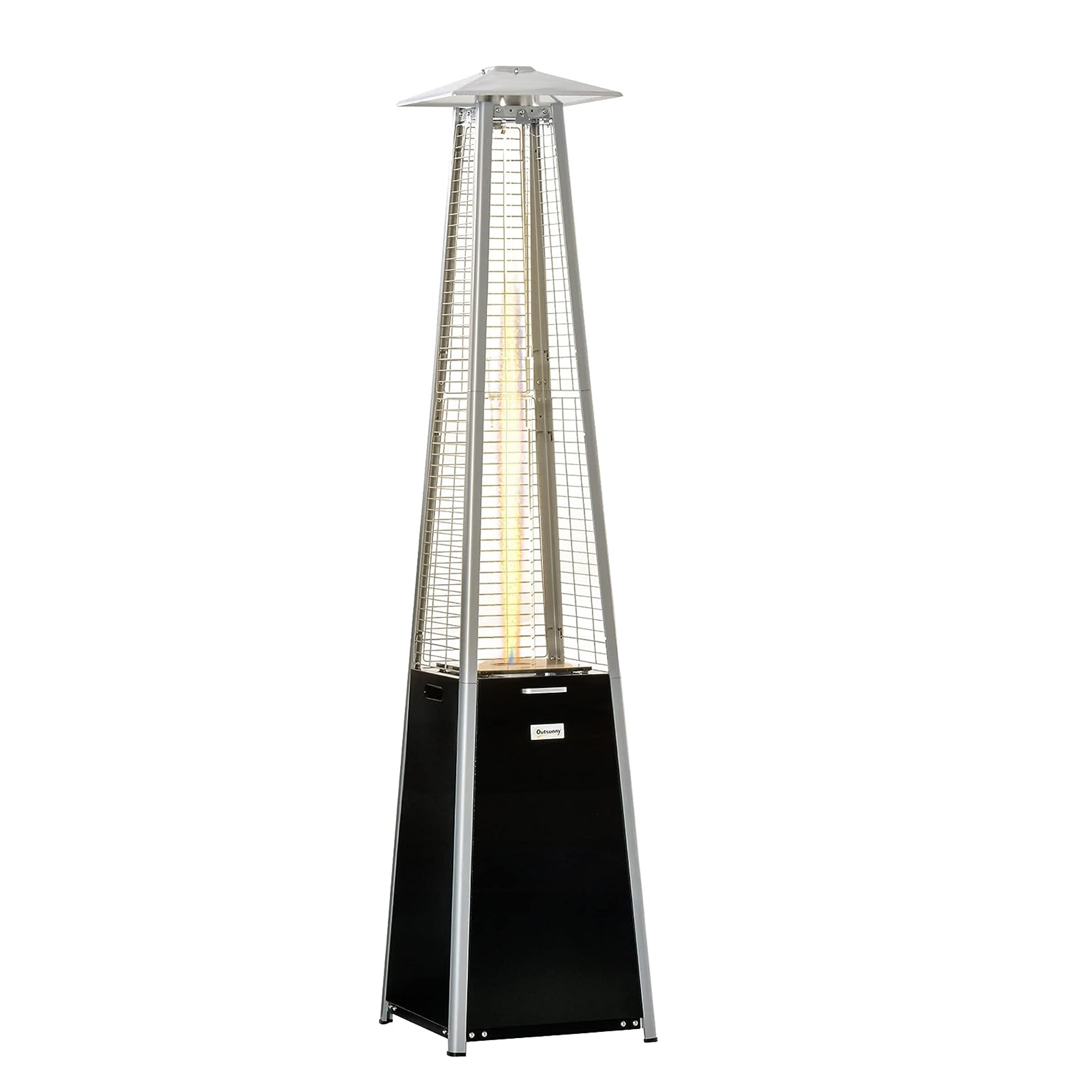
Outsunny 11.2kw Pyramid Gas Patio Heater review – no need for an electrical socket with this versatile gas heater
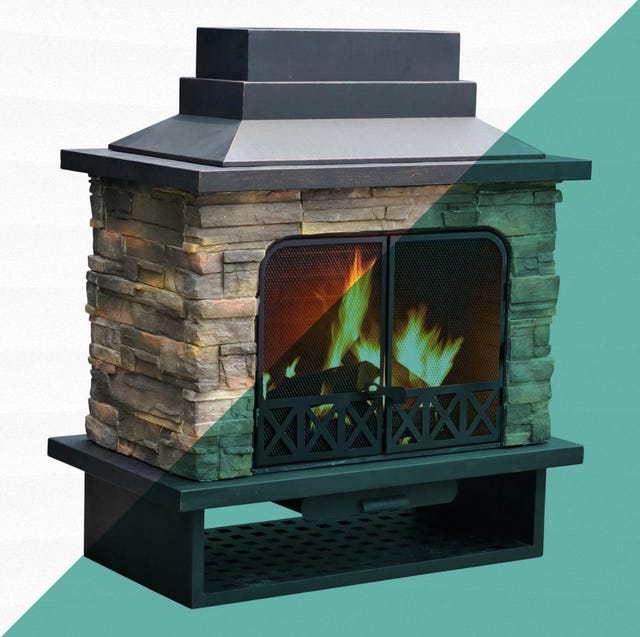
Chill Out and Keep Warm With One of These Stylish Outdoor Fireplaces
All About Outdoor Radiant Heating Systems
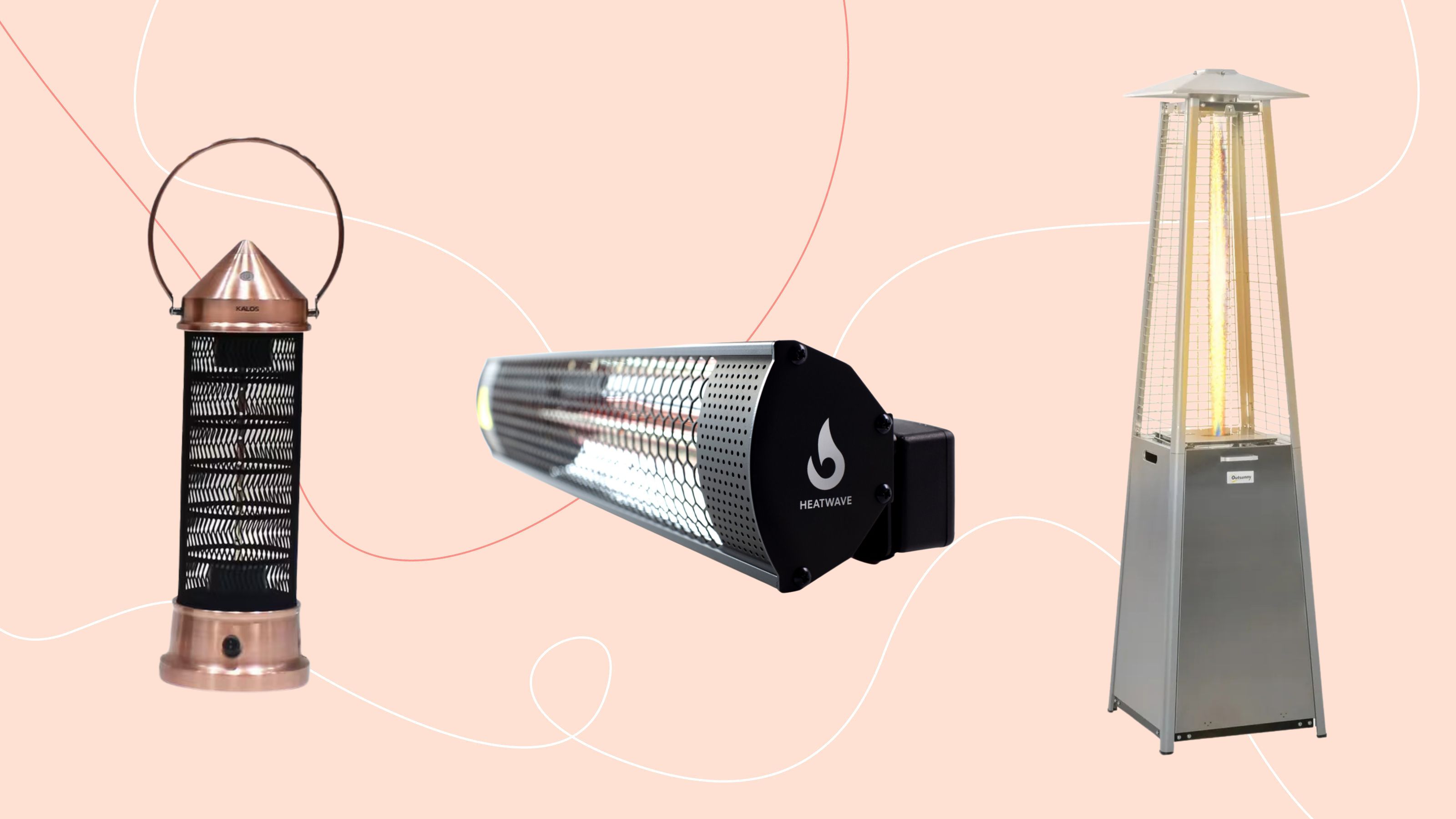
The best patio heater for every space and budget – tried-and-tested favourites that will warm up chilly summer nights
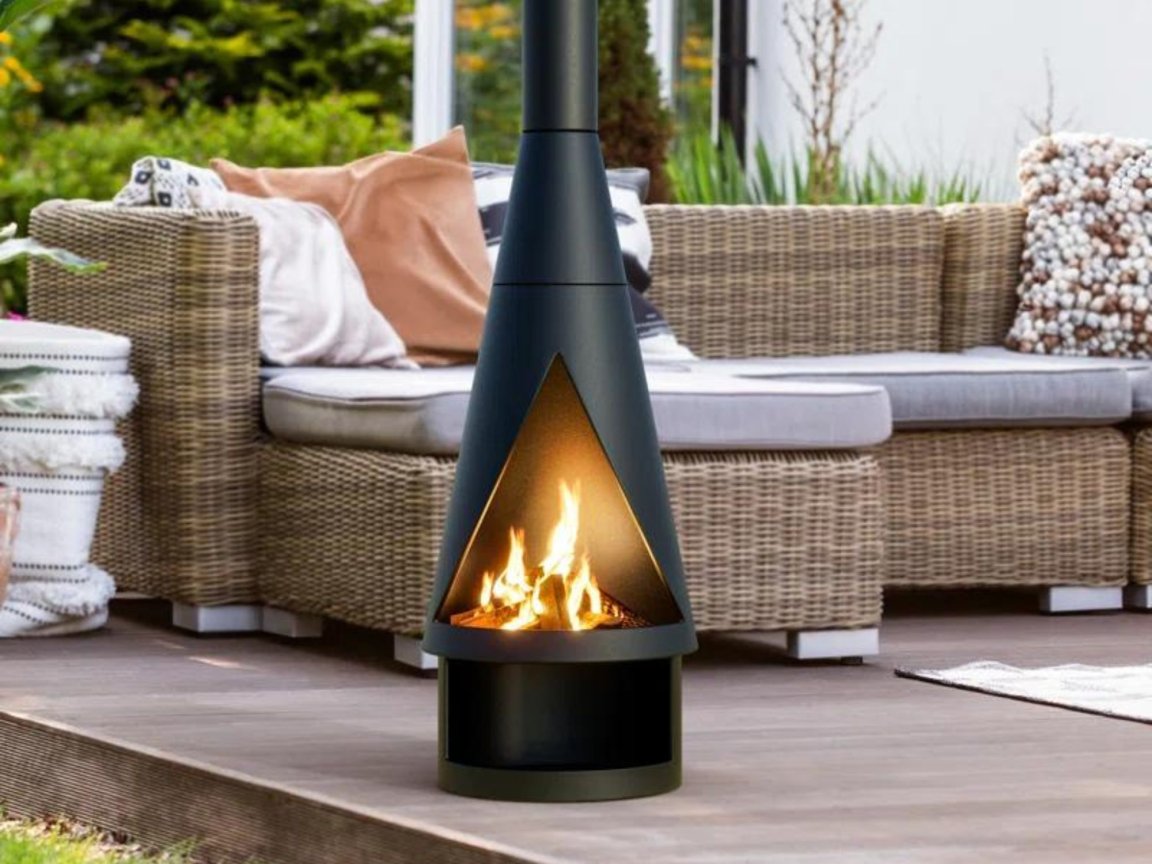
The Best Outdoor Fireplaces for a Cozy Backyard
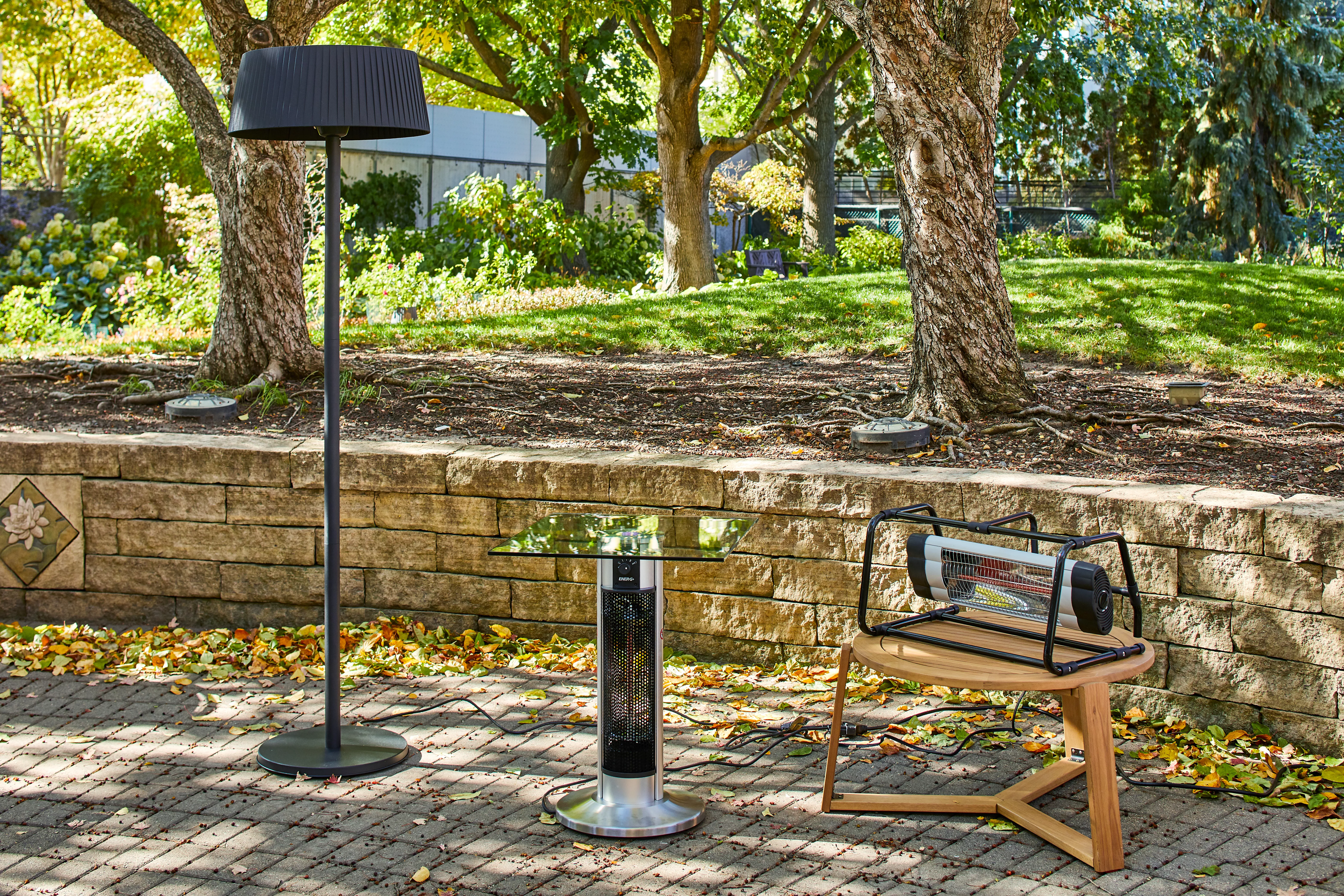
Yes, You Can Effectively Heat Your Outdoor Space Gas-Free—Here's How
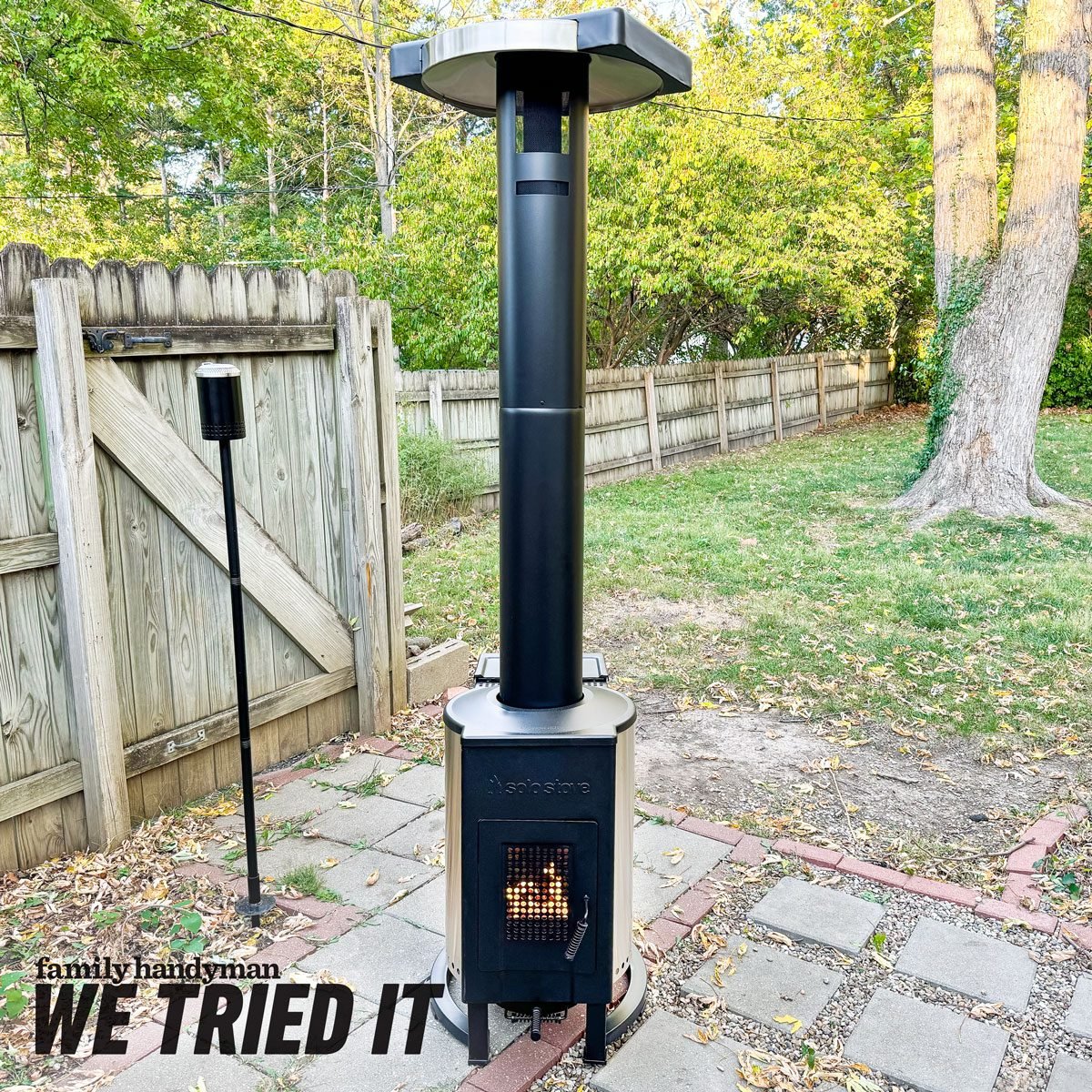
Solo Stove Patio Heater Review: My Thoughts After a Year of Testing


The 12 Very Best Outdoor Heaters

Planning a Backyard Hangout? These 9 Tested Patio Heaters Deliver Real Warmth


The Best Outdoor Lanterns to Brighten Your Patio
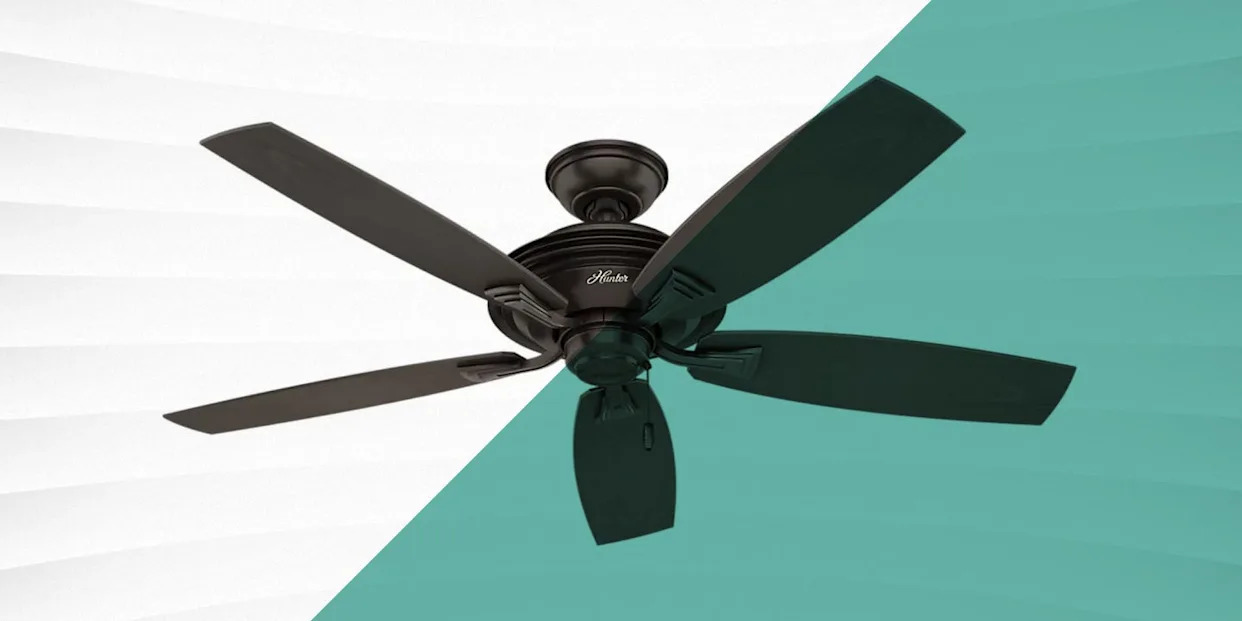
Cool Your Patio Off With the Best Outdoor Ceiling Fans

The best patio heaters keep you toasty, even in the dead of winter — these are our top picks
Outdoor deals on patio furniture, heaters, grills and more

The 10 Best Smokeless Fire Pits For Toasty Backyard Patio
The best infrared heaters
11 Best Amazon Patio Heaters to Keep You Warm on Cold Nights


8 Best Fire Pits for Keeping Your Backyard Cozy All Winter Long

An Outdoor Heater the Size of a Table Lamp? This Compact Design Makes Your Garden Autumn-Proof, and Looks Good While Doing It
The 9 Best Space Heaters to Heat Up Your Digs