1/7
9 things to get rid of from your medicine cabinet right now – according to experts
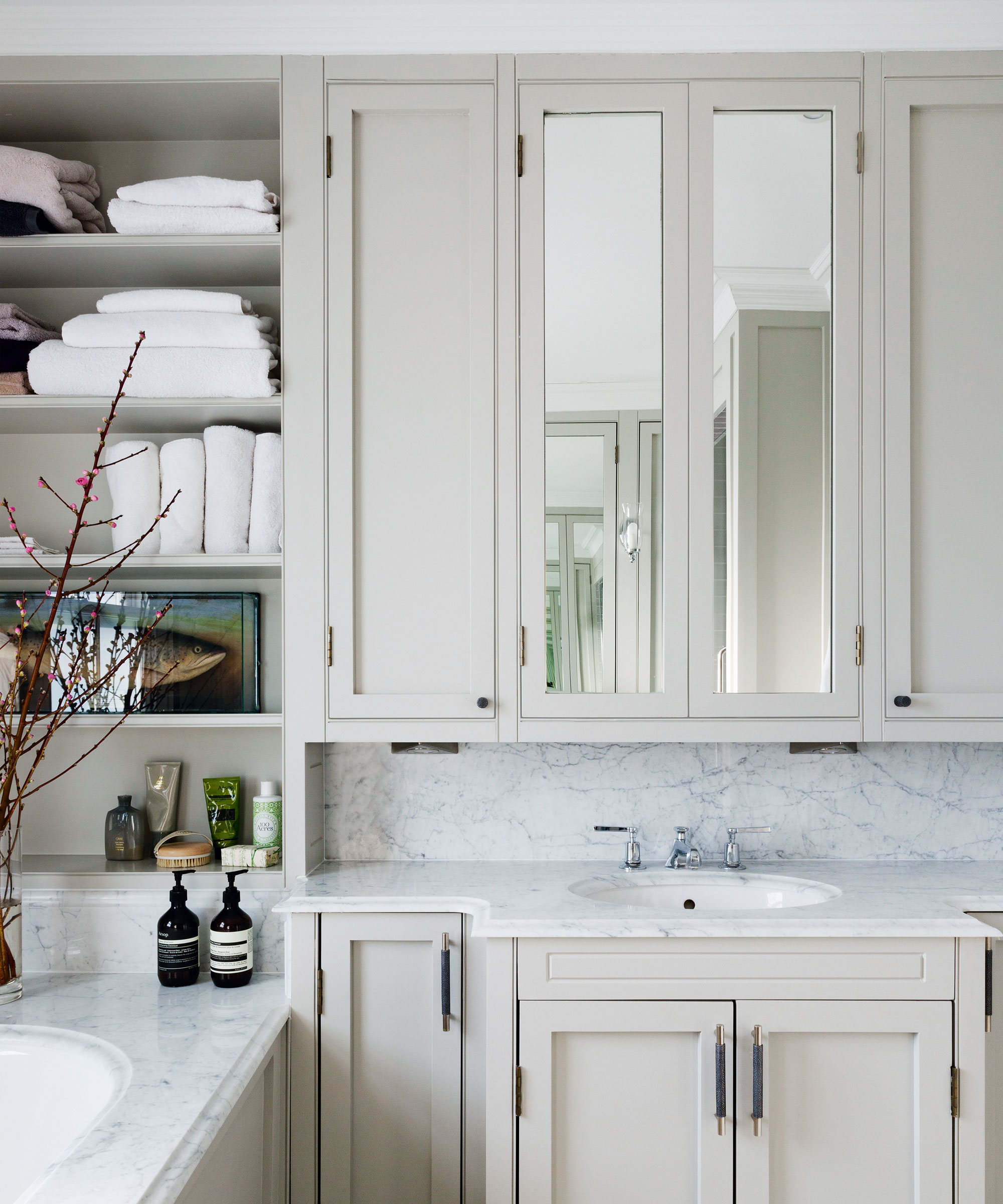
The medicine cabinet, often considered a convenient bathroom storage solution, is frequently misused for storing various items that should be kept elsewhere. Experts advise against storing many common products in the medicine cabinet, primarily due to the bathroom's warm and humid environment, which can degrade certain items or pose safety risks. This article identifies nine categories of items that should be removed from medicine cabinets and suggests alternative storage locations.
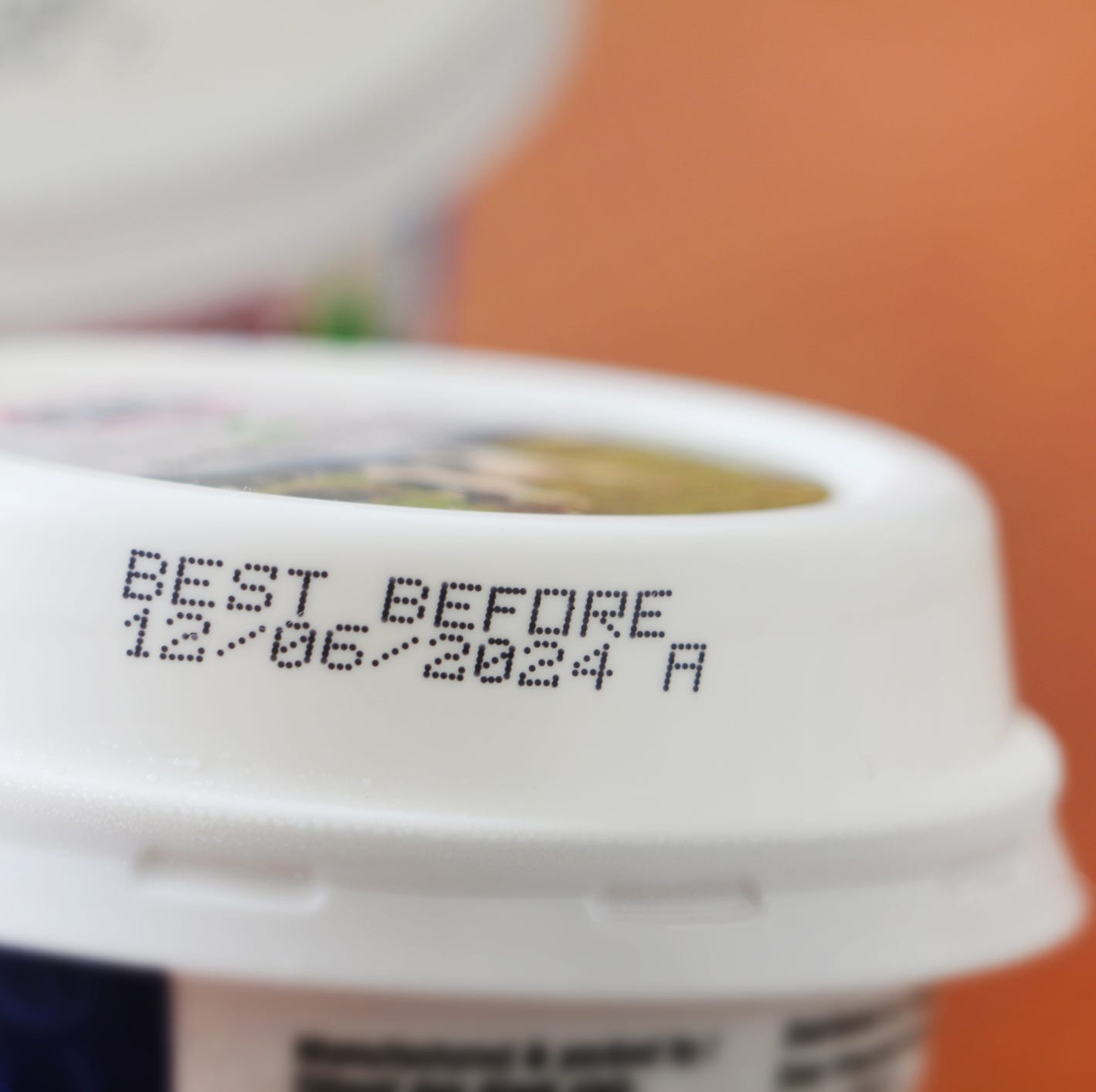
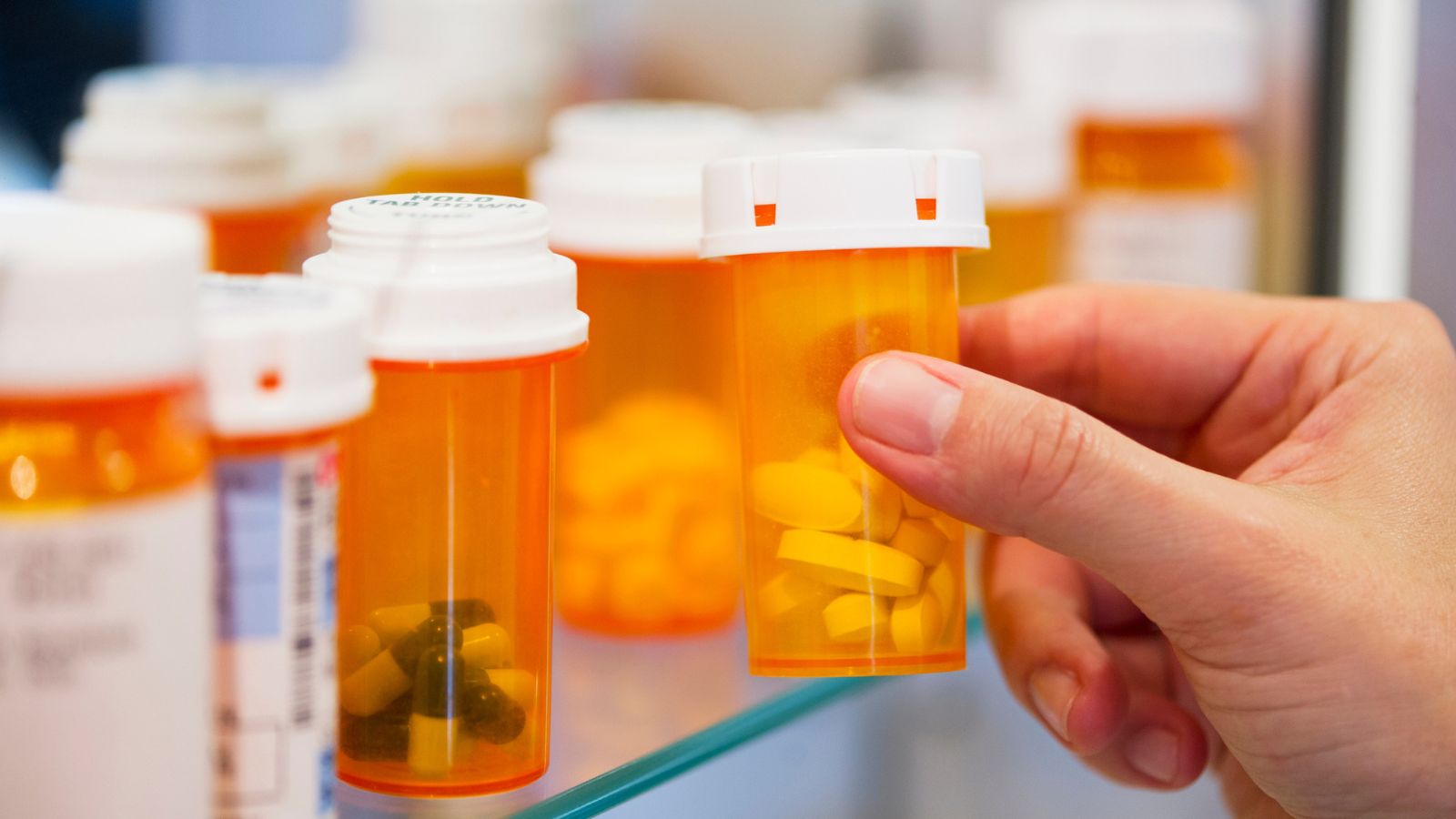
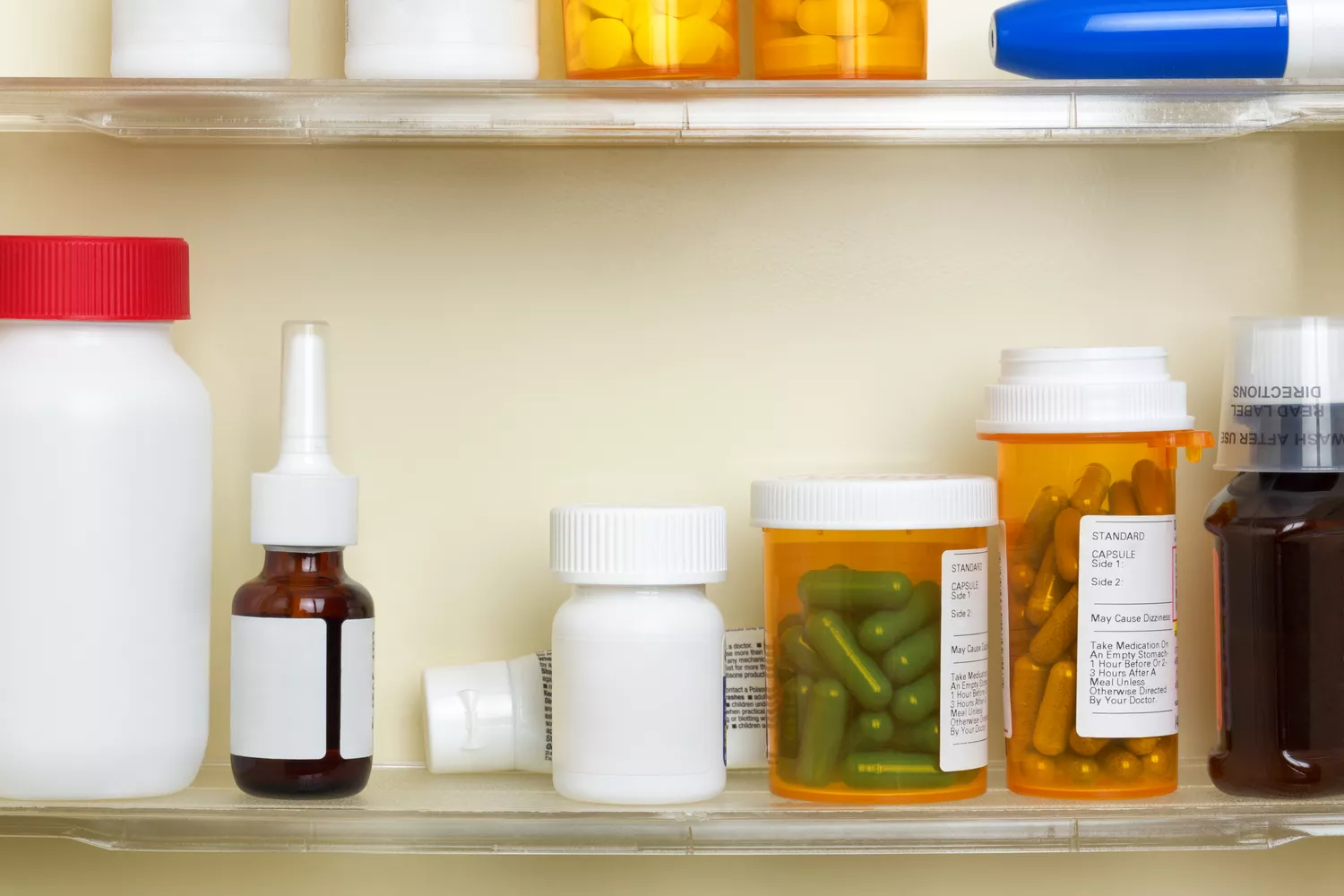
First, medicines and vitamins, including both in-date and expired ones, should not be stored in a bathroom medicine cabinet. The heat and moisture can damage medications, reducing their efficacy. Instead, they should be stored in cool, dry places like a bedroom or kitchen. Expired medications should always be returned to a local pharmacy for safe disposal, not thrown in the garbage or flushed. If medicines must be kept in the bathroom, running an exhaust fan or opening a window during and after showers can help mitigate moisture. Storing open pill packages in plastic baggies and ensuring weekly pill organizers are tightly sealed can also offer some protection.
Second, razors, while seemingly logical for bathroom storage, can deteriorate faster in a humid environment. They should be stored in a secure cabinet or drawer, especially away from children and pets. One recommendation is to store used razors upright in a washable cup with the blade end down, which saves space and contains hair and skin fragments for easier cleaning.
Third, perfumes and fragrances are also negatively affected by bathroom humidity. Although the dark interior of a medicine cabinet might seem beneficial for preserving potency, the heat can degrade scents. A dressing table drawer or bedroom vanity is a more suitable storage spot.
Fourth, facial masks and other skincare products, particularly luxury items, require proper storage. Many face masks, especially those intended for cooling effects, are best kept in a refrigerator to maintain their effectiveness and reduce puffiness when applied cold. If using the kitchen refrigerator, care must be taken to prevent cross-contamination with food. Alternatively, a dedicated beauty fridge is an option.
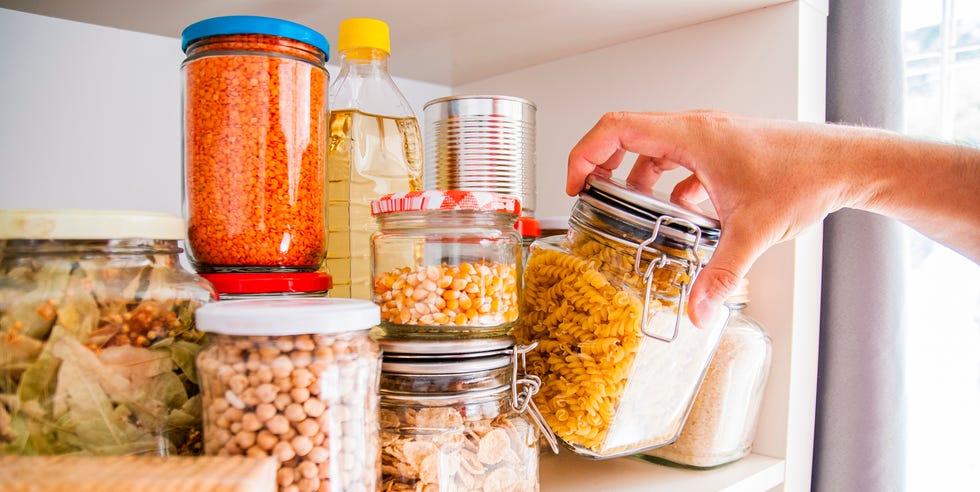
Fifth, open packaging should not be stored in a medicine cabinet. Similar to pantry storage, open items can expire more quickly due to improper conditions. It is advisable to remove unnecessary packaging to reduce clutter while keeping essential information, such as instructions or emergency details, in a separate drawer.
Sixth, cleaning supplies pose a safety risk due to their toxic nature and should never be stored in a medicine cabinet. They should be kept in a separate, secure location, such as a cabinet under the kitchen sink, preferably with a child safety lock if there are children or pets in the household.
Seventh, products free from preservatives, including certain facial and body care items or medications like acne treatments, often require specific storage conditions. These conditions are typically indicated on the product container or pamphlet to ensure their efficacy and safety, and a humid medicine cabinet is usually not ideal.
Eighth, snacks and food should not be stored in the bathroom. The bathroom is a space for hygiene, and storing food there increases the risk of germ contamination. Food items should be kept in designated food storage areas in the kitchen.
Finally, excess or unopened items should not clutter a medicine cabinet, which is often the smallest storage space in a bathroom. These backup items are better kept in a labeled container within a nearby drawer or closet. Overstuffing the medicine cabinet can lead to items falling out, confusion, difficulty finding things, and a hectic morning routine.
In summary, while medicine cabinets are not outdated in concept, their optimal use involves storing essential first aid supplies and properly sealed medications in a cool, dry environment, potentially outside the bathroom itself, and keeping them locked away from children. Many personal care products and other household items are better suited for storage in alternative locations to preserve their quality and ensure safety.
#MedicineCabinet #BathroomStorage #HomeOrganization #Decluttering #ProductStorage #SkincareStorage #HomeSafety #CleaningTips #MedicineCabinet #BathroomStorage #HomeOrganization #Decluttering #ProductStorage #SkincareStorage #HomeSafety #CleaningTips
0 comment in total
 No comments yet
You may also like
4 things to get rid of in your kitchen cabinets — experts say ditch these items right now

10 things decluttering experts won't keep in their kitchen cupboards

9 'negative' things you should declutter in 2025 to re-energise your home, according to Feng Shui experts
13 Items You Should Remove from Your Pantry Right Now


Items to get rid of in your living room – 10 things decluttering experts want to clear out
9 items never to store in a bathroom vanity – according to the experts
6 Medicine Cabinet Items You Should Throw Away Right Now
5 Pieces of Decor You Need to Remove From Your Kitchen Today — "They're Bulky and Eyesores," Say Designers

These are the 7 things to get rid of first in your kitchen cabinets, according to cleaning pros
9 Things You Should Get Rid of in Your Kitchen Cabinets Right Now — An Expert Explains Why

5 Things to Banish From Your Bedroom for a Fresh, Clean Start
7 Bathroom Vanity Items Organizers Urge You to Throw out ASAP

8 Things to Remove From Your Medicine Cabinet ASAP, According to Experts

11 items not to store in a bathroom cabinet, and what experts say to do instead
From fluffy towels to medicine cabinets: 9 things professional organisers never keep in the bathroom

5 Items in Your Pantry to Throw Away Right Now, and What to Buy Instead

8 Things In Your Pantry You Should Toss ASAP, According To Pro Organizers
Pre-holiday feng shui purge: 5 items you need to throw away today

9 Outdated Things People Over 40 Should NEVER Have in Their Homes
9 Things To Toss From Your Pantry Right Now