1/5
The five most impactful chair designs of mid-century modernism
This article, presented as a video featuring Dezeen deputy editor Cajsa Carlson, explores five highly influential chair designs from the mid-century modern movement. These iconic pieces, including the Eames Shell Chair, Arne Jacobsen's Egg Chair, Hans J Wegner's Wishbone Chair, Harry Bertoia's Diamond Chair, and Verner Panton's Panton Chair, represent significant advancements in furniture design and material innovation. Each chair's history, design philosophy, and impact are detailed.
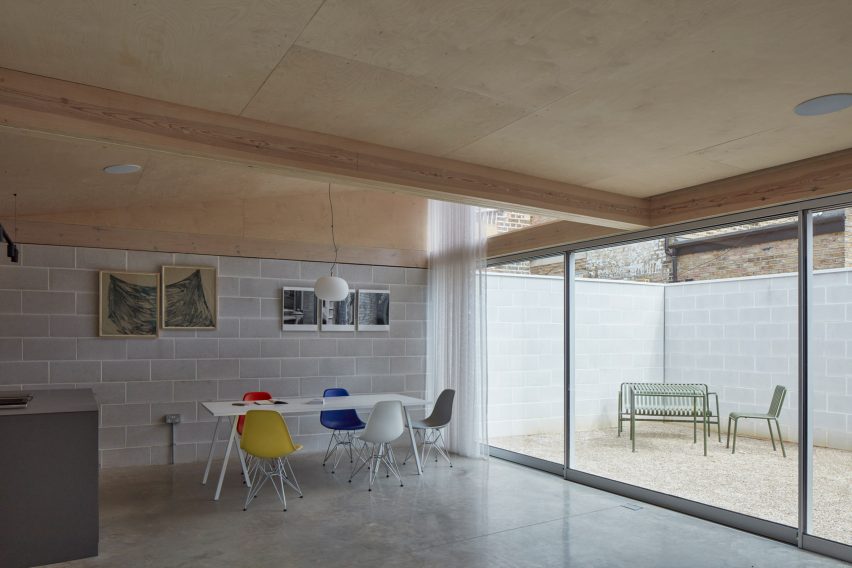
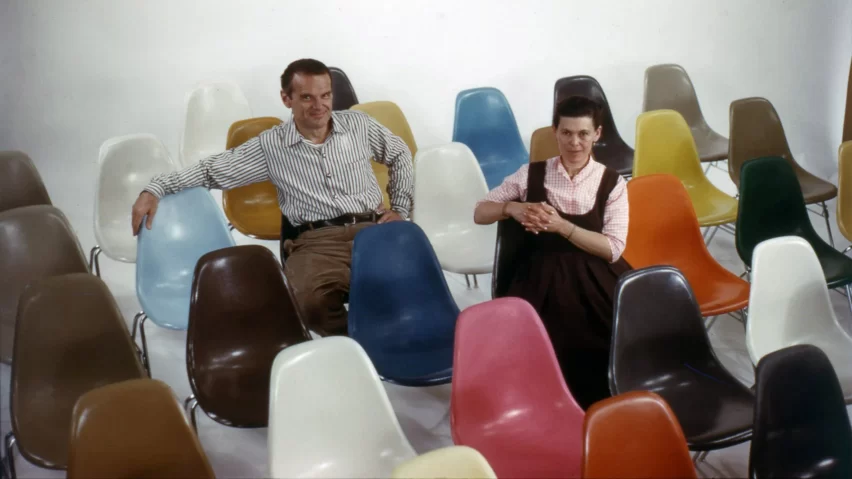
The Eames Shell Chair, designed by Ray and Charles Eames in 1949, emerged from a prototype for MoMA's Low-Cost Furniture Design competition. The Eames' vision was to democratize good design, and the Shell Chair achieved this through its use of fiberglass, a novel material for furniture at the time. This allowed for mass production at a lower cost and offered a customizable design with interchangeable shells and bases. The chair remains in production today by Herman Miller and Vitra, with a new recycled plastic version introduced in 2024, demonstrating its enduring relevance and adaptability.
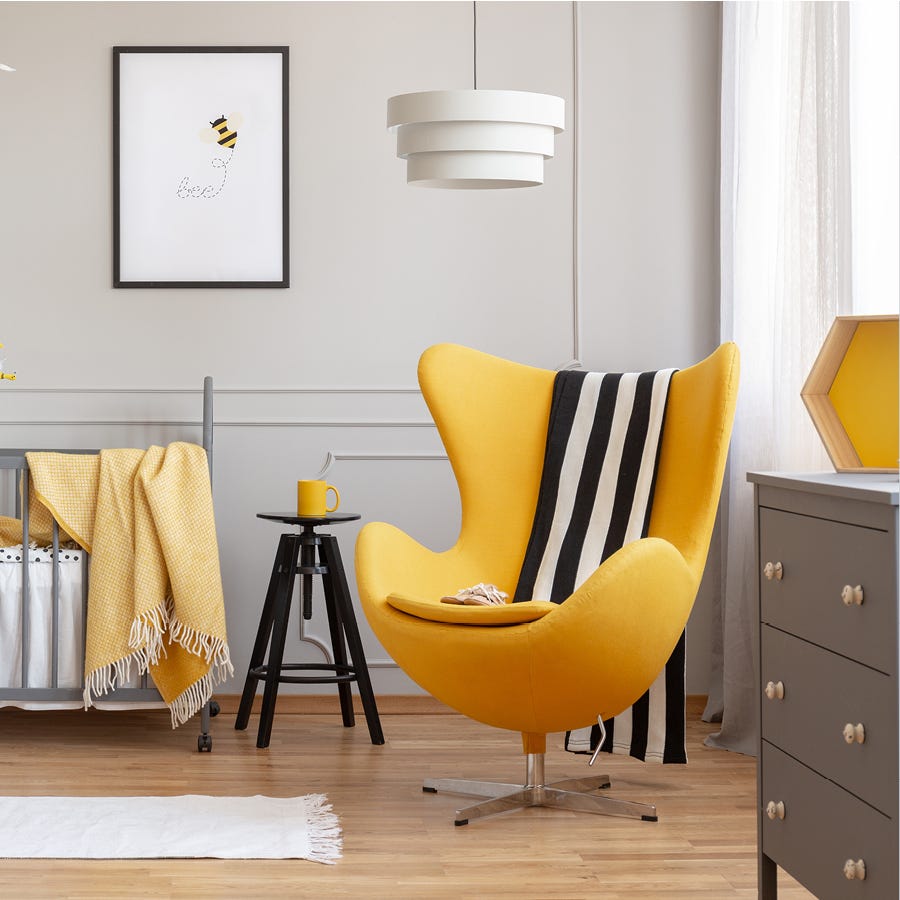
Arne Jacobsen's Egg Chair, created in 1958 for the SAS Royal Hotel in Copenhagen and produced with Fritz Hansen, exemplifies experimentation with new materials. Jacobsen crafted the chair from hard polyurethane foam, a departure from traditional wooden or steel frames. This innovative construction allowed for its distinctive sculptural form. Although the hotel's interiors have been re-designed, room 606 preserves Jacobsen's original design, offering a glimpse into its initial context.
Hans J Wegner's Y-backed Wishbone Chair, also known as the CH24, was designed in 1949 for Carl Hansen & Son. This chair became a prominent symbol of Scandinavian design, characterized by its minimalist form and the use of natural materials like beech and paper cord. While Denmark was gaining international recognition as a design powerhouse, Wegner found initial inspiration for the Wishbone Chair in the high-backed thrones of Chinese Ming dynasty emperors. Its creation involved over 100 steps, including a hand-woven seat made from approximately 120 meters of paper cord, highlighting the intricate craftsmanship behind its seemingly simple aesthetic.
Harry Bertoia's Diamond Chair, launched in 1952, pushed the boundaries of material use by incorporating welded steel rods. This choice was revolutionary during a period when wood dominated furniture manufacturing. Bertoia leveraged steel's strength and malleability, allowing it to be shaped without heat. The chair's wire frame and negative space were intended to create the sensation of sitting on air, reflecting the excitement and technological optimism of the Atomic Age. The chair embodies the spirit of innovation in science and technology prevalent in the 1950s and 60s.
Finally, the Panton Chair, released in 1967 by Verner Panton, showcases an experimental and playful design approach, contrasting with the more restrained styles of the preceding decade. It holds significance as the first cantilevered chair to be manufactured from a single piece of plastic. Panton continuously refined his design, experimenting with materials like polyurethane foam and various molding techniques. He developed a polypropylene version with Vitra in the 1990s, shortly before his passing. The Panton Chair's simple yet iconic design continues to be a source of inspiration and is recognized as one of history's most distinctive chairs.
#MidCenturyModern #ChairDesign #EamesShellChair #ArneJacobsen #EggChair #HansJWegner #WishboneChair #HarryBertoia #DiamondChair #VernerPanton #PantonChair #FurnitureDesign #MidCenturyModern #ChairDesign #EamesShellChair #ArneJacobsen #EggChair #HansJWegner #WishboneChair #HarryBertoia #DiamondChair #VernerPanton #PantonChair #FurnitureDesign
0 comment in total
 No comments yet
You may also like
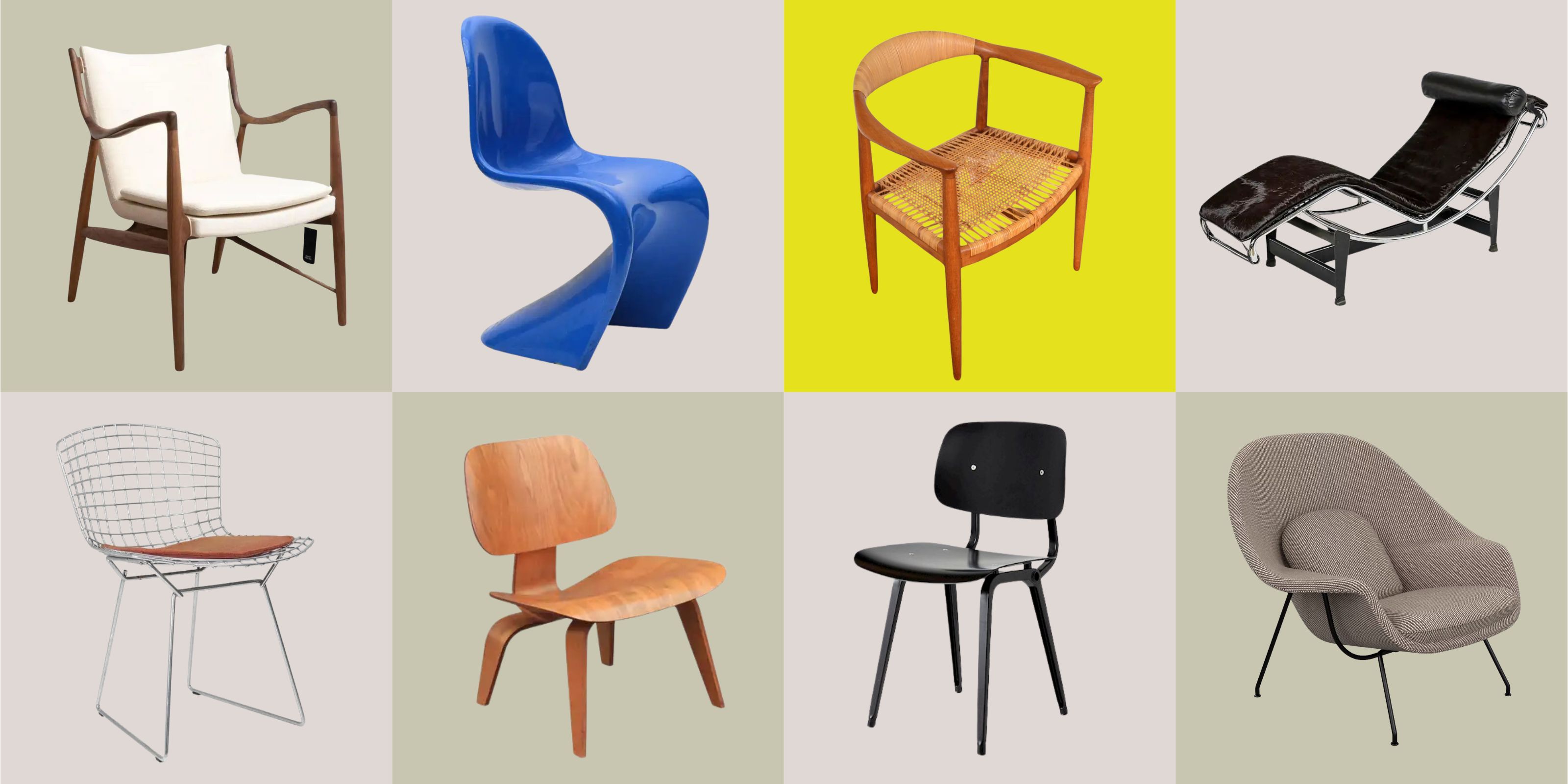
10 Iconic Mid-Century Modern Chairs That Are a 'Must-Know' for Any Design Enthusiast

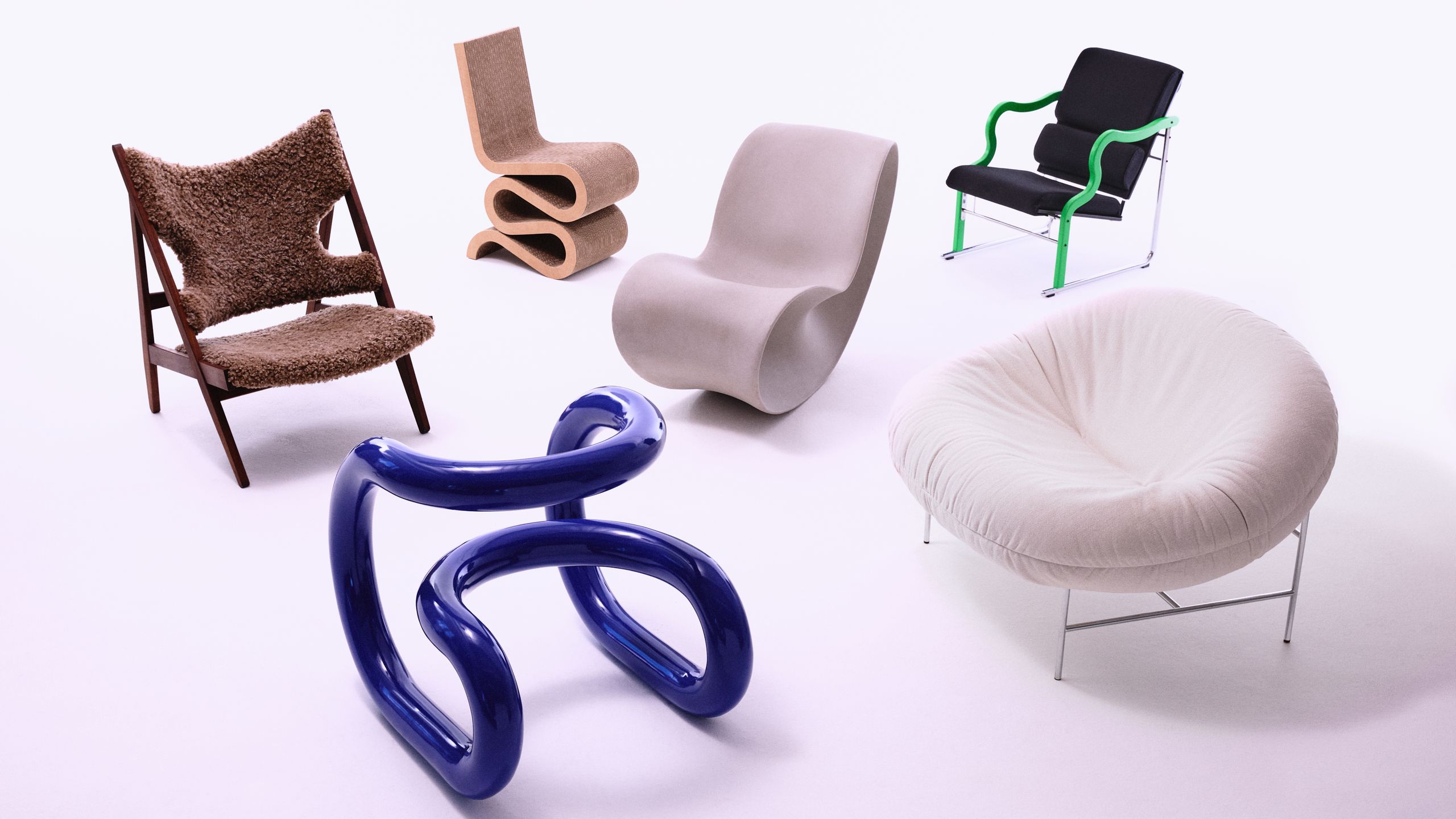
These Accent Chairs Are the Definition of a Personality Hire

5 classic furniture designs that still have an enduring allure

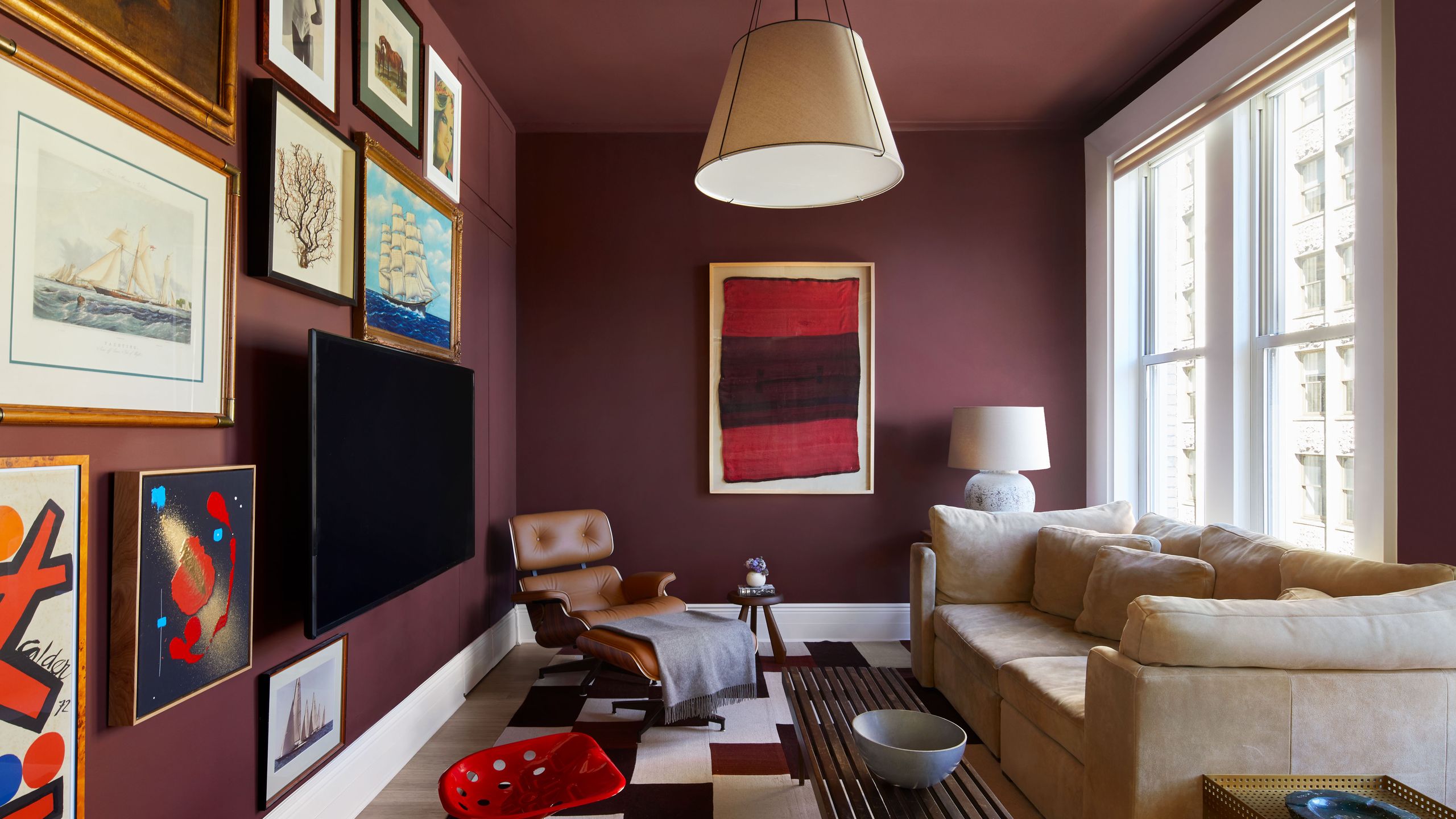
I Tried It: How Much Hype Does the Iconic Eames Chair Really Deserve?
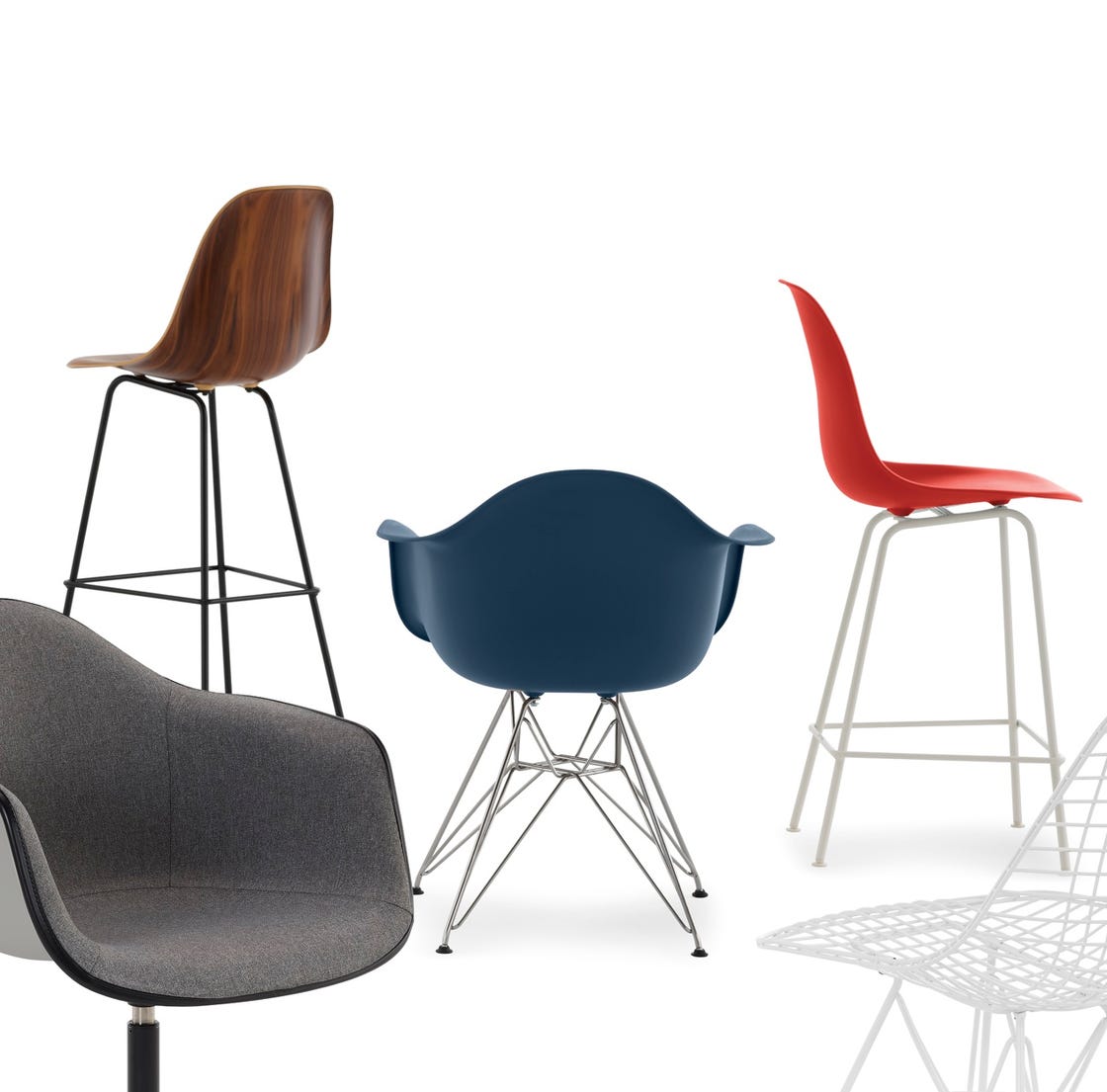
23 of the Most Important Chair Designs of All Time

Ten homes where classic Eames chairs add a mid-century modern feel
Here's What You Should Know About Midcentury Modern Style

Icons Only: The Best Dining Chairs, According to AD Editors
25 Midcentury Modern Furniture Pieces That Will Always Be in Style

10 Midcentury Modern Couches That Can Transform Your Living Space

5 armchairs fitting for the modern gentleman
25 Types of Sofas, Explained
The 11 best places to buy midcentury-modern furniture, according to designers

10 Classic Midcentury Pieces That Will Never Go Out of Style

Twelve modernist furniture designs by 20th-century architects
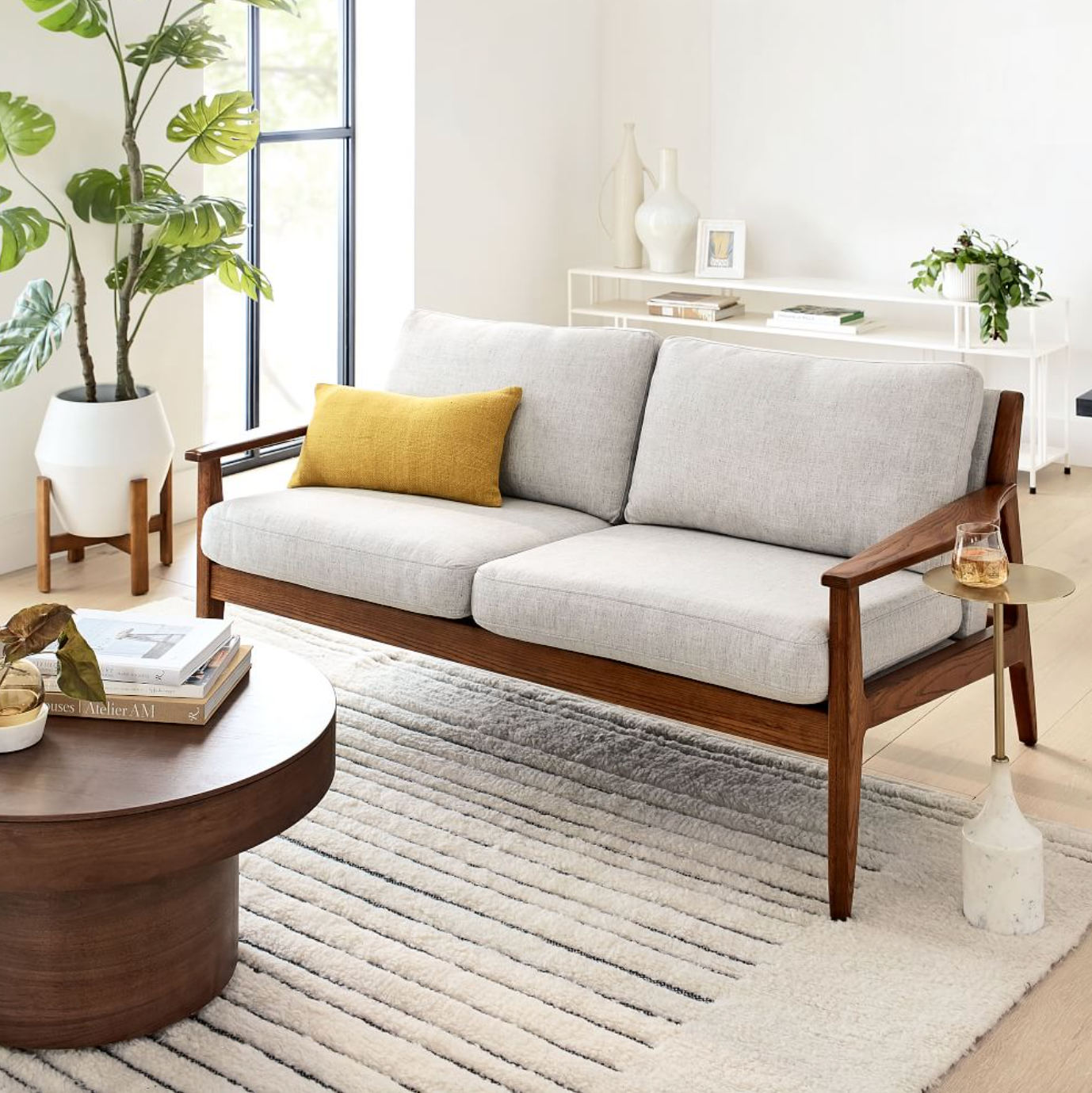
11 of the Absolute Best Midcentury Modern-Style Sofas for Your Living Room
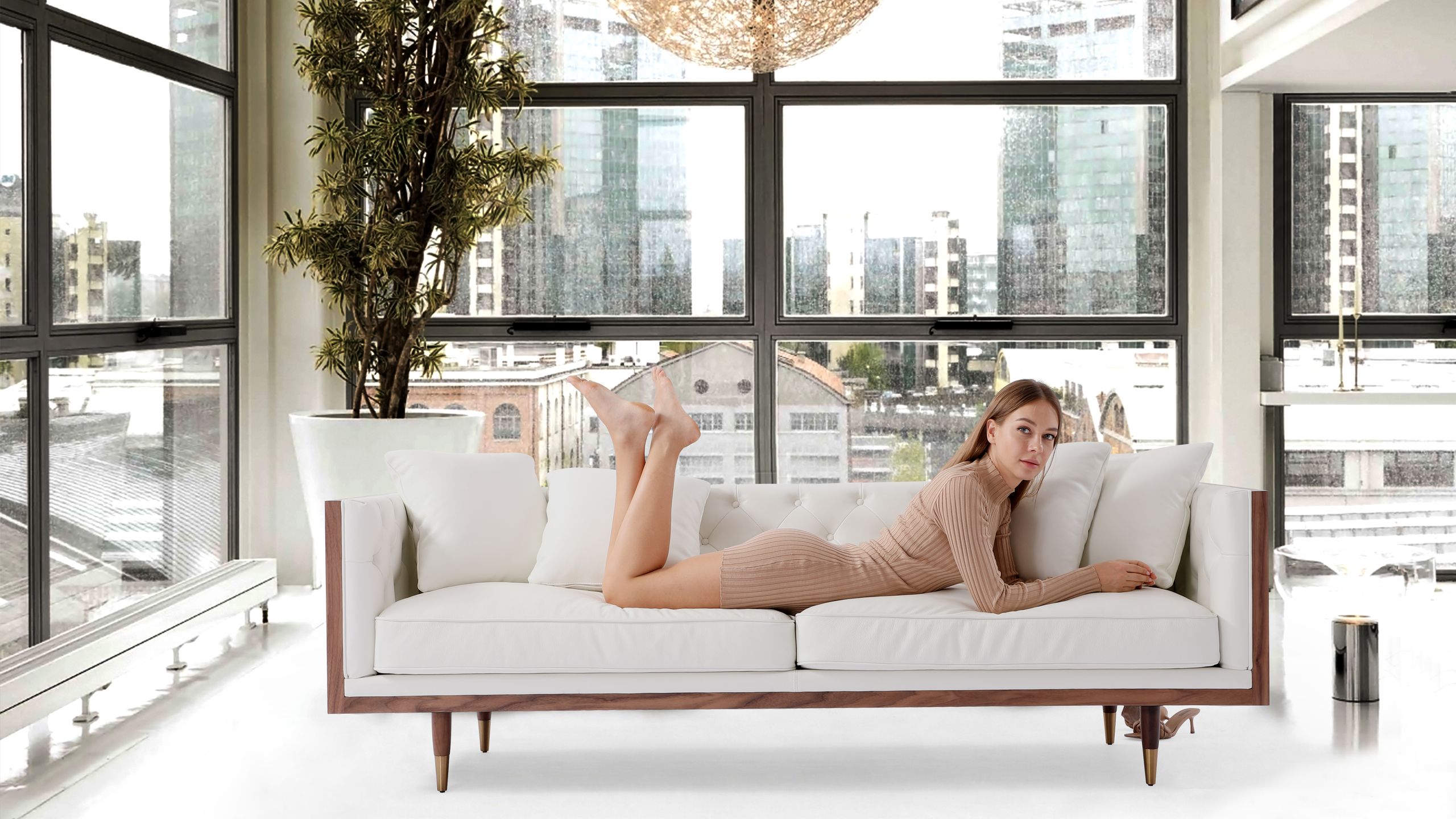
5 Mid-Century Modern Sofas to Breathe Life Into Your Living Space
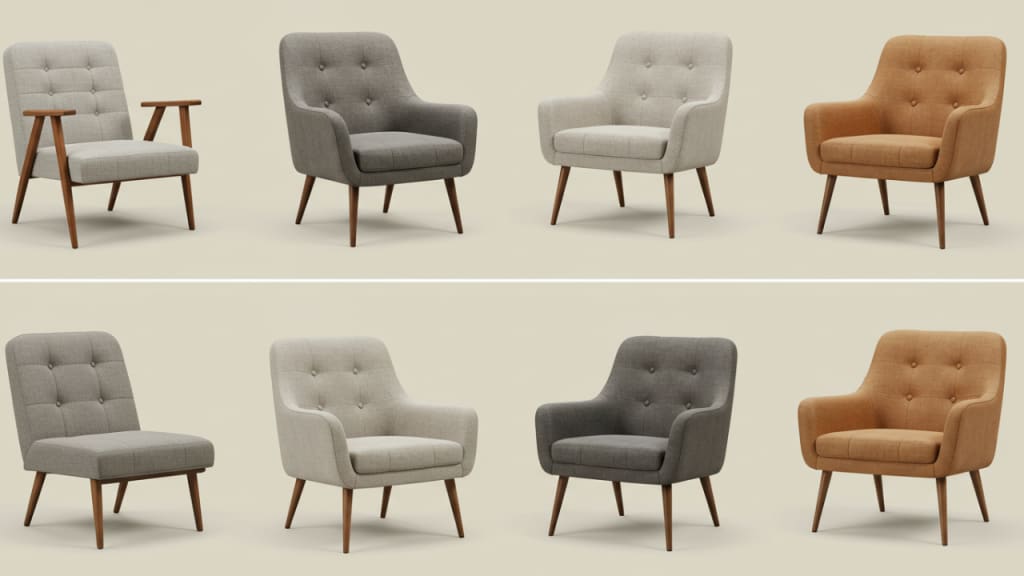
Best Mid-Century Modern Accent Chairs Under $200

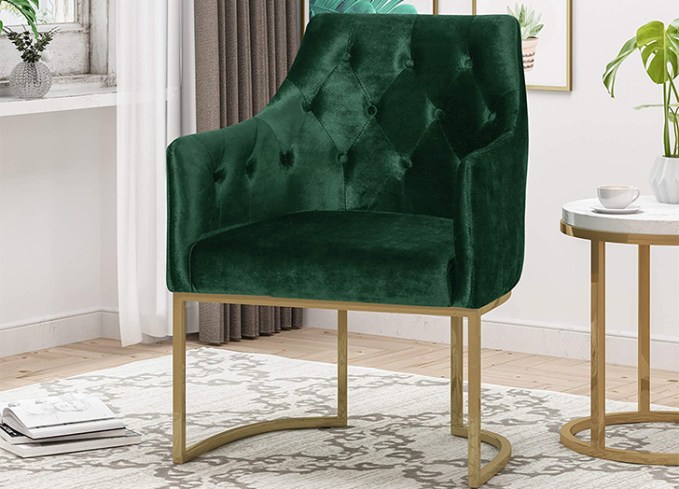
18 Modern Accent Chairs That Will Instantly Elevate Your Living Space
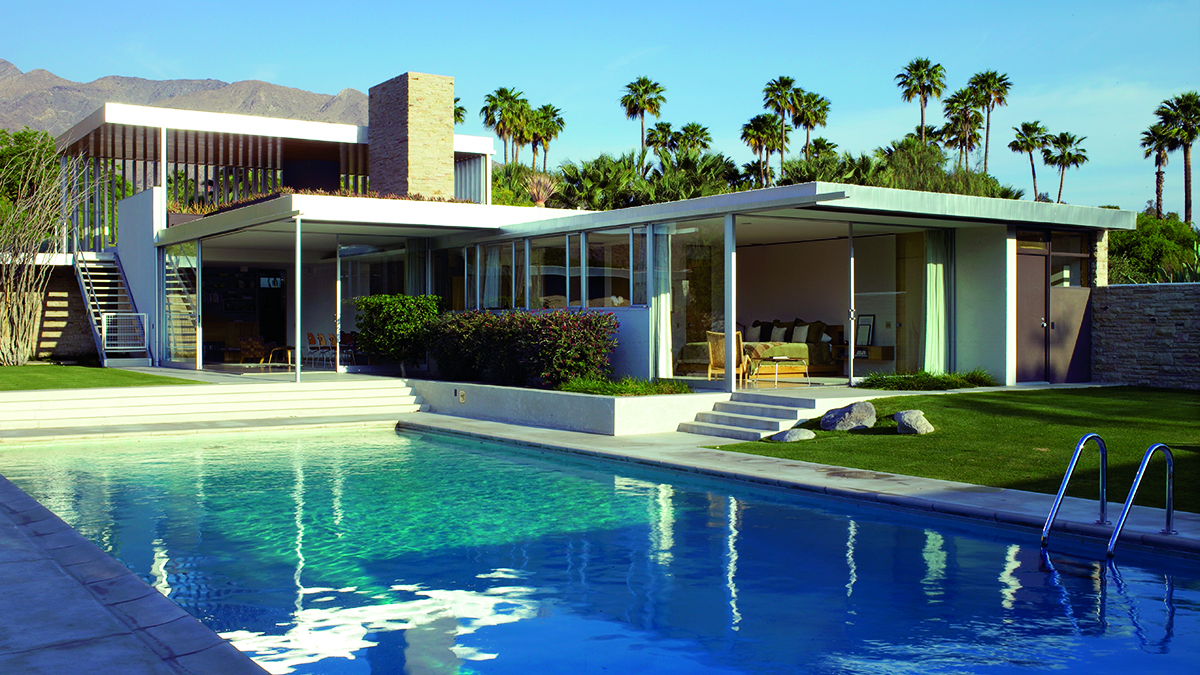
The enduring appeal of Mid-century Modern