1/6
How to Make an Unexpected Style Statement in the Kitchen
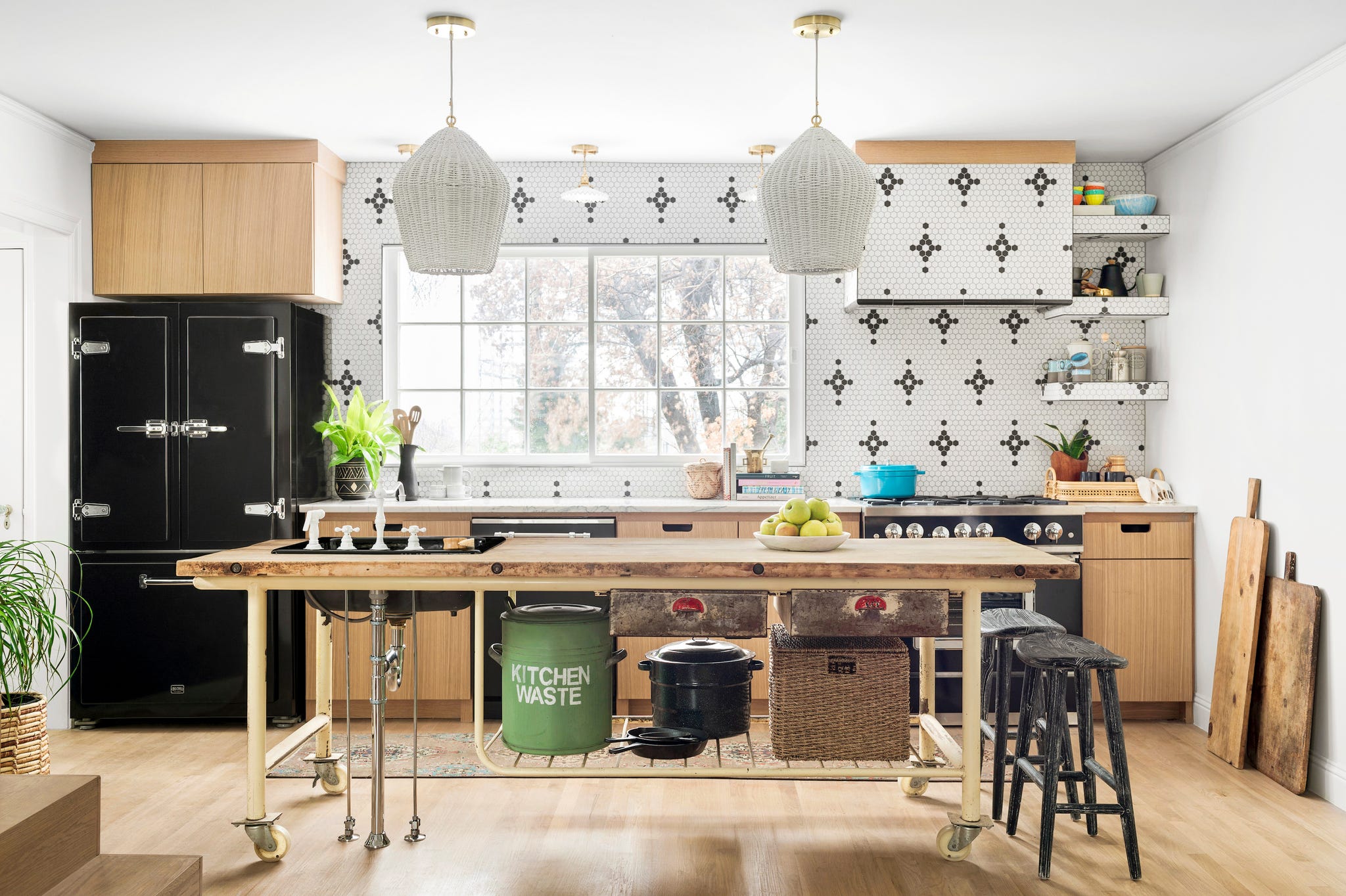
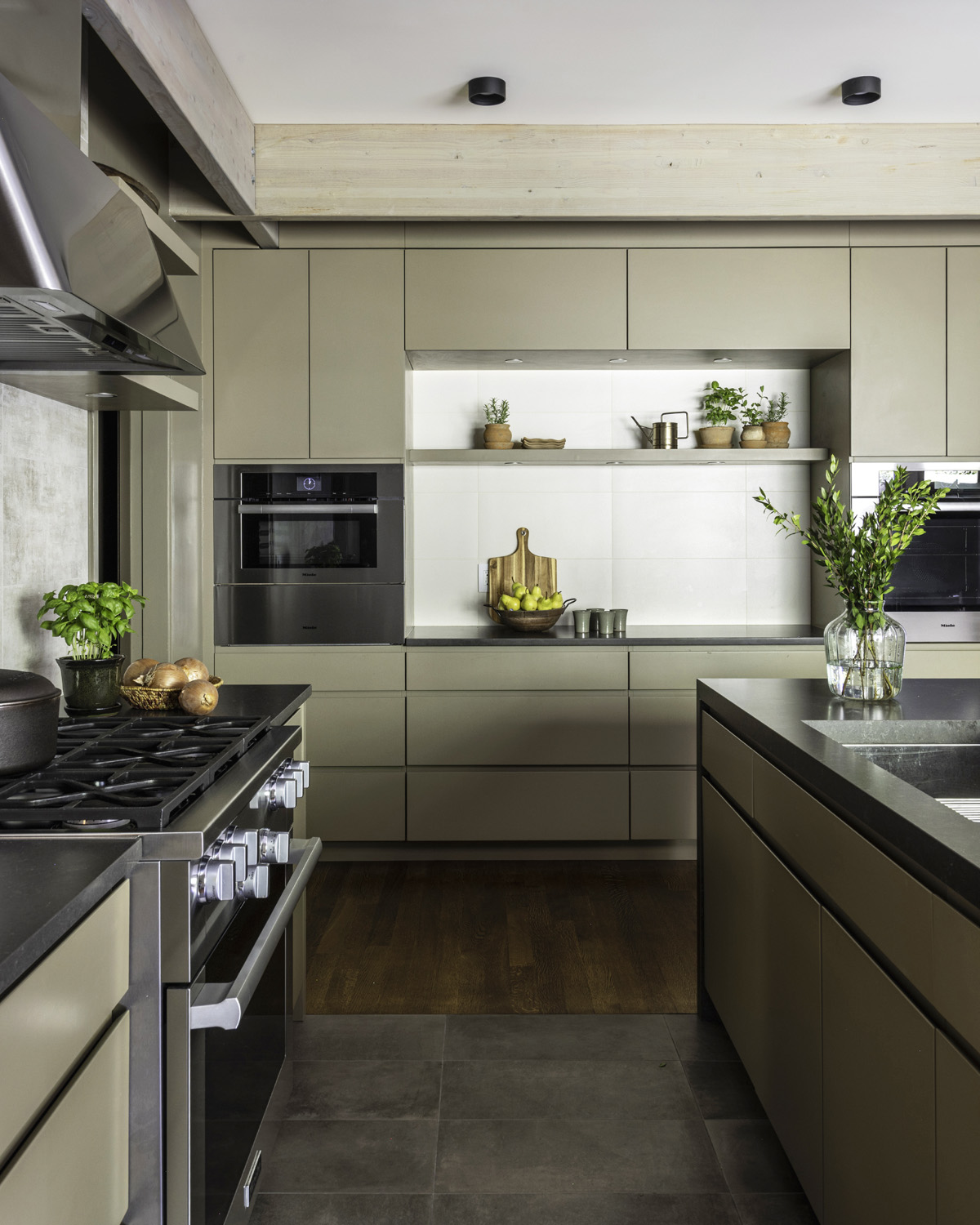
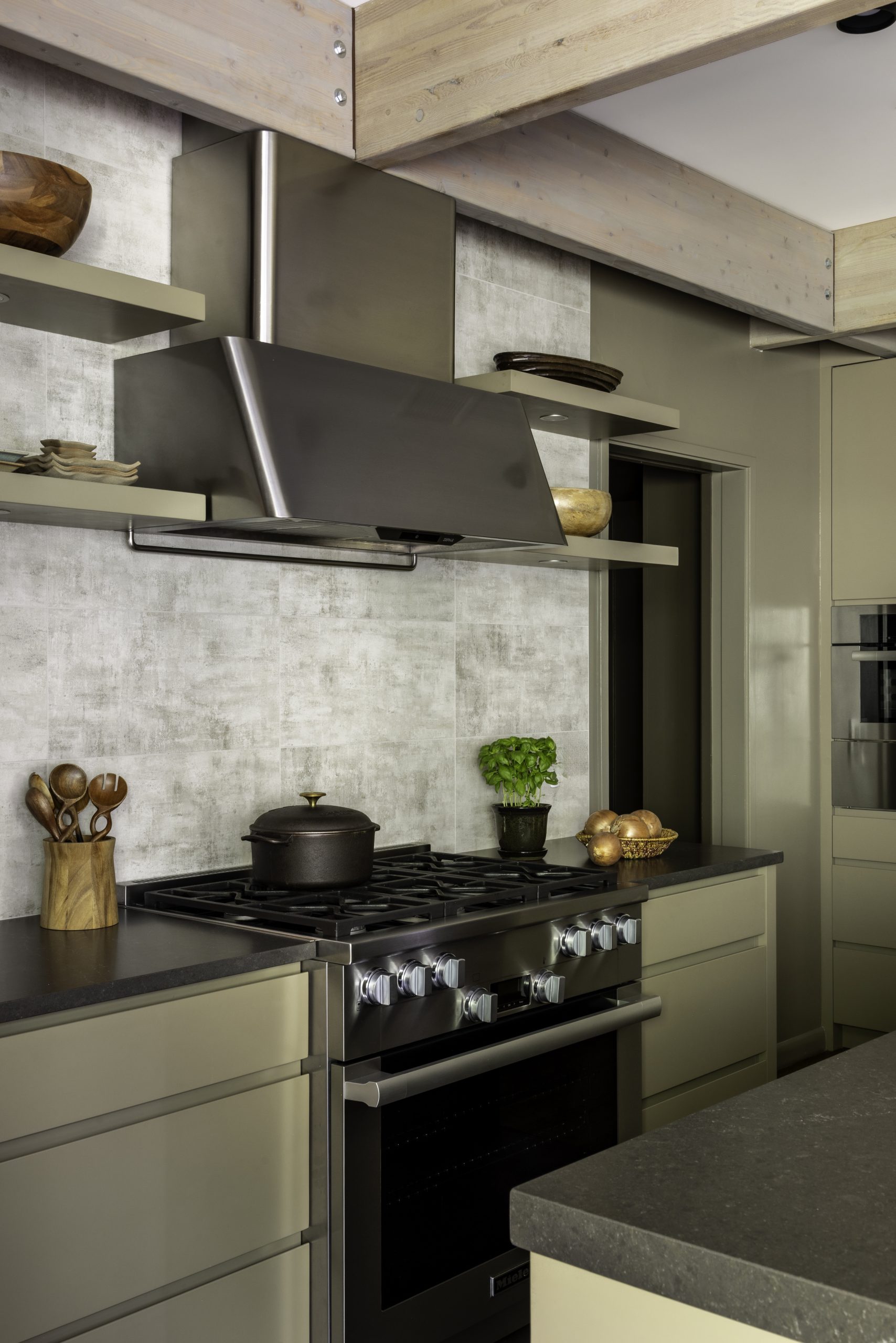
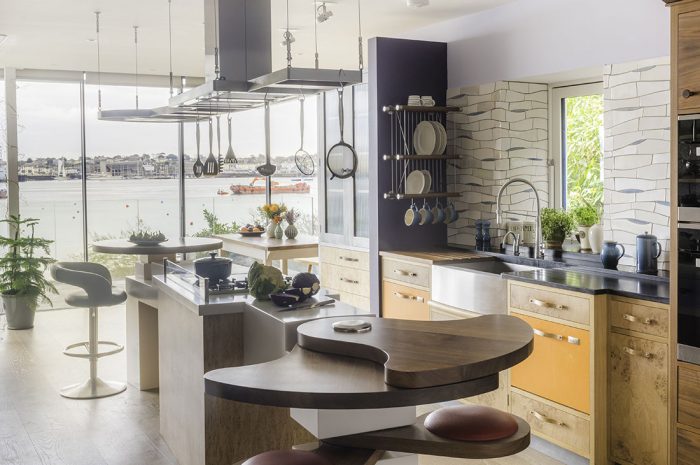
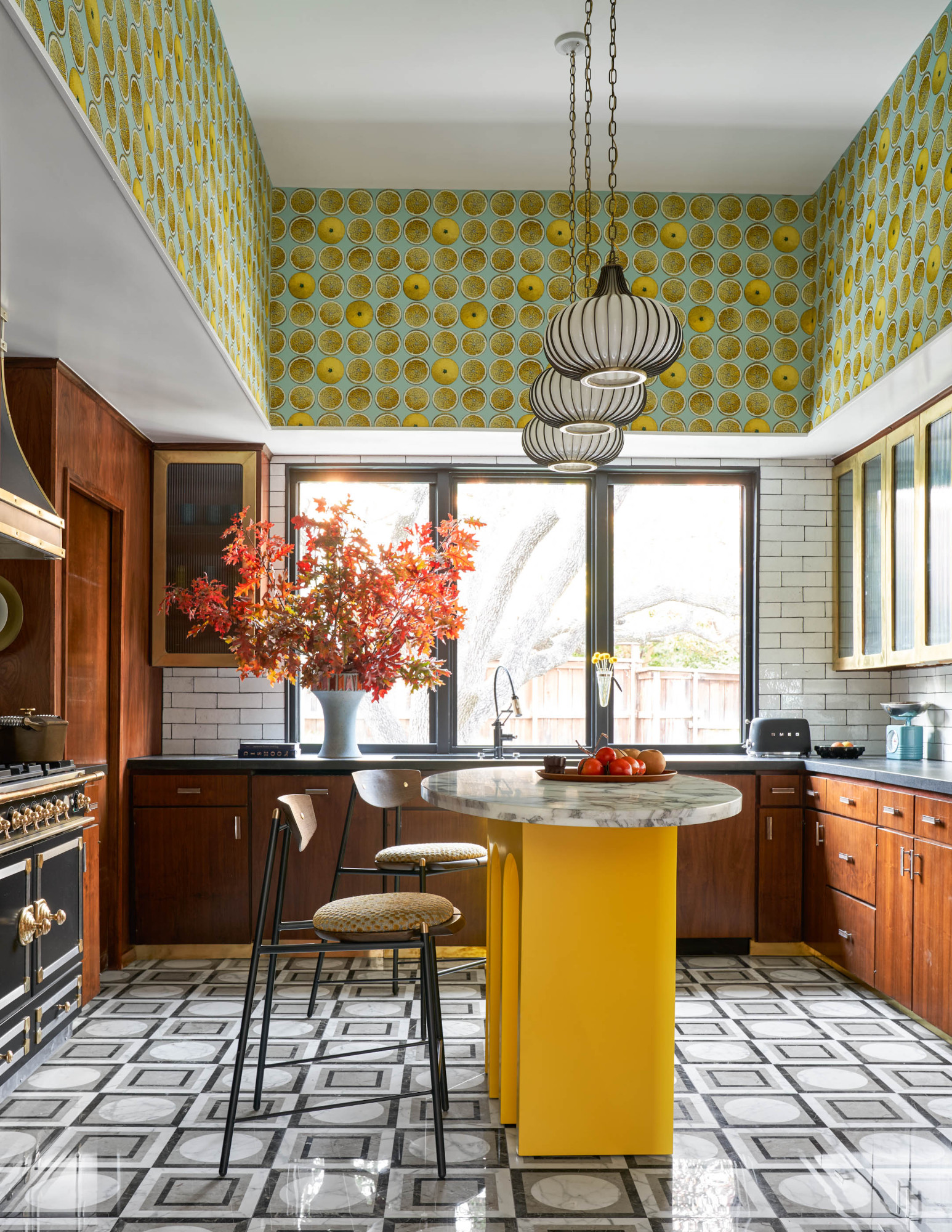
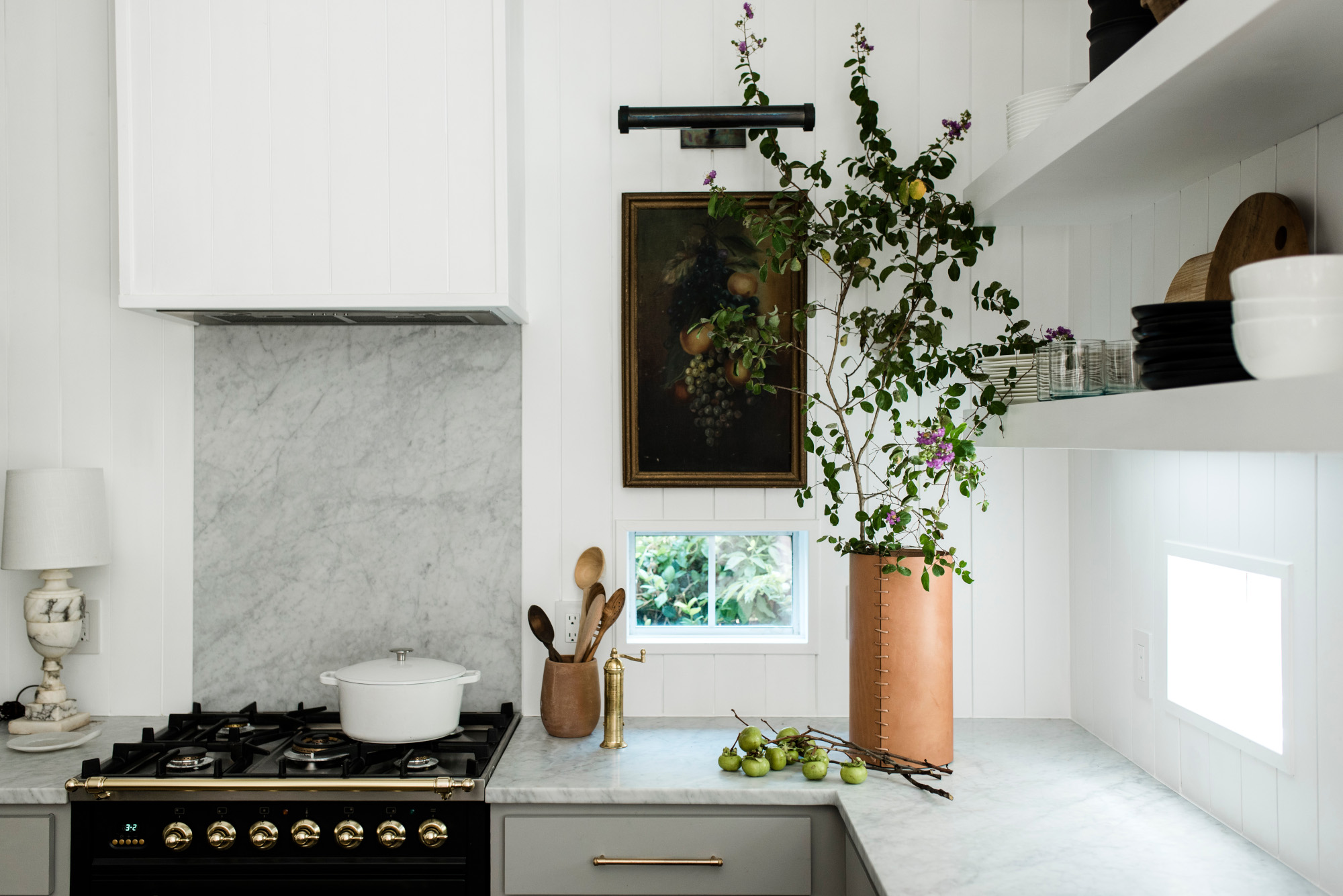
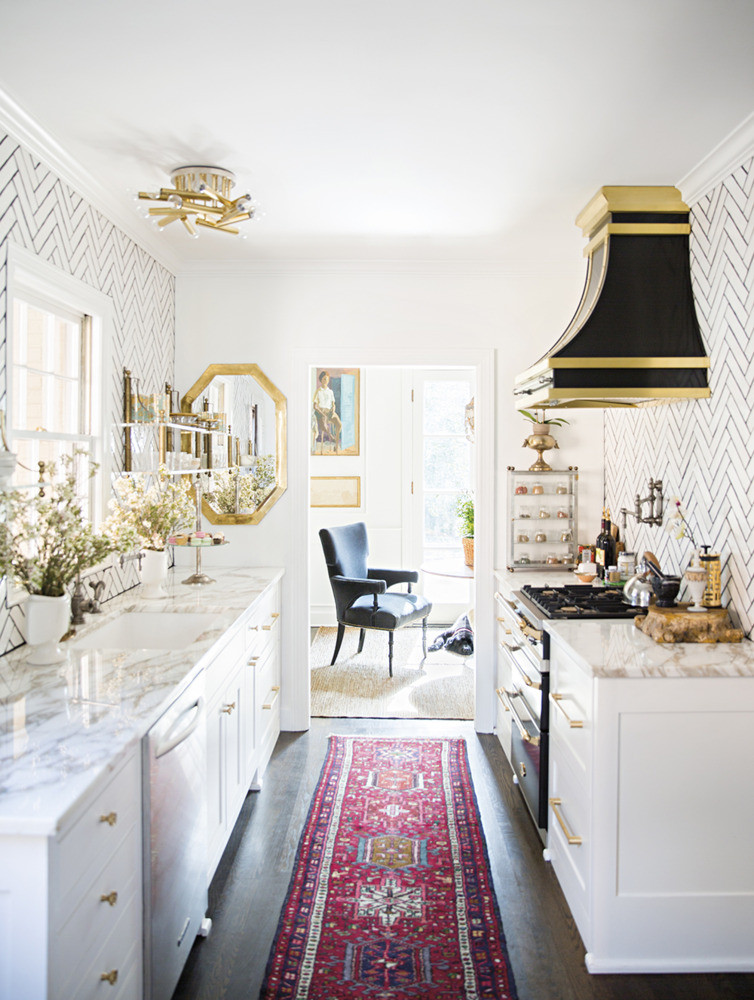
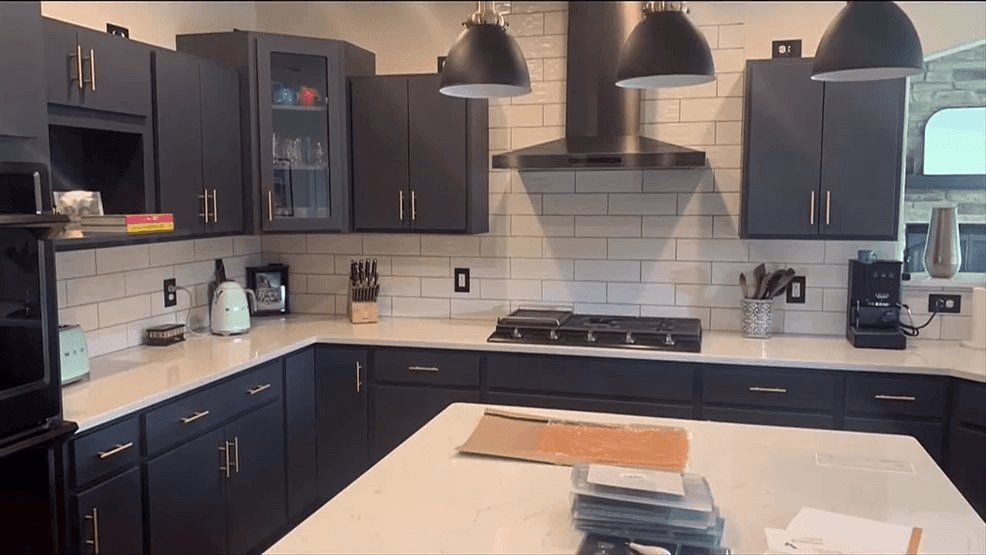
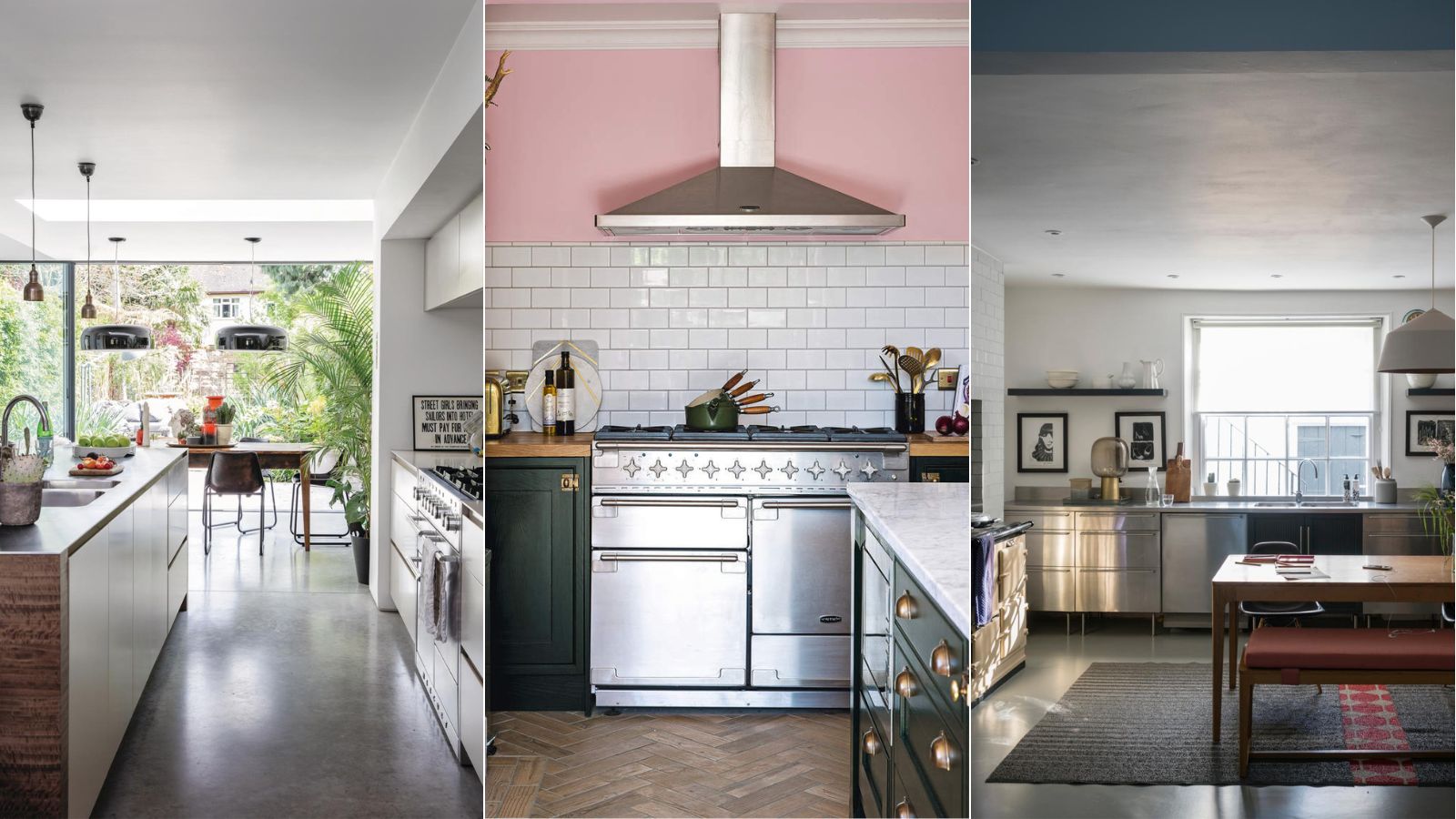
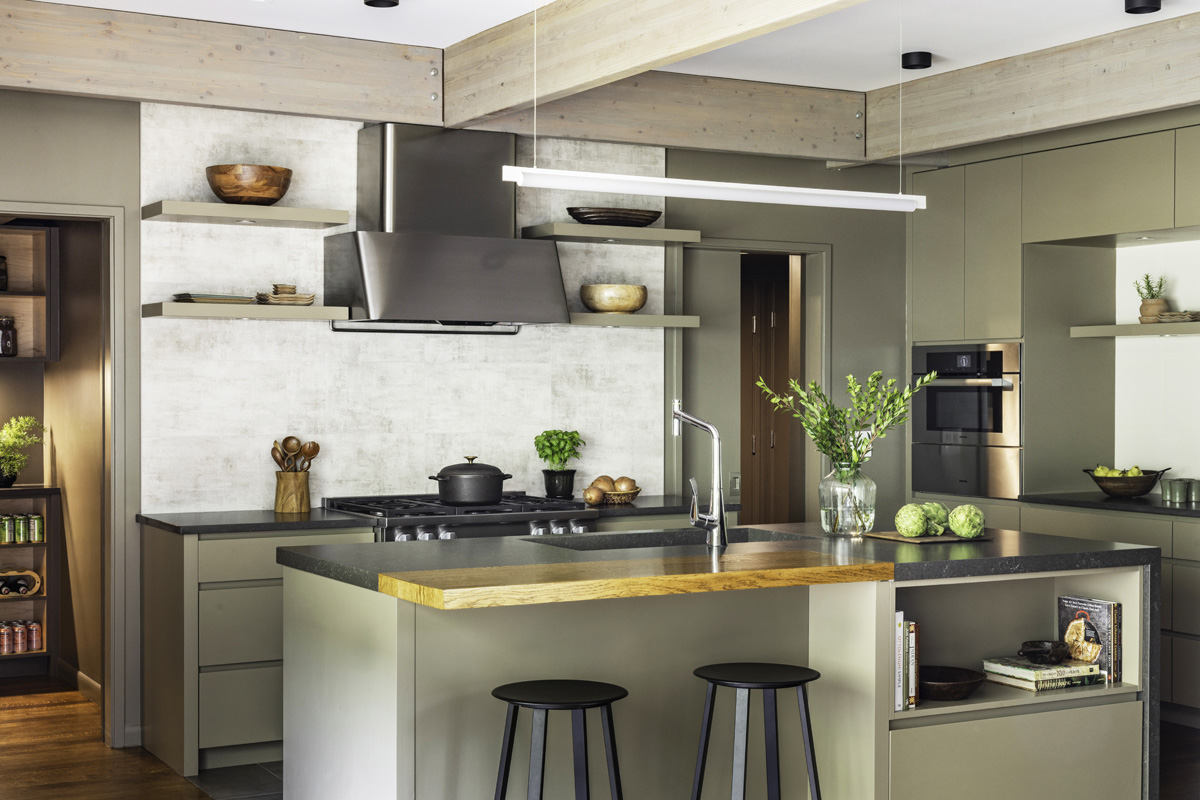
The range hood, traditionally an overlooked and utilitarian kitchen appliance, is transforming into a significant design element and a focal point within modern kitchen aesthetics. This shift moves beyond its basic function of ventilation to embrace its potential for artful elegance and statement-making design. Design and development firms, like DDG, are actively reinventing the kitchen hood, aiming to make it an enjoyable visual component rather than an eyesore. This trend is gaining traction among New York City developers who are integrating statement vent hoods into their new projects, recognizing their capacity to elevate kitchen design.
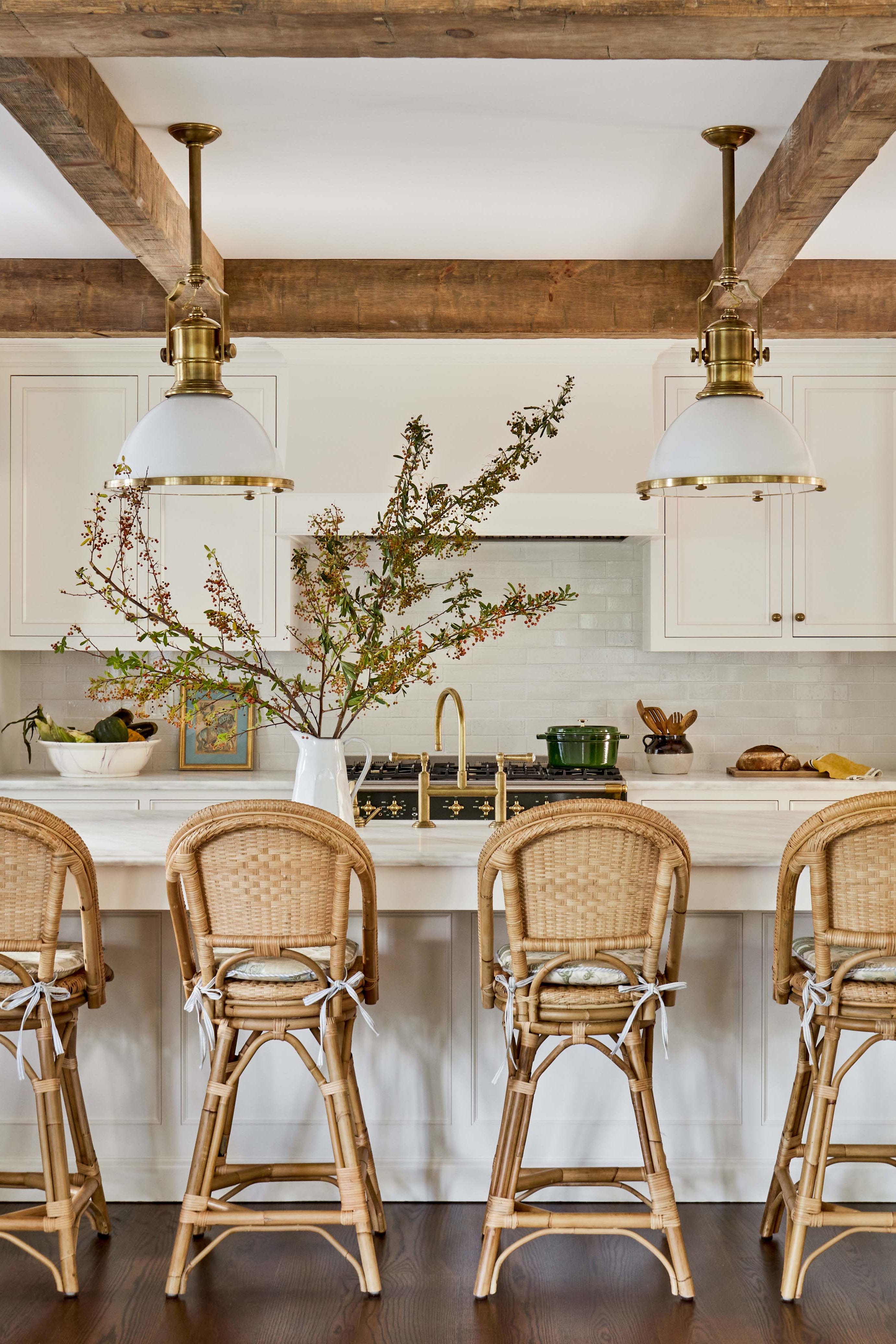
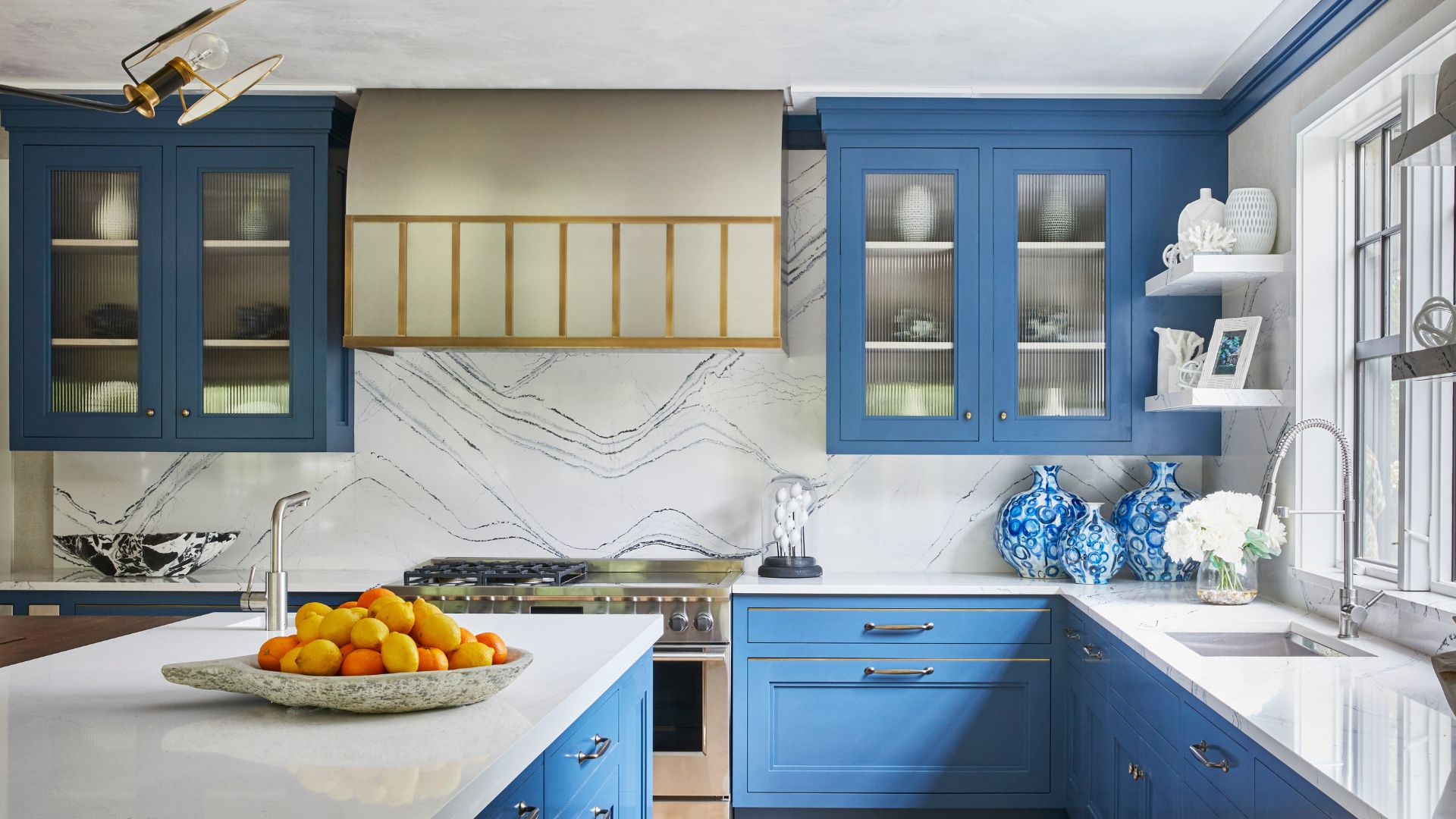
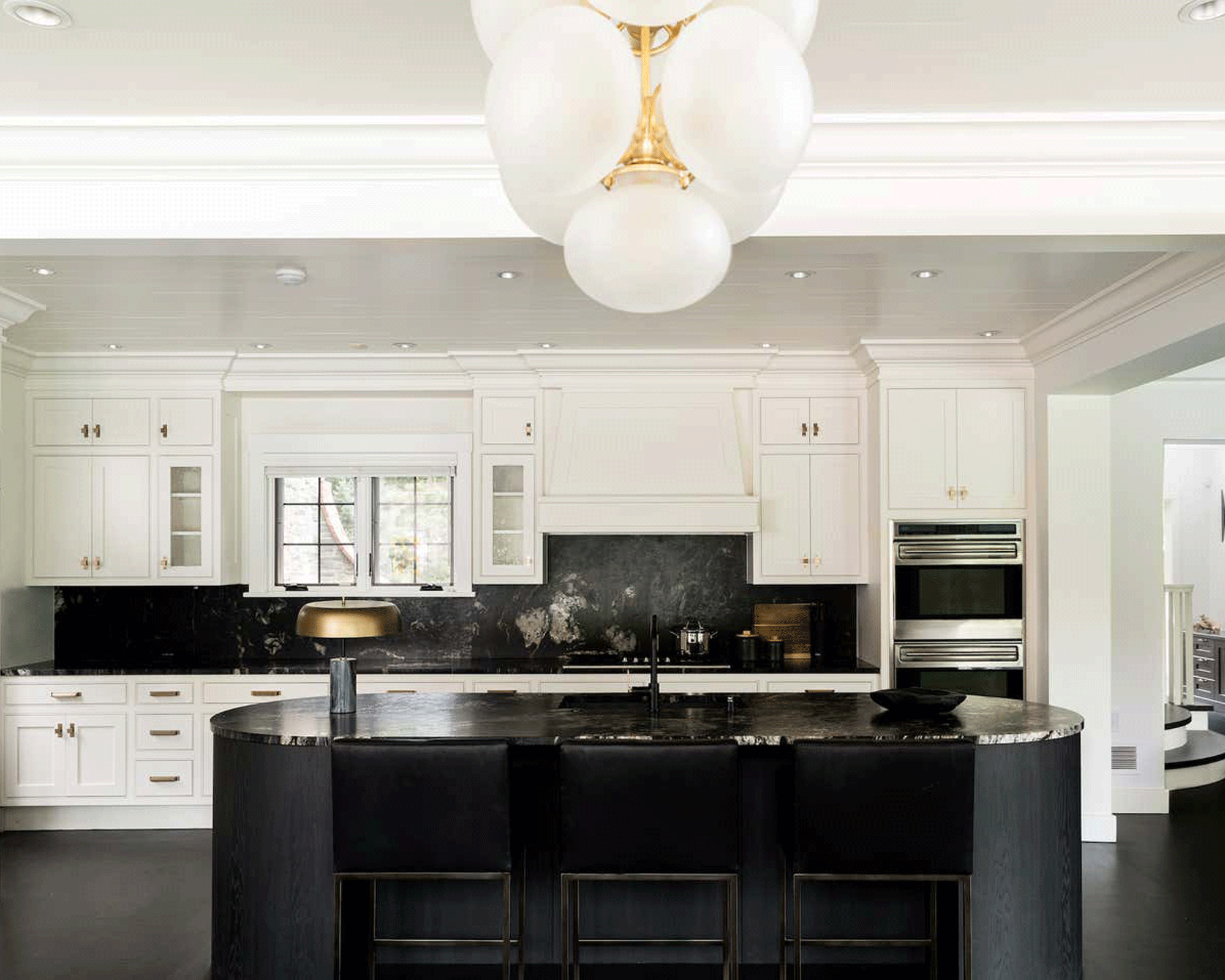
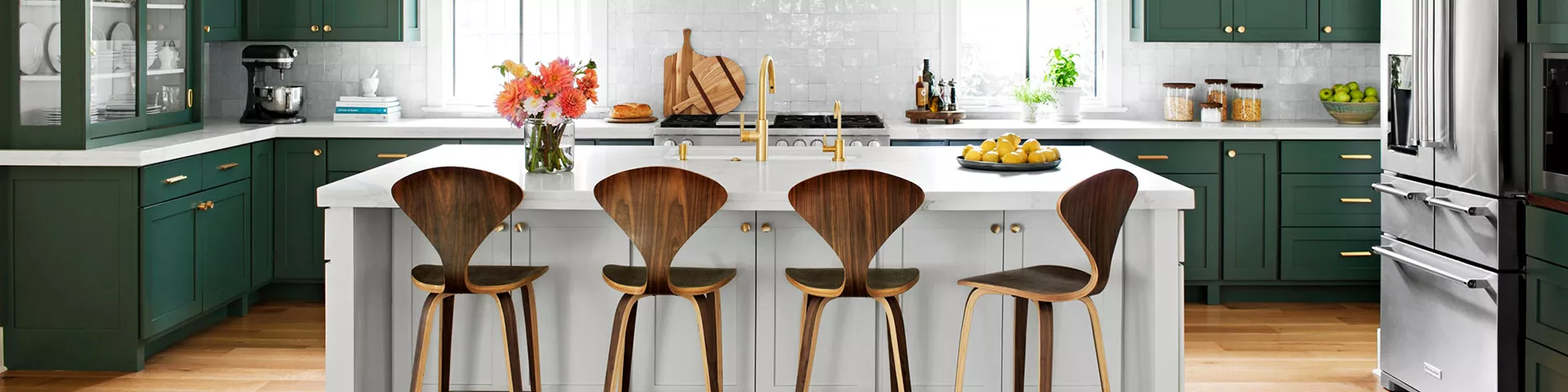
One prominent aspect of this trend involves the use of trending metals. Moving past conventional stainless steel, designers are incorporating materials like bronze and brass. For instance, in all-white kitchens, layered bronze-clad hoods are being used to anchor the room, while also complementing other metallic finishes such as faucets and door handles. The increasing popularity of metal as a hood material is often paired with a move towards larger, more sculptural, and oversized designs, allowing the range hood to become a bold focal point.
Regardless of the kitchen's style, a statement range hood can integrate seamlessly, even in minimalist settings. The growing emphasis on making kitchens central gathering and social spaces, rather than just cooking areas, has led to a reevaluation of the hood's design potential. Previously, the trend leaned towards making range hoods discreet and blending them into the background. However, the current shift encourages them to stand out and contribute significantly to the room's overall aesthetic.
Beyond aesthetics, the range hood retains its essential functional role in ensuring proper ventilation. It effectively removes heat, steam, and smoke, contributing to a clean and healthy kitchen environment. This function is particularly crucial in contemporary home designs that feature kitchen nooks, expanded bar seating at islands, and open-plan layouts, where air quality directly impacts adjacent living areas.
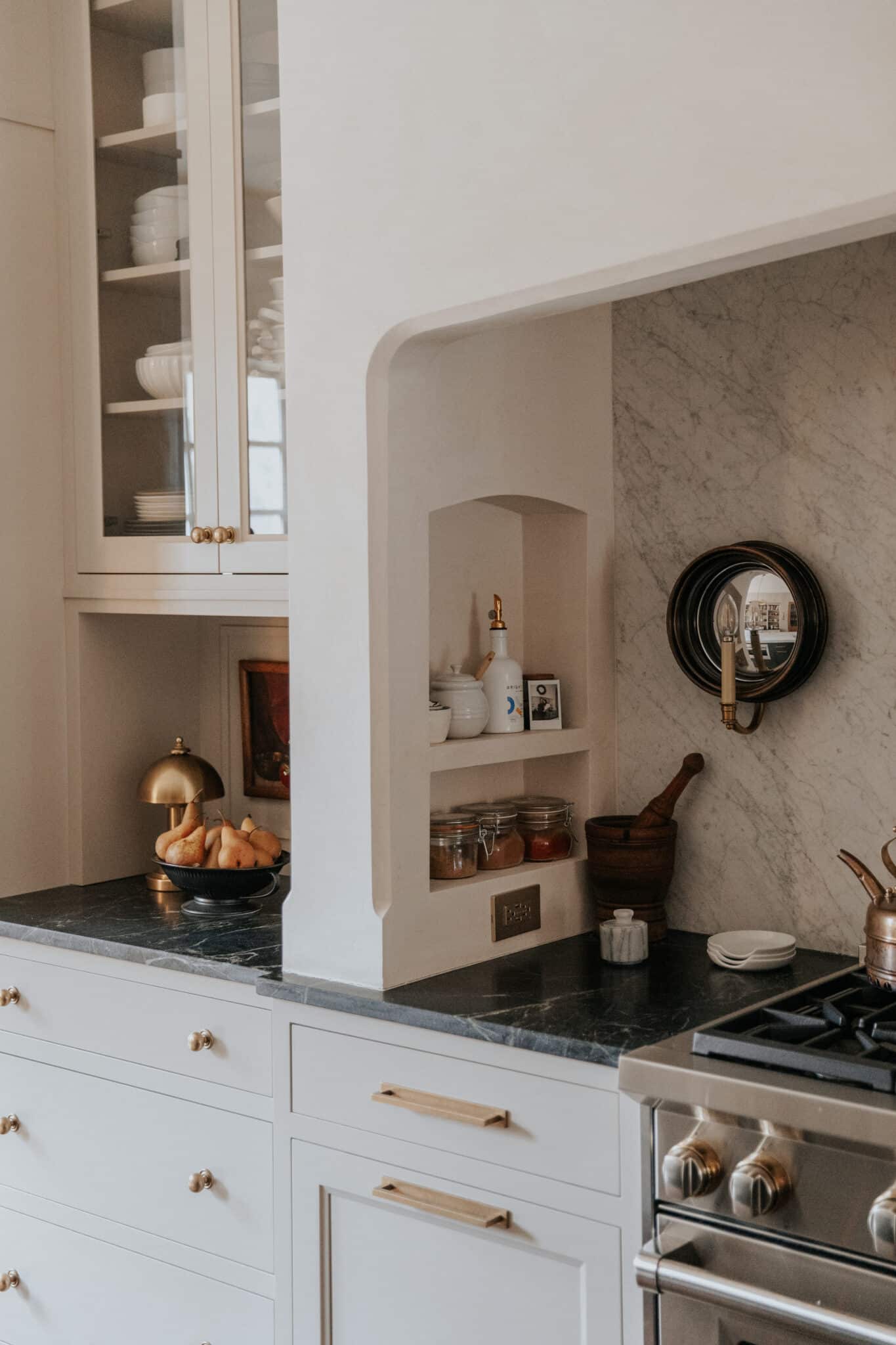
Designers are also treating the range hood as an architectural element. Examples include custom copper hoods designed to reflect the facade of a building, allowing the material to develop a natural patina over time, echoing the building's own evolving character. In spaces with high ceilings, the hood can be strategically utilized to create a sense of length and drama, with oversized options adding a grand touch to the kitchen. This approach transforms the hood into an integral part of the architectural narrative of the home.
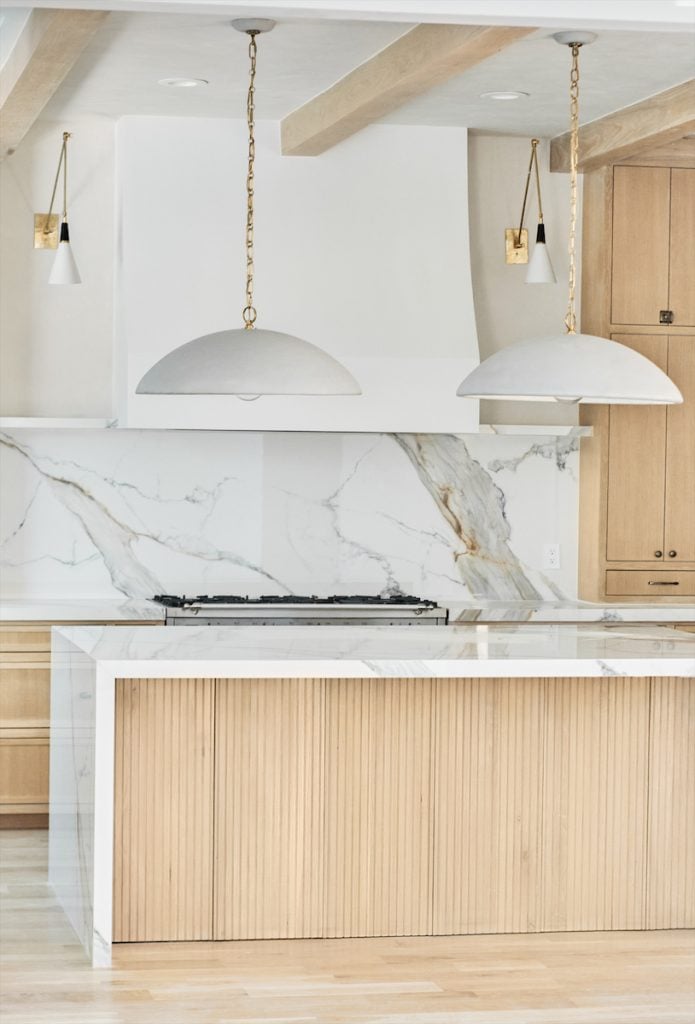
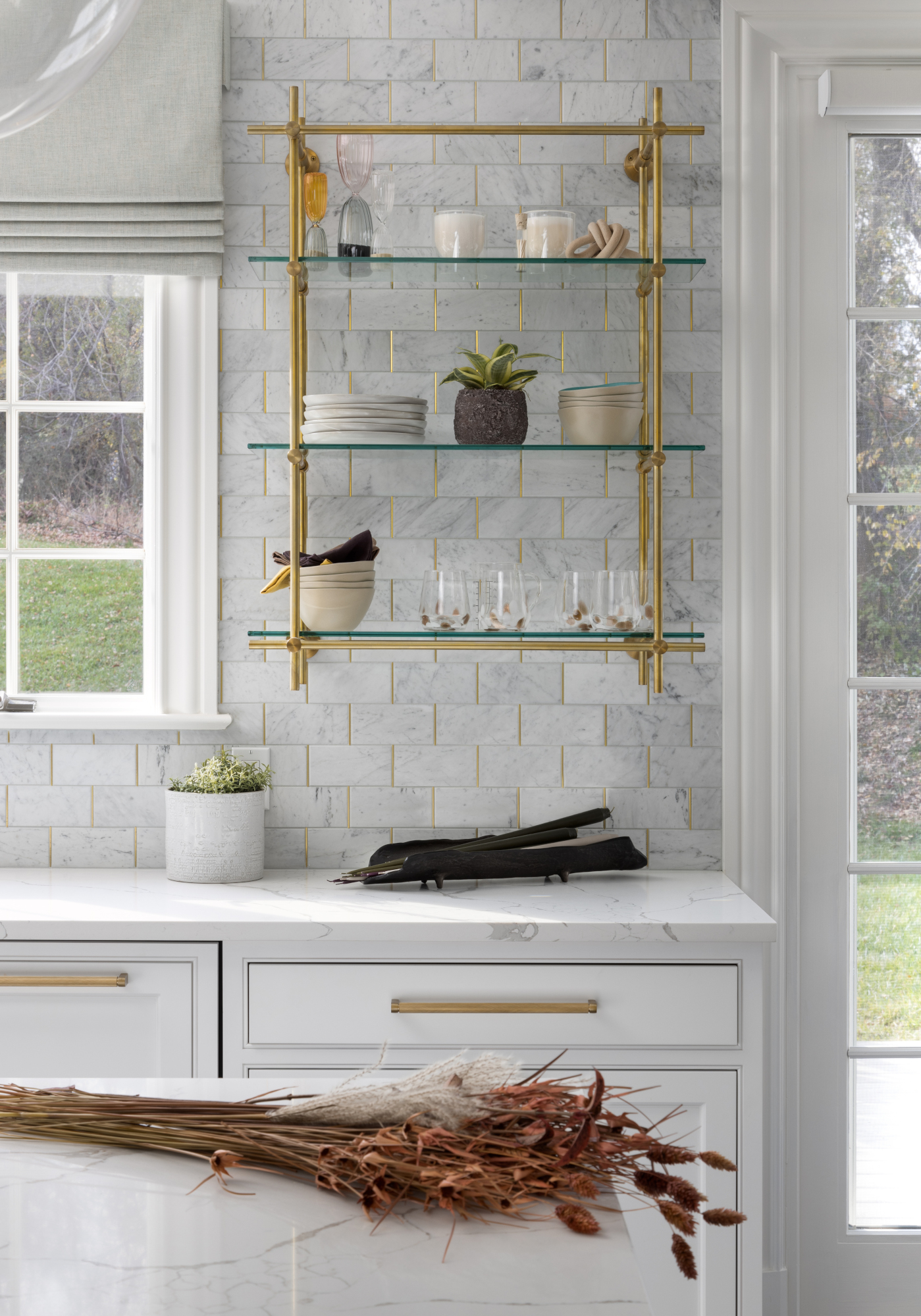
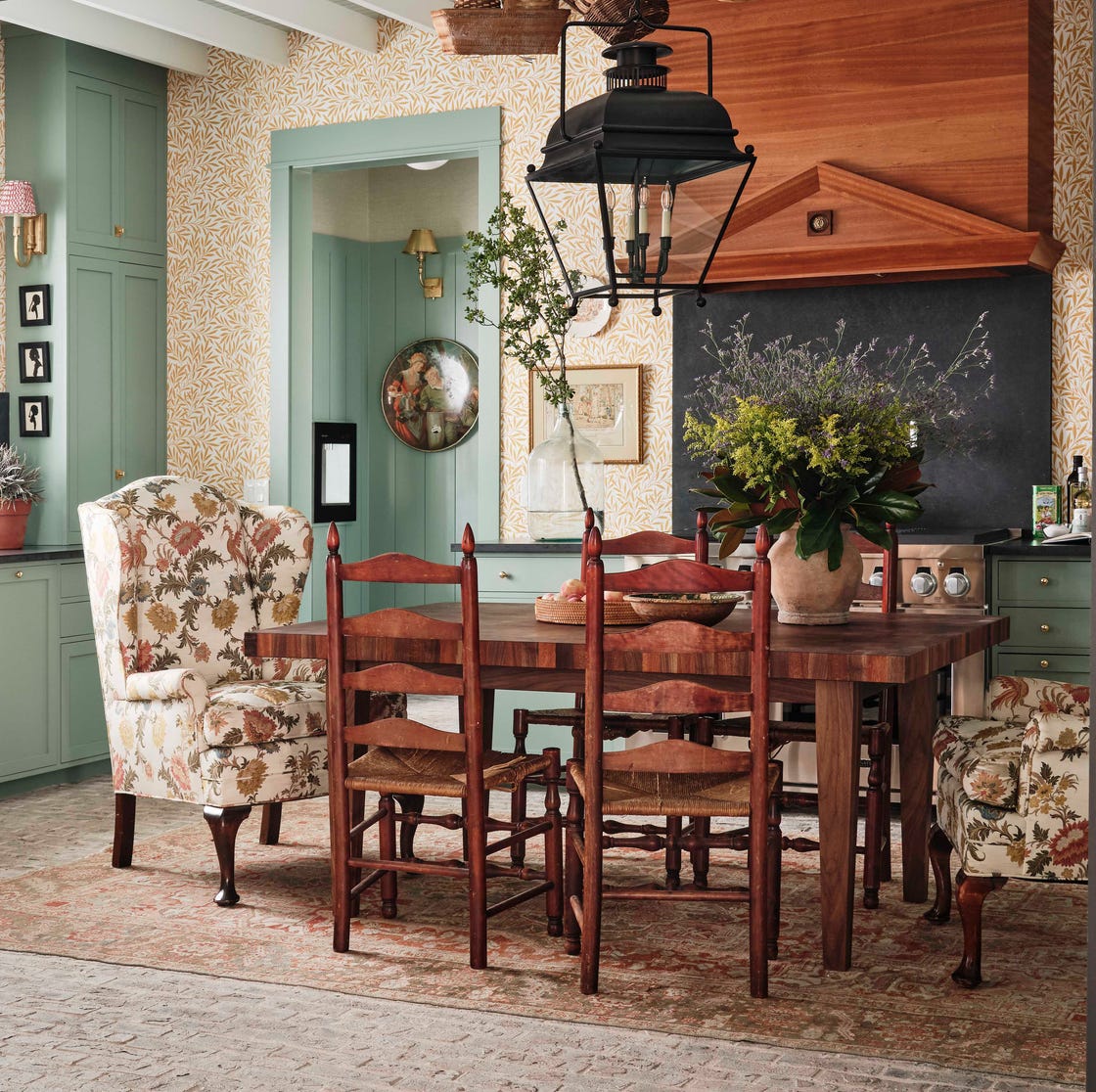
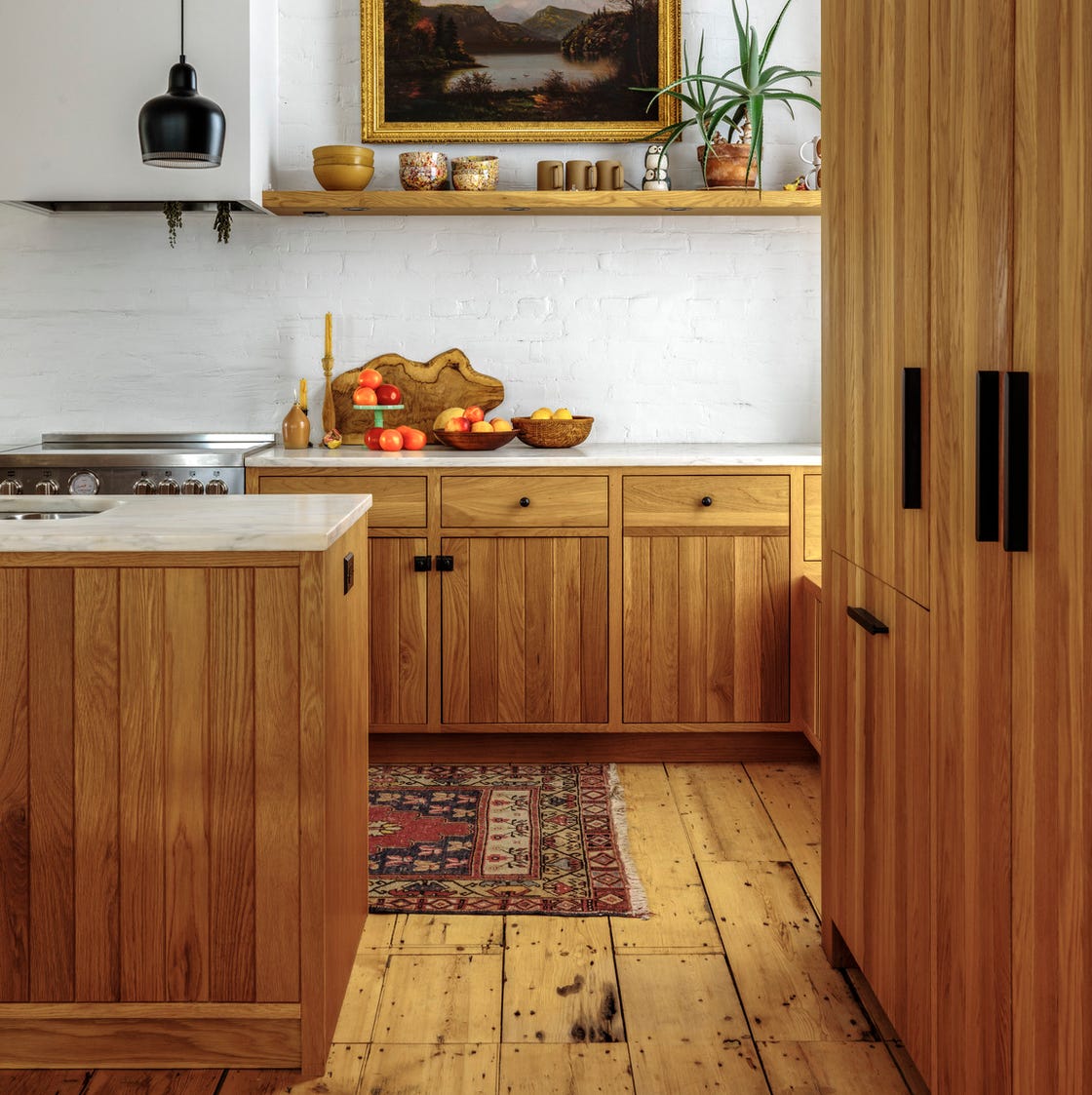
Ultimately, the goal is to position the kitchen as the true heart of the home, resembling a family room rather than merely a utilitarian space. This involves meticulous selection of materials and custom designs for elements like kitchen hoods. For instance, marble kitchen hoods flanked by open brass shelves and full-length oak cabinetry can evoke a warm, library-like atmosphere. The deliberate curation of every detail, including the range hood, is driven by the expectation that new developments should offer thoughtfully designed and aesthetically pleasing living environments.
#KitchenDesign #RangeHoods #InteriorTrends #MetalDecor #HomeRenovation #ArchitecturalElements #KitchenVentilation #DesignStatement #KitchenDesign #RangeHoods #InteriorTrends #MetalDecor #HomeRenovation #ArchitecturalElements #KitchenVentilation #DesignStatement
0 comment in total
 No comments yet
You may also like
11 Fool-Proof Ways to Add Character to Your Kitchen
Making over your kitchen? Be inspired...

8 kitchen finishing touches to elevate your space and make it the heart of the home

Fun Tips for an Amazing Kitchen Remodel
This unexpected kitchen design is everywhere right now

For a Homey and Charming Kitchen Vibe, Designers Say to Choose This Aesthetic

The Easiest Way To Make Your Kitchen Look RICH

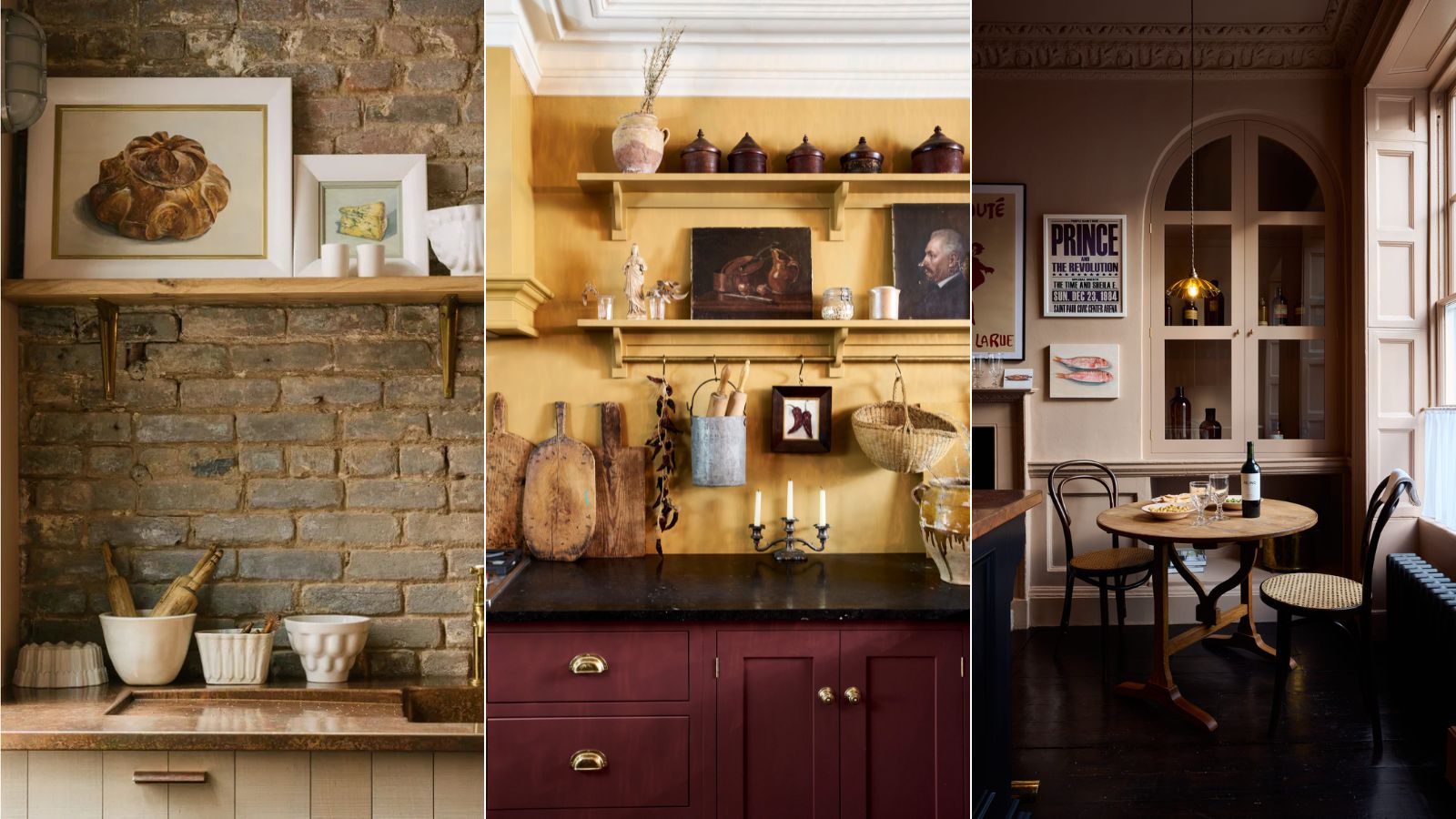
'Think of art as an integral part of the room rather than an afterthought' – deVOL's creative director shares her expert tips on choosing the perfect artwork for your kitchen
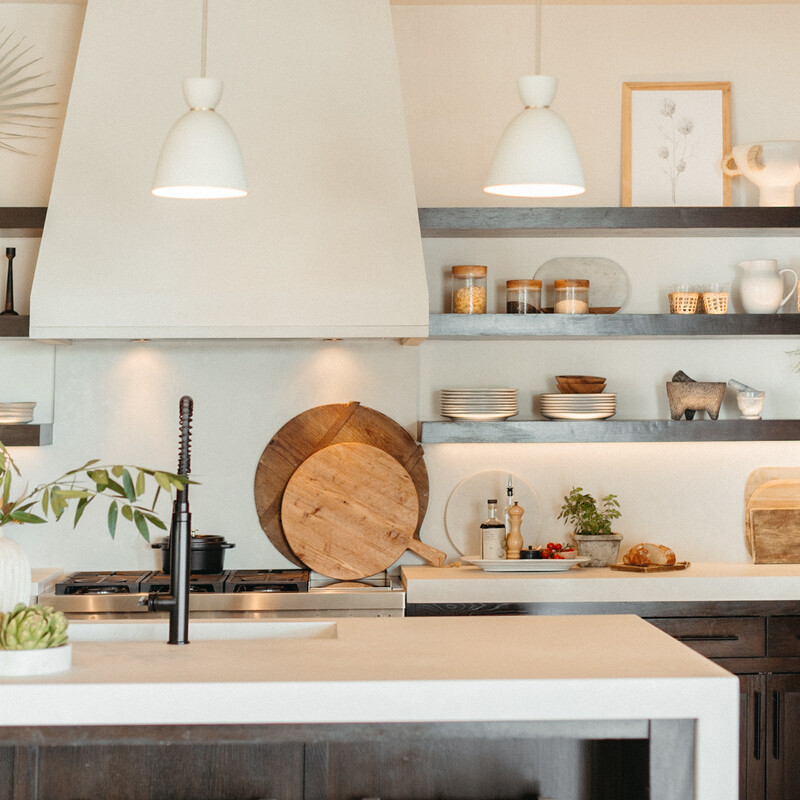
This Modern Design Trend Adds Wow Factor to Any Kitchen

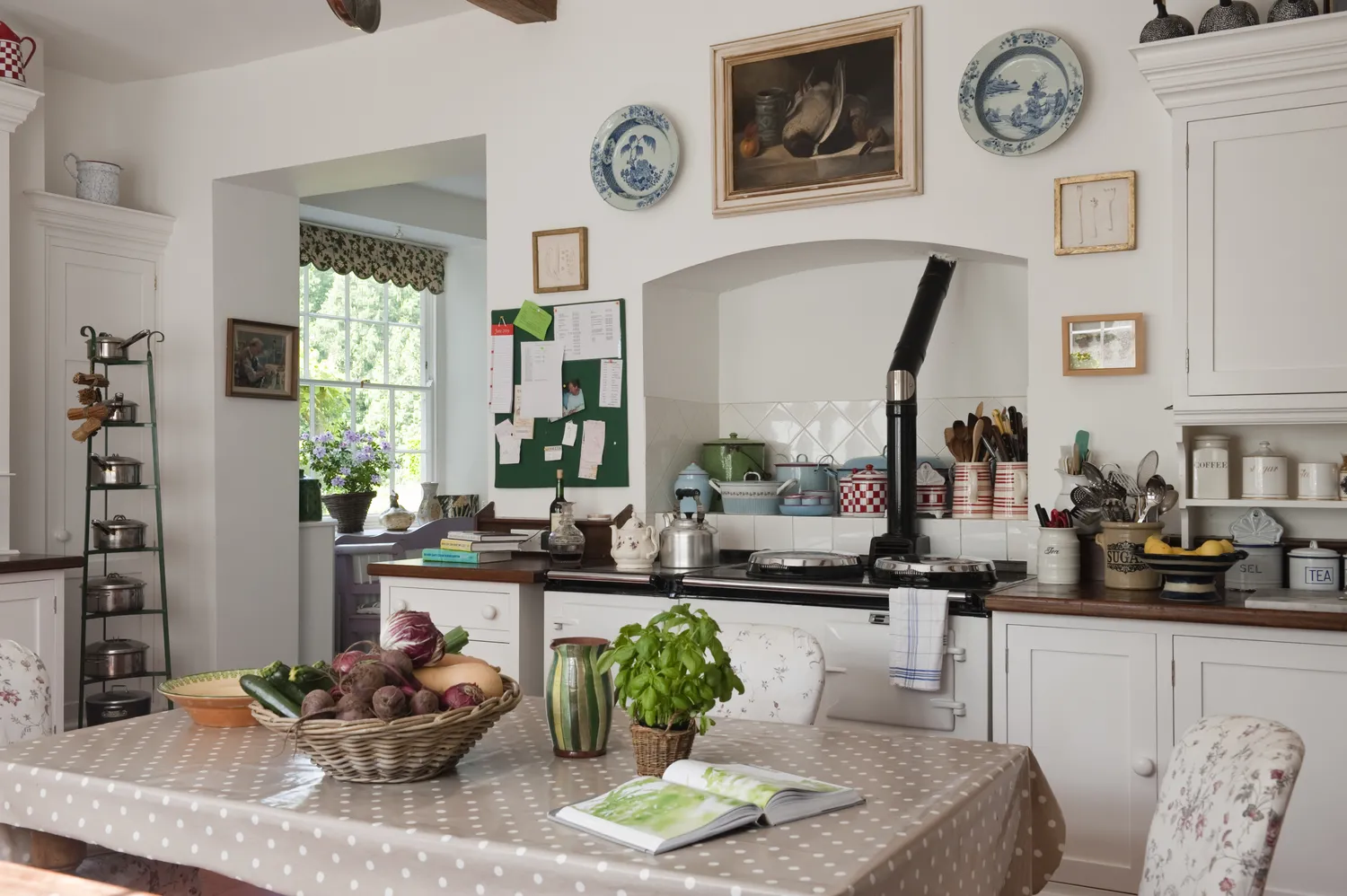
8 Things That Make Your Kitchen Look Tacky, According to Interior Designers
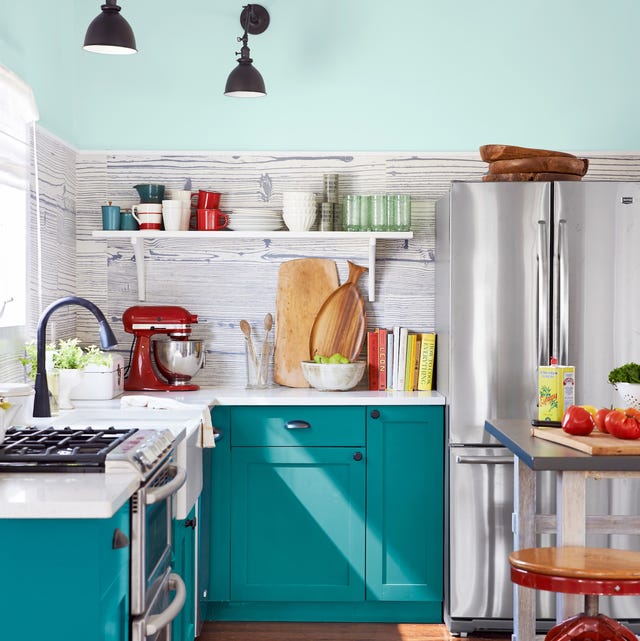
This Might Be the Most Clever Kitchen Design Idea Ever

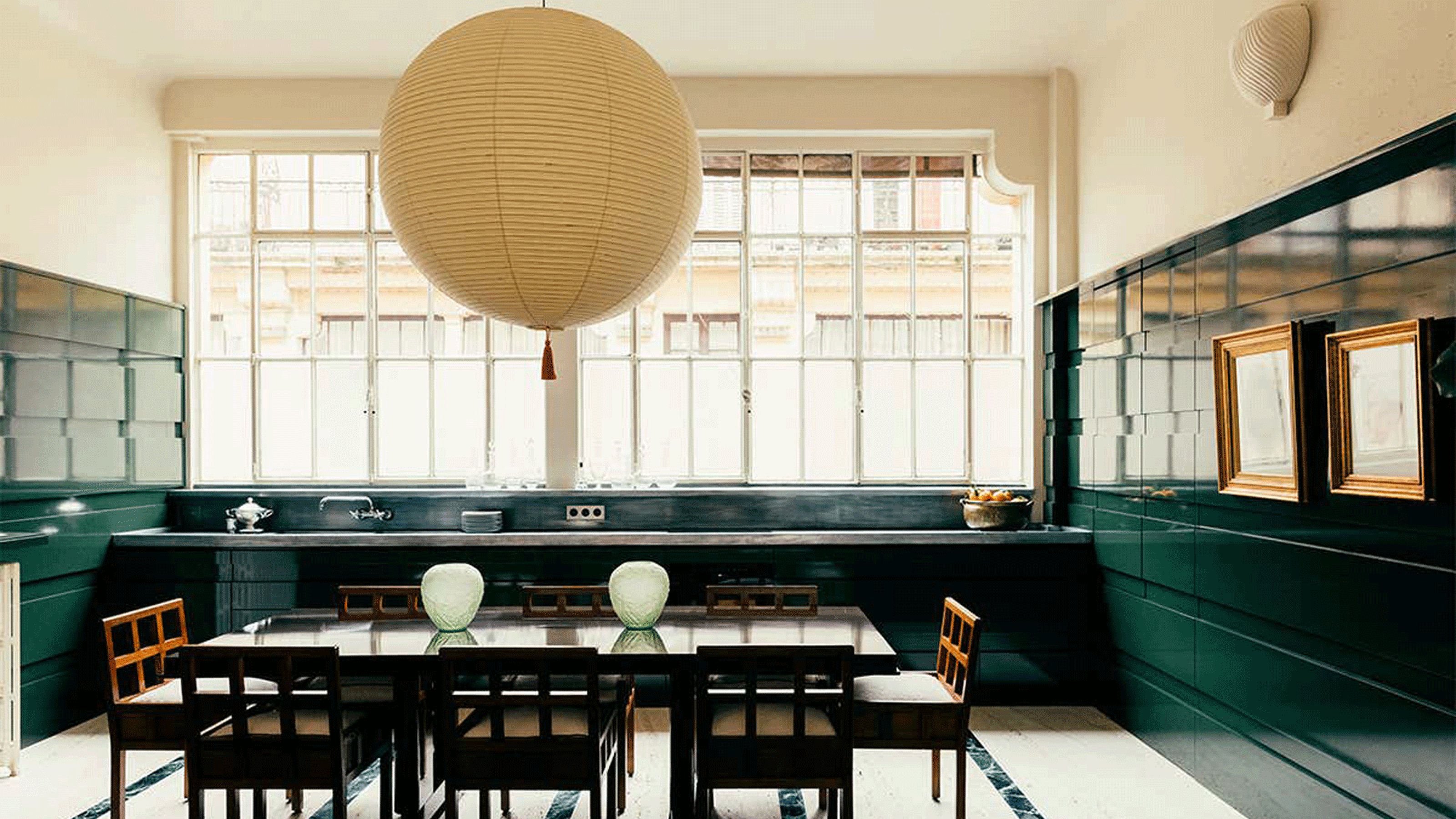
Kitchen ideas – leading designers reveal the 34 most stylish looks which will inspire your next kitchen remodel

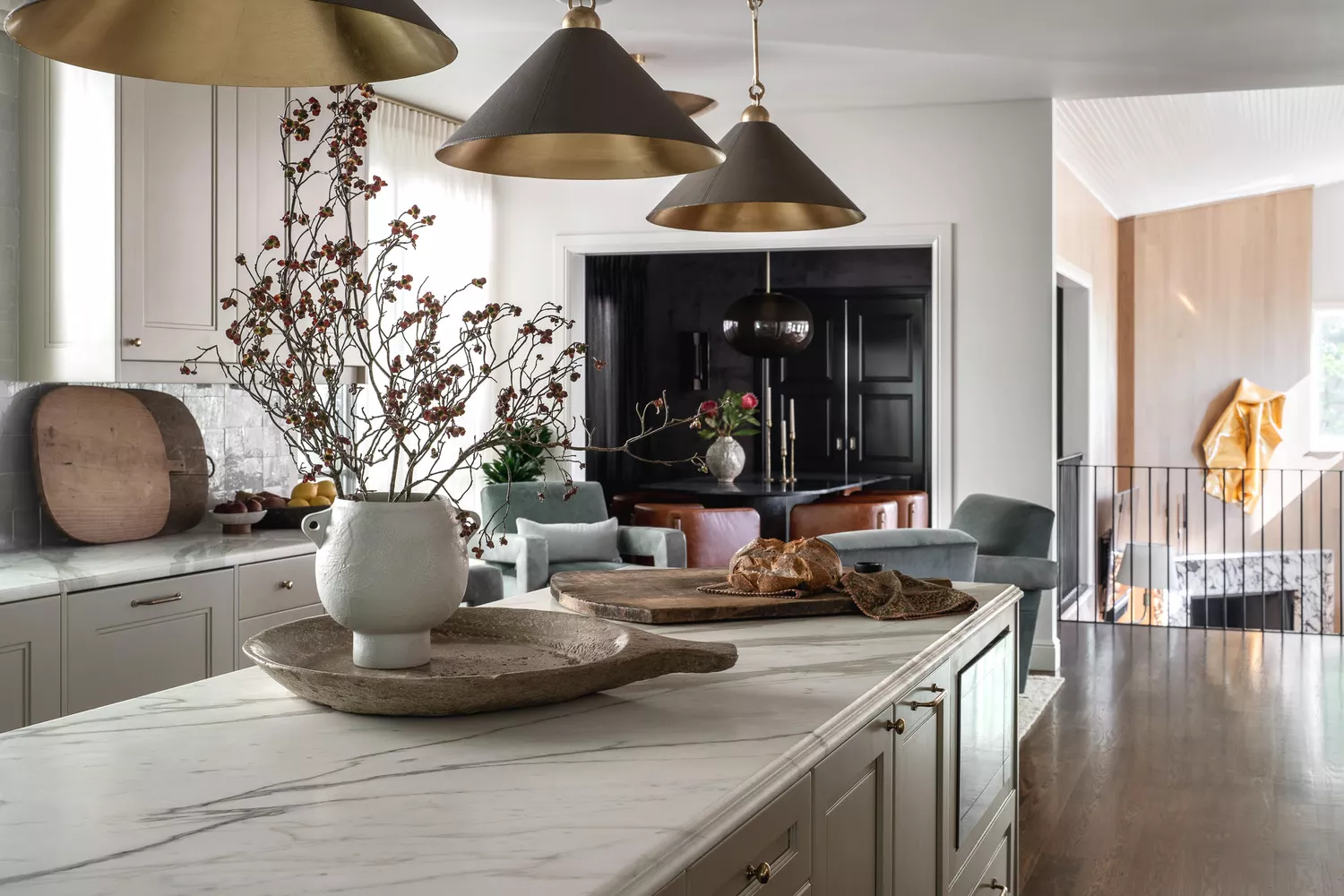
30 Gorgeous Décor Ideas to Make Your Kitchen More Inviting

Out-of-the-Box Kitchen Design

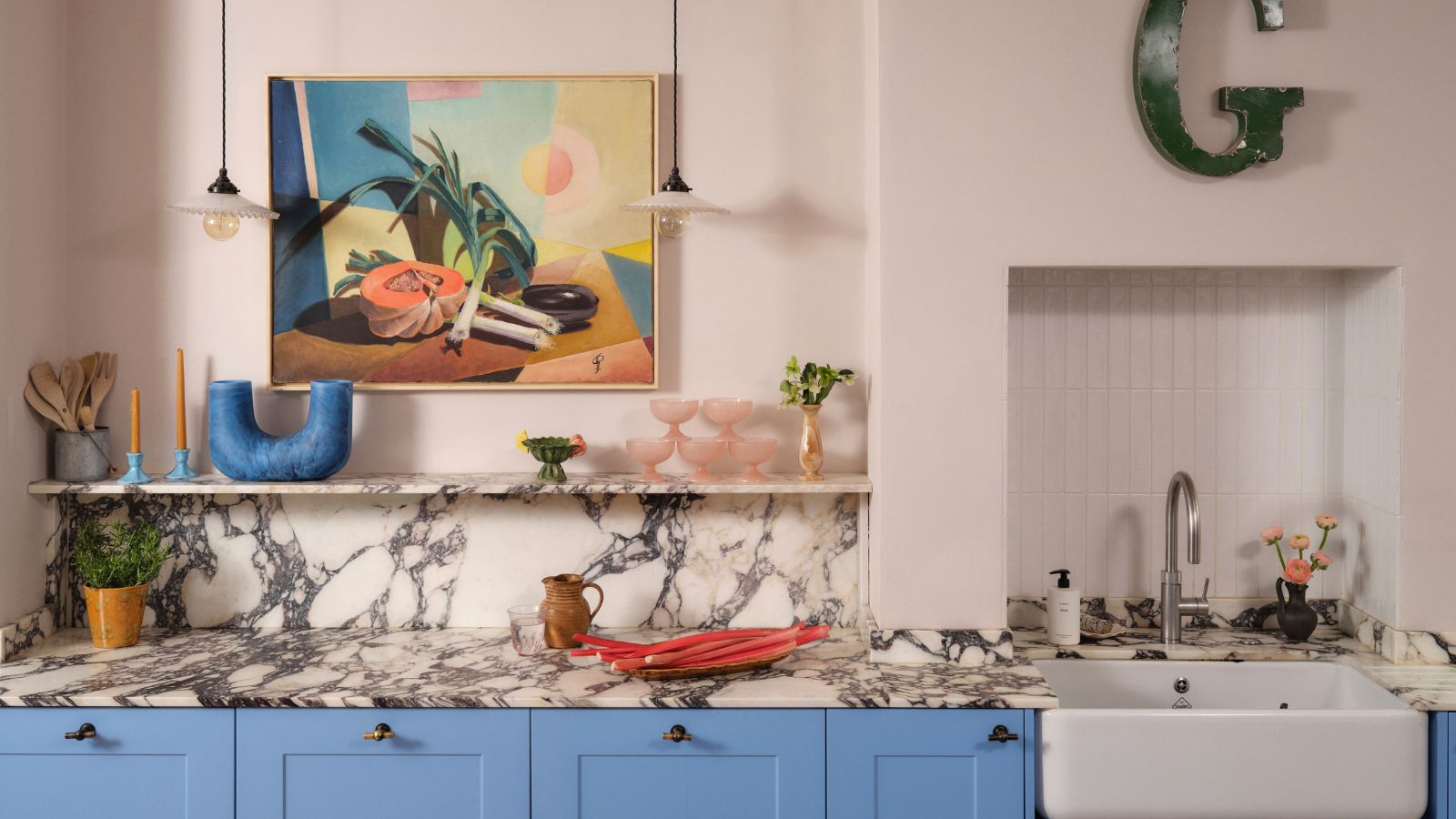
The designer totally transformed this kitchen with an unexpected color combination and a controversial decorating technique
15 Outdated Things You Should Avoid In Your Kitchen, According To Designers
Kitchen Makes an Artful Statement

Escaping the 'fear-based decorating' spawned by the housing crisis
6 design rules worth breaking for a more characterful kitchen

Kitchen Decorating and Design Ideas